Types of plates
boundaries
Divergent, Convergent and Transform
EARTHQUAKES
EPICENTER
PLATE
BOUNDARIES
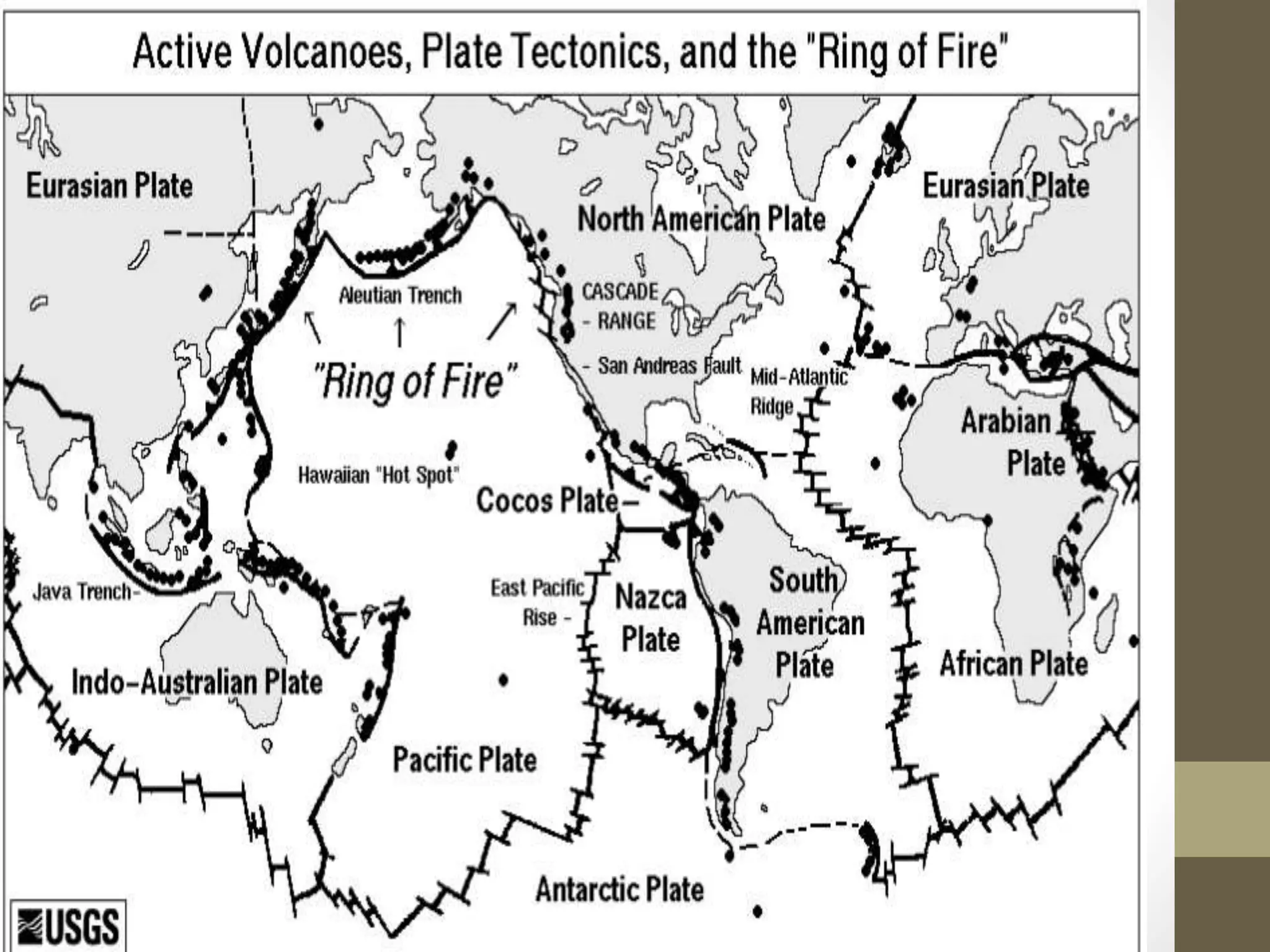
Types of Plate Boundaries
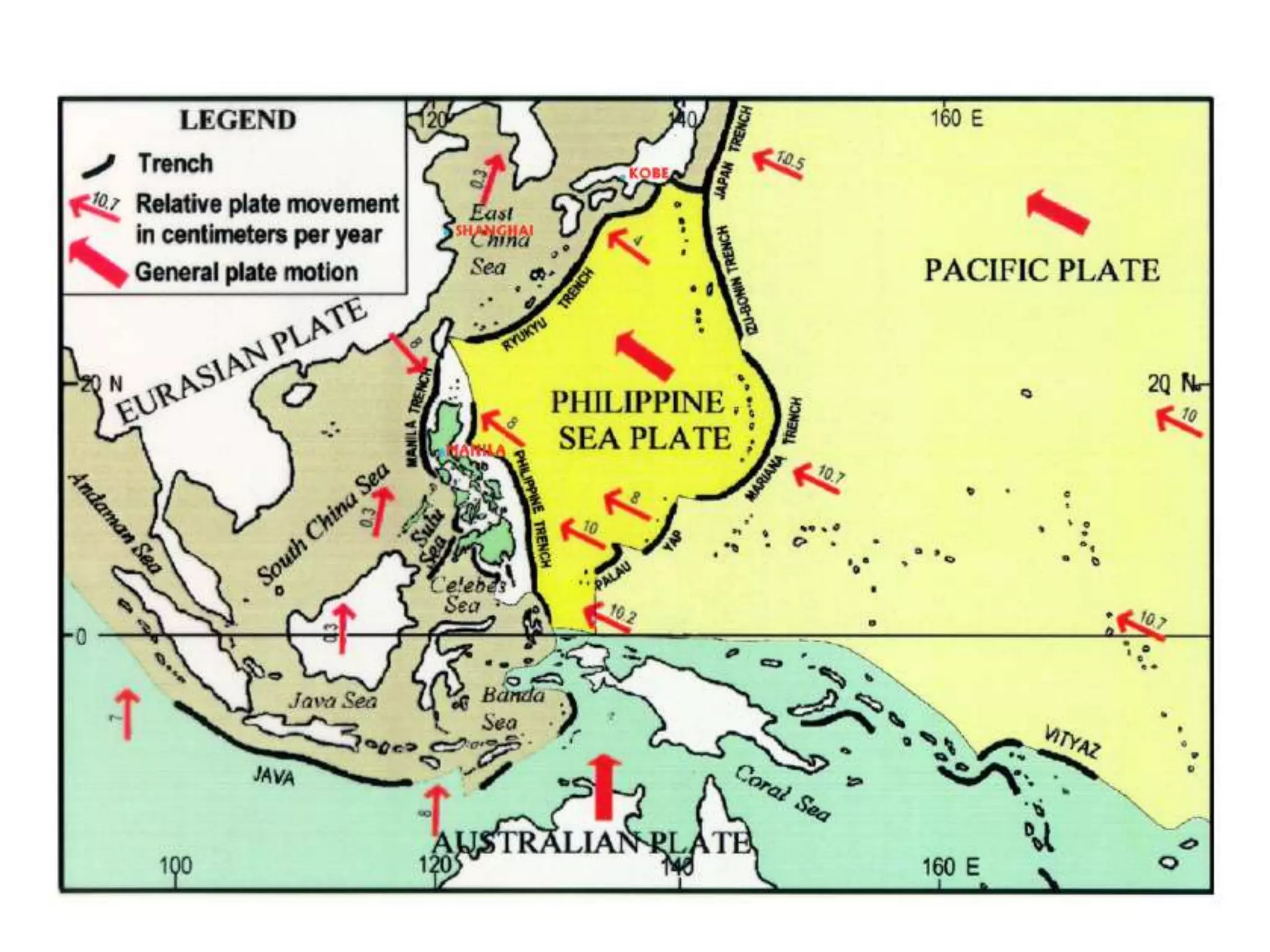
•Convergent
•Divergent
•Transform
CONVERGENT
BOUNDARIES
Act 3. Head on Collision
OBJECTIVES:
•Explain the process that occur
along convergent boundaries.
•Determine the consequences of
colliding plates.
Act. 3
A.Continental-Oceanic
B.Oceanic-Oceanic
C.Continental-Continental
Before answering the
questions choose one and draw a
model that shows all its features.
Part A. Continental-Oceanic
• Q15-Q20.
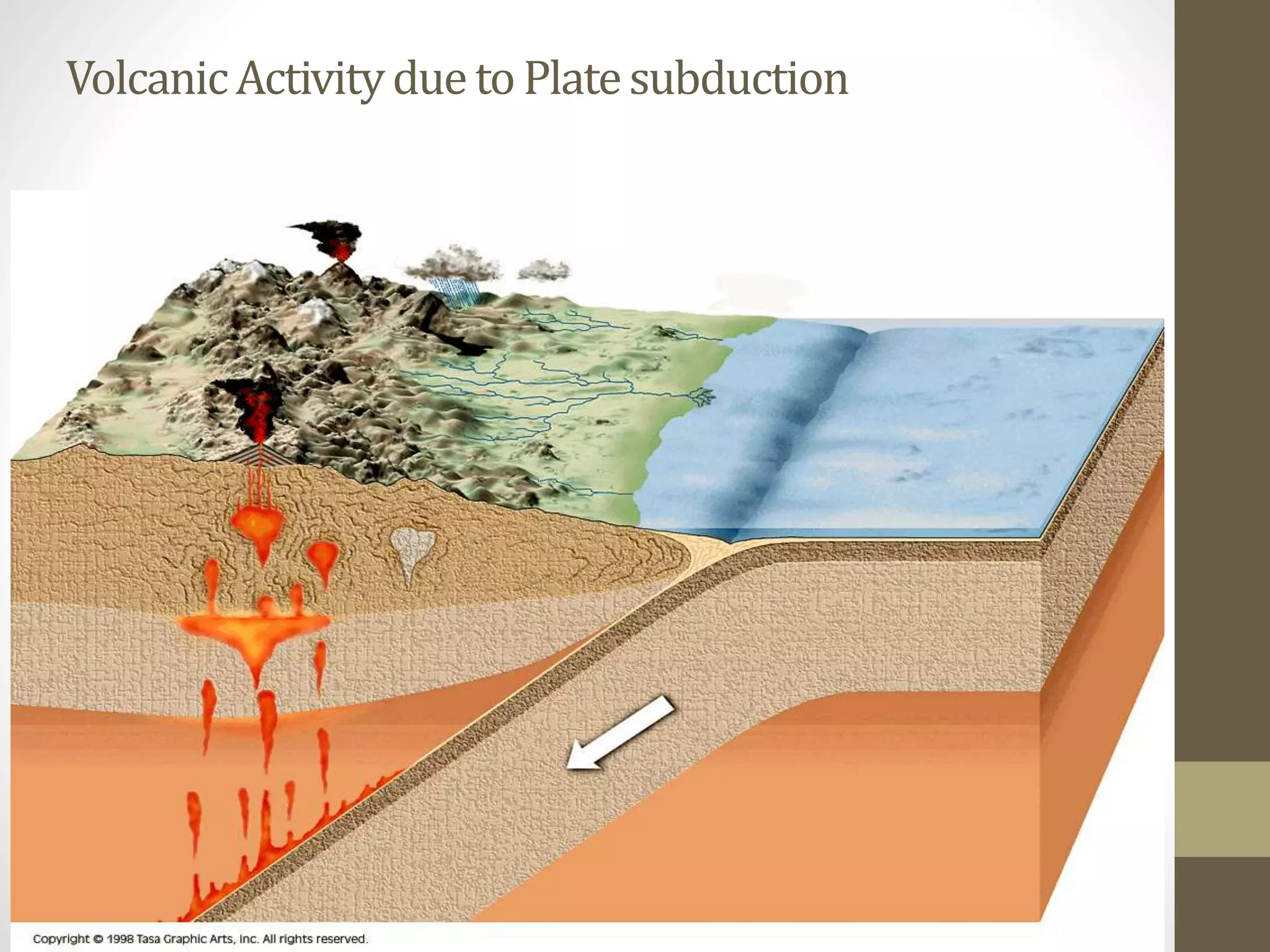
Convergence:Continental Oceanic
VolcanicActivityduetoPlatesubduction
Remember:
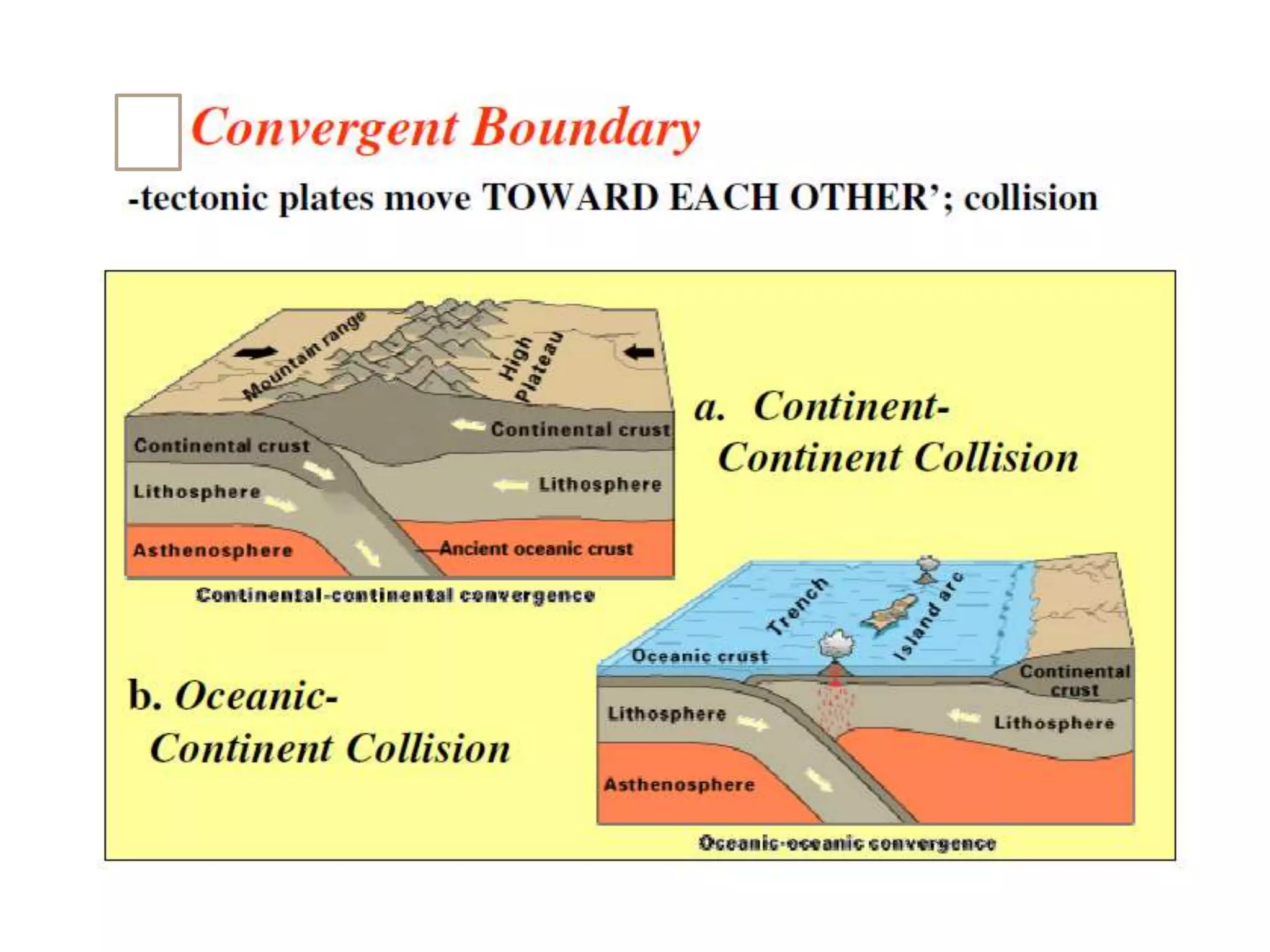
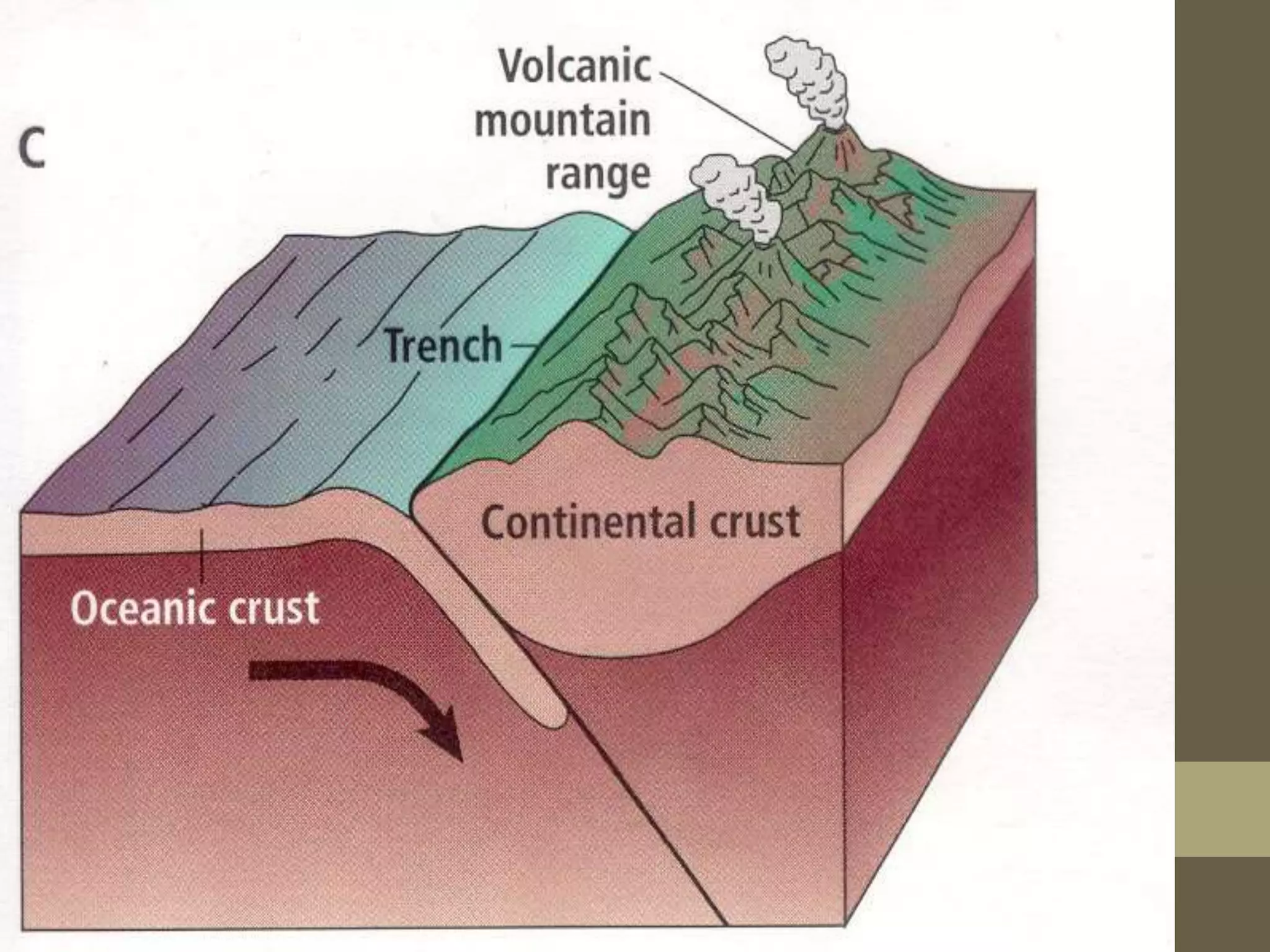
•During the convergence of an oceanic
and continental plate, the denser
oceanic plate slides under the
continental plate. The process is called
subduction.
•Geologic events such as formation of
volcanoes and trenches as well as
occurrence of earthquake will take place
because of this process.
Part B: Oceanic-Oceanic
• Q21-Q23.
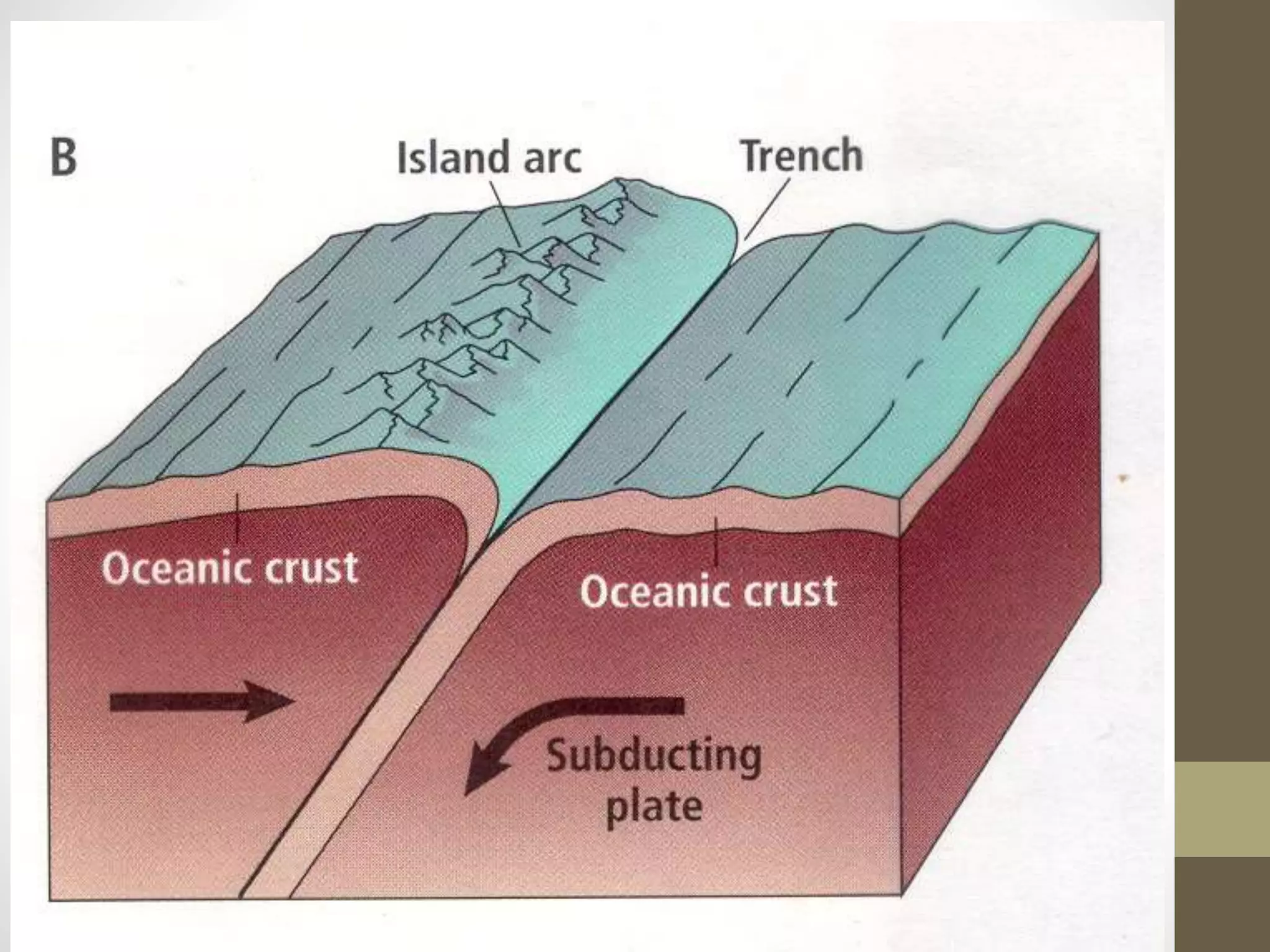
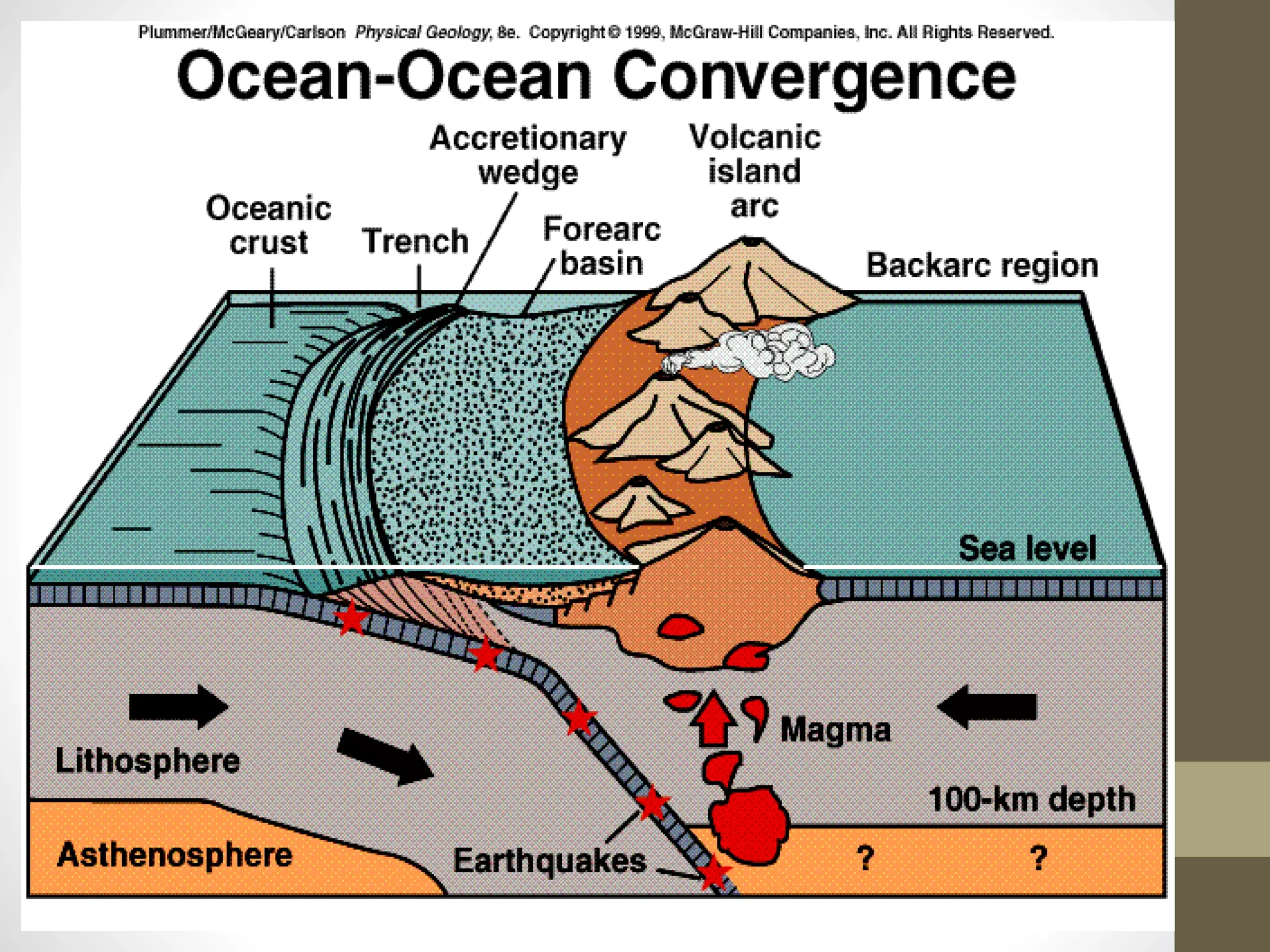
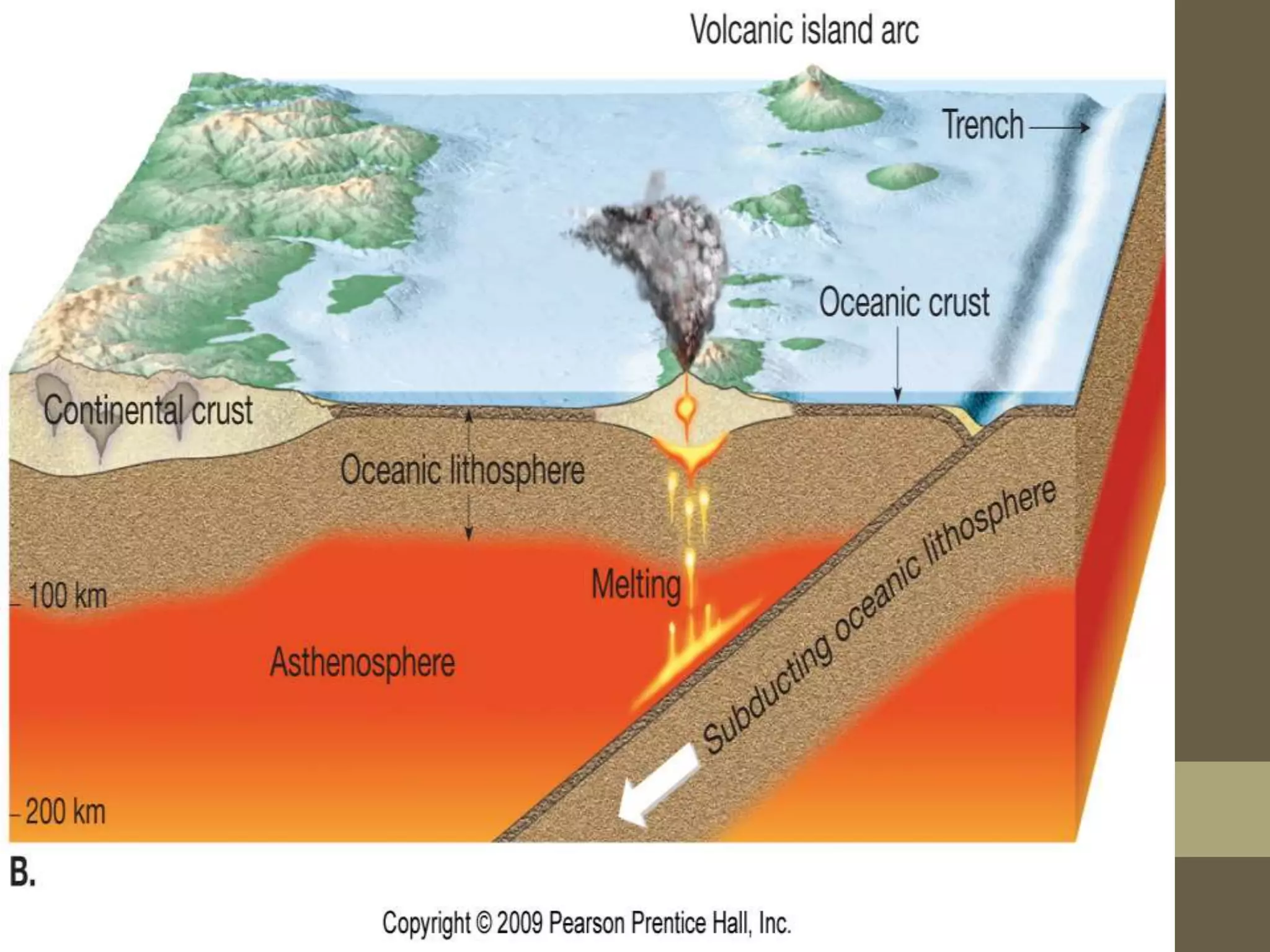
Part B. Oceanic-Oceanic
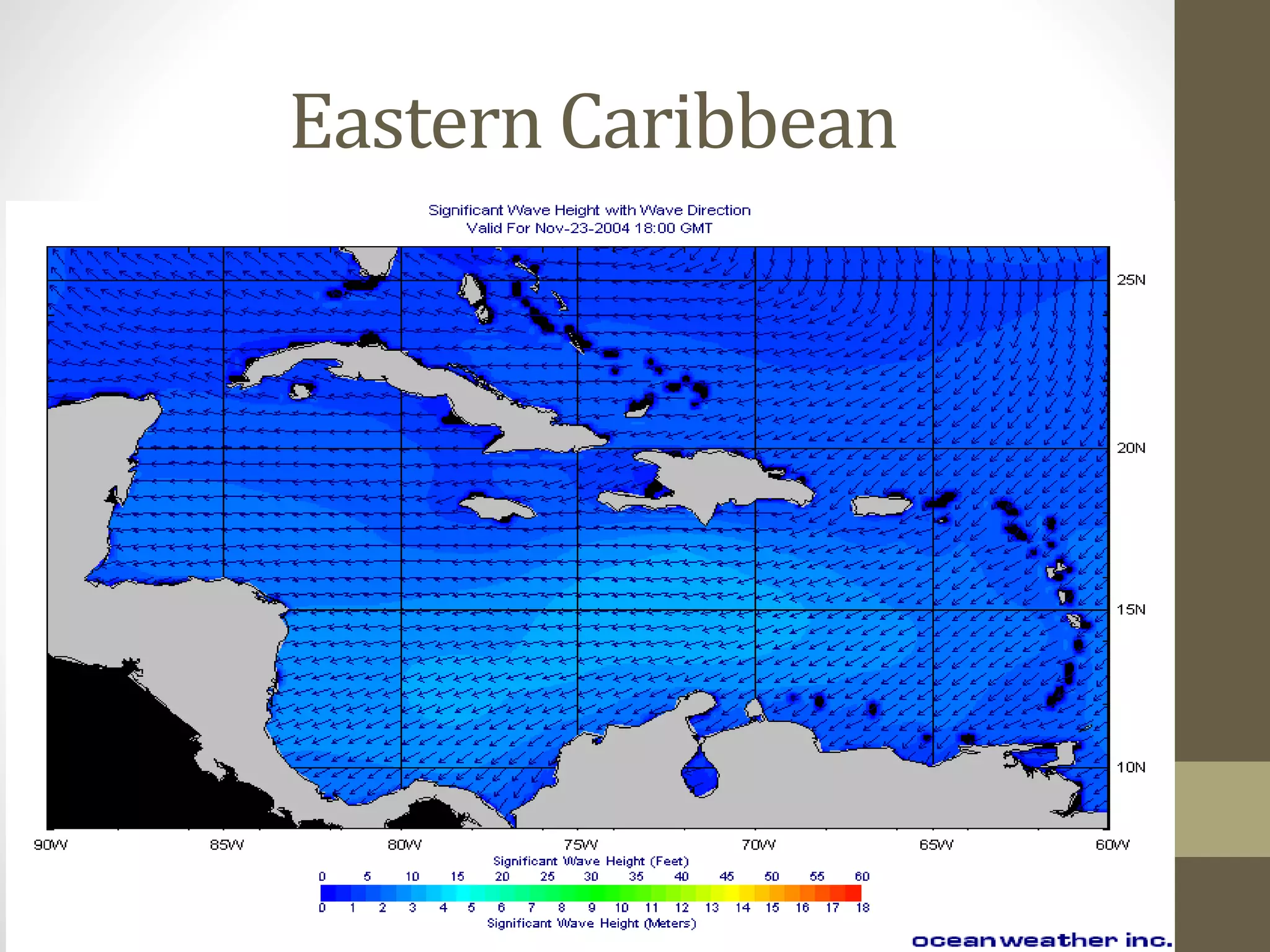
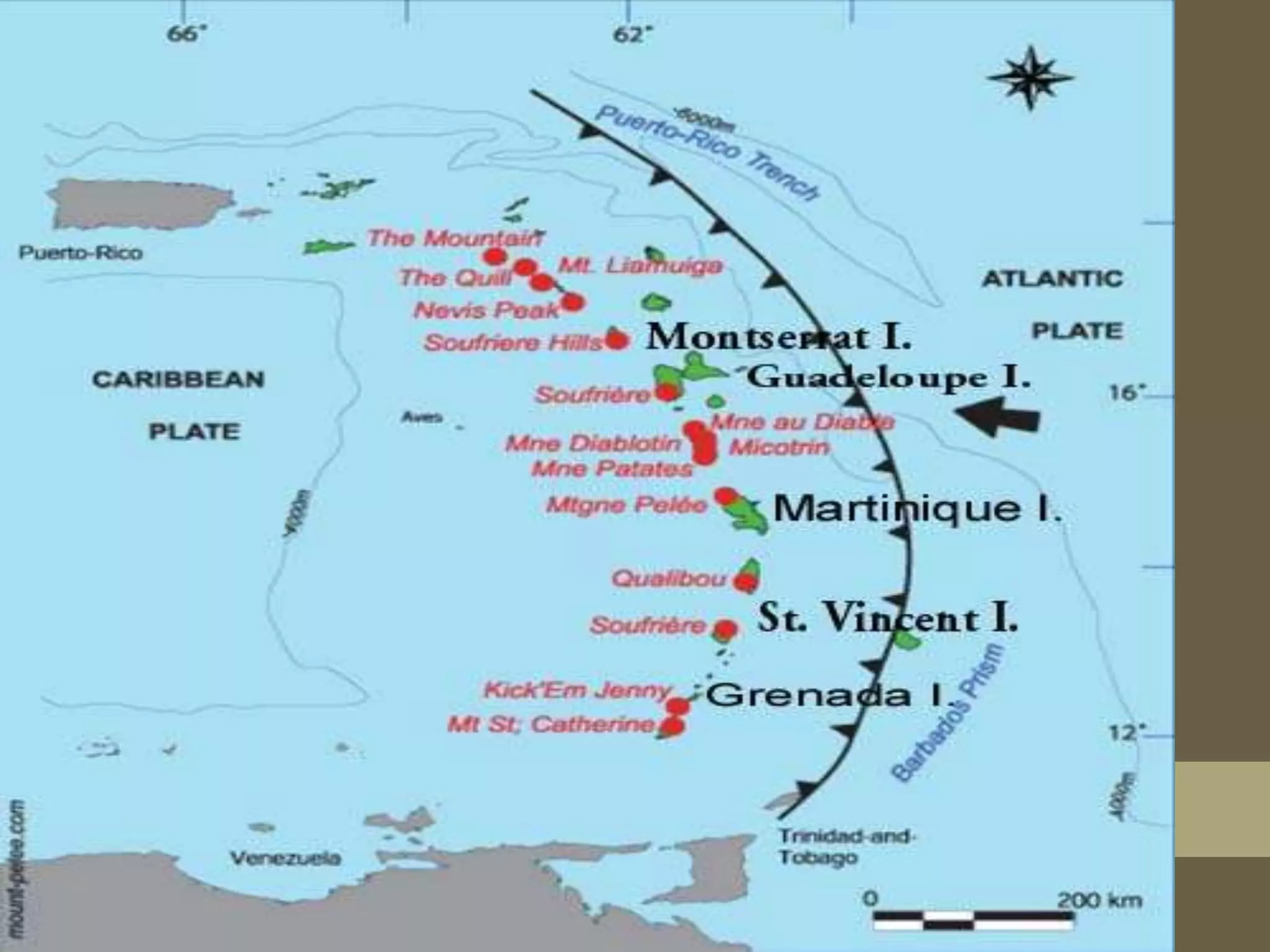
Eastern Caribbean
Remember:
• When two oceanic plates converge they
also undergo subduction process. This
gives rise to the formation of volcanic
island arcs, trenches and generates
shallow, intermediate or deep
earthquakes.
• Strong earthquakes generated at the
ocean floor may cause displacement of
large volume of water and launch big
waves called tsunami.
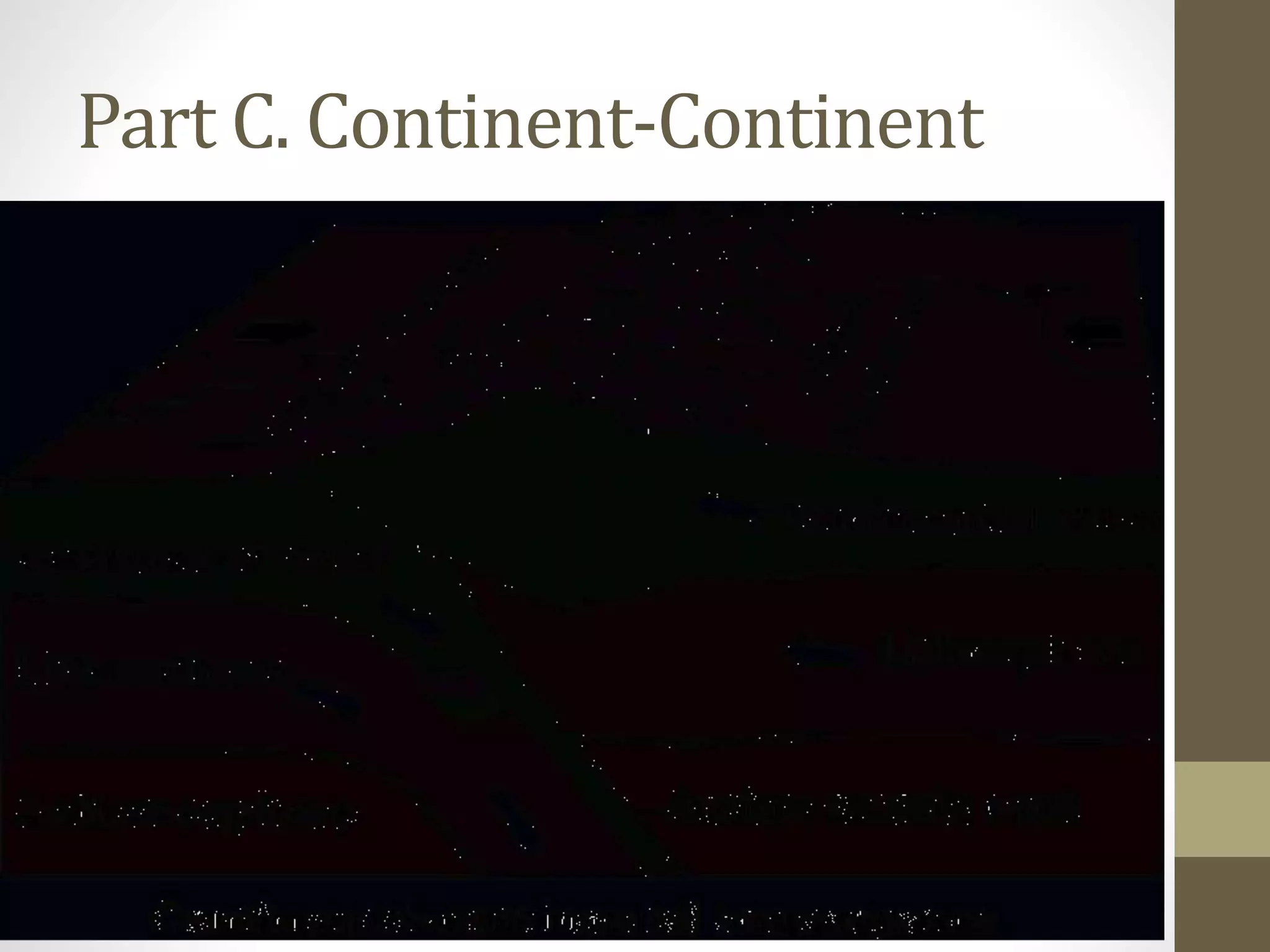
Part C. Continent-Continent
• Q24-Q27
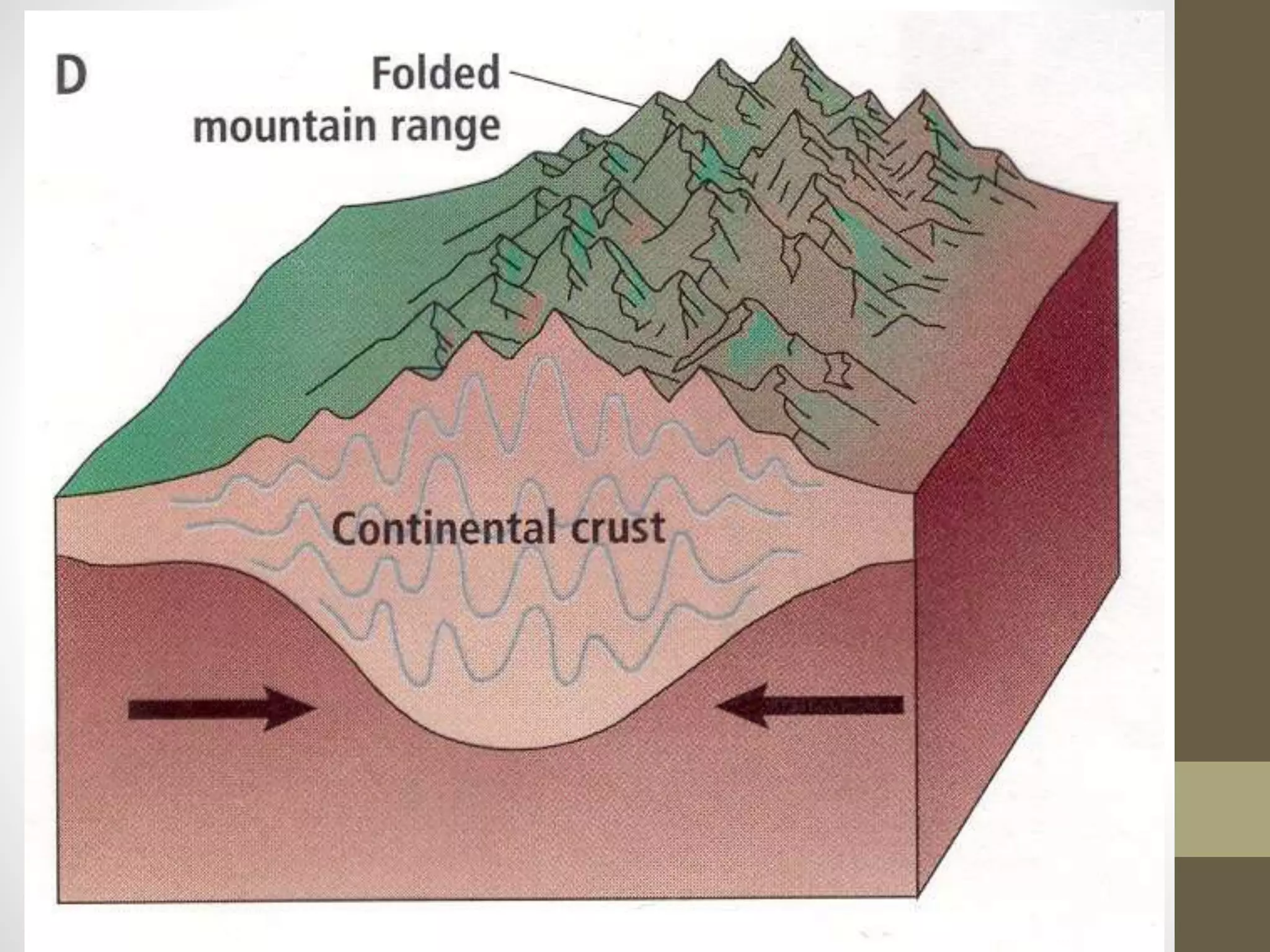
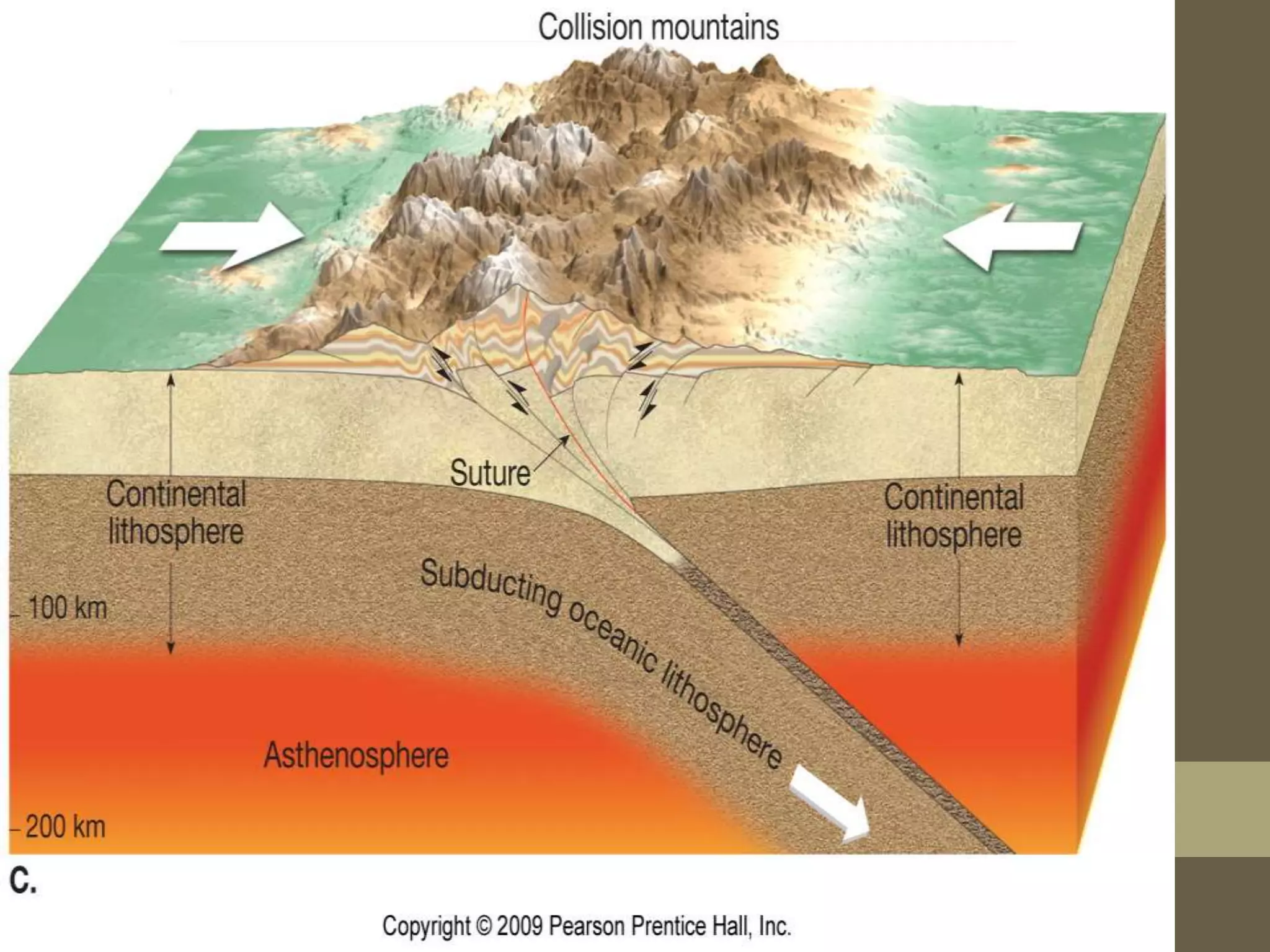
Part C. Continent-Continent
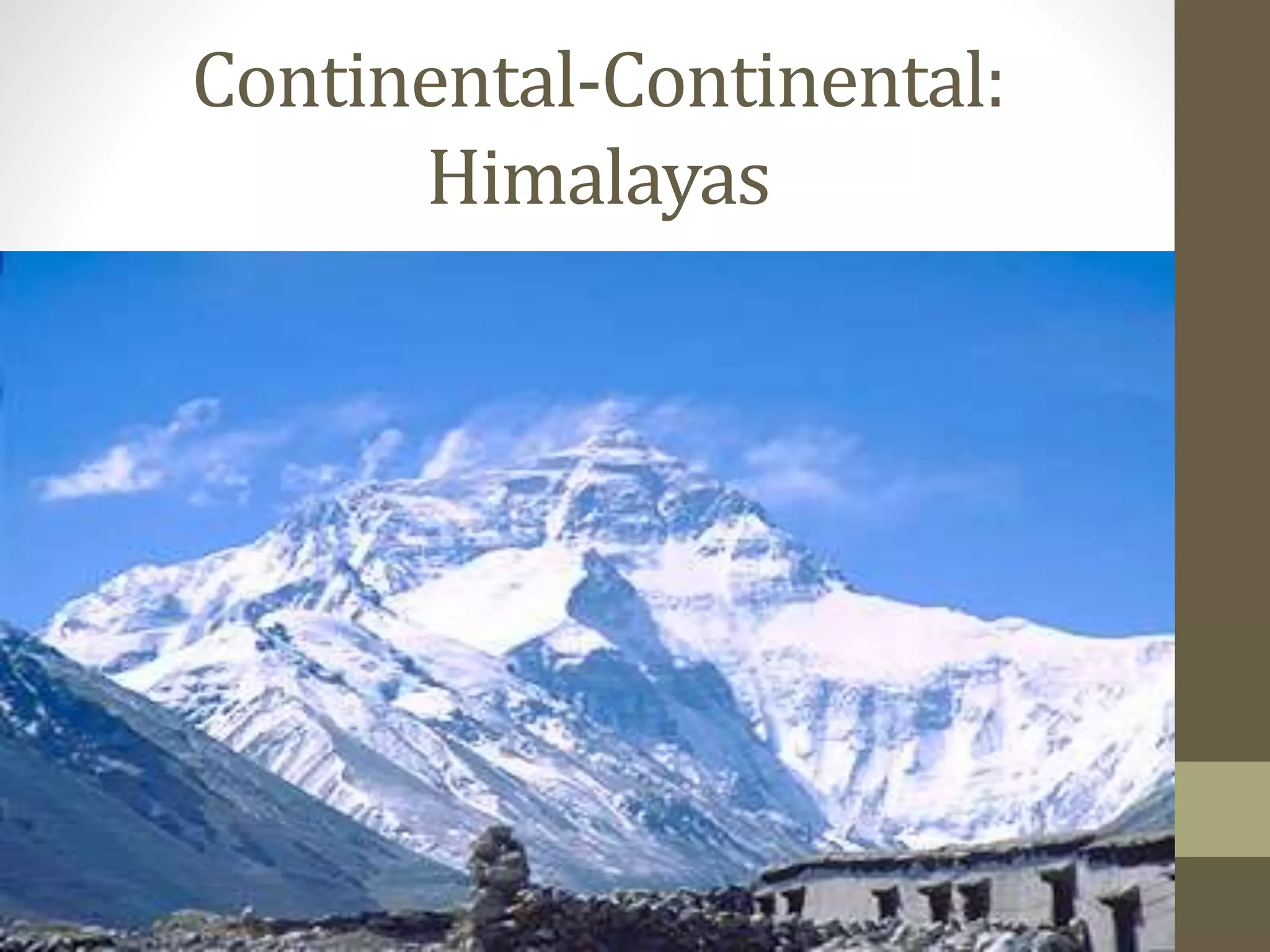
Continental-Continental:
Himalayas
Remember:
•When two continental plates
meet head-on, neither is
subducted. Instead, the crust
tends to buckle and be pushed
upward causing formation of
mountain ranges and other
highlands.
Bring: (by grp)
•Printed photographs
of RIFT VALLEYS and
OCEANIC RIDGES.
(at least 2 each)
DIVERGENT
BOUNDARIES
Act 4: Going Separate Ways
OBJECTIVES:
•Explain the processes that
occur along divergent
boundaries.
•Determine the results of plates
that are moving apart.
Procedure:
•Analyze the
photographs/pictures of rift
valleys and oceanic ridges you
brought, and answer the ff
questions:
Q28. What are common in the
four pictures?
Q29. Millions of years ago, the
landmasses in each picture were
once connected. What do you
think is happening to the earth’s
crust in those pictures?
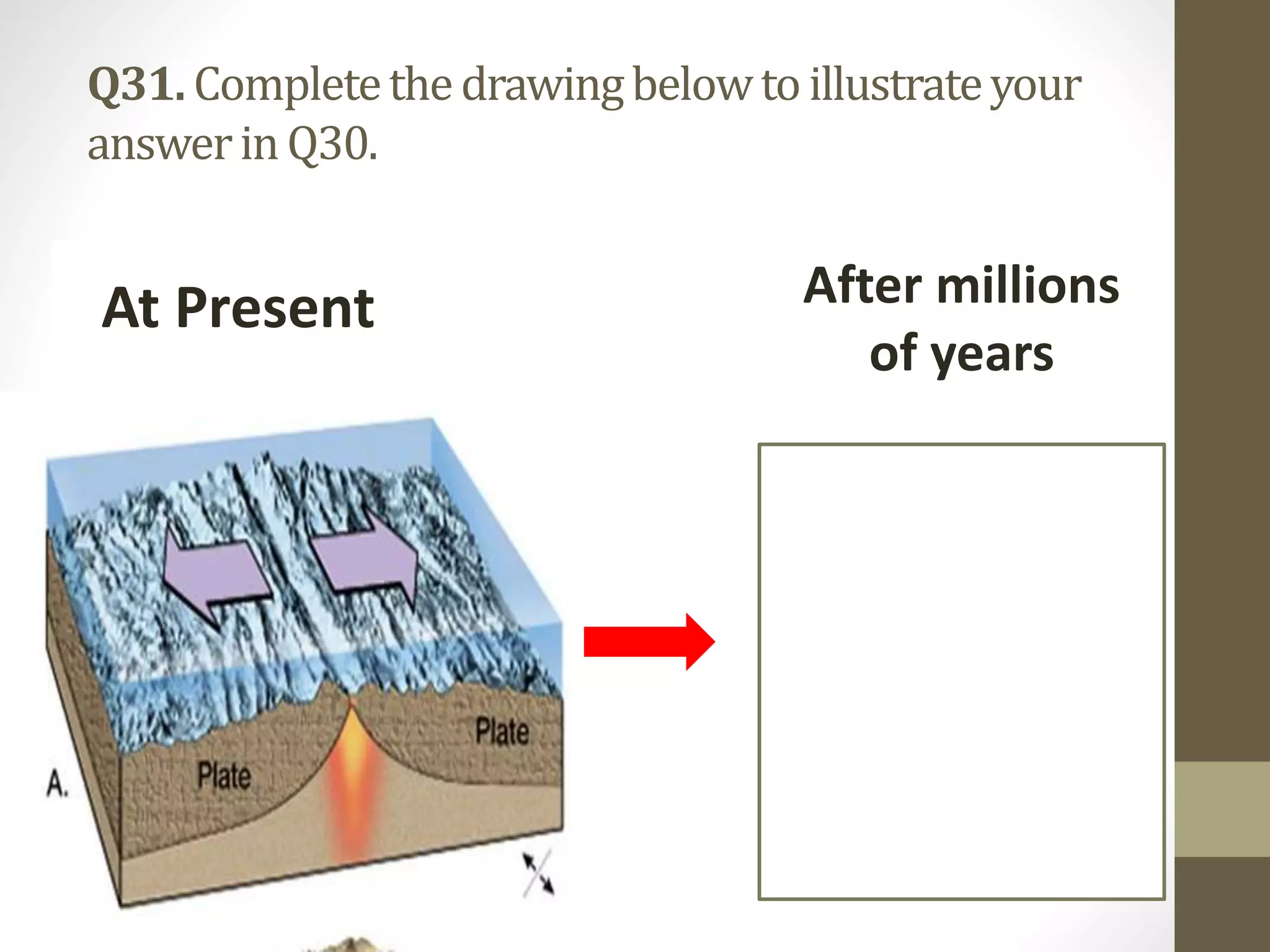
Q30. If this event continues for
million of years, what do you think
will be the effect on the crust?
Q31. Completethedrawingbelowtoillustrateyour
answerinQ30.
At Present After millions
of years
Answer:
Q28-Q31.
Red Sea
Oceanic Divergent Boundary
Mid-Atlantic Ridge
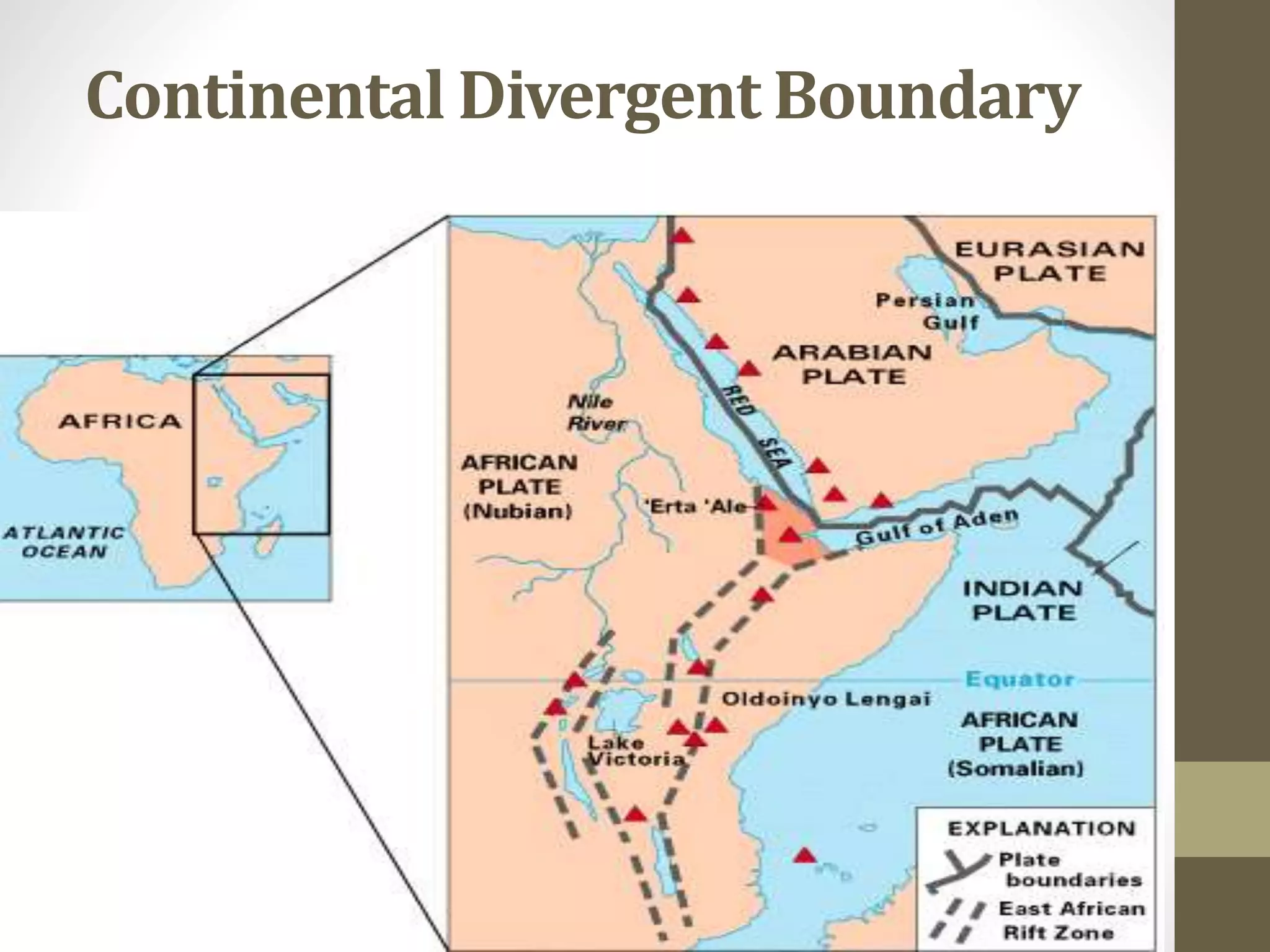
Continental Divergent Boundary
Red Sea / E. African Rift
ContinentalDivergentBoundary:Baja California
Remember:
•Divergent boundaries occur
along spreading centers
where plates are moving
apart and new crust is
created by magma pushing
up from the mantle.
Remember:
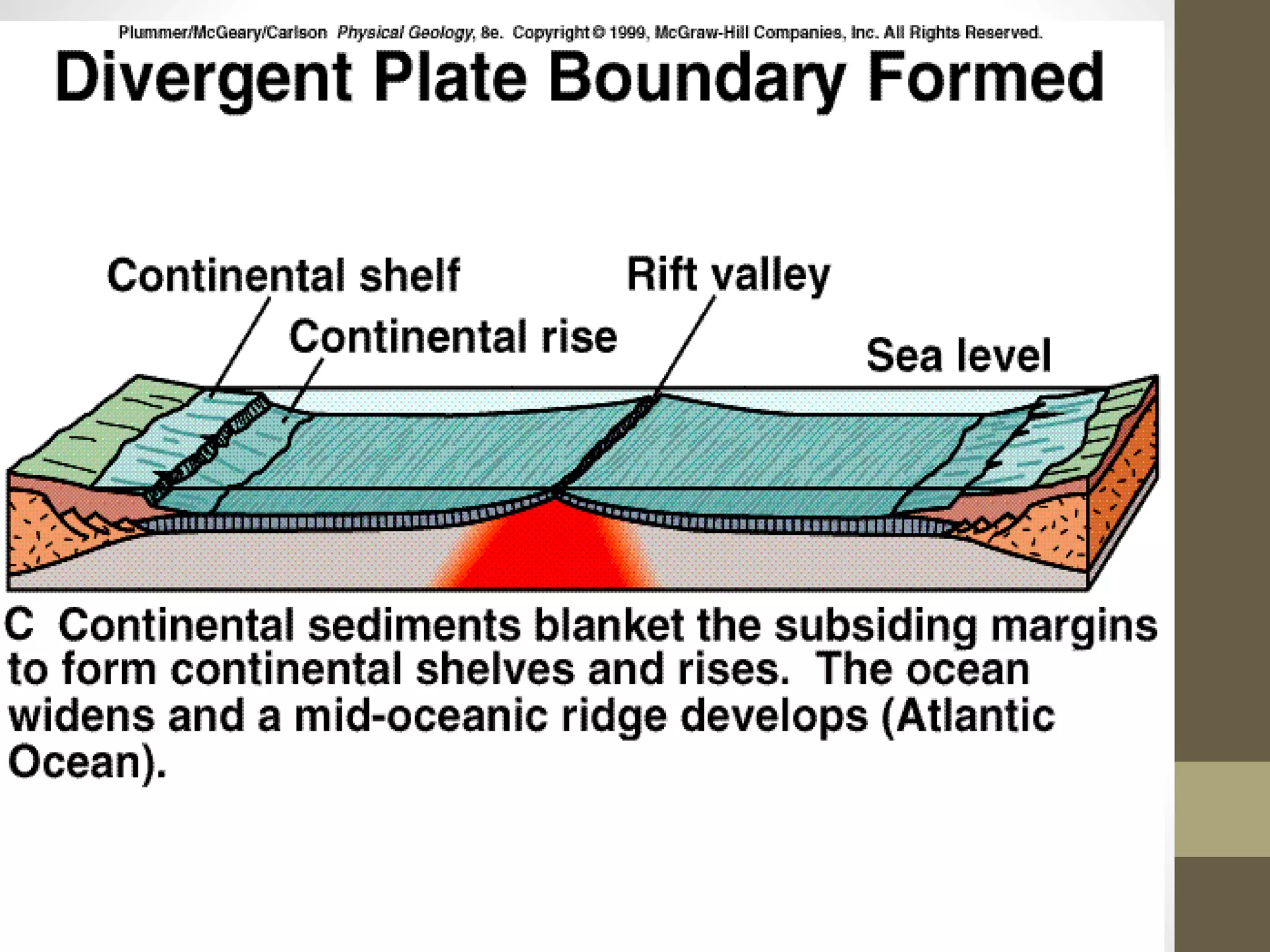
•Effects that are found at a divergent
boundary between oceanic plates
include: a submarine mountain range
such as the mid-Atlantic Ridge; volcanic
activity in the form of fissure eruptions;
shallow earthquake activity; creation of
new seafloor; and a widening ocean
basin.
Remember:
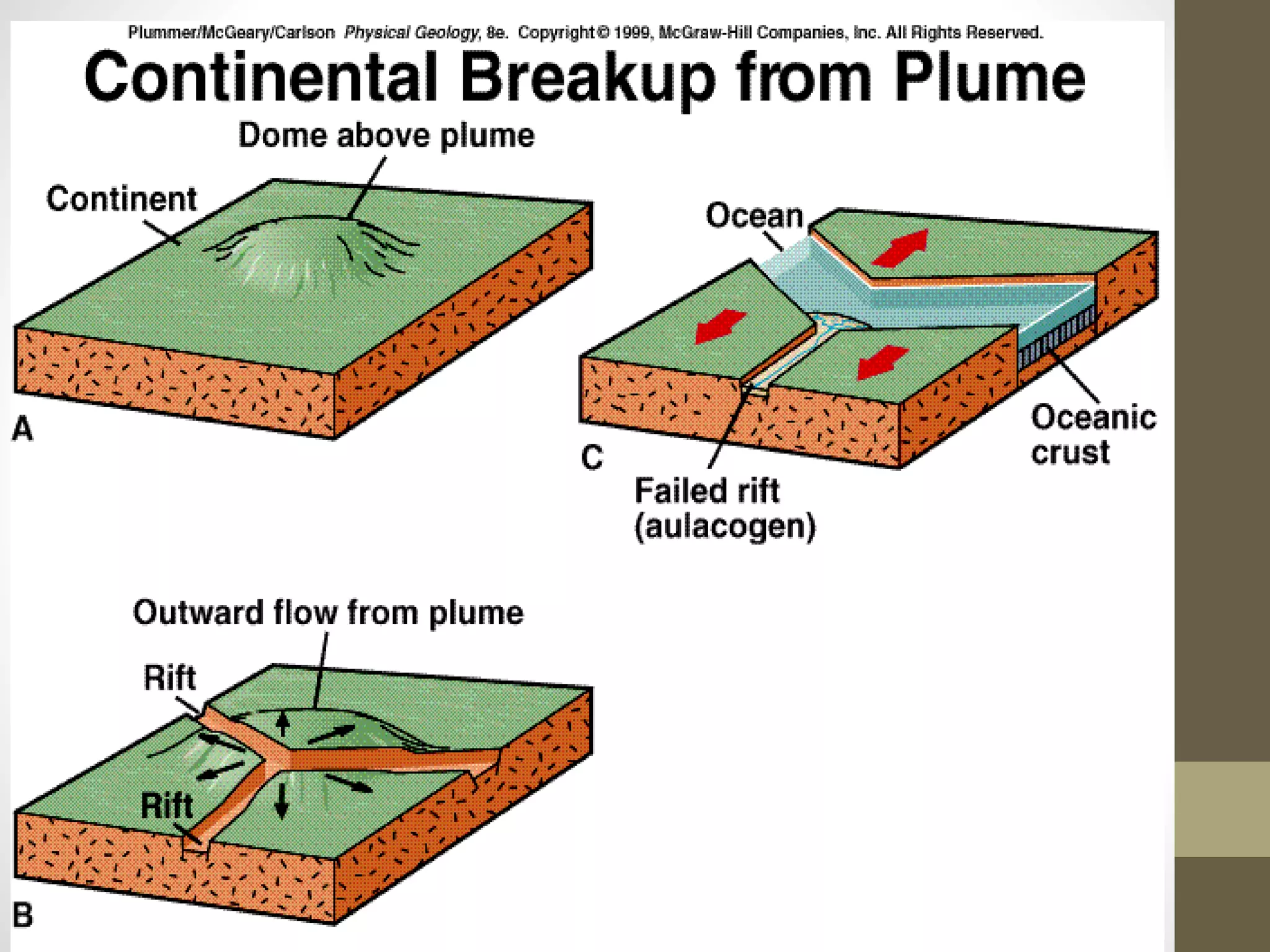
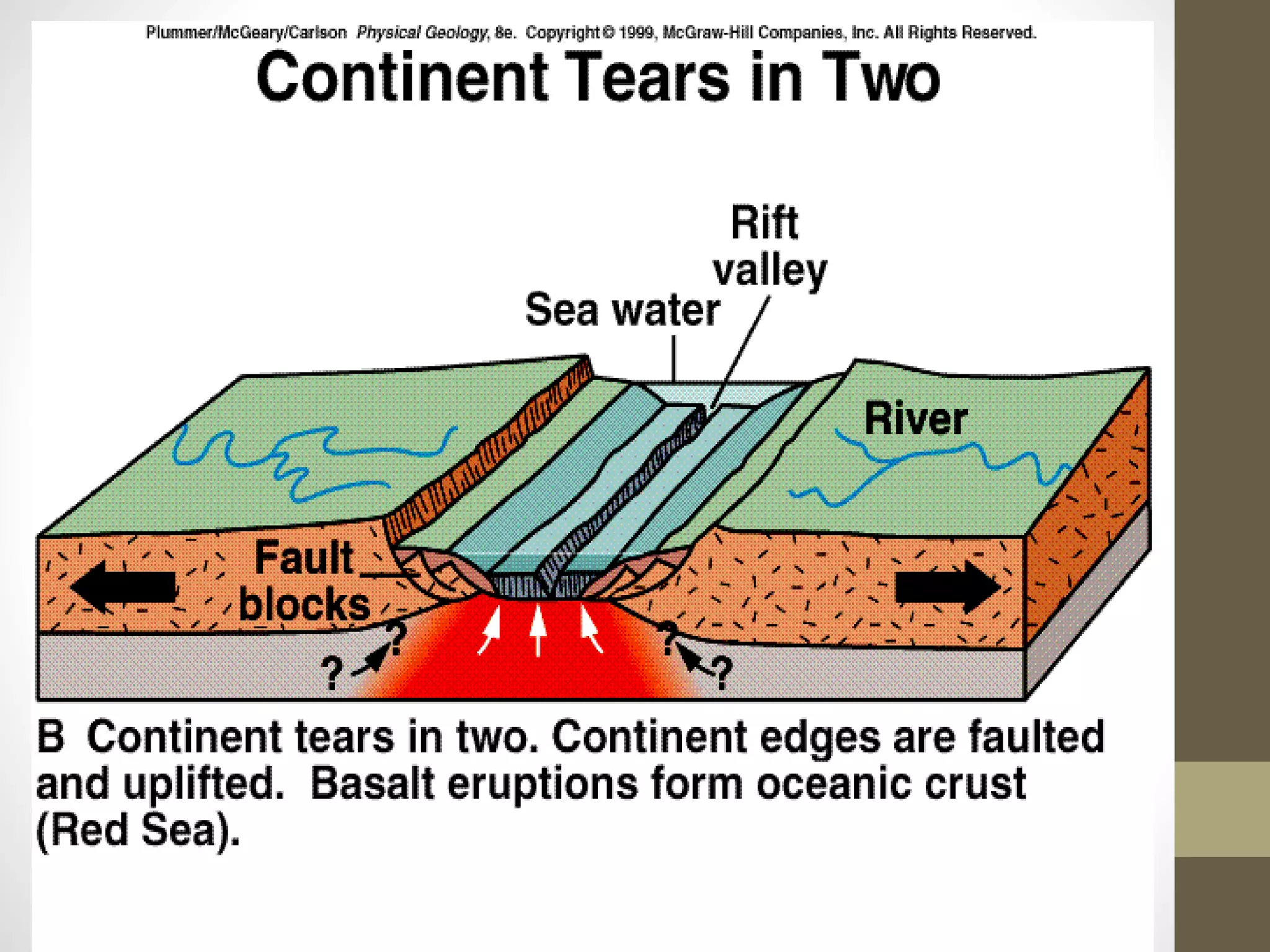
•If a divergent boundary is
between continental plates,
the effects are: rift valley
formation which will soon
develop into linear sea;
shallow earthquake activities,
and numerous normal faults.
Bring the ff: (by group)
4 packs of wafer/biscuit
( 2 wafer same size;
another 2 wafer same size)
Masking tape
sandpaper
TRANSFORM
BOUNDARIES
Recall: Describe
•Fault
•Faulting
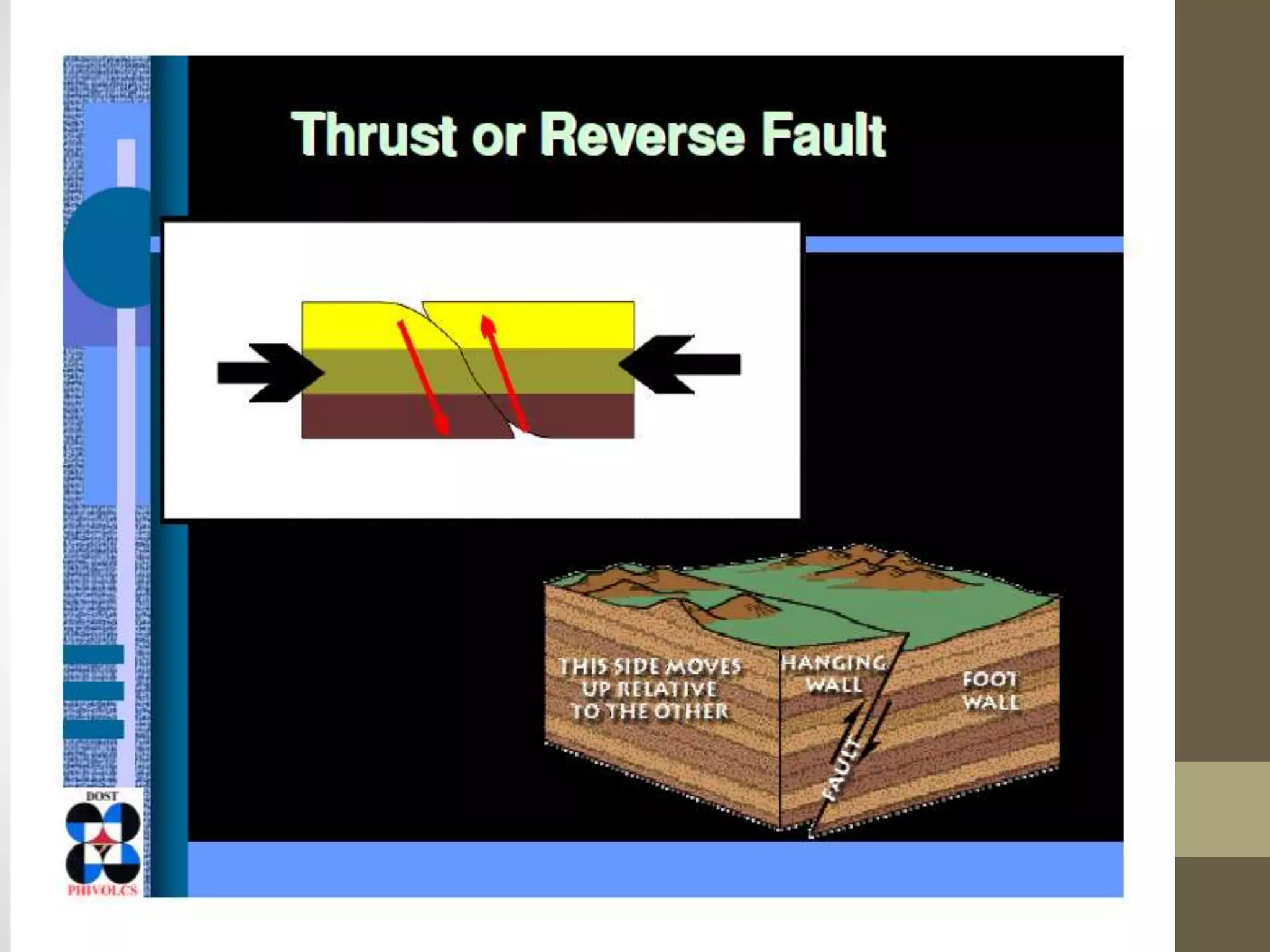
•Reverse Fault
•Transform Fault
•Normal Fault
FAULT
•a fracture, fissure, or a zone of
weakness where ground
movement or displacement has
occurred or may occur again.
FAULTING
•is the cause of TECTONIC
EARTHQUAKES
Types of Fault:
Act. 5: Slide and Shake
OBJECTIVE:
•Determine the effect of
transform-fault
boundary on the Earth’s
crust.
Procedure:
1. Create 4 blocks of clay. (2 blocks same size, another 2 same size)
2. Divide and cut the sand paper into 2.
3. Place the sand paper below the blocks of clay. (1 inch bigger-all sides)
4. Arrange the blocks as shown in the illustration belo
Block of
Clay
Cut part of the
sand paper
(below)
Not included (Pull
the sand paper
instead)
5. Slowly pull Blocks 2 and 3 (pull the
sand paper) to the direction indicated
by the arrow. Observe the motion of
the blocks.
Answer the ff. questions after the Act.
Q32. Were you able to pull
the blocks of clay easily?
Why or why not?
Q33. What can you say about the
relative motion of blocks 1 and 2?
How about blocks 3 and 4?
Q34. How will you describe the
interaction between blocks 2 and 3
as you pull each block?
Q35. What is the interaction
between blocks 1 and 3? How
about between blocks 2 and 4?
Answer:
Q32-Q35
•Most transform faults join two
segments of a mid-ocean ridge
(represented by the gaps between 1 and 2, and between 3
and 4). Remember that the presence of a
ridge is an indication of diverging
plates, and as the plates diverge
between the two segments of the mid-
ocean ridge, the adjacent slabs of
crust are grinding past each other
(blocks 2 and 3, blocks 1 and 3, and blocks 2 and 4).
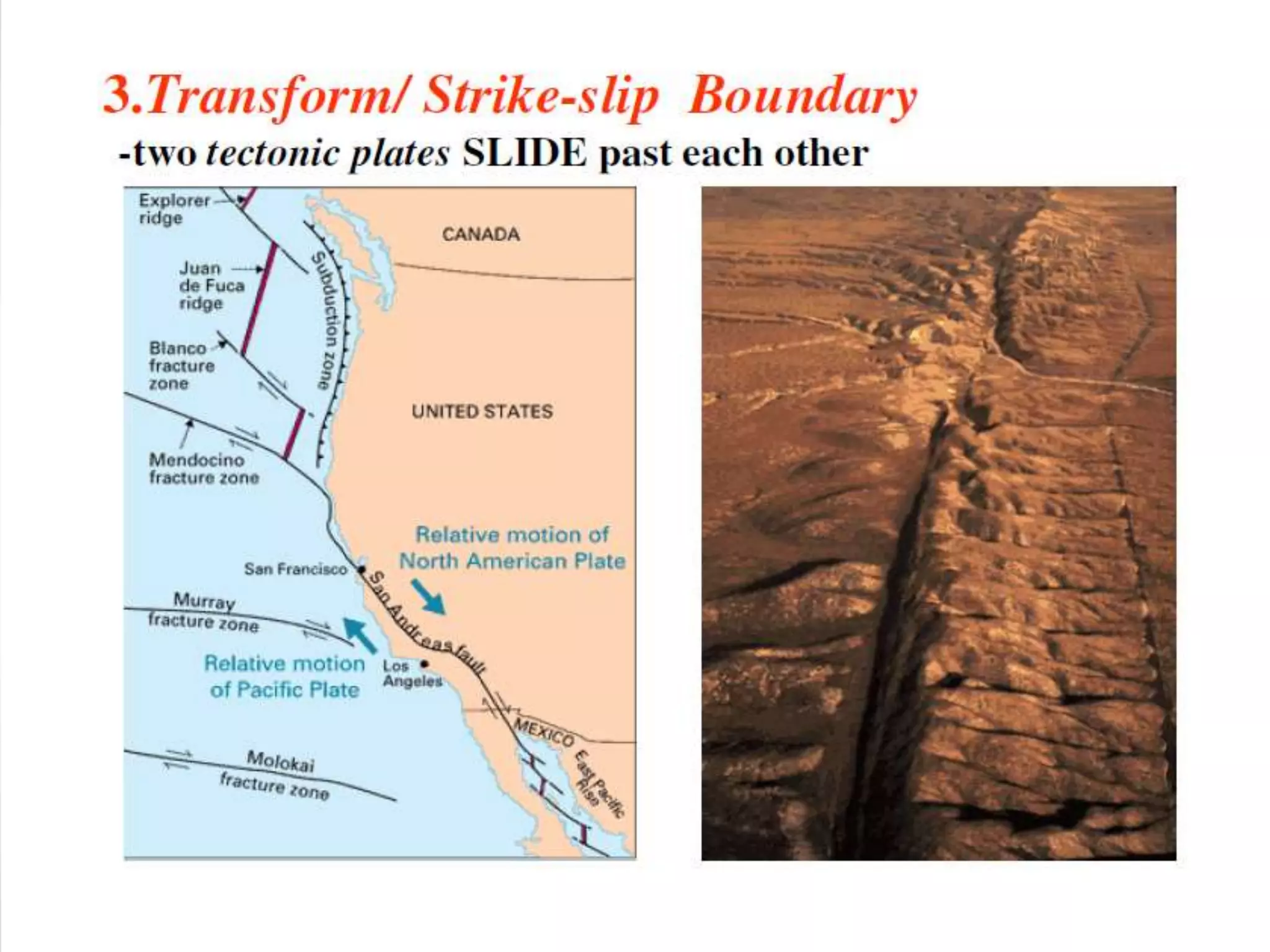
ContinentalTransformBoundary:SanAndreas
Act. 6: Hot Spot
Bring:
Printed copy of Act.6 pages 31-32(grp)
2 sheets of bond paper (grp)
1 bottle denatured alcohol (class)
CAUTION: HOT! HOT! HOT!
HOTSPOT!
Make your area free from combustible materials.
Girls should tie their hair.
Be careful in handling the test tube. The mouth is ALWAYS
pointing AWAY from anybody.
Handle the alcohol lamp with care. Know how to put the fire off
properly.
During the activity....
DON’T TOUCH THE TUBE WITH BARE HANDS!
DON’T PLAY WITH THE FIRE!
DON’T GET BURNED!
Answer: Q36-Q40
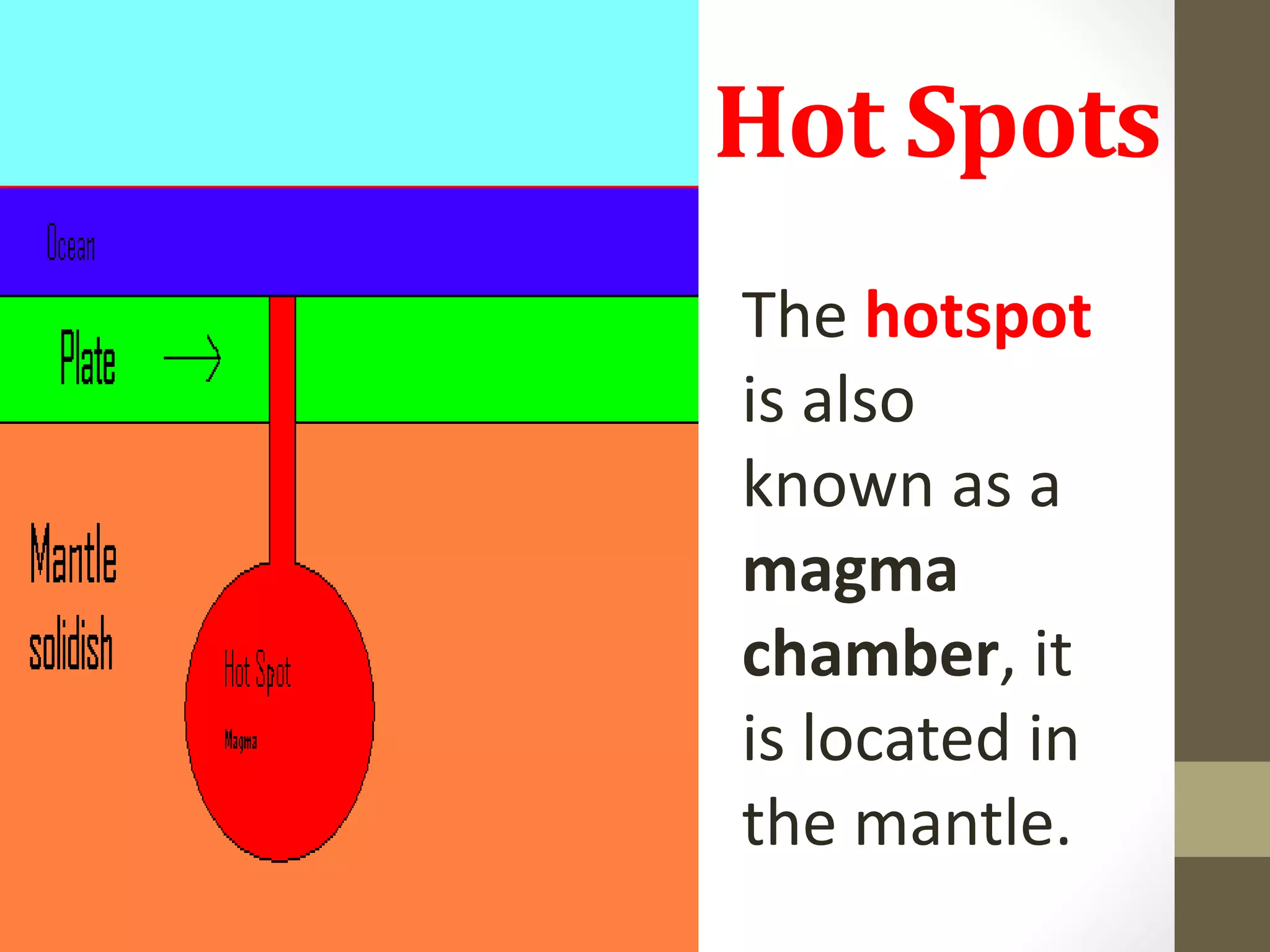
Hot Spots
The hotspot
is also
known as a
magma
chamber, it
is located in
the mantle.
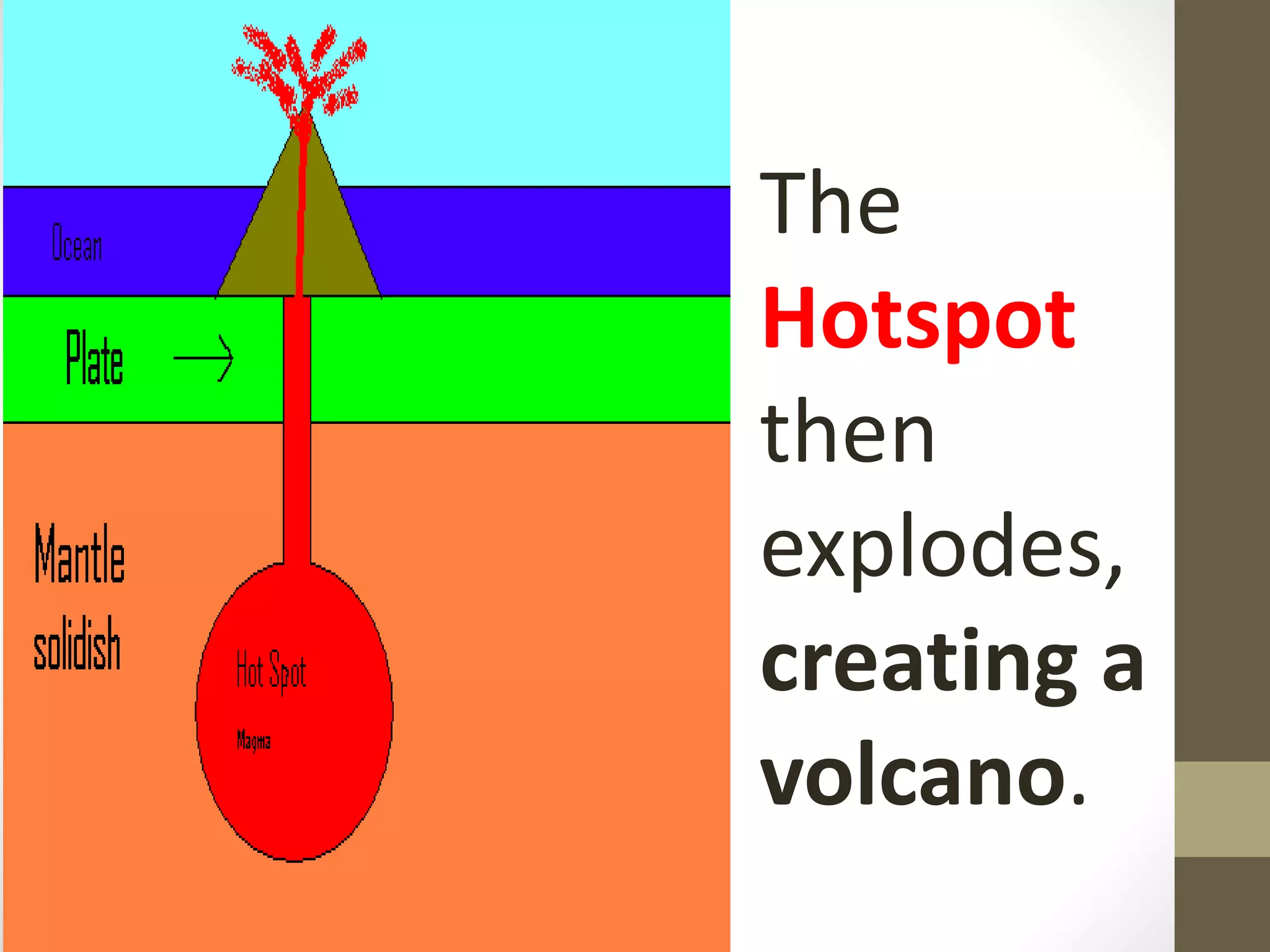
The
Hotspot
then
explodes,
creating a
volcano.
The plate
then moves.
Notice the
volcano
moves with
the plate, but
the hotspot
stays were it
was.
The
Hotspot
then
explodes
again,
forming a
new
volcano.
The plate
moves
again,
starting
the
process
over.
Another
volcano is
then
created
forming a
Volcanic
Chain.
Ocean
Hotspot: Hawaii
Remember:
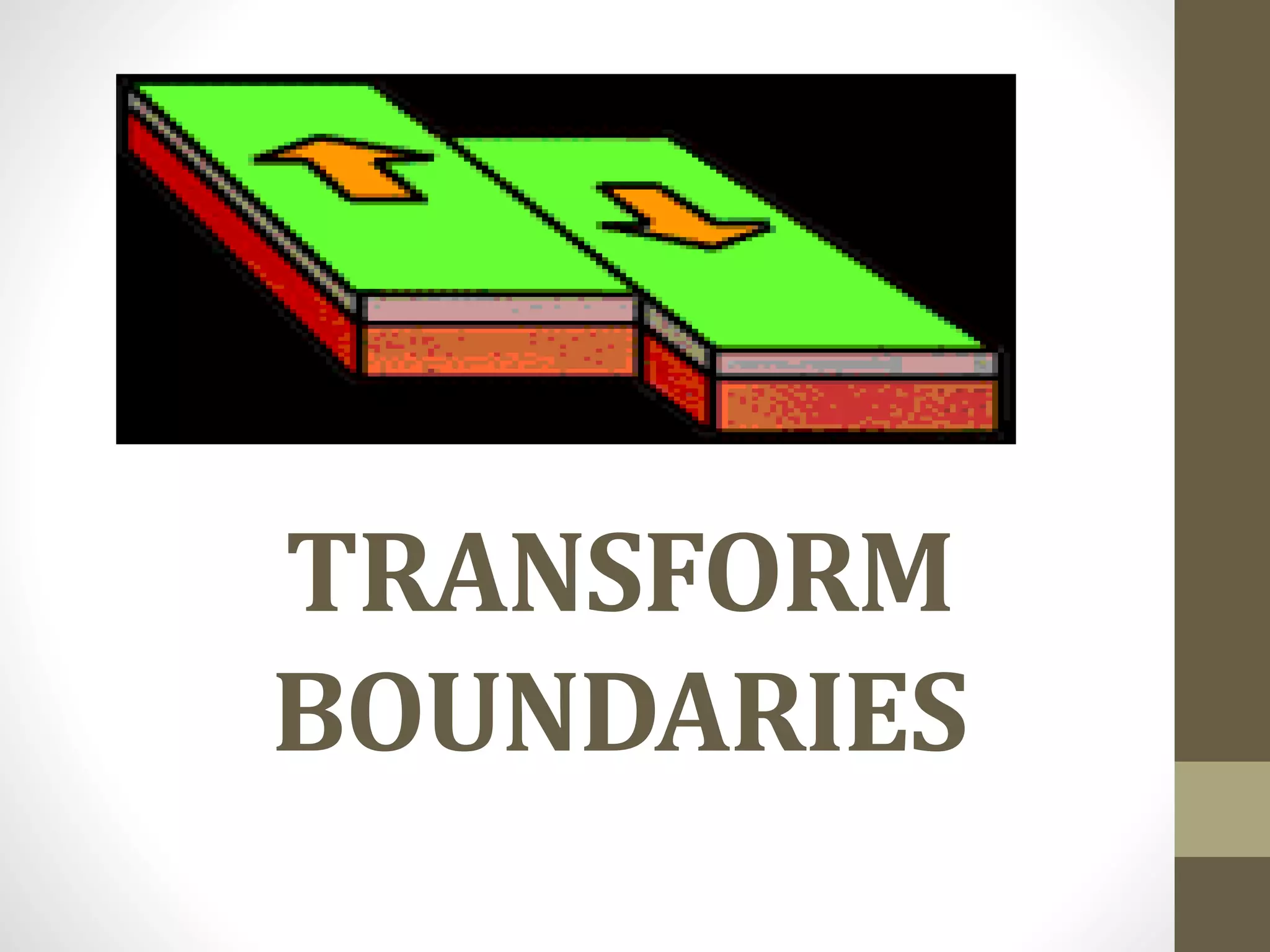
• Transform-fault boundaries are where
two plates are sliding horizontally past
one another.
• Most transform faults are found on the
ocean floor. They commonly offset active
spreading ridges, producing zigzag plate
margins, and generally defined by
shallow earthquakes.

Plate Boundaries -Hot Spot