Operating
system
NAME:- SHAH ALAM
COURSE:-BCA 3SEM
SECTION:-D
Flow of presentation
❖Introduction
❖Structure of OS
❖Main function of operating system
❖Some popular operating system
❖Conclusion
Introduction
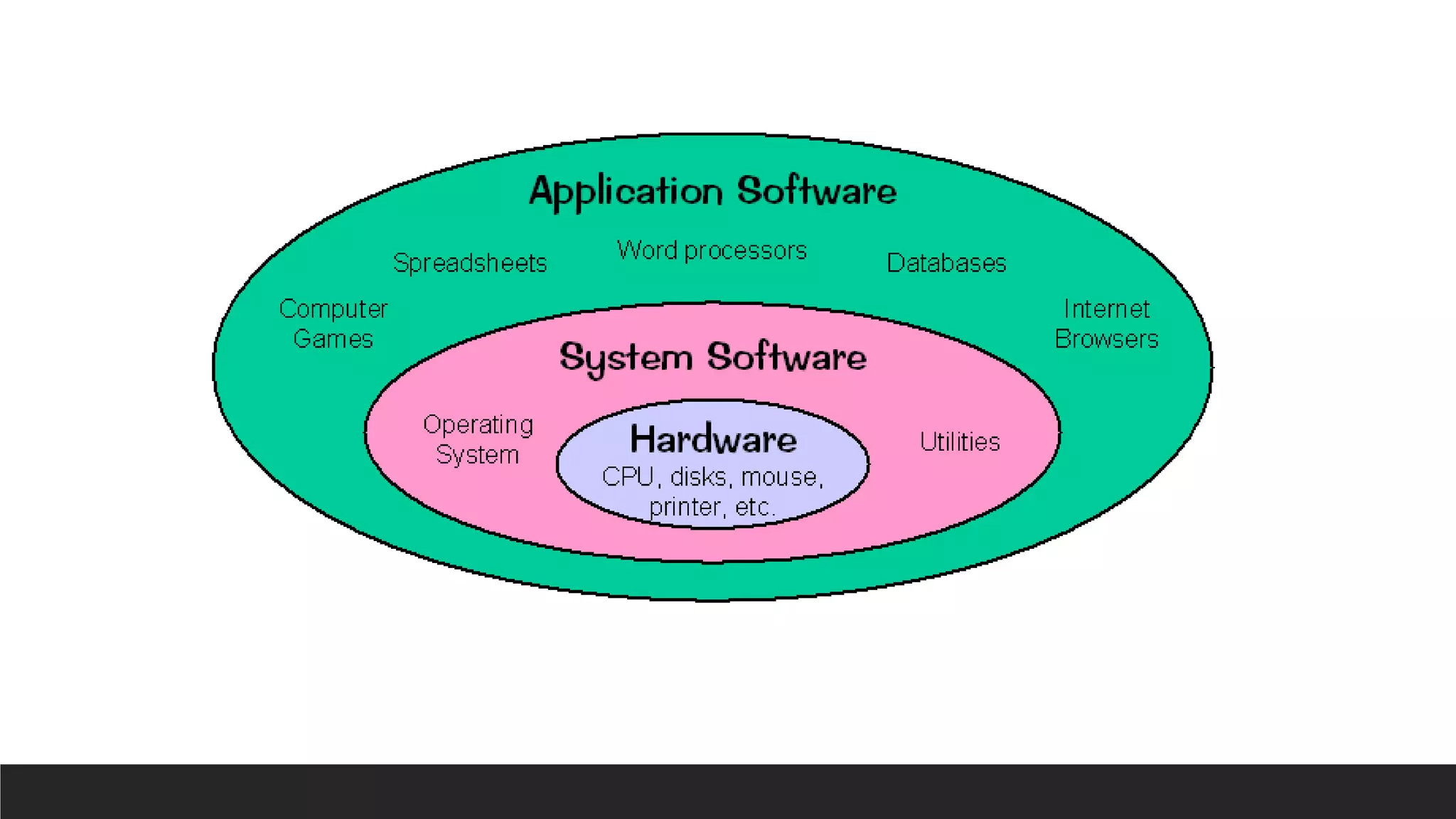
❖Operating system is a integrated set of program that control the
resources of the computer system and provide its user with an interface
or virtual machine that is easier to use than the bare machine.
❖Operating system is a software , which make a computer to actually
work.
❖It is the software that enable all the program we use.
❖OS acts as an interface between the application program and the
machine hardware.
Structure of OS
❖The two primary objective of an OS are:-
o Make a computer system easier to use:-An operating system hides details
of hardware resources from the programmer and other user and provides
them with a convenient interface for using a computer system.
oManage the resources of a computer system:-An operating system
manage all the resources of a computer system. Efficient and fair sharing
of computer resources among user and/or program is a key goal of all
operating system.
Main function of operating system
❖A seprate module of operating system software perform each of the function:-
1. Process management:-process management module take care of creation
and deletion of processes and providing mechanism for synchronization and
communication among processes.
2. Memory management:-memory management take care of allocation and de-
allocation of memory space to program in need of this resources.
3. File management:-it take care of file-related activities such as organization
storage , retrieval , naming , sharing and protection of files.
Main function of operating system
1. Security :-security module protects the resources and information
of a computer system against destruction and authorized access.
2. Command interpretation:-command interpretation take care of
interpreting user command , and directing system resources to
process the command.
Some popular operating system
❖Single user system:-They are popularly associated with desk top
operating system which run on standalone where no user account are
required.
For ex:- DOS.
❖Multi user system:-Provide regulated access for a number of user by
maintaining a database of known users . Refer to computer system that
support two or more simultaneous users.
For es:- unix , windows.
Conclusion
❖Without operating system the computer can not run the
application and we cannot do work on computer.
❖Therefore operating system is very important in computer.
Thank you

Operating system2.pdf

  • 1.
  • 2.
    Flow of presentation ❖Introduction ❖Structureof OS ❖Main function of operating system ❖Some popular operating system ❖Conclusion
  • 3.
    Introduction ❖Operating system isa integrated set of program that control the resources of the computer system and provide its user with an interface or virtual machine that is easier to use than the bare machine. ❖Operating system is a software , which make a computer to actually work. ❖It is the software that enable all the program we use. ❖OS acts as an interface between the application program and the machine hardware.
  • 4.
    Structure of OS ❖Thetwo primary objective of an OS are:- o Make a computer system easier to use:-An operating system hides details of hardware resources from the programmer and other user and provides them with a convenient interface for using a computer system. oManage the resources of a computer system:-An operating system manage all the resources of a computer system. Efficient and fair sharing of computer resources among user and/or program is a key goal of all operating system.
  • 6.
    Main function ofoperating system ❖A seprate module of operating system software perform each of the function:- 1. Process management:-process management module take care of creation and deletion of processes and providing mechanism for synchronization and communication among processes. 2. Memory management:-memory management take care of allocation and de- allocation of memory space to program in need of this resources. 3. File management:-it take care of file-related activities such as organization storage , retrieval , naming , sharing and protection of files.
  • 7.
    Main function ofoperating system 1. Security :-security module protects the resources and information of a computer system against destruction and authorized access. 2. Command interpretation:-command interpretation take care of interpreting user command , and directing system resources to process the command.
  • 8.
    Some popular operatingsystem ❖Single user system:-They are popularly associated with desk top operating system which run on standalone where no user account are required. For ex:- DOS. ❖Multi user system:-Provide regulated access for a number of user by maintaining a database of known users . Refer to computer system that support two or more simultaneous users. For es:- unix , windows.
  • 9.
    Conclusion ❖Without operating systemthe computer can not run the application and we cannot do work on computer. ❖Therefore operating system is very important in computer.
  • 10.