OpenMRS Using Information Technology to Unleash the Transformational Power of Communities Paul, Burke, and the OpenMRS Community
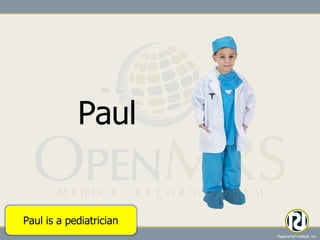
Paul Paul is a pediatrician
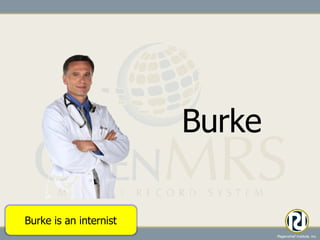
Burke Burke is an internist
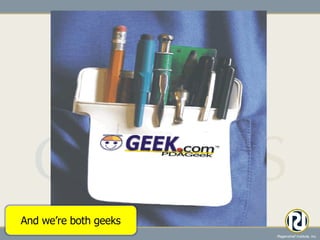
And we’re both geeks
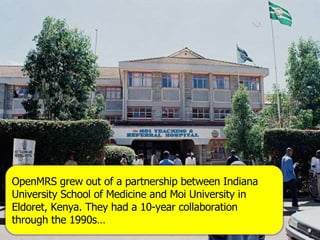
OpenMRS grew out of a partnership between Indiana University School of Medicine and Moi University in Eldoret, Kenya. They had a 10-year collaboration through the 1990s…
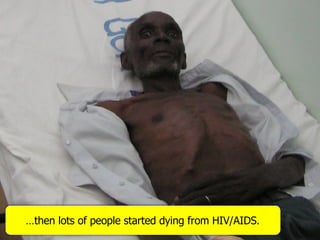
… then lots of people started dying from HIV/AIDS.
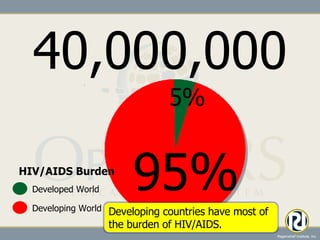
40,000,000 95% 5% Developed World Developing World HIV/AIDS Burden Developing countries have most of the burden of HIV/AIDS.
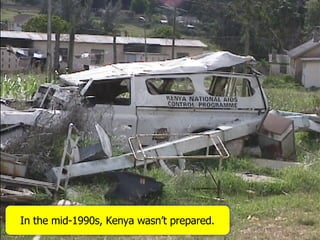
In the mid-1990s, Kenya wasn’t prepared.
Academic Model for the Prevention and Treatment of HIV/AIDS (AMPATH) The IU-Kenya Program responded with AMPATH, a comprehensive program for HIV/AIDS.
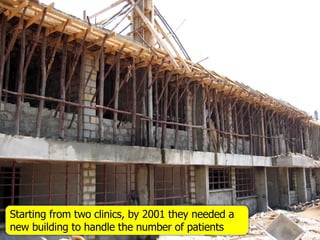
Starting from two clinics, by 2001 they needed a new building to handle the number of patients
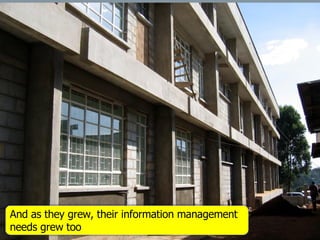
And as they grew, their information management needs grew too
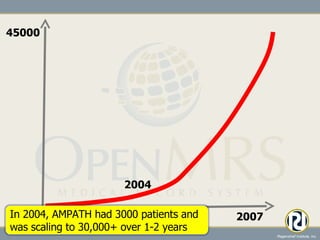
45000 2001 2007 2004 In 2004, AMPATH had 3000 patients and was scaling to 30,000+ over 1-2 years
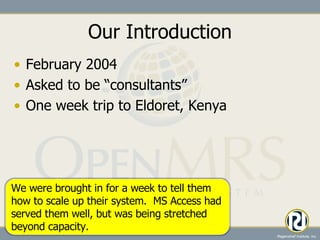
Our Introduction February 2004 Asked to be “consultants” One week trip to Eldoret, Kenya We were brought in for a week to tell them how to scale up their system.  MS Access had served them well, but was being stretched beyond capacity.
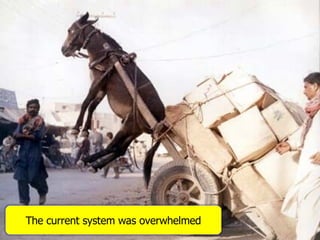
The current system was overwhelmed
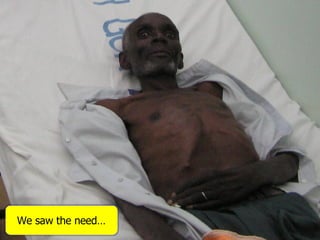
We saw the need…
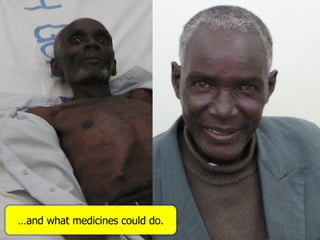
… and what medicines could do.
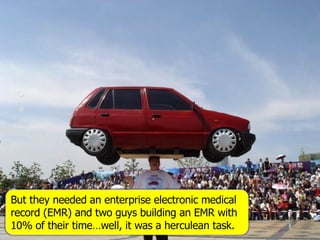
But they needed an enterprise electronic medical record (EMR) and two guys building an EMR with 10% of their time…well, it was a herculean task.
We looked to see if others had solved the problem.  There were silos of effort, mostly with MS Access-based systems built to meet immediate needs.
Then we met Partners In Health.  They were installing their system in Rwanda and wanted to rebuild it.  A perfect match for us. The impossible became possible.
Understanding the Environment Reporting-driven Top down Vertical systems Acute care Proprietary and predatory The existing culture was very top-down.
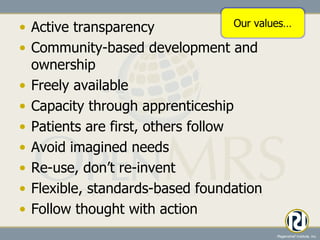
Active transparency Community-based development and ownership Freely available Capacity through apprenticeship Patients are first, others follow Avoid imagined needs  Re-use, don’t re-invent Flexible, standards-based foundation  Follow thought with action Our values…
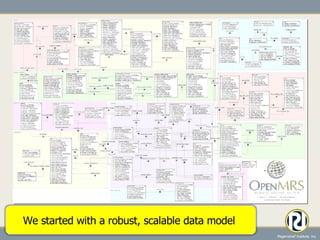
We started with a robust, scalable data model
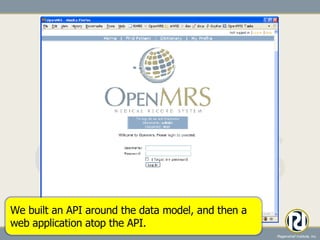
We built an API around the data model, and then a web application atop the API.
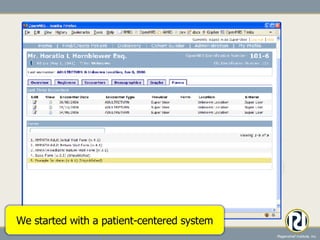
We started with a patient-centered system
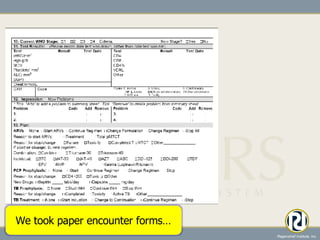
We took paper encounter forms…
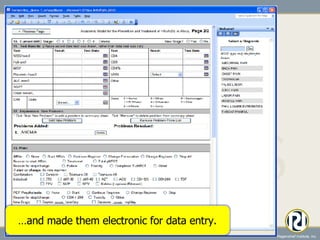
… and made them electronic for data entry.
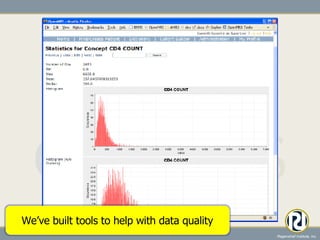
We’ve built tools to help with data quality
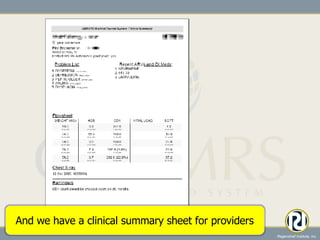
And we have a clinical summary sheet for providers
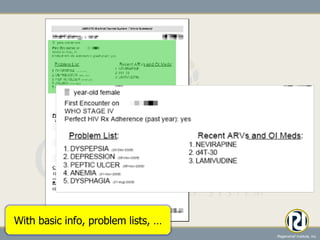
With basic info, problem lists, …
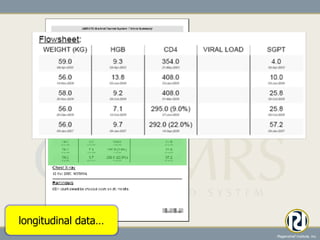
longitudinal data…
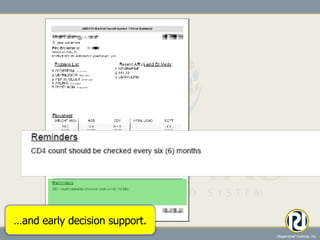
… and early decision support.
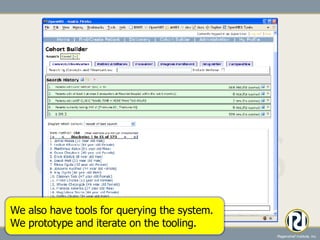
We also have tools for querying the system.  We prototype and iterate on the tooling.
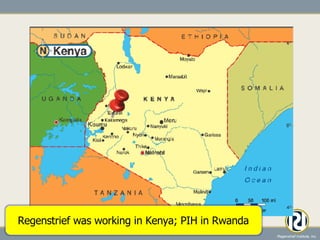
Regenstrief was working in Kenya; PIH in Rwanda
Funding organization asked us to speak about our work, opening the dialogue for a bigger vision.
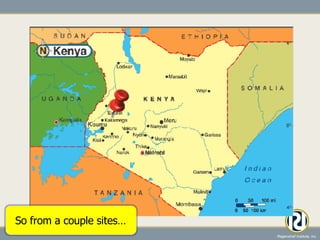
So from a couple sites…
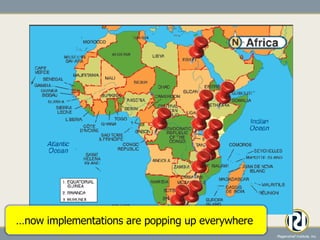
… now implementations are popping up everywhere
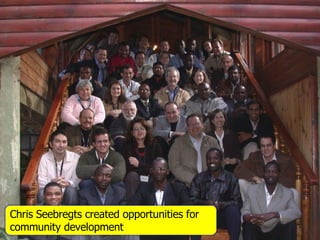
Chris Seebregts created opportunities for community development
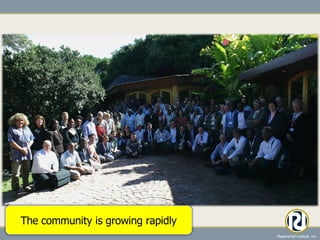
The community is growing rapidly
Google has helped us tremendously through their Summer of Code.
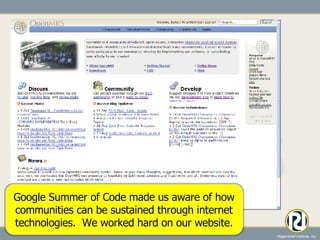
Google Summer of Code made us aware of how communities can be sustained through internet technologies.  We worked hard on our website.
We use technology like RSS to make conversations and changes more transparent and to enhance communication & scalability
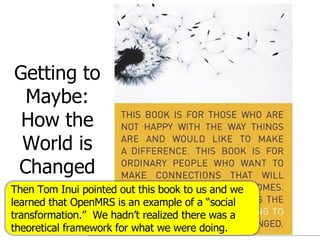
Getting to Maybe: How the World is Changed Then Tom Inui pointed out this book to us and we learned that OpenMRS is an example of a “social transformation.”  We hadn’t realized there was a theoretical framework for what we were doing.
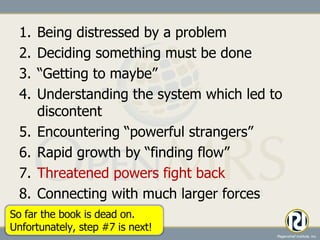
Being distressed by a problem Deciding something must be done “ Getting to maybe” Understanding the system which led to discontent Encountering “powerful strangers” Rapid growth by “finding flow” Threatened powers fight back Connecting with much larger forces So far the book is dead on.  Unfortunately, step #7 is next!
What got us this far? So, we reflect on the values that got us this far
Freely Available Not only do we serve free food, but we strive to take every ingredient and every recipe made within the kitchen and make it freely available to everyone.  Also know as “open source.”
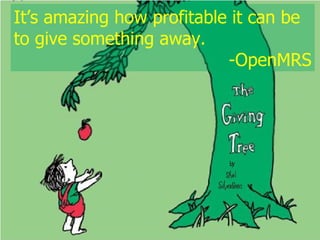
It’s amazing how profitable it can be to give something away. -OpenMRS
“ Active” Transparency We don’t stop there.  We actively work at communicating our thought processes to the community and encouraging others to do so as well.
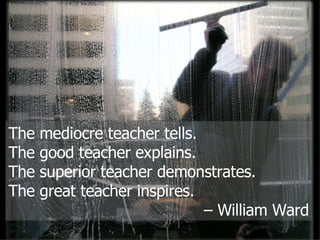
The mediocre teacher tells.  The good teacher explains. The superior teacher demonstrates.  The great teacher inspires. –  William Ward
Community-based development and ownership The community gives us our only chance for a fully realized system.  Getting others involved requires us to share ownership of what’s evolving with everyone who takes part.
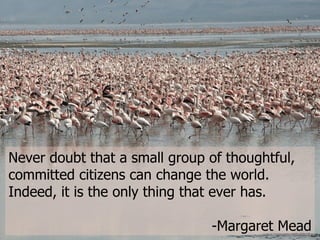
Open Source Community how we underestimated the larger open source community Never doubt that a small group of thoughtful, committed citizens can change the world. Indeed, it is the only thing that ever has.  -Margaret Mead
Capacity Through Apprenticeship We consistently encourage those that we help to then go and help others, so that we may someday be made obsolete.
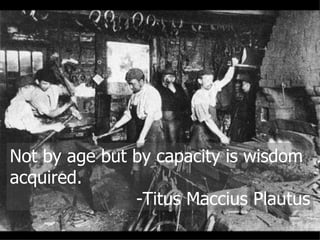
Not by age but by capacity is wisdom acquired.  -Titus Maccius Plautus
Patients are first… others follow In all this, we are physicians.  So underlying all the efforts, we must always focus on what’s important.
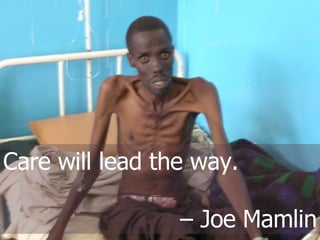
Care will lead the way. –  Joe Mamlin
Avoid imagined needs We started off with the mistaken belief that a big system required a big design.  We learned to make decisions based on priority and need instead of attempting to envision what we might need.
There's a difference between knowing the Path and walking the Path.  -The Wachoskis, authors of “The Matrix”
Re-use, don’t  re-invent We’ve achieved significant efficiencies through re-use.  OpenMRS uses libraries from several open source projects.
Obviously, the highest type of efficiency is that which can utilize existing material to the best advantage –  Jawaharlal Nehru
Flexible, standards-based foundation Utilizing existing standards, focusing on providing a strong & flexible foundation, and creating opportunities for innovation within that playground has served us immensely well.
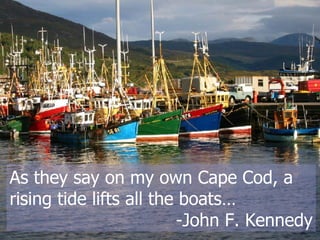
As they say on my own Cape Cod, a rising tide lifts all the boats…  -John F. Kennedy
Follow thought with action We’re pragmatists by nature.  A lot of people come with good ideas, but we’ve found that often those fall through the cracks unless we quickly move to turn that idea into something tangible.  Theory is great, but only when followed by action.
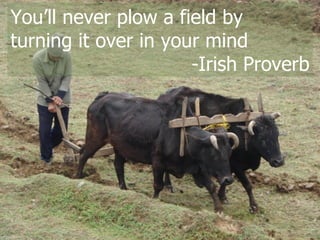
You’ll never plow a field by turning it over in your mind -Irish Proverb
Acknowledgements The OpenMRS collaborative The AMPATH team William Tierney Marc Overhage NIH, WHO, PEPFAR, CDC, IDRC Google
Regenstrief Institute, Inc.

OpenMRS Transformation

  • 1.
    OpenMRS Using InformationTechnology to Unleash the Transformational Power of Communities Paul, Burke, and the OpenMRS Community
  • 2.
    Paul Paul isa pediatrician
  • 3.
    Burke Burke isan internist
  • 4.
  • 5.
    OpenMRS grew outof a partnership between Indiana University School of Medicine and Moi University in Eldoret, Kenya. They had a 10-year collaboration through the 1990s…
  • 6.
    … then lotsof people started dying from HIV/AIDS.
  • 7.
    40,000,000 95% 5%Developed World Developing World HIV/AIDS Burden Developing countries have most of the burden of HIV/AIDS.
  • 8.
    In the mid-1990s,Kenya wasn’t prepared.
  • 9.
    Academic Model forthe Prevention and Treatment of HIV/AIDS (AMPATH) The IU-Kenya Program responded with AMPATH, a comprehensive program for HIV/AIDS.
  • 10.
    Starting from twoclinics, by 2001 they needed a new building to handle the number of patients
  • 11.
    And as theygrew, their information management needs grew too
  • 12.
    45000 2001 20072004 In 2004, AMPATH had 3000 patients and was scaling to 30,000+ over 1-2 years
  • 13.
    Our Introduction February2004 Asked to be “consultants” One week trip to Eldoret, Kenya We were brought in for a week to tell them how to scale up their system. MS Access had served them well, but was being stretched beyond capacity.
  • 14.
    The current systemwas overwhelmed
  • 15.
    We saw theneed…
  • 16.
    … and whatmedicines could do.
  • 17.
    But they neededan enterprise electronic medical record (EMR) and two guys building an EMR with 10% of their time…well, it was a herculean task.
  • 18.
    We looked tosee if others had solved the problem. There were silos of effort, mostly with MS Access-based systems built to meet immediate needs.
  • 19.
    Then we metPartners In Health. They were installing their system in Rwanda and wanted to rebuild it. A perfect match for us. The impossible became possible.
  • 20.
    Understanding the EnvironmentReporting-driven Top down Vertical systems Acute care Proprietary and predatory The existing culture was very top-down.
  • 21.
    Active transparency Community-baseddevelopment and ownership Freely available Capacity through apprenticeship Patients are first, others follow Avoid imagined needs Re-use, don’t re-invent Flexible, standards-based foundation Follow thought with action Our values…
  • 22.
    We started witha robust, scalable data model
  • 23.
    We built anAPI around the data model, and then a web application atop the API.
  • 24.
    We started witha patient-centered system
  • 25.
    We took paperencounter forms…
  • 26.
    … and madethem electronic for data entry.
  • 27.
    We’ve built toolsto help with data quality
  • 28.
    And we havea clinical summary sheet for providers
  • 29.
    With basic info,problem lists, …
  • 30.
  • 31.
    … and earlydecision support.
  • 32.
    We also havetools for querying the system. We prototype and iterate on the tooling.
  • 33.
    Regenstrief was workingin Kenya; PIH in Rwanda
  • 34.
    Funding organization askedus to speak about our work, opening the dialogue for a bigger vision.
  • 35.
    So from acouple sites…
  • 36.
    … now implementationsare popping up everywhere
  • 37.
    Chris Seebregts createdopportunities for community development
  • 38.
    The community isgrowing rapidly
  • 39.
    Google has helpedus tremendously through their Summer of Code.
  • 40.
    Google Summer ofCode made us aware of how communities can be sustained through internet technologies. We worked hard on our website.
  • 41.
    We use technologylike RSS to make conversations and changes more transparent and to enhance communication & scalability
  • 42.
    Getting to Maybe:How the World is Changed Then Tom Inui pointed out this book to us and we learned that OpenMRS is an example of a “social transformation.” We hadn’t realized there was a theoretical framework for what we were doing.
  • 43.
    Being distressed bya problem Deciding something must be done “ Getting to maybe” Understanding the system which led to discontent Encountering “powerful strangers” Rapid growth by “finding flow” Threatened powers fight back Connecting with much larger forces So far the book is dead on. Unfortunately, step #7 is next!
  • 44.
    What got usthis far? So, we reflect on the values that got us this far
  • 45.
    Freely Available Notonly do we serve free food, but we strive to take every ingredient and every recipe made within the kitchen and make it freely available to everyone. Also know as “open source.”
  • 46.
    It’s amazing howprofitable it can be to give something away. -OpenMRS
  • 47.
    “ Active” TransparencyWe don’t stop there. We actively work at communicating our thought processes to the community and encouraging others to do so as well.
  • 48.
    The mediocre teachertells. The good teacher explains. The superior teacher demonstrates. The great teacher inspires. – William Ward
  • 49.
    Community-based development andownership The community gives us our only chance for a fully realized system. Getting others involved requires us to share ownership of what’s evolving with everyone who takes part.
  • 50.
    Open Source Communityhow we underestimated the larger open source community Never doubt that a small group of thoughtful, committed citizens can change the world. Indeed, it is the only thing that ever has. -Margaret Mead
  • 51.
    Capacity Through ApprenticeshipWe consistently encourage those that we help to then go and help others, so that we may someday be made obsolete.
  • 52.
    Not by agebut by capacity is wisdom acquired. -Titus Maccius Plautus
  • 53.
    Patients are first…others follow In all this, we are physicians. So underlying all the efforts, we must always focus on what’s important.
  • 54.
    Care will leadthe way. – Joe Mamlin
  • 55.
    Avoid imagined needsWe started off with the mistaken belief that a big system required a big design. We learned to make decisions based on priority and need instead of attempting to envision what we might need.
  • 56.
    There's a differencebetween knowing the Path and walking the Path. -The Wachoskis, authors of “The Matrix”
  • 57.
    Re-use, don’t re-invent We’ve achieved significant efficiencies through re-use. OpenMRS uses libraries from several open source projects.
  • 58.
    Obviously, the highesttype of efficiency is that which can utilize existing material to the best advantage – Jawaharlal Nehru
  • 59.
    Flexible, standards-based foundationUtilizing existing standards, focusing on providing a strong & flexible foundation, and creating opportunities for innovation within that playground has served us immensely well.
  • 60.
    As they sayon my own Cape Cod, a rising tide lifts all the boats… -John F. Kennedy
  • 61.
    Follow thought withaction We’re pragmatists by nature. A lot of people come with good ideas, but we’ve found that often those fall through the cracks unless we quickly move to turn that idea into something tangible. Theory is great, but only when followed by action.
  • 62.
    You’ll never plowa field by turning it over in your mind -Irish Proverb
  • 63.
    Acknowledgements The OpenMRScollaborative The AMPATH team William Tierney Marc Overhage NIH, WHO, PEPFAR, CDC, IDRC Google
  • 64.