Understanding how OpenChain
ISO/IEC 5230 and ISO/IEC 18974
support InnerSource
A Simple Challenge
for Everyone
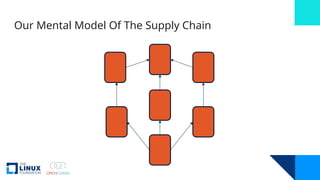
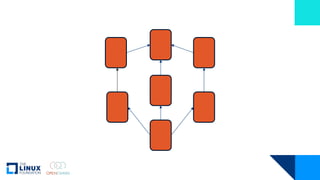
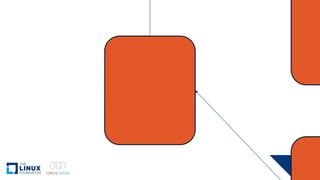
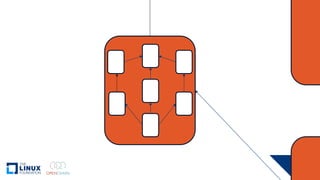
Our Mental Model Of The Supply Chain
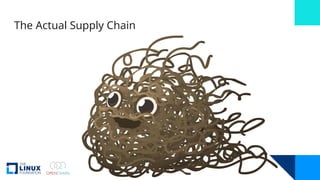
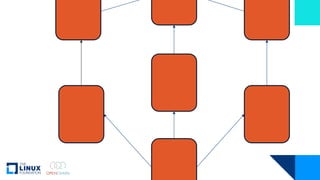
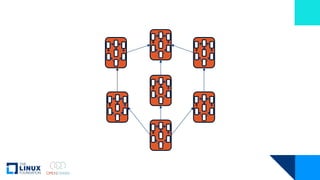
The Actual Supply Chain
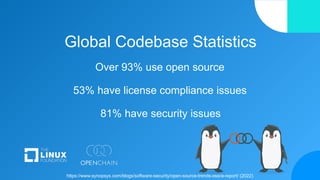
https://www.synopsys.com/blogs/software-security/open-source-trends-ossra-report/ (2022)
Global Codebase Statistics
Over 93% use open source
53% have license compliance issues
81% have security issues
Not All Supply Chains
Are External
Internal / External… They
are all the Supply Chain
We Got Together To Improve Supply Chain
13
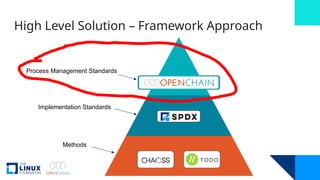
High Level Solution – Framework Approach
Process Management Standards
Implementation Standards
Methods
15
Trust Built By Process Management
OpenChain ISO/IEC 5230:2020
International Standard for open source license compliance.
OpenChain ISO/IEC 18974:2023
International Standard for open source security assurance.
High level process standards
Simple, effective and suitable for companies of all sizes in all markets
Openly developed by a vibrant user community and freely available to all
Sister Standards - Processes for Programs
ISO/IEC 5230 (License Compliance) ISO/IEC 18974 (Security Assurance)
Flexible program size
Covering:
● Inbound processes
● Internal processes
● Outbound processes
Standards about process points
Not about process content
Real-World Progress
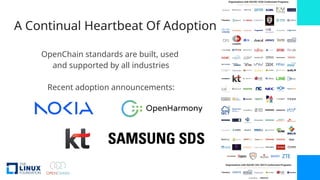
A Continual Heartbeat Of Adoption
OpenChain standards are built, used
and supported by all industries
Recent adoption announcements:
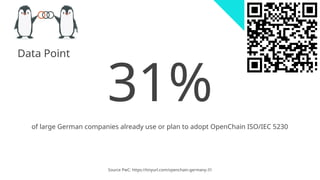
31%
of large German companies already use or plan to adopt OpenChain ISO/IEC 5230
Source PwC: https://tinyurl.com/openchain-germany-31
Data Point
Adoption Methods
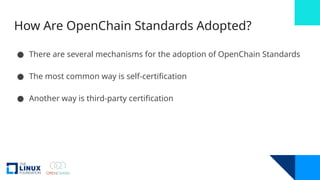
How Are OpenChain Standards Adopted?
● There are several mechanisms for the adoption of OpenChain Standards
● The most common way is self-certification
● Another way is third-party certification
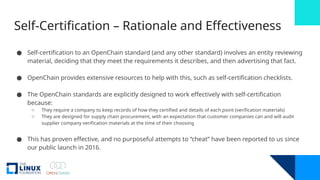
Self-Certification – Rationale and Effectiveness
● Self-certification to an OpenChain standard (and any other standard) involves an entity reviewing
material, deciding that they meet the requirements it describes, and then advertising that fact.
● OpenChain provides extensive resources to help with this, such as self-certification checklists.
● The OpenChain standards are explicitly designed to work effectively with self-certification
because:
o They require a company to keep records of how they certified and details of each point (verification materials)
o They are designed for supply chain procurement, with an expectation that customer companies can and will audit
supplier company verification materials at the time of their choosing
● This has proven effective, and no purposeful attempts to “cheat” have been reported to us since
our public launch in 2016.
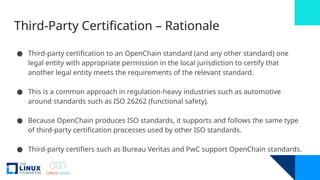
Third-Party Certification – Rationale
● Third-party certification to an OpenChain standard (and any other standard) one
legal entity with appropriate permission in the local jurisdiction to certify that
another legal entity meets the requirements of the relevant standard.
● This is a common approach in regulation-heavy industries such as automotive
around standards such as ISO 26262 (functional safety).
● Because OpenChain produces ISO standards, it supports and follows the same type
of third-party certification processes used by other ISO standards.
● Third-party certifiers such as Bureau Veritas and PwC support OpenChain standards.
Community
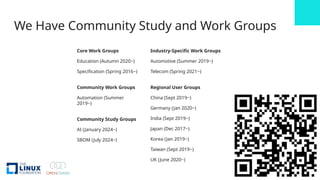
We Have Community Study and Work Groups
Industry-Specific Work Groups
Automotive (Summer 2019~)
Telecom (Spring 2021~)
Regional User Groups
China (Sept 2019~)
Germany (Jan 2020~)
India (Sept 2019~)
Japan (Dec 2017~)
Korea (Jan 2019~)
Taiwan (Sept 2019~)
UK (June 2020~)
Core Work Groups
Education (Autumn 2020~)
Specification (Spring 2016~)
Community Work Groups
Automation (Summer
2019~)
Community Study Groups
AI (January 2024~)
SBOM (July 2024~)
We Have Free Reference Material
The OpenChain Project has extensive reference material:
● Reference open source training slides
● Policy template material
● Supplier education material
● Self-certification checklists and questionnaires
● + many, many more documents
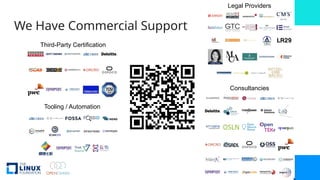
We Have Commercial Support
Tooling / Automation
Third-Party Certification
Consultancies
Legal Providers
Shane Coughlan
scoughlan@linuxfoundation.org
+81 80 4035 8083
Let’s Talk More
Or Even Better…
Be Part of This:

OpenChain @ InnerSource Summit 2024 - 2024-11-20

  • 1.
    Understanding how OpenChain ISO/IEC5230 and ISO/IEC 18974 support InnerSource
  • 2.
  • 3.
    Our Mental ModelOf The Supply Chain
  • 4.
  • 5.
    https://www.synopsys.com/blogs/software-security/open-source-trends-ossra-report/ (2022) Global CodebaseStatistics Over 93% use open source 53% have license compliance issues 81% have security issues
  • 6.
    Not All SupplyChains Are External
  • 12.
    Internal / External…They are all the Supply Chain
  • 13.
    We Got TogetherTo Improve Supply Chain 13
  • 14.
    High Level Solution– Framework Approach Process Management Standards Implementation Standards Methods
  • 15.
    15 Trust Built ByProcess Management OpenChain ISO/IEC 5230:2020 International Standard for open source license compliance. OpenChain ISO/IEC 18974:2023 International Standard for open source security assurance. High level process standards Simple, effective and suitable for companies of all sizes in all markets Openly developed by a vibrant user community and freely available to all
  • 16.
    Sister Standards -Processes for Programs ISO/IEC 5230 (License Compliance) ISO/IEC 18974 (Security Assurance) Flexible program size Covering: ● Inbound processes ● Internal processes ● Outbound processes Standards about process points Not about process content
  • 17.
  • 18.
    A Continual HeartbeatOf Adoption OpenChain standards are built, used and supported by all industries Recent adoption announcements:
  • 19.
    31% of large Germancompanies already use or plan to adopt OpenChain ISO/IEC 5230 Source PwC: https://tinyurl.com/openchain-germany-31 Data Point
  • 20.
  • 21.
    How Are OpenChainStandards Adopted? ● There are several mechanisms for the adoption of OpenChain Standards ● The most common way is self-certification ● Another way is third-party certification
  • 22.
    Self-Certification – Rationaleand Effectiveness ● Self-certification to an OpenChain standard (and any other standard) involves an entity reviewing material, deciding that they meet the requirements it describes, and then advertising that fact. ● OpenChain provides extensive resources to help with this, such as self-certification checklists. ● The OpenChain standards are explicitly designed to work effectively with self-certification because: o They require a company to keep records of how they certified and details of each point (verification materials) o They are designed for supply chain procurement, with an expectation that customer companies can and will audit supplier company verification materials at the time of their choosing ● This has proven effective, and no purposeful attempts to “cheat” have been reported to us since our public launch in 2016.
  • 23.
    Third-Party Certification –Rationale ● Third-party certification to an OpenChain standard (and any other standard) one legal entity with appropriate permission in the local jurisdiction to certify that another legal entity meets the requirements of the relevant standard. ● This is a common approach in regulation-heavy industries such as automotive around standards such as ISO 26262 (functional safety). ● Because OpenChain produces ISO standards, it supports and follows the same type of third-party certification processes used by other ISO standards. ● Third-party certifiers such as Bureau Veritas and PwC support OpenChain standards.
  • 24.
  • 25.
    We Have CommunityStudy and Work Groups Industry-Specific Work Groups Automotive (Summer 2019~) Telecom (Spring 2021~) Regional User Groups China (Sept 2019~) Germany (Jan 2020~) India (Sept 2019~) Japan (Dec 2017~) Korea (Jan 2019~) Taiwan (Sept 2019~) UK (June 2020~) Core Work Groups Education (Autumn 2020~) Specification (Spring 2016~) Community Work Groups Automation (Summer 2019~) Community Study Groups AI (January 2024~) SBOM (July 2024~)
  • 26.
    We Have FreeReference Material The OpenChain Project has extensive reference material: ● Reference open source training slides ● Policy template material ● Supplier education material ● Self-certification checklists and questionnaires ● + many, many more documents
  • 27.
    We Have CommercialSupport Tooling / Automation Third-Party Certification Consultancies Legal Providers
  • 28.
  • 29.
    Or Even Better… BePart of This: