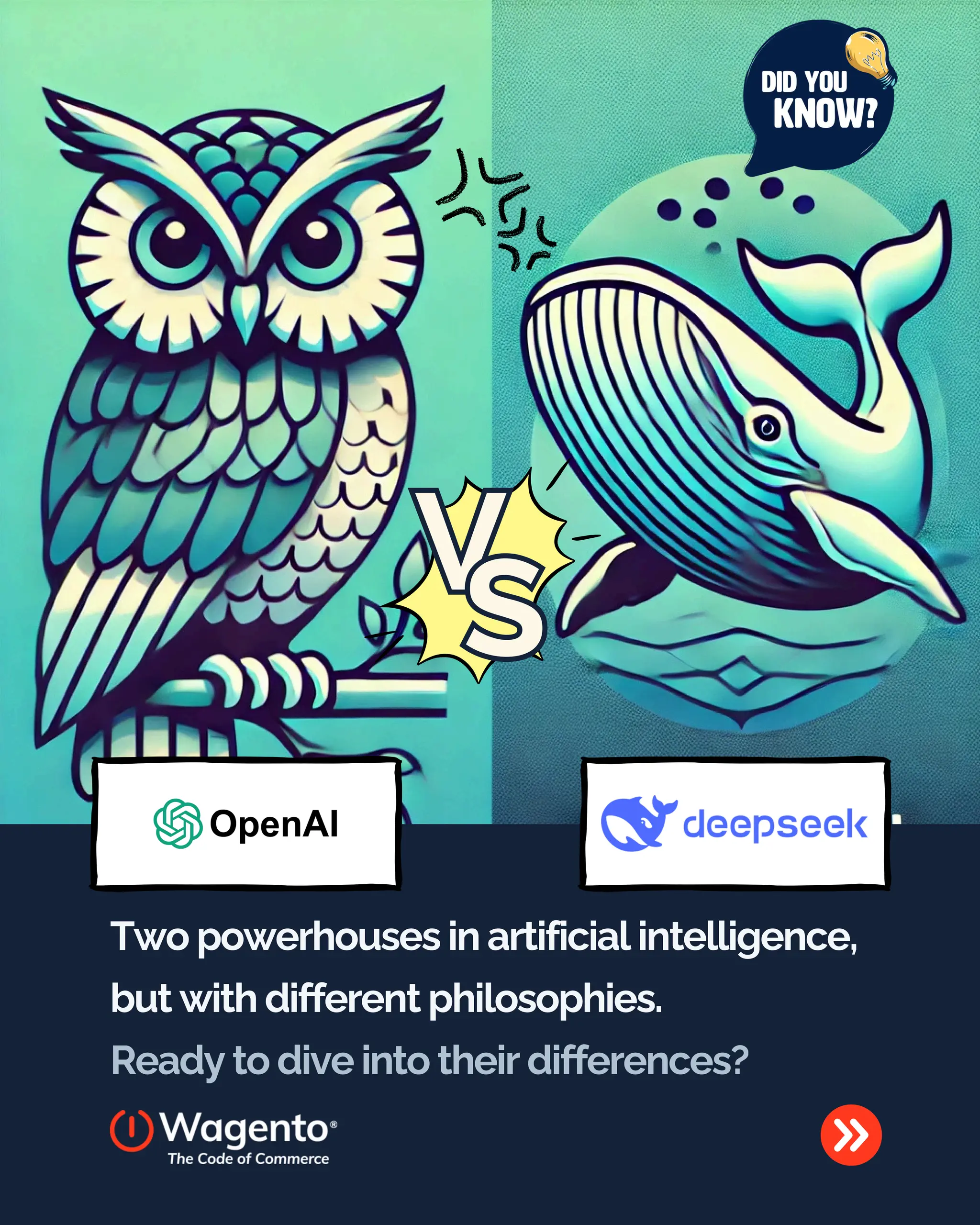
V
V
S
S
Two powerhouses in artificial intelligence,
but with different philosophies.
Ready to dive into their differences?
Mission
Aims to bring AGI to life faster
with a focus on foundational
AI technologies and an open-
source approach to empower
the community.
Focused on developing
Artificial General Intelligence
(AGI) that benefits all of
humanity while prioritizing
safety.
Development Approach
Maintains a commitment to
open-source development,
focusing on transparency and
enabling others to use and
adapt their technologies.
Transitioned from a non-
profit to a for-profit model,
allowing for large-scale
investments and more control
over AI innovations.
Key Products
Launched the DeepSeek-R1 model,
offering similar capabilities to
OpenAI’s models but at a
significantly lower cost, gaining
traction for its affordability and
performance.
Pioneered GPT-3 and GPT-4,
groundbreaking models known for
natural language understanding
and generation, transforming
industries like customer service
and content creation.
Global Presence
Located in Hangzhou, China,
bringing a fresh perspective
and shaking up the industry
with its cutting-edge, low-cost
solutions.
Based in San Francisco, USA,
leading innovation in AI with
global reach and partnerships,
including major investment
from Microsoft.
Performance & Cost
Delivers comparable
performance to OpenAI's
models at a fraction of the
cost, making it an appealing
option for businesses looking
for affordable AI solutions.
Known for high-performing AI
but comes with a hefty price
tag, often requiring significant
investments for enterprise
solutions.
Open-Source Commitment
Strongly committed to open-
source principles, releasing its
models and tools for public use,
allowing for greater
collaboration and development
in the AI community.
Once a champion of open-
source, now more selective in
releasing its models and code
due to safety concerns and
commercialization needs.
Which Side Are You On?
Or the challenger that's
shaking things up with
affordable, open-source
innovation?
Are you drawn to the
powerhouse that's built its
name over the years?
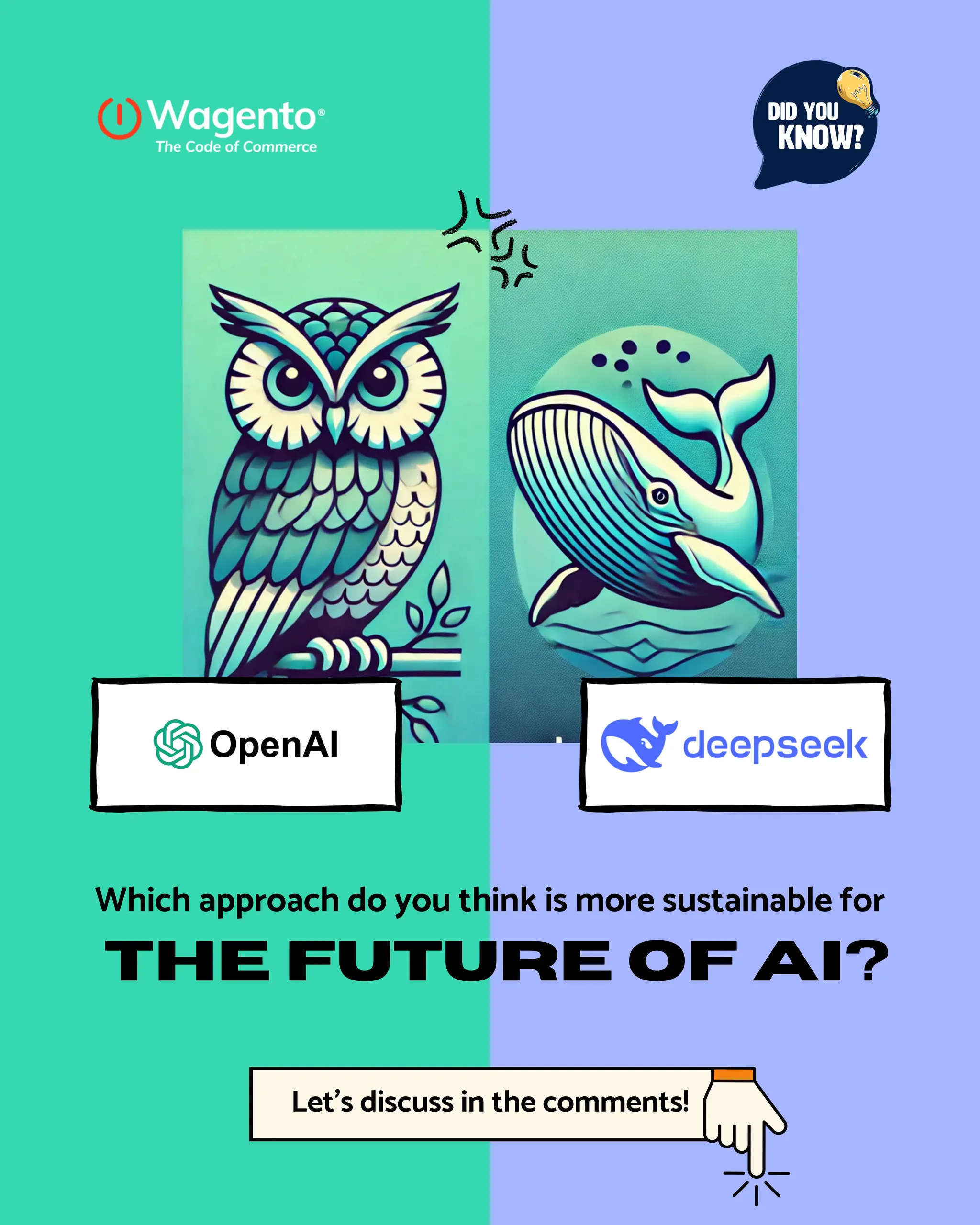
Which approach do you think is more sustainable for
THE FUTURE OF AI?
Let’s discuss in the comments!

⚡ OpenAI vs. DeepSeek: The Future of AI – Strategic Growth or Open-Source Revolution?

  • 1.
    V V S S Two powerhouses inartificial intelligence, but with different philosophies. Ready to dive into their differences?
  • 2.
    Mission Aims to bringAGI to life faster with a focus on foundational AI technologies and an open- source approach to empower the community. Focused on developing Artificial General Intelligence (AGI) that benefits all of humanity while prioritizing safety.
  • 3.
    Development Approach Maintains acommitment to open-source development, focusing on transparency and enabling others to use and adapt their technologies. Transitioned from a non- profit to a for-profit model, allowing for large-scale investments and more control over AI innovations.
  • 4.
    Key Products Launched theDeepSeek-R1 model, offering similar capabilities to OpenAI’s models but at a significantly lower cost, gaining traction for its affordability and performance. Pioneered GPT-3 and GPT-4, groundbreaking models known for natural language understanding and generation, transforming industries like customer service and content creation.
  • 5.
    Global Presence Located inHangzhou, China, bringing a fresh perspective and shaking up the industry with its cutting-edge, low-cost solutions. Based in San Francisco, USA, leading innovation in AI with global reach and partnerships, including major investment from Microsoft.
  • 6.
    Performance & Cost Deliverscomparable performance to OpenAI's models at a fraction of the cost, making it an appealing option for businesses looking for affordable AI solutions. Known for high-performing AI but comes with a hefty price tag, often requiring significant investments for enterprise solutions.
  • 7.
    Open-Source Commitment Strongly committedto open- source principles, releasing its models and tools for public use, allowing for greater collaboration and development in the AI community. Once a champion of open- source, now more selective in releasing its models and code due to safety concerns and commercialization needs.
  • 8.
    Which Side AreYou On? Or the challenger that's shaking things up with affordable, open-source innovation? Are you drawn to the powerhouse that's built its name over the years?
  • 9.
    Which approach doyou think is more sustainable for THE FUTURE OF AI? Let’s discuss in the comments!