GROUP 8
II-DARWIN
INTRODUCTION

    The skin and its derivatives ( sweat and
oil glands, hairs, nails) serve a number of
functions, mostly protective. Together,
these organs are called the integumentary
system.
FUNCTIONS OF THE SKIN

• It insulates and cushions the deeper body
  organs and protects the entire body from
  mechanical damage ( bumps and cuts),
  chemical damage ( such as from acids and
  bases), thermal damage ( heat and cold),
  ultraviolet rays ( in sunlight), and bacteria.
FUNCTIONS OF THE SKIN
• Protect the body’s internal living
  tissues and organs


• Protect the body from dehydration.
FUNCTIONS OF THE SKIN
• Protect the body against abrupt
  changes in temperature, maintain homeostasis.


• Protect the body against sunburns by secreting
  melanin.
FUNCTIONS OF THE SKIN
• Store water, fat, glucose, and vitamin D


• Help excrete waste materials
  through perspiration
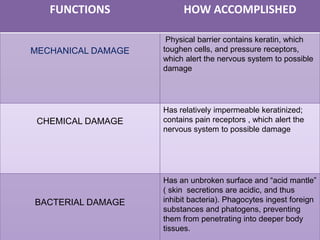
FUNCTIONS             HOW ACCOMPLISHED

                     Physical barrier contains keratin, which
MECHANICAL DAMAGE   toughen cells, and pressure receptors,
                    which alert the nervous system to possible
                    damage


                    Has relatively impermeable keratinized;
 CHEMICAL DAMAGE    contains pain receptors , which alert the
                    nervous system to possible damage


                    Has an unbroken surface and “acid mantle”
                    ( skin secretions are acidic, and thus
BACTERIAL DAMAGE    inhibit bacteria). Phagocytes ingest foreign
                    substances and phatogens, preventing
                    them from penetrating into deeper body
                    tissues.
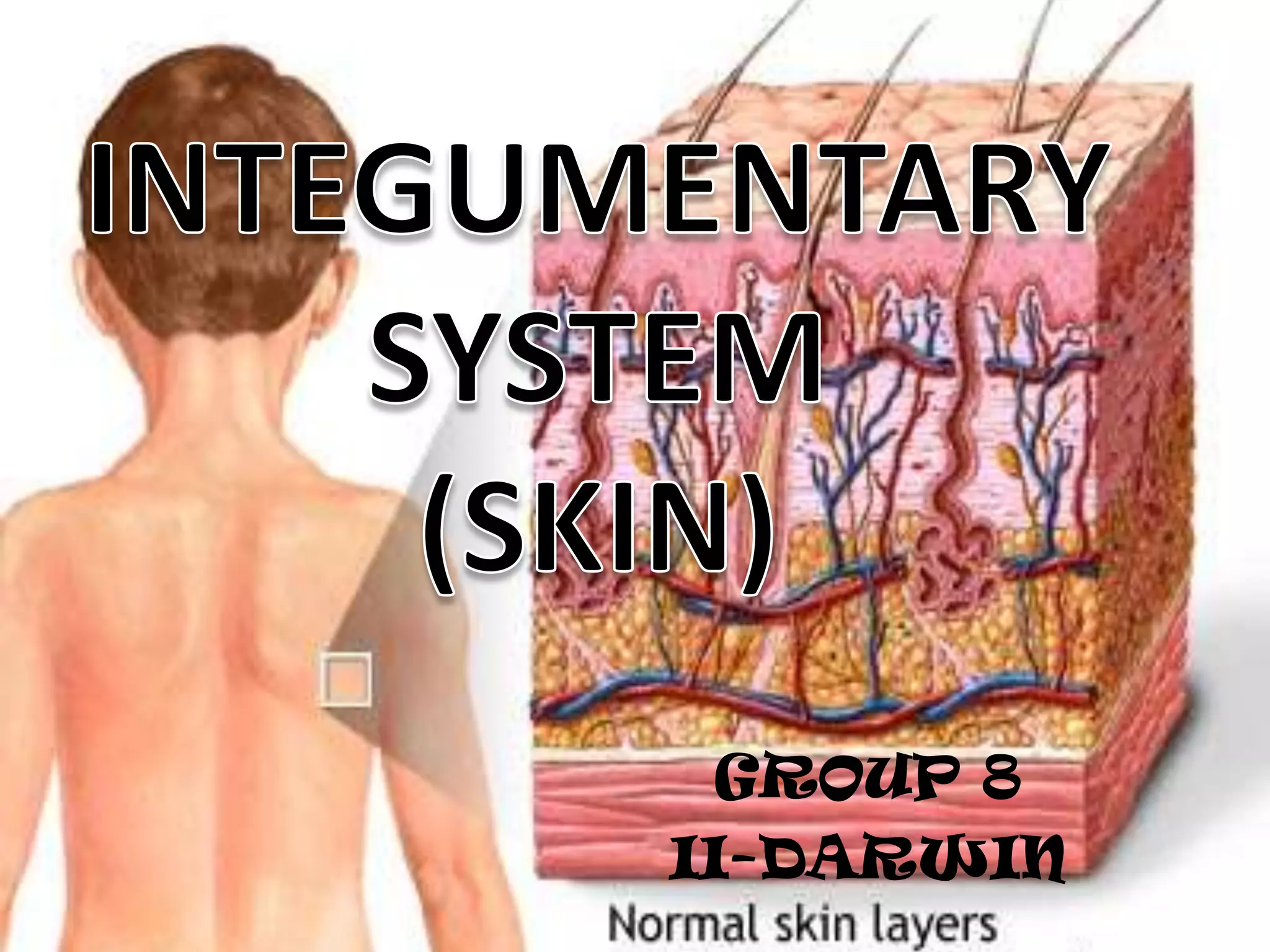
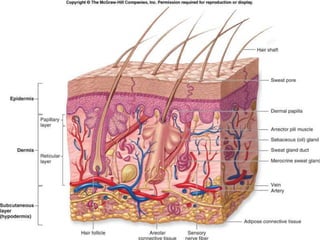
EPIDERMIS
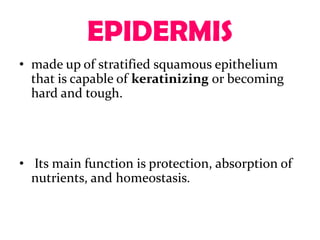
• made up of stratified squamous epithelium
  that is capable of keratinizing or becoming
  hard and tough.


• Its main function is protection, absorption of
  nutrients, and homeostasis.
EPIDERMIS
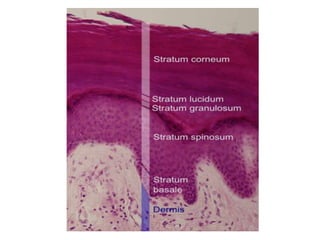
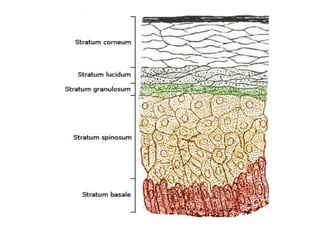
• Composed of five zones or layers called
  strata. From the inside of these called
  stratum basale, spinosum, granulosm,
  lucidum, and corneum.


• It does not contain blood vessels.
EPIDERMIS

• Most cells of the epidermis are
  keratinocytes (keratin cells), which
  produces keratin, the fibrous protein that
  makes the epidermis a tough protective
  layer.
DERMIS
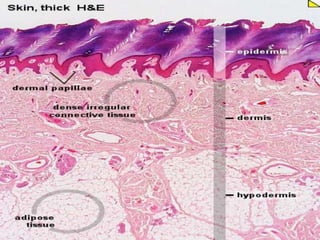
• It is a strong, stretchy envelope that helps to
  hold the body together.


• The dermis is the middle layer of skin,
  composed of dense irregular connective
  tissue such as collagen with elastin arranged in
  a diffusely bundled and woven pattern.
DERMIS

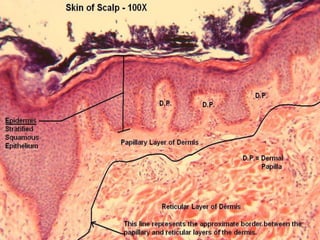
• The dense ( fibrous) connective tissue
  making up the dermis consists of two major
  regions- the papillary and the reticular area.
PAPILLARY LAYER

• The papillary layer is the upper dermal layer
  region. It is uneven and has fingerlike
  projections from it’s superior surface, called
  dermal papillae, which indent the
  epidermis above.
RETICULAR LAYER

• It is the deepest skin layer. It contains
  blood vessels, sweat and oil glands, and
  deep pressure receptors called Pacinian.
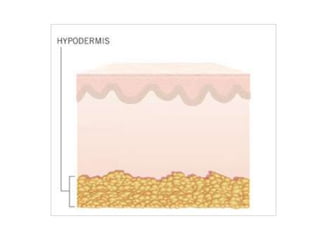
HYPODERMIS
• The hypodermis, or subcutaneous tissue, is the
  layer of tissue directly underneath the dermis. It
  is composed mainly of connective and adipose
  tissue. Its physiological functions include
  insulation, the storage of energy, and aiding in
  the anchoring of the skin. This is the thickest
  layer of the integumentary system.
APPENDAGES OF THE SKIN


• The skin appendages include
  cutaneous glands, hairs and
  hair follicles, and nails.
CUTENEOUS GLANDS
• are all exocrine glands release their
  secretions to the skin via ducts.


• They fall into two groups; sebaceous glands
  and sweat glands.
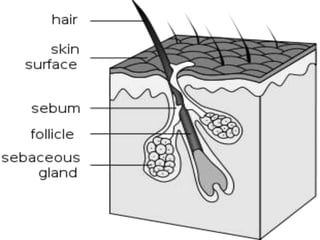
Sebaceous (Oil) Glands


• These are found all over the skin, except on
  the palms of the hand and the soles of the
  feet.
Hair Follicles
• is a skin organ that produces hair.


• Attached to the follicle is a sebaceous gland.
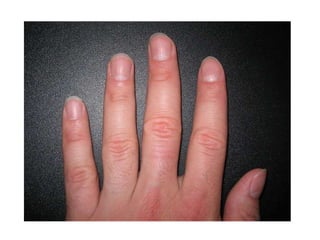
Nails

• is a horn-like envelope covering
  the dorsal aspect of the
  terminal phalanges of fingers and toes in
  humans, most non-human primates, and a
  few other mammals
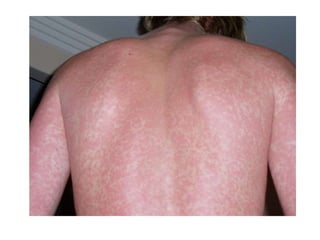
RASH
• is a change of the skin which affects its
  color, appearance or texture


• may be localized in one part of the body, or
  affect all the skin.
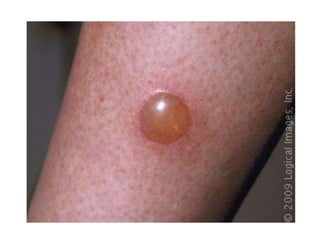
BLISTERS


• is a small pocket of fluid within the upper
  layers of the skin, typically caused by
  forceful rubbing (friction), burning,
  freezing, chemical exposure or infection
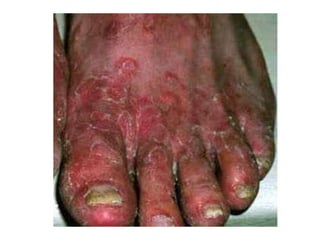
ATHLETE’S FOOT
• is a fungal infection of the skin that causes
  scaling, flaking, and itch of affected areas.


• It is caused by fungi in the
  genus Trichophyton and is typically
  transmitted in moist areas where people
  walk barefoot, such as showers or
  bathhouses.
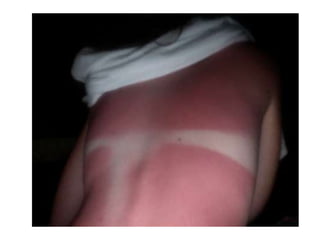
SUNBURN
• is a burn to living tissue, such as skin, which
  is produced by overexposure to
  ultraviolet(UV) radiation, commonly from
  the sun's rays

• Usual mild symptoms in humans and other
  animals include red or reddish skin that is
  hot to the touch, general fatigue, and mild
  dizziness.
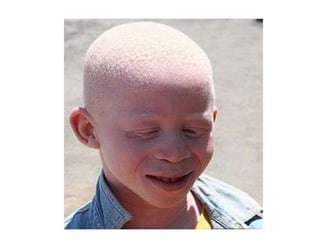
ALBINISM

• is a congenital disorder characterized by
  the complete or partial absence
  of pigment in the skin, hair and eyes due to
  absence or defect of an enzyme involved in
  the production of melanin.
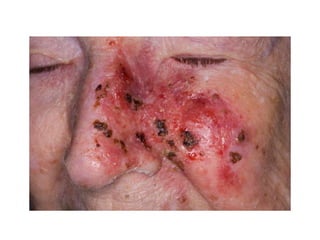
SKIN NEOPLASM
• are skin growths with differing causes and
  varying degrees of malignancy.


• Skin cancer generally develops in
  the epidermis (the outermost layer of skin),
  so a tumor can usually be seen
RASH


• make use of aloevera gel or olive oil on
  rashes and this can cure it fast.
BLISTERS
• Avoid wearing shoes that are too tight or
  that rub your feet.


• Wear gloves to protect your hands when you
  are doing heavy chores or yard work.
SUNBURN
• The best way to prevent a sunburn is to
  avoid sun exposure.


• Stay out of the midday sun (from 10 in the
  morning to 4 in the afternoon)
ATHLETE’S FOOT
• Keeping your feet clean and dry.


• Wear leather shoes or sandals that allow
  your feet to breathe.


• When indoors, wear socks without shoes.
ALBINISM
• There is no known way to prevent albinism.


• Genetic counseling should be considered for
  individuals with a family history of albinism or
  hypopigmentation.
SKIN NEOPLASM

• Studies have suggested that avoiding
  sunburns, especially in childhood and
  adolescence, may reduce the incidence of
  melanoma skin cancer.
Oh m!

Oh m!

  • 1.
  • 4.
    INTRODUCTION The skin and its derivatives ( sweat and oil glands, hairs, nails) serve a number of functions, mostly protective. Together, these organs are called the integumentary system.
  • 6.
    FUNCTIONS OF THESKIN • It insulates and cushions the deeper body organs and protects the entire body from mechanical damage ( bumps and cuts), chemical damage ( such as from acids and bases), thermal damage ( heat and cold), ultraviolet rays ( in sunlight), and bacteria.
  • 7.
    FUNCTIONS OF THESKIN • Protect the body’s internal living tissues and organs • Protect the body from dehydration.
  • 8.
    FUNCTIONS OF THESKIN • Protect the body against abrupt changes in temperature, maintain homeostasis. • Protect the body against sunburns by secreting melanin.
  • 9.
    FUNCTIONS OF THESKIN • Store water, fat, glucose, and vitamin D • Help excrete waste materials through perspiration
  • 10.
    FUNCTIONS HOW ACCOMPLISHED Physical barrier contains keratin, which MECHANICAL DAMAGE toughen cells, and pressure receptors, which alert the nervous system to possible damage Has relatively impermeable keratinized; CHEMICAL DAMAGE contains pain receptors , which alert the nervous system to possible damage Has an unbroken surface and “acid mantle” ( skin secretions are acidic, and thus BACTERIAL DAMAGE inhibit bacteria). Phagocytes ingest foreign substances and phatogens, preventing them from penetrating into deeper body tissues.
  • 13.
    EPIDERMIS • made upof stratified squamous epithelium that is capable of keratinizing or becoming hard and tough. • Its main function is protection, absorption of nutrients, and homeostasis.
  • 14.
    EPIDERMIS • Composed offive zones or layers called strata. From the inside of these called stratum basale, spinosum, granulosm, lucidum, and corneum. • It does not contain blood vessels.
  • 15.
    EPIDERMIS • Most cellsof the epidermis are keratinocytes (keratin cells), which produces keratin, the fibrous protein that makes the epidermis a tough protective layer.
  • 19.
    DERMIS • It isa strong, stretchy envelope that helps to hold the body together. • The dermis is the middle layer of skin, composed of dense irregular connective tissue such as collagen with elastin arranged in a diffusely bundled and woven pattern.
  • 20.
    DERMIS • The dense( fibrous) connective tissue making up the dermis consists of two major regions- the papillary and the reticular area.
  • 21.
    PAPILLARY LAYER • Thepapillary layer is the upper dermal layer region. It is uneven and has fingerlike projections from it’s superior surface, called dermal papillae, which indent the epidermis above.
  • 22.
    RETICULAR LAYER • Itis the deepest skin layer. It contains blood vessels, sweat and oil glands, and deep pressure receptors called Pacinian.
  • 26.
    HYPODERMIS • The hypodermis,or subcutaneous tissue, is the layer of tissue directly underneath the dermis. It is composed mainly of connective and adipose tissue. Its physiological functions include insulation, the storage of energy, and aiding in the anchoring of the skin. This is the thickest layer of the integumentary system.
  • 29.
    APPENDAGES OF THESKIN • The skin appendages include cutaneous glands, hairs and hair follicles, and nails.
  • 30.
    CUTENEOUS GLANDS • areall exocrine glands release their secretions to the skin via ducts. • They fall into two groups; sebaceous glands and sweat glands.
  • 31.
    Sebaceous (Oil) Glands •These are found all over the skin, except on the palms of the hand and the soles of the feet.
  • 32.
    Hair Follicles • isa skin organ that produces hair. • Attached to the follicle is a sebaceous gland.
  • 34.
    Nails • is ahorn-like envelope covering the dorsal aspect of the terminal phalanges of fingers and toes in humans, most non-human primates, and a few other mammals
  • 37.
    RASH • is achange of the skin which affects its color, appearance or texture • may be localized in one part of the body, or affect all the skin.
  • 39.
    BLISTERS • is asmall pocket of fluid within the upper layers of the skin, typically caused by forceful rubbing (friction), burning, freezing, chemical exposure or infection
  • 41.
    ATHLETE’S FOOT • isa fungal infection of the skin that causes scaling, flaking, and itch of affected areas. • It is caused by fungi in the genus Trichophyton and is typically transmitted in moist areas where people walk barefoot, such as showers or bathhouses.
  • 43.
    SUNBURN • is aburn to living tissue, such as skin, which is produced by overexposure to ultraviolet(UV) radiation, commonly from the sun's rays • Usual mild symptoms in humans and other animals include red or reddish skin that is hot to the touch, general fatigue, and mild dizziness.
  • 45.
    ALBINISM • is acongenital disorder characterized by the complete or partial absence of pigment in the skin, hair and eyes due to absence or defect of an enzyme involved in the production of melanin.
  • 47.
    SKIN NEOPLASM • areskin growths with differing causes and varying degrees of malignancy. • Skin cancer generally develops in the epidermis (the outermost layer of skin), so a tumor can usually be seen
  • 50.
    RASH • make useof aloevera gel or olive oil on rashes and this can cure it fast.
  • 51.
    BLISTERS • Avoid wearingshoes that are too tight or that rub your feet. • Wear gloves to protect your hands when you are doing heavy chores or yard work.
  • 52.
    SUNBURN • The bestway to prevent a sunburn is to avoid sun exposure. • Stay out of the midday sun (from 10 in the morning to 4 in the afternoon)
  • 53.
    ATHLETE’S FOOT • Keepingyour feet clean and dry. • Wear leather shoes or sandals that allow your feet to breathe. • When indoors, wear socks without shoes.
  • 54.
    ALBINISM • There isno known way to prevent albinism. • Genetic counseling should be considered for individuals with a family history of albinism or hypopigmentation.
  • 55.
    SKIN NEOPLASM • Studieshave suggested that avoiding sunburns, especially in childhood and adolescence, may reduce the incidence of melanoma skin cancer.