In today’s interconnected era, the digital world has become an inseparable part of our daily lives. From social media to online learning, banking to entertainment, our reliance on technology continues to grow. While these advancements bring convenience and opportunities, they also come with risks such as cybercrime, identity theft, misinformation, and online exploitation. Therefore, learning to navigate the digital world safely is not just a skill it is a necessity.
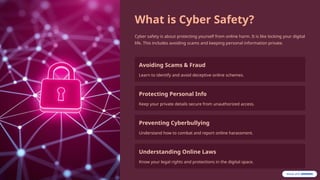
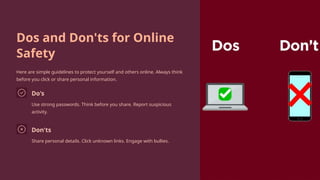
Safe digital navigation begins with awareness. Understanding the importance of strong passwords, two-factor authentication, and secure networks can protect individuals from hackers and fraud. Equally important is recognizing the dangers of oversharing personal information online, as even seemingly harmless details can be misused. Developing critical thinking skills also plays a vital role in distinguishing credible information from misinformation or harmful content.
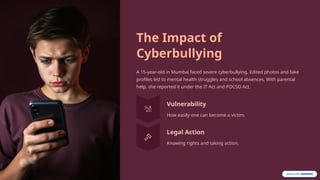
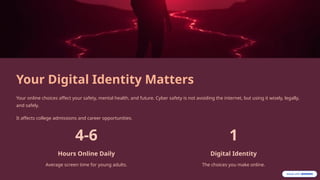
Cyber safety extends beyond technical measures; it also involves practicing digital etiquette and empathy. Respectful online interactions, being mindful of digital footprints, and reporting inappropriate behavior create safer communities for everyone. Parents, educators, and institutions must also work together to build digital literacy, ensuring young users understand both the opportunities and pitfalls of the internet.
Ultimately, navigating the digital world safely is about balance—embracing technology’s benefits while being prepared for its challenges. By combining caution with confidence, users can enjoy the digital landscape responsibly and securely. Safe practices empower individuals to thrive in the online environment while protecting their privacy, dignity, and well-being.