Download to read offline
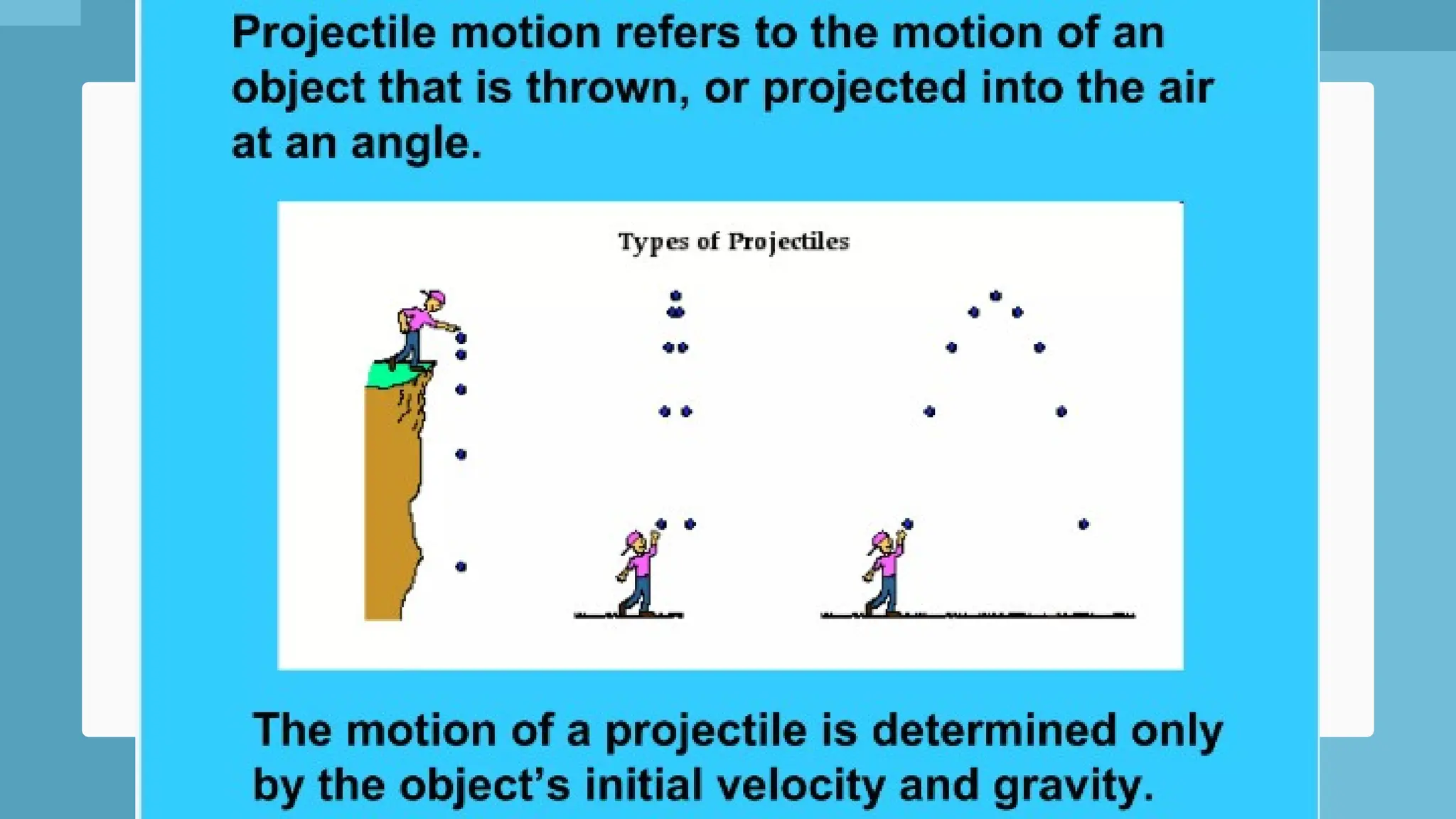
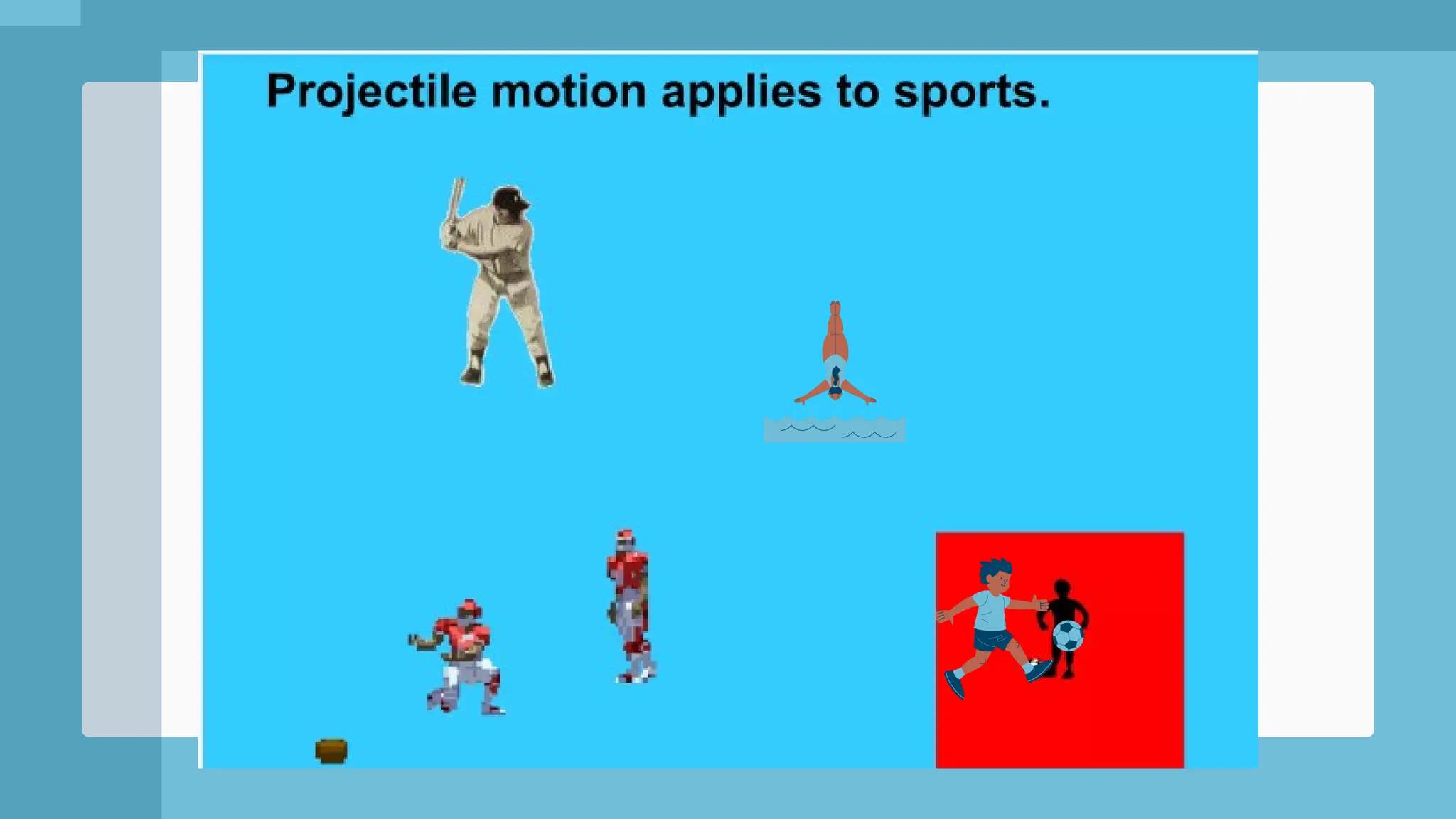
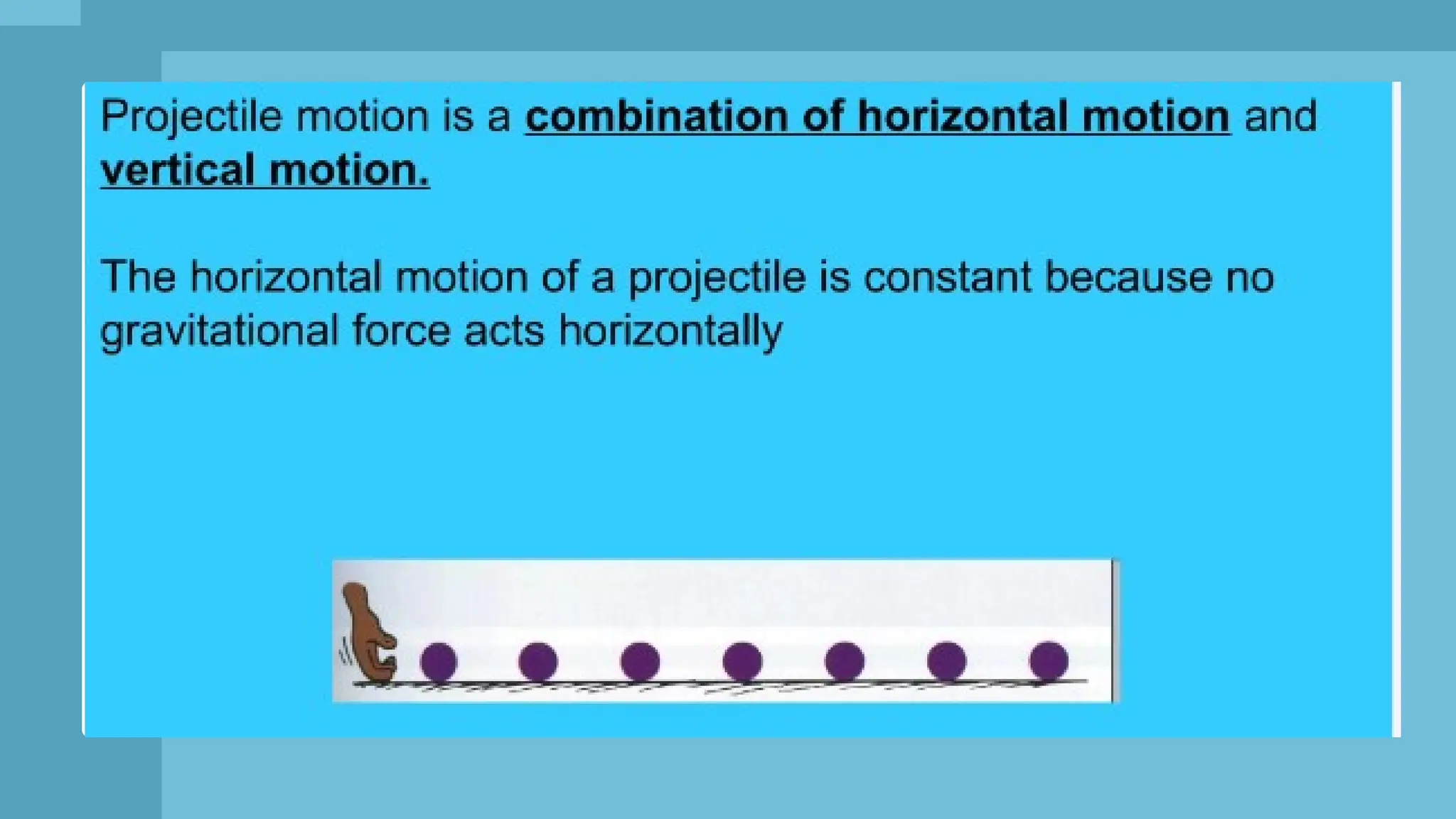
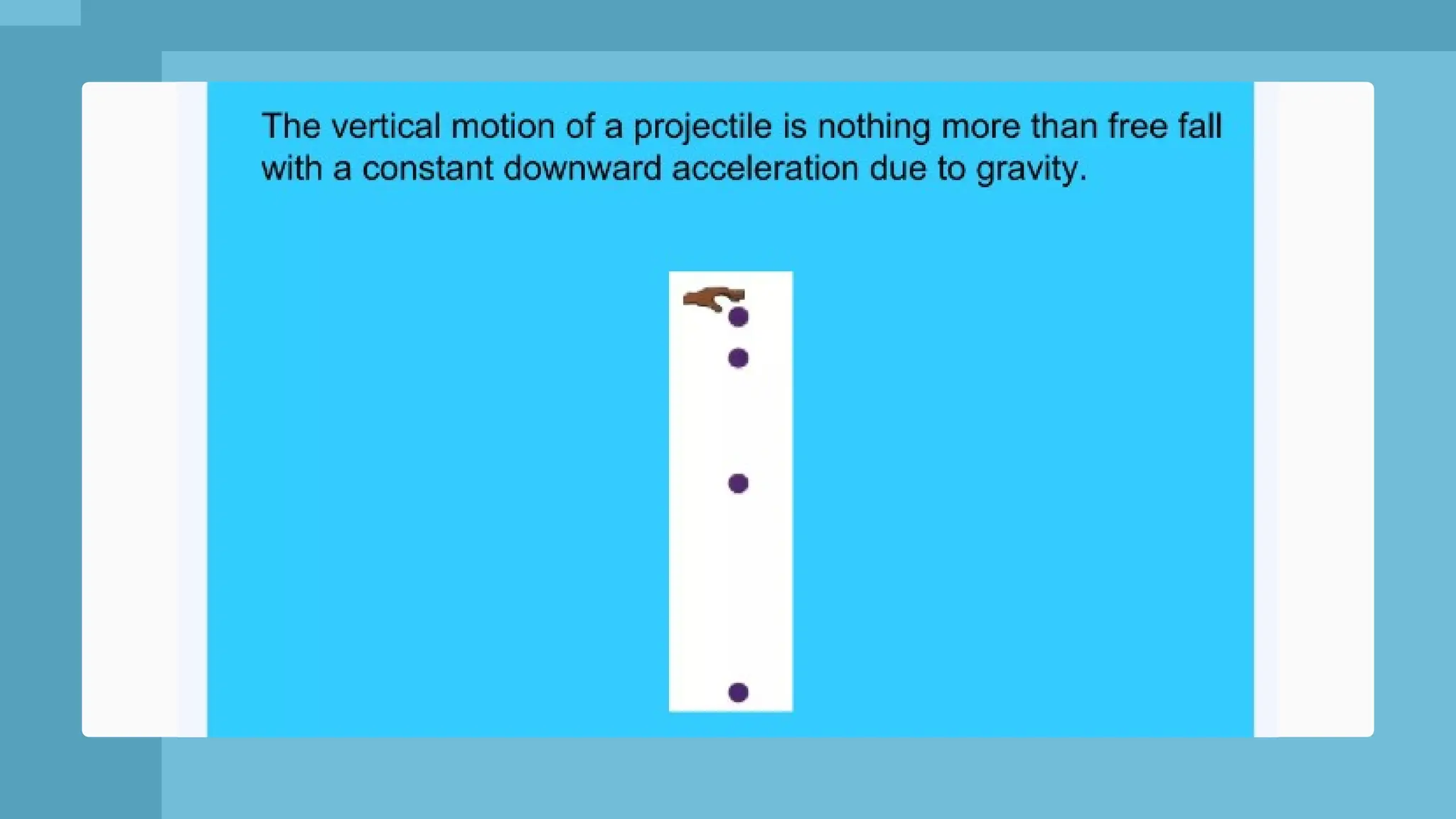
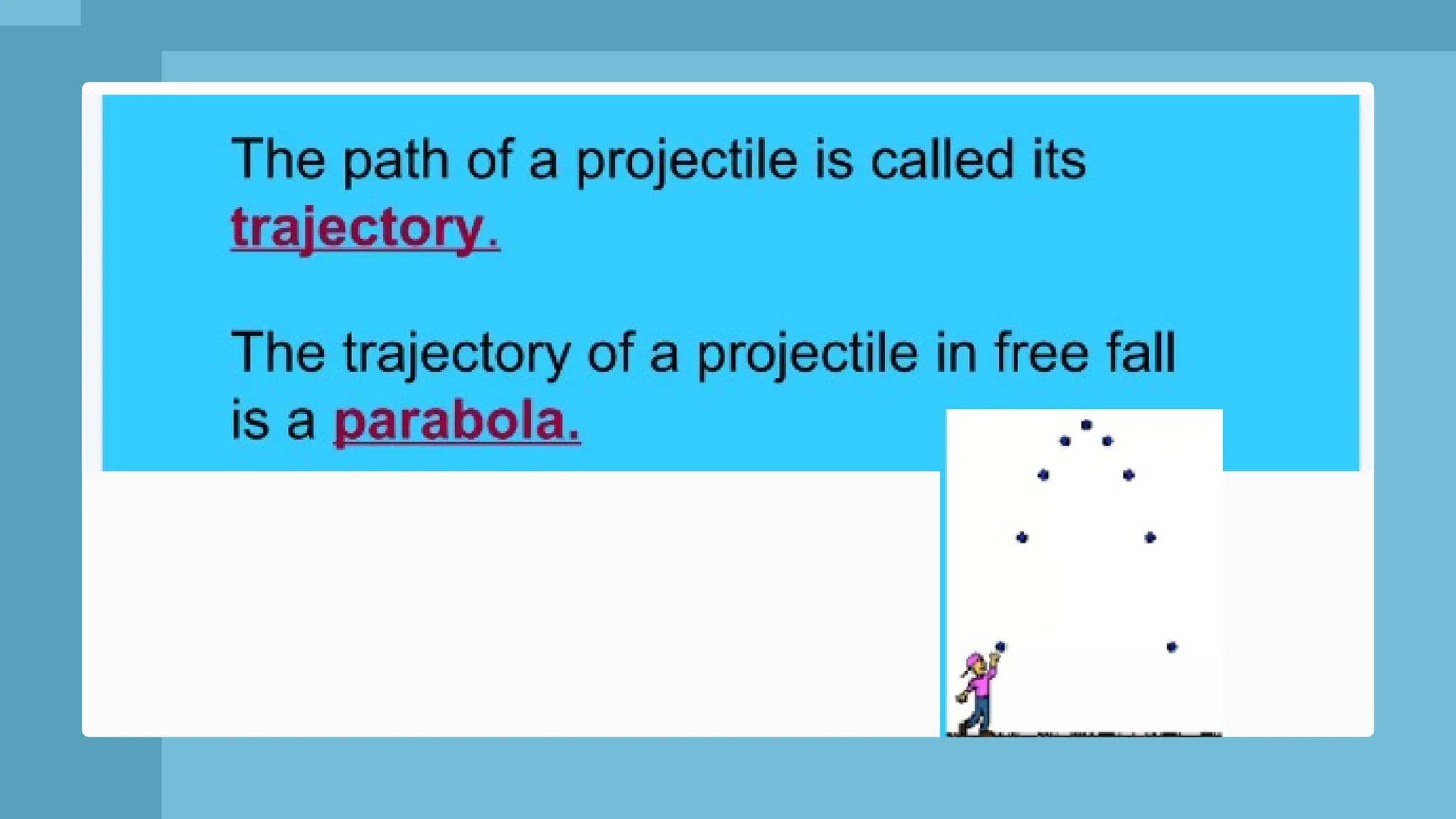
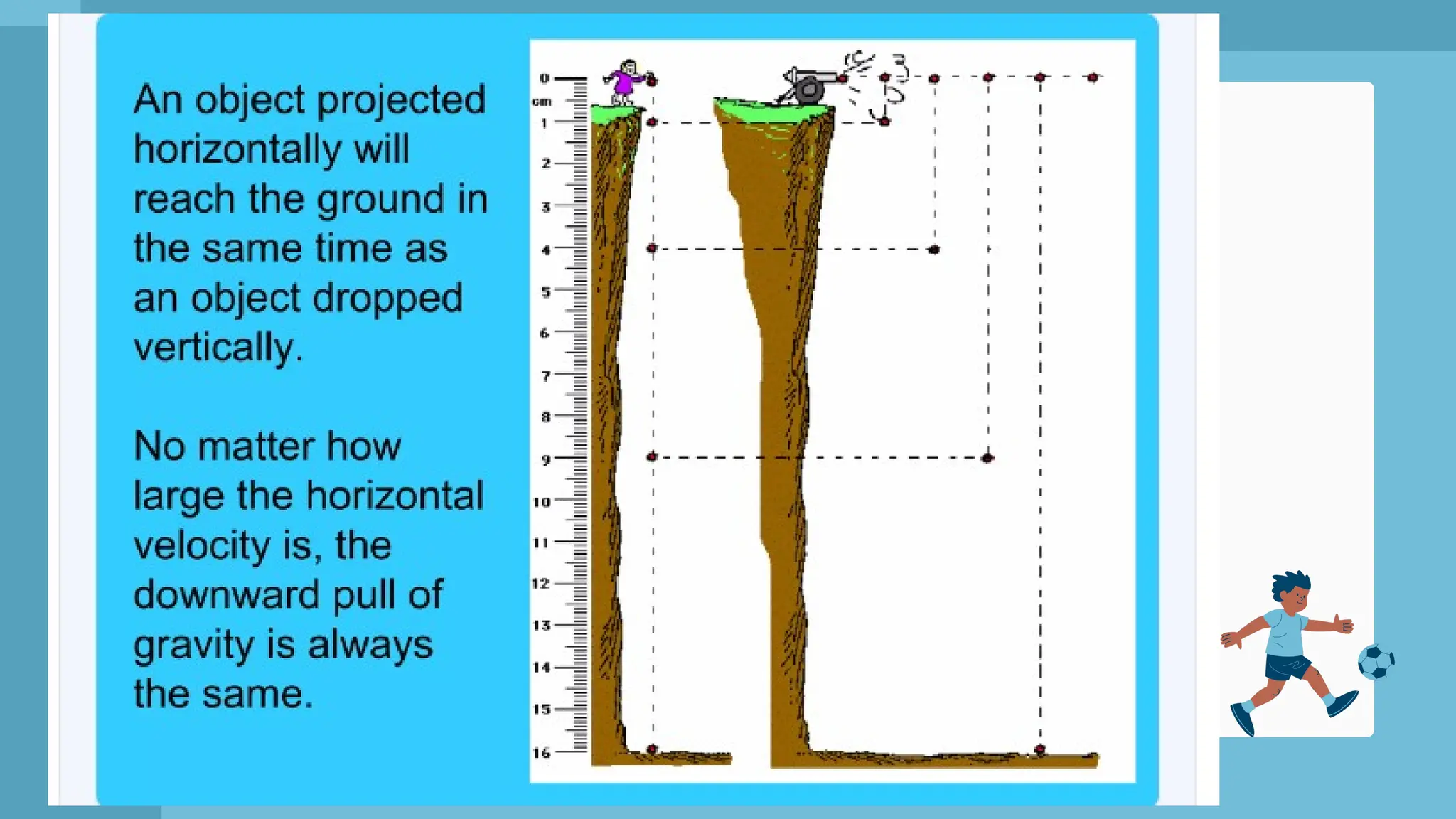
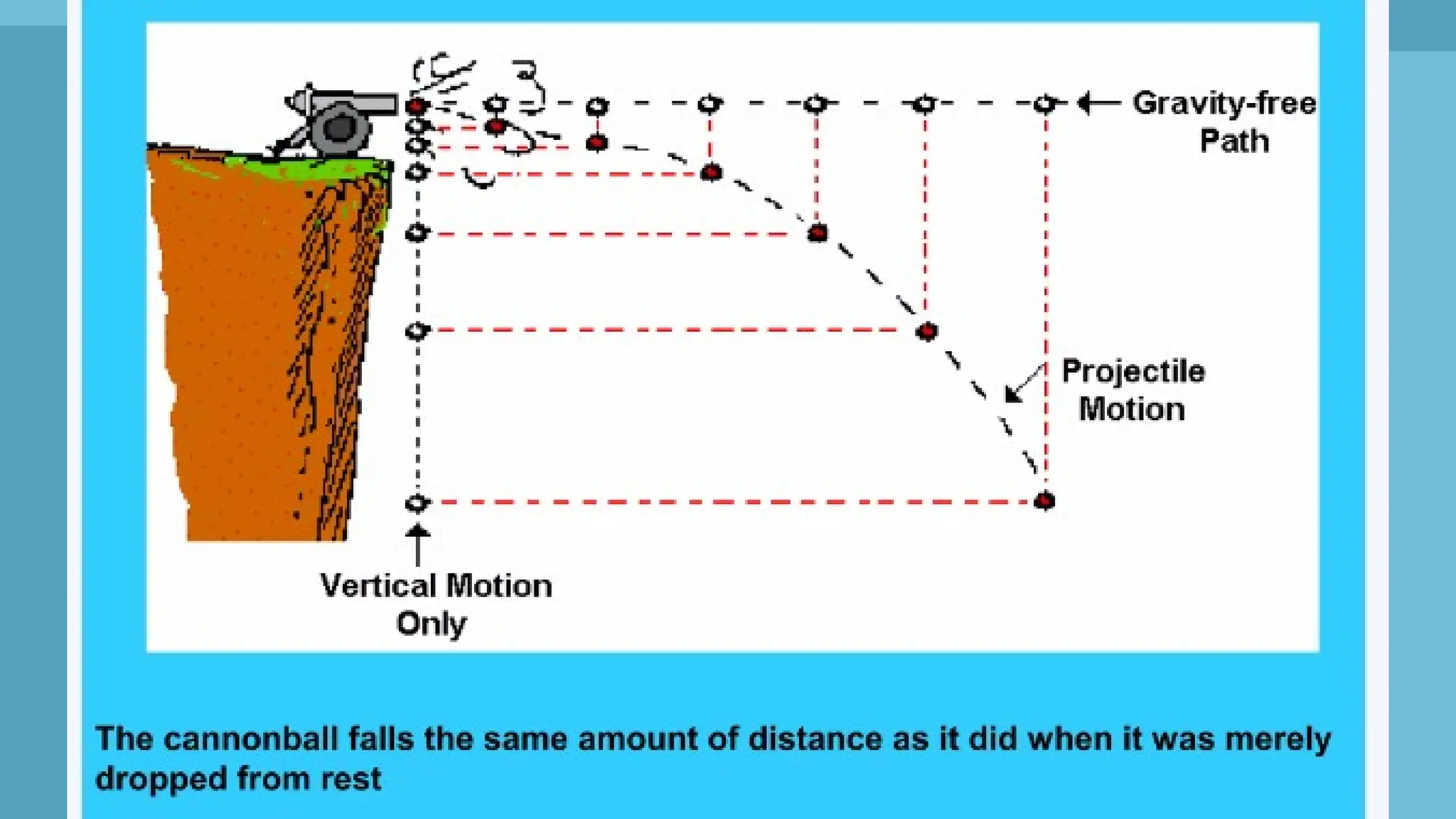
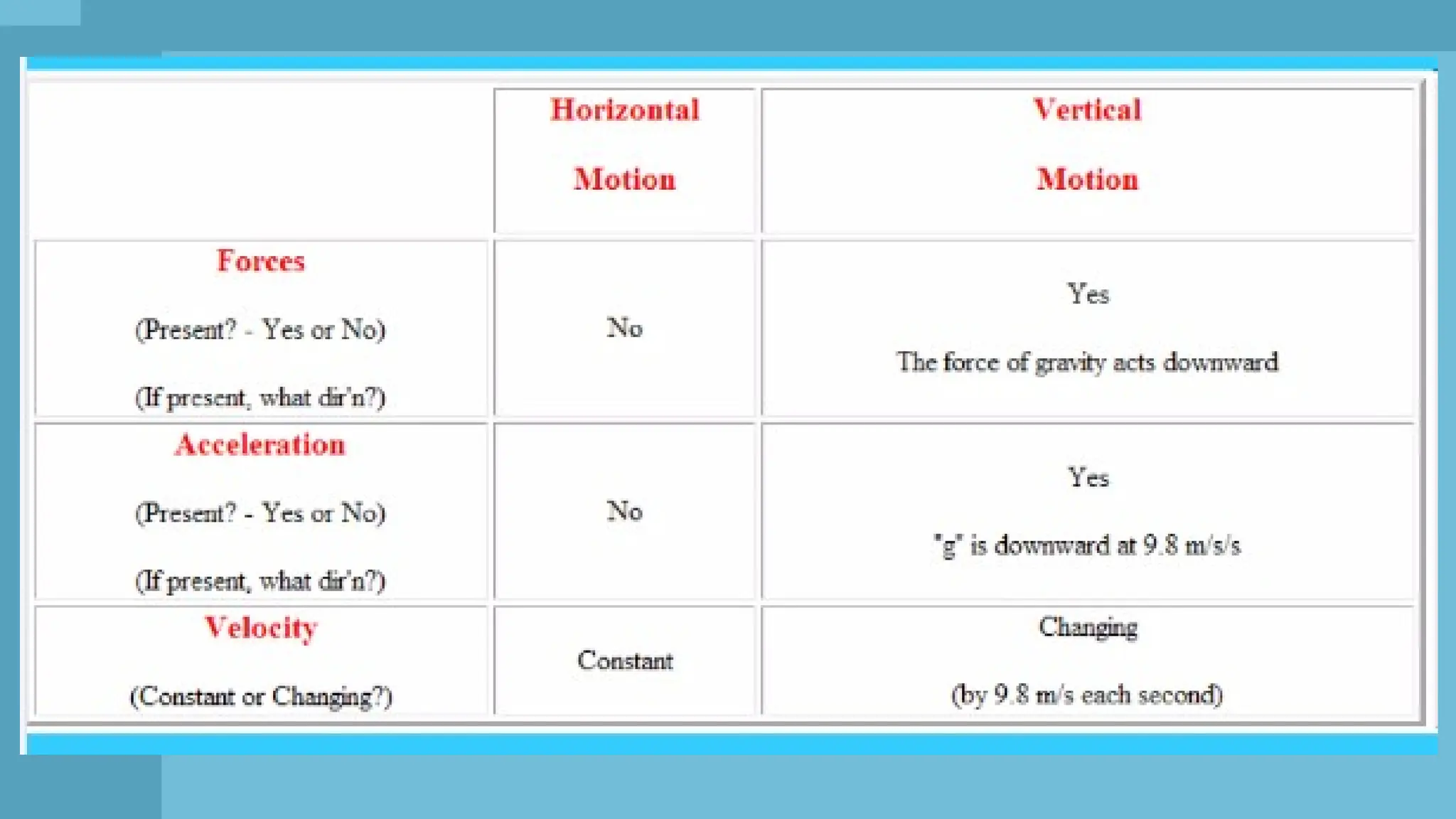



Motion in two dimensions refers to the movement of an object within a plane, meaning it has both horizontal and vertical components. This is a significant concept in physics, as it describes many real-world scenarios. Here's a breakdown of key aspects: Key Concepts: Vectors: Two-dimensional motion is best described using vectors, which have both magnitude (size) and direction. Velocity, acceleration, and displacement in two dimensions are vector quantities. Independence of Motion: A crucial principle is that the horizontal and vertical components of motion are independent of each other. This means that motion in one direction does not affect motion in the other. This allows us to analyze each component separately. Projectile Motion: A classic example of two-dimensional motion is projectile motion, which describes the path of an object thrown or launched into the air. Gravity acts vertically, causing a constant downward acceleration, while the horizontal velocity remains constant (neglecting air resistance). Circular Motion: Another important example is circular motion, where an object moves along a circular path. This involves concepts like centripetal acceleration, which is directed towards the center of the circle. Applications: Understanding the trajectory of a ball or other projectile. Analyzing the motion of vehicles turning corners. Describing the orbits of planets and satellites. In essence: Motion in two dimensions allows us to describe movement that is not simply a straight line. It is a more complex version of one dimensional motion, that allows us to describe real world movement with greater accuracy.


