LTE Drive Test Theory,
Tools, Preparation And
Analysis
Facilitator: Abari Rasheed O (ITIL)
Objectives
Understanding Drive Test basic principles
Know the basic parameter in 4G Drive Test
Knowledge of both SSV, BM, MOS and Cluster Drive Test
Post processing of Log files
Drive test log analysis and RF Optimization Action
Reporting with basic standard
TEMS Discovery, Genex Assistance, Actix and Map Info
Why Do We Do DT?
• Drive testing is a method of measuring and assessing the coverage, capacity
and Quality of Service (QoS) of a mobile radio network.
• The technique consists of using a motor vehicle containing mobile radio
network air interface measurement equipment that can detect and record a
wide variety of the physical and virtual parameters of mobile cellular service in a
given geographical area.
• By measuring what a wireless network subscriber would experience in any
specific area, wireless carriers can make directed changes to their networks
that provide better coverage and service to their customers.
Data Collected During Drive Testing
Drive test equipment typically collects data relating to the network itself, services running on the
network such as voice or data services, radio frequency scanner information and GPS information to
provide location details.
The data set collected during drive testing field measurements can include information such as:
 Signal intensity
 Signal quality
 Interference
 Dropped calls
 Blocked calls
 Call statistics
 Service level statistics
 Quality of Service information
 Handover information
 Neighboring cell information
 GPS location co-ordinates
Different Types of Drive Test
There are different types of drive test depending on the requirement, purpose and
desired result.
Single Site Verification (SSV)
Cluster Drive Test
Mean Opinion Score (MOS)
Benchmark (BM)
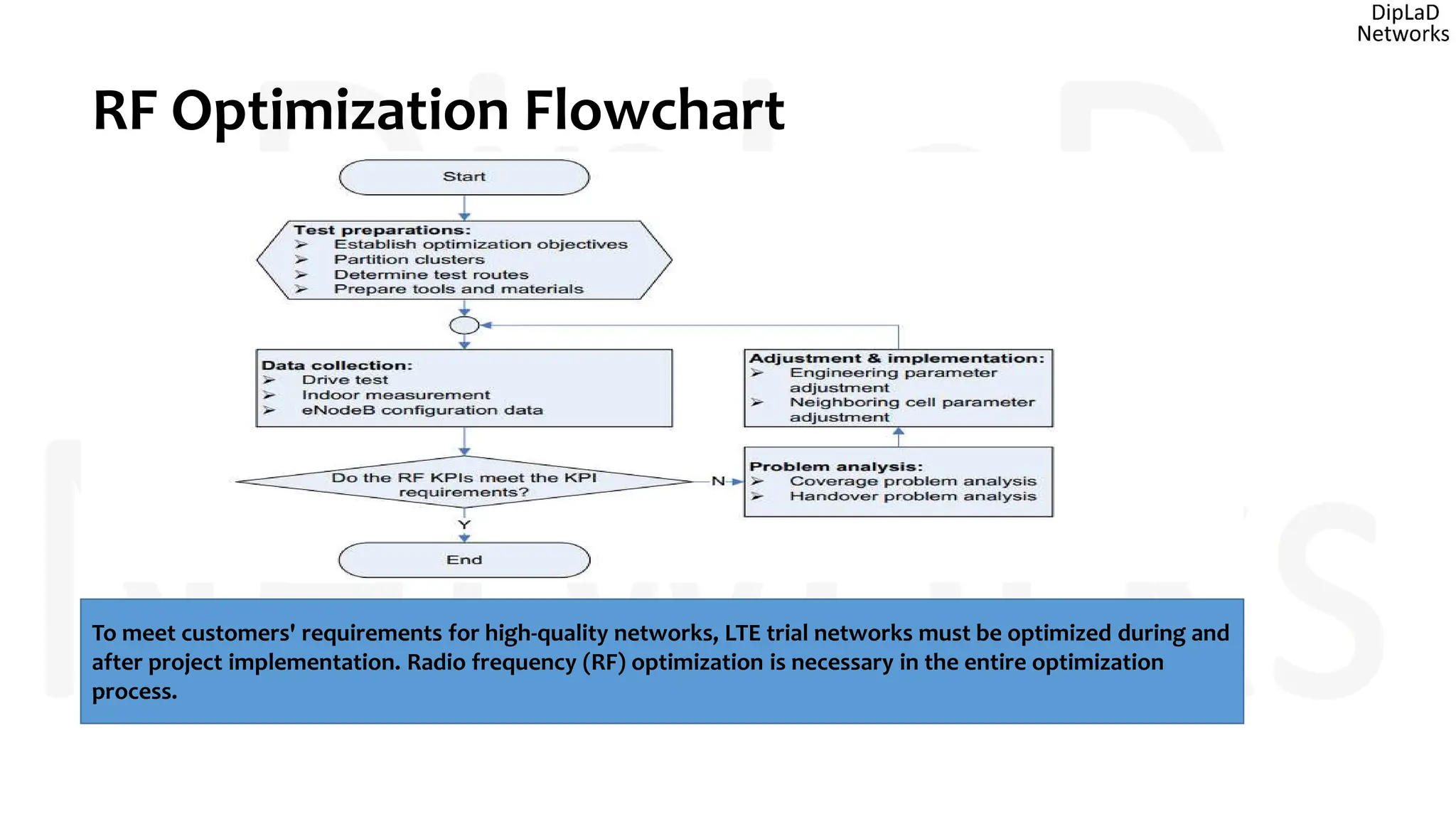
RF Optimization Flowchart
To meet customers' requirements for high-quality networks, LTE trial networks must be optimized during and
after project implementation. Radio frequency (RF) optimization is necessary in the entire optimization
process.
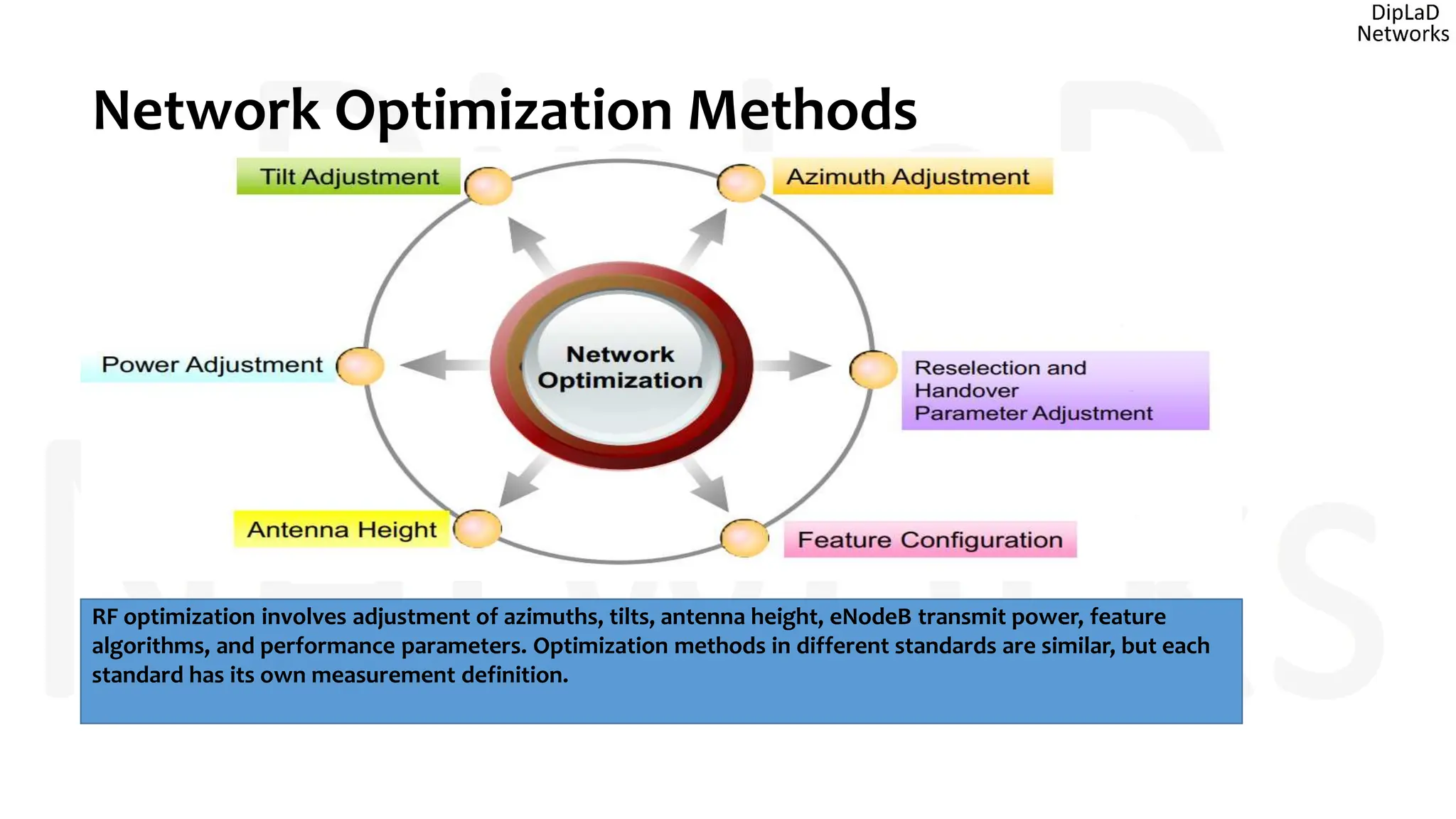
Network Optimization Methods
RF optimization involves adjustment of azimuths, tilts, antenna height, eNodeB transmit power, feature
algorithms, and performance parameters. Optimization methods in different standards are similar, but each
standard has its own measurement definition.
What is 4G LTE?
4G is the fourth generation of mobile network technology. 4G offers a connection that is more reliable and delivers much higher
speeds. Specifically, 4G LTE means “fourth-generation long term evolution,” with LTE being a type of 4G that delivers the fastest
connection for a mobile internet experience – up to 10 times faster than 3G.
Ideally, any bandwidth can be used, LTE defines possible nominal bandwidths of 1.4 MHz, 3 MHz, 5 MHz, 10 MHz, 15 MHz and 20
MHz.
LTE is also capable of operating in both bands paired (FDD) and unpaired (TDD).
Modulation scheme
DL: QPSK, 16QAM, 64QAM & 256QAM
UL: QPSK, 16QAM, 64QAM (optional)
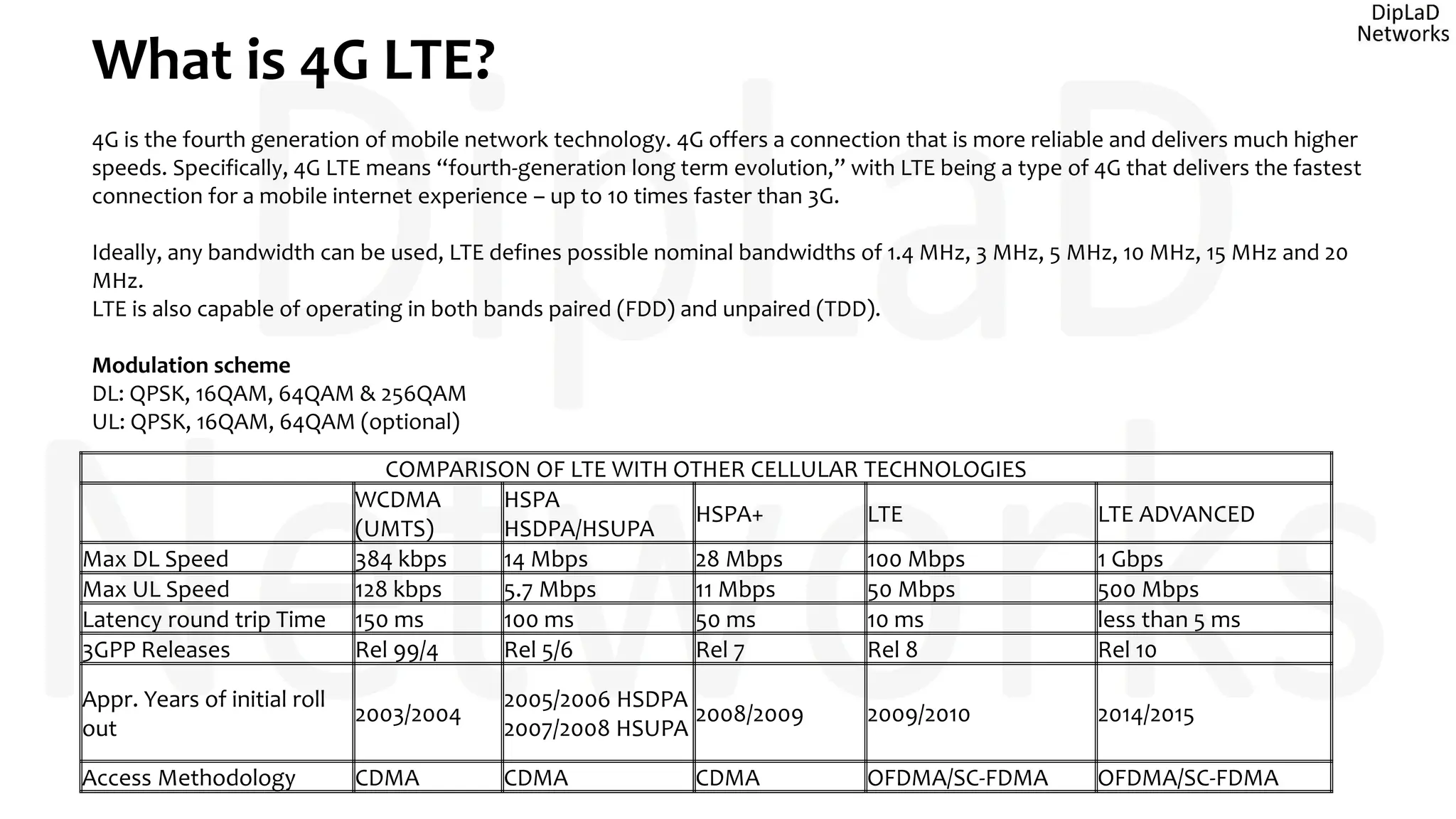
COMPARISON OF LTE WITH OTHER CELLULAR TECHNOLOGIES
WCDMA
(UMTS)
HSPA
HSDPA/HSUPA
HSPA+ LTE LTE ADVANCED
Max DL Speed 384 kbps 14 Mbps 28 Mbps 100 Mbps 1 Gbps
Max UL Speed 128 kbps 5.7 Mbps 11 Mbps 50 Mbps 500 Mbps
Latency round trip Time 150 ms 100 ms 50 ms 10 ms less than 5 ms
3GPP Releases Rel 99/4 Rel 5/6 Rel 7 Rel 8 Rel 10
Appr. Years of initial roll
out
2003/2004
2005/2006 HSDPA
2007/2008 HSUPA
2008/2009 2009/2010 2014/2015
Access Methodology CDMA CDMA CDMA OFDMA/SC-FDMA OFDMA/SC-FDMA
What is 4G LTE?
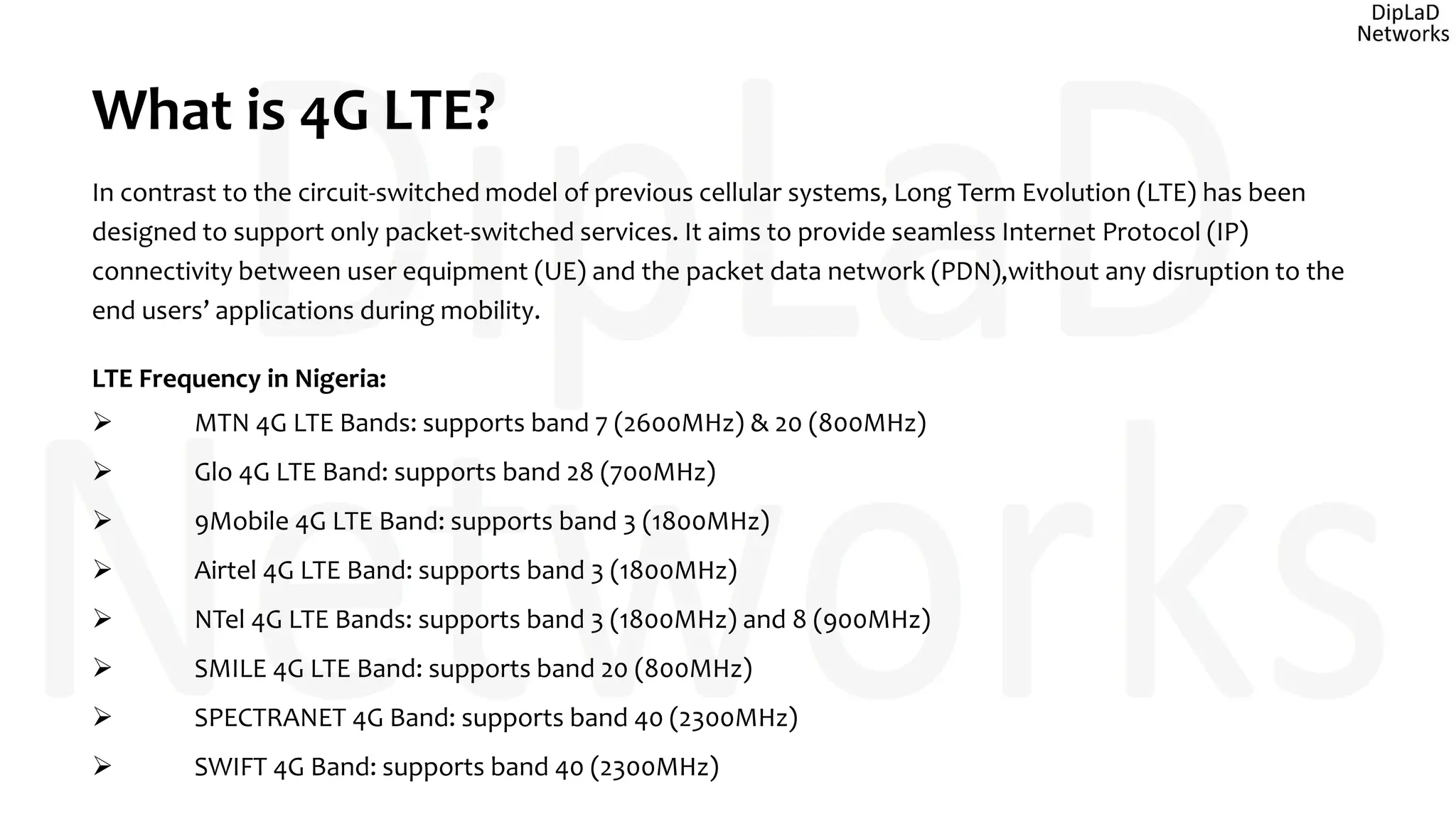
In contrast to the circuit-switched model of previous cellular systems, Long Term Evolution (LTE) has been
designed to support only packet-switched services. It aims to provide seamless Internet Protocol (IP)
connectivity between user equipment (UE) and the packet data network (PDN),without any disruption to the
end users’ applications during mobility.
LTE Frequency in Nigeria:
 MTN 4G LTE Bands: supports band 7 (2600MHz) & 20 (800MHz)
 Glo 4G LTE Band: supports band 28 (700MHz)
 9Mobile 4G LTE Band: supports band 3 (1800MHz)
 Airtel 4G LTE Band: supports band 3 (1800MHz)
 NTel 4G LTE Bands: supports band 3 (1800MHz) and 8 (900MHz)
 SMILE 4G LTE Band: supports band 20 (800MHz)
 SPECTRANET 4G Band: supports band 40 (2300MHz)
 SWIFT 4G Band: supports band 40 (2300MHz)
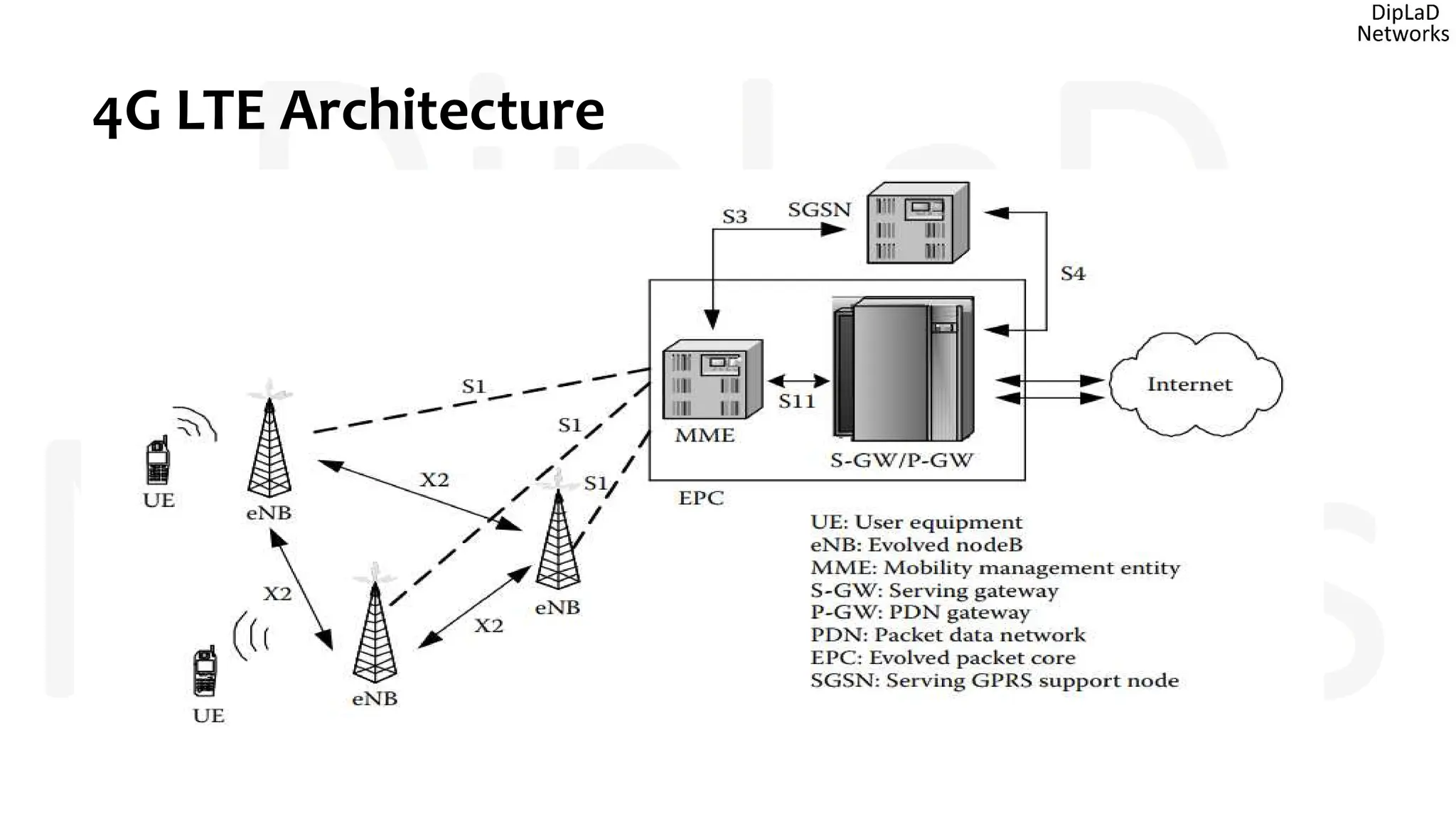
4G LTE Architecture
4G LTE Architecture
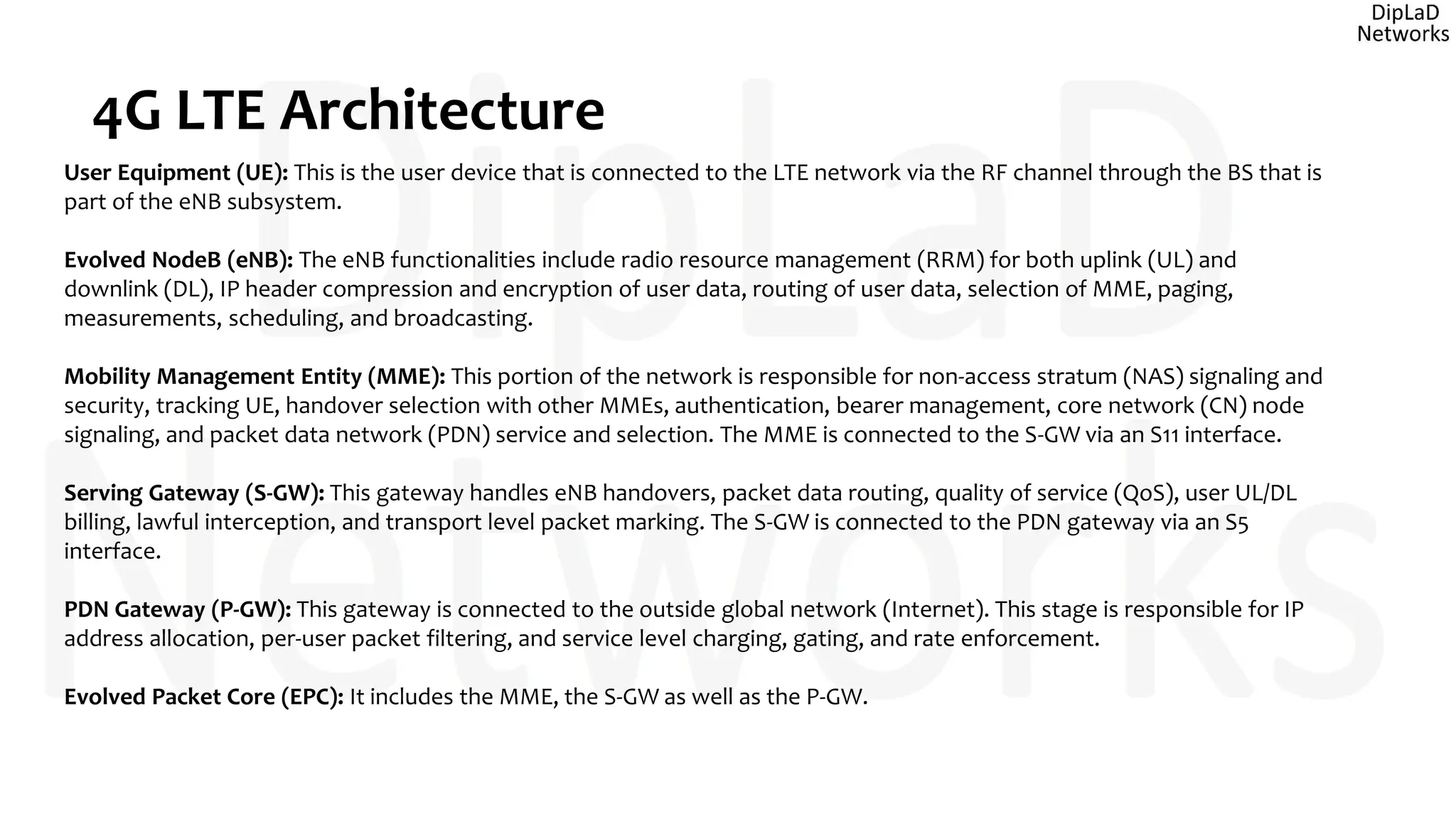
User Equipment (UE): This is the user device that is connected to the LTE network via the RF channel through the BS that is
part of the eNB subsystem.
Evolved NodeB (eNB): The eNB functionalities include radio resource management (RRM) for both uplink (UL) and
downlink (DL), IP header compression and encryption of user data, routing of user data, selection of MME, paging,
measurements, scheduling, and broadcasting.
Mobility Management Entity (MME): This portion of the network is responsible for non-access stratum (NAS) signaling and
security, tracking UE, handover selection with other MMEs, authentication, bearer management, core network (CN) node
signaling, and packet data network (PDN) service and selection. The MME is connected to the S-GW via an S11 interface.
Serving Gateway (S-GW): This gateway handles eNB handovers, packet data routing, quality of service (QoS), user UL/DL
billing, lawful interception, and transport level packet marking. The S-GW is connected to the PDN gateway via an S5
interface.
PDN Gateway (P-GW): This gateway is connected to the outside global network (Internet). This stage is responsible for IP
address allocation, per-user packet filtering, and service level charging, gating, and rate enforcement.
Evolved Packet Core (EPC): It includes the MME, the S-GW as well as the P-GW.
4G LTE Drive Test
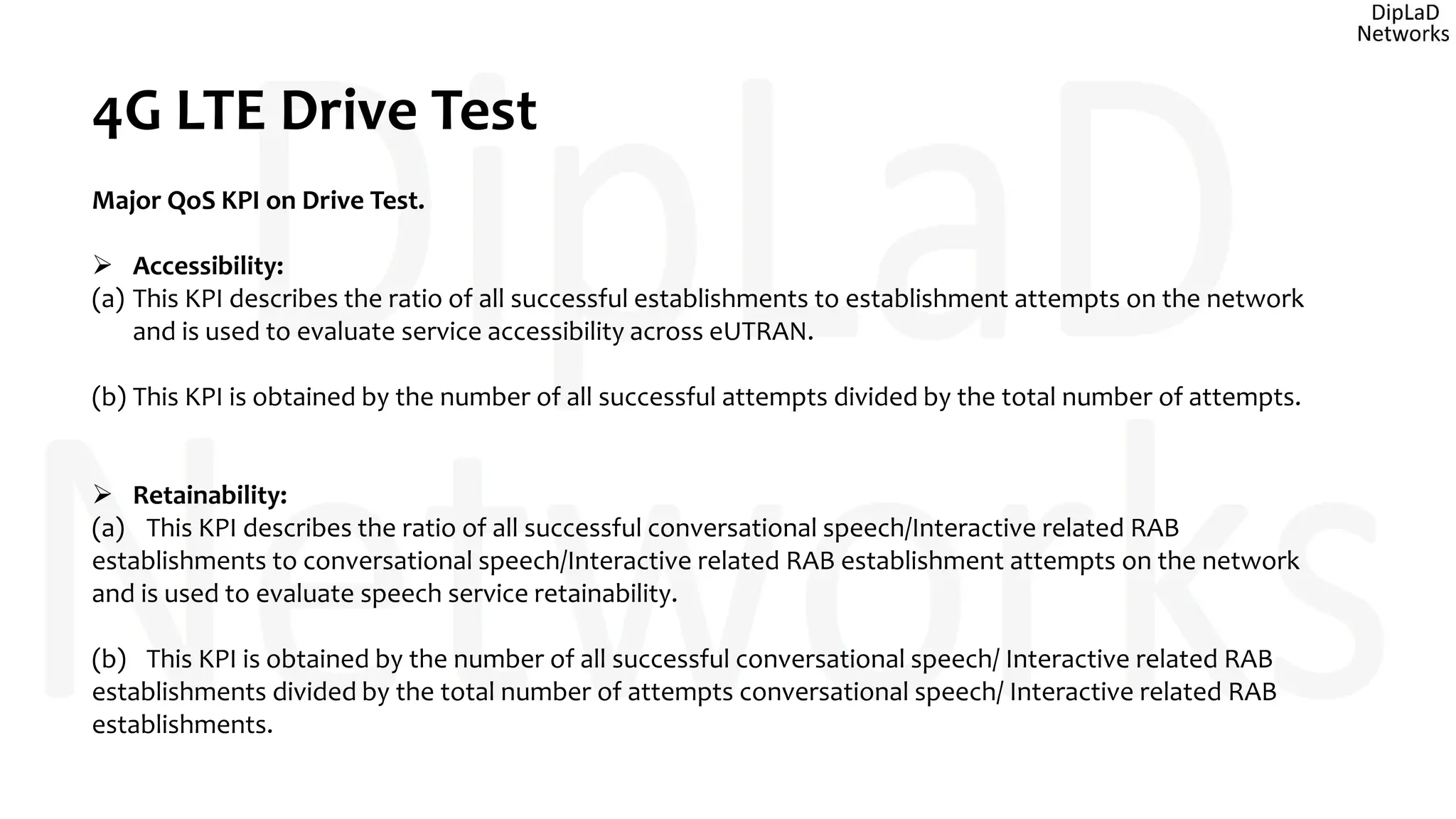
Major QoS KPI on Drive Test.
 Accessibility:
(a) This KPI describes the ratio of all successful establishments to establishment attempts on the network
and is used to evaluate service accessibility across eUTRAN.
(b) This KPI is obtained by the number of all successful attempts divided by the total number of attempts.
 Retainability:
(a) This KPI describes the ratio of all successful conversational speech/Interactive related RAB
establishments to conversational speech/Interactive related RAB establishment attempts on the network
and is used to evaluate speech service retainability.
(b) This KPI is obtained by the number of all successful conversational speech/ Interactive related RAB
establishments divided by the total number of attempts conversational speech/ Interactive related RAB
establishments.
4G LTE Drive Test
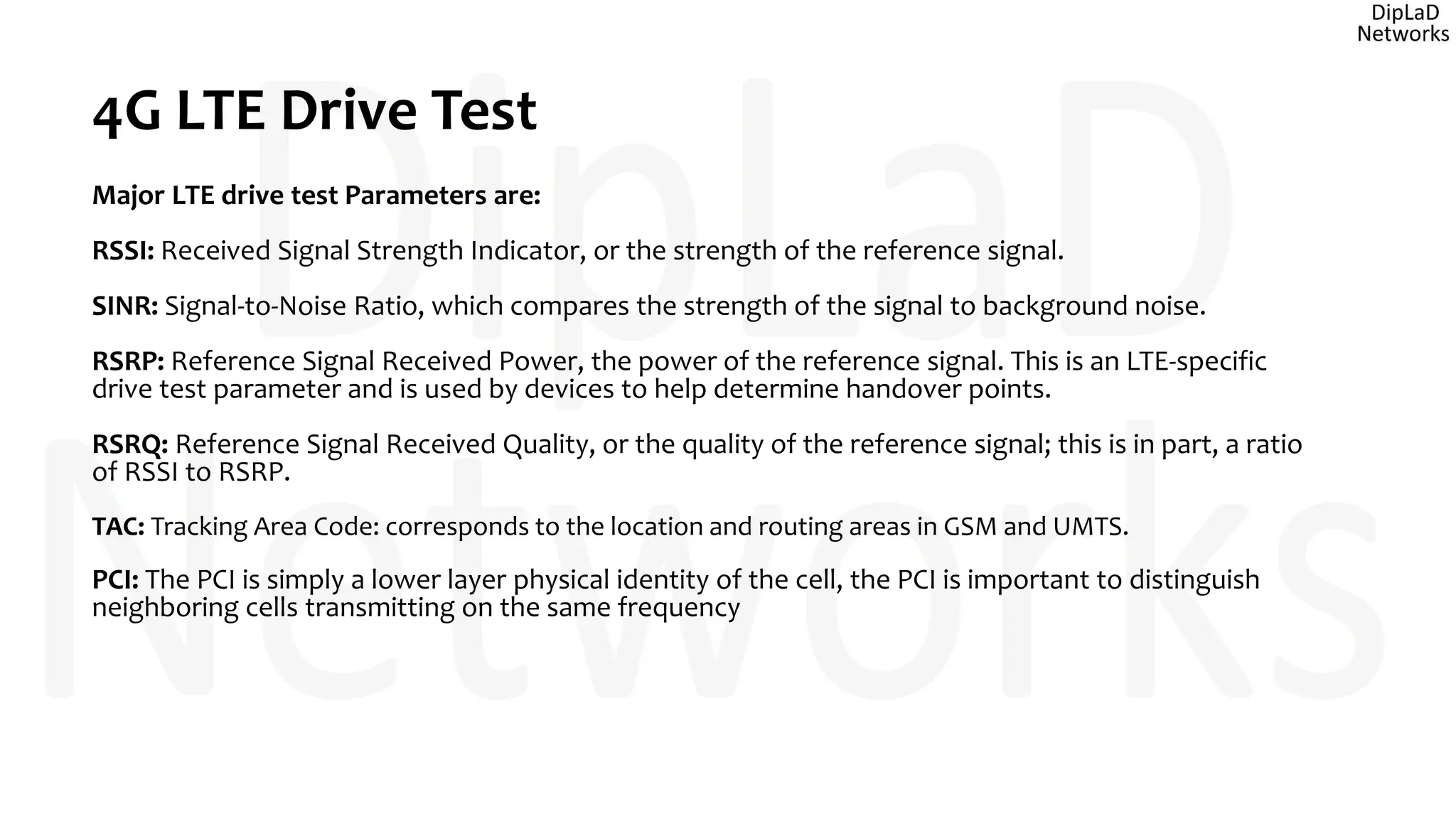
Major LTE drive test Parameters are:
RSSI: Received Signal Strength Indicator, or the strength of the reference signal.
SINR: Signal-to-Noise Ratio, which compares the strength of the signal to background noise.
RSRP: Reference Signal Received Power, the power of the reference signal. This is an LTE-specific
drive test parameter and is used by devices to help determine handover points.
RSRQ: Reference Signal Received Quality, or the quality of the reference signal; this is in part, a ratio
of RSSI to RSRP.
TAC: Tracking Area Code: corresponds to the location and routing areas in GSM and UMTS.
PCI: The PCI is simply a lower layer physical identity of the cell, the PCI is important to distinguish
neighboring cells transmitting on the same frequency
4G LTE Communication Channels 1
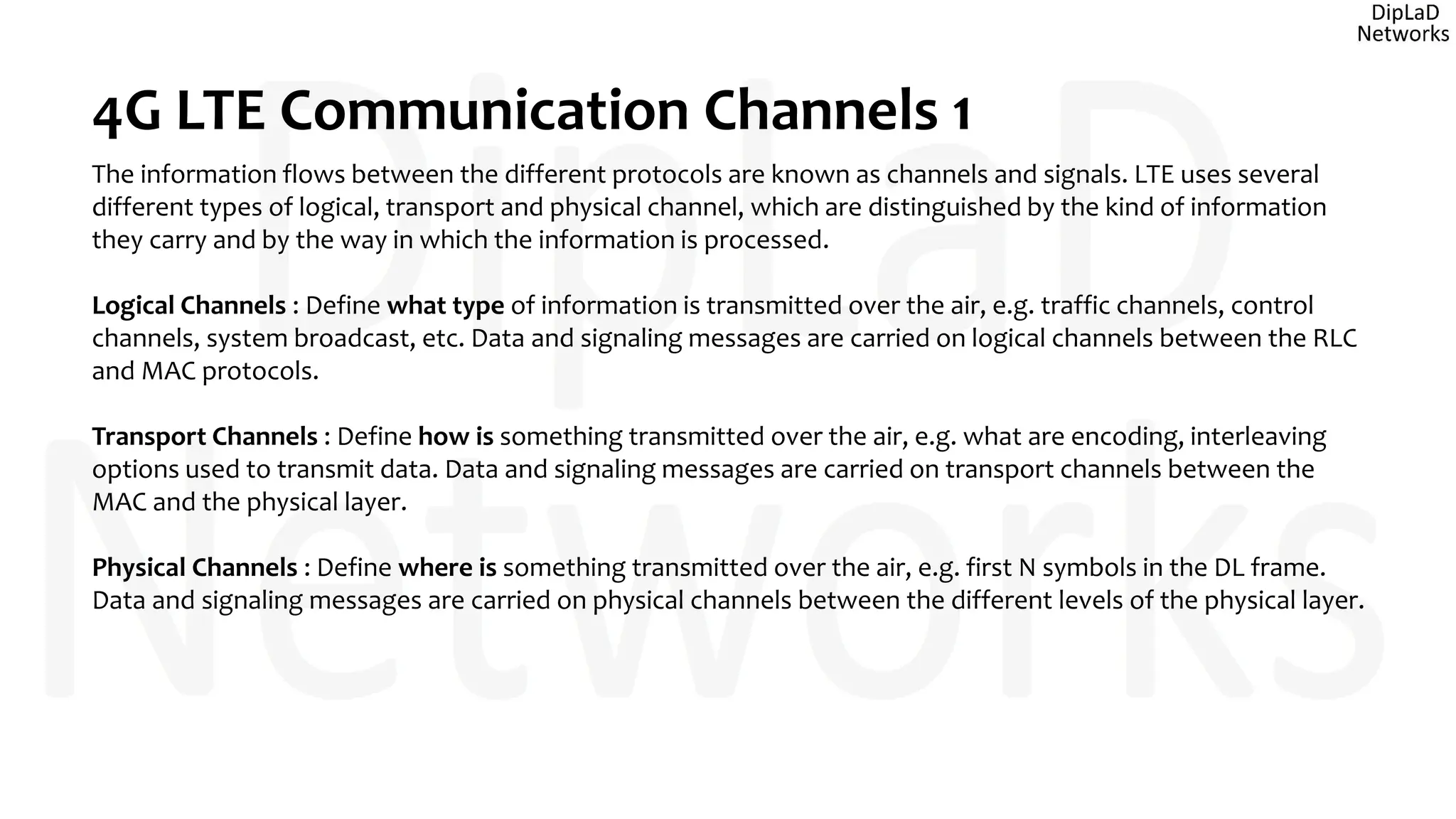
The information flows between the different protocols are known as channels and signals. LTE uses several
different types of logical, transport and physical channel, which are distinguished by the kind of information
they carry and by the way in which the information is processed.
Logical Channels : Define what type of information is transmitted over the air, e.g. traffic channels, control
channels, system broadcast, etc. Data and signaling messages are carried on logical channels between the RLC
and MAC protocols.
Transport Channels : Define how is something transmitted over the air, e.g. what are encoding, interleaving
options used to transmit data. Data and signaling messages are carried on transport channels between the
MAC and the physical layer.
Physical Channels : Define where is something transmitted over the air, e.g. first N symbols in the DL frame.
Data and signaling messages are carried on physical channels between the different levels of the physical layer.
4G LTE Communication Channels 2
Logical Channels
Logical channels define what type of data is transferred. These channels define the data-transfer services offered by the MAC layer. Data and
signaling messages are carried on logical channels between the RLC and MAC protocols.
Logical channels can be divided into control channels and traffic channels. Control Channel can be either common channel or dedicated
channel. A common channel means common to all users in a cell (Point to multipoint) while dedicated channels means channels can be used
only by one user (Point to Point).
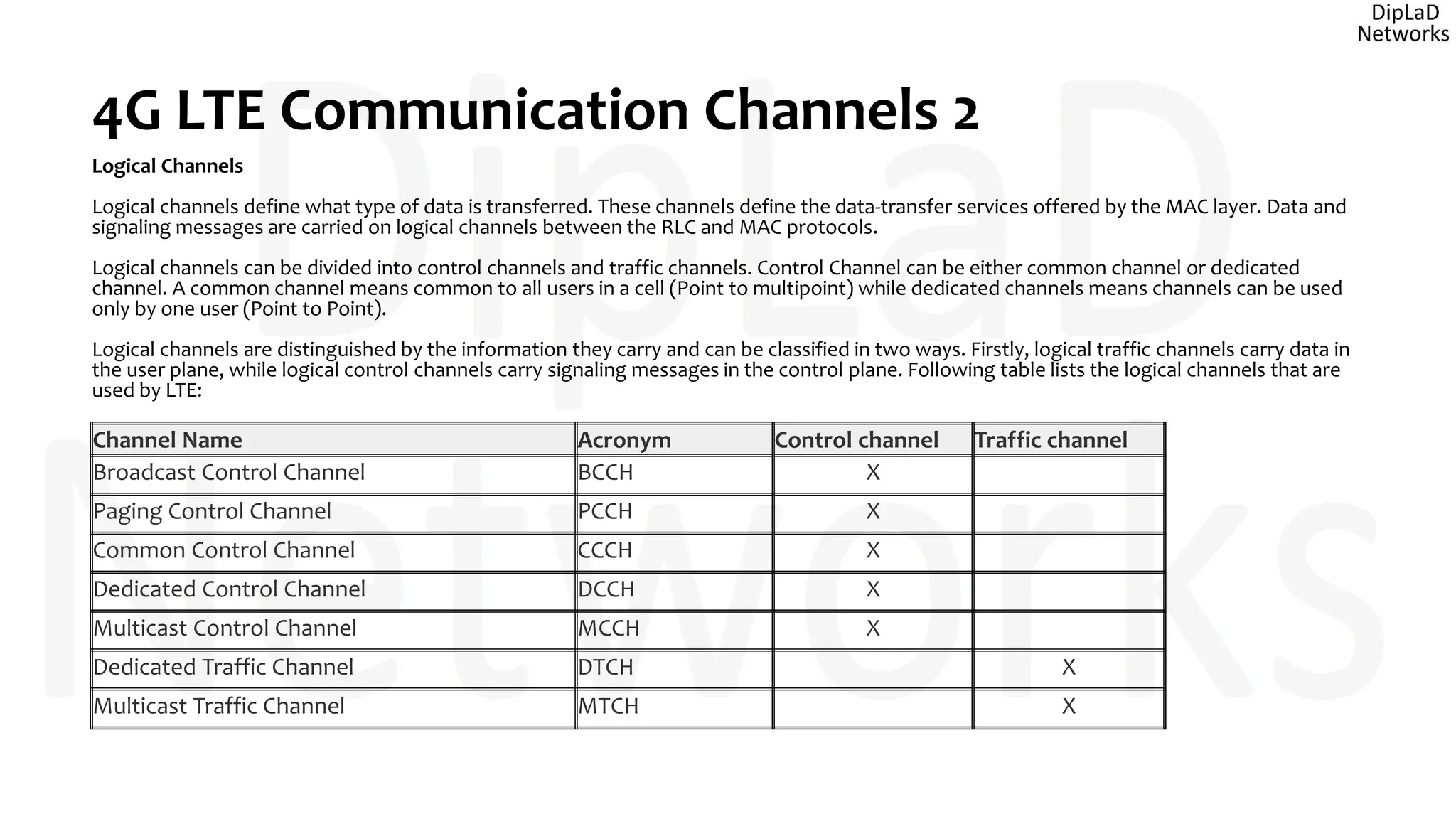
Logical channels are distinguished by the information they carry and can be classified in two ways. Firstly, logical traffic channels carry data in
the user plane, while logical control channels carry signaling messages in the control plane. Following table lists the logical channels that are
used by LTE:
Channel Name Acronym Control channel Traffic channel
Broadcast Control Channel BCCH X
Paging Control Channel PCCH X
Common Control Channel CCCH X
Dedicated Control Channel DCCH X
Multicast Control Channel MCCH X
Dedicated Traffic Channel DTCH X
Multicast Traffic Channel MTCH X
4G LTE Communication Channels 3
Transport Channels
Transport channels define how and with what type of characteristics the data is transferred by the physical
layer. Data and signaling messages are carried on transport channels between the MAC and the physical layer.
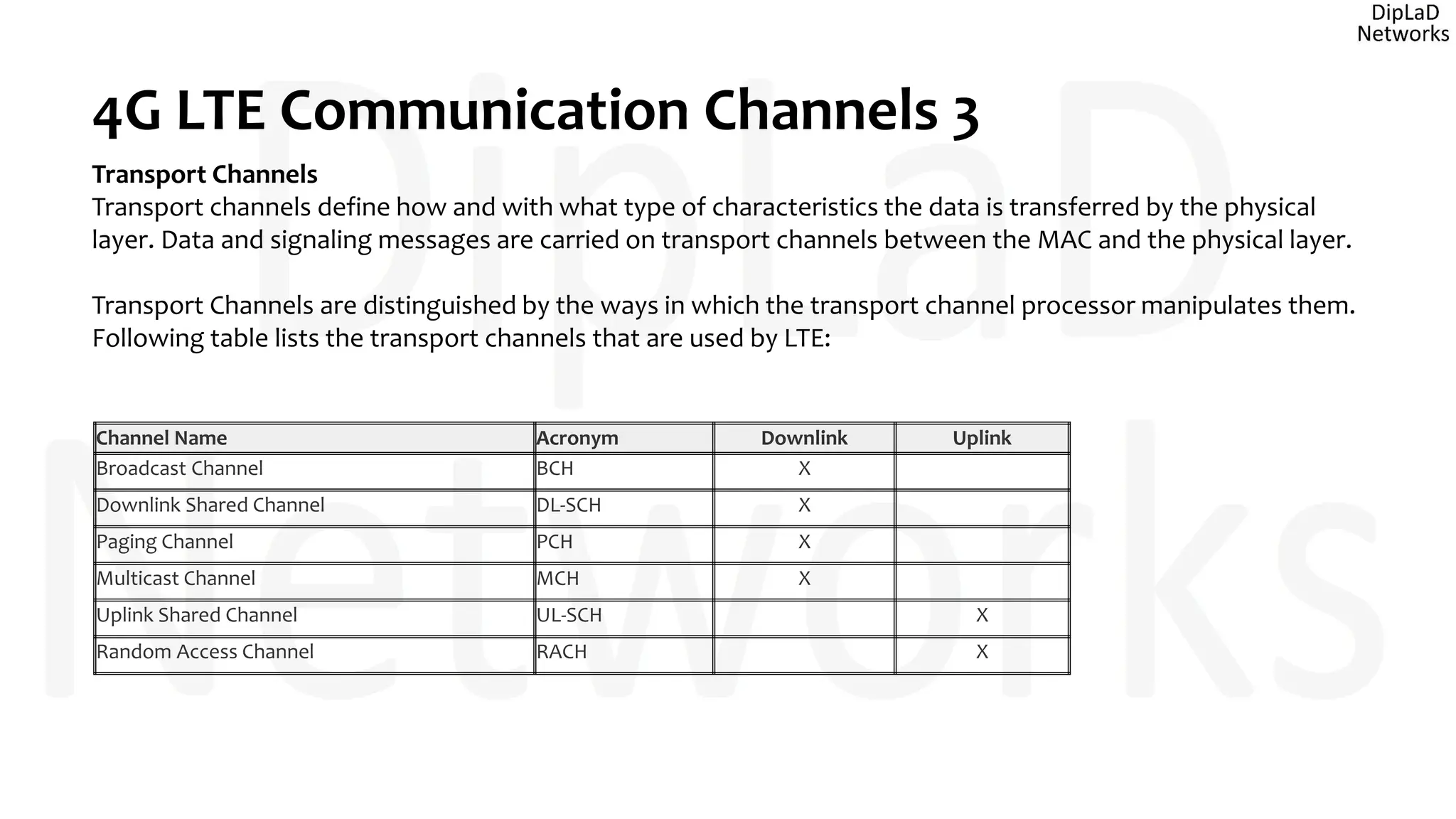
Transport Channels are distinguished by the ways in which the transport channel processor manipulates them.
Following table lists the transport channels that are used by LTE:
Channel Name Acronym Downlink Uplink
Broadcast Channel BCH X
Downlink Shared Channel DL-SCH X
Paging Channel PCH X
Multicast Channel MCH X
Uplink Shared Channel UL-SCH X
Random Access Channel RACH X
4G LTE Communication Channels 4
Physical Channels
Data and signaling messages are carried on physical channels between the different levels of the physical layer and
accordingly they are divided into two parts:
Physical Data Channels
Physical Control Channels
Physical data channels
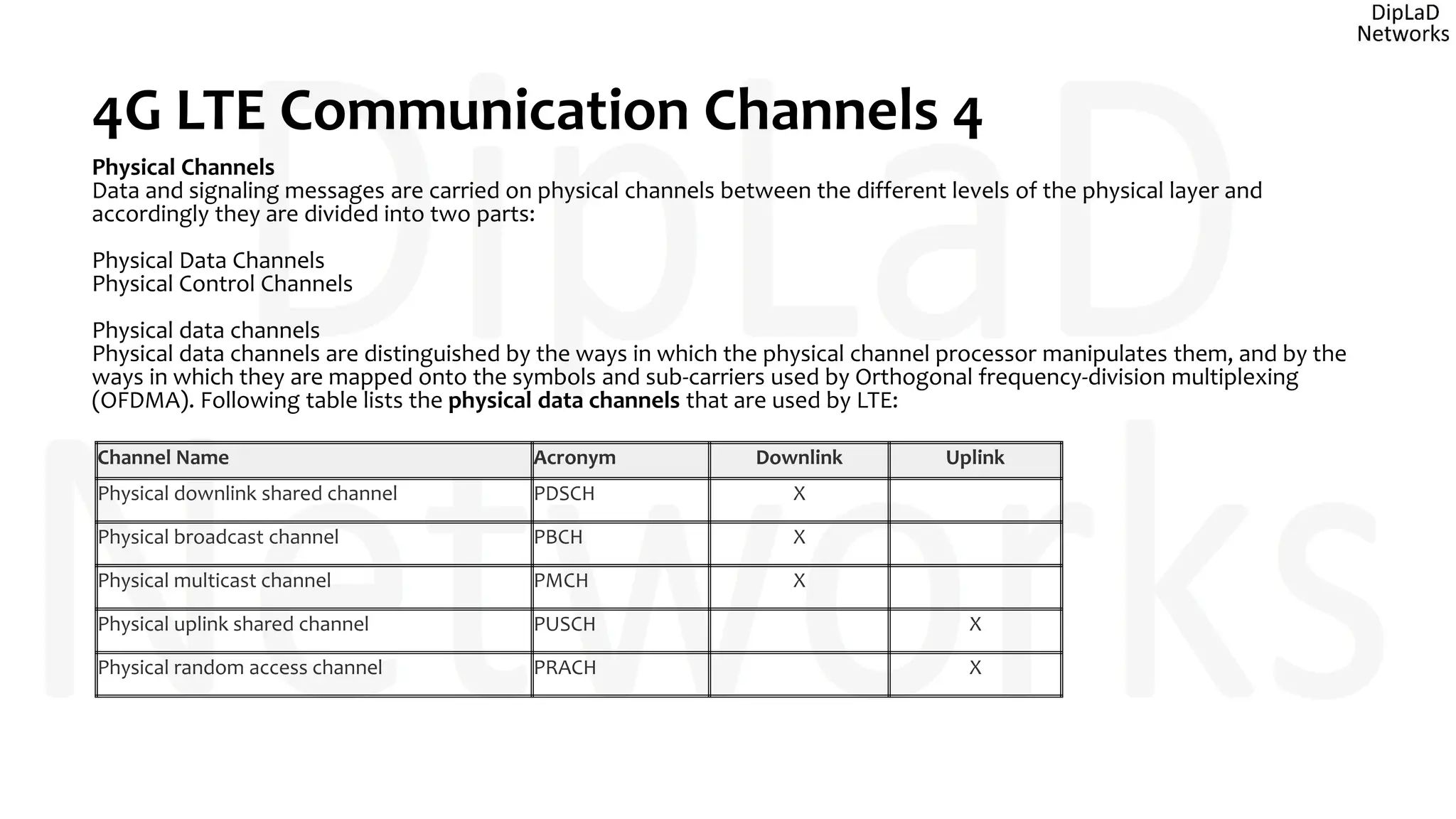
Physical data channels are distinguished by the ways in which the physical channel processor manipulates them, and by the
ways in which they are mapped onto the symbols and sub-carriers used by Orthogonal frequency-division multiplexing
(OFDMA). Following table lists the physical data channels that are used by LTE:
Channel Name Acronym Downlink Uplink
Physical downlink shared channel PDSCH X
Physical broadcast channel PBCH X
Physical multicast channel PMCH X
Physical uplink shared channel PUSCH X
Physical random access channel PRACH X
4G LTE Communication Channels 5
Physical Control Channels
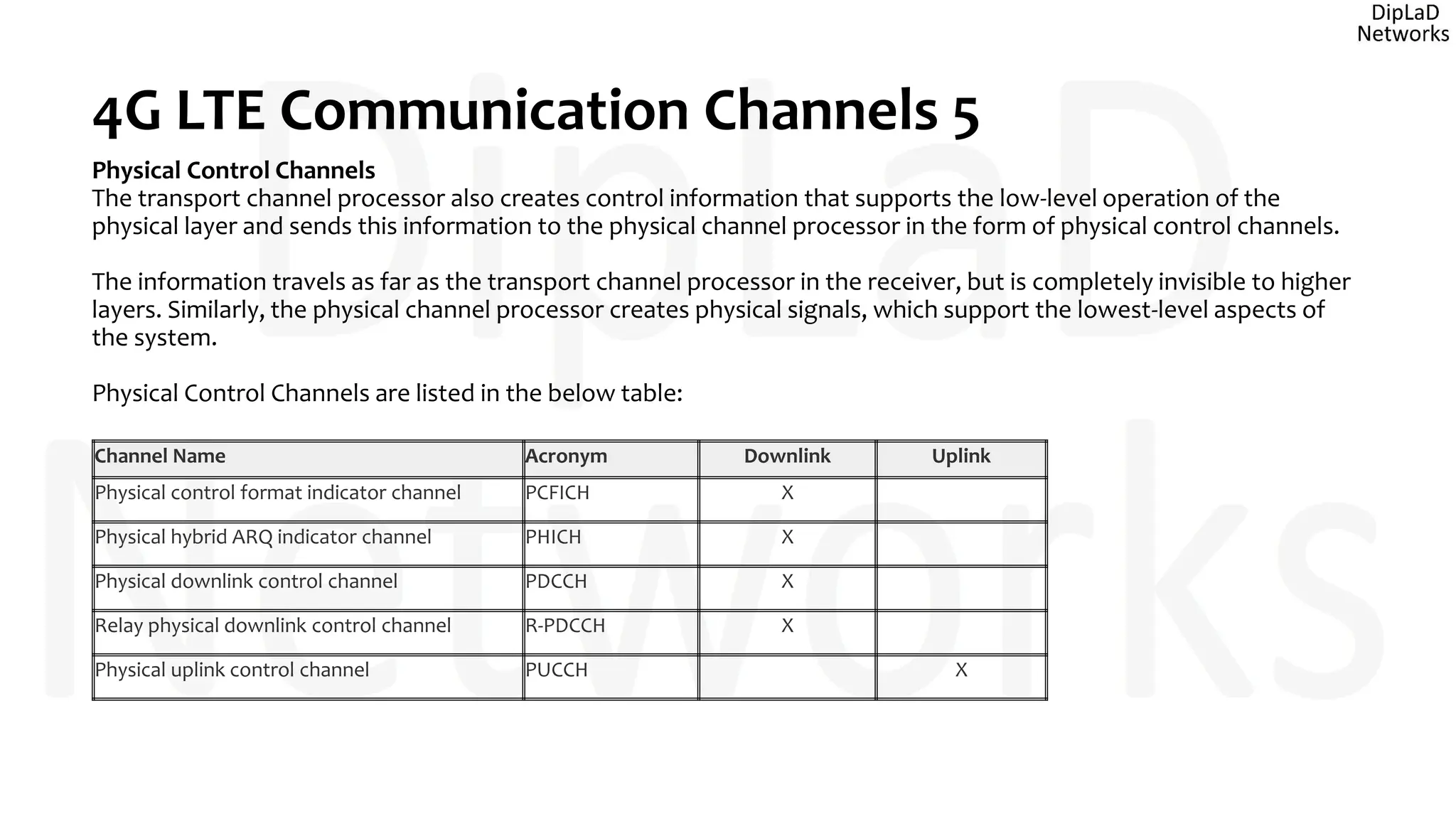
The transport channel processor also creates control information that supports the low-level operation of the
physical layer and sends this information to the physical channel processor in the form of physical control channels.
The information travels as far as the transport channel processor in the receiver, but is completely invisible to higher
layers. Similarly, the physical channel processor creates physical signals, which support the lowest-level aspects of
the system.
Physical Control Channels are listed in the below table:
Channel Name Acronym Downlink Uplink
Physical control format indicator channel PCFICH X
Physical hybrid ARQ indicator channel PHICH X
Physical downlink control channel PDCCH X
Relay physical downlink control channel R-PDCCH X
Physical uplink control channel PUCCH X
4G LTE Drive Test Post
Processing With Actix
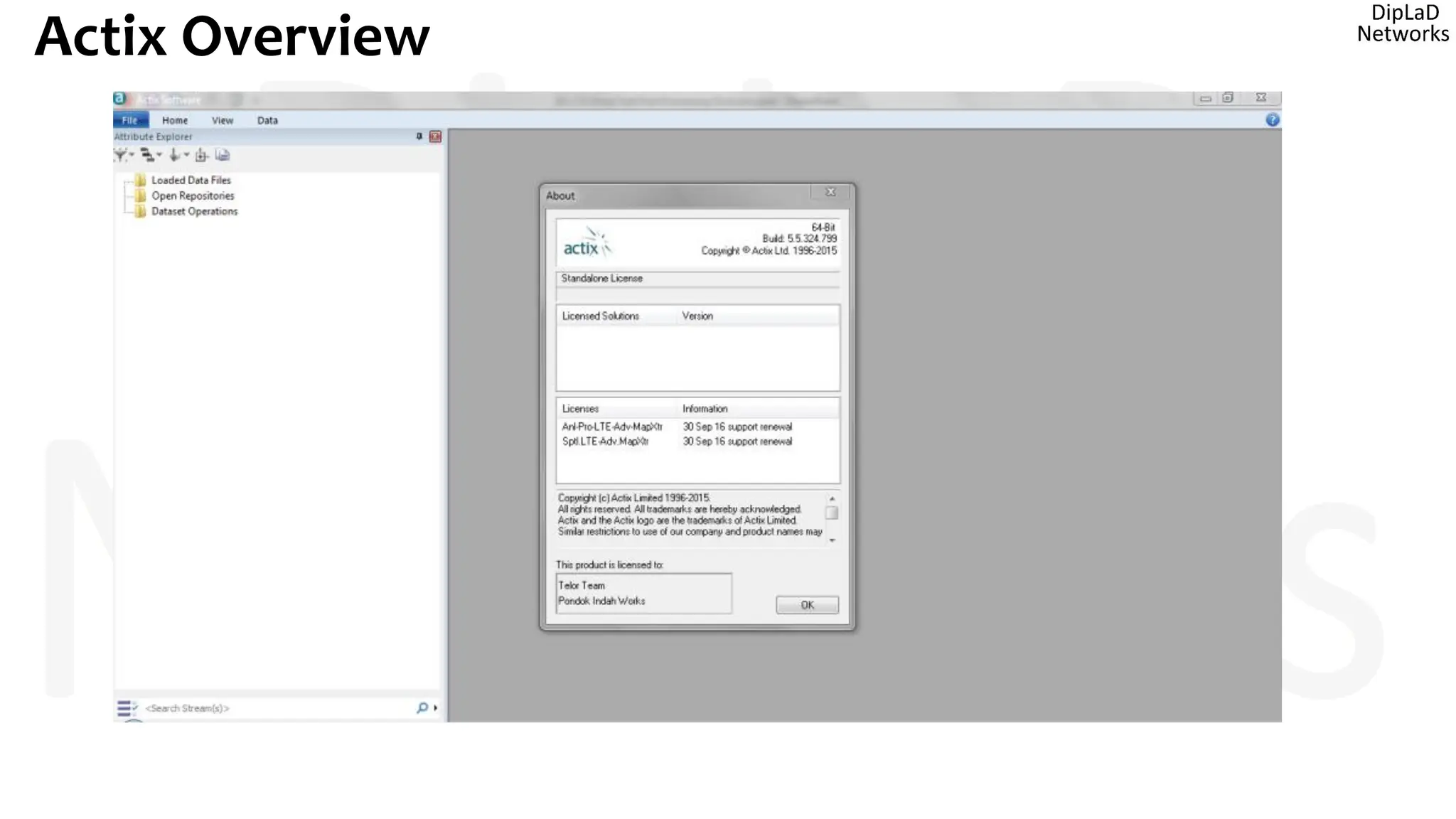
Actix Overview
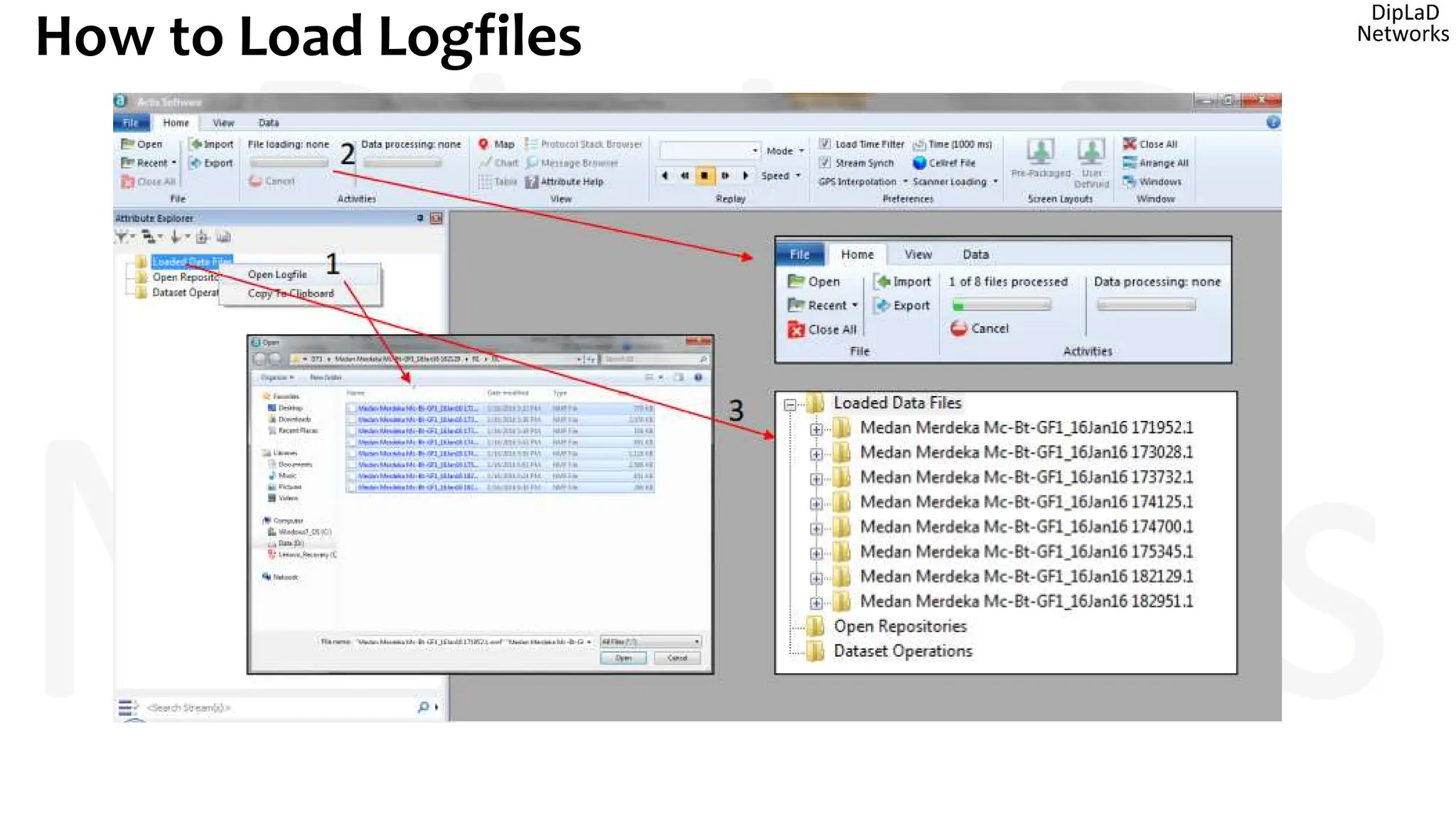
How to Load Logfiles
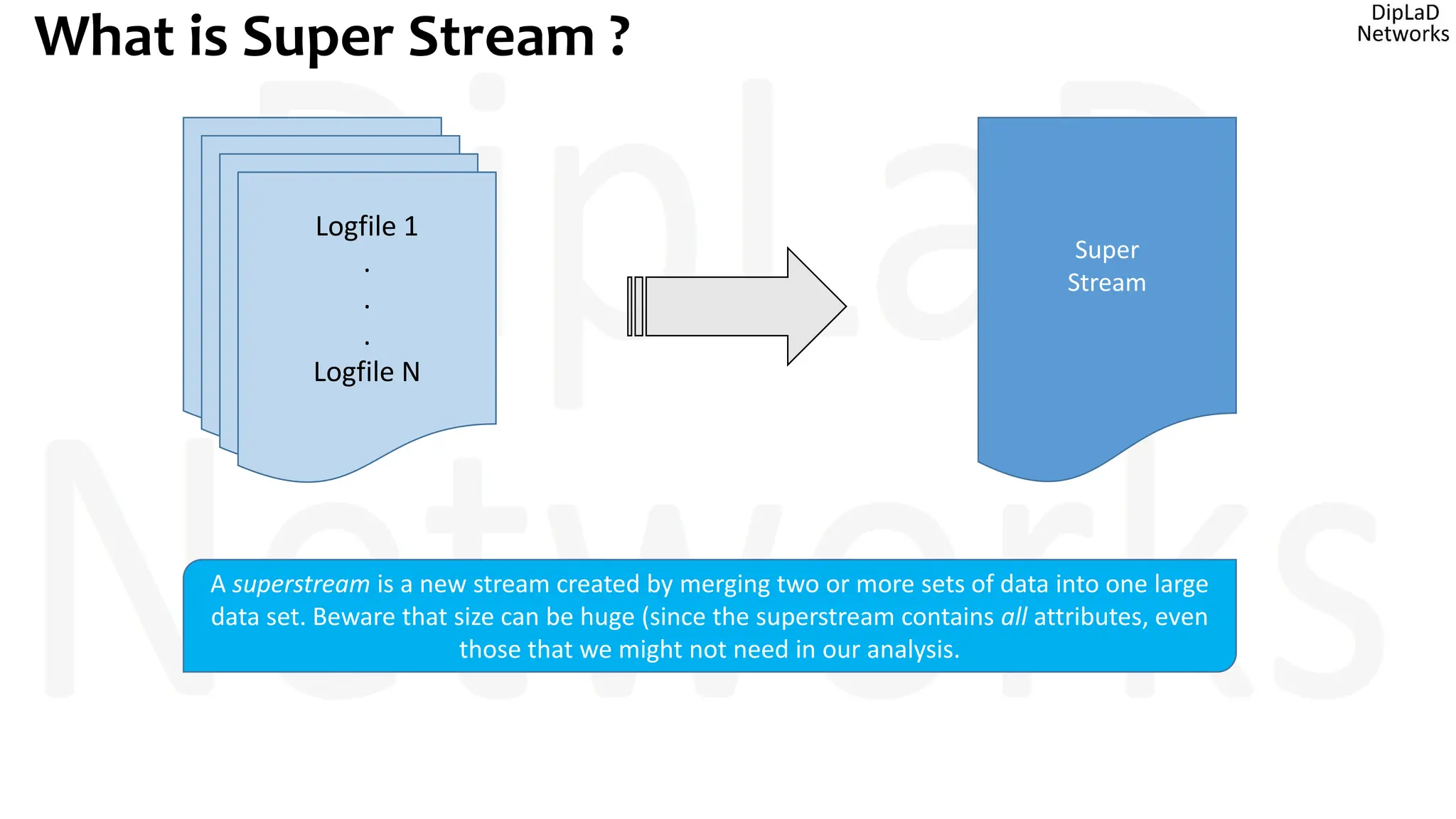
What is Super Stream ?
Logfile 1
.
.
.
Logfile N
Super
Stream
A superstream is a new stream created by merging two or more sets of data into one large
data set. Beware that size can be huge (since the superstream contains all attributes, even
those that we might not need in our analysis.
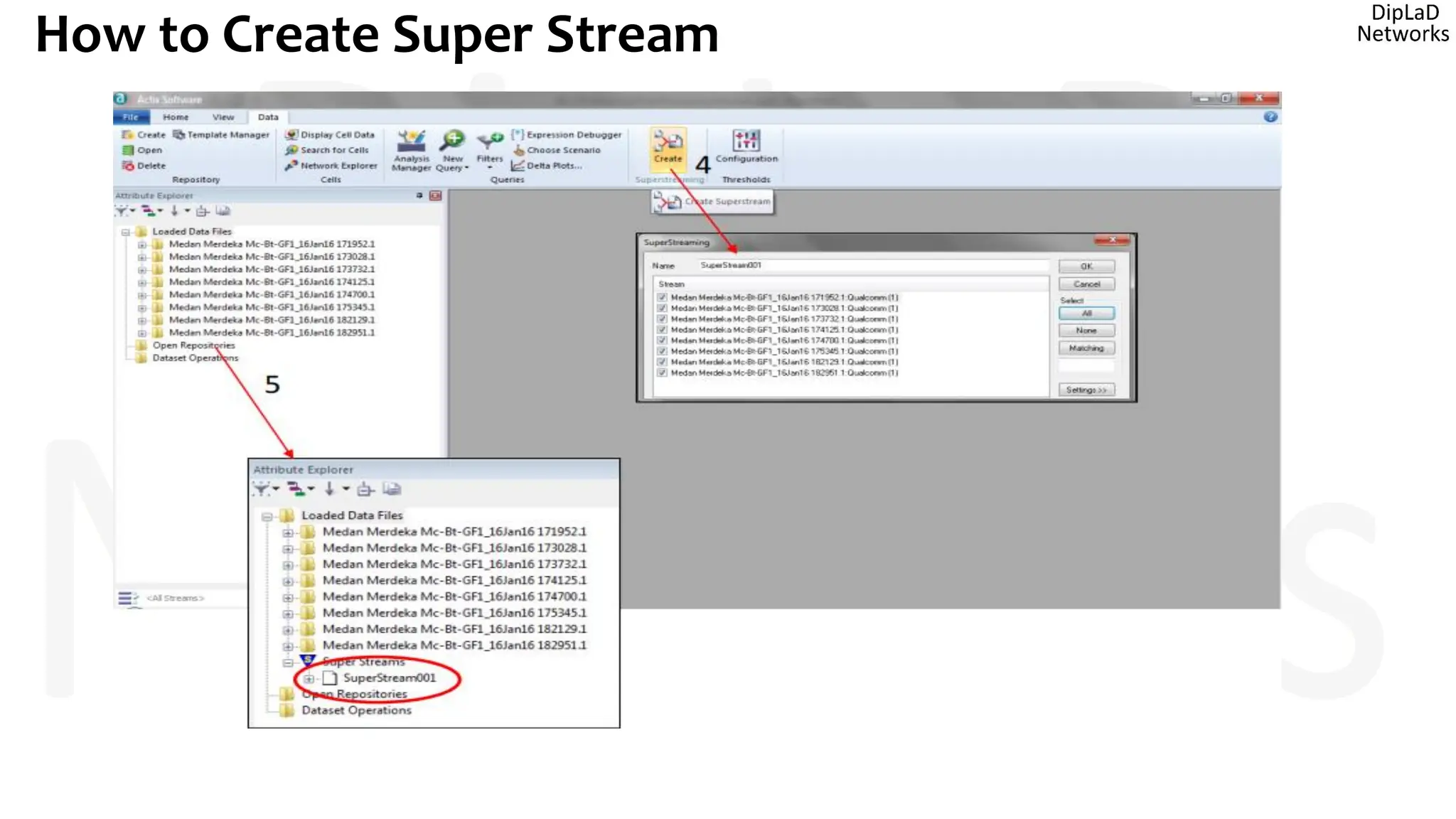
How to Create Super Stream
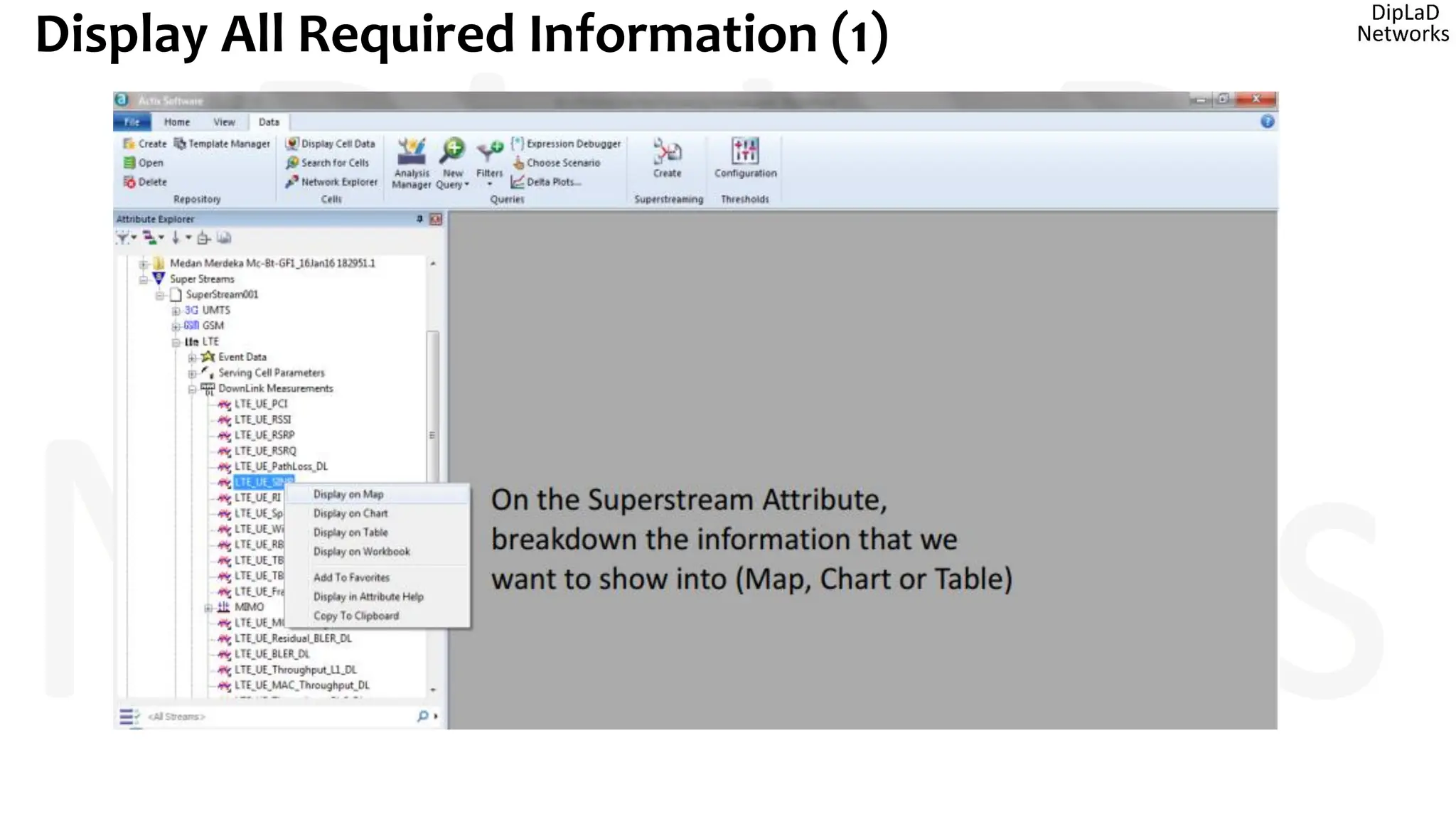
Display All Required Information (1)
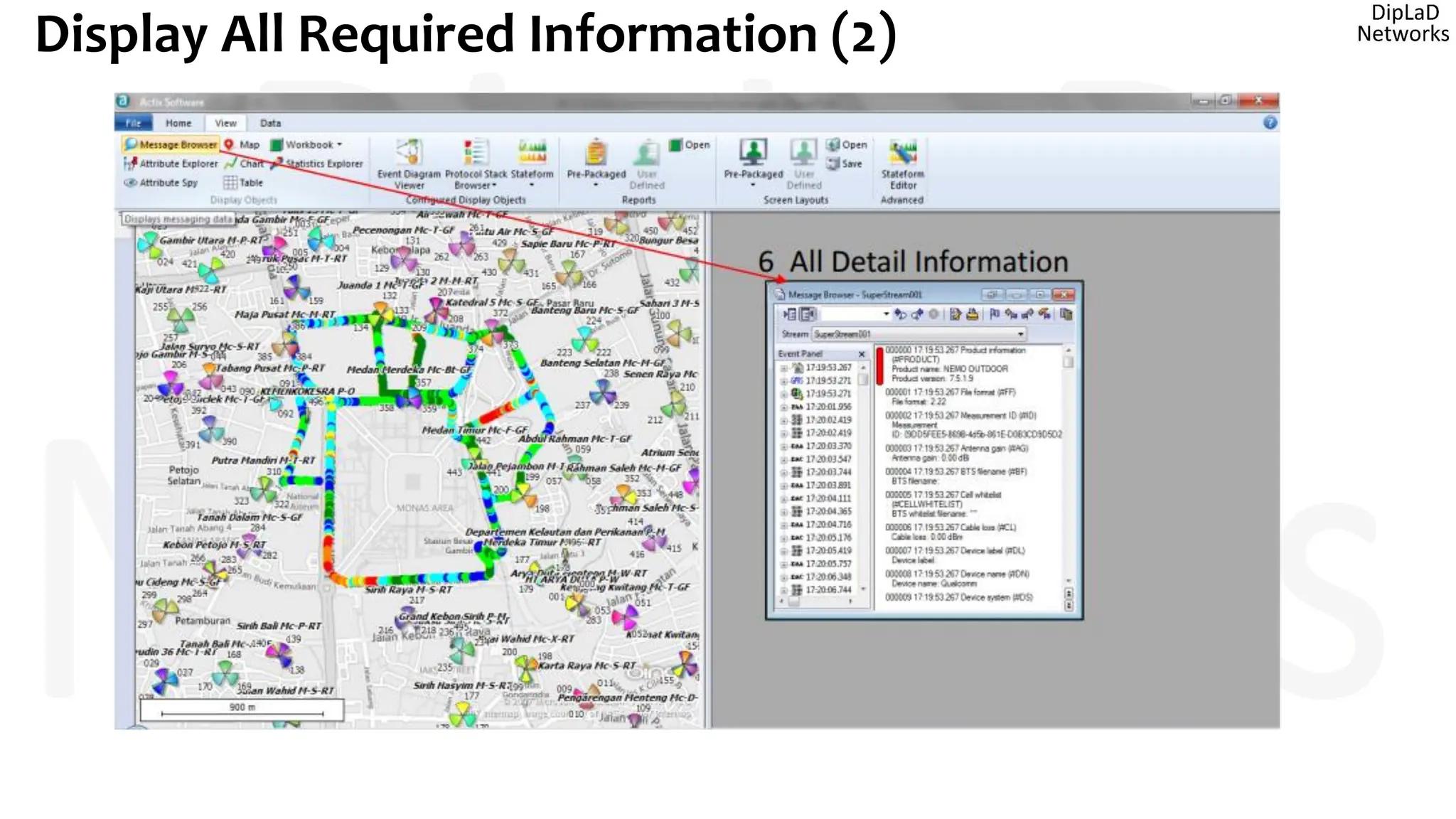
Display All Required Information (2)
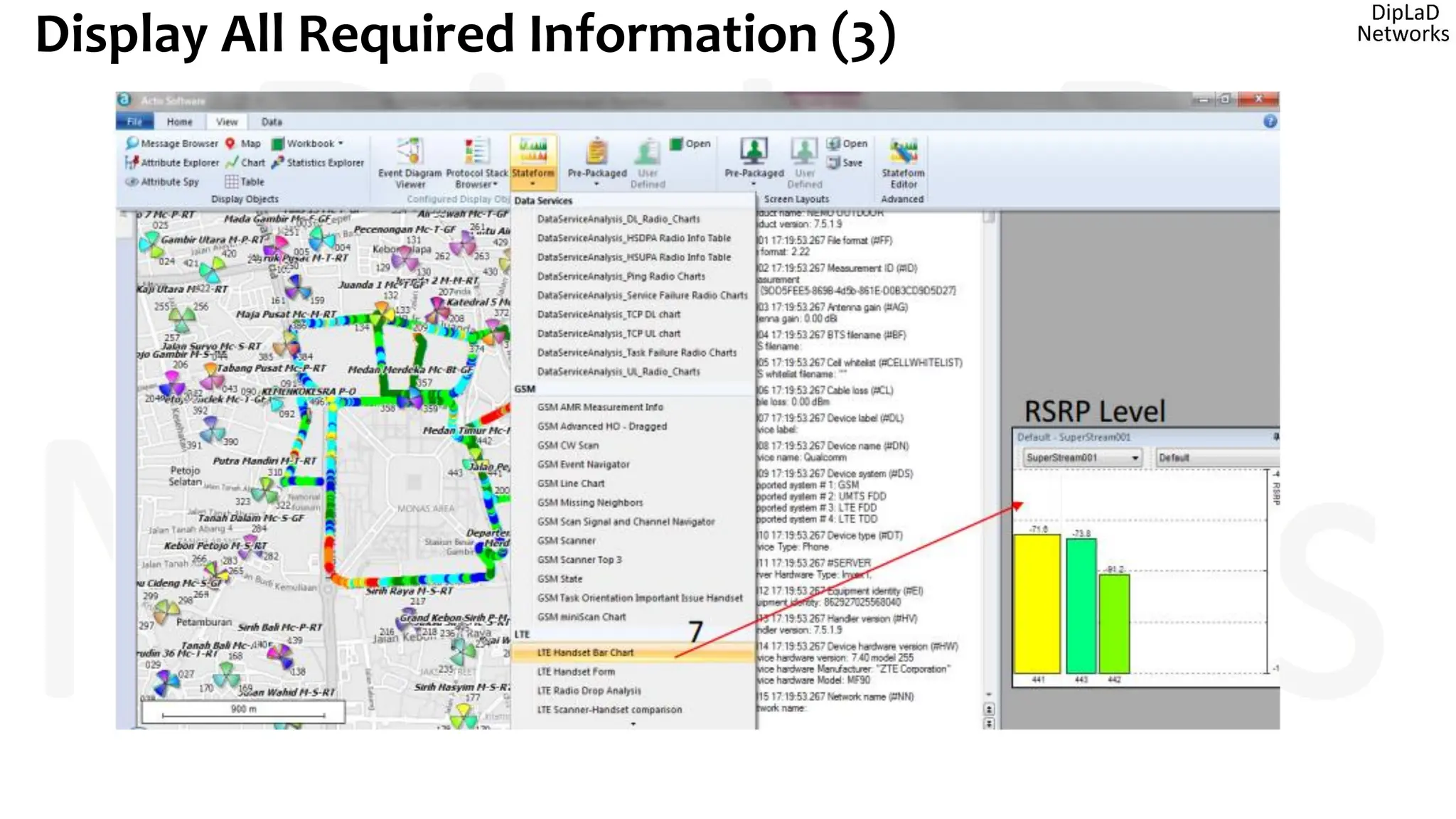
Display All Required Information (3)
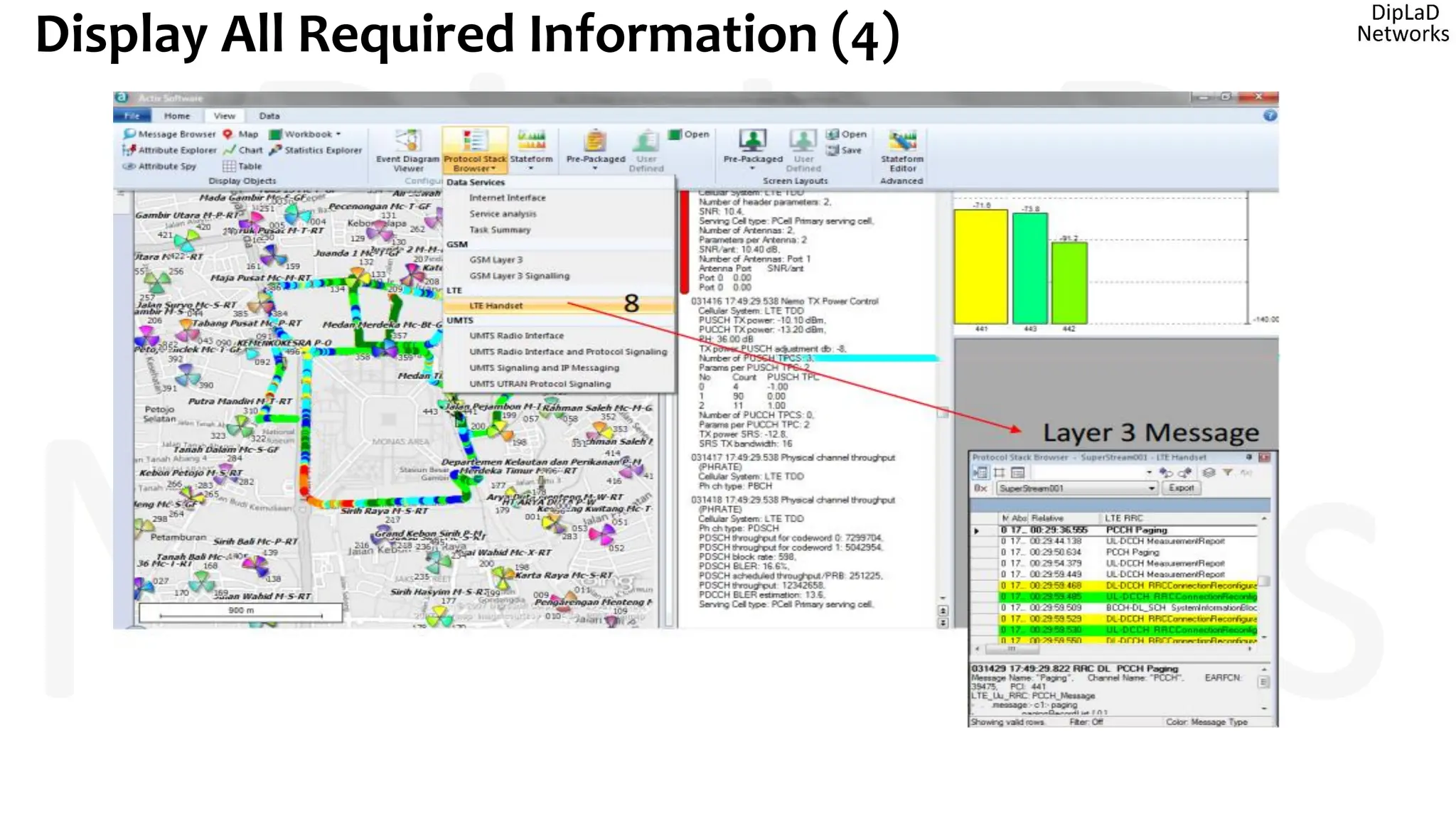
Display All Required Information (4)
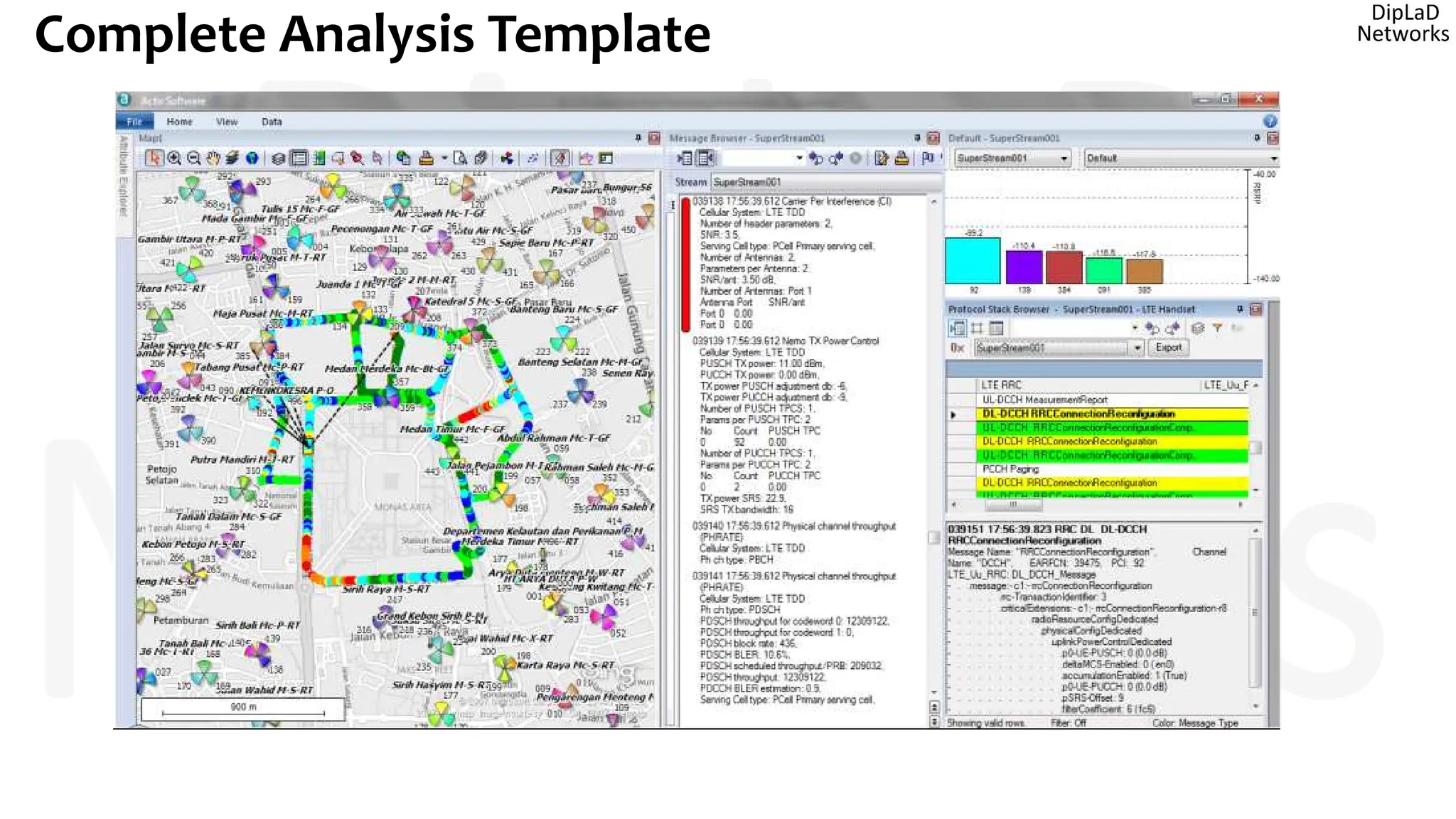
Complete Analysis Template
Drive Test Reporting on
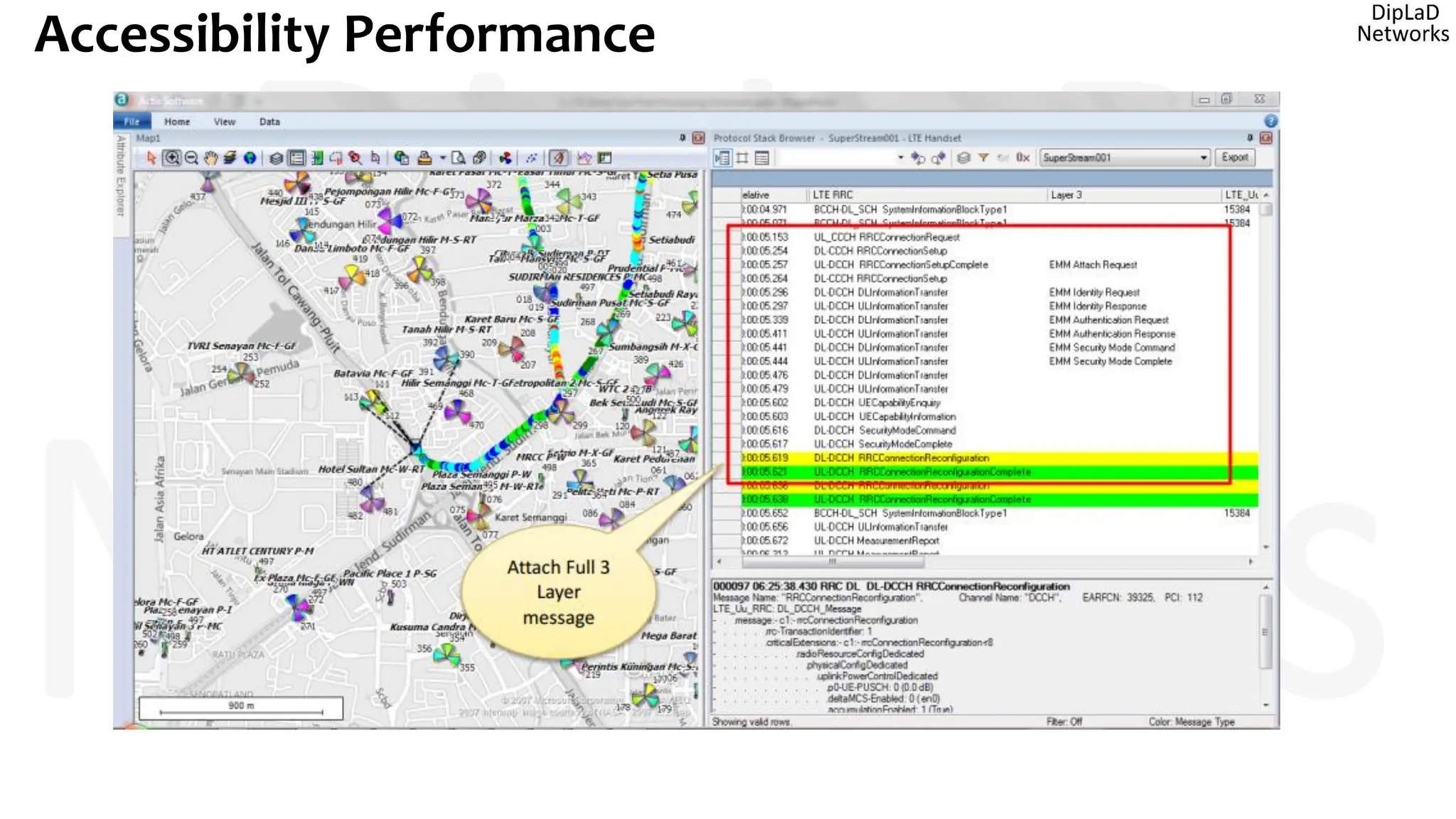
Accessibility Performance
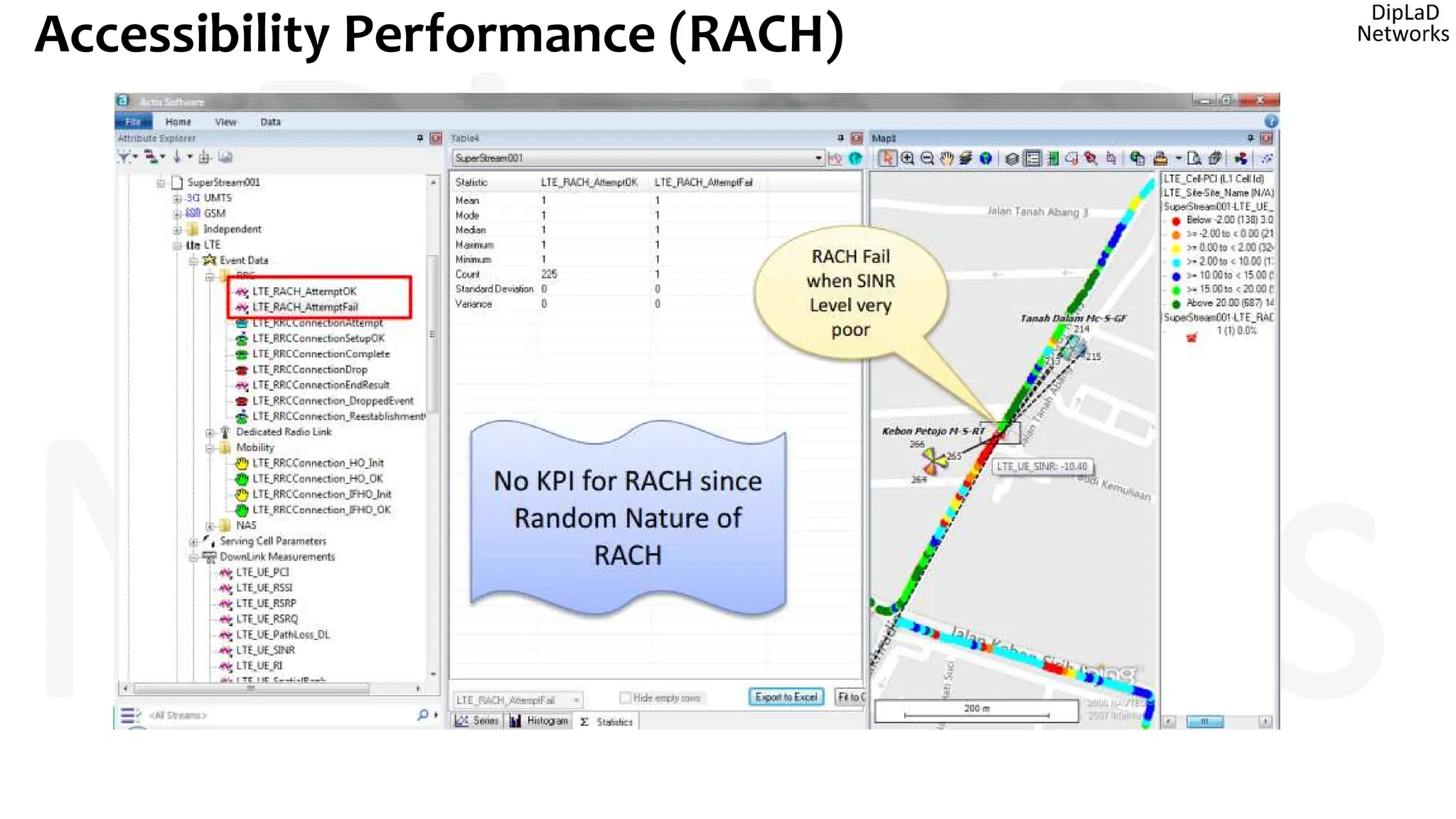
Accessibility Performance (RACH)
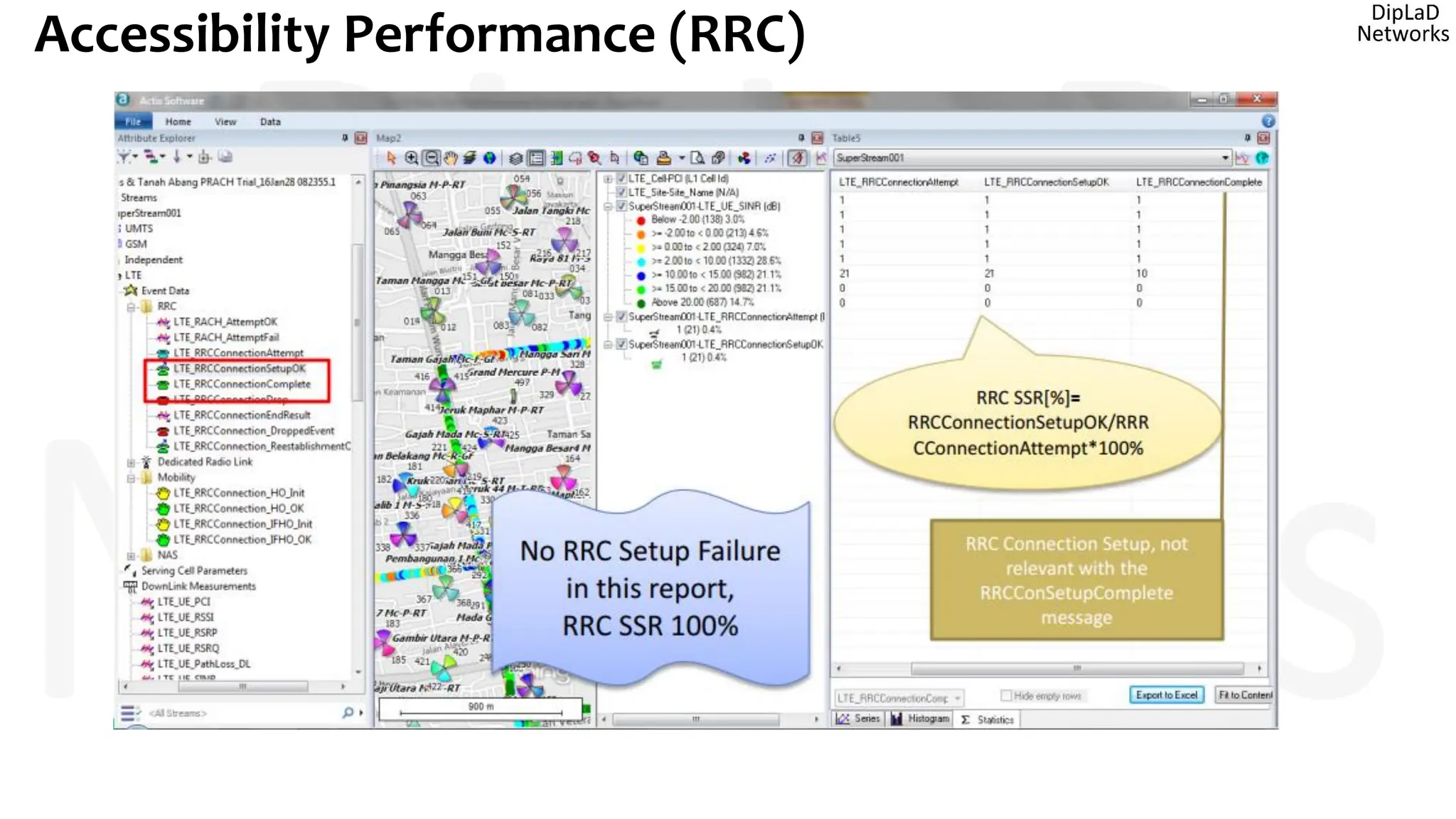
Accessibility Performance (RRC)
Drive Test Reporting on
Mobility Performance
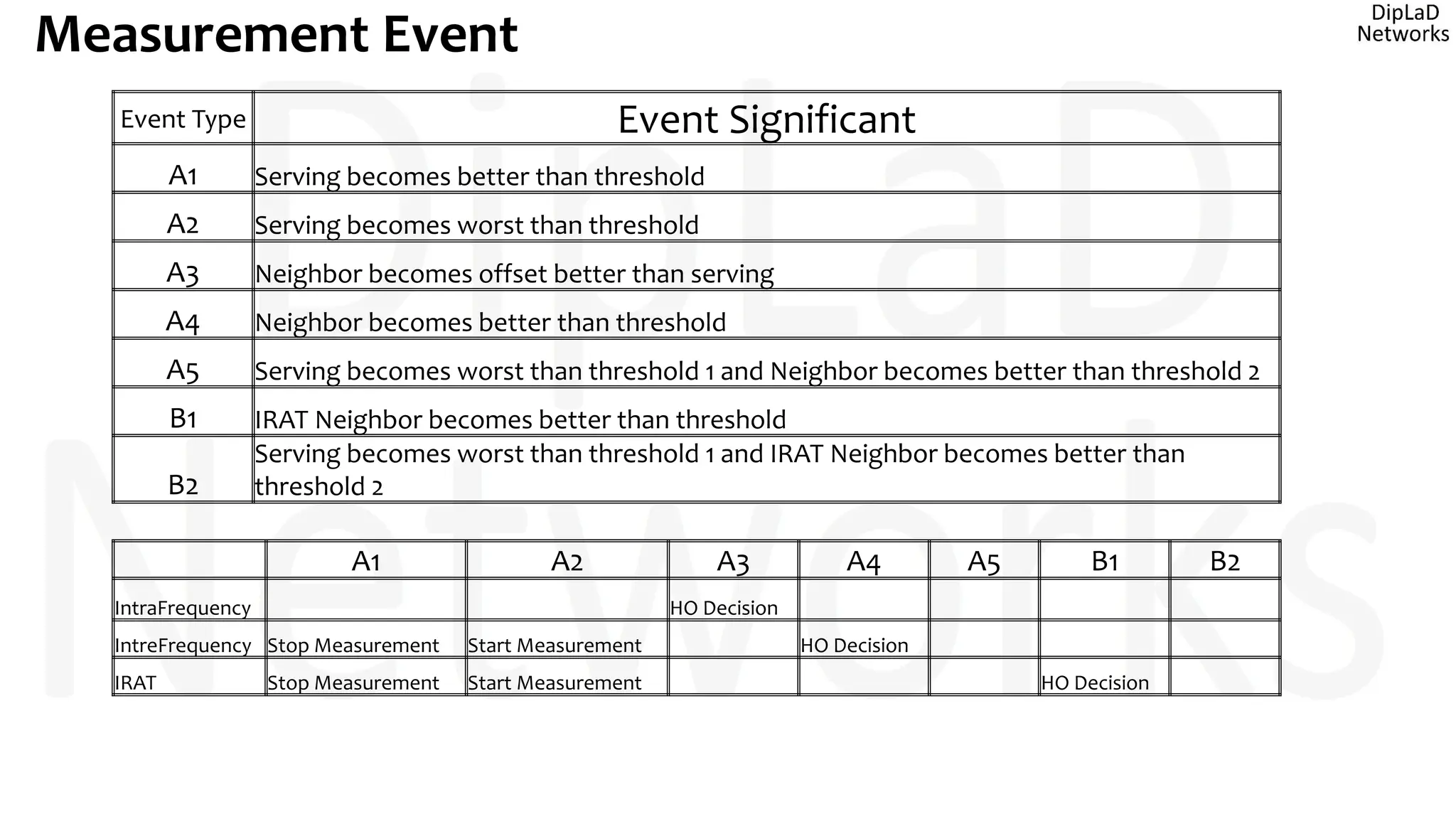
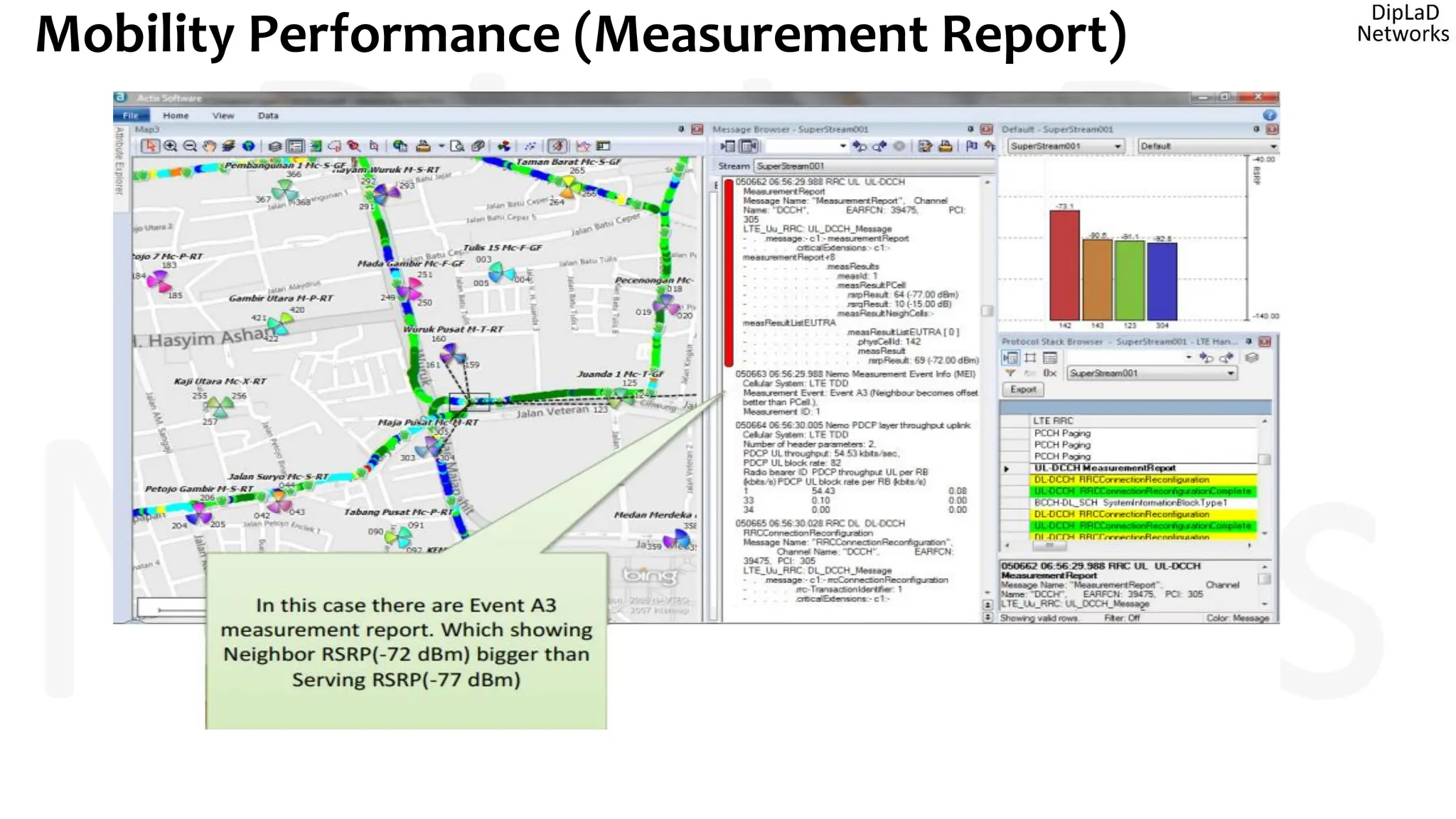
Measurement Event
Event Type Event Significant
A1 Serving becomes better than threshold
A2 Serving becomes worst than threshold
A3 Neighbor becomes offset better than serving
A4 Neighbor becomes better than threshold
A5 Serving becomes worst than threshold 1 and Neighbor becomes better than threshold 2
B1 IRAT Neighbor becomes better than threshold
B2
Serving becomes worst than threshold 1 and IRAT Neighbor becomes better than
threshold 2
A1 A2 A3 A4 A5 B1 B2
IntraFrequency HO Decision
IntreFrequency Stop Measurement Start Measurement HO Decision
IRAT Stop Measurement Start Measurement HO Decision
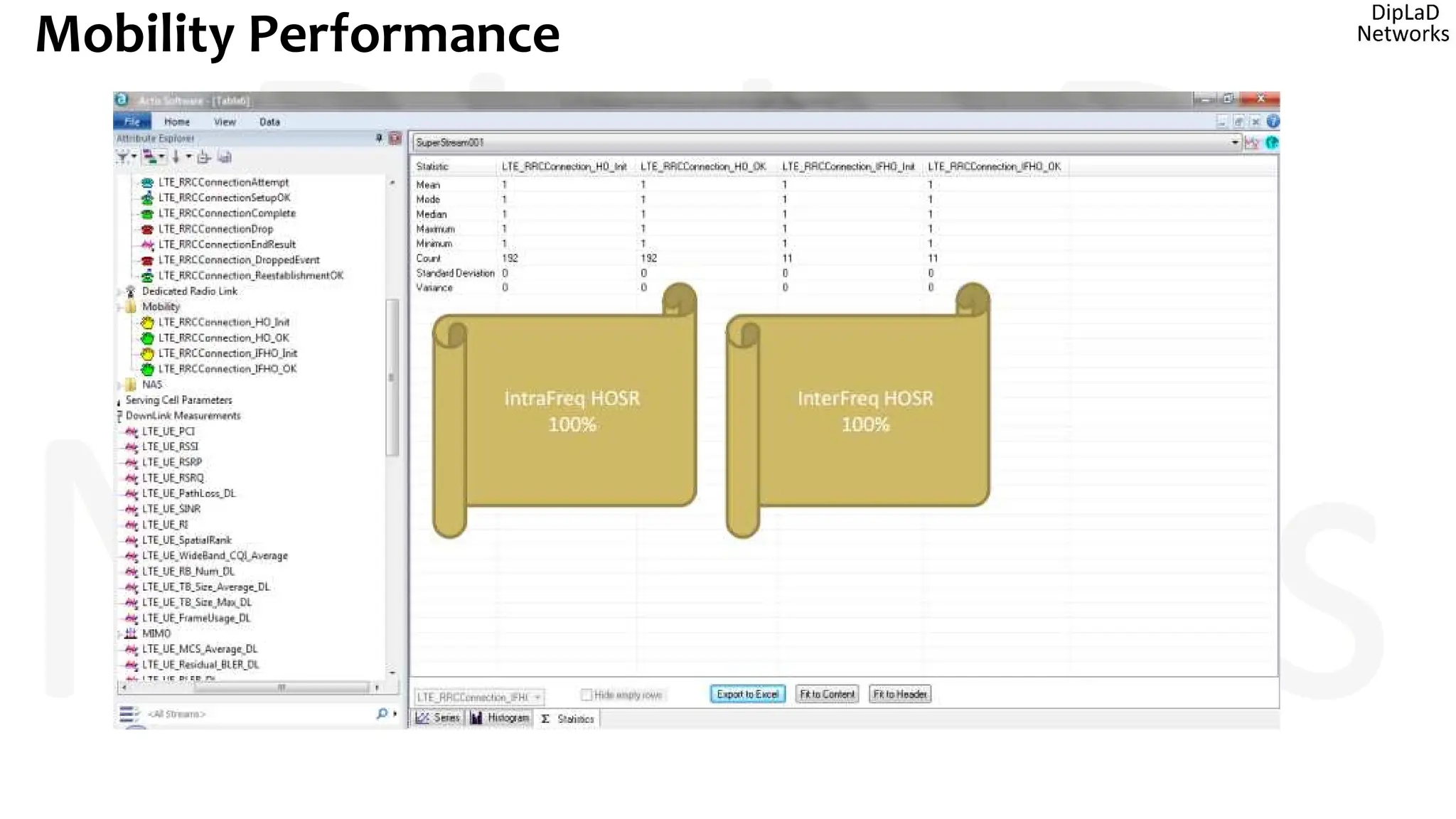
Mobility Performance
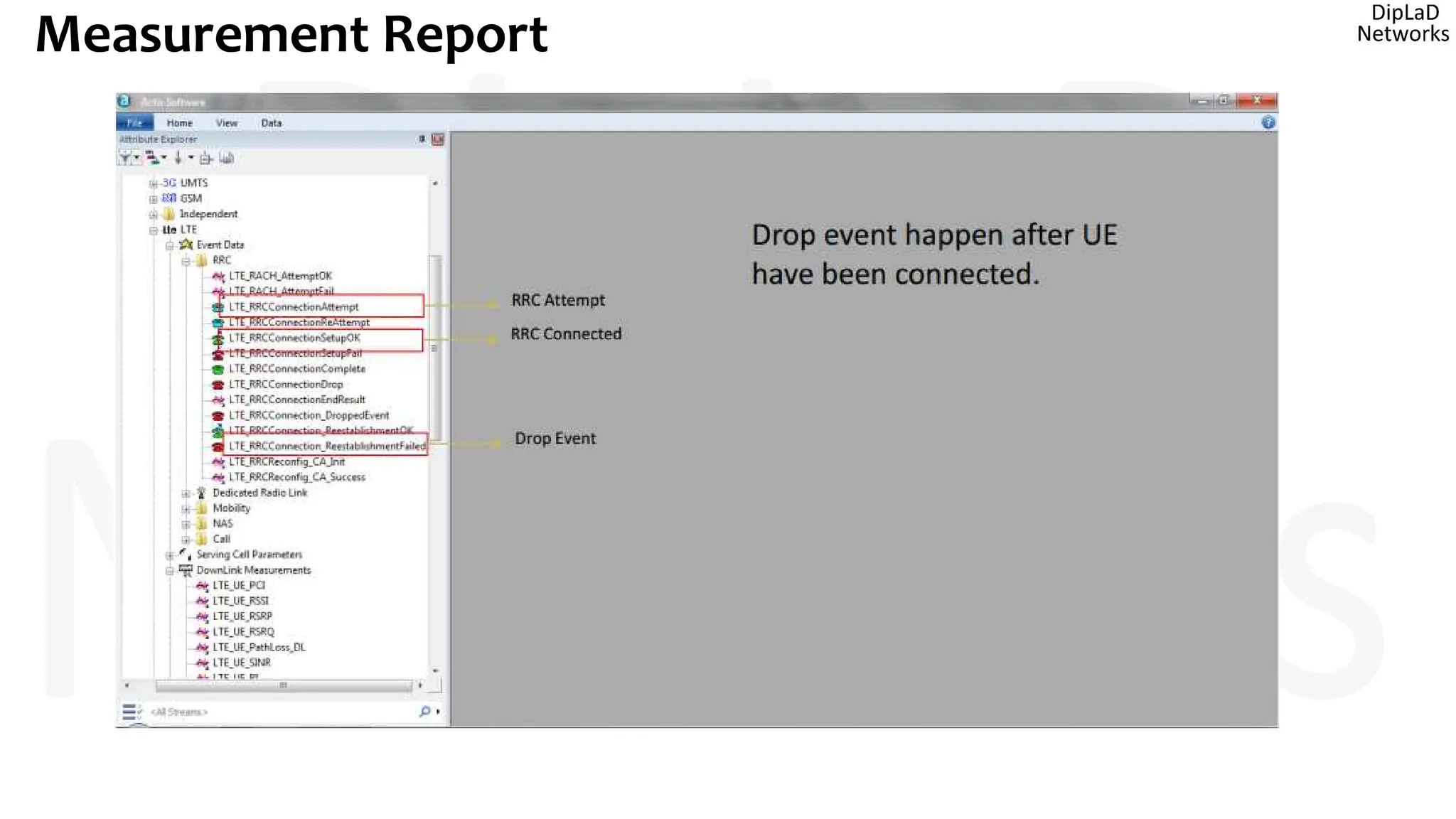
Mobility Performance (Measurement Report)
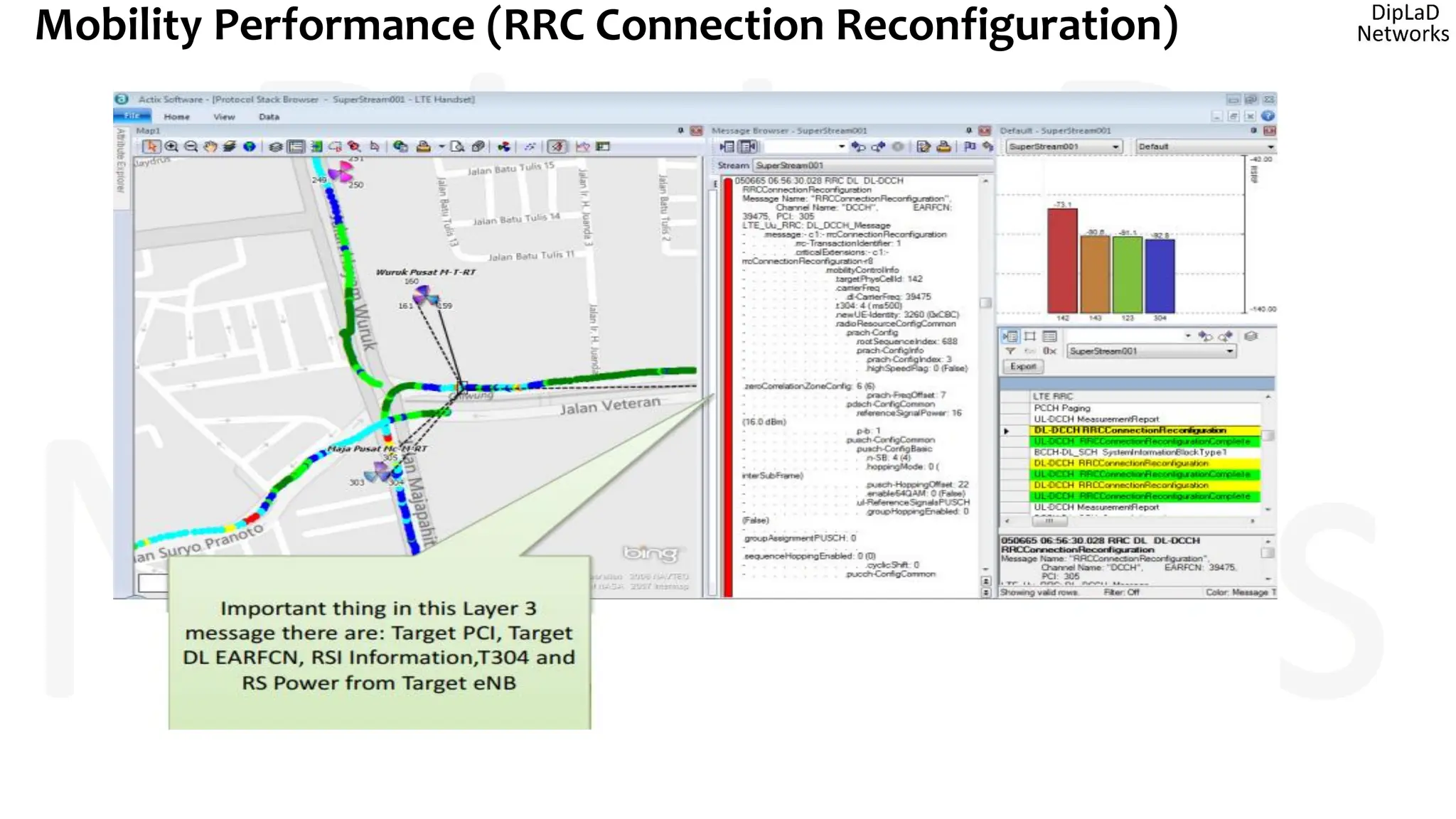
Mobility Performance (RRC Connection Reconfiguration)
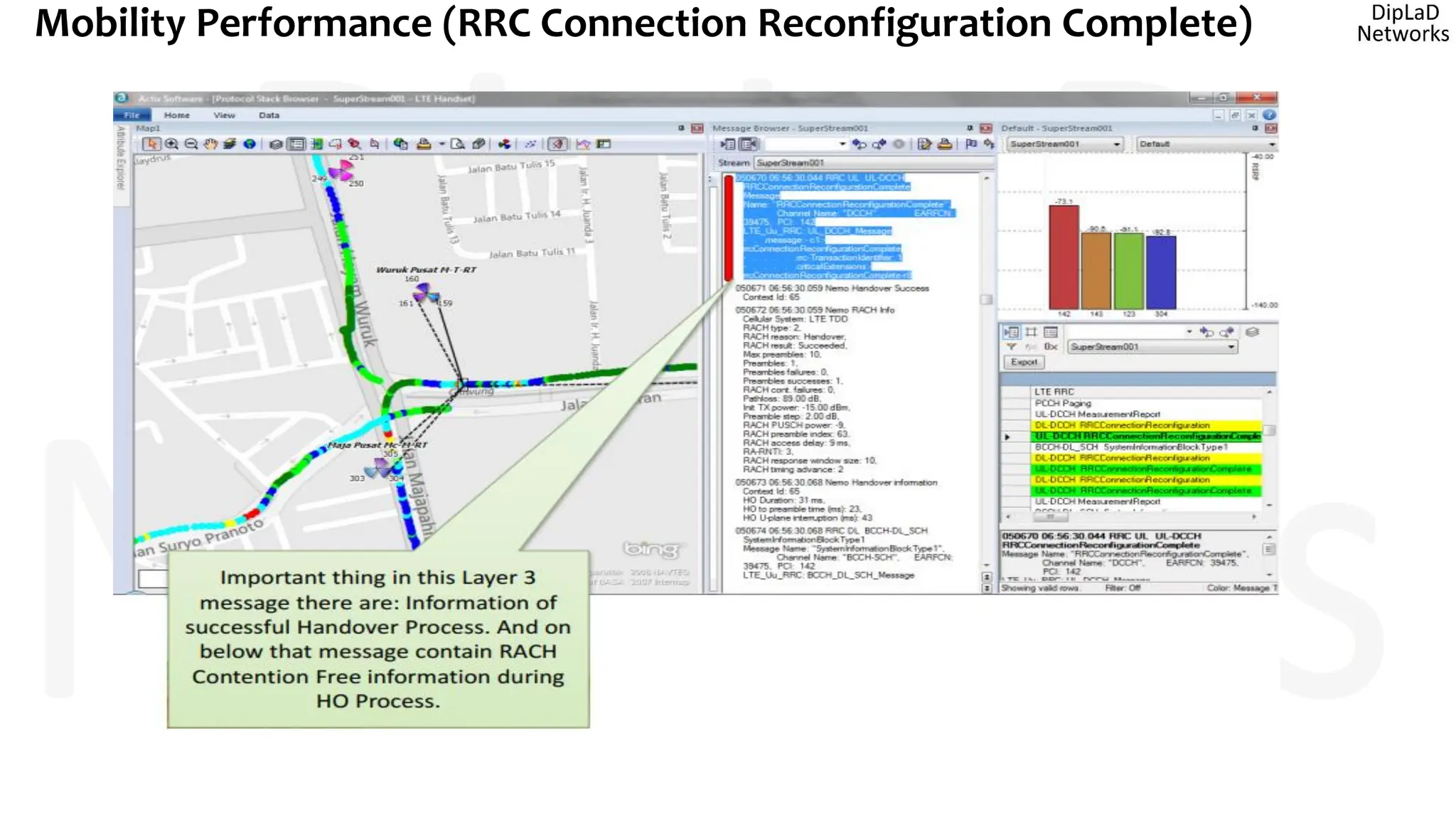
Mobility Performance (RRC Connection Reconfiguration Complete)
Drive Test Reporting on
Retainability Performance
Measurement Report
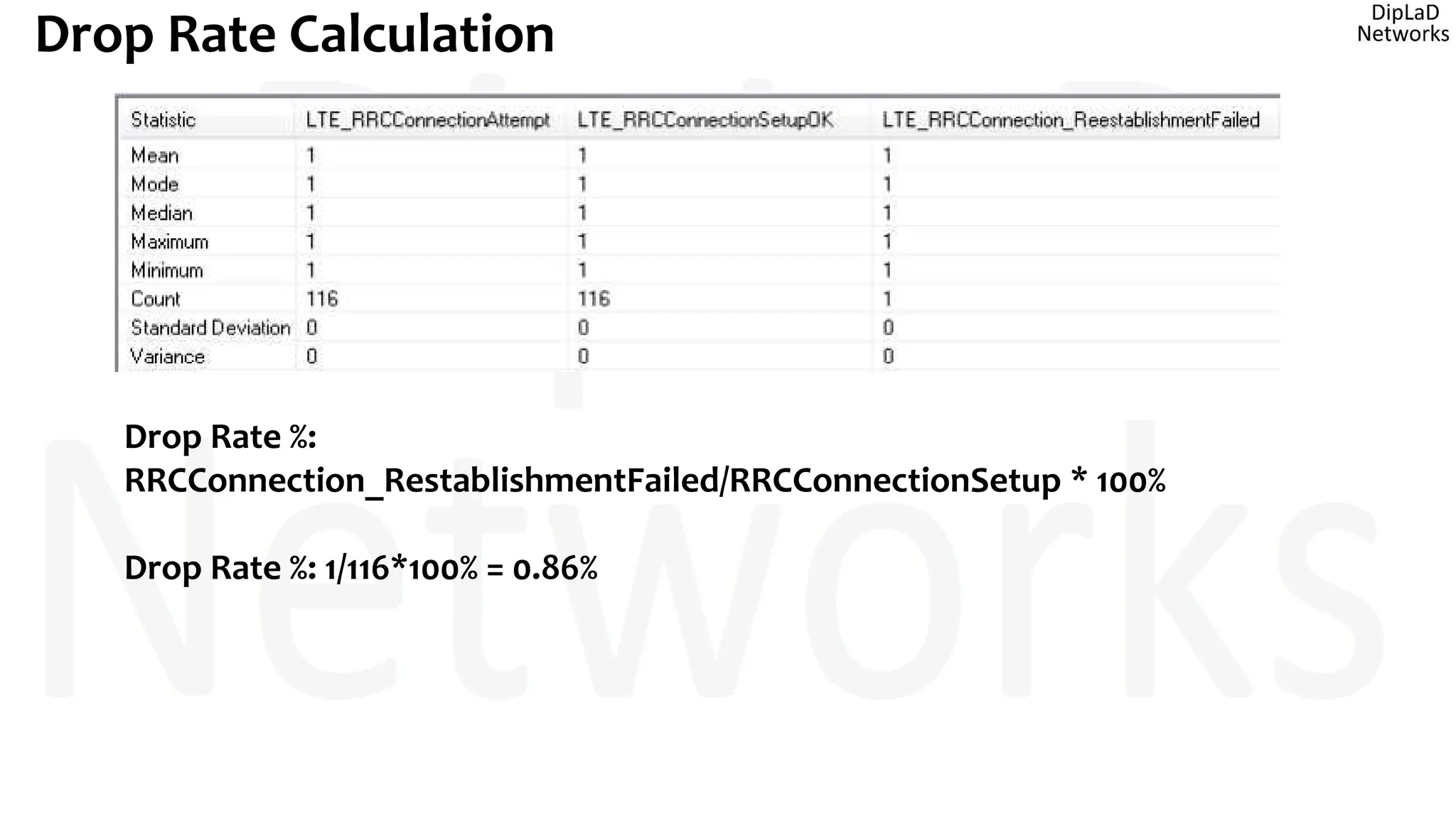
Drop Rate Calculation
Drop Rate %:
RRCConnection_RestablishmentFailed/RRCConnectionSetup * 100%
Drop Rate %: 1/116*100% = 0.86%
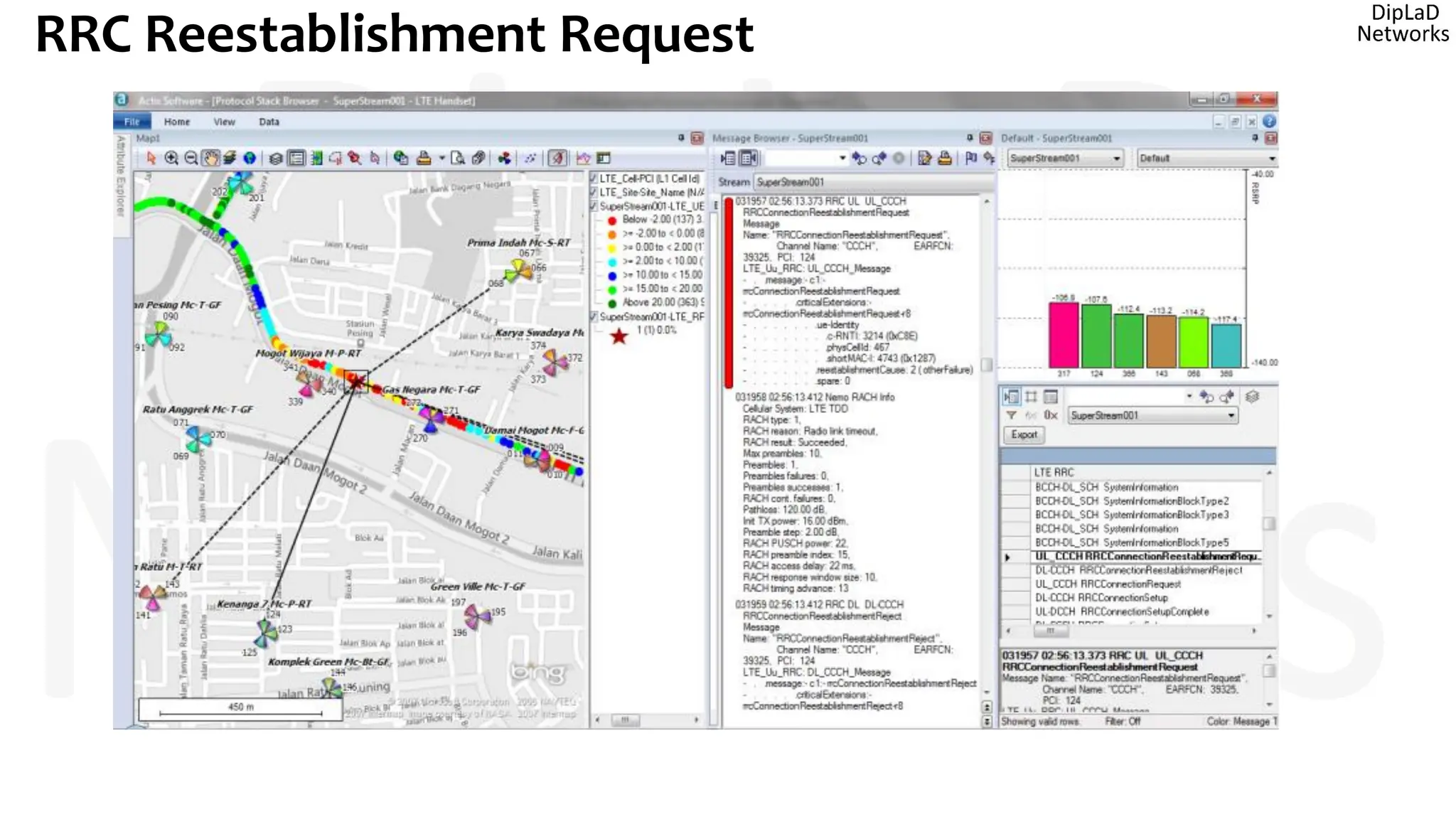
RRC Reestablishment Request
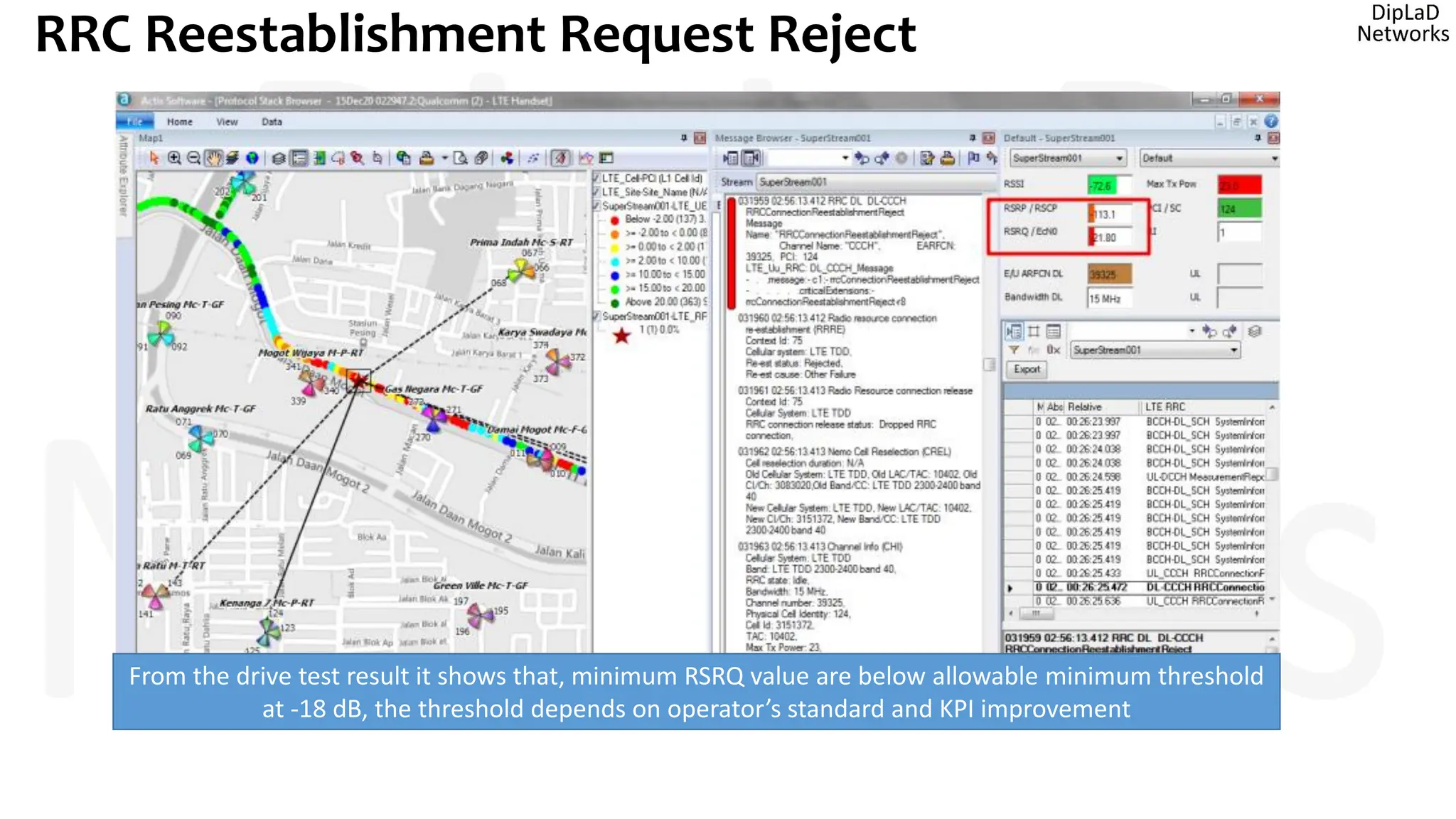
RRC Reestablishment Request Reject
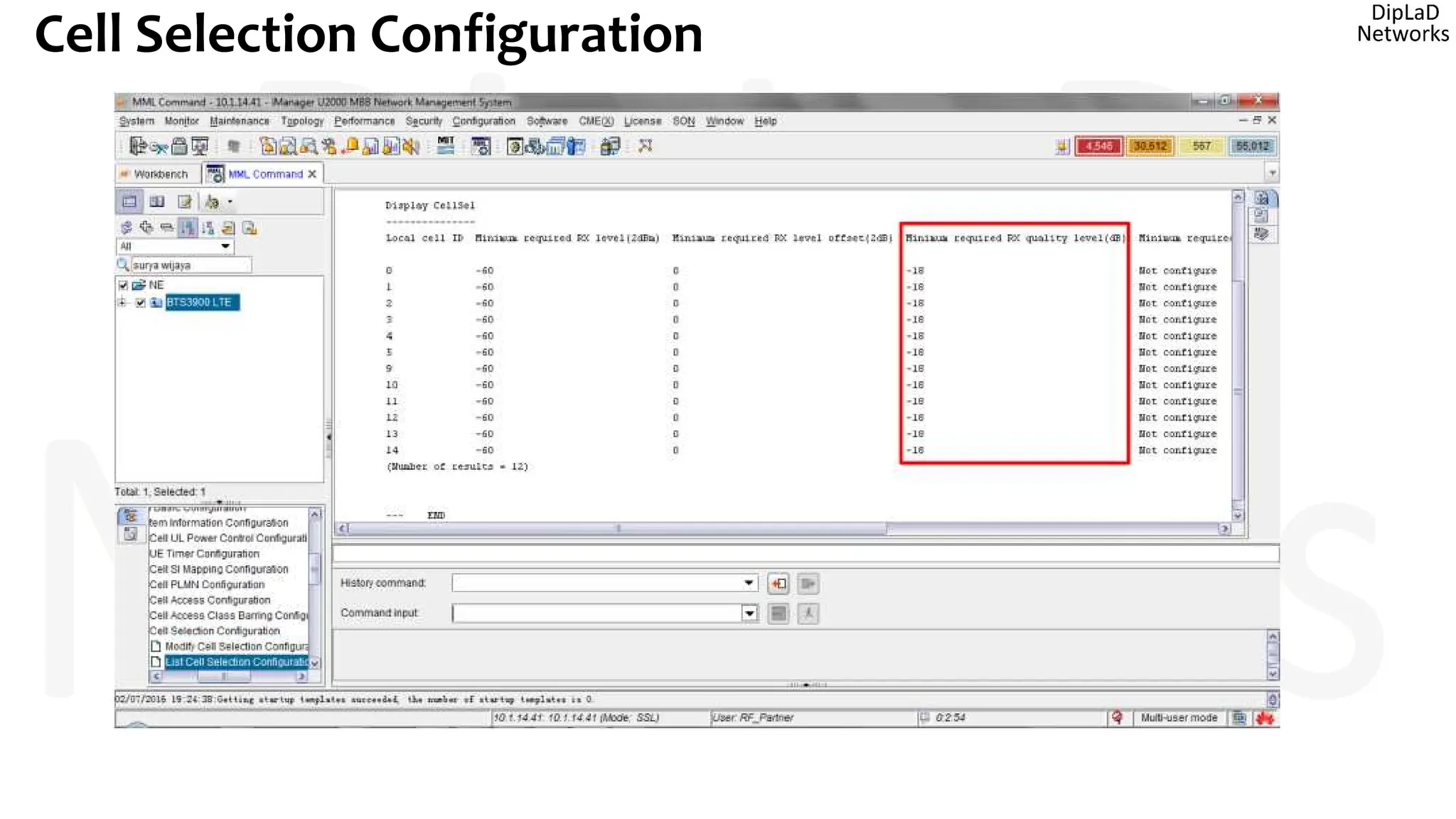
From the drive test result it shows that, minimum RSRQ value are below allowable minimum threshold
at -18 dB, the threshold depends on operator’s standard and KPI improvement
Cell Selection Configuration
4G LTE Drive Test With
Genex Assistance
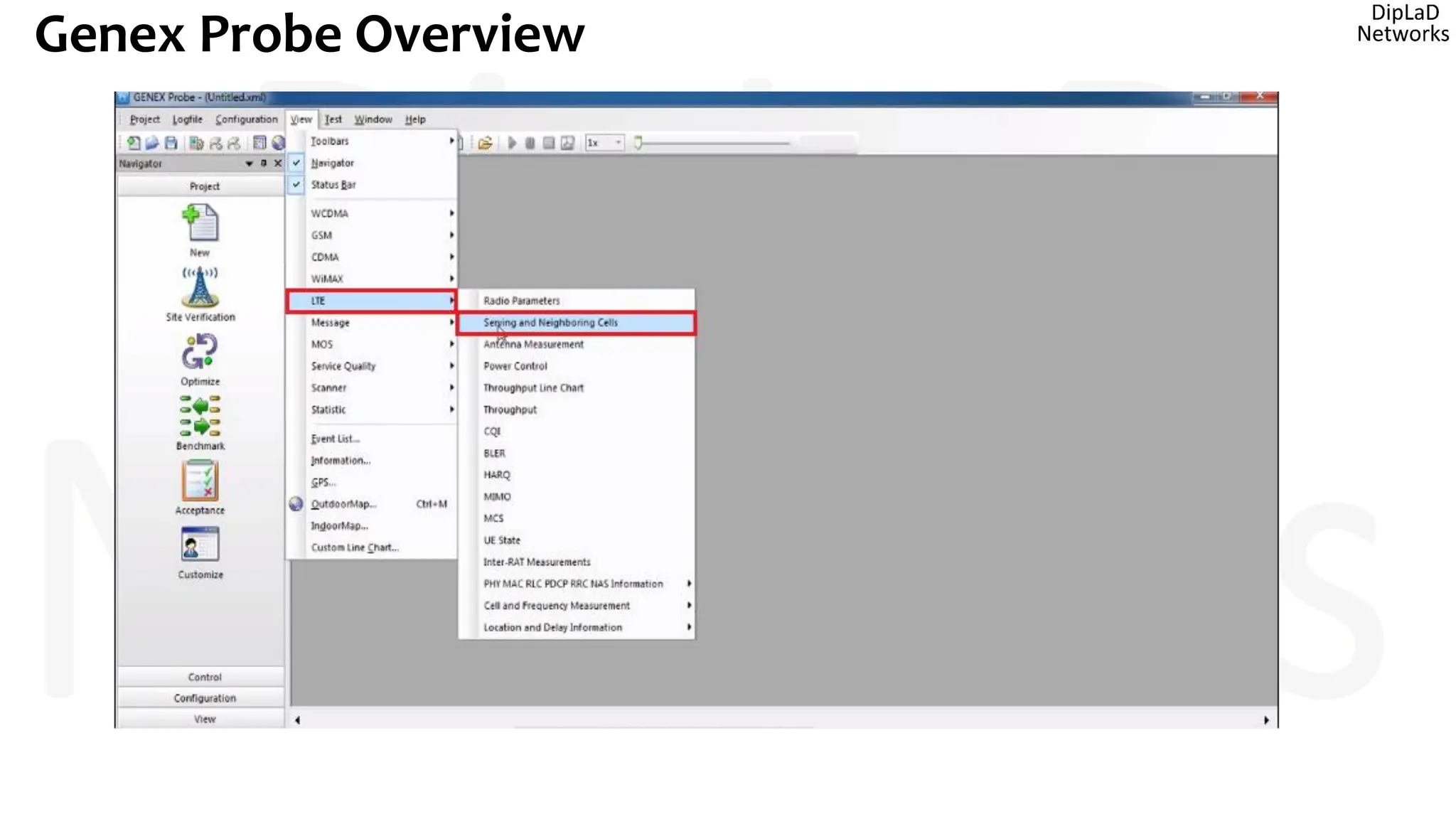
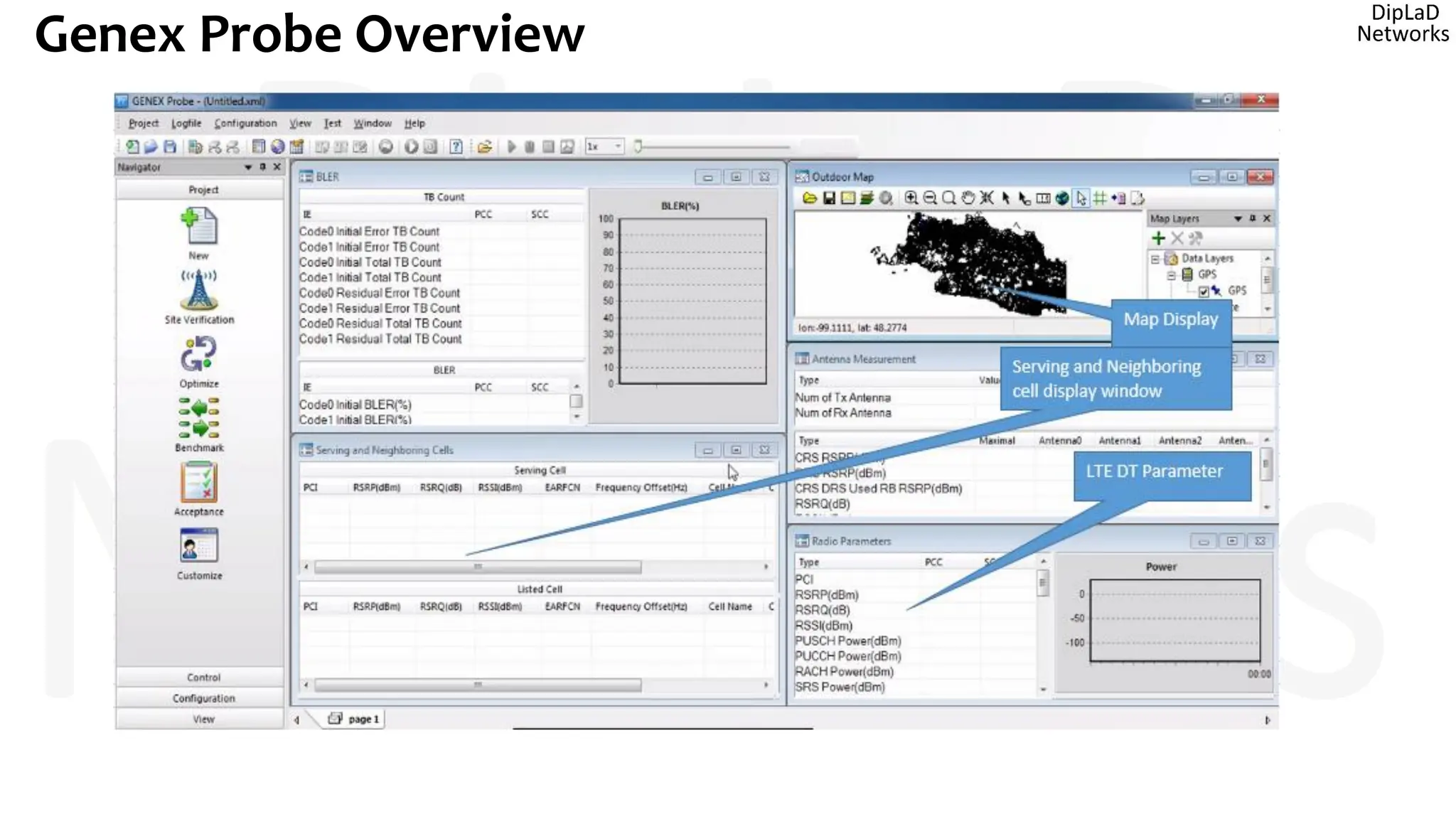
Genex Probe Overview
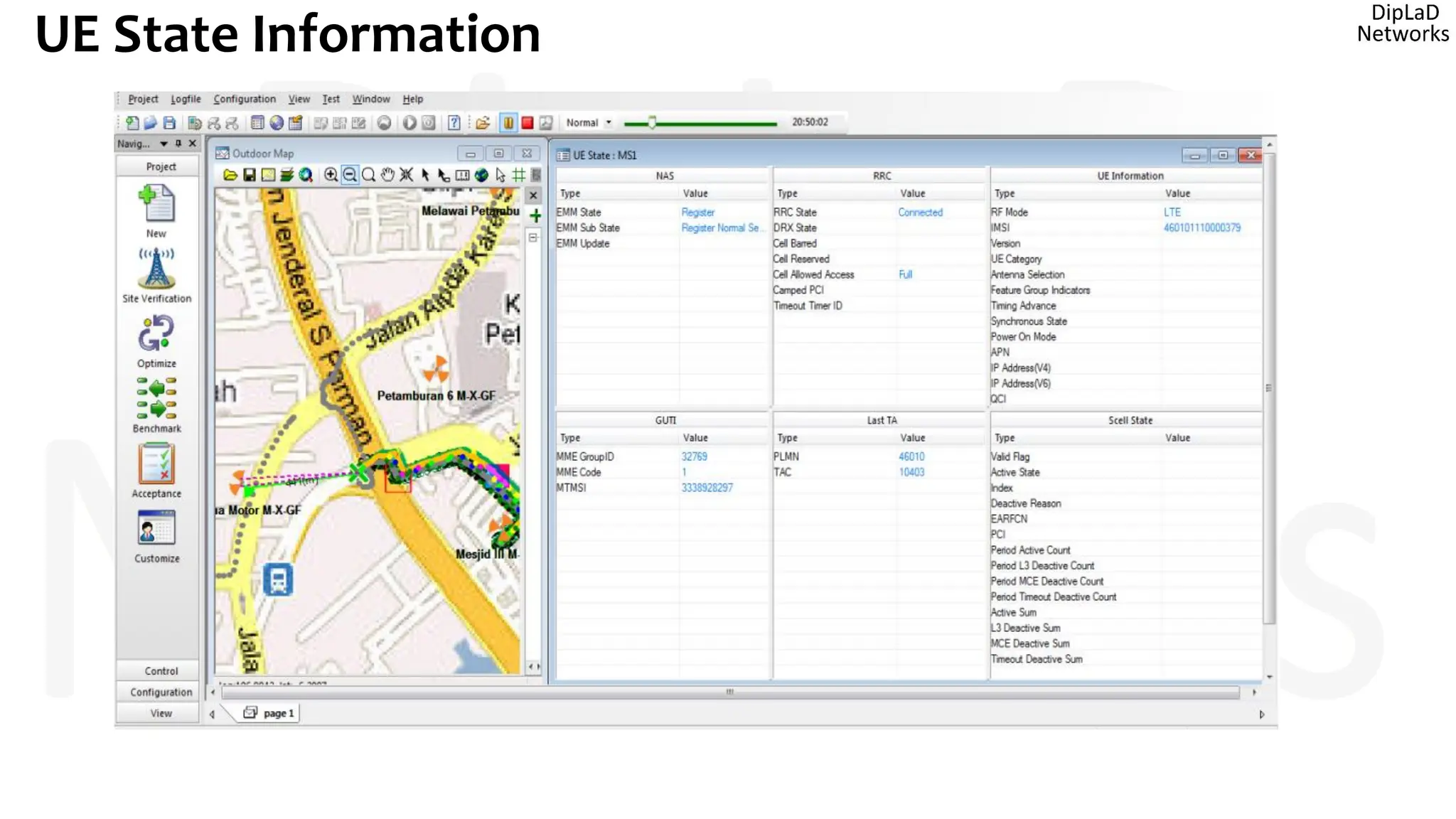
UE State Information
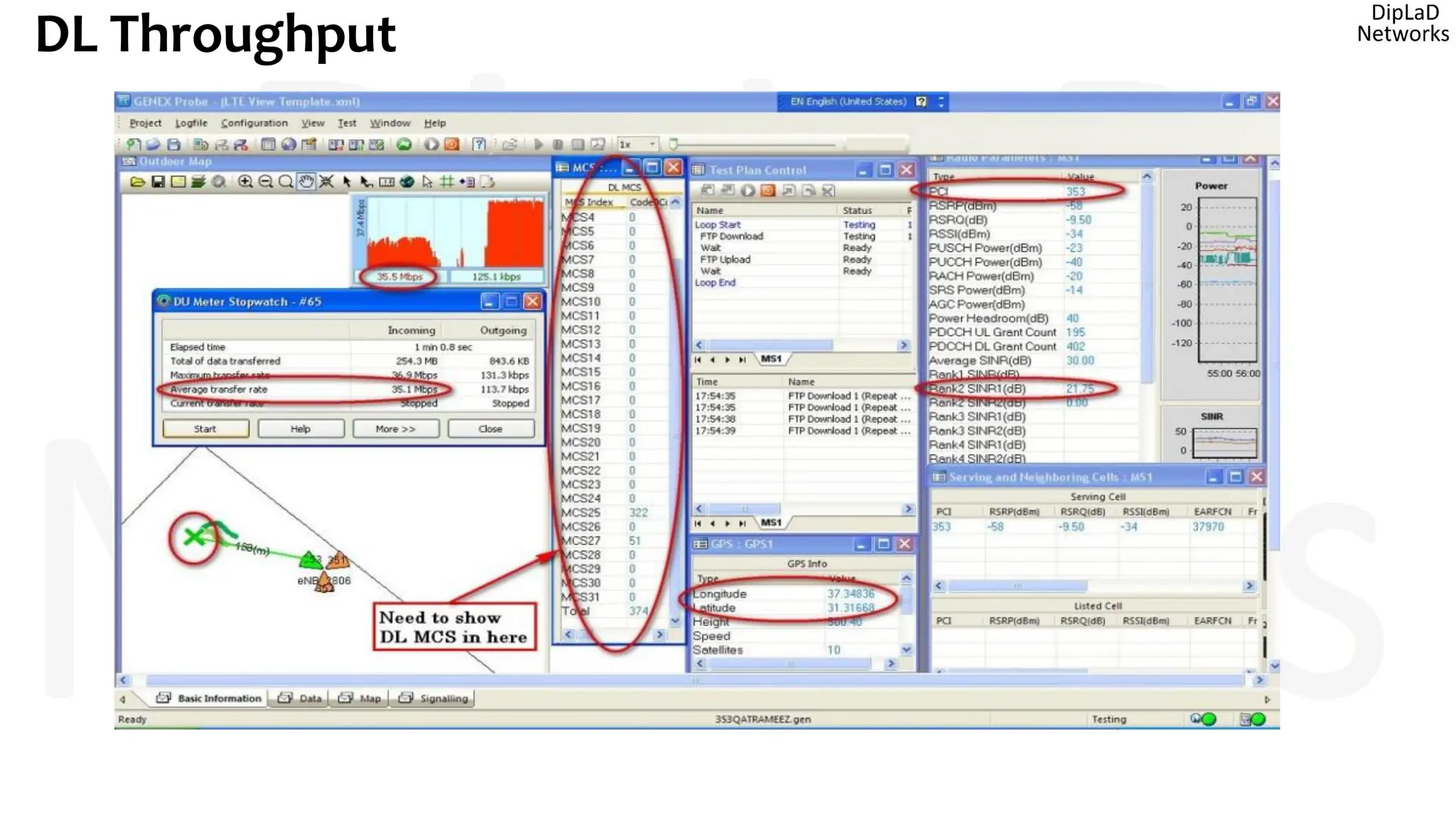
DL Throughput
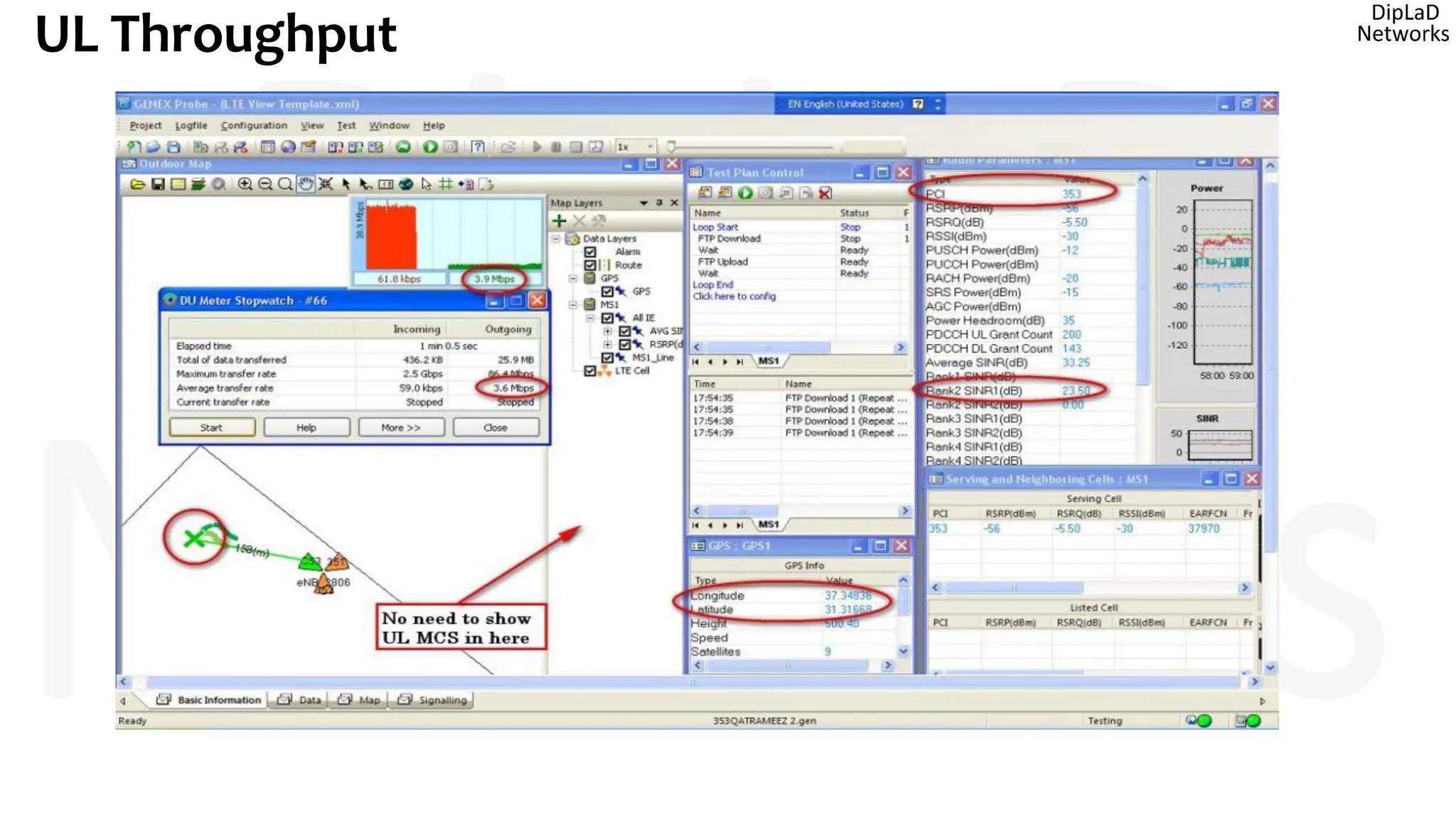
UL Throughput
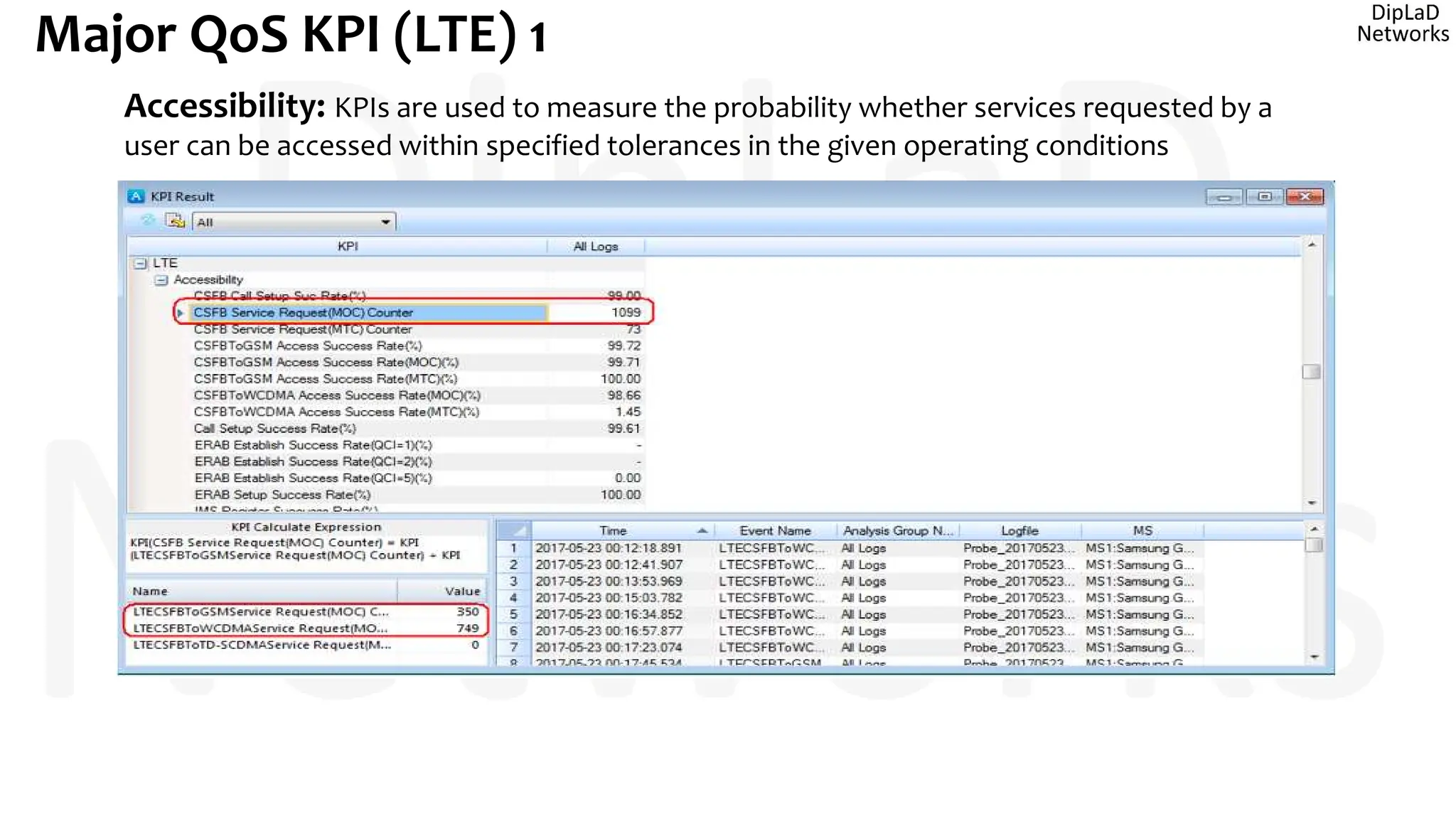
Major QoS KPI (LTE) 1
Accessibility: KPIs are used to measure the probability whether services requested by a
user can be accessed within specified tolerances in the given operating conditions
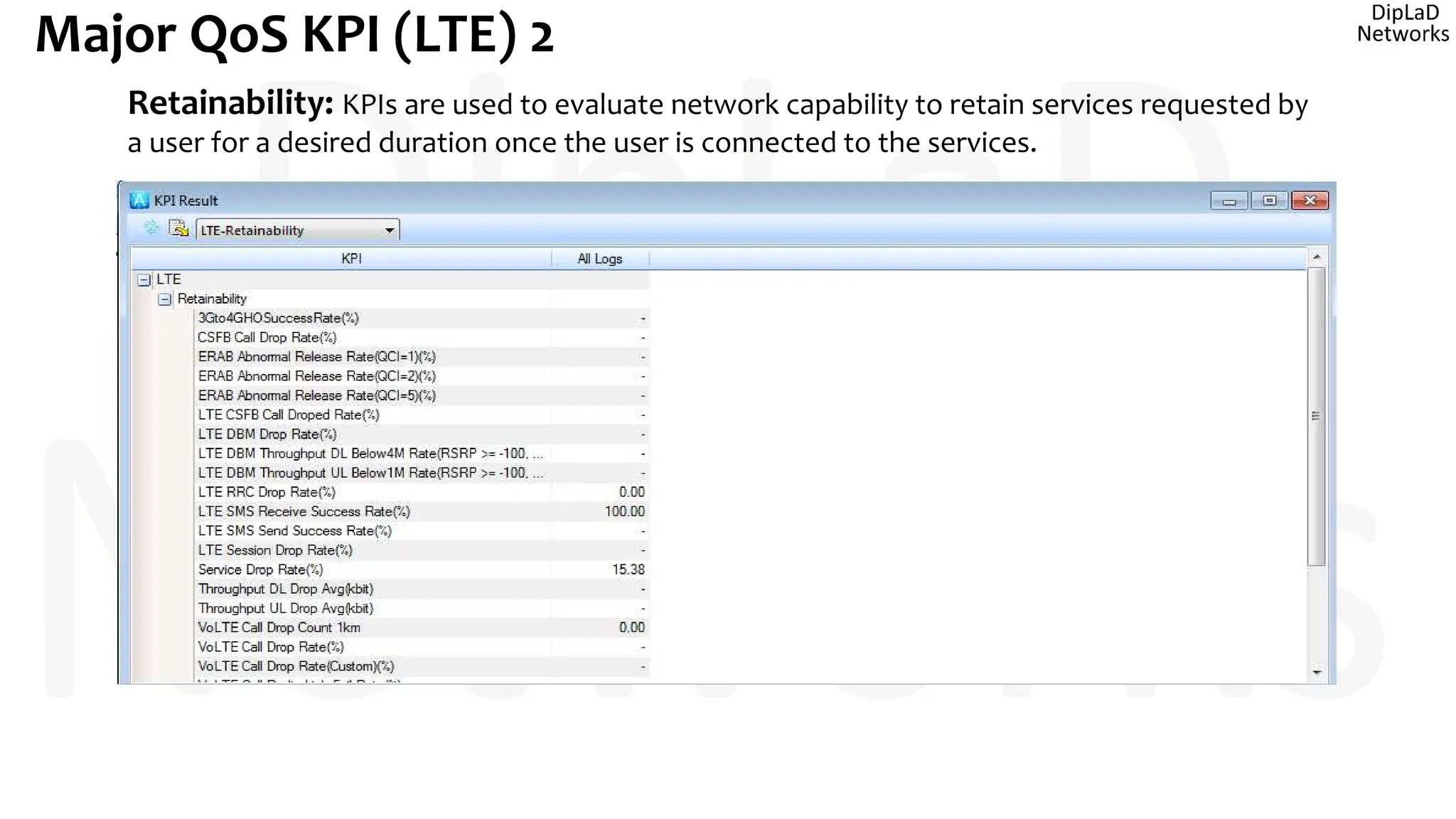
Major QoS KPI (LTE) 2
Retainability: KPIs are used to evaluate network capability to retain services requested by
a user for a desired duration once the user is connected to the services.
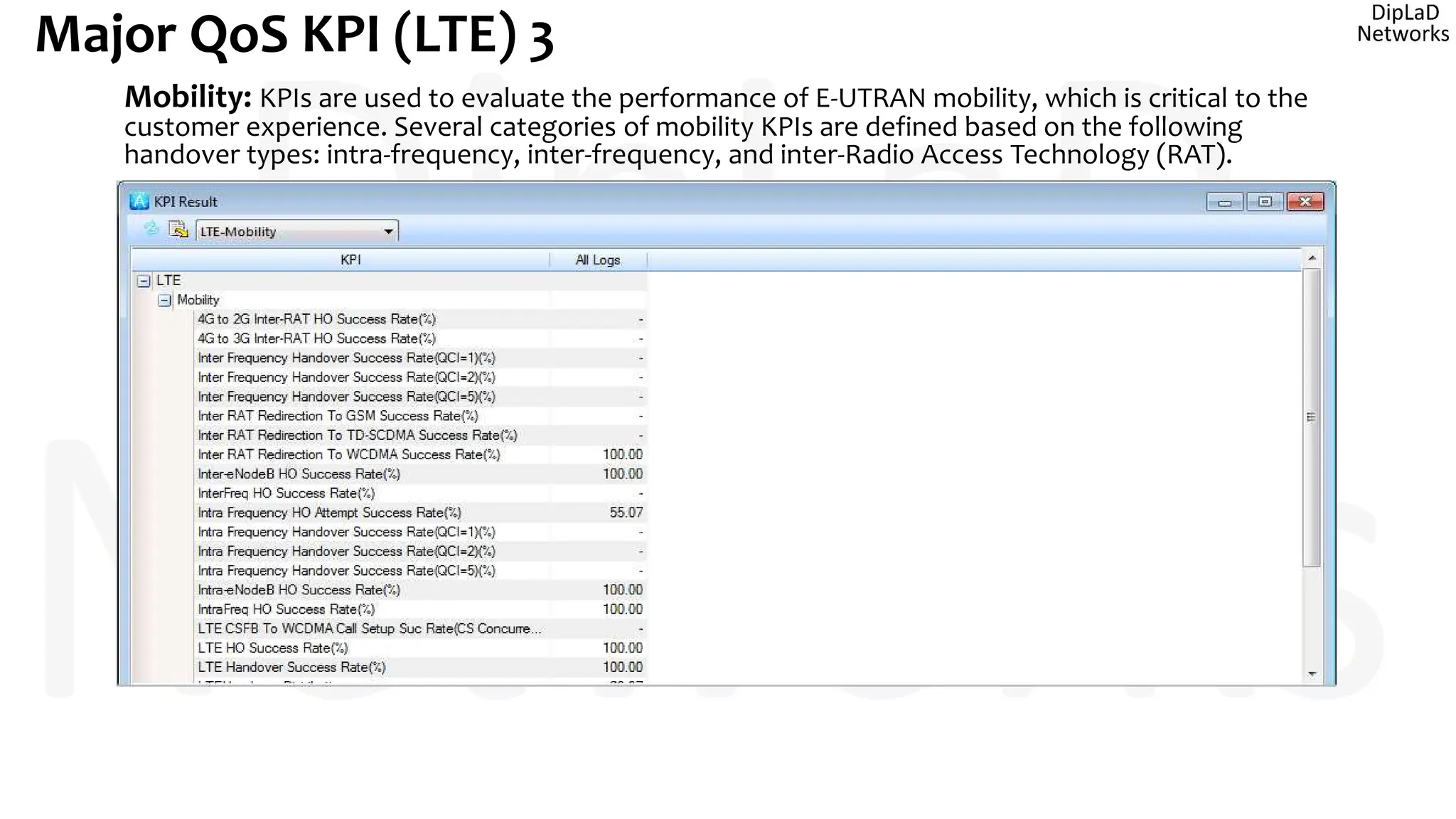
Major QoS KPI (LTE) 3
Mobility: KPIs are used to evaluate the performance of E-UTRAN mobility, which is critical to the
customer experience. Several categories of mobility KPIs are defined based on the following
handover types: intra-frequency, inter-frequency, and inter-Radio Access Technology (RAT).
4G LTE Drive Test With
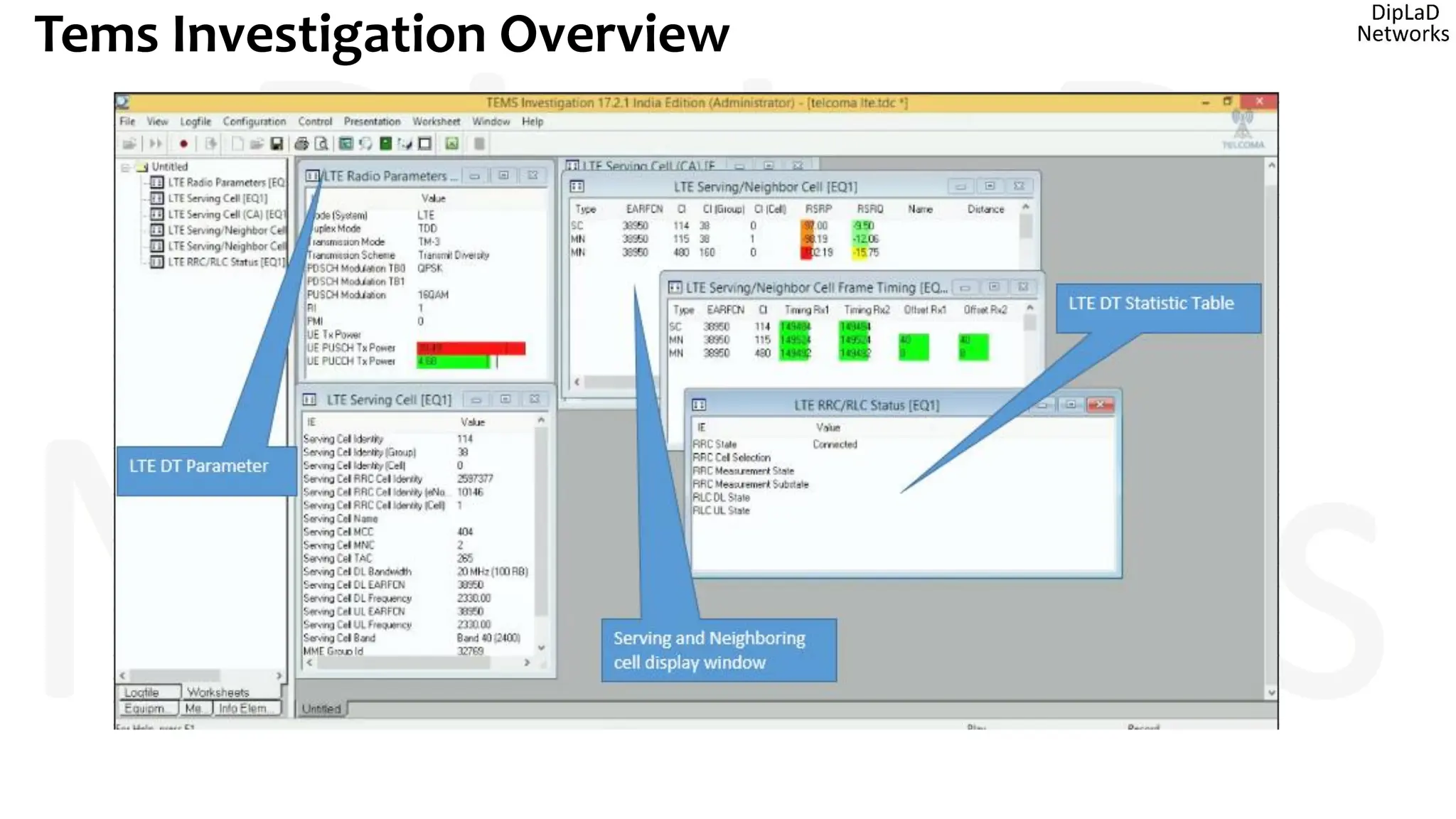
Tems Investigation
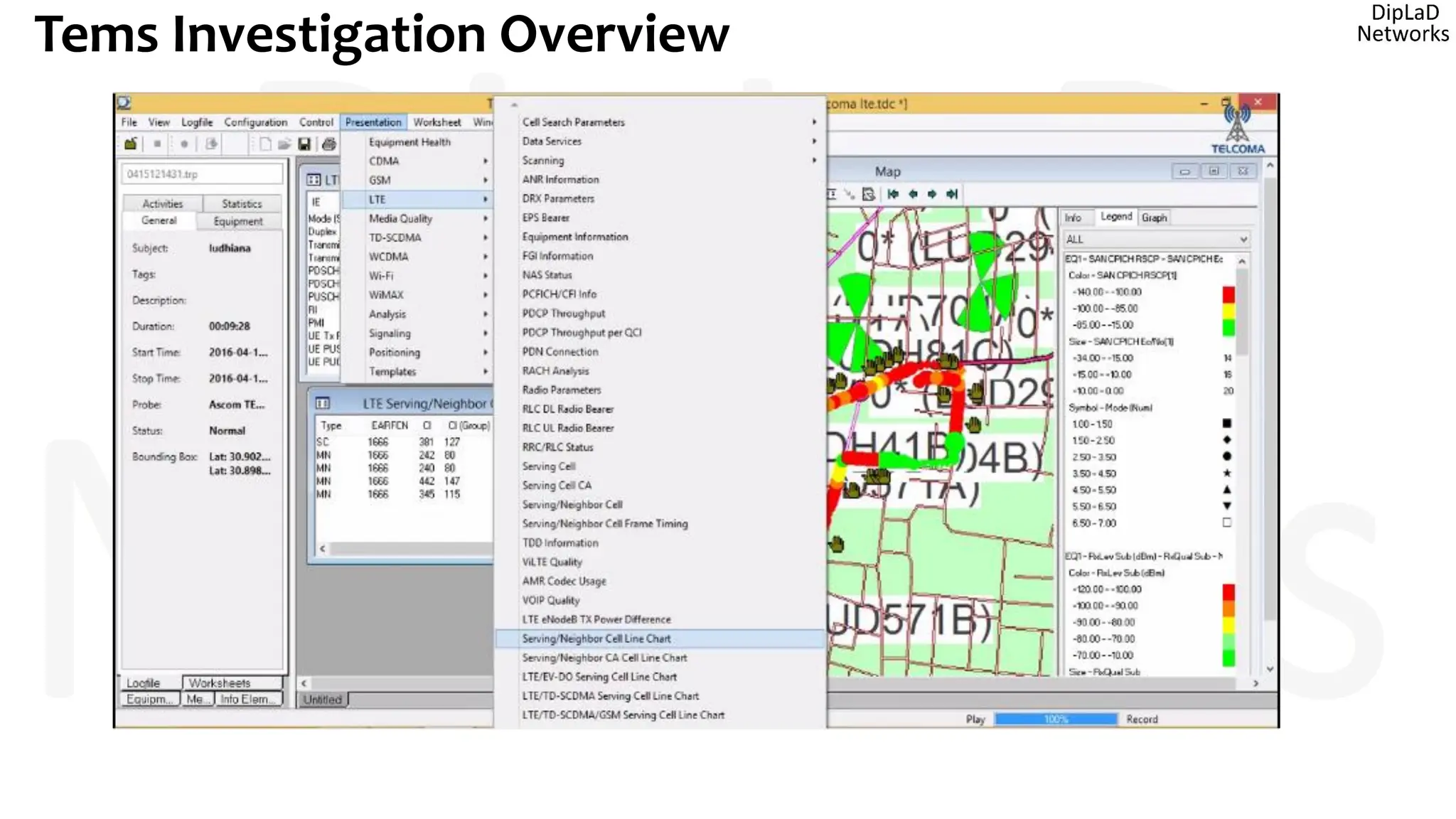
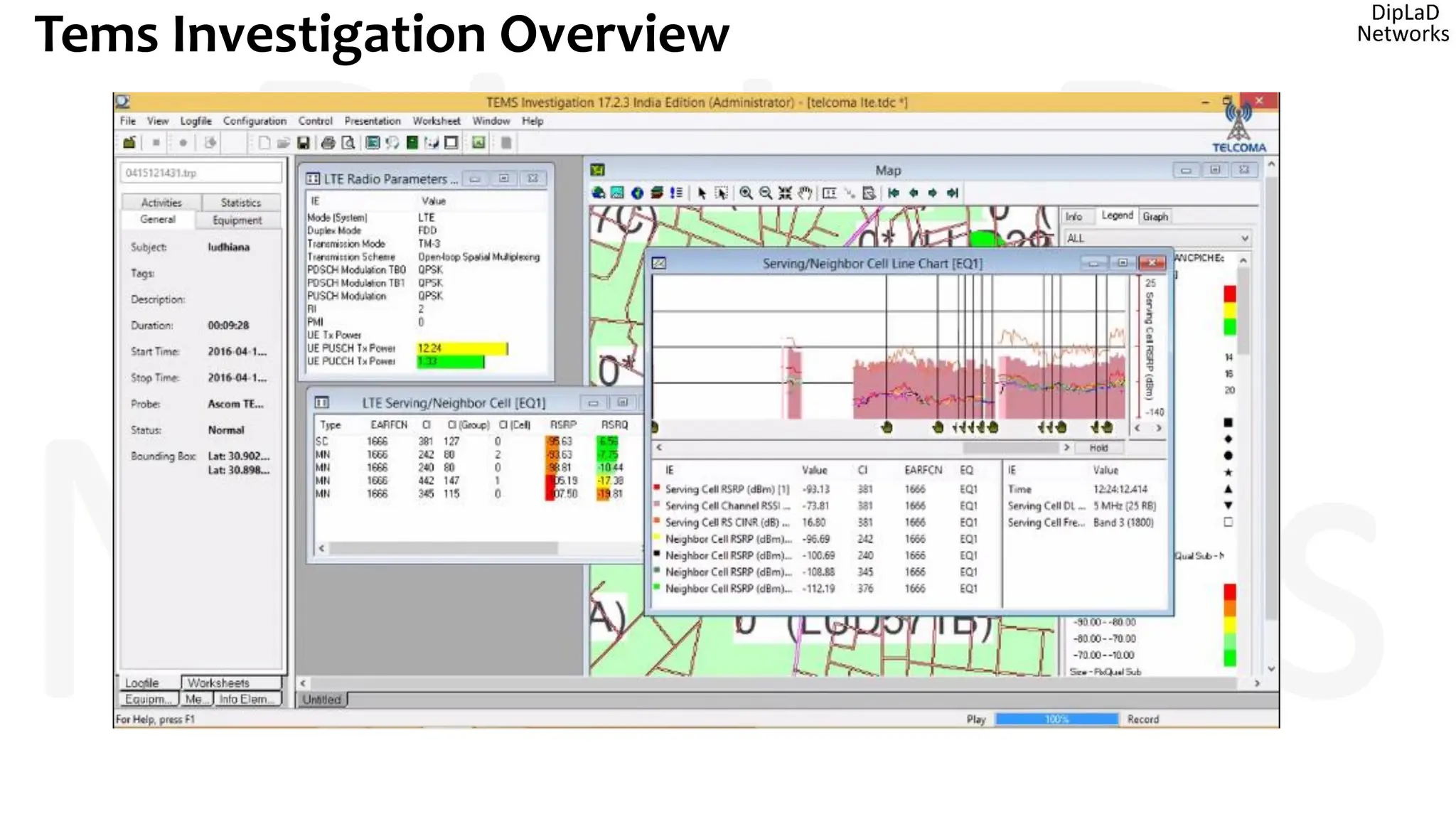
Tems Investigation Overview
Thanks

LTE_Drive_Test_Theory_Tools_Preparation.pdf

  • 1.
    LTE Drive TestTheory, Tools, Preparation And Analysis Facilitator: Abari Rasheed O (ITIL)
  • 2.
    Objectives Understanding Drive Testbasic principles Know the basic parameter in 4G Drive Test Knowledge of both SSV, BM, MOS and Cluster Drive Test Post processing of Log files Drive test log analysis and RF Optimization Action Reporting with basic standard TEMS Discovery, Genex Assistance, Actix and Map Info
  • 3.
    Why Do WeDo DT? • Drive testing is a method of measuring and assessing the coverage, capacity and Quality of Service (QoS) of a mobile radio network. • The technique consists of using a motor vehicle containing mobile radio network air interface measurement equipment that can detect and record a wide variety of the physical and virtual parameters of mobile cellular service in a given geographical area. • By measuring what a wireless network subscriber would experience in any specific area, wireless carriers can make directed changes to their networks that provide better coverage and service to their customers.
  • 4.
    Data Collected DuringDrive Testing Drive test equipment typically collects data relating to the network itself, services running on the network such as voice or data services, radio frequency scanner information and GPS information to provide location details. The data set collected during drive testing field measurements can include information such as:  Signal intensity  Signal quality  Interference  Dropped calls  Blocked calls  Call statistics  Service level statistics  Quality of Service information  Handover information  Neighboring cell information  GPS location co-ordinates
  • 5.
    Different Types ofDrive Test There are different types of drive test depending on the requirement, purpose and desired result. Single Site Verification (SSV) Cluster Drive Test Mean Opinion Score (MOS) Benchmark (BM)
  • 6.
    RF Optimization Flowchart Tomeet customers' requirements for high-quality networks, LTE trial networks must be optimized during and after project implementation. Radio frequency (RF) optimization is necessary in the entire optimization process.
  • 7.
    Network Optimization Methods RFoptimization involves adjustment of azimuths, tilts, antenna height, eNodeB transmit power, feature algorithms, and performance parameters. Optimization methods in different standards are similar, but each standard has its own measurement definition.
  • 8.
    What is 4GLTE? 4G is the fourth generation of mobile network technology. 4G offers a connection that is more reliable and delivers much higher speeds. Specifically, 4G LTE means “fourth-generation long term evolution,” with LTE being a type of 4G that delivers the fastest connection for a mobile internet experience – up to 10 times faster than 3G. Ideally, any bandwidth can be used, LTE defines possible nominal bandwidths of 1.4 MHz, 3 MHz, 5 MHz, 10 MHz, 15 MHz and 20 MHz. LTE is also capable of operating in both bands paired (FDD) and unpaired (TDD). Modulation scheme DL: QPSK, 16QAM, 64QAM & 256QAM UL: QPSK, 16QAM, 64QAM (optional) COMPARISON OF LTE WITH OTHER CELLULAR TECHNOLOGIES WCDMA (UMTS) HSPA HSDPA/HSUPA HSPA+ LTE LTE ADVANCED Max DL Speed 384 kbps 14 Mbps 28 Mbps 100 Mbps 1 Gbps Max UL Speed 128 kbps 5.7 Mbps 11 Mbps 50 Mbps 500 Mbps Latency round trip Time 150 ms 100 ms 50 ms 10 ms less than 5 ms 3GPP Releases Rel 99/4 Rel 5/6 Rel 7 Rel 8 Rel 10 Appr. Years of initial roll out 2003/2004 2005/2006 HSDPA 2007/2008 HSUPA 2008/2009 2009/2010 2014/2015 Access Methodology CDMA CDMA CDMA OFDMA/SC-FDMA OFDMA/SC-FDMA
  • 9.
    What is 4GLTE? In contrast to the circuit-switched model of previous cellular systems, Long Term Evolution (LTE) has been designed to support only packet-switched services. It aims to provide seamless Internet Protocol (IP) connectivity between user equipment (UE) and the packet data network (PDN),without any disruption to the end users’ applications during mobility. LTE Frequency in Nigeria:  MTN 4G LTE Bands: supports band 7 (2600MHz) & 20 (800MHz)  Glo 4G LTE Band: supports band 28 (700MHz)  9Mobile 4G LTE Band: supports band 3 (1800MHz)  Airtel 4G LTE Band: supports band 3 (1800MHz)  NTel 4G LTE Bands: supports band 3 (1800MHz) and 8 (900MHz)  SMILE 4G LTE Band: supports band 20 (800MHz)  SPECTRANET 4G Band: supports band 40 (2300MHz)  SWIFT 4G Band: supports band 40 (2300MHz)
  • 10.
  • 11.
    4G LTE Architecture UserEquipment (UE): This is the user device that is connected to the LTE network via the RF channel through the BS that is part of the eNB subsystem. Evolved NodeB (eNB): The eNB functionalities include radio resource management (RRM) for both uplink (UL) and downlink (DL), IP header compression and encryption of user data, routing of user data, selection of MME, paging, measurements, scheduling, and broadcasting. Mobility Management Entity (MME): This portion of the network is responsible for non-access stratum (NAS) signaling and security, tracking UE, handover selection with other MMEs, authentication, bearer management, core network (CN) node signaling, and packet data network (PDN) service and selection. The MME is connected to the S-GW via an S11 interface. Serving Gateway (S-GW): This gateway handles eNB handovers, packet data routing, quality of service (QoS), user UL/DL billing, lawful interception, and transport level packet marking. The S-GW is connected to the PDN gateway via an S5 interface. PDN Gateway (P-GW): This gateway is connected to the outside global network (Internet). This stage is responsible for IP address allocation, per-user packet filtering, and service level charging, gating, and rate enforcement. Evolved Packet Core (EPC): It includes the MME, the S-GW as well as the P-GW.
  • 12.
    4G LTE DriveTest Major QoS KPI on Drive Test.  Accessibility: (a) This KPI describes the ratio of all successful establishments to establishment attempts on the network and is used to evaluate service accessibility across eUTRAN. (b) This KPI is obtained by the number of all successful attempts divided by the total number of attempts.  Retainability: (a) This KPI describes the ratio of all successful conversational speech/Interactive related RAB establishments to conversational speech/Interactive related RAB establishment attempts on the network and is used to evaluate speech service retainability. (b) This KPI is obtained by the number of all successful conversational speech/ Interactive related RAB establishments divided by the total number of attempts conversational speech/ Interactive related RAB establishments.
  • 13.
    4G LTE DriveTest Major LTE drive test Parameters are: RSSI: Received Signal Strength Indicator, or the strength of the reference signal. SINR: Signal-to-Noise Ratio, which compares the strength of the signal to background noise. RSRP: Reference Signal Received Power, the power of the reference signal. This is an LTE-specific drive test parameter and is used by devices to help determine handover points. RSRQ: Reference Signal Received Quality, or the quality of the reference signal; this is in part, a ratio of RSSI to RSRP. TAC: Tracking Area Code: corresponds to the location and routing areas in GSM and UMTS. PCI: The PCI is simply a lower layer physical identity of the cell, the PCI is important to distinguish neighboring cells transmitting on the same frequency
  • 14.
    4G LTE CommunicationChannels 1 The information flows between the different protocols are known as channels and signals. LTE uses several different types of logical, transport and physical channel, which are distinguished by the kind of information they carry and by the way in which the information is processed. Logical Channels : Define what type of information is transmitted over the air, e.g. traffic channels, control channels, system broadcast, etc. Data and signaling messages are carried on logical channels between the RLC and MAC protocols. Transport Channels : Define how is something transmitted over the air, e.g. what are encoding, interleaving options used to transmit data. Data and signaling messages are carried on transport channels between the MAC and the physical layer. Physical Channels : Define where is something transmitted over the air, e.g. first N symbols in the DL frame. Data and signaling messages are carried on physical channels between the different levels of the physical layer.
  • 15.
    4G LTE CommunicationChannels 2 Logical Channels Logical channels define what type of data is transferred. These channels define the data-transfer services offered by the MAC layer. Data and signaling messages are carried on logical channels between the RLC and MAC protocols. Logical channels can be divided into control channels and traffic channels. Control Channel can be either common channel or dedicated channel. A common channel means common to all users in a cell (Point to multipoint) while dedicated channels means channels can be used only by one user (Point to Point). Logical channels are distinguished by the information they carry and can be classified in two ways. Firstly, logical traffic channels carry data in the user plane, while logical control channels carry signaling messages in the control plane. Following table lists the logical channels that are used by LTE: Channel Name Acronym Control channel Traffic channel Broadcast Control Channel BCCH X Paging Control Channel PCCH X Common Control Channel CCCH X Dedicated Control Channel DCCH X Multicast Control Channel MCCH X Dedicated Traffic Channel DTCH X Multicast Traffic Channel MTCH X
  • 16.
    4G LTE CommunicationChannels 3 Transport Channels Transport channels define how and with what type of characteristics the data is transferred by the physical layer. Data and signaling messages are carried on transport channels between the MAC and the physical layer. Transport Channels are distinguished by the ways in which the transport channel processor manipulates them. Following table lists the transport channels that are used by LTE: Channel Name Acronym Downlink Uplink Broadcast Channel BCH X Downlink Shared Channel DL-SCH X Paging Channel PCH X Multicast Channel MCH X Uplink Shared Channel UL-SCH X Random Access Channel RACH X
  • 17.
    4G LTE CommunicationChannels 4 Physical Channels Data and signaling messages are carried on physical channels between the different levels of the physical layer and accordingly they are divided into two parts: Physical Data Channels Physical Control Channels Physical data channels Physical data channels are distinguished by the ways in which the physical channel processor manipulates them, and by the ways in which they are mapped onto the symbols and sub-carriers used by Orthogonal frequency-division multiplexing (OFDMA). Following table lists the physical data channels that are used by LTE: Channel Name Acronym Downlink Uplink Physical downlink shared channel PDSCH X Physical broadcast channel PBCH X Physical multicast channel PMCH X Physical uplink shared channel PUSCH X Physical random access channel PRACH X
  • 18.
    4G LTE CommunicationChannels 5 Physical Control Channels The transport channel processor also creates control information that supports the low-level operation of the physical layer and sends this information to the physical channel processor in the form of physical control channels. The information travels as far as the transport channel processor in the receiver, but is completely invisible to higher layers. Similarly, the physical channel processor creates physical signals, which support the lowest-level aspects of the system. Physical Control Channels are listed in the below table: Channel Name Acronym Downlink Uplink Physical control format indicator channel PCFICH X Physical hybrid ARQ indicator channel PHICH X Physical downlink control channel PDCCH X Relay physical downlink control channel R-PDCCH X Physical uplink control channel PUCCH X
  • 19.
    4G LTE DriveTest Post Processing With Actix
  • 20.
  • 21.
    How to LoadLogfiles
  • 22.
    What is SuperStream ? Logfile 1 . . . Logfile N Super Stream A superstream is a new stream created by merging two or more sets of data into one large data set. Beware that size can be huge (since the superstream contains all attributes, even those that we might not need in our analysis.
  • 23.
    How to CreateSuper Stream
  • 24.
    Display All RequiredInformation (1)
  • 25.
    Display All RequiredInformation (2)
  • 26.
    Display All RequiredInformation (3)
  • 27.
    Display All RequiredInformation (4)
  • 28.
  • 29.
    Drive Test Reportingon Accessibility Performance
  • 30.
  • 31.
  • 32.
  • 33.
    Drive Test Reportingon Mobility Performance
  • 34.
    Measurement Event Event TypeEvent Significant A1 Serving becomes better than threshold A2 Serving becomes worst than threshold A3 Neighbor becomes offset better than serving A4 Neighbor becomes better than threshold A5 Serving becomes worst than threshold 1 and Neighbor becomes better than threshold 2 B1 IRAT Neighbor becomes better than threshold B2 Serving becomes worst than threshold 1 and IRAT Neighbor becomes better than threshold 2 A1 A2 A3 A4 A5 B1 B2 IntraFrequency HO Decision IntreFrequency Stop Measurement Start Measurement HO Decision IRAT Stop Measurement Start Measurement HO Decision
  • 35.
  • 36.
  • 37.
    Mobility Performance (RRCConnection Reconfiguration)
  • 38.
    Mobility Performance (RRCConnection Reconfiguration Complete)
  • 39.
    Drive Test Reportingon Retainability Performance
  • 40.
  • 41.
    Drop Rate Calculation DropRate %: RRCConnection_RestablishmentFailed/RRCConnectionSetup * 100% Drop Rate %: 1/116*100% = 0.86%
  • 42.
  • 43.
    RRC Reestablishment RequestReject From the drive test result it shows that, minimum RSRQ value are below allowable minimum threshold at -18 dB, the threshold depends on operator’s standard and KPI improvement
  • 44.
  • 45.
    4G LTE DriveTest With Genex Assistance
  • 46.
  • 47.
  • 48.
  • 49.
  • 50.
  • 51.
    Major QoS KPI(LTE) 1 Accessibility: KPIs are used to measure the probability whether services requested by a user can be accessed within specified tolerances in the given operating conditions
  • 52.
    Major QoS KPI(LTE) 2 Retainability: KPIs are used to evaluate network capability to retain services requested by a user for a desired duration once the user is connected to the services.
  • 53.
    Major QoS KPI(LTE) 3 Mobility: KPIs are used to evaluate the performance of E-UTRAN mobility, which is critical to the customer experience. Several categories of mobility KPIs are defined based on the following handover types: intra-frequency, inter-frequency, and inter-Radio Access Technology (RAT).
  • 54.
    4G LTE DriveTest With Tems Investigation
  • 55.
  • 56.
  • 57.
  • 58.