Laser Capture Microdissection Methods And Protocols 2nd Edition Kristen Decarlo
Laser Capture Microdissection Methods And Protocols 2nd Edition Kristen Decarlo
Laser Capture Microdissection Methods And Protocols 2nd Edition Kristen Decarlo
Laser Capture Microdissection Methods And Protocols 2nd Edition Kristen Decarlo
Laser Capture Microdissection Methods And Protocols 2nd Edition Kristen Decarlo
1.
Laser Capture MicrodissectionMethods And
Protocols 2nd Edition Kristen Decarlo download
https://ebookbell.com/product/laser-capture-microdissection-
methods-and-protocols-2nd-edition-kristen-decarlo-2450052
Explore and download more ebooks at ebookbell.com
2.
Here are somerecommended products that we believe you will be
interested in. You can click the link to download.
Laser Capture Microdissection Methods And Protocols 3rd Edition Graeme
I Murray Eds
https://ebookbell.com/product/laser-capture-microdissection-methods-
and-protocols-3rd-edition-graeme-i-murray-eds-6840708
Laser Capture Microdissection Methods And Protocols Stephanie Curran
https://ebookbell.com/product/laser-capture-microdissection-methods-
and-protocols-stephanie-curran-1315192
Laser Capture Microdissection Methods In Molecular Biology V293 1st
Graeme I Murray
https://ebookbell.com/product/laser-capture-microdissection-methods-
in-molecular-biology-v293-1st-graeme-i-murray-2381740
Laser Capture In Microscopy And Microdissection 1st Edition P Michael
Conn
https://ebookbell.com/product/laser-capture-in-microscopy-and-
microdissection-1st-edition-p-michael-conn-1627146
3.
Laserbased Additive ManufacturingModeling Simulation And Experiments
Narendra B Dahotre
https://ebookbell.com/product/laserbased-additive-manufacturing-
modeling-simulation-and-experiments-narendra-b-dahotre-44870938
Laser Communication With Constellation Satellites Uavs Haps And
Balloons Fundamentals And Systems Analysis For Global Connectivity
Arun K Majumdar
https://ebookbell.com/product/laser-communication-with-constellation-
satellites-uavs-haps-and-balloons-fundamentals-and-systems-analysis-
for-global-connectivity-arun-k-majumdar-46098496
Laser Techniques In Ophthalmology A Guide To Yag And Photothermal
Laser Treatments In Clinic Anita Prasad
https://ebookbell.com/product/laser-techniques-in-ophthalmology-a-
guide-to-yag-and-photothermal-laser-treatments-in-clinic-anita-
prasad-46294758
Laser Spectroscopy And Laser Imaging An Introduction Laser
Spectroscopy And Laser Imaging An Introduction
https://ebookbell.com/product/laser-spectroscopy-and-laser-imaging-an-
introduction-laser-spectroscopy-and-laser-imaging-an-
introduction-46538428
Laser B2 Students Book 3rd Edition Third Steve Tayloreknowles
https://ebookbell.com/product/laser-b2-students-book-3rd-edition-
third-steve-tayloreknowles-47289994
6.
Me t ho d s i n Mo l e c u l a r Bi o l o g y ™
Series Editor
John M. Walker
School of Life Sciences
University of Hertfordshire
Hatfield, Hertfordshire, AL10 9AB, UK
For further volumes:
http://www.springer.com/series/7651
Laser Capture Microdissection
Methodsand Protocols
Second Edition
Edited by
Graeme I. Murray
Department of Pathology, University of Aberdeen, Aberdeen, UK
v
Preface
Laser microdissection techniqueshave revolutionized the ability of researchers in general,
and pathologists in particular, to carry out molecular analysis on specific types of normal
and diseased cells and to fully utilize the power of current molecular technologies, includ-
ing PCR, microarrays, and proteomics. The primary purpose of the second edition of this
volume of Methods in Molecular Biology is to provide the reader with practical advice on
how to carry out tissue-based laser microdissection successfully in their own laboratory
using the different laser microdissection systems that are available and to apply a wide
range of molecular technologies. The individual chapters encompass detailed descriptions
of the individual laser-based microdissection systems. The downstream applications of the
laser microdissected tissue described in the book include PCR in its many different forms
as well as gene expression analysis, including the application to microarrays and
proteomics.
The editor is especially grateful to all the contributing authors for the time and effort
they have put into the individual chapters. The series editor John Walker has provided
expert guidance through the editorial process while colleagues at Springer have been very
helpful in dealing with all the publication related issues.
Aberdeen, UK Graeme I. Murray
xi
Contributors
Sita Aggarwal •Pennington Biomedical Research Center, Louisiana State
University System, Baton Rouge, LA, USA
Kosuke Akiyama • Department of Otolaryngology, Faculty of Medicine,
Kagawa University, Kagawa, Japan
Giulia d’Amati • Department of Experimental Medicine, Sapienza University,
Rome, Italy
Ramesh B. Batchu • Laboratory of Surgical Oncology Developmental Therapeutics,
Department of Surgery, Wayne State University, Detroit, MI, USA;
John D Dingell VA Medical Center, Detroit, MI, USA
Boon-Huat Bay • Department of Anatomy, Yong Loo Lin School of Medicine,
National University of Singapore, Singapore
Jan Ulrich Becker • Institute of Pathology, Medizinische Hochschule Hannover,
Hannover, Germany
Michael Beer • Institute for Vascular Medicine, Friedrich Schiller University of Jena,
Jena, Germany
René Bernard • Charité Campus Mitte – Universitätsmedizin Berlin,
Centrum für Anatomie, Institut für Integrative Neuroanatomie, Berlin, Germany
Josip Blonder • Laboratory of Proteomics and Analytical Technologies,
SAIC-Frederick, Inc., National Cancer Institute at Frederick, Frederick, MD, USA
Clemens L. Bockmeyer • Institute of Pathology, Medizinische Hochschule Hannover,
Hannover, Germany
Robert F. Bonner • Pathogenetics Unit and Laser Microdissection Core,
Laboratory of Pathology, Center for Cancer Research, National Cancer Institute,
National Institutes of Health, Bethesda, MD, USA
David L. Bouwman • Department of Surgery, Wayne State University, Detroit,
MI, USA
René B.H. Braakman • Department of Medical Oncology, Center for Translational
Molecular Medicine, and Cancer Genomics Centre, Erasmus MC Rotterdam,
Rotterdam, The Netherlands
Björn L.D.M. Brücher • Comprehensive Cancer Center, University of Tübingen,
Tübingen, Germany
Sharon Burke • Molecular and Behavioral Neuroscience Institute,
Ann Arbor, MI, USA
Isabelle Cadron • Division of Gynecological Oncology, Department of Obstetrics
and Gynecology, University Hospitals Leuven, Katholieke Universiteit Leuven,
Leuven, Belgium
17.
xii Contributors
Shoufeng Cao• Department of Anatomy, Yong Loo Lin School of Medicine,
National University of Singapore, Singapore
Ophelia E. Dadzie • Dermatopathology Section, St John’s Institute of Dermatology,
St. Thomas’ Hospital, London, UK
Marlene Danner Dalgaard • Department of Growth and Reproduction,
Rigshospitalet, Copenhagen, Denmark
Kristen DeCarlo • Boston University School of Medicine, Boston, MA, USA
Brenda Deyarmin • Windber Research Institute, Windber, PA, USA
Paul J. van Diest • Department of Pathology, University Medical Centre Utrecht,
Utrecht, The Netherlands
Daniel R. Dietrich • Human and Environmental Toxicology, University of
Konstanz, Konstanz, Germany
Sandra Doepping • Institute for Vascular Medicine, Friedrich Schiller
University of Jena, Jena, Germany
Susanne Eder • Department of Internal Medicine IV (Nephrology and
Hypertension), Functional Genomics Research Group, Center of Internal Medicine,
Medical University Innsbruck, Innsbruck, Austria
Ian O. Ellis • Department of Histopathology, School of Molecular Medical Sciences,
University of Nottingham and Nottingham University Hospitals Trust,
Nottingham, UK
Darrell L. Ellsworth • Windber Research Institute, Windber, PA, USA
Rachel E. Ellsworth • Translational Breast Research, Clinical Breast Care Project,
Windber Research Institute, Windber, PA, USA
Andrew Emley • Dermatopathology Section, Department of Dermatology,
Boston University School of Medicine, Boston, MA, USA
Michael R. Emmert-Buck • Pathogenetics Unit and Laser Microdissection Core,
Laboratory of Pathology, Center for Cancer Research, Gaithersburg, MD, USA,
Lori A. Field • Windber Research Institute, Windber, PA, USA
John A. Foekens • Department of Medical Oncology, Center for Translational
Molecular Medicine, and Cancer Genomics Centre, Erasmus MC Rotterdam,
Rotterdam, The Netherlands
Thomas C. Freeman • Roslin Institute, University of Edinburgh, Edinburgh, UK
Naoshi Fukui • Clinical Research Center, National Hospital Organization,
Sagamihara Hospital, Kanagawa, Japan
Benjamin Funke • Institute of Pathology, University Hospital Heidelberg,
Heidelberg, Germany;
Department of Anaesthesiology, University Hospital Heidelberg, Heidelberg,
Germany
Shujun Ge • Blood-Brain Barrier Laboratory, Department of Cell Biology,
University of Connecticut Health Center, Farmington, CT, USA
Carla Giordano • Department of Experimental Medicine, Sapienza University,
Rome, Italy
Vincent J. Gnanapragasam • Translational Prostate Cancer Group, Hutchison MRC
Research Centre, University of Cambridge, Cambridge, UK
18.
xiii
Contributors
Rolf Grabner •Institute for Vascular Medicine, Friedrich Schiller University of Jena,
Jena, Germany
Andrew R. Green • Department of Histopathology, School of Molecular Medical
Sciences, University of Nottingham and Nottingham University Hospitals Trust,
Nottingham, UK
Scott A. Gruber • John D Dingell VA Medical Center, Wayne State University,
Detroit, MI, USA
Jan Gründemann • Wolfson Institute for Biomedical Research, University College
London, London, UK
Andreas J.R. Habenicht • Institute for Vascular Medicine, Friedrich Schiller
University of Jena, Jena, Germany
Jeffrey C. Hanson • Pathogenetics Unit and Laser Microdissection Core,
Laboratory of Pathology, Center for Cancer Research, National Cancer Institute,
National Institutes of Health, Bethesda, MD, USA
John Hart • Department of Pathology, University of Chicago, Chicago, IL, USA
Markus Hildner • Institute for Vascular Medicine, Friedrich Schiller
University of Jena, Jena, Germany
Raul Hinojosa • Section of Otolaryngology – Head and Neck Surgery,
Department of Surgery, University of Chicago, Chicago, IL, USA
Ronald Hoffman • Tisch Cancer Institute, Department of Medicine, Mount Sinai
School of Medicine, New York, NY, USA;
Myeloproliferative Disorder Research Consortium, New York, NY, USA
Seyed H. Hosseini • Science Department, Georgia Perimeter College, Clarkston,
GA, USA
Desheng Hu • Institute for Vascular Medicine, Friedrich Schiller University of Jena,
Jena, Germany
Kais Hussein • Institute of Pathology, Hannover Medical School, Hannover, Germany
Lindsey M. Hutt-Fletcher • Department of Microbiology and Immunology,
Center for Molecular and Tumor Virology and Feist-Weiller Cancer Center,
Louisiana State University Health Sciences Center, Shreveport, LA, USA
Yasuko Ikeda • Clinical Research Center, National Hospital Organization,
Sagamihara Hospital, Kanagawa, Japan
Ru Jiang • Department of Microbiology and Immunology, Center for Molecular
and Tumor Virology and Feist-Weiller Cancer Center, Louisiana State
University Health Sciences Center, Shreveport, LA, USA
Donald J. Johann • Medical Oncology Branch, Center for Cancer Research,
National Cancer Institute, National Institutes of Health, Bethesda, MD, USA
Danny Jonigk • Institute of Pathology, Medizinische Hochschule Hannover,
Hannover, Germany
Anne Jørgensen • Department of Growth and Reproduction, Rigshospitalet,
Copenhagen, Denmark
Ajay Joseph • Translational Prostate Cancer Group, Hutchison MRC Research
Centre, University of Cambridge, Cambridge, UK
Reika Kaneko • Applied Molecular Medicine, Niigata University Graduate School of
Medical and Dental Sciences, Chuo-Ku, Niigata, Japan
19.
xiv Contributors
Tomoatsu Kaneko• Cariology, Operative Dentistry and Endodontics, Niigata
University Graduate School of Medical and Dental Sciences, Niigata, Japan
Ilan A. Kerman • University of Alabama at Birmingham, Department of Psychiatry
and Behavioral Neurobiology, Birmingham, AL, USA
Sarkawt M. Khoshnaw • Department of Histopathology, School of Molecular Medical
Sciences, University of Nottingham and Nottingham University Hospitals Trust,
Nottingham, UK
James J. Kohler • Department of Pediatrics, Laboratory of Biochemical Pharmacology,
Emory University School of Medicine, Decatur, GA, USA
Hans Kreipe • Institute of Pathology, Medizinische Hochschule Hannover, Hannover,
Germany
Ulrich Lehmann • Institute of Pathology, Medizinische Hochschule Hannover,
Hannover, Germany
Maribel P. Lim • Laboratory of Cellular Neuropathology, Department of Psychiatry,
McLean Hospital, Harvard Medical School, Belmont, MA, USA
Birgit Liss • Institute of Applied Physiology, University of Ulm, Ulm, Germany
Jian-Xin Lu • Department of Medicine Therapeutics, Prince of Wales Hospital,
The Chinese University of Hong Kong, Shatin, Hong Kong, China
Theo M. Luider • Department of Neurology and Laboratory of Clinical and Cancer
Proteomics, Erasmus MC Rotterdam, Rotterdam, The Netherlands
Jennifer Macdonald • Blood-Brain Barrier Laboratory, Department of Cell Biology,
University of Connecticut Health Center, Farmington, CT, USA
Laurel Macey • Department of Psychiatry, McLean Hospital, Harvard Medical
School, Belmont, MA, USA
Meera Mahalingam • Dermatopathology Section, Department of Dermatology,
Boston University School of Medicine, Boston, MA, USA
Adam Markaryan • Section of Otolaryngology – Head and Neck Surgery,
Department of Surgery, University of Chicago, Chicago, IL, USA
John W.M. Martens • Department of Medical Oncology, Center for Translational
Molecular Medicine, and Cancer Genomics Centre, Erasmus MC Rotterdam,
Rotterdam, The Netherlands
Ai Matsubara • Department of Otolaryngology, Faculty of Medicine,
Kagawa University, Kagawa, Japan
Patricia A. Meitner • COBRE Center for Cancer Research Development,
Rhode Island Hospital, Providence, RI, USA
Takenori Miyashita • Department of Otolaryngology, Faculty of Medicine,
Kagawa University, Kagawa, Japan
Friedrich Modde • Institute of Pathology, Medizinische Hochschule Hannover,
Hannover, Germany
Cathy B. Moelans • Department of Pathology, University Medical Centre Utrecht,
Utrecht, The Netherlands
Philippe Moerman • Department of Pathology, University Hospitals Leuven,
Katholieke Universiteit Leuven, Leuven, Belgium
Sarajo Kumar Mohanta • Institute for Vascular Medicine, Friedrich Schiller
University of Jena, Jena, Germany
20.
xv
Contributors
Nozomu Mori •Department of Otolaryngology, Faculty of Medicine,
Kagawa University, Kagawa, Japan
Sumana Mukherjee • Medical Oncology Branch, Center for Cancer Research,
National Cancer Institute, National Institutes of Health, Bethesda, MD, USA
Nivetha Murugesan • Blood-Brain Barrier Laboratory, Department of Cell Biology,
University of Connecticut Health Center, Farmington, CT, USA
Erik G. Nelson • Section of Otolaryngology – Head and Neck Surgery,
Department of Surgery, University of Chicago, Chicago, IL, USA
Susie-Jane Noppert • Department of Internal Medicine IV (Nephrology and
Hypertension), Functional Genomics Research Group, Center of Internal Medicine,
Medical University Innsbruck, Innsbruck, Austria
Jacques E. Nör • Cariology, Restorative Sciences, and Endodontics,
School of Dentistry, University of Michigan, Ann Arbor, MI, USA;
Department of Biomedical Engineering, College of Engineering,
University of Michigan, Ann Arbor, MI, USA;
Comprehensive Cancer Center, University of Michigan, Ann Arbor, MI, USA
Takashi Okai • Department of Obstetrics and Gynecology, Showa University School
of Medicine, Tokyo, Japan
Takashi Okiji • Cariology, Operative Dentistry and Endodontics, Niigata University
Graduate School of Medical and Dental Sciences, Niigata, Japan
Joel S. Pachter • Blood-Brain Barrier Laboratory, Department of Cell Biology,
University of Connecticut Health Center, Farmington, CT, USA
Charmaine Y. Pietersen • Laboratory of Cellular Neuropathology,
Department of Psychiatry, McLean Hospital, Harvard Medical School, Belmont,
MA, USA
Thomas J. Pohida • Pathogenetics Unit and Laser Microdissection Core,
Laboratory of Pathology, Center for Cancer Research, National Cancer Institute,
National Institutes of Health, Bethesda, MD, USA
Des G. Powe • Department of Histopathology, School of Molecular Medical Sciences,
University of Nottingham and Nottingham University Hospitals Trust,
Nottingham, UK
DaRue A. Prieto • Laboratory of Proteomics and Analytical Technologies,
SAIC-Frederick, Inc., National Cancer Institute at Frederick, Frederick, MD, USA
Yuditiya Purwosunu • Department of Obstetrics and Gynecology, Showa University
School of Medicine, Tokyo, Japan;
Department of Obstetrics and Gynecology, University of Indonesia, Cipto
Mangunkusumo National Hospital, Jakarta, Indonesia
Aamer M. Qazi • Department of Surgery, John D Dingell VA Medical Center,
Wayne State University, Detroit, MI, USA
Manjula Y. Rao • Department of Neurology, Center on Human Development
and Disability, University of Washington, Seattle, WA, USA
Murray B. Resnick • Department of Pathology, Rhode Island and The Miriam
Hospital, Alpert Medical School, Brown University, Providence, RI, USA
Jaime Rodriguez-Canales • Pathogenetics Unit and Laser Microdissection Core,
Laboratory of Pathology, Center for Cancer Research, National Cancer Institute,
National Institutes of Health, Bethesda, MD, USA
21.
xvi Contributors
Michael Rudnicki• Department of Internal Medicine IV (Nephrology and
Hypertension), Functional Genomics Research Group, Center of Internal Medicine,
Medical University Innsbruck, Innsbruck, Austria
Falk Schlaudraff • Institute of Applied Physiology, University of Ulm, Ulm,
Germany
Rona S. Scott • Department of Microbiology and Immunology, Center for Molecular
and Tumor Virology and Feist-Weiller Cancer Center, Louisiana State University
Health Sciences Center, Shreveport, LA, USA
Akihiko Sekizawa • Department of Obstetrics and Gynecology, Showa University
School of Medicine, Bunkyo-ku, Tokyo, Japan
Masood A. Shammas • Department of Medical Oncology, Harvard (Dana Farber)
Cancer Institute and VA Boston Healthcare System, Boston, MA, USA
Craig D. Shriver • Walter Reed Army Medical Center, Washington, DC, USA
Si Brask Sonne • Department of Biology, University of Copenhagen, Copenhagen,
Denmark
Kai C. Sonntag • Department of Psychiatry, McLean Hospital, Harvard Medical
School, Belmont, MA, USA
Selcuk Sozer • Research Institute for Experimental Medicine (DETAE), Istanbul
University, Istanbul, Turkey;
Tisch Cancer Institute, Department of Medicine, Mount Sinai School of Medicine,
New York, NY, USA
Prasad Srikakulapu • Institute for Vascular Medicine, Friedrich Schiller
University of Jena, Jena, Germany
Christopher S. Steffer • Department of Surgery, Wayne State University,
Detroit, MI, USA
Kerstin Stemmer • Human and Environmental Toxicology, University of Konstanz,
Konstanz, Germany; Department of Internal Medicine, Metabolic Diseases Institute,
University of Cincinnati, Cincinnati, OH, USA
Hideaki Suda • Pulp Biology and Endodontics, Department of Restorative Sciences,
Graduate School of Medical and Dental Sciences, Tokyo Medical and Dental
University, Bunkyo-ku, Tokyo, Japan
Cheuk-Chun Szeto • Department of Medicine Therapeutics, Prince of Wales
Hospital, The Chinese University of Hong Kong, Shatin, Hong Kong, China
Tetsuhiko Tachikawa • Department of Oral Pathology, Showa University School
of Dentistry, Tokyo, Japan
Nobuho Tanaka • Clinical Research Center, National Hospital Organization,
Sagamihara Hospital, Kanagawa, Japan
Tomoaki Tanaka • Department of Urology, Osaka City University Graduate
School of Medicine, Osaka, Japan
Michael A. Tangrea • Pathogenetics Unit and Laser Microdissection Core,
Laboratory of Pathology, Center for Cancer Research, National Cancer Institute,
National Institutes of Health, Bethesda, MD, USA
Johannes Thiel • Leibniz-Institut für Pflanzengenetik und
Kulturpflanzenforschung, Gatersleben, Germany
22.
xvii
Contributors
Christopher C. Thorn• Department of Academic Surgery, St. James’s University
Hospital, Leeds, UK
Maria Tretiakova • Department of Pathology, University of Chicago, Chicago,
IL, USA
Arzu Umar • Netherlands Proteomics Center, Erasmus MC Rotterdam, Rotterdam,
The Netherlands;
Department of Medical Oncology, Center for Translational Molecular Medicine,
and Cancer Genomics Centre, Erasmus MC Rotterdam, Rotterdam, The
Netherlands
Toon Van Gorp • Division of Gynecological Oncology, Department of Obstetrics and
Gynecology, University Hospitals Leuven, Katholieke Universiteit Leuven, Leuven,
Belgium;
Division of Gynaecological Oncology, Department of Obstetrics and Gynaecology,
MUMC+, GROW – School for Oncology and Developmental Biology, Maastricht,
The Netherlands
Timothy D. Veenstra • Laboratory of Proteomics and Analytical Technologies,
SAIC-Frederick, Inc., National Cancer Institute at Frederick, Frederick, MD, USA
Ignace Vergote • Division of Gynecological Oncology, Department of Obstetrics
and Gynecology, University Hospitals Leuven, Katholieke Universiteit Leuven,
Leuven, Belgium
Etienne Waelkens • Department of Molecular Cell Biology, University Hospitals
Leuven, Katholieke Universiteit Leuven, Leuven, Belgium
Donald W. Weaver • Department of Surgery, Wayne State University,
Detroit, MI, USA
Gabriele Weber • Institute for Vascular Medicine, Friedrich Schiller University of
Jena, Jena, Germany
Roel A. de Weger • Department of Pathology, University Medical Centre Utrecht,
Utrecht, The Netherlands
Diana Weier • Leibniz-Institut für Pflanzengenetik und Kulturpflanzenforschung,
Gatersleben, Germany
Falk Weih • Institute for Vascular Medicine, Friedrich Schiller University of Jena,
Jena, Germany
Winfriede Weschke • Leibniz-Institut für Pflanzengenetik und
Kulturpflanzenforschung, Gatersleben, Germany
Claus Hann von Weyhern • Comprehensive Cancer Center, University of Tübingen,
Tübingen, Germany
Deborah Williams • MRC Harwell, Oxford, UK
Tsung-Ung W. Woo • Laboratory of Cellular Neuropathology, Department of
Psychiatry, McLean Hospital, Harvard Medical School, Belmont, MA, USA
George W. Yip • Department of Anatomy, Yong Loo Lin School of Medicine,
National University of Singapore, Singapore
2 K. DeCarloet al.
The need to isolate specific cells from complex tissues in order to
carry out accurate molecular assays has been argued for decades
(6). In the 1970s, Lowry and Passonneau pioneered a procedure
for biochemical microanalysis, which utilized “freehand” micro-
dissection of specific cell types under a microscope (6, 7). At the
same time, several papers described different techniques that were
also based on manual dissection (under microscope control) using
razor blades, needles, or fine glass pipettes to isolate the cells of
interest (6). An obvious shortcoming is that manual microdissec-
tion is time consuming, tedious, and does not allow for precise
control of the material effectively selected (6, 7).
A significant technological advance was proposed by Shibata
in 1993 who suggested selective ultraviolet radiation fractionation,
a procedure which utilized an ultraviolet laser beam to destroy the
DNA of all undesired components of the tissue, while the cells of
interest were protected by a specific dye (6–8). Unfortunately, this
technique is only useful for analytes that are susceptible to degra-
dation by UV-light, such as DNA (7). Subsequent improvements
of this procedure led to the development of more sophisticated
techniques that enabled isolation of single cells (6).
The LCM system was developed during the mid-1990s by
Dr. Emmert-Buck and colleagues at the National Institutes of
Health (NIH), Bethesda, ML, USA (9). The system was initially
developed for the analyses of solid tumors, and was later commer-
cializedbyArcturusEngineering(Sunnyvale,CA,USA)asthePixCell
system (6, 9). The PixCell series is currently the most widely used
laser-based microdissection system, its development propelled by
its integration into the “cancer genome anatomy project” (CGAP)
sponsored by the National Cancer Institute (NCI) (1, 9). Multiple
generations of this instrument (PixCell II; Arcturus Engineering,
Mountain View, CA, USA) are currently on the market (1). Arcturus
has also recently commercialized a new system (VeritasTM
micro-
dissection) that combines their LCM system, based on infrared
laser, with UV laser cutting possibilities, the latter ideal for nonsoft
tissues, and capturing large numbers of cells (6, 10).
The LCM system by Arcturus (PixCell II) is based on the selec-
tive adherence of visually targeted cells and tissue fragments to a
special thermoplastic film made of an ethylene vinyl acetate (EVA)
membrane activated by a low energy infrared laser pulse (1, 6).
The system consists of an inverted microscope, a solid-state near-
infrared laser diode, a laser control unit, a joystick controlled
microscope stage with a vacuum chuck for slide immobilization,
a charge coupled device camera, and a color monitor. The LCM
1.1. History
2. Overview
2.1. Principle
26.
3
1 Laser CaptureMicrodissection: Methods and Applications
microscope is usually connected to a personal computer for additional
laser control and image archiving (1). The thermoplastic mem-
brane used for transfer of selected cells is manufactured on the
bottom surface of a plastic support cap, which acts as an optic for
focusing the laser (1, 11). It has a diameter of approximately
6 mm and fits on standard 0.5 ml microcentrifuge tubes to facili-
tate further tissue processing (1).
The cap is suspended on a mechanical transport arm and
placed on the desired area of the mounted tissue sections (1).
After visual selection of the desired cells, laser activation leads to
focal melting of the EVA membrane, which has its absorption
maximum near the wavelength of the laser (1). The polymer
melts only in the vicinity of the laser, and expands into the section
filling small hollow spaces present in the tissue (1, 11). Properly
melted polymer spots have a dark outer ring and a clear center,
indicating that the polymer has melted and is in direct contact
with the slide (Fig. 1) (11). The polymer then resolidifies within
milliseconds (ms) and forms a composite with the tissue (1). A dye
incorporated into the polymer serves two purposes: first, it absorbs
laser energy, preventing damage to the cellular constituents, and
second, it aids in visualizing areas of melted polymer (11). The adher-
ence of the tissue to the activated membrane exceeds the adhesion
to the glass slide and allows for selective removal of the desired
cells (1). Laser pulses between 0.5 and 5 ms in duration repeated
multiple times across the cap surface, allow for rapid isolation of
large numbers of cells (1). Lifting the cap then shears the selected
cells from the heterogeneous tissue section (1, 11).
The minimum diameter of the laser beam (7.5 mm) has been
reduced in the newer generation machine. Under standard working
Fig. 1. LCM polymer bubbles. Properly melted polymer bubbles have a dark outer ring,
indicating the polymer has melted and is in direct contact with the slide. (a) Larger spots
can be created by increasing the power and spotsize of the laser to 100 mW and 30 mm,
respectively. (b) Smaller spots can be created by decreasing the power and spotsize of
the laser to 30 mW and 10 mm, respectively.
27.
4 K. DeCarloet al.
conditions, the area of the polymer melting corresponds exactly
to the laser spot size. Also, since most of the energy is absorbed
by the membrane, the maximum temperatures reached by the tis-
sue upon laser activation are in the range of 90°C for several mil-
liseconds, thus leaving biological macromolecules intact (1). The
short laser pulse durations used (0.5–5.0 ms), the low laser power
levels required (1–100 mW), the absorption of the laser pulse by
the dye-impregnated polymer, and the long elapsed time (0.2 ms)
between laser pulses combine to prevent any significant amount
of heat deposition at the tissue surface which might compromise
the quality of the tissue/cells utilized in later laboratory analyses
(1, 9, 11).
Laser-based microdissection techniques have been applied to a
wide range of tissues, prepared with a variety of methods, and
utilizing a diverse range of biological samples (9). However, the
procedures used in the preparation of tissue or cells for microdis-
section vary with the intended purposes and the analytes sought
(7). Tissue specimens are typically either fixed in aldehyde-based
fixatives (e.g., 10% formalin) or snap frozen (12).
Formalin-fixation (10% buffered formaldehyde) is the stan-
dard for morphologic preservation of tissue, and has been used in
histology laboratories for decades because of its low cost and
rapid, complete penetration of tissue (7, 11). Although formalin-
fixed tissues are well preserved for histopathological evaluation,
the quality of the macromolecules is severely compromised (12).
It is an “additive” fixative that creates cross-links between itself
and proteins, and between nucleic acids and proteins (6). This
cross-linking interferes with recovery of nucleic acids and pro-
teins, as well as the amplification of DNA and RNA by polymerase
chain reaction (PCR) (6, 7). As a consequence of these cross-
links, the nucleic acids isolated from these specimens are highly
fragmented, especially as fixation time is increased (6). This prob-
lem often occurs when using archival material, especially since
pathology laboratories did not pay much attention to fixation
times in the past (6). Fortunately, it has been shown that shorter
lengths of DNA, up to approximately 200 base pairs, are recover-
able by PCR after extraction from formalin fixed-paraffin embed-
ded (FFPE) tissue (7).
Ethanol-based fixatives offer the best RNA preservation by
fixing tissues through dehydration without creating chemical links
(6, 7). However, it has been found that sectioning with alcohol-
based fixatives is more difficult (13). Therefore, the use of alcohol
fixatives is only feasible if microdissection is considered as one of
the possible options for processing the sample from the start (6).
In the case of histological preparations, it is certainly better to
utilize samples that have been snap-frozen and stored in liquid
2.2. Tissue Fixation,
Sectioning, and
Staining
28.
5
1 Laser CaptureMicrodissection: Methods and Applications
nitrogen at 80°C or colder (6, 7). Frozen sections do not undergo
cross-linking due to fixatives, and as a result, yield high quality
messenger RNA (mRNA) and proteins (6, 12). However, freez-
ing and cryostat sectioning can significantly disrupt the histologi-
cal architecture of the tissue (12). This is a major problem since
LCM is accomplished through identification of cells by morpho-
logical characteristics (11).
The main goal of tissue preparation is to ensure that both the
morphology of the tissue and molecules of interest are preserved
(9). Recently, methods have been developed for the extraction
and amplification of RNA from FFPE tissue sections (14). Like
fresh tissue, mRNA amplification by nested RT-PCR (reverse-
transcriptase PCR) has been reported for single cells isolated from
FFPE tissue through LCM (1, 15). Similarly, there has been a
development of protocols which permit the extraction and mass
spectrometric analysis of proteins from FFPE tissues (9). However,
even though new technologies are being developed to reverse
cross-linking for extraction of sufficient quantities of nucleic acids
and proteins, high-quality yield of RNA and proteins is best
achieved with frozen or ethanol-fixed tissue (11). The ability to
effectively break the cross-links in nucleic acid caused by formalin
could allow the utilization of a wealth of archived FFPE tissue for
RNA expression and genomic analysis (7).
Optimal LCM is achieved with tissue sections cut at a thick-
ness of 2–15 mm (11). Tissue sections thinner than 5 mm may not
provide full cell thickness, necessitating multiple microdissections
in order to obtain an adequate number of cells for a given assay
(11). Tissue sections thicker than 15 mm may not microdissect
completely, leaving integral cellular components adhering to the
slide (11).
Ideally, staining should provide an acceptable morphology to
allow the selection of target cells without interfering with the
macromolecules of interest, or subsequent molecular techniques
(6). Therefore, tissue sections should be exposed to the dye solu-
tion for the briefest period of time (9, 11). Minimal staining times
limit potential protein alterations, and reduce the risk of chemical
modification due to contact with reagents (9, 11). Sections can
be stained satisfactorily by a few seconds exposure to the dye solu-
tion, followed by removal of excess dye with rapid washing (9).
Examples of LCM-compatible stains are hematoxylin and eosin
(most commonly used for examination of histologic sections),
methylene blue, Wright-Giemsa, and toluidine blue (7, 11). In
our experience, eosin staining is not necessary for visualization of
cells. Specimens can also be stained immunohistochemically or
with fluorescent labels, allowing the investigator to target cells
based on the presence of specific antigens (7, 9). Stained sections
are dehydrated and kept without a coverslip (6).
29.
6 K. DeCarloet al.
Due to the infancy of LCM technology, protocols have been con-
stantly changing. Our own experience confirms this. At the out-
set, tissue slides were cut in 7–10-mm sections and mounted on
uncharged slides. However, we found that 5 mm sections allowed
for better procurement of cells, particularly in melanoma samples
(Fig. 2). It is our contention that in this entity, thinner tissue sec-
tions allowed the melted polymer to more effectively penetrate
tissue samples, thus enhancing yield. Similarly, modifications in
LCM power and spotsize have led to more efficient tissue retrieval.
Initially, the PixCell IIe LCM machine was used with a power
ranging from 70 to 100 mW and a spotsize of 10 mm. However,
after numerous trials, we found that a power of 80 mW and a
spotsize of 7.5 mm were most effective in optimizing our yield.
These include quality of sample, time of preservation before
microdissection, type of preservation, fixation method, and efficiency
of microdissection (2). In our experience, fixation is the most critical
step to ensure a high-quality yield of DNA, RNA, or protein (11).
Quality of fixation is dependent on the length of time for fixative
penetration in the tissue, temperature of fixation, and tissue size
(2). In contrast to DNA, mRNA and protein are more sensitive to
fixation, are quickly degraded, and require stringent RNase and
proteinase-free conditions during specimen handling and prepara-
tion (1, 2). Therefore, the longer the fixative takes to penetrate
the tissue, the greater the chance of RNA or protein degradation
due to these ubiquitous RNases and proteinases (2). As a result,
tissue microdissection is currently more widely employed in the
analysis of DNA, as opposed to RNA and proteins, which are much
more sensitive to degradation and fixation (6).
In general, one set of microdissected cells is used for the
downstream analysis of only one type of molecule (2). Each class
of molecule requires different solubilization schemes, extraction
buffers, and denaturing temperatures. For example, a population
of 10,000 microdissected cells could be solubilized in denaturing
buffer at 70°C for downstream protein analysis, while a second
set of 100 cells could be treated with proteinase K at 65°C for
downstream DNA analysis (2). Captured cells are detached from
the cap membrane by proteinase digestion, and standard single-
step PCR protocols can be applied if enough cells have been col-
lected (1). As can be seen, it is often necessary to microdissect
many more cells than necessary based solely on DNA, RNA, or
protein content of a cell (11). Examples of cellular yield required
for DNA, RNA, and protein analyses are greatly varied, and range
from 100 to 2,000 cells for DNA, 5,000–10,000 cells for RNA,
and up to 4,000–200,000 cells for protein analyses (2).
3. Protocols
3.1. Evolution of LCM
Protocols
3.2. Factors Affecting
Yield of DNA, RNA,
and Protein
30.
7
1 Laser CaptureMicrodissection: Methods and Applications
Perhaps the most relevant advantage of LCM is its speed while
maintaining precision and versatility (1). LCM provides a reliable
method to procure pure, precise populations of target cells from
a wide range of cell and tissue preparations via microscopic visu-
alization (16). The LCM system is applicable to normal glass
slides (along with a wide range of other preparations), allowing
routinely prepared material to be used after removal of the cov-
erslip (6). Conventional techniques for molecular analysis are
based on whole tissue dissociation and therefore introduce inher-
ent contamination problems, thus reducing the specificity and
sensitivity to subsequent molecular analysis, while requiring a
high level of manual dexterity. LCM on the other hand, is a “no
touch” technique that does not destroy adjacent tissues follow-
ing initial microdissection. This allows several tissue components
to be sampled sequentially from the same slide (e.g., normal and
atypical cells) (1, 6, 16). LCM creates no chemical bonds to the
target tissue so molecules in LCM-transferred cells are not
degraded when compared to the original tissue slide (17).
Furthermore, LCM isolates cells via firm adherence to the cap,
reducing tissue loss, where other microdissection techniques
require the removal of the isolated cells with the help of a needle
tip or a microcapillary (1).
The LCM technique is easily documented via a database pro-
gram able to record images of both captured cells and residual
tissue before and after microdissection. This diagnostic record is
critical for maintaining an accurate record of each dissection,
and for correlating histopathology with subsequent molecular
analysis (6, 16).
A final, critical advantage of LCM is its application to FFPE
material, one of the most widely practiced methods for clinical sam-
ple preservation and archiving. Recent discoveries show promising
advances in the use of FFPE tissues with LCM and subsequent
molecular analysis. Collections of FFPE tissues comprise an invalu-
able resource for retrospective molecular studies of diseased tissues,
including translational studies of cancer development (7, 14).
3.3. Utility
3.3.1. Advantages
Fig.2.LCM of melanoma.(a) Melanoma nested in heterogeneous tissue section prior to LCM (40× magnification).(b) Melanoma
after LCM. (c) Melted polymer bubble containing melanoma cells extracted from the heterogeneous tissue section.
31.
8 K. DeCarloet al.
The few limitations of LCM mostly reflect the difficulties of
microdissection in general (1). Cell identification is performed in
conjunction with a pathologist, and is based upon the morpho-
logical characteristics of the cells of interest (11). However, sections
for microdissection are dehydrated and kept without a coverslip,
making visualization of certain samples difficult due to decreased
cellular detail (6, 18). This sometimes makes precise dissection of
cells from complex tissues very difficult. However, this problem
can be circumvented by special stains, in particular immunohis-
tochemical stains, which help highlight cell populations to be isolated
or avoided (1). Unfortunately, standard immunohistochemical
staining protocols require several hours, which can lead to further
degradation of RNA and protein by RNases and proteinases,
respectively (1, 2, 6). Fixation, dehydration, and staining of tissue
sections also makes “live-cell analysis” (18) impossible.
Another problem occasionally encountered in LCM is failure
to remove selected cells from the slide (1). This can result from a
lack of adherence of the cells to the EVA membrane, usually
because of incomplete dehydration or a laser setting that is too
low for complete permeation of the melted polymer into the sec-
tion (1, 6). On the other hand, increased adherence of the section
to the slide can prevent the removal of the targeted cells (1). As a
result, isolation of large numbers of cells (e.g., for protein analy-
sis) from many sections can require considerable time (2, 18).
Older machines face problems related to a minimum laser
spot size of 7.5 mm, which imposes restrictions on the precision
of LCM recovery and makes it difficult to isolate cells of interest
without contamination. The more recent generation of LCM
machines, capable of dissecting cells at single cell level, have over-
come these limitations (1).
LCM has significantly enhanced the molecular analysis of patho-
logical processes as it offers a simple and efficient technique for
procuring a homogeneous population of cells from their native
tissue via direct microscopic visualization. LCM makes it possible
to analyze cellular function between neighboring, intermingling,
and morphologically identifiable cells within complex tissues and
organs (17). Overall, LCM is applicable to molecular profiling of
tissue in normal and disease states; this includes correlations of
cellular molecular signatures within specific cell populations and
the comparison of different cellular elements within a single tissue
microenvironment (11).
LCM-based molecular analysis is being used in many fields of
research, including the study of normal cell biology, as well as
in vivo genomic and proteomic states such as the profiling of cul-
tured intervertebral disc cells, molecular analysis of skeletal cell
differentiation, and gene expression in testicular cell populations
(16, 19–23). Other studies focusing on the molecular analysis of
3.3.2. Disadvantages
3.4. Clinical
Applications
3.4.1. An Overview
32.
9
1 Laser CaptureMicrodissection: Methods and Applications
histopathological lesions and disease processes include mapping
genetic alterations associated with the progression of prema-
lignant cancer lesions (breast cancer and their lymph node
metastases, ovarian cancer, and prostate cancer); analyses of
gene expression patterns in multiple sclerosis, atherosclerosis, and
Alzheimer’s disease plaques; diagnosis of infectious micro-organisms;
and the analysis of genetic abnormalities in utero from selected
fetal cells in maternal fluids (1, 2, 9, 16).
LCM is currently being used in the Cancer Genome Anatomy
Program (CGAP) and exemplifies the molecular advances that
LCM offers, as it allows researchers to catalog genes that are
expressed in human tissue as normal cells undergo premalignant
changes and further develop into invasive and metastatic cancer.
Changes in expressed genes or alterations in cellular DNA cor-
responding to a specific disease state can be compared within or
between individual patients, as a large number of microdissected
cDNA libraries (produced from microdissected normal and pre-
malignant tissue RNA) have been produced and published on
the CGAP web page. This catalog of gene expression patterns
has the potential to provide clues to etiology and, hopefully, con-
tribute to early diagnostic detection and more accurate diagnosis
of disease, followed by therapies tailored to individual patients
(11, 16, 17).
LCM has been applied to genomic analyses such as studies of
X-chromosome inactivation patterns to assess clonality, promoter
hypermethylation, restriction fragment length polymorphisms,
and single strand conformation polymorphism analysis for assess-
ment of mutations in critical genes such as p53 and K-RAS.
Novel uses include cancer chemoprevention, biomarker dis-
covery, and live and rare cell isolation. LCM has been used for
biomarker discovery in various human tissue types and organ
systems. In these studies, LCM is used in combination with
DNA transcriptome profiling to identify differentially expressed
genes (24). Intermediate endpoint biomarkers, used to monitor
the success of chemoprevention, have been successfully devel-
oped for prostate cancer, cervical carcinoma, and adenomas for
colorectal cancer (24). Finally, LCM has been applied to the
study of live and rare cell populations. Remarkably, LCM has no
influence on the viability, metabolism, and proliferation rate of
isolated living cells where even an entire living organism (such
as the nematode Caenorhabditis elegans) can be successfully
transferred without compromising the biological composition
or viability of the organism. Live cell LCM isolation equipment
is available from several manufacturers (25). Finally, LCM is
being used to isolate rare cells. In this rapidly developing
method, rarely occurring cells are identified with automated
scanning software, immediately followed by computer-controlled
LCM (25).
33.
10 K. DeCarloet al.
Microdissection is now an established technique used to collect
homogeneous cell populations for the analysis of genetic altera-
tions at the DNA level (1). With the advent of efficient analytical
methods for small amounts of biological material, LCM is applied
in pathological diagnosis, classification, and treatment of tumors.
It even plays a major role in gene mutation studies where a
homogenous tumor cell population is necessary for accurate
genomic analysis (1).
LCM offers several other advantages for mRNA analysis as com-
pared to other laboratory techniques such as mRNA in situ
hybridization or immunohistochemistry. Microdissection of puri-
fied cells, in combination with methods such as real-time quanti-
tative RT-PCR, allows for a precise determination of cell-specific
gene expression (25). Furthermore, LCM is an efficient tech-
nique that allows sampling of large numbers of cells without sig-
nificant RNA degradation where tissue dehydration may even
inhibit the activity of tissue RNases, thereby maintaining the tis-
sue integrity during specimen handling and preparation (1).
Gene expression analysis is critical in uncovering the patterns
related to neoplastic transformation, however, the simultaneous
detection of multiple different messages is preferable over the
examination of single or few expressed genes. Therefore, micro-
dissected cells are used in conjunction with cDNA array hybrid-
ization or serial analysis of gene expression to reveal the differences
in gene expression profiles of normal and neoplastic cells, or to
show altered gene expression patterns at various stages of cancer
progression. LCM is also an essential tool in this process, as
mRNA from microdissected lesions is subsequently used as the
precursor for creating cDNA and expression libraries from puri-
fied cell populations (1).
Proteomics aims to establish the complete set of proteins or
the “proteome” that are important in normal cellular physiology.
The normal proteome is compared to a disease state proteome
such as cancer using a variety of analyses including western
blotting, high-resolution two-dimensional polyacrylamide gel
electrophoresis (2-D PAGE), and mass spectrometry and peptide
sequencing. Proteomics is a complementary approach to gene
expression studies and provides supplementary information not
obtained through genome or transcriptome analysis (24, 25).
Deciphering alterations in proteomic profiles using LCM
techniques offers the advantage of studying physiological rela-
tionships unique to protein analysis, thereby offering the poten-
tial to identify novel diagnostic and therapeutic targets.
LCM has been applied to the isolation of single cells for the analy-
sis of specific targets such as the identification of point mutations
3.4.2. DNA Analysis
3.4.3. RNA Analysis
3.4.4. Proteomic Analyses
3.4.5. Singe Cell Analysis
34.
11
1 Laser CaptureMicrodissection: Methods and Applications
in oncogenes such as RAS and the amplification of expressed
gene sequences by RT-PCR. Additionally, microdissected single
cells can be used as a template for whole genome amplification,
the generation of expression libraries, or probes for expression
profiling with cDNA arrays (1).
Saurez-Quian et al. has modified the LCM protocol specifi-
cally for single cell capturing. In this technique, a cylinder covered
with EVA polymer membrane has replaced the large cap surface.
This decreases the contact area with the tissue and increases the
accuracy of procuring a homogenous cell population (1).
The identification of genetic mutations is paramount in the path-
ological diagnosis, classification, and treatment of tumors. Loss of
heterozygosity (LOH) analysis has been pivotal in cancer research
for mapping of tumor suppressor genes, localization of putative
chromosomal “hot spots,” and the study of sequential genetic
changes in preneoplastic lesions. Microdissection has become a
key technique used in LOH studies, since pure populations of
tumor cells are necessary, and contamination by even a few
unwanted cells may result in inappropriate amplification (via
PCR) of the “lost” second allele present in noncancer tissue.
LOH studies preformed via microdissection have shown that the
frequencies of genetic alterations have been largely under-
estimated such that there may even be heterogeneity present
within a single tumor where some genetic changes occur early in
tumorigenesis (24).
Furthermore, LCM has been applied to the study of protein
alterations in preneoplastic lesions and their tumor counterparts
in an effort to elucidate novel tumor-specific alterations in pep-
tide products of cancer cells. From these proteomic studies, dis-
tinct protein expression patterns have successfully classified
normal, premalignant and malignant cancer cells collected using
LCM from human tissues (24). Recently, it has become possible
to use smaller samples of cells (not more than 20–100 dissected
cells per PCR) obtained via microdissection, allowing a more
refined study of preneoplastic lesions in addition to neoplastic
lesions. This has been made possible using a combination of
microdissection with primer extension preamplification and whole
genome amplification techniques, thereby opening a whole new
frontier in cancer research (24).
Assessing clonality via DNA analyses using LCM has played an
instrumental role in identifying the multiple endocrine neoplasia
type 1 gene (MEN1), and will hopefully uncover the genetic
basis underlying other cancer types. In the case of MEN1, LOH
analysis of 200 microdissected endocrine tumors narrowed the
interval of the genetic aberration to 300 kb. This LOH information
from LCM analysis was used in conjunction with haplotyping
3.5. Specific Diagnostic
Applications
3.5.1. Tumors
3.5.2. Clonality Studies
35.
12 K. DeCarloet al.
and newly identified polymorphic markers, and led to the iden-
tification of a new tumor suppressor gene responsible for MEN1
(1, 24).
LCM, in conjunction with DNA analyses, has the ability to
distinguish the presence of two clonal populations in the same tumor
site. Fend et al. have demonstrated this in malignant non-
Hodgkin’s lymphoma, where two phenotypically and morpho-
logically distinct cell populations were present in the same tumor.
In this study, LCM was used to procure homogenous samples of the
two populations from immunostained slides. Subsequent seque-
ncing of rearranged immunoglobulin genes confirmed the pres-
ence of two unrelated clones in all cases. LCM played a pivotal role
in this study, as PCR analysis of DNA obtained from whole sections
was not able to detect the biclonal composition of the tumors (1).
LCM has broadened the role of dermatopathology in molecular
diagnosis and has greatly enhanced the understanding of the
pathogenesis of inherited skin diseases (9, 26, 27).
The examination of precancerous lesions by LCM has been
applied in the study of melanomagenesis, as it is widely believed
that benign nevi undergo genetic alterations that progressively
lead to melanoma development. LCM is used to assess the inci-
dence of genetic gains and losses in tumors and preneoplastic
lesions, and in doing so, has the potential to uncover the molecu-
lar events associated with the transformation of banal nevi into
malignant melanoma formation (28–30).
From a histopathological perspective, melanoma development is
tracked by a series of melanocyte transitions from easily character-
ized precursors. However, from a genetic perspective, these tran-
sitions are poorly understood (30). LCM, therefore, has the
potential to shed light on the genetic profiles of melanocytes as
they undergo these morphological transitions, hopefully uncover-
ing the molecular events that lead to melanomagenesis.
Using LCM to dissect distinct populations of nevic aggregates
in association with melanoma, we have been able to show that
banal nevic aggregates might serve as precursor lesions (31).
Analysis of T-cell gene rearrangement in cutaneous T-cell lym-
phoma (CTCL) has led to the discovery that the earliest manifes-
tation of CTCL may be “clonal dermatitis.” Clonal dermatitis is
a chronic form of dermatitis that contains a dominant T-cell clone
but does not show the typical histologic features diagnostic for
CTCL. Significantly, approximately 25% of clonal dermatitis cases
develop into CTCL within 5 years, where the same clone is present
in both the clonal dermatitis and the CTCL lesions, indicating
that the clonal dermatitis clone is a precursor to the CTCL. LCM
is ideal for this type of study as the often-sparse lymphocytic
3.5.3. Clinical Applications
of LCM in
Dermatopathology
Nevi Versus Melanoma
Clonality in Cutaneous
T-cell Lymphoma
36.
13
1 Laser CaptureMicrodissection: Methods and Applications
infiltrate can be specifically captured. Furthermore, these studies
allow unprecedented investigations into the molecular pathogen-
esis of CTCL, which will hopefully lead to early disease detection
and help guide gene therapy (32).
LCM is also able to demonstrate genetically different clones
or gene mutations limited to one specific neoplastic population.
This has been an important tool in cutaneous lymphoma lesions
containing a mixed B- and T-cell population. Using microdissec-
tion followed by genotypic analysis, Gallardo et al. established
that the lesion of interest in the case study was cutaneous B-cell
lymphoma with a dual B- and T-cell genotype. Conventional
methods were not able to make this distinction, therefore illus-
trating the usefulness of LCM in clinical diagnostics (33).
LCM allows for the isolation of pure cell populations which can
be screened through PCR for infectious agents depending on the
clinical and histological suspicion. LCM also plays an important
role in routine histopathologic diagnostics and has been applied
to the diagnosis of infectious diseases such as borreliosis, herpes
simplex virus infection, herpes zoster, Epstein–Barr virus infec-
tion, Myobacterium tuberculosis, and many others (5, 34).
Tissue-based laser microdissection is a powerful technique, which
combines morphology, histochemistry, and sophisticated down-
stream molecular analysis (35). High speed, easy handling, and
good control and documentation of dissected tissue make LCM
an ideal tool for the rapid collection of larger amounts of tissue.
Further technological advances such as touch-screen cell annota-
tion, automated cell microdissection, and cell recognition soft-
ware are leading to the next generation machines with enhanced
microdissection capabilities. The ability of LCM to visualize and
capture specific populations of cells has made LCM an important
diagnostic tool, not just in dermatopathology.
References
Infectious Diseases
4. Conclusions
1. Fend F, Raffeld M (2000) Laser capture
microdissection in pathology. J Clin Pathol
53, 666–672
2. Espina V, Heiby M, Pierobon M et al (2007)
Laser capture microdissection technology.
Expert Rev Mol Diagn 7, 647–657
3. Burgemeister R (2005) New aspects of laser
capture microdissection in research and rou-
tine. J Histochem Cytochem 53, 409–412
4. Agar NS, Halliday GM, Barnetson RS et al
(2003) A novel technique for the examination
of skin biopsies by laser capture microdissec-
tion. J Cutan Pathol 30, 265–270
5. Yazdi AS, Puchta U, Flaig MJ et al (2004)
Laser-capture microdissection: Applications in
routine molecular dermatopathology. J Cutan
Pathol 31, 465–470
6. Esposito G (2007) Complementary techniques:
Laser capture microdissection—increasing
37.
14 K. DeCarloet al.
specificity of gene expression profiling of
cancer specimens. Adv Exp Med Biol 593,
54–65
7. Eltoum IA, Siegal GP, Frost AR (2002)
Microdissection of histologic sections: Past,
present, and future. Adv Anat Pathol 9,
316–322
8. Shibata D (1993) Selective ultraviolet radia-
tion fractionation and polymerase chain reac-
tion analysis of genetic alterations. Am J
Pathol 143, 1523–1526
9. Murray GI (2007) An overview of laser cap-
ture microdissection technologies. Acta
Histochem 109, 171–176
10. Veritas Microdissection System. MDS Analytical
Technologies. http:/
/www.moleculardevices.
com/pages/instruments/veritas.html.
Accessed 11 July 2008
11. Espina V, Wulfkuhle JD, Calvert VS et al
(2006) Laser-capture microdissection. Nat
Protoc 1, 586–603
12. Ahram M, Flaig MJ, Gillespie JW, et al (2003)
Evaluation of ethanol-fixed, paraffin-embedded
tissues for proteomic applications. Proteomics
3, 413–421
13. Bostwick DG, al Annouf N, Choi C (1994)
Establishment of the formalin-free surgical
pathology laboratory. Utility of an alcohol-
based fixative. Arch Pathol Lab Med 118,
298–302
14. Gianni L, Zambetti M, Clark K et al (2005)
Gene expression profiles in paraffin-embedded
core biopsy tissue predict response to chemo-
therapy in women with locally advanced breast
cancer. J Clin Oncol 23, 7265–7277
15. Schutze K, Lahr G (1998) Identification of
expressed genes by laser-mediated manipulation
of single cells. Nat Biotechnol 16, 737–742
16. Bonner RF, Emmert-Buck M, Cole K et al
(1997) Laser capture microdissection: Molecular
analysis of tissue. Science 278, 1481–1483
17. Simone NL, Bonner RF, Gillespie JW et al
(1998)Laser-capturemicrodissection:Opening
the microscopic frontier to molecular analysis.
Trends Genet 14, 272–276
18. Brignole E (2000) Laser-capture microdissec-
tion: Isolating individual cells for molecular
analysis. Mod Drug Discovery 3, 69–70
19. Gruber HE, Mougeot JL, Hoelscher G et al
(2007) Microarray analysis of laser capture
microdissected-anulus cells from the human
intervertebral disc. Spine 32, 1181–1187
20. Benayahu D, Socher R, Shur I (2008)
Application of the laser capture microdis-
section technique for molecular definition of
skeletal cell differentiation in vivo. Methods
Mol Biol 455, 191–201
21. Sluka P, O’Donnell L, McLachlan RI et al
(2008) Application of laser-capture micro-
dissection to analysis of gene expression in
the testis. Prog Histochem Cytochem 43,
173–201
22. Shukla CJ, Pennington CJ, Riddick AC et al
(2008) Laser-capture microdissection in
prostate cancer research: establishment and
validation of a powerful tool for the assess-
ment of tumour-stroma interactions. BJU Int
101, 765–774
23. Harrell JC, Dye WW, Harvell DM et al
(2008) Contaminating cells alter gene sig-
natures in whole organ versus laser capture
microdissected tumors; a comparison of
experimental breast cancers and their
lymph node metastases. Clin Exp Metastasis
25, 81–88
24. Domazet B, MacLennan G, Lopez-Beltran A
et al (2008) Laser capture microdissection in
the genomic and proteomic era: targeting the
genetic basis of cancer. Int J Clin Exp Pathol 1,
475–488
25. Ladanyi A, Sipos F, Szoke D et al (2006) Laser
microdissection in translational and clinical
research. Cytometry A 69A, 947-960
26. Bergman R (2008) Dermatopathology and
molecular genetics. J Am Acad Dermatol 58,
452–457
27. What is a Dermatopathologist? The American
Society of Dermatopathology. http:/
/www.
asdp.org/about/dermatopathologist.cfm.
Accessed 1 March 2009
28. Boni R, Zhuang Z, Albuquerque A et al
(1998) Loss of heterozygosity detected on 1p
and 9q in microdissected atypical nevi. Arch
Dermatol 134, 882–883
29. Maitra A, Gasdar AF, Moore TO et al (2002)
Loss of heterozygosity analysis of cutaneous
melanoma and benign melanocytic nevi: laser
capture microdissection demonstrates clonal
genetic changes in acquired nevocellular nevi.
Hum Pathol 33, 191–197
30. Hussein MR (2004) Genetic pathways to
melanoma tumorigenesis. J Clin Pathol 57,
797–801
31. Dadzie OE, Yang S, Emley A et al (2009) RAS
and RAF mutations in banal melanocytic
aggregatescontiguouswithprimaryCutaneous
melanoma: clues to melanomagenesis. Br J
Dermatol 160, 368–375
32. Woody GS (2001) Analysis of clonality in
cutaneous T cell lymphoma and associated
diseases. Ann NY Acad Sci 941, 26–30
33. Gallardo F, Pujol RM, Bellosillo D et al (2006)
Primary cutaneous B-cell lymphoma (marginal
zone) with prominent T-cell component
38.
15
1 Laser CaptureMicrodissection: Methods and Applications
and aberrant dual (T and B) genotype;
diagnostic usefulness of laser-capture micro-
dissection. Br J Dermatol 154, 162–166
34. Zhu G, Xiao H, Mohan VP et al (2003) Gene
expression in the tuberculous granuloma:
analysis by laser capture microdissection and
real-time PCR. Cell Microbiol 5, 445–453
35. Curran S, McKay JA, McLeod HL, et al
(2000). Laser capture microscopy. Mol Pathol
53, 64–68
18 L.A. Fieldet al.
genes involved in tumorigenesis and metastasis without a priori
knowledge of the underlying molecular pathways (3). Microarrays
have been used to develop molecular signatures that correlate
with tumor characteristics or outcomes and are being used in
clinical diagnostic tests to guide treatments for patients with
breast cancer (4, 5).
Despite the successful development of clinical assays and the
publication of hundreds of microarray-based papers, the majority
of microarray studies have used RNA isolated from tissue by
homogenization or manual microdissection. Because the majority
of human tumors are highly heterogeneous, with numerous cell
types comprising the primary tumor and surrounding microenvi-
ronment, laser microdissection (LM) is necessary to isolate spe-
cific cells. For example, RNA isolated from laser-microdissected
breast tumor cells will be free from contamination from normal
epithelial, stromal, and vascular cells, which could compromise
the accuracy of the resulting gene expression profiles.
Because RNA is sensitive to degradation, isolation of RNA
after LM requires a defined protocol that includes careful clean-
ing of all equipment with RNase inhibitors, special histological
stains, and rapidity (less than 30 min) in cutting, mounting, and
microdissecting the tissues. In this chapter, we present protocols
for performing microarray analysis using RNA isolated after LM
and describe alternate protocols for gene expression analysis of
formalin-fixed paraffin-embedded (FFPE) archival specimens.
1. Membrane-based laser microdissection slides (W. Nuhsbaum,
McHenry, IL).
2. Disposable microtome blades, HP35n, noncoated (Thermo
Fisher Scientific, Pittsburgh, PA).
3. 0.5 ml PCR tubes (Eppendorf, Hauppauge, NY).
4. RNaseZap®
(Applied Biosystems, Carlsbad, CA).
5. Nuclease-free water (Applied Biosystems).
6. LCM Staining Kit (Applied Biosystems) – store cresyl violet
at 4°C.
7. 50% ethanol.
8. 75% ethanol.
9. 95% ethanol.
10. 100% ethanol.
11. Xylene (used only for FFPE samples).
2. Materials
2.1. Tissue Sectioning,
Staining, and Laser
Microdissection
42.
19
2 Laser Microdissectionfor Gene Expression Profiling
12. Tissue-Tek®
Cryomold®
Standard, 25×20×5 mm (Electron
Microscopy Sciences, Hatfield, PA).
13. Cryomatrix optimal cutting temperature (OCT) compound
(Thermo Fisher Scientific).
1. RNAqueous®
-Micro kit (Applied Biosystems).
2. Nuclease-free water.
3. 100% ethanol.
4. Agilent RNA 6000 Pico kit (Agilent Technologies, Santa
Clara, CA).
5. Agilent 2100 Bioanalyzer (Agilent Technologies).
6. RNaseZap®
.
1. MessageAmp™ II aRNA Amplification kit (Applied
Biosystems).
2. GeneChip®
Eukaryotic Poly-A RNA Control kit (Affymetrix,
Santa Clara, CA).
3. 75 mM Bio-11-UTP (Applied Biosystems).
4. Nuclease-free water.
5. 5× Fragmentation buffer, component of the GeneChip®
Sample Cleanup Module (Affymetrix).
6. Agilent RNA 6000 Pico kit.
7. Agilent RNA 6000 Nano kit (Agilent Technologies, Santa
Clara, CA).
8. Agilent 2100 Bioanalyzer.
9. NanoDrop ND-1000 Spectrophotometer (Thermo Fisher
Scientific) – Note: the current model is the NanoDrop 2000.
1. GeneChip®
Expression 3¢ Amplification reagents containing
20× Eukaryotic Hybridization Controls and Control Oligo
nucleotide B2 (Affymetrix).
2. Herring Sperm DNA (Promega, Madison, WI).
3. Bovine serum albumin (BSA) (Invitrogen, Carlsbad, CA).
4. MES hydrate (Sigma-Aldrich, St Louis, MO).
5. MES sodium salt (Sigma-Aldrich).
6. 5 M NaCl (Sigma-Aldrich).
7. 0.5 M EDTA (Sigma-Aldrich).
8. Tween 20 (Promega).
9. DMSO (Sigma-Aldrich).
10. Nuclease-free water.
2.2. RNA Isolation
from Frozen Tissue
2.3. Amplification
and Fragmentation of
RNA from Frozen Tissue
2.4. Hybridization of
aRNA to Microarrays
21
2 Laser Microdissectionfor Gene Expression Profiling
8. Invitrogen – http:/
/www.invitrogen.com.
9. Promega – http:/
/www.promega.com.
10. Sigma-Aldrich – http:/
/www.sigmaaldrich.com.
11. Thermo Fisher Scientific – http:/
/www.thermofisher.com.
12. Vector Laboratories – http:/
/vectorlabs.com/.
13. W. Nuhsbaum – http:/
/www.nuhsbaum.com/.
RNA is extremely susceptible to degradation by RNase enzymes
in the environment. To generate high-quality microarray or quan-
titative real-time polymerase chain reaction (qRT-PCR) data, it is
critical to obtain RNA of the highest possible quality by prevent-
ing RNase contamination during tissue collection and processing,
RNA isolation, and downstream applications. Several general pre-
cautions should be taken when working with RNA in the labora-
tory. All equipment and laboratory benches should be thoroughly
cleaned with RNaseZap®
and then rinsed with nuclease-free or
deionized water. All pipette tips, tubes, reagents, and other con-
sumables must be RNase-free. Pipette tips should contain barriers
and should be changed each time you pipette, even if you are
pipetting the same reagent, to avoid potential cross-contamina-
tion between samples and to prevent RNase contamination. For
most procedures, it is advisable to use nuclease-free, hydropho-
bic, nonstick tubes to minimize loss of sample that may otherwise
adhere to the tube walls. Gloves should be worn at all times and
changed frequently, especially after coming into contact with liq-
uids or surfaces that may be contaminated with RNases.
To prevent RNA degradation, tissue sectioning, staining, and LM
must be performed as quickly as possible (typically within 30 min).
In our laboratory, two individuals perform these steps and
process one slide at a time. The LCM Staining Kit employs a
novel staining procedure that avoids exposing the tissue sections
to pure water at any step, thus minimizing the potential for RNA
degradation.
1. In the bottles provided with the LCM Staining Kit, prepare
95, 75, and 50% ethanol solutions by diluting 100% ethanol
with nuclease-free water. Add the dehydration beads to the
bottle labeled 100% ethanol and add absolute ethanol. Do
not use the ethanol in this container to make any of the
diluted solutions.
3. Methods
3.1. Sectioning
and Staining
3.1.1. Frozen Tissue
45.
22 L.A. Fieldet al.
2. Clean the staining containers included in the LCM Staining
Kit with RNaseZap®
. For FFPE samples, a glass staining dish
should also be cleaned. Spray the containers generously with
RNaseZap®
and allow them to sit for 10 min. Rinse twice
with distilled water and then perform a final rinse with nucle-
ase-free water. Allow the containers to dry under a hood and
then fill with the appropriate solutions.
3. Set the temperature of the cryostat to −30°C.
4. Clean the knife holder (not the knife blade itself) with 100%
ethanol and treat the brushes that will be used to manipulate
the tissue sections with RNaseZap®
.
5. Cool the specimen and brushes in the cryostat.
6. Inside the cryostat, remove the frozen OCT-embedded tissue
from its cryomold and mount securely to the metal specimen
stage with OCT compound, orienting the tissue according to
regions of interest (see Note 1).
7. Using a fresh disposable blade, shave OCT from the block
until the tissue becomes visible. Set the cutting thickness to
8 mm.
8. Section the tissue and use a small brush to straighten out the
newly cut sections.
9. Manipulate sections onto the foil slides (see Note 2).
Perform staining under a hood used only for RNA proce-
dures. Change all containers and blade surfaces between each
patient sample.
10. Cut sections at 8 mm and mount onto a membrane-based
laser microdissection slide.
11. Wash slide in 95% ethanol for 30 s.
12. Wash in 75% ethanol for 30 s.
13. Wash in 50% ethanol for 30 s (see Note 3).
14. Pipette cresyl violet (~50 ml) onto the slide to completely
cover the tissue sections; allow the slide to sit for 15 s.
15. Rinse in 95% ethanol for 5 s.
16. Rinse in 100% ethanol for 5 s.
17. Rinse in a second container of 100% ethanol for 30 s (see
Note 4).
18. Allow slide to air dry.
1. Fill the clean staining dish with nuclease-free water and warm
on a hot plate to the desired temperature for the paraffin
being used (typically 37–42°C). Change the water bath
between each sample.
3.1.2. Formalin-Fixed
Paraffin-Embedded Tissue
46.
23
2 Laser Microdissectionfor Gene Expression Profiling
2. Cut sections at 8 mm and lay out ribbon onto the warm water
bath.
3. Mount sections onto a membrane-based LM slide.
4. Place slides in an incubator set at 56°C for 15 min (see
Note 5).
5. Wash in xylene for 1 min; repeat twice for a total of three
washes.
6. Wash in 95% ethanol for 30 s.
7. Wash in 75% ethanol for 30 s.
8. Wash in 50% ethanol for 30 s.
9. Pipette Cresyl Violet stain onto the slide using enough vol-
ume to cover the sections; allow to sit for 15 s.
10. Rinse in 95% ethanol for 5 s.
11. Rinse in 100% ethanol for 5 s.
12. Rinse in 100% ethanol for 30 s.
1. Use a cover-slipped HE section to orient the tissue for
microdissection. Estimate the number of cells – in our experi-
ence, ~10,000 cells usually yields sufficient RNA for down-
stream applications.
2. Locate the area on the cresyl violet-stained section to be
microdissected (see Note 6).
3. Pipette 60 ml of Lysis solution for OCT-embedded tissues,
or 60 ml of digestion buffer for FFPE-embedded tissues,
into the cap of a clean 0.5 ml Eppendorf tube. Place the
cap into the cap holder apparatus of the laser microdissec-
tion system.
4. Microdissect the area of interest (Fig. 1) and drop the sample
into the buffer (see Note 7).
5. Add the remaining 40 ml of Lysis solution (OCT tissues) or
340 ml of digestion buffer (FFPE tissues) to the tube and
carefully close the lid.
1. Before first use, add 10.5 ml of 100% ethanol to Wash solu-
tion 1 and 22.4 ml of 100% ethanol to Wash solution 2/3
and mix well (see Note 8).
2. On first use, thaw the Pico Ladder on ice, centrifuge briefly,
and transfer to an RNase-free tube. Heat-denature the ladder
for 2 min at 70°C in a heat block, then immediately place on
ice. Add 90 ml of nuclease-free water, pipette up and down
several times, and flick the tube to mix. Briefly centrifuge the
tube and aliquot 5–10 ml to RNase-free tubes. Store at −70°C
(see Note 9).
3.2. Laser
Microdissection
3.3. RNA Isolation
from Frozen Tissue
47.
24 L.A. Fieldet al.
3. Place a tube containing nuclease-free water (at least 50 ml per
sample) in a heat block at 95°C.
4. Prewarm an air incubator to 42°C.
5. Thaw LCM Additive and 10× DNase I buffer on ice.
6. Flick the tube containing the microdissected sample several
times and centrifuge briefly. Place the sample in the 42°C
incubator for 30 min (see Note 10).
7. Approximately 6–7 min prior to completion of the 30-min
incubation, prewet the Micro Filter by adding 30 ml of Lysis
solution to the filter, which is placed in a Micro-Elution Tube
(Micro Filter Cartridge Assembly). After 5 min, centrifuge
the Micro Filter Cartridge Assembly for 30 s at 16,000 rcf to
remove the Lysis solution from the filter.
8. Remove the microdissected sample from the 42°C incubator,
vortex on maximum speed by pulsing three times, and centri-
fuge briefly. Add 3 ml of LCM Additive, mix by vortexing,
and centrifuge briefly.
9. Add 52 ml of 100% ethanol and mix completely into the sam-
ple by pipetting up and down (see Note 11). Transfer the
sample to the center of the filter in the Micro Filter Cartridge
Assembly. Centrifuge for 1 min at 10,000 rcf (see Note 12).
10. Add 180 ml of Wash solution 1 to the filter and centrifuge for
1 min at 10,000 rcf.
11. Add 180 ml of Wash solution 2/3 and centrifuge for 30 s at
16,000 rcf. Repeat this step one time.
12. Remove the filter from the collection tube and discard the
flow-through. Recap the assembly and centrifuge for 1 min to
remove trace amounts of liquid.
13. Remove the filter containing the sample and place in a new
Micro Elution Tube.
14. Add 10 ml of nuclease-free water heated to 95°C in step 1
above to the center of the filter (see Note 13). Incubate the
Fig. 1. Staining and laser microdissection of formalin-fixed paraffin-embedded breast tissue containing a ductal carcinoma
in situ (DCIS). (a) Standard hematoxylin and eosin (HE) stain of the DCIS on a glass slide. (b) DCIS on a foil slide stained
with Cresyl Violet. (c) Breast tissue after removal of the DCIS by laser microdissection.
48.
25
2 Laser Microdissectionfor Gene Expression Profiling
assembly for 5 min at room temperature, then centrifuge for
1 min at 16,000 rcf to elute the RNA. Repeat this step with a
second 10 ml volume of 95°C nuclease-free water, incubate,
and centrifuge.
15. Remove the filter and place the sample on ice.
16. Add 2 ml of 10× DNase I buffer and 1 ml of DNase I to the
sample and mix by gently flicking the tube. Centrifuge briefly
and incubate for 20 min in a heat block at 37°C. During the
incubation, remove the DNase Inactivation Reagent from the
freezer and thaw at room temperature.
17. Remove the sample from the heat block. Vigorously vortex
the DNase Inactivation Reagent and add 2.3 ml to the sample.
Gently tap the side of the tube to mix and incubate for 2 min
at room temperature. After 1 min, vortex the sample, tap the
tube to move all contents to the bottom, and continue the
incubation for 1 min.
18. Centrifuge the sample for 1 min 30 s at 16,000 rcf to pellet
the DNase Inactivation Reagent. Transfer the supernatant
containing the RNA to a new tube without disturbing the
pellet, then place the RNA on ice (see Note 14).
1. Remove an aliquot of the Pico Ladder from the freezer and
thaw on ice. Remove the Pico Gel Matrix, Pico Dye Concen-
trate, Pico Conditioning Solution, and Pico Marker from 4°C
and allow the reagents to warm to room temperature for at
least 30 min. Ensure that the Dye Concentrate is shielded
from light (see Note 15).
2. Add 550 ml of Gel Matrix to a Spin Filter and centrifuge for
10 min at 1,500 rcf. Aliquot 65 ml of filtered gel into the
tubes provided with the kit (produces seven to eight tubes of
filtered gel). The filtered gel may be stored at 4°C for up to
2 months.
3. Vortex the tube of Dye Concentrate for 10 s and then centri-
fuge briefly. Add 1 ml of Dye Concentrate to a tube of filtered
gel (warmed to room temperature), vortex for 10 s, then cen-
trifuge for 10 min at 16,000 rcf. One tube of gel-dye mix can
be used to run two chips per day.
4. Transfer 1.25–1.5 ml of each RNA sample into a 0.65-ml
tube. Heat the sample for 2 min in a heat block at 65–70°C.
Place on ice for ~5 min to cool, then centrifuge briefly to col-
lect the RNA at the bottom of the tube.
5. Start the 2100 Expert Software and turn on the Bioanalyzer.
Place an electrode cleaner containing 350 ml of nuclease-free
water in the instrument and close the lid (see Note 16). On
the instrument menu, select “Assays,” “Electrophoresis,”
3.4. Assessing RNA
Integrity
49.
26 L.A. Fieldet al.
“RNA,” and finally “Eukaryotic Total RNA Pico Series.”
Select the number of samples (from 1 to 11) to be assayed.
Enter the sample information and any additional comments
pertaining to that sample.
6. Place the Pico Chip on the chip priming station (ensuring
that the base plate is on “C”) and pull the syringe back to
1 ml. Add 9 ml of gel-dye mix to the well labeled with an
encircled “G” (see Note 17). Close the chip priming station
until you hear a click, then press the syringe down until it is
secured beneath the syringe clip. After 30 s, release the clip,
wait 5 s, and pull the syringe back to the 1 ml mark.
7. Add 9 ml of gel-dye mix to the two remaining wells marked
“G.” Add 9 ml of Pico Conditioning Solution to the well
marked “CS.” Add 5 ml of Pico Marker to the ladder well and
to each well that will contain an RNA sample. Add 6 ml of
Pico Marker to any empty sample wells.
8. Add 1 ml of diluted Pico Ladder to the ladder well and 1 ml of
sample to the appropriate sample well. After loading all wells,
vortex the chip using the manufacturer-supplied vortex for
1 min at 2,400rpm. During this time, remove the electrode
cleaner from the instrument. Place the Pico Chip on the
Agilent 2100 Bioanalyzer and begin the run by pressing
“Start” (see Notes 18 and 19) (Fig. 2).
When using small amounts of RNA for gene expression analysis,
it is often necessary to first amplify the RNA to generate sufficient
material for hybridization to the microarray. For RNA isolated
3.5. Amplification of
RNA from Frozen
Tissue
Fig. 2. Electropherogram of total RNA isolated from frozen breast tissue collected via laser microdissection using the
RNAqueous®
-Micro kit. The RNA (RIN=8.7) was assayed on the Bioanalyzer using a Pico Chip. The 18S rRNA and 28S
rRNA peaks are visible near 2,000 and 4,000 nucleotides (nt), respectively.
50.
27
2 Laser Microdissectionfor Gene Expression Profiling
from laser-microdissected tissues, two rounds of amplification are
normally required. All frozen reagents for the amplification pro-
tocol should be thawed on ice; enzymes should be stored at
−20°C immediately prior to and after use. All master mixes should
be prepared in excess (generally ~5%) to avoid running short of
master mix when working with large numbers of samples.
1. Completely thaw the Poly-A Control Stock on ice, then add
2 ml to a small tube. Add 38 ml of nuclease-free water and mix
well by vortexing or flicking the tube. Centrifuge briefly to
collect the liquid at the bottom of the tube. This is the first
dilution and can be stored at −80°C for up to 6 weeks (or
eight freeze–thaw cycles).
2. Remove 2 ml of the first dilution and place in a new tube. Add
98 ml of nuclease-free water to make the second dilution. Mix
well and centrifuge briefly.
3. Combine 2 ml of the second dilution with 98 ml of nuclease-
free water to make the third dilution. Mix well and
centrifuge.
4. Combine 2 ml of the third dilution with 18 ml of nuclease-free
water to prepare the fourth dilution. Mix well and
centrifuge.
5. Combine 2 ml of the fourth dilution with 18 ml of nuclease-
free water to prepare the fifth dilution. Mix well and centri-
fuge (see Note 20).
6. Using the estimated RNA concentration obtained from the
Bioanalyzer, calculate the volume of sample containing 10 ng
of RNA (see Note 21). Transfer this volume to a 0.2 ml PCR
tube and adjust the total volume to 9 ml with nuclease-free
water. If the volume needed for 10 ng of RNA is greater than
9 ml, transfer this amount to a hydrophobic, nonstick micro-
centrifuge tube, and centrifuge in a vacuum concentrator
until the volume is £9 ml. Transfer the concentrated sample to
a 0.2-ml PCR tube and adjust the volume to 9 ml with nucle-
ase-free water.
7. Flick the tubes to mix and centrifuge briefly to collect the
liquid at the bottom of the tube.
1. Add 2 ml of the fifth dilution of the Poly-A Controls to each
sample containing 10 ng of RNA (see Note 22). Flick the
tubes to mix and centrifuge briefly.
2. Add 1 ml of Oligo(dT) primer to each sample, flick the tubes
to mix, and centrifuge briefly. Incubate samples for 10 min at
70°C in a thermal cycler.
3. Remove samples from the thermal cycler, centrifuge briefly,
and place on ice.
3.6. First Round
Amplification
51.
28 L.A. Fieldet al.
4. In a small tube, prepare a master mix containing the following
for each sample:
(a) 2 ml 10× first strand buffer.
(b) 4 ml dNTP mix.
(c) 1 ml RNase inhibitor.
(d) 1 ml ArrayScript™.
Vortex the tube to mix and centrifuge briefly to collect the
contents at the bottom of the tube. Add 8 ml of the master
mix to each sample, flick the tubes to mix, and centrifuge.
Incubate samples for 2 h at 42°C in an air incubator or
hybridization oven, then centrifuge briefly, and place on ice.
5. Prepare a master mix on ice containing the following reagents
for each sample:
(a) 63 ml nuclease-free water.
(b) 10 ml 10× second strand buffer.
(c) 4 ml dNTP mix.
(d) 2 ml DNA polymerase.
(e) 1 ml of RNase H.
Vortex to mix and centrifuge briefly to collect the master mix
at the bottom of the tube. Add 80 ml of master mix to each
sample, flick the samples to mix, and centrifuge briefly.
Incubate the samples in a precooled thermal cycler for 2 h at
16°C (see Note 23), then centrifuge briefly and place on ice.
6. Place a tube containing at least 30 ml of nuclease-free water per
sample in a heat block set to 50–55 ° C. For each sample, place
a filter inside a cDNA Elution tube. Note: add 24 ml of 100%
ethanol to the Wash buffer before using for the first time.
7. Transfer the samples from the 0.2 ml tubes to 1.5 ml microcen-
trifuge tubes. Add 250 ml of cDNA Binding buffer to each
sample, mix by pipetting up and down and then flicking the
tubes several times. Centrifuge samples briefly, then transfer
each sample to the filter of a cDNA Filter Cartridge. Centrifuge
samples for 1 min at 10,000 rcf, then discard the flow-through.
8. Add 500 ml of Wash buffer to each filter. Centrifuge for 1 min
at 10,000 rcf and discard the flow-through.
9. Centrifuge the cDNA Filter Cartridges for 1 min at 10,000
rcf to remove any residual liquid from the filter. Transfer filters
to new cDNA Elution tubes and discard the old tubes.
10. Add 10 ml of nuclease-free water warmed to 50–55°C to the
center of each filter. Incubate for 2 min at room temperature.
Elute samples by centrifuging for 1 min 30 s at 10,000 rcf.
Repeat this step using a second 10 ml volume of warm nucle-
ase-free water.
52.
29
2 Laser Microdissectionfor Gene Expression Profiling
11. Discard filters and place tubes containing the eluted cDNA
on ice.
12. Prepare the in vitro transcription (IVT) master mix at room
temperature. Note that for the first round of amplification,
the IVT reactions contain only unmodified dNTPs. For each
sample include:
(a) 4 ml T7 ATP.
(b) 4 ml T7 CTP.
(c) 4 ml T7 GTP.
(d) 4 ml T7 UTP.
(e) 4 ml T7 10× reaction buffer.
(f) 4 ml T7 enzyme mix.
Vortex the master mix and centrifuge briefly to collect the
contents at the bottom of the tube. Aliquot 24 ml of master
mix to each sample, flick the tubes to mix, and centrifuge
briefly. Incubate samples for 14 h in an air incubator or hybrid-
ization oven at 37°C.
13. Place a tube containing nuclease-free water in a heat block at
50–55°C – we recommend heating at least 120 ml of nuclease-
free water per sample.
14. For each sample, place an aRNA Filter Cartridge in an aRNA
Collection Tube.
15. Remove the IVT reactions from the incubator. Add 60 ml of
nuclease-free water to each sample, mix by flicking the tube,
and centrifuge briefly. Add 350 ml of aRNA Binding buffer
followed by 250 ml of 100% ethanol to each sample. Mix the
samples by pipetting up and down at least five times, then
transfer each sample to an aRNA Filter Cartridge. Centrifuge
samples for 1 min at 10,000 rcf, then discard the flow-through
and remount the filter on the collection tube.
16. Add 650 ml of wash buffer to each Filter Cartridge and cen-
trifuge for 1 min at 10,000 rcf. Discard the flow-through and
place the Filter Cartridge back inside the collection tube.
Centrifuge samples for an additional 1 min at 10,000 rcf to
remove residual wash buffer. Discard the flow-through and
place the Filter Cartridge in a new collection tube.
17. Apply 100 ml of nuclease-free water warmed to 50–55°C to the
center of each filter. Incubate at room temperature for 2 min,
then centrifuge for 1 min at 10,000 rcf to elute the aRNA.
18. Remove 3 ml of the aRNA and transfer to a small tube. Heat
the samples for 2 min in a heat block at 65–70°C. Place samples
on ice to cool, then centrifuge the samples briefly, and return
to ice.
53.
30 L.A. Fieldet al.
19. Run 1 ml of the first round aRNA samples from step 18 on the
Bioanalyzer using a Pico Chip following the instructions
outlined above (Fig. 3a). Use 1.5 ml of the remaining aRNA
to measure the concentration of each sample on a NanoDrop
ND-1000 Spectrophotometer.
1. Calculate the volume of first round aRNA (using the con-
centration obtained on the NanoDrop) needed to obtain
1 mg of starting material for the second round of amplification
3.7. Second Round
Amplification
Fig. 3. Electropherograms of RNA isolated from frozen breast tissue following one and two rounds of amplification.
(a) Total RNA amplified using the MessageAmp™ II aRNA Amplification kit and assayed on the Bioanalyzer using a
Pico Chip. (b) Second round aRNA assayed using a Nano Chip. The majority of the second round aRNA product should
be 500 nucleotides (nt) in length.
54.
31
2 Laser Microdissectionfor Gene Expression Profiling
(see Note 24). If this volume exceeds 10 ml for any sample,
concentrate those samples in a vacuum concentrator to less
than 10 ml. In a 0.2-ml PCR tube, adjust the volume of all
samples to 10 ml using nuclease-free water.
2. Add 2 ml of second round primers to each aRNA sample.
Flick the tubes to mix and centrifuge briefly. Place samples in
a thermal cycler heated to 70°C for 10 min, then centrifuge
briefly and place on ice.
3. Prepare a master mix containing the following for each
sample:
(a) 2 ml 10× first strand buffer.
(b) 4 ml dNTP mix.
(c) 1 ml RNase inhibitor.
(d) 1 ml ArrayScript™.
Vortex the master mix and centrifuge briefly. Add 8 ml of
mastermixtoeachsampleandflickthetubestomix.Centrifuge
briefly and incubate for 2 h at 42°C in an air incubator or
hybridization oven.
4. Following incubation, centrifuge the samples briefly and place
on ice. Add 1 ml of RNase H to each sample, flick the tubes
to mix, and centrifuge briefly to collect the contents at the
bottom of the tube. Incubate samples for 30 min at 37°C in
an air incubator or hybridization oven, then centrifuge briefly
and place on ice.
5. Add 5 ml of the Oligo(dT) primer to each sample, flick the
tubes to mix, and centrifuge briefly. Incubate samples for
10 min at 70°C in a thermal cycler, then centrifuge and place
on ice.
6. Prepare a master mix on ice for the second strand synthesis
that includes the following for each sample:
(a) 58 ml nuclease-free water.
(b) 10 ml 10× second strand buffer.
(c) 4 ml dNTP mix.
(d) 2 ml DNA polymerase.
Vortex to mix and add 74 ml to each sample. Flick the tubes to
mix and centrifuge briefly. Incubate samples for 2 h in a thermal
cycler that has been precooled to 16°C. Remove samples from
the thermal cycler, centrifuge briefly and place on ice.
7. Purify the cDNA following the exact procedure outlined
above.
Hancock, Mt. (10,100)—R:10—1871—Barlow—For General W. S.
Hancock, U. S. Army, who, as commanding officer of the Department of
Dakota, had lent his active aid in the prosecution of the Yellowstone
Explorations.
Hawk’s Rest (9,800)—R: 14—1885—U. S. G. S.—Characteristic.
Hedges Peak (9,500)—G: 9—1895—U. S. G. S.—For Cornelius
Hedges, a prominent member of the Washburn Expedition, author of a
series of descriptive articles upon the trip, and first to advance and
publicly advocate the idea of setting apart that region as a National
Park.
Holmes, Mt. (10,300)—F: 4—1878—U. S. G. S.—For W. H. Holmes,
Geologist, U. S. Geological Survey. This peak had been previously called
Mt. Madison.
Horseshoe Hill (8,200)—E: 6—1885—U. S. G. S.—Characteristic.
Hoyt, Mt. (10,400)—L: 13—1881—Norris—For the Hon. John W.
Hoyt, then Governor of Wyoming.
Huckleberry Mountain (9,700)—S: 7—1885—U. S. G. S.—
Characteristic.
Humphreys, Mt. (11,000)—N: 14—1871—Barlow—For General A. A.
Humphreys, then Chief of Engineers, U. S. A.
Index Peak (11,740)—C: 16—This mountain, and Pilot Knob near it,
received their names from unknown sources prior to 1870.
One of them [the peaks] derives its name from its shape, like a
closed hand with the index-finger extending upward, while the other is
visible from so great a distance on every side that it forms an excellent
landmark for the wandering miner, and thus its appropriate name of
Pilot Knob.—Hayden. [CG]
[CG] Page 48, Sixth Annual Report of Dr. Hayden.
Joseph Peak (10,300)—C: 4—1885—U. S. G. S.—For Chief Joseph,
the famous Nez Percé leader in the war of 1877. He deservedly ranks
among the most noted of the North American Indians. His remarkable
57.
conduct of thecampaign of 1877 and his uniform abstinence from those
barbarous practices which have always characterized Indian warfare,
were a marvel to all who were familiar with the facts. No Indian chief
ever commanded to such a degree the respect and even friendship of
his enemies.
Junction Butte (6,500)—D: 10—When or by whom given not known.
The name arose, of course, from the fact that this butte stands at the
junction of the two important streams, the Yellowstone and Lamar
Rivers. Barlow records that the Butte was known as “Square Butte” at
the time of his visit in 1871.
Lake Butte (8,600)—K: 11—1878—Characteristic.
Landmark, The (8,800)—F: 6—1885—U. S. G. S.—Characteristic.
Langford, Mt. (10,600)—M: 13—1870—Washburn Party—For the
Hon. Nathaniel Pitt Langford, first Superintendent of the Yellowstone
National Park.
Mr. Langford was born August 9, 1832, in Westmoreland, Oneida
County, New York. His early life was spent on his father’s farm, and his
education was obtained by winter attendance at district school. At
nineteen, he became clerk in the Oneida Bank of Utica. In 1854, he
went to St. Paul, where we find him, in 1855, cashier of the banking
house of Marshall Co., and in 1858, cashier of the Bank of the State of
Minnesota. In 1862, he went to Montana as second in command of the
Northern Overland Expedition, consisting of 130 men and 53 wagons
drawn by oxen. In 1864, he was made Collector of Internal Revenue for
the new territory. In 1868, he was appointed by President Johnson
Governor of Montana, but as this was after the Senate’s imbroglio with
the President and its refusal to confirm any more presidential
appointments, he did not reach this office. He was one of the famous
Montana Vigilantes, a member of the Yellowstone Expedition of 1870,
and first Superintendent of the newly created Park. In 1872, he was
appointed National Bank Examiner for the Pacific States and Territories,
and held the office for thirteen years. He now resides in St. Paul,
Minnesota. He is author of a series of articles in Scribner’s for 1871,
describing the newly-discovered wonders of the Yellowstone, and of the
58.
NATHANIEL PITT LANGFORD.
importantwork, “Vigilante Days
and Ways,” the most complete
history in existence of that
critical period in Montana
history.
The notable part which Mr.
Langford bore in the discovery
of the Upper Yellowstone
country, and in the creation of
the Yellowstone National Park,
has been fully set forth
elsewhere. He has always been
its ardent friend, and his
enthusiasm upon the subject in
the earlier days of its history
drew upon him the mild raillery
of his friends, who were wont
to call him, “National Park”
Langford—a soubriquet to
which the initials of his real
name readily lent themselves.
For the circumstance of naming Mt. Langford, see “Mt. Doane.”
Mary Mountain (8,500)—J: 7—Probably so named by tourists from
Mary Lake, which rests on the summit.
Moran, Mt. (12,800)—W: 5—1872—U. S. G. S.—For the artist,
Thomas Moran, who produced the picture of the Grand Cañon now in
the Capitol at Washington.
Needles, The (9,600)—E: 14—1885—U. S. G. S.—Characteristic.
Norris, Mt. (9,900)—E: 13—1878—U. S. G. S.—For Philetus W. Norris,
second Superintendent of the Park, and the most conspicuous figure in
its history.
He was born at Palmyra, New York, August 17, 1821. At the age of
eight, he was tourist guide at Portage Falls on the Genesee River, New
59.
PHILETUS W. NORRIS.
York,and at seventeen he was
in Manitoba in the service of
British fur traders. In 1842, he
settled in Williams County,
Ohio, where he founded the
village of Pioneer. Between
1850 and 1860 he visited the
Far West. At the outbreak of
the Civil War, he entered the
army and served a short time
as spy and captain of scouts.
He was then placed in charge
of Rebel prisoners on Johnson’s
Island. He next entered politics
as member of the Ohio House
of Representatives, but being
later defeated for the State
Senate, he joined the United
States Sanitary Commission
and went again to the front. He
soon returned and became trustee of certain landed property near the
City of Detroit belonging to officers and soldiers of both armies. These
lands he reclaimed at great expense from their original swampy
condition, and built thereon the village of Norris, now part of Detroit. In
1770, he went west again and undertook to enter the Park region in
June of that year, but permitted the swollen condition of the streams to
defeat his project. He thus missed the honor which a few months later
fell to the Washburn Party—a misfortune which he never ceased to
deplore. In 1875, he again visited the Park, and in 1877, became its
second Superintendent. In 1882, he returned to Detroit, after which he
was employed by the government to explore old Indian mounds, forts,
villages, and tombs, and to collect relics for the National Museum. He
died at Rocky Hill, Kentucky, January 14, 1885. He is author of the
following works: Five Annual Reports as Superintendent of the Park;
“The Calumet of the Coteau,” a volume of verse, with much additional
matter relating to the Park; and a long series of articles on “The Great
West,” published in the Norris Suburban in 1876-8.
60.
The above sketchsufficiently discloses the salient characteristic of
Norris' career. His life was that of the pioneer, and was spent in dealing
first blows in the subjugation of a primeval wilderness. He was “blazing
trails,” literally and figuratively, all his days, leaving to others the building
of the finished highway. It is therefore not surprising that his work lacks
the element of completeness, which comes only from patient attention
to details. Nowhere is this defect more apparent than in his writings. A
distinct literary talent, and something of the poet’s inspiration, were, to
use his own words, “well nigh strangled” by the “stern realities of border
life.” His prose abounds in aggregations of more than one hundred
words between periods, so ill arranged and barbarously punctuated as
utterly to bewilder the reader. His verse—we have searched in vain for a
single quatrain that would justify reproduction. Nevertheless, his
writings, like his works, were always to some good purpose. They
contained much useful information, and, being widely read throughout
the West, had a large and beneficial influence.
Perhaps no better or more generous estimate of his character can be
found than in the following words of Mr. Langford who knew him well:
“He was a good man, a true man, faithful to his friends, of very kind
heart, grateful for kindnesses, of more than ordinary personal courage,
rather vain of his poetical genius, and fond of perpetuating his name in
prominent features of scenery.”
Concerning which last characteristic it may be noted that three
mountain peaks, one geyser basin, one pass, and an uncertain number
of other features of the Park, were thought by Colonel Norris deserving
of this distinction. With inimitable fidelity to this trait of his character, he
had even selected as his final resting-place the beautiful open glade on
the south side of the Grand Cañon, just below the Lower Falls.
Observation Peak (9,300)—G: 8—1885—U. S. G. S.—Characteristic.
Obsidian Cliff (7,800)—F: 6—1878—Norris—Characteristic.
Paint Pot Hill (7,900)—H: 6—1885—U. S. G. S.—Characteristic.
Pelican Cone (9,580)—I: 12—1885—U. S. G. S.—Near source of
Pelican Creek.
61.
Pilot Knob (11,977)—C:16—See Index Peak.
Piñon Peak (9,600)—S: 10—1885—U. S. G. S.—Characteristic.
Prospect Peak (9,300)—D-E: 8—1885—U. S. G. S.—Characteristic.
Pyramid Peak (10,300)—J: 14—1895—U. S. G. S.—Characteristic.
Quadrant Mountain (10,200)—D: 4—1878—U. S. G. S.—
Characteristic.
Red Mountain Range—P: 7-8—U. S. G. S.—Characteristic.
Reservation Peak (10,600)—M: 14—1895—U. S. G. S.—
Characteristic.
Roaring Mountain (8,000)—F: 6—1885—U. S. G. S.—“It takes its
name from the shrill, penetrating sound of the steam constantly
escaping from one or more vents near the summit.”—Hague.
Saddle Mountain (11,100)—H: 15—1880—Norris—Characteristic.
Schurz Mt. (10,900)—N: 14—1885—U. S. G. S.—For Carl Schurz,
Secretary of the Interior during President Hayes' administration. This
name was first given by Colonel Norris to the prominent ridge on the
west side of the Gibbon Cañon.
Sepulcher Mountain (9,500)—B-C: 5-6—The origin of this name is
unknown. The following remarks concerning it are from the pen of Prof.
Wm. H. Holmes: [CH]
“Why this mountain received such a melancholy appellation I have
not been able to discover. So far as I know, the most important thing
buried beneath its dark mass is the secret of its structure. It is possible
that the form suggested the name.”
[CH] Page 15, Twelfth Annual Report of Dr. Hayden.
Sheepeater Cliffs (7,500)—D: 7—1879—Norris—From the name of a
tribe of Indians, the only known aboriginal occupants of what is now the
Yellowstone Park. (See Chapter II, Part II.) It was upon one of the
“ancient and but recently deserted, secluded, unknown haunts” of these
62.
Indians, that ColonelNorris, “in rapt astonishment,” stumbled one day,
and was so impressed by what he saw, that he gave the neighboring
cliff its present name. He thus describes this retreat: [CI]
“It is mainly carpeted with soft grass, dotted, fringed, and overhung
with small pines, firs and cedars, and, with the subdued and mingled
murmur of the rapids and cataracts above and below it, and the
laughing ripple of the gliding stream, is truly an enchanting dell—a wind
and storm sheltered refuge for the feeble remnant of a fading race.”
[CI] Page 10, Annual Report Superintendent of the Park for 1879.
Sheridan Mt. (10,250)—P: 8—1871—Barlow—For Gen. P. H.
Sheridan, who actively forwarded all the early exploring expeditions in
this region, and, at a later day, twice visited the Park. His public
warnings at this time of the danger to which the Park was exposed from
vandals, poachers, and railroad promoters, and his vigorous appeal for
its protection, had great influence in bringing about a more efficient and
enlightened policy in regard to that reservation. (See Mt. Everts.)
Signal Hills (9,500)—M: 12—1871—U. S. G. S.—A ridge extending
back from Signal Point on the Yellowstone Lake.
Silver Tip Peak (10,400)—K: 13—1885—U. S. G. S.—Characteristic.
Specimen Ridge (8,700)—E: 11—Name known prior to 1870.—
Characteristic. (See Chapter V, Part II.)
Stevenson, Mt. (10,300)—M: 13—1871—U. S. G. S.—For James
Stevenson, long prominently connected with the U. S. Geological Survey.
“In honor of his great services not only during the past season, but
for over twelve years of unremitting toil as my assistant, oftentimes
without pecuniary reward, and with but little of the scientific recognition
that usually comes to the original explorer, I have desired that one of
the principal islands of the lake and one of the noble peaks reflected in
its clear waters should bear his name forever.”—Hayden. [CJ]
[CJ] Page 5, Fifth Annual Report of Dr. Hayden.
63.
Mr. Stevenson wasborn in Maysville, Ky., December 24, 1840. He
early displayed a taste for exploration and natural history, and such
reading as his limited education permitted was devoted to books
treating of these subjects. At the age of thirteen he ran away from home
and joined a party of Hudson’s Bay Fur Company’s traders, bound up the
Missouri River. On the same boat was Dr. F. V. Hayden, then on his way
to explore the fossiliferous region of the Upper Missouri and Yellowstone
Rivers. Noticing Stevenson’s taste for natural history he invited him to
join him in his work. Stevenson accepted; and thus began a relation
which lasted for more than a quarter of a century, and which gave
direction to the rest of his life.
JAMES STEVENSON.
He was engaged in several explorations between 1850 and 1860,
connected with the Pacific railroad surveys, and with others under
Lieutenants G. K. Warren and W. F. Raynolds. In 1861 he entered the
Union service as a private soldier, and left it in 1865 with an officer’s
commission. After the war he resumed his connection with Dr. Hayden.
He was mainly instrumental in the organization of the United States
Geological Survey of the Territories in 1867, and during the next twelve
64.
years he wasconstantly engaged in promoting its welfare. When the
consolidation of the various geographical and geological surveys took
place in 1879, under the name of the United States Geological Survey,
he became associated with the United States Bureau of Ethnology. He
had always shown a taste for ethnological investigations and his
scientific work during the rest of his life was in this direction, principally
among the races of New Mexico and Arizona. He died in New York City
July 25, 1888.
In the paragraph quoted above from Dr. Hayden there is more than
any but the few who are familiar with the early history of the geological
surveys will understand. It rarely happens that a master is so far
indebted to a servant for his success, as was true of the relation of Dr.
Hayden and James Stevenson. Stevenson’s great talent lay in the
organization and management of men. His administrative ability in the
field was invaluable to the Survey of which Hayden was chief, and his
extraordinary influence with Congressmen was a vital element in its
early growth. His part in the Yellowstone Explorations of 1871 and 1872
is second to none in importance. It will not be forgotten that he was the
first to build and launch a boat upon the Yellowstone Lake, nor that he,
and Mr. Langford who was with him, were the first white men to reach
the summit of the Grand Teton.
Storm Peak (9,500)—E: 8—1885—U. S. G. S.—Characteristic.
Survey Peak (9,200)—T: 4—1885—U. S. G. S. This mountain was a
prominent signaling point for the Indians. It was first named Monument
Peak by Richard Leigh who built a stone mound on its summit.
Table Mountain (10,800)—O: 14—1885—U. S. G. S.—Characteristic.
Terrace Mountain (8,100)—C: 6—1878—U. S. G. S.—Characteristic.
Teton, Grand (13,691)—Not on Map.—This mountain has borne its
present name for upward of four score years. Through more than half a
century it was a cynosure to the wandering trapper, miner and explorer.
The name has passed into all the literature of that period, which will
ever remain one of the most fascinating in our western history. Indeed,
it has become the classic designation of the most interesting historic
summit of the Rocky Mountains. That it should always retain this
65.
designation in memoryof the nameless pioneers who have been guided
by it across the wilderness, and thousands of whom have perished
beneath its shadow, would seem to be a self-evident proposition.
Individual merit, no matter how great, can never justify the usurpation
of its place by any personal name whatever. An attempt to do this was
made in 1872 by the United States Geological Survey who rechristened
it Mt. Hayden. The new name has never gained any local standing, and
although it has crept into many maps its continued use ought to be
discouraged. It is greatly to the credit of Dr. Hayden that he personally
disapproved the change, so far at least, as very rarely, if ever, to refer to
the mountain by its new name.
Three Rivers Peak (9,900)—E: 4—1885—U. S. G. S.—Branches of the
Madison, Gallatin and Gardiner Rivers take their rise from its slopes.
Thunderer, The (10,400)—D: 14—1885—U. S. G. S.—Seemingly a
great focus for thunder storms.
Top Notch Peak (10,000)—L: 13—1895—U. S. G. S.—Characteristic.
Trident, The (10,000)—Q-R: 14—1885—U. S. G. S.—Characteristic.
Trilobite Point (9,900)—F: 4—1885—U. S. G. S.—Characteristic.
Turret Mountain (10,400)—P: 14—1878—Characteristic.—Called by
Captain Jones “Round-head or Watch Tower.”
Twin Buttes (8,400)—K: 14—1870—Washburn Party.—Characteristic.
Washburn, Mt. (10,000)—F: 9—1870—Washburn Party.—For General
Henry Dana Washburn, chief of the Yellowstone Expedition of 1870.
General Washburn was born in Windsor, Vt., March 28, 1832. His
parents moved to Ohio during his infancy. He received a common school
education and at fourteen began teaching school. He entered Oberlin
College, but did not complete his course. At eighteen he went to Indiana
where he resumed school-teaching. At twenty-one he entered the New
York State and National Law School, from which he graduated. At
twenty-three he was elected auditor of Vermilion county, Indiana.
66.
His war recordwas a highly honorable one. He entered the army as
private in 1861 and left it as brevet brigadier-general in 1865. His
service was mainly identified with the Eighteenth Indiana, of which he
became colonel. He was in several of the western campaigns, notably in
that of Vicksburg, in which he bore a prominent part. In the last year of
the war he was with Sherman’s army, and for a short time after its close
was in command of a military district in southern Georgia. In 1864, he
was elected to Congress over the Hon. Daniel W. Voorhees, and again,
in 1866, over the Hon. Solomon W. Claypool. At the expiration of his
second term he was appointed by President Grant, surveyor-general of
Montana, which office he held until his death.
GEN. HENRY DANA WASHBURN.
It was during his residence in Montana that the famous Yellowstone
Expedition of 1870 took place. His part in that important work is perhaps
the most notable feature of his career. As leader of the expedition he
won the admiration and affection of its members. He was the first to
send to Washington specimens from the geyser formations. He ardently
espoused the project of setting apart this region as a public park and
67.
was on hisway to Washington in its interest when his career was cut
short by death. The hardship and exposure of the expedition had
precipitated the catastrophe to which he had long been tending. He left
Helena in November, 1870, and died of consumption at his home in
Clinton, Indiana, January 26, 1871.
General Washburn’s name was given to this mountain by a
unanimous vote of the party on the evening of August 28, 1870, as a
result of the following incident related by Mr. Langford:
“Our first Sunday in camp was at Tower Creek. The forest around us
was very dense, and we were somewhat at a loss in deciding what
course we needed to follow in order to reach Yellowstone Lake. We had
that day crossed a fresh Indian trail, a circumstance which admonished
us of the necessity of watchfulness so as to avoid disaster. While we
were resting in camp, General Washburn, without our knowledge, and
unattended, made his way to the mountain, from the summit of which,
overlooking the dense forest which environed us, he saw Yellowstone
Lake, our objective point, and carefully noted its direction from our
camp. This intelligence was most joyfully received by us, for it relieved
our minds of all anxiety concerning our course of travel, and dispelled
the fears of some of our party lest we should become inextricably
involved in that wooded labyrinth.”
White Peaks (9,800)—F : 4—1895—U. S. G. S.—Characteristic.
Wild Cat Peak (9,800)—T : 8—1885—U. S. G. S.—Characteristic.
Yount Peak (Hayden, 11,700; Hague, 12,250)—Not on map.—1878—
U. S. G. S.—Source of the Yellowstone.—Named for an old trapper and
guide of that region.
APPENDIX A.
III.
68.
STREAMS.
[Map locations referonly to outlets, or to points where
streams pass off the limits of the map. Altitudes refer to
the same points, but are given only in the most important
cases.]
Agate Creek—E : 10—1878—U. S. G. S.—Characteristic.
Alum Creek—H : 9—Name known prior to 1870—Characteristic.
Amethyst Greek—E : 12—1878—U. S. G. S.—Flows from Amethyst
Mountain.
Amphitheater Creek—D : 13—1885—U. S. G. S.—From form of valley
near its mouth.
Antelope Creek—E : 10—1870—Washburn Party—Characteristic.—
This name is often applied locally to a tributary of the Yellowstone just
above Trout Creek.
Arnica Creek—L : 8—1885—U. S. G. S.—Characteristic.
Aster Creek—P : 7—1885—U. S. G. S.—Characteristic.
Astrigent Creek—J : 12—1885—U. S. G. S.—Characteristic.
Atlantic Creek—S : 13—1873—Jones—Flows from Two-Ocean-Pass
down the Atlantic slope.
Badger Creek—P : 13—1885—U. S. G. S.—Characteristic.
Basin Creek—Q : 9—1885—U. S. G. S.—Characteristic.
Bear Creek—B : 7—1863—Party of prospectors under one Austin. On
the way they found fair prospects in a creek on the east side of the
Yellowstone, and finding also a hairless cub, called the gulch “Bear.”—
Topping.
Bear Creek—K : 11—1885—U. S. G. S.—Characteristic.
Beaver Creek—O : 9—1885—U. S. G. S.—Characteristic.
69.
Beaver Dam Creek—O: 12—1871—U. S. G. S.—Characteristic.
Bechler River—R : 1—1872—U. S. G. S.—For Gustavus R. Bechler,
topographer on the Snake River Division of the Hayden Expedition of
1872.
Berry Creek—U : 6—1885—U. S. G. S.—Characteristic.
Black-tail Deer Creek—B : 8—Named prior to 1870—Characteristic.
Bluff Creek—H : 10—1885—U. S. G. S.—Characteristic.
Bog Creek—H : 10—1885—U. S. G. S.—Characteristic.
Boone Creek—T : 1—Named prior to 1870—For Robert Withrow, an
eccentric pioneer of Irish descent, who used to call himself “Daniel
Boone the Second.”
Bridge Creek—K : 9—1871—U. S. G. S.—Characteristic.
“At one point, soon after leaving camp, we found a most singular
natural bridge of the trachyte, which gives passage to a small stream,
which we called Bridge Creek.”—Hayden.
“Natural Bridge” is really over a branch of Bridge Creek.
Broad Creek—F : 10—1871—Barlow—Characteristic.
Buffalo Creek—D : 11—Prior to 1870—Naming party unknown—
Characteristic.
Burnt Creek—E : 10—1885—U. S. G. S.—Characteristic.
Cache Creek—F : 13—1863—Prospecting party under one Austin
were in camp on this stream when they were surprised by Indians, and
all their stock stolen except one or two mules. Being unable to carry all
their baggage from this point, they cached what they could not place on
the mules, or could not themselves carry. From this circumstance arose
the name.
Calfee Creek—F : 13—1880—Norris—For H. B. Calfee, a
photographer of note.
70.
Some seven milesabove Cache Creek we passed the mouth of
another stream in a deep, narrow, timbered valley, which we named
Calfee Creek, after the famous photographer of the Park. Five miles
further on, we reached the creek which Miller recognized as the one he
descended in retreating from the Indians in 1870, and which, on this
account, we called Miller’s Creek.—Norris.[CK]
[CK] Page 7, Annual Report Superintendent of the Park for 1880.
Cañon Creek—1 : 5—1885—U. S. G. S.—Characteristic.
Carnelian Creek—E : 9—1885—U. S. G. S.—Characteristic.
Cascade Creek—G : 8—1870—Washburn Party—Characteristic.
Chalcedony Creek—E : 12—1885—U. S. G. S.—Characteristic.
Chipmunk Creek—O : 11—1885—U. S. G. S.—Characteristic.
Clear Creek—L : 11—1878—U. S. G. S.—Characteristic.
Cliff Creek—Q : 13—1885—U. S. G. S.—Characteristic.
Clover Creek—G : 13—1885—U. S. G. S.—Characteristic.
Cold Creek—H : 14—1885—U. S. G. S.—Characteristic.
Columbine Creek—M : 11—1885—U. S. G. S.—Characteristic.
Conant Creek—T : 1—Prior to 1870—By Richard Leigh for one All
Conant, who went to the mountains in 1865, and who came near losing
his life on this stream.
Cotton Grass Creek—H : 9—1885—U. S. G. S.—Characteristic.
Cougar Creek—G : 2—1885—U. S. G. S.—Characteristic.
Coulter Creek—R : 8—1885—U. S. G. S.—For John M. Coulter,
botanist in the Hayden Expedition of 1872.
Crawfish Creek—R : 6—1885—U. S. G. S—Characteristic.
Crevice Creek—C : 7—1867—Prospecting party under one Lou
Anderson.
71.
“They found goldin a crevice at the mouth of the first Stream above
Bear, and named it, in consequence, Crevice Gulch. Hubbel went ahead
the next day for a hunt, and upon his return he was asked what kind of
a stream the next creek was. ‘It’s a hell roarer,’ was his reply, and Hell
Roaring is its name to this day. The second day after this, he was again
ahead, and, the same question being asked him, he said: “‘Twas but a
slough.” When the party came to it, they found a rushing torrent, and, in
crossing, a pack horse and his load were swept away, but the name of
Slough Creek remains.”—Topping.
Crooked Creek—R : 10—1885—U. S. G. S.—Characteristic.
Crow Creek—K : 15—1885—U. S. G. S.—Characteristic.
Crystal Creek—D : 11—1885—U. S. G. S.—Characteristic.
Cub Creek—L : 11—1885—U. S. G. S.—Characteristic.
Deep Creek—E : 10—1873—Jones—Characteristic.
De Lacy Creek—M : 6—1880—Norris—For Walter W. De Lacy, first
white man known to have passed along the valley. (See Shoshone
Lake.) First named Madison Creek by the Hayden party in 1871.
Duck Creek—G : 3—1895—U. S. G. S.—Characteristic.
Elk Creek—D : 9—Named prior to 1870—Characteristic.
Elk Tongue Creek—C : 12—U. S. G. S.—Characteristic.
Escarpment Creek—Q : 13—1885—U. S. G. S.—Characteristic.
Fairy Creek—J : 4—1871—Barlow—From “Fairy Falls,” which see.
Falcon Creek—R : 13—1885—U. S. G. S.—Characteristic.
Falls River—S : 1—1872—U. S. G. S.—Characteristic.
Fan Creek—C : 2—1885—U. S. G. S.—Characteristic.
Fawn Creek—C : 5—1878—U. S. G. S.—Characteristic.
72.
Firehole River—I :4—This name and “Burnt Hole” have been used to
designate the geyser basins and the stream flowing through them since
at least as far back as 1830. Captain Bonneville says it was well known
to his men. The term “Hole” is a relic of the early days when the open
valleys or parks among the mountains were called “holes.” The
descriptive “fire, naturally arose from the peculiar character of that
region.”
Firehole, Little—L : 4—1878—U. S. G. S.—From main stream.
Flint Creek—F : 13—1885—U. S. G. S.—Characteristic.
Forest Creek—Q : 7—1885—U. S. G. S—Characteristic.
Fox Creek—R : 11—1885—U. S. G. S.—Characteristic.
Gallatin River—A : 1—1805—Lewis and Clark—For Albert Gallatin,
Secretary of War under President Jefferson.
Gardiner River (5360)—B : 6—This name, which, after “Yellowstone,”
is the most familiar and important name in the Park, is the most difficult
to account for. The first authentic use of the name occurs in 1870, in the
writings of the Washburn party. In Mr. Langford’s journal, kept during
the expedition, is the following entry for August 25, 1870: “At nineteen
miles from our morning camp we came to Gardiner River, at the mouth
of which we camped.” As the party did not originate the name, and as
they make no special reference to it in any of their writings, it seems
clear that it must already have been known to them at the time of their
arrival at the stream. None of the surviving members has the least
recollection concerning it. The stream had been known to prospectors
during the preceding few years as Warm Spring Creek, and the many
“old timers” consulted on the subject erroneously think that the present
name was given by the Washburn Party or by the Hayden Party of 1871.
What is its real origin is therefore a good deal of a mystery.
The only clue, and that not a satisfactory one, which has come under
our observation, is to be found in the book “River of the West,” already
quoted. Reference is there made to a trapper by the name of Gardiner,
who lived in the Upper Yellowstone country as far back as 1830, and
was at one time a companion of Joseph Meek, the hero of the book. In
73.
another place itis stated that in 1838, Meek started alone from Missouri
Lake (probably Red Rock Lake) for the Gallatin Fork of the Missouri,
trapping in a mountain basin called Gardiner’s Hole…. On his return, in
another basin called Burnt Hole, he found a buffalo skull, etc. As is well
known, the sources of the Gallatin and Gardiner are interlaced with each
other, and this reference strongly points to the present Gardiner Valley
as “Gardiner’s Hole.” The route across the Gallatin Range to Mammoth
Hot Springs, and thence back by way of the Firehole Basin, was
doubtless a natural one then as it is now. It is therefore reasonable to
suppose that this name came from an old hunter in the early years of
the century, and that the Washburn Party received it from some
surviving descendant of those times.
Geode Creek—C : 8—1878—U. S. G. S.—Characteristic.
Geyser Creek—H : 6—1878—U. S. G. S.—Characteristic.
Gibbon River—I : 4—1872—U. S. G. S.—For Gen. John Gibbon, U. S.
A., who first explored it.
“We have named this stream in honor of Gen. John Gibbon, United
States Army, who has been in military command of Montana for some
years, and has, on many occasions, rendered the survey most important
services.”—Hayden.[CL]
[CL] Page 55, Sixth Annual Report of Dr. Hayden.
Glade Creek—S : 6—1885—U. S. G. S.—Characteristic.
Glen Creek—C : 6—1885—U. S. G. S.—Characteristic.
Gneiss Creek—G : 1—1885—U. S. G. S.—Characteristic.
Gravel Creek—U : 10—1895—U. S. G. S.—Characteristic.
Grayling Creek—F : 1—1885—U. S. G. S.—Characteristic.
Grouse Creek—O : 10—1885—U. S. G. S.—Characteristic.
Harebell Creek—R : 8—1885—U. S. G. S.—Characteristic.
74.
Hart River—Q :9—1872—U. S. G. S.—From Hart Lake, of which it is
the outlet. (See “Hart Lake.”)
Hell Roaring Creek—C : 9—1867—See “Crevice Creek.”
Indian Creek—E : 6—1878—U. S. G. S.—See “Bannock Peak.”
Iron Creek—L : 4—1871—U. S. G. S.—Characteristic.
Jasper Creek—D : 11—1885—U. S. G. S.—Characteristic.
Jay Creek—S : 13—1885—U. S. G. S.—Characteristic.
Jones Creek—K : 15—1880—Norris—For Captain (now Lieutenant-
Colonel) W. A. Jones, Corps of Engineers, U. S. A., who first explored it.
Captain Jones was leader of an important expedition through the Park in
1873, and has since been largely identified with the development of the
Park road system.
Jumper Creek—J : 6—1885—U. S. G. S.—Characteristic.
Lamar River (5,970)—D : 10—1885—U. S. G. S.—For the Hon. L. Q.
C. Lamar, Secretary of the Interior during the first administration of
President Cleveland. The stream is locally known only by its original
designation, the “East Fork of the Yellowstone.”
Lava Creek—D : 7—1885—U. S. G. S.—Characteristic.
Lewis River—R : 7—1872—U. S. G. S.—From “Lewis Lake,” which
see.
Lizard Creek—U : 6—1885—U. S. G. S.—Characteristic.
Lost Creek—D : 9—1885—U. S. G. S.—Characteristic.
Lupine Creek—D : 7—1885—U. S. G. S.—Characteristic.
Lynx Creek—Q : 13—1885—U. S. G. S.—Characteristic.
Madison River—G : 1—1805—Lewis and Clark—For James Madison,
Secretary of State to Thomas Jefferson.
Magpie Creek—J : 6—1885—U. S. G. S.—Characteristic.
75.
Maple Creek—G :2—1885—U. S. G. S.—Characteristic.
Mason Creek—L : 16—1881—Norris—For Major Julius W. Mason, U.
S. A., commander of escort to Gov. Hoyt, of Wyoming, on the latter’s
reconnaissance for a wagon road to the Park in 1881.
Meadow Creek—M : 11—1885—U. S. G. S.—Characteristic.
Middle Creek—L : 15—1885—U. S. G. S.—Characteristic.
Miller Creek—G : 13—1880—Norris—For a mountaineer named Miller.
See Calfee Creek.
Mink Creek—T : 11—1885—U. S. G. S.—Characteristic.
Mist Creek—I : 14—1885—U. S. G. S.—Characteristic.
Moose Creek—N : 6—1885—U. S. G. S.—Characteristic.
Moss Creek—G : 10—1885—U. S. G. S.—Characteristic.
Mountain Creek—P : 13—1885—U. S. G. S.—Characteristic.
Mountain Ash Creek—R : 3—1885—U. S. G. S.—Characteristic.
Nez Percé Creek (7,237)—J : 4—1878—U. S. G. S.—The Nez Percé
Indians passed up this stream on their raid through the Park in 1877. It
had previously been called “East Fork of the Firehole.” Prof. Bradley, of
the U. S. Geological Survey, christened it Hayden’s Fork in 1872. (See
Chapter XIII, Part I.)
Obsidian Creek—E : 6—1879—Norris—Characteristic.
Opal Creek—E : 12—1885—U. S. G. S.—Characteristic.
Otter Creek—H : 8—1885—U. S. G. S.—Characteristic.
Outlet Creek—P : 9—1895—U. S. G. S.—Characteristic.
Owl Creek—T : 5—1885—U. S. G. S.—Characteristic.
Pacific Creek—W : 11—1873—Jones—Flows from Two-Ocean Pass
down the Pacific slope.
76.
Panther Creek—D :5—1878—U. S. G. S.—Characteristic.
Pebble Creek—D : 13—1885—U. S. G. S.—Characteristic.
Pelican Creek—K : 10—Probably named by the Washburn Party in
1870. Hayden and Barlow, in 1871, use the name as though it were
already a fixture. Mr. Hedges says of this stream:
“About the mouth of the little stream that we had just crossed were
numerous shallows and bars, which were covered by the acre with
ducks, geese, huge white-breasted cranes, and long-beaked pelicans,
while the solitary albatross, or sea-gull, circled above our heads with a
saucy look that drew many a random shot, and cost one, at least, its
life.”
Phlox Creek—Q : 13—1885—U. S. G. S.—Characteristic.
Plateau Creek—C : 12—1885—U. S. G. S.—Characteristic.
Polecat Creek—S : 6—1885—U. S. G. S.—Characteristic.
Quartz Creek—E : 10—1885—U. S. G. S.—Characteristic.
Rabbit Creek—K : 4—1885—U. S. G. S.—Characteristic.
Raven Creek—J: 12—1885—U. S. G. S.—Characteristic.
Red Creek—Q: 8—1885—U. S. G. S.—Characteristic.
Rescue Creek—C: 7—1878—U. S. G. S.—Where Everts was not
found. (See “Mt. Everts.”)
Rocky Creek—O: 12—1885—U. S. G. S.—Characteristic.
Rose Creek—D: 12—1885—U. S. G. S.—Characteristic.
Sedge Creek—K: 11—1885—U. S. G. S.—Characteristic.
Senecio Creek—S: 13—1885—U. S. G. S.—Characteristic.
Sentinel Creek—J: 4—1872—U. S. G. S.—“The two central ones
[geyser mounds] are the highest, and appear so much as if they were
77.
guarding the UpperValley, that this stream was called Sentinel Branch.”
Bradley.
Shallow Creek—F: 11—1895—U. S. G. S.—Characteristic.
Sickle Creek—Q: 10—1885—U. S. G. S.—Characteristic.
Slough Creek—D: 10—1867—See “Crevice Creek.”
Snake River (6,808)—W: 8—1805—Lewis and Clark—From the Snake
or Shoshone Indians, who dwelt in its valley.
Soda Butte Creek—E: 12—Probably named by miners prior to 1870.
From an extinct geyser or hot spring cone near the mouth of the
stream.
Solfatara Creek—G: 6—1885—U. S. G. S.—Characteristic.
Solution Creek—M: 8—1885—U. S. G. S.—The outlet of Riddle Lake.
Sour Creek—H: 9—1871—Barlow—Characteristic.
Spirea Creek—R: 6—1885—U. S. G. S.—Characteristic.
Spring Creek—M: 5—1885—U. S. G. S.—Characteristic.
Spruce Creek—J: 6—1885—U. S. G. S.—Characteristic.
Squirrel Creek—N: 5—1878—U. S. G. S.—Characteristic.
Stellaria Creek—C: 3—1885—U. S. G. S.—Characteristic.
Stinkingwater River—L: 16—1807—John Colter—From an offensive
hot spring near the junction of the principal forks of the stream. A most
interesting fact, to which attention was first publicly called by Prof.
Arnold Hague, is the occurrence on the map, which Lewis and Clark sent
to President Jefferson in the spring of 1805, of the name “Stinking Cabin
Creek,” very nearly in the locality of the river Stinkingwater. Prof. Hague,
who published an interesting paper concerning this map in Science for
November 4, 1877, thinks that possibly some trapper had penetrated
this region even before 1804. But with Lewis and Clark’s repeated
statements that no white man had reached the Yellowstone prior to
1805, it seems more likely that the name was derived from the Indians.
78.
Straight Creek—E: 5—1885—U.S. G. S.—Characteristic.
Sulphur Creek—G: 9—1878—U. S. G. S.—Characteristic.—Locally this
name is applied to a stream which flows from the hot springs at the
base of Sulphur Mountain.
Surface Creek—G: 9—1885—U. S. G. S.—Characteristic.
Surprise Creek—P: 9—1885—U. S. G. S.—Its course, as made known
by recent explorations, was surprisingly different from that which earlier
explorations had indicated.
Tangled Creek—J: 4—1885—U. S. G. S.—Characteristic.—A hot water
stream which flows in numberless interlaced channels.
Thistle Creek—J: 10—1885—U. S. G. S.—Characteristic.
Thoroughfare Creek—R: 13—1885—U. S. G. S.—Its valley forms part
of a very practicable route across the Yellowstone Range.
Timothy Creek—G: 13—1885—U. S. G. S.—Characteristic.
Tower Creek—D: 10—1870—Washburn Party—From “Tower Falls,”
which see.
Trail Creek—O: 12—1873—Jones—From an elk trail along it.
Trappers' Creek—P: 13—1885—U. S. G. S.—A great beaver resort.
Trout Greek—I: 9—1885—U. S. G. S.—Characteristic.
Violet Creek—I: 8—1872—U. S. G. S.—Characteristic.—“We named
the small stream Violet Creek, from the profusion of violets growing
upon its banks.” Peale.
Weasel Creek—K: 9—1895—U. S. G. S.—Characteristic.
Willow Creek—H: 14—1885—U. S. G. S.—Characteristic.
Winter Creek—E: 6—1885—U. S. G. S.—Characteristic.
Witch Creek—O: 8—1878—U. S. G. S.—Probably from the prevalence
of hot springs phenomena along its entire course.
79.
Wolverine Creek—R: 8—1885—U.S. G. S.—Characteristic.
Yellowstone River (8,100 and 5,360)—U: 16 (enters map); A: 5
(leaves map).—See Part I, Chapter I.
APPENDIX A.
IV.
WATER-FALLS.
[Figures in parentheses indicate approximate heights of
falls in feet. These in most cases are not to be relied upon
as strictly accurate, there having been no published
record of actual measurements, except in the case of the
Yellowstone Falls.]
Collonade Falls—F: 3—1885—U. S. G. S.—Characteristic.
Crystal Falls (129)—G: 8—1870—Washburn Party.—Characteristic.—
The total fall includes three cascades.
Fairy Fall (250)—K: 4—1871—Barlow.—Characteristic.
Firehole Falls (60)—I: 4—Takes name from river.
Gibbon Falls (80)—I: 5—Takes name from river.
Iris Falls—P: 3—1885—U. S. G. S.—Characteristic.
Kepler Cascade (80)—L: 5—1881—Norris.—For the son of Hon. John
W. Hoyt, Ex-Governor of Wyoming, who accompanied his father on a
reconnaissance for a wagon road to the Park in 1881. Norris speaks of
him as “an intrepid twelve-year old” boy who “unflinchingly shared in all
the hardships, privations, and dangers of the explorations of his father,”
which included many hundred miles of travel on horseback through that
80.
difficult country; andin admiration for the lad’s pluck, he named this
cascade in his honor.
Lewis Falls, Upper (80)—P: 7—Takes name from river.
Lewis Falls, Lower (50)—Q: 7—Takes name from river.
Moose Falls—R: 6—1885—U. S. G. S.—Characteristic.
Mystic Falls—L: 4—1885—U. S. G. S.—Characteristic.
Osprey Falls (150)—D: 6—1885—U. S. G. S.
Ouzel Falls—P: 3—1885—U. S. G. S.—Characteristic.
Rainbow Falls (140)—R: 4—1885—U. S. G. S.—Characteristic.—
Height includes total of three falls.
Rustic Falls (70)—D: 6—1878—Norris—Characteristic.
Silver Cord Cascade—G: 9—1885—U. S. G. S.—Characteristic.
Terraced Falls—R: 4—1885—U. S. G. S.—Characteristic.
Tower Falls (132)—D: 10—1870—Washburn Party—Characteristic.
“By a vote of a majority of the party this fall was called Tower Fall.”—
Washburn.
“At the crest of the fall the stream has cut its way through
amygdaloid masses, leaving tall spires of rock from 50 to 100 feet in
height, and worn in every conceivable shape…. Several of them stand
like sentinels on the very brink of the fall.”—Doane.
Undine Falls (60)—D: 7—1885—U. S. G. S.—Characteristic.
Union Falls—Q: 4—1885—U. S. G. S.—Characteristic.
Virginia Cascade (60)—H: 7—1886—By E. Lamartine, at that time
foreman in charge of government work in Park.—For the wife of the
Hon. Chas. Gibson, President of the Yellowstone Park Association.
Wraith Falls (100)—D: 7—1885—U. S. G. S.—Characteristic.
[CM] Record ofthe various measurements of the Upper and
Lower Falls of the Yellowstone River.
Folsom (1869) Upper Fall, 115 feet. Method not stated.
Lower Fall, 350 feet. Method not stated.
Doane (1870) Upper Fall, 115 feet. Line.
Langford (1870) Lower Fall, 350 feet. Line stretched on an incline.
Moore’s Sketch (1870) Lower Fall, 365 feet. Method not
stated.
Hayden (1871) Upper Fall, 140 feet. Method not stated.
Lower Fall, 350 feet. Method not stated.
Gannett (1872) Upper Fall, 140 feet. Barometer.
Lower Fall, 395 feet. Comparison of angles
subtended
by Falls and by a tree of known height.
Jones (1873) Upper Fall, 150 feet. Barometer.
Lower Fall, 329 feet. Barometer.
Ludlow (1875) Upper Fall, 110 feet. Line.
Lower Fall, 310 feet. Line.
83.
Gannett (1878) UpperFall, 112 feet. Line.
Lower Fall, 297 feet. Line stretched on an incline.
U. S. G. S. (Recent) Upper Fall, 109 feet. Method not stated.
Lower Fall, 308 feet. Method not stated.
Chittenden (1892) Upper Fall, 112 feet between point of first descent
and level of pool below. Measured by means of a transit instrument.
Width of gorge at brink of fall, and a few feet above water surface,
48 feet.
APPENDIX A.
V.
LAKES.
[Figures in parentheses denote elevations.]
Beach Lake (8,150)—K: 8—1885—U. S. G. S.—Characteristic.
Beaver Lake (7,415)—F: 6—1879—Norris—Characteristic.
Beula Lake (7,530)—R: 5—1872—U. S. G. S.—Characteristic.
84.
JAMES BRIDGER.
Bridger Lake(7,900)—R: 13—Name a fixture prior to 1870.—For
James Bridger, the Daniel Boone of the Rockies, and one of the most
remarkable products of the trapping and gold-seeking eras.
He was born in Richmond, Va., in March, 1804, and died in
Washington, Jackson Co., Mo., July 17, 1881. He must have gone
west at a very early age for he is known to have been in the
mountains in 1820. Niles Register for 1822 speaks of him as
associated with Fitzpatrick in the Rocky Mountain Fur Company.
Another record of this period reveals him as leader of a band of
whites sent to retake stolen horses from the hostile Bannocks. In
1832, he had become a resident partner in the Rocky Mountain Fur
Company. That he was a recognized leader among the early
mountaineers while yet in his minority seems beyond question. He
became “The Old Man of the Mountains” before he was thirty years
of age.
85.
Among the moreprominent achievements of Bridger’s life may be
noted the following: He was long a leading spirit in the great Rocky
Mountain Fur Company. He discovered Great Salt Lake and the noted
Pass that bears his name. He built Fort Bridger in the lovely valley of
Black Fork of Green River, where transpired many thrilling events
connected with the history of the Mormons and “Forty-niners.” He
had explored, and could accurately describe, the wonders of the
Yellowstone fully a quarter of a century before their final discovery.
In person he was tall and spare, straight and agile, eyes gray,
hair brown and long, and abundant even in old age; expression mild,
and manners agreeable. He was hospitable and generous, and was
always trusted and respected. He possessed to a high degree the
confidence of the Indians, one of whom, a Shoshone woman, he
made his wife.
Unquestionably Bridger’s chief claim to remembrance by posterity
rests upon the extraordinary part he bore in the exploration of the
West. The common verdict of his many employers, from Robert
Campbell down to Captain Raynolds, is that as a guide he was
without an equal. He was a born topographer. The whole West was
mapped out in his mind as in an exhaustive atlas. Such was his
instinctive sense of locality and direction that it used to be said that
he could “smell his way” where he could not see it. He was not only
a good topographer in the field, but he could reproduce his
impressions in sketches. “With a buffalo skin and a piece of
charcoal,” says Captain Gunnison, “he will map out any portion of
this immense region, and delineate mountains, streams, and the
circular valleys, called ‘holes,’ with wonderful accuracy.” His ability in
this line caused him always to be in demand as guide to exploring
parties, and his name is connected with scores of prominent
government and private expeditions.
His lifetime measures that period of our history during which the
West was changed from a trackless wilderness to a settled and
civilized country. He was among the first who went to the
mountains, and he lived to see all that had made a life like his
86.
possible swept awayforever. His name survives in many a feature of
our western geography, but in none with greater honor than in this
little lake among the mountains that he knew so well; and near the
source of that majestic stream with which so much of his eventful
life was identified.
Delusion Lake (7,850)—M: 9—1878—U. S. G. S.—This lake was
long supposed to be an arm of the Yellowstone Lake, and, in the
fanciful comparison of the main lake to the form of the human hand,
occupied the position of the index finger. The delusion consisted in
this mistaken notion of a permanent connection between the two
lakes.
Dryad Lake (8,250)—K: 8—1885—U. S. G. S.—Characteristic.
Duck Lake (7,850)—M: 7—1885—U. S. G. S.—Characteristic.
Fern Lake (8,150)—H: 11—1885—U. S. G. S.—Characteristic.
Frost Lake—(7,350)—I: 14—Unknown-Characteristic.
Gallatin Lake (9,000)—E: 4—1885—U. S. G. S.—Source of the
Gallatin River.
Goose Lake (7,100)—K: 4—1885—U. S. G. S.—Characteristic.
Grassy Lake (7,150)—R: 5—1885—U. S. G. S.—Characteristic.
Grebe Lake (7,950)—G: 8—1885—U. S. G. S.—Characteristic.
Grizzly Lake (7,490)—F: 5—1885—U. S. G. S.—Characteristic.
Hart Lake (7,469)—P: 9—According to Hayden, “long known to
the hunters of the region as Heart Lake.” Named prior to 1870 for an
old hunter by the name of Hart Hunney who in early times plied his
trade in this vicinity. He was possibly one of Bonneville’s men, for he
seems to have known the General well and to have been familiar
with his operations. He was killed by a war party of Crows in 1852.
87.
The spelling, Heart,dates from the expeditions of 1871. The
notion that the name arose from the shape of the lake seems to
have originated with Captain Barlow. It has generally been accepted
although there is really no similarity between the form of the lake
and that of a heart. Lewis Lake is the only heart-shaped lake in that
locality.
Everts named Hart Lake, Bessie Lake, after his daughter.
Henry Lake (6,443)—A noted lake outside the limits of the Park
passed by tourists entering the park from the west. It is named for a
celebrated fur trader, Andrew Henry, who built a trading post in that
vicinity in 1809.
Hering Lake (7,530)—R: 5—1878—U. S. G. S.—For Rudolph
Hering, Topographer on the Snake River Division of the Hayden
Survey for 1872.
Indian Pond—J: 11—1880—Norris.—An ancient, much-used
camping-ground of Indians. “My favorite camp on the Yellowstone
Lake (and it evidently has been a favorite one for the Indian) has
ever been upon the grove-dotted bluff, elevated thirty or forty feet
above the lake, directly fronting Indian Pond.”—Norris.
Isa Lake (8,250)—L: 6—1893—N. P. R. R.—For Miss Isabel Jelke,
of Cincinnati.
Jackson Lake (6,000)—U-W: 6—Date unknown.—For David
Jackson, a noted mountaineer and fur trader, and one of the first
three partners of the Rocky Mountain Fur Company. This lake was
discovered by John Colter and was named by Clark Lake Biddle, in
honor of Nicholas Biddle, who first gave to the world an authentic
edition of the journal of the celebrated Lewis and Clark Expedition.
Jenny Lake—South of Leigh Lake and off the map.—1872—U. S.
G. S.—For the wife of Richard Leigh. She was a Shoshone Indian.
Leigh Lake—W: 5—1872—U. S. G. S.—For Richard Leigh (“Beaver
Dick”), a noted hunter, trapper, and guide in the country around the
88.
Teton Mountains. Thenickname “Beaver Dick” arose, not from the
fact that Leigh was an expert beaver trapper, but on account of the
striking resemblance of two abnormally large front teeth in his upper
jaw to the teeth of a beaver. The Indians called him “The Beaver.”
Lewis Lake (7,720)—O: 7—1872—U. S. G. S.—For Captain Lewis
of “Lewis and Clark” fame.
“As it had no name, so far as we could ascertain, we decided to
call it Lewis Lake, in memory of that gallant explorer Captain
Meriwether Lewis. The south fork of the Columbia, which was to
have perpetuated his name, has reverted to its Indian title
Shoshone, and is commonly known by that name, or its translation,
Snake River. As this lake lies near the head of one of the principal
forks of that stream, it may not be inappropriately called Lewis
Lake.”—Bradley.[CN]
[CN] Page 249, Sixth Annual Report of Dr. Hayden.
Loon Lake (6,400)—R: 3—1885—U. S. G. S.—Characteristic.
Lost Lake (8,500)—M: 7—1885—U. S. G. S.—Characteristic.—This
is probably Norris' Two-Ocean-Pond, and is doubtless also the lake
referred to by Hayden in the following paragraph from his report for
1871:
“We camped at night on the shore of a lake which seemed to
have no outlet. It is simply a depression which receives the drainage
of the surrounding hills. It is marshy around the shores, and the
surface is covered thickly with the leaves and flowers of a large
yellow lily.”—Hayden.
Madison Lake (8,250)—N: 4—1872—U. S. G. S.—Head of the
Madison River.
“A small lake, covering perhaps sixty acres, occupies the southern
end of the [Firehole] valley, where it bends to the eastward; and as
89.
the ultimate lakesource of the Madison River, is the only proper
possessor of the name ‘Madison Lake.’”—Bradley.[CO]
[CO] Page 243, Sixth Annual Report of Dr. Hayden.
Mallard Lake (8,000)—L: 5—1885—U. S. G. S.—Characteristic.
Mary Lake (8,100)—J: 7—1873—Tourist Party.—Circumstance
recorded by Rev. E. J. Stanley, one of the party, and author of the
book “Rambles in Wonderland,” describing the tour. The following
extract is from his book:
“We passed along the bank of a lovely little lakelet, sleeping in
seclusion in the shade of towering evergreens, by which it is
sheltered from the roaring tempests. It is near the divide, and on its
pebbly shore some members of our party unfurled the Stars and
Stripes, and christened it Mary’s Lake, in honor of Miss Clark, a
young lady belonging to our party.”
This lake appears on Jones' map for the same year as Summit
Lake. Everts is said to have passed it in his wanderings, but there is
no reliable evidence to that effect.
Mirror Lake (8,700)—G: 12—1885—U. S. G. S.—Characteristic.
Obsidian Lake (7,650)—E: 6—1885—U. S. G. S.—Characteristic.
Riddle Lake (7,950)—N: 8—1872—U. S. G. S.—
“‘Lake Riddle’ is a fugitive name, which has been located at
several places, but nowhere permanently. It is supposed to have
been used originally to designate the mythical lake, among the
mountains, whence, according to the hunters, water flowed to both
oceans. I have agreed to Mr. Hering’s proposal to attach the name to
this lake, which is directly upon the divide at a point where the
waters of the two oceans start so nearly together, and thus to solve
the unsolved ‘riddle’ of the ‘two-ocean-water.’”—Bradley.[CP] This was
a year before Captain Jones verified the existence of Two-Ocean-
Pass.
90.
Welcome to ourwebsite – the perfect destination for book lovers and
knowledge seekers. We believe that every book holds a new world,
offering opportunities for learning, discovery, and personal growth.
That’s why we are dedicated to bringing you a diverse collection of
books, ranging from classic literature and specialized publications to
self-development guides and children's books.
More than just a book-buying platform, we strive to be a bridge
connecting you with timeless cultural and intellectual values. With an
elegant, user-friendly interface and a smart search system, you can
quickly find the books that best suit your interests. Additionally,
our special promotions and home delivery services help you save time
and fully enjoy the joy of reading.
Join us on a journey of knowledge exploration, passion nurturing, and
personal growth every day!
ebookbell.com


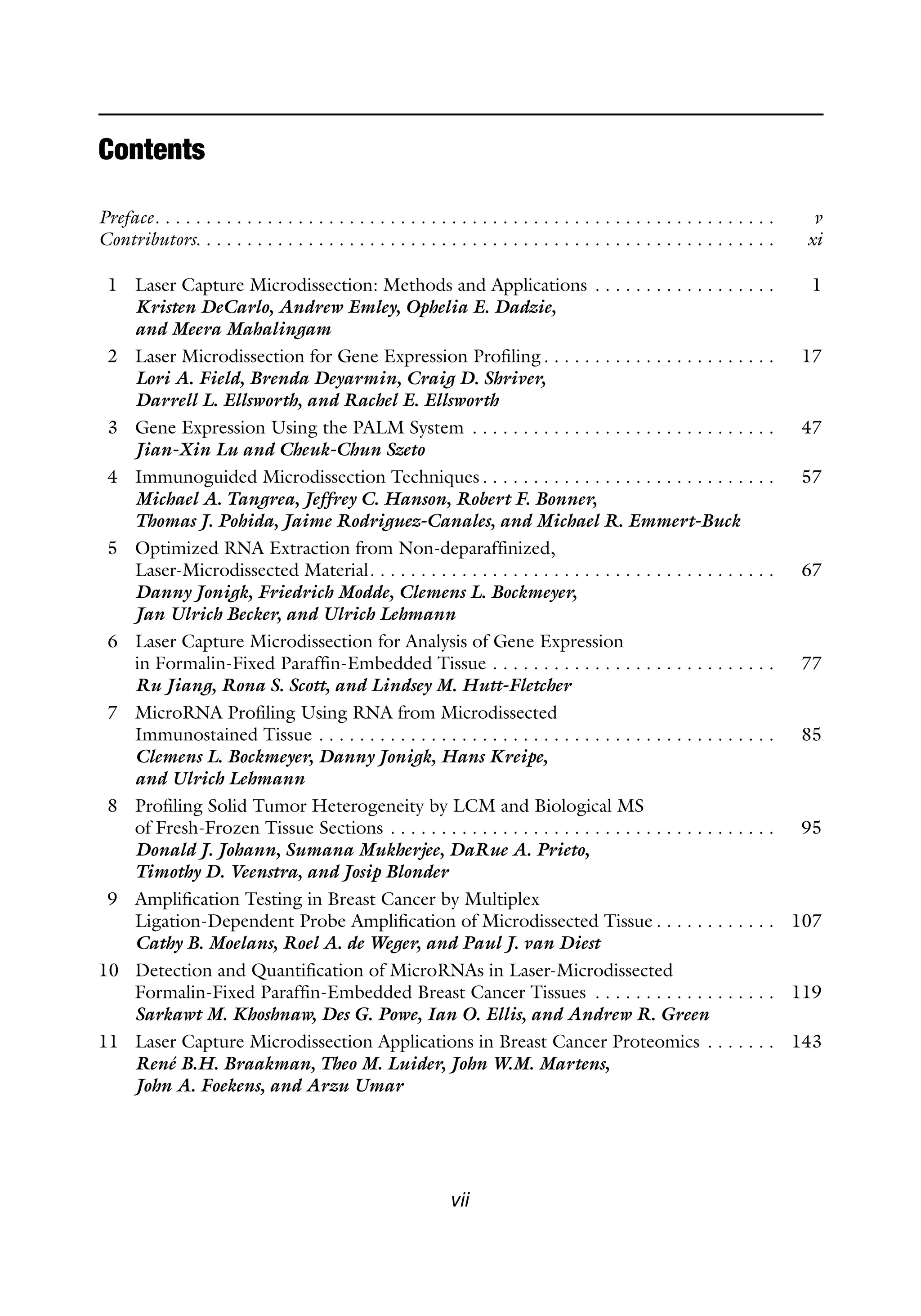


![Hancock, Mt. (10,100)—R: 10—1871—Barlow—For General W. S.
Hancock, U. S. Army, who, as commanding officer of the Department of
Dakota, had lent his active aid in the prosecution of the Yellowstone
Explorations.
Hawk’s Rest (9,800)—R: 14—1885—U. S. G. S.—Characteristic.
Hedges Peak (9,500)—G: 9—1895—U. S. G. S.—For Cornelius
Hedges, a prominent member of the Washburn Expedition, author of a
series of descriptive articles upon the trip, and first to advance and
publicly advocate the idea of setting apart that region as a National
Park.
Holmes, Mt. (10,300)—F: 4—1878—U. S. G. S.—For W. H. Holmes,
Geologist, U. S. Geological Survey. This peak had been previously called
Mt. Madison.
Horseshoe Hill (8,200)—E: 6—1885—U. S. G. S.—Characteristic.
Hoyt, Mt. (10,400)—L: 13—1881—Norris—For the Hon. John W.
Hoyt, then Governor of Wyoming.
Huckleberry Mountain (9,700)—S: 7—1885—U. S. G. S.—
Characteristic.
Humphreys, Mt. (11,000)—N: 14—1871—Barlow—For General A. A.
Humphreys, then Chief of Engineers, U. S. A.
Index Peak (11,740)—C: 16—This mountain, and Pilot Knob near it,
received their names from unknown sources prior to 1870.
One of them [the peaks] derives its name from its shape, like a
closed hand with the index-finger extending upward, while the other is
visible from so great a distance on every side that it forms an excellent
landmark for the wandering miner, and thus its appropriate name of
Pilot Knob.—Hayden. [CG]
[CG] Page 48, Sixth Annual Report of Dr. Hayden.
Joseph Peak (10,300)—C: 4—1885—U. S. G. S.—For Chief Joseph,
the famous Nez Percé leader in the war of 1877. He deservedly ranks
among the most noted of the North American Indians. His remarkable](https://image.slidesharecdn.com/1225026-250609140919-556ab603/75/Laser-Capture-Microdissection-Methods-And-Protocols-2nd-Edition-Kristen-Decarlo-56-2048.jpg)


![Pilot Knob (11,977)—C: 16—See Index Peak.
Piñon Peak (9,600)—S: 10—1885—U. S. G. S.—Characteristic.
Prospect Peak (9,300)—D-E: 8—1885—U. S. G. S.—Characteristic.
Pyramid Peak (10,300)—J: 14—1895—U. S. G. S.—Characteristic.
Quadrant Mountain (10,200)—D: 4—1878—U. S. G. S.—
Characteristic.
Red Mountain Range—P: 7-8—U. S. G. S.—Characteristic.
Reservation Peak (10,600)—M: 14—1895—U. S. G. S.—
Characteristic.
Roaring Mountain (8,000)—F: 6—1885—U. S. G. S.—“It takes its
name from the shrill, penetrating sound of the steam constantly
escaping from one or more vents near the summit.”—Hague.
Saddle Mountain (11,100)—H: 15—1880—Norris—Characteristic.
Schurz Mt. (10,900)—N: 14—1885—U. S. G. S.—For Carl Schurz,
Secretary of the Interior during President Hayes' administration. This
name was first given by Colonel Norris to the prominent ridge on the
west side of the Gibbon Cañon.
Sepulcher Mountain (9,500)—B-C: 5-6—The origin of this name is
unknown. The following remarks concerning it are from the pen of Prof.
Wm. H. Holmes: [CH]
“Why this mountain received such a melancholy appellation I have
not been able to discover. So far as I know, the most important thing
buried beneath its dark mass is the secret of its structure. It is possible
that the form suggested the name.”
[CH] Page 15, Twelfth Annual Report of Dr. Hayden.
Sheepeater Cliffs (7,500)—D: 7—1879—Norris—From the name of a
tribe of Indians, the only known aboriginal occupants of what is now the
Yellowstone Park. (See Chapter II, Part II.) It was upon one of the
“ancient and but recently deserted, secluded, unknown haunts” of these](https://image.slidesharecdn.com/1225026-250609140919-556ab603/75/Laser-Capture-Microdissection-Methods-And-Protocols-2nd-Edition-Kristen-Decarlo-61-2048.jpg)
![Indians, that Colonel Norris, “in rapt astonishment,” stumbled one day,
and was so impressed by what he saw, that he gave the neighboring
cliff its present name. He thus describes this retreat: [CI]
“It is mainly carpeted with soft grass, dotted, fringed, and overhung
with small pines, firs and cedars, and, with the subdued and mingled
murmur of the rapids and cataracts above and below it, and the
laughing ripple of the gliding stream, is truly an enchanting dell—a wind
and storm sheltered refuge for the feeble remnant of a fading race.”
[CI] Page 10, Annual Report Superintendent of the Park for 1879.
Sheridan Mt. (10,250)—P: 8—1871—Barlow—For Gen. P. H.
Sheridan, who actively forwarded all the early exploring expeditions in
this region, and, at a later day, twice visited the Park. His public
warnings at this time of the danger to which the Park was exposed from
vandals, poachers, and railroad promoters, and his vigorous appeal for
its protection, had great influence in bringing about a more efficient and
enlightened policy in regard to that reservation. (See Mt. Everts.)
Signal Hills (9,500)—M: 12—1871—U. S. G. S.—A ridge extending
back from Signal Point on the Yellowstone Lake.
Silver Tip Peak (10,400)—K: 13—1885—U. S. G. S.—Characteristic.
Specimen Ridge (8,700)—E: 11—Name known prior to 1870.—
Characteristic. (See Chapter V, Part II.)
Stevenson, Mt. (10,300)—M: 13—1871—U. S. G. S.—For James
Stevenson, long prominently connected with the U. S. Geological Survey.
“In honor of his great services not only during the past season, but
for over twelve years of unremitting toil as my assistant, oftentimes
without pecuniary reward, and with but little of the scientific recognition
that usually comes to the original explorer, I have desired that one of
the principal islands of the lake and one of the noble peaks reflected in
its clear waters should bear his name forever.”—Hayden. [CJ]
[CJ] Page 5, Fifth Annual Report of Dr. Hayden.](https://image.slidesharecdn.com/1225026-250609140919-556ab603/75/Laser-Capture-Microdissection-Methods-And-Protocols-2nd-Edition-Kristen-Decarlo-62-2048.jpg)


![STREAMS.
[Map locations refer only to outlets, or to points where
streams pass off the limits of the map. Altitudes refer to
the same points, but are given only in the most important
cases.]
Agate Creek—E : 10—1878—U. S. G. S.—Characteristic.
Alum Creek—H : 9—Name known prior to 1870—Characteristic.
Amethyst Greek—E : 12—1878—U. S. G. S.—Flows from Amethyst
Mountain.
Amphitheater Creek—D : 13—1885—U. S. G. S.—From form of valley
near its mouth.
Antelope Creek—E : 10—1870—Washburn Party—Characteristic.—
This name is often applied locally to a tributary of the Yellowstone just
above Trout Creek.
Arnica Creek—L : 8—1885—U. S. G. S.—Characteristic.
Aster Creek—P : 7—1885—U. S. G. S.—Characteristic.
Astrigent Creek—J : 12—1885—U. S. G. S.—Characteristic.
Atlantic Creek—S : 13—1873—Jones—Flows from Two-Ocean-Pass
down the Atlantic slope.
Badger Creek—P : 13—1885—U. S. G. S.—Characteristic.
Basin Creek—Q : 9—1885—U. S. G. S.—Characteristic.
Bear Creek—B : 7—1863—Party of prospectors under one Austin. On
the way they found fair prospects in a creek on the east side of the
Yellowstone, and finding also a hairless cub, called the gulch “Bear.”—
Topping.
Bear Creek—K : 11—1885—U. S. G. S.—Characteristic.
Beaver Creek—O : 9—1885—U. S. G. S.—Characteristic.](https://image.slidesharecdn.com/1225026-250609140919-556ab603/75/Laser-Capture-Microdissection-Methods-And-Protocols-2nd-Edition-Kristen-Decarlo-68-2048.jpg)

![Some seven miles above Cache Creek we passed the mouth of
another stream in a deep, narrow, timbered valley, which we named
Calfee Creek, after the famous photographer of the Park. Five miles
further on, we reached the creek which Miller recognized as the one he
descended in retreating from the Indians in 1870, and which, on this
account, we called Miller’s Creek.—Norris.[CK]
[CK] Page 7, Annual Report Superintendent of the Park for 1880.
Cañon Creek—1 : 5—1885—U. S. G. S.—Characteristic.
Carnelian Creek—E : 9—1885—U. S. G. S.—Characteristic.
Cascade Creek—G : 8—1870—Washburn Party—Characteristic.
Chalcedony Creek—E : 12—1885—U. S. G. S.—Characteristic.
Chipmunk Creek—O : 11—1885—U. S. G. S.—Characteristic.
Clear Creek—L : 11—1878—U. S. G. S.—Characteristic.
Cliff Creek—Q : 13—1885—U. S. G. S.—Characteristic.
Clover Creek—G : 13—1885—U. S. G. S.—Characteristic.
Cold Creek—H : 14—1885—U. S. G. S.—Characteristic.
Columbine Creek—M : 11—1885—U. S. G. S.—Characteristic.
Conant Creek—T : 1—Prior to 1870—By Richard Leigh for one All
Conant, who went to the mountains in 1865, and who came near losing
his life on this stream.
Cotton Grass Creek—H : 9—1885—U. S. G. S.—Characteristic.
Cougar Creek—G : 2—1885—U. S. G. S.—Characteristic.
Coulter Creek—R : 8—1885—U. S. G. S.—For John M. Coulter,
botanist in the Hayden Expedition of 1872.
Crawfish Creek—R : 6—1885—U. S. G. S—Characteristic.
Crevice Creek—C : 7—1867—Prospecting party under one Lou
Anderson.](https://image.slidesharecdn.com/1225026-250609140919-556ab603/75/Laser-Capture-Microdissection-Methods-And-Protocols-2nd-Edition-Kristen-Decarlo-70-2048.jpg)


![another place it is stated that in 1838, Meek started alone from Missouri
Lake (probably Red Rock Lake) for the Gallatin Fork of the Missouri,
trapping in a mountain basin called Gardiner’s Hole…. On his return, in
another basin called Burnt Hole, he found a buffalo skull, etc. As is well
known, the sources of the Gallatin and Gardiner are interlaced with each
other, and this reference strongly points to the present Gardiner Valley
as “Gardiner’s Hole.” The route across the Gallatin Range to Mammoth
Hot Springs, and thence back by way of the Firehole Basin, was
doubtless a natural one then as it is now. It is therefore reasonable to
suppose that this name came from an old hunter in the early years of
the century, and that the Washburn Party received it from some
surviving descendant of those times.
Geode Creek—C : 8—1878—U. S. G. S.—Characteristic.
Geyser Creek—H : 6—1878—U. S. G. S.—Characteristic.
Gibbon River—I : 4—1872—U. S. G. S.—For Gen. John Gibbon, U. S.
A., who first explored it.
“We have named this stream in honor of Gen. John Gibbon, United
States Army, who has been in military command of Montana for some
years, and has, on many occasions, rendered the survey most important
services.”—Hayden.[CL]
[CL] Page 55, Sixth Annual Report of Dr. Hayden.
Glade Creek—S : 6—1885—U. S. G. S.—Characteristic.
Glen Creek—C : 6—1885—U. S. G. S.—Characteristic.
Gneiss Creek—G : 1—1885—U. S. G. S.—Characteristic.
Gravel Creek—U : 10—1895—U. S. G. S.—Characteristic.
Grayling Creek—F : 1—1885—U. S. G. S.—Characteristic.
Grouse Creek—O : 10—1885—U. S. G. S.—Characteristic.
Harebell Creek—R : 8—1885—U. S. G. S.—Characteristic.](https://image.slidesharecdn.com/1225026-250609140919-556ab603/75/Laser-Capture-Microdissection-Methods-And-Protocols-2nd-Edition-Kristen-Decarlo-73-2048.jpg)


![Panther Creek—D : 5—1878—U. S. G. S.—Characteristic.
Pebble Creek—D : 13—1885—U. S. G. S.—Characteristic.
Pelican Creek—K : 10—Probably named by the Washburn Party in
1870. Hayden and Barlow, in 1871, use the name as though it were
already a fixture. Mr. Hedges says of this stream:
“About the mouth of the little stream that we had just crossed were
numerous shallows and bars, which were covered by the acre with
ducks, geese, huge white-breasted cranes, and long-beaked pelicans,
while the solitary albatross, or sea-gull, circled above our heads with a
saucy look that drew many a random shot, and cost one, at least, its
life.”
Phlox Creek—Q : 13—1885—U. S. G. S.—Characteristic.
Plateau Creek—C : 12—1885—U. S. G. S.—Characteristic.
Polecat Creek—S : 6—1885—U. S. G. S.—Characteristic.
Quartz Creek—E : 10—1885—U. S. G. S.—Characteristic.
Rabbit Creek—K : 4—1885—U. S. G. S.—Characteristic.
Raven Creek—J: 12—1885—U. S. G. S.—Characteristic.
Red Creek—Q: 8—1885—U. S. G. S.—Characteristic.
Rescue Creek—C: 7—1878—U. S. G. S.—Where Everts was not
found. (See “Mt. Everts.”)
Rocky Creek—O: 12—1885—U. S. G. S.—Characteristic.
Rose Creek—D: 12—1885—U. S. G. S.—Characteristic.
Sedge Creek—K: 11—1885—U. S. G. S.—Characteristic.
Senecio Creek—S: 13—1885—U. S. G. S.—Characteristic.
Sentinel Creek—J: 4—1872—U. S. G. S.—“The two central ones
[geyser mounds] are the highest, and appear so much as if they were](https://image.slidesharecdn.com/1225026-250609140919-556ab603/75/Laser-Capture-Microdissection-Methods-And-Protocols-2nd-Edition-Kristen-Decarlo-76-2048.jpg)


![Wolverine Creek—R: 8—1885—U. S. G. S.—Characteristic.
Yellowstone River (8,100 and 5,360)—U: 16 (enters map); A: 5
(leaves map).—See Part I, Chapter I.
APPENDIX A.
IV.
WATER-FALLS.
[Figures in parentheses indicate approximate heights of
falls in feet. These in most cases are not to be relied upon
as strictly accurate, there having been no published
record of actual measurements, except in the case of the
Yellowstone Falls.]
Collonade Falls—F: 3—1885—U. S. G. S.—Characteristic.
Crystal Falls (129)—G: 8—1870—Washburn Party.—Characteristic.—
The total fall includes three cascades.
Fairy Fall (250)—K: 4—1871—Barlow.—Characteristic.
Firehole Falls (60)—I: 4—Takes name from river.
Gibbon Falls (80)—I: 5—Takes name from river.
Iris Falls—P: 3—1885—U. S. G. S.—Characteristic.
Kepler Cascade (80)—L: 5—1881—Norris.—For the son of Hon. John
W. Hoyt, Ex-Governor of Wyoming, who accompanied his father on a
reconnaissance for a wagon road to the Park in 1881. Norris speaks of
him as “an intrepid twelve-year old” boy who “unflinchingly shared in all
the hardships, privations, and dangers of the explorations of his father,”
which included many hundred miles of travel on horseback through that](https://image.slidesharecdn.com/1225026-250609140919-556ab603/75/Laser-Capture-Microdissection-Methods-And-Protocols-2nd-Edition-Kristen-Decarlo-79-2048.jpg)

![Yellowstone Falls (Upper 112; Lower 310)—H: 9—From the river
which flows over them. [CM]](https://image.slidesharecdn.com/1225026-250609140919-556ab603/75/Laser-Capture-Microdissection-Methods-And-Protocols-2nd-Edition-Kristen-Decarlo-81-2048.jpg)
![[CM] Record of the various measurements of the Upper and
Lower Falls of the Yellowstone River.
Folsom (1869) Upper Fall, 115 feet. Method not stated.
Lower Fall, 350 feet. Method not stated.
Doane (1870) Upper Fall, 115 feet. Line.
Langford (1870) Lower Fall, 350 feet. Line stretched on an incline.
Moore’s Sketch (1870) Lower Fall, 365 feet. Method not
stated.
Hayden (1871) Upper Fall, 140 feet. Method not stated.
Lower Fall, 350 feet. Method not stated.
Gannett (1872) Upper Fall, 140 feet. Barometer.
Lower Fall, 395 feet. Comparison of angles
subtended
by Falls and by a tree of known height.
Jones (1873) Upper Fall, 150 feet. Barometer.
Lower Fall, 329 feet. Barometer.
Ludlow (1875) Upper Fall, 110 feet. Line.
Lower Fall, 310 feet. Line.](https://image.slidesharecdn.com/1225026-250609140919-556ab603/75/Laser-Capture-Microdissection-Methods-And-Protocols-2nd-Edition-Kristen-Decarlo-82-2048.jpg)
![Gannett (1878) Upper Fall, 112 feet. Line.
Lower Fall, 297 feet. Line stretched on an incline.
U. S. G. S. (Recent) Upper Fall, 109 feet. Method not stated.
Lower Fall, 308 feet. Method not stated.
Chittenden (1892) Upper Fall, 112 feet between point of first descent
and level of pool below. Measured by means of a transit instrument.
Width of gorge at brink of fall, and a few feet above water surface,
48 feet.
APPENDIX A.
V.
LAKES.
[Figures in parentheses denote elevations.]
Beach Lake (8,150)—K: 8—1885—U. S. G. S.—Characteristic.
Beaver Lake (7,415)—F: 6—1879—Norris—Characteristic.
Beula Lake (7,530)—R: 5—1872—U. S. G. S.—Characteristic.](https://image.slidesharecdn.com/1225026-250609140919-556ab603/75/Laser-Capture-Microdissection-Methods-And-Protocols-2nd-Edition-Kristen-Decarlo-83-2048.jpg)


![Teton Mountains. The nickname “Beaver Dick” arose, not from the
fact that Leigh was an expert beaver trapper, but on account of the
striking resemblance of two abnormally large front teeth in his upper
jaw to the teeth of a beaver. The Indians called him “The Beaver.”
Lewis Lake (7,720)—O: 7—1872—U. S. G. S.—For Captain Lewis
of “Lewis and Clark” fame.
“As it had no name, so far as we could ascertain, we decided to
call it Lewis Lake, in memory of that gallant explorer Captain
Meriwether Lewis. The south fork of the Columbia, which was to
have perpetuated his name, has reverted to its Indian title
Shoshone, and is commonly known by that name, or its translation,
Snake River. As this lake lies near the head of one of the principal
forks of that stream, it may not be inappropriately called Lewis
Lake.”—Bradley.[CN]
[CN] Page 249, Sixth Annual Report of Dr. Hayden.
Loon Lake (6,400)—R: 3—1885—U. S. G. S.—Characteristic.
Lost Lake (8,500)—M: 7—1885—U. S. G. S.—Characteristic.—This
is probably Norris' Two-Ocean-Pond, and is doubtless also the lake
referred to by Hayden in the following paragraph from his report for
1871:
“We camped at night on the shore of a lake which seemed to
have no outlet. It is simply a depression which receives the drainage
of the surrounding hills. It is marshy around the shores, and the
surface is covered thickly with the leaves and flowers of a large
yellow lily.”—Hayden.
Madison Lake (8,250)—N: 4—1872—U. S. G. S.—Head of the
Madison River.
“A small lake, covering perhaps sixty acres, occupies the southern
end of the [Firehole] valley, where it bends to the eastward; and as](https://image.slidesharecdn.com/1225026-250609140919-556ab603/75/Laser-Capture-Microdissection-Methods-And-Protocols-2nd-Edition-Kristen-Decarlo-88-2048.jpg)
![the ultimate lake source of the Madison River, is the only proper
possessor of the name ‘Madison Lake.’”—Bradley.[CO]
[CO] Page 243, Sixth Annual Report of Dr. Hayden.
Mallard Lake (8,000)—L: 5—1885—U. S. G. S.—Characteristic.
Mary Lake (8,100)—J: 7—1873—Tourist Party.—Circumstance
recorded by Rev. E. J. Stanley, one of the party, and author of the
book “Rambles in Wonderland,” describing the tour. The following
extract is from his book:
“We passed along the bank of a lovely little lakelet, sleeping in
seclusion in the shade of towering evergreens, by which it is
sheltered from the roaring tempests. It is near the divide, and on its
pebbly shore some members of our party unfurled the Stars and
Stripes, and christened it Mary’s Lake, in honor of Miss Clark, a
young lady belonging to our party.”
This lake appears on Jones' map for the same year as Summit
Lake. Everts is said to have passed it in his wanderings, but there is
no reliable evidence to that effect.
Mirror Lake (8,700)—G: 12—1885—U. S. G. S.—Characteristic.
Obsidian Lake (7,650)—E: 6—1885—U. S. G. S.—Characteristic.
Riddle Lake (7,950)—N: 8—1872—U. S. G. S.—
“‘Lake Riddle’ is a fugitive name, which has been located at
several places, but nowhere permanently. It is supposed to have
been used originally to designate the mythical lake, among the
mountains, whence, according to the hunters, water flowed to both
oceans. I have agreed to Mr. Hering’s proposal to attach the name to
this lake, which is directly upon the divide at a point where the
waters of the two oceans start so nearly together, and thus to solve
the unsolved ‘riddle’ of the ‘two-ocean-water.’”—Bradley.[CP] This was
a year before Captain Jones verified the existence of Two-Ocean-
Pass.](https://image.slidesharecdn.com/1225026-250609140919-556ab603/75/Laser-Capture-Microdissection-Methods-And-Protocols-2nd-Edition-Kristen-Decarlo-89-2048.jpg)


