



LOGO
IJUP’12 February 2012
Expansion of IFC Data
Model to Kinematic
Sensors
Bruno Ferreira
João Rio
João Poças Martins
Instrumentation and Structural
Health Monitoring
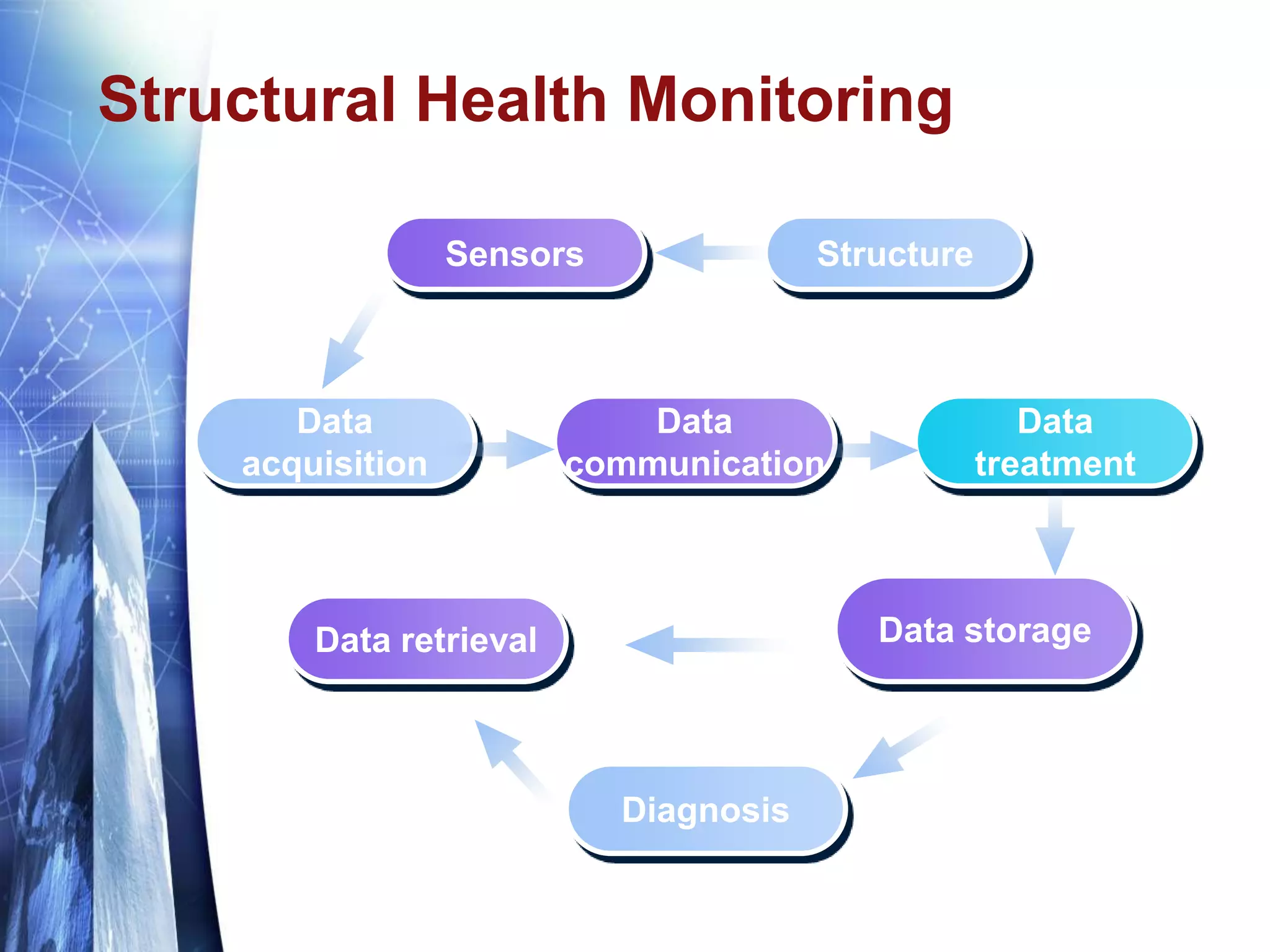
Structural Health Monitoring
Data
acquisition
Data
communication
Data
treatment
StructureSensors
Data storageData retrieval
Diagnosis
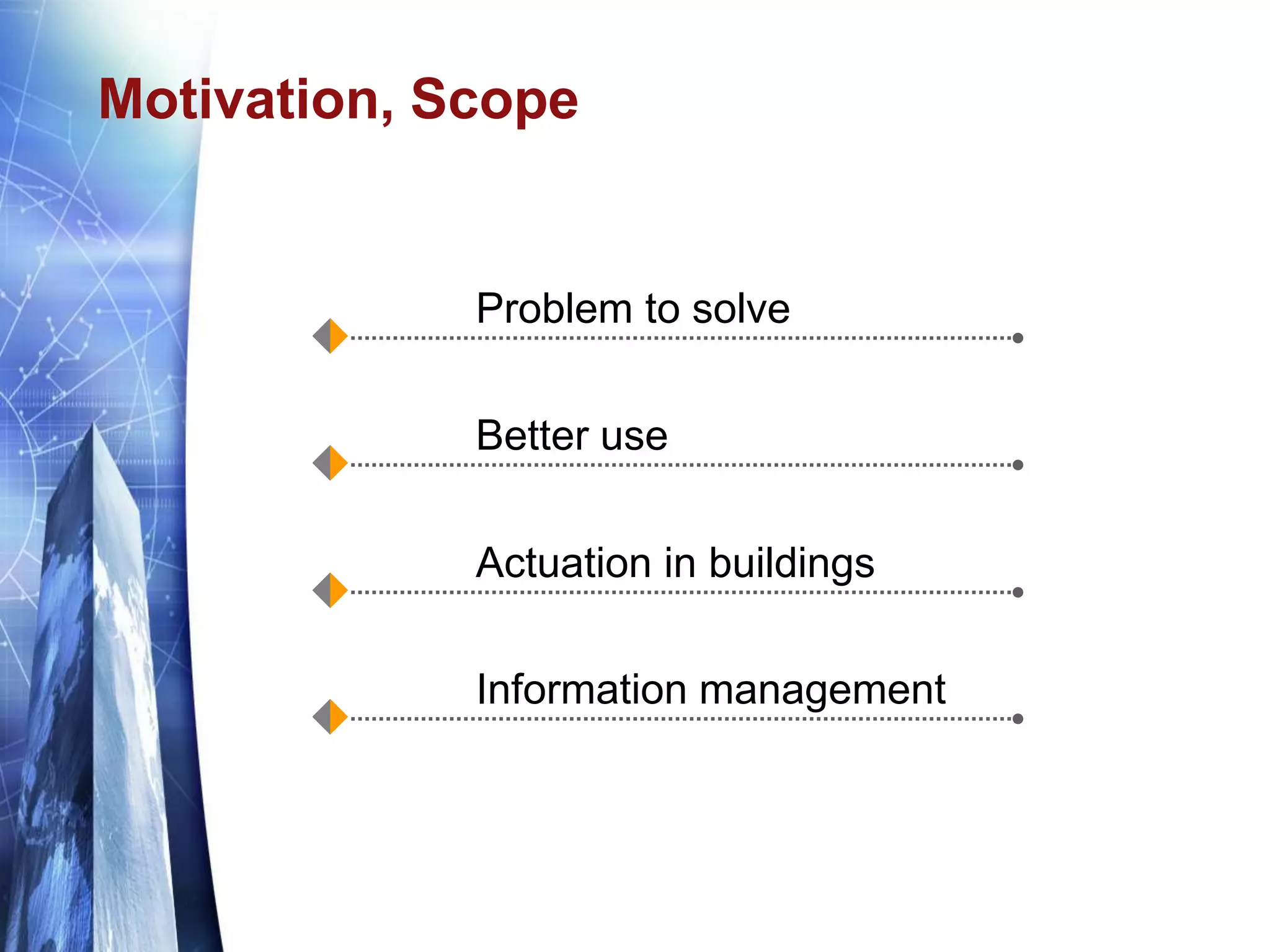
Motivation, Scope
Problem to solve
Better use
Actuation in buildings
Information management
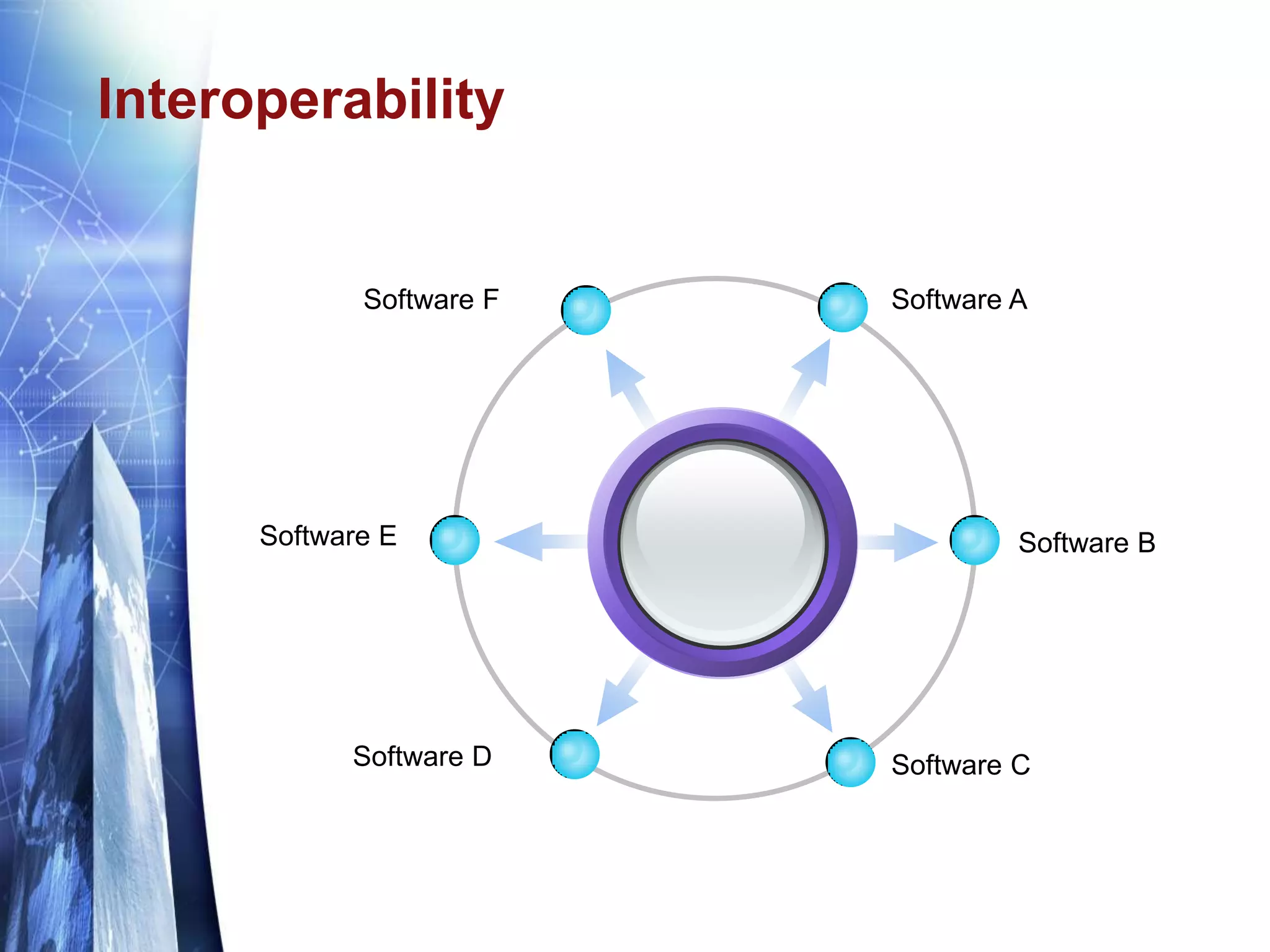
Interoperability
Software ASoftware F
Software B
Software CSoftware D
Software E
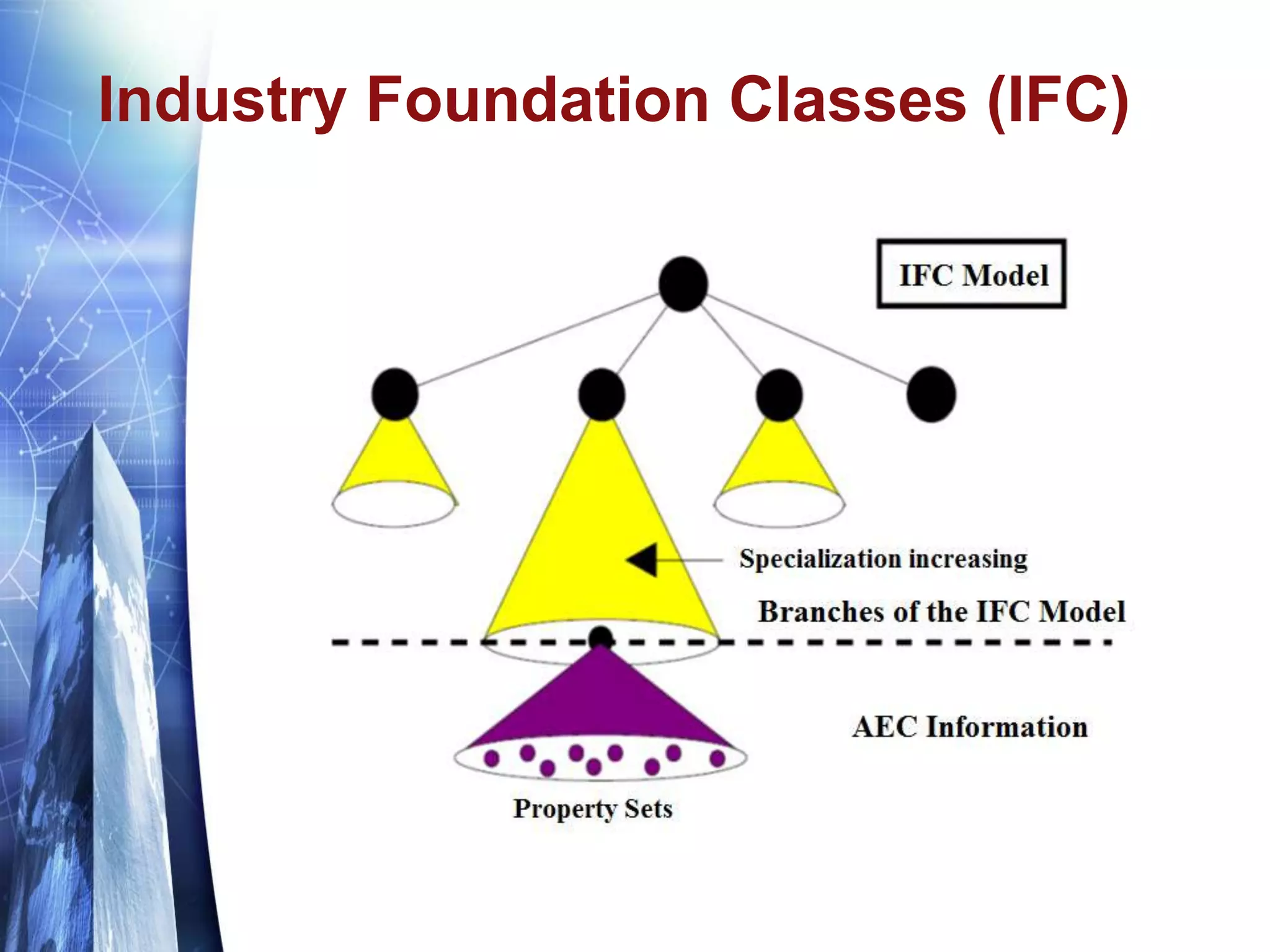
Industry Foundation Classes (IFC)
Geometry
Geometry was designed to support the exchange
of simple parametric models between systems,
like wall systems and other shapes.
Properties
Properties are a set of attributes to describe an
object about the constitution / functionality.
Relations
Relations link one object with another. Can be
between objects and / or classes.
Industry Foundation Classes (IFC)
Proposed approach
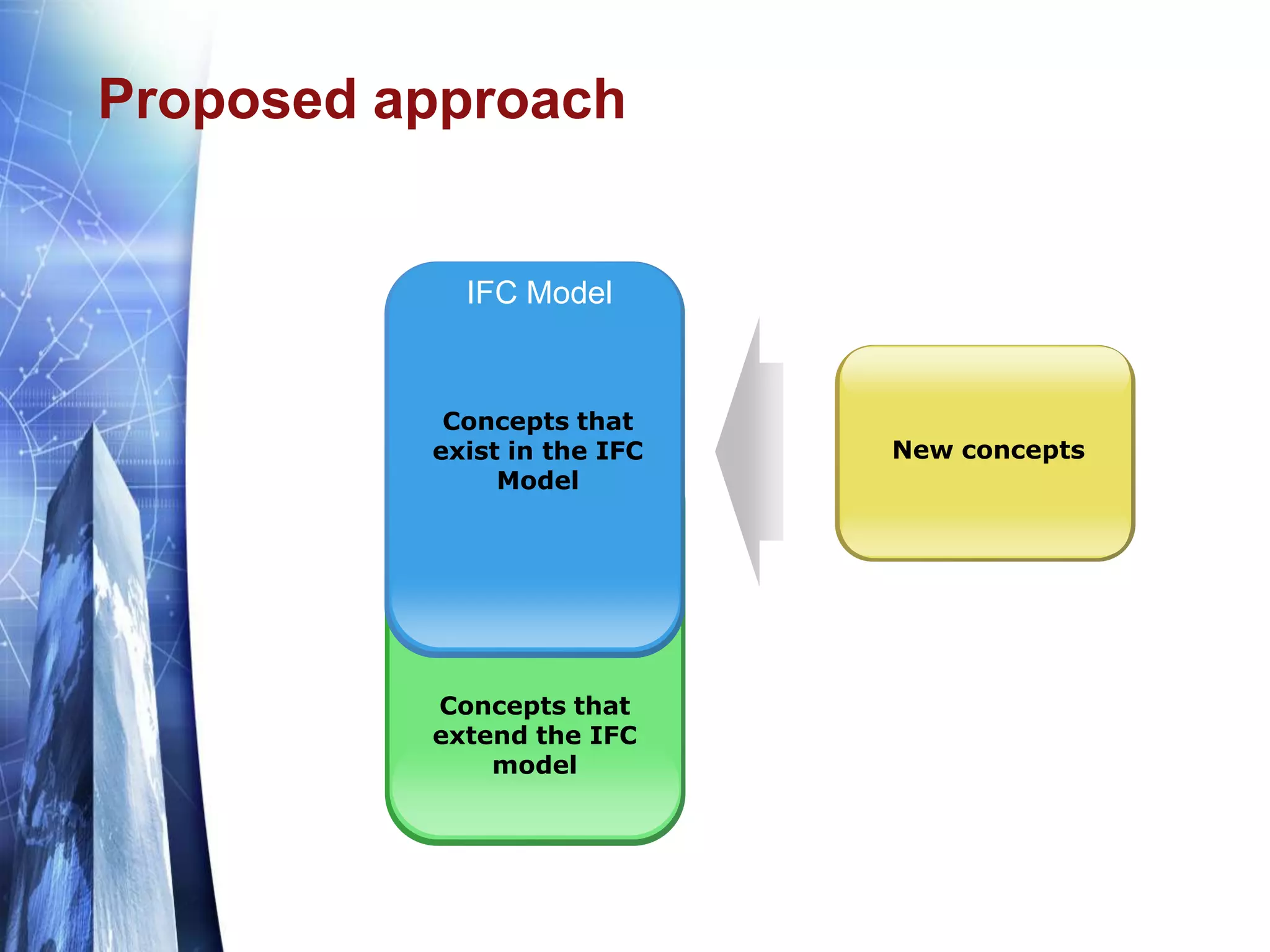
Concepts that
extend the IFC
model
Concepts that
exist in the IFC
Model
New concepts
IFC Model
Proposed approach
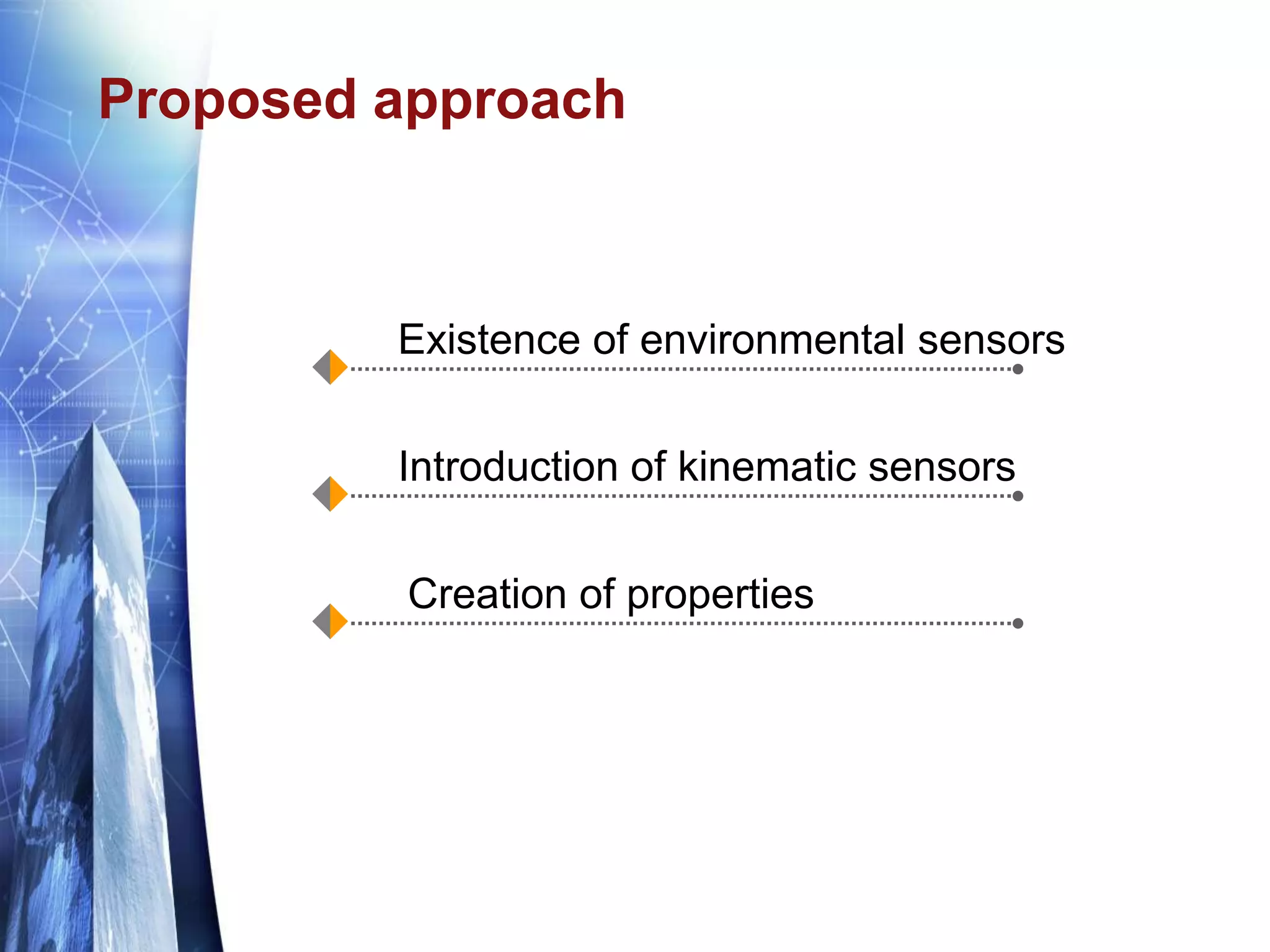
Existence of environmental sensors
Introduction of kinematic sensors
Creation of properties
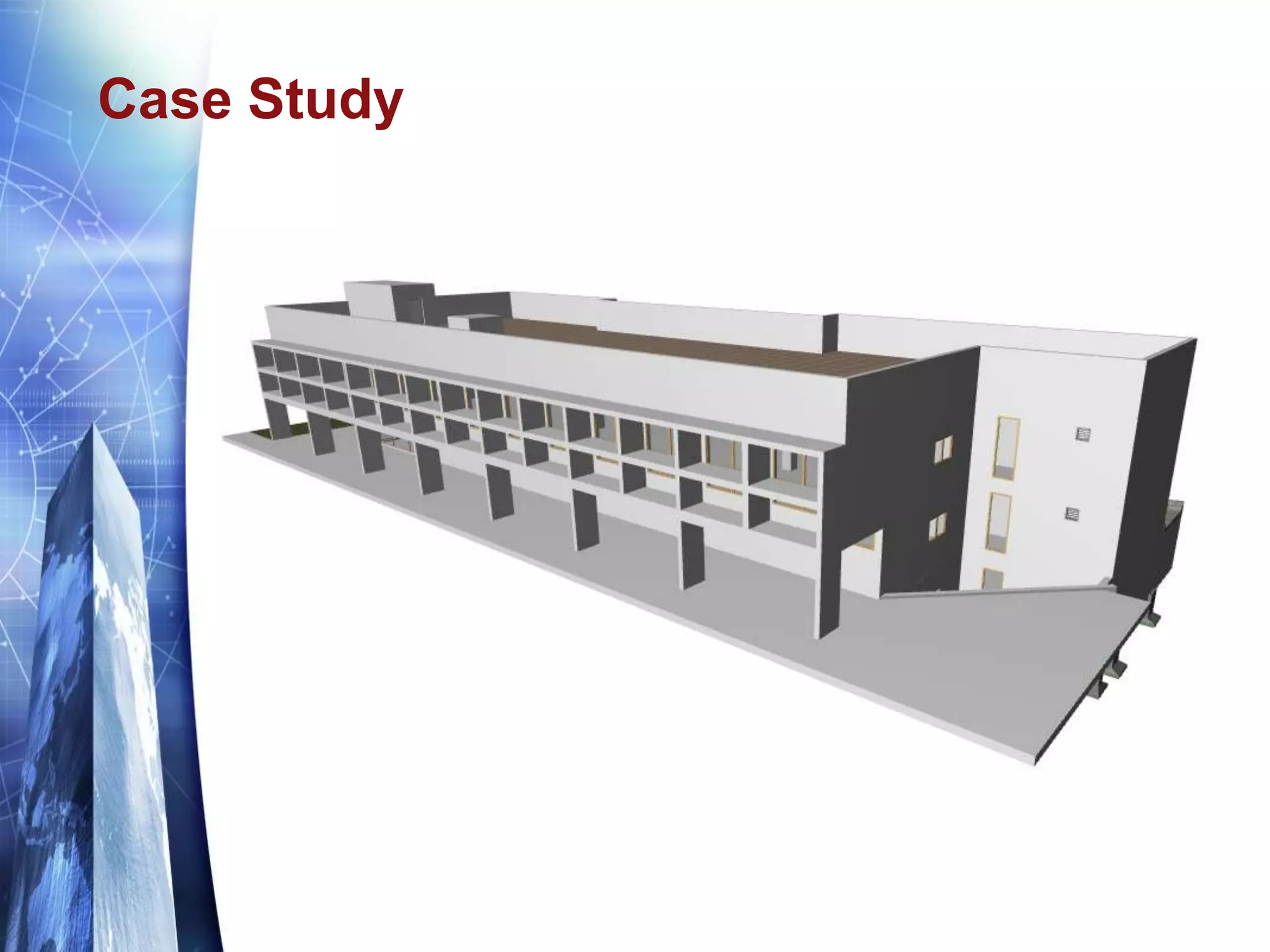
Case Study
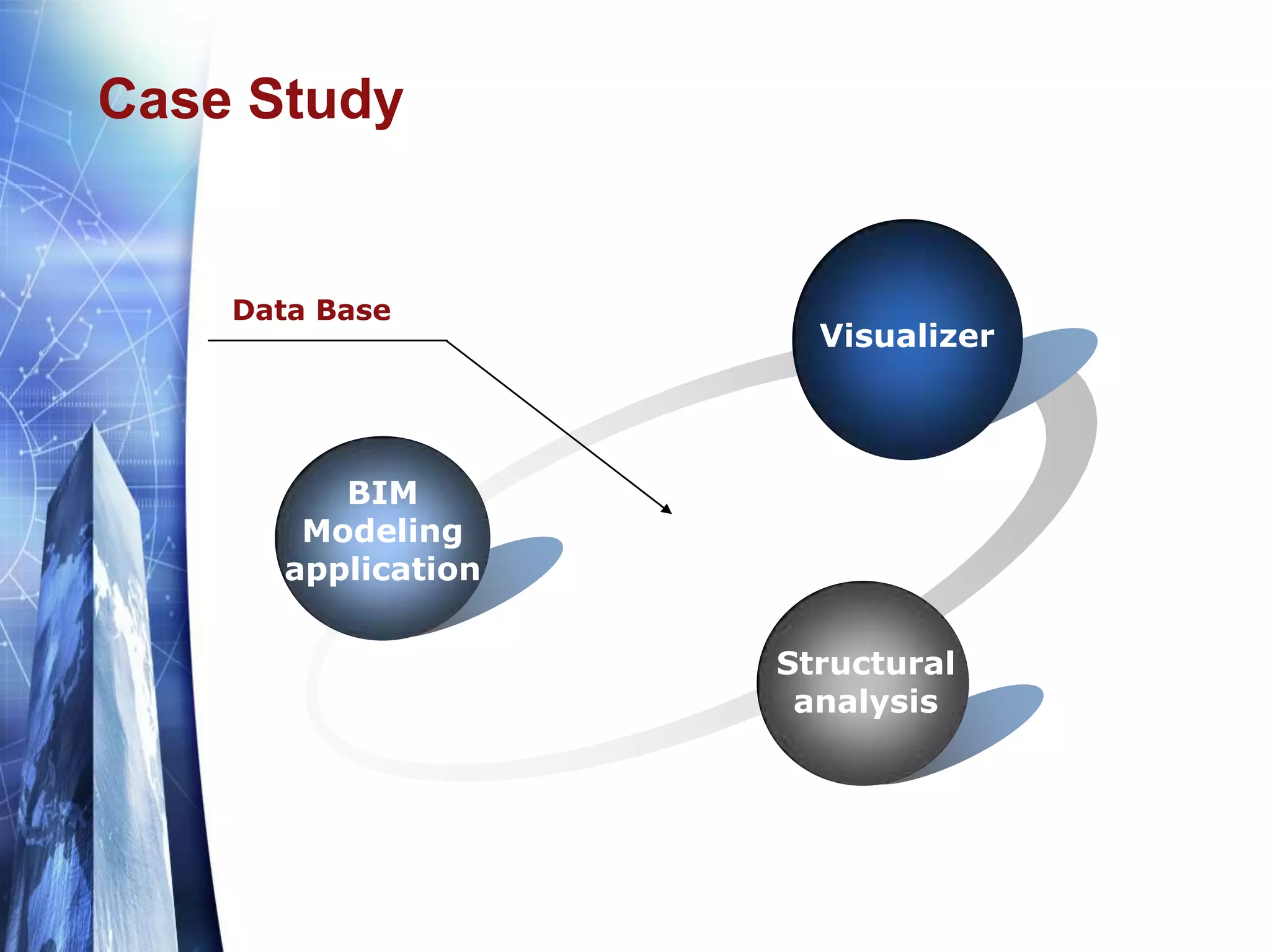
BIM
Modeling
application
Visualizer
Structural
analysis
Data Base
Case Study
Case Study
Case Study
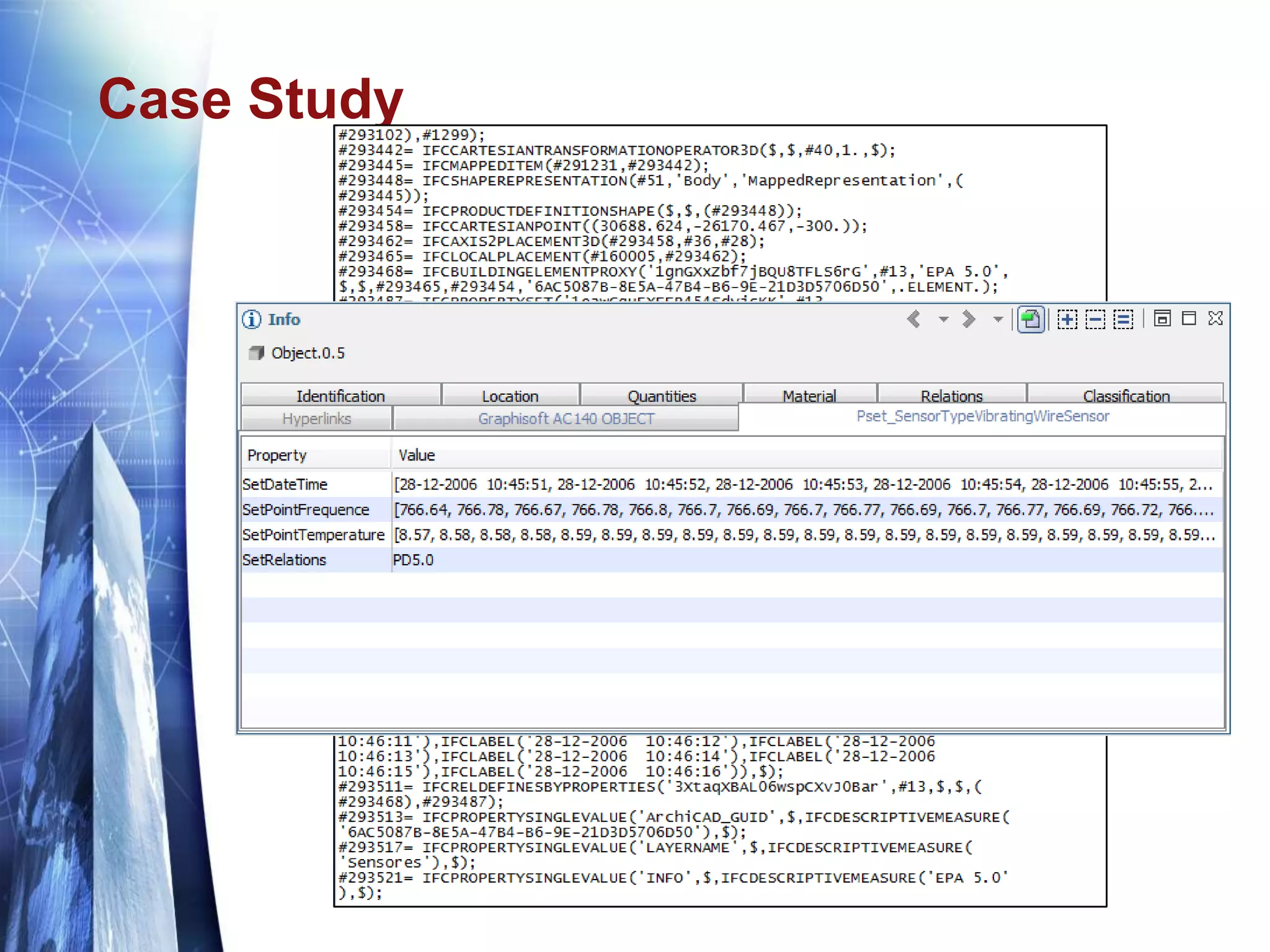
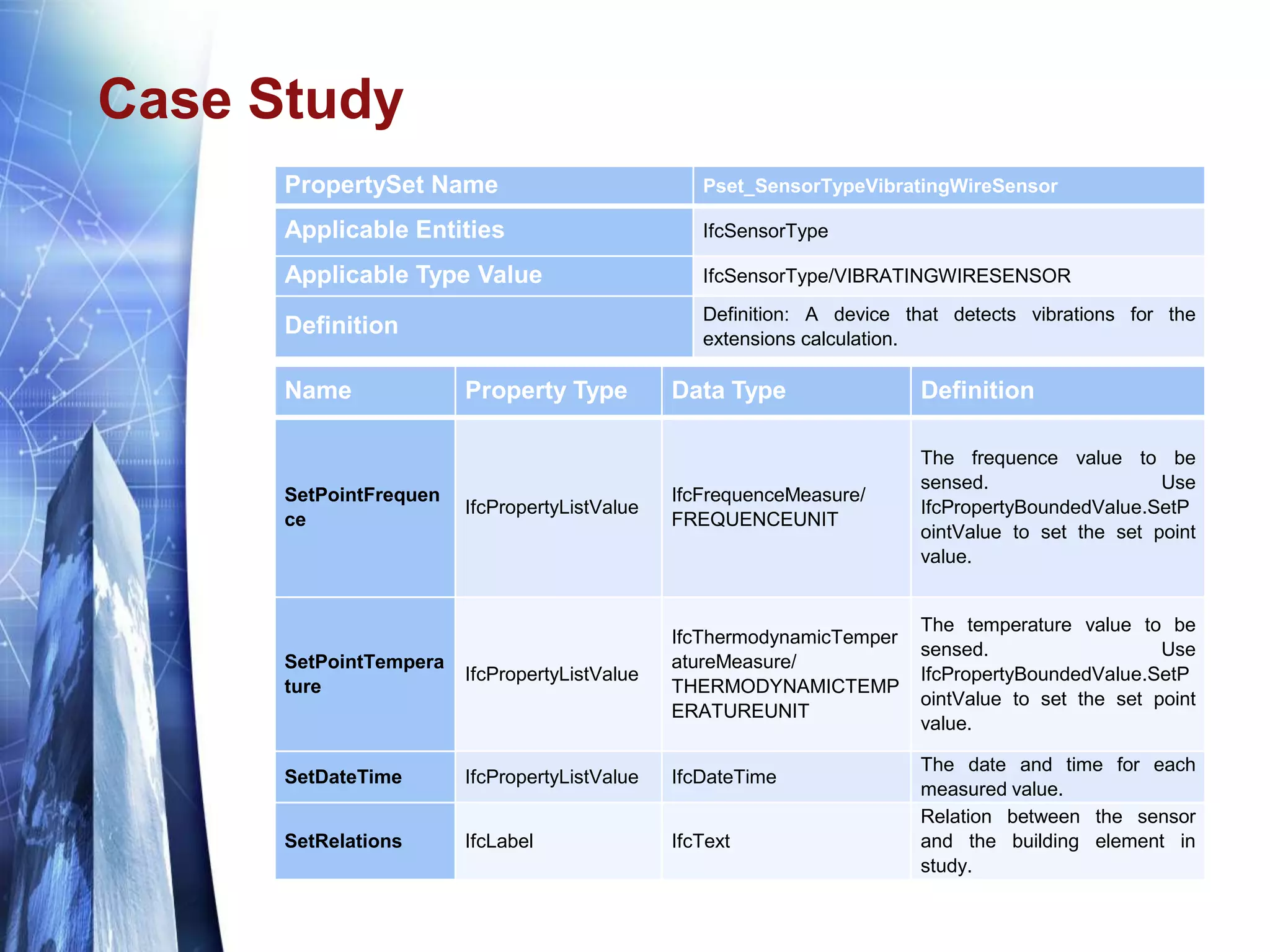
PropertySet Name Pset_SensorTypeVibratingWireSensor
Applicable Entities IfcSensorType
Applicable Type Value IfcSensorType/VIBRATINGWIRESENSOR
Definition
Definition: A device that detects vibrations for the
extensions calculation.
Name Property Type Data Type Definition
SetPointFrequen
ce
IfcPropertyListValue
IfcFrequenceMeasure/
FREQUENCEUNIT
The frequence value to be
sensed. Use
IfcPropertyBoundedValue.SetP
ointValue to set the set point
value.
SetPointTempera
ture
IfcPropertyListValue
IfcThermodynamicTemper
atureMeasure/
THERMODYNAMICTEMP
ERATUREUNIT
The temperature value to be
sensed. Use
IfcPropertyBoundedValue.SetP
ointValue to set the set point
value.
SetDateTime IfcPropertyListValue IfcDateTime
The date and time for each
measured value.
SetRelations IfcLabel IfcText
Relation between the sensor
and the building element in
study.
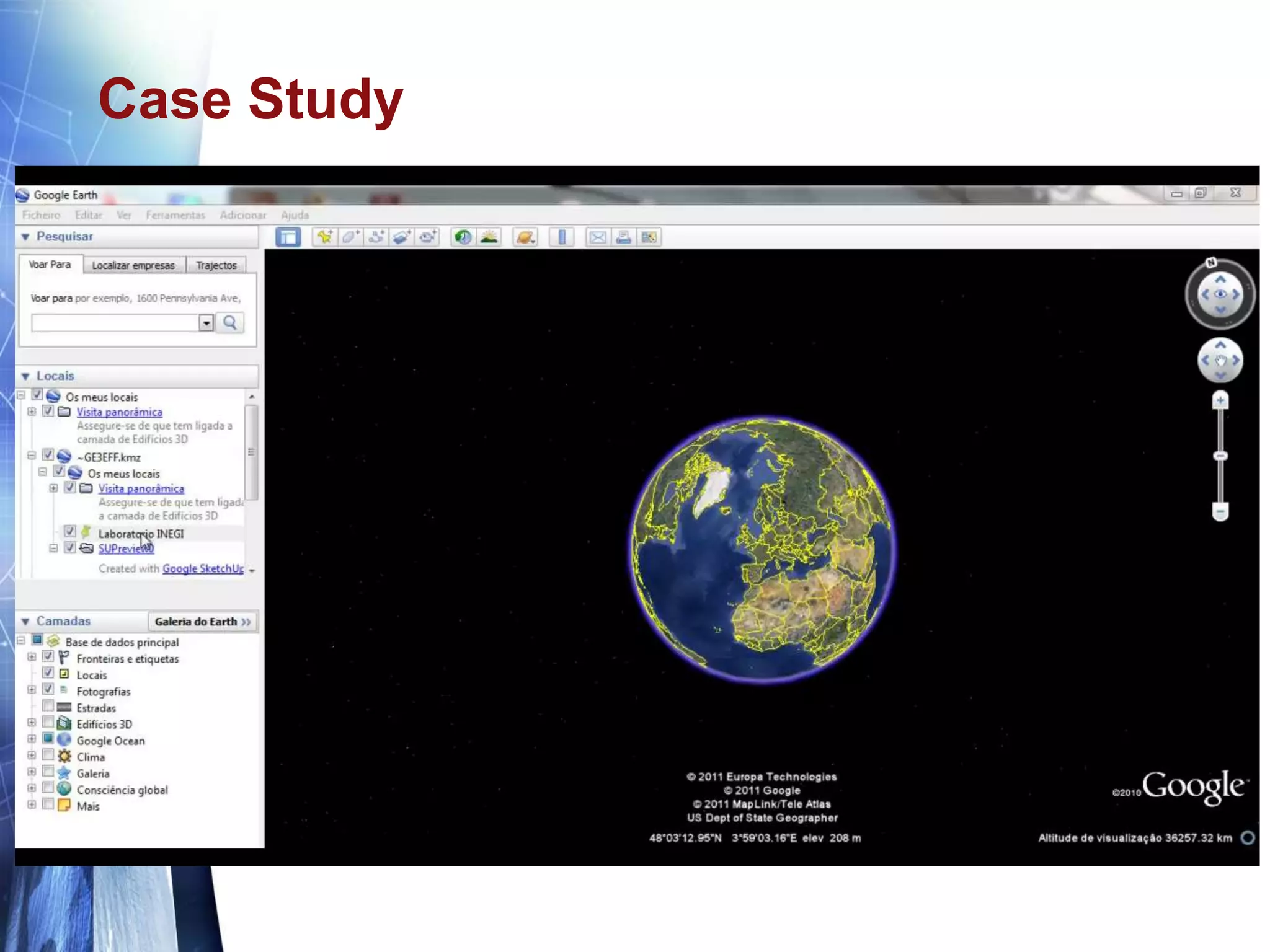
Case Study
Vídeo
Conclusions
 It is possible and relevant the introduction of data
information obtained from SHM into a BIM
model, through the current IFC configuration;
 The definition of a robust model does not guarantee the
success for the exchange of information on
construction industry;
 The standard models should be complemented by
partial models or extensions to the model itself, for
more specific contexts;
Conclusions
 The IFC model is an adequate support for
interoperability, but still needs to be complemented;
 The tested applications were not able to handle the
entire shaping conveniently.
LOGO
Bruno Ferreira
João Rio
João Poças Martins
IJUP’12 February 2012

Expansion of IFC Data Model to Kinematic Sensor at IJUP2012 by Bruno Ferreira