Welcome to The ArizonaSummit on VolunteerismAnd Service Learning
Your Presenters today are:Liz Meyer: Coordinator for Project H.O.P.E and advisor for the Center for  Service Learning at Mesa Community College Heather Thomas: V.P of Scholarship for the Phi Theta Kappa Honor Society and  committee chair for Project H.O.P.E Carla Mannes: co-coordinator of Project H.O.P.E and member of Phi Theta kappa Tiffany Wilson:  Project H.O.P.E committee member and V.P of Membership for Phi Theta Kappa Shela Hidalgo: Project H.O.P.E committee member and V.P of Hallmarks for Phi Theta Kappa at  the Red Mountain campus of Mesa Community College
Mesa Community College&Phi Theta Kappa presents
H.O.P.E For Arizona
What is Project H.O.P.E?“Healthy Outcomes Through Prevention and Education”H.O.P.E
Who is Involved?Mesa Community College was awarded a grant by:The National Campaign To Prevent Teen and Unplanned Pregnancy and  managed byThe American Association of Community Colleges
What is The National Campaign To Prevent teen and Unplanned PregnancyAll about?www.thenationalcampaign.org
The National Campaign’s Missiontoimprove the lives and future prospects of children and familiesand, in particular, to help ensure that children are born into stable, two-parent families who are committed to and ready for the demanding task of raising the next generation.
Are you Ready
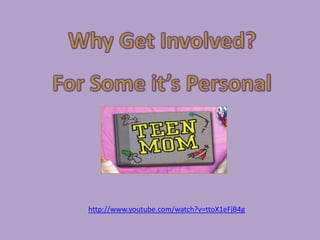
Why Get Involved?For Some it’s Personalhttp://www.youtube.com/watch?v=ttoX1eFjB4g
Did You KnowArizona is the third highest in the Nation for UnplannedPregnancy?
Teen PregnancyProgress with teen pregnancyTeen pregnancy/birth rates down one-third since early 90’s.Progress is widespread: all 50 states, all ethnic/racial groups
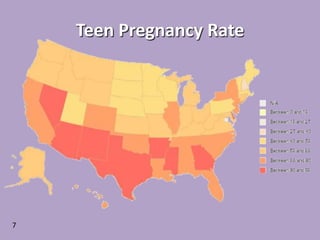
Teen Pregnancy Rate7
It’s Not Just Teens1.1 million unplanned pregnancies to unmarried women in their 20sAlmost 90% of 18-29 year olds say it is important to avoid pregnancy right now72% of unplanned pregnancies to unmarried 20-somethings are to women who have been pregnant beforeTrends are flat or getting worse 8
Why Does it Matter? Retention: Students are at increased risk of dropping out or stopping out61% of community college students who have children after enrolling don’t finish their education, which is 65% higher than the rate for those who didn’t have children.Student Achievement: Students suffer increased emotional and financial stress, which can impede academic performanceRelationship Turmoil: Mothers and fathers who have an unplanned birth report less happiness and more conflict compared to similar parents with a planned birth9
What’s Happening on Community College Campuses?Nearly half of community college students have been or have gotten someone pregnantOnly 2 out of 10 students at 2-year institutions report getting information on pregnancy planning and prevention from their schoolsTwo-thirds of community college students report having sex in the last 30 days, and less than a quarter report consistent condom use10
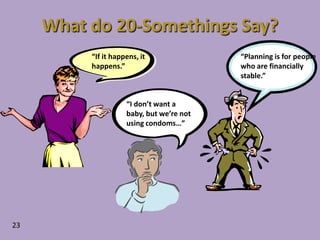
What do 20-Somethings Say?“If it happens, it happens.”“Planning is for people who are financially stable.”“I don’t want a baby, but we’re not using condoms…”23
The Fog ZoneIntentions don’t match behaviorAlthough the overwhelming majority of those in the survey do not want to get pregnant or get someone pregnant at this time in their lives, 24% use contraception inconsistently and 19% don’t use any contraception at all.Even worse, among those who said it is very important to avoid pregnancy right now, 1/3 say it is likely they will have unprotected sex in the near future.
Lack of knowledge30% say they know little or nothing about condoms63% say they know little or nothing about birth control pillsMyths and misinformationAmong those who have relied on birth control pills, nearly half (44%) incorrectly believe that you should take a break from the pill every few yearsThe Fog Zone25
Fear of side effectsMore than one-quarter of unmarried young women believe it is extremely or quite likely that using a hormonal method of birth control will lead to a serious problem like cancerUnderestimating effectiveness42% of men and 40% of women believe the chance of getting pregnant within a year while using birth control pills is 50% greaterThe Fog Zone26
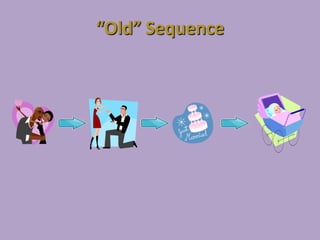
“Old” Sequence
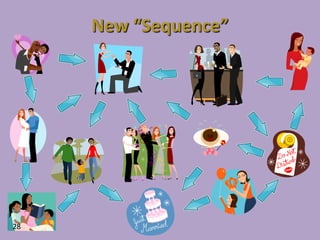
New “Sequence”28
How do I get started? http://www.thenationalcampaign.org/resources/pdf/pubs/gettingstarted.pdfHere is a ten page guide on how to get started in your community college!How can I volunteer? Actively participate in other activities in other colleges or schools looking to make a difference in their community!How can I make a difference? By Shela Hidalgo
For EducatorsConsider educating teens and parents through a public service announcement (PSA) campaign. Work with local school districts to improve their policies for evidence-based sex education or to better support pregnant and parenting teens. Engage state and local policymakers through town hall meet­ings meant to shed light on the problem of teen pregnancy in the community and focus on the solutions.
Involve youth in advocacy efforts. They can be effective spokespeople, lending credibility to the programs that serve them
Hold a contest for teens to create their   own public service announcements. For StudentsPitch stories to the press, write letters to the editor and even the local school newspaper and meet with editorial boards or the public affairs department of your local news station. Create fact sheets to highlight state and local data and highlight data linking teen pregnancy to other social issues.  Write about the latest happenings in preventing teen pregnancy.
Create an informative website
Make a Youtube video
Set up an information booth at school fairs
Host a workshopWhat has Phi Theta kappaDone with the project? Trips to other community Colleges
Presentations at local High Schools
Service activities on campus
Used technology to Democratize information to people all over the globe www.mccprojecthope.org
Made an impact NationallyFor More InformationChelsey Storincstorin@thenc.org or (202) 478-8519Visit our websiteswww.thenationalcampaign.orgwww.sexreally.orgwww.bedsider.orgwww.mccprojecthope.org29
So What’s available to you?
Local ResourcesWesley Community/ Health Center	1300 S. 10th St. PhoenixService offeredPrenatal programGynecology & ObstetricsCounselingFamily Planning	and moreCare Partnership	 Phone: 480-962-5197Services offeredPrenatalDental PediatricEmergency assistance

HOPE for Arizona

  • 1.
    Welcome to TheArizonaSummit on VolunteerismAnd Service Learning
  • 2.
    Your Presenters todayare:Liz Meyer: Coordinator for Project H.O.P.E and advisor for the Center for Service Learning at Mesa Community College Heather Thomas: V.P of Scholarship for the Phi Theta Kappa Honor Society and committee chair for Project H.O.P.E Carla Mannes: co-coordinator of Project H.O.P.E and member of Phi Theta kappa Tiffany Wilson: Project H.O.P.E committee member and V.P of Membership for Phi Theta Kappa Shela Hidalgo: Project H.O.P.E committee member and V.P of Hallmarks for Phi Theta Kappa at the Red Mountain campus of Mesa Community College
  • 3.
    Mesa Community College&PhiTheta Kappa presents
  • 4.
  • 5.
    What is ProjectH.O.P.E?“Healthy Outcomes Through Prevention and Education”H.O.P.E
  • 6.
    Who is Involved?MesaCommunity College was awarded a grant by:The National Campaign To Prevent Teen and Unplanned Pregnancy and managed byThe American Association of Community Colleges
  • 7.
    What is TheNational Campaign To Prevent teen and Unplanned PregnancyAll about?www.thenationalcampaign.org
  • 8.
    The National Campaign’sMissiontoimprove the lives and future prospects of children and familiesand, in particular, to help ensure that children are born into stable, two-parent families who are committed to and ready for the demanding task of raising the next generation.
  • 9.
  • 10.
    Why Get Involved?ForSome it’s Personalhttp://www.youtube.com/watch?v=ttoX1eFjB4g
  • 11.
    Did You KnowArizonais the third highest in the Nation for UnplannedPregnancy?
  • 12.
    Teen PregnancyProgress withteen pregnancyTeen pregnancy/birth rates down one-third since early 90’s.Progress is widespread: all 50 states, all ethnic/racial groups
  • 13.
  • 14.
    It’s Not JustTeens1.1 million unplanned pregnancies to unmarried women in their 20sAlmost 90% of 18-29 year olds say it is important to avoid pregnancy right now72% of unplanned pregnancies to unmarried 20-somethings are to women who have been pregnant beforeTrends are flat or getting worse 8
  • 15.
    Why Does itMatter? Retention: Students are at increased risk of dropping out or stopping out61% of community college students who have children after enrolling don’t finish their education, which is 65% higher than the rate for those who didn’t have children.Student Achievement: Students suffer increased emotional and financial stress, which can impede academic performanceRelationship Turmoil: Mothers and fathers who have an unplanned birth report less happiness and more conflict compared to similar parents with a planned birth9
  • 16.
    What’s Happening onCommunity College Campuses?Nearly half of community college students have been or have gotten someone pregnantOnly 2 out of 10 students at 2-year institutions report getting information on pregnancy planning and prevention from their schoolsTwo-thirds of community college students report having sex in the last 30 days, and less than a quarter report consistent condom use10
  • 17.
    What do 20-SomethingsSay?“If it happens, it happens.”“Planning is for people who are financially stable.”“I don’t want a baby, but we’re not using condoms…”23
  • 18.
    The Fog ZoneIntentionsdon’t match behaviorAlthough the overwhelming majority of those in the survey do not want to get pregnant or get someone pregnant at this time in their lives, 24% use contraception inconsistently and 19% don’t use any contraception at all.Even worse, among those who said it is very important to avoid pregnancy right now, 1/3 say it is likely they will have unprotected sex in the near future.
  • 19.
    Lack of knowledge30%say they know little or nothing about condoms63% say they know little or nothing about birth control pillsMyths and misinformationAmong those who have relied on birth control pills, nearly half (44%) incorrectly believe that you should take a break from the pill every few yearsThe Fog Zone25
  • 20.
    Fear of sideeffectsMore than one-quarter of unmarried young women believe it is extremely or quite likely that using a hormonal method of birth control will lead to a serious problem like cancerUnderestimating effectiveness42% of men and 40% of women believe the chance of getting pregnant within a year while using birth control pills is 50% greaterThe Fog Zone26
  • 21.
  • 22.
  • 23.
    How do Iget started? http://www.thenationalcampaign.org/resources/pdf/pubs/gettingstarted.pdfHere is a ten page guide on how to get started in your community college!How can I volunteer? Actively participate in other activities in other colleges or schools looking to make a difference in their community!How can I make a difference? By Shela Hidalgo
  • 24.
    For EducatorsConsider educatingteens and parents through a public service announcement (PSA) campaign. Work with local school districts to improve their policies for evidence-based sex education or to better support pregnant and parenting teens. Engage state and local policymakers through town hall meet­ings meant to shed light on the problem of teen pregnancy in the community and focus on the solutions.
  • 25.
    Involve youth inadvocacy efforts. They can be effective spokespeople, lending credibility to the programs that serve them
  • 26.
    Hold a contestfor teens to create their own public service announcements. For StudentsPitch stories to the press, write letters to the editor and even the local school newspaper and meet with editorial boards or the public affairs department of your local news station. Create fact sheets to highlight state and local data and highlight data linking teen pregnancy to other social issues. Write about the latest happenings in preventing teen pregnancy.
  • 27.
  • 28.
  • 29.
    Set up aninformation booth at school fairs
  • 30.
    Host a workshopWhathas Phi Theta kappaDone with the project? Trips to other community Colleges
  • 31.
  • 32.
  • 33.
    Used technology toDemocratize information to people all over the globe www.mccprojecthope.org
  • 34.
    Made an impactNationallyFor More InformationChelsey Storincstorin@thenc.org or (202) 478-8519Visit our websiteswww.thenationalcampaign.orgwww.sexreally.orgwww.bedsider.orgwww.mccprojecthope.org29
  • 35.
  • 36.
    Local ResourcesWesley Community/Health Center 1300 S. 10th St. PhoenixService offeredPrenatal programGynecology & ObstetricsCounselingFamily Planning and moreCare Partnership Phone: 480-962-5197Services offeredPrenatalDental PediatricEmergency assistance

Editor's Notes

  • #2 Welcome participants
  • #3 Introduce all presenters and thank participants for being here today
  • #4 Explain what the workshop entails and what we will be covering today
  • #6 Mesa Community College (MCC) launched Project HOPE ( Healthy Outcomes through Prevention and Education) to help students understand how unplanned pregnancy can affect their educational goals and what they can do to prevent it. MCC formed a team from multiple disciplines to use service-learning in areas such as English, Communication, Sociology, and Psychology to help students reflect on unplanned pregnancy and raise awareness among their peers and the community.
  • #7 At Mesa Community College advisors, instructors and college students, have put together a one-year demonstration program to help improve student retention and success by addressing pregnancy planning, prevention, and healthy relationships. Unplanned pregnancy among young adults is at the root of a number of important public health and social challenges, including college dropout rates.
  • #8 National Campaign is a private, non-profit, non-partisan group that has been around since 1996. Their specific strategy is to help prevent teen pregnancy and unplanned pregnancy among single, young adults. Why? If we’re successful, child and family well-being will improve. There will be less poverty, more opportunities for young men and women to complete their education, achieve other life goals, fewer abortions.And, it will help students and college administration alike to achieve the goal of improving student success and retention.
  • #10 Introduce Heather and Carla in which we will be covering statistics and personal stories to as why we are involved.
  • #11 I got involved with Project HOPE for a number of reasons, but the biggest reason by far is my story that I have to share in regards to my own unplanned pregnancy. Instead of telling you about my story I would like to start by showing a video I made specifically for this project. I hope you will enjoy and know that this project means a lot to me and in my life.
  • #12 The second reason I am so passionate about this Project is because of the incredibly high rates and statistics here in the state of Arizona. Did you know Arizona was the third highest in the nation?
  • #13 1st 11 yrs – The National Campaign focused exclusively in teen pregnancy prevention. There was a dramatic decline in Teen Pregnancy and Teen Birth: which equaled a one-third decline since early 1990s. In all states/all ethnic-racial groups.This tells us progress is possibleBut we can’t become complacent on the teen front: -- 3 in 10 teen girls becomes pregnant at least once before age 20-- For some groups teen pregnancy rates are even higher. For example, 52% of Latina teens become pregnant at least once before their 20th birthday (and 51% for African American teens). --48 = Arizona’s rank out of 50 states on teen pregnancy rate (NM and NV are 49 and 50)--2/3 = of teen pregnancies in AZ are to 18-19 year oldsIt is important that we continue to focus on teen pregnancy prevention ! Each year, a new group of young people become teenagers. Therefore it isWorth focusing on teens today because some of them later end up in community college or theydropped out of high school after becoming a teen parent, and b/c you serve sizable number of 18 – 19 year olds
  • #21 The birth control pill is more effective than 50%. Anyone know what the effectiveness really is? Research suggests 92%.
  • #24 Introduce Shela Hidalgo and she is going to share some ideas on how you can get involved
  • #29 Heather Thomas, Carla Mannes, Tiffany WilsonPhi Theta Kappa has taken Project H.O.P.E to a whole new level by incorporating the four Hallmarks of Scholarship, Leadership, Service and Fellowship by extending the project to other community colleges and chapters in the area, presenting workshops such as this one at local High Schools in the area, involving students in service activities such as project Hope awareness day, fair and speaker day and campaigning around campus and we have created an interactive website for students to access information on Project H.O.P.E along with family planning and prevention resources. We also addressed this issue as far as on a national level as we were the #1 ranked comment voted on for the White House Summit on Community Colleges that landed us in a article for CNN.Com this was a big hit for us just knowing that we are making a difference and so can you!
  • #31 Tiffany Wilson will hand out and explain resources such as the mccprojecthope.org website
  • #34 The sexreally.com is a site for young adults focused on relationships love and sex and all of the things that go along with that topic such as birth control methods. The purpose of this site is provide a comfortable, informative place for people to come fostering conversations about relationships and sex while addressing gaps in people’s knowledge about fertility and contraceptive use through polling, videos, and other content.
  • #35 Bedsider.org is a free support network for birth control operated by The National Campaign to Prevent Teen and Unplanned Pregnancy. Their goal is to help women find the method of birth control that’s right for them and learn how to use it consistently and effectively. Also found on this website is an interactive calendar to remind you of appointments along with daily, weekly and monthly birth control reminders that can be sent via email or text. It also includes videos of personal stories, animated Q & A skits about birth control. You can find local clinics available by simply entering your zip code.