Petrit Dobi,
RASP
Tirana, 19 October2017
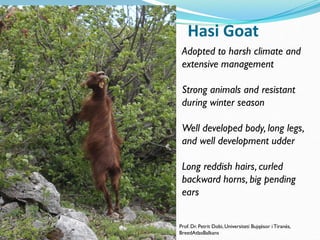
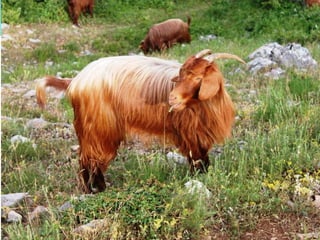
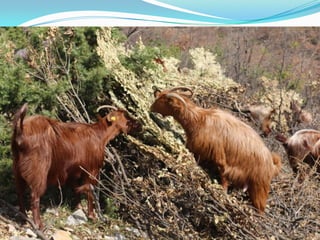
Hasi Goat
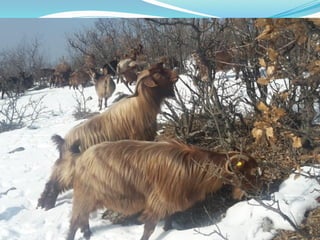
Adopted to harsh climate and
extensive management
Strong animals and resistant
during winter season
Well developed body, long legs,
and well development udder
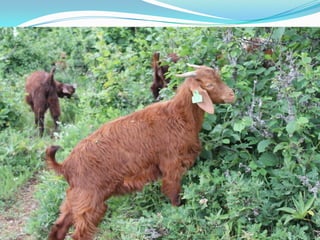
Long reddish hairs, curled
backward horns, big pending
ears
Prof. Dr. Petrit Dobi, Universiteti Bujqësor i Tiranës,
BreedAtlasBalkans
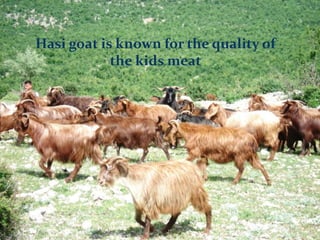
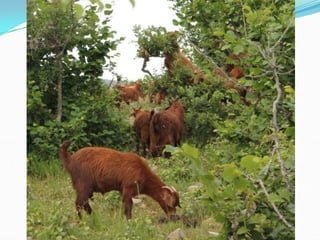
Hasi goat is known for the quality of
the kids meat
Pashtriku mountain
and its pastures
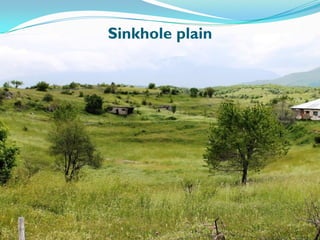
Sinkhole plain
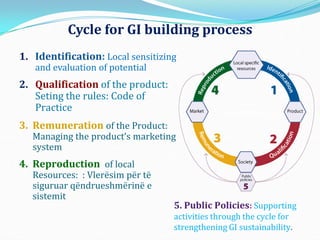
Cycle for GI building process
1. Identification: Local sensitizing
and evaluation of potential
2. Qualification of the product:
Seting the rules: Code of
Practice
3. Remuneration of the Product:
Managing the product’s marketing
system
4. Reproduction of local
Resources: : Vlerësim për të
siguruar qëndrueshmërinë e
sistemit
5. Public Policies: Supporting
activities through the cycle for
strengthening GI sustainability.
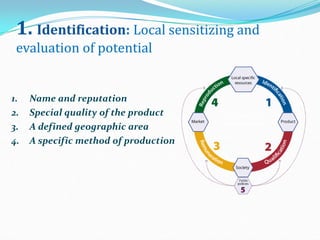
1. Identification: Local sensitizing and
evaluation of potential
1. Name and reputation
2. Special quality of the product
3. A defined geographic area
4. A specific method of production
Evaluations of pastures and
traditional managements
practices
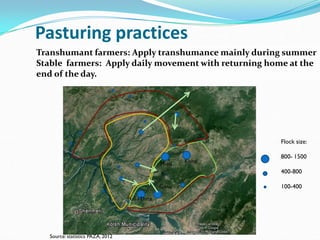
Pasturing practices
Flock size:
800- 1500
400-800
100-400
KishajMujaj
Gjinaj
Pusi i Thate
Source: statistics PAZA, 2012
Transhumant farmers: Apply transhumance mainly during summer
Stable farmers: Apply daily movement with returning home at the
end of the day.
Traditional stables
2. Main characteristics of Hasi goat and
its products’
 Genetic characterization
 Morphologic characterization
 Product qualities
2. Qualification of the product: Setting
the rules : Code of Practice
• Sensitizing shareholders
• Capacity building
• Establishing the association
• Drafting Code of Practice
Capacity building for farmers group
 Training workshops on group formation and
collective action
 Training on goat feeding and management
 Training on goat breeding and selection
 Training on animal health and food safety
 Training on pasture management and
biodiversity management
Study visit in similar VC (Elasona)
in Greece
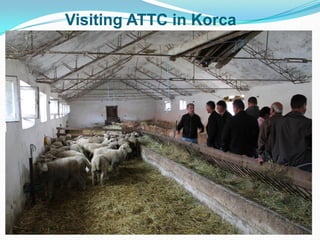
Visiting ATTC in Korca
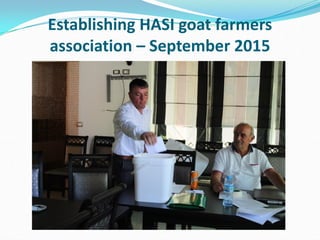
Establishing HASI goat farmers
association – September 2015
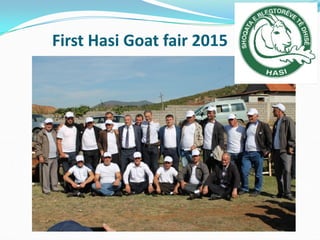
First Hasi Goat fair 2015
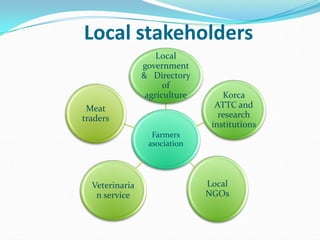
Local stakeholders
Farmers
asociation
Local
government
& Directory
of
agriculture Korca
ATTC and
research
institutions
Local
NGOs
Veterinaria
n service
Meat
traders
CoP = Standard of the Product
• Name/Product description
• Territory of the product
• Method of production
• Special product quality
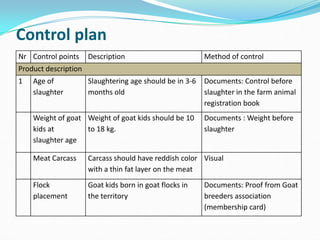
• Control plan
Control plan
Nr Control points Description Method of control
Product description
1 Age of
slaughter
Slaughtering age should be in 3-6
months old
Documents: Control before
slaughter in the farm animal
registration book
Weight of goat
kids at
slaughter age
Weight of goat kids should be 10
to 18 kg.
Documents : Weight before
slaughter
Meat Carcass Carcass should have reddish color
with a thin fat layer on the meat
Visual
Flock
placement
Goat kids born in goat flocks in
the territory
Documents: Proof from Goat
breeders association
(membership card)
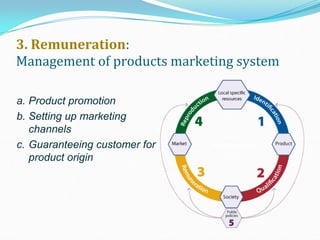
3. Remuneration:
Management of products marketing system
a. Product promotion
b. Setting up marketing
channels
c. Guaranteeing customer for
product origin
Production of the
Hasi goat calendar
2016
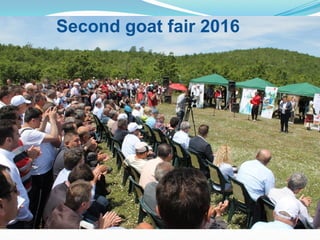
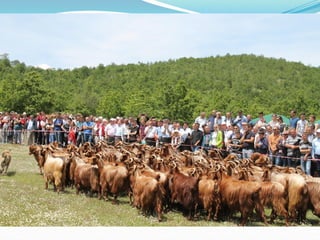
Second goat fair 2016
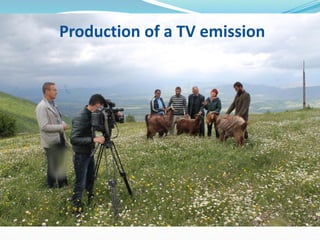
Production of a TV emission
TV Emission
France 24
Wooden emblems for restaurants
using Hasi goat kid meat
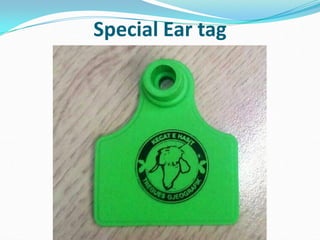
Special Ear tag
Problems/chalanges:
 Value chain not yet well established (Retailers
missing, Lack of slaughter house….)
 Local stakeholders not enough active (Role of
public institutions)
 Missing government policies (Legal Property
registration, support to micro-finance, grants etc)
faleminderit
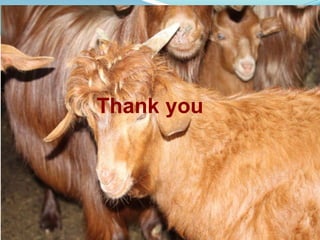
Thank you

Hasi goat value chain and GI developing process - DOBI

  • 1.
  • 2.
    Hasi Goat Adopted toharsh climate and extensive management Strong animals and resistant during winter season Well developed body, long legs, and well development udder Long reddish hairs, curled backward horns, big pending ears Prof. Dr. Petrit Dobi, Universiteti Bujqësor i Tiranës, BreedAtlasBalkans
  • 3.
    Hasi goat isknown for the quality of the kids meat
  • 4.
  • 6.
  • 10.
    Cycle for GIbuilding process 1. Identification: Local sensitizing and evaluation of potential 2. Qualification of the product: Seting the rules: Code of Practice 3. Remuneration of the Product: Managing the product’s marketing system 4. Reproduction of local Resources: : Vlerësim për të siguruar qëndrueshmërinë e sistemit 5. Public Policies: Supporting activities through the cycle for strengthening GI sustainability.
  • 11.
    1. Identification: Localsensitizing and evaluation of potential 1. Name and reputation 2. Special quality of the product 3. A defined geographic area 4. A specific method of production
  • 12.
    Evaluations of pasturesand traditional managements practices
  • 13.
    Pasturing practices Flock size: 800-1500 400-800 100-400 KishajMujaj Gjinaj Pusi i Thate Source: statistics PAZA, 2012 Transhumant farmers: Apply transhumance mainly during summer Stable farmers: Apply daily movement with returning home at the end of the day.
  • 14.
  • 15.
    2. Main characteristicsof Hasi goat and its products’  Genetic characterization  Morphologic characterization  Product qualities
  • 16.
    2. Qualification ofthe product: Setting the rules : Code of Practice • Sensitizing shareholders • Capacity building • Establishing the association • Drafting Code of Practice
  • 17.
    Capacity building forfarmers group  Training workshops on group formation and collective action  Training on goat feeding and management  Training on goat breeding and selection  Training on animal health and food safety  Training on pasture management and biodiversity management
  • 18.
    Study visit insimilar VC (Elasona) in Greece
  • 19.
  • 20.
    Establishing HASI goatfarmers association – September 2015
  • 21.
    First Hasi Goatfair 2015
  • 22.
    Local stakeholders Farmers asociation Local government & Directory of agricultureKorca ATTC and research institutions Local NGOs Veterinaria n service Meat traders
  • 23.
    CoP = Standardof the Product • Name/Product description • Territory of the product • Method of production • Special product quality • Control plan
  • 26.
    Control plan Nr Controlpoints Description Method of control Product description 1 Age of slaughter Slaughtering age should be in 3-6 months old Documents: Control before slaughter in the farm animal registration book Weight of goat kids at slaughter age Weight of goat kids should be 10 to 18 kg. Documents : Weight before slaughter Meat Carcass Carcass should have reddish color with a thin fat layer on the meat Visual Flock placement Goat kids born in goat flocks in the territory Documents: Proof from Goat breeders association (membership card)
  • 28.
    3. Remuneration: Management ofproducts marketing system a. Product promotion b. Setting up marketing channels c. Guaranteeing customer for product origin
  • 29.
    Production of the Hasigoat calendar 2016
  • 30.
  • 32.
    Production of aTV emission
  • 33.
  • 34.
    Wooden emblems forrestaurants using Hasi goat kid meat
  • 35.
  • 37.
    Problems/chalanges:  Value chainnot yet well established (Retailers missing, Lack of slaughter house….)  Local stakeholders not enough active (Role of public institutions)  Missing government policies (Legal Property registration, support to micro-finance, grants etc)
  • 38.