Communication &
Globalization
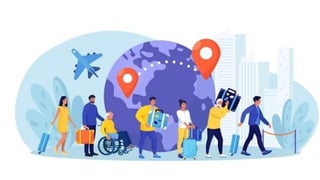
•Communication and globalization in the 21st century
introduce us to a new dimension of perspectives. We are living
in a globalized society where a great change and
transformation are evident in a variety of economic, cultural,
and social changes that have shaped the world over the years.
The advancement of technological and numerous technology
revolutions has been globalizing the world into a closely
interconnected society.
Communication and Globalization
1
Communication
Competence
• Competence is the ability of individuals that relates effectively to
self and others in daily life. It is an integration of various
components based on the individual’s cognitive, affective and
behavioral’s abilities.
• Cooley and Roach (1984) defined communication competence as the
knowledge of effective and appropriate communication patterns
and the ability to use and adapt that knowledge in various contexts.
Their definition can be unpacked into three parts: knowledge, ability
to use, and adapt to various contexts
COMMUNICATION
COMPETENCE
• The cognitive elements of competence include
knowing how to do something and understanding
why things are done the way they are (Hargie,
2011).
1.It Deals With Knowledge
• Individual factors affect our ability to do anything.
There are factors that help or hinder you when you try
to apply the knowledge you have learned to actual
communication behaviors.
2. The ability to use
•
• Status and power are social variables
that affect competence.
3. The Ability To Adapt To Various Contexts
•
• These factors have a significant influence on how
people interact and understand those from different
backgrounds and cultures.
Race and Nationality are Cultural Variables That
Affect Competence.
•
2
Global Communication
Competence
GLOBAL COMMUNICATION COMPETENCE
Chen (2005) defines communication competence as an innate
individual trait that is not related to personal intellect or education.
4 DIMENSIONS OF GLOBAL COMMUNICATION COMPETENCE:
• Global mindset
• Mapping the culture
• Aligning the interaction
• Unfolding the self
2.1
Global Mindset
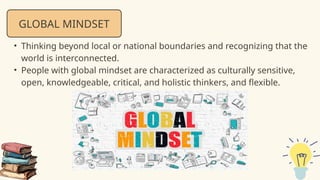
GLOBAL MINDSET
• Thinking beyond local or national boundaries and recognizing that the
world is interconnected.
• People with global mindset are characterized as culturally sensitive,
open, knowledgeable, critical, and holistic thinkers, and flexible.
2.2
Mapping the Culture
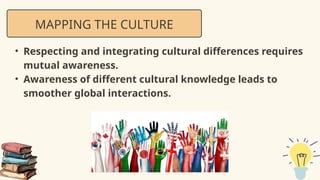
• Respecting and integrating cultural differences requires
mutual awareness.
• Awareness of different cultural knowledge leads to
smoother global interactions.
MAPPING THE CULTURE
2.3
Aligning the
Interaction
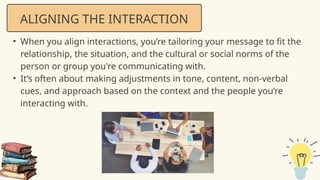
• When you align interactions, you’re tailoring your message to fit the
relationship, the situation, and the cultural or social norms of the
person or group you're communicating with.
• It’s often about making adjustments in tone, content, non-verbal
cues, and approach based on the context and the people you’re
interacting with.
ALIGNING THE INTERACTION
2.4
Unfolding the Self
• Unfolding the self in global communication involves
sharing communication symbols and projecting oneself
into another’s perspective.
• It requires thinking, feeling, and understanding emotions
from another’s viewpoint. (Chen & Starosta, 1997)
Unfolding the Self
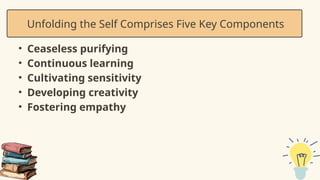
• Ceaseless purifying
• Continuous learning
• Cultivating sensitivity
• Developing creativity
• Fostering empathy
Unfolding the Self Comprises Five Key Components
• The "self" must be continuously refined and
improved.
• This process helps individuals play a crucial role in a
productive global society.
• It involves self-reflection and constant growth.
Ceaseless Purifying
• Striving for lifelong learning leads to enlightenment
and self-improvement.
• Continuous improvements refine character and
create balanced, insightful individuals.
Example: Learning new languages or cultural practices
enhances global communication.
Continuous Learning
• Sensitivity to cultural differences aligns actions with
universal values.
• It ensures that communication upholds truth and
integrity.
Example: Respecting customs and traditions when
interacting with diverse groups.
Cultivate Sensitivity
• Creativity enables individuals to adapt to global
challenges.
• Without creativity, navigating complex interactions
becomes difficult.
Example: Using innovative solutions to bridge
communication gaps in multicultural settings.
Develop Creativity
• Empathy allows deep concern for others' feelings and
reactions.
• Demonstrating active listening and verbal responses
fosters intercultural rapport. (Barnlund, 1988)
Example: A diplomat understanding cultural nuances to
build strong international relations.
Foster Empathy
3
Definitions of
Globalization
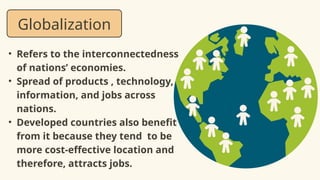
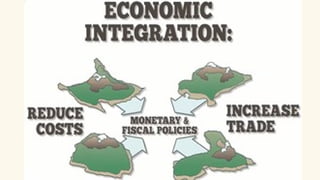
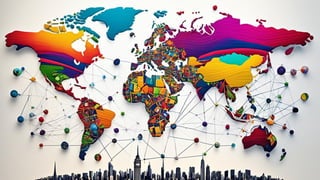
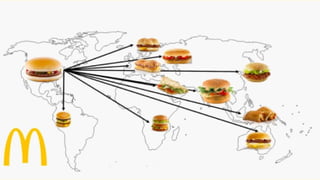
• Refers to the interconnectedness
of nations’ economies.
• Spread of products , technology,
information, and jobs across
nations.
• Developed countries also benefit
from it because they tend to be
more cost-effective location and
therefore, attracts jobs.
Globalization
Globalization is Linked to the
Growth of Social
Interconnectedness Across
Existing Geographical and
Political Boundaries
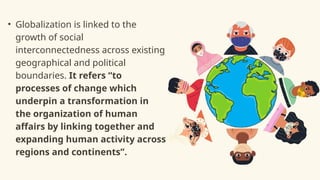
• Globalization is linked to the
growth of social
interconnectedness across existing
geographical and political
boundaries. It refers “to
processes of change which
underpin a transformation in
the organization of human
affairs by linking together and
expanding human activity across
regions and continents”.
Globalization Must Also Include a
Reference to the Speed or Velocity
of Social Activity
• Globalization must also include a
reference to the speed or velocity
of social activity. The linking and
expanding of social activities
across borders is predicated on
the possibility of relatively fast
flows and movements of people,
information, capital, and goods.
4
Impact of Globalization
• Globalization requires the development of a
person’s language ability.
• The ability to use language accurately and
appropriately is a requirement of a globalizing
society.
Impact of Globalization
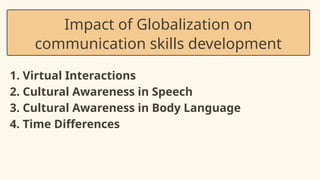
1. Virtual Interactions
2. Cultural Awareness in Speech
3. Cultural Awareness in Body Language
4. Time Differences
Impact of Globalization on
communication skills development
• Modern entrepreneurs need to understand the
strengths and limitations of different
communication media, and how to use each
medium to maximum effect
Virtual Interactions
• Modern entrepreneurs and employees need the
ability to catch subtle nuances of people’s manner
of speech when communicating across cultures.
Unprofessional questions should be avoided,
Cultural Awareness in Speech
• Students should understand acceptable speaking
distances, conflict eyes, eye contact, and posture in
different cultures, accepting that the physical
expressions of their own culture are not universally
accepted.
Cultural Awareness in Body Language
• The need to communicate and share information
with people across several time zones.
Time Differences
Thank you for
listening!

Group-2-Globalization-and-Communication.pptx

  • 1.
  • 2.
    •Communication and globalizationin the 21st century introduce us to a new dimension of perspectives. We are living in a globalized society where a great change and transformation are evident in a variety of economic, cultural, and social changes that have shaped the world over the years. The advancement of technological and numerous technology revolutions has been globalizing the world into a closely interconnected society. Communication and Globalization
  • 3.
  • 4.
    • Competence isthe ability of individuals that relates effectively to self and others in daily life. It is an integration of various components based on the individual’s cognitive, affective and behavioral’s abilities. • Cooley and Roach (1984) defined communication competence as the knowledge of effective and appropriate communication patterns and the ability to use and adapt that knowledge in various contexts. Their definition can be unpacked into three parts: knowledge, ability to use, and adapt to various contexts COMMUNICATION COMPETENCE
  • 5.
    • The cognitiveelements of competence include knowing how to do something and understanding why things are done the way they are (Hargie, 2011). 1.It Deals With Knowledge
  • 6.
    • Individual factorsaffect our ability to do anything. There are factors that help or hinder you when you try to apply the knowledge you have learned to actual communication behaviors. 2. The ability to use •
  • 7.
    • Status andpower are social variables that affect competence. 3. The Ability To Adapt To Various Contexts •
  • 8.
    • These factorshave a significant influence on how people interact and understand those from different backgrounds and cultures. Race and Nationality are Cultural Variables That Affect Competence. •
  • 9.
  • 10.
    GLOBAL COMMUNICATION COMPETENCE Chen(2005) defines communication competence as an innate individual trait that is not related to personal intellect or education. 4 DIMENSIONS OF GLOBAL COMMUNICATION COMPETENCE: • Global mindset • Mapping the culture • Aligning the interaction • Unfolding the self
  • 11.
  • 12.
    GLOBAL MINDSET • Thinkingbeyond local or national boundaries and recognizing that the world is interconnected. • People with global mindset are characterized as culturally sensitive, open, knowledgeable, critical, and holistic thinkers, and flexible.
  • 13.
  • 14.
    • Respecting andintegrating cultural differences requires mutual awareness. • Awareness of different cultural knowledge leads to smoother global interactions. MAPPING THE CULTURE
  • 15.
  • 16.
    • When youalign interactions, you’re tailoring your message to fit the relationship, the situation, and the cultural or social norms of the person or group you're communicating with. • It’s often about making adjustments in tone, content, non-verbal cues, and approach based on the context and the people you’re interacting with. ALIGNING THE INTERACTION
  • 17.
  • 18.
    • Unfolding theself in global communication involves sharing communication symbols and projecting oneself into another’s perspective. • It requires thinking, feeling, and understanding emotions from another’s viewpoint. (Chen & Starosta, 1997) Unfolding the Self
  • 19.
    • Ceaseless purifying •Continuous learning • Cultivating sensitivity • Developing creativity • Fostering empathy Unfolding the Self Comprises Five Key Components
  • 20.
    • The "self"must be continuously refined and improved. • This process helps individuals play a crucial role in a productive global society. • It involves self-reflection and constant growth. Ceaseless Purifying
  • 21.
    • Striving forlifelong learning leads to enlightenment and self-improvement. • Continuous improvements refine character and create balanced, insightful individuals. Example: Learning new languages or cultural practices enhances global communication. Continuous Learning
  • 22.
    • Sensitivity tocultural differences aligns actions with universal values. • It ensures that communication upholds truth and integrity. Example: Respecting customs and traditions when interacting with diverse groups. Cultivate Sensitivity
  • 23.
    • Creativity enablesindividuals to adapt to global challenges. • Without creativity, navigating complex interactions becomes difficult. Example: Using innovative solutions to bridge communication gaps in multicultural settings. Develop Creativity
  • 24.
    • Empathy allowsdeep concern for others' feelings and reactions. • Demonstrating active listening and verbal responses fosters intercultural rapport. (Barnlund, 1988) Example: A diplomat understanding cultural nuances to build strong international relations. Foster Empathy
  • 25.
  • 26.
    • Refers tothe interconnectedness of nations’ economies. • Spread of products , technology, information, and jobs across nations. • Developed countries also benefit from it because they tend to be more cost-effective location and therefore, attracts jobs. Globalization
  • 27.
    Globalization is Linkedto the Growth of Social Interconnectedness Across Existing Geographical and Political Boundaries
  • 28.
    • Globalization islinked to the growth of social interconnectedness across existing geographical and political boundaries. It refers “to processes of change which underpin a transformation in the organization of human affairs by linking together and expanding human activity across regions and continents”.
  • 35.
    Globalization Must AlsoInclude a Reference to the Speed or Velocity of Social Activity
  • 36.
    • Globalization mustalso include a reference to the speed or velocity of social activity. The linking and expanding of social activities across borders is predicated on the possibility of relatively fast flows and movements of people, information, capital, and goods.
  • 42.
  • 43.
    • Globalization requiresthe development of a person’s language ability. • The ability to use language accurately and appropriately is a requirement of a globalizing society. Impact of Globalization
  • 44.
    1. Virtual Interactions 2.Cultural Awareness in Speech 3. Cultural Awareness in Body Language 4. Time Differences Impact of Globalization on communication skills development
  • 45.
    • Modern entrepreneursneed to understand the strengths and limitations of different communication media, and how to use each medium to maximum effect Virtual Interactions
  • 46.
    • Modern entrepreneursand employees need the ability to catch subtle nuances of people’s manner of speech when communicating across cultures. Unprofessional questions should be avoided, Cultural Awareness in Speech
  • 47.
    • Students shouldunderstand acceptable speaking distances, conflict eyes, eye contact, and posture in different cultures, accepting that the physical expressions of their own culture are not universally accepted. Cultural Awareness in Body Language
  • 48.
    • The needto communicate and share information with people across several time zones. Time Differences
  • 49.