The mission of Project Look Sharp is to provide materials, training and support for the effective integration of media literacy with critical thinking into classroom curricula at all educational levels. Project Look Sharp Ithaca College 1119 Williams Hall Ithaca, NY 14850 Phone: 607-274-3471   Fax: 607-274-1925   [email_address] www.projectlooksharp.org Global Media Arts Rochester July 10-11, 2008 Division of Interdisciplinary & International Studies
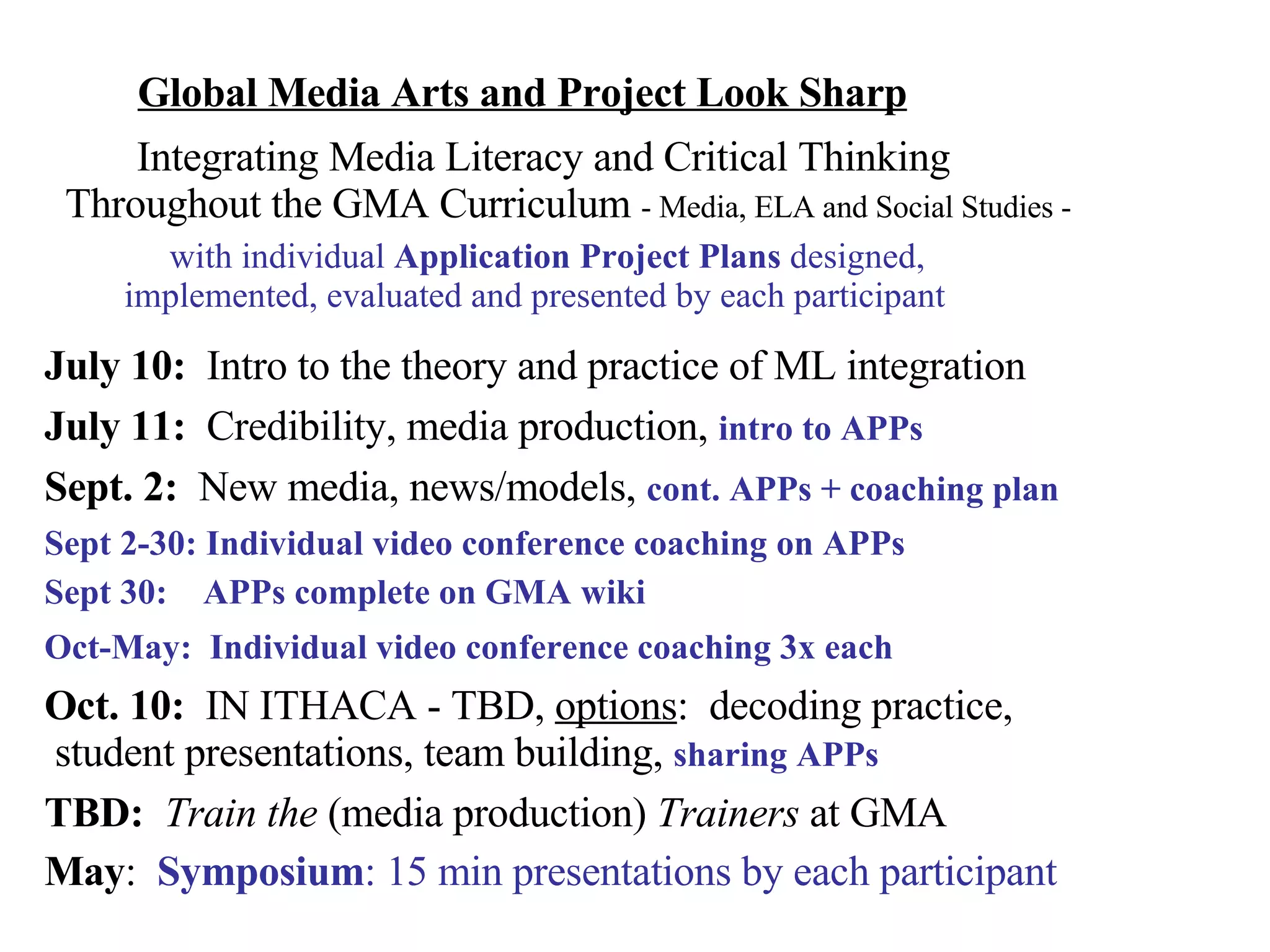
Global Media Arts and Project Look Sharp   Integrating Media Literacy and Critical Thinking    Throughout the GMA Curriculum  - Media, ELA and Social Studies -     with individual  Application Project Plans  designed,    implemented, evaluated and presented by each participant July 10:   Intro to the theory and practice of ML integration July 11:   Credibility, media production,  intro to APPs Sept. 2:   New media, news/models,  cont. APPs + coaching plan Sept 2-30: Individual video conference coaching on APPs Sept 30:  APPs complete on GMA wiki Oct-May:  Individual video conference coaching 3x each   Oct. 10:   IN ITHACA - TBD,  options :  decoding practice,    student presentations, team building,  sharing APPs TBD:   Train the  (media production)  Trainers  at GMA   May :  Symposium : 15 min presentations by each participant
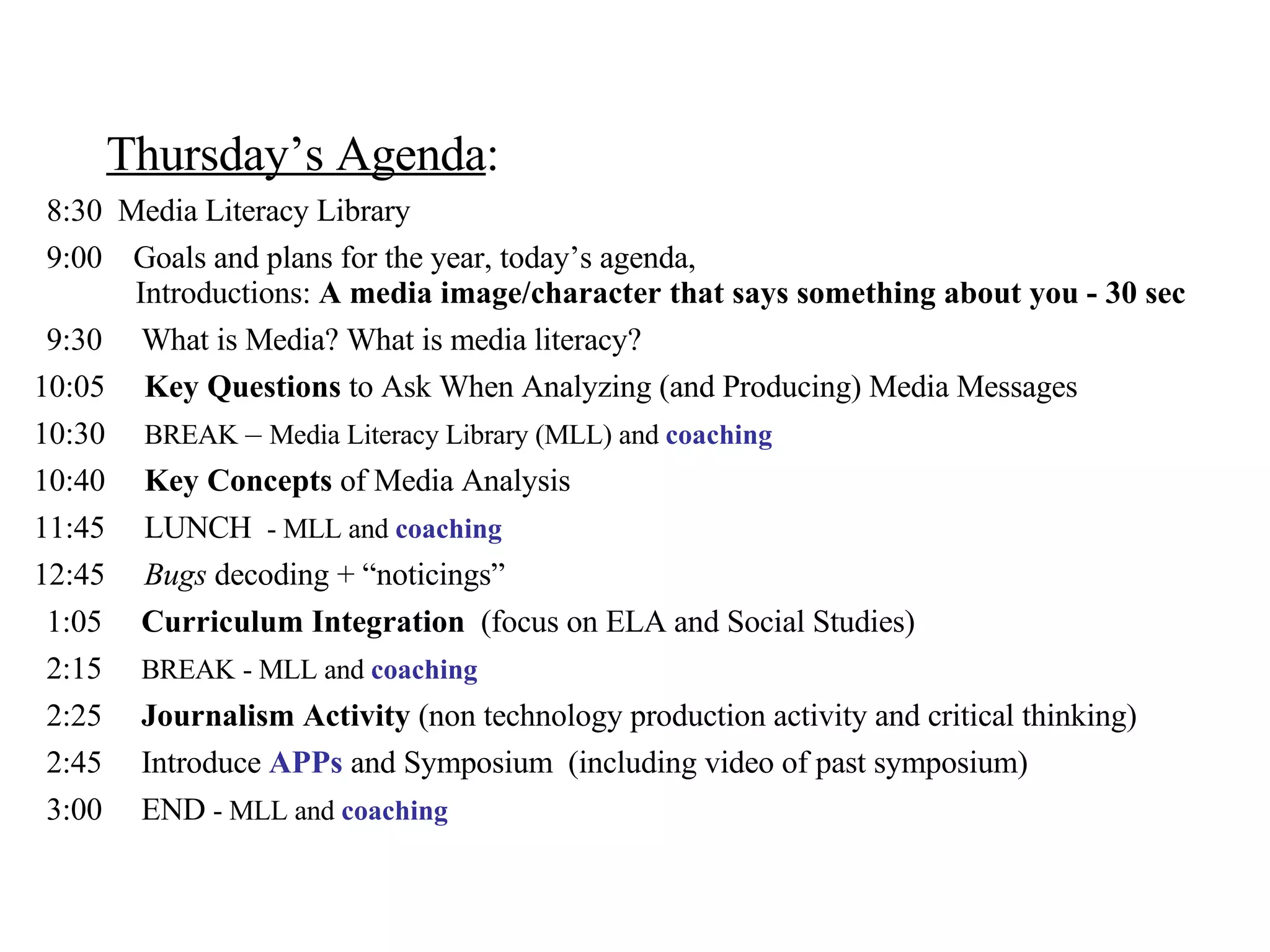
Thursday’s Agenda :   8:30  Media Literacy Library   9:00  Goals and plans for the year, today’s agenda,   Introductions:  A media image/character that says something about you - 30 sec     9:30  What is Media? What is media literacy? 10:05  Key Questions  to Ask When Analyzing (and Producing) Media Messages  10:30  BREAK  –  Media Literacy Library (MLL) and  coaching 10:40  Key Concepts  of Media Analysis 11:45  LUNCH  - MLL and  coaching 12:45  Bugs  decoding + “noticings”   1:05  Curriculum Integration   (focus on ELA and Social Studies)   2:15  BREAK   - MLL and  coaching   2:25  Journalism Activity  (non technology production activity and critical thinking)   2:45  Introduce  APPs  and Symposium  (including video of past symposium)   3:00  END  - MLL and  coaching
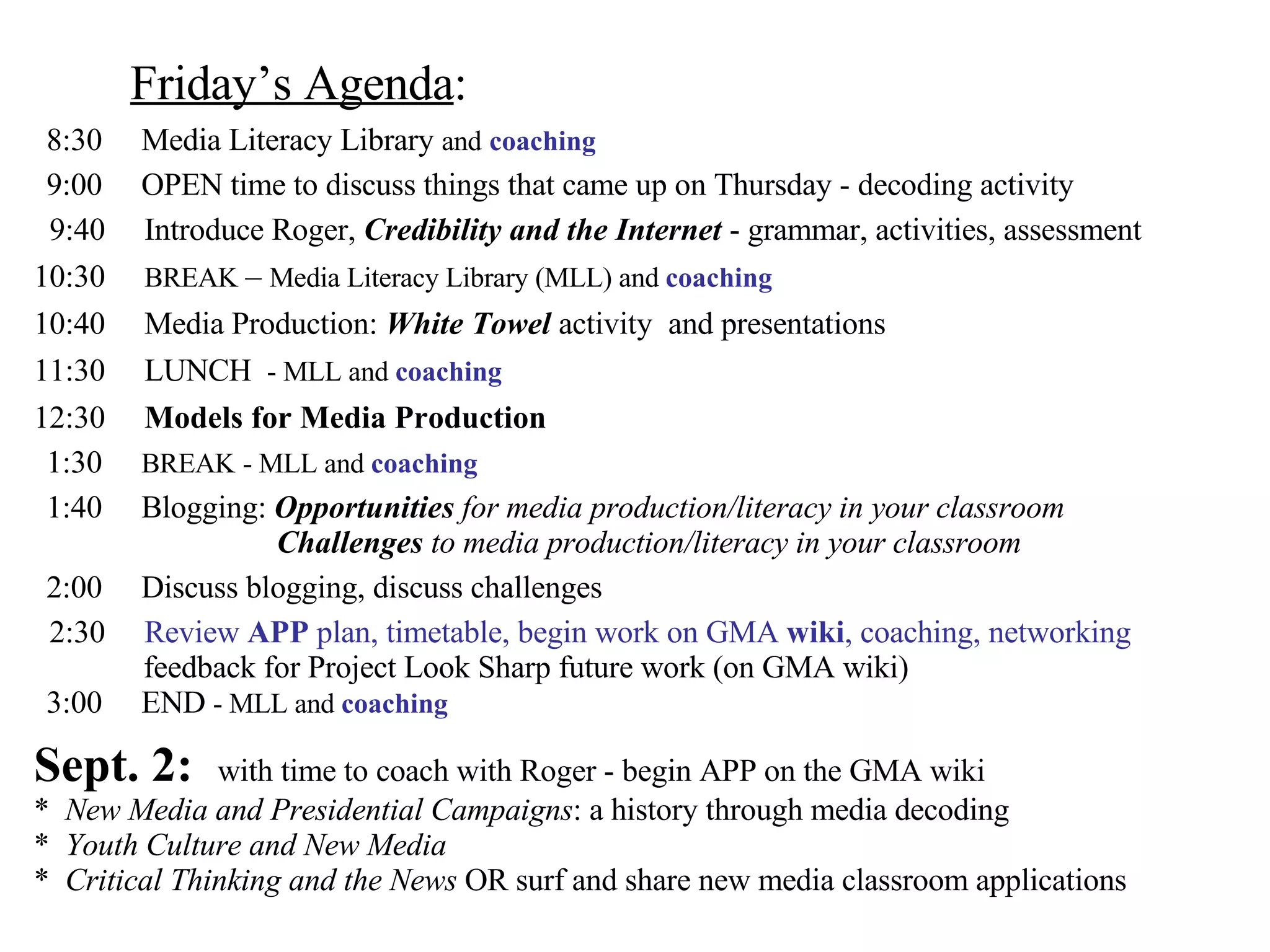
Friday’s Agenda :   8:30  Media Literacy Library  and   coaching   9:00  OPEN time to discuss things that came up on Thursday - decoding activity   9:40  Introduce Roger,  Credibility and the Internet  - grammar, activities, assessment 10:30  BREAK  –  Media Literacy Library (MLL) and  coaching 10:40  Media Production:   White Towel  activity   and presentations 11:30  LUNCH  - MLL and  coaching 12:30  Models for Media Production     1:30  BREAK   - MLL and  coaching   1:40  Blogging:  Op portunities  for media production/literacy in your classroom   Ch allenges  to media production/literacy in your classroom   2:00  Discuss blogging, discuss challenges   2:30  Review  APP  plan, timetable, begin work on GMA  wiki , coaching, networking   feedback for Project Look Sharp future work (on GMA wiki)   3:00  END  - MLL and  coaching Sept. 2:  with time to coach with Roger - begin APP on the GMA wiki *  New Media and Presidential Campaigns : a history through media decoding *  Youth Culture and New Media *  Critical Thinking and the News  OR surf and share new media classroom applications
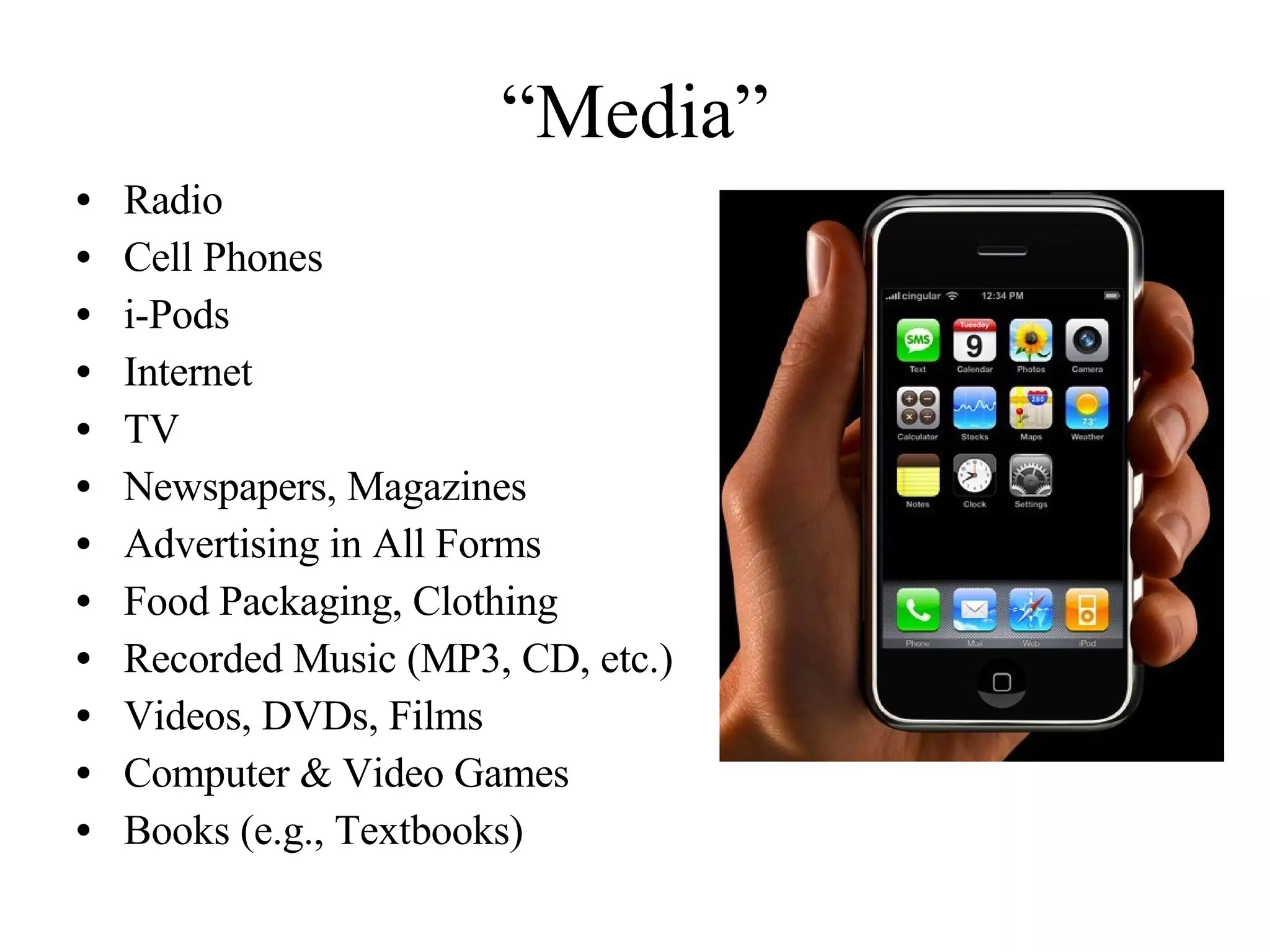
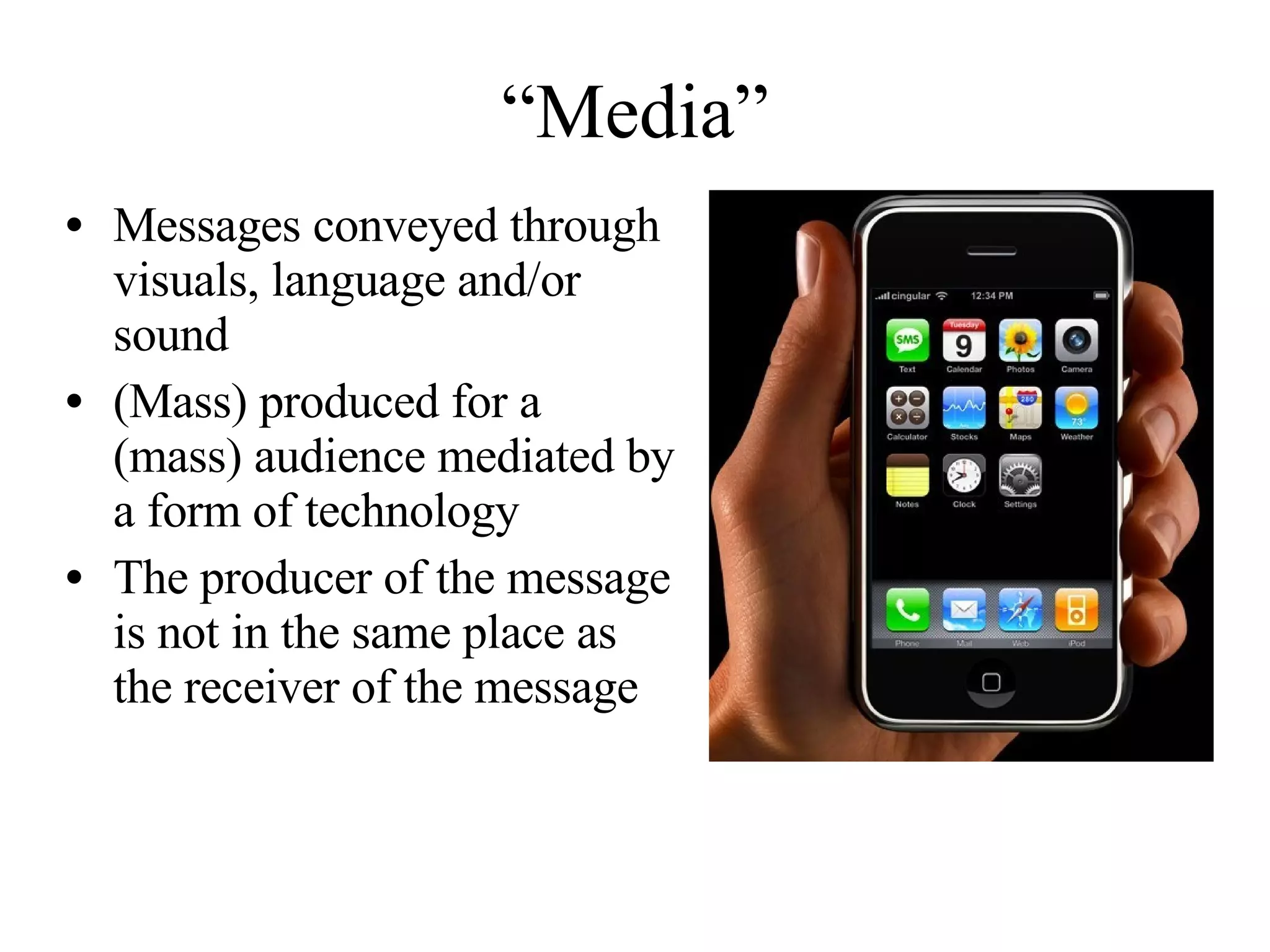
“Media” Radio Cell Phones i-Pods Internet TV Newspapers, Magazines Advertising in All Forms Food Packaging, Clothing Recorded Music (MP3, CD, etc.) Videos, DVDs, Films Computer & Video Games Books (e.g., Textbooks)
“Media” Messages conveyed through visuals, language and/or sound (Mass) produced for a (mass) audience mediated by a form of technology The producer of the message is not in the same place as the receiver of the message
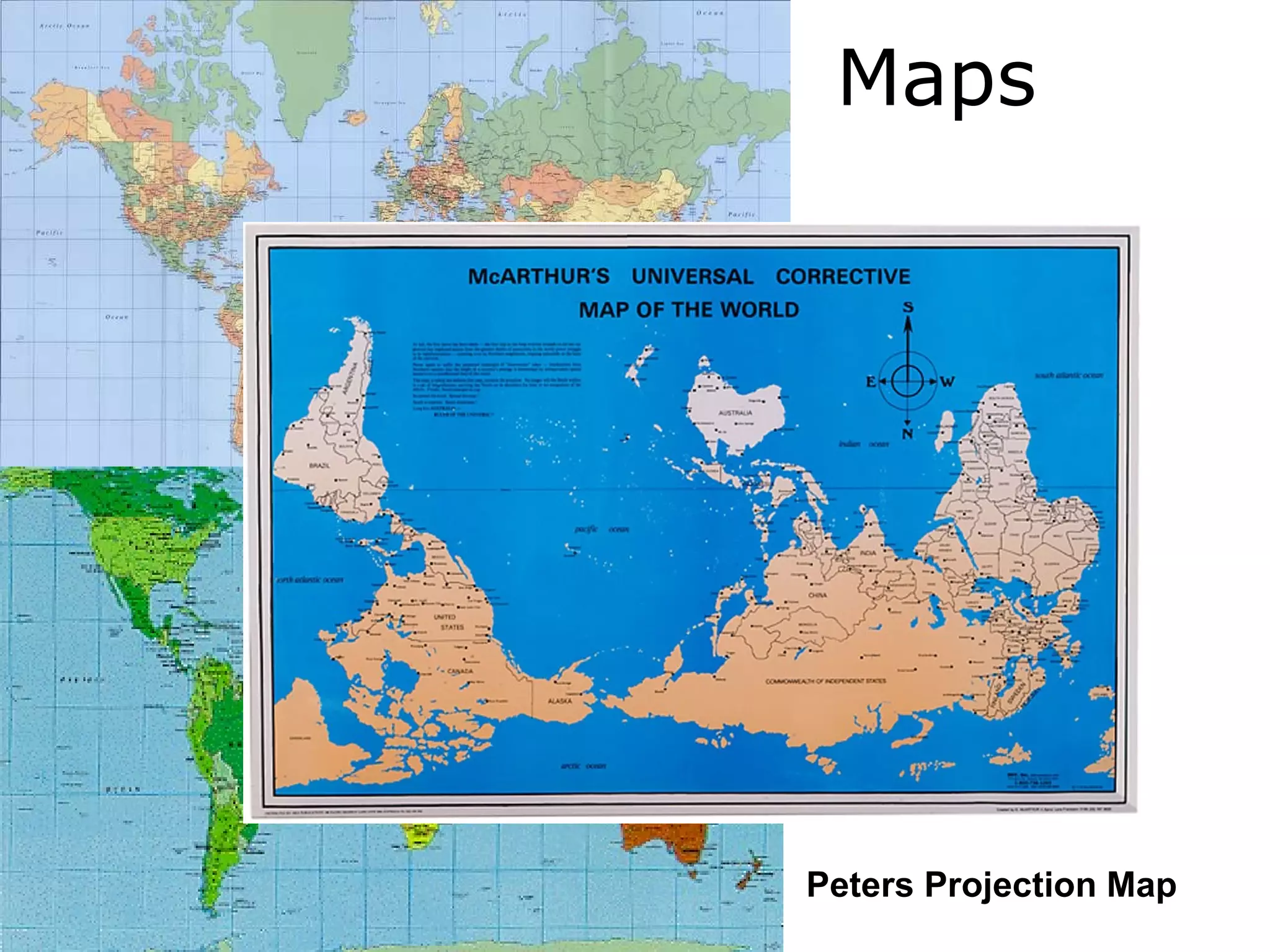
Maps Peters Projection Map
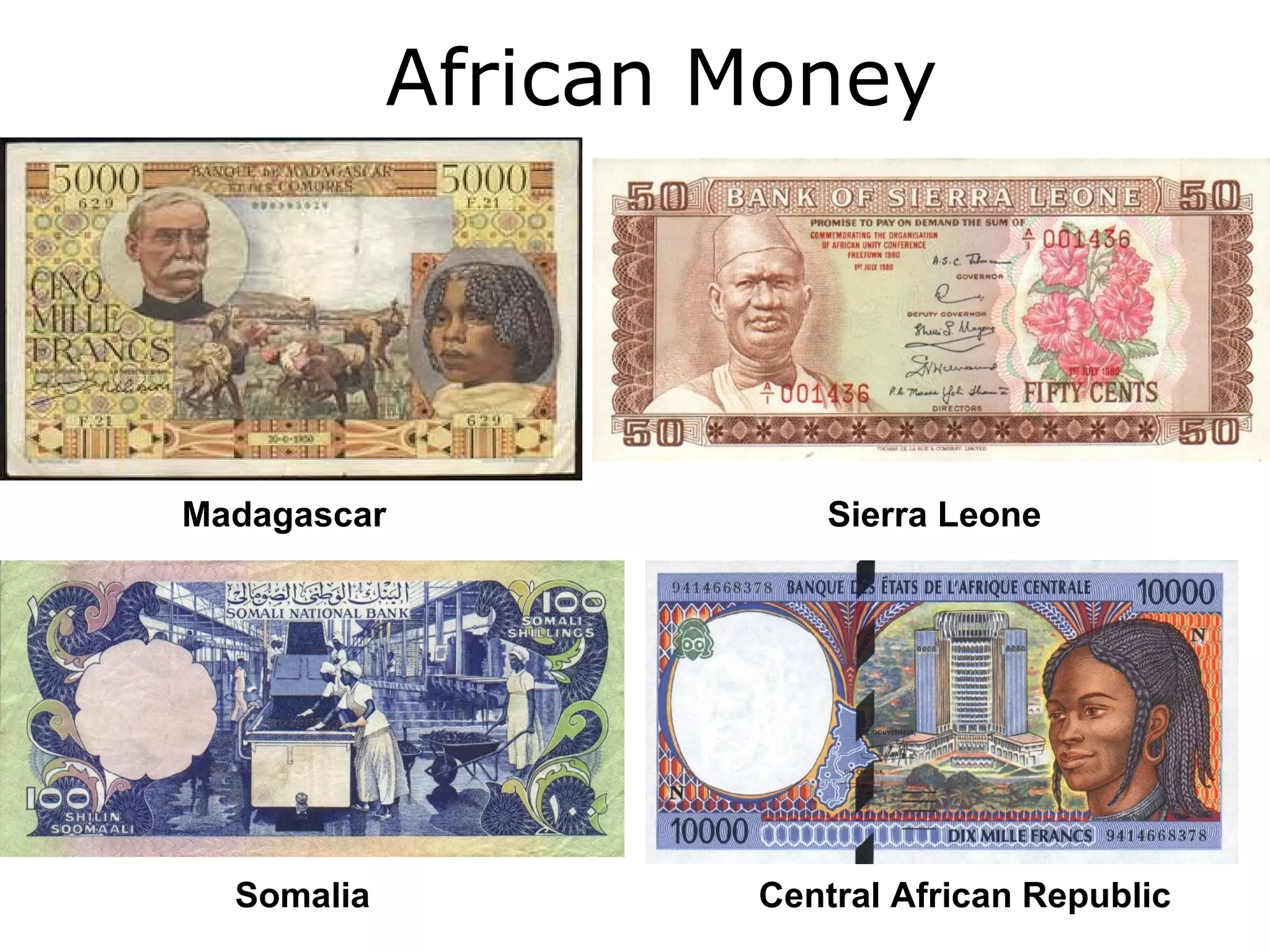
African Money Madagascar Sierra Leone Somalia Central African Republic
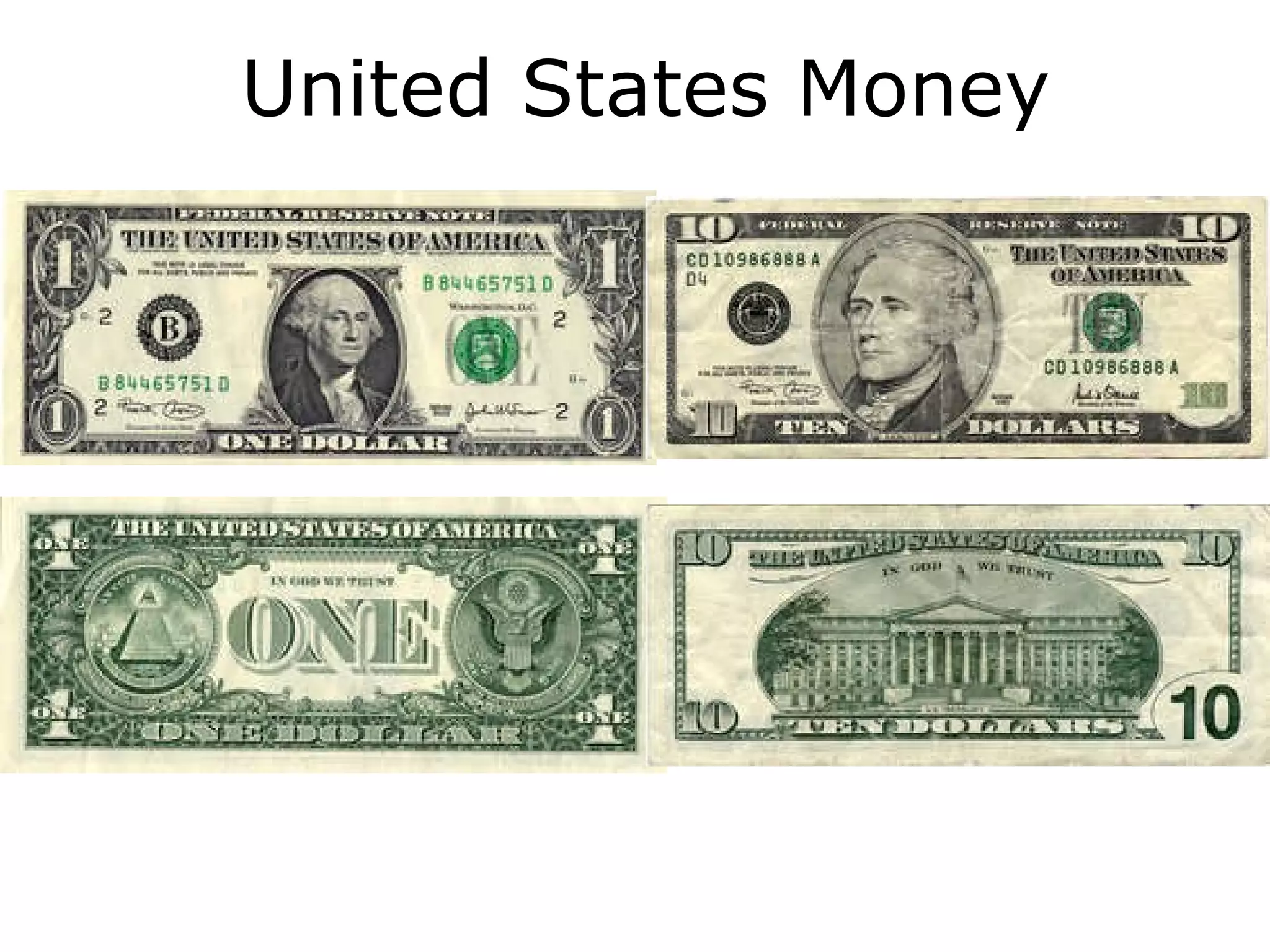
United States Money
The purpose of  media literacy education  is to help individuals of all ages develop the  habits of inquiry  and  skills of expression  they need to be critical thinkers, effective communicators, and active citizens in today’s world.
 
 
Key Questions to Ask  When Analyzing Media Messages
Where did we go to get quick access to information… 30 years ago? 60 years ago? 90 years ago? 15 years ago? Where do you go today?
A  wiki  <WEE-kee> [1] ) is a  website  that allows the visitors themselves to easily add, remove, and otherwise  edit  and change available content, typically without the need for registration. This ease of interaction and operation makes a wiki an effective tool for mass  collaborative authoring .


Key Questions to Ask  When Analyzing Media Messages
 

GMA Concepts of Media Literacy July 10

  • 1.
    The mission ofProject Look Sharp is to provide materials, training and support for the effective integration of media literacy with critical thinking into classroom curricula at all educational levels. Project Look Sharp Ithaca College 1119 Williams Hall Ithaca, NY 14850 Phone: 607-274-3471 Fax: 607-274-1925 [email_address] www.projectlooksharp.org Global Media Arts Rochester July 10-11, 2008 Division of Interdisciplinary & International Studies
  • 2.
    Global Media Artsand Project Look Sharp Integrating Media Literacy and Critical Thinking Throughout the GMA Curriculum - Media, ELA and Social Studies - with individual Application Project Plans designed, implemented, evaluated and presented by each participant July 10: Intro to the theory and practice of ML integration July 11: Credibility, media production, intro to APPs Sept. 2: New media, news/models, cont. APPs + coaching plan Sept 2-30: Individual video conference coaching on APPs Sept 30: APPs complete on GMA wiki Oct-May: Individual video conference coaching 3x each Oct. 10: IN ITHACA - TBD, options : decoding practice, student presentations, team building, sharing APPs TBD: Train the (media production) Trainers at GMA May : Symposium : 15 min presentations by each participant
  • 3.
    Thursday’s Agenda : 8:30 Media Literacy Library 9:00 Goals and plans for the year, today’s agenda, Introductions: A media image/character that says something about you - 30 sec 9:30 What is Media? What is media literacy? 10:05 Key Questions to Ask When Analyzing (and Producing) Media Messages 10:30 BREAK – Media Literacy Library (MLL) and coaching 10:40 Key Concepts of Media Analysis 11:45 LUNCH - MLL and coaching 12:45 Bugs decoding + “noticings” 1:05 Curriculum Integration (focus on ELA and Social Studies) 2:15 BREAK - MLL and coaching 2:25 Journalism Activity (non technology production activity and critical thinking) 2:45 Introduce APPs and Symposium (including video of past symposium) 3:00 END - MLL and coaching
  • 4.
    Friday’s Agenda : 8:30 Media Literacy Library and coaching 9:00 OPEN time to discuss things that came up on Thursday - decoding activity 9:40 Introduce Roger, Credibility and the Internet - grammar, activities, assessment 10:30 BREAK – Media Literacy Library (MLL) and coaching 10:40 Media Production: White Towel activity and presentations 11:30 LUNCH - MLL and coaching 12:30 Models for Media Production 1:30 BREAK - MLL and coaching 1:40 Blogging: Op portunities for media production/literacy in your classroom Ch allenges to media production/literacy in your classroom 2:00 Discuss blogging, discuss challenges 2:30 Review APP plan, timetable, begin work on GMA wiki , coaching, networking feedback for Project Look Sharp future work (on GMA wiki) 3:00 END - MLL and coaching Sept. 2: with time to coach with Roger - begin APP on the GMA wiki * New Media and Presidential Campaigns : a history through media decoding * Youth Culture and New Media * Critical Thinking and the News OR surf and share new media classroom applications
  • 5.
    “Media” Radio CellPhones i-Pods Internet TV Newspapers, Magazines Advertising in All Forms Food Packaging, Clothing Recorded Music (MP3, CD, etc.) Videos, DVDs, Films Computer & Video Games Books (e.g., Textbooks)
  • 6.
    “Media” Messages conveyedthrough visuals, language and/or sound (Mass) produced for a (mass) audience mediated by a form of technology The producer of the message is not in the same place as the receiver of the message
  • 7.
  • 8.
    African Money MadagascarSierra Leone Somalia Central African Republic
  • 9.
  • 10.
    The purpose of media literacy education is to help individuals of all ages develop the habits of inquiry and skills of expression they need to be critical thinkers, effective communicators, and active citizens in today’s world.
  • 11.
  • 12.
  • 13.
    Key Questions toAsk When Analyzing Media Messages
  • 14.
    Where did wego to get quick access to information… 30 years ago? 60 years ago? 90 years ago? 15 years ago? Where do you go today?
  • 15.
    A wiki <WEE-kee> [1] ) is a website that allows the visitors themselves to easily add, remove, and otherwise edit and change available content, typically without the need for registration. This ease of interaction and operation makes a wiki an effective tool for mass collaborative authoring .
  • 16.
  • 17.
  • 18.
  • 19.
  • 20.
  • 21.
    Key Questions toAsk When Analyzing Media Messages
  • 22.