Gastrointestinal cancer refers to malignant conditions of
the Gastrointestinal tract.
GI cancers do not discriminate between men and women.
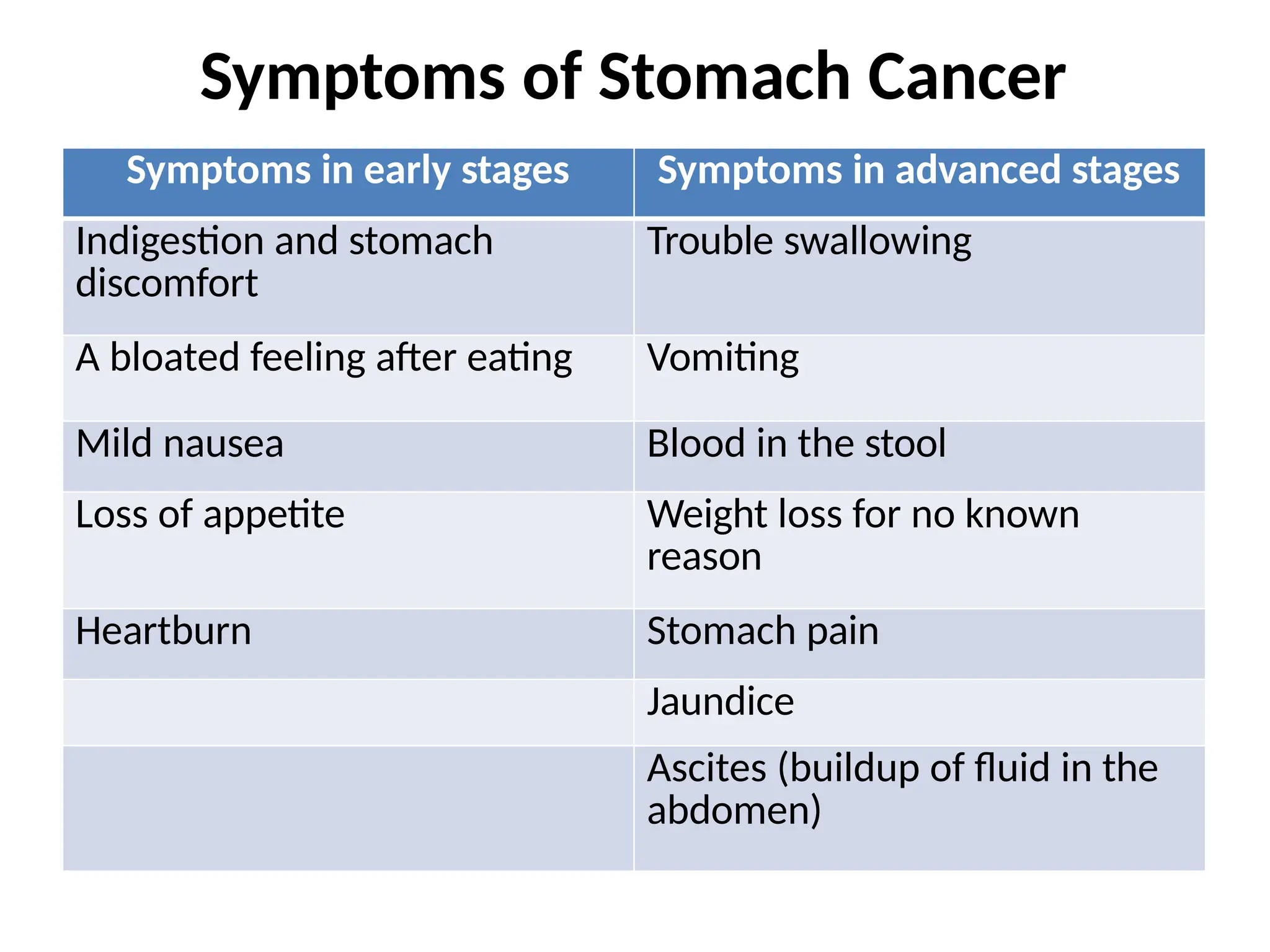
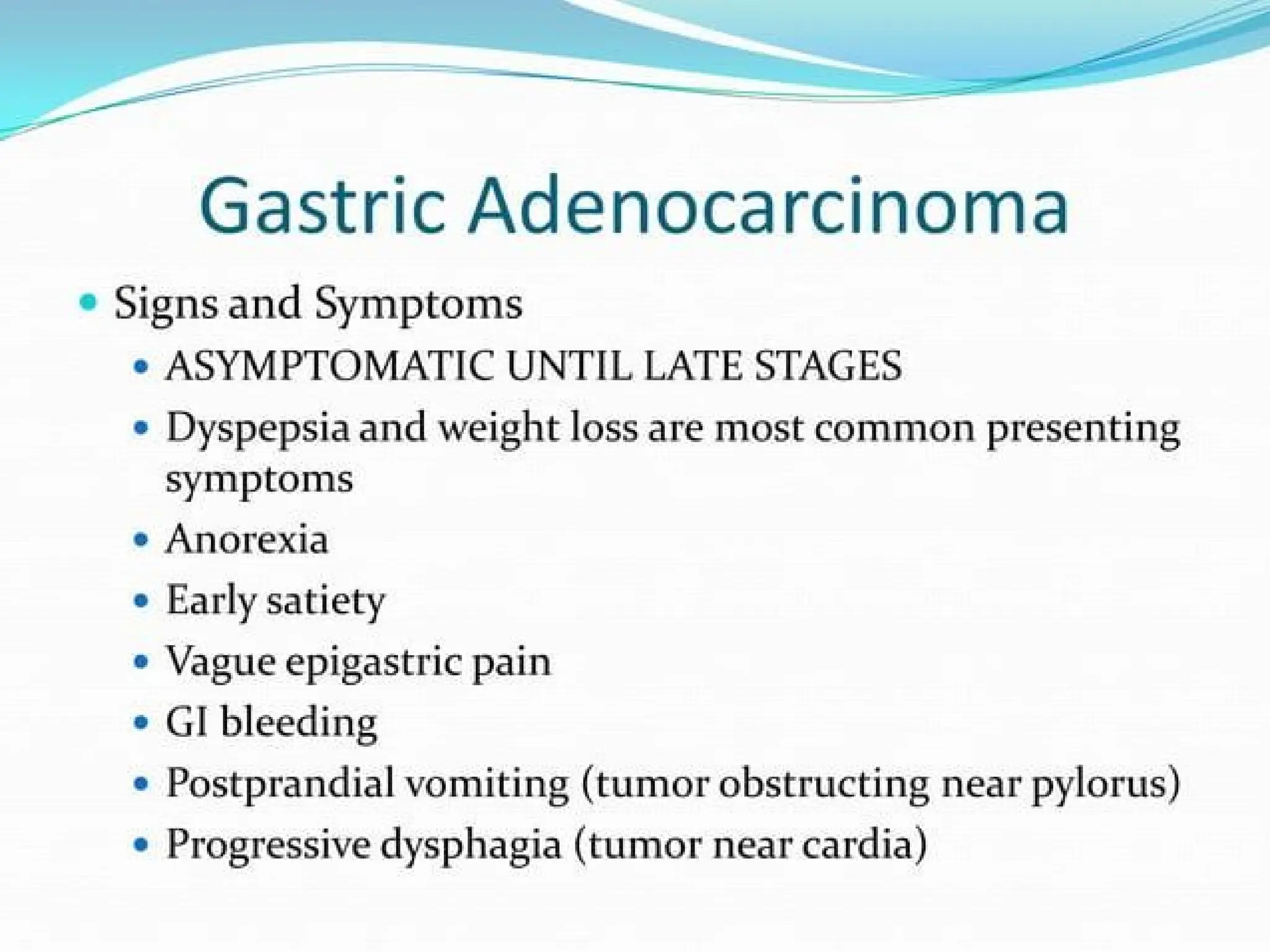
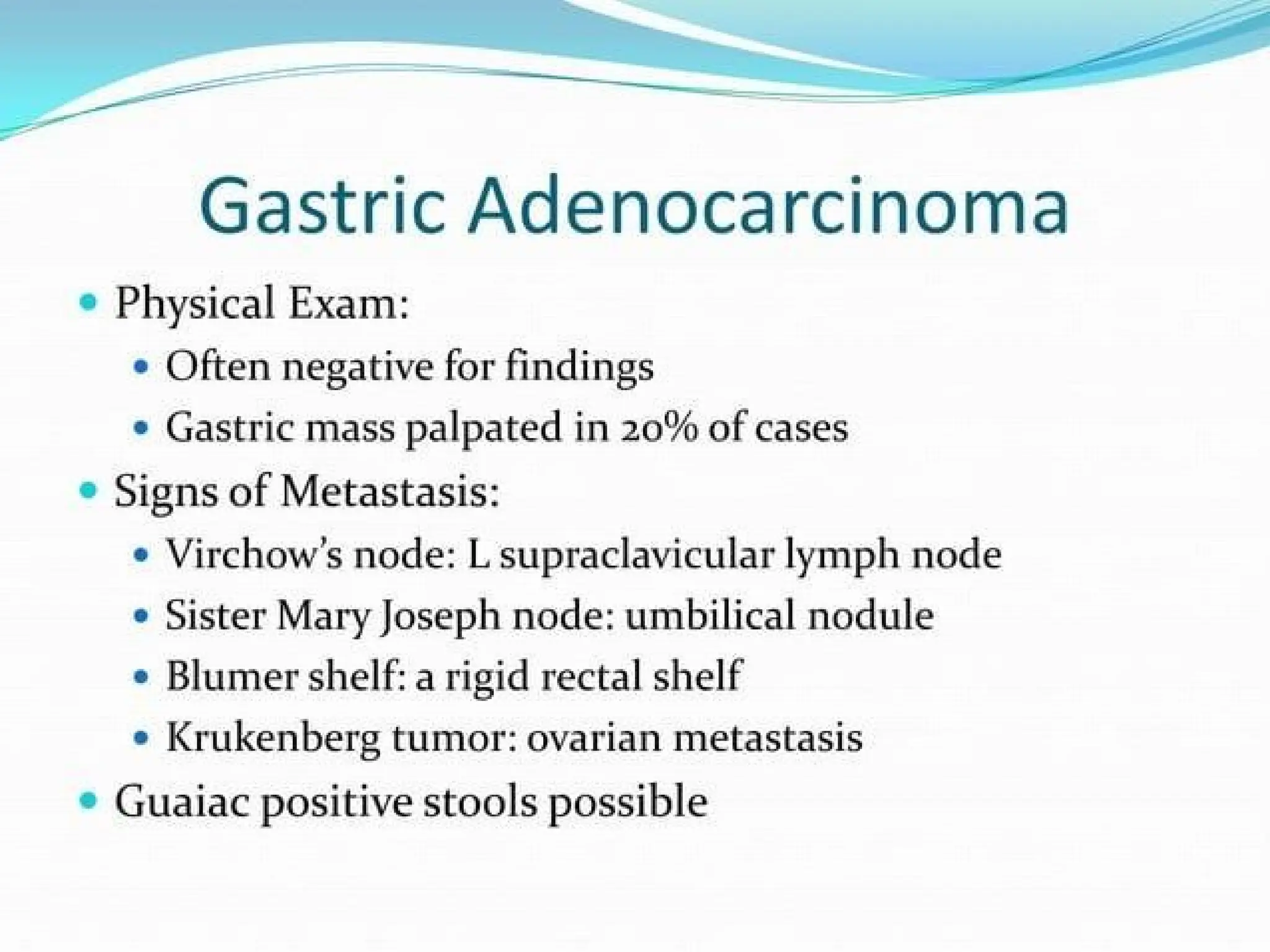
The symptoms relate to the organ affected and can include obstruction (leading to difficulty swallowing or defecating), abnormal bleeding or other associated problems.
The treatment depends on the location of the tumor, as well as the type of cancer cell.
These cancer can arise anywhere in the GI tract.
Gastrointestinal cancer refers to malignant conditions of
the Gastrointestinal tract.
GI cancers do not discriminate between men and women.
The symptoms relate to the organ affected and can include obstruction (leading to difficulty swallowing or defecating), abnormal bleeding or other associated problems.
The treatment depends on the location of the tumor, as well as the type of cancer cell.
These cancer can arise anywhere in the GI tract.
Gastrointestinal cancer refers to malignant conditions of
the Gastrointestinal tract.
GI cancers do not discriminate between men and women.
The symptoms relate to the organ affected and can include obstruction (leading to difficulty swallowing or defecating), abnormal bleeding or other associated problems.
The treatment depends on the location of the tumor, as well as the type of cancer cell.
These cancer can arise anywhere in the GI tract.
Gastrointestinal cancer refers to malignant conditions of
the Gastrointestinal tract.
GI cancers do not discriminate between men and women.
The symptoms relate to the organ affected and can include obstruction (leading to difficulty swallowing or defecating), abnormal bleeding or other associated problems.
The treatment depends on the location of the tumor, as well as the type of cancer cell.
These cancer can arise anywhere in the GI tract.
Gastrointestinal cancer refers to malignant conditions of
the Gastrointestinal tract.
GI cancers do not discriminate between men and women.
The symptoms relate to the organ affected and can include obstruction (leading to difficulty swallowing or defecating), abnormal bleeding or other associated problems.
The treatment depends on the location of the tumor, as well as the type of cancer cell.
These cancer can arise anywhere in the GI tract.
Gastrointestinal cancer refers to malignant conditions of
the Gastrointestinal tract.
GI cancers do not discriminate between men and women.
The symptoms relate to the organ affected and can include obstruction (leading to difficulty swallowing or defecating), abnormal bleeding or other associated problems.
The treatment depends on the location of the tumor, as well as the type of cancer cell.
These cancer can arise anywhere in the GI tract.
Gastrointestinal cancer refers to malignant conditions of
the Gastrointestinal tract.
GI cancers do not discriminate between men and women.
The symptoms relate to the organ affected and can include obstruction (leading to difficulty swallowing or defecating), abnormal bleeding or other associated problems.
Th









![Health 10 Ppt[1]. Stomach Cancer](https://cdn.slidesharecdn.com/ss_thumbnails/health10ppt1-stomachcancer-091223081620-phpapp02-thumbnail.jpg?width=640&height=640&fit=bounds)


