Finding a spark
“Think left and think right and think low
  and think high. Oh, the thinks you can
  think up if only you try!”
Objectives
You will….
• Increase confidence in using ‘sparks’.
• Share your own ‘sparks’.
• Learn some effective teaching techniques.
What is a spark?
• A small piece of information, stimulus or
  challenge. (Salmon, 2011)
• Something that promotes a dialogue.
• Something to unleash the imagination.
• Something which engages and motivates
  students to participate and become
  involved.
• Ex. Short video clips, images, art, music,
  comics. (The internet is rich with sparks)
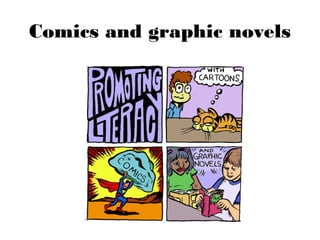
Comics and graphic novels
How do you use comics effectively?
• Comic Jigsaw-find the text to match the
  picture.
• Fill in the text – Generate text based on
  the picture. Then act it out.
• Fill in the picture- Generate pictures based
  on the text.
• Put the panels in order – Cut up the
  panels and Ss have to put them together.
• Create an original comic- Give a theme.
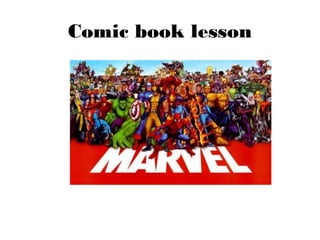
Comic book lesson
Music
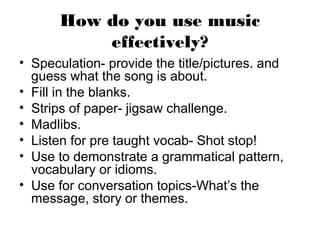
How do you use music
           effectively?
• Speculation- provide the title/pictures. and
  guess what the song is about.
• Fill in the blanks.
• Strips of paper- jigsaw challenge.
• Madlibs.
• Listen for pre taught vocab- Shot stop!
• Use to demonstrate a grammatical pattern,
  vocabulary or idioms.
• Use for conversation topics-What’s the
  message, story or themes.
Music Lesson
Lyrics Jigsaw
(Kinetic typography)
Music Review
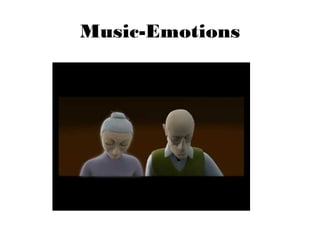
Music-Emotions
The X Factor
Video
Why use videos in the
             classroom?
•Brings some life and energy into the classroom.
•Makes classes more lively and interesting.
•Provides authentic material –
 Presenting real language in context.
•Visuals can motivate students.
•They can be chosen to suit the learners environment .
A Picture Paints a Thousand
           Words
Why use images in the
         classroom?
• “Images speak to us. They give rise to
  outbursts of emotion, thought, and
  curiosity. They bring back memories
  and remind us of the experiences we
  have had. Image refreshes the parts of
  the brain that words alone fail to
  reach.” (Keddie, 2009)
The power of images
• The whole learning experience is more
  memorable and productive.
• Language can be extracted from images.
• They can engage, stir up curiosity, provide
  inspiration and motivation.
Newspaper images


•   What do you see?
•   Where is it?
•   What’s happening?
•   Choose a date. Match story with picture.
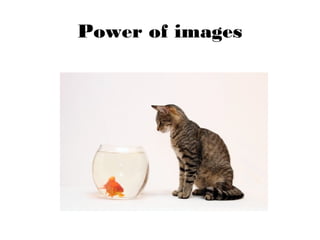
Power of images
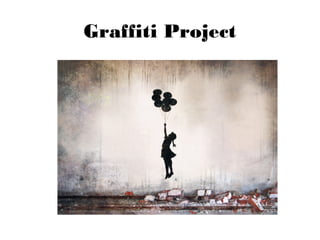
Graffiti Project
Project Runway
Find a Spark!
• When planning your lesson always
  consider:
• How can this activity be enhanced,
  improved, strengthened and become
  more memorable to my students
  through incorporating a spark?
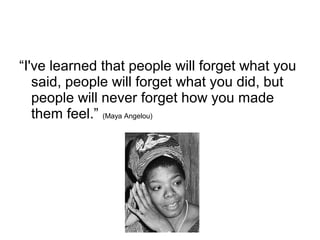
“I've learned that people will forget what you
   said, people will forget what you did, but
   people will never forget how you made
   them feel.” (Maya Angelou)
Best of luck! Have fun!


   e.mail- andywebster79@gmail.com
   Scoop it - http://www.scoop.it/t/esl-sparks
References
•   Keddie, J. (2009). Images. OUP
•   Salmon, G. (2011). E-Moderating: The Key to Online Teaching and Learning.
    Routledge.

Finding a spark

  • 1.
  • 2.
    “Think left andthink right and think low and think high. Oh, the thinks you can think up if only you try!”
  • 3.
    Objectives You will…. • Increaseconfidence in using ‘sparks’. • Share your own ‘sparks’. • Learn some effective teaching techniques.
  • 4.
    What is aspark? • A small piece of information, stimulus or challenge. (Salmon, 2011) • Something that promotes a dialogue. • Something to unleash the imagination. • Something which engages and motivates students to participate and become involved. • Ex. Short video clips, images, art, music, comics. (The internet is rich with sparks)
  • 5.
  • 6.
    How do youuse comics effectively? • Comic Jigsaw-find the text to match the picture. • Fill in the text – Generate text based on the picture. Then act it out. • Fill in the picture- Generate pictures based on the text. • Put the panels in order – Cut up the panels and Ss have to put them together. • Create an original comic- Give a theme.
  • 7.
  • 8.
  • 9.
    How do youuse music effectively? • Speculation- provide the title/pictures. and guess what the song is about. • Fill in the blanks. • Strips of paper- jigsaw challenge. • Madlibs. • Listen for pre taught vocab- Shot stop! • Use to demonstrate a grammatical pattern, vocabulary or idioms. • Use for conversation topics-What’s the message, story or themes.
  • 10.
  • 11.
  • 12.
  • 13.
  • 14.
  • 15.
  • 16.
    Why use videosin the classroom? •Brings some life and energy into the classroom. •Makes classes more lively and interesting. •Provides authentic material – Presenting real language in context. •Visuals can motivate students. •They can be chosen to suit the learners environment .
  • 18.
    A Picture Paintsa Thousand Words
  • 19.
    Why use imagesin the classroom? • “Images speak to us. They give rise to outbursts of emotion, thought, and curiosity. They bring back memories and remind us of the experiences we have had. Image refreshes the parts of the brain that words alone fail to reach.” (Keddie, 2009)
  • 20.
    The power ofimages • The whole learning experience is more memorable and productive. • Language can be extracted from images. • They can engage, stir up curiosity, provide inspiration and motivation.
  • 21.
    Newspaper images • What do you see? • Where is it? • What’s happening? • Choose a date. Match story with picture.
  • 22.
  • 23.
  • 24.
  • 25.
    Find a Spark! •When planning your lesson always consider: • How can this activity be enhanced, improved, strengthened and become more memorable to my students through incorporating a spark?
  • 26.
    “I've learned thatpeople will forget what you said, people will forget what you did, but people will never forget how you made them feel.” (Maya Angelou)
  • 27.
    Best of luck!Have fun! e.mail- andywebster79@gmail.com Scoop it - http://www.scoop.it/t/esl-sparks
  • 28.
    References • Keddie, J. (2009). Images. OUP • Salmon, G. (2011). E-Moderating: The Key to Online Teaching and Learning. Routledge.