Richard Zijdeman
Examples of digital history
at the IISH
2015-10-30, IISH, Amsterdam
Moreover, scale notwithstanding, digitisation
is about selection and thus far from neutral.
Zaagsma (2013, p.20)
2
So why do we do it?
… because for quite a range of questions,
digitization is key to go move away from biased source selection
3
Clio-Infra
•  all countries in the world
•  1500-today
•  various indicators: economic, health, environmental
•  multiple and overlapping sources for some of the indicators
•  link: https://www.clio-infra.eu/
4
5
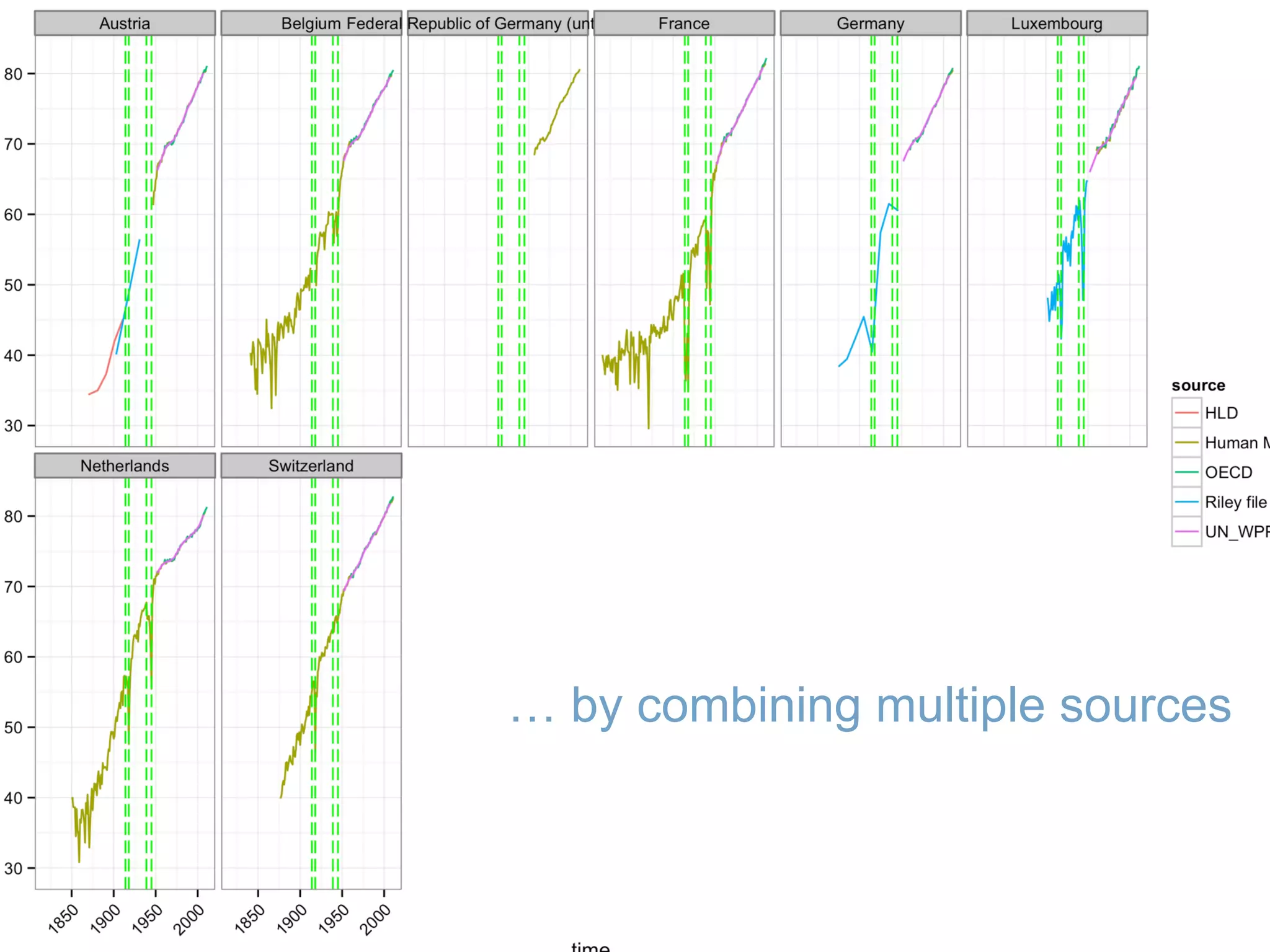
… by combining multiple sources
6
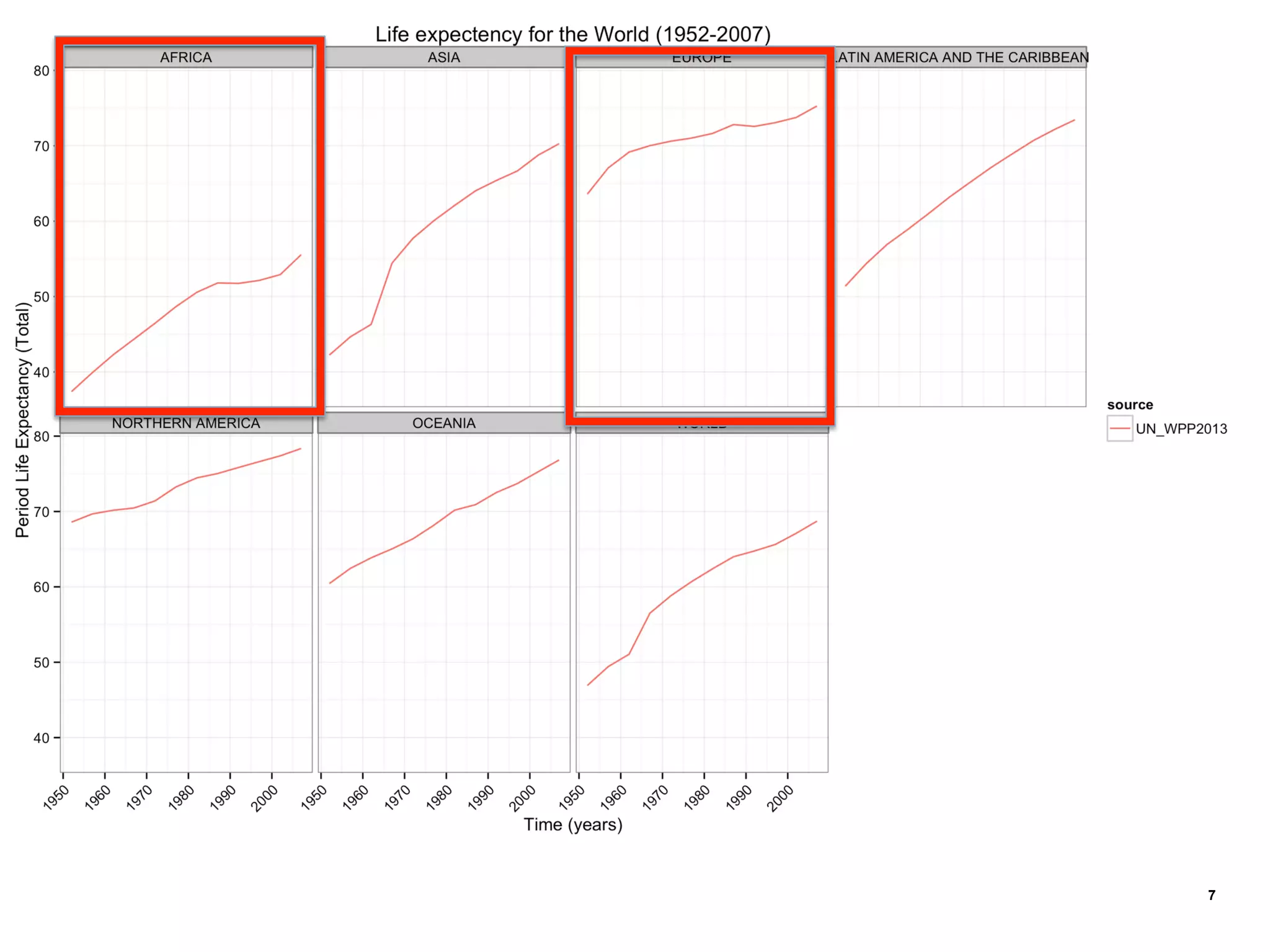
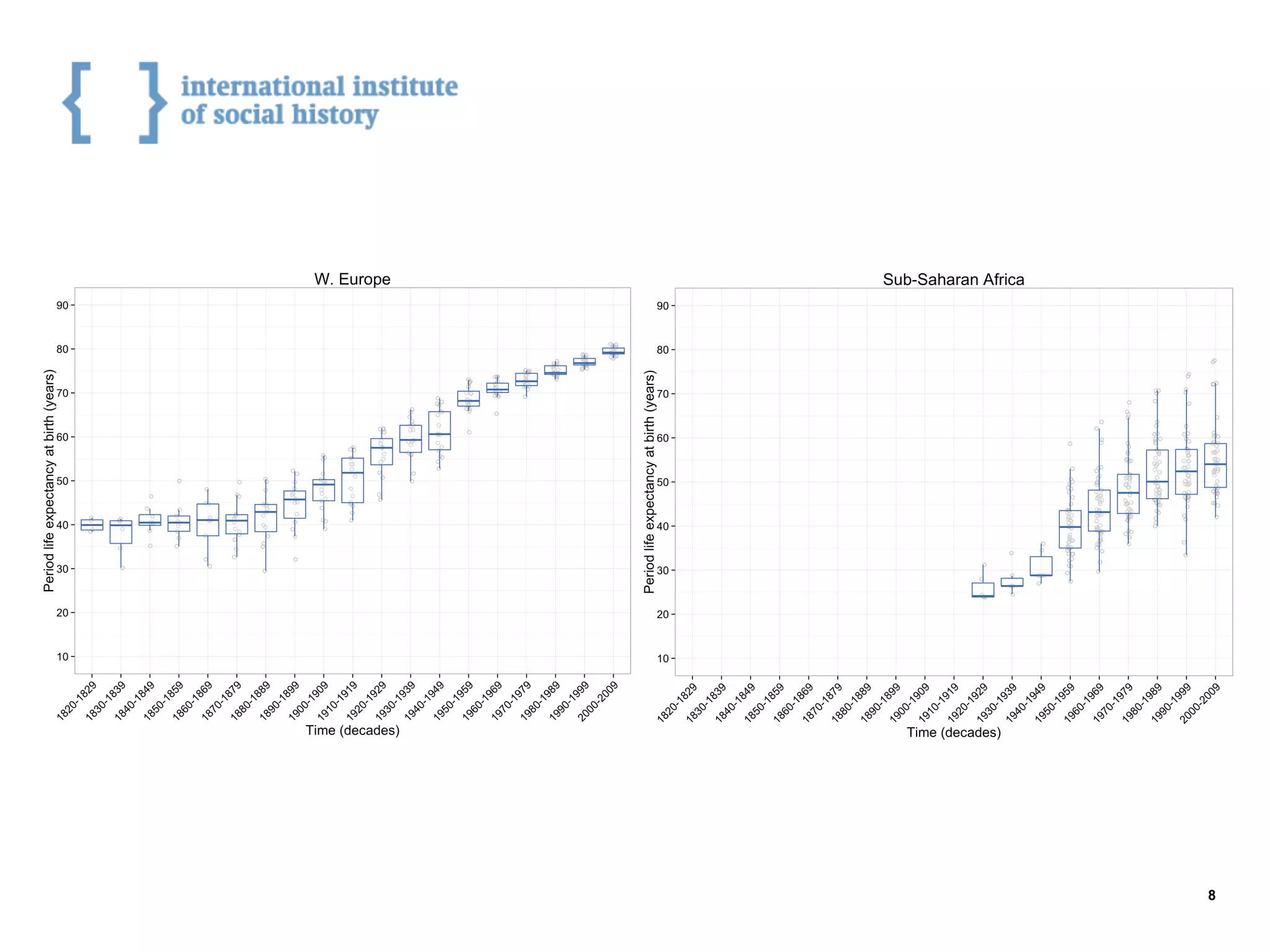
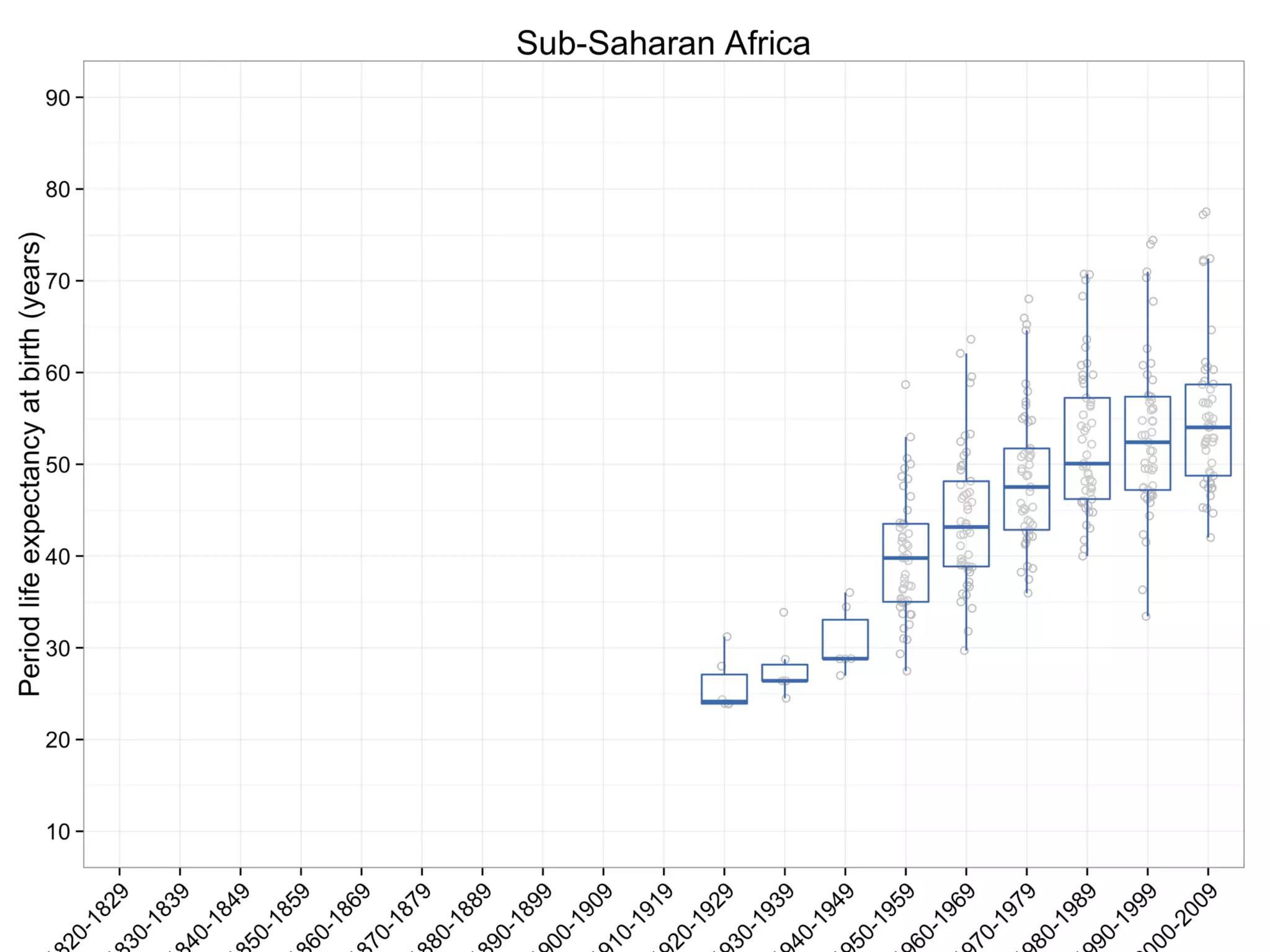
… and by moving away from
the mean for everything
7
8
9
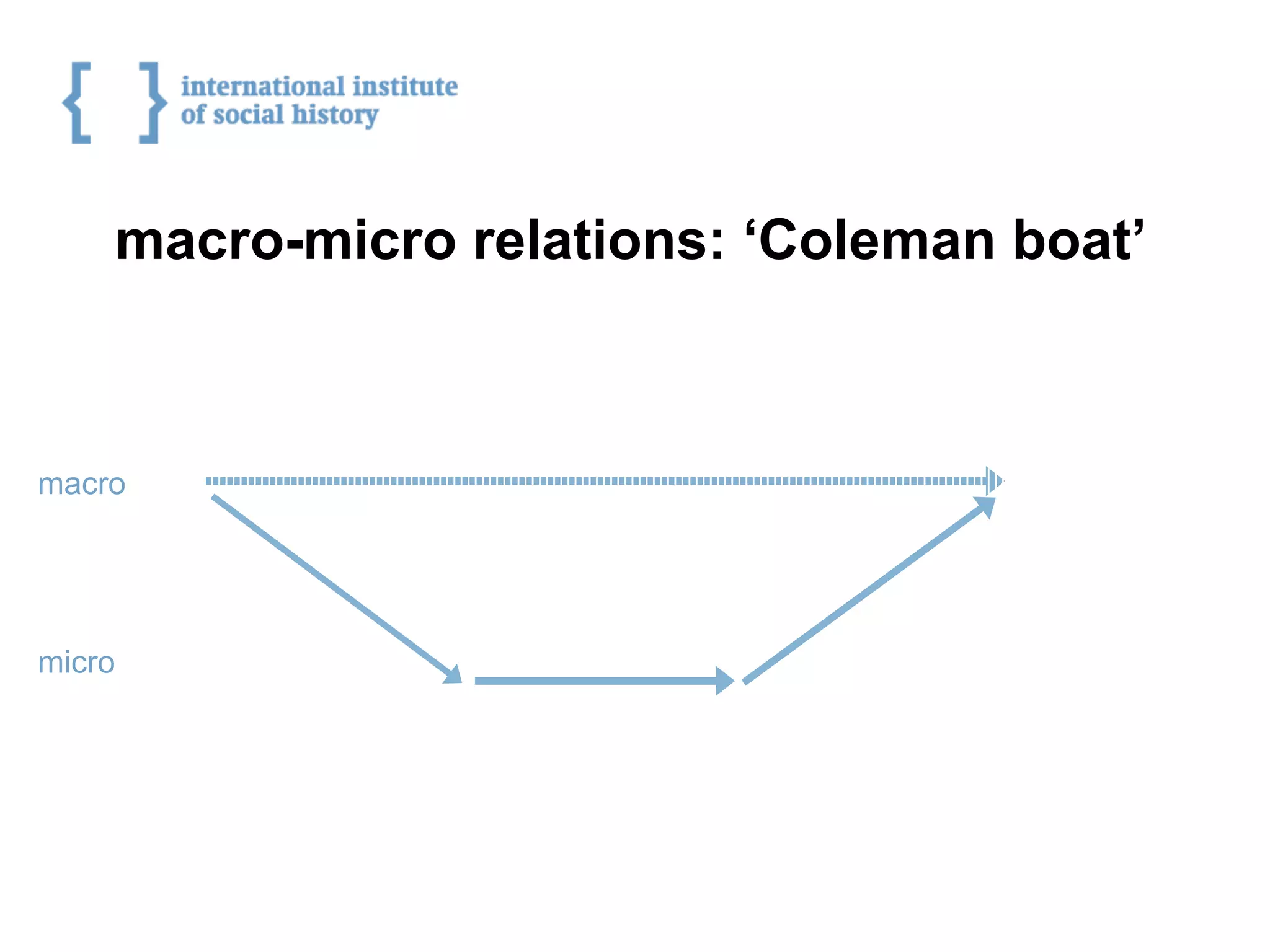
macro
micro
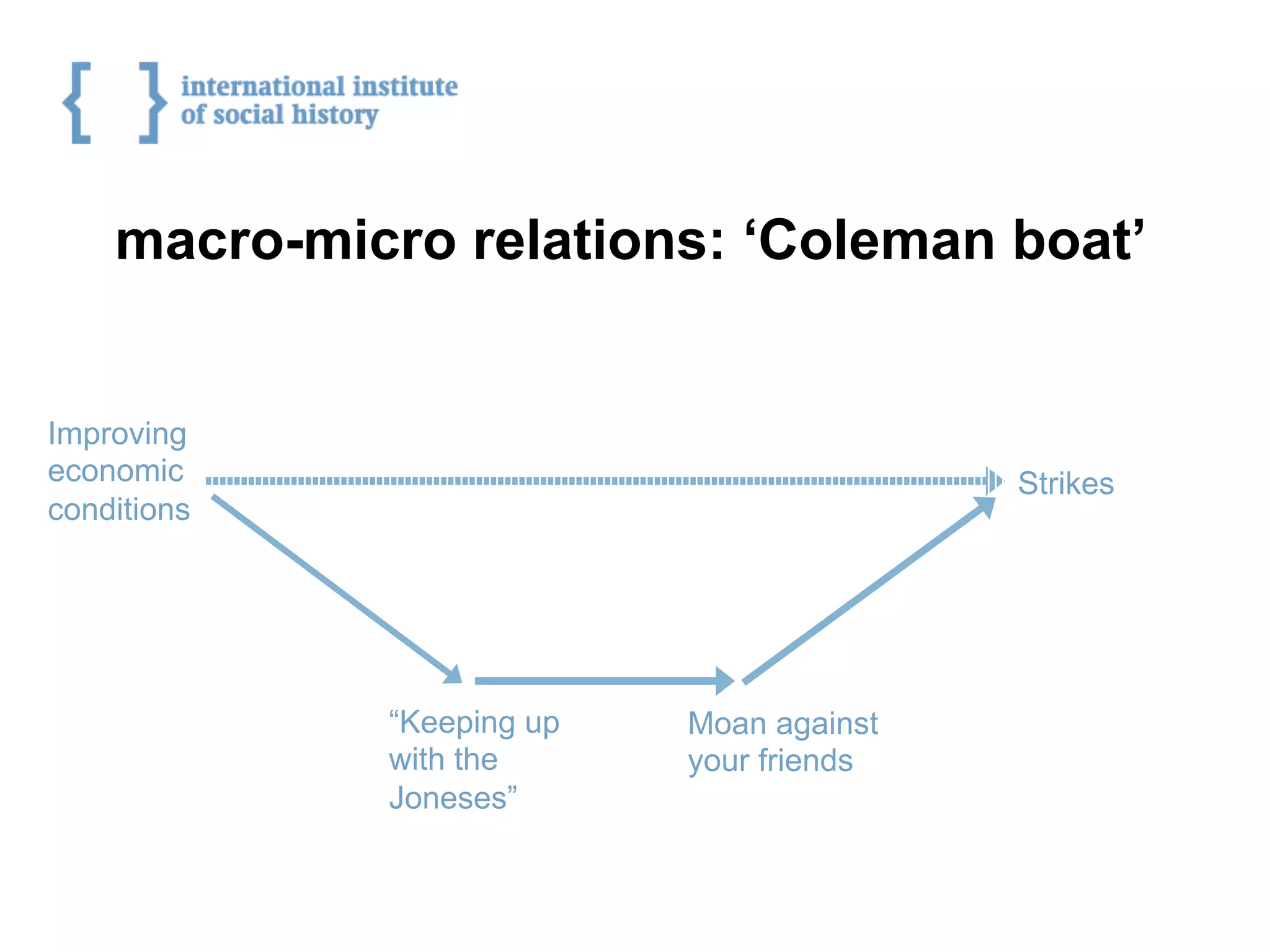
macro-micro relations: ‘Coleman boat’
“Keeping up
with the
Joneses”
macro-micro relations: ‘Coleman boat’
Improving
economic
conditions
Strikes
Moan against
your friends
So why do we do it?
… because it allows for new ways to
incorporate historical contexts
12
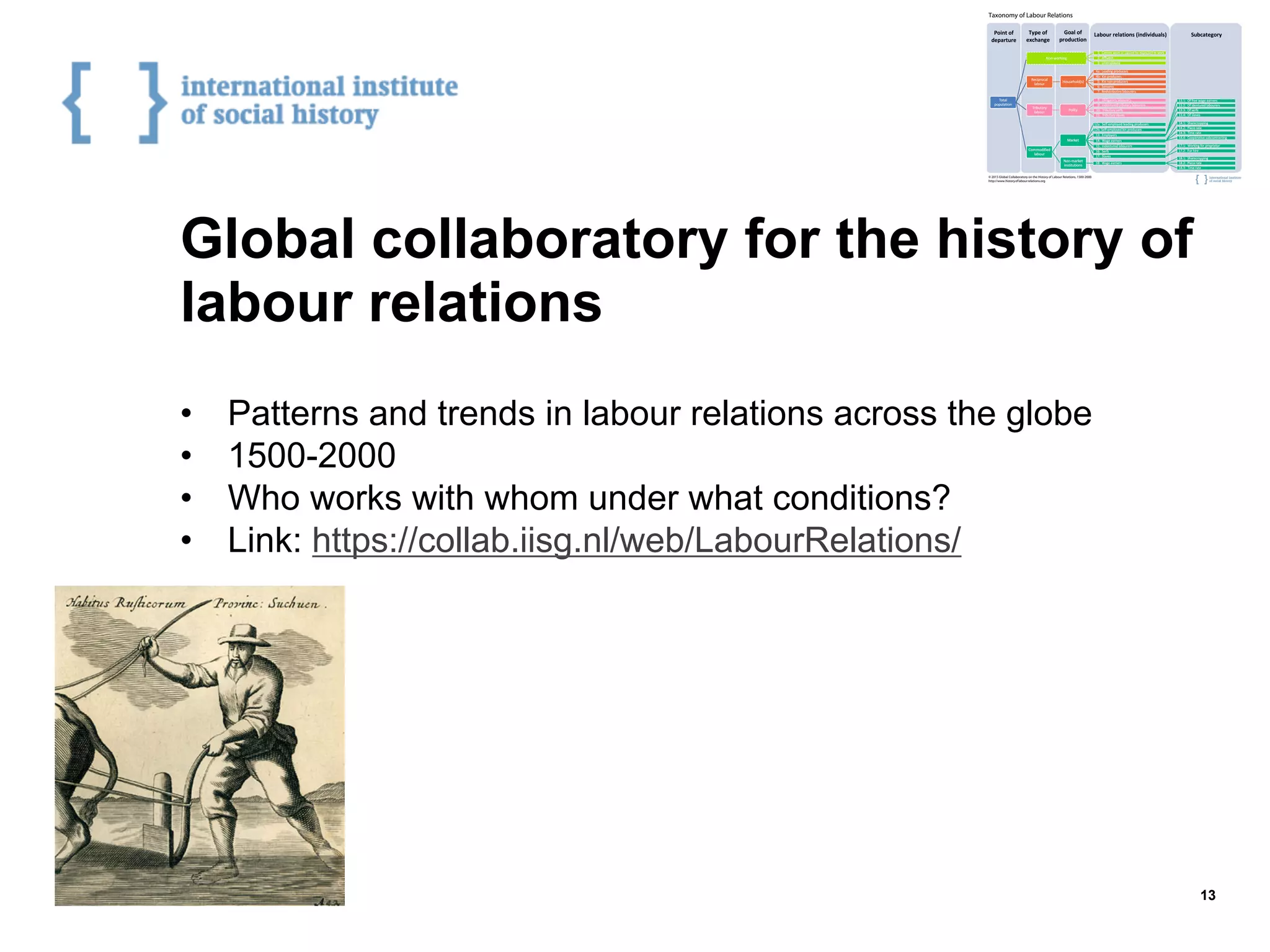
Global collaboratory for the history of
labour relations
•  Patterns and trends in labour relations across the globe
•  1500-2000
•  Who works with whom under what conditions?
•  Link: https://collab.iisg.nl/web/LabourRelations/
13
So why do we do it?
… because there does not need to be bias in digitization
14
Historical Sample of the Netherlands
-  random sample of person’s birth records (1812-1922)
-  78000 individuals
-  certificates of birth, marriage and death
-  population registers
15
So why do we do it?
… because visualization helps to
summarize and provides new insights
16
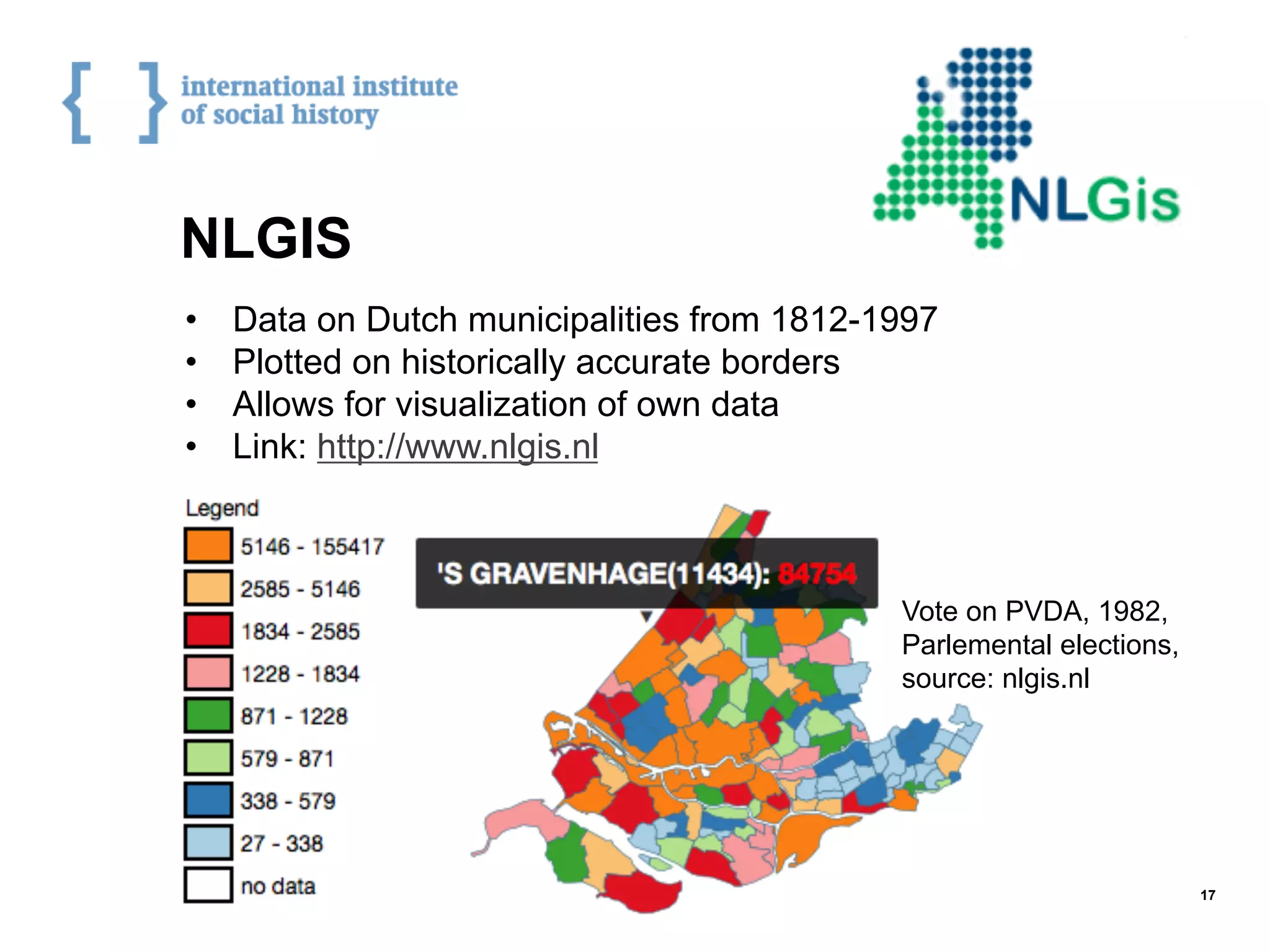
NLGIS
•  Data on Dutch municipalities from 1812-1997
•  Plotted on historically accurate borders
•  Allows for visualization of own data
•  Link: http://www.nlgis.nl
17
Vote on PVDA, 1982,
Parlemental elections,
source: nlgis.nl
So why do we do it?
… because it raises new questions
18
19
20
Common Lab Research Infrastructure for the Arts and Humanities
•  link textual, audio-visual and structured data
•  tools to transpose your data into ‘linked data’
•  visualize your data
•  link: http://www.clariah.nl
CLARIAH
So why do we do it?
… in support of ‘traditional’ history
21
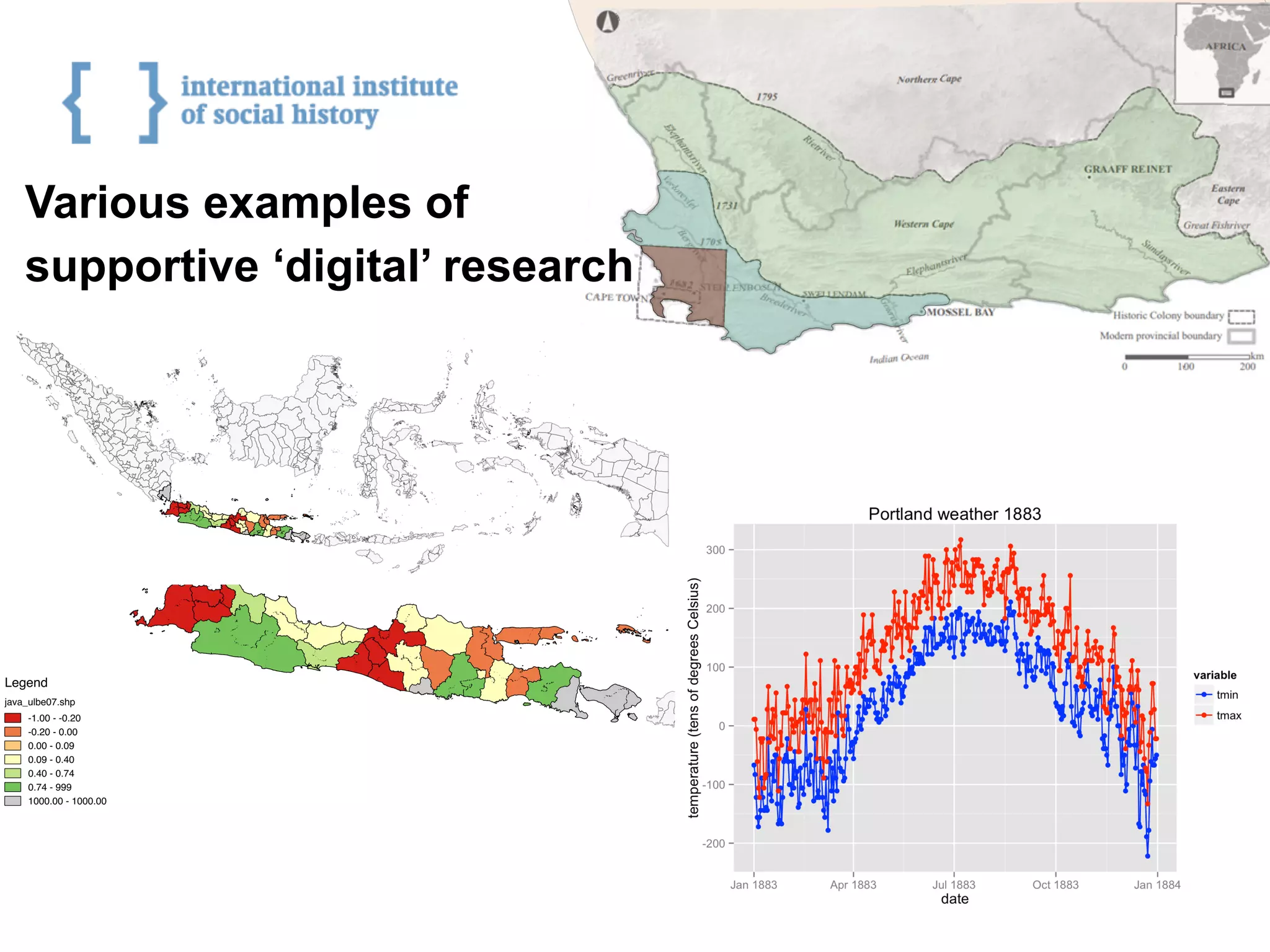
Various examples of
supportive ‘digital’ research
22
So to sum up, we do digital history
because:
•  Deals source selection
•  Appreciates historical variation (beyond the mean)
•  Allow for studies within historical context
•  Provides new questions
•  Supports ‘traditional’ history
23
Thank you
richard.zijdeman AT iisg.nl
24

Examples of digital history at the IISH

  • 1.
    Richard Zijdeman Examples ofdigital history at the IISH 2015-10-30, IISH, Amsterdam
  • 2.
    Moreover, scale notwithstanding,digitisation is about selection and thus far from neutral. Zaagsma (2013, p.20) 2
  • 3.
    So why dowe do it? … because for quite a range of questions, digitization is key to go move away from biased source selection 3
  • 4.
    Clio-Infra •  all countriesin the world •  1500-today •  various indicators: economic, health, environmental •  multiple and overlapping sources for some of the indicators •  link: https://www.clio-infra.eu/ 4
  • 5.
    5 … by combiningmultiple sources
  • 6.
    6 … and bymoving away from the mean for everything
  • 7.
  • 8.
  • 9.
  • 10.
  • 11.
    “Keeping up with the Joneses” macro-microrelations: ‘Coleman boat’ Improving economic conditions Strikes Moan against your friends
  • 12.
    So why dowe do it? … because it allows for new ways to incorporate historical contexts 12
  • 13.
    Global collaboratory forthe history of labour relations •  Patterns and trends in labour relations across the globe •  1500-2000 •  Who works with whom under what conditions? •  Link: https://collab.iisg.nl/web/LabourRelations/ 13
  • 14.
    So why dowe do it? … because there does not need to be bias in digitization 14
  • 15.
    Historical Sample ofthe Netherlands -  random sample of person’s birth records (1812-1922) -  78000 individuals -  certificates of birth, marriage and death -  population registers 15
  • 16.
    So why dowe do it? … because visualization helps to summarize and provides new insights 16
  • 17.
    NLGIS •  Data onDutch municipalities from 1812-1997 •  Plotted on historically accurate borders •  Allows for visualization of own data •  Link: http://www.nlgis.nl 17 Vote on PVDA, 1982, Parlemental elections, source: nlgis.nl
  • 18.
    So why dowe do it? … because it raises new questions 18
  • 19.
  • 20.
    20 Common Lab ResearchInfrastructure for the Arts and Humanities •  link textual, audio-visual and structured data •  tools to transpose your data into ‘linked data’ •  visualize your data •  link: http://www.clariah.nl CLARIAH
  • 21.
    So why dowe do it? … in support of ‘traditional’ history 21
  • 22.
    Various examples of supportive‘digital’ research 22
  • 23.
    So to sumup, we do digital history because: •  Deals source selection •  Appreciates historical variation (beyond the mean) •  Allow for studies within historical context •  Provides new questions •  Supports ‘traditional’ history 23
  • 24.