Methylation of FKBP5 among Preschoolers with Adversity: Links with Domestic Violence
Stephanie H. Paradeab, Kathryn K. Ridoutac, Kantoniony Rabemananjarab, Ronald Seiferab, Carmen J. Marsitd, Audrey R. Tyrkaac
Alpert Medical School of Brown Universitya, E. P. Bradley Hospitalb, Butler Hospitalc , Geisel School of Medicine at Dartmouthd
Methods ResultsIntroduction
Measures
Childhood Adversity (including DV exposure): Synthesis of three
sources used to assess child exposure to early adversity, including
exposure to DV and other forms of childhood maltreatment
• Review of child protection records (Barnett et al., 1993)
• Semi-structured interviews in the home (Scheeringa & Haslett,
2010; Tyrka et al., 2015)
• Conflict Tactics Scales (Straus & Douglas, 2004)
FKBP5 Methylation:
• Saliva —DNA, Oragene DNA collection kits
• Methylation via Bisulfite Pyrosequencing
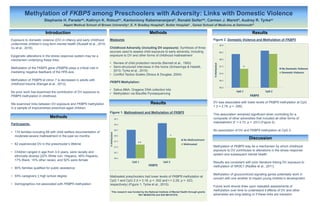
Figure 1. Maltreatment and Methylation of FKBP5
Maltreated preschoolers had lower levels of FKBP5 methylation at
CpG 1 and CpG 2 (t = 3.16, p = .002 and t = 2.29, p = .023,
respectively) (Figure 1, Tyrka et al., 2015).
This research was funded by the National Institute of Mental Health through grants
R01 MH083704 and R25 MH101076.
Exposure to domestic violence (DV) in infancy and early childhood
undermines children’s long term mental health (Russell et al., 2010;
Vu et al., 2016).
Epigenetic alterations in the stress response system may be a
mechanism underlying these links.
Methylation of the FKBP5 gene (FKBP5) plays a critical role in
mediating negative feedback of the HPA axis.
Methylation of FKBP5 at intron 7 is decreased in adults with
childhood trauma (Klengel et al., 2013).
No prior work has examined the contribution of DV exposure to
FKBP5 methylation in childhood.
We examined links between DV exposure and FKBP5 methylation
in a sample of impoverished preschool-aged children.
Participants:
• 174 families including 69 with child welfare documentation of
moderate-severe maltreatment in the past six months
• 62 experienced DV in the preschooler’s lifetime
• Children ranged in age from 3-5 years, were racially and
ethnically diverse (22% White non- Hispanic, 46% Hispanic,
17% Black, 15% other races), and 52% were female
• 90% families qualified for public assistance
• 55% caregivers < high school degree
• Demographics not associated with FKBP5 methylation
Methods
Discussion
Figure 2. Domestic Violence and Methylation of FKBP5
DV was associated with lower levels of FKBP5 methylation at CpG
1 (t = 2.79, p = .006).
This association remained significant when controlling for a
composite of other adversities that included all other forms of
maltreatment (F = 4.73, p = .031) (Figure 2).
No association of DV and FKBP5 methylation at CpG 2.
Methylation of FKBP5 may be a mechanism by which childhood
exposure to DV contributes to alterations in the stress response
system and subsequent mental health.
Results are consistent with prior literature linking DV exposure to
methylation of NR3C1 (Radtke et al., 2011).
Methylation of glucocorticoid signaling genes potentially work in
concert with one another to impact young children’s development.
Future work should draw upon repeated assessments of
methylation over time to understand if effects of DV and other
adversities are long-lasting or if these links are transient.
86.0
86.5
87.0
87.5
88.0
88.5
89.0
89.5
CpG 1 CpG 2
%Methylated
FKBP5
No Maltreatment
Maltreated**
*
Results
86.0
86.5
87.0
87.5
88.0
88.5
89.0
CpG 1 CpG 2
%Methylated
FKBP5
No Domestic Violence
Domestic Violence
*

DV Epi 052416

  • 1.
    Methylation of FKBP5among Preschoolers with Adversity: Links with Domestic Violence Stephanie H. Paradeab, Kathryn K. Ridoutac, Kantoniony Rabemananjarab, Ronald Seiferab, Carmen J. Marsitd, Audrey R. Tyrkaac Alpert Medical School of Brown Universitya, E. P. Bradley Hospitalb, Butler Hospitalc , Geisel School of Medicine at Dartmouthd Methods ResultsIntroduction Measures Childhood Adversity (including DV exposure): Synthesis of three sources used to assess child exposure to early adversity, including exposure to DV and other forms of childhood maltreatment • Review of child protection records (Barnett et al., 1993) • Semi-structured interviews in the home (Scheeringa & Haslett, 2010; Tyrka et al., 2015) • Conflict Tactics Scales (Straus & Douglas, 2004) FKBP5 Methylation: • Saliva —DNA, Oragene DNA collection kits • Methylation via Bisulfite Pyrosequencing Figure 1. Maltreatment and Methylation of FKBP5 Maltreated preschoolers had lower levels of FKBP5 methylation at CpG 1 and CpG 2 (t = 3.16, p = .002 and t = 2.29, p = .023, respectively) (Figure 1, Tyrka et al., 2015). This research was funded by the National Institute of Mental Health through grants R01 MH083704 and R25 MH101076. Exposure to domestic violence (DV) in infancy and early childhood undermines children’s long term mental health (Russell et al., 2010; Vu et al., 2016). Epigenetic alterations in the stress response system may be a mechanism underlying these links. Methylation of the FKBP5 gene (FKBP5) plays a critical role in mediating negative feedback of the HPA axis. Methylation of FKBP5 at intron 7 is decreased in adults with childhood trauma (Klengel et al., 2013). No prior work has examined the contribution of DV exposure to FKBP5 methylation in childhood. We examined links between DV exposure and FKBP5 methylation in a sample of impoverished preschool-aged children. Participants: • 174 families including 69 with child welfare documentation of moderate-severe maltreatment in the past six months • 62 experienced DV in the preschooler’s lifetime • Children ranged in age from 3-5 years, were racially and ethnically diverse (22% White non- Hispanic, 46% Hispanic, 17% Black, 15% other races), and 52% were female • 90% families qualified for public assistance • 55% caregivers < high school degree • Demographics not associated with FKBP5 methylation Methods Discussion Figure 2. Domestic Violence and Methylation of FKBP5 DV was associated with lower levels of FKBP5 methylation at CpG 1 (t = 2.79, p = .006). This association remained significant when controlling for a composite of other adversities that included all other forms of maltreatment (F = 4.73, p = .031) (Figure 2). No association of DV and FKBP5 methylation at CpG 2. Methylation of FKBP5 may be a mechanism by which childhood exposure to DV contributes to alterations in the stress response system and subsequent mental health. Results are consistent with prior literature linking DV exposure to methylation of NR3C1 (Radtke et al., 2011). Methylation of glucocorticoid signaling genes potentially work in concert with one another to impact young children’s development. Future work should draw upon repeated assessments of methylation over time to understand if effects of DV and other adversities are long-lasting or if these links are transient. 86.0 86.5 87.0 87.5 88.0 88.5 89.0 89.5 CpG 1 CpG 2 %Methylated FKBP5 No Maltreatment Maltreated** * Results 86.0 86.5 87.0 87.5 88.0 88.5 89.0 CpG 1 CpG 2 %Methylated FKBP5 No Domestic Violence Domestic Violence *