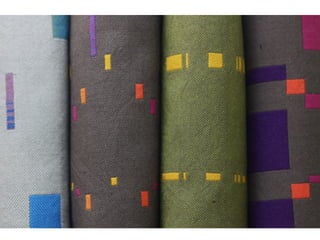
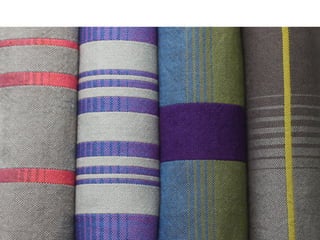
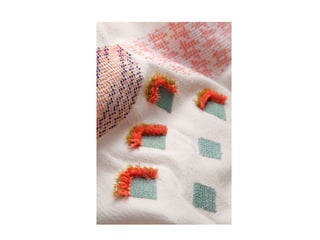
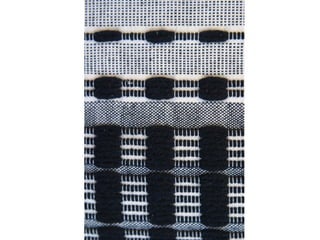
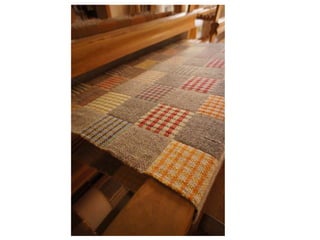
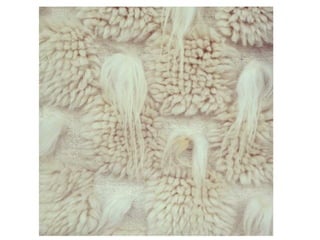
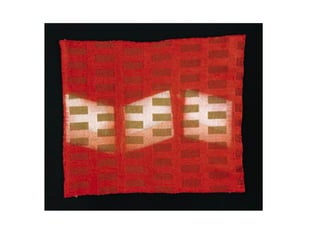
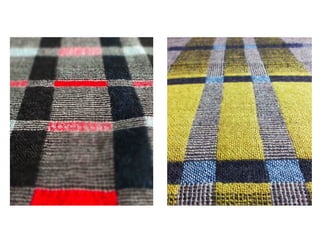
Doubleweave	
  Block	
  
•  Gunta	
  Stölzl’s	
  proposal	
  for	
  a	
  double-­‐weave	
  tex<le	
  is,	
  in	
  its	
  play	
  with	
  color	
  
and	
  form,	
  characteris<c	
  of	
  the	
  ar<st’s	
  prolific	
  output	
  during	
  her	
  tenure	
  at	
  
the	
  famed	
  Bauhaus	
  school.	
  An	
  excellent	
  illustra<on	
  of	
  the	
  Bauhaus’s	
  
mission	
  to	
  marry	
  craF	
  and	
  the	
  fine	
  arts,	
  this	
  sugges<ve	
  study—painted	
  in	
  
fluid	
  blocks	
  of	
  watercolor	
  and	
  seemingly	
  tossed	
  off—expresses	
  a	
  
spontaneity	
  not	
  oFen	
  associated	
  with	
  the	
  actual	
  produc<on	
  of	
  tex<les.	
  
Referred	
  to	
  as	
  croquis,	
  from	
  the	
  French	
  word	
  for	
  sketch,	
  such	
  drawings	
  
long	
  served	
  to	
  delineate	
  loose	
  ideas.	
  If	
  deemed	
  worthy	
  of	
  industrial	
  
produc<on,	
  this	
  preliminary	
  ar<cula<on	
  would	
  be	
  translated	
  into	
  a	
  rigidly	
  
detailed,	
  hand-­‐drawn	
  draF	
  of	
  the	
  loom	
  set-­‐up	
  specifying	
  weave	
  structure	
  
and	
  color	
  choices,	
  followed	
  by	
  the	
  laborious	
  warping	
  of	
  the	
  loom	
  and	
  the	
  
<me-­‐consuming	
  weaving	
  process.	
  The	
  delicacy	
  of	
  this	
  watercolor	
  belies	
  
the	
  complexity	
  of	
  the	
  intended	
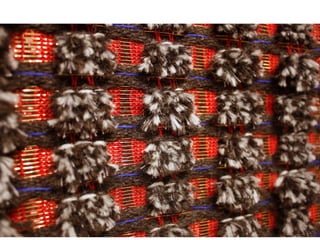
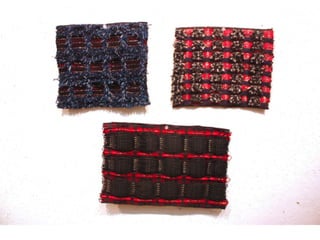
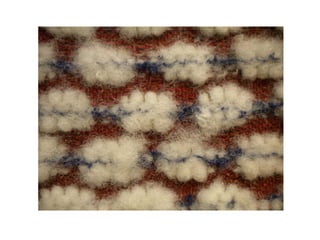
  double-­‐weave	
  technique,	
  signaled	
  by	
  
Stölzl’s	
  <tle	
  Doppelgewebe,	
  a	
  mul<-­‐layered	
  structure	
  that	
  simultaneously	
  
employs	
  two	
  sets	
  of	
  yarn	
  to	
  create	
  two	
  dis<nct	
  tex<le	
  surfaces	
  joined	
  
together	
  at	
  intervals.	
  
Doubleweave block
Doubleweave block
Doubleweave block
Doubleweave block
Doubleweave block
Doubleweave block
Doubleweave block
Doubleweave block
Doubleweave block
Doubleweave block
Doubleweave block
Doubleweave block
Doubleweave block
Doubleweave block
Doubleweave block
Doubleweave block
Doubleweave block
Doubleweave block
Doubleweave block
Doubleweave block
Doubleweave block
Doubleweave block
Doubleweave block
Doubleweave block
Doubleweave block
Doubleweave block
Doubleweave block
Doubleweave block
Doubleweave block

Doubleweave block

  • 1.
  • 8.
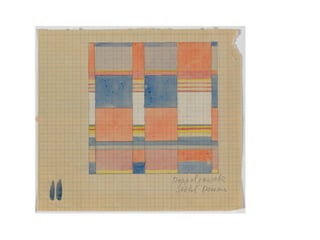
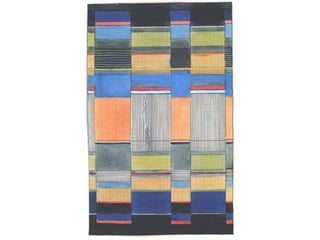
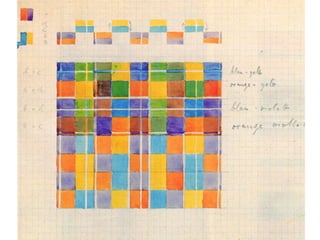
    •  Gunta  Stölzl’s  proposal  for  a  double-­‐weave  tex<le  is,  in  its  play  with  color   and  form,  characteris<c  of  the  ar<st’s  prolific  output  during  her  tenure  at   the  famed  Bauhaus  school.  An  excellent  illustra<on  of  the  Bauhaus’s   mission  to  marry  craF  and  the  fine  arts,  this  sugges<ve  study—painted  in   fluid  blocks  of  watercolor  and  seemingly  tossed  off—expresses  a   spontaneity  not  oFen  associated  with  the  actual  produc<on  of  tex<les.   Referred  to  as  croquis,  from  the  French  word  for  sketch,  such  drawings   long  served  to  delineate  loose  ideas.  If  deemed  worthy  of  industrial   produc<on,  this  preliminary  ar<cula<on  would  be  translated  into  a  rigidly   detailed,  hand-­‐drawn  draF  of  the  loom  set-­‐up  specifying  weave  structure   and  color  choices,  followed  by  the  laborious  warping  of  the  loom  and  the   <me-­‐consuming  weaving  process.  The  delicacy  of  this  watercolor  belies   the  complexity  of  the  intended  double-­‐weave  technique,  signaled  by   Stölzl’s  <tle  Doppelgewebe,  a  mul<-­‐layered  structure  that  simultaneously   employs  two  sets  of  yarn  to  create  two  dis<nct  tex<le  surfaces  joined   together  at  intervals.