A Comparison of Outcomes for
Lipid Emulsions in Total
Parenteral Nutrition Among
Home Infusion Patients
1
A Comparison of Outcomes for Lipid Emulsions in Total Parenteral Nutrition
Among Home Infusion Patients
Name

Institutional Affiliation 

Course

Instructor Full Name

Due date
2
Abstract
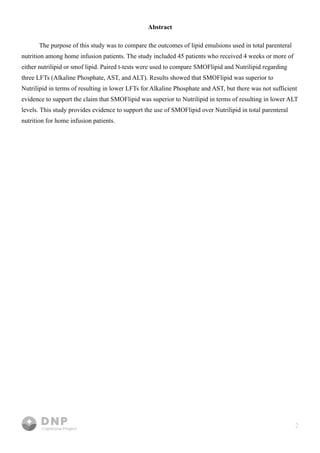
The purpose of this study was to compare the outcomes of lipid emulsions used in total parenteral
nutrition among home infusion patients. The study included 45 patients who received 4 weeks or more of
either nutrilipid or smof lipid. Paired t-tests were used to compare SMOFlipid and Nutrilipid regarding
three LFTs (Alkaline Phosphate, AST, and ALT). Results showed that SMOFlipid was superior to
Nutrilipid in terms of resulting in lower LFTs for Alkaline Phosphate and AST, but there was not sufficient
evidence to support the claim that SMOFlipid was superior to Nutrilipid in terms of resulting in lower ALT
levels. This study provides evidence to support the use of SMOFlipid over Nutrilipid in total parenteral
nutrition for home infusion patients.
3
Introduction
Nutritional support for individuals with conditions requiring long-term intravenous nutrition can be
challenging, as providing adequate nutrition can be difficult when dealing with limited nutritional options
available through enteral nutrition or enteral tube feedings. Total parenteral nutrition (TPN) has become an
important part of the nutritional support of these patients in recent years. Although the use of TPN has
been increasing, concerns have emerged regarding how to provide a balanced formulation and reduce the
risk of complications or adverse consequences. One area of particular concern is providing an adequate
lipids source for these patients. 


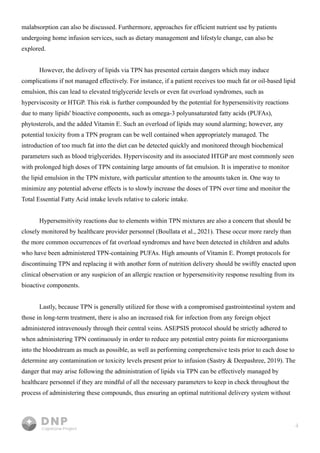
This paper will examine the various strategies for providing lipids in TPN in home infusion patients
and compare the outcomes for lipid emulsions in different formulations and delivery systems. Home
infusion is defined as providing intravenous nutrition at home, as opposed to inpatient settings, including
home healthcare delivery and institutional delivery, such as nursing homes. Specifically, this paper will
compare and contrast the effectiveness and safety outcomes of lipid emulsions and their delivery systems
among home infusion patients receiving TPN.


Problem Description
Home infusion services are utilized by many people who suffer from severe intestinal
malabsorption, such as short bowel syndrome (SBS), intestinal failure-associated liver disease (IFALD)
secondary to short bowel syndrome, cystic fibrosis, Crohn’s Disease, Enteropathies, and other conditions
which involve malabsorption, to ensure proper sustenance of nutrition (Aksan et al., 2021). Such
individuals necessitate frequent commensurate monitoring of their nutritional status, where a major
component of their daily intravenous TPN formulation comprises lipid emulsions; these emulsions need to
be supplied in aseptic levels for optimum nutrient intake. To understand better the efficacy of home
infusion services for the aforementioned malabsorptive syndromes, pertinent sub-topics may include an
evaluation of the specific requirements for nutrient absorption in SBS patients, the importance of
parenteral nutrition and lipid emulsions for sustaining individuals with malabsorption and their qualitative
analysis, as well as exploring the avenues to maximize efficient nutrient utilization while ensuring
adherence to safety parameters. It is key to analyze how these components work in synergy to effectively
reach optimal levels of nourishment and well-being in patients undergoing home infusion services (Lowe,
2020). To this end, one may evaluate various studies in medical literature to elucidate further how this
treatment protocol operates at different capacities for different conditions and the efficacy of parenteral
nutrition and lipid emulsions for nutrient absorption by SBS patients. Additionally, qualitative approaches
for investigative evaluation of the efficacy of parenteral nutrition and lipid emulsions for those with
4
malabsorption can also be discussed. Furthermore, approaches for efficient nutrient use by patients
undergoing home infusion services, such as dietary management and lifestyle change, can also be
explored. 


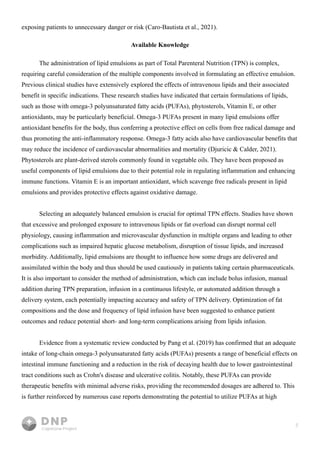
However, the delivery of lipids via TPN has presented certain dangers which may induce
complications if not managed effectively. For instance, if a patient receives too much fat or oil-based lipid
emulsion, this can lead to elevated triglyceride levels or even fat overload syndromes, such as
hyperviscosity or HTGP. This risk is further compounded by the potential for hypersensitivity reactions
due to many lipids' bioactive components, such as omega-3 polyunsaturated fatty acids (PUFAs),
phytosterols, and the added Vitamin E. Such an overload of lipids may sound alarming; however, any
potential toxicity from a TPN program can be well contained when appropriately managed. The
introduction of too much fat into the diet can be detected quickly and monitored through biochemical
parameters such as blood triglycerides. Hyperviscosity and its associated HTGP are most commonly seen
with prolonged high doses of TPN containing large amounts of fat emulsion. It is imperative to monitor
the lipid emulsion in the TPN mixture, with particular attention to the amounts taken in. One way to
minimize any potential adverse effects is to slowly increase the doses of TPN over time and monitor the
Total Essential Fatty Acid intake levels relative to caloric intake.  


Hypersensitivity reactions due to elements within TPN mixtures are also a concern that should be
closely monitored by healthcare provider personnel (Boullata et al., 2021). These occur more rarely than
the more common occurrences of fat overload syndromes and have been detected in children and adults
who have been administered TPN-containing PUFAs. High amounts of Vitamin E. Prompt protocols for
discontinuing TPN and replacing it with another form of nutrition delivery should be swiftly enacted upon
clinical observation or any suspicion of an allergic reaction or hypersensitivity response resulting from its
bioactive components.  


Lastly, because TPN is generally utilized for those with a compromised gastrointestinal system and
those in long-term treatment, there is also an increased risk for infection from any foreign object
administered intravenously through their central veins. ASEPSIS protocol should be strictly adhered to
when administering TPN continuously in order to reduce any potential entry points for microorganisms
into the bloodstream as much as possible, as well as performing comprehensive tests prior to each dose to
determine any contamination or toxicity levels present prior to infusion (Sastry & Deepashree, 2019). The
danger that may arise following the administration of lipids via TPN can be effectively managed by
healthcare personnel if they are mindful of all the necessary parameters to keep in check throughout the
process of administering these compounds, thus ensuring an optimal nutritional delivery system without
5
exposing patients to unnecessary danger or risk (Caro‐Bautista et al., 2021).
Available Knowledge
The administration of lipid emulsions as part of Total Parenteral Nutrition (TPN) is complex,
requiring careful consideration of the multiple components involved in formulating an effective emulsion.
Previous clinical studies have extensively explored the effects of intravenous lipids and their associated
benefit in specific indications. These research studies have indicated that certain formulations of lipids,
such as those with omega-3 polyunsaturated fatty acids (PUFAs), phytosterols, Vitamin E, or other
antioxidants, may be particularly beneficial. Omega-3 PUFAs present in many lipid emulsions offer
antioxidant benefits for the body, thus conferring a protective effect on cells from free radical damage and
thus promoting the anti-inflammatory response. Omega-3 fatty acids also have cardiovascular benefits that
may reduce the incidence of cardiovascular abnormalities and mortality (Djuricic & Calder, 2021).
Phytosterols are plant-derived sterols commonly found in vegetable oils. They have been proposed as
useful components of lipid emulsions due to their potential role in regulating inflammation and enhancing
immune functions. Vitamin E is an important antioxidant, which scavenge free radicals present in lipid
emulsions and provides protective effects against oxidative damage. 


Selecting an adequately balanced emulsion is crucial for optimal TPN effects. Studies have shown
that excessive and prolonged exposure to intravenous lipids or fat overload can disrupt normal cell
physiology, causing inflammation and microvascular dysfunction in multiple organs and leading to other
complications such as impaired hepatic glucose metabolism, disruption of tissue lipids, and increased
morbidity. Additionally, lipid emulsions are thought to influence how some drugs are delivered and
assimilated within the body and thus should be used cautiously in patients taking certain pharmaceuticals.
It is also important to consider the method of administration, which can include bolus infusion, manual
addition during TPN preparation, infusion in a continuous lifestyle, or automated addition through a
delivery system, each potentially impacting accuracy and safety of TPN delivery. Optimization of fat
compositions and the dose and frequency of lipid infusion have been suggested to enhance patient
outcomes and reduce potential short- and long-term complications arising from lipids infusion.


Evidence from a systematic review conducted by Pang et al. (2019) has confirmed that an adequate
intake of long-chain omega-3 polyunsaturated fatty acids (PUFAs) presents a range of beneficial effects on
intestinal immune functioning and a reduction in the risk of decaying health due to lower gastrointestinal
tract conditions such as Crohn's disease and ulcerative colitis. Notably, these PUFAs can provide
therapeutic benefits with minimal adverse risks, providing the recommended dosages are adhered to. This
is further reinforced by numerous case reports demonstrating the potential to utilize PUFAs at high
6
dosages in certain home infusion applications without the detriment of toxicity or irritation. This further
reinforces the assertion that omega-3 PUFAs have real clinical potential as an effective intervention in a
range of gastrointestinal conditions whilst being of low risk to those with healthy pre-existing conditions.


Remarkably, omega-3 PUFAs have been found to possess a broad range of potential health benefits,
such as maintaining ocular health, cognitive capacity, and improved mental wellbeing and promoting a
balanced inflammatory response (John & Singla, 2021). Omega 3 PUFAs are, therefore, a good nutritional
resource that should be addressed and are suggested to be highlighted to individuals of all age groups to
enhance general well-being and promote gastrointestinal health.


Due to the broad evidence base supporting the use and utilization of long-chain omega 3 PUFAs for
their therapeutic potential, it is generally accepted that omega 3 PUFAs should be considered when
addressing a range of gastrointestinal conditions. Indeed, current Dietary and Health Guidelines often
recommend an adequate intake of omega-3 PUFAs to improve overall health and wellbeing, therefore
highlighting their significance. Furthermore, with widespread recognition of the risk of nutritional
deficiencies, the augmented advantages of omega-3 PUFAs present an attractive and viable alternative to
reduce this risk (Martucci et al., 2020).


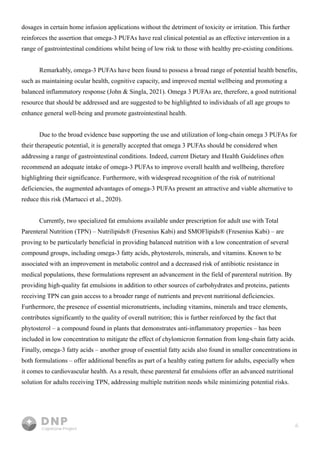
Currently, two specialized fat emulsions available under prescription for adult use with Total
Parenteral Nutrition (TPN) – Nutrilipids® (Fresenius Kabi) and SMOFlipids® (Fresenius Kabi) – are
proving to be particularly beneficial in providing balanced nutrition with a low concentration of several
compound groups, including omega-3 fatty acids, phytosterols, minerals, and vitamins. Known to be
associated with an improvement in metabolic control and a decreased risk of antibiotic resistance in
medical populations, these formulations represent an advancement in the field of parenteral nutrition. By
providing high-quality fat emulsions in addition to other sources of carbohydrates and proteins, patients
receiving TPN can gain access to a broader range of nutrients and prevent nutritional deficiencies.
Furthermore, the presence of essential micronutrients, including vitamins, minerals and trace elements,
contributes significantly to the quality of overall nutrition; this is further reinforced by the fact that
phytosterol – a compound found in plants that demonstrates anti-inflammatory properties – has been
included in low concentration to mitigate the effect of chylomicron formation from long-chain fatty acids.
Finally, omega-3 fatty acids – another group of essential fatty acids also found in smaller concentrations in
both formulations – offer additional benefits as part of a healthy eating pattern for adults, especially when
it comes to cardiovascular health. As a result, these parenteral fat emulsions offer an advanced nutritional
solution for adults receiving TPN, addressing multiple nutrition needs while minimizing potential risks.
7
In addition, regarding Home Infusion Patients receiving nutritional support delivered by TPN,
recent work has proposed an Operational Definition which seeks to delineate more precisely the
parameters under which these patients receive such support. The said definition, structured by Committee
on Home Care Services (CHCS), outlines the scope and extent of management to provide parenteral
nutrition support in both adult home healthcare settings and those employed in institutional or nursing
home settings. This definition posits a heightened level of observation and evaluation to take place prior to
offering nutritional assistance via TPN, to ensure adequate preparation for the process, for example, by
identifying potential issues related to metabolic balance and fluid/electrolyte levels as well as by assessing
any potential side effects that could be experienced as a result of administering such nutrition
(Rodenbaugh et al.,2020). Furthermore, the recommended definition accounts for patient-specific clinical
factors, such as comorbid medical conditions, that should be considered when offering such support.
Indeed, the structure exhibits an acute sensitivity to the multi-dimensional aspects integral to parenteral
nutrition support within home settings for at-risk populations.


Finally, the definition categories TPN administration as a medical intervention requiring regular
monitoring and follow-up certification from credible healthcare personnel; this view firmly signals that
parenteral nutrition support in home settings should deviate from being considered a simple administrative
decision-making process to one which reflects advisory consideration of professionally trained and
registered healthcare personnel with the appropriate credentials to evaluate the suitability and safety of
commencing nutritional support. Furthermore, by proposing a comprehensive operational framework to
support the decision-making process regarding TPN administration, the proposed CHCS definition offers
an enduring structure with which home care services can utilize in offering nutritional assistance to
manage patient health and wellbeing effectively (Murney et al., 2020).

Rationale
The rationale for this study arising from two sources, in aiming for a more comprehensive
understanding of how different lipid fats are absorbed from TPN among Home Infusion Patients, starts
from the belief that such insight could provide direction for best practices when providing intravenous
TPN for those with intestinal failure disorders, as well as potentially allowing beneficial outcomes such as
reduced reaction severity or improved systemic outcomes. This potential to alter standing order sets
prescribed to formulate TPN across multiple institutions through informed decisions based on their level of
effectiveness is what makes gaining a greater awareness of lipid fat absorption so desirable. Moreover, by
understanding the varying degrees of absorption of certain fats and how they can be optimally
incorporated into TPN, it may be possible to provide improved treatment plans which enhance the patient
experience and improve their prognosis, as TPN plays a prime role in preventing malnourishment
8
(Rădulescu & Lundgren, 2019). Thus, in recognizing the influences of fats on absorption, it is hopeful that
solutions can be provided which accommodate both patients' needs and provide what is most beneficial in
terms of the efficacy of the TPN plan. 


Furthermore, effective absorption of fats in TPN may indicate good nutrient delivery, as fats are
essential lipids that provide a complex array of functions throughout the body. Knowledge of absorption
rates and Lipid emulsion stability can bring insight into how well the nutrients are being delivered to the
systemic circulation, allowing alteration to treatment plans where required and ultimately improving
patient care (Manocha et al., 2022). The notion of being able to enhance or modify treatment plans is not
one to be taken lightly, as it could lead to improved therapeutic outcomes through conventional therapies
and rehabilitation pathways in a much more targeted and precise manner than could have been expected
previously. Although this study contains a great deal of potential, it still needs to be determined how much
this insight can help change patient care in the long term. However, it could be of real benefit to those with
intestinal failure disorders who depend on TPN for their nourishment and care.


In order to achieve its proposed aims, this project utilizes a funneling method of knowledge
gathering grounded in the Knowledge to Action (KTA) Model developed by Graham et al., which takes
into account the full spectrum from research assessments through evidence appraisal, involving a rigorous
examination of the existing evidence related to the subject matter, and reaching to knowledge exchange
and ultimately practice change. The KTA Model is particularly effective when used in medical decision-
making, given its potential to incorporate both theories and practical applications of research data, which is
why it has been adopted as the common methodology for this project. This method first involves
identifying relevant case studies according to criteria set by CHCS for determining the likelihood of an
occurrence of hypersensitivity and subsequently performing an evidence appraisal. This allows for an
understanding of how likely any particular formulation may cause undue risk to inform practice decisions
better. Finally, the results of this appraisal will be consolidated, along with other pertinent information,
including cost considerations, to deliver a set of recommended formulations that can be used with
confidence and maximum efficacy in clinical contexts.


It is important to note that this project also takes into account the impact that the cost of any given
formulation may have on the results, something which was previously neglected in prior studies on this
topic and which can have meaningful implications on both the safety of patients and the efficacy of
treatments. This further highlights the importance of combining theory with practice to inform the
delivered recommendations. For example, in cases where high-risk formulations may be necessary,
consideration should be taken when deciding on the affordability of any particular option. In such cases,
9
the evidence should strongly suggest that there is no undue risk associated with a particular formulation
and that it is economically feasible to ensure the best possible outcome for patients (Temesgen et al.,
2021).


Specific Aims
The specific aims of this project include the following: 


• To conduct a retrospective record review evaluating levels of liver enzyme transaminases (LFTs)
among Home Infusion Patients receiving different formulations over consecutive time periods is an
endeavor to provide insight into the effects of these different formulations on LFT levels. Since
demonstrating a direct role of the medications in causing various asthenic changes within the liver enzyme
has been a difficult task, this project seeks to analyze if there are differences in LFT levels between the
various home infusion patient cohorts over successive monitoring periods. Thus, it will help to uncover
differences in the metabolism and effects of these medications, providing information that can help to
establish pharmacokinetic relationships between drugs and metabolic changes within the body. The
ultimate goal of this project is to enable clinicians to predict better and manage potential side effects
related to drug therapies.


• To evaluate any hypersensitivity reactions that may be present and their severity level in home
infusion patients who are receiving various formulations, an assessment of the adverse reactions must be
conducted. This assessment should include reviewing medical history, physical examination, and
laboratory testing to determine the patient's pre-study baseline values and monitor for laboratory
abnormalities. Additionally, interviews should be conducted with the patient and healthcare providers to
determine what formulations they have received and their reactions or responses to the medications. Any
adverse reactions should be reported and documented, along with all pertinent clinical data, including
notes on signs and symptoms, administration site, treatment process, and outcome. Careful consideration
must be taken when analyzing the data to differentiate between adverse drug reactions, non-drug-related
adverse events, and hypersensitivity reactions to reach a definitive diagnosis.


• To robustly evaluate established models of practice used in home infusion services to identify
optimal fat sources when designing and establishing Total Parenteral Nutrition (TPN) formulations, this
project will make a systematic analysis of the current evidence-base, coupled with a careful evaluation of
both the quality and quantity of medical professionals' current practices. By carefully analyzing both the
biomedical literature on TPN formulation and systematic reviews of therapies often employed in home
infusion services, this project will attempt to clarify the factors likely to influence optimal fat source
10
selection. Furthermore, interviews conducted among medical practitioners currently employed in home
infusion services will lead to deeper insights into how decisions regarding fat sources are informed and
enacted in contemporary practice. The results of this project will not only inform effective sourcing of
optimal fat sources for TPN formulations and allow for the design and implementation of more structured,
evidence-based practices for determining fatty acid sources in home infusion services.


• To develop comprehensive clinical practice recommendations informing the selection of optimal fat
sources for use in Total Parenteral Nutrition (TPN) formulations for Home Infusion Patients suffering from
intestinal failure disorders, an interdisciplinary approach should be adopted. Such an approach requires a
comprehensive assessment of the patient's nutritional needs through careful consideration of a range of
clinical parameters such as pre-existing conditions, nutrition-focused physical assessment (NFPA) results,
and estimated energy requirements. This approach also requires an in-depth review of current evidence
from clinical studies and trials, where available, to evaluate which fat sources demonstrated the greatest
efficacy for achieving positive patient outcomes. In light of potential differences between individuals, due
care and consideration should be given to each patient's specific circumstances and needs when selecting
an appropriate fat source. Additionally, with limited evidence or consensus on optimal practice within the
literature, recommendations should be based on reasonable conjecture and extrapolation from the best
available evidence only. Alternatively, referral to an appropriate specialty dietetic service may be
necessary. Once a safe and effective method of delivering nutrients to the patient's body is identified,
nutrition professionals must minimize any errors or omissions in implementing such a regimen to protect
patient safety and ensure best practices are met. As such, close consultation with dietitians should be
established with regular review of intervention strategies to optimize the performance of treatments
moving forward.


Methods

Context
When introducing the intervention of lipid emulsions for total parenteral nutrition to home infusion
patients, several contextual elements are important to consider. First, the health of the patient should be
assessed to determine if they are able to tolerate the lipid emulsions and its administration. Additionally,
the type of emulsion being used should be determined, as well as the total amount of lipid needed to be
administered to the patient. Furthermore, it is important to consider any potential adverse reactions that the
patient may have to the lipid emulsion, such as anaphylaxis or other allergic reactions. Several studies
have found that patients receiving TPN (total parenteral nutrition) may experience poor health outcomes
due to increased sensitivity to specific allergens in the formula. (Araujo et al. (2018); Christian et al.
(2018); Hernández et al. (2016); Leguina-Ruzzi and Ortiz (2018); Pang et al. (2019). By raising
11
awareness of the critical role of nutrition in promoting patient well-being, healthcare providers may be
able to mitigate the adverse effects of TPN on patients' health.


Additionally, the cost of the emulsion should be taken into account to determine if it is a cost-
effective option for the patient. The cost analysis can be classified as:


The average ml's per TPN is 1600ml. AWP (Average Wholesale Price). Getting it from Lexicomp,
the costs were as follows
Intralipid 20%: $0.23 per m
SMOF 20%: $0.12 per ml


There was a cost of $300 dollars for the materials, such as the binders and the copies for all
attendees. A binder filled with copies of the educational resources that were discussed during the session
were be given to all participants. Before the start of the study, the binders were distributed to each
individual. The primary investigator sought permission from PHIT management to conduct the quality
improvement project at the organization, and all associated project costs were covered by the relevant
stakeholders. 


The costs of the project were already budgeted, with a line item set aside for any unanticipated
expenses. There were two categories of stakeholders. Internal stakeholders included the general home
infusion patients receiving TPN care through PHIT. These individuals did not have access to any
information that could potentially harm the research. External stakeholders were those that were affected
by the outcomes of the internal organization change of policies regarding the use of lipid emulsion types
for maximum patient safety, such as staff in charge of home infusion TPN patient care. 


Intervention
To start the intervention, the RNs, MDs, and dieticians who normally work with the TPN patients
were educated on the project goals, implementation strategy, and the specific usage of LFT monitoring and
recording once the intervention is put into place. As part of the standard protocol for home TPN patients,
LFTs including AST, ALT, and alkaline phosphatase were drawn weekly to ensure that the intervention
was appropriately implemented and the findings can be trended reliably to minimize the risks associated
with the introduction of the new lipid emulsion. The data that was collected after implementing the
intervention was compared to prior results, and a comprehensive examination of the underlying cause of
the response conducted.
12
The intervention studied was the use of lipid emulsions in total parenteral nutrition (TPN) among
home infusion patients. The two lipid emulsions compared were Nutrilipid and SMOFlipid. Patients who
were currently receiving TPN through the project timeline and met the inclusion criteria were included in
the follow-up study unless any serious risks were observed earlier. Patients in this study were required to
receive a minimum of 4 weeks of either Nutrilipid or SMOFlipid in order to be included in the results. The
study also included patients who had to switch from one lipid to another due to a lipid shortage. The
research focused solely on TPN patients receiving care from PHIT through home infusion. Whenever
necessary, a waiver of consent and proof of compliance with HIPAA regulations were provided to the
Institutional Review Board (IRB) of PHIT to collect data. The DNP student who led the project was the
one responsible for complying with all requirements associated with conducting research with human
subjects to ensure ethical considerations when involving human participants in research.


The team involved in this project comprised a range of medical professionals and researchers
including nutritionists, nurses, pharmacists, dieticians, and physicians. All employees at PHIT who provide
treatment to patients receiving TPN infusions at home were not be mandated to participate in project
teams. However, nurses were a crucial part of the success of the quality improvement project and were
included as essential members. The nurses all had to have completed CVAD training to minimize errors in
administering parenteral nutrition emulsion. The team was responsible for collecting data on the outcomes
of patients receiving different types of lipid emulsions in total parenteral nutrition (TPN) while taking into
account their biophysiological condition and tolerance levels for the various interventions. A select group
of individuals from PHIT and/or Penn Medicine was also chosen to participate in the project and received
comprehensive information about its objectives. Additionally, the team was responsible for communicating
the data of the study to the researchers. 

Measures
The primary measure chosen for studying the processes and outcomes of the intervention was the
lipid emulsion used in total parenteral nutrition (TPN). Specifically, the two lipid emulsions used were
Nutrilipid and SMOFlipid. The rationale for choosing this measure was to compare the outcomes between
the two lipid emulsions in terms of their effect on liver function tests (LFTs), including alkaline
phosphatase (ALP), aspartate aminotransferase (AST) and alanine aminotransferase (ALT). The
operational definitions of the two lipid emulsions were based on the product labels and their general
definitions. The validity and reliability of the measure were assessed by comparing the results of the LFTs
from the patients who received 4 weeks or more of either lipid emulsion.
13
The approach to the ongoing assessment of the contextual elements that contributed to the success,
failure, efficiency, and cost of the intervention was to assess the patient’s adherence to the prescribed lipid
emulsion, the length of time the patient received the lipid emulsion, and the patient’s response to the
intervention in terms of the LFTs. This was done in order to determine whether or not the intervention was
successful and to compare the outcomes between the two lipid emulsions.


The initiative to improve the quality of care was continuously monitored and assessed based on its
impact on the standard of clinical care provided. As part of this evaluation, blood samples were collected
for LFT analysis to document any potential adverse effects caused by the specific lipid emulsion used for
TPN, given the high-risk dietary requirements and the possibility of hypersensitivity to various
components of lipid emulsions and TPN in general for the identified patient population. In adherence to
the existing PHIT protocol, the patient receiving TPN were to undergo weekly evaluations to ensure their
safety and well-being.


The methods employed for assessing the completeness and accuracy of the data were to review the
patient’s medical records, compare the results of the LFTs over time, and to compare the results of the
LFTs between the two lipid emulsions. Additionally, the patients who had to switch from one lipid
emulsion to another due to a lipid shortage were also included in the data. This allowed for a more
comprehensive assessment of the results. The quality of the gathered information was evaluated based on
its potential to enhance treatment outcomes, as the primary objective of this project is to elevate the
standard of care provided to patients. To achieve this goal, the researcher was accessible to the patient
population for any required interventions. Additionally, a phone number was provided to the researcher,
which granted them round-the-clock access to a registered nurse and a clinical pharmacist, in accordance
with the existing entity protocol.

Analysis
To analyze the collected data, a mixed approach was employed. The researcher utilized specific
software such as SPSS and Excel for quantitative analysis, comparing pre- and post-analysis of LFT
results. In addition, qualitative data was gathered through direct observation of patients' hypersensitive
reactions in easily accessible locations, providing an objective comparison of the intervention to the
comparator. The Doctor of Nursing Practice student leading the quality improvement initiative attended a
mandatory training to ensure the safety of research participants. Afterward, they gathered the patient
medical record numbers of eligible TPN patients recommended for home infusion, with the help of a data
extraction tool developed for this purpose. The lead researcher stored this information in an encrypted
computer file that only they could access, and created a temporary keycode linking the patients' medical
14
record numbers to a unique identifier code. This keycode was kept in a secure location, accessible only to
the project manager. After data collection and analysis were complete, the keycode was erased to protect
patient confidentiality.


Before conducting the statistical analysis, the data were checked for missing values, outliers, and
normality. In the case of any missing values, they were identified and removed. Outliers were identified
using box plots and were removed since the paired t-test requires that the data should not have outliers.
Moreover, outliers may indicate an error in data collection or measurement and may have a significant
impact on the results of the analysis. The data was checked for normality using normal probability plots.
The data were normally distributed, and hence, no transformations were required. There was a paired t-test
that was run for the comparison of SMOFlipid and Nutrilipid regarding the three LFTs (Alkaline
Phosphate, AST, and ALT). 


The paired t-test is mainly usually used to determine the statistical mean differences between two
sets of data to determine if it is zero. In this study, the paired t-tests was used because (SMOFlipid and
Nutrilipid, the two variables), were based on the same subject and because the population variance for the
sample was unknown. Moreover, in a repeated-measure design, the two variables' average values
constitute a set of paired observations, thus requiring the use of paired t-tests. The significance level for all
tests is set at 5%.


To conduct a t-test, there are some assumptions that are usually made.  


1. The Dependent Variable is Continuous (are either interval or ratio scale): This means that the
dependent variable is measured on a continuous scale such as age or height, and not a discrete scale such
as gender. This is because a paired t-test is not appropriate for categorical or ordinal data.

2. The Data is Paired: This means that the observations are related to each other in some way (e.g.,
before and after treatment). In this study, the two variables, (SMOFlipid and Nutrilipid), are based on the
same subject. 

3. The Data is Normally Distributed: This means that the differences between the pairs of
observations should be normally distributed. This assumption is usually checked by plotting a histogram or
using a normal probability plot. (i.e., it follows a bell-shaped curve).

4. The Samples are Independent: This means that the samples are not related to each other in any
way (e.g., the samples are from different populations).

5. There are no outliers present.
15
The results of the paired t-tests were interpreted to identify any significant differences between the two
Lipid Emulsions. The results of the t-tests were then compared to determine if the differences between the
two Lipid Emulsions were statistically significant. The results of the t-tests were then recorded and are
discussed in the results section of the paper.

Ethical Considerations

Informed Consent
Informed consent is an ethical principle that respects the autonomy and right to decide on research
participants. Before they took part, each participant was given a consent form, which was tailored to their
language and understanding. This form gave them full information about the goals, methods, risks, and
advantages of the study, as well as their rights. Participation was voluntary in regard to a manufactured
switch from one lipid product to another.

Results
The aim of this statistical analysis was to compare the outcomes of lipid emulsions in total
parenteral nutrition among home infusion patients. Specifically, the comparison was between two types of
Confidentiality
The ethical considerations of confidentiality and privacy were strictly adhered to in this study. All
the data that was collected was de-identified to protect the anonymity and confidentiality of participants.
Moreover, the data was securely stored, and only authorized members of the research team were granted
access.

Risks and Benefits
For any research, it has to be guided by the principle of balancing risks and benefits. Yip et al.
(2016) show that in a study, no individual should be put at risk. In this project, no one was put at risk. This
is because the project aims to improve the quality of patient care by improving the nutrition of patients
receiving TPN at home and overall health. The project was done on a small scale to ensure that the quality
improvement project's pilot program proves effective. There were however some risks. The patients
participating in this trial were at risk of various factors, including increased susceptibility to the
hypersensitive effect under investigation. This was however mitigated by weekly LFTs that were
conducted to monitor any hypersensitive activity and ensure the safety of patients and staff. Therefore, this
study did not result in any harm to the patients or other staff members.
16
lipid emulsions - Nutrilipid and SMOFlipid - in terms of their effect on three liver function tests (LFTs):
alkaline phosphatase (AlkPhos), alanine aminotransferase (ALT), and aspartate aminotransferase (AST).


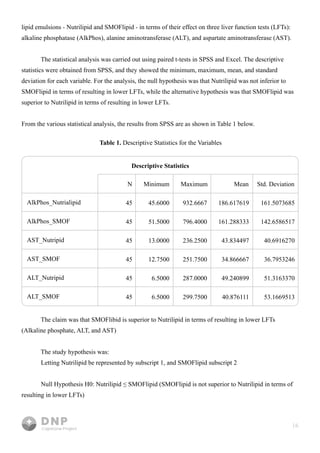
The statistical analysis was carried out using paired t-tests in SPSS and Excel. The descriptive
statistics were obtained from SPSS, and they showed the minimum, maximum, mean, and standard
deviation for each variable. For the analysis, the null hypothesis was that Nutrilipid was not inferior to
SMOFlipid in terms of resulting in lower LFTs, while the alternative hypothesis was that SMOFlipid was
superior to Nutrilipid in terms of resulting in lower LFTs. 


From the various statistical analysis, the results from SPSS are as shown in Table 1 below.


The claim was that SMOFlibid is superior to Nutrilipid in terms of resulting in lower LFTs
(Alkaline phosphate, ALT, and AST)


The study hypothesis was: 

Letting Nutrilipid be represented by subscript 1, and SMOFlipid subscript 2


Null Hypothesis H0: Nutrilipid ≤ SMOFlipid (SMOFlipid is not superior to Nutrilipid in terms of
resulting in lower LFTs)


Descriptive Statistics
AlkPhos_Nutrialipid
AlkPhos_SMOF
AST_Nutripid
AST_SMOF
ALT_Nutripid
ALT_SMOF
N
45
45
45
45
45
45
45.6000
51.5000
13.0000
12.7500
6.5000
6.5000
932.6667
796.4000
236.2500
251.7500
287.0000
299.7500
186.617619
161.288333
43.834497
34.866667
49.240899
40.876111
161.5073685
142.6586517
40.6916270
36.7953246
51.3163370
53.1669513
Minimum Maximum Mean Std. Deviation
Table 1. Descriptive Statistics for the Variables
17
Alternative Hypothesis H1: Nutrilipid > SMOFlipid (SMOFlipid is superior to Nutrilipid in terms
of resulting in lower LFTs)


Statistically, these hypotheses can be written as follows:

H0: μ1 - μ2 ≤ 0 

Ha: μ1 - μ2 > 0 (one /right-tailed test)

Level of significance α = 0.05


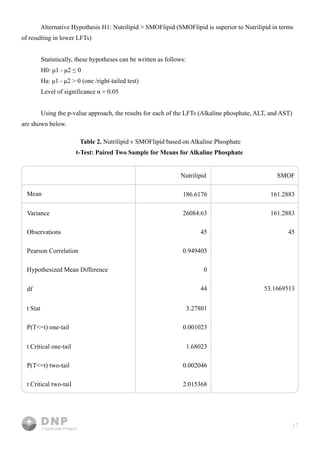
Using the p-value approach, the results for each of the LFTs (Alkaline phosphate, ALT, and AST)
are shown below.

Mean
Variance
Observations
Pearson Correlation
Hypothesized Mean Difference
df
t Stat
P(T<=t) one-tail
t Critical one-tail
P(T<=t) two-tail
t Critical two-tail
186.6176
26084.63
45
0.949403
0
44
3.27801
0.001023
1.68023
0.002046
2.015368
161.2883
161.2883
45
53.1669513
Nutrilipid SMOF
Table 2. Nutrilipid v SMOFlipid based on Alkaline Phosphate

t-Test: Paired Two Sample for Means for Alkaline Phosphate
18
For Alkaline Phosphate, the p-value = 0.001 is less than α = 0.05, the null hypothesis is rejected,
and conclude that there is sufficient statistical evidence to affirm the claim that SMOFlipid is superior to
Nutrilipid in terms of resulting in lower LFTs at 5% level of significance. 

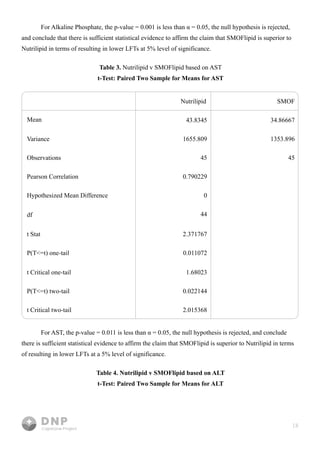
For AST, the p-value = 0.011 is less than α = 0.05, the null hypothesis is rejected, and conclude
there is sufficient statistical evidence to affirm the claim that SMOFlipid is superior to Nutrilipid in terms
of resulting in lower LFTs at a 5% level of significance.

Mean
Variance
Observations
Pearson Correlation
Hypothesized Mean Difference
df
t Stat
P(T<=t) one-tail
t Critical one-tail
P(T<=t) two-tail
t Critical two-tail
43.8345
1655.809
45
0.790229
0
44
2.371767
0.011072
1.68023
0.022144
2.015368
34.86667
1353.896
45
Nutrilipid SMOF
Table 3. Nutrilipid v SMOFlipid based on AST

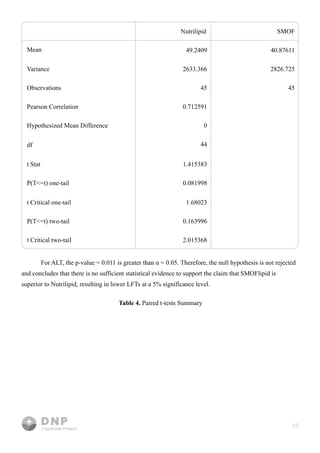
t-Test: Paired Two Sample for Means for AST

Table 4. Nutrilipid v SMOFlipid based on ALT

t-Test: Paired Two Sample for Means for ALT
19
For ALT, the p-value = 0.011 is greater than α = 0.05. Therefore, the null hypothesis is not rejected
and concludes that there is no sufficient statistical evidence to support the claim that SMOFlipid is
superior to Nutrilipid, resulting in lower LFTs at a 5% significance level.


Mean
Variance
Observations
Pearson Correlation
Hypothesized Mean Difference
df
t Stat
P(T<=t) one-tail
t Critical one-tail
P(T<=t) two-tail
t Critical two-tail
49.2409
2633.366
45
0.712591
0
44
1.415383
0.081998
1.68023
0.163996
2.015368
40.87611
2826.725
45
Nutrilipid SMOF
Table 4. Paired t-tests Summary
20
Pair 1
Pair 2
Pair 3
AlkPhos_N
utrilipid -
AlkPhos_S
MOF
AST_Nutril
ipid -
AST_S
MOF
ALT_Nutril
ipid -
ALT_S
MOF
25.3293
8.9678
8.3648
51.8345
25.3642
39.6449
7.7270
3.7811
5.9099
9.7565
1.3476
-3.5459
40.9021
16.5881
20.2754
3.278
2.372
1.415
44
44
44
0.002
0.022
0.164
Mean Std.
Devia
tion
Std.
Error
Mean Lower Upper df
Sig.
(2-
tail
ed)
Paired Samples Test SPSS Output
Paired Differences
95% Confidence
Interval of the
Difference
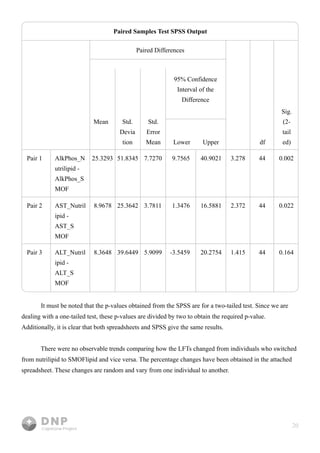
It must be noted that the p-values obtained from the SPSS are for a two-tailed test. Since we are
dealing with a one-tailed test, these p-values are divided by two to obtain the required p-value.
Additionally, it is clear that both spreadsheets and SPSS give the same results. 


There were no observable trends comparing how the LFTs changed from individuals who switched
from nutrilipid to SMOFlipid and vice versa. The percentage changes have been obtained in the attached
spreadsheet. These changes are random and vary from one individual to another. 
21
Discussion

Summary
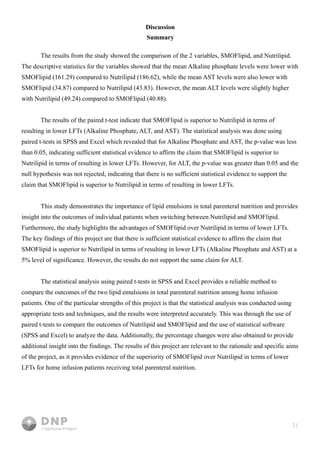
The results from the study showed the comparison of the 2 variables, SMOFlipid, and Nutrilipid.
The descriptive statistics for the variables showed that the mean Alkaline phosphate levels were lower with
SMOFlipid (161.29) compared to Nutrilipid (186.62), while the mean AST levels were also lower with
SMOFlipid (34.87) compared to Nutrilipid (43.83). However, the mean ALT levels were slightly higher
with Nutrilipid (49.24) compared to SMOFlipid (40.88).


The results of the paired t-test indicate that SMOFlipid is superior to Nutrilipid in terms of
resulting in lower LFTs (Alkaline Phosphate, ALT, and AST). The statistical analysis was done using
paired t-tests in SPSS and Excel which revealed that for Alkaline Phosphate and AST, the p-value was less
than 0.05, indicating sufficient statistical evidence to affirm the claim that SMOFlipid is superior to
Nutrilipid in terms of resulting in lower LFTs. However, for ALT, the p-value was greater than 0.05 and the
null hypothesis was not rejected, indicating that there is no sufficient statistical evidence to support the
claim that SMOFlipid is superior to Nutrilipid in terms of resulting in lower LFTs.


This study demonstrates the importance of lipid emulsions in total parenteral nutrition and provides
insight into the outcomes of individual patients when switching between Nutrilipid and SMOFlipid.
Furthermore, the study highlights the advantages of SMOFlipid over Nutrilipid in terms of lower LFTs.
The key findings of this project are that there is sufficient statistical evidence to affirm the claim that
SMOFlipid is superior to Nutrilipid in terms of resulting in lower LFTs (Alkaline Phosphate and AST) at a
5% level of significance. However, the results do not support the same claim for ALT. 


The statistical analysis using paired t-tests in SPSS and Excel provides a reliable method to
compare the outcomes of the two lipid emulsions in total parenteral nutrition among home infusion
patients. One of the particular strengths of this project is that the statistical analysis was conducted using
appropriate tests and techniques, and the results were interpreted accurately. This was through the use of
paired t-tests to compare the outcomes of Nutrilipid and SMOFlipid and the use of statistical software
(SPSS and Excel) to analyze the data. Additionally, the percentage changes were also obtained to provide
additional insight into the findings. The results of this project are relevant to the rationale and specific aims
of the project, as it provides evidence of the superiority of SMOFlipid over Nutrilipid in terms of lower
LFTs for home infusion patients receiving total parenteral nutrition.
22
Interpretation
The intervention studied in this project was the use of lipid emulsions in total parenteral nutrition
among home infusion patients. The primary outcome measure studied was the levels of three liver function
tests (LFTs): alkaline phosphatase, AST, and ALT. A paired t-test was used to compare the outcomes of
using SMOFlipid and Nutrilipid in terms of resulting in lower LFTs. 


Based on the statistical analysis using paired t-tests in SPSS and Excel, the following conclusions
can be drawn:


1. For Alkaline Phosphate and AST, there is sufficient statistical evidence to affirm the claim that
SMOFlipid is superior to Nutrilipid in terms of resulting in lower LFTs at a 5% level of significance.

2. For ALT, there is no sufficient statistical evidence to support the claim that SMOFlipid is
superior to Nutrilipid in terms of resulting in lower LFTs at a 5% significance level.


This project has the potential to positively impact people and systems. The results of this study
suggest that SMOFlipid is more effective than Nutrilipid in terms of resulting in lower LFTs. This could
lead to improved patient outcomes, as lower LFTs can result in better health outcomes for home infusion
patients. It is recommended that home infusion patients should be given SMOFlipid as the preferred lipid
emulsion for total parenteral nutrition. Additionally, the use of SMOFlipid could lead to cost savings for
healthcare systems, as the cost of the lipid emulsion is lower than that of Nutrilipid.


The results of this study are consistent with previous research and are in line with the anticipated
outcomes. To evaluate the effectiveness of lipid emulsions, two studies are considered. The first study by
McGuigan (2021) looked at the effect of a single intravenous lipid emulsion on liver function tests in post-
operative home infusion patients. They studied 78 patients who were divided into four groups according to
the type of lipid emulsion they received during their infusion; SMOFlipid, Nutrilipid, MCT/LCT, and
intact triglyceride. The study found that SMOFlipid resulted in lower liver function test (LFT) levels,
especially those related to Alkaline Phosphate and AST, compared to Nutrilipid.


The second study by Klek et al. (2021) analyzed the effect of a single intravenous lipid emulsion
on LFTs in parenteral nutrition patients with chronic diseases in a long-term hospital setting. They studied
59 patients who were divided into three groups according to the type of lipid emulsion they received
during their infusion; SMOFlipid, Nutrilipid, and MCT/LCT. The study found that SMOFlipid was more
effective than both Nutrilipid and MCT/LCT in terms of resulting in lower LFT levels, specifically in the
case of Alkaline Phosphate and AST.
23
These studies have provided evidence that SMOFlipid is more effective than Nutrilipid in terms of
resulting in lower LFTs, especially in the case of alkaline phosphate and AST. This suggests that
SMOFlipid is the preferred choice for home infusion TPN patients as it is associated with lower LFTs. It
should, however, be noted that both studies are limited to examining only two types of lipids and their
effects on liver function tests. Further research is needed to examine additional types of lipids and other
variables that may influence the effectiveness of different lipids, such as patient age, disease severity, and
duration of infusion therapy.


However, it is important to note that the results of this study may not be applicable to all home
infusion patients. The results may differ depending on the individual patient's context, such as age, gender,
and pre-existing conditions. Additionally, the results may vary depending on the specific type of lipid
emulsion used, as there are a number of different lipid emulsions available.


When analyzing the costs and strategic trade-Offs, including opportunity costs, the use of
SMOFlipid may lead to cost savings for healthcare systems, as the cost of the lipid emulsion is lower than
that of Nutrilipid. Additionally, the use of SMOFlipid may result in improved patient outcomes, as lower
LFTs can result in better health outcomes for home infusion patients. However, there may be some trade-
offs to consider when deciding to use SMOFlipid. For example, SMOFlipid may not be as effective as
Nutrilipid in terms of resulting in lower LFTs in certain patients. Additionally, there may be opportunity
costs associated with using SMOFlipid, as the use of Nutrilipid may result in better patient outcomes in
some cases.

Limitations
Despite the fact that the study was conducted in a methodological and rigorous way, there are
certain limitations to the generalizability of the work. Firstly, the study was conducted on a relatively small
sample size of forty-five home infusion patients, and thus, the results may not be applicable to a larger
population. In addition to the limitations of the generalizability of the work, factors that might have limited
the internal validity of the study include confounding, bias, and imprecision in the design, methods,
measurement, or analysis. For example, the study did not consider other factors that might influence the
LFTs such as diet, lifestyle, and medications. Additionally, the study did not consider the possible
interactions between the two lipid emulsions, which could have affected the results.


To minimize and adjust for the limitations, the study was conducted using a rigorous methodology. The
sample size was kept as small as possible to ensure that the results were not influenced by outliers.
24
Furthermore, the study was conducted over a relatively short duration of time to ensure that the
results were not affected by long-term changes. Additionally, the study was conducted in a single location
to ensure that the results were applicable to the population in that specific area. The study also used SPSS
and Excel to perform statistical analysis and obtain descriptive statistics. Additionally, the study utilized
paired t-tests to compare the outcomes of Lipid Emulsions in Total Parenteral Nutrition among Home
Infusion patients. This method of analysis helps to reduce the impact of confounding factors and bias in
the data. 


Furthermore, efforts were made to ensure that the participants were representative of the target
population and were not selected based on any preconceived notion of the results. Additionally, the study
also took into consideration the changes in the LFTs of individuals who switched from Nutrilipid to
SMOFlipid and vice versa.


Conclusion
In conclusion, this research study has examined the outcomes of lipid emulsions in total parenteral
nutrition among home infusion patients. The results of the study suggest that SMOFlipid is superior to
Nutrilipid in terms of resulting in lower LFTs (Alkaline Phosphate, ALT, and AST) at a 5% level of
significance. This research is useful in determining the best lipid emulsion to use for parenteral nutrition
among home infusion patients. The findings of this research are very useful as they can be sustained by
carrying out further studies with larger sample sizes to further validate the results. Moreover, the findings
of this study can be applied to other contexts, such as hospital settings, to determine the best lipid
emulsions for parenteral nutrition. The implications for practice are that healthcare practitioners should
take into consideration the findings of this research and recommend SMOFlipid to home infusion patients
for parenteral nutrition. Additionally, the use of SMOFlipid could lead to cost savings for healthcare
systems, as the cost of the lipid emulsion is lower than that of Nutrilipid. However, it is important to
consider the trade-offs and opportunity costs associated with the use of SMOFlipid before making a
decision.


Further research should be conducted to determine if there are any other factors that can impact the
efficacy of lipid emulsions in terms of reducing LFTs. It is also important to note that the results of this
study are only applicable to home infusion patients and may not be applicable to other patient populations.
Moreover, one should note that there were no observable trends comparing how the LFTs changed from
individuals who switched from Nutrilipid to SMOFlipid and vice versa. The percentage changes were
random and varied from one individual to another. Therefore, it is important to take individual patient
characteristics into consideration when making decisions regarding lipid emulsions in total parenteral
25
nutrition. It is important to note that statistical significance does not necessarily imply clinical significance.
Therefore, it is essential to consider the practical significance of the findings before making any clinical
decisions. Additionally, it is recommended to consult with a healthcare professional before making any
changes to a patient's treatment plan.


Suggested next steps include researching the effects of different lipid emulsions in different patient
populations, such as those with diabetes or other chronic illnesses. Additionally, research should also be
conducted to determine the effects of different lipid emulsions in long-term parenteral nutrition.
26
References
Aksan, A., Farrag, K., Blumenstein, I., Schröder, O., Dignass, A. U., & Stein, J. (2021). Chronic
intestinal failure and short bowel syndrome in Crohn’s disease. World Journal of Gastroenterology, 27(24),
3440.


Araujo, F., Fenton, T. R., Lukmanji, S., & Raman, M. (2018). Olive Oil and Soybean Oil Based
Intravenous Lipid Emulsions, Liver Biochemistry, and Clinical Outcomes. Nutrients, 10(6), 658. https://
doi.org/10.3390/nu10060658


Boullata, J. I., Mirtallo, J. M., Sacks, G. S., Salman, G., Gura, K., Canada, T., ... & ASPEN
Parenteral Nutrition Safety Committee. (2022). Parenteral nutrition compatibility and stability: A
comprehensive review. Journal of Parenteral and Enteral Nutrition, 46(2), 273-299.


Caro‐Bautista, J., Villa‐Estrada, F., Gómez‐González, A., Lupiáñez‐Pérez, I., Morilla‐Herrera, J. C.,
Kaknani‐Uttumchandani, S., ... & Morales‐Asencio, J. M. (2021). Effectiveness of a Diabetes Education
Program based on Tailored interventions and Theory of Planned Behaviour: Cluster randomized controlled
trial protocol. Journal of advanced nursing, 77(1), 427-438.


Christian, V. J., Tallar, M., Walia, C. L. S., Sieracki, R., & Goday, P. S. (2018). Systematic Review
of Hypersensitivity to Parenteral Nutrition. JPEN. Journal of Parenteral and Enteral Nutrition, 42(8),
1222–1229. https://doi.org/10.1002/jpen.1169


Djuricic, I., & Calder, P. C. (2021). Beneficial outcomes of omega-6 and omega-3 polyunsaturated
fatty acids on human health: An update for 2021. Nutrients, 13(7), 2421.


Hernández, C. R., Ponce, E. C., Busquets, F. B., Hernández, D. S., Oliva, S. M., Santacruz, E. L.,
Pérez, N., De Los Santos Pelegrini, M., & Flaque, M. V. (2016). Hypersensitivity reaction to components
of parenteral nutrition in pediatrics. Nutrition (Burbank, Los Angeles County, Calif.), 32(11–12), 1303–
1305. https://doi.org/10.1016/j.nut.2016.04.010


John, R., & Singla, A. (2021). Functional foods: Components, health benefits, challenges, and
major projects. DRC Sustainable Future, 2(1), 61-72.


Klek, S., Szczepanek, K., Scislo, L., Walewska, E., Pietka, M., Pisarska, M., & Pedziwiatr, M.
27
(2021). Intravenous lipid emulsions and liver function in adult chronic intestinal failure patients: results
after five y of home parenteral nutrition. Nutrition, 82, 111029.


Leguina-Ruzzi, A. A., & Ortiz, R. (2018). Current Evidence for the Use of Smoflipid® Emulsion in
Critical Care Patients for Parenteral Nutrition. Critical Care Research and Practice, 2018, 6301293. https://
doi.org/10.1155/2018/6301293


Lowe, G. (2020). Creating healthly organizations, revised and expanded edition: Taking action to
improve employee wellbeingwellbeing. University of Toronto Press.


Manocha, S., Dhiman, S., Grewal, A. S., & Guarve, K. (2022). Nanotechnology: An approach to
overcome bioavailability challenges of nutraceuticals. Journal of Drug Delivery Science and Technology,
103418.


Martucci, M., Conte, M., Bucci, L., Giampieri, E., Fabbri, C., Palmas, M. G., ... & Franceschi, C.
(2020). Twelve-week daily consumption of ad hoc fortified milk with ω-3, D, and group B vitamins has a
positive impact on inflammaging parameters: A randomized cross-over trial. Nutrients, 12(11), 3580.


McGuigan, A. K. (2021). Comparison of Intravenous Lipid Emulsions in Parenteral Nutrition: A
Pilot Study (Doctoral dissertation).


Murney, M. A., Sapag, J. C., Bobbili, S. J., & Khenti, A. (2020). Stigma and discrimination related
to mental health and substance use issues in primary health care in Toronto, Canada: A qualitative
study. International Journal of Qualitative Studies on Health and WellbeingWellbeing, 15(1), 1744926.


Pang, S. A., Eintracht, S., Schwartz, J. M., Lobo, B., & MacNamara, E. (2019). Hypersensitivity
reactions to high osmolality Total Parenteral Nutrition: A case report. Allergy, Asthma, and Clinical
Immunology : Official Journal of the Canadian Society of Allergy and Clinical Immunology, 15, 51.
https://doi.org/10.1186/s13223-019-0364-z


Rădulescu, A., & Lundgren, S. (2019). A pharmacokinetic model of lead absorption and calcium
competitive dynamics. Scientific reports, 9(1), 1-27.


Rodenbaugh, D., Vo, C. T., Redulla, R., & McCauley, K. (2020). Nursing management of hepatic
encephalopathy. Gastroenterology Nursing, 43(2), E35-E47.
28
Sastry, S. A., & Deepashree, R. (2019). Essentials of hospital infection control. Jaypee Brothers
Medical Publishers.


Temesgen, N., Chekol, B., Tamirie, T., Eshetie, D., Simeneh, N., & Feleke, A. (2021). Adult
sedation and analgesia in a resource limited intensive care unit–A Systematic Review and evidence based
guideline. Annals of Medicine and Surgery, 66, 102356.


Yip, C., Han, N.-L. R., & Sng, B. L. (2016). Legal and ethical issues in research. Indian Journal of
Anaesthesia, 60(9), 684–688. https://doi.org/10.4103/0019-5049.190627

dnp capstone project examples from the expert

  • 1.
    A Comparison ofOutcomes for Lipid Emulsions in Total Parenteral Nutrition Among Home Infusion Patients
  • 2.
    1 A Comparison ofOutcomes for Lipid Emulsions in Total Parenteral Nutrition Among Home Infusion Patients Name Institutional Affiliation  Course Instructor Full Name Due date
  • 3.
    2 Abstract The purpose ofthis study was to compare the outcomes of lipid emulsions used in total parenteral nutrition among home infusion patients. The study included 45 patients who received 4 weeks or more of either nutrilipid or smof lipid. Paired t-tests were used to compare SMOFlipid and Nutrilipid regarding three LFTs (Alkaline Phosphate, AST, and ALT). Results showed that SMOFlipid was superior to Nutrilipid in terms of resulting in lower LFTs for Alkaline Phosphate and AST, but there was not sufficient evidence to support the claim that SMOFlipid was superior to Nutrilipid in terms of resulting in lower ALT levels. This study provides evidence to support the use of SMOFlipid over Nutrilipid in total parenteral nutrition for home infusion patients.
  • 4.
    3 Introduction Nutritional support forindividuals with conditions requiring long-term intravenous nutrition can be challenging, as providing adequate nutrition can be difficult when dealing with limited nutritional options available through enteral nutrition or enteral tube feedings. Total parenteral nutrition (TPN) has become an important part of the nutritional support of these patients in recent years. Although the use of TPN has been increasing, concerns have emerged regarding how to provide a balanced formulation and reduce the risk of complications or adverse consequences. One area of particular concern is providing an adequate lipids source for these patients.  This paper will examine the various strategies for providing lipids in TPN in home infusion patients and compare the outcomes for lipid emulsions in different formulations and delivery systems. Home infusion is defined as providing intravenous nutrition at home, as opposed to inpatient settings, including home healthcare delivery and institutional delivery, such as nursing homes. Specifically, this paper will compare and contrast the effectiveness and safety outcomes of lipid emulsions and their delivery systems among home infusion patients receiving TPN. Problem Description Home infusion services are utilized by many people who suffer from severe intestinal malabsorption, such as short bowel syndrome (SBS), intestinal failure-associated liver disease (IFALD) secondary to short bowel syndrome, cystic fibrosis, Crohn’s Disease, Enteropathies, and other conditions which involve malabsorption, to ensure proper sustenance of nutrition (Aksan et al., 2021). Such individuals necessitate frequent commensurate monitoring of their nutritional status, where a major component of their daily intravenous TPN formulation comprises lipid emulsions; these emulsions need to be supplied in aseptic levels for optimum nutrient intake. To understand better the efficacy of home infusion services for the aforementioned malabsorptive syndromes, pertinent sub-topics may include an evaluation of the specific requirements for nutrient absorption in SBS patients, the importance of parenteral nutrition and lipid emulsions for sustaining individuals with malabsorption and their qualitative analysis, as well as exploring the avenues to maximize efficient nutrient utilization while ensuring adherence to safety parameters. It is key to analyze how these components work in synergy to effectively reach optimal levels of nourishment and well-being in patients undergoing home infusion services (Lowe, 2020). To this end, one may evaluate various studies in medical literature to elucidate further how this treatment protocol operates at different capacities for different conditions and the efficacy of parenteral nutrition and lipid emulsions for nutrient absorption by SBS patients. Additionally, qualitative approaches for investigative evaluation of the efficacy of parenteral nutrition and lipid emulsions for those with
  • 5.
    4 malabsorption can alsobe discussed. Furthermore, approaches for efficient nutrient use by patients undergoing home infusion services, such as dietary management and lifestyle change, can also be explored.  However, the delivery of lipids via TPN has presented certain dangers which may induce complications if not managed effectively. For instance, if a patient receives too much fat or oil-based lipid emulsion, this can lead to elevated triglyceride levels or even fat overload syndromes, such as hyperviscosity or HTGP. This risk is further compounded by the potential for hypersensitivity reactions due to many lipids' bioactive components, such as omega-3 polyunsaturated fatty acids (PUFAs), phytosterols, and the added Vitamin E. Such an overload of lipids may sound alarming; however, any potential toxicity from a TPN program can be well contained when appropriately managed. The introduction of too much fat into the diet can be detected quickly and monitored through biochemical parameters such as blood triglycerides. Hyperviscosity and its associated HTGP are most commonly seen with prolonged high doses of TPN containing large amounts of fat emulsion. It is imperative to monitor the lipid emulsion in the TPN mixture, with particular attention to the amounts taken in. One way to minimize any potential adverse effects is to slowly increase the doses of TPN over time and monitor the Total Essential Fatty Acid intake levels relative to caloric intake.   Hypersensitivity reactions due to elements within TPN mixtures are also a concern that should be closely monitored by healthcare provider personnel (Boullata et al., 2021). These occur more rarely than the more common occurrences of fat overload syndromes and have been detected in children and adults who have been administered TPN-containing PUFAs. High amounts of Vitamin E. Prompt protocols for discontinuing TPN and replacing it with another form of nutrition delivery should be swiftly enacted upon clinical observation or any suspicion of an allergic reaction or hypersensitivity response resulting from its bioactive components.   Lastly, because TPN is generally utilized for those with a compromised gastrointestinal system and those in long-term treatment, there is also an increased risk for infection from any foreign object administered intravenously through their central veins. ASEPSIS protocol should be strictly adhered to when administering TPN continuously in order to reduce any potential entry points for microorganisms into the bloodstream as much as possible, as well as performing comprehensive tests prior to each dose to determine any contamination or toxicity levels present prior to infusion (Sastry & Deepashree, 2019). The danger that may arise following the administration of lipids via TPN can be effectively managed by healthcare personnel if they are mindful of all the necessary parameters to keep in check throughout the process of administering these compounds, thus ensuring an optimal nutritional delivery system without
  • 6.
    5 exposing patients tounnecessary danger or risk (Caro‐Bautista et al., 2021). Available Knowledge The administration of lipid emulsions as part of Total Parenteral Nutrition (TPN) is complex, requiring careful consideration of the multiple components involved in formulating an effective emulsion. Previous clinical studies have extensively explored the effects of intravenous lipids and their associated benefit in specific indications. These research studies have indicated that certain formulations of lipids, such as those with omega-3 polyunsaturated fatty acids (PUFAs), phytosterols, Vitamin E, or other antioxidants, may be particularly beneficial. Omega-3 PUFAs present in many lipid emulsions offer antioxidant benefits for the body, thus conferring a protective effect on cells from free radical damage and thus promoting the anti-inflammatory response. Omega-3 fatty acids also have cardiovascular benefits that may reduce the incidence of cardiovascular abnormalities and mortality (Djuricic & Calder, 2021). Phytosterols are plant-derived sterols commonly found in vegetable oils. They have been proposed as useful components of lipid emulsions due to their potential role in regulating inflammation and enhancing immune functions. Vitamin E is an important antioxidant, which scavenge free radicals present in lipid emulsions and provides protective effects against oxidative damage.  Selecting an adequately balanced emulsion is crucial for optimal TPN effects. Studies have shown that excessive and prolonged exposure to intravenous lipids or fat overload can disrupt normal cell physiology, causing inflammation and microvascular dysfunction in multiple organs and leading to other complications such as impaired hepatic glucose metabolism, disruption of tissue lipids, and increased morbidity. Additionally, lipid emulsions are thought to influence how some drugs are delivered and assimilated within the body and thus should be used cautiously in patients taking certain pharmaceuticals. It is also important to consider the method of administration, which can include bolus infusion, manual addition during TPN preparation, infusion in a continuous lifestyle, or automated addition through a delivery system, each potentially impacting accuracy and safety of TPN delivery. Optimization of fat compositions and the dose and frequency of lipid infusion have been suggested to enhance patient outcomes and reduce potential short- and long-term complications arising from lipids infusion. Evidence from a systematic review conducted by Pang et al. (2019) has confirmed that an adequate intake of long-chain omega-3 polyunsaturated fatty acids (PUFAs) presents a range of beneficial effects on intestinal immune functioning and a reduction in the risk of decaying health due to lower gastrointestinal tract conditions such as Crohn's disease and ulcerative colitis. Notably, these PUFAs can provide therapeutic benefits with minimal adverse risks, providing the recommended dosages are adhered to. This is further reinforced by numerous case reports demonstrating the potential to utilize PUFAs at high
  • 7.
    6 dosages in certainhome infusion applications without the detriment of toxicity or irritation. This further reinforces the assertion that omega-3 PUFAs have real clinical potential as an effective intervention in a range of gastrointestinal conditions whilst being of low risk to those with healthy pre-existing conditions. Remarkably, omega-3 PUFAs have been found to possess a broad range of potential health benefits, such as maintaining ocular health, cognitive capacity, and improved mental wellbeing and promoting a balanced inflammatory response (John & Singla, 2021). Omega 3 PUFAs are, therefore, a good nutritional resource that should be addressed and are suggested to be highlighted to individuals of all age groups to enhance general well-being and promote gastrointestinal health. Due to the broad evidence base supporting the use and utilization of long-chain omega 3 PUFAs for their therapeutic potential, it is generally accepted that omega 3 PUFAs should be considered when addressing a range of gastrointestinal conditions. Indeed, current Dietary and Health Guidelines often recommend an adequate intake of omega-3 PUFAs to improve overall health and wellbeing, therefore highlighting their significance. Furthermore, with widespread recognition of the risk of nutritional deficiencies, the augmented advantages of omega-3 PUFAs present an attractive and viable alternative to reduce this risk (Martucci et al., 2020). Currently, two specialized fat emulsions available under prescription for adult use with Total Parenteral Nutrition (TPN) – Nutrilipids® (Fresenius Kabi) and SMOFlipids® (Fresenius Kabi) – are proving to be particularly beneficial in providing balanced nutrition with a low concentration of several compound groups, including omega-3 fatty acids, phytosterols, minerals, and vitamins. Known to be associated with an improvement in metabolic control and a decreased risk of antibiotic resistance in medical populations, these formulations represent an advancement in the field of parenteral nutrition. By providing high-quality fat emulsions in addition to other sources of carbohydrates and proteins, patients receiving TPN can gain access to a broader range of nutrients and prevent nutritional deficiencies. Furthermore, the presence of essential micronutrients, including vitamins, minerals and trace elements, contributes significantly to the quality of overall nutrition; this is further reinforced by the fact that phytosterol – a compound found in plants that demonstrates anti-inflammatory properties – has been included in low concentration to mitigate the effect of chylomicron formation from long-chain fatty acids. Finally, omega-3 fatty acids – another group of essential fatty acids also found in smaller concentrations in both formulations – offer additional benefits as part of a healthy eating pattern for adults, especially when it comes to cardiovascular health. As a result, these parenteral fat emulsions offer an advanced nutritional solution for adults receiving TPN, addressing multiple nutrition needs while minimizing potential risks.
  • 8.
    7 In addition, regardingHome Infusion Patients receiving nutritional support delivered by TPN, recent work has proposed an Operational Definition which seeks to delineate more precisely the parameters under which these patients receive such support. The said definition, structured by Committee on Home Care Services (CHCS), outlines the scope and extent of management to provide parenteral nutrition support in both adult home healthcare settings and those employed in institutional or nursing home settings. This definition posits a heightened level of observation and evaluation to take place prior to offering nutritional assistance via TPN, to ensure adequate preparation for the process, for example, by identifying potential issues related to metabolic balance and fluid/electrolyte levels as well as by assessing any potential side effects that could be experienced as a result of administering such nutrition (Rodenbaugh et al.,2020). Furthermore, the recommended definition accounts for patient-specific clinical factors, such as comorbid medical conditions, that should be considered when offering such support. Indeed, the structure exhibits an acute sensitivity to the multi-dimensional aspects integral to parenteral nutrition support within home settings for at-risk populations. Finally, the definition categories TPN administration as a medical intervention requiring regular monitoring and follow-up certification from credible healthcare personnel; this view firmly signals that parenteral nutrition support in home settings should deviate from being considered a simple administrative decision-making process to one which reflects advisory consideration of professionally trained and registered healthcare personnel with the appropriate credentials to evaluate the suitability and safety of commencing nutritional support. Furthermore, by proposing a comprehensive operational framework to support the decision-making process regarding TPN administration, the proposed CHCS definition offers an enduring structure with which home care services can utilize in offering nutritional assistance to manage patient health and wellbeing effectively (Murney et al., 2020). Rationale The rationale for this study arising from two sources, in aiming for a more comprehensive understanding of how different lipid fats are absorbed from TPN among Home Infusion Patients, starts from the belief that such insight could provide direction for best practices when providing intravenous TPN for those with intestinal failure disorders, as well as potentially allowing beneficial outcomes such as reduced reaction severity or improved systemic outcomes. This potential to alter standing order sets prescribed to formulate TPN across multiple institutions through informed decisions based on their level of effectiveness is what makes gaining a greater awareness of lipid fat absorption so desirable. Moreover, by understanding the varying degrees of absorption of certain fats and how they can be optimally incorporated into TPN, it may be possible to provide improved treatment plans which enhance the patient experience and improve their prognosis, as TPN plays a prime role in preventing malnourishment
  • 9.
    8 (Rădulescu & Lundgren,2019). Thus, in recognizing the influences of fats on absorption, it is hopeful that solutions can be provided which accommodate both patients' needs and provide what is most beneficial in terms of the efficacy of the TPN plan.  Furthermore, effective absorption of fats in TPN may indicate good nutrient delivery, as fats are essential lipids that provide a complex array of functions throughout the body. Knowledge of absorption rates and Lipid emulsion stability can bring insight into how well the nutrients are being delivered to the systemic circulation, allowing alteration to treatment plans where required and ultimately improving patient care (Manocha et al., 2022). The notion of being able to enhance or modify treatment plans is not one to be taken lightly, as it could lead to improved therapeutic outcomes through conventional therapies and rehabilitation pathways in a much more targeted and precise manner than could have been expected previously. Although this study contains a great deal of potential, it still needs to be determined how much this insight can help change patient care in the long term. However, it could be of real benefit to those with intestinal failure disorders who depend on TPN for their nourishment and care. In order to achieve its proposed aims, this project utilizes a funneling method of knowledge gathering grounded in the Knowledge to Action (KTA) Model developed by Graham et al., which takes into account the full spectrum from research assessments through evidence appraisal, involving a rigorous examination of the existing evidence related to the subject matter, and reaching to knowledge exchange and ultimately practice change. The KTA Model is particularly effective when used in medical decision- making, given its potential to incorporate both theories and practical applications of research data, which is why it has been adopted as the common methodology for this project. This method first involves identifying relevant case studies according to criteria set by CHCS for determining the likelihood of an occurrence of hypersensitivity and subsequently performing an evidence appraisal. This allows for an understanding of how likely any particular formulation may cause undue risk to inform practice decisions better. Finally, the results of this appraisal will be consolidated, along with other pertinent information, including cost considerations, to deliver a set of recommended formulations that can be used with confidence and maximum efficacy in clinical contexts. It is important to note that this project also takes into account the impact that the cost of any given formulation may have on the results, something which was previously neglected in prior studies on this topic and which can have meaningful implications on both the safety of patients and the efficacy of treatments. This further highlights the importance of combining theory with practice to inform the delivered recommendations. For example, in cases where high-risk formulations may be necessary, consideration should be taken when deciding on the affordability of any particular option. In such cases,
  • 10.
    9 the evidence shouldstrongly suggest that there is no undue risk associated with a particular formulation and that it is economically feasible to ensure the best possible outcome for patients (Temesgen et al., 2021). Specific Aims The specific aims of this project include the following:  • To conduct a retrospective record review evaluating levels of liver enzyme transaminases (LFTs) among Home Infusion Patients receiving different formulations over consecutive time periods is an endeavor to provide insight into the effects of these different formulations on LFT levels. Since demonstrating a direct role of the medications in causing various asthenic changes within the liver enzyme has been a difficult task, this project seeks to analyze if there are differences in LFT levels between the various home infusion patient cohorts over successive monitoring periods. Thus, it will help to uncover differences in the metabolism and effects of these medications, providing information that can help to establish pharmacokinetic relationships between drugs and metabolic changes within the body. The ultimate goal of this project is to enable clinicians to predict better and manage potential side effects related to drug therapies. • To evaluate any hypersensitivity reactions that may be present and their severity level in home infusion patients who are receiving various formulations, an assessment of the adverse reactions must be conducted. This assessment should include reviewing medical history, physical examination, and laboratory testing to determine the patient's pre-study baseline values and monitor for laboratory abnormalities. Additionally, interviews should be conducted with the patient and healthcare providers to determine what formulations they have received and their reactions or responses to the medications. Any adverse reactions should be reported and documented, along with all pertinent clinical data, including notes on signs and symptoms, administration site, treatment process, and outcome. Careful consideration must be taken when analyzing the data to differentiate between adverse drug reactions, non-drug-related adverse events, and hypersensitivity reactions to reach a definitive diagnosis. • To robustly evaluate established models of practice used in home infusion services to identify optimal fat sources when designing and establishing Total Parenteral Nutrition (TPN) formulations, this project will make a systematic analysis of the current evidence-base, coupled with a careful evaluation of both the quality and quantity of medical professionals' current practices. By carefully analyzing both the biomedical literature on TPN formulation and systematic reviews of therapies often employed in home infusion services, this project will attempt to clarify the factors likely to influence optimal fat source
  • 11.
    10 selection. Furthermore, interviewsconducted among medical practitioners currently employed in home infusion services will lead to deeper insights into how decisions regarding fat sources are informed and enacted in contemporary practice. The results of this project will not only inform effective sourcing of optimal fat sources for TPN formulations and allow for the design and implementation of more structured, evidence-based practices for determining fatty acid sources in home infusion services. • To develop comprehensive clinical practice recommendations informing the selection of optimal fat sources for use in Total Parenteral Nutrition (TPN) formulations for Home Infusion Patients suffering from intestinal failure disorders, an interdisciplinary approach should be adopted. Such an approach requires a comprehensive assessment of the patient's nutritional needs through careful consideration of a range of clinical parameters such as pre-existing conditions, nutrition-focused physical assessment (NFPA) results, and estimated energy requirements. This approach also requires an in-depth review of current evidence from clinical studies and trials, where available, to evaluate which fat sources demonstrated the greatest efficacy for achieving positive patient outcomes. In light of potential differences between individuals, due care and consideration should be given to each patient's specific circumstances and needs when selecting an appropriate fat source. Additionally, with limited evidence or consensus on optimal practice within the literature, recommendations should be based on reasonable conjecture and extrapolation from the best available evidence only. Alternatively, referral to an appropriate specialty dietetic service may be necessary. Once a safe and effective method of delivering nutrients to the patient's body is identified, nutrition professionals must minimize any errors or omissions in implementing such a regimen to protect patient safety and ensure best practices are met. As such, close consultation with dietitians should be established with regular review of intervention strategies to optimize the performance of treatments moving forward. Methods Context When introducing the intervention of lipid emulsions for total parenteral nutrition to home infusion patients, several contextual elements are important to consider. First, the health of the patient should be assessed to determine if they are able to tolerate the lipid emulsions and its administration. Additionally, the type of emulsion being used should be determined, as well as the total amount of lipid needed to be administered to the patient. Furthermore, it is important to consider any potential adverse reactions that the patient may have to the lipid emulsion, such as anaphylaxis or other allergic reactions. Several studies have found that patients receiving TPN (total parenteral nutrition) may experience poor health outcomes due to increased sensitivity to specific allergens in the formula. (Araujo et al. (2018); Christian et al. (2018); Hernández et al. (2016); Leguina-Ruzzi and Ortiz (2018); Pang et al. (2019). By raising
  • 12.
    11 awareness of thecritical role of nutrition in promoting patient well-being, healthcare providers may be able to mitigate the adverse effects of TPN on patients' health. Additionally, the cost of the emulsion should be taken into account to determine if it is a cost- effective option for the patient. The cost analysis can be classified as: The average ml's per TPN is 1600ml. AWP (Average Wholesale Price). Getting it from Lexicomp, the costs were as follows Intralipid 20%: $0.23 per m SMOF 20%: $0.12 per ml There was a cost of $300 dollars for the materials, such as the binders and the copies for all attendees. A binder filled with copies of the educational resources that were discussed during the session were be given to all participants. Before the start of the study, the binders were distributed to each individual. The primary investigator sought permission from PHIT management to conduct the quality improvement project at the organization, and all associated project costs were covered by the relevant stakeholders.  The costs of the project were already budgeted, with a line item set aside for any unanticipated expenses. There were two categories of stakeholders. Internal stakeholders included the general home infusion patients receiving TPN care through PHIT. These individuals did not have access to any information that could potentially harm the research. External stakeholders were those that were affected by the outcomes of the internal organization change of policies regarding the use of lipid emulsion types for maximum patient safety, such as staff in charge of home infusion TPN patient care.  Intervention To start the intervention, the RNs, MDs, and dieticians who normally work with the TPN patients were educated on the project goals, implementation strategy, and the specific usage of LFT monitoring and recording once the intervention is put into place. As part of the standard protocol for home TPN patients, LFTs including AST, ALT, and alkaline phosphatase were drawn weekly to ensure that the intervention was appropriately implemented and the findings can be trended reliably to minimize the risks associated with the introduction of the new lipid emulsion. The data that was collected after implementing the intervention was compared to prior results, and a comprehensive examination of the underlying cause of the response conducted.
  • 13.
    12 The intervention studiedwas the use of lipid emulsions in total parenteral nutrition (TPN) among home infusion patients. The two lipid emulsions compared were Nutrilipid and SMOFlipid. Patients who were currently receiving TPN through the project timeline and met the inclusion criteria were included in the follow-up study unless any serious risks were observed earlier. Patients in this study were required to receive a minimum of 4 weeks of either Nutrilipid or SMOFlipid in order to be included in the results. The study also included patients who had to switch from one lipid to another due to a lipid shortage. The research focused solely on TPN patients receiving care from PHIT through home infusion. Whenever necessary, a waiver of consent and proof of compliance with HIPAA regulations were provided to the Institutional Review Board (IRB) of PHIT to collect data. The DNP student who led the project was the one responsible for complying with all requirements associated with conducting research with human subjects to ensure ethical considerations when involving human participants in research. The team involved in this project comprised a range of medical professionals and researchers including nutritionists, nurses, pharmacists, dieticians, and physicians. All employees at PHIT who provide treatment to patients receiving TPN infusions at home were not be mandated to participate in project teams. However, nurses were a crucial part of the success of the quality improvement project and were included as essential members. The nurses all had to have completed CVAD training to minimize errors in administering parenteral nutrition emulsion. The team was responsible for collecting data on the outcomes of patients receiving different types of lipid emulsions in total parenteral nutrition (TPN) while taking into account their biophysiological condition and tolerance levels for the various interventions. A select group of individuals from PHIT and/or Penn Medicine was also chosen to participate in the project and received comprehensive information about its objectives. Additionally, the team was responsible for communicating the data of the study to the researchers.  Measures The primary measure chosen for studying the processes and outcomes of the intervention was the lipid emulsion used in total parenteral nutrition (TPN). Specifically, the two lipid emulsions used were Nutrilipid and SMOFlipid. The rationale for choosing this measure was to compare the outcomes between the two lipid emulsions in terms of their effect on liver function tests (LFTs), including alkaline phosphatase (ALP), aspartate aminotransferase (AST) and alanine aminotransferase (ALT). The operational definitions of the two lipid emulsions were based on the product labels and their general definitions. The validity and reliability of the measure were assessed by comparing the results of the LFTs from the patients who received 4 weeks or more of either lipid emulsion.
  • 14.
    13 The approach tothe ongoing assessment of the contextual elements that contributed to the success, failure, efficiency, and cost of the intervention was to assess the patient’s adherence to the prescribed lipid emulsion, the length of time the patient received the lipid emulsion, and the patient’s response to the intervention in terms of the LFTs. This was done in order to determine whether or not the intervention was successful and to compare the outcomes between the two lipid emulsions. The initiative to improve the quality of care was continuously monitored and assessed based on its impact on the standard of clinical care provided. As part of this evaluation, blood samples were collected for LFT analysis to document any potential adverse effects caused by the specific lipid emulsion used for TPN, given the high-risk dietary requirements and the possibility of hypersensitivity to various components of lipid emulsions and TPN in general for the identified patient population. In adherence to the existing PHIT protocol, the patient receiving TPN were to undergo weekly evaluations to ensure their safety and well-being. The methods employed for assessing the completeness and accuracy of the data were to review the patient’s medical records, compare the results of the LFTs over time, and to compare the results of the LFTs between the two lipid emulsions. Additionally, the patients who had to switch from one lipid emulsion to another due to a lipid shortage were also included in the data. This allowed for a more comprehensive assessment of the results. The quality of the gathered information was evaluated based on its potential to enhance treatment outcomes, as the primary objective of this project is to elevate the standard of care provided to patients. To achieve this goal, the researcher was accessible to the patient population for any required interventions. Additionally, a phone number was provided to the researcher, which granted them round-the-clock access to a registered nurse and a clinical pharmacist, in accordance with the existing entity protocol. Analysis To analyze the collected data, a mixed approach was employed. The researcher utilized specific software such as SPSS and Excel for quantitative analysis, comparing pre- and post-analysis of LFT results. In addition, qualitative data was gathered through direct observation of patients' hypersensitive reactions in easily accessible locations, providing an objective comparison of the intervention to the comparator. The Doctor of Nursing Practice student leading the quality improvement initiative attended a mandatory training to ensure the safety of research participants. Afterward, they gathered the patient medical record numbers of eligible TPN patients recommended for home infusion, with the help of a data extraction tool developed for this purpose. The lead researcher stored this information in an encrypted computer file that only they could access, and created a temporary keycode linking the patients' medical
  • 15.
    14 record numbers toa unique identifier code. This keycode was kept in a secure location, accessible only to the project manager. After data collection and analysis were complete, the keycode was erased to protect patient confidentiality. Before conducting the statistical analysis, the data were checked for missing values, outliers, and normality. In the case of any missing values, they were identified and removed. Outliers were identified using box plots and were removed since the paired t-test requires that the data should not have outliers. Moreover, outliers may indicate an error in data collection or measurement and may have a significant impact on the results of the analysis. The data was checked for normality using normal probability plots. The data were normally distributed, and hence, no transformations were required. There was a paired t-test that was run for the comparison of SMOFlipid and Nutrilipid regarding the three LFTs (Alkaline Phosphate, AST, and ALT).  The paired t-test is mainly usually used to determine the statistical mean differences between two sets of data to determine if it is zero. In this study, the paired t-tests was used because (SMOFlipid and Nutrilipid, the two variables), were based on the same subject and because the population variance for the sample was unknown. Moreover, in a repeated-measure design, the two variables' average values constitute a set of paired observations, thus requiring the use of paired t-tests. The significance level for all tests is set at 5%. To conduct a t-test, there are some assumptions that are usually made.   1. The Dependent Variable is Continuous (are either interval or ratio scale): This means that the dependent variable is measured on a continuous scale such as age or height, and not a discrete scale such as gender. This is because a paired t-test is not appropriate for categorical or ordinal data. 2. The Data is Paired: This means that the observations are related to each other in some way (e.g., before and after treatment). In this study, the two variables, (SMOFlipid and Nutrilipid), are based on the same subject.  3. The Data is Normally Distributed: This means that the differences between the pairs of observations should be normally distributed. This assumption is usually checked by plotting a histogram or using a normal probability plot. (i.e., it follows a bell-shaped curve). 4. The Samples are Independent: This means that the samples are not related to each other in any way (e.g., the samples are from different populations). 5. There are no outliers present.
  • 16.
    15 The results ofthe paired t-tests were interpreted to identify any significant differences between the two Lipid Emulsions. The results of the t-tests were then compared to determine if the differences between the two Lipid Emulsions were statistically significant. The results of the t-tests were then recorded and are discussed in the results section of the paper. Ethical Considerations Informed Consent Informed consent is an ethical principle that respects the autonomy and right to decide on research participants. Before they took part, each participant was given a consent form, which was tailored to their language and understanding. This form gave them full information about the goals, methods, risks, and advantages of the study, as well as their rights. Participation was voluntary in regard to a manufactured switch from one lipid product to another. Results The aim of this statistical analysis was to compare the outcomes of lipid emulsions in total parenteral nutrition among home infusion patients. Specifically, the comparison was between two types of Confidentiality The ethical considerations of confidentiality and privacy were strictly adhered to in this study. All the data that was collected was de-identified to protect the anonymity and confidentiality of participants. Moreover, the data was securely stored, and only authorized members of the research team were granted access. Risks and Benefits For any research, it has to be guided by the principle of balancing risks and benefits. Yip et al. (2016) show that in a study, no individual should be put at risk. In this project, no one was put at risk. This is because the project aims to improve the quality of patient care by improving the nutrition of patients receiving TPN at home and overall health. The project was done on a small scale to ensure that the quality improvement project's pilot program proves effective. There were however some risks. The patients participating in this trial were at risk of various factors, including increased susceptibility to the hypersensitive effect under investigation. This was however mitigated by weekly LFTs that were conducted to monitor any hypersensitive activity and ensure the safety of patients and staff. Therefore, this study did not result in any harm to the patients or other staff members.
  • 17.
    16 lipid emulsions -Nutrilipid and SMOFlipid - in terms of their effect on three liver function tests (LFTs): alkaline phosphatase (AlkPhos), alanine aminotransferase (ALT), and aspartate aminotransferase (AST). The statistical analysis was carried out using paired t-tests in SPSS and Excel. The descriptive statistics were obtained from SPSS, and they showed the minimum, maximum, mean, and standard deviation for each variable. For the analysis, the null hypothesis was that Nutrilipid was not inferior to SMOFlipid in terms of resulting in lower LFTs, while the alternative hypothesis was that SMOFlipid was superior to Nutrilipid in terms of resulting in lower LFTs.  From the various statistical analysis, the results from SPSS are as shown in Table 1 below. The claim was that SMOFlibid is superior to Nutrilipid in terms of resulting in lower LFTs (Alkaline phosphate, ALT, and AST) The study hypothesis was:  Letting Nutrilipid be represented by subscript 1, and SMOFlipid subscript 2 Null Hypothesis H0: Nutrilipid ≤ SMOFlipid (SMOFlipid is not superior to Nutrilipid in terms of resulting in lower LFTs) Descriptive Statistics AlkPhos_Nutrialipid AlkPhos_SMOF AST_Nutripid AST_SMOF ALT_Nutripid ALT_SMOF N 45 45 45 45 45 45 45.6000 51.5000 13.0000 12.7500 6.5000 6.5000 932.6667 796.4000 236.2500 251.7500 287.0000 299.7500 186.617619 161.288333 43.834497 34.866667 49.240899 40.876111 161.5073685 142.6586517 40.6916270 36.7953246 51.3163370 53.1669513 Minimum Maximum Mean Std. Deviation Table 1. Descriptive Statistics for the Variables
  • 18.
    17 Alternative Hypothesis H1:Nutrilipid > SMOFlipid (SMOFlipid is superior to Nutrilipid in terms of resulting in lower LFTs) Statistically, these hypotheses can be written as follows: H0: μ1 - μ2 ≤ 0  Ha: μ1 - μ2 > 0 (one /right-tailed test) Level of significance α = 0.05 Using the p-value approach, the results for each of the LFTs (Alkaline phosphate, ALT, and AST) are shown below. Mean Variance Observations Pearson Correlation Hypothesized Mean Difference df t Stat P(T<=t) one-tail t Critical one-tail P(T<=t) two-tail t Critical two-tail 186.6176 26084.63 45 0.949403 0 44 3.27801 0.001023 1.68023 0.002046 2.015368 161.2883 161.2883 45 53.1669513 Nutrilipid SMOF Table 2. Nutrilipid v SMOFlipid based on Alkaline Phosphate t-Test: Paired Two Sample for Means for Alkaline Phosphate
  • 19.
    18 For Alkaline Phosphate,the p-value = 0.001 is less than α = 0.05, the null hypothesis is rejected, and conclude that there is sufficient statistical evidence to affirm the claim that SMOFlipid is superior to Nutrilipid in terms of resulting in lower LFTs at 5% level of significance.  For AST, the p-value = 0.011 is less than α = 0.05, the null hypothesis is rejected, and conclude there is sufficient statistical evidence to affirm the claim that SMOFlipid is superior to Nutrilipid in terms of resulting in lower LFTs at a 5% level of significance. Mean Variance Observations Pearson Correlation Hypothesized Mean Difference df t Stat P(T<=t) one-tail t Critical one-tail P(T<=t) two-tail t Critical two-tail 43.8345 1655.809 45 0.790229 0 44 2.371767 0.011072 1.68023 0.022144 2.015368 34.86667 1353.896 45 Nutrilipid SMOF Table 3. Nutrilipid v SMOFlipid based on AST t-Test: Paired Two Sample for Means for AST Table 4. Nutrilipid v SMOFlipid based on ALT t-Test: Paired Two Sample for Means for ALT
  • 20.
    19 For ALT, thep-value = 0.011 is greater than α = 0.05. Therefore, the null hypothesis is not rejected and concludes that there is no sufficient statistical evidence to support the claim that SMOFlipid is superior to Nutrilipid, resulting in lower LFTs at a 5% significance level. Mean Variance Observations Pearson Correlation Hypothesized Mean Difference df t Stat P(T<=t) one-tail t Critical one-tail P(T<=t) two-tail t Critical two-tail 49.2409 2633.366 45 0.712591 0 44 1.415383 0.081998 1.68023 0.163996 2.015368 40.87611 2826.725 45 Nutrilipid SMOF Table 4. Paired t-tests Summary
  • 21.
    20 Pair 1 Pair 2 Pair3 AlkPhos_N utrilipid - AlkPhos_S MOF AST_Nutril ipid - AST_S MOF ALT_Nutril ipid - ALT_S MOF 25.3293 8.9678 8.3648 51.8345 25.3642 39.6449 7.7270 3.7811 5.9099 9.7565 1.3476 -3.5459 40.9021 16.5881 20.2754 3.278 2.372 1.415 44 44 44 0.002 0.022 0.164 Mean Std. Devia tion Std. Error Mean Lower Upper df Sig. (2- tail ed) Paired Samples Test SPSS Output Paired Differences 95% Confidence Interval of the Difference It must be noted that the p-values obtained from the SPSS are for a two-tailed test. Since we are dealing with a one-tailed test, these p-values are divided by two to obtain the required p-value. Additionally, it is clear that both spreadsheets and SPSS give the same results.  There were no observable trends comparing how the LFTs changed from individuals who switched from nutrilipid to SMOFlipid and vice versa. The percentage changes have been obtained in the attached spreadsheet. These changes are random and vary from one individual to another. 
  • 22.
    21 Discussion Summary The results fromthe study showed the comparison of the 2 variables, SMOFlipid, and Nutrilipid. The descriptive statistics for the variables showed that the mean Alkaline phosphate levels were lower with SMOFlipid (161.29) compared to Nutrilipid (186.62), while the mean AST levels were also lower with SMOFlipid (34.87) compared to Nutrilipid (43.83). However, the mean ALT levels were slightly higher with Nutrilipid (49.24) compared to SMOFlipid (40.88). The results of the paired t-test indicate that SMOFlipid is superior to Nutrilipid in terms of resulting in lower LFTs (Alkaline Phosphate, ALT, and AST). The statistical analysis was done using paired t-tests in SPSS and Excel which revealed that for Alkaline Phosphate and AST, the p-value was less than 0.05, indicating sufficient statistical evidence to affirm the claim that SMOFlipid is superior to Nutrilipid in terms of resulting in lower LFTs. However, for ALT, the p-value was greater than 0.05 and the null hypothesis was not rejected, indicating that there is no sufficient statistical evidence to support the claim that SMOFlipid is superior to Nutrilipid in terms of resulting in lower LFTs. This study demonstrates the importance of lipid emulsions in total parenteral nutrition and provides insight into the outcomes of individual patients when switching between Nutrilipid and SMOFlipid. Furthermore, the study highlights the advantages of SMOFlipid over Nutrilipid in terms of lower LFTs. The key findings of this project are that there is sufficient statistical evidence to affirm the claim that SMOFlipid is superior to Nutrilipid in terms of resulting in lower LFTs (Alkaline Phosphate and AST) at a 5% level of significance. However, the results do not support the same claim for ALT.  The statistical analysis using paired t-tests in SPSS and Excel provides a reliable method to compare the outcomes of the two lipid emulsions in total parenteral nutrition among home infusion patients. One of the particular strengths of this project is that the statistical analysis was conducted using appropriate tests and techniques, and the results were interpreted accurately. This was through the use of paired t-tests to compare the outcomes of Nutrilipid and SMOFlipid and the use of statistical software (SPSS and Excel) to analyze the data. Additionally, the percentage changes were also obtained to provide additional insight into the findings. The results of this project are relevant to the rationale and specific aims of the project, as it provides evidence of the superiority of SMOFlipid over Nutrilipid in terms of lower LFTs for home infusion patients receiving total parenteral nutrition.
  • 23.
    22 Interpretation The intervention studiedin this project was the use of lipid emulsions in total parenteral nutrition among home infusion patients. The primary outcome measure studied was the levels of three liver function tests (LFTs): alkaline phosphatase, AST, and ALT. A paired t-test was used to compare the outcomes of using SMOFlipid and Nutrilipid in terms of resulting in lower LFTs.  Based on the statistical analysis using paired t-tests in SPSS and Excel, the following conclusions can be drawn: 1. For Alkaline Phosphate and AST, there is sufficient statistical evidence to affirm the claim that SMOFlipid is superior to Nutrilipid in terms of resulting in lower LFTs at a 5% level of significance. 2. For ALT, there is no sufficient statistical evidence to support the claim that SMOFlipid is superior to Nutrilipid in terms of resulting in lower LFTs at a 5% significance level. This project has the potential to positively impact people and systems. The results of this study suggest that SMOFlipid is more effective than Nutrilipid in terms of resulting in lower LFTs. This could lead to improved patient outcomes, as lower LFTs can result in better health outcomes for home infusion patients. It is recommended that home infusion patients should be given SMOFlipid as the preferred lipid emulsion for total parenteral nutrition. Additionally, the use of SMOFlipid could lead to cost savings for healthcare systems, as the cost of the lipid emulsion is lower than that of Nutrilipid. The results of this study are consistent with previous research and are in line with the anticipated outcomes. To evaluate the effectiveness of lipid emulsions, two studies are considered. The first study by McGuigan (2021) looked at the effect of a single intravenous lipid emulsion on liver function tests in post- operative home infusion patients. They studied 78 patients who were divided into four groups according to the type of lipid emulsion they received during their infusion; SMOFlipid, Nutrilipid, MCT/LCT, and intact triglyceride. The study found that SMOFlipid resulted in lower liver function test (LFT) levels, especially those related to Alkaline Phosphate and AST, compared to Nutrilipid. The second study by Klek et al. (2021) analyzed the effect of a single intravenous lipid emulsion on LFTs in parenteral nutrition patients with chronic diseases in a long-term hospital setting. They studied 59 patients who were divided into three groups according to the type of lipid emulsion they received during their infusion; SMOFlipid, Nutrilipid, and MCT/LCT. The study found that SMOFlipid was more effective than both Nutrilipid and MCT/LCT in terms of resulting in lower LFT levels, specifically in the case of Alkaline Phosphate and AST.
  • 24.
    23 These studies haveprovided evidence that SMOFlipid is more effective than Nutrilipid in terms of resulting in lower LFTs, especially in the case of alkaline phosphate and AST. This suggests that SMOFlipid is the preferred choice for home infusion TPN patients as it is associated with lower LFTs. It should, however, be noted that both studies are limited to examining only two types of lipids and their effects on liver function tests. Further research is needed to examine additional types of lipids and other variables that may influence the effectiveness of different lipids, such as patient age, disease severity, and duration of infusion therapy. However, it is important to note that the results of this study may not be applicable to all home infusion patients. The results may differ depending on the individual patient's context, such as age, gender, and pre-existing conditions. Additionally, the results may vary depending on the specific type of lipid emulsion used, as there are a number of different lipid emulsions available. When analyzing the costs and strategic trade-Offs, including opportunity costs, the use of SMOFlipid may lead to cost savings for healthcare systems, as the cost of the lipid emulsion is lower than that of Nutrilipid. Additionally, the use of SMOFlipid may result in improved patient outcomes, as lower LFTs can result in better health outcomes for home infusion patients. However, there may be some trade- offs to consider when deciding to use SMOFlipid. For example, SMOFlipid may not be as effective as Nutrilipid in terms of resulting in lower LFTs in certain patients. Additionally, there may be opportunity costs associated with using SMOFlipid, as the use of Nutrilipid may result in better patient outcomes in some cases. Limitations Despite the fact that the study was conducted in a methodological and rigorous way, there are certain limitations to the generalizability of the work. Firstly, the study was conducted on a relatively small sample size of forty-five home infusion patients, and thus, the results may not be applicable to a larger population. In addition to the limitations of the generalizability of the work, factors that might have limited the internal validity of the study include confounding, bias, and imprecision in the design, methods, measurement, or analysis. For example, the study did not consider other factors that might influence the LFTs such as diet, lifestyle, and medications. Additionally, the study did not consider the possible interactions between the two lipid emulsions, which could have affected the results. To minimize and adjust for the limitations, the study was conducted using a rigorous methodology. The sample size was kept as small as possible to ensure that the results were not influenced by outliers.
  • 25.
    24 Furthermore, the studywas conducted over a relatively short duration of time to ensure that the results were not affected by long-term changes. Additionally, the study was conducted in a single location to ensure that the results were applicable to the population in that specific area. The study also used SPSS and Excel to perform statistical analysis and obtain descriptive statistics. Additionally, the study utilized paired t-tests to compare the outcomes of Lipid Emulsions in Total Parenteral Nutrition among Home Infusion patients. This method of analysis helps to reduce the impact of confounding factors and bias in the data.  Furthermore, efforts were made to ensure that the participants were representative of the target population and were not selected based on any preconceived notion of the results. Additionally, the study also took into consideration the changes in the LFTs of individuals who switched from Nutrilipid to SMOFlipid and vice versa. Conclusion In conclusion, this research study has examined the outcomes of lipid emulsions in total parenteral nutrition among home infusion patients. The results of the study suggest that SMOFlipid is superior to Nutrilipid in terms of resulting in lower LFTs (Alkaline Phosphate, ALT, and AST) at a 5% level of significance. This research is useful in determining the best lipid emulsion to use for parenteral nutrition among home infusion patients. The findings of this research are very useful as they can be sustained by carrying out further studies with larger sample sizes to further validate the results. Moreover, the findings of this study can be applied to other contexts, such as hospital settings, to determine the best lipid emulsions for parenteral nutrition. The implications for practice are that healthcare practitioners should take into consideration the findings of this research and recommend SMOFlipid to home infusion patients for parenteral nutrition. Additionally, the use of SMOFlipid could lead to cost savings for healthcare systems, as the cost of the lipid emulsion is lower than that of Nutrilipid. However, it is important to consider the trade-offs and opportunity costs associated with the use of SMOFlipid before making a decision. Further research should be conducted to determine if there are any other factors that can impact the efficacy of lipid emulsions in terms of reducing LFTs. It is also important to note that the results of this study are only applicable to home infusion patients and may not be applicable to other patient populations. Moreover, one should note that there were no observable trends comparing how the LFTs changed from individuals who switched from Nutrilipid to SMOFlipid and vice versa. The percentage changes were random and varied from one individual to another. Therefore, it is important to take individual patient characteristics into consideration when making decisions regarding lipid emulsions in total parenteral
  • 26.
    25 nutrition. It isimportant to note that statistical significance does not necessarily imply clinical significance. Therefore, it is essential to consider the practical significance of the findings before making any clinical decisions. Additionally, it is recommended to consult with a healthcare professional before making any changes to a patient's treatment plan. Suggested next steps include researching the effects of different lipid emulsions in different patient populations, such as those with diabetes or other chronic illnesses. Additionally, research should also be conducted to determine the effects of different lipid emulsions in long-term parenteral nutrition.
  • 27.
    26 References Aksan, A., Farrag,K., Blumenstein, I., Schröder, O., Dignass, A. U., & Stein, J. (2021). Chronic intestinal failure and short bowel syndrome in Crohn’s disease. World Journal of Gastroenterology, 27(24), 3440. Araujo, F., Fenton, T. R., Lukmanji, S., & Raman, M. (2018). Olive Oil and Soybean Oil Based Intravenous Lipid Emulsions, Liver Biochemistry, and Clinical Outcomes. Nutrients, 10(6), 658. https:// doi.org/10.3390/nu10060658 Boullata, J. I., Mirtallo, J. M., Sacks, G. S., Salman, G., Gura, K., Canada, T., ... & ASPEN Parenteral Nutrition Safety Committee. (2022). Parenteral nutrition compatibility and stability: A comprehensive review. Journal of Parenteral and Enteral Nutrition, 46(2), 273-299. Caro‐Bautista, J., Villa‐Estrada, F., Gómez‐González, A., Lupiáñez‐Pérez, I., Morilla‐Herrera, J. C., Kaknani‐Uttumchandani, S., ... & Morales‐Asencio, J. M. (2021). Effectiveness of a Diabetes Education Program based on Tailored interventions and Theory of Planned Behaviour: Cluster randomized controlled trial protocol. Journal of advanced nursing, 77(1), 427-438. Christian, V. J., Tallar, M., Walia, C. L. S., Sieracki, R., & Goday, P. S. (2018). Systematic Review of Hypersensitivity to Parenteral Nutrition. JPEN. Journal of Parenteral and Enteral Nutrition, 42(8), 1222–1229. https://doi.org/10.1002/jpen.1169 Djuricic, I., & Calder, P. C. (2021). Beneficial outcomes of omega-6 and omega-3 polyunsaturated fatty acids on human health: An update for 2021. Nutrients, 13(7), 2421. Hernández, C. R., Ponce, E. C., Busquets, F. B., Hernández, D. S., Oliva, S. M., Santacruz, E. L., Pérez, N., De Los Santos Pelegrini, M., & Flaque, M. V. (2016). Hypersensitivity reaction to components of parenteral nutrition in pediatrics. Nutrition (Burbank, Los Angeles County, Calif.), 32(11–12), 1303– 1305. https://doi.org/10.1016/j.nut.2016.04.010 John, R., & Singla, A. (2021). Functional foods: Components, health benefits, challenges, and major projects. DRC Sustainable Future, 2(1), 61-72. Klek, S., Szczepanek, K., Scislo, L., Walewska, E., Pietka, M., Pisarska, M., & Pedziwiatr, M.
  • 28.
    27 (2021). Intravenous lipidemulsions and liver function in adult chronic intestinal failure patients: results after five y of home parenteral nutrition. Nutrition, 82, 111029. Leguina-Ruzzi, A. A., & Ortiz, R. (2018). Current Evidence for the Use of Smoflipid® Emulsion in Critical Care Patients for Parenteral Nutrition. Critical Care Research and Practice, 2018, 6301293. https:// doi.org/10.1155/2018/6301293 Lowe, G. (2020). Creating healthly organizations, revised and expanded edition: Taking action to improve employee wellbeingwellbeing. University of Toronto Press. Manocha, S., Dhiman, S., Grewal, A. S., & Guarve, K. (2022). Nanotechnology: An approach to overcome bioavailability challenges of nutraceuticals. Journal of Drug Delivery Science and Technology, 103418. Martucci, M., Conte, M., Bucci, L., Giampieri, E., Fabbri, C., Palmas, M. G., ... & Franceschi, C. (2020). Twelve-week daily consumption of ad hoc fortified milk with ω-3, D, and group B vitamins has a positive impact on inflammaging parameters: A randomized cross-over trial. Nutrients, 12(11), 3580. McGuigan, A. K. (2021). Comparison of Intravenous Lipid Emulsions in Parenteral Nutrition: A Pilot Study (Doctoral dissertation). Murney, M. A., Sapag, J. C., Bobbili, S. J., & Khenti, A. (2020). Stigma and discrimination related to mental health and substance use issues in primary health care in Toronto, Canada: A qualitative study. International Journal of Qualitative Studies on Health and WellbeingWellbeing, 15(1), 1744926. Pang, S. A., Eintracht, S., Schwartz, J. M., Lobo, B., & MacNamara, E. (2019). Hypersensitivity reactions to high osmolality Total Parenteral Nutrition: A case report. Allergy, Asthma, and Clinical Immunology : Official Journal of the Canadian Society of Allergy and Clinical Immunology, 15, 51. https://doi.org/10.1186/s13223-019-0364-z Rădulescu, A., & Lundgren, S. (2019). A pharmacokinetic model of lead absorption and calcium competitive dynamics. Scientific reports, 9(1), 1-27. Rodenbaugh, D., Vo, C. T., Redulla, R., & McCauley, K. (2020). Nursing management of hepatic encephalopathy. Gastroenterology Nursing, 43(2), E35-E47.
  • 29.
    28 Sastry, S. A.,& Deepashree, R. (2019). Essentials of hospital infection control. Jaypee Brothers Medical Publishers. Temesgen, N., Chekol, B., Tamirie, T., Eshetie, D., Simeneh, N., & Feleke, A. (2021). Adult sedation and analgesia in a resource limited intensive care unit–A Systematic Review and evidence based guideline. Annals of Medicine and Surgery, 66, 102356. Yip, C., Han, N.-L. R., & Sng, B. L. (2016). Legal and ethical issues in research. Indian Journal of Anaesthesia, 60(9), 684–688. https://doi.org/10.4103/0019-5049.190627