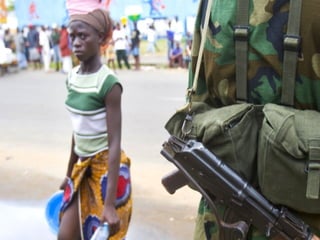
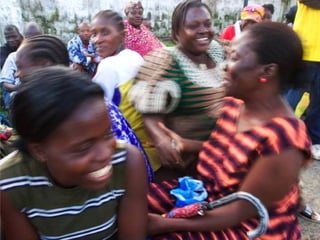
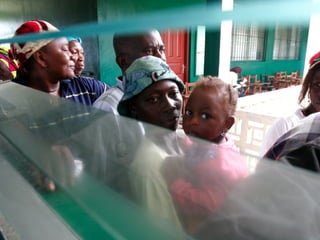
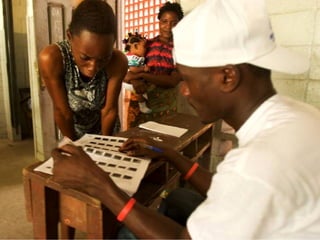
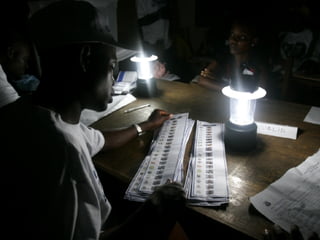
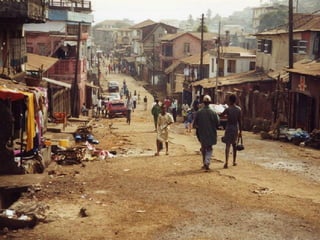
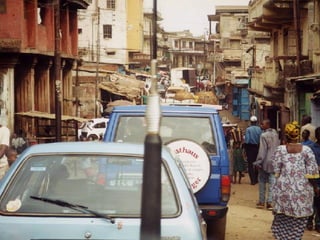
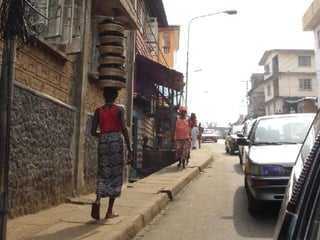
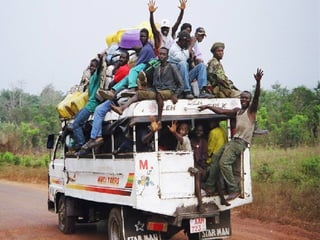
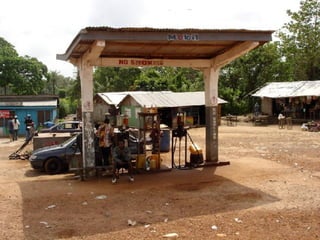
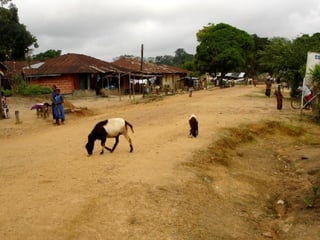
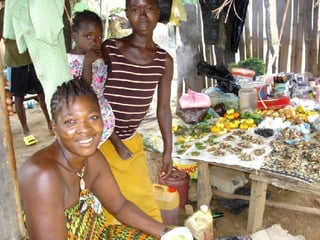
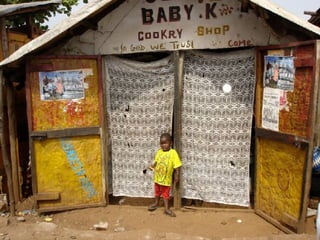
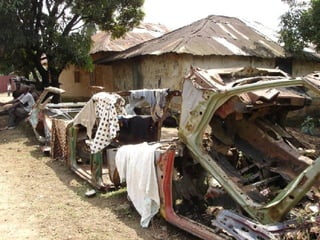
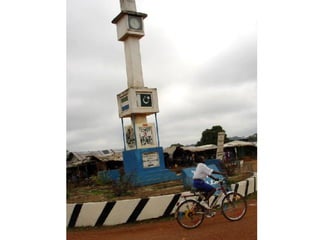
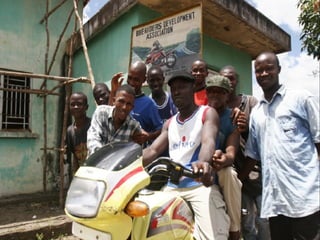
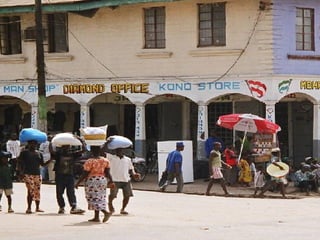
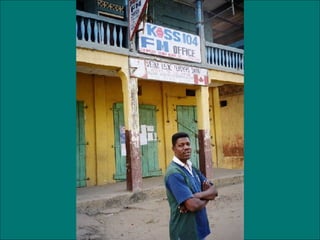
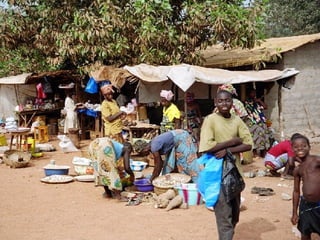
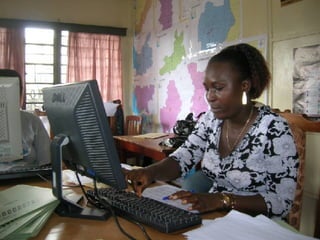
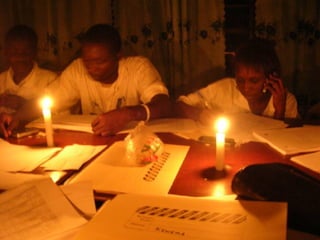
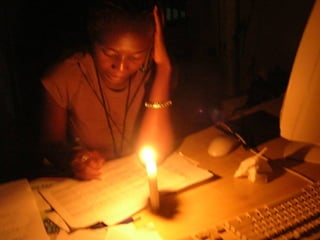
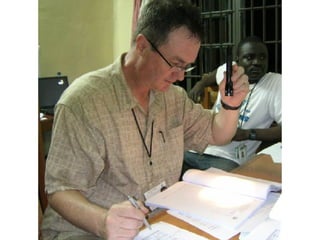
Presentation by Bill Siemering Photos of the elections in Liberia by documentary photographer, Rachel Leventhal ( http:// rachelleventhal.com /) Radio producer Virginia Presto contributed to the photos from Sierra Leone. Photos of the 2007 election in Sierra Leone by DRP consultant, Terry Fitzpatrick. All other photos by Bill Siemering © all rights reserved by the authors
Mission:  to bring information to those who need it most:  People living in rural areas in poor countries where radio is the dominant medium. 
Improve program content Build capacity and sustainability Strengthen the community radio sector Objective :  to build the capacity of community-based stations in developing countries.
Method:  collaborate with local stations to strengthen their service to the community, ensure their financial stability, and build overall capacity . 
Effectiveness   of Radio Increase percentage of girls in school from  40% to 60% Increase likelihood of HIV testing for men  by 800%  Reduce incidence of cholera Hold public officials accountable and expose  corruption Improve access to family planning for women Deploy peaceful models for conflict resolution to reduce violence
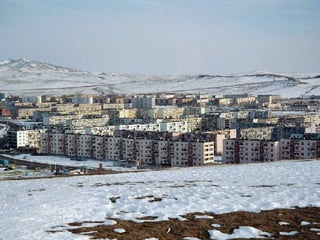
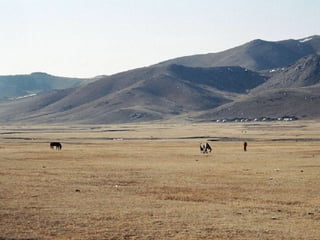
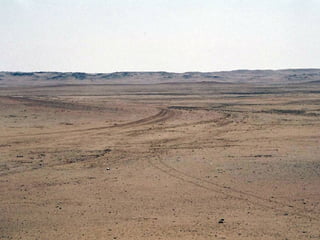
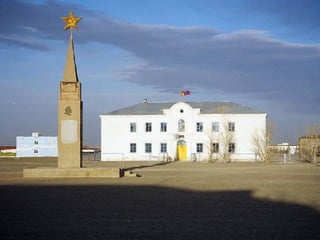
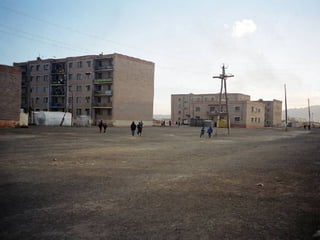
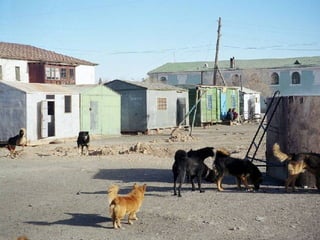
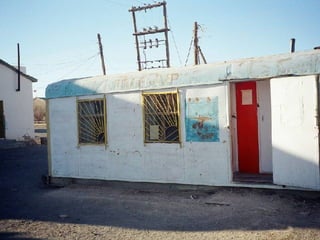
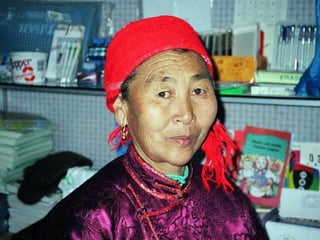
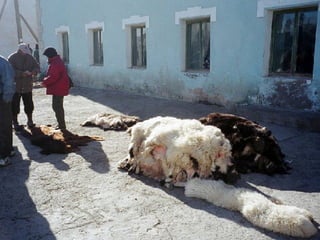
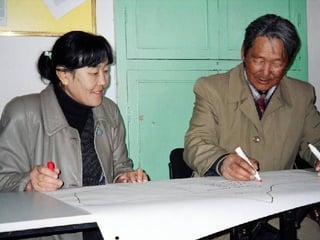
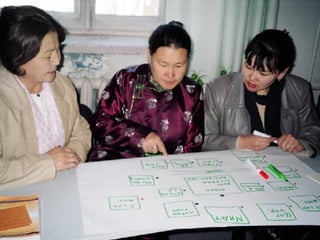
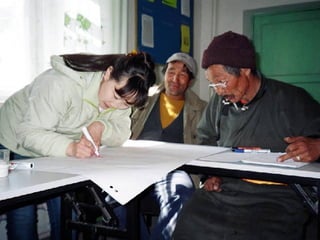
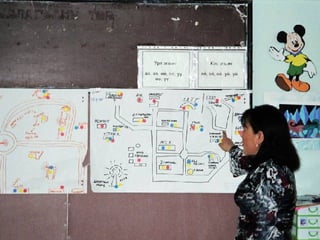
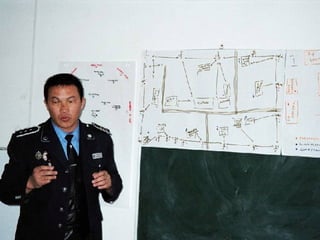
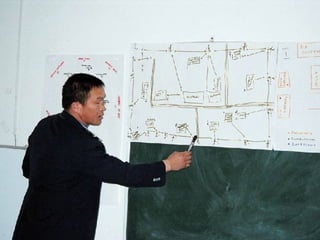
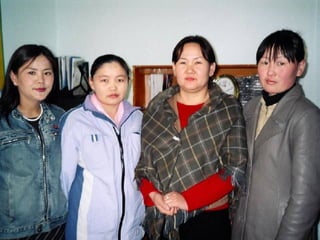
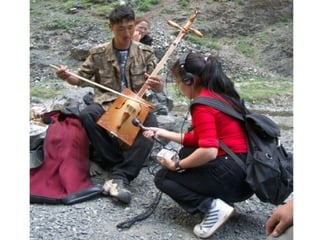
Community Engagement in Mongolia


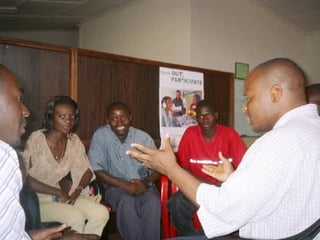
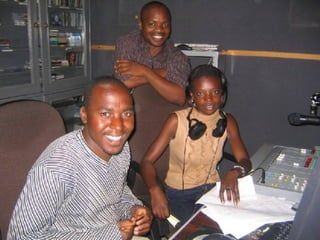
Citizen Participation in Zambia


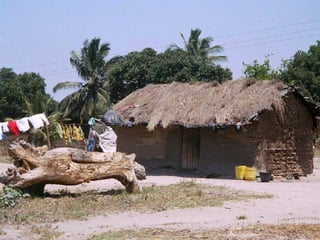
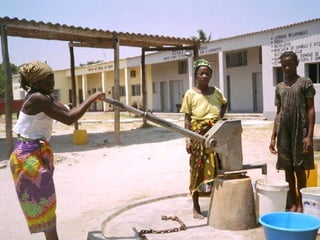
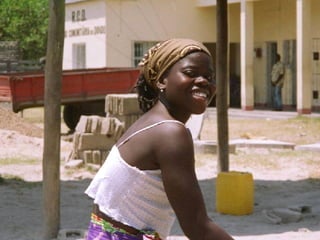
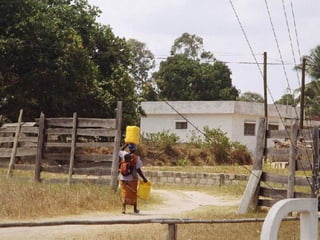
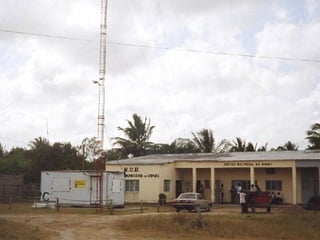
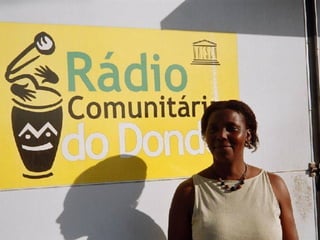
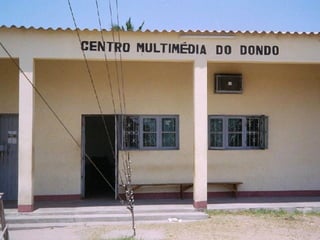
Radio as Community  in Mozambique


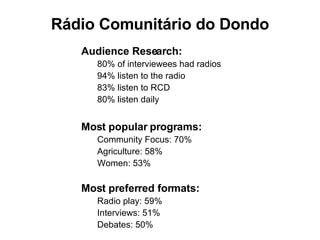
Audience Research: 80% of interviewees had radios 94% listen to the radio 83% listen to RCD 80% listen daily Most popular programs:   Community Focus: 70% Agriculture: 58% Women: 53% Most preferred formats: Radio play: 59% Interviews: 51% Debates: 50% R á dio Comunit á rio do Dondo


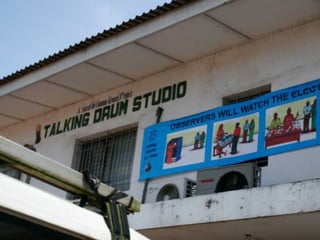
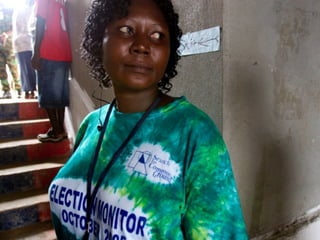
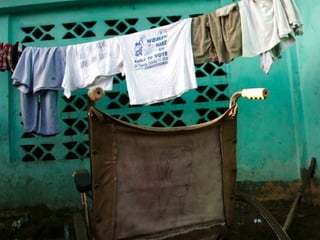
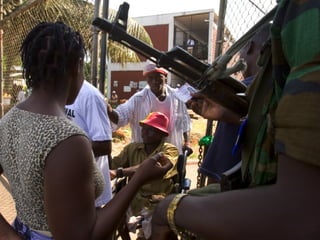
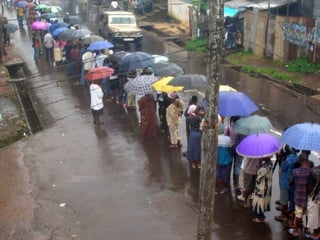
Voter Education  in Liberia


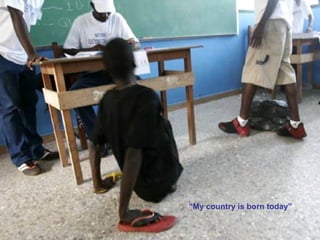
“ My country is born today”
 
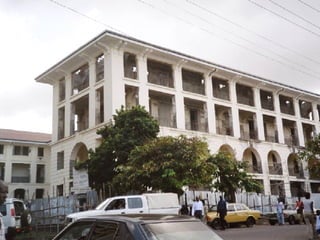
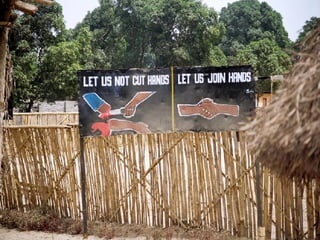
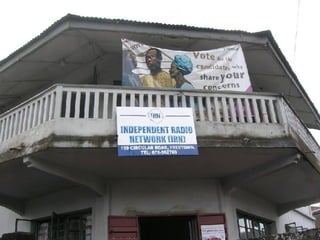
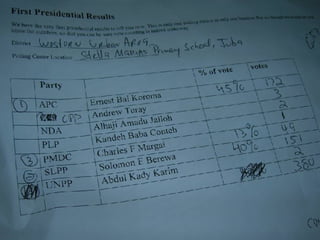
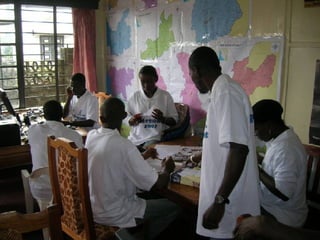
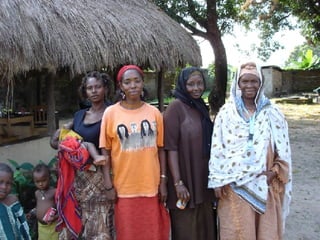
Moving from  Conflict to Peace  in Sierra Leone


Commended “the admirable roles played by media institutions such as the Independent Radio Network…in charting the way forward for the media to be actively engaged at all levels of the political process in the country.”    —Media Monitoring Panel
In contrast, other media outlets were censured for “inciting violence, promoting hate, malice, tribalism, and political intolerance.”    —Media Monitoring Panel
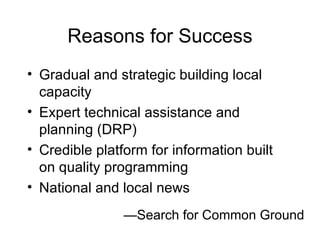
Reasons for Success Gradual and strategic building local capacity Expert technical assistance and planning (DRP) Credible platform for information built  on quality programming National and local news — Search for Common Ground
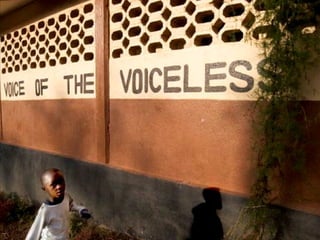
We never lose sight of the ultimate beneficiaries:  people .  People  whose lives are enriched by enjoying their local music and expressing their voices.  People  whose lives are changed and sometimes saved by the radio.


Few social investments have a broader reach or affect more people than an engaging local radio station.

Developing Radio Partners - Bill Siemering

  • 1.
    Presentation by BillSiemering Photos of the elections in Liberia by documentary photographer, Rachel Leventhal ( http:// rachelleventhal.com /) Radio producer Virginia Presto contributed to the photos from Sierra Leone. Photos of the 2007 election in Sierra Leone by DRP consultant, Terry Fitzpatrick. All other photos by Bill Siemering © all rights reserved by the authors
  • 2.
    Mission: tobring information to those who need it most: People living in rural areas in poor countries where radio is the dominant medium. 
  • 3.
    Improve program contentBuild capacity and sustainability Strengthen the community radio sector Objective : to build the capacity of community-based stations in developing countries.
  • 4.
    Method: collaboratewith local stations to strengthen their service to the community, ensure their financial stability, and build overall capacity . 
  • 5.
    Effectiveness of Radio Increase percentage of girls in school from 40% to 60% Increase likelihood of HIV testing for men by 800% Reduce incidence of cholera Hold public officials accountable and expose corruption Improve access to family planning for women Deploy peaceful models for conflict resolution to reduce violence
  • 6.
  • 7.
  • 8.
  • 9.
  • 10.
  • 11.
  • 12.
  • 13.
  • 14.
  • 15.
  • 16.
  • 17.
  • 18.
  • 19.
  • 20.
  • 21.
  • 22.
  • 23.
  • 24.
  • 25.
  • 26.
  • 27.
  • 28.
  • 29.
  • 30.
  • 31.
    Radio as Community in Mozambique
  • 32.
  • 33.
  • 34.
  • 35.
  • 36.
  • 37.
  • 38.
  • 39.
  • 40.
  • 41.
  • 42.
  • 43.
  • 44.
  • 45.
  • 46.
  • 47.
  • 48.
    Audience Research: 80%of interviewees had radios 94% listen to the radio 83% listen to RCD 80% listen daily Most popular programs: Community Focus: 70% Agriculture: 58% Women: 53% Most preferred formats: Radio play: 59% Interviews: 51% Debates: 50% R á dio Comunit á rio do Dondo
  • 49.
  • 50.
  • 51.
  • 52.
  • 53.
  • 54.
    Voter Education in Liberia
  • 55.
  • 56.
  • 57.
  • 58.
  • 59.
  • 60.
  • 61.
  • 62.
  • 63.
    “ My countryis born today”
  • 64.
  • 65.
    Moving from Conflict to Peace in Sierra Leone
  • 66.
  • 67.
  • 68.
  • 69.
  • 70.
  • 71.
  • 72.
  • 73.
  • 74.
  • 75.
  • 76.
  • 77.
  • 78.
  • 79.
  • 80.
  • 81.
  • 82.
  • 83.
  • 84.
  • 85.
  • 86.
  • 87.
  • 88.
  • 89.
  • 90.
  • 91.
  • 92.
  • 93.
  • 94.
  • 95.
  • 96.
    Commended “the admirableroles played by media institutions such as the Independent Radio Network…in charting the way forward for the media to be actively engaged at all levels of the political process in the country.” —Media Monitoring Panel
  • 97.
    In contrast, othermedia outlets were censured for “inciting violence, promoting hate, malice, tribalism, and political intolerance.” —Media Monitoring Panel
  • 98.
    Reasons for SuccessGradual and strategic building local capacity Expert technical assistance and planning (DRP) Credible platform for information built on quality programming National and local news — Search for Common Ground
  • 99.
    We never losesight of the ultimate beneficiaries: people . People whose lives are enriched by enjoying their local music and expressing their voices. People whose lives are changed and sometimes saved by the radio.
  • 100.
  • 101.
  • 102.
  • 103.
  • 104.
  • 105.
    Few social investmentshave a broader reach or affect more people than an engaging local radio station.