Collaboration in Libraries
  Maryann Kempthorne
                July 2012
Collaboration in libraries

Collaboration in libraries

Editor's Notes

  • #2 For many years there have been plans and projects that support, evolve and actualize the collaboration of library services across the sectors of public (and some private) service. Meaning Academic libraries, Public libraries and school libraries (what I often call, ‘the ‘other’ public library or… the ‘other academic library’) should be working together with increasing frequency. We are all ‘necessary luxury’ in the face of community development, teaching and learning, we are one of the most enduring, flexible and efficient of all the social services… or at least we could be… We are discrete to each other but need to find a voice to delineate some of our characteristics.It is an age of reformation and all libraries are being tasked to develop new services and assess the old. To do this energy must stick to purpose and think locally but act globally. If Libraries have their common ground it is is around the inertia upon us to shepherd change where we most consistently converge. There is a hope we can be simplifed and where we can we should. Where we cannot we must explain. Only we can make our role understoodIn the future of each sector there are more unknowns than knowns. Strategy is complex…. And the demand for strategy is high.How can we flourish and achieve in our communities, how can we create a professional network to select, curate, invest in and even publish valuable content for the future? Content that will best serve the future.It is a race. There are barriers to collaborating and barriers to working efficiently in the face of, especially digital technology (but not exclusively digital technologies)… might be do. Or die. Lets not be the last to know.
  • #3 Small, medium and large collaborative projects of libraries have run into barriers. These cannot be avoided but must be met with resilience and with patience. The work of of libraries is complex and time consuming. To create collaboration where independence led will take us some time. Great strides have been made so far to build resource sharing for special formats, integrating services through one card goals, hatching multi-sector deals, co-operatives and other networks.There have been failures too, reworking and misfires. The barriers have to be anticipated and accepted. Not knowing each other’s expertise is the worst barrier, talking at cross purposes and failing to go local.It takes a local minded village to get this done. Remember always what each sector can bring when we come together. Do we understand each other and are we sharing a broad vision that builds on the strength of each party?The amazing abilities of our teacher-librarians to nurture the learning and information seeking lives of citizens ages 6 to 16, year in and year out.The community building force that is our luxuriant and wonderful public library system open everyday in this province for anyone.The innovative experience and kismet of the academic sector whether they be community colleges, technical institutes or world class universities who help men, women and children find their vocation and extend their identities.It takes a village and collaboration will only have meaning when we bring something ourselves while admitting the need to take advantage of the expertise of others. Competition and collaboration never mix, this is not a turf war but rather an active investigation of best practice. Collaboration is built on mentoring and reciprocity, core values of British Columbia.
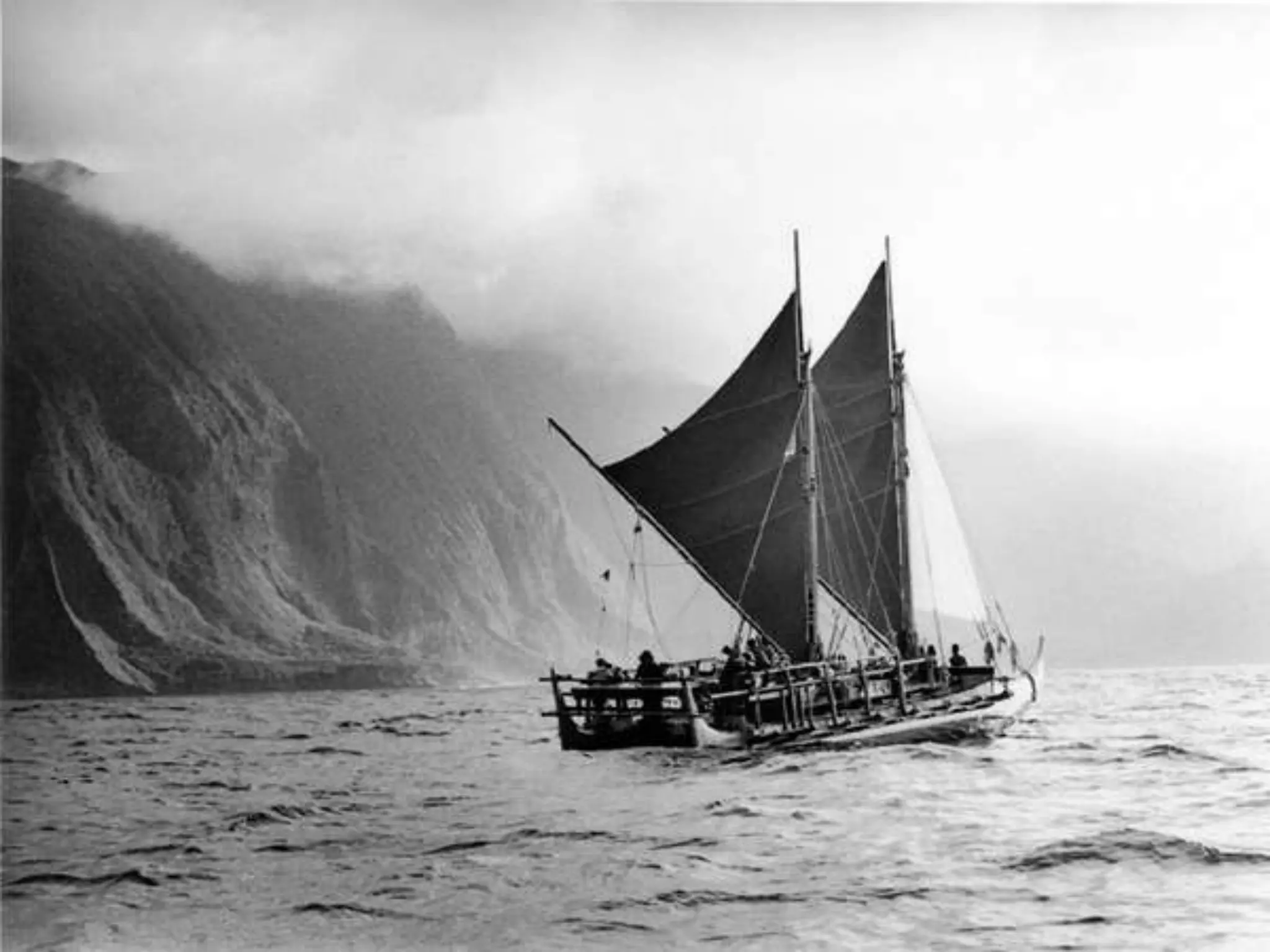
  • #4 Collaboration is about going somewhere and not actually about possessing ANYTHING. Professionals in the library community are taxed. We are stretched to the limit and I mean that in a good way. If there is one truth among us (and it has perhaps ever been thus).. Our reach exceeds our grasp. Collaboration is the mechanism through which we will maximize the effects of our reach, it is really the only way in the current climate where choices are many and directions expanding.Finding our way in this relies on an approach to what we know that is different than the approaches taken by libraries in the last century. We must proceed with confidence and openness. Strategy will serve us better than demand and confidence in our ability must be underpinned by a pragmatism about the lack of clarity in the direction to take next. It is a risky time with no die-cast route in front of us. It is a positive time with options for wayfinding that will allow us to form new library systems. To overcome barriers we must take an approach akin to the navigation of open water Pacific Islanders took on. Take a network approach rather than a top-down one. Library as a platform for wayfinding, discovery and not search and retrieve…In sharp contrast to the shore hugging, map based route frameworks of Europeans the resilience in transference of skill, a faith in observation and a courage for the unknown put men in outrigger canoes on a path across vast uncharted seas. That is our challenge. To be comfortable in the uncertainty and to face the wide open spaces. We should think big, big data, big futures, massive collaborationDiscover the best ways. Watch for clues to land in safe harbour instead of having hard expectations at the onset. ObserveMeasure your capacity. How far can we travel – safely - in our time before exhaustion or starvation will cause us to lose the ability to power our canoe.Build a route that focuses on outcomes of progress not the momentary flavour of change. Change is too rapid to build superstructures over. Oscillate between short-gains and the big win. Build momentum and get into the flow of change. (e.g. digitization, community bandwidth, social media and media_shift)
  • #5 My desktop picture.. If we accept that we want to spur collaboration to discover, rather than dictate, new capacity it will take a lot to ‘talk’ it out. A strong network (physical and intellectual) will be required of us. Communication has always been key and we have better tools now than we did. Barriers libraries face as they have set to collaborate in the past have not been insignificant. Major funding shifts, mercurial digital media development, facilities challenges, asynchronous business cycles, instances of labour dispute, social change and economic downturn in communities. We will not be able to just ‘sign everyone up’ for collaboration – one day.Communicating the shift to a collaborative framework is important to create a lucid and articulate group of libraries everyone expects when they say LIBRARIES. Not obsessed with the creeds of School, Academic or Public… something made possible by our separation from the STUFF business.Creating vast networks of accessible open presentation of successful library collaboration will build that momentum and create new opportunity. We still lack co-ordination around our successes. We must hold fidelity with an approach to an online community space (so common of many enterprises today). Digital collaborative space will build a place where service change, service improvements and innovation can be showcased and reviewed among peers. Think big. Build a big space and be willing to wait the next 10 years for a new sort of monumental change.The current media options and the open orientation of government to communications offer us the opportunity we need to upgrade our digital presence, move to asynchronous access to our services and to each other. Libraries might see more productive collaboration out of these very soon, K12 is. As anxiety rises about the artifacts libraries house we must be shifting to being communications organizations. Libraries always have been. We are not dusty book warehouses but are sites of knowledge. The delivery systems are in flux but the actual mechanics of wanting collected information sources in context is eternal and a place to exchange and share information is business we have a responsibility to lead.
  • #6 To addvalue to library service means fostering collaboration and minimizing losses. The rate of change in front of us (and just behind us) is rapid. The time is now to stop measuring the speed of change and step into the flow.(Where my library work began…. In un-contrast to Stockholm)… and the return to closed stacks. Closed systems….Come to the table with strengths, measure out capacity for strategic change and make things happen... Broker the conversation an stop buying!!! Put aside wherever possible the vocabulary built on boundaries will best prepare libraries for a colloaborativefuture -- linchpin, community centred learning environments. We stand better shoulder to shoulder than one behind each other.Collaboration is hard but momentum is there and libraries should NOT squander trust built.
  • #7 Questions?