Download to read offline

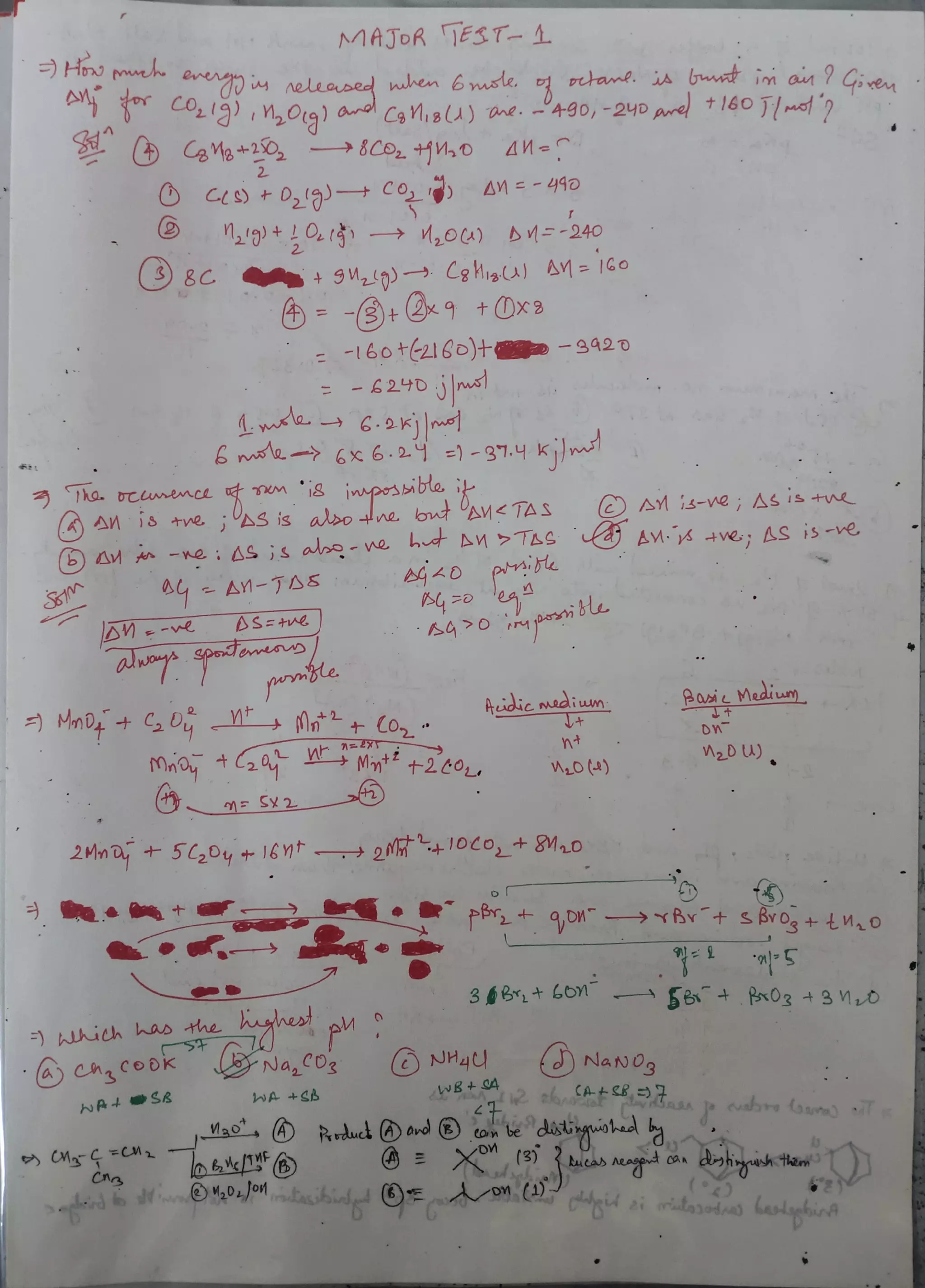
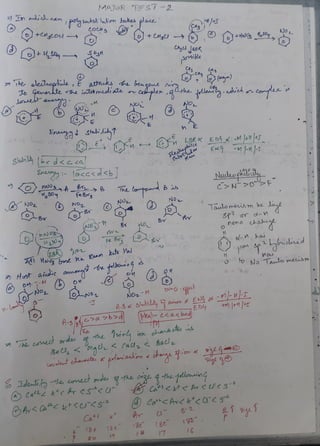
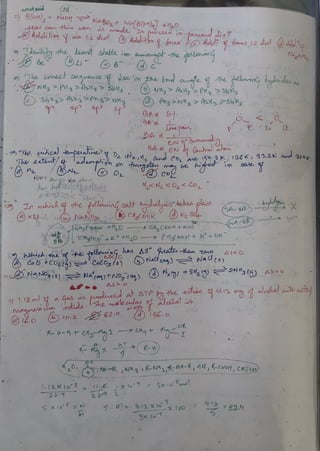
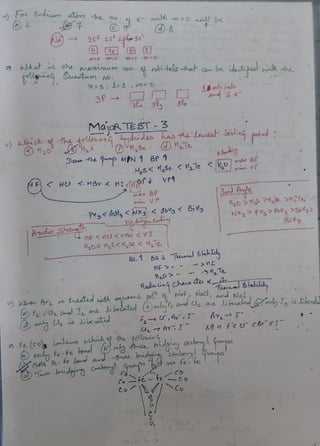
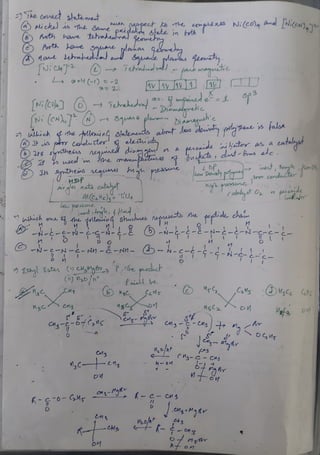
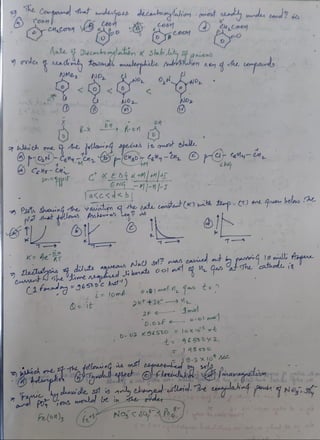
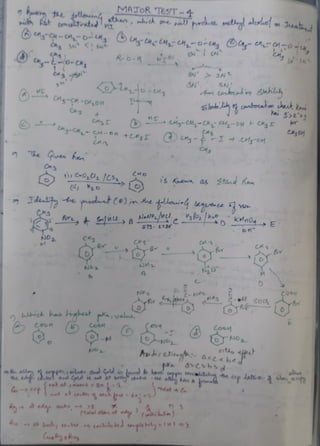
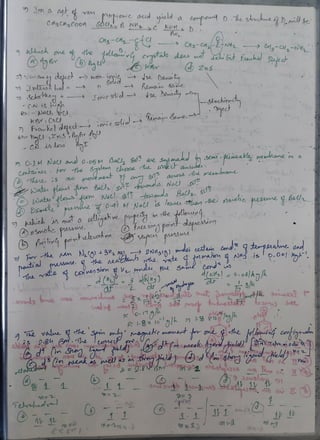
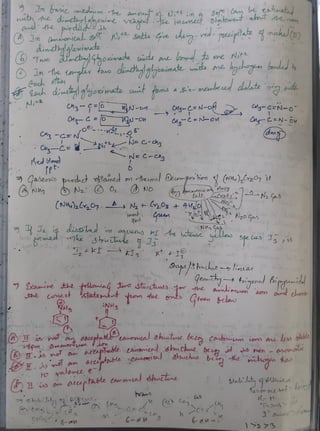
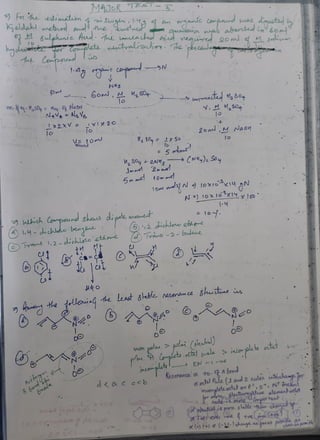
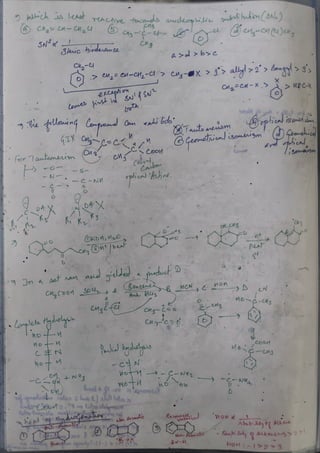
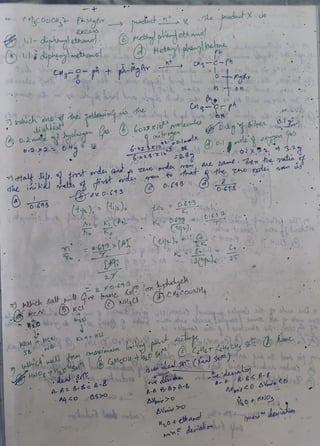

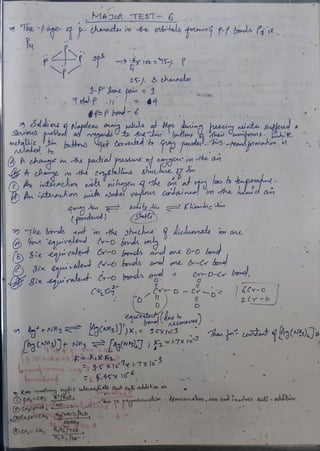
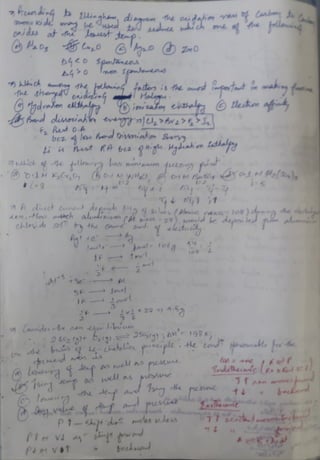
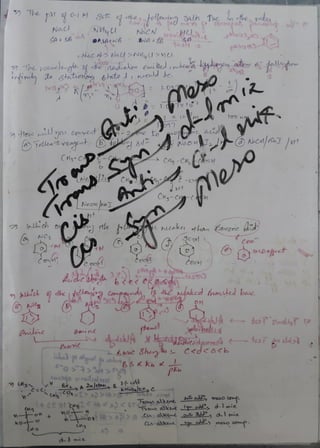
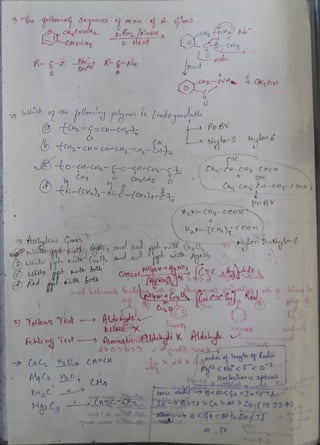
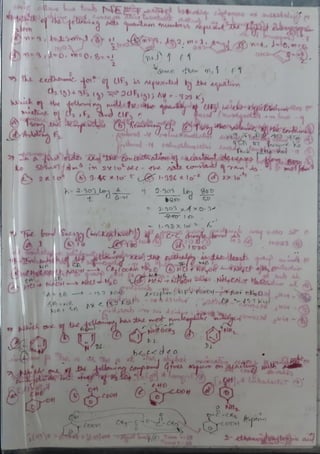
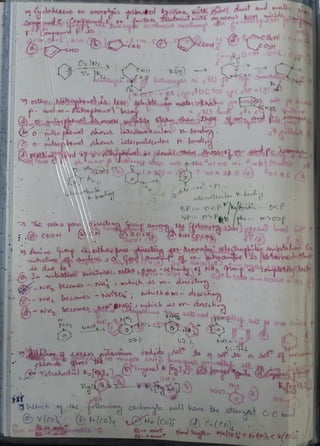
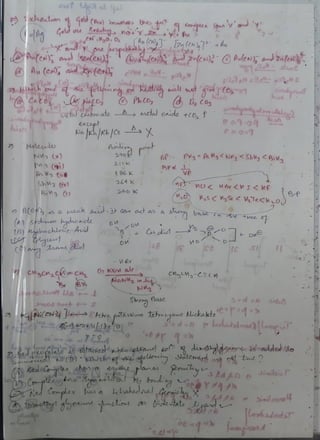
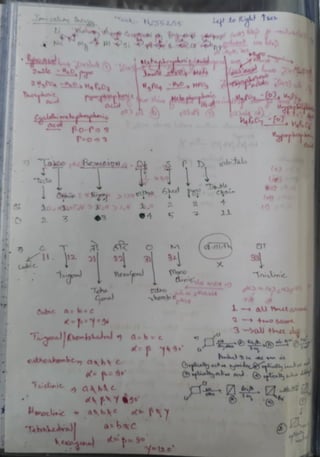
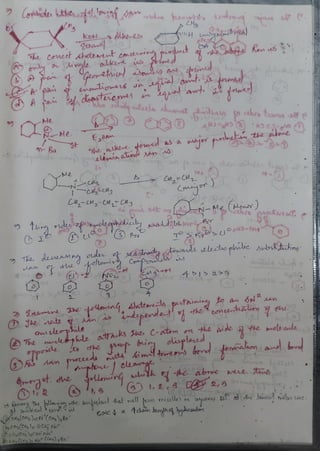
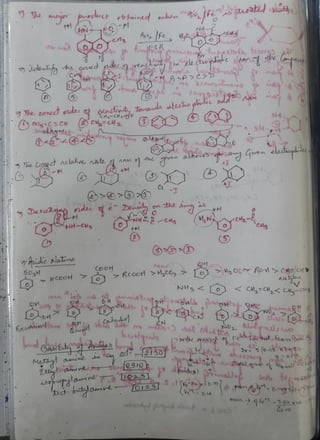
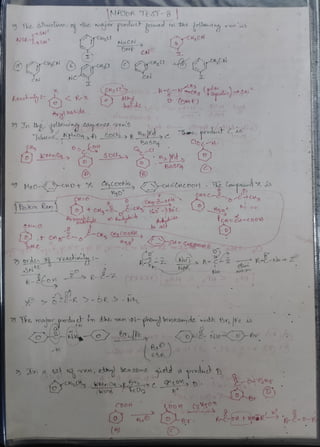
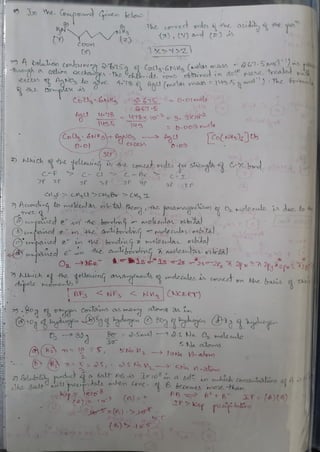
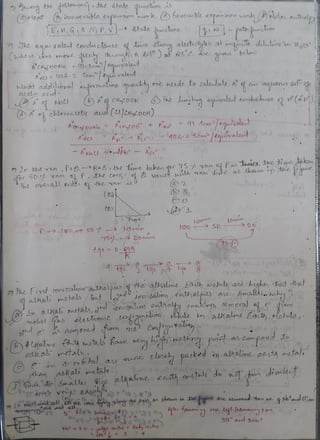
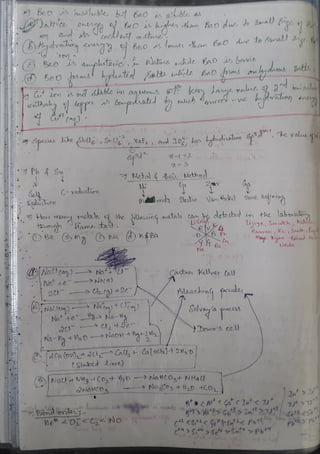
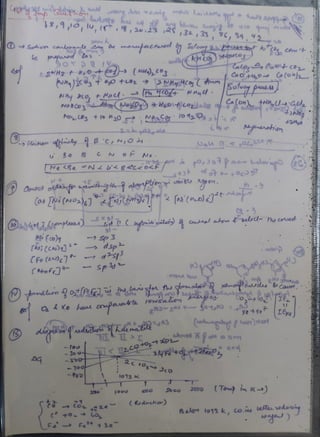
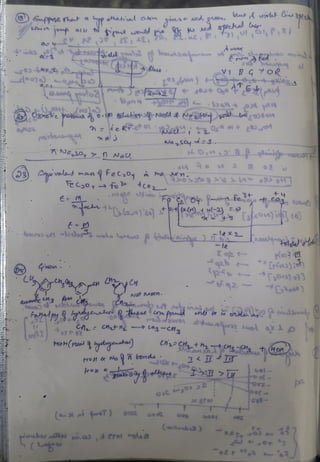
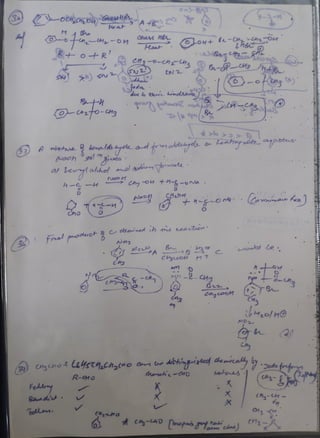
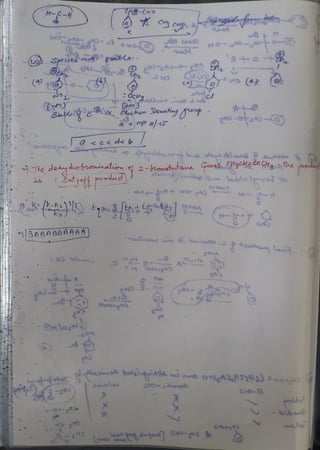
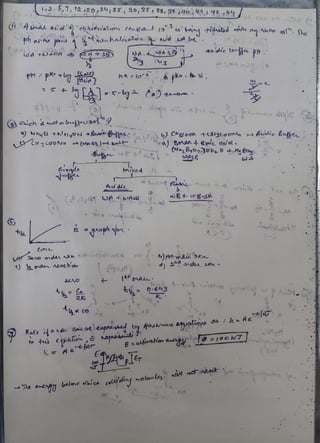
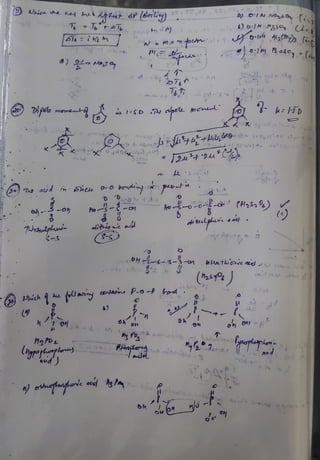
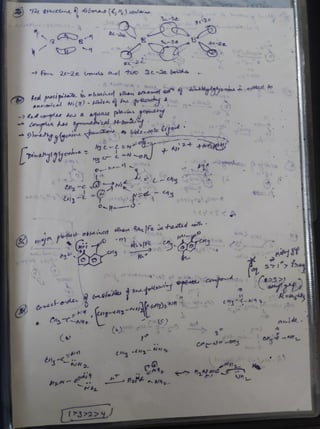
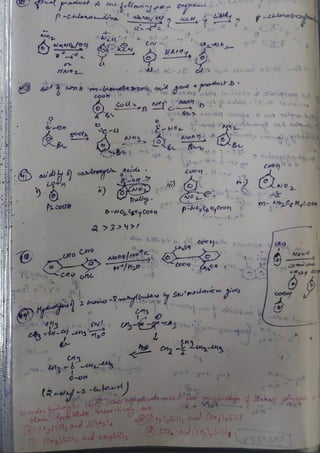
NEET Chemistry is divided into three sections, namely, Physical, Organic and Inorganic Chemistry. Compared to Biology and Physics, Chemistry is considered to be the most scoring section. If prepared thoroughly, chemistry can help students to secure a meritorious position in the exam. Out of a total 720 marks (180 questions), NEET Chemistry comprises 180 marks (45 Questions). Therefore, it is essential for students to prepare well for the Chemistry section.Nearly 36% of weightage in NEET Chemistry section is allotted to Physical and Inorganic Chemistry while 28% of weightage is allotted to Organic Chemistry Syllabus as per previous trends, in some instances, equal marks-distribution is seen between all three sections. In order to enhance your chemistry preparation, it’s crucial to have thorough planning considering all your strengths, weaknesses and time availability for exam preparation.The chemistry section of NEET is considered to be the scoring section. The questions are NCERT-based predominantly. While all chapters of the NEET Chemistry syllabus must be thoroughly read and understood to excel at NEET, there are some chapters in the syllabus that are most important and must be prioritized. As per previous years’ trends, questions from the following chapters are said to have appeared the most. These numbers are subject to change every year. Take a look at the most important chapters of NEET Chemistry so far – Equilibrium p-block elements Hydrocarbons D and f block elements Coordination compounds Chemical bonding & molecular structure Electrochemistry Solutions Organic chemistry – Some basic principles and techniques Aldehydes, ketones and carboxylic acids In addition, to the above-mentioned chapters, candidates are also required to thoroughly learn and comprehend other chapters covered in the NEET Syllabus to be able to answer any question asked in NEET.This is a list of do or die chapters for NEET Chemistry 2023: Chemical bonding, Structure of atom, Equilibrium, Hydrocarbon, Coordination compounds, Thermodynamics, GOC, Electrochemistry, Amine, Name Reaction, Chemical kinetics, Biomolecules, Aldehyde ketone, Polymers, d and f block, p-block (class 12)NCERT theoretical concepts must be mastered. 2. Solve NCERT exemplar questions and also solve coaching modules 3. Organic chemistry – the process of reactions must be understood, which only helps to learn reactions on the same lines just as easily. Practice consistently 4. Inorganic chemistry – prepare notes for important reactions and practice thoroughly. Refer NCERT for this 5. Physical chemistry – make note of all equations soon after covering a chapter 6. Maintain a separate section in notes for reactions and their working 7. Make key notes and revise regularly 8. Solve previous years’ question papers, sample papers 9. Take up a mock test every dayRevise Inorganic Chemistry on a regular basis, complete all NCERT chapters. Make formula charts in Physical Chemistry and revise it from ti


