TOKYO TOKYO TOKYOTOKYO TOKYO TOKYO TOKYO TOKYO TOKYO TOKYO TOKYO TOKYO
TOKYO TOKYO TOKYO TOKYO TOKYO TOKYO TOKYO TOKYO TOKYO TOKYO TOKYO TOKYO
TOKYO TOKYO TOKYO TOKYO TOKYO TOKYO TOKYO TOKYO TOKYO TOKYO TOKYO TOKYO
TOKYO TOKYO TOKYO TOKYO TOKYO TOKYO TOKYO TOKYO TOKYO TOKYO TOKYO TOKYO
TOKYO TOKYO TOKYO TOKYO TOKYO TOKYO TOKYO TOKYO TOKYO TOKYO TOKYO TOKYO
TOKYO TOKYO TOKYO TOKYO TOKYO TOKYO TOKYO TOKYO TOKYO TOKYO TOKYO TOKYO
TOKYO TOKYO TOKYO TOKYO TOKYO TOKYO TOKYO TOKYO TOKYO TOKYO TOKYO TOKYO
TOKYO TOKYO TOKYO TOKYO TOKYO TOKYO TOKYO TOKYO TOKYO TOKYO TOKYO TOKYO
TOKYO TOKYO TOKYO TOKYO TOKYO TOKYO TOKYO TOKYO TOKYO TOKYO TOKYO TOKYO
TOKYO TOKYO TOKYO TOKYO TOKYO TOKYO TOKYO TOKYO TOKYO TOKYO TOKYO TOKYO
TOKYO TOKYO TOKYO spaces MOBILE DATUM + people CROSSINGS TOKYO TOKYO TOKYO
TOKYO TOKYO TOKYO TOKYO TOKYO TOKYO TOKYO TOKYO TOKYO TOKYO TOKYO TOKYO
TOKYO TOKYO TOKYO TOKYO TOKYO TOKYO TOKYO TOKYO TOKYO TOKYO TOKYO TOKYO
TOKYO TOKYO TOKYO TOKYO TOKYO TOKYO TOKYO TOKYO TOKYO TOKYO TOKYO TOKYO
TOKYO TOKYO TOKYO TOKYO TOKYO TOKYO TOKYO TOKYO TOKYO TOKYO TOKYO TOKYO
TOKYO TOKYO TOKYO TOKYO TOKYO TOKYO TOKYO TOKYO TOKYO TOKYO TOKYO TOKYO
TOKYO TOKYO TOKYO TOKYO TOKYO TOKYO TOKYO TOKYO TOKYO TOKYO TOKYO TOKYO
TOKYO TOKYO TOKYO TOKYO TOKYO TOKYO TOKYO TOKYO TOKYO TOKYO TOKYO TOKYO
TOKYO TOKYO TOKYO TOKYO TOKYO TOKYO TOKYO TOKYO TOKYO TOKYO TOKYO TOKYO
TOKYO TOKYO TOKYO TOKYO TOKYO TOKYO TOKYO TOKYO TOKYO TOKYO TOKYO TOKYO
TOKYO TOKYO TOKYO TOKYO TOKYO TOKYO TOKYO TOKYO TOKYO TOKYO TOKYO TOKYO
T O K
Y O
2.
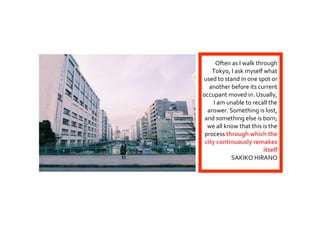
Often as Iwalk through
Tokyo, I ask myself what
used to stand in one spot or
another before its current
occupant moved in. Usually,
I am unable to recall the
answer. Something is lost,
and something else is born;
we all know that this is the
process through which the
city continuously remakes
itself
SAKIKO HIRANO
3.
space MOBILE DATUM+ people CROSSINGS
*
the intense vitality of the
people who are caught in the
middle of cultural duty and
pressing notions of
modernity, or to put simply;
Tokyoites of the present
caught within the past and
the future
distortions of the shape of the space was done in hopes of revealing the myriad of cross
p a t h s w h i c h a r e a v a i l a b l e t h r o u g h
4.
0800 CHUO (weekdays)TRADE
1000 TAITO (weekends) TRADITION
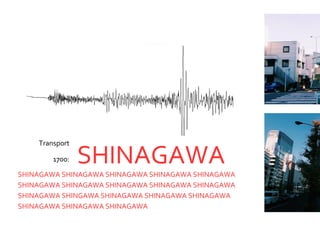
1700 SHINAGAWA TRANSPORT
1900 SHIBUYA THRILL
daily schedule
emphasis of the curvatures that opens up the space; this sense of potential energy, a need
f o r m o b i l i t y f r o m T o k y o
5.
CHŪŌ
Trade
0800:
CHUO CHUO CHUOCHUO CHUO CHUO CHUO CHUO CHUO CHUO CHUO
CHUO CHUO CHUO CHUO CHUO CHUO CHUO CHUO CHUO CHUO CHUO
CHUO CHUO CHUO CHUO CHUO CHUO CHUO CHUO CHUO CHUO CHUO
CHUO CHUO CHUO
7.
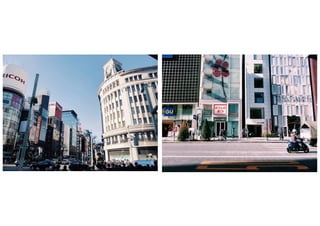
co-existence of vastlydifferent
architectural styles
start the day to the east: everyday
overcrowded markets in machiya(s),
the Japanese merchant-house
topology, at Tsujiki
or to the west: upscale and high-rise
contemporary offices and department
stores of Ginza
8.
contra of tradestyles
Tsujiki, unlike Ginza, is packed with
people up against one another, trying
to get the best prices for their
groceries and auctioning of fish which
lasts only until noon. While in Ginza,
the fixed prices of international brands
await all day
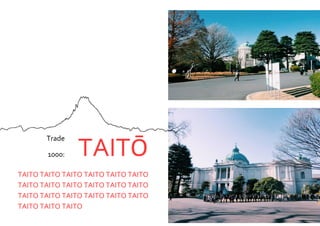
co-existence of vastlydifferent
architectural styles
(turn around: left to right)
Tokyo National Museum
Hyokeikan colonial influenced Meiji style
+people lining up for a hermès
showcase
Honken eastern "emperor's crown style"
Toyokan contemporary architectural style
+people picnicking/sketching
14.
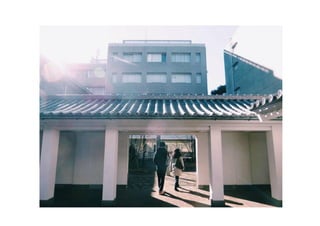
contra in differentdisciplines of
institutions and knowledge
(overleaf: left to right)
newly constructed Tokyo Metropolitan
Festival Hall at the Ueno Imperial Park,
the oldest urban park in Japan (1837)
Tokyo University of the Arts library
with "karakusagawara" roofing
overlooking the modish university
building
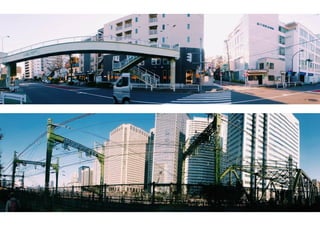
co-existence of vastlydifferent
residential styles
multiple unit blocks "apaato"
(apartments) surround the Sumida
River while the largest concentration of
the city’s hotels surround the railway
station.
20.
contra in modeof transport
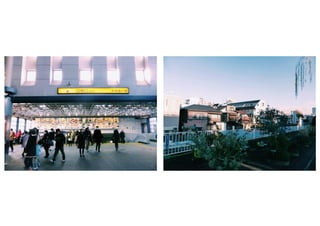
Shinagawa was once a fishing district,
with its boats that now remain still on
the Sumida River, is now transformed
to the second major railway hub in
Tokyo with 24 platforms in the main
Shinagawa station alone.
+6 million people per line annually
have chosen to take the railway
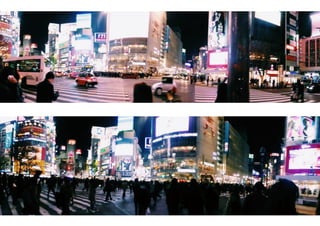
Shibuya is theplace that everyone
flocks to. From salarymen to
schoolgirls, they come together under
the neon lights to unwind and have a
good time
26.
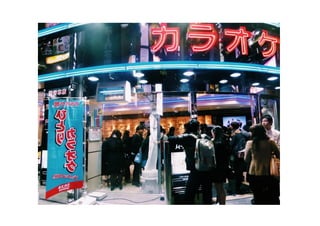
contra in thrillof entertainment
karaoke or kissaten
(Japanese tea-rooms)
high tech maid cafe or izakaya
(Japanese drinking establishment)
shop or manzai
(classic Japanese stand-up comedy)
?
29.
Who has notbeen seized by that feeling from time to time? Yet
in truth the city, like the humans who inhabit it, is a living being
that exists in a state of flux. Day by day tiny actions accumulates,
transforming the urban landscape
30.
TOKYO TOKYO TOKYOTOKYO TOKYO TOKYO TOKYO TOKYO TOKYO TOKYO TOKYO TOKYO
TOKYO TOKYO TOKYO TOKYO TOKYO TOKYO TOKYO TOKYO TOKYO TOKYO TOKYO TOKYO
TOKYO TOKYO TOKYO TOKYO TOKYO TOKYO TOKYO TOKYO TOKYO TOKYO TOKYO TOKYO
TOKYO TOKYO TOKYO TOKYO TOKYO TAN YIT FONG TOKYO TOKYO TOKYO TOKYO TOKYO
TOKYO TOKYO TOKYO TOKYO TOKYO TOKYO TOKYO TOKYO TOKYO TOKYO TOKYO TOKYO
TOKYO TOKYO TOKYO TOKYO TOKYO TOKYO TOKYO TOKYO TOKYO TOKYO TOKYO TOKYO
TOKYO TOKYO TOKYO TOKYO TOKYO TOKYO TOKYO TOKYO TOKYO TOKYO TOKYO TOKYO












![Kantor depan hotel smk pariwisata b anten [autosaved]](https://cdn.slidesharecdn.com/ss_thumbnails/kantordepanhotelsmkpariwisatabantenautosaved-120726021927-phpapp02-thumbnail.jpg?width=640&height=640&fit=bounds)


