VEGA VARGAS RICARDO ADRIAN
R3 DE MEDICINA INTERNA
DISCUSIÓN DE CASO CLÍNICO
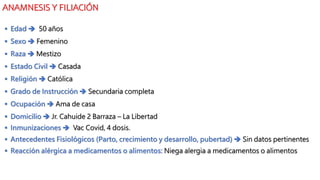
ANAMNESIS Y FILIACIÓN
 Edad  50 años
 Sexo  Femenino
 Raza  Mestizo
 Estado Civil  Casada
 Religión  Católica
 Grado de Instrucción  Secundaria completa
 Ocupación  Ama de casa
 Domicilio  Jr. Cahuide 2 Barraza – La Libertad
 Inmunizaciones  Vac Covid, 4 dosis.
 Antecedentes Fisiológicos (Parto, crecimiento y desarrollo, pubertad)  Sin datos pertinentes
 Reacción alérgica a medicamentos o alimentos: Niega alergia a medicamentos o alimentos
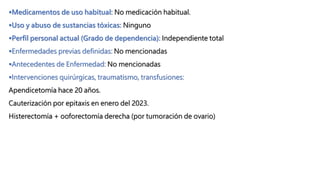
Medicamentos de uso habitual: No medicación habitual.
Uso y abuso de sustancias tóxicas: Ninguno
Perfil personal actual (Grado de dependencia): Independiente total
Enfermedades previas definidas: No mencionadas
Antecedentes de Enfermedad: No mencionadas
Intervenciones quirúrgicas, traumatismo, transfusiones:
Apendicetomía hace 20 años.
Cauterización por epitaxis en enero del 2023.
Histerectomía + ooforectomía derecha (por tumoración de ovario)
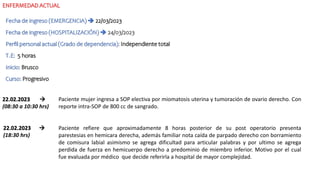
ENFERMEDAD ACTUAL
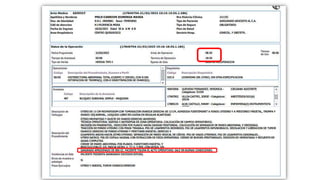
Fecha de ingreso (EMERGENCIA)  22/03/2023
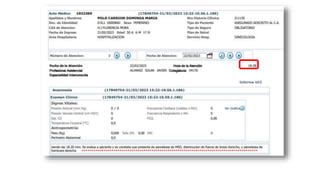
Fecha de ingreso (HOSPITALIZACIÓN)  24/03/2023
Perfil personal actual (Grado de dependencia): Independiente total
T.E: 5 horas
Inicio: Brusco
Curso: Progresivo
22.02.2023 
(08:30 a 10:30 hrs)
Paciente mujer ingresa a SOP electiva por miomatosis uterina y tumoración de ovario derecho. Con
reporte intra-SOP de 800 cc de sangrado.
22.02.2023 
(18:30 hrs)
Paciente refiere que aproximadamente 8 horas posterior de su post operatorio presenta
parestesias en hemicara derecha, además familiar nota caída de parpado derecho con borramiento
de comisura labial asimismo se agrega dificultad para articular palabras y por ultimo se agrega
perdida de fuerza en hemicuerpo derecho a predominio de miembro inferior. Motivo por el cual
fue evaluada por médico que decide referirla a hospital de mayor complejidad.
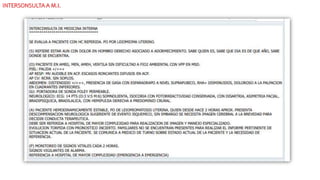
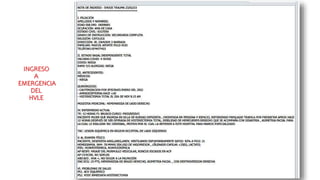
INTERSONSULTA A M.I.
INGRESO
A
EMERGENCIA
DEL
HVLE
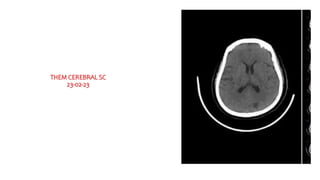
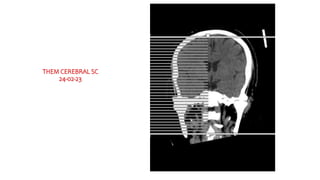
THEM CEREBRAL SC
23-02-23
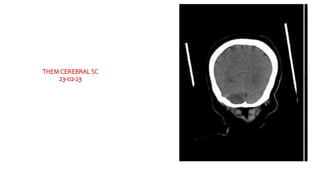
THEM CEREBRAL SC
23-02-23
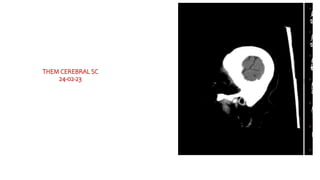
THEM CEREBRAL SC
24-02-23
THEM CEREBRAL SC
24-02-23
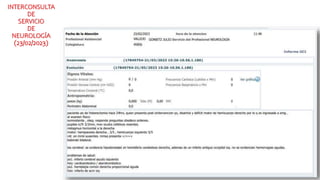
INTERCONSULTA
DE
SERVICIO
DE
NEUROLOGÍA
(23/02/2023)
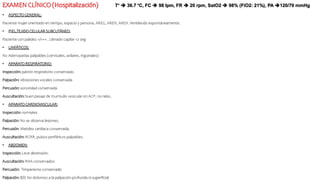
EXAMEN CLÍNICO (Hospitalización)
• ASPECTO GENERAL:
Paciente mujer orientado en tiempo, espacio y persona, AREG, AREN, AREH. Ventilando espontáneamente.
• PIEL,TEJIDO CELULAR SUBCUTÁNEO:
Paciente con palidez +/+++ , Llenado capilar <2 seg
• LINFÁTICOS:
No Adenopatías palpables (cervicales, axilares, inguinales)
• APARATO RESPIRATORIO:
Inspección: patrón respiratorio conservado.
Palpación: vibraciones vocales conservada
Percusión: sonoridad conservada
Auscultación: buen pasaje de murmullo vesicular en ACP, no rales.
• APARATO CARDIOVASCULAR:
Inspección: normales
Palpación: No se observa lesiones.
Percusión: Matidez cardiaca conservada.
Auscultación: RCRR, pulsos periféricos palpables.
• ABDOMEN:
Inspección: Leve distensión.
Auscultación: RHA conservados
Percusión: Timpanismo conservado
Palpación: B/D No doloroso a la palpación profunda ni superficial
T°  36.7 °C, FC  98 lpm, FR  20 rpm, SatO2  98% (FiO2: 21%), PA 120/70 mmHg
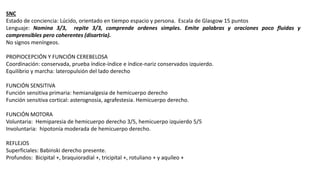
SNC
Estado de conciencia: Lúcido, orientado en tiempo espacio y persona. Escala de Glasgow 15 puntos
Lenguaje: Nomina 3/3, repite 3/3, comprende ordenes simples. Emite palabras y oraciones poco fluidas y
comprensibles pero coherentes (disartria).
No signos meníngeos.
PROPIOCEPCIÓN Y FUNCIÓN CEREBELOSA
Coordinación: conservada, prueba índice-índice e índice-nariz conservados izquierdo.
Equilibrio y marcha: lateropulsión del lado derecho
FUNCIÓN SENSITIVA
Función sensitiva primaria: hemianalgesia de hemicuerpo derecho
Función sensitiva cortical: asterognosia, agrafestesia. Hemicuerpo derecho.
FUNCIÓN MOTORA
Voluntaria: Hemiparesia de hemicuerpo derecho 3/5, hemicuerpo izquierdo 5/5
Involuntaria: hipotonía moderada de hemicuerpo derecho.
REFLEJOS
Superficiales: Babinski derecho presente.
Profundos: Bicipital +, braquioradial +, tricipital +, rotuliano + y aquíleo +
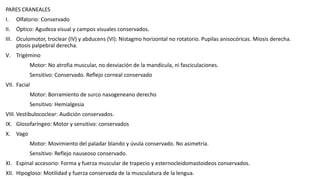
PARES CRANEALES
I. Olfatorio: Conservado
II. Óptico: Agudeza visual y campos visuales conservados.
III. Oculomotor, troclear (IV) y abducens (VI): Nistagmo horizontal no rotatorio. Pupilas anisocóricas. Miosis derecha.
ptosis palpebral derecha.
V. Trigémino
Motor: No atrofia muscular, no desviación de la mandícula, ni fasciculaciones.
Sensitivo: Conservado. Reflejo corneal conservado
VII. Facial
Motor: Borramiento de surco nasogeneano derecho
Sensitivo: Hemialgesia
VIII. Vestibulococlear: Audición conservados.
IX. Glosofaríngeo: Motor y sensitivo: conservados
X. Vago
Motor: Movimiento del paladar blando y úvula conservado. No asimetría.
Sensitivo: Reflejo nauseoso conservado.
XI. Espinal accesorio: Forma y fuerza muscular de trapecio y esternocleidomastoideos conservados.
XII. Hipogloso: Motilidad y fuerza conservada de la musculatura de la lengua.
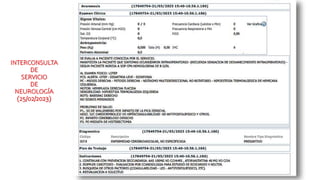
INTERCONSULTA
DE
SERVICIO
DE
NEUROLOGÍA
(25/02/2023)
INTERCONSULTA
DE
SERVICIO
DE
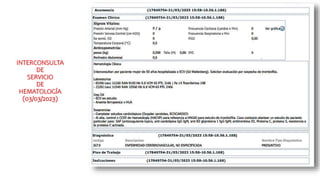
HEMATOLOGÍA
(03/03/2023)
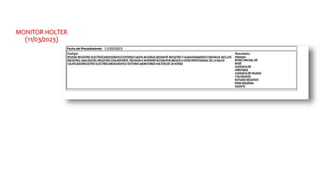
MONITOR HOLTER
(11/03/2023)
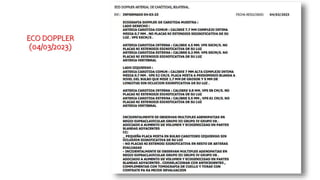
ECO DOPPLER
(04/03/2023)
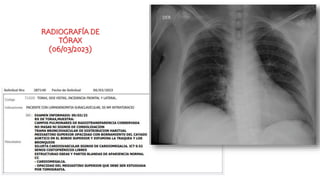
RADIOGRAFÍA DE
TÓRAX
(06/03/2023)
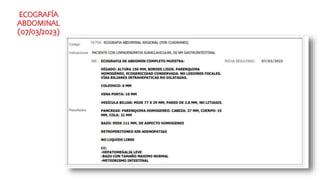
ECOGRAFÍA
ABDOMINAL
(07/03/2023)
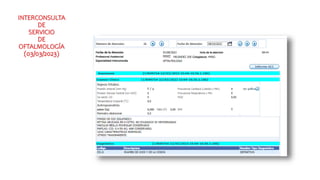
INTERCONSULTA
DE
SERVICIO
DE
OFTALMOLOGÍA
(03/03/2023)
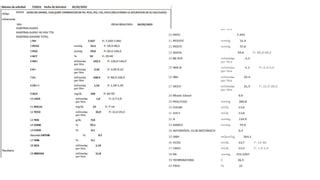
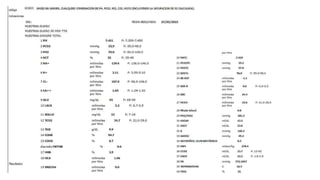
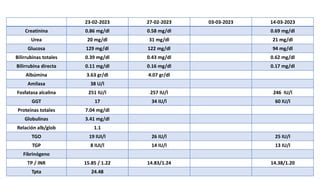
23-02-2023 27-02-2023 03-03-2023 14-03-2023
Creatinina 0.86 mg/dl 0.58 mg/dl 0.69 mg/dl
Urea 20 mg/dl 31 mg/dl 21 mg/dl
Glucosa 129 mg/dl 122 mg/dl 94 mg/dl
Bilirrubinas totales 0.39 mg/dl 0.43 mg/dl 0.62 mg/dl
Bilirrubina directa 0.11 mg/dl 0.16 mg/dl 0.17 mg/dl
Albúmina 3.63 gr/dl 4.07 gr/dl
Amilasa 38 U/l
Fosfatasa alcalina 251 IU/l 257 IU/l 246 IU/l
GGT 17 34 IU/l 60 IU/l
Proteínas totales 7.04 mg/dl
Globulinas 3.41 mg/dl
Relación alb/glob 1.1
TGO 19 IUI/l 26 IU/l 25 IU/l
TGP 8 IUI/l 14 IU/l 13 IU/l
Fibrinógeno
TP / INR 15.85 / 1.22 14.83/1.24 14.38/1.20
Tpta 24.48
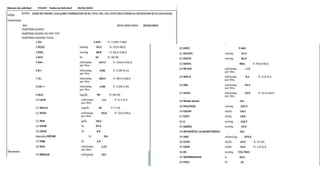
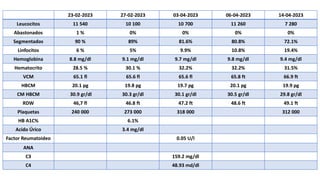
23-02-2023 27-02-2023 03-04-2023 06-04-2023 14-04-2023
Leucocitos 11 540 10 100 10 700 11 260 7 280
Abastonados 1 % 0% 0% 0% 0%
Segmentados 90 % 89% 81.6% 80.8% 72.1%
Linfocitos 6 % 5% 9.9% 10.8% 19.4%
Hemoglobina 8.8 mg/dl 9.1 mg/dl 9.7 mg/dl 9.8 mg/dl 9.4 mg/dl
Hematocrito 28.5 % 30.1 % 32.2% 32.2% 31.5%
VCM 65.1 fl 65.6 fl 65.6 fl 65.8 ft 66.9 ft
HBCM 20.1 pg 19.8 pg 19.7 pg 20.1 pg 19.9 pg
CM HBCM 30.9 gr/dl 30.3 gr/dl 30.1 gr/dl 30.5 gr/dl 29.8 gr/dl
RDW 46,7 fl 46.8 ft 47.2 ft 48.6 ft 49.1 ft
Plaquetas 240 000 273 000 318 000 312 000
HB A1C% 6.1%
Acido Úrico 3.4 mg/dl
Factor Reumatoideo 0.05 U/l
ANA
C3 159.2 mg/dl
C4 48.93 md/dl
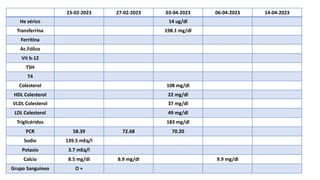
23-02-2023 27-02-2023 03-04-2023 06-04-2023 14-04-2023
He sérico 14 ug/dl
Transferrina 198.1 mg/dl
Ferritina
Ac.Fólico
Vit b-12
TSH
T4
Colesterol 108 mg/dl
HDL Colesterol 22 mg/dl
VLDL Colesterol 37 mg/dl
LDL Colesterol 49 mg/dl
Triglicéridos 183 mg/dl
PCR 58.39 72.68 70.20
Sodio 139.5 mEq/l
Potasio 3.7 mEq/l
Calcio 8.5 mg/dl 8.9 mg/dl 9.9 mg/dl
Grupo Sanguineo O +
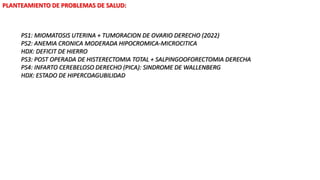
PLANTEAMIENTO DE PROBLEMAS DE SALUD:
PS1: MIOMATOSIS UTERINA + TUMORACION DE OVARIO DERECHO (2022)
PS2: ANEMIA CRONICA MODERADA HIPOCROMICA-MICROCITICA
HDX: DEFICIT DE HIERRO
PS3: POST OPERADA DE HISTERECTOMIA TOTAL + SALPINGOOFORECTOMIA DERECHA
PS4: INFARTO CEREBELOSO DERECHO (PICA): SINDROME DE WALLENBERG
HDX: ESTADO DE HIPERCOAGUBILIDAD
ENFERMEDAD CEREBROVASCULAR EN EL ADULTO JOVEN
Epidemiology, aetiology, and management of ischaemic stroke in young
adults, The Lancet Neurology, Volume 17, Issue 9,2018, Pages 790-801
https://doi.org/10.1016/S1474-4422(18)30233-3
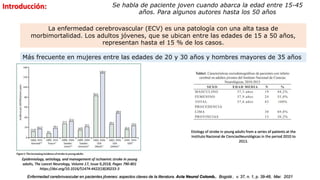
La enfermedad cerebrovascular (ECV) es una patología con una alta tasa de
morbimortalidad. Los adultos jóvenes, que se ubican entre las edades de 15 a 50 años,
representan hasta el 15 % de los casos.
Introducción: Se habla de paciente joven cuando abarca la edad entre 15-45
años. Para algunos autores hasta los 50 años
Más frecuente en mujeres entre las edades de 20 y 30 años y hombres mayores de 35 años
Etiology of stroke in young adults from a series of patients at the
Instituto Nacional de CienciasNeurológicas in the period 2010 to
2013.
Enfermedad cerebrovascular en pacientes jóvenes: aspectos claves de la literatura. Acta Neurol Colomb., Bogotá , v. 37, n. 1, p. 39-48, Mar. 2021
Kleindorfer, D. O., et al. (2021). 2021 AHA/ASA Guideline for the Prevention of Stroke in Patients With Stroke and Transient Ischemic Attack. Stroke.
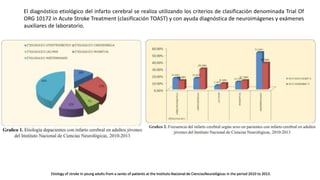
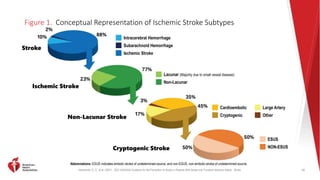
Figure 1. Conceptual Representation of Ischemic Stroke Subtypes
34
Abbreviations: ESUS indicates embolic stroke of undetermined source; and non-ESUS, non-embolic stroke of undetermined source.
Cryptogenic Stroke
Non-Lacunar Stroke
Ischemic Stroke
Stroke
Intracerebral Hemorrhage
Subarachnoid Hemorrhage
Ischemic Stroke
Lacunar (Majority due to small vessel disease)
Non-Lacunar
Cardioembolic
Cryptogenic
Large Artery
Other
ESUS
NON-ESUS
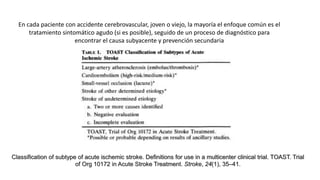
El diagnóstico etiológico del infarto cerebral se realiza utilizando los criterios de clasificación denominada Trial Of
ORG 10172 in Acute Stroke Treatment (clasificación TOAST) y con ayuda diagnóstica de neuroimágenes y exámenes
auxiliares de laboratorio.
Etiology of stroke in young adults from a series of patients at the Instituto Nacional de CienciasNeurológicas in the period 2010 to 2013.
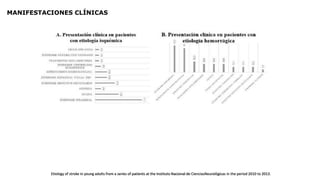
MANIFESTACIONES CLÍNICAS
Etiology of stroke in young adults from a series of patients at the Instituto Nacional de CienciasNeurológicas in the period 2010 to 2013.
En cada paciente con accidente cerebrovascular, joven o viejo, la mayoría el enfoque común es el
tratamiento sintomático agudo (si es posible), seguido de un proceso de diagnóstico para
encontrar el causa subyacente y prevención secundaria
Classification of subtype of acute ischemic stroke. Definitions for use in a multicenter clinical trial. TOAST. Trial
of Org 10172 in Acute Stroke Treatment. Stroke, 24(1), 35–41.
Epidemiology, aetiology, and management of ischaemic stroke in young adults, The Lancet Neurology, Volume 17, Issue 9,2018, Pages 790-801
https://doi.org/10.1016/S1474-4422(18)30233-3
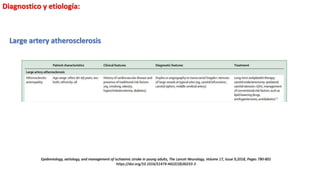
Large artery atherosclerosis
Diagnostico y etiología:
Epidemiology, aetiology, and management of ischaemic stroke in young adults, The Lancet Neurology, Volume 17, Issue 9,2018, Pages 790-801
https://doi.org/10.1016/S1474-4422(18)30233-3
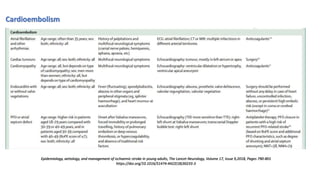
Cardioembolism
Epidemiology, aetiology, and management of ischaemic stroke in young adults, The Lancet Neurology, Volume 17, Issue 9,2018, Pages 790-801
https://doi.org/10.1016/S1474-4422(18)30233-3
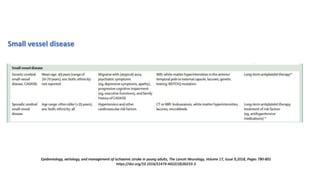
Small vessel disease
Epidemiology, aetiology, and management of ischaemic stroke in young adults, The Lancet Neurology, Volume 17, Issue 9,2018, Pages 790-801
https://doi.org/10.1016/S1474-4422(18)30233-3
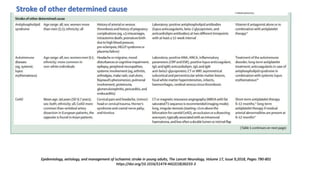
Stroke of other determined cause
Epidemiology, aetiology, and management of ischaemic stroke in young adults, The Lancet Neurology, Volume 17, Issue 9,2018, Pages 790-801
https://doi.org/10.1016/S1474-4422(18)30233-3
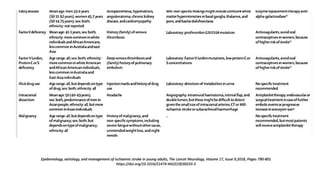
Epidemiology, aetiology, and management of ischaemic stroke in young adults, The Lancet Neurology, Volume 17, Issue 9,2018, Pages 790-801
https://doi.org/10.1016/S1474-4422(18)30233-3
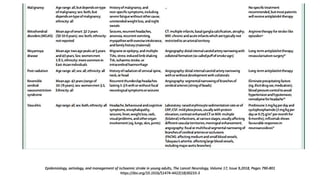
Epidemiology, aetiology, and management of ischaemic stroke in young adults, The Lancet Neurology, Volume 17, Issue 9,2018, Pages 790-801
https://doi.org/10.1016/S1474-4422(18)30233-3
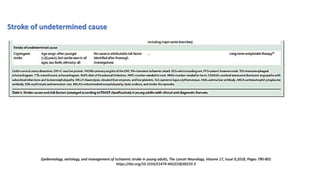
Stroke of undetermined cause
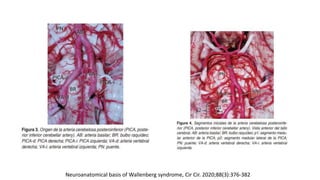
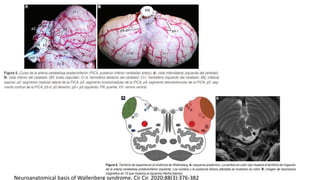
Síndrome de Wallenberg
El síndrome de Wallenberg o síndrome bulbar lateral, llamado así por la primera persona
que lo describió en 1895, se ocasiona por la oclusión aterotrombótica del segmento V4 de la
arteria vertebral o de la arteria cerebelosa posteroinferior, la cual irriga en su segmento
proximal la cara lateral del bulbo raquídeo, y con sus ramas distales la cara inferior del
cerebelo.
Existen factores de riesgo para el desarrollo de este síndrome tales como hipertensión
arterial, tabaquismo, Diabetes Mellitus tipo II, hiperlipidemia y cardiopatías. Es más común
en hombres que en mujeres, en una proporción de 3:1
Las causas más comunes y descritas del síndrome de Wallenberg son, en orden de frecuencia:
La oclusión aterotrombótica de la arteria vertebral, de la PICA o de las arterias medulares.
Cardioembolia
Disección vertebral
Drogas emergentes conocidas como legal highs o «subidones legales»,el consumo de cocaína.
La sarcoidosis
Granulomatosis con poliangeítis (granulomatosis de Wegener)
La arteritis de células gigantes
La picadura de escorpión
Incluso el aneurisma de PICA sin rotura
Neuroanatomical basis of Wallenberg syndrome, Cir Cir. 2020;88(3):376-382
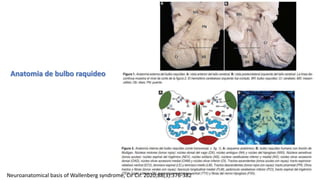
Anatomia de bulbo raquideo
Neuroanatomical basis of Wallenberg syndrome, Cir Cir. 2020;88(3):376-382
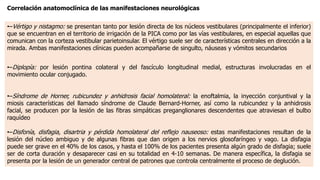
Correlación anatomoclínica de las manifestaciones neurológicas
•–Vértigo y nistagmo: se presentan tanto por lesión directa de los núcleos vestibulares (principalmente el inferior)
que se encuentran en el territorio de irrigación de la PICA como por las vías vestibulares, en especial aquellas que
comunican con la corteza vestibular parietoinsular. El vértigo suele ser de características centrales en dirección a la
mirada. Ambas manifestaciones clínicas pueden acompañarse de singulto, náuseas y vómitos secundarios
•–Diplopía: por lesión pontina colateral y del fascículo longitudinal medial, estructuras involucradas en el
movimiento ocular conjugado.
•–Síndrome de Horner, rubicundez y anhidrosis facial homolateral: la enoftalmia, la inyección conjuntival y la
miosis características del llamado síndrome de Claude Bernard-Horner, así como la rubicundez y la anhidrosis
facial, se producen por la lesión de las fibras simpáticas preganglionares descendentes que atraviesan el bulbo
raquídeo
•–Disfonía, disfagia, disartria y pérdida homolateral del reflejo nauseoso: estas manifestaciones resultan de la
lesión del núcleo ambiguo y de algunas fibras que dan origen a los nervios glosofaríngeo y vago. La disfagia
puede ser grave en el 40% de los casos, y hasta el 100% de los pacientes presenta algún grado de disfagia; suele
ser de corta duración y desaparecer casi en su totalidad en 4-10 semanas. De manera específica, la disfagia se
presenta por la lesión de un generador central de patrones que controla centralmente el proceso de deglución.
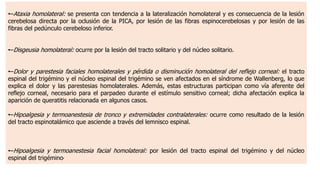
•–Ataxia homolateral: se presenta con tendencia a la lateralización homolateral y es consecuencia de la lesión
cerebelosa directa por la oclusión de la PICA, por lesión de las fibras espinocerebelosas y por lesión de las
fibras del pedúnculo cerebeloso inferior.
•–Disgeusia homolateral: ocurre por la lesión del tracto solitario y del núcleo solitario.
•–Dolor y parestesia faciales homolaterales y pérdida o disminución homolateral del reflejo corneal: el tracto
espinal del trigémino y el núcleo espinal del trigémino se ven afectados en el síndrome de Wallenberg, lo que
explica el dolor y las parestesias homolaterales. Además, estas estructuras participan como vía aferente del
reflejo corneal, necesario para el parpadeo durante el estímulo sensitivo corneal; dicha afectación explica la
aparición de queratitis relacionada en algunos casos.
•–Hipoalgesia y termoanestesia de tronco y extremidades contralaterales: ocurre como resultado de la lesión
del tracto espinotalámico que asciende a través del lemnisco espinal.
•–Hipoalgesia y termoanestesia facial homolateral: por lesión del tracto espinal del trigémino y del núcleo
espinal del trigémino,
Kleindorfer, D. O., et al. (2021). 2021 AHA/ASA Guideline for the Prevention of Stroke in Patients With Stroke and Transient Ischemic Attack. Stroke.
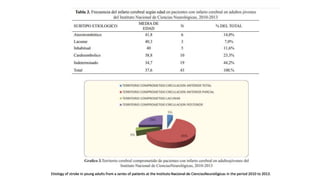
Figure 2. Algorithm for Evaluating Patients with Clinical Diagnosis of Stroke for
Optimizing Prevention of Recurrent Ischemic Stroke
53
Abbreviations: CT indicates computed tomography; CTA, computed tomography angiogram; ECG, electrocardiogram; MRA, magnetic resonance angiography; MRI, magnetic resonance imaging; SOE, source of embolism; TEE,
transesophageal echo; TIA; transient ischemic attack: and US, ultrasound. †When a patient has a transient neurological deficit clinically characteristic of transient ischemic attack, the patient should be evaluated in the same manner as a
patient who has an ischemic stroke with a corresponding cerebral infarct on imaging.
YES NO
Shows
ischemic
stroke†
Manage
accordingly
ECG and basic laboratory
tests*
(Class 1)
YES
NO
CT or MRI
shows ischemic
stroke mimic
Consider delayed
reimaging with CT or
MRI if not done initially
(Class 2a)
Manage accordingly
Anterior
circulation
infarct
Non-invasive
cervical carotid
imaging
[CTA, MRA, or US]
(Class 1)
Echocardiography
to evaluate for
cardiac SOE (Class
2a)
Non-invasive intracranial and
extracranial imaging of
vertebrobasilar arterial system
(Class 2a)
Cause
identified
Based on age,
medical
comorbidities
and clinical
syndrome,
consider:
Long-term cardiac rhythm monitoring (Class 2a)
Test for genetic stroke syndrome (Class 2a)
Test for infectious vasculitis (Class 2a)
TEE, Cardiac CT or Cardiac MRI (Class 2b)
Evaluate for other rare causes of stroke
CT or MRI (Class 1)
YES NO
YES
NO
Non-invasive
intracranial arterial
imaging (Class 2a)
Kleindorfer, D. O., et al. (2021). 2021 AHA/ASA Guideline for the Prevention of Stroke in Patients With Stroke and Transient Ischemic Attack. Stroke.
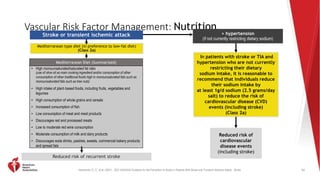
Mediterranean type diet (in preference to low-fat diet)
(Class 2a)
Mediterranean Diet (Summarized)
• High monounsaturated/saturated fat ratio
(use of olive oil as main cooking ingredient and/or consumption of other
consumption of other traditional foods high in monounsaturated fats such as
monounsaturated fats such as tree nuts)
• High intake of plant‐based foods, including fruits, vegetables and
legumes
• High consumption of whole grains and cereals
• Increased consumption of fish
• Low consumption of meat and meat products
• Discourages red and processed meats
• Low to moderate red wine consumption
• Moderate consumption of milk and dairy products
• Discourages soda drinks, pastries, sweets, commercial bakery products
and spread fats
Vascular Risk Factor Management: Nutrition
54
Reduced risk of recurrent stroke
+ hypertension
(if not currently restricting dietary sodium)
In patients with stroke or TIA and
hypertension who are not currently
restricting their dietary
sodium intake, it is reasonable to
recommend that individuals reduce
their sodium intake by
at least 1g/d sodium (2.5 grams/day
salt) to reduce the risk of
cardiovascular disease (CVD)
events (including stroke)
(Class 2a)
Reduced risk of
cardiovascular
disease events
(including stroke)
Stroke or transient ischemic attack
Kleindorfer, D. O., et al. (2021). 2021 AHA/ASA Guideline for the Prevention of Stroke in Patients With Stroke and Transient Ischemic Attack. Stroke.
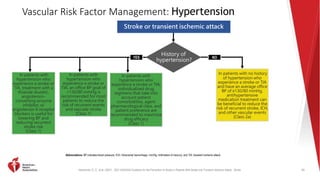
Vascular Risk Factor Management: Hypertension
55
Abbreviations: BP indicates blood pressure; ICH; intracranial hemorrhage; mm/Hg; millimeters of mercury; and TIA, transient ischemic attack.
Stroke or transient ischemic attack
History of
hypertension?
In patients with
hypertension who
experience a stroke or
TIA, treatment with a
thiazide diuretic,
angiotensin-
converting enzyme
inhibitor, or
angiotensin II receptor
blockers is useful for
lowering BP and
reducing recurrent
stroke risk
(Class 1)
In patients with
hypertension who
experience a stroke or TIA,
individualized drug
regimens that take into
account patient
comorbidities, agent
pharmacological class, and
patient preference are
recommended to maximize
drug efficacy
(Class 1)
In patients with
hypertension who
experience a stroke or
TIA, an office BP goal of
<130/80 mmHg is
recommended for most
patients to reduce the
risk of recurrent events
and vascular stroke
(Class 1)
In patients with no history
of hypertension who
experience a stroke or TIA
and have an average office
BP of ≥130/80 mmHg,
antihypertensive
medication treatment can
be beneficial to reduce the
risk of recurrent stroke, ICH,
and other vascular events
(Class 2a)
YES NO
Kleindorfer, D. O., et al. (2021). 2021 AHA/ASA Guideline for the Prevention of Stroke in Patients With Stroke and Transient Ischemic Attack. Stroke.
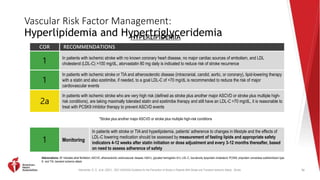
Vascular Risk Factor Management:
Hyperlipidemia and Hypertriglyceridemia
COR RECOMMENDATIONS
1 In patients with ischemic stroke with no known coronary heart disease, no major cardiac sources of embolism, and LDL
cholesterol (LDL-C) >100 mg/dL, atorvastatin 80 mg daily is indicated to reduce risk of stroke recurrence
1
In patients with ischemic stroke or TIA and atherosclerotic disease (intracranial, carotid, aortic, or coronary), lipid-lowering therapy
with a statin and also ezetimibe, if needed, to a goal LDL-C of <70 mg/dL is recommended to reduce the risk of major
cardiovascular events
2a
In patients with ischemic stroke who are very high risk (defined as stroke plus another major ASCVD or stroke plus multiple high-
risk conditions), are taking maximally tolerated statin and ezetimibe therapy and still have an LDL-C >70 mg/dL, it is reasonable to
treat with PCSK9 inhibitor therapy to prevent ASCVD events
56
Abbreviations: AF indicates atrial fibrillation; ASCVD, atherosclerotic cardiovascular disease; HbA1c, glycated hemoglobin A1c; LDL-C, low-density lipoprotein cholesterol; PCSK9, proprotein convertase subtilisin/kexin type
9; and TIA, transient ischemic attack.
HYPERLIPIDEMIA
*Stroke plus another major ASCVD or stroke plus multiple high-risk conditions
1 Monitoring
In patients with stroke or TIA and hyperlipidemia, patients’ adherence to changes in lifestyle and the effects of
LDL-C lowering medication should be assessed by measurement of fasting lipids and appropriate safety
indicators 4-12 weeks after statin initiation or dose adjustment and every 3-12 months thereafter, based
on need to assess adherence of safety
Kleindorfer, D. O., et al. (2021). 2021 AHA/ASA Guideline for the Prevention of Stroke in Patients With Stroke and Transient Ischemic Attack. Stroke.
Vascular Risk Factor Management:
Hyperlipidemia and Hypertriglyceridemia
COR RECOMMENDATIONS
2a
In patients with ischemic stroke or TIA, with fasting triglycerides 135 to 499 mg/dL and LDL-C of 41 to 100
mg/dL, on moderate- or high-intensity statin therapy, with HbA1c <10%, and with no history of pancreatitis, AF, or
severe heart failure, treatment with icosapent ethyl (IPE) 2 g twice a day is reasonable to reduce risk of recurrent
stroke.
2a
In patients with severe hypertriglyceridemia (ie, fasting triglycerides ≥500 mg/dL [≥5.7 mmol/L]), it is reasonable
to identify and address causes of hypertriglyceridemia and, if triglycerides are persistently elevated or increasing,
to further reduce triglycerides in order to lower the risk of ASCVD events by implementation of a very low-fat diet,
avoidance of refined carbohydrates and alcohol, consumption of omega-3 fatty acids, and, if necessary to
prevent acute pancreatitis, fibrate therapy.
57
Abbreviations: AF indicates atrial fibrillation; ASCVD, atherosclerotic cardiovascular disease; HbA1c, glycated hemoglobin A1c; LDL-C, low-density lipoprotein cholesterol; and TIA, transient ischemic attack.
HYPERTRIGLYCERIDEMIA
Kleindorfer, D. O., et al. (2021). 2021 AHA/ASA Guideline for the Prevention of Stroke in Patients With Stroke and Transient Ischemic Attack. Stroke.
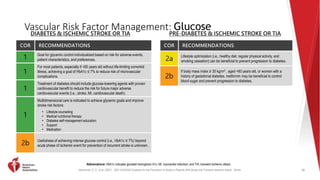
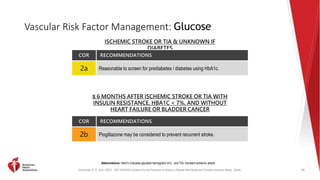
Vascular Risk Factor Management: Glucose
COR RECOMMENDATIONS
1
Goal for glycemic control individualized based on risk for adverse events,
patient characteristics, and preferences.
1
For most patients, especially if <65 years old without life-limiting comorbid
illness, achieving a goal of HbA1c ≤ 7% to reduce risk of microvascular
complications.
1
Treatment of diabetes should include glucose-lowering agents with proven
cardiovascular benefit to reduce the risk for future major adverse
cardiovascular events (i.e., stroke, MI, cardiovascular death).
1
Multidimensional care is indicated to achieve glycemic goals and improve
stroke risk factors:
• Lifestyle counseling
• Medical nutritional therapy
• Diabetes self-management education
• Support
• Medication
2b
Usefulness of achieving intense glucose control (i.e., HbA1c ≤ 7%) beyond
acute phase of ischemic event for prevention of recurrent stroke is unknown.
58
Abbreviations: HbA1c indicates glycated hemoglobin A1c; MI, myocardial infarction; and TIA, transient ischemic attack.
DIABETES & ISCHEMIC STROKE OR TIA PRE-DIABETES & ISCHEMIC STROKE OR TIA
COR RECOMMENDATIONS
2a
Lifestyle optimization (i.e., healthy diet, regular physical activity, and
smoking cessation) can be beneficial to prevent progression to diabetes.
2b
If body mass index ≥ 35 kg/m2 , aged <60 years old, or women with a
history of gestational diabetes, metformin may be beneficial to control
blood sugar and prevent progression to diabetes.
Kleindorfer, D. O., et al. (2021). 2021 AHA/ASA Guideline for the Prevention of Stroke in Patients With Stroke and Transient Ischemic Attack. Stroke.
Vascular Risk Factor Management: Glucose
59
Abbreviations: HbA1c indicates glycated hemoglobin A1c; and TIA, transient ischemic attack .
ISCHEMIC STROKE OR TIA & UNKNOWN IF
DIABETES
COR RECOMMENDATIONS
2a Reasonable to screen for prediabetes / diabetes using HbA1c.
≤ 6 MONTHS AFTER ISCHEMIC STROKE OR TIA WITH
INSULIN RESISTANCE, HBA1C < 7%, AND WITHOUT
HEART FAILURE OR BLADDER CANCER
COR RECOMMENDATIONS
2b Pioglitazone may be considered to prevent recurrent stroke.
Kleindorfer, D. O., et al. (2021). 2021 AHA/ASA Guideline for the Prevention of Stroke in Patients With Stroke and Transient Ischemic Attack. Stroke.
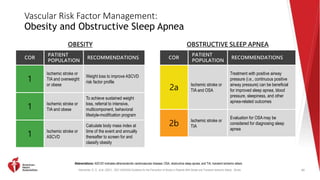
Vascular Risk Factor Management:
Obesity and Obstructive Sleep Apnea
COR
PATIENT
POPULATION
RECOMMENDATIONS
1
Ischemic stroke or
TIA and overweight
or obese
Weight loss to improve ASCVD
risk factor profile
1
Ischemic stroke or
TIA and obese
To achieve sustained weight
loss, referral to intensive,
multicomponent, behavioral
lifestyle-modification program
1
Ischemic stroke or
ASCVD
Calculate body mass index at
time of the event and annually
thereafter to screen for and
classify obesity
60
Abbreviations: ASCVD indicates atherosclerotic cardiovascular disease; OSA, obstructive sleep apnea; and TIA, transient ischemic attack.
OBESITY OBSTRUCTIVE SLEEP APNEA
COR
PATIENT
POPULATION
RECOMMENDATIONS
2a Ischemic stroke or
TIA and OSA
Treatment with positive airway
pressure (i.e., continuous positive
airway pressure) can be beneficial
for improved sleep apnea, blood
pressure, sleepiness, and other
apnea-related outcomes
2b
Ischemic stroke or
TIA
Evaluation for OSA may be
considered for diagnosing sleep
apnea
Kleindorfer, D. O., et al. (2021). 2021 AHA/ASA Guideline for the Prevention of Stroke in Patients With Stroke and Transient Ischemic Attack. Stroke.
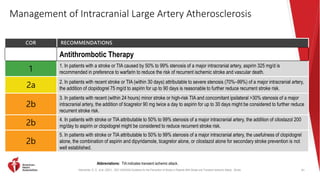
Management of Intracranial Large Artery Atherosclerosis
COR RECOMMENDATIONS
Antithrombotic Therapy
1
1. In patients with a stroke or TIA caused by 50% to 99% stenosis of a major intracranial artery, aspirin 325 mg/d is
recommended in preference to warfarin to reduce the risk of recurrent ischemic stroke and vascular death.
2a
2. In patients with recent stroke or TIA (within 30 days) attributable to severe stenosis (70%–99%) of a major intracranial artery,
the addition of clopidogrel 75 mg/d to aspirin for up to 90 days is reasonable to further reduce recurrent stroke risk.
2b
3. In patients with recent (within 24 hours) minor stroke or high-risk TIA and concomitant ipsilateral >30% stenosis of a major
intracranial artery, the addition of ticagrelor 90 mg twice a day to aspirin for up to 30 days might be considered to further reduce
recurrent stroke risk.
2b
4. In patients with stroke or TIA attributable to 50% to 99% stenosis of a major intracranial artery, the addition of cilostazol 200
mg/day to aspirin or clopidogrel might be considered to reduce recurrent stroke risk.
2b
5. In patients with stroke or TIA attributable to 50% to 99% stenosis of a major intracranial artery, the usefulness of clopidogrel
alone, the combination of aspirin and dipyridamole, ticagrelor alone, or cilostazol alone for secondary stroke prevention is not
well established.
61
Abbreviations: TIA indicates transient ischemic attack.
Kleindorfer, D. O., et al. (2021). 2021 AHA/ASA Guideline for the Prevention of Stroke in Patients With Stroke and Transient Ischemic Attack. Stroke.
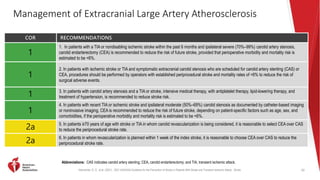
Management of Extracranial Large Artery Atherosclerosis
COR RECOMMENDATIONS
1
1. In patients with a TIA or nondisabling ischemic stroke within the past 6 months and ipsilateral severe (70%–99%) carotid artery stenosis,
carotid endarterectomy (CEA) is recommended to reduce the risk of future stroke, provided that perioperative morbidity and mortality risk is
estimated to be <6%.
1
2. In patients with ischemic stroke or TIA and symptomatic extracranial carotid stenosis who are scheduled for carotid artery stenting (CAS) or
CEA, procedures should be performed by operators with established periprocedural stroke and mortality rates of <6% to reduce the risk of
surgical adverse events.
1 3. In patients with carotid artery stenosis and a TIA or stroke, intensive medical therapy, with antiplatelet therapy, lipid-lowering therapy, and
treatment of hypertension, is recommended to reduce stroke risk.
1
4. In patients with recent TIA or ischemic stroke and ipsilateral moderate (50%–69%) carotid stenosis as documented by catheter-based imaging
or noninvasive imaging, CEA is recommended to reduce the risk of future stroke, depending on patient-specific factors such as age, sex, and
comorbidities, if the perioperative morbidity and mortality risk is estimated to be <6%.
2a
5. In patients ≥70 years of age with stroke or TIA in whom carotid revascularization is being considered, it is reasonable to select CEA over CAS
to reduce the periprocedural stroke rate.
2a
6. In patients in whom revascularization is planned within 1 week of the index stroke, it is reasonable to choose CEA over CAS to reduce the
periprocedural stroke rate.
62
Abbreviations: CAS indicates carotid artery stenting; CEA, carotid endarterectomy; and TIA, transient ischemic attack.
Kleindorfer, D. O., et al. (2021). 2021 AHA/ASA Guideline for the Prevention of Stroke in Patients With Stroke and Transient Ischemic Attack. Stroke.
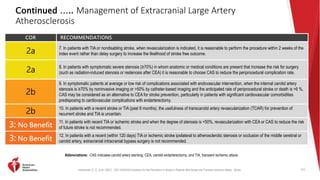
Continued ….. Management of Extracranial Large Artery
Atherosclerosis
COR RECOMMENDATIONS
2a
7. In patients with TIA or nondisabling stroke, when revascularization is indicated, it is reasonable to perform the procedure within 2 weeks of the
index event rather than delay surgery to increase the likelihood of stroke free outcome.
2a
8. In patients with symptomatic severe stenosis (≥70%) in whom anatomic or medical conditions are present that increase the risk for surgery
(such as radiation-induced stenosis or restenosis after CEA) it is reasonable to choose CAS to reduce the periprocedural complication rate.
2b
9. In symptomatic patients at average or low risk of complications associated with endovascular intervention, when the internal carotid artery
stenosis is ≥70% by noninvasive imaging or >50% by catheter-based imaging and the anticipated rate of periprocedural stroke or death is >6 %,
CAS may be considered as an alternative to CEA for stroke prevention, particularly in patients with significant cardiovascular comorbidities
predisposing to cardiovascular complications with endarterectomy.
2b
10. In patients with a recent stroke or TIA (past 6 months), the usefulness of transcarotid artery revascularization (TCAR) for prevention of
recurrent stroke and TIA is uncertain.
3: No Benefit
11. In patients with recent TIA or ischemic stroke and when the degree of stenosis is <50%, revascularization with CEA or CAS to reduce the risk
of future stroke is not recommended.
3: No Benefit
12. In patients with a recent (within 120 days) TIA or ischemic stroke ipsilateral to atherosclerotic stenosis or occlusion of the middle cerebral or
carotid artery, extracranial intracranial bypass surgery is not recommended.
63
Abbreviations: CAS indicates carotid artery stenting; CEA, carotid endarterectomy; and TIA, transient ischemic attack.
Kleindorfer, D. O., et al. (2021). 2021 AHA/ASA Guideline for the Prevention of Stroke in Patients With Stroke and Transient Ischemic Attack. Stroke.
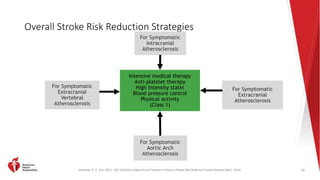
Overall Stroke Risk Reduction Strategies
64
For Symptomatic
Extracranial
Vertebral
Atherosclerosis
Intensive medical therapy
Anti-platelet therapy
High intensity statin
Blood pressure control
Physical activity
(Class 1)
For Symptomatic
Aortic Arch
Atherosclerosis
For Symptomatic
Intracranial
Atherosclerosis
For Symptomatic
Extracranial
Atherosclerosis
Kleindorfer, D. O., et al. (2021). 2021 AHA/ASA Guideline for the Prevention of Stroke in Patients With Stroke and Transient Ischemic Attack. Stroke.
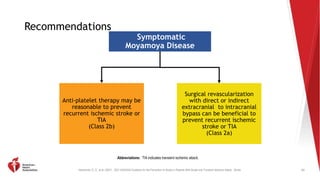
Recommendations
65
Abbreviations: TIA indicates transient ischemic attack.
Symptomatic
Moyamoya Disease
Surgical revascularization
with direct or indirect
extracranial to intracranial
bypass can be beneficial to
prevent recurrent ischemic
stroke or TIA
(Class 2a)
Anti-platelet therapy may be
reasonable to prevent
recurrent ischemic stroke or
TIA
(Class 2b)
Kleindorfer, D. O., et al. (2021). 2021 AHA/ASA Guideline for the Prevention of Stroke in Patients With Stroke and Transient Ischemic Attack. Stroke.
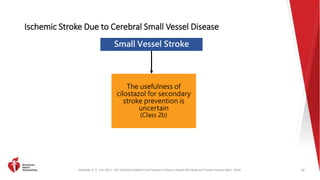
Small Vessel Stroke
The usefulness of
cilostazol for secondary
stroke prevention is
uncertain
(Class 2b)
Ischemic Stroke Due to Cerebral Small Vessel Disease
66
Kleindorfer, D. O., et al. (2021). 2021 AHA/ASA Guideline for the Prevention of Stroke in Patients With Stroke and Transient Ischemic Attack. Stroke.
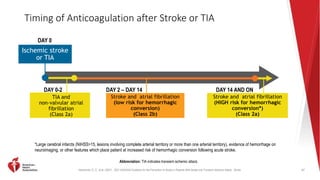
Timing of Anticoagulation after Stroke or TIA
67
Abbreviation: TIA indicates transient ischemic attack.
DAY 0
Ischemic stroke
or TIA
DAY 0-2
TIA and
non-valvular atrial
fibrillation
(Class 2a)
DAY 2 – DAY 14
Stroke and atrial fibrillation
(low risk for hemorrhagic
conversion)
(Class 2b)
DAY 14 AND ON
Stroke and atrial fibrillation
(HIGH risk for hemorrhagic
conversion*)
(Class 2a)
*Large cerebral infarcts (NIHSS>15, lesions involving complete arterial territory or more than one arterial territory), evidence of hemorrhage on
neuroimaging, or other features which place patient at increased risk of hemorrhagic conversion following acute stroke.
Kleindorfer, D. O., et al. (2021). 2021 AHA/ASA Guideline for the Prevention of Stroke in Patients With Stroke and Transient Ischemic Attack. Stroke.
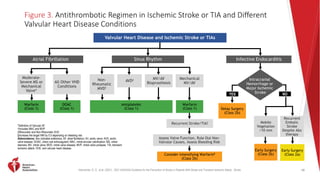
Consider Intensifying Warfarin§
(Class 2b)
Recurrent Stroke/TIA?
Moderate-
Severe MS or
Mechanical
Valve*
All Other VHD
Conditions
Warfarin
(Class 1)
DOAC
(Class 1)
Non-
Rheumatic
MVD†
AVD‡
Antiplatelet
(Class 1)
MV/AV
Bioprosthesis
Mechanical
MV/AV
Warfarin
(Class 1)
Assess Valve Function, Rule Out Non-
Valvular Causes, Assess Bleeding Risk
Figure 3. Antithrombotic Regimen in Ischemic Stroke or TIA and Different
Valvular Heart Disease Conditions
68
*Definition of Valvular AF
†Includes MAC and MVP
‡Rheumatic and Non-Rheumatic AVD
§Increase the target INR by 0.5 depending on bleeding risk.
Abbreviations: Abx indicates antibiotics; AF, atrial fibrillation; AV, aortic valve; AVD, aortic
valve disease; DOAC, direct oral anticoagulant; MAC, mitral annular calcification; MS, mitral
stenosis; MV, mitral valve; MVD, mitral valve disease; MVP, mitral valve prolapse; TIA, transient
ischemic attack; VHD, and valvular heart disease.
Valvular Heart Disease and Ischemic Stroke or TIAs
Atrial Fibrillation Sinus Rhythm Infective Endocarditis
Intracranial
Hemorrhage or
Major Ischemic
Stroke
Delay Surgery
(Class 2b)
Early Surgery
(Class 2b)
Early Surgery
(Class 2a)
Mobile
Vegetation
>10 mm
Recurrent
Embolic
Stroke
Despite Abx
therapy
YES NO
Kleindorfer, D. O., et al. (2021). 2021 AHA/ASA Guideline for the Prevention of Stroke in Patients With Stroke and Transient Ischemic Attack. Stroke.
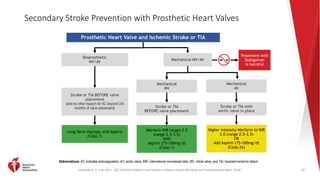
Secondary Stroke Prevention with Prosthetic Heart Valves
69
Abbreviations: AC indicates anticoagulation; AV, aortic valve; INR, international normalized ratio; MV, mitral valve; and TIA, transient ischemic attack.
Bioprosthetic
MV/AV
Stroke or TIA BEFORE valve
placement
(and no other reason for AC beyond 3-6
months of valve placement)
Long-Term therapy with Aspirin
(Class 1)
Mechanical
AV
Stroke or TIA with
aortic valve in place
Higher intensity Warfarin to INR
3.0 (range 2.5-3.5)
OR
Add Aspirin (75-100mg/d)
(Class 2a)
Mechanical
MV
Stroke or TIA
BEFORE valve placement
Warfarin INR target 3.0
(range 2.5-3.5)
AND
Aspirin (75-100mg/d)
(Class 1)
Treatment with
Dabigatran
is harmful
Prosthetic Heart Valve and Ischemic Stroke or TIA
Mechanical MV/AV
Kleindorfer, D. O., et al. (2021). 2021 AHA/ASA Guideline for the Prevention of Stroke in Patients With Stroke and Transient Ischemic Attack. Stroke.
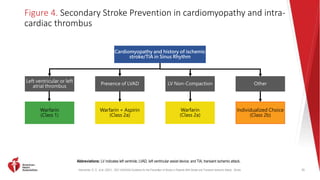
Figure 4. Secondary Stroke Prevention in cardiomyopathy and intra-
cardiac thrombus
70
Abbreviations: LV indicates left ventricle; LVAD, left ventricular assist device; and TIA, transient ischemic attack.
.
Cardiomyopathy and history of ischemic
stroke/TIA in Sinus Rhythm
Left ventricular or left
atrial thrombus
Presence of LVAD Other
LV Non-Compaction
Warfarin
(Class 1)
Warfarin + Aspirin
(Class 2a)
Individualized Choice
(Class 2b)
Warfarin
(Class 2a)
Kleindorfer, D. O., et al. (2021). 2021 AHA/ASA Guideline for the Prevention of Stroke in Patients With Stroke and Transient Ischemic Attack. Stroke.
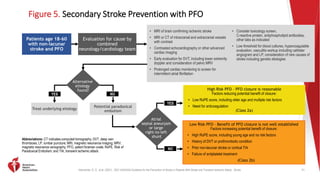
High Risk PFO – PFO closure is reasonable
Factors reducing potential benefit of closure:
• Low RoPE score, including older age and multiple risk factors
• Need for anticoagulation
(Class 2a)
Low Risk PFO – Benefit of PFO closure is not well established
Factors increasing potential benefit of closure:
• High RoPE score, including young age and no risk factors
• History of DVT or prothrombotic condition
• Prior non-lacunar stroke or cortical TIA
• Failure of antiplatelet treatment
(Class 2b)
Figure 5. Secondary Stroke Prevention with PFO
71
Abbreviations: CT indicates computed tomography; DVT, deep vein
thrombosis; LP, lumbar puncture; MRI, magnetic resonance imaging; MRV,
magnetic resonance venography; PFO, patent foramen ovale; RoPE, Risk of
Paradoxical Embolism; and TIA, transient ischemic attack.
Patients age 18-60
with non-lacunar
stroke and PFO
Evaluation for cause by
combined
neurology/cardiology team
• MRI of brain confirming ischemic stroke
• MRI or CT of intracranial and extracranial vessels
with contrast
• Contrasted echocardiography or other advanced
cardiac imaging
• Early evaluation for DVT, including lower extremity
doppler and consideration of pelvic MRV
• Prolonged cardiac monitoring to screen for
intermittent atrial fibrillation
• Consider toxicology screen,
C-reactive protein, antiphospholipid antibodies,
other labs as indicated
• Low threshold for blood cultures, hypercoagulable
evaluation, vasculitis workup including catheter
angiogram and LP, consideration of rare causes of
stroke including genetic etiologies
Alternative
etiology
found?
YES NO
Treat underlying etiology
Potential paradoxical
embolism
Atrial
septal aneurysm
or large
right-to-left
shunt
YES
NO
Kleindorfer, D. O., et al. (2021). 2021 AHA/ASA Guideline for the Prevention of Stroke in Patients With Stroke and Transient Ischemic Attack. Stroke.
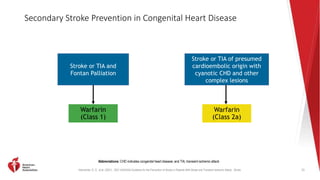
Secondary Stroke Prevention in Congenital Heart Disease
72
Abbreviations: CHD indicates congenital heart disease; and TIA, transient ischemic attack
Stroke or TIA and
Fontan Palliation
Warfarin
(Class 1)
Warfarin
(Class 2a)
Stroke or TIA of presumed
cardioembolic origin with
cyanotic CHD and other
complex lesions
Kleindorfer, D. O., et al. (2021). 2021 AHA/ASA Guideline for the Prevention of Stroke in Patients With Stroke and Transient Ischemic Attack. Stroke.
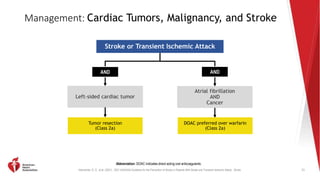
Management: Cardiac Tumors, Malignancy, and Stroke
73
Abbreviation: DOAC indicates direct acting oral anticoagulants.
AND AND
Left-sided cardiac tumor
Atrial fibrillation
AND
Cancer
Tumor resection
(Class 2a)
DOAC preferred over warfarin
(Class 2a)
Stroke or Transient Ischemic Attack
Kleindorfer, D. O., et al. (2021). 2021 AHA/ASA Guideline for the Prevention of Stroke in Patients With Stroke and Transient Ischemic Attack. Stroke.
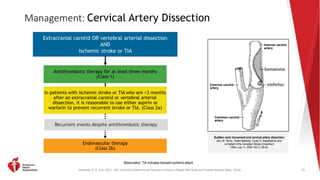
Management: Cervical Artery Dissection
74
Abbreviation: TIA indicates transient ischemic attack.
Extracranial carotid OR vertebral arterial dissection
AND
Ischemic stroke or TIA
Antithrombotic therapy for at least three months
(Class 1)
In patients with ischemic stroke or TIA who are <3 months
after an extracranial carotid or vertebral arterial
dissection, it is reasonable to use either aspirin or
warfarin to prevent recurrent stroke or TIA. (Class 2a)
Endovascular therapy
(Class 2b)
Recurrent events despite antithrombotic therapy
Sudden neck movement and cervical artery dissection
John W. Norris, Vadim Beletsky, Zurab G. Nadareishvili and
on behalf of the Canadian Stroke Consortium
CMAJ July 11, 2000 163 (1) 38-40;
Kleindorfer, D. O., et al. (2021). 2021 AHA/ASA Guideline for the Prevention of Stroke in Patients With Stroke and Transient Ischemic Attack. Stroke.
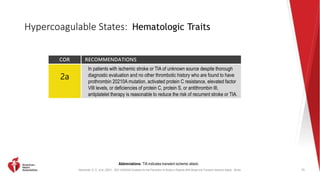
Hypercoagulable States: Hematologic Traits
75
Abbreviations: TIA indicates transient ischemic attack.
COR RECOMMENDATIONS
2a
In patients with ischemic stroke or TIA of unknown source despite thorough
diagnostic evaluation and no other thrombotic history who are found to have
prothrombin 20210A mutation, activated protein C resistance, elevated factor
VIII levels, or deficiencies of protein C, protein S, or antithrombin III,
antiplatelet therapy is reasonable to reduce the risk of recurrent stroke or TIA.
Kleindorfer, D. O., et al. (2021). 2021 AHA/ASA Guideline for the Prevention of Stroke in Patients With Stroke and Transient Ischemic Attack. Stroke.
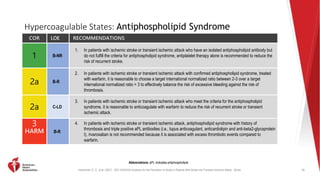
Hypercoagulable States: Antiphospholipid Syndrome
COR LOE RECOMMENDATIONS
1 B-NR
1. In patients with ischemic stroke or transient ischemic attack who have an isolated antiphospholipid antibody but
do not fulfill the criteria for antiphospholipid syndrome, antiplatelet therapy alone is recommended to reduce the
risk of recurrent stroke.
2a B-R
2. In patients with ischemic stroke or transient ischemic attack with confirmed antiphospholipid syndrome, treated
with warfarin, it is reasonable to choose a target international normalized ratio between 2-3 over a target
international normalized ratio > 3 to effectively balance the risk of excessive bleeding against the risk of
thrombosis.
2a C-LD
3. In patients with ischemic stroke or transient ischemic attack who meet the criteria for the antiphospholipid
syndrome, it is reasonable to anticoagulate with warfarin to reduce the risk of recurrent stroke or transient
ischemic attack.
3
HARM B-R
4. In patients with ischemic stroke or transient ischemic attack, antiphospholipid syndrome with history of
thrombosis and triple positive aPL antibodies (i.e., lupus anticoagulant, anticardiolipin and anti-beta2-glycoprotein
I), rivaroxaban is not recommended because it is associated with excess thrombotic events compared to
warfarin.
76
Abbreviations: aPL indicates antiphospholipid.
Kleindorfer, D. O., et al. (2021). 2021 AHA/ASA Guideline for the Prevention of Stroke in Patients With Stroke and Transient Ischemic Attack. Stroke.
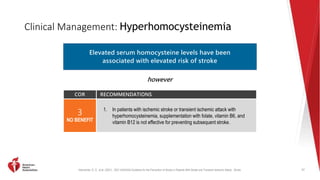
Clinical Management: Hyperhomocysteinemia
77
Elevated serum homocysteine levels have been
associated with elevated risk of stroke
however
COR RECOMMENDATIONS
3
NO BENEFIT
1. In patients with ischemic stroke or transient ischemic attack with
hyperhomocysteinemia, supplementation with folate, vitamin B6, and
vitamin B12 is not effective for preventing subsequent stroke.
Kleindorfer, D. O., et al. (2021). 2021 AHA/ASA Guideline for the Prevention of Stroke in Patients With Stroke and Transient Ischemic Attack. Stroke.
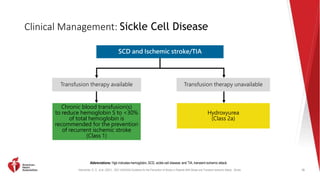
Clinical Management: Sickle Cell Disease
78
Abbreviations: Hgb indicates hemoglobin; SCD, sickle cell disease; and TIA, transient ischemic attack.
SCD and Ischemic stroke/TIA
Transfusion therapy available Transfusion therapy unavailable
Chronic blood transfusion(s)
to reduce hemoglobin S to <30%
of total hemoglobin is
recommended for the prevention
of recurrent ischemic stroke
(Class 1)
Hydroxyurea
(Class 2a)
Kleindorfer, D. O., et al. (2021). 2021 AHA/ASA Guideline for the Prevention of Stroke in Patients With Stroke and Transient Ischemic Attack. Stroke.
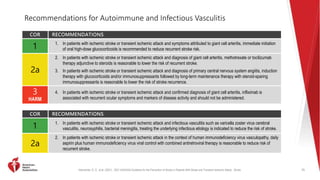
Recommendations for Autoimmune and Infectious Vasculitis
COR RECOMMENDATIONS
1 1. In patients with ischemic stroke or transient ischemic attack and symptoms attributed to giant cell arteritis, immediate initiation
of oral high-dose glucocorticoids is recommended to reduce recurrent stroke risk.
2a
2. In patients with ischemic stroke or transient ischemic attack and diagnosis of giant cell arteritis, methotrexate or tocilizumab
therapy adjunctive to steroids is reasonable to lower the risk of recurrent stroke.
3. In patients with ischemic stroke or transient ischemic attack and diagnosis of primary central nervous system angiitis, induction
therapy with glucocorticoids and/or immunosuppressants followed by long-term maintenance therapy with steroid-sparing
immunosuppressants is reasonable to lower the risk of stroke recurrence.
3
HARM
4. In patients with ischemic stroke or transient ischemic attack and confirmed diagnosis of giant cell arteritis, infliximab is
associated with recurrent ocular symptoms and markers of disease activity and should not be administered.
79
COR RECOMMENDATIONS
1
1. In patients with ischemic stroke or transient ischemic attack and infectious vasculitis such as varicella zoster virus cerebral
vasculitis, neurosyphilis, bacterial meningitis, treating the underlying infectious etiology is indicated to reduce the risk of stroke.
2a
2. In patients with ischemic stroke or transient ischemic attack in the context of human immunodeficiency virus vasculopathy, daily
aspirin plus human immunodeficiency virus viral control with combined antiretroviral therapy is reasonable to reduce risk of
recurrent stroke.
Kleindorfer, D. O., et al. (2021). 2021 AHA/ASA Guideline for the Prevention of Stroke in Patients With Stroke and Transient Ischemic Attack. Stroke.
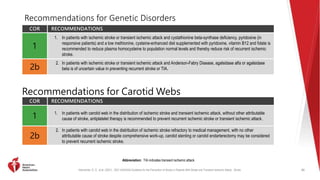
Recommendations for Genetic Disorders
COR RECOMMENDATIONS
1
1. In patients with ischemic stroke or transient ischemic attack and cystathionine beta-synthase deficiency, pyridoxine (in
responsive patients) and a low methionine, cysteine-enhanced diet supplemented with pyridoxine, vitamin B12 and folate is
recommended to reduce plasma homocysteine to population normal levels and thereby reduce risk of recurrent ischemic
stroke.
2b
2. In patients with ischemic stroke or transient ischemic attack and Anderson-Fabry Disease, agalsidase alfa or agalsidase
beta is of uncertain value in preventing recurrent stroke or TIA.
80
Abbreviation: TIA indicates transient ischemic attack.
Recommendations for Carotid Webs
COR RECOMMENDATIONS
1
1. In patients with carotid web in the distribution of ischemic stroke and transient ischemic attack, without other attributable
cause of stroke, antiplatelet therapy is recommended to prevent recurrent ischemic stroke or transient ischemic attack.
2b
2. In patients with carotid web in the distribution of ischemic stroke refractory to medical management, with no other
attributable cause of stroke despite comprehensive work-up, carotid stenting or carotid endarterectomy may be considered
to prevent recurrent ischemic stroke.
Kleindorfer, D. O., et al. (2021). 2021 AHA/ASA Guideline for the Prevention of Stroke in Patients With Stroke and Transient Ischemic Attack. Stroke.
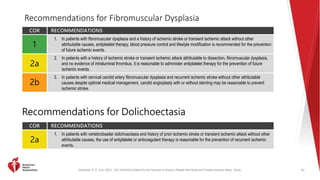
Recommendations for Fibromuscular Dysplasia
81
COR RECOMMENDATIONS
1
1. In patients with fibromuscular dysplasia and a history of ischemic stroke or transient ischemic attack without other
attributable causes, antiplatelet therapy, blood pressure control and lifestyle modification is recommended for the prevention
of future ischemic events.
2a
2. In patients with a history of ischemic stroke or transient ischemic attack attributable to dissection, fibromuscular dysplasia,
and no evidence of intraluminal thrombus, it is reasonable to administer antiplatelet therapy for the prevention of future
ischemic events.
2b
3. In patients with cervical carotid artery fibromuscular dysplasia and recurrent ischemic stroke without other attributable
causes despite optimal medical management, carotid angioplasty with or without stenting may be reasonable to prevent
ischemic stroke.
Recommendations for Dolichoectasia
COR RECOMMENDATIONS
2a
1. In patients with vertebrobasilar dolichoectasia and history of prior ischemic stroke or transient ischemic attack without other
attributable causes, the use of antiplatelet or anticoagulant therapy is reasonable for the prevention of recurrent ischemic
events.
Kleindorfer, D. O., et al. (2021). 2021 AHA/ASA Guideline for the Prevention of Stroke in Patients With Stroke and Transient Ischemic Attack. Stroke.
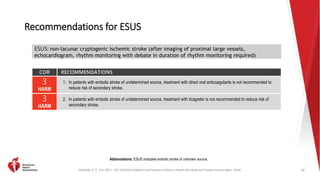
Recommendations for ESUS
COR RECOMMENDATIONS
3
HARM
1. In patients with embolic stroke of undetermined source, treatment with direct oral anticoagulants is not recommended to
reduce risk of secondary stroke.
3
HARM
2. In patients with embolic stroke of undetermined source, treatment with ticagrelor is not recommended to reduce risk of
secondary stroke.
82
Abbreviations: ESUS indicates embolic stroke of unknown source.
ESUS: non-lacunar cryptogenic ischemic stroke (after imaging of proximal large vessels,
echocardiogram, rhythm monitoring with debate in duration of rhythm monitoring required)
Kleindorfer, D. O., et al. (2021). 2021 AHA/ASA Guideline for the Prevention of Stroke in Patients With Stroke and Transient Ischemic Attack. Stroke.
Recommendations for Antithrombotic Medication
COR RECOMMENDATIONS
1
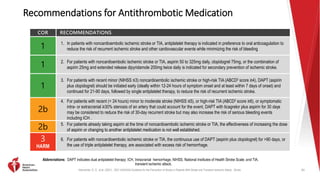
1. In patients with noncardioembolic ischemic stroke or TIA, antiplatelet therapy is indicated in preference to oral anticoagulation to
reduce the risk of recurrent ischemic stroke and other cardiovascular events while minimizing the risk of bleeding
1 2. For patients with noncardioembolic ischemic stroke or TIA, aspirin 50 to 325mg daily, clopidogrel 75mg, or the combination of
aspirin 25mg and extended release dipyridamole 200mg twice daily is indicated for secondary prevention of ischemic stroke.
1
3. For patients with recent minor (NIHSS ≤3) noncardioembolic ischemic stroke or high-risk TIA (ABCD2 score ≥4), DAPT (aspirin
plus clopidogrel) should be initiated early (ideally within 12-24 hours of symptom onset and at least within 7 days of onset) and
continued for 21-90 days, followed by single antiplatelet therapy, to reduce the risk of recurrent ischemic stroke.
2b
4. For patients with recent (< 24 hours) minor to moderate stroke (NIHSS ≤5), or high-risk TIA (ABCD2 score ≥6), or symptomatic
intra- or extracranial ≥30% stenosis of an artery that could account for the event, DAPT with ticagrelor plus aspirin for 30 days
may be considered to reduce the risk of 30-day recurrent stroke but may also increase the risk of serious bleeding events
including ICH .
2b 5. For patients already taking aspirin at the time of noncardioembolic ischemic stroke or TIA, the effectiveness of increasing the dose
of aspirin or changing to another antiplatelet medication is not well established.
3
HARM
6. For patients with noncardioembolic ischemic stroke or TIA, the continuous use of DAPT (aspirin plus clopidogrel) for >90 days, or
the use of triple antiplatelet therapy, are associated with excess risk of hemorrhage.
83
Abbreviations: DAPT indicates dual antiplatelet therapy; ICH, Intracranial hemorrhage; NIHSS, National Institutes of Health Stroke Scale; and TIA,
transient ischemic attack.
Kleindorfer, D. O., et al. (2021). 2021 AHA/ASA Guideline for the Prevention of Stroke in Patients With Stroke and Transient Ischemic Attack. Stroke.
Dual Antiplatelet
(Class 1)
Single Antiplatelet
(Class 1)
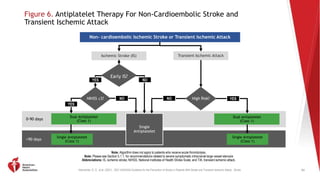
Figure 6. Antiplatelet Therapy For Non-Cardioembolic Stroke and
Transient Ischemic Attack
84
Note: Algorithm does not apply to patients who receive acute thrombolysis.
Note: Please see Section 5.1.1. for recommendations related to severe symptomatic intracranial large vessel stenosis
Abbreviations: IS, ischemic stroke; NIHSS, National Institutes of Health Stroke Scale; and TIA, transient ischemic attack.
Non- cardioembolic Ischemic Stroke or Transient Ischemic Attack
Ischemic Stroke (IS) Transient Ischemic Attack
Early IS?
NIHSS ≤3?
Single Antiplatelet
(Class 1)
Single
Antiplatelet
0-90 days
>90 days
YES NO
YES
NO High Risk?
Dual Antiplatelet
(Class 1)
NO YES
Kleindorfer, D. O., et al. (2021). 2021 AHA/ASA Guideline for the Prevention of Stroke in Patients With Stroke and Transient Ischemic Attack. Stroke.
Health Equity
85
Abbreviations: AHRQ indicates Agency for Healthcare Research and Quality; SES, socio-economic status; and TIA, transient ischemic attack .
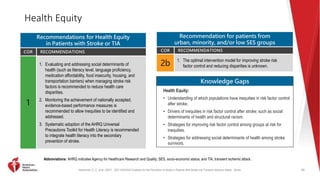
Recommendations for Health Equity
in Patients with Stroke or TIA
COR RECOMMENDATIONS
1
1. Evaluating and addressing social determinants of
health (such as literacy level, language proficiency,
medication affordability, food insecurity, housing, and
transportation barriers) when managing stroke risk
factors is recommended to reduce health care
disparities.
2. Monitoring the achievement of nationally accepted,
evidence-based performance measures is
recommended to allow inequities to be identified and
addressed.
3. Systematic adoption of the AHRQ Universal
Precautions Toolkit for Health Literacy is recommended
to integrate health literacy into the secondary
prevention of stroke.
Recommendation for patients from
urban, minority, and/or low SES groups
COR RECOMMENDATIONS
2b
1. The optimal intervention model for improving stroke risk
factor control and reducing disparities is unknown.
Knowledge Gaps
Health Equity:
• Understanding of which populations have inequities in risk factor control
after stroke.
• Drivers of inequities in risk factor control after stroke; such as social
determinants of health and structural racism.
• Strategies for improving risk factor control among groups at risk for
inequities.
• Strategies for addressing social determinants of health among stroke
survivors.

CASO CLÍNICO EVC.pptx caso clinico medicina interna

  • 1.
    VEGA VARGAS RICARDOADRIAN R3 DE MEDICINA INTERNA DISCUSIÓN DE CASO CLÍNICO
  • 2.
    ANAMNESIS Y FILIACIÓN Edad  50 años  Sexo  Femenino  Raza  Mestizo  Estado Civil  Casada  Religión  Católica  Grado de Instrucción  Secundaria completa  Ocupación  Ama de casa  Domicilio  Jr. Cahuide 2 Barraza – La Libertad  Inmunizaciones  Vac Covid, 4 dosis.  Antecedentes Fisiológicos (Parto, crecimiento y desarrollo, pubertad)  Sin datos pertinentes  Reacción alérgica a medicamentos o alimentos: Niega alergia a medicamentos o alimentos
  • 3.
    Medicamentos de usohabitual: No medicación habitual. Uso y abuso de sustancias tóxicas: Ninguno Perfil personal actual (Grado de dependencia): Independiente total Enfermedades previas definidas: No mencionadas Antecedentes de Enfermedad: No mencionadas Intervenciones quirúrgicas, traumatismo, transfusiones: Apendicetomía hace 20 años. Cauterización por epitaxis en enero del 2023. Histerectomía + ooforectomía derecha (por tumoración de ovario)
  • 4.
    ENFERMEDAD ACTUAL Fecha deingreso (EMERGENCIA)  22/03/2023 Fecha de ingreso (HOSPITALIZACIÓN)  24/03/2023 Perfil personal actual (Grado de dependencia): Independiente total T.E: 5 horas Inicio: Brusco Curso: Progresivo 22.02.2023  (08:30 a 10:30 hrs) Paciente mujer ingresa a SOP electiva por miomatosis uterina y tumoración de ovario derecho. Con reporte intra-SOP de 800 cc de sangrado. 22.02.2023  (18:30 hrs) Paciente refiere que aproximadamente 8 horas posterior de su post operatorio presenta parestesias en hemicara derecha, además familiar nota caída de parpado derecho con borramiento de comisura labial asimismo se agrega dificultad para articular palabras y por ultimo se agrega perdida de fuerza en hemicuerpo derecho a predominio de miembro inferior. Motivo por el cual fue evaluada por médico que decide referirla a hospital de mayor complejidad.
  • 7.
  • 9.
  • 10.
  • 11.
  • 12.
  • 13.
  • 14.
  • 17.
    EXAMEN CLÍNICO (Hospitalización) •ASPECTO GENERAL: Paciente mujer orientado en tiempo, espacio y persona, AREG, AREN, AREH. Ventilando espontáneamente. • PIEL,TEJIDO CELULAR SUBCUTÁNEO: Paciente con palidez +/+++ , Llenado capilar <2 seg • LINFÁTICOS: No Adenopatías palpables (cervicales, axilares, inguinales) • APARATO RESPIRATORIO: Inspección: patrón respiratorio conservado. Palpación: vibraciones vocales conservada Percusión: sonoridad conservada Auscultación: buen pasaje de murmullo vesicular en ACP, no rales. • APARATO CARDIOVASCULAR: Inspección: normales Palpación: No se observa lesiones. Percusión: Matidez cardiaca conservada. Auscultación: RCRR, pulsos periféricos palpables. • ABDOMEN: Inspección: Leve distensión. Auscultación: RHA conservados Percusión: Timpanismo conservado Palpación: B/D No doloroso a la palpación profunda ni superficial T°  36.7 °C, FC  98 lpm, FR  20 rpm, SatO2  98% (FiO2: 21%), PA 120/70 mmHg
  • 18.
    SNC Estado de conciencia:Lúcido, orientado en tiempo espacio y persona. Escala de Glasgow 15 puntos Lenguaje: Nomina 3/3, repite 3/3, comprende ordenes simples. Emite palabras y oraciones poco fluidas y comprensibles pero coherentes (disartria). No signos meníngeos. PROPIOCEPCIÓN Y FUNCIÓN CEREBELOSA Coordinación: conservada, prueba índice-índice e índice-nariz conservados izquierdo. Equilibrio y marcha: lateropulsión del lado derecho FUNCIÓN SENSITIVA Función sensitiva primaria: hemianalgesia de hemicuerpo derecho Función sensitiva cortical: asterognosia, agrafestesia. Hemicuerpo derecho. FUNCIÓN MOTORA Voluntaria: Hemiparesia de hemicuerpo derecho 3/5, hemicuerpo izquierdo 5/5 Involuntaria: hipotonía moderada de hemicuerpo derecho. REFLEJOS Superficiales: Babinski derecho presente. Profundos: Bicipital +, braquioradial +, tricipital +, rotuliano + y aquíleo +
  • 19.
    PARES CRANEALES I. Olfatorio:Conservado II. Óptico: Agudeza visual y campos visuales conservados. III. Oculomotor, troclear (IV) y abducens (VI): Nistagmo horizontal no rotatorio. Pupilas anisocóricas. Miosis derecha. ptosis palpebral derecha. V. Trigémino Motor: No atrofia muscular, no desviación de la mandícula, ni fasciculaciones. Sensitivo: Conservado. Reflejo corneal conservado VII. Facial Motor: Borramiento de surco nasogeneano derecho Sensitivo: Hemialgesia VIII. Vestibulococlear: Audición conservados. IX. Glosofaríngeo: Motor y sensitivo: conservados X. Vago Motor: Movimiento del paladar blando y úvula conservado. No asimetría. Sensitivo: Reflejo nauseoso conservado. XI. Espinal accesorio: Forma y fuerza muscular de trapecio y esternocleidomastoideos conservados. XII. Hipogloso: Motilidad y fuerza conservada de la musculatura de la lengua.
  • 20.
  • 21.
  • 22.
  • 23.
  • 25.
  • 26.
  • 27.
  • 28.
    23-02-2023 27-02-2023 03-03-202314-03-2023 Creatinina 0.86 mg/dl 0.58 mg/dl 0.69 mg/dl Urea 20 mg/dl 31 mg/dl 21 mg/dl Glucosa 129 mg/dl 122 mg/dl 94 mg/dl Bilirrubinas totales 0.39 mg/dl 0.43 mg/dl 0.62 mg/dl Bilirrubina directa 0.11 mg/dl 0.16 mg/dl 0.17 mg/dl Albúmina 3.63 gr/dl 4.07 gr/dl Amilasa 38 U/l Fosfatasa alcalina 251 IU/l 257 IU/l 246 IU/l GGT 17 34 IU/l 60 IU/l Proteínas totales 7.04 mg/dl Globulinas 3.41 mg/dl Relación alb/glob 1.1 TGO 19 IUI/l 26 IU/l 25 IU/l TGP 8 IUI/l 14 IU/l 13 IU/l Fibrinógeno TP / INR 15.85 / 1.22 14.83/1.24 14.38/1.20 Tpta 24.48
  • 29.
    23-02-2023 27-02-2023 03-04-202306-04-2023 14-04-2023 Leucocitos 11 540 10 100 10 700 11 260 7 280 Abastonados 1 % 0% 0% 0% 0% Segmentados 90 % 89% 81.6% 80.8% 72.1% Linfocitos 6 % 5% 9.9% 10.8% 19.4% Hemoglobina 8.8 mg/dl 9.1 mg/dl 9.7 mg/dl 9.8 mg/dl 9.4 mg/dl Hematocrito 28.5 % 30.1 % 32.2% 32.2% 31.5% VCM 65.1 fl 65.6 fl 65.6 fl 65.8 ft 66.9 ft HBCM 20.1 pg 19.8 pg 19.7 pg 20.1 pg 19.9 pg CM HBCM 30.9 gr/dl 30.3 gr/dl 30.1 gr/dl 30.5 gr/dl 29.8 gr/dl RDW 46,7 fl 46.8 ft 47.2 ft 48.6 ft 49.1 ft Plaquetas 240 000 273 000 318 000 312 000 HB A1C% 6.1% Acido Úrico 3.4 mg/dl Factor Reumatoideo 0.05 U/l ANA C3 159.2 mg/dl C4 48.93 md/dl
  • 30.
    23-02-2023 27-02-2023 03-04-202306-04-2023 14-04-2023 He sérico 14 ug/dl Transferrina 198.1 mg/dl Ferritina Ac.Fólico Vit b-12 TSH T4 Colesterol 108 mg/dl HDL Colesterol 22 mg/dl VLDL Colesterol 37 mg/dl LDL Colesterol 49 mg/dl Triglicéridos 183 mg/dl PCR 58.39 72.68 70.20 Sodio 139.5 mEq/l Potasio 3.7 mEq/l Calcio 8.5 mg/dl 8.9 mg/dl 9.9 mg/dl Grupo Sanguineo O +
  • 31.
    PLANTEAMIENTO DE PROBLEMASDE SALUD: PS1: MIOMATOSIS UTERINA + TUMORACION DE OVARIO DERECHO (2022) PS2: ANEMIA CRONICA MODERADA HIPOCROMICA-MICROCITICA HDX: DEFICIT DE HIERRO PS3: POST OPERADA DE HISTERECTOMIA TOTAL + SALPINGOOFORECTOMIA DERECHA PS4: INFARTO CEREBELOSO DERECHO (PICA): SINDROME DE WALLENBERG HDX: ESTADO DE HIPERCOAGUBILIDAD
  • 32.
  • 33.
    Epidemiology, aetiology, andmanagement of ischaemic stroke in young adults, The Lancet Neurology, Volume 17, Issue 9,2018, Pages 790-801 https://doi.org/10.1016/S1474-4422(18)30233-3 La enfermedad cerebrovascular (ECV) es una patología con una alta tasa de morbimortalidad. Los adultos jóvenes, que se ubican entre las edades de 15 a 50 años, representan hasta el 15 % de los casos. Introducción: Se habla de paciente joven cuando abarca la edad entre 15-45 años. Para algunos autores hasta los 50 años Más frecuente en mujeres entre las edades de 20 y 30 años y hombres mayores de 35 años Etiology of stroke in young adults from a series of patients at the Instituto Nacional de CienciasNeurológicas in the period 2010 to 2013. Enfermedad cerebrovascular en pacientes jóvenes: aspectos claves de la literatura. Acta Neurol Colomb., Bogotá , v. 37, n. 1, p. 39-48, Mar. 2021
  • 34.
    Kleindorfer, D. O.,et al. (2021). 2021 AHA/ASA Guideline for the Prevention of Stroke in Patients With Stroke and Transient Ischemic Attack. Stroke. Figure 1. Conceptual Representation of Ischemic Stroke Subtypes 34 Abbreviations: ESUS indicates embolic stroke of undetermined source; and non-ESUS, non-embolic stroke of undetermined source. Cryptogenic Stroke Non-Lacunar Stroke Ischemic Stroke Stroke Intracerebral Hemorrhage Subarachnoid Hemorrhage Ischemic Stroke Lacunar (Majority due to small vessel disease) Non-Lacunar Cardioembolic Cryptogenic Large Artery Other ESUS NON-ESUS
  • 35.
    El diagnóstico etiológicodel infarto cerebral se realiza utilizando los criterios de clasificación denominada Trial Of ORG 10172 in Acute Stroke Treatment (clasificación TOAST) y con ayuda diagnóstica de neuroimágenes y exámenes auxiliares de laboratorio. Etiology of stroke in young adults from a series of patients at the Instituto Nacional de CienciasNeurológicas in the period 2010 to 2013.
  • 36.
    Etiology of strokein young adults from a series of patients at the Instituto Nacional de CienciasNeurológicas in the period 2010 to 2013.
  • 37.
    MANIFESTACIONES CLÍNICAS Etiology ofstroke in young adults from a series of patients at the Instituto Nacional de CienciasNeurológicas in the period 2010 to 2013.
  • 38.
    En cada pacientecon accidente cerebrovascular, joven o viejo, la mayoría el enfoque común es el tratamiento sintomático agudo (si es posible), seguido de un proceso de diagnóstico para encontrar el causa subyacente y prevención secundaria Classification of subtype of acute ischemic stroke. Definitions for use in a multicenter clinical trial. TOAST. Trial of Org 10172 in Acute Stroke Treatment. Stroke, 24(1), 35–41.
  • 39.
    Epidemiology, aetiology, andmanagement of ischaemic stroke in young adults, The Lancet Neurology, Volume 17, Issue 9,2018, Pages 790-801 https://doi.org/10.1016/S1474-4422(18)30233-3 Large artery atherosclerosis Diagnostico y etiología:
  • 40.
    Epidemiology, aetiology, andmanagement of ischaemic stroke in young adults, The Lancet Neurology, Volume 17, Issue 9,2018, Pages 790-801 https://doi.org/10.1016/S1474-4422(18)30233-3 Cardioembolism
  • 41.
    Epidemiology, aetiology, andmanagement of ischaemic stroke in young adults, The Lancet Neurology, Volume 17, Issue 9,2018, Pages 790-801 https://doi.org/10.1016/S1474-4422(18)30233-3 Small vessel disease
  • 42.
    Epidemiology, aetiology, andmanagement of ischaemic stroke in young adults, The Lancet Neurology, Volume 17, Issue 9,2018, Pages 790-801 https://doi.org/10.1016/S1474-4422(18)30233-3 Stroke of other determined cause
  • 43.
    Epidemiology, aetiology, andmanagement of ischaemic stroke in young adults, The Lancet Neurology, Volume 17, Issue 9,2018, Pages 790-801 https://doi.org/10.1016/S1474-4422(18)30233-3
  • 44.
    Epidemiology, aetiology, andmanagement of ischaemic stroke in young adults, The Lancet Neurology, Volume 17, Issue 9,2018, Pages 790-801 https://doi.org/10.1016/S1474-4422(18)30233-3
  • 45.
    Epidemiology, aetiology, andmanagement of ischaemic stroke in young adults, The Lancet Neurology, Volume 17, Issue 9,2018, Pages 790-801 https://doi.org/10.1016/S1474-4422(18)30233-3 Stroke of undetermined cause
  • 46.
  • 47.
    El síndrome deWallenberg o síndrome bulbar lateral, llamado así por la primera persona que lo describió en 1895, se ocasiona por la oclusión aterotrombótica del segmento V4 de la arteria vertebral o de la arteria cerebelosa posteroinferior, la cual irriga en su segmento proximal la cara lateral del bulbo raquídeo, y con sus ramas distales la cara inferior del cerebelo. Existen factores de riesgo para el desarrollo de este síndrome tales como hipertensión arterial, tabaquismo, Diabetes Mellitus tipo II, hiperlipidemia y cardiopatías. Es más común en hombres que en mujeres, en una proporción de 3:1 Las causas más comunes y descritas del síndrome de Wallenberg son, en orden de frecuencia: La oclusión aterotrombótica de la arteria vertebral, de la PICA o de las arterias medulares. Cardioembolia Disección vertebral Drogas emergentes conocidas como legal highs o «subidones legales»,el consumo de cocaína. La sarcoidosis Granulomatosis con poliangeítis (granulomatosis de Wegener) La arteritis de células gigantes La picadura de escorpión Incluso el aneurisma de PICA sin rotura Neuroanatomical basis of Wallenberg syndrome, Cir Cir. 2020;88(3):376-382
  • 48.
    Anatomia de bulboraquideo Neuroanatomical basis of Wallenberg syndrome, Cir Cir. 2020;88(3):376-382
  • 49.
    Neuroanatomical basis ofWallenberg syndrome, Cir Cir. 2020;88(3):376-382
  • 50.
    Neuroanatomical basis ofWallenberg syndrome, Cir Cir. 2020;88(3):376-382
  • 51.
    Correlación anatomoclínica delas manifestaciones neurológicas •–Vértigo y nistagmo: se presentan tanto por lesión directa de los núcleos vestibulares (principalmente el inferior) que se encuentran en el territorio de irrigación de la PICA como por las vías vestibulares, en especial aquellas que comunican con la corteza vestibular parietoinsular. El vértigo suele ser de características centrales en dirección a la mirada. Ambas manifestaciones clínicas pueden acompañarse de singulto, náuseas y vómitos secundarios •–Diplopía: por lesión pontina colateral y del fascículo longitudinal medial, estructuras involucradas en el movimiento ocular conjugado. •–Síndrome de Horner, rubicundez y anhidrosis facial homolateral: la enoftalmia, la inyección conjuntival y la miosis características del llamado síndrome de Claude Bernard-Horner, así como la rubicundez y la anhidrosis facial, se producen por la lesión de las fibras simpáticas preganglionares descendentes que atraviesan el bulbo raquídeo •–Disfonía, disfagia, disartria y pérdida homolateral del reflejo nauseoso: estas manifestaciones resultan de la lesión del núcleo ambiguo y de algunas fibras que dan origen a los nervios glosofaríngeo y vago. La disfagia puede ser grave en el 40% de los casos, y hasta el 100% de los pacientes presenta algún grado de disfagia; suele ser de corta duración y desaparecer casi en su totalidad en 4-10 semanas. De manera específica, la disfagia se presenta por la lesión de un generador central de patrones que controla centralmente el proceso de deglución.
  • 52.
    •–Ataxia homolateral: sepresenta con tendencia a la lateralización homolateral y es consecuencia de la lesión cerebelosa directa por la oclusión de la PICA, por lesión de las fibras espinocerebelosas y por lesión de las fibras del pedúnculo cerebeloso inferior. •–Disgeusia homolateral: ocurre por la lesión del tracto solitario y del núcleo solitario. •–Dolor y parestesia faciales homolaterales y pérdida o disminución homolateral del reflejo corneal: el tracto espinal del trigémino y el núcleo espinal del trigémino se ven afectados en el síndrome de Wallenberg, lo que explica el dolor y las parestesias homolaterales. Además, estas estructuras participan como vía aferente del reflejo corneal, necesario para el parpadeo durante el estímulo sensitivo corneal; dicha afectación explica la aparición de queratitis relacionada en algunos casos. •–Hipoalgesia y termoanestesia de tronco y extremidades contralaterales: ocurre como resultado de la lesión del tracto espinotalámico que asciende a través del lemnisco espinal. •–Hipoalgesia y termoanestesia facial homolateral: por lesión del tracto espinal del trigémino y del núcleo espinal del trigémino,
  • 53.
    Kleindorfer, D. O.,et al. (2021). 2021 AHA/ASA Guideline for the Prevention of Stroke in Patients With Stroke and Transient Ischemic Attack. Stroke. Figure 2. Algorithm for Evaluating Patients with Clinical Diagnosis of Stroke for Optimizing Prevention of Recurrent Ischemic Stroke 53 Abbreviations: CT indicates computed tomography; CTA, computed tomography angiogram; ECG, electrocardiogram; MRA, magnetic resonance angiography; MRI, magnetic resonance imaging; SOE, source of embolism; TEE, transesophageal echo; TIA; transient ischemic attack: and US, ultrasound. †When a patient has a transient neurological deficit clinically characteristic of transient ischemic attack, the patient should be evaluated in the same manner as a patient who has an ischemic stroke with a corresponding cerebral infarct on imaging. YES NO Shows ischemic stroke† Manage accordingly ECG and basic laboratory tests* (Class 1) YES NO CT or MRI shows ischemic stroke mimic Consider delayed reimaging with CT or MRI if not done initially (Class 2a) Manage accordingly Anterior circulation infarct Non-invasive cervical carotid imaging [CTA, MRA, or US] (Class 1) Echocardiography to evaluate for cardiac SOE (Class 2a) Non-invasive intracranial and extracranial imaging of vertebrobasilar arterial system (Class 2a) Cause identified Based on age, medical comorbidities and clinical syndrome, consider: Long-term cardiac rhythm monitoring (Class 2a) Test for genetic stroke syndrome (Class 2a) Test for infectious vasculitis (Class 2a) TEE, Cardiac CT or Cardiac MRI (Class 2b) Evaluate for other rare causes of stroke CT or MRI (Class 1) YES NO YES NO Non-invasive intracranial arterial imaging (Class 2a)
  • 54.
    Kleindorfer, D. O.,et al. (2021). 2021 AHA/ASA Guideline for the Prevention of Stroke in Patients With Stroke and Transient Ischemic Attack. Stroke. Mediterranean type diet (in preference to low-fat diet) (Class 2a) Mediterranean Diet (Summarized) • High monounsaturated/saturated fat ratio (use of olive oil as main cooking ingredient and/or consumption of other consumption of other traditional foods high in monounsaturated fats such as monounsaturated fats such as tree nuts) • High intake of plant‐based foods, including fruits, vegetables and legumes • High consumption of whole grains and cereals • Increased consumption of fish • Low consumption of meat and meat products • Discourages red and processed meats • Low to moderate red wine consumption • Moderate consumption of milk and dairy products • Discourages soda drinks, pastries, sweets, commercial bakery products and spread fats Vascular Risk Factor Management: Nutrition 54 Reduced risk of recurrent stroke + hypertension (if not currently restricting dietary sodium) In patients with stroke or TIA and hypertension who are not currently restricting their dietary sodium intake, it is reasonable to recommend that individuals reduce their sodium intake by at least 1g/d sodium (2.5 grams/day salt) to reduce the risk of cardiovascular disease (CVD) events (including stroke) (Class 2a) Reduced risk of cardiovascular disease events (including stroke) Stroke or transient ischemic attack
  • 55.
    Kleindorfer, D. O.,et al. (2021). 2021 AHA/ASA Guideline for the Prevention of Stroke in Patients With Stroke and Transient Ischemic Attack. Stroke. Vascular Risk Factor Management: Hypertension 55 Abbreviations: BP indicates blood pressure; ICH; intracranial hemorrhage; mm/Hg; millimeters of mercury; and TIA, transient ischemic attack. Stroke or transient ischemic attack History of hypertension? In patients with hypertension who experience a stroke or TIA, treatment with a thiazide diuretic, angiotensin- converting enzyme inhibitor, or angiotensin II receptor blockers is useful for lowering BP and reducing recurrent stroke risk (Class 1) In patients with hypertension who experience a stroke or TIA, individualized drug regimens that take into account patient comorbidities, agent pharmacological class, and patient preference are recommended to maximize drug efficacy (Class 1) In patients with hypertension who experience a stroke or TIA, an office BP goal of <130/80 mmHg is recommended for most patients to reduce the risk of recurrent events and vascular stroke (Class 1) In patients with no history of hypertension who experience a stroke or TIA and have an average office BP of ≥130/80 mmHg, antihypertensive medication treatment can be beneficial to reduce the risk of recurrent stroke, ICH, and other vascular events (Class 2a) YES NO
  • 56.
    Kleindorfer, D. O.,et al. (2021). 2021 AHA/ASA Guideline for the Prevention of Stroke in Patients With Stroke and Transient Ischemic Attack. Stroke. Vascular Risk Factor Management: Hyperlipidemia and Hypertriglyceridemia COR RECOMMENDATIONS 1 In patients with ischemic stroke with no known coronary heart disease, no major cardiac sources of embolism, and LDL cholesterol (LDL-C) >100 mg/dL, atorvastatin 80 mg daily is indicated to reduce risk of stroke recurrence 1 In patients with ischemic stroke or TIA and atherosclerotic disease (intracranial, carotid, aortic, or coronary), lipid-lowering therapy with a statin and also ezetimibe, if needed, to a goal LDL-C of <70 mg/dL is recommended to reduce the risk of major cardiovascular events 2a In patients with ischemic stroke who are very high risk (defined as stroke plus another major ASCVD or stroke plus multiple high- risk conditions), are taking maximally tolerated statin and ezetimibe therapy and still have an LDL-C >70 mg/dL, it is reasonable to treat with PCSK9 inhibitor therapy to prevent ASCVD events 56 Abbreviations: AF indicates atrial fibrillation; ASCVD, atherosclerotic cardiovascular disease; HbA1c, glycated hemoglobin A1c; LDL-C, low-density lipoprotein cholesterol; PCSK9, proprotein convertase subtilisin/kexin type 9; and TIA, transient ischemic attack. HYPERLIPIDEMIA *Stroke plus another major ASCVD or stroke plus multiple high-risk conditions 1 Monitoring In patients with stroke or TIA and hyperlipidemia, patients’ adherence to changes in lifestyle and the effects of LDL-C lowering medication should be assessed by measurement of fasting lipids and appropriate safety indicators 4-12 weeks after statin initiation or dose adjustment and every 3-12 months thereafter, based on need to assess adherence of safety
  • 57.
    Kleindorfer, D. O.,et al. (2021). 2021 AHA/ASA Guideline for the Prevention of Stroke in Patients With Stroke and Transient Ischemic Attack. Stroke. Vascular Risk Factor Management: Hyperlipidemia and Hypertriglyceridemia COR RECOMMENDATIONS 2a In patients with ischemic stroke or TIA, with fasting triglycerides 135 to 499 mg/dL and LDL-C of 41 to 100 mg/dL, on moderate- or high-intensity statin therapy, with HbA1c <10%, and with no history of pancreatitis, AF, or severe heart failure, treatment with icosapent ethyl (IPE) 2 g twice a day is reasonable to reduce risk of recurrent stroke. 2a In patients with severe hypertriglyceridemia (ie, fasting triglycerides ≥500 mg/dL [≥5.7 mmol/L]), it is reasonable to identify and address causes of hypertriglyceridemia and, if triglycerides are persistently elevated or increasing, to further reduce triglycerides in order to lower the risk of ASCVD events by implementation of a very low-fat diet, avoidance of refined carbohydrates and alcohol, consumption of omega-3 fatty acids, and, if necessary to prevent acute pancreatitis, fibrate therapy. 57 Abbreviations: AF indicates atrial fibrillation; ASCVD, atherosclerotic cardiovascular disease; HbA1c, glycated hemoglobin A1c; LDL-C, low-density lipoprotein cholesterol; and TIA, transient ischemic attack. HYPERTRIGLYCERIDEMIA
  • 58.
    Kleindorfer, D. O.,et al. (2021). 2021 AHA/ASA Guideline for the Prevention of Stroke in Patients With Stroke and Transient Ischemic Attack. Stroke. Vascular Risk Factor Management: Glucose COR RECOMMENDATIONS 1 Goal for glycemic control individualized based on risk for adverse events, patient characteristics, and preferences. 1 For most patients, especially if <65 years old without life-limiting comorbid illness, achieving a goal of HbA1c ≤ 7% to reduce risk of microvascular complications. 1 Treatment of diabetes should include glucose-lowering agents with proven cardiovascular benefit to reduce the risk for future major adverse cardiovascular events (i.e., stroke, MI, cardiovascular death). 1 Multidimensional care is indicated to achieve glycemic goals and improve stroke risk factors: • Lifestyle counseling • Medical nutritional therapy • Diabetes self-management education • Support • Medication 2b Usefulness of achieving intense glucose control (i.e., HbA1c ≤ 7%) beyond acute phase of ischemic event for prevention of recurrent stroke is unknown. 58 Abbreviations: HbA1c indicates glycated hemoglobin A1c; MI, myocardial infarction; and TIA, transient ischemic attack. DIABETES & ISCHEMIC STROKE OR TIA PRE-DIABETES & ISCHEMIC STROKE OR TIA COR RECOMMENDATIONS 2a Lifestyle optimization (i.e., healthy diet, regular physical activity, and smoking cessation) can be beneficial to prevent progression to diabetes. 2b If body mass index ≥ 35 kg/m2 , aged <60 years old, or women with a history of gestational diabetes, metformin may be beneficial to control blood sugar and prevent progression to diabetes.
  • 59.
    Kleindorfer, D. O.,et al. (2021). 2021 AHA/ASA Guideline for the Prevention of Stroke in Patients With Stroke and Transient Ischemic Attack. Stroke. Vascular Risk Factor Management: Glucose 59 Abbreviations: HbA1c indicates glycated hemoglobin A1c; and TIA, transient ischemic attack . ISCHEMIC STROKE OR TIA & UNKNOWN IF DIABETES COR RECOMMENDATIONS 2a Reasonable to screen for prediabetes / diabetes using HbA1c. ≤ 6 MONTHS AFTER ISCHEMIC STROKE OR TIA WITH INSULIN RESISTANCE, HBA1C < 7%, AND WITHOUT HEART FAILURE OR BLADDER CANCER COR RECOMMENDATIONS 2b Pioglitazone may be considered to prevent recurrent stroke.
  • 60.
    Kleindorfer, D. O.,et al. (2021). 2021 AHA/ASA Guideline for the Prevention of Stroke in Patients With Stroke and Transient Ischemic Attack. Stroke. Vascular Risk Factor Management: Obesity and Obstructive Sleep Apnea COR PATIENT POPULATION RECOMMENDATIONS 1 Ischemic stroke or TIA and overweight or obese Weight loss to improve ASCVD risk factor profile 1 Ischemic stroke or TIA and obese To achieve sustained weight loss, referral to intensive, multicomponent, behavioral lifestyle-modification program 1 Ischemic stroke or ASCVD Calculate body mass index at time of the event and annually thereafter to screen for and classify obesity 60 Abbreviations: ASCVD indicates atherosclerotic cardiovascular disease; OSA, obstructive sleep apnea; and TIA, transient ischemic attack. OBESITY OBSTRUCTIVE SLEEP APNEA COR PATIENT POPULATION RECOMMENDATIONS 2a Ischemic stroke or TIA and OSA Treatment with positive airway pressure (i.e., continuous positive airway pressure) can be beneficial for improved sleep apnea, blood pressure, sleepiness, and other apnea-related outcomes 2b Ischemic stroke or TIA Evaluation for OSA may be considered for diagnosing sleep apnea
  • 61.
    Kleindorfer, D. O.,et al. (2021). 2021 AHA/ASA Guideline for the Prevention of Stroke in Patients With Stroke and Transient Ischemic Attack. Stroke. Management of Intracranial Large Artery Atherosclerosis COR RECOMMENDATIONS Antithrombotic Therapy 1 1. In patients with a stroke or TIA caused by 50% to 99% stenosis of a major intracranial artery, aspirin 325 mg/d is recommended in preference to warfarin to reduce the risk of recurrent ischemic stroke and vascular death. 2a 2. In patients with recent stroke or TIA (within 30 days) attributable to severe stenosis (70%–99%) of a major intracranial artery, the addition of clopidogrel 75 mg/d to aspirin for up to 90 days is reasonable to further reduce recurrent stroke risk. 2b 3. In patients with recent (within 24 hours) minor stroke or high-risk TIA and concomitant ipsilateral >30% stenosis of a major intracranial artery, the addition of ticagrelor 90 mg twice a day to aspirin for up to 30 days might be considered to further reduce recurrent stroke risk. 2b 4. In patients with stroke or TIA attributable to 50% to 99% stenosis of a major intracranial artery, the addition of cilostazol 200 mg/day to aspirin or clopidogrel might be considered to reduce recurrent stroke risk. 2b 5. In patients with stroke or TIA attributable to 50% to 99% stenosis of a major intracranial artery, the usefulness of clopidogrel alone, the combination of aspirin and dipyridamole, ticagrelor alone, or cilostazol alone for secondary stroke prevention is not well established. 61 Abbreviations: TIA indicates transient ischemic attack.
  • 62.
    Kleindorfer, D. O.,et al. (2021). 2021 AHA/ASA Guideline for the Prevention of Stroke in Patients With Stroke and Transient Ischemic Attack. Stroke. Management of Extracranial Large Artery Atherosclerosis COR RECOMMENDATIONS 1 1. In patients with a TIA or nondisabling ischemic stroke within the past 6 months and ipsilateral severe (70%–99%) carotid artery stenosis, carotid endarterectomy (CEA) is recommended to reduce the risk of future stroke, provided that perioperative morbidity and mortality risk is estimated to be <6%. 1 2. In patients with ischemic stroke or TIA and symptomatic extracranial carotid stenosis who are scheduled for carotid artery stenting (CAS) or CEA, procedures should be performed by operators with established periprocedural stroke and mortality rates of <6% to reduce the risk of surgical adverse events. 1 3. In patients with carotid artery stenosis and a TIA or stroke, intensive medical therapy, with antiplatelet therapy, lipid-lowering therapy, and treatment of hypertension, is recommended to reduce stroke risk. 1 4. In patients with recent TIA or ischemic stroke and ipsilateral moderate (50%–69%) carotid stenosis as documented by catheter-based imaging or noninvasive imaging, CEA is recommended to reduce the risk of future stroke, depending on patient-specific factors such as age, sex, and comorbidities, if the perioperative morbidity and mortality risk is estimated to be <6%. 2a 5. In patients ≥70 years of age with stroke or TIA in whom carotid revascularization is being considered, it is reasonable to select CEA over CAS to reduce the periprocedural stroke rate. 2a 6. In patients in whom revascularization is planned within 1 week of the index stroke, it is reasonable to choose CEA over CAS to reduce the periprocedural stroke rate. 62 Abbreviations: CAS indicates carotid artery stenting; CEA, carotid endarterectomy; and TIA, transient ischemic attack.
  • 63.
    Kleindorfer, D. O.,et al. (2021). 2021 AHA/ASA Guideline for the Prevention of Stroke in Patients With Stroke and Transient Ischemic Attack. Stroke. Continued ….. Management of Extracranial Large Artery Atherosclerosis COR RECOMMENDATIONS 2a 7. In patients with TIA or nondisabling stroke, when revascularization is indicated, it is reasonable to perform the procedure within 2 weeks of the index event rather than delay surgery to increase the likelihood of stroke free outcome. 2a 8. In patients with symptomatic severe stenosis (≥70%) in whom anatomic or medical conditions are present that increase the risk for surgery (such as radiation-induced stenosis or restenosis after CEA) it is reasonable to choose CAS to reduce the periprocedural complication rate. 2b 9. In symptomatic patients at average or low risk of complications associated with endovascular intervention, when the internal carotid artery stenosis is ≥70% by noninvasive imaging or >50% by catheter-based imaging and the anticipated rate of periprocedural stroke or death is >6 %, CAS may be considered as an alternative to CEA for stroke prevention, particularly in patients with significant cardiovascular comorbidities predisposing to cardiovascular complications with endarterectomy. 2b 10. In patients with a recent stroke or TIA (past 6 months), the usefulness of transcarotid artery revascularization (TCAR) for prevention of recurrent stroke and TIA is uncertain. 3: No Benefit 11. In patients with recent TIA or ischemic stroke and when the degree of stenosis is <50%, revascularization with CEA or CAS to reduce the risk of future stroke is not recommended. 3: No Benefit 12. In patients with a recent (within 120 days) TIA or ischemic stroke ipsilateral to atherosclerotic stenosis or occlusion of the middle cerebral or carotid artery, extracranial intracranial bypass surgery is not recommended. 63 Abbreviations: CAS indicates carotid artery stenting; CEA, carotid endarterectomy; and TIA, transient ischemic attack.
  • 64.
    Kleindorfer, D. O.,et al. (2021). 2021 AHA/ASA Guideline for the Prevention of Stroke in Patients With Stroke and Transient Ischemic Attack. Stroke. Overall Stroke Risk Reduction Strategies 64 For Symptomatic Extracranial Vertebral Atherosclerosis Intensive medical therapy Anti-platelet therapy High intensity statin Blood pressure control Physical activity (Class 1) For Symptomatic Aortic Arch Atherosclerosis For Symptomatic Intracranial Atherosclerosis For Symptomatic Extracranial Atherosclerosis
  • 65.
    Kleindorfer, D. O.,et al. (2021). 2021 AHA/ASA Guideline for the Prevention of Stroke in Patients With Stroke and Transient Ischemic Attack. Stroke. Recommendations 65 Abbreviations: TIA indicates transient ischemic attack. Symptomatic Moyamoya Disease Surgical revascularization with direct or indirect extracranial to intracranial bypass can be beneficial to prevent recurrent ischemic stroke or TIA (Class 2a) Anti-platelet therapy may be reasonable to prevent recurrent ischemic stroke or TIA (Class 2b)
  • 66.
    Kleindorfer, D. O.,et al. (2021). 2021 AHA/ASA Guideline for the Prevention of Stroke in Patients With Stroke and Transient Ischemic Attack. Stroke. Small Vessel Stroke The usefulness of cilostazol for secondary stroke prevention is uncertain (Class 2b) Ischemic Stroke Due to Cerebral Small Vessel Disease 66
  • 67.
    Kleindorfer, D. O.,et al. (2021). 2021 AHA/ASA Guideline for the Prevention of Stroke in Patients With Stroke and Transient Ischemic Attack. Stroke. Timing of Anticoagulation after Stroke or TIA 67 Abbreviation: TIA indicates transient ischemic attack. DAY 0 Ischemic stroke or TIA DAY 0-2 TIA and non-valvular atrial fibrillation (Class 2a) DAY 2 – DAY 14 Stroke and atrial fibrillation (low risk for hemorrhagic conversion) (Class 2b) DAY 14 AND ON Stroke and atrial fibrillation (HIGH risk for hemorrhagic conversion*) (Class 2a) *Large cerebral infarcts (NIHSS>15, lesions involving complete arterial territory or more than one arterial territory), evidence of hemorrhage on neuroimaging, or other features which place patient at increased risk of hemorrhagic conversion following acute stroke.
  • 68.
    Kleindorfer, D. O.,et al. (2021). 2021 AHA/ASA Guideline for the Prevention of Stroke in Patients With Stroke and Transient Ischemic Attack. Stroke. Consider Intensifying Warfarin§ (Class 2b) Recurrent Stroke/TIA? Moderate- Severe MS or Mechanical Valve* All Other VHD Conditions Warfarin (Class 1) DOAC (Class 1) Non- Rheumatic MVD† AVD‡ Antiplatelet (Class 1) MV/AV Bioprosthesis Mechanical MV/AV Warfarin (Class 1) Assess Valve Function, Rule Out Non- Valvular Causes, Assess Bleeding Risk Figure 3. Antithrombotic Regimen in Ischemic Stroke or TIA and Different Valvular Heart Disease Conditions 68 *Definition of Valvular AF †Includes MAC and MVP ‡Rheumatic and Non-Rheumatic AVD §Increase the target INR by 0.5 depending on bleeding risk. Abbreviations: Abx indicates antibiotics; AF, atrial fibrillation; AV, aortic valve; AVD, aortic valve disease; DOAC, direct oral anticoagulant; MAC, mitral annular calcification; MS, mitral stenosis; MV, mitral valve; MVD, mitral valve disease; MVP, mitral valve prolapse; TIA, transient ischemic attack; VHD, and valvular heart disease. Valvular Heart Disease and Ischemic Stroke or TIAs Atrial Fibrillation Sinus Rhythm Infective Endocarditis Intracranial Hemorrhage or Major Ischemic Stroke Delay Surgery (Class 2b) Early Surgery (Class 2b) Early Surgery (Class 2a) Mobile Vegetation >10 mm Recurrent Embolic Stroke Despite Abx therapy YES NO
  • 69.
    Kleindorfer, D. O.,et al. (2021). 2021 AHA/ASA Guideline for the Prevention of Stroke in Patients With Stroke and Transient Ischemic Attack. Stroke. Secondary Stroke Prevention with Prosthetic Heart Valves 69 Abbreviations: AC indicates anticoagulation; AV, aortic valve; INR, international normalized ratio; MV, mitral valve; and TIA, transient ischemic attack. Bioprosthetic MV/AV Stroke or TIA BEFORE valve placement (and no other reason for AC beyond 3-6 months of valve placement) Long-Term therapy with Aspirin (Class 1) Mechanical AV Stroke or TIA with aortic valve in place Higher intensity Warfarin to INR 3.0 (range 2.5-3.5) OR Add Aspirin (75-100mg/d) (Class 2a) Mechanical MV Stroke or TIA BEFORE valve placement Warfarin INR target 3.0 (range 2.5-3.5) AND Aspirin (75-100mg/d) (Class 1) Treatment with Dabigatran is harmful Prosthetic Heart Valve and Ischemic Stroke or TIA Mechanical MV/AV
  • 70.
    Kleindorfer, D. O.,et al. (2021). 2021 AHA/ASA Guideline for the Prevention of Stroke in Patients With Stroke and Transient Ischemic Attack. Stroke. Figure 4. Secondary Stroke Prevention in cardiomyopathy and intra- cardiac thrombus 70 Abbreviations: LV indicates left ventricle; LVAD, left ventricular assist device; and TIA, transient ischemic attack. . Cardiomyopathy and history of ischemic stroke/TIA in Sinus Rhythm Left ventricular or left atrial thrombus Presence of LVAD Other LV Non-Compaction Warfarin (Class 1) Warfarin + Aspirin (Class 2a) Individualized Choice (Class 2b) Warfarin (Class 2a)
  • 71.
    Kleindorfer, D. O.,et al. (2021). 2021 AHA/ASA Guideline for the Prevention of Stroke in Patients With Stroke and Transient Ischemic Attack. Stroke. High Risk PFO – PFO closure is reasonable Factors reducing potential benefit of closure: • Low RoPE score, including older age and multiple risk factors • Need for anticoagulation (Class 2a) Low Risk PFO – Benefit of PFO closure is not well established Factors increasing potential benefit of closure: • High RoPE score, including young age and no risk factors • History of DVT or prothrombotic condition • Prior non-lacunar stroke or cortical TIA • Failure of antiplatelet treatment (Class 2b) Figure 5. Secondary Stroke Prevention with PFO 71 Abbreviations: CT indicates computed tomography; DVT, deep vein thrombosis; LP, lumbar puncture; MRI, magnetic resonance imaging; MRV, magnetic resonance venography; PFO, patent foramen ovale; RoPE, Risk of Paradoxical Embolism; and TIA, transient ischemic attack. Patients age 18-60 with non-lacunar stroke and PFO Evaluation for cause by combined neurology/cardiology team • MRI of brain confirming ischemic stroke • MRI or CT of intracranial and extracranial vessels with contrast • Contrasted echocardiography or other advanced cardiac imaging • Early evaluation for DVT, including lower extremity doppler and consideration of pelvic MRV • Prolonged cardiac monitoring to screen for intermittent atrial fibrillation • Consider toxicology screen, C-reactive protein, antiphospholipid antibodies, other labs as indicated • Low threshold for blood cultures, hypercoagulable evaluation, vasculitis workup including catheter angiogram and LP, consideration of rare causes of stroke including genetic etiologies Alternative etiology found? YES NO Treat underlying etiology Potential paradoxical embolism Atrial septal aneurysm or large right-to-left shunt YES NO
  • 72.
    Kleindorfer, D. O.,et al. (2021). 2021 AHA/ASA Guideline for the Prevention of Stroke in Patients With Stroke and Transient Ischemic Attack. Stroke. Secondary Stroke Prevention in Congenital Heart Disease 72 Abbreviations: CHD indicates congenital heart disease; and TIA, transient ischemic attack Stroke or TIA and Fontan Palliation Warfarin (Class 1) Warfarin (Class 2a) Stroke or TIA of presumed cardioembolic origin with cyanotic CHD and other complex lesions
  • 73.
    Kleindorfer, D. O.,et al. (2021). 2021 AHA/ASA Guideline for the Prevention of Stroke in Patients With Stroke and Transient Ischemic Attack. Stroke. Management: Cardiac Tumors, Malignancy, and Stroke 73 Abbreviation: DOAC indicates direct acting oral anticoagulants. AND AND Left-sided cardiac tumor Atrial fibrillation AND Cancer Tumor resection (Class 2a) DOAC preferred over warfarin (Class 2a) Stroke or Transient Ischemic Attack
  • 74.
    Kleindorfer, D. O.,et al. (2021). 2021 AHA/ASA Guideline for the Prevention of Stroke in Patients With Stroke and Transient Ischemic Attack. Stroke. Management: Cervical Artery Dissection 74 Abbreviation: TIA indicates transient ischemic attack. Extracranial carotid OR vertebral arterial dissection AND Ischemic stroke or TIA Antithrombotic therapy for at least three months (Class 1) In patients with ischemic stroke or TIA who are <3 months after an extracranial carotid or vertebral arterial dissection, it is reasonable to use either aspirin or warfarin to prevent recurrent stroke or TIA. (Class 2a) Endovascular therapy (Class 2b) Recurrent events despite antithrombotic therapy Sudden neck movement and cervical artery dissection John W. Norris, Vadim Beletsky, Zurab G. Nadareishvili and on behalf of the Canadian Stroke Consortium CMAJ July 11, 2000 163 (1) 38-40;
  • 75.
    Kleindorfer, D. O.,et al. (2021). 2021 AHA/ASA Guideline for the Prevention of Stroke in Patients With Stroke and Transient Ischemic Attack. Stroke. Hypercoagulable States: Hematologic Traits 75 Abbreviations: TIA indicates transient ischemic attack. COR RECOMMENDATIONS 2a In patients with ischemic stroke or TIA of unknown source despite thorough diagnostic evaluation and no other thrombotic history who are found to have prothrombin 20210A mutation, activated protein C resistance, elevated factor VIII levels, or deficiencies of protein C, protein S, or antithrombin III, antiplatelet therapy is reasonable to reduce the risk of recurrent stroke or TIA.
  • 76.
    Kleindorfer, D. O.,et al. (2021). 2021 AHA/ASA Guideline for the Prevention of Stroke in Patients With Stroke and Transient Ischemic Attack. Stroke. Hypercoagulable States: Antiphospholipid Syndrome COR LOE RECOMMENDATIONS 1 B-NR 1. In patients with ischemic stroke or transient ischemic attack who have an isolated antiphospholipid antibody but do not fulfill the criteria for antiphospholipid syndrome, antiplatelet therapy alone is recommended to reduce the risk of recurrent stroke. 2a B-R 2. In patients with ischemic stroke or transient ischemic attack with confirmed antiphospholipid syndrome, treated with warfarin, it is reasonable to choose a target international normalized ratio between 2-3 over a target international normalized ratio > 3 to effectively balance the risk of excessive bleeding against the risk of thrombosis. 2a C-LD 3. In patients with ischemic stroke or transient ischemic attack who meet the criteria for the antiphospholipid syndrome, it is reasonable to anticoagulate with warfarin to reduce the risk of recurrent stroke or transient ischemic attack. 3 HARM B-R 4. In patients with ischemic stroke or transient ischemic attack, antiphospholipid syndrome with history of thrombosis and triple positive aPL antibodies (i.e., lupus anticoagulant, anticardiolipin and anti-beta2-glycoprotein I), rivaroxaban is not recommended because it is associated with excess thrombotic events compared to warfarin. 76 Abbreviations: aPL indicates antiphospholipid.
  • 77.
    Kleindorfer, D. O.,et al. (2021). 2021 AHA/ASA Guideline for the Prevention of Stroke in Patients With Stroke and Transient Ischemic Attack. Stroke. Clinical Management: Hyperhomocysteinemia 77 Elevated serum homocysteine levels have been associated with elevated risk of stroke however COR RECOMMENDATIONS 3 NO BENEFIT 1. In patients with ischemic stroke or transient ischemic attack with hyperhomocysteinemia, supplementation with folate, vitamin B6, and vitamin B12 is not effective for preventing subsequent stroke.
  • 78.
    Kleindorfer, D. O.,et al. (2021). 2021 AHA/ASA Guideline for the Prevention of Stroke in Patients With Stroke and Transient Ischemic Attack. Stroke. Clinical Management: Sickle Cell Disease 78 Abbreviations: Hgb indicates hemoglobin; SCD, sickle cell disease; and TIA, transient ischemic attack. SCD and Ischemic stroke/TIA Transfusion therapy available Transfusion therapy unavailable Chronic blood transfusion(s) to reduce hemoglobin S to <30% of total hemoglobin is recommended for the prevention of recurrent ischemic stroke (Class 1) Hydroxyurea (Class 2a)
  • 79.
    Kleindorfer, D. O.,et al. (2021). 2021 AHA/ASA Guideline for the Prevention of Stroke in Patients With Stroke and Transient Ischemic Attack. Stroke. Recommendations for Autoimmune and Infectious Vasculitis COR RECOMMENDATIONS 1 1. In patients with ischemic stroke or transient ischemic attack and symptoms attributed to giant cell arteritis, immediate initiation of oral high-dose glucocorticoids is recommended to reduce recurrent stroke risk. 2a 2. In patients with ischemic stroke or transient ischemic attack and diagnosis of giant cell arteritis, methotrexate or tocilizumab therapy adjunctive to steroids is reasonable to lower the risk of recurrent stroke. 3. In patients with ischemic stroke or transient ischemic attack and diagnosis of primary central nervous system angiitis, induction therapy with glucocorticoids and/or immunosuppressants followed by long-term maintenance therapy with steroid-sparing immunosuppressants is reasonable to lower the risk of stroke recurrence. 3 HARM 4. In patients with ischemic stroke or transient ischemic attack and confirmed diagnosis of giant cell arteritis, infliximab is associated with recurrent ocular symptoms and markers of disease activity and should not be administered. 79 COR RECOMMENDATIONS 1 1. In patients with ischemic stroke or transient ischemic attack and infectious vasculitis such as varicella zoster virus cerebral vasculitis, neurosyphilis, bacterial meningitis, treating the underlying infectious etiology is indicated to reduce the risk of stroke. 2a 2. In patients with ischemic stroke or transient ischemic attack in the context of human immunodeficiency virus vasculopathy, daily aspirin plus human immunodeficiency virus viral control with combined antiretroviral therapy is reasonable to reduce risk of recurrent stroke.
  • 80.
    Kleindorfer, D. O.,et al. (2021). 2021 AHA/ASA Guideline for the Prevention of Stroke in Patients With Stroke and Transient Ischemic Attack. Stroke. Recommendations for Genetic Disorders COR RECOMMENDATIONS 1 1. In patients with ischemic stroke or transient ischemic attack and cystathionine beta-synthase deficiency, pyridoxine (in responsive patients) and a low methionine, cysteine-enhanced diet supplemented with pyridoxine, vitamin B12 and folate is recommended to reduce plasma homocysteine to population normal levels and thereby reduce risk of recurrent ischemic stroke. 2b 2. In patients with ischemic stroke or transient ischemic attack and Anderson-Fabry Disease, agalsidase alfa or agalsidase beta is of uncertain value in preventing recurrent stroke or TIA. 80 Abbreviation: TIA indicates transient ischemic attack. Recommendations for Carotid Webs COR RECOMMENDATIONS 1 1. In patients with carotid web in the distribution of ischemic stroke and transient ischemic attack, without other attributable cause of stroke, antiplatelet therapy is recommended to prevent recurrent ischemic stroke or transient ischemic attack. 2b 2. In patients with carotid web in the distribution of ischemic stroke refractory to medical management, with no other attributable cause of stroke despite comprehensive work-up, carotid stenting or carotid endarterectomy may be considered to prevent recurrent ischemic stroke.
  • 81.
    Kleindorfer, D. O.,et al. (2021). 2021 AHA/ASA Guideline for the Prevention of Stroke in Patients With Stroke and Transient Ischemic Attack. Stroke. Recommendations for Fibromuscular Dysplasia 81 COR RECOMMENDATIONS 1 1. In patients with fibromuscular dysplasia and a history of ischemic stroke or transient ischemic attack without other attributable causes, antiplatelet therapy, blood pressure control and lifestyle modification is recommended for the prevention of future ischemic events. 2a 2. In patients with a history of ischemic stroke or transient ischemic attack attributable to dissection, fibromuscular dysplasia, and no evidence of intraluminal thrombus, it is reasonable to administer antiplatelet therapy for the prevention of future ischemic events. 2b 3. In patients with cervical carotid artery fibromuscular dysplasia and recurrent ischemic stroke without other attributable causes despite optimal medical management, carotid angioplasty with or without stenting may be reasonable to prevent ischemic stroke. Recommendations for Dolichoectasia COR RECOMMENDATIONS 2a 1. In patients with vertebrobasilar dolichoectasia and history of prior ischemic stroke or transient ischemic attack without other attributable causes, the use of antiplatelet or anticoagulant therapy is reasonable for the prevention of recurrent ischemic events.
  • 82.
    Kleindorfer, D. O.,et al. (2021). 2021 AHA/ASA Guideline for the Prevention of Stroke in Patients With Stroke and Transient Ischemic Attack. Stroke. Recommendations for ESUS COR RECOMMENDATIONS 3 HARM 1. In patients with embolic stroke of undetermined source, treatment with direct oral anticoagulants is not recommended to reduce risk of secondary stroke. 3 HARM 2. In patients with embolic stroke of undetermined source, treatment with ticagrelor is not recommended to reduce risk of secondary stroke. 82 Abbreviations: ESUS indicates embolic stroke of unknown source. ESUS: non-lacunar cryptogenic ischemic stroke (after imaging of proximal large vessels, echocardiogram, rhythm monitoring with debate in duration of rhythm monitoring required)
  • 83.
    Kleindorfer, D. O.,et al. (2021). 2021 AHA/ASA Guideline for the Prevention of Stroke in Patients With Stroke and Transient Ischemic Attack. Stroke. Recommendations for Antithrombotic Medication COR RECOMMENDATIONS 1 1. In patients with noncardioembolic ischemic stroke or TIA, antiplatelet therapy is indicated in preference to oral anticoagulation to reduce the risk of recurrent ischemic stroke and other cardiovascular events while minimizing the risk of bleeding 1 2. For patients with noncardioembolic ischemic stroke or TIA, aspirin 50 to 325mg daily, clopidogrel 75mg, or the combination of aspirin 25mg and extended release dipyridamole 200mg twice daily is indicated for secondary prevention of ischemic stroke. 1 3. For patients with recent minor (NIHSS ≤3) noncardioembolic ischemic stroke or high-risk TIA (ABCD2 score ≥4), DAPT (aspirin plus clopidogrel) should be initiated early (ideally within 12-24 hours of symptom onset and at least within 7 days of onset) and continued for 21-90 days, followed by single antiplatelet therapy, to reduce the risk of recurrent ischemic stroke. 2b 4. For patients with recent (< 24 hours) minor to moderate stroke (NIHSS ≤5), or high-risk TIA (ABCD2 score ≥6), or symptomatic intra- or extracranial ≥30% stenosis of an artery that could account for the event, DAPT with ticagrelor plus aspirin for 30 days may be considered to reduce the risk of 30-day recurrent stroke but may also increase the risk of serious bleeding events including ICH . 2b 5. For patients already taking aspirin at the time of noncardioembolic ischemic stroke or TIA, the effectiveness of increasing the dose of aspirin or changing to another antiplatelet medication is not well established. 3 HARM 6. For patients with noncardioembolic ischemic stroke or TIA, the continuous use of DAPT (aspirin plus clopidogrel) for >90 days, or the use of triple antiplatelet therapy, are associated with excess risk of hemorrhage. 83 Abbreviations: DAPT indicates dual antiplatelet therapy; ICH, Intracranial hemorrhage; NIHSS, National Institutes of Health Stroke Scale; and TIA, transient ischemic attack.
  • 84.
    Kleindorfer, D. O.,et al. (2021). 2021 AHA/ASA Guideline for the Prevention of Stroke in Patients With Stroke and Transient Ischemic Attack. Stroke. Dual Antiplatelet (Class 1) Single Antiplatelet (Class 1) Figure 6. Antiplatelet Therapy For Non-Cardioembolic Stroke and Transient Ischemic Attack 84 Note: Algorithm does not apply to patients who receive acute thrombolysis. Note: Please see Section 5.1.1. for recommendations related to severe symptomatic intracranial large vessel stenosis Abbreviations: IS, ischemic stroke; NIHSS, National Institutes of Health Stroke Scale; and TIA, transient ischemic attack. Non- cardioembolic Ischemic Stroke or Transient Ischemic Attack Ischemic Stroke (IS) Transient Ischemic Attack Early IS? NIHSS ≤3? Single Antiplatelet (Class 1) Single Antiplatelet 0-90 days >90 days YES NO YES NO High Risk? Dual Antiplatelet (Class 1) NO YES
  • 85.
    Kleindorfer, D. O.,et al. (2021). 2021 AHA/ASA Guideline for the Prevention of Stroke in Patients With Stroke and Transient Ischemic Attack. Stroke. Health Equity 85 Abbreviations: AHRQ indicates Agency for Healthcare Research and Quality; SES, socio-economic status; and TIA, transient ischemic attack . Recommendations for Health Equity in Patients with Stroke or TIA COR RECOMMENDATIONS 1 1. Evaluating and addressing social determinants of health (such as literacy level, language proficiency, medication affordability, food insecurity, housing, and transportation barriers) when managing stroke risk factors is recommended to reduce health care disparities. 2. Monitoring the achievement of nationally accepted, evidence-based performance measures is recommended to allow inequities to be identified and addressed. 3. Systematic adoption of the AHRQ Universal Precautions Toolkit for Health Literacy is recommended to integrate health literacy into the secondary prevention of stroke. Recommendation for patients from urban, minority, and/or low SES groups COR RECOMMENDATIONS 2b 1. The optimal intervention model for improving stroke risk factor control and reducing disparities is unknown. Knowledge Gaps Health Equity: • Understanding of which populations have inequities in risk factor control after stroke. • Drivers of inequities in risk factor control after stroke; such as social determinants of health and structural racism. • Strategies for improving risk factor control among groups at risk for inequities. • Strategies for addressing social determinants of health among stroke survivors.