6926 • The Journal of Neuroscience, July 2, 2008 • 28(27):6926 – 6937


Neurobiology of Disease


Autophagy Induction and Autophagosome Clearance in
Neurons: Relationship to Autophagic Pathology in
Alzheimer’s Disease
Barry Boland,1,2,3 Asok Kumar,1,4 Sooyeon Lee,1,4 Frances M. Platt,3 Jerzy Wegiel,6 W. Haung Yu,5 and Ralph A. Nixon1,4
1Center for Dementia Research, Nathan Kline Institute, Orangeburg, New York 10962, 2Laboratory for Neurodegenerative Research, School of Biomolecular
and Biomedical Science, Conway Institute, University College Dublin, Belfield, Dublin 4, Ireland, 3Department of Pharmacology, University of Oxford,
Oxford OX13QT, United Kingdom, 4Departments of Psychiatry, Cell Biology, and Neuroscience, New York University, New York, New York 10016, 5Taub
Institute and Department of Pathology, Columbia University, New York, New York 10032, and 6New York State Institute for Basic Research in
Developmental Disabilities, Staten Island, New York 10314


Macroautophagy, a major pathway for organelle and protein turnover, has been implicated in the neurodegeneration of Alzheimer’s
disease (AD). The basis for the profuse accumulation of autophagic vacuoles (AVs) in affected neurons of the AD brain, however, is
unknown. In this study, we show that constitutive macroautophagy in primary cortical neurons is highly efficient, because newly formed
autophagosomes are rapidly cleared by fusion with lysosomes, accounting for their scarcity in the healthy brain. Even after macroauto-
phagy is strongly induced by suppressing mTOR (mammalian target of rapamycin) kinase activity with rapamycin or nutrient depriva-
tion, active cathepsin-positive autolysosomes rather than LC3-II-positive autophagosomes predominate, implying efficient autophago-
some clearance in healthy neurons. In contrast, selectively impeding late steps in macroautophagy by inhibiting cathepsin-mediated
proteolysis within autolysosomes with cysteine- and aspartyl-protease inhibitors caused a marked accumulation of electron-dense
double-membrane-limited AVs, containing cathepsin D and incompletely degraded LC3-II in perikarya and neurites. Similar structures
accumulated in large numbers when fusion of autophagosomes with lysosomes was slowed by disrupting their transport on microtubules
with vinblastine. Finally, we find that the autophagic vacuoles accumulating after protease inhibition or prolonged vinblastine treatment
strongly resembled AVs that collect in dystrophic neurites in the AD brain and in an AD mouse model. We conclude that macroautophagy
is constitutively active and highly efficient in healthy neurons and that the autophagic pathology observed in AD most likely arises from
impaired clearance of AVs rather than strong autophagy induction alone. Therapeutic modulation of autophagy in AD may, therefore,
require targeting late steps in the autophagic pathway.
Key words: aging; Alzheimer; autophagy; culture; lysosome; neuron; neuron death; neuronal death; neuropathology; neuroprotection;
neurotoxicity; storage


Introduction                                                                                                         have been increasingly implicated in proteinopathies of Alzhei-
The accumulation of specific cellular proteins within neurons is a                                                   mer’s disease (AD), Huntington’s disease, Parkinson’s disease,
pathologic hallmark of many major neurodegenerative diseases.                                                        and related disorders (Cuervo et al., 2004; Rubinsztein et al.,
Dysfunction within either of two proteolytic pathways, involved                                                      2005; Chu, 2006; Zhu et al., 2007). Macroautophagy, a major
in clearing abnormal or obsolete cellular proteins, the ubiquitin–                                                   degradative pathway of the lysosomal system, plays a unique role
proteasome system (UPS) and the autophagic–lysosomal system,                                                         in removing cellular organelles and protein aggregates that are
                                                                                                                     too large to be degraded by the UPS (Rideout et al., 2004). In
                                                                                                                     macroautophagy, hereafter referred to as autophagy, regional se-
Received Aug. 20, 2007; revised May 5, 2008; accepted May 15, 2008.                                                  questration of cytoplasm within an enveloping double mem-
    This work was supported by grants from the National Institute on Aging (AG 017617), the Alzheimer’s Associa-     brane structure, creates a vacuole, termed the autophagosome
tion, and the Wellcome Trust (B.B.). We gratefully acknowledge the assistance of Corrinne Peterhoff, Nicole Pi-      (De Duve and Wattiaux, 1966; Klionsky et al., 2008). Degrada-
orkowski, and Heather Braunstein at Nathan Kline Institute (NKI) in preparing this manuscript, along with Dr. Ana
                                                                                                                     tion of the cytoplasmic substrates is initiated when the autopha-
Maria Cuervo at Albert Einstein College of Medicine (Bronx, NY) for her feedback on this manuscript. We also thank
Dr. Panaiyur S. Mohan at NKI for supplying the LC3 antibody, Dr. John S. Young from the Department of Pharmacol-     gosome fuses with degradative compartments of the endosomal–
ogy at the University of Oxford for his assistance with confocal microscopy imaging, and Dr. Alice Liang from New    lysosomal system (Berg et al., 1998). Constitutive autophagy in
York University School of Medicine (New York, NY) for her assistance with immunoelectron microscopy.                 neurons prevents ubiquitinated proteins from accumulating and
    Correspondence should be addressed to Dr. Barry Boland, Laboratory for Neurodegenerative Research, School of     is essential for cell survival (Hara et al., 2006; Komatsu et al.,
Biomolecular and Biomedical Science, Conway Institute, University College Dublin, Belfield, Dublin 4, Ireland. E-
mail: barry.boland@ucd.ie.
                                                                                                                     2006). In addition to exerting control over cellular protein qual-
    DOI:10.1523/JNEUROSCI.0800-08.2008                                                                               ity, autophagy is induced during nutritional deprivation, trophic
Copyright © 2008 Society for Neuroscience 0270-6474/08/286926-12$15.00/0                                             factor withdrawal, and other types of cell stress to protect cells
Boland et al. • Neuronal Autophagy and Its Involvement in AD                                                     J. Neurosci., July 2, 2008 • 28(27):6926 – 6937 • 6927


against apoptosis by degrading nonessential cell constituents for              Neurobasal medium ensured minimal growth of glial cells (Ͻ5%) after
energy (Boland and Nixon, 2006; Finn and Dice, 2006). Autoph-                  5 d in culture.
agy contributes to cell remodeling during differentiation but                     After 5 d in vitro, cultured neurons were treated for 1, 6, and 24 h
strong induction during development initiates a form of “auto-                 before fixation or harvesting. Treatment conditions and compounds
                                                                               used included rapamycin (10 nM; LC Laboratories), vinblastine (10 ␮M;
phagic” programmed cell death in some cell populations (Levine
                                                                               Sigma-Aldrich), leupeptin (20 ␮M; Sigma-Aldrich), pepstatin A (20 ␮M;
and Klionsky, 2004). Overactive or dysfunctional autophagy may                 Sigma-Aldrich), and Earle’s balanced salt solution (EBSS) (Invitrogen)
also promote neuronal cell death in disease states (Nixon, 2006).                 Electron microscopy and postembedding. Cortical biopsy specimens
    The scarcity of recognizable autophagosomes and other auto-                were studied from a 74-year-old male with a clinical diagnosis of demen-
phagic vacuole (AV) intermediates in healthy neurons has raised                tia and prominent dyspraxia. The patient underwent surgery for place-
the possibility that baseline autophagy in neurons is normally low             ment of a ventricular shunt, and frontal cortex tissue obtained next to the
and that the frequent presence of AVs in neurodegenerative states              shunt penetration site revealed numerous neurofibrillary tangles and
reflects an induction of autophagy (Boellaard et al., 1989; Ang-               cored amyloid plaques consistent with the neuropathologic diagnosis of
lade et al., 1997; Kegel et al., 2000; Ko et al., 2005; Nixon et al.,          Alzheimer’s disease as previously described (Nixon et al., 2005). Tissue
2005). For example, in Alzheimer’s disease, AVs accumulate in                  was fixed in 3% glutaraldehyde/0.1 M phosphate buffer, pH 7.4, and
enormous numbers within grossly distended, “dystrophic” neu-                   postfixed in 1% osmium tetroxide in Sorensen’s phosphate buffer. After
                                                                               dehydration in ethyl alcohol, the tissue was embedded in Epon (Electron
rites of affected neurons and also appear in other parts of neu-
                                                                               Microscopy Sciences). Tissue blocks were cut serially into ultrathin (0.06
rons. The relative contribution of heightened autophagy induc-                 ␮m) sections. Ultrathin sections were stained with uranyl acetate and
tion to the robust AV expansion in Alzheimer’s disease is                      lead citrate. Transgenic mice expressing the Swedish mutation of human
uncertain, because it is also possible that AVs might accumulate               APP (APPK670M/N671L) and mutant PS1 (PS1M146L) (Duff et al., 1996)
to high numbers when autophagosomal digestion is impaired. An                  were studied at 16 months of age. Ultrathin sections of the cerebral cortex
equilibrium exists between autophagosome formation and clear-                  were cut from Epon-embedded blocks and placed on copper grids for
ance by lysosomes (Chu, 2006), termed autophagic flux, and it is               structural analysis.
now known that terminal stages of autophagosomal degradation                      Neurons were fixed for electron microscopy (EM) by removing cul-
require uncompromised vesicular trafficking, heterotypic or-                   ture medium, washing (three times) in 37°C supplement-free Neuro-
ganelle fusion and lysosomal function (Kovacs et al., 1982;
                                                   ´                           basal medium, and adding 4% paraformaldehyde and 1% glutaraldehyde
                                                                               in 0.1 M sodium cacodylate buffer, pH 7.2 (Electron Microscopy Sci-
Takeshige et al., 1992; Tanida et al., 2005; Kiselyov et al., 2007).
                                                                               ences), for 3 h at RT. After fixation, neurons were washed (three times) in
Interestingly, a number of recent studies on various lysosomal                 cacodylate buffer, postfixed in 1% osmium tetroxide, progressively de-
storage disorders have found evidence of impaired AV clearance                 hydrated in a graded series of ethanol (50 –100%), and embedded in
(Kiselyov et al., 2007; Settembre et al., 2008). Little is known               Epon. Thin sections of 1 ␮m were cut from the polymer, followed by
about the responsiveness of neurons to modulation of the auto-                 ultrathin sections (70 – 80 nm) using a Recheirt Ultracut S microtome,
phagic system. To begin to understand the underlying molecular                 and placed on copper grids for structural analysis. Grids were briefly
basis for pathological autophagic patterns in neurodegenerative                stained with uranyl acetate and lead citrate before being examined with a
disease states, we investigated responses of primary cortical neu-             Philips electron microscope (model CM 10). Images were captured on a
rons to robust induction of autophagy. Alternatively, we inter-                digital camera (Hamamatsu; model C4742-95) using Advantage CCD
fered with clearance of autophagosomes by (1) impeding auto-                   Camera System software (Advanced Microscopy Techniques
                                                                               Corporation).
phagosome trafficking and subsequent fusion with lysosomes or
                                                                                  Transient DsRed–LC3 and green fluorescent protein–Endo transfection.
by (2) inhibiting lysosomal proteolysis. Morphological and bio-                PCR-amplified coding sequences of LC3 in green fluorescent protein
chemical indices of autophagic states revealed that in healthy                 (GFP)-LC3 (provided by Noboru Mizushima, Tokyo Medical and Den-
neurons autophagosomes are actively formed and efficiently                     tal University, Tokyo, Japan) was subcloned into a pDsRed-
cleared. Interference with AV clearance, rather than induction of              monomer-C1 vector (Clontech) to create DsRed-LC3, and verified by
autophagy alone, gives rise to patterns of autophagy pathology                 sequencing. The pEGFP-Endo reporter vector, which encodes a fusion
resembling those seen in Alzheimer’s disease.                                  protein containing the human RhoB GTPase, was obtained from Clon-
                                                                               tech. Primary cortical neurons 3– 4 d in vitro (DIV) plated in 35 mm
                                                                               glass-bottom dishes were transfected using Lipofectamine 2000 (Invitro-
Materials and Methods                                                          gen) according to the manufacturer’s suggested conditions. Briefly, 2 ml
Culturing and treatment of primary cortical neurons. Primary cortical neu-     of conditioned (pretransfection) medium was replaced with transfection
rons were derived from day 0 (0 –12 h postnatal) Sprague Dawley rat            medium consisting of 1 ␮g of DNA, 5 ␮l of Lipofectamine 2000, 500 ␮l of
pups (Charles River). Pup brains were harvested and placed in ice-cold         Opti-Mem (Invitrogen), and 1.5 ml of Neurobasal medium without B27.
Hibernate-E medium (BrainBits) where the meninges were removed and             Neurons were incubated with transfection media for 30 min at 37°C,
the cerebral cortices were dissected. Cortices were minced using a scalpel     followed by replacement (three times) with fresh Neurobasal medium.
and dissociated by incubating the tissue in Hibernate-E medium con-            Conditioned medium was readded to the transfected neurons and main-
taining 15 U/ml papain (Worthington Biochemicals) for 30 min at 37°C           tained in the incubator for least 24 h before treatments.
before triturating in Neurobasal medium (Invitrogen) containing 20%               BODIPY-pepstatin-FL labeling. DsRed-LC3 transfected primary corti-
fetal bovine serum (HyClone) and DNase (0.2 ␮g/ml). Undissociated              cal neurons were incubated with 1 ␮M BODIPY-pepstatin-FL (Invitro-
brain tissue was removed by passing the cell suspension through a 40 ␮m        gen) in Neurobasal medium for 1 h at 37°C followed by replacement with
cell strainer (Thermo Fisher Scientific). Dissociated neurons were cen-        fresh Neurobasal medium (two times). Subsequently, Neurobasal me-
trifuged at 200 ϫ g for 3 min at room temperature (RT), and the pellet         dium was replaced with low-fluorescence Hibernate medium (BrainBits)
was resuspended in Neurobasal medium supplemented with B27 (2%),               to reduce fluorescent background, and cultures were placed in a 37°C
penicillin (100 U/ml), streptomycin (100 U/ml), and glutamine (0.5 mM;         humidified chamber with 5% CO2 on a Zeiss LSM510 confocal micro-
all Invitrogen). Viable neurons were plated at a density of 100,000 cells      scope. Z-stack images were acquired using LSM 520 software.
per 13 mm circular cover glass and 250,000 cells per well in six-well tissue      Neuron harvesting and immunoblot analyses. Neurons (DIV 5) grown
culture dishes, precoated with poly-D-lysine (50 ␮g/ml; Sigma-Aldrich),        in six-well plastic dishes (BD Biosciences) were washed (three times) in
and incubated in a humidified atmosphere containing 5% CO2/95%                 PBS, pH 7.4, at RT, and then scraped in 200 ␮l/well of ice-cold lysis buffer
atmosphere at 37°C. One-half of the plating medium was replaced with           [M-PER buffer containing Halt Protease Inhibitor Cocktail (1:100) and
fresh pen/strep-free medium after 3 d. Serum-free, B27-supplemented            50 ␮M EDTA; Pierce]. Protein concentration was determined using the
6928 • J. Neurosci., July 2, 2008 • 28(27):6926 – 6937                                                                                   Boland et al. • Neuronal Autophagy and Its Involvement in AD


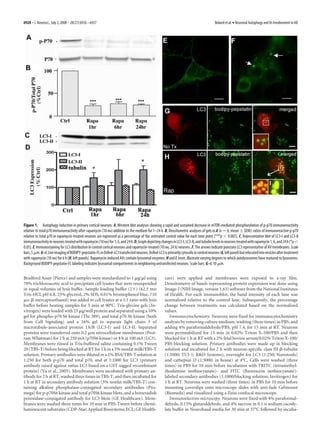
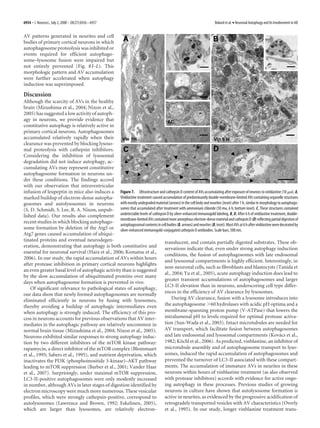
Figure 1. Autophagy induction in primary cortical neurons. A, Western blot analyses showing a rapid and sustained decrease in mTOR-mediated phosphorylation of p-p70 immunoreactivity
relative to total p70 immunoreactivity after rapamycin (10 nM) addition to the medium for 1–24 h. B, Densitometric analyses of gels in A (n ϭ 6; mean Ϯ SEM): ratios of immunoreactive p-p70
relative to total p70 in rapamycin-treated neurons are expressed as a percentage of the untreated control value for each time point (***p Ͻ 0.001). C, Representative blot of LC3-I and LC3-II
immunoreactivity in neurons treated with rapamycin (10 nM) for 1, 6, and 24 h. D, Graph depicting changes in LC3-I, LC3-II, and tubulin levels in neurons treated with rapamycin 1, 6, and 24 h (*p Ͻ
0.05). E, Immunostaining for LC3 distribution in control cortical neurons and rapamycin-treated (10 nM; 24 h) neurons. F, The arrows indicate punctate LC3 representative of AV membranes. Scale
bars, 5 ␮m. G–I, Live imaging of BODIPY-pepstatin-FL in DsRed-LC3 transfected neurons. DsRed-LC3 is primarily cytosolic in control neurons (G, left panel) but relocated into vesicles after treatment
with rapamycin (10 nM) for 6 h (H, left panels). Rapamycin-induced AVs contain lysosomal enzymes: H and I, inset, illustrate varying degrees to which autolysosomes have matured to lysosomes.
Background BODIPY-pepstatin-FL labeling indicates lysosomal compartments in neighboring untransfected neurons. Scale bars: G–I, 10 ␮m.


Bradford Assay (Pierce) and samples were standardized to 1 ␮g/␮l using                               care) were applied and membranes were exposed to x-ray film.
70% trichloroacetic acid to precipitate cell lysates that were resuspended                           Densitometry of bands representing protein expression was done using
in equal volumes of lysis buffer. Sample loading buffer (2ϫ) (62.5 mM                                Image-J (NIH Image, version 1.63) software from the National Institutes
Tris-HCl, pH 6.8, 25% glycerol, 2% SDS, 0.01% bromophenol blue, 710                                  of Health. For each immunoblot, the band intensity of each lane was
␮M ␤-mercaptoethanol) was added to cell lysates at a 1:1 ratio with lysis                            normalized relative to the control lane. Subsequently, the percentage
buffer before heating samples for 5 min at 90°C. Tris-glycine gels (In-                              change between treatments was calculated based on the normalized
vitrogen) were loaded with 25 ␮g/well protein and separated using a 10%                              values.
gel for phospho-p70 S6 kinase (Thr 389), and total p70 S6 kinase (both                                  Immunocytochemistry. Neurons were fixed for immunocytochemistry
from Cell Signaling) and a 16% gel to separate light chain 3 of                                      analyses by removing culture medium, washing (three times) in PBS, and
microtubule-associated protein 1A/B (LC3-I) and LC3-II. Separated                                    adding 4% paraformaldehyde/PBS, pH 7.4, for 15 min at RT. Neurons
proteins were transferred onto 0.2 ␮m nitrocellulose membranes (Prot-                                were permeabilized for 15 min in 0.02% Triton X-100/PBS and then
ran; Whatman) for 2 h at 250 mA (p70S6 kinase) or 8 h at 100 mA (LC3).                               blocked for 1 h at RT with a 2% fetal bovine serum/0.02% Triton X-100/
Membranes were rinsed in Tris-buffered saline containing 0.1% Tween                                  PBS blocking solution. Primary antibodies were made up in blocking
20 (TBS-T) before being blocked at RT for 1 h in a 5% nonfat milk/TBS-T                              solution and incubated for 2 h with neuron-specific class III ␤-tubulin
solution. Primary antibodies were diluted in a 1% BSA/TBS-T solution at                              (1:1000; TUJ-1; R&D Systems), overnight for LC3 (1:250; Nanotools)
1:250 for both p-p70 and total p70, and at 1:1000 for LC3 (primary                                   and cathepsin D (1:5000; in house) at 4°C. Cells were washed (three
antibody raised against rattus LC3 based on a GST-tagged recombinant                                 times) in PBS for 10 min before incubation with TRITC (tetramethyl-
protein) (Yu et al., 2005). Membranes were incubated with primary an-                                rhodamine isothiocyanate)- and FITC (fluorescein isothiocyanate)-
tibody for 2 h at RT, washed three times in TBS-T, and then incubated for                            labeled secondary antibodies (1:1000/blocking solution; Invitrogen) for
1 h at RT in secondary antibody solution (3% nonfat milk/TBS-T) con-                                 1 h at RT. Neurons were washed (three times) in PBS for 10 min before
taining alkaline phosphatase-conjugated secondary antibodies (Pro-                                   mounting coverslips onto microscope slides with anti-fade Gelmount
mega) for p-p70S6 kinase and total p70S6 kinase blots, and a horseradish                             (Biomeda) and visualized using a Zeiss confocal microscope.
peroxidase-conjugated antibody for LC3 blots (GE Healthcare). Mem-                                      Immunoelectron microscopy. Neurons were fixed with 4% paraformal-
branes were washed three times for 10 min in PBS-Tween before chemi-                                 dehyde, 0.15% glutaraldehyde, and 4% sucrose in 0.1 M sodium cacody-
luminescent substrates (CDP-Star; Applied Biosystems; ECL; GE Health-                                late buffer in Neurobasal media for 30 min at 37°C followed by incuba-
Boland et al. • Neuronal Autophagy and Its Involvement in AD                                                                         J. Neurosci., July 2, 2008 • 28(27):6926 – 6937 • 6929


                                                                                                     tion in fixative without Neurobasal at 4°C for 24 h. Preembedding and
                                                                                                     postembedding immuno-EM were done in parallel, using the same pri-
                                                                                                     mary antibody. For preembedding, cells were incubated with 0.1% so-
                                                                                                     dium borohydride in PBS for 15 min and washed (four times) in PBS for
                                                                                                     10 min. Cells were permeabilized with 0.05% Triton X-100 in PBS for 30
                                                                                                     min, washed in PBS (four times) for 10 min, and then blocked with 5%
                                                                                                     BSA and 5% normal goat serum in PBS for 1 h at 4°C. Cells were incu-
                                                                                                     bated with primary antibody polyclonal cathepsin D (1:2000 in blocking
                                                                                                     buffer) at 4°C overnight followed by washing and incubation with ultras-
                                                                                                     mall gold-conjugated goat anti-rabbit secondary antibody (1:100 in
                                                                                                     blocking buffer) for 2 h at RT. Ultrasmall gold was silver-enhanced with
                                                                                                     Custom Ultra Small kit (Electron Microscopy Sciences) using the man-
                                                                                                     ufacturer’s guidelines. After silver enhancement, cells were postfixed
                                                                                                     with osmium tetroxide and processed for EM, as described previously
                                                                                                     (Yu et al., 2005). For postembedding immuno-EM, cells were fixed with
                                                                                                     freshly made 3% paraformaldehyde containing 0.1% glutaraldehyde and
                                                                                                     4% sucrose in 0.1 M sodium cacodylate buffer. After fixation, cells were
                                                                                                     washed, dehydrated, and embedded in Lowicryl K4M (Polysciences) and
                                                                                                     polymerized under UV light (360 nm) at Ϫ35°C. Ultrathin sections were
                                                                                                     cut and mounted on Formvar and carbon coated nickel grids. After
                                                                                                     incubation with primary antibodies at 4°C overnight, gold-conjugated
                                                                                                     secondary antibodies [18 nm Colloidal Gold-AffiniPure Goat Anti-
                                                                                                     Rabbit IgG(HϩL); Jackson ImmunoResearch Laboratories; 15 nm Pro-
                                                                                                     tein A Gold; Cell Microscopy Center, University Medical Center Utrecht,
                                                                                                     Utrecht, The Netherlands] were applied and stained with uranyl acetate
                                                                                                     and lead citrate by standard methods. Postembedding immunogold elec-
                                                                                                     tron microscopy on human brain was performed as previously described
                                                                                                     (Nixon et al., 2005).
                                                                                                        Morphometric analysis. The number of autophagic vacuoles per cell
                                                                                                     body were counted using EM images at direct magnification of 10,500ϫ
                                                                                                     (64 ␮m 2) for the various treatment conditions. Electron micrographs
                                                                                                     (25–100 images per treatment condition) were examined, and values are
                                                                                                     expressed as AVs per field. For our analysis, we identified AVs as com-
                                                                                                     partments of 0.5 ␮m in diameter or larger. Autophagic vacuoles were
                                                                                                     further classified according to whether they were autophagosomes or
                                                                                                     autolysosomes based on two qualities: autophagosomes have double
                                                                                                     membranes and uncompacted cytoplasmic material including organelles
                                                                                                     such as mitochondria and ribosomes, whereas autolysosomes are single-
                                                                                                     or double-membrane-limited vesicles with densely compacted amor-
                                                                                                     phous or multilamellar contents. All numerical values are expressed as
                                                                                                     mean Ϯ SEM.

                                                                                                     Results
                                                                                                     Autophagy induction in neurons
                                                                                                     As a baseline for studies of autophagy induction, we used neurons
                                                                                                     from postnatal rat pups [postnatal day 0 (P0)] grown for 5 d in a
                                                                                                     nutrient-rich condition in the presence of serum supplement,
                                                                                                     B27. Exposure of these cells to rapamycin (10 nM) for 1 h rapidly
                                                                                                     induced autophagy, as evidenced by a 78 Ϯ 4.5% decrease in
                                                                                                     mammalian target of rapamycin (mTOR)-mediated phosphory-
                                                                                                     lation of p70 S6 kinase (ratio of phosphorylated p70 to total p70)
                                                                                                     compared with untreated neurons (Fig. 1 A, B). Decreased mTOR
                                                                                                     activity was sustained during rapamycin treatment for 6 –24 h
                                                                                                     (Fig. 1 A, B). Posttranslational modification of cytosolic LC3-I to
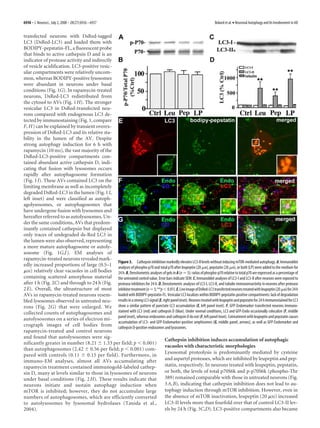
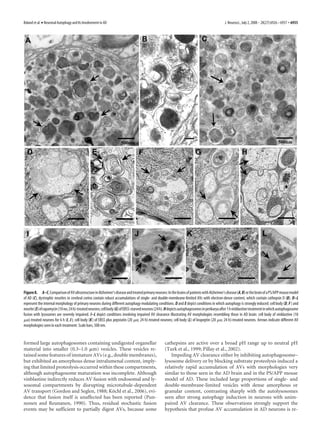
Figure 2. A, B, AV ultrastructure in neurons during autophagy induction: 5-d-old primary             LC3-II is followed by LC3-II translocation to nascent autophago-
cortical neurons displayed few AVs in their cell bodies (A) (scale bar, 2 ␮m) and neurites (B). C,   somal membranes, which is a useful index of autophagosome
Appearance of large clear autophagic fusion compartments in the cell body after rapamycin (10        formation (Mizushima, 2004). Rapamycin elevated LC3-II levels
nM) treatment for 1 h. D, Electron-dense sequestered material was observed in neurites after         by 55 Ϯ 3% at 1 h and by 80 –90% from 6 to 24 h (Fig. 1 D).
rapamycin (10 nM) treatment for 1 h. E, F, Prolonged activation of autophagy with rapamycin          Tubulin levels, serving as an additional independent control pro-
(10 nM; 24 h) revealed multiple autophagic compartments in both cell bodies (E) and neurites         tein, did not change significantly under any of the conditions of
(F ). G, H, Ultrastructural localization of cathepsin D in control (G) and rapamycin (10 nM; 6 h)-   analysis in this study.
treated neurons by silver-enhanced immunogold labeling with cathepsin D antibody (H ). In                Cortical neurons cultured in nutrient-rich media for 5 d rarely
control neurons, cathepsin D is abundant in lysosomes with relatively little electron-dense
                                                                                                     contained autophagosomes identified by LC3 labeling or by ul-
content (arrows). Most AVs in rapamycin-treated neurons are decorated with silver-enhanced
immunogold (arrows), indicating the presence of cathepsin D. Scale bars, 500 nm (except as
                                                                                                     trastructural analysis (Figs. 1 E, 2 A, B). Rapamycin (10 nM) treat-
otherwise noted).                                                                                    ment of neurons for 24 h caused LC3 immunoreactivity in
                                                                                                     perikarya to redistribute from the cytosol to vesicular structures
                                                                                                     (Fig. 1 F). To visualize the maturation of autophagic vacuoles, we
6930 • J. Neurosci., July 2, 2008 • 28(27):6926 – 6937                                                                   Boland et al. • Neuronal Autophagy and Its Involvement in AD


transfected neurons with DsRed-tagged
LC3 (DsRed-LC3) and loaded them with
BODIPY-pepstatin-FL, a fluorescent probe
that binds to active cathepsin D and is an
indicator of protease activity and indirectly
of vesicle acidification. LC3-positive vesic-
ular compartments were relatively uncom-
mon, whereas BODIPY-positive lysosomes
were abundant in neurons under basal
conditions (Fig. 1G). In rapamycin-treated
neurons, DsRed-LC3 redistributed from
the cytosol to AVs (Fig. 1 H). The stronger
vesicular LC3 in DsRed-transfected neu-
rons compared with endogenous LC3 de-
tected by immunostaining (Fig. 1, compare
F, H ) can be explained by transient overex-
pression of DsRed-LC3 and its relative sta-
bility in the lumen of the AV. Despite
strong autophagy induction for 6 h with
rapamycin (10 nM), the vast majority of the
DsRed-LC3-positive compartments con-
tained abundant active cathepsin D, indi-
cating that fusion with lysosomes occurs
rapidly after autophagosome formation
(Fig. 1 I). These AVs contained LC3 on the
limiting membrane as well as incompletely
degraded DsRed-LC3 in the lumen (Fig. 1 I,
left inset) and were classified as autoph-
agolysosomes, or autophagosomes that
have undergone fusion with lysosomes and
hereafter referred to as autolysosomes. Un-
der the same conditions, AVs that predom-
inantly contained cathepsin but displayed
only traces of undegraded ds-Red LC3 in
the lumen were also observed, representing
a more mature autophagosome or autoly-
sosome (Fig. 1G,I ). EM analyses of
rapamycin-treated neurons revealed mark-
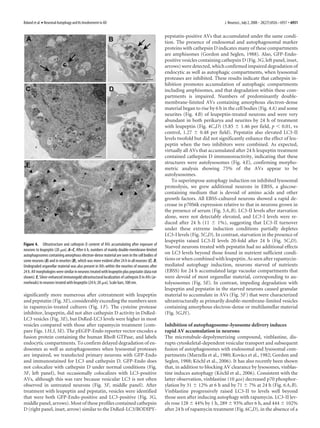
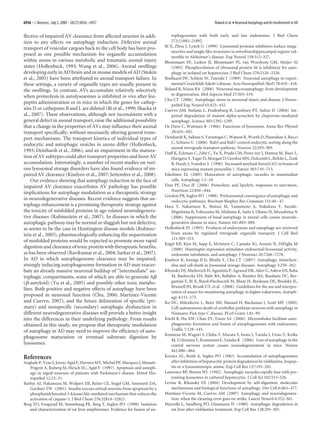
                                              Figure 3. Cathepsin inhibition markedly elevates LC3-II levels without inducing mTOR-mediated autophagy. A, Immunoblot
edly increased proportions of large (0.5–1 analyses of phospho-p70 and total p70 after leupeptin (20 ␮M), pepstatin (20 ␮M), or both (LP) were added to the medium for
␮M) relatively clear vacuoles in cell bodies 24 h. B, Densitometric analyses of gels in A (n ϭ 5): ratios of phospho-p70 relative to total p70 are expressed as a percentage of
containing scattered amorphous material the untreated control value. Error bars indicate SEM. C, Immunoblot analyses of LC3-I and LC3-II after neurons were exposed to
after 1 h (Fig. 2C) and through to 24 h (Fig. protease inhibitors for 24 h. D, Densitometric analyses of LC3-I, LC3-II, and tubulin immunoreactivity in neurons after protease
2 E). Overall, the ultrastructure of most inhibitor treatment (n ϭ 5; **p Ͻ 0.01). E, Live image of DsRed-LC3 transfected neurons treated with leupeptin (20 ␮M) for 24 h
AVs in rapamycin-treated neurons resem- loaded with BODIPY-pepstatin-FL. Vesicular LC3 localizes within BODIPY-pepstatin-positive compartments: lack of degradation
bled lysosomes observed in untreated neu- results in a strong LC3 signal (E, right panel inset). Neurons treated with leupeptin and pepstatin for 24 h immunostained for LC3
rons (Fig. 2G) that were enlarged. We show a similar pattern of punctate LC3 accumulation (E, left panel inset). F, GFP-Endomarker transfected neurons immuno-
collected counts of autophagosomes and stained with LC3 (red) and cathepsin D (blue). Under normal conditions, LC3 and GFP-Endo occasionally colocalize (F, middle
autolysosomes on a series of electron mi- panel inset), whereas endosomes and cathepsin D do not (F, left panel inset). Cotreatment with leupeptin and pepstatin causes
                                              accumulation of LC3- and GFP-Endomarker-positive amphisomes (G, middle panel, arrows), as well as GFP-Endomarker and
crograph images of cell bodies from cathepsin D-positive endosomes and lysosomes.
rapamycin-treated and control neurons
and found that autolysosomes were sig-
                                                                                Cathepsin inhibition induces accumulation of autophagic
nificantly greater in number (8.21 Ϯ 1.33 per field; p Ͻ 0.001)
                                                                                vacuoles with characteristic morphologies
than autophagosomes (2.42 Ϯ 0.56 per field; p Ͻ 0.001) com-
                                                                                Lysosomal proteolysis is predominantly mediated by cysteine
pared with controls (0.11 Ϯ 0.15 per field). Furthermore, in
immuno-EM analyses, almost all AVs accumulating after                           and aspartyl proteases, which are inhibited by leupeptin and pep-
rapamycin treatment contained immunogold-labeled cathep-                        statin, respectively. In neurons treated with leupeptin, pepstatin,
sin D, many at levels similar to those in lysosomes of neurons                  or both, the levels of total p70S6k and p-p70S6k (phospho-Thr
under basal conditions (Fig. 2 H). These results indicate that                  389) remained comparable with those in untreated neurons (Fig.
neurons initiate and sustain autophagy induction when                           3 A, B), indicating that cathepsin inhibition does not lead to au-
mTOR is inhibited; however, they do not accumulate large                        tophagy induction through mTOR inhibition. However, even in
numbers of autophagosomes, which are efficiently converted                      the absence of mTOR inactivation, leupeptin (20 ␮M) increased
to autolysosomes by lysosomal hydrolases (Tanida et al.,                        LC3-II levels more than fourfold over that of control LC3-II lev-
2004).                                                                          els by 24 h (Fig. 3C,D). LC3-positive compartments also became
Boland et al. • Neuronal Autophagy and Its Involvement in AD                                                                    J. Neurosci., July 2, 2008 • 28(27):6926 – 6937 • 6931


                                                                                                 pepstatin-positive AVs that accumulated under the same condi-
                                                                                                 tion. The presence of endosomal and autophagosomal marker
                                                                                                 proteins with cathepsin D indicates many of these compartments
                                                                                                 are amphisomes (Gordon and Seglen, 1988). Also, GFP-Endo-
                                                                                                 positive vesicles containing cathepsin D (Fig. 3G, left panel, inset,
                                                                                                 arrows) were detected, which confirmed impaired degradation of
                                                                                                 endocytic as well as autophagic compartments, when lysosomal
                                                                                                 proteases are inhibited. These results indicate that cathepsin in-
                                                                                                 hibition promotes accumulation of autophagic compartments
                                                                                                 including amphisomes, and that degradation within these com-
                                                                                                 partments is impaired. Numbers of predominantly double-
                                                                                                 membrane-limited AVs containing amorphous electron-dense
                                                                                                 material began to rise by 6 h in the cell bodies (Fig. 4 A) and some
                                                                                                 neurites (Fig. 4 B) of leupeptin-treated neurons and were very
                                                                                                 abundant in both perikarya and neurites by 24 h of treatment
                                                                                                 with leupeptin (Fig. 4C,D) (5.85 Ϯ 1.46 per field, p Ͻ 0.01, vs
                                                                                                 control, 1.27 Ϯ 0.48 per field). Pepstatin also elevated LC3-II
                                                                                                 levels twofold but did not significantly enhance the effect of leu-
                                                                                                 peptin when the two inhibitors were combined. As expected,
                                                                                                 virtually all AVs that accumulated after 24 h leupeptin treatment
                                                                                                 contained cathepsin D immunoreactivity, indicating that these
                                                                                                 structures were autolysosomes (Fig. 4 E), confirming morpho-
                                                                                                 metric analysis showing 75% of the AVs appear to be
                                                                                                 autolysosomes.
                                                                                                     To superimpose autophagy induction on inhibited lysosomal
                                                                                                 proteolysis, we grew additional neurons in EBSS, a glucose-
                                                                                                 containing medium that is devoid of amino acids and other
                                                                                                 growth factors. All EBSS-cultured neurons showed a rapid de-
                                                                                                 crease in p70S6k expression relative to that in neurons grown in
                                                                                                 the presence of serum (Fig. 5 A, B). LC3-II levels after starvation
                                                                                                 alone, were not detectably elevated, and LC3-I levels were re-
                                                                                                 duced after 24 h (11 Ϯ 1%), suggesting that LC3-II turnover
                                                                                                 under these extreme induction conditions partially depletes
                                                                                                 LC3-I levels (Fig. 5C,D). In contrast, starvation in the presence of
                                                                                                 leupeptin raised LC3-II levels 20-fold after 24 h (Fig. 5C,D).
Figure 4. Ultrastructure and cathepsin D content of AVs accumulating after exposure of
                                                                                                 Starved neurons treated with pepstatin had no additional effects
neurons to leupeptin (20 ␮M). A–C, After 6 h, numbers of mainly double-membrane-limited
autophagosomes containing amorphous electron-dense material are seen in the cell bodies of
                                                                                                 on LC3 levels beyond those found in nutrient sufficient condi-
some neurons (A) and in neurites (B), which was more evident after 24 h in all neurons (C). D,   tions or when combined with leupeptin. As seen after rapamycin-
Undegraded organellar material was also present in AVs within the neurites of neurons after      mediated autophagy induction, neurons starved of nutrients
24 h. AV morphologies were similar in neurons treated with leupeptin plus pepstatin (data not    (EBSS) for 24 h accumulated large vacuolar compartments that
shown). E, Silver-enhanced immunogold ultrastructural localization of cathepsin D in AVs (ar-    were devoid of most organellar material, corresponding to au-
rowheads) in neurons treated with leupeptin (24 h; 20 ␮M). Scale bars, 500 nm.                   tolysosomes (Fig. 5E). In contrast, impeding degradation with
                                                                                                 leupeptin and pepstatin in the starved neurons caused granular
significantly more numerous after cotreatment with leupeptin                                     material to accumulate in AVs (Fig. 5F ) that were characterized
and pepstatin (Fig. 3E), considerably exceeding the numbers seen                                 ultrastructurally as primarily double-membrane-limited vesicles
in rapamycin-treated cultures (Fig. 1 F). The cysteine protease                                  containing amorphous electron-dense or multilamellar material
inhibitor, leupeptin, did not alter cathepsin D activity in DsRed-                               (Fig. 5G,H ).
LC3 vesicles (Fig. 3E), but DsRed-LC3 levels were higher in most
vesicles compared with those after rapamycin treatment (com-                                     Inhibition of autophagosome–lysosome delivery induces
pare Figs. 1 H, I, 3E). The pEGFP-Endo reporter vector encodes a                                 rapid AV accumulation in neurons
fusion protein containing the human RhoB GTPase, and labels                                      The microtubule-depolymerizing compound, vinblastine, dis-
endocytic compartments. To confirm delayed degradation of en-                                    rupts cytoskeletal-dependent vesicular transport and subsequent
dosomes as well as autophagosomes when lysosomal proteases                                       fusion of autophagosomes with endosomal and lysosomal com-
are impaired, we transfected primary neurons with GFP-Endo                                       partments (Marzella et al., 1980; Kovacs et al., 1982; Gordon and
                                                                                                                                        ´
and immunostained for LC3 and cathepsin D. GFP-Endo does                                         Seglen, 1988; Kochl et al., 2006). It has also recently been shown
                                                                                                                  ¨
not colocalize with cathepsin D under normal conditions (Fig.                                    that, in addition to blocking AV clearance by lysosomes, vinblas-
3F, left panel), but occasionally colocalizes with LC3-positive                                  tine induces autophagy (Kochl et al., 2006). Consistent with the
                                                                                                                              ¨
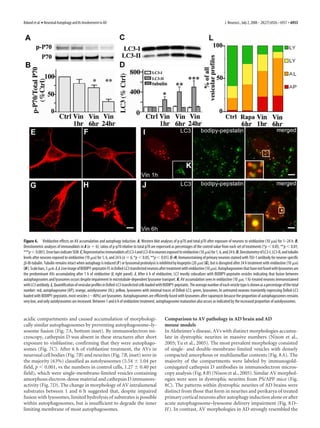
AVs, although this was rare because vesicular LC3 is not often                                   latter observation, vinblastine (10 ␮M) decreased p70 phosphor-
observed in untreated neurons (Fig. 3F, middle panel). After                                     ylation by 31 Ϯ 12% at 6 h and by 71 Ϯ 7% at 24 h (Fig. 6 A, B).
treatment with leupeptin and pepstatin, vesicles were identified                                 Vinblastine progressively raised LC3-II to levels well beyond
that were both GFP-Endo-positive and LC3-positive (Fig. 3G,                                      those seen after inducing autophagy with rapamycin. LC3-II lev-
middle panel, arrows). Most of these profiles contained cathepsin                                els rose 128 Ϯ 44% by 1 h, 289 Ϯ 93% after 6 h, and 444 Ϯ 102%
D (right panel, inset, arrow) similar to the DsRed-LC3/BODIPY-                                   after 24 h of rapamycin treatment (Fig. 6C,D), in the absence of a
6932 • J. Neurosci., July 2, 2008 • 28(27):6926 – 6937                                                                   Boland et al. • Neuronal Autophagy and Its Involvement in AD


change in LC3-I levels. LC3 immunoreac-
tivity also redistributed to abundant punc-
tate structures in the cell body and neurites
in the presence of vinblastine. Vinblastine
treatment for 24 h caused extensive AV ac-
cumulation and neuritic degeneration ev-
ident in immunolabeling studies with class
III ␤-tubulin antibody (Fig. 6 H). In con-
trast, exposure of neurons to rapamycin or
leupeptin had no discernable effects on
microtubule integrity (Fig. 6 F, G).
    AVs accumulating within 1 h of vin-
blastine in DsRed-LC3 transfected neu-
rons resembled endogenous LC3 immu-
nolabeling after the same vinblastine
treatment (Fig. 6 I, left panel and inset).
These AVs were autophagosomes that ap-
peared red and lacked BODIPY-pepstatin
(Fig. 6 I, right panel inset, arrowhead) or
autolysosomes that appear orange (red
vesicle containing green BODIPY-
pepstatin in the lumen; arrows) where
AV–lysosome fusion has already occurred.
In contrast, DsRed-LC3 vesicles contain-
ing BODIPY-pepstatin increased after 6 h
of vinblastine (Fig. 6 J, K ), indicating that
some extent of fusion with lysosomes oc-
curs in the presence of vinblastine. To
quantify the degree of delayed AV matura-
tion caused by vinblastine, vesicular pro-
files of DsRed-LC3/BODIPY-pepstatin la-
beled neurons were quantified after
rapamycin (10 nM, 6 h) and vinblastine (10
␮M) for 1 and 6 h (Fig. 6 L). DsRed-LC3
vesicles lacking any BODIPY-pepstatin
were identified as autophagosomes (red;
AP), whereas DsRed-LC3 positive vesicles
containing BODIPY-pepstatin in the lu-
men were classified as autolysosomes (or-
ange; AL). BODIPY-pepstatin-positive
vesicles containing traces of DsRed-LC3
(yellow; LY) and BODIPY-pepstatin-only Figure 5. Autophagy induction by serum starvation with or without cathepsin inhibition. A, Western blot analyses of p-p70
vesicles (green; LY) were characterized as and total p70 in neurons grown in EBSS in the absence [no inhibitor (NI)] or presence of pepstatin (Pep, P; 20 ␮M), leupeptin (Leu,
lysosomes. Total vesicle counts per neuron L; 20 ␮M), or both (LP) for 24 h. B, Densitometric analyses of multiple gels in A (n ϭ 5): ratios of p-p70 and p70 immunoreactivity
were made for at least 15 cells under each are expressed as a percentage of the untreated control (C) value shown at 100% ( p Ͻ 0.0001 for 1 h, p Ͻ 0.001 for 6 h, and p Ͻ
condition and the fraction of each profile 0.05 for 24 h treatments in EBSS culture media). Error bars indicate SEM. C, Representative immunoblots of LC3-I and LC3-II
                                               immunoreactivity in neurons grown in EBSS in the absence or presence of protease inhibitors for 24 h. D, Densitometric analyses
was reflected as a percentage of the total of LC3-I and LC3-II levels after neurons grown in EBSS in the absence or presence of protease inhibitors for 24 h. In B and D,
number of LC3 and BODIPY-pepstatin- densitometric values are expressed as ratios of immunoreactivity levels after each inhibitor treatment relative to the correspond-
positive vesicles. Efficient AV maturation ing ratio for untreated control neurons grown in NBM/B27. E, Ultrastructure of AVs in neuronal perikaryon after growth in EBSS for
was found in rapamycin-treated neurons, 24 h (F ) EBSS with leupeptin (20 ␮M) and pepstatin (20 ␮M) for 6 h. Scale bar, 500 nm. G, H, Cell body (G) and neurite (H ) of
whose AV profiles were mostly autolyso- neurons cultured in EBSS with leupeptin (20 ␮M) and pepstatin (20 ␮M) for 24 h. Arrows indicate different AV morphologies seen
somal (Fig. 6 L, orange bar) (39.4%) and in each treatment. Scale bars, 500 nm.
autophagosomes were rare (Ͻ1%). In
contrast, vinblastine-mediated impairment of AV transport/fu-                  ment, but the impaired fusion efficiency between AVs and lyso-
sion at 1 h increased the proportion of autophagosomes (red bar)               somes are such that incompletely degraded autolysosomes accu-
(22.7%), whereas similar proportions of autolysosomes were                     mulate. At the ultrastructural level, the morphology of AVs that
maintained (39%). Extending vinblastine treatment for 6 h did                  rapidly accumulated within the cell bodies (Fig. 7A) and neurites
not increase the relative proportion of autophagosomes, but in-                (Fig. 7A, inset) after 1 h of vinblastine treatment corresponded
creased the percentage of autolysosomes (57.3%) and decreased                  frequently (44%) to autophagosomes (5.46 Ϯ 0.86 per field, p Ͻ
the proportion of lysosomes. In contrast to rapamycin treatment,               0.001, vs control, 0.11 Ϯ 0.15 per field), containing undigested
vinblastine reduced the proportion of lysosomes, which may in-                 uncompacted organellar material within single- and double-
dicate a delayed completion of proteolysis from autolysosome to                membrane-limited vesicles (Fig. 7A, middle panel). Lysosomo-
lysosome. Initial maturation steps occur with vinblastine treat-               tropic agents such as ammonium chloride (NH4Cl) neutralize
Boland et al. • Neuronal Autophagy and Its Involvement in AD                                                                                    J. Neurosci., July 2, 2008 • 28(27):6926 – 6937 • 6933


Figure 6. Vinblastine effects on AV accumulation and autophagy induction. A, Western blot analyses of p-p70 and total p70 after exposure of neurons to vinblastine (10 ␮M) for 1–24 h. B,
Densitometric analyses of immunoblots in A (n ϭ 6): ratios of p-p70 relative to total p70 are expressed as percentages of the control value from each set of treatments (*p Ͻ 0.05; **p Ͻ 0.01;
***p Ͻ 0.001). Error bars indicate SEM. C, Representative immunoblots of LC3-I and LC3-II in neurons exposed to vinblastine (10 ␮M) for 1, 6, and 24 h. D, Densitometry of LC3-I, LC3-II, and tubulin
levels after neurons exposed to vinblastine (10 ␮M) for 1, 6, and 24 h (n ϭ 6; *p Ͻ 0.05, **p Ͻ 0.01). E–H, Immunostaining of primary neurons stained with TUJ-1 antibody for neuron-specific
␤-III-tubulin. Tubulin remains intact when autophagy is induced (F ) or lysosomal proteolysis is inhibited by leupeptin (20 ␮M) (G), but is disrupted after 24 h treatment with vinblastine (10 ␮M)
(H ). Scale bars, 5 ␮m. I, J, Live image of BODIPY-pepstatin-FL in DsRed-LC3 transfected neurons after treatment with vinblastine (10 ␮M). Autophagosomes that have not fused with lysosomes are
the predominant AVs accumulating after 1 h of vinblastine (I, right panel). J, After 6 h of vinblastine, LC3 mostly colocalizes with BODIPY-pepstatin vesicles indicating that fusion between
autophagosomes and lysosomes occurs despite impairment in microtubule-dependent lysosome transport. K, AV accumulation seen in vinblastine (10 ␮M; 1 h)-treated neurons immunostained
with LC3 antibody. L, Quantification of vesicular profiles in DsRed-LC3 transfected cells loaded with BODIPY-pepstatin. The average number of each vesicle type is shown as a percentage of the total
number: red, autophagosome (AP); orange, autolysosome (AL); yellow, lysosomes with minimal traces of DsRed-LC3; green, lysosomes. In untreated neurons transiently expressing DsRed-LC3
loaded with BODIPY-pepstatin, most vesicles (ϳ80%) are lysosomes. Autophagosomes are efficiently fused with lysosomes after rapamycin because the proportion of autophagosomes remains
very low, and only autolysosomes are increased. Between 1 and 6 h of vinblastine treatment, autophagosome maturation also occurs as indicated by the increased proportion of autolysosomes.


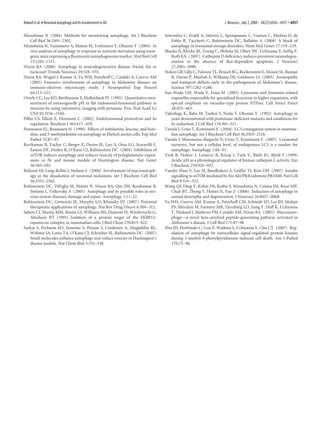
acidic compartments and caused accumulation of morphologi-                                           Comparison to AV pathology in AD brain and AD
cally similar autophagosomes by preventing autophagosome–ly-                                         mouse models
sosome fusion (Fig. 7A, bottom inset). By immunoelectron mi-                                         In Alzheimer’s disease, AVs with distinct morphologies accumu-
croscopy, cathepsin D was absent in these structures after short                                     late in dystrophic neurites in massive numbers (Nixon et al.,
exposure to vinblastine, confirming that they were autophago-                                        2005; Yu et al., 2005). The most prevalent morphology consisted
somes (Fig. 7C). After 6 h of vinblastine treatment, the AVs in                                      of single- and double-membrane-limited vesicles with densely
neuronal cell bodies (Fig. 7B) and neurites (Fig. 7B, inset) were in                                 compacted amorphous or multilamellar contents (Fig. 8 A). The
the majority (63%) classified as autolysosomes (5.54 Ϯ 1.04 per                                      majority of the compartments were labeled by immunogold-
field, p Ͻ 0.001, vs the numbers in control cells, 1.27 Ϯ 0.40 per                                   conjugated cathepsin D antibodies in immunoelectron micros-
field), which were single-membrane-limited vesicles containing                                       copy analysis (Fig. 8 B) (Nixon et al., 2005). Similar AV morphol-
amorphous electron-dense material and cathepsin D immunore-                                          ogies were seen in dystrophic neurites from PS/APP mice (Fig.
activity (Fig. 7D). The change in morphology of AV intralumenal                                      8C). The patterns within dystrophic neurites of AD brains were
substrates between 1 and 6 h suggested that, despite impaired                                        distinct from those that form in neurites and perikarya of treated
fusion with lysosomes, limited hydrolysis of substrates is possible                                  primary cortical neurons after autophagy induction alone or after
within autophagosomes, but is insufficient to degrade the inner                                      acute autophagosome–lysosome delivery impairment (Fig. 8 D–
limiting membrane of most autophagosomes.                                                            H ). In contrast, AV morphologies in AD strongly resembled the
6934 • J. Neurosci., July 2, 2008 • 28(27):6926 – 6937                                                                     Boland et al. • Neuronal Autophagy and Its Involvement in AD


AV patterns generated in neurites and cell
bodies of primary cortical neurons in which
autophagosome proteolysis was inhibited or
events required for efficient autophago-
some–lysosome fusion were impaired but
not entirely prevented (Fig. 8 I–L). This
morphologic pattern and AV accumulation
were further accelerated when autophagy
induction was superimposed.

Discussion
Although the scarcity of AVs in the healthy
brain (Mizushima et al., 2004; Nixon et al.,
2005) has suggested a low activity of autoph-
agy in neurons, we provide evidence that
constitutive autophagy is relatively active in
primary cortical neurons. Autophagosomes
accumulated relatively rapidly when their
clearance was prevented by blocking lysoso-
mal proteolysis with cathepsin inhibitors.
Considering the inhibition of lysosomal
degradation did not induce autophagy, ac-
cumulating AVs may represent constitutive
autophagosome formation in neurons un-
der these conditions. The findings accord
with our observation that intraventricular
infusion of leupeptin in mice also induces a Figure 7. Ultrastructure and cathepsin D content of AVs accumulating after exposure of neurons to vinblastine (10 ␮M). A,
marked buildup of electron-dense autopha- Vinblastine treatment caused accumulation of predominantly double-membrane-limited AVs containing organelle structures
gosomes and autolysosomes in neurons with mostly undegraded material (arrows) in the cell body and neurites (inset) after 1 h, similar in morphology to autophago-
(S. D. Schmidt, S. Lee, R. A. Nixon, unpub- somes that accumulated after treatment with ammonium chloride (50 mM, 6 h; bottom inset). C, These structures contained
lished data). Our results also complement undetectable levels of cathepsin D by silver-enhanced immunogold labeling. B, D, After 6 h of vinblastine treatment, double-
                                                  membrane-limited AVs contained more amorphous electron-dense material and cathepsin D (D) reflecting partial digestion of
recent studies in which blocking autophago-
                                                  autophagosomal contents in cell bodies (B, arrows) and neurites (B, inset). Most AVs at 6 h after vinblastine were decorated by
some formation by deletion of the Atg5 or silver-enhanced immunogold-conjugated cathepsin D antibodies. Scale bars, 500 nm.
Atg7 genes caused accumulation of ubiqui-
tinated proteins and eventual neurodegen-                                      translucent, and contain partially digested substrates. These ob-
eration, demonstrating that autophagy is both constitutive and                 servations indicate that, even under strong autophagy induction
essential for neuronal survival (Hara et al., 2006; Komatsu et al.,
                                                                               conditions, the fusion of autophagosomes with late endosomal
2006). In our study, the rapid accumulation of AVs within hours
                                                                               and lysosomal compartments is highly efficient. Interestingly, in
after protease inhibition in primary cortical neurons highlights
                                                                               non-neuronal cells, such as fibroblasts and blastocysts (Tanida et
an even greater basal level of autophagic activity than is suggested
                                                                               al., 2004; Yu et al., 2005), acute autophagy induction does lead to
by the slow accumulation of ubiquitinated proteins over many
                                                                               greater transient accumulations of autophagosomes and larger
days when autophagosome formation is prevented in vivo.
                                                                               LC3-II elevation than in neurons, underscoring cell type differ-
    Of significant relevance to pathological states of autophagy,
our data show that newly formed autophagosomes are normally                    ences in the efficiency of AV clearance by lysosomes.
eliminated efficiently in neurons by fusing with lysosomes,                         During AV clearance, fusion with a lysosome introduces into
thereby avoiding a buildup of autophagic intermediates even                    the autophagosome Ͼ60 hydrolases with acidic pH optima and a
when autophagy is strongly induced. The efficiency of this pro-                membrane-spanning proton pump (V-ATPase) that lowers the
cess in neurons accounts for previous observations that AV inter-              intralumenal pH to levels required for optimal protease activa-
mediates in the autophagic pathway are relatively uncommon in                  tion (Sun-Wada et al., 2003). Intact microtubules are needed for
normal brain tissue (Mizushima et al., 2004; Nixon et al., 2005).              AV transport, which facilitate fusion between autophagosomes
Neurons exhibited similar responses to strong autophagy induc-                 and late endosomal and lysosomal compartments (Kovacs et al.,                         ´
tion by two different inhibitors of the mTOR kinase pathway:                   1982; Kochl et al., 2006). As predicted, vinblastine, an inhibitor of
                                                                                           ¨
rapamycin, a direct inhibitor of the mTOR complex (Blommaart                   microtubule assembly and of autophagosome transport to lyso-
et al., 1995; Sabers et al., 1995), and nutrient deprivation, which            somes, induced the rapid accumulation of autophagosomes and
inactivates the PI3K (phosphoinositide 3-kinase)–AKT pathway                   prevented the turnover of LC3-II associated with these compart-
leading to mTOR suppression (Barber et al., 2001; Vander Haar                  ments. The accumulation of immature AVs in neurites in these
et al., 2007). Surprisingly, under maximal mTOR suppression,                   neurons within hours of vinblastine treatment (as also observed
LC3-II-positive autophagosomes were only modestly increased                    with protease inhibitors) accords with evidence for active ongo-
in number, although AVs in later stages of digestion identified by             ing autophagy in these processes. Previous studies of growing
electron microscopy were much more numerous. These vesicular                   neurons in culture have shown that autolysosome formation is
profiles, which were strongly cathepsin-positive, correspond to                active in neurites, as evidenced by the progressive acidification of
autolysosomes (Lawrence and Brown, 1992; Eskelinen, 2005),                     retrogradely transported vesicles with AV characteristics (Overly
which are larger than lysosomes, are relatively electron-                      et al., 1995). In our study, longer vinblastine treatment trans-
Boland et al. • Neuronal Autophagy and Its Involvement in AD                                                                                  J. Neurosci., July 2, 2008 • 28(27):6926 – 6937 • 6935


Figure 8. A–C, Comparison of AV ultrastructure in Alzheimer’s disease and treated primary neurons: In the brains of patients with Alzheimer’s disease (A, B) or the brain of a PS/APP mouse model
of AD (C), dystrophic neurites in cerebral cortex contain robust accumulations of single- and double-membrane-limited AVs with electron-dense content, which contain cathepsin D (B). D–L
represent the internal morphology of primary neurons during different autophagy modulating conditions. D and E depict conditions in which autophagy is strongly induced: cell body (D, F ) and
neurite (E) of rapamycin (10 nM; 24 h)-treated neurons; cell body (G) of EBSS-starved neurons (24 h). H depicts autophagosomes in perikarya after 1 h vinblastine treatment in which autophagosome
fusion with lysosomes are severely impaired. I–L depict conditions involving impaired AV clearance illustrating AV morphologies resembling those in AD brain: cell body of vinblastine (10
␮M)-treated neurons for 6 h (I, J ); cell body (K ) of EBSS plus pepstatin (20 ␮M; 24 h)-treated neurons; cell body (L) of leupeptin (20 ␮M; 24 h)-treated neurons. Arrows indicate different AV
morphologies seen in each treatment. Scale bars, 500 nm.


formed large autophagosomes containing undigested organellar                                       cathepsins are active over a broad pH range up to neutral pH
material into smaller (0.3–1.0 ␮m) vesicles. These vesicles re-                                    (Turk et al., 1999; Pillay et al., 2002).
tained some features of immature AVs (e.g., double membranes),                                         Impeding AV clearance either by inhibiting autophagosome–
but exhibited an amorphous dense intralumenal content, imply-                                      lysosome delivery or by blocking substrate proteolysis induced a
ing that limited proteolysis occurred within these compartments,                                   relatively rapid accumulation of AVs with morphologies very
although autophagosome maturation was incomplete. Although                                         similar to those seen in the AD brain and in the PS/APP mouse
vinblastine indirectly reduces AV fusion with endosomal and ly-                                    model of AD. These included large proportions of single- and
sosomal compartments by disrupting microtubule-dependent                                           double-membrane-limited vesicles with dense amorphous or
AV transport (Gordon and Seglen, 1988; Kochl et al., 2006), evi-
                                            ¨                                                      granular content, contrasting sharply with the autolysosomes
dence that fusion itself is unaffected has been reported (Pun-                                     seen after strong autophagy induction in neurons with unim-
nonen and Reunanen, 1990). Thus, residual stochastic fusion                                        paired AV clearance. These observations strongly support the
events may be sufficient to partially digest AVs, because some                                     hypothesis that profuse AV accumulation in AD neurons is re-
6936 • J. Neurosci., July 2, 2008 • 28(27):6926 – 6937                                                     Boland et al. • Neuronal Autophagy and Its Involvement in AD


flective of impaired AV clearance from affected neurites in addi-                 tophagosomes with both early and late endosomes. J Biol Chem
tion to any effects on autophagy induction. Defective axonal                      273:21883–21892.
transport of vesicular cargoes back to the cell body has been pro-            Bi X, Zhou J, Lynch G (1999) Lysosomal protease inhibitors induce mega-
                                                                                  neurites and tangle-like structures in entorhinohippocampal regions vul-
posed as one possible mechanism for organelle accumulation                        nerable to Alzheimer’s disease. Exp Neurol 158:312–327.
within axons in various metabolic and traumatic axonal injury                 Blommaart EF, Luiken JJ, Blommaart PJ, van Woerkom GM, Meijer AJ
states (Hollenbeck, 1993; Wang et al., 2006). Axonal swellings                    (1995) Phosphorylation of ribosomal protein S6 is inhibitory for auto-
developing early in AD brain and in mouse models of AD (Stokin                    phagy in isolated rat hepatocytes. J Biol Chem 270:2320 –2326.
et al., 2005) have been attributed to axonal transport failure. In            Boellaard JW, Schlote W, Tateishi J (1989) Neuronal autophagy in experi-
these settings, a variety of organelle types are usually present in               mental Creutzfeldt-Jakob’s disease. Acta Neuropathol (Berl) 78:410 – 418.
the swellings. In contrast, AVs accumulate relatively selectively             Boland B, Nixon RA (2006) Neuronal macroautophagy: from development
when proteolysis in autolysosomes is inhibited in vivo after leu-                 to degeneration. Mol Aspects Med 27:503–519.
                                                                              Chu CT (2006) Autophagic stress in neuronal injury and disease. J Neuro-
peptin administration or in mice in which the genes for cathep-                   pathol Exp Neurol 65:423– 432.
sins D or cathepsins B and L are deleted (Bi et al., 1999; Shacka et          Cuervo AM, Stefanis L, Fredenburg R, Lansbury PT, Sulzer D (2004) Im-
al., 2007). These observations, although not inconsistent with a                  paired degradation of mutant alpha-synuclein by chaperone-mediated
general defect in axonal transport, raise the additional possibility              autophagy. Science 305:1292–1295.
that a change in the properties of AVs may influence their axonal             De Duve C, Wattiaux R (1966) Functions of lysosomes. Annu Rev Physiol
transport specifically, without necessarily altering general trans-               28:435– 492.
port mechanisms. The transport kinetics of individual types of                Deinhardt K, Salinas S, Verastegui C, Watson R, Worth D, Hanrahan S, Bucci
                                                                                  C, Schiavo G (2006) Rab5 and Rab7 control endocytic sorting along the
endocytic and autophagic vesicles in axons differ (Hollenbeck,
                                                                                  axonal retrograde transport pathway. Neuron 52:293–305.
1993; Deinhardt et al., 2006), and an impairment in the matura-               Duff K, Eckman C, Zehr C, Yu X, Prada CM, Perez-tur J, Hutton M, Buee L,
tion of AV subtypes could alter transport properties and favor AV                 Harigaya Y, Yager D, Morgan D, Gordon MN, Holcomb L, Refolo L, Zenk
accumulation. Interestingly, a number of recent studies on vari-                  B, Hardy J, Younkin S (1996) Increased amyloid-beta42(43) in brains of
ous lysosomal storage disorders have also found evidence of im-                   mice expressing mutant presenilin 1. Nature 383:710 –713.
paired AV clearance (Kiselyov et al., 2007; Settembre et al., 2008).          Eskelinen EL (2005) Maturation of autophagic vacuoles in mammalian
    Our evidence showing that autophagy induction in the face of                  cells. Autophagy 1:1–10.
impaired AV clearance exacerbates AV pathology has possible                   Finn PF, Dice JF (2006) Proteolytic and lipolytic responses to starvation.
                                                                                  Nutrition 22:830 – 844.
implications for autophagy modulation as a therapeutic strategy
                                                                              Gordon PB, Seglen PO (1988) Prelysosomal convergence of autophagic and
in neurodegenerative diseases. Recent evidence suggests that au-                  endocytic pathways. Biochem Biophys Res Commun 151:40 – 47.
tophagy enhancement is a promising therapeutic strategy against               Hara T, Nakamura K, Matsui M, Yamamoto A, Nakahara Y, Suzuki-
the toxicity of misfolded proteins in age-related neurodegenera-                  Migishima R, Yokoyama M, Mishima K, Saito I, Okano H, Mizushima N
tive diseases (Rubinsztein et al., 2007). In diseases in which the                (2006) Suppression of basal autophagy in neural cells causes neurode-
autophagic pathway may be normal or sluggish but not defective,                   generative disease in mice. Nature 441:885– 889.
as seems to be the case in Huntington disease models (Rubinsz-                Hollenbeck PJ (1993) Products of endocytosis and autophagy are retrieved
tein et al., 2005), pharmacologically enhancing the sequestration                 from axons by regulated retrograde organelle transport. J Cell Biol
                                                                                  121:305–315.
of misfolded proteins would be expected to promote more rapid
                                                                              Kegel KB, Kim M, Sapp E, McIntyre C, Castano JG, Aronin N, DiFiglia M
                                                                                                                               ˜
digestion and clearance of toxic protein with therapeutic benefits,               (2000) Huntingtin expression stimulates endosomal-lysosomal activity,
as has been observed (Ravikumar et al., 2004; Sarkar et al., 2007).               endosome tubulation, and autophagy. J Neurosci 20:7268 –7278.
In AD in which autophagosome clearance may be impaired,                       Kiselyov K, Jennigs JJ Jr, Rbaibi Y, Chu CT (2007) Autophagy, mitochon-
strongly inducing autophagosome formation in AD may exacer-                       dria and cell death in lysosomal storage diseases. Autophagy 3:259 –262.
bate an already massive neuronal buildup of “intermediate” au-                Klionsky DJ, Abeliovich H, Agostinis P, Agrawal DK, Aliev G, Askew DS, Baba
tophagic compartments, some of which are able to generate A␤                      M, Baehrecke EH, Bahr BA, Ballabio A, Bamber BA, Bassham DC, Ber-
(␤-amyloid) (Yu et al., 2005) and possibly other toxic metabo-                    gamini E, Bi X, Biard-Piechaczyk M, Blum JS, Bredesen DE, Brodsky JL,
                                                                                  Brumell JH, Brunk UT, et al. (2008) Guidelines for the use and interpre-
lites. Both positive and negative effects of autophagy have been
                                                                                  tation of assays for monitoring autophagy in higher eukaryotes. Autoph-
proposed in neuronal function (Chu, 2006; Martinez-Vicente                        agy 4:151–175.
and Cuervo, 2007), and the future delineation of specific (pri-               Ko DC, Milenkovic L, Beier SM, Manuel H, Buchanan J, Scott MP (2005)
mary) and nonspecific (secondary) autophagic dysfunction in                       Cell-autonomous death of cerebellar purkinje neurons with autophagy in
different neurodegenerative diseases will provide a better insight                Niemann-Pick type C disease. PLoS Genet 1:81–95.
into the differences in their underlying pathology. From results              Kochl R, Hu XW, Chan EY, Tooze SA (2006) Microtubules facilitate auto-
                                                                                ¨
obtained in this study, we propose that therapeutic modulation                    phagosome formation and fusion of autophagosomes with endosomes.
of autophagy in AD may need to improve the efficiency of auto-                    Traffic 7:129 –145.
                                                                              Komatsu M, Waguri S, Chiba T, Murata S, Iwata J, Tanida I, Ueno T, Koike
phagosome maturation or eventual substrate digestion by
                                                                                  M, Uchiyama Y, Kominami E, Tanaka K (2006) Loss of autophagy in the
lysosomes.                                                                        central nervous system causes neurodegeneration in mice. Nature
                                                                                  441:880 – 884.
References                                                                    Kovacs AL, Reith A, Seglen PO (1982) Accumulation of autophagosomes
                                                                                   ´
Anglade P, Vyas S, Javoy-Agid F, Herrero MT, Michel PP, Marquez J, Mouatt-        after inhibition of hepatocytic protein degradation by vinblastine, leupep-
   Prigent A, Ruberg M, Hirsch EC, Agid Y (1997) Apoptosis and autoph-            tin or a lysosomotropic amine. Exp Cell Res 137:191–201.
   agy in nigral neurons of patients with Parkinson’s disease. Histol His-    Lawrence BP, Brown WJ (1992) Autophagic vacuoles rapidly fuse with pre-
   topathol 12:25–31.                                                             existing lysosomes in cultured hepatocytes. J Cell Sci 102:515–526.
Barber AJ, Nakamura M, Wolpert EB, Reiter CE, Seigel GM, Antonetti DA,        Levine B, Klionsky DJ (2004) Development by self-digestion: molecular
   Gardner TW (2001) Insulin rescues retinal neurons from apoptosis by a          mechanisms and biological functions of autophagy. Dev Cell 6:463– 477.
   phosphatidylinositol 3-kinase/Akt-mediated mechanism that reduces the      Martinez-Vicente M, Cuervo AM (2007) Autophagy and neurodegenera-
   activation of caspase-3. J Biol Chem 276:32814 –32821.                         tion: when the cleaning crew goes on strike. Lancet Neurol 6:352–361.
Berg TO, Fengsrud M, Strømhaug PE, Berg T, Seglen PO (1998) Isolation         Marzella L, Sandberg PO, Glaumann H (1980) Autophagic degradation in
   and characterization of rat liver amphisomes. Evidence for fusion of au-       rat liver after vinblastine treatment. Exp Cell Res 128:291–301.
Boland et al. • Neuronal Autophagy and Its Involvement in AD                                                        J. Neurosci., July 2, 2008 • 28(27):6926 – 6937 • 6937

Mizushima N (2004) Methods for monitoring autophagy. Int J Biochem               Settembre C, Fraldi A, Jahreiss L, Spampanato C, Venturi C, Medina D, de
    Cell Biol 36:2491–2502.                                                          Pablo R, Tacchetti C, Rubinsztein DC, Ballabio A (2008) A block of
Mizushima N, Yamamoto A, Matsui M, Yoshimori T, Ohsumi Y (2004) In                   autophagy in lysosomal storage disorders. Hum Mol Genet 17:119 –129.
    vivo analysis of autophagy in response to nutrient starvation using trans-   Shacka JJ, Klocke BJ, Young C, Shibata M, Olney JW, Uchiyama Y, Saftig P,
    genic mice expressing a fluorescent autophagosome marker. Mol Biol Cell          Roth KA (2007) Cathepsin D deficiency induces persistent neurodegen-
    15:1101–1111.                                                                    eration in the absence of Bax-dependent apoptosis. J Neurosci
Nixon RA (2006) Autophagy in neurodegenerative disease: friend, foe or               27:2081–2090.
    turncoat? Trends Neurosci 29:528 –535.                                       Stokin GB, Lillo C, Falzone TL, Brusch RG, Rockenstein E, Mount SL, Raman
Nixon RA, Wegiel J, Kumar A, Yu WH, Peterhoff C, Cataldo A, Cuervo AM                R, Davies P, Masliah E, Williams DS, Goldstein LS (2005) Axonopathy
    (2005) Extensive involvement of autophagy in Alzheimer disease: an               and transport deficits early in the pathogenesis of Alzheimer’s disease.
    immuno-electron microscopy study. J Neuropathol Exp Neurol                       Science 307:1282–1288.
    64:113–122.                                                                  Sun-Wada GH, Wada Y, Futai M (2003) Lysosome and lysosome-related
Overly CC, Lee KD, Berthiaume E, Hollenbeck PJ (1995) Quantitative mea-              organelles responsible for specialized functions in higher organisms, with
    surement of intraorganelle pH in the endosomal-lysosomal pathway in              special emphasis on vacuolar-type proton ATPase. Cell Struct Funct
    neurons by using ratiometric imaging with pyranine. Proc Natl Acad Sci           28:455– 463.
    USA 92:3156 –3160.                                                           Takeshige K, Baba M, Tsuboi S, Noda T, Ohsumi Y (1992) Autophagy in
Pillay CS, Elliott E, Dennison C (2002) Endolysosomal proteolysis and its            yeast demonstrated with proteinase-deficient mutants and conditions for
    regulation. Biochem J 363:417– 429.                                              its induction. J Cell Biol 119:301–311.
Punnonen EL, Reunanen H (1990) Effects of vinblastine, leucine, and histi-       Tanida I, Ueno T, Kominami E (2004) LC3 conjugation system in mamma-
    dine, and 3-methyladenine on autophagy in Ehrlich ascites cells. Exp Mol         lian autophagy. Int J Biochem Cell Biol 36:2503–2518.
    Pathol 52:87–97.                                                             Tanida I, Minematsu-Ikeguchi N, Ueno T, Kominami E (2005) Lysosomal
Ravikumar B, Vacher C, Berger Z, Davies JE, Luo S, Oroz LG, Scaravilli F,            turnover, but not a cellular level, of endogenous LC3 is a marker for
    Easton DF, Duden R, O’Kane CJ, Rubinsztein DC (2004) Inhibition of               autophagy. Autophagy 1:84 –91.
    mTOR induces autophagy and reduces toxicity of polyglutamine expan-          Turk B, Dolenc I, Lenarcic B, Krizaj I, Turk V, Bieth JG, Bjork I (1999)
                                                                                                                                                   ¨
    sions in fly and mouse models of Huntington disease. Nat Genet                   Acidic pH as a physiological regulator of human cathepsin L activity. Eur
    36:585–595.                                                                      J Biochem 259:926 –932.
Rideout HJ, Lang-Rollin I, Stefanis L (2004) Involvement of macroautoph-         Vander Haar E, Lee SI, Bandhakavi S, Griffin TJ, Kim DH (2007) Insulin
    agy in the dissolution of neuronal inclusions. Int J Biochem Cell Biol           signalling to mTOR mediated by the Akt/PKB substrate PRAS40. Nat Cell
    36:2551–2562.                                                                    Biol 9:316 –323.
Rubinsztein DC, DiFiglia M, Heintz N, Nixon RA, Qin ZH, Ravikumar B,             Wang QJ, Ding Y, Kohtz DS, Kohtz S, Mizushima N, Cristea IM, Rout MP,
    Stefanis L, Tolkovsky A (2005) Autophagy and its possible roles in ner-          Chait BT, Zhong Y, Heintz N, Yue Z (2006) Induction of autophagy in
    vous system diseases, damage and repair. Autophagy 1:11–22.                      axonal dystrophy and degeneration. J Neurosci 26:8057– 8068.
Rubinsztein DC, Gestwicki JE, Murphy LO, Klionsky DJ (2007) Potential            Yu WH, Cuervo AM, Kumar A, Peterhoff CM, Schmidt SD, Lee JH, Mohan
    therapeutic applications of autophagy. Nat Rev Drug Discov 6:304 –312.           PS, Mercken M, Farmery MR, Tjernberg LO, Jiang Y, Duff K, Uchiyama
Sabers CJ, Martin MM, Brunn GJ, Williams JM, Dumont FJ, Wiederrecht G,               Y, Naslund J, Mathews PM, Cataldo AM, Nixon RA (2005) Macroauto-
                                                                                           ¨
    Abraham RT (1995) Isolation of a protein target of the FKBP12-                   phagy—a novel beta-amyloid peptide-generating pathway activated in
    rapamycin complex in mammalian cells. J Biol Chem 270:815– 822.                  Alzheimer’s disease. J Cell Biol 171:87–98.
Sarkar S, Perlstein EO, Imarisio S, Pineau S, Cordenier A, Maglathlin RL,        Zhu JH, Horbinski C, Guo F, Watkins S, Uchiyama Y, Chu CT (2007) Reg-
    Webster JA, Lewis TA, O’Kane CJ, Schreiber SL, Rubinsztein DC (2007)             ulation of autophagy by extracellular signal-regulated protein kinases
    Small molecules enhance autophagy and reduce toxicity in Huntington’s            during 1-methyl-4-phenylpyridinium-induced cell death. Am J Pathol
    disease models. Nat Chem Biol 3:331–338.                                         170:75– 86.

6926.full

  • 1.
    6926 • TheJournal of Neuroscience, July 2, 2008 • 28(27):6926 – 6937 Neurobiology of Disease Autophagy Induction and Autophagosome Clearance in Neurons: Relationship to Autophagic Pathology in Alzheimer’s Disease Barry Boland,1,2,3 Asok Kumar,1,4 Sooyeon Lee,1,4 Frances M. Platt,3 Jerzy Wegiel,6 W. Haung Yu,5 and Ralph A. Nixon1,4 1Center for Dementia Research, Nathan Kline Institute, Orangeburg, New York 10962, 2Laboratory for Neurodegenerative Research, School of Biomolecular and Biomedical Science, Conway Institute, University College Dublin, Belfield, Dublin 4, Ireland, 3Department of Pharmacology, University of Oxford, Oxford OX13QT, United Kingdom, 4Departments of Psychiatry, Cell Biology, and Neuroscience, New York University, New York, New York 10016, 5Taub Institute and Department of Pathology, Columbia University, New York, New York 10032, and 6New York State Institute for Basic Research in Developmental Disabilities, Staten Island, New York 10314 Macroautophagy, a major pathway for organelle and protein turnover, has been implicated in the neurodegeneration of Alzheimer’s disease (AD). The basis for the profuse accumulation of autophagic vacuoles (AVs) in affected neurons of the AD brain, however, is unknown. In this study, we show that constitutive macroautophagy in primary cortical neurons is highly efficient, because newly formed autophagosomes are rapidly cleared by fusion with lysosomes, accounting for their scarcity in the healthy brain. Even after macroauto- phagy is strongly induced by suppressing mTOR (mammalian target of rapamycin) kinase activity with rapamycin or nutrient depriva- tion, active cathepsin-positive autolysosomes rather than LC3-II-positive autophagosomes predominate, implying efficient autophago- some clearance in healthy neurons. In contrast, selectively impeding late steps in macroautophagy by inhibiting cathepsin-mediated proteolysis within autolysosomes with cysteine- and aspartyl-protease inhibitors caused a marked accumulation of electron-dense double-membrane-limited AVs, containing cathepsin D and incompletely degraded LC3-II in perikarya and neurites. Similar structures accumulated in large numbers when fusion of autophagosomes with lysosomes was slowed by disrupting their transport on microtubules with vinblastine. Finally, we find that the autophagic vacuoles accumulating after protease inhibition or prolonged vinblastine treatment strongly resembled AVs that collect in dystrophic neurites in the AD brain and in an AD mouse model. We conclude that macroautophagy is constitutively active and highly efficient in healthy neurons and that the autophagic pathology observed in AD most likely arises from impaired clearance of AVs rather than strong autophagy induction alone. Therapeutic modulation of autophagy in AD may, therefore, require targeting late steps in the autophagic pathway. Key words: aging; Alzheimer; autophagy; culture; lysosome; neuron; neuron death; neuronal death; neuropathology; neuroprotection; neurotoxicity; storage Introduction have been increasingly implicated in proteinopathies of Alzhei- The accumulation of specific cellular proteins within neurons is a mer’s disease (AD), Huntington’s disease, Parkinson’s disease, pathologic hallmark of many major neurodegenerative diseases. and related disorders (Cuervo et al., 2004; Rubinsztein et al., Dysfunction within either of two proteolytic pathways, involved 2005; Chu, 2006; Zhu et al., 2007). Macroautophagy, a major in clearing abnormal or obsolete cellular proteins, the ubiquitin– degradative pathway of the lysosomal system, plays a unique role proteasome system (UPS) and the autophagic–lysosomal system, in removing cellular organelles and protein aggregates that are too large to be degraded by the UPS (Rideout et al., 2004). In macroautophagy, hereafter referred to as autophagy, regional se- Received Aug. 20, 2007; revised May 5, 2008; accepted May 15, 2008. questration of cytoplasm within an enveloping double mem- This work was supported by grants from the National Institute on Aging (AG 017617), the Alzheimer’s Associa- brane structure, creates a vacuole, termed the autophagosome tion, and the Wellcome Trust (B.B.). We gratefully acknowledge the assistance of Corrinne Peterhoff, Nicole Pi- (De Duve and Wattiaux, 1966; Klionsky et al., 2008). Degrada- orkowski, and Heather Braunstein at Nathan Kline Institute (NKI) in preparing this manuscript, along with Dr. Ana tion of the cytoplasmic substrates is initiated when the autopha- Maria Cuervo at Albert Einstein College of Medicine (Bronx, NY) for her feedback on this manuscript. We also thank Dr. Panaiyur S. Mohan at NKI for supplying the LC3 antibody, Dr. John S. Young from the Department of Pharmacol- gosome fuses with degradative compartments of the endosomal– ogy at the University of Oxford for his assistance with confocal microscopy imaging, and Dr. Alice Liang from New lysosomal system (Berg et al., 1998). Constitutive autophagy in York University School of Medicine (New York, NY) for her assistance with immunoelectron microscopy. neurons prevents ubiquitinated proteins from accumulating and Correspondence should be addressed to Dr. Barry Boland, Laboratory for Neurodegenerative Research, School of is essential for cell survival (Hara et al., 2006; Komatsu et al., Biomolecular and Biomedical Science, Conway Institute, University College Dublin, Belfield, Dublin 4, Ireland. E- mail: barry.boland@ucd.ie. 2006). In addition to exerting control over cellular protein qual- DOI:10.1523/JNEUROSCI.0800-08.2008 ity, autophagy is induced during nutritional deprivation, trophic Copyright © 2008 Society for Neuroscience 0270-6474/08/286926-12$15.00/0 factor withdrawal, and other types of cell stress to protect cells
  • 2.
    Boland et al.• Neuronal Autophagy and Its Involvement in AD J. Neurosci., July 2, 2008 • 28(27):6926 – 6937 • 6927 against apoptosis by degrading nonessential cell constituents for Neurobasal medium ensured minimal growth of glial cells (Ͻ5%) after energy (Boland and Nixon, 2006; Finn and Dice, 2006). Autoph- 5 d in culture. agy contributes to cell remodeling during differentiation but After 5 d in vitro, cultured neurons were treated for 1, 6, and 24 h strong induction during development initiates a form of “auto- before fixation or harvesting. Treatment conditions and compounds used included rapamycin (10 nM; LC Laboratories), vinblastine (10 ␮M; phagic” programmed cell death in some cell populations (Levine Sigma-Aldrich), leupeptin (20 ␮M; Sigma-Aldrich), pepstatin A (20 ␮M; and Klionsky, 2004). Overactive or dysfunctional autophagy may Sigma-Aldrich), and Earle’s balanced salt solution (EBSS) (Invitrogen) also promote neuronal cell death in disease states (Nixon, 2006). Electron microscopy and postembedding. Cortical biopsy specimens The scarcity of recognizable autophagosomes and other auto- were studied from a 74-year-old male with a clinical diagnosis of demen- phagic vacuole (AV) intermediates in healthy neurons has raised tia and prominent dyspraxia. The patient underwent surgery for place- the possibility that baseline autophagy in neurons is normally low ment of a ventricular shunt, and frontal cortex tissue obtained next to the and that the frequent presence of AVs in neurodegenerative states shunt penetration site revealed numerous neurofibrillary tangles and reflects an induction of autophagy (Boellaard et al., 1989; Ang- cored amyloid plaques consistent with the neuropathologic diagnosis of lade et al., 1997; Kegel et al., 2000; Ko et al., 2005; Nixon et al., Alzheimer’s disease as previously described (Nixon et al., 2005). Tissue 2005). For example, in Alzheimer’s disease, AVs accumulate in was fixed in 3% glutaraldehyde/0.1 M phosphate buffer, pH 7.4, and enormous numbers within grossly distended, “dystrophic” neu- postfixed in 1% osmium tetroxide in Sorensen’s phosphate buffer. After dehydration in ethyl alcohol, the tissue was embedded in Epon (Electron rites of affected neurons and also appear in other parts of neu- Microscopy Sciences). Tissue blocks were cut serially into ultrathin (0.06 rons. The relative contribution of heightened autophagy induc- ␮m) sections. Ultrathin sections were stained with uranyl acetate and tion to the robust AV expansion in Alzheimer’s disease is lead citrate. Transgenic mice expressing the Swedish mutation of human uncertain, because it is also possible that AVs might accumulate APP (APPK670M/N671L) and mutant PS1 (PS1M146L) (Duff et al., 1996) to high numbers when autophagosomal digestion is impaired. An were studied at 16 months of age. Ultrathin sections of the cerebral cortex equilibrium exists between autophagosome formation and clear- were cut from Epon-embedded blocks and placed on copper grids for ance by lysosomes (Chu, 2006), termed autophagic flux, and it is structural analysis. now known that terminal stages of autophagosomal degradation Neurons were fixed for electron microscopy (EM) by removing cul- require uncompromised vesicular trafficking, heterotypic or- ture medium, washing (three times) in 37°C supplement-free Neuro- ganelle fusion and lysosomal function (Kovacs et al., 1982; ´ basal medium, and adding 4% paraformaldehyde and 1% glutaraldehyde in 0.1 M sodium cacodylate buffer, pH 7.2 (Electron Microscopy Sci- Takeshige et al., 1992; Tanida et al., 2005; Kiselyov et al., 2007). ences), for 3 h at RT. After fixation, neurons were washed (three times) in Interestingly, a number of recent studies on various lysosomal cacodylate buffer, postfixed in 1% osmium tetroxide, progressively de- storage disorders have found evidence of impaired AV clearance hydrated in a graded series of ethanol (50 –100%), and embedded in (Kiselyov et al., 2007; Settembre et al., 2008). Little is known Epon. Thin sections of 1 ␮m were cut from the polymer, followed by about the responsiveness of neurons to modulation of the auto- ultrathin sections (70 – 80 nm) using a Recheirt Ultracut S microtome, phagic system. To begin to understand the underlying molecular and placed on copper grids for structural analysis. Grids were briefly basis for pathological autophagic patterns in neurodegenerative stained with uranyl acetate and lead citrate before being examined with a disease states, we investigated responses of primary cortical neu- Philips electron microscope (model CM 10). Images were captured on a rons to robust induction of autophagy. Alternatively, we inter- digital camera (Hamamatsu; model C4742-95) using Advantage CCD fered with clearance of autophagosomes by (1) impeding auto- Camera System software (Advanced Microscopy Techniques Corporation). phagosome trafficking and subsequent fusion with lysosomes or Transient DsRed–LC3 and green fluorescent protein–Endo transfection. by (2) inhibiting lysosomal proteolysis. Morphological and bio- PCR-amplified coding sequences of LC3 in green fluorescent protein chemical indices of autophagic states revealed that in healthy (GFP)-LC3 (provided by Noboru Mizushima, Tokyo Medical and Den- neurons autophagosomes are actively formed and efficiently tal University, Tokyo, Japan) was subcloned into a pDsRed- cleared. Interference with AV clearance, rather than induction of monomer-C1 vector (Clontech) to create DsRed-LC3, and verified by autophagy alone, gives rise to patterns of autophagy pathology sequencing. The pEGFP-Endo reporter vector, which encodes a fusion resembling those seen in Alzheimer’s disease. protein containing the human RhoB GTPase, was obtained from Clon- tech. Primary cortical neurons 3– 4 d in vitro (DIV) plated in 35 mm glass-bottom dishes were transfected using Lipofectamine 2000 (Invitro- Materials and Methods gen) according to the manufacturer’s suggested conditions. Briefly, 2 ml Culturing and treatment of primary cortical neurons. Primary cortical neu- of conditioned (pretransfection) medium was replaced with transfection rons were derived from day 0 (0 –12 h postnatal) Sprague Dawley rat medium consisting of 1 ␮g of DNA, 5 ␮l of Lipofectamine 2000, 500 ␮l of pups (Charles River). Pup brains were harvested and placed in ice-cold Opti-Mem (Invitrogen), and 1.5 ml of Neurobasal medium without B27. Hibernate-E medium (BrainBits) where the meninges were removed and Neurons were incubated with transfection media for 30 min at 37°C, the cerebral cortices were dissected. Cortices were minced using a scalpel followed by replacement (three times) with fresh Neurobasal medium. and dissociated by incubating the tissue in Hibernate-E medium con- Conditioned medium was readded to the transfected neurons and main- taining 15 U/ml papain (Worthington Biochemicals) for 30 min at 37°C tained in the incubator for least 24 h before treatments. before triturating in Neurobasal medium (Invitrogen) containing 20% BODIPY-pepstatin-FL labeling. DsRed-LC3 transfected primary corti- fetal bovine serum (HyClone) and DNase (0.2 ␮g/ml). Undissociated cal neurons were incubated with 1 ␮M BODIPY-pepstatin-FL (Invitro- brain tissue was removed by passing the cell suspension through a 40 ␮m gen) in Neurobasal medium for 1 h at 37°C followed by replacement with cell strainer (Thermo Fisher Scientific). Dissociated neurons were cen- fresh Neurobasal medium (two times). Subsequently, Neurobasal me- trifuged at 200 ϫ g for 3 min at room temperature (RT), and the pellet dium was replaced with low-fluorescence Hibernate medium (BrainBits) was resuspended in Neurobasal medium supplemented with B27 (2%), to reduce fluorescent background, and cultures were placed in a 37°C penicillin (100 U/ml), streptomycin (100 U/ml), and glutamine (0.5 mM; humidified chamber with 5% CO2 on a Zeiss LSM510 confocal micro- all Invitrogen). Viable neurons were plated at a density of 100,000 cells scope. Z-stack images were acquired using LSM 520 software. per 13 mm circular cover glass and 250,000 cells per well in six-well tissue Neuron harvesting and immunoblot analyses. Neurons (DIV 5) grown culture dishes, precoated with poly-D-lysine (50 ␮g/ml; Sigma-Aldrich), in six-well plastic dishes (BD Biosciences) were washed (three times) in and incubated in a humidified atmosphere containing 5% CO2/95% PBS, pH 7.4, at RT, and then scraped in 200 ␮l/well of ice-cold lysis buffer atmosphere at 37°C. One-half of the plating medium was replaced with [M-PER buffer containing Halt Protease Inhibitor Cocktail (1:100) and fresh pen/strep-free medium after 3 d. Serum-free, B27-supplemented 50 ␮M EDTA; Pierce]. Protein concentration was determined using the
  • 3.
    6928 • J.Neurosci., July 2, 2008 • 28(27):6926 – 6937 Boland et al. • Neuronal Autophagy and Its Involvement in AD Figure 1. Autophagy induction in primary cortical neurons. A, Western blot analyses showing a rapid and sustained decrease in mTOR-mediated phosphorylation of p-p70 immunoreactivity relative to total p70 immunoreactivity after rapamycin (10 nM) addition to the medium for 1–24 h. B, Densitometric analyses of gels in A (n ϭ 6; mean Ϯ SEM): ratios of immunoreactive p-p70 relative to total p70 in rapamycin-treated neurons are expressed as a percentage of the untreated control value for each time point (***p Ͻ 0.001). C, Representative blot of LC3-I and LC3-II immunoreactivity in neurons treated with rapamycin (10 nM) for 1, 6, and 24 h. D, Graph depicting changes in LC3-I, LC3-II, and tubulin levels in neurons treated with rapamycin 1, 6, and 24 h (*p Ͻ 0.05). E, Immunostaining for LC3 distribution in control cortical neurons and rapamycin-treated (10 nM; 24 h) neurons. F, The arrows indicate punctate LC3 representative of AV membranes. Scale bars, 5 ␮m. G–I, Live imaging of BODIPY-pepstatin-FL in DsRed-LC3 transfected neurons. DsRed-LC3 is primarily cytosolic in control neurons (G, left panel) but relocated into vesicles after treatment with rapamycin (10 nM) for 6 h (H, left panels). Rapamycin-induced AVs contain lysosomal enzymes: H and I, inset, illustrate varying degrees to which autolysosomes have matured to lysosomes. Background BODIPY-pepstatin-FL labeling indicates lysosomal compartments in neighboring untransfected neurons. Scale bars: G–I, 10 ␮m. Bradford Assay (Pierce) and samples were standardized to 1 ␮g/␮l using care) were applied and membranes were exposed to x-ray film. 70% trichloroacetic acid to precipitate cell lysates that were resuspended Densitometry of bands representing protein expression was done using in equal volumes of lysis buffer. Sample loading buffer (2ϫ) (62.5 mM Image-J (NIH Image, version 1.63) software from the National Institutes Tris-HCl, pH 6.8, 25% glycerol, 2% SDS, 0.01% bromophenol blue, 710 of Health. For each immunoblot, the band intensity of each lane was ␮M ␤-mercaptoethanol) was added to cell lysates at a 1:1 ratio with lysis normalized relative to the control lane. Subsequently, the percentage buffer before heating samples for 5 min at 90°C. Tris-glycine gels (In- change between treatments was calculated based on the normalized vitrogen) were loaded with 25 ␮g/well protein and separated using a 10% values. gel for phospho-p70 S6 kinase (Thr 389), and total p70 S6 kinase (both Immunocytochemistry. Neurons were fixed for immunocytochemistry from Cell Signaling) and a 16% gel to separate light chain 3 of analyses by removing culture medium, washing (three times) in PBS, and microtubule-associated protein 1A/B (LC3-I) and LC3-II. Separated adding 4% paraformaldehyde/PBS, pH 7.4, for 15 min at RT. Neurons proteins were transferred onto 0.2 ␮m nitrocellulose membranes (Prot- were permeabilized for 15 min in 0.02% Triton X-100/PBS and then ran; Whatman) for 2 h at 250 mA (p70S6 kinase) or 8 h at 100 mA (LC3). blocked for 1 h at RT with a 2% fetal bovine serum/0.02% Triton X-100/ Membranes were rinsed in Tris-buffered saline containing 0.1% Tween PBS blocking solution. Primary antibodies were made up in blocking 20 (TBS-T) before being blocked at RT for 1 h in a 5% nonfat milk/TBS-T solution and incubated for 2 h with neuron-specific class III ␤-tubulin solution. Primary antibodies were diluted in a 1% BSA/TBS-T solution at (1:1000; TUJ-1; R&D Systems), overnight for LC3 (1:250; Nanotools) 1:250 for both p-p70 and total p70, and at 1:1000 for LC3 (primary and cathepsin D (1:5000; in house) at 4°C. Cells were washed (three antibody raised against rattus LC3 based on a GST-tagged recombinant times) in PBS for 10 min before incubation with TRITC (tetramethyl- protein) (Yu et al., 2005). Membranes were incubated with primary an- rhodamine isothiocyanate)- and FITC (fluorescein isothiocyanate)- tibody for 2 h at RT, washed three times in TBS-T, and then incubated for labeled secondary antibodies (1:1000/blocking solution; Invitrogen) for 1 h at RT in secondary antibody solution (3% nonfat milk/TBS-T) con- 1 h at RT. Neurons were washed (three times) in PBS for 10 min before taining alkaline phosphatase-conjugated secondary antibodies (Pro- mounting coverslips onto microscope slides with anti-fade Gelmount mega) for p-p70S6 kinase and total p70S6 kinase blots, and a horseradish (Biomeda) and visualized using a Zeiss confocal microscope. peroxidase-conjugated antibody for LC3 blots (GE Healthcare). Mem- Immunoelectron microscopy. Neurons were fixed with 4% paraformal- branes were washed three times for 10 min in PBS-Tween before chemi- dehyde, 0.15% glutaraldehyde, and 4% sucrose in 0.1 M sodium cacody- luminescent substrates (CDP-Star; Applied Biosystems; ECL; GE Health- late buffer in Neurobasal media for 30 min at 37°C followed by incuba-
  • 4.
    Boland et al.• Neuronal Autophagy and Its Involvement in AD J. Neurosci., July 2, 2008 • 28(27):6926 – 6937 • 6929 tion in fixative without Neurobasal at 4°C for 24 h. Preembedding and postembedding immuno-EM were done in parallel, using the same pri- mary antibody. For preembedding, cells were incubated with 0.1% so- dium borohydride in PBS for 15 min and washed (four times) in PBS for 10 min. Cells were permeabilized with 0.05% Triton X-100 in PBS for 30 min, washed in PBS (four times) for 10 min, and then blocked with 5% BSA and 5% normal goat serum in PBS for 1 h at 4°C. Cells were incu- bated with primary antibody polyclonal cathepsin D (1:2000 in blocking buffer) at 4°C overnight followed by washing and incubation with ultras- mall gold-conjugated goat anti-rabbit secondary antibody (1:100 in blocking buffer) for 2 h at RT. Ultrasmall gold was silver-enhanced with Custom Ultra Small kit (Electron Microscopy Sciences) using the man- ufacturer’s guidelines. After silver enhancement, cells were postfixed with osmium tetroxide and processed for EM, as described previously (Yu et al., 2005). For postembedding immuno-EM, cells were fixed with freshly made 3% paraformaldehyde containing 0.1% glutaraldehyde and 4% sucrose in 0.1 M sodium cacodylate buffer. After fixation, cells were washed, dehydrated, and embedded in Lowicryl K4M (Polysciences) and polymerized under UV light (360 nm) at Ϫ35°C. Ultrathin sections were cut and mounted on Formvar and carbon coated nickel grids. After incubation with primary antibodies at 4°C overnight, gold-conjugated secondary antibodies [18 nm Colloidal Gold-AffiniPure Goat Anti- Rabbit IgG(HϩL); Jackson ImmunoResearch Laboratories; 15 nm Pro- tein A Gold; Cell Microscopy Center, University Medical Center Utrecht, Utrecht, The Netherlands] were applied and stained with uranyl acetate and lead citrate by standard methods. Postembedding immunogold elec- tron microscopy on human brain was performed as previously described (Nixon et al., 2005). Morphometric analysis. The number of autophagic vacuoles per cell body were counted using EM images at direct magnification of 10,500ϫ (64 ␮m 2) for the various treatment conditions. Electron micrographs (25–100 images per treatment condition) were examined, and values are expressed as AVs per field. For our analysis, we identified AVs as com- partments of 0.5 ␮m in diameter or larger. Autophagic vacuoles were further classified according to whether they were autophagosomes or autolysosomes based on two qualities: autophagosomes have double membranes and uncompacted cytoplasmic material including organelles such as mitochondria and ribosomes, whereas autolysosomes are single- or double-membrane-limited vesicles with densely compacted amor- phous or multilamellar contents. All numerical values are expressed as mean Ϯ SEM. Results Autophagy induction in neurons As a baseline for studies of autophagy induction, we used neurons from postnatal rat pups [postnatal day 0 (P0)] grown for 5 d in a nutrient-rich condition in the presence of serum supplement, B27. Exposure of these cells to rapamycin (10 nM) for 1 h rapidly induced autophagy, as evidenced by a 78 Ϯ 4.5% decrease in mammalian target of rapamycin (mTOR)-mediated phosphory- lation of p70 S6 kinase (ratio of phosphorylated p70 to total p70) compared with untreated neurons (Fig. 1 A, B). Decreased mTOR activity was sustained during rapamycin treatment for 6 –24 h (Fig. 1 A, B). Posttranslational modification of cytosolic LC3-I to Figure 2. A, B, AV ultrastructure in neurons during autophagy induction: 5-d-old primary LC3-II is followed by LC3-II translocation to nascent autophago- cortical neurons displayed few AVs in their cell bodies (A) (scale bar, 2 ␮m) and neurites (B). C, somal membranes, which is a useful index of autophagosome Appearance of large clear autophagic fusion compartments in the cell body after rapamycin (10 formation (Mizushima, 2004). Rapamycin elevated LC3-II levels nM) treatment for 1 h. D, Electron-dense sequestered material was observed in neurites after by 55 Ϯ 3% at 1 h and by 80 –90% from 6 to 24 h (Fig. 1 D). rapamycin (10 nM) treatment for 1 h. E, F, Prolonged activation of autophagy with rapamycin Tubulin levels, serving as an additional independent control pro- (10 nM; 24 h) revealed multiple autophagic compartments in both cell bodies (E) and neurites tein, did not change significantly under any of the conditions of (F ). G, H, Ultrastructural localization of cathepsin D in control (G) and rapamycin (10 nM; 6 h)- analysis in this study. treated neurons by silver-enhanced immunogold labeling with cathepsin D antibody (H ). In Cortical neurons cultured in nutrient-rich media for 5 d rarely control neurons, cathepsin D is abundant in lysosomes with relatively little electron-dense contained autophagosomes identified by LC3 labeling or by ul- content (arrows). Most AVs in rapamycin-treated neurons are decorated with silver-enhanced immunogold (arrows), indicating the presence of cathepsin D. Scale bars, 500 nm (except as trastructural analysis (Figs. 1 E, 2 A, B). Rapamycin (10 nM) treat- otherwise noted). ment of neurons for 24 h caused LC3 immunoreactivity in perikarya to redistribute from the cytosol to vesicular structures (Fig. 1 F). To visualize the maturation of autophagic vacuoles, we
  • 5.
    6930 • J.Neurosci., July 2, 2008 • 28(27):6926 – 6937 Boland et al. • Neuronal Autophagy and Its Involvement in AD transfected neurons with DsRed-tagged LC3 (DsRed-LC3) and loaded them with BODIPY-pepstatin-FL, a fluorescent probe that binds to active cathepsin D and is an indicator of protease activity and indirectly of vesicle acidification. LC3-positive vesic- ular compartments were relatively uncom- mon, whereas BODIPY-positive lysosomes were abundant in neurons under basal conditions (Fig. 1G). In rapamycin-treated neurons, DsRed-LC3 redistributed from the cytosol to AVs (Fig. 1 H). The stronger vesicular LC3 in DsRed-transfected neu- rons compared with endogenous LC3 de- tected by immunostaining (Fig. 1, compare F, H ) can be explained by transient overex- pression of DsRed-LC3 and its relative sta- bility in the lumen of the AV. Despite strong autophagy induction for 6 h with rapamycin (10 nM), the vast majority of the DsRed-LC3-positive compartments con- tained abundant active cathepsin D, indi- cating that fusion with lysosomes occurs rapidly after autophagosome formation (Fig. 1 I). These AVs contained LC3 on the limiting membrane as well as incompletely degraded DsRed-LC3 in the lumen (Fig. 1 I, left inset) and were classified as autoph- agolysosomes, or autophagosomes that have undergone fusion with lysosomes and hereafter referred to as autolysosomes. Un- der the same conditions, AVs that predom- inantly contained cathepsin but displayed only traces of undegraded ds-Red LC3 in the lumen were also observed, representing a more mature autophagosome or autoly- sosome (Fig. 1G,I ). EM analyses of rapamycin-treated neurons revealed mark- Figure 3. Cathepsin inhibition markedly elevates LC3-II levels without inducing mTOR-mediated autophagy. A, Immunoblot edly increased proportions of large (0.5–1 analyses of phospho-p70 and total p70 after leupeptin (20 ␮M), pepstatin (20 ␮M), or both (LP) were added to the medium for ␮M) relatively clear vacuoles in cell bodies 24 h. B, Densitometric analyses of gels in A (n ϭ 5): ratios of phospho-p70 relative to total p70 are expressed as a percentage of containing scattered amorphous material the untreated control value. Error bars indicate SEM. C, Immunoblot analyses of LC3-I and LC3-II after neurons were exposed to after 1 h (Fig. 2C) and through to 24 h (Fig. protease inhibitors for 24 h. D, Densitometric analyses of LC3-I, LC3-II, and tubulin immunoreactivity in neurons after protease 2 E). Overall, the ultrastructure of most inhibitor treatment (n ϭ 5; **p Ͻ 0.01). E, Live image of DsRed-LC3 transfected neurons treated with leupeptin (20 ␮M) for 24 h AVs in rapamycin-treated neurons resem- loaded with BODIPY-pepstatin-FL. Vesicular LC3 localizes within BODIPY-pepstatin-positive compartments: lack of degradation bled lysosomes observed in untreated neu- results in a strong LC3 signal (E, right panel inset). Neurons treated with leupeptin and pepstatin for 24 h immunostained for LC3 rons (Fig. 2G) that were enlarged. We show a similar pattern of punctate LC3 accumulation (E, left panel inset). F, GFP-Endomarker transfected neurons immuno- collected counts of autophagosomes and stained with LC3 (red) and cathepsin D (blue). Under normal conditions, LC3 and GFP-Endo occasionally colocalize (F, middle autolysosomes on a series of electron mi- panel inset), whereas endosomes and cathepsin D do not (F, left panel inset). Cotreatment with leupeptin and pepstatin causes accumulation of LC3- and GFP-Endomarker-positive amphisomes (G, middle panel, arrows), as well as GFP-Endomarker and crograph images of cell bodies from cathepsin D-positive endosomes and lysosomes. rapamycin-treated and control neurons and found that autolysosomes were sig- Cathepsin inhibition induces accumulation of autophagic nificantly greater in number (8.21 Ϯ 1.33 per field; p Ͻ 0.001) vacuoles with characteristic morphologies than autophagosomes (2.42 Ϯ 0.56 per field; p Ͻ 0.001) com- Lysosomal proteolysis is predominantly mediated by cysteine pared with controls (0.11 Ϯ 0.15 per field). Furthermore, in immuno-EM analyses, almost all AVs accumulating after and aspartyl proteases, which are inhibited by leupeptin and pep- rapamycin treatment contained immunogold-labeled cathep- statin, respectively. In neurons treated with leupeptin, pepstatin, sin D, many at levels similar to those in lysosomes of neurons or both, the levels of total p70S6k and p-p70S6k (phospho-Thr under basal conditions (Fig. 2 H). These results indicate that 389) remained comparable with those in untreated neurons (Fig. neurons initiate and sustain autophagy induction when 3 A, B), indicating that cathepsin inhibition does not lead to au- mTOR is inhibited; however, they do not accumulate large tophagy induction through mTOR inhibition. However, even in numbers of autophagosomes, which are efficiently converted the absence of mTOR inactivation, leupeptin (20 ␮M) increased to autolysosomes by lysosomal hydrolases (Tanida et al., LC3-II levels more than fourfold over that of control LC3-II lev- 2004). els by 24 h (Fig. 3C,D). LC3-positive compartments also became
  • 6.
    Boland et al.• Neuronal Autophagy and Its Involvement in AD J. Neurosci., July 2, 2008 • 28(27):6926 – 6937 • 6931 pepstatin-positive AVs that accumulated under the same condi- tion. The presence of endosomal and autophagosomal marker proteins with cathepsin D indicates many of these compartments are amphisomes (Gordon and Seglen, 1988). Also, GFP-Endo- positive vesicles containing cathepsin D (Fig. 3G, left panel, inset, arrows) were detected, which confirmed impaired degradation of endocytic as well as autophagic compartments, when lysosomal proteases are inhibited. These results indicate that cathepsin in- hibition promotes accumulation of autophagic compartments including amphisomes, and that degradation within these com- partments is impaired. Numbers of predominantly double- membrane-limited AVs containing amorphous electron-dense material began to rise by 6 h in the cell bodies (Fig. 4 A) and some neurites (Fig. 4 B) of leupeptin-treated neurons and were very abundant in both perikarya and neurites by 24 h of treatment with leupeptin (Fig. 4C,D) (5.85 Ϯ 1.46 per field, p Ͻ 0.01, vs control, 1.27 Ϯ 0.48 per field). Pepstatin also elevated LC3-II levels twofold but did not significantly enhance the effect of leu- peptin when the two inhibitors were combined. As expected, virtually all AVs that accumulated after 24 h leupeptin treatment contained cathepsin D immunoreactivity, indicating that these structures were autolysosomes (Fig. 4 E), confirming morpho- metric analysis showing 75% of the AVs appear to be autolysosomes. To superimpose autophagy induction on inhibited lysosomal proteolysis, we grew additional neurons in EBSS, a glucose- containing medium that is devoid of amino acids and other growth factors. All EBSS-cultured neurons showed a rapid de- crease in p70S6k expression relative to that in neurons grown in the presence of serum (Fig. 5 A, B). LC3-II levels after starvation alone, were not detectably elevated, and LC3-I levels were re- duced after 24 h (11 Ϯ 1%), suggesting that LC3-II turnover under these extreme induction conditions partially depletes LC3-I levels (Fig. 5C,D). In contrast, starvation in the presence of leupeptin raised LC3-II levels 20-fold after 24 h (Fig. 5C,D). Figure 4. Ultrastructure and cathepsin D content of AVs accumulating after exposure of Starved neurons treated with pepstatin had no additional effects neurons to leupeptin (20 ␮M). A–C, After 6 h, numbers of mainly double-membrane-limited autophagosomes containing amorphous electron-dense material are seen in the cell bodies of on LC3 levels beyond those found in nutrient sufficient condi- some neurons (A) and in neurites (B), which was more evident after 24 h in all neurons (C). D, tions or when combined with leupeptin. As seen after rapamycin- Undegraded organellar material was also present in AVs within the neurites of neurons after mediated autophagy induction, neurons starved of nutrients 24 h. AV morphologies were similar in neurons treated with leupeptin plus pepstatin (data not (EBSS) for 24 h accumulated large vacuolar compartments that shown). E, Silver-enhanced immunogold ultrastructural localization of cathepsin D in AVs (ar- were devoid of most organellar material, corresponding to au- rowheads) in neurons treated with leupeptin (24 h; 20 ␮M). Scale bars, 500 nm. tolysosomes (Fig. 5E). In contrast, impeding degradation with leupeptin and pepstatin in the starved neurons caused granular significantly more numerous after cotreatment with leupeptin material to accumulate in AVs (Fig. 5F ) that were characterized and pepstatin (Fig. 3E), considerably exceeding the numbers seen ultrastructurally as primarily double-membrane-limited vesicles in rapamycin-treated cultures (Fig. 1 F). The cysteine protease containing amorphous electron-dense or multilamellar material inhibitor, leupeptin, did not alter cathepsin D activity in DsRed- (Fig. 5G,H ). LC3 vesicles (Fig. 3E), but DsRed-LC3 levels were higher in most vesicles compared with those after rapamycin treatment (com- Inhibition of autophagosome–lysosome delivery induces pare Figs. 1 H, I, 3E). The pEGFP-Endo reporter vector encodes a rapid AV accumulation in neurons fusion protein containing the human RhoB GTPase, and labels The microtubule-depolymerizing compound, vinblastine, dis- endocytic compartments. To confirm delayed degradation of en- rupts cytoskeletal-dependent vesicular transport and subsequent dosomes as well as autophagosomes when lysosomal proteases fusion of autophagosomes with endosomal and lysosomal com- are impaired, we transfected primary neurons with GFP-Endo partments (Marzella et al., 1980; Kovacs et al., 1982; Gordon and ´ and immunostained for LC3 and cathepsin D. GFP-Endo does Seglen, 1988; Kochl et al., 2006). It has also recently been shown ¨ not colocalize with cathepsin D under normal conditions (Fig. that, in addition to blocking AV clearance by lysosomes, vinblas- 3F, left panel), but occasionally colocalizes with LC3-positive tine induces autophagy (Kochl et al., 2006). Consistent with the ¨ AVs, although this was rare because vesicular LC3 is not often latter observation, vinblastine (10 ␮M) decreased p70 phosphor- observed in untreated neurons (Fig. 3F, middle panel). After ylation by 31 Ϯ 12% at 6 h and by 71 Ϯ 7% at 24 h (Fig. 6 A, B). treatment with leupeptin and pepstatin, vesicles were identified Vinblastine progressively raised LC3-II to levels well beyond that were both GFP-Endo-positive and LC3-positive (Fig. 3G, those seen after inducing autophagy with rapamycin. LC3-II lev- middle panel, arrows). Most of these profiles contained cathepsin els rose 128 Ϯ 44% by 1 h, 289 Ϯ 93% after 6 h, and 444 Ϯ 102% D (right panel, inset, arrow) similar to the DsRed-LC3/BODIPY- after 24 h of rapamycin treatment (Fig. 6C,D), in the absence of a
  • 7.
    6932 • J.Neurosci., July 2, 2008 • 28(27):6926 – 6937 Boland et al. • Neuronal Autophagy and Its Involvement in AD change in LC3-I levels. LC3 immunoreac- tivity also redistributed to abundant punc- tate structures in the cell body and neurites in the presence of vinblastine. Vinblastine treatment for 24 h caused extensive AV ac- cumulation and neuritic degeneration ev- ident in immunolabeling studies with class III ␤-tubulin antibody (Fig. 6 H). In con- trast, exposure of neurons to rapamycin or leupeptin had no discernable effects on microtubule integrity (Fig. 6 F, G). AVs accumulating within 1 h of vin- blastine in DsRed-LC3 transfected neu- rons resembled endogenous LC3 immu- nolabeling after the same vinblastine treatment (Fig. 6 I, left panel and inset). These AVs were autophagosomes that ap- peared red and lacked BODIPY-pepstatin (Fig. 6 I, right panel inset, arrowhead) or autolysosomes that appear orange (red vesicle containing green BODIPY- pepstatin in the lumen; arrows) where AV–lysosome fusion has already occurred. In contrast, DsRed-LC3 vesicles contain- ing BODIPY-pepstatin increased after 6 h of vinblastine (Fig. 6 J, K ), indicating that some extent of fusion with lysosomes oc- curs in the presence of vinblastine. To quantify the degree of delayed AV matura- tion caused by vinblastine, vesicular pro- files of DsRed-LC3/BODIPY-pepstatin la- beled neurons were quantified after rapamycin (10 nM, 6 h) and vinblastine (10 ␮M) for 1 and 6 h (Fig. 6 L). DsRed-LC3 vesicles lacking any BODIPY-pepstatin were identified as autophagosomes (red; AP), whereas DsRed-LC3 positive vesicles containing BODIPY-pepstatin in the lu- men were classified as autolysosomes (or- ange; AL). BODIPY-pepstatin-positive vesicles containing traces of DsRed-LC3 (yellow; LY) and BODIPY-pepstatin-only Figure 5. Autophagy induction by serum starvation with or without cathepsin inhibition. A, Western blot analyses of p-p70 vesicles (green; LY) were characterized as and total p70 in neurons grown in EBSS in the absence [no inhibitor (NI)] or presence of pepstatin (Pep, P; 20 ␮M), leupeptin (Leu, lysosomes. Total vesicle counts per neuron L; 20 ␮M), or both (LP) for 24 h. B, Densitometric analyses of multiple gels in A (n ϭ 5): ratios of p-p70 and p70 immunoreactivity were made for at least 15 cells under each are expressed as a percentage of the untreated control (C) value shown at 100% ( p Ͻ 0.0001 for 1 h, p Ͻ 0.001 for 6 h, and p Ͻ condition and the fraction of each profile 0.05 for 24 h treatments in EBSS culture media). Error bars indicate SEM. C, Representative immunoblots of LC3-I and LC3-II immunoreactivity in neurons grown in EBSS in the absence or presence of protease inhibitors for 24 h. D, Densitometric analyses was reflected as a percentage of the total of LC3-I and LC3-II levels after neurons grown in EBSS in the absence or presence of protease inhibitors for 24 h. In B and D, number of LC3 and BODIPY-pepstatin- densitometric values are expressed as ratios of immunoreactivity levels after each inhibitor treatment relative to the correspond- positive vesicles. Efficient AV maturation ing ratio for untreated control neurons grown in NBM/B27. E, Ultrastructure of AVs in neuronal perikaryon after growth in EBSS for was found in rapamycin-treated neurons, 24 h (F ) EBSS with leupeptin (20 ␮M) and pepstatin (20 ␮M) for 6 h. Scale bar, 500 nm. G, H, Cell body (G) and neurite (H ) of whose AV profiles were mostly autolyso- neurons cultured in EBSS with leupeptin (20 ␮M) and pepstatin (20 ␮M) for 24 h. Arrows indicate different AV morphologies seen somal (Fig. 6 L, orange bar) (39.4%) and in each treatment. Scale bars, 500 nm. autophagosomes were rare (Ͻ1%). In contrast, vinblastine-mediated impairment of AV transport/fu- ment, but the impaired fusion efficiency between AVs and lyso- sion at 1 h increased the proportion of autophagosomes (red bar) somes are such that incompletely degraded autolysosomes accu- (22.7%), whereas similar proportions of autolysosomes were mulate. At the ultrastructural level, the morphology of AVs that maintained (39%). Extending vinblastine treatment for 6 h did rapidly accumulated within the cell bodies (Fig. 7A) and neurites not increase the relative proportion of autophagosomes, but in- (Fig. 7A, inset) after 1 h of vinblastine treatment corresponded creased the percentage of autolysosomes (57.3%) and decreased frequently (44%) to autophagosomes (5.46 Ϯ 0.86 per field, p Ͻ the proportion of lysosomes. In contrast to rapamycin treatment, 0.001, vs control, 0.11 Ϯ 0.15 per field), containing undigested vinblastine reduced the proportion of lysosomes, which may in- uncompacted organellar material within single- and double- dicate a delayed completion of proteolysis from autolysosome to membrane-limited vesicles (Fig. 7A, middle panel). Lysosomo- lysosome. Initial maturation steps occur with vinblastine treat- tropic agents such as ammonium chloride (NH4Cl) neutralize
  • 8.
    Boland et al.• Neuronal Autophagy and Its Involvement in AD J. Neurosci., July 2, 2008 • 28(27):6926 – 6937 • 6933 Figure 6. Vinblastine effects on AV accumulation and autophagy induction. A, Western blot analyses of p-p70 and total p70 after exposure of neurons to vinblastine (10 ␮M) for 1–24 h. B, Densitometric analyses of immunoblots in A (n ϭ 6): ratios of p-p70 relative to total p70 are expressed as percentages of the control value from each set of treatments (*p Ͻ 0.05; **p Ͻ 0.01; ***p Ͻ 0.001). Error bars indicate SEM. C, Representative immunoblots of LC3-I and LC3-II in neurons exposed to vinblastine (10 ␮M) for 1, 6, and 24 h. D, Densitometry of LC3-I, LC3-II, and tubulin levels after neurons exposed to vinblastine (10 ␮M) for 1, 6, and 24 h (n ϭ 6; *p Ͻ 0.05, **p Ͻ 0.01). E–H, Immunostaining of primary neurons stained with TUJ-1 antibody for neuron-specific ␤-III-tubulin. Tubulin remains intact when autophagy is induced (F ) or lysosomal proteolysis is inhibited by leupeptin (20 ␮M) (G), but is disrupted after 24 h treatment with vinblastine (10 ␮M) (H ). Scale bars, 5 ␮m. I, J, Live image of BODIPY-pepstatin-FL in DsRed-LC3 transfected neurons after treatment with vinblastine (10 ␮M). Autophagosomes that have not fused with lysosomes are the predominant AVs accumulating after 1 h of vinblastine (I, right panel). J, After 6 h of vinblastine, LC3 mostly colocalizes with BODIPY-pepstatin vesicles indicating that fusion between autophagosomes and lysosomes occurs despite impairment in microtubule-dependent lysosome transport. K, AV accumulation seen in vinblastine (10 ␮M; 1 h)-treated neurons immunostained with LC3 antibody. L, Quantification of vesicular profiles in DsRed-LC3 transfected cells loaded with BODIPY-pepstatin. The average number of each vesicle type is shown as a percentage of the total number: red, autophagosome (AP); orange, autolysosome (AL); yellow, lysosomes with minimal traces of DsRed-LC3; green, lysosomes. In untreated neurons transiently expressing DsRed-LC3 loaded with BODIPY-pepstatin, most vesicles (ϳ80%) are lysosomes. Autophagosomes are efficiently fused with lysosomes after rapamycin because the proportion of autophagosomes remains very low, and only autolysosomes are increased. Between 1 and 6 h of vinblastine treatment, autophagosome maturation also occurs as indicated by the increased proportion of autolysosomes. acidic compartments and caused accumulation of morphologi- Comparison to AV pathology in AD brain and AD cally similar autophagosomes by preventing autophagosome–ly- mouse models sosome fusion (Fig. 7A, bottom inset). By immunoelectron mi- In Alzheimer’s disease, AVs with distinct morphologies accumu- croscopy, cathepsin D was absent in these structures after short late in dystrophic neurites in massive numbers (Nixon et al., exposure to vinblastine, confirming that they were autophago- 2005; Yu et al., 2005). The most prevalent morphology consisted somes (Fig. 7C). After 6 h of vinblastine treatment, the AVs in of single- and double-membrane-limited vesicles with densely neuronal cell bodies (Fig. 7B) and neurites (Fig. 7B, inset) were in compacted amorphous or multilamellar contents (Fig. 8 A). The the majority (63%) classified as autolysosomes (5.54 Ϯ 1.04 per majority of the compartments were labeled by immunogold- field, p Ͻ 0.001, vs the numbers in control cells, 1.27 Ϯ 0.40 per conjugated cathepsin D antibodies in immunoelectron micros- field), which were single-membrane-limited vesicles containing copy analysis (Fig. 8 B) (Nixon et al., 2005). Similar AV morphol- amorphous electron-dense material and cathepsin D immunore- ogies were seen in dystrophic neurites from PS/APP mice (Fig. activity (Fig. 7D). The change in morphology of AV intralumenal 8C). The patterns within dystrophic neurites of AD brains were substrates between 1 and 6 h suggested that, despite impaired distinct from those that form in neurites and perikarya of treated fusion with lysosomes, limited hydrolysis of substrates is possible primary cortical neurons after autophagy induction alone or after within autophagosomes, but is insufficient to degrade the inner acute autophagosome–lysosome delivery impairment (Fig. 8 D– limiting membrane of most autophagosomes. H ). In contrast, AV morphologies in AD strongly resembled the
  • 9.
    6934 • J.Neurosci., July 2, 2008 • 28(27):6926 – 6937 Boland et al. • Neuronal Autophagy and Its Involvement in AD AV patterns generated in neurites and cell bodies of primary cortical neurons in which autophagosome proteolysis was inhibited or events required for efficient autophago- some–lysosome fusion were impaired but not entirely prevented (Fig. 8 I–L). This morphologic pattern and AV accumulation were further accelerated when autophagy induction was superimposed. Discussion Although the scarcity of AVs in the healthy brain (Mizushima et al., 2004; Nixon et al., 2005) has suggested a low activity of autoph- agy in neurons, we provide evidence that constitutive autophagy is relatively active in primary cortical neurons. Autophagosomes accumulated relatively rapidly when their clearance was prevented by blocking lysoso- mal proteolysis with cathepsin inhibitors. Considering the inhibition of lysosomal degradation did not induce autophagy, ac- cumulating AVs may represent constitutive autophagosome formation in neurons un- der these conditions. The findings accord with our observation that intraventricular infusion of leupeptin in mice also induces a Figure 7. Ultrastructure and cathepsin D content of AVs accumulating after exposure of neurons to vinblastine (10 ␮M). A, marked buildup of electron-dense autopha- Vinblastine treatment caused accumulation of predominantly double-membrane-limited AVs containing organelle structures gosomes and autolysosomes in neurons with mostly undegraded material (arrows) in the cell body and neurites (inset) after 1 h, similar in morphology to autophago- (S. D. Schmidt, S. Lee, R. A. Nixon, unpub- somes that accumulated after treatment with ammonium chloride (50 mM, 6 h; bottom inset). C, These structures contained lished data). Our results also complement undetectable levels of cathepsin D by silver-enhanced immunogold labeling. B, D, After 6 h of vinblastine treatment, double- membrane-limited AVs contained more amorphous electron-dense material and cathepsin D (D) reflecting partial digestion of recent studies in which blocking autophago- autophagosomal contents in cell bodies (B, arrows) and neurites (B, inset). Most AVs at 6 h after vinblastine were decorated by some formation by deletion of the Atg5 or silver-enhanced immunogold-conjugated cathepsin D antibodies. Scale bars, 500 nm. Atg7 genes caused accumulation of ubiqui- tinated proteins and eventual neurodegen- translucent, and contain partially digested substrates. These ob- eration, demonstrating that autophagy is both constitutive and servations indicate that, even under strong autophagy induction essential for neuronal survival (Hara et al., 2006; Komatsu et al., conditions, the fusion of autophagosomes with late endosomal 2006). In our study, the rapid accumulation of AVs within hours and lysosomal compartments is highly efficient. Interestingly, in after protease inhibition in primary cortical neurons highlights non-neuronal cells, such as fibroblasts and blastocysts (Tanida et an even greater basal level of autophagic activity than is suggested al., 2004; Yu et al., 2005), acute autophagy induction does lead to by the slow accumulation of ubiquitinated proteins over many greater transient accumulations of autophagosomes and larger days when autophagosome formation is prevented in vivo. LC3-II elevation than in neurons, underscoring cell type differ- Of significant relevance to pathological states of autophagy, our data show that newly formed autophagosomes are normally ences in the efficiency of AV clearance by lysosomes. eliminated efficiently in neurons by fusing with lysosomes, During AV clearance, fusion with a lysosome introduces into thereby avoiding a buildup of autophagic intermediates even the autophagosome Ͼ60 hydrolases with acidic pH optima and a when autophagy is strongly induced. The efficiency of this pro- membrane-spanning proton pump (V-ATPase) that lowers the cess in neurons accounts for previous observations that AV inter- intralumenal pH to levels required for optimal protease activa- mediates in the autophagic pathway are relatively uncommon in tion (Sun-Wada et al., 2003). Intact microtubules are needed for normal brain tissue (Mizushima et al., 2004; Nixon et al., 2005). AV transport, which facilitate fusion between autophagosomes Neurons exhibited similar responses to strong autophagy induc- and late endosomal and lysosomal compartments (Kovacs et al., ´ tion by two different inhibitors of the mTOR kinase pathway: 1982; Kochl et al., 2006). As predicted, vinblastine, an inhibitor of ¨ rapamycin, a direct inhibitor of the mTOR complex (Blommaart microtubule assembly and of autophagosome transport to lyso- et al., 1995; Sabers et al., 1995), and nutrient deprivation, which somes, induced the rapid accumulation of autophagosomes and inactivates the PI3K (phosphoinositide 3-kinase)–AKT pathway prevented the turnover of LC3-II associated with these compart- leading to mTOR suppression (Barber et al., 2001; Vander Haar ments. The accumulation of immature AVs in neurites in these et al., 2007). Surprisingly, under maximal mTOR suppression, neurons within hours of vinblastine treatment (as also observed LC3-II-positive autophagosomes were only modestly increased with protease inhibitors) accords with evidence for active ongo- in number, although AVs in later stages of digestion identified by ing autophagy in these processes. Previous studies of growing electron microscopy were much more numerous. These vesicular neurons in culture have shown that autolysosome formation is profiles, which were strongly cathepsin-positive, correspond to active in neurites, as evidenced by the progressive acidification of autolysosomes (Lawrence and Brown, 1992; Eskelinen, 2005), retrogradely transported vesicles with AV characteristics (Overly which are larger than lysosomes, are relatively electron- et al., 1995). In our study, longer vinblastine treatment trans-
  • 10.
    Boland et al.• Neuronal Autophagy and Its Involvement in AD J. Neurosci., July 2, 2008 • 28(27):6926 – 6937 • 6935 Figure 8. A–C, Comparison of AV ultrastructure in Alzheimer’s disease and treated primary neurons: In the brains of patients with Alzheimer’s disease (A, B) or the brain of a PS/APP mouse model of AD (C), dystrophic neurites in cerebral cortex contain robust accumulations of single- and double-membrane-limited AVs with electron-dense content, which contain cathepsin D (B). D–L represent the internal morphology of primary neurons during different autophagy modulating conditions. D and E depict conditions in which autophagy is strongly induced: cell body (D, F ) and neurite (E) of rapamycin (10 nM; 24 h)-treated neurons; cell body (G) of EBSS-starved neurons (24 h). H depicts autophagosomes in perikarya after 1 h vinblastine treatment in which autophagosome fusion with lysosomes are severely impaired. I–L depict conditions involving impaired AV clearance illustrating AV morphologies resembling those in AD brain: cell body of vinblastine (10 ␮M)-treated neurons for 6 h (I, J ); cell body (K ) of EBSS plus pepstatin (20 ␮M; 24 h)-treated neurons; cell body (L) of leupeptin (20 ␮M; 24 h)-treated neurons. Arrows indicate different AV morphologies seen in each treatment. Scale bars, 500 nm. formed large autophagosomes containing undigested organellar cathepsins are active over a broad pH range up to neutral pH material into smaller (0.3–1.0 ␮m) vesicles. These vesicles re- (Turk et al., 1999; Pillay et al., 2002). tained some features of immature AVs (e.g., double membranes), Impeding AV clearance either by inhibiting autophagosome– but exhibited an amorphous dense intralumenal content, imply- lysosome delivery or by blocking substrate proteolysis induced a ing that limited proteolysis occurred within these compartments, relatively rapid accumulation of AVs with morphologies very although autophagosome maturation was incomplete. Although similar to those seen in the AD brain and in the PS/APP mouse vinblastine indirectly reduces AV fusion with endosomal and ly- model of AD. These included large proportions of single- and sosomal compartments by disrupting microtubule-dependent double-membrane-limited vesicles with dense amorphous or AV transport (Gordon and Seglen, 1988; Kochl et al., 2006), evi- ¨ granular content, contrasting sharply with the autolysosomes dence that fusion itself is unaffected has been reported (Pun- seen after strong autophagy induction in neurons with unim- nonen and Reunanen, 1990). Thus, residual stochastic fusion paired AV clearance. These observations strongly support the events may be sufficient to partially digest AVs, because some hypothesis that profuse AV accumulation in AD neurons is re-
  • 11.
    6936 • J.Neurosci., July 2, 2008 • 28(27):6926 – 6937 Boland et al. • Neuronal Autophagy and Its Involvement in AD flective of impaired AV clearance from affected neurites in addi- tophagosomes with both early and late endosomes. J Biol Chem tion to any effects on autophagy induction. Defective axonal 273:21883–21892. transport of vesicular cargoes back to the cell body has been pro- Bi X, Zhou J, Lynch G (1999) Lysosomal protease inhibitors induce mega- neurites and tangle-like structures in entorhinohippocampal regions vul- posed as one possible mechanism for organelle accumulation nerable to Alzheimer’s disease. Exp Neurol 158:312–327. within axons in various metabolic and traumatic axonal injury Blommaart EF, Luiken JJ, Blommaart PJ, van Woerkom GM, Meijer AJ states (Hollenbeck, 1993; Wang et al., 2006). Axonal swellings (1995) Phosphorylation of ribosomal protein S6 is inhibitory for auto- developing early in AD brain and in mouse models of AD (Stokin phagy in isolated rat hepatocytes. J Biol Chem 270:2320 –2326. et al., 2005) have been attributed to axonal transport failure. In Boellaard JW, Schlote W, Tateishi J (1989) Neuronal autophagy in experi- these settings, a variety of organelle types are usually present in mental Creutzfeldt-Jakob’s disease. Acta Neuropathol (Berl) 78:410 – 418. the swellings. In contrast, AVs accumulate relatively selectively Boland B, Nixon RA (2006) Neuronal macroautophagy: from development when proteolysis in autolysosomes is inhibited in vivo after leu- to degeneration. Mol Aspects Med 27:503–519. Chu CT (2006) Autophagic stress in neuronal injury and disease. J Neuro- peptin administration or in mice in which the genes for cathep- pathol Exp Neurol 65:423– 432. sins D or cathepsins B and L are deleted (Bi et al., 1999; Shacka et Cuervo AM, Stefanis L, Fredenburg R, Lansbury PT, Sulzer D (2004) Im- al., 2007). These observations, although not inconsistent with a paired degradation of mutant alpha-synuclein by chaperone-mediated general defect in axonal transport, raise the additional possibility autophagy. Science 305:1292–1295. that a change in the properties of AVs may influence their axonal De Duve C, Wattiaux R (1966) Functions of lysosomes. Annu Rev Physiol transport specifically, without necessarily altering general trans- 28:435– 492. port mechanisms. The transport kinetics of individual types of Deinhardt K, Salinas S, Verastegui C, Watson R, Worth D, Hanrahan S, Bucci C, Schiavo G (2006) Rab5 and Rab7 control endocytic sorting along the endocytic and autophagic vesicles in axons differ (Hollenbeck, axonal retrograde transport pathway. Neuron 52:293–305. 1993; Deinhardt et al., 2006), and an impairment in the matura- Duff K, Eckman C, Zehr C, Yu X, Prada CM, Perez-tur J, Hutton M, Buee L, tion of AV subtypes could alter transport properties and favor AV Harigaya Y, Yager D, Morgan D, Gordon MN, Holcomb L, Refolo L, Zenk accumulation. Interestingly, a number of recent studies on vari- B, Hardy J, Younkin S (1996) Increased amyloid-beta42(43) in brains of ous lysosomal storage disorders have also found evidence of im- mice expressing mutant presenilin 1. Nature 383:710 –713. paired AV clearance (Kiselyov et al., 2007; Settembre et al., 2008). Eskelinen EL (2005) Maturation of autophagic vacuoles in mammalian Our evidence showing that autophagy induction in the face of cells. Autophagy 1:1–10. impaired AV clearance exacerbates AV pathology has possible Finn PF, Dice JF (2006) Proteolytic and lipolytic responses to starvation. Nutrition 22:830 – 844. implications for autophagy modulation as a therapeutic strategy Gordon PB, Seglen PO (1988) Prelysosomal convergence of autophagic and in neurodegenerative diseases. Recent evidence suggests that au- endocytic pathways. Biochem Biophys Res Commun 151:40 – 47. tophagy enhancement is a promising therapeutic strategy against Hara T, Nakamura K, Matsui M, Yamamoto A, Nakahara Y, Suzuki- the toxicity of misfolded proteins in age-related neurodegenera- Migishima R, Yokoyama M, Mishima K, Saito I, Okano H, Mizushima N tive diseases (Rubinsztein et al., 2007). In diseases in which the (2006) Suppression of basal autophagy in neural cells causes neurode- autophagic pathway may be normal or sluggish but not defective, generative disease in mice. Nature 441:885– 889. as seems to be the case in Huntington disease models (Rubinsz- Hollenbeck PJ (1993) Products of endocytosis and autophagy are retrieved tein et al., 2005), pharmacologically enhancing the sequestration from axons by regulated retrograde organelle transport. J Cell Biol 121:305–315. of misfolded proteins would be expected to promote more rapid Kegel KB, Kim M, Sapp E, McIntyre C, Castano JG, Aronin N, DiFiglia M ˜ digestion and clearance of toxic protein with therapeutic benefits, (2000) Huntingtin expression stimulates endosomal-lysosomal activity, as has been observed (Ravikumar et al., 2004; Sarkar et al., 2007). endosome tubulation, and autophagy. J Neurosci 20:7268 –7278. In AD in which autophagosome clearance may be impaired, Kiselyov K, Jennigs JJ Jr, Rbaibi Y, Chu CT (2007) Autophagy, mitochon- strongly inducing autophagosome formation in AD may exacer- dria and cell death in lysosomal storage diseases. Autophagy 3:259 –262. bate an already massive neuronal buildup of “intermediate” au- Klionsky DJ, Abeliovich H, Agostinis P, Agrawal DK, Aliev G, Askew DS, Baba tophagic compartments, some of which are able to generate A␤ M, Baehrecke EH, Bahr BA, Ballabio A, Bamber BA, Bassham DC, Ber- (␤-amyloid) (Yu et al., 2005) and possibly other toxic metabo- gamini E, Bi X, Biard-Piechaczyk M, Blum JS, Bredesen DE, Brodsky JL, Brumell JH, Brunk UT, et al. (2008) Guidelines for the use and interpre- lites. Both positive and negative effects of autophagy have been tation of assays for monitoring autophagy in higher eukaryotes. Autoph- proposed in neuronal function (Chu, 2006; Martinez-Vicente agy 4:151–175. and Cuervo, 2007), and the future delineation of specific (pri- Ko DC, Milenkovic L, Beier SM, Manuel H, Buchanan J, Scott MP (2005) mary) and nonspecific (secondary) autophagic dysfunction in Cell-autonomous death of cerebellar purkinje neurons with autophagy in different neurodegenerative diseases will provide a better insight Niemann-Pick type C disease. PLoS Genet 1:81–95. into the differences in their underlying pathology. From results Kochl R, Hu XW, Chan EY, Tooze SA (2006) Microtubules facilitate auto- ¨ obtained in this study, we propose that therapeutic modulation phagosome formation and fusion of autophagosomes with endosomes. of autophagy in AD may need to improve the efficiency of auto- Traffic 7:129 –145. Komatsu M, Waguri S, Chiba T, Murata S, Iwata J, Tanida I, Ueno T, Koike phagosome maturation or eventual substrate digestion by M, Uchiyama Y, Kominami E, Tanaka K (2006) Loss of autophagy in the lysosomes. central nervous system causes neurodegeneration in mice. Nature 441:880 – 884. References Kovacs AL, Reith A, Seglen PO (1982) Accumulation of autophagosomes ´ Anglade P, Vyas S, Javoy-Agid F, Herrero MT, Michel PP, Marquez J, Mouatt- after inhibition of hepatocytic protein degradation by vinblastine, leupep- Prigent A, Ruberg M, Hirsch EC, Agid Y (1997) Apoptosis and autoph- tin or a lysosomotropic amine. Exp Cell Res 137:191–201. agy in nigral neurons of patients with Parkinson’s disease. Histol His- Lawrence BP, Brown WJ (1992) Autophagic vacuoles rapidly fuse with pre- topathol 12:25–31. existing lysosomes in cultured hepatocytes. J Cell Sci 102:515–526. Barber AJ, Nakamura M, Wolpert EB, Reiter CE, Seigel GM, Antonetti DA, Levine B, Klionsky DJ (2004) Development by self-digestion: molecular Gardner TW (2001) Insulin rescues retinal neurons from apoptosis by a mechanisms and biological functions of autophagy. Dev Cell 6:463– 477. phosphatidylinositol 3-kinase/Akt-mediated mechanism that reduces the Martinez-Vicente M, Cuervo AM (2007) Autophagy and neurodegenera- activation of caspase-3. J Biol Chem 276:32814 –32821. tion: when the cleaning crew goes on strike. Lancet Neurol 6:352–361. Berg TO, Fengsrud M, Strømhaug PE, Berg T, Seglen PO (1998) Isolation Marzella L, Sandberg PO, Glaumann H (1980) Autophagic degradation in and characterization of rat liver amphisomes. Evidence for fusion of au- rat liver after vinblastine treatment. Exp Cell Res 128:291–301.
  • 12.
    Boland et al.• Neuronal Autophagy and Its Involvement in AD J. Neurosci., July 2, 2008 • 28(27):6926 – 6937 • 6937 Mizushima N (2004) Methods for monitoring autophagy. Int J Biochem Settembre C, Fraldi A, Jahreiss L, Spampanato C, Venturi C, Medina D, de Cell Biol 36:2491–2502. Pablo R, Tacchetti C, Rubinsztein DC, Ballabio A (2008) A block of Mizushima N, Yamamoto A, Matsui M, Yoshimori T, Ohsumi Y (2004) In autophagy in lysosomal storage disorders. Hum Mol Genet 17:119 –129. vivo analysis of autophagy in response to nutrient starvation using trans- Shacka JJ, Klocke BJ, Young C, Shibata M, Olney JW, Uchiyama Y, Saftig P, genic mice expressing a fluorescent autophagosome marker. Mol Biol Cell Roth KA (2007) Cathepsin D deficiency induces persistent neurodegen- 15:1101–1111. eration in the absence of Bax-dependent apoptosis. J Neurosci Nixon RA (2006) Autophagy in neurodegenerative disease: friend, foe or 27:2081–2090. turncoat? Trends Neurosci 29:528 –535. Stokin GB, Lillo C, Falzone TL, Brusch RG, Rockenstein E, Mount SL, Raman Nixon RA, Wegiel J, Kumar A, Yu WH, Peterhoff C, Cataldo A, Cuervo AM R, Davies P, Masliah E, Williams DS, Goldstein LS (2005) Axonopathy (2005) Extensive involvement of autophagy in Alzheimer disease: an and transport deficits early in the pathogenesis of Alzheimer’s disease. immuno-electron microscopy study. J Neuropathol Exp Neurol Science 307:1282–1288. 64:113–122. Sun-Wada GH, Wada Y, Futai M (2003) Lysosome and lysosome-related Overly CC, Lee KD, Berthiaume E, Hollenbeck PJ (1995) Quantitative mea- organelles responsible for specialized functions in higher organisms, with surement of intraorganelle pH in the endosomal-lysosomal pathway in special emphasis on vacuolar-type proton ATPase. Cell Struct Funct neurons by using ratiometric imaging with pyranine. Proc Natl Acad Sci 28:455– 463. USA 92:3156 –3160. Takeshige K, Baba M, Tsuboi S, Noda T, Ohsumi Y (1992) Autophagy in Pillay CS, Elliott E, Dennison C (2002) Endolysosomal proteolysis and its yeast demonstrated with proteinase-deficient mutants and conditions for regulation. Biochem J 363:417– 429. its induction. J Cell Biol 119:301–311. Punnonen EL, Reunanen H (1990) Effects of vinblastine, leucine, and histi- Tanida I, Ueno T, Kominami E (2004) LC3 conjugation system in mamma- dine, and 3-methyladenine on autophagy in Ehrlich ascites cells. Exp Mol lian autophagy. Int J Biochem Cell Biol 36:2503–2518. Pathol 52:87–97. Tanida I, Minematsu-Ikeguchi N, Ueno T, Kominami E (2005) Lysosomal Ravikumar B, Vacher C, Berger Z, Davies JE, Luo S, Oroz LG, Scaravilli F, turnover, but not a cellular level, of endogenous LC3 is a marker for Easton DF, Duden R, O’Kane CJ, Rubinsztein DC (2004) Inhibition of autophagy. Autophagy 1:84 –91. mTOR induces autophagy and reduces toxicity of polyglutamine expan- Turk B, Dolenc I, Lenarcic B, Krizaj I, Turk V, Bieth JG, Bjork I (1999) ¨ sions in fly and mouse models of Huntington disease. Nat Genet Acidic pH as a physiological regulator of human cathepsin L activity. Eur 36:585–595. J Biochem 259:926 –932. Rideout HJ, Lang-Rollin I, Stefanis L (2004) Involvement of macroautoph- Vander Haar E, Lee SI, Bandhakavi S, Griffin TJ, Kim DH (2007) Insulin agy in the dissolution of neuronal inclusions. Int J Biochem Cell Biol signalling to mTOR mediated by the Akt/PKB substrate PRAS40. Nat Cell 36:2551–2562. Biol 9:316 –323. Rubinsztein DC, DiFiglia M, Heintz N, Nixon RA, Qin ZH, Ravikumar B, Wang QJ, Ding Y, Kohtz DS, Kohtz S, Mizushima N, Cristea IM, Rout MP, Stefanis L, Tolkovsky A (2005) Autophagy and its possible roles in ner- Chait BT, Zhong Y, Heintz N, Yue Z (2006) Induction of autophagy in vous system diseases, damage and repair. Autophagy 1:11–22. axonal dystrophy and degeneration. J Neurosci 26:8057– 8068. Rubinsztein DC, Gestwicki JE, Murphy LO, Klionsky DJ (2007) Potential Yu WH, Cuervo AM, Kumar A, Peterhoff CM, Schmidt SD, Lee JH, Mohan therapeutic applications of autophagy. Nat Rev Drug Discov 6:304 –312. PS, Mercken M, Farmery MR, Tjernberg LO, Jiang Y, Duff K, Uchiyama Sabers CJ, Martin MM, Brunn GJ, Williams JM, Dumont FJ, Wiederrecht G, Y, Naslund J, Mathews PM, Cataldo AM, Nixon RA (2005) Macroauto- ¨ Abraham RT (1995) Isolation of a protein target of the FKBP12- phagy—a novel beta-amyloid peptide-generating pathway activated in rapamycin complex in mammalian cells. J Biol Chem 270:815– 822. Alzheimer’s disease. J Cell Biol 171:87–98. Sarkar S, Perlstein EO, Imarisio S, Pineau S, Cordenier A, Maglathlin RL, Zhu JH, Horbinski C, Guo F, Watkins S, Uchiyama Y, Chu CT (2007) Reg- Webster JA, Lewis TA, O’Kane CJ, Schreiber SL, Rubinsztein DC (2007) ulation of autophagy by extracellular signal-regulated protein kinases Small molecules enhance autophagy and reduce toxicity in Huntington’s during 1-methyl-4-phenylpyridinium-induced cell death. Am J Pathol disease models. Nat Chem Biol 3:331–338. 170:75– 86.