"Go into all the world and preach the gospel to all
creation.” Mark 16:15
Everyone who is a Christian, though some
people are sent out further than others.
Examples:
◦ Apostles
◦ St Paul
◦ St Patrick (Ireland)
◦ St Francis Xavier (Asia pacific)
◦ Any Christian includingYOU
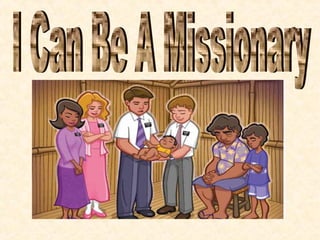
A missionary is someone who
travels from their community
to other place that has not
experience their faith
tradition
They integrate into the
society and inform the
community about their faith
and the benefits of
worshipping their GOD.
 Conversion to the Christian faith
This should result in the formation of a
church community. ( a group of people
who regular meet to practice their faith
and worship together)
You will need to choose one of the following
three missionaries:
1) St Patrick to Ireland in 432
2) St Columba to Scotland 563
3) Sister Irene McCormack
Reading TaskReading Task
Using the worksheet supplied:
SQ3R
SurveySurvey
Get an overview or general idea about the
reading by Previewing
 Look at the title, subtitles or headings
 Look at any visuals (captions, pictures, charts or drawings)
 Read the first sentence of each paragraph.
 Look for key words in different print
Make a PREDICTION about the main idea
or central theme (what is this article about?)
QuestionQuestion
Formulate information
questions on what you have
surveyed.
Consider the question:
◦ Describe how this person
spread the ‘Good News’ to
people who may not have
experienced Jesus.
ReadRead
Read the article
thoroughly and actively,
focusing on your
questions
◦ This gives your reading a
purpose
As you read, you can
annotate (underline and
take notes in the margin)
the parts of the article
that help answer your
questions.
ReciteRecite
Try to answer the questions you formulated
based on what you remember.
If you have problems with a question,
make a note and pay close attention when you
review.
ReviewReview
Look at the material again but
without rereading; go over the
questions again.
Verify your prediction and
revise it if necessary.
Respond and reflect by
connecting the reading to
your previous experience (if
possible)

Mission powerpoint

  • 2.
    "Go into allthe world and preach the gospel to all creation.” Mark 16:15
  • 3.
    Everyone who isa Christian, though some people are sent out further than others. Examples: ◦ Apostles ◦ St Paul ◦ St Patrick (Ireland) ◦ St Francis Xavier (Asia pacific) ◦ Any Christian includingYOU
  • 4.
    A missionary issomeone who travels from their community to other place that has not experience their faith tradition They integrate into the society and inform the community about their faith and the benefits of worshipping their GOD.
  • 6.
     Conversion tothe Christian faith This should result in the formation of a church community. ( a group of people who regular meet to practice their faith and worship together)
  • 7.
    You will needto choose one of the following three missionaries: 1) St Patrick to Ireland in 432 2) St Columba to Scotland 563 3) Sister Irene McCormack
  • 8.
    Reading TaskReading Task Usingthe worksheet supplied: SQ3R
  • 9.
    SurveySurvey Get an overviewor general idea about the reading by Previewing  Look at the title, subtitles or headings  Look at any visuals (captions, pictures, charts or drawings)  Read the first sentence of each paragraph.  Look for key words in different print Make a PREDICTION about the main idea or central theme (what is this article about?)
  • 10.
    QuestionQuestion Formulate information questions onwhat you have surveyed. Consider the question: ◦ Describe how this person spread the ‘Good News’ to people who may not have experienced Jesus.
  • 11.
    ReadRead Read the article thoroughlyand actively, focusing on your questions ◦ This gives your reading a purpose As you read, you can annotate (underline and take notes in the margin) the parts of the article that help answer your questions.
  • 12.
    ReciteRecite Try to answerthe questions you formulated based on what you remember. If you have problems with a question, make a note and pay close attention when you review.
  • 13.
    ReviewReview Look at thematerial again but without rereading; go over the questions again. Verify your prediction and revise it if necessary. Respond and reflect by connecting the reading to your previous experience (if possible)