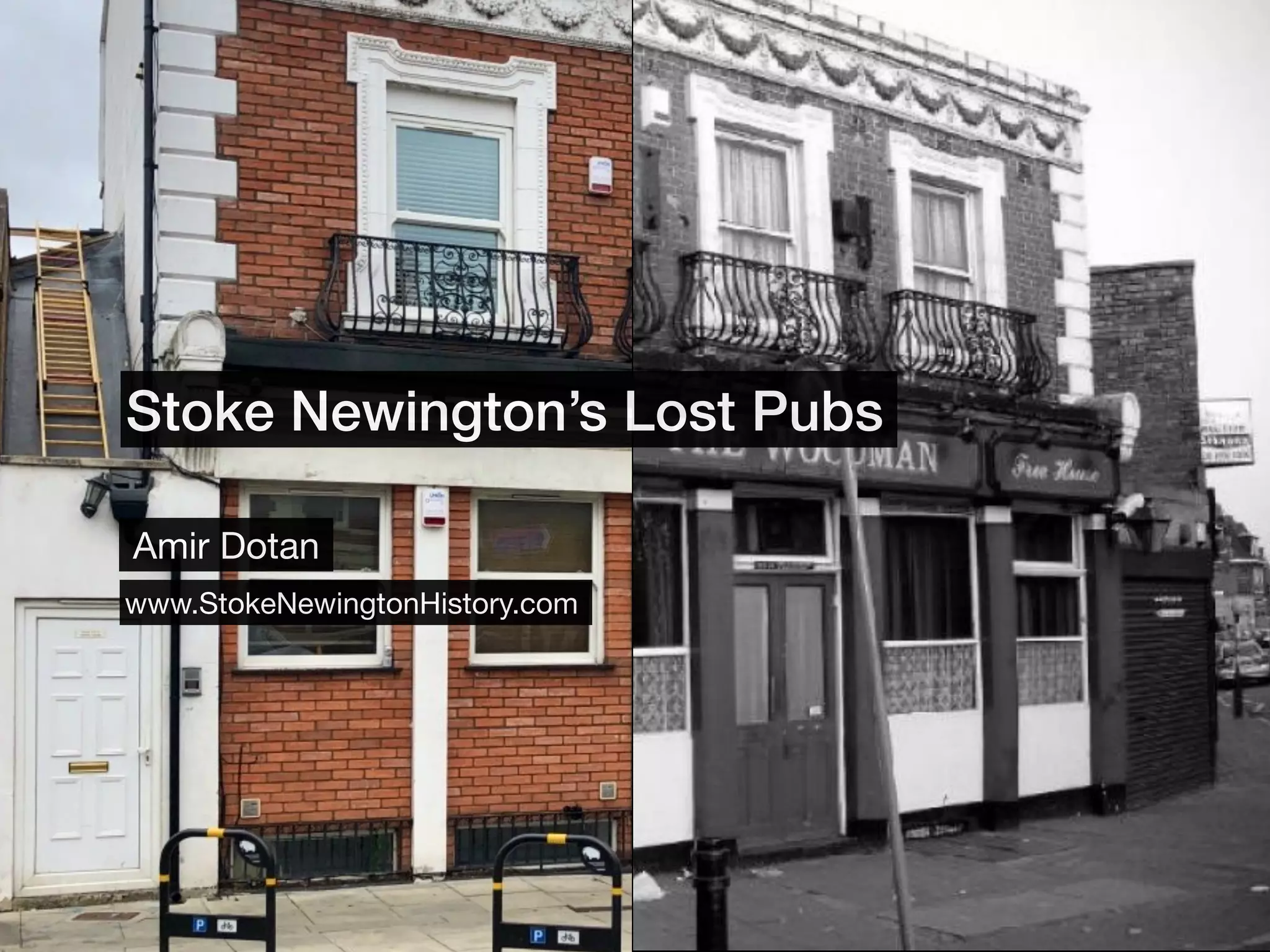
Stoke Newington’s Lost Pubs
Amir Dotan
www.StokeNewingtonHistory.com
@HistoryOfStokey @StokeNewingtonHistory facebook.com/
StokeNewingtonHistory
Hello!
Visit to signup to my events mailing list
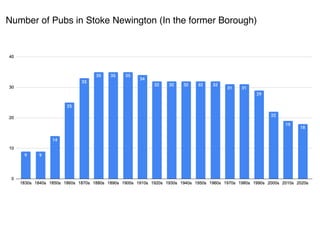
Number of Pubs in Stoke Newington (In the former Borough)
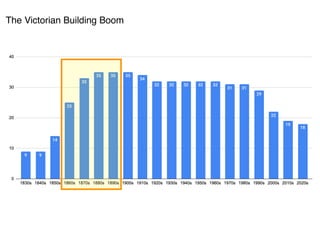
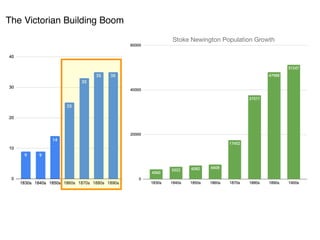
The Victorian Building Boom
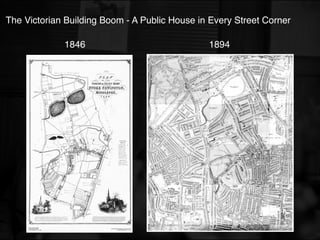
The Victorian Building Boom - A Public House in Every Street Corner
1846 1894
The Victorian Building Boom
Stoke Newington Population Growth
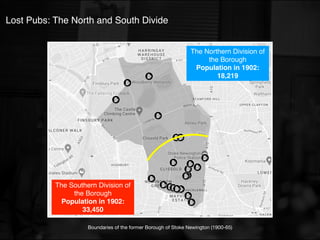
Lost Pubs: The North and South Divide
Boundaries of the former Borough of Stoke Newington (1900-65)
The Northern Division of
the Borough
Population in 1902:
18,219
The Southern Division of
the Borough
Population in 1902:
33,450
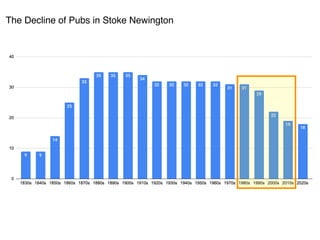
The Decline of Pubs in Stoke Newington
CLOSING TIME
Who’s killing the British pub?
By Christopher Snowdon
Institute of
Economic A airs
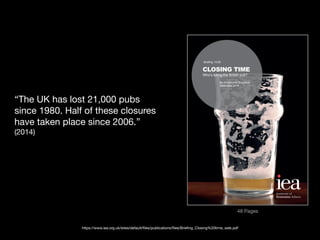
“The UK has lost 21,000 pubs
since 1980. Half of these closures
have taken place since 2006.”
(2014)
https://www.iea.org.uk/sites/default/
fi
les/publications/
fi
les/Brie
fi
ng_Closing%20time_web.pdf
48 Pages
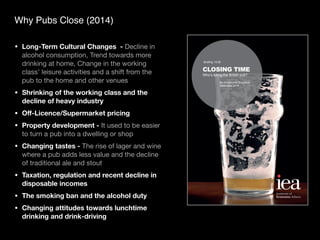
Why Pubs Close (2014)
• Long-Term Cultural Changes - Decline in
alcohol consumption, Trend towards more
drinking at home, Change in the working
class’ leisure activities and a shift from the
pub to the home and other venues
• Shrinking of the working class and the
decline of heavy industry
• O
ff
-Licence/Supermarket pricing
• Property development - It used to be easier
to turn a pub into a dwelling or shop
• Changing tastes - The rise of lager and wine
where a pub adds less value and the decline
of traditional ale and stout
• Taxation, regulation and recent decline in
disposable incomes
• The smoking ban and the alcohol duty
• Changing attitudes towards lunchtime
drinking and drink-driving
CLOSING TIME
Who’s killing the British pub?
By Christopher Snowdon
Institute of
Economic A airs
1830s 1840s 1850s 1860s 1870s 1880s 1890s 1900s 1910s 1920s 1930s 1940s 1950s 1960s 1970s 1980s 1990s 2000s 2010s
Lordship Park Tavren
Free Trader
The Falcon
Freeholders Arms
The Stack Rock
Freemasons Tavern
The Captain Cook
The Prince Albert
The Woodman
The Atlas
The Howard Arms
The Nevill Arms
The Earl of Warwick
The Manor House Tavern
The Albion
Ebor Arms
The Allen Arms
The Victoria
Hornsey Wood Tavern
The Pegasus
The Arundel Arms
The Prince of Wales
The Happy Man
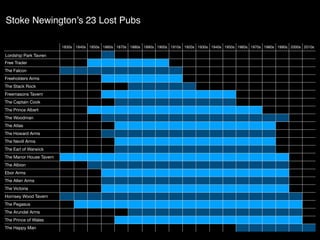
Stoke Newington’s 23 Lost Pubs
1830s 1840s 1850s 1860s 1870s 1880s 1890s 1900s 1910s 1920s 1930s 1940s 1950s 1960s 1970s 1980s 1990s 2000s 2010s
Lordship Park Tavren
Free Trader
The Falcon
Freeholders Arms
The Stack Rock
Freemasons Tavern
The Captain Cook
The Prince Albert
The Woodman
The Atlas
The Howard Arms
The Nevill Arms
The Earl of Warwick
The Manor House Tavern
The Albion
Ebor Arms
The Allen Arms
The Victoria
Hornsey Wood Tavern
The Pegasus
The Arundel Arms
The Prince of Wales
The Happy Man
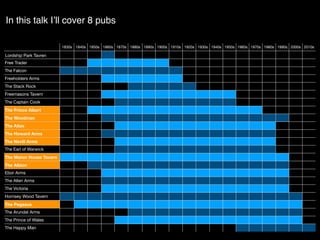
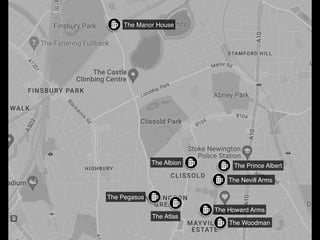
In this talk I’ll cover 8 pubs
The Prince Albert
The Nevill Arms
The Albion
The Manor House
The Pegasus
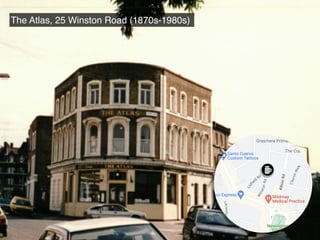
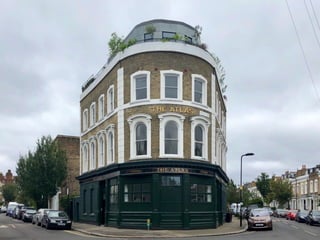
The Atlas
The Howard Arms
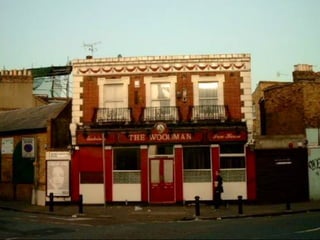
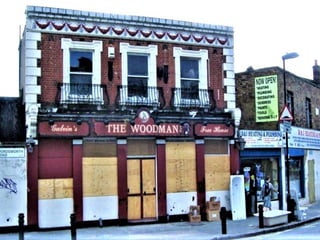
The Woodman
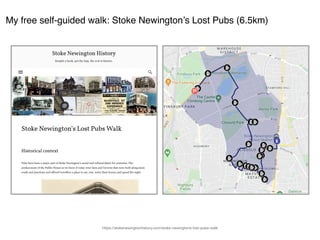
My free self-guided walk: Stoke Newington’s Lost Pubs (6.5km)
https://stokenewingtonhistory.com/stoke-newingtons-lost-pubs-walk
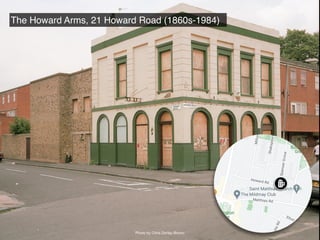
Photo by Chris Dorley-Brown
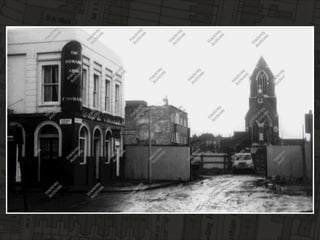
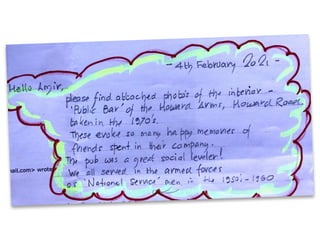
The Howard Arms, 21 Howard Road (1860s-1984)
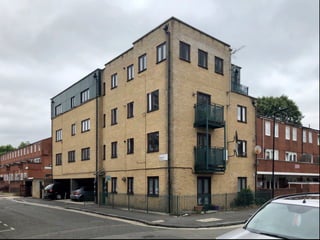
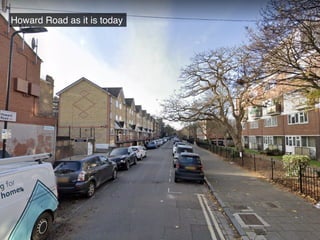
Howard Road as it is today
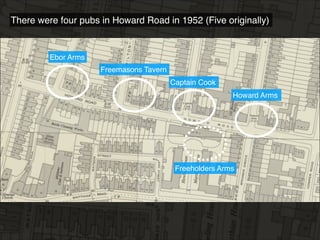
There were four pubs in Howard Road in 1952 (Five originally)
Howard Arms
Captain Cook
Ebor Arms
Freemasons Tavern
Freeholders Arms
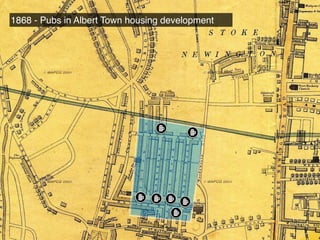
1868 - Pubs in Albert Town housing development
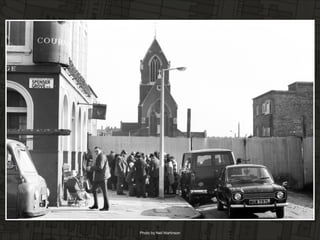
Photo by Neil Martinson
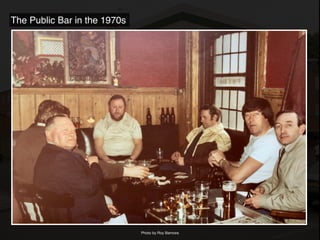
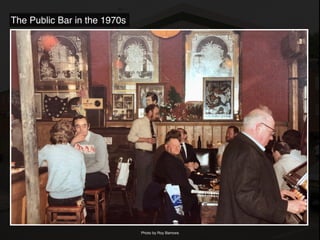
Photo by Roy Barrows
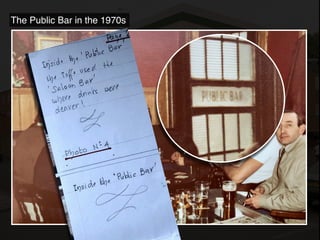
The Public Bar in the 1970s
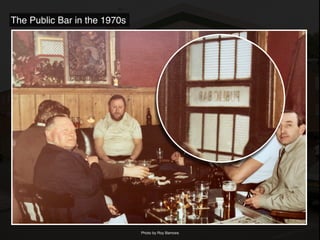
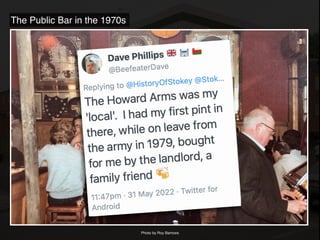
Photo by Roy Barrows
The Public Bar in the 1970s
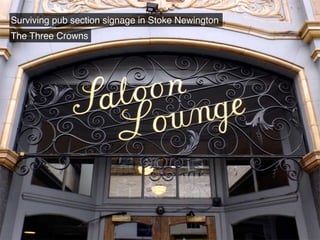
Surviving pub section signage in Stoke Newington
The Three Crowns
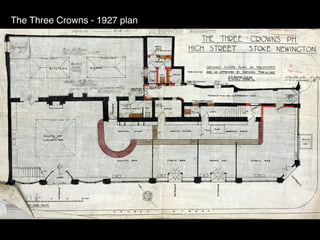
The Three Crowns - 1927 plan
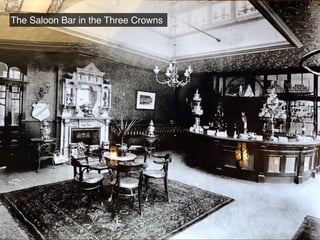
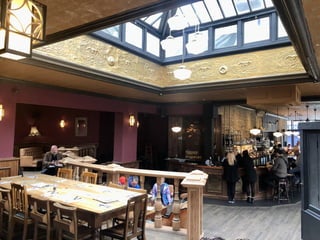
The Saloon Bar in the Three Crowns
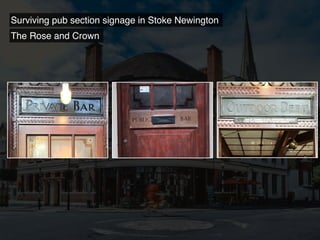
Surviving pub section signage in Stoke Newington
The Rose and Crown
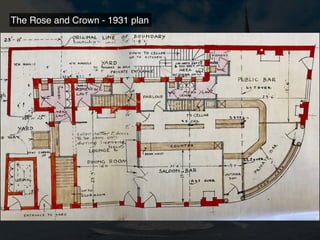
The Rose and Crown - 1931 plan
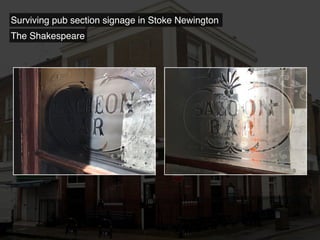
Surviving pub section signage in Stoke Newington
The Shakespeare
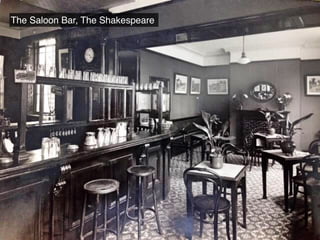
The Saloon Bar, The Shakespeare
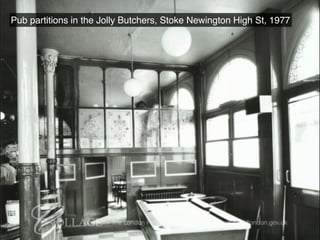
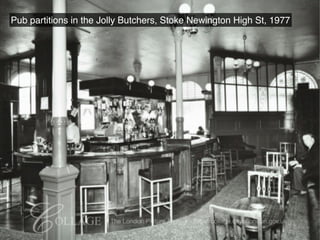
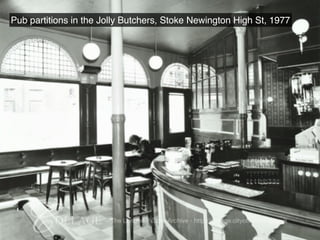
Pub partitions in the Jolly Butchers, Stoke Newington High St, 1977
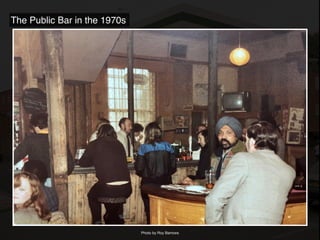
The Public Bar in the 1970s
Photo by Roy Barrows
The Public Bar in the 1970s
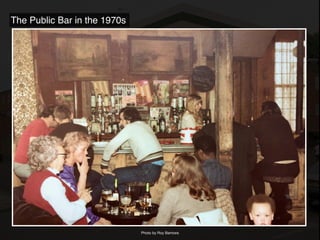
Photo by Roy Barrows
The Public Bar in the 1970s
Photo by Roy Barrows
The Public Bar in the 1970s
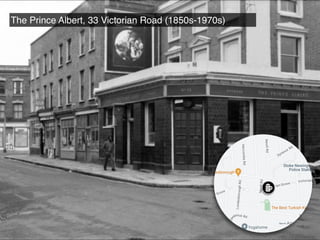
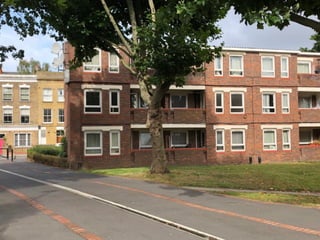
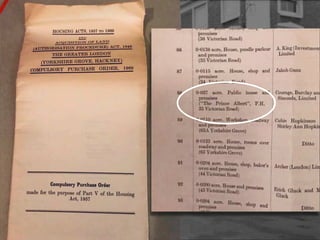
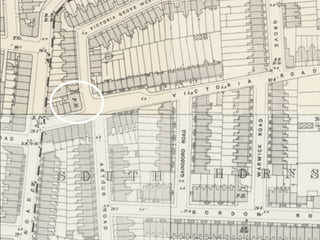
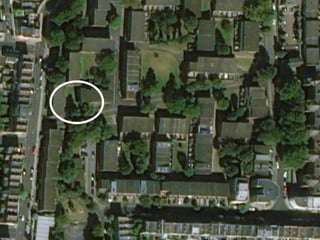
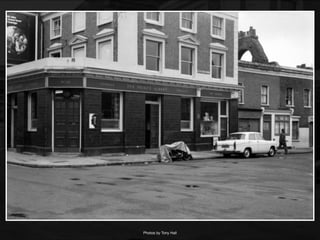
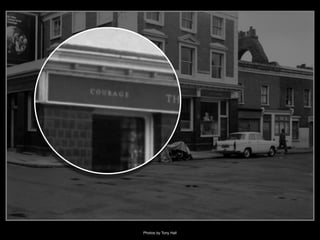
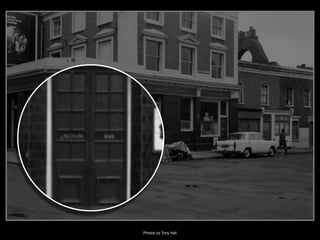
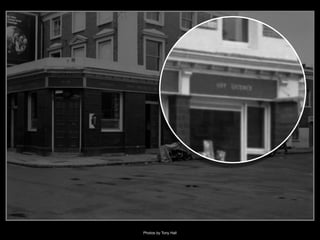
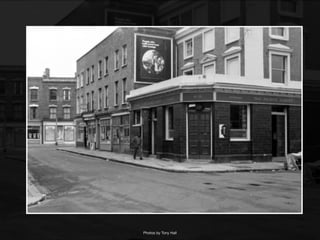
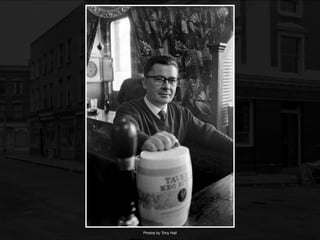
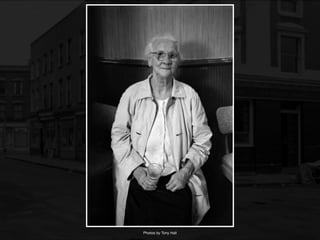
The Prince Albert, 33 Victorian Road (1850s-1970s)
The Prince Albert, 33 Victorian Road
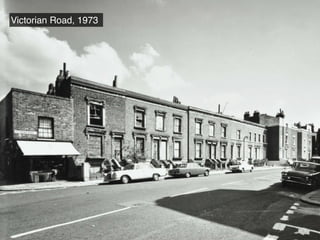
Victorian Road, 1973
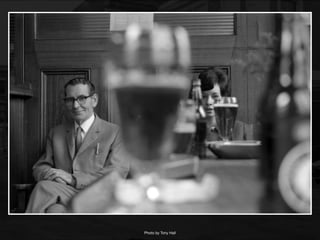
Photos by Tony Hall
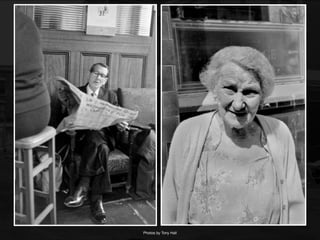
Photos by Tony Hall
Photos by Tony Hall
Photos by Tony Hall
Photos by Tony Hall
Photos by Tony Hall
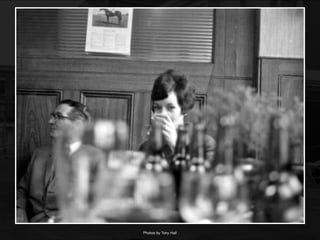
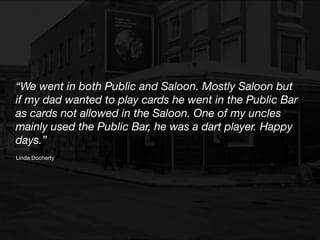
“We went in both Public and Saloon. Mostly Saloon but
if my dad wanted to play cards he went in the Public Bar
as cards not allowed in the Saloon. One of my uncles
mainly used the Public Bar, he was a dart player. Happy
days.”
Linda Docherty
Linda Docherty
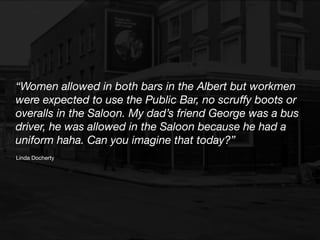
“Women allowed in both bars in the Albert but workmen
were expected to use the Public Bar, no scru
ff
y boots or
overalls in the Saloon. My dad’s friend George was a bus
driver, he was allowed in the Saloon because he had a
uniform haha. Can you imagine that today?”
Photo by Tony Hall
Photos by Tony Hall
Photos by Tony Hall
Photos by Tony Hall
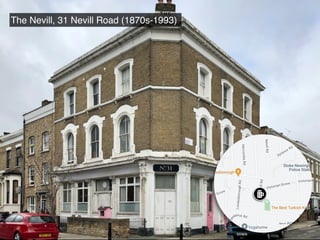
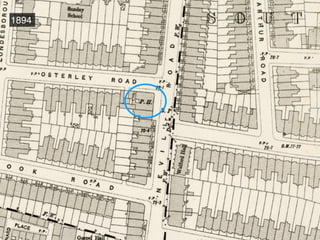
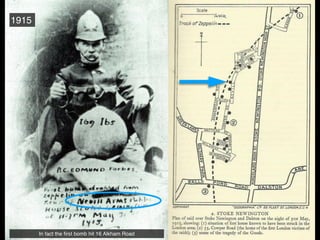
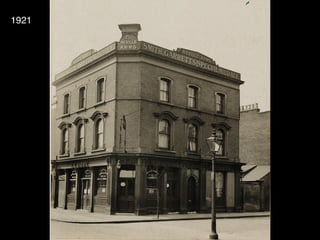
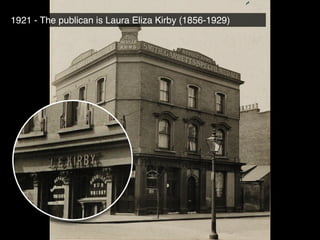
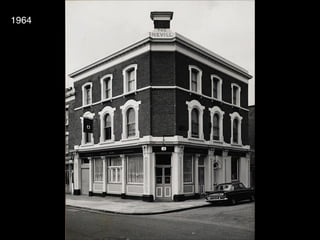
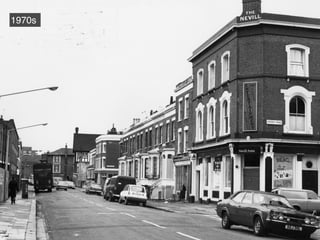
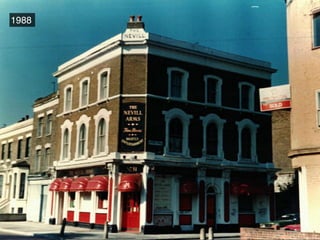
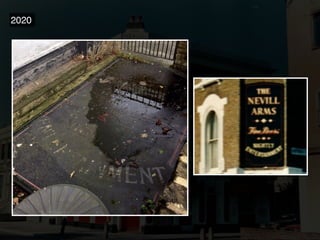
The Nevill, 31 Nevill Road (1870s-1993)
1894
1915
In fact the
fi
rst bomb hit 16 Alkham Road
1921
1921 - The publican is Laura Eliza Kirby (1856-1929)
1964
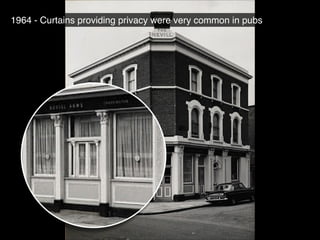
1964 - Curtains providing privacy were very common in pubs
1970s
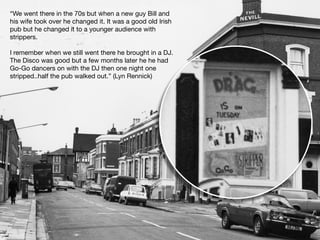
“We went there in the 70s but when a new guy Bill and
his wife took over he changed it. It was a good old Irish
pub but he changed it to a younger audience with
strippers.
I remember when we still went there he brought in a DJ.
The Disco was good but a few months later he he had
Go-Go dancers on with the DJ then one night one
stripped..half the pub walked out.” (Lyn Rennick)
1988
2020
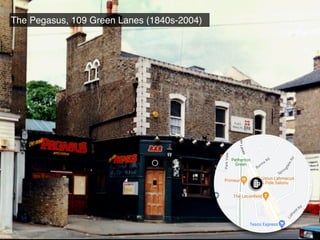
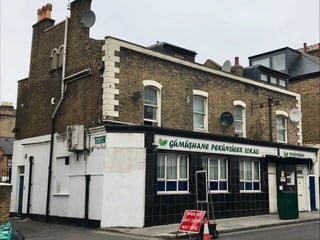
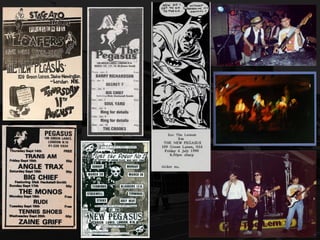
The Pegasus, 109 Green Lanes (1840s-2004)
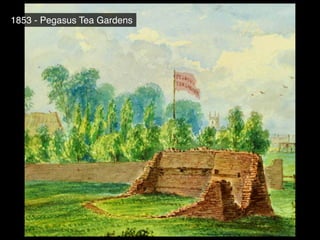
1853 - Pegasus Tea Gardens
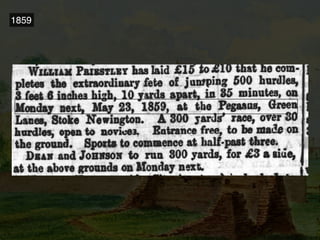
1859
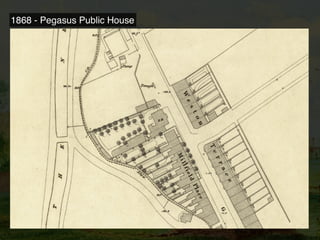
1868 - Pegasus Public House
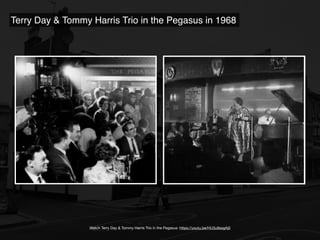
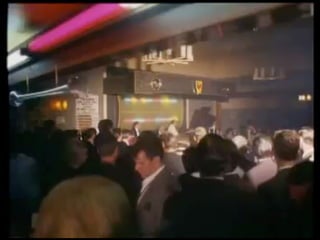
Terry Day & Tommy Harris Trio in the Pegasus in 1968
Watch Terry Day & Tommy Harris Trio in the Pegasus: https://youtu.be/HU3u9ssgAj0
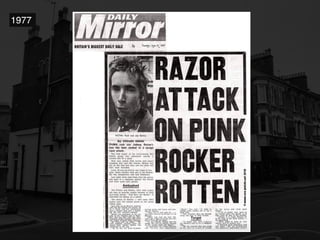
1977
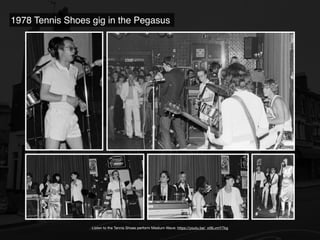
1978 Tennis Shoes gig in the Pegasus
Listen to the Tennis Shoes perform Medium Wave: https://youtu.be/_xt9LvmY7kg
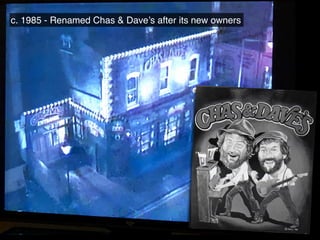
c. 1985 - Renamed Chas & Dave’s after its new owners
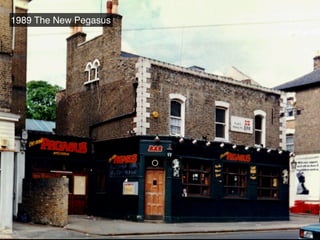
1989 The New Pegasus
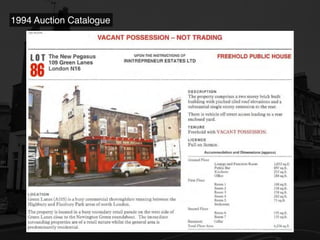
1994 Auction Catalogue
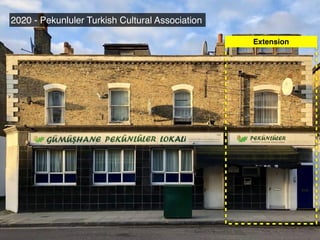
2020 - Pekunluler Turkish Cultural Association
Extension
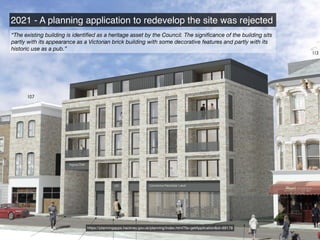
2021 - A planning application to redevelop the site was rejected
https://planningapps.hackney.gov.uk/planning/index.html?fa=getApplication&id=69178
“The existing building is identi
fi
ed as a heritage asset by the Council. The signi
fi
cance of the building sits
partly with its appearance as a Victorian brick building with some decorative features and partly with its
historic use as a pub.”
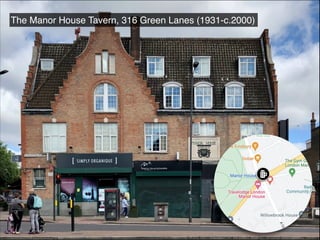
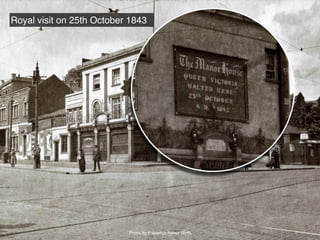
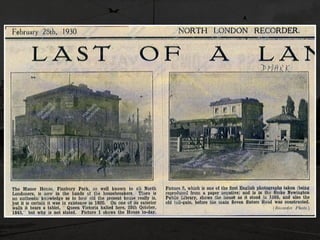
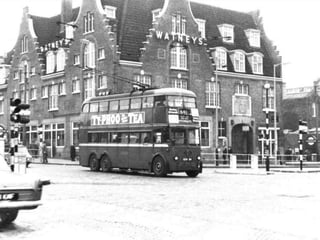
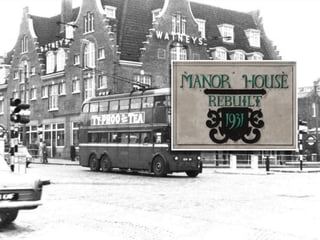
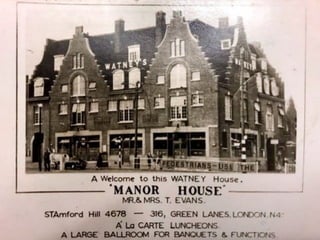
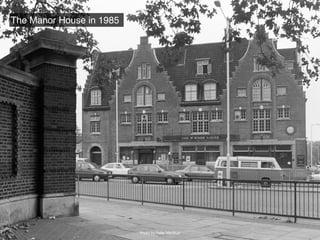
The Manor House Tavern, 316 Green Lanes (1931-c.2000)
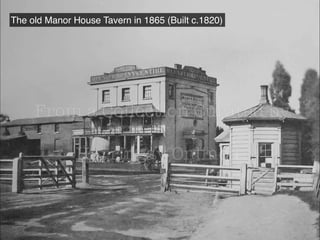
The old Manor House Tavern in 1865 (Built c.1820)
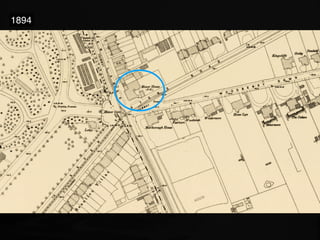
1894
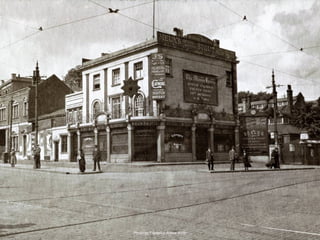
Photo by Frederick Arthur Wirth
Royal visit on 25th October 1843
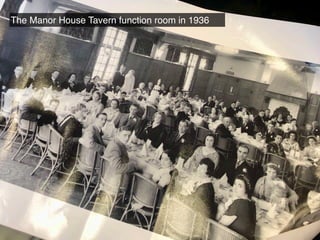
The Manor House Tavern function room in 1936
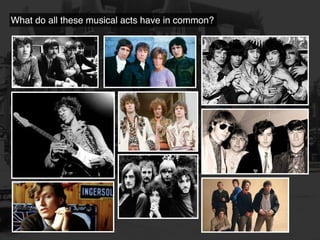
What do all these musical acts have in common?
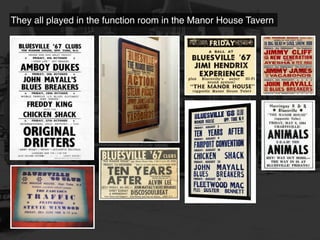
They all played in the function room in the Manor House Tavern
Photo by Peter Marshall
The Manor House in 1985
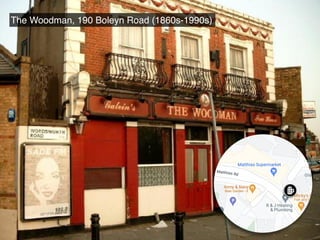
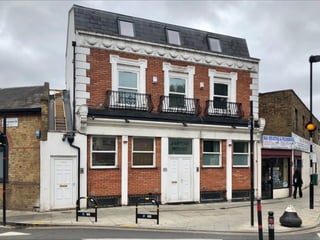
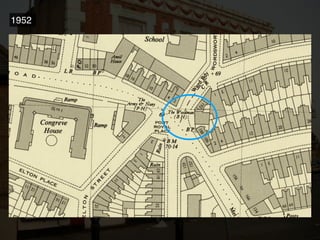
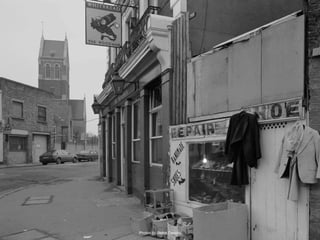
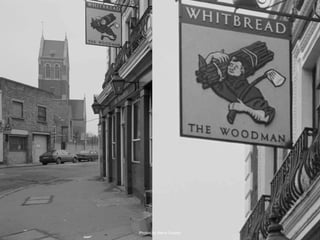
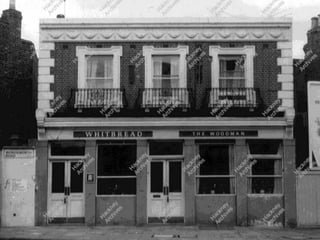
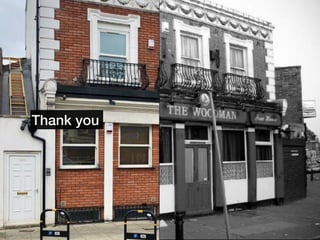
The Woodman, 190 Boleyn Road (1860s-1990s)
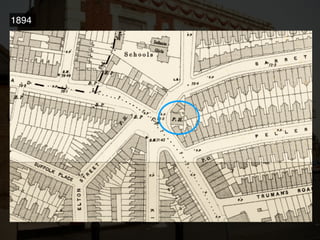
1894
1952
Photos by Berris Conolly
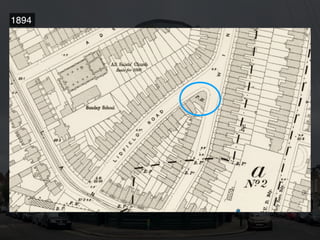
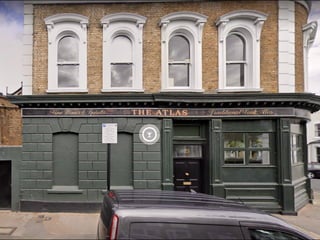
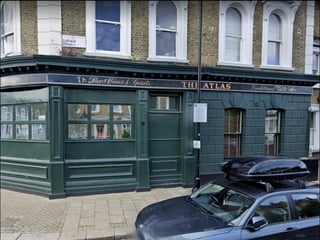
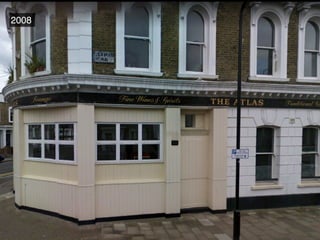
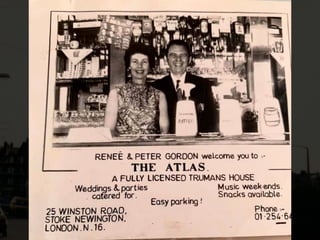
The Atlas, 25 Winston Road (1870s-1980s)
1894
2008
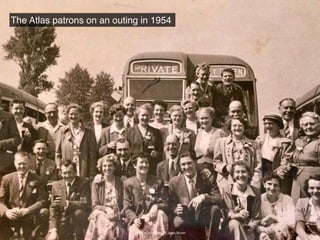
The Atlas patrons on an outing in 1954
Photos courtesy of Jean Nunn
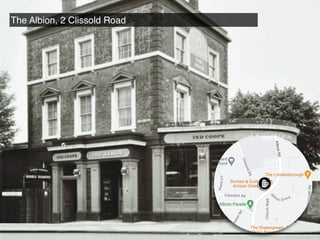
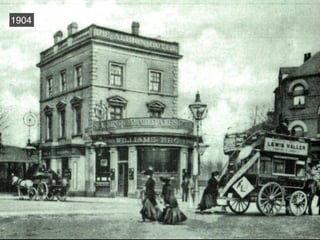
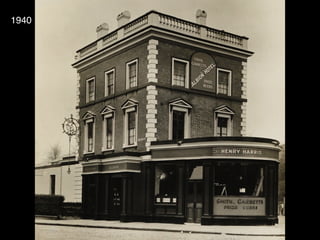
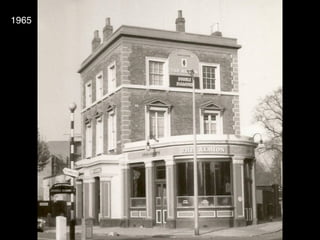
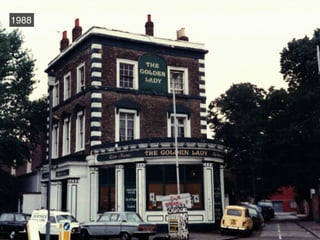
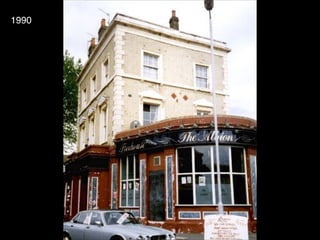
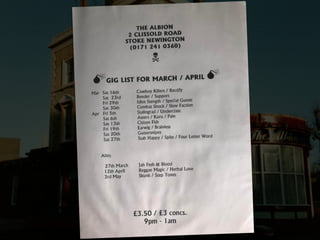
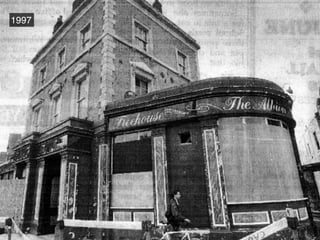
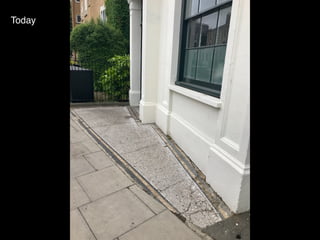
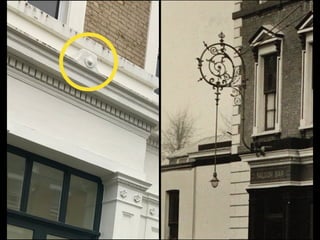
The Albion, 2 Clissold Road
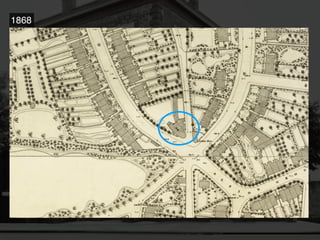
1868
1904
1940
1965
1988
1990
1997
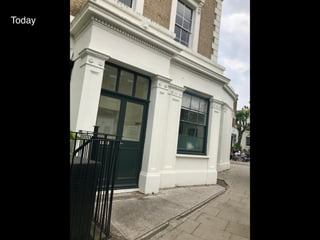
Today
Today
Thank you

Stoke Newington's Lost Pubs

  • 1.
    Stoke Newington’s LostPubs Amir Dotan www.StokeNewingtonHistory.com
  • 2.
  • 3.
    Number of Pubsin Stoke Newington (In the former Borough)
  • 4.
  • 5.
    The Victorian BuildingBoom - A Public House in Every Street Corner 1846 1894
  • 6.
    The Victorian BuildingBoom Stoke Newington Population Growth
  • 7.
    Lost Pubs: TheNorth and South Divide Boundaries of the former Borough of Stoke Newington (1900-65) The Northern Division of the Borough Population in 1902: 18,219 The Southern Division of the Borough Population in 1902: 33,450
  • 8.
    The Decline ofPubs in Stoke Newington
  • 9.
    CLOSING TIME Who’s killingthe British pub? By Christopher Snowdon Institute of Economic A airs “The UK has lost 21,000 pubs since 1980. Half of these closures have taken place since 2006.” (2014) https://www.iea.org.uk/sites/default/ fi les/publications/ fi les/Brie fi ng_Closing%20time_web.pdf 48 Pages
  • 10.
    Why Pubs Close(2014) • Long-Term Cultural Changes - Decline in alcohol consumption, Trend towards more drinking at home, Change in the working class’ leisure activities and a shift from the pub to the home and other venues • Shrinking of the working class and the decline of heavy industry • O ff -Licence/Supermarket pricing • Property development - It used to be easier to turn a pub into a dwelling or shop • Changing tastes - The rise of lager and wine where a pub adds less value and the decline of traditional ale and stout • Taxation, regulation and recent decline in disposable incomes • The smoking ban and the alcohol duty • Changing attitudes towards lunchtime drinking and drink-driving CLOSING TIME Who’s killing the British pub? By Christopher Snowdon Institute of Economic A airs
  • 11.
    1830s 1840s 1850s1860s 1870s 1880s 1890s 1900s 1910s 1920s 1930s 1940s 1950s 1960s 1970s 1980s 1990s 2000s 2010s Lordship Park Tavren Free Trader The Falcon Freeholders Arms The Stack Rock Freemasons Tavern The Captain Cook The Prince Albert The Woodman The Atlas The Howard Arms The Nevill Arms The Earl of Warwick The Manor House Tavern The Albion Ebor Arms The Allen Arms The Victoria Hornsey Wood Tavern The Pegasus The Arundel Arms The Prince of Wales The Happy Man Stoke Newington’s 23 Lost Pubs
  • 12.
    1830s 1840s 1850s1860s 1870s 1880s 1890s 1900s 1910s 1920s 1930s 1940s 1950s 1960s 1970s 1980s 1990s 2000s 2010s Lordship Park Tavren Free Trader The Falcon Freeholders Arms The Stack Rock Freemasons Tavern The Captain Cook The Prince Albert The Woodman The Atlas The Howard Arms The Nevill Arms The Earl of Warwick The Manor House Tavern The Albion Ebor Arms The Allen Arms The Victoria Hornsey Wood Tavern The Pegasus The Arundel Arms The Prince of Wales The Happy Man In this talk I’ll cover 8 pubs
  • 13.
    The Prince Albert TheNevill Arms The Albion The Manor House The Pegasus The Atlas The Howard Arms The Woodman
  • 14.
    My free self-guidedwalk: Stoke Newington’s Lost Pubs (6.5km) https://stokenewingtonhistory.com/stoke-newingtons-lost-pubs-walk
  • 15.
    Photo by ChrisDorley-Brown The Howard Arms, 21 Howard Road (1860s-1984)
  • 17.
    Howard Road asit is today
  • 18.
    There were fourpubs in Howard Road in 1952 (Five originally) Howard Arms Captain Cook Ebor Arms Freemasons Tavern Freeholders Arms
  • 19.
    1868 - Pubsin Albert Town housing development
  • 20.
    Photo by NeilMartinson
  • 23.
    Photo by RoyBarrows The Public Bar in the 1970s
  • 24.
    Photo by RoyBarrows The Public Bar in the 1970s
  • 25.
    The Public Barin the 1970s
  • 26.
    Surviving pub sectionsignage in Stoke Newington The Three Crowns
  • 27.
    The Three Crowns- 1927 plan
  • 28.
    The Saloon Barin the Three Crowns
  • 29.
    The Saloon Barin the Three Crowns
  • 30.
    Surviving pub sectionsignage in Stoke Newington The Rose and Crown
  • 31.
    The Rose andCrown - 1931 plan
  • 32.
    Surviving pub sectionsignage in Stoke Newington The Shakespeare
  • 33.
    The Saloon Bar,The Shakespeare
  • 34.
    Pub partitions inthe Jolly Butchers, Stoke Newington High St, 1977
  • 35.
    Pub partitions inthe Jolly Butchers, Stoke Newington High St, 1977
  • 36.
    Pub partitions inthe Jolly Butchers, Stoke Newington High St, 1977
  • 37.
    The Public Barin the 1970s Photo by Roy Barrows
  • 38.
    The Public Barin the 1970s Photo by Roy Barrows
  • 39.
    Photo by RoyBarrows The Public Bar in the 1970s
  • 40.
    Photo by RoyBarrows The Public Bar in the 1970s
  • 41.
    The Prince Albert,33 Victorian Road (1850s-1970s)
  • 42.
    The Prince Albert,33 Victorian Road
  • 44.
  • 47.
  • 48.
  • 49.
  • 50.
  • 51.
  • 52.
  • 53.
    “We went inboth Public and Saloon. Mostly Saloon but if my dad wanted to play cards he went in the Public Bar as cards not allowed in the Saloon. One of my uncles mainly used the Public Bar, he was a dart player. Happy days.” Linda Docherty
  • 54.
    Linda Docherty “Women allowedin both bars in the Albert but workmen were expected to use the Public Bar, no scru ff y boots or overalls in the Saloon. My dad’s friend George was a bus driver, he was allowed in the Saloon because he had a uniform haha. Can you imagine that today?”
  • 55.
  • 56.
  • 57.
  • 58.
  • 59.
    The Nevill, 31Nevill Road (1870s-1993)
  • 60.
  • 61.
    1915 In fact the fi rstbomb hit 16 Alkham Road
  • 62.
  • 63.
    1921 - Thepublican is Laura Eliza Kirby (1856-1929)
  • 64.
  • 65.
    1964 - Curtainsproviding privacy were very common in pubs
  • 66.
  • 67.
    “We went therein the 70s but when a new guy Bill and his wife took over he changed it. It was a good old Irish pub but he changed it to a younger audience with strippers. I remember when we still went there he brought in a DJ. The Disco was good but a few months later he he had Go-Go dancers on with the DJ then one night one stripped..half the pub walked out.” (Lyn Rennick)
  • 68.
  • 69.
  • 70.
    The Pegasus, 109Green Lanes (1840s-2004)
  • 72.
    1853 - PegasusTea Gardens
  • 73.
  • 74.
    1868 - PegasusPublic House
  • 75.
    Terry Day &Tommy Harris Trio in the Pegasus in 1968 Watch Terry Day & Tommy Harris Trio in the Pegasus: https://youtu.be/HU3u9ssgAj0
  • 77.
  • 78.
    1978 Tennis Shoesgig in the Pegasus Listen to the Tennis Shoes perform Medium Wave: https://youtu.be/_xt9LvmY7kg
  • 80.
    c. 1985 -Renamed Chas & Dave’s after its new owners
  • 81.
    1989 The NewPegasus
  • 82.
  • 83.
    2020 - PekunlulerTurkish Cultural Association Extension
  • 84.
    2021 - Aplanning application to redevelop the site was rejected https://planningapps.hackney.gov.uk/planning/index.html?fa=getApplication&id=69178 “The existing building is identi fi ed as a heritage asset by the Council. The signi fi cance of the building sits partly with its appearance as a Victorian brick building with some decorative features and partly with its historic use as a pub.”
  • 85.
    The Manor HouseTavern, 316 Green Lanes (1931-c.2000)
  • 86.
    The old ManorHouse Tavern in 1865 (Built c.1820)
  • 87.
  • 88.
    Photo by FrederickArthur Wirth
  • 89.
    Photo by FrederickArthur Wirth Royal visit on 25th October 1843
  • 94.
    The Manor HouseTavern function room in 1936
  • 95.
    What do allthese musical acts have in common?
  • 96.
    They all playedin the function room in the Manor House Tavern
  • 97.
    Photo by PeterMarshall The Manor House in 1985
  • 98.
    The Woodman, 190Boleyn Road (1860s-1990s)
  • 100.
  • 101.
  • 102.
  • 103.
  • 107.
    The Atlas, 25Winston Road (1870s-1980s)
  • 109.
  • 112.
  • 114.
    The Atlas patronson an outing in 1954 Photos courtesy of Jean Nunn
  • 115.
    The Albion, 2Clissold Road
  • 116.
  • 117.
  • 118.
  • 119.
  • 120.
  • 121.
  • 123.
  • 124.
  • 125.
  • 127.