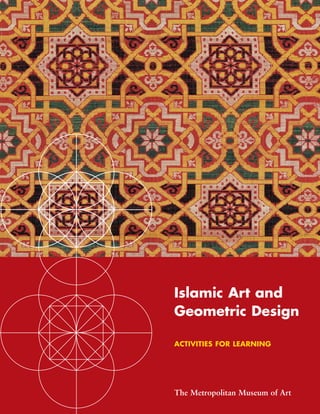
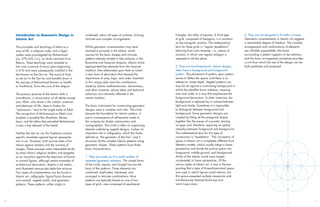
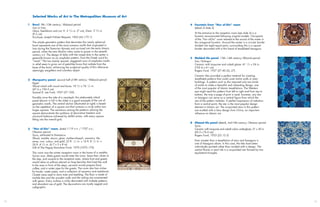
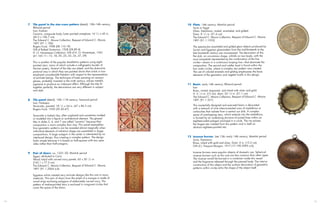
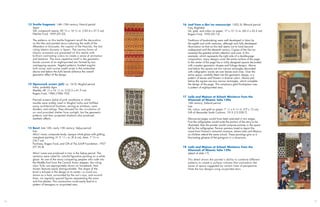
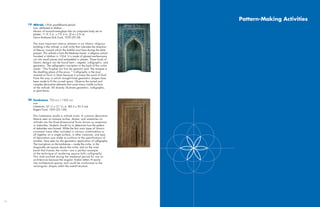
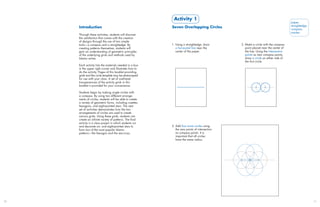
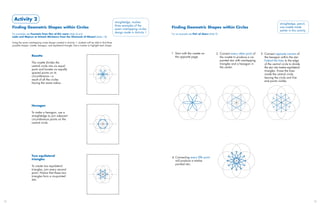
This document provides an introduction to and overview of geometric patterns in Islamic art, along with images and descriptions of 6 examples of art from the Metropolitan Museum of Art that illustrate geometric design. It discusses how geometric patterns were created using a limited set of basic shapes combined through repetition, discusses the underlying grid structure, and notes key characteristics like their two-dimensional nature and infinite expandability. The examples show geometric patterns being used to decorate glass, wood, tiles, and architectural elements from the 8th-16th centuries across the Islamic world.




![Intro to Arch Week 4 [compatibility mode]](https://cdn.slidesharecdn.com/ss_thumbnails/week4compatibilitymode-120414125508-phpapp01-thumbnail.jpg?width=640&height=640&fit=bounds)


