TK482 and TK486
TK 50136-2-OM (Rev. 2, 02/06)
Copyright©
1998 Thermo King Corp., Minneapolis, MN, U.S.A. Printed in
U.S.A.
Overhaul Manual
2
This manual is published for informational purposes only and the information so provided should
not be considered as all-inclusive or covering all contingencies. If further information is required,
Thermo King Corporation should be consulted.
Sale of product shown in this manual is subject to Thermo King’s terms and conditions
including, but not limited to, the Thermo King Limited Express Warranty. Such terms and
conditions are available upon request. Thermo King’s warranty will not apply to any
equipment which has been “so repaired or altered outside the manufacturer’s plants as,
in the manufacturer’s judgment, to effect its stability.”
No warranties, express or implied, including warranties of fitness for a particular
purpose or merchantability, or warranties arising from course of dealing or usage of
trade, are made regarding the information, recommendations, and descriptions
contained herein. Manufacturer is not responsible and will not be held liable in contract
or in tort (including negligence) for any special, indirect or consequential damages,
including injury or damage caused to vehicles, contents or persons, by reason of the
installation of any Thermo King product or its mechanical failure.
3
Table of Contents
List of Figures . . . . . . . . . . . . . . . . . . . . . . . . . . . . . . . . . . . . . . . . . . . . . . . . . . . . . . . . . . . . . . . . . . . . . . . . . . . 5
TK482 & TK486 Diesel Engine Specifications . . . . . . . . . . . . . . . . . . . . . . . . . . . . . . . . . . . . . . . . . . . . . . . . 11
Tier 1 and Earlier - TK482, TK482E, TK486, TK486E, and TK486EH . . . . . . . . . . . . . . . . . . . . . . . . . . . . . . . . 11
Tier 2 - TK486V, TK486VB, and TK486VH . . . . . . . . . . . . . . . . . . . . . . . . . . . . . . . . . . . . . . . . . . . . . . . . . . . . . 17
Exhaust Gas Specifications . . . . . . . . . . . . . . . . . . . . . . . . . . . . . . . . . . . . . . . . . . . . . . . . . . . . . . . . . . . . . . . . 22
Torque Values . . . . . . . . . . . . . . . . . . . . . . . . . . . . . . . . . . . . . . . . . . . . . . . . . . . . . . . . . . . . . . . . . . . . . . . . . . 23
TK482, TK482E, TK486, TK486E, and TK486EH . . . . . . . . . . . . . . . . . . . . . . . . . . . . . . . . . . . . . . . . . . . . . . . 23
TK486V, TK486VB, and TK486VH . . . . . . . . . . . . . . . . . . . . . . . . . . . . . . . . . . . . . . . . . . . . . . . . . . . . . . . . . . . 23
Special Tools . . . . . . . . . . . . . . . . . . . . . . . . . . . . . . . . . . . . . . . . . . . . . . . . . . . . . . . . . . . . . . . . . . . . . . . . . . . 24
Engine Disassembly . . . . . . . . . . . . . . . . . . . . . . . . . . . . . . . . . . . . . . . . . . . . . . . . . . . . . . . . . . . . . . . . . . . . . 27
Inspection and Reconditioning . . . . . . . . . . . . . . . . . . . . . . . . . . . . . . . . . . . . . . . . . . . . . . . . . . . . . . . . . . . . 41
Cylinder Block . . . . . . . . . . . . . . . . . . . . . . . . . . . . . . . . . . . . . . . . . . . . . . . . . . . . . . . . . . . . . . . . . . . . . . . . . . . 41
Crankshaft . . . . . . . . . . . . . . . . . . . . . . . . . . . . . . . . . . . . . . . . . . . . . . . . . . . . . . . . . . . . . . . . . . . . . . . . . . . . . . 45
Pistons . . . . . . . . . . . . . . . . . . . . . . . . . . . . . . . . . . . . . . . . . . . . . . . . . . . . . . . . . . . . . . . . . . . . . . . . . . . . . . . . 46
Wrist Pins . . . . . . . . . . . . . . . . . . . . . . . . . . . . . . . . . . . . . . . . . . . . . . . . . . . . . . . . . . . . . . . . . . . . . . . . . . . . . . 47
Connecting Rods . . . . . . . . . . . . . . . . . . . . . . . . . . . . . . . . . . . . . . . . . . . . . . . . . . . . . . . . . . . . . . . . . . . . . . . . 48
Timing Gears . . . . . . . . . . . . . . . . . . . . . . . . . . . . . . . . . . . . . . . . . . . . . . . . . . . . . . . . . . . . . . . . . . . . . . . . . . . 49
Camshaft . . . . . . . . . . . . . . . . . . . . . . . . . . . . . . . . . . . . . . . . . . . . . . . . . . . . . . . . . . . . . . . . . . . . . . . . . . . . . . . 50
Cylinder Head . . . . . . . . . . . . . . . . . . . . . . . . . . . . . . . . . . . . . . . . . . . . . . . . . . . . . . . . . . . . . . . . . . . . . . . . . . . 51
Disassembly . . . . . . . . . . . . . . . . . . . . . . . . . . . . . . . . . . . . . . . . . . . . . . . . . . . . . . . . . . . . . . . . . . . . . . . . . 51
Valve Guides . . . . . . . . . . . . . . . . . . . . . . . . . . . . . . . . . . . . . . . . . . . . . . . . . . . . . . . . . . . . . . . . . . . . . . . . 52
Valve Depth . . . . . . . . . . . . . . . . . . . . . . . . . . . . . . . . . . . . . . . . . . . . . . . . . . . . . . . . . . . . . . . . . . . . . . . . . 52
Valves . . . . . . . . . . . . . . . . . . . . . . . . . . . . . . . . . . . . . . . . . . . . . . . . . . . . . . . . . . . . . . . . . . . . . . . . . . . . . . 53
Valve Seats . . . . . . . . . . . . . . . . . . . . . . . . . . . . . . . . . . . . . . . . . . . . . . . . . . . . . . . . . . . . . . . . . . . . . . . . . 54
Valve Seat Replacement . . . . . . . . . . . . . . . . . . . . . . . . . . . . . . . . . . . . . . . . . . . . . . . . . . . . . . . . . . . . . . . 55
Valve Springs . . . . . . . . . . . . . . . . . . . . . . . . . . . . . . . . . . . . . . . . . . . . . . . . . . . . . . . . . . . . . . . . . . . . . . . . 56
Cylinder Head Assembly . . . . . . . . . . . . . . . . . . . . . . . . . . . . . . . . . . . . . . . . . . . . . . . . . . . . . . . . . . . . . . . 56
Rocker Arm Assembly . . . . . . . . . . . . . . . . . . . . . . . . . . . . . . . . . . . . . . . . . . . . . . . . . . . . . . . . . . . . . . . . . . . . 58
Push Rods . . . . . . . . . . . . . . . . . . . . . . . . . . . . . . . . . . . . . . . . . . . . . . . . . . . . . . . . . . . . . . . . . . . . . . . . . . . . . 60
Tappets . . . . . . . . . . . . . . . . . . . . . . . . . . . . . . . . . . . . . . . . . . . . . . . . . . . . . . . . . . . . . . . . . . . . . . . . . . . . . . . . 60
Oil Pump . . . . . . . . . . . . . . . . . . . . . . . . . . . . . . . . . . . . . . . . . . . . . . . . . . . . . . . . . . . . . . . . . . . . . . . . . . . . . . . 61
Oil Pump for Tier 1 and Earlier Engines . . . . . . . . . . . . . . . . . . . . . . . . . . . . . . . . . . . . . . . . . . . . . . . . . . . . 61
Oil Pump for Tier 2 Engines . . . . . . . . . . . . . . . . . . . . . . . . . . . . . . . . . . . . . . . . . . . . . . . . . . . . . . . . . . . . . 62
Water Pump . . . . . . . . . . . . . . . . . . . . . . . . . . . . . . . . . . . . . . . . . . . . . . . . . . . . . . . . . . . . . . . . . . . . . . . . . . . . 64
Manifolds . . . . . . . . . . . . . . . . . . . . . . . . . . . . . . . . . . . . . . . . . . . . . . . . . . . . . . . . . . . . . . . . . . . . . . . . . . . . . . . 65
Crankcase Breather System Tier 1 and Earlier Engines . . . . . . . . . . . . . . . . . . . . . . . . . . . . . . . . . . . . . . . . . . . 65
Crankcase Breather System Tier 2 Engine . . . . . . . . . . . . . . . . . . . . . . . . . . . . . . . . . . . . . . . . . . . . . . . . . . . . . 66
Checking Crankcase Pressure . . . . . . . . . . . . . . . . . . . . . . . . . . . . . . . . . . . . . . . . . . . . . . . . . . . . . . . . . . . . . . 67
Engine Assembly . . . . . . . . . . . . . . . . . . . . . . . . . . . . . . . . . . . . . . . . . . . . . . . . . . . . . . . . . . . . . . . . . . . . . . . 69
Assembly Precautions . . . . . . . . . . . . . . . . . . . . . . . . . . . . . . . . . . . . . . . . . . . . . . . . . . . . . . . . . . . . . . . . . . . . 69
Assembly Procedure . . . . . . . . . . . . . . . . . . . . . . . . . . . . . . . . . . . . . . . . . . . . . . . . . . . . . . . . . . . . . . . . . . . . . . 69
Lubrication System . . . . . . . . . . . . . . . . . . . . . . . . . . . . . . . . . . . . . . . . . . . . . . . . . . . . . . . . . . . . . . . . . . . . . . 89
Fuel System . . . . . . . . . . . . . . . . . . . . . . . . . . . . . . . . . . . . . . . . . . . . . . . . . . . . . . . . . . . . . . . . . . . . . . . . . . . . 93
Description . . . . . . . . . . . . . . . . . . . . . . . . . . . . . . . . . . . . . . . . . . . . . . . . . . . . . . . . . . . . . . . . . . . . . . . . . . . . . 93
Bleeding Air from the Fuel System . . . . . . . . . . . . . . . . . . . . . . . . . . . . . . . . . . . . . . . . . . . . . . . . . . . . . . . . . . . 96
Injection Pump Timing Tier 1 and Earlier Engines . . . . . . . . . . . . . . . . . . . . . . . . . . . . . . . . . . . . . . . . . . . . . . . 97
Attaching Injection Pump Gear to Flange on Tier 1 Engines . . . . . . . . . . . . . . . . . . . . . . . . . . . . . . . . . . . . . . 100
Injection Pump Timing Tier 2 Engines . . . . . . . . . . . . . . . . . . . . . . . . . . . . . . . . . . . . . . . . . . . . . . . . . . . . . . . 102
Injection Pump Removal and Installation (All Engines) . . . . . . . . . . . . . . . . . . . . . . . . . . . . . . . . . . . . . . . . . . . 105
Removal . . . . . . . . . . . . . . . . . . . . . . . . . . . . . . . . . . . . . . . . . . . . . . . . . . . . . . . . . . . . . . . . . . . . . . . . . . . 105
Installation . . . . . . . . . . . . . . . . . . . . . . . . . . . . . . . . . . . . . . . . . . . . . . . . . . . . . . . . . . . . . . . . . . . . . . . . . 107
Trochoid Feed Pump Tier 2 Engines . . . . . . . . . . . . . . . . . . . . . . . . . . . . . . . . . . . . . . . . . . . . . . . . . . . . . . . . 107
Trochoid Feed Pump Replacement . . . . . . . . . . . . . . . . . . . . . . . . . . . . . . . . . . . . . . . . . . . . . . . . . . . . . . 107
Trochoid Feed Pump O-Ring Replacement . . . . . . . . . . . . . . . . . . . . . . . . . . . . . . . . . . . . . . . . . . . . . . . . 108
Cold Start Device Tier 2 Engines . . . . . . . . . . . . . . . . . . . . . . . . . . . . . . . . . . . . . . . . . . . . . . . . . . . . . . . . . . . 109
Checking Cold Start Device Operation . . . . . . . . . . . . . . . . . . . . . . . . . . . . . . . . . . . . . . . . . . . . . . . . . . . . 109
Cold Start Device Replacement . . . . . . . . . . . . . . . . . . . . . . . . . . . . . . . . . . . . . . . . . . . . . . . . . . . . . . . . . 110
Fuel Injection Nozzles . . . . . . . . . . . . . . . . . . . . . . . . . . . . . . . . . . . . . . . . . . . . . . . . . . . . . . . . . . . . . . . . . . . . 111
Table of Contents
4
Testing . . . . . . . . . . . . . . . . . . . . . . . . . . . . . . . . . . . . . . . . . . . . . . . . . . . . . . . . . . . . . . . . . . . . . . . . . . . .111
Repair . . . . . . . . . . . . . . . . . . . . . . . . . . . . . . . . . . . . . . . . . . . . . . . . . . . . . . . . . . . . . . . . . . . . . . . . . . . . .112
Fuel Return Line Replacement . . . . . . . . . . . . . . . . . . . . . . . . . . . . . . . . . . . . . . . . . . . . . . . . . . . . . . . . . . . . .113
Fuel Transfer Pump . . . . . . . . . . . . . . . . . . . . . . . . . . . . . . . . . . . . . . . . . . . . . . . . . . . . . . . . . . . . . . . . . . . . . .114
Fuel Transfer Pump Operation . . . . . . . . . . . . . . . . . . . . . . . . . . . . . . . . . . . . . . . . . . . . . . . . . . . . . . . . . .114
Inspection . . . . . . . . . . . . . . . . . . . . . . . . . . . . . . . . . . . . . . . . . . . . . . . . . . . . . . . . . . . . . . . . . . . . . . . . . .115
Testing . . . . . . . . . . . . . . . . . . . . . . . . . . . . . . . . . . . . . . . . . . . . . . . . . . . . . . . . . . . . . . . . . . . . . . . . . . . .115
Fuel System Operation and Diagnosis . . . . . . . . . . . . . . . . . . . . . . . . . . . . . . . . . . . . . . . . . . . . . . . . . . . . . . .118
Normal Fuel System Operation . . . . . . . . . . . . . . . . . . . . . . . . . . . . . . . . . . . . . . . . . . . . . . . . . . . . . . . . . .118
Static Pressures . . . . . . . . . . . . . . . . . . . . . . . . . . . . . . . . . . . . . . . . . . . . . . . . . . . . . . . . . . . . . . . . . . . . .120
Static Air Leaks Tier 1 and Earlier Engines . . . . . . . . . . . . . . . . . . . . . . . . . . . . . . . . . . . . . . . . . . . . . . . .121
Solution for Static Air Leaks . . . . . . . . . . . . . . . . . . . . . . . . . . . . . . . . . . . . . . . . . . . . . . . . . . . . . . . . . . . .121
FAQ (Frequently Asked Questions) . . . . . . . . . . . . . . . . . . . . . . . . . . . . . . . . . . . . . . . . . . . . . . . . . . . . . .121
Using Clear Fuel Lines To Diagnose Problems . . . . . . . . . . . . . . . . . . . . . . . . . . . . . . . . . . . . . . . . . . . . .122
Electrical . . . . . . . . . . . . . . . . . . . . . . . . . . . . . . . . . . . . . . . . . . . . . . . . . . . . . . . . . . . . . . . . . . . . . . . . . . . . . .123
Battery Cables . . . . . . . . . . . . . . . . . . . . . . . . . . . . . . . . . . . . . . . . . . . . . . . . . . . . . . . . . . . . . . . . . . . . . . . . . .123
Cold Weather Battery Recommendation for Tier 2 Engines . . . . . . . . . . . . . . . . . . . . . . . . . . . . . . . . . . . . . . .123
Starter . . . . . . . . . . . . . . . . . . . . . . . . . . . . . . . . . . . . . . . . . . . . . . . . . . . . . . . . . . . . . . . . . . . . . . . . . . . . . . . .123
TK482/TK486 Starters Not Interchangeable with di2.2/se2.2 Starters . . . . . . . . . . . . . . . . . . . . . . . . . . . .124
Description . . . . . . . . . . . . . . . . . . . . . . . . . . . . . . . . . . . . . . . . . . . . . . . . . . . . . . . . . . . . . . . . . . . . . . . . .125
Disassembly . . . . . . . . . . . . . . . . . . . . . . . . . . . . . . . . . . . . . . . . . . . . . . . . . . . . . . . . . . . . . . . . . . . . . . . .125
Major Component Inspection . . . . . . . . . . . . . . . . . . . . . . . . . . . . . . . . . . . . . . . . . . . . . . . . . . . . . . . . . . .127
Assembly . . . . . . . . . . . . . . . . . . . . . . . . . . . . . . . . . . . . . . . . . . . . . . . . . . . . . . . . . . . . . . . . . . . . . . . . . .130
No Load Test . . . . . . . . . . . . . . . . . . . . . . . . . . . . . . . . . . . . . . . . . . . . . . . . . . . . . . . . . . . . . . . . . . . . . . .131
Air Heater . . . . . . . . . . . . . . . . . . . . . . . . . . . . . . . . . . . . . . . . . . . . . . . . . . . . . . . . . . . . . . . . . . . . . . . . . . . . .131
Fuel Solenoid . . . . . . . . . . . . . . . . . . . . . . . . . . . . . . . . . . . . . . . . . . . . . . . . . . . . . . . . . . . . . . . . . . . . . . . . . . .132
Fuel Solenoid Replacement . . . . . . . . . . . . . . . . . . . . . . . . . . . . . . . . . . . . . . . . . . . . . . . . . . . . . . . . . . . . . . .133
Fuel Solenoid Timer . . . . . . . . . . . . . . . . . . . . . . . . . . . . . . . . . . . . . . . . . . . . . . . . . . . . . . . . . . . . . . . . . . . . .133
Run In . . . . . . . . . . . . . . . . . . . . . . . . . . . . . . . . . . . . . . . . . . . . . . . . . . . . . . . . . . . . . . . . . . . . . . . . . . . . . . . .137
Dynamometer Run In Procedure . . . . . . . . . . . . . . . . . . . . . . . . . . . . . . . . . . . . . . . . . . . . . . . . . . . . . . . . . . . .137
Run In Procedure without Dynamometer . . . . . . . . . . . . . . . . . . . . . . . . . . . . . . . . . . . . . . . . . . . . . . . . . . . . .137
Valve Clearance Adjustment . . . . . . . . . . . . . . . . . . . . . . . . . . . . . . . . . . . . . . . . . . . . . . . . . . . . . . . . . . . . . . .137
Compression Test . . . . . . . . . . . . . . . . . . . . . . . . . . . . . . . . . . . . . . . . . . . . . . . . . . . . . . . . . . . . . . . . . . . . . . .139
Compression Test Equipment . . . . . . . . . . . . . . . . . . . . . . . . . . . . . . . . . . . . . . . . . . . . . . . . . . . . . . . . . . .139
Compression Test Procedure . . . . . . . . . . . . . . . . . . . . . . . . . . . . . . . . . . . . . . . . . . . . . . . . . . . . . . . . . . .139
Special Procedures . . . . . . . . . . . . . . . . . . . . . . . . . . . . . . . . . . . . . . . . . . . . . . . . . . . . . . . . . . . . . . . . . . . . .141
Checking Oil Pump . . . . . . . . . . . . . . . . . . . . . . . . . . . . . . . . . . . . . . . . . . . . . . . . . . . . . . . . . . . . . . . . . . . . . .141
Gear Case Replacement . . . . . . . . . . . . . . . . . . . . . . . . . . . . . . . . . . . . . . . . . . . . . . . . . . . . . . . . . . . . . . . . . .144
Engine History . . . . . . . . . . . . . . . . . . . . . . . . . . . . . . . . . . . . . . . . . . . . . . . . . . . . . . . . . . . . . . . . . . . . . . . . .147
Engine History . . . . . . . . . . . . . . . . . . . . . . . . . . . . . . . . . . . . . . . . . . . . . . . . . . . . . . . . . . . . . . . . . . . . . . . . . .147
Released . . . . . . . . . . . . . . . . . . . . . . . . . . . . . . . . . . . . . . . . . . . . . . . . . . . . . . . . . . . . . . . . . . . . . . . . . . .147
Front Pulley . . . . . . . . . . . . . . . . . . . . . . . . . . . . . . . . . . . . . . . . . . . . . . . . . . . . . . . . . . . . . . . . . . . . . . . . .147
Rear Seal . . . . . . . . . . . . . . . . . . . . . . . . . . . . . . . . . . . . . . . . . . . . . . . . . . . . . . . . . . . . . . . . . . . . . . . . . .147
Flywheel Housing . . . . . . . . . . . . . . . . . . . . . . . . . . . . . . . . . . . . . . . . . . . . . . . . . . . . . . . . . . . . . . . . . . . .147
Water Pump . . . . . . . . . . . . . . . . . . . . . . . . . . . . . . . . . . . . . . . . . . . . . . . . . . . . . . . . . . . . . . . . . . . . . . . .148
EPA Tier 1 Compliance . . . . . . . . . . . . . . . . . . . . . . . . . . . . . . . . . . . . . . . . . . . . . . . . . . . . . . . . . . . . . . . .148
Oil Line . . . . . . . . . . . . . . . . . . . . . . . . . . . . . . . . . . . . . . . . . . . . . . . . . . . . . . . . . . . . . . . . . . . . . . . . . . . .148
ELC Compatible Water Pumps . . . . . . . . . . . . . . . . . . . . . . . . . . . . . . . . . . . . . . . . . . . . . . . . . . . . . . . . . .148
EMI 3000 Oil Filter . . . . . . . . . . . . . . . . . . . . . . . . . . . . . . . . . . . . . . . . . . . . . . . . . . . . . . . . . . . . . . . . . . .149
Screw-In Oil Level Switch . . . . . . . . . . . . . . . . . . . . . . . . . . . . . . . . . . . . . . . . . . . . . . . . . . . . . . . . . . . . . .150
EPA Tier 2 Compliance . . . . . . . . . . . . . . . . . . . . . . . . . . . . . . . . . . . . . . . . . . . . . . . . . . . . . . . . . . . . . . . .150
Engine History Chart . . . . . . . . . . . . . . . . . . . . . . . . . . . . . . . . . . . . . . . . . . . . . . . . . . . . . . . . . . . . . . . . . .151
Engine Model Identification . . . . . . . . . . . . . . . . . . . . . . . . . . . . . . . . . . . . . . . . . . . . . . . . . . . . . . . . . . . . . . . .152
History of Engine Related Components . . . . . . . . . . . . . . . . . . . . . . . . . . . . . . . . . . . . . . . . . . . . . . . . . . . . . .153
Fuel Solenoid . . . . . . . . . . . . . . . . . . . . . . . . . . . . . . . . . . . . . . . . . . . . . . . . . . . . . . . . . . . . . . . . . . . . . . .153
Fuel Solenoid Timer . . . . . . . . . . . . . . . . . . . . . . . . . . . . . . . . . . . . . . . . . . . . . . . . . . . . . . . . . . . . . . . . . .153
Alternator Mounting Brackets for Model 30 Trailer Units . . . . . . . . . . . . . . . . . . . . . . . . . . . . . . . . . . . . . .154
Index . . . . . . . . . . . . . . . . . . . . . . . . . . . . . . . . . . . . . . . . . . . . . . . . . . . . . . . . . . . . . . . . . . . . . . . . . . . . . . . . .155
5
List of Figures
Figure 1: Valve Guide Removal Tool . . . . . . . . . . . . . . . . . . . . . . . . . . . . . . . . . . . . . . . . . . . . . . . . . . . . . . . . . 24
Figure 2: Valve Guide Installation Tool . . . . . . . . . . . . . . . . . . . . . . . . . . . . . . . . . . . . . . . . . . . . . . . . . . . . . . . . 24
Figure 3: Valve Stem Seal Installation Tool . . . . . . . . . . . . . . . . . . . . . . . . . . . . . . . . . . . . . . . . . . . . . . . . . . . . 25
Figure 4: Connecting Rod Bushing Removal and Installation Tool . . . . . . . . . . . . . . . . . . . . . . . . . . . . . . . . . . . 25
Figure 5: Camshaft Bearing Removal Tool . . . . . . . . . . . . . . . . . . . . . . . . . . . . . . . . . . . . . . . . . . . . . . . . . . . . . 25
Figure 6: Front View of Early Engine . . . . . . . . . . . . . . . . . . . . . . . . . . . . . . . . . . . . . . . . . . . . . . . . . . . . . . . . . 27
Figure 7: Front View of Tier 2 Engine . . . . . . . . . . . . . . . . . . . . . . . . . . . . . . . . . . . . . . . . . . . . . . . . . . . . . . . . . 28
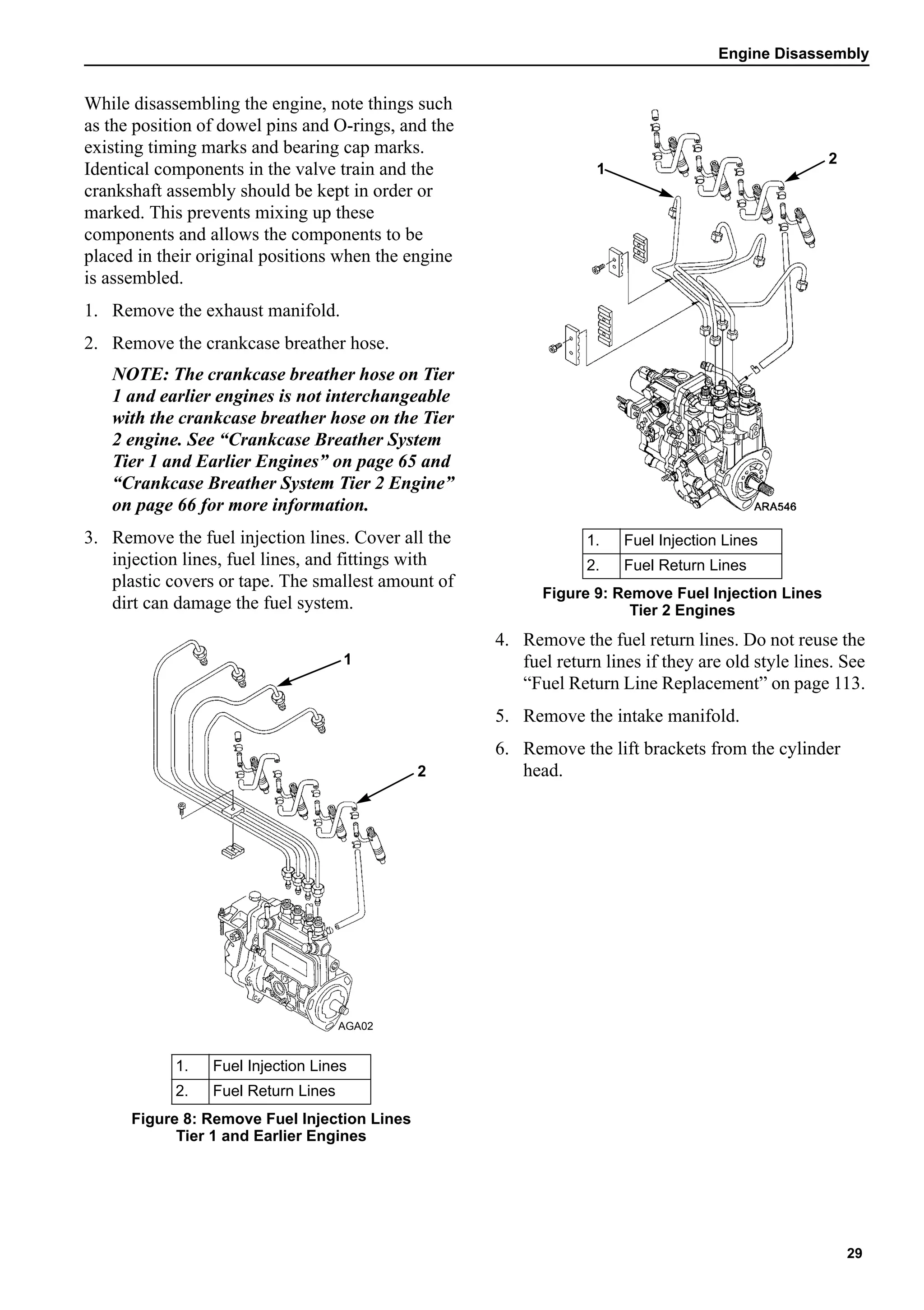
Figure 8: Remove Fuel Injection Lines Tier 1 and Earlier Engines . . . . . . . . . . . . . . . . . . . . . . . . . . . . . . . . . . . 29
Figure 9: Remove Fuel Injection Lines Tier 2 Engines . . . . . . . . . . . . . . . . . . . . . . . . . . . . . . . . . . . . . . . . . . . . 29
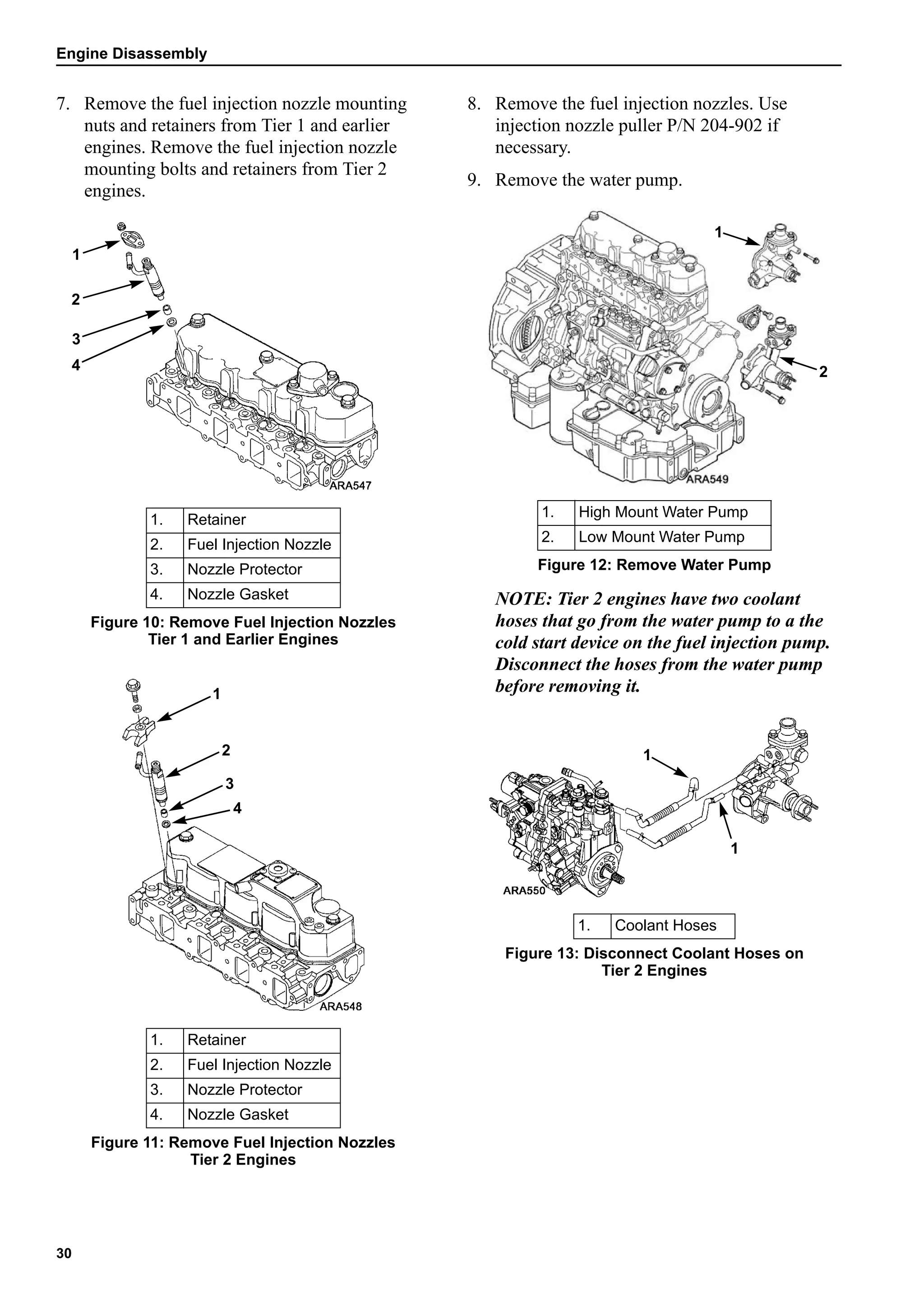
Figure 10: Remove Fuel Injection Nozzles Tier 1 and Earlier Engines . . . . . . . . . . . . . . . . . . . . . . . . . . . . . . . . 30
Figure 11: Remove Fuel Injection Nozzles Tier 2 Engines . . . . . . . . . . . . . . . . . . . . . . . . . . . . . . . . . . . . . . . . . 30
Figure 12: Remove Water Pump . . . . . . . . . . . . . . . . . . . . . . . . . . . . . . . . . . . . . . . . . . . . . . . . . . . . . . . . . . . . 30
Figure 13: Disconnect Coolant Hoses on Tier 2 Engines . . . . . . . . . . . . . . . . . . . . . . . . . . . . . . . . . . . . . . . . . . 30
Figure 14: Remove Valve Cover . . . . . . . . . . . . . . . . . . . . . . . . . . . . . . . . . . . . . . . . . . . . . . . . . . . . . . . . . . . . . 31
Figure 15: Remove Rocker Arm Assembly . . . . . . . . . . . . . . . . . . . . . . . . . . . . . . . . . . . . . . . . . . . . . . . . . . . . . 31
Figure 16: Remove Valve Stem Caps . . . . . . . . . . . . . . . . . . . . . . . . . . . . . . . . . . . . . . . . . . . . . . . . . . . . . . . . . 31
Figure 17: Remove Cylinder Head . . . . . . . . . . . . . . . . . . . . . . . . . . . . . . . . . . . . . . . . . . . . . . . . . . . . . . . . . . . 31
Figure 18: Remove Oil Filter and Oil Filter Head . . . . . . . . . . . . . . . . . . . . . . . . . . . . . . . . . . . . . . . . . . . . . . . . 32
Figure 19: Remove Oil Line . . . . . . . . . . . . . . . . . . . . . . . . . . . . . . . . . . . . . . . . . . . . . . . . . . . . . . . . . . . . . . . . 32
Figure 20: Remove Fuel Transfer Pump . . . . . . . . . . . . . . . . . . . . . . . . . . . . . . . . . . . . . . . . . . . . . . . . . . . . . . . 32
Figure 21: Remove Crankshaft Pulley . . . . . . . . . . . . . . . . . . . . . . . . . . . . . . . . . . . . . . . . . . . . . . . . . . . . . . . . 32
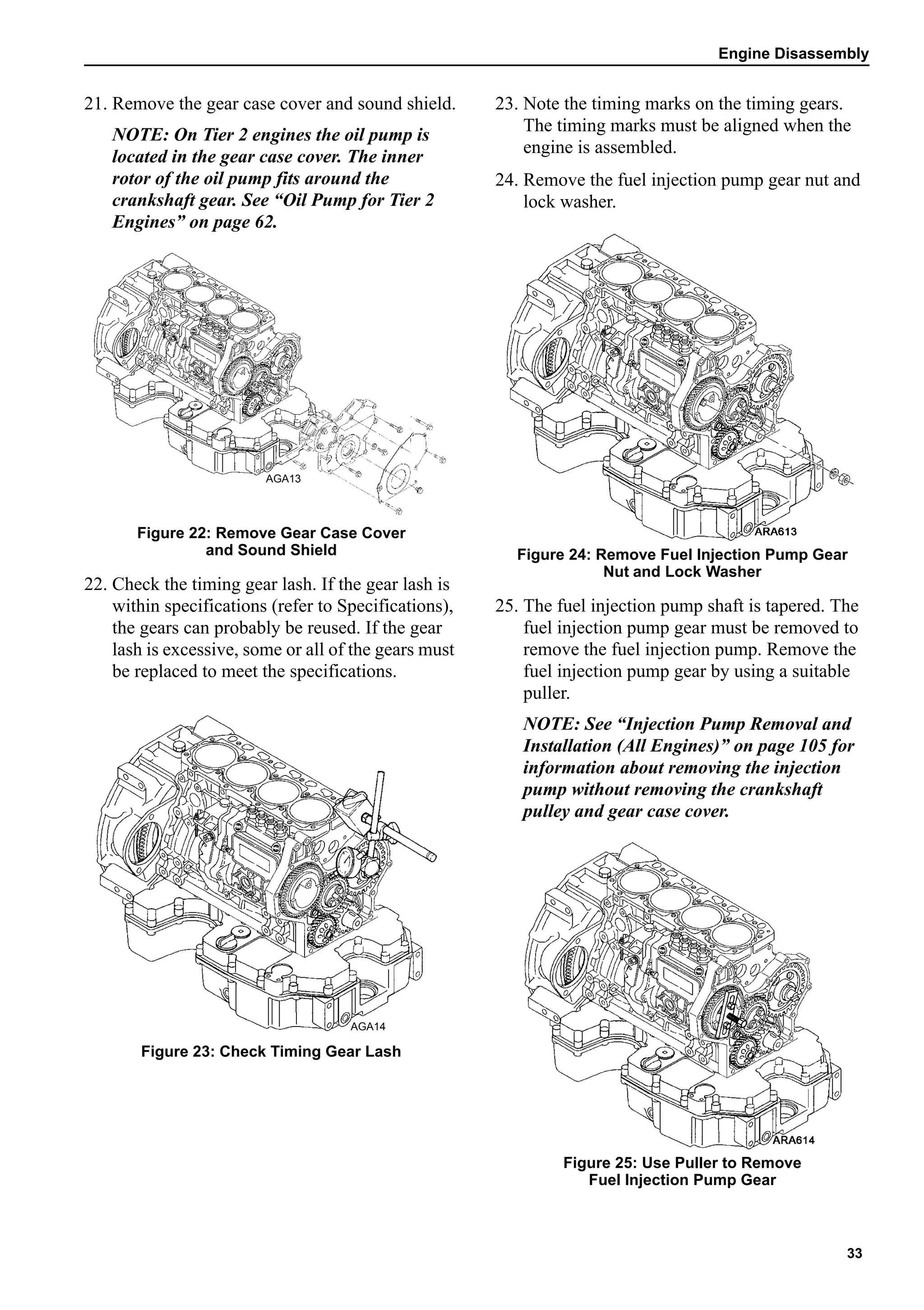
Figure 22: Remove Gear Case Cover and Sound Shield . . . . . . . . . . . . . . . . . . . . . . . . . . . . . . . . . . . . . . . . . . 33
Figure 23: Check Timing Gear Lash . . . . . . . . . . . . . . . . . . . . . . . . . . . . . . . . . . . . . . . . . . . . . . . . . . . . . . . . . . 33
Figure 24: Remove Fuel Injection Pump Gear Nut and Lock Washer . . . . . . . . . . . . . . . . . . . . . . . . . . . . . . . . 33
Figure 25: Use Puller to Remove Fuel Injection Pump Gear . . . . . . . . . . . . . . . . . . . . . . . . . . . . . . . . . . . . . . . 33
Figure 26: Single-Piece Fuel Injection Pump Gear Early Engines . . . . . . . . . . . . . . . . . . . . . . . . . . . . . . . . . . . 34
Figure 27: Three-Piece Fuel Injection Pump Gear Tier 1 Engine . . . . . . . . . . . . . . . . . . . . . . . . . . . . . . . . . . . . 34
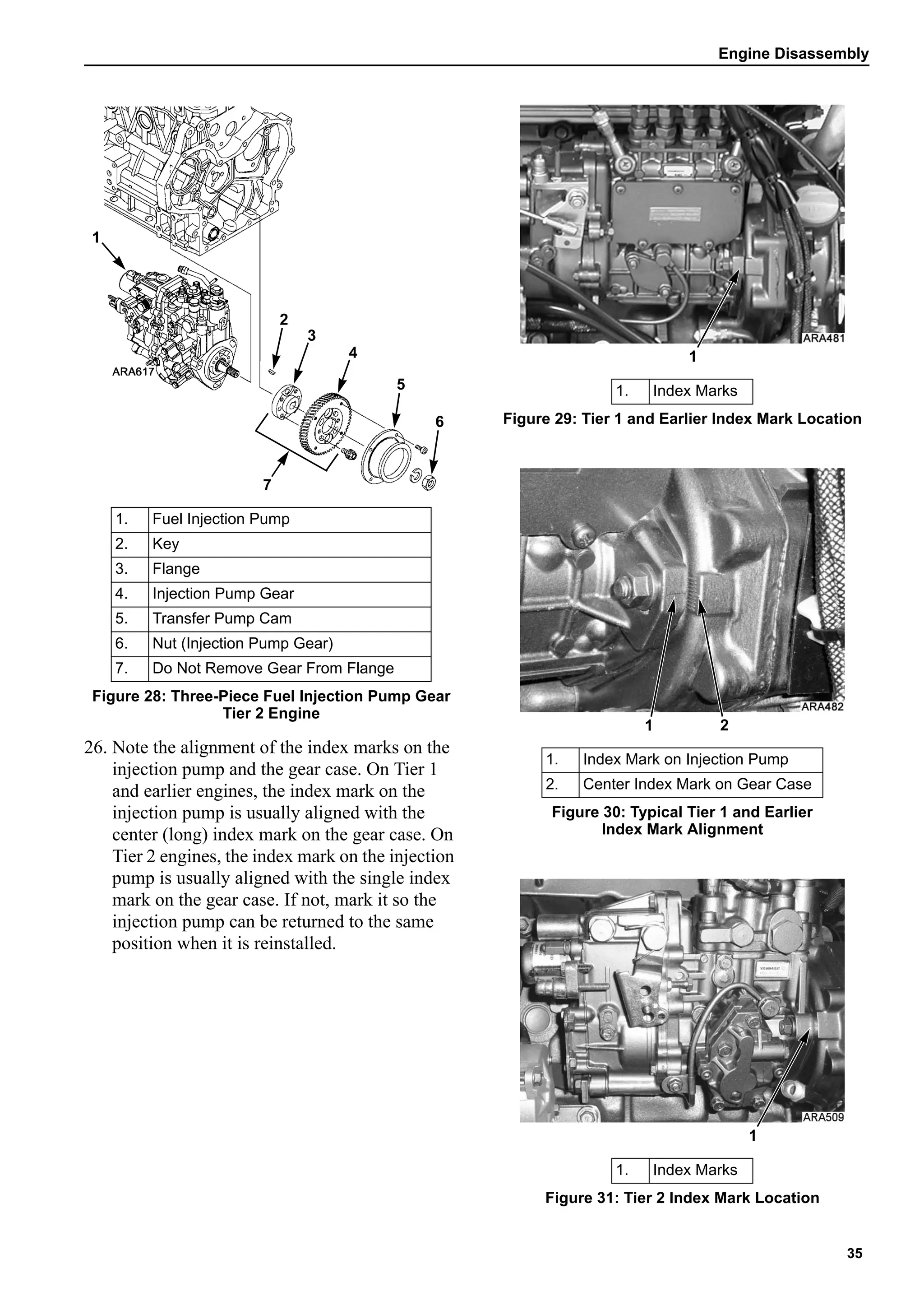
Figure 28: Three-Piece Fuel Injection Pump Gear Tier 2 Engine . . . . . . . . . . . . . . . . . . . . . . . . . . . . . . . . . . . . 35
Figure 29: Tier 1 and Earlier Index Mark Location . . . . . . . . . . . . . . . . . . . . . . . . . . . . . . . . . . . . . . . . . . . . . . . 35
Figure 30: Typical Tier 1 and Earlier Index Mark Alignment . . . . . . . . . . . . . . . . . . . . . . . . . . . . . . . . . . . . . . . . 35
Figure 31: Tier 2 Index Mark Location . . . . . . . . . . . . . . . . . . . . . . . . . . . . . . . . . . . . . . . . . . . . . . . . . . . . . . . . 35
Figure 32: Typical Tier 2 Index Mark Alignment . . . . . . . . . . . . . . . . . . . . . . . . . . . . . . . . . . . . . . . . . . . . . . . . . 36
Figure 33: Remove Fuel Injection Pump Tier 1 and Earlier Engines . . . . . . . . . . . . . . . . . . . . . . . . . . . . . . . . . 36
Figure 34: Remove Fuel Injection Pump Tier 2 Engines . . . . . . . . . . . . . . . . . . . . . . . . . . . . . . . . . . . . . . . . . . . 36
Figure 35: Remove Oil Pump Tier 1 and Earlier Engines . . . . . . . . . . . . . . . . . . . . . . . . . . . . . . . . . . . . . . . . . . 36
Figure 36: Remove Idler Gear and Idler Gear Shaft . . . . . . . . . . . . . . . . . . . . . . . . . . . . . . . . . . . . . . . . . . . . . . 36
Figure 37: Remove Flywheel . . . . . . . . . . . . . . . . . . . . . . . . . . . . . . . . . . . . . . . . . . . . . . . . . . . . . . . . . . . . . . . 37
Figure 38: Remove Bellhousing . . . . . . . . . . . . . . . . . . . . . . . . . . . . . . . . . . . . . . . . . . . . . . . . . . . . . . . . . . . . . 37
Figure 39: Rear Seal Removal Tool . . . . . . . . . . . . . . . . . . . . . . . . . . . . . . . . . . . . . . . . . . . . . . . . . . . . . . . . . . 37
Figure 40: Remove Rear Seal Housing . . . . . . . . . . . . . . . . . . . . . . . . . . . . . . . . . . . . . . . . . . . . . . . . . . . . . . . 38
Figure 41: Remove Oil Pan . . . . . . . . . . . . . . . . . . . . . . . . . . . . . . . . . . . . . . . . . . . . . . . . . . . . . . . . . . . . . . . . . 38
Figure 42: Remove Oil Pump Intake Pipe . . . . . . . . . . . . . . . . . . . . . . . . . . . . . . . . . . . . . . . . . . . . . . . . . . . . . . 38
Figure 43: Remove Camshaft Mounting Bolts . . . . . . . . . . . . . . . . . . . . . . . . . . . . . . . . . . . . . . . . . . . . . . . . . . 38
Figure 44: Remove Camshaft . . . . . . . . . . . . . . . . . . . . . . . . . . . . . . . . . . . . . . . . . . . . . . . . . . . . . . . . . . . . . . . 39
Figure 45: Remove Tappets . . . . . . . . . . . . . . . . . . . . . . . . . . . . . . . . . . . . . . . . . . . . . . . . . . . . . . . . . . . . . . . . 39
Figure 46: Remove Gear Case . . . . . . . . . . . . . . . . . . . . . . . . . . . . . . . . . . . . . . . . . . . . . . . . . . . . . . . . . . . . . . 39
Figure 47: Remove Piston and Rod Assemblies . . . . . . . . . . . . . . . . . . . . . . . . . . . . . . . . . . . . . . . . . . . . . . . . 39
Figure 48: Remove Crankshaft . . . . . . . . . . . . . . . . . . . . . . . . . . . . . . . . . . . . . . . . . . . . . . . . . . . . . . . . . . . . . . 40
Figure 49: Measuring Cylinder Diameter . . . . . . . . . . . . . . . . . . . . . . . . . . . . . . . . . . . . . . . . . . . . . . . . . . . . . . 41
Figure 50: Cylinder Measuring Positions . . . . . . . . . . . . . . . . . . . . . . . . . . . . . . . . . . . . . . . . . . . . . . . . . . . . . . 41
Figure 51: Pressing Tool Dimensions . . . . . . . . . . . . . . . . . . . . . . . . . . . . . . . . . . . . . . . . . . . . . . . . . . . . . . . . . 42
Figure 52: Cylinder Sleeve . . . . . . . . . . . . . . . . . . . . . . . . . . . . . . . . . . . . . . . . . . . . . . . . . . . . . . . . . . . . . . . . . 42
Figure 53: Cylinder Sleeve Installation . . . . . . . . . . . . . . . . . . . . . . . . . . . . . . . . . . . . . . . . . . . . . . . . . . . . . . . . 43
Figure 54: Measuring Front Camshaft Bearing Insert . . . . . . . . . . . . . . . . . . . . . . . . . . . . . . . . . . . . . . . . . . . . . 43
Figure 55: Main Bearing Cap Marks . . . . . . . . . . . . . . . . . . . . . . . . . . . . . . . . . . . . . . . . . . . . . . . . . . . . . . . . . . 44
Figure 56: Measuring Main Bearing Bore . . . . . . . . . . . . . . . . . . . . . . . . . . . . . . . . . . . . . . . . . . . . . . . . . . . . . . 44
Figure 57: Checking Main Bearing Bore Alignment . . . . . . . . . . . . . . . . . . . . . . . . . . . . . . . . . . . . . . . . . . . . . . 44
Figure 58: Measuring Main Journal . . . . . . . . . . . . . . . . . . . . . . . . . . . . . . . . . . . . . . . . . . . . . . . . . . . . . . . . . . 45
List of Figures
6
Figure 59: Measuring Rod Journal . . . . . . . . . . . . . . . . . . . . . . . . . . . . . . . . . . . . . . . . . . . . . . . . . . . . . . . . . . .45
Figure 60: Measuring Crankshaft Deflection . . . . . . . . . . . . . . . . . . . . . . . . . . . . . . . . . . . . . . . . . . . . . . . . . . . .46
Figure 61: Crankshaft Deflection . . . . . . . . . . . . . . . . . . . . . . . . . . . . . . . . . . . . . . . . . . . . . . . . . . . . . . . . . . . . .46
Figure 62: Piston Measuring Point . . . . . . . . . . . . . . . . . . . . . . . . . . . . . . . . . . . . . . . . . . . . . . . . . . . . . . . . . . .46
Figure 63: Measuring Piston . . . . . . . . . . . . . . . . . . . . . . . . . . . . . . . . . . . . . . . . . . . . . . . . . . . . . . . . . . . . . . . .47
Figure 64: Checking Ring Clearance . . . . . . . . . . . . . . . . . . . . . . . . . . . . . . . . . . . . . . . . . . . . . . . . . . . . . . . . . .47
Figure 65: Measuring Wrist Pin . . . . . . . . . . . . . . . . . . . . . . . . . . . . . . . . . . . . . . . . . . . . . . . . . . . . . . . . . . . . . .47
Figure 66: Measuring Rod Bearing or Bearing Bore . . . . . . . . . . . . . . . . . . . . . . . . . . . . . . . . . . . . . . . . . . . . . .48
Figure 67: Measuring Connecting Rod Twist and Parallelism . . . . . . . . . . . . . . . . . . . . . . . . . . . . . . . . . . . . . . .48
Figure 68: Measuring Wrist Pin Bushing . . . . . . . . . . . . . . . . . . . . . . . . . . . . . . . . . . . . . . . . . . . . . . . . . . . . . . .49
Figure 69: Measuring Idler Gear Bushing . . . . . . . . . . . . . . . . . . . . . . . . . . . . . . . . . . . . . . . . . . . . . . . . . . . . . .49
Figure 70: Measuring Idler Gear Shaft . . . . . . . . . . . . . . . . . . . . . . . . . . . . . . . . . . . . . . . . . . . . . . . . . . . . . . . .49
Figure 71: Measuring Camshaft Journals . . . . . . . . . . . . . . . . . . . . . . . . . . . . . . . . . . . . . . . . . . . . . . . . . . . . . .50
Figure 72: Measuring Cam Lobes . . . . . . . . . . . . . . . . . . . . . . . . . . . . . . . . . . . . . . . . . . . . . . . . . . . . . . . . . . . .50
Figure 73: Measuring Camshaft Deflection . . . . . . . . . . . . . . . . . . . . . . . . . . . . . . . . . . . . . . . . . . . . . . . . . . . . .50
Figure 74: Checking Thrust Plate Clearance . . . . . . . . . . . . . . . . . . . . . . . . . . . . . . . . . . . . . . . . . . . . . . . . . . . .50
Figure 75: Checking Cylinder Head Distortion . . . . . . . . . . . . . . . . . . . . . . . . . . . . . . . . . . . . . . . . . . . . . . . . . .51
Figure 76: Cylinder Head Components . . . . . . . . . . . . . . . . . . . . . . . . . . . . . . . . . . . . . . . . . . . . . . . . . . . . . . . .51
Figure 77: Removing or Installing Valve Guides . . . . . . . . . . . . . . . . . . . . . . . . . . . . . . . . . . . . . . . . . . . . . . . . .52
Figure 78: Valve Guide Projection . . . . . . . . . . . . . . . . . . . . . . . . . . . . . . . . . . . . . . . . . . . . . . . . . . . . . . . . . . . .52
Figure 79: Valve Depth . . . . . . . . . . . . . . . . . . . . . . . . . . . . . . . . . . . . . . . . . . . . . . . . . . . . . . . . . . . . . . . . . . . .52
Figure 80: Measuring Valve Depth . . . . . . . . . . . . . . . . . . . . . . . . . . . . . . . . . . . . . . . . . . . . . . . . . . . . . . . . . . .53
Figure 81: Measuring Valve Stem . . . . . . . . . . . . . . . . . . . . . . . . . . . . . . . . . . . . . . . . . . . . . . . . . . . . . . . . . . . .53
Figure 82: Valve Margin . . . . . . . . . . . . . . . . . . . . . . . . . . . . . . . . . . . . . . . . . . . . . . . . . . . . . . . . . . . . . . . . . . .53
Figure 83: Intake Valve Seat Angles . . . . . . . . . . . . . . . . . . . . . . . . . . . . . . . . . . . . . . . . . . . . . . . . . . . . . . . . . .54
Figure 84: Exhaust Valve Seat Angles . . . . . . . . . . . . . . . . . . . . . . . . . . . . . . . . . . . . . . . . . . . . . . . . . . . . . . . .54
Figure 85: Measuring Valve Seat Width . . . . . . . . . . . . . . . . . . . . . . . . . . . . . . . . . . . . . . . . . . . . . . . . . . . . . . .54
Figure 86: Dimensions for Replacement Valve Seat Bores Tier 1 and Earlier Engines . . . . . . . . . . . . . . . . . . .55
Figure 87: Dimensions for Replacement Valve Seat Bores Tier 2 Engines . . . . . . . . . . . . . . . . . . . . . . . . . . . .55
Figure 88: Measuring Valve Spring Free Length . . . . . . . . . . . . . . . . . . . . . . . . . . . . . . . . . . . . . . . . . . . . . . . . .56
Figure 89: Checking Valve Spring Inclination . . . . . . . . . . . . . . . . . . . . . . . . . . . . . . . . . . . . . . . . . . . . . . . . . . .56
Figure 90: Valve Spring Measurements . . . . . . . . . . . . . . . . . . . . . . . . . . . . . . . . . . . . . . . . . . . . . . . . . . . . . . .56
Figure 91: Installing Valve Stem Seals . . . . . . . . . . . . . . . . . . . . . . . . . . . . . . . . . . . . . . . . . . . . . . . . . . . . . . . .56
Figure 92: Valve Spring . . . . . . . . . . . . . . . . . . . . . . . . . . . . . . . . . . . . . . . . . . . . . . . . . . . . . . . . . . . . . . . . . . . .57
Figure 93: Lapping Valves . . . . . . . . . . . . . . . . . . . . . . . . . . . . . . . . . . . . . . . . . . . . . . . . . . . . . . . . . . . . . . . . . .57
Figure 94: Rocker Arm Assembly . . . . . . . . . . . . . . . . . . . . . . . . . . . . . . . . . . . . . . . . . . . . . . . . . . . . . . . . . . . .58
Figure 95: Measuring Rocker Arm Shaft . . . . . . . . . . . . . . . . . . . . . . . . . . . . . . . . . . . . . . . . . . . . . . . . . . . . . . .59
Figure 96: Measuring Rocker Arm Bushing . . . . . . . . . . . . . . . . . . . . . . . . . . . . . . . . . . . . . . . . . . . . . . . . . . . . .59
Figure 97: Checking Bend in Push Rods . . . . . . . . . . . . . . . . . . . . . . . . . . . . . . . . . . . . . . . . . . . . . . . . . . . . . . .60
Figure 98: Tappet Wear . . . . . . . . . . . . . . . . . . . . . . . . . . . . . . . . . . . . . . . . . . . . . . . . . . . . . . . . . . . . . . . . . . . .60
Figure 99: Measuring Tappet . . . . . . . . . . . . . . . . . . . . . . . . . . . . . . . . . . . . . . . . . . . . . . . . . . . . . . . . . . . . . . .60
Figure 100: Oil Pump Assembly Tier 1 and Earlier Engines . . . . . . . . . . . . . . . . . . . . . . . . . . . . . . . . . . . . . . . .61
Figure 101: Checking Clearance Between Oil Pump Body and Outer Rotor . . . . . . . . . . . . . . . . . . . . . . . . . . .61
Figure 102: Checking Clearance Between Inner Rotor and Outer Rotor . . . . . . . . . . . . . . . . . . . . . . . . . . . . . .61
Figure 103: Checking Clearance Between Rotor Plate and Rotors . . . . . . . . . . . . . . . . . . . . . . . . . . . . . . . . . .62
Figure 104: Mark on Outer Rotor Faces Oil Pump Cover . . . . . . . . . . . . . . . . . . . . . . . . . . . . . . . . . . . . . . . . . .62
Figure 105: Oil Pump Located in Gear Case Cover on Tier 2 Engines . . . . . . . . . . . . . . . . . . . . . . . . . . . . . . . .62
Figure 106: Oil Pump Components Tier 2 Engines . . . . . . . . . . . . . . . . . . . . . . . . . . . . . . . . . . . . . . . . . . . . . . .63
Figure 107: Measure Inner Rotor to Crankshaft Gear Boss Clearance . . . . . . . . . . . . . . . . . . . . . . . . . . . . . . . .63
Figure 108: Oil Pressure Control Valve . . . . . . . . . . . . . . . . . . . . . . . . . . . . . . . . . . . . . . . . . . . . . . . . . . . . . . . .63
Figure 109: Water Pump and Thermostat Assemblies Tier 1 and Earlier Engines . . . . . . . . . . . . . . . . . . . . . . .64
Figure 110: Water Pump and Thermostat Assembly Tier 2 Engine . . . . . . . . . . . . . . . . . . . . . . . . . . . . . . . . . .64
Figure 111: Crankcase Breather Tier 1 and Earlier Engines . . . . . . . . . . . . . . . . . . . . . . . . . . . . . . . . . . . . . . . .65
Figure 112: Crankcase Breather Tier 2 Engine . . . . . . . . . . . . . . . . . . . . . . . . . . . . . . . . . . . . . . . . . . . . . . . . . .66
Figure 113: Magnehelic Gauge Adapter . . . . . . . . . . . . . . . . . . . . . . . . . . . . . . . . . . . . . . . . . . . . . . . . . . . . . . .67
Figure 114: Measuring Crankcase Pressure . . . . . . . . . . . . . . . . . . . . . . . . . . . . . . . . . . . . . . . . . . . . . . . . . . . .67
Figure 115: Install Camshaft Bearing . . . . . . . . . . . . . . . . . . . . . . . . . . . . . . . . . . . . . . . . . . . . . . . . . . . . . . . . .69
Figure 116: Install Upper Main Bearings . . . . . . . . . . . . . . . . . . . . . . . . . . . . . . . . . . . . . . . . . . . . . . . . . . . . . . .69
Figure 117: Install Upper Thrust Bearings . . . . . . . . . . . . . . . . . . . . . . . . . . . . . . . . . . . . . . . . . . . . . . . . . . . . . .70
Figure 118: Install Crankshaft . . . . . . . . . . . . . . . . . . . . . . . . . . . . . . . . . . . . . . . . . . . . . . . . . . . . . . . . . . . . . . .70
List of Figures
7
Figure 119: Install Lower Main Bearings . . . . . . . . . . . . . . . . . . . . . . . . . . . . . . . . . . . . . . . . . . . . . . . . . . . . . . . 70
Figure 120: Install Lower Thrust Bearings . . . . . . . . . . . . . . . . . . . . . . . . . . . . . . . . . . . . . . . . . . . . . . . . . . . . . 70
Figure 121: Main Bearing Cap Placement . . . . . . . . . . . . . . . . . . . . . . . . . . . . . . . . . . . . . . . . . . . . . . . . . . . . . 71
Figure 122: Install Main Bearing Bolts . . . . . . . . . . . . . . . . . . . . . . . . . . . . . . . . . . . . . . . . . . . . . . . . . . . . . . . . 71
Figure 123: Check Plastigauge . . . . . . . . . . . . . . . . . . . . . . . . . . . . . . . . . . . . . . . . . . . . . . . . . . . . . . . . . . . . . . 71
Figure 124: Check End Play . . . . . . . . . . . . . . . . . . . . . . . . . . . . . . . . . . . . . . . . . . . . . . . . . . . . . . . . . . . . . . . . 71
Figure 125: Assemble Piston and Rod . . . . . . . . . . . . . . . . . . . . . . . . . . . . . . . . . . . . . . . . . . . . . . . . . . . . . . . . 72
Figure 126: Ring Placement Tier 1 and Earlier Engines . . . . . . . . . . . . . . . . . . . . . . . . . . . . . . . . . . . . . . . . . . . 72
Figure 127: Ring Placement Tier 2 Engines . . . . . . . . . . . . . . . . . . . . . . . . . . . . . . . . . . . . . . . . . . . . . . . . . . . . 72
Figure 128: Check Ring End Gap . . . . . . . . . . . . . . . . . . . . . . . . . . . . . . . . . . . . . . . . . . . . . . . . . . . . . . . . . . . . 73
Figure 129: Mark on Ring Faces Up . . . . . . . . . . . . . . . . . . . . . . . . . . . . . . . . . . . . . . . . . . . . . . . . . . . . . . . . . . 73
Figure 130: Oil Ring Installation . . . . . . . . . . . . . . . . . . . . . . . . . . . . . . . . . . . . . . . . . . . . . . . . . . . . . . . . . . . . . 73
Figure 131: Ring Alignment . . . . . . . . . . . . . . . . . . . . . . . . . . . . . . . . . . . . . . . . . . . . . . . . . . . . . . . . . . . . . . . . 73
Figure 132: Install Piston . . . . . . . . . . . . . . . . . . . . . . . . . . . . . . . . . . . . . . . . . . . . . . . . . . . . . . . . . . . . . . . . . . 74
Figure 133: Install Rod Cap and Bolts . . . . . . . . . . . . . . . . . . . . . . . . . . . . . . . . . . . . . . . . . . . . . . . . . . . . . . . . 74
Figure 134: Check Plastigauge . . . . . . . . . . . . . . . . . . . . . . . . . . . . . . . . . . . . . . . . . . . . . . . . . . . . . . . . . . . . . . 74
Figure 135: Front of Engine Block . . . . . . . . . . . . . . . . . . . . . . . . . . . . . . . . . . . . . . . . . . . . . . . . . . . . . . . . . . . 75
Figure 136: Install Gear Case . . . . . . . . . . . . . . . . . . . . . . . . . . . . . . . . . . . . . . . . . . . . . . . . . . . . . . . . . . . . . . . 75
Figure 137: Install Tappets . . . . . . . . . . . . . . . . . . . . . . . . . . . . . . . . . . . . . . . . . . . . . . . . . . . . . . . . . . . . . . . . . 75
Figure 138: Install Camshaft . . . . . . . . . . . . . . . . . . . . . . . . . . . . . . . . . . . . . . . . . . . . . . . . . . . . . . . . . . . . . . . . 75
Figure 139: Install Camshaft Mounting Bolts . . . . . . . . . . . . . . . . . . . . . . . . . . . . . . . . . . . . . . . . . . . . . . . . . . . 76
Figure 140: Install Oil Pump Tier 1 and Earlier Engines . . . . . . . . . . . . . . . . . . . . . . . . . . . . . . . . . . . . . . . . . . . 76
Figure 141: Install Fuel Injection Pump Tier 1 and Earlier Engines . . . . . . . . . . . . . . . . . . . . . . . . . . . . . . . . . . 76
Figure 142: Install Fuel Injection Pump Tier 2 Engines . . . . . . . . . . . . . . . . . . . . . . . . . . . . . . . . . . . . . . . . . . . 76
Figure 143: Tier 1 and Earlier Index Mark Location . . . . . . . . . . . . . . . . . . . . . . . . . . . . . . . . . . . . . . . . . . . . . . 77
Figure 144: Typical Tier 1 and Earlier Index Mark Alignment . . . . . . . . . . . . . . . . . . . . . . . . . . . . . . . . . . . . . . . 77
Figure 145: Tier 2 Index Mark Location . . . . . . . . . . . . . . . . . . . . . . . . . . . . . . . . . . . . . . . . . . . . . . . . . . . . . . . 77
Figure 146: Typical Tier 2 Index Mark Alignment . . . . . . . . . . . . . . . . . . . . . . . . . . . . . . . . . . . . . . . . . . . . . . . . 77
Figure 147: Install Fuel Injection Pump Gear . . . . . . . . . . . . . . . . . . . . . . . . . . . . . . . . . . . . . . . . . . . . . . . . . . . 77
Figure 148: Install Idler Gear and Idler Shaft . . . . . . . . . . . . . . . . . . . . . . . . . . . . . . . . . . . . . . . . . . . . . . . . . . . 78
Figure 149: Align Timing Marks . . . . . . . . . . . . . . . . . . . . . . . . . . . . . . . . . . . . . . . . . . . . . . . . . . . . . . . . . . . . . 78
Figure 150: Install Cylinder Head and Gasket . . . . . . . . . . . . . . . . . . . . . . . . . . . . . . . . . . . . . . . . . . . . . . . . . . 78
Figure 151: Cylinder Head Bolt Torque Sequence . . . . . . . . . . . . . . . . . . . . . . . . . . . . . . . . . . . . . . . . . . . . . . . 79
Figure 152: Install Valve Stem Caps . . . . . . . . . . . . . . . . . . . . . . . . . . . . . . . . . . . . . . . . . . . . . . . . . . . . . . . . . . 79
Figure 153: Install Rocker Arm Assembly . . . . . . . . . . . . . . . . . . . . . . . . . . . . . . . . . . . . . . . . . . . . . . . . . . . . . . 79
Figure 154: Adjust Valves . . . . . . . . . . . . . . . . . . . . . . . . . . . . . . . . . . . . . . . . . . . . . . . . . . . . . . . . . . . . . . . . . . 79
Figure 155: Install Oil Filter Head and Oil Filter . . . . . . . . . . . . . . . . . . . . . . . . . . . . . . . . . . . . . . . . . . . . . . . . . 80
Figure 156: Install Valve Cover . . . . . . . . . . . . . . . . . . . . . . . . . . . . . . . . . . . . . . . . . . . . . . . . . . . . . . . . . . . . . . 81
Figure 157: Install Oil Pump Intake Pipe . . . . . . . . . . . . . . . . . . . . . . . . . . . . . . . . . . . . . . . . . . . . . . . . . . . . . . . 81
Figure 158: Install Oil Pan . . . . . . . . . . . . . . . . . . . . . . . . . . . . . . . . . . . . . . . . . . . . . . . . . . . . . . . . . . . . . . . . . . 81
Figure 159: Install Rear Seal Housing . . . . . . . . . . . . . . . . . . . . . . . . . . . . . . . . . . . . . . . . . . . . . . . . . . . . . . . . 82
Figure 160: Install Rear Seal with Tool P/N 204-952 . . . . . . . . . . . . . . . . . . . . . . . . . . . . . . . . . . . . . . . . . . . . . 83
Figure 161: Install Bellhousing . . . . . . . . . . . . . . . . . . . . . . . . . . . . . . . . . . . . . . . . . . . . . . . . . . . . . . . . . . . . . . 83
Figure 162: Install Flywheel . . . . . . . . . . . . . . . . . . . . . . . . . . . . . . . . . . . . . . . . . . . . . . . . . . . . . . . . . . . . . . . . 83
Figure 163: Gear Case . . . . . . . . . . . . . . . . . . . . . . . . . . . . . . . . . . . . . . . . . . . . . . . . . . . . . . . . . . . . . . . . . . . . 84
Figure 164: Align Flat Sides of Crankshaft Gear with Flat Sides of Inner Rotor in Timing Gear Cover . . . . . . . 84
Figure 165: Install Gear Case Cover and Sound Shield . . . . . . . . . . . . . . . . . . . . . . . . . . . . . . . . . . . . . . . . . . . 84
Figure 166: Install Front Seal . . . . . . . . . . . . . . . . . . . . . . . . . . . . . . . . . . . . . . . . . . . . . . . . . . . . . . . . . . . . . . . 85
Figure 167: Dowel Pin Alignment . . . . . . . . . . . . . . . . . . . . . . . . . . . . . . . . . . . . . . . . . . . . . . . . . . . . . . . . . . . . 85
Figure 168: Install Crankshaft Pulley . . . . . . . . . . . . . . . . . . . . . . . . . . . . . . . . . . . . . . . . . . . . . . . . . . . . . . . . . 85
Figure 169: Install Oil Line . . . . . . . . . . . . . . . . . . . . . . . . . . . . . . . . . . . . . . . . . . . . . . . . . . . . . . . . . . . . . . . . . 86
Figure 170: Install Fuel Transfer Pump . . . . . . . . . . . . . . . . . . . . . . . . . . . . . . . . . . . . . . . . . . . . . . . . . . . . . . . . 86
Figure 171: Install Water Pump . . . . . . . . . . . . . . . . . . . . . . . . . . . . . . . . . . . . . . . . . . . . . . . . . . . . . . . . . . . . . 86
Figure 172: Connect Coolant Hoses on Tier 2 Engines . . . . . . . . . . . . . . . . . . . . . . . . . . . . . . . . . . . . . . . . . . . 86
Figure 173: Install Fuel Injection Nozzles Tier 1 and Earlier Engines . . . . . . . . . . . . . . . . . . . . . . . . . . . . . . . . . 87
Figure 174: Install Fuel Injection Nozzles Tier 2 Engines . . . . . . . . . . . . . . . . . . . . . . . . . . . . . . . . . . . . . . . . . . 87
Figure 175: Install Fuel Injection Lines Tier 1 and Earlier Engines . . . . . . . . . . . . . . . . . . . . . . . . . . . . . . . . . . . 87
Figure 176: Install Fuel Injection Lines Tier 2 Engines . . . . . . . . . . . . . . . . . . . . . . . . . . . . . . . . . . . . . . . . . . . . 88
Figure 177: Fuel Injection Line Connections on Tier 2 Engines . . . . . . . . . . . . . . . . . . . . . . . . . . . . . . . . . . . . . 88
Figure 178: Lubrication System . . . . . . . . . . . . . . . . . . . . . . . . . . . . . . . . . . . . . . . . . . . . . . . . . . . . . . . . . . . . . 89
List of Figures
8
Figure 179: Typical Fuel System for Tier 1 and Earlier Engines . . . . . . . . . . . . . . . . . . . . . . . . . . . . . . . . . . . . .94
Figure 180: Typical Fuel System for Tier 2 Engines . . . . . . . . . . . . . . . . . . . . . . . . . . . . . . . . . . . . . . . . . . . . . .95
Figure 181: Tier 1 and Earlier Injection Pump . . . . . . . . . . . . . . . . . . . . . . . . . . . . . . . . . . . . . . . . . . . . . . . . . . .96
Figure 182: Tier 2 Injection Pump . . . . . . . . . . . . . . . . . . . . . . . . . . . . . . . . . . . . . . . . . . . . . . . . . . . . . . . . . . . .96
Figure 183: Component Location . . . . . . . . . . . . . . . . . . . . . . . . . . . . . . . . . . . . . . . . . . . . . . . . . . . . . . . . . . . .97
Figure 184: Top Dead Center One and Four . . . . . . . . . . . . . . . . . . . . . . . . . . . . . . . . . . . . . . . . . . . . . . . . . . . .97
Figure 185: Fuel Solenoid Connector Pin Identification . . . . . . . . . . . . . . . . . . . . . . . . . . . . . . . . . . . . . . . . . . .98
Figure 186: Timing Mark Alignment . . . . . . . . . . . . . . . . . . . . . . . . . . . . . . . . . . . . . . . . . . . . . . . . . . . . . . . . . . .98
Figure 187: Injection Pump . . . . . . . . . . . . . . . . . . . . . . . . . . . . . . . . . . . . . . . . . . . . . . . . . . . . . . . . . . . . . . . . .98
Figure 188: Correct Timing Mark Alignment for TK482 and TK486 . . . . . . . . . . . . . . . . . . . . . . . . . . . . . . . . . .99
Figure 189: Correct Timing Mark Alignment for TK482E and TK468E . . . . . . . . . . . . . . . . . . . . . . . . . . . . . . . .99
Figure 190: Correct Timing Mark Alignment for TK486EH . . . . . . . . . . . . . . . . . . . . . . . . . . . . . . . . . . . . . . . . .99
Figure 191: Three-Piece Fuel Injection Pump Gear . . . . . . . . . . . . . . . . . . . . . . . . . . . . . . . . . . . . . . . . . . . . .100
Figure 192: Timing Mark on Injection Pump Gear with Transfer Pump Cam Installed . . . . . . . . . . . . . . . . . . .100
Figure 193: Timing Mark on Injection Pump Gear without Transfer Pump Cam Installed . . . . . . . . . . . . . . . . .100
Figure 194: Flange and Injection Pump Gear Alignment with Transfer Pump Cam Installed . . . . . . . . . . . . . .101
Figure 195: Flange and Injection Pump Gear Alignment without Transfer Pump Cam Installed . . . . . . . . . . .101
Figure 196: Timing Mark Alignment . . . . . . . . . . . . . . . . . . . . . . . . . . . . . . . . . . . . . . . . . . . . . . . . . . . . . . . . . .101
Figure 197: Tier 2 Index Mark Location . . . . . . . . . . . . . . . . . . . . . . . . . . . . . . . . . . . . . . . . . . . . . . . . . . . . . . .102
Figure 198: Tier 2 Index Mark Alignment . . . . . . . . . . . . . . . . . . . . . . . . . . . . . . . . . . . . . . . . . . . . . . . . . . . . .102
Figure 199: Marking Gear Case . . . . . . . . . . . . . . . . . . . . . . . . . . . . . . . . . . . . . . . . . . . . . . . . . . . . . . . . . . . .102
Figure 200: Place Injection Angle Sticker on Gear Case . . . . . . . . . . . . . . . . . . . . . . . . . . . . . . . . . . . . . . . . .102
Figure 201: Injection Angle Sticker . . . . . . . . . . . . . . . . . . . . . . . . . . . . . . . . . . . . . . . . . . . . . . . . . . . . . . . . . .102
Figure 202: Removing Injection Pump Gear . . . . . . . . . . . . . . . . . . . . . . . . . . . . . . . . . . . . . . . . . . . . . . . . . . .103
Figure 203: Injection Angle Mark Location . . . . . . . . . . . . . . . . . . . . . . . . . . . . . . . . . . . . . . . . . . . . . . . . . . . .103
Figure 204: Injection Angle Mark . . . . . . . . . . . . . . . . . . . . . . . . . . . . . . . . . . . . . . . . . . . . . . . . . . . . . . . . . . . .103
Figure 205: Injection Pump Serial Number Location . . . . . . . . . . . . . . . . . . . . . . . . . . . . . . . . . . . . . . . . . . . . .103
Figure 206: Examples of Injection Pump Index Mark Alignment with Injection Angle Sticker . . . . . . . . . . . . . .104
Figure 207: Timing Mark Alignment . . . . . . . . . . . . . . . . . . . . . . . . . . . . . . . . . . . . . . . . . . . . . . . . . . . . . . . . . .104
Figure 208: Align Flat Sides of Crankshaft Gear with Flat Sides of Inner Rotor in Timing Gear Cover . . . . . .104
Figure 209: Tier 1 and Earlier Index Mark Location . . . . . . . . . . . . . . . . . . . . . . . . . . . . . . . . . . . . . . . . . . . . .105
Figure 210: Typical Tier 1 and Earlier Index Mark Alignment . . . . . . . . . . . . . . . . . . . . . . . . . . . . . . . . . . . . . .105
Figure 211: Tier 2 Index Mark Location . . . . . . . . . . . . . . . . . . . . . . . . . . . . . . . . . . . . . . . . . . . . . . . . . . . . . . .105
Figure 212: Typical Tier 2 Index Mark Alignment . . . . . . . . . . . . . . . . . . . . . . . . . . . . . . . . . . . . . . . . . . . . . . .105
Figure 213: Injection Pump Gear Tool . . . . . . . . . . . . . . . . . . . . . . . . . . . . . . . . . . . . . . . . . . . . . . . . . . . . . . . 106
Figure 214: Trochoid Feed Pump Location . . . . . . . . . . . . . . . . . . . . . . . . . . . . . . . . . . . . . . . . . . . . . . . . . . . .107
Figure 215: Trochoid Feed Pump Removal . . . . . . . . . . . . . . . . . . . . . . . . . . . . . . . . . . . . . . . . . . . . . . . . . . . .107
Figure 216: Trochoid Feed Pump . . . . . . . . . . . . . . . . . . . . . . . . . . . . . . . . . . . . . . . . . . . . . . . . . . . . . . . . . . .108
Figure 217: Trochoid Feed Pump Removal . . . . . . . . . . . . . . . . . . . . . . . . . . . . . . . . . . . . . . . . . . . . . . . . . . . .108
Figure 218: Trochoid Feed Pump Components . . . . . . . . . . . . . . . . . . . . . . . . . . . . . . . . . . . . . . . . . . . . . . . .109
Figure 219: Cold Start Device . . . . . . . . . . . . . . . . . . . . . . . . . . . . . . . . . . . . . . . . . . . . . . . . . . . . . . . . . . . . . .109
Figure 220: Remove Engine Coolant Fitting . . . . . . . . . . . . . . . . . . . . . . . . . . . . . . . . . . . . . . . . . . . . . . . . . . .110
Figure 221: Remove Cold Start Device . . . . . . . . . . . . . . . . . . . . . . . . . . . . . . . . . . . . . . . . . . . . . . . . . . . . . . .110
Figure 222: Clean Piston . . . . . . . . . . . . . . . . . . . . . . . . . . . . . . . . . . . . . . . . . . . . . . . . . . . . . . . . . . . . . . . . . .110
Figure 223: Testing Injection Nozzles . . . . . . . . . . . . . . . . . . . . . . . . . . . . . . . . . . . . . . . . . . . . . . . . . . . . . . . .111
Figure 224: Acceptable Spray Pattern . . . . . . . . . . . . . . . . . . . . . . . . . . . . . . . . . . . . . . . . . . . . . . . . . . . . . . . .111
Figure 225: Unacceptable Spray Pattern . . . . . . . . . . . . . . . . . . . . . . . . . . . . . . . . . . . . . . . . . . . . . . . . . . . . .111
Figure 226: Injection Nozzle Assembly . . . . . . . . . . . . . . . . . . . . . . . . . . . . . . . . . . . . . . . . . . . . . . . . . . . . . . .112
Figure 227: Testing Nozzle Valve and Seat Set . . . . . . . . . . . . . . . . . . . . . . . . . . . . . . . . . . . . . . . . . . . . . . . .113
Figure 228: Fuel Return Line Replacement Decal . . . . . . . . . . . . . . . . . . . . . . . . . . . . . . . . . . . . . . . . . . . . . .113
Figure 229: Fuel Return Line Replacement . . . . . . . . . . . . . . . . . . . . . . . . . . . . . . . . . . . . . . . . . . . . . . . . . . . .114
Figure 230: Outlet Stroke . . . . . . . . . . . . . . . . . . . . . . . . . . . . . . . . . . . . . . . . . . . . . . . . . . . . . . . . . . . . . . . . .114
Figure 231: Inlet and Delivery Stroke . . . . . . . . . . . . . . . . . . . . . . . . . . . . . . . . . . . . . . . . . . . . . . . . . . . . . . . .114
Figure 232: Pressure Controlled Delivery Stroke . . . . . . . . . . . . . . . . . . . . . . . . . . . . . . . . . . . . . . . . . . . . . . .115
Figure 233: Fuel Transfer Pump . . . . . . . . . . . . . . . . . . . . . . . . . . . . . . . . . . . . . . . . . . . . . . . . . . . . . . . . . . . .116
Figure 234: Fuel System Diagram . . . . . . . . . . . . . . . . . . . . . . . . . . . . . . . . . . . . . . . . . . . . . . . . . . . . . . . . . . .117
Figure 235: Fuel Filter Assembly . . . . . . . . . . . . . . . . . . . . . . . . . . . . . . . . . . . . . . . . . . . . . . . . . . . . . . . . . . . .118
Figure 236: Tier 1 and Earlier Injection Pump . . . . . . . . . . . . . . . . . . . . . . . . . . . . . . . . . . . . . . . . . . . . . . . . . .119
Figure 237: Tier 2 Injection Pump . . . . . . . . . . . . . . . . . . . . . . . . . . . . . . . . . . . . . . . . . . . . . . . . . . . . . . . . . . .120
Figure 238: Tier 1 and Earlier Starter . . . . . . . . . . . . . . . . . . . . . . . . . . . . . . . . . . . . . . . . . . . . . . . . . . . . . . . .123
List of Figures
9
Figure 239: Tier 2 Starter . . . . . . . . . . . . . . . . . . . . . . . . . . . . . . . . . . . . . . . . . . . . . . . . . . . . . . . . . . . . . . . . . 123
Figure 240: TK482/TK486 Starter (Tier 1 and Earlier Shown) . . . . . . . . . . . . . . . . . . . . . . . . . . . . . . . . . . . . . 124
Figure 241: di2.2/se2.2 Starter . . . . . . . . . . . . . . . . . . . . . . . . . . . . . . . . . . . . . . . . . . . . . . . . . . . . . . . . . . . . . 124
Figure 242: De-energized Starter . . . . . . . . . . . . . . . . . . . . . . . . . . . . . . . . . . . . . . . . . . . . . . . . . . . . . . . . . . . 125
Figure 243: Energized Starter . . . . . . . . . . . . . . . . . . . . . . . . . . . . . . . . . . . . . . . . . . . . . . . . . . . . . . . . . . . . . . 125
Figure 244: Starter Assembly . . . . . . . . . . . . . . . . . . . . . . . . . . . . . . . . . . . . . . . . . . . . . . . . . . . . . . . . . . . . . . 126
Figure 245: Check Brush Holders . . . . . . . . . . . . . . . . . . . . . . . . . . . . . . . . . . . . . . . . . . . . . . . . . . . . . . . . . . . 127
Figure 246: Measure Brushes . . . . . . . . . . . . . . . . . . . . . . . . . . . . . . . . . . . . . . . . . . . . . . . . . . . . . . . . . . . . . . 127
Figure 247: Check Field Coil . . . . . . . . . . . . . . . . . . . . . . . . . . . . . . . . . . . . . . . . . . . . . . . . . . . . . . . . . . . . . . . 128
Figure 248: Check Stator Insulation . . . . . . . . . . . . . . . . . . . . . . . . . . . . . . . . . . . . . . . . . . . . . . . . . . . . . . . . . 128
Figure 249: Check Armature Distortion . . . . . . . . . . . . . . . . . . . . . . . . . . . . . . . . . . . . . . . . . . . . . . . . . . . . . . . 128
Figure 250: Clean Up Commutator . . . . . . . . . . . . . . . . . . . . . . . . . . . . . . . . . . . . . . . . . . . . . . . . . . . . . . . . . . 129
Figure 251: Check Commutator Undercut . . . . . . . . . . . . . . . . . . . . . . . . . . . . . . . . . . . . . . . . . . . . . . . . . . . . 129
Figure 252: Check Armature Insulation . . . . . . . . . . . . . . . . . . . . . . . . . . . . . . . . . . . . . . . . . . . . . . . . . . . . . . 129
Figure 253: Check Shunt Coil . . . . . . . . . . . . . . . . . . . . . . . . . . . . . . . . . . . . . . . . . . . . . . . . . . . . . . . . . . . . . . 130
Figure 254: Check Series Coil . . . . . . . . . . . . . . . . . . . . . . . . . . . . . . . . . . . . . . . . . . . . . . . . . . . . . . . . . . . . . 130
Figure 255: Check Contacts . . . . . . . . . . . . . . . . . . . . . . . . . . . . . . . . . . . . . . . . . . . . . . . . . . . . . . . . . . . . . . . 130
Figure 256: Install Shift Lever and Spring . . . . . . . . . . . . . . . . . . . . . . . . . . . . . . . . . . . . . . . . . . . . . . . . . . . . . 130
Figure 257: No Load Test . . . . . . . . . . . . . . . . . . . . . . . . . . . . . . . . . . . . . . . . . . . . . . . . . . . . . . . . . . . . . . . . . 131
Figure 258: Air Heater . . . . . . . . . . . . . . . . . . . . . . . . . . . . . . . . . . . . . . . . . . . . . . . . . . . . . . . . . . . . . . . . . . . . 131
Figure 259: Fuel Solenoid Connector Pin Identification . . . . . . . . . . . . . . . . . . . . . . . . . . . . . . . . . . . . . . . . . . 132
Figure 260: Fuel Solenoid Components . . . . . . . . . . . . . . . . . . . . . . . . . . . . . . . . . . . . . . . . . . . . . . . . . . . . . . 133
Figure 261: Fuel Solenoid Timer . . . . . . . . . . . . . . . . . . . . . . . . . . . . . . . . . . . . . . . . . . . . . . . . . . . . . . . . . . . . 133
Figure 262: Simplified Schematic Diagram of Fuel Solenoid System . . . . . . . . . . . . . . . . . . . . . . . . . . . . . . . . 134
Figure 263: Main Wire Harness Connector Pin Identification . . . . . . . . . . . . . . . . . . . . . . . . . . . . . . . . . . . . . . 134
Figure 264: Fuel Solenoid Connector Pin Identification . . . . . . . . . . . . . . . . . . . . . . . . . . . . . . . . . . . . . . . . . . 134
Figure 265: Relay Socket Terminal Identification . . . . . . . . . . . . . . . . . . . . . . . . . . . . . . . . . . . . . . . . . . . . . . . 135
Figure 266: Top Dead Center One and Four . . . . . . . . . . . . . . . . . . . . . . . . . . . . . . . . . . . . . . . . . . . . . . . . . . 137
Figure 267: Valve Clearance . . . . . . . . . . . . . . . . . . . . . . . . . . . . . . . . . . . . . . . . . . . . . . . . . . . . . . . . . . . . . . 138
Figure 268: Adjusting Valves . . . . . . . . . . . . . . . . . . . . . . . . . . . . . . . . . . . . . . . . . . . . . . . . . . . . . . . . . . . . . . 138
Figure 269: Early Engine Shown Others Similar . . . . . . . . . . . . . . . . . . . . . . . . . . . . . . . . . . . . . . . . . . . . . . . . 141
Figure 270: Remove Crankshaft Pulley . . . . . . . . . . . . . . . . . . . . . . . . . . . . . . . . . . . . . . . . . . . . . . . . . . . . . . 141
Figure 271: Remove Sound Shield and Gear Case Cover . . . . . . . . . . . . . . . . . . . . . . . . . . . . . . . . . . . . . . . . 141
Figure 272: Oil Pump Located in Gear Case Cover on Tier 2 Engines . . . . . . . . . . . . . . . . . . . . . . . . . . . . . . 141
Figure 273: Remove Oil Pump Tier 1 and Earlier Engines . . . . . . . . . . . . . . . . . . . . . . . . . . . . . . . . . . . . . . . . 142
Figure 274: Check Intake Pipe Gasket Tier 1 and Earlier Engines . . . . . . . . . . . . . . . . . . . . . . . . . . . . . . . . . . 142
Figure 275: Gear Case . . . . . . . . . . . . . . . . . . . . . . . . . . . . . . . . . . . . . . . . . . . . . . . . . . . . . . . . . . . . . . . . . . . 142
Figure 276: Align Flat Sides of Crankshaft Gear with Flat Sides of Inner Rotor in Timing Gear Cover . . . . . . 143
Figure 277: Dowel Pin Alignment . . . . . . . . . . . . . . . . . . . . . . . . . . . . . . . . . . . . . . . . . . . . . . . . . . . . . . . . . . . 143
Figure 278: Install Crankshaft Pulley . . . . . . . . . . . . . . . . . . . . . . . . . . . . . . . . . . . . . . . . . . . . . . . . . . . . . . . . 143
Figure 279: Front Pulley and Spacer . . . . . . . . . . . . . . . . . . . . . . . . . . . . . . . . . . . . . . . . . . . . . . . . . . . . . . . . 147
Figure 280: Front Pulley and Spacer . . . . . . . . . . . . . . . . . . . . . . . . . . . . . . . . . . . . . . . . . . . . . . . . . . . . . . . . 147
Figure 281: Water Pumps . . . . . . . . . . . . . . . . . . . . . . . . . . . . . . . . . . . . . . . . . . . . . . . . . . . . . . . . . . . . . . . . . 148
Figure 282: Oil Lines . . . . . . . . . . . . . . . . . . . . . . . . . . . . . . . . . . . . . . . . . . . . . . . . . . . . . . . . . . . . . . . . . . . . . 148
Figure 283: Retrofitting Low Mount ELC Compatible Water Pump . . . . . . . . . . . . . . . . . . . . . . . . . . . . . . . . . . 149
Figure 284: Oil Filter Heads and Oil Filters . . . . . . . . . . . . . . . . . . . . . . . . . . . . . . . . . . . . . . . . . . . . . . . . . . . . 149
Figure 285: Oil Level Switches . . . . . . . . . . . . . . . . . . . . . . . . . . . . . . . . . . . . . . . . . . . . . . . . . . . . . . . . . . . . . 150
Figure 286: Tier 1 (and Earlier) Engine . . . . . . . . . . . . . . . . . . . . . . . . . . . . . . . . . . . . . . . . . . . . . . . . . . . . . . . 150
Figure 287: Tier 2 Engine . . . . . . . . . . . . . . . . . . . . . . . . . . . . . . . . . . . . . . . . . . . . . . . . . . . . . . . . . . . . . . . . . 151
Figure 288: Typical Serial Number Nameplate . . . . . . . . . . . . . . . . . . . . . . . . . . . . . . . . . . . . . . . . . . . . . . . . . 152
Figure 289: Serial Number Nameplate Location Tier 1 and Earlier Engines . . . . . . . . . . . . . . . . . . . . . . . . . . 152
Figure 290: Serial Number Nameplate Location Tier 2 Engine . . . . . . . . . . . . . . . . . . . . . . . . . . . . . . . . . . . . . 152
Figure 291: Fuel Solenoid . . . . . . . . . . . . . . . . . . . . . . . . . . . . . . . . . . . . . . . . . . . . . . . . . . . . . . . . . . . . . . . . . 153
Figure 292: Early Style Fuel Solenoid Timer P/N 41-1533 . . . . . . . . . . . . . . . . . . . . . . . . . . . . . . . . . . . . . . . . 153
Figure 293: Late Style Fuel Solenoid Timer P/N 41-2191 . . . . . . . . . . . . . . . . . . . . . . . . . . . . . . . . . . . . . . . . 153
Figure 294: Alternator Mounting Brackets for High Mount Water Pump . . . . . . . . . . . . . . . . . . . . . . . . . . . . . . 154
Figure 295: Early Style Alternator Mounting Brackets for Low Mount Water Pump . . . . . . . . . . . . . . . . . . . . . 154
Figure 296: Late Style Alternator Mounting Brackets for Low Mount Water Pump . . . . . . . . . . . . . . . . . . . . . . 154
List of Figures
10
11
TK482 & TK486 Diesel Engine Specifications
This manual contains information about the TK482 and TK486 engine families.
• The TK482 engine family includes the TK482 and TK482E.
• The TK486 engine family includes the TK486, TK486E, TK486EH, TK486V, TK486VB, and
TK486VH.
• The TK482 and TK486 were made before the requirement to comply with EPA regulations.
• The TK482E, TK486E, and TK486EH comply with EPA Tier 1 regulations.
• The TK486V, TK486VB (used in bus applications), and TK486VH comply with any EPA Tier 2
regulations.
• Tier 1 and earlier engines (TK482, TK486, TK482E, TK486E, and TK486EH) use an in-line injection
pump.
• Tier 2 engines (TK486V, TK486VB, and TK486VH) use a mono-plunger and distributor injection
pump.
See “Engine Model Identification” on page 152 for information about identifying the engine models. See
“Engine History” on page 147 more information about the engine models and changes.
NOTE: The number 1 cylinder is on the flywheel (rear) end of the engine.
Tier 1 and Earlier -
TK482, TK482E, TK486, TK486E, and TK486EH
Except where noted, the specifications for these engines are the same.
General
Type Four Stroke Cycle Water Cooled
Number of Cylinders 4
Cylinder Arrangement In-line Vertical, Number 1 on Flywheel End
Bore
TK482, and TK482E 3.23 in. (82.0 mm)
TK486, TK486E, and TK486EH 3.39 in. (86.0 mm)
Stroke 3.54 in. (90.0 mm)
Displacement
TK482, and TK482E 116 cu. in. (1.90 liters)
TK486, TK486E, and TK486EH 128 cu. in. (2.09 liters)
Power Rating
TK482, and TK482E 30.3 hp (22.6 kW) @ 2200 rpm
TK486, and TK486E 33.9 hp (25.3 kW) @ 2200 rpm
TK486EH 35.0 hp (26.1 kW) @ 2600 rpm
Compression Ratio 18.0 to 1
Direction of Rotation Counterclockwise (Viewed from Flywheel)
Firing Order 1-3-4-2 (Number 1 on Flywheel End)
Fuel Injection Timing
TK482 and TK486 12 ± 1 Degrees BTDC
TK482E and TK486E 10 ± 1 Degrees BTDC
TK486EH 11 ± 1 Degrees BTDC
Nozzle Injection Pressure 2,800-3,000 psi (19,600-20,600 kPa)
TK482 & TK486 Diesel Engine Specifications
12
General (Continued)
Oil Pressure 18.5 psi (127 kPa) Minimum @ 230 F (110 C) & 1600 rpm
45-57 psi (310-390 kPa) @ 230 F (110 C) & 2200 rpm
Engine Coolant Thermostat 180 F (82 C)
Valve Clearance (Static @ 70 F [21 C])
Intake 0.006-0.010 in. (0.15-0.25 mm)
Exhaust 0.006-0.010 in. (0.15-0.25 mm)
Valve Train Standard Dimensions Wear Limit
Valve Spring
Free Length 1.75 in. (44.5 mm) 1.67 in. (42.5 mm)
Inclination (Top to Bottom from
Vertical)
0-0.04 in. (0-1.1 mm) 0.04 in. (1.1 mm)
Valve Guide Inside Diameter
Intake 0.3154-0.3159 in. (8.010-8.025 mm) 0.3189 in. (8.100 mm)
Exhaust 0.3156-0.3161 in. (8.015-8.030 mm) 0.3189 in. (8.100 mm)
Valve Stem Outside Diameter
Intake 0.3132-0.3140 in. (7.955-7.975 mm) 0.3110 in. (7.900 mm)
Exhaust 0.3132-0.3138 in. (7.955-7.970 mm) 0.3110 in. (7.900 mm)
Valve Stem to Valve Guide Clearance
Intake 0.0014-0.0028 in. (0.035-0.070 mm) 0.0079 in. (0.200 mm)
Exhaust 0.0018-0.0030 in. (0.045-0.075 mm) 0.0079 in. (0.200 mm)
Valve Margin
Intake 0.0490-0.0569 in. (1.244-1.444 mm) 0.020 in. (0.50 mm)
Exhaust 0.0531-0.0610 in. (1.350-1.550 mm) 0.020 in. (0.50 mm)
Valve Depth (Cylinder Head Deck to
Valve)
Intake 0.0120-0.0199 in. (0.306-0.506 mm) 0.039 in. (1.00 mm)
Exhaust 0.0118-0.0197 in. (0.300-0.500 mm) 0.039 in. (1.00 mm)
Valve Guide Projection (Above Valve
Spring Seat in Cylinder Head)
Intake 0.591 in. (15.00 mm)
Exhaust 0.591 in. (15.00 mm)
Valve Angle
Intake 30 Degrees
Exhaust 45 Degrees
Valve Seat Angle
Intake 30 Degrees
Exhaust 45 Degrees
Valve Seat Width
Intake 0.042-0.049 in. (1.07-1.24 mm) 0.069 in. (1.74 mm)
Exhaust 0.049-0.057 in. (1.24-1.45 mm) 0.076 in. (1.94 mm)
Rocker Arm Bushing Inside Diameter 0.6299-0.6307 in. (16.000-16.020 mm) 0.6335 in. (16.090 mm)
Rocker Arm Shaft Outside Diameter 0.6286-0.6293 in. (15.966-15.984 mm) 0.6280 in. (15.950 mm)
Tier 1 and Earlier -
TK482, TK482E, TK486, TK486E, and TK486EH (Continued)
TK482 & TK486 Diesel Engine Specifications
13
Valve Train (Continued) Standard Dimensions Wear Limit
Rocker Arm Bushing to Rocker Arm
Shaft Clearance
0.0006-0.0021 in. (0.016-0.054 mm) 0.0055 in. (0.140 mm)
Tappet Outside Diameter 0.4715-0.4720 in. (11.975-11.990 mm) 0.4697 in. (11.930 mm)
Tappet Bore Inside Diameter 0.4724-0.4731 in. (12.000-12.018 mm) 0.4744 in. (12.050 mm)
Tappet To Tappet Bore Clearance 0.0004-0.0017 in. (0.010-0.043 mm) 0.0047 in. (0.120 mm)
Push Rod Bend 0-0.001 in. (0-0.03 mm) 0.001 in. (0.03 mm)
Camshaft
Cam Lobe Height 1.5211-1.5262 in. (38.635-38.765 mm) 1.5118 in. (38.400 mm)
Camshaft Journal Outside Diameter
Timing Gear End 1.7687-1.7697 in. (44.925-44.950 mm) 1.7657 in. (44.850 mm)
Middle 1.7681-1.7691 in. (44.910-44.935 mm) 1.7657 in. (44.850 mm)
Flywheel End 1.7687-1.7697 in. (44.925-44.950 mm) 1.7657 in. (44.850 mm)
Camshaft Bearing Inside Diameter
Timing Gear End Bearing Insert 1.7713-1.7738 in. (44.990-45.055 mm) 1.7756 in. (45.100 mm)
Middle Bearing (No Insert) 1.7717-1.7726 in. (45.000-45.025 mm) 1.7756 in. (45.100 mm)
Flywheel End Bearing (No Insert) 1.7717-1.7726 in. (45.000-45.025 mm) 1.7756 in. (45.100 mm)
Camshaft Journal to Camshaft Bearing
Clearance
Timing Gear End 0.0016-0.0051 in. (0.040-0.130 mm) 0.0079 in. (0.200 mm)
Middle 0.0026-0.0045 in. (0.065-0.115 mm) 0.0079 in. (0.200 mm)
Flywheel End 0.0020-0.0039 in. (0.050-0.100 mm) 0.0079 in. (0.200 mm)
Camshaft Deflection 0.001 in. (0.02 mm) 0.002 in. (0.05 mm)
Camshaft End Play 0.002-0.010 in. (0.05-0.25 mm) 0.016 in. (0.40 mm)
Piston, Piston Rings, and Wrist Pin
Piston Outside Diameter Measuring
Point (From Bottom of Piston
Perpendicular to Wrist Pin)
0.95 in. (24.0 mm)
Piston Outside Diameter
TK482 and TK482E
Standard 3.2260-3.2272 in. (81.940-81.970 mm) 3.2244 in. (81.900 mm)
1st Oversize 0.010 in. (0.25 mm) 3.2358-3.2370 in. (82.190-82.220 mm) 3.2343 in. (82.150 mm)
2nd Oversize 0.020 in. (0.50 mm) 3.2457-3.2469 in. (82.440-82.470 mm) 3.2441 in. (82.400 mm)
TK486, TK486E, and TK486EH
Standard 3.3835-3.3846 in. (85.940-85.970 mm) 3.3819 in. (85.900 mm)
1st Oversize 0.010 in. (0.25 mm) 3.3933-3.3945 in. (86.190-86.220 mm) 3.3917 in. (86.150 mm)
2nd Oversize 0.020 in. (0.50 mm) 3.4031-3.4043 in. (86.440-86.470 mm) 3.4016 in. (86.400 mm)
Piston to Cylinder Wall Clearance 0.0012-0.0035 in. (0.030-0.090 mm)
Piston Top Clearance (Between Top of
Piston at TDC and Combustion
Chamber with Cylinder Head
Installed)
0.026-0.033 in. (0.65-0.83 mm)
Tier 1 and Earlier -
TK482, TK482E, TK486, TK486E, and TK486EH (Continued)
TK482 & TK486 Diesel Engine Specifications
14
Piston, Piston Rings, and Wrist Pin
(Continued) Standard Dimensions Wear Limit
Piston Ring Groove Width
Top Ring Groove 0.0813-0.0819 in. (2.065-2.080 mm)
Middle Ring Groove 0.0801-0.0807 in. (2.035-2.050 mm)
Bottom Ring Groove 0.1581-0.1587 in. (4.015-4.030 mm)
Piston Ring Width
Top Ring 0.0776-0.0783 in. (1.970-1.990 mm)
Middle Ring
TK482 and TK482E 0.0776-0.0783 in. (1.970-1.990 mm)
TK486, TK486E, and TK486EH 0.0768-0.0776 in. (1.950-1.970 mm)
Bottom Ring 0.1563-0.1571 in. (3.970-3.990 mm)
Piston Ring to Ring Groove Clearance
Top 0.0030-0.0043 in. (0.075-0.110 mm) 0.0098 in. (0.250 mm)
Middle
TK482 and TK482E 0.0018-0.0031 in. (0.045-0.080 mm) 0.0098 in. (0.250 mm)
TK486, TK486E, and TK486EH 0.0026-0.0039 in. (0.065-0.100 mm) 0.0098 in. (0.250 mm)
Bottom 0.0010-0.0024 in. (0.025-0.060 mm) 0.0079 in. (0.200 mm)
Piston Ring End Gap
Top Ring 0.008-0.016 in. (0.20-0.40 mm) 0.059 in. (1.50 mm)
Middle Ring 0.008-0.016 in. (0.20-0.40 mm) 0.059 in. (1.50 mm)
Bottom Ring 0.008-0.016 in. (0.20-0.40 mm) 0.059 in. (1.50 mm)
Piston Wrist Pin Bore Inside Diameter 1.0236-1.0240 in. (26.000-26.009 mm) 1.0244 in. (26.020 mm)
Wrist Pin Outside Diameter 1.0231-1.0236 in. (25.987-26.000 mm) 1.0197 in. (25.900 mm)
Wrist Pin to Piston Wrist Pin Bore
Clearance
0-0.0009 in. (0-0.022 mm) 0.0047 in. (0.120 mm)
Connecting Rod
Wrist Pin Bushing Inside Diameter 1.0246-1.0251 in. (26.025-26.038 mm) 1.0276 in. (26.100 mm)
Wrist Pin Outside Diameter 1.0231-1.0236 in. (25.987-26.000 mm) 1.0197 in. (25.900 mm)
Wrist Pin to Wrist Pin Bushing
Clearance
0.0010-0.0020 in. (0.025-0.051 mm) 0.0079 in. (0.200 mm)
Large End Bore (Without Bearing) 2.0079-2.0083 in. (51.000-51.010 mm)
Rod Bearing Clearance 0.0015-0.0029 in. (0.038-0.074 mm) 0.0063 in. (0.160 mm)
Side Clearance (Crank to Rod) 0.008-0.016 in. (0.20-0.40 mm) 0.022 in. (0.55 mm)
Twist per 4 in. (100 mm) 0.001 in. (0.03 mm) 0.003 in. (0.08 mm)
Parallelism per 4 in. (100 mm) 0.001 in. (0.03 mm) 0.003 in. (0.08 mm)
Crankshaft and Crankshaft Bearings
Main Journal Outside Diameter
Standard 1.9666-1.9670 in. (49.952-49.962 mm) 1.9650 in. (49.910 mm)
Undersize 1.9568-1.9572 in. (49.702-49.712 mm) 1.9551 in. (49.660 mm)
Main Bearing Inside Diameter
Standard 1.9685-1.9693 in. (50.000-50.020 mm) 1.9709 in. (50.060 mm)
Undersize 1.9587-1.9594 in. (49.750-49.770 mm) 1.9610 in. (49.810 mm)
Main Bearing Clearance 0.0015-0.0027 in. (0.038-0.068 mm) 0.0059 in. (0.150 mm)
Tier 1 and Earlier -
TK482, TK482E, TK486, TK486E, and TK486EH (Continued)
TK482 & TK486 Diesel Engine Specifications
15
Crankshaft and Crankshaft Bearings
(Continued) Standard Dimensions Wear Limit
Main Bearing Bore Inside Diameter
(Without Bearing)
2.1260-2.1267 in. (54.000-54.019 mm)
Rod Journal Outside Diameter
Standard 1.8879-1.8883 in. (47.952-47.962 mm) 1.8862 in. (47.910 mm)
Undersize 1.8780-1.8784 in. (47.702-47.712 mm) 1.8764 in. (47.660 mm)
Rod Bearing Inside Diameter
Standard 1.8898-1.8908 in. (48.000-48.026 mm) 1.8925 in. (48.070 mm)
Undersize 1.8799-1.8809 in. (47.750-47.776 mm) 1.8827 in. (47.820 mm)
Rod Bearing Clearance 0.0015-0.0029 in. (0.038-0.074 mm) 0.0063 in. (0.160 mm)
End Play 0.0035-0.0107 in. (0.090-0.271 mm) 0.0130 in. (0.330 mm)
Deflection 0.0008 in. (0.020 mm)
Cylinder Block
Cylinder Inside Diameter
TK482 and TK482E
Standard 3.2283-3.2295 in. (82.000-82.030 mm) 3.2362 in. (82.200 mm)
1st Oversize 3.2382-3.2394 in. (82.250 -82.280 mm) 3.2461 in. (82.450 mm)
2nd Oversize 3.2480-3.2492 in. (82.500-82.530 mm) 3.2559 in. (82.700 mm)
TK486, TK486E, and TK486EH
Standard 3.3858-3.3870 in. (86.000-86.030 mm) 3.3937 in. (86.200 mm)
1st Oversize 3.3957-3.3969 in. (86.250-86.280 mm) 3.4035 in. (86.450 mm)
2nd Oversize 3.4055-3.4067 in. (86.500-86.530 mm) 3.4134 in. (86.700 mm)
Cylinder Roundness 0-0.0004 in. (0-0.010 mm) 0.0012 in. (0.030 mm)
Cylinder Taper (Cylindricity) 0-0.0004 in. (0-0.010 mm) 0.0012 in. (0.030 mm)
Deck Distortion 0.002 in. (0.05 mm)
Cylinder Head
Distortion 0-0.002 in. (0-0.05 mm) 0.006 in. (0.15 mm)
Timing Gears
Timing Gear Lash
Crankshaft Gear to Idler Gear 0.0028-0.0059 in. (0.070-0.150 mm) 0.0079 in. (0.200 mm)
Crankshaft Gear to Oil Pump Gear 0.0028-0.0059 in. (0.070-0.150 mm) 0.0079 in. (0.200 mm)
Idler Gear to Camshaft Gear 0.0028-0.0059 in. (0.070-0.150 mm) 0.0079 in. (0.200 mm)
Idler Gear to Fuel Injection Pump
Gear
0.0028-0.0059 in. (0.070-0.150 mm) 0.0079 in. (0.200 mm)
Idler Gear Bushing Inside Diameter 1.8110-1.8120 in. (46.000-46.025 mm) 1.8142 in. (46.080 mm)
Idler Gear Shaft Outside Diameter 1.8091-1.8100 in. (45.950-45.975 mm) 1.8083 in. (45.930 mm)
Idler Gear Shaft to Idler Gear Bushing
Clearance
0.0010-0.0030 in. (0.025-0.075 mm) 0.0059 in. (0.150 mm)
Tier 1 and Earlier -
TK482, TK482E, TK486, TK486E, and TK486EH (Continued)
TK482 & TK486 Diesel Engine Specifications
16
Oil Pump
Type Trochoid
Outer Rotor to Pump Body Clearance 0.0039-0.0063 in. (0.100-0.160 mm) 0.0098 in. (0.250 mm)
Inner Rotor Tip to Outer Rotor Lobe
Clearance
0.0059 in. (0.150 mm)
Rotor Plate to Rotor Clearance 0.0012-0.0035 in. (0.030-0.090 mm) 0.0059 in. (0.150 mm)
Rotor Shaft to Rotor Shaft Bore
Clearance
0.0005-0.0017 in. (0.013-0.043 mm) 0.0079 in. (0.200 mm)
Pressure Control Valve Setting 36-50 psi (245-343 kPa)
Starter Standard Dimensions Wear Limit
No Load Test
Voltage 11 volts
Current Maximum of 140 amps @ 11 volts
Speed Minimum of 3900 rpm @ 11 volts
Loaded Properties
Voltage 8.76 volts
Current 300 amps
Commutator Outside Diameter 1.44 in. (36.5 mm) 1.40 in. (35.5 mm)
Tier 1 and Earlier -
TK482, TK482E, TK486, TK486E, and TK486EH (Continued)
17
Tier 2 - TK486V, TK486VB, and TK486VH
Except where noted, the specifications for these engines are the same.
General
Type Four Stroke Cycle Water Cooled
Number of Cylinders 4
Cylinder Arrangement In-line Vertical, Number 1 on Flywheel End
Bore 3.39 in. (86.0 mm)
Stroke 3.54 in. (90.0 mm)
Displacement 128 cu. in. (2.09 liters)
Power Rating
TK486V and TK486VB 33.9 hp (25.3 kW) @ 2200 rpm
TK486VH 35.0 hp (26.1 kW) @ 2600 rpm
Compression Ratio 19.1 to 1
Direction of Rotation Counterclockwise (Viewed from Flywheel)
Firing Order 1-3-4-2 (Number 1 on Flywheel End)
Fuel Injection Timing See “Injection Pump Timing Tier 2 Engines” on page 102.
Nozzle Injection Pressure 3,100-3,300 psi (21,600-22,600 kPa)
Oil Pressure 18.5 psi (127 kPa) Minimum @ 230 F (110 C) & 1600 rpm
45-57 psi (310-390 kPa) @ 230 F (110 C) & 2200 rpm
Engine Coolant Thermostat 160 F (71 C)
Valve Clearance (Static @ 70 F [21 C])
Intake 0.006-0.010 in. (0.15-0.25 mm)
Exhaust 0.006-0.010 in. (0.15-0.25 mm)
Valve Train Standard Dimensions Wear Limit
Valve Spring
Free Length 1.65 in. (42.0 mm) 1.63 in. (41.5 mm)
Inclination (Top to Bottom from
Vertical)
0-0.04 in. (0-1.4 mm) 0.06 in. (1.4 mm)
Valve Guide Inside Diameter
Intake 0.3154-0.3159 in. (8.010-8.025 mm) 0.3189 in. (8.100 mm)
Exhaust 0.3156-0.3161 in. (8.015-8.030 mm) 0.3189 in. (8.100 mm)
Valve Stem Outside Diameter
Intake 0.3132-0.3140 in. (7.955-7.975 mm) 0.3110 in. (7.900 mm)
Exhaust 0.3132-0.3138 in. (7.955-7.970 mm) 0.3110 in. (7.900 mm)
Valve Stem to Valve Guide Clearance
Intake 0.0014-0.0028 in. (0.035-0.070 mm) 0.0071 in. (0.180 mm)
Exhaust 0.0018-0.0030 in. (0.045-0.075 mm) 0.0071 in. (0.180 mm)
Valve Margin
Intake 0.053 in. (1.34 mm) 0.020 in. (0.50 mm)
Exhaust 0.057 in. (1.45 mm) 0.020 in. (0.50 mm)
TK482 & TK486 Diesel Engine Specifications
18
Valve Train (Continued) Standard Dimensions Wear Limit
Valve Depth (Cylinder Head Deck to
Valve)
Intake 0.012-0.020 in. (0.30-0.50 mm) 0.031 in. (0.80 mm)
Exhaust 0.012-0.020 in. (0.30-0.50 mm) 0.031 in. (0.80 mm)
Valve Guide Projection (Above Valve
Spring Seat in Cylinder Head)
Intake 0.579-0.591 in. (14.70-15.00 mm)
Exhaust 0.579-0.591 in. (14.70-15.00 mm)
Valve Angle
Intake 30 Degrees
Exhaust 45 Degrees
Valve Seat Angle
Intake 30 Degrees
Exhaust 45 Degrees
Valve Seat Width
Intake 0.042-0.049 in. (1.07-1.24 mm) 0.069 in. (1.74 mm)
Exhaust 0.049-0.057 in. (1.24-1.45 mm) 0.076 in. (1.94 mm)
Rocker Arm Bushing Inside Diameter 0.6299-0.6307 in. (16.000-16.020 mm) 0.6327 in. (16.070 mm)
Rocker Arm Shaft Outside Diameter 0.6286-0.6293 in. (15.966-15.984 mm) 0.6276 in. (15.940 mm)
Rocker Arm Bushing to Rocker Arm
Shaft Clearance
0.0006-0.0021 in. (0.016-0.054 mm) 0.0051 in. (0.130 mm)
Tappet Outside Diameter 0.4715-0.4720 in. (11.975-11.990 mm) 0.4707 in. (11.955 mm)
Tappet Bore Inside Diameter 0.4724-0.4734 in. (12.000-12.025 mm) 0.4742 in. (12.045 mm)
Tappet To Tappet Bore Clearance 0.0004-0.0020 in. (0.010-0.050 mm) 0.0035 in. (0.090 mm)
Push Rod Bend 0-0.001 in. (0-0.03 mm) 0.001 in. (0.03 mm)
Camshaft Standard Dimensions Wear Limit
Cam Lobe Height 1.5197-1.5276 in. (38.600-38.800 mm) 1.5098 in. (38.350 mm)
Camshaft Journal Outside Diameter
Timing Gear End 1.7687-1.7697 in. (44.925-44.950 mm) 1.7673 in. (44.890 mm)
Middle 1.7681-1.7691 in. (44.910-44.935 mm) 1.7667 in. (44.875 mm)
Flywheel End 1.7687-1.7697 in. (44.925-44.950 mm) 1.7673 in. (44.890 mm)
Camshaft Bearing Inside Diameter
Timing Gear End Bearing Insert 1.7713-1.7738 in. (44.990-45.055 mm) 1.7768 in. (45.130 mm)
Middle Bearing (No Insert) 1.7717-1.7726 in. (45.000-45.025 mm) 1.7756 in. (45.100 mm)
Flywheel End Bearing (No Insert) 1.7717-1.7726 in. (45.000-45.025 mm) 1.7756 in. (45.100 mm)
Camshaft Journal to Camshaft Bearing
Clearance
Timing Gear End 0.0016-0.0051 in. (0.040-0.130 mm) 0.0094 in. (0.240 mm)
Middle 0.0026-0.0045 in. (0.065-0.115 mm) 0.0089 in. (0.225 mm)
Flywheel End 0.0020-0.0039 in. (0.050-0.100 mm) 0.0082 in. (0.210 mm)
Camshaft Deflection 0.001 in. (0.02 mm) 0.002 in. (0.05 mm)
Camshaft End Play 0.002-0.008 in. (0.05-0.20 mm) 0.012 in. (0.30 mm)
Tier 2 - TK486V, TK486VB, and TK486VH (Continued)
TK482 & TK486 Diesel Engine Specifications
19
Piston, Piston Rings, and Wrist Pin Standard Dimensions Wear Limit
Piston Outside Diameter Measuring
Point (From Bottom of Piston
Perpendicular to Wrist Pin)
0.95 in. (24.0 mm)
Piston Outside Diameter
Standard 3.3835-3.3846 in. (85.940-85.970 mm) 3.3817 in. (85.895 mm)
1st Oversize 0.010 in. (0.25 mm) 3.3935-3.3941 in. (86.195-86.210 mm) 3.3917 in. (86.150 mm)
2nd Oversize 0.020 in. (0.50 mm) 3.4033-3.4039 in. (86.445-86.460 mm) 3.4016 in. (86.400 mm)
Piston to Cylinder Wall Clearance
Standard 0.0018-0.0030 in. (0.045-0.075 mm)
1st Oversize 0.010 in. (0.25 mm) 0.0016-0.0033 in. (0.040-0.085 mm)
2nd Oversize 0.020 in. (0.50 mm) 0.0016-0.0033 in. (0.040-0.085 mm)
Piston Top Clearance (Between Top of
Piston at TDC and Combustion
Chamber with Cylinder Head
Installed)
0.0262-0.0306 in. (0.666-0.778 mm)
Piston Ring Groove Width
Top Ring Groove 0.0813-0.0819 in. (2.065-2.080 mm)
Middle Ring Groove 0.0801-0.0807 in. (2.035-2.050 mm)
Bottom Ring Groove 0.1581-0.1587 in. (4.015-4.030 mm)
Piston Ring Width
Top Ring 0.0776-0.0783 in. (1.970-1.990 mm) 0.0768 in. (1.950 mm)
Middle Ring 0.0768-0.0776 in. (1.950-1.970 mm) 0.0760 in. (1.930 mm)
Bottom Ring 0.1563-0.1571 in. (3.970-3.990 mm) 0.1555 in. (3.950 mm)
Piston Ring to Ring Groove Clearance
Top 0.0030-0.0043 in. (0.075-0.110 mm) 0.0098 in. (0.250 mm)
Middle 0.0026-0.0039 in. (0.065-0.100 mm) 0.0098 in. (0.250 mm)
Bottom 0.0010-0.0024 in. (0.025-0.060 mm) 0.0079 in. (0.200 mm)
Piston Ring End Gap
Top Ring 0.008-0.016 in. (0.20-0.40 mm) 0.019 in. (0.49 mm)
Middle Ring 0.012-0.020 in. (0.30-0.50 mm) 0.023 in. (0.59 mm)
Bottom Ring 0.008-0.016 in. (0.20-0.40 mm) 0.019 in. (0.49 mm)
Piston Wrist Pin Bore Inside Diameter 1.0236-1.0240 in. (26.000-26.009 mm) 1.0252 in. (26.039 mm)
Wrist Pin Outside Diameter 1.0234-1.0236 in. (25.995-26.000 mm) 1.0222 in. (25.965 mm)
Wrist Pin to Piston Wrist Pin Bore
Clearance
0-0.0006 in. (0-0.014 mm) 0.0029 in. (0.074 mm)
Connecting Rod Standard Dimensions Wear Limit
Wrist Pin Bushing Inside Diameter 1.0246-1.0251 in. (26.025-26.038 mm) 1.0263 in. (26.068 mm)
Wrist Pin Outside Diameter 1.0234-1.0236 in. (25.995-26.000 mm) 1.0223 in. (25.967 mm)
Wrist Pin to Wrist Pin Bushing
Clearance
0.0010-0.0017 in. (0.025-0.043 mm) 0.0040 in. (0.101 mm)
Large End Bore (Without Bearing) 2.0079-2.0083 in. (51.000-51.010 mm)
Rod Bearing Clearance 0.0015-0.0029 in. (0.038-0.074 mm) 0.0059 in. (0.150 mm)
Side Clearance (Crank to Rod) 0.008-0.016 in. (0.20-0.40 mm) 0.022 in. (0.55 mm)
Twist per 4 in. (100 mm) 0.001 in. (0.03 mm) 0.003 in. (0.08 mm)
Parallelism per 4 in. (100 mm) 0.001 in. (0.03 mm) 0.003 in. (0.08 mm)
Tier 2 - TK486V, TK486VB, and TK486VH (Continued)
TK482 & TK486 Diesel Engine Specifications
20
Crankshaft and Crankshaft Bearings Standard Dimensions Wear Limit
Main Journal Outside Diameter
Standard 1.9666-1.9670 in. (49.952-49.962 mm) 1.9646 in. (49.902 mm)
Undersize 1.9568-1.9572 in. (49.702-49.712 mm) 1.9548 in. (49.652 mm)
Main Bearing Inside Diameter
Standard 1.9685-1.9693 in. (50.000-50.020 mm) 1.9705 in. (50.052 mm)
Undersize 1.9587-1.9594 in. (49.750-49.770 mm) 1.9607 in. (49.802 mm)
Main Bearing Clearance 0.0015-0.0027 in. (0.038-0.068 mm) 0.0059 in. (0.150 mm)
Main Bearing Bore Inside Diameter
(Without Bearing)
2.1260-2.1267 in. (54.000-54.019 mm)
Rod Journal Outside Diameter
Standard 1.8879-1.8883 in. (47.952-47.962 mm) 1.8859 in. (47.902 mm)
Undersize 1.8780-1.8784 in. (47.702-47.712 mm) 1.8761 in. (47.652 mm)
Rod Bearing Inside Diameter
Standard 1.8898-1.8908 in. (48.000-48.026 mm) 1.8918 in. (48.052 mm)
Undersize 1.8799-1.8809 in. (47.750-47.776 mm) 1.8820 in. (47.802 mm)
Rod Bearing Clearance 0.0015-0.0029 in. (0.038-0.074 mm) 0.0059 in. (0.150 mm)
End Play 0.0051-0.0091 in. (0.130-0.230 mm) 0.0110 in. (0.280 mm)
Deflection 0.0008 in. (0.020 mm)
Cylinder Block
Cylinder Inside Diameter
Standard 3.3858-3.3870 in. (86.000-86.030 mm) 3.3937 in. (86.200 mm)
1st Oversize 3.3957-3.3969 in. (86.250-86.280 mm) 3.4035 in. (86.450 mm)
2nd Oversize 3.4055-3.4067 in. (86.500-86.530 mm) 3.4134 in. (86.700 mm)
Cylinder Roundness 0-0.0004 in. (0-0.010 mm) 0.0012 in. (0.030 mm)
Cylinder Taper (Cylindricity) 0-0.0004 in. (0-0.010 mm) 0.0012 in. (0.030 mm)
Deck Distortion 0.002 in. (0.05 mm)
Cylinder Head Standard Dimensions Wear Limit
Distortion 0-0.002 in. (0-0.05 mm) 0.006 in. (0.15 mm)
Timing Gears
Timing Gear Lash
Crankshaft Gear to Idler Gear 0.0028-0.0059 in. (0.070-0.150 mm) 0.0067 in. (0.170 mm)
Idler Gear to Camshaft Gear 0.0028-0.0059 in. (0.070-0.150 mm) 0.0067 in. (0.170 mm)
Idler Gear to Fuel Injection Pump
Gear
0.0028-0.0059 in. (0.070-0.150 mm) 0.0067 in. (0.170 mm)
Idler Gear Bushing Inside Diameter 1.8110-1.8120 in. (46.000-46.025 mm) 1.8140 in. (46.075 mm)
Idler Gear Shaft Outside Diameter 1.8091-1.8100 in. (45.950-45.975 mm) 1.8071 in. (45.900 mm)
Idler Gear Shaft to Idler Gear Bushing
Clearance
0.0010-0.0030 in. (0.025-0.075 mm) 0.0069 in. (0.175 mm)
Tier 2 - TK486V, TK486VB, and TK486VH (Continued)
TK482 & TK486 Diesel Engine Specifications
21
Oil Pump
Type Trochoid
Outer Rotor to Gear Case Cover
Clearance
0.0047-0.0083 in. (0.120-0.210 mm) 0.0118 in. (0.300 mm)
Oil Pump Cover to Outer Rotor
Clearance
0.0008-0.0028 in. (0.020-0.070 mm) 0.0047 in. (0.120 mm)
Inner Rotor Inside Diameter 2.1043-2.1083 in. (53.450-53.550 mm)
Crankshaft Gear Boss Outside
Diameter
2.0886-2.0925 in. (53.050-53.150 mm)
Inner Rotor to Crankshaft Gear Boss
Clearance
0.0118-0.0197 in. (0.300-0.500 mm) 0.0236 in. (0.600 mm)
Inner Rotor Width Across Flat 1.9665-1.9705 in. (49.950-50.050 mm)
Crankshaft Gear Boss Width Across
Flat
1.9468-1.9587 in. (49.450-49.750 mm)
Inner Rotor to Crankshaft Gear Boss
Clearance Between Flats
0.0079-0.0236 in. (0.200-0.600 mm) 0.0276 in. (0.700 mm)
Pressure Control Valve Setting 43-57 psi (294-392 kPa)
Starter
No Load Test
Voltage 11 volts
Current Maximum of 130 amps @ 11 volts
Speed Minimum of 3900 rpm @ 11 volts
Loaded Properties
Voltage 8.5 volts
Current 400 amps
Commutator Outside Diameter 1.44 in. (36.5 mm) 1.40 in. (35.5 mm)
Tier 2 - TK486V, TK486VB, and TK486VH (Continued)
TK482 & TK486 Diesel Engine Specifications
22
Exhaust Gas Specifications
The following specifications are provided to help design a system to remove exhaust gas from a shop or garage.
Exhaust Gas Temperature at Muffler
Outlet
1450 rpm 340 F (171 C)
2200 rpm 450 F (232 C)
2600 rpm 450 F (232 C)
Exhaust Gas Flow Rate
1450 rpm 49 cubic feet/minute (1.4 cubic meters/minute)
2200 rpm 106 cubic feet/minute (3.0 cubic meters/minute)
2600 rpm 124 cubic feet/minute (3.5 cubic meters/minute)
Torque Values
23
Torque Values
TK482, TK482E, TK486, TK486E, and TK486EH
Description
Dia. x Pitch
(mm)
N•m ft-lb kgm
Connecting Rod Bolt 9x1.0 44.1-53.9 32.5-39.8 4.5-5.5
Crankshaft Pulley Bolt 14x1.5 112.8-122.6 83.2-90.4 11.5-12.5
Cylinder Head Mtg. Bolt 10x1.25 85.3-91.2 62.9-67.3 8.7-9.3
Flywheel Mtg. Bolt 10x1.25 83.4-88.3 61.5-65.1 8.5-9.0
Fuel Injection Line Nut 12x1.5 29.4-34.3 21.7-25.3 3.0-3.5
Fuel Injection Nozzle Mtg. Nut 6x1.0 6.9-8.8 5.1-6.5 0.7-0.9
Fuel Injection Nozzle Nut 39.2-44.1 28.9-32.5 4.0-4.5
Fuel Injection Pump Gear Mtg. Nut 12x1.75 58.8-68.6 43.4-50.6 6.0-7.0
Main Bearing Bolt 12x1.5 96.1-100.0 70.9-73.8 9.8-10.2
Rocker Arm Support Mtg. Bolt 8x1.25 22.6-28.4 16.6-21.0 2.3-2.9
Standard 6 mm Bolt and Nut 6x1.0 9.8-11.8 7.2-8.7 1.0-1.2
Standard 8 mm Bolt and Nut 8x1.25 22.6-28.4 16.6-21.0 2.3-2.9
Standard 10 mm Bolt and Nut 10x1.5 44.1-53.9 32.5-39.8 4.5-5.5
Standard 12 mm Bolt and Nut 12x1.75 78.5-98.1 57.9-72.3 8.0-10.0
NOTE: For standard bolts in aluminum parts use 80% of the specified torque.
TK486V, TK486VB, and TK486VH
Description
Dia. x Pitch
(mm)
N•m ft-lb kgm
Connecting Rod Bolt 9x1.0 44.1-49.0 32.5-36.2 4.5-5.0
Crankshaft Pulley Bolt 14x1.5 112.8-122.6 83.2-90.4 11.5-12.5
Cylinder Head Mtg. Bolt 10x1.25 85.3-91.2 62.9-67.3 8.7-9.3
Flywheel Mtg. Bolt 10x1.25 83.4-88.3 61.5-65.1 8.5-9.0
Fuel Injection Line Nut 12x1.5 29.4-34.3 21.7-25.3 3.0-3.5
Fuel Injection Nozzle Mtg. Bolt 8x1.25 24.4-28.4 18.0-21.0 2.5-2.9
Fuel Injection Nozzle Nut 39.2-44.1 28.9-32.5 4.0-4.5
Fuel Injection Pump Gear Mtg. Nut 14x1.5 78.5-88.3 57.9-65.1 8.0-9.0
Main Bearing Bolt 12x1.5 93.2-98.1 68.7-72.4 9.5-10.0
Oil Pump Cover Mtg. Screw 5.4-8.4 3.9-6.2 0.6-0.9
Rocker Arm Support Mtg. Bolt 8x1.25 22.6-28.4 16.6-21.0 2.3-2.9
Standard 6 mm Bolt and Nut 6x1.0 9.8-11.8 7.2-8.7 1.0-1.2
Standard 8 mm Bolt and Nut 8x1.25 22.6-28.4 16.6-21.0 2.3-2.9
Standard 10 mm Bolt and Nut 10x1.5 44.1-53.9 32.5-39.8 4.5-5.5
Standard 12 mm Bolt and Nut 12x1.75 78.5-98.1 57.9-72.3 8.0-10.0
NOTE: For standard bolts in aluminum parts use 80% of the specified torque.
Special Tools
24
Special Tools
The following special tools for all versions of TK482/486 engines are available from the Thermo King
Service Parts Department. Refer to the Tool Catalog (TK 5955).
The following drawings show dimensions for special tools that are to be made a locally. The tools are for
all versions of TK482/486 engines.
Description Part Number
Fuel Injection Nozzle Puller 204-902
Rear Seal Installation Tool 204-952
Rear Seal Remover 204-994
Injection Pump Remover 204-1011
Compression Test Adapter (For use with Compression Tester 204-542) 204-1056
Injection Pump Plunger Spring Tool (Tier 1 and Earlier Engines) 204-1083
Front Seal Installation Tool 204-1138
L1. 0.79 in. (20.0 mm)
L2. 2.95 in. (75.0 mm
d1. 0.30 in. (7.5 mm)
d2. 0.43 in. (11.0 mm)
Figure 1: Valve Guide Removal Tool
L1. 0.59 in. (15.0 mm)
L2. 2.56 in. (65.0 mm)
d1. 0.55 in. (14.0 mm)
d2. 0.79 in. (20.0 mm)
Figure 2: Valve Guide Installation Tool
Special Tools
25
L1. 0.74 in. (18.8 mm)
L2. 2.56 in. (65.0 mm)
L3. 0.16 in. (4.0 mm)
d1. 0.64 in. (16.2 mm)
d2. 0.87 in. (22.0 mm)
d3. 0.53 in. (13.5 mm)
Figure 3: Valve Stem Seal Installation Tool
L1. 0.79 in. (20.0 mm)
L2. 3.94 in. (100.0 mm)
d1. 1.02 in. (26.0 mm)
d2. 1.14 in. (29.0 mm)
Figure 4: Connecting Rod Bushing
Removal and Installation Tool
L1. 0.71 in. (18.0 mm)
L2. 2.76 in. (70.0 mm)
d1. 1.77 in. (45.0 mm)
d2. 1.89 in. (48.0 mm)
Figure 5: Camshaft Bearing Removal Tool
Special Tools
26
27
Engine Disassembly
NOTE: Most of the illustrations in this manual
show the early engine with the in-line fuel
injection pump and the high mount water pump.
The other engines are similar and significant
differences are noted.
Before disassembling the engine, drain the engine
oil and coolant, disconnect the battery cables, and
remove the engine from the unit.
1. Lift Bracket 9. Oil Pan
2. Fuel Injection Line 10. Fuel Transfer Pump
3. Valve Cover 11. Oil Level Switch
4. Crankcase Breather Hose 12. Dipstick
5. Water Pump 13. Oil Filter
6. In-Line Fuel Injection Pump 14. Oil Line
7. Gear Case Cover 15. Starter
8. Crankshaft Pulley 16. Intake Manifold
Figure 6: Front View of Early Engine
15
14
11
4
2
1
8
9
3
1
16
13
12
AGA01
5
6
7
10
Engine Disassembly
28
1. Lift Bracket 10. Oil Level Switch
2. Fuel Injection Line 11. Dipstick
3. Crankcase Breather Hose 12. Oil Filter
4. Valve Cover 13. Trochoid Feed Pump
5. Water Pump 14. Mono-Plunger and Distributor Fuel Injection Pump
6. Gear Case Cover 15. Cold Start Device
7. Crankshaft Pulley 16. Starter
8. Oil Pan 17. Intake Manifold
9. Fuel Transfer Pump
Figure 7: Front View of Tier 2 Engine
16
15
10
42
1
7
8
3
1
17
12
11
5
6
9
13
14
Engine Disassembly
29
While disassembling the engine, note things such
as the position of dowel pins and O-rings, and the
existing timing marks and bearing cap marks.
Identical components in the valve train and the
crankshaft assembly should be kept in order or
marked. This prevents mixing up these
components and allows the components to be
placed in their original positions when the engine
is assembled.
1. Remove the exhaust manifold.
2. Remove the crankcase breather hose.
NOTE: The crankcase breather hose on Tier
1 and earlier engines is not interchangeable
with the crankcase breather hose on the Tier
2 engine. See “Crankcase Breather System
Tier 1 and Earlier Engines” on page 65 and
“Crankcase Breather System Tier 2 Engine”
on page 66 for more information.
3. Remove the fuel injection lines. Cover all the
injection lines, fuel lines, and fittings with
plastic covers or tape. The smallest amount of
dirt can damage the fuel system.
4. Remove the fuel return lines. Do not reuse the
fuel return lines if they are old style lines. See
“Fuel Return Line Replacement” on page 113.
5. Remove the intake manifold.
6. Remove the lift brackets from the cylinder
head.
1. Fuel Injection Lines
2. Fuel Return Lines
Figure 8: Remove Fuel Injection Lines
Tier 1 and Earlier Engines
2
1
AGA02
1. Fuel Injection Lines
2. Fuel Return Lines
Figure 9: Remove Fuel Injection Lines
Tier 2 Engines
2
1
Engine Disassembly
30
7. Remove the fuel injection nozzle mounting
nuts and retainers from Tier 1 and earlier
engines. Remove the fuel injection nozzle
mounting bolts and retainers from Tier 2
engines.
8. Remove the fuel injection nozzles. Use
injection nozzle puller P/N 204-902 if
necessary.
9. Remove the water pump.
NOTE: Tier 2 engines have two coolant
hoses that go from the water pump to a the
cold start device on the fuel injection pump.
Disconnect the hoses from the water pump
before removing it.
1. Retainer
2. Fuel Injection Nozzle
3. Nozzle Protector
4. Nozzle Gasket
Figure 10: Remove Fuel Injection Nozzles
Tier 1 and Earlier Engines
1. Retainer
2. Fuel Injection Nozzle
3. Nozzle Protector
4. Nozzle Gasket
Figure 11: Remove Fuel Injection Nozzles
Tier 2 Engines
1
2
3
4
1
2
3
4
1. High Mount Water Pump
2. Low Mount Water Pump
Figure 12: Remove Water Pump
1. Coolant Hoses
Figure 13: Disconnect Coolant Hoses on
Tier 2 Engines
2
1
1
1
Engine Disassembly
31
10. Remove the valve cover by removing the three
special cap nuts. Inspect the O-rings under
these cap nuts and replace the O-rings, if
necessary, during assembly.
NOTE: The valve cover on Tier 1 and earlier
engines is not interchangeable with the valve
cover on the Tier 2 engine. See “Crankcase
Breather System Tier 1 and Earlier Engines”
on page 65 and “Crankcase Breather System
Tier 2 Engine” on page 66 for more
information.
Figure 14: Remove Valve Cover
11. Remove the rocker arm assembly by removing
the bolts that mount the rocker arm supports.
Alternately loosen each bolt one turn at a time
to evenly release the spring pressure on the
rocker arm assembly.
Figure 15: Remove Rocker Arm Assembly
12. Remove the valve stem caps and keep them in
order.
Figure 16: Remove Valve Stem Caps
13. Remove the push rods and keep them in order
if they will be reused.
14. Break each cylinder head bolt loose 1/4 to 1/2
turn in a crisscross pattern starting at the ends.
Then remove the cylinder head bolts.
15. Remove the cylinder head from the cylinder
block.
Figure 17: Remove Cylinder Head
AGA05
AGA06
AGA07
AGA08
Engine Disassembly
32
16. Remove the oil filter and the oil filter head.
Figure 18: Remove Oil Filter and Oil Filter Head
17. Remove the oil line that goes from the
cylinder block to the fuel injection pump and
the gear case cover.
NOTE: On later model engines the oil line
stops at the fuel injection pump and does not
go to the gear case cover. The hole in the
gear case cover is plugged with a screw
(P/N 55-5768). Tier 2 engines do not have
the hole in the gear case cover and do not use
the plug screw.
Figure 19: Remove Oil Line
18. Remove the fuel transfer pump from the gear
case cover.
Figure 20: Remove Fuel Transfer Pump
19. Remove the front crankshaft bolt.
20. The end of the crankshaft is tapered. Remove
the crankshaft pulley by using a suitable
puller. Check the pulley for a crack in the area
near the dowel pin (see Figure 167 on page
85). A cracked pulley can leak oil and should
be replaced.
Figure 21: Remove Crankshaft Pulley
AGA09
AGA10
AGA11
AGA12
Engine Disassembly
33
21. Remove the gear case cover and sound shield.
NOTE: On Tier 2 engines the oil pump is
located in the gear case cover. The inner
rotor of the oil pump fits around the
crankshaft gear. See “Oil Pump for Tier 2
Engines” on page 62.
Figure 22: Remove Gear Case Cover
and Sound Shield
22. Check the timing gear lash. If the gear lash is
within specifications (refer to Specifications),
the gears can probably be reused. If the gear
lash is excessive, some or all of the gears must
be replaced to meet the specifications.
Figure 23: Check Timing Gear Lash
23. Note the timing marks on the timing gears.
The timing marks must be aligned when the
engine is assembled.
24. Remove the fuel injection pump gear nut and
lock washer.
Figure 24: Remove Fuel Injection Pump Gear
Nut and Lock Washer
25. The fuel injection pump shaft is tapered. The
fuel injection pump gear must be removed to
remove the fuel injection pump. Remove the
fuel injection pump gear by using a suitable
puller.
NOTE: See “Injection Pump Removal and
Installation (All Engines)” on page 105 for
information about removing the injection
pump without removing the crankshaft
pulley and gear case cover.
Figure 25: Use Puller to Remove
Fuel Injection Pump Gear
AGA13
AGA14
Engine Disassembly
34
NOTE: Early engines (before Tier 1) use a
single-piece fuel injection pump gear (see
Figure 26).
Tier 1 engines use a three-piece fuel
injection pump gear assembly (see Figure
27). Do not loosen or remove the four bolts
that fasten the injection pump gear to the
flange because that changes the timing. See
“Attaching Injection Pump Gear to Flange
on Tier 1 Engines” on page 100 if the
injection pump gear is detached from the
flange.
Tier 2 engines use a three-piece fuel
injection pump gear assembly (see Figure 28
on page 35). Do not loosen or remove the
four bolts that fasten the injection pump gear
to the flange because that changes the
timing. That will cause the engine to violate
EPA, CARB, or other emission control
regulations and require recertification.
1. Fuel Injection Pump
2. Key
3. Injection Pump Gear
4. Nut (Injection Pump Gear)
Figure 26: Single-Piece Fuel Injection Pump Gear
Early Engines
1
2
3
4
1. Fuel Injection Pump
2. Key
3. Flange
4. Injection Pump Gear
5. Transfer Pump Cam
6. Nut (Injection Pump Gear)
7. Do Not Remove Gear From Flange
Figure 27: Three-Piece Fuel Injection Pump Gear
Tier 1 Engine
1
2
3
4
5
6
7
Engine Disassembly
35
26. Note the alignment of the index marks on the
injection pump and the gear case. On Tier 1
and earlier engines, the index mark on the
injection pump is usually aligned with the
center (long) index mark on the gear case. On
Tier 2 engines, the index mark on the injection
pump is usually aligned with the single index
mark on the gear case. If not, mark it so the
injection pump can be returned to the same
position when it is reinstalled.
1. Fuel Injection Pump
2. Key
3. Flange
4. Injection Pump Gear
5. Transfer Pump Cam
6. Nut (Injection Pump Gear)
7. Do Not Remove Gear From Flange
Figure 28: Three-Piece Fuel Injection Pump Gear
Tier 2 Engine
1
2
3
4
5
6
7
1. Index Marks
Figure 29: Tier 1 and Earlier Index Mark Location
1. Index Mark on Injection Pump
2. Center Index Mark on Gear Case
Figure 30: Typical Tier 1 and Earlier
Index Mark Alignment
1. Index Marks
Figure 31: Tier 2 Index Mark Location
1
1 2
1
Engine Disassembly
36
27. Remove the fuel injection pump from the gear
case.
Figure 33: Remove Fuel Injection Pump
Tier 1 and Earlier Engines
Figure 34: Remove Fuel Injection Pump
Tier 2 Engines
28. Remove the oil pump from Tier 1 and earlier
engines. On Tier 2 engines the oil pump is
located in the gear case cover.
NOTE: See “Checking Oil Pump” on
page 141 for information about check and
changing the oil pump without pulling the
engine from the unit.
Figure 35: Remove Oil Pump
Tier 1 and Earlier Engines
29. Remove the two bolts from the idler gear
shaft.
30. Remove the idler gear and the idler gear shaft
from the cylinder block.
Figure 36: Remove Idler Gear and Idler Gear Shaft
1. Index Mark on Injection Pump
2. Index Mark on Gear Case
Figure 32: Typical Tier 2 Index Mark Alignment
1 2
AGA16
AGA17
AGA18
Engine Disassembly
37
31. Remove the flywheel.
Figure 37: Remove Flywheel
32. Remove the bellhousing.
Figure 38: Remove Bellhousing
33. Some early engines use a radial rear seal. No
special tools are needed to remove the radial
rear seal. It is removed with the rear seal
housing (see step 34). The radial rear seal can
be replaced with an axial rear seal if the rear
seal housing is also replaced.
Use the rear seal removal tool P/N 204-994 to
remove the axial rear seal. If the seal has been
previously replaced using Loctite or a similar
sealant on the metal ring, the possibility exists
that the removal tool will straighten the lip on
the metal ring instead of removing the seal
assembly. If this occurs, remove the rear seal
housing and the rubber portion of the seal. The
metal ring can then be removed by carefully
cutting it with a chisel.
NOTE: Any scratches, nicks or damaged
areas of the crankshaft must be cleaned up
or the new metal ring may not seal to the
crankshaft.
a. Remove the two hex head screws and the
removable part of the tool from the seal
removal tool.
b. Press the stationary part of the tool past
and behind the outer lip on the metal ring
of the seal.
c. While holding the stationary side of the
tool engaged on the lip, press the
removable part of the tool in and behind
the outer lip on the other side of the metal
ring.
AGA19
AGA20
1. Crankshaft
2. Outer Lip on Metal Ring
3. Lip on Tool (Fits Behind Lip on Metal Ring)
4. Stationary Part of Tool
5. Removal Bolt
6. Countersunk Screw (Must Be Kept Tight)
7. Hex Head Screw
8. Removable Part of Tool
Figure 39: Rear Seal Removal Tool
1
8
7 6
5
4
2
3
Engine Disassembly
38
d. Reinstall the hex head screws that secure
the removable part of the tool. At this
point the removable part will not be flat
against the top of the tool, but will be close
enough to get the hex head screws started.
e. Carefully tighten the hex head screws
while holding the tool behind the lip on
the metal ring. As the screws are tightened
the tool will pull together and firmly grip
the lip.
f. With the tool firmly locked behind the lip,
tighten the removal bolt. The entire seal
assembly will be pulled out.
34. Remove the rear seal housing. Use the slots on
the sides to pry it off if necessary.
Figure 40: Remove Rear Seal Housing
35. Make sure the oil has been drained and
remove the lower part of the oil pan. The
lower part of the oil pan must be removed to
access some of the mounting bolts for the
upper part of the oil pan.
Figure 41: Remove Oil Pan
36. Remove the upper part of the oil pan.
37. Remove the oil pump intake pipe.
Figure 42: Remove Oil Pump Intake Pipe
38. Remove the mounting bolts from the camshaft
thrust plate by turning the camshaft gear to
access the bolts through the holes in the gear.
Figure 43: Remove Camshaft Mounting Bolts
AGA21
AGA22
AGA24
Engine Disassembly
39
39. Carefully remove the camshaft to avoid
scratching or marring the camshaft bearings.
The engine must be upside down to prevent
the tappets from interfering with the removal
of the camshaft.
NOTE: Removal of the camshaft gear from
the camshaft can damage the gear and
camshaft. Therefore, it is not recommended.
Figure 44: Remove Camshaft
40. Remove the tappets (valve lifters) with a valve
lapping tool or a magnet. Keep the tappets in
order so they will be placed in the same
position when assembled.
Figure 45: Remove Tappets
41. Remove the gear case. Also remove the two
O-rings from the oil passages between the
gear case and the cylinder block on Tier 1 and
earlier engines.
Figure 46: Remove Gear Case
42. Remove the ring ridge from the top of each
cylinder, if necessary.
43. Mark the connecting rod caps, connecting
rods, pistons, and main bearing caps so they
can be placed in the same position when
assembled. The main bearing caps are marked
as shown in Figure 55 on page 44.
44. Remove the connecting rod caps.
45. Carefully remove the piston and connecting
rod assemblies through the top of the cylinders
to avoid scratching or marring the cylinder
walls.
Figure 47: Remove Piston and Rod Assemblies
AGA25
AGA26
AGA27
AGA28
Engine Disassembly
40
46. Remove the main bearing caps.
NOTE: The rear main bearing cap (flywheel
end) has a thrust bearing on each side. Make
sure to remove these two thrust bearings.
47. Carefully remove the crankshaft from the
block.
NOTE: The upper rear main bearing
(flywheel end) has a thrust bearing on each
side. Make sure to remove these two thrust
bearings.
Figure 48: Remove Crankshaft
AGA29
41
Inspection and Reconditioning
NOTE: Refer to the Specifications Chapter for
specific dimensions that are not given in this
chapter.
This chapter covers the cleaning, inspection,
overhaul, and assembly of individual engine
components. After disassembling the engine,
check the components and discard unusable parts
such as gaskets, O-rings, burned valves, and
broken rings. Check the items that may need
machine shop work first so this work can be
completed by the time the rest of the engine is
ready to assemble.
Cylinder Block
1. Inspect the cylinder block for cracks, damage,
and distortion. Use a straight edge and a feeler
gauge to check the cylinder block deck for
distortion. Check all four sides, both
diagonals, and the center lines of the cylinder
block deck. If there is more than 0.002 in.
(0.05 mm) distortion, resurface the cylinder
block. Do not remove more than 0.002 in.
(0.05 mm) from the surface of the cylinder
block.
2. Check each cylinder for out of round, taper,
pocketing, or any other damage that would
require boring the cylinders. Use a dial bore
gauge or a snap gauge to measure the
cylinders. Measure each cylinder both parallel
and perpendicular to the crankshaft, at the top,
the middle, and the bottom of the cylinder
bore. The cylinder out of roundness and taper
should not exceed 0.0012 in. (0.030 mm). If
the cylinders are in good condition, deglaze
the cylinders with a glaze breaker.
3. If the cylinders must be bored, determine
which oversize pistons should be used. Pistons
are available in 0.010 and 0.020 in. (0.25 and
0.50 mm) oversizes.
1. Dial Bore Gauge
Figure 49: Measuring Cylinder Diameter
1. Top
2. Middle
3. Bottom
4. Perpendicular to Crankshaft
5. Parallel to Crankshaft
Figure 50: Cylinder Measuring Positions
1
AGA31
AGA32
Inspection and Reconditioning
42
NOTE: If the 0.020 in. (0.50 mm) oversize is
not large enough to clean up the cylinders,
cylinder sleeves and standard pistons must be
installed. Cylinder sleeves are available from
the Service Parts Department.
Use P/N 11-9036 for all TK482 engines.
Use P/N 11-8919 for all TK486 engines.
Use the following procedure to install
cylinder sleeves:
a. Bore and hone the cylinder block to accept
the cylinder sleeves. The recommended
interference fit for the cylinder sleeves is
0.0024 to 0.0047 in. (0.060 to 0.120 mm).
Measure each cylinder sleeve and subtract
0.0035 in. (0.090 mm). Bore and hone
each cylinder to match this dimension.
The final surface finish should have an RA
(Roughness Average) less than 248 micro
inches (6.3 microns).
b. Press the cylinder sleeves into the cylinder
block using a hydraulic press and a
pressing tool.
The pressing tool can be fabricated using
the dimensions in the preceding
illustration.
• Planes A and B must be parallel.
• Planes A and B must be perpendicular
to the center line of the tool.
• Relieve area C slightly as shown to
prevent interference with the sleeve.
• Bevel all the edges slightly.
c. Use a hydraulic press to press the cylinder
sleeves into the block.
Place the pressing tool in the top end of
the cylinder sleeve.
The bottom end of a cylinder sleeve has a
slightly smaller outside diameter than the
rest of the sleeve.
1. 1.575 in. (40.00 mm)
2. TK482 — 3.819 in. (97.00 mm)
TK486 — 3.976 in. (101.00 mm)
3. 0.591 in. (15.00 mm)
4. TK482 — 3.177-3.181 in. (80.70-80.80 mm)
TK486 — 3.335-3.33.9 in. (84.70-84.80 mm)
5. Plane B
6. Plane A
7. Area C - Relieve this area as shown.
Figure 51: Pressing Tool Dimensions
AGA33
1. Top
2. Bottom
Figure 52: Cylinder Sleeve
AGA34
Inspection and Reconditioning
43
Spray oil on the outside of the cylinder
sleeve or on the inside of the cylinder bore
in the block.
Place the cylinder sleeve in the block and
press the sleeve into place. The pressing
load should be 2200 to 4400 lb. (1000 to
2000 kg).
The top of the cylinder sleeve must be
flush with the top of the block. The
cylinder sleeve cannot protrude above the
top of the block at all.
d. Bore and hone each cylinder sleeve to
obtain the correct piston clearance.
4. Measure each piston. Bore and hone each
cylinder to obtain the correct piston to
cylinder wall clearance (see Specifications).
The final surface finish in the cylinders should
have an RA (Roughness Average) of 10 to 35
micro inches (0.25 to 0.90 microns).
5. Measure the front camshaft bearing insert. If
the front camshaft bearing insert is larger than
1.7756 in. (45.100 mm) on Tier 1 and earlier
engines, 1.7768 in. (45.130 mm) on Tier 2
engines, or has a damaged surface, remove the
bearing insert with a bearing driver. If the
block will be boiled out, remove the bearing
insert and all the core plugs.
NOTE: The middle and rear camshaft
bearings do not have bearing inserts.
Figure 54: Measuring Front Camshaft Bearing
Insert
6. This engine does not have middle and rear
camshaft bearing inserts. The bearing surfaces
for middle and rear camshaft bearings are
machined into the block. Measure the middle
and rear camshaft bearings. If the middle or
rear camshaft bearings are larger than
1.7756 in. (45.100 mm), or if the surfaces
have been damaged significantly, replace the
block.
Minor damage to the middle and rear camshaft
bearings can be cleaned up with a brake
cylinder hone. The middle and rear camshaft
bearings should also be lightly honed after the
block has been boiled out.
1. Cylinder Block
2. Cylinder Sleeve
3. The cylinder sleeve must be flush.
4. The cylinder sleeve cannot protrude
above the block.
Figure 53: Cylinder Sleeve Installation
CAUTION: The pistons will vary slightly
in diameter. Therefore, each piston must
be measured and each cylinder must be
bored and honed to match each piston.
AGA35
AGA36
Inspection and Reconditioning
44
7. Install the main bearing caps in their proper
positions. The cast arrows are labeled FW and
should point to the rear (flywheel end) of the
engine. The main bearing cap that is machined
for the thrust bearing goes to the rear end of
the engine. The main bearing caps with
numbers stamped on them go to the middle of
the engine with the main bearing cap marked
number one closest to the rear of the engine.
The main bearing cap with no number goes to
the front end of the engine. Torque the main
bearing cap bolts to 70.9 to 73.8 ft-lb (96.1 to
100.0 N•m) on Tier 1 and earlier engines, or
68.7 to 72.4 ft-lb (93.2 to 98.1 N•m) on Tier 2
engines.
8. Measure the main bearing bores both
vertically and horizontally. The standard
dimension is 2.1260 to 2.1267 in. (54.000 to
54.019 mm). If the main bearing bores are
more than 0.001 in. (0.25 mm) out of round,
the block must be align bored.
Figure 56: Measuring Main Bearing Bore
9. Check the main bearing bore alignment with a
straight edge and a 0.0015 in. (0.038 mm)
feeler gauge. Lay the straight edge in main
bearing bores of the block and place the feeler
gauge between the straight edge and each
main bearing bore. There should be some drag
on the feeler gauge at each main bearing bore.
If there is no drag on the feeler gauge at any
main bearing bore, the block must be align
bored.
Figure 57: Checking Main Bearing Bore Alignment
10. Measure each tappet bore in the block. If any
of the tappet bores are larger than 0.4744 in.
(12.050 mm) on Tier 1 and earlier engines, or
0.4742 in. (12.045 mm) on Tier 2 engines, the
block must be replaced. Small scratches or
nicks should be cleaned up with a brake
cylinder hone. The tappet bores should also be
lightly honed after the block has been boiled
out.
11. Check or replace all of the core plugs.
1. Rear Main Bearing Cap
Figure 55: Main Bearing Cap Marks
AGA37
Front
Pulley End
Rear
Flywheel End
1
AGA38
AGA39
Inspection and Reconditioning
45
Crankshaft
1. Check the crankshaft for cracks and check the
main journals, rod journals, and the oil seal
surface for excessive wear or damage. Check
to see that the oil passages are not clogged or
dirty.
2. Measure the main journals. If any of the main
journals are smaller than 1.9650 in.
(49.910 mm) on Tier 1 and earlier engines,
1.9646 in. (49.902 mm) on Tier 2 engines, or
tapered or out of round more than 0.0010 in.
(0.025 mm), the main journals must be ground
undersize.
Only the 0.010 in. (0.25 mm) undersize main
bearings are available. The wear limit for the
outside diameter of undersized main journals
is 1.9551 in. (49.660 mm) on Tier 1 and earlier
engines, or 1.9548 in. (49.652 mm) on Tier 2
engines.
Figure 58: Measuring Main Journal
NOTE: The most accurate method of
determining the outside diameter of the
undersized main journals is to install the
main bearing caps with the undersized
bearing inserts in place. Properly torque the
main bearing caps to the block and measure
the inside diameter of the main bearings.
Subtracting the suggested oil clearance of
0.0015 to 0.0027 in. (0.038 to 0.068 mm)
from the inside diameter of the main
bearings results in the correct outside
diameter for the undersized main journals.
3. Measure the rod journals. If any of the rod
journals are smaller than 1.8862 in.
(47.910 mm) on Tier 1 and earlier engines,
1.8859 in. (47.902 mm) on Tier 2 engines, or
tapered or out of round more than 0.0010 in.
(0.025 mm), the rod journals must be ground
undersize.
Only the 0.010 in. (0.25 mm) undersize rod
bearings are available. The wear limit for the
outside diameter of undersized rod journals is
1.8764 in. (47.660 mm) on Tier 1 and earlier
engines, or 1.8761 in. (47.652 mm) on Tier 2
engines.
Figure 59: Measuring Rod Journal
NOTE: The most accurate method of
determining the outside diameter of the
undersized rod journals is to install the rod
caps with the undersized bearing inserts in
place. Properly torque the rod caps to the
rods and measure the inside diameter of the
rod bearings. Subtracting the suggested oil
clearance of 0.0015 to 0.0029 in. (0.038 to
0.074 mm) from the inside diameter of the
rod bearings results in the correct outside
diameter for the undersized rod journals.
4. Measure the crankshaft deflection by placing
the front and rear main journals in a set of “V”
blocks, or place the crankshaft in the block
resting on only the old front and rear upper
main bearing inserts. Set a dial indicator on
the middle main journal and rotate the
crankshaft one full turn. The crankshaft
deflection equals one half of the largest
difference in readings on the dial indicator. If
the crankshaft deflection is greater than
0.0008 in. (0.020 mm) the crankshaft must be
replaced.
AGA40
AGA41
Inspection and Reconditioning
46
5. Inspect the crankshaft timing gear for chipped
or worn teeth and for any cracks on or
between the teeth. To remove the gear use a
standard gear puller. Install the gear by
pressing it onto the crankshaft. Apply a
sealant to the inside of the gear to prevent oil
leaks.
NOTE: Removal of the crankshaft timing
gear from the crankshaft can damage the
gear. Therefore, it is not recommended
except when necessary.
6. Check the area on the end of the crankshaft
from which the metal seal ring for the axial
rear seal was removed. Any scratches, nicks,
or damage to this area of the crankshaft must
be cleaned up, or the new metal seal ring may
not seal to the crankshaft. Remove the metal
seal ring for the rear seal if it has not yet been
removed. The metal seal ring can be removed
by carefully cutting it with a sharp chisel.
NOTE: A radial rear seal can be replaced
with an axial rear seal if the rear seal
housing is also replaced. See step 56 on
page 82.
Pistons
1. Remove and discard the old piston rings.
2. Remove the wrist pin circlips and push the
wrist pin out of the piston. If it is difficult to
push the wrist pin out of the piston, heat the
piston in hot water that is at 120 to 140 F (49
to 60 C).
NOTE: Do not clamp a connecting rod in a
vise with steel jaws. Instead, use a vise that
has soft jaws, or use soft jaw covers.
Clamping a connecting rod in the steel jaws
of a vise will put small nicks in the
connecting rod. These nicks raise the stress
on the connecting rod and can cause the
connecting rod to break while the engine is
running.
3. Remove the carbon from the top of the piston
but do not scratch the piston. Clean the piston
and inspect it for damage. Replace the piston
if it has any cracks, or if the top of the piston is
significantly burned or damaged.
4. Measure the outside diameter of each piston.
This measurement should be taken
perpendicular to the wrist pin 0.95 in.
(24.0 mm) above the bottom of the piston
skirt. If the piston is smaller than the wear
limit (see Specifications), replace the piston.
1. Dial Indicator
2. “V” block
Figure 60: Measuring Crankshaft Deflection
1. Difference in Readings
2. Deflection
Figure 61: Crankshaft Deflection
AGA352
AGA353
1. 0.95 in. (24.0 mm)
Figure 62: Piston Measuring Point
AGA44
Inspection and Reconditioning
47
Figure 63: Measuring Piston
5. Clean the ring groves with a ring groove
cleaner. Be careful to avoid scraping any
metal off the piston. If a ring groove cleaner is
not available, break a used ring and sharpen
the end. This can be used to clean the ring
grooves.
NOTE: Tier 2 engines have a steel insert in
the top ring groove for added endurance.
6. Use a new set of piston rings and a feeler
gauge to check the clearance between the
rings and the ring grooves. If the clearance
between a new ring and its respective ring
groove is greater than 0.0098 in. (0.250 mm)
for the top and middle rings or 0.0079 in.
(0.200 mm) for the bottom ring, the piston
must be replaced.
NOTE: The top ring on Tier 2 engines is a
keystone ring so the clearance cannot be
measured.
Figure 64: Checking Ring Clearance
7. Measure the inside diameter of the wrist pin
bore. If the inside diameter of the wrist pin
bore is larger than 1.0244 in. (26.020 mm) on
Tier 1 and earlier engines, or 1.0252 in.
(26.039 mm) on Tier 2 engines, replace the
piston.
Wrist Pins
The wrist pin and the connecting rod bushing
carry a large load concentrated in a small area.
Therefore a precise fit is critical. If possible, a
qualified machine shop should fit new wrist pins
to new connecting rod bushings when an engine is
overhauled.
1. Measure the outside diameter of the wrist pins
with a micrometer. If a wrist pin is smaller
than 1.0197 in. (25.900 mm) on Tier 1 and
earlier engines, or 1.0222 in. (25.965 mm) on
Tier 2 engines, replace the wrist pin.
Figure 65: Measuring Wrist Pin
2. If a micrometer with this degree of accuracy is
not available, the fit between the wrist pin and
the connecting rod bushing can be checked by
oiling the wrist pin and inserting it into the
connecting rod bushing. The fit should be
snug and it should take a slight push to move
the wrist pin through the connecting rod
bushing, but the wrist pin should rotate freely.
AGA45
AGA46
AGA47
Inspection and Reconditioning
48
Connecting Rods
The procedures used to recondition a connecting
rod, which include honing the connecting rod
bearing bore, straightening the connecting rod,
and replacing the connecting rod bushing, require
various pieces of expensive equipment. If this
equipment is not available, most machine shops
can recondition serviceable connecting rods to
meet standard specifications.
1. If possible, bead blast the connecting rods
with glass beads. Bead blasting does an
exceptional job of cleaning the rods, and it
also relieves stress by removing minor surface
damage that tends to increase stress.
NOTE: Bead blasting the connecting rods is
highly recommended. Most machine shops
offer this service and the price is usually
quite reasonable.
2. Check each connecting rod bearing by
installing the connecting rod cap with the
original bearing inserts in place and torquing
the rod cap bolts to 32.5 to 39.8 ft-lb (44.1 to
53.9 N•m) on Tier 1 and earlier engines, or
32.5 to 36.2 ft-lb (44.1 to 49.0 N•m) on Tier 2
engines.
3. Measure the inside diameter of the connecting
rod bearings. If any of the connecting rod
bearings are larger than the wear limit (see
Specifications), or show significant damage,
replace the entire set of connecting rod
bearing inserts.
4. Check each connecting rod bearing bore by
installing the rod caps with the rod bearing
inserts removed and properly torquing the rod
cap bolts to 32.5 to 39.8 ft-lb (44.1 to
53.9 N•m) on Tier 1 and earlier engines, or
32.5 to 36.2 ft-lb (44.1 to 49.0 N•m) on Tier 2
engines.
5. Measure each connecting rod bearing bore
both parallel and perpendicular to the rod. The
standard dimension is 2.0079 to 2.0083 in.
(51.000 to 51.010 mm). If the rod bearing bore
is more than 0.001 in. (0.25 mm) out of round
the rod must be reconditioned or replaced.
Figure 66: Measuring Rod Bearing or Bearing Bore
6. Use a connecting rod alignment fixture to
check each rod for twist and parallelism. The
wear limit for both twist and parallelism is
0.003 in. per 4 in. (0.08 mm per 100 mm). If
the twist or parallelism exceeds the wear limit,
straighten or replace the rod.
1. 4 in. (100 mm)
2. Parallelism
3. Twist
Figure 67: Measuring Connecting Rod Twist
and Parallelism
AGA48
AGA49
Inspection and Reconditioning
49
7. Measure the inside diameter of the wrist pin
bushings. If the wrist pin bushings are larger
than 1.0276 in. (26.100 mm) on Tier 1 and
earlier engines, 1.0263 in. (26.068 mm) on
Tier 2 engines, or show significant damage,
replace the wrist pin bushings.
Figure 68: Measuring Wrist Pin Bushing
8. To replace a wrist pin bushing, press the old
bushing out of the connecting rod. Press the
new bushing into the rod and make sure to
align the oil hole in the bushing with the oil
hole in the top of the rod. The bushing is
pre-finished.
Timing Gears
1. Inspect the timing gears for chipped or
excessively worn teeth, and for any cracks on
or between the teeth. The gear lash should
have been checked during the disassembly of
the engine. If not, check the gear lash during
the assembly of the engine.
NOTE: The crankshaft gear uses a press fit.
Use a hydraulic press to remove and install
the crankshaft gear. Removing the
crankshaft gear can damage it. Therefore, it
is not recommended except when necessary.
The camshaft gear uses a very secure press
fit. It cannot be removed without damaging
the camshaft and the camshaft gear.
Therefore, the camshaft gear and camshaft
must be replaced as an assembly.
2. Measure the inside diameter of the idler gear
bushing. If the idler gear bushing is larger than
1.8142 in. (46.080 mm) on Tier 1 and earlier
engines, 1.8140 in. (46.075 mm) on Tier 2
engines, or is significantly damaged, replace
the idler gear bushing. To replace the bushing,
press the old bushing out of the idler gear and
press the new bushing into the idler gear.
Figure 69: Measuring Idler Gear Bushing
3. Measure the outside diameter of the idler gear
shaft. If the idler gear shaft is smaller than
1.8083 in. (45.930 mm) on Tier 1 and earlier
engines, 1.8071 in. (49.090 mm) on Tier 2
engines, or is significantly damaged, replace
the idler gear shaft.
Figure 70: Measuring Idler Gear Shaft
AGA50
AGA51
AGA52
Inspection and Reconditioning
50
Camshaft
NOTE: The camshaft gear cannot be removed
without damaging the camshaft and the
camshaft gear. Therefore, the camshaft gear and
camshaft must be replaced as an assembly.
1. Check the camshaft journals, the cam lobes,
the thrust plate, and the camshaft gear for
wear or damage.
2. Measure the camshaft journals. If any of the
camshaft journals are smaller than the wear
limit (see Specifications) or significantly
damaged, replace the camshaft assembly.
Figure 71: Measuring Camshaft Journals
3. Measure the cam lobes. If any of the cam
lobes are smaller than 1.5118 in. (38.400 mm)
on Tier 1 and earlier engines, 1.5098 in.
(38.350 mm) on Tier 2 engines, or
significantly damaged, replace the camshaft
assembly.
Figure 72: Measuring Cam Lobes
4. Measure the camshaft deflection by placing
the front and rear camshaft journals in a set of
“V” blocks. Set a dial indicator on the middle
camshaft journal and rotate the camshaft one
full turn. The camshaft deflection equals one
half of the largest difference in readings on the
dial indicator. If the camshaft deflection
exceeds 0.002 in. (0.05 mm), the camshaft
assembly must be replaced.
Figure 73: Measuring Camshaft Deflection
5. Check the thrust plate clearance (end play) by
placing a feeler gauge between the thrust plate
and the camshaft journal (or camshaft gear). If
the clearance exceeds the 0.016 in. (0.40 mm)
on Tier 1 and earlier engines, or 0.012 in.
(0.30 mm) on Tier 2 engines, replace the
camshaft assembly.
Figure 74: Checking Thrust Plate Clearance
AGA56
Inspection and Reconditioning
51
Cylinder Head
NOTE: The cylinder head on Tier 1 and earlier
engines is not interchangeable with the cylinder
head on the Tier 2 engine.
1. Clean all the carbon and any other deposits
from the cylinder head with a gasket scraper
or a wire brush. Visually inspect the cylinder
head for cracks and check the sealing surfaces
for damage.
2. Use a straight edge and a feeler gauge to
check the cylinder head deck for distortion.
Check all four sides, both diagonals, and the
center lines of the cylinder head deck.
Resurface or replace the head if the distortion
exceeds 0.006 in. (0.15 mm).
NOTE: When resurfacing the cylinder head,
remove only enough material to make it flat.
Do not remove more than 0.008 in.
(0.20 mm).
Figure 75: Checking Cylinder Head Distortion
Disassembly
1. Use a valve spring compressor to remove the
valve keepers.
2. Remove the keepers, the valve spring
retainers, the valve springs, and the valves.
Mark each valve or keep them in order so they
can be returned to their original positions
when assembled.
3. Remove the valve stem seals and boil out the
head if possible.
AGA57
1. Valve Stem Cap
2. Valve Keeper
3. Valve Spring Retainer
4. Valve Spring
5. Valve Stem Seal
6. Valve Guide
7. Valve
8. Drive Valve Guides in this Direction
Figure 76: Cylinder Head Components
AGA58
1
2
3
4
5
6
7
8
Inspection and Reconditioning
52
Valve Guides
1. Remove the carbon from the valve guides with
a valve guide carbon beater.
2. Measure the inside diameter of the valve
guides with a small hole gauge or a graduated
set of tapered pilots. If the valve guides are
larger than 0.3189 in. (8.100 mm), replace the
valve guides.
NOTE: If the engine has been in use for
some time and has accumulated many hours
of running time, it is advisable to replace the
valve guides because they usually show
significant wear after numerous hours of
service. Because the valve seat grinding
procedure is centered by a pilot placed in the
valve guide, new straight valve guides allow
the valve seats to be ground accurately.
3. Remove the valve guides by using a valve
guide removal tool (see Figure 1 on page 24)
and a press or a hammer to drive the valve
guides out through the combustion chamber.
4. Install the new valve guides using a valve
guide installation tool (see Figure 2 on page
24) and a press or a hammer. Drive the valve
guide into the top of the cylinder head until
the valve guide projection (the distance
between the top of the valve guide and the top
of the valve spring seat) is 0.591 in.
(15.00 mm) on Tier 1 and earlier engines, or
0.579 to 0.591 in. (14.70 to 15.00 mm) on Tier
2 engines.
5. After installation, ream the new valve guides.
Use a 0.3155 in. (8.010 mm) ream for the
intake valve guides. Use a 0.3155 in. (8.015
mm) ream for the exhaust valve guides.
Valve Depth
The valve depth is the distance between the
cylinder head deck and the valve.
1. Valve Guide Tool
2. Cylinder Head
3. Valve Guide
Figure 77: Removing or Installing Valve Guides
AGA59
1. Valve Guide Projection
Figure 78: Valve Guide Projection
1. Cylinder Head Deck
2. Valve Depth
3. Valve
Figure 79: Valve Depth
AGA60
AGA61
Inspection and Reconditioning
53
The valve depth is a critical dimension for most
diesel engines. Grinding the valve or the valve
seat increases the valve depth. As the valve depth
increases, the volume of the combustion chamber
also increases and the compression ratio
decreases. Decreasing the compression ratio can
cause hard starting or poor performance.
Therefore it is very important to check the valve
depth of each valve before and after grinding the
valve, and before and after grinding the valve seat.
If the valve depth is near the wear limit before
grinding the valve or valve seat, the valve, the
valve seat or both may need replacement. If the
valve depth exceeds the wear limit after grinding
the valve or the valve seat, the valve, the valve
seat or both must be replaced.
To check the valve depth, install the valves in
their respective valve seats and measure the valve
depth of each with a depth gauge or a caliper. The
wear limit for both the intake and exhaust valve
depth is 0.039 in. (1.00 mm) on Tier 1 and earlier
engines, or 0.031 in. (0.80 mm) on Tier 2 engines.
Figure 80: Measuring Valve Depth
Valves
1. Clean and inspect the valves. Replace valves
that are cracked, bent, or have valve faces that
are significantly damaged.
2. Measure the outside diameter of the valve
stems. If the valve stem is smaller than
0.3110 in. (7.900 mm), replace the valve.
Figure 81: Measuring Valve Stem
3. The valves can be ground to clean up any
wear or minor damage on the valve faces.
Grind the valves until all signs of wear or
damage are removed. Grind the valve faces to
the following angles:
4. After grinding the valves, check the valve
margin. Replace any valve with a valve
margin that is less than 0.020 in. (0.50 mm).
NOTE: Valves with a valve margin that is not
even after being ground are slightly bent.
These valves should be replaced if the valve
margin is less than 0.020 in. (0.50 mm) at the
narrowest point.
5. After grinding the valves, install the valves in
their respective valve seats and check the
valve depth of each. Replace any valve that
has a valve depth over the wear limit.
AGA62
Intake 30 degrees
Exhaust 45 degrees
1. 0.020 in. (0.50 mm) Minimum
Figure 82: Valve Margin
AGA63
AGA64
Inspection and Reconditioning
54
Valve Seats
1. Inspect the valve seats for any major damage
that would require valve seat replacement.
2. Grind each valve seat to remove any sign of
wear or minor damage. Valve seats that show
no wear or damage should also be ground
lightly to clean up any slight imperfections.
Grind the valve seats to the following angles:
3. After grinding the valve seats, install the
valves in their respective valve seats and
check the valve depth of each. Replace any
valve that has been ground and now has a
valve depth over the wear limit. Replace any
valve seat that has a new valve installed and
still has a valve depth over the wear limit.
4. Check the width of the valve seats with a
caliper.
Figure 85: Measuring Valve Seat Width
5. Use Prussian Blue or a similar dye to check
the alignment of the each valve seat and valve
face. The valve seat should contact the middle
of the valve face.
6. Use 15 and 70 degree grinding stones to size
and align the valve seats to meet the width
specifications (see Specifications), and
alignment recommendation above.
Intake 30 degrees
Exhaust 45 degrees
1. Valve Seat Width
Figure 83: Intake Valve Seat Angles
1. Valve Seat Width
Figure 84: Exhaust Valve Seat Angles
AGA65
AGA66
AGA67
Inspection and Reconditioning
55
Valve Seat Replacement
The original cylinder head is not equipped with
removable valve seats. The cylinder head must be
machined to accept replacement valve seats.
Replacement valve seats are available from the
Service Parts Department. The following
illustrations show the dimensions for replacement
valve seat bores.
1. After machining the head, chill each
replacement valve seat and install it with a
valve seat installation tool.
2. Grind the new valve seats after installation.
1. Bevel 0.016 to 0.031 in. (0.4 to 0.8 mm)
2.
Depth 0.321 to 0.329 in.
(8.15 to 8.35 mm)
3.
Exhaust Diameter 1.2402 to 1.2408 in.
(31.500 to 31.516 mm)
4.
Intake Diameter 1.4567 to 1.4573 in.
(37.000 to 37.016 mm)
Figure 86: Dimensions for Replacement
Valve Seat Bores Tier 1 and Earlier Engines
AGA68
1. Bevel 0.016 to 0.031 in. (0.4 to 0.8 mm)
2.
Depth 0.321 to 0.329 in.
(8.15 to 8.35 mm)
3.
Exhaust Diameter 1.2402 to 1.2408 in.
(31.500 to 31.516 mm)
4.
Intake Diameter 1.4961 to 1.4967 in.
(38.000 to 38.016 mm)
5. Exhaust Bevel Angle 30 to 45 Degrees
6.
Exhaust Bevel Outside Diameter
1.311 to 1.319 in. (33.3 to 33.5 mm)
7.
Intake Bevel Outside Diameter
1.642 to 1.650 in. (41.7 to 41.9)
8. Intake Bevel Angle 45 to 60 Degrees
Figure 87: Dimensions for Replacement
Valve Seat Bores Tier 2 Engines
Inspection and Reconditioning
56
Valve Springs
1. Clean and inspect the valve springs. Replace
valve springs that are cracked, or significantly
scratched or damaged.
2. Measure the free length of the valve springs
with a caliper. Replace any valve springs that
are shorter than 1.67 in. (42.5 mm) on Tier 1
and earlier engines, or 1.63 in. (41.5 mm) on
Tier 2 engines.
Figure 88: Measuring Valve Spring Free Length
3. Check the inclination of the valve springs with
a square. Replace any valve springs with
inclinations larger than 0.04 in. (1.1 mm) on
Tier 1 and earlier engines, or 0.06 in. (1.4 mm)
on Tier 2 engines.
Figure 89: Checking Valve Spring Inclination
4. Inspect the valve stem caps, the valve spring
retainers, and the valve keepers. Replace any
of these components that show significant
wear or damage.
Cylinder Head Assembly
Assemble the cylinder head after all the
components have been reconditioned or replaced.
Thoroughly clean the cylinder head and all the
components before assembly.
1. Lightly oil the valve stem seals and place
them on the valve guides. The intake and
exhaust valve stem seals are different from
each other. The exhaust valve stem seals are
marked with yellow paint. Make sure to put
the intake and exhaust valve stem seals on the
matching valve guides.
NOTE: New valve stem seals should always
be used when assembling the cylinder head.
AGA69
AGA70
1. Inclination
2. Free Length
Figure 90: Valve Spring Measurements
1. Valve Stem Seal
2. Valve Guide
Figure 91: Installing Valve Stem Seals
AGA71
AGA72
1
2
Inspection and Reconditioning
57
2. Oil the valve stem and place the valves in their
respective valve seats. Oiling the valve stems
prevents them from seizing to the new valve
stem seals.
3. Install the valve springs. The end of a valve
spring that has less pitch (this end is wound
tighter and may have some paint on it) should
be placed on the cylinder head.
4. Place the valve spring retainers in the valve
springs and compress the valve springs with a
valve spring compressor.
5. Install the valve keepers and remove the valve
spring compressor.
6. After installing the valves, place the cylinder
head on the intake side and fill the exhaust
ports with diesel fuel. Check to see if any
diesel fuel is leaking past the exhaust valves.
Turn the cylinder head over and check the
intake valves in the same way. Minor seeping
is acceptable, but any valves that leak
significantly must be removed and lapped.
a. To lap a valve place a small amount of
medium grit valve lapping compound on
the valve face.
b. Place the valve in the valve seat and use a
valve lapping tool to spin the valve against
the valve seat for a short time.
c. Lift the valve off the valve seat, rotate the
valve about a quarter of a turn, and drop
the valve back onto the valve seat. Spin
the valve against the valve seat again for a
short time. Repeat this several times.
d. Remove the valve and wipe the lapping
compound off the valve seat and the valve
face. The valve seat should appear smooth
and be an even gray color. The valve face
should show a smooth, even gray ring
where it contacts the valve seat. Repeat the
lapping procedure if either the valve seat
or the valve face does not appear smooth
and even.
7. Recheck the valves for leaks after they have
been lapped.
1. Top—More Pitch
2. Bottom—Less Pitch—Place On Cylinder Head
Figure 92: Valve Spring
AGA73
1
2
1. Valve Lapping Tool
Figure 93: Lapping Valves
AGA74
1
AGA52
Inspection and Reconditioning
58
Rocker Arm Assembly
1. Remove the studs from the rocker arm
supports on both ends of the rocker arm shaft
and from the rocker arm support in the center
of the rocker arm shaft.
2. Remove the rocker arm supports, the rocker
arms, and the springs from the rocker arm
shaft. Keep these parts in order to make sure
they will be assembled correctly.
3. Clean and inspect all the components of the
rocker arm assembly. Replace any parts that
show significant wear or damage.
AGA75
1
2
3
5
67
4
8
1. Rocker Arm Shaft 5. Spring
2. Locknut 6. Rocker Arm
3. Valve Adjustment Screw 7. Rocker Arm Support
4. Stud 8. Intake (Front) Side
Figure 94: Rocker Arm Assembly
Inspection and Reconditioning
59
4. Measure the outside diameter of the rocker
arm shaft at the pivot point of each rocker
arm. Replace the rocker arm shaft if it is
smaller than 0.6280 in. (15.950 mm) on Tier 1
and earlier engines, or 0.6276 in. (15.940 mm)
on Tier 2 engines, at any of the rocker arm
pivot points.
Figure 95: Measuring Rocker Arm Shaft
5. Measure the inside diameter of each rocker
arm bushing. If a rocker arm bushing is larger
than 0.6335 in. (16.090 mm) on Tier 1 and
earlier engines, 0.6327 in. (16.070 mm) on
Tier 2 engines, or shows significant damage,
replace the rocker arm.
Figure 96: Measuring Rocker Arm Bushing
6. Loosen the locknut and remove the valve
adjustment screw from each rocker arm.
Inspect each valve adjustment screw and
replace any that show significant wear or
damage. Place the valve adjustment screws
back in the rocker arms but do not tighten the
locknuts.
7. Reassemble the rocker arm assembly and
make sure the parts are in the correct order.
See Figure 94 on page 58 and note the
following items:
a. The rocker arm shaft is symmetrical.
b. The intake and exhaust rocker arms are
identical. The valve adjustment screws go
to the push rod (back) side.
c. The three middle rocker arm supports are
identical. They go on the rocker arm shaft
with the long mounting bolts to the intake
(front) side.
d. The center rocker arm support and both
end rocker arm supports are fastened to the
rocker arm shaft with studs. The studs go
through the tops of the rocker arm
supports into holes in the rocker arm shaft.
e. The two rocker arm supports on the ends
of the rocker arm shaft are identical. Each
has an oil passage in its bottom. This oil
passage carries oil from the cylinder head
to the rocker arm shaft. The oil passage
must go to the push rod (back) side and
align with the oil passage in the cylinder
head.
AGA76
AGA77
Inspection and Reconditioning
60
Push Rods
1. Clean and inspect the push rods. Replace any
push rods that show significant wear or
damage.
2. Place each push rod on a completely flat
surface and use a feeler gauge to check how
much the push rod is bent. Replace any push
rod that is bent more than 0.001 in. (0.03 mm).
Figure 97: Checking Bend in Push Rods
Tappets
1. Clean and inspect the tappets. Normally the
tappets rotate while the engine is running.
This causes normal wear to appear as
concentric rings on the surface of the tappet
that contacts the cam lobe. A tappet that does
not rotate shows an abnormal wear pattern
straight across its contact surface. Replace any
tappet that shows an abnormal wear pattern,
significant wear, or significant damage.
2. Measure the outside diameter of each tappet.
Replace any tappets that are smaller than
0.4697 in. (11.930 mm) on Tier 1 and earlier
engines, or 0.4707 in. (11.955 mm) on Tier 2
engines.
Figure 99: Measuring Tappet
AGA78
1. Abnormal Wear
2. Normal Wear
Figure 98: Tappet Wear
1 2
AGA79
AGA80
Inspection and Reconditioning
61
Oil Pump
Oil Pump for Tier 1 and Earlier
Engines
1. Remove the rotor plate and inspect the oil
pump. If the rotor plate, the inner rotor, the
outer rotor, or the oil pump body show
significant wear, scratches, or damage, replace
the oil pump.
2. Use a feeler gauge to check the clearance
between the oil pump body and the outer rotor.
If the clearance between the oil pump body
and the outer rotor exceeds 0.0098 in.
(0.250 mm), replace the oil pump.
3. Use a feeler gauge to check the clearance
between the inner rotor and the outer rotor.
Place the feeler gauge between the tip of a
vane on the inner rotor and the high point of a
lobe on the outer rotor. If the clearance
between the inner rotor and the outer rotor
exceeds 0.0059 in. (0.150 mm), replace the oil
pump.
Figure 101: Checking Clearance Between
Oil Pump Body and Outer Rotor
Figure 102: Checking Clearance Between
Inner Rotor and Outer Rotor
4. Check the clearance between the rotor plate
and both rotors. Place a straight edge across
the oil pump body and insert a feeler gauge
between the straight edge and the rotors. If the
clearance between the rotor plate and either
rotor exceeds 0.0059 in. (0.150 mm), replace
the oil pump.
1. Rotor Plate
2. Outer Rotor
3. Rotor Shaft
4. Oil Pressure Control Valve
5. Gear
6. Pump Body
7. Inner Rotor
8. Rotor Shaft Bore
Figure 100: Oil Pump Assembly
Tier 1 and Earlier Engines
2
3 4
5
6
7
8
AGA81
1
AGA82
AGA83
Inspection and Reconditioning
62
Figure 103: Checking Clearance Between
Rotor Plate and Rotors
5. Measure the outside diameter of the rotor shaft
and the inside diameter of the rotor shaft bore
in the rotor plate. Subtract the diameter of
rotor shaft from the diameter of the rotor shaft
bore to obtain the rotor shaft clearance. If the
rotor shaft clearance exceeds 0.0079 in.
(0.200 mm), replace the oil pump.
6. Hold the oil pump body in one hand and the
oil pump gear in the other hand. Wiggle the
gear to check the clearance between the rotor
shaft and the oil pump body. The wear limit is
0.0079 in. (0.200 mm). If the clearance
exceeds this, replace the oil pump.
7. Press on the oil pressure control valve piston
from the cylinder block side of the oil pump.
Check to make sure that the piston moves
smoothly and is returned by the spring. If not,
replace the oil pump.
Oil Pump for Tier 2 Engines
On Tier 2 engines the oil pump is located in the
gear case cover. The inner rotor of the oil pump
fits around the boss on the crankshaft gear.
NOTE: Replace the oil pump as an assembly
when replacing the oil pump. Make sure the
mark on the side of the outer rotor faces the oil
pump cover when installing the oil pump. Torque
the oil pump cover mounting screws to 3.9 to
6.2 ft-lb (5.4 to 8.4 N•m).
AGA84
1. Mark on Outer Rotor
Figure 104: Mark on Outer Rotor
Faces Oil Pump Cover
1. Crankshaft Gear 4. Inner Rotor
2. Oil Pump Cover 5. Gear Case Cover
3. Outer Rotor
Figure 105: Oil Pump Located in Gear Case Cover
on Tier 2 Engines
1
1
5
2
3
4
Inspection and Reconditioning
63
1. Remove the oil pump cover and inspect the oil
pump components. If the oil pump cover, the
inner rotor, or the outer rotor show significant
wear, scratches, or damage, replace the oil
pump.
2. Place the outer rotor in the gear case cover.
Use a feeler gauge to check the clearance
between the outer rotor and the gear case
cover. If the clearance between the outer rotor
and the gear case cover exceeds 0.0118 in.
(0.300 mm), replace the oil pump.
3. Check the clearance between the oil pump
cover and the outer rotor. Place a straight edge
across the gear case cover where the oil pump
cover mounts. Insert a feeler gauge between
the straight edge and the outer rotor. If the
clearance between the oil pump cover and the
outer rotor exceeds 0.0047 in. (0.120 mm),
replace the oil pump.
4. Measure the inside diameter of the inner rotor
and the outside diameter of the crankshaft gear
boss. Subtract the inside diameter of inner
rotor from the outside diameter of the
crankshaft gear boss to obtain the inner rotor
to crankshaft gear boss clearance. If the inner
rotor to crankshaft gear boss clearance
exceeds 0.0236 in. (0.600 mm), replace the oil
pump.
5. Measure the width across the flats of the inner
rotor and the width across the flats of the
crankshaft gear boss. Subtract the width
across the flats of the inner rotor from the
width across the flats of the crankshaft gear
boss to obtain the inner rotor to crankshaft
gear boss clearance between flats. If the inner
rotor to crankshaft gear boss clearance
between flats exceeds 0.0276 in. (0.700 mm),
replace the oil pump.
6. Check the oil pressure control valve to make
sure that the piston moves smoothly and is
returned by the spring. If not, replace the oil
pump.
1. Oil Pressure Control Valve
2. Oil Pump Cover
3. Outer Rotor
4. Inner Rotor
Figure 106: Oil Pump Components Tier 2 Engines
1
2
3
4
1. Crankshaft Gear Boss
2. Width Across Flats of Inner Rotor
3. Inside Diameter of Inner Rotor
4. Flat of Crankshaft Gear Boss
Figure 107: Measure Inner Rotor to
Crankshaft Gear Boss Clearance
1. Cap
2. Spring
3. Piston
4. Oil Pump Cover
Figure 108: Oil Pressure Control Valve
2
3
1
4
1
2
3
4
Inspection and Reconditioning
64
Water Pump
1. Check the weep hole on the bottom of the
water pump for any signs of leaking coolant.
If coolant is leaking out of the weep hole, the
mechanical seal is leaking and the water pump
must be replaced.
NOTE: Check the cooling system to make
sure it is clean. A dirty cooling system can
cause water pump leaks.
NOTE: Do not use the 180 F (82 C) thermostat
in the Tier 2 engine.
2. Check the water pump bearing. If the water
pump shaft does not rotate smoothly, or if it is
loose or wobbly, replace the water pump.
NOTE: The water pump for the Tier 2 engine
can be used on Tier 1 engines if the coolant line
connections for the cold start device are plugged
securely.
1. Thermostat 180 F (82 C)
2. High Mount Water Pump
3. Low Mount Water Pump
Figure 109: Water Pump and Thermostat
Assemblies Tier 1 and Earlier Engines
11
2
AGA85
3
1. Thermostat 160 F (71 C)
2. Tier 2 Water Pump
3. Coolant Line Connections for Cold Start Device
Figure 110: Water Pump and Thermostat Assembly
Tier 2 Engine
1
2
3
Inspection and Reconditioning
65
Manifolds
1. Inspect the manifolds for cracks, damage, or a
build up of carbon.
2. Use a straight edge and a feeler gauge to
check the manifolds for distortion. Resurface
or replace the manifold if it is distorted more
than 0.006 in. (0.15 mm).
Crankcase Breather System
Tier 1 and Earlier Engines
The crankcase breather system ducts crankcase
gases formed in the crankcase directly to the air
intake. Harmful vapors that would otherwise
collect in the crankcase and contaminate the oil,
or escape to the outside, are drawn back into the
engine and burned.
The crankcase breather is located on top of the
valve cover. A breather hose connects the
crankcase breather to the intake manifold. A
restrictor is placed in the breather hose to limit the
flow of gases from the crankcase to the intake and
keep the crankcase pressure from getting too low.
Normal crankcase pressures with a new air
cleaner are 5 to 10 in. (127 to 254 mm) H2O of
vacuum at 1450 rpm and 7 to 11 in. (178 to
279 mm) H2O of vacuum at 2200 rpm. The
vacuum will increase as the air cleaner gets dirty
and becomes more restrictive. Inspect the
crankcase breather and the breather hose to make
sure they are not plugged or damaged. Inspect the
insulation to make sure it is in place and
undamaged. The insulation is used to prevent
freezing in cold weather.
See “Checking Crankcase Pressure” on page 67 to
check the crankcase pressure. If your readings are
significantly more positive than 5 to 11 in. (127 to
279 mm) H2O of vacuum, you may have excess
blowby past the rings. A compression check
should be performed to confirm this.
The following items can effect the crankcase
pressure readings.
NOTE: The breather hose must be routed so it
slopes down from the crankcase breather to the
intake manifold. This prevents condensation
from collecting in the breather hose. The
condensation can plug the breather hose if it
collects and freezes in the hose. The insulation
prevents freezing. It must be in place and
undamaged.
Crankcase
Pressure
Effect
Typical Cause
Increase Piston Rings Stuck or Worn
Increase
Breather Hose or Restrictor
Plugged with Dirt or Ice
Decrease Air Cleaner Dirty or Plugged
1.
Insulation (Covers breather hose
to prevent freezing.)
2. Restrictor
3. Crankcase Breather
4. Air Restriction Indicator
5. Intake Manifold
Figure 111: Crankcase Breather
Tier 1 and Earlier Engines
2 3
45
1
Inspection and Reconditioning
66
Crankcase Breather System
Tier 2 Engine
The crankcase breather system on the Tier 2
engine is similar to the system on the Tier 1 and
earlier engines. Gases formed in the crankcase are
directed to the intake manifold. Harmful vapors
that would otherwise collect in the crankcase and
contaminate the oil, or escape to the outside, are
drawn back into the engine and burned.
The crankcase breather is located in the valve
cover. A restrictor is molded into the fitting for the
breather hose on the intake manifold. The
restrictor limits the flow of gases from the
crankcase to the intake manifold and keeps the
crankcase pressure from getting too low. A
breather hose connects the crankcase breather to
the intake manifold.
Normal crankcase pressures with a new air
cleaner are 2 to 12 in. (50 to 300 mm) H2O of
vacuum. The vacuum will increase as the air
cleaner gets dirty and becomes more restrictive.
Check the air restriction indicator before checking
the crankcase pressure. Replace the air cleaner if
the reading on the air restriction indicator exceeds
20 in. (508 mm) H2O of vacuum. A dirty air
cleaner may cause oil carry over and lead to high
oil consumption.
Inspect the crankcase breather and the breather
hose to make sure they are not plugged or
damaged. Inspect the insulation to make sure it is
in place and undamaged. The insulation is used to
prevent freezing in cold weather.
See “Checking Crankcase Pressure” on page 67 to
check the crankcase pressure. If your readings are
significantly more positive than 2 to 12 in. (50 to
300 mm) H2O of vacuum, you may have excess
blowby past the rings. A compression check
should be performed to confirm this.
The following items can effect the crankcase
pressure readings.
1. Breather Hose 5. Baffle Breather
2. Insulation 6. Baffle Plate
3. Breather Cover 7. Intake Manifold
4. O-Ring 8. Restrictor Location
Figure 112: Crankcase Breather Tier 2 Engine
3
4
56
7
21
8
Crankcase
Pressure
Effect
Typical Cause
Increase Piston Rings Stuck or Worn
Increase
Breather Hose or Restrictor
Plugged with Dirt or Ice
Decrease Air Cleaner Dirty or Plugged
Inspection and Reconditioning
67
Checking Crankcase Pressure
1. An adapter to check crankcase pressure can be
made from a TK482/486 dipstick (P/N
11-8667) and a fitting (P/N 55-2857).
2. Cut the dipstick off of the cap and cut a
section out of the tab on top of the cap. Make
the section cut out of the tab wide enough to
install the fitting (P/N 55-2857).
3. Drill a 11/32 in. (8.7 mm) hole in the cap. Tap
the hole with an 1/8 in. NPT tap and install the
fitting.
4. This adapter provides a convenient hook-up
for the Magnehelic gauge to monitor
crankcase pressure.
5. To use the adapter, remove the oil dipstick and
replace it with the adapter. Connect the low
pressure side of the Magnehelic gauge (10 in.
[254 mm] minimum) to the adapter and
observe the readings on high and low speed.
1. Fitting
2. Cut Section Out of Tab
3. Dipstick Cap
4. Cut Dipstick Off
Figure 113: Magnehelic Gauge Adapter
1 2 3 4
1. Adapter
2. Magnehelic Gauge
Figure 114: Measuring Crankcase Pressure
1
2
Inspection and Reconditioning
68
69
Engine Assembly
Assembly Precautions
NOTE: Refer to the Specifications chapter for
specifications not given in this chapter.
After the components of the engine have been
repaired, reconditioned, or replaced, the engine
can be assembled. It is very important to keep the
engine as clean as possible while it is being
assembled, because dirt is one of the major factors
that contributes to the failure of rebuilt engines.
To avoid problems, take these precautions:
1. Do not assemble the engine in an area where
any type of grinding is done.
2. Keep your workbench, tools, and hands clean.
3. Keep sub-assemblies covered until they are
needed.
4. If the engine must be left, even for a short
period of time, cover the engine until you
return.
5. Make sure to follow the sequence of assembly
exactly. If certain parts are not installed in the
correct order, the engine may require some
disassembly to install these parts properly.
6. Check all the assembly tolerances such as
bearing clearance, end play, and gear lash
carefully. Neglecting these tolerances can
cause serious reliability problems in a rebuilt
engine.
Assembly Procedure
1. Install the front camshaft bearing insert using
a bearing driver. Make sure the oil holes in the
bearing insert line up with the oil holes in the
front camshaft bearing bore. The camshaft
bearing insert is pre-finished.
2. Install new oil gallery and core plugs.
Figure 115: Install Camshaft Bearing
3. Place the new upper main bearing inserts in
the cylinder block. The upper main bearing
inserts are identical and have oil holes and oil
groves in them. Make sure the holes in the
bearing inserts line up with the holes in the
main bearing bores.
Figure 116: Install Upper Main Bearings
CAUTION: The lower main bearing
inserts are plain and do not have oil holes
and grooves. If they are placed in the
cylinder block, oil will not flow to the
crankshaft bearings. The crankshaft will
be damaged and the engine may seize.
AGA86
AGA87
Engine Assembly
70
4. Place the upper thrust bearings in position in
the cylinder block on each side of the upper
rear main bearing. The grooves on the thrust
bearings should face away from the upper rear
main bearing. Use a little grease to help hold
them in place.
5. Carefully lay the crankshaft in the upper main
bearing inserts.
Figure 118: Install Crankshaft
6. Place the new lower main bearing inserts in
the main bearing caps. The lower main
bearing inserts are plain and identical.
Figure 119: Install Lower Main Bearings
7. Place the lower thrust bearings in position on
each side of the rear main bearing cap. The
lower thrust bearings each have a tab on the
bottom. The grooves on the thrust bearings
should face away from the rear main bearing
cap.1. Grooves Face Away From Main Bearing
Figure 117: Install Upper Thrust Bearings
1
AGA88
AGA89
1. Grooves Face Away From Main Bearing
Figure 120: Install Lower Thrust Bearings
AGA90
1
AGA91
Engine Assembly
71
8. Place a piece of plastigauge on each main
bearing journal and install the main bearing
caps in their proper positions. The cast arrows
on the main bearing caps are labeled FW and
should point to the rear (flywheel end) of the
engine. The main bearing cap with the thrust
bearings goes to the rear end of the engine.
The main bearing caps with numbers stamped
on them go to the middle of the engine with
the main bearing cap marked number one
closest to the rear main bearing. The main
bearing cap with no number goes to the front
end of the engine.
9. Install and torque the main bearing bolts to
70.9 to 73.8 ft-lb (96.1 to 100.0 N•m) on Tier
1 and earlier engines, or 68.7 to 72.4 ft-lb
(93.2 to 98.1 N•m) on Tier 2 engines, in two
or three equal increments.
Figure 122: Install Main Bearing Bolts
10. Remove the main bearing caps and check the
plastigauge to determine the clearance of each
main bearing. The recommended main
bearing clearance is 0.0015 to 0.0027 in.
(0.038 to 0.068 mm).
Figure 123: Check Plastigauge
11. Lubricate the main bearings, the main
journals, and the thrust bearings with engine
assembly compound or engine oil. Install the
main bearing caps and torque the bolts. Check
to make sure the crankshaft rotates freely.
12. Use a dial indicator to check the crankshaft
end play. The wear limit is 0.0130 in.
(0.330 mm) on Tier 1 and earlier engines, or
0.0110 in. (0.280 mm) on Tier 2 engines. If the
end play is larger than the wear limit, the
thrust bearings must be replaced.
Figure 124: Check End Play
1. Rear Main Bearing Cap
Figure 121: Main Bearing Cap Placement
AGA37
Front
Pulley End
Rear
Flywheel End
1
AGA92
AGA354
AGA94
Engine Assembly
72
13. Install each piston on its respective connecting
rod by heating the piston in hot water and then
pressing the wrist pin into the piston and
through the rod bushing. Install the circlips.
The swirl chamber on the top of the piston
must be positioned so it is on the identification
mark side of the connecting rod.
14. Each piston has three piston rings.
a. The top ring for Tier 1 and earlier engines
is a barrel faced compression ring. The top
ring for Tier 2 engines is a keystone
compression ring.
b. The middle ring is compression ring with
a tapered face.
c. The bottom ring is an oil ring with a
separate internal expander.
1. Swirl Chamber
2. Identification Marks
Figure 125: Assemble Piston and Rod
1
2
AGA95
1. Barrel Face Ring
2. Tapered Face Ring
3. Oil Ring with Expander
Figure 126: Ring Placement
Tier 1 and Earlier Engines
1. Keystone Ring
2. Tapered Face Ring
3. Oil Ring with Expander
Figure 127: Ring Placement Tier 2 Engines
AGA96
Engine Assembly
73
15. Before installing the piston rings, check the
end gap of each ring. Place a ring in its
respective cylinder. Level the ring in the
cylinder with a piston and check the end gap
with a feeler gauge. The recommended end
gap is 0.008 to 0.016 in. (0.20 to 0.40 mm),
except for the middle ring in Tier 2 engines,
which is 0.012 to 0.020 in. (0.30 to 0.50 mm).
If the end gap is not correct, check to make
sure that the cylinder bore is the correct size
and that the ring is the correct size.
Figure 128: Check Ring End Gap
16. Place the piston rings on their respective
pistons in the proper order. Use a ring spreader
to install the rings, but do not spread the rings
more than necessary. The manufacturer’s
mark near the end gap of each ring should
always face the top of the piston.
Figure 129: Mark on Ring Faces Up
a. Place the oil ring expander in the bottom
ring groove.
b. Place the oil ring in the bottom ring
groove over the expander. Position the end
gap of the oil ring 180 degrees from the
joint in the expander.
c. Place the compression ring with the
tapered face in the middle ring groove.
d. On Tier 1 and earlier engines, place the
barrel faced compression ring in the top
ring groove. On Tier 2 engines, place the
keystone compression ring in the top ring
groove.
17. Place the connecting rod bearing inserts in the
connecting rods and the rod caps.
18. Stagger the end gaps of the piston rings on
each piston so the end gaps are at 120 degree
intervals. Make sure that the end gap for the
top ring is not above either end of the wrist
pin.
AGA97
AGA98
1. Oil Ring End Gap
2. Expander Joint
Figure 130: Oil Ring Installation
1. Top Ring End Gap
2. Oil Ring End Gap
3. Middle Ring End Gap
Figure 131: Ring Alignment
2
AGA99
1
AGA100
Engine Assembly
74
19. Oil each cylinder, piston, piston ring, wrist
pin, and rod bushing, with engine oil.
20. Use a ring compressor to install each piston
assembly. The swirl chamber on top of the
piston and the identification marks on the
connecting rod should face toward the intake
side of the engine, away from the camshaft
bearings.
21. Place a piece of plastigauge on each rod
journal. Install each rod cap correctly by
matching the identification marks with those
on the connecting rod.
22. Install and torque the connecting rod bolts to
32.5 to 39.8 ft-lb (44.1 to 53.9 N•m) on Tier 1
and earlier engines, or 32.5 to 36.2 ft-lb (44.1
to 49.0 N•m) on Tier 2 engines, in two or three
equal increments.
Figure 133: Install Rod Cap and Bolts
23. Remove the rod cap and check the plastigauge
to determine the clearance of each connecting
rod bearing. The recommended rod bearing
clearance is 0.0015 to 0.0029 in. (0.038 to
0.074 mm).
Figure 134: Check Plastigauge
24. Lubricate the rod journal and the rod bearings
of each connecting rod with engine assembly
compound or engine oil. Install the rod caps
and torque the bolts.
25. After installing each piston assembly, turn the
crankshaft over several times. Check to see
that the bearings move freely and that the
pistons and rings slide through the cylinders
easily.
1. Swirl Chamber
2. Identification Mark
3. Camshaft Bearing
Figure 132: Install Piston
AGA102
1
2
3
AGA103
AGA93
Engine Assembly
75
26. Use a feeler gauge to check the side clearance
between the crankshaft and each connecting
rod. The standard dimension is 0.008 to
0.016 in. (0.20 to 0.40 mm).
27. Place new O-rings (Tier 1 and earlier engines
only) on the front of the engine block and
make sure the dowel pins are in place.
NOTE: Tier 2 engines do not use these
O-rings.
28. Place a thin layer of silicone sealant on the
back sealing surface of the gear case.
29. Install the gear case. Make sure to align the
dowel pins and tighten the mounting bolts.
Figure 136: Install Gear Case
30. Lubricate the tappets with engine assembly
compound or engine oil. Insert each tappet
into its respective tappet bore.
Figure 137: Install Tappets
31. Lubricate the camshaft bearing, journals, and
lobes with engine assembly compound or
engine oil.
32. Carefully install the camshaft to avoid
damaging the camshaft bearing.
Figure 138: Install Camshaft
1. Dowel Pins
2. O-Rings (Tier 1 and Earlier Engines Only)
Figure 135: Front of Engine Block
AGA105
1
1 2
AGA484
AGA26
AGA25
Engine Assembly
76
33. Install and tighten the camshaft thrust plate
mounting bolts.
Figure 139: Install Camshaft Mounting Bolts
34. On Tier 1 and earlier engines, install the oil
pump with a new gasket and tighten the
mounting bolts. On Tier 2 engines the oil
pump is located in the gear case cover and is
installed with the gear case cover.
Figure 140: Install Oil Pump
Tier 1 and Earlier Engines
35. Install the fuel injection pump, align the index
marks (as they were when the fuel injection
pump was removed, see step 26 on page 35),
and tighten the mounting nuts.
NOTE: The injection timing will be correct if
the original injection pump is being
reinstalled and the index marks are aligned
as they were when the fuel injection pump
was removed. If not, see “Injection Pump
Timing Tier 1 and Earlier Engines” on
page 97 or “Injection Pump Timing Tier 2
Engines” on page 102.
Figure 141: Install Fuel Injection Pump
Tier 1 and Earlier Engines
Figure 142: Install Fuel Injection Pump
Tier 2 Engines
AGA24
AGA106
AGA107
Engine Assembly
77
36. Install the fuel injection pump gear, lock
washer, and mounting nut. Make sure the key
is aligned properly. Torque the mounting nut
to 43.4 to 50.6 ft-lb (58.8 to 68.6 N•m) on
Tier 1 and earlier engines, or 57.9 to 65.1 ft-lb
(78.5 to 88.3 N•m) on Tier 2 engines.
Figure 147: Install Fuel Injection Pump Gear
1. Index Marks
Figure 143: Tier 1 and Earlier Index Mark Location
1. Index Mark on Injection Pump
2. Center Index Mark on Gear Case
Figure 144: Typical Tier 1 and Earlier
Index Mark Alignment
1. Index Marks
Figure 145: Tier 2 Index Mark Location
1
1 2
1
1. Index Mark on Injection Pump
2. Index Mark on Gear Case
Figure 146: Typical Tier 2 Index Mark Alignment
1 2
AGA108
Engine Assembly
78
37. Install the idler gear and the idler shaft and
align the timing marks. The A mark on the
idler gear should line up with the A mark on
the crankshaft gear. The B mark on the idler
gear should line up with the B mark on the
injection pump gear. The C mark on the idler
gear should line up with the C mark on the
camshaft gear.
Figure 148: Install Idler Gear and Idler Shaft
38. Install and tighten the idler shaft mounting
bolts.
39. Use a dial indicator to check the gear lash
between the timing gears, if it has not been
checked already.
40. Make sure the dowel pins are in place in the
top of the block.
41. Place a new head gasket on the block. Align
the head gasket with the dowel pins and make
sure the engine model inscription is facing up.
42. Place the cylinder head on top of the block
and the head gasket. Make sure to align the
head with the dowel pins.
Figure 150: Install Cylinder Head and Gasket
1. Fuel Injection Pump Gear
2. Idler Gear
3. Camshaft Gear
4. Crankshaft Gear
5. Oil Pump Gear (Not on Tier 2 Engines)
Figure 149: Align Timing Marks
AGA109
AGA110
1 3
2
4
5
AGA111
Engine Assembly
79
43. Install the cylinder head bolts. Torque the
cylinder head bolts to 62.9 to 67.3 ft-lb (85.3
to 91.2 N•m) in two or three equal increments
using the sequence shown in the following
illustration.
Figure 151: Cylinder Head Bolt Torque Sequence
44. Place the valve stem caps on the valve stems.
Figure 152: Install Valve Stem Caps
45. Install the push rods in their respective
openings. Make sure the push rods are seated
properly in the tappets. Lubricate the socket in
the top end of each push rod with engine oil.
46. Place the rocker arm assembly in position.
Make sure all the valve adjustment screws are
loose and have been backed out a few turns.
47. Install the rocker arm mounting bolts.
Alternately turn each bolt one turn at a time to
evenly apply the valve spring pressure to the
rocker arm assembly. Make sure the valve
adjustment screws all seat properly in the
sockets on the ends of the push rods while the
rocker arm assembly is being tightened.
Figure 153: Install Rocker Arm Assembly
48. Torque the rocker arm mounting bolts to 16.6
to 21.0 ft-lb (22.6 to 28.4 N•m).
49. Adjust both the intake and the exhaust valves.
See “Valve Clearance Adjustment” on
page 137.
Figure 154: Adjust Valves
AGA112
AGA07
AGA113
AGA114
Engine Assembly
80
50. Install the oil filter head and the oil filter.
NOTE: The EMI 3000 oil filter started at
serial number A08750 on TK482 engines
and serial number L32014 on TK486E/EH
engines. Earlier engines can be retrofitted
with EMI 3000 Oil Filter Kit P/N 90-336. See
“EMI 3000 Oil Filter” on page 149 for more
information.
Figure 155: Install Oil Filter Head and Oil Filter
51. Pressure check the engine’s lubrication
system, if possible. A pressure check can point
out problem areas in the lubrication system,
and it eliminates the possibility that any of the
engine components are dry when the engine is
first started.
NOTE: On Tier 2 engines the gear case
cover must be installed for the pressure
check because the oil pump is located in the
gear case cover. See steps 64 through 72
starting on page 84 to install the gear case
cover.
a. Fill the pressure tank with engine oil and
attach the outlet line to the engine at the
fitting for an oil pressure gauge or oil
pressure switch.
b. Cap off any other open oil system fittings
such as the fitting for the oil line to the
fuel injection pump and gear case cover.
c. Pressurize the tank to 60 psi (413 kPa) and
open the outlet line to the engine.
d. The tank will fill the oil filter first and will
then pressurize the whole lubrication
system. The oil pressure control valve may
release some oil into the bottom end.
e. Check each main bearing and rod bearing.
Oil should drip from each bearing at a
fairly good rate, but there should be no
large streams of oil from any of the
bearings.
f. Check the idler gear shaft and the front
camshaft bearing on Tier 1 and earlier
engines. Oil should drip from each at a
fairly good rate, but there should be no
large streams of oil from either.
g. Check the rocker arm assembly. Oil flows
to the rocker arm assembly through
internal oil passages in the cylinder block,
the cylinder head, the two end rocker arm
supports, and the rocker arm shaft. Oil
should drip from each rocker arm bushing
and from the hole in each rocker arm at a
fairly good rate, but there should be no
large streams of oil from any of the rocker
arms or bushings.
h. Turn the engine over several times and
check the components again.
i. Lack of oil or a low flow rate at any of
these components indicates there is a
restriction in an oil gallery or passage
leading to the component. Excessive oil
flow at any of the components indicates
that the oil clearance is too large, the
wrong part has been used, or a component
is damaged or missing.
AGA115
Engine Assembly
81
52. Install the valve cover with a new gasket and
put new O-rings on the special cap nuts.
Figure 156: Install Valve Cover
53. Install the oil pump intake pipe. Tier 1 and
earlier engines use a gasket between the oil
pump intake pipe and the block. Tier 2 engines
use an O-ring between the oil pump intake
pipe and the block. Make sure the gasket or
O-ring is installed properly because a missing
gasket or O-ring will cause low oil pressure.
54. Install the oil pan.
a. Place a thin layer of sealant on the top
sealing surface of the upper part of the oil
pan.
b. Place the upper part of the oil pan in
position on the bottom of the block.
c. Install the mounting bolts for the upper
part of the oil pan. Make sure the rear end
of the block and the upper part of the oil
pan are flush before tightening the
mounting bolts.
d. Place a thin layer of sealant on the sealing
surface of the lower part of the oil pan.
e. Place the lower part of the oil pan in
position on the upper part of the oil pan.
f. Install and tighten the mounting bolts for
the lower part of oil pan.
Figure 158: Install Oil Pan
1. Gasket on Tier 1 and Earlier Engines
2. O-Ring on Tier 2 Engines
Figure 157: Install Oil Pump Intake Pipe
AGA116
1 2
AGA118
Engine Assembly
82
55. Check to make sure the dowel pins are in
position in the rear of the block. There are two
for the rear seal housing and two for the
bellhousing.
56. Make sure the old rear seal has been removed
from the rear seal housing. If not, remove it.
NOTE: Some early engines use a radial rear
seal. Later engines use an axial rear seal. No
special tools are needed to remove or install
the radial rear seal. Install the radial rear
seal by pressing it into the rear seal housing.
Coat the lip of the radial rear seal with
engine oil before installing the rear seal
housing. The radial rear seal can be replaced
with an axial rear seal if the rear seal
housing is also replaced. The axial rear seal
requires special tools for removal and
installation (see step 60).
57. Place a thin layer of sealant on the sealing
surface of the rear seal housing.
58. Place the rear seal housing in position and
make sure to align the dowel pins.
Figure 159: Install Rear Seal Housing
59. Install and tighten the mounting bolts for the
rear seal housing.
NOTE: The bolts at the bottom of the rear
seal housing screw into the oil pan and are
longer than the other bolts that fasten the
rear seal housing to the block.
60. Install the axial rear seal using installation tool
P/N 204-952 and the following procedure.
NOTE: If necessary, the inside diameter of
the metal seal ring can be lightly coated with
Loctite 620 or silicone gasket sealant. The
original seal ring was installed without
sealant, but the use of sealant offers some
insurance against leaks if the crankshaft has
some surface damage. However, sealant will
make future removal of the metal ring more
difficult. If necessary, a light coat of silicone
sealer may also be applied to the outside
diameter of the seal.
a. If necessary, remove the old metal ring
(see step 33 on page 37) and any
imperfections from the surface of the
crankshaft that contacts the metal ring of
the seal. Check your work by placing the
installation tool cup over the end of the
crankshaft to check the fit. The cup must
fit smoothly over the crankshaft or it will
bind when installing the seal.
NOTE: The cups for some of the early
installation tools were slightly
undersized. If you have trouble fitting the
cup over the end of the crankshaft, have
a a machine shop remove 0.005 in.
(0.13 mm) from the inside diameter of the
cup.
b. Attach the installation tool mandrel to the
crankshaft using three flywheel bolts as
shown in Figure 160 on page 83. If a point
of the hex on a bolt is facing directly out it
may extend past the mandrel. Grind down
the points as required.
c. Place the seal over the installation tool
mandrel with the metal face of the seal
toward the engine.
AGA119
CAUTION: Do not attempt to install this
seal without using the installation tool.
Driving the seal in by hand will crush the
rubber lip into the metal ring and cause
the seal to burn up when the engine is
run.
Engine Assembly
83
d. Place the tool cup over the mandrel and
against the seal. Align the cutout on the
cup away from the bolts on the mandrel as
shown. This allows you to see when the
cup has completely bottomed on the
mandrel.
e. Carefully tighten the installation tool nut.
This pulls the cup over the mandrel and
presses the seal into place. When the nut
stops turning, check the cutout on the cup
to be sure it is completely bottomed on the
mandrel. The seal is now installed to the
proper depth.
f. Remove the installation tool.
NOTE: If there are any imperfections on
the crankshaft the cup may jam and be
difficult to remove. Tapping alternately
on each side will assist in removing a
jammed cup. This problem can be
eliminated by testing the fit of the cup on
the crankshaft before installing the seal.
61. Place the bellhousing in position on the rear of
the block and make sure to align the dowel
pins.
62. Install and tighten the mounting bolts for the
bellhousing.
NOTE: The bolts at the bottom of the
bellhousing screw into the oil pan and are
longer than the other bolts that fasten the
bellhousing to the block.
Figure 161: Install Bellhousing
63. Install the flywheel and align it with the dowel
pin in the end of the crankshaft. Torque the
flywheel mounting bolts to 61.5 to 65.1 ft-lb
(83.4 to 88.3 N•m).
Figure 162: Install Flywheel
1. Nut
2. Cup
3. Seal
4. Mandrel
5. Check Cutout To Be Sure
Mandrel Contacts Cup
Figure 160: Install Rear Seal with Tool P/N 204-952
1
2
3
4
5
AGA120
AGA121
AGA122
Engine Assembly
84
64. Check to make sure the dowel pins are in
position in the gear case (see Figure 163).
65. Replace the front seal by pressing the old seal
out and pressing a new seal into the gear case
cover. The front seal can also be installed to
the proper depth after the gear case cover has
been installed using the front seal installation
tool P/N 204-1138 (see step 73).
66. If the front seal has been installed, coat the lip
of the front seal with engine oil.
67. Place new O-rings (Tier 2 engines only) in the
gear case.
NOTE: Tier 1 and earlier engines do not use
these O-rings because of the different oil
pump configuration.
68. Place a thin layer of sealant on the sealing
surface of the gear case cover.
69. Place the gear case cover in position and make
sure to align the dowel pins.
NOTE: The oil pump is located in the timing
gear cover on Tier 2 engines. The inner rotor
of the oil pump fits around the crankshaft
gear. Make sure that the flat sides of the
inner rotor are aligned with the flat sides on
the crankshaft gear when installing the
timing gear cover.
70. Install and tighten the gear case cover
mounting bolts that are covered by the sound
shield.
71. If the sponge on the back of the sound shield
is damaged, replace it before installing the
sound shield.
72. Place the sound shield in position and install
and tighten the mounting bolts.
Figure 165: Install Gear Case Cover
and Sound Shield
1. Dowel Pins
2. O-Rings (Tier 2 Engines Only)
Figure 163: Gear Case
1
2
1
1. Crankshaft Gear
2. Oil Pump Cover
3. Outer Rotor
4. Inner Rotor
5. Timing Gear Cover
6. Flat Sides on Inner Rotor
7. Flat Side on Crankshaft Gear
Figure 164: Align Flat Sides of Crankshaft Gear
with Flat Sides of Inner Rotor in Timing Gear Cover
1
5
2
7
3
4
6
AGA123
Engine Assembly
85
73. Use the front seal installation tool P/N
204-1138 to install the front seal (if not yet
installed).
a. Place a thin layer of sealant on the outside
diameter or the front seal.
b. Place the front seal in the gear case cover
and press it in slightly so it stays in place.
c. Place the front seal installation tool over
the end of the crankshaft and against the
seal.
d. Place the mounting bolt and washer for the
crankshaft pulley through the front seal
installation tool and into the crankshaft.
e. Tighten the bolt until the front seal
installation tool stops against the end of
the crankshaft. This installs the front seal
to the proper depth.
f. Remove the bolt and the front seal
installation tool.
g. Coat the lip of the front seal with engine
oil.
74. Install the crankshaft pulley and align it with
the dowel pin in the crankshaft gear. Torque
the mounting bolt to 83.2 to 90.4 ft-lb (112.8
to 122.6 N•m).
NOTE: Make sure to align the dowel pin
with the mating hole in the crankshaft pulley.
If not, the pulley will not pull down on the
tapered end of the crankshaft and will be
loose. The pulley can also crack where it
contacts the dowel pin. This can cause the
front seal to leak oil. Check the pulley for
cracks if the front seal leaks. Replace the
dowel pin if it is damaged.
Figure 168: Install Crankshaft Pulley
1. Front Seal
2. Front Seal Installation Tool P/N 204-1138
Figure 166: Install Front Seal
1
2
1. Dowel Pin
2. Mating Hole in Crankshaft Pulley
Figure 167: Dowel Pin Alignment
1 2
AGA124
Engine Assembly
86
75. Install the oil line that goes from the cylinder
block to the fuel injection pump and the gear
case cover.
NOTE: On later model engines the oil line
stops at the fuel injection pump and does not
go to the gear case cover. The hole in the
gear case cover is plugged with a screw
(P/N 55-5768). Tier 2 engines do not have
the hole in the gear case cover and do not use
the plug screw.
Figure 169: Install Oil Line
76. Install the fuel transfer pump in the gear case
cover.
Figure 170: Install Fuel Transfer Pump
77. Install the water pump with a new O-ring, a
new thermostat, and new gaskets.
NOTE: Tier 2 engines have two coolant
hoses that go from the water pump to a the
cold start device on the fuel injection pump.
Connect the hoses to the water pump and the
fuel injection pump after installing the water
pump.
AGA125
AGA126
1. High Mount Water Pump
2. Low Mount Water Pump
Figure 171: Install Water Pump
1. Coolant Hoses
Figure 172: Connect Coolant Hoses
on Tier 2 Engines
2
1
1
1
Engine Assembly
87
78. Place a nozzle gasket and a nozzle protector in
each opening for the fuel injection nozzles.
Install the nozzle gasket first, then install the
nozzle protector. The nozzle protector is
shaped like a cup, and the bottom of the cup
should face down.
79. Install the fuel injection nozzles.
80. Install the fuel injection nozzle retainers and
mounting nuts or bolts. Torque the mounting
nuts to 5.1 to 6.5 ft-lb (6.9 to 8.8 N•m) on
Tier 1 and earlier engines. Torque the
mounting bolts to 18.0 to 21.0 ft-lb (24.4 to
28.4 N•m) on Tier 2 engines.
81. Install the lift brackets.
82. Install the intake manifold with a new gasket.
83. Install the fuel return lines. See “Fuel Return
Line Replacement” on page 113.
84. Install the fuel injection lines. Figure 177 on
page 88 shows the injection line connections
for Tier 2 engines.
1. Retainer
2. Fuel Injection Nozzle
3. Nozzle Protector
4. Nozzle Gasket
Figure 173: Install Fuel Injection Nozzles
Tier 1 and Earlier Engines
1. Retainer
2. Fuel Injection Nozzle
3. Nozzle Protector
4. Nozzle Gasket
Figure 174: Install Fuel Injection Nozzles
Tier 2 Engines
1
2
3
4
1
2
3
4
1. Fuel Injection Lines
2 Fuel Return Lines
Figure 175: Install Fuel Injection Lines
Tier 1 and Earlier Engines
2
1
AGA02
Engine Assembly
88
85. Install the crankcase breather hose. Clean the
restrictor in the crankcase breather hose on
Tier 1 and earlier engines to make sure it is not
blocked.
86. Install the exhaust manifold with a new
gasket.
87. Install the starter.
1. Fuel Injection Lines
2. Fuel Return Lines
Figure 176: Install Fuel Injection Lines
Tier 2 Engines
1. For Injection Line to Number One Cylinder
2. For Injection Line to Number Two Cylinder
3. For Injection Line to Number Three Cylinder
4. For Injection Line to Number Four Cylinder
Figure 177: Fuel Injection Line Connections
on Tier 2 Engines
2
1
2
1 3 4
89
Lubrication System
The TK482 and TK486 engine families use a
pressure lubrication system. A trochoid type oil
pump circulates the oil through the system to
lubricate the engine components. The oil pump
contains a pressure control valve that limits the oil
pressure to 45 to 57 psi (310 to 390 kPa).
On Tier 1 and earlier engines the oil pump is
driven by the crankshaft gear, and is attached to
the lower part of the gear case.
On Tier 2 engines the oil pump is driven by the
the boss on the crankshaft gear, and is located in
the gear case cover.
The oil is picked up by a screened inlet near the
bottom of the oil pan. The inlet is positioned far
enough from the bottom of the pan to avoid
picking up any of the residue that tends to settle
on the bottom of the pan. The oil then passes
through the intake pipe to the oil pump.
1. Oil Pan 11. Fuel Transfer Pump
2. Oil Inlet Pipe (Strainer) 12. Camshaft Bearing
3. Oil Pump 13. Valve Rocker Arm Shaft
4. Pressure Control Valve 14. Valve Rocker Arm
5. Bypass Valve 15. Tappet and Cam Faces
6. Bypass Oil Filter 16. Crankshaft Journals—Main Bearings
7. Full Flow Oil Filter 17. Crank Pins—Rod Bearings
8. Cylinder Body and Main Oil Gallery 18. Fuel Injection Pump Gear
9. Idler Gear Shaft 19. Fuel Injection Pump
10. Timing Gear Faces
Figure 178: Lubrication System
AGA129
Lubrication System
90
The oil pump forces a large volume of high
pressure oil through an oil gallery to the dual
element (full flow/bypass) oil filter. Dirt and other
particles are trapped in the filter element as the oil
passes through the oil filter. If the filter element
becomes clogged, a bypass valve built in the oil
filter head allows the oil to bypass the filter
element. This keeps the engine components from
being starved for oil if the filter element is
clogged.
After passing through the oil filter, the oil enters
the main oil gallery. Oil passages connected to the
main oil gallery supply oil to the idler gear shaft,
the camshaft bearings, and the main bearings. An
external oil line is connected to the main oil
gallery and the fuel injection pump. On early
Tier 1 and earlier engines the external oil line also
connects to the gear case cover. The external oil
line supplies oil to the fuel injection pump. On
early Tier 1 and earlier engines the external oil
line also supplies oil to the fuel injection pump
gear.
Oil from the idler gear shaft lubricates the idler
gear bushing, the idler gear, the other timing
gears, and the fuel transfer pump before returning
to the oil pan. On early Tier 1 and earlier engines
oil is also delivered to the fuel injection pump
gear, the timing gears, and the fuel transfer pump
through the external oil line connected to the top
of the gear case cover.
Some of the oil supplied to the main bearings
flows through passages in the crankshaft to the
connecting rod bearings. This oil is thrown around
the bottom end of the engine as it flows out of the
bearings while the crankshaft rotates. Some of this
oil lubricates the cylinder walls. Some of this oil
lands in the holes on the top of the connecting
rods and lubricates the wrist pins and the
connecting rod bushings. The oil eventually
returns to the oil pan.
Some of the oil supplied to the camshaft bearings
flows through passages in the cylinder block, the
cylinder head, and the rocker arm supports to the
rocker arm shaft. The rocker arm shaft supplies oil
to the rocker arm bushings and the rocker arms.
Some oil squirts out of holes in the rocker arms to
lubricate the valve stem caps and the valve stems.
The oil that is pumped up to the rocker arm
assembly flows back down through the push rod
openings and lubricates the tappets and the cam
lobes as it returns to the oil pan.
The oil that flows to the fuel injection pump
returns to the oil pan after lubricating the injection
pump components.
Oil pressure is affected by oil temperature, oil
viscosity, and engine speed. Low oil pressure can
usually be traced to the lack of oil, diluted oil, a
faulty oil pressure control valve, loose
connections in the lubrication system, or worn
bearings. Low oil pressure is not normally caused
by a faulty oil pump. Use the flow chart on the
following page to help diagnose low oil pressure.
Lubrication System
91
Low Oil Pressure Flow Chart
Oil Level OK or High
Oil Pressure Low
Add Oil
Check Oil Pressure
Oil May Be Diluted
Change Oil and Filter
Check Oil Pressure
Oil Pressure OK Oil Pressure OK
Check Oil Level
Oil Level Low
Oil Pressure Low
Install Known Good Oil Pressure Gauge
Check Oil Pressure
Oil Pressure OK Oil Pressure Low
Remove Oil Pump (Access the oil pump by removing the
crankshaft pulley, the sound shield and the gear case cover.
See “Checking Oil Pump” on page 141.) Check Oil Pump Tolerances
Check Oil Pressure Control Valve for Broken Spring or Sticking Piston
Reinstall Oil Pump
Check Oil Pressure
Oil Pressure OK Oil Pressure Low
Pull Engine
Remove Oil Pan
Check Inlet Screen, Intake Pipe,
and Intake Pipe Gasket or O-Ring
Pressure Check Engine for Internal Leaks
Lubrication System
92
93
Fuel System
Description
The major components of the fuel system are:
• Fuel Tank
• Inlet Strainer (Prefilter)
• Priming Pump
• Fuel Transfer Pump
• Fuel Filter/Water Separator
• Fuel Injection Pump
• Trochoid Feed Pump (Tier 2 Engine Only)
• Injection Nozzles.
The priming pump is used to manually draw fuel
from the tank up to the fuel transfer pump if the
unit should run out of fuel.
The fuel is drawn from the fuel tank through the
prefilter by the fuel transfer pump. The fuel
transfer pump forces the fuel through the fuel
filter/water separator to the injection pump. The
injection pump forces the fuel, at a very high
pressure, through the injection nozzles. The
injection nozzles atomize the fuel as it is injected
directly into the combustion chambers.
Tier 1 and earlier engines use an in-line injection
pump. Tier 2 engines use a mono-plunger and
distributor injection pump.
Injection pump leakage, injection nozzle
overflow, and excess fuel from the fuel filter
assembly return to the fuel tank through the return
lines.
The injection pump and the fuel transfer pump are
relatively trouble free and if properly maintained
will usually not require major service or repair
between engine overhauls.
The most common cause of problems in the fuel
system is contamination. The fuel must be clean
and the fuel tank must be kept free of
contaminants. The fuel filter/water separator must
be changed regularly. The prefilter should be
cleaned when the fuel filter is changed. Any time
the fuel system is opened, all possible precautions
must be taken to keep dirt from entering the
system. All fuel lines must be capped when
disconnected. The work should be done in a
relatively clean area and the work should be
completed in the shortest time possible.
Thermo King recommends that any major
injection pump or nozzle repairs be done by a
qualified diesel injection service shop. The
investment in equipment and facilities to service
these components is quite high. Therefore, this
equipment is not found in most repair shops.
The following procedures can be performed under
field conditions:
• Bleeding air from the fuel system
• Maintenance of the fuel tank and fuel filter
system
• Priming pump repair or replacement
• Fuel transfer pump repair or replacement
• Injection line replacement
• Engine speed adjustments
• Injection pump timing
• Injection nozzle testing, adjustment, and
minor repair
• Trochoid feed pump replacement (Tier 2
engine only).
Fuel System
94
6
8
7
5
4
3
2
1
1. Relief Valve (Keeps air from entering fuel
system when engine is not running.)
5. Fuel Transfer Pump
2. Filter Head 6. Inlet Strainer (Prefilter)
3. In-line Injection Pump 7. Priming Pump
4. Bleed Screw 8. Fuel Filter/Water Separator
Figure 179: Typical Fuel System for Tier 1 and Earlier Engines
Fuel System
95
8
7
6
4
3
1 2
5
1. Relief Valve (Keeps air from entering fuel
system when engine is not running.)
5. Trochoid Feed Pump
2. Filter Head 6. Fuel Transfer Pump
3. Bleed Screw 7. Priming Pump
4. Mono-plunger and Distributor Injection Pump 8. Fuel Filter/Water Separator
Figure 180: Typical Fuel System for Tier 2 Engines
Fuel System
96
Bleeding Air from the Fuel
System
Air usually gets into the fuel system when the
engine runs out of fuel or if repairs are made to
the fuel system.
NOTE: Be sure to keep the vent in the fuel tank
open. If the vent becomes clogged, a partial
vacuum develops in the fuel tank. This increases
the chance that air will enter the fuel system.
Use the following procedure to bleed air out of the
fuel system.
1. Loosen the bleed screw on the Tier 1 injection
pump about two turns. Loosen the bleed screw
on the Tier 2 injection pump about one turn.
2. Unscrew the priming pump handle and
manually prime the fuel system until air
bubbles are no longer visible in the fuel
coming out of the bleed screw.
3. Tighten the air bleed screw and screw the
priming pump handle back in.
4. Loosen the injection lines at the injection
nozzles.
5. Crank the engine over with the starter until
fuel appears at all of the injection nozzles.
6. Tighten the injection lines.
7. Start the engine and observe the engine run for
a few minutes. If the engine fails to start, or
starts but stops in a few minutes, repeat the
procedure.
1. Bleed Screw 2. Priming Pump
Figure 181: Tier 1 and Earlier Injection Pump
1
2
1. Bleed Screw 2. Priming Pump
Figure 182: Tier 2 Injection Pump
1
2
Fuel System
97
Injection Pump Timing Tier 1
and Earlier Engines
This timing procedure requires fuel pressure at the
injection pump inlet. This can be accomplished by
pumping the priming pump by hand, or by using
an electric fuel pump to supply fuel to the fuel
pump inlet.
1. If the engine is in the unit, make sure the unit
is turned off.
2. Remove the round cover (plug) from the
timing mark access hole on the front of the
bell housing. The index marks on either side
of this hole and the timing marks on the
flywheel are used to check the injection pump
timing.
3. Remove the injection line for the number one
cylinder from the delivery valve on the
injection pump and from the injection nozzle.
NOTE: The number one cylinder is the
cylinder at the flywheel end of the engine.
NOTE: Do not remove the delivery valve
spring to check the timing. OM636 and C201
engines must have the delivery valve spring
removed for injection pump timing. TK482
and TK486 engines DO NOT!
4. Remove the rocker arm cover.
5. Place the engine at top dead center of the
compression stroke for the number one
cylinder. Refer to steps a through d.
a. Rotate the engine in the normal direction
of rotation (clockwise viewed from the
water pump end) until the 1-4 timing mark
on the flywheel lines up with the index
mark in the timing mark access hole.
b. Check the rocker arms on the number one
cylinder to see if they are loose.
c. If the rocker arms are loose the engine is at
top dead center of the compression stroke
for the number one cylinder.
d. If the rocker arms are tight the engine is at
top dead center of the exhaust stroke for
the number one cylinder. Rotate the engine
360 degrees to place the engine at top dead
center of the compression stroke for the
number one cylinder.
1. Number One Cylinder Injection Line
2. Timing Mark Access Hole
Figure 183: Component Location
CAUTION: Loosen all of the injection
lines at the injection nozzles to prevent the
possibility of the engine firing while it is
being rotated.
AGA01
1
2 1. Index Mark
2. Top Dead Center Mark for 1 and 4
Figure 184: Top Dead Center One and Four
AEA701
1 2
Fuel System
98
6. Disconnect the 8S wire from the starter
solenoid to prevent the engine from cranking
when the unit is turned On.
7. Energize the fuel solenoid. If the engine is in
the unit, turn the unit On. Use the Service Test
Mode to energize the fuel solenoid if the unit
has a microprocessor.
If the engine is not in the unit, use jumper
wires to energize the fuel solenoid at the three
pin connector. Place a jumper between the
black wire (CH - pin C) and ground (–). Place
a jumper between the red wire (8D - pin A)
and 12 Vdc (+). Momentarily place a jumper
between the white wire (8DP - pin B) and 12
Vdc (+).
8. Rotate the engine backwards
(counterclockwise viewed from the water
pump end) until the injection timing mark or
marks are positioned in the bottom of the
timing mark access hole (see Figure 186).
Early engines (TK482 and TK486) have one
injection timing mark at 12 degrees BTDC
(before top dead center). The 12 degree BTDC
timing mark is a horizontal line stamped on
the flywheel approximately 1.2 in. (30 mm)
before the top dead center mark. The TK482
and TK486 are timed at 12 degrees BTDC
(see Figure 188 on page 99).
Tier 1 engines (TK482E, TK486E, and
TK486EH) have an additional injection timing
mark at 10 degrees BTDC. The 10 degree
BTDC timing mark is a horizontal line
stamped on the flywheel approximately 1.0 in.
(25 mm) before the top dead center mark. The
TK482E and TK486E are timed at 10 degrees
BTDC (see Figure 189 on page 99). The
TK486EH is timed at 11 degrees BTDC (see
Figure 190 on page 99).
9. Pump the priming pump by hand a few times,
or energize the electric fuel pump if an electric
fuel pump is being used.
10. Use a clean towel to wipe the fuel from the top
end of the delivery valve holder.
CAUTION: Do not leave the jumper on
the white wire (8PD - pin B) for more than
a few seconds or the fuel solenoid will be
damaged.
1. Red (8D)
2. White (8DP)
3. Black (CH)
Figure 185: Fuel Solenoid
Connector Pin Identification
AEA633
1. Index Mark
2. 12 Degree BTDC Timing Mark
3. 10 Degree BTDC Timing Mark
(Tier 1 Engines Only)
Figure 186: Timing Mark Alignment
1. Delivery Valve Holder
Figure 187: Injection Pump
1 2
3
AEA759
1
Fuel System
99
11. Slowly turn the engine in the normal direction
of rotation until you see the fuel rise in the end
of the delivery valve holder. Stop as soon as
you see the fuel rise slowly.
12. Check position of the timing marks.
a. On TK482 and TK486 engines the
injection timing mark on the flywheel
should be aligned with the index mark on
the side of the timing mark access hole.
b. On TK482E and TK468E engines the 10
degree BTDC timing mark on the flywheel
should be aligned with the index mark on
the side of the timing mark access hole.
c. On TK486EH engines the index mark
should align with the midpoint between
the two timing marks on the flywheel.
13. Repeat steps 8 through 12 to recheck the
timing.
14. If the timing is off by more than 1 degree (0.1
in. [2.5 mm]), loosen the mounting nuts on the
studs that fasten the injection pump to the
engine and rotate the injection pump to change
the timing.
a. Pull the top of the injection pump away
from the engine to advance the timing.
b. Push the top of the injection pump toward
the engine to retard the timing.
15. Tighten the injection pump mounting nuts and
recheck the timing. Repeat steps 8 through 15
until the timing is correct.
16. Install the cover in the timing mark access
hole, install the injection line for the number
one cylinder, tighten the other injection lines,
and reconnect the 8S wire to the starter
solenoid when finished with the procedure.
1. Index Mark
2. Injection Mark
Figure 188: Correct Timing Mark Alignment
for TK482 and TK486
1. Index Mark
2. 12 Degree BTDC Timing Mark
3. 10 Degree BTDC Timing Mark
Figure 189: Correct Timing Mark Alignment
for TK482E and TK468E
AEA703
1 2
1 2
3
1. Index Mark
2. 12 Degree BTDC Timing Mark
3. 10 Degree BTDC Timing Mark
Figure 190: Correct Timing Mark Alignment
for TK486EH
1
2
3
Fuel System
100
Attaching Injection Pump Gear
to Flange on Tier 1 Engines
Tier 1 engines have a three-piece injection pump
gear. The injection pump gear should not be
removed from the flange because that changes the
timing. However, if the injection pump gear was
removed from the flange, use the following
procedure to assemble them correctly.
1. Find the timing mark on the injection pump
gear. The timing mark is the letter “B”
stamped between two teeth near the edge of
the gear. It is also marked with a dab of white
paint. Remove the transfer pump cam if you
are not sure where the timing mark is.
1. Fuel Injection Pump
2. Key
3. Flange
4. Injection Pump Gear
5. Transfer Pump Cam
6. Nut (Injection Pump Gear Assembly)
7. Do Not Remove Gear From Flange
Figure 191: Three-Piece Fuel Injection Pump Gear
1
2
3
4
5
6
7
1. Dab of White Paint
Figure 192: Timing Mark on Injection Pump Gear
with Transfer Pump Cam Installed
1. Letter “B”
Figure 193: Timing Mark on Injection Pump Gear
without Transfer Pump Cam Installed
1
1
Fuel System
101
2. Place the injection pump gear on the flange so
the timing mark on the injection pump gear is
approximately 180 degrees from the keyway
in the flange.
3. Center the slots in the flange in the large holes
in the injection pump gear. The slotted
adjustment is used to enable the factory to
adjust the timing more rapidly during
assembly. If the flange and gear are
disassembled, the slot is centered in the hole
and the injection pump must be flow timed.
4. Install the injection pump gear mounting
screws and torque them to 25 ft-lb (34 N•m).
5. Install the transfer pump cam if it was
removed.
6. Install the injection pump gear assembly on
the fuel injection pump. Torque the mounting
nut to 43.4 to 50.6 ft-lb (58.8 to 68.6 N•m).
The timing marks on the timing gears must be
aligned as shown below with the Number 1
Cylinder at TDC (Top Dead Center) of the
compression stroke. It helps to install the idler
gear last when aligning the timing marks.
7. Flow time the fuel injection pump. See
“Injection Pump Timing Tier 1 and Earlier
Engines” on page 97.
1. Keyway in Flange
2. Slot in Flange Centered in Hole in Gear*
3. Dab of White Paint
Figure 194: Flange and Injection Pump Gear
Alignment with Transfer Pump Cam Installed
1. Keyway in Flange
2. Slot in Flange Centered in Hole in Gear*
3. Letter “B”
Figure 195: Flange and Injection Pump Gear
Alignment without Transfer Pump Cam Installed
3
1
2
3
1
2
1. Fuel Injection Pump Gear
2. Idler Gear
3. Camshaft Gear
4. Crankshaft Gear
5. Oil Pump Gear
Figure 196: Timing Mark Alignment
AGA110
1 3
2
4
5
Fuel System
102
Injection Pump Timing Tier 2
Engines
Use this timing procedure when installing a new
injection pump on a Tier 2 engine. It is not
necessary to use this timing procedure when
removing and reinstalling the original injection
pump. In that case, align the index marks on the
injection pump and the gear case as they were
before removing the injection pump.
1. Before removing the old injection pump, note
the alignment of the index marks on the
injection pump and the gear case. The index
mark on the injection pump is usually aligned
with the index mark on the gear case. If not,
make a mark on gear case in line with the
index mark on the injection pump (see Figure
199).
2. Clean the area with brake cleaner or
something similar. Place an injection angle
sticker on the gear case so the center line on
the sticker is aligned with the index mark on
the injection pump. An injection angle sticker
is provided with the new injection pump.
1. Index Marks
Figure 197: Tier 2 Index Mark Location
1. Index Mark on Injection Pump
2. Index Mark on Gear Case
Figure 198: Tier 2 Index Mark Alignment
1
1 2
1. Index Mark on Injection Pump
2. Existing Index Mark on Gear Case
3. Make New Mark on Gear Case If Needed
Figure 199: Marking Gear Case
1. Index Mark on Injection Pump
2. Injection Angle Sticker
Figure 200: Place Injection
Angle Sticker on Gear Case
1. –1.0 Degrees Mark
2. Center Line (0 Degrees Mark)
3. +1.0 Degrees Mark
Figure 201: Injection Angle Sticker
1
2
3
1 2
1
3
2
0.5 Degrees
Fuel System
103
3. Remove the old injection pump. Use the
injection pump gear tool P/N 204-1011 to
remove the injection pump gear without
removing the timing gear cover (see “Injection
Pump Removal and Installation (All
Engines)” on page 105).
NOTE: Remove the injection pump gear by
removing the nut and lock washer that
secure the injection pump gear assembly to
the injection pump shaft. The injection pump
gear assembly is made of three pieces; the
flange, the gear, and the transfer pump cam.
Do not loosen or remove the four bolts that
fasten the gear to the flange because that
changes the timing.
4. Record the injection angle marked on the old
injection pump (see the following
photographs). The injection angle mark is
located on the side of the pump facing the
engine. The injection angle mark on the pump
does not use a decimal point. Add a decimal
point before the last digit of the injection
angle mark to get the injection angle. The
injection angle mark in the following
photographs is 67. That equals an injection
angle of 6.7 degrees.
NOTE: If you cannot read the injection angle
mark, contact Yanmar (e-mail both Koichi
Sawada at koichi_sawada@yanmar.co.jp and
Hisashi Hamada at
hisashi_hamada@yanmar.co.jp) with the
injection pump serial number or the engine
serial number and they will provide the injection
angle. The injection pump serial number is
located on the bottom of the sticker on the
injection pump.
1. Do Not Loosen or Remove These Four Bolts
2. Remove Nut and Lock Washer
Figure 202: Removing Injection Pump Gear
Examples
Injection Angle Mark Injection Angle
67 6.7 Degrees
85 8.5 Degrees
1
2
1
1
1
1. Injection Angle Mark
Figure 203: Injection Angle Mark Location
1. Injection Angle Mark
Figure 204: Injection Angle Mark
1. Injection Pump Serial Number
Figure 205: Injection Pump Serial Number Location
1
1
1
Fuel System
104
5. Record the injection angle marked on the side
of the new injection pump.
6. Calculate the injection angle difference by
subtracting the injection angle of the old
injection pump from the injection angle of the
new injection pump.
7. Install the new injection pump on the gear
case and position it so the index mark on the
injection pump is aligned with the mark equal
to the injection angle difference on the
injection angle sticker (see the following
examples). Tighten the injection pump
mounting nuts when the index mark is aligned
as necessary with the injection angle sticker.
8. Install the injection pump gear, lock washer,
and nut. Torque the nut to 58 to 65 ft-lb (78 to
88 N•m).
NOTE: If the timing gear cover was removed to
remove the injection pump gear, make sure the
timing marks on the timing gears are aligned as
shown below. It helps to install the idler gear last
when aligning the timing marks.
NOTE: The oil pump is located in the timing
gear cover on Tier 2 engines. The inner rotor of
the oil pump fits around the crankshaft gear.
Make sure that the flat sides of the inner rotor
are aligned with the flat sides on the crankshaft
gear when installing the timing gear cover.
Examples
Injection Angle of New
Injection Pump (Degrees)
8.5 6.1
– Injection Angle of Old
Injection Pump (Degrees)
– 6.7 – 6.7
= Injection Angle Difference
(Degrees)
= +1.8 = –0.6
1. Injection Pump Index Mark at –0.6 Degrees
2. Injection Pump Index Mark at +1.8 Degrees
Figure 206: Examples of Injection Pump Index
Mark Alignment with Injection Angle Sticker
1
2
1. Fuel Injection Pump Gear
2. Idler Gear
3. Camshaft Gear
4. Crankshaft Gear
Figure 207: Timing Mark Alignment
1. Crankshaft Gear
2. Oil Pump Cover
3. Outer Rotor
4. Inner Rotor
5. Timing Gear Cover
6. Flat Sides on Inner Rotor
7. Flat Side on Crankshaft Gear
Figure 208: Align Flat Sides of Crankshaft Gear
with Flat Sides of Inner Rotor in Timing Gear Cover
1 3
2
4
1
5
2
7
3
4
6
Fuel System
105
Injection Pump Removal and
Installation (All Engines)
Removal
The injection pump gear will not fit through the
gear housing when removing the injection pump,
the gear must be removed from the pump. Using
tool P/N 204-1011, it will not be necessary to
remove the belts, fuel transfer pump, crankshaft
pulley, or gear case cover. See Figure 213 on page
106.
1. Note the alignment of the index marks on the
injection pump and the gear case. On the
Tier 1 engine, the index mark on the injection
pump is usually aligned with the center (long)
index mark on the gear case. On the Tier 2
engine, the index mark on the injection pump
is usually aligned with the single index mark
on the gear case. If not, mark it so the
injection pump can be returned to the same
position when it is reinstalled.
1. Index Marks
Figure 209: Tier 1 and Earlier Index Mark Location
1
1. Index Mark on Injection Pump
2. Center Index Mark on Gear Case
Figure 210: Typical Tier 1 and Earlier
Index Mark Alignment
1. Index Marks
Figure 211: Tier 2 Index Mark Location
1. Index Mark on Injection Pump
2. Index Mark on Gear Case
Figure 212: Typical Tier 2 Index Mark Alignment
1 2
1
1 2
Fuel System
106
2. Remove the starter for clearance, remove
throttle linkage, fuel lines, harness and
mounting hardware from the injection pump.
3. Remove the cover plate from the gear case
cover. Remove the nut and lock washer which
secure the gear to the injection pump shaft.
Use a shop rag to prevent the lock washer or
nut from falling into the gear case.
NOTE: On Tier 1 and Tier 2 engines the
injection pump gear assembly is made of
three pieces; the flange, the gear, and the
transfer pump cam. Do not loosen or remove
the four bolts that fasten the gear to the
flange because that changes the timing.
4. Use the hardware from the cover plate to
attach the tool plate (with the marked side
pointing up and out) to the gear case cover.
5. Align the threaded holes in the injection pump
gear with the two holes in the tool plate by
rotating the engine crankshaft. Attach the gear
to the tool plate with the screws provided with
the tool plate.
6. Thread the long screw supplied with the tool
plate into the small end of the adapter, also
supplied with the tool plate. Insert the adapter
into the tool plate and rotate it to provide a
solid position to force the injection pump shaft
from the gear. Caution should be taken to
align the screw over the center of the injection
pump shaft.
7. Remove the screw and adapter leaving the tool
plate in place. This holds the gear in proper
tooth alignment until the injection pump is
reinstalled.
1. Tier 1 and Earlier Injection Pump 6. Adapter
2. Tier 2 Injection Pump 7. Tool Long Screw
3. Gear Case 8. Tool Short Screw
4. Cover Plate 9. Tool Plate
5. Cover Plate Bolt
Figure 213: Injection Pump Gear Tool
1
3
7
4
8
5
6
9
2
Fuel System
107
Installation
1. Position the injection pump shaft into the
injection pump gear, rotating the shaft to mate
the key with the keyway in the gear. Take care
to make sure the key mates with the keyway.
2. Secure the injection pump to the gear case
with previously removed hardware. Make sure
to align the index marks on the injection pump
and the gear case like they were in step 1 of
“Removal” on page 105.
NOTE: If a different injection pump is being
installed, see the appropriate injection pump
timing procedure to set the timing.
3. Remove hardware holding the gear to the tool
plate, then remove the tool plate.
4. Secure the gear to the injection pump shaft
with the lock washer and nut. Use a shop rag,
as before, to prevent the lock washer or nut
from falling into the gear case. Torque the nut
to 43 to 51 ft-lb (59 to 69 N•m) on the Tier 1
or earlier engines, or 58 to 65 ft-lb (78 to
88 N•m) on the Tier 2 engines.
5. Fasten cover plate to gear case cover and
reinstall all components removed previously
to facilitate injection pump removal.
Trochoid Feed Pump Tier 2
Engines
The Tier 2 engine has a trochoid feed pump on the
fuel injection pump. The trochoid feed pump
supplies fuel to the injection pump at a pressure of
65 to 87 psi (450 to 600 kPa). Check the outlet
pressure of the trochoid feed pump by removing
the plug and attaching a pressure gauge to the port
shown below. The plug has M12x1.25 threads.
You will have to make an adaptor to attach a
pressure gauge. Replace the trochoid feed pump if
the outlet pressure is below 59 psi (410 kPa) or
above 94 psi (650 kPa).
If the seal in the trochoid feed pump fails, it could
allow some fuel to leak into the engine oil. A
faulty injection nozzle or fuel transfer pump can
also dilute the engine oil with fuel. Replace the
trochoid feed pump if the engine oil is being
diluted with fuel and a faulty injection nozzle or
fuel transfer pump is not the cause. See “Trochoid
Feed Pump Replacement” on page 107.
If oil leaks from between the trochoid feed pump
and the injection pump, replace the O-rings
between the trochoid feed pump and the injection
pump. If fuel leaks from the trochoid feed pump,
replace all the O-rings. See “Trochoid Feed Pump
O-Ring Replacement” on page 108.
Trochoid Feed Pump Replacement
1. Remove the four hex head screws that attach
the trochoid feed pump to the injection pump.
Do not remove the two Allen head screws.
1. Trochoid Feed Pump Outlet Pressure Port
2. Trochoid Feed Pump
Figure 214: Trochoid Feed Pump Location
1. Allen Head Screws (Do Not Remove)
2. Hex Head Screws
Figure 215: Trochoid Feed Pump Removal
1
2
21 1
Fuel System
108
2. Remove the trochoid feed pump from the
injection pump.
NOTE: The gear on the trochoid feed pump
is lubricated with engine oil. Some engine oil
might leak out of the injection pump when
the trochoid feed pump is removed. The
trochoid feed pump does not need to be timed
when it is installed.Clean the area on the
injection pump from which the trochoid feed
pump was removed.
3. Place new O-rings on the new trochoid feed
pump and make sure it is clean.
4. Place the new trochoid feed pump on the
injection pump.
5. Install and tighten four hex head screws that
attach the trochoid feed pump to the injection
pump. Torque the hex head screws to 6 to
7 ft-lb (8 to 10 N•m).
NOTE: The hex head screws have sealant on
the threads. The screws can be reused once,
but must be replaced if removed a second
time.
Trochoid Feed Pump O-Ring
Replacement
1. Remove the two Allen head screws that attach
the trochoid feed pump cover to the trochoid
feed pump body. It is not necessary to remove
the Allen head screws if you are not replacing
the O-ring between the trochoid feed pump
cover and the trochoid feed pump body.
2. Remove the four hex head screws that attach
the trochoid feed pump to the injection pump.
3. Remove the trochoid feed pump cover from
the trochoid feed pump body and remove the
trochoid feed pump body from the injection
pump.
NOTE: The gear on the trochoid feed pump
is lubricated with engine oil. Some engine oil
might leak out of the injection pump when
the trochoid feed pump is removed. The
trochoid feed pump does not need to be timed
when it is installed.Clean the area on the
injection pump from which the trochoid feed
pump was removed.
4. Place a new O-ring for the trochoid feed pump
cover on the trochoid feed pump body and
make sure it is clean.
1. O-Rings
Figure 216: Trochoid Feed Pump
1
1 1. Allen Head Screws
2. Hex Head Screws
Figure 217: Trochoid Feed Pump Removal
21 1
Fuel System
109
5. Place the trochoid feed pump cover on the
trochoid feed pump body and install the two
Allen head screws. Torque the Allen head
screws to 6 to 7 ft-lb (8 to 10 N•m).
NOTE: The Allen head screws have sealant
on the threads. The screws can be reused
once, but must be replaced if removed a
second time.
6. Place the new O-rings on the trochoid feed
pump and make sure it is clean.
7. Place the trochoid feed pump on the injection
pump.
8. Install and tighten four hex head screws that
attach the trochoid feed pump to the injection
pump. Torque the hex head screws to 6 to
7 ft-lb (8 to 10 N•m).
NOTE: The hex head screws have sealant on
the threads. The screws can be reused once,
but must be replaced if removed a second
time.
Cold Start Device Tier 2
Engines
The Tier 2 engine has a cold start device located
on the fuel injection pump. The cold start device
has a plunger that retracts at engine coolant
temperatures below 41 F (5 C) to advance the
injection timing approximately 2 degrees. The
plunger controls the position of a piston in the
injection pump to change the timing. The plunger
is extended and the injection timing is normal at
engine coolant temperatures above 41 F (5 C).
Check the operation of the cold start device if it is
difficult to start the engine in cold weather.
NOTE: Do not pull the plunger out of a cold
start device because that will damage it.
Checking Cold Start Device
Operation
Use the following procedure to check the
operation of the cold start device. The engine
coolant temperature must be below 32 F (0 C) to
start the procedure.
1. Check the coolant temperature to make sure it
is below 32 F (0 C).
2. Start the engine, then check the engine rpm.
The engine rpm should be approximately 100
rpm higher than normal (see Specifications in
unit Maintenance Manual).
1. Allen Head Screw
2. Trochoid Feed Pump Cover
3. O-rings
4. Trochoid Feed Pump Body
5. Hex Head Screw
Figure 218: Trochoid Feed Pump Components
1
2
3
4
3
5
1. Plunger (Extended)
Figure 219: Cold Start Device
1
Fuel System
110
3. Let the engine run to warm up and check the
coolant temperature and engine rpm. When
the coolant temperature rises above 41 F
(5 C), the engine rpm should drop back to
normal. Replace the cold start device if the
engine rpm does not drop approximately 100
rpm when the engine warms up.
Cold Start Device Replacement
1. Drain the engine coolant.
2. Remove the banjo bolt that fastens the engine
coolant fitting to the cold start device. Use a
backup wrench on the cold start device if
necessary.
3. Remove the cold start device from the
injection pump fitting. Use a backup wrench
on the injection pump fitting if necessary.
4. Make sure the piston inside the injection
pump fitting is clean.
5. Install the new cold start device with a new
O-ring in the injection pump fitting. Torque
the cold start device to 22 to 26 ft-lb (30 to
35 N•m).
6. Install the coolant fitting and banjo bolt on the
cold start device. Torque the banjo bolt to 16
to 18 ft-lb (22 to 25 N•m).
7. Refill the engine cooling system and make
sure to bleed the air from the cooling system.
1. Banjo Bolt
2. Engine Coolant Fitting
3. Coolant Hoses to Cold Start Device
Figure 220: Remove Engine Coolant Fitting
1
2
3
1. Cold Start Device
2. Injection Pump Fitting
Figure 221: Remove Cold Start Device
1. Piston
Figure 222: Clean Piston
1
2
1
Fuel System
111
Fuel Injection Nozzles
The fuel injection nozzles for Tier 1 and earlier
engines are not interchangeable with the fuel
injection nozzles for the Tier 2 engine. The testing
and repair procedures are the same except for the
different opening pressures.
Testing
1. Attach the injection nozzle to a nozzle tester
(P/N 204-290).
NOTE: Use only testing fluid or clean
filtered diesel fuel to test injection nozzles.
Figure 223: Testing Injection Nozzles
2. Close the pressure gauge valve and push the
hand lever completely down several times.
a. The injection nozzle should make a shrill
whistling or buzzing noise.
b. Each hole in the nozzle should form a
straight conical spray pattern. The spray
patterns should be uniform and separated
by an angle of approximately 150 degrees.
Figure 224: Acceptable Spray Pattern
Figure 225: Unacceptable Spray Pattern
3. Open the pressure gauge valve and check the
opening pressure by pushing the hand lever
completely down several times.
a. The injection nozzle should make a
buzzing sound.
b. The opening pressure should be 2,800 to
3,000 psi (19,600 to 20,600 kPa) for Tier 1
and earlier engines, or 3,100 to 3,300 psi
(21,600 to 22,600 kPa) for Tier 2 engines.
c. Adjust the opening pressure by changing
the size or number of adjustment shims
above the spring. See the repair procedure
on page 112.
CAUTION: Keep your hands away from
the nozzle spray. The nozzle spray is at
such high pressure that it can break the
skin and penetrate into the underlying
tissue. Such an injury is very painful and
can lead to serious complications such as
blood poisoning.
AGA130
AEA698
AGA131
Fuel System
112
4. Leave the pressure gauge valve open and
check to see if the injection nozzle drips.
Slowly press on the hand lever to bring the
pressure up to 300 psi (2068 kPa) below the
opening pressure of the injection nozzle.
Maintain this pressure for at least 5 seconds.
Fuel should not drip from injection nozzle in
less than 5 seconds.
5. Repair the injection nozzle if it fails any of
these tests or if fuel leaks out of the return
tube during the tests.
Repair
1. Clamp the nozzle body in a vise with the
nozzle nut up. Use a vise that has aluminum
jaws or jaw covers.
2. Loosen and remove the nozzle nut.
3. Remove the nozzle valve and seat set from the
nozzle nut and submerge them in diesel fuel.
Make sure to keep them together as a set.
4. Remove the nozzle body from the vise.
5. Remove the spacer, pins, spring seat, spring,
and adjustment shim(s) from the nozzle
holder.
6. Inspect the spacer. Replace the spacer if any
wear or damage is evident.
7. Inspect the spring. Replace the spring if it is
bent, scratched, or rusted.
8. Use a nozzle cleaning tool kit to clean the
nozzle valve and seat set.
a. Clean the carbon off the outside of the
nozzle seat with a cloth and solvent.
b. Clean the inside of the nozzle with the
cleaning tools and solvent.
c. Thoroughly rinse the nozzle seat and valve
with cleaning spray and submerge them
separately in diesel fuel.
9. Test the nozzle valve and seat set.
a. Place the nozzle valve in the nozzle seat
while holding the nozzle seat in a vertical
position.
b. Pull the nozzle valve about one third of the
way out of the nozzle seat.
1. Nozzle Body
2. Adjustment Shims
3. Spring
4. Spring Seat
5. Pin
6. Spacer
7. Nozzle Valve
8. Nozzle Seat
9. Nozzle Nut
Figure 226: Injection Nozzle Assembly
1
2
3
4
5
6
7
8
9
AGA132
Fuel System
113
Figure 227: Testing Nozzle Valve and Seat Set
c. Release the nozzle valve. The nozzle valve
should slide into the nozzle seat by itself.
d. Rotate the nozzle valve in the nozzle seat
about 90 degrees at a time, and repeat this
test four or five times.
e. Replace the nozzle valve and seat set if the
nozzle valve does not slide smoothly into
the nozzle seat.
NOTE: A new nozzle valve and seat set
should be thoroughly cleaned and tested
before being installed.
10. Clamp the nozzle body in a vise with the
nozzle nut end up.
11. Place the adjustment shim(s) in the nozzle
body. If the opening pressure needs to be
adjusted, change the shims as required. Add
shims or replace the present shim with a larger
one to increase the opening pressure. Remove
shims or replace the present shim with a
smaller one to decrease the opening pressure.
12. Place the spring, spring seat, and pins in the
nozzle body.
13. Place the spacer over the pins and check the
alignment.
14. Place the nozzle valve and seat set on the pins
and check the alignment.
15. Install the nozzle nut and torque it to 29 to
33 ft-lb (39 to 44 N•m).
16. Test the injection nozzle and adjust the
opening pressure as necessary.
Fuel Return Line Replacement
In November of 2003 the fuel return lines (hoses)
on TK486E and TK486EH engines were
upgraded with a new hose material featuring a
Viton inner liner. Viton is highly resistant to the
additives that are currently used in diesel fuel
systems. Units built after unit serial number
103XXXXXXX use fuel return lines that contain
the new material. The new fuel return lines start at
engine serial number L77626 for the TK486E,
and L78616 for the TK486EH. The new fuel
return lines look similar to those used previously,
so identification must be done by unit or engine
serial number. Units built before the serial number
above use the original hose material, units built
after that number contain Viton. Thermo King
recommends that fuel return lines be changed
every 10,000 engine operating hours in all units
equipped with the new Viton-lined hoses. Units
built before that date should have their fuel return
lines changed at 5,000 engine operating hours.
The return line kit (P/N 10-368) contains new
return lines, clamps, an end cap, and a decal like
the one shown below. This decal is was added to
production units in January of 2005. The decal is
located near the unit serial plate. The date and
engine hours must be entered on the decal when
the fuel return lines are changed.
Figure 228: Fuel Return Line Replacement Decal
AGA133
Fuel Return Line
Replacement
Interval
TK482/486 Engine Units
5,000 Hours Original lines on units built before
October 2003
10,000 Hours Lines on units built before
October 2003 that have had kit
P/N 10-368 installed
10,000 Hours All units built in October 2003
and later
Fuel System
114
Use the following procedure to replace the fuel
return lines and end cap.
1. Remove the clamps, the end cap, the short fuel
return lines between the injection nozzles, and
the long fuel return line from the injection
nozzle to the banjo fitting on the injection
pump.
2. Discard the old clamps, end cap, and fuel
return lines.
3. Install the end cap and clamp. Note that the
end cap has a larger OD than the other hoses
and requires the larger clamp.
4. Install the fuel return lines and clamps. It may
be necessary to adjust the banjo fitting slightly
to obtain the straightest routing for the long
return line.
5. Be sure all the fittings are tight and check for
leaks.
6. Write the date and engine hours on the decal.
Fuel Transfer Pump
Fuel Transfer Pump Operation
The fuel transfer pump is driven by a cam on the
fuel injection pump gear. The cam actuates the
piston through the tappet assembly and push rod.
Fuel is forced through the outlet check valve to
the area behind the piston when the cam moves
towards the piston and compresses the spring. The
inlet check valve closes to prevent fuel from
flowing back through the inlet.
The spring pushes the piston towards the cam
when the cam moves away from the piston. This
draws fuel through the inlet check valve and
forces fuel out of the outlet. The outlet check
valve closes to prevent fuel from flowing back
behind the piston.
1. End Cap 4. Short Fuel Return Lines
2. Larger Clamp 5. Long Fuel Return Lines
3. Smaller Clamps
Figure 229: Fuel Return Line Replacement
1
2
3
4
3
3
5
3
1. Piston 3. Outlet Check Valve
2. Cam 4. Inlet Check Valve
Figure 230: Outlet Stroke
1. Piston 3. Outlet Check Valve
2. Cam 4. Inlet Check Valve
Figure 231: Inlet and Delivery Stroke
1
2
3
4
AGA136
1
2
3
4
Fuel System
115
When the fuel pressure at the outlet is more than
approximately 7 psi (48 kPa), it stops the spring
from pushing the piston back toward the cam.
This prevents fuel from being forced out of the
outlet. When the pressure drops, operation
resumes. This limits the outlet fuel pressure to
approximately 7 psi (48 kPa).
Inspection
Refer to Figure 233 on page 116.
1. Remove and inspect the check valves and
check valve springs. Replace any that are
worn or damaged and reassemble the check
valves.
2. Remove the transfer pump from the gear case
cover.
3. Carefully remove the retainer. It is under
spring pressure.
4. Remove and inspect the spring and piston.
Replace the spring if it is worn or damaged.
Replace the transfer pump if the piston or
pump body is damaged or worn.
5. Reassemble the piston, spring, and retainer.
6. Press on the tappet and release it. Repeat this a
few times. Check to see that the tappet moves
in and out of the pump body smoothly without
sticking or binding. Replace the transfer pump
if the tappet sticks or binds.
Testing
1. Install the fuel transfer pump if it was
removed for inspection.
2. Disconnect the fuel solenoid wire connector.
3. Disconnect the inlet and outlet fuel lines from
the fuel transfer pump.
4. Attach a fuel hose about 6 feet (2 meters) long
to the inlet fitting on the fuel transfer pump.
5. Position a container of diesel fuel about 3 feet
(1 meter) below the level of the fuel transfer
pump, and place the end of the inlet hose in
the diesel fuel.
6. Attach a fuel hose to the outlet fitting on the
fuel transfer pump and place the end of this
hose in a bucket or can.
7. Turn the engine over with the starter. The fuel
transfer pump should pump fuel out of the
outlet within 60 revolutions of the engine, and
there should be a good flow of solid fuel
coming out of the pump. Repair or replace the
fuel transfer pump if more than 120
revolutions of the engine are required to pump
fuel through the pump.
You can also use a compound gauge to check a
fuel transfer pump.
1. Install a block off fitting on the fuel transfer
pump inlet with a compound gauge attached.
Crank the engine and check the gauge reading.
The compound gauge should show vacuum of
at least a 10 in. (-34 kPa).
2. Install a block off fitting on the fuel transfer
pump outlet with a compound gauge attached.
Crank the engine and check the gauge reading.
The compound gauge should show a pressure
of at least 7 psi (48 kPa).
3. If either of these pressure checks is incorrect,
the problem is usually caused by one of the
check valves.
1. Piston 3. Outlet Check Valve
2. Cam 4. Inlet Check Valve
Figure 232: Pressure Controlled Delivery Stroke
AGA137
1
2
3
4
Fuel System
116
AGA134
1
2 3
5
6
7
8
9
10
2 3
4
1. Priming Pump 6. Pump Body
2. Check Valve Spring 7. Push Rod
3. Check Valve 8. Piston
4. Inlet Strainer (Prefilter) 9. Spring
5. Tappet Assembly 10. Retainer
Figure 233: Fuel Transfer Pump
Fuel System
117
1
3
2
4
6
5
7
9
10
11
12
8
1. Fuel Tank 7. Fuel Injection Pump
2. Supply from Fuel Tank to Fuel Transfer Pump 8. Fuel Injection Nozzle
3. Fuel Transfer Pump 9. Return from Injection Nozzles to Injection Pump
4. Supply from Fuel Transfer Pump to Fuel Filter 10. Return from Injection Pump to Fuel Filter
5. Fuel Filter Assembly 11. Relief Valve
6. Supply from Fuel Filter to Fuel Injection Pump 12. Return from Fuel Filter to Fuel Tank
Figure 234: Fuel System Diagram
Fuel System
118
Fuel System Operation and
Diagnosis
The following section discusses some
characteristics of the fuel system and some things
to consider when troubleshooting the fuel system.
Normal Fuel System Operation
The transfer pump creates a vacuum in the supply
line and the atmospheric pressure in the tank
pushes the fuel up the pickup tube and into the
3/8 in. plastic fuel supply line and on to the unit in
the front of the trailer. It may travel directly to the
transfer pump, or in later units, to fittings located
at the bottom of the unit. These bulkhead fittings
were added so that the routing of fuel lines was
done at the factory and would be standardized on
all units. The pressure in the pickup line should
always be negative when the engine is running. It
will be negative or at atmospheric pressure when
the engine is off.
Fuel Transfer Pump
The piston in the fuel transfer pump is driven by a
cam located on the front of the injection pump
gear. A return spring pushes the piston back out
against the cam. There are two check valves. One
is the inlet valve and the other is the outlet valve.
See “Fuel Transfer Pump Operation” on page 114
for a detailed description of the operation.
The important thing to remember is that it is not a
positive displacement pump and the outlet
pressure is limited to approximately 7 psi
(48 kPa). It is not the cam pushing on the piston,
but the spring pushing the piston back against the
cam that forces fuel out of the transfer pump.
You can use a compound gauge to check a transfer
pump.
• Install a block off fitting on the transfer pump
inlet with a compound gauge attached. Crank
the engine and check the gauge reading. The
compound gauge should show vacuum of at
least a 10 in. (-34 kPa).
• Install a block off fitting on the transfer pump
outlet with a compound gauge attached. Crank
the engine and check the gauge reading. The
compound gauge should show a pressure of at
least 7 psi (48 kPa).
If either of these pressure checks is incorrect, the
problem is usually caused by one of the check
valves.
You can also check the transfer pump by cranking
the engine with the outlet line placed in a bucket
or can. There should be a good flow of solid fuel
coming out of the pump when the engine is
cranked.
Fuel Filter Assembly
The fuel filter assembly removes air, removes
water, and filters the fuel. There are four openings
on the filter housing; the inlet for fuel from the
transfer pump, the outlet for clean fuel to the
injection pump, the inlet for fuel returning from
the injection pump and nozzles, and the outlet that
returns air, water, and excess fuel to the fuel tank.
1. Inlet from Transfer Pump
2. Outlet to Injection Pump
3. Inlet for Return from Injection Pump and
Nozzles
4. Outlet for Return to Fuel Tank
5. Air Outlet Hole
6. Water Pickup Tube Inlet
7. Water Outlet (Bleed) Hole
Figure 235: Fuel Filter Assembly
6
2
1
3
5
4
7
Fuel System
119
First, the air is removed. As the fuel is pushed in
to the filter assembly, any air in the fuel rises to
the top. There is a small outlet hole drilled in the
top of the assembly that allows air out into the
return fuel passage where it returns to the fuel
tank with the return fuel. There is a limit to the
amount of air that can flow through the outlet
hole, and eventually the engine will stop if enough
air passes through the filter assembly to the
injection pump. The small bleed hole also causes
a small drop in fuel pressure as it bleeds off air
and fuel. Under normal conditions there is plenty
of extra flow and the small reduction of flow (and
pressure) isn't significant.
Next, the water is removed. The filter media
contains a coating that attracts water. It is called
coalescing media. The water builds up on the
coalescing media and forms drops that fall to the
bottom of the filter can. The Thermo King filter
has a patented system to remove the water that
collects at the bottom of the filter. The filter has a
long rubber tube that extends almost to the
bottom. The tube is sealed to the small metal pipe
that protrudes down through the filter spud. The
pipe is screwed into the filter housing. There is a
small (0.030 in.) bleed hole drilled from the
passage the pipe is screwed into up into the return
fuel passage in the filter head. The water is pushed
up the rubber tube, through the pipe and bleed
hole into the return fuel passage because the
pressure in the return fuel passage is lower than
the pressure in the filter. This also causes a small
drop in fuel pressure as it bleeds off water and
fuel.
As the air and water are being removed, fuel is
also being forced through the filter media. The
fuel is now free of air, water, and dirt. It then
travels to the injection pump. However, there are
still some things to consider.
The first is that there will be a pressure drop
through the filter media and the outlet pressure to
the injection pump is a few psi (or kPa) less than
the outlet pressure from the transfer pump.
The second thing to be aware of is that the
pressure drop is proportional to the amount of dirt
the filter has trapped in the media. If there is a lot
of dirt, there is a lot of restriction, and more of a
pressure drop. As the dirt builds up, the outlet
pressure keeps dropping, and eventually the
engine dies. The outlet pressure from the fuel
filter is a good measurement of how clogged the
filter is.
Injection Pump
Tier 1 and Earlier Engines
On Tier 1 and earlier engines, the clean fuel enters
the injection pump at the fitting farthest from the
gear end of the pump. It then travels in the pump
gallery and provides fuel to each plunger. The
transfer pump provides more fuel than the engine
needs so a return outlet port is provided at the gear
end of the pump. Yanmar found that a problem
called cavitation could occur in the pump gallery
if the internal pressure in the pump falls below
5 psi (34 kPa). Cavitation can damage the
plungers. To prevent cavitation, Yanmar put a
5-psi (34-kPa) relief valve in the injection pump
return outlet on units built before 1999. The relief
valve will not open until the fuel pressure rises
above 5 psi (34 kPa). That protects the injection
pump. Unfortunately, it can also cause some
problems that are discussed later in this section.
1. Inlet from Transfer Pump
2. Return Outlet to Fuel Filter Assembly
Figure 236: Tier 1 and Earlier Injection Pump
1
2
Fuel System
120
Tier 2 Engines
On Tier 2 engines, the clean fuel enters the
injection pump at the fitting on the side of the
pump farthest from the engine. The injection
pump on the Tier 2 engine has a trochoid feed
pump that supplies fuel to the pump gallery at a
pressure of 65 to 87 psi (450 to 600 kPa). The Tier
2 injection pump has only one plunger called a
mono-plunger. The mono-plunger and a
distributor head are used instead of individual
plungers. This design is less likely to experience
cavitation. The return outlet is located on side of
the injection pump nearest the engine and does
not have a relief valve.
Return System (All Engines)
There are three sources of return fuel that goes
back to the fuel tank:
• Excess fuel from the injection pump.
• Fuel that leaks from the injection nozzles.
• Fuel that is bled through the air and water
bleed ports in the filter housing.
The excess fuel from the injection pump and the
leakage fuel from the injection nozzles are
combined at a fitting on the outlet of the injection
pump. This is located after the relief valve in the
early units. The combined return fuel from the
injection pump and injection nozzles travels
through a return line to the return passage in fuel
filter head. The return passage in the filter head
takes the return fuel from the injection pump and
injection nozzles and transfers it to the return fuel
outlet in the filter head. The air and water bleed
ports also empty into this passage so this
combines all the fuel, air, and water returning to
the fuel tank. The long length of the 1/4 in. return
line going back to the fuel tank acts as a natural
restriction and usually holds a pressure of 3 to
5 psi (21 to 34 kPa) in the return system. You will
usually see a pressure of about 5 psi (34 kPa) in
the return line between the fuel injection pump
and the fuel filter head. As long as the engine is
running this system functions well, however,
when the engine is shut off some things can
happen that can cause the engine to be hard
starting.
Static Pressures
When the engine is shut off the return fuel that is
in the return line wants to drain back down into
the tank. To do that the drain-back fuel would
need to be replaced with air pulled into the system
or fuel pulled from the system. When the engine
stops there is positive pressure in the fuel system.
This pressure closes the inlet check valve in the
transfer pump. As long as the pressure in the
system stays positive, the inlet check valve stays
closed. The fuel in the supply line also tries to
drain back and it helps keep the inlet check valve
closed. If there is no air and there is no fuel to
replace the drain-back fuel, a vacuum starts to
form in the system. The air and water bleed holes
in the filter head connect the pressure (supply
side) of the system to the return side of the system
so when the vacuum occurs, it occurs throughout
the whole system, right to the inlet check valve in
the transfer pump. If there are no air leaks in the
system, it will stay like this until the engine is
started again. There is no air so the engine starts
easily.
1. Inlet from Transfer Pump
2. Return Outlet to Fuel Filter Assembly
Figure 237: Tier 2 Injection Pump
1
2
Fuel System
121
Static Air Leaks Tier 1 and Earlier
Engines
There are two places where air can leak into the
static fuel system:
• One is the through the plungers in the
injection pump. It leaks from the pump
camshaft and lifter area around the plungers
and into the fuel galley in the pump. Over the
years the plunger clearances have been
reduced to try to prevent air leaks.
• The other is anywhere else.
If air is leaking through the plungers the engine
will not start, not even try to fire because the air is
in the injection pump.
If the air is getting in anywhere else, it will end up
in the fuel filter and the engine will start, run for a
few seconds, and then die. In this case you may
see an Alarm Code 63 on a unit with a
microprocessor.
Solution for Static Air Leaks
Understanding the problem helped find a solution.
The vacuum cannot be stopped from forming in
return line. The air leakage at the injection pump
plungers can be minimized, but not stopped. The
solution was to stop the vacuum from forming in
the whole system by moving the 5-psi (34-kPa)
relief valve from the outlet of the injection pump
to the return fuel outlet in the fuel filter head.
NOTE: Even though it is often called a check
valve, it functions as a relief valve, not a check
valve. A check valve would close when return
fuel tried to go to the tank. This functions a 5-psi
(34-kPa) relief valve. When the return fuel
pressure reaches 3 to 5 psi (21 to 34 kPa), the
spring in the relief valve allows the piston to
retract, which allows the return fuel to flow back
to the fuel tank. When the engine stops, the
spring pushes the piston closed and traps a
positive pressure in the fuel system. The relief
valve is not always a perfect seal, but as the
pressure side drops from leakage, the spring
pushes the piston closed tighter. By the time the
pressure reaches zero, the piston is usually
completely sealed.
This relief valve has been installed on production
units since 1999 and many units have been
retrofitted with kit P/N 10-342.
This solution provides a positive way to keep
5 psi (34 kPa) in the injection pump when the
engine is running to answer Yanmar's
requirement, and prevents a vacuum from forming
in the fuel system when the engine is off.
NOTE: You must remove the original Yanmar
relief valve from the injection pump when
installing kit P/N 10-342. If not, it will take a
pressure of at least 10 psi (69 kPa) to overcome
the relief valves. This will make it much harder
to prime the system with the hand pump.
FAQ (Frequently Asked Questions)
If the unit is leaking air when it’s off, why
doesn't it leak fuel when it runs?
It is probably a matter of time and size. Most of
the hard starting problems caused by air take a
long engine off period, usually days or weeks,
indicating they are extremely small. It could be
that the fuel boils off a warm engine before it is
even seen.
Why can't I find the leaks when I pressurize
the fuel system?
Again, it is time and size. If you pressurize the
fuel tank, do not go over 5 to 10 psi (34 to 69
kPa). Never pressurize a fuel system without a
relief valve in the supply regulator set at 10 psi
[69 kPa] maximum. A leak that pulls in 50 cc of
air in a week (enough to affect starting) is going to
take hours or days to show under pressure.
How can I check the fuel return relief valve?
Probably the quickest way is to replace it. If that
fixes it, then that was the problem. If not, it means
it is something else, or you have another faulty
relief valve.
The only sure way of checking a relief valve is to
take a clear hose at least 8 ft (2.4 m) long and
immerse it in water or fuel. Make sure the hose
fills completely with liquid. Keep the hose
immersed and insert the outlet end of the valve
into the hose. Slowly raise the valve out of the
liquid with the hose following it. The liquid
should not drop out of the hose. Raise the valve
8 ft (2.4 m) in the air and keep the other end of the
Fuel System
122
hose in the container of liquid. Fasten the valve at
the 8 ft (2.4 m) level. Watch it to see how long it
holds fluid. It should hold for an hour or more.
That why it is probably quicker to replace relief
valve if there is a problem.
How do I know if air is leaking through the
injection pump plungers?
If the engine does not fire at all, it is probably air
leaking through the injection pump plungers. If
the engine starts, runs a little, and then and dies,
the air is in the fuel filter and the leak is
somewhere other than the injection pump. Use
clear fuel lines to confirm the problem if it is not
obvious.
What can I do if air is leaking through the
injection pump plungers?
Newer injection pumps, built in 2000 or later,
rarely leak through the plungers. The best thing to
do is to make sure the relief valve is functioning
so the system will not go into a vacuum when the
engine is not running.
What if there is air coming from somewhere
else and I just cannot find it?
The best thing to do is to make sure the relief
valve is functioning so the system will not go into
a vacuum when the engine is not running. The
system usually does not leak air if it does not go
into a vacuum. Occasionally, changing the whole
filter head has stopped an air leak. It may have
been porosity in the fuel filter head casting, or it
may have been a fitting. That would be a last
resort. Pressurizing the system for 24 hours, if
possible, may show a small leak. Use clear fuel
lines fuel lines and pressure gauges to diagnose
problems that are difficult to find.
Why doesn't other diesel-powered equipment
have air leakage problems when they are off?
Refrigeration units on trailers are one of the few
pieces of equipment that mount the fuel tank so
far below the engine.
Using Clear Fuel Lines To Diagnose
Problems
To use clear fuel lines most effectively use the
following lines and gauges.
1. Remove the supply line from the fuel tank at
the transfer pump. Add on about two or three
feet of clear line and attach it to the inlet of the
transfer pump. This allows you to se if the fuel
drops down after the engine stops. If it does,
either the transfer pump inlet check valve is
not working, or air is being pulled in at the
banjo fitting. You do not normally need a
gauge at this point. This line is usually in a
vacuum when the engine is off or running.
2. Install a clear line from the transfer pump
outlet to the fuel filter. It should have a
compound gauge in the middle of it. This line
allows you to see air coming from the tank
fittings, supply line, or transfer pump fittings.
The gauge shows the outlet pressure of
transfer pump.
3. Install a clear line from the fuel filter outlet to
the injection pump. A compound gauge is
optional. This line allows you to see fuel come
from the fuel filter to the injection pump when
the engine starts. If a gauge is used it should
show a pressure a couple psi (or kPa) lower
than the fuel filter inlet pressure because of
drop from the filter.
4. Install a clear line from the return outlet of the
injection pump to the fuel filter head. A gauge
is optional. This line allows you to see air that
comes from the pump when the engine starts.
The gauge should show the 3 to 5 psi (21 to
34 kPa) of return line back pressure.
5. You can also add a foot or two of clear line to
the return line right after the relief valve. A
gauge is optional. About the only thing to see
in this line is that if the relief valve leaks, you
will see the air form as the return fuel drops to
the fuel tank. A gauge would show the
vacuum form and then disappear as the fuel
system allows air in.
By observing the formation and travel of air and
the gauge pressures, along with some basic
knowledge of the fuel system, you should be able
to diagnose and repair most problems.
123
Electrical
Battery Cables
Units with Tier 2 engines typically use 0-gauge
battery cables to ensure reliable starting in
extremely cold weather. Units with Tier 1 and
earlier engines typically use 2-gauge negative
battery cables and 4-gauge positive battery cables.
Make sure to use the 0-gauge battery cables when
replacing the battery cables for a Tier 2 engine.
Refer to the unit Parts Manual for the correct part
numbers. Do not use the 0-gauge battery cables on
Tier 1 and earlier engines because the battery
cables are sized to match the starter performance.
Cold Weather Battery
Recommendation for Tier 2
Engines
Thermo King recommends that units with Tier 2
engines be equipped with a 950 CCA (cold
cranking amp) battery for operation at
temperatures below -15 F (-26 C).
Starter
The Tier 1 and earlier engines and Tier 2 engines
use different starters. The Tier 2 engine has a
more powerful starter to ensure reliable starting in
extremely cold weather. Identify the starters by
looking at the through bolts. The Tier 2 starter has
external through bolts, but the Tier 1 starter does
not.
Other than the through bolts, the basic design is
the same. Therefore, except where noted, the
service procedures are the same.
Do not try to put a Tier 1 starter on a Tier 2
engine. The Tier 1 starter does not fit on the Tier 2
engine because it is too long. The Tier 2 starter
does fit on the Tier 1 engine. The Tier 2 starter
requires heavier battery cables (see “Battery
Cables” above).
Figure 238: Tier 1 and Earlier Starter
1. External Through Bolt
Figure 239: Tier 2 Starter
1
Electrical
124
TK482/TK486 Starters Not
Interchangeable with di2.2/se2.2
Starters
The starters for Yanmar TK482/TK486 engines
are not interchangeable with starters for Isuzu
di2.2/se2.2 engines. Although the starters will fit,
the diameter of the pinion gear is different:
• Starters for TK482/TK486 engines have a
1.38 in. (35.1 mm) diameter pinion gear.
• Starters for di2.2/se2.2 engines have a 1.25 in.
(31.8 mm) diameter pinion gear.
If the wrong starter is installed, the pinion will not
mesh properly with the ring gear on the flywheel,
resulting in failure of both the ring gear and the
starter.
1. Pinion Gear Diameter 1.38 in. (35.1 mm)
Figure 240: TK482/TK486 Starter
(Tier 1 and Earlier Shown)
1
1. Pinion Gear Diameter 1.25 in. (31.8 mm)
Figure 241: di2.2/se2.2 Starter
1
Electrical
125
Description
The major components of the starter are the starter
motor, the starter solenoid, and the pinion
assembly. The starter motor turns the pinion
assembly with a small gear on the end of the
armature.
When the starter solenoid is energized, it
energizes the starter motor through a set of heavy
duty contacts. When the starter solenoid is
energized, it also pulls the shift lever. This extends
the pinion gear to engage the ring gear on the
engine’s flywheel. The pinion assembly includes
an overrunning clutch that allows the pinion gear
to turn freely if the engine is turning faster than
the starter while the starter is energized.
Disassembly
1. Disconnect the stator lead from the M terminal
on the starter solenoid.
2. Remove the two 4x10 mm screws from the
rear cover. These screws fasten the brush
holder assembly to the rear cover.
3. Remove the two through bolts from the rear
cover and remove the rear cover from the
starter motor.
4. Place the brush springs on the sides of the
brush holders.
5. Remove the positive brushes (the brushes
connected to the stator) from the brush
holders.
1. Heavy Duty Contacts
2. Starter Solenoid
3. Shift Lever
4. Pinion Assembly
5. Pinion Gear
6. Ring Gear
7. Starter Motor
Figure 242: De-energized Starter
AGA139
1
2
3
4
5
67
1. Heavy Duty Contacts
2. Starter Solenoid
3. Shift Lever
4. Pinion Assembly
5. Pinion Gear
6. Ring Gear
7. Starter Motor
Figure 243: Energized Starter
6
1
2
3
4
5
7
AGA138
Electrical
126
AGA140
1
2
3
4
5
6
7
8
9
10
11
12
13
14
15
16
17
18
19
20
21
1. Pinion Shaft 12. Shims
2. 5x16 mm Screw 13. Plunger
3. Pinion Assembly Retainer 14. Shift Lever Spring
4. Clutch 15. Shift Lever
5. Pinion Return Spring 16. 4x10 mm Screw
6. Stop Ring 17. Through Bolt
7. Snap Ring 18. Rear Cover
8. 6x35 mm Bolt 19. Brush Ring
9. Gear Housing 20. Stator
10. Dust Cover 21. Armature
11. Starter Solenoid
Figure 244: Starter Assembly
Electrical
127
6. Pull the negative brushes (the brushes
connected to the brush holder assembly) part
way out of the brush holders and place the
brush springs on top of the brush holders
against the sides of brushes. This is called the
locked position and it holds the brushes in
place off the commutator.
7. Remove the brush holder assembly from the
commutator.
8. Remove the armature and stator from the gear
housing.
9. Remove the armature from the stator.
10. Remove the two 6x35 mm bolts that fasten the
starter solenoid to the gear housing.
11. Remove the starter solenoid, shims, shift lever
spring, shift lever, and dust cover from the
gear housing.
12. Remove the three 5x16 mm screws from the
pinion assembly retainer and remove the
pinion assembly from the gear housing.
Major Component Inspection
Starter Motor
1. Check the brush ring assembly.
a. Check the brush holders with an
ohmmeter. The positive brush holders
should have infinite resistance to the brush
ring plate. The negative brush holders
should have continuity to the brush ring
plate.
b. Check the brushes. Replace the brushes if
they are chipped or cracked, or measure
less than 0.4 in. (9 mm) on the short side.
Replace the brushes as a set, or replace the
brush ring assembly.
Figure 245: Check Brush Holders
Figure 246: Measure Brushes
c. Check the brush springs. Replace the
brush springs if they are discolored,
deformed, or if the spring tension is less
than 7.1 lb (3.2 kg). The spring tension
should be checked with the brush ring
assembly installed on the commutator.
AEA370
AEA371
Electrical
128
2. Check the stator.
a. Check the field coil with an ohmmeter.
There should be continuity between the
stator lead and both positive brushes.
Replace the stator if there is no continuity
or high resistance in the field coil.
Figure 247: Check Field Coil
b. Check the stator insulation with an
ohmmeter set on the Rx1000 scale. There
should be infinite resistance between the
stator lead and the stator frame. Replace
the stator if there is any continuity
between the stator lead and the stator
frame.
Figure 248: Check Stator Insulation
3. Check the armature.
a. To check the bearings, turn them by hand.
Replace the bearings if they are rough or
seem loose.
b. Visually check the armature. Replace the
armature if there is any sign of thrown
solder, discolored windings, bubbled
insulation, burned or damaged
commutator bars, damaged shafts, or a
damaged gear.
c. Place the armature in a lath and check the
commutator and the core with a dial
indicator. The distortion, run out, or out of
round should not exceed 0.008 in.
(0.20 mm).
d. Turn the commutator or the core down if
they exceed this limit. Also turn the
commutator down to remove any wear
grooves made by the brushes.
e. Replace the armature if the commutator
has an outside diameter that is less than
1.40 in. (35.5 mm) after being turned
down.
f. If the commutator is only dirty, clean it up
with 500-600 grit sandpaper.
AEA373
AEA373
1. Commutator
2. Core
Figure 249: Check Armature Distortion
AGA141
1 2
Electrical
129
Figure 250: Clean Up Commutator
g. After turning down the commutator, check
the undercut of the mica. The standard
undercut is 0.02 to 0.03 in. (0.5 to
0.8 mm). Cut the undercut down to the
proper depth if it is less than 0.01 in.
(0.2 mm).
h. Check the armature coils with a growler
and an ammeter. Place the ammeter leads
on each pair of commutator bars that are
directly opposite each other. The ammeter
will show no current in an open coil and
lower than normal current in a shorted
coil. Replace the armature if any of the
coils are defective.
i. Check the armature insulation with an
ohmmeter set on the Rx1000 scale. There
should be infinite resistance between each
commutator bar and the armature core or
shafts. Replace the armature if there is any
continuity between the armature coils and
the core.
Figure 252: Check Armature Insulation
Pinion Assembly
1. Inspect each part of the pinion assembly and
replace any part that shows significant wear or
damage. Push the stop ring off the snap ring
and remove the snap ring from the end of the
pinion shaft to disassemble the pinion
assembly.
2. Check the overrunning clutch.
a. Hold the pinion clutch assembly.
b. Place the pinion shaft in the pinion clutch
and try to rotate the pinion shaft in both
directions.
1. Correct
2. 0.02 to 0.03 in. (0.5 to 0.8 mm)
3. Incorrect
Figure 251: Check Commutator Undercut
AEA375
AGA142
1
2
3
AEA377
Electrical
130
c. The pinion shaft should rotate freely in
one direction and should not rotate in the
other direction.
d. Replace the pinion clutch if the pinion
shaft does not rotate smoothly in the
proper direction, or if it rotates in both
directions.
Starter Solenoid
1. Check the continuity between the S terminal
and the chassis on the starter solenoid.
Replace the starter solenoid if there is no
continuity or high resistance.
Figure 253: Check Shunt Coil
2. Check the continuity between the S terminal
and the M terminal on the starter solenoid.
Replace the starter solenoid if there is no
continuity or high resistance.
Figure 254: Check Series Coil
3. Push the plunger in and check the continuity
between the B terminal and the M terminal on
the starter solenoid. Replace the starter
solenoid if there is no continuity or high
resistance.
Figure 255: Check Contacts
Assembly
1. Place the pinion assembly in the gear housing
and install the three 5x16 mm screws.
2. Place the shims and the shift lever spring over
the plunger in the starter solenoid.
3. Place the shift lever in the hole in the end of
the plunger, and place the shift lever spring in
the notch in the shift lever.
Figure 256: Install Shift Lever and Spring
AGA143
AGA144
AGA145
AGA146
Electrical
131
4. Place the assembled starter solenoid (with
shift lever) and the dust cover in the gear
housing.
5. Fasten the starter solenoid to the gear housing
with the two 6x35 mm bolts.
6. Place the armature in the stator.
7. Place the armature and the stator in the gear
housing. Make sure the armature bearing is
seated in the gear housing.
8. Make sure the negative brushes are in the
locked position and place the brush ring on the
commutator.
9. Place the positive brushes in the brush
holders.
10. Move the brushes and the brush holders to
their normal positions. Make sure that the
brushes move freely in the brush holders and
that the brush springs hold the brushes against
the commutator.
11. Place the rear cover in position on the
armature and stator. Make sure the armature
bearing is seated in the rear cover.
12. Install the two through bolts.
13. Install the two 4x10 mm screws that fasten the
brush holder assembly to the rear cover.
14. Connect the stator lead to the M terminal on
the starter solenoid.
No Load Test
1. Clamp the starter in a vise.
2. Connect the starter to a 12 volt battery as
shown in the illustration.
3. When the switch is turned on, check the
current, voltage, and starter speed. The
standard values are: 140 amps, 11 volts, and
3900 rpm.
Air Heater
The air heater is mounted on the open end of the
intake manifold. It heats the intake air to help the
engine start in cold weather.
Check the resistance of the air heater with an
ohmmeter between the M6 terminal on the front
of the air heater and the screw on the back of the
air heater (or the air heater case). The resistance
should be 0.14 ± 0.02 ohms.
CAUTION: Do not run the starter without
a load for more than 30 seconds.
1. Battery 4. Tachometer
2. Ammeter 5. Voltmeter
3. Switch
Figure 257: No Load Test
1. M6 Terminal
Figure 258: Air Heater
1
2 3
4
5
AGA147
AEA693
1
Electrical
132
Check the current draw of the air heater with a
clamp-on ammeter at the H1 wire near the M6
terminal on the front of the air heater. During
preheat the current draw should be approximately
70 amps.
The air heater is defective if the resistance is more
than 0.2 ohms and the current draw is less than 60
amps, or if the current draw is more than 100
amps.
Fuel Solenoid
See “Fuel Solenoid” on page 153 for information
about the different versions of the fuel solenoid.
When the fuel solenoid is energized, it places the
fuel rack in the on position. This allows fuel to
flow in the fuel injection pump. The fuel solenoid
has two coils, the pull-in coil and the hold-in coil.
The pull-in coil must be momentarily energized to
place the fuel rack in the on position. The
energized hold-in coil can then hold the fuel rack
in the on position. Use the following procedure to
test the fuel solenoid.
NOTE: On some units the 8D circuit goes
through the HPCO (high pressure cutout
switch). Check for an intermittent contact in the
HPCO if the engine starts, but then stops
because the fuel solenoid de-energizes, and the
fuel solenoid passes the following tests.
1. Place a jumper wire between the black wire
(CH - pin C) in the fuel solenoid connector
and a good chassis ground.
2. Test the pull-in coil by momentarily placing a
jumper between the white wire (8DP - pin B)
in the fuel solenoid connector and the positive
battery terminal. The fuel solenoid should
make a definite click when the pull-in coil is
energized and should click again when the
pull-in coil is de-energized.
NOTE: The pull-in coil will draw 35 to 45
amps so do not leave the jumper connected to
the white wire (8DP - pin B) for more than a
few seconds.
a. If the pull-in coil does energize, go to
step 3.
b. If the pull-in coil does not energize, check
the resistance of the pull-in coil by placing
an ohmmeter between the white wire
(8DP - pin B) and the black wire (CH - pin
C) in the fuel solenoid connector. The
resistance of the pull-in coil should be 0.2
to 0.3 ohms. If the resistance of the pull-in
coil is not in this range, replace the fuel
solenoid.
3. Test the hold-in coil.
a. Energize the hold-in coil by placing a
jumper between the red wire (8D - pin A)
in the fuel solenoid connector and the
positive battery terminal.
b. Momentarily energize the pull-in coil by
placing a jumper between the white wire
(8DP - pin B) in the fuel solenoid
connector and the positive battery
terminal. The fuel solenoid should make a
definite click when the pull-in coil is
energized, but should not click when the
pull-in coil is de-energized.
c. De-energize the hold-in coil by removing
the jumper from the white wire (8DP - pin
B) and the positive battery terminal. The
fuel solenoid should make a definite click
when the hold-in coil is de-energized.
d. If the hold-in coil does not function
properly, check the resistance of the
hold-in coil by placing an ohmmeter
between the red wire (8D - pin A) and the
black wire (CH - pin C) in the fuel
solenoid connector. The resistance of the
hold-in coil should be 24 to 29 ohms. If
the resistance of the hold-in coil is not in
this range, replace the fuel solenoid.
1. Red (8D)
2. White (8DP)
3. Black (CH)
Figure 259: Fuel Solenoid
Connector Pin Identification
AEA633
Electrical
133
Fuel Solenoid Replacement
This procedure assumes the engine is mounted in
the unit. If the engine is not in the unit, use jumper
wires to energize the fuel solenoid at the three pin
connector. Place a jumper between the black wire
(CH - pin C) and ground (–). Place a jumper
between the red wire (8D - pin A) and 12 Vdc (+).
Momentarily place a jumper between the white
wire (8DP - pin B) and 12 Vdc (+).
1. Disconnect the fuel solenoid wire connector
and remove the old fuel solenoid.
2. Connect the fuel solenoid wire connector to
the new fuel solenoid.
3. If necessary, disable the engine reset switch or
the CYCLE-SENTRY system on units so
equipped.
4. Turn the unit on to energize the fuel solenoid.
Use the Service Test Mode to energize the fuel
solenoid if the unit has a microprocessor.
NOTE: The fuel solenoid must be energized
when it is being installed. If not, the plunger
and the linkage may not line up correctly and
the fuel solenoid will not function properly.
5. Place the O-ring in the groove in the end of
the fuel injection pump. Make sure the O-ring
is positioned correctly during installation to
avoid damage and leaks.
6. Install the new fuel solenoid.
7. Turn the unit off and make sure to enable any
disabled systems.
Fuel Solenoid Timer
Some units use a fuel solenoid timer to
momentarily energize the pull-in coil in the fuel
solenoid. (This function is built into the relay or
interface boards on later controllers such as the
µP-VI and SR-2.) The fuel solenoid timer consists
of a small PC board that contains some electrical
components, a four-pin wire connector, and one
removable relay. The relay is called the fuel
solenoid relay. The fuel solenoid timer is typically
mounted inside the control box. There are two
styles of fuel solenoid timers (see “Fuel Solenoid
Timer” on page 153). Both styles function the
same and are interchangeable.
Fuel Solenoid Timer Operation
The fuel solenoid hold-in coil is connected to the
8D circuit. The fuel solenoid relay coil is also
connected to the 8D circuit and it is grounded
through the fuel solenoid timer. The fuel solenoid
pull-in coil is connected to the 2A circuit through
the normally open contacts of the fuel solenoid
relay when the fuel solenoid relay is energized.
When the 8D circuit is energized, it supplies
power to the fuel solenoid hold-in coil and to the
fuel solenoid relay coil. The hold-in coil is
energized and remains energized as long as there
is power on 8D. The fuel solenoid relay is
energized momentarily by the fuel solenoid timer
when the 8D circuit is first energized. After
approximately 2.5 seconds, the fuel solenoid timer
de-energizes the fuel solenoid relay by opening
the circuit to ground.
1. Fuel Solenoid
2. O-ring
3. Groove in Fuel Injection Pump
Figure 260: Fuel Solenoid Components
AEA635
1. Four-Pin Connector
2. Fuel Solenoid Relay (FSR)
Figure 261: Fuel Solenoid Timer
AGA337
1 2
Electrical
134
During the time the fuel solenoid relay is
momentarily energized, the fuel solenoid pull-in
coil is energized by the 2A circuit through the
normally open contacts of the fuel solenoid relay
and the 8DP circuit.
When power is removed from the 8D circuit the
fuel solenoid hold-in coil is de-energized, and the
fuel solenoid resets.
Troubleshooting the Fuel Solenoid Timer
System
NOTE: The fuel solenoid pull-in coil will
require 35 to 45 amps to turn on the fuel. The
unit’s battery must be in good condition. If the
battery has enough power to crank the engine
over, it has enough power to energize the fuel
solenoid pull-in coil.
If you suspect that the engine does not run
because the fuel solenoid is not operating
correctly, use the following procedure:
1. Disconnect the fuel solenoid wire connector
from the main wire harness.
2. Turn the unit on to energize the fuel solenoid
circuits. If the unit has a microprocessor, use
the microprocessor keypad to enter the Relay
Board Test Mode. Energize the fuel solenoid
circuits by energizing the run relay [RUNR]
with the Relay Board Test Mode.
3. Check the voltage on the 8D circuit (pin A) in
the main wire harness connector for the fuel
solenoid. Refer to the following illustrations
to identify the pins in the wire connectors.
a. If battery voltage is not present on the 8D
circuit, check the 8D circuit and the
related circuits and components for a fault.
b. If battery voltage is present on the 8D
circuit, go to step 4.
Figure 263: Main Wire Harness
Connector Pin Identification
4. Check the CH circuit (pin C) in the main wire
harness connector for continuity to a good
chassis ground.
a. If there is no continuity between the CH
circuit and a good chassis ground, check
the CH wire for an open circuit.
b. If there is continuity between the CH
circuit in the main wire harness at the fuel
solenoid wire connector and a good
chassis ground, go to step 5.
1. Fuel Solenoid Relay Contacts
2. Fuel Solenoid Pull-In Coil
3. Fuel Solenoid Hold-In Coil
4. Fuel Solenoid Timer
5. Fuel Solenoid Relay Coil
Figure 262: Simplified Schematic Diagram
of Fuel Solenoid System
1
2
3
45
AGA310
1. Red (8D)
2. White (8DP)
3. Black (CH)
Figure 264: Fuel Solenoid
Connector Pin Identification
AEA704
AEA633
Electrical
135
5. Place a jumper wire between the black wire
(CH—pin C) in the fuel solenoid connector
and a good chassis ground.
6. Test the pull-in coil by momentarily placing a
jumper between the white wire (8DP—pin B)
in the fuel solenoid connector and the positive
battery terminal. The fuel solenoid should
make a definite click when the pull-in coil is
energized and should click again when the
pull-in coil is de-energized.
NOTE: The pull-in coil will draw 35 to 45
amps so do not leave the jumper connected to
the white wire (8DP—pin B) for more than a
few seconds.
a. If the pull-in coil does not energize, check
the resistance of the pull-in coil by placing
an ohmmeter between the white wire
(8DP—pin B) and the black wire (CH—
pin C) in the fuel solenoid connector. The
resistance of the pull-in coil should be 0.2
to 0.3 ohms. If the resistance of the pull-in
coil is not in this range, replace the fuel
solenoid.
NOTE: If the pull-in coil fails, make sure to
replace the fuel solenoid relay with relay
P/N 41-893. This particular relay is needed
for the high current flow through the hold-in
coil.
b. If the pull-in coil does energize, go to
step 7.
7. Test the hold-in coil.
a. Energize the hold-in coil by placing a
jumper between the red wire (8D—pin A)
in the fuel solenoid connector and the
positive battery terminal.
b. Momentarily energize the pull-in coil by
placing a jumper between the white wire
(8DP—pin B) in the fuel solenoid
connector and the positive battery
terminal. The fuel solenoid should make a
definite click when the pull-in coil is
energized, but should not click when the
pull-in coil is de-energized.
c. De-energize the hold-in coil by removing
the jumper from the red wire (8D—pin A)
and the positive battery terminal. The fuel
solenoid should make a definite click
when the hold-in coil is de-energized.
d. If the hold-in coil does not function
properly, check the resistance of the
hold-in coil by placing an ohmmeter
between the red wire (8D—pin A) and the
black wire (CH—pin C) in the fuel
solenoid connector. The resistance of the
hold-in coil should be 24 to 29 ohms. If
the resistance of the hold-in coil is not in
this range, replace the fuel solenoid.
e. If the hold-in coil does function properly,
go to step 8.
8. Reconnect the fuel solenoid connector and the
main wire harness connector.
9. Remove the fuel solenoid relay from its socket
and make sure the unit is turned on, and is in
the Relay Board Test Mode [RUNR] if it has a
microprocessor.
10. Check the voltage on the 8D circuit at the 86
terminal in the fuel solenoid relay socket.
Refer to the following illustration to identify
the terminals in the relay socket.
a. If battery voltage is not present on the 8D
circuit, check the 8D circuit and the
related circuits and components for a fault
(minimum voltage is 10 volts).
b. If battery voltage is present on the 8D
circuit, go to step 11.
1. 30 Terminal—2A Circuit
2. 86 Terminal—8D Wire
3. 87 Terminal—8DP Wire
4. 85 Terminal to Capacitor and Diode
Figure 265: Relay Socket Terminal Identification
1 2
34
Electrical
136
11. Check the voltage on the 2A circuit at the 30
terminal in the fuel solenoid relay socket.
a. If voltage is not present on the 2A circuit,
check the 2A circuit for an open or a short.
b. If battery voltage is present on the 2A
circuit, go to step 12.
12. Test the relay.
a. Use a jumper to connect the 86 terminal
on the relay to the positive battery
terminal.
b. Use another jumper to connect the 85
terminal on the relay to a CH circuit.
c. If the relay does not energize, it is
defective. Replace the relay.
d. If the relay does energize, the timer is
defective. Replace the fuel solenoid timer
PC board.
13. Turn the unit Off after completing the test
procedure.
137
Run In
The run in of a rebuilt engine will often determine
the oil consumption, power output, and other
variables during the service life of the engine. It is
important to run in a rebuilt engine properly. How
an engine will be run in is determined by the type
of equipment and the time that is available.
Thermo King recommends an engine be run in on
a dynamometer if possible.
Dynamometer Run In
Procedure
1. Pressurize the lubrication system of the engine
with an oil pressure tank if the engine has
been stored for any length of time. This
prevents a dry start.
2. Start the engine and run it at 1450 rpm with a
load that is 6 to 8% of the engine’s rated
output for a short time.
3. Run the engine at 1450 rpm with a load that is
15% of the engine’s rated output for 15
minutes.
4. Run the engine at 2200 rpm with a load that is
22 to 25% of the engine’s rated output for 30
minutes.
5. Run the engine at 1450 rpm with a load that is
15% of the engine’s rated output for 30
minutes.
6. Run the engine at 2200 rpm with a load that is
30 to 35% of the engine’s rated output for 10
minutes.
7. If time permits, additional run in time is
desirable. Vary the speed and load in ranges
between 1450 to 2200 rpm and 10 to 25% of
the engine’s rated output.
Run In Procedure without
Dynamometer
1. Run the engine on a test stand with no load for
approximately 15 minutes in both low speed
(1450 rpm) and high speed (2200 rpm). Check
the engine for abnormal noises, coolant, fuel,
or oil leaks.
2. Mount the engine in a unit and run the unit on
high speed heat for 2 hours. Occasionally
place the unit in low speed heat to vary the
compression pressures and engine
temperatures.
3. Mount the unit on a truck and run the unit in
high speed heat with truck doors open for 2 to
10 hours.
Valve Clearance Adjustment
1. Remove the rocker arm cover.
2. Remove the round cover (plug) from the
timing mark access hole on the front of the
bell housing.
3. Place the engine at top dead center of the
compression stroke for the number one
cylinder. The number 1 cylinder is on the
flywheel (rear) end of the engine.
a. Rotate the engine in the normal direction
of rotation (clockwise viewed from the
water pump end) until the 1-4 timing mark
on the flywheel lines up with the index
mark in the timing mark access hole.
CAUTION: DO NOT run a newly rebuilt
engine without a load for a long period of
time. This can cause the engine’s oil
consumption to be higher than normal.
CAUTION: Loosen all of the injection
lines at the injection nozzles to prevent the
possibility of the engine firing while it is
being rotated.
1. Index Mark
2. Top Dead Center Mark for 1 and 4
Figure 266: Top Dead Center One and Four
AEA701
1 2
Run In
138
b. Check the rocker arms on the number one
cylinder to see if they are loose.
c. If the rocker arms are loose, the engine is
at top dead center of the compression
stroke for the number one cylinder.
d. If the rocker arms are tight, the engine is at
top dead center of the exhaust stroke for
the number one cylinder. Rotate the engine
360 degrees to place the engine at top dead
center of the compression stroke for the
number one cylinder.
4. Use a feeler gauge to check the valve
clearance on both valves for the number one
cylinder, the intake valve for the number two
cylinder, and the exhaust valve for the number
three cylinder. The valve clearance for both
the intake valves and the exhaust valves
should be 0.006 to 0.010 in. (0.15 to
0.25 mm).
NOTE: Check to make sure that the valve
stem cap is in good condition and is
positioned squarely on the top of the valve
stem. Replace the valve stem cap if it shows
significant wear.
5. Adjust the valves if necessary by loosening
the lock nut and turning the adjustment screw
until the valve clearance is correct.
6. Hold the adjustment screw in place and
tighten the lock nut.
Figure 268: Adjusting Valves
1. Adjustment Screw
2. Lock Nut
Figure 267: Valve Clearance
1
2
AGA148
AGA114
Valve Adjustments and Cylinder Configurations
Rear
Flywheel End
Front
Pulley End
Cylinder No. 1 2 3 4
Valve arrangement E I E I E I E I
Piston in No. 1 cylinder is at
TDC on compression stroke
Piston in No. 4 cylinder is at
TDC on compression stroke
Run In
139
7. Recheck the valve clearance.
8. Rotate the engine one full turn (360 degrees)
in the normal direction of rotation (clockwise
viewed from the water pump end), and align
the 1-4 timing mark on the flywheel with the
index mark in the timing mark access hole.
This is top dead center of the compression
stroke for the number four cylinder.
9. Check and adjust the exhaust valve for the
number two cylinder, the intake valve for the
number three cylinder, and both valves for the
number four cylinder.
10. Replace the rocker arm cover, the cover for
the timing mark access hole, and tighten the
fuel injection lines when finished.
Compression Test
Compression Test Equipment
A TK482/486 adapter (P/N 204-1056) is now
available for compression tester (P/N 204-542).
An adapter can be fabricated, but it must meet the
following guidelines. If not, the compression
readings will not be accurate.
Combustion chambers in diesel engines are
relatively small, and the compression ratios are
relatively high. Therefore, to obtain accurate and
consistent compression readings:
• The adapter used to connect a compression
tester to an engine must closely approximate
the size and shape of the part being replaced.
• A Schrader valve must be installed in the end
of the adapter that is facing the combustion
chamber.
• The compression tester and connecting hose
must have a small internal volume.
Compression Test Procedure
1. Run the engine until it reaches the normal
operating temperature and then stop the
engine.
NOTE: The compression should be tested
when the engine is near the normal
operating temperature. If it is not possible to
run the engine, follow the rest of this
procedure. The compression pressures will
be approximately 10 percent lower than those
on a warm engine.
2. Disconnect the wires from the fuel solenoid
and loosen the injection lines at the injection
nozzles.
3. Remove all of the fuel injection nozzles.
4. Disconnect the air cleaner.
5. Connect the compression tester (P/N 204-542)
to a cylinder with the TK482/486 adapter (P/N
204-1056).
6. Turn the engine over with the starter and
observe the pressure gauge. Stop cranking the
engine when the pressure stabilizes.
7. Note the final reading, release the pressure,
and disconnect the tester.
8. Repeat this procedure on each cylinder.
9. Compare the final readings of all the
cylinders.
10. An engine in good condition will have a
minimum compression pressure of
approximately 400 psi (2758 kPa) at cranking
speed (250 rpm) using the Thermo King
compression tester (P/N 204-542) and the
TK482/486 adapter (P/N 204-1056).
11. Because the compression pressures will vary
depending on what kind of equipment is used,
the most important factor is the variation
between cylinders. The variation between
cylinders should not exceed 10 percent.
CAUTION: The fuel solenoid must be
disconnected and the injection lines must
be loosened to prevent the injection of fuel
into the cylinders during the test. If a
cylinder fires during the test, the resulting
pressure will destroy the test equipment.
The manufacturer of the test equipment
disclaims all responsibility for damage or
injury resulting from a cylinder firing
during the test.
Run In
140
141
Special Procedures
Checking Oil Pump
Use the following procedure to check the oil
pump without removing the engine from the unit.
1. Remove the belts.
2. Remove the fuel transfer pump.
3. Early engines have an oil line connected to the
gear case cover. Disconnect the oil line from
the gear case cover or remove it from the
engine.
4. Remove the crankshaft pulley.
Figure 270: Remove Crankshaft Pulley
5. Remove the sound shield and gear case cover.
Figure 271: Remove Sound Shield
and Gear Case Cover
NOTE: On Tier 2 engines the oil pump is
located in the gear case cover.
1. Oil Line (Early Engines Only)
2. Transfer Pump
Figure 269: Early Engine Shown Others Similar
AGA01
2
1
1. Crankshaft Gear 4. Inner Rotor
2. Oil Pump Cover 5. Gear Case Cover
3. Outer Rotor
Figure 272: Oil Pump Located in Gear Case Cover
on Tier 2 Engines
1
5
2
3
4
Special Procedures
142
6. Remove the oil pump from Tier 1 and earlier
engines.
Figure 273: Remove Oil Pump
Tier 1 and Earlier Engines
7. Inspect the oil pump. See “Oil Pump for Tier 1
and Earlier Engines” on page 61, or “Oil
Pump for Tier 2 Engines” on page 62. Replace
the oil pump if it is defective. If the oil pump
is not defective, pull the engine and remove
the oil pan. Check the inlet screen, the intake
pipe, the intake pipe gasket or o-ring, and
pressure check engine for internal leaks.
NOTE: On Tier 1 and earlier engines you
can sometimes see if the intake pipe gasket is
out of place by using a light to look between
the gear case and the engine block below
where the oil pump mounts.
8. Install the oil pump on Tier 1 and earlier
engines.
9. Coat the lip of the front seal with engine oil.
10. Place new O-rings (Tier 2 engines only) in the
gear case.
NOTE: Tier 1 and earlier engines do not use
these O-rings.
1. Look Through Here
Figure 274: Check Intake Pipe Gasket
Tier 1 and Earlier Engines
1. Dowel Pins
2. O-Rings (Tier 2 Engines Only)
Figure 275: Gear Case
1
1
2
1
Special Procedures
143
11. Place a thin layer of sealant on the sealing
surface of the gear case cover.
12. Place the gear case cover in position and make
sure to align the dowel pins.
NOTE: The oil pump is located in the timing
gear cover on Tier 2 engines. The inner rotor
of the oil pump fits around the crankshaft
gear. Make sure that the flat sides of the
inner rotor are aligned with the flat sides on
the crankshaft gear when installing the
timing gear cover.
13. Install and tighten the gear case cover
mounting bolts that are covered by the sound
shield.
14. If the sponge on the back of the sound shield
is damaged, replace it before installing the
sound shield.
15. Place the sound shield in position and install
and tighten the mounting bolts.
16. Install the crankshaft pulley and align it with
the dowel pin in the crankshaft gear. Torque
the mounting bolt to 83.2 to 90.4 ft-lb (112.8
to 122.6 N•m).
NOTE: Make sure to align the dowel pin
with the mating hole in the crankshaft pulley.
If not, the pulley will not pull down on the
tapered end of the crankshaft and will be
loose. The pulley can also crack where it
contacts the dowel pin. This can cause the
front seal to leak oil. Check the pulley for
cracks if the front seal leaks. Replace the
dowel pin if it is damaged.
Figure 278: Install Crankshaft Pulley
1. Crankshaft Gear
2. Oil Pump Cover
3. Outer Rotor
4. Inner Rotor
5. Timing Gear Cover
6. Flat Sides on Inner Rotor
7. Flat Side on Crankshaft Gear
Figure 276: Align Flat Sides of Crankshaft Gear
with Flat Sides of Inner Rotor in Timing Gear Cover
1
5
2
7
3
4
6
1. Dowel Pin
2. Mating Hole in Crankshaft Pulley
Figure 277: Dowel Pin Alignment
1 2
AGA124
Special Procedures
144
17. On early engines, attach or install the oil line
that goes from the cylinder block to the fuel
injection pump to the gear case cover.
18. Install the fuel transfer pump.
19. Install and tighten the belts.
Gear Case Replacement
The following outlines the procedure to replace a
broken gear case. See the Engine Disassembly
Chapter and the Engine Assembly Chapter for
details about removing and installing the
components.
1. Remove the engine from the unit.
2. Remove the valve cover (see page 31).
3. Remove the rocker arm assembly (see
page 31).
4. Remove the valve stem caps (see page 31).
5. Remove the push rods (see page 31).
6. Remove the oil line that goes from the
cylinder block to the fuel injection pump and
the gear case cover (see page 32).
7. Remove the fuel transfer pump from the gear
case cover (see page 32).
8. Remove the front crankshaft bolt (see
page 32).
9. Remove the crankshaft pulley by using a
suitable puller (see page 32).
10. Remove the gear case cover and sound shield
(see page 33).
11. Note the timing marks on the timing gears.
The timing marks must be aligned when the
engine is assembled.
12. Remove the fuel injection pump gear nut and
lock washer (see page 33).
13. Remove the fuel injection pump gear by using
a suitable puller (see page 33).
14. Note the alignment of the index marks on the
injection pump and the gear case (see
page 35).
15. Remove the fuel injection pump from the gear
case (see page 36).
16. Remove the oil pump from Tier 1 and earlier
engines. On Tier 2 engines the oil pump is
located in the gear case cover (see page 36).
17. Remove the two bolts from the idler gear shaft
(see page 36).
18. Remove the idler gear and the idler gear shaft
from the cylinder block (see page 36).
19. Turn the engine upside down to make the
tappets move off the camshaft and to prevent
the tappets from interfering with the removal
of the camshaft.
20. Remove the mounting bolts from the camshaft
thrust plate by turning the camshaft gear to
access the bolts through the holes in the gear
(see page 38).
21. Carefully remove the camshaft to avoid
scratching or marring the camshaft bearings.
The engine must be upside down to prevent
the tappets from interfering with the removal
of the camshaft (see page 39).
NOTE: Make sure to keep the engine upside
down until the camshaft is reinstalled. The
tappets will fall out of the block if the engine
is turned right side up after the camshaft is
removed.
22. Remove the lower part of the oil pan (see
page 38).
23. Remove the four bolts that fasten the upper
part of the oil pan to the gear case.
24. Remove the gear case. Also remove the two
O-rings from the oil passages between the
gear case and the cylinder block on Tier 1 and
earlier engines (see page 39).
25. Clean all gasket and sealing surfaces.
26. Place new O-rings (Tier 1 and earlier engines
only) on the front of the engine block and
make sure the dowel pins are in place (see
page 75).
NOTE: Tier 2 engines do not use these
O-rings.
27. Place a thin layer of silicone sealant on the
back and the bottom sealing surfaces of the
gear case (see page 75).
Special Procedures
145
28. Install the gear case. Make sure to align the
dowel pins and tighten the mounting bolts (see
page 75).
29. Install and tighten the four bolts that fasten the
upper part of the oil pan to the gear case.
30. Place a thin layer of sealant on the sealing
surface of the lower part of the oil pan.
31. Install the lower part of the oil pan (see
page 81).
32. Lubricate the camshaft bearing, journals, and
lobes with engine assembly compound or
engine oil.
33. Carefully install the camshaft to avoid
damaging the camshaft bearings (see
page 75).
34. Install and tighten the camshaft thrust plate
mounting bolts (see page 76).
35. On Tier 1 and earlier engines, install the oil
pump with a new gasket and tighten the
mounting bolts. On Tier 2 engines the oil
pump is located in the gear case cover and is
installed with the gear case cover (see
page 76).
36. Install a new O-ring for the fuel injection
pump in the gear case.
37. Install the fuel injection pump, align the index
marks as they were when the fuel injection
pump was removed, and tighten the mounting
nuts (see page 76).
38. Install the fuel injection pump gear, lock
washer, and mounting nut. Make sure the key
is aligned properly. Torque the mounting nut
to 43.4 to 50.6 ft-lb (58.8 to 68.6 N•m) on
Tier 1 and earlier engines, or 57.9 to 65.1 ft-lb
(78.5 to 88.3 N•m) on Tier 2 engines (see
page 77).
39. Install the idler gear and the idler shaft and
align the timing marks (see page 78).
40. Install and tighten the idler shaft mounting
bolts (see page 78).
41. Coat the lip of the front seal with engine oil.
42. Place new O-rings (Tier 2 engines only) in the
gear case (see page 84).
NOTE: Tier 1 and earlier engines do not use
these O-rings.
43. Place a thin layer of sealant on the sealing
surface of the gear case cover.
44. Place the gear case cover in position and make
sure to align the dowel pins (see page 84).
NOTE: The oil pump is located in the timing
gear cover on Tier 2 engines. The inner rotor
of the oil pump fits around the crankshaft
gear. Make sure that the flat sides of the
inner rotor are aligned with the flat sides on
the crankshaft gear when installing the
timing gear cover.
45. Install and tighten the gear case cover
mounting bolts that are covered by the sound
shield (see page 84).
46. If the sponge on the back of the sound shield
is damaged, replace it before installing the
sound shield.
47. Place the sound shield in position and install
and tighten the mounting bolts (see page 84).
48. Install the crankshaft pulley and align it with
the dowel pin in the crankshaft gear. Torque
the mounting bolt to 83.2 to 90.4 ft-lb (112.8
to 122.6 N•m) (see page 85).
49. Install the oil line that goes from the cylinder
block to the fuel injection pump and the gear
case cover (see page 86).
50. Install the fuel transfer pump in the gear case
cover (see page 86).
51. Place the valve stem caps on the valve stems
(see page 79).
52. Install the push rods in their respective
openings. Make sure the push rods are seated
properly in the tappets. Lubricate the socket in
the top end of each push rod with engine oil
(see page 79).
53. Place the rocker arm assembly in position.
Make sure all the valve adjustment screws are
loose and have been backed out a few turns
(see page 79).
Special Procedures
146
54. Install the rocker arm mounting bolts.
Alternately turn each bolt one turn at a time to
evenly apply the valve spring pressure to the
rocker arm assembly. Make sure the valve
adjustment screws all seat properly in the
sockets on the ends of the push rods while the
rocker arm assembly is being tightened (see
page 79).
55. Torque the rocker arm mounting bolts to 16.6
to 21.0 ft-lb (22.6 to 28.4 N•m).
56. Adjust both the intake and the exhaust valves.
See “Valve Clearance Adjustment” on
page 137.
57. Install the valve cover with a new gasket and
put new O-rings on the special cap nuts (see
page 81).
58. Install the engine in the unit.
147
Engine History
Engine History
The following describe changes made to the
TK482 and TK486 families of engines.
Released
When the TK482 and TK486 engines were
released, the serial numbers for both engines
started at K00101.
Front Pulley
The front pulley was changed. The inside
diameter of the pilot hole for the pulley spacer
was changed from 2.83 in. (72 mm) to 2.40 in.
(61 mm). Both the TK482 and TK486 engines
start using the front pulley with a pilot hole
diameter of 2.40 in. at serial number K00202.
The early front pulley with a pilot hole diameter
of 2.83 in. uses pulley spacer P/N 11-8710.
The late front pulley with a pilot hole diameter of
2.40 in. uses pulley spacer P/N 11-8902.
The pulley spacer is typically used on Model 30
trailer units that attach a fan belt pulley to the
front pulley.
Rear Seal
The rear seal was changed from a radial seal
(P/N 33-2759) to an axial seal (P/N 33-2974).
TK482 engines start using the axial seal at serial
number K00203. TK486 engines start using the
axial seal at serial number K00152.
Special tools are required to remove and install
the axial seal. See page 37 for information about
removing the rear seal. See page 82 for
information about installing the rear seal.
Flywheel Housing
The flywheel housing (bellhousing) was changed
to be universally compatible. The positions of the
threaded holes for the engine mounting and
snubber brackets were changed slightly. TK482
engines start using the universal flywheel housing
at serial number K00203. TK486 engines start
using the universal flywheel housing at serial
number K00409.
1. Front Pulley
2. Pulley Spacer
3. Fan Belt Pulley
Figure 279: Front Pulley and Spacer
1
2
3
1. Flywheel Housing
2. Rear Seal
3. Rear Seal Housing
4. Axial Rear Seal Installation Tool P/N 204-952
5. Axial Rear Seal Removal Tool P/N 204-994
Figure 280: Front Pulley and Spacer
1
2
3
4
5
Engine History
148
Water Pump
The water pump was changed from a high mount
water pump to a low mount water pump. TK482
engines start using the low mount water pump at
serial number K00250. TK486 engines start using
the low mount water pump at serial number
K02406.
EPA Tier 1 Compliance
The engines were changed to comply with EPA
Tier 1 regulations. The injection pumps were
changed and the injection timing was changed.
The EPA Tier 1 compliant engines are called the
TK482E, TK486E, and TK486EH (2600 rpm high
speed). The TK482E has a new serial number
range that starts at A00101. The TK486E and
TK486EH have a new serial number range that
starts at L00101. The EPA compliant engines have
two injection timing marks on the flywheel. One
is at 10 degrees BTDC (before top dead center),
and the other is at 12 degrees BTDC. See
“Injection Pump Timing Tier 1 and Earlier
Engines” on page 97 for more information. See
the following table for injection pump part
numbers and the timing specifications.
NOTE: Later the engines were changed to
comply with EPA Tier 2 regulations. See “EPA
Tier 2 Compliance” on page 150.
Oil Line
The long oil line (P/N 11-8668) that goes from the
block to the injection pump and on to the gear
case cover was changed to a short oil line
(P/N 11-8992). The short oil line only goes from
the block to the injection pump. The opening in
gear case cover is plugged with a screw
(P/N 55-8441). TK482E engines start using the
short oil line at serial number A00261.
TK486E/EH engines start using the short oil line
at serial number L00261.
ELC Compatible Water Pumps
The low mount water pump (P/N 11-9499) was
changed to be compatible with ELC (Extended
Life Coolant). TK482E engines start using the
ELC compatible water pump at serial number
A05679. TK486E/EH engines start using the ELC
compatible water pump at serial number L16553.
1. High Mount Water Pump P/N 11-9451
2. Low Mount Water Pump P/N 11-9499
Figure 281: Water Pumps
Engine
Initial
Serial
Number
Injection
Pump
P/N
Injection Timing
Degrees BTDC
TK482 K00101 101-296 12
TK486 K00101 101-297 12
TK482E A00101 101-322 10
TK486E L00101 101-321 10
TK486EH L00101 101-331 11
1 2
1. Long Oil Line P/N 11-8668
2. Short Oil Line P/N 11-8992
3. Plug Screw P/N 55-8441
Figure 282: Oil Lines
1
2
3
Engine History
149
An ELC compatible high mount water pump
(P/N 11-9451) is available, but no engines were
made with ELC compatible high mount water
pumps.
A unit can be retrofitted with ELC by flushing the
cooling system with hot water until all traces of
the precious coolant are gone and then filling the
cooling system with ELC. The water pump must
also be replaced on engines that are not equipped
with an ELC compatible water pump. Replace the
water pump and water pump gasket on engines
with a high mount water pump. Replace the parts
listed in Figure 283 (below) on engines with a low
mount water pump.
EMI 3000 Oil Filter
The oil filter (P/N 11-7382) and oil filter head
(P/N 11-8962) were changed to an EMI 3000 oil
filter (P/N 11-9182) and EMI 3000 oil filter head
(P/N 11-9354). TK482E engines start using the
EMI 3000 oil filter and filter head at serial
number A08750. TK486E/EH engines start using
the EMI 3000 oil filter and filter head at serial
number L32014.
An engine can be retrofitted to EMI 3000 by
replacing the oil filter head and oil filter with the
EMI 3000 oil filter head and EMI 3000 oil filter.
Use EMI 3000 Oil Filter Kit P/N 90-336. Engine
oil of API classification CI-4 (ACEA rating E3 in
Europe) or better is also required to allow 3000
hour oil change intervals.
1. Joint Gasket P/N 33-3097
2. Joint O-Ring P/N 33-3098
3. Water Pump P/N 11-9499
4. Water Pump Gasket P/N 33-3096
Figure 283: Retrofitting Low Mount
ELC Compatible Water Pump
1
2
3
4
1. Oil Filter Head P/N 11-8962
2. Oil Filter P/N 11-7382
3. EMI 3000 Oil Filter Head P/N 11-9354
4. EMI 3000 Oil Filter P/N 11-9182
Figure 284: Oil Filter Heads and Oil Filters
1
2
3
4
Engine History
150
Screw-In Oil Level Switch
The oil level switch was changed from a push-in
oil level switch to a screw-in oil level switch.
TK482E engines start using the screw-in oil level
switch at serial number A15446. TK486E and
TK486E engines start using the screw-in oil level
switch at serial number L49456.
EPA Tier 2 Compliance
The engines were changed to comply with EPA
Tier 2 regulations. The EPA Tier 2 compliant
engines are called the TK482V, TK486VB (Bus),
and TK486VH (2600 rpm high speed). The
TK486V has a new serial number range that starts
at V00151. The TK486VH have a new serial
number range that starts at V00153.
The Tier 2 engines share many common parts
with the earlier engines, however the following
major parts are new on the Tier 2 engines:
• Cylinder Head Assembly – Compression ratio
is slightly higher and the injection nozzles are
at a different angle
• Injection Nozzles – Injection nozzles have a
higher popping pressure and use a different
mounting system
• Injection Pump – Injection pump is a rotary
head design
• Trochoid Feed Pump – Raises the pressure of
the fuel before it enters the injection pump
• Oil Pump – Oil pump is mounted in the front
gear case cover and is driven by the crankshaft
• Front Gear Case Cover – Oil pump is mounted
in the front gear case cover
• Pistons – Have a different profile and contain
steel inserts for the top ring
• Piston Rings – Have different dimensions
• Valve Cover – Has a new design
• Starter – Has higher torque, but is smaller in
size than the Tier 1 and earlier starter
• Water Pump – Has extra ports to provide
coolant to the cold start device
• Engine Coolant Thermostat - Opens at 160 F
(71 C)
• 950 CCA battery required for –15 F (–26 C)
ambient or below starting.
The most noticeable difference between a Tier 1
(and earlier) engine and a Tier 2 engine is the fuel
injection pump (see the following photographs).
The Tier 1 and earlier engines use an in-line
injection pump. The Tier 2 engines use a
mono-plunger and distributor injection pump. The
mono-plunger and distributor injection pump uses
a higher injection pressure than the in-line
injection pump. The higher injection pressure
atomizes the fuel more efficiently, which reduces
the emissions.
1. Push-In Oil Level Switch P/N 41-402
2. Screw-In Oil Level Switch P/N 41-4470
Figure 285: Oil Level Switches
1 2
1. In-Line Injection Pump
Figure 286: Tier 1 (and Earlier) Engine
1
Engine History
151
1. Mono-Plunger and Distributor Injection Pump
Figure 287: Tier 2 Engine
1
Engine History Chart
Change
Engine Model and Serial Number for Start of Change
TK482 TK482E TK486 TK486E TK486EH TK486V TK486VB TK486VH
Released K00101 K00101
Small Front Pulley K00202 K00152
Axial Rear Seal K00203 K00202
Universal Flywheel
Housing
K00203 K00409
Low Mount Water Pump K00250 K02406
EPA Tier 1 Compliant A00101 L00101 L00101
Short Oil Line A00261 L00261 L00261
ELC Water Pump A05679 L16553 L16553
EMI 3000 Oil Filter A08750 L32014 L32014
Screw In Oil Level
Switch
A15446 L49456 L49456
EPA Tier 2 Compliant V00151 V00152 V00153
Injection Pump P/N 101-296 101-322 101-297 101-321 101-331 101-355 101-353 101-354
Injection Timing
Degrees BTDC
12 10 12 10 11 NA NA NA
Engine History
152
Engine Model Identification
The engine model is listed above the serial
number on the serial number nameplate. The
serial number nameplate is located on the side of
the valve cover on Tier 1 and earlier engines. The
serial number nameplate is located on the top of
the valve cover on Tier 2 engines.
1. Engine Model
Figure 288: Typical Serial Number Nameplate
1. Serial Number Nameplate
Figure 289: Serial Number Nameplate Location
Tier 1 and Earlier Engines
1
1
1. Serial Number Nameplate
Figure 290: Serial Number Nameplate Location
Tier 2 Engine
1
Engine History
153
History of Engine Related
Components
Fuel Solenoid
The first fuel solenoid (P/N 41-1386) has a gray
plastic sleeve on its wires. It was replaced in a
campaign so it is seldom seen in the field.
The second fuel solenoid (P/N 41-3291) has a
clear plastic sleeve on its wires and the part
number is stamped on its metal housing. It was
changed to the third fuel solenoid to improve
reliability.
The third fuel solenoid (P/N 41-4306) has a
brown plastic sleeve on its wires and the part
number is stamped on its metal housing. TK482E
engines start using the third fuel solenoid at serial
number A12790. TK486E/EH engines start using
the third fuel solenoid at serial number L45560.
The fourth fuel solenoid (P/N 41-6383) has a blue
plastic sleeve on its wires and the part number is
stamped on its metal housing. The hole in the end
of the solenoid has been enlarged to 0.455 in.
(11.56 mm). Tier 2 engines start using the fourth
fuel solenoid at serial number V01034.
The latest version replaces all earlier versions.
Fuel Solenoid Timer
Some units use a fuel solenoid timer to
momentarily energize the pull-in coil in the fuel
solenoid. The fuel solenoid timer was changed in
June of 1997 to improve its reliability. The early
style fuel solenoid timer (P/N 41-1533) used a
large capacitor for the timing circuit. The late
style fuel solenoid timer (P/N 41-2191) used a
small capacitor and a transistor for the timing
circuit. Both styles function the same and are
interchangeable.
1. Plastic Sleeve
• Gray = First Version P/N 41-1386
• Clear = Second Version P/N 41-3291
• Brown = Third Version P/N 41-4306
• Blue = Fourth Version P/N 41-6383
2. 0.455 in. (11.56 mm) Hole
P/N 41-6383 Only
Figure 291: Fuel Solenoid
1
2
1. Capacitor
Figure 292: Early Style Fuel Solenoid Timer
P/N 41-1533
1. Capacitor
2. Transistor
Figure 293: Late Style Fuel Solenoid Timer
P/N 41-2191
1
1 2
AGA337
Engine History
154
Alternator Mounting Brackets for
Model 30 Trailer Units
The alternator mounting brackets used on some
Model 30 trailer units were changed in March of
1998 when the high mount water pump was
changed to a low mount water pump.
Figure 294: Alternator Mounting Brackets
for High Mount Water Pump
The alternator mounting brackets used on some
Model 30 trailer units with low mount water
pumps were changed to improve reliability. The
secondary alternator bracket is not used with the
late style alternator brackets. Refer to the unit
Parts Manual for more specific information.
1. Alternator Bracket
2. Alternator Adjusting Bracket
3. Secondary Alternator Bracket
Figure 295: Early Style Alternator Mounting
Brackets for Low Mount Water Pump
1. Alternator Bracket
2. Alternator Adjusting Bracket
Figure 296: Late Style Alternator Mounting
Brackets for Low Mount Water Pump
1
2
3
1 2
155
Index
A
air heater, 131
alternator mounting brackets, 154
B
battery cables, 123
battery, cold weather recommendation for tier 2 engine,
123
bleeding air from fuel system, 96
C
camshaft
inspection and measurement, 50
installation, 75
specifications, 13, 18
camshaft bearing
installation, 69
measurement, 43
cold start device, 109
checking operation, 109
replacement, 110
compression test, 139
connecting rod
inspection and measurement, 48
specifications, 14
connecting rod bearing
installation, 73, 74
crankcase breather system
Tier 1 and earlier engines, 65
Tier 2 engine, 66
crankcase pressure, checking, 67
crankshaft
inspection and measurement, 45
specifications, 14, 20
crankshaft bearings
specifications, 14, 20
cylinder
boring, 41, 43
measurement, 41
sleeve installation, 42
cylinder block
inspection and measurement, 41
specifications, 15, 20
cylinder head
assembly, 56
disassembly, 51
inspection and measurement, 51
installation, 78
specifications, 15, 20
cylinder head bolts, torque sequence, 79
E
engine
assembly, 69
disassembly, 27
history, 147
model identification, 152
exhaust gas specifications, 22
F
fuel filter assembly, 118
fuel injection nozzle
installation, 87
repair, 112
testing, 111
fuel injection pump see injection pump
fuel return line replacement, 113
fuel solenoid
history, 153
replacement, 133
testing, 132
fuel solenoid timer, 133
history, 153
operation, 133
troubleshooting, 134
fuel system, 93
air leaks, static, 121
bleeding air from, 96
description, 93
FAQ (frequently asked questions), 121
normal operation, 118
operation and diagnosis, 118
return system, 120
solution for static air leaks, 121
static pressures, 120
using clear fuel lines to diagnose problems, 122
fuel transfer pump, 114
inspection, 115
operation, 114
testing, 115
G
gear case replacement, 144
general specifications, 11, 17
I
idler gear bushing, measurement, 49
idler gear shaft, measurement, 49
idler gear, installation, 78
injection nozzle see fuel injection nozzle
injection pump
installation, 76
removal and installation, 105
timing, Tier 1 and earlier engines, 97
timing, Tier 2 engines, 102
L
low oil pressure, diagnosis, 90, 91
lubrication system, 89
pressure check, 80
M
main bearing bores
checking alignment, 44
measurement, 44
main bearing, installation, 69
manifolds, inspection and measurement, 65
Index
156
O
oil pan, installation, 81
oil pressure, low, diagnosis, 90, 91
oil pump
inspection and measurement, 61
Tier 1 and earlier engines, 61
Tier 2 engine, 62
installation, Tier 1 and earlier engines, 76
specifications, 16, 21
P
piston
inspection and measurement, 46
installation, 72
specifications, 13, 19
piston rings
installation, 72
measurement, 47
specifications, 13, 19
push rod, inspection and measurement, 60
R
rear seal
installation, 82
removal, 37
rear seal housing, installation, 82
rocker arm assembly
inspection, 58
installation, 79
rocker arm bushing, measurement, 59
rocker arm shaft, measurement, 59
rod, connecting see connecting rod
rod, push see push rod
run in, 137
dynamometer run in procedure, 137
procedure without dynamometer, 137
S
special tools, 24
specifications, 11
exhaust gas, 22
Tier 1 and Earlier - TK482, TK482E, TK486,
TK486E, and TK486EH, 11
Tier 2 - TK486V, TK486VB, and TK486VH, 17
starter, 123
assembly, 130
description, 125
disassembly, 125
motor inspection, 127
no load test, 131
pinion assembly, inspection, 129
solenoid, inspection, 130
specifications, 16, 21
T
tappet
inspection and measurement, 60
installation, 75
tappet bores, measurement, 44
timing gear lash, checking, 33
timing gears
inspection and measurement, 49
specifications, 15, 20
timing, 78
timing marks, 78
torque values, 23
trochoid feed pump, 107
o-ring replacement, 108
replacement, 107
V
valve clearance, adjustment, 137
valve depth, 52
measurement, 53
valve guide
measurement, 52
replacement, 52
valve seat
grinding, 54
inspection, 54
replacing, 55
width measurement, 54
valve spring, inspection and measurement, 56
valve train specifications, 12, 17
valves
grinding, 53
inspection and measurement, 53
valve margin, measurement, 53
W
water pump, inspection, 64
wrist pin
inspection and measurement, 47
specifications, 13, 19
wrist pin bushing, replacement, 49

Yammar manual tk486_v,_tk486e[1]

  • 1.
    TK482 and TK486 TK50136-2-OM (Rev. 2, 02/06) Copyright© 1998 Thermo King Corp., Minneapolis, MN, U.S.A. Printed in U.S.A. Overhaul Manual
  • 2.
    2 This manual ispublished for informational purposes only and the information so provided should not be considered as all-inclusive or covering all contingencies. If further information is required, Thermo King Corporation should be consulted. Sale of product shown in this manual is subject to Thermo King’s terms and conditions including, but not limited to, the Thermo King Limited Express Warranty. Such terms and conditions are available upon request. Thermo King’s warranty will not apply to any equipment which has been “so repaired or altered outside the manufacturer’s plants as, in the manufacturer’s judgment, to effect its stability.” No warranties, express or implied, including warranties of fitness for a particular purpose or merchantability, or warranties arising from course of dealing or usage of trade, are made regarding the information, recommendations, and descriptions contained herein. Manufacturer is not responsible and will not be held liable in contract or in tort (including negligence) for any special, indirect or consequential damages, including injury or damage caused to vehicles, contents or persons, by reason of the installation of any Thermo King product or its mechanical failure.
  • 3.
    3 Table of Contents Listof Figures . . . . . . . . . . . . . . . . . . . . . . . . . . . . . . . . . . . . . . . . . . . . . . . . . . . . . . . . . . . . . . . . . . . . . . . . . . . 5 TK482 & TK486 Diesel Engine Specifications . . . . . . . . . . . . . . . . . . . . . . . . . . . . . . . . . . . . . . . . . . . . . . . . 11 Tier 1 and Earlier - TK482, TK482E, TK486, TK486E, and TK486EH . . . . . . . . . . . . . . . . . . . . . . . . . . . . . . . . 11 Tier 2 - TK486V, TK486VB, and TK486VH . . . . . . . . . . . . . . . . . . . . . . . . . . . . . . . . . . . . . . . . . . . . . . . . . . . . . 17 Exhaust Gas Specifications . . . . . . . . . . . . . . . . . . . . . . . . . . . . . . . . . . . . . . . . . . . . . . . . . . . . . . . . . . . . . . . . 22 Torque Values . . . . . . . . . . . . . . . . . . . . . . . . . . . . . . . . . . . . . . . . . . . . . . . . . . . . . . . . . . . . . . . . . . . . . . . . . . 23 TK482, TK482E, TK486, TK486E, and TK486EH . . . . . . . . . . . . . . . . . . . . . . . . . . . . . . . . . . . . . . . . . . . . . . . 23 TK486V, TK486VB, and TK486VH . . . . . . . . . . . . . . . . . . . . . . . . . . . . . . . . . . . . . . . . . . . . . . . . . . . . . . . . . . . 23 Special Tools . . . . . . . . . . . . . . . . . . . . . . . . . . . . . . . . . . . . . . . . . . . . . . . . . . . . . . . . . . . . . . . . . . . . . . . . . . . 24 Engine Disassembly . . . . . . . . . . . . . . . . . . . . . . . . . . . . . . . . . . . . . . . . . . . . . . . . . . . . . . . . . . . . . . . . . . . . . 27 Inspection and Reconditioning . . . . . . . . . . . . . . . . . . . . . . . . . . . . . . . . . . . . . . . . . . . . . . . . . . . . . . . . . . . . 41 Cylinder Block . . . . . . . . . . . . . . . . . . . . . . . . . . . . . . . . . . . . . . . . . . . . . . . . . . . . . . . . . . . . . . . . . . . . . . . . . . . 41 Crankshaft . . . . . . . . . . . . . . . . . . . . . . . . . . . . . . . . . . . . . . . . . . . . . . . . . . . . . . . . . . . . . . . . . . . . . . . . . . . . . . 45 Pistons . . . . . . . . . . . . . . . . . . . . . . . . . . . . . . . . . . . . . . . . . . . . . . . . . . . . . . . . . . . . . . . . . . . . . . . . . . . . . . . . 46 Wrist Pins . . . . . . . . . . . . . . . . . . . . . . . . . . . . . . . . . . . . . . . . . . . . . . . . . . . . . . . . . . . . . . . . . . . . . . . . . . . . . . 47 Connecting Rods . . . . . . . . . . . . . . . . . . . . . . . . . . . . . . . . . . . . . . . . . . . . . . . . . . . . . . . . . . . . . . . . . . . . . . . . 48 Timing Gears . . . . . . . . . . . . . . . . . . . . . . . . . . . . . . . . . . . . . . . . . . . . . . . . . . . . . . . . . . . . . . . . . . . . . . . . . . . 49 Camshaft . . . . . . . . . . . . . . . . . . . . . . . . . . . . . . . . . . . . . . . . . . . . . . . . . . . . . . . . . . . . . . . . . . . . . . . . . . . . . . . 50 Cylinder Head . . . . . . . . . . . . . . . . . . . . . . . . . . . . . . . . . . . . . . . . . . . . . . . . . . . . . . . . . . . . . . . . . . . . . . . . . . . 51 Disassembly . . . . . . . . . . . . . . . . . . . . . . . . . . . . . . . . . . . . . . . . . . . . . . . . . . . . . . . . . . . . . . . . . . . . . . . . . 51 Valve Guides . . . . . . . . . . . . . . . . . . . . . . . . . . . . . . . . . . . . . . . . . . . . . . . . . . . . . . . . . . . . . . . . . . . . . . . . 52 Valve Depth . . . . . . . . . . . . . . . . . . . . . . . . . . . . . . . . . . . . . . . . . . . . . . . . . . . . . . . . . . . . . . . . . . . . . . . . . 52 Valves . . . . . . . . . . . . . . . . . . . . . . . . . . . . . . . . . . . . . . . . . . . . . . . . . . . . . . . . . . . . . . . . . . . . . . . . . . . . . . 53 Valve Seats . . . . . . . . . . . . . . . . . . . . . . . . . . . . . . . . . . . . . . . . . . . . . . . . . . . . . . . . . . . . . . . . . . . . . . . . . 54 Valve Seat Replacement . . . . . . . . . . . . . . . . . . . . . . . . . . . . . . . . . . . . . . . . . . . . . . . . . . . . . . . . . . . . . . . 55 Valve Springs . . . . . . . . . . . . . . . . . . . . . . . . . . . . . . . . . . . . . . . . . . . . . . . . . . . . . . . . . . . . . . . . . . . . . . . . 56 Cylinder Head Assembly . . . . . . . . . . . . . . . . . . . . . . . . . . . . . . . . . . . . . . . . . . . . . . . . . . . . . . . . . . . . . . . 56 Rocker Arm Assembly . . . . . . . . . . . . . . . . . . . . . . . . . . . . . . . . . . . . . . . . . . . . . . . . . . . . . . . . . . . . . . . . . . . . 58 Push Rods . . . . . . . . . . . . . . . . . . . . . . . . . . . . . . . . . . . . . . . . . . . . . . . . . . . . . . . . . . . . . . . . . . . . . . . . . . . . . 60 Tappets . . . . . . . . . . . . . . . . . . . . . . . . . . . . . . . . . . . . . . . . . . . . . . . . . . . . . . . . . . . . . . . . . . . . . . . . . . . . . . . . 60 Oil Pump . . . . . . . . . . . . . . . . . . . . . . . . . . . . . . . . . . . . . . . . . . . . . . . . . . . . . . . . . . . . . . . . . . . . . . . . . . . . . . . 61 Oil Pump for Tier 1 and Earlier Engines . . . . . . . . . . . . . . . . . . . . . . . . . . . . . . . . . . . . . . . . . . . . . . . . . . . . 61 Oil Pump for Tier 2 Engines . . . . . . . . . . . . . . . . . . . . . . . . . . . . . . . . . . . . . . . . . . . . . . . . . . . . . . . . . . . . . 62 Water Pump . . . . . . . . . . . . . . . . . . . . . . . . . . . . . . . . . . . . . . . . . . . . . . . . . . . . . . . . . . . . . . . . . . . . . . . . . . . . 64 Manifolds . . . . . . . . . . . . . . . . . . . . . . . . . . . . . . . . . . . . . . . . . . . . . . . . . . . . . . . . . . . . . . . . . . . . . . . . . . . . . . . 65 Crankcase Breather System Tier 1 and Earlier Engines . . . . . . . . . . . . . . . . . . . . . . . . . . . . . . . . . . . . . . . . . . . 65 Crankcase Breather System Tier 2 Engine . . . . . . . . . . . . . . . . . . . . . . . . . . . . . . . . . . . . . . . . . . . . . . . . . . . . . 66 Checking Crankcase Pressure . . . . . . . . . . . . . . . . . . . . . . . . . . . . . . . . . . . . . . . . . . . . . . . . . . . . . . . . . . . . . . 67 Engine Assembly . . . . . . . . . . . . . . . . . . . . . . . . . . . . . . . . . . . . . . . . . . . . . . . . . . . . . . . . . . . . . . . . . . . . . . . 69 Assembly Precautions . . . . . . . . . . . . . . . . . . . . . . . . . . . . . . . . . . . . . . . . . . . . . . . . . . . . . . . . . . . . . . . . . . . . 69 Assembly Procedure . . . . . . . . . . . . . . . . . . . . . . . . . . . . . . . . . . . . . . . . . . . . . . . . . . . . . . . . . . . . . . . . . . . . . . 69 Lubrication System . . . . . . . . . . . . . . . . . . . . . . . . . . . . . . . . . . . . . . . . . . . . . . . . . . . . . . . . . . . . . . . . . . . . . . 89 Fuel System . . . . . . . . . . . . . . . . . . . . . . . . . . . . . . . . . . . . . . . . . . . . . . . . . . . . . . . . . . . . . . . . . . . . . . . . . . . . 93 Description . . . . . . . . . . . . . . . . . . . . . . . . . . . . . . . . . . . . . . . . . . . . . . . . . . . . . . . . . . . . . . . . . . . . . . . . . . . . . 93 Bleeding Air from the Fuel System . . . . . . . . . . . . . . . . . . . . . . . . . . . . . . . . . . . . . . . . . . . . . . . . . . . . . . . . . . . 96 Injection Pump Timing Tier 1 and Earlier Engines . . . . . . . . . . . . . . . . . . . . . . . . . . . . . . . . . . . . . . . . . . . . . . . 97 Attaching Injection Pump Gear to Flange on Tier 1 Engines . . . . . . . . . . . . . . . . . . . . . . . . . . . . . . . . . . . . . . 100 Injection Pump Timing Tier 2 Engines . . . . . . . . . . . . . . . . . . . . . . . . . . . . . . . . . . . . . . . . . . . . . . . . . . . . . . . 102 Injection Pump Removal and Installation (All Engines) . . . . . . . . . . . . . . . . . . . . . . . . . . . . . . . . . . . . . . . . . . . 105 Removal . . . . . . . . . . . . . . . . . . . . . . . . . . . . . . . . . . . . . . . . . . . . . . . . . . . . . . . . . . . . . . . . . . . . . . . . . . . 105 Installation . . . . . . . . . . . . . . . . . . . . . . . . . . . . . . . . . . . . . . . . . . . . . . . . . . . . . . . . . . . . . . . . . . . . . . . . . 107 Trochoid Feed Pump Tier 2 Engines . . . . . . . . . . . . . . . . . . . . . . . . . . . . . . . . . . . . . . . . . . . . . . . . . . . . . . . . 107 Trochoid Feed Pump Replacement . . . . . . . . . . . . . . . . . . . . . . . . . . . . . . . . . . . . . . . . . . . . . . . . . . . . . . 107 Trochoid Feed Pump O-Ring Replacement . . . . . . . . . . . . . . . . . . . . . . . . . . . . . . . . . . . . . . . . . . . . . . . . 108 Cold Start Device Tier 2 Engines . . . . . . . . . . . . . . . . . . . . . . . . . . . . . . . . . . . . . . . . . . . . . . . . . . . . . . . . . . . 109 Checking Cold Start Device Operation . . . . . . . . . . . . . . . . . . . . . . . . . . . . . . . . . . . . . . . . . . . . . . . . . . . . 109 Cold Start Device Replacement . . . . . . . . . . . . . . . . . . . . . . . . . . . . . . . . . . . . . . . . . . . . . . . . . . . . . . . . . 110 Fuel Injection Nozzles . . . . . . . . . . . . . . . . . . . . . . . . . . . . . . . . . . . . . . . . . . . . . . . . . . . . . . . . . . . . . . . . . . . . 111
  • 4.
    Table of Contents 4 Testing. . . . . . . . . . . . . . . . . . . . . . . . . . . . . . . . . . . . . . . . . . . . . . . . . . . . . . . . . . . . . . . . . . . . . . . . . . . .111 Repair . . . . . . . . . . . . . . . . . . . . . . . . . . . . . . . . . . . . . . . . . . . . . . . . . . . . . . . . . . . . . . . . . . . . . . . . . . . . .112 Fuel Return Line Replacement . . . . . . . . . . . . . . . . . . . . . . . . . . . . . . . . . . . . . . . . . . . . . . . . . . . . . . . . . . . . .113 Fuel Transfer Pump . . . . . . . . . . . . . . . . . . . . . . . . . . . . . . . . . . . . . . . . . . . . . . . . . . . . . . . . . . . . . . . . . . . . . .114 Fuel Transfer Pump Operation . . . . . . . . . . . . . . . . . . . . . . . . . . . . . . . . . . . . . . . . . . . . . . . . . . . . . . . . . .114 Inspection . . . . . . . . . . . . . . . . . . . . . . . . . . . . . . . . . . . . . . . . . . . . . . . . . . . . . . . . . . . . . . . . . . . . . . . . . .115 Testing . . . . . . . . . . . . . . . . . . . . . . . . . . . . . . . . . . . . . . . . . . . . . . . . . . . . . . . . . . . . . . . . . . . . . . . . . . . .115 Fuel System Operation and Diagnosis . . . . . . . . . . . . . . . . . . . . . . . . . . . . . . . . . . . . . . . . . . . . . . . . . . . . . . .118 Normal Fuel System Operation . . . . . . . . . . . . . . . . . . . . . . . . . . . . . . . . . . . . . . . . . . . . . . . . . . . . . . . . . .118 Static Pressures . . . . . . . . . . . . . . . . . . . . . . . . . . . . . . . . . . . . . . . . . . . . . . . . . . . . . . . . . . . . . . . . . . . . .120 Static Air Leaks Tier 1 and Earlier Engines . . . . . . . . . . . . . . . . . . . . . . . . . . . . . . . . . . . . . . . . . . . . . . . .121 Solution for Static Air Leaks . . . . . . . . . . . . . . . . . . . . . . . . . . . . . . . . . . . . . . . . . . . . . . . . . . . . . . . . . . . .121 FAQ (Frequently Asked Questions) . . . . . . . . . . . . . . . . . . . . . . . . . . . . . . . . . . . . . . . . . . . . . . . . . . . . . .121 Using Clear Fuel Lines To Diagnose Problems . . . . . . . . . . . . . . . . . . . . . . . . . . . . . . . . . . . . . . . . . . . . .122 Electrical . . . . . . . . . . . . . . . . . . . . . . . . . . . . . . . . . . . . . . . . . . . . . . . . . . . . . . . . . . . . . . . . . . . . . . . . . . . . . .123 Battery Cables . . . . . . . . . . . . . . . . . . . . . . . . . . . . . . . . . . . . . . . . . . . . . . . . . . . . . . . . . . . . . . . . . . . . . . . . . .123 Cold Weather Battery Recommendation for Tier 2 Engines . . . . . . . . . . . . . . . . . . . . . . . . . . . . . . . . . . . . . . .123 Starter . . . . . . . . . . . . . . . . . . . . . . . . . . . . . . . . . . . . . . . . . . . . . . . . . . . . . . . . . . . . . . . . . . . . . . . . . . . . . . . .123 TK482/TK486 Starters Not Interchangeable with di2.2/se2.2 Starters . . . . . . . . . . . . . . . . . . . . . . . . . . . .124 Description . . . . . . . . . . . . . . . . . . . . . . . . . . . . . . . . . . . . . . . . . . . . . . . . . . . . . . . . . . . . . . . . . . . . . . . . .125 Disassembly . . . . . . . . . . . . . . . . . . . . . . . . . . . . . . . . . . . . . . . . . . . . . . . . . . . . . . . . . . . . . . . . . . . . . . . .125 Major Component Inspection . . . . . . . . . . . . . . . . . . . . . . . . . . . . . . . . . . . . . . . . . . . . . . . . . . . . . . . . . . .127 Assembly . . . . . . . . . . . . . . . . . . . . . . . . . . . . . . . . . . . . . . . . . . . . . . . . . . . . . . . . . . . . . . . . . . . . . . . . . .130 No Load Test . . . . . . . . . . . . . . . . . . . . . . . . . . . . . . . . . . . . . . . . . . . . . . . . . . . . . . . . . . . . . . . . . . . . . . .131 Air Heater . . . . . . . . . . . . . . . . . . . . . . . . . . . . . . . . . . . . . . . . . . . . . . . . . . . . . . . . . . . . . . . . . . . . . . . . . . . . .131 Fuel Solenoid . . . . . . . . . . . . . . . . . . . . . . . . . . . . . . . . . . . . . . . . . . . . . . . . . . . . . . . . . . . . . . . . . . . . . . . . . . .132 Fuel Solenoid Replacement . . . . . . . . . . . . . . . . . . . . . . . . . . . . . . . . . . . . . . . . . . . . . . . . . . . . . . . . . . . . . . .133 Fuel Solenoid Timer . . . . . . . . . . . . . . . . . . . . . . . . . . . . . . . . . . . . . . . . . . . . . . . . . . . . . . . . . . . . . . . . . . . . .133 Run In . . . . . . . . . . . . . . . . . . . . . . . . . . . . . . . . . . . . . . . . . . . . . . . . . . . . . . . . . . . . . . . . . . . . . . . . . . . . . . . .137 Dynamometer Run In Procedure . . . . . . . . . . . . . . . . . . . . . . . . . . . . . . . . . . . . . . . . . . . . . . . . . . . . . . . . . . . .137 Run In Procedure without Dynamometer . . . . . . . . . . . . . . . . . . . . . . . . . . . . . . . . . . . . . . . . . . . . . . . . . . . . .137 Valve Clearance Adjustment . . . . . . . . . . . . . . . . . . . . . . . . . . . . . . . . . . . . . . . . . . . . . . . . . . . . . . . . . . . . . . .137 Compression Test . . . . . . . . . . . . . . . . . . . . . . . . . . . . . . . . . . . . . . . . . . . . . . . . . . . . . . . . . . . . . . . . . . . . . . .139 Compression Test Equipment . . . . . . . . . . . . . . . . . . . . . . . . . . . . . . . . . . . . . . . . . . . . . . . . . . . . . . . . . . .139 Compression Test Procedure . . . . . . . . . . . . . . . . . . . . . . . . . . . . . . . . . . . . . . . . . . . . . . . . . . . . . . . . . . .139 Special Procedures . . . . . . . . . . . . . . . . . . . . . . . . . . . . . . . . . . . . . . . . . . . . . . . . . . . . . . . . . . . . . . . . . . . . .141 Checking Oil Pump . . . . . . . . . . . . . . . . . . . . . . . . . . . . . . . . . . . . . . . . . . . . . . . . . . . . . . . . . . . . . . . . . . . . . .141 Gear Case Replacement . . . . . . . . . . . . . . . . . . . . . . . . . . . . . . . . . . . . . . . . . . . . . . . . . . . . . . . . . . . . . . . . . .144 Engine History . . . . . . . . . . . . . . . . . . . . . . . . . . . . . . . . . . . . . . . . . . . . . . . . . . . . . . . . . . . . . . . . . . . . . . . . .147 Engine History . . . . . . . . . . . . . . . . . . . . . . . . . . . . . . . . . . . . . . . . . . . . . . . . . . . . . . . . . . . . . . . . . . . . . . . . . .147 Released . . . . . . . . . . . . . . . . . . . . . . . . . . . . . . . . . . . . . . . . . . . . . . . . . . . . . . . . . . . . . . . . . . . . . . . . . . .147 Front Pulley . . . . . . . . . . . . . . . . . . . . . . . . . . . . . . . . . . . . . . . . . . . . . . . . . . . . . . . . . . . . . . . . . . . . . . . . .147 Rear Seal . . . . . . . . . . . . . . . . . . . . . . . . . . . . . . . . . . . . . . . . . . . . . . . . . . . . . . . . . . . . . . . . . . . . . . . . . .147 Flywheel Housing . . . . . . . . . . . . . . . . . . . . . . . . . . . . . . . . . . . . . . . . . . . . . . . . . . . . . . . . . . . . . . . . . . . .147 Water Pump . . . . . . . . . . . . . . . . . . . . . . . . . . . . . . . . . . . . . . . . . . . . . . . . . . . . . . . . . . . . . . . . . . . . . . . .148 EPA Tier 1 Compliance . . . . . . . . . . . . . . . . . . . . . . . . . . . . . . . . . . . . . . . . . . . . . . . . . . . . . . . . . . . . . . . .148 Oil Line . . . . . . . . . . . . . . . . . . . . . . . . . . . . . . . . . . . . . . . . . . . . . . . . . . . . . . . . . . . . . . . . . . . . . . . . . . . .148 ELC Compatible Water Pumps . . . . . . . . . . . . . . . . . . . . . . . . . . . . . . . . . . . . . . . . . . . . . . . . . . . . . . . . . .148 EMI 3000 Oil Filter . . . . . . . . . . . . . . . . . . . . . . . . . . . . . . . . . . . . . . . . . . . . . . . . . . . . . . . . . . . . . . . . . . .149 Screw-In Oil Level Switch . . . . . . . . . . . . . . . . . . . . . . . . . . . . . . . . . . . . . . . . . . . . . . . . . . . . . . . . . . . . . .150 EPA Tier 2 Compliance . . . . . . . . . . . . . . . . . . . . . . . . . . . . . . . . . . . . . . . . . . . . . . . . . . . . . . . . . . . . . . . .150 Engine History Chart . . . . . . . . . . . . . . . . . . . . . . . . . . . . . . . . . . . . . . . . . . . . . . . . . . . . . . . . . . . . . . . . . .151 Engine Model Identification . . . . . . . . . . . . . . . . . . . . . . . . . . . . . . . . . . . . . . . . . . . . . . . . . . . . . . . . . . . . . . . .152 History of Engine Related Components . . . . . . . . . . . . . . . . . . . . . . . . . . . . . . . . . . . . . . . . . . . . . . . . . . . . . .153 Fuel Solenoid . . . . . . . . . . . . . . . . . . . . . . . . . . . . . . . . . . . . . . . . . . . . . . . . . . . . . . . . . . . . . . . . . . . . . . .153 Fuel Solenoid Timer . . . . . . . . . . . . . . . . . . . . . . . . . . . . . . . . . . . . . . . . . . . . . . . . . . . . . . . . . . . . . . . . . .153 Alternator Mounting Brackets for Model 30 Trailer Units . . . . . . . . . . . . . . . . . . . . . . . . . . . . . . . . . . . . . .154 Index . . . . . . . . . . . . . . . . . . . . . . . . . . . . . . . . . . . . . . . . . . . . . . . . . . . . . . . . . . . . . . . . . . . . . . . . . . . . . . . . .155
  • 5.
    5 List of Figures Figure1: Valve Guide Removal Tool . . . . . . . . . . . . . . . . . . . . . . . . . . . . . . . . . . . . . . . . . . . . . . . . . . . . . . . . . 24 Figure 2: Valve Guide Installation Tool . . . . . . . . . . . . . . . . . . . . . . . . . . . . . . . . . . . . . . . . . . . . . . . . . . . . . . . . 24 Figure 3: Valve Stem Seal Installation Tool . . . . . . . . . . . . . . . . . . . . . . . . . . . . . . . . . . . . . . . . . . . . . . . . . . . . 25 Figure 4: Connecting Rod Bushing Removal and Installation Tool . . . . . . . . . . . . . . . . . . . . . . . . . . . . . . . . . . . 25 Figure 5: Camshaft Bearing Removal Tool . . . . . . . . . . . . . . . . . . . . . . . . . . . . . . . . . . . . . . . . . . . . . . . . . . . . . 25 Figure 6: Front View of Early Engine . . . . . . . . . . . . . . . . . . . . . . . . . . . . . . . . . . . . . . . . . . . . . . . . . . . . . . . . . 27 Figure 7: Front View of Tier 2 Engine . . . . . . . . . . . . . . . . . . . . . . . . . . . . . . . . . . . . . . . . . . . . . . . . . . . . . . . . . 28 Figure 8: Remove Fuel Injection Lines Tier 1 and Earlier Engines . . . . . . . . . . . . . . . . . . . . . . . . . . . . . . . . . . . 29 Figure 9: Remove Fuel Injection Lines Tier 2 Engines . . . . . . . . . . . . . . . . . . . . . . . . . . . . . . . . . . . . . . . . . . . . 29 Figure 10: Remove Fuel Injection Nozzles Tier 1 and Earlier Engines . . . . . . . . . . . . . . . . . . . . . . . . . . . . . . . . 30 Figure 11: Remove Fuel Injection Nozzles Tier 2 Engines . . . . . . . . . . . . . . . . . . . . . . . . . . . . . . . . . . . . . . . . . 30 Figure 12: Remove Water Pump . . . . . . . . . . . . . . . . . . . . . . . . . . . . . . . . . . . . . . . . . . . . . . . . . . . . . . . . . . . . 30 Figure 13: Disconnect Coolant Hoses on Tier 2 Engines . . . . . . . . . . . . . . . . . . . . . . . . . . . . . . . . . . . . . . . . . . 30 Figure 14: Remove Valve Cover . . . . . . . . . . . . . . . . . . . . . . . . . . . . . . . . . . . . . . . . . . . . . . . . . . . . . . . . . . . . . 31 Figure 15: Remove Rocker Arm Assembly . . . . . . . . . . . . . . . . . . . . . . . . . . . . . . . . . . . . . . . . . . . . . . . . . . . . . 31 Figure 16: Remove Valve Stem Caps . . . . . . . . . . . . . . . . . . . . . . . . . . . . . . . . . . . . . . . . . . . . . . . . . . . . . . . . . 31 Figure 17: Remove Cylinder Head . . . . . . . . . . . . . . . . . . . . . . . . . . . . . . . . . . . . . . . . . . . . . . . . . . . . . . . . . . . 31 Figure 18: Remove Oil Filter and Oil Filter Head . . . . . . . . . . . . . . . . . . . . . . . . . . . . . . . . . . . . . . . . . . . . . . . . 32 Figure 19: Remove Oil Line . . . . . . . . . . . . . . . . . . . . . . . . . . . . . . . . . . . . . . . . . . . . . . . . . . . . . . . . . . . . . . . . 32 Figure 20: Remove Fuel Transfer Pump . . . . . . . . . . . . . . . . . . . . . . . . . . . . . . . . . . . . . . . . . . . . . . . . . . . . . . . 32 Figure 21: Remove Crankshaft Pulley . . . . . . . . . . . . . . . . . . . . . . . . . . . . . . . . . . . . . . . . . . . . . . . . . . . . . . . . 32 Figure 22: Remove Gear Case Cover and Sound Shield . . . . . . . . . . . . . . . . . . . . . . . . . . . . . . . . . . . . . . . . . . 33 Figure 23: Check Timing Gear Lash . . . . . . . . . . . . . . . . . . . . . . . . . . . . . . . . . . . . . . . . . . . . . . . . . . . . . . . . . . 33 Figure 24: Remove Fuel Injection Pump Gear Nut and Lock Washer . . . . . . . . . . . . . . . . . . . . . . . . . . . . . . . . 33 Figure 25: Use Puller to Remove Fuel Injection Pump Gear . . . . . . . . . . . . . . . . . . . . . . . . . . . . . . . . . . . . . . . 33 Figure 26: Single-Piece Fuel Injection Pump Gear Early Engines . . . . . . . . . . . . . . . . . . . . . . . . . . . . . . . . . . . 34 Figure 27: Three-Piece Fuel Injection Pump Gear Tier 1 Engine . . . . . . . . . . . . . . . . . . . . . . . . . . . . . . . . . . . . 34 Figure 28: Three-Piece Fuel Injection Pump Gear Tier 2 Engine . . . . . . . . . . . . . . . . . . . . . . . . . . . . . . . . . . . . 35 Figure 29: Tier 1 and Earlier Index Mark Location . . . . . . . . . . . . . . . . . . . . . . . . . . . . . . . . . . . . . . . . . . . . . . . 35 Figure 30: Typical Tier 1 and Earlier Index Mark Alignment . . . . . . . . . . . . . . . . . . . . . . . . . . . . . . . . . . . . . . . . 35 Figure 31: Tier 2 Index Mark Location . . . . . . . . . . . . . . . . . . . . . . . . . . . . . . . . . . . . . . . . . . . . . . . . . . . . . . . . 35 Figure 32: Typical Tier 2 Index Mark Alignment . . . . . . . . . . . . . . . . . . . . . . . . . . . . . . . . . . . . . . . . . . . . . . . . . 36 Figure 33: Remove Fuel Injection Pump Tier 1 and Earlier Engines . . . . . . . . . . . . . . . . . . . . . . . . . . . . . . . . . 36 Figure 34: Remove Fuel Injection Pump Tier 2 Engines . . . . . . . . . . . . . . . . . . . . . . . . . . . . . . . . . . . . . . . . . . . 36 Figure 35: Remove Oil Pump Tier 1 and Earlier Engines . . . . . . . . . . . . . . . . . . . . . . . . . . . . . . . . . . . . . . . . . . 36 Figure 36: Remove Idler Gear and Idler Gear Shaft . . . . . . . . . . . . . . . . . . . . . . . . . . . . . . . . . . . . . . . . . . . . . . 36 Figure 37: Remove Flywheel . . . . . . . . . . . . . . . . . . . . . . . . . . . . . . . . . . . . . . . . . . . . . . . . . . . . . . . . . . . . . . . 37 Figure 38: Remove Bellhousing . . . . . . . . . . . . . . . . . . . . . . . . . . . . . . . . . . . . . . . . . . . . . . . . . . . . . . . . . . . . . 37 Figure 39: Rear Seal Removal Tool . . . . . . . . . . . . . . . . . . . . . . . . . . . . . . . . . . . . . . . . . . . . . . . . . . . . . . . . . . 37 Figure 40: Remove Rear Seal Housing . . . . . . . . . . . . . . . . . . . . . . . . . . . . . . . . . . . . . . . . . . . . . . . . . . . . . . . 38 Figure 41: Remove Oil Pan . . . . . . . . . . . . . . . . . . . . . . . . . . . . . . . . . . . . . . . . . . . . . . . . . . . . . . . . . . . . . . . . . 38 Figure 42: Remove Oil Pump Intake Pipe . . . . . . . . . . . . . . . . . . . . . . . . . . . . . . . . . . . . . . . . . . . . . . . . . . . . . . 38 Figure 43: Remove Camshaft Mounting Bolts . . . . . . . . . . . . . . . . . . . . . . . . . . . . . . . . . . . . . . . . . . . . . . . . . . 38 Figure 44: Remove Camshaft . . . . . . . . . . . . . . . . . . . . . . . . . . . . . . . . . . . . . . . . . . . . . . . . . . . . . . . . . . . . . . . 39 Figure 45: Remove Tappets . . . . . . . . . . . . . . . . . . . . . . . . . . . . . . . . . . . . . . . . . . . . . . . . . . . . . . . . . . . . . . . . 39 Figure 46: Remove Gear Case . . . . . . . . . . . . . . . . . . . . . . . . . . . . . . . . . . . . . . . . . . . . . . . . . . . . . . . . . . . . . . 39 Figure 47: Remove Piston and Rod Assemblies . . . . . . . . . . . . . . . . . . . . . . . . . . . . . . . . . . . . . . . . . . . . . . . . 39 Figure 48: Remove Crankshaft . . . . . . . . . . . . . . . . . . . . . . . . . . . . . . . . . . . . . . . . . . . . . . . . . . . . . . . . . . . . . . 40 Figure 49: Measuring Cylinder Diameter . . . . . . . . . . . . . . . . . . . . . . . . . . . . . . . . . . . . . . . . . . . . . . . . . . . . . . 41 Figure 50: Cylinder Measuring Positions . . . . . . . . . . . . . . . . . . . . . . . . . . . . . . . . . . . . . . . . . . . . . . . . . . . . . . 41 Figure 51: Pressing Tool Dimensions . . . . . . . . . . . . . . . . . . . . . . . . . . . . . . . . . . . . . . . . . . . . . . . . . . . . . . . . . 42 Figure 52: Cylinder Sleeve . . . . . . . . . . . . . . . . . . . . . . . . . . . . . . . . . . . . . . . . . . . . . . . . . . . . . . . . . . . . . . . . . 42 Figure 53: Cylinder Sleeve Installation . . . . . . . . . . . . . . . . . . . . . . . . . . . . . . . . . . . . . . . . . . . . . . . . . . . . . . . . 43 Figure 54: Measuring Front Camshaft Bearing Insert . . . . . . . . . . . . . . . . . . . . . . . . . . . . . . . . . . . . . . . . . . . . . 43 Figure 55: Main Bearing Cap Marks . . . . . . . . . . . . . . . . . . . . . . . . . . . . . . . . . . . . . . . . . . . . . . . . . . . . . . . . . . 44 Figure 56: Measuring Main Bearing Bore . . . . . . . . . . . . . . . . . . . . . . . . . . . . . . . . . . . . . . . . . . . . . . . . . . . . . . 44 Figure 57: Checking Main Bearing Bore Alignment . . . . . . . . . . . . . . . . . . . . . . . . . . . . . . . . . . . . . . . . . . . . . . 44 Figure 58: Measuring Main Journal . . . . . . . . . . . . . . . . . . . . . . . . . . . . . . . . . . . . . . . . . . . . . . . . . . . . . . . . . . 45
  • 6.
    List of Figures 6 Figure59: Measuring Rod Journal . . . . . . . . . . . . . . . . . . . . . . . . . . . . . . . . . . . . . . . . . . . . . . . . . . . . . . . . . . .45 Figure 60: Measuring Crankshaft Deflection . . . . . . . . . . . . . . . . . . . . . . . . . . . . . . . . . . . . . . . . . . . . . . . . . . . .46 Figure 61: Crankshaft Deflection . . . . . . . . . . . . . . . . . . . . . . . . . . . . . . . . . . . . . . . . . . . . . . . . . . . . . . . . . . . . .46 Figure 62: Piston Measuring Point . . . . . . . . . . . . . . . . . . . . . . . . . . . . . . . . . . . . . . . . . . . . . . . . . . . . . . . . . . .46 Figure 63: Measuring Piston . . . . . . . . . . . . . . . . . . . . . . . . . . . . . . . . . . . . . . . . . . . . . . . . . . . . . . . . . . . . . . . .47 Figure 64: Checking Ring Clearance . . . . . . . . . . . . . . . . . . . . . . . . . . . . . . . . . . . . . . . . . . . . . . . . . . . . . . . . . .47 Figure 65: Measuring Wrist Pin . . . . . . . . . . . . . . . . . . . . . . . . . . . . . . . . . . . . . . . . . . . . . . . . . . . . . . . . . . . . . .47 Figure 66: Measuring Rod Bearing or Bearing Bore . . . . . . . . . . . . . . . . . . . . . . . . . . . . . . . . . . . . . . . . . . . . . .48 Figure 67: Measuring Connecting Rod Twist and Parallelism . . . . . . . . . . . . . . . . . . . . . . . . . . . . . . . . . . . . . . .48 Figure 68: Measuring Wrist Pin Bushing . . . . . . . . . . . . . . . . . . . . . . . . . . . . . . . . . . . . . . . . . . . . . . . . . . . . . . .49 Figure 69: Measuring Idler Gear Bushing . . . . . . . . . . . . . . . . . . . . . . . . . . . . . . . . . . . . . . . . . . . . . . . . . . . . . .49 Figure 70: Measuring Idler Gear Shaft . . . . . . . . . . . . . . . . . . . . . . . . . . . . . . . . . . . . . . . . . . . . . . . . . . . . . . . .49 Figure 71: Measuring Camshaft Journals . . . . . . . . . . . . . . . . . . . . . . . . . . . . . . . . . . . . . . . . . . . . . . . . . . . . . .50 Figure 72: Measuring Cam Lobes . . . . . . . . . . . . . . . . . . . . . . . . . . . . . . . . . . . . . . . . . . . . . . . . . . . . . . . . . . . .50 Figure 73: Measuring Camshaft Deflection . . . . . . . . . . . . . . . . . . . . . . . . . . . . . . . . . . . . . . . . . . . . . . . . . . . . .50 Figure 74: Checking Thrust Plate Clearance . . . . . . . . . . . . . . . . . . . . . . . . . . . . . . . . . . . . . . . . . . . . . . . . . . . .50 Figure 75: Checking Cylinder Head Distortion . . . . . . . . . . . . . . . . . . . . . . . . . . . . . . . . . . . . . . . . . . . . . . . . . .51 Figure 76: Cylinder Head Components . . . . . . . . . . . . . . . . . . . . . . . . . . . . . . . . . . . . . . . . . . . . . . . . . . . . . . . .51 Figure 77: Removing or Installing Valve Guides . . . . . . . . . . . . . . . . . . . . . . . . . . . . . . . . . . . . . . . . . . . . . . . . .52 Figure 78: Valve Guide Projection . . . . . . . . . . . . . . . . . . . . . . . . . . . . . . . . . . . . . . . . . . . . . . . . . . . . . . . . . . . .52 Figure 79: Valve Depth . . . . . . . . . . . . . . . . . . . . . . . . . . . . . . . . . . . . . . . . . . . . . . . . . . . . . . . . . . . . . . . . . . . .52 Figure 80: Measuring Valve Depth . . . . . . . . . . . . . . . . . . . . . . . . . . . . . . . . . . . . . . . . . . . . . . . . . . . . . . . . . . .53 Figure 81: Measuring Valve Stem . . . . . . . . . . . . . . . . . . . . . . . . . . . . . . . . . . . . . . . . . . . . . . . . . . . . . . . . . . . .53 Figure 82: Valve Margin . . . . . . . . . . . . . . . . . . . . . . . . . . . . . . . . . . . . . . . . . . . . . . . . . . . . . . . . . . . . . . . . . . .53 Figure 83: Intake Valve Seat Angles . . . . . . . . . . . . . . . . . . . . . . . . . . . . . . . . . . . . . . . . . . . . . . . . . . . . . . . . . .54 Figure 84: Exhaust Valve Seat Angles . . . . . . . . . . . . . . . . . . . . . . . . . . . . . . . . . . . . . . . . . . . . . . . . . . . . . . . .54 Figure 85: Measuring Valve Seat Width . . . . . . . . . . . . . . . . . . . . . . . . . . . . . . . . . . . . . . . . . . . . . . . . . . . . . . .54 Figure 86: Dimensions for Replacement Valve Seat Bores Tier 1 and Earlier Engines . . . . . . . . . . . . . . . . . . .55 Figure 87: Dimensions for Replacement Valve Seat Bores Tier 2 Engines . . . . . . . . . . . . . . . . . . . . . . . . . . . .55 Figure 88: Measuring Valve Spring Free Length . . . . . . . . . . . . . . . . . . . . . . . . . . . . . . . . . . . . . . . . . . . . . . . . .56 Figure 89: Checking Valve Spring Inclination . . . . . . . . . . . . . . . . . . . . . . . . . . . . . . . . . . . . . . . . . . . . . . . . . . .56 Figure 90: Valve Spring Measurements . . . . . . . . . . . . . . . . . . . . . . . . . . . . . . . . . . . . . . . . . . . . . . . . . . . . . . .56 Figure 91: Installing Valve Stem Seals . . . . . . . . . . . . . . . . . . . . . . . . . . . . . . . . . . . . . . . . . . . . . . . . . . . . . . . .56 Figure 92: Valve Spring . . . . . . . . . . . . . . . . . . . . . . . . . . . . . . . . . . . . . . . . . . . . . . . . . . . . . . . . . . . . . . . . . . . .57 Figure 93: Lapping Valves . . . . . . . . . . . . . . . . . . . . . . . . . . . . . . . . . . . . . . . . . . . . . . . . . . . . . . . . . . . . . . . . . .57 Figure 94: Rocker Arm Assembly . . . . . . . . . . . . . . . . . . . . . . . . . . . . . . . . . . . . . . . . . . . . . . . . . . . . . . . . . . . .58 Figure 95: Measuring Rocker Arm Shaft . . . . . . . . . . . . . . . . . . . . . . . . . . . . . . . . . . . . . . . . . . . . . . . . . . . . . . .59 Figure 96: Measuring Rocker Arm Bushing . . . . . . . . . . . . . . . . . . . . . . . . . . . . . . . . . . . . . . . . . . . . . . . . . . . . .59 Figure 97: Checking Bend in Push Rods . . . . . . . . . . . . . . . . . . . . . . . . . . . . . . . . . . . . . . . . . . . . . . . . . . . . . . .60 Figure 98: Tappet Wear . . . . . . . . . . . . . . . . . . . . . . . . . . . . . . . . . . . . . . . . . . . . . . . . . . . . . . . . . . . . . . . . . . . .60 Figure 99: Measuring Tappet . . . . . . . . . . . . . . . . . . . . . . . . . . . . . . . . . . . . . . . . . . . . . . . . . . . . . . . . . . . . . . .60 Figure 100: Oil Pump Assembly Tier 1 and Earlier Engines . . . . . . . . . . . . . . . . . . . . . . . . . . . . . . . . . . . . . . . .61 Figure 101: Checking Clearance Between Oil Pump Body and Outer Rotor . . . . . . . . . . . . . . . . . . . . . . . . . . .61 Figure 102: Checking Clearance Between Inner Rotor and Outer Rotor . . . . . . . . . . . . . . . . . . . . . . . . . . . . . .61 Figure 103: Checking Clearance Between Rotor Plate and Rotors . . . . . . . . . . . . . . . . . . . . . . . . . . . . . . . . . .62 Figure 104: Mark on Outer Rotor Faces Oil Pump Cover . . . . . . . . . . . . . . . . . . . . . . . . . . . . . . . . . . . . . . . . . .62 Figure 105: Oil Pump Located in Gear Case Cover on Tier 2 Engines . . . . . . . . . . . . . . . . . . . . . . . . . . . . . . . .62 Figure 106: Oil Pump Components Tier 2 Engines . . . . . . . . . . . . . . . . . . . . . . . . . . . . . . . . . . . . . . . . . . . . . . .63 Figure 107: Measure Inner Rotor to Crankshaft Gear Boss Clearance . . . . . . . . . . . . . . . . . . . . . . . . . . . . . . . .63 Figure 108: Oil Pressure Control Valve . . . . . . . . . . . . . . . . . . . . . . . . . . . . . . . . . . . . . . . . . . . . . . . . . . . . . . . .63 Figure 109: Water Pump and Thermostat Assemblies Tier 1 and Earlier Engines . . . . . . . . . . . . . . . . . . . . . . .64 Figure 110: Water Pump and Thermostat Assembly Tier 2 Engine . . . . . . . . . . . . . . . . . . . . . . . . . . . . . . . . . .64 Figure 111: Crankcase Breather Tier 1 and Earlier Engines . . . . . . . . . . . . . . . . . . . . . . . . . . . . . . . . . . . . . . . .65 Figure 112: Crankcase Breather Tier 2 Engine . . . . . . . . . . . . . . . . . . . . . . . . . . . . . . . . . . . . . . . . . . . . . . . . . .66 Figure 113: Magnehelic Gauge Adapter . . . . . . . . . . . . . . . . . . . . . . . . . . . . . . . . . . . . . . . . . . . . . . . . . . . . . . .67 Figure 114: Measuring Crankcase Pressure . . . . . . . . . . . . . . . . . . . . . . . . . . . . . . . . . . . . . . . . . . . . . . . . . . . .67 Figure 115: Install Camshaft Bearing . . . . . . . . . . . . . . . . . . . . . . . . . . . . . . . . . . . . . . . . . . . . . . . . . . . . . . . . .69 Figure 116: Install Upper Main Bearings . . . . . . . . . . . . . . . . . . . . . . . . . . . . . . . . . . . . . . . . . . . . . . . . . . . . . . .69 Figure 117: Install Upper Thrust Bearings . . . . . . . . . . . . . . . . . . . . . . . . . . . . . . . . . . . . . . . . . . . . . . . . . . . . . .70 Figure 118: Install Crankshaft . . . . . . . . . . . . . . . . . . . . . . . . . . . . . . . . . . . . . . . . . . . . . . . . . . . . . . . . . . . . . . .70
  • 7.
    List of Figures 7 Figure119: Install Lower Main Bearings . . . . . . . . . . . . . . . . . . . . . . . . . . . . . . . . . . . . . . . . . . . . . . . . . . . . . . . 70 Figure 120: Install Lower Thrust Bearings . . . . . . . . . . . . . . . . . . . . . . . . . . . . . . . . . . . . . . . . . . . . . . . . . . . . . 70 Figure 121: Main Bearing Cap Placement . . . . . . . . . . . . . . . . . . . . . . . . . . . . . . . . . . . . . . . . . . . . . . . . . . . . . 71 Figure 122: Install Main Bearing Bolts . . . . . . . . . . . . . . . . . . . . . . . . . . . . . . . . . . . . . . . . . . . . . . . . . . . . . . . . 71 Figure 123: Check Plastigauge . . . . . . . . . . . . . . . . . . . . . . . . . . . . . . . . . . . . . . . . . . . . . . . . . . . . . . . . . . . . . . 71 Figure 124: Check End Play . . . . . . . . . . . . . . . . . . . . . . . . . . . . . . . . . . . . . . . . . . . . . . . . . . . . . . . . . . . . . . . . 71 Figure 125: Assemble Piston and Rod . . . . . . . . . . . . . . . . . . . . . . . . . . . . . . . . . . . . . . . . . . . . . . . . . . . . . . . . 72 Figure 126: Ring Placement Tier 1 and Earlier Engines . . . . . . . . . . . . . . . . . . . . . . . . . . . . . . . . . . . . . . . . . . . 72 Figure 127: Ring Placement Tier 2 Engines . . . . . . . . . . . . . . . . . . . . . . . . . . . . . . . . . . . . . . . . . . . . . . . . . . . . 72 Figure 128: Check Ring End Gap . . . . . . . . . . . . . . . . . . . . . . . . . . . . . . . . . . . . . . . . . . . . . . . . . . . . . . . . . . . . 73 Figure 129: Mark on Ring Faces Up . . . . . . . . . . . . . . . . . . . . . . . . . . . . . . . . . . . . . . . . . . . . . . . . . . . . . . . . . . 73 Figure 130: Oil Ring Installation . . . . . . . . . . . . . . . . . . . . . . . . . . . . . . . . . . . . . . . . . . . . . . . . . . . . . . . . . . . . . 73 Figure 131: Ring Alignment . . . . . . . . . . . . . . . . . . . . . . . . . . . . . . . . . . . . . . . . . . . . . . . . . . . . . . . . . . . . . . . . 73 Figure 132: Install Piston . . . . . . . . . . . . . . . . . . . . . . . . . . . . . . . . . . . . . . . . . . . . . . . . . . . . . . . . . . . . . . . . . . 74 Figure 133: Install Rod Cap and Bolts . . . . . . . . . . . . . . . . . . . . . . . . . . . . . . . . . . . . . . . . . . . . . . . . . . . . . . . . 74 Figure 134: Check Plastigauge . . . . . . . . . . . . . . . . . . . . . . . . . . . . . . . . . . . . . . . . . . . . . . . . . . . . . . . . . . . . . . 74 Figure 135: Front of Engine Block . . . . . . . . . . . . . . . . . . . . . . . . . . . . . . . . . . . . . . . . . . . . . . . . . . . . . . . . . . . 75 Figure 136: Install Gear Case . . . . . . . . . . . . . . . . . . . . . . . . . . . . . . . . . . . . . . . . . . . . . . . . . . . . . . . . . . . . . . . 75 Figure 137: Install Tappets . . . . . . . . . . . . . . . . . . . . . . . . . . . . . . . . . . . . . . . . . . . . . . . . . . . . . . . . . . . . . . . . . 75 Figure 138: Install Camshaft . . . . . . . . . . . . . . . . . . . . . . . . . . . . . . . . . . . . . . . . . . . . . . . . . . . . . . . . . . . . . . . . 75 Figure 139: Install Camshaft Mounting Bolts . . . . . . . . . . . . . . . . . . . . . . . . . . . . . . . . . . . . . . . . . . . . . . . . . . . 76 Figure 140: Install Oil Pump Tier 1 and Earlier Engines . . . . . . . . . . . . . . . . . . . . . . . . . . . . . . . . . . . . . . . . . . . 76 Figure 141: Install Fuel Injection Pump Tier 1 and Earlier Engines . . . . . . . . . . . . . . . . . . . . . . . . . . . . . . . . . . 76 Figure 142: Install Fuel Injection Pump Tier 2 Engines . . . . . . . . . . . . . . . . . . . . . . . . . . . . . . . . . . . . . . . . . . . 76 Figure 143: Tier 1 and Earlier Index Mark Location . . . . . . . . . . . . . . . . . . . . . . . . . . . . . . . . . . . . . . . . . . . . . . 77 Figure 144: Typical Tier 1 and Earlier Index Mark Alignment . . . . . . . . . . . . . . . . . . . . . . . . . . . . . . . . . . . . . . . 77 Figure 145: Tier 2 Index Mark Location . . . . . . . . . . . . . . . . . . . . . . . . . . . . . . . . . . . . . . . . . . . . . . . . . . . . . . . 77 Figure 146: Typical Tier 2 Index Mark Alignment . . . . . . . . . . . . . . . . . . . . . . . . . . . . . . . . . . . . . . . . . . . . . . . . 77 Figure 147: Install Fuel Injection Pump Gear . . . . . . . . . . . . . . . . . . . . . . . . . . . . . . . . . . . . . . . . . . . . . . . . . . . 77 Figure 148: Install Idler Gear and Idler Shaft . . . . . . . . . . . . . . . . . . . . . . . . . . . . . . . . . . . . . . . . . . . . . . . . . . . 78 Figure 149: Align Timing Marks . . . . . . . . . . . . . . . . . . . . . . . . . . . . . . . . . . . . . . . . . . . . . . . . . . . . . . . . . . . . . 78 Figure 150: Install Cylinder Head and Gasket . . . . . . . . . . . . . . . . . . . . . . . . . . . . . . . . . . . . . . . . . . . . . . . . . . 78 Figure 151: Cylinder Head Bolt Torque Sequence . . . . . . . . . . . . . . . . . . . . . . . . . . . . . . . . . . . . . . . . . . . . . . . 79 Figure 152: Install Valve Stem Caps . . . . . . . . . . . . . . . . . . . . . . . . . . . . . . . . . . . . . . . . . . . . . . . . . . . . . . . . . . 79 Figure 153: Install Rocker Arm Assembly . . . . . . . . . . . . . . . . . . . . . . . . . . . . . . . . . . . . . . . . . . . . . . . . . . . . . . 79 Figure 154: Adjust Valves . . . . . . . . . . . . . . . . . . . . . . . . . . . . . . . . . . . . . . . . . . . . . . . . . . . . . . . . . . . . . . . . . . 79 Figure 155: Install Oil Filter Head and Oil Filter . . . . . . . . . . . . . . . . . . . . . . . . . . . . . . . . . . . . . . . . . . . . . . . . . 80 Figure 156: Install Valve Cover . . . . . . . . . . . . . . . . . . . . . . . . . . . . . . . . . . . . . . . . . . . . . . . . . . . . . . . . . . . . . . 81 Figure 157: Install Oil Pump Intake Pipe . . . . . . . . . . . . . . . . . . . . . . . . . . . . . . . . . . . . . . . . . . . . . . . . . . . . . . . 81 Figure 158: Install Oil Pan . . . . . . . . . . . . . . . . . . . . . . . . . . . . . . . . . . . . . . . . . . . . . . . . . . . . . . . . . . . . . . . . . . 81 Figure 159: Install Rear Seal Housing . . . . . . . . . . . . . . . . . . . . . . . . . . . . . . . . . . . . . . . . . . . . . . . . . . . . . . . . 82 Figure 160: Install Rear Seal with Tool P/N 204-952 . . . . . . . . . . . . . . . . . . . . . . . . . . . . . . . . . . . . . . . . . . . . . 83 Figure 161: Install Bellhousing . . . . . . . . . . . . . . . . . . . . . . . . . . . . . . . . . . . . . . . . . . . . . . . . . . . . . . . . . . . . . . 83 Figure 162: Install Flywheel . . . . . . . . . . . . . . . . . . . . . . . . . . . . . . . . . . . . . . . . . . . . . . . . . . . . . . . . . . . . . . . . 83 Figure 163: Gear Case . . . . . . . . . . . . . . . . . . . . . . . . . . . . . . . . . . . . . . . . . . . . . . . . . . . . . . . . . . . . . . . . . . . . 84 Figure 164: Align Flat Sides of Crankshaft Gear with Flat Sides of Inner Rotor in Timing Gear Cover . . . . . . . 84 Figure 165: Install Gear Case Cover and Sound Shield . . . . . . . . . . . . . . . . . . . . . . . . . . . . . . . . . . . . . . . . . . . 84 Figure 166: Install Front Seal . . . . . . . . . . . . . . . . . . . . . . . . . . . . . . . . . . . . . . . . . . . . . . . . . . . . . . . . . . . . . . . 85 Figure 167: Dowel Pin Alignment . . . . . . . . . . . . . . . . . . . . . . . . . . . . . . . . . . . . . . . . . . . . . . . . . . . . . . . . . . . . 85 Figure 168: Install Crankshaft Pulley . . . . . . . . . . . . . . . . . . . . . . . . . . . . . . . . . . . . . . . . . . . . . . . . . . . . . . . . . 85 Figure 169: Install Oil Line . . . . . . . . . . . . . . . . . . . . . . . . . . . . . . . . . . . . . . . . . . . . . . . . . . . . . . . . . . . . . . . . . 86 Figure 170: Install Fuel Transfer Pump . . . . . . . . . . . . . . . . . . . . . . . . . . . . . . . . . . . . . . . . . . . . . . . . . . . . . . . . 86 Figure 171: Install Water Pump . . . . . . . . . . . . . . . . . . . . . . . . . . . . . . . . . . . . . . . . . . . . . . . . . . . . . . . . . . . . . 86 Figure 172: Connect Coolant Hoses on Tier 2 Engines . . . . . . . . . . . . . . . . . . . . . . . . . . . . . . . . . . . . . . . . . . . 86 Figure 173: Install Fuel Injection Nozzles Tier 1 and Earlier Engines . . . . . . . . . . . . . . . . . . . . . . . . . . . . . . . . . 87 Figure 174: Install Fuel Injection Nozzles Tier 2 Engines . . . . . . . . . . . . . . . . . . . . . . . . . . . . . . . . . . . . . . . . . . 87 Figure 175: Install Fuel Injection Lines Tier 1 and Earlier Engines . . . . . . . . . . . . . . . . . . . . . . . . . . . . . . . . . . . 87 Figure 176: Install Fuel Injection Lines Tier 2 Engines . . . . . . . . . . . . . . . . . . . . . . . . . . . . . . . . . . . . . . . . . . . . 88 Figure 177: Fuel Injection Line Connections on Tier 2 Engines . . . . . . . . . . . . . . . . . . . . . . . . . . . . . . . . . . . . . 88 Figure 178: Lubrication System . . . . . . . . . . . . . . . . . . . . . . . . . . . . . . . . . . . . . . . . . . . . . . . . . . . . . . . . . . . . . 89
  • 8.
    List of Figures 8 Figure179: Typical Fuel System for Tier 1 and Earlier Engines . . . . . . . . . . . . . . . . . . . . . . . . . . . . . . . . . . . . .94 Figure 180: Typical Fuel System for Tier 2 Engines . . . . . . . . . . . . . . . . . . . . . . . . . . . . . . . . . . . . . . . . . . . . . .95 Figure 181: Tier 1 and Earlier Injection Pump . . . . . . . . . . . . . . . . . . . . . . . . . . . . . . . . . . . . . . . . . . . . . . . . . . .96 Figure 182: Tier 2 Injection Pump . . . . . . . . . . . . . . . . . . . . . . . . . . . . . . . . . . . . . . . . . . . . . . . . . . . . . . . . . . . .96 Figure 183: Component Location . . . . . . . . . . . . . . . . . . . . . . . . . . . . . . . . . . . . . . . . . . . . . . . . . . . . . . . . . . . .97 Figure 184: Top Dead Center One and Four . . . . . . . . . . . . . . . . . . . . . . . . . . . . . . . . . . . . . . . . . . . . . . . . . . . .97 Figure 185: Fuel Solenoid Connector Pin Identification . . . . . . . . . . . . . . . . . . . . . . . . . . . . . . . . . . . . . . . . . . .98 Figure 186: Timing Mark Alignment . . . . . . . . . . . . . . . . . . . . . . . . . . . . . . . . . . . . . . . . . . . . . . . . . . . . . . . . . . .98 Figure 187: Injection Pump . . . . . . . . . . . . . . . . . . . . . . . . . . . . . . . . . . . . . . . . . . . . . . . . . . . . . . . . . . . . . . . . .98 Figure 188: Correct Timing Mark Alignment for TK482 and TK486 . . . . . . . . . . . . . . . . . . . . . . . . . . . . . . . . . .99 Figure 189: Correct Timing Mark Alignment for TK482E and TK468E . . . . . . . . . . . . . . . . . . . . . . . . . . . . . . . .99 Figure 190: Correct Timing Mark Alignment for TK486EH . . . . . . . . . . . . . . . . . . . . . . . . . . . . . . . . . . . . . . . . .99 Figure 191: Three-Piece Fuel Injection Pump Gear . . . . . . . . . . . . . . . . . . . . . . . . . . . . . . . . . . . . . . . . . . . . .100 Figure 192: Timing Mark on Injection Pump Gear with Transfer Pump Cam Installed . . . . . . . . . . . . . . . . . . .100 Figure 193: Timing Mark on Injection Pump Gear without Transfer Pump Cam Installed . . . . . . . . . . . . . . . . .100 Figure 194: Flange and Injection Pump Gear Alignment with Transfer Pump Cam Installed . . . . . . . . . . . . . .101 Figure 195: Flange and Injection Pump Gear Alignment without Transfer Pump Cam Installed . . . . . . . . . . .101 Figure 196: Timing Mark Alignment . . . . . . . . . . . . . . . . . . . . . . . . . . . . . . . . . . . . . . . . . . . . . . . . . . . . . . . . . .101 Figure 197: Tier 2 Index Mark Location . . . . . . . . . . . . . . . . . . . . . . . . . . . . . . . . . . . . . . . . . . . . . . . . . . . . . . .102 Figure 198: Tier 2 Index Mark Alignment . . . . . . . . . . . . . . . . . . . . . . . . . . . . . . . . . . . . . . . . . . . . . . . . . . . . .102 Figure 199: Marking Gear Case . . . . . . . . . . . . . . . . . . . . . . . . . . . . . . . . . . . . . . . . . . . . . . . . . . . . . . . . . . . .102 Figure 200: Place Injection Angle Sticker on Gear Case . . . . . . . . . . . . . . . . . . . . . . . . . . . . . . . . . . . . . . . . .102 Figure 201: Injection Angle Sticker . . . . . . . . . . . . . . . . . . . . . . . . . . . . . . . . . . . . . . . . . . . . . . . . . . . . . . . . . .102 Figure 202: Removing Injection Pump Gear . . . . . . . . . . . . . . . . . . . . . . . . . . . . . . . . . . . . . . . . . . . . . . . . . . .103 Figure 203: Injection Angle Mark Location . . . . . . . . . . . . . . . . . . . . . . . . . . . . . . . . . . . . . . . . . . . . . . . . . . . .103 Figure 204: Injection Angle Mark . . . . . . . . . . . . . . . . . . . . . . . . . . . . . . . . . . . . . . . . . . . . . . . . . . . . . . . . . . . .103 Figure 205: Injection Pump Serial Number Location . . . . . . . . . . . . . . . . . . . . . . . . . . . . . . . . . . . . . . . . . . . . .103 Figure 206: Examples of Injection Pump Index Mark Alignment with Injection Angle Sticker . . . . . . . . . . . . . .104 Figure 207: Timing Mark Alignment . . . . . . . . . . . . . . . . . . . . . . . . . . . . . . . . . . . . . . . . . . . . . . . . . . . . . . . . . .104 Figure 208: Align Flat Sides of Crankshaft Gear with Flat Sides of Inner Rotor in Timing Gear Cover . . . . . .104 Figure 209: Tier 1 and Earlier Index Mark Location . . . . . . . . . . . . . . . . . . . . . . . . . . . . . . . . . . . . . . . . . . . . .105 Figure 210: Typical Tier 1 and Earlier Index Mark Alignment . . . . . . . . . . . . . . . . . . . . . . . . . . . . . . . . . . . . . .105 Figure 211: Tier 2 Index Mark Location . . . . . . . . . . . . . . . . . . . . . . . . . . . . . . . . . . . . . . . . . . . . . . . . . . . . . . .105 Figure 212: Typical Tier 2 Index Mark Alignment . . . . . . . . . . . . . . . . . . . . . . . . . . . . . . . . . . . . . . . . . . . . . . .105 Figure 213: Injection Pump Gear Tool . . . . . . . . . . . . . . . . . . . . . . . . . . . . . . . . . . . . . . . . . . . . . . . . . . . . . . . 106 Figure 214: Trochoid Feed Pump Location . . . . . . . . . . . . . . . . . . . . . . . . . . . . . . . . . . . . . . . . . . . . . . . . . . . .107 Figure 215: Trochoid Feed Pump Removal . . . . . . . . . . . . . . . . . . . . . . . . . . . . . . . . . . . . . . . . . . . . . . . . . . . .107 Figure 216: Trochoid Feed Pump . . . . . . . . . . . . . . . . . . . . . . . . . . . . . . . . . . . . . . . . . . . . . . . . . . . . . . . . . . .108 Figure 217: Trochoid Feed Pump Removal . . . . . . . . . . . . . . . . . . . . . . . . . . . . . . . . . . . . . . . . . . . . . . . . . . . .108 Figure 218: Trochoid Feed Pump Components . . . . . . . . . . . . . . . . . . . . . . . . . . . . . . . . . . . . . . . . . . . . . . . .109 Figure 219: Cold Start Device . . . . . . . . . . . . . . . . . . . . . . . . . . . . . . . . . . . . . . . . . . . . . . . . . . . . . . . . . . . . . .109 Figure 220: Remove Engine Coolant Fitting . . . . . . . . . . . . . . . . . . . . . . . . . . . . . . . . . . . . . . . . . . . . . . . . . . .110 Figure 221: Remove Cold Start Device . . . . . . . . . . . . . . . . . . . . . . . . . . . . . . . . . . . . . . . . . . . . . . . . . . . . . . .110 Figure 222: Clean Piston . . . . . . . . . . . . . . . . . . . . . . . . . . . . . . . . . . . . . . . . . . . . . . . . . . . . . . . . . . . . . . . . . .110 Figure 223: Testing Injection Nozzles . . . . . . . . . . . . . . . . . . . . . . . . . . . . . . . . . . . . . . . . . . . . . . . . . . . . . . . .111 Figure 224: Acceptable Spray Pattern . . . . . . . . . . . . . . . . . . . . . . . . . . . . . . . . . . . . . . . . . . . . . . . . . . . . . . . .111 Figure 225: Unacceptable Spray Pattern . . . . . . . . . . . . . . . . . . . . . . . . . . . . . . . . . . . . . . . . . . . . . . . . . . . . .111 Figure 226: Injection Nozzle Assembly . . . . . . . . . . . . . . . . . . . . . . . . . . . . . . . . . . . . . . . . . . . . . . . . . . . . . . .112 Figure 227: Testing Nozzle Valve and Seat Set . . . . . . . . . . . . . . . . . . . . . . . . . . . . . . . . . . . . . . . . . . . . . . . .113 Figure 228: Fuel Return Line Replacement Decal . . . . . . . . . . . . . . . . . . . . . . . . . . . . . . . . . . . . . . . . . . . . . .113 Figure 229: Fuel Return Line Replacement . . . . . . . . . . . . . . . . . . . . . . . . . . . . . . . . . . . . . . . . . . . . . . . . . . . .114 Figure 230: Outlet Stroke . . . . . . . . . . . . . . . . . . . . . . . . . . . . . . . . . . . . . . . . . . . . . . . . . . . . . . . . . . . . . . . . .114 Figure 231: Inlet and Delivery Stroke . . . . . . . . . . . . . . . . . . . . . . . . . . . . . . . . . . . . . . . . . . . . . . . . . . . . . . . .114 Figure 232: Pressure Controlled Delivery Stroke . . . . . . . . . . . . . . . . . . . . . . . . . . . . . . . . . . . . . . . . . . . . . . .115 Figure 233: Fuel Transfer Pump . . . . . . . . . . . . . . . . . . . . . . . . . . . . . . . . . . . . . . . . . . . . . . . . . . . . . . . . . . . .116 Figure 234: Fuel System Diagram . . . . . . . . . . . . . . . . . . . . . . . . . . . . . . . . . . . . . . . . . . . . . . . . . . . . . . . . . . .117 Figure 235: Fuel Filter Assembly . . . . . . . . . . . . . . . . . . . . . . . . . . . . . . . . . . . . . . . . . . . . . . . . . . . . . . . . . . . .118 Figure 236: Tier 1 and Earlier Injection Pump . . . . . . . . . . . . . . . . . . . . . . . . . . . . . . . . . . . . . . . . . . . . . . . . . .119 Figure 237: Tier 2 Injection Pump . . . . . . . . . . . . . . . . . . . . . . . . . . . . . . . . . . . . . . . . . . . . . . . . . . . . . . . . . . .120 Figure 238: Tier 1 and Earlier Starter . . . . . . . . . . . . . . . . . . . . . . . . . . . . . . . . . . . . . . . . . . . . . . . . . . . . . . . .123
  • 9.
    List of Figures 9 Figure239: Tier 2 Starter . . . . . . . . . . . . . . . . . . . . . . . . . . . . . . . . . . . . . . . . . . . . . . . . . . . . . . . . . . . . . . . . . 123 Figure 240: TK482/TK486 Starter (Tier 1 and Earlier Shown) . . . . . . . . . . . . . . . . . . . . . . . . . . . . . . . . . . . . . 124 Figure 241: di2.2/se2.2 Starter . . . . . . . . . . . . . . . . . . . . . . . . . . . . . . . . . . . . . . . . . . . . . . . . . . . . . . . . . . . . . 124 Figure 242: De-energized Starter . . . . . . . . . . . . . . . . . . . . . . . . . . . . . . . . . . . . . . . . . . . . . . . . . . . . . . . . . . . 125 Figure 243: Energized Starter . . . . . . . . . . . . . . . . . . . . . . . . . . . . . . . . . . . . . . . . . . . . . . . . . . . . . . . . . . . . . . 125 Figure 244: Starter Assembly . . . . . . . . . . . . . . . . . . . . . . . . . . . . . . . . . . . . . . . . . . . . . . . . . . . . . . . . . . . . . . 126 Figure 245: Check Brush Holders . . . . . . . . . . . . . . . . . . . . . . . . . . . . . . . . . . . . . . . . . . . . . . . . . . . . . . . . . . . 127 Figure 246: Measure Brushes . . . . . . . . . . . . . . . . . . . . . . . . . . . . . . . . . . . . . . . . . . . . . . . . . . . . . . . . . . . . . . 127 Figure 247: Check Field Coil . . . . . . . . . . . . . . . . . . . . . . . . . . . . . . . . . . . . . . . . . . . . . . . . . . . . . . . . . . . . . . . 128 Figure 248: Check Stator Insulation . . . . . . . . . . . . . . . . . . . . . . . . . . . . . . . . . . . . . . . . . . . . . . . . . . . . . . . . . 128 Figure 249: Check Armature Distortion . . . . . . . . . . . . . . . . . . . . . . . . . . . . . . . . . . . . . . . . . . . . . . . . . . . . . . . 128 Figure 250: Clean Up Commutator . . . . . . . . . . . . . . . . . . . . . . . . . . . . . . . . . . . . . . . . . . . . . . . . . . . . . . . . . . 129 Figure 251: Check Commutator Undercut . . . . . . . . . . . . . . . . . . . . . . . . . . . . . . . . . . . . . . . . . . . . . . . . . . . . 129 Figure 252: Check Armature Insulation . . . . . . . . . . . . . . . . . . . . . . . . . . . . . . . . . . . . . . . . . . . . . . . . . . . . . . 129 Figure 253: Check Shunt Coil . . . . . . . . . . . . . . . . . . . . . . . . . . . . . . . . . . . . . . . . . . . . . . . . . . . . . . . . . . . . . . 130 Figure 254: Check Series Coil . . . . . . . . . . . . . . . . . . . . . . . . . . . . . . . . . . . . . . . . . . . . . . . . . . . . . . . . . . . . . 130 Figure 255: Check Contacts . . . . . . . . . . . . . . . . . . . . . . . . . . . . . . . . . . . . . . . . . . . . . . . . . . . . . . . . . . . . . . . 130 Figure 256: Install Shift Lever and Spring . . . . . . . . . . . . . . . . . . . . . . . . . . . . . . . . . . . . . . . . . . . . . . . . . . . . . 130 Figure 257: No Load Test . . . . . . . . . . . . . . . . . . . . . . . . . . . . . . . . . . . . . . . . . . . . . . . . . . . . . . . . . . . . . . . . . 131 Figure 258: Air Heater . . . . . . . . . . . . . . . . . . . . . . . . . . . . . . . . . . . . . . . . . . . . . . . . . . . . . . . . . . . . . . . . . . . . 131 Figure 259: Fuel Solenoid Connector Pin Identification . . . . . . . . . . . . . . . . . . . . . . . . . . . . . . . . . . . . . . . . . . 132 Figure 260: Fuel Solenoid Components . . . . . . . . . . . . . . . . . . . . . . . . . . . . . . . . . . . . . . . . . . . . . . . . . . . . . . 133 Figure 261: Fuel Solenoid Timer . . . . . . . . . . . . . . . . . . . . . . . . . . . . . . . . . . . . . . . . . . . . . . . . . . . . . . . . . . . . 133 Figure 262: Simplified Schematic Diagram of Fuel Solenoid System . . . . . . . . . . . . . . . . . . . . . . . . . . . . . . . . 134 Figure 263: Main Wire Harness Connector Pin Identification . . . . . . . . . . . . . . . . . . . . . . . . . . . . . . . . . . . . . . 134 Figure 264: Fuel Solenoid Connector Pin Identification . . . . . . . . . . . . . . . . . . . . . . . . . . . . . . . . . . . . . . . . . . 134 Figure 265: Relay Socket Terminal Identification . . . . . . . . . . . . . . . . . . . . . . . . . . . . . . . . . . . . . . . . . . . . . . . 135 Figure 266: Top Dead Center One and Four . . . . . . . . . . . . . . . . . . . . . . . . . . . . . . . . . . . . . . . . . . . . . . . . . . 137 Figure 267: Valve Clearance . . . . . . . . . . . . . . . . . . . . . . . . . . . . . . . . . . . . . . . . . . . . . . . . . . . . . . . . . . . . . . 138 Figure 268: Adjusting Valves . . . . . . . . . . . . . . . . . . . . . . . . . . . . . . . . . . . . . . . . . . . . . . . . . . . . . . . . . . . . . . 138 Figure 269: Early Engine Shown Others Similar . . . . . . . . . . . . . . . . . . . . . . . . . . . . . . . . . . . . . . . . . . . . . . . . 141 Figure 270: Remove Crankshaft Pulley . . . . . . . . . . . . . . . . . . . . . . . . . . . . . . . . . . . . . . . . . . . . . . . . . . . . . . 141 Figure 271: Remove Sound Shield and Gear Case Cover . . . . . . . . . . . . . . . . . . . . . . . . . . . . . . . . . . . . . . . . 141 Figure 272: Oil Pump Located in Gear Case Cover on Tier 2 Engines . . . . . . . . . . . . . . . . . . . . . . . . . . . . . . 141 Figure 273: Remove Oil Pump Tier 1 and Earlier Engines . . . . . . . . . . . . . . . . . . . . . . . . . . . . . . . . . . . . . . . . 142 Figure 274: Check Intake Pipe Gasket Tier 1 and Earlier Engines . . . . . . . . . . . . . . . . . . . . . . . . . . . . . . . . . . 142 Figure 275: Gear Case . . . . . . . . . . . . . . . . . . . . . . . . . . . . . . . . . . . . . . . . . . . . . . . . . . . . . . . . . . . . . . . . . . . 142 Figure 276: Align Flat Sides of Crankshaft Gear with Flat Sides of Inner Rotor in Timing Gear Cover . . . . . . 143 Figure 277: Dowel Pin Alignment . . . . . . . . . . . . . . . . . . . . . . . . . . . . . . . . . . . . . . . . . . . . . . . . . . . . . . . . . . . 143 Figure 278: Install Crankshaft Pulley . . . . . . . . . . . . . . . . . . . . . . . . . . . . . . . . . . . . . . . . . . . . . . . . . . . . . . . . 143 Figure 279: Front Pulley and Spacer . . . . . . . . . . . . . . . . . . . . . . . . . . . . . . . . . . . . . . . . . . . . . . . . . . . . . . . . 147 Figure 280: Front Pulley and Spacer . . . . . . . . . . . . . . . . . . . . . . . . . . . . . . . . . . . . . . . . . . . . . . . . . . . . . . . . 147 Figure 281: Water Pumps . . . . . . . . . . . . . . . . . . . . . . . . . . . . . . . . . . . . . . . . . . . . . . . . . . . . . . . . . . . . . . . . . 148 Figure 282: Oil Lines . . . . . . . . . . . . . . . . . . . . . . . . . . . . . . . . . . . . . . . . . . . . . . . . . . . . . . . . . . . . . . . . . . . . . 148 Figure 283: Retrofitting Low Mount ELC Compatible Water Pump . . . . . . . . . . . . . . . . . . . . . . . . . . . . . . . . . . 149 Figure 284: Oil Filter Heads and Oil Filters . . . . . . . . . . . . . . . . . . . . . . . . . . . . . . . . . . . . . . . . . . . . . . . . . . . . 149 Figure 285: Oil Level Switches . . . . . . . . . . . . . . . . . . . . . . . . . . . . . . . . . . . . . . . . . . . . . . . . . . . . . . . . . . . . . 150 Figure 286: Tier 1 (and Earlier) Engine . . . . . . . . . . . . . . . . . . . . . . . . . . . . . . . . . . . . . . . . . . . . . . . . . . . . . . . 150 Figure 287: Tier 2 Engine . . . . . . . . . . . . . . . . . . . . . . . . . . . . . . . . . . . . . . . . . . . . . . . . . . . . . . . . . . . . . . . . . 151 Figure 288: Typical Serial Number Nameplate . . . . . . . . . . . . . . . . . . . . . . . . . . . . . . . . . . . . . . . . . . . . . . . . . 152 Figure 289: Serial Number Nameplate Location Tier 1 and Earlier Engines . . . . . . . . . . . . . . . . . . . . . . . . . . 152 Figure 290: Serial Number Nameplate Location Tier 2 Engine . . . . . . . . . . . . . . . . . . . . . . . . . . . . . . . . . . . . . 152 Figure 291: Fuel Solenoid . . . . . . . . . . . . . . . . . . . . . . . . . . . . . . . . . . . . . . . . . . . . . . . . . . . . . . . . . . . . . . . . . 153 Figure 292: Early Style Fuel Solenoid Timer P/N 41-1533 . . . . . . . . . . . . . . . . . . . . . . . . . . . . . . . . . . . . . . . . 153 Figure 293: Late Style Fuel Solenoid Timer P/N 41-2191 . . . . . . . . . . . . . . . . . . . . . . . . . . . . . . . . . . . . . . . . 153 Figure 294: Alternator Mounting Brackets for High Mount Water Pump . . . . . . . . . . . . . . . . . . . . . . . . . . . . . . 154 Figure 295: Early Style Alternator Mounting Brackets for Low Mount Water Pump . . . . . . . . . . . . . . . . . . . . . 154 Figure 296: Late Style Alternator Mounting Brackets for Low Mount Water Pump . . . . . . . . . . . . . . . . . . . . . . 154
  • 10.
  • 11.
    11 TK482 & TK486Diesel Engine Specifications This manual contains information about the TK482 and TK486 engine families. • The TK482 engine family includes the TK482 and TK482E. • The TK486 engine family includes the TK486, TK486E, TK486EH, TK486V, TK486VB, and TK486VH. • The TK482 and TK486 were made before the requirement to comply with EPA regulations. • The TK482E, TK486E, and TK486EH comply with EPA Tier 1 regulations. • The TK486V, TK486VB (used in bus applications), and TK486VH comply with any EPA Tier 2 regulations. • Tier 1 and earlier engines (TK482, TK486, TK482E, TK486E, and TK486EH) use an in-line injection pump. • Tier 2 engines (TK486V, TK486VB, and TK486VH) use a mono-plunger and distributor injection pump. See “Engine Model Identification” on page 152 for information about identifying the engine models. See “Engine History” on page 147 more information about the engine models and changes. NOTE: The number 1 cylinder is on the flywheel (rear) end of the engine. Tier 1 and Earlier - TK482, TK482E, TK486, TK486E, and TK486EH Except where noted, the specifications for these engines are the same. General Type Four Stroke Cycle Water Cooled Number of Cylinders 4 Cylinder Arrangement In-line Vertical, Number 1 on Flywheel End Bore TK482, and TK482E 3.23 in. (82.0 mm) TK486, TK486E, and TK486EH 3.39 in. (86.0 mm) Stroke 3.54 in. (90.0 mm) Displacement TK482, and TK482E 116 cu. in. (1.90 liters) TK486, TK486E, and TK486EH 128 cu. in. (2.09 liters) Power Rating TK482, and TK482E 30.3 hp (22.6 kW) @ 2200 rpm TK486, and TK486E 33.9 hp (25.3 kW) @ 2200 rpm TK486EH 35.0 hp (26.1 kW) @ 2600 rpm Compression Ratio 18.0 to 1 Direction of Rotation Counterclockwise (Viewed from Flywheel) Firing Order 1-3-4-2 (Number 1 on Flywheel End) Fuel Injection Timing TK482 and TK486 12 ± 1 Degrees BTDC TK482E and TK486E 10 ± 1 Degrees BTDC TK486EH 11 ± 1 Degrees BTDC Nozzle Injection Pressure 2,800-3,000 psi (19,600-20,600 kPa)
  • 12.
    TK482 & TK486Diesel Engine Specifications 12 General (Continued) Oil Pressure 18.5 psi (127 kPa) Minimum @ 230 F (110 C) & 1600 rpm 45-57 psi (310-390 kPa) @ 230 F (110 C) & 2200 rpm Engine Coolant Thermostat 180 F (82 C) Valve Clearance (Static @ 70 F [21 C]) Intake 0.006-0.010 in. (0.15-0.25 mm) Exhaust 0.006-0.010 in. (0.15-0.25 mm) Valve Train Standard Dimensions Wear Limit Valve Spring Free Length 1.75 in. (44.5 mm) 1.67 in. (42.5 mm) Inclination (Top to Bottom from Vertical) 0-0.04 in. (0-1.1 mm) 0.04 in. (1.1 mm) Valve Guide Inside Diameter Intake 0.3154-0.3159 in. (8.010-8.025 mm) 0.3189 in. (8.100 mm) Exhaust 0.3156-0.3161 in. (8.015-8.030 mm) 0.3189 in. (8.100 mm) Valve Stem Outside Diameter Intake 0.3132-0.3140 in. (7.955-7.975 mm) 0.3110 in. (7.900 mm) Exhaust 0.3132-0.3138 in. (7.955-7.970 mm) 0.3110 in. (7.900 mm) Valve Stem to Valve Guide Clearance Intake 0.0014-0.0028 in. (0.035-0.070 mm) 0.0079 in. (0.200 mm) Exhaust 0.0018-0.0030 in. (0.045-0.075 mm) 0.0079 in. (0.200 mm) Valve Margin Intake 0.0490-0.0569 in. (1.244-1.444 mm) 0.020 in. (0.50 mm) Exhaust 0.0531-0.0610 in. (1.350-1.550 mm) 0.020 in. (0.50 mm) Valve Depth (Cylinder Head Deck to Valve) Intake 0.0120-0.0199 in. (0.306-0.506 mm) 0.039 in. (1.00 mm) Exhaust 0.0118-0.0197 in. (0.300-0.500 mm) 0.039 in. (1.00 mm) Valve Guide Projection (Above Valve Spring Seat in Cylinder Head) Intake 0.591 in. (15.00 mm) Exhaust 0.591 in. (15.00 mm) Valve Angle Intake 30 Degrees Exhaust 45 Degrees Valve Seat Angle Intake 30 Degrees Exhaust 45 Degrees Valve Seat Width Intake 0.042-0.049 in. (1.07-1.24 mm) 0.069 in. (1.74 mm) Exhaust 0.049-0.057 in. (1.24-1.45 mm) 0.076 in. (1.94 mm) Rocker Arm Bushing Inside Diameter 0.6299-0.6307 in. (16.000-16.020 mm) 0.6335 in. (16.090 mm) Rocker Arm Shaft Outside Diameter 0.6286-0.6293 in. (15.966-15.984 mm) 0.6280 in. (15.950 mm) Tier 1 and Earlier - TK482, TK482E, TK486, TK486E, and TK486EH (Continued)
  • 13.
    TK482 & TK486Diesel Engine Specifications 13 Valve Train (Continued) Standard Dimensions Wear Limit Rocker Arm Bushing to Rocker Arm Shaft Clearance 0.0006-0.0021 in. (0.016-0.054 mm) 0.0055 in. (0.140 mm) Tappet Outside Diameter 0.4715-0.4720 in. (11.975-11.990 mm) 0.4697 in. (11.930 mm) Tappet Bore Inside Diameter 0.4724-0.4731 in. (12.000-12.018 mm) 0.4744 in. (12.050 mm) Tappet To Tappet Bore Clearance 0.0004-0.0017 in. (0.010-0.043 mm) 0.0047 in. (0.120 mm) Push Rod Bend 0-0.001 in. (0-0.03 mm) 0.001 in. (0.03 mm) Camshaft Cam Lobe Height 1.5211-1.5262 in. (38.635-38.765 mm) 1.5118 in. (38.400 mm) Camshaft Journal Outside Diameter Timing Gear End 1.7687-1.7697 in. (44.925-44.950 mm) 1.7657 in. (44.850 mm) Middle 1.7681-1.7691 in. (44.910-44.935 mm) 1.7657 in. (44.850 mm) Flywheel End 1.7687-1.7697 in. (44.925-44.950 mm) 1.7657 in. (44.850 mm) Camshaft Bearing Inside Diameter Timing Gear End Bearing Insert 1.7713-1.7738 in. (44.990-45.055 mm) 1.7756 in. (45.100 mm) Middle Bearing (No Insert) 1.7717-1.7726 in. (45.000-45.025 mm) 1.7756 in. (45.100 mm) Flywheel End Bearing (No Insert) 1.7717-1.7726 in. (45.000-45.025 mm) 1.7756 in. (45.100 mm) Camshaft Journal to Camshaft Bearing Clearance Timing Gear End 0.0016-0.0051 in. (0.040-0.130 mm) 0.0079 in. (0.200 mm) Middle 0.0026-0.0045 in. (0.065-0.115 mm) 0.0079 in. (0.200 mm) Flywheel End 0.0020-0.0039 in. (0.050-0.100 mm) 0.0079 in. (0.200 mm) Camshaft Deflection 0.001 in. (0.02 mm) 0.002 in. (0.05 mm) Camshaft End Play 0.002-0.010 in. (0.05-0.25 mm) 0.016 in. (0.40 mm) Piston, Piston Rings, and Wrist Pin Piston Outside Diameter Measuring Point (From Bottom of Piston Perpendicular to Wrist Pin) 0.95 in. (24.0 mm) Piston Outside Diameter TK482 and TK482E Standard 3.2260-3.2272 in. (81.940-81.970 mm) 3.2244 in. (81.900 mm) 1st Oversize 0.010 in. (0.25 mm) 3.2358-3.2370 in. (82.190-82.220 mm) 3.2343 in. (82.150 mm) 2nd Oversize 0.020 in. (0.50 mm) 3.2457-3.2469 in. (82.440-82.470 mm) 3.2441 in. (82.400 mm) TK486, TK486E, and TK486EH Standard 3.3835-3.3846 in. (85.940-85.970 mm) 3.3819 in. (85.900 mm) 1st Oversize 0.010 in. (0.25 mm) 3.3933-3.3945 in. (86.190-86.220 mm) 3.3917 in. (86.150 mm) 2nd Oversize 0.020 in. (0.50 mm) 3.4031-3.4043 in. (86.440-86.470 mm) 3.4016 in. (86.400 mm) Piston to Cylinder Wall Clearance 0.0012-0.0035 in. (0.030-0.090 mm) Piston Top Clearance (Between Top of Piston at TDC and Combustion Chamber with Cylinder Head Installed) 0.026-0.033 in. (0.65-0.83 mm) Tier 1 and Earlier - TK482, TK482E, TK486, TK486E, and TK486EH (Continued)
  • 14.
    TK482 & TK486Diesel Engine Specifications 14 Piston, Piston Rings, and Wrist Pin (Continued) Standard Dimensions Wear Limit Piston Ring Groove Width Top Ring Groove 0.0813-0.0819 in. (2.065-2.080 mm) Middle Ring Groove 0.0801-0.0807 in. (2.035-2.050 mm) Bottom Ring Groove 0.1581-0.1587 in. (4.015-4.030 mm) Piston Ring Width Top Ring 0.0776-0.0783 in. (1.970-1.990 mm) Middle Ring TK482 and TK482E 0.0776-0.0783 in. (1.970-1.990 mm) TK486, TK486E, and TK486EH 0.0768-0.0776 in. (1.950-1.970 mm) Bottom Ring 0.1563-0.1571 in. (3.970-3.990 mm) Piston Ring to Ring Groove Clearance Top 0.0030-0.0043 in. (0.075-0.110 mm) 0.0098 in. (0.250 mm) Middle TK482 and TK482E 0.0018-0.0031 in. (0.045-0.080 mm) 0.0098 in. (0.250 mm) TK486, TK486E, and TK486EH 0.0026-0.0039 in. (0.065-0.100 mm) 0.0098 in. (0.250 mm) Bottom 0.0010-0.0024 in. (0.025-0.060 mm) 0.0079 in. (0.200 mm) Piston Ring End Gap Top Ring 0.008-0.016 in. (0.20-0.40 mm) 0.059 in. (1.50 mm) Middle Ring 0.008-0.016 in. (0.20-0.40 mm) 0.059 in. (1.50 mm) Bottom Ring 0.008-0.016 in. (0.20-0.40 mm) 0.059 in. (1.50 mm) Piston Wrist Pin Bore Inside Diameter 1.0236-1.0240 in. (26.000-26.009 mm) 1.0244 in. (26.020 mm) Wrist Pin Outside Diameter 1.0231-1.0236 in. (25.987-26.000 mm) 1.0197 in. (25.900 mm) Wrist Pin to Piston Wrist Pin Bore Clearance 0-0.0009 in. (0-0.022 mm) 0.0047 in. (0.120 mm) Connecting Rod Wrist Pin Bushing Inside Diameter 1.0246-1.0251 in. (26.025-26.038 mm) 1.0276 in. (26.100 mm) Wrist Pin Outside Diameter 1.0231-1.0236 in. (25.987-26.000 mm) 1.0197 in. (25.900 mm) Wrist Pin to Wrist Pin Bushing Clearance 0.0010-0.0020 in. (0.025-0.051 mm) 0.0079 in. (0.200 mm) Large End Bore (Without Bearing) 2.0079-2.0083 in. (51.000-51.010 mm) Rod Bearing Clearance 0.0015-0.0029 in. (0.038-0.074 mm) 0.0063 in. (0.160 mm) Side Clearance (Crank to Rod) 0.008-0.016 in. (0.20-0.40 mm) 0.022 in. (0.55 mm) Twist per 4 in. (100 mm) 0.001 in. (0.03 mm) 0.003 in. (0.08 mm) Parallelism per 4 in. (100 mm) 0.001 in. (0.03 mm) 0.003 in. (0.08 mm) Crankshaft and Crankshaft Bearings Main Journal Outside Diameter Standard 1.9666-1.9670 in. (49.952-49.962 mm) 1.9650 in. (49.910 mm) Undersize 1.9568-1.9572 in. (49.702-49.712 mm) 1.9551 in. (49.660 mm) Main Bearing Inside Diameter Standard 1.9685-1.9693 in. (50.000-50.020 mm) 1.9709 in. (50.060 mm) Undersize 1.9587-1.9594 in. (49.750-49.770 mm) 1.9610 in. (49.810 mm) Main Bearing Clearance 0.0015-0.0027 in. (0.038-0.068 mm) 0.0059 in. (0.150 mm) Tier 1 and Earlier - TK482, TK482E, TK486, TK486E, and TK486EH (Continued)
  • 15.
    TK482 & TK486Diesel Engine Specifications 15 Crankshaft and Crankshaft Bearings (Continued) Standard Dimensions Wear Limit Main Bearing Bore Inside Diameter (Without Bearing) 2.1260-2.1267 in. (54.000-54.019 mm) Rod Journal Outside Diameter Standard 1.8879-1.8883 in. (47.952-47.962 mm) 1.8862 in. (47.910 mm) Undersize 1.8780-1.8784 in. (47.702-47.712 mm) 1.8764 in. (47.660 mm) Rod Bearing Inside Diameter Standard 1.8898-1.8908 in. (48.000-48.026 mm) 1.8925 in. (48.070 mm) Undersize 1.8799-1.8809 in. (47.750-47.776 mm) 1.8827 in. (47.820 mm) Rod Bearing Clearance 0.0015-0.0029 in. (0.038-0.074 mm) 0.0063 in. (0.160 mm) End Play 0.0035-0.0107 in. (0.090-0.271 mm) 0.0130 in. (0.330 mm) Deflection 0.0008 in. (0.020 mm) Cylinder Block Cylinder Inside Diameter TK482 and TK482E Standard 3.2283-3.2295 in. (82.000-82.030 mm) 3.2362 in. (82.200 mm) 1st Oversize 3.2382-3.2394 in. (82.250 -82.280 mm) 3.2461 in. (82.450 mm) 2nd Oversize 3.2480-3.2492 in. (82.500-82.530 mm) 3.2559 in. (82.700 mm) TK486, TK486E, and TK486EH Standard 3.3858-3.3870 in. (86.000-86.030 mm) 3.3937 in. (86.200 mm) 1st Oversize 3.3957-3.3969 in. (86.250-86.280 mm) 3.4035 in. (86.450 mm) 2nd Oversize 3.4055-3.4067 in. (86.500-86.530 mm) 3.4134 in. (86.700 mm) Cylinder Roundness 0-0.0004 in. (0-0.010 mm) 0.0012 in. (0.030 mm) Cylinder Taper (Cylindricity) 0-0.0004 in. (0-0.010 mm) 0.0012 in. (0.030 mm) Deck Distortion 0.002 in. (0.05 mm) Cylinder Head Distortion 0-0.002 in. (0-0.05 mm) 0.006 in. (0.15 mm) Timing Gears Timing Gear Lash Crankshaft Gear to Idler Gear 0.0028-0.0059 in. (0.070-0.150 mm) 0.0079 in. (0.200 mm) Crankshaft Gear to Oil Pump Gear 0.0028-0.0059 in. (0.070-0.150 mm) 0.0079 in. (0.200 mm) Idler Gear to Camshaft Gear 0.0028-0.0059 in. (0.070-0.150 mm) 0.0079 in. (0.200 mm) Idler Gear to Fuel Injection Pump Gear 0.0028-0.0059 in. (0.070-0.150 mm) 0.0079 in. (0.200 mm) Idler Gear Bushing Inside Diameter 1.8110-1.8120 in. (46.000-46.025 mm) 1.8142 in. (46.080 mm) Idler Gear Shaft Outside Diameter 1.8091-1.8100 in. (45.950-45.975 mm) 1.8083 in. (45.930 mm) Idler Gear Shaft to Idler Gear Bushing Clearance 0.0010-0.0030 in. (0.025-0.075 mm) 0.0059 in. (0.150 mm) Tier 1 and Earlier - TK482, TK482E, TK486, TK486E, and TK486EH (Continued)
  • 16.
    TK482 & TK486Diesel Engine Specifications 16 Oil Pump Type Trochoid Outer Rotor to Pump Body Clearance 0.0039-0.0063 in. (0.100-0.160 mm) 0.0098 in. (0.250 mm) Inner Rotor Tip to Outer Rotor Lobe Clearance 0.0059 in. (0.150 mm) Rotor Plate to Rotor Clearance 0.0012-0.0035 in. (0.030-0.090 mm) 0.0059 in. (0.150 mm) Rotor Shaft to Rotor Shaft Bore Clearance 0.0005-0.0017 in. (0.013-0.043 mm) 0.0079 in. (0.200 mm) Pressure Control Valve Setting 36-50 psi (245-343 kPa) Starter Standard Dimensions Wear Limit No Load Test Voltage 11 volts Current Maximum of 140 amps @ 11 volts Speed Minimum of 3900 rpm @ 11 volts Loaded Properties Voltage 8.76 volts Current 300 amps Commutator Outside Diameter 1.44 in. (36.5 mm) 1.40 in. (35.5 mm) Tier 1 and Earlier - TK482, TK482E, TK486, TK486E, and TK486EH (Continued)
  • 17.
    17 Tier 2 -TK486V, TK486VB, and TK486VH Except where noted, the specifications for these engines are the same. General Type Four Stroke Cycle Water Cooled Number of Cylinders 4 Cylinder Arrangement In-line Vertical, Number 1 on Flywheel End Bore 3.39 in. (86.0 mm) Stroke 3.54 in. (90.0 mm) Displacement 128 cu. in. (2.09 liters) Power Rating TK486V and TK486VB 33.9 hp (25.3 kW) @ 2200 rpm TK486VH 35.0 hp (26.1 kW) @ 2600 rpm Compression Ratio 19.1 to 1 Direction of Rotation Counterclockwise (Viewed from Flywheel) Firing Order 1-3-4-2 (Number 1 on Flywheel End) Fuel Injection Timing See “Injection Pump Timing Tier 2 Engines” on page 102. Nozzle Injection Pressure 3,100-3,300 psi (21,600-22,600 kPa) Oil Pressure 18.5 psi (127 kPa) Minimum @ 230 F (110 C) & 1600 rpm 45-57 psi (310-390 kPa) @ 230 F (110 C) & 2200 rpm Engine Coolant Thermostat 160 F (71 C) Valve Clearance (Static @ 70 F [21 C]) Intake 0.006-0.010 in. (0.15-0.25 mm) Exhaust 0.006-0.010 in. (0.15-0.25 mm) Valve Train Standard Dimensions Wear Limit Valve Spring Free Length 1.65 in. (42.0 mm) 1.63 in. (41.5 mm) Inclination (Top to Bottom from Vertical) 0-0.04 in. (0-1.4 mm) 0.06 in. (1.4 mm) Valve Guide Inside Diameter Intake 0.3154-0.3159 in. (8.010-8.025 mm) 0.3189 in. (8.100 mm) Exhaust 0.3156-0.3161 in. (8.015-8.030 mm) 0.3189 in. (8.100 mm) Valve Stem Outside Diameter Intake 0.3132-0.3140 in. (7.955-7.975 mm) 0.3110 in. (7.900 mm) Exhaust 0.3132-0.3138 in. (7.955-7.970 mm) 0.3110 in. (7.900 mm) Valve Stem to Valve Guide Clearance Intake 0.0014-0.0028 in. (0.035-0.070 mm) 0.0071 in. (0.180 mm) Exhaust 0.0018-0.0030 in. (0.045-0.075 mm) 0.0071 in. (0.180 mm) Valve Margin Intake 0.053 in. (1.34 mm) 0.020 in. (0.50 mm) Exhaust 0.057 in. (1.45 mm) 0.020 in. (0.50 mm)
  • 18.
    TK482 & TK486Diesel Engine Specifications 18 Valve Train (Continued) Standard Dimensions Wear Limit Valve Depth (Cylinder Head Deck to Valve) Intake 0.012-0.020 in. (0.30-0.50 mm) 0.031 in. (0.80 mm) Exhaust 0.012-0.020 in. (0.30-0.50 mm) 0.031 in. (0.80 mm) Valve Guide Projection (Above Valve Spring Seat in Cylinder Head) Intake 0.579-0.591 in. (14.70-15.00 mm) Exhaust 0.579-0.591 in. (14.70-15.00 mm) Valve Angle Intake 30 Degrees Exhaust 45 Degrees Valve Seat Angle Intake 30 Degrees Exhaust 45 Degrees Valve Seat Width Intake 0.042-0.049 in. (1.07-1.24 mm) 0.069 in. (1.74 mm) Exhaust 0.049-0.057 in. (1.24-1.45 mm) 0.076 in. (1.94 mm) Rocker Arm Bushing Inside Diameter 0.6299-0.6307 in. (16.000-16.020 mm) 0.6327 in. (16.070 mm) Rocker Arm Shaft Outside Diameter 0.6286-0.6293 in. (15.966-15.984 mm) 0.6276 in. (15.940 mm) Rocker Arm Bushing to Rocker Arm Shaft Clearance 0.0006-0.0021 in. (0.016-0.054 mm) 0.0051 in. (0.130 mm) Tappet Outside Diameter 0.4715-0.4720 in. (11.975-11.990 mm) 0.4707 in. (11.955 mm) Tappet Bore Inside Diameter 0.4724-0.4734 in. (12.000-12.025 mm) 0.4742 in. (12.045 mm) Tappet To Tappet Bore Clearance 0.0004-0.0020 in. (0.010-0.050 mm) 0.0035 in. (0.090 mm) Push Rod Bend 0-0.001 in. (0-0.03 mm) 0.001 in. (0.03 mm) Camshaft Standard Dimensions Wear Limit Cam Lobe Height 1.5197-1.5276 in. (38.600-38.800 mm) 1.5098 in. (38.350 mm) Camshaft Journal Outside Diameter Timing Gear End 1.7687-1.7697 in. (44.925-44.950 mm) 1.7673 in. (44.890 mm) Middle 1.7681-1.7691 in. (44.910-44.935 mm) 1.7667 in. (44.875 mm) Flywheel End 1.7687-1.7697 in. (44.925-44.950 mm) 1.7673 in. (44.890 mm) Camshaft Bearing Inside Diameter Timing Gear End Bearing Insert 1.7713-1.7738 in. (44.990-45.055 mm) 1.7768 in. (45.130 mm) Middle Bearing (No Insert) 1.7717-1.7726 in. (45.000-45.025 mm) 1.7756 in. (45.100 mm) Flywheel End Bearing (No Insert) 1.7717-1.7726 in. (45.000-45.025 mm) 1.7756 in. (45.100 mm) Camshaft Journal to Camshaft Bearing Clearance Timing Gear End 0.0016-0.0051 in. (0.040-0.130 mm) 0.0094 in. (0.240 mm) Middle 0.0026-0.0045 in. (0.065-0.115 mm) 0.0089 in. (0.225 mm) Flywheel End 0.0020-0.0039 in. (0.050-0.100 mm) 0.0082 in. (0.210 mm) Camshaft Deflection 0.001 in. (0.02 mm) 0.002 in. (0.05 mm) Camshaft End Play 0.002-0.008 in. (0.05-0.20 mm) 0.012 in. (0.30 mm) Tier 2 - TK486V, TK486VB, and TK486VH (Continued)
  • 19.
    TK482 & TK486Diesel Engine Specifications 19 Piston, Piston Rings, and Wrist Pin Standard Dimensions Wear Limit Piston Outside Diameter Measuring Point (From Bottom of Piston Perpendicular to Wrist Pin) 0.95 in. (24.0 mm) Piston Outside Diameter Standard 3.3835-3.3846 in. (85.940-85.970 mm) 3.3817 in. (85.895 mm) 1st Oversize 0.010 in. (0.25 mm) 3.3935-3.3941 in. (86.195-86.210 mm) 3.3917 in. (86.150 mm) 2nd Oversize 0.020 in. (0.50 mm) 3.4033-3.4039 in. (86.445-86.460 mm) 3.4016 in. (86.400 mm) Piston to Cylinder Wall Clearance Standard 0.0018-0.0030 in. (0.045-0.075 mm) 1st Oversize 0.010 in. (0.25 mm) 0.0016-0.0033 in. (0.040-0.085 mm) 2nd Oversize 0.020 in. (0.50 mm) 0.0016-0.0033 in. (0.040-0.085 mm) Piston Top Clearance (Between Top of Piston at TDC and Combustion Chamber with Cylinder Head Installed) 0.0262-0.0306 in. (0.666-0.778 mm) Piston Ring Groove Width Top Ring Groove 0.0813-0.0819 in. (2.065-2.080 mm) Middle Ring Groove 0.0801-0.0807 in. (2.035-2.050 mm) Bottom Ring Groove 0.1581-0.1587 in. (4.015-4.030 mm) Piston Ring Width Top Ring 0.0776-0.0783 in. (1.970-1.990 mm) 0.0768 in. (1.950 mm) Middle Ring 0.0768-0.0776 in. (1.950-1.970 mm) 0.0760 in. (1.930 mm) Bottom Ring 0.1563-0.1571 in. (3.970-3.990 mm) 0.1555 in. (3.950 mm) Piston Ring to Ring Groove Clearance Top 0.0030-0.0043 in. (0.075-0.110 mm) 0.0098 in. (0.250 mm) Middle 0.0026-0.0039 in. (0.065-0.100 mm) 0.0098 in. (0.250 mm) Bottom 0.0010-0.0024 in. (0.025-0.060 mm) 0.0079 in. (0.200 mm) Piston Ring End Gap Top Ring 0.008-0.016 in. (0.20-0.40 mm) 0.019 in. (0.49 mm) Middle Ring 0.012-0.020 in. (0.30-0.50 mm) 0.023 in. (0.59 mm) Bottom Ring 0.008-0.016 in. (0.20-0.40 mm) 0.019 in. (0.49 mm) Piston Wrist Pin Bore Inside Diameter 1.0236-1.0240 in. (26.000-26.009 mm) 1.0252 in. (26.039 mm) Wrist Pin Outside Diameter 1.0234-1.0236 in. (25.995-26.000 mm) 1.0222 in. (25.965 mm) Wrist Pin to Piston Wrist Pin Bore Clearance 0-0.0006 in. (0-0.014 mm) 0.0029 in. (0.074 mm) Connecting Rod Standard Dimensions Wear Limit Wrist Pin Bushing Inside Diameter 1.0246-1.0251 in. (26.025-26.038 mm) 1.0263 in. (26.068 mm) Wrist Pin Outside Diameter 1.0234-1.0236 in. (25.995-26.000 mm) 1.0223 in. (25.967 mm) Wrist Pin to Wrist Pin Bushing Clearance 0.0010-0.0017 in. (0.025-0.043 mm) 0.0040 in. (0.101 mm) Large End Bore (Without Bearing) 2.0079-2.0083 in. (51.000-51.010 mm) Rod Bearing Clearance 0.0015-0.0029 in. (0.038-0.074 mm) 0.0059 in. (0.150 mm) Side Clearance (Crank to Rod) 0.008-0.016 in. (0.20-0.40 mm) 0.022 in. (0.55 mm) Twist per 4 in. (100 mm) 0.001 in. (0.03 mm) 0.003 in. (0.08 mm) Parallelism per 4 in. (100 mm) 0.001 in. (0.03 mm) 0.003 in. (0.08 mm) Tier 2 - TK486V, TK486VB, and TK486VH (Continued)
  • 20.
    TK482 & TK486Diesel Engine Specifications 20 Crankshaft and Crankshaft Bearings Standard Dimensions Wear Limit Main Journal Outside Diameter Standard 1.9666-1.9670 in. (49.952-49.962 mm) 1.9646 in. (49.902 mm) Undersize 1.9568-1.9572 in. (49.702-49.712 mm) 1.9548 in. (49.652 mm) Main Bearing Inside Diameter Standard 1.9685-1.9693 in. (50.000-50.020 mm) 1.9705 in. (50.052 mm) Undersize 1.9587-1.9594 in. (49.750-49.770 mm) 1.9607 in. (49.802 mm) Main Bearing Clearance 0.0015-0.0027 in. (0.038-0.068 mm) 0.0059 in. (0.150 mm) Main Bearing Bore Inside Diameter (Without Bearing) 2.1260-2.1267 in. (54.000-54.019 mm) Rod Journal Outside Diameter Standard 1.8879-1.8883 in. (47.952-47.962 mm) 1.8859 in. (47.902 mm) Undersize 1.8780-1.8784 in. (47.702-47.712 mm) 1.8761 in. (47.652 mm) Rod Bearing Inside Diameter Standard 1.8898-1.8908 in. (48.000-48.026 mm) 1.8918 in. (48.052 mm) Undersize 1.8799-1.8809 in. (47.750-47.776 mm) 1.8820 in. (47.802 mm) Rod Bearing Clearance 0.0015-0.0029 in. (0.038-0.074 mm) 0.0059 in. (0.150 mm) End Play 0.0051-0.0091 in. (0.130-0.230 mm) 0.0110 in. (0.280 mm) Deflection 0.0008 in. (0.020 mm) Cylinder Block Cylinder Inside Diameter Standard 3.3858-3.3870 in. (86.000-86.030 mm) 3.3937 in. (86.200 mm) 1st Oversize 3.3957-3.3969 in. (86.250-86.280 mm) 3.4035 in. (86.450 mm) 2nd Oversize 3.4055-3.4067 in. (86.500-86.530 mm) 3.4134 in. (86.700 mm) Cylinder Roundness 0-0.0004 in. (0-0.010 mm) 0.0012 in. (0.030 mm) Cylinder Taper (Cylindricity) 0-0.0004 in. (0-0.010 mm) 0.0012 in. (0.030 mm) Deck Distortion 0.002 in. (0.05 mm) Cylinder Head Standard Dimensions Wear Limit Distortion 0-0.002 in. (0-0.05 mm) 0.006 in. (0.15 mm) Timing Gears Timing Gear Lash Crankshaft Gear to Idler Gear 0.0028-0.0059 in. (0.070-0.150 mm) 0.0067 in. (0.170 mm) Idler Gear to Camshaft Gear 0.0028-0.0059 in. (0.070-0.150 mm) 0.0067 in. (0.170 mm) Idler Gear to Fuel Injection Pump Gear 0.0028-0.0059 in. (0.070-0.150 mm) 0.0067 in. (0.170 mm) Idler Gear Bushing Inside Diameter 1.8110-1.8120 in. (46.000-46.025 mm) 1.8140 in. (46.075 mm) Idler Gear Shaft Outside Diameter 1.8091-1.8100 in. (45.950-45.975 mm) 1.8071 in. (45.900 mm) Idler Gear Shaft to Idler Gear Bushing Clearance 0.0010-0.0030 in. (0.025-0.075 mm) 0.0069 in. (0.175 mm) Tier 2 - TK486V, TK486VB, and TK486VH (Continued)
  • 21.
    TK482 & TK486Diesel Engine Specifications 21 Oil Pump Type Trochoid Outer Rotor to Gear Case Cover Clearance 0.0047-0.0083 in. (0.120-0.210 mm) 0.0118 in. (0.300 mm) Oil Pump Cover to Outer Rotor Clearance 0.0008-0.0028 in. (0.020-0.070 mm) 0.0047 in. (0.120 mm) Inner Rotor Inside Diameter 2.1043-2.1083 in. (53.450-53.550 mm) Crankshaft Gear Boss Outside Diameter 2.0886-2.0925 in. (53.050-53.150 mm) Inner Rotor to Crankshaft Gear Boss Clearance 0.0118-0.0197 in. (0.300-0.500 mm) 0.0236 in. (0.600 mm) Inner Rotor Width Across Flat 1.9665-1.9705 in. (49.950-50.050 mm) Crankshaft Gear Boss Width Across Flat 1.9468-1.9587 in. (49.450-49.750 mm) Inner Rotor to Crankshaft Gear Boss Clearance Between Flats 0.0079-0.0236 in. (0.200-0.600 mm) 0.0276 in. (0.700 mm) Pressure Control Valve Setting 43-57 psi (294-392 kPa) Starter No Load Test Voltage 11 volts Current Maximum of 130 amps @ 11 volts Speed Minimum of 3900 rpm @ 11 volts Loaded Properties Voltage 8.5 volts Current 400 amps Commutator Outside Diameter 1.44 in. (36.5 mm) 1.40 in. (35.5 mm) Tier 2 - TK486V, TK486VB, and TK486VH (Continued)
  • 22.
    TK482 & TK486Diesel Engine Specifications 22 Exhaust Gas Specifications The following specifications are provided to help design a system to remove exhaust gas from a shop or garage. Exhaust Gas Temperature at Muffler Outlet 1450 rpm 340 F (171 C) 2200 rpm 450 F (232 C) 2600 rpm 450 F (232 C) Exhaust Gas Flow Rate 1450 rpm 49 cubic feet/minute (1.4 cubic meters/minute) 2200 rpm 106 cubic feet/minute (3.0 cubic meters/minute) 2600 rpm 124 cubic feet/minute (3.5 cubic meters/minute)
  • 23.
    Torque Values 23 Torque Values TK482,TK482E, TK486, TK486E, and TK486EH Description Dia. x Pitch (mm) N•m ft-lb kgm Connecting Rod Bolt 9x1.0 44.1-53.9 32.5-39.8 4.5-5.5 Crankshaft Pulley Bolt 14x1.5 112.8-122.6 83.2-90.4 11.5-12.5 Cylinder Head Mtg. Bolt 10x1.25 85.3-91.2 62.9-67.3 8.7-9.3 Flywheel Mtg. Bolt 10x1.25 83.4-88.3 61.5-65.1 8.5-9.0 Fuel Injection Line Nut 12x1.5 29.4-34.3 21.7-25.3 3.0-3.5 Fuel Injection Nozzle Mtg. Nut 6x1.0 6.9-8.8 5.1-6.5 0.7-0.9 Fuel Injection Nozzle Nut 39.2-44.1 28.9-32.5 4.0-4.5 Fuel Injection Pump Gear Mtg. Nut 12x1.75 58.8-68.6 43.4-50.6 6.0-7.0 Main Bearing Bolt 12x1.5 96.1-100.0 70.9-73.8 9.8-10.2 Rocker Arm Support Mtg. Bolt 8x1.25 22.6-28.4 16.6-21.0 2.3-2.9 Standard 6 mm Bolt and Nut 6x1.0 9.8-11.8 7.2-8.7 1.0-1.2 Standard 8 mm Bolt and Nut 8x1.25 22.6-28.4 16.6-21.0 2.3-2.9 Standard 10 mm Bolt and Nut 10x1.5 44.1-53.9 32.5-39.8 4.5-5.5 Standard 12 mm Bolt and Nut 12x1.75 78.5-98.1 57.9-72.3 8.0-10.0 NOTE: For standard bolts in aluminum parts use 80% of the specified torque. TK486V, TK486VB, and TK486VH Description Dia. x Pitch (mm) N•m ft-lb kgm Connecting Rod Bolt 9x1.0 44.1-49.0 32.5-36.2 4.5-5.0 Crankshaft Pulley Bolt 14x1.5 112.8-122.6 83.2-90.4 11.5-12.5 Cylinder Head Mtg. Bolt 10x1.25 85.3-91.2 62.9-67.3 8.7-9.3 Flywheel Mtg. Bolt 10x1.25 83.4-88.3 61.5-65.1 8.5-9.0 Fuel Injection Line Nut 12x1.5 29.4-34.3 21.7-25.3 3.0-3.5 Fuel Injection Nozzle Mtg. Bolt 8x1.25 24.4-28.4 18.0-21.0 2.5-2.9 Fuel Injection Nozzle Nut 39.2-44.1 28.9-32.5 4.0-4.5 Fuel Injection Pump Gear Mtg. Nut 14x1.5 78.5-88.3 57.9-65.1 8.0-9.0 Main Bearing Bolt 12x1.5 93.2-98.1 68.7-72.4 9.5-10.0 Oil Pump Cover Mtg. Screw 5.4-8.4 3.9-6.2 0.6-0.9 Rocker Arm Support Mtg. Bolt 8x1.25 22.6-28.4 16.6-21.0 2.3-2.9 Standard 6 mm Bolt and Nut 6x1.0 9.8-11.8 7.2-8.7 1.0-1.2 Standard 8 mm Bolt and Nut 8x1.25 22.6-28.4 16.6-21.0 2.3-2.9 Standard 10 mm Bolt and Nut 10x1.5 44.1-53.9 32.5-39.8 4.5-5.5 Standard 12 mm Bolt and Nut 12x1.75 78.5-98.1 57.9-72.3 8.0-10.0 NOTE: For standard bolts in aluminum parts use 80% of the specified torque.
  • 24.
    Special Tools 24 Special Tools Thefollowing special tools for all versions of TK482/486 engines are available from the Thermo King Service Parts Department. Refer to the Tool Catalog (TK 5955). The following drawings show dimensions for special tools that are to be made a locally. The tools are for all versions of TK482/486 engines. Description Part Number Fuel Injection Nozzle Puller 204-902 Rear Seal Installation Tool 204-952 Rear Seal Remover 204-994 Injection Pump Remover 204-1011 Compression Test Adapter (For use with Compression Tester 204-542) 204-1056 Injection Pump Plunger Spring Tool (Tier 1 and Earlier Engines) 204-1083 Front Seal Installation Tool 204-1138 L1. 0.79 in. (20.0 mm) L2. 2.95 in. (75.0 mm d1. 0.30 in. (7.5 mm) d2. 0.43 in. (11.0 mm) Figure 1: Valve Guide Removal Tool L1. 0.59 in. (15.0 mm) L2. 2.56 in. (65.0 mm) d1. 0.55 in. (14.0 mm) d2. 0.79 in. (20.0 mm) Figure 2: Valve Guide Installation Tool
  • 25.
    Special Tools 25 L1. 0.74in. (18.8 mm) L2. 2.56 in. (65.0 mm) L3. 0.16 in. (4.0 mm) d1. 0.64 in. (16.2 mm) d2. 0.87 in. (22.0 mm) d3. 0.53 in. (13.5 mm) Figure 3: Valve Stem Seal Installation Tool L1. 0.79 in. (20.0 mm) L2. 3.94 in. (100.0 mm) d1. 1.02 in. (26.0 mm) d2. 1.14 in. (29.0 mm) Figure 4: Connecting Rod Bushing Removal and Installation Tool L1. 0.71 in. (18.0 mm) L2. 2.76 in. (70.0 mm) d1. 1.77 in. (45.0 mm) d2. 1.89 in. (48.0 mm) Figure 5: Camshaft Bearing Removal Tool
  • 26.
  • 27.
    27 Engine Disassembly NOTE: Mostof the illustrations in this manual show the early engine with the in-line fuel injection pump and the high mount water pump. The other engines are similar and significant differences are noted. Before disassembling the engine, drain the engine oil and coolant, disconnect the battery cables, and remove the engine from the unit. 1. Lift Bracket 9. Oil Pan 2. Fuel Injection Line 10. Fuel Transfer Pump 3. Valve Cover 11. Oil Level Switch 4. Crankcase Breather Hose 12. Dipstick 5. Water Pump 13. Oil Filter 6. In-Line Fuel Injection Pump 14. Oil Line 7. Gear Case Cover 15. Starter 8. Crankshaft Pulley 16. Intake Manifold Figure 6: Front View of Early Engine 15 14 11 4 2 1 8 9 3 1 16 13 12 AGA01 5 6 7 10
  • 28.
    Engine Disassembly 28 1. LiftBracket 10. Oil Level Switch 2. Fuel Injection Line 11. Dipstick 3. Crankcase Breather Hose 12. Oil Filter 4. Valve Cover 13. Trochoid Feed Pump 5. Water Pump 14. Mono-Plunger and Distributor Fuel Injection Pump 6. Gear Case Cover 15. Cold Start Device 7. Crankshaft Pulley 16. Starter 8. Oil Pan 17. Intake Manifold 9. Fuel Transfer Pump Figure 7: Front View of Tier 2 Engine 16 15 10 42 1 7 8 3 1 17 12 11 5 6 9 13 14
  • 29.
    Engine Disassembly 29 While disassemblingthe engine, note things such as the position of dowel pins and O-rings, and the existing timing marks and bearing cap marks. Identical components in the valve train and the crankshaft assembly should be kept in order or marked. This prevents mixing up these components and allows the components to be placed in their original positions when the engine is assembled. 1. Remove the exhaust manifold. 2. Remove the crankcase breather hose. NOTE: The crankcase breather hose on Tier 1 and earlier engines is not interchangeable with the crankcase breather hose on the Tier 2 engine. See “Crankcase Breather System Tier 1 and Earlier Engines” on page 65 and “Crankcase Breather System Tier 2 Engine” on page 66 for more information. 3. Remove the fuel injection lines. Cover all the injection lines, fuel lines, and fittings with plastic covers or tape. The smallest amount of dirt can damage the fuel system. 4. Remove the fuel return lines. Do not reuse the fuel return lines if they are old style lines. See “Fuel Return Line Replacement” on page 113. 5. Remove the intake manifold. 6. Remove the lift brackets from the cylinder head. 1. Fuel Injection Lines 2. Fuel Return Lines Figure 8: Remove Fuel Injection Lines Tier 1 and Earlier Engines 2 1 AGA02 1. Fuel Injection Lines 2. Fuel Return Lines Figure 9: Remove Fuel Injection Lines Tier 2 Engines 2 1
  • 30.
    Engine Disassembly 30 7. Removethe fuel injection nozzle mounting nuts and retainers from Tier 1 and earlier engines. Remove the fuel injection nozzle mounting bolts and retainers from Tier 2 engines. 8. Remove the fuel injection nozzles. Use injection nozzle puller P/N 204-902 if necessary. 9. Remove the water pump. NOTE: Tier 2 engines have two coolant hoses that go from the water pump to a the cold start device on the fuel injection pump. Disconnect the hoses from the water pump before removing it. 1. Retainer 2. Fuel Injection Nozzle 3. Nozzle Protector 4. Nozzle Gasket Figure 10: Remove Fuel Injection Nozzles Tier 1 and Earlier Engines 1. Retainer 2. Fuel Injection Nozzle 3. Nozzle Protector 4. Nozzle Gasket Figure 11: Remove Fuel Injection Nozzles Tier 2 Engines 1 2 3 4 1 2 3 4 1. High Mount Water Pump 2. Low Mount Water Pump Figure 12: Remove Water Pump 1. Coolant Hoses Figure 13: Disconnect Coolant Hoses on Tier 2 Engines 2 1 1 1
  • 31.
    Engine Disassembly 31 10. Removethe valve cover by removing the three special cap nuts. Inspect the O-rings under these cap nuts and replace the O-rings, if necessary, during assembly. NOTE: The valve cover on Tier 1 and earlier engines is not interchangeable with the valve cover on the Tier 2 engine. See “Crankcase Breather System Tier 1 and Earlier Engines” on page 65 and “Crankcase Breather System Tier 2 Engine” on page 66 for more information. Figure 14: Remove Valve Cover 11. Remove the rocker arm assembly by removing the bolts that mount the rocker arm supports. Alternately loosen each bolt one turn at a time to evenly release the spring pressure on the rocker arm assembly. Figure 15: Remove Rocker Arm Assembly 12. Remove the valve stem caps and keep them in order. Figure 16: Remove Valve Stem Caps 13. Remove the push rods and keep them in order if they will be reused. 14. Break each cylinder head bolt loose 1/4 to 1/2 turn in a crisscross pattern starting at the ends. Then remove the cylinder head bolts. 15. Remove the cylinder head from the cylinder block. Figure 17: Remove Cylinder Head AGA05 AGA06 AGA07 AGA08
  • 32.
    Engine Disassembly 32 16. Removethe oil filter and the oil filter head. Figure 18: Remove Oil Filter and Oil Filter Head 17. Remove the oil line that goes from the cylinder block to the fuel injection pump and the gear case cover. NOTE: On later model engines the oil line stops at the fuel injection pump and does not go to the gear case cover. The hole in the gear case cover is plugged with a screw (P/N 55-5768). Tier 2 engines do not have the hole in the gear case cover and do not use the plug screw. Figure 19: Remove Oil Line 18. Remove the fuel transfer pump from the gear case cover. Figure 20: Remove Fuel Transfer Pump 19. Remove the front crankshaft bolt. 20. The end of the crankshaft is tapered. Remove the crankshaft pulley by using a suitable puller. Check the pulley for a crack in the area near the dowel pin (see Figure 167 on page 85). A cracked pulley can leak oil and should be replaced. Figure 21: Remove Crankshaft Pulley AGA09 AGA10 AGA11 AGA12
  • 33.
    Engine Disassembly 33 21. Removethe gear case cover and sound shield. NOTE: On Tier 2 engines the oil pump is located in the gear case cover. The inner rotor of the oil pump fits around the crankshaft gear. See “Oil Pump for Tier 2 Engines” on page 62. Figure 22: Remove Gear Case Cover and Sound Shield 22. Check the timing gear lash. If the gear lash is within specifications (refer to Specifications), the gears can probably be reused. If the gear lash is excessive, some or all of the gears must be replaced to meet the specifications. Figure 23: Check Timing Gear Lash 23. Note the timing marks on the timing gears. The timing marks must be aligned when the engine is assembled. 24. Remove the fuel injection pump gear nut and lock washer. Figure 24: Remove Fuel Injection Pump Gear Nut and Lock Washer 25. The fuel injection pump shaft is tapered. The fuel injection pump gear must be removed to remove the fuel injection pump. Remove the fuel injection pump gear by using a suitable puller. NOTE: See “Injection Pump Removal and Installation (All Engines)” on page 105 for information about removing the injection pump without removing the crankshaft pulley and gear case cover. Figure 25: Use Puller to Remove Fuel Injection Pump Gear AGA13 AGA14
  • 34.
    Engine Disassembly 34 NOTE: Earlyengines (before Tier 1) use a single-piece fuel injection pump gear (see Figure 26). Tier 1 engines use a three-piece fuel injection pump gear assembly (see Figure 27). Do not loosen or remove the four bolts that fasten the injection pump gear to the flange because that changes the timing. See “Attaching Injection Pump Gear to Flange on Tier 1 Engines” on page 100 if the injection pump gear is detached from the flange. Tier 2 engines use a three-piece fuel injection pump gear assembly (see Figure 28 on page 35). Do not loosen or remove the four bolts that fasten the injection pump gear to the flange because that changes the timing. That will cause the engine to violate EPA, CARB, or other emission control regulations and require recertification. 1. Fuel Injection Pump 2. Key 3. Injection Pump Gear 4. Nut (Injection Pump Gear) Figure 26: Single-Piece Fuel Injection Pump Gear Early Engines 1 2 3 4 1. Fuel Injection Pump 2. Key 3. Flange 4. Injection Pump Gear 5. Transfer Pump Cam 6. Nut (Injection Pump Gear) 7. Do Not Remove Gear From Flange Figure 27: Three-Piece Fuel Injection Pump Gear Tier 1 Engine 1 2 3 4 5 6 7
  • 35.
    Engine Disassembly 35 26. Notethe alignment of the index marks on the injection pump and the gear case. On Tier 1 and earlier engines, the index mark on the injection pump is usually aligned with the center (long) index mark on the gear case. On Tier 2 engines, the index mark on the injection pump is usually aligned with the single index mark on the gear case. If not, mark it so the injection pump can be returned to the same position when it is reinstalled. 1. Fuel Injection Pump 2. Key 3. Flange 4. Injection Pump Gear 5. Transfer Pump Cam 6. Nut (Injection Pump Gear) 7. Do Not Remove Gear From Flange Figure 28: Three-Piece Fuel Injection Pump Gear Tier 2 Engine 1 2 3 4 5 6 7 1. Index Marks Figure 29: Tier 1 and Earlier Index Mark Location 1. Index Mark on Injection Pump 2. Center Index Mark on Gear Case Figure 30: Typical Tier 1 and Earlier Index Mark Alignment 1. Index Marks Figure 31: Tier 2 Index Mark Location 1 1 2 1
  • 36.
    Engine Disassembly 36 27. Removethe fuel injection pump from the gear case. Figure 33: Remove Fuel Injection Pump Tier 1 and Earlier Engines Figure 34: Remove Fuel Injection Pump Tier 2 Engines 28. Remove the oil pump from Tier 1 and earlier engines. On Tier 2 engines the oil pump is located in the gear case cover. NOTE: See “Checking Oil Pump” on page 141 for information about check and changing the oil pump without pulling the engine from the unit. Figure 35: Remove Oil Pump Tier 1 and Earlier Engines 29. Remove the two bolts from the idler gear shaft. 30. Remove the idler gear and the idler gear shaft from the cylinder block. Figure 36: Remove Idler Gear and Idler Gear Shaft 1. Index Mark on Injection Pump 2. Index Mark on Gear Case Figure 32: Typical Tier 2 Index Mark Alignment 1 2 AGA16 AGA17 AGA18
  • 37.
    Engine Disassembly 37 31. Removethe flywheel. Figure 37: Remove Flywheel 32. Remove the bellhousing. Figure 38: Remove Bellhousing 33. Some early engines use a radial rear seal. No special tools are needed to remove the radial rear seal. It is removed with the rear seal housing (see step 34). The radial rear seal can be replaced with an axial rear seal if the rear seal housing is also replaced. Use the rear seal removal tool P/N 204-994 to remove the axial rear seal. If the seal has been previously replaced using Loctite or a similar sealant on the metal ring, the possibility exists that the removal tool will straighten the lip on the metal ring instead of removing the seal assembly. If this occurs, remove the rear seal housing and the rubber portion of the seal. The metal ring can then be removed by carefully cutting it with a chisel. NOTE: Any scratches, nicks or damaged areas of the crankshaft must be cleaned up or the new metal ring may not seal to the crankshaft. a. Remove the two hex head screws and the removable part of the tool from the seal removal tool. b. Press the stationary part of the tool past and behind the outer lip on the metal ring of the seal. c. While holding the stationary side of the tool engaged on the lip, press the removable part of the tool in and behind the outer lip on the other side of the metal ring. AGA19 AGA20 1. Crankshaft 2. Outer Lip on Metal Ring 3. Lip on Tool (Fits Behind Lip on Metal Ring) 4. Stationary Part of Tool 5. Removal Bolt 6. Countersunk Screw (Must Be Kept Tight) 7. Hex Head Screw 8. Removable Part of Tool Figure 39: Rear Seal Removal Tool 1 8 7 6 5 4 2 3
  • 38.
    Engine Disassembly 38 d. Reinstallthe hex head screws that secure the removable part of the tool. At this point the removable part will not be flat against the top of the tool, but will be close enough to get the hex head screws started. e. Carefully tighten the hex head screws while holding the tool behind the lip on the metal ring. As the screws are tightened the tool will pull together and firmly grip the lip. f. With the tool firmly locked behind the lip, tighten the removal bolt. The entire seal assembly will be pulled out. 34. Remove the rear seal housing. Use the slots on the sides to pry it off if necessary. Figure 40: Remove Rear Seal Housing 35. Make sure the oil has been drained and remove the lower part of the oil pan. The lower part of the oil pan must be removed to access some of the mounting bolts for the upper part of the oil pan. Figure 41: Remove Oil Pan 36. Remove the upper part of the oil pan. 37. Remove the oil pump intake pipe. Figure 42: Remove Oil Pump Intake Pipe 38. Remove the mounting bolts from the camshaft thrust plate by turning the camshaft gear to access the bolts through the holes in the gear. Figure 43: Remove Camshaft Mounting Bolts AGA21 AGA22 AGA24
  • 39.
    Engine Disassembly 39 39. Carefullyremove the camshaft to avoid scratching or marring the camshaft bearings. The engine must be upside down to prevent the tappets from interfering with the removal of the camshaft. NOTE: Removal of the camshaft gear from the camshaft can damage the gear and camshaft. Therefore, it is not recommended. Figure 44: Remove Camshaft 40. Remove the tappets (valve lifters) with a valve lapping tool or a magnet. Keep the tappets in order so they will be placed in the same position when assembled. Figure 45: Remove Tappets 41. Remove the gear case. Also remove the two O-rings from the oil passages between the gear case and the cylinder block on Tier 1 and earlier engines. Figure 46: Remove Gear Case 42. Remove the ring ridge from the top of each cylinder, if necessary. 43. Mark the connecting rod caps, connecting rods, pistons, and main bearing caps so they can be placed in the same position when assembled. The main bearing caps are marked as shown in Figure 55 on page 44. 44. Remove the connecting rod caps. 45. Carefully remove the piston and connecting rod assemblies through the top of the cylinders to avoid scratching or marring the cylinder walls. Figure 47: Remove Piston and Rod Assemblies AGA25 AGA26 AGA27 AGA28
  • 40.
    Engine Disassembly 40 46. Removethe main bearing caps. NOTE: The rear main bearing cap (flywheel end) has a thrust bearing on each side. Make sure to remove these two thrust bearings. 47. Carefully remove the crankshaft from the block. NOTE: The upper rear main bearing (flywheel end) has a thrust bearing on each side. Make sure to remove these two thrust bearings. Figure 48: Remove Crankshaft AGA29
  • 41.
    41 Inspection and Reconditioning NOTE:Refer to the Specifications Chapter for specific dimensions that are not given in this chapter. This chapter covers the cleaning, inspection, overhaul, and assembly of individual engine components. After disassembling the engine, check the components and discard unusable parts such as gaskets, O-rings, burned valves, and broken rings. Check the items that may need machine shop work first so this work can be completed by the time the rest of the engine is ready to assemble. Cylinder Block 1. Inspect the cylinder block for cracks, damage, and distortion. Use a straight edge and a feeler gauge to check the cylinder block deck for distortion. Check all four sides, both diagonals, and the center lines of the cylinder block deck. If there is more than 0.002 in. (0.05 mm) distortion, resurface the cylinder block. Do not remove more than 0.002 in. (0.05 mm) from the surface of the cylinder block. 2. Check each cylinder for out of round, taper, pocketing, or any other damage that would require boring the cylinders. Use a dial bore gauge or a snap gauge to measure the cylinders. Measure each cylinder both parallel and perpendicular to the crankshaft, at the top, the middle, and the bottom of the cylinder bore. The cylinder out of roundness and taper should not exceed 0.0012 in. (0.030 mm). If the cylinders are in good condition, deglaze the cylinders with a glaze breaker. 3. If the cylinders must be bored, determine which oversize pistons should be used. Pistons are available in 0.010 and 0.020 in. (0.25 and 0.50 mm) oversizes. 1. Dial Bore Gauge Figure 49: Measuring Cylinder Diameter 1. Top 2. Middle 3. Bottom 4. Perpendicular to Crankshaft 5. Parallel to Crankshaft Figure 50: Cylinder Measuring Positions 1 AGA31 AGA32
  • 42.
    Inspection and Reconditioning 42 NOTE:If the 0.020 in. (0.50 mm) oversize is not large enough to clean up the cylinders, cylinder sleeves and standard pistons must be installed. Cylinder sleeves are available from the Service Parts Department. Use P/N 11-9036 for all TK482 engines. Use P/N 11-8919 for all TK486 engines. Use the following procedure to install cylinder sleeves: a. Bore and hone the cylinder block to accept the cylinder sleeves. The recommended interference fit for the cylinder sleeves is 0.0024 to 0.0047 in. (0.060 to 0.120 mm). Measure each cylinder sleeve and subtract 0.0035 in. (0.090 mm). Bore and hone each cylinder to match this dimension. The final surface finish should have an RA (Roughness Average) less than 248 micro inches (6.3 microns). b. Press the cylinder sleeves into the cylinder block using a hydraulic press and a pressing tool. The pressing tool can be fabricated using the dimensions in the preceding illustration. • Planes A and B must be parallel. • Planes A and B must be perpendicular to the center line of the tool. • Relieve area C slightly as shown to prevent interference with the sleeve. • Bevel all the edges slightly. c. Use a hydraulic press to press the cylinder sleeves into the block. Place the pressing tool in the top end of the cylinder sleeve. The bottom end of a cylinder sleeve has a slightly smaller outside diameter than the rest of the sleeve. 1. 1.575 in. (40.00 mm) 2. TK482 — 3.819 in. (97.00 mm) TK486 — 3.976 in. (101.00 mm) 3. 0.591 in. (15.00 mm) 4. TK482 — 3.177-3.181 in. (80.70-80.80 mm) TK486 — 3.335-3.33.9 in. (84.70-84.80 mm) 5. Plane B 6. Plane A 7. Area C - Relieve this area as shown. Figure 51: Pressing Tool Dimensions AGA33 1. Top 2. Bottom Figure 52: Cylinder Sleeve AGA34
  • 43.
    Inspection and Reconditioning 43 Sprayoil on the outside of the cylinder sleeve or on the inside of the cylinder bore in the block. Place the cylinder sleeve in the block and press the sleeve into place. The pressing load should be 2200 to 4400 lb. (1000 to 2000 kg). The top of the cylinder sleeve must be flush with the top of the block. The cylinder sleeve cannot protrude above the top of the block at all. d. Bore and hone each cylinder sleeve to obtain the correct piston clearance. 4. Measure each piston. Bore and hone each cylinder to obtain the correct piston to cylinder wall clearance (see Specifications). The final surface finish in the cylinders should have an RA (Roughness Average) of 10 to 35 micro inches (0.25 to 0.90 microns). 5. Measure the front camshaft bearing insert. If the front camshaft bearing insert is larger than 1.7756 in. (45.100 mm) on Tier 1 and earlier engines, 1.7768 in. (45.130 mm) on Tier 2 engines, or has a damaged surface, remove the bearing insert with a bearing driver. If the block will be boiled out, remove the bearing insert and all the core plugs. NOTE: The middle and rear camshaft bearings do not have bearing inserts. Figure 54: Measuring Front Camshaft Bearing Insert 6. This engine does not have middle and rear camshaft bearing inserts. The bearing surfaces for middle and rear camshaft bearings are machined into the block. Measure the middle and rear camshaft bearings. If the middle or rear camshaft bearings are larger than 1.7756 in. (45.100 mm), or if the surfaces have been damaged significantly, replace the block. Minor damage to the middle and rear camshaft bearings can be cleaned up with a brake cylinder hone. The middle and rear camshaft bearings should also be lightly honed after the block has been boiled out. 1. Cylinder Block 2. Cylinder Sleeve 3. The cylinder sleeve must be flush. 4. The cylinder sleeve cannot protrude above the block. Figure 53: Cylinder Sleeve Installation CAUTION: The pistons will vary slightly in diameter. Therefore, each piston must be measured and each cylinder must be bored and honed to match each piston. AGA35 AGA36
  • 44.
    Inspection and Reconditioning 44 7.Install the main bearing caps in their proper positions. The cast arrows are labeled FW and should point to the rear (flywheel end) of the engine. The main bearing cap that is machined for the thrust bearing goes to the rear end of the engine. The main bearing caps with numbers stamped on them go to the middle of the engine with the main bearing cap marked number one closest to the rear of the engine. The main bearing cap with no number goes to the front end of the engine. Torque the main bearing cap bolts to 70.9 to 73.8 ft-lb (96.1 to 100.0 N•m) on Tier 1 and earlier engines, or 68.7 to 72.4 ft-lb (93.2 to 98.1 N•m) on Tier 2 engines. 8. Measure the main bearing bores both vertically and horizontally. The standard dimension is 2.1260 to 2.1267 in. (54.000 to 54.019 mm). If the main bearing bores are more than 0.001 in. (0.25 mm) out of round, the block must be align bored. Figure 56: Measuring Main Bearing Bore 9. Check the main bearing bore alignment with a straight edge and a 0.0015 in. (0.038 mm) feeler gauge. Lay the straight edge in main bearing bores of the block and place the feeler gauge between the straight edge and each main bearing bore. There should be some drag on the feeler gauge at each main bearing bore. If there is no drag on the feeler gauge at any main bearing bore, the block must be align bored. Figure 57: Checking Main Bearing Bore Alignment 10. Measure each tappet bore in the block. If any of the tappet bores are larger than 0.4744 in. (12.050 mm) on Tier 1 and earlier engines, or 0.4742 in. (12.045 mm) on Tier 2 engines, the block must be replaced. Small scratches or nicks should be cleaned up with a brake cylinder hone. The tappet bores should also be lightly honed after the block has been boiled out. 11. Check or replace all of the core plugs. 1. Rear Main Bearing Cap Figure 55: Main Bearing Cap Marks AGA37 Front Pulley End Rear Flywheel End 1 AGA38 AGA39
  • 45.
    Inspection and Reconditioning 45 Crankshaft 1.Check the crankshaft for cracks and check the main journals, rod journals, and the oil seal surface for excessive wear or damage. Check to see that the oil passages are not clogged or dirty. 2. Measure the main journals. If any of the main journals are smaller than 1.9650 in. (49.910 mm) on Tier 1 and earlier engines, 1.9646 in. (49.902 mm) on Tier 2 engines, or tapered or out of round more than 0.0010 in. (0.025 mm), the main journals must be ground undersize. Only the 0.010 in. (0.25 mm) undersize main bearings are available. The wear limit for the outside diameter of undersized main journals is 1.9551 in. (49.660 mm) on Tier 1 and earlier engines, or 1.9548 in. (49.652 mm) on Tier 2 engines. Figure 58: Measuring Main Journal NOTE: The most accurate method of determining the outside diameter of the undersized main journals is to install the main bearing caps with the undersized bearing inserts in place. Properly torque the main bearing caps to the block and measure the inside diameter of the main bearings. Subtracting the suggested oil clearance of 0.0015 to 0.0027 in. (0.038 to 0.068 mm) from the inside diameter of the main bearings results in the correct outside diameter for the undersized main journals. 3. Measure the rod journals. If any of the rod journals are smaller than 1.8862 in. (47.910 mm) on Tier 1 and earlier engines, 1.8859 in. (47.902 mm) on Tier 2 engines, or tapered or out of round more than 0.0010 in. (0.025 mm), the rod journals must be ground undersize. Only the 0.010 in. (0.25 mm) undersize rod bearings are available. The wear limit for the outside diameter of undersized rod journals is 1.8764 in. (47.660 mm) on Tier 1 and earlier engines, or 1.8761 in. (47.652 mm) on Tier 2 engines. Figure 59: Measuring Rod Journal NOTE: The most accurate method of determining the outside diameter of the undersized rod journals is to install the rod caps with the undersized bearing inserts in place. Properly torque the rod caps to the rods and measure the inside diameter of the rod bearings. Subtracting the suggested oil clearance of 0.0015 to 0.0029 in. (0.038 to 0.074 mm) from the inside diameter of the rod bearings results in the correct outside diameter for the undersized rod journals. 4. Measure the crankshaft deflection by placing the front and rear main journals in a set of “V” blocks, or place the crankshaft in the block resting on only the old front and rear upper main bearing inserts. Set a dial indicator on the middle main journal and rotate the crankshaft one full turn. The crankshaft deflection equals one half of the largest difference in readings on the dial indicator. If the crankshaft deflection is greater than 0.0008 in. (0.020 mm) the crankshaft must be replaced. AGA40 AGA41
  • 46.
    Inspection and Reconditioning 46 5.Inspect the crankshaft timing gear for chipped or worn teeth and for any cracks on or between the teeth. To remove the gear use a standard gear puller. Install the gear by pressing it onto the crankshaft. Apply a sealant to the inside of the gear to prevent oil leaks. NOTE: Removal of the crankshaft timing gear from the crankshaft can damage the gear. Therefore, it is not recommended except when necessary. 6. Check the area on the end of the crankshaft from which the metal seal ring for the axial rear seal was removed. Any scratches, nicks, or damage to this area of the crankshaft must be cleaned up, or the new metal seal ring may not seal to the crankshaft. Remove the metal seal ring for the rear seal if it has not yet been removed. The metal seal ring can be removed by carefully cutting it with a sharp chisel. NOTE: A radial rear seal can be replaced with an axial rear seal if the rear seal housing is also replaced. See step 56 on page 82. Pistons 1. Remove and discard the old piston rings. 2. Remove the wrist pin circlips and push the wrist pin out of the piston. If it is difficult to push the wrist pin out of the piston, heat the piston in hot water that is at 120 to 140 F (49 to 60 C). NOTE: Do not clamp a connecting rod in a vise with steel jaws. Instead, use a vise that has soft jaws, or use soft jaw covers. Clamping a connecting rod in the steel jaws of a vise will put small nicks in the connecting rod. These nicks raise the stress on the connecting rod and can cause the connecting rod to break while the engine is running. 3. Remove the carbon from the top of the piston but do not scratch the piston. Clean the piston and inspect it for damage. Replace the piston if it has any cracks, or if the top of the piston is significantly burned or damaged. 4. Measure the outside diameter of each piston. This measurement should be taken perpendicular to the wrist pin 0.95 in. (24.0 mm) above the bottom of the piston skirt. If the piston is smaller than the wear limit (see Specifications), replace the piston. 1. Dial Indicator 2. “V” block Figure 60: Measuring Crankshaft Deflection 1. Difference in Readings 2. Deflection Figure 61: Crankshaft Deflection AGA352 AGA353 1. 0.95 in. (24.0 mm) Figure 62: Piston Measuring Point AGA44
  • 47.
    Inspection and Reconditioning 47 Figure63: Measuring Piston 5. Clean the ring groves with a ring groove cleaner. Be careful to avoid scraping any metal off the piston. If a ring groove cleaner is not available, break a used ring and sharpen the end. This can be used to clean the ring grooves. NOTE: Tier 2 engines have a steel insert in the top ring groove for added endurance. 6. Use a new set of piston rings and a feeler gauge to check the clearance between the rings and the ring grooves. If the clearance between a new ring and its respective ring groove is greater than 0.0098 in. (0.250 mm) for the top and middle rings or 0.0079 in. (0.200 mm) for the bottom ring, the piston must be replaced. NOTE: The top ring on Tier 2 engines is a keystone ring so the clearance cannot be measured. Figure 64: Checking Ring Clearance 7. Measure the inside diameter of the wrist pin bore. If the inside diameter of the wrist pin bore is larger than 1.0244 in. (26.020 mm) on Tier 1 and earlier engines, or 1.0252 in. (26.039 mm) on Tier 2 engines, replace the piston. Wrist Pins The wrist pin and the connecting rod bushing carry a large load concentrated in a small area. Therefore a precise fit is critical. If possible, a qualified machine shop should fit new wrist pins to new connecting rod bushings when an engine is overhauled. 1. Measure the outside diameter of the wrist pins with a micrometer. If a wrist pin is smaller than 1.0197 in. (25.900 mm) on Tier 1 and earlier engines, or 1.0222 in. (25.965 mm) on Tier 2 engines, replace the wrist pin. Figure 65: Measuring Wrist Pin 2. If a micrometer with this degree of accuracy is not available, the fit between the wrist pin and the connecting rod bushing can be checked by oiling the wrist pin and inserting it into the connecting rod bushing. The fit should be snug and it should take a slight push to move the wrist pin through the connecting rod bushing, but the wrist pin should rotate freely. AGA45 AGA46 AGA47
  • 48.
    Inspection and Reconditioning 48 ConnectingRods The procedures used to recondition a connecting rod, which include honing the connecting rod bearing bore, straightening the connecting rod, and replacing the connecting rod bushing, require various pieces of expensive equipment. If this equipment is not available, most machine shops can recondition serviceable connecting rods to meet standard specifications. 1. If possible, bead blast the connecting rods with glass beads. Bead blasting does an exceptional job of cleaning the rods, and it also relieves stress by removing minor surface damage that tends to increase stress. NOTE: Bead blasting the connecting rods is highly recommended. Most machine shops offer this service and the price is usually quite reasonable. 2. Check each connecting rod bearing by installing the connecting rod cap with the original bearing inserts in place and torquing the rod cap bolts to 32.5 to 39.8 ft-lb (44.1 to 53.9 N•m) on Tier 1 and earlier engines, or 32.5 to 36.2 ft-lb (44.1 to 49.0 N•m) on Tier 2 engines. 3. Measure the inside diameter of the connecting rod bearings. If any of the connecting rod bearings are larger than the wear limit (see Specifications), or show significant damage, replace the entire set of connecting rod bearing inserts. 4. Check each connecting rod bearing bore by installing the rod caps with the rod bearing inserts removed and properly torquing the rod cap bolts to 32.5 to 39.8 ft-lb (44.1 to 53.9 N•m) on Tier 1 and earlier engines, or 32.5 to 36.2 ft-lb (44.1 to 49.0 N•m) on Tier 2 engines. 5. Measure each connecting rod bearing bore both parallel and perpendicular to the rod. The standard dimension is 2.0079 to 2.0083 in. (51.000 to 51.010 mm). If the rod bearing bore is more than 0.001 in. (0.25 mm) out of round the rod must be reconditioned or replaced. Figure 66: Measuring Rod Bearing or Bearing Bore 6. Use a connecting rod alignment fixture to check each rod for twist and parallelism. The wear limit for both twist and parallelism is 0.003 in. per 4 in. (0.08 mm per 100 mm). If the twist or parallelism exceeds the wear limit, straighten or replace the rod. 1. 4 in. (100 mm) 2. Parallelism 3. Twist Figure 67: Measuring Connecting Rod Twist and Parallelism AGA48 AGA49
  • 49.
    Inspection and Reconditioning 49 7.Measure the inside diameter of the wrist pin bushings. If the wrist pin bushings are larger than 1.0276 in. (26.100 mm) on Tier 1 and earlier engines, 1.0263 in. (26.068 mm) on Tier 2 engines, or show significant damage, replace the wrist pin bushings. Figure 68: Measuring Wrist Pin Bushing 8. To replace a wrist pin bushing, press the old bushing out of the connecting rod. Press the new bushing into the rod and make sure to align the oil hole in the bushing with the oil hole in the top of the rod. The bushing is pre-finished. Timing Gears 1. Inspect the timing gears for chipped or excessively worn teeth, and for any cracks on or between the teeth. The gear lash should have been checked during the disassembly of the engine. If not, check the gear lash during the assembly of the engine. NOTE: The crankshaft gear uses a press fit. Use a hydraulic press to remove and install the crankshaft gear. Removing the crankshaft gear can damage it. Therefore, it is not recommended except when necessary. The camshaft gear uses a very secure press fit. It cannot be removed without damaging the camshaft and the camshaft gear. Therefore, the camshaft gear and camshaft must be replaced as an assembly. 2. Measure the inside diameter of the idler gear bushing. If the idler gear bushing is larger than 1.8142 in. (46.080 mm) on Tier 1 and earlier engines, 1.8140 in. (46.075 mm) on Tier 2 engines, or is significantly damaged, replace the idler gear bushing. To replace the bushing, press the old bushing out of the idler gear and press the new bushing into the idler gear. Figure 69: Measuring Idler Gear Bushing 3. Measure the outside diameter of the idler gear shaft. If the idler gear shaft is smaller than 1.8083 in. (45.930 mm) on Tier 1 and earlier engines, 1.8071 in. (49.090 mm) on Tier 2 engines, or is significantly damaged, replace the idler gear shaft. Figure 70: Measuring Idler Gear Shaft AGA50 AGA51 AGA52
  • 50.
    Inspection and Reconditioning 50 Camshaft NOTE:The camshaft gear cannot be removed without damaging the camshaft and the camshaft gear. Therefore, the camshaft gear and camshaft must be replaced as an assembly. 1. Check the camshaft journals, the cam lobes, the thrust plate, and the camshaft gear for wear or damage. 2. Measure the camshaft journals. If any of the camshaft journals are smaller than the wear limit (see Specifications) or significantly damaged, replace the camshaft assembly. Figure 71: Measuring Camshaft Journals 3. Measure the cam lobes. If any of the cam lobes are smaller than 1.5118 in. (38.400 mm) on Tier 1 and earlier engines, 1.5098 in. (38.350 mm) on Tier 2 engines, or significantly damaged, replace the camshaft assembly. Figure 72: Measuring Cam Lobes 4. Measure the camshaft deflection by placing the front and rear camshaft journals in a set of “V” blocks. Set a dial indicator on the middle camshaft journal and rotate the camshaft one full turn. The camshaft deflection equals one half of the largest difference in readings on the dial indicator. If the camshaft deflection exceeds 0.002 in. (0.05 mm), the camshaft assembly must be replaced. Figure 73: Measuring Camshaft Deflection 5. Check the thrust plate clearance (end play) by placing a feeler gauge between the thrust plate and the camshaft journal (or camshaft gear). If the clearance exceeds the 0.016 in. (0.40 mm) on Tier 1 and earlier engines, or 0.012 in. (0.30 mm) on Tier 2 engines, replace the camshaft assembly. Figure 74: Checking Thrust Plate Clearance AGA56
  • 51.
    Inspection and Reconditioning 51 CylinderHead NOTE: The cylinder head on Tier 1 and earlier engines is not interchangeable with the cylinder head on the Tier 2 engine. 1. Clean all the carbon and any other deposits from the cylinder head with a gasket scraper or a wire brush. Visually inspect the cylinder head for cracks and check the sealing surfaces for damage. 2. Use a straight edge and a feeler gauge to check the cylinder head deck for distortion. Check all four sides, both diagonals, and the center lines of the cylinder head deck. Resurface or replace the head if the distortion exceeds 0.006 in. (0.15 mm). NOTE: When resurfacing the cylinder head, remove only enough material to make it flat. Do not remove more than 0.008 in. (0.20 mm). Figure 75: Checking Cylinder Head Distortion Disassembly 1. Use a valve spring compressor to remove the valve keepers. 2. Remove the keepers, the valve spring retainers, the valve springs, and the valves. Mark each valve or keep them in order so they can be returned to their original positions when assembled. 3. Remove the valve stem seals and boil out the head if possible. AGA57 1. Valve Stem Cap 2. Valve Keeper 3. Valve Spring Retainer 4. Valve Spring 5. Valve Stem Seal 6. Valve Guide 7. Valve 8. Drive Valve Guides in this Direction Figure 76: Cylinder Head Components AGA58 1 2 3 4 5 6 7 8
  • 52.
    Inspection and Reconditioning 52 ValveGuides 1. Remove the carbon from the valve guides with a valve guide carbon beater. 2. Measure the inside diameter of the valve guides with a small hole gauge or a graduated set of tapered pilots. If the valve guides are larger than 0.3189 in. (8.100 mm), replace the valve guides. NOTE: If the engine has been in use for some time and has accumulated many hours of running time, it is advisable to replace the valve guides because they usually show significant wear after numerous hours of service. Because the valve seat grinding procedure is centered by a pilot placed in the valve guide, new straight valve guides allow the valve seats to be ground accurately. 3. Remove the valve guides by using a valve guide removal tool (see Figure 1 on page 24) and a press or a hammer to drive the valve guides out through the combustion chamber. 4. Install the new valve guides using a valve guide installation tool (see Figure 2 on page 24) and a press or a hammer. Drive the valve guide into the top of the cylinder head until the valve guide projection (the distance between the top of the valve guide and the top of the valve spring seat) is 0.591 in. (15.00 mm) on Tier 1 and earlier engines, or 0.579 to 0.591 in. (14.70 to 15.00 mm) on Tier 2 engines. 5. After installation, ream the new valve guides. Use a 0.3155 in. (8.010 mm) ream for the intake valve guides. Use a 0.3155 in. (8.015 mm) ream for the exhaust valve guides. Valve Depth The valve depth is the distance between the cylinder head deck and the valve. 1. Valve Guide Tool 2. Cylinder Head 3. Valve Guide Figure 77: Removing or Installing Valve Guides AGA59 1. Valve Guide Projection Figure 78: Valve Guide Projection 1. Cylinder Head Deck 2. Valve Depth 3. Valve Figure 79: Valve Depth AGA60 AGA61
  • 53.
    Inspection and Reconditioning 53 Thevalve depth is a critical dimension for most diesel engines. Grinding the valve or the valve seat increases the valve depth. As the valve depth increases, the volume of the combustion chamber also increases and the compression ratio decreases. Decreasing the compression ratio can cause hard starting or poor performance. Therefore it is very important to check the valve depth of each valve before and after grinding the valve, and before and after grinding the valve seat. If the valve depth is near the wear limit before grinding the valve or valve seat, the valve, the valve seat or both may need replacement. If the valve depth exceeds the wear limit after grinding the valve or the valve seat, the valve, the valve seat or both must be replaced. To check the valve depth, install the valves in their respective valve seats and measure the valve depth of each with a depth gauge or a caliper. The wear limit for both the intake and exhaust valve depth is 0.039 in. (1.00 mm) on Tier 1 and earlier engines, or 0.031 in. (0.80 mm) on Tier 2 engines. Figure 80: Measuring Valve Depth Valves 1. Clean and inspect the valves. Replace valves that are cracked, bent, or have valve faces that are significantly damaged. 2. Measure the outside diameter of the valve stems. If the valve stem is smaller than 0.3110 in. (7.900 mm), replace the valve. Figure 81: Measuring Valve Stem 3. The valves can be ground to clean up any wear or minor damage on the valve faces. Grind the valves until all signs of wear or damage are removed. Grind the valve faces to the following angles: 4. After grinding the valves, check the valve margin. Replace any valve with a valve margin that is less than 0.020 in. (0.50 mm). NOTE: Valves with a valve margin that is not even after being ground are slightly bent. These valves should be replaced if the valve margin is less than 0.020 in. (0.50 mm) at the narrowest point. 5. After grinding the valves, install the valves in their respective valve seats and check the valve depth of each. Replace any valve that has a valve depth over the wear limit. AGA62 Intake 30 degrees Exhaust 45 degrees 1. 0.020 in. (0.50 mm) Minimum Figure 82: Valve Margin AGA63 AGA64
  • 54.
    Inspection and Reconditioning 54 ValveSeats 1. Inspect the valve seats for any major damage that would require valve seat replacement. 2. Grind each valve seat to remove any sign of wear or minor damage. Valve seats that show no wear or damage should also be ground lightly to clean up any slight imperfections. Grind the valve seats to the following angles: 3. After grinding the valve seats, install the valves in their respective valve seats and check the valve depth of each. Replace any valve that has been ground and now has a valve depth over the wear limit. Replace any valve seat that has a new valve installed and still has a valve depth over the wear limit. 4. Check the width of the valve seats with a caliper. Figure 85: Measuring Valve Seat Width 5. Use Prussian Blue or a similar dye to check the alignment of the each valve seat and valve face. The valve seat should contact the middle of the valve face. 6. Use 15 and 70 degree grinding stones to size and align the valve seats to meet the width specifications (see Specifications), and alignment recommendation above. Intake 30 degrees Exhaust 45 degrees 1. Valve Seat Width Figure 83: Intake Valve Seat Angles 1. Valve Seat Width Figure 84: Exhaust Valve Seat Angles AGA65 AGA66 AGA67
  • 55.
    Inspection and Reconditioning 55 ValveSeat Replacement The original cylinder head is not equipped with removable valve seats. The cylinder head must be machined to accept replacement valve seats. Replacement valve seats are available from the Service Parts Department. The following illustrations show the dimensions for replacement valve seat bores. 1. After machining the head, chill each replacement valve seat and install it with a valve seat installation tool. 2. Grind the new valve seats after installation. 1. Bevel 0.016 to 0.031 in. (0.4 to 0.8 mm) 2. Depth 0.321 to 0.329 in. (8.15 to 8.35 mm) 3. Exhaust Diameter 1.2402 to 1.2408 in. (31.500 to 31.516 mm) 4. Intake Diameter 1.4567 to 1.4573 in. (37.000 to 37.016 mm) Figure 86: Dimensions for Replacement Valve Seat Bores Tier 1 and Earlier Engines AGA68 1. Bevel 0.016 to 0.031 in. (0.4 to 0.8 mm) 2. Depth 0.321 to 0.329 in. (8.15 to 8.35 mm) 3. Exhaust Diameter 1.2402 to 1.2408 in. (31.500 to 31.516 mm) 4. Intake Diameter 1.4961 to 1.4967 in. (38.000 to 38.016 mm) 5. Exhaust Bevel Angle 30 to 45 Degrees 6. Exhaust Bevel Outside Diameter 1.311 to 1.319 in. (33.3 to 33.5 mm) 7. Intake Bevel Outside Diameter 1.642 to 1.650 in. (41.7 to 41.9) 8. Intake Bevel Angle 45 to 60 Degrees Figure 87: Dimensions for Replacement Valve Seat Bores Tier 2 Engines
  • 56.
    Inspection and Reconditioning 56 ValveSprings 1. Clean and inspect the valve springs. Replace valve springs that are cracked, or significantly scratched or damaged. 2. Measure the free length of the valve springs with a caliper. Replace any valve springs that are shorter than 1.67 in. (42.5 mm) on Tier 1 and earlier engines, or 1.63 in. (41.5 mm) on Tier 2 engines. Figure 88: Measuring Valve Spring Free Length 3. Check the inclination of the valve springs with a square. Replace any valve springs with inclinations larger than 0.04 in. (1.1 mm) on Tier 1 and earlier engines, or 0.06 in. (1.4 mm) on Tier 2 engines. Figure 89: Checking Valve Spring Inclination 4. Inspect the valve stem caps, the valve spring retainers, and the valve keepers. Replace any of these components that show significant wear or damage. Cylinder Head Assembly Assemble the cylinder head after all the components have been reconditioned or replaced. Thoroughly clean the cylinder head and all the components before assembly. 1. Lightly oil the valve stem seals and place them on the valve guides. The intake and exhaust valve stem seals are different from each other. The exhaust valve stem seals are marked with yellow paint. Make sure to put the intake and exhaust valve stem seals on the matching valve guides. NOTE: New valve stem seals should always be used when assembling the cylinder head. AGA69 AGA70 1. Inclination 2. Free Length Figure 90: Valve Spring Measurements 1. Valve Stem Seal 2. Valve Guide Figure 91: Installing Valve Stem Seals AGA71 AGA72 1 2
  • 57.
    Inspection and Reconditioning 57 2.Oil the valve stem and place the valves in their respective valve seats. Oiling the valve stems prevents them from seizing to the new valve stem seals. 3. Install the valve springs. The end of a valve spring that has less pitch (this end is wound tighter and may have some paint on it) should be placed on the cylinder head. 4. Place the valve spring retainers in the valve springs and compress the valve springs with a valve spring compressor. 5. Install the valve keepers and remove the valve spring compressor. 6. After installing the valves, place the cylinder head on the intake side and fill the exhaust ports with diesel fuel. Check to see if any diesel fuel is leaking past the exhaust valves. Turn the cylinder head over and check the intake valves in the same way. Minor seeping is acceptable, but any valves that leak significantly must be removed and lapped. a. To lap a valve place a small amount of medium grit valve lapping compound on the valve face. b. Place the valve in the valve seat and use a valve lapping tool to spin the valve against the valve seat for a short time. c. Lift the valve off the valve seat, rotate the valve about a quarter of a turn, and drop the valve back onto the valve seat. Spin the valve against the valve seat again for a short time. Repeat this several times. d. Remove the valve and wipe the lapping compound off the valve seat and the valve face. The valve seat should appear smooth and be an even gray color. The valve face should show a smooth, even gray ring where it contacts the valve seat. Repeat the lapping procedure if either the valve seat or the valve face does not appear smooth and even. 7. Recheck the valves for leaks after they have been lapped. 1. Top—More Pitch 2. Bottom—Less Pitch—Place On Cylinder Head Figure 92: Valve Spring AGA73 1 2 1. Valve Lapping Tool Figure 93: Lapping Valves AGA74 1 AGA52
  • 58.
    Inspection and Reconditioning 58 RockerArm Assembly 1. Remove the studs from the rocker arm supports on both ends of the rocker arm shaft and from the rocker arm support in the center of the rocker arm shaft. 2. Remove the rocker arm supports, the rocker arms, and the springs from the rocker arm shaft. Keep these parts in order to make sure they will be assembled correctly. 3. Clean and inspect all the components of the rocker arm assembly. Replace any parts that show significant wear or damage. AGA75 1 2 3 5 67 4 8 1. Rocker Arm Shaft 5. Spring 2. Locknut 6. Rocker Arm 3. Valve Adjustment Screw 7. Rocker Arm Support 4. Stud 8. Intake (Front) Side Figure 94: Rocker Arm Assembly
  • 59.
    Inspection and Reconditioning 59 4.Measure the outside diameter of the rocker arm shaft at the pivot point of each rocker arm. Replace the rocker arm shaft if it is smaller than 0.6280 in. (15.950 mm) on Tier 1 and earlier engines, or 0.6276 in. (15.940 mm) on Tier 2 engines, at any of the rocker arm pivot points. Figure 95: Measuring Rocker Arm Shaft 5. Measure the inside diameter of each rocker arm bushing. If a rocker arm bushing is larger than 0.6335 in. (16.090 mm) on Tier 1 and earlier engines, 0.6327 in. (16.070 mm) on Tier 2 engines, or shows significant damage, replace the rocker arm. Figure 96: Measuring Rocker Arm Bushing 6. Loosen the locknut and remove the valve adjustment screw from each rocker arm. Inspect each valve adjustment screw and replace any that show significant wear or damage. Place the valve adjustment screws back in the rocker arms but do not tighten the locknuts. 7. Reassemble the rocker arm assembly and make sure the parts are in the correct order. See Figure 94 on page 58 and note the following items: a. The rocker arm shaft is symmetrical. b. The intake and exhaust rocker arms are identical. The valve adjustment screws go to the push rod (back) side. c. The three middle rocker arm supports are identical. They go on the rocker arm shaft with the long mounting bolts to the intake (front) side. d. The center rocker arm support and both end rocker arm supports are fastened to the rocker arm shaft with studs. The studs go through the tops of the rocker arm supports into holes in the rocker arm shaft. e. The two rocker arm supports on the ends of the rocker arm shaft are identical. Each has an oil passage in its bottom. This oil passage carries oil from the cylinder head to the rocker arm shaft. The oil passage must go to the push rod (back) side and align with the oil passage in the cylinder head. AGA76 AGA77
  • 60.
    Inspection and Reconditioning 60 PushRods 1. Clean and inspect the push rods. Replace any push rods that show significant wear or damage. 2. Place each push rod on a completely flat surface and use a feeler gauge to check how much the push rod is bent. Replace any push rod that is bent more than 0.001 in. (0.03 mm). Figure 97: Checking Bend in Push Rods Tappets 1. Clean and inspect the tappets. Normally the tappets rotate while the engine is running. This causes normal wear to appear as concentric rings on the surface of the tappet that contacts the cam lobe. A tappet that does not rotate shows an abnormal wear pattern straight across its contact surface. Replace any tappet that shows an abnormal wear pattern, significant wear, or significant damage. 2. Measure the outside diameter of each tappet. Replace any tappets that are smaller than 0.4697 in. (11.930 mm) on Tier 1 and earlier engines, or 0.4707 in. (11.955 mm) on Tier 2 engines. Figure 99: Measuring Tappet AGA78 1. Abnormal Wear 2. Normal Wear Figure 98: Tappet Wear 1 2 AGA79 AGA80
  • 61.
    Inspection and Reconditioning 61 OilPump Oil Pump for Tier 1 and Earlier Engines 1. Remove the rotor plate and inspect the oil pump. If the rotor plate, the inner rotor, the outer rotor, or the oil pump body show significant wear, scratches, or damage, replace the oil pump. 2. Use a feeler gauge to check the clearance between the oil pump body and the outer rotor. If the clearance between the oil pump body and the outer rotor exceeds 0.0098 in. (0.250 mm), replace the oil pump. 3. Use a feeler gauge to check the clearance between the inner rotor and the outer rotor. Place the feeler gauge between the tip of a vane on the inner rotor and the high point of a lobe on the outer rotor. If the clearance between the inner rotor and the outer rotor exceeds 0.0059 in. (0.150 mm), replace the oil pump. Figure 101: Checking Clearance Between Oil Pump Body and Outer Rotor Figure 102: Checking Clearance Between Inner Rotor and Outer Rotor 4. Check the clearance between the rotor plate and both rotors. Place a straight edge across the oil pump body and insert a feeler gauge between the straight edge and the rotors. If the clearance between the rotor plate and either rotor exceeds 0.0059 in. (0.150 mm), replace the oil pump. 1. Rotor Plate 2. Outer Rotor 3. Rotor Shaft 4. Oil Pressure Control Valve 5. Gear 6. Pump Body 7. Inner Rotor 8. Rotor Shaft Bore Figure 100: Oil Pump Assembly Tier 1 and Earlier Engines 2 3 4 5 6 7 8 AGA81 1 AGA82 AGA83
  • 62.
    Inspection and Reconditioning 62 Figure103: Checking Clearance Between Rotor Plate and Rotors 5. Measure the outside diameter of the rotor shaft and the inside diameter of the rotor shaft bore in the rotor plate. Subtract the diameter of rotor shaft from the diameter of the rotor shaft bore to obtain the rotor shaft clearance. If the rotor shaft clearance exceeds 0.0079 in. (0.200 mm), replace the oil pump. 6. Hold the oil pump body in one hand and the oil pump gear in the other hand. Wiggle the gear to check the clearance between the rotor shaft and the oil pump body. The wear limit is 0.0079 in. (0.200 mm). If the clearance exceeds this, replace the oil pump. 7. Press on the oil pressure control valve piston from the cylinder block side of the oil pump. Check to make sure that the piston moves smoothly and is returned by the spring. If not, replace the oil pump. Oil Pump for Tier 2 Engines On Tier 2 engines the oil pump is located in the gear case cover. The inner rotor of the oil pump fits around the boss on the crankshaft gear. NOTE: Replace the oil pump as an assembly when replacing the oil pump. Make sure the mark on the side of the outer rotor faces the oil pump cover when installing the oil pump. Torque the oil pump cover mounting screws to 3.9 to 6.2 ft-lb (5.4 to 8.4 N•m). AGA84 1. Mark on Outer Rotor Figure 104: Mark on Outer Rotor Faces Oil Pump Cover 1. Crankshaft Gear 4. Inner Rotor 2. Oil Pump Cover 5. Gear Case Cover 3. Outer Rotor Figure 105: Oil Pump Located in Gear Case Cover on Tier 2 Engines 1 1 5 2 3 4
  • 63.
    Inspection and Reconditioning 63 1.Remove the oil pump cover and inspect the oil pump components. If the oil pump cover, the inner rotor, or the outer rotor show significant wear, scratches, or damage, replace the oil pump. 2. Place the outer rotor in the gear case cover. Use a feeler gauge to check the clearance between the outer rotor and the gear case cover. If the clearance between the outer rotor and the gear case cover exceeds 0.0118 in. (0.300 mm), replace the oil pump. 3. Check the clearance between the oil pump cover and the outer rotor. Place a straight edge across the gear case cover where the oil pump cover mounts. Insert a feeler gauge between the straight edge and the outer rotor. If the clearance between the oil pump cover and the outer rotor exceeds 0.0047 in. (0.120 mm), replace the oil pump. 4. Measure the inside diameter of the inner rotor and the outside diameter of the crankshaft gear boss. Subtract the inside diameter of inner rotor from the outside diameter of the crankshaft gear boss to obtain the inner rotor to crankshaft gear boss clearance. If the inner rotor to crankshaft gear boss clearance exceeds 0.0236 in. (0.600 mm), replace the oil pump. 5. Measure the width across the flats of the inner rotor and the width across the flats of the crankshaft gear boss. Subtract the width across the flats of the inner rotor from the width across the flats of the crankshaft gear boss to obtain the inner rotor to crankshaft gear boss clearance between flats. If the inner rotor to crankshaft gear boss clearance between flats exceeds 0.0276 in. (0.700 mm), replace the oil pump. 6. Check the oil pressure control valve to make sure that the piston moves smoothly and is returned by the spring. If not, replace the oil pump. 1. Oil Pressure Control Valve 2. Oil Pump Cover 3. Outer Rotor 4. Inner Rotor Figure 106: Oil Pump Components Tier 2 Engines 1 2 3 4 1. Crankshaft Gear Boss 2. Width Across Flats of Inner Rotor 3. Inside Diameter of Inner Rotor 4. Flat of Crankshaft Gear Boss Figure 107: Measure Inner Rotor to Crankshaft Gear Boss Clearance 1. Cap 2. Spring 3. Piston 4. Oil Pump Cover Figure 108: Oil Pressure Control Valve 2 3 1 4 1 2 3 4
  • 64.
    Inspection and Reconditioning 64 WaterPump 1. Check the weep hole on the bottom of the water pump for any signs of leaking coolant. If coolant is leaking out of the weep hole, the mechanical seal is leaking and the water pump must be replaced. NOTE: Check the cooling system to make sure it is clean. A dirty cooling system can cause water pump leaks. NOTE: Do not use the 180 F (82 C) thermostat in the Tier 2 engine. 2. Check the water pump bearing. If the water pump shaft does not rotate smoothly, or if it is loose or wobbly, replace the water pump. NOTE: The water pump for the Tier 2 engine can be used on Tier 1 engines if the coolant line connections for the cold start device are plugged securely. 1. Thermostat 180 F (82 C) 2. High Mount Water Pump 3. Low Mount Water Pump Figure 109: Water Pump and Thermostat Assemblies Tier 1 and Earlier Engines 11 2 AGA85 3 1. Thermostat 160 F (71 C) 2. Tier 2 Water Pump 3. Coolant Line Connections for Cold Start Device Figure 110: Water Pump and Thermostat Assembly Tier 2 Engine 1 2 3
  • 65.
    Inspection and Reconditioning 65 Manifolds 1.Inspect the manifolds for cracks, damage, or a build up of carbon. 2. Use a straight edge and a feeler gauge to check the manifolds for distortion. Resurface or replace the manifold if it is distorted more than 0.006 in. (0.15 mm). Crankcase Breather System Tier 1 and Earlier Engines The crankcase breather system ducts crankcase gases formed in the crankcase directly to the air intake. Harmful vapors that would otherwise collect in the crankcase and contaminate the oil, or escape to the outside, are drawn back into the engine and burned. The crankcase breather is located on top of the valve cover. A breather hose connects the crankcase breather to the intake manifold. A restrictor is placed in the breather hose to limit the flow of gases from the crankcase to the intake and keep the crankcase pressure from getting too low. Normal crankcase pressures with a new air cleaner are 5 to 10 in. (127 to 254 mm) H2O of vacuum at 1450 rpm and 7 to 11 in. (178 to 279 mm) H2O of vacuum at 2200 rpm. The vacuum will increase as the air cleaner gets dirty and becomes more restrictive. Inspect the crankcase breather and the breather hose to make sure they are not plugged or damaged. Inspect the insulation to make sure it is in place and undamaged. The insulation is used to prevent freezing in cold weather. See “Checking Crankcase Pressure” on page 67 to check the crankcase pressure. If your readings are significantly more positive than 5 to 11 in. (127 to 279 mm) H2O of vacuum, you may have excess blowby past the rings. A compression check should be performed to confirm this. The following items can effect the crankcase pressure readings. NOTE: The breather hose must be routed so it slopes down from the crankcase breather to the intake manifold. This prevents condensation from collecting in the breather hose. The condensation can plug the breather hose if it collects and freezes in the hose. The insulation prevents freezing. It must be in place and undamaged. Crankcase Pressure Effect Typical Cause Increase Piston Rings Stuck or Worn Increase Breather Hose or Restrictor Plugged with Dirt or Ice Decrease Air Cleaner Dirty or Plugged 1. Insulation (Covers breather hose to prevent freezing.) 2. Restrictor 3. Crankcase Breather 4. Air Restriction Indicator 5. Intake Manifold Figure 111: Crankcase Breather Tier 1 and Earlier Engines 2 3 45 1
  • 66.
    Inspection and Reconditioning 66 CrankcaseBreather System Tier 2 Engine The crankcase breather system on the Tier 2 engine is similar to the system on the Tier 1 and earlier engines. Gases formed in the crankcase are directed to the intake manifold. Harmful vapors that would otherwise collect in the crankcase and contaminate the oil, or escape to the outside, are drawn back into the engine and burned. The crankcase breather is located in the valve cover. A restrictor is molded into the fitting for the breather hose on the intake manifold. The restrictor limits the flow of gases from the crankcase to the intake manifold and keeps the crankcase pressure from getting too low. A breather hose connects the crankcase breather to the intake manifold. Normal crankcase pressures with a new air cleaner are 2 to 12 in. (50 to 300 mm) H2O of vacuum. The vacuum will increase as the air cleaner gets dirty and becomes more restrictive. Check the air restriction indicator before checking the crankcase pressure. Replace the air cleaner if the reading on the air restriction indicator exceeds 20 in. (508 mm) H2O of vacuum. A dirty air cleaner may cause oil carry over and lead to high oil consumption. Inspect the crankcase breather and the breather hose to make sure they are not plugged or damaged. Inspect the insulation to make sure it is in place and undamaged. The insulation is used to prevent freezing in cold weather. See “Checking Crankcase Pressure” on page 67 to check the crankcase pressure. If your readings are significantly more positive than 2 to 12 in. (50 to 300 mm) H2O of vacuum, you may have excess blowby past the rings. A compression check should be performed to confirm this. The following items can effect the crankcase pressure readings. 1. Breather Hose 5. Baffle Breather 2. Insulation 6. Baffle Plate 3. Breather Cover 7. Intake Manifold 4. O-Ring 8. Restrictor Location Figure 112: Crankcase Breather Tier 2 Engine 3 4 56 7 21 8 Crankcase Pressure Effect Typical Cause Increase Piston Rings Stuck or Worn Increase Breather Hose or Restrictor Plugged with Dirt or Ice Decrease Air Cleaner Dirty or Plugged
  • 67.
    Inspection and Reconditioning 67 CheckingCrankcase Pressure 1. An adapter to check crankcase pressure can be made from a TK482/486 dipstick (P/N 11-8667) and a fitting (P/N 55-2857). 2. Cut the dipstick off of the cap and cut a section out of the tab on top of the cap. Make the section cut out of the tab wide enough to install the fitting (P/N 55-2857). 3. Drill a 11/32 in. (8.7 mm) hole in the cap. Tap the hole with an 1/8 in. NPT tap and install the fitting. 4. This adapter provides a convenient hook-up for the Magnehelic gauge to monitor crankcase pressure. 5. To use the adapter, remove the oil dipstick and replace it with the adapter. Connect the low pressure side of the Magnehelic gauge (10 in. [254 mm] minimum) to the adapter and observe the readings on high and low speed. 1. Fitting 2. Cut Section Out of Tab 3. Dipstick Cap 4. Cut Dipstick Off Figure 113: Magnehelic Gauge Adapter 1 2 3 4 1. Adapter 2. Magnehelic Gauge Figure 114: Measuring Crankcase Pressure 1 2
  • 68.
  • 69.
    69 Engine Assembly Assembly Precautions NOTE:Refer to the Specifications chapter for specifications not given in this chapter. After the components of the engine have been repaired, reconditioned, or replaced, the engine can be assembled. It is very important to keep the engine as clean as possible while it is being assembled, because dirt is one of the major factors that contributes to the failure of rebuilt engines. To avoid problems, take these precautions: 1. Do not assemble the engine in an area where any type of grinding is done. 2. Keep your workbench, tools, and hands clean. 3. Keep sub-assemblies covered until they are needed. 4. If the engine must be left, even for a short period of time, cover the engine until you return. 5. Make sure to follow the sequence of assembly exactly. If certain parts are not installed in the correct order, the engine may require some disassembly to install these parts properly. 6. Check all the assembly tolerances such as bearing clearance, end play, and gear lash carefully. Neglecting these tolerances can cause serious reliability problems in a rebuilt engine. Assembly Procedure 1. Install the front camshaft bearing insert using a bearing driver. Make sure the oil holes in the bearing insert line up with the oil holes in the front camshaft bearing bore. The camshaft bearing insert is pre-finished. 2. Install new oil gallery and core plugs. Figure 115: Install Camshaft Bearing 3. Place the new upper main bearing inserts in the cylinder block. The upper main bearing inserts are identical and have oil holes and oil groves in them. Make sure the holes in the bearing inserts line up with the holes in the main bearing bores. Figure 116: Install Upper Main Bearings CAUTION: The lower main bearing inserts are plain and do not have oil holes and grooves. If they are placed in the cylinder block, oil will not flow to the crankshaft bearings. The crankshaft will be damaged and the engine may seize. AGA86 AGA87
  • 70.
    Engine Assembly 70 4. Placethe upper thrust bearings in position in the cylinder block on each side of the upper rear main bearing. The grooves on the thrust bearings should face away from the upper rear main bearing. Use a little grease to help hold them in place. 5. Carefully lay the crankshaft in the upper main bearing inserts. Figure 118: Install Crankshaft 6. Place the new lower main bearing inserts in the main bearing caps. The lower main bearing inserts are plain and identical. Figure 119: Install Lower Main Bearings 7. Place the lower thrust bearings in position on each side of the rear main bearing cap. The lower thrust bearings each have a tab on the bottom. The grooves on the thrust bearings should face away from the rear main bearing cap.1. Grooves Face Away From Main Bearing Figure 117: Install Upper Thrust Bearings 1 AGA88 AGA89 1. Grooves Face Away From Main Bearing Figure 120: Install Lower Thrust Bearings AGA90 1 AGA91
  • 71.
    Engine Assembly 71 8. Placea piece of plastigauge on each main bearing journal and install the main bearing caps in their proper positions. The cast arrows on the main bearing caps are labeled FW and should point to the rear (flywheel end) of the engine. The main bearing cap with the thrust bearings goes to the rear end of the engine. The main bearing caps with numbers stamped on them go to the middle of the engine with the main bearing cap marked number one closest to the rear main bearing. The main bearing cap with no number goes to the front end of the engine. 9. Install and torque the main bearing bolts to 70.9 to 73.8 ft-lb (96.1 to 100.0 N•m) on Tier 1 and earlier engines, or 68.7 to 72.4 ft-lb (93.2 to 98.1 N•m) on Tier 2 engines, in two or three equal increments. Figure 122: Install Main Bearing Bolts 10. Remove the main bearing caps and check the plastigauge to determine the clearance of each main bearing. The recommended main bearing clearance is 0.0015 to 0.0027 in. (0.038 to 0.068 mm). Figure 123: Check Plastigauge 11. Lubricate the main bearings, the main journals, and the thrust bearings with engine assembly compound or engine oil. Install the main bearing caps and torque the bolts. Check to make sure the crankshaft rotates freely. 12. Use a dial indicator to check the crankshaft end play. The wear limit is 0.0130 in. (0.330 mm) on Tier 1 and earlier engines, or 0.0110 in. (0.280 mm) on Tier 2 engines. If the end play is larger than the wear limit, the thrust bearings must be replaced. Figure 124: Check End Play 1. Rear Main Bearing Cap Figure 121: Main Bearing Cap Placement AGA37 Front Pulley End Rear Flywheel End 1 AGA92 AGA354 AGA94
  • 72.
    Engine Assembly 72 13. Installeach piston on its respective connecting rod by heating the piston in hot water and then pressing the wrist pin into the piston and through the rod bushing. Install the circlips. The swirl chamber on the top of the piston must be positioned so it is on the identification mark side of the connecting rod. 14. Each piston has three piston rings. a. The top ring for Tier 1 and earlier engines is a barrel faced compression ring. The top ring for Tier 2 engines is a keystone compression ring. b. The middle ring is compression ring with a tapered face. c. The bottom ring is an oil ring with a separate internal expander. 1. Swirl Chamber 2. Identification Marks Figure 125: Assemble Piston and Rod 1 2 AGA95 1. Barrel Face Ring 2. Tapered Face Ring 3. Oil Ring with Expander Figure 126: Ring Placement Tier 1 and Earlier Engines 1. Keystone Ring 2. Tapered Face Ring 3. Oil Ring with Expander Figure 127: Ring Placement Tier 2 Engines AGA96
  • 73.
    Engine Assembly 73 15. Beforeinstalling the piston rings, check the end gap of each ring. Place a ring in its respective cylinder. Level the ring in the cylinder with a piston and check the end gap with a feeler gauge. The recommended end gap is 0.008 to 0.016 in. (0.20 to 0.40 mm), except for the middle ring in Tier 2 engines, which is 0.012 to 0.020 in. (0.30 to 0.50 mm). If the end gap is not correct, check to make sure that the cylinder bore is the correct size and that the ring is the correct size. Figure 128: Check Ring End Gap 16. Place the piston rings on their respective pistons in the proper order. Use a ring spreader to install the rings, but do not spread the rings more than necessary. The manufacturer’s mark near the end gap of each ring should always face the top of the piston. Figure 129: Mark on Ring Faces Up a. Place the oil ring expander in the bottom ring groove. b. Place the oil ring in the bottom ring groove over the expander. Position the end gap of the oil ring 180 degrees from the joint in the expander. c. Place the compression ring with the tapered face in the middle ring groove. d. On Tier 1 and earlier engines, place the barrel faced compression ring in the top ring groove. On Tier 2 engines, place the keystone compression ring in the top ring groove. 17. Place the connecting rod bearing inserts in the connecting rods and the rod caps. 18. Stagger the end gaps of the piston rings on each piston so the end gaps are at 120 degree intervals. Make sure that the end gap for the top ring is not above either end of the wrist pin. AGA97 AGA98 1. Oil Ring End Gap 2. Expander Joint Figure 130: Oil Ring Installation 1. Top Ring End Gap 2. Oil Ring End Gap 3. Middle Ring End Gap Figure 131: Ring Alignment 2 AGA99 1 AGA100
  • 74.
    Engine Assembly 74 19. Oileach cylinder, piston, piston ring, wrist pin, and rod bushing, with engine oil. 20. Use a ring compressor to install each piston assembly. The swirl chamber on top of the piston and the identification marks on the connecting rod should face toward the intake side of the engine, away from the camshaft bearings. 21. Place a piece of plastigauge on each rod journal. Install each rod cap correctly by matching the identification marks with those on the connecting rod. 22. Install and torque the connecting rod bolts to 32.5 to 39.8 ft-lb (44.1 to 53.9 N•m) on Tier 1 and earlier engines, or 32.5 to 36.2 ft-lb (44.1 to 49.0 N•m) on Tier 2 engines, in two or three equal increments. Figure 133: Install Rod Cap and Bolts 23. Remove the rod cap and check the plastigauge to determine the clearance of each connecting rod bearing. The recommended rod bearing clearance is 0.0015 to 0.0029 in. (0.038 to 0.074 mm). Figure 134: Check Plastigauge 24. Lubricate the rod journal and the rod bearings of each connecting rod with engine assembly compound or engine oil. Install the rod caps and torque the bolts. 25. After installing each piston assembly, turn the crankshaft over several times. Check to see that the bearings move freely and that the pistons and rings slide through the cylinders easily. 1. Swirl Chamber 2. Identification Mark 3. Camshaft Bearing Figure 132: Install Piston AGA102 1 2 3 AGA103 AGA93
  • 75.
    Engine Assembly 75 26. Usea feeler gauge to check the side clearance between the crankshaft and each connecting rod. The standard dimension is 0.008 to 0.016 in. (0.20 to 0.40 mm). 27. Place new O-rings (Tier 1 and earlier engines only) on the front of the engine block and make sure the dowel pins are in place. NOTE: Tier 2 engines do not use these O-rings. 28. Place a thin layer of silicone sealant on the back sealing surface of the gear case. 29. Install the gear case. Make sure to align the dowel pins and tighten the mounting bolts. Figure 136: Install Gear Case 30. Lubricate the tappets with engine assembly compound or engine oil. Insert each tappet into its respective tappet bore. Figure 137: Install Tappets 31. Lubricate the camshaft bearing, journals, and lobes with engine assembly compound or engine oil. 32. Carefully install the camshaft to avoid damaging the camshaft bearing. Figure 138: Install Camshaft 1. Dowel Pins 2. O-Rings (Tier 1 and Earlier Engines Only) Figure 135: Front of Engine Block AGA105 1 1 2 AGA484 AGA26 AGA25
  • 76.
    Engine Assembly 76 33. Installand tighten the camshaft thrust plate mounting bolts. Figure 139: Install Camshaft Mounting Bolts 34. On Tier 1 and earlier engines, install the oil pump with a new gasket and tighten the mounting bolts. On Tier 2 engines the oil pump is located in the gear case cover and is installed with the gear case cover. Figure 140: Install Oil Pump Tier 1 and Earlier Engines 35. Install the fuel injection pump, align the index marks (as they were when the fuel injection pump was removed, see step 26 on page 35), and tighten the mounting nuts. NOTE: The injection timing will be correct if the original injection pump is being reinstalled and the index marks are aligned as they were when the fuel injection pump was removed. If not, see “Injection Pump Timing Tier 1 and Earlier Engines” on page 97 or “Injection Pump Timing Tier 2 Engines” on page 102. Figure 141: Install Fuel Injection Pump Tier 1 and Earlier Engines Figure 142: Install Fuel Injection Pump Tier 2 Engines AGA24 AGA106 AGA107
  • 77.
    Engine Assembly 77 36. Installthe fuel injection pump gear, lock washer, and mounting nut. Make sure the key is aligned properly. Torque the mounting nut to 43.4 to 50.6 ft-lb (58.8 to 68.6 N•m) on Tier 1 and earlier engines, or 57.9 to 65.1 ft-lb (78.5 to 88.3 N•m) on Tier 2 engines. Figure 147: Install Fuel Injection Pump Gear 1. Index Marks Figure 143: Tier 1 and Earlier Index Mark Location 1. Index Mark on Injection Pump 2. Center Index Mark on Gear Case Figure 144: Typical Tier 1 and Earlier Index Mark Alignment 1. Index Marks Figure 145: Tier 2 Index Mark Location 1 1 2 1 1. Index Mark on Injection Pump 2. Index Mark on Gear Case Figure 146: Typical Tier 2 Index Mark Alignment 1 2 AGA108
  • 78.
    Engine Assembly 78 37. Installthe idler gear and the idler shaft and align the timing marks. The A mark on the idler gear should line up with the A mark on the crankshaft gear. The B mark on the idler gear should line up with the B mark on the injection pump gear. The C mark on the idler gear should line up with the C mark on the camshaft gear. Figure 148: Install Idler Gear and Idler Shaft 38. Install and tighten the idler shaft mounting bolts. 39. Use a dial indicator to check the gear lash between the timing gears, if it has not been checked already. 40. Make sure the dowel pins are in place in the top of the block. 41. Place a new head gasket on the block. Align the head gasket with the dowel pins and make sure the engine model inscription is facing up. 42. Place the cylinder head on top of the block and the head gasket. Make sure to align the head with the dowel pins. Figure 150: Install Cylinder Head and Gasket 1. Fuel Injection Pump Gear 2. Idler Gear 3. Camshaft Gear 4. Crankshaft Gear 5. Oil Pump Gear (Not on Tier 2 Engines) Figure 149: Align Timing Marks AGA109 AGA110 1 3 2 4 5 AGA111
  • 79.
    Engine Assembly 79 43. Installthe cylinder head bolts. Torque the cylinder head bolts to 62.9 to 67.3 ft-lb (85.3 to 91.2 N•m) in two or three equal increments using the sequence shown in the following illustration. Figure 151: Cylinder Head Bolt Torque Sequence 44. Place the valve stem caps on the valve stems. Figure 152: Install Valve Stem Caps 45. Install the push rods in their respective openings. Make sure the push rods are seated properly in the tappets. Lubricate the socket in the top end of each push rod with engine oil. 46. Place the rocker arm assembly in position. Make sure all the valve adjustment screws are loose and have been backed out a few turns. 47. Install the rocker arm mounting bolts. Alternately turn each bolt one turn at a time to evenly apply the valve spring pressure to the rocker arm assembly. Make sure the valve adjustment screws all seat properly in the sockets on the ends of the push rods while the rocker arm assembly is being tightened. Figure 153: Install Rocker Arm Assembly 48. Torque the rocker arm mounting bolts to 16.6 to 21.0 ft-lb (22.6 to 28.4 N•m). 49. Adjust both the intake and the exhaust valves. See “Valve Clearance Adjustment” on page 137. Figure 154: Adjust Valves AGA112 AGA07 AGA113 AGA114
  • 80.
    Engine Assembly 80 50. Installthe oil filter head and the oil filter. NOTE: The EMI 3000 oil filter started at serial number A08750 on TK482 engines and serial number L32014 on TK486E/EH engines. Earlier engines can be retrofitted with EMI 3000 Oil Filter Kit P/N 90-336. See “EMI 3000 Oil Filter” on page 149 for more information. Figure 155: Install Oil Filter Head and Oil Filter 51. Pressure check the engine’s lubrication system, if possible. A pressure check can point out problem areas in the lubrication system, and it eliminates the possibility that any of the engine components are dry when the engine is first started. NOTE: On Tier 2 engines the gear case cover must be installed for the pressure check because the oil pump is located in the gear case cover. See steps 64 through 72 starting on page 84 to install the gear case cover. a. Fill the pressure tank with engine oil and attach the outlet line to the engine at the fitting for an oil pressure gauge or oil pressure switch. b. Cap off any other open oil system fittings such as the fitting for the oil line to the fuel injection pump and gear case cover. c. Pressurize the tank to 60 psi (413 kPa) and open the outlet line to the engine. d. The tank will fill the oil filter first and will then pressurize the whole lubrication system. The oil pressure control valve may release some oil into the bottom end. e. Check each main bearing and rod bearing. Oil should drip from each bearing at a fairly good rate, but there should be no large streams of oil from any of the bearings. f. Check the idler gear shaft and the front camshaft bearing on Tier 1 and earlier engines. Oil should drip from each at a fairly good rate, but there should be no large streams of oil from either. g. Check the rocker arm assembly. Oil flows to the rocker arm assembly through internal oil passages in the cylinder block, the cylinder head, the two end rocker arm supports, and the rocker arm shaft. Oil should drip from each rocker arm bushing and from the hole in each rocker arm at a fairly good rate, but there should be no large streams of oil from any of the rocker arms or bushings. h. Turn the engine over several times and check the components again. i. Lack of oil or a low flow rate at any of these components indicates there is a restriction in an oil gallery or passage leading to the component. Excessive oil flow at any of the components indicates that the oil clearance is too large, the wrong part has been used, or a component is damaged or missing. AGA115
  • 81.
    Engine Assembly 81 52. Installthe valve cover with a new gasket and put new O-rings on the special cap nuts. Figure 156: Install Valve Cover 53. Install the oil pump intake pipe. Tier 1 and earlier engines use a gasket between the oil pump intake pipe and the block. Tier 2 engines use an O-ring between the oil pump intake pipe and the block. Make sure the gasket or O-ring is installed properly because a missing gasket or O-ring will cause low oil pressure. 54. Install the oil pan. a. Place a thin layer of sealant on the top sealing surface of the upper part of the oil pan. b. Place the upper part of the oil pan in position on the bottom of the block. c. Install the mounting bolts for the upper part of the oil pan. Make sure the rear end of the block and the upper part of the oil pan are flush before tightening the mounting bolts. d. Place a thin layer of sealant on the sealing surface of the lower part of the oil pan. e. Place the lower part of the oil pan in position on the upper part of the oil pan. f. Install and tighten the mounting bolts for the lower part of oil pan. Figure 158: Install Oil Pan 1. Gasket on Tier 1 and Earlier Engines 2. O-Ring on Tier 2 Engines Figure 157: Install Oil Pump Intake Pipe AGA116 1 2 AGA118
  • 82.
    Engine Assembly 82 55. Checkto make sure the dowel pins are in position in the rear of the block. There are two for the rear seal housing and two for the bellhousing. 56. Make sure the old rear seal has been removed from the rear seal housing. If not, remove it. NOTE: Some early engines use a radial rear seal. Later engines use an axial rear seal. No special tools are needed to remove or install the radial rear seal. Install the radial rear seal by pressing it into the rear seal housing. Coat the lip of the radial rear seal with engine oil before installing the rear seal housing. The radial rear seal can be replaced with an axial rear seal if the rear seal housing is also replaced. The axial rear seal requires special tools for removal and installation (see step 60). 57. Place a thin layer of sealant on the sealing surface of the rear seal housing. 58. Place the rear seal housing in position and make sure to align the dowel pins. Figure 159: Install Rear Seal Housing 59. Install and tighten the mounting bolts for the rear seal housing. NOTE: The bolts at the bottom of the rear seal housing screw into the oil pan and are longer than the other bolts that fasten the rear seal housing to the block. 60. Install the axial rear seal using installation tool P/N 204-952 and the following procedure. NOTE: If necessary, the inside diameter of the metal seal ring can be lightly coated with Loctite 620 or silicone gasket sealant. The original seal ring was installed without sealant, but the use of sealant offers some insurance against leaks if the crankshaft has some surface damage. However, sealant will make future removal of the metal ring more difficult. If necessary, a light coat of silicone sealer may also be applied to the outside diameter of the seal. a. If necessary, remove the old metal ring (see step 33 on page 37) and any imperfections from the surface of the crankshaft that contacts the metal ring of the seal. Check your work by placing the installation tool cup over the end of the crankshaft to check the fit. The cup must fit smoothly over the crankshaft or it will bind when installing the seal. NOTE: The cups for some of the early installation tools were slightly undersized. If you have trouble fitting the cup over the end of the crankshaft, have a a machine shop remove 0.005 in. (0.13 mm) from the inside diameter of the cup. b. Attach the installation tool mandrel to the crankshaft using three flywheel bolts as shown in Figure 160 on page 83. If a point of the hex on a bolt is facing directly out it may extend past the mandrel. Grind down the points as required. c. Place the seal over the installation tool mandrel with the metal face of the seal toward the engine. AGA119 CAUTION: Do not attempt to install this seal without using the installation tool. Driving the seal in by hand will crush the rubber lip into the metal ring and cause the seal to burn up when the engine is run.
  • 83.
    Engine Assembly 83 d. Placethe tool cup over the mandrel and against the seal. Align the cutout on the cup away from the bolts on the mandrel as shown. This allows you to see when the cup has completely bottomed on the mandrel. e. Carefully tighten the installation tool nut. This pulls the cup over the mandrel and presses the seal into place. When the nut stops turning, check the cutout on the cup to be sure it is completely bottomed on the mandrel. The seal is now installed to the proper depth. f. Remove the installation tool. NOTE: If there are any imperfections on the crankshaft the cup may jam and be difficult to remove. Tapping alternately on each side will assist in removing a jammed cup. This problem can be eliminated by testing the fit of the cup on the crankshaft before installing the seal. 61. Place the bellhousing in position on the rear of the block and make sure to align the dowel pins. 62. Install and tighten the mounting bolts for the bellhousing. NOTE: The bolts at the bottom of the bellhousing screw into the oil pan and are longer than the other bolts that fasten the bellhousing to the block. Figure 161: Install Bellhousing 63. Install the flywheel and align it with the dowel pin in the end of the crankshaft. Torque the flywheel mounting bolts to 61.5 to 65.1 ft-lb (83.4 to 88.3 N•m). Figure 162: Install Flywheel 1. Nut 2. Cup 3. Seal 4. Mandrel 5. Check Cutout To Be Sure Mandrel Contacts Cup Figure 160: Install Rear Seal with Tool P/N 204-952 1 2 3 4 5 AGA120 AGA121 AGA122
  • 84.
    Engine Assembly 84 64. Checkto make sure the dowel pins are in position in the gear case (see Figure 163). 65. Replace the front seal by pressing the old seal out and pressing a new seal into the gear case cover. The front seal can also be installed to the proper depth after the gear case cover has been installed using the front seal installation tool P/N 204-1138 (see step 73). 66. If the front seal has been installed, coat the lip of the front seal with engine oil. 67. Place new O-rings (Tier 2 engines only) in the gear case. NOTE: Tier 1 and earlier engines do not use these O-rings because of the different oil pump configuration. 68. Place a thin layer of sealant on the sealing surface of the gear case cover. 69. Place the gear case cover in position and make sure to align the dowel pins. NOTE: The oil pump is located in the timing gear cover on Tier 2 engines. The inner rotor of the oil pump fits around the crankshaft gear. Make sure that the flat sides of the inner rotor are aligned with the flat sides on the crankshaft gear when installing the timing gear cover. 70. Install and tighten the gear case cover mounting bolts that are covered by the sound shield. 71. If the sponge on the back of the sound shield is damaged, replace it before installing the sound shield. 72. Place the sound shield in position and install and tighten the mounting bolts. Figure 165: Install Gear Case Cover and Sound Shield 1. Dowel Pins 2. O-Rings (Tier 2 Engines Only) Figure 163: Gear Case 1 2 1 1. Crankshaft Gear 2. Oil Pump Cover 3. Outer Rotor 4. Inner Rotor 5. Timing Gear Cover 6. Flat Sides on Inner Rotor 7. Flat Side on Crankshaft Gear Figure 164: Align Flat Sides of Crankshaft Gear with Flat Sides of Inner Rotor in Timing Gear Cover 1 5 2 7 3 4 6 AGA123
  • 85.
    Engine Assembly 85 73. Usethe front seal installation tool P/N 204-1138 to install the front seal (if not yet installed). a. Place a thin layer of sealant on the outside diameter or the front seal. b. Place the front seal in the gear case cover and press it in slightly so it stays in place. c. Place the front seal installation tool over the end of the crankshaft and against the seal. d. Place the mounting bolt and washer for the crankshaft pulley through the front seal installation tool and into the crankshaft. e. Tighten the bolt until the front seal installation tool stops against the end of the crankshaft. This installs the front seal to the proper depth. f. Remove the bolt and the front seal installation tool. g. Coat the lip of the front seal with engine oil. 74. Install the crankshaft pulley and align it with the dowel pin in the crankshaft gear. Torque the mounting bolt to 83.2 to 90.4 ft-lb (112.8 to 122.6 N•m). NOTE: Make sure to align the dowel pin with the mating hole in the crankshaft pulley. If not, the pulley will not pull down on the tapered end of the crankshaft and will be loose. The pulley can also crack where it contacts the dowel pin. This can cause the front seal to leak oil. Check the pulley for cracks if the front seal leaks. Replace the dowel pin if it is damaged. Figure 168: Install Crankshaft Pulley 1. Front Seal 2. Front Seal Installation Tool P/N 204-1138 Figure 166: Install Front Seal 1 2 1. Dowel Pin 2. Mating Hole in Crankshaft Pulley Figure 167: Dowel Pin Alignment 1 2 AGA124
  • 86.
    Engine Assembly 86 75. Installthe oil line that goes from the cylinder block to the fuel injection pump and the gear case cover. NOTE: On later model engines the oil line stops at the fuel injection pump and does not go to the gear case cover. The hole in the gear case cover is plugged with a screw (P/N 55-5768). Tier 2 engines do not have the hole in the gear case cover and do not use the plug screw. Figure 169: Install Oil Line 76. Install the fuel transfer pump in the gear case cover. Figure 170: Install Fuel Transfer Pump 77. Install the water pump with a new O-ring, a new thermostat, and new gaskets. NOTE: Tier 2 engines have two coolant hoses that go from the water pump to a the cold start device on the fuel injection pump. Connect the hoses to the water pump and the fuel injection pump after installing the water pump. AGA125 AGA126 1. High Mount Water Pump 2. Low Mount Water Pump Figure 171: Install Water Pump 1. Coolant Hoses Figure 172: Connect Coolant Hoses on Tier 2 Engines 2 1 1 1
  • 87.
    Engine Assembly 87 78. Placea nozzle gasket and a nozzle protector in each opening for the fuel injection nozzles. Install the nozzle gasket first, then install the nozzle protector. The nozzle protector is shaped like a cup, and the bottom of the cup should face down. 79. Install the fuel injection nozzles. 80. Install the fuel injection nozzle retainers and mounting nuts or bolts. Torque the mounting nuts to 5.1 to 6.5 ft-lb (6.9 to 8.8 N•m) on Tier 1 and earlier engines. Torque the mounting bolts to 18.0 to 21.0 ft-lb (24.4 to 28.4 N•m) on Tier 2 engines. 81. Install the lift brackets. 82. Install the intake manifold with a new gasket. 83. Install the fuel return lines. See “Fuel Return Line Replacement” on page 113. 84. Install the fuel injection lines. Figure 177 on page 88 shows the injection line connections for Tier 2 engines. 1. Retainer 2. Fuel Injection Nozzle 3. Nozzle Protector 4. Nozzle Gasket Figure 173: Install Fuel Injection Nozzles Tier 1 and Earlier Engines 1. Retainer 2. Fuel Injection Nozzle 3. Nozzle Protector 4. Nozzle Gasket Figure 174: Install Fuel Injection Nozzles Tier 2 Engines 1 2 3 4 1 2 3 4 1. Fuel Injection Lines 2 Fuel Return Lines Figure 175: Install Fuel Injection Lines Tier 1 and Earlier Engines 2 1 AGA02
  • 88.
    Engine Assembly 88 85. Installthe crankcase breather hose. Clean the restrictor in the crankcase breather hose on Tier 1 and earlier engines to make sure it is not blocked. 86. Install the exhaust manifold with a new gasket. 87. Install the starter. 1. Fuel Injection Lines 2. Fuel Return Lines Figure 176: Install Fuel Injection Lines Tier 2 Engines 1. For Injection Line to Number One Cylinder 2. For Injection Line to Number Two Cylinder 3. For Injection Line to Number Three Cylinder 4. For Injection Line to Number Four Cylinder Figure 177: Fuel Injection Line Connections on Tier 2 Engines 2 1 2 1 3 4
  • 89.
    89 Lubrication System The TK482and TK486 engine families use a pressure lubrication system. A trochoid type oil pump circulates the oil through the system to lubricate the engine components. The oil pump contains a pressure control valve that limits the oil pressure to 45 to 57 psi (310 to 390 kPa). On Tier 1 and earlier engines the oil pump is driven by the crankshaft gear, and is attached to the lower part of the gear case. On Tier 2 engines the oil pump is driven by the the boss on the crankshaft gear, and is located in the gear case cover. The oil is picked up by a screened inlet near the bottom of the oil pan. The inlet is positioned far enough from the bottom of the pan to avoid picking up any of the residue that tends to settle on the bottom of the pan. The oil then passes through the intake pipe to the oil pump. 1. Oil Pan 11. Fuel Transfer Pump 2. Oil Inlet Pipe (Strainer) 12. Camshaft Bearing 3. Oil Pump 13. Valve Rocker Arm Shaft 4. Pressure Control Valve 14. Valve Rocker Arm 5. Bypass Valve 15. Tappet and Cam Faces 6. Bypass Oil Filter 16. Crankshaft Journals—Main Bearings 7. Full Flow Oil Filter 17. Crank Pins—Rod Bearings 8. Cylinder Body and Main Oil Gallery 18. Fuel Injection Pump Gear 9. Idler Gear Shaft 19. Fuel Injection Pump 10. Timing Gear Faces Figure 178: Lubrication System AGA129
  • 90.
    Lubrication System 90 The oilpump forces a large volume of high pressure oil through an oil gallery to the dual element (full flow/bypass) oil filter. Dirt and other particles are trapped in the filter element as the oil passes through the oil filter. If the filter element becomes clogged, a bypass valve built in the oil filter head allows the oil to bypass the filter element. This keeps the engine components from being starved for oil if the filter element is clogged. After passing through the oil filter, the oil enters the main oil gallery. Oil passages connected to the main oil gallery supply oil to the idler gear shaft, the camshaft bearings, and the main bearings. An external oil line is connected to the main oil gallery and the fuel injection pump. On early Tier 1 and earlier engines the external oil line also connects to the gear case cover. The external oil line supplies oil to the fuel injection pump. On early Tier 1 and earlier engines the external oil line also supplies oil to the fuel injection pump gear. Oil from the idler gear shaft lubricates the idler gear bushing, the idler gear, the other timing gears, and the fuel transfer pump before returning to the oil pan. On early Tier 1 and earlier engines oil is also delivered to the fuel injection pump gear, the timing gears, and the fuel transfer pump through the external oil line connected to the top of the gear case cover. Some of the oil supplied to the main bearings flows through passages in the crankshaft to the connecting rod bearings. This oil is thrown around the bottom end of the engine as it flows out of the bearings while the crankshaft rotates. Some of this oil lubricates the cylinder walls. Some of this oil lands in the holes on the top of the connecting rods and lubricates the wrist pins and the connecting rod bushings. The oil eventually returns to the oil pan. Some of the oil supplied to the camshaft bearings flows through passages in the cylinder block, the cylinder head, and the rocker arm supports to the rocker arm shaft. The rocker arm shaft supplies oil to the rocker arm bushings and the rocker arms. Some oil squirts out of holes in the rocker arms to lubricate the valve stem caps and the valve stems. The oil that is pumped up to the rocker arm assembly flows back down through the push rod openings and lubricates the tappets and the cam lobes as it returns to the oil pan. The oil that flows to the fuel injection pump returns to the oil pan after lubricating the injection pump components. Oil pressure is affected by oil temperature, oil viscosity, and engine speed. Low oil pressure can usually be traced to the lack of oil, diluted oil, a faulty oil pressure control valve, loose connections in the lubrication system, or worn bearings. Low oil pressure is not normally caused by a faulty oil pump. Use the flow chart on the following page to help diagnose low oil pressure.
  • 91.
    Lubrication System 91 Low OilPressure Flow Chart Oil Level OK or High Oil Pressure Low Add Oil Check Oil Pressure Oil May Be Diluted Change Oil and Filter Check Oil Pressure Oil Pressure OK Oil Pressure OK Check Oil Level Oil Level Low Oil Pressure Low Install Known Good Oil Pressure Gauge Check Oil Pressure Oil Pressure OK Oil Pressure Low Remove Oil Pump (Access the oil pump by removing the crankshaft pulley, the sound shield and the gear case cover. See “Checking Oil Pump” on page 141.) Check Oil Pump Tolerances Check Oil Pressure Control Valve for Broken Spring or Sticking Piston Reinstall Oil Pump Check Oil Pressure Oil Pressure OK Oil Pressure Low Pull Engine Remove Oil Pan Check Inlet Screen, Intake Pipe, and Intake Pipe Gasket or O-Ring Pressure Check Engine for Internal Leaks
  • 92.
  • 93.
    93 Fuel System Description The majorcomponents of the fuel system are: • Fuel Tank • Inlet Strainer (Prefilter) • Priming Pump • Fuel Transfer Pump • Fuel Filter/Water Separator • Fuel Injection Pump • Trochoid Feed Pump (Tier 2 Engine Only) • Injection Nozzles. The priming pump is used to manually draw fuel from the tank up to the fuel transfer pump if the unit should run out of fuel. The fuel is drawn from the fuel tank through the prefilter by the fuel transfer pump. The fuel transfer pump forces the fuel through the fuel filter/water separator to the injection pump. The injection pump forces the fuel, at a very high pressure, through the injection nozzles. The injection nozzles atomize the fuel as it is injected directly into the combustion chambers. Tier 1 and earlier engines use an in-line injection pump. Tier 2 engines use a mono-plunger and distributor injection pump. Injection pump leakage, injection nozzle overflow, and excess fuel from the fuel filter assembly return to the fuel tank through the return lines. The injection pump and the fuel transfer pump are relatively trouble free and if properly maintained will usually not require major service or repair between engine overhauls. The most common cause of problems in the fuel system is contamination. The fuel must be clean and the fuel tank must be kept free of contaminants. The fuel filter/water separator must be changed regularly. The prefilter should be cleaned when the fuel filter is changed. Any time the fuel system is opened, all possible precautions must be taken to keep dirt from entering the system. All fuel lines must be capped when disconnected. The work should be done in a relatively clean area and the work should be completed in the shortest time possible. Thermo King recommends that any major injection pump or nozzle repairs be done by a qualified diesel injection service shop. The investment in equipment and facilities to service these components is quite high. Therefore, this equipment is not found in most repair shops. The following procedures can be performed under field conditions: • Bleeding air from the fuel system • Maintenance of the fuel tank and fuel filter system • Priming pump repair or replacement • Fuel transfer pump repair or replacement • Injection line replacement • Engine speed adjustments • Injection pump timing • Injection nozzle testing, adjustment, and minor repair • Trochoid feed pump replacement (Tier 2 engine only).
  • 94.
    Fuel System 94 6 8 7 5 4 3 2 1 1. ReliefValve (Keeps air from entering fuel system when engine is not running.) 5. Fuel Transfer Pump 2. Filter Head 6. Inlet Strainer (Prefilter) 3. In-line Injection Pump 7. Priming Pump 4. Bleed Screw 8. Fuel Filter/Water Separator Figure 179: Typical Fuel System for Tier 1 and Earlier Engines
  • 95.
    Fuel System 95 8 7 6 4 3 1 2 5 1.Relief Valve (Keeps air from entering fuel system when engine is not running.) 5. Trochoid Feed Pump 2. Filter Head 6. Fuel Transfer Pump 3. Bleed Screw 7. Priming Pump 4. Mono-plunger and Distributor Injection Pump 8. Fuel Filter/Water Separator Figure 180: Typical Fuel System for Tier 2 Engines
  • 96.
    Fuel System 96 Bleeding Airfrom the Fuel System Air usually gets into the fuel system when the engine runs out of fuel or if repairs are made to the fuel system. NOTE: Be sure to keep the vent in the fuel tank open. If the vent becomes clogged, a partial vacuum develops in the fuel tank. This increases the chance that air will enter the fuel system. Use the following procedure to bleed air out of the fuel system. 1. Loosen the bleed screw on the Tier 1 injection pump about two turns. Loosen the bleed screw on the Tier 2 injection pump about one turn. 2. Unscrew the priming pump handle and manually prime the fuel system until air bubbles are no longer visible in the fuel coming out of the bleed screw. 3. Tighten the air bleed screw and screw the priming pump handle back in. 4. Loosen the injection lines at the injection nozzles. 5. Crank the engine over with the starter until fuel appears at all of the injection nozzles. 6. Tighten the injection lines. 7. Start the engine and observe the engine run for a few minutes. If the engine fails to start, or starts but stops in a few minutes, repeat the procedure. 1. Bleed Screw 2. Priming Pump Figure 181: Tier 1 and Earlier Injection Pump 1 2 1. Bleed Screw 2. Priming Pump Figure 182: Tier 2 Injection Pump 1 2
  • 97.
    Fuel System 97 Injection PumpTiming Tier 1 and Earlier Engines This timing procedure requires fuel pressure at the injection pump inlet. This can be accomplished by pumping the priming pump by hand, or by using an electric fuel pump to supply fuel to the fuel pump inlet. 1. If the engine is in the unit, make sure the unit is turned off. 2. Remove the round cover (plug) from the timing mark access hole on the front of the bell housing. The index marks on either side of this hole and the timing marks on the flywheel are used to check the injection pump timing. 3. Remove the injection line for the number one cylinder from the delivery valve on the injection pump and from the injection nozzle. NOTE: The number one cylinder is the cylinder at the flywheel end of the engine. NOTE: Do not remove the delivery valve spring to check the timing. OM636 and C201 engines must have the delivery valve spring removed for injection pump timing. TK482 and TK486 engines DO NOT! 4. Remove the rocker arm cover. 5. Place the engine at top dead center of the compression stroke for the number one cylinder. Refer to steps a through d. a. Rotate the engine in the normal direction of rotation (clockwise viewed from the water pump end) until the 1-4 timing mark on the flywheel lines up with the index mark in the timing mark access hole. b. Check the rocker arms on the number one cylinder to see if they are loose. c. If the rocker arms are loose the engine is at top dead center of the compression stroke for the number one cylinder. d. If the rocker arms are tight the engine is at top dead center of the exhaust stroke for the number one cylinder. Rotate the engine 360 degrees to place the engine at top dead center of the compression stroke for the number one cylinder. 1. Number One Cylinder Injection Line 2. Timing Mark Access Hole Figure 183: Component Location CAUTION: Loosen all of the injection lines at the injection nozzles to prevent the possibility of the engine firing while it is being rotated. AGA01 1 2 1. Index Mark 2. Top Dead Center Mark for 1 and 4 Figure 184: Top Dead Center One and Four AEA701 1 2
  • 98.
    Fuel System 98 6. Disconnectthe 8S wire from the starter solenoid to prevent the engine from cranking when the unit is turned On. 7. Energize the fuel solenoid. If the engine is in the unit, turn the unit On. Use the Service Test Mode to energize the fuel solenoid if the unit has a microprocessor. If the engine is not in the unit, use jumper wires to energize the fuel solenoid at the three pin connector. Place a jumper between the black wire (CH - pin C) and ground (–). Place a jumper between the red wire (8D - pin A) and 12 Vdc (+). Momentarily place a jumper between the white wire (8DP - pin B) and 12 Vdc (+). 8. Rotate the engine backwards (counterclockwise viewed from the water pump end) until the injection timing mark or marks are positioned in the bottom of the timing mark access hole (see Figure 186). Early engines (TK482 and TK486) have one injection timing mark at 12 degrees BTDC (before top dead center). The 12 degree BTDC timing mark is a horizontal line stamped on the flywheel approximately 1.2 in. (30 mm) before the top dead center mark. The TK482 and TK486 are timed at 12 degrees BTDC (see Figure 188 on page 99). Tier 1 engines (TK482E, TK486E, and TK486EH) have an additional injection timing mark at 10 degrees BTDC. The 10 degree BTDC timing mark is a horizontal line stamped on the flywheel approximately 1.0 in. (25 mm) before the top dead center mark. The TK482E and TK486E are timed at 10 degrees BTDC (see Figure 189 on page 99). The TK486EH is timed at 11 degrees BTDC (see Figure 190 on page 99). 9. Pump the priming pump by hand a few times, or energize the electric fuel pump if an electric fuel pump is being used. 10. Use a clean towel to wipe the fuel from the top end of the delivery valve holder. CAUTION: Do not leave the jumper on the white wire (8PD - pin B) for more than a few seconds or the fuel solenoid will be damaged. 1. Red (8D) 2. White (8DP) 3. Black (CH) Figure 185: Fuel Solenoid Connector Pin Identification AEA633 1. Index Mark 2. 12 Degree BTDC Timing Mark 3. 10 Degree BTDC Timing Mark (Tier 1 Engines Only) Figure 186: Timing Mark Alignment 1. Delivery Valve Holder Figure 187: Injection Pump 1 2 3 AEA759 1
  • 99.
    Fuel System 99 11. Slowlyturn the engine in the normal direction of rotation until you see the fuel rise in the end of the delivery valve holder. Stop as soon as you see the fuel rise slowly. 12. Check position of the timing marks. a. On TK482 and TK486 engines the injection timing mark on the flywheel should be aligned with the index mark on the side of the timing mark access hole. b. On TK482E and TK468E engines the 10 degree BTDC timing mark on the flywheel should be aligned with the index mark on the side of the timing mark access hole. c. On TK486EH engines the index mark should align with the midpoint between the two timing marks on the flywheel. 13. Repeat steps 8 through 12 to recheck the timing. 14. If the timing is off by more than 1 degree (0.1 in. [2.5 mm]), loosen the mounting nuts on the studs that fasten the injection pump to the engine and rotate the injection pump to change the timing. a. Pull the top of the injection pump away from the engine to advance the timing. b. Push the top of the injection pump toward the engine to retard the timing. 15. Tighten the injection pump mounting nuts and recheck the timing. Repeat steps 8 through 15 until the timing is correct. 16. Install the cover in the timing mark access hole, install the injection line for the number one cylinder, tighten the other injection lines, and reconnect the 8S wire to the starter solenoid when finished with the procedure. 1. Index Mark 2. Injection Mark Figure 188: Correct Timing Mark Alignment for TK482 and TK486 1. Index Mark 2. 12 Degree BTDC Timing Mark 3. 10 Degree BTDC Timing Mark Figure 189: Correct Timing Mark Alignment for TK482E and TK468E AEA703 1 2 1 2 3 1. Index Mark 2. 12 Degree BTDC Timing Mark 3. 10 Degree BTDC Timing Mark Figure 190: Correct Timing Mark Alignment for TK486EH 1 2 3
  • 100.
    Fuel System 100 Attaching InjectionPump Gear to Flange on Tier 1 Engines Tier 1 engines have a three-piece injection pump gear. The injection pump gear should not be removed from the flange because that changes the timing. However, if the injection pump gear was removed from the flange, use the following procedure to assemble them correctly. 1. Find the timing mark on the injection pump gear. The timing mark is the letter “B” stamped between two teeth near the edge of the gear. It is also marked with a dab of white paint. Remove the transfer pump cam if you are not sure where the timing mark is. 1. Fuel Injection Pump 2. Key 3. Flange 4. Injection Pump Gear 5. Transfer Pump Cam 6. Nut (Injection Pump Gear Assembly) 7. Do Not Remove Gear From Flange Figure 191: Three-Piece Fuel Injection Pump Gear 1 2 3 4 5 6 7 1. Dab of White Paint Figure 192: Timing Mark on Injection Pump Gear with Transfer Pump Cam Installed 1. Letter “B” Figure 193: Timing Mark on Injection Pump Gear without Transfer Pump Cam Installed 1 1
  • 101.
    Fuel System 101 2. Placethe injection pump gear on the flange so the timing mark on the injection pump gear is approximately 180 degrees from the keyway in the flange. 3. Center the slots in the flange in the large holes in the injection pump gear. The slotted adjustment is used to enable the factory to adjust the timing more rapidly during assembly. If the flange and gear are disassembled, the slot is centered in the hole and the injection pump must be flow timed. 4. Install the injection pump gear mounting screws and torque them to 25 ft-lb (34 N•m). 5. Install the transfer pump cam if it was removed. 6. Install the injection pump gear assembly on the fuel injection pump. Torque the mounting nut to 43.4 to 50.6 ft-lb (58.8 to 68.6 N•m). The timing marks on the timing gears must be aligned as shown below with the Number 1 Cylinder at TDC (Top Dead Center) of the compression stroke. It helps to install the idler gear last when aligning the timing marks. 7. Flow time the fuel injection pump. See “Injection Pump Timing Tier 1 and Earlier Engines” on page 97. 1. Keyway in Flange 2. Slot in Flange Centered in Hole in Gear* 3. Dab of White Paint Figure 194: Flange and Injection Pump Gear Alignment with Transfer Pump Cam Installed 1. Keyway in Flange 2. Slot in Flange Centered in Hole in Gear* 3. Letter “B” Figure 195: Flange and Injection Pump Gear Alignment without Transfer Pump Cam Installed 3 1 2 3 1 2 1. Fuel Injection Pump Gear 2. Idler Gear 3. Camshaft Gear 4. Crankshaft Gear 5. Oil Pump Gear Figure 196: Timing Mark Alignment AGA110 1 3 2 4 5
  • 102.
    Fuel System 102 Injection PumpTiming Tier 2 Engines Use this timing procedure when installing a new injection pump on a Tier 2 engine. It is not necessary to use this timing procedure when removing and reinstalling the original injection pump. In that case, align the index marks on the injection pump and the gear case as they were before removing the injection pump. 1. Before removing the old injection pump, note the alignment of the index marks on the injection pump and the gear case. The index mark on the injection pump is usually aligned with the index mark on the gear case. If not, make a mark on gear case in line with the index mark on the injection pump (see Figure 199). 2. Clean the area with brake cleaner or something similar. Place an injection angle sticker on the gear case so the center line on the sticker is aligned with the index mark on the injection pump. An injection angle sticker is provided with the new injection pump. 1. Index Marks Figure 197: Tier 2 Index Mark Location 1. Index Mark on Injection Pump 2. Index Mark on Gear Case Figure 198: Tier 2 Index Mark Alignment 1 1 2 1. Index Mark on Injection Pump 2. Existing Index Mark on Gear Case 3. Make New Mark on Gear Case If Needed Figure 199: Marking Gear Case 1. Index Mark on Injection Pump 2. Injection Angle Sticker Figure 200: Place Injection Angle Sticker on Gear Case 1. –1.0 Degrees Mark 2. Center Line (0 Degrees Mark) 3. +1.0 Degrees Mark Figure 201: Injection Angle Sticker 1 2 3 1 2 1 3 2 0.5 Degrees
  • 103.
    Fuel System 103 3. Removethe old injection pump. Use the injection pump gear tool P/N 204-1011 to remove the injection pump gear without removing the timing gear cover (see “Injection Pump Removal and Installation (All Engines)” on page 105). NOTE: Remove the injection pump gear by removing the nut and lock washer that secure the injection pump gear assembly to the injection pump shaft. The injection pump gear assembly is made of three pieces; the flange, the gear, and the transfer pump cam. Do not loosen or remove the four bolts that fasten the gear to the flange because that changes the timing. 4. Record the injection angle marked on the old injection pump (see the following photographs). The injection angle mark is located on the side of the pump facing the engine. The injection angle mark on the pump does not use a decimal point. Add a decimal point before the last digit of the injection angle mark to get the injection angle. The injection angle mark in the following photographs is 67. That equals an injection angle of 6.7 degrees. NOTE: If you cannot read the injection angle mark, contact Yanmar (e-mail both Koichi Sawada at koichi_sawada@yanmar.co.jp and Hisashi Hamada at hisashi_hamada@yanmar.co.jp) with the injection pump serial number or the engine serial number and they will provide the injection angle. The injection pump serial number is located on the bottom of the sticker on the injection pump. 1. Do Not Loosen or Remove These Four Bolts 2. Remove Nut and Lock Washer Figure 202: Removing Injection Pump Gear Examples Injection Angle Mark Injection Angle 67 6.7 Degrees 85 8.5 Degrees 1 2 1 1 1 1. Injection Angle Mark Figure 203: Injection Angle Mark Location 1. Injection Angle Mark Figure 204: Injection Angle Mark 1. Injection Pump Serial Number Figure 205: Injection Pump Serial Number Location 1 1 1
  • 104.
    Fuel System 104 5. Recordthe injection angle marked on the side of the new injection pump. 6. Calculate the injection angle difference by subtracting the injection angle of the old injection pump from the injection angle of the new injection pump. 7. Install the new injection pump on the gear case and position it so the index mark on the injection pump is aligned with the mark equal to the injection angle difference on the injection angle sticker (see the following examples). Tighten the injection pump mounting nuts when the index mark is aligned as necessary with the injection angle sticker. 8. Install the injection pump gear, lock washer, and nut. Torque the nut to 58 to 65 ft-lb (78 to 88 N•m). NOTE: If the timing gear cover was removed to remove the injection pump gear, make sure the timing marks on the timing gears are aligned as shown below. It helps to install the idler gear last when aligning the timing marks. NOTE: The oil pump is located in the timing gear cover on Tier 2 engines. The inner rotor of the oil pump fits around the crankshaft gear. Make sure that the flat sides of the inner rotor are aligned with the flat sides on the crankshaft gear when installing the timing gear cover. Examples Injection Angle of New Injection Pump (Degrees) 8.5 6.1 – Injection Angle of Old Injection Pump (Degrees) – 6.7 – 6.7 = Injection Angle Difference (Degrees) = +1.8 = –0.6 1. Injection Pump Index Mark at –0.6 Degrees 2. Injection Pump Index Mark at +1.8 Degrees Figure 206: Examples of Injection Pump Index Mark Alignment with Injection Angle Sticker 1 2 1. Fuel Injection Pump Gear 2. Idler Gear 3. Camshaft Gear 4. Crankshaft Gear Figure 207: Timing Mark Alignment 1. Crankshaft Gear 2. Oil Pump Cover 3. Outer Rotor 4. Inner Rotor 5. Timing Gear Cover 6. Flat Sides on Inner Rotor 7. Flat Side on Crankshaft Gear Figure 208: Align Flat Sides of Crankshaft Gear with Flat Sides of Inner Rotor in Timing Gear Cover 1 3 2 4 1 5 2 7 3 4 6
  • 105.
    Fuel System 105 Injection PumpRemoval and Installation (All Engines) Removal The injection pump gear will not fit through the gear housing when removing the injection pump, the gear must be removed from the pump. Using tool P/N 204-1011, it will not be necessary to remove the belts, fuel transfer pump, crankshaft pulley, or gear case cover. See Figure 213 on page 106. 1. Note the alignment of the index marks on the injection pump and the gear case. On the Tier 1 engine, the index mark on the injection pump is usually aligned with the center (long) index mark on the gear case. On the Tier 2 engine, the index mark on the injection pump is usually aligned with the single index mark on the gear case. If not, mark it so the injection pump can be returned to the same position when it is reinstalled. 1. Index Marks Figure 209: Tier 1 and Earlier Index Mark Location 1 1. Index Mark on Injection Pump 2. Center Index Mark on Gear Case Figure 210: Typical Tier 1 and Earlier Index Mark Alignment 1. Index Marks Figure 211: Tier 2 Index Mark Location 1. Index Mark on Injection Pump 2. Index Mark on Gear Case Figure 212: Typical Tier 2 Index Mark Alignment 1 2 1 1 2
  • 106.
    Fuel System 106 2. Removethe starter for clearance, remove throttle linkage, fuel lines, harness and mounting hardware from the injection pump. 3. Remove the cover plate from the gear case cover. Remove the nut and lock washer which secure the gear to the injection pump shaft. Use a shop rag to prevent the lock washer or nut from falling into the gear case. NOTE: On Tier 1 and Tier 2 engines the injection pump gear assembly is made of three pieces; the flange, the gear, and the transfer pump cam. Do not loosen or remove the four bolts that fasten the gear to the flange because that changes the timing. 4. Use the hardware from the cover plate to attach the tool plate (with the marked side pointing up and out) to the gear case cover. 5. Align the threaded holes in the injection pump gear with the two holes in the tool plate by rotating the engine crankshaft. Attach the gear to the tool plate with the screws provided with the tool plate. 6. Thread the long screw supplied with the tool plate into the small end of the adapter, also supplied with the tool plate. Insert the adapter into the tool plate and rotate it to provide a solid position to force the injection pump shaft from the gear. Caution should be taken to align the screw over the center of the injection pump shaft. 7. Remove the screw and adapter leaving the tool plate in place. This holds the gear in proper tooth alignment until the injection pump is reinstalled. 1. Tier 1 and Earlier Injection Pump 6. Adapter 2. Tier 2 Injection Pump 7. Tool Long Screw 3. Gear Case 8. Tool Short Screw 4. Cover Plate 9. Tool Plate 5. Cover Plate Bolt Figure 213: Injection Pump Gear Tool 1 3 7 4 8 5 6 9 2
  • 107.
    Fuel System 107 Installation 1. Positionthe injection pump shaft into the injection pump gear, rotating the shaft to mate the key with the keyway in the gear. Take care to make sure the key mates with the keyway. 2. Secure the injection pump to the gear case with previously removed hardware. Make sure to align the index marks on the injection pump and the gear case like they were in step 1 of “Removal” on page 105. NOTE: If a different injection pump is being installed, see the appropriate injection pump timing procedure to set the timing. 3. Remove hardware holding the gear to the tool plate, then remove the tool plate. 4. Secure the gear to the injection pump shaft with the lock washer and nut. Use a shop rag, as before, to prevent the lock washer or nut from falling into the gear case. Torque the nut to 43 to 51 ft-lb (59 to 69 N•m) on the Tier 1 or earlier engines, or 58 to 65 ft-lb (78 to 88 N•m) on the Tier 2 engines. 5. Fasten cover plate to gear case cover and reinstall all components removed previously to facilitate injection pump removal. Trochoid Feed Pump Tier 2 Engines The Tier 2 engine has a trochoid feed pump on the fuel injection pump. The trochoid feed pump supplies fuel to the injection pump at a pressure of 65 to 87 psi (450 to 600 kPa). Check the outlet pressure of the trochoid feed pump by removing the plug and attaching a pressure gauge to the port shown below. The plug has M12x1.25 threads. You will have to make an adaptor to attach a pressure gauge. Replace the trochoid feed pump if the outlet pressure is below 59 psi (410 kPa) or above 94 psi (650 kPa). If the seal in the trochoid feed pump fails, it could allow some fuel to leak into the engine oil. A faulty injection nozzle or fuel transfer pump can also dilute the engine oil with fuel. Replace the trochoid feed pump if the engine oil is being diluted with fuel and a faulty injection nozzle or fuel transfer pump is not the cause. See “Trochoid Feed Pump Replacement” on page 107. If oil leaks from between the trochoid feed pump and the injection pump, replace the O-rings between the trochoid feed pump and the injection pump. If fuel leaks from the trochoid feed pump, replace all the O-rings. See “Trochoid Feed Pump O-Ring Replacement” on page 108. Trochoid Feed Pump Replacement 1. Remove the four hex head screws that attach the trochoid feed pump to the injection pump. Do not remove the two Allen head screws. 1. Trochoid Feed Pump Outlet Pressure Port 2. Trochoid Feed Pump Figure 214: Trochoid Feed Pump Location 1. Allen Head Screws (Do Not Remove) 2. Hex Head Screws Figure 215: Trochoid Feed Pump Removal 1 2 21 1
  • 108.
    Fuel System 108 2. Removethe trochoid feed pump from the injection pump. NOTE: The gear on the trochoid feed pump is lubricated with engine oil. Some engine oil might leak out of the injection pump when the trochoid feed pump is removed. The trochoid feed pump does not need to be timed when it is installed.Clean the area on the injection pump from which the trochoid feed pump was removed. 3. Place new O-rings on the new trochoid feed pump and make sure it is clean. 4. Place the new trochoid feed pump on the injection pump. 5. Install and tighten four hex head screws that attach the trochoid feed pump to the injection pump. Torque the hex head screws to 6 to 7 ft-lb (8 to 10 N•m). NOTE: The hex head screws have sealant on the threads. The screws can be reused once, but must be replaced if removed a second time. Trochoid Feed Pump O-Ring Replacement 1. Remove the two Allen head screws that attach the trochoid feed pump cover to the trochoid feed pump body. It is not necessary to remove the Allen head screws if you are not replacing the O-ring between the trochoid feed pump cover and the trochoid feed pump body. 2. Remove the four hex head screws that attach the trochoid feed pump to the injection pump. 3. Remove the trochoid feed pump cover from the trochoid feed pump body and remove the trochoid feed pump body from the injection pump. NOTE: The gear on the trochoid feed pump is lubricated with engine oil. Some engine oil might leak out of the injection pump when the trochoid feed pump is removed. The trochoid feed pump does not need to be timed when it is installed.Clean the area on the injection pump from which the trochoid feed pump was removed. 4. Place a new O-ring for the trochoid feed pump cover on the trochoid feed pump body and make sure it is clean. 1. O-Rings Figure 216: Trochoid Feed Pump 1 1 1. Allen Head Screws 2. Hex Head Screws Figure 217: Trochoid Feed Pump Removal 21 1
  • 109.
    Fuel System 109 5. Placethe trochoid feed pump cover on the trochoid feed pump body and install the two Allen head screws. Torque the Allen head screws to 6 to 7 ft-lb (8 to 10 N•m). NOTE: The Allen head screws have sealant on the threads. The screws can be reused once, but must be replaced if removed a second time. 6. Place the new O-rings on the trochoid feed pump and make sure it is clean. 7. Place the trochoid feed pump on the injection pump. 8. Install and tighten four hex head screws that attach the trochoid feed pump to the injection pump. Torque the hex head screws to 6 to 7 ft-lb (8 to 10 N•m). NOTE: The hex head screws have sealant on the threads. The screws can be reused once, but must be replaced if removed a second time. Cold Start Device Tier 2 Engines The Tier 2 engine has a cold start device located on the fuel injection pump. The cold start device has a plunger that retracts at engine coolant temperatures below 41 F (5 C) to advance the injection timing approximately 2 degrees. The plunger controls the position of a piston in the injection pump to change the timing. The plunger is extended and the injection timing is normal at engine coolant temperatures above 41 F (5 C). Check the operation of the cold start device if it is difficult to start the engine in cold weather. NOTE: Do not pull the plunger out of a cold start device because that will damage it. Checking Cold Start Device Operation Use the following procedure to check the operation of the cold start device. The engine coolant temperature must be below 32 F (0 C) to start the procedure. 1. Check the coolant temperature to make sure it is below 32 F (0 C). 2. Start the engine, then check the engine rpm. The engine rpm should be approximately 100 rpm higher than normal (see Specifications in unit Maintenance Manual). 1. Allen Head Screw 2. Trochoid Feed Pump Cover 3. O-rings 4. Trochoid Feed Pump Body 5. Hex Head Screw Figure 218: Trochoid Feed Pump Components 1 2 3 4 3 5 1. Plunger (Extended) Figure 219: Cold Start Device 1
  • 110.
    Fuel System 110 3. Letthe engine run to warm up and check the coolant temperature and engine rpm. When the coolant temperature rises above 41 F (5 C), the engine rpm should drop back to normal. Replace the cold start device if the engine rpm does not drop approximately 100 rpm when the engine warms up. Cold Start Device Replacement 1. Drain the engine coolant. 2. Remove the banjo bolt that fastens the engine coolant fitting to the cold start device. Use a backup wrench on the cold start device if necessary. 3. Remove the cold start device from the injection pump fitting. Use a backup wrench on the injection pump fitting if necessary. 4. Make sure the piston inside the injection pump fitting is clean. 5. Install the new cold start device with a new O-ring in the injection pump fitting. Torque the cold start device to 22 to 26 ft-lb (30 to 35 N•m). 6. Install the coolant fitting and banjo bolt on the cold start device. Torque the banjo bolt to 16 to 18 ft-lb (22 to 25 N•m). 7. Refill the engine cooling system and make sure to bleed the air from the cooling system. 1. Banjo Bolt 2. Engine Coolant Fitting 3. Coolant Hoses to Cold Start Device Figure 220: Remove Engine Coolant Fitting 1 2 3 1. Cold Start Device 2. Injection Pump Fitting Figure 221: Remove Cold Start Device 1. Piston Figure 222: Clean Piston 1 2 1
  • 111.
    Fuel System 111 Fuel InjectionNozzles The fuel injection nozzles for Tier 1 and earlier engines are not interchangeable with the fuel injection nozzles for the Tier 2 engine. The testing and repair procedures are the same except for the different opening pressures. Testing 1. Attach the injection nozzle to a nozzle tester (P/N 204-290). NOTE: Use only testing fluid or clean filtered diesel fuel to test injection nozzles. Figure 223: Testing Injection Nozzles 2. Close the pressure gauge valve and push the hand lever completely down several times. a. The injection nozzle should make a shrill whistling or buzzing noise. b. Each hole in the nozzle should form a straight conical spray pattern. The spray patterns should be uniform and separated by an angle of approximately 150 degrees. Figure 224: Acceptable Spray Pattern Figure 225: Unacceptable Spray Pattern 3. Open the pressure gauge valve and check the opening pressure by pushing the hand lever completely down several times. a. The injection nozzle should make a buzzing sound. b. The opening pressure should be 2,800 to 3,000 psi (19,600 to 20,600 kPa) for Tier 1 and earlier engines, or 3,100 to 3,300 psi (21,600 to 22,600 kPa) for Tier 2 engines. c. Adjust the opening pressure by changing the size or number of adjustment shims above the spring. See the repair procedure on page 112. CAUTION: Keep your hands away from the nozzle spray. The nozzle spray is at such high pressure that it can break the skin and penetrate into the underlying tissue. Such an injury is very painful and can lead to serious complications such as blood poisoning. AGA130 AEA698 AGA131
  • 112.
    Fuel System 112 4. Leavethe pressure gauge valve open and check to see if the injection nozzle drips. Slowly press on the hand lever to bring the pressure up to 300 psi (2068 kPa) below the opening pressure of the injection nozzle. Maintain this pressure for at least 5 seconds. Fuel should not drip from injection nozzle in less than 5 seconds. 5. Repair the injection nozzle if it fails any of these tests or if fuel leaks out of the return tube during the tests. Repair 1. Clamp the nozzle body in a vise with the nozzle nut up. Use a vise that has aluminum jaws or jaw covers. 2. Loosen and remove the nozzle nut. 3. Remove the nozzle valve and seat set from the nozzle nut and submerge them in diesel fuel. Make sure to keep them together as a set. 4. Remove the nozzle body from the vise. 5. Remove the spacer, pins, spring seat, spring, and adjustment shim(s) from the nozzle holder. 6. Inspect the spacer. Replace the spacer if any wear or damage is evident. 7. Inspect the spring. Replace the spring if it is bent, scratched, or rusted. 8. Use a nozzle cleaning tool kit to clean the nozzle valve and seat set. a. Clean the carbon off the outside of the nozzle seat with a cloth and solvent. b. Clean the inside of the nozzle with the cleaning tools and solvent. c. Thoroughly rinse the nozzle seat and valve with cleaning spray and submerge them separately in diesel fuel. 9. Test the nozzle valve and seat set. a. Place the nozzle valve in the nozzle seat while holding the nozzle seat in a vertical position. b. Pull the nozzle valve about one third of the way out of the nozzle seat. 1. Nozzle Body 2. Adjustment Shims 3. Spring 4. Spring Seat 5. Pin 6. Spacer 7. Nozzle Valve 8. Nozzle Seat 9. Nozzle Nut Figure 226: Injection Nozzle Assembly 1 2 3 4 5 6 7 8 9 AGA132
  • 113.
    Fuel System 113 Figure 227:Testing Nozzle Valve and Seat Set c. Release the nozzle valve. The nozzle valve should slide into the nozzle seat by itself. d. Rotate the nozzle valve in the nozzle seat about 90 degrees at a time, and repeat this test four or five times. e. Replace the nozzle valve and seat set if the nozzle valve does not slide smoothly into the nozzle seat. NOTE: A new nozzle valve and seat set should be thoroughly cleaned and tested before being installed. 10. Clamp the nozzle body in a vise with the nozzle nut end up. 11. Place the adjustment shim(s) in the nozzle body. If the opening pressure needs to be adjusted, change the shims as required. Add shims or replace the present shim with a larger one to increase the opening pressure. Remove shims or replace the present shim with a smaller one to decrease the opening pressure. 12. Place the spring, spring seat, and pins in the nozzle body. 13. Place the spacer over the pins and check the alignment. 14. Place the nozzle valve and seat set on the pins and check the alignment. 15. Install the nozzle nut and torque it to 29 to 33 ft-lb (39 to 44 N•m). 16. Test the injection nozzle and adjust the opening pressure as necessary. Fuel Return Line Replacement In November of 2003 the fuel return lines (hoses) on TK486E and TK486EH engines were upgraded with a new hose material featuring a Viton inner liner. Viton is highly resistant to the additives that are currently used in diesel fuel systems. Units built after unit serial number 103XXXXXXX use fuel return lines that contain the new material. The new fuel return lines start at engine serial number L77626 for the TK486E, and L78616 for the TK486EH. The new fuel return lines look similar to those used previously, so identification must be done by unit or engine serial number. Units built before the serial number above use the original hose material, units built after that number contain Viton. Thermo King recommends that fuel return lines be changed every 10,000 engine operating hours in all units equipped with the new Viton-lined hoses. Units built before that date should have their fuel return lines changed at 5,000 engine operating hours. The return line kit (P/N 10-368) contains new return lines, clamps, an end cap, and a decal like the one shown below. This decal is was added to production units in January of 2005. The decal is located near the unit serial plate. The date and engine hours must be entered on the decal when the fuel return lines are changed. Figure 228: Fuel Return Line Replacement Decal AGA133 Fuel Return Line Replacement Interval TK482/486 Engine Units 5,000 Hours Original lines on units built before October 2003 10,000 Hours Lines on units built before October 2003 that have had kit P/N 10-368 installed 10,000 Hours All units built in October 2003 and later
  • 114.
    Fuel System 114 Use thefollowing procedure to replace the fuel return lines and end cap. 1. Remove the clamps, the end cap, the short fuel return lines between the injection nozzles, and the long fuel return line from the injection nozzle to the banjo fitting on the injection pump. 2. Discard the old clamps, end cap, and fuel return lines. 3. Install the end cap and clamp. Note that the end cap has a larger OD than the other hoses and requires the larger clamp. 4. Install the fuel return lines and clamps. It may be necessary to adjust the banjo fitting slightly to obtain the straightest routing for the long return line. 5. Be sure all the fittings are tight and check for leaks. 6. Write the date and engine hours on the decal. Fuel Transfer Pump Fuel Transfer Pump Operation The fuel transfer pump is driven by a cam on the fuel injection pump gear. The cam actuates the piston through the tappet assembly and push rod. Fuel is forced through the outlet check valve to the area behind the piston when the cam moves towards the piston and compresses the spring. The inlet check valve closes to prevent fuel from flowing back through the inlet. The spring pushes the piston towards the cam when the cam moves away from the piston. This draws fuel through the inlet check valve and forces fuel out of the outlet. The outlet check valve closes to prevent fuel from flowing back behind the piston. 1. End Cap 4. Short Fuel Return Lines 2. Larger Clamp 5. Long Fuel Return Lines 3. Smaller Clamps Figure 229: Fuel Return Line Replacement 1 2 3 4 3 3 5 3 1. Piston 3. Outlet Check Valve 2. Cam 4. Inlet Check Valve Figure 230: Outlet Stroke 1. Piston 3. Outlet Check Valve 2. Cam 4. Inlet Check Valve Figure 231: Inlet and Delivery Stroke 1 2 3 4 AGA136 1 2 3 4
  • 115.
    Fuel System 115 When thefuel pressure at the outlet is more than approximately 7 psi (48 kPa), it stops the spring from pushing the piston back toward the cam. This prevents fuel from being forced out of the outlet. When the pressure drops, operation resumes. This limits the outlet fuel pressure to approximately 7 psi (48 kPa). Inspection Refer to Figure 233 on page 116. 1. Remove and inspect the check valves and check valve springs. Replace any that are worn or damaged and reassemble the check valves. 2. Remove the transfer pump from the gear case cover. 3. Carefully remove the retainer. It is under spring pressure. 4. Remove and inspect the spring and piston. Replace the spring if it is worn or damaged. Replace the transfer pump if the piston or pump body is damaged or worn. 5. Reassemble the piston, spring, and retainer. 6. Press on the tappet and release it. Repeat this a few times. Check to see that the tappet moves in and out of the pump body smoothly without sticking or binding. Replace the transfer pump if the tappet sticks or binds. Testing 1. Install the fuel transfer pump if it was removed for inspection. 2. Disconnect the fuel solenoid wire connector. 3. Disconnect the inlet and outlet fuel lines from the fuel transfer pump. 4. Attach a fuel hose about 6 feet (2 meters) long to the inlet fitting on the fuel transfer pump. 5. Position a container of diesel fuel about 3 feet (1 meter) below the level of the fuel transfer pump, and place the end of the inlet hose in the diesel fuel. 6. Attach a fuel hose to the outlet fitting on the fuel transfer pump and place the end of this hose in a bucket or can. 7. Turn the engine over with the starter. The fuel transfer pump should pump fuel out of the outlet within 60 revolutions of the engine, and there should be a good flow of solid fuel coming out of the pump. Repair or replace the fuel transfer pump if more than 120 revolutions of the engine are required to pump fuel through the pump. You can also use a compound gauge to check a fuel transfer pump. 1. Install a block off fitting on the fuel transfer pump inlet with a compound gauge attached. Crank the engine and check the gauge reading. The compound gauge should show vacuum of at least a 10 in. (-34 kPa). 2. Install a block off fitting on the fuel transfer pump outlet with a compound gauge attached. Crank the engine and check the gauge reading. The compound gauge should show a pressure of at least 7 psi (48 kPa). 3. If either of these pressure checks is incorrect, the problem is usually caused by one of the check valves. 1. Piston 3. Outlet Check Valve 2. Cam 4. Inlet Check Valve Figure 232: Pressure Controlled Delivery Stroke AGA137 1 2 3 4
  • 116.
    Fuel System 116 AGA134 1 2 3 5 6 7 8 9 10 23 4 1. Priming Pump 6. Pump Body 2. Check Valve Spring 7. Push Rod 3. Check Valve 8. Piston 4. Inlet Strainer (Prefilter) 9. Spring 5. Tappet Assembly 10. Retainer Figure 233: Fuel Transfer Pump
  • 117.
    Fuel System 117 1 3 2 4 6 5 7 9 10 11 12 8 1. FuelTank 7. Fuel Injection Pump 2. Supply from Fuel Tank to Fuel Transfer Pump 8. Fuel Injection Nozzle 3. Fuel Transfer Pump 9. Return from Injection Nozzles to Injection Pump 4. Supply from Fuel Transfer Pump to Fuel Filter 10. Return from Injection Pump to Fuel Filter 5. Fuel Filter Assembly 11. Relief Valve 6. Supply from Fuel Filter to Fuel Injection Pump 12. Return from Fuel Filter to Fuel Tank Figure 234: Fuel System Diagram
  • 118.
    Fuel System 118 Fuel SystemOperation and Diagnosis The following section discusses some characteristics of the fuel system and some things to consider when troubleshooting the fuel system. Normal Fuel System Operation The transfer pump creates a vacuum in the supply line and the atmospheric pressure in the tank pushes the fuel up the pickup tube and into the 3/8 in. plastic fuel supply line and on to the unit in the front of the trailer. It may travel directly to the transfer pump, or in later units, to fittings located at the bottom of the unit. These bulkhead fittings were added so that the routing of fuel lines was done at the factory and would be standardized on all units. The pressure in the pickup line should always be negative when the engine is running. It will be negative or at atmospheric pressure when the engine is off. Fuel Transfer Pump The piston in the fuel transfer pump is driven by a cam located on the front of the injection pump gear. A return spring pushes the piston back out against the cam. There are two check valves. One is the inlet valve and the other is the outlet valve. See “Fuel Transfer Pump Operation” on page 114 for a detailed description of the operation. The important thing to remember is that it is not a positive displacement pump and the outlet pressure is limited to approximately 7 psi (48 kPa). It is not the cam pushing on the piston, but the spring pushing the piston back against the cam that forces fuel out of the transfer pump. You can use a compound gauge to check a transfer pump. • Install a block off fitting on the transfer pump inlet with a compound gauge attached. Crank the engine and check the gauge reading. The compound gauge should show vacuum of at least a 10 in. (-34 kPa). • Install a block off fitting on the transfer pump outlet with a compound gauge attached. Crank the engine and check the gauge reading. The compound gauge should show a pressure of at least 7 psi (48 kPa). If either of these pressure checks is incorrect, the problem is usually caused by one of the check valves. You can also check the transfer pump by cranking the engine with the outlet line placed in a bucket or can. There should be a good flow of solid fuel coming out of the pump when the engine is cranked. Fuel Filter Assembly The fuel filter assembly removes air, removes water, and filters the fuel. There are four openings on the filter housing; the inlet for fuel from the transfer pump, the outlet for clean fuel to the injection pump, the inlet for fuel returning from the injection pump and nozzles, and the outlet that returns air, water, and excess fuel to the fuel tank. 1. Inlet from Transfer Pump 2. Outlet to Injection Pump 3. Inlet for Return from Injection Pump and Nozzles 4. Outlet for Return to Fuel Tank 5. Air Outlet Hole 6. Water Pickup Tube Inlet 7. Water Outlet (Bleed) Hole Figure 235: Fuel Filter Assembly 6 2 1 3 5 4 7
  • 119.
    Fuel System 119 First, theair is removed. As the fuel is pushed in to the filter assembly, any air in the fuel rises to the top. There is a small outlet hole drilled in the top of the assembly that allows air out into the return fuel passage where it returns to the fuel tank with the return fuel. There is a limit to the amount of air that can flow through the outlet hole, and eventually the engine will stop if enough air passes through the filter assembly to the injection pump. The small bleed hole also causes a small drop in fuel pressure as it bleeds off air and fuel. Under normal conditions there is plenty of extra flow and the small reduction of flow (and pressure) isn't significant. Next, the water is removed. The filter media contains a coating that attracts water. It is called coalescing media. The water builds up on the coalescing media and forms drops that fall to the bottom of the filter can. The Thermo King filter has a patented system to remove the water that collects at the bottom of the filter. The filter has a long rubber tube that extends almost to the bottom. The tube is sealed to the small metal pipe that protrudes down through the filter spud. The pipe is screwed into the filter housing. There is a small (0.030 in.) bleed hole drilled from the passage the pipe is screwed into up into the return fuel passage in the filter head. The water is pushed up the rubber tube, through the pipe and bleed hole into the return fuel passage because the pressure in the return fuel passage is lower than the pressure in the filter. This also causes a small drop in fuel pressure as it bleeds off water and fuel. As the air and water are being removed, fuel is also being forced through the filter media. The fuel is now free of air, water, and dirt. It then travels to the injection pump. However, there are still some things to consider. The first is that there will be a pressure drop through the filter media and the outlet pressure to the injection pump is a few psi (or kPa) less than the outlet pressure from the transfer pump. The second thing to be aware of is that the pressure drop is proportional to the amount of dirt the filter has trapped in the media. If there is a lot of dirt, there is a lot of restriction, and more of a pressure drop. As the dirt builds up, the outlet pressure keeps dropping, and eventually the engine dies. The outlet pressure from the fuel filter is a good measurement of how clogged the filter is. Injection Pump Tier 1 and Earlier Engines On Tier 1 and earlier engines, the clean fuel enters the injection pump at the fitting farthest from the gear end of the pump. It then travels in the pump gallery and provides fuel to each plunger. The transfer pump provides more fuel than the engine needs so a return outlet port is provided at the gear end of the pump. Yanmar found that a problem called cavitation could occur in the pump gallery if the internal pressure in the pump falls below 5 psi (34 kPa). Cavitation can damage the plungers. To prevent cavitation, Yanmar put a 5-psi (34-kPa) relief valve in the injection pump return outlet on units built before 1999. The relief valve will not open until the fuel pressure rises above 5 psi (34 kPa). That protects the injection pump. Unfortunately, it can also cause some problems that are discussed later in this section. 1. Inlet from Transfer Pump 2. Return Outlet to Fuel Filter Assembly Figure 236: Tier 1 and Earlier Injection Pump 1 2
  • 120.
    Fuel System 120 Tier 2Engines On Tier 2 engines, the clean fuel enters the injection pump at the fitting on the side of the pump farthest from the engine. The injection pump on the Tier 2 engine has a trochoid feed pump that supplies fuel to the pump gallery at a pressure of 65 to 87 psi (450 to 600 kPa). The Tier 2 injection pump has only one plunger called a mono-plunger. The mono-plunger and a distributor head are used instead of individual plungers. This design is less likely to experience cavitation. The return outlet is located on side of the injection pump nearest the engine and does not have a relief valve. Return System (All Engines) There are three sources of return fuel that goes back to the fuel tank: • Excess fuel from the injection pump. • Fuel that leaks from the injection nozzles. • Fuel that is bled through the air and water bleed ports in the filter housing. The excess fuel from the injection pump and the leakage fuel from the injection nozzles are combined at a fitting on the outlet of the injection pump. This is located after the relief valve in the early units. The combined return fuel from the injection pump and injection nozzles travels through a return line to the return passage in fuel filter head. The return passage in the filter head takes the return fuel from the injection pump and injection nozzles and transfers it to the return fuel outlet in the filter head. The air and water bleed ports also empty into this passage so this combines all the fuel, air, and water returning to the fuel tank. The long length of the 1/4 in. return line going back to the fuel tank acts as a natural restriction and usually holds a pressure of 3 to 5 psi (21 to 34 kPa) in the return system. You will usually see a pressure of about 5 psi (34 kPa) in the return line between the fuel injection pump and the fuel filter head. As long as the engine is running this system functions well, however, when the engine is shut off some things can happen that can cause the engine to be hard starting. Static Pressures When the engine is shut off the return fuel that is in the return line wants to drain back down into the tank. To do that the drain-back fuel would need to be replaced with air pulled into the system or fuel pulled from the system. When the engine stops there is positive pressure in the fuel system. This pressure closes the inlet check valve in the transfer pump. As long as the pressure in the system stays positive, the inlet check valve stays closed. The fuel in the supply line also tries to drain back and it helps keep the inlet check valve closed. If there is no air and there is no fuel to replace the drain-back fuel, a vacuum starts to form in the system. The air and water bleed holes in the filter head connect the pressure (supply side) of the system to the return side of the system so when the vacuum occurs, it occurs throughout the whole system, right to the inlet check valve in the transfer pump. If there are no air leaks in the system, it will stay like this until the engine is started again. There is no air so the engine starts easily. 1. Inlet from Transfer Pump 2. Return Outlet to Fuel Filter Assembly Figure 237: Tier 2 Injection Pump 1 2
  • 121.
    Fuel System 121 Static AirLeaks Tier 1 and Earlier Engines There are two places where air can leak into the static fuel system: • One is the through the plungers in the injection pump. It leaks from the pump camshaft and lifter area around the plungers and into the fuel galley in the pump. Over the years the plunger clearances have been reduced to try to prevent air leaks. • The other is anywhere else. If air is leaking through the plungers the engine will not start, not even try to fire because the air is in the injection pump. If the air is getting in anywhere else, it will end up in the fuel filter and the engine will start, run for a few seconds, and then die. In this case you may see an Alarm Code 63 on a unit with a microprocessor. Solution for Static Air Leaks Understanding the problem helped find a solution. The vacuum cannot be stopped from forming in return line. The air leakage at the injection pump plungers can be minimized, but not stopped. The solution was to stop the vacuum from forming in the whole system by moving the 5-psi (34-kPa) relief valve from the outlet of the injection pump to the return fuel outlet in the fuel filter head. NOTE: Even though it is often called a check valve, it functions as a relief valve, not a check valve. A check valve would close when return fuel tried to go to the tank. This functions a 5-psi (34-kPa) relief valve. When the return fuel pressure reaches 3 to 5 psi (21 to 34 kPa), the spring in the relief valve allows the piston to retract, which allows the return fuel to flow back to the fuel tank. When the engine stops, the spring pushes the piston closed and traps a positive pressure in the fuel system. The relief valve is not always a perfect seal, but as the pressure side drops from leakage, the spring pushes the piston closed tighter. By the time the pressure reaches zero, the piston is usually completely sealed. This relief valve has been installed on production units since 1999 and many units have been retrofitted with kit P/N 10-342. This solution provides a positive way to keep 5 psi (34 kPa) in the injection pump when the engine is running to answer Yanmar's requirement, and prevents a vacuum from forming in the fuel system when the engine is off. NOTE: You must remove the original Yanmar relief valve from the injection pump when installing kit P/N 10-342. If not, it will take a pressure of at least 10 psi (69 kPa) to overcome the relief valves. This will make it much harder to prime the system with the hand pump. FAQ (Frequently Asked Questions) If the unit is leaking air when it’s off, why doesn't it leak fuel when it runs? It is probably a matter of time and size. Most of the hard starting problems caused by air take a long engine off period, usually days or weeks, indicating they are extremely small. It could be that the fuel boils off a warm engine before it is even seen. Why can't I find the leaks when I pressurize the fuel system? Again, it is time and size. If you pressurize the fuel tank, do not go over 5 to 10 psi (34 to 69 kPa). Never pressurize a fuel system without a relief valve in the supply regulator set at 10 psi [69 kPa] maximum. A leak that pulls in 50 cc of air in a week (enough to affect starting) is going to take hours or days to show under pressure. How can I check the fuel return relief valve? Probably the quickest way is to replace it. If that fixes it, then that was the problem. If not, it means it is something else, or you have another faulty relief valve. The only sure way of checking a relief valve is to take a clear hose at least 8 ft (2.4 m) long and immerse it in water or fuel. Make sure the hose fills completely with liquid. Keep the hose immersed and insert the outlet end of the valve into the hose. Slowly raise the valve out of the liquid with the hose following it. The liquid should not drop out of the hose. Raise the valve 8 ft (2.4 m) in the air and keep the other end of the
  • 122.
    Fuel System 122 hose inthe container of liquid. Fasten the valve at the 8 ft (2.4 m) level. Watch it to see how long it holds fluid. It should hold for an hour or more. That why it is probably quicker to replace relief valve if there is a problem. How do I know if air is leaking through the injection pump plungers? If the engine does not fire at all, it is probably air leaking through the injection pump plungers. If the engine starts, runs a little, and then and dies, the air is in the fuel filter and the leak is somewhere other than the injection pump. Use clear fuel lines to confirm the problem if it is not obvious. What can I do if air is leaking through the injection pump plungers? Newer injection pumps, built in 2000 or later, rarely leak through the plungers. The best thing to do is to make sure the relief valve is functioning so the system will not go into a vacuum when the engine is not running. What if there is air coming from somewhere else and I just cannot find it? The best thing to do is to make sure the relief valve is functioning so the system will not go into a vacuum when the engine is not running. The system usually does not leak air if it does not go into a vacuum. Occasionally, changing the whole filter head has stopped an air leak. It may have been porosity in the fuel filter head casting, or it may have been a fitting. That would be a last resort. Pressurizing the system for 24 hours, if possible, may show a small leak. Use clear fuel lines fuel lines and pressure gauges to diagnose problems that are difficult to find. Why doesn't other diesel-powered equipment have air leakage problems when they are off? Refrigeration units on trailers are one of the few pieces of equipment that mount the fuel tank so far below the engine. Using Clear Fuel Lines To Diagnose Problems To use clear fuel lines most effectively use the following lines and gauges. 1. Remove the supply line from the fuel tank at the transfer pump. Add on about two or three feet of clear line and attach it to the inlet of the transfer pump. This allows you to se if the fuel drops down after the engine stops. If it does, either the transfer pump inlet check valve is not working, or air is being pulled in at the banjo fitting. You do not normally need a gauge at this point. This line is usually in a vacuum when the engine is off or running. 2. Install a clear line from the transfer pump outlet to the fuel filter. It should have a compound gauge in the middle of it. This line allows you to see air coming from the tank fittings, supply line, or transfer pump fittings. The gauge shows the outlet pressure of transfer pump. 3. Install a clear line from the fuel filter outlet to the injection pump. A compound gauge is optional. This line allows you to see fuel come from the fuel filter to the injection pump when the engine starts. If a gauge is used it should show a pressure a couple psi (or kPa) lower than the fuel filter inlet pressure because of drop from the filter. 4. Install a clear line from the return outlet of the injection pump to the fuel filter head. A gauge is optional. This line allows you to see air that comes from the pump when the engine starts. The gauge should show the 3 to 5 psi (21 to 34 kPa) of return line back pressure. 5. You can also add a foot or two of clear line to the return line right after the relief valve. A gauge is optional. About the only thing to see in this line is that if the relief valve leaks, you will see the air form as the return fuel drops to the fuel tank. A gauge would show the vacuum form and then disappear as the fuel system allows air in. By observing the formation and travel of air and the gauge pressures, along with some basic knowledge of the fuel system, you should be able to diagnose and repair most problems.
  • 123.
    123 Electrical Battery Cables Units withTier 2 engines typically use 0-gauge battery cables to ensure reliable starting in extremely cold weather. Units with Tier 1 and earlier engines typically use 2-gauge negative battery cables and 4-gauge positive battery cables. Make sure to use the 0-gauge battery cables when replacing the battery cables for a Tier 2 engine. Refer to the unit Parts Manual for the correct part numbers. Do not use the 0-gauge battery cables on Tier 1 and earlier engines because the battery cables are sized to match the starter performance. Cold Weather Battery Recommendation for Tier 2 Engines Thermo King recommends that units with Tier 2 engines be equipped with a 950 CCA (cold cranking amp) battery for operation at temperatures below -15 F (-26 C). Starter The Tier 1 and earlier engines and Tier 2 engines use different starters. The Tier 2 engine has a more powerful starter to ensure reliable starting in extremely cold weather. Identify the starters by looking at the through bolts. The Tier 2 starter has external through bolts, but the Tier 1 starter does not. Other than the through bolts, the basic design is the same. Therefore, except where noted, the service procedures are the same. Do not try to put a Tier 1 starter on a Tier 2 engine. The Tier 1 starter does not fit on the Tier 2 engine because it is too long. The Tier 2 starter does fit on the Tier 1 engine. The Tier 2 starter requires heavier battery cables (see “Battery Cables” above). Figure 238: Tier 1 and Earlier Starter 1. External Through Bolt Figure 239: Tier 2 Starter 1
  • 124.
    Electrical 124 TK482/TK486 Starters Not Interchangeablewith di2.2/se2.2 Starters The starters for Yanmar TK482/TK486 engines are not interchangeable with starters for Isuzu di2.2/se2.2 engines. Although the starters will fit, the diameter of the pinion gear is different: • Starters for TK482/TK486 engines have a 1.38 in. (35.1 mm) diameter pinion gear. • Starters for di2.2/se2.2 engines have a 1.25 in. (31.8 mm) diameter pinion gear. If the wrong starter is installed, the pinion will not mesh properly with the ring gear on the flywheel, resulting in failure of both the ring gear and the starter. 1. Pinion Gear Diameter 1.38 in. (35.1 mm) Figure 240: TK482/TK486 Starter (Tier 1 and Earlier Shown) 1 1. Pinion Gear Diameter 1.25 in. (31.8 mm) Figure 241: di2.2/se2.2 Starter 1
  • 125.
    Electrical 125 Description The major componentsof the starter are the starter motor, the starter solenoid, and the pinion assembly. The starter motor turns the pinion assembly with a small gear on the end of the armature. When the starter solenoid is energized, it energizes the starter motor through a set of heavy duty contacts. When the starter solenoid is energized, it also pulls the shift lever. This extends the pinion gear to engage the ring gear on the engine’s flywheel. The pinion assembly includes an overrunning clutch that allows the pinion gear to turn freely if the engine is turning faster than the starter while the starter is energized. Disassembly 1. Disconnect the stator lead from the M terminal on the starter solenoid. 2. Remove the two 4x10 mm screws from the rear cover. These screws fasten the brush holder assembly to the rear cover. 3. Remove the two through bolts from the rear cover and remove the rear cover from the starter motor. 4. Place the brush springs on the sides of the brush holders. 5. Remove the positive brushes (the brushes connected to the stator) from the brush holders. 1. Heavy Duty Contacts 2. Starter Solenoid 3. Shift Lever 4. Pinion Assembly 5. Pinion Gear 6. Ring Gear 7. Starter Motor Figure 242: De-energized Starter AGA139 1 2 3 4 5 67 1. Heavy Duty Contacts 2. Starter Solenoid 3. Shift Lever 4. Pinion Assembly 5. Pinion Gear 6. Ring Gear 7. Starter Motor Figure 243: Energized Starter 6 1 2 3 4 5 7 AGA138
  • 126.
    Electrical 126 AGA140 1 2 3 4 5 6 7 8 9 10 11 12 13 14 15 16 17 18 19 20 21 1. Pinion Shaft12. Shims 2. 5x16 mm Screw 13. Plunger 3. Pinion Assembly Retainer 14. Shift Lever Spring 4. Clutch 15. Shift Lever 5. Pinion Return Spring 16. 4x10 mm Screw 6. Stop Ring 17. Through Bolt 7. Snap Ring 18. Rear Cover 8. 6x35 mm Bolt 19. Brush Ring 9. Gear Housing 20. Stator 10. Dust Cover 21. Armature 11. Starter Solenoid Figure 244: Starter Assembly
  • 127.
    Electrical 127 6. Pull thenegative brushes (the brushes connected to the brush holder assembly) part way out of the brush holders and place the brush springs on top of the brush holders against the sides of brushes. This is called the locked position and it holds the brushes in place off the commutator. 7. Remove the brush holder assembly from the commutator. 8. Remove the armature and stator from the gear housing. 9. Remove the armature from the stator. 10. Remove the two 6x35 mm bolts that fasten the starter solenoid to the gear housing. 11. Remove the starter solenoid, shims, shift lever spring, shift lever, and dust cover from the gear housing. 12. Remove the three 5x16 mm screws from the pinion assembly retainer and remove the pinion assembly from the gear housing. Major Component Inspection Starter Motor 1. Check the brush ring assembly. a. Check the brush holders with an ohmmeter. The positive brush holders should have infinite resistance to the brush ring plate. The negative brush holders should have continuity to the brush ring plate. b. Check the brushes. Replace the brushes if they are chipped or cracked, or measure less than 0.4 in. (9 mm) on the short side. Replace the brushes as a set, or replace the brush ring assembly. Figure 245: Check Brush Holders Figure 246: Measure Brushes c. Check the brush springs. Replace the brush springs if they are discolored, deformed, or if the spring tension is less than 7.1 lb (3.2 kg). The spring tension should be checked with the brush ring assembly installed on the commutator. AEA370 AEA371
  • 128.
    Electrical 128 2. Check thestator. a. Check the field coil with an ohmmeter. There should be continuity between the stator lead and both positive brushes. Replace the stator if there is no continuity or high resistance in the field coil. Figure 247: Check Field Coil b. Check the stator insulation with an ohmmeter set on the Rx1000 scale. There should be infinite resistance between the stator lead and the stator frame. Replace the stator if there is any continuity between the stator lead and the stator frame. Figure 248: Check Stator Insulation 3. Check the armature. a. To check the bearings, turn them by hand. Replace the bearings if they are rough or seem loose. b. Visually check the armature. Replace the armature if there is any sign of thrown solder, discolored windings, bubbled insulation, burned or damaged commutator bars, damaged shafts, or a damaged gear. c. Place the armature in a lath and check the commutator and the core with a dial indicator. The distortion, run out, or out of round should not exceed 0.008 in. (0.20 mm). d. Turn the commutator or the core down if they exceed this limit. Also turn the commutator down to remove any wear grooves made by the brushes. e. Replace the armature if the commutator has an outside diameter that is less than 1.40 in. (35.5 mm) after being turned down. f. If the commutator is only dirty, clean it up with 500-600 grit sandpaper. AEA373 AEA373 1. Commutator 2. Core Figure 249: Check Armature Distortion AGA141 1 2
  • 129.
    Electrical 129 Figure 250: CleanUp Commutator g. After turning down the commutator, check the undercut of the mica. The standard undercut is 0.02 to 0.03 in. (0.5 to 0.8 mm). Cut the undercut down to the proper depth if it is less than 0.01 in. (0.2 mm). h. Check the armature coils with a growler and an ammeter. Place the ammeter leads on each pair of commutator bars that are directly opposite each other. The ammeter will show no current in an open coil and lower than normal current in a shorted coil. Replace the armature if any of the coils are defective. i. Check the armature insulation with an ohmmeter set on the Rx1000 scale. There should be infinite resistance between each commutator bar and the armature core or shafts. Replace the armature if there is any continuity between the armature coils and the core. Figure 252: Check Armature Insulation Pinion Assembly 1. Inspect each part of the pinion assembly and replace any part that shows significant wear or damage. Push the stop ring off the snap ring and remove the snap ring from the end of the pinion shaft to disassemble the pinion assembly. 2. Check the overrunning clutch. a. Hold the pinion clutch assembly. b. Place the pinion shaft in the pinion clutch and try to rotate the pinion shaft in both directions. 1. Correct 2. 0.02 to 0.03 in. (0.5 to 0.8 mm) 3. Incorrect Figure 251: Check Commutator Undercut AEA375 AGA142 1 2 3 AEA377
  • 130.
    Electrical 130 c. The pinionshaft should rotate freely in one direction and should not rotate in the other direction. d. Replace the pinion clutch if the pinion shaft does not rotate smoothly in the proper direction, or if it rotates in both directions. Starter Solenoid 1. Check the continuity between the S terminal and the chassis on the starter solenoid. Replace the starter solenoid if there is no continuity or high resistance. Figure 253: Check Shunt Coil 2. Check the continuity between the S terminal and the M terminal on the starter solenoid. Replace the starter solenoid if there is no continuity or high resistance. Figure 254: Check Series Coil 3. Push the plunger in and check the continuity between the B terminal and the M terminal on the starter solenoid. Replace the starter solenoid if there is no continuity or high resistance. Figure 255: Check Contacts Assembly 1. Place the pinion assembly in the gear housing and install the three 5x16 mm screws. 2. Place the shims and the shift lever spring over the plunger in the starter solenoid. 3. Place the shift lever in the hole in the end of the plunger, and place the shift lever spring in the notch in the shift lever. Figure 256: Install Shift Lever and Spring AGA143 AGA144 AGA145 AGA146
  • 131.
    Electrical 131 4. Place theassembled starter solenoid (with shift lever) and the dust cover in the gear housing. 5. Fasten the starter solenoid to the gear housing with the two 6x35 mm bolts. 6. Place the armature in the stator. 7. Place the armature and the stator in the gear housing. Make sure the armature bearing is seated in the gear housing. 8. Make sure the negative brushes are in the locked position and place the brush ring on the commutator. 9. Place the positive brushes in the brush holders. 10. Move the brushes and the brush holders to their normal positions. Make sure that the brushes move freely in the brush holders and that the brush springs hold the brushes against the commutator. 11. Place the rear cover in position on the armature and stator. Make sure the armature bearing is seated in the rear cover. 12. Install the two through bolts. 13. Install the two 4x10 mm screws that fasten the brush holder assembly to the rear cover. 14. Connect the stator lead to the M terminal on the starter solenoid. No Load Test 1. Clamp the starter in a vise. 2. Connect the starter to a 12 volt battery as shown in the illustration. 3. When the switch is turned on, check the current, voltage, and starter speed. The standard values are: 140 amps, 11 volts, and 3900 rpm. Air Heater The air heater is mounted on the open end of the intake manifold. It heats the intake air to help the engine start in cold weather. Check the resistance of the air heater with an ohmmeter between the M6 terminal on the front of the air heater and the screw on the back of the air heater (or the air heater case). The resistance should be 0.14 ± 0.02 ohms. CAUTION: Do not run the starter without a load for more than 30 seconds. 1. Battery 4. Tachometer 2. Ammeter 5. Voltmeter 3. Switch Figure 257: No Load Test 1. M6 Terminal Figure 258: Air Heater 1 2 3 4 5 AGA147 AEA693 1
  • 132.
    Electrical 132 Check the currentdraw of the air heater with a clamp-on ammeter at the H1 wire near the M6 terminal on the front of the air heater. During preheat the current draw should be approximately 70 amps. The air heater is defective if the resistance is more than 0.2 ohms and the current draw is less than 60 amps, or if the current draw is more than 100 amps. Fuel Solenoid See “Fuel Solenoid” on page 153 for information about the different versions of the fuel solenoid. When the fuel solenoid is energized, it places the fuel rack in the on position. This allows fuel to flow in the fuel injection pump. The fuel solenoid has two coils, the pull-in coil and the hold-in coil. The pull-in coil must be momentarily energized to place the fuel rack in the on position. The energized hold-in coil can then hold the fuel rack in the on position. Use the following procedure to test the fuel solenoid. NOTE: On some units the 8D circuit goes through the HPCO (high pressure cutout switch). Check for an intermittent contact in the HPCO if the engine starts, but then stops because the fuel solenoid de-energizes, and the fuel solenoid passes the following tests. 1. Place a jumper wire between the black wire (CH - pin C) in the fuel solenoid connector and a good chassis ground. 2. Test the pull-in coil by momentarily placing a jumper between the white wire (8DP - pin B) in the fuel solenoid connector and the positive battery terminal. The fuel solenoid should make a definite click when the pull-in coil is energized and should click again when the pull-in coil is de-energized. NOTE: The pull-in coil will draw 35 to 45 amps so do not leave the jumper connected to the white wire (8DP - pin B) for more than a few seconds. a. If the pull-in coil does energize, go to step 3. b. If the pull-in coil does not energize, check the resistance of the pull-in coil by placing an ohmmeter between the white wire (8DP - pin B) and the black wire (CH - pin C) in the fuel solenoid connector. The resistance of the pull-in coil should be 0.2 to 0.3 ohms. If the resistance of the pull-in coil is not in this range, replace the fuel solenoid. 3. Test the hold-in coil. a. Energize the hold-in coil by placing a jumper between the red wire (8D - pin A) in the fuel solenoid connector and the positive battery terminal. b. Momentarily energize the pull-in coil by placing a jumper between the white wire (8DP - pin B) in the fuel solenoid connector and the positive battery terminal. The fuel solenoid should make a definite click when the pull-in coil is energized, but should not click when the pull-in coil is de-energized. c. De-energize the hold-in coil by removing the jumper from the white wire (8DP - pin B) and the positive battery terminal. The fuel solenoid should make a definite click when the hold-in coil is de-energized. d. If the hold-in coil does not function properly, check the resistance of the hold-in coil by placing an ohmmeter between the red wire (8D - pin A) and the black wire (CH - pin C) in the fuel solenoid connector. The resistance of the hold-in coil should be 24 to 29 ohms. If the resistance of the hold-in coil is not in this range, replace the fuel solenoid. 1. Red (8D) 2. White (8DP) 3. Black (CH) Figure 259: Fuel Solenoid Connector Pin Identification AEA633
  • 133.
    Electrical 133 Fuel Solenoid Replacement Thisprocedure assumes the engine is mounted in the unit. If the engine is not in the unit, use jumper wires to energize the fuel solenoid at the three pin connector. Place a jumper between the black wire (CH - pin C) and ground (–). Place a jumper between the red wire (8D - pin A) and 12 Vdc (+). Momentarily place a jumper between the white wire (8DP - pin B) and 12 Vdc (+). 1. Disconnect the fuel solenoid wire connector and remove the old fuel solenoid. 2. Connect the fuel solenoid wire connector to the new fuel solenoid. 3. If necessary, disable the engine reset switch or the CYCLE-SENTRY system on units so equipped. 4. Turn the unit on to energize the fuel solenoid. Use the Service Test Mode to energize the fuel solenoid if the unit has a microprocessor. NOTE: The fuel solenoid must be energized when it is being installed. If not, the plunger and the linkage may not line up correctly and the fuel solenoid will not function properly. 5. Place the O-ring in the groove in the end of the fuel injection pump. Make sure the O-ring is positioned correctly during installation to avoid damage and leaks. 6. Install the new fuel solenoid. 7. Turn the unit off and make sure to enable any disabled systems. Fuel Solenoid Timer Some units use a fuel solenoid timer to momentarily energize the pull-in coil in the fuel solenoid. (This function is built into the relay or interface boards on later controllers such as the µP-VI and SR-2.) The fuel solenoid timer consists of a small PC board that contains some electrical components, a four-pin wire connector, and one removable relay. The relay is called the fuel solenoid relay. The fuel solenoid timer is typically mounted inside the control box. There are two styles of fuel solenoid timers (see “Fuel Solenoid Timer” on page 153). Both styles function the same and are interchangeable. Fuel Solenoid Timer Operation The fuel solenoid hold-in coil is connected to the 8D circuit. The fuel solenoid relay coil is also connected to the 8D circuit and it is grounded through the fuel solenoid timer. The fuel solenoid pull-in coil is connected to the 2A circuit through the normally open contacts of the fuel solenoid relay when the fuel solenoid relay is energized. When the 8D circuit is energized, it supplies power to the fuel solenoid hold-in coil and to the fuel solenoid relay coil. The hold-in coil is energized and remains energized as long as there is power on 8D. The fuel solenoid relay is energized momentarily by the fuel solenoid timer when the 8D circuit is first energized. After approximately 2.5 seconds, the fuel solenoid timer de-energizes the fuel solenoid relay by opening the circuit to ground. 1. Fuel Solenoid 2. O-ring 3. Groove in Fuel Injection Pump Figure 260: Fuel Solenoid Components AEA635 1. Four-Pin Connector 2. Fuel Solenoid Relay (FSR) Figure 261: Fuel Solenoid Timer AGA337 1 2
  • 134.
    Electrical 134 During the timethe fuel solenoid relay is momentarily energized, the fuel solenoid pull-in coil is energized by the 2A circuit through the normally open contacts of the fuel solenoid relay and the 8DP circuit. When power is removed from the 8D circuit the fuel solenoid hold-in coil is de-energized, and the fuel solenoid resets. Troubleshooting the Fuel Solenoid Timer System NOTE: The fuel solenoid pull-in coil will require 35 to 45 amps to turn on the fuel. The unit’s battery must be in good condition. If the battery has enough power to crank the engine over, it has enough power to energize the fuel solenoid pull-in coil. If you suspect that the engine does not run because the fuel solenoid is not operating correctly, use the following procedure: 1. Disconnect the fuel solenoid wire connector from the main wire harness. 2. Turn the unit on to energize the fuel solenoid circuits. If the unit has a microprocessor, use the microprocessor keypad to enter the Relay Board Test Mode. Energize the fuel solenoid circuits by energizing the run relay [RUNR] with the Relay Board Test Mode. 3. Check the voltage on the 8D circuit (pin A) in the main wire harness connector for the fuel solenoid. Refer to the following illustrations to identify the pins in the wire connectors. a. If battery voltage is not present on the 8D circuit, check the 8D circuit and the related circuits and components for a fault. b. If battery voltage is present on the 8D circuit, go to step 4. Figure 263: Main Wire Harness Connector Pin Identification 4. Check the CH circuit (pin C) in the main wire harness connector for continuity to a good chassis ground. a. If there is no continuity between the CH circuit and a good chassis ground, check the CH wire for an open circuit. b. If there is continuity between the CH circuit in the main wire harness at the fuel solenoid wire connector and a good chassis ground, go to step 5. 1. Fuel Solenoid Relay Contacts 2. Fuel Solenoid Pull-In Coil 3. Fuel Solenoid Hold-In Coil 4. Fuel Solenoid Timer 5. Fuel Solenoid Relay Coil Figure 262: Simplified Schematic Diagram of Fuel Solenoid System 1 2 3 45 AGA310 1. Red (8D) 2. White (8DP) 3. Black (CH) Figure 264: Fuel Solenoid Connector Pin Identification AEA704 AEA633
  • 135.
    Electrical 135 5. Place ajumper wire between the black wire (CH—pin C) in the fuel solenoid connector and a good chassis ground. 6. Test the pull-in coil by momentarily placing a jumper between the white wire (8DP—pin B) in the fuel solenoid connector and the positive battery terminal. The fuel solenoid should make a definite click when the pull-in coil is energized and should click again when the pull-in coil is de-energized. NOTE: The pull-in coil will draw 35 to 45 amps so do not leave the jumper connected to the white wire (8DP—pin B) for more than a few seconds. a. If the pull-in coil does not energize, check the resistance of the pull-in coil by placing an ohmmeter between the white wire (8DP—pin B) and the black wire (CH— pin C) in the fuel solenoid connector. The resistance of the pull-in coil should be 0.2 to 0.3 ohms. If the resistance of the pull-in coil is not in this range, replace the fuel solenoid. NOTE: If the pull-in coil fails, make sure to replace the fuel solenoid relay with relay P/N 41-893. This particular relay is needed for the high current flow through the hold-in coil. b. If the pull-in coil does energize, go to step 7. 7. Test the hold-in coil. a. Energize the hold-in coil by placing a jumper between the red wire (8D—pin A) in the fuel solenoid connector and the positive battery terminal. b. Momentarily energize the pull-in coil by placing a jumper between the white wire (8DP—pin B) in the fuel solenoid connector and the positive battery terminal. The fuel solenoid should make a definite click when the pull-in coil is energized, but should not click when the pull-in coil is de-energized. c. De-energize the hold-in coil by removing the jumper from the red wire (8D—pin A) and the positive battery terminal. The fuel solenoid should make a definite click when the hold-in coil is de-energized. d. If the hold-in coil does not function properly, check the resistance of the hold-in coil by placing an ohmmeter between the red wire (8D—pin A) and the black wire (CH—pin C) in the fuel solenoid connector. The resistance of the hold-in coil should be 24 to 29 ohms. If the resistance of the hold-in coil is not in this range, replace the fuel solenoid. e. If the hold-in coil does function properly, go to step 8. 8. Reconnect the fuel solenoid connector and the main wire harness connector. 9. Remove the fuel solenoid relay from its socket and make sure the unit is turned on, and is in the Relay Board Test Mode [RUNR] if it has a microprocessor. 10. Check the voltage on the 8D circuit at the 86 terminal in the fuel solenoid relay socket. Refer to the following illustration to identify the terminals in the relay socket. a. If battery voltage is not present on the 8D circuit, check the 8D circuit and the related circuits and components for a fault (minimum voltage is 10 volts). b. If battery voltage is present on the 8D circuit, go to step 11. 1. 30 Terminal—2A Circuit 2. 86 Terminal—8D Wire 3. 87 Terminal—8DP Wire 4. 85 Terminal to Capacitor and Diode Figure 265: Relay Socket Terminal Identification 1 2 34
  • 136.
    Electrical 136 11. Check thevoltage on the 2A circuit at the 30 terminal in the fuel solenoid relay socket. a. If voltage is not present on the 2A circuit, check the 2A circuit for an open or a short. b. If battery voltage is present on the 2A circuit, go to step 12. 12. Test the relay. a. Use a jumper to connect the 86 terminal on the relay to the positive battery terminal. b. Use another jumper to connect the 85 terminal on the relay to a CH circuit. c. If the relay does not energize, it is defective. Replace the relay. d. If the relay does energize, the timer is defective. Replace the fuel solenoid timer PC board. 13. Turn the unit Off after completing the test procedure.
  • 137.
    137 Run In The runin of a rebuilt engine will often determine the oil consumption, power output, and other variables during the service life of the engine. It is important to run in a rebuilt engine properly. How an engine will be run in is determined by the type of equipment and the time that is available. Thermo King recommends an engine be run in on a dynamometer if possible. Dynamometer Run In Procedure 1. Pressurize the lubrication system of the engine with an oil pressure tank if the engine has been stored for any length of time. This prevents a dry start. 2. Start the engine and run it at 1450 rpm with a load that is 6 to 8% of the engine’s rated output for a short time. 3. Run the engine at 1450 rpm with a load that is 15% of the engine’s rated output for 15 minutes. 4. Run the engine at 2200 rpm with a load that is 22 to 25% of the engine’s rated output for 30 minutes. 5. Run the engine at 1450 rpm with a load that is 15% of the engine’s rated output for 30 minutes. 6. Run the engine at 2200 rpm with a load that is 30 to 35% of the engine’s rated output for 10 minutes. 7. If time permits, additional run in time is desirable. Vary the speed and load in ranges between 1450 to 2200 rpm and 10 to 25% of the engine’s rated output. Run In Procedure without Dynamometer 1. Run the engine on a test stand with no load for approximately 15 minutes in both low speed (1450 rpm) and high speed (2200 rpm). Check the engine for abnormal noises, coolant, fuel, or oil leaks. 2. Mount the engine in a unit and run the unit on high speed heat for 2 hours. Occasionally place the unit in low speed heat to vary the compression pressures and engine temperatures. 3. Mount the unit on a truck and run the unit in high speed heat with truck doors open for 2 to 10 hours. Valve Clearance Adjustment 1. Remove the rocker arm cover. 2. Remove the round cover (plug) from the timing mark access hole on the front of the bell housing. 3. Place the engine at top dead center of the compression stroke for the number one cylinder. The number 1 cylinder is on the flywheel (rear) end of the engine. a. Rotate the engine in the normal direction of rotation (clockwise viewed from the water pump end) until the 1-4 timing mark on the flywheel lines up with the index mark in the timing mark access hole. CAUTION: DO NOT run a newly rebuilt engine without a load for a long period of time. This can cause the engine’s oil consumption to be higher than normal. CAUTION: Loosen all of the injection lines at the injection nozzles to prevent the possibility of the engine firing while it is being rotated. 1. Index Mark 2. Top Dead Center Mark for 1 and 4 Figure 266: Top Dead Center One and Four AEA701 1 2
  • 138.
    Run In 138 b. Checkthe rocker arms on the number one cylinder to see if they are loose. c. If the rocker arms are loose, the engine is at top dead center of the compression stroke for the number one cylinder. d. If the rocker arms are tight, the engine is at top dead center of the exhaust stroke for the number one cylinder. Rotate the engine 360 degrees to place the engine at top dead center of the compression stroke for the number one cylinder. 4. Use a feeler gauge to check the valve clearance on both valves for the number one cylinder, the intake valve for the number two cylinder, and the exhaust valve for the number three cylinder. The valve clearance for both the intake valves and the exhaust valves should be 0.006 to 0.010 in. (0.15 to 0.25 mm). NOTE: Check to make sure that the valve stem cap is in good condition and is positioned squarely on the top of the valve stem. Replace the valve stem cap if it shows significant wear. 5. Adjust the valves if necessary by loosening the lock nut and turning the adjustment screw until the valve clearance is correct. 6. Hold the adjustment screw in place and tighten the lock nut. Figure 268: Adjusting Valves 1. Adjustment Screw 2. Lock Nut Figure 267: Valve Clearance 1 2 AGA148 AGA114 Valve Adjustments and Cylinder Configurations Rear Flywheel End Front Pulley End Cylinder No. 1 2 3 4 Valve arrangement E I E I E I E I Piston in No. 1 cylinder is at TDC on compression stroke Piston in No. 4 cylinder is at TDC on compression stroke
  • 139.
    Run In 139 7. Recheckthe valve clearance. 8. Rotate the engine one full turn (360 degrees) in the normal direction of rotation (clockwise viewed from the water pump end), and align the 1-4 timing mark on the flywheel with the index mark in the timing mark access hole. This is top dead center of the compression stroke for the number four cylinder. 9. Check and adjust the exhaust valve for the number two cylinder, the intake valve for the number three cylinder, and both valves for the number four cylinder. 10. Replace the rocker arm cover, the cover for the timing mark access hole, and tighten the fuel injection lines when finished. Compression Test Compression Test Equipment A TK482/486 adapter (P/N 204-1056) is now available for compression tester (P/N 204-542). An adapter can be fabricated, but it must meet the following guidelines. If not, the compression readings will not be accurate. Combustion chambers in diesel engines are relatively small, and the compression ratios are relatively high. Therefore, to obtain accurate and consistent compression readings: • The adapter used to connect a compression tester to an engine must closely approximate the size and shape of the part being replaced. • A Schrader valve must be installed in the end of the adapter that is facing the combustion chamber. • The compression tester and connecting hose must have a small internal volume. Compression Test Procedure 1. Run the engine until it reaches the normal operating temperature and then stop the engine. NOTE: The compression should be tested when the engine is near the normal operating temperature. If it is not possible to run the engine, follow the rest of this procedure. The compression pressures will be approximately 10 percent lower than those on a warm engine. 2. Disconnect the wires from the fuel solenoid and loosen the injection lines at the injection nozzles. 3. Remove all of the fuel injection nozzles. 4. Disconnect the air cleaner. 5. Connect the compression tester (P/N 204-542) to a cylinder with the TK482/486 adapter (P/N 204-1056). 6. Turn the engine over with the starter and observe the pressure gauge. Stop cranking the engine when the pressure stabilizes. 7. Note the final reading, release the pressure, and disconnect the tester. 8. Repeat this procedure on each cylinder. 9. Compare the final readings of all the cylinders. 10. An engine in good condition will have a minimum compression pressure of approximately 400 psi (2758 kPa) at cranking speed (250 rpm) using the Thermo King compression tester (P/N 204-542) and the TK482/486 adapter (P/N 204-1056). 11. Because the compression pressures will vary depending on what kind of equipment is used, the most important factor is the variation between cylinders. The variation between cylinders should not exceed 10 percent. CAUTION: The fuel solenoid must be disconnected and the injection lines must be loosened to prevent the injection of fuel into the cylinders during the test. If a cylinder fires during the test, the resulting pressure will destroy the test equipment. The manufacturer of the test equipment disclaims all responsibility for damage or injury resulting from a cylinder firing during the test.
  • 140.
  • 141.
    141 Special Procedures Checking OilPump Use the following procedure to check the oil pump without removing the engine from the unit. 1. Remove the belts. 2. Remove the fuel transfer pump. 3. Early engines have an oil line connected to the gear case cover. Disconnect the oil line from the gear case cover or remove it from the engine. 4. Remove the crankshaft pulley. Figure 270: Remove Crankshaft Pulley 5. Remove the sound shield and gear case cover. Figure 271: Remove Sound Shield and Gear Case Cover NOTE: On Tier 2 engines the oil pump is located in the gear case cover. 1. Oil Line (Early Engines Only) 2. Transfer Pump Figure 269: Early Engine Shown Others Similar AGA01 2 1 1. Crankshaft Gear 4. Inner Rotor 2. Oil Pump Cover 5. Gear Case Cover 3. Outer Rotor Figure 272: Oil Pump Located in Gear Case Cover on Tier 2 Engines 1 5 2 3 4
  • 142.
    Special Procedures 142 6. Removethe oil pump from Tier 1 and earlier engines. Figure 273: Remove Oil Pump Tier 1 and Earlier Engines 7. Inspect the oil pump. See “Oil Pump for Tier 1 and Earlier Engines” on page 61, or “Oil Pump for Tier 2 Engines” on page 62. Replace the oil pump if it is defective. If the oil pump is not defective, pull the engine and remove the oil pan. Check the inlet screen, the intake pipe, the intake pipe gasket or o-ring, and pressure check engine for internal leaks. NOTE: On Tier 1 and earlier engines you can sometimes see if the intake pipe gasket is out of place by using a light to look between the gear case and the engine block below where the oil pump mounts. 8. Install the oil pump on Tier 1 and earlier engines. 9. Coat the lip of the front seal with engine oil. 10. Place new O-rings (Tier 2 engines only) in the gear case. NOTE: Tier 1 and earlier engines do not use these O-rings. 1. Look Through Here Figure 274: Check Intake Pipe Gasket Tier 1 and Earlier Engines 1. Dowel Pins 2. O-Rings (Tier 2 Engines Only) Figure 275: Gear Case 1 1 2 1
  • 143.
    Special Procedures 143 11. Placea thin layer of sealant on the sealing surface of the gear case cover. 12. Place the gear case cover in position and make sure to align the dowel pins. NOTE: The oil pump is located in the timing gear cover on Tier 2 engines. The inner rotor of the oil pump fits around the crankshaft gear. Make sure that the flat sides of the inner rotor are aligned with the flat sides on the crankshaft gear when installing the timing gear cover. 13. Install and tighten the gear case cover mounting bolts that are covered by the sound shield. 14. If the sponge on the back of the sound shield is damaged, replace it before installing the sound shield. 15. Place the sound shield in position and install and tighten the mounting bolts. 16. Install the crankshaft pulley and align it with the dowel pin in the crankshaft gear. Torque the mounting bolt to 83.2 to 90.4 ft-lb (112.8 to 122.6 N•m). NOTE: Make sure to align the dowel pin with the mating hole in the crankshaft pulley. If not, the pulley will not pull down on the tapered end of the crankshaft and will be loose. The pulley can also crack where it contacts the dowel pin. This can cause the front seal to leak oil. Check the pulley for cracks if the front seal leaks. Replace the dowel pin if it is damaged. Figure 278: Install Crankshaft Pulley 1. Crankshaft Gear 2. Oil Pump Cover 3. Outer Rotor 4. Inner Rotor 5. Timing Gear Cover 6. Flat Sides on Inner Rotor 7. Flat Side on Crankshaft Gear Figure 276: Align Flat Sides of Crankshaft Gear with Flat Sides of Inner Rotor in Timing Gear Cover 1 5 2 7 3 4 6 1. Dowel Pin 2. Mating Hole in Crankshaft Pulley Figure 277: Dowel Pin Alignment 1 2 AGA124
  • 144.
    Special Procedures 144 17. Onearly engines, attach or install the oil line that goes from the cylinder block to the fuel injection pump to the gear case cover. 18. Install the fuel transfer pump. 19. Install and tighten the belts. Gear Case Replacement The following outlines the procedure to replace a broken gear case. See the Engine Disassembly Chapter and the Engine Assembly Chapter for details about removing and installing the components. 1. Remove the engine from the unit. 2. Remove the valve cover (see page 31). 3. Remove the rocker arm assembly (see page 31). 4. Remove the valve stem caps (see page 31). 5. Remove the push rods (see page 31). 6. Remove the oil line that goes from the cylinder block to the fuel injection pump and the gear case cover (see page 32). 7. Remove the fuel transfer pump from the gear case cover (see page 32). 8. Remove the front crankshaft bolt (see page 32). 9. Remove the crankshaft pulley by using a suitable puller (see page 32). 10. Remove the gear case cover and sound shield (see page 33). 11. Note the timing marks on the timing gears. The timing marks must be aligned when the engine is assembled. 12. Remove the fuel injection pump gear nut and lock washer (see page 33). 13. Remove the fuel injection pump gear by using a suitable puller (see page 33). 14. Note the alignment of the index marks on the injection pump and the gear case (see page 35). 15. Remove the fuel injection pump from the gear case (see page 36). 16. Remove the oil pump from Tier 1 and earlier engines. On Tier 2 engines the oil pump is located in the gear case cover (see page 36). 17. Remove the two bolts from the idler gear shaft (see page 36). 18. Remove the idler gear and the idler gear shaft from the cylinder block (see page 36). 19. Turn the engine upside down to make the tappets move off the camshaft and to prevent the tappets from interfering with the removal of the camshaft. 20. Remove the mounting bolts from the camshaft thrust plate by turning the camshaft gear to access the bolts through the holes in the gear (see page 38). 21. Carefully remove the camshaft to avoid scratching or marring the camshaft bearings. The engine must be upside down to prevent the tappets from interfering with the removal of the camshaft (see page 39). NOTE: Make sure to keep the engine upside down until the camshaft is reinstalled. The tappets will fall out of the block if the engine is turned right side up after the camshaft is removed. 22. Remove the lower part of the oil pan (see page 38). 23. Remove the four bolts that fasten the upper part of the oil pan to the gear case. 24. Remove the gear case. Also remove the two O-rings from the oil passages between the gear case and the cylinder block on Tier 1 and earlier engines (see page 39). 25. Clean all gasket and sealing surfaces. 26. Place new O-rings (Tier 1 and earlier engines only) on the front of the engine block and make sure the dowel pins are in place (see page 75). NOTE: Tier 2 engines do not use these O-rings. 27. Place a thin layer of silicone sealant on the back and the bottom sealing surfaces of the gear case (see page 75).
  • 145.
    Special Procedures 145 28. Installthe gear case. Make sure to align the dowel pins and tighten the mounting bolts (see page 75). 29. Install and tighten the four bolts that fasten the upper part of the oil pan to the gear case. 30. Place a thin layer of sealant on the sealing surface of the lower part of the oil pan. 31. Install the lower part of the oil pan (see page 81). 32. Lubricate the camshaft bearing, journals, and lobes with engine assembly compound or engine oil. 33. Carefully install the camshaft to avoid damaging the camshaft bearings (see page 75). 34. Install and tighten the camshaft thrust plate mounting bolts (see page 76). 35. On Tier 1 and earlier engines, install the oil pump with a new gasket and tighten the mounting bolts. On Tier 2 engines the oil pump is located in the gear case cover and is installed with the gear case cover (see page 76). 36. Install a new O-ring for the fuel injection pump in the gear case. 37. Install the fuel injection pump, align the index marks as they were when the fuel injection pump was removed, and tighten the mounting nuts (see page 76). 38. Install the fuel injection pump gear, lock washer, and mounting nut. Make sure the key is aligned properly. Torque the mounting nut to 43.4 to 50.6 ft-lb (58.8 to 68.6 N•m) on Tier 1 and earlier engines, or 57.9 to 65.1 ft-lb (78.5 to 88.3 N•m) on Tier 2 engines (see page 77). 39. Install the idler gear and the idler shaft and align the timing marks (see page 78). 40. Install and tighten the idler shaft mounting bolts (see page 78). 41. Coat the lip of the front seal with engine oil. 42. Place new O-rings (Tier 2 engines only) in the gear case (see page 84). NOTE: Tier 1 and earlier engines do not use these O-rings. 43. Place a thin layer of sealant on the sealing surface of the gear case cover. 44. Place the gear case cover in position and make sure to align the dowel pins (see page 84). NOTE: The oil pump is located in the timing gear cover on Tier 2 engines. The inner rotor of the oil pump fits around the crankshaft gear. Make sure that the flat sides of the inner rotor are aligned with the flat sides on the crankshaft gear when installing the timing gear cover. 45. Install and tighten the gear case cover mounting bolts that are covered by the sound shield (see page 84). 46. If the sponge on the back of the sound shield is damaged, replace it before installing the sound shield. 47. Place the sound shield in position and install and tighten the mounting bolts (see page 84). 48. Install the crankshaft pulley and align it with the dowel pin in the crankshaft gear. Torque the mounting bolt to 83.2 to 90.4 ft-lb (112.8 to 122.6 N•m) (see page 85). 49. Install the oil line that goes from the cylinder block to the fuel injection pump and the gear case cover (see page 86). 50. Install the fuel transfer pump in the gear case cover (see page 86). 51. Place the valve stem caps on the valve stems (see page 79). 52. Install the push rods in their respective openings. Make sure the push rods are seated properly in the tappets. Lubricate the socket in the top end of each push rod with engine oil (see page 79). 53. Place the rocker arm assembly in position. Make sure all the valve adjustment screws are loose and have been backed out a few turns (see page 79).
  • 146.
    Special Procedures 146 54. Installthe rocker arm mounting bolts. Alternately turn each bolt one turn at a time to evenly apply the valve spring pressure to the rocker arm assembly. Make sure the valve adjustment screws all seat properly in the sockets on the ends of the push rods while the rocker arm assembly is being tightened (see page 79). 55. Torque the rocker arm mounting bolts to 16.6 to 21.0 ft-lb (22.6 to 28.4 N•m). 56. Adjust both the intake and the exhaust valves. See “Valve Clearance Adjustment” on page 137. 57. Install the valve cover with a new gasket and put new O-rings on the special cap nuts (see page 81). 58. Install the engine in the unit.
  • 147.
    147 Engine History Engine History Thefollowing describe changes made to the TK482 and TK486 families of engines. Released When the TK482 and TK486 engines were released, the serial numbers for both engines started at K00101. Front Pulley The front pulley was changed. The inside diameter of the pilot hole for the pulley spacer was changed from 2.83 in. (72 mm) to 2.40 in. (61 mm). Both the TK482 and TK486 engines start using the front pulley with a pilot hole diameter of 2.40 in. at serial number K00202. The early front pulley with a pilot hole diameter of 2.83 in. uses pulley spacer P/N 11-8710. The late front pulley with a pilot hole diameter of 2.40 in. uses pulley spacer P/N 11-8902. The pulley spacer is typically used on Model 30 trailer units that attach a fan belt pulley to the front pulley. Rear Seal The rear seal was changed from a radial seal (P/N 33-2759) to an axial seal (P/N 33-2974). TK482 engines start using the axial seal at serial number K00203. TK486 engines start using the axial seal at serial number K00152. Special tools are required to remove and install the axial seal. See page 37 for information about removing the rear seal. See page 82 for information about installing the rear seal. Flywheel Housing The flywheel housing (bellhousing) was changed to be universally compatible. The positions of the threaded holes for the engine mounting and snubber brackets were changed slightly. TK482 engines start using the universal flywheel housing at serial number K00203. TK486 engines start using the universal flywheel housing at serial number K00409. 1. Front Pulley 2. Pulley Spacer 3. Fan Belt Pulley Figure 279: Front Pulley and Spacer 1 2 3 1. Flywheel Housing 2. Rear Seal 3. Rear Seal Housing 4. Axial Rear Seal Installation Tool P/N 204-952 5. Axial Rear Seal Removal Tool P/N 204-994 Figure 280: Front Pulley and Spacer 1 2 3 4 5
  • 148.
    Engine History 148 Water Pump Thewater pump was changed from a high mount water pump to a low mount water pump. TK482 engines start using the low mount water pump at serial number K00250. TK486 engines start using the low mount water pump at serial number K02406. EPA Tier 1 Compliance The engines were changed to comply with EPA Tier 1 regulations. The injection pumps were changed and the injection timing was changed. The EPA Tier 1 compliant engines are called the TK482E, TK486E, and TK486EH (2600 rpm high speed). The TK482E has a new serial number range that starts at A00101. The TK486E and TK486EH have a new serial number range that starts at L00101. The EPA compliant engines have two injection timing marks on the flywheel. One is at 10 degrees BTDC (before top dead center), and the other is at 12 degrees BTDC. See “Injection Pump Timing Tier 1 and Earlier Engines” on page 97 for more information. See the following table for injection pump part numbers and the timing specifications. NOTE: Later the engines were changed to comply with EPA Tier 2 regulations. See “EPA Tier 2 Compliance” on page 150. Oil Line The long oil line (P/N 11-8668) that goes from the block to the injection pump and on to the gear case cover was changed to a short oil line (P/N 11-8992). The short oil line only goes from the block to the injection pump. The opening in gear case cover is plugged with a screw (P/N 55-8441). TK482E engines start using the short oil line at serial number A00261. TK486E/EH engines start using the short oil line at serial number L00261. ELC Compatible Water Pumps The low mount water pump (P/N 11-9499) was changed to be compatible with ELC (Extended Life Coolant). TK482E engines start using the ELC compatible water pump at serial number A05679. TK486E/EH engines start using the ELC compatible water pump at serial number L16553. 1. High Mount Water Pump P/N 11-9451 2. Low Mount Water Pump P/N 11-9499 Figure 281: Water Pumps Engine Initial Serial Number Injection Pump P/N Injection Timing Degrees BTDC TK482 K00101 101-296 12 TK486 K00101 101-297 12 TK482E A00101 101-322 10 TK486E L00101 101-321 10 TK486EH L00101 101-331 11 1 2 1. Long Oil Line P/N 11-8668 2. Short Oil Line P/N 11-8992 3. Plug Screw P/N 55-8441 Figure 282: Oil Lines 1 2 3
  • 149.
    Engine History 149 An ELCcompatible high mount water pump (P/N 11-9451) is available, but no engines were made with ELC compatible high mount water pumps. A unit can be retrofitted with ELC by flushing the cooling system with hot water until all traces of the precious coolant are gone and then filling the cooling system with ELC. The water pump must also be replaced on engines that are not equipped with an ELC compatible water pump. Replace the water pump and water pump gasket on engines with a high mount water pump. Replace the parts listed in Figure 283 (below) on engines with a low mount water pump. EMI 3000 Oil Filter The oil filter (P/N 11-7382) and oil filter head (P/N 11-8962) were changed to an EMI 3000 oil filter (P/N 11-9182) and EMI 3000 oil filter head (P/N 11-9354). TK482E engines start using the EMI 3000 oil filter and filter head at serial number A08750. TK486E/EH engines start using the EMI 3000 oil filter and filter head at serial number L32014. An engine can be retrofitted to EMI 3000 by replacing the oil filter head and oil filter with the EMI 3000 oil filter head and EMI 3000 oil filter. Use EMI 3000 Oil Filter Kit P/N 90-336. Engine oil of API classification CI-4 (ACEA rating E3 in Europe) or better is also required to allow 3000 hour oil change intervals. 1. Joint Gasket P/N 33-3097 2. Joint O-Ring P/N 33-3098 3. Water Pump P/N 11-9499 4. Water Pump Gasket P/N 33-3096 Figure 283: Retrofitting Low Mount ELC Compatible Water Pump 1 2 3 4 1. Oil Filter Head P/N 11-8962 2. Oil Filter P/N 11-7382 3. EMI 3000 Oil Filter Head P/N 11-9354 4. EMI 3000 Oil Filter P/N 11-9182 Figure 284: Oil Filter Heads and Oil Filters 1 2 3 4
  • 150.
    Engine History 150 Screw-In OilLevel Switch The oil level switch was changed from a push-in oil level switch to a screw-in oil level switch. TK482E engines start using the screw-in oil level switch at serial number A15446. TK486E and TK486E engines start using the screw-in oil level switch at serial number L49456. EPA Tier 2 Compliance The engines were changed to comply with EPA Tier 2 regulations. The EPA Tier 2 compliant engines are called the TK482V, TK486VB (Bus), and TK486VH (2600 rpm high speed). The TK486V has a new serial number range that starts at V00151. The TK486VH have a new serial number range that starts at V00153. The Tier 2 engines share many common parts with the earlier engines, however the following major parts are new on the Tier 2 engines: • Cylinder Head Assembly – Compression ratio is slightly higher and the injection nozzles are at a different angle • Injection Nozzles – Injection nozzles have a higher popping pressure and use a different mounting system • Injection Pump – Injection pump is a rotary head design • Trochoid Feed Pump – Raises the pressure of the fuel before it enters the injection pump • Oil Pump – Oil pump is mounted in the front gear case cover and is driven by the crankshaft • Front Gear Case Cover – Oil pump is mounted in the front gear case cover • Pistons – Have a different profile and contain steel inserts for the top ring • Piston Rings – Have different dimensions • Valve Cover – Has a new design • Starter – Has higher torque, but is smaller in size than the Tier 1 and earlier starter • Water Pump – Has extra ports to provide coolant to the cold start device • Engine Coolant Thermostat - Opens at 160 F (71 C) • 950 CCA battery required for –15 F (–26 C) ambient or below starting. The most noticeable difference between a Tier 1 (and earlier) engine and a Tier 2 engine is the fuel injection pump (see the following photographs). The Tier 1 and earlier engines use an in-line injection pump. The Tier 2 engines use a mono-plunger and distributor injection pump. The mono-plunger and distributor injection pump uses a higher injection pressure than the in-line injection pump. The higher injection pressure atomizes the fuel more efficiently, which reduces the emissions. 1. Push-In Oil Level Switch P/N 41-402 2. Screw-In Oil Level Switch P/N 41-4470 Figure 285: Oil Level Switches 1 2 1. In-Line Injection Pump Figure 286: Tier 1 (and Earlier) Engine 1
  • 151.
    Engine History 151 1. Mono-Plungerand Distributor Injection Pump Figure 287: Tier 2 Engine 1 Engine History Chart Change Engine Model and Serial Number for Start of Change TK482 TK482E TK486 TK486E TK486EH TK486V TK486VB TK486VH Released K00101 K00101 Small Front Pulley K00202 K00152 Axial Rear Seal K00203 K00202 Universal Flywheel Housing K00203 K00409 Low Mount Water Pump K00250 K02406 EPA Tier 1 Compliant A00101 L00101 L00101 Short Oil Line A00261 L00261 L00261 ELC Water Pump A05679 L16553 L16553 EMI 3000 Oil Filter A08750 L32014 L32014 Screw In Oil Level Switch A15446 L49456 L49456 EPA Tier 2 Compliant V00151 V00152 V00153 Injection Pump P/N 101-296 101-322 101-297 101-321 101-331 101-355 101-353 101-354 Injection Timing Degrees BTDC 12 10 12 10 11 NA NA NA
  • 152.
    Engine History 152 Engine ModelIdentification The engine model is listed above the serial number on the serial number nameplate. The serial number nameplate is located on the side of the valve cover on Tier 1 and earlier engines. The serial number nameplate is located on the top of the valve cover on Tier 2 engines. 1. Engine Model Figure 288: Typical Serial Number Nameplate 1. Serial Number Nameplate Figure 289: Serial Number Nameplate Location Tier 1 and Earlier Engines 1 1 1. Serial Number Nameplate Figure 290: Serial Number Nameplate Location Tier 2 Engine 1
  • 153.
    Engine History 153 History ofEngine Related Components Fuel Solenoid The first fuel solenoid (P/N 41-1386) has a gray plastic sleeve on its wires. It was replaced in a campaign so it is seldom seen in the field. The second fuel solenoid (P/N 41-3291) has a clear plastic sleeve on its wires and the part number is stamped on its metal housing. It was changed to the third fuel solenoid to improve reliability. The third fuel solenoid (P/N 41-4306) has a brown plastic sleeve on its wires and the part number is stamped on its metal housing. TK482E engines start using the third fuel solenoid at serial number A12790. TK486E/EH engines start using the third fuel solenoid at serial number L45560. The fourth fuel solenoid (P/N 41-6383) has a blue plastic sleeve on its wires and the part number is stamped on its metal housing. The hole in the end of the solenoid has been enlarged to 0.455 in. (11.56 mm). Tier 2 engines start using the fourth fuel solenoid at serial number V01034. The latest version replaces all earlier versions. Fuel Solenoid Timer Some units use a fuel solenoid timer to momentarily energize the pull-in coil in the fuel solenoid. The fuel solenoid timer was changed in June of 1997 to improve its reliability. The early style fuel solenoid timer (P/N 41-1533) used a large capacitor for the timing circuit. The late style fuel solenoid timer (P/N 41-2191) used a small capacitor and a transistor for the timing circuit. Both styles function the same and are interchangeable. 1. Plastic Sleeve • Gray = First Version P/N 41-1386 • Clear = Second Version P/N 41-3291 • Brown = Third Version P/N 41-4306 • Blue = Fourth Version P/N 41-6383 2. 0.455 in. (11.56 mm) Hole P/N 41-6383 Only Figure 291: Fuel Solenoid 1 2 1. Capacitor Figure 292: Early Style Fuel Solenoid Timer P/N 41-1533 1. Capacitor 2. Transistor Figure 293: Late Style Fuel Solenoid Timer P/N 41-2191 1 1 2 AGA337
  • 154.
    Engine History 154 Alternator MountingBrackets for Model 30 Trailer Units The alternator mounting brackets used on some Model 30 trailer units were changed in March of 1998 when the high mount water pump was changed to a low mount water pump. Figure 294: Alternator Mounting Brackets for High Mount Water Pump The alternator mounting brackets used on some Model 30 trailer units with low mount water pumps were changed to improve reliability. The secondary alternator bracket is not used with the late style alternator brackets. Refer to the unit Parts Manual for more specific information. 1. Alternator Bracket 2. Alternator Adjusting Bracket 3. Secondary Alternator Bracket Figure 295: Early Style Alternator Mounting Brackets for Low Mount Water Pump 1. Alternator Bracket 2. Alternator Adjusting Bracket Figure 296: Late Style Alternator Mounting Brackets for Low Mount Water Pump 1 2 3 1 2
  • 155.
    155 Index A air heater, 131 alternatormounting brackets, 154 B battery cables, 123 battery, cold weather recommendation for tier 2 engine, 123 bleeding air from fuel system, 96 C camshaft inspection and measurement, 50 installation, 75 specifications, 13, 18 camshaft bearing installation, 69 measurement, 43 cold start device, 109 checking operation, 109 replacement, 110 compression test, 139 connecting rod inspection and measurement, 48 specifications, 14 connecting rod bearing installation, 73, 74 crankcase breather system Tier 1 and earlier engines, 65 Tier 2 engine, 66 crankcase pressure, checking, 67 crankshaft inspection and measurement, 45 specifications, 14, 20 crankshaft bearings specifications, 14, 20 cylinder boring, 41, 43 measurement, 41 sleeve installation, 42 cylinder block inspection and measurement, 41 specifications, 15, 20 cylinder head assembly, 56 disassembly, 51 inspection and measurement, 51 installation, 78 specifications, 15, 20 cylinder head bolts, torque sequence, 79 E engine assembly, 69 disassembly, 27 history, 147 model identification, 152 exhaust gas specifications, 22 F fuel filter assembly, 118 fuel injection nozzle installation, 87 repair, 112 testing, 111 fuel injection pump see injection pump fuel return line replacement, 113 fuel solenoid history, 153 replacement, 133 testing, 132 fuel solenoid timer, 133 history, 153 operation, 133 troubleshooting, 134 fuel system, 93 air leaks, static, 121 bleeding air from, 96 description, 93 FAQ (frequently asked questions), 121 normal operation, 118 operation and diagnosis, 118 return system, 120 solution for static air leaks, 121 static pressures, 120 using clear fuel lines to diagnose problems, 122 fuel transfer pump, 114 inspection, 115 operation, 114 testing, 115 G gear case replacement, 144 general specifications, 11, 17 I idler gear bushing, measurement, 49 idler gear shaft, measurement, 49 idler gear, installation, 78 injection nozzle see fuel injection nozzle injection pump installation, 76 removal and installation, 105 timing, Tier 1 and earlier engines, 97 timing, Tier 2 engines, 102 L low oil pressure, diagnosis, 90, 91 lubrication system, 89 pressure check, 80 M main bearing bores checking alignment, 44 measurement, 44 main bearing, installation, 69 manifolds, inspection and measurement, 65
  • 156.
    Index 156 O oil pan, installation,81 oil pressure, low, diagnosis, 90, 91 oil pump inspection and measurement, 61 Tier 1 and earlier engines, 61 Tier 2 engine, 62 installation, Tier 1 and earlier engines, 76 specifications, 16, 21 P piston inspection and measurement, 46 installation, 72 specifications, 13, 19 piston rings installation, 72 measurement, 47 specifications, 13, 19 push rod, inspection and measurement, 60 R rear seal installation, 82 removal, 37 rear seal housing, installation, 82 rocker arm assembly inspection, 58 installation, 79 rocker arm bushing, measurement, 59 rocker arm shaft, measurement, 59 rod, connecting see connecting rod rod, push see push rod run in, 137 dynamometer run in procedure, 137 procedure without dynamometer, 137 S special tools, 24 specifications, 11 exhaust gas, 22 Tier 1 and Earlier - TK482, TK482E, TK486, TK486E, and TK486EH, 11 Tier 2 - TK486V, TK486VB, and TK486VH, 17 starter, 123 assembly, 130 description, 125 disassembly, 125 motor inspection, 127 no load test, 131 pinion assembly, inspection, 129 solenoid, inspection, 130 specifications, 16, 21 T tappet inspection and measurement, 60 installation, 75 tappet bores, measurement, 44 timing gear lash, checking, 33 timing gears inspection and measurement, 49 specifications, 15, 20 timing, 78 timing marks, 78 torque values, 23 trochoid feed pump, 107 o-ring replacement, 108 replacement, 107 V valve clearance, adjustment, 137 valve depth, 52 measurement, 53 valve guide measurement, 52 replacement, 52 valve seat grinding, 54 inspection, 54 replacing, 55 width measurement, 54 valve spring, inspection and measurement, 56 valve train specifications, 12, 17 valves grinding, 53 inspection and measurement, 53 valve margin, measurement, 53 W water pump, inspection, 64 wrist pin inspection and measurement, 47 specifications, 13, 19 wrist pin bushing, replacement, 49