Why Do We Discriminate?
Unlearning Patterns of
Behavior ~ Mirror Neurons
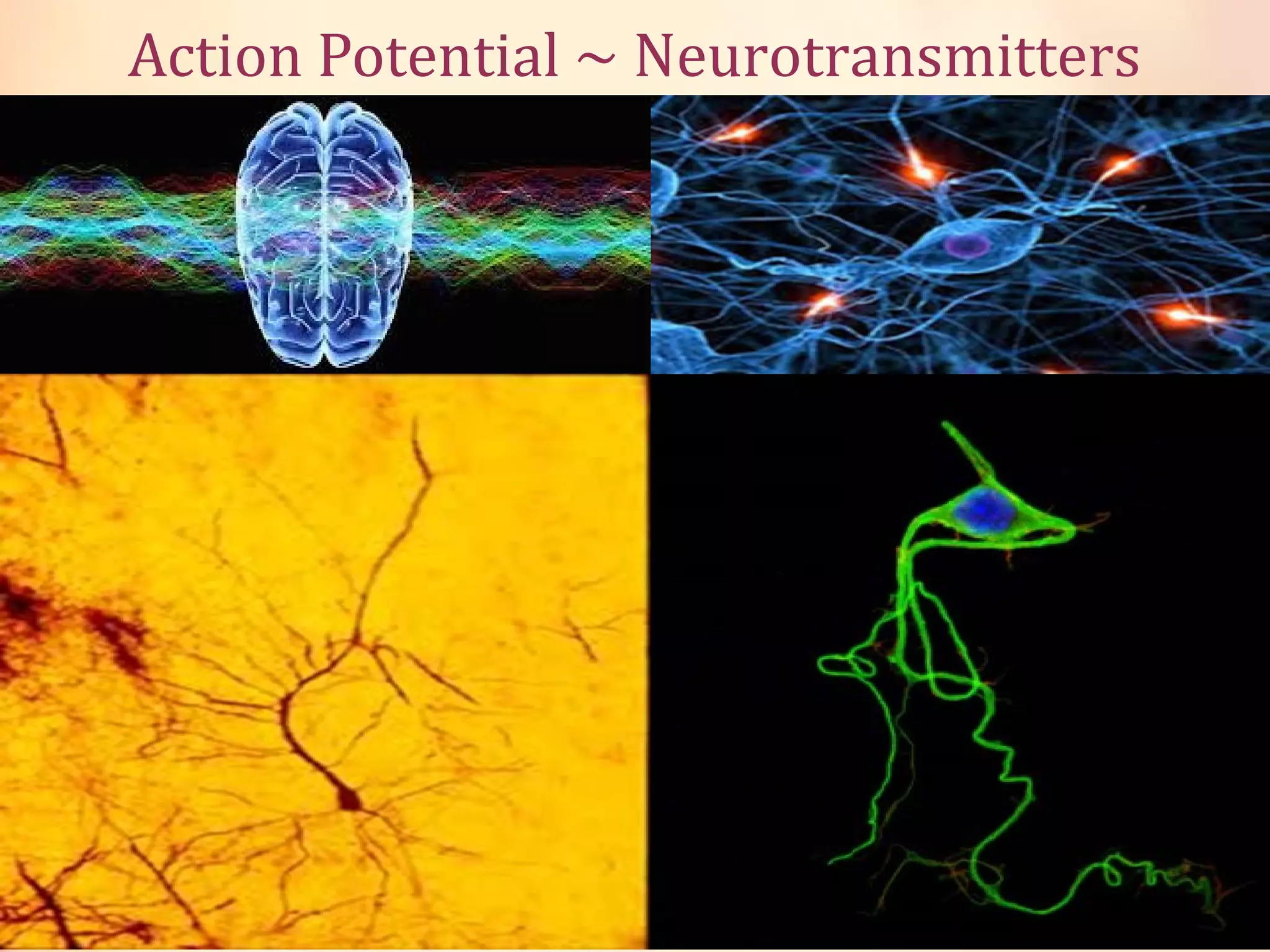
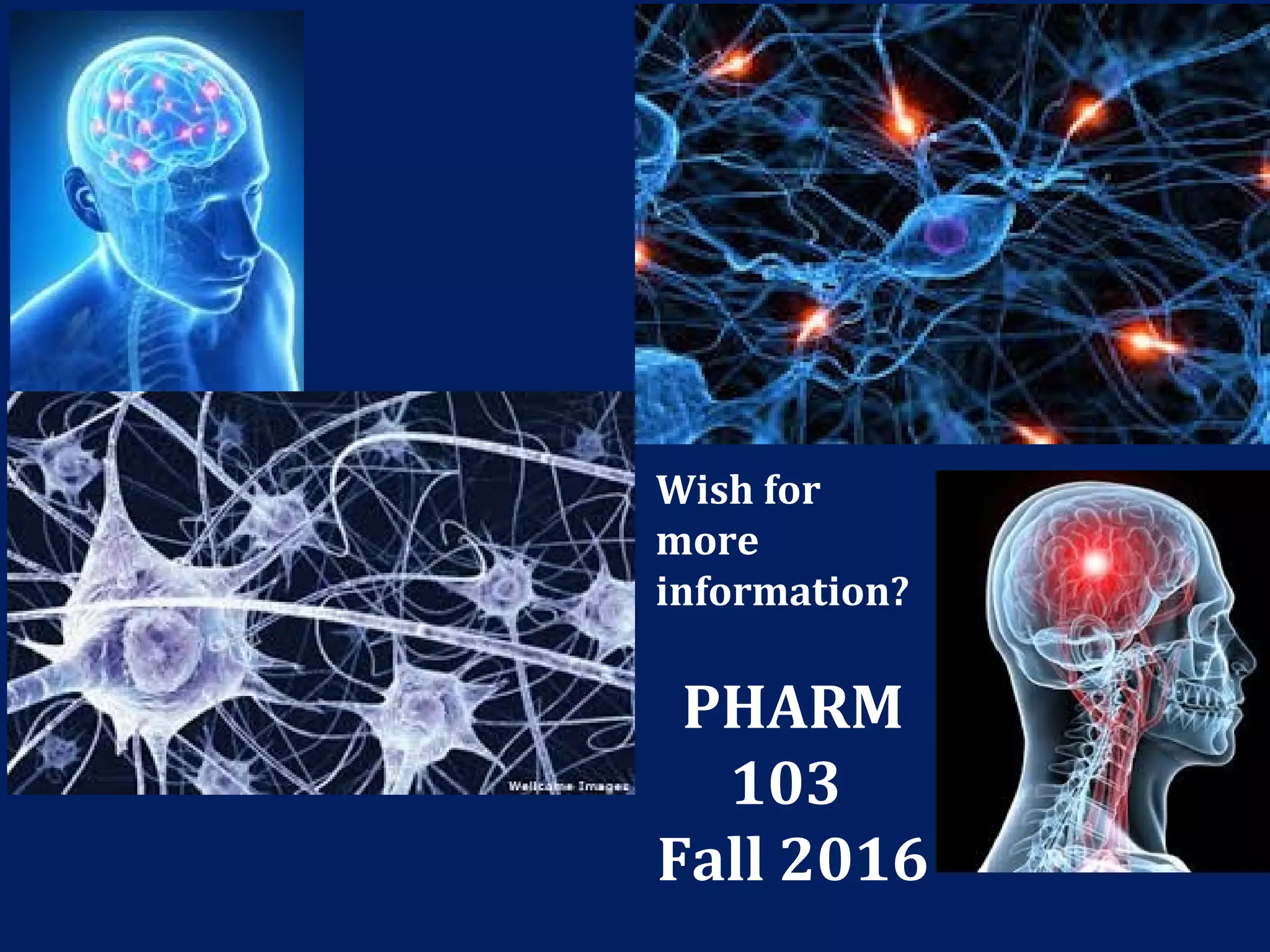
Action Potential ~ Neurotransmitters
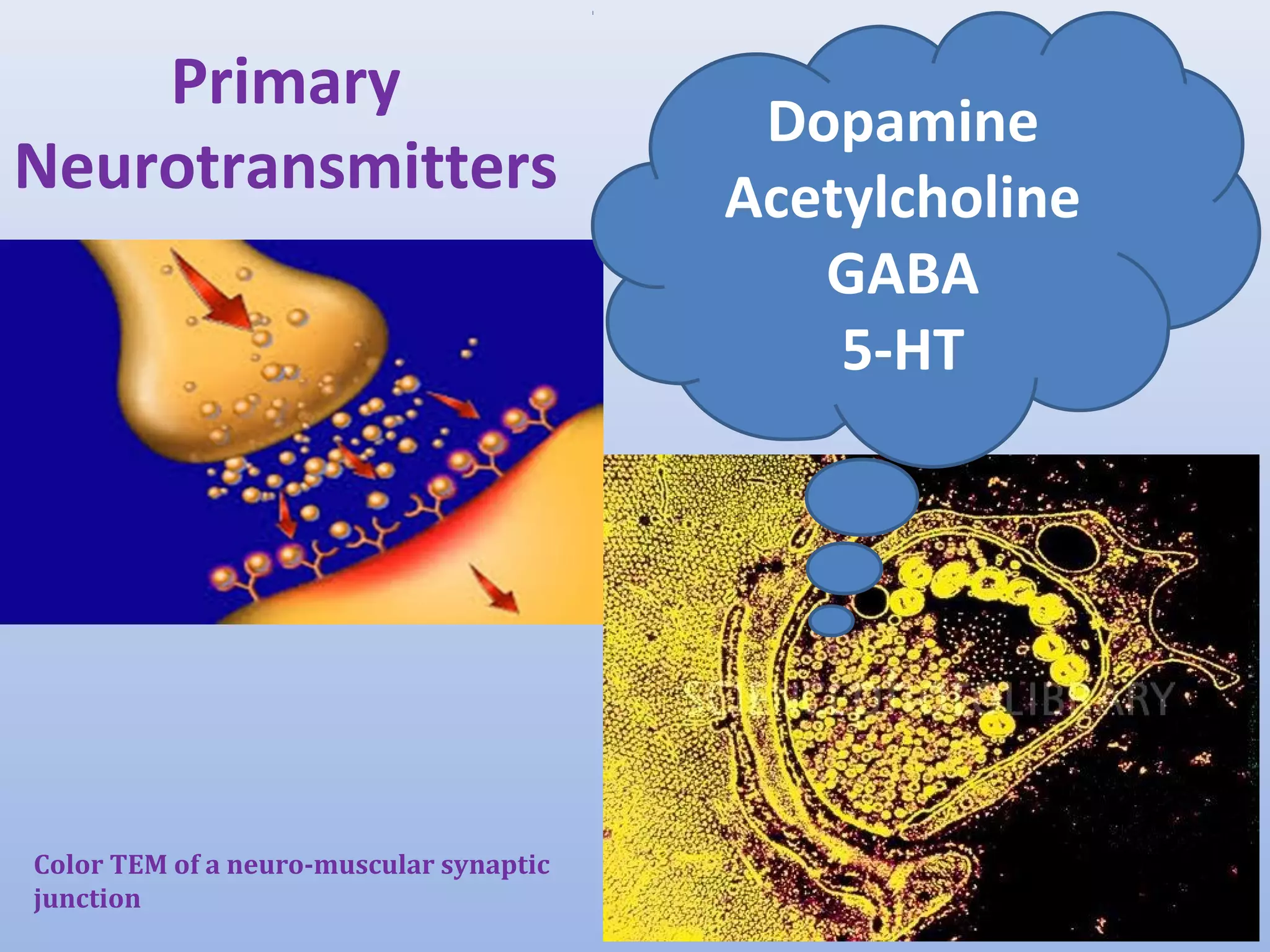
Primary
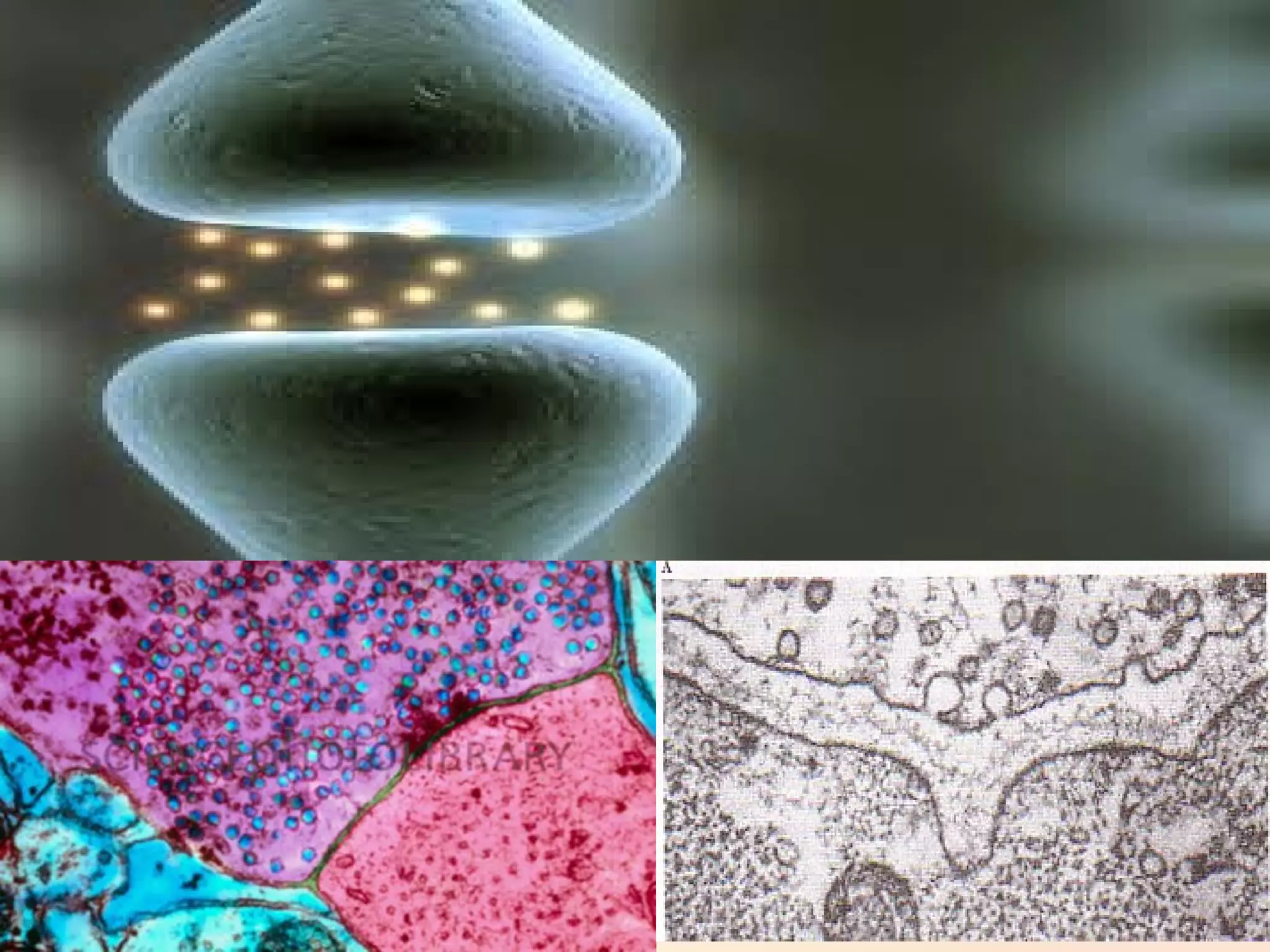
Neurotransmitters
Color TEM of a neuro-muscular synaptic
junction
Dopamine
Acetylcholine
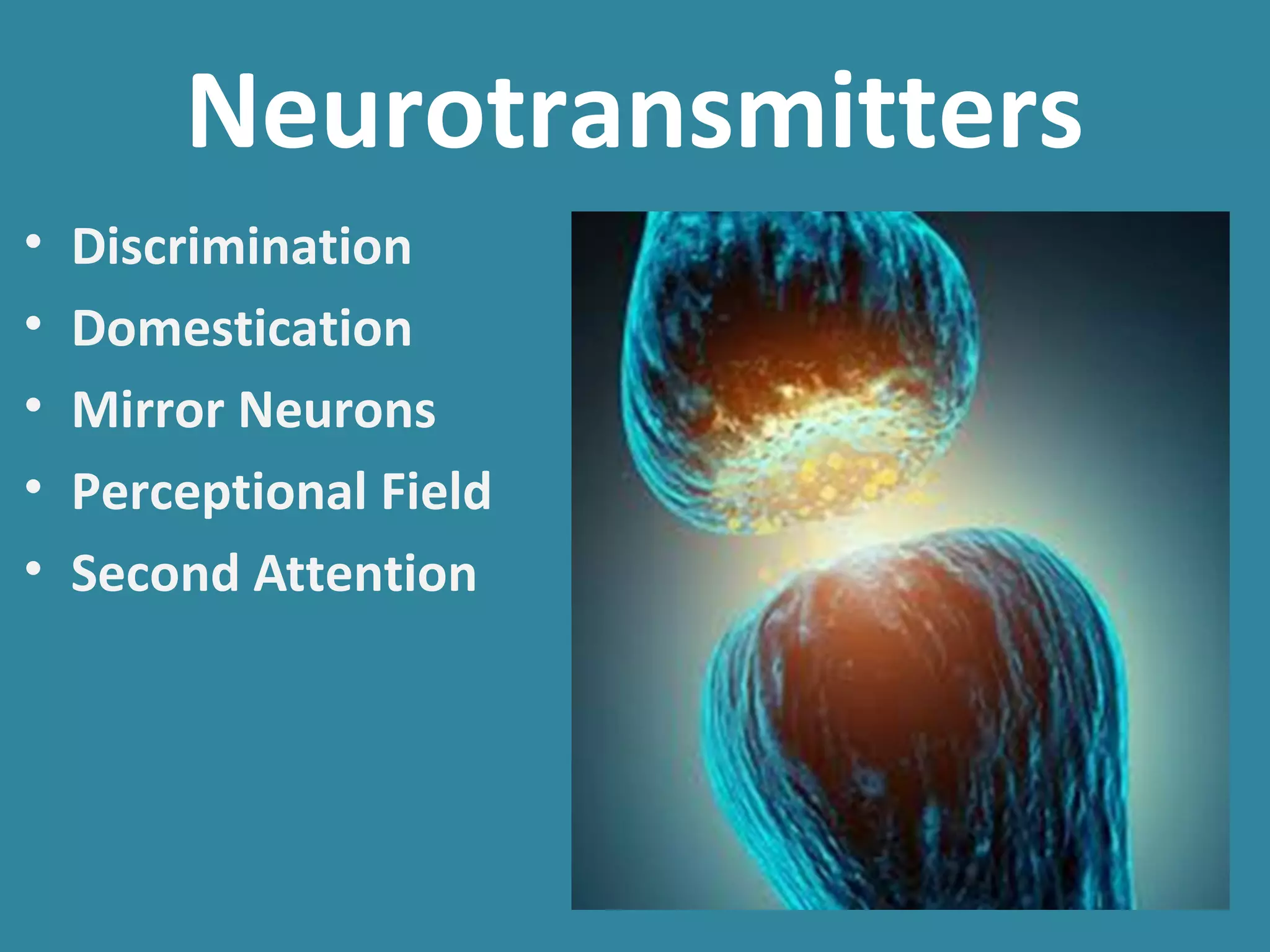
GABA
5-HT
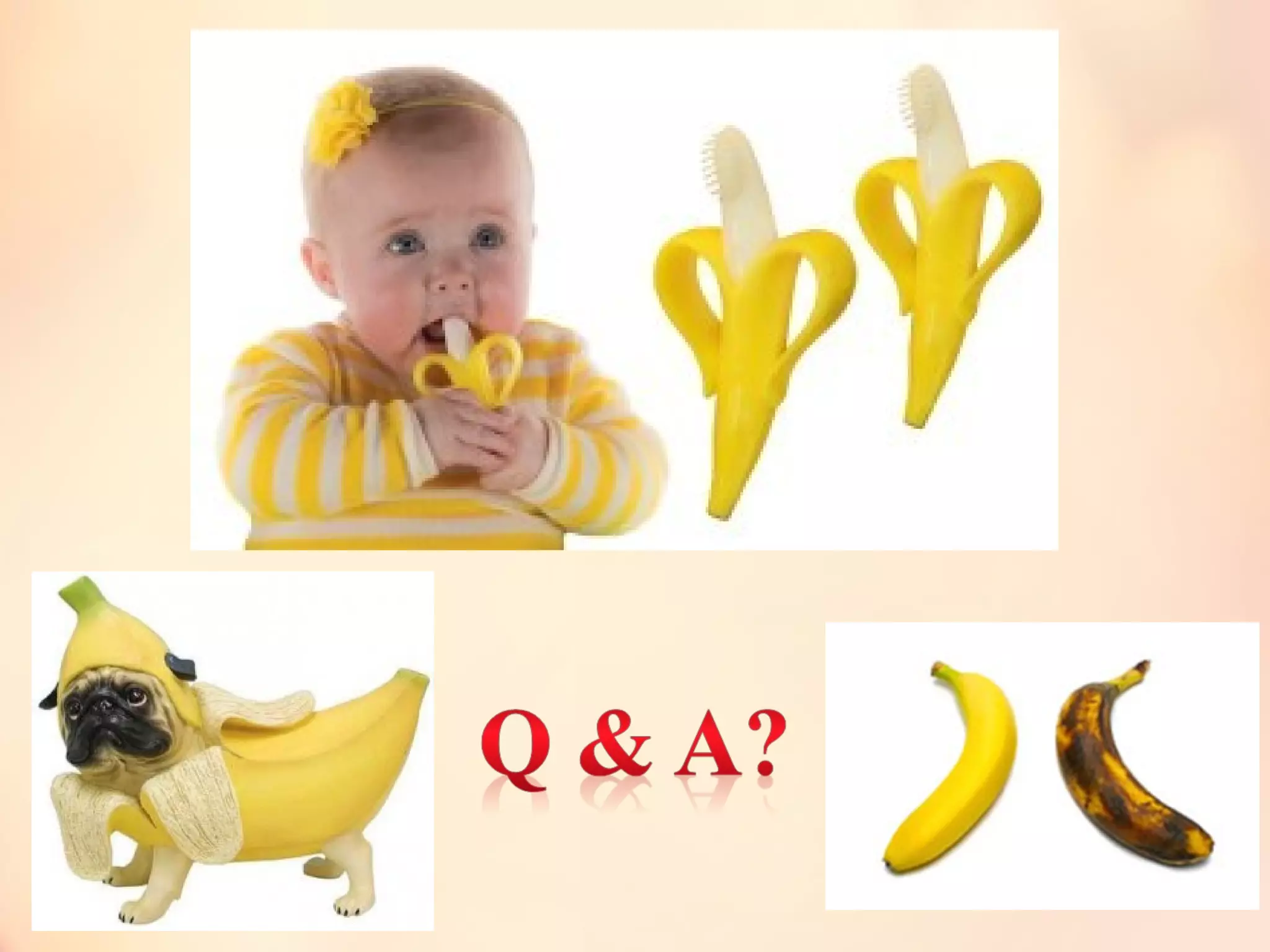
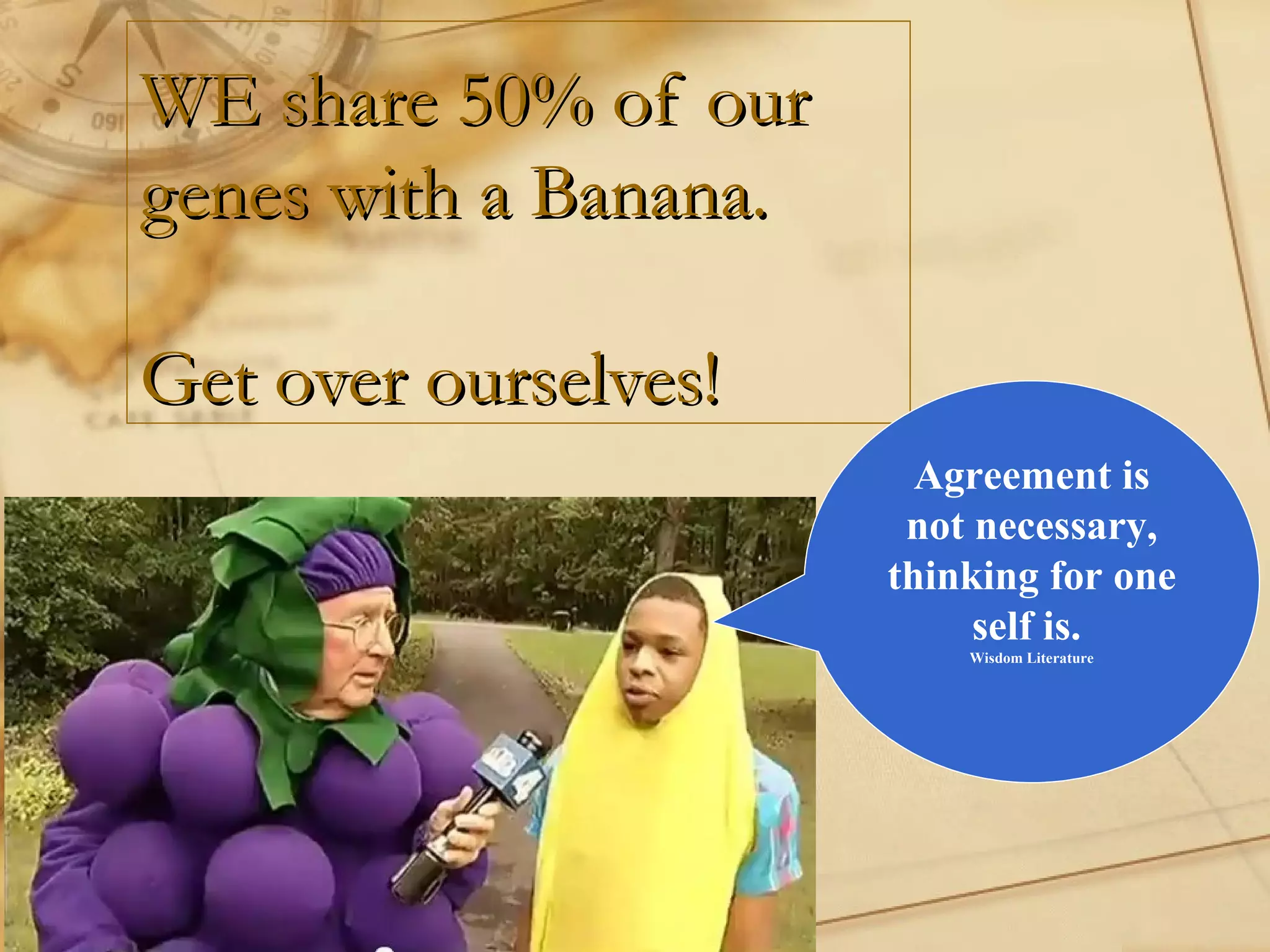
WE share 50% of ourWE share 50% of our
genes with a Banana.genes with a Banana.
Discrimination
…making a distinction.
...making a difference between things.
We CHOOSE to Discriminate.
DiscriminationDiscrimination is the actual Behavior.is the actual Behavior.
Referring to the treatment taken towardReferring to the treatment taken toward
or against a person of a certain groupor against a person of a certain group
in consideration based solely on classin consideration based solely on class
or categoryor category.
_____________ does not discriminate on the basis of race, religious
creed, color, national origin, ancestry, ethnic group identification, physical
disability, mental disability, medical condition, genetic condition, marital
status, sex, gender, gender identity, gender expression, genetic information
or sexual orientation in any of its policies, procedures or practices;
nor does the ______ discriminate against any employees or applicants for
employment on the basis of their age.
This non-discrimination policy covers admission, access and treatment in
programs and activities--including but not limited to academic admissions,
financial aid, educational services and athletics and application for
employment.
The ___________ is an equal opportunity employer.
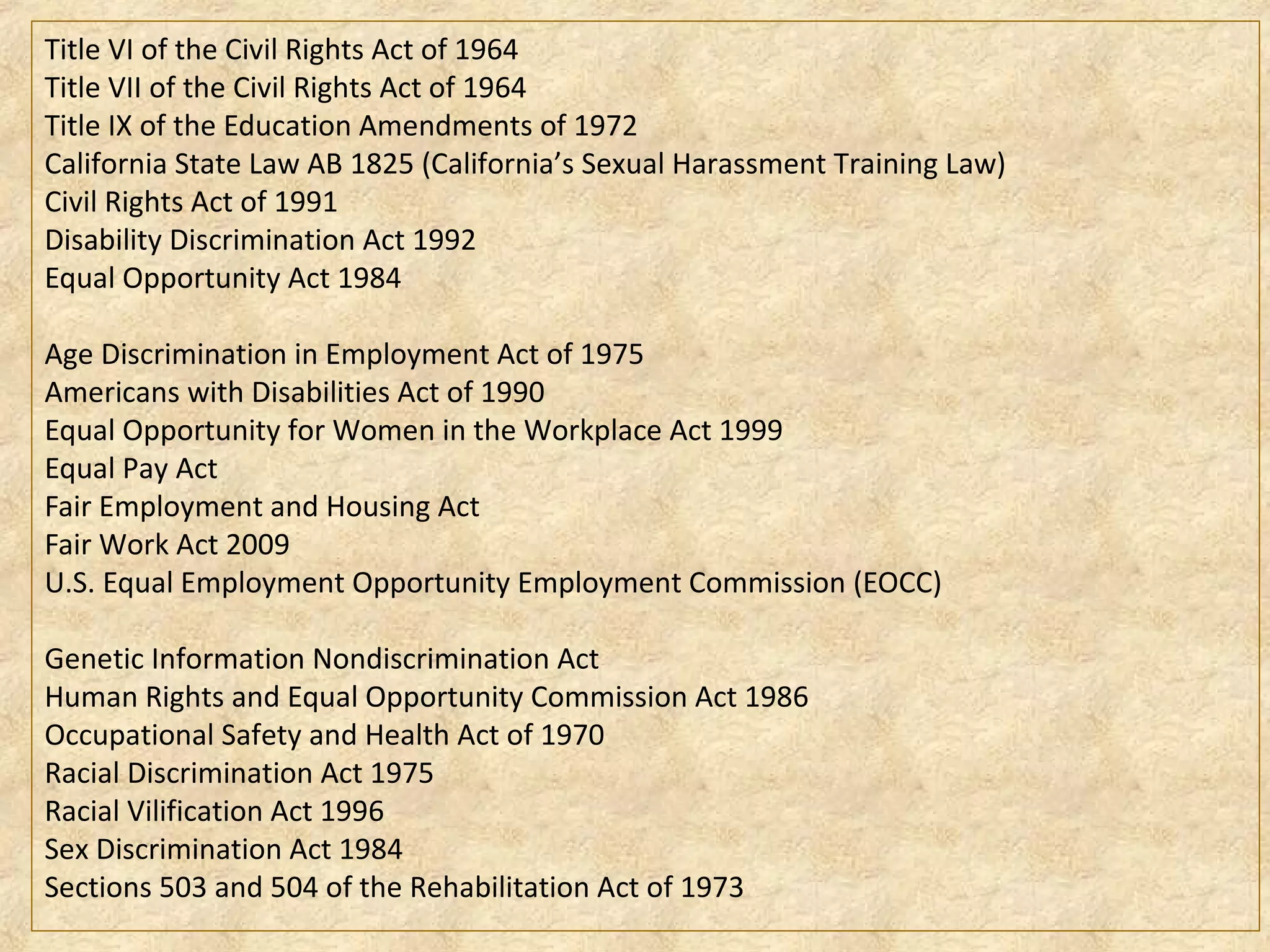
Title VI of the Civil Rights Act of 1964
Title VII of the Civil Rights Act of 1964
Title IX of the Education Amendments of 1972
California State Law AB 1825 (California’s Sexual Harassment Training Law)
Civil Rights Act of 1991
Disability Discrimination Act 1992
Equal Opportunity Act 1984
Age Discrimination in Employment Act of 1975
Americans with Disabilities Act of 1990
Equal Opportunity for Women in the Workplace Act 1999
Equal Pay Act
Fair Employment and Housing Act
Fair Work Act 2009
U.S. Equal Employment Opportunity Employment Commission (EOCC)
Genetic Information Nondiscrimination Act
Human Rights and Equal Opportunity Commission Act 1986
Occupational Safety and Health Act of 1970
Racial Discrimination Act 1975
Racial Vilification Act 1996
Sex Discrimination Act 1984
Sections 503 and 504 of the Rehabilitation Act of 1973
EVERYONEEVERYONE
For Allowing the Situation ANDFor Allowing the Situation AND
Expecting the Person to Tolerate theExpecting the Person to Tolerate the
SituationSituation
Who is Responsible?
Slices in Time ~
Repeating Patterns
What thoughts come your mind?
Uptown Funk
https://www.youtube.com/watch?v=M1F0lBnsnkE
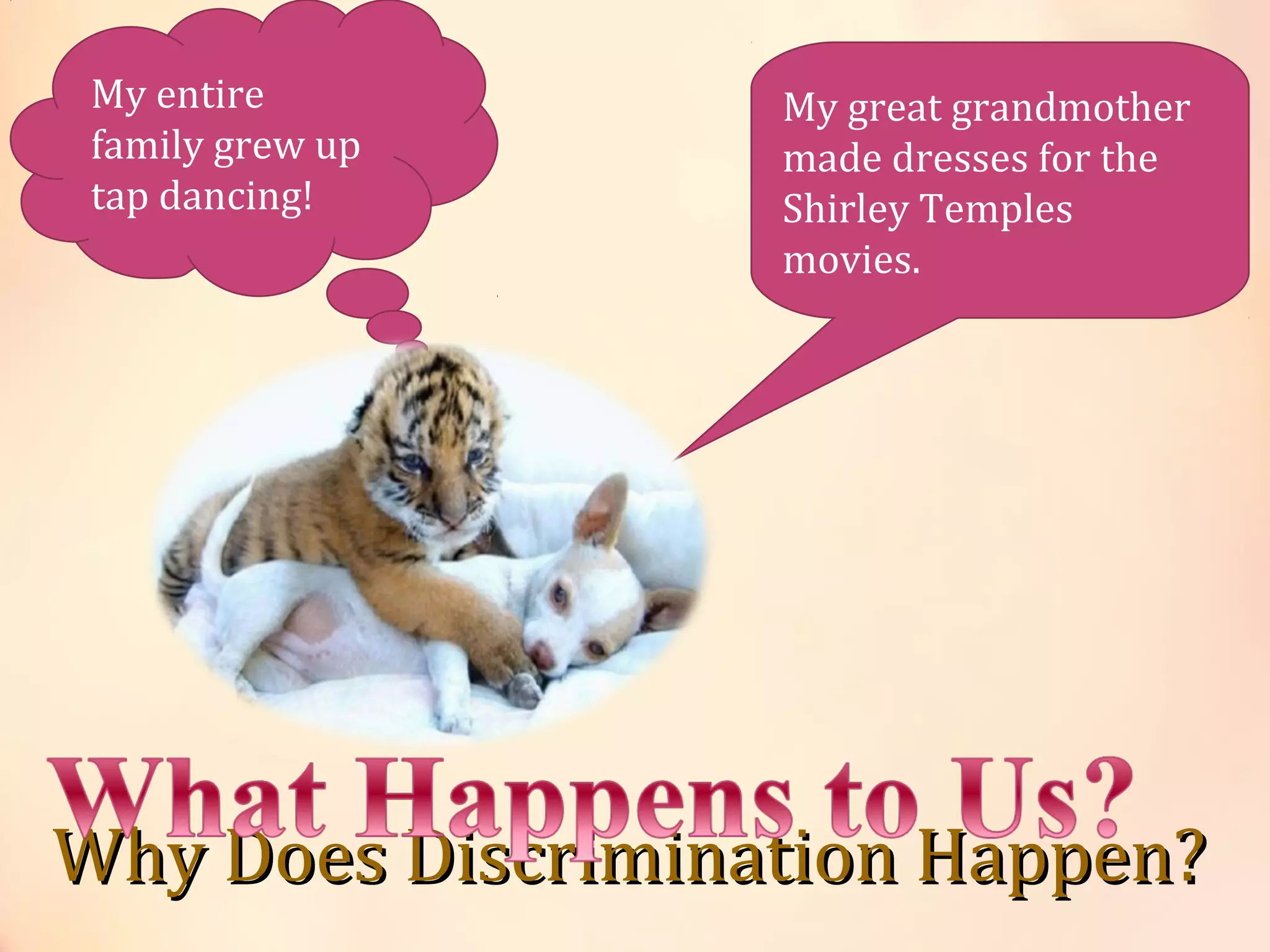
Why Does Discrimination Happen?Why Does Discrimination Happen?
My entire
family grew up
tap dancing!
My great grandmother
made dresses for the
Shirley Temples
movies.
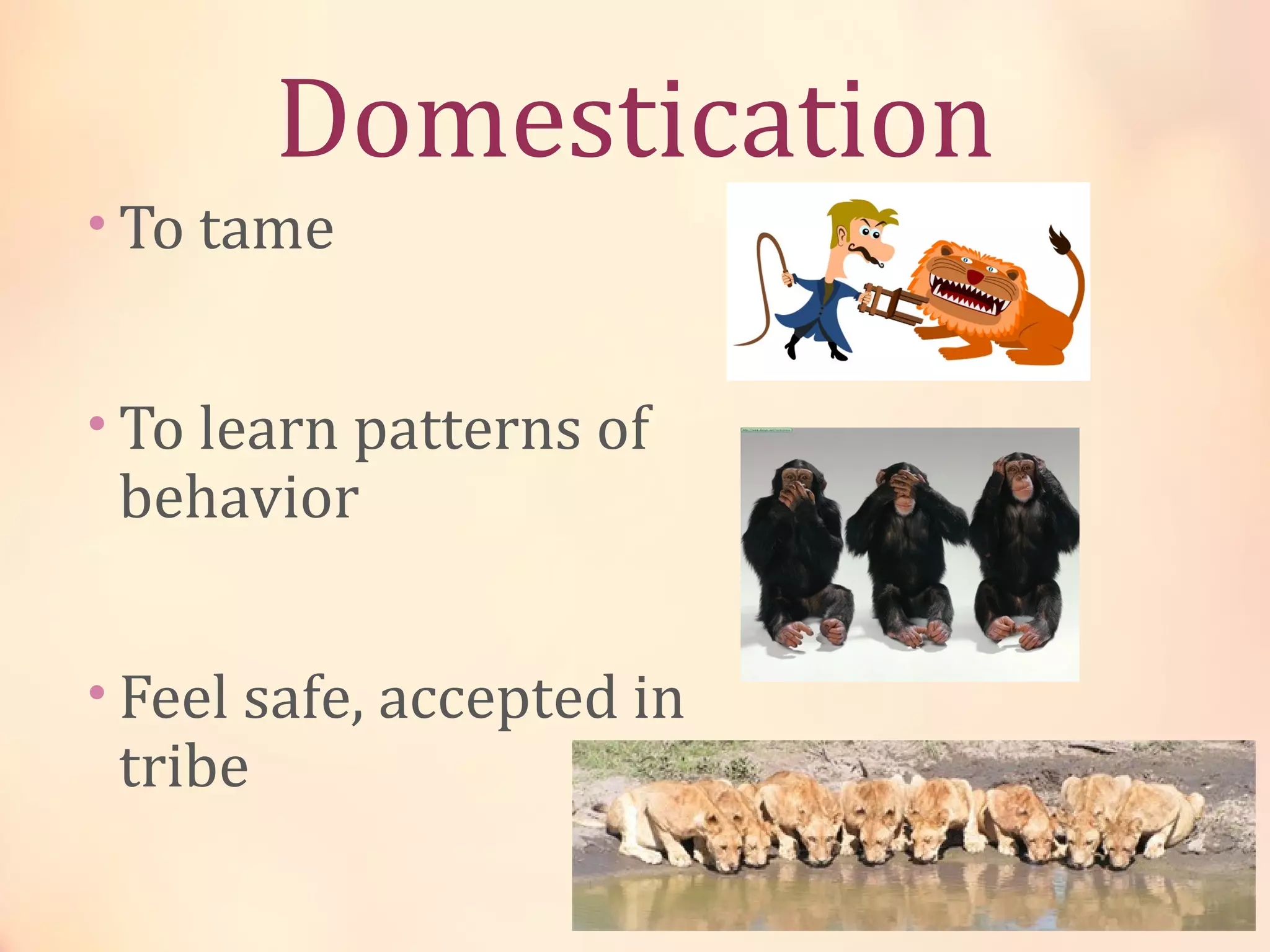
Domestication
• To tame
• To learn patterns of
behavior
• Feel safe, accepted in
tribe
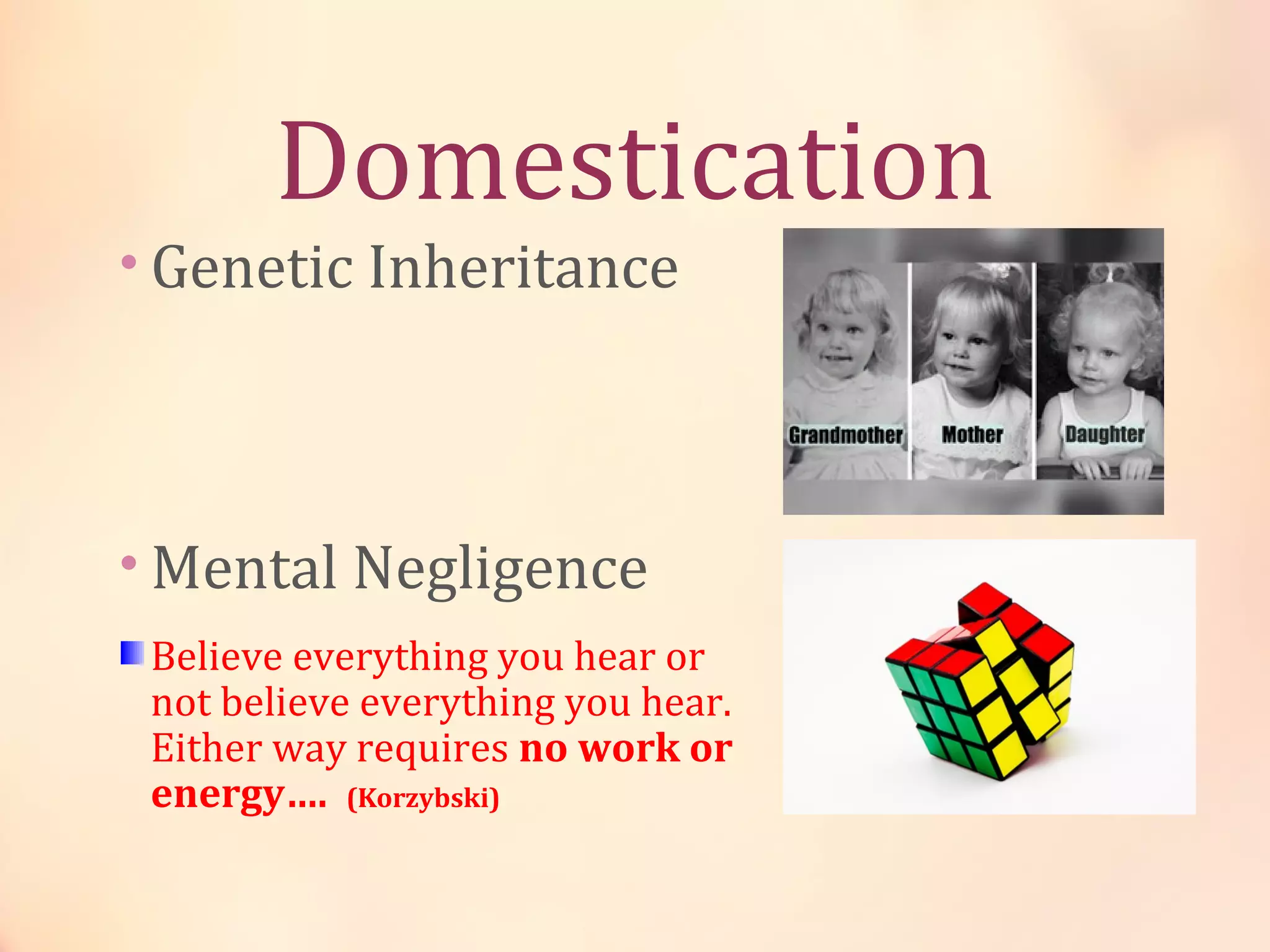
Domestication
• Genetic Inheritance
• Mental Negligence
Believe everything you hear or
not believe everything you hear.
Either way requires no work or
energy…. (Korzybski)
Cultural Meme
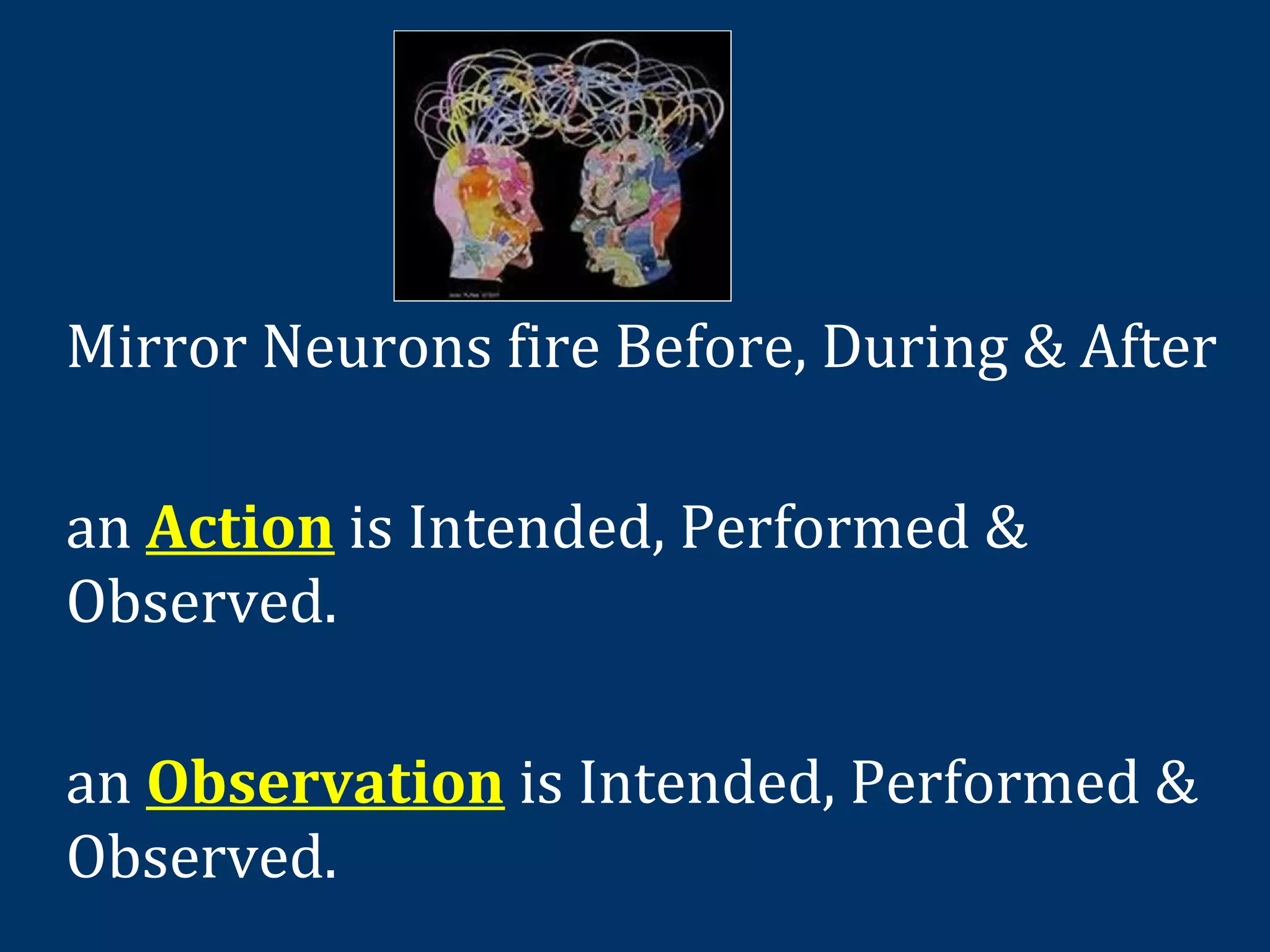
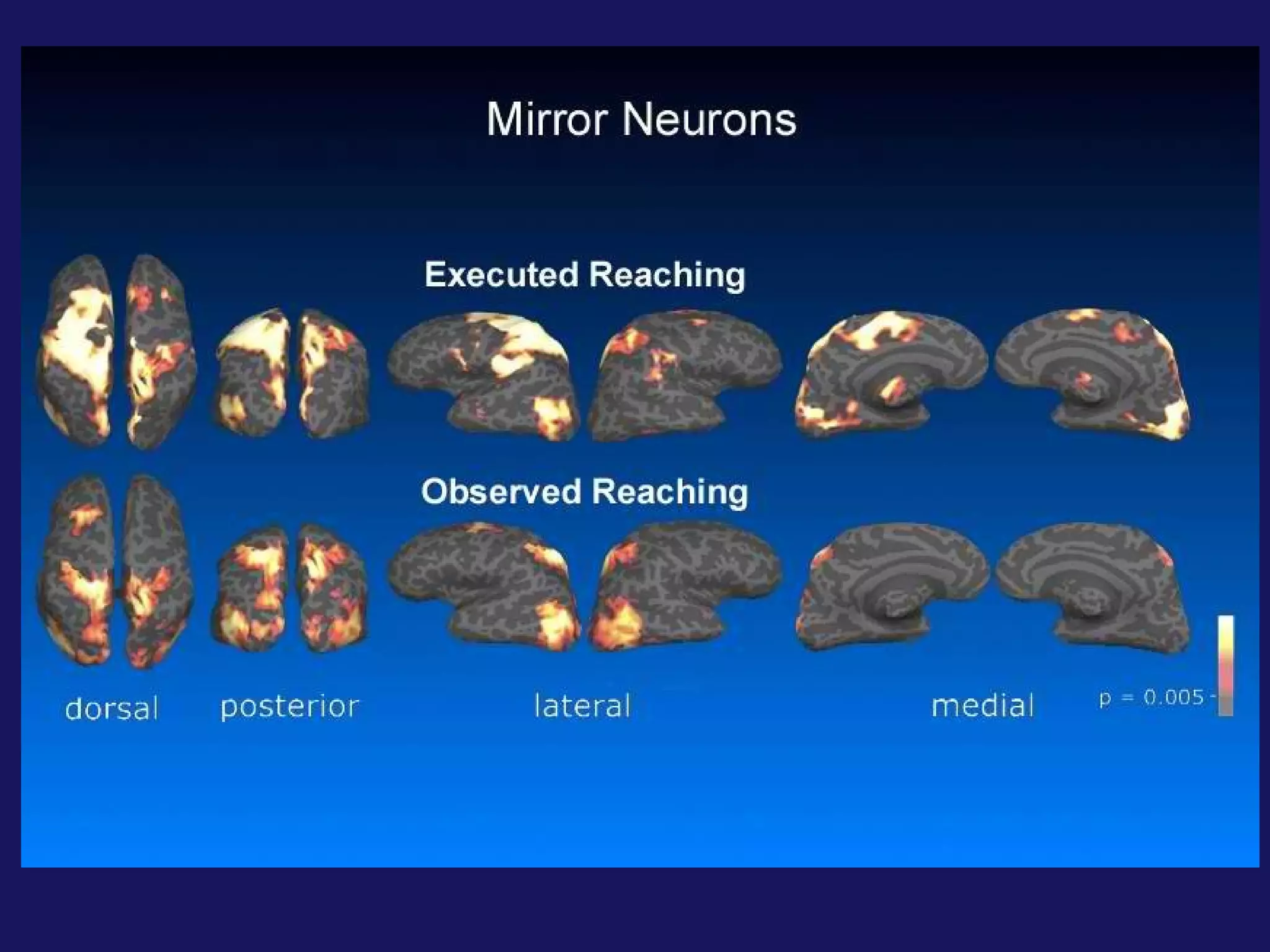
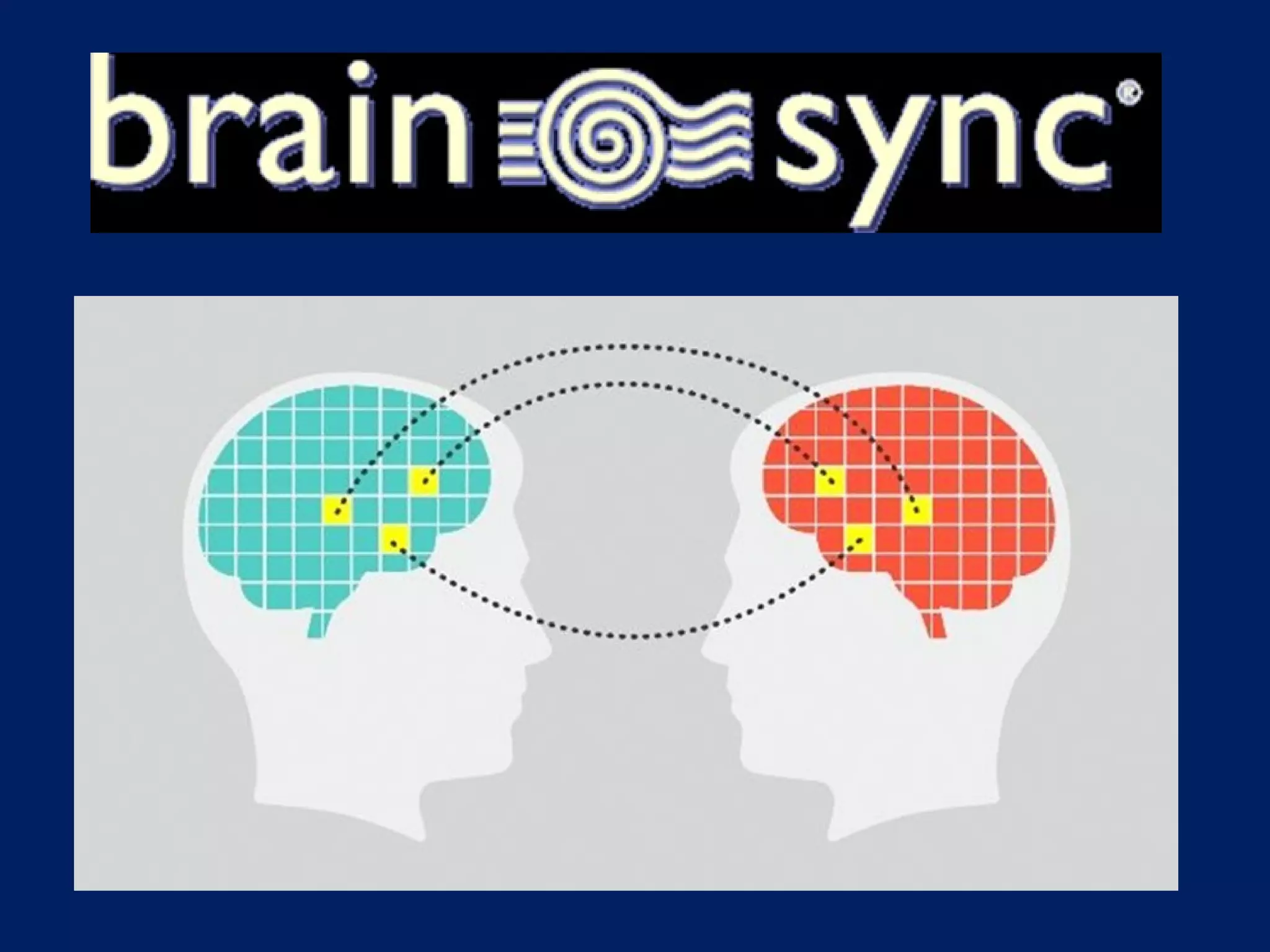
Mirror Neurons fire Before, During & After
an Action is Intended, Performed &
Observed.
an Observation is Intended, Performed &
Observed.
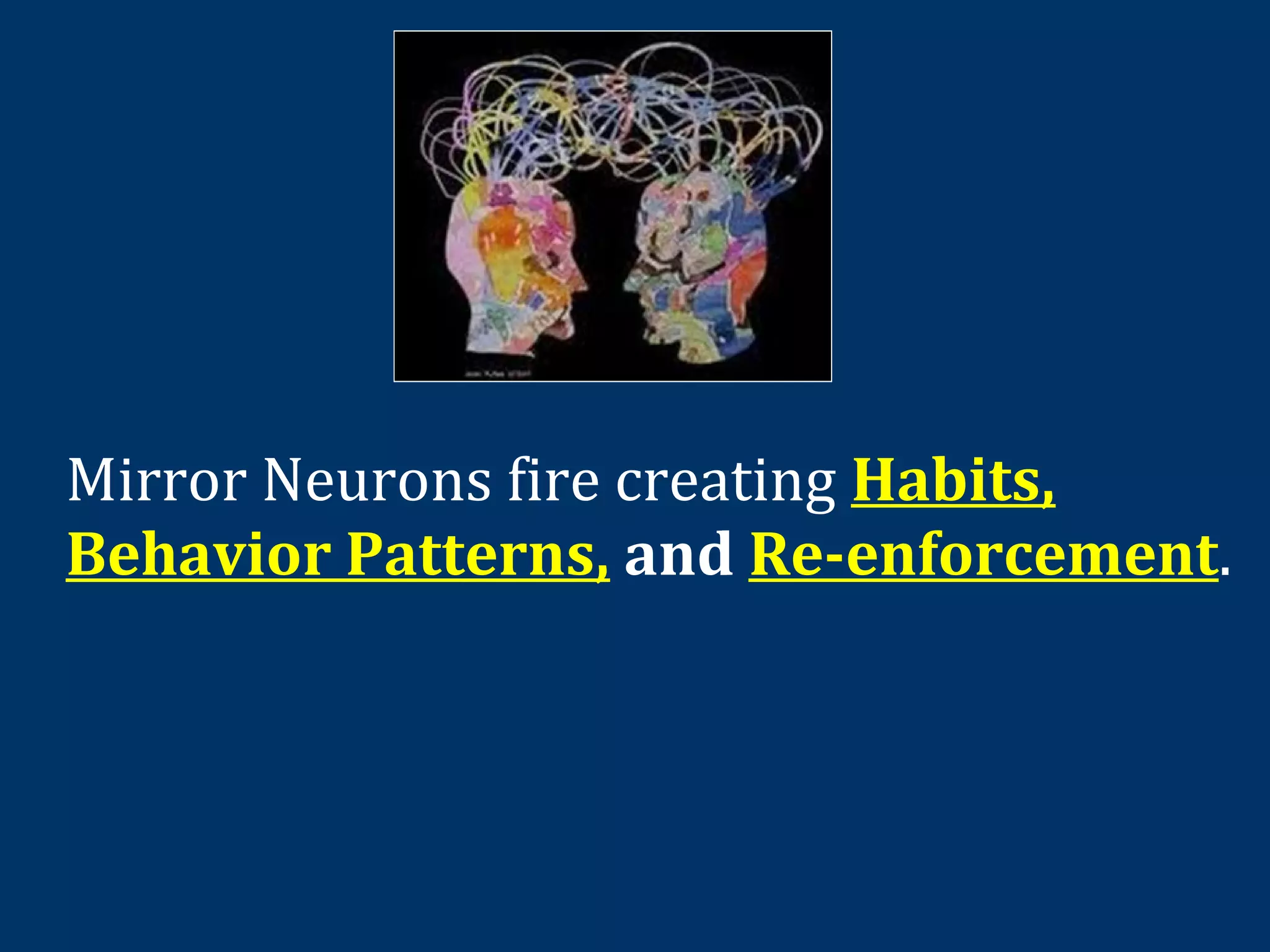
Mirror Neurons fire creating Habits,
Behavior Patterns, and Re-enforcement.
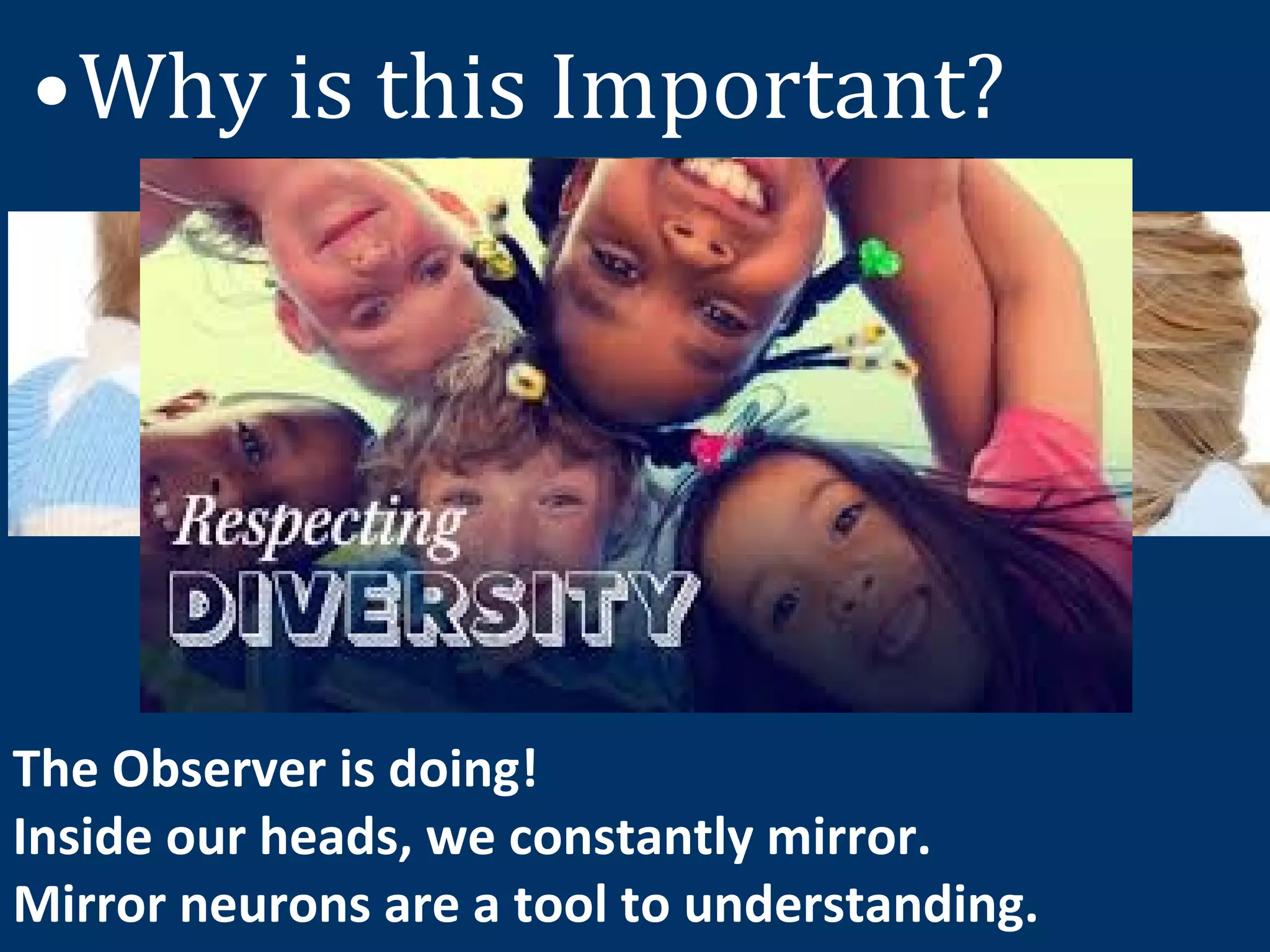
•Why is this Important?
The Observer is doing!
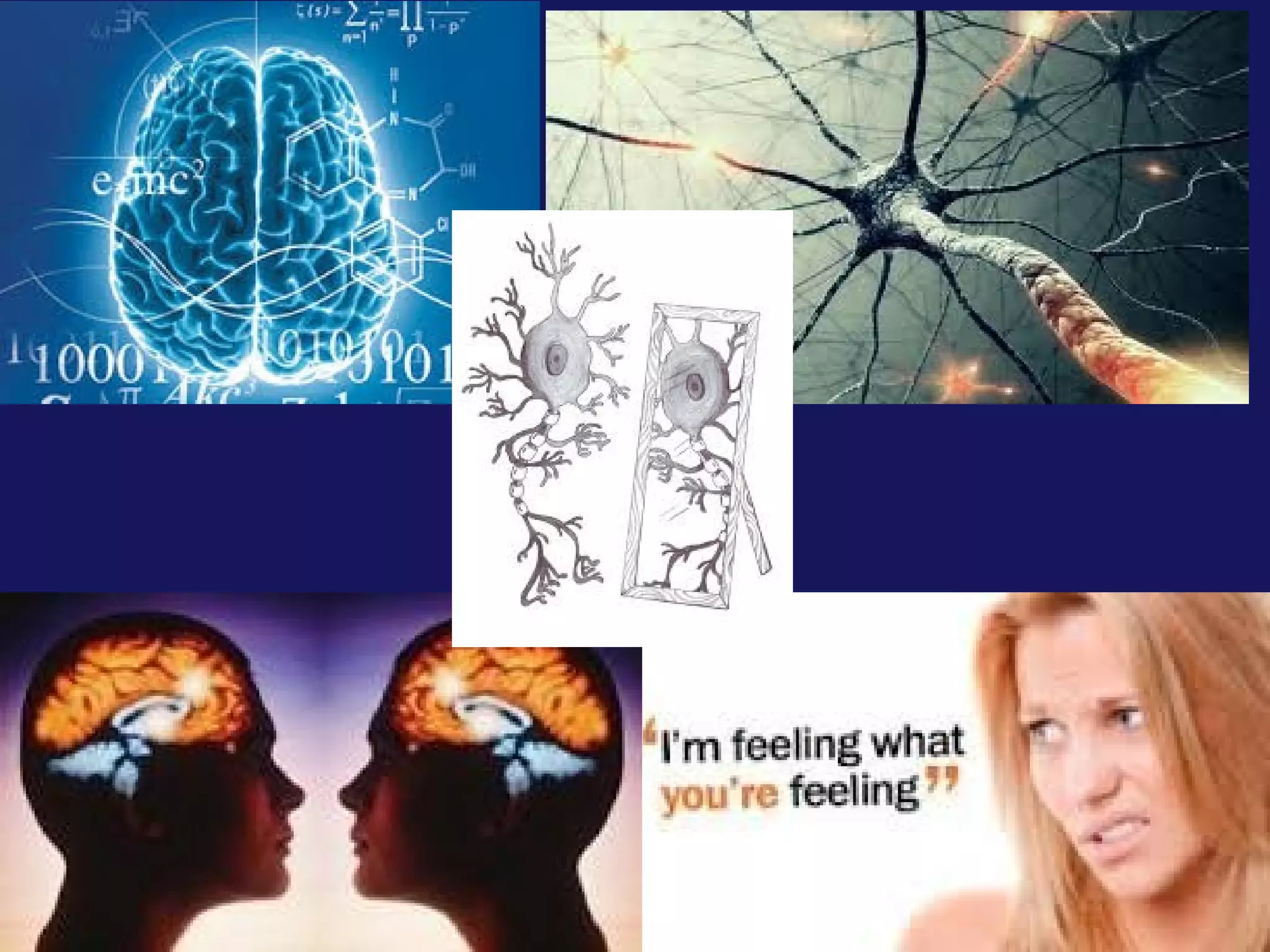
Inside our heads, we constantly mirror.
Mirror neurons are a tool to understanding.
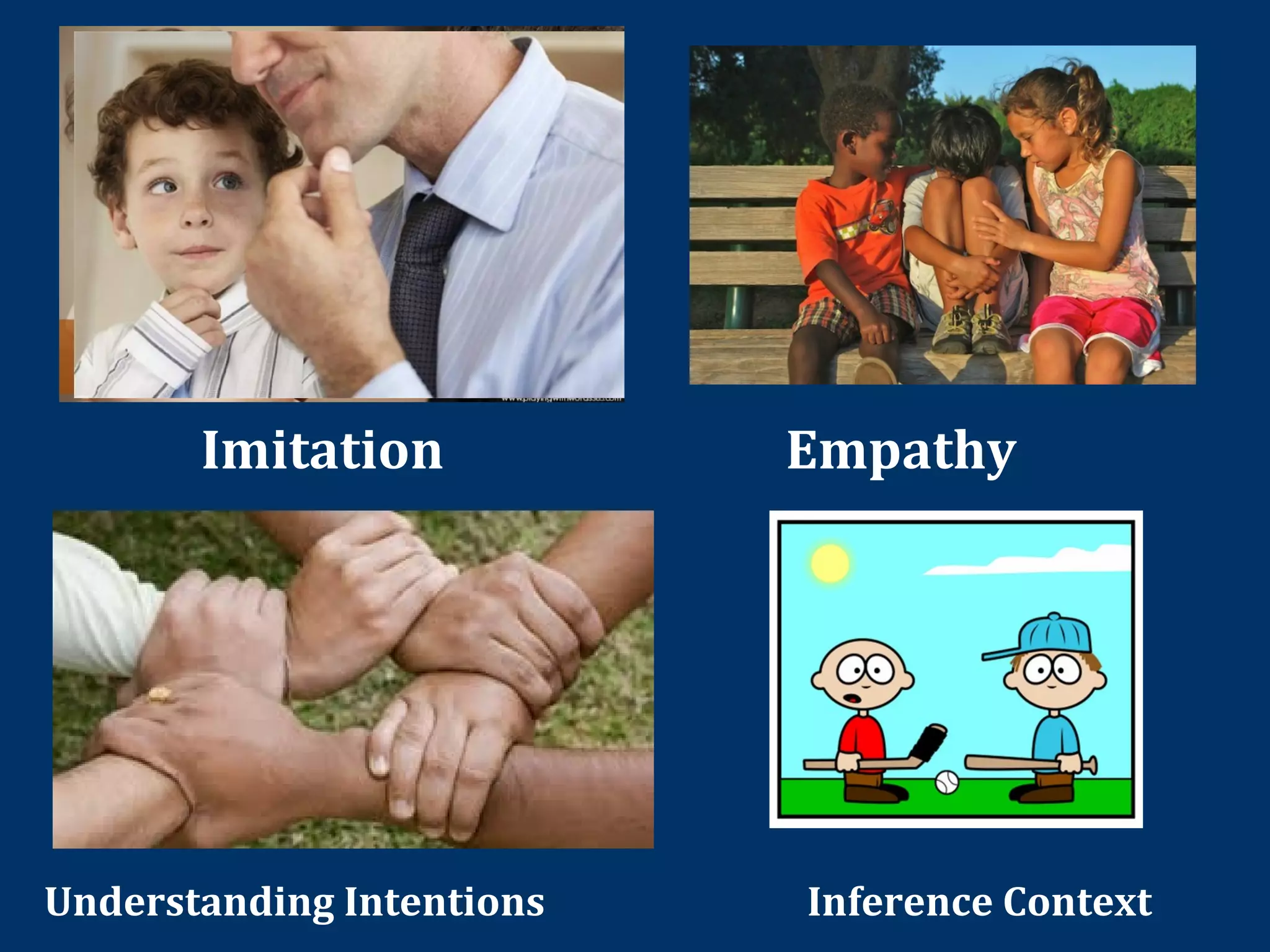
Imitation
Understanding Intentions
Empathy
Inference Context
Wish for
more
information?
PHARM
103
Fall 2016
P ~ Theory
Perceptional Field
How We Transform
Automatic Response
To often we
enjoy the
comfort of
opinion without
the discomfort
of thought.
JFK
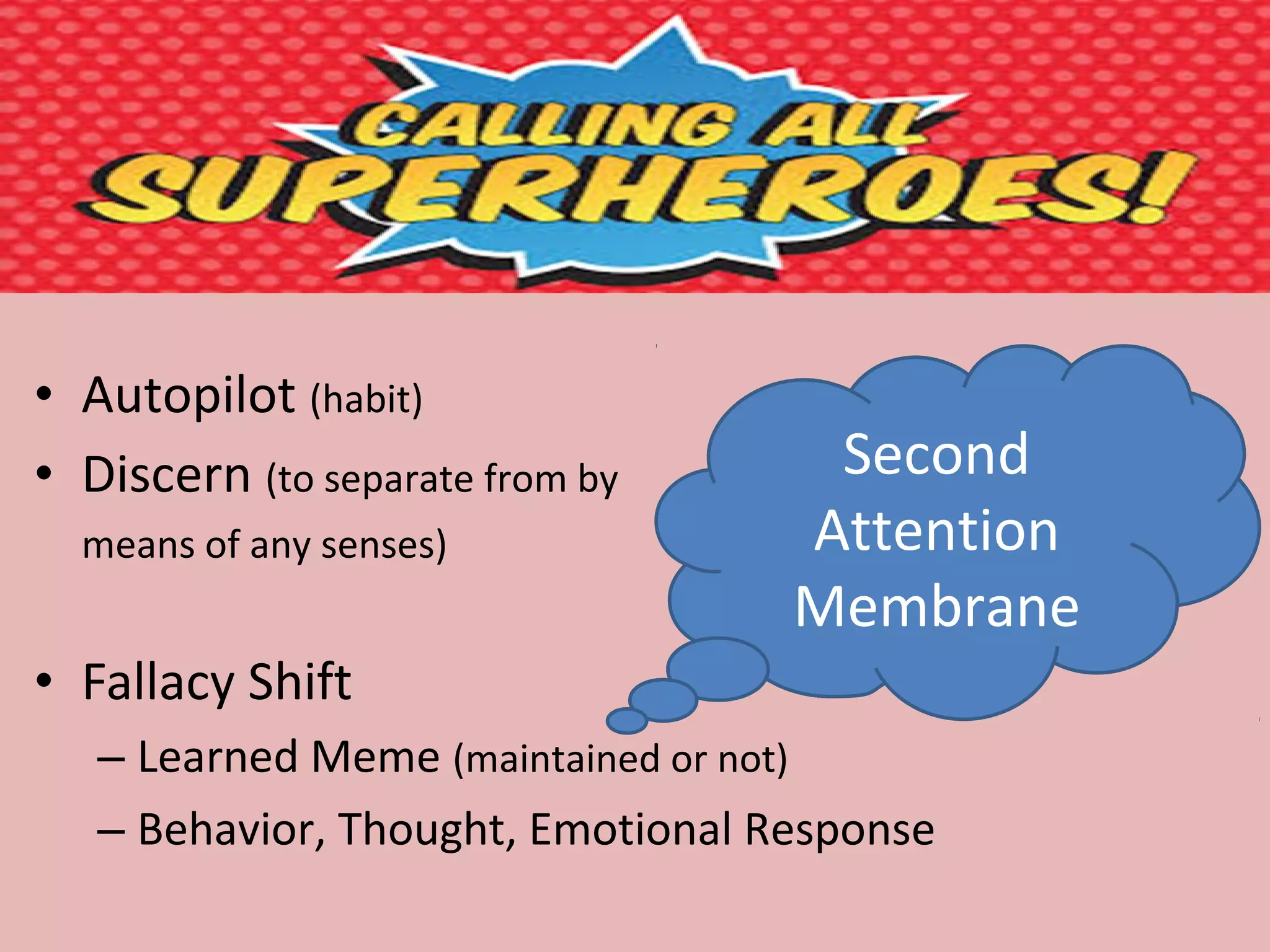
• Autopilot (habit)
• Discern (to separate from by
means of any senses)
• Fallacy Shift
– Learned Meme (maintained or not)
– Behavior, Thought, Emotional Response
Second
Attention
Membrane
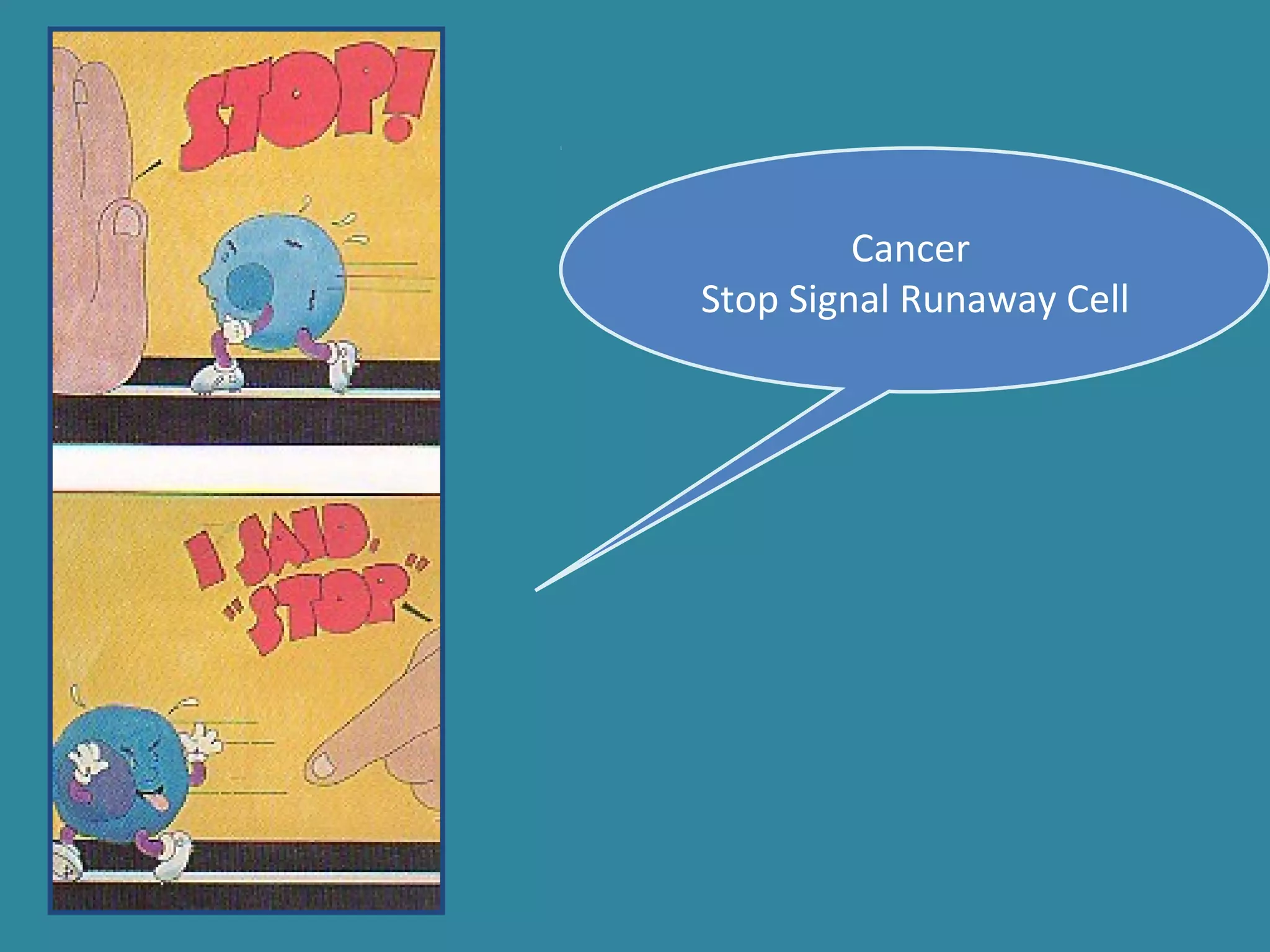
Cancer
Stop Signal Runaway Cell
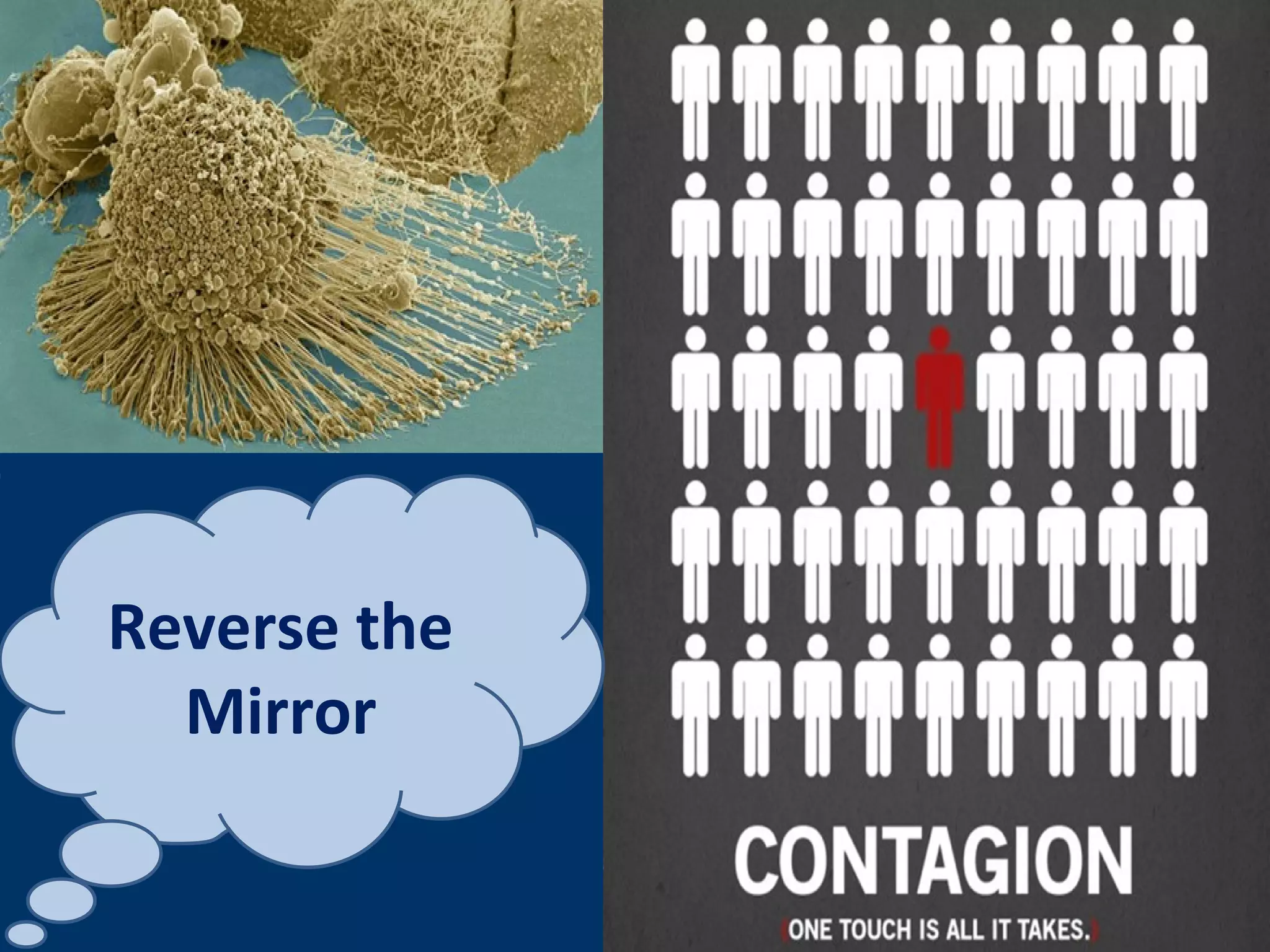
Reverse the
Mirror
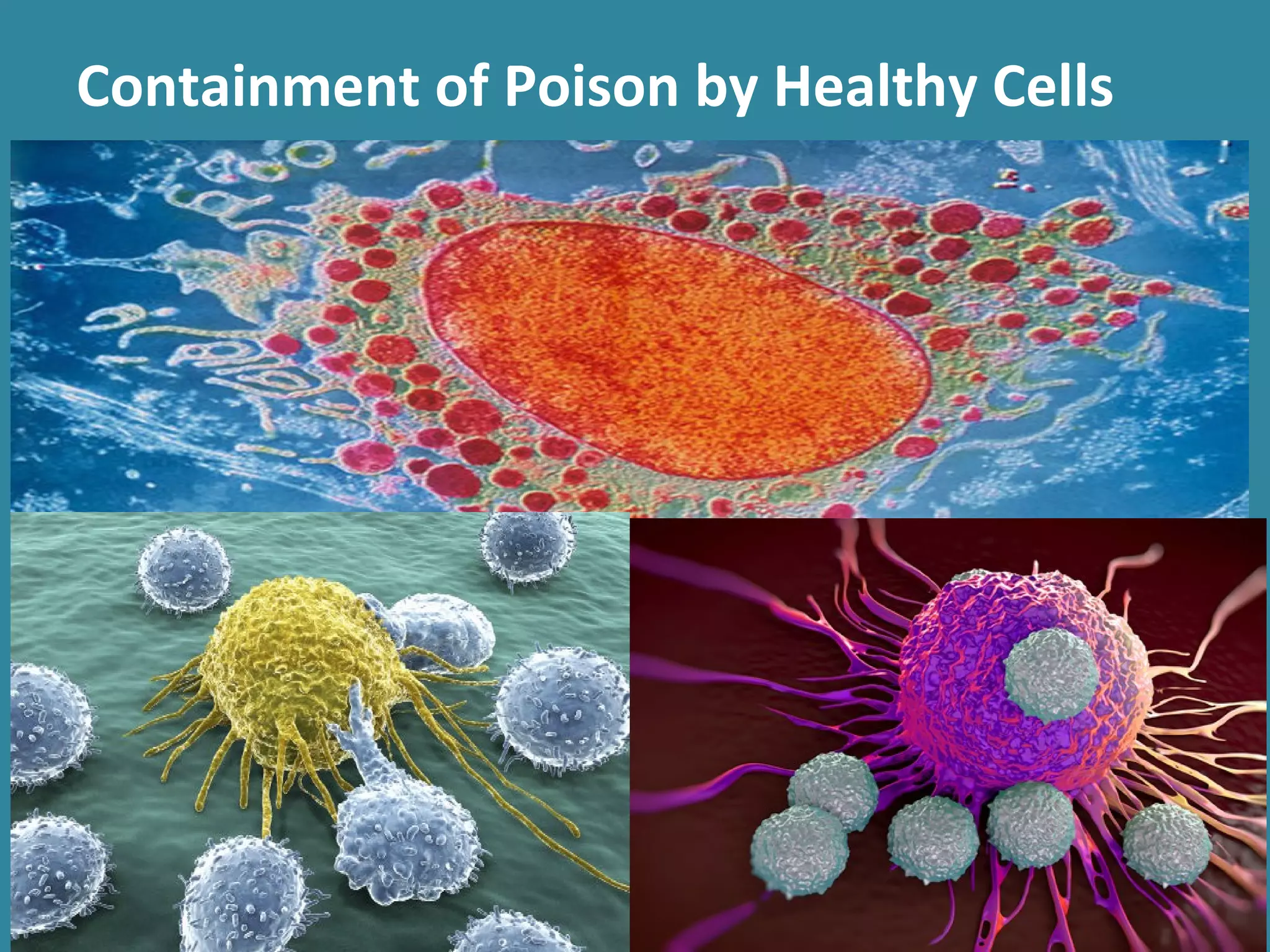
Containment of Poison by Healthy Cells
Neurotransmitters
• Discrimination
• Domestication
• Mirror Neurons
• Perceptional Field
• Second Attention
WE share 50% of ourWE share 50% of our
genes with a Banana.genes with a Banana.
Get over ourselves!Get over ourselves!
Agreement is
not necessary,
thinking for one
self is.
Wisdom Literature
Attributions and Thank you!
• Pharmacology & Pharmacy Technician Class 2016
• Alexa Cadman, Lynn Houser, Lauren Lopez
• Renata Breth, Art Department
• Scott Conrad, Information Technology Department
• Ann Foster, English Department
• Zerai Ghebremariam, Media Services Department
• Eric Thompson, Religious Studies Department
• Mike Williams, Media Services Department
References
• Bear MF, Connors BW, Paradiso MA (2001). Neuroscience: Exploring the Brain
(2nd
ed.). Philadelphia: Lippincott Williams & Wilkins.
• Dretske, FI (1988). Explaining Behavior, Reasons in a World of Causes.
Cambridge, MA: MIT Press.
• Flinger, Stanley (2001), Origins of Neuroscience: A History of Explorations into
Brain Function (3rd
ed.), New York: Oxford University Press, USA pp. 3-17
• Gallese, V. (2001) The Shared Manifold: from Mirror Neurons to Empathy. Journal
of Consciousness Studies: 8, N 5-7; 33-50.
• Kandel ER, Schwartz JH, Jessel TM (2000). Principles of Neural Science (4th
ed.).
New York: McGraw-Hill.
• Knapton, Sarah. "Keep cancer cells alive to stop it spreading, say scientists." The
Telegraph. 5 February 2016. ttp://www.telegraph.co.uk/news/science/science-
news/12140850/Keep-cancer-alive-to-stop-it-spreading-say-scientists.html
• Ruiz, Don Miguel (1997). The Four Agreements. San Rafael: Amber-Allen
Publishing
• Lepage M (2010). "Research at the Brain Imaging Centre". Douglas Mental
Health University Institute.
• Meltzoff, A Gopnik, A (1993) The Role of Imitation in Understanding Persons
and Developing a Theory of Mind in Understanding Other Minds: Perspectives
from Autism, eds S. Baron-Cohen, H. Tager-Flusberg & D. Cohen, Oxford:
Oxford University Press.
• Rizzolatti, G, Craighero L. (2004) The Mirror Neuron System. Annual Review
of Neuroscience 2: 661-192.
• "Stopping tumor cells killing surrounding tissue may provide clue to
fighting cancer." University of Cambridge. 6 February 2016.
http://www.cam.ac.uk/research/news/stopping-tumour-cells-killing-
surrounding-tissue-may-provide-clue-to-fighting-cancer
• Tenenbaum, David. "What's All the Buzz? Fruit Flies Provide Unique Model
for Cancer Research." Japanese Journal of Clinical Oncology." Volume 95,
Issue 23. 6 August 2016.
http://jnci.oxfordjournals.org/content/95/23/1742.full
Thank
you
For
more
info:
Pharm 103
for Fall
2016
Why Do We Discriminate? Unlearning Behavior Patterns

Why Do We Discriminate? Unlearning Behavior Patterns

  • 1.
    Why Do WeDiscriminate? Unlearning Patterns of Behavior ~ Mirror Neurons
  • 3.
    Action Potential ~Neurotransmitters
  • 5.
    Primary Neurotransmitters Color TEM ofa neuro-muscular synaptic junction Dopamine Acetylcholine GABA 5-HT
  • 6.
    WE share 50%of ourWE share 50% of our genes with a Banana.genes with a Banana. Discrimination …making a distinction. ...making a difference between things. We CHOOSE to Discriminate.
  • 7.
    DiscriminationDiscrimination is theactual Behavior.is the actual Behavior. Referring to the treatment taken towardReferring to the treatment taken toward or against a person of a certain groupor against a person of a certain group in consideration based solely on classin consideration based solely on class or categoryor category.
  • 8.
    _____________ does notdiscriminate on the basis of race, religious creed, color, national origin, ancestry, ethnic group identification, physical disability, mental disability, medical condition, genetic condition, marital status, sex, gender, gender identity, gender expression, genetic information or sexual orientation in any of its policies, procedures or practices; nor does the ______ discriminate against any employees or applicants for employment on the basis of their age. This non-discrimination policy covers admission, access and treatment in programs and activities--including but not limited to academic admissions, financial aid, educational services and athletics and application for employment. The ___________ is an equal opportunity employer.
  • 9.
    Title VI ofthe Civil Rights Act of 1964 Title VII of the Civil Rights Act of 1964 Title IX of the Education Amendments of 1972 California State Law AB 1825 (California’s Sexual Harassment Training Law) Civil Rights Act of 1991 Disability Discrimination Act 1992 Equal Opportunity Act 1984 Age Discrimination in Employment Act of 1975 Americans with Disabilities Act of 1990 Equal Opportunity for Women in the Workplace Act 1999 Equal Pay Act Fair Employment and Housing Act Fair Work Act 2009 U.S. Equal Employment Opportunity Employment Commission (EOCC) Genetic Information Nondiscrimination Act Human Rights and Equal Opportunity Commission Act 1986 Occupational Safety and Health Act of 1970 Racial Discrimination Act 1975 Racial Vilification Act 1996 Sex Discrimination Act 1984 Sections 503 and 504 of the Rehabilitation Act of 1973
  • 10.
    EVERYONEEVERYONE For Allowing theSituation ANDFor Allowing the Situation AND Expecting the Person to Tolerate theExpecting the Person to Tolerate the SituationSituation Who is Responsible?
  • 11.
    Slices in Time~ Repeating Patterns What thoughts come your mind? Uptown Funk https://www.youtube.com/watch?v=M1F0lBnsnkE
  • 13.
    Why Does DiscriminationHappen?Why Does Discrimination Happen? My entire family grew up tap dancing! My great grandmother made dresses for the Shirley Temples movies.
  • 14.
    Domestication • To tame •To learn patterns of behavior • Feel safe, accepted in tribe
  • 15.
    Domestication • Genetic Inheritance •Mental Negligence Believe everything you hear or not believe everything you hear. Either way requires no work or energy…. (Korzybski)
  • 16.
  • 20.
    Mirror Neurons fireBefore, During & After an Action is Intended, Performed & Observed. an Observation is Intended, Performed & Observed.
  • 21.
    Mirror Neurons firecreating Habits, Behavior Patterns, and Re-enforcement.
  • 23.
    •Why is thisImportant? The Observer is doing! Inside our heads, we constantly mirror. Mirror neurons are a tool to understanding.
  • 24.
  • 25.
  • 26.
    P ~ Theory PerceptionalField How We Transform
  • 27.
    Automatic Response To oftenwe enjoy the comfort of opinion without the discomfort of thought. JFK
  • 29.
    • Autopilot (habit) •Discern (to separate from by means of any senses) • Fallacy Shift – Learned Meme (maintained or not) – Behavior, Thought, Emotional Response Second Attention Membrane
  • 30.
  • 31.
  • 32.
    Containment of Poisonby Healthy Cells
  • 36.
    Neurotransmitters • Discrimination • Domestication •Mirror Neurons • Perceptional Field • Second Attention
  • 39.
    WE share 50%of ourWE share 50% of our genes with a Banana.genes with a Banana. Get over ourselves!Get over ourselves! Agreement is not necessary, thinking for one self is. Wisdom Literature
  • 40.
    Attributions and Thankyou! • Pharmacology & Pharmacy Technician Class 2016 • Alexa Cadman, Lynn Houser, Lauren Lopez • Renata Breth, Art Department • Scott Conrad, Information Technology Department • Ann Foster, English Department • Zerai Ghebremariam, Media Services Department • Eric Thompson, Religious Studies Department • Mike Williams, Media Services Department
  • 41.
    References • Bear MF,Connors BW, Paradiso MA (2001). Neuroscience: Exploring the Brain (2nd ed.). Philadelphia: Lippincott Williams & Wilkins. • Dretske, FI (1988). Explaining Behavior, Reasons in a World of Causes. Cambridge, MA: MIT Press. • Flinger, Stanley (2001), Origins of Neuroscience: A History of Explorations into Brain Function (3rd ed.), New York: Oxford University Press, USA pp. 3-17 • Gallese, V. (2001) The Shared Manifold: from Mirror Neurons to Empathy. Journal of Consciousness Studies: 8, N 5-7; 33-50. • Kandel ER, Schwartz JH, Jessel TM (2000). Principles of Neural Science (4th ed.). New York: McGraw-Hill. • Knapton, Sarah. "Keep cancer cells alive to stop it spreading, say scientists." The Telegraph. 5 February 2016. ttp://www.telegraph.co.uk/news/science/science- news/12140850/Keep-cancer-alive-to-stop-it-spreading-say-scientists.html • Ruiz, Don Miguel (1997). The Four Agreements. San Rafael: Amber-Allen Publishing
  • 42.
    • Lepage M(2010). "Research at the Brain Imaging Centre". Douglas Mental Health University Institute. • Meltzoff, A Gopnik, A (1993) The Role of Imitation in Understanding Persons and Developing a Theory of Mind in Understanding Other Minds: Perspectives from Autism, eds S. Baron-Cohen, H. Tager-Flusberg & D. Cohen, Oxford: Oxford University Press. • Rizzolatti, G, Craighero L. (2004) The Mirror Neuron System. Annual Review of Neuroscience 2: 661-192. • "Stopping tumor cells killing surrounding tissue may provide clue to fighting cancer." University of Cambridge. 6 February 2016. http://www.cam.ac.uk/research/news/stopping-tumour-cells-killing- surrounding-tissue-may-provide-clue-to-fighting-cancer • Tenenbaum, David. "What's All the Buzz? Fruit Flies Provide Unique Model for Cancer Research." Japanese Journal of Clinical Oncology." Volume 95, Issue 23. 6 August 2016. http://jnci.oxfordjournals.org/content/95/23/1742.full
  • 43.

Editor's Notes

  • #14 Connection, fluid movement, flexibility, pivot, self-correct, see potentials
  • #17 DIGITAL DOMESTICATION Generational Domestication: Facebook Instagram Twitter Infancy to adulthood openly connected to others thoughts, ideas, behaviors, judgements To seek our place we attach our self to specific concepts, hometowns, social class, emotions, pride. If anyone disagrees automatically go on defensive One post, one share, one link, one comment, becomes a virtual feud.
  • #25 About 10% of neurons in the monkey inferior frontal & inferior parietal cortex have 'mirror' properties. Humans have similar mirror neurons systems which respond during both action and observation of action. Wide network of brain areas shows mirror properties in humans. Makes the observer feel what it feels like to move in the observed way.
  • #26 MIRROR NEURON VIDEO 13 minutes
  • #30 Discern to separate mentally by means of any senses