UNIVERSITÉ DE STRASBOURG
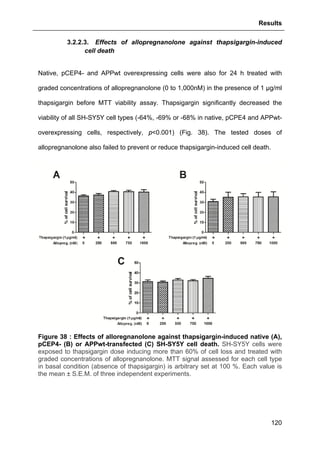
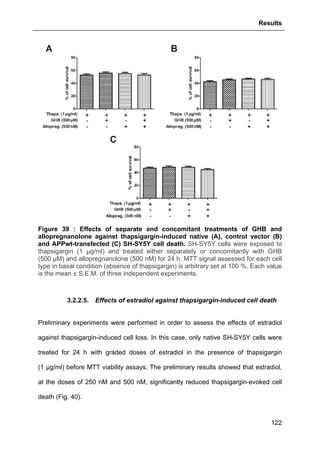
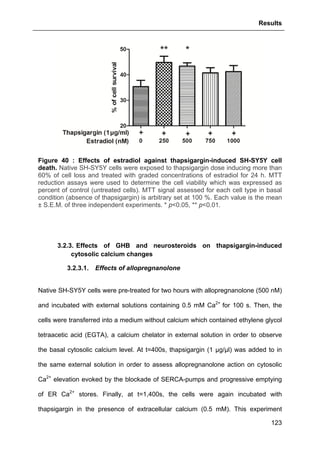
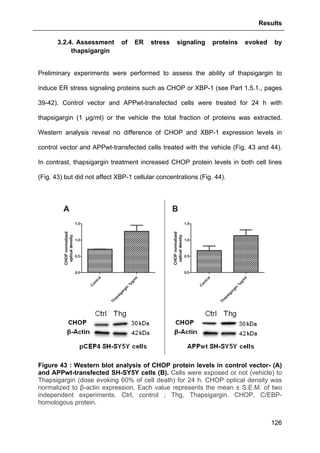
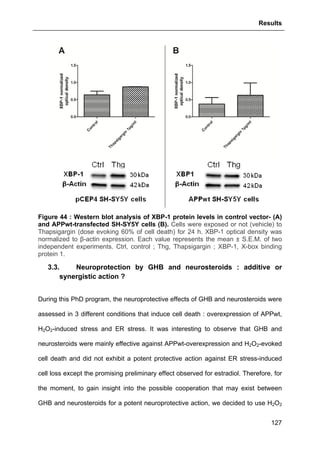
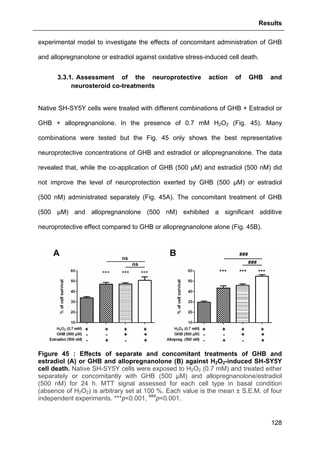
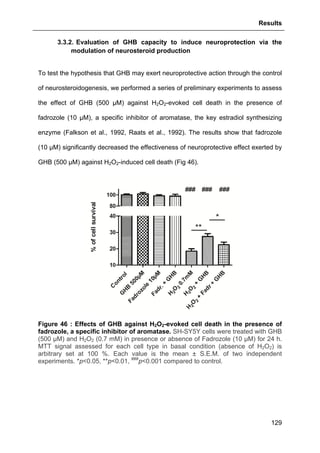
Ecole Doctorale des Sciences de la Vie et de la Santé (ED 414)
INSERM UMR_S U1119 – Biopathologies de la Myéline, Neuroprotection et
Stratégies Thérapeutiques
THÈSE
En cotutelle avec l’Universität des Saarlandes, Allemagne
présentée par :
Guillaume WENDT
soutenue en octobre 2014
pour obtenir le grade de : Docteur de l’Université de Strasbourg
Discipline / Spécialité : Neurosciences
Assessment of neuroprotective effects of
gamma-hydroxybutyrate and neurosteroids
on cellular models of Alzheimer’s disease
THÈSE dirigée par :
M. MENSAH-NYAGAN Ayikoé, Guy Professeur, Université de Strasbourg, France
M. SCHMITT Manfred J. Professeur, Universität des Saarlandes, Allemagne
RAPPORTEURS :
M. MÜLLER Uli Professeur, Universität des Saarlandes, Allemagne
M. KIRSCH Matthias Professeur, Universität Freiburg, Allemagne
AUTRES MEMBRES DU JURY :
M. DUFOUR André Professeur, Université de Strasbourg, France
M. DIEHL Björn Docteur, Universität des Saarlandes, Allemagne
Mme KEMMEL Véronique Docteur, Université de Strasbourg, France
A mon père
A ma famille
A mon épouse et mes deux filles
REMERCIEMENTS
Tout d’abord, je souhaite adresser mes remerciements à Monsieur le Professeur
André Dufour, Monsieur le Professeur Uli Müller, Monsieur le Professeur Matthias
Kirsch et le Docteur Björn Diehl d’avoir accepté de siéger dans le jury de ma thèse.
Je les remercie de m’accorder l’opportunité d’échanger scientifiquement avec eux.
Ensuite, je tiens à remercier chaleureusement Monsieur le Professeur Ayikoé Guy
Mensah-Nyagan de m’avoir offert la possibilité de faire ce projet de thèse franco-
allemand en cotutelle et de m’avoir fait confiance depuis ma première année de
Master. Je souhaite lui exprimer ma gratitude pour son encadrement, ses
enseignements, ses conseils, sa disponibilité et son soutien en toutes circonstances.
Son investissement et sa patience dans mon suivi m’ont énormément appris et
touché.
Je souhaite également remercier sincèrement Monsieur le Professeur Manfred J.
Schmitt, mon co-directeur de thèse, de m’avoir permis de mener à bien ce projet
franco-allemand de cotutelle de thèse. Merci de m’avoir accueilli en stage en
troisième année de Licence (ERASMUS) et de m’avoir soutenu dans mon projet
d’études franco-allemand. Je le remercie également pour sa disponibilité, son soutien
et les opportunités d’enseignements qu’il m’a offertes.
Un grand merci au Docteur Véronique Kemmel, ma co-encadrante, pour son aide, sa
disponibilité, son implication dans le projet et aussi les possibilités d’enseignements
qu’elle m’a proposées.
Un grand merci aussi au Docteur Christine Patte-Mensah qui m’a régulièrement aidé
et soutenu tout au long de ma thèse et avec qui nous avons souvent bien ri.
Merci également au Docteur Laurence Meyer pour son soutien, son aide dans de
nombreuses circonstances et les moments de rigolade partagés.
Un merci particulier au Docteur Jörn Pütz qui m’a convaincu de me lancer dans une
année ERAMUS et un parcours franco-allemand et qui m’a aidé dans de
nombreuses démarches durant cette cotutelle de thèse.
Je remercie chaleureusement Amandine Grimm pour sa disponibilité, son soutien et
les nombreuses discussions (scientifiques ou non) que nous avons eu depuis la
première année de Master.
Je tiens à remercier l’ensemble des membres et collègues de l’équipe
strasbourgeoise qui ont pu m’aider d’une manière ou d’une autre lors de ce long
périple qu’a été cette thèse ; entre autres, merci à Angeline Gaucherot, David
Hollinger, Julien Graff, Chritiane Marchand, Christine Stutz et Désirée Gigan pour
votre aide et votre soutien. Un merci particulier au Docteur Béatrice Uring-Lambert
qui m’a permis d’apprivoiser la cytométrie de flux et, par la même, de collecter des
données déterminantes dans la publication de mon premier article qui ne fût pas
sans difficultés.
Un grand merci au Docteur Björn Diehl pour son aide, ses nombreux conseils et son
soutien durant cette thèse. Je le remercie aussi pour ses enseignements concernant
le « saarländisch » et la culture attenante.
Merci beaucoup à tous mes collègues et amis thésards du laboratoire allemand qui,
pour certains d’entre eux ont déjà terminé leur thèse : Esther Giesselmann, Nina
Müller, Thorsten Hoffmann et Björn Becker. Vous m’avez été d’une aide précieuse et
les bons moments passés ensemble resteront dans les annales. Un merci particulier
à Björn Becker avec qui nous avons sportivement évacué le stress des expériences
sans résultats et qui a été d’un soutien sans faille en toutes circonstances
(notamment à mon enterrement de vie de garçon).
Un grand merci à l’ensemble des membres du laboratoire allemand, notamment le
Docteur Frank Breinig, pour leur aide durant les quatre dernières années. Merci à
Nicole Jundel pour son aide dans toutes mes démarches administratives et pour sa
curiosité en matière de vins français. Merci à Roswitha Schepp pour son soutien
technique et merci aux stagiaires qui m’ont formidablement aidé dans mon travail ;
Stefanie Gier, Melanie Graβ et Mylène Lanter. Merci à Dommenik Rammo pour les
savoureux débats scientifiques autour de la qualité des digestifs et autres cigares
dégustés pour fêter les expériences fructueuses.
Merci également à Sebastian Krug et à Kathrin Doerr ainsi qu’à leurs directeurs de
laboratoire (Prof. Hartmann et le Prof. Hoth) qui, même si les expériences étaient
infructueuses, m’ont permis d’aborder les techniques d’HPLC et de calcium imaging
et avec qui j’ai passé de très bons moments.
Puis, je souhaite remercier mes amis qui m’ont soutenu (et supporté) pendant ces
quatre dernières années. Je remercie notamment Catherine et Jonathan Van Loo
pour leur écoute, François Rivière pour ses délicieuses crêpes, Patrick et Alexia
Herrmann pour les bonnes soirée jeux passées ensemble. Merci à Lionel Untereiner
pour son soutien. Un merci particulier à Marc Bourgeois-Bour alias Marco, co-
fondateur (avec moi) du petit cercle des « épi-curistes » pour son écoute, son soutien
constant et les magnifiques « gueuletons » improvisés. Merci également à Patrick
Ovono avec lequel nous avons passé de bon moments entre thésards. Merci à
Guillaume (Choukette) Thomassin pour sa présence et son soutien. Merci également
à Thierry et Slavka Marchadour ainsi que Thierry Champougny pour leur présence et
les superbes soirées passées ensembles à Luxembourg. Un grand merci aussi à
l’ensemble des membres du groupe de jujitsu que j’anime à Phalsbourg et qui m’ont
permis de me défouler (souvent à leurs dépens) et de recharger les batteries.
Evidemment, merci à Jean-Christophe Ayot, mon vieil ami et professeur de jujitsu,
pour son écoute et son soutien, et grâce à qui la charpenterie n’a plus aucun secret
pour moi.
Je remercie sincèrement ma famille, particulièrement ma mamie et ma mère pour
leur présence, leur soutien sans faille et leurs encouragements depuis toujours et
durant ces quatre dernières années qui n’ont pas été les plus simples. Un grand
merci à mon petit frère David, qui malgré son jeune âge a fait preuve de la plus
grande sagesse et qui a su me réconforter dans les moments difficiles alors que ce
n’était pas forcément son rôle, merci vieux frère ! Je remercie également du fond du
cœur Anne-Sophie, qui durant cette thèse est devenue mon épouse et qui a le mérite
de me supporter depuis de longues années. Merci pour ta patience, ton soutien et
ton amour, cette thèse est un peu la tienne aussi. Merci aussi de m’avoir fait le plus
beau des présents : Agathe et Lucie (les plus beaux bébés du monde), qui ont un
mois et demi à l’heure où j’écris cette page et qui ont changé notre vie. Merci
également à ma belle famille avec laquelle nous passons régulièrement de bons
moments (culinaires entre autres).
Enfin, je souhaite remercier mon père, parti trop tôt, qui m’a toujours soutenu,
réconforté et qui m’a transmis sa curiosité, sans laquelle je ne serai pas allé jusqu’à
une thèse. J’espère que de là où il se trouve, il verra que cette thèse se termine avec
succès. Papa, cette thèse est pour toi…
DANKSAGUNG
Zuerst möchte ich mich bei Prof. Dr. Uli Müller, Prof. Dr. Matthias Kirsch, Prof. Dr.
André Dufour und Dr. Björn Diehl für die Zusage, in meinem Prüfungsausschuss zu
sitzen, bedanken. Ich danke Ihnen, dass Sie mir die Gelegenheit gaben, mit Ihnen
wissenschaftliche Themen auszutauschen.
Einen herzlichen Dank an Prof. Dr. Manfred J. Schmitt, meinem deutschen
Doktorvater, für die Möglichkeit, meine deutsch-französische Promotion in seiner
Arbeitsgruppe durchzuführen. Vielen Dank für Ihre Unterstützung und Ihr Vertrauen
seit meinem ERASMUS-Jahr an der Uni Saarland. Vielen Dank für Ihr Interesse an
einem Thema, das nicht direkt zu Ihrem Laborthema gehört. Vielen Dank für Ihre
Hilfe, Ihre Ratschläge und die konstruktive Kritik, die mir viel gebracht haben.
Herzlichen Dank noch für die Gelegenheit, die Sie mir gegeben haben, Vorlesungen
zu halten und für Ihre Unterstützung im Erwerben des Hochschuldidaktik-Zertifikats.
Ein großer Dank an Prof. Dr. Ayikoé Guy Mensah-Nyagan, meinem französischen
Doktorvater, für die Gelegenheit, meine deutsch-französische Promotion in seiner
Arbeitsgruppe durchzuführen. Vielen Dank für Ihre Unterstützung seit meinem ersten
Master-Jahr, für Ihre Hilfe, Ihre konstruktive Kritik und für die ansteckend gute Laune.
Danke auch für Ihre Bereitschaft und Mithilfe am Erarbeiten meines Papers und der
Dissertation.
Einen herzlichen Dank an Dr. Véronique Kemmel, meiner Betreuerin, für ihre
Verfügbarkeit, Ihre Hilfe und Unterstützung am Fortschritt meiner Experimente.
Vielen Dank auch an Dr. Christine Patte-Mensah und Dr. Laurence Meyer für ihre
Unterstützung.
Ein besonderer Dank gilt Prof. Dr. Uli Müller für die freundliche Übernahme der
wissenschaftlichen Koordination und die Bereitschaft, sich mit meinen Ergebnissen
und meinen wissenschaftlichen Fragen auseinanderzusetzen.
Vielen Dank an Dr. Jörn Pütz, der mir die Gelegenheit gab, ein ERASMUS-Jahr in
Saarbrücken zu verbringen, und der mich bei meiner deutsch-französischen
Doktorarbeit unterstützt hat.
Herzlichen Dank an meine deutschen Lieblings- Laborkollegen/in Esther
Giesselmann, Nina Müller, Björn Becker und Thorsten Hoffmann für ihre Hilfe und die
lustigen und witzigen Momente, die wir zusammen verbracht haben. Vielen Dank an
meinen Freund Björn Becker, der etwas zu schnell saarländisch redet, aber der mich
immer zum Lachen gebracht und sportlich (Firmenlauf) motiviert hat und für sein
Kommen zu meinem Junggesellenabschied (gell Björn ??). Danke auch an Dr. Frank
Breinig für alle Antworten, die er auf meine (manchmal blöden) Fragen gegeben hat.
Ein besonderer Dank an Dr. Björn Diehl für die Unterstützung, die Ratschläge und
die Hilfe bei vielen wissenschaftlichen- (oder nicht-wissenschaftlichen) und
Computer-Fragen sowie für die schönen sportlichen Momente, die wir zusammen
verbracht haben.
Bei Nicole Jundel (meiner Lieblingssekretärin) bedanke ich mich für die
hervorragende Hilfe bei bürokratischen und privaten Anliegen. Danke auch für Deine
Neugier im Wein-Bereich.
Ein großes Dankeschön geht auch an meine ehemaligen Praktikantinnen Stefanie
Gier, Melanie Graß und Mylène Lanter, die sich während ihrer Praktika bzw.
Bachelor-Arbeiten mit grossem Einsatz an meiner Forschung beteiligt haben und
somit zum Gelingen dieser Doktorarbeit beigetragen haben. Danke auch an
Dommenik Rammo für die interessanten wissenschaftlichen Debatten über Whiskys
und Zigarren.
Bei Roswitha Schepp möchte ich mich ganz herzlich für ihre Hilfe in Zellkultur und
Western Blots bedanken.
Für die wertvolle technische und freundliche Hilfe im Bereich Calcium Imaging und
HPLC danke ich Kathrin Doerr und Sebastian J. Krug und auch ihren jeweiligen
Laborleitern Prof. Dr. R.W. Hartmann und Prof. Dr. M. Hoth.
Vielen Dank an alle meine Freunde, die auch zum Gelingen dieser Arbeit beitrugen.
Zum Schluss möchte ich den wichtigsten Menschen in meinem Leben danken, die
diese Arbeit auch zum Teil erworben haben. Ich danke ganz herzlich meiner Familie,
die mich immer unterstützt hat. Besonders danke ich meiner Mutter und meiner
Grossmutter, für ihre Liebe, ihr Verständnis und ihre Geduld. Meinem kleinen Bruder
David für seine Unterstützung und seine Hilfe in zahlreichen Bereichen. Ich danke
auch von ganzem Herzen Anne-Sophie, die während meiner Promotion meine Frau
geworden ist. Danke für Deine Geduld, Dein Verständnis und Deine unvergängliche
Unterstützung im Laufe meiner (nicht so einfachen) Promotion. Danke von ganzem
Herzen für die bestmöglichen Geschenke, die unser Leben verändert haben: Agathe
und Lucie, die zwei schönsten Babies der Welt. Danke auch an meine
Schwiegereltern, Isabelle und Klaus (Roger) für ihre Unterstützung und die tollen
(kulinarischen) und lustigen Momente, die wir zusammen verbracht haben.
Mein letzter Dank geht an meinen verstorbenen Papa, der immer an mich geglaubt
hat und der mir die Neugier für alles beigebracht hat. Vielen Dank für Deine Liebe,
ich werde Dich nie vergessen. Diese Doktorarbeit ist für Dich…
Table of contents
1
ABSTRACT..............................................................................................................................4
ABREVIATIONS ......................................................................................................................5
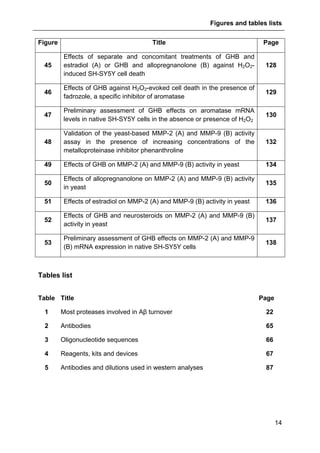
FIGURES AND TABLES LISTS............................................................................................11
FIGURES LIST.......................................................................................................................11
TABLES LIST.........................................................................................................................14
1. INTRODUCTION............................................................................................................15
1.1. ALZHEIMER’S DISEASE ..............................................................................................15
1.1.1. Clinical definition and etiological factors.............................................................15
1.1.2. Biological hallmarks and mechanisms................................................................16
1.1.2.1. Amyloid peptides..................................................................................................... 17
1.1.2.1.1. Biological clearance of amyloid peptides from the brain .................................... 22
1.1.2.2. Neurofibrillary tangles ............................................................................................. 23
1.1.3. Biological consequences of Amyloid peptides and neurofibrillary tangles..........26
1.1.3.1. Synaptic failure and axonal transport impairment................................................... 26
1.1.3.2. Neuroinflammation.................................................................................................. 28
1.1.3.3. Loss of calcium regulation....................................................................................... 28
1.1.4. Oxidative stress in Alzheimer’s disease .............................................................29
1.1.4.1. Amyloid peptides and oxidative stress.................................................................... 31
1.1.4.2. Tau and oxidative stress ......................................................................................... 32
1.1.4.3. Oxidative stress-induced apoptosis ........................................................................ 34
1.1.4.4. Oxidative stress, amyloidogenesis and Tau : a vicious circle................................. 37
1.1.5. Endoplasmic reticulum stress in Alzheimer’s disease ........................................39
1.1.5.1. ER functions under normal and pathological conditions......................................... 39
1.1.5.2. Endoplasmic reticulum stress in Alzheimer’s disease ............................................ 43
1.1.5.3. Interplay between Endoplasmic Reticulum and Mitochondria in
Alzheimer’s disease.................................................................................................................. 45
1.2. NEUROSTEROIDS......................................................................................................48
1.2.1. Definition and mode of actions ...........................................................................48
1.2.1.1. Genomic actions of neurosteroids .......................................................................... 49
1.2.1.2. Non genomic actions of neurosteroids.................................................................... 51
1.2.2. Evidence for neuroprotective effects of neurosteroids in neurodegenerative
disorders.........................................................................................................................52
1.3. GAMMA-HYDROXYBUTYRATE (GHB)..........................................................................54
1.3.1. GHB : an endogenous neuromodulator..............................................................54
1.3.2. Gamma-hydroxybutyrate as potential neuroprotective agent.............................58
1.4. GHB AND NEUROSTEROIDS : A POTENTIAL LINK .........................................................59
1.5. PHD PROJECT ..........................................................................................................60
1.5.1. Objectives...........................................................................................................60
1.5.2. Experimental models ..........................................................................................61
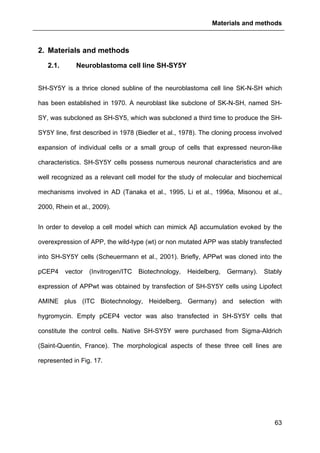
2. MATERIALS AND METHODS.......................................................................................63
2.1. NEUROBLASTOMA CELL LINE SH-SY5Y.....................................................................63
2.2. YEAST : PICHIA PASTORIS .........................................................................................64
2.3. MATERIAL ................................................................................................................65
2.3.1. Antibodies...........................................................................................................65
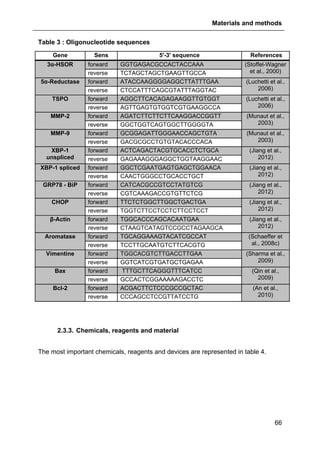
2.3.2. RNA oligonucleotides .........................................................................................65
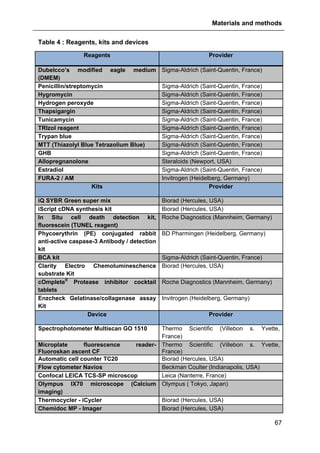
2.3.3. Chemicals, reagents and material ......................................................................66
Table of contents
2
2.4. CELL CULTURE .........................................................................................................68
2.4.1. SH-SY5Y cells ....................................................................................................68
2.4.1.1. Routine culture........................................................................................................ 68
2.4.1.2. Freezing and unfreezing of SH-SY5Y cells............................................................. 68
2.4.2. Pichia Pastoris....................................................................................................70
2.4.2.1. Culture media.......................................................................................................... 70
2.4.2.2. Pichia pastoris culture............................................................................................. 71
2.4.3. Cell counting.......................................................................................................72
2.5. CELL VIABILITY ASSAYS.............................................................................................73
2.5.1. Trypan blue exclusion method............................................................................73
2.5.2. MTT viability assay .............................................................................................73
2.6. RT-QPCR................................................................................................................76
2.6.1. RNA extraction....................................................................................................76
2.6.2. RNA concentration and quality determination ....................................................78
2.6.3. Reverse transcription..........................................................................................78
2.6.4. Real Time quantitative PCR (RT-qPCR) ............................................................79
2.7. PROTEIN BASED ANALYSIS ........................................................................................81
2.7.1. Samples preparation – Protein Extraction ..........................................................81
2.7.2. Assessment of protein level with BCA assay......................................................83
2.7.3. SDS-PAGE .........................................................................................................83
2.7.4. Western analysis ................................................................................................85
2.7.4.1. “Semi dry” blotting................................................................................................... 86
2.7.4.2. Immunodetection..................................................................................................... 86
2.8. MMP-2/-9 ACTIVITY ASSAY WITH RECOMBINANT YEAST..............................................88
2.9. FLOW CYTOMETRY- AND MICROSCOPY-BASED METHODS............................................90
2.9.1. Flow cytometry (FACS) assessment of activated Caspase-3 and
TUNEL labeling ..............................................................................................................90
2.9.2. Confocal microscope analysis of apoptotic signals ............................................91
2.9.3. Calcium [Ca2+
]i imaging ......................................................................................92
2.10. STATISTICAL ANALYSIS .............................................................................................94
3. RESULTS.......................................................................................................................95
3.1. EFFECTS OF GHB AND/OR NEUROSTEROIDS AGAINST OXIDATIVE STRESS- AND APPWT-
OVEREXPRESSION-INDUCED CELL DEATH ..............................................................................95
3.1.1. Effect of H2O2-induced oxidative stress on native and genetically modified SH-
SY5Y cell viability ...........................................................................................................95
3.1.2. Trypan blue exclusion and MTT assessments of control and APPwt-
overexpressing SH-SY5Y cell viability and survival .......................................................97
3.1.3. Assessment of basal level of apoptotic signal in native, control vector-pCEP4-
and APPwt-transfected cells...........................................................................................98
3.1.4. Protective effect of GHB against APPwt-overexpression-induced decreased cell
viability..........................................................................................................................100
3.1.5. Protective effect of GHB against H2O2-induced cell death ...............................100
3.1.6. Protective effect of GHB against APPwt-overexpression and H2O2-evoked
apoptosis ......................................................................................................................103
3.1.7. Protective effects of neurosteroids against H2O2-induced cell loss ..................109
3.1.7.1. Effects of Allopregnanolone .................................................................................. 109
3.1.7.2. Effects of Estradiol ................................................................................................ 110
3.1.7.3. Basal effects of neurosteroids on cell viability ...................................................... 112
Table of contents
3
3.2. EFFECTS OF GHB AND/OR NEUROSTEROIDS AGAINST ER STRESS-INDUCED
CELL DEATH .......................................................................................................................115
3.2.1. Effects of GHB or neurosteroids against tunicamycin-induced cell death ........115
3.2.1.1. Effects of tunicamycin on native SH-SY5Y cell viability........................................ 115
3.2.1.2. Effects of GHB or allopregnanolone against tunicamycin-induced cell death ...... 116
3.2.2. Effects of GHB or neurosteroids against thapsigargin-induced cell death........117
3.2.2.1. Effects of thapsigargin on native and genetically modified SH-SY5Y cell viability117
3.2.2.2. Effects of GHB against thapsigargin-induced cell death....................................... 119
3.2.2.3. Effects of allopregnanolone against thapsigargin-induced cell death................... 120
3.2.2.4. Assessment of concomitant actions of GHB and allopregnanolone against
thapsigargin-induced cell death.............................................................................................. 121
3.2.2.5. Effects of estradiol against thapsigargin-induced cell death................................. 122
3.2.3. Effects of GHB and neurosteroids on thapsigargin-induced cytosolic calcium
changes........................................................................................................................123
3.2.3.1. Effects of allopregnanolone................................................................................... 123
3.2.3.2. Effects of GHB ...................................................................................................... 125
3.2.4. Assessment of ER stress signaling proteins evoked by thapsigargin...............126
3.3. NEUROPROTECTION BY GHB AND NEUROSTEROIDS : ADDITIVE OR
SYNERGISTIC ACTION ?.......................................................................................................127
3.3.1. Assessment of the neuroprotective action of GHB and neurosteroid co-
treatments.....................................................................................................................128
3.3.2. Evaluation of GHB capacity to induce neuroprotection via the modulation of
neurosteroid production................................................................................................129
3.3.3. Effect of GHB on aromatase expression in SH-SY5Y cells..............................130
3.4. EFFECTS OF GHB AND/OR NEUROSTEROIDS ON THE ACTIVITY AND EXPRESSION OF
BETA AMYLOID DEGRADING ENZYMES (MMP-2 AND MMP-9)...............................................131
3.4.1. Effects of GHB and/or neurosteroids on human MMP-2 and MMP-9 activity
in yeast .........................................................................................................................131
3.4.1.1. Validation of the yeast-based assay ..................................................................... 131
3.4.1.2. Effects of GHB and/or neurosteroids on MMP-2 and MMP-9 activity................... 133
3.4.2. Effects of GHB on human MMP-2 and MMP-9 mRNA expression in
SH-SY5Y cells..............................................................................................................138
4. DISCUSSION ...............................................................................................................139
4.1. PROTECTIVE EFFECTS OF GHB AGAINST OXIDATIVE STRESS-INDUCED CELL DEATH ..139
4.2. PROTECTIVE EFFECTS OF ALLOPREGNANOLONE AND ESTRADIOL AGAINST OXIDATIVE
STRESS-INDUCED CELL DEATH ............................................................................................145
4.3. EFFECTS OF GHB AND NEUROSTEROIDS AGAINST ER STRESS-INDUCED CELL LOSS .147
4.4. INTERACTIONS BETWEEN GHB AND NEUROSTEROIDS FOR NEUROPROTECTIVE
STRATEGY..........................................................................................................................148
4.5. EFFECTS OF GHB AND NEUROSTEROIDS ON MMP-2 AND MMP-9
ACTIVITY/EXPRESSION ........................................................................................................151
5. CONCLUSIONS...........................................................................................................155
6. PERSPECTIVES..........................................................................................................158
7. REFERENCES.............................................................................................................160
DESCRIPTIF SYNTHETIQUE EN FRANÇAIS DES TRAVAUX DE LA THESE ................177
CURRICULUM VITAE .........................................................................................................189
Abstract
4
Abstract
This PhD work showed that GHB and neurosteroids efficiently protect neuroblastoma
cells against nerve cell death caused by Alzheimer's disease etiological factors
including amyloid precursor protein overexpression and oxidative stress.
Interestingly, an additive action of GHB and allopregnanolone was identified that may
result from the combination of partial stimulation of anti-apoptotic protein expression
induced by both compounds. GHB protective effect was blocked by aromatase
inhibitors, suggesting that GHB may also induce neuroprotection via the activation of
neurosteroidogenesis. Finally, we have used a yeast-based MMP activity assay to
check whether GHB and neurosteroids can regulate the activity of human MMP-2
and MMP-9, which both control Aβ peptide degradation. Although we cannot yet
conclude from our preliminary results, further improvement of the experimental setup
in combination with RT-qPCR and western analyzes in human neuroblastoma cells
will help to determine the modulatory action of GHB and neurosteroids on MMP
activity and/or expression. Together, our data suggest that GHB and neurosteroids
may be used to develop combined neuroprotective strategies against neuronal loss
in Alzheimer disease.
Zusammenfassung
In der vorliegenden Doktorarbeit konnte gezeigt werden, dass Gamma-
Hydroxybutyrat (GHB) und Neurosteroide effektiv in der Lage sind, Neuroblastoma
Zellen vor den ätiologischen Faktoren der Alzheimer-Krankheit, darunter
insbesondere durch oxidativen Stress und Überexpression von Amyloid-Precursor-
Proteinen verursachten Zelltod, zu schützen. Interessanterweise wurde eine additive
neuroprotektive Wirkung von GHB und Allopregnanolon gegen den durch oxidativen
Stress induzierten Zelltod beobachtet. Diese additive Wirkung ist vermutlich auf eine
spezifische Aktivierung von anti-apoptotischen Signalwegen durch GHB und
Allopregnanolon zurückzuführen. Die Schutzwirkung von GHB wurde durch
Aromatase-Inhibitoren blockiert, was darauf schließen lässt, dass GHB
möglicherweise die Neurosteroidogenese aktiviert. Abschließend wurde mit Hilfe
eines Hefe-basierten MMP-Aktivitätstests überprüft, ob GHB und/oder Neurosteroide
die Aktivität von humanem MMP-2 bzw. MMP-9, welche den Abbau von Aβ-Peptiden
kontrollieren, direkt beeinflussen. Auch wenn mit dem verwendeten Testsystem noch
kein signifikanter Effekt von GHB und Neurosteroiden beobachtet wurde, sollte eine
weitere Optimierung des Testsystems kombiniert mit RT-qPCR und Western-
Analysen an humanen Neuroblastoma Zellen dazu beitragen, mögliche
regulatorische Effekte von GHB und Neurosteroiden auf die MMP-Aktivitat und -
Expression zu bestimmen. Zusammenfassend deuten die vorliegenden Daten darauf
hin, dass GHB und Neurosteroide möglicherweise als kombinierte Neuroprotektiva in
der Alzheimer-Therapie Anwendung finden könnten.
Abreviations
5
Abreviations
AD Alzheimer’s disease
[Ca2+
]i Intracellular calcium
17β-HSD 17β-Hydroxysteroid dehydrogenase
3α,5α-THP 3α, 5α-Tetrahydroxyprogesterone or allopregnanolone
3α-DIOL 3α-androstanediol
3α-HSOR 3α-Hydroxysteroid oxidoreductase
3β-HSD 3β-Hydroxysteroid dehydrogenase
5α-R 5α-Reductase
ABAD Aβ binding protein alcool dehydrogenase
ACE Angiotensin converting enzyme
acetyl-CoA Acetyl-Coenzyme A
ADAM A-disintegrin and metalloprotease
AF1 Activation function 1 domain
AF2 Activation function 2 domain
AICD APP intracellular domain
AMPAR α-amino-3-hydroxy-5-methyl-4- isoxazoleproprionic acid receptor
ANOVA Analysis of variance
AOX1 Alcohol oxidase 1
AOX2 Alcohol oxidase 2
AP Allopregnanolone
Apaf-1 Apoptotic protease activating factor 1
APH1 Anterior pharynx defective
APP Amyloid precursor protein
APP-CTFβ APP carboxy-terminal fragment
APPwt Wild-type APP
APS Ammonium persulfate
AR Androgens receptors
ARG Arginine
ATF4 Activating transcription factor 4
ATF6 Activating transcription factor 6
ATP Adenosine triphosphate
Abreviations
6
Aβ Beta-amyloid peptides
BACE-1 β-site APP cleaving enzyme 1
Bax Bcl-2 associated X protein
BCA Bicinchoninic acid
Bcl-2 B-cell Lymphoma 2
BiP Binding immunoglobulin protein
BIS N,N'-methylene-bis-acrylamide
BMG Buffered Minimal Glycerol
BMM Buffered Minimal Methanol
BSA Bovine serum albumine
cAMP Cyclic adenosine monophosphate
caspases Cysteine-dependent, aspartate-specific proteases
CAT Catalase
CDK5 cyclin-dependent kinase 5
cDNA Complementary DNA
CHOP C/EBP-homologous protein
CNS Central nervous system
COX Cytochrome c oxidase
CREB cAMP response element binding protein
Cyt c Cytochrome c
DBD DNA-binding domain
DHEA Dehydroepiandrosterone
DHP Dihydroprogesterone
DHT Dihydrotestosterone
DMEM Dubelcco’s modified eagle medium
DMSO dimethylsulfoxide
DNA Deoxyribonucleic acid
dsDNA Double strand DNA
E2 Estradiol
EC50 Half maximal effective concentration
EDTA Ethylenediaminetetraacetic acid
EGTA Ethylene glycol tetraacetic acid
EIF2α Eukaryotic translation initiation factor 2α
Abreviations
7
ER Endoplasmic reticulum
E2R Estrogens receptor
ERAD ER associated degradation
ERE Estrogen response elements
ERK2 Extracellular signal-related kinase 2
ETC Electron transport chain
FACS Fluorescence activated cell sorting
FAD Familial Alzheimer’s disease
FADH2 Flavin adenine nucleotide
FITC Fluorescein
FURA-2 AM FURA-2 acetoxymethyl ester
GABA γ-aminobutyric acid
GABAA-R γ-aminobutyric acid type A receptors
GABAB-R γ-aminobutyric acid type B receptors
GABA-T GABA-transminase
GADD153 DNA damage inducible gene 153
GHB Gamma-hydroxybutyrate
GHBh1 GHB human receptor type 1
GHB-R GHB-receptor
GHB-T GHB-transporter
GPCRs G protein-coupled receptors
GPX Glutathione peroxidase
GR Glucocorticoids receptor
GRP78 Glucose-regulated protein 78kDa
GSK3β Glycogen synthase kinase 3β
HIS Histidine
HMG-CoA 3-hydroxy-3-methylglutaryl-CoA
HMGR HMG-CoA reductase
HRP Horse raddish peroxidase
IDE Insulin degrading enzyme
IMM Inner membrane
IMS Inter-membrane space
IP3R Inositol triphosphate receptor
Abreviations
8
IRE1α Inositol-requiring enzyme 1α
JNK JUN amino-terminal kinase
LBDs Ligand binding regions
LTD Long term depression
LTP Long term potentiation
MAMs Mitochondria-ER associated membranes
MAPK Mitogen activated protein kinase
MAPs Microtubule-associated proteins
MCI Mild cognitive impairment
MMP-2 Matrix Metalloproteinase 2
MMP-9 Matrix Metalloproteinase 9
MOMP Mitochondrial outer membrane permeabilization
MR Mineralocorticoids receptor
mRNA Messenger ribonucleic acid
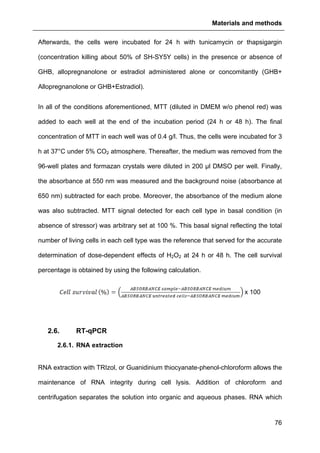
MTT 3-[4,5-dimethylthiazol-2-yl]-2,5 diphenyl tetrazolium bromide
NADH Nicotine adenine dinucleotide
NEP Neprylysin
NFTs Neurofibrillary tangles
NFκB Nuclear factor kappa-light-chain-enhancer of activated B cells
NLS Nuclear localization signal
NMDAR N-methyl-D-aspartate receptor
NR2A NMDAR subunit 2A
NR2B NMDAR subunit 2B
NR Nuclear receptors
OD Optical density
OxPhos Oxidative phosphorylation
P450c17 Cytochrome P450c17 or 17α-hydroxylase
P450scc Cytochrome P450side chain-cleavage
PBS Phosphate buffered saline
PCR Polymerase chain reaction
PDH Pyruvate dehydrogenase
PERK Protein kinase RNA-like ER kinase
PE Phycoerythrin
Abreviations
9
PI3K/Akt Phosphatidylinositol 3-kinase and protein kinase B
PNS Peripheral nervous system
PPP Pentose phosphate pathway
PR Progestins receptors
PSD95 Post-synaptic density protein 95
PSEN1 Presenilin 1
PSEN2 Presenilin 2
PTPC Permeability transition pore complex
PVDF Polyvinylidene
PXR Pregnane xenobiotic receptor
RFU Relative fluorescence intensity
RIPA buffer Radio Immunoprecipitation assay buffer
RNS Reactive nitrogen species
ROS Reactive oxygen species
RPM Revolutions per minute
RT-qPCR Real time quantitative polymerase chain reaction
RyR Ryanodine receptor
SAD Sporadic Alzheimer’s disease
SDS Sodium dodecyl sulfate
SDS-PAGE Sodium dodecyl sulfate - Polyacrylamide Gel Electrophoresis
SEM Standart error of the means
SERCA pumps Sarcoplasmic or endoplasmic reticulum Ca2+
-ATPases
SOD Superoxide dismutase
SRCs Steroid receptor coactivators
SSA Succinic semialdehyd
SSADH Succinic semialdehyde dehydrogenase
SSR Succinic semialdehyde reductase
StAR Steroidogenic acute regulatory protein
STAT3 Signal transducer and activator of transcription 3
SUC Succinate
TBS Tris Buffered Saline
TC Tunicamycin
TCA Tricarboxilic acid
Abreviations
10
TEMED -N,N,N',N'-tetramethylethylene diamine
THDOC Tetrahydrodeoxy-corticosterone
THG Thapsigargin
TIMPs Tissue inhibitors of metalloproteinases
TNF-α Tumor necrosis factor α
TRIzol Guanidinium thiocyanate-phenol-chloroform
Trxr-1 Thioredoxin reductase 1
TSPO Translocator protein (18-kDa)
TUNEL Terminal deoxynucleotidyl transferase dUTP nick end labeling
UPR Unfolded protein response
UQ Ubiquinone
VDAC Voltage-dependent anion channel
VIAAT Vesicular inhibitory amino acid transporter
XBP-1 X-box binding protein 1
YNB Yeast nitrogen base
α7-nAChR α7-nicotinic-acetylcholine receptor
αKGD α-ketoglutarate dehydrogenase
Figures and tables lists
11
Figures and tables lists
Figures list
Figure Title Page
1 Clinical course of Alzheimer’s disease. 16
2
Amyloid plaques and neurofibrillary tangles in human cerebral
cortex of Alzheimer’s disease patient
17
3 Proteolysis of Amyloid Precursor Protein 19
4 Generation of Aβ peptides from APP 20
5 Aggregation of Aβ into oligomers, fibrils and plaques 21
6 Formation of paired helical filaments and neurofibrillary tangles 24
7 Schematic representation of the oxidative phosphorylation system 30
8 Impairment of the electron transport chain in Alzheimer’s disease 33
9
Intrinsic mitochondrial pathway of apoptosis induced by oxidative
stress or calcium overload
36
10 Central role of oxidative stress in Alzheimer’s disease 38
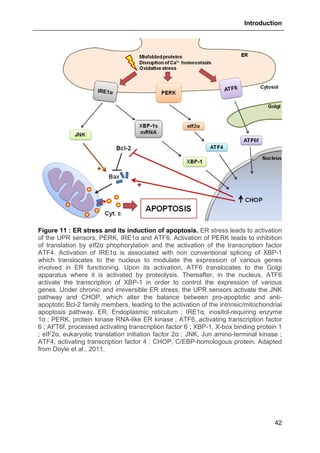
11 ER stress and its induction of apoptosis 42
12
Endoplasmic reticulum stress-mediated cell death in Alzheimer’s
disease
44
13
Interplay between endoplasmic reticulum and mitochondria in
Alzheimer’s disease
47
14 Biochemical pathways leading to neurosteroids biosynthesis 49
15
General outline of functional and structural domains of steroid
hormones nuclear receptors
50
16 Overview of a GABA/GHB synapse 47
17 Morphology of native and transfected SH-SY5Y cells 64
18 MTT assay principle 18
Figures and tables lists
12
Figure Title Page
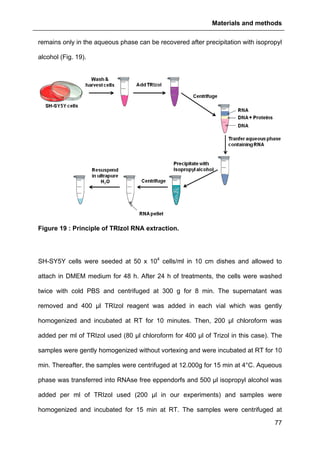
19 Principle of TRIzol RNA extraction 77
20
Schematic outline of the MMP-2/-9 bioassay used in this thesis on
the basis of recombinant P. pastoris cells
89
21
Dose-response and time-course studies of the effect of H2O2 on
native, control vector-CEP4-transfected and APPwt-transfected
SH-SY5Y cells viability
96
22
Basal percentages of dead in control and APPwt-overexpressing-
cells
98
23
Characterization of basal levels of apoptotic signal in native,
control vector-pCEP4- and APPwt-transfected cells
99
24
Dose-response and time-course studies of the effect of GHB on
native (A, B), control vector-pCEP4-transfected (C, D) and APPwt-
transfected (E, F) SH-SY5Y cell viability
101
25
Protective effect of GHB against H2O2-induced native (A, B),
control vector-pCEP4-transfected (C, D) and APPwt-transfected
(E, F) SH-SY5Y cell death
102
26
Flow cytometry qualitative (A) and quantitative (B) assessment of
GHB (500 µM for 24h) effects on the levels of TUNEL-FITC
staining in native, control-vector- and APPwt-transfected SH-
SY5Ycells in the absence (basal) or presence of H2O2
104
27
Confocal laser scanning microscope analysis of GHB effects on
the level of TUNEL-FITC-immunoreactive signal in native and
genetically modified cells in the absence or presence of H2O2
106
28
Flow cytometry qualitative (A) and quantitative (B) assessment of
GHB (500 µM for 24h) effects on the levels of activated caspase-
3-PE staining in native, control-vector- and APPwt-transfected SH-
SY5Ycells in the absence (basal) or presence of H2O2
107
29
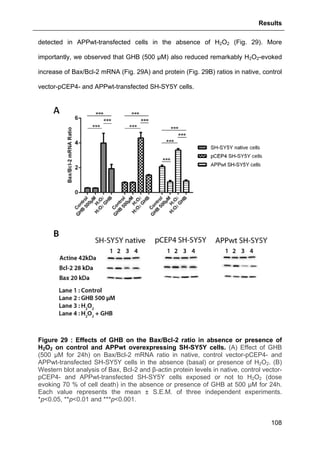
Effects of GHB on the Bax/Bcl-2 ratio in absence or presence of
H2O2 on control and APPwt overexpressing SH-SY5Y cells
108
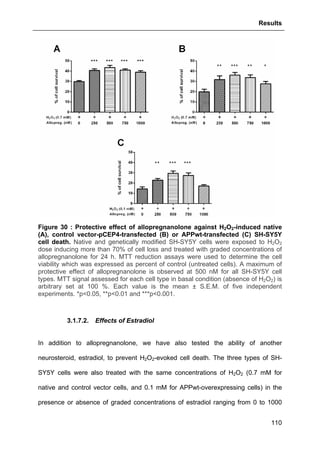
30
Protective effect of allopregnanolone against H2O2-induced native
(A), control vector-pCEP4-transfected (B) or APPwt-transfected
(C) SH-SY5Y cell death 110
Figures and tables lists
13
Figure Title Page
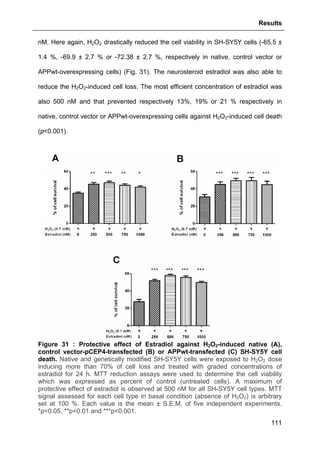
31
Protective effect of Estradiol against H2O2-induced native (A),
control vector-pCEP4-transfected (B) or APPwt-transfected (C)
SH-SY5Y cell death
111
32
Dose-response study of the effect of allopregnanolone on native
(A), control vector-pCEP4-transfected (B) or APPwt-transfected
(C) SH-SY5Y cell viability
113
33
Dose-response study of the effect of estradiol on native (A),
control vector-pCEP4-transfected (B) or APPwt-transfected (C)
SH-SY5Y cell viability
114
34
Dose-response effect of tunicamycin on native SH-SY5Y cell
viability
115
35
Effects of GHB (A, C) and allopregnanolone (B, D) against
tunicamycin-induced native SH-SY5Y cell death
117
36
Dose-response effect of tunicamycin on native (A), control vector
(B) or APPwt transfected SH-SY5Y cell viability
118
37
Effects of GHB against thapsigargin-induced native (A), pCEP4-
(B) or APPwt-transfected (C) SH-SY5Y cell death
119
38
Effects of allopregnanolone against thapsigargin-induced native
(A), pCEP4- (B) or APPwt-transfected (C) SH-SY5Y cell death
120
39
Effects of separate and concomitant treatments of GHB and
allopregnanolone against thapsigargin-induced native (A), control
vector (B) and APPwt-transfected (C) SH-SY5Y cell death
122
40
Effects of estradiol against thapsigargin-induced SH-SY5Y cell
death
123
41
Effects of allopregnanolone on thapsigargin-induced cytosolic
calcium elevations
124
42
Effects of GHB on thapsigargin-induced cytosolic calcium
elevations
125
43
Western blot analysis of CHOP protein levels in control vector- (A)
and APPwt-transfected SH-SY5Y cells (B)
126
44
Western blot analysis of XBP-1 protein levels in control vector- (A)
and APPwt-transfected SH-SY5Y cells (B)
127
Figures and tables lists
14
Figure Title Page
45
Effects of separate and concomitant treatments of GHB and
estradiol (A) or GHB and allopregnanolone (B) against H2O2-
induced SH-SY5Y cell death
128
46
Effects of GHB against H2O2-evoked cell death in the presence of
fadrozole, a specific inhibitor of aromatase
129
47
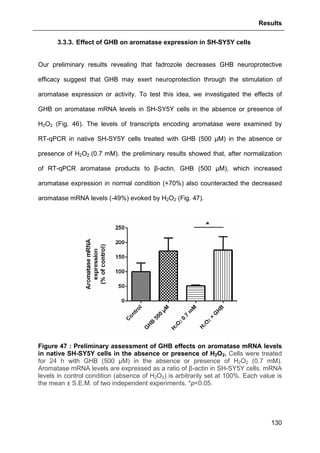
Preliminary assessment of GHB effects on aromatase mRNA
levels in native SH-SY5Y cells in the absence or presence of H2O2
130
48
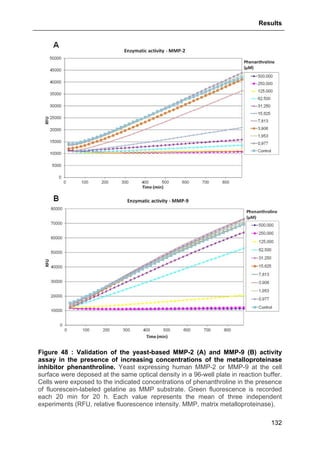
Validation of the yeast-based MMP-2 (A) and MMP-9 (B) activity
assay in the presence of increasing concentrations of the
metalloproteinase inhibitor phenanthroline
132
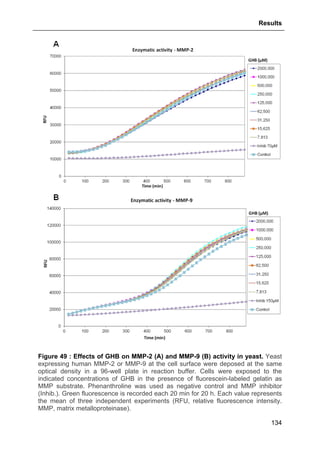
49 Effects of GHB on MMP-2 (A) and MMP-9 (B) activity in yeast 134
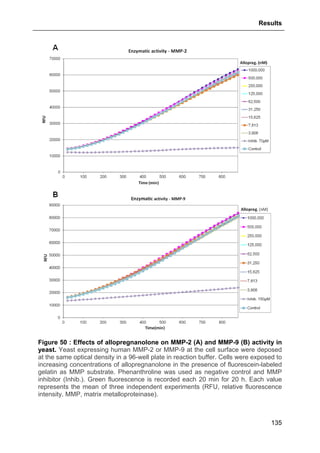
50
Effects of allopregnanolone on MMP-2 (A) and MMP-9 (B) activity
in yeast
135
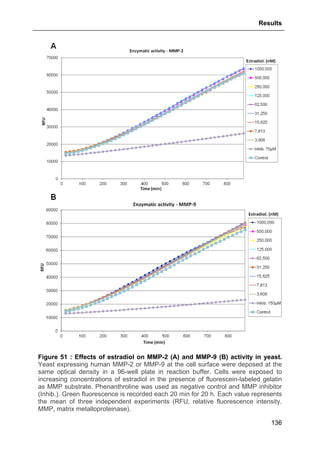
51 Effects of estradiol on MMP-2 (A) and MMP-9 (B) activity in yeast 136
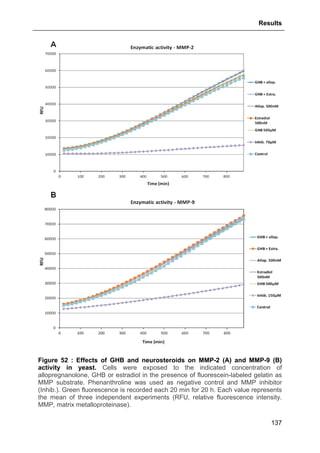
52
Effects of GHB and neurosteroids on MMP-2 (A) and MMP-9 (B)
activity in yeast
137
53
Preliminary assessment of GHB effects on MMP-2 (A) and MMP-9
(B) mRNA expression in native SH-SY5Y cells
138
Tables list
Table Title Page
1 Most proteases involved in Aβ turnover 22
2 Antibodies 65
3 Oligonucleotide sequences 66
4 Reagents, kits and devices 67
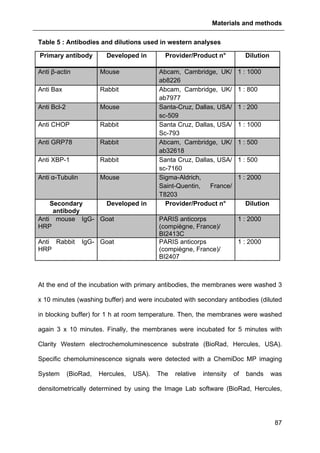
5 Antibodies and dilutions used in western analyses 87
Introduction
15
1. Introduction
1.1. Alzheimer’s disease
1.1.1. Clinical definition and etiological factors
Alzheimer’s disease (AD), which was first described by Alois Alzheimer in 1907
(Alzheimer, 1907), is the most frequent cause of dementia in Western societies
affecting more than 35 million people worldwide, including 860,000 in France and 1.2
million in Germany (Sperling et al., 2011). Thus, AD represents a major health
concern identified as a research priority in several countries. The clinical course of
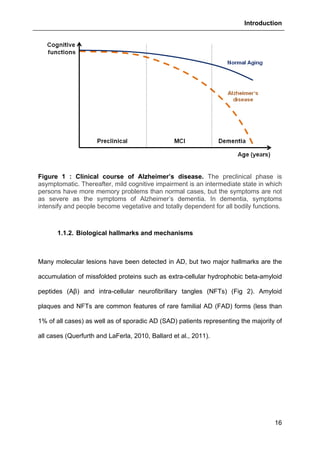
AD represents a continuum including three phases; the Preclinical phase, the mild
cognitive impairment (MCI) phase and the dementia itself (see Fig. 1) (Sperling et al.,
2011). MCI is an intermediate state in which persons have more memory problems
than subtle mnesic disturbances considered as normal for their age, but their
symptoms are not severe as in AD patients. As the disease progresses (usually a
period of 7 to 10 years), AD patients become vegetative and totally dependent for all
bodily functions (Petersen et al., 1999). Since there are no curative treatments
available yet, the final issue of the pathology is always the death of patients due to
secondary complications.
Introduction
16
Figure 1 : Clinical course of Alzheimer’s disease. The preclinical phase is
asymptomatic. Thereafter, mild cognitive impairment is an intermediate state in which
persons have more memory problems than normal cases, but the symptoms are not
as severe as the symptoms of Alzheimer’s dementia. In dementia, symptoms
intensify and people become vegetative and totally dependent for all bodily functions.
1.1.2. Biological hallmarks and mechanisms
Many molecular lesions have been detected in AD, but two major hallmarks are the
accumulation of missfolded proteins such as extra-cellular hydrophobic beta-amyloid
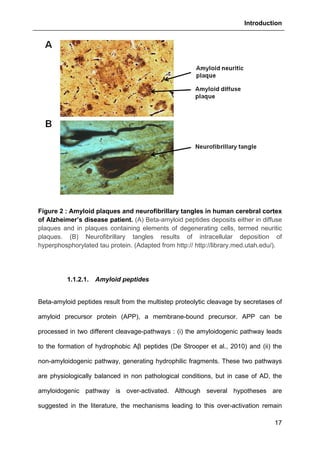
peptides (Aβ) and intra-cellular neurofibrillary tangles (NFTs) (Fig 2). Amyloid
plaques and NFTs are common features of rare familial AD (FAD) forms (less than
1% of all cases) as well as of sporadic AD (SAD) patients representing the majority of
all cases (Querfurth and LaFerla, 2010, Ballard et al., 2011).
Introduction
17
Figure 2 : Amyloid plaques and neurofibrillary tangles in human cerebral cortex
of Alzheimer’s disease patient. (A) Beta-amyloid peptides deposits either in diffuse
plaques and in plaques containing elements of degenerating cells, termed neuritic
plaques. (B) Neurofibrillary tangles results of intracellular deposition of
hyperphosphorylated tau protein. (Adapted from http:// http://library.med.utah.edu/).
1.1.2.1. Amyloid peptides
Beta-amyloid peptides result from the multistep proteolytic cleavage by secretases of
amyloid precursor protein (APP), a membrane-bound precursor. APP can be
processed in two different cleavage-pathways : (i) the amyloidogenic pathway leads
to the formation of hydrophobic Aβ peptides (De Strooper et al., 2010) and (ii) the
non-amyloidogenic pathway, generating hydrophilic fragments. These two pathways
are physiologically balanced in non pathological conditions, but in case of AD, the
amyloidogenic pathway is over-activated. Although several hypotheses are
suggested in the literature, the mechanisms leading to this over-activation remain
Introduction
18
unclear (De Strooper, 2010, De Strooper et al., 2010, Querfurth and LaFerla, 2010,
Ballard et al., 2011).
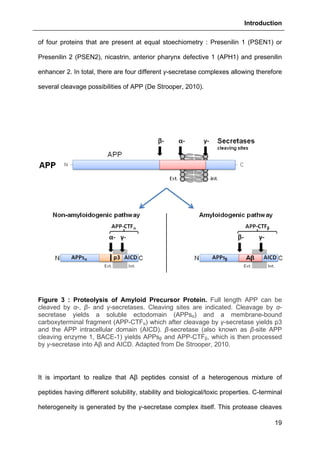
In the amyloidogenic pathway, APP is cleaved by β-secretase and γ-secretase (Fig.
3). β-secretase releases the ectodomain APPsβ, and the remaining APP carboxy-
terminal fragment (APP-CTFβ) is subsequently cleaved by γ-secretase which
generates extracellular Aβ peptides and APP intracellular domain (AICD). The
biological functions of APPsβ, Aβ and AICD are poorly understood, although Aβ
release is associated with decreased synaptic activity and abnormal
neurotransmission (Kamenetz et al., 2003). AICD has been proposed to be a
transcription factor (Cao and Sudhof, 2001) but this suggestion is controversial
(Hebert et al., 2006, Waldron et al., 2008).
The non-amyloidogenic pathway involves α-secretase activity which releases APPsα
ectodomain and carboxy-terminal APP-CFTα is thereafter processed by γ-secretase
generating a small p3 fragment and AICD (Fig. 3). It has been shown that APPsα
ectodomain may exert neuroprotective effect and synapse-promoting action, but the
mechanisms involved are most non elucidated (Bandyopadhyay et al., 2007).
α-Secretase is a family of membrane-bound metalloproteases. Several members of
the “A disintegrin and metalloprotease” or ADAM family have been implicated as
α-secretases. ADAM-9, -10, and -17 appear to be the major members of the
α-secretase family (De Strooper, 2010). In contrast to the α-Secretase family,
β-Secretase activity is mainly due to one enzyme : the β-site APP cleaving enzyme 1
(BACE-1). BACE-1 is a membrane-bound aspartyl protease, and its genetic
inactivation results in a dose dependent decrease of Aβ generation and deposition in
various APP-overexpressing mouse models (Laird et al., 2005, McConlogue et al.,
2007, Kobayashi et al., 2008). γ-Secretase is a multi-enzymatic complex composed
Introduction
19
of four proteins that are present at equal stoechiometry : Presenilin 1 (PSEN1) or
Presenilin 2 (PSEN2), nicastrin, anterior pharynx defective 1 (APH1) and presenilin
enhancer 2. In total, there are four different γ-secretase complexes allowing therefore
several cleavage possibilities of APP (De Strooper, 2010).
Figure 3 : Proteolysis of Amyloid Precursor Protein. Full length APP can be
cleaved by α-, β- and γ-secretases. Cleaving sites are indicated. Cleavage by α-
secretase yields a soluble ectodomain (APPsα) and a membrane-bound
carboxyterminal fragment (APP-CTFα) which after cleavage by γ-secretase yields p3
and the APP intracellular domain (AICD). β-secretase (also known as β-site APP
cleaving enzyme 1, BACE-1) yields APPsβ and APP-CTFβ, which is then processed
by γ-secretase into Aβ and AICD. Adapted from De Strooper, 2010.
It is important to realize that Aβ peptides consist of a heterogenous mixture of
peptides having different solubility, stability and biological/toxic properties. C-terminal
heterogeneity is generated by the γ-secretase complex itself. This protease cleaves
Introduction
20
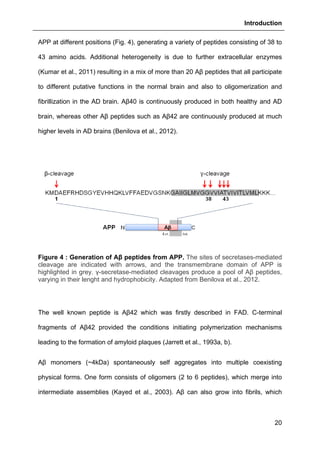
APP at different positions (Fig. 4), generating a variety of peptides consisting of 38 to
43 amino acids. Additional heterogeneity is due to further extracellular enzymes
(Kumar et al., 2011) resulting in a mix of more than 20 Aβ peptides that all participate
to different putative functions in the normal brain and also to oligomerization and
fibrillization in the AD brain. Aβ40 is continuously produced in both healthy and AD
brain, whereas other Aβ peptides such as Aβ42 are continuously produced at much
higher levels in AD brains (Benilova et al., 2012).
Figure 4 : Generation of Aβ peptides from APP. The sites of secretases-mediated
cleavage are indicated with arrows, and the transmembrane domain of APP is
highlighted in grey. γ-secretase-mediated cleavages produce a pool of Aβ peptides,
varying in their lenght and hydrophobicity. Adapted from Benilova et al., 2012.
The well known peptide is Aβ42 which was firstly described in FAD. C-terminal
fragments of Aβ42 provided the conditions initiating polymerization mechanisms
leading to the formation of amyloid plaques (Jarrett et al., 1993a, b).
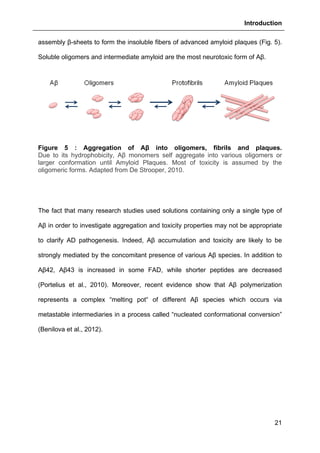
Aβ monomers (~4kDa) spontaneously self aggregates into multiple coexisting
physical forms. One form consists of oligomers (2 to 6 peptides), which merge into
intermediate assemblies (Kayed et al., 2003). Aβ can also grow into fibrils, which
Introduction
21
assembly β-sheets to form the insoluble fibers of advanced amyloid plaques (Fig. 5).
Soluble oligomers and intermediate amyloid are the most neurotoxic form of Aβ.
Figure 5 : Aggregation of Aβ into oligomers, fibrils and plaques.
Due to its hydrophobicity, Aβ monomers self aggregate into various oligomers or
larger conformation until Amyloid Plaques. Most of toxicity is assumed by the
oligomeric forms. Adapted from De Strooper, 2010.
The fact that many research studies used solutions containing only a single type of
Aβ in order to investigate aggregation and toxicity properties may not be appropriate
to clarify AD pathogenesis. Indeed, Aβ accumulation and toxicity are likely to be
strongly mediated by the concomitant presence of various Aβ species. In addition to
Aβ42, Aβ43 is increased in some FAD, while shorter peptides are decreased
(Portelius et al., 2010). Moreover, recent evidence show that Aβ polymerization
represents a complex “melting pot“ of different Aβ species which occurs via
metastable intermediaries in a process called “nucleated conformational conversion”
(Benilova et al., 2012).
Introduction
22
1.1.2.1.1. Biological clearance of amyloid peptides from the brain
The physiological Aβ fractional clearance rate is estimated to be about 8% per hour
(Bateman et al., 2006). Physiological parameters, like blood and cerebrospinal fluid in
the brain together with various “clearance receptors” are implicated in the removal of
Aβ, which can also be taken up by endothelial cells of the blood-brain-barrier (De
Strooper, 2010). Defects in these clearance processes appear to be relevant for the
accumulation of Aβ on the blood vessels walls, causing vascular abnormalities and
angiopathy observed in AD brains.
The proteolytic machinery in cerebral tissues also contribute to the clearance of Aβ
peptides and fibrils. Knockout experiments of specific proteases demonstrated the
increase of cerebral concentrations of Aβ peptides (Table 1).
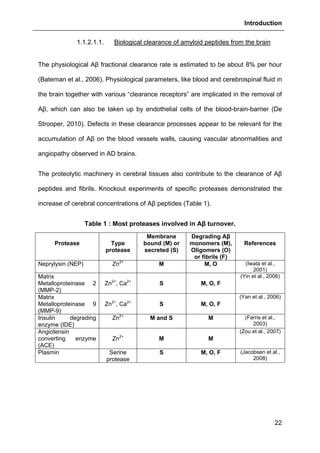
Table 1 : Most proteases involved in Aβ turnover.
Protease Type
protease
Membrane
bound (M) or
secreted (S)
Degrading Aβ
monomers (M),
Oligomers (O)
or fibrils (F)
References
Neprylysin (NEP) Zn2+
M M, O (Iwata et al.,
2001)
Matrix
Metalloproteinase 2
(MMP-2)
Zn2+
, Ca2+
S M, O, F
(Yin et al., 2006)
Matrix
Metalloproteinase 9
(MMP-9)
Zn2+
, Ca2+
S M, O, F
(Yan et al., 2006)
Insulin degrading
enzyme (IDE)
Zn2+
M and S M (Farris et al.,
2003)
Angiotensin
converting enzyme
(ACE)
Zn2+
M M
(Zou et al., 2007)
Plasmin Serine
protease
S M, O, F (Jacobsen et al.,
2008)
Introduction
23
Matrix-Metalloproteinases are secreted zinc- and calcium-dependent
endopeptidases. MMP-2 and MMP-9, also known as gelatinases, are secreted and
activated in the extra-cellular compartment. They modulate various physiological
functions including neuritic outgrowth and matrix remodeling (Page-McCaw et al.,
2007, Ould-yahoui et al., 2009) but they are also involved neuroinflammation or
tumor invasiveness (Curran and Murray, 1999, Yong, 2005). MMP-2 and MMP-9 are
expressed at low levels in the brain, but their astrocytal expression can be stimulated
by Aβ peptides. Knockout of MMP-2 results in increased concentration of Aβ
peptides in the soluble fraction of hippocampus and cortex, while infusion of broad-
spectrum of MMPs inhibitor in the brain also induced an increase of Aβ levels (Yin et
al., 2006).
In both FAD and SAD, there is a clear unbalance between the production and the
clearance of Aβ peptides. Therefore, one therapeutic strategy may be the up-
regulation of the brain expression/activity of amyloid degrading enzymes such as
MMP-2 or MMP-9.
1.1.2.2. Neurofibrillary tangles
Neurofibrilary tangles (NFTs) are filamentous inclusions found in cell bodies and
apical dendrites in AD and other neurodegenerative disorders generally termed
tauopathies (Lee et al., 2001). Usually, the number of NFTs reflects the severity of
the disease. NFTs are mainly composed of highly phosphorylated and aggregated
forms of the tau protein which belongs to the family of microtubule-associated
proteins (MAPs) abundant in axons (Grundke-Iqbal et al., 1986). Tau promotes the
assembly and stability of microtubules and vesicle transport in axons.
Hyperphosphorylation of Tau leads to an insoluble form which lacks affinity for
Introduction
24
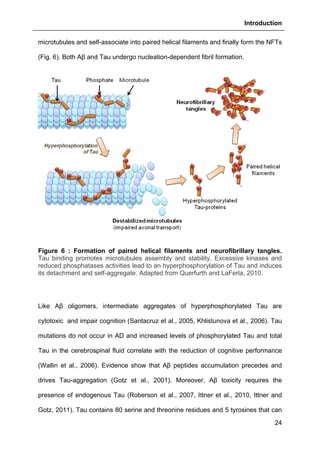
microtubules and self-associate into paired helical filaments and finally form the NFTs
(Fig. 6). Both Aβ and Tau undergo nucleation-dependent fibril formation.
Figure 6 : Formation of paired helical filaments and neurofibrillary tangles.
Tau binding promotes microtubules assembly and stability. Excessive kinases and
reduced phosphatases activities lead to an hyperphosphorylation of Tau and induces
its detachment and self-aggregate. Adapted from Querfurth and LaFerla, 2010.
Like Aβ oligomers, intermediate aggregates of hyperphosphorylated Tau are
cytotoxic and impair cognition (Santacruz et al., 2005, Khlistunova et al., 2006). Tau
mutations do not occur in AD and increased levels of phosphorylated Tau and total
Tau in the cerebrospinal fluid correlate with the reduction of cognitive performance
(Wallin et al., 2006). Evidence show that Aβ peptides accumulation precedes and
drives Tau-aggregation (Gotz et al., 2001). Moreover, Aβ toxicity requires the
presence of endogenous Tau (Roberson et al., 2007, Ittner et al., 2010, Ittner and
Gotz, 2011). Tau contains 80 serine and threonine residues and 5 tyrosines that can
Introduction
25
be phosphorylated. In physiological conditions, there are 2-3 Mol of phosphate per
Mol of Tau. But in AD brain, there are 7-8 Mol of phosphate per Mol of Tau. Many
phosphokinases, including glycogen synthase kinase 3β (GSK3β), cyclin-dependent
kinase 5 (CDK5), and extracellular signal-related kinase 2 (ERK2) and mitogen
activated protein kinase (MAPK) have been investigated as potential targets to
reduce Tau phosphorylation (Takashima, 2009).
If Aβ peptides colonize synchronously predilection sites in the brain of AD patients (in
hippocampus, amygdala and prefrontal cortex), NFTs develop an spread in a
predictable manner. Braak and collaborators organized AD progression into six
stages based on the distribution of NFTs (Braak and Braak, 1996). During the first
stage, NFTs are observed in the transentorhinal and Cornu Ammonis (CA) regions of
the hippocampus. The number of NFTs increases in Braak stage II. Stages I and II
together are called the “transentorhinal stage”. Brains of normal non-demented aged
subjects are often categorized as Braak stages I and II. In Braak stage III and IV,
called the “limbic stage”, many NFTs appear in the entorhinal cortex, and tangles are
found in the entire limbic system, including hippocampal regions CA1-4 and the
amygdala. During the limbic stage, patients show various AD-specific symptoms,
such as memory impairment, reduced spatial cognition and increased anhedonia, as
a result of neuronal dysfunctions in the limbic system. In Braak stages V and VI,
called the “isocortical stage”, NFTs are present in the cerebral cortex, where they
impair neuronal functions, leading to dementia. The increasing spread of NFTs from
the transentorhinal cortex to the limbic system, and finally to the cortex, correlates
with the severity of cognitive impairment. Samuel et al. reported that the number of
NFTs in the hippocampal formation correlates with the degree of dementia and that
synapse loss is a key determinant of dementia in AD (Samuel et al., 1994).
Introduction
26
1.1.3. Biological consequences of Amyloid peptides and neurofibrillary
tangles
1.1.3.1. Synaptic failure and axonal transport impairment
Aging itself causes synaptic loss (Masliah et al., 2006), therefore, it is easy to
understand that AD is primarily a disorder of synaptic transmission (Selkoe, 2002).
As aforementioned, NFTs and synaptic loss are pivotally involed in AD
physiopathology. In parallel to Braak spreading of the disease, hippocampal
synapses begin to decline in MCI patients (Scheff et al., 2007). Some evidence
reveal a 25% decrease of presynaptic vesicle synaptophysin in mild AD (Masliah,
2001, Masliah et al., 2001). In the last Braak stages, dramatic synaptic loss is
positively correlated with dementia (Terry et al., 1991).
Aβ peptides are known to impair the “long term potentiation” (LTP), an experimental
indicator of memory formation (Palop and Mucke, 2010). Subsequently, signaling
molecules important to memory are also inhibited. Many studies investigated the
effects of Aβ peptides on excitatory synaptic transmission, that is tightly regulated by
the number of active N-methyl-D-aspartate receptor (NMDAR) and the α-amino-3-
hydroxy-5-methyl-4-isoxazoleproprionic acid receptor (AMPAR). NMDAR activation
has a central role in memory, by inducing LTP or long term depression (LTD),
depending on the extent of the resultant intracellular calcium ([Ca2+
]i) rise in the
dendritic spines and the downstream activation of intracellular cascades (Kullmann
and Lamsa, 2007). Activation of post-synaptic NMDARs and large increases in
([Ca2+
]i) are necessary for LTP, whereas internalization of NMDARs, activation of
perisynaptic NMDARs and lower increase in [Ca2+
]i are necessary for LTD. LTP
induction promotes recruitment of AMPARs and growth of dendritic spines, whereas
LTD induces spine shrinkage and synaptic loss (Kullmann and Lamsa, 2007).
Introduction
27
Pathologically elevated Aβ may indirectly cause a partial block of NMDARs and
induce LTD and synaptic loss. Although the mechanisms underlying Aβ-induced LTD
remain poorly understood, they may involve the internalization or desensitization of
receptors. Aβ effects on synaptic function may be mediated by the activation of
presynaptic α7-nicotinic-acetylcholine receptor (α7-nAChR) and perisynaptic
activation of NMDARs, inducing excessive Ca2+
inwards and downstream effects on
many intracellular cascades including the activation of GSK3β and MAPK signaling
pathways. Aβ-induced synaptic depression may result from NMDAR activation
followed by NMDAR desensitization, internalization and by the stimulation of
perisynaptic NMDARs or metabotropic glutamate receptors. These processes lead to
a chronic increase in excitotoxic Ca2+
inwards, which can also lead to cell death.
Several data involve oligomeric Aβ in synapse failure, but until recently, only little was
was known about the role of Tau in these dysfunctions. Ittner and colleagues
described a dendritic function of Tau, mediating Aβ toxicity via NMDAR conformation
(Ittner et al., 2010). Tau is able to target the src kynase Fyn to the dendrite, where it
phosphorylates the NMDAR subunit NR2B, thereby facilitating complex formation
with the post-synaptic density protein 95 (PSD95) and allowing excitotoxic over-
activation of NMDAR by Aβ.
Moreover, neurons are elongated cells, and in order to maintain neuronal functions
and excitability, they need efficient delivery of cellular organelles (such as
mitochondria, endoplasmic reticulum, lysosome..) from the soma to the axon,
dendrite and synapse. The delivery of organelles is purely based on microtubules,
which serves as “rail tracks”, motor protein (such as kynesin or dynein) that represent
engines, and organelles as cargoes which are directed to the cell-periphery or back
again to the soma. Tau is known to facilitate the anterograde axonal transport of
Introduction
28
organelles such as mitochondria (Gotz et al., 2006). In AD neurons, the detachment
of hyperphosphorylated tau from the microtubules leads to impaired axonal transport
of organelles (such as mitochondria targeted to the synapses).
1.1.3.2. Neuroinflammation
Biochemical markers of activated microglia and reactive astrocytes are increased in
the brain of AD patients (Wyss-Coray and Mucke, 2002). In physiological conditions,
phagocytic microglia engulf and degrade Aβ. However, the large and constant
production of Aβ in the pathological case chronically activate microglia, leading to the
release of a myriad of damaging chemokines and cytokines such as interleukin-1,
interleukin-6 and tumor necrosis factor α (TNF-α) (Akiyama et al., 2000). The binding
of Aβ peptides to advanced glycosylation end products receptors (expressed by
microglia) amplifies the generation of cytokines, glutamate and nitric oxide (Yan et
al., 1996).
1.1.3.3. Loss of calcium regulation
Loss of calcium regulation is common to several neurodegenerative disorders. In AD,
elevated concentrations of cytosolic calcium stimulate the amyloidogenic pathway
(Isaacs et al., 2006). The chronic state of glutamatergic receptor activation is thought
to aggravate neuronal damage in AD. NMDAR activation increases cytosolic calcium,
which in turn stimulates calcium release channels in the endoplasmic reticulum.
Evidence also show that Aβ could form voltage-independent cation channels in lipid
membranes, resulting in calcium uptake and degeneration of neuritis (Lin et al.,
2001). Deregulation of cytosolic calcium concentration can lead to a “calcium
Introduction
29
overload”, which is capable to induce mitochondrial dysfunctions, oxidative stress
and also cell death.
1.1.4. Oxidative stress in Alzheimer’s disease
The brain requires 20% of total blood flow and 25% of the body’s glucose utilization.
Due to their excitable properties and their important need in energy, neurons have a
large number of mitochondria either in the soma or in synaptic ends. Since neurons
have a limited glycolytic activity, mitochondria play an essential role in bioenergetics
thanks to adenosine triphosphate (ATP) production. Also, mitochondria are key
producers of reactive oxygen species (ROS). Unbalance between ROS formation
and reduction may lead to the deleterious oxidation of lipids, proteins and DNA, also
called “oxidative stress”.
In neurons or glial cells, ATP is produced aerobically through the tricarboxilic acid
(TCA) cycle and the oxidative phosphorylation (OxPhos), also called respiratory
chain, in mitochondria. TCA cycle is composed of 8 enzymatic steps and converts
carbohydrates and free fatty acids into ATP. It also yields electrons in form of
reduced hydrogen carriers, nicotine adenine dinucleotide (NADH) and flavin adenine
nucleotide (FADH2). These compounds enter subsequently as coenzymes into the
OxPhos, which is composed of electron transport chain or ETC (enzymatic
complexes I-IV) and an ATP-synthase (complex V). These five enzyme complex are
functionally interconnected via mobile electron carriers ; cytochrome c and
ubiquinone/coenzyme Q. Enzymatic complexes and electron carriers are localized at
the inner mitochondrial membrane (Fig. 7). In addition to flavin and nicotinamides,
ETC involves cytochromes and metal ions clusters (iron and copper) to transfer
electrons in a sequence of oxido/reductions steps, leading to a proton gradient
Introduction
30
across the inner membrane which finally drives ATP synthesis via the complex V. In
parallel, the complexes transfer electrons to oxygen and produce water. OxPhos is
not totally efficient and up to 2% of electrons are incompletely reduced to yield O2¯,
instead of H2O (Eckert et al., 2013, Sutherland et al., 2013).
Figure 7 : Schematic representation of the oxidative phosphorylation system.
Complex I (NADH-ubiquinone oxidoreductase) and II (succinate dehydrogenase) also
belong to the tricarboxilic acid cycle (TCA) and receive electrons from NADH and
FADH2, respectively. Thereafter, electrons are driven from complexes by the mobile
electron carrier ubiquinone (UQ) and cytochrome c (Cyt c) to the final acceptor,
molecular oxygen. In parallel, a proton gradient is established across the inner
membrane (IMM) in complexes I, III and IV. This gradient is utilized by complex V to
generate ATP. IMS : inter-membrane space. Adapted from Eckert et al., 2013.
Low molecular weight anti-oxidant as glutathione and metal-containing enzymes
including superoxide dismutase (SOD), catalase (CAT) and glutathione peroxidase
(GPX), act to control the cellular redox environment. The first reducing barrier against
ROS is SOD which converts O2¯ to H2O2. Then, CAT and GPX transfer H2O2 to
oxygen and water. Iron and copper, which are also abundant in the brain, may
facilitate H2O2 conversion into other ROS or may promote Aβ peptide formation (von
Bernhardi and Eugenin, 2012, Greenough et al., 2013).
Introduction
31
1.1.4.1. Amyloid peptides and oxidative stress
In the ageing brain, OxPhos not only becomes less efficient, but there is a substantial
decrease in anti-oxidant enzymes expression/activity (Kowald, 2001). Also, Aβ
peptides are potent mitochondrial poisons, which especially affect the synaptic pool
(Mungarro-Menchaca et al., 2002). Aβ and APP itself were reported to accumulate in
mitochondria in the brain of AD patients (Pavlov et al., 2009). Aβ peptides alter key
mitochondrial enzymes (Hauptmann et al., 2006) such as cytochrome c oxidase
(COX/Complex IV), pyruvate dehydrogenase (PDH) and α-ketoglutarate
dehydrogenase (αKGD), leading to bioenergetic disturbances as evidenced in AD
patients (Mosconi et al., 2008). Exposure of human neuroblastoma SH-SY5Y cells to
Aβ peptides revealed a significant decrease of Complex IV activity (Lim et al., 2010).
Moreover, decreased brain levels of antioxidant enzymes such as SOD or CAT are
also observed in AD (Aksenov et al., 1998). The combination of ROS elevation to
antioxidant enzyme decrease evidenced in brain tissues from AD patients suggests
that oxidative stress may be a central element of AD physiopathology. Cu2+
ions have
also been shown to render Aβ more toxic. Indeed, dimeric conformation of Aβ42
appear as potent inhibitor of COX, but only in the presence of Cu2+
(Crouch et al.,
2005).
The mitochondrial Aβ binding protein alcool dehydrogenase (ABAD) can also bind to
Aβ42 present in the cortical mitochondria of APP transgenic mice (Lustbader et al.,
2004, Yan et al., 2007). In mice double transgenic for ABAD and APP, toxic effects of
Aβ was increased compared to APP single transgenic mice. This interaction
promotes the leakage of ROS, mitochondrial dysfunction, cell death, as well as
spatial learning and memory deficits (Lim et al., 2010, Lim et al., 2011, Grimm et al.,
Introduction
32
2012, Gotz et al., 2013a). It has also been shown that the specific inhibition of ABAD
in human neuroblastoma SH-SY5Y cells was able to reduce Aβ-induced cell loss and
to decrease ROS levels (Lim et al., 2011).
Another process to induce oxidative stress is the binding of Aβ to NMDAR which
evokes calcium inwards. As aforementioned, Aβ cause an overactivation of NMDAR,
which in turn lead to a downstream excessive production of nitric oxide and the
generation of reactive nitrogen species (RNS), that are also involved in oxidative
stress and damageable for the cells (Gotz et al., 2010).
1.1.4.2. Tau and oxidative stress
Hyperphosphorylated Tau has been shown to block mitochondrial transport which
leads to energy deprivation and oxidative stress at the synapse end (Reddy, 2011). It
was also reported that the overexpression of Tau inhibited kinesin-dependent
transport of many organelles, including peroxisomes, which are important actors for
the buffering of oxidative stress (Stamer et al., 2002). In a drosophila model
overexpressing a tauopathy-related mutant form of human tau (tau R406W),
reduction of gene expression of mitochondrial SOD2 and thioredoxin reductase 1
(Trxr-1) enhanced Tau-induced neurodegenerative histological abnormalities and
neuronal apoptosis. In contrast, overexpression of antioxidant enzyme and
treatments with vitamin E decreased Tau-induced neuronal cell death (Dias-
Santagata et al., 2007). Moreover, in cortical neurons derived from transgenic rats
model expressing a human truncated form of Tau, ROS were increased and
antioxidants significantly attenuated this elevation of ROS (Cente et al., 2006, Cente
et al., 2009). Altogether, these observations confirm that oxidative stress is, at least
in part, a mediator of Tau-induced neurodegeneration.
Introduction
33
In transgenic R5 mice over-expressing human P301L mutant Tau, biochemical
consequences of tauopathy have been investigated using proteomics followed by
functional validation (David et al., 2005). These mutant mice showed mainly a
deregulation of mitochondrial respiratory chain complex components and antioxidant
enzymes. The functional analysis revealed an age-dependent mitochondrial
dysfunction and increased ROS levels.
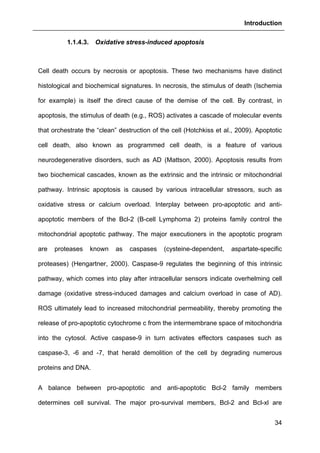
To summarize, Aβ and hyperphosphorylated Tau mainly induce oxidative stress by
disrupting the normal functioning of the electron transport chain. Aβ alter the complex
IV while Tau preferentially modulates the complex I (Fig. 8).
Figure 8 : Impairment of the electron transport chain in Alzheimer’s disease
In AD, abnormalities in the functioning of electron transport have been observed,
mostly in complex I and IV, leading to a decreased production of ATP and enhanced
reactive oxygen species (ROS) levels. Tau impairs complex I and decreases the
levels of antioxidant enzymes such as superoxide dismutase 2 (SOD2) or thioredoxin
reductase 1 (Trxr-1). Aβ specifically alter complex IV. Both alterations of complex I
and IV induce generation of ROS and, subsequently, oxidative stress. IMS,
intermembrane space ; IMM inner mitochondrial membrane ; UQ, ubiquinone or
coenzyme Q ; Cyt. c, cytochrome c ; Antiox. Enz., Antioxidant enzymes. Adapted
from Eckert et al., 2011.
Introduction
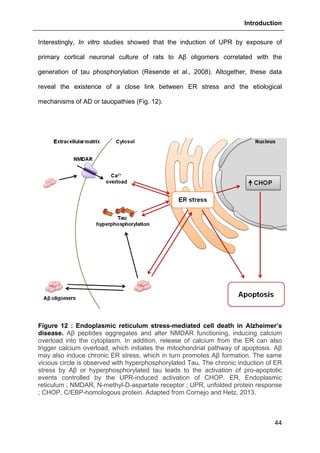
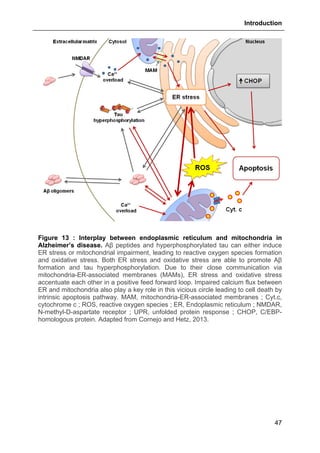
34
1.1.4.3. Oxidative stress-induced apoptosis
Cell death occurs by necrosis or apoptosis. These two mechanisms have distinct
histological and biochemical signatures. In necrosis, the stimulus of death (Ischemia
for example) is itself the direct cause of the demise of the cell. By contrast, in
apoptosis, the stimulus of death (e.g., ROS) activates a cascade of molecular events
that orchestrate the “clean” destruction of the cell (Hotchkiss et al., 2009). Apoptotic
cell death, also known as programmed cell death, is a feature of various
neurodegenerative disorders, such as AD (Mattson, 2000). Apoptosis results from
two biochemical cascades, known as the extrinsic and the intrinsic or mitochondrial
pathway. Intrinsic apoptosis is caused by various intracellular stressors, such as
oxidative stress or calcium overload. Interplay between pro-apoptotic and anti-
apoptotic members of the Bcl-2 (B-cell Lymphoma 2) proteins family control the
mitochondrial apoptotic pathway. The major executioners in the apoptotic program
are proteases known as caspases (cysteine-dependent, aspartate-specific
proteases) (Hengartner, 2000). Caspase-9 regulates the beginning of this intrinsic
pathway, which comes into play after intracellular sensors indicate overhelming cell
damage (oxidative stress-induced damages and calcium overload in case of AD).
ROS ultimately lead to increased mitochondrial permeability, thereby promoting the
release of pro-apoptotic cytochrome c from the intermembrane space of mitochondria
into the cytosol. Active caspase-9 in turn activates effectors caspases such as
caspase-3, -6 and -7, that herald demolition of the cell by degrading numerous
proteins and DNA.
A balance between pro-apoptotic and anti-apoptotic Bcl-2 family members
determines cell survival. The major pro-survival members, Bcl-2 and Bcl-xl are
Introduction
35
localized on the mitochondrial outer membrane and on the endoplasmic reticulum
perinuclear membrane. Bcl-2 and Bcl-xl act by inhibiting the pro-apoptotic members
through heterodimerization. Bax (Bcl-2 associated X protein) is a pro-apoptotic
member of the Bcl-2 family that is widely expressed in the nervous system (Mattson,
2000). Bax has a pore-forming activity which triggers the permeability transition pore
complex (PTPC) that activates the mitochondrial outer membrane permeabilization
(MOMP) and the release of cytochrome c in the cytosol (Galluzzi et al., 2012a,
Galluzzi et al., 2012b, Kole et al., 2013). Cytochrome c and the apoptotic protease
activating factor 1 (Apaf-1) are involved in the formation of the apoptosome which
triggers caspase-9/caspase-3 proteolytic cascade and subsequent DNA
fragmentation and cell shrinkage (Fig. 9).
Introduction
36
Figure 9 : Intrinsic mitochondrial pathway of apoptosis induced by oxidative
stress or calcium overload. Mitochondrial pathway of apoptosis is initiated by
intracellular stressors such as reactive oxygen species ROS or calcium overload. The
inhibition of anti-apoptotic Bcl-2 leads to the pore-forming ability of Bax ( pro-
apoptotic factor) on mitochondrial outer membrane. Subsequently, mitochondrial
outer membrane permeabilization (MOMP) is induced, that allows release of
cytochrome c (Cyt. c). Together with the apoptotic protease activating factor 1 (Apaf-
1) and Procaspase-9, Cyt. c drives the formation of the apoptosome and activate
procaspase-9 into the initiatory caspase-9 which in turn elicits the activation of the
effector caspase-3, leading to apoptotic features like cell shrinkage and DNA
fragmentation. Adapted from Kole et al., 2013.
Introduction
37
1.1.4.4. Oxidative stress, amyloidogenesis and Tau : a vicious circle
As aforementioned, it has been reported that Aβ-evoked toxicity generates cellular
ROS such as H2O2 (Behl et al., 1994, Tabner et al., 2005) which may be suppressed
by the activation of SOD or ROS scavengers (Miranda et al., 2000). Conversely,
oxidative stress increases Aβ levels, a process which leads to the perpetuation of a
vicious circle (Misonou et al., 2000, Oda et al., 2010). Indeed, Aβ partially target
mitochondria to induce mitochondrial dysfunction and oxidative stress which in turn
may lead proteins to adopt β-pleated sheet conformations.
Tau induces oxidative stress by affecting the respiratory chain complex I (see Part.
1.1.4.2., pages 32-33). But, growing evidence revealed that oxidative stress may
have a role in the hyperphosphorylation and polymerization of Tau. In Tg2576 AD
transgenic mice bearing the “Swedish mutation” of APP, deficiency in mitochondrial
SOD2 or reduction of cytoplasmic SOD1 induced Tau hyperphosphorylation (Melov
et al., 2007, Murakami et al., 2011), suggesting that ROS may play a critical role in
Tau hyperphosphorylation.
Altogether, these data strongly suggest that oxidative stress may play a major role in
AD pathogenesis. However, it remains unclear whether oxidative stress precedes Aβ
and Tau hyperphosphorylation or whether it is a sub-product of these two
aggregates. Whatever is the answer to this question, the reduction of oxidative stress
may constitute a promising strategy for the development of effective therapies
against AD (Fig. 10).
Introduction
38
Figure 10 : Central role of oxidative stress in Alzheimer’s disease. Both Aβ and
hyperphosphorylated Tau are able to induce oxidative stress either directly or by
disrupting mitochondrial respiratory chain. In turn oxidative stress can promote the
formation/aggregation of Aβ and the hyperphosphorylation/accumulation of Tau,
implicating the generation of a “vicious circle”. Oxidative stress can activate the
mitochondrial/endogenous pathway of apoptosis, leading to the neuronal cell loss
and patho-physiological features of AD. Finally, based upon the essential role of
oxidative stress in AD pathogenesis, antioxidant compounds reducing significantly
oxidative stress may offer the possibility to develop efficient therapeutical strategies
against AD.
Introduction
39
1.1.5. Endoplasmic reticulum stress in Alzheimer’s disease
1.1.5.1. ER functions under normal and pathological conditions
The endoplasmic reticulum (ER) is the main intracellular compartment which is a
membrane–enclosed reticular network connecting the nuclear envelope to the golgi
complex (Baumann and Walz, 2001). It has mainly three cellular functions : (i) protein
folding, quality control, translational modification and transport to the golgi complex,
(ii) storage and maintenance of cellular calcium homeostasis, and (iii) synthesis of
lipids and cholesterol.
Several ER-chaperones proteins such as glucose-regulated protein 78kDa (GRP78,
also known as Binding Immunoglobulin Protein, BiP), calnexin and calreticulin bind to
the hydrophobic domain of newly synthesized proteins, allowing correct folding and
inhibition of protein aggregation. Disulfide bond formation and N-linked glycosylation
also play important role in protein folding and are favored by the oxidative
environment of the ER and by calcium.
The ER is also the main intracellular Ca2+
storage site. As aforementioned, many ER
chaperones are Ca2+
dependent. Under physiological conditions, the luminal Ca2+
concentration is as high as in the extracellular domain (~1-2 mM) while the
concentrations in the cytosol are about ten thousand fold lower (~0.1 µM). depending
on the cell type, maintenance of ER Ca2+
homeostasis may involve ryanodine
receptor (RyR) or inositol triphosphate receptor (IP3R). Ca2+
influx are regulated by
the sarcoplasmic or endoplasmic reticulum Ca2+
-ATPases (SERCA pumps). Also,
Ca2+
homeostasis is a critical component of cellular signaling and survival, especially
in neurons which are excitable cells.
Introduction
40
Besides fatty acids, cholesterol biosynthesis is also a determinant of ER. Cholesterol
is a crucial component of mammalian membranes, and also a precursor for steroid
hormones and neurosteroids. The first steps of cholesterol synthesis are the
conversion of three molecules of acetyl-Coenzyme A (acetyl-CoA) into one 3-
hydroxy-3-methylglutaryl-CoA (HMG-CoA) in the cytoplasm. Then, HMG-CoA is
converted to mevalonate by the HMG-CoA reductase (HMGR) exclusively in the ER.
This is the rate limiting step which is subject to complex regulation. Thereafter,
mevalonate is converted into cholesterol by a multistep processing in the ER
(Canevari and Clark, 2007).
Because ER is a sensor of cellular homeostasis, different types of insults such as
protein misfolding, redox unbalance, lipid/cholesterol dyshomeostasis can induce ER
stress. In particular, failure of protein folding quality control is harmful to cell survival
and therefore ER can initiate the unfolded protein response (UPR) to counteract this
detrimental situation (Hetz and Mollereau, 2014). The UPR consists of two central
components, a group of stress sensors localized at the ER membrane, and
downstream transcription factors that influence gene expression to ensure adaptation
to stress or the induction of cell death by apoptosis. In mammalian cells, there are
three classes of ER stress sensors : inositol-requiring enzyme 1α (IRE1α), protein
kinase RNA-like ER kinase (PERK) and activating transcription factor 6 (ATF6) (Fig.
11). UPR induces a rapid translational inhibition that is controlled by PERK through
the phosphorylation and inhibition of the eukaryotic translation initiation factor 2α
(eIF2α). This allows the buffering of misfolded protein aggregation in the ER by
decreasing the entrance of newly synthesized proteins in the ER. Moreover, eIF2α
phosphorylation stimulates the activating transcription factor 4 (ATF4) which controls
Introduction
41
the expression of numerous genes involved in apoptosis, autophagy and antioxidant
responses (Hetz et al., 2013).
Activation of IRE1α implies its dimerization and autophosphorylation leading to the
activation of its RNase domain. Then, it catalyses the splicing of mRNA encoding the
transcription factor X-box binding protein 1 (XBP-1) which controls the expression of
genes involved in protein folding, ER associated degradation (ERAD) or lipid
synthesis (Hetz et al., 2011). Also, IRE1α activates the Jun amino-terminal kinase
(JNK) and subsequently induces apoptosis.
Upon ER stress, ATF6 is translocated to the Golgi where it is processed to a
transcription factor that also regulates expression of genes involved in ERAD
pathway. ATF6 can also form heterodimers whith XBP-1 in order to control
expression of various genes (Hetz and Mollereau, 2014).
Under conditions of chronic and irreversible ER stress, the UPR may also induce
apoptosis through distinct overlapping cellular signaling mechanisms, including the
upregulation of transcription factor C/EBP-homologous protein (CHOP, also known
as DNA damage inducible gene 153, GADD153) which upregulates the pro-apoptotic
members of the Bcl-2 family. PERK activation and the downstream induction of
ATF4 can lead to the upregulation of CHOP which in turn inhibits the anti-apoptotic
factor Bcl-2. Subsequently, the pro-apoptotic factor Bax engages the mitochondrial
pathway of apoptosis (see Part 1.1.4.3., pages 34-35).
Introduction
42
Figure 11 : ER stress and its induction of apoptosis. ER stress leads to activation
of the UPR sensors, PERK, IRE1α and ATF6. Activation of PERK leads to inhibition
of translation by eIf2α phophorylation and the activation of the transcription factor
ATF4. Activation of IRE1α is associated with non conventional splicing of XBP-1
which translocates to the nucleus to modulate the expression of various genes
involved in ER functioning. Upon its activation, ATF6 translocates to the Golgi
apparatus where it is activated by proteolysis. Thereafter, in the nucleus, ATF6
activate the transcription of XBP-1 in order to control the expression of various
genes. Under chronic and irreversible ER stress, the UPR sensors activate the JNK
pathway and CHOP, which alter the balance between pro-apoptotic and anti-
apoptotic Bcl-2 family members, leading to the activation of the intrinsic/mitochondrial
apoptosis pathway. ER, Endoplasmic reticulum ; IRE1α, inositol-requiring enzyme
1α ; PERK, protein kinase RNA-like ER kinase ; ATF6, activating transcription factor
6 ; AFT6f, processed activating transcription factor 6 ; XBP-1, X-box binding protein 1
; eIF2α, eukaryotic translation initiation factor 2α ; JNK, Jun amino-terminal kinase ;
ATF4, activating transcription factor 4 ; CHOP, C/EBP-homologous protein. Adapted
from Doyle et al., 2011.
Introduction
43
1.1.5.2. Endoplasmic reticulum stress in Alzheimer’s disease
Several studies have reported manifestations of ER stress in post mortem brain
samples from AD patients. These observations demonstrate the splicing of XBP-1
mRNA in AD temporal cortex and hippocampal tissues (Lee et al., 2010). In addition,
the same study showed enhanced expression of ER chaperones such as GRP78 or
the pro-apoptotic transcription factor CHOP in AD postmortem brain tissues,
suggesting an important role of ER stress in AD etiology.
Interconnections between ER stress, Aβ and NFTs have been shown in various
experimental models. For example, reduction of Aβ is correlated with attenuated ER
stress and vice versa (Prasanthi et al., 2011, Marwarha et al., 2013). Aged PSEN2
mutant mice revealed inhibited BACE-1 activity in brain tissues upon treadmill
exercise. This was accompanied by a down-regulation of PERK, eIF2α, XBP-1 as
well as CHOP and caspase-3 (Kang et al., 2013). GRP78 and XBP-1 levels
increased in neurons treated with Aβ (Costa et al., 2013). Also, exposure of SK-S-SH
cells to Aβ induced activation of the PERK pathway and upregulation of CHOP
expression (Lee et al., 2010). Tunicamycin-evoked ER stress generated Aβ
production in RGC-5 cells via the stimulation of BACE-1 and PSEN1 (Liu et al.,
2014), suggesting that ER stress may be the cause or consequence of Aβ toxicity
(Prasanthi et al., 2011, Cornejo and Hetz, 2013, Marwarha et al., 2013, Hetz and
Mollereau, 2014, Liu et al., 2014). Moreover, AICD was shown to enhance CHOP
expression in HEK 293 cells (Takahashi et al., 2009) and high levels of markers for
UPR activation were detected in neurons with NFTs (Hoozemans and Scheper,
2012, Nijholt et al., 2012).
Introduction
44
Interestingly, In vitro studies showed that the induction of UPR by exposure of
primary cortical neuronal culture of rats to Aβ oligomers correlated with the
generation of tau phosphorylation (Resende et al., 2008). Altogether, these data
reveal the existence of a close link between ER stress and the etiological
mechanisms of AD or tauopathies (Fig. 12).
Figure 12 : Endoplasmic reticulum stress-mediated cell death in Alzheimer’s
disease. Aβ peptides aggregates and alter NMDAR functioning, inducing calcium
overload into the cytoplasm. In addition, release of calcium from the ER can also
trigger calcium overload, which initiates the mitochondrial pathway of apoptosis. Aβ
may also induce chronic ER stress, which in turn promotes Aβ formation. The same
vicious circle is observed with hyperphosphorylated Tau. The chronic induction of ER
stress by Aβ or hyperphosphorylated tau leads to the activation of pro-apoptotic
events controlled by the UPR-induced activation of CHOP. ER, Endoplasmic
reticulum ; NMDAR, N-methyl-D-aspartate receptor ; UPR, unfolded protein response
; CHOP, C/EBP-homologous protein. Adapted from Cornejo and Hetz, 2013.
Introduction
45
1.1.5.3. Interplay between Endoplasmic Reticulum and Mitochondria
in Alzheimer’s disease
The ER and mitochondria are closely connected. They join together at multiple
contact sites to form specific domains, termed mitochondria-ER associated
membranes or MAMs (Marchi et al., 2014). MAMs promote interorganelles lipids
transfer but are also involved in Ca2+
ions exchange that regulate several biological
processes such as protein folding in ER, production of ATP in mitochondria (Denton
et al., 1988, Rowland and Voeltz, 2012, Vannuvel et al., 2013) and activation of Ca2+
dependent enzymes that activate cell death pathways. Interactions between ER and
mitochondria may shape intracellular calcium signals and modulate synaptic and
integrative neuronal activity (Mironov and Symonchuk, 2006). Various ER or
mitochondria bound proteins have play a key role in the maintenance of close
network between ER and mitochondria and in the formation of calcium channels
involved in the specific transfer of calcium from ER to mitochondria. These proteins
include ER resident Ca2+
channel inositol triphosphate receptor (IP3R) and the
mitochondrial voltage-dependent anion channel (VDAC) (Rowland and Voeltz, 2012,
Vannuvel et al., 2013). Recent findings reveal that MAM-associated proteins
expressions are increased in young AD transgenic mice and in the brain of AD
patients, suggesting that in early stages of AD, the elevation of ER-mitochondria
interface proteins may reflect a neuronal stress response (Hedskog et al., 2013).
Because ER and mitochondria are tightly bound, ER stress may affect and modify
mitochondrial bioenergetics and vice versa. Thus, interplaying mechanisms between
ER stress and mitochondrial functions are pivotal for neurodegenerative processes
occurring in AD. Indeed, Aβ exposure of primary hippocampal neurons affected the
Introduction
46
MAM region by disturbing the Ca2+
regulatory system and this process led to ER
stress, mitochondrial dysfunctions and apoptosis (Hedskog et al., 2013).
It is noteworthy to recall that ER stress-evoked mitochondrial dysfunction is
characterized by ROS formation increase and pro-apoptotic factors activation
(Malhotra and Kaufman, 2007). Since hyperphosphorylated tau and Aβ induce ROS
generation and ER stress, interconnection between ER and mitochondria make ER
stress a partner of the vicious circle linking Aβ, NFTs and cellular stresses (Fig. 13).
Consequently, development of efficient therapies should take into account this
vicious circle by reducing oxidative stress, ER stress and/or Aβ accumulation.
Introduction
47
Figure 13 : Interplay between endoplasmic reticulum and mitochondria in
Alzheimer’s disease. Aβ peptides and hyperphosphorylated tau can either induce
ER stress or mitochondrial impairment, leading to reactive oxygen species formation
and oxidative stress. Both ER stress and oxidative stress are able to promote Aβ
formation and tau hyperphosphorylation. Due to their close communication via
mitochondria-ER-associated membranes (MAMs), ER stress and oxidative stress
accentuate each other in a positive feed forward loop. Impaired calcium flux between
ER and mitochondria also play a key role in this vicious circle leading to cell death by
intrinsic apoptosis pathway. MAM, mitochondria-ER-associated membranes ; Cyt.c,
cytochrome c ; ROS, reactive oxygen species ; ER, Endoplasmic reticulum ; NMDAR,
N-methyl-D-aspartate receptor ; UPR, unfolded protein response ; CHOP, C/EBP-
homologous protein. Adapted from Cornejo and Hetz, 2013.
Introduction
48
1.2. Neurosteroids
1.2.1. Definition and mode of actions
The nervous system activity is modulated by steroids compounds which regulate the
development, growth and maturation of nerve cells (McEwen, 1994). The term
neuroactive steroid is generally used to designate any steroid exhibiting a
neuroactive effect, whether this steroid is a synthetic molecule (exogenously
synthesized) or an endogenous compound produced in the body by steroidogenic
tissues. Therefore, the neuroactive steroid family includes synthetic exogenous
steroids, hormonal steroids produced by peripheral or classical endocrine glands
(adrenals, gonads) and steroids synthesized by neuronal or glial cells that are
designated “neurosteroids” (Baulieu, 1998, Mensah-Nyagan et al., 1999). The
biosynthesis of neurosteroids occurs directly in the CNS or peripheral nervous
system, either de novo from cholesterol, or by in situ metabolism of circulating steroid
precursors (Fig. 14) (McEwen, 1994, Baulieu, 1998, Mensah-Nyagan et al., 1999,
Schumacher et al., 1999). The main criterion required to consider a steroid as a
neurosteroid is its production in neurons and/or glial cells of the CNS or PNS
independently from the activity of endocrine steroidogenic glands including the
adrenals and the gonads. The process of neurosteroid biosynthesis
(neurosteroidogenesis) is a well-conserved mechanism evidenced in non mammalian
vertebrates and in all mammals including humans (Mensah-Nyagan et al., 1998,
Mensah-Nyagan et al., 1999, Tsutsui et al., 1999, Mellon and Vaudry, 2001, Tsutsui
et al., 2013). These data suggest that neurosteroids may control several key
physiological functions.
Introduction
49
Figure 14 : Biochemical pathways leading to neurosteroids biosynthesis. The
initial transport of cholesterol into the mitochondria is mediated by the complex StAR
and TSPO. Steps of neurosteroidogenesis are shown. StAR, Steroidogenic acute
regulatory protein ; TSPO, translocator protein (18-kDa) ; P450scc, Cytochrome
P450side chain-cleavage ; P450c17, Cytochrome P450c17 or 17α-hydroxylase ; 3β-
HSD, 3β-Hydroxysteroid dehydrogenase ; 5α-R, 5α-Reductase ; 17β-HSD, 17β-
Hydroxysteroid dehydrogenase ; 3α-HSOR, 3α-Hydroxysteroid oxidoreductase ;
DHEA, Dehydroepiandrosterone ; DHP, Dihydroprogesterone ; DHT,
Dihydrotestosterone ; 3α-DIOL, 3α-androstanediol ; 3α,5α-THP, 3α,5α-
Tetrahydroxyprogesterone also known as allopregnanolone. Adapted from Schaeffer
et al., 2010.
1.2.1.1. Genomic actions of neurosteroids
Neuroactive steroids including neurosteroids exert classically their physiological
effects through nuclear receptors (NR)-mediated gene transcription. These NR
include the glucocorticoids receptors (GR), mineralocorticoids receptors (MR),
estrogens receptors (E2R), androgens receptors (AR) and progestins receptors (PR)
(Beato and Klug, 2000). Recently, a focus has been on characterizing the role of the
pregnane xenobiotic receptor (PXR), a NR involved in allopregnanolone signaling
Introduction
50
(Frye et al., 2014b, a, c), which acts as a transcriptions factor for neurosteroidogenic
enzymes. Steroid hormones receptors are functionally composed of three critical
modular domains : a hormone-independent activation function 1 (AF1) domain, a
DNA-binding domain (DBD) and a hormone dependent activation function 2 (AF2)
domain that is activated allosterically upon ligand binding (Stanisic et al., 2010). The
general outline of functional and structural domains of steroids nuclear receptors are
described in Fig. 15.
Figure 15 : General outline of functional and structural domains of steroid
hormones nuclear receptors. Structural domains (A-F) and corresponding
functional modalities are depicted. From Stanisic et al., 2010.
The A and B domains are contained within the receptor’s AF1 and are implicated in
the hormone-independent transcriptional activation of the receptor. The C domain
represents the DBD and is composed of two zinc-finger motifs that are responsible
for DNA sequence-specific binding to hormone response elements (e.g. Estrogen
response elements, ERE). The D domain or hinge region is a linker between the DNA
and ligand binding regions (LBDs) of steroid hormones NR. Functionally, it contains a
nuclear localization signal (NLS) and is implicated in interaction with coregulator
Introduction
51
molecules. The E domain is responsible for ligand binding and doubles as the ligand-
activated AF2 domain. In case of E2R, the LBD is composed of 12 alpha helixes, five
of these form a hydrophobic ligand-binding cleft in Estrogens receptors (Bourguet et
al., 2000, Srinivasan et al., 2013). In the example of E2R, upon binding to Estradiol,
this region undergoes a conformational change involving helix 12 displacement over
the opening of the ligand binding pocket. This change allows specific interactions
with LXXLL helical motifs available in coactivator structures such as steroid receptor
coactivators which remodel chromatine and facilitate the access of the transcriptional
machinery to DNA (Han et al., 2009).
1.2.1.2. Non genomic actions of neurosteroids
Genomic actions of steroids develop relatively slowly (over minutes to hours) and
may persist after the metabolism of steroidal ligands in the brain. However, it is well-
known that various steroids may also induce immediate changes (within seconds) on
neuronal excitability within a timescale that excludes genomic mechanisms of action.
In the 1940s, Seyle showed that certain pregnane steroids can induce rapid sedation
and anesthesia. Since this pioneer study, numerous investigations showed that
neuroactive steroids and neurosteroids are able to control neuronal excitability and
activity via membrane bound receptors such as γ-aminobutyric acid type A (GABAA)
receptors, NMDA receptors and sigma receptors (Losel and Wehling, 2003, Belelli
and Lambert, 2005, Maurice et al., 2006, Mellon, 2007). Because neurosteroids are
directly synthesized in the nervous system, they could act in a paracrine, or autocrine
manner on these receptors to modulate nerve cell activities (Patte-Mensah and
Mensah-Nyagan, 2008).
Introduction
52
1.2.2. Evidence for neuroprotective effects of neurosteroids in
neurodegenerative disorders
Several evidence revealed that neurosteroids exert neurotrophic and neuroprotective
effects in various experimental models of neurodegenerative disorders (Belelli and
Lambert, 2005, Patte-Mensah et al., 2005, Borowicz et al., 2011, Gravanis et al.,
2012, Panzica et al., 2012, Brinton, 2013). Previous publications from our laboratory
have highlighted the neuroprotective effects of neurosteroids such as
allopregnanolone, 3α-androstenediol or DHEA against neuropathic pain in animal
models (Kibaly et al., 2008, Mensah-Nyagan et al., 2008, Meyer et al., 2008,
Mensah-Nyagan et al., 2009, Patte-Mensah et al., 2010, Meyer et al., 2011, 2013,
Patte-Mensah et al., 2014). Progesterone and its metabolites were also shown to
attenuate neuronal loss after motor neuron axotomy and to promote remylenisation in
the CNS and the PNS (Garay et al., 2007, Garay et al., 2009, Kipp and Beyer, 2009).
Furthermore, in rat middle cerebral artery occlusion model, both progesterone and
allopregnanolone significantly improved behavioral and cognitive performances
(Sayeed et al., 2007). The administration of allopregnanolone or progesterone after
traumatic brain injury decreased apoptotic DNA fragmentation, caspase-3 and Bax
proapoprotic protein expression and ameliorated cognitive performances (Djebaili et
al., 2004, Djebaili et al., 2005). Growing evidence also suggested the potential of
neurosteroids including allopregnanolone as regenerative agents in the brain
(Brinton, 2013).
Several investigations were particularly focused on the assessment of neurosteroid
involvement in AD pathophysiological mechanisms in order to develop neurosteroid-
based neuroprotective strategies against AD-related symptoms. Reduced blood
levels of steroids hormones have been associated with aging and increased risk of
Introduction
53
AD. In particular, cholesterol concentration decreased and dehydroepiandrosterone
(DHEA) level increased in AD patients brain were correlated with Braak
neuropathological stages (Naylor et al., 2008). Evidence showing that DHEA
mediates neuroprotection against Aβ-evoked toxicity (Cardounel et al., 1999)
suggests that the increased level of DHEA in AD patient brain may represent an
adaptative process to cope with undergoing neurodegenerative process as AD.
A consistent body of evidence from animal studies indicate that estrogens may also
exert a neuroprotective action in AD. Estradiol synthesis from testosterone was
induced in astrocytes by aromatase enzymatic activity in response to injury and
estradiol exerted a preventive role on AD-like neuropathology (Garcia-Ovejero et al.,
2005, Carroll et al., 2007, Garcia-Segura, 2008). Immunocytochemistry also showed
that aromatase expression was upregulated only in brain areas which are strongly
affected in AD (Ishunina et al., 2005). This selective upregulation in brain regions
undergoing neurodegeneration suggests a possible compensatory mechanism to
increase neuroprotection. In agreement with this hypothesis, in vitro analysis
performed in our laboratory revealed that the overexpression of wild-type APP
(APPwt) or mutant P301L tau in SH-SY5Y cells induced an up-regulation of estradiol
formation (Schaeffer et al., 2006a). Also, estradiol protects rat cerebellar granule
cells against Aβ-induced toxicity by decreasing pro-apoptotic Bax protein expression
and by reducing cytochrome c release and caspase-3 activation via the inhibition of
JNK pathway (Napolitano et al., 2014). Moreover, estradiol was shown to promote Aβ
clearance through Insulin-degrading enzyme activation in rats neurons or via MMP-2
and MMP-9 up-regulation in human SH-SY5Y neuroblastoma cells (Jayaraman et al.,
2012, Merlo and Sortino, 2012). These data are perfectly consistent with the results
Introduction
54
showing that brain estrogen deficiency accelerates Aβ plaque formation in AD animal
models (Yue et al., 2005).
Accumulating evidence in humans points towards a high potential of
allopregnanolone to counteract AD-related symptoms. Indeed, reduced plasma and
brain levels of allopregnanolone were found AD patients in several studies (Marx et
al., 2006, Naylor et al., 2010). Treatments of triple transgenic AD mice with
allopregnanolone was able to reverse neurogenic and cognitive deficits by promoting
neurogenesis in the subventricular zone of hippocampus (Wang et al., 2010). Also,
allopregnanolone reduced Aβ-oligomers accumulation in triple transgenic AD mice
hippocampus by decreasing ABAD expression and restoring cholesterol homeostasis
through the increase of the key enzyme HMG-CoA-Reductase (Chen et al., 2011a).
Furthermore, allopregnanolone improved memory both in triple transgenic AD mice
and wild-type mice (Singh et al., 2012). Altogether, these data strongly support the
idea that neurosteroids, particularly allopregnanolone may offer interesting
perspectives for the development of effective therapies against AD and other
neurodegenerative disorders.
1.3. Gamma-hydroxybutyrate (GHB)
1.3.1. GHB : an endogenous neuromodulator
γ-hydroxybutyric acid (GHB) is a molecule which was first synthesized in 1960 by the
French anesthesiologist H. Laborit, who attempted to generate an easily brain-
permeable form of the principal inhibitory neurotransmitter GABA (Laborit et al.,
1960). Three years later, GHB was reported to be an endogenous constituent of the
mammalian brain and a GABA metabolite (Bessman and Fishbein, 1963). GABA is
translocated into the mitochondria and transformed to succinic semialdehyde (SSA)
Introduction
55
by a GABA-transminase (GABA-T). Thus, GABA can also be metabolized through
the citric acid cycle via conversion into succinate by the enzyme succinic
semialdehyde dehydrogenase (SSADH) (Maitre, 1997). Deficiency in SSADH is
associated with elevated levels of GHB and GABA (Gibson et al., 1998). SSA is then
transported from the mitochondria to the cytoplasm and is transformed into GHB by
succinic semialdehyde reductase (SSR) which uses NADPH as co-substrate.
Inhibition of SSR also diminishes the levels of GHB (Rumigny et al., 1981). Via a
Ca2+
-dependent exocytose, GHB is released into the synaptic cleft where it may act
on multiple targets. The elimination of GHB after intraventricular administration
occurs in less than five minutes (Maitre, 1997). GHB is reported to be loaded into
synaptic vesicles via the vesicular inhibitory amino acid transporter (VIAAT), which
also transports GABA and glycine (Bay et al., 2014). Besides this classical removal,
GHB is also transported out of the synaptic cleft by a Na+
-dependent plasma
membrane transporter and is then reconverted into SSA by a GHB dehydrogenase
(Benavides et al., 1982, Maitre, 1997, Maitre et al., 2000) (Fig. 16).
The majority of reported pharmacological and behavioral effects of exogenous GHB
are mediated by GABAB receptors. This receptor is a member of the G protein-
coupled receptors (GPCRs) which leads to the hyperpolarization of neurons by
opening of post-synaptic G protein-coupled inwardly rectifying potassium channels
and decreases in adenylate cyclase activity and calcium conductance (Bay et al.,
2014). Indirect effects may also occur if GHB is converted to GABA, which in turn
activates GABA transmission. Nevertheless, binding to GABAB receptors in
synaptosomes persisted in the presence of GHB dehydrogenase inhibitors (Maitre,
1997). In addition to GABAB receptors, recent data suggest that GHB may bind on
specific σ4βδ GABAA receptors subtypes (Absalom et al., 2012), but this observation
Introduction
56
remain controversial (Connelly et al., 2013). Nevertheless, because of the structural
similarity between GHB and GABA and the sedative properties of GHB, it seems
reasonable to suggest GHB interactions with GABAA receptors (Fig. 16).
Besides the GABA receptors, GHB was reported to have its own receptors. In 2003,
our laboratory reported the cloning of a GHB receptor in rat brain (Andriamampandry
et al., 2003b). Using the analogue NCS-400, a protein from solubilized rat brain
membranes was isolated by affinity purification. The presence of a consensus G-
protein binding in the amino acid sequence suggest that the expressed GHB receptor
is a member of GPCRs. Later, in 2007, a human GHB receptor was also isolated
from a human frontal cortex by our institute (Andriamampandry et al., 2007). This
receptor (GHBh1) may also be a GPCR, more precisely a Gi/Go coupled GPRC.
More recently, GHB was reported to induce calcium and cAMP signaling in
differencied NCB-20 neurohybrydoma cells confirming the existence of specific
GPCRs for GHB (Coune et al., 2010) (Fig. 16).
Introduction
57
Figure 16 : Overview of a GABA/GHB synapse. GHB is a GABA metabolite which
is converted into succinic semialdehyde (SSA) by a GABA-transaminase in the
mitochondria. SSA is then converted into GHB in the cytosol by a succinic
semialdehyde reductase (SSR). After loading into synaptic vesicles by the vesicular
inhibitory amino acid transporter (VIAAT) and exocytosis, GHB can act on
metabotropic GABAB-receptors (GABAB-R) or on the ion channel GABAA-receptor
(GABAA-R). Besides the GABAergic system, GHB binds on its own G-protein-
coupled receptor (GHB-R) which positively modulates cAMP. GHB is reuptaken by a
GHB transporter and is then reconverted into SSA by a GHB-T, GHB-transporter ;
GHB-D, GHB-dehydrogenase ; SSADH, succinic semialdehyde dehydrogenase ;
SUC, succinate ; cAMP, cyclic adenosine monophosphate. Adapted from Bay et al.,
2014.
Introduction
58
1.3.2. Gamma-hydroxybutyrate as potential neuroprotective agent
GHB was first used as an anesthetic agent because of its ability to easily cross the
blood brain barrier. Moreover, this molecule, which induces slow waves sleep
(Lapierre et al., 1990, Van Cauter et al., 1997) appears crucial for neuronal
recuperation from wakefulness (Tononi and Cirelli, 2003). Therefore, GHB was
clinically used to treat sleep disorders such as catalepsy/narcolepsy and
demonstrated efficiency in this context (Mamelak et al., 2004, Thorpy, 2005).
Because of the reparative aspects of sleep, GHB was also observed to attenuate
pain, fatigue and sleep disturbance in fibromyalgia patients (Russell, 1999, Russell et
al., 2009, Russell et al., 2011, Spaeth et al., 2013).
A protective effect of GHB has been shown in animal models of brain
ischemia/hypoxia as well as in head injury-induced coma in humans (Escuret et al.,
1977, Wolfson et al., 1977a, Lavyne et al., 1983, Vergoni et al., 2000, Ottani et al.,
2003, Ottani et al., 2004). More precisely, GHB was observed to limit histological and
functional consequences of a focal ischemic or excitotoxic insult of the brain
confirming the potential of GHB as a neuroprotective agent (Vergoni et al., 2000,
Ottani et al., 2003, Ottani et al., 2004). However, no mechanism underlying this
protection was demonstrated.
In vivo studies in rodent revealed that GHB is able to diminish cerebral metabolism,
particularly to shift glucose metabolism towards the pentose phosphate pathway
(PPP) via the activation of glucose-6-phosphate dehydrogenase which induces the
formation of NADPH, an essential cofactor of numerous antioxidant enzymes
including gluthatione reductase/catalase (Taberner et al., 1972, Taberner, 1973,
Russell et al., 1999, Mamelak, 2007). Consequently, GHB also appears as an
Introduction
59
interesting agent for the reduction of oxidative stress. Furthermore, ischemic
reperfusion injury has been attributed in large part to ROS formation, lipid
peroxidation and the increase of intracellular calcium (Alvarez et al., 2014).
Therefore, the protection exerted by GHB in brain ischemia models could be
attributed to the reduction of oxidative stress and calcium overload, which are also
major characteristics of AD physiopathology, but in vitro data supporting this
hypothesis are completely missing. However, recent data of our laboratory showed
that a single pharmacological dose of GHB modulates the brain expression of
multiple genes including various genes encoding for amyloid degrading enzymes
(Neprilysin) or for programmed cell death factors (Kemmel et al., 2010). These
results strongly suggest GHB involvement in neuroprotection.
1.4. GHB and neurosteroids : a potential link
GHB and neurosteroids share similarities in their molecular targets. As
aforementioned, GHB and neurosteroids may modulate GABAA receptors. Therefore,
these two classes of molecules may act together in GABAergic synapses. GABAA-
receptor activation was repeatedly shown to induce neuroprotective effects in various
brain injuries models (Farber et al., 2003, Elsersy et al., 2006, Mensah-Nyagan et al.,
2009). Also, the enhancement of GABAergic transmission is known to be
neuroprotective against neuroinflammation- or oxidative stress-evoked damages
(Farber et al., 2003, Elsersy et al., 2006, Querfurth and LaFerla, 2010, Dias et al.,
2014).
Interestingly, it has clearly been demonstrated that GHB increased allopregnanolone
and tetrahydrodeoxy-corticosterone (THDOC) production in the rat brain (Barbaccia
et al., 2002). The selective GABAB receptor antagonist SCH50911 prevented the
Introduction
60
stimulatory action of GHB on neurosteroids formation, while the GABAB receptor
agonist baclofen mimicked it. These results suggest that GHB, via GABAB receptor-
mediated mechanisms, increases the brain concentrations of neurosteroids such as
allopregnanolone and THDOC that positively modulate the GABAA receptor
(Barbaccia et al., 2005). Because Ca2+
and cAMP signaling which are activated by
GHB proper receptor (GHB-R) are also well known to stimulate various neurosteroid-
synthesizing enzymes, it is reasonable to hypothesize that GHB may upregulate
neurosteroidogenesis via the activation of GHB-R (Beaudoin et al., 1997, Maitre et
al., 2000, Kimoto et al., 2001, Morita et al., 2004, Trbovich et al., 2004, Coune et al.,
2010, Udhane et al., 2013).
Altogether, these data suggest that GHB and neurosteroids may act synergistically or
additively to protect nerve cells against degenerative mechanisms or neurotoxicity-
induced neuronal cell loss.
1.5. PhD project
1.5.1. Objectives
As aforementioned, direct interactions occur between GHB and neurosteroidogenesis
but also between the mechanisms of actions of GHB and neurosteroids in the
nervous system. Therefore, we hypothesized that GHB may exert neuroprotective
effects through the modulation of neurosteroidogenesis. It is also possible that GHB
and neurosteroids act additively or synergistically to protect nerve cells against
deleterious mechanisms leading to neurodegenerative disorders, including AD.
Introduction
61
The purpose of the thesis was therefore to :
(1) Investigate the ability of separated or concomitant GHB and neurosteroid
treatments to protect human neuroblastoma cells against death mechanisms evoked
by AD etiological factors such as (i) oxidative stress-induced apoptosis, (ii) abnormal
expression of wild-type APP (APPwt) or (iii) ER stress.
(2) Verify if GHB-evoked neuroprotection is mediated by the modulation of
neurosteroidogenesis.
(3) Check whether GHB and/or neurosteroids may be able to stimulate the activity
and/or expression of two amyloid peptide regulatory enzymes : MMP-2 and MMP-9.
1.5.2. Experimental models
To reach our objectives, we have used the human neuroblastoma SH-SY5Y cells
which possess all of the neuronal features and have been well demonstrated as a
relevant cellular model for the investigation of molecular and biochemical
mechanisms involved in AD (Biedler et al., 1978, Tanaka et al., 1995, Li et al., 1996b,
Misonou et al., 2000, Rhein et al., 2009). In particular, the transfection of SH-SY5Y
cells with AD brain hallmarks reproduced accurately cellular abnormalities involved in
AD physiopathology such as toxic Aβ accumulation, mitochondrial dysfunctions, ROS
generation, oxidative stress, apoptosis and decreased cell viability (Tanaka et al.,
1995, Li et al., 1996a, Misonou et al., 2000, Hoerndli et al., 2007, Qin and Jia, 2008,
Rhein et al., 2009, Zampese et al., 2011, Wan et al., 2012, Gotz et al., 2013b,
Monroy-Ramirez et al., 2013). Most importantly, SH-SY5Y cells have also been
characterized as neurosteroid-producing cells expressing several key steroidogenic
enzymes (Melcangi et al., 1993, Schaeffer et al., 2006b, Schaeffer et al., 2008a,
Introduction
62
Schaeffer et al., 2008c). Interestingly, previous results from our laboratory have
shown that the overexpression of APPwt or the transfection of mutant tau P301L or
normal hTau40 proteins significantly affected the process of neurosteroid production
in SH-SY5Y cells (Schaeffer et al., 2006a, Patte-Mensah et al., 2012).
For the induction of oxidative stress-evoked cell death mechanisms, we have treated
SH-SY5Y cells with hydrogen peroxide (H2O2) which is well established in the
literature as the best pharmacological substance to generate relevant experimental
models to investigate the cellular effects of oxidative stress (Finkel and Holbrook,
2000, Chen et al., 2011b, Mouton-Liger et al., 2012).
Regarding the assessment of ER stress-induced cell damages, SH-SY5Y were
treated either with tunicamycin, an inhibitor of protein N-glycosylation, or
thapsigargin, a calcium SERCA-pump specific blocker (King and Tabiowo, 1981,
Thastrup et al., 1990, Li et al., 1993, Yoshida et al., 2006, Ghosh et al., 2012, Hetz et
al., 2013).
In order to determine the effects of GHB and neurosteroids on the activity of MMP-2
and MMP-9, we optimized a yeast based high throughput MMP activity assay based
on Pichia pastoris cell surface expression of human MMP-2 and MMP-9 (Diehl et al.,
2011).
Materials and methods
63
2. Materials and methods
2.1. Neuroblastoma cell line SH-SY5Y
SH-SY5Y is a thrice cloned subline of the neuroblastoma cell line SK-N-SH which
has been established in 1970. A neuroblast like subclone of SK-N-SH, named SH-
SY, was subcloned as SH-SY5, which was subcloned a third time to produce the SH-
SY5Y line, first described in 1978 (Biedler et al., 1978). The cloning process involved
expansion of individual cells or a small group of cells that expressed neuron-like
characteristics. SH-SY5Y cells possess numerous neuronal characteristics and are
well recognized as a relevant cell model for the study of molecular and biochemical
mechanisms involved in AD (Tanaka et al., 1995, Li et al., 1996a, Misonou et al.,
2000, Rhein et al., 2009).
In order to develop a cell model which can mimick Aβ accumulation evoked by the
overexpression of APP, the wild-type (wt) or non mutated APP was stably transfected
into SH-SY5Y cells (Scheuermann et al., 2001). Briefly, APPwt was cloned into the
pCEP4 vector (Invitrogen/ITC Biotechnology, Heidelberg, Germany). Stably
expression of APPwt was obtained by transfection of SH-SY5Y cells using Lipofect
AMINE plus (ITC Biotechnology, Heidelberg, Germany) and selection with
hygromycin. Empty pCEP4 vector was also transfected in SH-SY5Y cells that
constitute the control cells. Native SH-SY5Y were purchased from Sigma-Aldrich
(Saint-Quentin, France). The morphological aspects of these three cell lines are
represented in Fig. 17.
Materials and methods
64
Figure 17 : Morphology of native and transfected SH-SY5Y cells. Native SH-
SY5Y cells exhibit a neuroblast-like morphology with differentiated perykaria and
occasional short neurites (arrowheads). Cells transfected with pCEP4 vector alone or
harboring APPwt cDNA exhibit a similar morphology to that of native cells. Scale bars
= 50 µm. Adapted from Schaeffer et al., 2006.
2.2. Yeast : Pichia pastoris
Pichia pastoris is a methylotrophic yeast which is widely used in biotechnology for
recombinant protein production because of its high growth rate and its ability to grow
on simple and inexpensive culture media. As unicellular eukaryote, P. pastoris
combines the advantage of being a eukaryotic expression host bearing the capability
to perform complex processing and posttranslational modifications of higher
eukaryotic proteins. In many cases, foreign protein expression is driven from
promoters derived from the P. pastoris alcohol oxidase genes AOX1 or AOX2 which
both allow efficient methanol induced protein expression (Daly and Hearn, 2005).
For the analysis of human MMP-2/-9 activity in a yeast-based bioassay, a
recombinant P. pastoris strain (KM71) was used having the genotype arg4 his4
aox1::ARG4. Transformation of this histidine auxotrophic yeast strain was performed
with an expression plasmid carrying the HIS4 gene such that transformants could be
selected by growth on media lacking histidine.
Materials and methods
65
2.3. Material
2.3.1. Antibodies
The antibodies used in this PhD thesis are listed in table 2.
Table 2 : Antibodies
Primary antibody Developed in Provider Reference
Anti β-actin Mouse Abcam, Cambridge, UK ab8226
Anti Bax Rabbit Abcam, Cambridge, UK ab7977
Anti Bcl-2 Mouse Santa-Cruz, Dallas, USA sc-509
Anti CHOP Rabbit Santa Cruz, Dallas, USA Sc-793
Anti GRP78 Rabbit Abcam, Cambridge, UK ab32618
Anti XBP-1 Rabbit Santa Cruz, Dallas, USA sc-7160
Anti α-Tubulin Mouse Sigma-Aldrich,
Saint-Quentin, France
T8203
Secondary
antibody
Developed in Provider Reference
Anti Mouse IgG-
HRP
Goat PARIS anticorps
(Compiègne, France)
BI2413C
Anti Rabbit IgG-
HRP
Goat PARIS anticorps
(Compiègne, France)
BI2407
2.3.2. RNA oligonucleotides
The oligonucleotides used for RT-qPCR were purchased from Eurogentec (Angers,
France). The related sequences are represented in table 3.
Materials and methods
66
Table 3 : Oligonucleotide sequences
Gene Sens 5'-3' sequence References
3α-HSOR forward GGTGAGACGCCACTACCAAA (Stoffel-Wagner
et al., 2000)reverse TCTAGCTAGCTGAAGTTGCCA
5α-Reductase forward ATACCAAGGGGAGGCTTATTTGAA (Luchetti et al.,
2006)reverse CTCCATTTCAGCGTATTTAGGTAC
TSPO forward AGGCTTCACAGAGAAGGTTGTGGT (Luchetti et al.,
2006)reverse AGTTGAGTGTGGTCGTGAAGGCCA
MMP-2 forward AGATCTTCTTCTTCAAGGACCGGTT (Munaut et al.,
2003)reverse GGCTGGTCAGTGGCTTGGGGTA
MMP-9 forward GCGGAGATTGGGAACCAGCTGTA (Munaut et al.,
2003)reverse GACGCGCCTGTGTACACCCACA
XBP-1
unspliced
forward ACTCAGACTACGTGCACCTCTGCA (Jiang et al.,
2012)reverse GAGAAAGGGAGGCTGGTAAGGAAC
XBP-1 spliced forward GGCTCGAATGAGTGAGCTGGAACA (Jiang et al.,
2012)reverse CAACTGGGCCTGCACCTGCT
GRP78 - BiP forward CATCACGCCGTCCTATGTCG (Jiang et al.,
2012)reverse CGTCAAAGACCGTGTTCTCG
CHOP forward TTCTCTGGCTTGGCTGACTGA (Jiang et al.,
2012)reverse TGGTCTTCCTCCTCTTCCTCCT
β-Actin forward TGGCACCCAGCACAATGAA (Jiang et al.,
2012)reverse CTAAGTCATAGTCCGCCTAGAAGCA
Aromatase forward TGCAGGAAAGTACATCGCCAT (Schaeffer et
al., 2008c)reverse TCCTTGCAATGTCTTCACGTG
Vimentine forward TGGCACGTCTTGACCTTGAA (Sharma et al.,
2009)reverse GGTCATCGTGATGCTGAGAA
Bax forward TTTGCTTCAGGGTTTCATCC (Qin et al.,
2009)reverse GCCACTCGGAAAAAGACCTC
Bcl-2 forward ACGACTTCTCCCGCCGCTAC (An et al.,
2010)reverse CCCAGCCTCCGTTATCCTG
2.3.3. Chemicals, reagents and material
The most important chemicals, reagents and devices are represented in table 4.
Materials and methods
67
Table 4 : Reagents, kits and devices
Reagents Provider
Dubelcco’s modified eagle medium
(DMEM)
Sigma-Aldrich (Saint-Quentin, France)
Penicillin/streptomycin Sigma-Aldrich (Saint-Quentin, France)
Hygromycin Sigma-Aldrich (Saint-Quentin, France)
Hydrogen peroxyde Sigma-Aldrich (Saint-Quentin, France)
Thapsigargin Sigma-Aldrich (Saint-Quentin, France)
Tunicamycin Sigma-Aldrich (Saint-Quentin, France)
TRIzol reagent Sigma-Aldrich (Saint-Quentin, France)
Trypan blue Sigma-Aldrich (Saint-Quentin, France)
MTT (Thiazolyl Blue Tetrazolium Blue) Sigma-Aldrich (Saint-Quentin, France)
GHB Sigma-Aldrich (Saint-Quentin, France)
Allopregnanolone Steraloids (Newport, USA)
Estradiol Sigma-Aldrich (Saint-Quentin, France)
FURA-2 / AM Invitrogen (Heidelberg, Germany)
Kits Provider
iQ SYBR Green super mix Biorad (Hercules, USA)
iScript cDNA synthesis kit Biorad (Hercules, USA)
In Situ cell death detection kit,
fluorescein (TUNEL reagent)
Roche Diagnostics (Mannheim, Germany)
Phycoerythrin (PE) conjugated rabbit
anti-active caspase-3 Antibody / detection
kit
BD Pharmingen (Heidelberg, Germany)
BCA kit Sigma-Aldrich (Saint-Quentin, France)
Clarity Electro Chemolumineschence
substrate Kit
Biorad (Hercules, USA)
cOmplete®
Protease inhibitor cocktail
tablets
Roche Diagnostics (Mannheim, Germany)
Enzcheck Gelatinase/collagenase assay
Kit
Invitrogen (Heidelberg, Germany)
Device Provider
Spectrophotometer Multiscan GO 1510 Thermo Scientific (Villebon s. Yvette,
France)
Microplate fluorescence reader-
Fluoroskan ascent CF
Thermo Scientific (Villebon s. Yvette,
France)
Automatic cell counter TC20 Biorad (Hercules, USA)
Flow cytometer Navios Beckman Coulter (Indianapolis, USA)
Confocal LEICA TCS-SP microscop Leica (Nanterre, France)
Olympus IX70 microscope (Calcium
imaging)
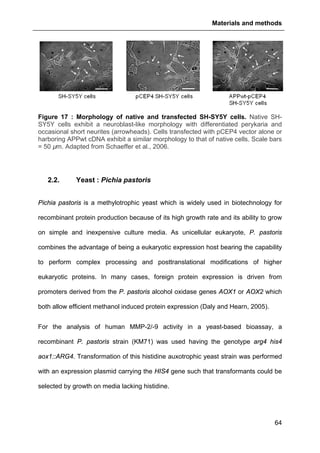
Olympus ( Tokyo, Japan)
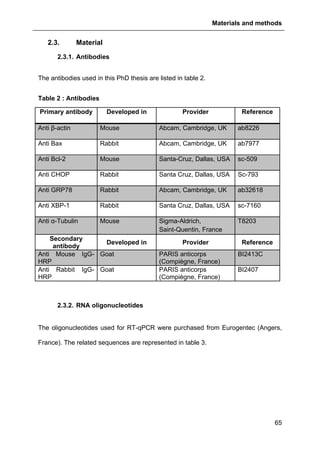
Thermocycler - iCycler Biorad (Hercules, USA)
Chemidoc MP - Imager Biorad (Hercules, USA)
Materials and methods
68
2.4. Cell culture
2.4.1. SH-SY5Y cells
2.4.1.1. Routine culture
Human neuroblastoma SH-SY5Y cells were grown at 37°C under an atmosphere of
5% CO2 in DMEM supplemented with 10% (v/v) heat-inactivated fetal calf serum, 2
mm Glutamax and 1% (v/v) Penicillin/Streptomycin. SH-SY5Y cells were stably
transfected with DNA constructs harboring human wild-type APP695 (APPwt) or the
expression vector pCEP4 (Invitrogen, Europe) alone (control vector) using lipofect
AMINEplus (Invitrogen, Europe). Transfected APPwt cells were grown in DMEM
standard medium supplemented with 300 µg/ml hygromycin.
For the split, cells were washed in Phosphate Buffered Saline (PBS) (see recipe in
Part. 2.7.1), resuspended in DMEM medium and scraped. Then cells were diluted in
new dishes preloaded with DMEM medium (generally a dilution of 1:3 / 1:4).
2.4.1.2. Freezing and unfreezing of SH-SY5Y cells
Cell lines in continuous culture are prone to genetic drift. Therefore, it is crucial that
they are frozen down as a seed stock and preserved for long term storage.
Cryopreserving of cultured cells is accomplished by storing them in liquid nitrogen or
at -80°C in the presence of a cryoprotective agent such as dimethylsulfoxide
(DMSO). DMSO decreases the freezing point of the medium and also allows a slower
cooling rate, reducing the risk of ice crystal formation which may cause cell damages
or death. The freezing medium recipe is described as follows.
Materials and methods
69
Freezing Medium :
- 30 % Fetal calf serum
- 10 % DMSO
- 60 % DMEM (supplemented with 0.5 % Penicillin/streptomycin)
Before the freezing, a confluent dish is selected and washed twice with PBS. Then,
the cells are resuspended in normal DMEM, scraped and harvested in a 50 ml falcon.
Cells are counted with the TC20 automatic counter. Centrifugation was performed at
room temperature at 300g for 10 min. The supernatant was removed, and the cells
resuspended in the freezing medium. For each cryovial, 2 millions cells are deposed
in 1.8 ml. Then, the cryovials are stored in a “freezing container” which is placed in
liquid nitrogen or at -80°C freezer.
To unfreeze a seed stock, the medium described below was used.
Unfreezing medium :
- 80 % DMEM (supplemented with 0.5 % Penicillin/streptomycin)
- 20 % fetal calf serum
A seed stock cryovial is removed from liquid nitrogen or -80°C and warmed in a
double boiler at 37°C. In parallel, unfreezing medium was also warmed in a double
boiler at 37°C. When the cells are solubilized, they are resuspended in 10 ml of
unfreezing medium. Then, the cells are centrifugated at 300g for 10 min at room
temperature. The supernatant was removed, the cells were successively
resuspended in 6 ml of unfreezing medium, seeded in a 25 cm² flask and placed at
37°C under 5% CO2 atmosphere.
Materials and methods
70
2.4.2. Pichia Pastoris
2.4.2.1. Culture media
The following media were used for the culture of Pichia pastoris.
Histidine drop out (d/o) medium (20 mM, pH 7.0) :
Glucose 2 %
Sodium-Dihydrogen phosphate dihydrate 3.12 g/l
DiSodium-hydrogen phosphate dihydrate 3.56 g/l
Ammonium sulfate 0.5 %
Histidine Drop out mix 0.85 g/l
YNB (yeast nitrogen base) 1.7 g/l
(Agar 1.2 %)
Glucose and YNB were separately autoclaved and combined after sterilization.
Yeast Nitrogen Base (YNB) :
YNB w/o amino acids and ammonium sulfate 34 g/l
YNB was diluted in dH2O. The solution was sterile filtered before use.
Histidine drop out mix :
Adenine 0.4 g Phenylalanine 1.0 g
Arginine 0.4 g Threonine 4.0 g
Histidine 0 g Tryptophane 0.4 g
Isoleucine 0.6 g Tyrosine 0.6 g
Leucine 2.0 g Uracile 0.4 g
Lysine 0.6 g Valine 3.0 g
Methionine 0.4 g
The powder mix was stored at 4°C.
BMG (Buffered Minimal Glycerol) medium :
Glycerol 2 %
Ammonium sulfate 1 %
YNB 3.4 %
Biotin 4 x 10⁻⁵
%
1 M Potassium phosphate buffer pH 6.0 10 %
Materials and methods
71
Glycerol and ammonium sulfate were dissolved in dH2O and autoclaved. Thereafter,
the biotin solution and YNB were added. Addition of potassium phosphate buffer was
done immediately before use. The medium was stored at room temperature (RT).
BMM (Buffered Minimal Methanol) medium :
Methanol 1 %
Ammonium sulfate 1 %
YNB 3.4 %
Biotin 4 x 10⁻⁵
%
1 M Potassium phosphate buffer pH 6.0 10 %
Ammonium sulfate was dissolved in dH2O and autoclaved. Thereafter, biotin and
YNB were added. Addition of methanol and potassium phosphate buffer was done
immediately before use. The medium was stored at 4°C.
1 M potassium phosphate buffer, pH 6.0 :
Potassium Dihydrogen phosphate 106.1 g/l
DiPotassium hydrogen phosphate 212.3 g/l
500 x Biotin solution :
Biotin 20 %
Biotin was dissolved in dH2O, sterile filtered and stored at 4°C.
2.4.2.2. Pichia pastoris culture
Pre-precultures of P. pastoris were seeded on Histidine d/o agar plates and
incubated at 30°C. After growth of selected colonies, a single colony of each strain
was inoculated into liquid His d/o medium and cultivated in shaking flasks over night
at 220 revolutions per minute (RPM) and 30°C (the conditions of incubation of the
yeast strains are similar after this step). Then, precultures were grown in BMG until
they reached an optical density at 600 nm (OD600) of at least 50. Induction of MMP-
2/-9 expression was achieved by shifting the cells into BMM at a feeding rate of 1%
Materials and methods
72
(vol/vol) methanol twice a day. After 96 h of methanol induction, cells were harvested
by centrifugation, washed with sterile H2O and lyophilized before being used in the
MMP bioassay (see Part 2.8., pages 88-89). Each vial contained 2 ml of yeast diluted
in H2O with an OD600 of 5 before lyophilization.
2.4.3. Cell counting
For all experiments, SH-SY5Y cells were counted before seeding, so that the same
number of cells was seeded in each conditions. The cells were counted thrice in the
automatic TC20 cell counter (BioRad, Hercules, USA) and the average of these
counts were used for the next step of seeding. Briefly, after scraping and
resuspension of cells in DMEM, the cells were homogenized by gentle vortex. Then,
3 x 10 µl were deposed into the three counting slides which were inserted into the
TC20 cell counter. The cell diameter range selected for the counting was from 5 to 25
µm. Since the optimal cell concentration range of the counter is between 1 x 10⁵
and
5 x 10⁶
cells, the cell suspension was either diluted or concentrated (by centrifugation
at 300g for 8 min, and resuspension in smaller volume) after two counts (if the result
was out of this range). Real cell number was also deduced with the
dilution/concentration factor used before the counting.
For crude estimations of yeast cell numbers, optical density was measured at 600 nm
(OD600) in a Ultraspec 2100 pro, UV/visible spectrophotometer (Amersham
Bioscience). Cultures were diluted such as the observed OD600 was <1.0. In this
range, an OD600=1.0 is approximately equal to 3 x 10⁷
cells/ml. The resulting OD600
was corrected by the dilution factor used for the measurement.
Materials and methods
73
2.5. Cell viability assays
2.5.1. Trypan blue exclusion method
The trypan blue exclusion method is used to determine the number of viable cells
present in a cell suspension. It is based on the principle that live cells possess intact
cell membranes that exclude certain dyes including trypan blue, whereas dead cells
do not. In this test, a cell suspension is simply mixed with dye and then visually
examined to determine whether cells take up or exclude dye.
In our study, SH-SY5Y cells were seeded into a 24-well plate (105
cells per well) and
incubated for 48 h at 37°C under an atmosphere of 5% CO2 in DMEM supplemented
with 10% (v/v) heat-inactivated fetal calf serum. Native, control vector-pCEP4- and
APPwt-transfected SH-SY5Y cells were treated with various concentrations of H2O2
ranging from 0 to 1 mM. After 24 h, cells were detached from the plate using a 0.05%
trypsin-EDTA solution and immediately after DMEM supplemented with serum was
added. Equal volumes of the cell suspension and 0.4% (v/v) trypan blue in PBS were
mixed. Ten microliters of each mixture was transferred to a non-gridded disposable
Countess® chamber Slide and the cells were scored using a Countess® automated
cell counter (Invitrogen, Heidelberg, Germany). Each probe was counted twice. The
percent of cell survival was calculated by the Countess® software (Invitrogen,
Heidelberg, Germany) as the number of living cells divided by total cell number
(including dead and living cells).
2.5.2. MTT viability assay
The MTT (3-[4,5-dimethylthiazol-2-yl]-2,5 diphenyl tetrazolium bromide) assay is a
colorimetric assay to assess cell viability. Mitochondrial NADPH-dependent
oxidoreductase reflects the number of viable cells by reducing MTT into a purple
Materials and methods
74
insoluble formazan crystal (Fig. 18). After solubilization of this crystal with DMSO, the
absorbance at 550 nm is spectrophotometrically quantified.
Figure 18 : MTT assay principle. MTT, a yellow tetrazole, is reduced to insoluble
purple formazan in living cell mitochondria. After solubilization in DMSO, absorbance
at 550 nm is measured in order to determine the percentage of viable cells.
Native and genetically modified SH-SY5Y cells were seeded at 5x10⁴
cells per well
into 96-well plates and allowed to attach in DMEM medium w/o phenol red. After
48 h, neuroblastoma cells were incubated under the following conditions :
• Effects of GHB and neurosteroids on cell survival under normal/physiological
conditions :
Normal culture medium completely devoid of stressor but containing graded doses of
GHB (0, 50, 200, 500 and 1000 µM), allopregnanolone (0, 250, 500 and 1000 nM) or
estradiol (0, 250, 500 and 1000 nM) was administrated for 24 h or 48 h.
Materials and methods
75
• Effects of GHB and neurosteroids on cell survival under oxidative stress
conditions
In a first step, the cells were exposed to culture medium containing H2O2 at various
concentrations (0, 0.05, 0.1, 0.2, 0.5, 0.7, 1, 1.5, 2, 4 and 10 mM) for 24 h or 48 h in
order to determine effective H2O2 doses and adequate incubation time inducing a
significant percentage of cell loss. This step was also usefull to establish the
sensitivity profile of each category of cells (native, APPwt-transfected and control
vector-pCEP4-transfected SH-SY5Y cells) to oxidative stress-evoked toxicity.
In a second step, the cells were incubated with a dose of H2O2 capable of killing
about 60-90% of native or genetically modified SH-SY5Y cells in the absence or
presence of increasing concentrations of GHB, allopregnanolone or estradiol
administered alone for 24 h or 48 h in order to determine eventual neuroprotective
effect.
Additional experiments were performed by exposing the cells for 24 h or 48 h to H2O2
dose capable of killing 60-90% SH-SY5Y cells in the concomitant presence of GHB
and allopregnanolone or GHB and estradiol in order to determine eventual
additive/synergistic neuroprotective effects of these compounds.
• Effects of GHB and neurosteroids against ER stress-induced cell loss
The cells were first exposed for 24 h to the culture medium containing tunicamycin (0,
1, 5, 10 or 20 µg/ml) or thapsigargin (0, 0,25, 0,5, or 1 µg/ml) in order to determine
effective tunicamycin, or thapsigargin doses inducing a significant percentage of cell
loss as well as the sensitivity profile of each category of cells (native, APPwt-
transfected and control vector-pCEP4-transfected SH-SY5Y cells) to ER stress-
evoked toxicity.
Materials and methods
76
Afterwards, the cells were incubated for 24 h with tunicamycin or thapsigargin
(concentration killing about 50% of SH-SY5Y cells) in the presence or absence of
GHB, allopregnanolone or estradiol administered alone or concomitantly (GHB+
Allopregnanolone or GHB+Estradiol).
In all of the conditions aforementioned, MTT (diluted in DMEM w/o phenol red) was
added to each well at the end of the incubation period (24 h or 48 h). The final
concentration of MTT in each well was of 0.4 g/l. Thus, the cells were incubated for 3
h at 37°C under 5% CO2 atmosphere. Thereafter, the medium was removed from the
96-well plates and formazan crystals were diluted in 200 µl DMSO per well. Finally,
the absorbance at 550 nm was measured and the background noise (absorbance at
650 nm) subtracted for each probe. Moreover, the absorbance of the medium alone
was also subtracted. MTT signal detected for each cell type in basal condition (in
absence of stressor) was arbitrary set at 100 %. This basal signal reflecting the total
number of living cells in each cell type was the reference that served for the accurate
determination of dose-dependent effects of H2O2 at 24 h or 48 h. The cell survival
percentage is obtained by using the following calculation.
x 100
2.6. RT-qPCR
2.6.1. RNA extraction
RNA extraction with TRIzol, or Guanidinium thiocyanate-phenol-chloroform allows the
maintenance of RNA integrity during cell lysis. Addition of chloroform and
centrifugation separates the solution into organic and aqueous phases. RNA which
Materials and methods
77
remains only in the aqueous phase can be recovered after precipitation with isopropyl
alcohol (Fig. 19).
Figure 19 : Principle of TRIzol RNA extraction.
SH-SY5Y cells were seeded at 50 x 104
cells/ml in 10 cm dishes and allowed to
attach in DMEM medium for 48 h. After 24 h of treatments, the cells were washed
twice with cold PBS and centrifuged at 300 g for 8 min. The supernatant was
removed and 400 µl TRIzol reagent was added in each vial which was gently
homogenized and incubated at RT for 10 minutes. Then, 200 µl chloroform was
added per ml of TRIzol used (80 µl chloroform for 400 µl of Trizol in this case). The
samples were gently homogenized without vortexing and were incubated at RT for 10
min. Thereafter, the samples were centrifuged at 12.000g for 15 min at 4°C. Aqueous
phase was transferred into RNAse free eppendorfs and 500 µl isopropyl alcohol was
added per ml of TRIzol used (200 µl in our experiments) and samples were
homogenized and incubated for 15 min at RT. The samples were centrifuged at
Materials and methods
78
12,000 g for 15 min at 4°C and the supernatant was removed. RNA pellets were
washed with a 80% ethanol solution and were centrifuged again at 12,000 g for 15
min at 4°C. Finally, each RNA pellets were resuspended in 50 µl ultrapure water and
were stored at -80°C before use.
2.6.2. RNA concentration and quality determination
Nucleic acids were quantified using UV absorption detected by a spectrophotometer
(Thermo Scientific, Villebon sur Yvette, France). The absorbance was measured at
260 and 280 nm. The concentration of nucleic acid was determined using the Beer-
Lambert law. An OD260 of 1.0 is equivalent to about 40 µg/ml of RNA. RNA has its
absorption maximum at 260 nm whereas aromatic amino acids have an absorption
maximum at 280 nm. Consequently, the quality of RNA was determined by optical
density absorption ratio OD260nm / OD280nm >1.7. In this work, a 1:50 dilution of RNA in
ultrapure water was used for measurements of the optical densities. Each sample
was measured thrice.
2.6.3. Reverse transcription
In this step, RNA is reverse transcribed into complementary DNA (cDNA) in a
reaction using a reverse transcriptase. This cDNA is used as the template for the
next quantitative polymerase chain reaction (qPCR). In order to achieve this, we used
the iScript cDNA synthesis kit (BioRad, Hercules, USA), which contains a modified
Moloney Murine Leukemia Virus (MMLV)-reverse transcriptase characterized by its
lower RNase H activity.
Materials and methods
79
Reverse transcription was performed with 2 µg RNA. For each sample, the reaction
mix was the following :
5x iScript reaction mix 8 µl
iScript reverse transcriptase 2 µl
Nuclease-free water x µl
RNA template (2 µg) x µl
Total volume 40 µl
The reaction mix were incubated in a thermal iCycler (BioRad, Hercules, USA) with
the following reaction protocol :
5 minutes at 25 °C
30 minutes at 42 °C
5 minutes at 85 °C
Hold at 4°C
If not directly used, cDNA samples were stored at -80°C.
2.6.4. Real Time quantitative PCR (RT-qPCR)
In conventional PCR, the amplified product, or amplicon, is detected with an end-
point analysis, by running DNA on an agarose gel at the end of the reaction. In
contrast, real-time PCR allows the accumulation of amplified product to be detected
and measured as the reaction progresses, that is, in “real time”.
Real time PCR is made possible by including in the reaction a fluorescent molecule
that reports an increase in the amount of DNA with a proportional increase of
fluorescent signal. The fluorescent chemistries employed for this purpose include
DNA-binding dyes and fluorescently labeled primers or probes. In this thesis, we
used the SYBR green label (BioRad, Hercules, USA) which is a DNA-binding dye.
Materials and methods
80
SYBR green binds nonspecifically to double strand DNA (dsDNA) and exhibits
fluorescence only when bound to dsDNA. Therefore, the overall fluorescent signal
from the reaction is proportional to the amount of dsDNA present. Specific forward
and reverse primers (described in Part. 2.2.2) were designed to amplify a 75-200 bp
product. Thus, only specific genes expression are quantified.
For each sample, the reaction mix was the following :
Step Volume per reaction Final concentration
Forward primer Variable 320 nM
Reverse primer Variable 320 nM
iQ SYBR Green supermix 2x 12.5 µl 1x
cDNA template 5 µl of 1:10 solution 1/50 of 2µg RNA used in RT
Nuclease free water Variable -
Total reaction volume 25 µl
To validate the RT-qPCR data, a standard curve was constructed with successive
dilutions of cDNA so that the range of template concentrations used for the standard
curve encompassed the entire range of template concentrations in the samples
analyzed. Moreover, the specificity of the amplification was controlled by a melting
curve ranging from 55 to 95°C allowing the identification of a single peak
corresponding to each amplicon.
The thermal cycling protocol was performed with an iCycler (BioRad, Hercules, USA)
and is described as followed :
Materials and methods
81
Cycling step Temperature
Hold time
(min:sec)
Number of cycles
Initial denaturation and
polymerase activation
95°C 3:00 1
Denaturing 95°C 0:15 40
Annealing (primer-designed) 55-64°C 0:30
Extension 72°C 0:30
Melt curve 55-95°C (in 0.5°C
increments)
0:30 1
Starting quantities of interest genes were analyzed by using the iCycler iQ optical
system software (BioRad 3.1 Version). All samples were analyzed in triplicate and
reported to the vimentine or actine genes (housekeeping genes) in the same plate in
order to ensure an accurate calculation. Gene expression levels were obtained by
relative quantification normalized to the housekeeping genes.
2.7. Protein based analysis
Besides RNA levels, protein levels were also analyzed. In order to achieve this, SDS-
Page and western analysis were performed.
2.7.1. Samples preparation – Protein Extraction
After 24 h or 48 h treatments in 10 cm dishes, SH-SY5Y cells were rinsed twice in
cold PBS, harvested and transferred into 50 ml falcon. Then, the cells were
centrifuged at 300 g for 8 minutes, the supernatant was removed, and each sample
was resuspended in 200 µl lysis buffer (Radio Immunoprecipitation assay buffer,
RIPA buffer). Samples were kept on ice for 1 h and vortexed every 10 minutes and
Materials and methods
82
were then clarified by centrifugation at 4°C for 30 min at 12,000 g. The supernatant
was saved for protein analysis and western blotting. Total protein concentration was
determined by the bicinchoninic acid (BCA) assay (see Part 2.7.2., page 83). Then,
protein samples were diluted in Laemmli buffer and denatured by warming for 5
minutes at 95°C (see Part 2.7.3., page 83).
1x PBS :
Sodium chloride 137 mM
Potassium Chloride 2.7 mM
DiSodium-hydrogen phosphate dihydrate 10 mM
Potassium Dihydrogen phosphate 2 mM
These reagents were dissolved in ultrapure water, pH was adjusted to 7.4 with
hydrogen chloride. Then, the PBS was autoclaved and stored at 4°C.
RIPA buffer :
Tris-HCl 50 mM
NaCl 150 mM
EDTA 1 mM
IGEPAL (NP-40) 1 %
Na-Deoxycholate 1 %
SDS 0.1 %
This solution was steril filtered and stored at 4°C. Before use, 1 tablet of cOmplete®
Protease inhibitor (Roche, Mannheim, Germany) was added per 10 ml of RIPA
buffer.
Materials and methods
83
2.7.2. Assessment of protein level with BCA assay
The BCA assay is based on bicinchoninic acid (BCA) for the colorimetric detection
and quantification of total proteins which is a modified form of the Lowry method
(Hartree, 1972). This method combines the reduction of Cu2+
to Cu+
by protein in
alkaline medium (the biuret reaction) with the sensitive and selective detection of the
cuprous cation (Cu+
) using a reagent containing bicinchoninic acid (Smith et al.,
1985, Redinbaugh and Turley, 1986). The purple-colored reaction product of this
assay is formed by the chelation of two molecules of BCA with one of cuprous ion.
This water-soluble complex exhibit a strong absorbance at 562 nm that is nearly
linear with increasing protein concentration over a broad working range (20-2,000
µg/ml). Protein concentration is calculated with a reference curve obtained for a
standard protein (Bovine Serum Albumin in this thesis) ranging from 0 to 2,000 µg/ml.
Each standard probe and protein sample was measured thrice. Before the
measurement, samples were prepared in two distinct dilutions (1:10 and 1:20) with
ultrapure water. In parallel, the BCA working reagents (Sigma-Aldrich, Saint-Quentin,
France) was prepared by adding 1 part of reagent B to 50 parts of reagents A. 25 µl
of standard or sample were deposed in 96-well plates and 200 µl of BCA working
reagent was added per sample. Then, the 96-well plate was incubated for 30 minutes
at 37°C and the absorbance at 562 nm was measured with the multiscan Go 1510
spectrophotometer (Thermo Scientific, Villebon s. Yvette, France).
2.7.3. SDS-PAGE
Sodium dodecyl sulfate - Polyacrylamide Gel Electrophoresis (SDS-PAGE) was first
described in the end of the sixties (Shapiro et al., 1967) and is a method used to
separate components of a protein mixture based on their size. The technique is
Materials and methods
84
based upon the principle that a charged molecule will migrate in an electric field
toward an electrode with opposite sign. In PAGE, proteins charged negatively by the
binding of the anionic detergent SDS separate within a matrix of polyacrylamide gel
in an electric field according to their molecular weight. Polyacrylamide is formed by
the polymerization of the monomer molecule-acrylamide crosslinked by N,N'-
methylene-bis-acrylamide (BIS). Free radicals generated by ammonium persulfate
(APS) and a catalyst acting as an oxygen scavenger (-N,N,N',N'-tetramethylethylene
diamine [TEMED]) are required to start the polymerization since acrylamide and BIS
are nonreactive by themselves or when mixed together. The distinct advantage of
acrylamide gel systems is that the initial concentrations of acrylamide and BIS control
the hardness and degree of cool, crosslinking of the gel. The hardness of a gel in
turn controls the friction that macromolecules experience as they move through the
gel in an electric field, and therefore affects the resolution of the components to be
separated. Hard gels (12-20% acrylamide) retard the migration of large molecules
more than they do with small ones. In certain cases, high concentration acrylamide
gels are so tight that they exclude large molecules from entering the gel but allow the
migration and resolution of low molecular weight components of a complex mixture.
Alternatively, in a loose gel (4-8% acrylamide), high molecular weight molecules
migrate much farther down the gel and, in some instances, can move right out of the
matrix.
In this thesis, 45 µg of proteins per sample were fractionated by 4-20% TGX SDS
pre-casted polyacrylamide gels (BioRad, Hercules, USA). Proteins were diluted in
reducing Laemmli buffer (added with β-mercaptoethanol) and heated for 5 min at
95°C. Precision Plus Protein Dual color standards (BioRad, Hercules, USA) was
Materials and methods
85
used as protein ladder. The electrophoresis was performed with an electric field of
180 V (constant voltage) in Tris/glycine/SDS running buffer.
Laemmli buffer 1x :
Tris-HCl 62.5 mM
Glycerol 25 %
SDS 2 %
Bromophenol Blue 0.01 %
β-mercaptoethanol 5 %
pH was adjusted to 6.8 with hydrogen chloride. β-mercaptoethanol was added
directly before the use. This buffer was stored at room temperature.
Tris/glycine/SDS running buffer 1 x :
Tris, pH 8.3 25 mM
Glycine 192 mM
SDS 0.1 %
pH was adjusted to 8.3 with hydrogen chloride. This buffer was stored at 4°C.
2.7.4. Western analysis
Western blotting identifies, thanks to specific antibodies proteins that have been
separated from another according to their size by SDS-PAGE (see Part 2.7.3., pages
83-85). The blot is a membrane of polyvinylidene (PVDF). The gel from SDS-PAGE
is placed next to the membrane and application of an electrical current allows the
protein in the gel to transfer towards the membrane where they adhere. The
membrane is then a replica of the gel’s protein pattern, and is subsequently stained
with a primary antibody which are recognized by a secondary antibody. In this thesis,
secondary antibody were conjugated with horse radish peroxidase and detected by
Materials and methods
86
chemoluminescence. Before the transfer (blotting), PVDF membranes (BioRad,
Hercules, USA) were activated with 100 % ethanol.
2.7.4.1. “Semi dry” blotting
In a semi dry transfer, the gel and the membrane are sandwiched between two
stacks of filter paper that are in direct contact with plate electrodes. The membrane is
closed to the positive electrode and the gel closest to the negative electrode. The
term “semi dry” refers to the limited amount of transfer buffer, which is confined to the
two stacks of filter paper. In semi dry system, the distance between the electrodes is
limited only by the thickness of the gel and membrane sandwich. As a result, high
electric field strengths and high-intensity blotting conditions are achieved. In this
thesis, semi dry transfers were performed with a Transblot Turbo transfer system
(BioRad, Hercules, USA) at 1 A constant and up to 25 V for 30 minutes.
Transfer buffer 1x :
Tris-HCl 25 mM
Glycine 192 mM
SDS 0.1 %
Ethanol 20 %
Ethanol was added directly before the use. The buffer was stored at 4°C.
2.7.4.2. Immunodetection
After the protein transfer to the membrane, this membrane is blocked thanks its
incubation with a blocking buffer for 1 h at room temperature. Then, the membrane is
incubated overnight at 4°C with primary antibodies (listed in part 2.2.1) diluted in
blocking buffer (see Table 5).
Materials and methods
87
Table 5 : Antibodies and dilutions used in western analyses
Primary antibody Developed in Provider/Product n° Dilution
Anti β-actin Mouse Abcam, Cambridge, UK/
ab8226
1 : 1000
Anti Bax Rabbit Abcam, Cambridge, UK/
ab7977
1 : 800
Anti Bcl-2 Mouse Santa-Cruz, Dallas, USA/
sc-509
1 : 200
Anti CHOP Rabbit Santa Cruz, Dallas, USA/
Sc-793
1 : 1000
Anti GRP78 Rabbit Abcam, Cambridge, UK/
ab32618
1 : 500
Anti XBP-1 Rabbit Santa Cruz, Dallas, USA/
sc-7160
1 : 500
Anti α-Tubulin Mouse Sigma-Aldrich,
Saint-Quentin, France/
T8203
1 : 2000
Secondary
antibody
Developed in Provider/Product n° Dilution
Anti mouse IgG-
HRP
Goat PARIS anticorps
(compiègne, France)/
BI2413C
1 : 2000
Anti Rabbit IgG-
HRP
Goat PARIS anticorps
(compiègne, France)/
BI2407
1 : 2000
At the end of the incubation with primary antibodies, the membranes were washed 3
x 10 minutes (washing buffer) and were incubated with secondary antibodies (diluted
in blocking buffer) for 1 h at room temperature. Then, the membranes were washed
again 3 x 10 minutes. Finally, the membranes were incubated for 5 minutes with
Clarity Western electrochemoluminescence substrate (BioRad, Hercules, USA).
Specific chemoluminescence signals were detected with a ChemiDoc MP imaging
System (BioRad, Hercules, USA). The relative intensity of bands was
densitometrically determined by using the Image Lab software (BioRad, Hercules,
Materials and methods
88
USA). All data from three independent experiments were expressed as the ratio to
densitometric values of the corresponding β-actin or α-tubulin control.
Washing buffer 1x:
Tween 20 0.05 %
10 x TBS 10 %
This buffer was stored at 4°C
10 x TBS (Tris Buffered Saline) :
Tris-HCl 1 M
NaCl 1 M
pH was adjusted to 7.4 with hydrogen chloride. This buffer was stored at 4°C.
Blocking Buffer :
Non fat dry milk 5 %
The dry milk was diluted in washing buffer. This buffer was stored at 4°C.
2.8. MMP-2/-9 activity assay with recombinant yeast
Gelatinase activity of human MMP-2 and -9 recombinantly expressed on the outer
cell wall of P. pastoris was measured as previously described (Diehl et al., 2011) by
using a modified and specifically adapted version of a commercial EnzChek
Gelatinase/collagenase assay (Invitrogen, Heidelberg, Germany). A schematic
outline of this yeast bioassay is shown in Fig. 20.
Materials and methods
89
Figure 20 : Schematic outline of the MMP-2/-9 bioassay used in this thesis on
the basis of recombinant P. pastoris cells. Yeast cells expressing human MMP-2
or MMP-9 on the outer cell surface are resuspended in reaction buffer at the same
optical density in a 96-well plate. Cells are exposed to potential modulator (GHB
and/or neurosteroids) and incubated with a DQTM
gelatine substrate which becomes
fluorescent when cleaved by MMPs. Green fluorescence is continuously recorded
over 20 hours in an automated microtiter plate reader (RFU, relative fluorescence
intensity; MMP, matrix metalloproteinase; adapted from Diehl et al, 2011).
To perform the assay, lyophilized cells were resuspended in reaction buffer at an
optical density (OD600) of 5. GHB and neurosteroids were diluted in reaction buffer at
4-fold the concentration that was supposed to be tested. 100 µg/ml of fluorescein-
conjugated DQ®
(MMP substrate) was also diluted in reaction buffer. 100 µl of cells,
50 µl of modulator and 50 µl of MMP substrate were deposed in each well of a black
96-well plate. Fluorescence detection was recorded at 37°C for 20 hours with 20
minutes intervals between each measurement and with 19 min 30 s of shaking in
Materials and methods
90
between (700 rpm, 1 mm diameter) by a Labsystems Fluororoskan Ascent CF
microtiter plate reader (excitation at 485 nm and emission measured at 527 nm). The
effect of each tested modulator was measured in 4 wells per MMP and all
experiments were repeated three times. Relative intensity of fluorescence was
collected and analyzed with Microsoft Excel.
Reaction buffer :
Tris 50 mM
NaCl 150 mM
CaCl2 5 mM
This solution was stored at 4°C.
2.9. Flow cytometry- and microscopy-based methods
2.9.1. Flow cytometry (FACS) assessment of activated Caspase-3 and
TUNEL labeling
The occurrence of apoptosis in SH-SY5Y cells was investigated using (i) the TUNEL
technique coupled with fluorescein (FITC) and (ii) the activated caspase-3 approach
combined with phycoerythrin (PE). The apoptotic fluorescent signal was therefore
assessed by flow cytometry (FACS) using the Roche Diagnostics TUNEL kit or the
BD Pharmingen™ PE Active Caspase-3 Apoptosis kit.
Briefly, SH-SY5Y cells were seeded in 100 mm² Petri dishes and treated for 24 h as
previously described. Following the treatment, the cells were detached, centrifuged
for 10 min at 1,000 g (room temperature) and re-suspended with PBS supplemented
with 0.5% BSA before being gently fixed in buffer (4% paraformaldehyde in PBS) for
1h. Thereafter, the cells were submitted to 2 centrifugation steps (10 min at 1,000 g)
separated by a washing step using PBS supplemented with 0.5% BSA. The cells
Materials and methods
91
were then incubated in permeabilization buffer (0.1% Triton X-100 in 0.1 % sodium
citrate) for 2 min on ice. An additional round of washing and centrifugation was
performed before incubating the cells with PE-rabbit anti-activated caspase-3
antibody (BD Pharmingen cat: 550821) for 1h at 37°C. At the end of the incubation,
the cells were washed and centrifuged again for 10 min at 1,000 g. Supernatants
were removed and the TUNEL-FITC reaction mixture (50 µl) was added to each
pellet. After incubation in darkness for 1 h at 37°C, the cells were washed and
suspended in PBS before being analyzed by a flow cytometer (Navios, Beckman
Coulter, Indianapolis IN USA). A concentration of 104
cells of each sample were
assessed and the fluorescence was quantified using CXP®
software (Beckman-
Coulter, Indianapolis IN, USA). The data were analyze with Kaluza®
software
(Beckman-Coulter, Indianapolis IN, USA).
Negative controls were performed by omitting Phycoerythrin rabbit anti active
Caspase-3 antibody and/or dUTP coupled to fluorescein. Untreated cells obtained
after suspension in standard growth medium were used to verify the absence of
autofluorescence. TUNEL-FITC and activated caspase-3-PE positive signals were
selectively and specifically assessed by flow cytometry. However, additional control
experiments were performed by merging the two types of fluorescent signals
(TUNEL-FITC and caspase-3-PE) in order to rule out eventual overlapping and use
only either the specific TUNEL-FITC or the specific activated caspase-3-PE positive
signal for data analysis.
2.9.2. Confocal microscope analysis of apoptotic signals
Oxidative stress- or APPwt-overexpression-evoked apoptotic signal in SH-SY5Y cells
was also visualized with a confocal laser scanning microspcope. Briefly,
Materials and methods
92
neuroblastoma cells were seeded onto slides at a density of 1x10⁵
cells and then
treated with GHB (500 µM) alone, H2O2 alone (0.1 mM for APPwt-transfected cells or
0.7 mM for control vector-pCEP4-transfected and native cells) or with GHB (500 µM)
and H2O2 (0.1 mM or 0.7 mM) for 1 h, 6 h, 24 h or 48 h. After treatments, the cells
were fixed in 4% paraformaldehyde for 1h, washed with PBS and permeabilized with
0.1% sodium citrate and 0.1% Triton X-100. The slides were then incubated with the
TUNEL-FITC reaction mixture for 1 h at 37°C. Negative controls were performed by
omitting TdT. Also, positive controls were made by incubating the cells with DNAse (3
UI/ml in Tris-HCl, pH 7.5 in 1 mg/ml BSA solution) during 10 min. Images were
captured using a LEICA TCS-SP confocal inverted microscope. All analyses were
carried out in comparable areas under the same optical and light conditions. Black-
and-white images were digitized and viewed on a computer with LAS software
(Leica).
2.9.3. Calcium [Ca2+
]i imaging
Intracellular calcium was measured by using FURA-2 acetoxymethyl ester (FURA-2
AM), a membrane permeable derivative of the ratiometric calcium FURA-2 which is
rapidly metabolized by cytoplasmic esterases, leading to the active dye FURA-2. The
Ca2+
unbound form of FURA-2 gets excited at 380 nm and the Ca2+
bound form of
FURA-2 at 340 nm. The emitted light is measured at 510 nm. In the presence of
augments concentrations of free calcium, the fluorescence intensity at 340 nm
increases, wheras the fluorescence intensity at 380 nm decreases. Therefore, the
340 nm/380 nm ratio increases. To assess this ratio in SH-SY5Y cells, we incubated
them with 1 µM FURA-2 AM (Invitrogen, Karlsruhe, Germany) at 37°C under 5% CO2
atmosphere for 30 min. Afterwards, the cells were washed with PBS and placed at
Materials and methods
93
RT for 10 min before use. The coverslip was assembled into a sandwich chamber
allowing a complete solution exchange in less than 1 s. Stock solutions of
thapsigargin (THG) were prepared in DMSO. Two external solutions were prepared :
External solution A (with calcium) :
NaCl 155 mM
CaCl2 0.5 mM
MgCl2 2 mM
Glucose 10 mM
HEPES 5 mM
The pH was adjusted to 7.4 with NaOH and the solution was steril-filetered before
storage at 4°C.
External Solution B (without Calcium) :
NaCl 155 mM
MgCl2 2 mM
Glucose 10 mM
HEPES 5 mM
The pH was adjusted to 7,4 with NaOH and the solution was steril-filtered before
storage at 4°C.
Thapsigargin, and GHB were diluted either in solution A and B (with or without Ca2+
respectively). Before incubation with thapsigargin, the cells were incubated first with
solution with solution A then with solution B. Then, the cells were successively
exposed to solution B containing 1 µg/ml thapsigargin and then followed with solution
A containing 1 µg/ml thapsigargin. 500 µM GHB was either added simultaneously
with thapsigargin or pre-incubated 2 h before the measurement. The cells were also
incubated for 2 h with 500 nM Allopregnalolone prior to measurement. Fluorescent
signals were measured with an Olympus IX 70 microscope (Olympus, Tokyo, Japan)
equipped with a 20x objective and were alternatively excited at 340 and 380 nm.
Materials and methods
94
Fluorescence emission (510 nm) were captured each 5 s and the data were analyzed
with the TILL®
Vision software.
2.10. Statistical analysis
Statistical significance of differences between means was determined using one way
ANOVA followed by Student’s t-test for repeated measurements. Dose-effect
parameters (EC50 values) were determined by non-linear regression of the
experimental data using the GraphPad-Prism program (GraphPad-Prism, San Diego,
CA, USA). The goodness of fits was estimated by the R squared value (>0.7).
Results
95
3. Results
3.1. Effects of GHB and/or neurosteroids against oxidative stress-
and APPwt-overexpression-induced cell death
3.1.1. Effect of H2O2-induced oxidative stress on native and genetically
modified SH-SY5Y cell viability
A time and dose-dependent study was performed to investigate H2O2 effect on
native, APPwt- and control vector-pCEP4-transfected SH-SY5Y cell viability. The
doses of H2O2 ranged from 0 to 10 mM and the incubation times were 24 h and 48 h
(Fig. 21). MTT signal detected for each cell type in basal condition (absence H2O2)
was arbitrary set at 100 %. H2O2 significantly decreased the viability of each category
of neuroblastoma cells in a dose and time dependent manner but it appeared that
native, APPwt- and control vector-pCEP4-transfected SH-SY5Y cells are differently
sensitive to oxidative stress. Indeed, different concentrations of H2O2 killing 50% of
cells (EC50 values) were observed for the 3 categories of cells after 24 h or 48 h
exposure to H2O2. At 24 h, EC50 values were 0.55 ± 0.09 mM, 0.50 ± 0.08 mM and
0.044 ± 0.002 mM for native, control vector-pCEP4-transfected and APPwt-
transfected SH-SY5Y cells, respectively. At 48h, the EC50 was 0.51 ± 0.21 mM
(native), 0.55 ± 0.11 mM (control vector-pCEP4-transfected) or 0.053 ± 0.01 mM
(APPwt-transfected). More importantly, it appeared that 0.7 mM of H2O2 was capable
of killing about 70% of native or control vector-pCEP4-transfected SH-SY5Y cells
while only 0.1 mM of H2O2 was sufficient to induce the same percentage (70%) of
death in APPwt-transfected SH-SY5Y cells, indicating that APP overexpression
significantly enhances cellular susceptibility to oxidative stress.
Results
96
Figure 21 : Dose-response and time-course studies of the effect of H2O2 on
native ( ), control vector-CEP4-transfected ( ) and APPwt-transfected ( ) SH-
SY5Y cells viability. MTT reduction assays were used to determine the cell viability
which was expressed as percent of control (untreated cells). MTT signal assessed for
each cell type in basal condition (absence of H2O2) is arbitrary set at 100 %. H2O2
concentration evoking 50 % of cell survival corresponds to the EC50 (mM) for each
cell type (line with thick and bold dotted). The dose of H2O2 (mM) causing 70% of cell
death is indicated for each cell type by the slight dotted line. Each value on the graph
represents the mean ± S.E.M. of cell survival of eight independent experiments.
***p<0.001.
Results
97
3.1.2. Trypan blue exclusion and MTT assessments of control and
APPwt-overexpressing SH-SY5Y cell viability and survival
MTT reduction assay is known as a sensitive assay for the measurement of cell
viability and proliferation based upon the mitochondrial reduction of tetrazolium salt
into insoluble formazan product. However, MTT method only measures living cell
percentage while trypan blue exclusion assays allow the determination of both living
and dead cell percentages. Therefore, we compared the profiles of the dose-
dependent effects exerted by graded concentrations of H2O2 on cell survival
percentages assessed by both MTT and trypan blue methods. We observed that the
profiles obtained with MTT and trypan blue assays fit very well as the R square was
higher than 0.98 for each cell type investigated. These observations were also
confirmed by Bland-Altman statistical analysis which revealed no significant
difference between the data obtained with the two methods. Because the trypan blue
exclusion method also allowed the determination of cell death percentages, we
observed that in basal condition (absence of H2O2), overexpression of APP induced
30 % of death in APPwt-transfected SH-SY5Y cells while the dead cell percentage
was non-significant in native (4.4 ± 6.4 %) and control vector-pCEP4-transfected (3.4
± 4.5 %) cells (Fig. 22).
Results
98
Figure 22 : Basal percentages of dead in control and APPwt-overexpressing-
cells. Basal cell death percentages were determined by trypan blue exclusion
assays. Each value on the graph represents the mean ± S.E.M. of cell survival of
eight independent experiments. ***p<0.001.
3.1.3. Assessment of basal level of apoptotic signal in native, control
vector-pCEP4- and APPwt-transfected cells
Because our trypan blue exclusion and MTT investigations revealed that native and
genetically modified SH-SY5Y cells, which did not have the same viability in normal
conditions, are also differently sensitive to oxidative stress, we decided to determine
the basal level of apoptotic signal in each cell type. Flow cytometry assessment
showed that the basal levels of both TUNEL-FITC- (Fig. 23A) and activated caspase-
3-PE- (Fig. 23B) positive signals were significantly elevated in APPwt-transfected
cells compared to native and control-vector-transfected cells. Furthermore, reverse
transcription, quantitative real-time PCR and western blot experiments demonstrated
that mRNA and protein basal ratios of key apoptotic modulators Bax (pro-apoptotic) /
Bcl-2 (anti-apoptotic) were also higher in APPwt-transfected cells than in the controls
Results
99
(Fig. 23C, D). Altogether, these results show that, in the absence of H2O2,
overexpression of APPwt induced a per se substantial amount of apoptosis leading
to a reduced viability of APPwt-transfected cells compared to native and control-
vector transfected SH-SY5Y cells.
Figure 23 : Characterization of basal levels of apoptotic signal in native, control
vector-pCEP4- and APPwt-transfected cells. (A, B) Flow cytometry quantitative
assessment of TUNEL-FITC (A) and activated caspase-3-PE positive signals (B) in
native and genetically modified SH-SY5Y cells. Both TUNEL-FITC and activated
caspase-3-PE methods showed a basally elevated apoptotic signal in APPwt-
transfected but not in control-vector-transfected and native SH-SY5Y cells. (C)
Reverse transcription and qPCR assessment of Bax/Bcl-2 mRNA ratio in native,
control vector-pCEP4- and APPwt-transfected SH-SY5Y cells. (D) Western blot semi-
quantification of Bax/Bcl-2 protein ratio in native, control vector-pCEP4- and APPwt-
transfected SH-SY5Y cells; β-actin was used as loading control. Each value
represents the mean ± S.E.M. of three independent experiments (*p<0.05 ;
***p<0.001).
Results
100
3.1.4. Protective effect of GHB against APPwt-overexpression-induced
decreased cell viability
In basal conditions (absence of H2O2), while the percentage of cell death was non-
significant in native and control-vector-transfected cells, about 30 % of cell loss was
measured in the population of APPwt-transfected SH-SY5Y cells. Application of
graded concentrations of GHB (0 to 1,000 µM) revealed that GHB at 500 µM induced
about 30 % increase of APPwt-transfected SH-SY5Y cell viability without affecting
the viability of control cells (Fig. 24). Therefore, it appears that, in normal conditions
(absence of H2O2), GHB which did not promote the proliferation of native and control-
vector transfected cells, prevented APPwt-transfected cell loss through a mechanism
different from a simple activation of cell proliferation to compensate the loss.
3.1.5. Protective effect of GHB against H2O2-induced cell death
In H2O2-evoked oxidative stress conditions, we observed that H2O2 significantly
decreased the viability of native and genetically modified cells in a dose dependent
manner but it appeared that APPwt-transfected SH-SY5Y cells are the most sensitive
(Fig. 21). Therefore, we decided to test the ability of GHB to protect against H2O2-
evoked cell death in the drastic condition where more than 70% of cells are killed by
H2O2-induced toxicity (Fig. 21 and 25). Consequently, we have treated native and
control vector-pCEP4-transfected SH-SY5Y cells with 0.7 mM H2O2 and APPwt-
transfected cells with 0.1 mM H2O2 in the absence or presence of graded doses of
GHB ranging from 0 to 1,000 µM. The results showed that GHB protected efficiently
all of the 3 categories of cells against H2O2-evoked death (Fig. 25). In particular, GHB
at 500 µM appeared as the optimal concentration that reduced about fifty percent the
number of native or genetically modified neuroblastoma cells killed by H2O2-toxicity
(Fig. 25).
Results
101
Figure 24 : Dose-response and time-course studies of the effect of GHB on
native (A, B), control vector-pCEP4-transfected (C, D) and APPwt-transfected
(E, F) SH-SY5Y cell viability. MTT reduction assays were used to determine the cell
viability which was expressed as percent of control (untreated cells). A stimulatory
effect of GHB (200 and 500µM) is detected only on APPwt-transfected SH-SY5Y cell
viability and no proliferative effect is identified on the native or control vector-pCEP4-
transfected SH-SY5Y cells viability. MTT signal assessed for each cell type in basal
condition (absence of H2O2) is arbitrary set at 100 %. Each value represents the
mean ± S.E.M. of five independent experiments. **p<0.01 and ***p<0.001.
Results
102
Figure 25 : Protective effect of GHB against H2O2-induced native (A, B), control
vector-pCEP4-transfected (C, D) and APPwt-transfected (E, F) SH-SY5Y cell
death. Native and genetically modified SH-SY5Y cells were exposed to H2O2 dose
inducing more than 70% of cell loss and treated with graded concentrations of GHB
for 24 h (A, C, E) or 48 h (B, D, F). MTT reduction assays were used to determine the
cell viability which was expressed as percent of control (untreated cells). A maximum
of stimulatory effect of GHB is detected at 500 µM for all type of SH-SY5Y cells. MTT
signal assessed for each cell type in basal condition (absence of H2O2) is arbitrary
set at 100 %. Each value is the mean ± S.E.M. of five independent experiments.
*p<0.05, **p<0.01 and ***p<0.001.
Results
103
3.1.6. Protective effect of GHB against APPwt-overexpression and H2O2-
evoked apoptosis
It is well documented that H2O2 induces cell death via the activation of apoptosis in
several cell types including neurons. Moreover, our aforementioned flow cytometry
and molecular anlayzes showed that, in the absence of H2O2, overexpression of
APPwt caused apoptosis leading to decreased viability of APPwt-transfected cells
compared to control cells (Fig. 24). Therefore, to provide valuable insights into the
elucidation of cellular mechanisms activated by GHB to counteract SH-SY5Y cells
death, we investigated the effects of GHB on the levels of TUNEL-FITC-positive and
activated caspase-3-PE-positive signals evoked by APPwt-overexpression or H2O2 in
native and genetically modified cells (Fig. 26 and 28).
Quantitative flow cytometry (FACS) analyzes showed that GHB (500 µM) significantly
reduced the levels of TUNEL-FITC-positive signal evoked by APPwt-overexpression
in basal condition (-7 %) or by H2O2 treatment in native (-12 %), control vector-
pCEP4 (-10 %)- and APPwt-transfected (-9%) SH-SY5Y cells (Fig. 26B). This effect
was also qualitatively characterized by the left shift of the fluorescent signal caused
by GHB (Fig. 26A).
Results
104
Figure 26 : Flow cytometry qualitative (A) and quantitative (B) assessment of
GHB (500 µM for 24 h) effects on the levels of TUNEL-FITC staining in native,
control-vector- and APPwt-transfected SH-SY5Ycells in the absence (basal) or
presence of H2O2. Each value represents the mean ± S.E.M. of four independent
experiments. *p<0.05, **p<0.01 and ***p<0.001.
The effect of GHB on the level of TUNEL-FITC-positive apoptotic signal was also
investigated using a confocal scanning microscope (Fig. 27). Prior to the treatment of
neuroblastoma cells with H2O2, we performed a series of control experiments to
evaluate the kinetic and the basal apoptotic signal in each cell type. As shown in the
Fig. 27, H2O2 treatment rapidly induced an apoptotic signal that was efficiently
revealed by the TUNEL-FITC labeling. Indeed, after 1 h treatment, H2O2–evoked
TUNEL-FITC staining was diffusely distributed in SH-SY5Y cell nucleus in a similar
Results
105
manner as DNAse-induced apoptotic signal (positive control). From 6 to 24 h after
H2O2 treatment, the TUNEL-FITC signal became heterogeneously distributed in the
nucleus giving to the labeling an appearance of dispersed fluorescent dots (Fig.
27A). Interestingly, we observed that, in normal (absence of H2O2), the intensity of
TUNEL-FITC-immunoreactivity was basally high in APPwt-transfected cells
compared to the control cells which were devoid of TUNEL-FITC staining (Fig 27B).
When the 3 cell types were exposed to H2O2, it became possible to detect TUNEL-
FITC-positive labeling in these cells with an ascending intensity ranging from native
SH-SY5Y cells (low), vector control-transfected (low) to APPwt-transfected (high)
neuroblastoma cells (Fig. 27B). Treatment with GHB (500 µM) significantly
decreased/suppressed TUNEL-FITC-positive signal evoked by APPwt-
overexpression or H2O2 in neuroblastoma cells (Fig. 27B). Quantitative image
analyses (Fig. 27C) were therefore combined with confocal microscope scanning to
study the effect of GHB on H2O2-induced TUNEL-positive signal or apoptosis in
native and genetically modified neuroblastoma cells. The results showed that GHB
(500 µM) strongly decreased or suppressed H2O2-induced apoptotic signal in native,
control vector-transfected and APPwt-transfected SH-SY5Y cells.
Results
106
Figure 27 : Confocal laser scanning microscope analysis of GHB effects on the
level of TUNEL-FITC-immunoreactive signal in native and genetically modified
cells in the absence or presence of H2O2. (A) Qualitative time-course studies of
H2O2-evoked TUNEL labeling in control vector-pCEP4-transfected SH-SY5Y cells.
The photomicrographs show DNAse-induced apoptotic signal and the time-
dependent distribution (1, 6 and 24 h) of H2O2-evoked TUNEL-positive labeling
(green, first line of images) in SH-SY5Y cell cultures (gray, second line of images).
(B) Effects of GHB on TUNEL labeling of control and APP overexpressing cells in
presence or absence of H2O2. Scale bar=25 μm. (C) Quantitative analysis of TUNEL
labelling in control and APPwt overexpressing cells. Each value represents the mean
± S.E.M. of four independent experiments. *p<0.05, **p<0.01 and ***p<0.001.
Results
107
Figure 28 : Flow cytometry qualitative (A) and quantitative (B) assessment of
GHB (500 µM for 24 h) effects on the levels of activated caspase-3-PE staining
in native, control-vector- and APPwt-transfected SH-SY5Ycells in the absence
(basal) or presence of H2O2. Each value represents the mean ± S.E.M. of four
independent experiments. *p<0.05, **p<0.01 and ***p<0.001.
Qualitative FACS analysis (Fig. 28A) and quantitative assessment (Fig. 28B) of
activated caspase-3-PE staining by flow cytometry (FACS) demonstrated that GHB
(500 µM) decreased also the levels of caspase-3-apoptotic signal induced by APPwt-
overexpression in basal condition (-5.5 %) or by H2O2 in native (-10 %), control
vector-pCEP4- (-7%) and APPwt-transfected (-9%) SH-SY5Y cells (Fig. 28).
In accordance with our flow cytometry results, reverse transcription combined with
qPCR and western blot analysis also showed that, GHB (500 µM) treatment
efficiently decreased the basally elevated Bax/Bcl-2 mRNA and protein ratios
Results
108
detected in APPwt-transfected cells in the absence of H2O2 (Fig. 29). More
importantly, we observed that GHB (500 µM) also reduced remarkably H2O2-evoked
increase of Bax/Bcl-2 mRNA (Fig. 29A) and protein (Fig. 29B) ratios in native, control
vector-pCEP4- and APPwt-transfected SH-SY5Y cells.
Figure 29 : Effects of GHB on the Bax/Bcl-2 ratio in absence or presence of
H2O2 on control and APPwt overexpressing SH-SY5Y cells. (A) Effect of GHB
(500 µM for 24h) on Bax/Bcl-2 mRNA ratio in native, control vector-pCEP4- and
APPwt-transfected SH-SY5Y cells in the absence (basal) or presence of H2O2. (B)
Western blot analysis of Bax, Bcl-2 and β-actin protein levels in native, control vector-
pCEP4- and APPwt-transfected SH-SY5Y cells exposed or not to H2O2 (dose
evoking 70 % of cell death) in the absence or presence of GHB at 500 µM for 24h.
Each value represents the mean ± S.E.M. of three independent experiments.
*p<0.05, **p<0.01 and ***p<0.001.
Results
109
3.1.7. Protective effects of neurosteroids against H2O2-induced cell loss
3.1.7.1. Effects of Allopregnanolone
Based upon the bibliographic knowledge of the potential of neurosteroids to exert
neuroprotective effects (see Part 1.2.2., pages 52-53), we decided to test the ability
of neurosteroids such as allopregnanolone to protect against H2O2-evoked cell death
in the drastic condition where more than 70% of cells are killed by H2O2-induced
toxicity (Fig. 30). Consequently, we have treated native, control vector-pCEP4- and
APPwt-overexpressing SH-SY5Y cells with the same concentrations of H2O2 as
aforementioned (0.7 mM H2O2 for native and pCEP4 cells and 0.1 mM H2O2 for
APPwt-overexpressing cells) in the absence or presence of graded doses of
allopregnanolone ranging from 0 to 1,000 nM. We observed that H2O2 treatments
significantly reduced cell viability in all three cell lines (-70.2 ± 1.1 %, -80.1 ± 2.5 %
and -85.7 ± 2 %, respectively in native, control vector and APPwt-overexpressing
cells) (Fig. 30). The results also showed that allopregnanolone (250, 500 or 750 nM)
efficiently protected all of the 3 categories of cells against H2O2-evoked death (Fig.
30). Indeed, allopregnanolone significantly decreased oxidative stress-induced cell
loss. Particularly, the most effective concentration of allopregnanolone was 500 nM
which respectively prevented about 14, 16 or 15 % of native, pCEP4- and APPwt-
overexpressing cells against H2O2-evoked death (Fig. 29, p<0.001).
Results
110
Figure 30 : Protective effect of allopregnanolone against H2O2-induced native
(A), control vector-pCEP4-transfected (B) or APPwt-transfected (C) SH-SY5Y
cell death. Native and genetically modified SH-SY5Y cells were exposed to H2O2
dose inducing more than 70% of cell loss and treated with graded concentrations of
allopregnanolone for 24 h. MTT reduction assays were used to determine the cell
viability which was expressed as percent of control (untreated cells). A maximum of
protective effect of allopregnanolone is observed at 500 nM for all SH-SY5Y cell
types. MTT signal assessed for each cell type in basal condition (absence of H2O2) is
arbitrary set at 100 %. Each value is the mean ± S.E.M. of five independent
experiments. *p<0.05, **p<0.01 and ***p<0.001.
3.1.7.2. Effects of Estradiol
In addition to allopregnanolone, we have also tested the ability of another
neurosteroid, estradiol, to prevent H2O2-evoked cell death. The three types of SH-
SY5Y cells were also treated with the same concentrations of H2O2 (0.7 mM for
native and control vector cells, and 0.1 mM for APPwt-overexpressing cells) in the
presence or absence of graded concentrations of estradiol ranging from 0 to 1000
Results
111
nM. Here again, H2O2 drastically reduced the cell viability in SH-SY5Y cells (-65.5 ±
1.4 %, -69.9 ± 2.7 % or -72.38 ± 2.7 %, respectively in native, control vector or
APPwt-overexpressing cells) (Fig. 31). The neurosteroid estradiol was also able to
reduce the H2O2-induced cell loss. The most efficient concentration of estradiol was
also 500 nM and that prevented respectively 13%, 19% or 21 % respectively in
native, control vector or APPwt-overexpressing cells against H2O2-induced cell death
(p<0.001).
Figure 31 : Protective effect of Estradiol against H2O2-induced native (A),
control vector-pCEP4-transfected (B) or APPwt-transfected (C) SH-SY5Y cell
death. Native and genetically modified SH-SY5Y cells were exposed to H2O2 dose
inducing more than 70% of cell loss and treated with graded concentrations of
estradiol for 24 h. MTT reduction assays were used to determine the cell viability
which was expressed as percent of control (untreated cells). A maximum of
protective effect of estradiol is observed at 500 nM for all SH-SY5Y cell types. MTT
signal assessed for each cell type in basal condition (absence of H2O2) is arbitrary
set at 100 %. Each value is the mean ± S.E.M. of five independent experiments.
*p<0.05, **p<0.01 and ***p<0.001.
Results
112
3.1.7.3. Basal effects of neurosteroids on cell viability
To determine whether the process of steroid-induced cell proliferation may contribute
to the protective actions of allopregnanolone and estradiol against oxidative stress-
evoked SH-SY5Y cell death, we investigated the effects of these two neurosteroids
on SH-SY5Y cell viability in basal conditions. Therefore, in the absence of H2O2, the
three SH-SY5Y cell types were treated for 24 h with allopregnanolone or estradiol
(ranging from 0 to 1,000nM).
Allopregnanolone significantly stimulated the viability of all cell types (Fig. 32). The
most stimulatory concentration 500 nM which induced respectively, +12.5%, +12.2%
and +12.7% respectively in native, control vector- or APPwt transfected cell viability
(p<0.01).
The neurosteroid estradiol also significantly increased SH-SY5Y cell viability (Fig.
33). The most effective concentration was 750 nM what evoked, respectively,
+16.7%, +12.2% or +6% increase of native, pCEP4- (p<0.001) or APPwt-transfected
cells (p<0.005).
Results
113
Figure 32: Dose-response study of the effect of allopregnanolone on native (A),
control vector-pCEP4-transfected (B) or APPwt-transfected (C) SH-SY5Y cell
viability. MTT reduction assays were used to determine the cell viability which was
expressed as percent of control (untreated cells). A stimulatory effect of
allopregnanolone (250 and 500 nM) is detected on all SH-SY5Y cell lines. MTT signal
assessed for each cell type in basal condition (absence of H2O2) is arbitrary set at
100 %. Each value represents the mean ± S.E.M. of five independent experiments.
*p<0.05, **p<0.01 and ***p<0.001.
Results
114
Figure 33 : Dose-response study of the effect of estradiol on native (A), control
vector-pCEP4-transfected (B) or APPwt-transfected (C) SH-SY5Y cell viability.
MTT reduction assays were used to determine the cell viability which was expressed
as percent of control (untreated cells). A stimulatory effect of Allopregnanolone (750
and 1,000 nM) is detected on all SH-SY5Y cell lines. MTT signal assessed for each
cell type in basal condition (absence of H2O2) is arbitrary set at 100 %. Each value
represents the mean ± S.E.M. of five independent experiments. *p<0.05, **p<0.01
and ***p<0.001.
Results
115
3.2. Effects of GHB and/or neurosteroids against ER stress-
induced cell death
3.2.1. Effects of GHB or neurosteroids against tunicamycin-induced cell
death
3.2.1.1. Effects of tunicamycin on native SH-SY5Y cell viability
Native SH-SY5Y cells were treated with graded concentrations of tunicamycin
ranging from 0 to 20 µg/ml (Fig. 34). Tunicamycin decreased in a dose-dependent
manner SH-SY5Y cell viability. A maximum of toxicity is reached with 10 µg/ml
(-48%, p<0.001). This concentration was therefore used to assess the ability of GHB
and neurosteroid allopregnanolone to protect against tunicamycin-evoked ER-stress.
Figure 34 : Dose-response effect of tunicamycin on native SH-SY5Y cell
viability. Cells were treated for 24h with graded concentrations of tunicamycin. MTT
reduction assays was used to determine the cell viability which was expressed as
percent of control (untreated cells). MTT signal assessed for each cell type in basal
condition (absence of tunicamycin) is arbitrary set at 100 %. Tuncicamycin
concentration evoking 50 % of cell survival corresponds to 10 µg/ml. Each value on
the graph represents the mean ± S.E.M. of cell survival of five independent
experiments. ###
p<0.001, ***p<0.001.
Results
116
3.2.1.2. Effects of GHB or allopregnanolone against tunicamycin-
induced cell death
The ability of GHB and allopregnanolone to protect against tunicamycin-evoked cell
death was investigated in the drastic condition where about 50% of cells are killed by
tunicamycin (10 µg/ml). In a first strategy, SH-SY5Y cells were treated
simultaneously with tunicamycin (10 µg/ml) and graded doses of GHB (0 to 1,000
µM) or Allopregnanolone (0 to 1,000 nM) and were incubated for 24 h at 37°C in the
incubator before the MTT viability assay (Fig. 35A, B). A second strategy consisted of
pre-treating the cells for 2 h with either GHB or allopregnanolone before adding
tunicamycin and incubating the cells for 24 h at 37°C before the viability assay (Fig.
35C, D).
In both conditions of treatment, neither GHB nor allopregnanolone prevented or
decreased tunicamycin-induced SH-SY5Y cell death.
Results
117
Figure 35 : Effects of GHB (A, C) and allopregnanolone (B, D) against
tunicamycin-induced native SH-SY5Y cell death. (A, B) Native SH-SY5Y cells
were exposed to tunicamycin dose inducing about 50% of cell loss with graded
concentrations of GHB (A) or allopregnanolone (B). (C, D)The cells were pre-treated
with GHB (C) or allopregnanolone (D) for 2 h before their exposure to tunicamycin.
MTT reduction assays were used to determine the cell viability which was expressed
as percent of control (untreated cells). MTT signal assessed for each cell type in
basal condition (absence of tunicamycin) is arbitrary set at 100 %. Each value is the
mean ± S.E.M. of five independent experiments.
3.2.2. Effects of GHB or neurosteroids against thapsigargin-induced cell
death
3.2.2.1. Effects of thapsigargin on native and genetically modified
SH-SY5Y cell viability
The cells were treated with graded concentrations of the calcium SERCA-pumps
inhibitor thapsigargin (0 to 1 µg/ml) and incubated for 24 h at 37°C before MTT
Results
118
viability assays. As shown in Fig. 36, thapsigargin significantly decreased the cell
viability of native and genetically modified SH-SY5Y cell viability and no difference of
sensitivity to thapsigargin was detected between the three cell lines. The most toxic
concentration which killed more than 60% of cells was 1µg/ml (p<0.001). This dose
was therefore used to assess the effects of GHB and neurosteroids against
thapsigargin-induced cell death.
Figure 36 : Dose-response effect of thapsigargin on native (A), control vector
(B) or APPwt transfected SH-SY5Y cells viability. The cells were treated for 24 h
with graded concentrations of thapsigargin. Each value on the graph represents the
mean ± S.E.M. of cell survival of five independent experiments. ***p<0.001.
Results
119
3.2.2.2. Effects of GHB against thapsigargin-induced cell death
Native, pCEP4- and APPwt overexpressing cells were treated for 24 h with graded
concentrations of GHB (0 to 1,000 µM) in the presence of 1µg/ml thapsigargin before
MTT viability assay. Thapsigargin significantly decreased the viability of all SH-SY5Y
cell types (-70%, - 69% or -73% in native, pCPE4 or APPwt-overexpressing cells,
respectively, p<0.001) (Fig. 37). Any of the tested doses of GHB was able to prevent
or reduce thapsigargin-evoked cell death (Fig. 36).
Figure 37 : Effects of GHB against thapsigargin-induced native (A), pCEP4- (B)
or APPwt-transfected (C) SH-SY5Y cell death. SH-SY5Y cells were exposed to
thapsigargin dose inducing more than 60% of cell loss and treated with graded
concentrations of GHB. MTT signal assessed for each cell type in basal condition
(absence of thapsigargin) is arbitrary set at 100 %. Each value is the mean ± S.E.M.
of three independent experiments.
Results
120
3.2.2.3. Effects of allopregnanolone against thapsigargin-induced
cell death
Native, pCEP4- and APPwt overexpressing cells were also for 24 h treated with
graded concentrations of allopregnanolone (0 to 1,000nM) in the presence of 1 µg/ml
thapsigargin before MTT viability assay. Thapsigargin significantly decreased the
viability of all SH-SY5Y cell types (-64%, -69% or -68% in native, pCPE4 and APPwt-
overexpressing cells, respectively, p<0.001) (Fig. 38). The tested doses of
allopregnanolone also failed to prevent or reduce thapsigargin-induced cell death.
Figure 38 : Effects of alloregnanolone against thapsigargin-induced native (A),
pCEP4- (B) or APPwt-transfected (C) SH-SY5Y cell death. SH-SY5Y cells were
exposed to thapsigargin dose inducing more than 60% of cell loss and treated with
graded concentrations of allopregnanolone. MTT signal assessed for each cell type
in basal condition (absence of thapsigargin) is arbitrary set at 100 %. Each value is
the mean ± S.E.M. of three independent experiments.
Results
121
3.2.2.4. Assessment of concomitant actions of GHB and
allopregnanolone against thapsigargin-induced cell death
Because separated treatments of GHB or allopregnanolone administrated alone did
not prevent thapsigargin-evoked cell death, we investigated whether the co-
application of these two drugs may be effective to counteract the cell loss caused by
thapsigargin. Therefore, native and genetically modified SH-SY5Y cells were
concomitantly treated for 24 h with GHB (500 µM) and allopregnanolone (500 nM) in
the presence of thapsigargin (1 µg/ml) before MTT viability assays. The results
showed that the co-application of GHB and allopregnanolone was also unable to
prevent or decrease thapsigargin-induced cell death like the separated treatments
(Fig. 39).
Results
122
Figure 39 : Effects of separate and concomitant treatments of GHB and
allopregnanolone against thapsigargin-induced native (A), control vector (B)
and APPwt-transfected (C) SH-SY5Y cell death. SH-SY5Y cells were exposed to
thapsigargin (1 µg/ml) and treated either separately or concomitantly with GHB
(500 µM) and allopregnanolone (500 nM) for 24 h. MTT signal assessed for each cell
type in basal condition (absence of thapsigargin) is arbitrary set at 100 %. Each value
is the mean ± S.E.M. of three independent experiments.
3.2.2.5. Effects of estradiol against thapsigargin-induced cell death
Preliminary experiments were performed in order to assess the effects of estradiol
against thapsigargin-induced cell loss. In this case, only native SH-SY5Y cells were
treated for 24 h with graded doses of estradiol in the presence of thapsigargin
(1 µg/ml) before MTT viability assays. The preliminary results showed that estradiol,
at the doses of 250 nM and 500 nM, significantly reduced thapsigargin-evoked cell
death (Fig. 40).
Results
123
Figure 40 : Effects of estradiol against thapsigargin-induced SH-SY5Y cell
death. Native SH-SY5Y cells were exposed to thapsigargin dose inducing more than
60% of cell loss and treated with graded concentrations of estradiol for 24 h. MTT
reduction assays were used to determine the cell viability which was expressed as
percent of control (untreated cells). MTT signal assessed for each cell type in basal
condition (absence of thapsigargin) is arbitrary set at 100 %. Each value is the mean
± S.E.M. of three independent experiments. * p<0.05, ** p<0.01.
3.2.3. Effects of GHB and neurosteroids on thapsigargin-induced
cytosolic calcium changes
3.2.3.1. Effects of allopregnanolone
Native SH-SY5Y cells were pre-treated for two hours with allopregnanolone (500 nM)
and incubated with external solutions containing 0.5 mM Ca2+
for 100 s. Then, the
cells were transferred into a medium without calcium which contained ethylene glycol
tetraacetic acid (EGTA), a calcium chelator in external solution in order to observe
the basal cytosolic calcium level. At t=400s, thapsigargin (1 µg/µl) was added to in
the same external solution in order to assess allopregnanolone action on cytosolic
Ca2+
elevation evoked by the blockade of SERCA-pumps and progressive emptying
of ER Ca2+
stores. Finally, at t=1,400s, the cells were again incubated with
thapsigargin in the presence of extracellular calcium (0.5 mM). This experiment
Results
124
aimed at investigating allopregnanolone eventual action on store operated calcium
entry (SOCE) via the plasma membrane.
As shown in Fig. 41, thapsigargin induced a large cytosolic Ca2+
increase in absence
and presence of external calcium as expected. Allopregnanolone at 500 nM did not
modify calcium stores depletion or the SOCE. These data are consistent with the
absence of allopregnanolone effect on thapsigargin-evoked cell viability decrease
(see Part. 3.2.3.1., page 123).
Figure 41 : Effects of allopregnanolone on thapsigargin-induced cytosolic
calcium elevations. [Ca2+
]I responses before and after calcium store depletion by
thapsirgargin (1 µg/ml, without external calcium) and after addition of thapsigargin in
the presence of extracellular calcium (store operated calcium entry, SOCE). Cells
were pre-incubated for 2 h with 500 nM allopregnanolone before the measurement.
Each value is the mean of three independent experiments (50 cells/experiment were
measured). EGTA, Ethylene glycol tetraacetic acid.
Results
125
3.2.3.2. Effects of GHB
The same approach aforementioned was used to assess GHB action on
thapsigargin-induced cytosolic calcium elevations. The results showed that GHB at
500 µM (administrated as pre-treatment or maintained permanently in the incubation
medium) did not affect Ca2+
store depletion or SOCE (Fig. 42). These data are also
consistent with the absence of GHB effect on thapsigargin-evoked cell loss (see Part.
3.2.3.2., page 125).
Figure 42 : Effects of GHB on thapsigargin-induced cytosolic calcium
elevations. [Ca2+
]I responses before and following calcium store depletion by
thapsirgargin (1 µg/ml, without external calcium) and after addition of thapsigargin in
the presence of extracellular calcium ([Ca2+
]I response in case of store operated
calcium entry, SOCE). Cells were either pre-incubated (for 2 h) with 500 µM GHB or
permanently exposed to GHB (500 µM) during the entire measurement. Each value
is the mean of three independent experiments (50 cells/experiment were measured).
EGTA, Ethylene glycol tetraacetic acid.
Results
126
3.2.4. Assessment of ER stress signaling proteins evoked by
thapsigargin
Preliminary experiments were performed to assess the ability of thapsigargin to
induce ER stress signaling proteins such as CHOP or XBP-1 (see Part 1.5.1., pages
39-42). Control vector and APPwt-transfected cells were treated for 24 h with
thapsigargin (1 µg/ml) or the vehicle the total fraction of proteins was extracted.
Western analysis reveal no difference of CHOP and XBP-1 expression levels in
control vector and APPwt-transfected cells treated with the vehicle (Fig. 43 and 44).
In contrast, thapsigargin treatment increased CHOP protein levels in both cell lines
(Fig. 43) but did not affect XBP-1 cellular concentrations (Fig. 44).
Figure 43 : Western blot analysis of CHOP protein levels in control vector- (A)
and APPwt-transfected SH-SY5Y cells (B). Cells were exposed or not (vehicle) to
Thapsigargin (dose evoking 60% of cell death) for 24 h. CHOP optical density was
normalized to β-actin expression. Each value represents the mean ± S.E.M. of two
independent experiments. Ctrl, control ; Thg, Thapsigargin. CHOP, C/EBP-
homologous protein.
Results
127
Figure 44 : Western blot analysis of XBP-1 protein levels in control vector- (A)
and APPwt-transfected SH-SY5Y cells (B). Cells were exposed or not (vehicle) to
Thapsigargin (dose evoking 60% of cell death) for 24 h. XBP-1 optical density was
normalized to β-actin expression. Each value represents the mean ± S.E.M. of two
independent experiments. Ctrl, control ; Thg, Thapsigargin ; XBP-1, X-box binding
protein 1.
3.3. Neuroprotection by GHB and neurosteroids : additive or
synergistic action ?
During this PhD program, the neuroprotective effects of GHB and neurosteroids were
assessed in 3 different conditions that induce cell death : overexpression of APPwt,
H2O2-induced stress and ER stress. It was interesting to observe that GHB and
neurosteroids were mainly effective against APPwt-overexpression and H2O2-evoked
cell death and did not exhibit a potent protective action against ER stress-induced
cell loss except the promising preliminary effect observed for estradiol. Therefore, for
the moment, to gain insight into the possible cooperation that may exist between
GHB and neurosteroids for a potent neuroprotective action, we decided to use H2O2
Results
128
experimental model to investigate the effects of concomitant administration of GHB
and allopregnanolone or estradiol against oxidative stress-induced cell death.
3.3.1. Assessment of the neuroprotective action of GHB and
neurosteroid co-treatments
Native SH-SY5Y cells were treated with different combinations of GHB + Estradiol or
GHB + allopregnanolone. In the presence of 0.7 mM H2O2 (Fig. 45). Many
combinations were tested but the Fig. 45 only shows the best representative
neuroprotective concentrations of GHB and estradiol or allopregnanolone. The data
revealed that, while the co-application of GHB (500 µM) and estradiol (500 nM) did
not improve the level of neuroprotection exerted by GHB (500 µM) or estradiol
(500 nM) administrated separately (Fig. 45A). The concomitant treatment of GHB
(500 µM) and allopregnanolone (500 nM) exhibited a significant additive
neuroprotective effect compared to GHB or allopregnanolone alone (Fig. 45B).
Figure 45 : Effects of separate and concomitant treatments of GHB and
estradiol (A) or GHB and allopregnanolone (B) against H2O2-induced SH-SY5Y
cell death. Native SH-SY5Y cells were exposed to H2O2 (0.7 mM) and treated either
separately or concomitantly with GHB (500 µM) and allopregnanolone/estradiol
(500 nM) for 24 h. MTT signal assessed for each cell type in basal condition
(absence of H2O2) is arbitrary set at 100 %. Each value is the mean ± S.E.M. of four
independent experiments. ***p<0.001, ###
p<0.001.
Results
129
3.3.2. Evaluation of GHB capacity to induce neuroprotection via the
modulation of neurosteroid production
To test the hypothesis that GHB may exert neuroprotective action through the control
of neurosteroidogenesis, we performed a series of preliminary experiments to assess
the effect of GHB (500 µM) against H2O2-evoked cell death in the presence of
fadrozole (10 µM), a specific inhibitor of aromatase, the key estradiol synthesizing
enzyme (Falkson et al., 1992, Raats et al., 1992). The results show that fadrozole
(10 µM) significantly decreased the effectiveness of neuroprotective effect exerted by
GHB (500 µM) against H2O2-induced cell death (Fig 46).
Figure 46 : Effects of GHB against H2O2-evoked cell death in the presence of
fadrozole, a specific inhibitor of aromatase. SH-SY5Y cells were treated with GHB
(500 µM) and H2O2 (0.7 mM) in presence or absence of Fadrozole (10 µM) for 24 h.
MTT signal assessed for each cell type in basal condition (absence of H2O2) is
arbitrary set at 100 %. Each value is the mean ± S.E.M. of two independent
experiments. *p<0.05, **p<0.01, ###
p<0.001 compared to control.
Results
130
3.3.3. Effect of GHB on aromatase expression in SH-SY5Y cells
Our preliminary results revealing that fadrozole decreases GHB neuroprotective
efficacy suggest that GHB may exert neuroprotection through the stimulation of
aromatase expression or activity. To test this idea, we investigated the effects of
GHB on aromatase mRNA levels in SH-SY5Y cells in the absence or presence of
H2O2 (Fig. 46). The levels of transcripts encoding aromatase were examined by
RT-qPCR in native SH-SY5Y cells treated with GHB (500 µM) in the absence or
presence of H2O2 (0.7 mM). the preliminary results showed that, after normalization
of RT-qPCR aromatase products to β-actin, GHB (500 µM), which increased
aromatase expression in normal condition (+70%) also counteracted the decreased
aromatase mRNA levels (-49%) evoked by H2O2 (Fig. 47).
Figure 47 : Preliminary assessment of GHB effects on aromatase mRNA levels
in native SH-SY5Y cells in the absence or presence of H2O2. Cells were treated
for 24 h with GHB (500 µM) in the absence or presence of H2O2 (0.7 mM).
Aromatase mRNA levels are expressed as a ratio of β-actin in SH-SY5Y cells. mRNA
levels in control condition (absence of H2O2) is arbitrarily set at 100%. Each value is
the mean ± S.E.M. of two independent experiments. *p<0.05.
Results
131
3.4. Effects of GHB and/or neurosteroids on the activity and
expression of beta amyloid degrading enzymes (MMP-2 and
MMP-9)
3.4.1. Effects of GHB and/or neurosteroids on human MMP-2 and MMP-9
activity in yeast
3.4.1.1. Validation of the yeast-based assay
Since MMPs are members of the metalloproteinase family, we first intended to
evaluate the suitability and accuracy of the yeast-based MMP-2/-9 activity assay by
testing serial dilutions of phenanthroline which is a broad spectrum metalloproteinase
inhibitor (Feder et al., 1971). Thus we incubated yeast expressing biologically active
MMP-2 and MMP-9 with increasing concentrations of phenanthroline ranging from 0
to 500 µM in the presence of fluorescein-labeled gelatine as MMP substrate.
Fluorescence detection was recorded at 37°C for 20 hours with 20 minutes intervals
between each measurement. As shown in Fig. 48, fluorescence increased with time
and phenanthroline efficiently inhibited MMP-2 and MMP-9 activities. Interestingly,
MMP-2 and MMP-9 were differentially inhibited by phenanthroline: 62.5 µM
phenanthroline was sufficient to abolish MMP-2 activity whereas 125 µM was
necessary to obtain the same inhibition of MMP-9. Therefore, we chose inhibitor
concentrations of 70 µM and 150 µM phenanthroline for MMP-2 and MMP-9
respectively as negative control in all experiments in which the potential effect of
GHB and/or neurosteroids on MMP activity was analyzed.
Results
132
Figure 48 : Validation of the yeast-based MMP-2 (A) and MMP-9 (B) activity
assay in the presence of increasing concentrations of the metalloproteinase
inhibitor phenanthroline. Yeast expressing human MMP-2 or MMP-9 at the cell
surface were deposed at the same optical density in a 96-well plate in reaction buffer.
Cells were exposed to the indicated concentrations of phenanthroline in the presence
of fluorescein-labeled gelatine as MMP substrate. Green fluorescence is recorded
each 20 min for 20 h. Each value represents the mean of three independent
experiments (RFU, relative fluorescence intensity. MMP, matrix metalloproteinase).
Results
133
3.4.1.2. Effects of GHB and/or neurosteroids on MMP-2 and MMP-9
activity
In order to evaluate the effects of GHB, allopregnanolone and estradiol on MMP-2
and MMP-9 activity, we tested serial dilutions of both compounds using the
parameters mentioned previously. Concentrations of phenanthroline determined in
Part 3.4.1.1 were used as negative control of MMP-2 and MMP-9 activity in all
experiments described in this Part.
We first assessed the effect of increasing concentrations of GHB ranging from 0 to
2,000 µM on MMP-2 and MMP-9 activity. However, no significant modulatory effect
of GHB on MMP-2/-9 activity could be detected under the experimental conditions
used in this bioassay (Fig. 49A, B). We likewise investigated the effect of increasing
concentrations of allopregnanolone ranging from 0 to 1,000 nM on MMP-2 and
MMP-9 activity, but again no significant effect was observed (Fig. 50A, B).
The same experiment was performed in the presence of increasing concentrations of
estradiol which likewise did not show any modulatory effect on MMP activity in the
range of up to 1,000 nM (Fig. 51A, B).
Finally, any possible effect of the simultaneous application of GHB and neurosteroids
(500 µM GHB + 500 nM allopregnanolone or 500 µM GHB + 500 nM estradiol) on
MMP-2 and MMP-9 activity could also be ruled out (Fig. 52A, B).
Results
134
Figure 49 : Effects of GHB on MMP-2 (A) and MMP-9 (B) activity in yeast. Yeast
expressing human MMP-2 or MMP-9 at the cell surface were deposed at the same
optical density in a 96-well plate in reaction buffer. Cells were exposed to the
indicated concentrations of GHB in the presence of fluorescein-labeled gelatin as
MMP substrate. Phenanthroline was used as negative control and MMP inhibitor
(Inhib.). Green fluorescence is recorded each 20 min for 20 h. Each value represents
the mean of three independent experiments (RFU, relative fluorescence intensity.
MMP, matrix metalloproteinase).
Results
135
Figure 50 : Effects of allopregnanolone on MMP-2 (A) and MMP-9 (B) activity in
yeast. Yeast expressing human MMP-2 or MMP-9 at the cell surface were deposed
at the same optical density in a 96-well plate in reaction buffer. Cells were exposed to
increasing concentrations of allopregnanolone in the presence of fluorescein-labeled
gelatin as MMP substrate. Phenanthroline was used as negative control and MMP
inhibitor (Inhib.). Green fluorescence is recorded each 20 min for 20 h. Each value
represents the mean of three independent experiments (RFU, relative fluorescence
intensity. MMP, matrix metalloproteinase).
Results
136
Figure 51 : Effects of estradiol on MMP-2 (A) and MMP-9 (B) activity in yeast.
Yeast expressing human MMP-2 or MMP-9 at the cell surface were deposed at the
same optical density in a 96-well plate in reaction buffer. Cells were exposed to
increasing concentrations of estradiol in the presence of fluorescein-labeled gelatin
as MMP substrate. Phenanthroline was used as negative control and MMP inhibitor
(Inhib.). Green fluorescence is recorded each 20 min for 20 h. Each value represents
the mean of three independent experiments (RFU, relative fluorescence intensity.
MMP, matrix metalloproteinase).
Results
137
Figure 52 : Effects of GHB and neurosteroids on MMP-2 (A) and MMP-9 (B)
activity in yeast. Cells were exposed to the indicated concentration of
allopregnanolone, GHB or estradiol in the presence of fluorescein-labeled gelatin as
MMP substrate. Phenanthroline was used as negative control and MMP inhibitor
(Inhib.). Green fluorescence is recorded each 20 min for 20 h. Each value represents
the mean of three independent experiments (RFU, relative fluorescence intensity.
MMP, matrix metalloproteinase).
Results
138
3.4.2. Effects of GHB on human MMP-2 and MMP-9 mRNA expression in
SH-SY5Y cells
Preliminary assessments of the effects of GHB on MMP-2 and MMP-9 mRNA
expression were performed in SH-SY5Y cells. The levels of transcripts encoding
MMP-2 and MMP-9 were examined by RT-qPCR in native SH-SY5Y cells treated
with GHB (500 µM) for 24 h. After normalization of the obtained MMP mRNA ratio to
β-actin, it appeared that GHB (500 µM) did not change MMP-2 mRNA levels in SH-
SY5Y cells (Fig. 53A). However, GHB (500 µM) significantly decreased the level of
MMP-9 in SH-SY5Y cells (-72,7%, p<0.05), suggesting a differential effect of GHB on
MMPs expression.
Figure 53 : Preliminary assessment of GHB effects on MMP-2 (A) and MMP-9
(B) mRNA expression in native SH-SY5Y cells. Cells were treated with 500 µM
GHB for 24 h before RT-qPCR. MMP-2/-9 mRNA levels are expressed as ratio to
β-actin in SH-SY5Y cells. mRNA levels under control condition (untreated) is
arbitrarily set at 100%. Each value represents the mean ± S.E.M. of two independent
experiments (MMP, matrix metalloproteinase; *p<0.05).
Discussion
139
4. Discussion
In agreement with the objectives of this PhD thesis (See Part. 1.5.1., page 60), we
investigated the ability of separated or combined treatments of GHB and
neurosteroids such as allopregnanolone and estradiol to protect against cell death
induced by key factors involved in AD physiopathology. Our studies, which provided
some data about GHB action on neurosteroidogenesis, also determined wether GHB
and/or neurosteroids modulate the activity and/or expression of MMP-2 and MMP-9
that regulate amyloid beta peptides in the brain.
4.1. Protective effects of GHB against oxidative stress-induced
cell death
Numerous studies suggested the existence of neuroprotective effects of GHB but in
vitro experimental proofs showing a direct protective action of GHB against cell death
were until now unavailable (Wolfson et al., 1977b, Vergoni et al., 2000, Ottani et al.,
2003, Ottani et al., 2004, Yosunkaya et al., 2004). As mentioned above (Part. 1.1.4),
oxidative stress is a key element involved in neurodegenerative diseases (Beal,
1995, Giasson et al., 2002, Andersen, 2004). Thus, in a first step, we performed a
dose and time-dependent study which revealed that H2O2, a potent oxidative stressor
involved in pathogenic mechanisms of several neurodegenerative disorders, severely
evoked death of native and genetically modified human neuroblastoma SH-SY5Y
cells. This study also showed different EC50 values for H2O2 toxicity in each category
of cells. More importantly, we observed that 70% of native and control vector-pCEP4-
transfected cells were killed after exposure to 0.7 mM H2O2 while a dose seven times
less (0.1 mM) was enough to kill the same percentage of APPwt-transfected cells.
These results indicate that the over-expression of APPwt in SH-SY5Y cells enhanced
Discussion
140
their vulnerability to oxidative stress. Our results, which were obtained thanks to the
combination of two complementary methods such as trypan blue exclusion and MTT
reduction assays, strongly consolidate previous observations suggesting that APP
expression may be related to neuroblastoma cell susceptibility to oxidative stress
(Matsumoto et al., 2006). This “hypersensitivity” to H2O2 could be, in part, explained
by an abnormal production of Aβ peptides due to the overexpression of APP itself.
Moreover, Aβ peptide cytotoxicity is known to be mediated by the endogenous
production of H2O2 (Behl et al., 1994). Therefore, the exogenous exposition of H2O2
may exacerbate the endogenous oxidative stress existing occurring in APPwt-
overexpressing cells.
In the drastic condition of survival when neuroblastoma cells were exposed to H2O2
dose killing more than 70% of cells, GHB was effective to rescue a significant number
of SH-SY5Y cells in a dose-dependent manner. In particular, GHB at 500 µM
protected about 50% of SH-SY5Y cells against H2O2-induced death. Clearly, these
results demonstrate that GHB exerts a protective action in vitro which is consistent
with in vivo data suggesting that GHB may control neuroprotection (Wolfson et al.,
1977a, Vergoni et al., 2000, Ottani et al., 2003, Ottani et al., 2004, Yosunkaya et al.,
2004, Kemmel et al., 2010). Interestingly, we observed that, 24 h after GHB single
application, the doses of 200 and 500 µM efficiently rescued APPwt-transfected SH-
SY5Y cells that were extremely vulnerable under oxidative stress condition. 48 h after
GHB single administration, the protective efficacy of GHB at 200 µM disappeared
while the dose of 500 µM remained effective in protecting against APPwt-
overexpression-induced cell death. These results suggest the occurrence of a time-
dependent catabolism of GHB in the incubation medium. Thus, GHB concentration of
200 µM, which was effective 24 h after administration, may completely be degraded
Discussion
141
at 48 h justifying the disappearance of the protective effect. At the dose of 500 µM,
which is 2.5 times higher than 200 µM, a substantial amount of GHB may remain
present in the medium after 48 h (in spite of the time-dependent catabolism of GHB)
and therefore continue to protect APPwt-transfected cells against APP-
overexpression- and/or oxidative stress-evoked death. Several studies demonstrated
that APPwt-transfected SH-SY5Y cells represent a relevant cellular model for the
investigation of biochemical mechanisms involved in AD pathogenesis (Li et al.,
1996b, Misonou et al., 2000, Scheuermann et al., 2001, Olivieri et al., 2002,
Schaeffer et al., 2006a, Schaeffer et al., 2008b, Schaeffer et al., 2008c, Rhein et al.,
2009, Rhein et al., 2010). Indeed, it is well documented that the production of Aβ
from APP is a major event in AD pathogenic mechanisms. In normal conditions, APP
is processed by a non-amyloidogenic pathway but under pathological situations, APP
generates toxic Aβ accumulation which induces neuronal death (see Part. 1.1.2.1.,
pages 17-21). It has been suggested that oxidative stress evokes a shift of APP
processing from the non-amyloidogenic to the amyloidogenic pathway, a mechanism
which may explain the high vulnerability of APPwt-overexpressing SH-SY5Y cells to
H2O2-induced death (Misonou et al., 2000, Oda et al., 2010, Ballard et al., 2011).
Therefore, the strong protective effect exerted by GHB against H2O2-evoked APPwt-
transfected cell death suggests that GHB may significantly inhibit the ability of H2O2
to shift APP normal processing towards the amyloidogenic pathway.
Oxidative stress, particularly H2O2, is well known for its capacity to trigger
mitochondrial apoptosis pathway in several cell types including neurons (Dare et al.,
2001, Chen et al., 2011b, Hayashi et al., 2012, Perez-Pinzon et al., 2012). In
agreement with these data, our flow cytometry (FACS) analyzes of TUNEL-FITC and
activated caspase-3-PE staining revealed apoptosis occurrence in native and
Discussion
142
genetically modified human neuroblastoma cells after exposure to H2O2.
Interestingly, a substantial basal amount (~30%) of activated caspase-3-PE- and
TUNEL-FITC-positive labeling was detected in APPwt-transfected SH-SY5Y cells in
the absence of H2O2, indicating that the over-expression of APP may facilitate Aβ
accumulation and apoptosis in neuroblastoma cells. Consistently, it has been
reported that APPwt-overexpression induced apoptosis in HEK 293 cells (Takahashi
et al., 2009). Furthermore, we observed that H2O2 strongly enhanced the basal
apoptotic signal in APPwt-transfected cells, a result which may also confirm the idea
that H2O2-induced death may up-regulate the amyloidogenic pathway leading to
increased apoptosis in neuroblastoma cells. In all categories of SH-SY5Y cells used
(native or genetically modified), GHB was capable of reducing efficiently H2O2-
induced apoptotic signal. In addition, the basally elevated activated caspase-3-PE-
and TUNEL-FITC-positive labeling detected in APPwt-transfected cells in the
absence of H2O2 was also significantly decreased by GHB treatment. Altogether,
these results indicate that GHB protective action against cell death involves anti-
apoptotic mechanisms.
Apoptosis is a complex cellular process characterized by multi-factorial pathways
(Kerr et al., 1972, Chang et al., 1998, Hengartner, 2000, Kroemer and Reed, 2000,
Mattson, 2000, Wu et al., 2001, Acehan et al., 2002, Adams and Shapiro, 2003).
However, it is clearly established that proteins of Bcl-2 family crucially control
apoptotic mechanisms (see Part 1.1.4.3., pages 34-35) (Gross et al., 1999, Mattson,
2000, Kuwana and Newmeyer, 2003, Petros et al., 2004, Garcia-Saez, 2012).
Indeed, as aforementioned, some members of the Bcl-2 family such as Bcl-2 and Bcl-
xl are anti-apoptotic factors while other members as Bax, Bid and Bcl-xs are pro-
apoptotic proteins (Reed, 1998, Reed et al., 1998, Mattson, 2000, Newmeyer and
Discussion
143
Ferguson-Miller, 2003). Consequently, the Bax/Bcl-2 ratio is conventionally used as a
key index to evaluate the apoptotic status of cells (Jung et al., 2009, Zhang et al.,
2009, Zarate et al., 2010). Interestingly, previous investigations revealed that the
level of Bcl-2 protein significantly decreased in APPwt-transfected cells, suggesting a
higher susceptibility to apoptosis (Matsumoto et al., 2006). Therefore, to get valuable
insights into the mechanisms of action of GHB against neuroblastoma cell death, we
combined reverse transcription, quantitative real-time PCR experiments and western
blot analysis to determine the effects of GHB on Bax/Bcl-2 mRNA and protein ratios
in native and genetically modified SH-SY5Y cells in the absence or presence of
H2O2. Our investigations revealed that, in the absence of oxidative stress, Bax/Bcl-2
mRNA and protein ratios were elevated only in APPwt-transfected cells and this
observation is perfectly consistent with our results obtained with flow cytometry
analyzes of TUNEL-FITC- and activated caspase-3-PE labeling. In the absence of
H2O2 (normal condition), application of GHB at 500 µM efficiently decreased the
elevated basal Bax/Bcl-2 (mRNA and protein) ratios in APPwt-transfected SH-SY5Y
cells, indicating that a possible mechanism activated by GHB to protect against cell
death may be the promotion and/or the repression of Bcl-2 and Bax gene and protein
expression, respectively. In support of this hypothesis, our results also show that,
under oxidative stress condition, GHB was also capable of reducing significantly the
increased Bax/Bcl-2 ratios evoked by H2O2 in native or genetically modified SH-SY5Y
cells.
Since our MTT reduction assays revealed that GHB is devoid of proliferative action
on neuroblastoma cells, anti-apoptotic effect through the down-regulation of
Bax/Bcl-2 (mRNA and protein) ratios and/or caspase-3 activity appears as a pivotal
mechanism activated by GHB to protect cell against death. Various data from our
Discussion
144
laboratory and other groups demonstrated that GHB modulates G-protein coupled
receptors and trigger intracellular signaling that may interact with the expression of
Bcl-2 family proteins (Maitre, 1997, Maitre et al., 2000, Andriamampandry et al.,
2003a, Crunelli et al., 2006, Andriamampandry et al., 2007, Coune et al., 2010,
Kemmel et al., 2010). Further investigations will certainly help to specify or detail the
interactions between GHB-evoked intracellular signaling and Bax/Bcl-2 expression
and activities. It will also be interesting to check whether GHB-evoked
neuroprotection of SH-SY5Y cells involves GABAA-receptors. Indeed, it has recently
been shown that GHB binds to GABAA-receptors (Absalom et al., 2012) those
activation reduces amyloid cytotoxicity and endogenous ROS (Lee et al., 2005, Brar
et al., 2014).
Although our results strongly indicate that GHB protects SH-SY5Y cells via the
activation of an anti-apoptotic mechanism, we cannot rule out the possibility that GHB
may also be neuroprotective by exerting a direct anti-oxidative action against H2O2.
Indeed, the acidic character of GHB molecular structure allows it to decrease H2O2
toxicity via an oxido-reductive reaction. Furthermore, it has been shown that GHB,
which activated glucose-6-deshydrogenase and the pentose phosphate pathway,
also increased the formation rate of NADPH which is the key cofactor of several anti-
oxidative or reductive enzymes (Lopatin et al., 1984, Martins et al., 1986, Russell et
al., 1999, Mamelak, 2007). Therefore, GHB may inhibit H2O2 toxicity thanks to its
ability to facilitate the activity of various anti-oxidative enzymes. However, the fact
that, in the absence of H2O2, GHB induced a protective effect and significantly
reduced the basally elevated apoptotic signal in APPwt-transfected SH-SY5Y cells,
strongly supports the idea that GHB may also protect nerve cells against death via an
anti-apoptotic mechanism. In support of this hypothesis, we have recently observed
Discussion
145
that a single acute pharmacological dose of GHB modulates the brain expression of
multiple genes including various genes encoding for programmed cell death factors
(Kemmel et al., 2010). In support of our data, another microarray study has also
revealed that GHB efficiently down-regulated the expression of the apoptotic
protease activating factor 1 (Apaf-1) which is pivotally involved in apoptosome
formation (Schnackenberg et al., 2010).
4.2. Protective effects of allopregnanolone and estradiol against
oxidative stress-induced cell death
Based upon the high neuroprotective potential of neurosteroids evidenced in various
experimental models (Belelli and Lambert, 2005, Patte-Mensah et al., 2005, Borowicz
et al., 2011, Gravanis et al., 2012, Panzica et al., 2012, Brinton, 2013), we assessed
the ability of allopregnanolone (AP) and estradiol (E2) to prevent or counteract H2O2-
induced cell death. Although various nerve cell models have been used to test the
neuroprotective action of neurosteroids, the present PhD works provide the first
assessment of AP and E2 protective effect against control vector and APPwt-
transfected SH-SY5Y cells in oxidative stress conditions. A previous study of our
laboratory has shown that E2 protected against H2O2-induced SH-SY5Y cell death
but the genetically modified pCEP4- and APPwt-transfected cells were not used in
that study (Schaeffer et al., 2008c). Therefore, it is interesting to observe that,
beyond the confirmation of the capacity of E2 to protect against H2O2-induced native
SH-SY5Y cell death, the present PhD study also reveals that E2 and AP effectively
prevent pCEP4- and APPwt-transfected cells against oxidative stress-evoked death.
More importantly, our results showed that, while micromolar doses of GHB (500 µM)
were necessary to prevent H2O2-induced cell death, nanomolar concentrations (250
– 750 nM) of neurosteroids AP and E2 were enough to exert efficient neuroprotective
Discussion
146
effects. Furthermore, our studies revealed that, in the absence of H2O2, GHB
(500 µM) restored normal percentage of cell viability in APPwt-transfected cells but
did not stimulate or increase the viability of control cells. In contrast, we observed that
in basal conditions, E2 and AP increased native, pCEP4- and APPwt-transfected cell
viability. Taken together, these data suggest that GHB and neurosteroids may not
activate the same mechanisms to exert neuroprotective actions against H2O2-
induced cell death even through common intracellular factors such as the proteins of
the Bcl-2 family may be modulated via the signaling pathways evoked by GHB or
neurosteroids. Indeed, it has been demonstrated that E2 may reduce oxidative
stress-induced apoptosis through the up-regulation of Bcl-2 and Bcl-Xl proteins, a
process that may also be activated by GHB (see Part 3.1.6., pages 103-108).
However, E2 may induce anti-apoptotic effect through other mechanisms (probably
not shared with GHB) such as the down-regulation of the JNK signaling pathway and
the stimulation of the expression of mitochondrial respiratory complex (I and IV) or
ATP synthase (Garcia-Segura et al., 1998, Nilsen and Diaz Brinton, 2003, Irwin et al.,
2008, Nilsen, 2008, Simpkins and Dykens, 2008, Simpkins et al., 2010, Grimm et al.,
2012, Napolitano et al., 2014). Moreover, various studies demonstrated that, acting
through E2Rα or E2Rβ, E2 may induce neuroprotection via the activation of MAPK
(mitogen activated protein kinase), PI3K/Akt (phosphatidylinositol 3-kinase and
protein kinase B), STAT3 (signal transducer and activator of transcription 3) and
CREB (cAMP response element binding protein) (Cimarosti et al., 2005, Jover-
Mengual et al., 2007, Zhao and Brinton, 2007).
Regarding the neurosteroid AP, which also exhibited a potent neuroprotective effect
against H2O2-induced cell death, several mechanisms may be discussed including
those that can partially be common to AP and GHB or E2 and other processes that
Discussion
147
can be specific to AP. Indeed, recent investigations showing that AP efficiently
decreased glucose-induced oxidative stress and apoptosis, suggested that AP down-
regulated Bax/Bcl-2 ratio and caspase-3 activation (Afrazi and Esmaeili-Mahani,
2014, Afrazi et al., 2014). It has also been shown that AP protected against H2O2-
evoked oxidative stress in a cellular model of Niemann-Pick disease by decreasing
ROS levels, lipid peroxidation and NFκB pathway-related apoptosis (Zampieri et al.,
2009). Moreover, AP is a potent activator of GABAA-receptor which the stimulation of,
by specific agonists, has been shown to decrease ROS levels, caspase-3 activation
and apoptosis (Lee et al., 2005).
To summarize, our results revealed that neurosteroids and GHB may activate
common and/or specific factors to protect SH-SY5Y cells against H2O2-induced
death. Also, our data suggest that a cooperation may exist between GHB- and
neurosteroid-evoked signaling pathways for an optimal neuroprotective action not
only under oxidative stress conditions but also in other experimental models such as
ER stress-induced cell death which is also involved in AD physiopathology (Prasanthi
et al., 2011, Cornejo and Hetz, 2013, Marwarha et al., 2013, Hetz and Mollereau,
2014, Liu et al., 2014).
4.3. Effects of GHB and neurosteroids against ER stress-induced
cell loss
Our results showed that tunicamycin- (TC) or thapsigargin- (THG) induced ER stress
caused a significant decrease of SH-SY5Y cell survival. These observations
confirmed that TC and THG are effective ER stressors in our cellular experimental
model. We did not have additional time to explore whether TC or THG induce also
apoptosis in our model. However, other studies demonstrated that specific caspases
Discussion
148
including caspase-4, -7 and -12 are activated during ER stress conditions and these
data suggest that TC- or THG-evoked ER stress may cause apoptosis in SH-SY5Y
cells (Nakagawa and Yuan, 2000, Nakagawa et al., 2000, Momoi, 2004, Liu et al.,
2013, Hetz and Mollereau, 2014). Further experiments will however be necessary to
confirm this hypothesis. Although they still preliminary, our data indicate that the
tested doses of GHB (0-1,000 µM) and AP (0-1,000 nM) were unable to counteract
TC- or THG-evoked SH-SY5Y cell loss. Because we did not have enough time, E2
was only tested against THG-evoked cell death and the results revealed that E2 (250
or 500 nM) efficiently counteracted THG-induced ER stress and cell loss. Additional
experiments scheduled for the future will help to clarify whether or not TC- and THG-
induced ER stress may differentially be sensitive to the action of E2, AP and GHB
used separately or concomitantly. In particular, it will be useful to complete our
current results on cytosolic calcium changes and ER stress signaling proteins (See
Part. 3.2.3. and 3.2.4., pages 123-126) with additional experiments testing other
doses of AP, E2 and GHB in the presence of lower concentration of TC and THG.
4.4. Interactions between GHB and neurosteroids for
neuroprotective strategy
We investigated the effects of co-applications of GHB and AP or E2 against H2O2-
induced cell death, an experimental model in which separated treatments of
neurosteroids or GHB administrated alone were all effective (see Part 3.1., pages 95-
114). We found that the co-application of GHB and E2 did not increase the efficacy of
each drug used separately. In contrast, the co-treatment with GHB and AP
significantly improved the level of neuroprotection via an additive action. These
Discussion
149
results suggest the existence of positive interactions between GHB and AP. These
interactions seem to not be synergistic since GHB and AP doses that were ineffective
separately did not become neuroprotective when applied concomitantly. The positive
interactions were reflected by the fact that the doses of GHB (500 µM) and AP (500
nM) that were neuroprotective separately exhibited a more potent protective action
when they were co-administrated to SH-SY5Y cells under oxidative stress conditions.
The mechanisms of actions underlying this additive effect of GHB and AP require
further investigation before being elucidated. However, as aforementioned, various
studies demonstrated that GHB and AP can activate similar intracellular signaling
pathways (see Part. 1.4., page 59). Indeed, it has been shown that GHB acts via the
GABAA-receptor which is also a major receptor allosterically stimulated by AP (Lovick
et al., 2005, Absalom et al., 2012, Bay et al., 2014). The additive effect may also
result from the combination or complementary actions of specific pathways evoked
by GHB and AP. For instance, while GHB activates its own G-protein coupled
receptor to increase cAMP signaling that may trigger neuroprotective mechanisms
(Andriamampandry et al., 2003a, Andriamampandry et al., 2007, Coune et al., 2010),
this process may be added to the neuroprotective effect induced by AP via the
activation of pregnane-xenobiotic-receptor (Frye et al., 2011, Jayaraman et al., 2012,
Irwin and Brinton, 2014) or through the modulation of calcium channels (Brinton,
2013, Irwin and Brinton, 2014). Finally, another possibility may also be an addition of
the stimulatory effect exerted by GHB and AP on anti-apoptotic proteins of the Bcl-2
family leading to a more potent decrease of Bax/Bcl-2 ratio when GHB and AP are
administrated concomitantly. This hypothesis is supported by various results
including our data which demonstrated the regulatory effects of GHB and AP on
Discussion
150
Bax/Bcl-2 ratio (Afrazi and Esmaeili-Mahani, 2014, Afrazi et al., 2014, Wendt et al.,
2014).
Interactions between GHB and neurosteroids cannot be restricted only to the
conditions of co-administration of these compounds. Indeed, previous investigations,
which demonstrated that GHB stimulated AP and THDOC production in the rat brain
(Barbaccia et al., 2002, Barbaccia et al., 2005), strongly suggested that GHB may
exert neuroprotective effects through the modulation of neurosteroid biosynthesis. In
line with these results, our laboratory has shown that the inhibition of AP production
in rat spinal cord in vivo, thanks to intrathecal injections of provera (pharmacological
blocker of 3α-HSOR, the key AP synthesizing enzyme), exacerbated neuropathic
symptoms (Meyer et al., 2008). Thus, it appears that the compounds such as GHB
which increase AP production may exert beneficial or protective actions against
neuropathological symptoms while the drugs, such as provera which decrease AP
synthesis may facilitate neurodegenerative or deleterious action on nerve cells.
Further investigations to assess the protective effect of GHB against H2O2-induced
SH-SY5Y cell death in the presence of provera will help us to confirm this idea.
Another important study previously published by our laboratory revealed that the
inhibition of endogenous E2 synthesis by letrozole (inhibitor of aromatase, the key
E2-producing enzyme) significantly decreased SH-SY5Y cell viability and the addition
of exogenous E2 counteracted the cell loss (Schaeffer et al., 2008c). This paper
suggested that the compounds modulating endogenous E2 production in SH-SY5Y
cells may control their survival in normal or stress conditions. Therefore, we checked
whether GHB-evoked neuroprotective effect against H2O2-induced cell death may be
mediated via the modulation of endogenous E2 biosynthesis or aromatase
expression and/or activity in SH-SY5Y cells. We found that GHB-evoked
Discussion
151
neuroprotective action was significantly reduced by fadrozole, a specific inhibitor of
aromatase activity (Falkson et al., 1992, Raats et al., 1992). In addition, our
preliminary RT-qPCR experiments revealed that GHB completely reverse the
decreased aromatase mRNA level induced in SH-SY5Y cells by H2O2 treatment.
These results, which need additional conformation, strongly suggest that GHB may
protect SH-SY5Y cells against H2O2-evoked death through the increase of
endogenous E2 production. Assessment of the effect of GHB on the level of
endogenous E2 produced in SH-SY5Y cells in the presence or absence of H2O2 will
also help to consolidate our data.
4.5. Effects of GHB and neurosteroids on MMP-2 and MMP-9
activity/expression
Besides the strategy to characterize compounds that may efficiently counteract
oxidative or ER stress-induced neuronal death that are crucially involved in AD
physiopathological mechanisms (Mattson, 2000, Lee et al., 2010, Querfurth and
LaFerla, 2010, Reddy, 2011, Grimm et al., 2012, Cornejo and Hetz, 2013, Hetz and
Mollereau, 2014), we also sought for molecules that may degrade or eliminate toxic
Aβ peptides which pivotally induce neurodegeneration (Gotz et al., 2010, Querfurth
and LaFerla, 2010, Ballard et al., 2011). Since various studies demonstrated that
MMP-2 and MMP-9 are key regulators of Aβ peptide degradation, we have used the
yeast based MMP activity assay to determine whether GHB, AP and E2 may directly
modulate MMP-2 and MMP-9 activities. Probably because the basal level of MMP-2
and MMP-9 activities in this yeast model seems to be already elevated, it was not
possible to evidence additional stimulation of these activities induced by separated or
Discussion
152
concomitant administration of GHB, AP or E2. The yeast biological system expresses
active human MMP-2 and MMP-9 on the surface of Pichia pastoris (Diehl et al.,
2011).
Since MMPs physiologically have the potential to massively degrade various
components of the extracellular matrix and surrounding tissue, MMPs are in vivo
tightly regulated and controlled at three main levels : Firstly, many MMPs are only
transcribed after cellular stimulation. Secondly, MMPs are initially expressed as
inactive proenzymes, requiring additional processing to become biologically active.
Thirdly, physiological inhibitors expressed and secreted by various cell types in tissue
permit a fine tuning of MMP activity. These inhibitors include the tissue inhibitors of
metalloproteinases (TIMPs) (Yong, 2005, Clark et al., 2008). Thus, it might be
possible that GHB, allopregnanolone and/or estradiol modulate MMPs by acting at
one or more of these three levels. MMP-2 and MMP-9 are zinc- and calcium-
dependent proteases belonging to the gelatinase subfamily (Nagase and Woessner,
1999). Therefore, their activity can be detected by gelatine zymography. This
technique resembles an electrophoretic method, using gelatine containing gels which
permit the direct measurement of MMP activity in gels. Therefore, it would be
interesting to study the basal expression of active MMP-2 and MMP-9 in native or
APPwt-overexpressing SH-SY5Y cells. Moreover, further experiments investigating
the effect of separate or concomitant treatment with GHB and neurosteroids such as
allopregnanolone and estradiol on the levels of MMP mRNA, protein level and activity
would open the possibility to eventually identify novel and specific inducers of these
amyloid degrading enzymes. Estradiol was recently described to increase the
activation and activity of both, MMP-2 and MMP-9 in SH-SY5Y cells, leading to the
efficient degradation of Aβ peptides (Merlo and Sortino, 2012). In this study,
Discussion
153
treatment with 10 nM estradiol for 15 hours caused an increase in MMP-2 and -9
mRNA and protein levels and also resulted in the conversion of pro-MMP-2 and -9
into their active forms. The authors also treated SH-SY5Y cells carrying the Swedish
familial mutation of APP (which results in an overproduction of Aβ peptides) with
estradiol and observed a significant reduction in the endogenous concentration of Aβ
parallel to an increase in MMP-2 and MMP-9 activity, suggesting a prominent role of
estradiol in MMP activation. Moreover, exogenous Aβ42-induced cell death was
efficiently counteracted by estradiol, suggesting the role of MMP-2 and MMP-9 in
neuroprotection against Aβ peptides.
MMP expression status in human AD brain is still controversially discussed. Reports
show either unchanged, decreased or increased levels of both MMP-2 and MMP-9 in
human brain tissue and plasma (Asahina et al., 2001, Baig et al., 2008, Horstmann et
al., 2010). A most recent study demonstrated that MMP-9 concentration in the
cerebrospinal fluid of AD and MCI patients is significantly decreased compared to
control groups, while levels of MMP-2 and TIMPs were unchanged (Mroczko et al.,
2014).
In our preliminary RT-qPCR experiments, we observed that 500 µM GHB did not
change the mRNA expression level of MMP-2 in SH-SY5Y cells, while it significantly
decreased MMP-9 mRNA expression. Although this observation is per se interesting,
the obtained data needs to be further confirmed at mRNA and protein levels. In fact
enhanced MMP activity in the CNS could have both, beneficial and detrimental
effects. For example, MMP-9 is detrimental in acute insults to the nervous system
such as stroke and spinal cord injury (Yong, 2005). Elevated expression of MMP-9
and MMP-2 following stroke-induced ischemia yields to an increased infarct size and
disruption of the blood brain barrier (Cunningham et al., 2005, Machado et al., 2006,
Discussion
154
Kook et al., 2013). However, MMPs including MMP-9 display beneficial effects on
axonal regeneration, synaptic plasticity, remyelination and Aβ-induced toxicity (Yong,
2005, Agrawal et al., 2008, Fragkouli et al., 2014).
In case of stroke-induced ischemia, inhibition of MMP-9 is associated with
attenuation of infarct size, better tissue recovery and a reduced risk of cerebral
hemorrhages (Sumii and Lo, 2002, Agrawal et al., 2008). Therefore, if the results
concerning the effects of GHB on MMP-9 are confirmed at mRNA, protein level and
activity in SH-SY5Y cells, it would explain (at least in part) the protective effects of
GHB observed in animal models of focal ischemic insults (Vergoni et al., 2000, Ottani
et al., 2003, Ottani et al., 2004). A recent study implying allopregnanolone and
progesterone also emphasizes this hypothesis. Indeed, the authors investigated the
effects of these neurosteroids on blood brain barrier integrity and MMP-2 and -9
expression after middle cerebral artery occlusion in rats. They observed that both,
progesterone and allopregnanolone attenuated blood brain barrier disruption and
infarct size by down-regulating the expression of MMP-2 and -9 (Ishrat et al., 2010).
Thus, additional experiments investigating the effects of GHB, estradiol and
allopregnanolone on MMP-2 and -9 expression, activation and activities in native and
genetically modified SH-SY5Y cells are necessary to better understand their
neuroprotective effects observed in AD or other CNS injury models.
Conclusions
155
5. Conclusions
Thanks to the combination of various pharmacological, cellular, molecular and
biochemical methods, the present PhD report provides different series of results
showing that GHB and neurosteroids, including AP and E2, efficiently protect against
nerve cell death induced by key factors involved in AD physiopathological
mechanisms. Indeed, the data described in this PhD manuscript, constitute the first
experimental proofs demonstrating in vitro, a direct neuroprotective effect of GHB
against neural cell death caused by major etiological determinants of AD such as the
overexpression of APPwt (that generates toxic Aβ peptides accumulation) and
oxidative stress which evokes apoptosis, neuronal loss and subsequent
cognitive/memory deficits. Also, even though the neuroprotective potential of
neurosteroids was previously in various experimental models, the present PhD study
provides an original contribution to the literature by showing, for the first time that,
neurosteroids AP and E2 are able to exert effective neuroprotective effects against
pCEP4- and APPwt-transfected SH-SY5Y cells under oxidative stress conditions.
Moreover, we obtained also a series of preliminary results related to the effects of
GHB and neurosteroids AP and E2 against TC- and THG-induced ER stress that is
also involved in cellular mechanisms of AD physiopathology. Except an effective
action of E2 against THG-evoked ER stress and decreased viability of SH-SY5Y
cells, the tested doses of GHB (micromolar) and AP (nanomolar) were unable to
prevent ER stress-induced cell loss. Future experiments will help us to clarify whether
GHB and neurosteroids are differentially effective against APPwt overexpression-,
H2O2- and ER stress-induced cell death according to the dose regimens or whether
GHB, AP and E2 may only counteract specifically some of the key physiopathological
components of AD without having the ability to protect against the others.
Conclusions
156
Another important finding provided by the present work is the identification of an
additive action of GHB and AP that significantly improves the neuroprotective
effectiveness of these compounds when they are administrated concomitantly.
Intracellular mechanisms underlying this additive effect will further be characterized.
However, our current results strongly suggest that the potent neuroprotective action
exerted by the co-administration of GHB and AP against H2O2-induced cell death
may result (at least in part) from the addition in the intracellular compartment of the
partial stimulatory effects induced by each one of these compounds on the
expression of anti-apoptotic proteins of Bcl-2 family. Also, other interesting
possibilities to be explored are : (1) the concomitant activation of GABAergic system
by GHB (which can interact with GABAA or GABAB receptors depending on the
concentration used) and AP (a positive allosteric modulator of GABAA receptor) that
may enhance the neuroprotective efficacy of GHB and AP or (2) the combination of
specific cellular pathways evoked by GHB and AP via GHB-GPCR and pregnane-X-
receptor, respectively.
In perfect line of previous investigations of our laboratory suggesting that the
substances modulating neurosteroid production in neural cells may control their
viability (Schaeffer et al., 2006b, 2008c), the present PhD study provides additional
results demonstrating that GHB-evoked neuroprotection is partially mediated through
aromatase (the key E2-synthezising enzyme) activity. Therefore, it appears that, over
the additive effects exerted by the co-application of GHB and AP to improve their
neuroprotective efficacy, GHB can also induce neuroprotection through the
stimulation of neurosteroidogenesis in the nerve cells.
Finally, we have also used a yeast-based MMP activity assay to check whether GHB
and neurosteroids (AP and E2) may regulate MMP-2 and MMP-9 activities which
Conclusions
157
crucially control Aβ peptide degradation. At this stage, it is difficult to conclude from
our preliminary data about the effects of GHB, AP and E2 on MMP-2 and MMP-9
activities in the yeast model since the basally elevated MMP activity level in this
model did not facilitate the characterization of the specific actions of GHB and
neurosteroids. Investigations scheduled for the future using RT-qPCR method to
assess MMPs expressions in SH-SY5Y cells will certainly help to elucidate the
situation.
Taken together, our results, which demonstrate the existence of positive interactions
between GHB and neurosteroids AP or E2 in the protection of SH-SY5Y cells against
APPwt-overexpression- or H2O2-evoked cell death, suggest that GHB and
neurosteroids may be used to develop combined neuroprotective strategies to
prevent or to counteract physiopathological processes leading to neuronal loss in AD.
Perspectives
158
6. Perspectives
As indicated in our discussion and conclusions, some of our results are preliminary
and require additional works to be consolidated. In particular, one of the first
perspectives is to clarify whether GHB and neurosteroids act differentially on APPwt-
overexpression-, H2O2- and ER stress-induced cell death. Therefore, we will continue
the experiments initiated with TC- and THG-evoked ER stress and assess in these
conditions different dose ranges of GHB, AP and E2 but various other neurosteroids
will also be tested separately or concomitantly with GHB. Furthermore, the effects of
GHB and neurosteroids on the expression of proteins (XBP-1, CHOP…) involved in
the signaling pathways evoked by TC and THG will be completely characterized
thanks to the combination of molecular and pharmacological methods. In addition,
interaction existing between these proteins and some of the factors determining
apoptosis will be identified in order to establish whether the anti-apoptotic pathways
activated by GHB and/or neurosteroids are similar, different or complementary to
protect nerve cells against death.
One of the major finding of our study was the additive action of GHB and AP. Thus, a
subsequent perspective will be the characterization of the mechanisms underlying
this additive actions of GHB and AP. Pharmacological tools will be combined to
biochemical investigations to determine the contribution of GABAA-R, GABAB-R and
GHB-GPCR to the additive effect of GHB and AP. Furthermore, molecular methods
will be developed to characterize intracellular signaling proteins as well as the
interactions between these proteins in the development of GHB and AP additive
effects.
Perspectives
159
Regarding the mediation of GHB-evoked neuroprotective effect via
neurosteroidogenesis, we shall perform additional experiments (ELISA, GC-MS or
LC-MS measurements) to assess the effect of GHB on endogenous E2 level newly-
synthesized in SH-SY5Y cells in the absence or the presence of H2O2. These
experiments will be correlated to MTT and flow cytometry assessments of cell
viability and apoptotic signals, respectively. Also, as suggested in our discussion, it is
possible that GHB controls neural cell viability via the modulation of AP biosynthesis.
Therefore, one major perspective will also be to combine pharmacological and
biochemical approaches to investigate the neuroprotective action of GHB in the
presence of finasteride and provera, which respectively inhibit 5α-reductase and 3α-
HSOR two key enzymes involved in AP production.
To further characterize and elucidate the effects of GHB and neurosteroids on
MMP-2 and MMP-9 activity and/or expression, we will combine RT-qPCR, western
blotting, gelatin zymography electrophoresis and enzymatic activity assays to
determine the ability of these compounds to modulate MMPs activities/expression in
SH-SY5Y cells.
Finally, after the characterization and confirmation of all of the effective compounds
to be used separately or concomitantly, it will be interesting to test these compounds
in vivo in animals models of AD such as the triple transgenic mice (carrying the
PSEN1KI-, TAUP301L and APPswe- mutations) or the tg2576 mice to confirming the
ability of these molecules to decrease neuronal loss and to improve cognitive or
memory functions.
References
160
7. References
Absalom N, Eghorn LF, Villumsen IS, Karim N, Bay T, Olsen JV, Knudsen GM, Brauner-
Osborne H, Frolund B, Clausen RP, Chebib M, Wellendorph P (2012)
alpha4betadelta GABA(A) receptors are high-affinity targets for gamma-
hydroxybutyric acid (GHB). Proc Natl Acad Sci U S A 109:13404-13409.
Acehan D, Jiang X, Morgan DG, Heuser JE, Wang X, Akey CW (2002) Three-dimensional
structure of the apoptosome: implications for assembly, procaspase-9 binding, and
activation. Mol Cell 9:423-432.
Adams CS, Shapiro IM (2003) Mechanisms by which extracellular matrix components induce
osteoblast apoptosis. Connect Tissue Res 44 Suppl 1:230-239.
Afrazi S, Esmaeili-Mahani S (2014) Allopregnanolone suppresses diabetes-induced
neuropathic pain and motor deficit through inhibition of GABAA receptor down-
regulation in the spinal cord of diabetic rats. Iran J Basic Med Sci 17:312-317.
Afrazi S, Esmaeili-Mahani S, Sheibani V, Abbasnejad M (2014) Neurosteroid
allopregnanolone attenuates high glucose-induced apoptosis and prevents
experimental diabetic neuropathic pain: in vitro and in vivo studies. J Steroid Biochem
Mol Biol 139:98-103.
Agrawal SM, Lau L, Yong VW (2008) MMPs in the central nervous system: where the good
guys go bad. Semin Cell Dev Biol 19:42-51.
Akiyama H, Barger S, Barnum S, Bradt B, Bauer J, Cole GM, Cooper NR, Eikelenboom P,
Emmerling M, Fiebich BL, Finch CE, Frautschy S, Griffin WS, Hampel H, Hull M,
Landreth G, Lue L, Mrak R, Mackenzie IR, McGeer PL, O'Banion MK, Pachter J,
Pasinetti G, Plata-Salaman C, Rogers J, Rydel R, Shen Y, Streit W, Strohmeyer R,
Tooyoma I, Van Muiswinkel FL, Veerhuis R, Walker D, Webster S, Wegrzyniak B,
Wenk G, Wyss-Coray T (2000) Inflammation and Alzheimer's disease. Neurobiol
Aging 21:383-421.
Aksenov MY, Tucker HM, Nair P, Aksenova MV, Butterfield DA, Estus S, Markesbery WR
(1998) The expression of key oxidative stress-handling genes in different brain
regions in Alzheimer's disease. J Mol Neurosci 11:151-164.
Alvarez P, Tapia L, Mardones LA, Pedemonte JC, Farias JG, Castillo RL (2014) Cellular
mechanisms against ischemia reperfusion injury induced by the use of anesthetic
pharmacological agents. Chem Biol Interact 218C:89-98.
Alzheimer A (1907) Über eine eigenartige Erkrankung der Hirnrinde. Allg Zeitschr Psychiatr
64:146-148.
An H, Kim IS, Koppula S, Kim BW, Park PJ, Lim BO, Choi WS, Lee KH, Choi DK (2010)
Protective effects of Gastrodia elata Blume on MPP+-induced cytotoxicity in human
dopaminergic SH-SY5Y cells. J Ethnopharmacol 130:290-298.
Andersen JK (2004) Oxidative stress in neurodegeneration: cause or consequence? Nat
Med 10 Suppl:S18-25.
Andriamampandry C, Taleb O, Kemmel V, Humbert JP, Aunis D, Maitre M (2007) Cloning
and functional characterization of a gamma-hydroxybutyrate receptor identified in the
human brain. FASEB J 21:885-895.
Andriamampandry C, Taleb O, Viry S, Muller C, Humbert JP, Gobaille S, Aunis D, Maitre M
(2003a) Cloning and characterization of a rat brain receptor that binds the
endogenous neuromodulator gamma-hydroxybutyrate (GHB). FASEB J 17:1691-
1693.
Andriamampandry C, Taleb O, Viry S, Muller C, Humbert JP, Gobaille S, Aunis D, Maitre M
(2003b) Cloning and characterization of a rat brain receptor that binds the
endogenous neuromodulator gamma-hydroxybutyrate (GHB). FASEB J 17:1691-
1693.
References
161
Asahina M, Yoshiyama Y, Hattori T (2001) Expression of matrix metalloproteinase-9 and
urinary-type plasminogen activator in Alzheimer's disease brain. Clin Neuropathol
20:60-63.
Baig S, Kehoe PG, Love S (2008) MMP-2, -3 and -9 levels and activity are not related to
Abeta load in the frontal cortex in Alzheimer's disease. Neuropathol Appl Neurobiol
34:205-215.
Ballard C, Gauthier S, Corbett A, Brayne C, Aarsland D, Jones E (2011) Alzheimer's disease.
Lancet 377:1019-1031.
Bandyopadhyay S, Goldstein LE, Lahiri DK, Rogers JT (2007) Role of the APP non-
amyloidogenic signaling pathway and targeting alpha-secretase as an alternative
drug target for treatment of Alzheimer's disease. Curr Med Chem 14:2848-2864.
Barbaccia ML, Carai MA, Colombo G, Lobina C, Purdy RH, Gessa GL (2005) Endogenous
gamma-aminobutyric acid (GABA)(A) receptor active neurosteroids and the
sedative/hypnotic action of gamma-hydroxybutyric acid (GHB): a study in GHB-S
(sensitive) and GHB-R (resistant) rat lines. Neuropharmacology 49:48-58.
Barbaccia ML, Colombo G, Affricano D, Carai MA, Vacca G, Melis S, Purdy RH, Gessa GL
(2002) GABA(B) receptor-mediated increase of neurosteroids by gamma-
hydroxybutyric acid. Neuropharmacology 42:782-791.
Bateman RJ, Munsell LY, Morris JC, Swarm R, Yarasheski KE, Holtzman DM (2006) Human
amyloid-beta synthesis and clearance rates as measured in cerebrospinal fluid in
vivo. Nat Med 12:856-861.
Baulieu EE (1998) Neurosteroids: a novel function of the brain. Psychoneuroendocrinology
23:963-987.
Baumann O, Walz B (2001) Endoplasmic reticulum of animal cells and its organization into
structural and functional domains. Int Rev Cytol 205:149-214.
Bay T, Eghorn LF, Klein AB, Wellendorph P (2014) GHB receptor targets in the CNS: focus
on high-affinity binding sites. Biochem Pharmacol 87:220-228.
Beal MF (1995) Metabolic disorders and neurotoxicology. Curr Opin Neurol 8:467-468.
Beato M, Klug J (2000) Steroid hormone receptors: an update. Hum Reprod Update 6:225-
236.
Beaudoin C, Bonenfant M, Tremblay Y (1997) Regulation of cytochrome P450 cholesterol
side-chain cleavage, 3 beta-hydroxysteroid dehydrogenase/delta 5-delta 4 isomerase
type 1 and estradiol-17 beta-hydroxysteroid dehydrogenase mRNA levels by calcium
in human choriocarcinoma JEG-3 cells. Mol Cell Endocrinol 133:63-71.
Behl C, Davis JB, Lesley R, Schubert D (1994) Hydrogen peroxide mediates amyloid beta
protein toxicity. Cell 77:817-827.
Belelli D, Lambert JJ (2005) Neurosteroids: endogenous regulators of the GABA(A) receptor.
Nat Rev Neurosci 6:565-575.
Benavides J, Rumigny JF, Bourguignon JJ, Wermuth CG, Mandel P, Maitre M (1982) A high-
affinity, Na+-dependent uptake system for gamma-hydroxybutyrate in membrane
vesicles prepared from rat brain. J Neurochem 38:1570-1575.
Benilova I, Karran E, De Strooper B (2012) The toxic Abeta oligomer and Alzheimer's
disease: an emperor in need of clothes. Nat Neurosci 15:349-357.
Bessman SP, Fishbein WN (1963) Gamma-Hydroxybutyrate, a Normal Brain Metabolite.
Nature 200:1207-1208.
Biedler JL, Roffler-Tarlov S, Schachner M, Freedman LS (1978) Multiple neurotransmitter
synthesis by human neuroblastoma cell lines and clones. Cancer Res 38:3751-3757.
Borowicz KK, Piskorska B, Banach M, Czuczwar SJ (2011) Neuroprotective actions of
neurosteroids. Front Endocrinol (Lausanne) 2:50.
Bourguet W, Germain P, Gronemeyer H (2000) Nuclear receptor ligand-binding domains:
three-dimensional structures, molecular interactions and pharmacological
implications. Trends Pharmacol Sci 21:381-388.
Braak H, Braak E (1996) Evolution of the neuropathology of Alzheimer's disease. Acta
Neurol Scand Suppl 165:3-12.
References
162
Brar R, Singh JP, Kaur T, Arora S, Singh AP (2014) Role of GABAergic activity of sodium
valproate against ischemia-reperfusion-induced acute kidney injury in rats. Naunyn
Schmiedebergs Arch Pharmacol 387:143-151.
Brinton RD (2013) Neurosteroids as regenerative agents in the brain: therapeutic
implications. Nat Rev Endocrinol 9:241-250.
Canevari L, Clark JB (2007) Alzheimer's disease and cholesterol: the fat connection.
Neurochem Res 32:739-750.
Cao X, Sudhof TC (2001) A transcriptionally [correction of transcriptively] active complex of
APP with Fe65 and histone acetyltransferase Tip60. Science 293:115-120.
Cardounel A, Regelson W, Kalimi M (1999) Dehydroepiandrosterone protects hippocampal
neurons against neurotoxin-induced cell death: mechanism of action. Proc Soc Exp
Biol Med 222:145-149.
Carroll JC, Rosario ER, Chang L, Stanczyk FZ, Oddo S, LaFerla FM, Pike CJ (2007)
Progesterone and estrogen regulate Alzheimer-like neuropathology in female 3xTg-
AD mice. J Neurosci 27:13357-13365.
Cente M, Filipcik P, Mandakova S, Zilka N, Krajciova G, Novak M (2009) Expression of a
truncated human tau protein induces aqueous-phase free radicals in a rat model of
tauopathy: implications for targeted antioxidative therapy. J Alzheimers Dis 17:913-
920.
Cente M, Filipcik P, Pevalova M, Novak M (2006) Expression of a truncated tau protein
induces oxidative stress in a rodent model of tauopathy. Eur J Neurosci 24:1085-
1090.
Chang HY, Nishitoh H, Yang X, Ichijo H, Baltimore D (1998) Activation of apoptosis signal-
regulating kinase 1 (ASK1) by the adapter protein Daxx. Science 281:1860-1863.
Chen S, Wang JM, Irwin RW, Yao J, Liu L, Brinton RD (2011a) Allopregnanolone promotes
regeneration and reduces beta-amyloid burden in a preclinical model of Alzheimer's
disease. PLoS One 6:e24293.
Chen SD, Yang DI, Lin TK, Shaw FZ, Liou CW, Chuang YC (2011b) Roles of Oxidative
Stress, Apoptosis, PGC-1alpha and Mitochondrial Biogenesis in Cerebral Ischemia.
Int J Mol Sci 12:7199-7215.
Cimarosti H, Zamin LL, Frozza R, Nassif M, Horn AP, Tavares A, Netto CA, Salbego C
(2005) Estradiol protects against oxygen and glucose deprivation in rat hippocampal
organotypic cultures and activates Akt and inactivates GSK-3beta. Neurochem Res
30:191-199.
Clark IM, Swingler TE, Sampieri CL, Edwards DR (2008) The regulation of matrix
metalloproteinases and their inhibitors. Int J Biochem Cell Biol 40:1362-1378.
Connelly WM, Errington AC, Crunelli V (2013) gamma-Hydroxybutyric acid (GHB) is not an
agonist of extrasynaptic GABAA receptors. PLoS One 8:e79062.
Cornejo VH, Hetz C (2013) The unfolded protein response in Alzheimer's disease. Semin
Immunopathol 35:277-292.
Costa RO, Ferreiro E, Oliveira CR, Pereira CM (2013) Inhibition of mitochondrial cytochrome
c oxidase potentiates Abeta-induced ER stress and cell death in cortical neurons. Mol
Cell Neurosci 52:1-8.
Coune P, Taleb O, Mensah-Nyagan AG, Maitre M, Kemmel V (2010) Calcium and cAMP
signaling induced by gamma-hydroxybutyrate receptor(s) stimulation in NCB-20
neurons. Neuroscience 167:49-59.
Crouch PJ, Blake R, Duce JA, Ciccotosto GD, Li QX, Barnham KJ, Curtain CC, Cherny RA,
Cappai R, Dyrks T, Masters CL, Trounce IA (2005) Copper-dependent inhibition of
human cytochrome c oxidase by a dimeric conformer of amyloid-beta1-42. J Neurosci
25:672-679.
Crunelli V, Emri Z, Leresche N (2006) Unravelling the brain targets of gamma-hydroxybutyric
acid. Curr Opin Pharmacol 6:44-52.
Cunningham LA, Wetzel M, Rosenberg GA (2005) Multiple roles for MMPs and TIMPs in
cerebral ischemia. Glia 50:329-339.
References
163
Curran S, Murray GI (1999) Matrix metalloproteinases in tumour invasion and metastasis. J
Pathol 189:300-308.
Daly R, Hearn MT (2005) Expression of heterologous proteins in Pichia pastoris: a useful
experimental tool in protein engineering and production. J Mol Recognit 18:119-138.
Dare E, Li W, Zhivotovsky B, Yuan X, Ceccatelli S (2001) Methylmercury and H(2)O(2)
provoke lysosomal damage in human astrocytoma D384 cells followed by apoptosis.
Free Radic Biol Med 30:1347-1356.
David DC, Hauptmann S, Scherping I, Schuessel K, Keil U, Rizzu P, Ravid R, Drose S,
Brandt U, Muller WE, Eckert A, Gotz J (2005) Proteomic and functional analyses
reveal a mitochondrial dysfunction in P301L tau transgenic mice. J Biol Chem
280:23802-23814.
De Strooper B (2010) Proteases and proteolysis in Alzheimer disease: a multifactorial view
on the disease process. Physiol Rev 90:465-494.
De Strooper B, Vassar R, Golde T (2010) The secretases: enzymes with therapeutic
potential in Alzheimer disease. Nat Rev Neurol 6:99-107.
Denton RM, Rutter GA, Midgley PJ, McCormack JG (1988) Effects of Ca2+ on the activities
of the calcium-sensitive dehydrogenases within the mitochondria of mammalian
tissues. J Cardiovasc Pharmacol 12 Suppl 5:S69-72.
Dias-Santagata D, Fulga TA, Duttaroy A, Feany MB (2007) Oxidative stress mediates tau-
induced neurodegeneration in Drosophila. J Clin Invest 117:236-245.
Dias JM, de Brito TV, de Aguiar Magalhaes D, da Silva Santos PW, Batista JA, do
Nascimento Dias EG, de Barros Fernandes H, Damasceno SR, Silva RO, Aragao KS,
Souza MH, Medeiros JV, Barbosa AL (2014) Gabapentin, a Synthetic Analogue of
Gamma Aminobutyric Acid, Reverses Systemic Acute Inflammation and Oxidative
Stress in Mice. Inflammation.
Diehl B, Hoffmann TM, Mueller NC, Burkhart JL, Kazmaier U, Schmitt MJ (2011) Novel yeast
bioassay for high-throughput screening of matrix metalloproteinase inhibitors. Appl
Environ Microbiol 77:8573-8577.
Djebaili M, Guo Q, Pettus EH, Hoffman SW, Stein DG (2005) The neurosteroids
progesterone and allopregnanolone reduce cell death, gliosis, and functional deficits
after traumatic brain injury in rats. J Neurotrauma 22:106-118.
Djebaili M, Hoffman SW, Stein DG (2004) Allopregnanolone and progesterone decrease cell
death and cognitive deficits after a contusion of the rat pre-frontal cortex.
Neuroscience 123:349-359.
Eckert A, Nisbet R, Grimm A, Gotz J (2013) March separate, strike together - Role of
phosphorylated TAU in mitochondrial dysfunction in Alzheimer's disease. Biochim
Biophys Acta.
Elsersy H, Mixco J, Sheng H, Pearlstein RD, Warner DS (2006) Selective gamma-
aminobutyric acid type A receptor antagonism reverses isoflurane ischemic
neuroprotection. Anesthesiology 105:81-90.
Escuret E, Roquefeuil B, Frerebeau P, Baldy-Moulinier M (1977) Effect of hyperventilation
associated with administration of central nervous depressants in brain injuries. Acta
Neurol Scand Suppl 64:154-155.
Falkson G, Raats JI, Falkson HC (1992) Fadrozole hydrochloride, a new nontoxic aromatase
inhibitor for the treatment of patients with metastatic breast cancer. J Steroid Biochem
Mol Biol 43:161-165.
Farber NB, Jiang X, Dikranian K, Nemmers B (2003) Muscimol prevents NMDA antagonist
neurotoxicity by activating GABAA receptors in several brain regions. Brain Res
993:90-100.
Farris W, Mansourian S, Chang Y, Lindsley L, Eckman EA, Frosch MP, Eckman CB, Tanzi
RE, Selkoe DJ, Guenette S (2003) Insulin-degrading enzyme regulates the levels of
insulin, amyloid beta-protein, and the beta-amyloid precursor protein intracellular
domain in vivo. Proc Natl Acad Sci U S A 100:4162-4167.
Feder J, Garrett LR, Kochavi D (1971) Studies on the inhibition of neutral proteases by 1,10-
phenanthroline. Biochim Biophys Acta 235:370-377.
References
164
Finkel T, Holbrook NJ (2000) Oxidants, oxidative stress and the biology of ageing. Nature
408:239-247.
Fragkouli A, Tsilibary EC, Tzinia AK (2014) Neuroprotective role of MMP-9 overexpression in
the brain of Alzheimer's 5xFAD mice. Neurobiol Dis.
Frye CA, Koonce CJ, Walf AA (2014a) Involvement of pregnane xenobiotic receptor in
mating-induced allopregnanolone formation in the midbrain and hippocampus and
brain-derived neurotrophic factor in the hippocampus among female rats.
Psychopharmacology (Berl).
Frye CA, Koonce CJ, Walf AA (2014b) Novel receptor targets for production and action of
allopregnanolone in the central nervous system: a focus on pregnane xenobiotic
receptor. Front Cell Neurosci 8:106.
Frye CA, Koonce CJ, Walf AA (2014c) Role of pregnane xenobiotic receptor in the midbrain
ventral tegmental area for estradiol- and 3alpha,5alpha-THP-facilitated lordosis of
female rats. Psychopharmacology (Berl).
Frye CA, Paris JJ, Walf AA, Rusconi JC (2011) Effects and Mechanisms of 3alpha,5alpha,-
THP on Emotion, Motivation, and Reward Functions Involving Pregnane Xenobiotic
Receptor. Front Neurosci 5:136.
Galluzzi L, Kepp O, Kroemer G (2012a) Mitochondria: master regulators of danger signalling.
Nat Rev Mol Cell Biol 13:780-788.
Galluzzi L, Vitale I, Abrams JM, Alnemri ES, Baehrecke EH, Blagosklonny MV, Dawson TM,
Dawson VL, El-Deiry WS, Fulda S, Gottlieb E, Green DR, Hengartner MO, Kepp O,
Knight RA, Kumar S, Lipton SA, Lu X, Madeo F, Malorni W, Mehlen P, Nunez G,
Peter ME, Piacentini M, Rubinsztein DC, Shi Y, Simon HU, Vandenabeele P, White
E, Yuan J, Zhivotovsky B, Melino G, Kroemer G (2012b) Molecular definitions of cell
death subroutines: recommendations of the Nomenclature Committee on Cell Death
2012. Cell Death Differ 19:107-120.
Garay L, Deniselle MC, Lima A, Roig P, De Nicola AF (2007) Effects of progesterone in the
spinal cord of a mouse model of multiple sclerosis. J Steroid Biochem Mol Biol
107:228-237.
Garay L, Deniselle MC, Meyer M, Costa JJ, Lima A, Roig P, De nicola AF (2009) Protective
effects of progesterone administration on axonal pathology in mice with experimental
autoimmune encephalomyelitis. Brain Res 1283:177-185.
Garcia-Ovejero D, Azcoitia I, Doncarlos LL, Melcangi RC, Garcia-Segura LM (2005) Glia-
neuron crosstalk in the neuroprotective mechanisms of sex steroid hormones. Brain
Res Brain Res Rev 48:273-286.
Garcia-Saez AJ (2012) The secrets of the Bcl-2 family. Cell Death Differ 19:1733-1740.
Garcia-Segura LM (2008) Aromatase in the brain: not just for reproduction anymore. J
Neuroendocrinol 20:705-712.
Garcia-Segura LM, Cardona-Gomez P, Naftolin F, Chowen JA (1998) Estradiol upregulates
Bcl-2 expression in adult brain neurons. Neuroreport 9:593-597.
Ghosh AP, Klocke BJ, Ballestas ME, Roth KA (2012) CHOP potentially co-operates with
FOXO3a in neuronal cells to regulate PUMA and BIM expression in response to ER
stress. PLoS One 7:e39586.
Giasson BI, Ischiropoulos H, Lee VM, Trojanowski JQ (2002) The relationship between
oxidative/nitrative stress and pathological inclusions in Alzheimer's and Parkinson's
diseases. Free Radic Biol Med 32:1264-1275.
Gibson KM, Hoffmann GF, Hodson AK, Bottiglieri T, Jakobs C (1998) 4-Hydroxybutyric acid
and the clinical phenotype of succinic semialdehyde dehydrogenase deficiency, an
inborn error of GABA metabolism. Neuropediatrics 29:14-22.
Gotz J, Chen F, van Dorpe J, Nitsch RM (2001) Formation of neurofibrillary tangles in P301l
tau transgenic mice induced by Abeta 42 fibrils. Science 293:1491-1495.
Gotz J, Ittner LM, Kins S (2006) Do axonal defects in tau and amyloid precursor protein
transgenic animals model axonopathy in Alzheimer's disease? J Neurochem 98:993-
1006.
References
165
Gotz J, Lim YA, Eckert A (2013a) Lessons from two prevalent amyloidoses-what amylin and
Abeta have in common. Front Aging Neurosci 5:38.
Gotz J, Lim YA, Ke YD, Eckert A, Ittner LM (2010) Dissecting toxicity of tau and beta-
amyloid. Neurodegener Dis 7:10-12.
Gotz J, Xia D, Leinenga G, Chew YL, Nicholas H (2013b) What Renders TAU Toxic. Front
Neurol 4:72.
Gravanis A, Calogeropoulou T, Panoutsakopoulou V, Thermos K, Neophytou C,
Charalampopoulos I (2012) Neurosteroids and microneurotrophins signal through
NGF receptors to induce prosurvival signaling in neuronal cells. Sci Signal 5:pt8.
Greenough MA, Camakaris J, Bush AI (2013) Metal dyshomeostasis and oxidative stress in
Alzheimer's disease. Neurochem Int 62:540-555.
Grimm A, Lim YA, Mensah-Nyagan AG, Gotz J, Eckert A (2012) Alzheimer's disease,
oestrogen and mitochondria: an ambiguous relationship. Mol Neurobiol 46:151-160.
Gross A, McDonnell JM, Korsmeyer SJ (1999) BCL-2 family members and the mitochondria
in apoptosis. Genes Dev 13:1899-1911.
Grundke-Iqbal I, Iqbal K, Tung YC, Quinlan M, Wisniewski HM, Binder LI (1986) Abnormal
phosphorylation of the microtubule-associated protein tau (tau) in Alzheimer
cytoskeletal pathology. Proc Natl Acad Sci U S A 83:4913-4917.
Han SJ, Lonard DM, O'Malley BW (2009) Multi-modulation of nuclear receptor coactivators
through posttranslational modifications. Trends Endocrinol Metab 20:8-15.
Hartree EF (1972) Determination of protein: a modification of the Lowry method that gives a
linear photometric response. Anal Biochem 48:422-427.
Hauptmann S, Keil U, Scherping I, Bonert A, Eckert A, Muller WE (2006) Mitochondrial
dysfunction in sporadic and genetic Alzheimer's disease. Exp Gerontol 41:668-673.
Hayashi M, Miyata R, Tanuma N (2012) Oxidative stress in developmental brain disorders.
Adv Exp Med Biol 724:278-290.
Hebert SS, Serneels L, Tolia A, Craessaerts K, Derks C, Filippov MA, Muller U, De Strooper
B (2006) Regulated intramembrane proteolysis of amyloid precursor protein and
regulation of expression of putative target genes. EMBO Rep 7:739-745.
Hedskog L, Pinho CM, Filadi R, Ronnback A, Hertwig L, Wiehager B, Larssen P, Gellhaar S,
Sandebring A, Westerlund M, Graff C, Winblad B, Galter D, Behbahani H, Pizzo P,
Glaser E, Ankarcrona M (2013) Modulation of the endoplasmic reticulum-
mitochondria interface in Alzheimer's disease and related models. Proc Natl Acad Sci
U S A 110:7916-7921.
Hengartner MO (2000) The biochemistry of apoptosis. Nature 407:770-776.
Hetz C, Chevet E, Harding HP (2013) Targeting the unfolded protein response in disease.
Nat Rev Drug Discov 12:703-719.
Hetz C, Martinon F, Rodriguez D, Glimcher LH (2011) The unfolded protein response:
integrating stress signals through the stress sensor IRE1alpha. Physiol Rev 91:1219-
1243.
Hetz C, Mollereau B (2014) Disturbance of endoplasmic reticulum proteostasis in
neurodegenerative diseases. Nat Rev Neurosci 15:233-249.
Hoerndli FJ, Pelech S, Papassotiropoulos A, Gotz J (2007) Abeta treatment and P301L tau
expression in an Alzheimer's disease tissue culture model act synergistically to
promote aberrant cell cycle re-entry. Eur J Neurosci 26:60-72.
Hoozemans JJ, Scheper W (2012) Endoplasmic reticulum: the unfolded protein response is
tangled in neurodegeneration. Int J Biochem Cell Biol 44:1295-1298.
Horstmann S, Budig L, Gardner H, Koziol J, Deuschle M, Schilling C, Wagner S (2010)
Matrix metalloproteinases in peripheral blood and cerebrospinal fluid in patients with
Alzheimer's disease. Int Psychogeriatr 22:966-972.
Hotchkiss RS, Strasser A, McDunn JE, Swanson PE (2009) Cell death. N Engl J Med
361:1570-1583.
Irwin RW, Brinton RD (2014) Allopregnanolone as regenerative therapeutic for Alzheimer's
disease: translational development and clinical promise. Prog Neurobiol 113:40-55.
References
166
Irwin RW, Yao J, Hamilton RT, Cadenas E, Brinton RD, Nilsen J (2008) Progesterone and
estrogen regulate oxidative metabolism in brain mitochondria. Endocrinology
149:3167-3175.
Isaacs AM, Senn DB, Yuan M, Shine JP, Yankner BA (2006) Acceleration of amyloid beta-
peptide aggregation by physiological concentrations of calcium. J Biol Chem
281:27916-27923.
Ishrat T, Sayeed I, Atif F, Hua F, Stein DG (2010) Progesterone and allopregnanolone
attenuate blood-brain barrier dysfunction following permanent focal ischemia by
regulating the expression of matrix metalloproteinases. Exp Neurol 226:183-190.
Ishunina TA, van Beurden D, van der Meulen G, Unmehopa UA, Hol EM, Huitinga I, Swaab
DF (2005) Diminished aromatase immunoreactivity in the hypothalamus, but not in
the basal forebrain nuclei in Alzheimer's disease. Neurobiol Aging 26:173-194.
Ittner LM, Gotz J (2011) Amyloid-beta and tau--a toxic pas de deux in Alzheimer's disease.
Nat Rev Neurosci 12:65-72.
Ittner LM, Ke YD, Delerue F, Bi M, Gladbach A, van Eersel J, Wolfing H, Chieng BC, Christie
MJ, Napier IA, Eckert A, Staufenbiel M, Hardeman E, Gotz J (2010) Dendritic function
of tau mediates amyloid-beta toxicity in Alzheimer's disease mouse models. Cell
142:387-397.
Iwata N, Tsubuki S, Takaki Y, Shirotani K, Lu B, Gerard NP, Gerard C, Hama E, Lee HJ,
Saido TC (2001) Metabolic regulation of brain Abeta by neprilysin. Science 292:1550-
1552.
Jacobsen JS, Comery TA, Martone RL, Elokdah H, Crandall DL, Oganesian A, Aschmies S,
Kirksey Y, Gonzales C, Xu J, Zhou H, Atchison K, Wagner E, Zaleska MM, Das I,
Arias RL, Bard J, Riddell D, Gardell SJ, Abou-Gharbia M, Robichaud A, Magolda R,
Vlasuk GP, Bjornsson T, Reinhart PH, Pangalos MN (2008) Enhanced clearance of
Abeta in brain by sustaining the plasmin proteolysis cascade. Proc Natl Acad Sci U S
A 105:8754-8759.
Jarrett JT, Berger EP, Lansbury PT, Jr. (1993a) The C-terminus of the beta protein is critical
in amyloidogenesis. Ann N Y Acad Sci 695:144-148.
Jarrett JT, Berger EP, Lansbury PT, Jr. (1993b) The carboxy terminus of the beta amyloid
protein is critical for the seeding of amyloid formation: implications for the
pathogenesis of Alzheimer's disease. Biochemistry 32:4693-4697.
Jayaraman A, Carroll JC, Morgan TE, Lin S, Zhao L, Arimoto JM, Murphy MP, Beckett TL,
Finch CE, Brinton RD, Pike CJ (2012) 17beta-estradiol and progesterone regulate
expression of beta-amyloid clearance factors in primary neuron cultures and female
rat brain. Endocrinology 153:5467-5479.
Jiang C, Zhang S, Liu H, Zeng Q, Xia T, Chen Y, Kuang G, Zhao G, Wu X, Zhang X, Wang A
(2012) The role of the IRE1 pathway in PBDE-47-induced toxicity in human
neuroblastoma SH-SY5Y cells in vitro. Toxicol Lett 211:325-333.
Jover-Mengual T, Zukin RS, Etgen AM (2007) MAPK signaling is critical to estradiol
protection of CA1 neurons in global ischemia. Endocrinology 148:1131-1143.
Jung HW, Jin GZ, Kim SY, Kim YS, Park YK (2009) Neuroprotective effect of methanol
extract of Phellodendri Cortex against 1-methyl-4-phenylpyridinium (MPP+)-induced
apoptosis in PC-12 cells. Cell Biol Int 33:957-963.
Kamenetz F, Tomita T, Hsieh H, Seabrook G, Borchelt D, Iwatsubo T, Sisodia S, Malinow R
(2003) APP processing and synaptic function. Neuron 37:925-937.
Kang EB, Kwon IS, Koo JH, Kim EJ, Kim CH, Lee J, Yang CH, Lee YI, Cho IH, Cho JY
(2013) Treadmill exercise represses neuronal cell death and inflammation during
Abeta-induced ER stress by regulating unfolded protein response in aged presenilin 2
mutant mice. Apoptosis 18:1332-1347.
Kayed R, Head E, Thompson JL, McIntire TM, Milton SC, Cotman CW, Glabe CG (2003)
Common structure of soluble amyloid oligomers implies common mechanism of
pathogenesis. Science 300:486-489.
Kemmel V, Klein C, Dembele D, Jost B, Taleb O, Aunis D, Mensah-Nyagan AG, Maitre M
(2010) A single acute pharmacological dose of gamma-hydroxybutyrate (GHB)
References
167
modifies multiple gene expression patterns in rat hippocampus and frontal cortex.
Physiol Genomics.
Kerr JF, Wyllie AH, Currie AR (1972) Apoptosis: a basic biological phenomenon with wide-
ranging implications in tissue kinetics. Br J Cancer 26:239-257.
Khlistunova I, Biernat J, Wang Y, Pickhardt M, von Bergen M, Gazova Z, Mandelkow E,
Mandelkow EM (2006) Inducible expression of Tau repeat domain in cell models of
tauopathy: aggregation is toxic to cells but can be reversed by inhibitor drugs. J Biol
Chem 281:1205-1214.
Kibaly C, Meyer L, Patte-Mensah C, Mensah-Nyagan AG (2008) Biochemical and functional
evidence for the control of pain mechanisms by dehydroepiandrosterone
endogenously synthesized in the spinal cord. FASEB J 22:93-104.
Kimoto T, Tsurugizawa T, Ohta Y, Makino J, Tamura H, Hojo Y, Takata N, Kawato S (2001)
Neurosteroid synthesis by cytochrome p450-containing systems localized in the rat
brain hippocampal neurons: N-methyl-D-aspartate and calcium-dependent synthesis.
Endocrinology 142:3578-3589.
King IA, Tabiowo A (1981) Effect of tunicamycin on epidermal glycoprotein and
glycosaminoglycan synthesis in vitro. Biochem J 198:331-338.
Kipp M, Beyer C (2009) Impact of sex steroids on neuroinflammatory processes and
experimental multiple sclerosis. Front Neuroendocrinol 30:188-200.
Kobayashi D, Zeller M, Cole T, Buttini M, McConlogue L, Sinha S, Freedman S, Morris RG,
Chen KS (2008) BACE1 gene deletion: impact on behavioral function in a model of
Alzheimer's disease. Neurobiol Aging 29:861-873.
Kole AJ, Annis RP, Deshmukh M (2013) Mature neurons: equipped for survival. Cell Death
Dis 4:e689.
Kook SY, Seok Hong H, Moon M, Mook-Jung I (2013) Disruption of blood-brain barrier in
Alzheimer disease pathogenesis. Tissue Barriers 1:e23993.
Kowald A (2001) The mitochondrial theory of aging. Biol Signals Recept 10:162-175.
Kroemer G, Reed JC (2000) Mitochondrial control of cell death. Nat Med 6:513-519.
Kullmann DM, Lamsa KP (2007) Long-term synaptic plasticity in hippocampal interneurons.
Nat Rev Neurosci 8:687-699.
Kumar S, Rezaei-Ghaleh N, Terwel D, Thal DR, Richard M, Hoch M, Mc Donald JM, Wullner
U, Glebov K, Heneka MT, Walsh DM, Zweckstetter M, Walter J (2011) Extracellular
phosphorylation of the amyloid beta-peptide promotes formation of toxic aggregates
during the pathogenesis of Alzheimer's disease. EMBO J 30:2255-2265.
Kuwana T, Newmeyer DD (2003) Bcl-2-family proteins and the role of mitochondria in
apoptosis. Curr Opin Cell Biol 15:691-699.
Laborit H, Jouany JM, Gerard J, Fabiani F (1960) [Generalities concerning the experimental
study and clinical use of gamma hydroxybutyrate of Na]. Agressologie 1:397-406.
Laird FM, Cai H, Savonenko AV, Farah MH, He K, Melnikova T, Wen H, Chiang HC, Xu G,
Koliatsos VE, Borchelt DR, Price DL, Lee HK, Wong PC (2005) BACE1, a major
determinant of selective vulnerability of the brain to amyloid-beta amyloidogenesis, is
essential for cognitive, emotional, and synaptic functions. J Neurosci 25:11693-
11709.
Lapierre O, Montplaisir J, Lamarre M, Bedard MA (1990) The effect of gamma-
hydroxybutyrate on nocturnal and diurnal sleep of normal subjects: further
considerations on REM sleep-triggering mechanisms. Sleep 13:24-30.
Lavyne MH, Hariri RJ, Tankosic T, Babiak T (1983) Effect of low dose gamma-butyrolactone
therapy on forebrain neuronal ischemia in the unrestrained, awake rat. Neurosurgery
12:430-434.
Lee BY, Ban JY, Seong YH (2005) Chronic stimulation of GABAA receptor with muscimol
reduces amyloid beta protein (25-35)-induced neurotoxicity in cultured rat cortical
cells. Neurosci Res 52:347-356.
Lee JH, Won SM, Suh J, Son SJ, Moon GJ, Park UJ, Gwag BJ (2010) Induction of the
unfolded protein response and cell death pathway in Alzheimer's disease, but not in
aged Tg2576 mice. Exp Mol Med 42:386-394.
References
168
Lee VM, Goedert M, Trojanowski JQ (2001) Neurodegenerative tauopathies. Annu Rev
Neurosci 24:1121-1159.
Li WW, Alexandre S, Cao X, Lee AS (1993) Transactivation of the grp78 promoter by Ca2+
depletion. A comparative analysis with A23187 and the endoplasmic reticulum
Ca(2+)-ATPase inhibitor thapsigargin. J Biol Chem 268:12003-12009.
Li YP, Bushnell AF, Lee CM, Perlmutter LS, Wong SK (1996a) Beta-amyloid induces
apoptosis in human-derived neurotypic SH-SY5Y cells. Brain Res 738:196-204.
Li YP, Bushnell AF, Lee CM, Perlmutter LS, Wong SK (1996b) Beta-amyloid induces
apoptosis in human-derived neurotypic SH-SY5Y cells. Brain Res 738:196-204.
Lim YA, Grimm A, Giese M, Mensah-Nyagan AG, Villafranca JE, Ittner LM, Eckert A, Gotz J
(2011) Inhibition of the mitochondrial enzyme ABAD restores the amyloid-beta-
mediated deregulation of estradiol. PLoS One 6:e28887.
Lim YA, Rhein V, Baysang G, Meier F, Poljak A, Raftery MJ, Guilhaus M, Ittner LM, Eckert A,
Gotz J (2010) Abeta and human amylin share a common toxicity pathway via
mitochondrial dysfunction. Proteomics 10:1621-1633.
Lin H, Bhatia R, Lal R (2001) Amyloid beta protein forms ion channels: implications for
Alzheimer's disease pathophysiology. FASEB J 15:2433-2444.
Liu B, Zhu Y, Zhou J, Wei Y, Long C, Chen M, Ling Y, Ge J, Zhuo Y (2014) Endoplasmic
reticulum stress promotes amyloid-beta peptides production in RGC-5 cells. Cell
Stress Chaperones.
Liu D, Zhang M, Yin H (2013) Signaling pathways involved in endoplasmic reticulum stress-
induced neuronal apoptosis. Int J Neurosci 123:155-162.
Lopatin AF, Riabtseva EG, Riabova VV, Lipatova T (1984) [Effect of sodium oxybutyrate on
metabolic indices in ischemic hypoxia of muscle tissue]. Farmakol Toksikol 47:53-55.
Losel R, Wehling M (2003) Nongenomic actions of steroid hormones. Nat Rev Mol Cell Biol
4:46-56.
Lovick TA, Griffiths JL, Dunn SM, Martin IL (2005) Changes in GABA(A) receptor subunit
expression in the midbrain during the oestrous cycle in Wistar rats. Neuroscience
131:397-405.
Luchetti S, di Michele F, Romeo E, Brusa L, Bernardi G, Cummings BJ, Longone P (2006)
Comparative non-radioactive RT-PCR assay: an approach to study the neurosteroids
biosynthetic pathway in humans. J Neurosci Methods 153:290-298.
Lustbader JW, Cirilli M, Lin C, Xu HW, Takuma K, Wang N, Caspersen C, Chen X, Pollak S,
Chaney M, Trinchese F, Liu S, Gunn-Moore F, Lue LF, Walker DG, Kuppusamy P,
Zewier ZL, Arancio O, Stern D, Yan SS, Wu H (2004) ABAD directly links Abeta to
mitochondrial toxicity in Alzheimer's disease. Science 304:448-452.
Machado LS, Kozak A, Ergul A, Hess DC, Borlongan CV, Fagan SC (2006) Delayed
minocycline inhibits ischemia-activated matrix metalloproteinases 2 and 9 after
experimental stroke. BMC Neurosci 7:56.
Maitre M (1997) The gamma-hydroxybutyrate signalling system in brain: organization and
functional implications. Prog Neurobiol 51:337-361.
Maitre M, Andriamampandry C, Kemmel V, Schmidt C, Hode Y, Hechler V, Gobaille S (2000)
Gamma-hydroxybutyric acid as a signaling molecule in brain. Alcohol 20:277-283.
Malhotra JD, Kaufman RJ (2007) Endoplasmic reticulum stress and oxidative stress: a
vicious cycle or a double-edged sword? Antioxid Redox Signal 9:2277-2293.
Mamelak M (2007) Alzheimer' s disease, oxidative stress and gammahydroxybutyrate.
Neurobiol Aging 28:1340-1360.
Mamelak M, Black J, Montplaisir J, Ristanovic R (2004) A pilot study on the effects of sodium
oxybate on sleep architecture and daytime alertness in narcolepsy. Sleep 27:1327-
1334.
Marchi S, Patergnani S, Pinton P (2014) The endoplasmic reticulum-mitochondria
connection: one touch, multiple functions. Biochim Biophys Acta 1837:461-469.
Martins RN, Harper CG, Stokes GB, Masters CL (1986) Increased cerebral glucose-6-
phosphate dehydrogenase activity in Alzheimer's disease may reflect oxidative
stress. J Neurochem 46:1042-1045.
References
169
Marwarha G, Raza S, Prasanthi JR, Ghribi O (2013) Gadd153 and NF-kappaB crosstalk
regulates 27-hydroxycholesterol-induced increase in BACE1 and beta-amyloid
production in human neuroblastoma SH-SY5Y cells. PLoS One 8:e70773.
Marx CE, Trost WT, Shampine LJ, Stevens RD, Hulette CM, Steffens DC, Ervin JF,
Butterfield MI, Blazer DG, Massing MW, Lieberman JA (2006) The neurosteroid
allopregnanolone is reduced in prefrontal cortex in Alzheimer's disease. Biol
Psychiatry 60:1287-1294.
Masliah E (2001) Recent advances in the understanding of the role of synaptic proteins in
Alzheimer's Disease and other neurodegenerative disorders. J Alzheimers Dis 3:121-
129.
Masliah E, Crews L, Hansen L (2006) Synaptic remodeling during aging and in Alzheimer's
disease. J Alzheimers Dis 9:91-99.
Masliah E, Mallory M, Alford M, DeTeresa R, Hansen LA, McKeel DW, Jr., Morris JC (2001)
Altered expression of synaptic proteins occurs early during progression of Alzheimer's
disease. Neurology 56:127-129.
Matsumoto K, Akao Y, Yi H, Shamoto-Nagai M, Maruyama W, Naoi M (2006)
Overexpression of amyloid precursor protein induces susceptibility to oxidative stress
in human neuroblastoma SH-SY5Y cells. J Neural Transm 113:125-135.
Mattson MP (2000) Apoptosis in neurodegenerative disorders. Nat Rev Mol Cell Biol 1:120-
129.
Maurice T, Gregoire C, Espallergues J (2006) Neuro(active)steroids actions at the
neuromodulatory sigma1 (sigma1) receptor: biochemical and physiological
evidences, consequences in neuroprotection. Pharmacol Biochem Behav 84:581-
597.
McConlogue L, Buttini M, Anderson JP, Brigham EF, Chen KS, Freedman SB, Games D,
Johnson-Wood K, Lee M, Zeller M, Liu W, Motter R, Sinha S (2007) Partial reduction
of BACE1 has dramatic effects on Alzheimer plaque and synaptic pathology in APP
Transgenic Mice. J Biol Chem 282:26326-26334.
McEwen BS (1994) Steroid hormone actions on the brain: when is the genome involved?
Horm Behav 28:396-405.
Melcangi RC, Maggi R, Martini L (1993) Testosterone and progesterone metabolism in the
human neuroblastoma cell line SH-SY5Y. J Steroid Biochem Mol Biol 46:811-818.
Mellon SH (2007) Neurosteroid regulation of central nervous system development.
Pharmacol Ther 116:107-124.
Mellon SH, Vaudry H (2001) Biosynthesis of neurosteroids and regulation of their synthesis.
Int Rev Neurobiol 46:33-78.
Melov S, Adlard PA, Morten K, Johnson F, Golden TR, Hinerfeld D, Schilling B, Mavros C,
Masters CL, Volitakis I, Li QX, Laughton K, Hubbard A, Cherny RA, Gibson B, Bush
AI (2007) Mitochondrial oxidative stress causes hyperphosphorylation of tau. PLoS
One 2:e536.
Mensah-Nyagan AG, Do-Rego JL, Beaujean D, Luu-The V, Pelletier G, Vaudry H (1999)
Neurosteroids: expression of steroidogenic enzymes and regulation of steroid
biosynthesis in the central nervous system. Pharmacol Rev 51:63-81.
Mensah-Nyagan AG, Kibaly C, Schaeffer V, Venard C, Meyer L, Patte-Mensah C (2008)
Endogenous steroid production in the spinal cord and potential involvement in
neuropathic pain modulation. J Steroid Biochem Mol Biol 109:286-293.
Mensah-Nyagan AG, Meyer L, Schaeffer V, Kibaly C, Patte-Mensah C (2009) Evidence for a
key role of steroids in the modulation of pain. Psychoneuroendocrinology 34 Suppl
1:S169-177.
Mensah-Nyagan GA, Do-Rego JL, Beaujean D, Feuilloley M, Marcual A, Lange C, Pelletier
G, Vaudry H (1998) Biosynthesis of neuroandrogens in the frog brain. Ann N Y Acad
Sci 839:400-402.
Merlo S, Sortino MA (2012) Estrogen activates matrix metalloproteinases-2 and -9 to
increase beta amyloid degradation. Mol Cell Neurosci 49:423-429.
References
170
Meyer L, Patte-Mensah C, Taleb O, Mensah-Nyagan AG (2011) Allopregnanolone prevents
and suppresses oxaliplatin-evoked painful neuropathy: multi-parametric assessment
and direct evidence. Pain 152:170-181.
Meyer L, Patte-Mensah C, Taleb O, Mensah-Nyagan AG (2013) Neurosteroid 3alpha-
androstanediol efficiently counteracts paclitaxel-induced peripheral neuropathy and
painful symptoms. PLoS One 8:e80915.
Meyer L, Venard C, Schaeffer V, Patte-Mensah C, Mensah-Nyagan AG (2008) The biological
activity of 3alpha-hydroxysteroid oxido-reductase in the spinal cord regulates thermal
and mechanical pain thresholds after sciatic nerve injury. Neurobiol Dis 30:30-41.
Miranda S, Opazo C, Larrondo LF, Munoz FJ, Ruiz F, Leighton F, Inestrosa NC (2000) The
role of oxidative stress in the toxicity induced by amyloid beta-peptide in Alzheimer's
disease. Prog Neurobiol 62:633-648.
Mironov SL, Symonchuk N (2006) ER vesicles and mitochondria move and communicate at
synapses. J Cell Sci 119:4926-4934.
Misonou H, Morishima-Kawashima M, Ihara Y (2000) Oxidative stress induces intracellular
accumulation of amyloid beta-protein (Abeta) in human neuroblastoma cells.
Biochemistry 39:6951-6959.
Momoi T (2004) Caspases involved in ER stress-mediated cell death. J Chem Neuroanat
28:101-105.
Monroy-Ramirez HC, Basurto-Islas G, Mena R, Cisneros B, Binder LI, Avila J, Garcia-Sierra
F (2013) Alterations in the nuclear architecture produced by the overexpression of tau
protein in neuroblastoma cells. J Alzheimers Dis 36:503-520.
Morita K, Arimochi H, Tsuruo Y (2004) Adrenergic activation of steroid 5alpha-reductase
gene expression in rat C6 glioma cells: involvement of cyclic amp/protein kinase A-
mediated signaling pathway. J Mol Neurosci 22:205-212.
Mosconi L, Pupi A, De Leon MJ (2008) Brain glucose hypometabolism and oxidative stress
in preclinical Alzheimer's disease. Ann N Y Acad Sci 1147:180-195.
Mouton-Liger F, Paquet C, Dumurgier J, Bouras C, Pradier L, Gray F, Hugon J (2012)
Oxidative stress increases BACE1 protein levels through activation of the PKR-
eIF2alpha pathway. Biochim Biophys Acta 1822:885-896.
Mroczko B, Groblewska M, Zboch M, Kulczynska A, Koper OM, Szmitkowski M, Kornhuber J,
Lewczuk P (2014) Concentrations of matrix metalloproteinases and their tissue
inhibitors in the cerebrospinal fluid of patients with Alzheimer's disease. J Alzheimers
Dis 40:351-357.
Munaut C, Noel A, Hougrand O, Foidart JM, Boniver J, Deprez M (2003) Vascular
endothelial growth factor expression correlates with matrix metalloproteinases MT1-
MMP, MMP-2 and MMP-9 in human glioblastomas. Int J Cancer 106:848-855.
Mungarro-Menchaca X, Ferrera P, Moran J, Arias C (2002) beta-Amyloid peptide induces
ultrastructural changes in synaptosomes and potentiates mitochondrial dysfunction in
the presence of ryanodine. J Neurosci Res 68:89-96.
Murakami K, Murata N, Noda Y, Tahara S, Kaneko T, Kinoshita N, Hatsuta H, Murayama S,
Barnham KJ, Irie K, Shirasawa T, Shimizu T (2011) SOD1 (copper/zinc superoxide
dismutase) deficiency drives amyloid beta protein oligomerization and memory loss in
mouse model of Alzheimer disease. J Biol Chem 286:44557-44568.
Nagase H, Woessner JF, Jr. (1999) Matrix metalloproteinases. J Biol Chem 274:21491-
21494.
Nakagawa T, Yuan J (2000) Cross-talk between two cysteine protease families. Activation of
caspase-12 by calpain in apoptosis. J Cell Biol 150:887-894.
Nakagawa T, Zhu H, Morishima N, Li E, Xu J, Yankner BA, Yuan J (2000) Caspase-12
mediates endoplasmic-reticulum-specific apoptosis and cytotoxicity by amyloid-beta.
Nature 403:98-103.
Napolitano M, Costa L, Piacentini R, Grassi C, Lanzone A, Gulino A (2014) 17beta-estradiol
protects cerebellar granule cells against beta-amyloid-induced toxicity via the
apoptotic mitochondrial pathway. Neurosci Lett 561:134-139.
References
171
Naylor JC, Hulette CM, Steffens DC, Shampine LJ, Ervin JF, Payne VM, Massing MW, Kilts
JD, Strauss JL, Calhoun PS, Calnaido RP, Blazer DG, Lieberman JA, Madison RD,
Marx CE (2008) Cerebrospinal fluid dehydroepiandrosterone levels are correlated
with brain dehydroepiandrosterone levels, elevated in Alzheimer's disease, and
related to neuropathological disease stage. J Clin Endocrinol Metab 93:3173-3178.
Naylor JC, Kilts JD, Hulette CM, Steffens DC, Blazer DG, Ervin JF, Strauss JL, Allen TB,
Massing MW, Payne VM, Youssef NA, Shampine LJ, Marx CE (2010)
Allopregnanolone levels are reduced in temporal cortex in patients with Alzheimer's
disease compared to cognitively intact control subjects. Biochim Biophys Acta
1801:951-959.
Newmeyer DD, Ferguson-Miller S (2003) Mitochondria: releasing power for life and
unleashing the machineries of death. Cell 112:481-490.
Nijholt DA, van Haastert ES, Rozemuller AJ, Scheper W, Hoozemans JJ (2012) The
unfolded protein response is associated with early tau pathology in the hippocampus
of tauopathies. J Pathol 226:693-702.
Nilsen J (2008) Estradiol and neurodegenerative oxidative stress. Front Neuroendocrinol
29:463-475.
Nilsen J, Diaz Brinton R (2003) Mechanism of estrogen-mediated neuroprotection: regulation
of mitochondrial calcium and Bcl-2 expression. Proc Natl Acad Sci U S A 100:2842-
2847.
Oda A, Tamaoka A, Araki W (2010) Oxidative stress up-regulates presenilin 1 in lipid rafts in
neuronal cells. J Neurosci Res 88:1137-1145.
Olivieri G, Novakovic M, Savaskan E, Meier F, Baysang G, Brockhaus M, Muller-Spahn F
(2002) The effects of beta-estradiol on SHSY5Y neuroblastoma cells during heavy
metal induced oxidative stress, neurotoxicity and beta-amyloid secretion.
Neuroscience 113:849-855.
Ottani A, Saltini S, Bartiromo M, Zaffe D, Renzo Botticelli A, Ferrari A, Bertolini A, Genedani
S (2003) Effect of gamma-hydroxybutyrate in two rat models of focal cerebral
damage. Brain Res 986:181-190.
Ottani A, Vergoni AV, Saltini S, Mioni C, Giuliani D, Bartiromo M, Zaffe D, Botticelli AR,
Ferrari A, Bertolini A, Genedani S (2004) Effect of late treatment with gamma-
hydroxybutyrate on the histological and behavioral consequences of transient brain
ischemia in the rat. Eur J Pharmacol 485:183-191.
Ould-yahoui A, Tremblay E, Sbai O, Ferhat L, Bernard A, Charrat E, Gueye Y, Lim NH, Brew
K, Risso JJ, Dive V, Khrestchatisky M, Rivera S (2009) A new role for TIMP-1 in
modulating neurite outgrowth and morphology of cortical neurons. PLoS One
4:e8289.
Page-McCaw A, Ewald AJ, Werb Z (2007) Matrix metalloproteinases and the regulation of
tissue remodelling. Nat Rev Mol Cell Biol 8:221-233.
Palop JJ, Mucke L (2010) Amyloid-beta-induced neuronal dysfunction in Alzheimer's
disease: from synapses toward neural networks. Nat Neurosci 13:812-818.
Panzica GC, Balthazart J, Frye CA, Garcia-Segura LM, Herbison AE, Mensah-Nyagan AG,
McCarthy MM, Melcangi RC (2012) Milestones on Steroids and the Nervous System:
10 years of basic and translational research. J Neuroendocrinol 24:1-15.
Patte-Mensah C, Kibaly C, Mensah-Nyagan AG (2005) Substance P inhibits progesterone
conversion to neuroactive metabolites in spinal sensory circuit: a potential component
of nociception. Proc Natl Acad Sci U S A 102:9044-9049.
Patte-Mensah C, Mensah-Nyagan AG (2008) Peripheral neuropathy and neurosteroid
formation in the central nervous system. Brain Res Rev 57:454-459.
Patte-Mensah C, Meyer L, Kibaly C, Mensah-Nyagan AG (2010) Regulatory effect of
dehydroepiandrosterone on spinal cord nociceptive function. Front Biosci (Elite Ed)
2:1528-1537.
Patte-Mensah C, Meyer L, Schaeffer V, Eckert A, Mensah-Nyagan AG (2012) Transfection of
Human Neuroblastoma Cells with Alzheimer’s Disease Brain Hallmarks as a
Promising Strategy to Investigate the Role of Neurosteroidogenesis in
References
172
Neuroprotection. In: Genetically Modified Organisms and Genetic Engineering in
Research and Therapy, vol. 3 (Piguet, P., ed), pp 50-59 Basel: BioValley Monogr.
Karger.
Patte-Mensah C, Meyer L, Taleb O, Mensah-Nyagan AG (2014) Potential role of
allopregnanolone for a safe and effective therapy of neuropathic pain. Prog Neurobiol
113:70-78.
Pavlov PF, Hansson Petersen C, Glaser E, Ankarcrona M (2009) Mitochondrial accumulation
of APP and Abeta: significance for Alzheimer disease pathogenesis. J Cell Mol Med
13:4137-4145.
Perez-Pinzon MA, Stetler RA, Fiskum G (2012) Novel mitochondrial targets for
neuroprotection. J Cereb Blood Flow Metab 32:1362-1376.
Petersen RC, Smith GE, Waring SC, Ivnik RJ, Tangalos EG, Kokmen E (1999) Mild cognitive
impairment: clinical characterization and outcome. Arch Neurol 56:303-308.
Petros AM, Olejniczak ET, Fesik SW (2004) Structural biology of the Bcl-2 family of proteins.
Biochim Biophys Acta 1644:83-94.
Portelius E, Andreasson U, Ringman JM, Buerger K, Daborg J, Buchhave P, Hansson O,
Harmsen A, Gustavsson MK, Hanse E, Galasko D, Hampel H, Blennow K, Zetterberg
H (2010) Distinct cerebrospinal fluid amyloid beta peptide signatures in sporadic and
PSEN1 A431E-associated familial Alzheimer's disease. Mol Neurodegener 5:2.
Prasanthi JR, Larson T, Schommer J, Ghribi O (2011) Silencing GADD153/CHOP gene
expression protects against Alzheimer's disease-like pathology induced by 27-
hydroxycholesterol in rabbit hippocampus. PLoS One 6:e26420.
Qin W, Jia J (2008) Down-regulation of insulin-degrading enzyme by presenilin 1 V97L
mutant potentially underlies increased levels of amyloid beta 42. Eur J Neurosci
27:2425-2432.
Qin ZX, Zhu HY, Hu YH (2009) Effects of lysophosphatidylcholine on beta-amyloid-induced
neuronal apoptosis. Acta Pharmacol Sin 30:388-395.
Querfurth HW, LaFerla FM (2010) Alzheimer's disease. N Engl J Med 362:329-344.
Raats JI, Falkson G, Falkson HC (1992) A study of fadrozole, a new aromatase inhibitor, in
postmenopausal women with advanced metastatic breast cancer. J Clin Oncol
10:111-116.
Reddy PH (2011) Abnormal tau, mitochondrial dysfunction, impaired axonal transport of
mitochondria, and synaptic deprivation in Alzheimer's disease. Brain Res 1415:136-
148.
Redinbaugh MG, Turley RB (1986) Adaptation of the bicinchoninic acid protein assay for use
with microtiter plates and sucrose gradient fractions. Anal Biochem 153:267-271.
Reed JC (1998) Bcl-2 family proteins. Oncogene 17:3225-3236.
Reed JC, Jurgensmeier JM, Matsuyama S (1998) Bcl-2 family proteins and mitochondria.
Biochim Biophys Acta 1366:127-137.
Resende R, Ferreiro E, Pereira C, Oliveira CR (2008) ER stress is involved in Abeta-induced
GSK-3beta activation and tau phosphorylation. J Neurosci Res 86:2091-2099.
Rhein V, Baysang G, Rao S, Meier F, Bonert A, Muller-Spahn F, Eckert A (2009) Amyloid-
beta leads to impaired cellular respiration, energy production and mitochondrial
electron chain complex activities in human neuroblastoma cells. Cell Mol Neurobiol
29:1063-1071.
Rhein V, Giese M, Baysang G, Meier F, Rao S, Schulz KL, Hamburger M, Eckert A (2010)
Ginkgo biloba extract ameliorates oxidative phosphorylation performance and
rescues abeta-induced failure. PLoS One 5:e12359.
Roberson ED, Scearce-Levie K, Palop JJ, Yan F, Cheng IH, Wu T, Gerstein H, Yu GQ,
Mucke L (2007) Reducing endogenous tau ameliorates amyloid beta-induced deficits
in an Alzheimer's disease mouse model. Science 316:750-754.
Rowland AA, Voeltz GK (2012) Endoplasmic reticulum-mitochondria contacts: function of the
junction. Nat Rev Mol Cell Biol 13:607-625.
References
173
Rumigny JF, Cash C, Mandel P, Vincendon G, Maitre M (1981) Evidence that a specific
succinic semialdehyde reductase is responsible for gamma-hydroxybutyrate
synthesis in brain tissue slices. FEBS Lett 134:96-98.
Russell AS (1999) Effect of gamma-hydroxybutyrate on pain, fatigue, and alpha sleep
anomaly in patients with fibromyalgia. J Rheumatol 26:2712.
Russell IJ, Holman AJ, Swick TJ, Alvarez-Horine S, Wang YG, Guinta D (2011) Sodium
oxybate reduces pain, fatigue, and sleep disturbance and improves functionality in
fibromyalgia: results from a 14-week, randomized, double-blind, placebo-controlled
study. Pain 152:1007-1017.
Russell IJ, Perkins AT, Michalek JE (2009) Sodium oxybate relieves pain and improves
function in fibromyalgia syndrome: a randomized, double-blind, placebo-controlled,
multicenter clinical trial. Arthritis Rheum 60:299-309.
Russell RL, Siedlak SL, Raina AK, Bautista JM, Smith MA, Perry G (1999) Increased
neuronal glucose-6-phosphate dehydrogenase and sulfhydryl levels indicate
reductive compensation to oxidative stress in Alzheimer disease. Arch Biochem
Biophys 370:236-239.
Samuel W, Masliah E, Hill LR, Butters N, Terry R (1994) Hippocampal connectivity and
Alzheimer's dementia: effects of synapse loss and tangle frequency in a two-
component model. Neurology 44:2081-2088.
Santacruz K, Lewis J, Spires T, Paulson J, Kotilinek L, Ingelsson M, Guimaraes A, DeTure
M, Ramsden M, McGowan E, Forster C, Yue M, Orne J, Janus C, Mariash A,
Kuskowski M, Hyman B, Hutton M, Ashe KH (2005) Tau suppression in a
neurodegenerative mouse model improves memory function. Science 309:476-481.
Sayeed I, Wali B, Stein DG (2007) Progesterone inhibits ischemic brain injury in a rat model
of permanent middle cerebral artery occlusion. Restor Neurol Neurosci 25:151-159.
Schaeffer V, Meyer L, Patte-Mensah C, Eckert A, Mensah-Nyagan AG (2008a) Dose-
dependent and sequence-sensitive effects of amyloid-beta peptide on
neurosteroidogenesis in human neuroblastoma cells. Neurochem Int 52:948-955.
Schaeffer V, Meyer L, Patte-Mensah C, Eckert A, Mensah-Nyagan AG (2008b) Dose-
dependent and sequence-sensitive effects of amyloid-beta peptide on
neurosteroidogenesis in human neuroblastoma cells. Neurochem Int 52:948-955.
Schaeffer V, Patte-Mensah C, Eckert A, Mensah-Nyagan AG (2006a) Modulation of
neurosteroid production in human neuroblastoma cells by Alzheimer's disease key
proteins. J Neurobiol 66:868-881.
Schaeffer V, Patte-Mensah C, Eckert A, Mensah-Nyagan AG (2006b) Modulation of
neurosteroid production in human neuroblastoma cells by Alzheimer's disease key
proteins. J Neurobiol 66:868-881.
Schaeffer V, Patte-Mensah C, Eckert A, Mensah-Nyagan AG (2008c) Selective regulation of
neurosteroid biosynthesis in human neuroblastoma cells under hydrogen peroxide-
induced oxidative stress condition. Neuroscience 151:758-770.
Scheff SW, Price DA, Schmitt FA, DeKosky ST, Mufson EJ (2007) Synaptic alterations in
CA1 in mild Alzheimer disease and mild cognitive impairment. Neurology 68:1501-
1508.
Scheuermann S, Hambsch B, Hesse L, Stumm J, Schmidt C, Beher D, Bayer TA, Beyreuther
K, Multhaup G (2001) Homodimerization of amyloid precursor protein and its
implication in the amyloidogenic pathway of Alzheimer's disease. J Biol Chem
276:33923-33929.
Schnackenberg BJ, Saini UT, Robinson BL, Ali SF, Patterson TA (2010) An acute dose of
gamma-hydroxybutyric acid alters gene expression in multiple mouse brain regions.
Neuroscience 170:523-541.
Schumacher M, Robert F, Baulieu EE (1999) [Neurosteroids: trophic effects in the nervous
system]. J Soc Biol 193:285-292.
Selkoe DJ (2002) Alzheimer's disease is a synaptic failure. Science 298:789-791.
References
174
Shapiro AL, Vinuela E, Maizel JV, Jr. (1967) Molecular weight estimation of polypeptide
chains by electrophoresis in SDS-polyacrylamide gels. Biochem Biophys Res
Commun 28:815-820.
Sharma V, Nag TC, Wadhwa S, Roy TS (2009) Temporal distribution of mRNA expression
levels of various genes in the developing human inferior colliculus. Neurosci Lett
461:229-234.
Simpkins JW, Dykens JA (2008) Mitochondrial mechanisms of estrogen neuroprotection.
Brain Res Rev 57:421-430.
Simpkins JW, Yi KD, Yang SH, Dykens JA (2010) Mitochondrial mechanisms of estrogen
neuroprotection. Biochim Biophys Acta 1800:1113-1120.
Singh C, Liu L, Wang JM, Irwin RW, Yao J, Chen S, Henry S, Thompson RF, Brinton RD
(2012) Allopregnanolone restores hippocampal-dependent learning and memory and
neural progenitor survival in aging 3xTgAD and nonTg mice. Neurobiol Aging
33:1493-1506.
Smith PK, Krohn RI, Hermanson GT, Mallia AK, Gartner FH, Provenzano MD, Fujimoto EK,
Goeke NM, Olson BJ, Klenk DC (1985) Measurement of protein using bicinchoninic
acid. Anal Biochem 150:76-85.
Spaeth M, Alegre C, Perrot S, Wang Y, Guinta DR, Alvarez-Horine S, Russell I (2013) Long-
term tolerability and maintenance of therapeutic response to sodium oxybate in an
open-label extension study in patients with fibromyalgia. Arthritis Res Ther 15:R185.
Sperling RA, Aisen PS, Beckett LA, Bennett DA, Craft S, Fagan AM, Iwatsubo T, Jack CR,
Jr., Kaye J, Montine TJ, Park DC, Reiman EM, Rowe CC, Siemers E, Stern Y, Yaffe
K, Carrillo MC, Thies B, Morrison-Bogorad M, Wagster MV, Phelps CH (2011)
Toward defining the preclinical stages of Alzheimer's disease: recommendations from
the National Institute on Aging-Alzheimer's Association workgroups on diagnostic
guidelines for Alzheimer's disease. Alzheimers Dement 7:280-292.
Srinivasan S, Nwachukwu JC, Parent AA, Cavett V, Nowak J, Hughes TS, Kojetin DJ,
Katzenellenbogen JA, Nettles KW (2013) Ligand-binding dynamics rewire cellular
signaling via estrogen receptor-alpha. Nat Chem Biol 9:326-332.
Stamer K, Vogel R, Thies E, Mandelkow E, Mandelkow EM (2002) Tau blocks traffic of
organelles, neurofilaments, and APP vesicles in neurons and enhances oxidative
stress. J Cell Biol 156:1051-1063.
Stanisic V, Lonard DM, O'Malley BW (2010) Modulation of steroid hormone receptor activity.
Prog Brain Res 181:153-176.
Stoffel-Wagner B, Beyenburg S, Watzka M, Blumcke I, Bauer J, Schramm J, Bidlingmaier F,
Elger CE (2000) Expression of 5alpha-reductase and 3alpha-hydroxisteroid
oxidoreductase in the hippocampus of patients with chronic temporal lobe epilepsy.
Epilepsia 41:140-147.
Sumii T, Lo EH (2002) Involvement of matrix metalloproteinase in thrombolysis-associated
hemorrhagic transformation after embolic focal ischemia in rats. Stroke 33:831-836.
Sutherland GT, Chami B, Youssef P, Witting PK (2013) Oxidative stress in Alzheimer's
disease: Primary villain or physiological by-product? Redox Rep 18:134-141.
Taberner PV (1973) Effects of gamma-hydroxybutyric acid and other hypnotics on glucose
uptake in vivo and in vitro. J Neurochem 20:669-680.
Taberner PV, Rick JT, Kerkut GA (1972) The action of gamma-hydroxybutyric acid on
cerebral glucose metabolism. J Neurochem 19:245-254.
Tabner BJ, El-Agnaf OM, Turnbull S, German MJ, Paleologou KE, Hayashi Y, Cooper LJ,
Fullwood NJ, Allsop D (2005) Hydrogen peroxide is generated during the very early
stages of aggregation of the amyloid peptides implicated in Alzheimer disease and
familial British dementia. J Biol Chem 280:35789-35792.
Takahashi K, Niidome T, Akaike A, Kihara T, Sugimoto H (2009) Amyloid precursor protein
promotes endoplasmic reticulum stress-induced cell death via C/EBP homologous
protein-mediated pathway. J Neurochem 109:1324-1337.
Takashima A (2009) Amyloid-beta, tau, and dementia. J Alzheimers Dis 17:729-736.
References
175
Tanaka T, Iqbal K, Trenkner E, Liu DJ, Grundke-Iqbal I (1995) Abnormally phosphorylated
tau in SY5Y human neuroblastoma cells. FEBS Lett 360:5-9.
Terry RD, Masliah E, Salmon DP, Butters N, DeTeresa R, Hill R, Hansen LA, Katzman R
(1991) Physical basis of cognitive alterations in Alzheimer's disease: synapse loss is
the major correlate of cognitive impairment. Ann Neurol 30:572-580.
Thastrup O, Cullen PJ, Drobak BK, Hanley MR, Dawson AP (1990) Thapsigargin, a tumor
promoter, discharges intracellular Ca2+ stores by specific inhibition of the
endoplasmic reticulum Ca2(+)-ATPase. Proc Natl Acad Sci U S A 87:2466-2470.
Thorpy MJ (2005) Sodium oxybate for the treatment of narcolepsy. Expert Opin
Pharmacother 6:329-335.
Tononi G, Cirelli C (2003) Sleep and synaptic homeostasis: a hypothesis. Brain Res Bull
62:143-150.
Trbovich AM, Martinelle N, O'Neill FH, Pearson EJ, Donahoe PK, Sluss PM, Teixeira J
(2004) Steroidogenic activities in MA-10 Leydig cells are differentially altered by
cAMP and Mullerian inhibiting substance. J Steroid Biochem Mol Biol 92:199-208.
Tsutsui K, Haraguchi S, Hatori M, Hirota T, Fukada Y (2013) Biosynthesis and biological
actions of pineal neurosteroids in domestic birds. Neuroendocrinology 98:97-105.
Tsutsui K, Ukena K, Takase M, Kohchi C, Lea RW (1999) Neurosteroid biosynthesis in
vertebrate brains. Comp Biochem Physiol C Pharmacol Toxicol Endocrinol 124:121-
129.
Udhane S, Kempna P, Hofer G, Mullis PE, Fluck CE (2013) Differential regulation of human
3beta-hydroxysteroid dehydrogenase type 2 for steroid hormone biosynthesis by
starvation and cyclic AMP stimulation: studies in the human adrenal NCI-H295R cell
model. PLoS One 8:e68691.
Van Cauter E, Plat L, Scharf MB, Leproult R, Cespedes S, L'Hermite-Baleriaux M, Copinschi
G (1997) Simultaneous stimulation of slow-wave sleep and growth hormone secretion
by gamma-hydroxybutyrate in normal young Men. J Clin Invest 100:745-753.
Vannuvel K, Renard P, Raes M, Arnould T (2013) Functional and morphological impact of
ER stress on mitochondria. J Cell Physiol 228:1802-1818.
Vergoni AV, Ottani A, Botticelli AR, Zaffe D, Guano L, Loche A, Genedani S, Gessa GL,
Bertolini A (2000) Neuroprotective effect of gamma-hydroxybutyrate in transient
global cerebral ischemia in the rat. Eur J Pharmacol 397:75-84.
von Bernhardi R, Eugenin J (2012) Alzheimer's disease: redox dysregulation as a common
denominator for diverse pathogenic mechanisms. Antioxid Redox Signal 16:974-
1031.
Waldron E, Isbert S, Kern A, Jaeger S, Martin AM, Hebert SS, Behl C, Weggen S, De
Strooper B, Pietrzik CU (2008) Increased AICD generation does not result in
increased nuclear translocation or activation of target gene transcription. Exp Cell
Res 314:2419-2433.
Wallin AK, Blennow K, Andreasen N, Minthon L (2006) CSF biomarkers for Alzheimer's
Disease: levels of beta-amyloid, tau, phosphorylated tau relate to clinical symptoms
and survival. Dement Geriatr Cogn Disord 21:131-138.
Wan L, Nie G, Zhang J, Zhao B (2012) Overexpression of human wild-type amyloid-beta
protein precursor decreases the iron content and increases the oxidative stress of
neuroblastoma SH-SY5Y cells. J Alzheimers Dis 30:523-530.
Wang JM, Singh C, Liu L, Irwin RW, Chen S, Chung EJ, Thompson RF, Brinton RD (2010)
Allopregnanolone reverses neurogenic and cognitive deficits in mouse model of
Alzheimer's disease. Proc Natl Acad Sci U S A 107:6498-6503.
Wendt G, Kemmel V, Patte-Mensah C, Uring-Lambert B, Eckert A, Schmitt MJ, Mensah-
Nyagan AG (2014) Gamma-hydroxybutyrate, acting through an anti-apoptotic
mechanism, protects native and amyloid-precursor-protein-transfected neuroblastoma
cells against oxidative stress-induced death. Neuroscience 263:203-215.
Wolfson LI, Sakurada O, Sokoloff L (1977a) Effects of gamma-butyrolactone on local
cerebral glucose utilization in the rat. J Neurochem 29:777-783.
References
176
Wolfson LI, Sakurada O, Sokoloff L (1977b) Effects of gamma-butyrolactone on local
cerebral glucose utilization in the rat. J Neurochem 29:777-783.
Wu JM, DiPietrantonio AM, Hsieh TC (2001) Mechanism of fenretinide (4-HPR)-induced cell
death. Apoptosis 6:377-388.
Wyss-Coray T, Mucke L (2002) Inflammation in neurodegenerative disease--a double-edged
sword. Neuron 35:419-432.
Yan P, Hu X, Song H, Yin K, Bateman RJ, Cirrito JR, Xiao Q, Hsu FF, Turk JW, Xu J, Hsu
CY, Holtzman DM, Lee JM (2006) Matrix metalloproteinase-9 degrades amyloid-beta
fibrils in vitro and compact plaques in situ. J Biol Chem 281:24566-24574.
Yan SD, Chen X, Fu J, Chen M, Zhu H, Roher A, Slattery T, Zhao L, Nagashima M, Morser
J, Migheli A, Nawroth P, Stern D, Schmidt AM (1996) RAGE and amyloid-beta
peptide neurotoxicity in Alzheimer's disease. Nature 382:685-691.
Yan Y, Liu Y, Sorci M, Belfort G, Lustbader JW, Yan SS, Wang C (2007) Surface plasmon
resonance and nuclear magnetic resonance studies of ABAD-Abeta interaction.
Biochemistry 46:1724-1731.
Yin KJ, Cirrito JR, Yan P, Hu X, Xiao Q, Pan X, Bateman R, Song H, Hsu FF, Turk J, Xu J,
Hsu CY, Mills JC, Holtzman DM, Lee JM (2006) Matrix metalloproteinases expressed
by astrocytes mediate extracellular amyloid-beta peptide catabolism. J Neurosci
26:10939-10948.
Yong VW (2005) Metalloproteinases: mediators of pathology and regeneration in the CNS.
Nat Rev Neurosci 6:931-944.
Yoshida I, Monji A, Tashiro K, Nakamura K, Inoue R, Kanba S (2006) Depletion of
intracellular Ca2+ store itself may be a major factor in thapsigargin-induced ER stress
and apoptosis in PC12 cells. Neurochem Int 48:696-702.
Yosunkaya A, Ustun ME, Bariskaner H, Tavlan A, Gurbilek M (2004) Effect of gamma-
hydroxybutyric acid on tissue Na+,K- ATPase levels after experimental head trauma.
Acta Anaesthesiol Scand 48:631-636.
Yue X, Lu M, Lancaster T, Cao P, Honda S, Staufenbiel M, Harada N, Zhong Z, Shen Y, Li R
(2005) Brain estrogen deficiency accelerates Abeta plaque formation in an
Alzheimer's disease animal model. Proc Natl Acad Sci U S A 102:19198-19203.
Zampese E, Fasolato C, Kipanyula MJ, Bortolozzi M, Pozzan T, Pizzo P (2011) Presenilin 2
modulates endoplasmic reticulum (ER)-mitochondria interactions and Ca2+ cross-
talk. Proc Natl Acad Sci U S A 108:2777-2782.
Zampieri S, Mellon SH, Butters TD, Nevyjel M, Covey DF, Bembi B, Dardis A (2009)
Oxidative stress in NPC1 deficient cells: protective effect of allopregnanolone. J Cell
Mol Med 13:3786-3796.
Zarate S, Zaldivar V, Jaita G, Magri L, Radl D, Pisera D, Seilicovich A (2010) Role of
estrogens in anterior pituitary gland remodeling during the estrous cycle. Front Horm
Res 38:25-31.
Zhang JJ, Zhang RF, Meng XK (2009) Protective effect of pyrroloquinoline quinone against
Abeta-induced neurotoxicity in human neuroblastoma SH-SY5Y cells. Neurosci Lett
464:165-169.
Zhao L, Brinton RD (2007) Estrogen receptor alpha and beta differentially regulate
intracellular Ca(2+) dynamics leading to ERK phosphorylation and estrogen
neuroprotection in hippocampal neurons. Brain Res 1172:48-59.
Zou K, Yamaguchi H, Akatsu H, Sakamoto T, Ko M, Mizoguchi K, Gong JS, Yu W,
Yamamoto T, Kosaka K, Yanagisawa K, Michikawa M (2007) Angiotensin-converting
enzyme converts amyloid beta-protein 1-42 (Abeta(1-42)) to Abeta(1-40), and its
inhibition enhances brain Abeta deposition. J Neurosci 27:8628-8635.
Descriptif synthétique en français des travaux de la thèse
177
Descriptif synthétique en français des travaux de la these
La maladie d’Alzheimer (MA) est la cause la plus fréquente de démence dans les
sociétés occidentales, affectant plus de 35 millions de personnes dans le monde,
dont 860 000 en France et 1.2 millions en Allemagne (Querfurth and LaFerla, 2010,
Sperling et al., 2011). Plusieurs types de lésions ont été décrits chez les patients
Alzheimer mais l’hypothèse la mieux établie est l’accumulation excessive de
protéines telles que les plaques amyloïdes extracellulaires ou la dégénérescence
neurofibrillaire intracellulaire (DNF) observées dans les cerveaux de patients
autopsiés (De Strooper, 2010, Querfurth and LaFerla, 2010, Ballard et al., 2011,
Sperling et al., 2011). Les plaques amyloïdes sont dues à une accumulation de
peptides beta-amyloïdes (Aβ), générés par protéolyse de l’amyloid precursor protein
(APP) effectuée par des secrétases (Strooper and Annaert, 2001, De Strooper, 2010,
De Strooper et al., 2010). La DNF est le résultat de l’agrégation de formes
hyperphosphorylées de la protéine Tau (protéine associée aux microtubules). Les
oligomères Aβ sont cytotoxiques et induisent l’hyperphosphorylation de Tau (Gotz et
al., 2001, Lee et al., 2001, Santacruz et al., 2005, Reddy, 2011, Gotz et al., 2013).
Les peptides Aβ et la DNF induisent un stress oxydant en perturbant la chaine
respiratoire mitochondriale et l’homéostasie du calcium. Cependant, le stress
oxydant est aussi décrit comme un élément précurseur de la formation de DNF et de
peptides Aβ,établissant ainsi un cercle vicieux reliant Aβ, DNF et stress oxydant
(Behl et al., 1994, Miranda et al., 2000, Misonou et al., 2000, Melov et al., 2007, Oda
et al., 2010). Du fait de l’accumulation excessive de protéines dans la maladie, le
stress du réticulum endoplasmique (RE) suscite également un intérêt scientifique
(Ottani et al., 2004, Lee et al., 2010, Hetz et al., 2011, Cornejo and Hetz, 2013, Hetz
Descriptif synthétique en français des travaux de la thèse
178
et al., 2013, Kang et al., 2013, Hetz and Mollereau, 2014). Les mécanismes
associant RE et MA sont divers, complexes et impliquent des altérations de la quasi-
totalité des acteurs de la voie de sécrétion de protéines et de la régulation du calcium
intracellulaire (Prasanthi et al., 2011, Costa et al., 2012, Marwarha et al., 2013). Le
RE et les mitochondries étant étroitement connectées, le stress du RE peut induire
un stress oxydant et vice versa, faisant du stress du RE un membre à part entière du
cercle vicieux reliant Aβ, DNF et stress cellulaires (Malhotra and Kaufman, 2007,
Hedskog et al., 2013, Marchi et al., 2014). Un autre aspect physiopathologique est le
déséquilibre entre la production et la clairance des peptides Aß. Les concentrations
des protéases impliquées dans la dégradation des peptides Aß, comme la
Neprilysine (NEP), les matrix métalloprotéinases - 2 et 9 (MMP-2/-9), sont diminuées
dans les cerveaux de patients MA, conduisant à une accumulation accrue des
peptides Aß et à la cytotoxicité (Yong, 2005, Yin et al., 2006, De Strooper, 2010,
Merlo and Sortino, 2012). A ce jour, aucune thérapie efficace n’est disponible contre
la MA. Il est donc crucial de trouver des molécules capables de réduire la perte
cellulaire provoquée par le stress oxydant, le stress du RE ou par l’accumulation des
peptides Aß résultant d’une baisse de l’expression et/ou de l’activité des protéases
NEP, MMP- 2 et MMP- 9 .
Diverses données de la littérature suggèrent que les neurostéroïdes, qui exercent
des effets neurotrophiques et neuroprotecteurs, pourraient constituer une piste
intéressante à explorer pour le traitement des maladies neurodégénératives (Belelli
and Lambert, 2005, Patte-Mensah et al., 2005, Borowicz et al., 2011, Gravanis et al.,
2012, Panzica et al., 2012, Brinton, 2013). Par ailleurs, d'autres éléments
bibliographiques indiquent que le gamma-hydroxybutyrate (GHB), un anesthésique
utilisé en clinique humaine contre la narcolepsie et la cataplexie, pourrait avoir des
Descriptif synthétique en français des travaux de la thèse
179
effets neuroprotecteurs (Escuret et al., 1977, Lavyne et al., 1983, Russell, 1999,
Vergoni et al., 2000, Ottani et al., 2003, Ottani et al., 2004, Russell et al., 2009,
Russell et al., 2011, Spaeth et al., 2013). Dans une récente étude, notre laboratoire a
démontré qu’une dose thérapeutique du GHB modifie l’expression d’une série de
gènes situés dans des régions cérébrales contrôlant les processus cognitifs et
mnésiques (Kemmel et al., 2010). Parmi ces gènes, certains codent des protéases
participant à l’élimination des peptides Aβ et d’autres sont impliqués dans les
mécanismes de vie et de mort cellulaire. Ces données révèlent également que le
GHB, par l’intermédiaire de récepteurs couplés aux protéines G, induit une
signalisation calcique impliquant l’AMPc, second messager crucial pour le
fonctionnement des enzymes de synthèse des neurostéroïdes (Andriamampandry et
al., 2003, Andriamampandry et al., 2007, Coune et al., 2010). Par conséquent, nous
avons émis l’hypothèse que le GHB pourrait exercer des effets neuroprotecteurs via
la modulation de la neurostéroïdogénèse. Il est également possible que GHB et
neurostéroïdes agissent de manière synergique ou additive pour protéger les cellules
nerveuses contre les mécanismes cellulaires délétères conduisant aux maladies
neurodégénératives comme la MA.
Nous nous sommes fixés trois objectifs dans le cadre de ce travail de thèse:
- (1) Etudier la capacité du GHB et des neurostéroïdes (administrés séparément ou
de façon concomittante) à protéger les neuroblastomes humains SH-SY5Y contre la
mort cellulaire induite par les facteurs étiologiques de la MA comme (i) le stress
oxydant provoqué par le peroxyde d’hydrogène (H2O2), (ii) la sur-expression de la
protéine APP non mutée (APPwt) ou (iii) le stress du RE.
Descriptif synthétique en français des travaux de la thèse
180
- (2) Vérifier si les effets neuroprotecteurs du GHB sont médiés par la modulation de
la neurostéroïdogénèse.
- (3) Evaluer la capacité du GHB et des neurostéroïdes à stimuler l’activité et/ou
l’expression des protéases MMP-2 et MMP-9.
Pour modéliser expérimentalement le stress oxydant, les cellules SH-SY5Y ont été
traitées avec de l’H2O2 pendant 24 et 48 h. Les tests de survie cellulaire MTT ont
d’abord révélé que les cellules sur-exprimant l’APPwt sont plus vulnérables au stress
oxydant que les cellules témoins (natives, ou vecteur vide). Nos résultats montrent
aussi que le GHB exerce un effet neuroprotecteur contre la mort cellulaire induite par
le stress oxydant ou par la sur-expression de l’APPwt. Pour déterminer les
mécanismes de protection du GHB contre la mort cellulaire, il était important de
savoir si le GHB exerçait simplement une action proliférative compensant la perte
cellulaire liée à l’H2O2, ou si le GHB avait une action anti-apoptotique. Nous avons
donc utilisé la technique de double marquage TUNEL et Caspase-3 activée en
microscopie confocale et cytométrie de flux pour répondre à cette question. Les
résultats ont d'abord révélé qu'en absence d'un traitement à l’H2O2, il existe un
niveau basal d'apoptose significatif dans les cellules sur-exprimant l'APPwt
contrairement aux cellules témoins (natives ou transfectées avec le vecteur vide) qui
présentent un pourcentage d'apoptose négligeable. Ensuite, nous avons constaté
que le traitement à l’H2O2 provoque l'apparition d'une apoptose significative dans les
cellules témoins et augmente fortement le niveau d'apoptose existant déjà dans les
cellules sur-exprimant l'APPwt. L'administration de GHB diminue significativement
l’apoptose induite par la sur-expression de l'APPwt et par l’H2O2. En combinant les
techniques de RT-qPCR et western blot, nous avons démontré que cette protection
passe par la modulation du ratio Bax/Bcl-2, élevé en conditions de stress et réduit
Descriptif synthétique en français des travaux de la thèse
181
par les traitements au GHB. Parallèlement, des tests MTT ont également prouvé que
les neurostéroïdes comme l’oestradiol et l’allopregnanolone exercent aussi des effets
neuroprotecteurs contre la cytotoxicité induite par l’H2O2. De plus, des applications
concomitantes de GHB et d’allopregnanolone ont révélé l’existence d’un effet
neuroprotecteur additif de ces deux composés contre la mort cellulaire induite par le
stress oxydant. Bien que cela nécessitera des expériences complémentaires pour
être confirmé, nos travaux suggèrent que l'effet additif neuroprotecteur du GHB et de
l'alloprégnanolone pourrait résulter de la combinaison des stimulations partielles de
l'expression des protéines anti-apoptotiques de la famille Bcl-2.
Un autre aspect important de la thèse était de vérifier si l’action neuroprotectrice du
GHB et des neurostéroïdes est spécifique aux situations de stress évoquées par
l’H2O2 ou si cet effet neuroprotecteur peut également s’exercer dans le cas de la
mort cellulaire induite par le stress du RE. Nous avons alors provoqué le stress du
RE en traitant les cellules SH-SY5Y avec la tunicamycine et la thapsigargine. Nos
résultats ont d'abord permis de confirmer le traitement des cellules SH-SY5Y avec la
tunicamycine ou la thapsigargine induit effectivement une nette diminution de la
viabilité cellulaire. Nous avons ensuite constaté que les gammes de concentrations
de GHB (de l'ordre de la micromolaire) et de neurostéroïdes (allopregnanolone, en
concentrations nanomolaires) utilisées n’exercent pas d’effet neuroprotecteur contre
la perte cellulaire évoquée par la tunicamycine. En revanche, nous avons observé
que le neurostéroïde oestradiol (à 250 ou 500 nM) réduit significativement l'effet
délétère exercé par la thapsigargine sur la survie cellulaire. Faute de temps, nous
n'avons pas encore évalué la capacité de l'oestradiol à protéger également contre la
mort cellulaire induite par la tunicamicyne. Des expériences complémentaires
Descriptif synthétique en français des travaux de la thèse
182
permettront de s'assurer si l'expression de l'activité neuroprotectrice de l'oestradiol
dépend de la nature du composé utilisé (tunicamycine ou thapsigargine) pour induire
expérimentalement le stress du RE. Nous réaliserons également des études de
biologie moléculaire axées sur les facteurs de transcription C/EBP-homologous
protein (CHOP) et X-box-protein type 1 (XBP-1) impliqués dans l’apoptose liée au
stress du RE (Cornejo and Hetz, 2013, Hetz et al., 2013, Hetz and Mollereau, 2014),
pour déterminer si l'oestradiol et d'autres neurostéroïdes sont capables de moduler
l'expression de ces facteurs CHOP et XBP-1. L'ensemble de ces données permettra
de vérifier si le GHB et les neurostéroïdes exercent préférentiellement ou
sélectivement leurs effets neuroprotecteurs contre l'apoptose ou la mort cellulaire
induite par le stress oxydant, la sur-expression de l'APPwt ou par le stress du RE.
Les interactions entre le GHB et les neurostéroïdes ne se limitent pas uniquement
aux actions pharmacologiques concomitantes telles que l'effet additif observé avec la
co-administration du GHB et de l'alloprégnanolone. Compte tenu des résultats
antérieurs de notre laboratoire qui suggèrent que les composés modulateurs de la
neurostéroïdogenèse contrôlent les processus neurodégénératifs et/ou les
symptômes neuropathiques (Patte-Mensah et al., 2003, Patte-Mensah et al., 2006,
Schaeffer et al., 2006, Meyer et al., 2008, Patte-Mensah and Mensah-Nyagan, 2008,
Schaeffer et al., 2008, Schaeffer et al., 2010), nous avons vérifié si les effets
neuroprotecteurs du GHB contre le stress oxydant pourraient être relayés par une
modulation de la synthèse locale de neurostéroïdes. La co-application de GHB et de
Fadrozole (inhibiteur spécifique de l’aromatase, enzyme clé de synthèse d’oestradiol)
diminue significativement la neuroprotection induite par le GHB. Des analyses de RT-
qPCR ont démontré que le GHB stimule l’expression des ARNm codant l’aromatase
dans les cellules SH-SY5Y. Ces résultats démontrent donc que le GHB induit la
Descriptif synthétique en français des travaux de la thèse
183
neuroprotection via la stimulation de la néosynthèse d'oestradiol dans les cellules
nerveuses.
Afin d’étudier in vitro les effets du GHB et des neurostéroïdes sur l’activité des
MMP-2 et MMP-9, nous avons optimisé un test d’activité enzymatique sur la base de
l’expression membranaire de ces protéases par la levure Pichia pastoris (Diehl et al.,
2011). Les niveaux d'activité enzymatique de type protéase détectés dans notre
modèle de levure sont fortement élevés. Ainsi, nos résultats préliminaires n'ont pas
permis de révéler facilement d'éventuels effets stimulateurs supplémentaires induits
par le GHB et les neurostéroïdes. En conséquence, nous avons prévu des travaux
complémentaires avec la technique de zymographie couplée à la détection de
l'activité des gélatinases pour approfondir nos connaissances sur les effets exercés
par le GHB et les neurostéroïdes sur les activités des MMPs dans les cellules SH-
SY5Y. Les résultats attendus seront importants pour compléter nos données issues
des analyses RT-qPCR en cours de réalisation pour évaluer les effets du GHB et des
neurostéroïdes sur l'expression des ARNm codant la MMP-2 et la MMP-9. En effet,
nos travaux préliminaires de RT-qPCR suggèrent fortement que le GHB modulerait
l'expression des ARNm codant la MMP-9 dans les cellules SH-SY5Y.
En conclusion, notre travail de thèse démontre l’efficacité neuroprotectrice du GHB et
des neurostéroïdes contre l’apoptose et la mort cellulaire induites par le stress
oxydant ou par la sur-expression de l’APPwt dans les neuroblastomes humains. Nos
travaux révèlent aussi que l’effet neuroprotecteur du GHB et des neurostéroïdes
s’exerce préférentiellement contre certains types de stress cellulaires, ce qui suggère
une sélectivité d’action de ces composés dans la neuroprotection. Enfin, nous avons
mis en évidence un effet neuroprotecteur additif du GHB et des neurostéroïdes ainsi
Descriptif synthétique en français des travaux de la thèse
184
qu’une régulation positive par le GHB des voies de la neurostéroïdogenèse
permettant la biosynthèse d’oestradiol.
L’ensemble de ces données ouvre des perspectives intéressantes pour le
développement de stratégies neuroprotectrices innovantes basées sur l’utilisation
concomitante ou alternée du GHB et des neurostéroïdes dans le traitement des
maladies neurodégénératives comme la MA.
Descriptif synthétique en français des travaux de la thèse
185
Liste de references :
Andriamampandry C, Taleb O, Kemmel V, Humbert JP, Aunis D, Maitre M (2007) Cloning
and functional characterization of a gamma-hydroxybutyrate receptor identified in
the human brain. FASEB J 21:885-895.
Andriamampandry C, Taleb O, Viry S, Muller C, Humbert JP, Gobaille S, Aunis D, Maitre M
(2003) Cloning and characterization of a rat brain receptor that binds the
endogenous neuromodulator gamma-hydroxybutyrate (GHB). FASEB J 17:1691-
1693.
Ballard C, Gauthier S, Corbett A, Brayne C, Aarsland D, Jones E (2011) Alzheimer's disease.
Lancet 377:1019-1031.
Behl C, Davis JB, Lesley R, Schubert D (1994) Hydrogen peroxide mediates amyloid beta
protein toxicity. Cell 77:817-827.
Cornejo VH, Hetz C (2013) The unfolded protein response in Alzheimer's disease.
Semin Immunopathol 35:277-292.
Costa RO, Ferreiro E, Martins I, Santana I, Cardoso SM, Oliveira CR, Pereira CM
(2012) Amyloid beta-induced ER stress is enhanced under mitochondrial
dysfunction conditions. Neurobiol Aging 33:824 e825-816.
Coune P, Taleb O, Mensah-Nyagan AG, Maitre M, Kemmel V (2010) Calcium and cAMP
signaling induced by gamma-hydroxybutyrate receptor(s) stimulation in NCB-20
neurons. Neuroscience 167:49-59.
De Strooper B (2010) Proteases and proteolysis in Alzheimer disease: a multifactorial view
on the disease process. Physiol Rev 90:465-494.
De Strooper B, Vassar R, Golde T (2010) The secretases: enzymes with therapeutic
potential in Alzheimer disease. Nat Rev Neurol 6:99-107.
Diehl B, Hoffmann TM, Mueller NC, Burkhart JL, Kazmaier U, Schmitt MJ (2011)
Novel yeast bioassay for high-throughput screening of matrix metalloproteinase
inhibitors. Appl Environ Microbiol 77:8573-8577.
Escuret E, Roquefeuil B, Frerebeau P, Baldy-Moulinier M (1977) Effect of hyperventilation
associated with administration of central nervous depressants in brain injuries.
Acta Neurol Scand Suppl 64:154-155.
Gotz J, Chen F, van Dorpe J, Nitsch RM (2001) Formation of neurofibrillary tangles in
P301l tau transgenic mice induced by Abeta 42 fibrils. Science 293:1491-1495.
Gotz J, Xia D, Leinenga G, Chew YL, Nicholas H (2013) What Renders TAU Toxic.
Front Neurol 4:72.
Hedskog L, Pinho CM, Filadi R, Ronnback A, Hertwig L, Wiehager B, Larssen P, Gellhaar S,
Sandebring A, Westerlund M, Graff C, Winblad B, Galter D, Behbahani H, Pizzo P,
Glaser E, Ankarcrona M (2013) Modulation of the endoplasmic reticulum-
mitochondria interface in Alzheimer's disease and related models. Proc Natl Acad
Sci U S A 110:7916-7921.
Hetz C, Chevet E, Harding HP (2013) Targeting the unfolded protein response in disease.
Nat Rev Drug Discov 12:703-719.
Descriptif synthétique en français des travaux de la thèse
186
Hetz C, Martinon F, Rodriguez D, Glimcher LH (2011) The unfolded protein
response: integrating stress signals through the stress sensor IRE1alpha. Physiol
Rev 91:1219-1243.
Hetz C, Mollereau B (2014) Disturbance of endoplasmic reticulum proteostasis in
neurodegenerative diseases. Nat Rev Neurosci 15:233-249.
Kang EB, Kwon IS, Koo JH, Kim EJ, Kim CH, Lee J, Yang CH, Lee YI, Cho IH, Cho
JY (2013) Treadmill exercise represses neuronal cell death and inflammation
during Abeta-induced ER stress by regulating unfolded protein response in aged
presenilin 2 mutant mice. Apoptosis 18:1332-1347.
Kemmel V, Klein C, Dembele D, Jost B, Taleb O, Aunis D, Mensah-Nyagan AG, Maitre M
(2010) A single acute pharmacological dose of gamma-hydroxybutyrate modifies
multiple gene expression patterns in rat hippocampus and frontal cortex. Physiol
Genomics 41:146-160.
Lavyne MH, Hariri RJ, Tankosic T, Babiak T (1983) Effect of low dose gamma
butyrolactone therapy on forebrain neuronal ischemia in the unrestrained, awake
rat. Neurosurgery 12:430-434.
Lee JH, Won SM, Suh J, Son SJ, Moon GJ, Park UJ, Gwag BJ (2010) Induction of the
unfolded protein response and cell death pathway in Alzheimer's disease, but not
in aged Tg2576 mice. Exp Mol Med 42:386-394.
Lee VM, Goedert M, Trojanowski JQ (2001) Neurodegenerative tauopathies. Annu
Rev Neurosci 24:1121-1159.
Malhotra JD, Kaufman RJ (2007) Endoplasmic reticulum stress and oxidative stress:
a vicious cycle or a double-edged sword? Antioxid Redox Signal 9:2277-2293.
Marchi S, Patergnani S, Pinton P (2014) The endoplasmic reticulum-mitochondria
connection: one touch, multiple functions. Biochim Biophys Acta 1837:461-469.
Marwarha G, Raza S, Prasanthi JR, Ghribi O (2013) Gadd153 and NF-kappaB
crosstalk regulates 27-hydroxycholesterol-induced increase in BACE1 and beta-
amyloid production in human neuroblastoma SH-SY5Y cells. PLoS One 8:e70773.
Melov S, Adlard PA, Morten K, Johnson F, Golden TR, Hinerfeld D, Schilling B, Mavros C,
Masters CL, Volitakis I, Li QX, Laughton K, Hubbard A, Cherny RA, Gibson B,
Bush AI (2007) Mitochondrial oxidative stress causes hyperphosphorylation of tau.
PLoS One 2:e536.
Merlo S, Sortino MA (2012) Estrogen activates matrix metalloproteinases-2 and -9 to
increase beta amyloid degradation. Mol Cell Neurosci 49:423-429.
Meyer L, Venard C, Schaeffer V, Patte-Mensah C, Mensah-Nyagan AG (2008) The biological
activity of 3alpha-hydroxysteroid oxido-reductase in the spinal cord regulates
thermal and mechanical pain thresholds after sciatic nerve injury. Neurobiol Dis
30:30-41.
Miranda S, Opazo C, Larrondo LF, Munoz FJ, Ruiz F, Leighton F, Inestrosa NC (2000) The
role of oxidative stress in the toxicity induced by amyloid beta-peptide in
Alzheimer's disease. Prog Neurobiol 62:633-648.
Misonou H, Morishima-Kawashima M, Ihara Y (2000) Oxidative stress induces intracellular
accumulation of amyloid beta-protein (Abeta) in human neuroblastoma cells.
Biochemistry 39:6951-6959.
Descriptif synthétique en français des travaux de la thèse
187
Oda A, Tamaoka A, Araki W (2010) Oxidative stress up-regulates presenilin 1 in lipid rafts in
neuronal cells. J Neurosci Res 88:1137-1145.
Ottani A, Saltini S, Bartiromo M, Zaffe D, Renzo Botticelli A, Ferrari A, Bertolini A, Genedani
S (2003) Effect of gamma-hydroxybutyrate in two rat models of focal cerebral
damage. Brain Res 986:181-190.
Ottani A, Vergoni AV, Saltini S, Mioni C, Giuliani D, Bartiromo M, Zaffe D, Botticelli AR,
Ferrari A, Bertolini A, Genedani S (2004) Effect of late treatment with gamma-
hydroxybutyrate on the histological and behavioral consequences of transient brain
ischemia in the rat. Eur J Pharmacol 485:183-191.
Patte-Mensah C, Kappes V, Freund-Mercier MJ, Tsutsui K, Mensah-Nyagan AG (2003)
Cellular distribution and bioactivity of the key steroidogenic enzyme, cytochrome
P450side chain cleavage, in sensory neural pathways. J Neurochem 86:1233-
1246.
Patte-Mensah C, Kibaly C, Boudard D, Schaeffer V, Begle A, Saredi S, Meyer L, Mensah-
Nyagan AG (2006) Neurogenic pain and steroid synthesis in the spinal cord. J Mol
Neurosci 28:17-31.
Patte-Mensah C, Mensah-Nyagan AG (2008) Peripheral neuropathy and neurosteroid
formation in the central nervous system. Brain Res Rev 57:454-459.
Prasanthi JR, Larson T, Schommer J, Ghribi O (2011) Silencing GADD153/CHOP gene
expression protects against Alzheimer's disease-like pathology induced by 27-
hydroxycholesterol in rabbit hippocampus. PLoS One 6:e26420.
Querfurth HW, LaFerla FM (2010) Alzheimer's disease. N Engl J Med 362:329-344.
Reddy PH (2011) Abnormal tau, mitochondrial dysfunction, impaired axonal transport of
mitochondria, and synaptic deprivation in Alzheimer's disease. Brain Res
1415:136-148.
Russell AS (1999) Effect of gamma-hydroxybutyrate on pain, fatigue, and alpha sleep
anomaly in patients with fibromyalgia. J Rheumatol 26:2712.
Russell IJ, Holman AJ, Swick TJ, Alvarez-Horine S, Wang YG, Guinta D (2011) Sodium
oxybate reduces pain, fatigue, and sleep disturbance and improves functionality in
fibromyalgia: results from a 14-week, randomized, double-blind, placebo-controlled
study. Pain 152:1007-1017.
Russell IJ, Perkins AT, Michalek JE (2009) Sodium oxybate relieves pain and improves
function in fibromyalgia syndrome: a randomized, double-blind, placebo-controlled,
multicenter clinical trial. Arthritis Rheum 60:299-309.
Santacruz K, Lewis J, Spires T, Paulson J, Kotilinek L, Ingelsson M, Guimaraes A, DeTure
M, Ramsden M, McGowan E, Forster C, Yue M, Orne J, Janus C, Mariash A,
Kuskowski M, Hyman B, Hutton M, Ashe KH (2005) Tau suppression in a
neurodegenerative mouse model improves memory function. Science 309:476-
481.
Schaeffer V, Meyer L, Patte-Mensah C, Eckert A, Mensah-Nyagan AG (2010) Sciatic nerve
injury induces apoptosis of dorsal root ganglion satellite glial cells and selectively
modifies neurosteroidogenesis in sensory neurons. Glia 58:169-180.
Descriptif synthétique en français des travaux de la thèse
188
Schaeffer V, Patte-Mensah C, Eckert A, Mensah-Nyagan AG (2006) Modulation of
neurosteroid production in human neuroblastoma cells by Alzheimer's disease key
proteins. J Neurobiol 66:868-881.
Schaeffer V, Patte-Mensah C, Eckert A, Mensah-Nyagan AG (2008) Selective regulation of
neurosteroid biosynthesis in human neuroblastoma cells under hydrogen peroxide-
induced oxidative stress condition. Neuroscience 151:758-770.
Spaeth M, Alegre C, Perrot S, Wang Y, Guinta DR, Alvarez-Horine S, Russell I (2013) Long-
term tolerability and maintenance of therapeutic response to sodium oxybate in an
open-label extension study in patients with fibromyalgia. Arthritis Res Ther
15:R185.
Sperling RA, Aisen PS, Beckett LA, Bennett DA, Craft S, Fagan AM, Iwatsubo T, Jack CR,
Jr., Kaye J, Montine TJ, Park DC, Reiman EM, Rowe CC, Siemers E, Stern Y,
Yaffe K, Carrillo MC, Thies B, Morrison-Bogorad M, Wagster MV, Phelps CH
(2011) Toward defining the preclinical stages of Alzheimer's disease:
recommendations from the National Institute on Aging-Alzheimer's Association
workgroups on diagnostic guidelines for Alzheimer's disease. Alzheimers Dement
7:280-292.
Strooper BD, Annaert W (2001) Presenilins and the intramembrane proteolysis of proteins:
facts and fiction. Nat Cell Biol 3:E221-225.
Vergoni AV, Ottani A, Botticelli AR, Zaffe D, Guano L, Loche A, Genedani S, Gessa GL,
Bertolini A (2000) Neuroprotective effect of gamma-hydroxybutyrate in transient
global cerebral ischemia in the rat. Eur J Pharmacol 397:75-84.
Yin KJ, Cirrito JR, Yan P, Hu X, Xiao Q, Pan X, Bateman R, Song H, Hsu FF, Turk J, Xu J,
Hsu CY, Mills JC, Holtzman DM, Lee JM (2006) Matrix metalloproteinases
expressed by astrocytes mediate extracellular amyloid-beta peptide catabolism. J
Neurosci 26:10939-10948.
Yong VW (2005) Metalloproteinases: mediators of pathology and regeneration in the CNS.
Nat Rev Neurosci 6:931-944.
Curriculum vitae
189
Curriculum vitae
Guillaume Wendt : 29 Years old – Married
Education :
Since 11.2010 Joint PhD in Neuroscience
Université de Strasbourg (France) – Universität des Saarlandes (Deutschland)
June 2013 German certificate of academic teaching methodologies
(Hochschuldidaktik-Zertifikat)
Universität des Saarlandes (Deutschland)
2008-2010 Master of cell-integrated neuroscience
Université de Strasbourg (France)
2005 - 2008 Bachelor of cell biology and physiology
Université de Strasbourg
2007-2008 : ERASMUS year in Germany (Universität des Saarlandes)
2003-2005 Faculty of Medicine
Université de Strasbourg (France)
2003 Baccalauréat scientifique
Lycée Saint-Antoine (Phalsbourg, France)
Professional experience :
Since 11.2010 Joint PhD in Neuroscience ; “Assessment of the neuroprotective effects of
gamma-hydroxybutyrate and neurosteroids in cellular models of Alzheimer’s
disease”.
Universität des Saarlandes – Molekular- und Zellbiologie
Prof. Dr. M. J. Schmitt
Université de Strasbourg – INSERM UMR_S U1119 Biopathologies de la
myéline, neuroprotections et Stratégies thérapeutiques.
Prof. Dr. A. G. Mensah-Nyagan
From 01.2010 to
06.2010
Master Thesis : “Study of the neuroprotective effects of GHB in a cellular
model of Alzheimer’s disease”.
Université de Strasbourg – EA4438 Equipe Stéroïdes, Neuromodulateurs et
Neuropathologies.
Prof. Dr. A. G. Mensah-Nyagan
From 03.2009 to
07.2009
Practical course in neurobiology
Université de Strasbourg – EA4438 Equipe Stéroïdes, Neuromodulateurs et
Neuropathologies.
Prof. Dr. A. G. Mensah-Nyagan
From 06.2008 to
07.2008
Practical course in neurobiology
Universität des Saarlandes – FR8.3 Zoologie/Neurobiologie
Prof. Dr. U. Müller
From 01.2008 to
02.2008
Practical course in molecular- and cell biology
Universität des Saarlandes – Molekular- und Zellbiologie
Prof. Dr. M. J. Schmitt
Guillaume Wendt
Evaluation des effets neuroprotecteurs du
gamma-hydroxybutyrate et des neurostéroïdes dans
des modèles cellulaires de la maladie d’Alzheimer.
RESUME :
Cette thèse montre que le GHB et les neurostéroïdes protègent efficacement contre la mort
neuronale induite par les facteurs étiologiques de la maladie d'Alzheimer, notamment la sur-
expression de l'amyloid precursor protein et le stress oxydant. Nous avons identifié un effet additif du
GHB et de l'alloprégnanolone qui pourrait résulter de la combinaison des stimulations partielles
évoquées par ces molécules sur l'expression des protéines anti-apoptotiques. L'effet du GHB est
bloqué par un inhibiteur de l'aromatase, suggérant que le GHB induirait la neuroprotection via la
stimulation de la neurostéroïdogenèse. Pour étudier les effets du GHB et des neurostéroïdes sur
l’activité des MMP-2 et MMP-9, qui dégradent les peptides amyloïdes, nous avons optimisé un test
enzymatique basé sur l’expression de ces protéases dans la levure. Nos résultats préliminaires ne
permettent pas encore de conclure mais leur amélioration et combinaison avec des données de RT-
qPCR contribueront à déterminer l'action du GHB et des neurostéroïdes sur l'activité et/ou
l'expression des MMP. Notre travail suggère que le GHB et les neurostéroïdes pourraient être
associés pour élaborer des stratégies neuroprotectrices contre les pertes neuronales provoquées
par la maladie d'Alzheimer.
Mots clés : Anti-apoptotique, Anti-oxydant, Neuroprotection, Maladie d’Alzheimer, GHB,
Neurostéroïdes.
ABSTRACT :
This PhD work showed that GHB and neurosteroids efficiently protect against nerve cell death
caused by Alzheimer's disease etiological factors including amyloid precursor protein overexpression
and oxidative stress. Interestingly, we identified an additive action of GHB and allopregnanolone that
may result from the combination of partial stimulations of anti-apoptotic protein expression induced
by both compounds. GHB protective effect was blocked by aromatase inhibitor, suggesting that GHB
may also induce neuroprotection via the activation of neurosteroidogenesis. Finally, we have used a
yeast-based MMP activity assay to check whether GHB and neurosteroids regulate MMP-2 and
MMP-9 activities which control Aβ peptide degradation. We cannot yet conclude from our preliminary
results but their improvement and combination with RT-qPCR analyzes will help to determine the
modulatory action of GHB and neurosteroids on MMP activity and/or expression. Together, our data
suggest that GHB and neurosteroids may be used to develop combined neuroprotective strategies
against neuronal loss in AD.
Keywords : Anti-apoptotic, Anti-oxydant drug, Neuroprotection, Alzheimer’s disease, GHB,
neurosteroids.

Thèse Wendt Guillaume

  • 1.
    UNIVERSITÉ DE STRASBOURG EcoleDoctorale des Sciences de la Vie et de la Santé (ED 414) INSERM UMR_S U1119 – Biopathologies de la Myéline, Neuroprotection et Stratégies Thérapeutiques THÈSE En cotutelle avec l’Universität des Saarlandes, Allemagne présentée par : Guillaume WENDT soutenue en octobre 2014 pour obtenir le grade de : Docteur de l’Université de Strasbourg Discipline / Spécialité : Neurosciences Assessment of neuroprotective effects of gamma-hydroxybutyrate and neurosteroids on cellular models of Alzheimer’s disease THÈSE dirigée par : M. MENSAH-NYAGAN Ayikoé, Guy Professeur, Université de Strasbourg, France M. SCHMITT Manfred J. Professeur, Universität des Saarlandes, Allemagne RAPPORTEURS : M. MÜLLER Uli Professeur, Universität des Saarlandes, Allemagne M. KIRSCH Matthias Professeur, Universität Freiburg, Allemagne AUTRES MEMBRES DU JURY : M. DUFOUR André Professeur, Université de Strasbourg, France M. DIEHL Björn Docteur, Universität des Saarlandes, Allemagne Mme KEMMEL Véronique Docteur, Université de Strasbourg, France
  • 2.
    A mon père Ama famille A mon épouse et mes deux filles
  • 3.
    REMERCIEMENTS Tout d’abord, jesouhaite adresser mes remerciements à Monsieur le Professeur André Dufour, Monsieur le Professeur Uli Müller, Monsieur le Professeur Matthias Kirsch et le Docteur Björn Diehl d’avoir accepté de siéger dans le jury de ma thèse. Je les remercie de m’accorder l’opportunité d’échanger scientifiquement avec eux. Ensuite, je tiens à remercier chaleureusement Monsieur le Professeur Ayikoé Guy Mensah-Nyagan de m’avoir offert la possibilité de faire ce projet de thèse franco- allemand en cotutelle et de m’avoir fait confiance depuis ma première année de Master. Je souhaite lui exprimer ma gratitude pour son encadrement, ses enseignements, ses conseils, sa disponibilité et son soutien en toutes circonstances. Son investissement et sa patience dans mon suivi m’ont énormément appris et touché. Je souhaite également remercier sincèrement Monsieur le Professeur Manfred J. Schmitt, mon co-directeur de thèse, de m’avoir permis de mener à bien ce projet franco-allemand de cotutelle de thèse. Merci de m’avoir accueilli en stage en troisième année de Licence (ERASMUS) et de m’avoir soutenu dans mon projet d’études franco-allemand. Je le remercie également pour sa disponibilité, son soutien et les opportunités d’enseignements qu’il m’a offertes. Un grand merci au Docteur Véronique Kemmel, ma co-encadrante, pour son aide, sa disponibilité, son implication dans le projet et aussi les possibilités d’enseignements qu’elle m’a proposées. Un grand merci aussi au Docteur Christine Patte-Mensah qui m’a régulièrement aidé et soutenu tout au long de ma thèse et avec qui nous avons souvent bien ri. Merci également au Docteur Laurence Meyer pour son soutien, son aide dans de nombreuses circonstances et les moments de rigolade partagés. Un merci particulier au Docteur Jörn Pütz qui m’a convaincu de me lancer dans une année ERAMUS et un parcours franco-allemand et qui m’a aidé dans de nombreuses démarches durant cette cotutelle de thèse. Je remercie chaleureusement Amandine Grimm pour sa disponibilité, son soutien et les nombreuses discussions (scientifiques ou non) que nous avons eu depuis la première année de Master. Je tiens à remercier l’ensemble des membres et collègues de l’équipe strasbourgeoise qui ont pu m’aider d’une manière ou d’une autre lors de ce long périple qu’a été cette thèse ; entre autres, merci à Angeline Gaucherot, David Hollinger, Julien Graff, Chritiane Marchand, Christine Stutz et Désirée Gigan pour votre aide et votre soutien. Un merci particulier au Docteur Béatrice Uring-Lambert qui m’a permis d’apprivoiser la cytométrie de flux et, par la même, de collecter des
  • 4.
    données déterminantes dansla publication de mon premier article qui ne fût pas sans difficultés. Un grand merci au Docteur Björn Diehl pour son aide, ses nombreux conseils et son soutien durant cette thèse. Je le remercie aussi pour ses enseignements concernant le « saarländisch » et la culture attenante. Merci beaucoup à tous mes collègues et amis thésards du laboratoire allemand qui, pour certains d’entre eux ont déjà terminé leur thèse : Esther Giesselmann, Nina Müller, Thorsten Hoffmann et Björn Becker. Vous m’avez été d’une aide précieuse et les bons moments passés ensemble resteront dans les annales. Un merci particulier à Björn Becker avec qui nous avons sportivement évacué le stress des expériences sans résultats et qui a été d’un soutien sans faille en toutes circonstances (notamment à mon enterrement de vie de garçon). Un grand merci à l’ensemble des membres du laboratoire allemand, notamment le Docteur Frank Breinig, pour leur aide durant les quatre dernières années. Merci à Nicole Jundel pour son aide dans toutes mes démarches administratives et pour sa curiosité en matière de vins français. Merci à Roswitha Schepp pour son soutien technique et merci aux stagiaires qui m’ont formidablement aidé dans mon travail ; Stefanie Gier, Melanie Graβ et Mylène Lanter. Merci à Dommenik Rammo pour les savoureux débats scientifiques autour de la qualité des digestifs et autres cigares dégustés pour fêter les expériences fructueuses. Merci également à Sebastian Krug et à Kathrin Doerr ainsi qu’à leurs directeurs de laboratoire (Prof. Hartmann et le Prof. Hoth) qui, même si les expériences étaient infructueuses, m’ont permis d’aborder les techniques d’HPLC et de calcium imaging et avec qui j’ai passé de très bons moments. Puis, je souhaite remercier mes amis qui m’ont soutenu (et supporté) pendant ces quatre dernières années. Je remercie notamment Catherine et Jonathan Van Loo pour leur écoute, François Rivière pour ses délicieuses crêpes, Patrick et Alexia Herrmann pour les bonnes soirée jeux passées ensemble. Merci à Lionel Untereiner pour son soutien. Un merci particulier à Marc Bourgeois-Bour alias Marco, co- fondateur (avec moi) du petit cercle des « épi-curistes » pour son écoute, son soutien constant et les magnifiques « gueuletons » improvisés. Merci également à Patrick Ovono avec lequel nous avons passé de bon moments entre thésards. Merci à Guillaume (Choukette) Thomassin pour sa présence et son soutien. Merci également à Thierry et Slavka Marchadour ainsi que Thierry Champougny pour leur présence et les superbes soirées passées ensembles à Luxembourg. Un grand merci aussi à l’ensemble des membres du groupe de jujitsu que j’anime à Phalsbourg et qui m’ont permis de me défouler (souvent à leurs dépens) et de recharger les batteries. Evidemment, merci à Jean-Christophe Ayot, mon vieil ami et professeur de jujitsu, pour son écoute et son soutien, et grâce à qui la charpenterie n’a plus aucun secret pour moi.
  • 5.
    Je remercie sincèrementma famille, particulièrement ma mamie et ma mère pour leur présence, leur soutien sans faille et leurs encouragements depuis toujours et durant ces quatre dernières années qui n’ont pas été les plus simples. Un grand merci à mon petit frère David, qui malgré son jeune âge a fait preuve de la plus grande sagesse et qui a su me réconforter dans les moments difficiles alors que ce n’était pas forcément son rôle, merci vieux frère ! Je remercie également du fond du cœur Anne-Sophie, qui durant cette thèse est devenue mon épouse et qui a le mérite de me supporter depuis de longues années. Merci pour ta patience, ton soutien et ton amour, cette thèse est un peu la tienne aussi. Merci aussi de m’avoir fait le plus beau des présents : Agathe et Lucie (les plus beaux bébés du monde), qui ont un mois et demi à l’heure où j’écris cette page et qui ont changé notre vie. Merci également à ma belle famille avec laquelle nous passons régulièrement de bons moments (culinaires entre autres). Enfin, je souhaite remercier mon père, parti trop tôt, qui m’a toujours soutenu, réconforté et qui m’a transmis sa curiosité, sans laquelle je ne serai pas allé jusqu’à une thèse. J’espère que de là où il se trouve, il verra que cette thèse se termine avec succès. Papa, cette thèse est pour toi…
  • 6.
    DANKSAGUNG Zuerst möchte ichmich bei Prof. Dr. Uli Müller, Prof. Dr. Matthias Kirsch, Prof. Dr. André Dufour und Dr. Björn Diehl für die Zusage, in meinem Prüfungsausschuss zu sitzen, bedanken. Ich danke Ihnen, dass Sie mir die Gelegenheit gaben, mit Ihnen wissenschaftliche Themen auszutauschen. Einen herzlichen Dank an Prof. Dr. Manfred J. Schmitt, meinem deutschen Doktorvater, für die Möglichkeit, meine deutsch-französische Promotion in seiner Arbeitsgruppe durchzuführen. Vielen Dank für Ihre Unterstützung und Ihr Vertrauen seit meinem ERASMUS-Jahr an der Uni Saarland. Vielen Dank für Ihr Interesse an einem Thema, das nicht direkt zu Ihrem Laborthema gehört. Vielen Dank für Ihre Hilfe, Ihre Ratschläge und die konstruktive Kritik, die mir viel gebracht haben. Herzlichen Dank noch für die Gelegenheit, die Sie mir gegeben haben, Vorlesungen zu halten und für Ihre Unterstützung im Erwerben des Hochschuldidaktik-Zertifikats. Ein großer Dank an Prof. Dr. Ayikoé Guy Mensah-Nyagan, meinem französischen Doktorvater, für die Gelegenheit, meine deutsch-französische Promotion in seiner Arbeitsgruppe durchzuführen. Vielen Dank für Ihre Unterstützung seit meinem ersten Master-Jahr, für Ihre Hilfe, Ihre konstruktive Kritik und für die ansteckend gute Laune. Danke auch für Ihre Bereitschaft und Mithilfe am Erarbeiten meines Papers und der Dissertation. Einen herzlichen Dank an Dr. Véronique Kemmel, meiner Betreuerin, für ihre Verfügbarkeit, Ihre Hilfe und Unterstützung am Fortschritt meiner Experimente. Vielen Dank auch an Dr. Christine Patte-Mensah und Dr. Laurence Meyer für ihre Unterstützung. Ein besonderer Dank gilt Prof. Dr. Uli Müller für die freundliche Übernahme der wissenschaftlichen Koordination und die Bereitschaft, sich mit meinen Ergebnissen und meinen wissenschaftlichen Fragen auseinanderzusetzen. Vielen Dank an Dr. Jörn Pütz, der mir die Gelegenheit gab, ein ERASMUS-Jahr in Saarbrücken zu verbringen, und der mich bei meiner deutsch-französischen Doktorarbeit unterstützt hat. Herzlichen Dank an meine deutschen Lieblings- Laborkollegen/in Esther Giesselmann, Nina Müller, Björn Becker und Thorsten Hoffmann für ihre Hilfe und die lustigen und witzigen Momente, die wir zusammen verbracht haben. Vielen Dank an meinen Freund Björn Becker, der etwas zu schnell saarländisch redet, aber der mich immer zum Lachen gebracht und sportlich (Firmenlauf) motiviert hat und für sein Kommen zu meinem Junggesellenabschied (gell Björn ??). Danke auch an Dr. Frank Breinig für alle Antworten, die er auf meine (manchmal blöden) Fragen gegeben hat. Ein besonderer Dank an Dr. Björn Diehl für die Unterstützung, die Ratschläge und die Hilfe bei vielen wissenschaftlichen- (oder nicht-wissenschaftlichen) und
  • 7.
    Computer-Fragen sowie fürdie schönen sportlichen Momente, die wir zusammen verbracht haben. Bei Nicole Jundel (meiner Lieblingssekretärin) bedanke ich mich für die hervorragende Hilfe bei bürokratischen und privaten Anliegen. Danke auch für Deine Neugier im Wein-Bereich. Ein großes Dankeschön geht auch an meine ehemaligen Praktikantinnen Stefanie Gier, Melanie Graß und Mylène Lanter, die sich während ihrer Praktika bzw. Bachelor-Arbeiten mit grossem Einsatz an meiner Forschung beteiligt haben und somit zum Gelingen dieser Doktorarbeit beigetragen haben. Danke auch an Dommenik Rammo für die interessanten wissenschaftlichen Debatten über Whiskys und Zigarren. Bei Roswitha Schepp möchte ich mich ganz herzlich für ihre Hilfe in Zellkultur und Western Blots bedanken. Für die wertvolle technische und freundliche Hilfe im Bereich Calcium Imaging und HPLC danke ich Kathrin Doerr und Sebastian J. Krug und auch ihren jeweiligen Laborleitern Prof. Dr. R.W. Hartmann und Prof. Dr. M. Hoth. Vielen Dank an alle meine Freunde, die auch zum Gelingen dieser Arbeit beitrugen. Zum Schluss möchte ich den wichtigsten Menschen in meinem Leben danken, die diese Arbeit auch zum Teil erworben haben. Ich danke ganz herzlich meiner Familie, die mich immer unterstützt hat. Besonders danke ich meiner Mutter und meiner Grossmutter, für ihre Liebe, ihr Verständnis und ihre Geduld. Meinem kleinen Bruder David für seine Unterstützung und seine Hilfe in zahlreichen Bereichen. Ich danke auch von ganzem Herzen Anne-Sophie, die während meiner Promotion meine Frau geworden ist. Danke für Deine Geduld, Dein Verständnis und Deine unvergängliche Unterstützung im Laufe meiner (nicht so einfachen) Promotion. Danke von ganzem Herzen für die bestmöglichen Geschenke, die unser Leben verändert haben: Agathe und Lucie, die zwei schönsten Babies der Welt. Danke auch an meine Schwiegereltern, Isabelle und Klaus (Roger) für ihre Unterstützung und die tollen (kulinarischen) und lustigen Momente, die wir zusammen verbracht haben. Mein letzter Dank geht an meinen verstorbenen Papa, der immer an mich geglaubt hat und der mir die Neugier für alles beigebracht hat. Vielen Dank für Deine Liebe, ich werde Dich nie vergessen. Diese Doktorarbeit ist für Dich…
  • 8.
    Table of contents 1 ABSTRACT..............................................................................................................................4 ABREVIATIONS......................................................................................................................5 FIGURES AND TABLES LISTS............................................................................................11 FIGURES LIST.......................................................................................................................11 TABLES LIST.........................................................................................................................14 1. INTRODUCTION............................................................................................................15 1.1. ALZHEIMER’S DISEASE ..............................................................................................15 1.1.1. Clinical definition and etiological factors.............................................................15 1.1.2. Biological hallmarks and mechanisms................................................................16 1.1.2.1. Amyloid peptides..................................................................................................... 17 1.1.2.1.1. Biological clearance of amyloid peptides from the brain .................................... 22 1.1.2.2. Neurofibrillary tangles ............................................................................................. 23 1.1.3. Biological consequences of Amyloid peptides and neurofibrillary tangles..........26 1.1.3.1. Synaptic failure and axonal transport impairment................................................... 26 1.1.3.2. Neuroinflammation.................................................................................................. 28 1.1.3.3. Loss of calcium regulation....................................................................................... 28 1.1.4. Oxidative stress in Alzheimer’s disease .............................................................29 1.1.4.1. Amyloid peptides and oxidative stress.................................................................... 31 1.1.4.2. Tau and oxidative stress ......................................................................................... 32 1.1.4.3. Oxidative stress-induced apoptosis ........................................................................ 34 1.1.4.4. Oxidative stress, amyloidogenesis and Tau : a vicious circle................................. 37 1.1.5. Endoplasmic reticulum stress in Alzheimer’s disease ........................................39 1.1.5.1. ER functions under normal and pathological conditions......................................... 39 1.1.5.2. Endoplasmic reticulum stress in Alzheimer’s disease ............................................ 43 1.1.5.3. Interplay between Endoplasmic Reticulum and Mitochondria in Alzheimer’s disease.................................................................................................................. 45 1.2. NEUROSTEROIDS......................................................................................................48 1.2.1. Definition and mode of actions ...........................................................................48 1.2.1.1. Genomic actions of neurosteroids .......................................................................... 49 1.2.1.2. Non genomic actions of neurosteroids.................................................................... 51 1.2.2. Evidence for neuroprotective effects of neurosteroids in neurodegenerative disorders.........................................................................................................................52 1.3. GAMMA-HYDROXYBUTYRATE (GHB)..........................................................................54 1.3.1. GHB : an endogenous neuromodulator..............................................................54 1.3.2. Gamma-hydroxybutyrate as potential neuroprotective agent.............................58 1.4. GHB AND NEUROSTEROIDS : A POTENTIAL LINK .........................................................59 1.5. PHD PROJECT ..........................................................................................................60 1.5.1. Objectives...........................................................................................................60 1.5.2. Experimental models ..........................................................................................61 2. MATERIALS AND METHODS.......................................................................................63 2.1. NEUROBLASTOMA CELL LINE SH-SY5Y.....................................................................63 2.2. YEAST : PICHIA PASTORIS .........................................................................................64 2.3. MATERIAL ................................................................................................................65 2.3.1. Antibodies...........................................................................................................65 2.3.2. RNA oligonucleotides .........................................................................................65 2.3.3. Chemicals, reagents and material ......................................................................66
  • 9.
    Table of contents 2 2.4.CELL CULTURE .........................................................................................................68 2.4.1. SH-SY5Y cells ....................................................................................................68 2.4.1.1. Routine culture........................................................................................................ 68 2.4.1.2. Freezing and unfreezing of SH-SY5Y cells............................................................. 68 2.4.2. Pichia Pastoris....................................................................................................70 2.4.2.1. Culture media.......................................................................................................... 70 2.4.2.2. Pichia pastoris culture............................................................................................. 71 2.4.3. Cell counting.......................................................................................................72 2.5. CELL VIABILITY ASSAYS.............................................................................................73 2.5.1. Trypan blue exclusion method............................................................................73 2.5.2. MTT viability assay .............................................................................................73 2.6. RT-QPCR................................................................................................................76 2.6.1. RNA extraction....................................................................................................76 2.6.2. RNA concentration and quality determination ....................................................78 2.6.3. Reverse transcription..........................................................................................78 2.6.4. Real Time quantitative PCR (RT-qPCR) ............................................................79 2.7. PROTEIN BASED ANALYSIS ........................................................................................81 2.7.1. Samples preparation – Protein Extraction ..........................................................81 2.7.2. Assessment of protein level with BCA assay......................................................83 2.7.3. SDS-PAGE .........................................................................................................83 2.7.4. Western analysis ................................................................................................85 2.7.4.1. “Semi dry” blotting................................................................................................... 86 2.7.4.2. Immunodetection..................................................................................................... 86 2.8. MMP-2/-9 ACTIVITY ASSAY WITH RECOMBINANT YEAST..............................................88 2.9. FLOW CYTOMETRY- AND MICROSCOPY-BASED METHODS............................................90 2.9.1. Flow cytometry (FACS) assessment of activated Caspase-3 and TUNEL labeling ..............................................................................................................90 2.9.2. Confocal microscope analysis of apoptotic signals ............................................91 2.9.3. Calcium [Ca2+ ]i imaging ......................................................................................92 2.10. STATISTICAL ANALYSIS .............................................................................................94 3. RESULTS.......................................................................................................................95 3.1. EFFECTS OF GHB AND/OR NEUROSTEROIDS AGAINST OXIDATIVE STRESS- AND APPWT- OVEREXPRESSION-INDUCED CELL DEATH ..............................................................................95 3.1.1. Effect of H2O2-induced oxidative stress on native and genetically modified SH- SY5Y cell viability ...........................................................................................................95 3.1.2. Trypan blue exclusion and MTT assessments of control and APPwt- overexpressing SH-SY5Y cell viability and survival .......................................................97 3.1.3. Assessment of basal level of apoptotic signal in native, control vector-pCEP4- and APPwt-transfected cells...........................................................................................98 3.1.4. Protective effect of GHB against APPwt-overexpression-induced decreased cell viability..........................................................................................................................100 3.1.5. Protective effect of GHB against H2O2-induced cell death ...............................100 3.1.6. Protective effect of GHB against APPwt-overexpression and H2O2-evoked apoptosis ......................................................................................................................103 3.1.7. Protective effects of neurosteroids against H2O2-induced cell loss ..................109 3.1.7.1. Effects of Allopregnanolone .................................................................................. 109 3.1.7.2. Effects of Estradiol ................................................................................................ 110 3.1.7.3. Basal effects of neurosteroids on cell viability ...................................................... 112
  • 10.
    Table of contents 3 3.2.EFFECTS OF GHB AND/OR NEUROSTEROIDS AGAINST ER STRESS-INDUCED CELL DEATH .......................................................................................................................115 3.2.1. Effects of GHB or neurosteroids against tunicamycin-induced cell death ........115 3.2.1.1. Effects of tunicamycin on native SH-SY5Y cell viability........................................ 115 3.2.1.2. Effects of GHB or allopregnanolone against tunicamycin-induced cell death ...... 116 3.2.2. Effects of GHB or neurosteroids against thapsigargin-induced cell death........117 3.2.2.1. Effects of thapsigargin on native and genetically modified SH-SY5Y cell viability117 3.2.2.2. Effects of GHB against thapsigargin-induced cell death....................................... 119 3.2.2.3. Effects of allopregnanolone against thapsigargin-induced cell death................... 120 3.2.2.4. Assessment of concomitant actions of GHB and allopregnanolone against thapsigargin-induced cell death.............................................................................................. 121 3.2.2.5. Effects of estradiol against thapsigargin-induced cell death................................. 122 3.2.3. Effects of GHB and neurosteroids on thapsigargin-induced cytosolic calcium changes........................................................................................................................123 3.2.3.1. Effects of allopregnanolone................................................................................... 123 3.2.3.2. Effects of GHB ...................................................................................................... 125 3.2.4. Assessment of ER stress signaling proteins evoked by thapsigargin...............126 3.3. NEUROPROTECTION BY GHB AND NEUROSTEROIDS : ADDITIVE OR SYNERGISTIC ACTION ?.......................................................................................................127 3.3.1. Assessment of the neuroprotective action of GHB and neurosteroid co- treatments.....................................................................................................................128 3.3.2. Evaluation of GHB capacity to induce neuroprotection via the modulation of neurosteroid production................................................................................................129 3.3.3. Effect of GHB on aromatase expression in SH-SY5Y cells..............................130 3.4. EFFECTS OF GHB AND/OR NEUROSTEROIDS ON THE ACTIVITY AND EXPRESSION OF BETA AMYLOID DEGRADING ENZYMES (MMP-2 AND MMP-9)...............................................131 3.4.1. Effects of GHB and/or neurosteroids on human MMP-2 and MMP-9 activity in yeast .........................................................................................................................131 3.4.1.1. Validation of the yeast-based assay ..................................................................... 131 3.4.1.2. Effects of GHB and/or neurosteroids on MMP-2 and MMP-9 activity................... 133 3.4.2. Effects of GHB on human MMP-2 and MMP-9 mRNA expression in SH-SY5Y cells..............................................................................................................138 4. DISCUSSION ...............................................................................................................139 4.1. PROTECTIVE EFFECTS OF GHB AGAINST OXIDATIVE STRESS-INDUCED CELL DEATH ..139 4.2. PROTECTIVE EFFECTS OF ALLOPREGNANOLONE AND ESTRADIOL AGAINST OXIDATIVE STRESS-INDUCED CELL DEATH ............................................................................................145 4.3. EFFECTS OF GHB AND NEUROSTEROIDS AGAINST ER STRESS-INDUCED CELL LOSS .147 4.4. INTERACTIONS BETWEEN GHB AND NEUROSTEROIDS FOR NEUROPROTECTIVE STRATEGY..........................................................................................................................148 4.5. EFFECTS OF GHB AND NEUROSTEROIDS ON MMP-2 AND MMP-9 ACTIVITY/EXPRESSION ........................................................................................................151 5. CONCLUSIONS...........................................................................................................155 6. PERSPECTIVES..........................................................................................................158 7. REFERENCES.............................................................................................................160 DESCRIPTIF SYNTHETIQUE EN FRANÇAIS DES TRAVAUX DE LA THESE ................177 CURRICULUM VITAE .........................................................................................................189
  • 11.
    Abstract 4 Abstract This PhD workshowed that GHB and neurosteroids efficiently protect neuroblastoma cells against nerve cell death caused by Alzheimer's disease etiological factors including amyloid precursor protein overexpression and oxidative stress. Interestingly, an additive action of GHB and allopregnanolone was identified that may result from the combination of partial stimulation of anti-apoptotic protein expression induced by both compounds. GHB protective effect was blocked by aromatase inhibitors, suggesting that GHB may also induce neuroprotection via the activation of neurosteroidogenesis. Finally, we have used a yeast-based MMP activity assay to check whether GHB and neurosteroids can regulate the activity of human MMP-2 and MMP-9, which both control Aβ peptide degradation. Although we cannot yet conclude from our preliminary results, further improvement of the experimental setup in combination with RT-qPCR and western analyzes in human neuroblastoma cells will help to determine the modulatory action of GHB and neurosteroids on MMP activity and/or expression. Together, our data suggest that GHB and neurosteroids may be used to develop combined neuroprotective strategies against neuronal loss in Alzheimer disease. Zusammenfassung In der vorliegenden Doktorarbeit konnte gezeigt werden, dass Gamma- Hydroxybutyrat (GHB) und Neurosteroide effektiv in der Lage sind, Neuroblastoma Zellen vor den ätiologischen Faktoren der Alzheimer-Krankheit, darunter insbesondere durch oxidativen Stress und Überexpression von Amyloid-Precursor- Proteinen verursachten Zelltod, zu schützen. Interessanterweise wurde eine additive neuroprotektive Wirkung von GHB und Allopregnanolon gegen den durch oxidativen Stress induzierten Zelltod beobachtet. Diese additive Wirkung ist vermutlich auf eine spezifische Aktivierung von anti-apoptotischen Signalwegen durch GHB und Allopregnanolon zurückzuführen. Die Schutzwirkung von GHB wurde durch Aromatase-Inhibitoren blockiert, was darauf schließen lässt, dass GHB möglicherweise die Neurosteroidogenese aktiviert. Abschließend wurde mit Hilfe eines Hefe-basierten MMP-Aktivitätstests überprüft, ob GHB und/oder Neurosteroide die Aktivität von humanem MMP-2 bzw. MMP-9, welche den Abbau von Aβ-Peptiden kontrollieren, direkt beeinflussen. Auch wenn mit dem verwendeten Testsystem noch kein signifikanter Effekt von GHB und Neurosteroiden beobachtet wurde, sollte eine weitere Optimierung des Testsystems kombiniert mit RT-qPCR und Western- Analysen an humanen Neuroblastoma Zellen dazu beitragen, mögliche regulatorische Effekte von GHB und Neurosteroiden auf die MMP-Aktivitat und - Expression zu bestimmen. Zusammenfassend deuten die vorliegenden Daten darauf hin, dass GHB und Neurosteroide möglicherweise als kombinierte Neuroprotektiva in der Alzheimer-Therapie Anwendung finden könnten.
  • 12.
    Abreviations 5 Abreviations AD Alzheimer’s disease [Ca2+ ]iIntracellular calcium 17β-HSD 17β-Hydroxysteroid dehydrogenase 3α,5α-THP 3α, 5α-Tetrahydroxyprogesterone or allopregnanolone 3α-DIOL 3α-androstanediol 3α-HSOR 3α-Hydroxysteroid oxidoreductase 3β-HSD 3β-Hydroxysteroid dehydrogenase 5α-R 5α-Reductase ABAD Aβ binding protein alcool dehydrogenase ACE Angiotensin converting enzyme acetyl-CoA Acetyl-Coenzyme A ADAM A-disintegrin and metalloprotease AF1 Activation function 1 domain AF2 Activation function 2 domain AICD APP intracellular domain AMPAR α-amino-3-hydroxy-5-methyl-4- isoxazoleproprionic acid receptor ANOVA Analysis of variance AOX1 Alcohol oxidase 1 AOX2 Alcohol oxidase 2 AP Allopregnanolone Apaf-1 Apoptotic protease activating factor 1 APH1 Anterior pharynx defective APP Amyloid precursor protein APP-CTFβ APP carboxy-terminal fragment APPwt Wild-type APP APS Ammonium persulfate AR Androgens receptors ARG Arginine ATF4 Activating transcription factor 4 ATF6 Activating transcription factor 6 ATP Adenosine triphosphate
  • 13.
    Abreviations 6 Aβ Beta-amyloid peptides BACE-1β-site APP cleaving enzyme 1 Bax Bcl-2 associated X protein BCA Bicinchoninic acid Bcl-2 B-cell Lymphoma 2 BiP Binding immunoglobulin protein BIS N,N'-methylene-bis-acrylamide BMG Buffered Minimal Glycerol BMM Buffered Minimal Methanol BSA Bovine serum albumine cAMP Cyclic adenosine monophosphate caspases Cysteine-dependent, aspartate-specific proteases CAT Catalase CDK5 cyclin-dependent kinase 5 cDNA Complementary DNA CHOP C/EBP-homologous protein CNS Central nervous system COX Cytochrome c oxidase CREB cAMP response element binding protein Cyt c Cytochrome c DBD DNA-binding domain DHEA Dehydroepiandrosterone DHP Dihydroprogesterone DHT Dihydrotestosterone DMEM Dubelcco’s modified eagle medium DMSO dimethylsulfoxide DNA Deoxyribonucleic acid dsDNA Double strand DNA E2 Estradiol EC50 Half maximal effective concentration EDTA Ethylenediaminetetraacetic acid EGTA Ethylene glycol tetraacetic acid EIF2α Eukaryotic translation initiation factor 2α
  • 14.
    Abreviations 7 ER Endoplasmic reticulum E2REstrogens receptor ERAD ER associated degradation ERE Estrogen response elements ERK2 Extracellular signal-related kinase 2 ETC Electron transport chain FACS Fluorescence activated cell sorting FAD Familial Alzheimer’s disease FADH2 Flavin adenine nucleotide FITC Fluorescein FURA-2 AM FURA-2 acetoxymethyl ester GABA γ-aminobutyric acid GABAA-R γ-aminobutyric acid type A receptors GABAB-R γ-aminobutyric acid type B receptors GABA-T GABA-transminase GADD153 DNA damage inducible gene 153 GHB Gamma-hydroxybutyrate GHBh1 GHB human receptor type 1 GHB-R GHB-receptor GHB-T GHB-transporter GPCRs G protein-coupled receptors GPX Glutathione peroxidase GR Glucocorticoids receptor GRP78 Glucose-regulated protein 78kDa GSK3β Glycogen synthase kinase 3β HIS Histidine HMG-CoA 3-hydroxy-3-methylglutaryl-CoA HMGR HMG-CoA reductase HRP Horse raddish peroxidase IDE Insulin degrading enzyme IMM Inner membrane IMS Inter-membrane space IP3R Inositol triphosphate receptor
  • 15.
    Abreviations 8 IRE1α Inositol-requiring enzyme1α JNK JUN amino-terminal kinase LBDs Ligand binding regions LTD Long term depression LTP Long term potentiation MAMs Mitochondria-ER associated membranes MAPK Mitogen activated protein kinase MAPs Microtubule-associated proteins MCI Mild cognitive impairment MMP-2 Matrix Metalloproteinase 2 MMP-9 Matrix Metalloproteinase 9 MOMP Mitochondrial outer membrane permeabilization MR Mineralocorticoids receptor mRNA Messenger ribonucleic acid MTT 3-[4,5-dimethylthiazol-2-yl]-2,5 diphenyl tetrazolium bromide NADH Nicotine adenine dinucleotide NEP Neprylysin NFTs Neurofibrillary tangles NFκB Nuclear factor kappa-light-chain-enhancer of activated B cells NLS Nuclear localization signal NMDAR N-methyl-D-aspartate receptor NR2A NMDAR subunit 2A NR2B NMDAR subunit 2B NR Nuclear receptors OD Optical density OxPhos Oxidative phosphorylation P450c17 Cytochrome P450c17 or 17α-hydroxylase P450scc Cytochrome P450side chain-cleavage PBS Phosphate buffered saline PCR Polymerase chain reaction PDH Pyruvate dehydrogenase PERK Protein kinase RNA-like ER kinase PE Phycoerythrin
  • 16.
    Abreviations 9 PI3K/Akt Phosphatidylinositol 3-kinaseand protein kinase B PNS Peripheral nervous system PPP Pentose phosphate pathway PR Progestins receptors PSD95 Post-synaptic density protein 95 PSEN1 Presenilin 1 PSEN2 Presenilin 2 PTPC Permeability transition pore complex PVDF Polyvinylidene PXR Pregnane xenobiotic receptor RFU Relative fluorescence intensity RIPA buffer Radio Immunoprecipitation assay buffer RNS Reactive nitrogen species ROS Reactive oxygen species RPM Revolutions per minute RT-qPCR Real time quantitative polymerase chain reaction RyR Ryanodine receptor SAD Sporadic Alzheimer’s disease SDS Sodium dodecyl sulfate SDS-PAGE Sodium dodecyl sulfate - Polyacrylamide Gel Electrophoresis SEM Standart error of the means SERCA pumps Sarcoplasmic or endoplasmic reticulum Ca2+ -ATPases SOD Superoxide dismutase SRCs Steroid receptor coactivators SSA Succinic semialdehyd SSADH Succinic semialdehyde dehydrogenase SSR Succinic semialdehyde reductase StAR Steroidogenic acute regulatory protein STAT3 Signal transducer and activator of transcription 3 SUC Succinate TBS Tris Buffered Saline TC Tunicamycin TCA Tricarboxilic acid
  • 17.
    Abreviations 10 TEMED -N,N,N',N'-tetramethylethylene diamine THDOCTetrahydrodeoxy-corticosterone THG Thapsigargin TIMPs Tissue inhibitors of metalloproteinases TNF-α Tumor necrosis factor α TRIzol Guanidinium thiocyanate-phenol-chloroform Trxr-1 Thioredoxin reductase 1 TSPO Translocator protein (18-kDa) TUNEL Terminal deoxynucleotidyl transferase dUTP nick end labeling UPR Unfolded protein response UQ Ubiquinone VDAC Voltage-dependent anion channel VIAAT Vesicular inhibitory amino acid transporter XBP-1 X-box binding protein 1 YNB Yeast nitrogen base α7-nAChR α7-nicotinic-acetylcholine receptor αKGD α-ketoglutarate dehydrogenase
  • 18.
    Figures and tableslists 11 Figures and tables lists Figures list Figure Title Page 1 Clinical course of Alzheimer’s disease. 16 2 Amyloid plaques and neurofibrillary tangles in human cerebral cortex of Alzheimer’s disease patient 17 3 Proteolysis of Amyloid Precursor Protein 19 4 Generation of Aβ peptides from APP 20 5 Aggregation of Aβ into oligomers, fibrils and plaques 21 6 Formation of paired helical filaments and neurofibrillary tangles 24 7 Schematic representation of the oxidative phosphorylation system 30 8 Impairment of the electron transport chain in Alzheimer’s disease 33 9 Intrinsic mitochondrial pathway of apoptosis induced by oxidative stress or calcium overload 36 10 Central role of oxidative stress in Alzheimer’s disease 38 11 ER stress and its induction of apoptosis 42 12 Endoplasmic reticulum stress-mediated cell death in Alzheimer’s disease 44 13 Interplay between endoplasmic reticulum and mitochondria in Alzheimer’s disease 47 14 Biochemical pathways leading to neurosteroids biosynthesis 49 15 General outline of functional and structural domains of steroid hormones nuclear receptors 50 16 Overview of a GABA/GHB synapse 47 17 Morphology of native and transfected SH-SY5Y cells 64 18 MTT assay principle 18
  • 19.
    Figures and tableslists 12 Figure Title Page 19 Principle of TRIzol RNA extraction 77 20 Schematic outline of the MMP-2/-9 bioassay used in this thesis on the basis of recombinant P. pastoris cells 89 21 Dose-response and time-course studies of the effect of H2O2 on native, control vector-CEP4-transfected and APPwt-transfected SH-SY5Y cells viability 96 22 Basal percentages of dead in control and APPwt-overexpressing- cells 98 23 Characterization of basal levels of apoptotic signal in native, control vector-pCEP4- and APPwt-transfected cells 99 24 Dose-response and time-course studies of the effect of GHB on native (A, B), control vector-pCEP4-transfected (C, D) and APPwt- transfected (E, F) SH-SY5Y cell viability 101 25 Protective effect of GHB against H2O2-induced native (A, B), control vector-pCEP4-transfected (C, D) and APPwt-transfected (E, F) SH-SY5Y cell death 102 26 Flow cytometry qualitative (A) and quantitative (B) assessment of GHB (500 µM for 24h) effects on the levels of TUNEL-FITC staining in native, control-vector- and APPwt-transfected SH- SY5Ycells in the absence (basal) or presence of H2O2 104 27 Confocal laser scanning microscope analysis of GHB effects on the level of TUNEL-FITC-immunoreactive signal in native and genetically modified cells in the absence or presence of H2O2 106 28 Flow cytometry qualitative (A) and quantitative (B) assessment of GHB (500 µM for 24h) effects on the levels of activated caspase- 3-PE staining in native, control-vector- and APPwt-transfected SH- SY5Ycells in the absence (basal) or presence of H2O2 107 29 Effects of GHB on the Bax/Bcl-2 ratio in absence or presence of H2O2 on control and APPwt overexpressing SH-SY5Y cells 108 30 Protective effect of allopregnanolone against H2O2-induced native (A), control vector-pCEP4-transfected (B) or APPwt-transfected (C) SH-SY5Y cell death 110
  • 20.
    Figures and tableslists 13 Figure Title Page 31 Protective effect of Estradiol against H2O2-induced native (A), control vector-pCEP4-transfected (B) or APPwt-transfected (C) SH-SY5Y cell death 111 32 Dose-response study of the effect of allopregnanolone on native (A), control vector-pCEP4-transfected (B) or APPwt-transfected (C) SH-SY5Y cell viability 113 33 Dose-response study of the effect of estradiol on native (A), control vector-pCEP4-transfected (B) or APPwt-transfected (C) SH-SY5Y cell viability 114 34 Dose-response effect of tunicamycin on native SH-SY5Y cell viability 115 35 Effects of GHB (A, C) and allopregnanolone (B, D) against tunicamycin-induced native SH-SY5Y cell death 117 36 Dose-response effect of tunicamycin on native (A), control vector (B) or APPwt transfected SH-SY5Y cell viability 118 37 Effects of GHB against thapsigargin-induced native (A), pCEP4- (B) or APPwt-transfected (C) SH-SY5Y cell death 119 38 Effects of allopregnanolone against thapsigargin-induced native (A), pCEP4- (B) or APPwt-transfected (C) SH-SY5Y cell death 120 39 Effects of separate and concomitant treatments of GHB and allopregnanolone against thapsigargin-induced native (A), control vector (B) and APPwt-transfected (C) SH-SY5Y cell death 122 40 Effects of estradiol against thapsigargin-induced SH-SY5Y cell death 123 41 Effects of allopregnanolone on thapsigargin-induced cytosolic calcium elevations 124 42 Effects of GHB on thapsigargin-induced cytosolic calcium elevations 125 43 Western blot analysis of CHOP protein levels in control vector- (A) and APPwt-transfected SH-SY5Y cells (B) 126 44 Western blot analysis of XBP-1 protein levels in control vector- (A) and APPwt-transfected SH-SY5Y cells (B) 127
  • 21.
    Figures and tableslists 14 Figure Title Page 45 Effects of separate and concomitant treatments of GHB and estradiol (A) or GHB and allopregnanolone (B) against H2O2- induced SH-SY5Y cell death 128 46 Effects of GHB against H2O2-evoked cell death in the presence of fadrozole, a specific inhibitor of aromatase 129 47 Preliminary assessment of GHB effects on aromatase mRNA levels in native SH-SY5Y cells in the absence or presence of H2O2 130 48 Validation of the yeast-based MMP-2 (A) and MMP-9 (B) activity assay in the presence of increasing concentrations of the metalloproteinase inhibitor phenanthroline 132 49 Effects of GHB on MMP-2 (A) and MMP-9 (B) activity in yeast 134 50 Effects of allopregnanolone on MMP-2 (A) and MMP-9 (B) activity in yeast 135 51 Effects of estradiol on MMP-2 (A) and MMP-9 (B) activity in yeast 136 52 Effects of GHB and neurosteroids on MMP-2 (A) and MMP-9 (B) activity in yeast 137 53 Preliminary assessment of GHB effects on MMP-2 (A) and MMP-9 (B) mRNA expression in native SH-SY5Y cells 138 Tables list Table Title Page 1 Most proteases involved in Aβ turnover 22 2 Antibodies 65 3 Oligonucleotide sequences 66 4 Reagents, kits and devices 67 5 Antibodies and dilutions used in western analyses 87
  • 22.
    Introduction 15 1. Introduction 1.1. Alzheimer’sdisease 1.1.1. Clinical definition and etiological factors Alzheimer’s disease (AD), which was first described by Alois Alzheimer in 1907 (Alzheimer, 1907), is the most frequent cause of dementia in Western societies affecting more than 35 million people worldwide, including 860,000 in France and 1.2 million in Germany (Sperling et al., 2011). Thus, AD represents a major health concern identified as a research priority in several countries. The clinical course of AD represents a continuum including three phases; the Preclinical phase, the mild cognitive impairment (MCI) phase and the dementia itself (see Fig. 1) (Sperling et al., 2011). MCI is an intermediate state in which persons have more memory problems than subtle mnesic disturbances considered as normal for their age, but their symptoms are not severe as in AD patients. As the disease progresses (usually a period of 7 to 10 years), AD patients become vegetative and totally dependent for all bodily functions (Petersen et al., 1999). Since there are no curative treatments available yet, the final issue of the pathology is always the death of patients due to secondary complications.
  • 23.
    Introduction 16 Figure 1 :Clinical course of Alzheimer’s disease. The preclinical phase is asymptomatic. Thereafter, mild cognitive impairment is an intermediate state in which persons have more memory problems than normal cases, but the symptoms are not as severe as the symptoms of Alzheimer’s dementia. In dementia, symptoms intensify and people become vegetative and totally dependent for all bodily functions. 1.1.2. Biological hallmarks and mechanisms Many molecular lesions have been detected in AD, but two major hallmarks are the accumulation of missfolded proteins such as extra-cellular hydrophobic beta-amyloid peptides (Aβ) and intra-cellular neurofibrillary tangles (NFTs) (Fig 2). Amyloid plaques and NFTs are common features of rare familial AD (FAD) forms (less than 1% of all cases) as well as of sporadic AD (SAD) patients representing the majority of all cases (Querfurth and LaFerla, 2010, Ballard et al., 2011).
  • 24.
    Introduction 17 Figure 2 :Amyloid plaques and neurofibrillary tangles in human cerebral cortex of Alzheimer’s disease patient. (A) Beta-amyloid peptides deposits either in diffuse plaques and in plaques containing elements of degenerating cells, termed neuritic plaques. (B) Neurofibrillary tangles results of intracellular deposition of hyperphosphorylated tau protein. (Adapted from http:// http://library.med.utah.edu/). 1.1.2.1. Amyloid peptides Beta-amyloid peptides result from the multistep proteolytic cleavage by secretases of amyloid precursor protein (APP), a membrane-bound precursor. APP can be processed in two different cleavage-pathways : (i) the amyloidogenic pathway leads to the formation of hydrophobic Aβ peptides (De Strooper et al., 2010) and (ii) the non-amyloidogenic pathway, generating hydrophilic fragments. These two pathways are physiologically balanced in non pathological conditions, but in case of AD, the amyloidogenic pathway is over-activated. Although several hypotheses are suggested in the literature, the mechanisms leading to this over-activation remain
  • 25.
    Introduction 18 unclear (De Strooper,2010, De Strooper et al., 2010, Querfurth and LaFerla, 2010, Ballard et al., 2011). In the amyloidogenic pathway, APP is cleaved by β-secretase and γ-secretase (Fig. 3). β-secretase releases the ectodomain APPsβ, and the remaining APP carboxy- terminal fragment (APP-CTFβ) is subsequently cleaved by γ-secretase which generates extracellular Aβ peptides and APP intracellular domain (AICD). The biological functions of APPsβ, Aβ and AICD are poorly understood, although Aβ release is associated with decreased synaptic activity and abnormal neurotransmission (Kamenetz et al., 2003). AICD has been proposed to be a transcription factor (Cao and Sudhof, 2001) but this suggestion is controversial (Hebert et al., 2006, Waldron et al., 2008). The non-amyloidogenic pathway involves α-secretase activity which releases APPsα ectodomain and carboxy-terminal APP-CFTα is thereafter processed by γ-secretase generating a small p3 fragment and AICD (Fig. 3). It has been shown that APPsα ectodomain may exert neuroprotective effect and synapse-promoting action, but the mechanisms involved are most non elucidated (Bandyopadhyay et al., 2007). α-Secretase is a family of membrane-bound metalloproteases. Several members of the “A disintegrin and metalloprotease” or ADAM family have been implicated as α-secretases. ADAM-9, -10, and -17 appear to be the major members of the α-secretase family (De Strooper, 2010). In contrast to the α-Secretase family, β-Secretase activity is mainly due to one enzyme : the β-site APP cleaving enzyme 1 (BACE-1). BACE-1 is a membrane-bound aspartyl protease, and its genetic inactivation results in a dose dependent decrease of Aβ generation and deposition in various APP-overexpressing mouse models (Laird et al., 2005, McConlogue et al., 2007, Kobayashi et al., 2008). γ-Secretase is a multi-enzymatic complex composed
  • 26.
    Introduction 19 of four proteinsthat are present at equal stoechiometry : Presenilin 1 (PSEN1) or Presenilin 2 (PSEN2), nicastrin, anterior pharynx defective 1 (APH1) and presenilin enhancer 2. In total, there are four different γ-secretase complexes allowing therefore several cleavage possibilities of APP (De Strooper, 2010). Figure 3 : Proteolysis of Amyloid Precursor Protein. Full length APP can be cleaved by α-, β- and γ-secretases. Cleaving sites are indicated. Cleavage by α- secretase yields a soluble ectodomain (APPsα) and a membrane-bound carboxyterminal fragment (APP-CTFα) which after cleavage by γ-secretase yields p3 and the APP intracellular domain (AICD). β-secretase (also known as β-site APP cleaving enzyme 1, BACE-1) yields APPsβ and APP-CTFβ, which is then processed by γ-secretase into Aβ and AICD. Adapted from De Strooper, 2010. It is important to realize that Aβ peptides consist of a heterogenous mixture of peptides having different solubility, stability and biological/toxic properties. C-terminal heterogeneity is generated by the γ-secretase complex itself. This protease cleaves
  • 27.
    Introduction 20 APP at differentpositions (Fig. 4), generating a variety of peptides consisting of 38 to 43 amino acids. Additional heterogeneity is due to further extracellular enzymes (Kumar et al., 2011) resulting in a mix of more than 20 Aβ peptides that all participate to different putative functions in the normal brain and also to oligomerization and fibrillization in the AD brain. Aβ40 is continuously produced in both healthy and AD brain, whereas other Aβ peptides such as Aβ42 are continuously produced at much higher levels in AD brains (Benilova et al., 2012). Figure 4 : Generation of Aβ peptides from APP. The sites of secretases-mediated cleavage are indicated with arrows, and the transmembrane domain of APP is highlighted in grey. γ-secretase-mediated cleavages produce a pool of Aβ peptides, varying in their lenght and hydrophobicity. Adapted from Benilova et al., 2012. The well known peptide is Aβ42 which was firstly described in FAD. C-terminal fragments of Aβ42 provided the conditions initiating polymerization mechanisms leading to the formation of amyloid plaques (Jarrett et al., 1993a, b). Aβ monomers (~4kDa) spontaneously self aggregates into multiple coexisting physical forms. One form consists of oligomers (2 to 6 peptides), which merge into intermediate assemblies (Kayed et al., 2003). Aβ can also grow into fibrils, which
  • 28.
    Introduction 21 assembly β-sheets toform the insoluble fibers of advanced amyloid plaques (Fig. 5). Soluble oligomers and intermediate amyloid are the most neurotoxic form of Aβ. Figure 5 : Aggregation of Aβ into oligomers, fibrils and plaques. Due to its hydrophobicity, Aβ monomers self aggregate into various oligomers or larger conformation until Amyloid Plaques. Most of toxicity is assumed by the oligomeric forms. Adapted from De Strooper, 2010. The fact that many research studies used solutions containing only a single type of Aβ in order to investigate aggregation and toxicity properties may not be appropriate to clarify AD pathogenesis. Indeed, Aβ accumulation and toxicity are likely to be strongly mediated by the concomitant presence of various Aβ species. In addition to Aβ42, Aβ43 is increased in some FAD, while shorter peptides are decreased (Portelius et al., 2010). Moreover, recent evidence show that Aβ polymerization represents a complex “melting pot“ of different Aβ species which occurs via metastable intermediaries in a process called “nucleated conformational conversion” (Benilova et al., 2012).
  • 29.
    Introduction 22 1.1.2.1.1. Biological clearanceof amyloid peptides from the brain The physiological Aβ fractional clearance rate is estimated to be about 8% per hour (Bateman et al., 2006). Physiological parameters, like blood and cerebrospinal fluid in the brain together with various “clearance receptors” are implicated in the removal of Aβ, which can also be taken up by endothelial cells of the blood-brain-barrier (De Strooper, 2010). Defects in these clearance processes appear to be relevant for the accumulation of Aβ on the blood vessels walls, causing vascular abnormalities and angiopathy observed in AD brains. The proteolytic machinery in cerebral tissues also contribute to the clearance of Aβ peptides and fibrils. Knockout experiments of specific proteases demonstrated the increase of cerebral concentrations of Aβ peptides (Table 1). Table 1 : Most proteases involved in Aβ turnover. Protease Type protease Membrane bound (M) or secreted (S) Degrading Aβ monomers (M), Oligomers (O) or fibrils (F) References Neprylysin (NEP) Zn2+ M M, O (Iwata et al., 2001) Matrix Metalloproteinase 2 (MMP-2) Zn2+ , Ca2+ S M, O, F (Yin et al., 2006) Matrix Metalloproteinase 9 (MMP-9) Zn2+ , Ca2+ S M, O, F (Yan et al., 2006) Insulin degrading enzyme (IDE) Zn2+ M and S M (Farris et al., 2003) Angiotensin converting enzyme (ACE) Zn2+ M M (Zou et al., 2007) Plasmin Serine protease S M, O, F (Jacobsen et al., 2008)
  • 30.
    Introduction 23 Matrix-Metalloproteinases are secretedzinc- and calcium-dependent endopeptidases. MMP-2 and MMP-9, also known as gelatinases, are secreted and activated in the extra-cellular compartment. They modulate various physiological functions including neuritic outgrowth and matrix remodeling (Page-McCaw et al., 2007, Ould-yahoui et al., 2009) but they are also involved neuroinflammation or tumor invasiveness (Curran and Murray, 1999, Yong, 2005). MMP-2 and MMP-9 are expressed at low levels in the brain, but their astrocytal expression can be stimulated by Aβ peptides. Knockout of MMP-2 results in increased concentration of Aβ peptides in the soluble fraction of hippocampus and cortex, while infusion of broad- spectrum of MMPs inhibitor in the brain also induced an increase of Aβ levels (Yin et al., 2006). In both FAD and SAD, there is a clear unbalance between the production and the clearance of Aβ peptides. Therefore, one therapeutic strategy may be the up- regulation of the brain expression/activity of amyloid degrading enzymes such as MMP-2 or MMP-9. 1.1.2.2. Neurofibrillary tangles Neurofibrilary tangles (NFTs) are filamentous inclusions found in cell bodies and apical dendrites in AD and other neurodegenerative disorders generally termed tauopathies (Lee et al., 2001). Usually, the number of NFTs reflects the severity of the disease. NFTs are mainly composed of highly phosphorylated and aggregated forms of the tau protein which belongs to the family of microtubule-associated proteins (MAPs) abundant in axons (Grundke-Iqbal et al., 1986). Tau promotes the assembly and stability of microtubules and vesicle transport in axons. Hyperphosphorylation of Tau leads to an insoluble form which lacks affinity for
  • 31.
    Introduction 24 microtubules and self-associateinto paired helical filaments and finally form the NFTs (Fig. 6). Both Aβ and Tau undergo nucleation-dependent fibril formation. Figure 6 : Formation of paired helical filaments and neurofibrillary tangles. Tau binding promotes microtubules assembly and stability. Excessive kinases and reduced phosphatases activities lead to an hyperphosphorylation of Tau and induces its detachment and self-aggregate. Adapted from Querfurth and LaFerla, 2010. Like Aβ oligomers, intermediate aggregates of hyperphosphorylated Tau are cytotoxic and impair cognition (Santacruz et al., 2005, Khlistunova et al., 2006). Tau mutations do not occur in AD and increased levels of phosphorylated Tau and total Tau in the cerebrospinal fluid correlate with the reduction of cognitive performance (Wallin et al., 2006). Evidence show that Aβ peptides accumulation precedes and drives Tau-aggregation (Gotz et al., 2001). Moreover, Aβ toxicity requires the presence of endogenous Tau (Roberson et al., 2007, Ittner et al., 2010, Ittner and Gotz, 2011). Tau contains 80 serine and threonine residues and 5 tyrosines that can
  • 32.
    Introduction 25 be phosphorylated. Inphysiological conditions, there are 2-3 Mol of phosphate per Mol of Tau. But in AD brain, there are 7-8 Mol of phosphate per Mol of Tau. Many phosphokinases, including glycogen synthase kinase 3β (GSK3β), cyclin-dependent kinase 5 (CDK5), and extracellular signal-related kinase 2 (ERK2) and mitogen activated protein kinase (MAPK) have been investigated as potential targets to reduce Tau phosphorylation (Takashima, 2009). If Aβ peptides colonize synchronously predilection sites in the brain of AD patients (in hippocampus, amygdala and prefrontal cortex), NFTs develop an spread in a predictable manner. Braak and collaborators organized AD progression into six stages based on the distribution of NFTs (Braak and Braak, 1996). During the first stage, NFTs are observed in the transentorhinal and Cornu Ammonis (CA) regions of the hippocampus. The number of NFTs increases in Braak stage II. Stages I and II together are called the “transentorhinal stage”. Brains of normal non-demented aged subjects are often categorized as Braak stages I and II. In Braak stage III and IV, called the “limbic stage”, many NFTs appear in the entorhinal cortex, and tangles are found in the entire limbic system, including hippocampal regions CA1-4 and the amygdala. During the limbic stage, patients show various AD-specific symptoms, such as memory impairment, reduced spatial cognition and increased anhedonia, as a result of neuronal dysfunctions in the limbic system. In Braak stages V and VI, called the “isocortical stage”, NFTs are present in the cerebral cortex, where they impair neuronal functions, leading to dementia. The increasing spread of NFTs from the transentorhinal cortex to the limbic system, and finally to the cortex, correlates with the severity of cognitive impairment. Samuel et al. reported that the number of NFTs in the hippocampal formation correlates with the degree of dementia and that synapse loss is a key determinant of dementia in AD (Samuel et al., 1994).
  • 33.
    Introduction 26 1.1.3. Biological consequencesof Amyloid peptides and neurofibrillary tangles 1.1.3.1. Synaptic failure and axonal transport impairment Aging itself causes synaptic loss (Masliah et al., 2006), therefore, it is easy to understand that AD is primarily a disorder of synaptic transmission (Selkoe, 2002). As aforementioned, NFTs and synaptic loss are pivotally involed in AD physiopathology. In parallel to Braak spreading of the disease, hippocampal synapses begin to decline in MCI patients (Scheff et al., 2007). Some evidence reveal a 25% decrease of presynaptic vesicle synaptophysin in mild AD (Masliah, 2001, Masliah et al., 2001). In the last Braak stages, dramatic synaptic loss is positively correlated with dementia (Terry et al., 1991). Aβ peptides are known to impair the “long term potentiation” (LTP), an experimental indicator of memory formation (Palop and Mucke, 2010). Subsequently, signaling molecules important to memory are also inhibited. Many studies investigated the effects of Aβ peptides on excitatory synaptic transmission, that is tightly regulated by the number of active N-methyl-D-aspartate receptor (NMDAR) and the α-amino-3- hydroxy-5-methyl-4-isoxazoleproprionic acid receptor (AMPAR). NMDAR activation has a central role in memory, by inducing LTP or long term depression (LTD), depending on the extent of the resultant intracellular calcium ([Ca2+ ]i) rise in the dendritic spines and the downstream activation of intracellular cascades (Kullmann and Lamsa, 2007). Activation of post-synaptic NMDARs and large increases in ([Ca2+ ]i) are necessary for LTP, whereas internalization of NMDARs, activation of perisynaptic NMDARs and lower increase in [Ca2+ ]i are necessary for LTD. LTP induction promotes recruitment of AMPARs and growth of dendritic spines, whereas LTD induces spine shrinkage and synaptic loss (Kullmann and Lamsa, 2007).
  • 34.
    Introduction 27 Pathologically elevated Aβmay indirectly cause a partial block of NMDARs and induce LTD and synaptic loss. Although the mechanisms underlying Aβ-induced LTD remain poorly understood, they may involve the internalization or desensitization of receptors. Aβ effects on synaptic function may be mediated by the activation of presynaptic α7-nicotinic-acetylcholine receptor (α7-nAChR) and perisynaptic activation of NMDARs, inducing excessive Ca2+ inwards and downstream effects on many intracellular cascades including the activation of GSK3β and MAPK signaling pathways. Aβ-induced synaptic depression may result from NMDAR activation followed by NMDAR desensitization, internalization and by the stimulation of perisynaptic NMDARs or metabotropic glutamate receptors. These processes lead to a chronic increase in excitotoxic Ca2+ inwards, which can also lead to cell death. Several data involve oligomeric Aβ in synapse failure, but until recently, only little was was known about the role of Tau in these dysfunctions. Ittner and colleagues described a dendritic function of Tau, mediating Aβ toxicity via NMDAR conformation (Ittner et al., 2010). Tau is able to target the src kynase Fyn to the dendrite, where it phosphorylates the NMDAR subunit NR2B, thereby facilitating complex formation with the post-synaptic density protein 95 (PSD95) and allowing excitotoxic over- activation of NMDAR by Aβ. Moreover, neurons are elongated cells, and in order to maintain neuronal functions and excitability, they need efficient delivery of cellular organelles (such as mitochondria, endoplasmic reticulum, lysosome..) from the soma to the axon, dendrite and synapse. The delivery of organelles is purely based on microtubules, which serves as “rail tracks”, motor protein (such as kynesin or dynein) that represent engines, and organelles as cargoes which are directed to the cell-periphery or back again to the soma. Tau is known to facilitate the anterograde axonal transport of
  • 35.
    Introduction 28 organelles such asmitochondria (Gotz et al., 2006). In AD neurons, the detachment of hyperphosphorylated tau from the microtubules leads to impaired axonal transport of organelles (such as mitochondria targeted to the synapses). 1.1.3.2. Neuroinflammation Biochemical markers of activated microglia and reactive astrocytes are increased in the brain of AD patients (Wyss-Coray and Mucke, 2002). In physiological conditions, phagocytic microglia engulf and degrade Aβ. However, the large and constant production of Aβ in the pathological case chronically activate microglia, leading to the release of a myriad of damaging chemokines and cytokines such as interleukin-1, interleukin-6 and tumor necrosis factor α (TNF-α) (Akiyama et al., 2000). The binding of Aβ peptides to advanced glycosylation end products receptors (expressed by microglia) amplifies the generation of cytokines, glutamate and nitric oxide (Yan et al., 1996). 1.1.3.3. Loss of calcium regulation Loss of calcium regulation is common to several neurodegenerative disorders. In AD, elevated concentrations of cytosolic calcium stimulate the amyloidogenic pathway (Isaacs et al., 2006). The chronic state of glutamatergic receptor activation is thought to aggravate neuronal damage in AD. NMDAR activation increases cytosolic calcium, which in turn stimulates calcium release channels in the endoplasmic reticulum. Evidence also show that Aβ could form voltage-independent cation channels in lipid membranes, resulting in calcium uptake and degeneration of neuritis (Lin et al., 2001). Deregulation of cytosolic calcium concentration can lead to a “calcium
  • 36.
    Introduction 29 overload”, which iscapable to induce mitochondrial dysfunctions, oxidative stress and also cell death. 1.1.4. Oxidative stress in Alzheimer’s disease The brain requires 20% of total blood flow and 25% of the body’s glucose utilization. Due to their excitable properties and their important need in energy, neurons have a large number of mitochondria either in the soma or in synaptic ends. Since neurons have a limited glycolytic activity, mitochondria play an essential role in bioenergetics thanks to adenosine triphosphate (ATP) production. Also, mitochondria are key producers of reactive oxygen species (ROS). Unbalance between ROS formation and reduction may lead to the deleterious oxidation of lipids, proteins and DNA, also called “oxidative stress”. In neurons or glial cells, ATP is produced aerobically through the tricarboxilic acid (TCA) cycle and the oxidative phosphorylation (OxPhos), also called respiratory chain, in mitochondria. TCA cycle is composed of 8 enzymatic steps and converts carbohydrates and free fatty acids into ATP. It also yields electrons in form of reduced hydrogen carriers, nicotine adenine dinucleotide (NADH) and flavin adenine nucleotide (FADH2). These compounds enter subsequently as coenzymes into the OxPhos, which is composed of electron transport chain or ETC (enzymatic complexes I-IV) and an ATP-synthase (complex V). These five enzyme complex are functionally interconnected via mobile electron carriers ; cytochrome c and ubiquinone/coenzyme Q. Enzymatic complexes and electron carriers are localized at the inner mitochondrial membrane (Fig. 7). In addition to flavin and nicotinamides, ETC involves cytochromes and metal ions clusters (iron and copper) to transfer electrons in a sequence of oxido/reductions steps, leading to a proton gradient
  • 37.
    Introduction 30 across the innermembrane which finally drives ATP synthesis via the complex V. In parallel, the complexes transfer electrons to oxygen and produce water. OxPhos is not totally efficient and up to 2% of electrons are incompletely reduced to yield O2¯, instead of H2O (Eckert et al., 2013, Sutherland et al., 2013). Figure 7 : Schematic representation of the oxidative phosphorylation system. Complex I (NADH-ubiquinone oxidoreductase) and II (succinate dehydrogenase) also belong to the tricarboxilic acid cycle (TCA) and receive electrons from NADH and FADH2, respectively. Thereafter, electrons are driven from complexes by the mobile electron carrier ubiquinone (UQ) and cytochrome c (Cyt c) to the final acceptor, molecular oxygen. In parallel, a proton gradient is established across the inner membrane (IMM) in complexes I, III and IV. This gradient is utilized by complex V to generate ATP. IMS : inter-membrane space. Adapted from Eckert et al., 2013. Low molecular weight anti-oxidant as glutathione and metal-containing enzymes including superoxide dismutase (SOD), catalase (CAT) and glutathione peroxidase (GPX), act to control the cellular redox environment. The first reducing barrier against ROS is SOD which converts O2¯ to H2O2. Then, CAT and GPX transfer H2O2 to oxygen and water. Iron and copper, which are also abundant in the brain, may facilitate H2O2 conversion into other ROS or may promote Aβ peptide formation (von Bernhardi and Eugenin, 2012, Greenough et al., 2013).
  • 38.
    Introduction 31 1.1.4.1. Amyloid peptidesand oxidative stress In the ageing brain, OxPhos not only becomes less efficient, but there is a substantial decrease in anti-oxidant enzymes expression/activity (Kowald, 2001). Also, Aβ peptides are potent mitochondrial poisons, which especially affect the synaptic pool (Mungarro-Menchaca et al., 2002). Aβ and APP itself were reported to accumulate in mitochondria in the brain of AD patients (Pavlov et al., 2009). Aβ peptides alter key mitochondrial enzymes (Hauptmann et al., 2006) such as cytochrome c oxidase (COX/Complex IV), pyruvate dehydrogenase (PDH) and α-ketoglutarate dehydrogenase (αKGD), leading to bioenergetic disturbances as evidenced in AD patients (Mosconi et al., 2008). Exposure of human neuroblastoma SH-SY5Y cells to Aβ peptides revealed a significant decrease of Complex IV activity (Lim et al., 2010). Moreover, decreased brain levels of antioxidant enzymes such as SOD or CAT are also observed in AD (Aksenov et al., 1998). The combination of ROS elevation to antioxidant enzyme decrease evidenced in brain tissues from AD patients suggests that oxidative stress may be a central element of AD physiopathology. Cu2+ ions have also been shown to render Aβ more toxic. Indeed, dimeric conformation of Aβ42 appear as potent inhibitor of COX, but only in the presence of Cu2+ (Crouch et al., 2005). The mitochondrial Aβ binding protein alcool dehydrogenase (ABAD) can also bind to Aβ42 present in the cortical mitochondria of APP transgenic mice (Lustbader et al., 2004, Yan et al., 2007). In mice double transgenic for ABAD and APP, toxic effects of Aβ was increased compared to APP single transgenic mice. This interaction promotes the leakage of ROS, mitochondrial dysfunction, cell death, as well as spatial learning and memory deficits (Lim et al., 2010, Lim et al., 2011, Grimm et al.,
  • 39.
    Introduction 32 2012, Gotz etal., 2013a). It has also been shown that the specific inhibition of ABAD in human neuroblastoma SH-SY5Y cells was able to reduce Aβ-induced cell loss and to decrease ROS levels (Lim et al., 2011). Another process to induce oxidative stress is the binding of Aβ to NMDAR which evokes calcium inwards. As aforementioned, Aβ cause an overactivation of NMDAR, which in turn lead to a downstream excessive production of nitric oxide and the generation of reactive nitrogen species (RNS), that are also involved in oxidative stress and damageable for the cells (Gotz et al., 2010). 1.1.4.2. Tau and oxidative stress Hyperphosphorylated Tau has been shown to block mitochondrial transport which leads to energy deprivation and oxidative stress at the synapse end (Reddy, 2011). It was also reported that the overexpression of Tau inhibited kinesin-dependent transport of many organelles, including peroxisomes, which are important actors for the buffering of oxidative stress (Stamer et al., 2002). In a drosophila model overexpressing a tauopathy-related mutant form of human tau (tau R406W), reduction of gene expression of mitochondrial SOD2 and thioredoxin reductase 1 (Trxr-1) enhanced Tau-induced neurodegenerative histological abnormalities and neuronal apoptosis. In contrast, overexpression of antioxidant enzyme and treatments with vitamin E decreased Tau-induced neuronal cell death (Dias- Santagata et al., 2007). Moreover, in cortical neurons derived from transgenic rats model expressing a human truncated form of Tau, ROS were increased and antioxidants significantly attenuated this elevation of ROS (Cente et al., 2006, Cente et al., 2009). Altogether, these observations confirm that oxidative stress is, at least in part, a mediator of Tau-induced neurodegeneration.
  • 40.
    Introduction 33 In transgenic R5mice over-expressing human P301L mutant Tau, biochemical consequences of tauopathy have been investigated using proteomics followed by functional validation (David et al., 2005). These mutant mice showed mainly a deregulation of mitochondrial respiratory chain complex components and antioxidant enzymes. The functional analysis revealed an age-dependent mitochondrial dysfunction and increased ROS levels. To summarize, Aβ and hyperphosphorylated Tau mainly induce oxidative stress by disrupting the normal functioning of the electron transport chain. Aβ alter the complex IV while Tau preferentially modulates the complex I (Fig. 8). Figure 8 : Impairment of the electron transport chain in Alzheimer’s disease In AD, abnormalities in the functioning of electron transport have been observed, mostly in complex I and IV, leading to a decreased production of ATP and enhanced reactive oxygen species (ROS) levels. Tau impairs complex I and decreases the levels of antioxidant enzymes such as superoxide dismutase 2 (SOD2) or thioredoxin reductase 1 (Trxr-1). Aβ specifically alter complex IV. Both alterations of complex I and IV induce generation of ROS and, subsequently, oxidative stress. IMS, intermembrane space ; IMM inner mitochondrial membrane ; UQ, ubiquinone or coenzyme Q ; Cyt. c, cytochrome c ; Antiox. Enz., Antioxidant enzymes. Adapted from Eckert et al., 2011.
  • 41.
    Introduction 34 1.1.4.3. Oxidative stress-inducedapoptosis Cell death occurs by necrosis or apoptosis. These two mechanisms have distinct histological and biochemical signatures. In necrosis, the stimulus of death (Ischemia for example) is itself the direct cause of the demise of the cell. By contrast, in apoptosis, the stimulus of death (e.g., ROS) activates a cascade of molecular events that orchestrate the “clean” destruction of the cell (Hotchkiss et al., 2009). Apoptotic cell death, also known as programmed cell death, is a feature of various neurodegenerative disorders, such as AD (Mattson, 2000). Apoptosis results from two biochemical cascades, known as the extrinsic and the intrinsic or mitochondrial pathway. Intrinsic apoptosis is caused by various intracellular stressors, such as oxidative stress or calcium overload. Interplay between pro-apoptotic and anti- apoptotic members of the Bcl-2 (B-cell Lymphoma 2) proteins family control the mitochondrial apoptotic pathway. The major executioners in the apoptotic program are proteases known as caspases (cysteine-dependent, aspartate-specific proteases) (Hengartner, 2000). Caspase-9 regulates the beginning of this intrinsic pathway, which comes into play after intracellular sensors indicate overhelming cell damage (oxidative stress-induced damages and calcium overload in case of AD). ROS ultimately lead to increased mitochondrial permeability, thereby promoting the release of pro-apoptotic cytochrome c from the intermembrane space of mitochondria into the cytosol. Active caspase-9 in turn activates effectors caspases such as caspase-3, -6 and -7, that herald demolition of the cell by degrading numerous proteins and DNA. A balance between pro-apoptotic and anti-apoptotic Bcl-2 family members determines cell survival. The major pro-survival members, Bcl-2 and Bcl-xl are
  • 42.
    Introduction 35 localized on themitochondrial outer membrane and on the endoplasmic reticulum perinuclear membrane. Bcl-2 and Bcl-xl act by inhibiting the pro-apoptotic members through heterodimerization. Bax (Bcl-2 associated X protein) is a pro-apoptotic member of the Bcl-2 family that is widely expressed in the nervous system (Mattson, 2000). Bax has a pore-forming activity which triggers the permeability transition pore complex (PTPC) that activates the mitochondrial outer membrane permeabilization (MOMP) and the release of cytochrome c in the cytosol (Galluzzi et al., 2012a, Galluzzi et al., 2012b, Kole et al., 2013). Cytochrome c and the apoptotic protease activating factor 1 (Apaf-1) are involved in the formation of the apoptosome which triggers caspase-9/caspase-3 proteolytic cascade and subsequent DNA fragmentation and cell shrinkage (Fig. 9).
  • 43.
    Introduction 36 Figure 9 :Intrinsic mitochondrial pathway of apoptosis induced by oxidative stress or calcium overload. Mitochondrial pathway of apoptosis is initiated by intracellular stressors such as reactive oxygen species ROS or calcium overload. The inhibition of anti-apoptotic Bcl-2 leads to the pore-forming ability of Bax ( pro- apoptotic factor) on mitochondrial outer membrane. Subsequently, mitochondrial outer membrane permeabilization (MOMP) is induced, that allows release of cytochrome c (Cyt. c). Together with the apoptotic protease activating factor 1 (Apaf- 1) and Procaspase-9, Cyt. c drives the formation of the apoptosome and activate procaspase-9 into the initiatory caspase-9 which in turn elicits the activation of the effector caspase-3, leading to apoptotic features like cell shrinkage and DNA fragmentation. Adapted from Kole et al., 2013.
  • 44.
    Introduction 37 1.1.4.4. Oxidative stress,amyloidogenesis and Tau : a vicious circle As aforementioned, it has been reported that Aβ-evoked toxicity generates cellular ROS such as H2O2 (Behl et al., 1994, Tabner et al., 2005) which may be suppressed by the activation of SOD or ROS scavengers (Miranda et al., 2000). Conversely, oxidative stress increases Aβ levels, a process which leads to the perpetuation of a vicious circle (Misonou et al., 2000, Oda et al., 2010). Indeed, Aβ partially target mitochondria to induce mitochondrial dysfunction and oxidative stress which in turn may lead proteins to adopt β-pleated sheet conformations. Tau induces oxidative stress by affecting the respiratory chain complex I (see Part. 1.1.4.2., pages 32-33). But, growing evidence revealed that oxidative stress may have a role in the hyperphosphorylation and polymerization of Tau. In Tg2576 AD transgenic mice bearing the “Swedish mutation” of APP, deficiency in mitochondrial SOD2 or reduction of cytoplasmic SOD1 induced Tau hyperphosphorylation (Melov et al., 2007, Murakami et al., 2011), suggesting that ROS may play a critical role in Tau hyperphosphorylation. Altogether, these data strongly suggest that oxidative stress may play a major role in AD pathogenesis. However, it remains unclear whether oxidative stress precedes Aβ and Tau hyperphosphorylation or whether it is a sub-product of these two aggregates. Whatever is the answer to this question, the reduction of oxidative stress may constitute a promising strategy for the development of effective therapies against AD (Fig. 10).
  • 45.
    Introduction 38 Figure 10 :Central role of oxidative stress in Alzheimer’s disease. Both Aβ and hyperphosphorylated Tau are able to induce oxidative stress either directly or by disrupting mitochondrial respiratory chain. In turn oxidative stress can promote the formation/aggregation of Aβ and the hyperphosphorylation/accumulation of Tau, implicating the generation of a “vicious circle”. Oxidative stress can activate the mitochondrial/endogenous pathway of apoptosis, leading to the neuronal cell loss and patho-physiological features of AD. Finally, based upon the essential role of oxidative stress in AD pathogenesis, antioxidant compounds reducing significantly oxidative stress may offer the possibility to develop efficient therapeutical strategies against AD.
  • 46.
    Introduction 39 1.1.5. Endoplasmic reticulumstress in Alzheimer’s disease 1.1.5.1. ER functions under normal and pathological conditions The endoplasmic reticulum (ER) is the main intracellular compartment which is a membrane–enclosed reticular network connecting the nuclear envelope to the golgi complex (Baumann and Walz, 2001). It has mainly three cellular functions : (i) protein folding, quality control, translational modification and transport to the golgi complex, (ii) storage and maintenance of cellular calcium homeostasis, and (iii) synthesis of lipids and cholesterol. Several ER-chaperones proteins such as glucose-regulated protein 78kDa (GRP78, also known as Binding Immunoglobulin Protein, BiP), calnexin and calreticulin bind to the hydrophobic domain of newly synthesized proteins, allowing correct folding and inhibition of protein aggregation. Disulfide bond formation and N-linked glycosylation also play important role in protein folding and are favored by the oxidative environment of the ER and by calcium. The ER is also the main intracellular Ca2+ storage site. As aforementioned, many ER chaperones are Ca2+ dependent. Under physiological conditions, the luminal Ca2+ concentration is as high as in the extracellular domain (~1-2 mM) while the concentrations in the cytosol are about ten thousand fold lower (~0.1 µM). depending on the cell type, maintenance of ER Ca2+ homeostasis may involve ryanodine receptor (RyR) or inositol triphosphate receptor (IP3R). Ca2+ influx are regulated by the sarcoplasmic or endoplasmic reticulum Ca2+ -ATPases (SERCA pumps). Also, Ca2+ homeostasis is a critical component of cellular signaling and survival, especially in neurons which are excitable cells.
  • 47.
    Introduction 40 Besides fatty acids,cholesterol biosynthesis is also a determinant of ER. Cholesterol is a crucial component of mammalian membranes, and also a precursor for steroid hormones and neurosteroids. The first steps of cholesterol synthesis are the conversion of three molecules of acetyl-Coenzyme A (acetyl-CoA) into one 3- hydroxy-3-methylglutaryl-CoA (HMG-CoA) in the cytoplasm. Then, HMG-CoA is converted to mevalonate by the HMG-CoA reductase (HMGR) exclusively in the ER. This is the rate limiting step which is subject to complex regulation. Thereafter, mevalonate is converted into cholesterol by a multistep processing in the ER (Canevari and Clark, 2007). Because ER is a sensor of cellular homeostasis, different types of insults such as protein misfolding, redox unbalance, lipid/cholesterol dyshomeostasis can induce ER stress. In particular, failure of protein folding quality control is harmful to cell survival and therefore ER can initiate the unfolded protein response (UPR) to counteract this detrimental situation (Hetz and Mollereau, 2014). The UPR consists of two central components, a group of stress sensors localized at the ER membrane, and downstream transcription factors that influence gene expression to ensure adaptation to stress or the induction of cell death by apoptosis. In mammalian cells, there are three classes of ER stress sensors : inositol-requiring enzyme 1α (IRE1α), protein kinase RNA-like ER kinase (PERK) and activating transcription factor 6 (ATF6) (Fig. 11). UPR induces a rapid translational inhibition that is controlled by PERK through the phosphorylation and inhibition of the eukaryotic translation initiation factor 2α (eIF2α). This allows the buffering of misfolded protein aggregation in the ER by decreasing the entrance of newly synthesized proteins in the ER. Moreover, eIF2α phosphorylation stimulates the activating transcription factor 4 (ATF4) which controls
  • 48.
    Introduction 41 the expression ofnumerous genes involved in apoptosis, autophagy and antioxidant responses (Hetz et al., 2013). Activation of IRE1α implies its dimerization and autophosphorylation leading to the activation of its RNase domain. Then, it catalyses the splicing of mRNA encoding the transcription factor X-box binding protein 1 (XBP-1) which controls the expression of genes involved in protein folding, ER associated degradation (ERAD) or lipid synthesis (Hetz et al., 2011). Also, IRE1α activates the Jun amino-terminal kinase (JNK) and subsequently induces apoptosis. Upon ER stress, ATF6 is translocated to the Golgi where it is processed to a transcription factor that also regulates expression of genes involved in ERAD pathway. ATF6 can also form heterodimers whith XBP-1 in order to control expression of various genes (Hetz and Mollereau, 2014). Under conditions of chronic and irreversible ER stress, the UPR may also induce apoptosis through distinct overlapping cellular signaling mechanisms, including the upregulation of transcription factor C/EBP-homologous protein (CHOP, also known as DNA damage inducible gene 153, GADD153) which upregulates the pro-apoptotic members of the Bcl-2 family. PERK activation and the downstream induction of ATF4 can lead to the upregulation of CHOP which in turn inhibits the anti-apoptotic factor Bcl-2. Subsequently, the pro-apoptotic factor Bax engages the mitochondrial pathway of apoptosis (see Part 1.1.4.3., pages 34-35).
  • 49.
    Introduction 42 Figure 11 :ER stress and its induction of apoptosis. ER stress leads to activation of the UPR sensors, PERK, IRE1α and ATF6. Activation of PERK leads to inhibition of translation by eIf2α phophorylation and the activation of the transcription factor ATF4. Activation of IRE1α is associated with non conventional splicing of XBP-1 which translocates to the nucleus to modulate the expression of various genes involved in ER functioning. Upon its activation, ATF6 translocates to the Golgi apparatus where it is activated by proteolysis. Thereafter, in the nucleus, ATF6 activate the transcription of XBP-1 in order to control the expression of various genes. Under chronic and irreversible ER stress, the UPR sensors activate the JNK pathway and CHOP, which alter the balance between pro-apoptotic and anti- apoptotic Bcl-2 family members, leading to the activation of the intrinsic/mitochondrial apoptosis pathway. ER, Endoplasmic reticulum ; IRE1α, inositol-requiring enzyme 1α ; PERK, protein kinase RNA-like ER kinase ; ATF6, activating transcription factor 6 ; AFT6f, processed activating transcription factor 6 ; XBP-1, X-box binding protein 1 ; eIF2α, eukaryotic translation initiation factor 2α ; JNK, Jun amino-terminal kinase ; ATF4, activating transcription factor 4 ; CHOP, C/EBP-homologous protein. Adapted from Doyle et al., 2011.
  • 50.
    Introduction 43 1.1.5.2. Endoplasmic reticulumstress in Alzheimer’s disease Several studies have reported manifestations of ER stress in post mortem brain samples from AD patients. These observations demonstrate the splicing of XBP-1 mRNA in AD temporal cortex and hippocampal tissues (Lee et al., 2010). In addition, the same study showed enhanced expression of ER chaperones such as GRP78 or the pro-apoptotic transcription factor CHOP in AD postmortem brain tissues, suggesting an important role of ER stress in AD etiology. Interconnections between ER stress, Aβ and NFTs have been shown in various experimental models. For example, reduction of Aβ is correlated with attenuated ER stress and vice versa (Prasanthi et al., 2011, Marwarha et al., 2013). Aged PSEN2 mutant mice revealed inhibited BACE-1 activity in brain tissues upon treadmill exercise. This was accompanied by a down-regulation of PERK, eIF2α, XBP-1 as well as CHOP and caspase-3 (Kang et al., 2013). GRP78 and XBP-1 levels increased in neurons treated with Aβ (Costa et al., 2013). Also, exposure of SK-S-SH cells to Aβ induced activation of the PERK pathway and upregulation of CHOP expression (Lee et al., 2010). Tunicamycin-evoked ER stress generated Aβ production in RGC-5 cells via the stimulation of BACE-1 and PSEN1 (Liu et al., 2014), suggesting that ER stress may be the cause or consequence of Aβ toxicity (Prasanthi et al., 2011, Cornejo and Hetz, 2013, Marwarha et al., 2013, Hetz and Mollereau, 2014, Liu et al., 2014). Moreover, AICD was shown to enhance CHOP expression in HEK 293 cells (Takahashi et al., 2009) and high levels of markers for UPR activation were detected in neurons with NFTs (Hoozemans and Scheper, 2012, Nijholt et al., 2012).
  • 51.
    Introduction 44 Interestingly, In vitrostudies showed that the induction of UPR by exposure of primary cortical neuronal culture of rats to Aβ oligomers correlated with the generation of tau phosphorylation (Resende et al., 2008). Altogether, these data reveal the existence of a close link between ER stress and the etiological mechanisms of AD or tauopathies (Fig. 12). Figure 12 : Endoplasmic reticulum stress-mediated cell death in Alzheimer’s disease. Aβ peptides aggregates and alter NMDAR functioning, inducing calcium overload into the cytoplasm. In addition, release of calcium from the ER can also trigger calcium overload, which initiates the mitochondrial pathway of apoptosis. Aβ may also induce chronic ER stress, which in turn promotes Aβ formation. The same vicious circle is observed with hyperphosphorylated Tau. The chronic induction of ER stress by Aβ or hyperphosphorylated tau leads to the activation of pro-apoptotic events controlled by the UPR-induced activation of CHOP. ER, Endoplasmic reticulum ; NMDAR, N-methyl-D-aspartate receptor ; UPR, unfolded protein response ; CHOP, C/EBP-homologous protein. Adapted from Cornejo and Hetz, 2013.
  • 52.
    Introduction 45 1.1.5.3. Interplay betweenEndoplasmic Reticulum and Mitochondria in Alzheimer’s disease The ER and mitochondria are closely connected. They join together at multiple contact sites to form specific domains, termed mitochondria-ER associated membranes or MAMs (Marchi et al., 2014). MAMs promote interorganelles lipids transfer but are also involved in Ca2+ ions exchange that regulate several biological processes such as protein folding in ER, production of ATP in mitochondria (Denton et al., 1988, Rowland and Voeltz, 2012, Vannuvel et al., 2013) and activation of Ca2+ dependent enzymes that activate cell death pathways. Interactions between ER and mitochondria may shape intracellular calcium signals and modulate synaptic and integrative neuronal activity (Mironov and Symonchuk, 2006). Various ER or mitochondria bound proteins have play a key role in the maintenance of close network between ER and mitochondria and in the formation of calcium channels involved in the specific transfer of calcium from ER to mitochondria. These proteins include ER resident Ca2+ channel inositol triphosphate receptor (IP3R) and the mitochondrial voltage-dependent anion channel (VDAC) (Rowland and Voeltz, 2012, Vannuvel et al., 2013). Recent findings reveal that MAM-associated proteins expressions are increased in young AD transgenic mice and in the brain of AD patients, suggesting that in early stages of AD, the elevation of ER-mitochondria interface proteins may reflect a neuronal stress response (Hedskog et al., 2013). Because ER and mitochondria are tightly bound, ER stress may affect and modify mitochondrial bioenergetics and vice versa. Thus, interplaying mechanisms between ER stress and mitochondrial functions are pivotal for neurodegenerative processes occurring in AD. Indeed, Aβ exposure of primary hippocampal neurons affected the
  • 53.
    Introduction 46 MAM region bydisturbing the Ca2+ regulatory system and this process led to ER stress, mitochondrial dysfunctions and apoptosis (Hedskog et al., 2013). It is noteworthy to recall that ER stress-evoked mitochondrial dysfunction is characterized by ROS formation increase and pro-apoptotic factors activation (Malhotra and Kaufman, 2007). Since hyperphosphorylated tau and Aβ induce ROS generation and ER stress, interconnection between ER and mitochondria make ER stress a partner of the vicious circle linking Aβ, NFTs and cellular stresses (Fig. 13). Consequently, development of efficient therapies should take into account this vicious circle by reducing oxidative stress, ER stress and/or Aβ accumulation.
  • 54.
    Introduction 47 Figure 13 :Interplay between endoplasmic reticulum and mitochondria in Alzheimer’s disease. Aβ peptides and hyperphosphorylated tau can either induce ER stress or mitochondrial impairment, leading to reactive oxygen species formation and oxidative stress. Both ER stress and oxidative stress are able to promote Aβ formation and tau hyperphosphorylation. Due to their close communication via mitochondria-ER-associated membranes (MAMs), ER stress and oxidative stress accentuate each other in a positive feed forward loop. Impaired calcium flux between ER and mitochondria also play a key role in this vicious circle leading to cell death by intrinsic apoptosis pathway. MAM, mitochondria-ER-associated membranes ; Cyt.c, cytochrome c ; ROS, reactive oxygen species ; ER, Endoplasmic reticulum ; NMDAR, N-methyl-D-aspartate receptor ; UPR, unfolded protein response ; CHOP, C/EBP- homologous protein. Adapted from Cornejo and Hetz, 2013.
  • 55.
    Introduction 48 1.2. Neurosteroids 1.2.1. Definitionand mode of actions The nervous system activity is modulated by steroids compounds which regulate the development, growth and maturation of nerve cells (McEwen, 1994). The term neuroactive steroid is generally used to designate any steroid exhibiting a neuroactive effect, whether this steroid is a synthetic molecule (exogenously synthesized) or an endogenous compound produced in the body by steroidogenic tissues. Therefore, the neuroactive steroid family includes synthetic exogenous steroids, hormonal steroids produced by peripheral or classical endocrine glands (adrenals, gonads) and steroids synthesized by neuronal or glial cells that are designated “neurosteroids” (Baulieu, 1998, Mensah-Nyagan et al., 1999). The biosynthesis of neurosteroids occurs directly in the CNS or peripheral nervous system, either de novo from cholesterol, or by in situ metabolism of circulating steroid precursors (Fig. 14) (McEwen, 1994, Baulieu, 1998, Mensah-Nyagan et al., 1999, Schumacher et al., 1999). The main criterion required to consider a steroid as a neurosteroid is its production in neurons and/or glial cells of the CNS or PNS independently from the activity of endocrine steroidogenic glands including the adrenals and the gonads. The process of neurosteroid biosynthesis (neurosteroidogenesis) is a well-conserved mechanism evidenced in non mammalian vertebrates and in all mammals including humans (Mensah-Nyagan et al., 1998, Mensah-Nyagan et al., 1999, Tsutsui et al., 1999, Mellon and Vaudry, 2001, Tsutsui et al., 2013). These data suggest that neurosteroids may control several key physiological functions.
  • 56.
    Introduction 49 Figure 14 :Biochemical pathways leading to neurosteroids biosynthesis. The initial transport of cholesterol into the mitochondria is mediated by the complex StAR and TSPO. Steps of neurosteroidogenesis are shown. StAR, Steroidogenic acute regulatory protein ; TSPO, translocator protein (18-kDa) ; P450scc, Cytochrome P450side chain-cleavage ; P450c17, Cytochrome P450c17 or 17α-hydroxylase ; 3β- HSD, 3β-Hydroxysteroid dehydrogenase ; 5α-R, 5α-Reductase ; 17β-HSD, 17β- Hydroxysteroid dehydrogenase ; 3α-HSOR, 3α-Hydroxysteroid oxidoreductase ; DHEA, Dehydroepiandrosterone ; DHP, Dihydroprogesterone ; DHT, Dihydrotestosterone ; 3α-DIOL, 3α-androstanediol ; 3α,5α-THP, 3α,5α- Tetrahydroxyprogesterone also known as allopregnanolone. Adapted from Schaeffer et al., 2010. 1.2.1.1. Genomic actions of neurosteroids Neuroactive steroids including neurosteroids exert classically their physiological effects through nuclear receptors (NR)-mediated gene transcription. These NR include the glucocorticoids receptors (GR), mineralocorticoids receptors (MR), estrogens receptors (E2R), androgens receptors (AR) and progestins receptors (PR) (Beato and Klug, 2000). Recently, a focus has been on characterizing the role of the pregnane xenobiotic receptor (PXR), a NR involved in allopregnanolone signaling
  • 57.
    Introduction 50 (Frye et al.,2014b, a, c), which acts as a transcriptions factor for neurosteroidogenic enzymes. Steroid hormones receptors are functionally composed of three critical modular domains : a hormone-independent activation function 1 (AF1) domain, a DNA-binding domain (DBD) and a hormone dependent activation function 2 (AF2) domain that is activated allosterically upon ligand binding (Stanisic et al., 2010). The general outline of functional and structural domains of steroids nuclear receptors are described in Fig. 15. Figure 15 : General outline of functional and structural domains of steroid hormones nuclear receptors. Structural domains (A-F) and corresponding functional modalities are depicted. From Stanisic et al., 2010. The A and B domains are contained within the receptor’s AF1 and are implicated in the hormone-independent transcriptional activation of the receptor. The C domain represents the DBD and is composed of two zinc-finger motifs that are responsible for DNA sequence-specific binding to hormone response elements (e.g. Estrogen response elements, ERE). The D domain or hinge region is a linker between the DNA and ligand binding regions (LBDs) of steroid hormones NR. Functionally, it contains a nuclear localization signal (NLS) and is implicated in interaction with coregulator
  • 58.
    Introduction 51 molecules. The Edomain is responsible for ligand binding and doubles as the ligand- activated AF2 domain. In case of E2R, the LBD is composed of 12 alpha helixes, five of these form a hydrophobic ligand-binding cleft in Estrogens receptors (Bourguet et al., 2000, Srinivasan et al., 2013). In the example of E2R, upon binding to Estradiol, this region undergoes a conformational change involving helix 12 displacement over the opening of the ligand binding pocket. This change allows specific interactions with LXXLL helical motifs available in coactivator structures such as steroid receptor coactivators which remodel chromatine and facilitate the access of the transcriptional machinery to DNA (Han et al., 2009). 1.2.1.2. Non genomic actions of neurosteroids Genomic actions of steroids develop relatively slowly (over minutes to hours) and may persist after the metabolism of steroidal ligands in the brain. However, it is well- known that various steroids may also induce immediate changes (within seconds) on neuronal excitability within a timescale that excludes genomic mechanisms of action. In the 1940s, Seyle showed that certain pregnane steroids can induce rapid sedation and anesthesia. Since this pioneer study, numerous investigations showed that neuroactive steroids and neurosteroids are able to control neuronal excitability and activity via membrane bound receptors such as γ-aminobutyric acid type A (GABAA) receptors, NMDA receptors and sigma receptors (Losel and Wehling, 2003, Belelli and Lambert, 2005, Maurice et al., 2006, Mellon, 2007). Because neurosteroids are directly synthesized in the nervous system, they could act in a paracrine, or autocrine manner on these receptors to modulate nerve cell activities (Patte-Mensah and Mensah-Nyagan, 2008).
  • 59.
    Introduction 52 1.2.2. Evidence forneuroprotective effects of neurosteroids in neurodegenerative disorders Several evidence revealed that neurosteroids exert neurotrophic and neuroprotective effects in various experimental models of neurodegenerative disorders (Belelli and Lambert, 2005, Patte-Mensah et al., 2005, Borowicz et al., 2011, Gravanis et al., 2012, Panzica et al., 2012, Brinton, 2013). Previous publications from our laboratory have highlighted the neuroprotective effects of neurosteroids such as allopregnanolone, 3α-androstenediol or DHEA against neuropathic pain in animal models (Kibaly et al., 2008, Mensah-Nyagan et al., 2008, Meyer et al., 2008, Mensah-Nyagan et al., 2009, Patte-Mensah et al., 2010, Meyer et al., 2011, 2013, Patte-Mensah et al., 2014). Progesterone and its metabolites were also shown to attenuate neuronal loss after motor neuron axotomy and to promote remylenisation in the CNS and the PNS (Garay et al., 2007, Garay et al., 2009, Kipp and Beyer, 2009). Furthermore, in rat middle cerebral artery occlusion model, both progesterone and allopregnanolone significantly improved behavioral and cognitive performances (Sayeed et al., 2007). The administration of allopregnanolone or progesterone after traumatic brain injury decreased apoptotic DNA fragmentation, caspase-3 and Bax proapoprotic protein expression and ameliorated cognitive performances (Djebaili et al., 2004, Djebaili et al., 2005). Growing evidence also suggested the potential of neurosteroids including allopregnanolone as regenerative agents in the brain (Brinton, 2013). Several investigations were particularly focused on the assessment of neurosteroid involvement in AD pathophysiological mechanisms in order to develop neurosteroid- based neuroprotective strategies against AD-related symptoms. Reduced blood levels of steroids hormones have been associated with aging and increased risk of
  • 60.
    Introduction 53 AD. In particular,cholesterol concentration decreased and dehydroepiandrosterone (DHEA) level increased in AD patients brain were correlated with Braak neuropathological stages (Naylor et al., 2008). Evidence showing that DHEA mediates neuroprotection against Aβ-evoked toxicity (Cardounel et al., 1999) suggests that the increased level of DHEA in AD patient brain may represent an adaptative process to cope with undergoing neurodegenerative process as AD. A consistent body of evidence from animal studies indicate that estrogens may also exert a neuroprotective action in AD. Estradiol synthesis from testosterone was induced in astrocytes by aromatase enzymatic activity in response to injury and estradiol exerted a preventive role on AD-like neuropathology (Garcia-Ovejero et al., 2005, Carroll et al., 2007, Garcia-Segura, 2008). Immunocytochemistry also showed that aromatase expression was upregulated only in brain areas which are strongly affected in AD (Ishunina et al., 2005). This selective upregulation in brain regions undergoing neurodegeneration suggests a possible compensatory mechanism to increase neuroprotection. In agreement with this hypothesis, in vitro analysis performed in our laboratory revealed that the overexpression of wild-type APP (APPwt) or mutant P301L tau in SH-SY5Y cells induced an up-regulation of estradiol formation (Schaeffer et al., 2006a). Also, estradiol protects rat cerebellar granule cells against Aβ-induced toxicity by decreasing pro-apoptotic Bax protein expression and by reducing cytochrome c release and caspase-3 activation via the inhibition of JNK pathway (Napolitano et al., 2014). Moreover, estradiol was shown to promote Aβ clearance through Insulin-degrading enzyme activation in rats neurons or via MMP-2 and MMP-9 up-regulation in human SH-SY5Y neuroblastoma cells (Jayaraman et al., 2012, Merlo and Sortino, 2012). These data are perfectly consistent with the results
  • 61.
    Introduction 54 showing that brainestrogen deficiency accelerates Aβ plaque formation in AD animal models (Yue et al., 2005). Accumulating evidence in humans points towards a high potential of allopregnanolone to counteract AD-related symptoms. Indeed, reduced plasma and brain levels of allopregnanolone were found AD patients in several studies (Marx et al., 2006, Naylor et al., 2010). Treatments of triple transgenic AD mice with allopregnanolone was able to reverse neurogenic and cognitive deficits by promoting neurogenesis in the subventricular zone of hippocampus (Wang et al., 2010). Also, allopregnanolone reduced Aβ-oligomers accumulation in triple transgenic AD mice hippocampus by decreasing ABAD expression and restoring cholesterol homeostasis through the increase of the key enzyme HMG-CoA-Reductase (Chen et al., 2011a). Furthermore, allopregnanolone improved memory both in triple transgenic AD mice and wild-type mice (Singh et al., 2012). Altogether, these data strongly support the idea that neurosteroids, particularly allopregnanolone may offer interesting perspectives for the development of effective therapies against AD and other neurodegenerative disorders. 1.3. Gamma-hydroxybutyrate (GHB) 1.3.1. GHB : an endogenous neuromodulator γ-hydroxybutyric acid (GHB) is a molecule which was first synthesized in 1960 by the French anesthesiologist H. Laborit, who attempted to generate an easily brain- permeable form of the principal inhibitory neurotransmitter GABA (Laborit et al., 1960). Three years later, GHB was reported to be an endogenous constituent of the mammalian brain and a GABA metabolite (Bessman and Fishbein, 1963). GABA is translocated into the mitochondria and transformed to succinic semialdehyde (SSA)
  • 62.
    Introduction 55 by a GABA-transminase(GABA-T). Thus, GABA can also be metabolized through the citric acid cycle via conversion into succinate by the enzyme succinic semialdehyde dehydrogenase (SSADH) (Maitre, 1997). Deficiency in SSADH is associated with elevated levels of GHB and GABA (Gibson et al., 1998). SSA is then transported from the mitochondria to the cytoplasm and is transformed into GHB by succinic semialdehyde reductase (SSR) which uses NADPH as co-substrate. Inhibition of SSR also diminishes the levels of GHB (Rumigny et al., 1981). Via a Ca2+ -dependent exocytose, GHB is released into the synaptic cleft where it may act on multiple targets. The elimination of GHB after intraventricular administration occurs in less than five minutes (Maitre, 1997). GHB is reported to be loaded into synaptic vesicles via the vesicular inhibitory amino acid transporter (VIAAT), which also transports GABA and glycine (Bay et al., 2014). Besides this classical removal, GHB is also transported out of the synaptic cleft by a Na+ -dependent plasma membrane transporter and is then reconverted into SSA by a GHB dehydrogenase (Benavides et al., 1982, Maitre, 1997, Maitre et al., 2000) (Fig. 16). The majority of reported pharmacological and behavioral effects of exogenous GHB are mediated by GABAB receptors. This receptor is a member of the G protein- coupled receptors (GPCRs) which leads to the hyperpolarization of neurons by opening of post-synaptic G protein-coupled inwardly rectifying potassium channels and decreases in adenylate cyclase activity and calcium conductance (Bay et al., 2014). Indirect effects may also occur if GHB is converted to GABA, which in turn activates GABA transmission. Nevertheless, binding to GABAB receptors in synaptosomes persisted in the presence of GHB dehydrogenase inhibitors (Maitre, 1997). In addition to GABAB receptors, recent data suggest that GHB may bind on specific σ4βδ GABAA receptors subtypes (Absalom et al., 2012), but this observation
  • 63.
    Introduction 56 remain controversial (Connellyet al., 2013). Nevertheless, because of the structural similarity between GHB and GABA and the sedative properties of GHB, it seems reasonable to suggest GHB interactions with GABAA receptors (Fig. 16). Besides the GABA receptors, GHB was reported to have its own receptors. In 2003, our laboratory reported the cloning of a GHB receptor in rat brain (Andriamampandry et al., 2003b). Using the analogue NCS-400, a protein from solubilized rat brain membranes was isolated by affinity purification. The presence of a consensus G- protein binding in the amino acid sequence suggest that the expressed GHB receptor is a member of GPCRs. Later, in 2007, a human GHB receptor was also isolated from a human frontal cortex by our institute (Andriamampandry et al., 2007). This receptor (GHBh1) may also be a GPCR, more precisely a Gi/Go coupled GPRC. More recently, GHB was reported to induce calcium and cAMP signaling in differencied NCB-20 neurohybrydoma cells confirming the existence of specific GPCRs for GHB (Coune et al., 2010) (Fig. 16).
  • 64.
    Introduction 57 Figure 16 :Overview of a GABA/GHB synapse. GHB is a GABA metabolite which is converted into succinic semialdehyde (SSA) by a GABA-transaminase in the mitochondria. SSA is then converted into GHB in the cytosol by a succinic semialdehyde reductase (SSR). After loading into synaptic vesicles by the vesicular inhibitory amino acid transporter (VIAAT) and exocytosis, GHB can act on metabotropic GABAB-receptors (GABAB-R) or on the ion channel GABAA-receptor (GABAA-R). Besides the GABAergic system, GHB binds on its own G-protein- coupled receptor (GHB-R) which positively modulates cAMP. GHB is reuptaken by a GHB transporter and is then reconverted into SSA by a GHB-T, GHB-transporter ; GHB-D, GHB-dehydrogenase ; SSADH, succinic semialdehyde dehydrogenase ; SUC, succinate ; cAMP, cyclic adenosine monophosphate. Adapted from Bay et al., 2014.
  • 65.
    Introduction 58 1.3.2. Gamma-hydroxybutyrate aspotential neuroprotective agent GHB was first used as an anesthetic agent because of its ability to easily cross the blood brain barrier. Moreover, this molecule, which induces slow waves sleep (Lapierre et al., 1990, Van Cauter et al., 1997) appears crucial for neuronal recuperation from wakefulness (Tononi and Cirelli, 2003). Therefore, GHB was clinically used to treat sleep disorders such as catalepsy/narcolepsy and demonstrated efficiency in this context (Mamelak et al., 2004, Thorpy, 2005). Because of the reparative aspects of sleep, GHB was also observed to attenuate pain, fatigue and sleep disturbance in fibromyalgia patients (Russell, 1999, Russell et al., 2009, Russell et al., 2011, Spaeth et al., 2013). A protective effect of GHB has been shown in animal models of brain ischemia/hypoxia as well as in head injury-induced coma in humans (Escuret et al., 1977, Wolfson et al., 1977a, Lavyne et al., 1983, Vergoni et al., 2000, Ottani et al., 2003, Ottani et al., 2004). More precisely, GHB was observed to limit histological and functional consequences of a focal ischemic or excitotoxic insult of the brain confirming the potential of GHB as a neuroprotective agent (Vergoni et al., 2000, Ottani et al., 2003, Ottani et al., 2004). However, no mechanism underlying this protection was demonstrated. In vivo studies in rodent revealed that GHB is able to diminish cerebral metabolism, particularly to shift glucose metabolism towards the pentose phosphate pathway (PPP) via the activation of glucose-6-phosphate dehydrogenase which induces the formation of NADPH, an essential cofactor of numerous antioxidant enzymes including gluthatione reductase/catalase (Taberner et al., 1972, Taberner, 1973, Russell et al., 1999, Mamelak, 2007). Consequently, GHB also appears as an
  • 66.
    Introduction 59 interesting agent forthe reduction of oxidative stress. Furthermore, ischemic reperfusion injury has been attributed in large part to ROS formation, lipid peroxidation and the increase of intracellular calcium (Alvarez et al., 2014). Therefore, the protection exerted by GHB in brain ischemia models could be attributed to the reduction of oxidative stress and calcium overload, which are also major characteristics of AD physiopathology, but in vitro data supporting this hypothesis are completely missing. However, recent data of our laboratory showed that a single pharmacological dose of GHB modulates the brain expression of multiple genes including various genes encoding for amyloid degrading enzymes (Neprilysin) or for programmed cell death factors (Kemmel et al., 2010). These results strongly suggest GHB involvement in neuroprotection. 1.4. GHB and neurosteroids : a potential link GHB and neurosteroids share similarities in their molecular targets. As aforementioned, GHB and neurosteroids may modulate GABAA receptors. Therefore, these two classes of molecules may act together in GABAergic synapses. GABAA- receptor activation was repeatedly shown to induce neuroprotective effects in various brain injuries models (Farber et al., 2003, Elsersy et al., 2006, Mensah-Nyagan et al., 2009). Also, the enhancement of GABAergic transmission is known to be neuroprotective against neuroinflammation- or oxidative stress-evoked damages (Farber et al., 2003, Elsersy et al., 2006, Querfurth and LaFerla, 2010, Dias et al., 2014). Interestingly, it has clearly been demonstrated that GHB increased allopregnanolone and tetrahydrodeoxy-corticosterone (THDOC) production in the rat brain (Barbaccia et al., 2002). The selective GABAB receptor antagonist SCH50911 prevented the
  • 67.
    Introduction 60 stimulatory action ofGHB on neurosteroids formation, while the GABAB receptor agonist baclofen mimicked it. These results suggest that GHB, via GABAB receptor- mediated mechanisms, increases the brain concentrations of neurosteroids such as allopregnanolone and THDOC that positively modulate the GABAA receptor (Barbaccia et al., 2005). Because Ca2+ and cAMP signaling which are activated by GHB proper receptor (GHB-R) are also well known to stimulate various neurosteroid- synthesizing enzymes, it is reasonable to hypothesize that GHB may upregulate neurosteroidogenesis via the activation of GHB-R (Beaudoin et al., 1997, Maitre et al., 2000, Kimoto et al., 2001, Morita et al., 2004, Trbovich et al., 2004, Coune et al., 2010, Udhane et al., 2013). Altogether, these data suggest that GHB and neurosteroids may act synergistically or additively to protect nerve cells against degenerative mechanisms or neurotoxicity- induced neuronal cell loss. 1.5. PhD project 1.5.1. Objectives As aforementioned, direct interactions occur between GHB and neurosteroidogenesis but also between the mechanisms of actions of GHB and neurosteroids in the nervous system. Therefore, we hypothesized that GHB may exert neuroprotective effects through the modulation of neurosteroidogenesis. It is also possible that GHB and neurosteroids act additively or synergistically to protect nerve cells against deleterious mechanisms leading to neurodegenerative disorders, including AD.
  • 68.
    Introduction 61 The purpose ofthe thesis was therefore to : (1) Investigate the ability of separated or concomitant GHB and neurosteroid treatments to protect human neuroblastoma cells against death mechanisms evoked by AD etiological factors such as (i) oxidative stress-induced apoptosis, (ii) abnormal expression of wild-type APP (APPwt) or (iii) ER stress. (2) Verify if GHB-evoked neuroprotection is mediated by the modulation of neurosteroidogenesis. (3) Check whether GHB and/or neurosteroids may be able to stimulate the activity and/or expression of two amyloid peptide regulatory enzymes : MMP-2 and MMP-9. 1.5.2. Experimental models To reach our objectives, we have used the human neuroblastoma SH-SY5Y cells which possess all of the neuronal features and have been well demonstrated as a relevant cellular model for the investigation of molecular and biochemical mechanisms involved in AD (Biedler et al., 1978, Tanaka et al., 1995, Li et al., 1996b, Misonou et al., 2000, Rhein et al., 2009). In particular, the transfection of SH-SY5Y cells with AD brain hallmarks reproduced accurately cellular abnormalities involved in AD physiopathology such as toxic Aβ accumulation, mitochondrial dysfunctions, ROS generation, oxidative stress, apoptosis and decreased cell viability (Tanaka et al., 1995, Li et al., 1996a, Misonou et al., 2000, Hoerndli et al., 2007, Qin and Jia, 2008, Rhein et al., 2009, Zampese et al., 2011, Wan et al., 2012, Gotz et al., 2013b, Monroy-Ramirez et al., 2013). Most importantly, SH-SY5Y cells have also been characterized as neurosteroid-producing cells expressing several key steroidogenic enzymes (Melcangi et al., 1993, Schaeffer et al., 2006b, Schaeffer et al., 2008a,
  • 69.
    Introduction 62 Schaeffer et al.,2008c). Interestingly, previous results from our laboratory have shown that the overexpression of APPwt or the transfection of mutant tau P301L or normal hTau40 proteins significantly affected the process of neurosteroid production in SH-SY5Y cells (Schaeffer et al., 2006a, Patte-Mensah et al., 2012). For the induction of oxidative stress-evoked cell death mechanisms, we have treated SH-SY5Y cells with hydrogen peroxide (H2O2) which is well established in the literature as the best pharmacological substance to generate relevant experimental models to investigate the cellular effects of oxidative stress (Finkel and Holbrook, 2000, Chen et al., 2011b, Mouton-Liger et al., 2012). Regarding the assessment of ER stress-induced cell damages, SH-SY5Y were treated either with tunicamycin, an inhibitor of protein N-glycosylation, or thapsigargin, a calcium SERCA-pump specific blocker (King and Tabiowo, 1981, Thastrup et al., 1990, Li et al., 1993, Yoshida et al., 2006, Ghosh et al., 2012, Hetz et al., 2013). In order to determine the effects of GHB and neurosteroids on the activity of MMP-2 and MMP-9, we optimized a yeast based high throughput MMP activity assay based on Pichia pastoris cell surface expression of human MMP-2 and MMP-9 (Diehl et al., 2011).
  • 70.
    Materials and methods 63 2.Materials and methods 2.1. Neuroblastoma cell line SH-SY5Y SH-SY5Y is a thrice cloned subline of the neuroblastoma cell line SK-N-SH which has been established in 1970. A neuroblast like subclone of SK-N-SH, named SH- SY, was subcloned as SH-SY5, which was subcloned a third time to produce the SH- SY5Y line, first described in 1978 (Biedler et al., 1978). The cloning process involved expansion of individual cells or a small group of cells that expressed neuron-like characteristics. SH-SY5Y cells possess numerous neuronal characteristics and are well recognized as a relevant cell model for the study of molecular and biochemical mechanisms involved in AD (Tanaka et al., 1995, Li et al., 1996a, Misonou et al., 2000, Rhein et al., 2009). In order to develop a cell model which can mimick Aβ accumulation evoked by the overexpression of APP, the wild-type (wt) or non mutated APP was stably transfected into SH-SY5Y cells (Scheuermann et al., 2001). Briefly, APPwt was cloned into the pCEP4 vector (Invitrogen/ITC Biotechnology, Heidelberg, Germany). Stably expression of APPwt was obtained by transfection of SH-SY5Y cells using Lipofect AMINE plus (ITC Biotechnology, Heidelberg, Germany) and selection with hygromycin. Empty pCEP4 vector was also transfected in SH-SY5Y cells that constitute the control cells. Native SH-SY5Y were purchased from Sigma-Aldrich (Saint-Quentin, France). The morphological aspects of these three cell lines are represented in Fig. 17.
  • 71.
    Materials and methods 64 Figure17 : Morphology of native and transfected SH-SY5Y cells. Native SH- SY5Y cells exhibit a neuroblast-like morphology with differentiated perykaria and occasional short neurites (arrowheads). Cells transfected with pCEP4 vector alone or harboring APPwt cDNA exhibit a similar morphology to that of native cells. Scale bars = 50 µm. Adapted from Schaeffer et al., 2006. 2.2. Yeast : Pichia pastoris Pichia pastoris is a methylotrophic yeast which is widely used in biotechnology for recombinant protein production because of its high growth rate and its ability to grow on simple and inexpensive culture media. As unicellular eukaryote, P. pastoris combines the advantage of being a eukaryotic expression host bearing the capability to perform complex processing and posttranslational modifications of higher eukaryotic proteins. In many cases, foreign protein expression is driven from promoters derived from the P. pastoris alcohol oxidase genes AOX1 or AOX2 which both allow efficient methanol induced protein expression (Daly and Hearn, 2005). For the analysis of human MMP-2/-9 activity in a yeast-based bioassay, a recombinant P. pastoris strain (KM71) was used having the genotype arg4 his4 aox1::ARG4. Transformation of this histidine auxotrophic yeast strain was performed with an expression plasmid carrying the HIS4 gene such that transformants could be selected by growth on media lacking histidine.
  • 72.
    Materials and methods 65 2.3.Material 2.3.1. Antibodies The antibodies used in this PhD thesis are listed in table 2. Table 2 : Antibodies Primary antibody Developed in Provider Reference Anti β-actin Mouse Abcam, Cambridge, UK ab8226 Anti Bax Rabbit Abcam, Cambridge, UK ab7977 Anti Bcl-2 Mouse Santa-Cruz, Dallas, USA sc-509 Anti CHOP Rabbit Santa Cruz, Dallas, USA Sc-793 Anti GRP78 Rabbit Abcam, Cambridge, UK ab32618 Anti XBP-1 Rabbit Santa Cruz, Dallas, USA sc-7160 Anti α-Tubulin Mouse Sigma-Aldrich, Saint-Quentin, France T8203 Secondary antibody Developed in Provider Reference Anti Mouse IgG- HRP Goat PARIS anticorps (Compiègne, France) BI2413C Anti Rabbit IgG- HRP Goat PARIS anticorps (Compiègne, France) BI2407 2.3.2. RNA oligonucleotides The oligonucleotides used for RT-qPCR were purchased from Eurogentec (Angers, France). The related sequences are represented in table 3.
  • 73.
    Materials and methods 66 Table3 : Oligonucleotide sequences Gene Sens 5'-3' sequence References 3α-HSOR forward GGTGAGACGCCACTACCAAA (Stoffel-Wagner et al., 2000)reverse TCTAGCTAGCTGAAGTTGCCA 5α-Reductase forward ATACCAAGGGGAGGCTTATTTGAA (Luchetti et al., 2006)reverse CTCCATTTCAGCGTATTTAGGTAC TSPO forward AGGCTTCACAGAGAAGGTTGTGGT (Luchetti et al., 2006)reverse AGTTGAGTGTGGTCGTGAAGGCCA MMP-2 forward AGATCTTCTTCTTCAAGGACCGGTT (Munaut et al., 2003)reverse GGCTGGTCAGTGGCTTGGGGTA MMP-9 forward GCGGAGATTGGGAACCAGCTGTA (Munaut et al., 2003)reverse GACGCGCCTGTGTACACCCACA XBP-1 unspliced forward ACTCAGACTACGTGCACCTCTGCA (Jiang et al., 2012)reverse GAGAAAGGGAGGCTGGTAAGGAAC XBP-1 spliced forward GGCTCGAATGAGTGAGCTGGAACA (Jiang et al., 2012)reverse CAACTGGGCCTGCACCTGCT GRP78 - BiP forward CATCACGCCGTCCTATGTCG (Jiang et al., 2012)reverse CGTCAAAGACCGTGTTCTCG CHOP forward TTCTCTGGCTTGGCTGACTGA (Jiang et al., 2012)reverse TGGTCTTCCTCCTCTTCCTCCT β-Actin forward TGGCACCCAGCACAATGAA (Jiang et al., 2012)reverse CTAAGTCATAGTCCGCCTAGAAGCA Aromatase forward TGCAGGAAAGTACATCGCCAT (Schaeffer et al., 2008c)reverse TCCTTGCAATGTCTTCACGTG Vimentine forward TGGCACGTCTTGACCTTGAA (Sharma et al., 2009)reverse GGTCATCGTGATGCTGAGAA Bax forward TTTGCTTCAGGGTTTCATCC (Qin et al., 2009)reverse GCCACTCGGAAAAAGACCTC Bcl-2 forward ACGACTTCTCCCGCCGCTAC (An et al., 2010)reverse CCCAGCCTCCGTTATCCTG 2.3.3. Chemicals, reagents and material The most important chemicals, reagents and devices are represented in table 4.
  • 74.
    Materials and methods 67 Table4 : Reagents, kits and devices Reagents Provider Dubelcco’s modified eagle medium (DMEM) Sigma-Aldrich (Saint-Quentin, France) Penicillin/streptomycin Sigma-Aldrich (Saint-Quentin, France) Hygromycin Sigma-Aldrich (Saint-Quentin, France) Hydrogen peroxyde Sigma-Aldrich (Saint-Quentin, France) Thapsigargin Sigma-Aldrich (Saint-Quentin, France) Tunicamycin Sigma-Aldrich (Saint-Quentin, France) TRIzol reagent Sigma-Aldrich (Saint-Quentin, France) Trypan blue Sigma-Aldrich (Saint-Quentin, France) MTT (Thiazolyl Blue Tetrazolium Blue) Sigma-Aldrich (Saint-Quentin, France) GHB Sigma-Aldrich (Saint-Quentin, France) Allopregnanolone Steraloids (Newport, USA) Estradiol Sigma-Aldrich (Saint-Quentin, France) FURA-2 / AM Invitrogen (Heidelberg, Germany) Kits Provider iQ SYBR Green super mix Biorad (Hercules, USA) iScript cDNA synthesis kit Biorad (Hercules, USA) In Situ cell death detection kit, fluorescein (TUNEL reagent) Roche Diagnostics (Mannheim, Germany) Phycoerythrin (PE) conjugated rabbit anti-active caspase-3 Antibody / detection kit BD Pharmingen (Heidelberg, Germany) BCA kit Sigma-Aldrich (Saint-Quentin, France) Clarity Electro Chemolumineschence substrate Kit Biorad (Hercules, USA) cOmplete® Protease inhibitor cocktail tablets Roche Diagnostics (Mannheim, Germany) Enzcheck Gelatinase/collagenase assay Kit Invitrogen (Heidelberg, Germany) Device Provider Spectrophotometer Multiscan GO 1510 Thermo Scientific (Villebon s. Yvette, France) Microplate fluorescence reader- Fluoroskan ascent CF Thermo Scientific (Villebon s. Yvette, France) Automatic cell counter TC20 Biorad (Hercules, USA) Flow cytometer Navios Beckman Coulter (Indianapolis, USA) Confocal LEICA TCS-SP microscop Leica (Nanterre, France) Olympus IX70 microscope (Calcium imaging) Olympus ( Tokyo, Japan) Thermocycler - iCycler Biorad (Hercules, USA) Chemidoc MP - Imager Biorad (Hercules, USA)
  • 75.
    Materials and methods 68 2.4.Cell culture 2.4.1. SH-SY5Y cells 2.4.1.1. Routine culture Human neuroblastoma SH-SY5Y cells were grown at 37°C under an atmosphere of 5% CO2 in DMEM supplemented with 10% (v/v) heat-inactivated fetal calf serum, 2 mm Glutamax and 1% (v/v) Penicillin/Streptomycin. SH-SY5Y cells were stably transfected with DNA constructs harboring human wild-type APP695 (APPwt) or the expression vector pCEP4 (Invitrogen, Europe) alone (control vector) using lipofect AMINEplus (Invitrogen, Europe). Transfected APPwt cells were grown in DMEM standard medium supplemented with 300 µg/ml hygromycin. For the split, cells were washed in Phosphate Buffered Saline (PBS) (see recipe in Part. 2.7.1), resuspended in DMEM medium and scraped. Then cells were diluted in new dishes preloaded with DMEM medium (generally a dilution of 1:3 / 1:4). 2.4.1.2. Freezing and unfreezing of SH-SY5Y cells Cell lines in continuous culture are prone to genetic drift. Therefore, it is crucial that they are frozen down as a seed stock and preserved for long term storage. Cryopreserving of cultured cells is accomplished by storing them in liquid nitrogen or at -80°C in the presence of a cryoprotective agent such as dimethylsulfoxide (DMSO). DMSO decreases the freezing point of the medium and also allows a slower cooling rate, reducing the risk of ice crystal formation which may cause cell damages or death. The freezing medium recipe is described as follows.
  • 76.
    Materials and methods 69 FreezingMedium : - 30 % Fetal calf serum - 10 % DMSO - 60 % DMEM (supplemented with 0.5 % Penicillin/streptomycin) Before the freezing, a confluent dish is selected and washed twice with PBS. Then, the cells are resuspended in normal DMEM, scraped and harvested in a 50 ml falcon. Cells are counted with the TC20 automatic counter. Centrifugation was performed at room temperature at 300g for 10 min. The supernatant was removed, and the cells resuspended in the freezing medium. For each cryovial, 2 millions cells are deposed in 1.8 ml. Then, the cryovials are stored in a “freezing container” which is placed in liquid nitrogen or at -80°C freezer. To unfreeze a seed stock, the medium described below was used. Unfreezing medium : - 80 % DMEM (supplemented with 0.5 % Penicillin/streptomycin) - 20 % fetal calf serum A seed stock cryovial is removed from liquid nitrogen or -80°C and warmed in a double boiler at 37°C. In parallel, unfreezing medium was also warmed in a double boiler at 37°C. When the cells are solubilized, they are resuspended in 10 ml of unfreezing medium. Then, the cells are centrifugated at 300g for 10 min at room temperature. The supernatant was removed, the cells were successively resuspended in 6 ml of unfreezing medium, seeded in a 25 cm² flask and placed at 37°C under 5% CO2 atmosphere.
  • 77.
    Materials and methods 70 2.4.2.Pichia Pastoris 2.4.2.1. Culture media The following media were used for the culture of Pichia pastoris. Histidine drop out (d/o) medium (20 mM, pH 7.0) : Glucose 2 % Sodium-Dihydrogen phosphate dihydrate 3.12 g/l DiSodium-hydrogen phosphate dihydrate 3.56 g/l Ammonium sulfate 0.5 % Histidine Drop out mix 0.85 g/l YNB (yeast nitrogen base) 1.7 g/l (Agar 1.2 %) Glucose and YNB were separately autoclaved and combined after sterilization. Yeast Nitrogen Base (YNB) : YNB w/o amino acids and ammonium sulfate 34 g/l YNB was diluted in dH2O. The solution was sterile filtered before use. Histidine drop out mix : Adenine 0.4 g Phenylalanine 1.0 g Arginine 0.4 g Threonine 4.0 g Histidine 0 g Tryptophane 0.4 g Isoleucine 0.6 g Tyrosine 0.6 g Leucine 2.0 g Uracile 0.4 g Lysine 0.6 g Valine 3.0 g Methionine 0.4 g The powder mix was stored at 4°C. BMG (Buffered Minimal Glycerol) medium : Glycerol 2 % Ammonium sulfate 1 % YNB 3.4 % Biotin 4 x 10⁻⁵ % 1 M Potassium phosphate buffer pH 6.0 10 %
  • 78.
    Materials and methods 71 Glyceroland ammonium sulfate were dissolved in dH2O and autoclaved. Thereafter, the biotin solution and YNB were added. Addition of potassium phosphate buffer was done immediately before use. The medium was stored at room temperature (RT). BMM (Buffered Minimal Methanol) medium : Methanol 1 % Ammonium sulfate 1 % YNB 3.4 % Biotin 4 x 10⁻⁵ % 1 M Potassium phosphate buffer pH 6.0 10 % Ammonium sulfate was dissolved in dH2O and autoclaved. Thereafter, biotin and YNB were added. Addition of methanol and potassium phosphate buffer was done immediately before use. The medium was stored at 4°C. 1 M potassium phosphate buffer, pH 6.0 : Potassium Dihydrogen phosphate 106.1 g/l DiPotassium hydrogen phosphate 212.3 g/l 500 x Biotin solution : Biotin 20 % Biotin was dissolved in dH2O, sterile filtered and stored at 4°C. 2.4.2.2. Pichia pastoris culture Pre-precultures of P. pastoris were seeded on Histidine d/o agar plates and incubated at 30°C. After growth of selected colonies, a single colony of each strain was inoculated into liquid His d/o medium and cultivated in shaking flasks over night at 220 revolutions per minute (RPM) and 30°C (the conditions of incubation of the yeast strains are similar after this step). Then, precultures were grown in BMG until they reached an optical density at 600 nm (OD600) of at least 50. Induction of MMP- 2/-9 expression was achieved by shifting the cells into BMM at a feeding rate of 1%
  • 79.
    Materials and methods 72 (vol/vol)methanol twice a day. After 96 h of methanol induction, cells were harvested by centrifugation, washed with sterile H2O and lyophilized before being used in the MMP bioassay (see Part 2.8., pages 88-89). Each vial contained 2 ml of yeast diluted in H2O with an OD600 of 5 before lyophilization. 2.4.3. Cell counting For all experiments, SH-SY5Y cells were counted before seeding, so that the same number of cells was seeded in each conditions. The cells were counted thrice in the automatic TC20 cell counter (BioRad, Hercules, USA) and the average of these counts were used for the next step of seeding. Briefly, after scraping and resuspension of cells in DMEM, the cells were homogenized by gentle vortex. Then, 3 x 10 µl were deposed into the three counting slides which were inserted into the TC20 cell counter. The cell diameter range selected for the counting was from 5 to 25 µm. Since the optimal cell concentration range of the counter is between 1 x 10⁵ and 5 x 10⁶ cells, the cell suspension was either diluted or concentrated (by centrifugation at 300g for 8 min, and resuspension in smaller volume) after two counts (if the result was out of this range). Real cell number was also deduced with the dilution/concentration factor used before the counting. For crude estimations of yeast cell numbers, optical density was measured at 600 nm (OD600) in a Ultraspec 2100 pro, UV/visible spectrophotometer (Amersham Bioscience). Cultures were diluted such as the observed OD600 was <1.0. In this range, an OD600=1.0 is approximately equal to 3 x 10⁷ cells/ml. The resulting OD600 was corrected by the dilution factor used for the measurement.
  • 80.
    Materials and methods 73 2.5.Cell viability assays 2.5.1. Trypan blue exclusion method The trypan blue exclusion method is used to determine the number of viable cells present in a cell suspension. It is based on the principle that live cells possess intact cell membranes that exclude certain dyes including trypan blue, whereas dead cells do not. In this test, a cell suspension is simply mixed with dye and then visually examined to determine whether cells take up or exclude dye. In our study, SH-SY5Y cells were seeded into a 24-well plate (105 cells per well) and incubated for 48 h at 37°C under an atmosphere of 5% CO2 in DMEM supplemented with 10% (v/v) heat-inactivated fetal calf serum. Native, control vector-pCEP4- and APPwt-transfected SH-SY5Y cells were treated with various concentrations of H2O2 ranging from 0 to 1 mM. After 24 h, cells were detached from the plate using a 0.05% trypsin-EDTA solution and immediately after DMEM supplemented with serum was added. Equal volumes of the cell suspension and 0.4% (v/v) trypan blue in PBS were mixed. Ten microliters of each mixture was transferred to a non-gridded disposable Countess® chamber Slide and the cells were scored using a Countess® automated cell counter (Invitrogen, Heidelberg, Germany). Each probe was counted twice. The percent of cell survival was calculated by the Countess® software (Invitrogen, Heidelberg, Germany) as the number of living cells divided by total cell number (including dead and living cells). 2.5.2. MTT viability assay The MTT (3-[4,5-dimethylthiazol-2-yl]-2,5 diphenyl tetrazolium bromide) assay is a colorimetric assay to assess cell viability. Mitochondrial NADPH-dependent oxidoreductase reflects the number of viable cells by reducing MTT into a purple
  • 81.
    Materials and methods 74 insolubleformazan crystal (Fig. 18). After solubilization of this crystal with DMSO, the absorbance at 550 nm is spectrophotometrically quantified. Figure 18 : MTT assay principle. MTT, a yellow tetrazole, is reduced to insoluble purple formazan in living cell mitochondria. After solubilization in DMSO, absorbance at 550 nm is measured in order to determine the percentage of viable cells. Native and genetically modified SH-SY5Y cells were seeded at 5x10⁴ cells per well into 96-well plates and allowed to attach in DMEM medium w/o phenol red. After 48 h, neuroblastoma cells were incubated under the following conditions : • Effects of GHB and neurosteroids on cell survival under normal/physiological conditions : Normal culture medium completely devoid of stressor but containing graded doses of GHB (0, 50, 200, 500 and 1000 µM), allopregnanolone (0, 250, 500 and 1000 nM) or estradiol (0, 250, 500 and 1000 nM) was administrated for 24 h or 48 h.
  • 82.
    Materials and methods 75 •Effects of GHB and neurosteroids on cell survival under oxidative stress conditions In a first step, the cells were exposed to culture medium containing H2O2 at various concentrations (0, 0.05, 0.1, 0.2, 0.5, 0.7, 1, 1.5, 2, 4 and 10 mM) for 24 h or 48 h in order to determine effective H2O2 doses and adequate incubation time inducing a significant percentage of cell loss. This step was also usefull to establish the sensitivity profile of each category of cells (native, APPwt-transfected and control vector-pCEP4-transfected SH-SY5Y cells) to oxidative stress-evoked toxicity. In a second step, the cells were incubated with a dose of H2O2 capable of killing about 60-90% of native or genetically modified SH-SY5Y cells in the absence or presence of increasing concentrations of GHB, allopregnanolone or estradiol administered alone for 24 h or 48 h in order to determine eventual neuroprotective effect. Additional experiments were performed by exposing the cells for 24 h or 48 h to H2O2 dose capable of killing 60-90% SH-SY5Y cells in the concomitant presence of GHB and allopregnanolone or GHB and estradiol in order to determine eventual additive/synergistic neuroprotective effects of these compounds. • Effects of GHB and neurosteroids against ER stress-induced cell loss The cells were first exposed for 24 h to the culture medium containing tunicamycin (0, 1, 5, 10 or 20 µg/ml) or thapsigargin (0, 0,25, 0,5, or 1 µg/ml) in order to determine effective tunicamycin, or thapsigargin doses inducing a significant percentage of cell loss as well as the sensitivity profile of each category of cells (native, APPwt- transfected and control vector-pCEP4-transfected SH-SY5Y cells) to ER stress- evoked toxicity.
  • 83.
    Materials and methods 76 Afterwards,the cells were incubated for 24 h with tunicamycin or thapsigargin (concentration killing about 50% of SH-SY5Y cells) in the presence or absence of GHB, allopregnanolone or estradiol administered alone or concomitantly (GHB+ Allopregnanolone or GHB+Estradiol). In all of the conditions aforementioned, MTT (diluted in DMEM w/o phenol red) was added to each well at the end of the incubation period (24 h or 48 h). The final concentration of MTT in each well was of 0.4 g/l. Thus, the cells were incubated for 3 h at 37°C under 5% CO2 atmosphere. Thereafter, the medium was removed from the 96-well plates and formazan crystals were diluted in 200 µl DMSO per well. Finally, the absorbance at 550 nm was measured and the background noise (absorbance at 650 nm) subtracted for each probe. Moreover, the absorbance of the medium alone was also subtracted. MTT signal detected for each cell type in basal condition (in absence of stressor) was arbitrary set at 100 %. This basal signal reflecting the total number of living cells in each cell type was the reference that served for the accurate determination of dose-dependent effects of H2O2 at 24 h or 48 h. The cell survival percentage is obtained by using the following calculation. x 100 2.6. RT-qPCR 2.6.1. RNA extraction RNA extraction with TRIzol, or Guanidinium thiocyanate-phenol-chloroform allows the maintenance of RNA integrity during cell lysis. Addition of chloroform and centrifugation separates the solution into organic and aqueous phases. RNA which
  • 84.
    Materials and methods 77 remainsonly in the aqueous phase can be recovered after precipitation with isopropyl alcohol (Fig. 19). Figure 19 : Principle of TRIzol RNA extraction. SH-SY5Y cells were seeded at 50 x 104 cells/ml in 10 cm dishes and allowed to attach in DMEM medium for 48 h. After 24 h of treatments, the cells were washed twice with cold PBS and centrifuged at 300 g for 8 min. The supernatant was removed and 400 µl TRIzol reagent was added in each vial which was gently homogenized and incubated at RT for 10 minutes. Then, 200 µl chloroform was added per ml of TRIzol used (80 µl chloroform for 400 µl of Trizol in this case). The samples were gently homogenized without vortexing and were incubated at RT for 10 min. Thereafter, the samples were centrifuged at 12.000g for 15 min at 4°C. Aqueous phase was transferred into RNAse free eppendorfs and 500 µl isopropyl alcohol was added per ml of TRIzol used (200 µl in our experiments) and samples were homogenized and incubated for 15 min at RT. The samples were centrifuged at
  • 85.
    Materials and methods 78 12,000g for 15 min at 4°C and the supernatant was removed. RNA pellets were washed with a 80% ethanol solution and were centrifuged again at 12,000 g for 15 min at 4°C. Finally, each RNA pellets were resuspended in 50 µl ultrapure water and were stored at -80°C before use. 2.6.2. RNA concentration and quality determination Nucleic acids were quantified using UV absorption detected by a spectrophotometer (Thermo Scientific, Villebon sur Yvette, France). The absorbance was measured at 260 and 280 nm. The concentration of nucleic acid was determined using the Beer- Lambert law. An OD260 of 1.0 is equivalent to about 40 µg/ml of RNA. RNA has its absorption maximum at 260 nm whereas aromatic amino acids have an absorption maximum at 280 nm. Consequently, the quality of RNA was determined by optical density absorption ratio OD260nm / OD280nm >1.7. In this work, a 1:50 dilution of RNA in ultrapure water was used for measurements of the optical densities. Each sample was measured thrice. 2.6.3. Reverse transcription In this step, RNA is reverse transcribed into complementary DNA (cDNA) in a reaction using a reverse transcriptase. This cDNA is used as the template for the next quantitative polymerase chain reaction (qPCR). In order to achieve this, we used the iScript cDNA synthesis kit (BioRad, Hercules, USA), which contains a modified Moloney Murine Leukemia Virus (MMLV)-reverse transcriptase characterized by its lower RNase H activity.
  • 86.
    Materials and methods 79 Reversetranscription was performed with 2 µg RNA. For each sample, the reaction mix was the following : 5x iScript reaction mix 8 µl iScript reverse transcriptase 2 µl Nuclease-free water x µl RNA template (2 µg) x µl Total volume 40 µl The reaction mix were incubated in a thermal iCycler (BioRad, Hercules, USA) with the following reaction protocol : 5 minutes at 25 °C 30 minutes at 42 °C 5 minutes at 85 °C Hold at 4°C If not directly used, cDNA samples were stored at -80°C. 2.6.4. Real Time quantitative PCR (RT-qPCR) In conventional PCR, the amplified product, or amplicon, is detected with an end- point analysis, by running DNA on an agarose gel at the end of the reaction. In contrast, real-time PCR allows the accumulation of amplified product to be detected and measured as the reaction progresses, that is, in “real time”. Real time PCR is made possible by including in the reaction a fluorescent molecule that reports an increase in the amount of DNA with a proportional increase of fluorescent signal. The fluorescent chemistries employed for this purpose include DNA-binding dyes and fluorescently labeled primers or probes. In this thesis, we used the SYBR green label (BioRad, Hercules, USA) which is a DNA-binding dye.
  • 87.
    Materials and methods 80 SYBRgreen binds nonspecifically to double strand DNA (dsDNA) and exhibits fluorescence only when bound to dsDNA. Therefore, the overall fluorescent signal from the reaction is proportional to the amount of dsDNA present. Specific forward and reverse primers (described in Part. 2.2.2) were designed to amplify a 75-200 bp product. Thus, only specific genes expression are quantified. For each sample, the reaction mix was the following : Step Volume per reaction Final concentration Forward primer Variable 320 nM Reverse primer Variable 320 nM iQ SYBR Green supermix 2x 12.5 µl 1x cDNA template 5 µl of 1:10 solution 1/50 of 2µg RNA used in RT Nuclease free water Variable - Total reaction volume 25 µl To validate the RT-qPCR data, a standard curve was constructed with successive dilutions of cDNA so that the range of template concentrations used for the standard curve encompassed the entire range of template concentrations in the samples analyzed. Moreover, the specificity of the amplification was controlled by a melting curve ranging from 55 to 95°C allowing the identification of a single peak corresponding to each amplicon. The thermal cycling protocol was performed with an iCycler (BioRad, Hercules, USA) and is described as followed :
  • 88.
    Materials and methods 81 Cyclingstep Temperature Hold time (min:sec) Number of cycles Initial denaturation and polymerase activation 95°C 3:00 1 Denaturing 95°C 0:15 40 Annealing (primer-designed) 55-64°C 0:30 Extension 72°C 0:30 Melt curve 55-95°C (in 0.5°C increments) 0:30 1 Starting quantities of interest genes were analyzed by using the iCycler iQ optical system software (BioRad 3.1 Version). All samples were analyzed in triplicate and reported to the vimentine or actine genes (housekeeping genes) in the same plate in order to ensure an accurate calculation. Gene expression levels were obtained by relative quantification normalized to the housekeeping genes. 2.7. Protein based analysis Besides RNA levels, protein levels were also analyzed. In order to achieve this, SDS- Page and western analysis were performed. 2.7.1. Samples preparation – Protein Extraction After 24 h or 48 h treatments in 10 cm dishes, SH-SY5Y cells were rinsed twice in cold PBS, harvested and transferred into 50 ml falcon. Then, the cells were centrifuged at 300 g for 8 minutes, the supernatant was removed, and each sample was resuspended in 200 µl lysis buffer (Radio Immunoprecipitation assay buffer, RIPA buffer). Samples were kept on ice for 1 h and vortexed every 10 minutes and
  • 89.
    Materials and methods 82 werethen clarified by centrifugation at 4°C for 30 min at 12,000 g. The supernatant was saved for protein analysis and western blotting. Total protein concentration was determined by the bicinchoninic acid (BCA) assay (see Part 2.7.2., page 83). Then, protein samples were diluted in Laemmli buffer and denatured by warming for 5 minutes at 95°C (see Part 2.7.3., page 83). 1x PBS : Sodium chloride 137 mM Potassium Chloride 2.7 mM DiSodium-hydrogen phosphate dihydrate 10 mM Potassium Dihydrogen phosphate 2 mM These reagents were dissolved in ultrapure water, pH was adjusted to 7.4 with hydrogen chloride. Then, the PBS was autoclaved and stored at 4°C. RIPA buffer : Tris-HCl 50 mM NaCl 150 mM EDTA 1 mM IGEPAL (NP-40) 1 % Na-Deoxycholate 1 % SDS 0.1 % This solution was steril filtered and stored at 4°C. Before use, 1 tablet of cOmplete® Protease inhibitor (Roche, Mannheim, Germany) was added per 10 ml of RIPA buffer.
  • 90.
    Materials and methods 83 2.7.2.Assessment of protein level with BCA assay The BCA assay is based on bicinchoninic acid (BCA) for the colorimetric detection and quantification of total proteins which is a modified form of the Lowry method (Hartree, 1972). This method combines the reduction of Cu2+ to Cu+ by protein in alkaline medium (the biuret reaction) with the sensitive and selective detection of the cuprous cation (Cu+ ) using a reagent containing bicinchoninic acid (Smith et al., 1985, Redinbaugh and Turley, 1986). The purple-colored reaction product of this assay is formed by the chelation of two molecules of BCA with one of cuprous ion. This water-soluble complex exhibit a strong absorbance at 562 nm that is nearly linear with increasing protein concentration over a broad working range (20-2,000 µg/ml). Protein concentration is calculated with a reference curve obtained for a standard protein (Bovine Serum Albumin in this thesis) ranging from 0 to 2,000 µg/ml. Each standard probe and protein sample was measured thrice. Before the measurement, samples were prepared in two distinct dilutions (1:10 and 1:20) with ultrapure water. In parallel, the BCA working reagents (Sigma-Aldrich, Saint-Quentin, France) was prepared by adding 1 part of reagent B to 50 parts of reagents A. 25 µl of standard or sample were deposed in 96-well plates and 200 µl of BCA working reagent was added per sample. Then, the 96-well plate was incubated for 30 minutes at 37°C and the absorbance at 562 nm was measured with the multiscan Go 1510 spectrophotometer (Thermo Scientific, Villebon s. Yvette, France). 2.7.3. SDS-PAGE Sodium dodecyl sulfate - Polyacrylamide Gel Electrophoresis (SDS-PAGE) was first described in the end of the sixties (Shapiro et al., 1967) and is a method used to separate components of a protein mixture based on their size. The technique is
  • 91.
    Materials and methods 84 basedupon the principle that a charged molecule will migrate in an electric field toward an electrode with opposite sign. In PAGE, proteins charged negatively by the binding of the anionic detergent SDS separate within a matrix of polyacrylamide gel in an electric field according to their molecular weight. Polyacrylamide is formed by the polymerization of the monomer molecule-acrylamide crosslinked by N,N'- methylene-bis-acrylamide (BIS). Free radicals generated by ammonium persulfate (APS) and a catalyst acting as an oxygen scavenger (-N,N,N',N'-tetramethylethylene diamine [TEMED]) are required to start the polymerization since acrylamide and BIS are nonreactive by themselves or when mixed together. The distinct advantage of acrylamide gel systems is that the initial concentrations of acrylamide and BIS control the hardness and degree of cool, crosslinking of the gel. The hardness of a gel in turn controls the friction that macromolecules experience as they move through the gel in an electric field, and therefore affects the resolution of the components to be separated. Hard gels (12-20% acrylamide) retard the migration of large molecules more than they do with small ones. In certain cases, high concentration acrylamide gels are so tight that they exclude large molecules from entering the gel but allow the migration and resolution of low molecular weight components of a complex mixture. Alternatively, in a loose gel (4-8% acrylamide), high molecular weight molecules migrate much farther down the gel and, in some instances, can move right out of the matrix. In this thesis, 45 µg of proteins per sample were fractionated by 4-20% TGX SDS pre-casted polyacrylamide gels (BioRad, Hercules, USA). Proteins were diluted in reducing Laemmli buffer (added with β-mercaptoethanol) and heated for 5 min at 95°C. Precision Plus Protein Dual color standards (BioRad, Hercules, USA) was
  • 92.
    Materials and methods 85 usedas protein ladder. The electrophoresis was performed with an electric field of 180 V (constant voltage) in Tris/glycine/SDS running buffer. Laemmli buffer 1x : Tris-HCl 62.5 mM Glycerol 25 % SDS 2 % Bromophenol Blue 0.01 % β-mercaptoethanol 5 % pH was adjusted to 6.8 with hydrogen chloride. β-mercaptoethanol was added directly before the use. This buffer was stored at room temperature. Tris/glycine/SDS running buffer 1 x : Tris, pH 8.3 25 mM Glycine 192 mM SDS 0.1 % pH was adjusted to 8.3 with hydrogen chloride. This buffer was stored at 4°C. 2.7.4. Western analysis Western blotting identifies, thanks to specific antibodies proteins that have been separated from another according to their size by SDS-PAGE (see Part 2.7.3., pages 83-85). The blot is a membrane of polyvinylidene (PVDF). The gel from SDS-PAGE is placed next to the membrane and application of an electrical current allows the protein in the gel to transfer towards the membrane where they adhere. The membrane is then a replica of the gel’s protein pattern, and is subsequently stained with a primary antibody which are recognized by a secondary antibody. In this thesis, secondary antibody were conjugated with horse radish peroxidase and detected by
  • 93.
    Materials and methods 86 chemoluminescence.Before the transfer (blotting), PVDF membranes (BioRad, Hercules, USA) were activated with 100 % ethanol. 2.7.4.1. “Semi dry” blotting In a semi dry transfer, the gel and the membrane are sandwiched between two stacks of filter paper that are in direct contact with plate electrodes. The membrane is closed to the positive electrode and the gel closest to the negative electrode. The term “semi dry” refers to the limited amount of transfer buffer, which is confined to the two stacks of filter paper. In semi dry system, the distance between the electrodes is limited only by the thickness of the gel and membrane sandwich. As a result, high electric field strengths and high-intensity blotting conditions are achieved. In this thesis, semi dry transfers were performed with a Transblot Turbo transfer system (BioRad, Hercules, USA) at 1 A constant and up to 25 V for 30 minutes. Transfer buffer 1x : Tris-HCl 25 mM Glycine 192 mM SDS 0.1 % Ethanol 20 % Ethanol was added directly before the use. The buffer was stored at 4°C. 2.7.4.2. Immunodetection After the protein transfer to the membrane, this membrane is blocked thanks its incubation with a blocking buffer for 1 h at room temperature. Then, the membrane is incubated overnight at 4°C with primary antibodies (listed in part 2.2.1) diluted in blocking buffer (see Table 5).
  • 94.
    Materials and methods 87 Table5 : Antibodies and dilutions used in western analyses Primary antibody Developed in Provider/Product n° Dilution Anti β-actin Mouse Abcam, Cambridge, UK/ ab8226 1 : 1000 Anti Bax Rabbit Abcam, Cambridge, UK/ ab7977 1 : 800 Anti Bcl-2 Mouse Santa-Cruz, Dallas, USA/ sc-509 1 : 200 Anti CHOP Rabbit Santa Cruz, Dallas, USA/ Sc-793 1 : 1000 Anti GRP78 Rabbit Abcam, Cambridge, UK/ ab32618 1 : 500 Anti XBP-1 Rabbit Santa Cruz, Dallas, USA/ sc-7160 1 : 500 Anti α-Tubulin Mouse Sigma-Aldrich, Saint-Quentin, France/ T8203 1 : 2000 Secondary antibody Developed in Provider/Product n° Dilution Anti mouse IgG- HRP Goat PARIS anticorps (compiègne, France)/ BI2413C 1 : 2000 Anti Rabbit IgG- HRP Goat PARIS anticorps (compiègne, France)/ BI2407 1 : 2000 At the end of the incubation with primary antibodies, the membranes were washed 3 x 10 minutes (washing buffer) and were incubated with secondary antibodies (diluted in blocking buffer) for 1 h at room temperature. Then, the membranes were washed again 3 x 10 minutes. Finally, the membranes were incubated for 5 minutes with Clarity Western electrochemoluminescence substrate (BioRad, Hercules, USA). Specific chemoluminescence signals were detected with a ChemiDoc MP imaging System (BioRad, Hercules, USA). The relative intensity of bands was densitometrically determined by using the Image Lab software (BioRad, Hercules,
  • 95.
    Materials and methods 88 USA).All data from three independent experiments were expressed as the ratio to densitometric values of the corresponding β-actin or α-tubulin control. Washing buffer 1x: Tween 20 0.05 % 10 x TBS 10 % This buffer was stored at 4°C 10 x TBS (Tris Buffered Saline) : Tris-HCl 1 M NaCl 1 M pH was adjusted to 7.4 with hydrogen chloride. This buffer was stored at 4°C. Blocking Buffer : Non fat dry milk 5 % The dry milk was diluted in washing buffer. This buffer was stored at 4°C. 2.8. MMP-2/-9 activity assay with recombinant yeast Gelatinase activity of human MMP-2 and -9 recombinantly expressed on the outer cell wall of P. pastoris was measured as previously described (Diehl et al., 2011) by using a modified and specifically adapted version of a commercial EnzChek Gelatinase/collagenase assay (Invitrogen, Heidelberg, Germany). A schematic outline of this yeast bioassay is shown in Fig. 20.
  • 96.
    Materials and methods 89 Figure20 : Schematic outline of the MMP-2/-9 bioassay used in this thesis on the basis of recombinant P. pastoris cells. Yeast cells expressing human MMP-2 or MMP-9 on the outer cell surface are resuspended in reaction buffer at the same optical density in a 96-well plate. Cells are exposed to potential modulator (GHB and/or neurosteroids) and incubated with a DQTM gelatine substrate which becomes fluorescent when cleaved by MMPs. Green fluorescence is continuously recorded over 20 hours in an automated microtiter plate reader (RFU, relative fluorescence intensity; MMP, matrix metalloproteinase; adapted from Diehl et al, 2011). To perform the assay, lyophilized cells were resuspended in reaction buffer at an optical density (OD600) of 5. GHB and neurosteroids were diluted in reaction buffer at 4-fold the concentration that was supposed to be tested. 100 µg/ml of fluorescein- conjugated DQ® (MMP substrate) was also diluted in reaction buffer. 100 µl of cells, 50 µl of modulator and 50 µl of MMP substrate were deposed in each well of a black 96-well plate. Fluorescence detection was recorded at 37°C for 20 hours with 20 minutes intervals between each measurement and with 19 min 30 s of shaking in
  • 97.
    Materials and methods 90 between(700 rpm, 1 mm diameter) by a Labsystems Fluororoskan Ascent CF microtiter plate reader (excitation at 485 nm and emission measured at 527 nm). The effect of each tested modulator was measured in 4 wells per MMP and all experiments were repeated three times. Relative intensity of fluorescence was collected and analyzed with Microsoft Excel. Reaction buffer : Tris 50 mM NaCl 150 mM CaCl2 5 mM This solution was stored at 4°C. 2.9. Flow cytometry- and microscopy-based methods 2.9.1. Flow cytometry (FACS) assessment of activated Caspase-3 and TUNEL labeling The occurrence of apoptosis in SH-SY5Y cells was investigated using (i) the TUNEL technique coupled with fluorescein (FITC) and (ii) the activated caspase-3 approach combined with phycoerythrin (PE). The apoptotic fluorescent signal was therefore assessed by flow cytometry (FACS) using the Roche Diagnostics TUNEL kit or the BD Pharmingen™ PE Active Caspase-3 Apoptosis kit. Briefly, SH-SY5Y cells were seeded in 100 mm² Petri dishes and treated for 24 h as previously described. Following the treatment, the cells were detached, centrifuged for 10 min at 1,000 g (room temperature) and re-suspended with PBS supplemented with 0.5% BSA before being gently fixed in buffer (4% paraformaldehyde in PBS) for 1h. Thereafter, the cells were submitted to 2 centrifugation steps (10 min at 1,000 g) separated by a washing step using PBS supplemented with 0.5% BSA. The cells
  • 98.
    Materials and methods 91 werethen incubated in permeabilization buffer (0.1% Triton X-100 in 0.1 % sodium citrate) for 2 min on ice. An additional round of washing and centrifugation was performed before incubating the cells with PE-rabbit anti-activated caspase-3 antibody (BD Pharmingen cat: 550821) for 1h at 37°C. At the end of the incubation, the cells were washed and centrifuged again for 10 min at 1,000 g. Supernatants were removed and the TUNEL-FITC reaction mixture (50 µl) was added to each pellet. After incubation in darkness for 1 h at 37°C, the cells were washed and suspended in PBS before being analyzed by a flow cytometer (Navios, Beckman Coulter, Indianapolis IN USA). A concentration of 104 cells of each sample were assessed and the fluorescence was quantified using CXP® software (Beckman- Coulter, Indianapolis IN, USA). The data were analyze with Kaluza® software (Beckman-Coulter, Indianapolis IN, USA). Negative controls were performed by omitting Phycoerythrin rabbit anti active Caspase-3 antibody and/or dUTP coupled to fluorescein. Untreated cells obtained after suspension in standard growth medium were used to verify the absence of autofluorescence. TUNEL-FITC and activated caspase-3-PE positive signals were selectively and specifically assessed by flow cytometry. However, additional control experiments were performed by merging the two types of fluorescent signals (TUNEL-FITC and caspase-3-PE) in order to rule out eventual overlapping and use only either the specific TUNEL-FITC or the specific activated caspase-3-PE positive signal for data analysis. 2.9.2. Confocal microscope analysis of apoptotic signals Oxidative stress- or APPwt-overexpression-evoked apoptotic signal in SH-SY5Y cells was also visualized with a confocal laser scanning microspcope. Briefly,
  • 99.
    Materials and methods 92 neuroblastomacells were seeded onto slides at a density of 1x10⁵ cells and then treated with GHB (500 µM) alone, H2O2 alone (0.1 mM for APPwt-transfected cells or 0.7 mM for control vector-pCEP4-transfected and native cells) or with GHB (500 µM) and H2O2 (0.1 mM or 0.7 mM) for 1 h, 6 h, 24 h or 48 h. After treatments, the cells were fixed in 4% paraformaldehyde for 1h, washed with PBS and permeabilized with 0.1% sodium citrate and 0.1% Triton X-100. The slides were then incubated with the TUNEL-FITC reaction mixture for 1 h at 37°C. Negative controls were performed by omitting TdT. Also, positive controls were made by incubating the cells with DNAse (3 UI/ml in Tris-HCl, pH 7.5 in 1 mg/ml BSA solution) during 10 min. Images were captured using a LEICA TCS-SP confocal inverted microscope. All analyses were carried out in comparable areas under the same optical and light conditions. Black- and-white images were digitized and viewed on a computer with LAS software (Leica). 2.9.3. Calcium [Ca2+ ]i imaging Intracellular calcium was measured by using FURA-2 acetoxymethyl ester (FURA-2 AM), a membrane permeable derivative of the ratiometric calcium FURA-2 which is rapidly metabolized by cytoplasmic esterases, leading to the active dye FURA-2. The Ca2+ unbound form of FURA-2 gets excited at 380 nm and the Ca2+ bound form of FURA-2 at 340 nm. The emitted light is measured at 510 nm. In the presence of augments concentrations of free calcium, the fluorescence intensity at 340 nm increases, wheras the fluorescence intensity at 380 nm decreases. Therefore, the 340 nm/380 nm ratio increases. To assess this ratio in SH-SY5Y cells, we incubated them with 1 µM FURA-2 AM (Invitrogen, Karlsruhe, Germany) at 37°C under 5% CO2 atmosphere for 30 min. Afterwards, the cells were washed with PBS and placed at
  • 100.
    Materials and methods 93 RTfor 10 min before use. The coverslip was assembled into a sandwich chamber allowing a complete solution exchange in less than 1 s. Stock solutions of thapsigargin (THG) were prepared in DMSO. Two external solutions were prepared : External solution A (with calcium) : NaCl 155 mM CaCl2 0.5 mM MgCl2 2 mM Glucose 10 mM HEPES 5 mM The pH was adjusted to 7.4 with NaOH and the solution was steril-filetered before storage at 4°C. External Solution B (without Calcium) : NaCl 155 mM MgCl2 2 mM Glucose 10 mM HEPES 5 mM The pH was adjusted to 7,4 with NaOH and the solution was steril-filtered before storage at 4°C. Thapsigargin, and GHB were diluted either in solution A and B (with or without Ca2+ respectively). Before incubation with thapsigargin, the cells were incubated first with solution with solution A then with solution B. Then, the cells were successively exposed to solution B containing 1 µg/ml thapsigargin and then followed with solution A containing 1 µg/ml thapsigargin. 500 µM GHB was either added simultaneously with thapsigargin or pre-incubated 2 h before the measurement. The cells were also incubated for 2 h with 500 nM Allopregnalolone prior to measurement. Fluorescent signals were measured with an Olympus IX 70 microscope (Olympus, Tokyo, Japan) equipped with a 20x objective and were alternatively excited at 340 and 380 nm.
  • 101.
    Materials and methods 94 Fluorescenceemission (510 nm) were captured each 5 s and the data were analyzed with the TILL® Vision software. 2.10. Statistical analysis Statistical significance of differences between means was determined using one way ANOVA followed by Student’s t-test for repeated measurements. Dose-effect parameters (EC50 values) were determined by non-linear regression of the experimental data using the GraphPad-Prism program (GraphPad-Prism, San Diego, CA, USA). The goodness of fits was estimated by the R squared value (>0.7).
  • 102.
    Results 95 3. Results 3.1. Effectsof GHB and/or neurosteroids against oxidative stress- and APPwt-overexpression-induced cell death 3.1.1. Effect of H2O2-induced oxidative stress on native and genetically modified SH-SY5Y cell viability A time and dose-dependent study was performed to investigate H2O2 effect on native, APPwt- and control vector-pCEP4-transfected SH-SY5Y cell viability. The doses of H2O2 ranged from 0 to 10 mM and the incubation times were 24 h and 48 h (Fig. 21). MTT signal detected for each cell type in basal condition (absence H2O2) was arbitrary set at 100 %. H2O2 significantly decreased the viability of each category of neuroblastoma cells in a dose and time dependent manner but it appeared that native, APPwt- and control vector-pCEP4-transfected SH-SY5Y cells are differently sensitive to oxidative stress. Indeed, different concentrations of H2O2 killing 50% of cells (EC50 values) were observed for the 3 categories of cells after 24 h or 48 h exposure to H2O2. At 24 h, EC50 values were 0.55 ± 0.09 mM, 0.50 ± 0.08 mM and 0.044 ± 0.002 mM for native, control vector-pCEP4-transfected and APPwt- transfected SH-SY5Y cells, respectively. At 48h, the EC50 was 0.51 ± 0.21 mM (native), 0.55 ± 0.11 mM (control vector-pCEP4-transfected) or 0.053 ± 0.01 mM (APPwt-transfected). More importantly, it appeared that 0.7 mM of H2O2 was capable of killing about 70% of native or control vector-pCEP4-transfected SH-SY5Y cells while only 0.1 mM of H2O2 was sufficient to induce the same percentage (70%) of death in APPwt-transfected SH-SY5Y cells, indicating that APP overexpression significantly enhances cellular susceptibility to oxidative stress.
  • 103.
    Results 96 Figure 21 :Dose-response and time-course studies of the effect of H2O2 on native ( ), control vector-CEP4-transfected ( ) and APPwt-transfected ( ) SH- SY5Y cells viability. MTT reduction assays were used to determine the cell viability which was expressed as percent of control (untreated cells). MTT signal assessed for each cell type in basal condition (absence of H2O2) is arbitrary set at 100 %. H2O2 concentration evoking 50 % of cell survival corresponds to the EC50 (mM) for each cell type (line with thick and bold dotted). The dose of H2O2 (mM) causing 70% of cell death is indicated for each cell type by the slight dotted line. Each value on the graph represents the mean ± S.E.M. of cell survival of eight independent experiments. ***p<0.001.
  • 104.
    Results 97 3.1.2. Trypan blueexclusion and MTT assessments of control and APPwt-overexpressing SH-SY5Y cell viability and survival MTT reduction assay is known as a sensitive assay for the measurement of cell viability and proliferation based upon the mitochondrial reduction of tetrazolium salt into insoluble formazan product. However, MTT method only measures living cell percentage while trypan blue exclusion assays allow the determination of both living and dead cell percentages. Therefore, we compared the profiles of the dose- dependent effects exerted by graded concentrations of H2O2 on cell survival percentages assessed by both MTT and trypan blue methods. We observed that the profiles obtained with MTT and trypan blue assays fit very well as the R square was higher than 0.98 for each cell type investigated. These observations were also confirmed by Bland-Altman statistical analysis which revealed no significant difference between the data obtained with the two methods. Because the trypan blue exclusion method also allowed the determination of cell death percentages, we observed that in basal condition (absence of H2O2), overexpression of APP induced 30 % of death in APPwt-transfected SH-SY5Y cells while the dead cell percentage was non-significant in native (4.4 ± 6.4 %) and control vector-pCEP4-transfected (3.4 ± 4.5 %) cells (Fig. 22).
  • 105.
    Results 98 Figure 22 :Basal percentages of dead in control and APPwt-overexpressing- cells. Basal cell death percentages were determined by trypan blue exclusion assays. Each value on the graph represents the mean ± S.E.M. of cell survival of eight independent experiments. ***p<0.001. 3.1.3. Assessment of basal level of apoptotic signal in native, control vector-pCEP4- and APPwt-transfected cells Because our trypan blue exclusion and MTT investigations revealed that native and genetically modified SH-SY5Y cells, which did not have the same viability in normal conditions, are also differently sensitive to oxidative stress, we decided to determine the basal level of apoptotic signal in each cell type. Flow cytometry assessment showed that the basal levels of both TUNEL-FITC- (Fig. 23A) and activated caspase- 3-PE- (Fig. 23B) positive signals were significantly elevated in APPwt-transfected cells compared to native and control-vector-transfected cells. Furthermore, reverse transcription, quantitative real-time PCR and western blot experiments demonstrated that mRNA and protein basal ratios of key apoptotic modulators Bax (pro-apoptotic) / Bcl-2 (anti-apoptotic) were also higher in APPwt-transfected cells than in the controls
  • 106.
    Results 99 (Fig. 23C, D).Altogether, these results show that, in the absence of H2O2, overexpression of APPwt induced a per se substantial amount of apoptosis leading to a reduced viability of APPwt-transfected cells compared to native and control- vector transfected SH-SY5Y cells. Figure 23 : Characterization of basal levels of apoptotic signal in native, control vector-pCEP4- and APPwt-transfected cells. (A, B) Flow cytometry quantitative assessment of TUNEL-FITC (A) and activated caspase-3-PE positive signals (B) in native and genetically modified SH-SY5Y cells. Both TUNEL-FITC and activated caspase-3-PE methods showed a basally elevated apoptotic signal in APPwt- transfected but not in control-vector-transfected and native SH-SY5Y cells. (C) Reverse transcription and qPCR assessment of Bax/Bcl-2 mRNA ratio in native, control vector-pCEP4- and APPwt-transfected SH-SY5Y cells. (D) Western blot semi- quantification of Bax/Bcl-2 protein ratio in native, control vector-pCEP4- and APPwt- transfected SH-SY5Y cells; β-actin was used as loading control. Each value represents the mean ± S.E.M. of three independent experiments (*p<0.05 ; ***p<0.001).
  • 107.
    Results 100 3.1.4. Protective effectof GHB against APPwt-overexpression-induced decreased cell viability In basal conditions (absence of H2O2), while the percentage of cell death was non- significant in native and control-vector-transfected cells, about 30 % of cell loss was measured in the population of APPwt-transfected SH-SY5Y cells. Application of graded concentrations of GHB (0 to 1,000 µM) revealed that GHB at 500 µM induced about 30 % increase of APPwt-transfected SH-SY5Y cell viability without affecting the viability of control cells (Fig. 24). Therefore, it appears that, in normal conditions (absence of H2O2), GHB which did not promote the proliferation of native and control- vector transfected cells, prevented APPwt-transfected cell loss through a mechanism different from a simple activation of cell proliferation to compensate the loss. 3.1.5. Protective effect of GHB against H2O2-induced cell death In H2O2-evoked oxidative stress conditions, we observed that H2O2 significantly decreased the viability of native and genetically modified cells in a dose dependent manner but it appeared that APPwt-transfected SH-SY5Y cells are the most sensitive (Fig. 21). Therefore, we decided to test the ability of GHB to protect against H2O2- evoked cell death in the drastic condition where more than 70% of cells are killed by H2O2-induced toxicity (Fig. 21 and 25). Consequently, we have treated native and control vector-pCEP4-transfected SH-SY5Y cells with 0.7 mM H2O2 and APPwt- transfected cells with 0.1 mM H2O2 in the absence or presence of graded doses of GHB ranging from 0 to 1,000 µM. The results showed that GHB protected efficiently all of the 3 categories of cells against H2O2-evoked death (Fig. 25). In particular, GHB at 500 µM appeared as the optimal concentration that reduced about fifty percent the number of native or genetically modified neuroblastoma cells killed by H2O2-toxicity (Fig. 25).
  • 108.
    Results 101 Figure 24 :Dose-response and time-course studies of the effect of GHB on native (A, B), control vector-pCEP4-transfected (C, D) and APPwt-transfected (E, F) SH-SY5Y cell viability. MTT reduction assays were used to determine the cell viability which was expressed as percent of control (untreated cells). A stimulatory effect of GHB (200 and 500µM) is detected only on APPwt-transfected SH-SY5Y cell viability and no proliferative effect is identified on the native or control vector-pCEP4- transfected SH-SY5Y cells viability. MTT signal assessed for each cell type in basal condition (absence of H2O2) is arbitrary set at 100 %. Each value represents the mean ± S.E.M. of five independent experiments. **p<0.01 and ***p<0.001.
  • 109.
    Results 102 Figure 25 :Protective effect of GHB against H2O2-induced native (A, B), control vector-pCEP4-transfected (C, D) and APPwt-transfected (E, F) SH-SY5Y cell death. Native and genetically modified SH-SY5Y cells were exposed to H2O2 dose inducing more than 70% of cell loss and treated with graded concentrations of GHB for 24 h (A, C, E) or 48 h (B, D, F). MTT reduction assays were used to determine the cell viability which was expressed as percent of control (untreated cells). A maximum of stimulatory effect of GHB is detected at 500 µM for all type of SH-SY5Y cells. MTT signal assessed for each cell type in basal condition (absence of H2O2) is arbitrary set at 100 %. Each value is the mean ± S.E.M. of five independent experiments. *p<0.05, **p<0.01 and ***p<0.001.
  • 110.
    Results 103 3.1.6. Protective effectof GHB against APPwt-overexpression and H2O2- evoked apoptosis It is well documented that H2O2 induces cell death via the activation of apoptosis in several cell types including neurons. Moreover, our aforementioned flow cytometry and molecular anlayzes showed that, in the absence of H2O2, overexpression of APPwt caused apoptosis leading to decreased viability of APPwt-transfected cells compared to control cells (Fig. 24). Therefore, to provide valuable insights into the elucidation of cellular mechanisms activated by GHB to counteract SH-SY5Y cells death, we investigated the effects of GHB on the levels of TUNEL-FITC-positive and activated caspase-3-PE-positive signals evoked by APPwt-overexpression or H2O2 in native and genetically modified cells (Fig. 26 and 28). Quantitative flow cytometry (FACS) analyzes showed that GHB (500 µM) significantly reduced the levels of TUNEL-FITC-positive signal evoked by APPwt-overexpression in basal condition (-7 %) or by H2O2 treatment in native (-12 %), control vector- pCEP4 (-10 %)- and APPwt-transfected (-9%) SH-SY5Y cells (Fig. 26B). This effect was also qualitatively characterized by the left shift of the fluorescent signal caused by GHB (Fig. 26A).
  • 111.
    Results 104 Figure 26 :Flow cytometry qualitative (A) and quantitative (B) assessment of GHB (500 µM for 24 h) effects on the levels of TUNEL-FITC staining in native, control-vector- and APPwt-transfected SH-SY5Ycells in the absence (basal) or presence of H2O2. Each value represents the mean ± S.E.M. of four independent experiments. *p<0.05, **p<0.01 and ***p<0.001. The effect of GHB on the level of TUNEL-FITC-positive apoptotic signal was also investigated using a confocal scanning microscope (Fig. 27). Prior to the treatment of neuroblastoma cells with H2O2, we performed a series of control experiments to evaluate the kinetic and the basal apoptotic signal in each cell type. As shown in the Fig. 27, H2O2 treatment rapidly induced an apoptotic signal that was efficiently revealed by the TUNEL-FITC labeling. Indeed, after 1 h treatment, H2O2–evoked TUNEL-FITC staining was diffusely distributed in SH-SY5Y cell nucleus in a similar
  • 112.
    Results 105 manner as DNAse-inducedapoptotic signal (positive control). From 6 to 24 h after H2O2 treatment, the TUNEL-FITC signal became heterogeneously distributed in the nucleus giving to the labeling an appearance of dispersed fluorescent dots (Fig. 27A). Interestingly, we observed that, in normal (absence of H2O2), the intensity of TUNEL-FITC-immunoreactivity was basally high in APPwt-transfected cells compared to the control cells which were devoid of TUNEL-FITC staining (Fig 27B). When the 3 cell types were exposed to H2O2, it became possible to detect TUNEL- FITC-positive labeling in these cells with an ascending intensity ranging from native SH-SY5Y cells (low), vector control-transfected (low) to APPwt-transfected (high) neuroblastoma cells (Fig. 27B). Treatment with GHB (500 µM) significantly decreased/suppressed TUNEL-FITC-positive signal evoked by APPwt- overexpression or H2O2 in neuroblastoma cells (Fig. 27B). Quantitative image analyses (Fig. 27C) were therefore combined with confocal microscope scanning to study the effect of GHB on H2O2-induced TUNEL-positive signal or apoptosis in native and genetically modified neuroblastoma cells. The results showed that GHB (500 µM) strongly decreased or suppressed H2O2-induced apoptotic signal in native, control vector-transfected and APPwt-transfected SH-SY5Y cells.
  • 113.
    Results 106 Figure 27 :Confocal laser scanning microscope analysis of GHB effects on the level of TUNEL-FITC-immunoreactive signal in native and genetically modified cells in the absence or presence of H2O2. (A) Qualitative time-course studies of H2O2-evoked TUNEL labeling in control vector-pCEP4-transfected SH-SY5Y cells. The photomicrographs show DNAse-induced apoptotic signal and the time- dependent distribution (1, 6 and 24 h) of H2O2-evoked TUNEL-positive labeling (green, first line of images) in SH-SY5Y cell cultures (gray, second line of images). (B) Effects of GHB on TUNEL labeling of control and APP overexpressing cells in presence or absence of H2O2. Scale bar=25 μm. (C) Quantitative analysis of TUNEL labelling in control and APPwt overexpressing cells. Each value represents the mean ± S.E.M. of four independent experiments. *p<0.05, **p<0.01 and ***p<0.001.
  • 114.
    Results 107 Figure 28 :Flow cytometry qualitative (A) and quantitative (B) assessment of GHB (500 µM for 24 h) effects on the levels of activated caspase-3-PE staining in native, control-vector- and APPwt-transfected SH-SY5Ycells in the absence (basal) or presence of H2O2. Each value represents the mean ± S.E.M. of four independent experiments. *p<0.05, **p<0.01 and ***p<0.001. Qualitative FACS analysis (Fig. 28A) and quantitative assessment (Fig. 28B) of activated caspase-3-PE staining by flow cytometry (FACS) demonstrated that GHB (500 µM) decreased also the levels of caspase-3-apoptotic signal induced by APPwt- overexpression in basal condition (-5.5 %) or by H2O2 in native (-10 %), control vector-pCEP4- (-7%) and APPwt-transfected (-9%) SH-SY5Y cells (Fig. 28). In accordance with our flow cytometry results, reverse transcription combined with qPCR and western blot analysis also showed that, GHB (500 µM) treatment efficiently decreased the basally elevated Bax/Bcl-2 mRNA and protein ratios
  • 115.
    Results 108 detected in APPwt-transfectedcells in the absence of H2O2 (Fig. 29). More importantly, we observed that GHB (500 µM) also reduced remarkably H2O2-evoked increase of Bax/Bcl-2 mRNA (Fig. 29A) and protein (Fig. 29B) ratios in native, control vector-pCEP4- and APPwt-transfected SH-SY5Y cells. Figure 29 : Effects of GHB on the Bax/Bcl-2 ratio in absence or presence of H2O2 on control and APPwt overexpressing SH-SY5Y cells. (A) Effect of GHB (500 µM for 24h) on Bax/Bcl-2 mRNA ratio in native, control vector-pCEP4- and APPwt-transfected SH-SY5Y cells in the absence (basal) or presence of H2O2. (B) Western blot analysis of Bax, Bcl-2 and β-actin protein levels in native, control vector- pCEP4- and APPwt-transfected SH-SY5Y cells exposed or not to H2O2 (dose evoking 70 % of cell death) in the absence or presence of GHB at 500 µM for 24h. Each value represents the mean ± S.E.M. of three independent experiments. *p<0.05, **p<0.01 and ***p<0.001.
  • 116.
    Results 109 3.1.7. Protective effectsof neurosteroids against H2O2-induced cell loss 3.1.7.1. Effects of Allopregnanolone Based upon the bibliographic knowledge of the potential of neurosteroids to exert neuroprotective effects (see Part 1.2.2., pages 52-53), we decided to test the ability of neurosteroids such as allopregnanolone to protect against H2O2-evoked cell death in the drastic condition where more than 70% of cells are killed by H2O2-induced toxicity (Fig. 30). Consequently, we have treated native, control vector-pCEP4- and APPwt-overexpressing SH-SY5Y cells with the same concentrations of H2O2 as aforementioned (0.7 mM H2O2 for native and pCEP4 cells and 0.1 mM H2O2 for APPwt-overexpressing cells) in the absence or presence of graded doses of allopregnanolone ranging from 0 to 1,000 nM. We observed that H2O2 treatments significantly reduced cell viability in all three cell lines (-70.2 ± 1.1 %, -80.1 ± 2.5 % and -85.7 ± 2 %, respectively in native, control vector and APPwt-overexpressing cells) (Fig. 30). The results also showed that allopregnanolone (250, 500 or 750 nM) efficiently protected all of the 3 categories of cells against H2O2-evoked death (Fig. 30). Indeed, allopregnanolone significantly decreased oxidative stress-induced cell loss. Particularly, the most effective concentration of allopregnanolone was 500 nM which respectively prevented about 14, 16 or 15 % of native, pCEP4- and APPwt- overexpressing cells against H2O2-evoked death (Fig. 29, p<0.001).
  • 117.
    Results 110 Figure 30 :Protective effect of allopregnanolone against H2O2-induced native (A), control vector-pCEP4-transfected (B) or APPwt-transfected (C) SH-SY5Y cell death. Native and genetically modified SH-SY5Y cells were exposed to H2O2 dose inducing more than 70% of cell loss and treated with graded concentrations of allopregnanolone for 24 h. MTT reduction assays were used to determine the cell viability which was expressed as percent of control (untreated cells). A maximum of protective effect of allopregnanolone is observed at 500 nM for all SH-SY5Y cell types. MTT signal assessed for each cell type in basal condition (absence of H2O2) is arbitrary set at 100 %. Each value is the mean ± S.E.M. of five independent experiments. *p<0.05, **p<0.01 and ***p<0.001. 3.1.7.2. Effects of Estradiol In addition to allopregnanolone, we have also tested the ability of another neurosteroid, estradiol, to prevent H2O2-evoked cell death. The three types of SH- SY5Y cells were also treated with the same concentrations of H2O2 (0.7 mM for native and control vector cells, and 0.1 mM for APPwt-overexpressing cells) in the presence or absence of graded concentrations of estradiol ranging from 0 to 1000
  • 118.
    Results 111 nM. Here again,H2O2 drastically reduced the cell viability in SH-SY5Y cells (-65.5 ± 1.4 %, -69.9 ± 2.7 % or -72.38 ± 2.7 %, respectively in native, control vector or APPwt-overexpressing cells) (Fig. 31). The neurosteroid estradiol was also able to reduce the H2O2-induced cell loss. The most efficient concentration of estradiol was also 500 nM and that prevented respectively 13%, 19% or 21 % respectively in native, control vector or APPwt-overexpressing cells against H2O2-induced cell death (p<0.001). Figure 31 : Protective effect of Estradiol against H2O2-induced native (A), control vector-pCEP4-transfected (B) or APPwt-transfected (C) SH-SY5Y cell death. Native and genetically modified SH-SY5Y cells were exposed to H2O2 dose inducing more than 70% of cell loss and treated with graded concentrations of estradiol for 24 h. MTT reduction assays were used to determine the cell viability which was expressed as percent of control (untreated cells). A maximum of protective effect of estradiol is observed at 500 nM for all SH-SY5Y cell types. MTT signal assessed for each cell type in basal condition (absence of H2O2) is arbitrary set at 100 %. Each value is the mean ± S.E.M. of five independent experiments. *p<0.05, **p<0.01 and ***p<0.001.
  • 119.
    Results 112 3.1.7.3. Basal effectsof neurosteroids on cell viability To determine whether the process of steroid-induced cell proliferation may contribute to the protective actions of allopregnanolone and estradiol against oxidative stress- evoked SH-SY5Y cell death, we investigated the effects of these two neurosteroids on SH-SY5Y cell viability in basal conditions. Therefore, in the absence of H2O2, the three SH-SY5Y cell types were treated for 24 h with allopregnanolone or estradiol (ranging from 0 to 1,000nM). Allopregnanolone significantly stimulated the viability of all cell types (Fig. 32). The most stimulatory concentration 500 nM which induced respectively, +12.5%, +12.2% and +12.7% respectively in native, control vector- or APPwt transfected cell viability (p<0.01). The neurosteroid estradiol also significantly increased SH-SY5Y cell viability (Fig. 33). The most effective concentration was 750 nM what evoked, respectively, +16.7%, +12.2% or +6% increase of native, pCEP4- (p<0.001) or APPwt-transfected cells (p<0.005).
  • 120.
    Results 113 Figure 32: Dose-responsestudy of the effect of allopregnanolone on native (A), control vector-pCEP4-transfected (B) or APPwt-transfected (C) SH-SY5Y cell viability. MTT reduction assays were used to determine the cell viability which was expressed as percent of control (untreated cells). A stimulatory effect of allopregnanolone (250 and 500 nM) is detected on all SH-SY5Y cell lines. MTT signal assessed for each cell type in basal condition (absence of H2O2) is arbitrary set at 100 %. Each value represents the mean ± S.E.M. of five independent experiments. *p<0.05, **p<0.01 and ***p<0.001.
  • 121.
    Results 114 Figure 33 :Dose-response study of the effect of estradiol on native (A), control vector-pCEP4-transfected (B) or APPwt-transfected (C) SH-SY5Y cell viability. MTT reduction assays were used to determine the cell viability which was expressed as percent of control (untreated cells). A stimulatory effect of Allopregnanolone (750 and 1,000 nM) is detected on all SH-SY5Y cell lines. MTT signal assessed for each cell type in basal condition (absence of H2O2) is arbitrary set at 100 %. Each value represents the mean ± S.E.M. of five independent experiments. *p<0.05, **p<0.01 and ***p<0.001.
  • 122.
    Results 115 3.2. Effects ofGHB and/or neurosteroids against ER stress- induced cell death 3.2.1. Effects of GHB or neurosteroids against tunicamycin-induced cell death 3.2.1.1. Effects of tunicamycin on native SH-SY5Y cell viability Native SH-SY5Y cells were treated with graded concentrations of tunicamycin ranging from 0 to 20 µg/ml (Fig. 34). Tunicamycin decreased in a dose-dependent manner SH-SY5Y cell viability. A maximum of toxicity is reached with 10 µg/ml (-48%, p<0.001). This concentration was therefore used to assess the ability of GHB and neurosteroid allopregnanolone to protect against tunicamycin-evoked ER-stress. Figure 34 : Dose-response effect of tunicamycin on native SH-SY5Y cell viability. Cells were treated for 24h with graded concentrations of tunicamycin. MTT reduction assays was used to determine the cell viability which was expressed as percent of control (untreated cells). MTT signal assessed for each cell type in basal condition (absence of tunicamycin) is arbitrary set at 100 %. Tuncicamycin concentration evoking 50 % of cell survival corresponds to 10 µg/ml. Each value on the graph represents the mean ± S.E.M. of cell survival of five independent experiments. ### p<0.001, ***p<0.001.
  • 123.
    Results 116 3.2.1.2. Effects ofGHB or allopregnanolone against tunicamycin- induced cell death The ability of GHB and allopregnanolone to protect against tunicamycin-evoked cell death was investigated in the drastic condition where about 50% of cells are killed by tunicamycin (10 µg/ml). In a first strategy, SH-SY5Y cells were treated simultaneously with tunicamycin (10 µg/ml) and graded doses of GHB (0 to 1,000 µM) or Allopregnanolone (0 to 1,000 nM) and were incubated for 24 h at 37°C in the incubator before the MTT viability assay (Fig. 35A, B). A second strategy consisted of pre-treating the cells for 2 h with either GHB or allopregnanolone before adding tunicamycin and incubating the cells for 24 h at 37°C before the viability assay (Fig. 35C, D). In both conditions of treatment, neither GHB nor allopregnanolone prevented or decreased tunicamycin-induced SH-SY5Y cell death.
  • 124.
    Results 117 Figure 35 :Effects of GHB (A, C) and allopregnanolone (B, D) against tunicamycin-induced native SH-SY5Y cell death. (A, B) Native SH-SY5Y cells were exposed to tunicamycin dose inducing about 50% of cell loss with graded concentrations of GHB (A) or allopregnanolone (B). (C, D)The cells were pre-treated with GHB (C) or allopregnanolone (D) for 2 h before their exposure to tunicamycin. MTT reduction assays were used to determine the cell viability which was expressed as percent of control (untreated cells). MTT signal assessed for each cell type in basal condition (absence of tunicamycin) is arbitrary set at 100 %. Each value is the mean ± S.E.M. of five independent experiments. 3.2.2. Effects of GHB or neurosteroids against thapsigargin-induced cell death 3.2.2.1. Effects of thapsigargin on native and genetically modified SH-SY5Y cell viability The cells were treated with graded concentrations of the calcium SERCA-pumps inhibitor thapsigargin (0 to 1 µg/ml) and incubated for 24 h at 37°C before MTT
  • 125.
    Results 118 viability assays. Asshown in Fig. 36, thapsigargin significantly decreased the cell viability of native and genetically modified SH-SY5Y cell viability and no difference of sensitivity to thapsigargin was detected between the three cell lines. The most toxic concentration which killed more than 60% of cells was 1µg/ml (p<0.001). This dose was therefore used to assess the effects of GHB and neurosteroids against thapsigargin-induced cell death. Figure 36 : Dose-response effect of thapsigargin on native (A), control vector (B) or APPwt transfected SH-SY5Y cells viability. The cells were treated for 24 h with graded concentrations of thapsigargin. Each value on the graph represents the mean ± S.E.M. of cell survival of five independent experiments. ***p<0.001.
  • 126.
    Results 119 3.2.2.2. Effects ofGHB against thapsigargin-induced cell death Native, pCEP4- and APPwt overexpressing cells were treated for 24 h with graded concentrations of GHB (0 to 1,000 µM) in the presence of 1µg/ml thapsigargin before MTT viability assay. Thapsigargin significantly decreased the viability of all SH-SY5Y cell types (-70%, - 69% or -73% in native, pCPE4 or APPwt-overexpressing cells, respectively, p<0.001) (Fig. 37). Any of the tested doses of GHB was able to prevent or reduce thapsigargin-evoked cell death (Fig. 36). Figure 37 : Effects of GHB against thapsigargin-induced native (A), pCEP4- (B) or APPwt-transfected (C) SH-SY5Y cell death. SH-SY5Y cells were exposed to thapsigargin dose inducing more than 60% of cell loss and treated with graded concentrations of GHB. MTT signal assessed for each cell type in basal condition (absence of thapsigargin) is arbitrary set at 100 %. Each value is the mean ± S.E.M. of three independent experiments.
  • 127.
    Results 120 3.2.2.3. Effects ofallopregnanolone against thapsigargin-induced cell death Native, pCEP4- and APPwt overexpressing cells were also for 24 h treated with graded concentrations of allopregnanolone (0 to 1,000nM) in the presence of 1 µg/ml thapsigargin before MTT viability assay. Thapsigargin significantly decreased the viability of all SH-SY5Y cell types (-64%, -69% or -68% in native, pCPE4 and APPwt- overexpressing cells, respectively, p<0.001) (Fig. 38). The tested doses of allopregnanolone also failed to prevent or reduce thapsigargin-induced cell death. Figure 38 : Effects of alloregnanolone against thapsigargin-induced native (A), pCEP4- (B) or APPwt-transfected (C) SH-SY5Y cell death. SH-SY5Y cells were exposed to thapsigargin dose inducing more than 60% of cell loss and treated with graded concentrations of allopregnanolone. MTT signal assessed for each cell type in basal condition (absence of thapsigargin) is arbitrary set at 100 %. Each value is the mean ± S.E.M. of three independent experiments.
  • 128.
    Results 121 3.2.2.4. Assessment ofconcomitant actions of GHB and allopregnanolone against thapsigargin-induced cell death Because separated treatments of GHB or allopregnanolone administrated alone did not prevent thapsigargin-evoked cell death, we investigated whether the co- application of these two drugs may be effective to counteract the cell loss caused by thapsigargin. Therefore, native and genetically modified SH-SY5Y cells were concomitantly treated for 24 h with GHB (500 µM) and allopregnanolone (500 nM) in the presence of thapsigargin (1 µg/ml) before MTT viability assays. The results showed that the co-application of GHB and allopregnanolone was also unable to prevent or decrease thapsigargin-induced cell death like the separated treatments (Fig. 39).
  • 129.
    Results 122 Figure 39 :Effects of separate and concomitant treatments of GHB and allopregnanolone against thapsigargin-induced native (A), control vector (B) and APPwt-transfected (C) SH-SY5Y cell death. SH-SY5Y cells were exposed to thapsigargin (1 µg/ml) and treated either separately or concomitantly with GHB (500 µM) and allopregnanolone (500 nM) for 24 h. MTT signal assessed for each cell type in basal condition (absence of thapsigargin) is arbitrary set at 100 %. Each value is the mean ± S.E.M. of three independent experiments. 3.2.2.5. Effects of estradiol against thapsigargin-induced cell death Preliminary experiments were performed in order to assess the effects of estradiol against thapsigargin-induced cell loss. In this case, only native SH-SY5Y cells were treated for 24 h with graded doses of estradiol in the presence of thapsigargin (1 µg/ml) before MTT viability assays. The preliminary results showed that estradiol, at the doses of 250 nM and 500 nM, significantly reduced thapsigargin-evoked cell death (Fig. 40).
  • 130.
    Results 123 Figure 40 :Effects of estradiol against thapsigargin-induced SH-SY5Y cell death. Native SH-SY5Y cells were exposed to thapsigargin dose inducing more than 60% of cell loss and treated with graded concentrations of estradiol for 24 h. MTT reduction assays were used to determine the cell viability which was expressed as percent of control (untreated cells). MTT signal assessed for each cell type in basal condition (absence of thapsigargin) is arbitrary set at 100 %. Each value is the mean ± S.E.M. of three independent experiments. * p<0.05, ** p<0.01. 3.2.3. Effects of GHB and neurosteroids on thapsigargin-induced cytosolic calcium changes 3.2.3.1. Effects of allopregnanolone Native SH-SY5Y cells were pre-treated for two hours with allopregnanolone (500 nM) and incubated with external solutions containing 0.5 mM Ca2+ for 100 s. Then, the cells were transferred into a medium without calcium which contained ethylene glycol tetraacetic acid (EGTA), a calcium chelator in external solution in order to observe the basal cytosolic calcium level. At t=400s, thapsigargin (1 µg/µl) was added to in the same external solution in order to assess allopregnanolone action on cytosolic Ca2+ elevation evoked by the blockade of SERCA-pumps and progressive emptying of ER Ca2+ stores. Finally, at t=1,400s, the cells were again incubated with thapsigargin in the presence of extracellular calcium (0.5 mM). This experiment
  • 131.
    Results 124 aimed at investigatingallopregnanolone eventual action on store operated calcium entry (SOCE) via the plasma membrane. As shown in Fig. 41, thapsigargin induced a large cytosolic Ca2+ increase in absence and presence of external calcium as expected. Allopregnanolone at 500 nM did not modify calcium stores depletion or the SOCE. These data are consistent with the absence of allopregnanolone effect on thapsigargin-evoked cell viability decrease (see Part. 3.2.3.1., page 123). Figure 41 : Effects of allopregnanolone on thapsigargin-induced cytosolic calcium elevations. [Ca2+ ]I responses before and after calcium store depletion by thapsirgargin (1 µg/ml, without external calcium) and after addition of thapsigargin in the presence of extracellular calcium (store operated calcium entry, SOCE). Cells were pre-incubated for 2 h with 500 nM allopregnanolone before the measurement. Each value is the mean of three independent experiments (50 cells/experiment were measured). EGTA, Ethylene glycol tetraacetic acid.
  • 132.
    Results 125 3.2.3.2. Effects ofGHB The same approach aforementioned was used to assess GHB action on thapsigargin-induced cytosolic calcium elevations. The results showed that GHB at 500 µM (administrated as pre-treatment or maintained permanently in the incubation medium) did not affect Ca2+ store depletion or SOCE (Fig. 42). These data are also consistent with the absence of GHB effect on thapsigargin-evoked cell loss (see Part. 3.2.3.2., page 125). Figure 42 : Effects of GHB on thapsigargin-induced cytosolic calcium elevations. [Ca2+ ]I responses before and following calcium store depletion by thapsirgargin (1 µg/ml, without external calcium) and after addition of thapsigargin in the presence of extracellular calcium ([Ca2+ ]I response in case of store operated calcium entry, SOCE). Cells were either pre-incubated (for 2 h) with 500 µM GHB or permanently exposed to GHB (500 µM) during the entire measurement. Each value is the mean of three independent experiments (50 cells/experiment were measured). EGTA, Ethylene glycol tetraacetic acid.
  • 133.
    Results 126 3.2.4. Assessment ofER stress signaling proteins evoked by thapsigargin Preliminary experiments were performed to assess the ability of thapsigargin to induce ER stress signaling proteins such as CHOP or XBP-1 (see Part 1.5.1., pages 39-42). Control vector and APPwt-transfected cells were treated for 24 h with thapsigargin (1 µg/ml) or the vehicle the total fraction of proteins was extracted. Western analysis reveal no difference of CHOP and XBP-1 expression levels in control vector and APPwt-transfected cells treated with the vehicle (Fig. 43 and 44). In contrast, thapsigargin treatment increased CHOP protein levels in both cell lines (Fig. 43) but did not affect XBP-1 cellular concentrations (Fig. 44). Figure 43 : Western blot analysis of CHOP protein levels in control vector- (A) and APPwt-transfected SH-SY5Y cells (B). Cells were exposed or not (vehicle) to Thapsigargin (dose evoking 60% of cell death) for 24 h. CHOP optical density was normalized to β-actin expression. Each value represents the mean ± S.E.M. of two independent experiments. Ctrl, control ; Thg, Thapsigargin. CHOP, C/EBP- homologous protein.
  • 134.
    Results 127 Figure 44 :Western blot analysis of XBP-1 protein levels in control vector- (A) and APPwt-transfected SH-SY5Y cells (B). Cells were exposed or not (vehicle) to Thapsigargin (dose evoking 60% of cell death) for 24 h. XBP-1 optical density was normalized to β-actin expression. Each value represents the mean ± S.E.M. of two independent experiments. Ctrl, control ; Thg, Thapsigargin ; XBP-1, X-box binding protein 1. 3.3. Neuroprotection by GHB and neurosteroids : additive or synergistic action ? During this PhD program, the neuroprotective effects of GHB and neurosteroids were assessed in 3 different conditions that induce cell death : overexpression of APPwt, H2O2-induced stress and ER stress. It was interesting to observe that GHB and neurosteroids were mainly effective against APPwt-overexpression and H2O2-evoked cell death and did not exhibit a potent protective action against ER stress-induced cell loss except the promising preliminary effect observed for estradiol. Therefore, for the moment, to gain insight into the possible cooperation that may exist between GHB and neurosteroids for a potent neuroprotective action, we decided to use H2O2
  • 135.
    Results 128 experimental model toinvestigate the effects of concomitant administration of GHB and allopregnanolone or estradiol against oxidative stress-induced cell death. 3.3.1. Assessment of the neuroprotective action of GHB and neurosteroid co-treatments Native SH-SY5Y cells were treated with different combinations of GHB + Estradiol or GHB + allopregnanolone. In the presence of 0.7 mM H2O2 (Fig. 45). Many combinations were tested but the Fig. 45 only shows the best representative neuroprotective concentrations of GHB and estradiol or allopregnanolone. The data revealed that, while the co-application of GHB (500 µM) and estradiol (500 nM) did not improve the level of neuroprotection exerted by GHB (500 µM) or estradiol (500 nM) administrated separately (Fig. 45A). The concomitant treatment of GHB (500 µM) and allopregnanolone (500 nM) exhibited a significant additive neuroprotective effect compared to GHB or allopregnanolone alone (Fig. 45B). Figure 45 : Effects of separate and concomitant treatments of GHB and estradiol (A) or GHB and allopregnanolone (B) against H2O2-induced SH-SY5Y cell death. Native SH-SY5Y cells were exposed to H2O2 (0.7 mM) and treated either separately or concomitantly with GHB (500 µM) and allopregnanolone/estradiol (500 nM) for 24 h. MTT signal assessed for each cell type in basal condition (absence of H2O2) is arbitrary set at 100 %. Each value is the mean ± S.E.M. of four independent experiments. ***p<0.001, ### p<0.001.
  • 136.
    Results 129 3.3.2. Evaluation ofGHB capacity to induce neuroprotection via the modulation of neurosteroid production To test the hypothesis that GHB may exert neuroprotective action through the control of neurosteroidogenesis, we performed a series of preliminary experiments to assess the effect of GHB (500 µM) against H2O2-evoked cell death in the presence of fadrozole (10 µM), a specific inhibitor of aromatase, the key estradiol synthesizing enzyme (Falkson et al., 1992, Raats et al., 1992). The results show that fadrozole (10 µM) significantly decreased the effectiveness of neuroprotective effect exerted by GHB (500 µM) against H2O2-induced cell death (Fig 46). Figure 46 : Effects of GHB against H2O2-evoked cell death in the presence of fadrozole, a specific inhibitor of aromatase. SH-SY5Y cells were treated with GHB (500 µM) and H2O2 (0.7 mM) in presence or absence of Fadrozole (10 µM) for 24 h. MTT signal assessed for each cell type in basal condition (absence of H2O2) is arbitrary set at 100 %. Each value is the mean ± S.E.M. of two independent experiments. *p<0.05, **p<0.01, ### p<0.001 compared to control.
  • 137.
    Results 130 3.3.3. Effect ofGHB on aromatase expression in SH-SY5Y cells Our preliminary results revealing that fadrozole decreases GHB neuroprotective efficacy suggest that GHB may exert neuroprotection through the stimulation of aromatase expression or activity. To test this idea, we investigated the effects of GHB on aromatase mRNA levels in SH-SY5Y cells in the absence or presence of H2O2 (Fig. 46). The levels of transcripts encoding aromatase were examined by RT-qPCR in native SH-SY5Y cells treated with GHB (500 µM) in the absence or presence of H2O2 (0.7 mM). the preliminary results showed that, after normalization of RT-qPCR aromatase products to β-actin, GHB (500 µM), which increased aromatase expression in normal condition (+70%) also counteracted the decreased aromatase mRNA levels (-49%) evoked by H2O2 (Fig. 47). Figure 47 : Preliminary assessment of GHB effects on aromatase mRNA levels in native SH-SY5Y cells in the absence or presence of H2O2. Cells were treated for 24 h with GHB (500 µM) in the absence or presence of H2O2 (0.7 mM). Aromatase mRNA levels are expressed as a ratio of β-actin in SH-SY5Y cells. mRNA levels in control condition (absence of H2O2) is arbitrarily set at 100%. Each value is the mean ± S.E.M. of two independent experiments. *p<0.05.
  • 138.
    Results 131 3.4. Effects ofGHB and/or neurosteroids on the activity and expression of beta amyloid degrading enzymes (MMP-2 and MMP-9) 3.4.1. Effects of GHB and/or neurosteroids on human MMP-2 and MMP-9 activity in yeast 3.4.1.1. Validation of the yeast-based assay Since MMPs are members of the metalloproteinase family, we first intended to evaluate the suitability and accuracy of the yeast-based MMP-2/-9 activity assay by testing serial dilutions of phenanthroline which is a broad spectrum metalloproteinase inhibitor (Feder et al., 1971). Thus we incubated yeast expressing biologically active MMP-2 and MMP-9 with increasing concentrations of phenanthroline ranging from 0 to 500 µM in the presence of fluorescein-labeled gelatine as MMP substrate. Fluorescence detection was recorded at 37°C for 20 hours with 20 minutes intervals between each measurement. As shown in Fig. 48, fluorescence increased with time and phenanthroline efficiently inhibited MMP-2 and MMP-9 activities. Interestingly, MMP-2 and MMP-9 were differentially inhibited by phenanthroline: 62.5 µM phenanthroline was sufficient to abolish MMP-2 activity whereas 125 µM was necessary to obtain the same inhibition of MMP-9. Therefore, we chose inhibitor concentrations of 70 µM and 150 µM phenanthroline for MMP-2 and MMP-9 respectively as negative control in all experiments in which the potential effect of GHB and/or neurosteroids on MMP activity was analyzed.
  • 139.
    Results 132 Figure 48 :Validation of the yeast-based MMP-2 (A) and MMP-9 (B) activity assay in the presence of increasing concentrations of the metalloproteinase inhibitor phenanthroline. Yeast expressing human MMP-2 or MMP-9 at the cell surface were deposed at the same optical density in a 96-well plate in reaction buffer. Cells were exposed to the indicated concentrations of phenanthroline in the presence of fluorescein-labeled gelatine as MMP substrate. Green fluorescence is recorded each 20 min for 20 h. Each value represents the mean of three independent experiments (RFU, relative fluorescence intensity. MMP, matrix metalloproteinase).
  • 140.
    Results 133 3.4.1.2. Effects ofGHB and/or neurosteroids on MMP-2 and MMP-9 activity In order to evaluate the effects of GHB, allopregnanolone and estradiol on MMP-2 and MMP-9 activity, we tested serial dilutions of both compounds using the parameters mentioned previously. Concentrations of phenanthroline determined in Part 3.4.1.1 were used as negative control of MMP-2 and MMP-9 activity in all experiments described in this Part. We first assessed the effect of increasing concentrations of GHB ranging from 0 to 2,000 µM on MMP-2 and MMP-9 activity. However, no significant modulatory effect of GHB on MMP-2/-9 activity could be detected under the experimental conditions used in this bioassay (Fig. 49A, B). We likewise investigated the effect of increasing concentrations of allopregnanolone ranging from 0 to 1,000 nM on MMP-2 and MMP-9 activity, but again no significant effect was observed (Fig. 50A, B). The same experiment was performed in the presence of increasing concentrations of estradiol which likewise did not show any modulatory effect on MMP activity in the range of up to 1,000 nM (Fig. 51A, B). Finally, any possible effect of the simultaneous application of GHB and neurosteroids (500 µM GHB + 500 nM allopregnanolone or 500 µM GHB + 500 nM estradiol) on MMP-2 and MMP-9 activity could also be ruled out (Fig. 52A, B).
  • 141.
    Results 134 Figure 49 :Effects of GHB on MMP-2 (A) and MMP-9 (B) activity in yeast. Yeast expressing human MMP-2 or MMP-9 at the cell surface were deposed at the same optical density in a 96-well plate in reaction buffer. Cells were exposed to the indicated concentrations of GHB in the presence of fluorescein-labeled gelatin as MMP substrate. Phenanthroline was used as negative control and MMP inhibitor (Inhib.). Green fluorescence is recorded each 20 min for 20 h. Each value represents the mean of three independent experiments (RFU, relative fluorescence intensity. MMP, matrix metalloproteinase).
  • 142.
    Results 135 Figure 50 :Effects of allopregnanolone on MMP-2 (A) and MMP-9 (B) activity in yeast. Yeast expressing human MMP-2 or MMP-9 at the cell surface were deposed at the same optical density in a 96-well plate in reaction buffer. Cells were exposed to increasing concentrations of allopregnanolone in the presence of fluorescein-labeled gelatin as MMP substrate. Phenanthroline was used as negative control and MMP inhibitor (Inhib.). Green fluorescence is recorded each 20 min for 20 h. Each value represents the mean of three independent experiments (RFU, relative fluorescence intensity. MMP, matrix metalloproteinase).
  • 143.
    Results 136 Figure 51 :Effects of estradiol on MMP-2 (A) and MMP-9 (B) activity in yeast. Yeast expressing human MMP-2 or MMP-9 at the cell surface were deposed at the same optical density in a 96-well plate in reaction buffer. Cells were exposed to increasing concentrations of estradiol in the presence of fluorescein-labeled gelatin as MMP substrate. Phenanthroline was used as negative control and MMP inhibitor (Inhib.). Green fluorescence is recorded each 20 min for 20 h. Each value represents the mean of three independent experiments (RFU, relative fluorescence intensity. MMP, matrix metalloproteinase).
  • 144.
    Results 137 Figure 52 :Effects of GHB and neurosteroids on MMP-2 (A) and MMP-9 (B) activity in yeast. Cells were exposed to the indicated concentration of allopregnanolone, GHB or estradiol in the presence of fluorescein-labeled gelatin as MMP substrate. Phenanthroline was used as negative control and MMP inhibitor (Inhib.). Green fluorescence is recorded each 20 min for 20 h. Each value represents the mean of three independent experiments (RFU, relative fluorescence intensity. MMP, matrix metalloproteinase).
  • 145.
    Results 138 3.4.2. Effects ofGHB on human MMP-2 and MMP-9 mRNA expression in SH-SY5Y cells Preliminary assessments of the effects of GHB on MMP-2 and MMP-9 mRNA expression were performed in SH-SY5Y cells. The levels of transcripts encoding MMP-2 and MMP-9 were examined by RT-qPCR in native SH-SY5Y cells treated with GHB (500 µM) for 24 h. After normalization of the obtained MMP mRNA ratio to β-actin, it appeared that GHB (500 µM) did not change MMP-2 mRNA levels in SH- SY5Y cells (Fig. 53A). However, GHB (500 µM) significantly decreased the level of MMP-9 in SH-SY5Y cells (-72,7%, p<0.05), suggesting a differential effect of GHB on MMPs expression. Figure 53 : Preliminary assessment of GHB effects on MMP-2 (A) and MMP-9 (B) mRNA expression in native SH-SY5Y cells. Cells were treated with 500 µM GHB for 24 h before RT-qPCR. MMP-2/-9 mRNA levels are expressed as ratio to β-actin in SH-SY5Y cells. mRNA levels under control condition (untreated) is arbitrarily set at 100%. Each value represents the mean ± S.E.M. of two independent experiments (MMP, matrix metalloproteinase; *p<0.05).
  • 146.
    Discussion 139 4. Discussion In agreementwith the objectives of this PhD thesis (See Part. 1.5.1., page 60), we investigated the ability of separated or combined treatments of GHB and neurosteroids such as allopregnanolone and estradiol to protect against cell death induced by key factors involved in AD physiopathology. Our studies, which provided some data about GHB action on neurosteroidogenesis, also determined wether GHB and/or neurosteroids modulate the activity and/or expression of MMP-2 and MMP-9 that regulate amyloid beta peptides in the brain. 4.1. Protective effects of GHB against oxidative stress-induced cell death Numerous studies suggested the existence of neuroprotective effects of GHB but in vitro experimental proofs showing a direct protective action of GHB against cell death were until now unavailable (Wolfson et al., 1977b, Vergoni et al., 2000, Ottani et al., 2003, Ottani et al., 2004, Yosunkaya et al., 2004). As mentioned above (Part. 1.1.4), oxidative stress is a key element involved in neurodegenerative diseases (Beal, 1995, Giasson et al., 2002, Andersen, 2004). Thus, in a first step, we performed a dose and time-dependent study which revealed that H2O2, a potent oxidative stressor involved in pathogenic mechanisms of several neurodegenerative disorders, severely evoked death of native and genetically modified human neuroblastoma SH-SY5Y cells. This study also showed different EC50 values for H2O2 toxicity in each category of cells. More importantly, we observed that 70% of native and control vector-pCEP4- transfected cells were killed after exposure to 0.7 mM H2O2 while a dose seven times less (0.1 mM) was enough to kill the same percentage of APPwt-transfected cells. These results indicate that the over-expression of APPwt in SH-SY5Y cells enhanced
  • 147.
    Discussion 140 their vulnerability tooxidative stress. Our results, which were obtained thanks to the combination of two complementary methods such as trypan blue exclusion and MTT reduction assays, strongly consolidate previous observations suggesting that APP expression may be related to neuroblastoma cell susceptibility to oxidative stress (Matsumoto et al., 2006). This “hypersensitivity” to H2O2 could be, in part, explained by an abnormal production of Aβ peptides due to the overexpression of APP itself. Moreover, Aβ peptide cytotoxicity is known to be mediated by the endogenous production of H2O2 (Behl et al., 1994). Therefore, the exogenous exposition of H2O2 may exacerbate the endogenous oxidative stress existing occurring in APPwt- overexpressing cells. In the drastic condition of survival when neuroblastoma cells were exposed to H2O2 dose killing more than 70% of cells, GHB was effective to rescue a significant number of SH-SY5Y cells in a dose-dependent manner. In particular, GHB at 500 µM protected about 50% of SH-SY5Y cells against H2O2-induced death. Clearly, these results demonstrate that GHB exerts a protective action in vitro which is consistent with in vivo data suggesting that GHB may control neuroprotection (Wolfson et al., 1977a, Vergoni et al., 2000, Ottani et al., 2003, Ottani et al., 2004, Yosunkaya et al., 2004, Kemmel et al., 2010). Interestingly, we observed that, 24 h after GHB single application, the doses of 200 and 500 µM efficiently rescued APPwt-transfected SH- SY5Y cells that were extremely vulnerable under oxidative stress condition. 48 h after GHB single administration, the protective efficacy of GHB at 200 µM disappeared while the dose of 500 µM remained effective in protecting against APPwt- overexpression-induced cell death. These results suggest the occurrence of a time- dependent catabolism of GHB in the incubation medium. Thus, GHB concentration of 200 µM, which was effective 24 h after administration, may completely be degraded
  • 148.
    Discussion 141 at 48 hjustifying the disappearance of the protective effect. At the dose of 500 µM, which is 2.5 times higher than 200 µM, a substantial amount of GHB may remain present in the medium after 48 h (in spite of the time-dependent catabolism of GHB) and therefore continue to protect APPwt-transfected cells against APP- overexpression- and/or oxidative stress-evoked death. Several studies demonstrated that APPwt-transfected SH-SY5Y cells represent a relevant cellular model for the investigation of biochemical mechanisms involved in AD pathogenesis (Li et al., 1996b, Misonou et al., 2000, Scheuermann et al., 2001, Olivieri et al., 2002, Schaeffer et al., 2006a, Schaeffer et al., 2008b, Schaeffer et al., 2008c, Rhein et al., 2009, Rhein et al., 2010). Indeed, it is well documented that the production of Aβ from APP is a major event in AD pathogenic mechanisms. In normal conditions, APP is processed by a non-amyloidogenic pathway but under pathological situations, APP generates toxic Aβ accumulation which induces neuronal death (see Part. 1.1.2.1., pages 17-21). It has been suggested that oxidative stress evokes a shift of APP processing from the non-amyloidogenic to the amyloidogenic pathway, a mechanism which may explain the high vulnerability of APPwt-overexpressing SH-SY5Y cells to H2O2-induced death (Misonou et al., 2000, Oda et al., 2010, Ballard et al., 2011). Therefore, the strong protective effect exerted by GHB against H2O2-evoked APPwt- transfected cell death suggests that GHB may significantly inhibit the ability of H2O2 to shift APP normal processing towards the amyloidogenic pathway. Oxidative stress, particularly H2O2, is well known for its capacity to trigger mitochondrial apoptosis pathway in several cell types including neurons (Dare et al., 2001, Chen et al., 2011b, Hayashi et al., 2012, Perez-Pinzon et al., 2012). In agreement with these data, our flow cytometry (FACS) analyzes of TUNEL-FITC and activated caspase-3-PE staining revealed apoptosis occurrence in native and
  • 149.
    Discussion 142 genetically modified humanneuroblastoma cells after exposure to H2O2. Interestingly, a substantial basal amount (~30%) of activated caspase-3-PE- and TUNEL-FITC-positive labeling was detected in APPwt-transfected SH-SY5Y cells in the absence of H2O2, indicating that the over-expression of APP may facilitate Aβ accumulation and apoptosis in neuroblastoma cells. Consistently, it has been reported that APPwt-overexpression induced apoptosis in HEK 293 cells (Takahashi et al., 2009). Furthermore, we observed that H2O2 strongly enhanced the basal apoptotic signal in APPwt-transfected cells, a result which may also confirm the idea that H2O2-induced death may up-regulate the amyloidogenic pathway leading to increased apoptosis in neuroblastoma cells. In all categories of SH-SY5Y cells used (native or genetically modified), GHB was capable of reducing efficiently H2O2- induced apoptotic signal. In addition, the basally elevated activated caspase-3-PE- and TUNEL-FITC-positive labeling detected in APPwt-transfected cells in the absence of H2O2 was also significantly decreased by GHB treatment. Altogether, these results indicate that GHB protective action against cell death involves anti- apoptotic mechanisms. Apoptosis is a complex cellular process characterized by multi-factorial pathways (Kerr et al., 1972, Chang et al., 1998, Hengartner, 2000, Kroemer and Reed, 2000, Mattson, 2000, Wu et al., 2001, Acehan et al., 2002, Adams and Shapiro, 2003). However, it is clearly established that proteins of Bcl-2 family crucially control apoptotic mechanisms (see Part 1.1.4.3., pages 34-35) (Gross et al., 1999, Mattson, 2000, Kuwana and Newmeyer, 2003, Petros et al., 2004, Garcia-Saez, 2012). Indeed, as aforementioned, some members of the Bcl-2 family such as Bcl-2 and Bcl- xl are anti-apoptotic factors while other members as Bax, Bid and Bcl-xs are pro- apoptotic proteins (Reed, 1998, Reed et al., 1998, Mattson, 2000, Newmeyer and
  • 150.
    Discussion 143 Ferguson-Miller, 2003). Consequently,the Bax/Bcl-2 ratio is conventionally used as a key index to evaluate the apoptotic status of cells (Jung et al., 2009, Zhang et al., 2009, Zarate et al., 2010). Interestingly, previous investigations revealed that the level of Bcl-2 protein significantly decreased in APPwt-transfected cells, suggesting a higher susceptibility to apoptosis (Matsumoto et al., 2006). Therefore, to get valuable insights into the mechanisms of action of GHB against neuroblastoma cell death, we combined reverse transcription, quantitative real-time PCR experiments and western blot analysis to determine the effects of GHB on Bax/Bcl-2 mRNA and protein ratios in native and genetically modified SH-SY5Y cells in the absence or presence of H2O2. Our investigations revealed that, in the absence of oxidative stress, Bax/Bcl-2 mRNA and protein ratios were elevated only in APPwt-transfected cells and this observation is perfectly consistent with our results obtained with flow cytometry analyzes of TUNEL-FITC- and activated caspase-3-PE labeling. In the absence of H2O2 (normal condition), application of GHB at 500 µM efficiently decreased the elevated basal Bax/Bcl-2 (mRNA and protein) ratios in APPwt-transfected SH-SY5Y cells, indicating that a possible mechanism activated by GHB to protect against cell death may be the promotion and/or the repression of Bcl-2 and Bax gene and protein expression, respectively. In support of this hypothesis, our results also show that, under oxidative stress condition, GHB was also capable of reducing significantly the increased Bax/Bcl-2 ratios evoked by H2O2 in native or genetically modified SH-SY5Y cells. Since our MTT reduction assays revealed that GHB is devoid of proliferative action on neuroblastoma cells, anti-apoptotic effect through the down-regulation of Bax/Bcl-2 (mRNA and protein) ratios and/or caspase-3 activity appears as a pivotal mechanism activated by GHB to protect cell against death. Various data from our
  • 151.
    Discussion 144 laboratory and othergroups demonstrated that GHB modulates G-protein coupled receptors and trigger intracellular signaling that may interact with the expression of Bcl-2 family proteins (Maitre, 1997, Maitre et al., 2000, Andriamampandry et al., 2003a, Crunelli et al., 2006, Andriamampandry et al., 2007, Coune et al., 2010, Kemmel et al., 2010). Further investigations will certainly help to specify or detail the interactions between GHB-evoked intracellular signaling and Bax/Bcl-2 expression and activities. It will also be interesting to check whether GHB-evoked neuroprotection of SH-SY5Y cells involves GABAA-receptors. Indeed, it has recently been shown that GHB binds to GABAA-receptors (Absalom et al., 2012) those activation reduces amyloid cytotoxicity and endogenous ROS (Lee et al., 2005, Brar et al., 2014). Although our results strongly indicate that GHB protects SH-SY5Y cells via the activation of an anti-apoptotic mechanism, we cannot rule out the possibility that GHB may also be neuroprotective by exerting a direct anti-oxidative action against H2O2. Indeed, the acidic character of GHB molecular structure allows it to decrease H2O2 toxicity via an oxido-reductive reaction. Furthermore, it has been shown that GHB, which activated glucose-6-deshydrogenase and the pentose phosphate pathway, also increased the formation rate of NADPH which is the key cofactor of several anti- oxidative or reductive enzymes (Lopatin et al., 1984, Martins et al., 1986, Russell et al., 1999, Mamelak, 2007). Therefore, GHB may inhibit H2O2 toxicity thanks to its ability to facilitate the activity of various anti-oxidative enzymes. However, the fact that, in the absence of H2O2, GHB induced a protective effect and significantly reduced the basally elevated apoptotic signal in APPwt-transfected SH-SY5Y cells, strongly supports the idea that GHB may also protect nerve cells against death via an anti-apoptotic mechanism. In support of this hypothesis, we have recently observed
  • 152.
    Discussion 145 that a singleacute pharmacological dose of GHB modulates the brain expression of multiple genes including various genes encoding for programmed cell death factors (Kemmel et al., 2010). In support of our data, another microarray study has also revealed that GHB efficiently down-regulated the expression of the apoptotic protease activating factor 1 (Apaf-1) which is pivotally involved in apoptosome formation (Schnackenberg et al., 2010). 4.2. Protective effects of allopregnanolone and estradiol against oxidative stress-induced cell death Based upon the high neuroprotective potential of neurosteroids evidenced in various experimental models (Belelli and Lambert, 2005, Patte-Mensah et al., 2005, Borowicz et al., 2011, Gravanis et al., 2012, Panzica et al., 2012, Brinton, 2013), we assessed the ability of allopregnanolone (AP) and estradiol (E2) to prevent or counteract H2O2- induced cell death. Although various nerve cell models have been used to test the neuroprotective action of neurosteroids, the present PhD works provide the first assessment of AP and E2 protective effect against control vector and APPwt- transfected SH-SY5Y cells in oxidative stress conditions. A previous study of our laboratory has shown that E2 protected against H2O2-induced SH-SY5Y cell death but the genetically modified pCEP4- and APPwt-transfected cells were not used in that study (Schaeffer et al., 2008c). Therefore, it is interesting to observe that, beyond the confirmation of the capacity of E2 to protect against H2O2-induced native SH-SY5Y cell death, the present PhD study also reveals that E2 and AP effectively prevent pCEP4- and APPwt-transfected cells against oxidative stress-evoked death. More importantly, our results showed that, while micromolar doses of GHB (500 µM) were necessary to prevent H2O2-induced cell death, nanomolar concentrations (250 – 750 nM) of neurosteroids AP and E2 were enough to exert efficient neuroprotective
  • 153.
    Discussion 146 effects. Furthermore, ourstudies revealed that, in the absence of H2O2, GHB (500 µM) restored normal percentage of cell viability in APPwt-transfected cells but did not stimulate or increase the viability of control cells. In contrast, we observed that in basal conditions, E2 and AP increased native, pCEP4- and APPwt-transfected cell viability. Taken together, these data suggest that GHB and neurosteroids may not activate the same mechanisms to exert neuroprotective actions against H2O2- induced cell death even through common intracellular factors such as the proteins of the Bcl-2 family may be modulated via the signaling pathways evoked by GHB or neurosteroids. Indeed, it has been demonstrated that E2 may reduce oxidative stress-induced apoptosis through the up-regulation of Bcl-2 and Bcl-Xl proteins, a process that may also be activated by GHB (see Part 3.1.6., pages 103-108). However, E2 may induce anti-apoptotic effect through other mechanisms (probably not shared with GHB) such as the down-regulation of the JNK signaling pathway and the stimulation of the expression of mitochondrial respiratory complex (I and IV) or ATP synthase (Garcia-Segura et al., 1998, Nilsen and Diaz Brinton, 2003, Irwin et al., 2008, Nilsen, 2008, Simpkins and Dykens, 2008, Simpkins et al., 2010, Grimm et al., 2012, Napolitano et al., 2014). Moreover, various studies demonstrated that, acting through E2Rα or E2Rβ, E2 may induce neuroprotection via the activation of MAPK (mitogen activated protein kinase), PI3K/Akt (phosphatidylinositol 3-kinase and protein kinase B), STAT3 (signal transducer and activator of transcription 3) and CREB (cAMP response element binding protein) (Cimarosti et al., 2005, Jover- Mengual et al., 2007, Zhao and Brinton, 2007). Regarding the neurosteroid AP, which also exhibited a potent neuroprotective effect against H2O2-induced cell death, several mechanisms may be discussed including those that can partially be common to AP and GHB or E2 and other processes that
  • 154.
    Discussion 147 can be specificto AP. Indeed, recent investigations showing that AP efficiently decreased glucose-induced oxidative stress and apoptosis, suggested that AP down- regulated Bax/Bcl-2 ratio and caspase-3 activation (Afrazi and Esmaeili-Mahani, 2014, Afrazi et al., 2014). It has also been shown that AP protected against H2O2- evoked oxidative stress in a cellular model of Niemann-Pick disease by decreasing ROS levels, lipid peroxidation and NFκB pathway-related apoptosis (Zampieri et al., 2009). Moreover, AP is a potent activator of GABAA-receptor which the stimulation of, by specific agonists, has been shown to decrease ROS levels, caspase-3 activation and apoptosis (Lee et al., 2005). To summarize, our results revealed that neurosteroids and GHB may activate common and/or specific factors to protect SH-SY5Y cells against H2O2-induced death. Also, our data suggest that a cooperation may exist between GHB- and neurosteroid-evoked signaling pathways for an optimal neuroprotective action not only under oxidative stress conditions but also in other experimental models such as ER stress-induced cell death which is also involved in AD physiopathology (Prasanthi et al., 2011, Cornejo and Hetz, 2013, Marwarha et al., 2013, Hetz and Mollereau, 2014, Liu et al., 2014). 4.3. Effects of GHB and neurosteroids against ER stress-induced cell loss Our results showed that tunicamycin- (TC) or thapsigargin- (THG) induced ER stress caused a significant decrease of SH-SY5Y cell survival. These observations confirmed that TC and THG are effective ER stressors in our cellular experimental model. We did not have additional time to explore whether TC or THG induce also apoptosis in our model. However, other studies demonstrated that specific caspases
  • 155.
    Discussion 148 including caspase-4, -7and -12 are activated during ER stress conditions and these data suggest that TC- or THG-evoked ER stress may cause apoptosis in SH-SY5Y cells (Nakagawa and Yuan, 2000, Nakagawa et al., 2000, Momoi, 2004, Liu et al., 2013, Hetz and Mollereau, 2014). Further experiments will however be necessary to confirm this hypothesis. Although they still preliminary, our data indicate that the tested doses of GHB (0-1,000 µM) and AP (0-1,000 nM) were unable to counteract TC- or THG-evoked SH-SY5Y cell loss. Because we did not have enough time, E2 was only tested against THG-evoked cell death and the results revealed that E2 (250 or 500 nM) efficiently counteracted THG-induced ER stress and cell loss. Additional experiments scheduled for the future will help to clarify whether or not TC- and THG- induced ER stress may differentially be sensitive to the action of E2, AP and GHB used separately or concomitantly. In particular, it will be useful to complete our current results on cytosolic calcium changes and ER stress signaling proteins (See Part. 3.2.3. and 3.2.4., pages 123-126) with additional experiments testing other doses of AP, E2 and GHB in the presence of lower concentration of TC and THG. 4.4. Interactions between GHB and neurosteroids for neuroprotective strategy We investigated the effects of co-applications of GHB and AP or E2 against H2O2- induced cell death, an experimental model in which separated treatments of neurosteroids or GHB administrated alone were all effective (see Part 3.1., pages 95- 114). We found that the co-application of GHB and E2 did not increase the efficacy of each drug used separately. In contrast, the co-treatment with GHB and AP significantly improved the level of neuroprotection via an additive action. These
  • 156.
    Discussion 149 results suggest theexistence of positive interactions between GHB and AP. These interactions seem to not be synergistic since GHB and AP doses that were ineffective separately did not become neuroprotective when applied concomitantly. The positive interactions were reflected by the fact that the doses of GHB (500 µM) and AP (500 nM) that were neuroprotective separately exhibited a more potent protective action when they were co-administrated to SH-SY5Y cells under oxidative stress conditions. The mechanisms of actions underlying this additive effect of GHB and AP require further investigation before being elucidated. However, as aforementioned, various studies demonstrated that GHB and AP can activate similar intracellular signaling pathways (see Part. 1.4., page 59). Indeed, it has been shown that GHB acts via the GABAA-receptor which is also a major receptor allosterically stimulated by AP (Lovick et al., 2005, Absalom et al., 2012, Bay et al., 2014). The additive effect may also result from the combination or complementary actions of specific pathways evoked by GHB and AP. For instance, while GHB activates its own G-protein coupled receptor to increase cAMP signaling that may trigger neuroprotective mechanisms (Andriamampandry et al., 2003a, Andriamampandry et al., 2007, Coune et al., 2010), this process may be added to the neuroprotective effect induced by AP via the activation of pregnane-xenobiotic-receptor (Frye et al., 2011, Jayaraman et al., 2012, Irwin and Brinton, 2014) or through the modulation of calcium channels (Brinton, 2013, Irwin and Brinton, 2014). Finally, another possibility may also be an addition of the stimulatory effect exerted by GHB and AP on anti-apoptotic proteins of the Bcl-2 family leading to a more potent decrease of Bax/Bcl-2 ratio when GHB and AP are administrated concomitantly. This hypothesis is supported by various results including our data which demonstrated the regulatory effects of GHB and AP on
  • 157.
    Discussion 150 Bax/Bcl-2 ratio (Afraziand Esmaeili-Mahani, 2014, Afrazi et al., 2014, Wendt et al., 2014). Interactions between GHB and neurosteroids cannot be restricted only to the conditions of co-administration of these compounds. Indeed, previous investigations, which demonstrated that GHB stimulated AP and THDOC production in the rat brain (Barbaccia et al., 2002, Barbaccia et al., 2005), strongly suggested that GHB may exert neuroprotective effects through the modulation of neurosteroid biosynthesis. In line with these results, our laboratory has shown that the inhibition of AP production in rat spinal cord in vivo, thanks to intrathecal injections of provera (pharmacological blocker of 3α-HSOR, the key AP synthesizing enzyme), exacerbated neuropathic symptoms (Meyer et al., 2008). Thus, it appears that the compounds such as GHB which increase AP production may exert beneficial or protective actions against neuropathological symptoms while the drugs, such as provera which decrease AP synthesis may facilitate neurodegenerative or deleterious action on nerve cells. Further investigations to assess the protective effect of GHB against H2O2-induced SH-SY5Y cell death in the presence of provera will help us to confirm this idea. Another important study previously published by our laboratory revealed that the inhibition of endogenous E2 synthesis by letrozole (inhibitor of aromatase, the key E2-producing enzyme) significantly decreased SH-SY5Y cell viability and the addition of exogenous E2 counteracted the cell loss (Schaeffer et al., 2008c). This paper suggested that the compounds modulating endogenous E2 production in SH-SY5Y cells may control their survival in normal or stress conditions. Therefore, we checked whether GHB-evoked neuroprotective effect against H2O2-induced cell death may be mediated via the modulation of endogenous E2 biosynthesis or aromatase expression and/or activity in SH-SY5Y cells. We found that GHB-evoked
  • 158.
    Discussion 151 neuroprotective action wassignificantly reduced by fadrozole, a specific inhibitor of aromatase activity (Falkson et al., 1992, Raats et al., 1992). In addition, our preliminary RT-qPCR experiments revealed that GHB completely reverse the decreased aromatase mRNA level induced in SH-SY5Y cells by H2O2 treatment. These results, which need additional conformation, strongly suggest that GHB may protect SH-SY5Y cells against H2O2-evoked death through the increase of endogenous E2 production. Assessment of the effect of GHB on the level of endogenous E2 produced in SH-SY5Y cells in the presence or absence of H2O2 will also help to consolidate our data. 4.5. Effects of GHB and neurosteroids on MMP-2 and MMP-9 activity/expression Besides the strategy to characterize compounds that may efficiently counteract oxidative or ER stress-induced neuronal death that are crucially involved in AD physiopathological mechanisms (Mattson, 2000, Lee et al., 2010, Querfurth and LaFerla, 2010, Reddy, 2011, Grimm et al., 2012, Cornejo and Hetz, 2013, Hetz and Mollereau, 2014), we also sought for molecules that may degrade or eliminate toxic Aβ peptides which pivotally induce neurodegeneration (Gotz et al., 2010, Querfurth and LaFerla, 2010, Ballard et al., 2011). Since various studies demonstrated that MMP-2 and MMP-9 are key regulators of Aβ peptide degradation, we have used the yeast based MMP activity assay to determine whether GHB, AP and E2 may directly modulate MMP-2 and MMP-9 activities. Probably because the basal level of MMP-2 and MMP-9 activities in this yeast model seems to be already elevated, it was not possible to evidence additional stimulation of these activities induced by separated or
  • 159.
    Discussion 152 concomitant administration ofGHB, AP or E2. The yeast biological system expresses active human MMP-2 and MMP-9 on the surface of Pichia pastoris (Diehl et al., 2011). Since MMPs physiologically have the potential to massively degrade various components of the extracellular matrix and surrounding tissue, MMPs are in vivo tightly regulated and controlled at three main levels : Firstly, many MMPs are only transcribed after cellular stimulation. Secondly, MMPs are initially expressed as inactive proenzymes, requiring additional processing to become biologically active. Thirdly, physiological inhibitors expressed and secreted by various cell types in tissue permit a fine tuning of MMP activity. These inhibitors include the tissue inhibitors of metalloproteinases (TIMPs) (Yong, 2005, Clark et al., 2008). Thus, it might be possible that GHB, allopregnanolone and/or estradiol modulate MMPs by acting at one or more of these three levels. MMP-2 and MMP-9 are zinc- and calcium- dependent proteases belonging to the gelatinase subfamily (Nagase and Woessner, 1999). Therefore, their activity can be detected by gelatine zymography. This technique resembles an electrophoretic method, using gelatine containing gels which permit the direct measurement of MMP activity in gels. Therefore, it would be interesting to study the basal expression of active MMP-2 and MMP-9 in native or APPwt-overexpressing SH-SY5Y cells. Moreover, further experiments investigating the effect of separate or concomitant treatment with GHB and neurosteroids such as allopregnanolone and estradiol on the levels of MMP mRNA, protein level and activity would open the possibility to eventually identify novel and specific inducers of these amyloid degrading enzymes. Estradiol was recently described to increase the activation and activity of both, MMP-2 and MMP-9 in SH-SY5Y cells, leading to the efficient degradation of Aβ peptides (Merlo and Sortino, 2012). In this study,
  • 160.
    Discussion 153 treatment with 10nM estradiol for 15 hours caused an increase in MMP-2 and -9 mRNA and protein levels and also resulted in the conversion of pro-MMP-2 and -9 into their active forms. The authors also treated SH-SY5Y cells carrying the Swedish familial mutation of APP (which results in an overproduction of Aβ peptides) with estradiol and observed a significant reduction in the endogenous concentration of Aβ parallel to an increase in MMP-2 and MMP-9 activity, suggesting a prominent role of estradiol in MMP activation. Moreover, exogenous Aβ42-induced cell death was efficiently counteracted by estradiol, suggesting the role of MMP-2 and MMP-9 in neuroprotection against Aβ peptides. MMP expression status in human AD brain is still controversially discussed. Reports show either unchanged, decreased or increased levels of both MMP-2 and MMP-9 in human brain tissue and plasma (Asahina et al., 2001, Baig et al., 2008, Horstmann et al., 2010). A most recent study demonstrated that MMP-9 concentration in the cerebrospinal fluid of AD and MCI patients is significantly decreased compared to control groups, while levels of MMP-2 and TIMPs were unchanged (Mroczko et al., 2014). In our preliminary RT-qPCR experiments, we observed that 500 µM GHB did not change the mRNA expression level of MMP-2 in SH-SY5Y cells, while it significantly decreased MMP-9 mRNA expression. Although this observation is per se interesting, the obtained data needs to be further confirmed at mRNA and protein levels. In fact enhanced MMP activity in the CNS could have both, beneficial and detrimental effects. For example, MMP-9 is detrimental in acute insults to the nervous system such as stroke and spinal cord injury (Yong, 2005). Elevated expression of MMP-9 and MMP-2 following stroke-induced ischemia yields to an increased infarct size and disruption of the blood brain barrier (Cunningham et al., 2005, Machado et al., 2006,
  • 161.
    Discussion 154 Kook et al.,2013). However, MMPs including MMP-9 display beneficial effects on axonal regeneration, synaptic plasticity, remyelination and Aβ-induced toxicity (Yong, 2005, Agrawal et al., 2008, Fragkouli et al., 2014). In case of stroke-induced ischemia, inhibition of MMP-9 is associated with attenuation of infarct size, better tissue recovery and a reduced risk of cerebral hemorrhages (Sumii and Lo, 2002, Agrawal et al., 2008). Therefore, if the results concerning the effects of GHB on MMP-9 are confirmed at mRNA, protein level and activity in SH-SY5Y cells, it would explain (at least in part) the protective effects of GHB observed in animal models of focal ischemic insults (Vergoni et al., 2000, Ottani et al., 2003, Ottani et al., 2004). A recent study implying allopregnanolone and progesterone also emphasizes this hypothesis. Indeed, the authors investigated the effects of these neurosteroids on blood brain barrier integrity and MMP-2 and -9 expression after middle cerebral artery occlusion in rats. They observed that both, progesterone and allopregnanolone attenuated blood brain barrier disruption and infarct size by down-regulating the expression of MMP-2 and -9 (Ishrat et al., 2010). Thus, additional experiments investigating the effects of GHB, estradiol and allopregnanolone on MMP-2 and -9 expression, activation and activities in native and genetically modified SH-SY5Y cells are necessary to better understand their neuroprotective effects observed in AD or other CNS injury models.
  • 162.
    Conclusions 155 5. Conclusions Thanks tothe combination of various pharmacological, cellular, molecular and biochemical methods, the present PhD report provides different series of results showing that GHB and neurosteroids, including AP and E2, efficiently protect against nerve cell death induced by key factors involved in AD physiopathological mechanisms. Indeed, the data described in this PhD manuscript, constitute the first experimental proofs demonstrating in vitro, a direct neuroprotective effect of GHB against neural cell death caused by major etiological determinants of AD such as the overexpression of APPwt (that generates toxic Aβ peptides accumulation) and oxidative stress which evokes apoptosis, neuronal loss and subsequent cognitive/memory deficits. Also, even though the neuroprotective potential of neurosteroids was previously in various experimental models, the present PhD study provides an original contribution to the literature by showing, for the first time that, neurosteroids AP and E2 are able to exert effective neuroprotective effects against pCEP4- and APPwt-transfected SH-SY5Y cells under oxidative stress conditions. Moreover, we obtained also a series of preliminary results related to the effects of GHB and neurosteroids AP and E2 against TC- and THG-induced ER stress that is also involved in cellular mechanisms of AD physiopathology. Except an effective action of E2 against THG-evoked ER stress and decreased viability of SH-SY5Y cells, the tested doses of GHB (micromolar) and AP (nanomolar) were unable to prevent ER stress-induced cell loss. Future experiments will help us to clarify whether GHB and neurosteroids are differentially effective against APPwt overexpression-, H2O2- and ER stress-induced cell death according to the dose regimens or whether GHB, AP and E2 may only counteract specifically some of the key physiopathological components of AD without having the ability to protect against the others.
  • 163.
    Conclusions 156 Another important findingprovided by the present work is the identification of an additive action of GHB and AP that significantly improves the neuroprotective effectiveness of these compounds when they are administrated concomitantly. Intracellular mechanisms underlying this additive effect will further be characterized. However, our current results strongly suggest that the potent neuroprotective action exerted by the co-administration of GHB and AP against H2O2-induced cell death may result (at least in part) from the addition in the intracellular compartment of the partial stimulatory effects induced by each one of these compounds on the expression of anti-apoptotic proteins of Bcl-2 family. Also, other interesting possibilities to be explored are : (1) the concomitant activation of GABAergic system by GHB (which can interact with GABAA or GABAB receptors depending on the concentration used) and AP (a positive allosteric modulator of GABAA receptor) that may enhance the neuroprotective efficacy of GHB and AP or (2) the combination of specific cellular pathways evoked by GHB and AP via GHB-GPCR and pregnane-X- receptor, respectively. In perfect line of previous investigations of our laboratory suggesting that the substances modulating neurosteroid production in neural cells may control their viability (Schaeffer et al., 2006b, 2008c), the present PhD study provides additional results demonstrating that GHB-evoked neuroprotection is partially mediated through aromatase (the key E2-synthezising enzyme) activity. Therefore, it appears that, over the additive effects exerted by the co-application of GHB and AP to improve their neuroprotective efficacy, GHB can also induce neuroprotection through the stimulation of neurosteroidogenesis in the nerve cells. Finally, we have also used a yeast-based MMP activity assay to check whether GHB and neurosteroids (AP and E2) may regulate MMP-2 and MMP-9 activities which
  • 164.
    Conclusions 157 crucially control Aβpeptide degradation. At this stage, it is difficult to conclude from our preliminary data about the effects of GHB, AP and E2 on MMP-2 and MMP-9 activities in the yeast model since the basally elevated MMP activity level in this model did not facilitate the characterization of the specific actions of GHB and neurosteroids. Investigations scheduled for the future using RT-qPCR method to assess MMPs expressions in SH-SY5Y cells will certainly help to elucidate the situation. Taken together, our results, which demonstrate the existence of positive interactions between GHB and neurosteroids AP or E2 in the protection of SH-SY5Y cells against APPwt-overexpression- or H2O2-evoked cell death, suggest that GHB and neurosteroids may be used to develop combined neuroprotective strategies to prevent or to counteract physiopathological processes leading to neuronal loss in AD.
  • 165.
    Perspectives 158 6. Perspectives As indicatedin our discussion and conclusions, some of our results are preliminary and require additional works to be consolidated. In particular, one of the first perspectives is to clarify whether GHB and neurosteroids act differentially on APPwt- overexpression-, H2O2- and ER stress-induced cell death. Therefore, we will continue the experiments initiated with TC- and THG-evoked ER stress and assess in these conditions different dose ranges of GHB, AP and E2 but various other neurosteroids will also be tested separately or concomitantly with GHB. Furthermore, the effects of GHB and neurosteroids on the expression of proteins (XBP-1, CHOP…) involved in the signaling pathways evoked by TC and THG will be completely characterized thanks to the combination of molecular and pharmacological methods. In addition, interaction existing between these proteins and some of the factors determining apoptosis will be identified in order to establish whether the anti-apoptotic pathways activated by GHB and/or neurosteroids are similar, different or complementary to protect nerve cells against death. One of the major finding of our study was the additive action of GHB and AP. Thus, a subsequent perspective will be the characterization of the mechanisms underlying this additive actions of GHB and AP. Pharmacological tools will be combined to biochemical investigations to determine the contribution of GABAA-R, GABAB-R and GHB-GPCR to the additive effect of GHB and AP. Furthermore, molecular methods will be developed to characterize intracellular signaling proteins as well as the interactions between these proteins in the development of GHB and AP additive effects.
  • 166.
    Perspectives 159 Regarding the mediationof GHB-evoked neuroprotective effect via neurosteroidogenesis, we shall perform additional experiments (ELISA, GC-MS or LC-MS measurements) to assess the effect of GHB on endogenous E2 level newly- synthesized in SH-SY5Y cells in the absence or the presence of H2O2. These experiments will be correlated to MTT and flow cytometry assessments of cell viability and apoptotic signals, respectively. Also, as suggested in our discussion, it is possible that GHB controls neural cell viability via the modulation of AP biosynthesis. Therefore, one major perspective will also be to combine pharmacological and biochemical approaches to investigate the neuroprotective action of GHB in the presence of finasteride and provera, which respectively inhibit 5α-reductase and 3α- HSOR two key enzymes involved in AP production. To further characterize and elucidate the effects of GHB and neurosteroids on MMP-2 and MMP-9 activity and/or expression, we will combine RT-qPCR, western blotting, gelatin zymography electrophoresis and enzymatic activity assays to determine the ability of these compounds to modulate MMPs activities/expression in SH-SY5Y cells. Finally, after the characterization and confirmation of all of the effective compounds to be used separately or concomitantly, it will be interesting to test these compounds in vivo in animals models of AD such as the triple transgenic mice (carrying the PSEN1KI-, TAUP301L and APPswe- mutations) or the tg2576 mice to confirming the ability of these molecules to decrease neuronal loss and to improve cognitive or memory functions.
  • 167.
    References 160 7. References Absalom N,Eghorn LF, Villumsen IS, Karim N, Bay T, Olsen JV, Knudsen GM, Brauner- Osborne H, Frolund B, Clausen RP, Chebib M, Wellendorph P (2012) alpha4betadelta GABA(A) receptors are high-affinity targets for gamma- hydroxybutyric acid (GHB). Proc Natl Acad Sci U S A 109:13404-13409. Acehan D, Jiang X, Morgan DG, Heuser JE, Wang X, Akey CW (2002) Three-dimensional structure of the apoptosome: implications for assembly, procaspase-9 binding, and activation. Mol Cell 9:423-432. Adams CS, Shapiro IM (2003) Mechanisms by which extracellular matrix components induce osteoblast apoptosis. Connect Tissue Res 44 Suppl 1:230-239. Afrazi S, Esmaeili-Mahani S (2014) Allopregnanolone suppresses diabetes-induced neuropathic pain and motor deficit through inhibition of GABAA receptor down- regulation in the spinal cord of diabetic rats. Iran J Basic Med Sci 17:312-317. Afrazi S, Esmaeili-Mahani S, Sheibani V, Abbasnejad M (2014) Neurosteroid allopregnanolone attenuates high glucose-induced apoptosis and prevents experimental diabetic neuropathic pain: in vitro and in vivo studies. J Steroid Biochem Mol Biol 139:98-103. Agrawal SM, Lau L, Yong VW (2008) MMPs in the central nervous system: where the good guys go bad. Semin Cell Dev Biol 19:42-51. Akiyama H, Barger S, Barnum S, Bradt B, Bauer J, Cole GM, Cooper NR, Eikelenboom P, Emmerling M, Fiebich BL, Finch CE, Frautschy S, Griffin WS, Hampel H, Hull M, Landreth G, Lue L, Mrak R, Mackenzie IR, McGeer PL, O'Banion MK, Pachter J, Pasinetti G, Plata-Salaman C, Rogers J, Rydel R, Shen Y, Streit W, Strohmeyer R, Tooyoma I, Van Muiswinkel FL, Veerhuis R, Walker D, Webster S, Wegrzyniak B, Wenk G, Wyss-Coray T (2000) Inflammation and Alzheimer's disease. Neurobiol Aging 21:383-421. Aksenov MY, Tucker HM, Nair P, Aksenova MV, Butterfield DA, Estus S, Markesbery WR (1998) The expression of key oxidative stress-handling genes in different brain regions in Alzheimer's disease. J Mol Neurosci 11:151-164. Alvarez P, Tapia L, Mardones LA, Pedemonte JC, Farias JG, Castillo RL (2014) Cellular mechanisms against ischemia reperfusion injury induced by the use of anesthetic pharmacological agents. Chem Biol Interact 218C:89-98. Alzheimer A (1907) Über eine eigenartige Erkrankung der Hirnrinde. Allg Zeitschr Psychiatr 64:146-148. An H, Kim IS, Koppula S, Kim BW, Park PJ, Lim BO, Choi WS, Lee KH, Choi DK (2010) Protective effects of Gastrodia elata Blume on MPP+-induced cytotoxicity in human dopaminergic SH-SY5Y cells. J Ethnopharmacol 130:290-298. Andersen JK (2004) Oxidative stress in neurodegeneration: cause or consequence? Nat Med 10 Suppl:S18-25. Andriamampandry C, Taleb O, Kemmel V, Humbert JP, Aunis D, Maitre M (2007) Cloning and functional characterization of a gamma-hydroxybutyrate receptor identified in the human brain. FASEB J 21:885-895. Andriamampandry C, Taleb O, Viry S, Muller C, Humbert JP, Gobaille S, Aunis D, Maitre M (2003a) Cloning and characterization of a rat brain receptor that binds the endogenous neuromodulator gamma-hydroxybutyrate (GHB). FASEB J 17:1691- 1693. Andriamampandry C, Taleb O, Viry S, Muller C, Humbert JP, Gobaille S, Aunis D, Maitre M (2003b) Cloning and characterization of a rat brain receptor that binds the endogenous neuromodulator gamma-hydroxybutyrate (GHB). FASEB J 17:1691- 1693.
  • 168.
    References 161 Asahina M, YoshiyamaY, Hattori T (2001) Expression of matrix metalloproteinase-9 and urinary-type plasminogen activator in Alzheimer's disease brain. Clin Neuropathol 20:60-63. Baig S, Kehoe PG, Love S (2008) MMP-2, -3 and -9 levels and activity are not related to Abeta load in the frontal cortex in Alzheimer's disease. Neuropathol Appl Neurobiol 34:205-215. Ballard C, Gauthier S, Corbett A, Brayne C, Aarsland D, Jones E (2011) Alzheimer's disease. Lancet 377:1019-1031. Bandyopadhyay S, Goldstein LE, Lahiri DK, Rogers JT (2007) Role of the APP non- amyloidogenic signaling pathway and targeting alpha-secretase as an alternative drug target for treatment of Alzheimer's disease. Curr Med Chem 14:2848-2864. Barbaccia ML, Carai MA, Colombo G, Lobina C, Purdy RH, Gessa GL (2005) Endogenous gamma-aminobutyric acid (GABA)(A) receptor active neurosteroids and the sedative/hypnotic action of gamma-hydroxybutyric acid (GHB): a study in GHB-S (sensitive) and GHB-R (resistant) rat lines. Neuropharmacology 49:48-58. Barbaccia ML, Colombo G, Affricano D, Carai MA, Vacca G, Melis S, Purdy RH, Gessa GL (2002) GABA(B) receptor-mediated increase of neurosteroids by gamma- hydroxybutyric acid. Neuropharmacology 42:782-791. Bateman RJ, Munsell LY, Morris JC, Swarm R, Yarasheski KE, Holtzman DM (2006) Human amyloid-beta synthesis and clearance rates as measured in cerebrospinal fluid in vivo. Nat Med 12:856-861. Baulieu EE (1998) Neurosteroids: a novel function of the brain. Psychoneuroendocrinology 23:963-987. Baumann O, Walz B (2001) Endoplasmic reticulum of animal cells and its organization into structural and functional domains. Int Rev Cytol 205:149-214. Bay T, Eghorn LF, Klein AB, Wellendorph P (2014) GHB receptor targets in the CNS: focus on high-affinity binding sites. Biochem Pharmacol 87:220-228. Beal MF (1995) Metabolic disorders and neurotoxicology. Curr Opin Neurol 8:467-468. Beato M, Klug J (2000) Steroid hormone receptors: an update. Hum Reprod Update 6:225- 236. Beaudoin C, Bonenfant M, Tremblay Y (1997) Regulation of cytochrome P450 cholesterol side-chain cleavage, 3 beta-hydroxysteroid dehydrogenase/delta 5-delta 4 isomerase type 1 and estradiol-17 beta-hydroxysteroid dehydrogenase mRNA levels by calcium in human choriocarcinoma JEG-3 cells. Mol Cell Endocrinol 133:63-71. Behl C, Davis JB, Lesley R, Schubert D (1994) Hydrogen peroxide mediates amyloid beta protein toxicity. Cell 77:817-827. Belelli D, Lambert JJ (2005) Neurosteroids: endogenous regulators of the GABA(A) receptor. Nat Rev Neurosci 6:565-575. Benavides J, Rumigny JF, Bourguignon JJ, Wermuth CG, Mandel P, Maitre M (1982) A high- affinity, Na+-dependent uptake system for gamma-hydroxybutyrate in membrane vesicles prepared from rat brain. J Neurochem 38:1570-1575. Benilova I, Karran E, De Strooper B (2012) The toxic Abeta oligomer and Alzheimer's disease: an emperor in need of clothes. Nat Neurosci 15:349-357. Bessman SP, Fishbein WN (1963) Gamma-Hydroxybutyrate, a Normal Brain Metabolite. Nature 200:1207-1208. Biedler JL, Roffler-Tarlov S, Schachner M, Freedman LS (1978) Multiple neurotransmitter synthesis by human neuroblastoma cell lines and clones. Cancer Res 38:3751-3757. Borowicz KK, Piskorska B, Banach M, Czuczwar SJ (2011) Neuroprotective actions of neurosteroids. Front Endocrinol (Lausanne) 2:50. Bourguet W, Germain P, Gronemeyer H (2000) Nuclear receptor ligand-binding domains: three-dimensional structures, molecular interactions and pharmacological implications. Trends Pharmacol Sci 21:381-388. Braak H, Braak E (1996) Evolution of the neuropathology of Alzheimer's disease. Acta Neurol Scand Suppl 165:3-12.
  • 169.
    References 162 Brar R, SinghJP, Kaur T, Arora S, Singh AP (2014) Role of GABAergic activity of sodium valproate against ischemia-reperfusion-induced acute kidney injury in rats. Naunyn Schmiedebergs Arch Pharmacol 387:143-151. Brinton RD (2013) Neurosteroids as regenerative agents in the brain: therapeutic implications. Nat Rev Endocrinol 9:241-250. Canevari L, Clark JB (2007) Alzheimer's disease and cholesterol: the fat connection. Neurochem Res 32:739-750. Cao X, Sudhof TC (2001) A transcriptionally [correction of transcriptively] active complex of APP with Fe65 and histone acetyltransferase Tip60. Science 293:115-120. Cardounel A, Regelson W, Kalimi M (1999) Dehydroepiandrosterone protects hippocampal neurons against neurotoxin-induced cell death: mechanism of action. Proc Soc Exp Biol Med 222:145-149. Carroll JC, Rosario ER, Chang L, Stanczyk FZ, Oddo S, LaFerla FM, Pike CJ (2007) Progesterone and estrogen regulate Alzheimer-like neuropathology in female 3xTg- AD mice. J Neurosci 27:13357-13365. Cente M, Filipcik P, Mandakova S, Zilka N, Krajciova G, Novak M (2009) Expression of a truncated human tau protein induces aqueous-phase free radicals in a rat model of tauopathy: implications for targeted antioxidative therapy. J Alzheimers Dis 17:913- 920. Cente M, Filipcik P, Pevalova M, Novak M (2006) Expression of a truncated tau protein induces oxidative stress in a rodent model of tauopathy. Eur J Neurosci 24:1085- 1090. Chang HY, Nishitoh H, Yang X, Ichijo H, Baltimore D (1998) Activation of apoptosis signal- regulating kinase 1 (ASK1) by the adapter protein Daxx. Science 281:1860-1863. Chen S, Wang JM, Irwin RW, Yao J, Liu L, Brinton RD (2011a) Allopregnanolone promotes regeneration and reduces beta-amyloid burden in a preclinical model of Alzheimer's disease. PLoS One 6:e24293. Chen SD, Yang DI, Lin TK, Shaw FZ, Liou CW, Chuang YC (2011b) Roles of Oxidative Stress, Apoptosis, PGC-1alpha and Mitochondrial Biogenesis in Cerebral Ischemia. Int J Mol Sci 12:7199-7215. Cimarosti H, Zamin LL, Frozza R, Nassif M, Horn AP, Tavares A, Netto CA, Salbego C (2005) Estradiol protects against oxygen and glucose deprivation in rat hippocampal organotypic cultures and activates Akt and inactivates GSK-3beta. Neurochem Res 30:191-199. Clark IM, Swingler TE, Sampieri CL, Edwards DR (2008) The regulation of matrix metalloproteinases and their inhibitors. Int J Biochem Cell Biol 40:1362-1378. Connelly WM, Errington AC, Crunelli V (2013) gamma-Hydroxybutyric acid (GHB) is not an agonist of extrasynaptic GABAA receptors. PLoS One 8:e79062. Cornejo VH, Hetz C (2013) The unfolded protein response in Alzheimer's disease. Semin Immunopathol 35:277-292. Costa RO, Ferreiro E, Oliveira CR, Pereira CM (2013) Inhibition of mitochondrial cytochrome c oxidase potentiates Abeta-induced ER stress and cell death in cortical neurons. Mol Cell Neurosci 52:1-8. Coune P, Taleb O, Mensah-Nyagan AG, Maitre M, Kemmel V (2010) Calcium and cAMP signaling induced by gamma-hydroxybutyrate receptor(s) stimulation in NCB-20 neurons. Neuroscience 167:49-59. Crouch PJ, Blake R, Duce JA, Ciccotosto GD, Li QX, Barnham KJ, Curtain CC, Cherny RA, Cappai R, Dyrks T, Masters CL, Trounce IA (2005) Copper-dependent inhibition of human cytochrome c oxidase by a dimeric conformer of amyloid-beta1-42. J Neurosci 25:672-679. Crunelli V, Emri Z, Leresche N (2006) Unravelling the brain targets of gamma-hydroxybutyric acid. Curr Opin Pharmacol 6:44-52. Cunningham LA, Wetzel M, Rosenberg GA (2005) Multiple roles for MMPs and TIMPs in cerebral ischemia. Glia 50:329-339.
  • 170.
    References 163 Curran S, MurrayGI (1999) Matrix metalloproteinases in tumour invasion and metastasis. J Pathol 189:300-308. Daly R, Hearn MT (2005) Expression of heterologous proteins in Pichia pastoris: a useful experimental tool in protein engineering and production. J Mol Recognit 18:119-138. Dare E, Li W, Zhivotovsky B, Yuan X, Ceccatelli S (2001) Methylmercury and H(2)O(2) provoke lysosomal damage in human astrocytoma D384 cells followed by apoptosis. Free Radic Biol Med 30:1347-1356. David DC, Hauptmann S, Scherping I, Schuessel K, Keil U, Rizzu P, Ravid R, Drose S, Brandt U, Muller WE, Eckert A, Gotz J (2005) Proteomic and functional analyses reveal a mitochondrial dysfunction in P301L tau transgenic mice. J Biol Chem 280:23802-23814. De Strooper B (2010) Proteases and proteolysis in Alzheimer disease: a multifactorial view on the disease process. Physiol Rev 90:465-494. De Strooper B, Vassar R, Golde T (2010) The secretases: enzymes with therapeutic potential in Alzheimer disease. Nat Rev Neurol 6:99-107. Denton RM, Rutter GA, Midgley PJ, McCormack JG (1988) Effects of Ca2+ on the activities of the calcium-sensitive dehydrogenases within the mitochondria of mammalian tissues. J Cardiovasc Pharmacol 12 Suppl 5:S69-72. Dias-Santagata D, Fulga TA, Duttaroy A, Feany MB (2007) Oxidative stress mediates tau- induced neurodegeneration in Drosophila. J Clin Invest 117:236-245. Dias JM, de Brito TV, de Aguiar Magalhaes D, da Silva Santos PW, Batista JA, do Nascimento Dias EG, de Barros Fernandes H, Damasceno SR, Silva RO, Aragao KS, Souza MH, Medeiros JV, Barbosa AL (2014) Gabapentin, a Synthetic Analogue of Gamma Aminobutyric Acid, Reverses Systemic Acute Inflammation and Oxidative Stress in Mice. Inflammation. Diehl B, Hoffmann TM, Mueller NC, Burkhart JL, Kazmaier U, Schmitt MJ (2011) Novel yeast bioassay for high-throughput screening of matrix metalloproteinase inhibitors. Appl Environ Microbiol 77:8573-8577. Djebaili M, Guo Q, Pettus EH, Hoffman SW, Stein DG (2005) The neurosteroids progesterone and allopregnanolone reduce cell death, gliosis, and functional deficits after traumatic brain injury in rats. J Neurotrauma 22:106-118. Djebaili M, Hoffman SW, Stein DG (2004) Allopregnanolone and progesterone decrease cell death and cognitive deficits after a contusion of the rat pre-frontal cortex. Neuroscience 123:349-359. Eckert A, Nisbet R, Grimm A, Gotz J (2013) March separate, strike together - Role of phosphorylated TAU in mitochondrial dysfunction in Alzheimer's disease. Biochim Biophys Acta. Elsersy H, Mixco J, Sheng H, Pearlstein RD, Warner DS (2006) Selective gamma- aminobutyric acid type A receptor antagonism reverses isoflurane ischemic neuroprotection. Anesthesiology 105:81-90. Escuret E, Roquefeuil B, Frerebeau P, Baldy-Moulinier M (1977) Effect of hyperventilation associated with administration of central nervous depressants in brain injuries. Acta Neurol Scand Suppl 64:154-155. Falkson G, Raats JI, Falkson HC (1992) Fadrozole hydrochloride, a new nontoxic aromatase inhibitor for the treatment of patients with metastatic breast cancer. J Steroid Biochem Mol Biol 43:161-165. Farber NB, Jiang X, Dikranian K, Nemmers B (2003) Muscimol prevents NMDA antagonist neurotoxicity by activating GABAA receptors in several brain regions. Brain Res 993:90-100. Farris W, Mansourian S, Chang Y, Lindsley L, Eckman EA, Frosch MP, Eckman CB, Tanzi RE, Selkoe DJ, Guenette S (2003) Insulin-degrading enzyme regulates the levels of insulin, amyloid beta-protein, and the beta-amyloid precursor protein intracellular domain in vivo. Proc Natl Acad Sci U S A 100:4162-4167. Feder J, Garrett LR, Kochavi D (1971) Studies on the inhibition of neutral proteases by 1,10- phenanthroline. Biochim Biophys Acta 235:370-377.
  • 171.
    References 164 Finkel T, HolbrookNJ (2000) Oxidants, oxidative stress and the biology of ageing. Nature 408:239-247. Fragkouli A, Tsilibary EC, Tzinia AK (2014) Neuroprotective role of MMP-9 overexpression in the brain of Alzheimer's 5xFAD mice. Neurobiol Dis. Frye CA, Koonce CJ, Walf AA (2014a) Involvement of pregnane xenobiotic receptor in mating-induced allopregnanolone formation in the midbrain and hippocampus and brain-derived neurotrophic factor in the hippocampus among female rats. Psychopharmacology (Berl). Frye CA, Koonce CJ, Walf AA (2014b) Novel receptor targets for production and action of allopregnanolone in the central nervous system: a focus on pregnane xenobiotic receptor. Front Cell Neurosci 8:106. Frye CA, Koonce CJ, Walf AA (2014c) Role of pregnane xenobiotic receptor in the midbrain ventral tegmental area for estradiol- and 3alpha,5alpha-THP-facilitated lordosis of female rats. Psychopharmacology (Berl). Frye CA, Paris JJ, Walf AA, Rusconi JC (2011) Effects and Mechanisms of 3alpha,5alpha,- THP on Emotion, Motivation, and Reward Functions Involving Pregnane Xenobiotic Receptor. Front Neurosci 5:136. Galluzzi L, Kepp O, Kroemer G (2012a) Mitochondria: master regulators of danger signalling. Nat Rev Mol Cell Biol 13:780-788. Galluzzi L, Vitale I, Abrams JM, Alnemri ES, Baehrecke EH, Blagosklonny MV, Dawson TM, Dawson VL, El-Deiry WS, Fulda S, Gottlieb E, Green DR, Hengartner MO, Kepp O, Knight RA, Kumar S, Lipton SA, Lu X, Madeo F, Malorni W, Mehlen P, Nunez G, Peter ME, Piacentini M, Rubinsztein DC, Shi Y, Simon HU, Vandenabeele P, White E, Yuan J, Zhivotovsky B, Melino G, Kroemer G (2012b) Molecular definitions of cell death subroutines: recommendations of the Nomenclature Committee on Cell Death 2012. Cell Death Differ 19:107-120. Garay L, Deniselle MC, Lima A, Roig P, De Nicola AF (2007) Effects of progesterone in the spinal cord of a mouse model of multiple sclerosis. J Steroid Biochem Mol Biol 107:228-237. Garay L, Deniselle MC, Meyer M, Costa JJ, Lima A, Roig P, De nicola AF (2009) Protective effects of progesterone administration on axonal pathology in mice with experimental autoimmune encephalomyelitis. Brain Res 1283:177-185. Garcia-Ovejero D, Azcoitia I, Doncarlos LL, Melcangi RC, Garcia-Segura LM (2005) Glia- neuron crosstalk in the neuroprotective mechanisms of sex steroid hormones. Brain Res Brain Res Rev 48:273-286. Garcia-Saez AJ (2012) The secrets of the Bcl-2 family. Cell Death Differ 19:1733-1740. Garcia-Segura LM (2008) Aromatase in the brain: not just for reproduction anymore. J Neuroendocrinol 20:705-712. Garcia-Segura LM, Cardona-Gomez P, Naftolin F, Chowen JA (1998) Estradiol upregulates Bcl-2 expression in adult brain neurons. Neuroreport 9:593-597. Ghosh AP, Klocke BJ, Ballestas ME, Roth KA (2012) CHOP potentially co-operates with FOXO3a in neuronal cells to regulate PUMA and BIM expression in response to ER stress. PLoS One 7:e39586. Giasson BI, Ischiropoulos H, Lee VM, Trojanowski JQ (2002) The relationship between oxidative/nitrative stress and pathological inclusions in Alzheimer's and Parkinson's diseases. Free Radic Biol Med 32:1264-1275. Gibson KM, Hoffmann GF, Hodson AK, Bottiglieri T, Jakobs C (1998) 4-Hydroxybutyric acid and the clinical phenotype of succinic semialdehyde dehydrogenase deficiency, an inborn error of GABA metabolism. Neuropediatrics 29:14-22. Gotz J, Chen F, van Dorpe J, Nitsch RM (2001) Formation of neurofibrillary tangles in P301l tau transgenic mice induced by Abeta 42 fibrils. Science 293:1491-1495. Gotz J, Ittner LM, Kins S (2006) Do axonal defects in tau and amyloid precursor protein transgenic animals model axonopathy in Alzheimer's disease? J Neurochem 98:993- 1006.
  • 172.
    References 165 Gotz J, LimYA, Eckert A (2013a) Lessons from two prevalent amyloidoses-what amylin and Abeta have in common. Front Aging Neurosci 5:38. Gotz J, Lim YA, Ke YD, Eckert A, Ittner LM (2010) Dissecting toxicity of tau and beta- amyloid. Neurodegener Dis 7:10-12. Gotz J, Xia D, Leinenga G, Chew YL, Nicholas H (2013b) What Renders TAU Toxic. Front Neurol 4:72. Gravanis A, Calogeropoulou T, Panoutsakopoulou V, Thermos K, Neophytou C, Charalampopoulos I (2012) Neurosteroids and microneurotrophins signal through NGF receptors to induce prosurvival signaling in neuronal cells. Sci Signal 5:pt8. Greenough MA, Camakaris J, Bush AI (2013) Metal dyshomeostasis and oxidative stress in Alzheimer's disease. Neurochem Int 62:540-555. Grimm A, Lim YA, Mensah-Nyagan AG, Gotz J, Eckert A (2012) Alzheimer's disease, oestrogen and mitochondria: an ambiguous relationship. Mol Neurobiol 46:151-160. Gross A, McDonnell JM, Korsmeyer SJ (1999) BCL-2 family members and the mitochondria in apoptosis. Genes Dev 13:1899-1911. Grundke-Iqbal I, Iqbal K, Tung YC, Quinlan M, Wisniewski HM, Binder LI (1986) Abnormal phosphorylation of the microtubule-associated protein tau (tau) in Alzheimer cytoskeletal pathology. Proc Natl Acad Sci U S A 83:4913-4917. Han SJ, Lonard DM, O'Malley BW (2009) Multi-modulation of nuclear receptor coactivators through posttranslational modifications. Trends Endocrinol Metab 20:8-15. Hartree EF (1972) Determination of protein: a modification of the Lowry method that gives a linear photometric response. Anal Biochem 48:422-427. Hauptmann S, Keil U, Scherping I, Bonert A, Eckert A, Muller WE (2006) Mitochondrial dysfunction in sporadic and genetic Alzheimer's disease. Exp Gerontol 41:668-673. Hayashi M, Miyata R, Tanuma N (2012) Oxidative stress in developmental brain disorders. Adv Exp Med Biol 724:278-290. Hebert SS, Serneels L, Tolia A, Craessaerts K, Derks C, Filippov MA, Muller U, De Strooper B (2006) Regulated intramembrane proteolysis of amyloid precursor protein and regulation of expression of putative target genes. EMBO Rep 7:739-745. Hedskog L, Pinho CM, Filadi R, Ronnback A, Hertwig L, Wiehager B, Larssen P, Gellhaar S, Sandebring A, Westerlund M, Graff C, Winblad B, Galter D, Behbahani H, Pizzo P, Glaser E, Ankarcrona M (2013) Modulation of the endoplasmic reticulum- mitochondria interface in Alzheimer's disease and related models. Proc Natl Acad Sci U S A 110:7916-7921. Hengartner MO (2000) The biochemistry of apoptosis. Nature 407:770-776. Hetz C, Chevet E, Harding HP (2013) Targeting the unfolded protein response in disease. Nat Rev Drug Discov 12:703-719. Hetz C, Martinon F, Rodriguez D, Glimcher LH (2011) The unfolded protein response: integrating stress signals through the stress sensor IRE1alpha. Physiol Rev 91:1219- 1243. Hetz C, Mollereau B (2014) Disturbance of endoplasmic reticulum proteostasis in neurodegenerative diseases. Nat Rev Neurosci 15:233-249. Hoerndli FJ, Pelech S, Papassotiropoulos A, Gotz J (2007) Abeta treatment and P301L tau expression in an Alzheimer's disease tissue culture model act synergistically to promote aberrant cell cycle re-entry. Eur J Neurosci 26:60-72. Hoozemans JJ, Scheper W (2012) Endoplasmic reticulum: the unfolded protein response is tangled in neurodegeneration. Int J Biochem Cell Biol 44:1295-1298. Horstmann S, Budig L, Gardner H, Koziol J, Deuschle M, Schilling C, Wagner S (2010) Matrix metalloproteinases in peripheral blood and cerebrospinal fluid in patients with Alzheimer's disease. Int Psychogeriatr 22:966-972. Hotchkiss RS, Strasser A, McDunn JE, Swanson PE (2009) Cell death. N Engl J Med 361:1570-1583. Irwin RW, Brinton RD (2014) Allopregnanolone as regenerative therapeutic for Alzheimer's disease: translational development and clinical promise. Prog Neurobiol 113:40-55.
  • 173.
    References 166 Irwin RW, YaoJ, Hamilton RT, Cadenas E, Brinton RD, Nilsen J (2008) Progesterone and estrogen regulate oxidative metabolism in brain mitochondria. Endocrinology 149:3167-3175. Isaacs AM, Senn DB, Yuan M, Shine JP, Yankner BA (2006) Acceleration of amyloid beta- peptide aggregation by physiological concentrations of calcium. J Biol Chem 281:27916-27923. Ishrat T, Sayeed I, Atif F, Hua F, Stein DG (2010) Progesterone and allopregnanolone attenuate blood-brain barrier dysfunction following permanent focal ischemia by regulating the expression of matrix metalloproteinases. Exp Neurol 226:183-190. Ishunina TA, van Beurden D, van der Meulen G, Unmehopa UA, Hol EM, Huitinga I, Swaab DF (2005) Diminished aromatase immunoreactivity in the hypothalamus, but not in the basal forebrain nuclei in Alzheimer's disease. Neurobiol Aging 26:173-194. Ittner LM, Gotz J (2011) Amyloid-beta and tau--a toxic pas de deux in Alzheimer's disease. Nat Rev Neurosci 12:65-72. Ittner LM, Ke YD, Delerue F, Bi M, Gladbach A, van Eersel J, Wolfing H, Chieng BC, Christie MJ, Napier IA, Eckert A, Staufenbiel M, Hardeman E, Gotz J (2010) Dendritic function of tau mediates amyloid-beta toxicity in Alzheimer's disease mouse models. Cell 142:387-397. Iwata N, Tsubuki S, Takaki Y, Shirotani K, Lu B, Gerard NP, Gerard C, Hama E, Lee HJ, Saido TC (2001) Metabolic regulation of brain Abeta by neprilysin. Science 292:1550- 1552. Jacobsen JS, Comery TA, Martone RL, Elokdah H, Crandall DL, Oganesian A, Aschmies S, Kirksey Y, Gonzales C, Xu J, Zhou H, Atchison K, Wagner E, Zaleska MM, Das I, Arias RL, Bard J, Riddell D, Gardell SJ, Abou-Gharbia M, Robichaud A, Magolda R, Vlasuk GP, Bjornsson T, Reinhart PH, Pangalos MN (2008) Enhanced clearance of Abeta in brain by sustaining the plasmin proteolysis cascade. Proc Natl Acad Sci U S A 105:8754-8759. Jarrett JT, Berger EP, Lansbury PT, Jr. (1993a) The C-terminus of the beta protein is critical in amyloidogenesis. Ann N Y Acad Sci 695:144-148. Jarrett JT, Berger EP, Lansbury PT, Jr. (1993b) The carboxy terminus of the beta amyloid protein is critical for the seeding of amyloid formation: implications for the pathogenesis of Alzheimer's disease. Biochemistry 32:4693-4697. Jayaraman A, Carroll JC, Morgan TE, Lin S, Zhao L, Arimoto JM, Murphy MP, Beckett TL, Finch CE, Brinton RD, Pike CJ (2012) 17beta-estradiol and progesterone regulate expression of beta-amyloid clearance factors in primary neuron cultures and female rat brain. Endocrinology 153:5467-5479. Jiang C, Zhang S, Liu H, Zeng Q, Xia T, Chen Y, Kuang G, Zhao G, Wu X, Zhang X, Wang A (2012) The role of the IRE1 pathway in PBDE-47-induced toxicity in human neuroblastoma SH-SY5Y cells in vitro. Toxicol Lett 211:325-333. Jover-Mengual T, Zukin RS, Etgen AM (2007) MAPK signaling is critical to estradiol protection of CA1 neurons in global ischemia. Endocrinology 148:1131-1143. Jung HW, Jin GZ, Kim SY, Kim YS, Park YK (2009) Neuroprotective effect of methanol extract of Phellodendri Cortex against 1-methyl-4-phenylpyridinium (MPP+)-induced apoptosis in PC-12 cells. Cell Biol Int 33:957-963. Kamenetz F, Tomita T, Hsieh H, Seabrook G, Borchelt D, Iwatsubo T, Sisodia S, Malinow R (2003) APP processing and synaptic function. Neuron 37:925-937. Kang EB, Kwon IS, Koo JH, Kim EJ, Kim CH, Lee J, Yang CH, Lee YI, Cho IH, Cho JY (2013) Treadmill exercise represses neuronal cell death and inflammation during Abeta-induced ER stress by regulating unfolded protein response in aged presenilin 2 mutant mice. Apoptosis 18:1332-1347. Kayed R, Head E, Thompson JL, McIntire TM, Milton SC, Cotman CW, Glabe CG (2003) Common structure of soluble amyloid oligomers implies common mechanism of pathogenesis. Science 300:486-489. Kemmel V, Klein C, Dembele D, Jost B, Taleb O, Aunis D, Mensah-Nyagan AG, Maitre M (2010) A single acute pharmacological dose of gamma-hydroxybutyrate (GHB)
  • 174.
    References 167 modifies multiple geneexpression patterns in rat hippocampus and frontal cortex. Physiol Genomics. Kerr JF, Wyllie AH, Currie AR (1972) Apoptosis: a basic biological phenomenon with wide- ranging implications in tissue kinetics. Br J Cancer 26:239-257. Khlistunova I, Biernat J, Wang Y, Pickhardt M, von Bergen M, Gazova Z, Mandelkow E, Mandelkow EM (2006) Inducible expression of Tau repeat domain in cell models of tauopathy: aggregation is toxic to cells but can be reversed by inhibitor drugs. J Biol Chem 281:1205-1214. Kibaly C, Meyer L, Patte-Mensah C, Mensah-Nyagan AG (2008) Biochemical and functional evidence for the control of pain mechanisms by dehydroepiandrosterone endogenously synthesized in the spinal cord. FASEB J 22:93-104. Kimoto T, Tsurugizawa T, Ohta Y, Makino J, Tamura H, Hojo Y, Takata N, Kawato S (2001) Neurosteroid synthesis by cytochrome p450-containing systems localized in the rat brain hippocampal neurons: N-methyl-D-aspartate and calcium-dependent synthesis. Endocrinology 142:3578-3589. King IA, Tabiowo A (1981) Effect of tunicamycin on epidermal glycoprotein and glycosaminoglycan synthesis in vitro. Biochem J 198:331-338. Kipp M, Beyer C (2009) Impact of sex steroids on neuroinflammatory processes and experimental multiple sclerosis. Front Neuroendocrinol 30:188-200. Kobayashi D, Zeller M, Cole T, Buttini M, McConlogue L, Sinha S, Freedman S, Morris RG, Chen KS (2008) BACE1 gene deletion: impact on behavioral function in a model of Alzheimer's disease. Neurobiol Aging 29:861-873. Kole AJ, Annis RP, Deshmukh M (2013) Mature neurons: equipped for survival. Cell Death Dis 4:e689. Kook SY, Seok Hong H, Moon M, Mook-Jung I (2013) Disruption of blood-brain barrier in Alzheimer disease pathogenesis. Tissue Barriers 1:e23993. Kowald A (2001) The mitochondrial theory of aging. Biol Signals Recept 10:162-175. Kroemer G, Reed JC (2000) Mitochondrial control of cell death. Nat Med 6:513-519. Kullmann DM, Lamsa KP (2007) Long-term synaptic plasticity in hippocampal interneurons. Nat Rev Neurosci 8:687-699. Kumar S, Rezaei-Ghaleh N, Terwel D, Thal DR, Richard M, Hoch M, Mc Donald JM, Wullner U, Glebov K, Heneka MT, Walsh DM, Zweckstetter M, Walter J (2011) Extracellular phosphorylation of the amyloid beta-peptide promotes formation of toxic aggregates during the pathogenesis of Alzheimer's disease. EMBO J 30:2255-2265. Kuwana T, Newmeyer DD (2003) Bcl-2-family proteins and the role of mitochondria in apoptosis. Curr Opin Cell Biol 15:691-699. Laborit H, Jouany JM, Gerard J, Fabiani F (1960) [Generalities concerning the experimental study and clinical use of gamma hydroxybutyrate of Na]. Agressologie 1:397-406. Laird FM, Cai H, Savonenko AV, Farah MH, He K, Melnikova T, Wen H, Chiang HC, Xu G, Koliatsos VE, Borchelt DR, Price DL, Lee HK, Wong PC (2005) BACE1, a major determinant of selective vulnerability of the brain to amyloid-beta amyloidogenesis, is essential for cognitive, emotional, and synaptic functions. J Neurosci 25:11693- 11709. Lapierre O, Montplaisir J, Lamarre M, Bedard MA (1990) The effect of gamma- hydroxybutyrate on nocturnal and diurnal sleep of normal subjects: further considerations on REM sleep-triggering mechanisms. Sleep 13:24-30. Lavyne MH, Hariri RJ, Tankosic T, Babiak T (1983) Effect of low dose gamma-butyrolactone therapy on forebrain neuronal ischemia in the unrestrained, awake rat. Neurosurgery 12:430-434. Lee BY, Ban JY, Seong YH (2005) Chronic stimulation of GABAA receptor with muscimol reduces amyloid beta protein (25-35)-induced neurotoxicity in cultured rat cortical cells. Neurosci Res 52:347-356. Lee JH, Won SM, Suh J, Son SJ, Moon GJ, Park UJ, Gwag BJ (2010) Induction of the unfolded protein response and cell death pathway in Alzheimer's disease, but not in aged Tg2576 mice. Exp Mol Med 42:386-394.
  • 175.
    References 168 Lee VM, GoedertM, Trojanowski JQ (2001) Neurodegenerative tauopathies. Annu Rev Neurosci 24:1121-1159. Li WW, Alexandre S, Cao X, Lee AS (1993) Transactivation of the grp78 promoter by Ca2+ depletion. A comparative analysis with A23187 and the endoplasmic reticulum Ca(2+)-ATPase inhibitor thapsigargin. J Biol Chem 268:12003-12009. Li YP, Bushnell AF, Lee CM, Perlmutter LS, Wong SK (1996a) Beta-amyloid induces apoptosis in human-derived neurotypic SH-SY5Y cells. Brain Res 738:196-204. Li YP, Bushnell AF, Lee CM, Perlmutter LS, Wong SK (1996b) Beta-amyloid induces apoptosis in human-derived neurotypic SH-SY5Y cells. Brain Res 738:196-204. Lim YA, Grimm A, Giese M, Mensah-Nyagan AG, Villafranca JE, Ittner LM, Eckert A, Gotz J (2011) Inhibition of the mitochondrial enzyme ABAD restores the amyloid-beta- mediated deregulation of estradiol. PLoS One 6:e28887. Lim YA, Rhein V, Baysang G, Meier F, Poljak A, Raftery MJ, Guilhaus M, Ittner LM, Eckert A, Gotz J (2010) Abeta and human amylin share a common toxicity pathway via mitochondrial dysfunction. Proteomics 10:1621-1633. Lin H, Bhatia R, Lal R (2001) Amyloid beta protein forms ion channels: implications for Alzheimer's disease pathophysiology. FASEB J 15:2433-2444. Liu B, Zhu Y, Zhou J, Wei Y, Long C, Chen M, Ling Y, Ge J, Zhuo Y (2014) Endoplasmic reticulum stress promotes amyloid-beta peptides production in RGC-5 cells. Cell Stress Chaperones. Liu D, Zhang M, Yin H (2013) Signaling pathways involved in endoplasmic reticulum stress- induced neuronal apoptosis. Int J Neurosci 123:155-162. Lopatin AF, Riabtseva EG, Riabova VV, Lipatova T (1984) [Effect of sodium oxybutyrate on metabolic indices in ischemic hypoxia of muscle tissue]. Farmakol Toksikol 47:53-55. Losel R, Wehling M (2003) Nongenomic actions of steroid hormones. Nat Rev Mol Cell Biol 4:46-56. Lovick TA, Griffiths JL, Dunn SM, Martin IL (2005) Changes in GABA(A) receptor subunit expression in the midbrain during the oestrous cycle in Wistar rats. Neuroscience 131:397-405. Luchetti S, di Michele F, Romeo E, Brusa L, Bernardi G, Cummings BJ, Longone P (2006) Comparative non-radioactive RT-PCR assay: an approach to study the neurosteroids biosynthetic pathway in humans. J Neurosci Methods 153:290-298. Lustbader JW, Cirilli M, Lin C, Xu HW, Takuma K, Wang N, Caspersen C, Chen X, Pollak S, Chaney M, Trinchese F, Liu S, Gunn-Moore F, Lue LF, Walker DG, Kuppusamy P, Zewier ZL, Arancio O, Stern D, Yan SS, Wu H (2004) ABAD directly links Abeta to mitochondrial toxicity in Alzheimer's disease. Science 304:448-452. Machado LS, Kozak A, Ergul A, Hess DC, Borlongan CV, Fagan SC (2006) Delayed minocycline inhibits ischemia-activated matrix metalloproteinases 2 and 9 after experimental stroke. BMC Neurosci 7:56. Maitre M (1997) The gamma-hydroxybutyrate signalling system in brain: organization and functional implications. Prog Neurobiol 51:337-361. Maitre M, Andriamampandry C, Kemmel V, Schmidt C, Hode Y, Hechler V, Gobaille S (2000) Gamma-hydroxybutyric acid as a signaling molecule in brain. Alcohol 20:277-283. Malhotra JD, Kaufman RJ (2007) Endoplasmic reticulum stress and oxidative stress: a vicious cycle or a double-edged sword? Antioxid Redox Signal 9:2277-2293. Mamelak M (2007) Alzheimer' s disease, oxidative stress and gammahydroxybutyrate. Neurobiol Aging 28:1340-1360. Mamelak M, Black J, Montplaisir J, Ristanovic R (2004) A pilot study on the effects of sodium oxybate on sleep architecture and daytime alertness in narcolepsy. Sleep 27:1327- 1334. Marchi S, Patergnani S, Pinton P (2014) The endoplasmic reticulum-mitochondria connection: one touch, multiple functions. Biochim Biophys Acta 1837:461-469. Martins RN, Harper CG, Stokes GB, Masters CL (1986) Increased cerebral glucose-6- phosphate dehydrogenase activity in Alzheimer's disease may reflect oxidative stress. J Neurochem 46:1042-1045.
  • 176.
    References 169 Marwarha G, RazaS, Prasanthi JR, Ghribi O (2013) Gadd153 and NF-kappaB crosstalk regulates 27-hydroxycholesterol-induced increase in BACE1 and beta-amyloid production in human neuroblastoma SH-SY5Y cells. PLoS One 8:e70773. Marx CE, Trost WT, Shampine LJ, Stevens RD, Hulette CM, Steffens DC, Ervin JF, Butterfield MI, Blazer DG, Massing MW, Lieberman JA (2006) The neurosteroid allopregnanolone is reduced in prefrontal cortex in Alzheimer's disease. Biol Psychiatry 60:1287-1294. Masliah E (2001) Recent advances in the understanding of the role of synaptic proteins in Alzheimer's Disease and other neurodegenerative disorders. J Alzheimers Dis 3:121- 129. Masliah E, Crews L, Hansen L (2006) Synaptic remodeling during aging and in Alzheimer's disease. J Alzheimers Dis 9:91-99. Masliah E, Mallory M, Alford M, DeTeresa R, Hansen LA, McKeel DW, Jr., Morris JC (2001) Altered expression of synaptic proteins occurs early during progression of Alzheimer's disease. Neurology 56:127-129. Matsumoto K, Akao Y, Yi H, Shamoto-Nagai M, Maruyama W, Naoi M (2006) Overexpression of amyloid precursor protein induces susceptibility to oxidative stress in human neuroblastoma SH-SY5Y cells. J Neural Transm 113:125-135. Mattson MP (2000) Apoptosis in neurodegenerative disorders. Nat Rev Mol Cell Biol 1:120- 129. Maurice T, Gregoire C, Espallergues J (2006) Neuro(active)steroids actions at the neuromodulatory sigma1 (sigma1) receptor: biochemical and physiological evidences, consequences in neuroprotection. Pharmacol Biochem Behav 84:581- 597. McConlogue L, Buttini M, Anderson JP, Brigham EF, Chen KS, Freedman SB, Games D, Johnson-Wood K, Lee M, Zeller M, Liu W, Motter R, Sinha S (2007) Partial reduction of BACE1 has dramatic effects on Alzheimer plaque and synaptic pathology in APP Transgenic Mice. J Biol Chem 282:26326-26334. McEwen BS (1994) Steroid hormone actions on the brain: when is the genome involved? Horm Behav 28:396-405. Melcangi RC, Maggi R, Martini L (1993) Testosterone and progesterone metabolism in the human neuroblastoma cell line SH-SY5Y. J Steroid Biochem Mol Biol 46:811-818. Mellon SH (2007) Neurosteroid regulation of central nervous system development. Pharmacol Ther 116:107-124. Mellon SH, Vaudry H (2001) Biosynthesis of neurosteroids and regulation of their synthesis. Int Rev Neurobiol 46:33-78. Melov S, Adlard PA, Morten K, Johnson F, Golden TR, Hinerfeld D, Schilling B, Mavros C, Masters CL, Volitakis I, Li QX, Laughton K, Hubbard A, Cherny RA, Gibson B, Bush AI (2007) Mitochondrial oxidative stress causes hyperphosphorylation of tau. PLoS One 2:e536. Mensah-Nyagan AG, Do-Rego JL, Beaujean D, Luu-The V, Pelletier G, Vaudry H (1999) Neurosteroids: expression of steroidogenic enzymes and regulation of steroid biosynthesis in the central nervous system. Pharmacol Rev 51:63-81. Mensah-Nyagan AG, Kibaly C, Schaeffer V, Venard C, Meyer L, Patte-Mensah C (2008) Endogenous steroid production in the spinal cord and potential involvement in neuropathic pain modulation. J Steroid Biochem Mol Biol 109:286-293. Mensah-Nyagan AG, Meyer L, Schaeffer V, Kibaly C, Patte-Mensah C (2009) Evidence for a key role of steroids in the modulation of pain. Psychoneuroendocrinology 34 Suppl 1:S169-177. Mensah-Nyagan GA, Do-Rego JL, Beaujean D, Feuilloley M, Marcual A, Lange C, Pelletier G, Vaudry H (1998) Biosynthesis of neuroandrogens in the frog brain. Ann N Y Acad Sci 839:400-402. Merlo S, Sortino MA (2012) Estrogen activates matrix metalloproteinases-2 and -9 to increase beta amyloid degradation. Mol Cell Neurosci 49:423-429.
  • 177.
    References 170 Meyer L, Patte-MensahC, Taleb O, Mensah-Nyagan AG (2011) Allopregnanolone prevents and suppresses oxaliplatin-evoked painful neuropathy: multi-parametric assessment and direct evidence. Pain 152:170-181. Meyer L, Patte-Mensah C, Taleb O, Mensah-Nyagan AG (2013) Neurosteroid 3alpha- androstanediol efficiently counteracts paclitaxel-induced peripheral neuropathy and painful symptoms. PLoS One 8:e80915. Meyer L, Venard C, Schaeffer V, Patte-Mensah C, Mensah-Nyagan AG (2008) The biological activity of 3alpha-hydroxysteroid oxido-reductase in the spinal cord regulates thermal and mechanical pain thresholds after sciatic nerve injury. Neurobiol Dis 30:30-41. Miranda S, Opazo C, Larrondo LF, Munoz FJ, Ruiz F, Leighton F, Inestrosa NC (2000) The role of oxidative stress in the toxicity induced by amyloid beta-peptide in Alzheimer's disease. Prog Neurobiol 62:633-648. Mironov SL, Symonchuk N (2006) ER vesicles and mitochondria move and communicate at synapses. J Cell Sci 119:4926-4934. Misonou H, Morishima-Kawashima M, Ihara Y (2000) Oxidative stress induces intracellular accumulation of amyloid beta-protein (Abeta) in human neuroblastoma cells. Biochemistry 39:6951-6959. Momoi T (2004) Caspases involved in ER stress-mediated cell death. J Chem Neuroanat 28:101-105. Monroy-Ramirez HC, Basurto-Islas G, Mena R, Cisneros B, Binder LI, Avila J, Garcia-Sierra F (2013) Alterations in the nuclear architecture produced by the overexpression of tau protein in neuroblastoma cells. J Alzheimers Dis 36:503-520. Morita K, Arimochi H, Tsuruo Y (2004) Adrenergic activation of steroid 5alpha-reductase gene expression in rat C6 glioma cells: involvement of cyclic amp/protein kinase A- mediated signaling pathway. J Mol Neurosci 22:205-212. Mosconi L, Pupi A, De Leon MJ (2008) Brain glucose hypometabolism and oxidative stress in preclinical Alzheimer's disease. Ann N Y Acad Sci 1147:180-195. Mouton-Liger F, Paquet C, Dumurgier J, Bouras C, Pradier L, Gray F, Hugon J (2012) Oxidative stress increases BACE1 protein levels through activation of the PKR- eIF2alpha pathway. Biochim Biophys Acta 1822:885-896. Mroczko B, Groblewska M, Zboch M, Kulczynska A, Koper OM, Szmitkowski M, Kornhuber J, Lewczuk P (2014) Concentrations of matrix metalloproteinases and their tissue inhibitors in the cerebrospinal fluid of patients with Alzheimer's disease. J Alzheimers Dis 40:351-357. Munaut C, Noel A, Hougrand O, Foidart JM, Boniver J, Deprez M (2003) Vascular endothelial growth factor expression correlates with matrix metalloproteinases MT1- MMP, MMP-2 and MMP-9 in human glioblastomas. Int J Cancer 106:848-855. Mungarro-Menchaca X, Ferrera P, Moran J, Arias C (2002) beta-Amyloid peptide induces ultrastructural changes in synaptosomes and potentiates mitochondrial dysfunction in the presence of ryanodine. J Neurosci Res 68:89-96. Murakami K, Murata N, Noda Y, Tahara S, Kaneko T, Kinoshita N, Hatsuta H, Murayama S, Barnham KJ, Irie K, Shirasawa T, Shimizu T (2011) SOD1 (copper/zinc superoxide dismutase) deficiency drives amyloid beta protein oligomerization and memory loss in mouse model of Alzheimer disease. J Biol Chem 286:44557-44568. Nagase H, Woessner JF, Jr. (1999) Matrix metalloproteinases. J Biol Chem 274:21491- 21494. Nakagawa T, Yuan J (2000) Cross-talk between two cysteine protease families. Activation of caspase-12 by calpain in apoptosis. J Cell Biol 150:887-894. Nakagawa T, Zhu H, Morishima N, Li E, Xu J, Yankner BA, Yuan J (2000) Caspase-12 mediates endoplasmic-reticulum-specific apoptosis and cytotoxicity by amyloid-beta. Nature 403:98-103. Napolitano M, Costa L, Piacentini R, Grassi C, Lanzone A, Gulino A (2014) 17beta-estradiol protects cerebellar granule cells against beta-amyloid-induced toxicity via the apoptotic mitochondrial pathway. Neurosci Lett 561:134-139.
  • 178.
    References 171 Naylor JC, HuletteCM, Steffens DC, Shampine LJ, Ervin JF, Payne VM, Massing MW, Kilts JD, Strauss JL, Calhoun PS, Calnaido RP, Blazer DG, Lieberman JA, Madison RD, Marx CE (2008) Cerebrospinal fluid dehydroepiandrosterone levels are correlated with brain dehydroepiandrosterone levels, elevated in Alzheimer's disease, and related to neuropathological disease stage. J Clin Endocrinol Metab 93:3173-3178. Naylor JC, Kilts JD, Hulette CM, Steffens DC, Blazer DG, Ervin JF, Strauss JL, Allen TB, Massing MW, Payne VM, Youssef NA, Shampine LJ, Marx CE (2010) Allopregnanolone levels are reduced in temporal cortex in patients with Alzheimer's disease compared to cognitively intact control subjects. Biochim Biophys Acta 1801:951-959. Newmeyer DD, Ferguson-Miller S (2003) Mitochondria: releasing power for life and unleashing the machineries of death. Cell 112:481-490. Nijholt DA, van Haastert ES, Rozemuller AJ, Scheper W, Hoozemans JJ (2012) The unfolded protein response is associated with early tau pathology in the hippocampus of tauopathies. J Pathol 226:693-702. Nilsen J (2008) Estradiol and neurodegenerative oxidative stress. Front Neuroendocrinol 29:463-475. Nilsen J, Diaz Brinton R (2003) Mechanism of estrogen-mediated neuroprotection: regulation of mitochondrial calcium and Bcl-2 expression. Proc Natl Acad Sci U S A 100:2842- 2847. Oda A, Tamaoka A, Araki W (2010) Oxidative stress up-regulates presenilin 1 in lipid rafts in neuronal cells. J Neurosci Res 88:1137-1145. Olivieri G, Novakovic M, Savaskan E, Meier F, Baysang G, Brockhaus M, Muller-Spahn F (2002) The effects of beta-estradiol on SHSY5Y neuroblastoma cells during heavy metal induced oxidative stress, neurotoxicity and beta-amyloid secretion. Neuroscience 113:849-855. Ottani A, Saltini S, Bartiromo M, Zaffe D, Renzo Botticelli A, Ferrari A, Bertolini A, Genedani S (2003) Effect of gamma-hydroxybutyrate in two rat models of focal cerebral damage. Brain Res 986:181-190. Ottani A, Vergoni AV, Saltini S, Mioni C, Giuliani D, Bartiromo M, Zaffe D, Botticelli AR, Ferrari A, Bertolini A, Genedani S (2004) Effect of late treatment with gamma- hydroxybutyrate on the histological and behavioral consequences of transient brain ischemia in the rat. Eur J Pharmacol 485:183-191. Ould-yahoui A, Tremblay E, Sbai O, Ferhat L, Bernard A, Charrat E, Gueye Y, Lim NH, Brew K, Risso JJ, Dive V, Khrestchatisky M, Rivera S (2009) A new role for TIMP-1 in modulating neurite outgrowth and morphology of cortical neurons. PLoS One 4:e8289. Page-McCaw A, Ewald AJ, Werb Z (2007) Matrix metalloproteinases and the regulation of tissue remodelling. Nat Rev Mol Cell Biol 8:221-233. Palop JJ, Mucke L (2010) Amyloid-beta-induced neuronal dysfunction in Alzheimer's disease: from synapses toward neural networks. Nat Neurosci 13:812-818. Panzica GC, Balthazart J, Frye CA, Garcia-Segura LM, Herbison AE, Mensah-Nyagan AG, McCarthy MM, Melcangi RC (2012) Milestones on Steroids and the Nervous System: 10 years of basic and translational research. J Neuroendocrinol 24:1-15. Patte-Mensah C, Kibaly C, Mensah-Nyagan AG (2005) Substance P inhibits progesterone conversion to neuroactive metabolites in spinal sensory circuit: a potential component of nociception. Proc Natl Acad Sci U S A 102:9044-9049. Patte-Mensah C, Mensah-Nyagan AG (2008) Peripheral neuropathy and neurosteroid formation in the central nervous system. Brain Res Rev 57:454-459. Patte-Mensah C, Meyer L, Kibaly C, Mensah-Nyagan AG (2010) Regulatory effect of dehydroepiandrosterone on spinal cord nociceptive function. Front Biosci (Elite Ed) 2:1528-1537. Patte-Mensah C, Meyer L, Schaeffer V, Eckert A, Mensah-Nyagan AG (2012) Transfection of Human Neuroblastoma Cells with Alzheimer’s Disease Brain Hallmarks as a Promising Strategy to Investigate the Role of Neurosteroidogenesis in
  • 179.
    References 172 Neuroprotection. In: GeneticallyModified Organisms and Genetic Engineering in Research and Therapy, vol. 3 (Piguet, P., ed), pp 50-59 Basel: BioValley Monogr. Karger. Patte-Mensah C, Meyer L, Taleb O, Mensah-Nyagan AG (2014) Potential role of allopregnanolone for a safe and effective therapy of neuropathic pain. Prog Neurobiol 113:70-78. Pavlov PF, Hansson Petersen C, Glaser E, Ankarcrona M (2009) Mitochondrial accumulation of APP and Abeta: significance for Alzheimer disease pathogenesis. J Cell Mol Med 13:4137-4145. Perez-Pinzon MA, Stetler RA, Fiskum G (2012) Novel mitochondrial targets for neuroprotection. J Cereb Blood Flow Metab 32:1362-1376. Petersen RC, Smith GE, Waring SC, Ivnik RJ, Tangalos EG, Kokmen E (1999) Mild cognitive impairment: clinical characterization and outcome. Arch Neurol 56:303-308. Petros AM, Olejniczak ET, Fesik SW (2004) Structural biology of the Bcl-2 family of proteins. Biochim Biophys Acta 1644:83-94. Portelius E, Andreasson U, Ringman JM, Buerger K, Daborg J, Buchhave P, Hansson O, Harmsen A, Gustavsson MK, Hanse E, Galasko D, Hampel H, Blennow K, Zetterberg H (2010) Distinct cerebrospinal fluid amyloid beta peptide signatures in sporadic and PSEN1 A431E-associated familial Alzheimer's disease. Mol Neurodegener 5:2. Prasanthi JR, Larson T, Schommer J, Ghribi O (2011) Silencing GADD153/CHOP gene expression protects against Alzheimer's disease-like pathology induced by 27- hydroxycholesterol in rabbit hippocampus. PLoS One 6:e26420. Qin W, Jia J (2008) Down-regulation of insulin-degrading enzyme by presenilin 1 V97L mutant potentially underlies increased levels of amyloid beta 42. Eur J Neurosci 27:2425-2432. Qin ZX, Zhu HY, Hu YH (2009) Effects of lysophosphatidylcholine on beta-amyloid-induced neuronal apoptosis. Acta Pharmacol Sin 30:388-395. Querfurth HW, LaFerla FM (2010) Alzheimer's disease. N Engl J Med 362:329-344. Raats JI, Falkson G, Falkson HC (1992) A study of fadrozole, a new aromatase inhibitor, in postmenopausal women with advanced metastatic breast cancer. J Clin Oncol 10:111-116. Reddy PH (2011) Abnormal tau, mitochondrial dysfunction, impaired axonal transport of mitochondria, and synaptic deprivation in Alzheimer's disease. Brain Res 1415:136- 148. Redinbaugh MG, Turley RB (1986) Adaptation of the bicinchoninic acid protein assay for use with microtiter plates and sucrose gradient fractions. Anal Biochem 153:267-271. Reed JC (1998) Bcl-2 family proteins. Oncogene 17:3225-3236. Reed JC, Jurgensmeier JM, Matsuyama S (1998) Bcl-2 family proteins and mitochondria. Biochim Biophys Acta 1366:127-137. Resende R, Ferreiro E, Pereira C, Oliveira CR (2008) ER stress is involved in Abeta-induced GSK-3beta activation and tau phosphorylation. J Neurosci Res 86:2091-2099. Rhein V, Baysang G, Rao S, Meier F, Bonert A, Muller-Spahn F, Eckert A (2009) Amyloid- beta leads to impaired cellular respiration, energy production and mitochondrial electron chain complex activities in human neuroblastoma cells. Cell Mol Neurobiol 29:1063-1071. Rhein V, Giese M, Baysang G, Meier F, Rao S, Schulz KL, Hamburger M, Eckert A (2010) Ginkgo biloba extract ameliorates oxidative phosphorylation performance and rescues abeta-induced failure. PLoS One 5:e12359. Roberson ED, Scearce-Levie K, Palop JJ, Yan F, Cheng IH, Wu T, Gerstein H, Yu GQ, Mucke L (2007) Reducing endogenous tau ameliorates amyloid beta-induced deficits in an Alzheimer's disease mouse model. Science 316:750-754. Rowland AA, Voeltz GK (2012) Endoplasmic reticulum-mitochondria contacts: function of the junction. Nat Rev Mol Cell Biol 13:607-625.
  • 180.
    References 173 Rumigny JF, CashC, Mandel P, Vincendon G, Maitre M (1981) Evidence that a specific succinic semialdehyde reductase is responsible for gamma-hydroxybutyrate synthesis in brain tissue slices. FEBS Lett 134:96-98. Russell AS (1999) Effect of gamma-hydroxybutyrate on pain, fatigue, and alpha sleep anomaly in patients with fibromyalgia. J Rheumatol 26:2712. Russell IJ, Holman AJ, Swick TJ, Alvarez-Horine S, Wang YG, Guinta D (2011) Sodium oxybate reduces pain, fatigue, and sleep disturbance and improves functionality in fibromyalgia: results from a 14-week, randomized, double-blind, placebo-controlled study. Pain 152:1007-1017. Russell IJ, Perkins AT, Michalek JE (2009) Sodium oxybate relieves pain and improves function in fibromyalgia syndrome: a randomized, double-blind, placebo-controlled, multicenter clinical trial. Arthritis Rheum 60:299-309. Russell RL, Siedlak SL, Raina AK, Bautista JM, Smith MA, Perry G (1999) Increased neuronal glucose-6-phosphate dehydrogenase and sulfhydryl levels indicate reductive compensation to oxidative stress in Alzheimer disease. Arch Biochem Biophys 370:236-239. Samuel W, Masliah E, Hill LR, Butters N, Terry R (1994) Hippocampal connectivity and Alzheimer's dementia: effects of synapse loss and tangle frequency in a two- component model. Neurology 44:2081-2088. Santacruz K, Lewis J, Spires T, Paulson J, Kotilinek L, Ingelsson M, Guimaraes A, DeTure M, Ramsden M, McGowan E, Forster C, Yue M, Orne J, Janus C, Mariash A, Kuskowski M, Hyman B, Hutton M, Ashe KH (2005) Tau suppression in a neurodegenerative mouse model improves memory function. Science 309:476-481. Sayeed I, Wali B, Stein DG (2007) Progesterone inhibits ischemic brain injury in a rat model of permanent middle cerebral artery occlusion. Restor Neurol Neurosci 25:151-159. Schaeffer V, Meyer L, Patte-Mensah C, Eckert A, Mensah-Nyagan AG (2008a) Dose- dependent and sequence-sensitive effects of amyloid-beta peptide on neurosteroidogenesis in human neuroblastoma cells. Neurochem Int 52:948-955. Schaeffer V, Meyer L, Patte-Mensah C, Eckert A, Mensah-Nyagan AG (2008b) Dose- dependent and sequence-sensitive effects of amyloid-beta peptide on neurosteroidogenesis in human neuroblastoma cells. Neurochem Int 52:948-955. Schaeffer V, Patte-Mensah C, Eckert A, Mensah-Nyagan AG (2006a) Modulation of neurosteroid production in human neuroblastoma cells by Alzheimer's disease key proteins. J Neurobiol 66:868-881. Schaeffer V, Patte-Mensah C, Eckert A, Mensah-Nyagan AG (2006b) Modulation of neurosteroid production in human neuroblastoma cells by Alzheimer's disease key proteins. J Neurobiol 66:868-881. Schaeffer V, Patte-Mensah C, Eckert A, Mensah-Nyagan AG (2008c) Selective regulation of neurosteroid biosynthesis in human neuroblastoma cells under hydrogen peroxide- induced oxidative stress condition. Neuroscience 151:758-770. Scheff SW, Price DA, Schmitt FA, DeKosky ST, Mufson EJ (2007) Synaptic alterations in CA1 in mild Alzheimer disease and mild cognitive impairment. Neurology 68:1501- 1508. Scheuermann S, Hambsch B, Hesse L, Stumm J, Schmidt C, Beher D, Bayer TA, Beyreuther K, Multhaup G (2001) Homodimerization of amyloid precursor protein and its implication in the amyloidogenic pathway of Alzheimer's disease. J Biol Chem 276:33923-33929. Schnackenberg BJ, Saini UT, Robinson BL, Ali SF, Patterson TA (2010) An acute dose of gamma-hydroxybutyric acid alters gene expression in multiple mouse brain regions. Neuroscience 170:523-541. Schumacher M, Robert F, Baulieu EE (1999) [Neurosteroids: trophic effects in the nervous system]. J Soc Biol 193:285-292. Selkoe DJ (2002) Alzheimer's disease is a synaptic failure. Science 298:789-791.
  • 181.
    References 174 Shapiro AL, VinuelaE, Maizel JV, Jr. (1967) Molecular weight estimation of polypeptide chains by electrophoresis in SDS-polyacrylamide gels. Biochem Biophys Res Commun 28:815-820. Sharma V, Nag TC, Wadhwa S, Roy TS (2009) Temporal distribution of mRNA expression levels of various genes in the developing human inferior colliculus. Neurosci Lett 461:229-234. Simpkins JW, Dykens JA (2008) Mitochondrial mechanisms of estrogen neuroprotection. Brain Res Rev 57:421-430. Simpkins JW, Yi KD, Yang SH, Dykens JA (2010) Mitochondrial mechanisms of estrogen neuroprotection. Biochim Biophys Acta 1800:1113-1120. Singh C, Liu L, Wang JM, Irwin RW, Yao J, Chen S, Henry S, Thompson RF, Brinton RD (2012) Allopregnanolone restores hippocampal-dependent learning and memory and neural progenitor survival in aging 3xTgAD and nonTg mice. Neurobiol Aging 33:1493-1506. Smith PK, Krohn RI, Hermanson GT, Mallia AK, Gartner FH, Provenzano MD, Fujimoto EK, Goeke NM, Olson BJ, Klenk DC (1985) Measurement of protein using bicinchoninic acid. Anal Biochem 150:76-85. Spaeth M, Alegre C, Perrot S, Wang Y, Guinta DR, Alvarez-Horine S, Russell I (2013) Long- term tolerability and maintenance of therapeutic response to sodium oxybate in an open-label extension study in patients with fibromyalgia. Arthritis Res Ther 15:R185. Sperling RA, Aisen PS, Beckett LA, Bennett DA, Craft S, Fagan AM, Iwatsubo T, Jack CR, Jr., Kaye J, Montine TJ, Park DC, Reiman EM, Rowe CC, Siemers E, Stern Y, Yaffe K, Carrillo MC, Thies B, Morrison-Bogorad M, Wagster MV, Phelps CH (2011) Toward defining the preclinical stages of Alzheimer's disease: recommendations from the National Institute on Aging-Alzheimer's Association workgroups on diagnostic guidelines for Alzheimer's disease. Alzheimers Dement 7:280-292. Srinivasan S, Nwachukwu JC, Parent AA, Cavett V, Nowak J, Hughes TS, Kojetin DJ, Katzenellenbogen JA, Nettles KW (2013) Ligand-binding dynamics rewire cellular signaling via estrogen receptor-alpha. Nat Chem Biol 9:326-332. Stamer K, Vogel R, Thies E, Mandelkow E, Mandelkow EM (2002) Tau blocks traffic of organelles, neurofilaments, and APP vesicles in neurons and enhances oxidative stress. J Cell Biol 156:1051-1063. Stanisic V, Lonard DM, O'Malley BW (2010) Modulation of steroid hormone receptor activity. Prog Brain Res 181:153-176. Stoffel-Wagner B, Beyenburg S, Watzka M, Blumcke I, Bauer J, Schramm J, Bidlingmaier F, Elger CE (2000) Expression of 5alpha-reductase and 3alpha-hydroxisteroid oxidoreductase in the hippocampus of patients with chronic temporal lobe epilepsy. Epilepsia 41:140-147. Sumii T, Lo EH (2002) Involvement of matrix metalloproteinase in thrombolysis-associated hemorrhagic transformation after embolic focal ischemia in rats. Stroke 33:831-836. Sutherland GT, Chami B, Youssef P, Witting PK (2013) Oxidative stress in Alzheimer's disease: Primary villain or physiological by-product? Redox Rep 18:134-141. Taberner PV (1973) Effects of gamma-hydroxybutyric acid and other hypnotics on glucose uptake in vivo and in vitro. J Neurochem 20:669-680. Taberner PV, Rick JT, Kerkut GA (1972) The action of gamma-hydroxybutyric acid on cerebral glucose metabolism. J Neurochem 19:245-254. Tabner BJ, El-Agnaf OM, Turnbull S, German MJ, Paleologou KE, Hayashi Y, Cooper LJ, Fullwood NJ, Allsop D (2005) Hydrogen peroxide is generated during the very early stages of aggregation of the amyloid peptides implicated in Alzheimer disease and familial British dementia. J Biol Chem 280:35789-35792. Takahashi K, Niidome T, Akaike A, Kihara T, Sugimoto H (2009) Amyloid precursor protein promotes endoplasmic reticulum stress-induced cell death via C/EBP homologous protein-mediated pathway. J Neurochem 109:1324-1337. Takashima A (2009) Amyloid-beta, tau, and dementia. J Alzheimers Dis 17:729-736.
  • 182.
    References 175 Tanaka T, IqbalK, Trenkner E, Liu DJ, Grundke-Iqbal I (1995) Abnormally phosphorylated tau in SY5Y human neuroblastoma cells. FEBS Lett 360:5-9. Terry RD, Masliah E, Salmon DP, Butters N, DeTeresa R, Hill R, Hansen LA, Katzman R (1991) Physical basis of cognitive alterations in Alzheimer's disease: synapse loss is the major correlate of cognitive impairment. Ann Neurol 30:572-580. Thastrup O, Cullen PJ, Drobak BK, Hanley MR, Dawson AP (1990) Thapsigargin, a tumor promoter, discharges intracellular Ca2+ stores by specific inhibition of the endoplasmic reticulum Ca2(+)-ATPase. Proc Natl Acad Sci U S A 87:2466-2470. Thorpy MJ (2005) Sodium oxybate for the treatment of narcolepsy. Expert Opin Pharmacother 6:329-335. Tononi G, Cirelli C (2003) Sleep and synaptic homeostasis: a hypothesis. Brain Res Bull 62:143-150. Trbovich AM, Martinelle N, O'Neill FH, Pearson EJ, Donahoe PK, Sluss PM, Teixeira J (2004) Steroidogenic activities in MA-10 Leydig cells are differentially altered by cAMP and Mullerian inhibiting substance. J Steroid Biochem Mol Biol 92:199-208. Tsutsui K, Haraguchi S, Hatori M, Hirota T, Fukada Y (2013) Biosynthesis and biological actions of pineal neurosteroids in domestic birds. Neuroendocrinology 98:97-105. Tsutsui K, Ukena K, Takase M, Kohchi C, Lea RW (1999) Neurosteroid biosynthesis in vertebrate brains. Comp Biochem Physiol C Pharmacol Toxicol Endocrinol 124:121- 129. Udhane S, Kempna P, Hofer G, Mullis PE, Fluck CE (2013) Differential regulation of human 3beta-hydroxysteroid dehydrogenase type 2 for steroid hormone biosynthesis by starvation and cyclic AMP stimulation: studies in the human adrenal NCI-H295R cell model. PLoS One 8:e68691. Van Cauter E, Plat L, Scharf MB, Leproult R, Cespedes S, L'Hermite-Baleriaux M, Copinschi G (1997) Simultaneous stimulation of slow-wave sleep and growth hormone secretion by gamma-hydroxybutyrate in normal young Men. J Clin Invest 100:745-753. Vannuvel K, Renard P, Raes M, Arnould T (2013) Functional and morphological impact of ER stress on mitochondria. J Cell Physiol 228:1802-1818. Vergoni AV, Ottani A, Botticelli AR, Zaffe D, Guano L, Loche A, Genedani S, Gessa GL, Bertolini A (2000) Neuroprotective effect of gamma-hydroxybutyrate in transient global cerebral ischemia in the rat. Eur J Pharmacol 397:75-84. von Bernhardi R, Eugenin J (2012) Alzheimer's disease: redox dysregulation as a common denominator for diverse pathogenic mechanisms. Antioxid Redox Signal 16:974- 1031. Waldron E, Isbert S, Kern A, Jaeger S, Martin AM, Hebert SS, Behl C, Weggen S, De Strooper B, Pietrzik CU (2008) Increased AICD generation does not result in increased nuclear translocation or activation of target gene transcription. Exp Cell Res 314:2419-2433. Wallin AK, Blennow K, Andreasen N, Minthon L (2006) CSF biomarkers for Alzheimer's Disease: levels of beta-amyloid, tau, phosphorylated tau relate to clinical symptoms and survival. Dement Geriatr Cogn Disord 21:131-138. Wan L, Nie G, Zhang J, Zhao B (2012) Overexpression of human wild-type amyloid-beta protein precursor decreases the iron content and increases the oxidative stress of neuroblastoma SH-SY5Y cells. J Alzheimers Dis 30:523-530. Wang JM, Singh C, Liu L, Irwin RW, Chen S, Chung EJ, Thompson RF, Brinton RD (2010) Allopregnanolone reverses neurogenic and cognitive deficits in mouse model of Alzheimer's disease. Proc Natl Acad Sci U S A 107:6498-6503. Wendt G, Kemmel V, Patte-Mensah C, Uring-Lambert B, Eckert A, Schmitt MJ, Mensah- Nyagan AG (2014) Gamma-hydroxybutyrate, acting through an anti-apoptotic mechanism, protects native and amyloid-precursor-protein-transfected neuroblastoma cells against oxidative stress-induced death. Neuroscience 263:203-215. Wolfson LI, Sakurada O, Sokoloff L (1977a) Effects of gamma-butyrolactone on local cerebral glucose utilization in the rat. J Neurochem 29:777-783.
  • 183.
    References 176 Wolfson LI, SakuradaO, Sokoloff L (1977b) Effects of gamma-butyrolactone on local cerebral glucose utilization in the rat. J Neurochem 29:777-783. Wu JM, DiPietrantonio AM, Hsieh TC (2001) Mechanism of fenretinide (4-HPR)-induced cell death. Apoptosis 6:377-388. Wyss-Coray T, Mucke L (2002) Inflammation in neurodegenerative disease--a double-edged sword. Neuron 35:419-432. Yan P, Hu X, Song H, Yin K, Bateman RJ, Cirrito JR, Xiao Q, Hsu FF, Turk JW, Xu J, Hsu CY, Holtzman DM, Lee JM (2006) Matrix metalloproteinase-9 degrades amyloid-beta fibrils in vitro and compact plaques in situ. J Biol Chem 281:24566-24574. Yan SD, Chen X, Fu J, Chen M, Zhu H, Roher A, Slattery T, Zhao L, Nagashima M, Morser J, Migheli A, Nawroth P, Stern D, Schmidt AM (1996) RAGE and amyloid-beta peptide neurotoxicity in Alzheimer's disease. Nature 382:685-691. Yan Y, Liu Y, Sorci M, Belfort G, Lustbader JW, Yan SS, Wang C (2007) Surface plasmon resonance and nuclear magnetic resonance studies of ABAD-Abeta interaction. Biochemistry 46:1724-1731. Yin KJ, Cirrito JR, Yan P, Hu X, Xiao Q, Pan X, Bateman R, Song H, Hsu FF, Turk J, Xu J, Hsu CY, Mills JC, Holtzman DM, Lee JM (2006) Matrix metalloproteinases expressed by astrocytes mediate extracellular amyloid-beta peptide catabolism. J Neurosci 26:10939-10948. Yong VW (2005) Metalloproteinases: mediators of pathology and regeneration in the CNS. Nat Rev Neurosci 6:931-944. Yoshida I, Monji A, Tashiro K, Nakamura K, Inoue R, Kanba S (2006) Depletion of intracellular Ca2+ store itself may be a major factor in thapsigargin-induced ER stress and apoptosis in PC12 cells. Neurochem Int 48:696-702. Yosunkaya A, Ustun ME, Bariskaner H, Tavlan A, Gurbilek M (2004) Effect of gamma- hydroxybutyric acid on tissue Na+,K- ATPase levels after experimental head trauma. Acta Anaesthesiol Scand 48:631-636. Yue X, Lu M, Lancaster T, Cao P, Honda S, Staufenbiel M, Harada N, Zhong Z, Shen Y, Li R (2005) Brain estrogen deficiency accelerates Abeta plaque formation in an Alzheimer's disease animal model. Proc Natl Acad Sci U S A 102:19198-19203. Zampese E, Fasolato C, Kipanyula MJ, Bortolozzi M, Pozzan T, Pizzo P (2011) Presenilin 2 modulates endoplasmic reticulum (ER)-mitochondria interactions and Ca2+ cross- talk. Proc Natl Acad Sci U S A 108:2777-2782. Zampieri S, Mellon SH, Butters TD, Nevyjel M, Covey DF, Bembi B, Dardis A (2009) Oxidative stress in NPC1 deficient cells: protective effect of allopregnanolone. J Cell Mol Med 13:3786-3796. Zarate S, Zaldivar V, Jaita G, Magri L, Radl D, Pisera D, Seilicovich A (2010) Role of estrogens in anterior pituitary gland remodeling during the estrous cycle. Front Horm Res 38:25-31. Zhang JJ, Zhang RF, Meng XK (2009) Protective effect of pyrroloquinoline quinone against Abeta-induced neurotoxicity in human neuroblastoma SH-SY5Y cells. Neurosci Lett 464:165-169. Zhao L, Brinton RD (2007) Estrogen receptor alpha and beta differentially regulate intracellular Ca(2+) dynamics leading to ERK phosphorylation and estrogen neuroprotection in hippocampal neurons. Brain Res 1172:48-59. Zou K, Yamaguchi H, Akatsu H, Sakamoto T, Ko M, Mizoguchi K, Gong JS, Yu W, Yamamoto T, Kosaka K, Yanagisawa K, Michikawa M (2007) Angiotensin-converting enzyme converts amyloid beta-protein 1-42 (Abeta(1-42)) to Abeta(1-40), and its inhibition enhances brain Abeta deposition. J Neurosci 27:8628-8635.
  • 184.
    Descriptif synthétique enfrançais des travaux de la thèse 177 Descriptif synthétique en français des travaux de la these La maladie d’Alzheimer (MA) est la cause la plus fréquente de démence dans les sociétés occidentales, affectant plus de 35 millions de personnes dans le monde, dont 860 000 en France et 1.2 millions en Allemagne (Querfurth and LaFerla, 2010, Sperling et al., 2011). Plusieurs types de lésions ont été décrits chez les patients Alzheimer mais l’hypothèse la mieux établie est l’accumulation excessive de protéines telles que les plaques amyloïdes extracellulaires ou la dégénérescence neurofibrillaire intracellulaire (DNF) observées dans les cerveaux de patients autopsiés (De Strooper, 2010, Querfurth and LaFerla, 2010, Ballard et al., 2011, Sperling et al., 2011). Les plaques amyloïdes sont dues à une accumulation de peptides beta-amyloïdes (Aβ), générés par protéolyse de l’amyloid precursor protein (APP) effectuée par des secrétases (Strooper and Annaert, 2001, De Strooper, 2010, De Strooper et al., 2010). La DNF est le résultat de l’agrégation de formes hyperphosphorylées de la protéine Tau (protéine associée aux microtubules). Les oligomères Aβ sont cytotoxiques et induisent l’hyperphosphorylation de Tau (Gotz et al., 2001, Lee et al., 2001, Santacruz et al., 2005, Reddy, 2011, Gotz et al., 2013). Les peptides Aβ et la DNF induisent un stress oxydant en perturbant la chaine respiratoire mitochondriale et l’homéostasie du calcium. Cependant, le stress oxydant est aussi décrit comme un élément précurseur de la formation de DNF et de peptides Aβ,établissant ainsi un cercle vicieux reliant Aβ, DNF et stress oxydant (Behl et al., 1994, Miranda et al., 2000, Misonou et al., 2000, Melov et al., 2007, Oda et al., 2010). Du fait de l’accumulation excessive de protéines dans la maladie, le stress du réticulum endoplasmique (RE) suscite également un intérêt scientifique (Ottani et al., 2004, Lee et al., 2010, Hetz et al., 2011, Cornejo and Hetz, 2013, Hetz
  • 185.
    Descriptif synthétique enfrançais des travaux de la thèse 178 et al., 2013, Kang et al., 2013, Hetz and Mollereau, 2014). Les mécanismes associant RE et MA sont divers, complexes et impliquent des altérations de la quasi- totalité des acteurs de la voie de sécrétion de protéines et de la régulation du calcium intracellulaire (Prasanthi et al., 2011, Costa et al., 2012, Marwarha et al., 2013). Le RE et les mitochondries étant étroitement connectées, le stress du RE peut induire un stress oxydant et vice versa, faisant du stress du RE un membre à part entière du cercle vicieux reliant Aβ, DNF et stress cellulaires (Malhotra and Kaufman, 2007, Hedskog et al., 2013, Marchi et al., 2014). Un autre aspect physiopathologique est le déséquilibre entre la production et la clairance des peptides Aß. Les concentrations des protéases impliquées dans la dégradation des peptides Aß, comme la Neprilysine (NEP), les matrix métalloprotéinases - 2 et 9 (MMP-2/-9), sont diminuées dans les cerveaux de patients MA, conduisant à une accumulation accrue des peptides Aß et à la cytotoxicité (Yong, 2005, Yin et al., 2006, De Strooper, 2010, Merlo and Sortino, 2012). A ce jour, aucune thérapie efficace n’est disponible contre la MA. Il est donc crucial de trouver des molécules capables de réduire la perte cellulaire provoquée par le stress oxydant, le stress du RE ou par l’accumulation des peptides Aß résultant d’une baisse de l’expression et/ou de l’activité des protéases NEP, MMP- 2 et MMP- 9 . Diverses données de la littérature suggèrent que les neurostéroïdes, qui exercent des effets neurotrophiques et neuroprotecteurs, pourraient constituer une piste intéressante à explorer pour le traitement des maladies neurodégénératives (Belelli and Lambert, 2005, Patte-Mensah et al., 2005, Borowicz et al., 2011, Gravanis et al., 2012, Panzica et al., 2012, Brinton, 2013). Par ailleurs, d'autres éléments bibliographiques indiquent que le gamma-hydroxybutyrate (GHB), un anesthésique utilisé en clinique humaine contre la narcolepsie et la cataplexie, pourrait avoir des
  • 186.
    Descriptif synthétique enfrançais des travaux de la thèse 179 effets neuroprotecteurs (Escuret et al., 1977, Lavyne et al., 1983, Russell, 1999, Vergoni et al., 2000, Ottani et al., 2003, Ottani et al., 2004, Russell et al., 2009, Russell et al., 2011, Spaeth et al., 2013). Dans une récente étude, notre laboratoire a démontré qu’une dose thérapeutique du GHB modifie l’expression d’une série de gènes situés dans des régions cérébrales contrôlant les processus cognitifs et mnésiques (Kemmel et al., 2010). Parmi ces gènes, certains codent des protéases participant à l’élimination des peptides Aβ et d’autres sont impliqués dans les mécanismes de vie et de mort cellulaire. Ces données révèlent également que le GHB, par l’intermédiaire de récepteurs couplés aux protéines G, induit une signalisation calcique impliquant l’AMPc, second messager crucial pour le fonctionnement des enzymes de synthèse des neurostéroïdes (Andriamampandry et al., 2003, Andriamampandry et al., 2007, Coune et al., 2010). Par conséquent, nous avons émis l’hypothèse que le GHB pourrait exercer des effets neuroprotecteurs via la modulation de la neurostéroïdogénèse. Il est également possible que GHB et neurostéroïdes agissent de manière synergique ou additive pour protéger les cellules nerveuses contre les mécanismes cellulaires délétères conduisant aux maladies neurodégénératives comme la MA. Nous nous sommes fixés trois objectifs dans le cadre de ce travail de thèse: - (1) Etudier la capacité du GHB et des neurostéroïdes (administrés séparément ou de façon concomittante) à protéger les neuroblastomes humains SH-SY5Y contre la mort cellulaire induite par les facteurs étiologiques de la MA comme (i) le stress oxydant provoqué par le peroxyde d’hydrogène (H2O2), (ii) la sur-expression de la protéine APP non mutée (APPwt) ou (iii) le stress du RE.
  • 187.
    Descriptif synthétique enfrançais des travaux de la thèse 180 - (2) Vérifier si les effets neuroprotecteurs du GHB sont médiés par la modulation de la neurostéroïdogénèse. - (3) Evaluer la capacité du GHB et des neurostéroïdes à stimuler l’activité et/ou l’expression des protéases MMP-2 et MMP-9. Pour modéliser expérimentalement le stress oxydant, les cellules SH-SY5Y ont été traitées avec de l’H2O2 pendant 24 et 48 h. Les tests de survie cellulaire MTT ont d’abord révélé que les cellules sur-exprimant l’APPwt sont plus vulnérables au stress oxydant que les cellules témoins (natives, ou vecteur vide). Nos résultats montrent aussi que le GHB exerce un effet neuroprotecteur contre la mort cellulaire induite par le stress oxydant ou par la sur-expression de l’APPwt. Pour déterminer les mécanismes de protection du GHB contre la mort cellulaire, il était important de savoir si le GHB exerçait simplement une action proliférative compensant la perte cellulaire liée à l’H2O2, ou si le GHB avait une action anti-apoptotique. Nous avons donc utilisé la technique de double marquage TUNEL et Caspase-3 activée en microscopie confocale et cytométrie de flux pour répondre à cette question. Les résultats ont d'abord révélé qu'en absence d'un traitement à l’H2O2, il existe un niveau basal d'apoptose significatif dans les cellules sur-exprimant l'APPwt contrairement aux cellules témoins (natives ou transfectées avec le vecteur vide) qui présentent un pourcentage d'apoptose négligeable. Ensuite, nous avons constaté que le traitement à l’H2O2 provoque l'apparition d'une apoptose significative dans les cellules témoins et augmente fortement le niveau d'apoptose existant déjà dans les cellules sur-exprimant l'APPwt. L'administration de GHB diminue significativement l’apoptose induite par la sur-expression de l'APPwt et par l’H2O2. En combinant les techniques de RT-qPCR et western blot, nous avons démontré que cette protection passe par la modulation du ratio Bax/Bcl-2, élevé en conditions de stress et réduit
  • 188.
    Descriptif synthétique enfrançais des travaux de la thèse 181 par les traitements au GHB. Parallèlement, des tests MTT ont également prouvé que les neurostéroïdes comme l’oestradiol et l’allopregnanolone exercent aussi des effets neuroprotecteurs contre la cytotoxicité induite par l’H2O2. De plus, des applications concomitantes de GHB et d’allopregnanolone ont révélé l’existence d’un effet neuroprotecteur additif de ces deux composés contre la mort cellulaire induite par le stress oxydant. Bien que cela nécessitera des expériences complémentaires pour être confirmé, nos travaux suggèrent que l'effet additif neuroprotecteur du GHB et de l'alloprégnanolone pourrait résulter de la combinaison des stimulations partielles de l'expression des protéines anti-apoptotiques de la famille Bcl-2. Un autre aspect important de la thèse était de vérifier si l’action neuroprotectrice du GHB et des neurostéroïdes est spécifique aux situations de stress évoquées par l’H2O2 ou si cet effet neuroprotecteur peut également s’exercer dans le cas de la mort cellulaire induite par le stress du RE. Nous avons alors provoqué le stress du RE en traitant les cellules SH-SY5Y avec la tunicamycine et la thapsigargine. Nos résultats ont d'abord permis de confirmer le traitement des cellules SH-SY5Y avec la tunicamycine ou la thapsigargine induit effectivement une nette diminution de la viabilité cellulaire. Nous avons ensuite constaté que les gammes de concentrations de GHB (de l'ordre de la micromolaire) et de neurostéroïdes (allopregnanolone, en concentrations nanomolaires) utilisées n’exercent pas d’effet neuroprotecteur contre la perte cellulaire évoquée par la tunicamycine. En revanche, nous avons observé que le neurostéroïde oestradiol (à 250 ou 500 nM) réduit significativement l'effet délétère exercé par la thapsigargine sur la survie cellulaire. Faute de temps, nous n'avons pas encore évalué la capacité de l'oestradiol à protéger également contre la mort cellulaire induite par la tunicamicyne. Des expériences complémentaires
  • 189.
    Descriptif synthétique enfrançais des travaux de la thèse 182 permettront de s'assurer si l'expression de l'activité neuroprotectrice de l'oestradiol dépend de la nature du composé utilisé (tunicamycine ou thapsigargine) pour induire expérimentalement le stress du RE. Nous réaliserons également des études de biologie moléculaire axées sur les facteurs de transcription C/EBP-homologous protein (CHOP) et X-box-protein type 1 (XBP-1) impliqués dans l’apoptose liée au stress du RE (Cornejo and Hetz, 2013, Hetz et al., 2013, Hetz and Mollereau, 2014), pour déterminer si l'oestradiol et d'autres neurostéroïdes sont capables de moduler l'expression de ces facteurs CHOP et XBP-1. L'ensemble de ces données permettra de vérifier si le GHB et les neurostéroïdes exercent préférentiellement ou sélectivement leurs effets neuroprotecteurs contre l'apoptose ou la mort cellulaire induite par le stress oxydant, la sur-expression de l'APPwt ou par le stress du RE. Les interactions entre le GHB et les neurostéroïdes ne se limitent pas uniquement aux actions pharmacologiques concomitantes telles que l'effet additif observé avec la co-administration du GHB et de l'alloprégnanolone. Compte tenu des résultats antérieurs de notre laboratoire qui suggèrent que les composés modulateurs de la neurostéroïdogenèse contrôlent les processus neurodégénératifs et/ou les symptômes neuropathiques (Patte-Mensah et al., 2003, Patte-Mensah et al., 2006, Schaeffer et al., 2006, Meyer et al., 2008, Patte-Mensah and Mensah-Nyagan, 2008, Schaeffer et al., 2008, Schaeffer et al., 2010), nous avons vérifié si les effets neuroprotecteurs du GHB contre le stress oxydant pourraient être relayés par une modulation de la synthèse locale de neurostéroïdes. La co-application de GHB et de Fadrozole (inhibiteur spécifique de l’aromatase, enzyme clé de synthèse d’oestradiol) diminue significativement la neuroprotection induite par le GHB. Des analyses de RT- qPCR ont démontré que le GHB stimule l’expression des ARNm codant l’aromatase dans les cellules SH-SY5Y. Ces résultats démontrent donc que le GHB induit la
  • 190.
    Descriptif synthétique enfrançais des travaux de la thèse 183 neuroprotection via la stimulation de la néosynthèse d'oestradiol dans les cellules nerveuses. Afin d’étudier in vitro les effets du GHB et des neurostéroïdes sur l’activité des MMP-2 et MMP-9, nous avons optimisé un test d’activité enzymatique sur la base de l’expression membranaire de ces protéases par la levure Pichia pastoris (Diehl et al., 2011). Les niveaux d'activité enzymatique de type protéase détectés dans notre modèle de levure sont fortement élevés. Ainsi, nos résultats préliminaires n'ont pas permis de révéler facilement d'éventuels effets stimulateurs supplémentaires induits par le GHB et les neurostéroïdes. En conséquence, nous avons prévu des travaux complémentaires avec la technique de zymographie couplée à la détection de l'activité des gélatinases pour approfondir nos connaissances sur les effets exercés par le GHB et les neurostéroïdes sur les activités des MMPs dans les cellules SH- SY5Y. Les résultats attendus seront importants pour compléter nos données issues des analyses RT-qPCR en cours de réalisation pour évaluer les effets du GHB et des neurostéroïdes sur l'expression des ARNm codant la MMP-2 et la MMP-9. En effet, nos travaux préliminaires de RT-qPCR suggèrent fortement que le GHB modulerait l'expression des ARNm codant la MMP-9 dans les cellules SH-SY5Y. En conclusion, notre travail de thèse démontre l’efficacité neuroprotectrice du GHB et des neurostéroïdes contre l’apoptose et la mort cellulaire induites par le stress oxydant ou par la sur-expression de l’APPwt dans les neuroblastomes humains. Nos travaux révèlent aussi que l’effet neuroprotecteur du GHB et des neurostéroïdes s’exerce préférentiellement contre certains types de stress cellulaires, ce qui suggère une sélectivité d’action de ces composés dans la neuroprotection. Enfin, nous avons mis en évidence un effet neuroprotecteur additif du GHB et des neurostéroïdes ainsi
  • 191.
    Descriptif synthétique enfrançais des travaux de la thèse 184 qu’une régulation positive par le GHB des voies de la neurostéroïdogenèse permettant la biosynthèse d’oestradiol. L’ensemble de ces données ouvre des perspectives intéressantes pour le développement de stratégies neuroprotectrices innovantes basées sur l’utilisation concomitante ou alternée du GHB et des neurostéroïdes dans le traitement des maladies neurodégénératives comme la MA.
  • 192.
    Descriptif synthétique enfrançais des travaux de la thèse 185 Liste de references : Andriamampandry C, Taleb O, Kemmel V, Humbert JP, Aunis D, Maitre M (2007) Cloning and functional characterization of a gamma-hydroxybutyrate receptor identified in the human brain. FASEB J 21:885-895. Andriamampandry C, Taleb O, Viry S, Muller C, Humbert JP, Gobaille S, Aunis D, Maitre M (2003) Cloning and characterization of a rat brain receptor that binds the endogenous neuromodulator gamma-hydroxybutyrate (GHB). FASEB J 17:1691- 1693. Ballard C, Gauthier S, Corbett A, Brayne C, Aarsland D, Jones E (2011) Alzheimer's disease. Lancet 377:1019-1031. Behl C, Davis JB, Lesley R, Schubert D (1994) Hydrogen peroxide mediates amyloid beta protein toxicity. Cell 77:817-827. Cornejo VH, Hetz C (2013) The unfolded protein response in Alzheimer's disease. Semin Immunopathol 35:277-292. Costa RO, Ferreiro E, Martins I, Santana I, Cardoso SM, Oliveira CR, Pereira CM (2012) Amyloid beta-induced ER stress is enhanced under mitochondrial dysfunction conditions. Neurobiol Aging 33:824 e825-816. Coune P, Taleb O, Mensah-Nyagan AG, Maitre M, Kemmel V (2010) Calcium and cAMP signaling induced by gamma-hydroxybutyrate receptor(s) stimulation in NCB-20 neurons. Neuroscience 167:49-59. De Strooper B (2010) Proteases and proteolysis in Alzheimer disease: a multifactorial view on the disease process. Physiol Rev 90:465-494. De Strooper B, Vassar R, Golde T (2010) The secretases: enzymes with therapeutic potential in Alzheimer disease. Nat Rev Neurol 6:99-107. Diehl B, Hoffmann TM, Mueller NC, Burkhart JL, Kazmaier U, Schmitt MJ (2011) Novel yeast bioassay for high-throughput screening of matrix metalloproteinase inhibitors. Appl Environ Microbiol 77:8573-8577. Escuret E, Roquefeuil B, Frerebeau P, Baldy-Moulinier M (1977) Effect of hyperventilation associated with administration of central nervous depressants in brain injuries. Acta Neurol Scand Suppl 64:154-155. Gotz J, Chen F, van Dorpe J, Nitsch RM (2001) Formation of neurofibrillary tangles in P301l tau transgenic mice induced by Abeta 42 fibrils. Science 293:1491-1495. Gotz J, Xia D, Leinenga G, Chew YL, Nicholas H (2013) What Renders TAU Toxic. Front Neurol 4:72. Hedskog L, Pinho CM, Filadi R, Ronnback A, Hertwig L, Wiehager B, Larssen P, Gellhaar S, Sandebring A, Westerlund M, Graff C, Winblad B, Galter D, Behbahani H, Pizzo P, Glaser E, Ankarcrona M (2013) Modulation of the endoplasmic reticulum- mitochondria interface in Alzheimer's disease and related models. Proc Natl Acad Sci U S A 110:7916-7921. Hetz C, Chevet E, Harding HP (2013) Targeting the unfolded protein response in disease. Nat Rev Drug Discov 12:703-719.
  • 193.
    Descriptif synthétique enfrançais des travaux de la thèse 186 Hetz C, Martinon F, Rodriguez D, Glimcher LH (2011) The unfolded protein response: integrating stress signals through the stress sensor IRE1alpha. Physiol Rev 91:1219-1243. Hetz C, Mollereau B (2014) Disturbance of endoplasmic reticulum proteostasis in neurodegenerative diseases. Nat Rev Neurosci 15:233-249. Kang EB, Kwon IS, Koo JH, Kim EJ, Kim CH, Lee J, Yang CH, Lee YI, Cho IH, Cho JY (2013) Treadmill exercise represses neuronal cell death and inflammation during Abeta-induced ER stress by regulating unfolded protein response in aged presenilin 2 mutant mice. Apoptosis 18:1332-1347. Kemmel V, Klein C, Dembele D, Jost B, Taleb O, Aunis D, Mensah-Nyagan AG, Maitre M (2010) A single acute pharmacological dose of gamma-hydroxybutyrate modifies multiple gene expression patterns in rat hippocampus and frontal cortex. Physiol Genomics 41:146-160. Lavyne MH, Hariri RJ, Tankosic T, Babiak T (1983) Effect of low dose gamma butyrolactone therapy on forebrain neuronal ischemia in the unrestrained, awake rat. Neurosurgery 12:430-434. Lee JH, Won SM, Suh J, Son SJ, Moon GJ, Park UJ, Gwag BJ (2010) Induction of the unfolded protein response and cell death pathway in Alzheimer's disease, but not in aged Tg2576 mice. Exp Mol Med 42:386-394. Lee VM, Goedert M, Trojanowski JQ (2001) Neurodegenerative tauopathies. Annu Rev Neurosci 24:1121-1159. Malhotra JD, Kaufman RJ (2007) Endoplasmic reticulum stress and oxidative stress: a vicious cycle or a double-edged sword? Antioxid Redox Signal 9:2277-2293. Marchi S, Patergnani S, Pinton P (2014) The endoplasmic reticulum-mitochondria connection: one touch, multiple functions. Biochim Biophys Acta 1837:461-469. Marwarha G, Raza S, Prasanthi JR, Ghribi O (2013) Gadd153 and NF-kappaB crosstalk regulates 27-hydroxycholesterol-induced increase in BACE1 and beta- amyloid production in human neuroblastoma SH-SY5Y cells. PLoS One 8:e70773. Melov S, Adlard PA, Morten K, Johnson F, Golden TR, Hinerfeld D, Schilling B, Mavros C, Masters CL, Volitakis I, Li QX, Laughton K, Hubbard A, Cherny RA, Gibson B, Bush AI (2007) Mitochondrial oxidative stress causes hyperphosphorylation of tau. PLoS One 2:e536. Merlo S, Sortino MA (2012) Estrogen activates matrix metalloproteinases-2 and -9 to increase beta amyloid degradation. Mol Cell Neurosci 49:423-429. Meyer L, Venard C, Schaeffer V, Patte-Mensah C, Mensah-Nyagan AG (2008) The biological activity of 3alpha-hydroxysteroid oxido-reductase in the spinal cord regulates thermal and mechanical pain thresholds after sciatic nerve injury. Neurobiol Dis 30:30-41. Miranda S, Opazo C, Larrondo LF, Munoz FJ, Ruiz F, Leighton F, Inestrosa NC (2000) The role of oxidative stress in the toxicity induced by amyloid beta-peptide in Alzheimer's disease. Prog Neurobiol 62:633-648. Misonou H, Morishima-Kawashima M, Ihara Y (2000) Oxidative stress induces intracellular accumulation of amyloid beta-protein (Abeta) in human neuroblastoma cells. Biochemistry 39:6951-6959.
  • 194.
    Descriptif synthétique enfrançais des travaux de la thèse 187 Oda A, Tamaoka A, Araki W (2010) Oxidative stress up-regulates presenilin 1 in lipid rafts in neuronal cells. J Neurosci Res 88:1137-1145. Ottani A, Saltini S, Bartiromo M, Zaffe D, Renzo Botticelli A, Ferrari A, Bertolini A, Genedani S (2003) Effect of gamma-hydroxybutyrate in two rat models of focal cerebral damage. Brain Res 986:181-190. Ottani A, Vergoni AV, Saltini S, Mioni C, Giuliani D, Bartiromo M, Zaffe D, Botticelli AR, Ferrari A, Bertolini A, Genedani S (2004) Effect of late treatment with gamma- hydroxybutyrate on the histological and behavioral consequences of transient brain ischemia in the rat. Eur J Pharmacol 485:183-191. Patte-Mensah C, Kappes V, Freund-Mercier MJ, Tsutsui K, Mensah-Nyagan AG (2003) Cellular distribution and bioactivity of the key steroidogenic enzyme, cytochrome P450side chain cleavage, in sensory neural pathways. J Neurochem 86:1233- 1246. Patte-Mensah C, Kibaly C, Boudard D, Schaeffer V, Begle A, Saredi S, Meyer L, Mensah- Nyagan AG (2006) Neurogenic pain and steroid synthesis in the spinal cord. J Mol Neurosci 28:17-31. Patte-Mensah C, Mensah-Nyagan AG (2008) Peripheral neuropathy and neurosteroid formation in the central nervous system. Brain Res Rev 57:454-459. Prasanthi JR, Larson T, Schommer J, Ghribi O (2011) Silencing GADD153/CHOP gene expression protects against Alzheimer's disease-like pathology induced by 27- hydroxycholesterol in rabbit hippocampus. PLoS One 6:e26420. Querfurth HW, LaFerla FM (2010) Alzheimer's disease. N Engl J Med 362:329-344. Reddy PH (2011) Abnormal tau, mitochondrial dysfunction, impaired axonal transport of mitochondria, and synaptic deprivation in Alzheimer's disease. Brain Res 1415:136-148. Russell AS (1999) Effect of gamma-hydroxybutyrate on pain, fatigue, and alpha sleep anomaly in patients with fibromyalgia. J Rheumatol 26:2712. Russell IJ, Holman AJ, Swick TJ, Alvarez-Horine S, Wang YG, Guinta D (2011) Sodium oxybate reduces pain, fatigue, and sleep disturbance and improves functionality in fibromyalgia: results from a 14-week, randomized, double-blind, placebo-controlled study. Pain 152:1007-1017. Russell IJ, Perkins AT, Michalek JE (2009) Sodium oxybate relieves pain and improves function in fibromyalgia syndrome: a randomized, double-blind, placebo-controlled, multicenter clinical trial. Arthritis Rheum 60:299-309. Santacruz K, Lewis J, Spires T, Paulson J, Kotilinek L, Ingelsson M, Guimaraes A, DeTure M, Ramsden M, McGowan E, Forster C, Yue M, Orne J, Janus C, Mariash A, Kuskowski M, Hyman B, Hutton M, Ashe KH (2005) Tau suppression in a neurodegenerative mouse model improves memory function. Science 309:476- 481. Schaeffer V, Meyer L, Patte-Mensah C, Eckert A, Mensah-Nyagan AG (2010) Sciatic nerve injury induces apoptosis of dorsal root ganglion satellite glial cells and selectively modifies neurosteroidogenesis in sensory neurons. Glia 58:169-180.
  • 195.
    Descriptif synthétique enfrançais des travaux de la thèse 188 Schaeffer V, Patte-Mensah C, Eckert A, Mensah-Nyagan AG (2006) Modulation of neurosteroid production in human neuroblastoma cells by Alzheimer's disease key proteins. J Neurobiol 66:868-881. Schaeffer V, Patte-Mensah C, Eckert A, Mensah-Nyagan AG (2008) Selective regulation of neurosteroid biosynthesis in human neuroblastoma cells under hydrogen peroxide- induced oxidative stress condition. Neuroscience 151:758-770. Spaeth M, Alegre C, Perrot S, Wang Y, Guinta DR, Alvarez-Horine S, Russell I (2013) Long- term tolerability and maintenance of therapeutic response to sodium oxybate in an open-label extension study in patients with fibromyalgia. Arthritis Res Ther 15:R185. Sperling RA, Aisen PS, Beckett LA, Bennett DA, Craft S, Fagan AM, Iwatsubo T, Jack CR, Jr., Kaye J, Montine TJ, Park DC, Reiman EM, Rowe CC, Siemers E, Stern Y, Yaffe K, Carrillo MC, Thies B, Morrison-Bogorad M, Wagster MV, Phelps CH (2011) Toward defining the preclinical stages of Alzheimer's disease: recommendations from the National Institute on Aging-Alzheimer's Association workgroups on diagnostic guidelines for Alzheimer's disease. Alzheimers Dement 7:280-292. Strooper BD, Annaert W (2001) Presenilins and the intramembrane proteolysis of proteins: facts and fiction. Nat Cell Biol 3:E221-225. Vergoni AV, Ottani A, Botticelli AR, Zaffe D, Guano L, Loche A, Genedani S, Gessa GL, Bertolini A (2000) Neuroprotective effect of gamma-hydroxybutyrate in transient global cerebral ischemia in the rat. Eur J Pharmacol 397:75-84. Yin KJ, Cirrito JR, Yan P, Hu X, Xiao Q, Pan X, Bateman R, Song H, Hsu FF, Turk J, Xu J, Hsu CY, Mills JC, Holtzman DM, Lee JM (2006) Matrix metalloproteinases expressed by astrocytes mediate extracellular amyloid-beta peptide catabolism. J Neurosci 26:10939-10948. Yong VW (2005) Metalloproteinases: mediators of pathology and regeneration in the CNS. Nat Rev Neurosci 6:931-944.
  • 196.
    Curriculum vitae 189 Curriculum vitae GuillaumeWendt : 29 Years old – Married Education : Since 11.2010 Joint PhD in Neuroscience Université de Strasbourg (France) – Universität des Saarlandes (Deutschland) June 2013 German certificate of academic teaching methodologies (Hochschuldidaktik-Zertifikat) Universität des Saarlandes (Deutschland) 2008-2010 Master of cell-integrated neuroscience Université de Strasbourg (France) 2005 - 2008 Bachelor of cell biology and physiology Université de Strasbourg 2007-2008 : ERASMUS year in Germany (Universität des Saarlandes) 2003-2005 Faculty of Medicine Université de Strasbourg (France) 2003 Baccalauréat scientifique Lycée Saint-Antoine (Phalsbourg, France) Professional experience : Since 11.2010 Joint PhD in Neuroscience ; “Assessment of the neuroprotective effects of gamma-hydroxybutyrate and neurosteroids in cellular models of Alzheimer’s disease”. Universität des Saarlandes – Molekular- und Zellbiologie Prof. Dr. M. J. Schmitt Université de Strasbourg – INSERM UMR_S U1119 Biopathologies de la myéline, neuroprotections et Stratégies thérapeutiques. Prof. Dr. A. G. Mensah-Nyagan From 01.2010 to 06.2010 Master Thesis : “Study of the neuroprotective effects of GHB in a cellular model of Alzheimer’s disease”. Université de Strasbourg – EA4438 Equipe Stéroïdes, Neuromodulateurs et Neuropathologies. Prof. Dr. A. G. Mensah-Nyagan From 03.2009 to 07.2009 Practical course in neurobiology Université de Strasbourg – EA4438 Equipe Stéroïdes, Neuromodulateurs et Neuropathologies. Prof. Dr. A. G. Mensah-Nyagan From 06.2008 to 07.2008 Practical course in neurobiology Universität des Saarlandes – FR8.3 Zoologie/Neurobiologie Prof. Dr. U. Müller From 01.2008 to 02.2008 Practical course in molecular- and cell biology Universität des Saarlandes – Molekular- und Zellbiologie Prof. Dr. M. J. Schmitt
  • 197.
    Guillaume Wendt Evaluation deseffets neuroprotecteurs du gamma-hydroxybutyrate et des neurostéroïdes dans des modèles cellulaires de la maladie d’Alzheimer. RESUME : Cette thèse montre que le GHB et les neurostéroïdes protègent efficacement contre la mort neuronale induite par les facteurs étiologiques de la maladie d'Alzheimer, notamment la sur- expression de l'amyloid precursor protein et le stress oxydant. Nous avons identifié un effet additif du GHB et de l'alloprégnanolone qui pourrait résulter de la combinaison des stimulations partielles évoquées par ces molécules sur l'expression des protéines anti-apoptotiques. L'effet du GHB est bloqué par un inhibiteur de l'aromatase, suggérant que le GHB induirait la neuroprotection via la stimulation de la neurostéroïdogenèse. Pour étudier les effets du GHB et des neurostéroïdes sur l’activité des MMP-2 et MMP-9, qui dégradent les peptides amyloïdes, nous avons optimisé un test enzymatique basé sur l’expression de ces protéases dans la levure. Nos résultats préliminaires ne permettent pas encore de conclure mais leur amélioration et combinaison avec des données de RT- qPCR contribueront à déterminer l'action du GHB et des neurostéroïdes sur l'activité et/ou l'expression des MMP. Notre travail suggère que le GHB et les neurostéroïdes pourraient être associés pour élaborer des stratégies neuroprotectrices contre les pertes neuronales provoquées par la maladie d'Alzheimer. Mots clés : Anti-apoptotique, Anti-oxydant, Neuroprotection, Maladie d’Alzheimer, GHB, Neurostéroïdes. ABSTRACT : This PhD work showed that GHB and neurosteroids efficiently protect against nerve cell death caused by Alzheimer's disease etiological factors including amyloid precursor protein overexpression and oxidative stress. Interestingly, we identified an additive action of GHB and allopregnanolone that may result from the combination of partial stimulations of anti-apoptotic protein expression induced by both compounds. GHB protective effect was blocked by aromatase inhibitor, suggesting that GHB may also induce neuroprotection via the activation of neurosteroidogenesis. Finally, we have used a yeast-based MMP activity assay to check whether GHB and neurosteroids regulate MMP-2 and MMP-9 activities which control Aβ peptide degradation. We cannot yet conclude from our preliminary results but their improvement and combination with RT-qPCR analyzes will help to determine the modulatory action of GHB and neurosteroids on MMP activity and/or expression. Together, our data suggest that GHB and neurosteroids may be used to develop combined neuroprotective strategies against neuronal loss in AD. Keywords : Anti-apoptotic, Anti-oxydant drug, Neuroprotection, Alzheimer’s disease, GHB, neurosteroids.