The Nature of Science and
Technology
Chapter 1: What is Science?
Section 1: Thinking Like a
Scientist
• Key concepts
– What skills do
scientist use to
learn about the
world?
– What attitudes are
important in
science?
Skills that Scientists Use
• Scientists use skills such as
observing, inferring, predicting,
classifying, and making models to
learn more about the world.
Skill: Observing
• Using one or more
of your senses to
gather information
• Senses
–
–
–
–
–

Sight
Hearing
Touch
Taste
Smell
Types of Observations
• Quantitative
– Deal with a number,
or amount
– Examples of
Quantitative
Observations are…

• Qualitative
– Deal with
descriptions that
cannot be
expressed in
number.
– Examples of
Qualitative
Observations are …
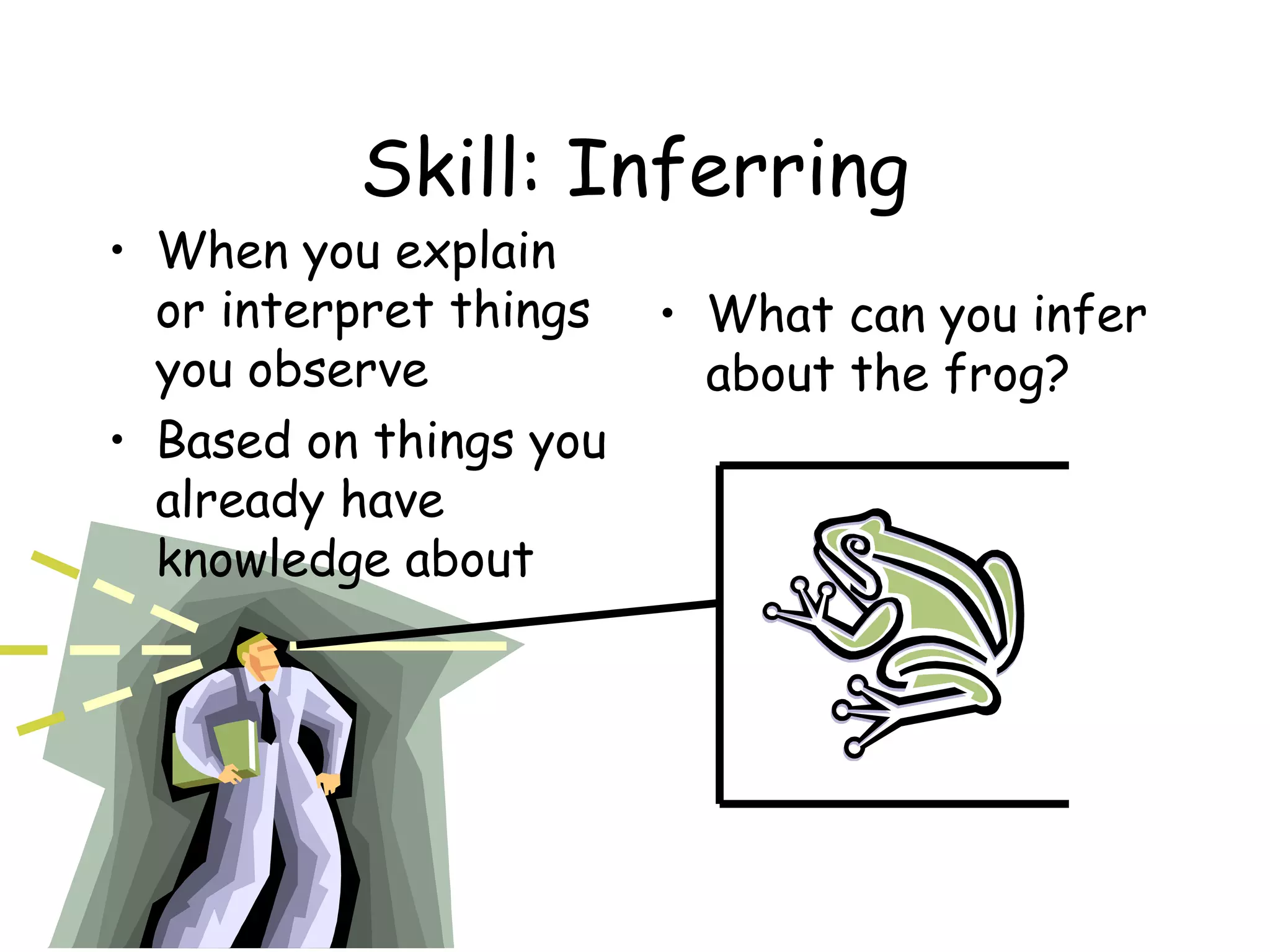
Skill: Inferring

• When you explain
or interpret things
you observe
• Based on things you
already have
knowledge about

• What can you infer
about the frog?
Skill: Predicting
• Guessing what can
happen in the
future
• Based on past
experience or
evidence
• Examples of
prediction are…
Skill: Classifying
• Grouping items
that are alike in
some way
• Examples of
classifying are…
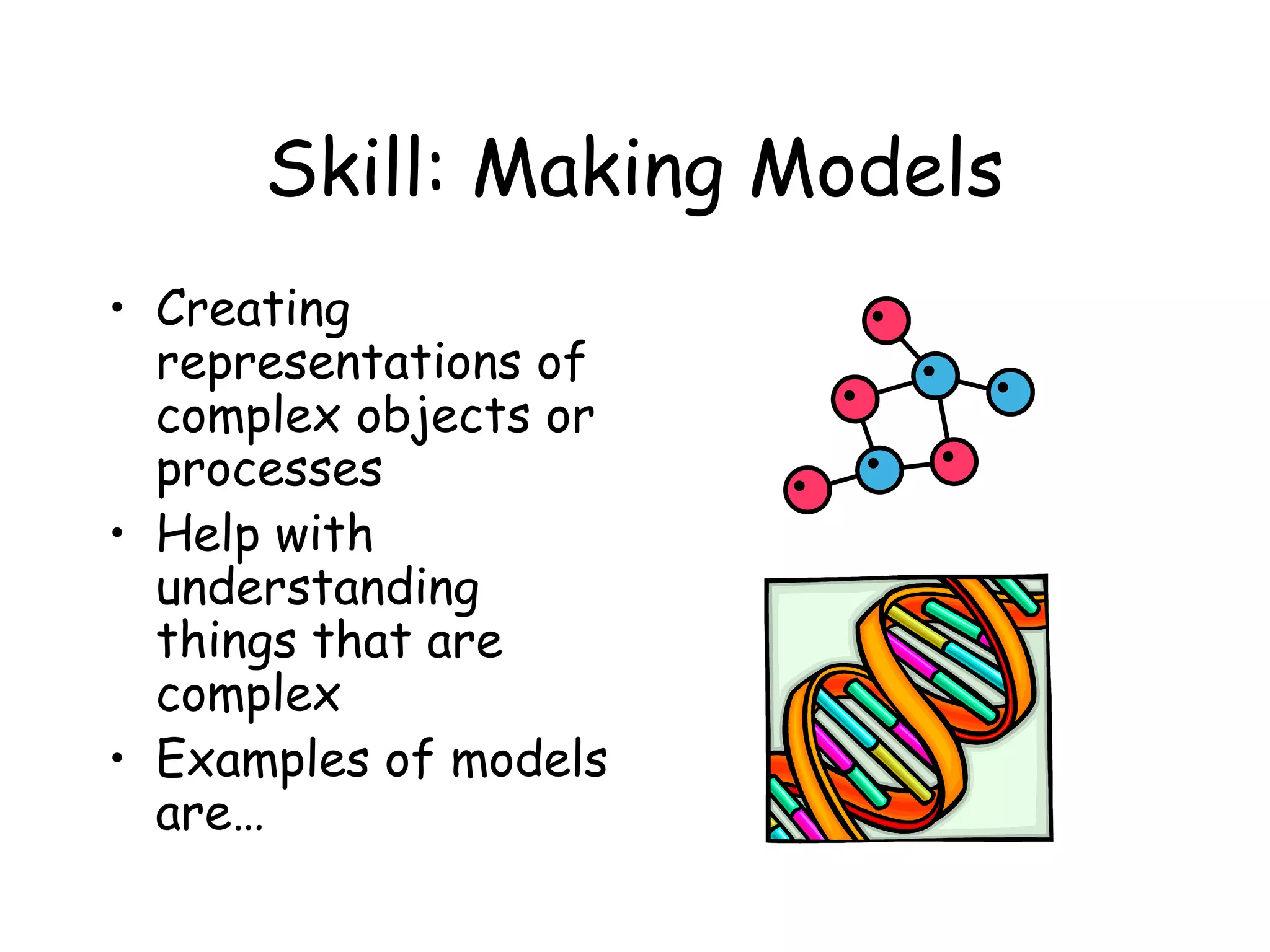
Skill: Making Models
• Creating
representations of
complex objects or
processes
• Help with
understanding
things that are
complex
• Examples of models
are…
Scientific Attitudes
• Successful scientists possess certain
important attitudes, or habits of
mind, including curiosity, honesty,
open-mindedness, skepticism, and
creativity.
Key Concepts
• What skills do scientist use to learn
about the world?

• What attitudes are important in
science?
Section 2: Scientific Inquiry
• Key Concepts:
– What is scientific
inquiry?
– What makes a
hypothesis
testable?
– How do scientific
theories differ
from science laws?
What is Scientific Inquiry?
• Refers to the diverse ways in which
scientists study the natural worlds
and propose explanations based on
the evidence they gather
• Process of Discovery
Posing Questions
• Begins with a problem or question
about an observation
• Questions come from experiences
(from observations and inferences)
• Curiosity
• 1st step in inquiry
Developing a Hypothesis
• A possible
explanation for a
set of observations
or answer to a
scientific question
• Not a fact
• One possible way to
explain a group of
observations

• MUST be testable
• Researchers can
carry out
investigations and
gather evidence
• Evidence will
support or disprove
the hypothesis
• Trials
Designing an Experiment
• After you make a hypothesis
• An experiment is designed to test it
• Experiment elements
– Variables (factors that can change in an
experiment, must be exactly the same)
• Independent
• Dependent

– Controlled
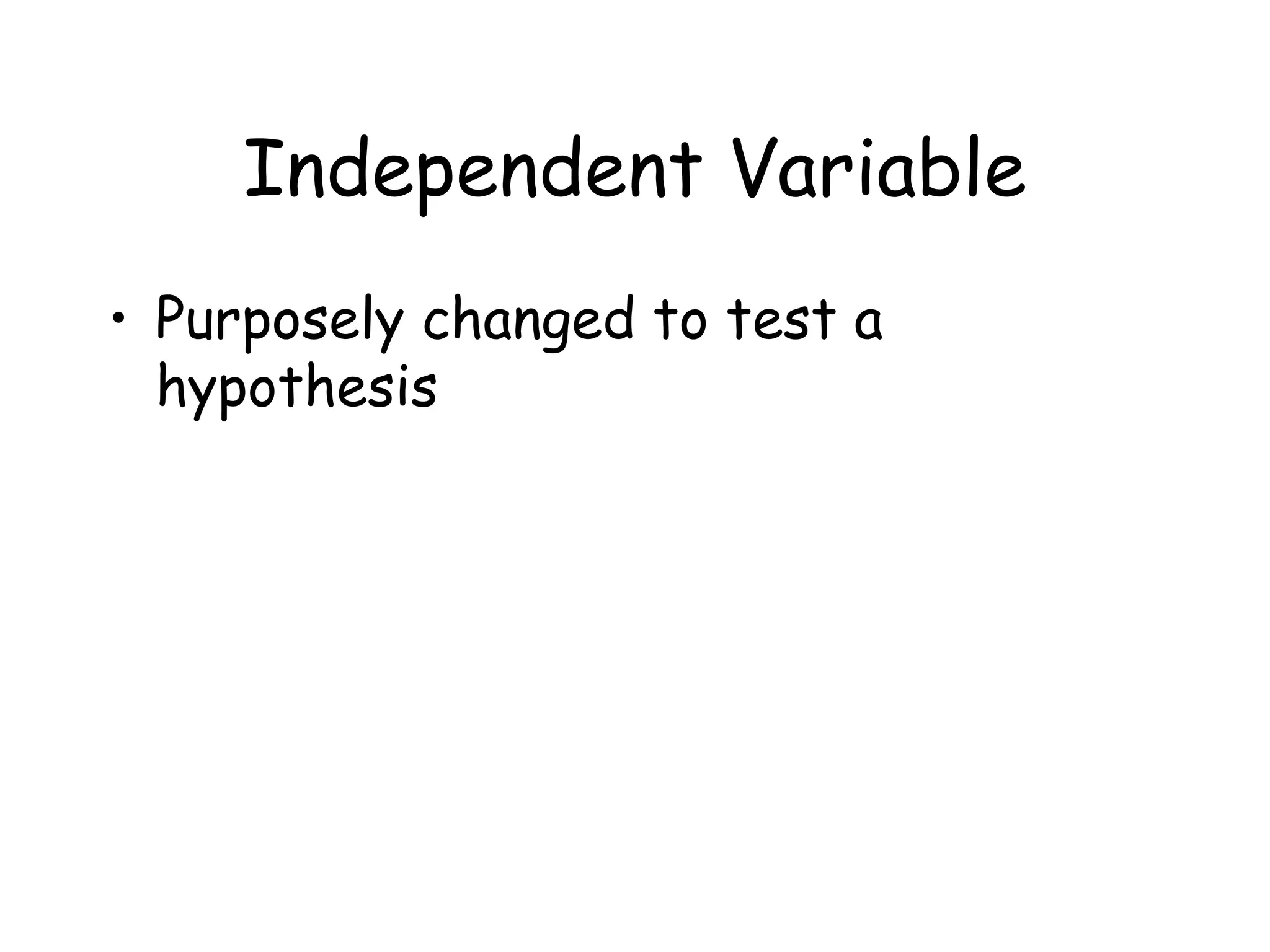
Independent Variable
• Purposely changed to test a
hypothesis
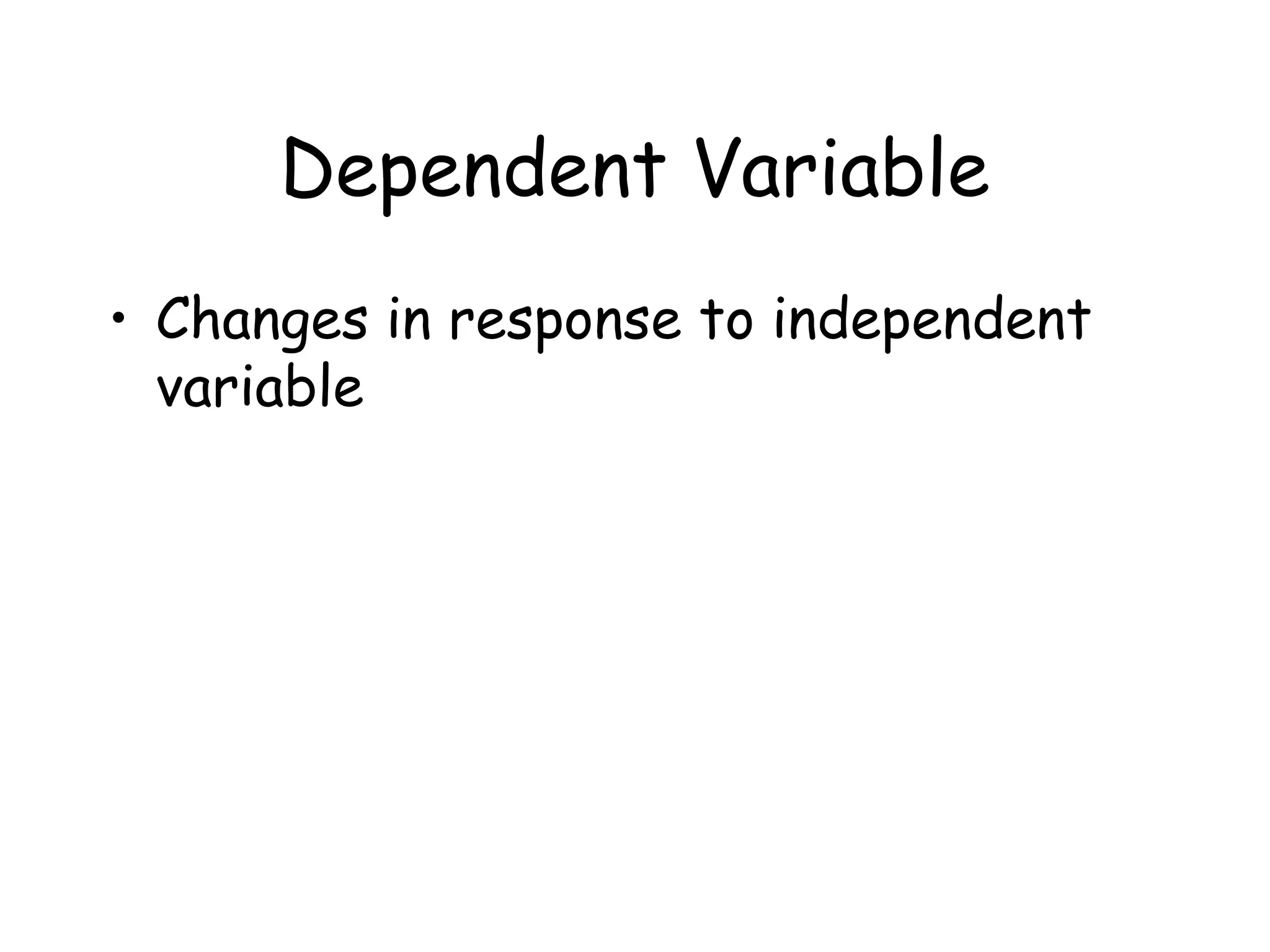
Dependent Variable
• Changes in response to independent
variable
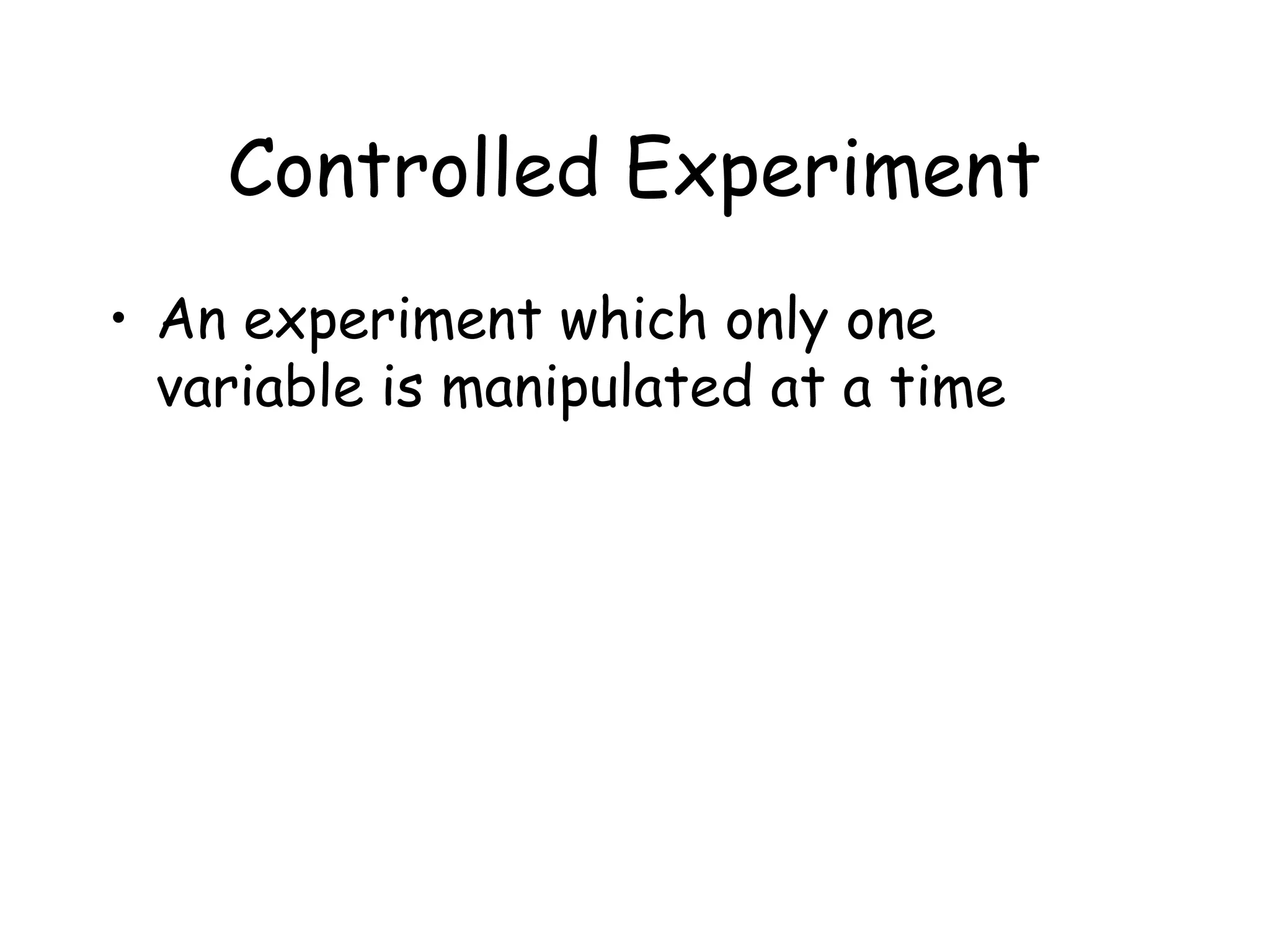
Controlled Experiment
• An experiment which only one
variable is manipulated at a time
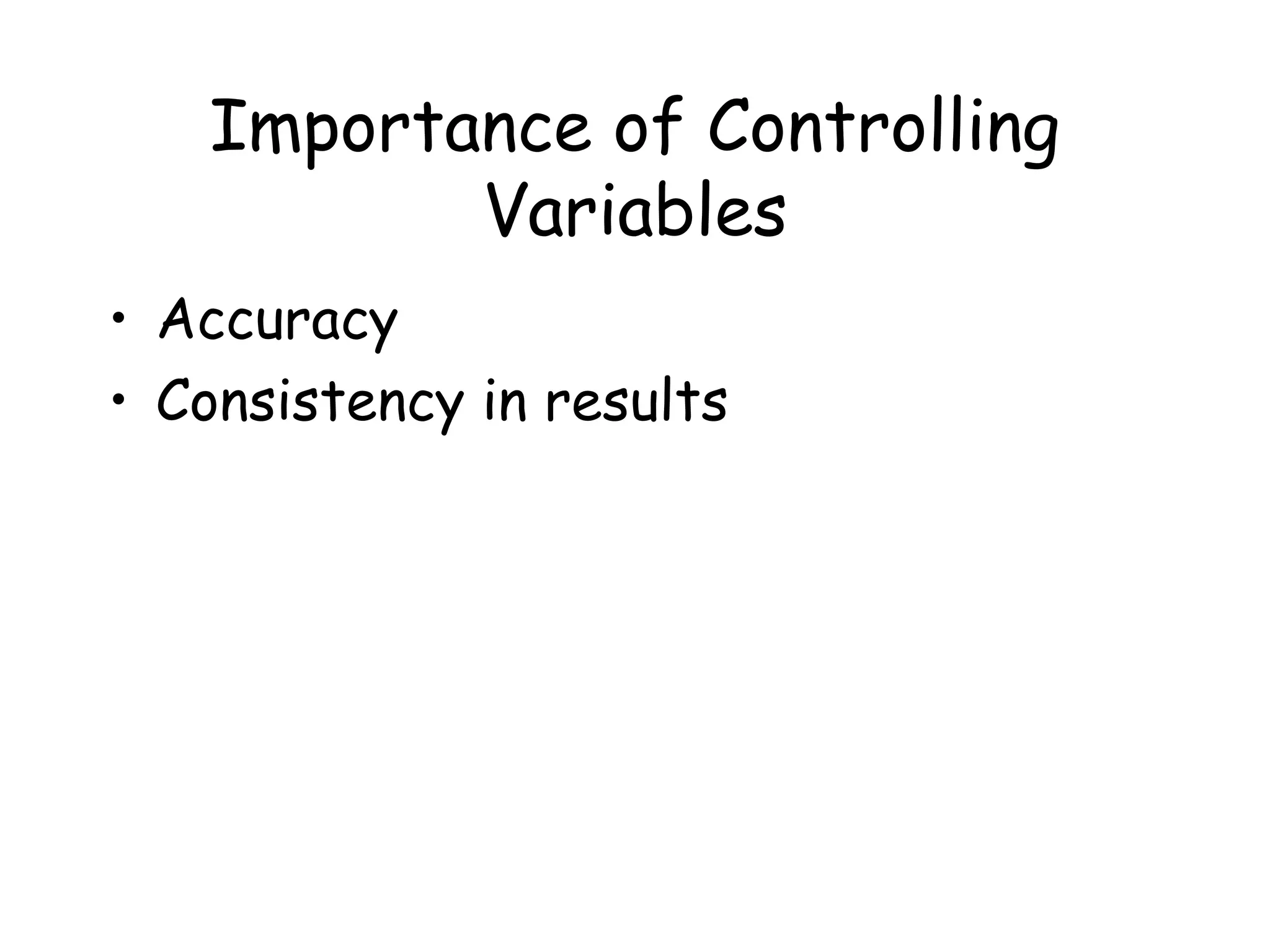
Importance of Controlling
Variables
• Accuracy
• Consistency in results
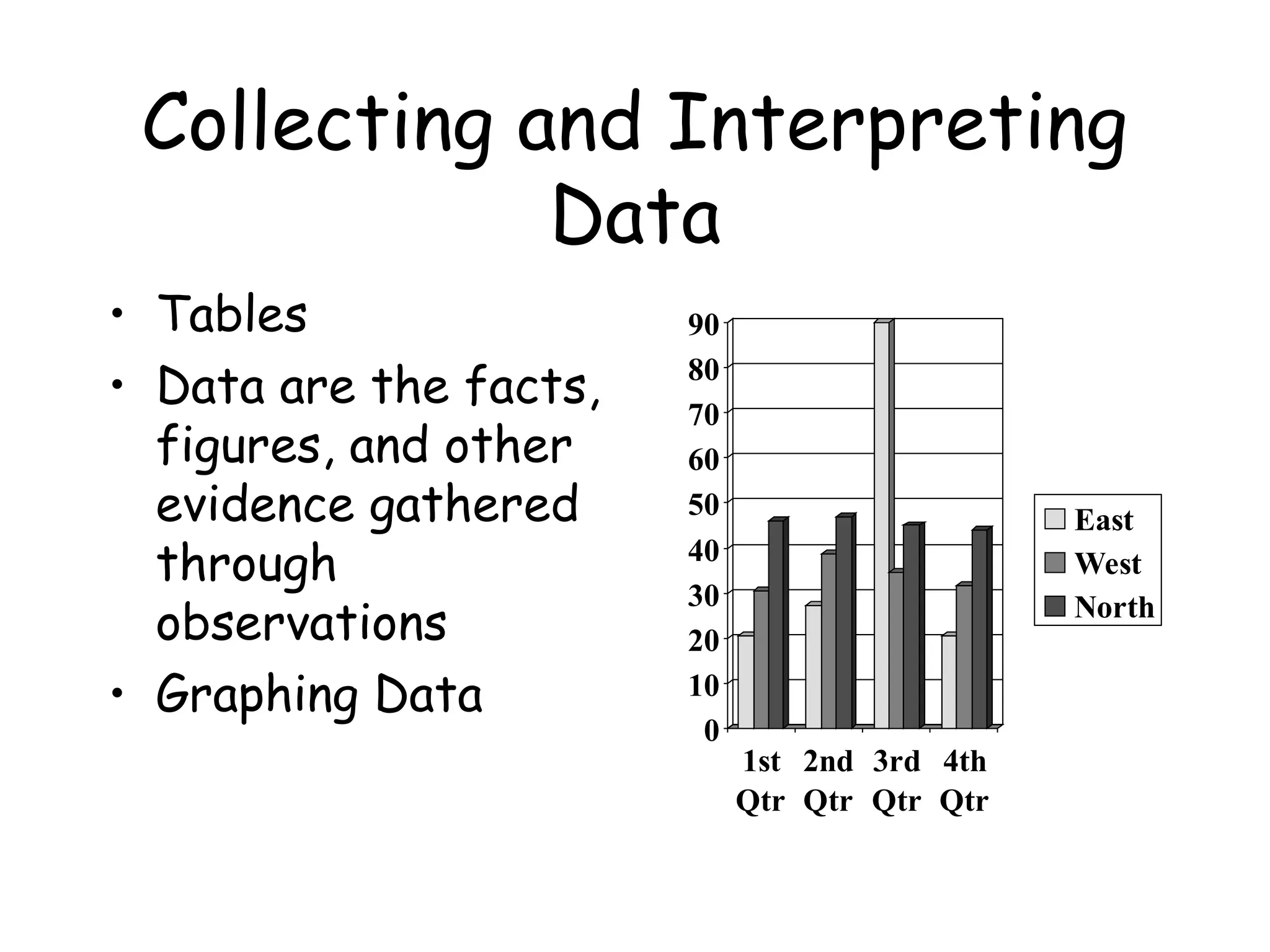
Collecting and Interpreting
Data
• Tables
• Data are the facts,
figures, and other
evidence gathered
through
observations
• Graphing Data

90
80
70
60
50
40
30
20
10
0

East
West
North

1st 2nd 3rd 4th
Qtr Qtr Qtr Qtr
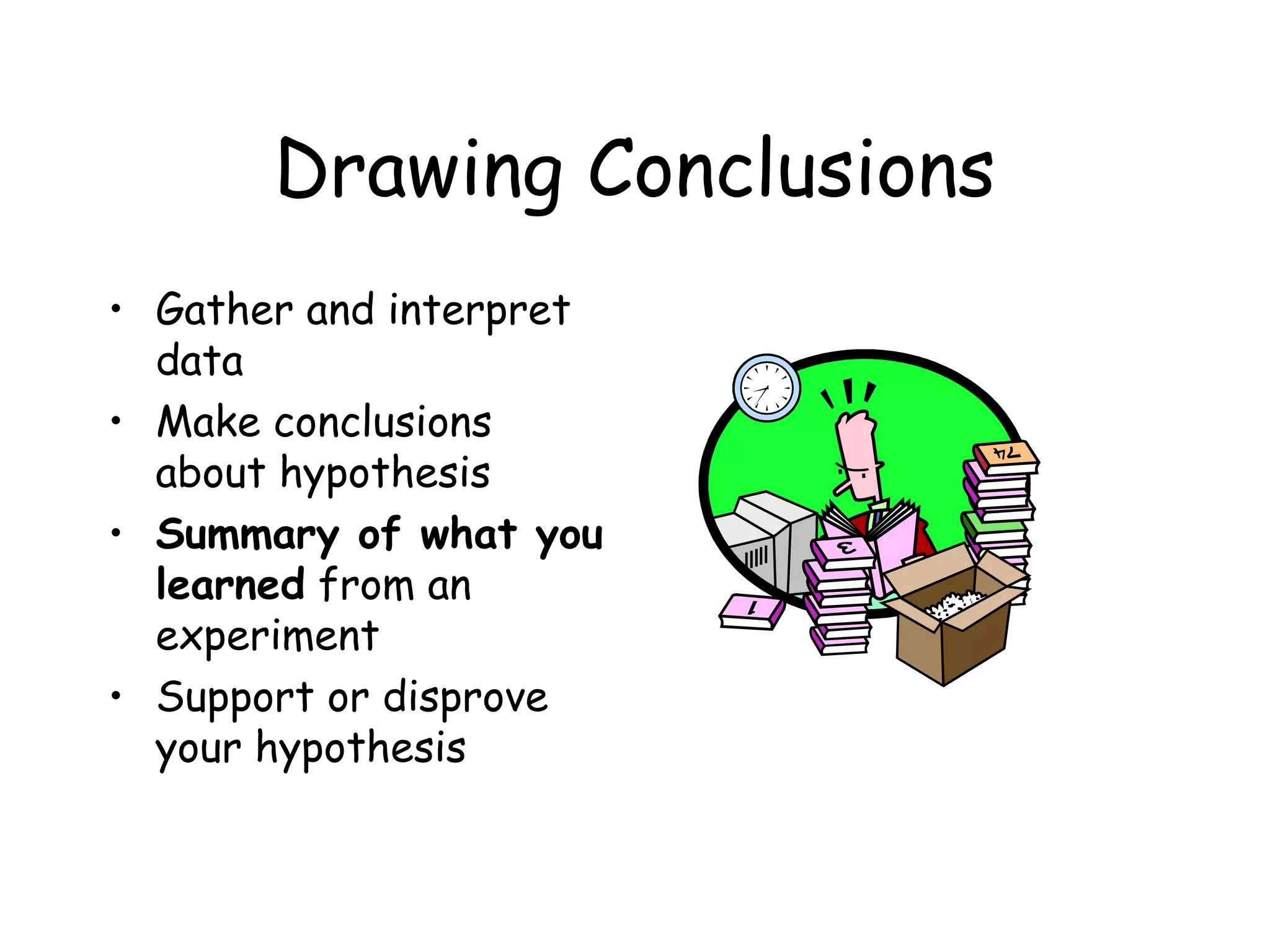
Drawing Conclusions
• Gather and interpret
data
• Make conclusions
about hypothesis
• Summary of what you
learned from an
experiment
• Support or disprove
your hypothesis
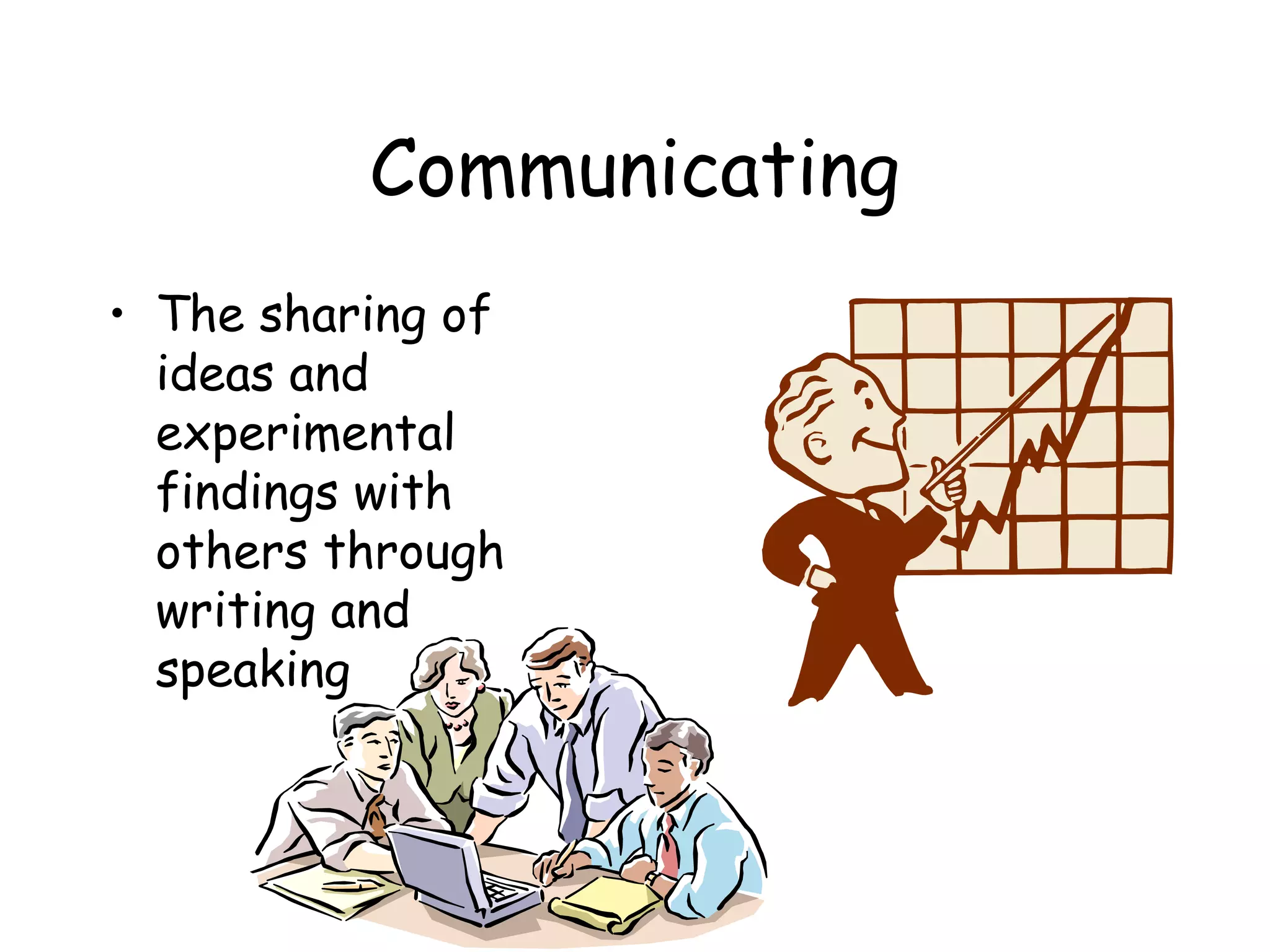
Communicating
• The sharing of
ideas and
experimental
findings with
others through
writing and
speaking
Scientific Theories and Laws
• Theories
– Well-tested
explanation for a
wide range of
observations or
experimental
results

• Laws
– Statement that
describes what
scientists expect to
happen every time
under a particular
set of conditions

The Nature of Science and Technology Chapter 1

  • 1.
    The Nature ofScience and Technology Chapter 1: What is Science?
  • 2.
    Section 1: ThinkingLike a Scientist • Key concepts – What skills do scientist use to learn about the world? – What attitudes are important in science?
  • 3.
    Skills that ScientistsUse • Scientists use skills such as observing, inferring, predicting, classifying, and making models to learn more about the world.
  • 4.
    Skill: Observing • Usingone or more of your senses to gather information • Senses – – – – – Sight Hearing Touch Taste Smell
  • 5.
    Types of Observations •Quantitative – Deal with a number, or amount – Examples of Quantitative Observations are… • Qualitative – Deal with descriptions that cannot be expressed in number. – Examples of Qualitative Observations are …
  • 6.
    Skill: Inferring • Whenyou explain or interpret things you observe • Based on things you already have knowledge about • What can you infer about the frog?
  • 7.
    Skill: Predicting • Guessingwhat can happen in the future • Based on past experience or evidence • Examples of prediction are…
  • 8.
    Skill: Classifying • Groupingitems that are alike in some way • Examples of classifying are…
  • 9.
    Skill: Making Models •Creating representations of complex objects or processes • Help with understanding things that are complex • Examples of models are…
  • 10.
    Scientific Attitudes • Successfulscientists possess certain important attitudes, or habits of mind, including curiosity, honesty, open-mindedness, skepticism, and creativity.
  • 11.
    Key Concepts • Whatskills do scientist use to learn about the world? • What attitudes are important in science?
  • 12.
    Section 2: ScientificInquiry • Key Concepts: – What is scientific inquiry? – What makes a hypothesis testable? – How do scientific theories differ from science laws?
  • 13.
    What is ScientificInquiry? • Refers to the diverse ways in which scientists study the natural worlds and propose explanations based on the evidence they gather • Process of Discovery
  • 14.
    Posing Questions • Beginswith a problem or question about an observation • Questions come from experiences (from observations and inferences) • Curiosity • 1st step in inquiry
  • 15.
    Developing a Hypothesis •A possible explanation for a set of observations or answer to a scientific question • Not a fact • One possible way to explain a group of observations • MUST be testable • Researchers can carry out investigations and gather evidence • Evidence will support or disprove the hypothesis • Trials
  • 16.
    Designing an Experiment •After you make a hypothesis • An experiment is designed to test it • Experiment elements – Variables (factors that can change in an experiment, must be exactly the same) • Independent • Dependent – Controlled
  • 17.
    Independent Variable • Purposelychanged to test a hypothesis
  • 18.
    Dependent Variable • Changesin response to independent variable
  • 19.
    Controlled Experiment • Anexperiment which only one variable is manipulated at a time
  • 20.
    Importance of Controlling Variables •Accuracy • Consistency in results
  • 21.
    Collecting and Interpreting Data •Tables • Data are the facts, figures, and other evidence gathered through observations • Graphing Data 90 80 70 60 50 40 30 20 10 0 East West North 1st 2nd 3rd 4th Qtr Qtr Qtr Qtr
  • 22.
    Drawing Conclusions • Gatherand interpret data • Make conclusions about hypothesis • Summary of what you learned from an experiment • Support or disprove your hypothesis
  • 23.
    Communicating • The sharingof ideas and experimental findings with others through writing and speaking
  • 24.
    Scientific Theories andLaws • Theories – Well-tested explanation for a wide range of observations or experimental results • Laws – Statement that describes what scientists expect to happen every time under a particular set of conditions