Jobs for the Future: 

Using Technology to Empower in the 21st Century Economy
Tess Posner
Managing Director, Samaschool
@tessposner
@_samaschool
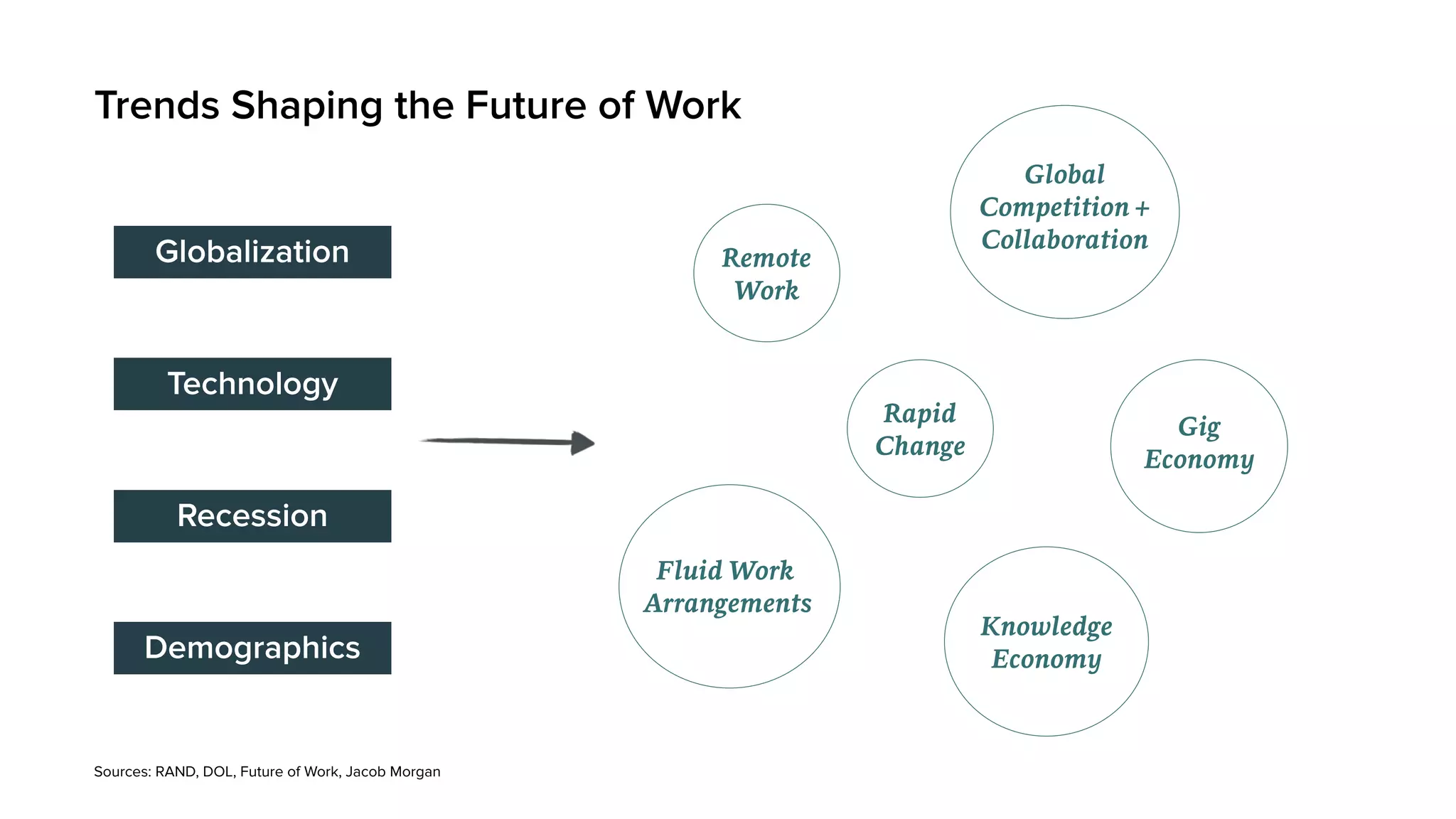
Knowledge
Economy
Global
Competition +
Collaboration
Gig
Economy
Fluid Work
Arrangements
Remote
Work
Rapid
Change
Sources: RAND, DOL, Future of Work, Jacob Morgan
Globalization
Technology
Recession
Demographics
Trends Shaping the Future of Work
What skills will we need to compete, to
launch companies?
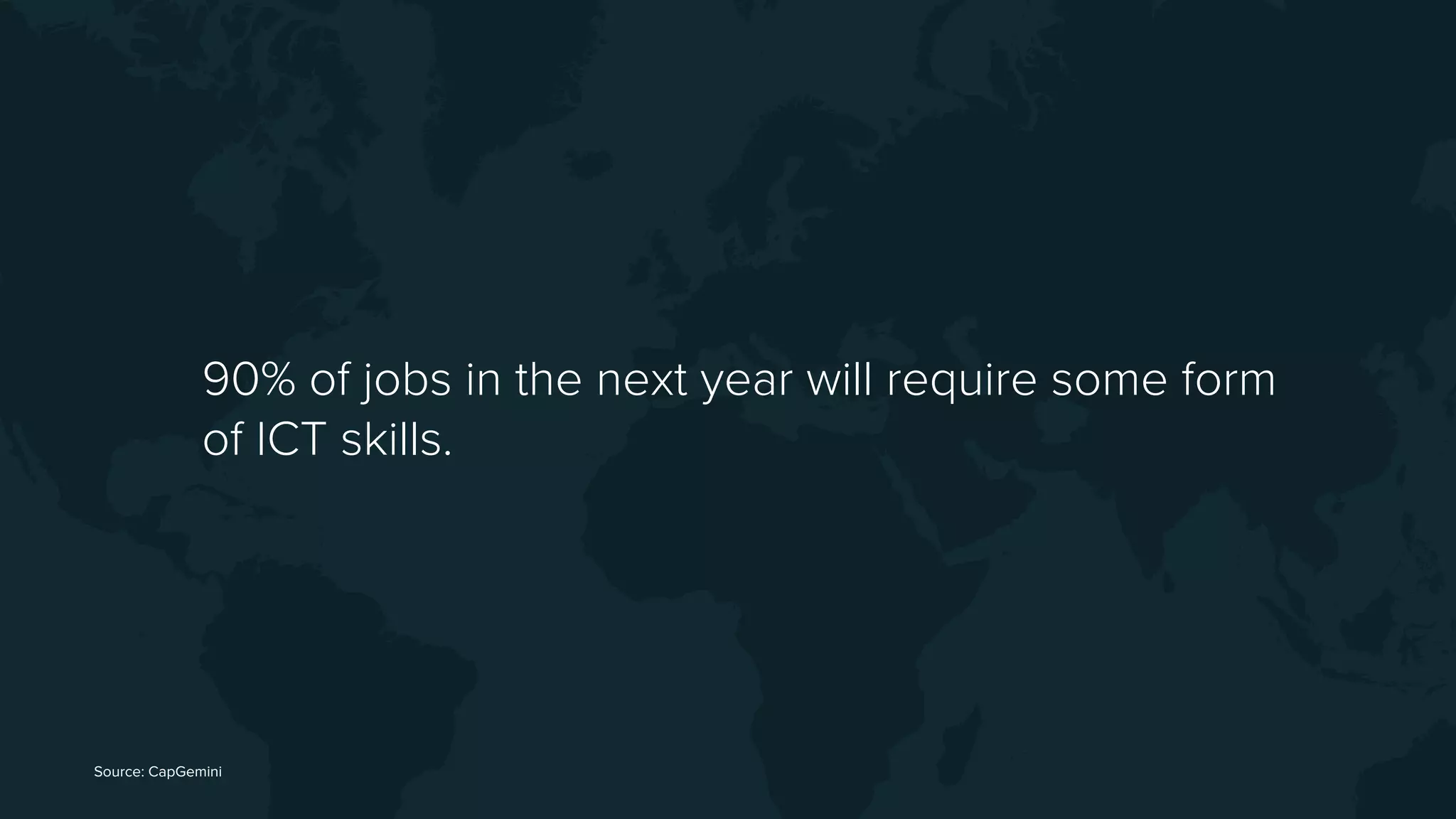
Source: CapGemini
90% of jobs in the next year will require some form
of ICT skills.
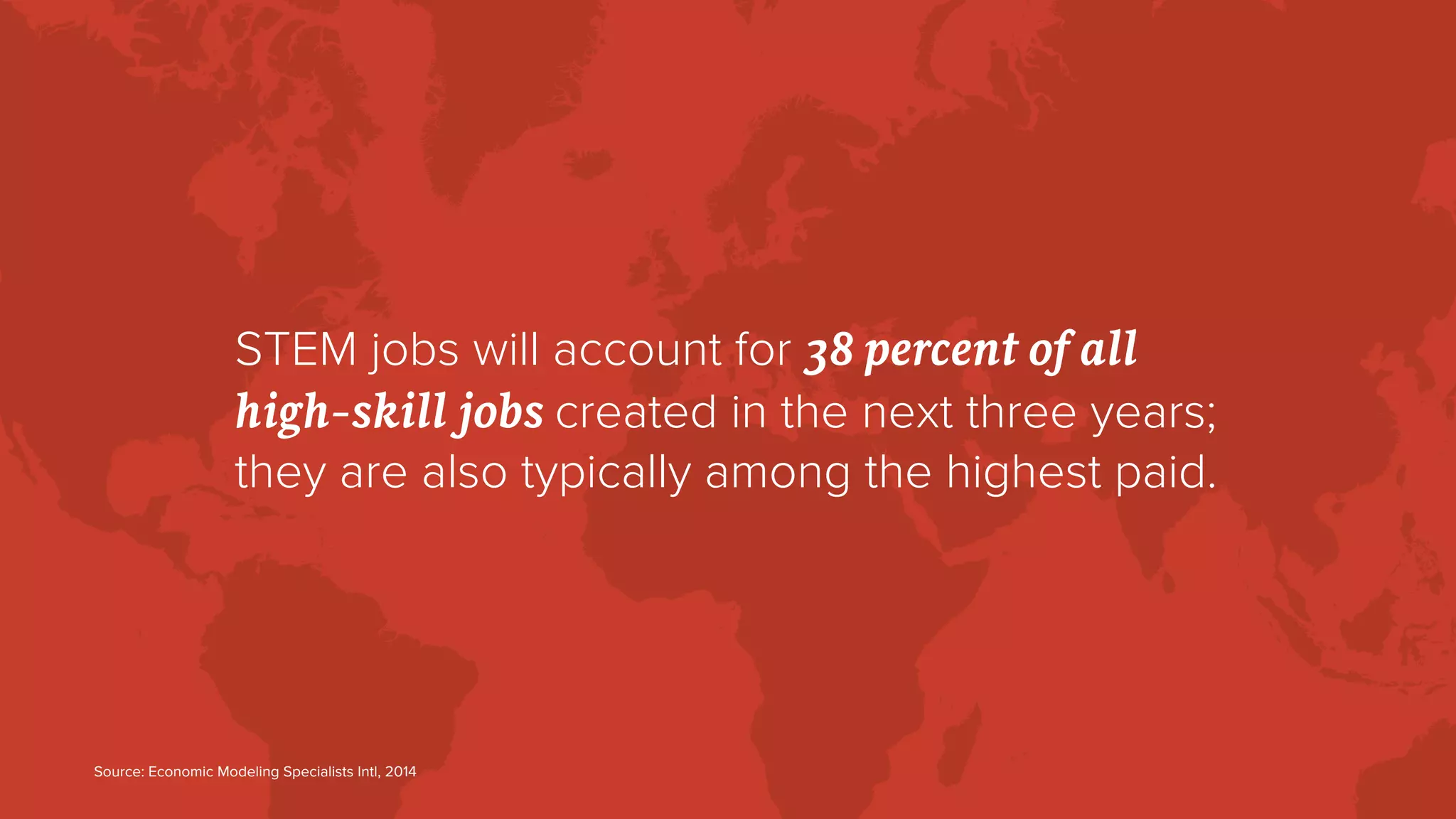
STEM jobs will account for 38 percent of all
high-skill jobs created in the next three years;
they are also typically among the highest paid.
Source: Economic Modeling Specialists Intl, 2014
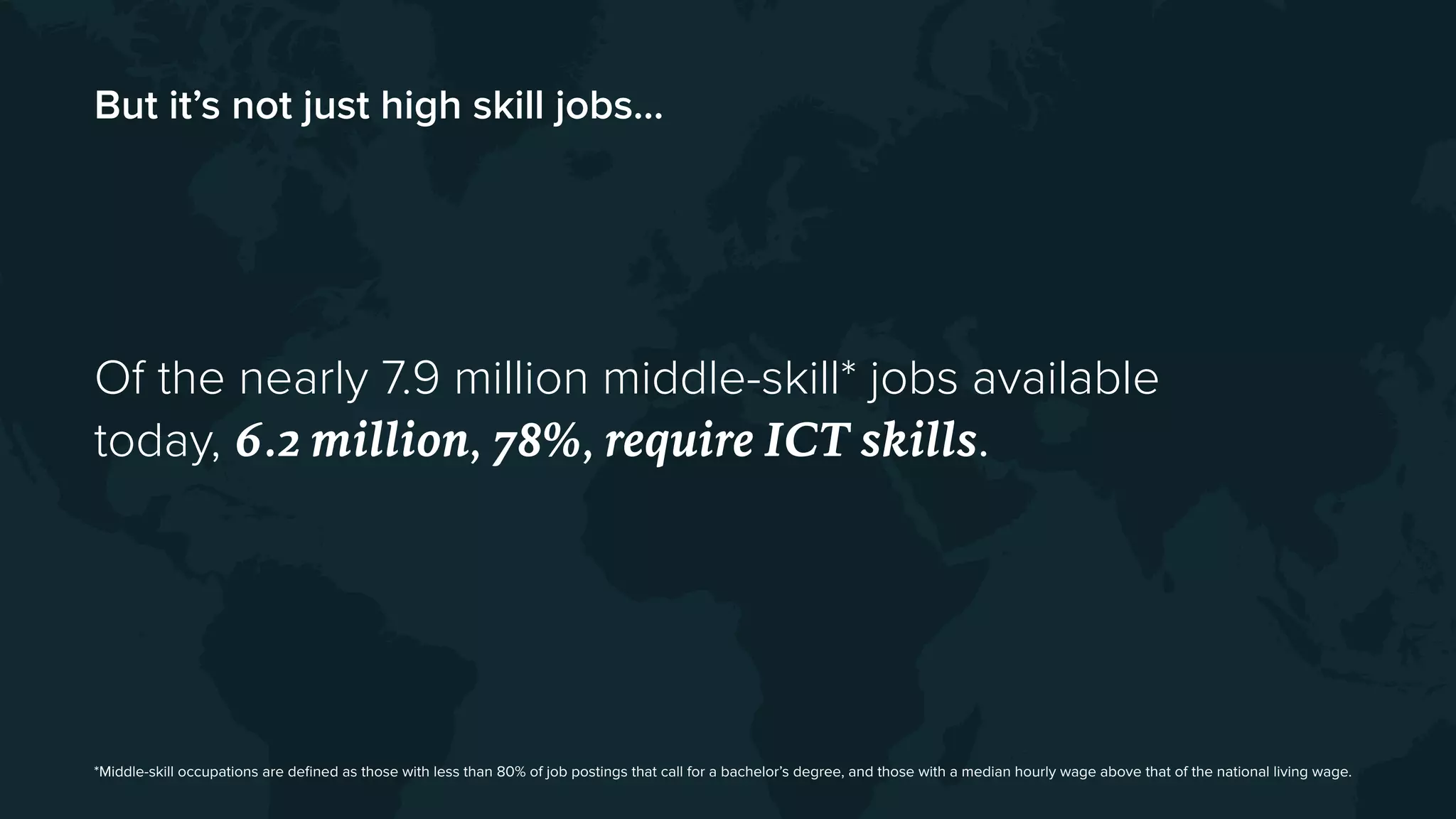
But it’s not just high skill jobs…
*Middle-skill occupations are defined as those with less than 80% of job postings that call for a bachelor’s degree, and those with a median hourly wage above that of the national living wage.
Of the nearly 7.9 million middle-skill* jobs available
today, 6.2 million, 78%, require ICT skills.
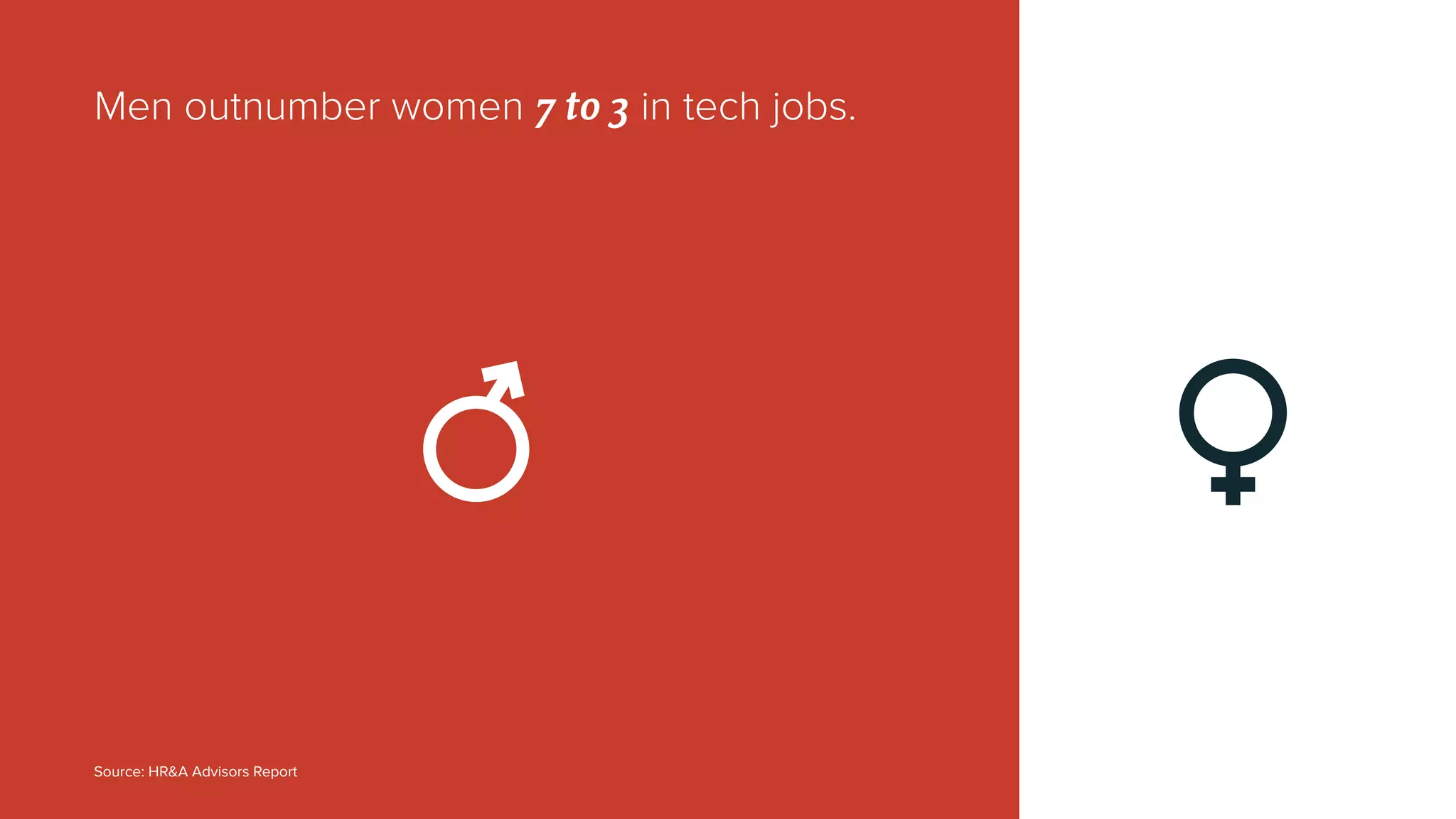
Source: HR&A Advisors Report
Men outnumber women 7 to 3 in tech jobs.
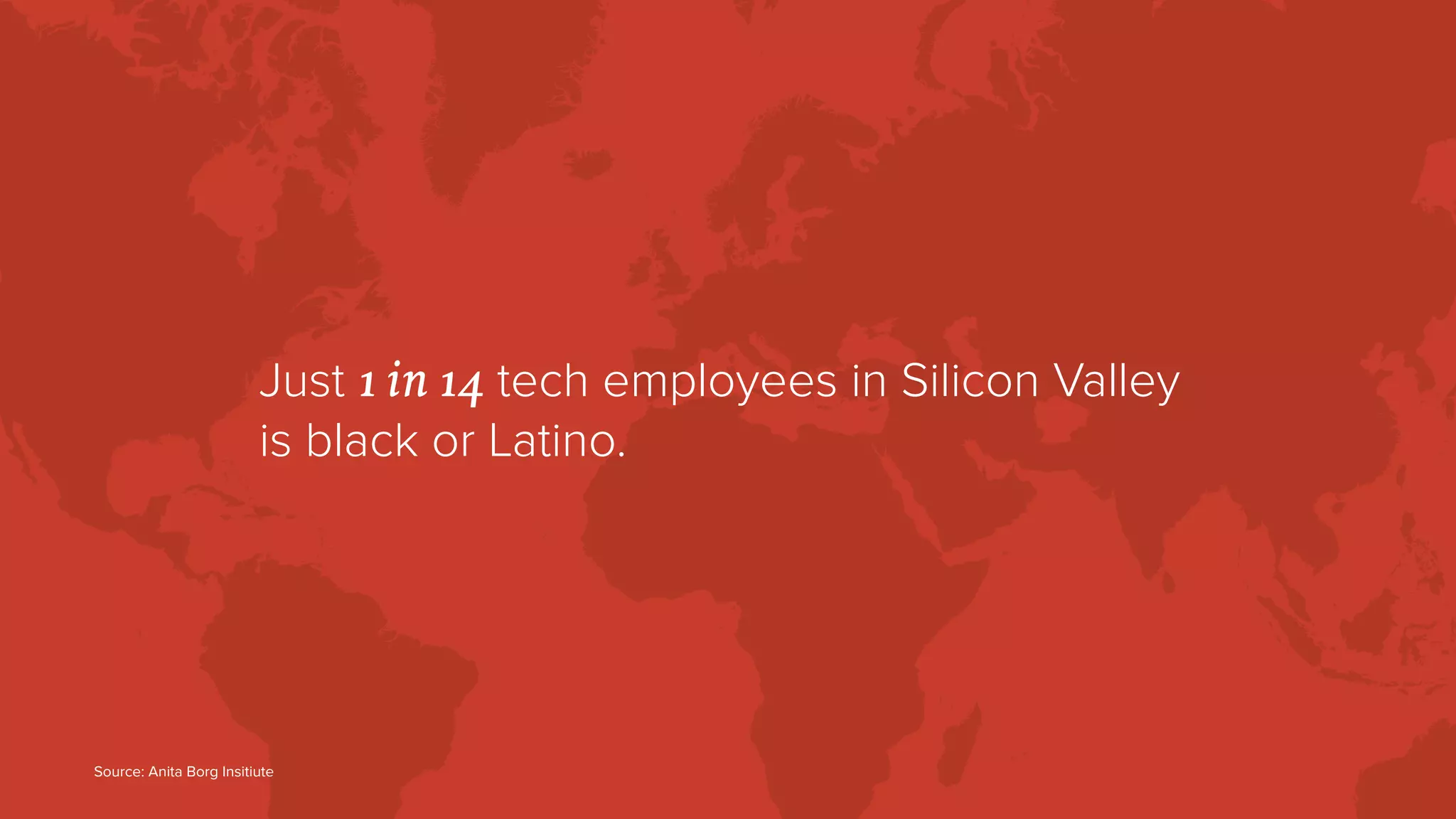
Source: Anita Borg Insitiute
Just 1 in 14 tech employees in Silicon Valley
is black or Latino.
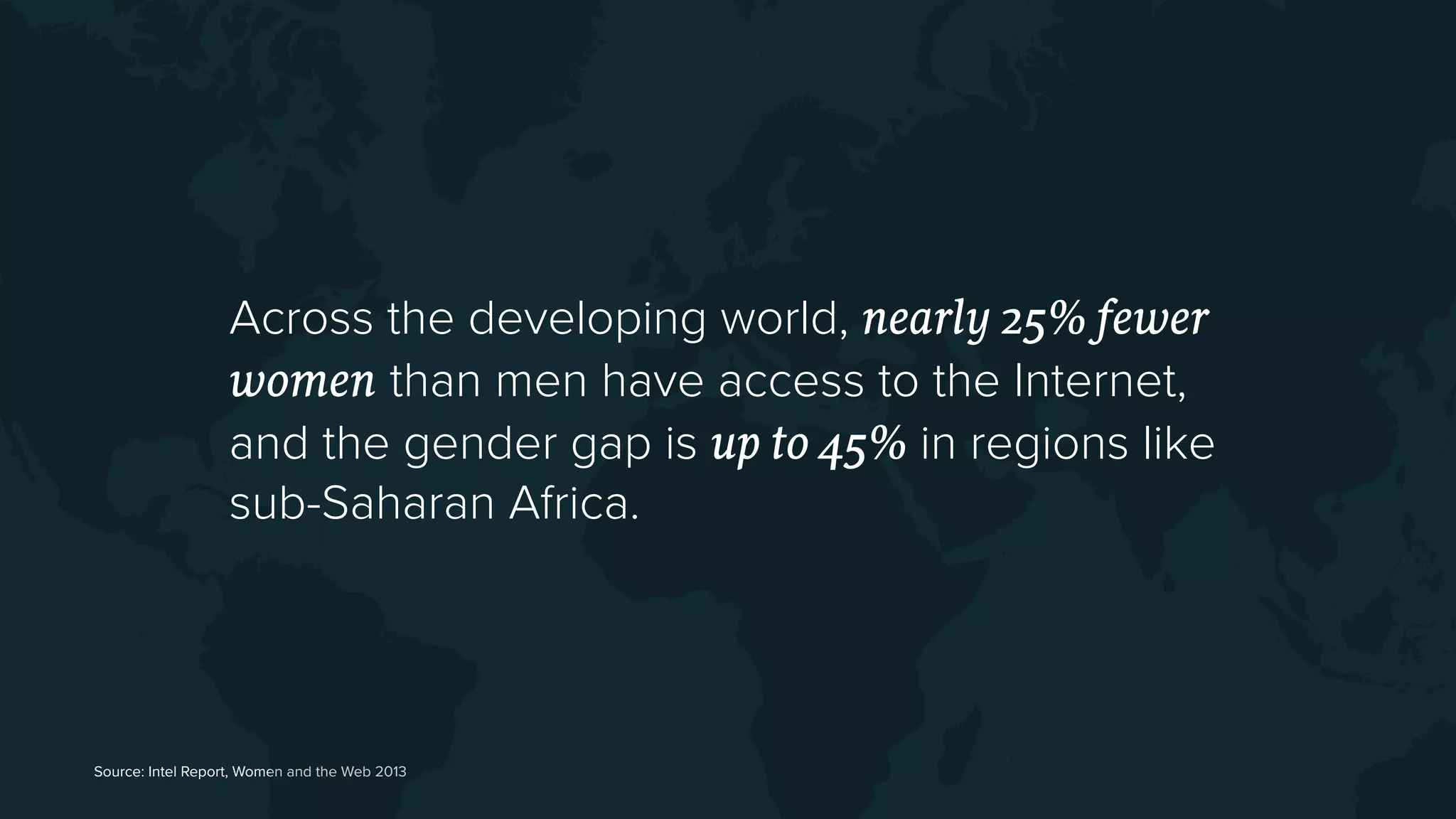
Source: Intel Report, Women and the Web 2013
Across the developing world, nearly 25% fewer
women than men have access to the Internet,
and the gender gap is up to 45% in regions like
sub-Saharan Africa.
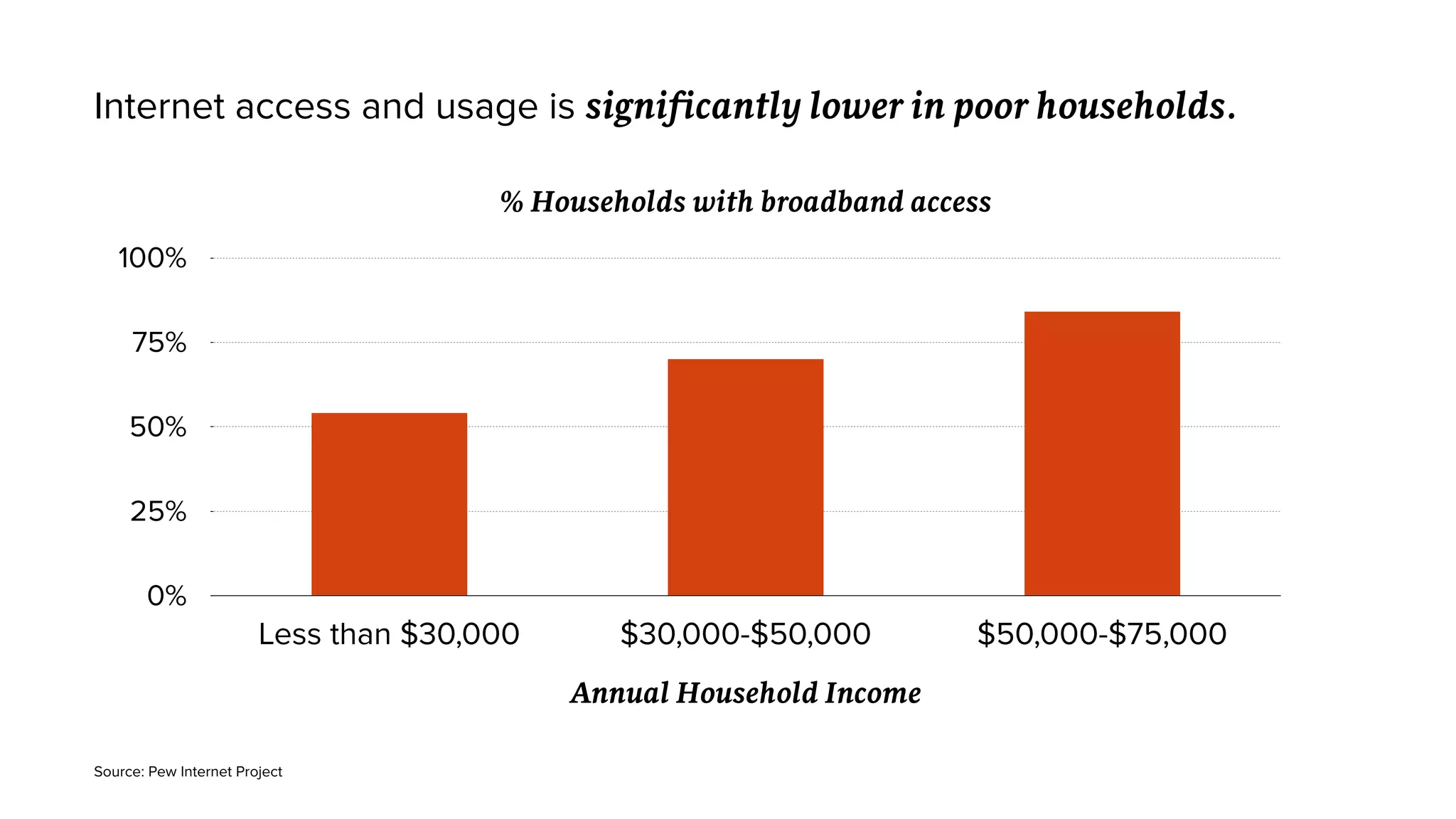
STRATEGY 2013 (EST.) 2014% Households with broadband access
0%
25%
50%
75%
100%
Annual Household Income
Less than $30,000 $30,000-$50,000 $50,000-$75,000
Internet access and usage is significantly lower in poor households.
Source: Pew Internet Project
Inadequate access to the internet and
technology can hinder these groups from
learning the skills that are crucial to success.
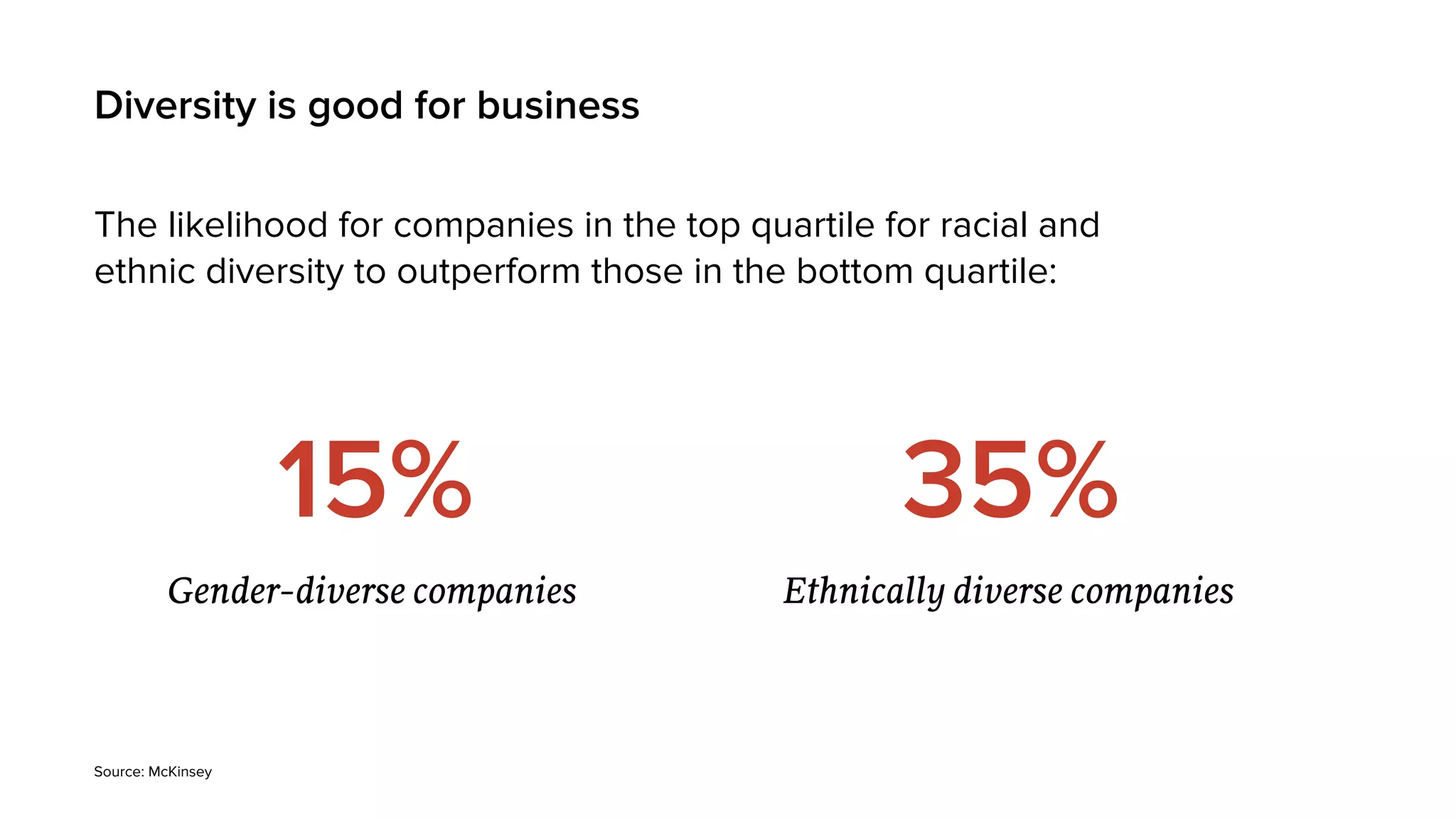
The likelihood for companies in the top quartile for racial and
ethnic diversity to outperform those in the bottom quartile:
Diversity is good for business
Gender-diverse companies Ethnically diverse companies
Source: McKinsey
15% 35%
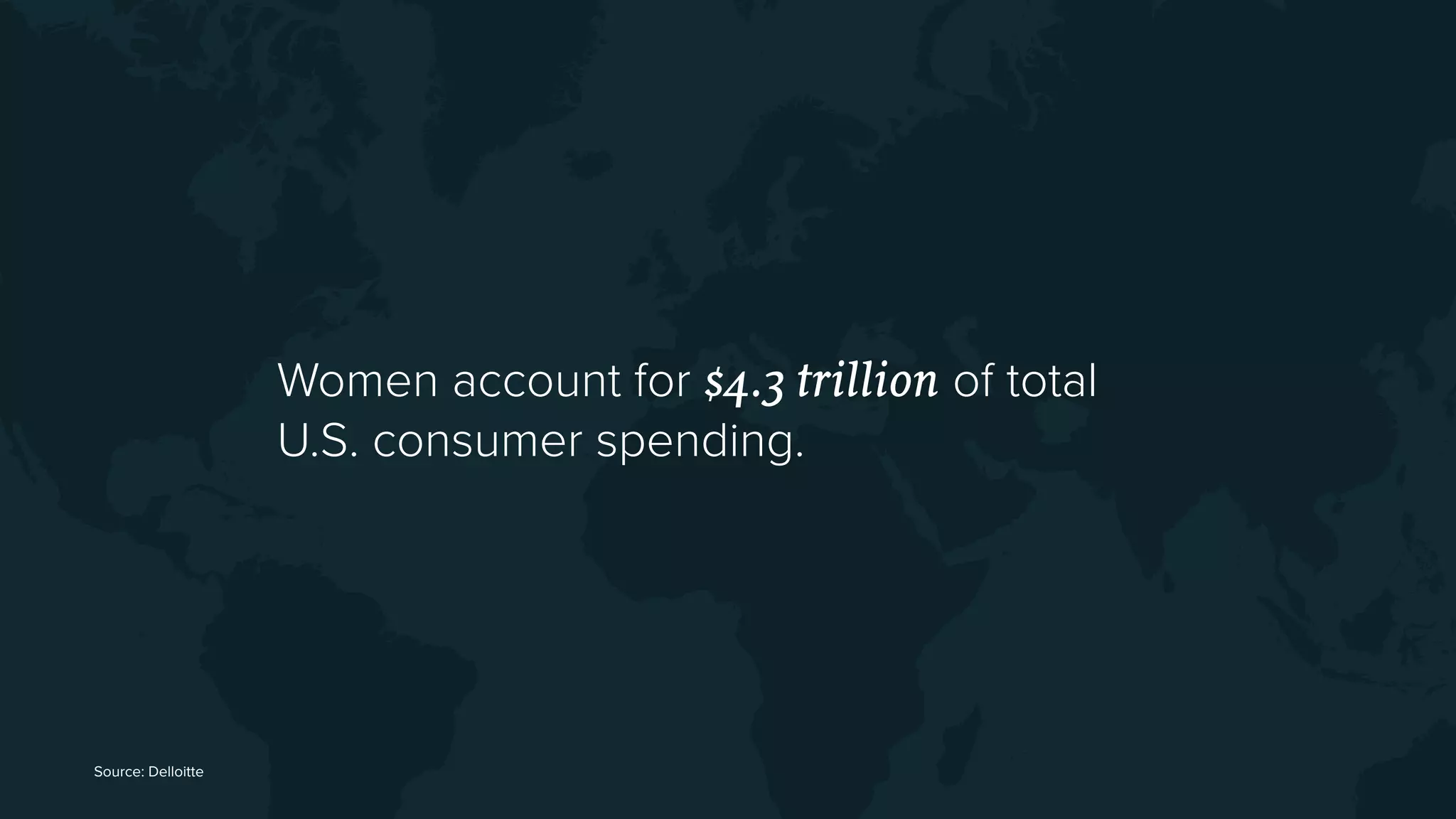
Source: Delloitte
Women account for $4.3 trillion of total
U.S. consumer spending.
Access to information
New sources of income + jobs
Collaboration on a global scale
Online work is growing
over 22%, compared
with 3% in offline jobs.
Source: oDesk/ Elance, Intuit Report
There are over 80 online work platforms
posting millions of jobs per year in hundreds
of job categories.
Source: Global Industry Analysts
The global eLearning Market is expected
to reach $107 billion this year.
But to access these, you need:
Awareness
Digital skills
Internet literacy + access
Providing low-income people with digital
skills and access to internet-based jobs to
help them succeed in the new economy.
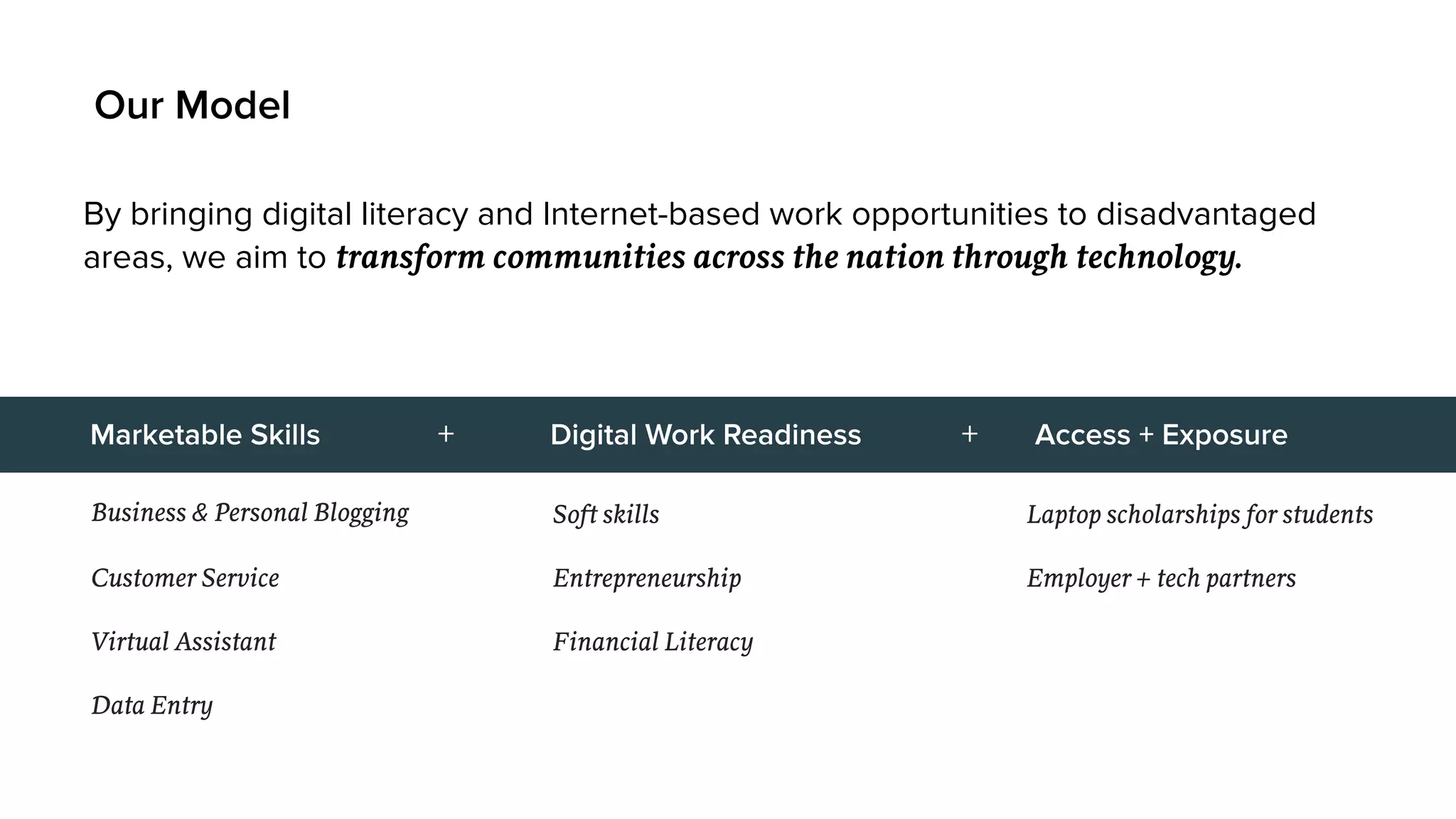
By bringing digital literacy and Internet-based work opportunities to disadvantaged
areas, we aim to transform communities across the nation through technology.
Business & Personal Blogging
Customer Service
Virtual Assistant
Data Entry
So skills
Entrepreneurship
Financial Literacy
Laptop scholarships for students
Employer + tech partners
Access + ExposureDigital Work ReadinessMarketable Skills + +
Our Model
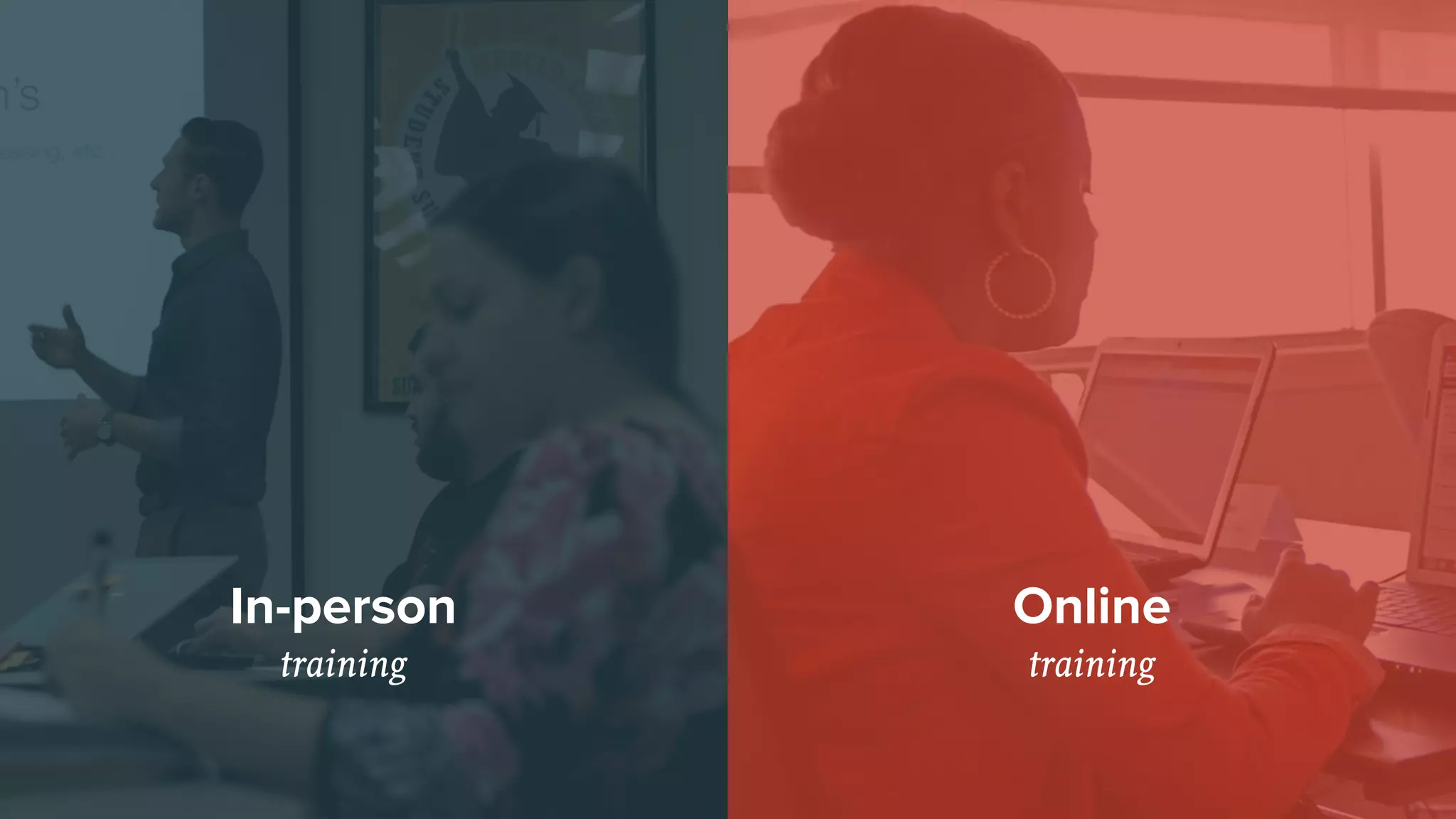
In-person
training
Online
training
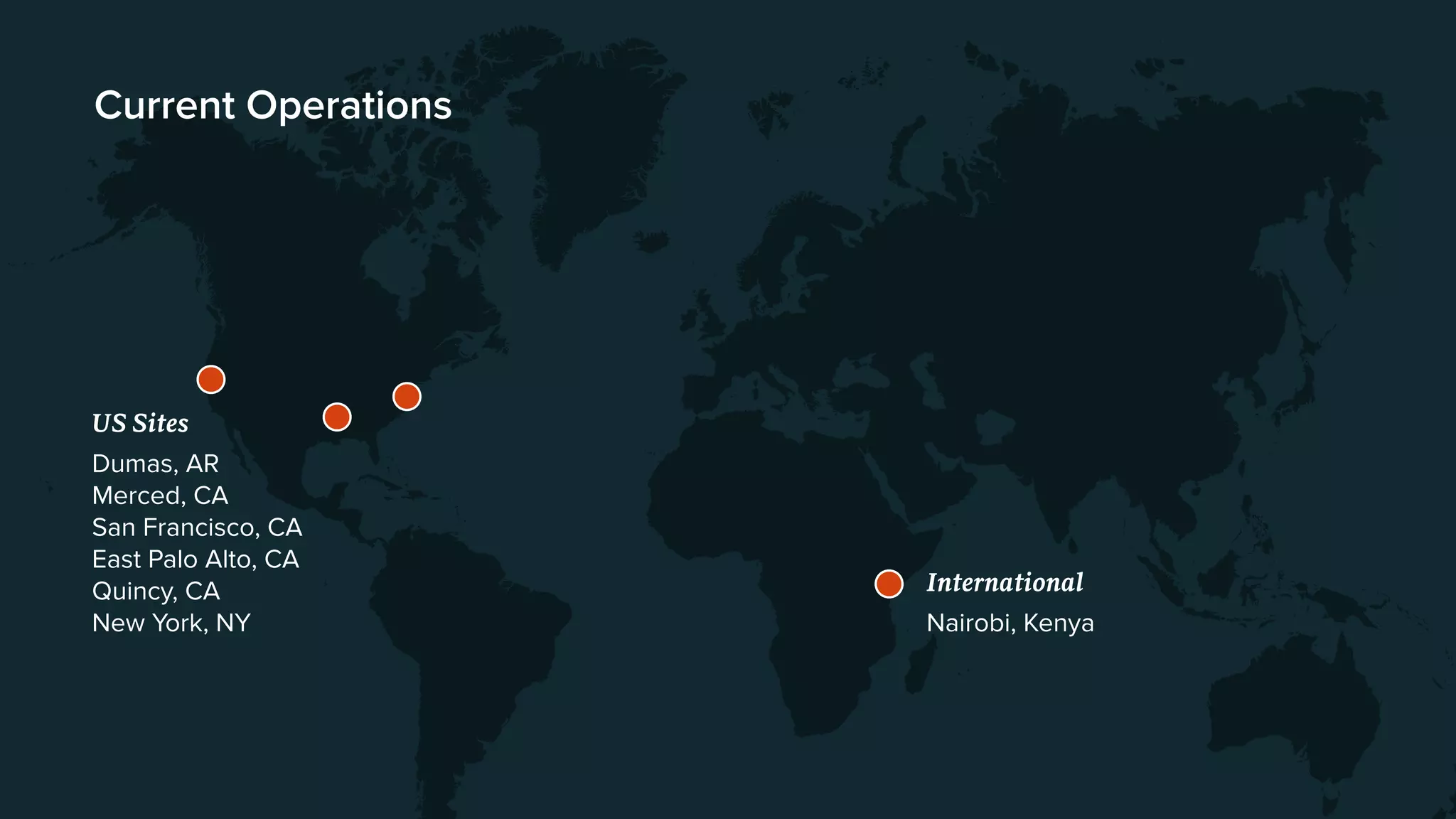
US Sites
Dumas, AR
Merced, CA
San Francisco, CA
East Palo Alto, CA
Quincy, CA
New York, NY
International
Nairobi, Kenya
Current Operations
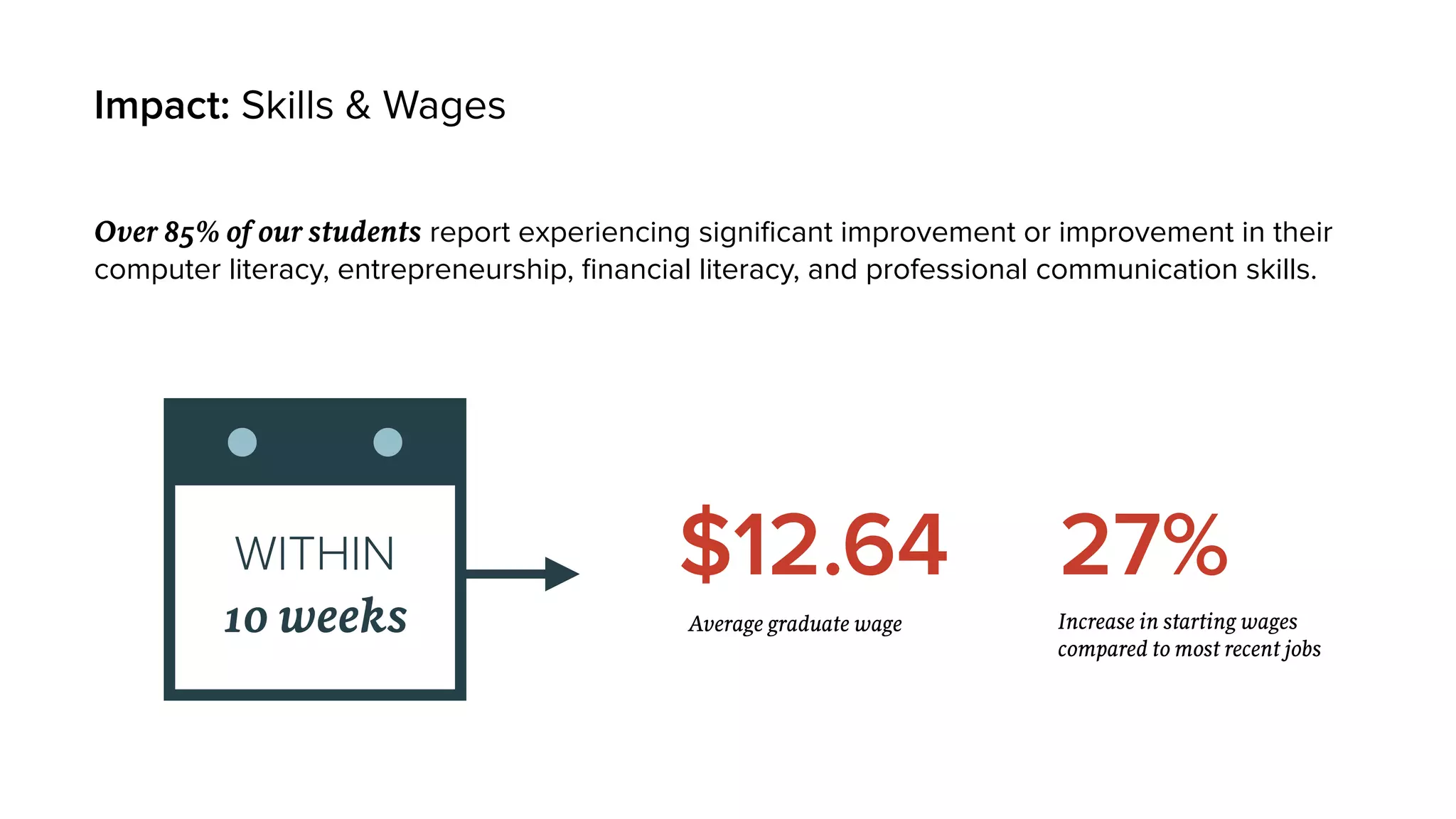
Impact: Skills & Wages
Over 85% of our students report experiencing significant improvement or improvement in their
computer literacy, entrepreneurship, financial literacy, and professional communication skills.
Increase in starting wages
compared to most recent jobs
Average graduate wage
$12.64 27%WITHIN
10 weeks
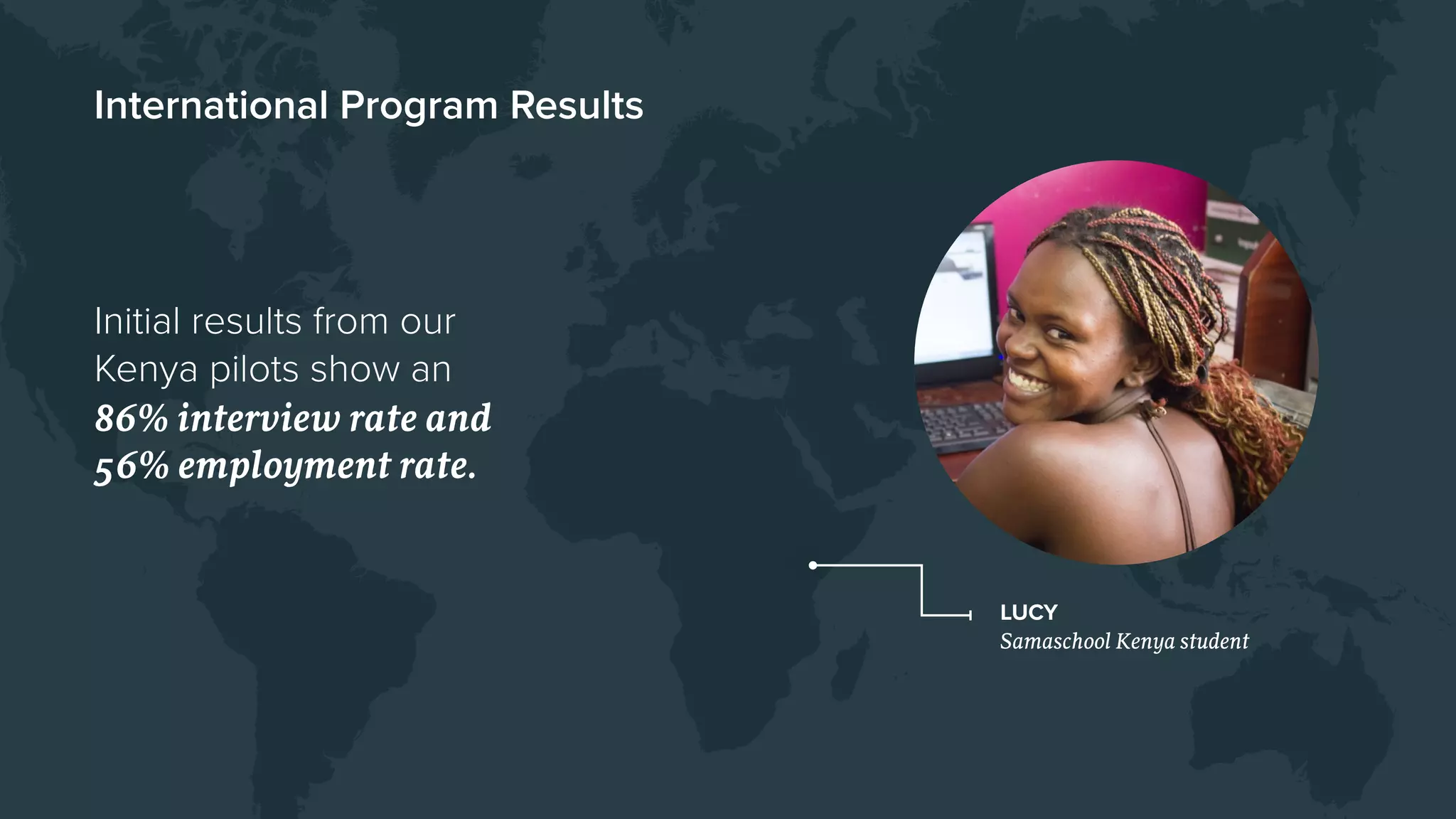
International Program Results
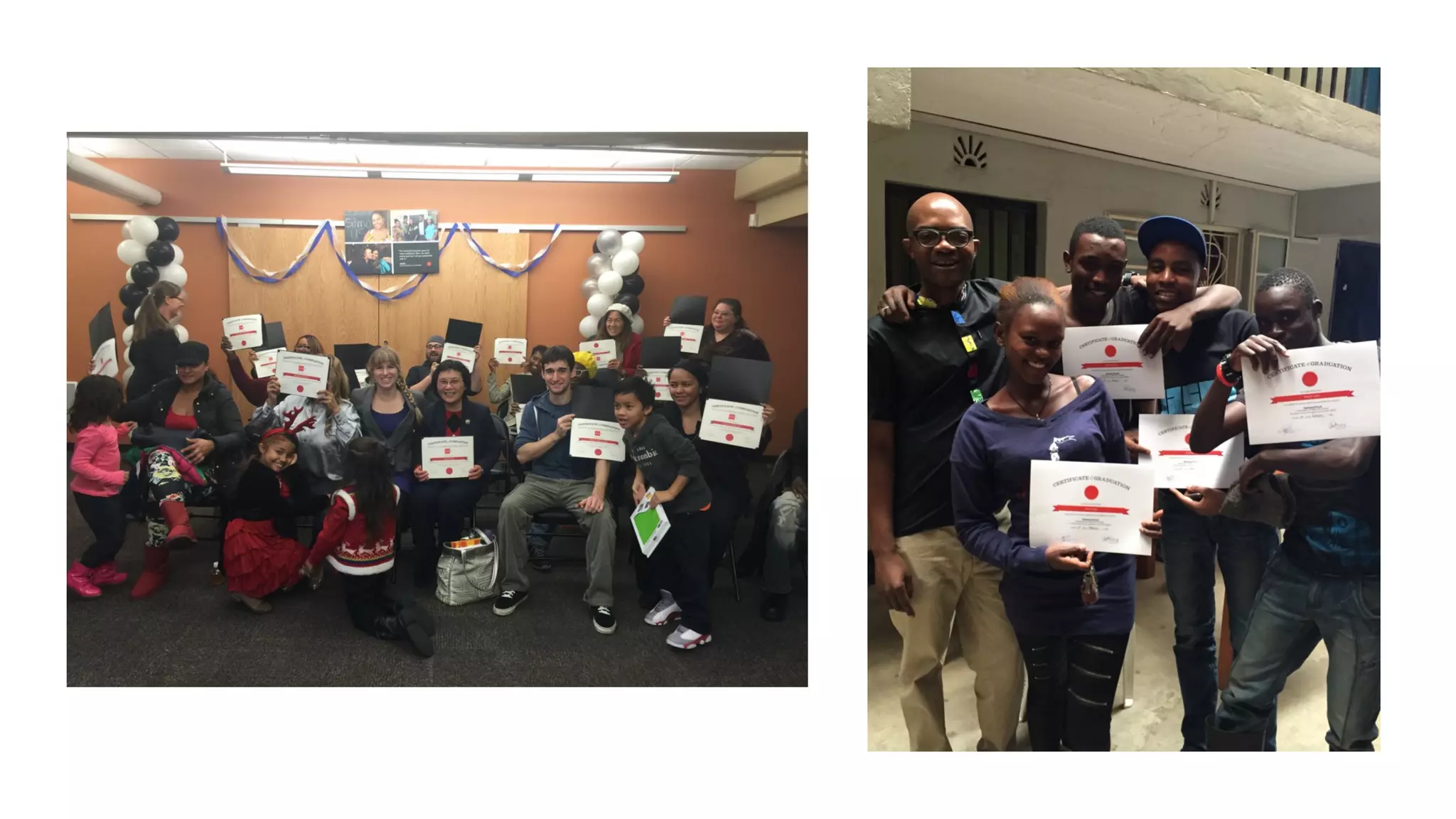
LUCY
Samaschool Kenya student
Initial results from our
Kenya pilots show an
86% interview rate and
56% employment rate.
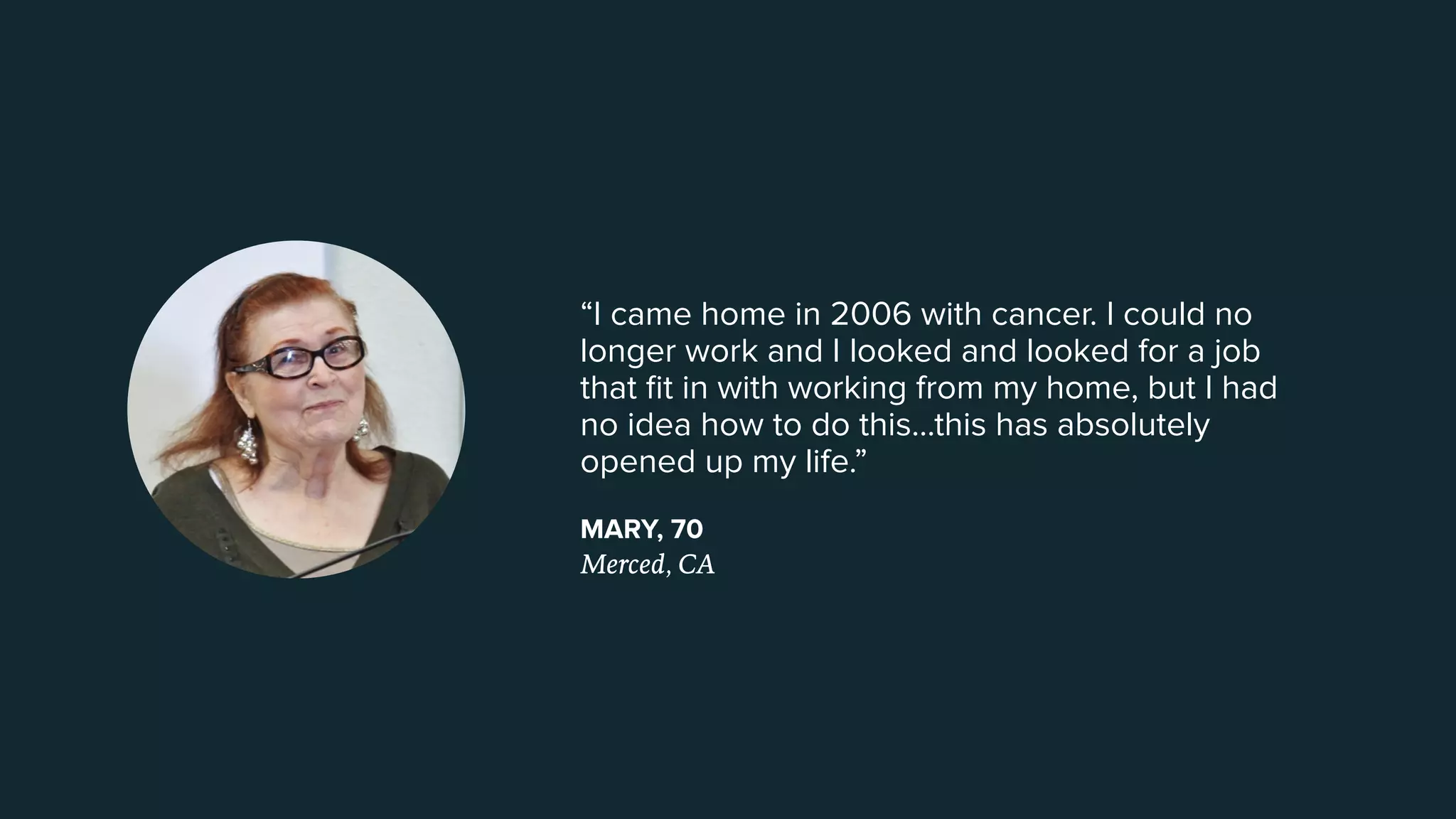
“I came home in 2006 with cancer. I could no
longer work and I looked and looked for a job
that fit in with working from my home, but I had
no idea how to do this...this has absolutely
opened up my life.”
MARY, 70
Merced, CA
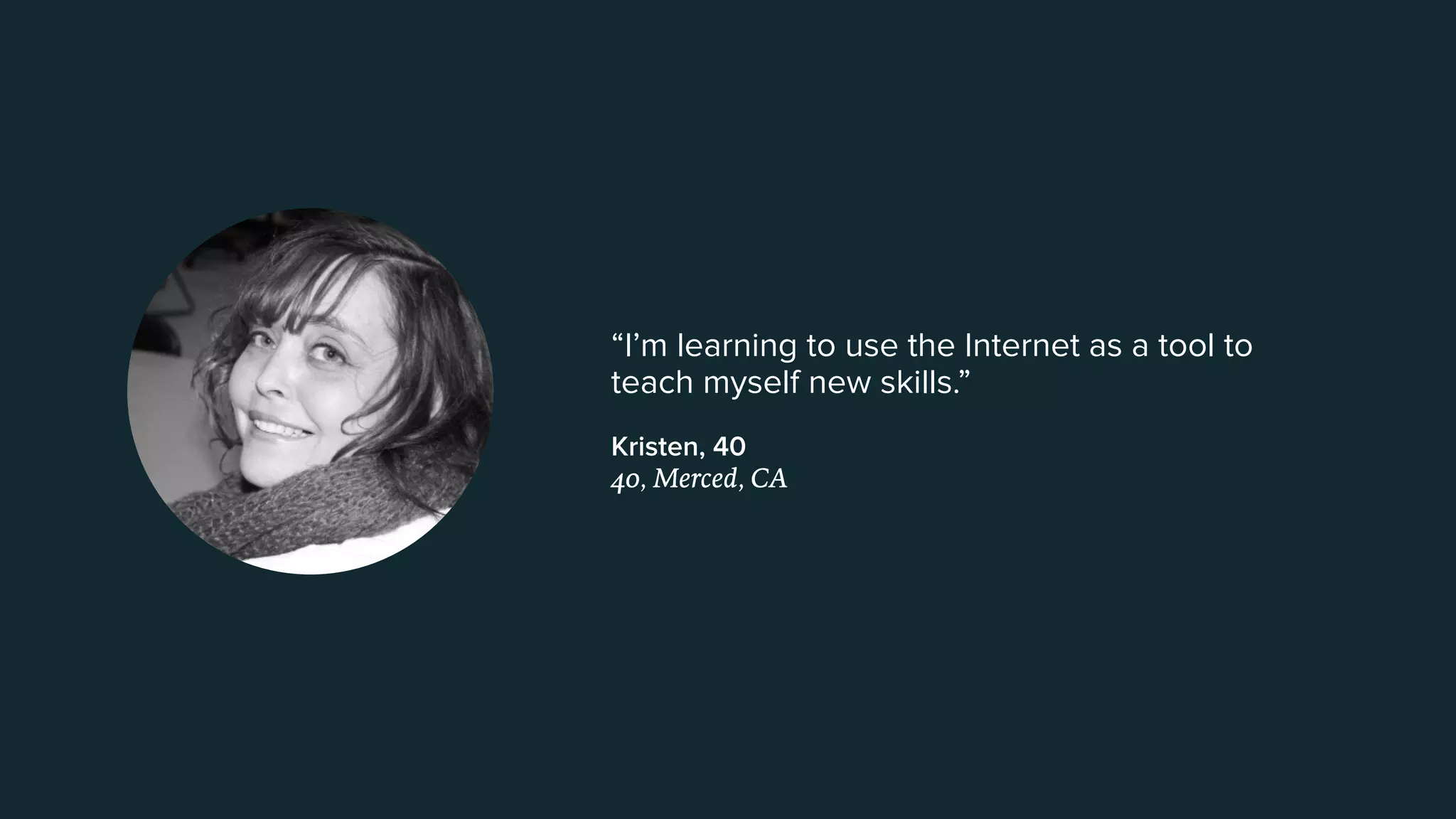
“I’m learning to use the Internet as a tool to
teach myself new skills.”
Kristen, 40 

40, Merced, CA
“This course stretched me a lot...stretched me
mentally...it made me really think about some
stuff and really discipline myself.”
STACY, 38
Single mom, Arkansas
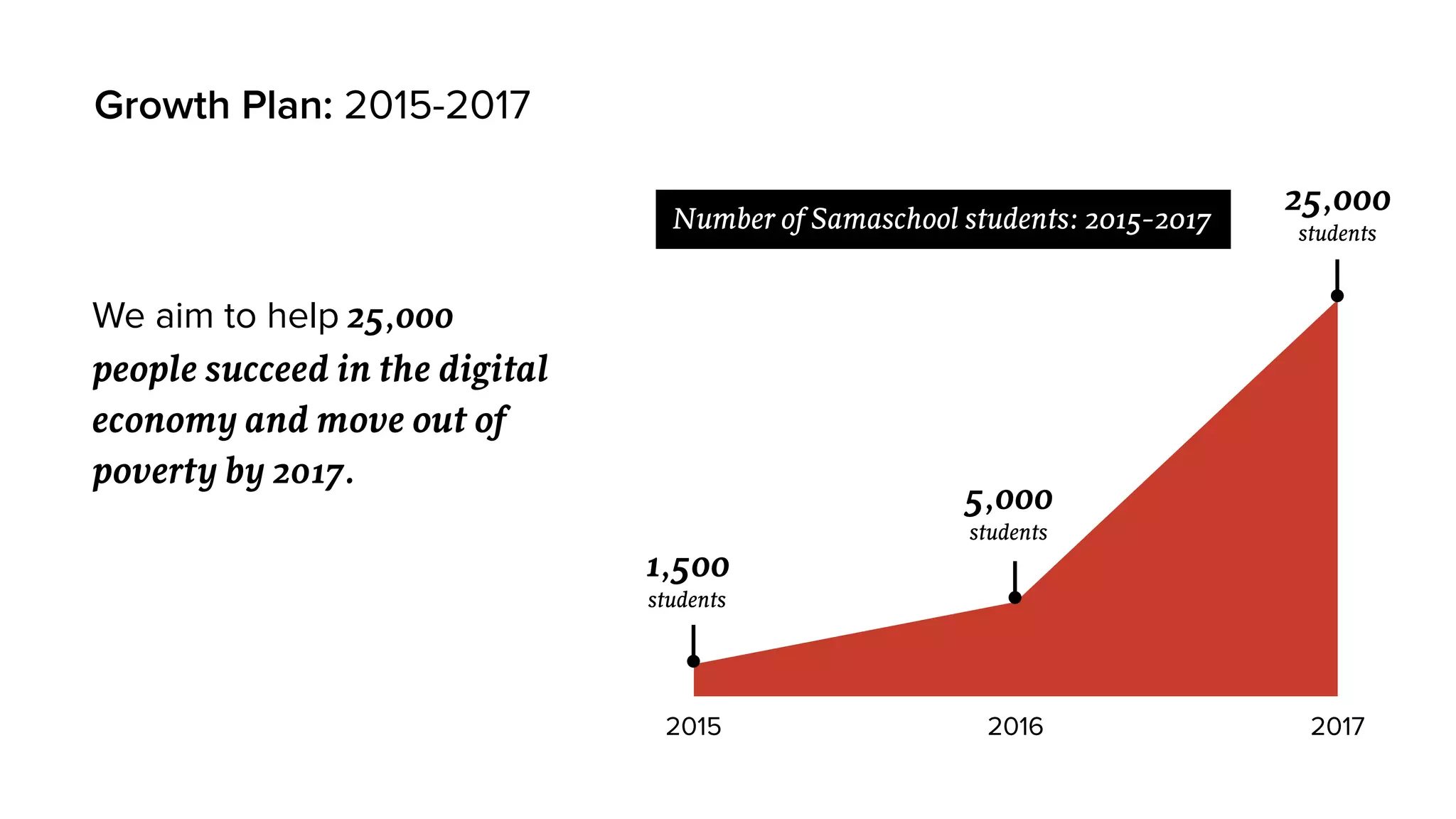
Growth Plan: 2015-2017
We aim to help 25,000
people succeed in the digital
economy and move out of
poverty by 2017.
Number of Samaschool students: 2015-2017
2015 2016 2017
1,500
students
5,000
students
25,000
students
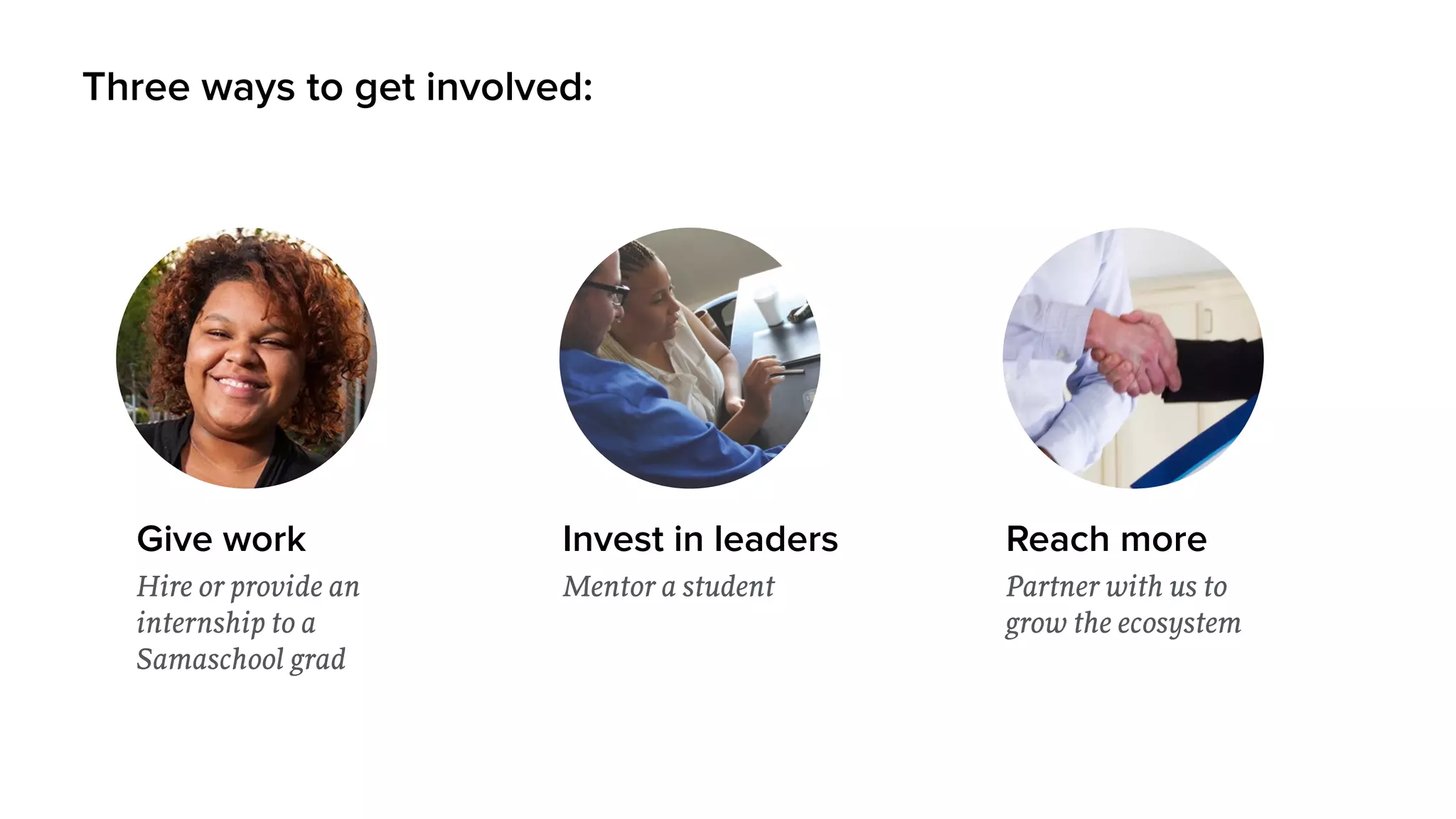
Give work
Hire or provide an
internship to a
Samaschool grad
Three ways to get involved:
Invest in leaders
Mentor a student
Reach more
Partner with us to
grow the ecosystem
Body text.
Body text.
Main Title
Secondary title
Caption
Ved Photo
samaschool.org
@_samaschool
info@samaschool.org

Jobs for the Future: Using Technology to Empower in the 21st Century Economy

  • 1.
    Jobs for theFuture: 
 Using Technology to Empower in the 21st Century Economy Tess Posner Managing Director, Samaschool @tessposner @_samaschool
  • 2.
    Knowledge Economy Global Competition + Collaboration Gig Economy Fluid Work Arrangements Remote Work Rapid Change Sources:RAND, DOL, Future of Work, Jacob Morgan Globalization Technology Recession Demographics Trends Shaping the Future of Work
  • 3.
    What skills willwe need to compete, to launch companies?
  • 4.
    Source: CapGemini 90% ofjobs in the next year will require some form of ICT skills.
  • 5.
    STEM jobs willaccount for 38 percent of all high-skill jobs created in the next three years; they are also typically among the highest paid. Source: Economic Modeling Specialists Intl, 2014
  • 6.
    But it’s notjust high skill jobs… *Middle-skill occupations are defined as those with less than 80% of job postings that call for a bachelor’s degree, and those with a median hourly wage above that of the national living wage. Of the nearly 7.9 million middle-skill* jobs available today, 6.2 million, 78%, require ICT skills.
  • 7.
    Source: HR&A AdvisorsReport Men outnumber women 7 to 3 in tech jobs.
  • 8.
    Source: Anita BorgInsitiute Just 1 in 14 tech employees in Silicon Valley is black or Latino.
  • 9.
    Source: Intel Report,Women and the Web 2013 Across the developing world, nearly 25% fewer women than men have access to the Internet, and the gender gap is up to 45% in regions like sub-Saharan Africa.
  • 10.
    STRATEGY 2013 (EST.)2014% Households with broadband access 0% 25% 50% 75% 100% Annual Household Income Less than $30,000 $30,000-$50,000 $50,000-$75,000 Internet access and usage is significantly lower in poor households. Source: Pew Internet Project
  • 11.
    Inadequate access tothe internet and technology can hinder these groups from learning the skills that are crucial to success.
  • 12.
    The likelihood forcompanies in the top quartile for racial and ethnic diversity to outperform those in the bottom quartile: Diversity is good for business Gender-diverse companies Ethnically diverse companies Source: McKinsey 15% 35%
  • 13.
    Source: Delloitte Women accountfor $4.3 trillion of total U.S. consumer spending.
  • 14.
    Access to information Newsources of income + jobs Collaboration on a global scale
  • 15.
    Online work isgrowing over 22%, compared with 3% in offline jobs. Source: oDesk/ Elance, Intuit Report
  • 16.
    There are over80 online work platforms posting millions of jobs per year in hundreds of job categories.
  • 17.
    Source: Global IndustryAnalysts The global eLearning Market is expected to reach $107 billion this year.
  • 18.
    But to accessthese, you need: Awareness Digital skills Internet literacy + access
  • 19.
    Providing low-income peoplewith digital skills and access to internet-based jobs to help them succeed in the new economy.
  • 20.
    By bringing digitalliteracy and Internet-based work opportunities to disadvantaged areas, we aim to transform communities across the nation through technology. Business & Personal Blogging Customer Service Virtual Assistant Data Entry So skills Entrepreneurship Financial Literacy Laptop scholarships for students Employer + tech partners Access + ExposureDigital Work ReadinessMarketable Skills + + Our Model
  • 21.
  • 22.
    US Sites Dumas, AR Merced,CA San Francisco, CA East Palo Alto, CA Quincy, CA New York, NY International Nairobi, Kenya Current Operations
  • 23.
    Impact: Skills &Wages Over 85% of our students report experiencing significant improvement or improvement in their computer literacy, entrepreneurship, financial literacy, and professional communication skills. Increase in starting wages compared to most recent jobs Average graduate wage $12.64 27%WITHIN 10 weeks
  • 24.
    International Program Results LUCY SamaschoolKenya student Initial results from our Kenya pilots show an 86% interview rate and 56% employment rate.
  • 26.
    “I came homein 2006 with cancer. I could no longer work and I looked and looked for a job that fit in with working from my home, but I had no idea how to do this...this has absolutely opened up my life.” MARY, 70 Merced, CA
  • 27.
    “I’m learning touse the Internet as a tool to teach myself new skills.” Kristen, 40 
 40, Merced, CA
  • 28.
    “This course stretchedme a lot...stretched me mentally...it made me really think about some stuff and really discipline myself.” STACY, 38 Single mom, Arkansas
  • 29.
    Growth Plan: 2015-2017 Weaim to help 25,000 people succeed in the digital economy and move out of poverty by 2017. Number of Samaschool students: 2015-2017 2015 2016 2017 1,500 students 5,000 students 25,000 students
  • 30.
    Give work Hire orprovide an internship to a Samaschool grad Three ways to get involved: Invest in leaders Mentor a student Reach more Partner with us to grow the ecosystem
  • 31.
    Body text. Body text. MainTitle Secondary title Caption Ved Photo samaschool.org @_samaschool info@samaschool.org