The Rise of Storytelling
...and everyone is a storyteller
word stories
Run your business
anywhere.
Organize your favorite things
It’s how people meet.
Build Better Business Software.
Why storytelling matters.
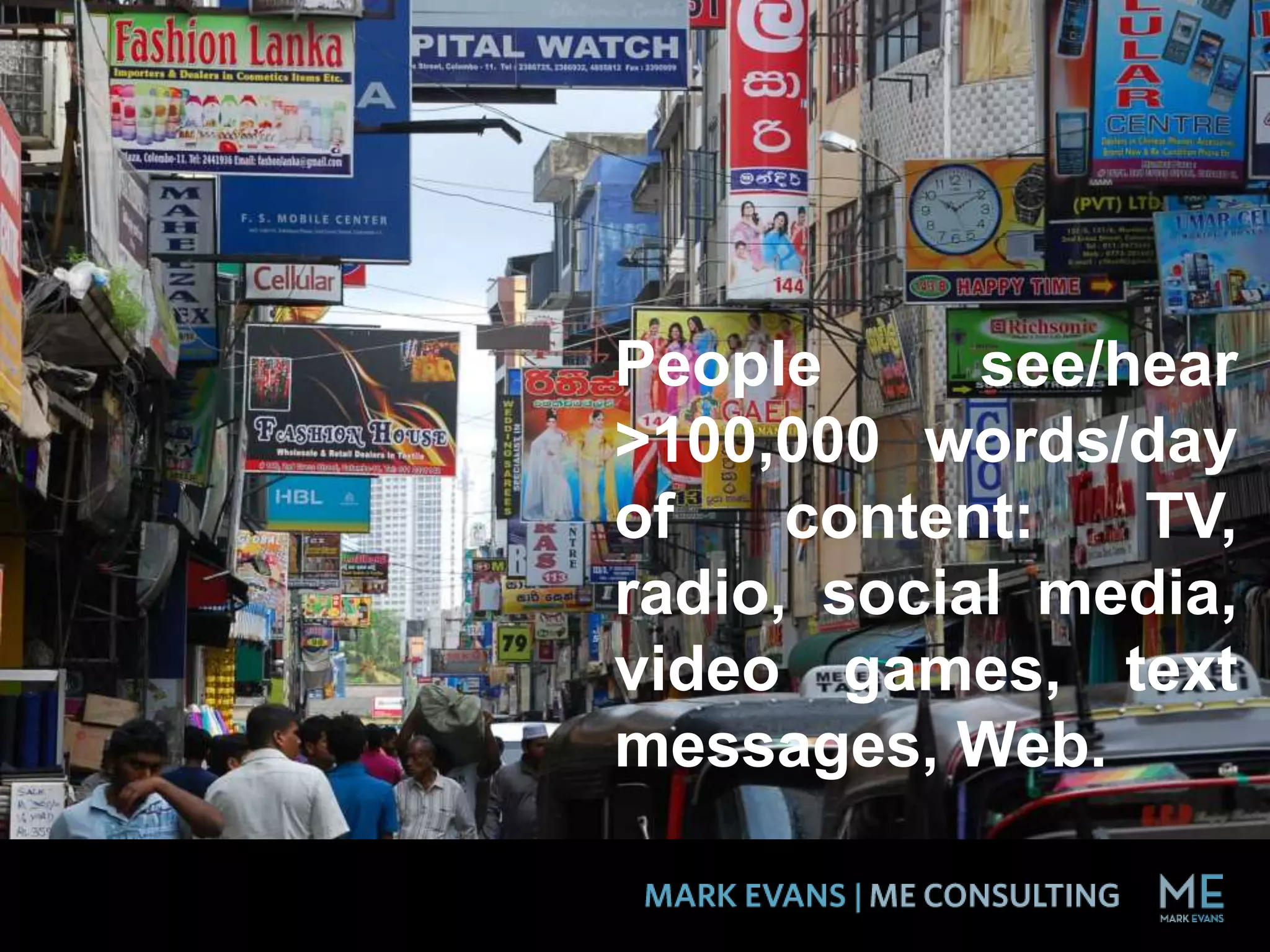
People see/hear
>100,000 words/day
of content: TV,
radio, social media,
video games, text
messages, Web.
Consumers have lots of
information about your
products
Product is Irrelevant
Storytelling is a better
approach to marketing & sales
Old Way:
“Let me tell you
about our product’s
features and prices”
New Way:
“Let me tell you a story……”
What does storytelling deliver?
Stories Show
How You’re
Unique
Stories build emotional
connections
Stories Are
Remembered…..
And Shared
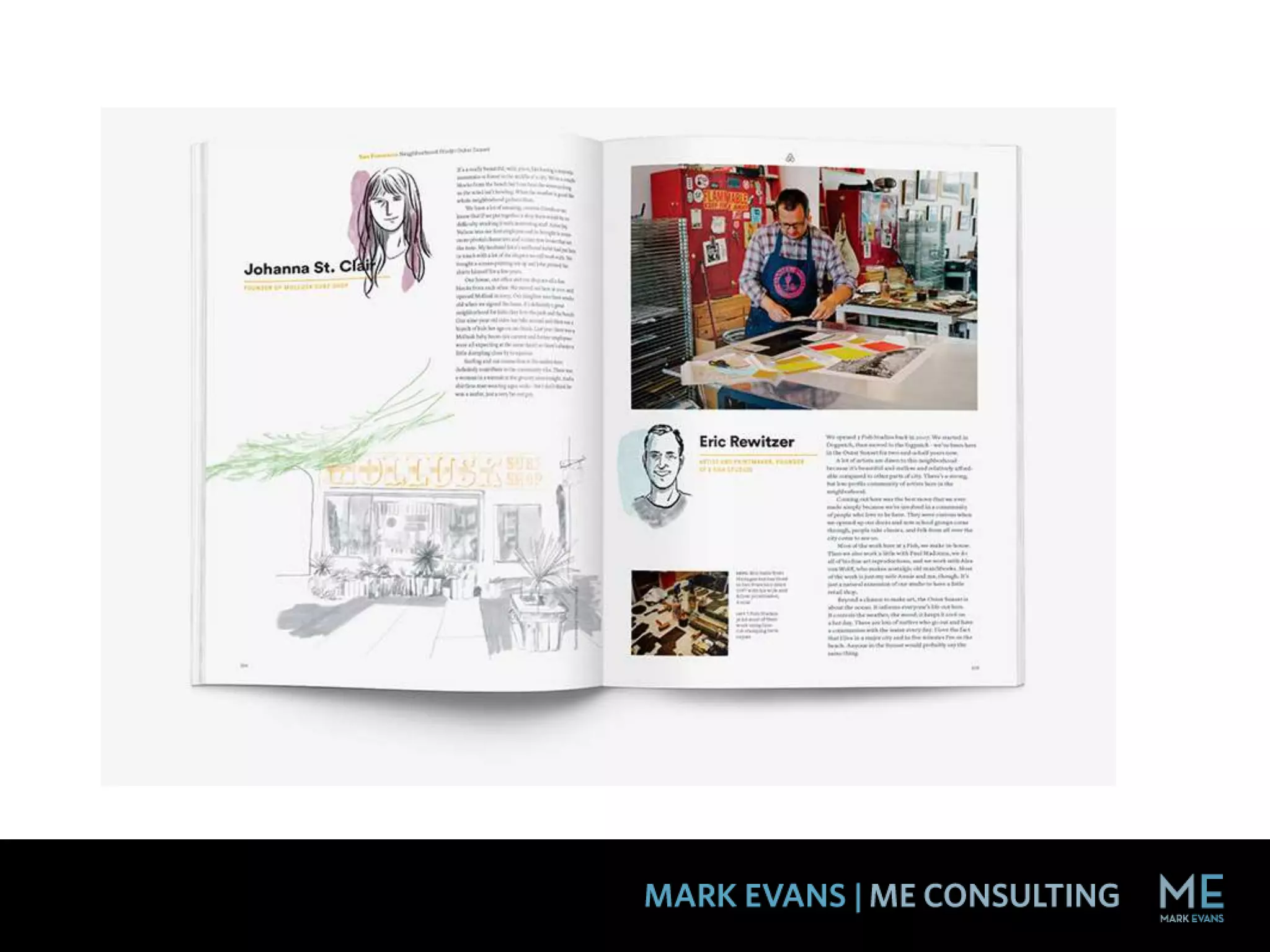
“Airbnb believes in the power of
storytelling because when people
share stories…..they start caring
more about each other.”
- Venetia Pristavec
Stories make the
complex simple
Stories Deliver
Stories are inspiring
How to effectively tell stories.
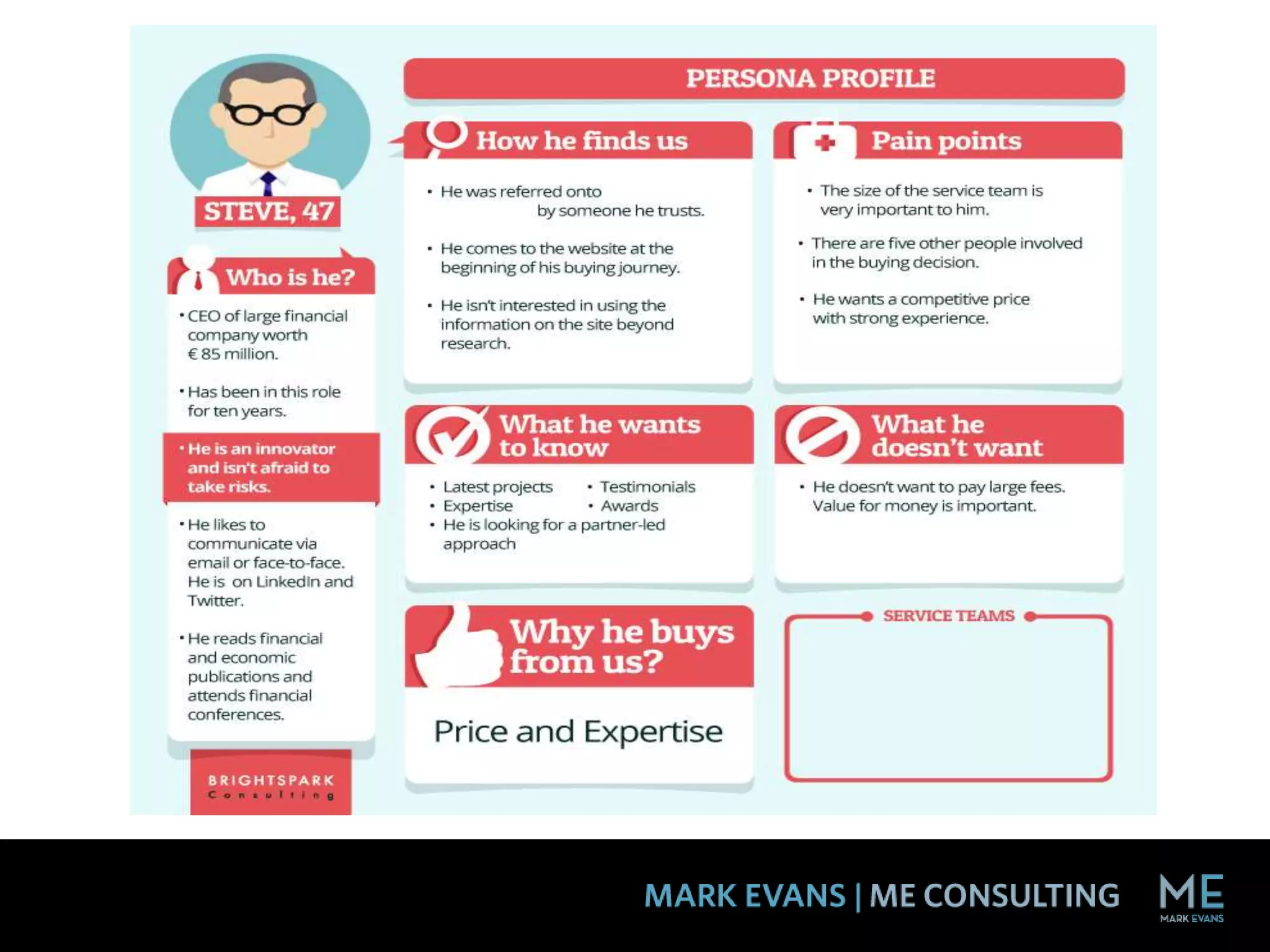
Know Your Audience
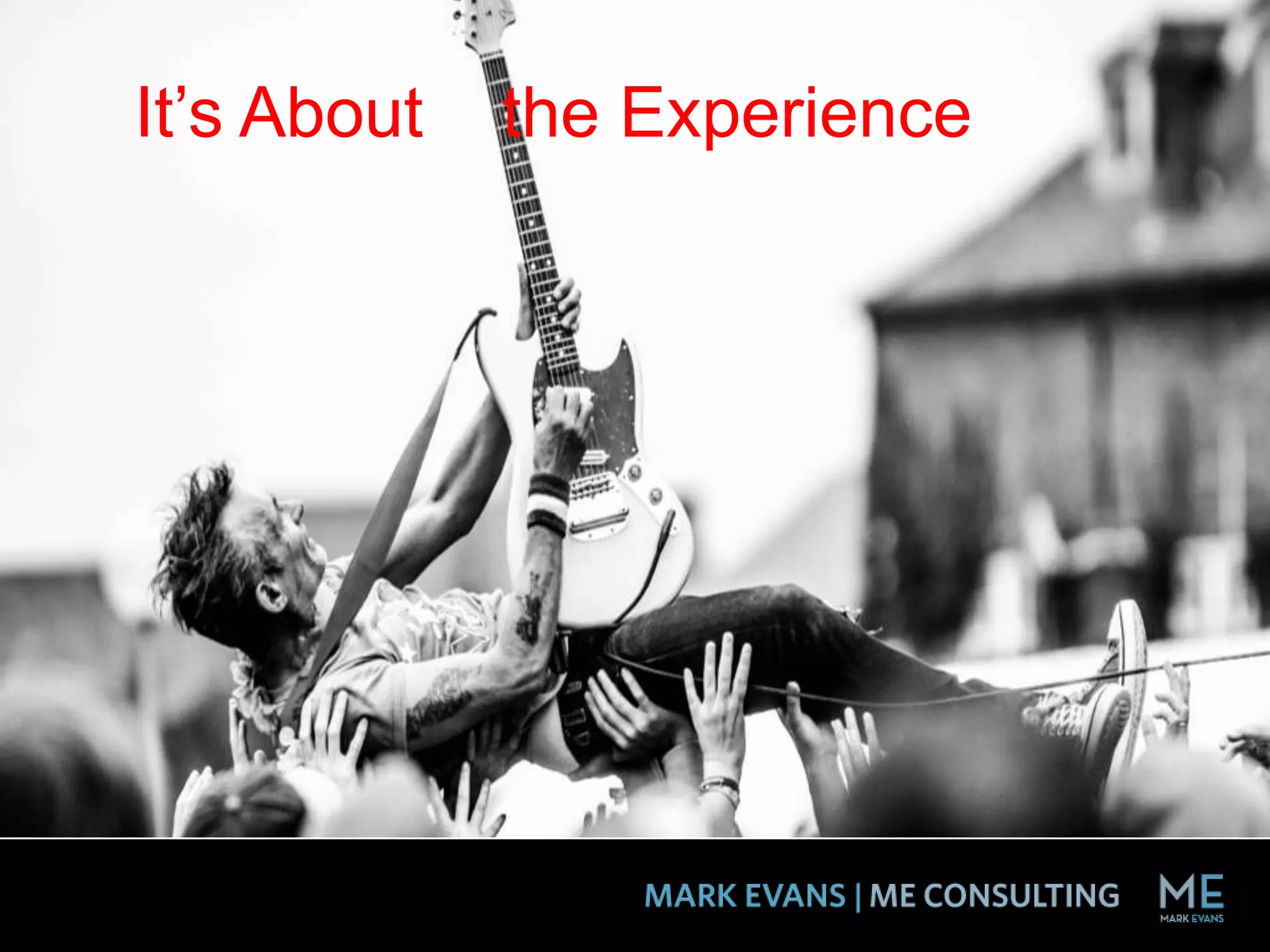
It’s About the Experience
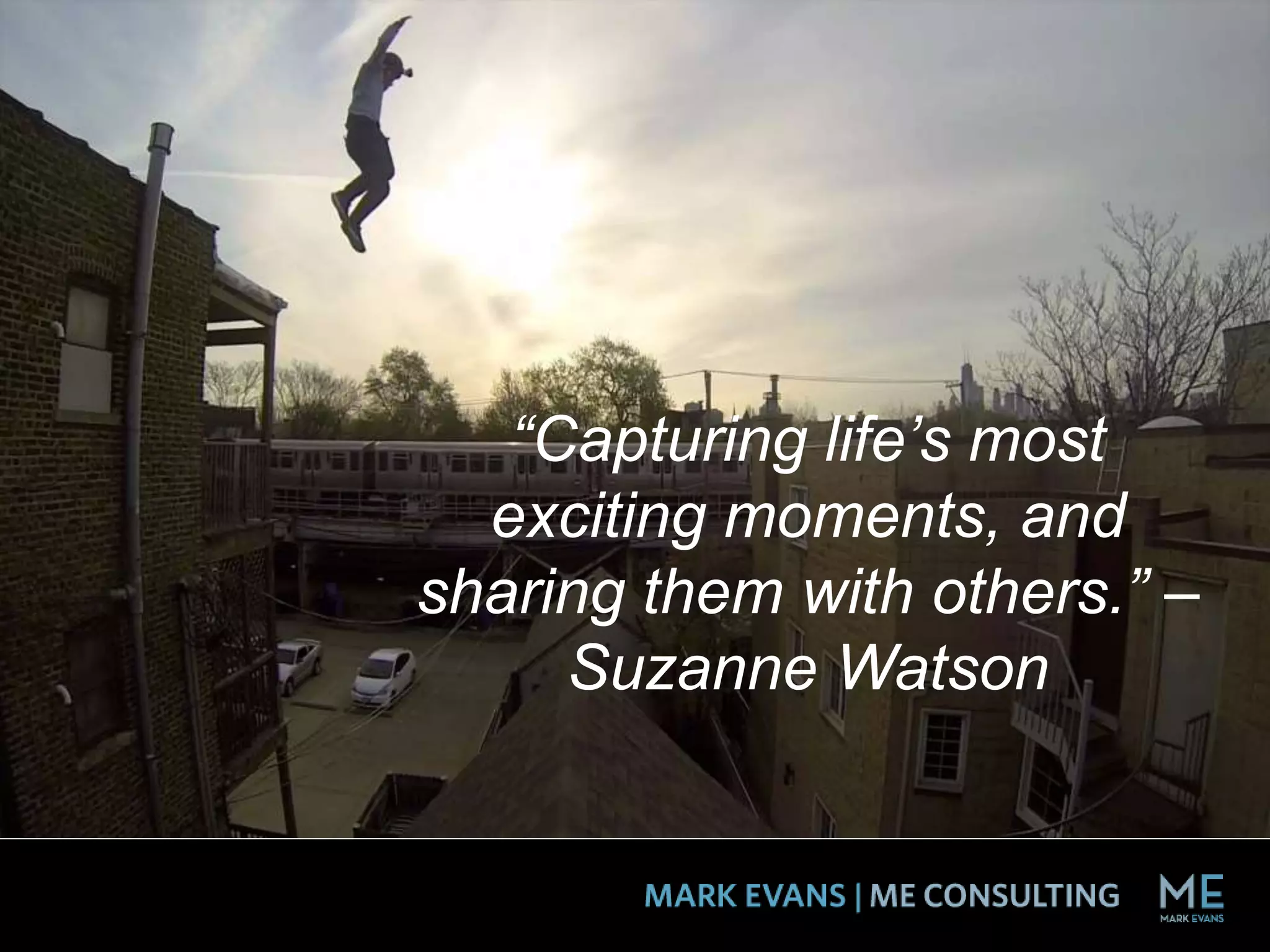
“Capturing life’s most
exciting moments, and
sharing them with others.” –
Suzanne Watson
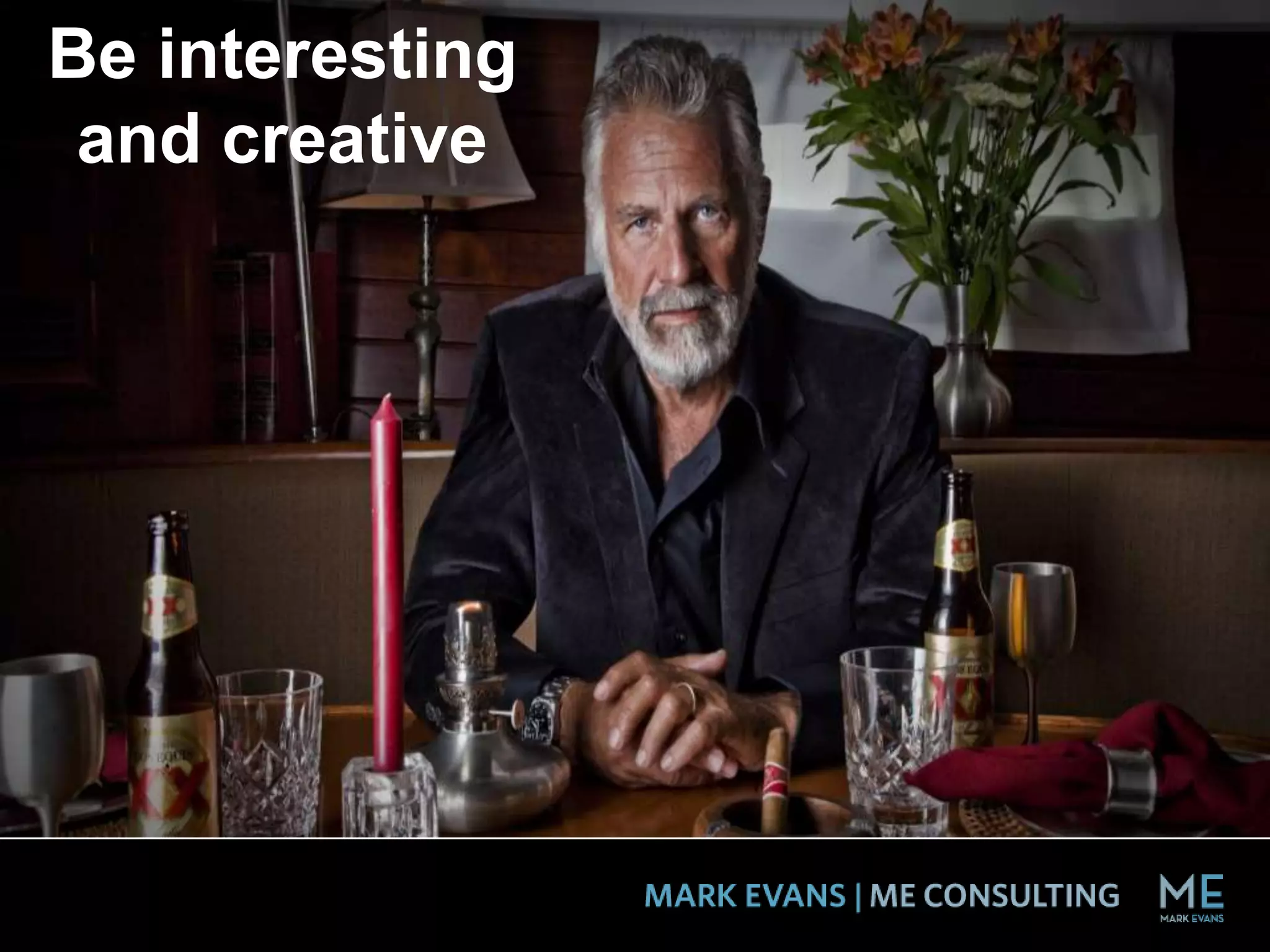
Be interesting
and creative
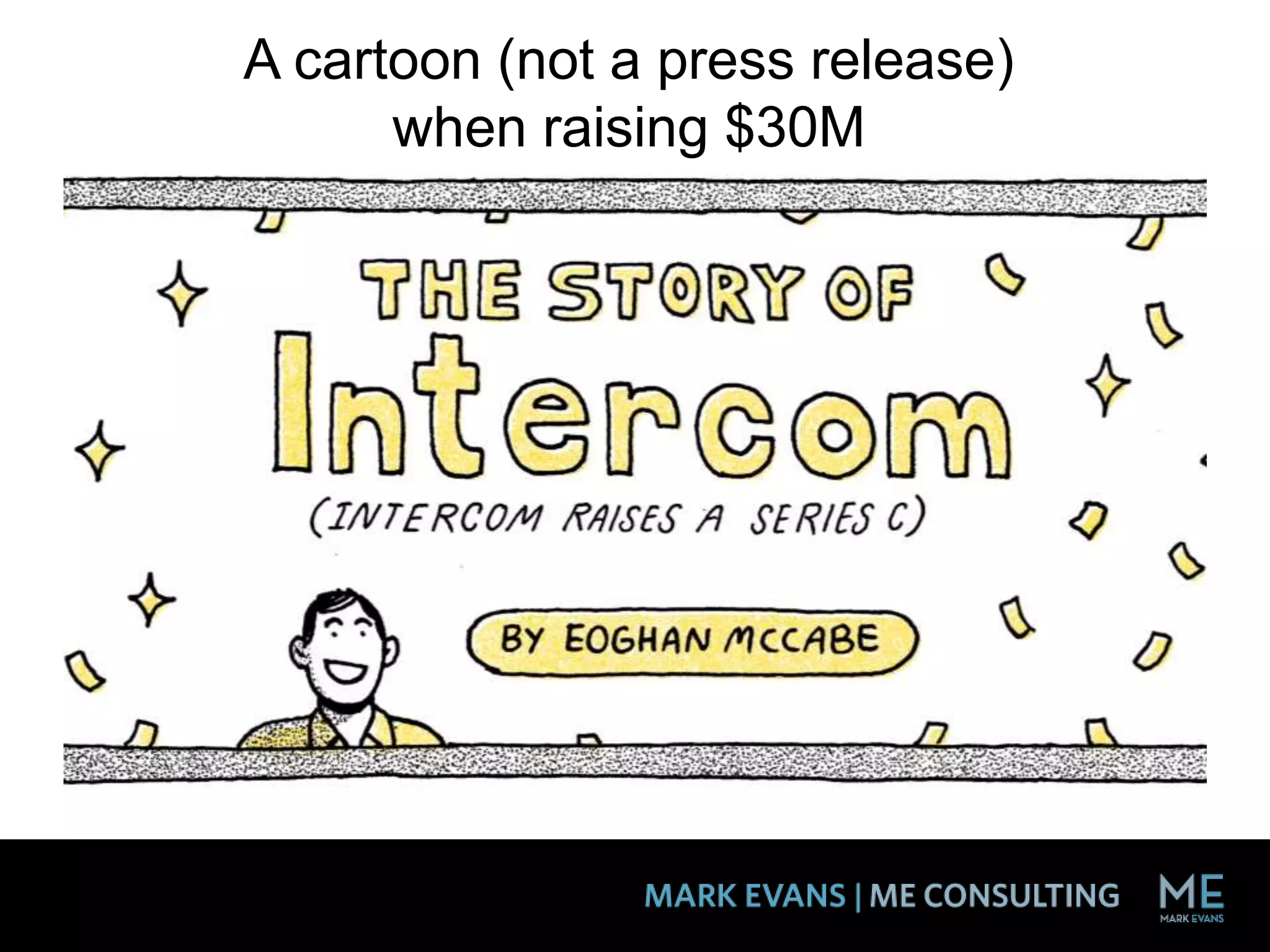
A cartoon (not a press release)
when raising $30M
Be Honest
Celebrate Customers’ Successes
WHY STORYTELLING?
Why does storytelling matter?
What are your goals and needs?
COMMITMENT
How much will you invest: people,
time and money?
PRODUCT
What do you sell?
What problems are you solving?
TARGET AUDIENCES
Who matters to you?
What do customers want and need?
CHANNELS
Where do you connect, engage
with the people who matter?
CHANNELS
Rank channels based on
goals, budget & people.
Prioritize channels to
embrace now, soon and later.
THE MARKET
How large is the market and
what’s driving growth?
Who are your direct, indirect &
emerging rivals?
VALUE PROPOSITIONS
How are you unique or different?
What are the biggest benefits?
Why should customers buy from you?
WHAT’S YOUR STORY?
Who created the
company and why?
TONE OF VOICE
What is your brand’s
personality?
How should people feel
about your brand?
YOUR STORYTELLERS
Who will tell your stories:
CEO, employees, customers,
influencers, media?
STORYTELLING CANVAS
markevans.ca
mark@markevans.ca

Storytelling: A Lunch n' Learn Session

Editor's Notes

  • #3 There is growing talk about storytelling Why?
  • #5 People spend most of their conversations telling personal stories and gossiping. A 1997 study by anthropologist and evolutionary biologist Robin Dunbar, then at the University of Liverpool in England, found that social topics accounted for 65% of speaking time among people in public places. 
Research by the London School of Economics suggests retention is 60% to 65% when information is presented in a story vs. 5% to 10% when presented via facts. The problem is brands, particularly startups, are terrible storytellers.
  • #16 Think about how much information and content we’re consuming and processing every day Think about how smartphones make it so easy to consume at all times – waiting in lineups, in bed, etc.
  • #17 The relationship between brands and consumer has been reconfigured. Brands used to broadcast the information they want. Today, consumers already had a lot of information So how do brands engage these information-heavy consumers?
  • #23 To be honest, it’s hard to be different or unique. Most products are pretty much the same. So how do brands demonstrate they are unique? Stories
  • #24 Storyteller
  • #26 People remember stories, they don’t remember facts or numbers.
  • #27 Forget Hotels Travel like a human
  • #29 Rob Archambeaut – talking about why he should sell someone’s house Flybits talking about its contextual, personalized and relevant mobile technology vs. telling stories.
  • #30 Flybits is a client that has a platform that puts mobile apps on steroids by creating personalized experiences. It’s an innovative platform but people don’t get what Flybits does until they start telling stories about how it’s used.
  • #31 I believe stories deliver a competitive edge. As important, I think stories can deliver a sustainable competitive edge. Why? Because good stories are challenge to create. They require creativity, agility and commitment. It’s not like creating a Twitter account, and then firing off some tweets.
  • #33 You need to know your audience inside out. Who are they, what are their interests, what motivates them, what scares them, etc.
  • #34 http://www.mycustomer.com/sites/default/files/brightspark-persona-example.png
  • #36 The company was founded by Nick Woodman in 2002 after a surf trip to Australia where he was hoping to capture high-quality photos of his surfing. Woodman initially raised a portion of the money for his company by selling bead and shell belts for under US $20 out of his VW van.
  • #39 769 posts, 260k followers