Setting Up A Kid’s Bedroom
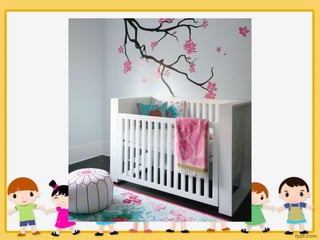
When we’re expecting a new baby, we
often spend a lot of time planning out the
nursery and even decorating it – especially
for a first baby.
However, as you’ve probably noticed by
now, they grow up so fast and the things
that suited the needs of a baby probably
don’t suit the needs of a preschool child as
well.
And if you’re like most parents, life was
probably a bit too hectic through the
toddler years to give much thought to
room design and layout in your child’s
bedroom, and the room probably just
evolved around your child.
However, as the weather changes and we
go into a new season that’s likely to bring
a bit of rain along, this can be a good time
of year to re-evaluate how you organise
your home, and one room – a child’s
bedroom – is a good project that isn’t too
overwhelming.
Of course, if you have moved house
recently or are just about to, you probably
have the opportunity to think about where
your child is at now and what he or she
needs.
So let’s dive on in and get started…
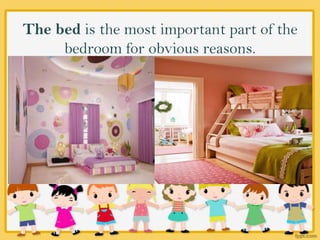
The bed is the most important part of the
bedroom for obvious reasons.
It’s so much easier to get out of bed and go
to the loo in the middle of the night if you
don’t have to climb over high sides.
A lot of preschool children still wet the
bed at night – they say 1 in 500 children
don’t outgrow it until their teens – so
position the bed so you can get to both
sides reasonably easily to tuck sheets and
blankets in.
Even with overnight nappies, you will still
be changing sheets more frequently than
otherwise, so you may as well make this
chore easier.
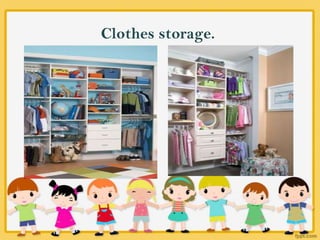
Clothes storage.
One of the self-care things we encourage
through Montessori education is getting
dressed.
This means that you need to provide some
easy-access storage for your child so he or
she can choose clothes quickly and easily
in the mornings without scrambling
around with high rails in wardrobes or
high shelves.
While children are small, the clothes they
need can fit easily into the drawers in one
of these dressers, with little need for any
other storage space.
Put good clothes that you don’t want worn
daily on hangers in the wardrobe.
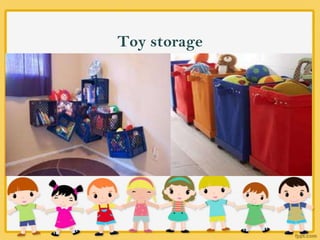
Toy storage
Don’t go for the traditional toybox. These
get so muddled and disorganised, and they
can be a bit of a hazard with that lid
coming down on small fingers.
Go for something involving pigeonholes
or cubbyholes with lots of smallish
compartments that can fit one set of toys
in each compartment. Stacking boxes also
work.
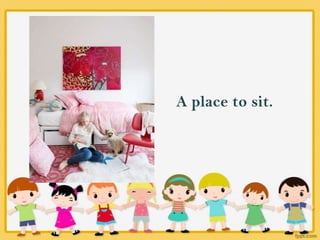
A place to sit.
Where else are you going to sit for the
bedtime story? Try a comfy chair or
maybe a blanket box that stores things
that aren’t in everyday use.
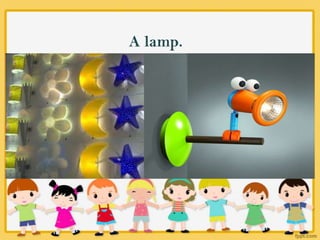
A lamp.
Having the lighting low in the evening
helps soothe children and get them ready
for sleep. Place the lamp by the chair to
get good lighting for bedtime stories.
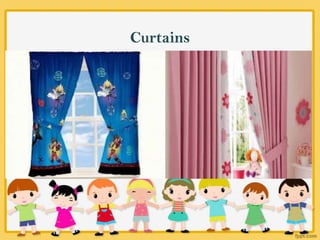
Curtains
A must, as rooms need to be dimly lit at
night for good sleep.
Opening the curtains in the morning and
closing them at night make a sort of ritual
pattern to mark the start and end of the
day.
www.fridayschildmontessori.com

Setting up a kid’s bedroom

  • 1.
    Setting Up AKid’s Bedroom
  • 2.
    When we’re expectinga new baby, we often spend a lot of time planning out the nursery and even decorating it – especially for a first baby.
  • 4.
    However, as you’veprobably noticed by now, they grow up so fast and the things that suited the needs of a baby probably don’t suit the needs of a preschool child as well.
  • 5.
    And if you’relike most parents, life was probably a bit too hectic through the toddler years to give much thought to room design and layout in your child’s bedroom, and the room probably just evolved around your child.
  • 6.
    However, as theweather changes and we go into a new season that’s likely to bring a bit of rain along, this can be a good time of year to re-evaluate how you organise your home, and one room – a child’s bedroom – is a good project that isn’t too overwhelming.
  • 7.
    Of course, ifyou have moved house recently or are just about to, you probably have the opportunity to think about where your child is at now and what he or she needs.
  • 8.
    So let’s diveon in and get started…
  • 9.
    The bed isthe most important part of the bedroom for obvious reasons.
  • 10.
    It’s so mucheasier to get out of bed and go to the loo in the middle of the night if you don’t have to climb over high sides.
  • 11.
    A lot ofpreschool children still wet the bed at night – they say 1 in 500 children don’t outgrow it until their teens – so position the bed so you can get to both sides reasonably easily to tuck sheets and blankets in.
  • 12.
    Even with overnightnappies, you will still be changing sheets more frequently than otherwise, so you may as well make this chore easier.
  • 13.
  • 14.
    One of theself-care things we encourage through Montessori education is getting dressed.
  • 15.
    This means thatyou need to provide some easy-access storage for your child so he or she can choose clothes quickly and easily in the mornings without scrambling around with high rails in wardrobes or high shelves.
  • 16.
    While children aresmall, the clothes they need can fit easily into the drawers in one of these dressers, with little need for any other storage space.
  • 17.
    Put good clothesthat you don’t want worn daily on hangers in the wardrobe.
  • 18.
  • 19.
    Don’t go forthe traditional toybox. These get so muddled and disorganised, and they can be a bit of a hazard with that lid coming down on small fingers.
  • 20.
    Go for somethinginvolving pigeonholes or cubbyholes with lots of smallish compartments that can fit one set of toys in each compartment. Stacking boxes also work.
  • 21.
  • 22.
    Where else areyou going to sit for the bedtime story? Try a comfy chair or maybe a blanket box that stores things that aren’t in everyday use.
  • 23.
  • 24.
    Having the lightinglow in the evening helps soothe children and get them ready for sleep. Place the lamp by the chair to get good lighting for bedtime stories.
  • 25.
  • 26.
    A must, asrooms need to be dimly lit at night for good sleep.
  • 27.
    Opening the curtainsin the morning and closing them at night make a sort of ritual pattern to mark the start and end of the day.
  • 28.