B®ANDING
™
Session 2
creating brand value &
brand positioning
1 week ago
• introduction to branding
• brand awareness, brand knowledge,
brand image, brand preference
• why brands are important
• 6 reasons why we should brand culture &
entertainment
homework
• Prepare chapter 1 till 3 ‘Strategic brand
management’
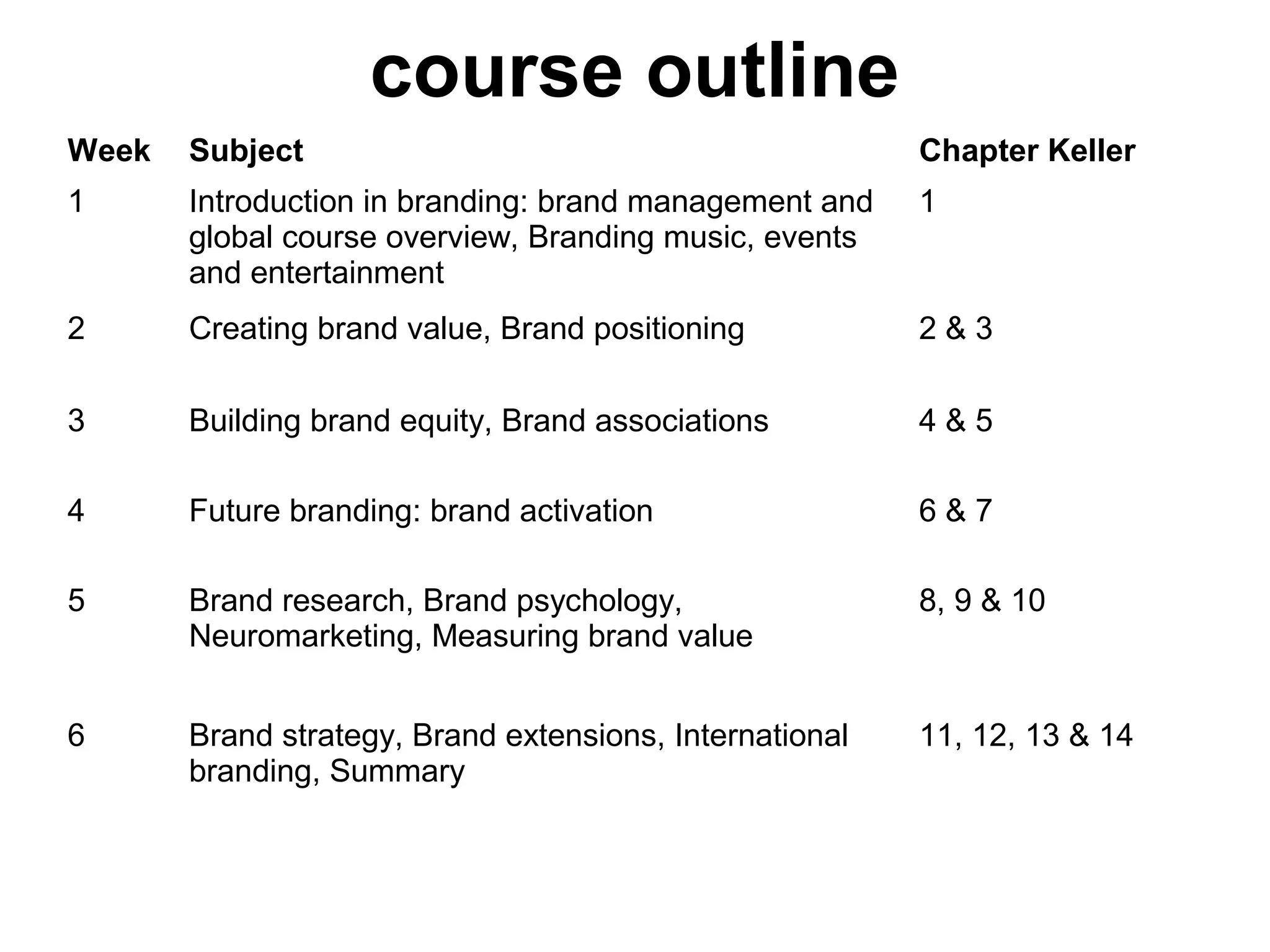
course outline
Week Subject Chapter Keller
1 Introduction in branding: brand management and
global course overview, Branding music, events
and entertainment
1
2 Creating brand value, Brand positioning 2 & 3
3 Building brand equity, Brand associations 4 & 5
4 Future branding: brand activation 6 & 7
5 Brand research, Brand psychology,
Neuromarketing, Measuring brand value
8, 9 & 10
6 Brand strategy, Brand extensions, International
branding, Summary
11, 12, 13 & 14
“…the goal of a brand is to
establish a monopoly
position in the mind of
an individual….”
buying
books
online?
luxury
coffee
at home?
family
weekend?
but how do we do it?
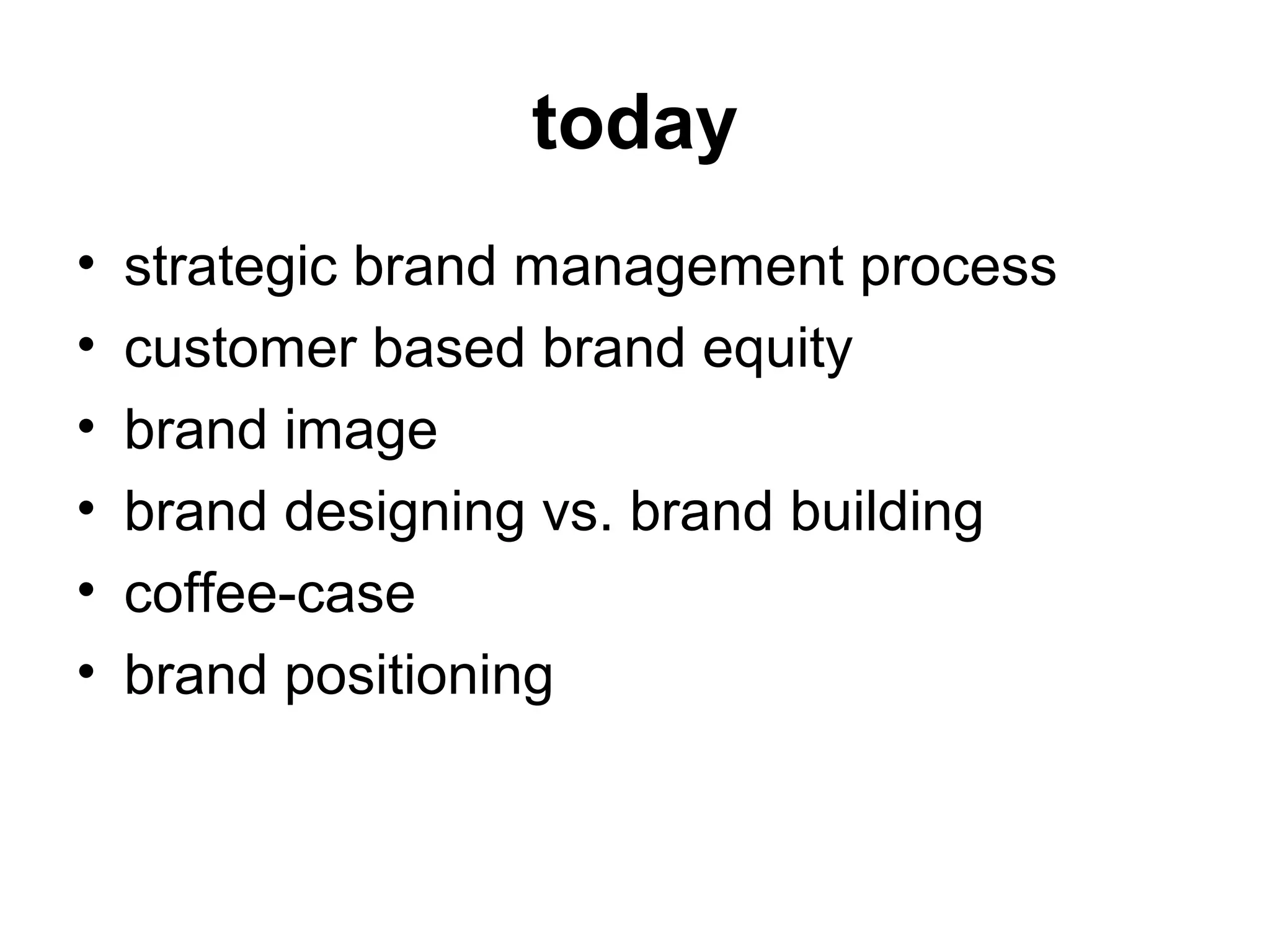
today
• strategic brand management process
• customer based brand equity
• brand image
• brand designing vs. brand building
• coffee-case
• brand positioning
reference:
chapter 2 & 3 Keller
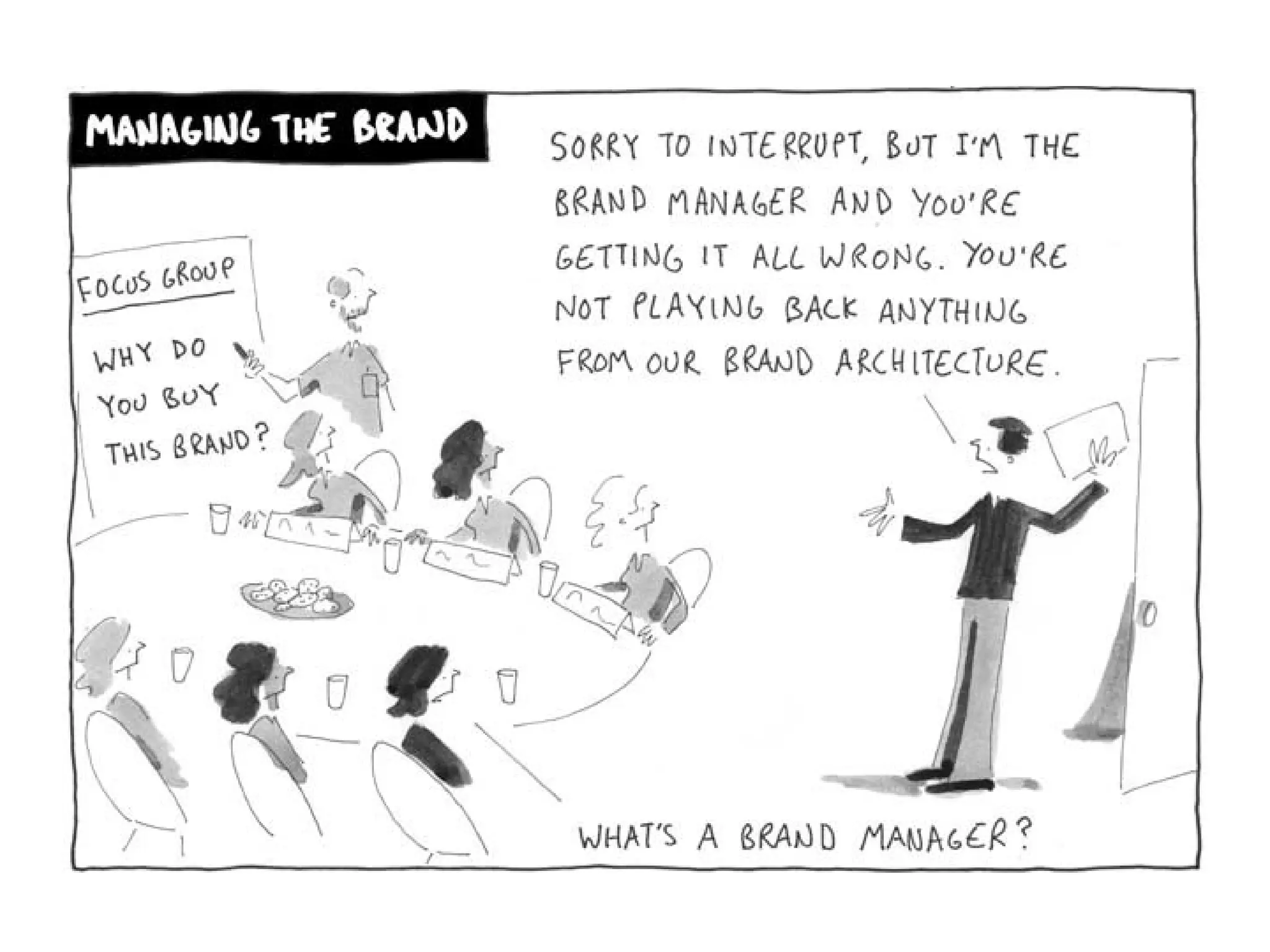
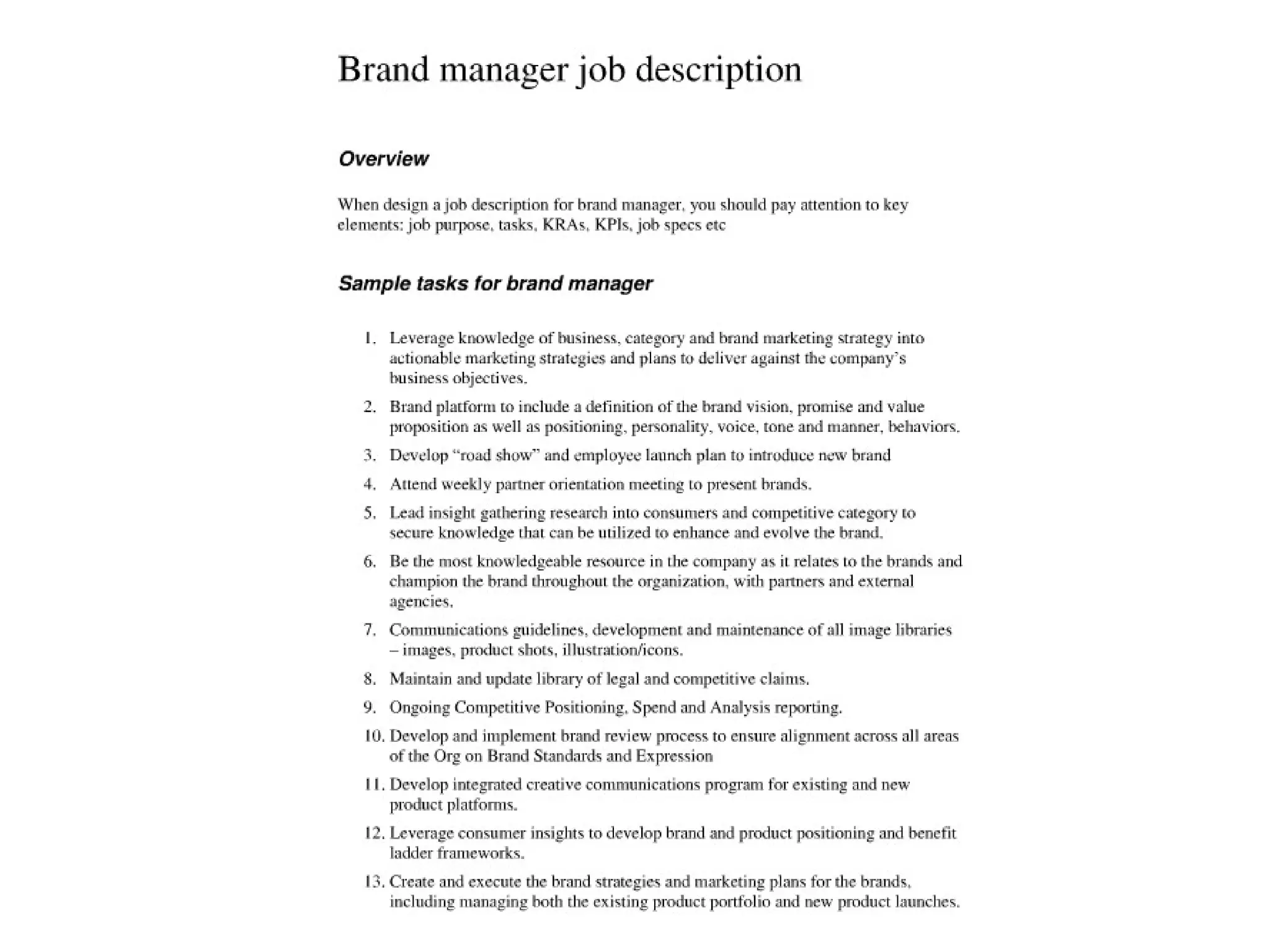
“so what does
a brand manager do?”
“he/she works with brands”
“he/she creates brands”
“he/she supports brands”
“he/she analyses brands”
“he/she repositions brands”
“but he/she is not a designer”
“he/she is someone who knows
a lot about marketing,
communication, social media
and branding”
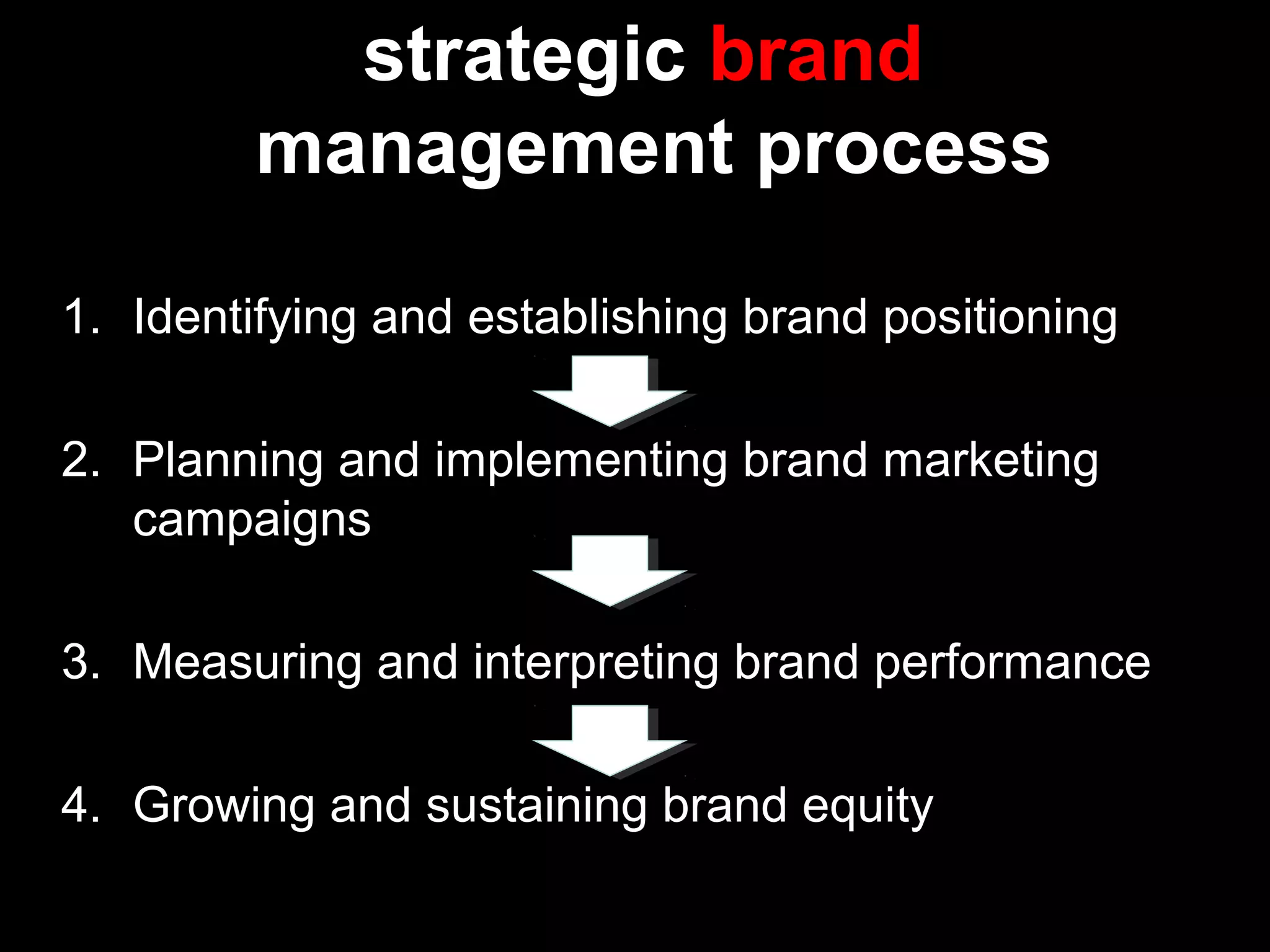
strategic brand
management process
1. Identifying and establishing brand positioning
2. Planning and implementing brand marketing
campaigns
3. Measuring and interpreting brand performance
4. Growing and sustaining brand equity
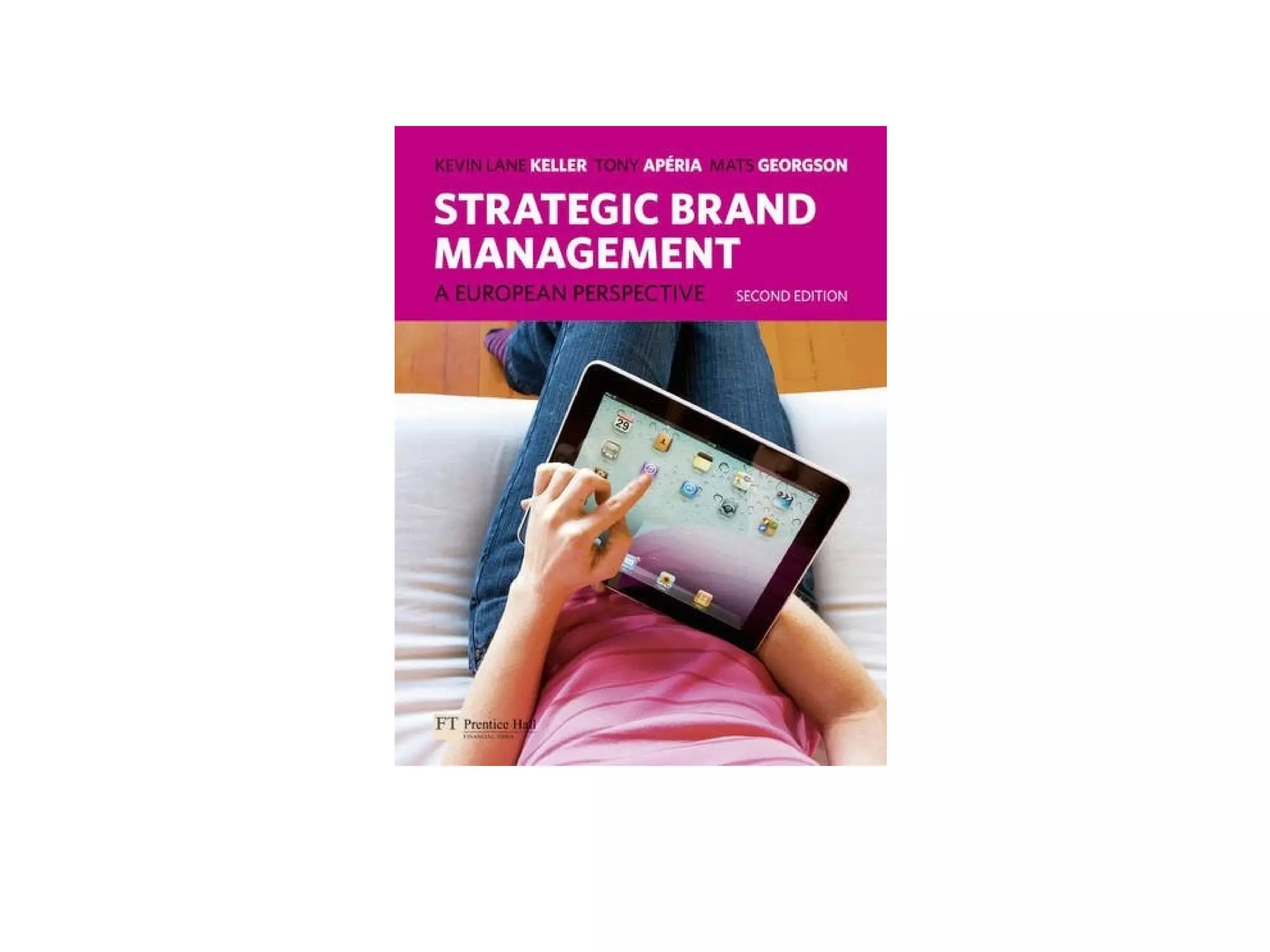
the book
ISBN: 978-90-430-1729-9
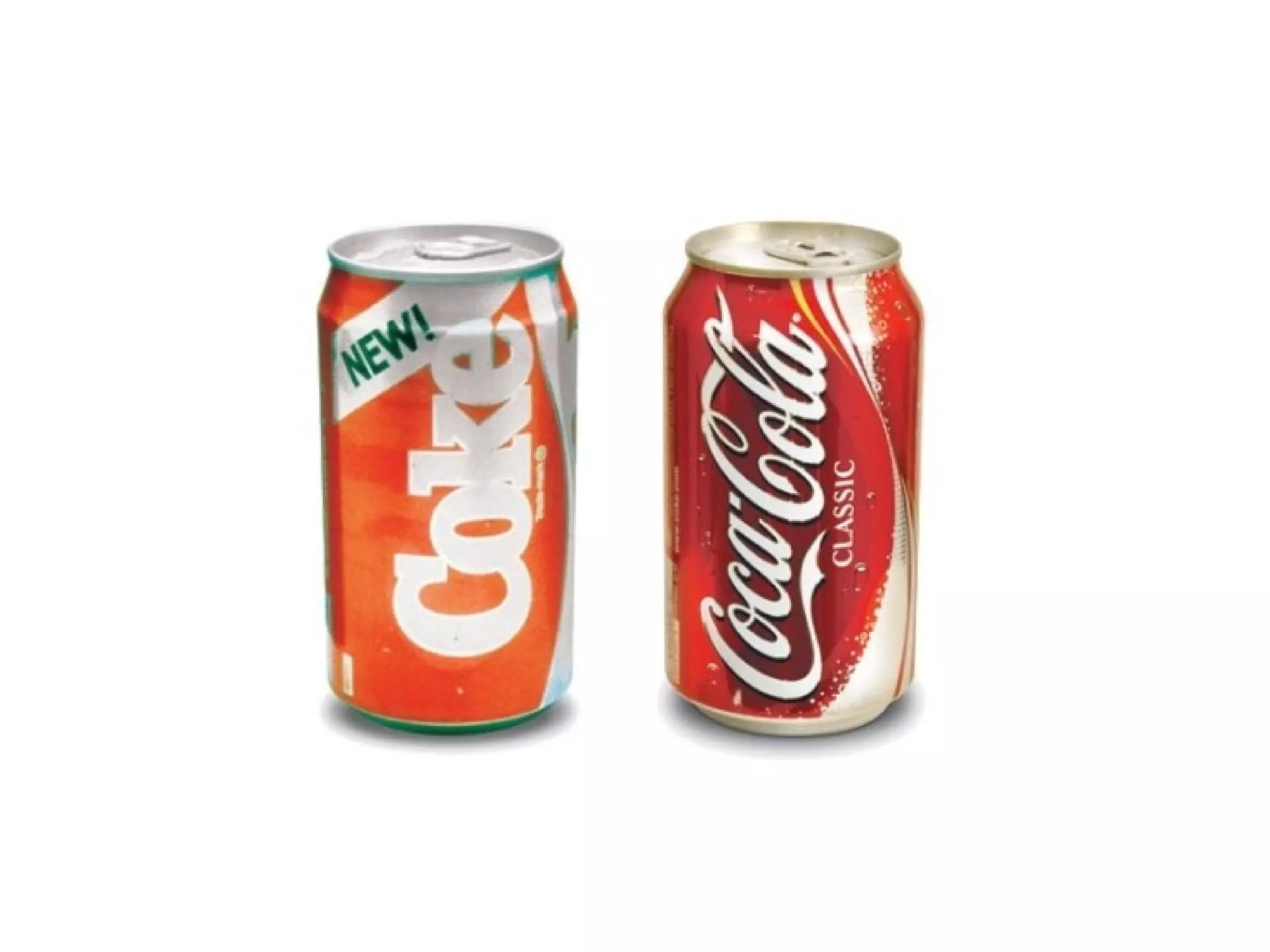
“a test”
“a conclusion”
Brand equity
No brand vs. Brand X
Brand equity
‘…brand equity is built up from positive effects of
marketing that can only be directed to the brand…’
customer-based brand equity
(CBBE) Brand equity seen from the
consumer perspective
The power of a brand is a result of:
What has the consumer:
learned about the brand
felt when using the brand
seen in combination with the brand
heard about the brand
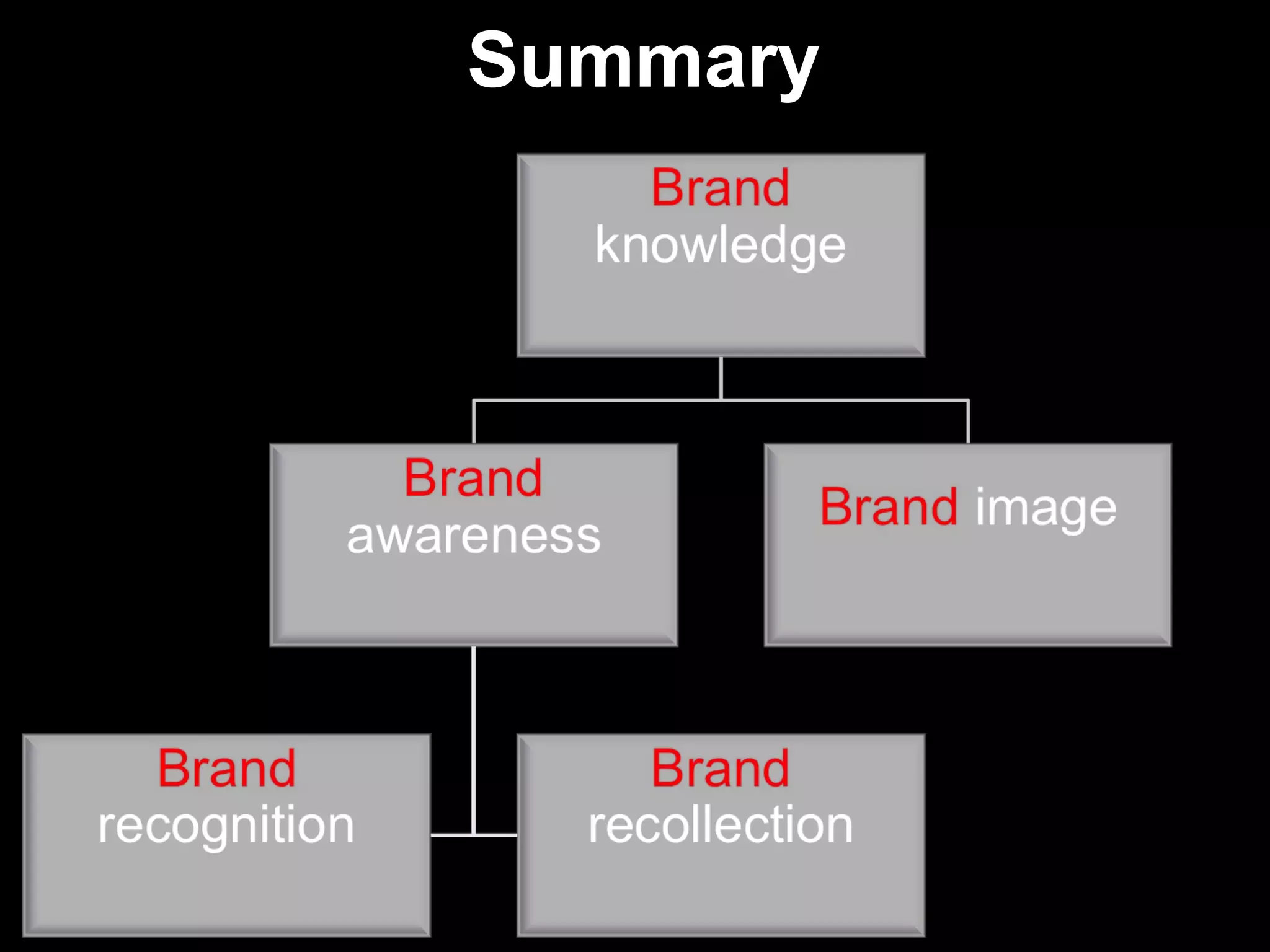
brand knowledge
• Consists of:
– 1) brand awareness
– 2) brand image
• Knowledge about a brand:
The associative network memory model (the
brain is a network of associations, links
and nodes, more about this in session 3
and 5)
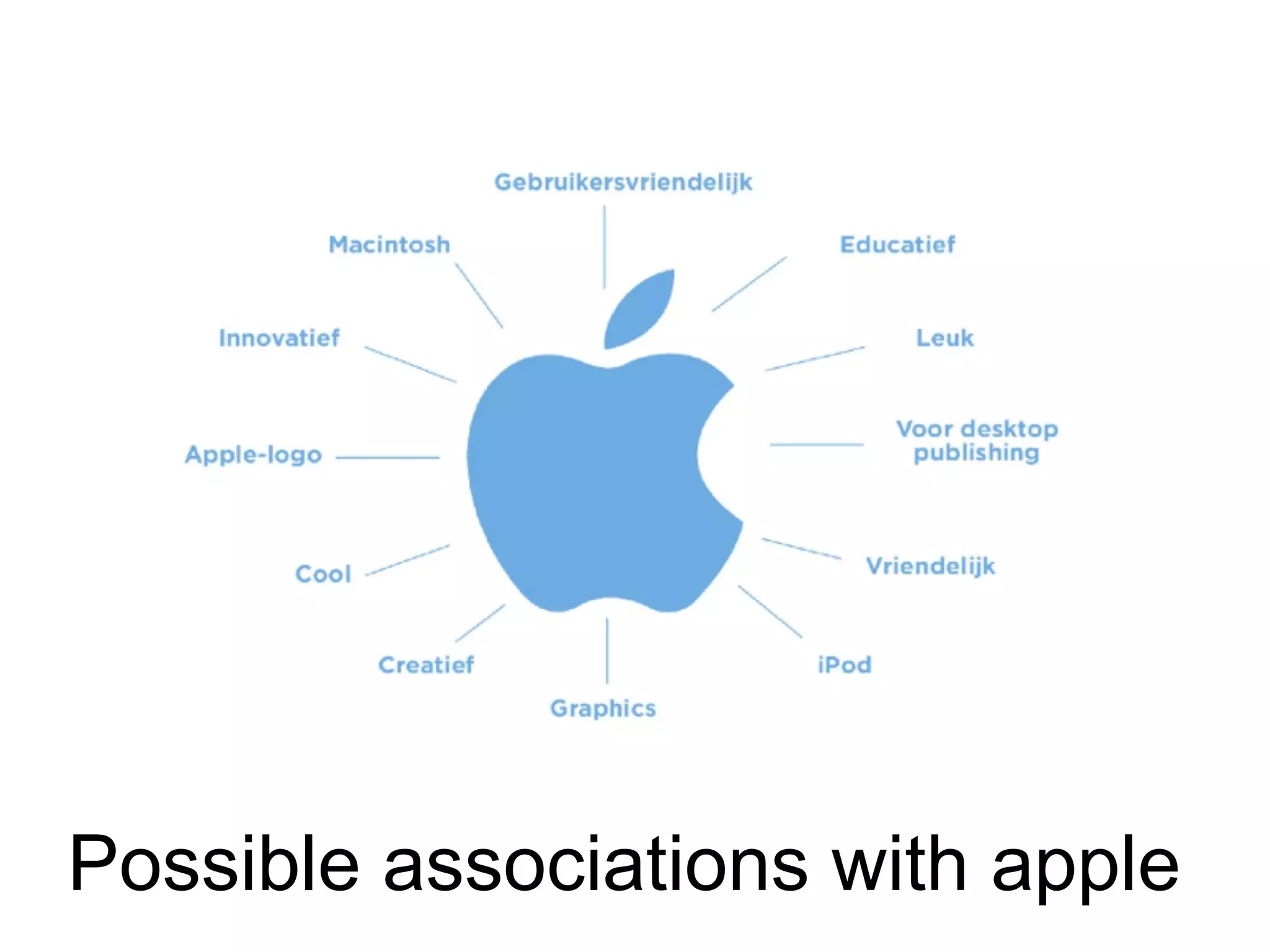
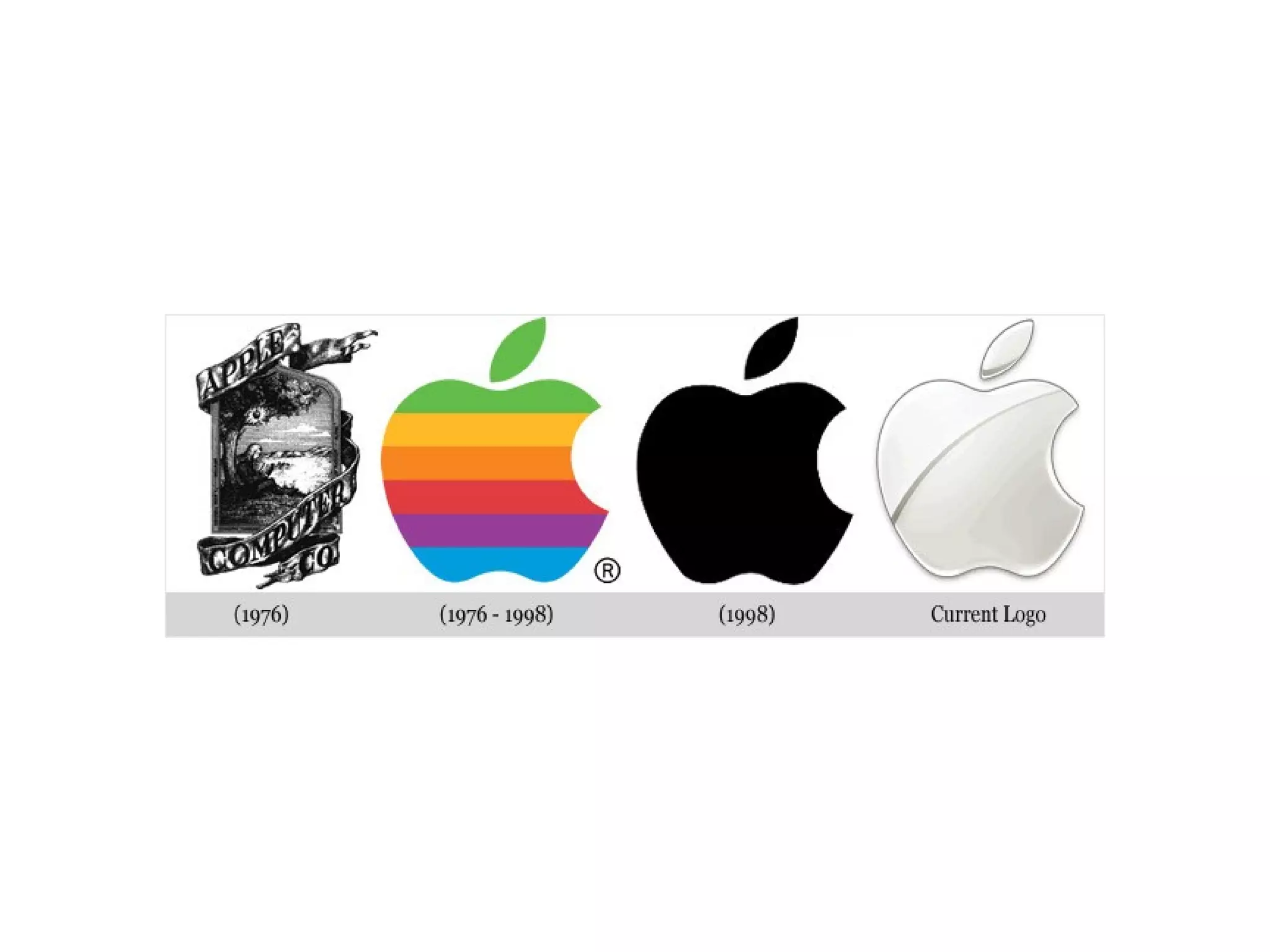
Possible associations with apple
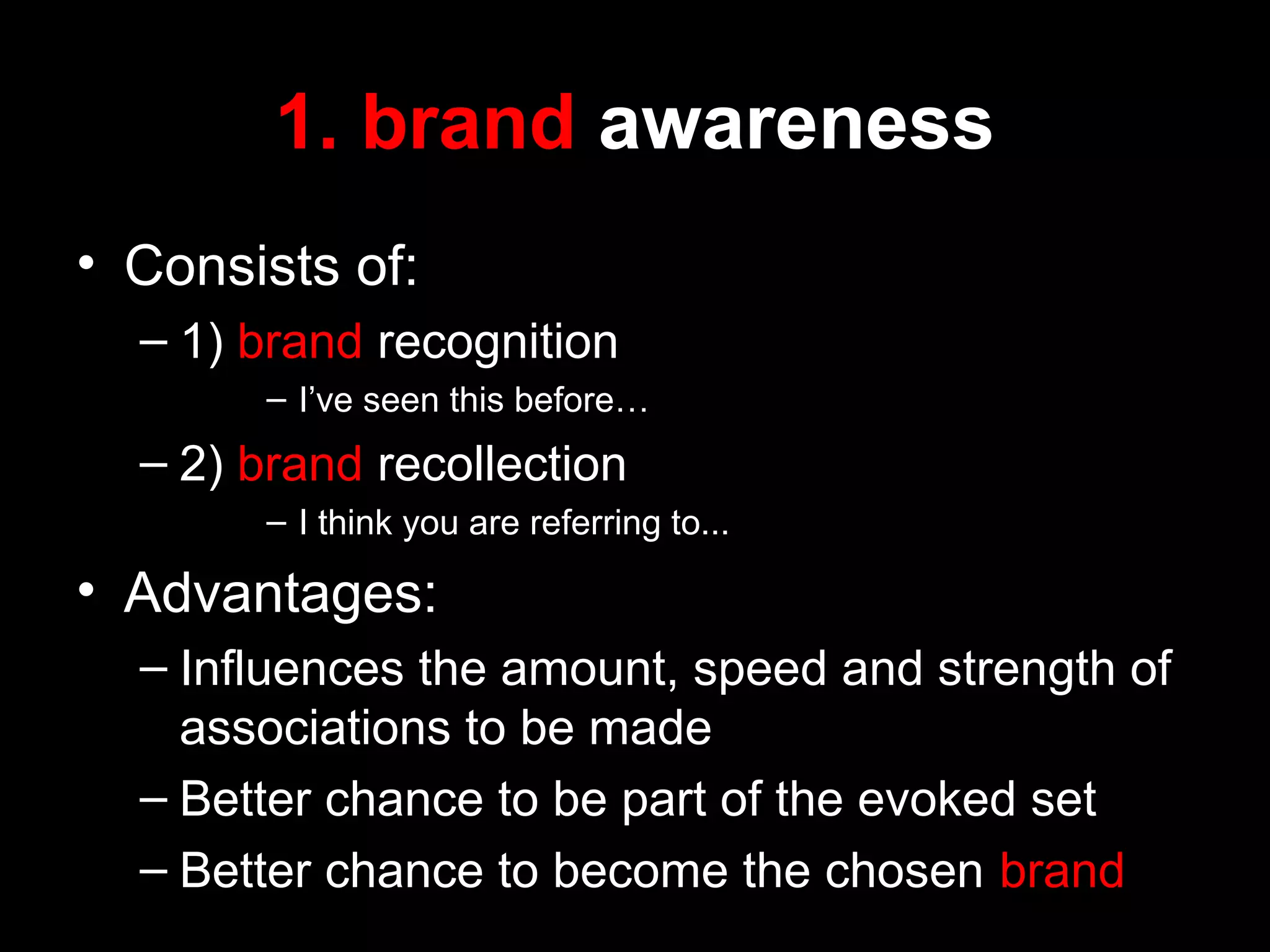
1. brand awareness
• Consists of:
– 1) brand recognition
– I’ve seen this before…
– 2) brand recollection
– I think you are referring to...
• Advantages:
– Influences the amount, speed and strength of
associations to be made
– Better chance to be part of the evoked set
– Better chance to become the chosen brand
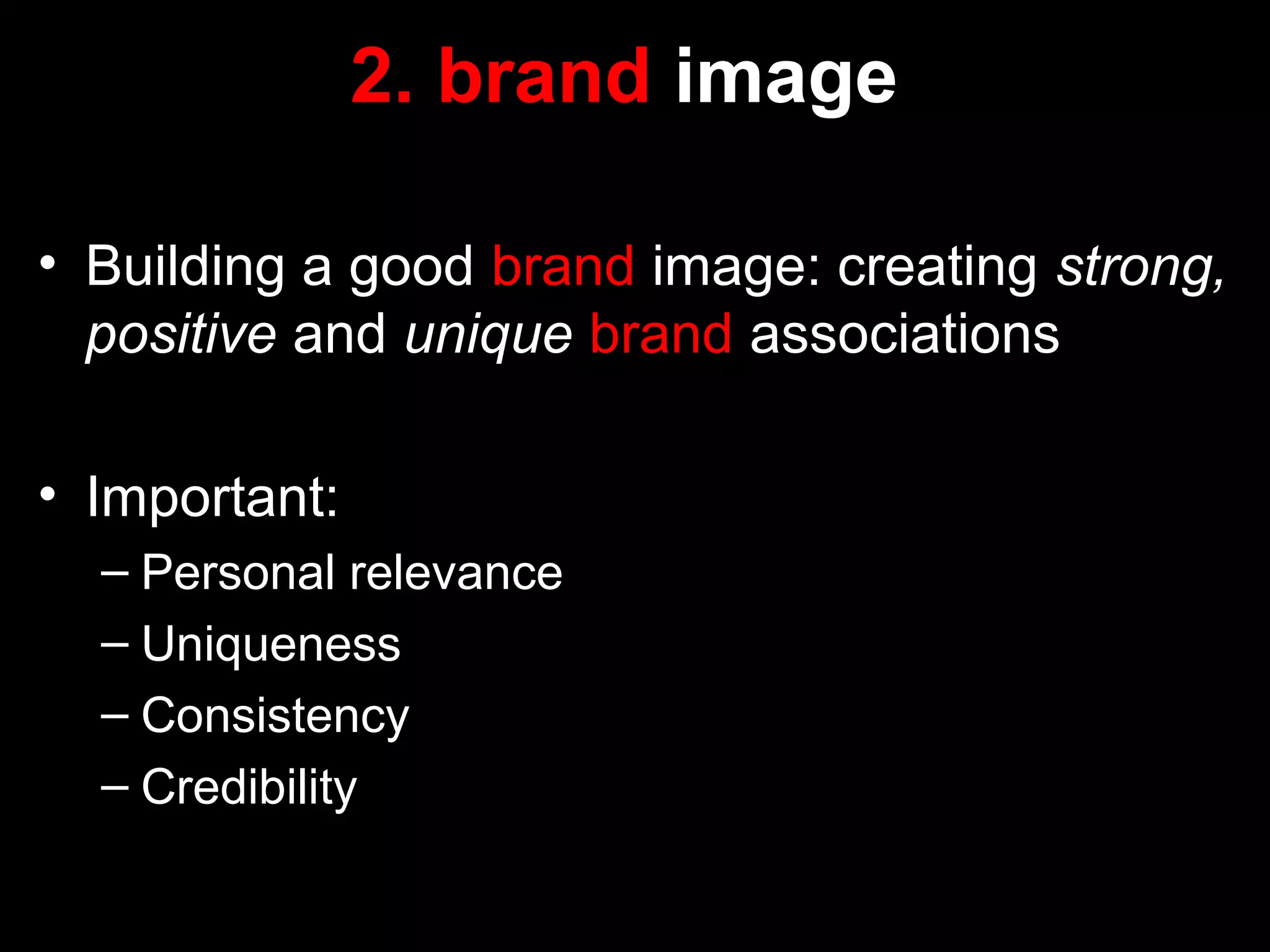
2. brand image
• Building a good brand image: creating strong,
positive and unique brand associations
• Important:
– Personal relevance
– Uniqueness
– Consistency
– Credibility
What’s brand image?
brand image
• Brand image is an intangible aspect of the
brand
• Brand image is about the ways a brand tries
to fulfil psychological, social and symbolic
needs
• It’s the way people think about the brand in a
very abstract sense
Summary
“building a strong brand”
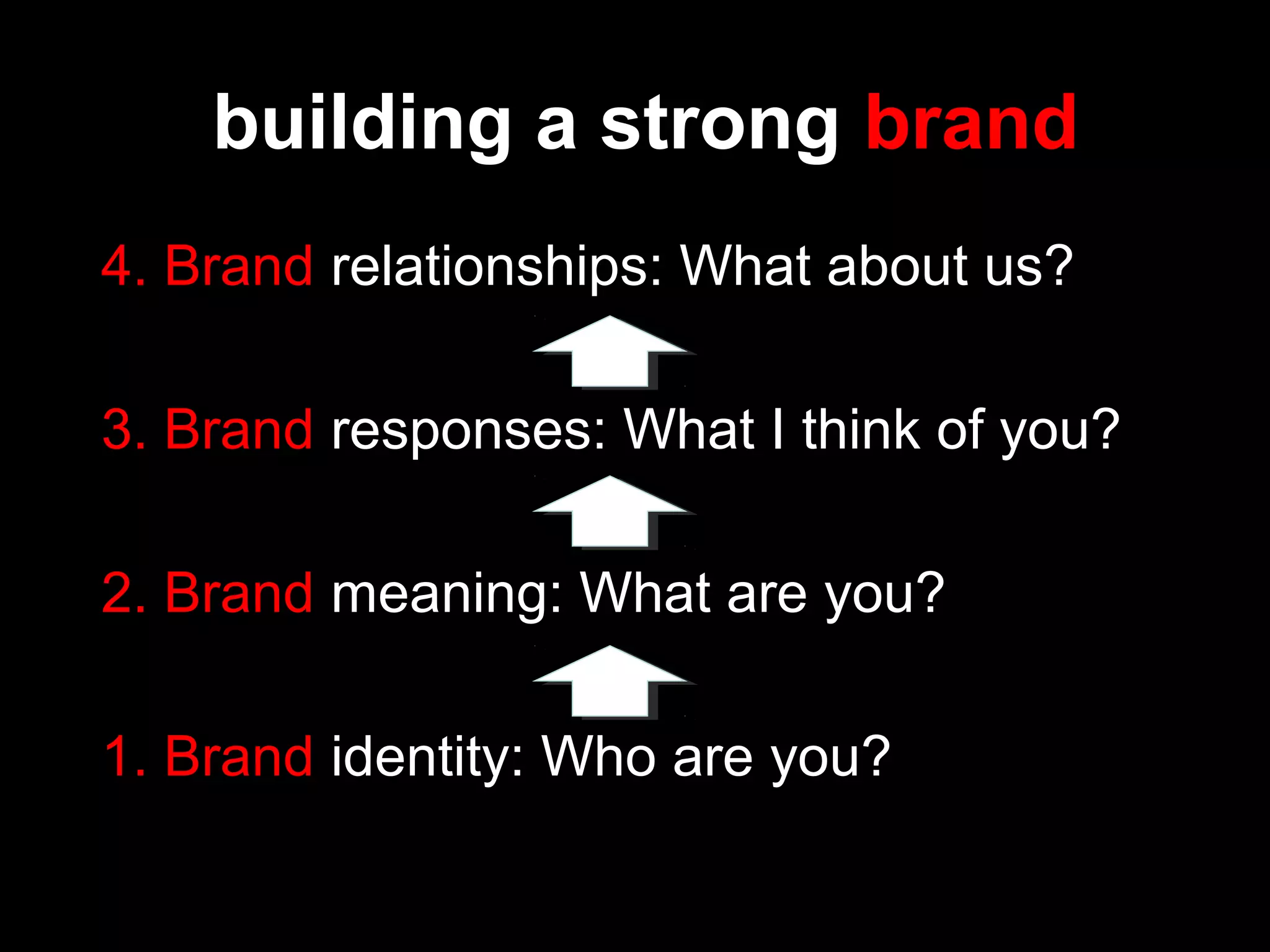
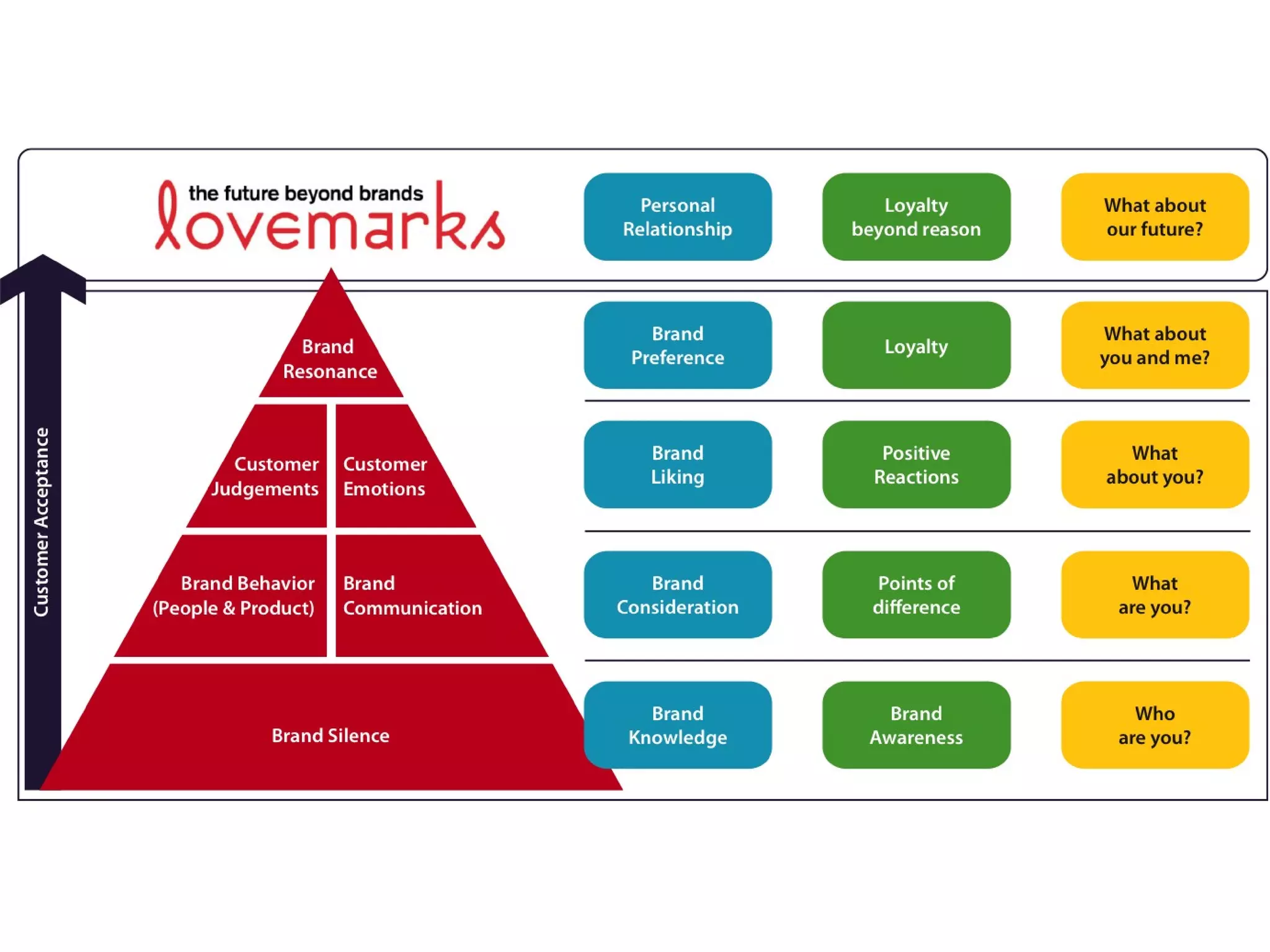
building a strong brand
4. Brand relationships: What about us?
3. Brand responses: What I think of you?
2. Brand meaning: What are you?
1. Brand identity: Who are you?
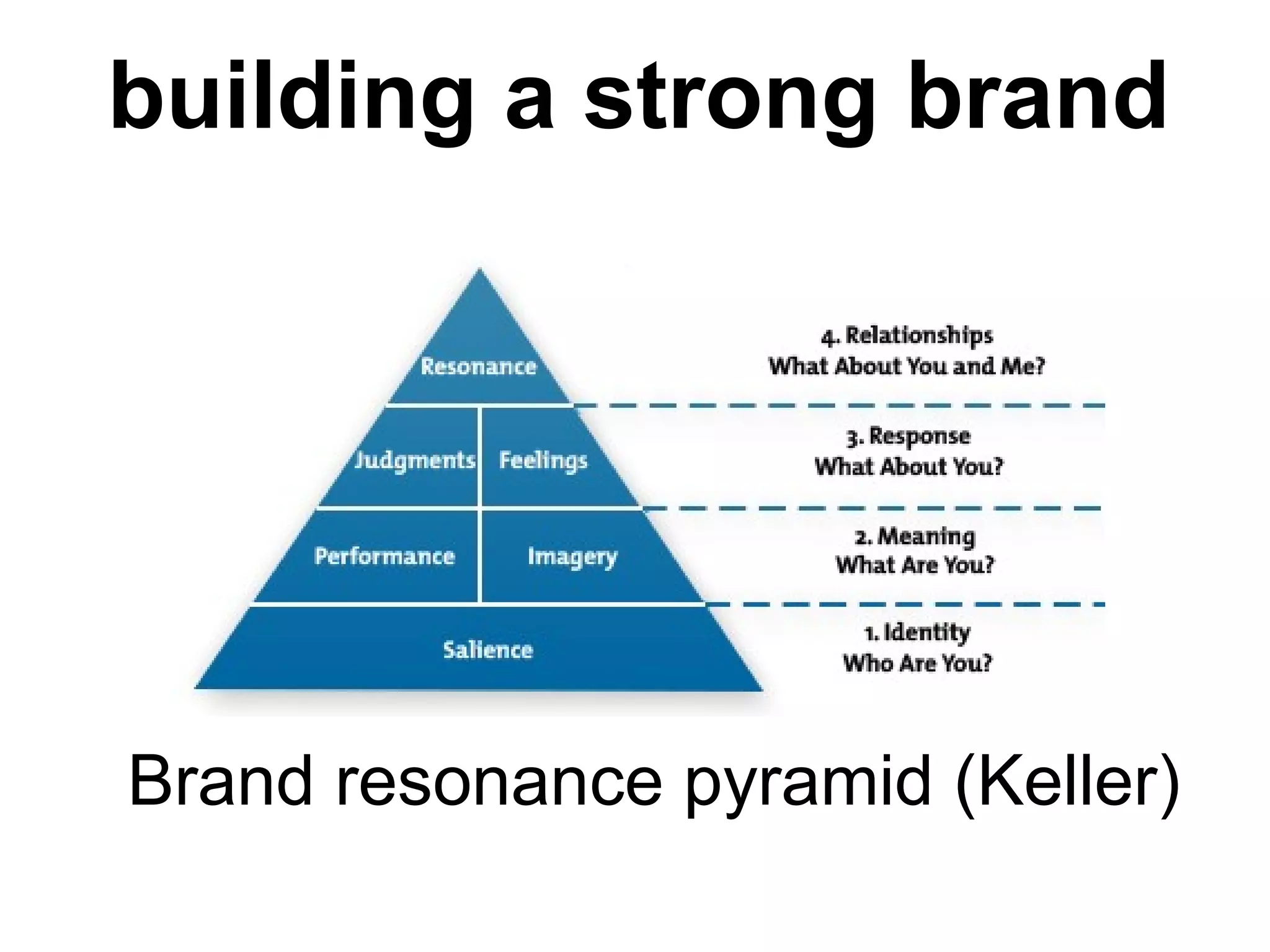
building a strong brand
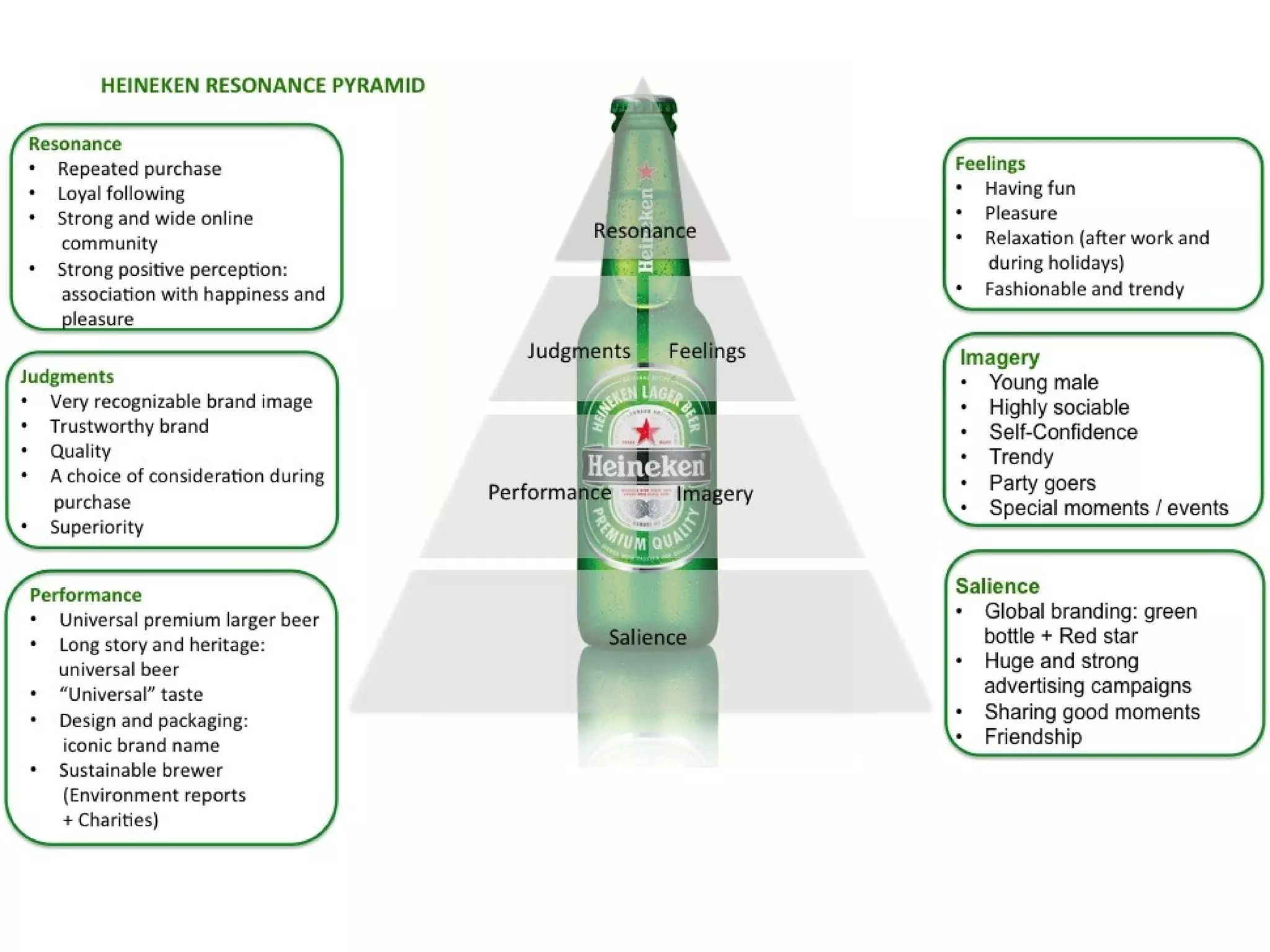
Brand resonance pyramid (Keller)
“building a strong brand
is an ongoing process”
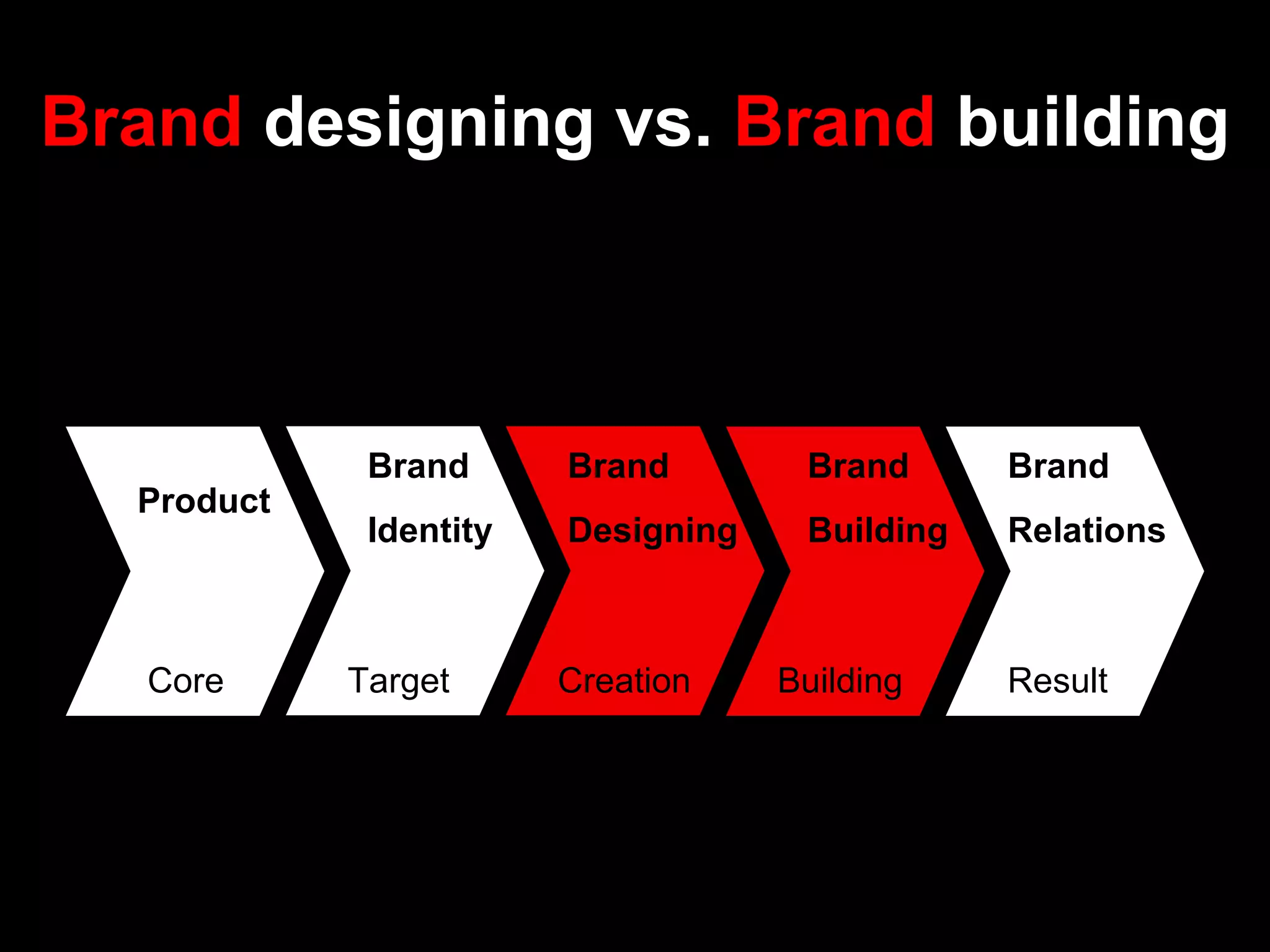
Brand designing vs. Brand building
Product
Brand
Identity
Brand
Designing
Brand
Building
Brand
Relations
Core Target Creation Building Result
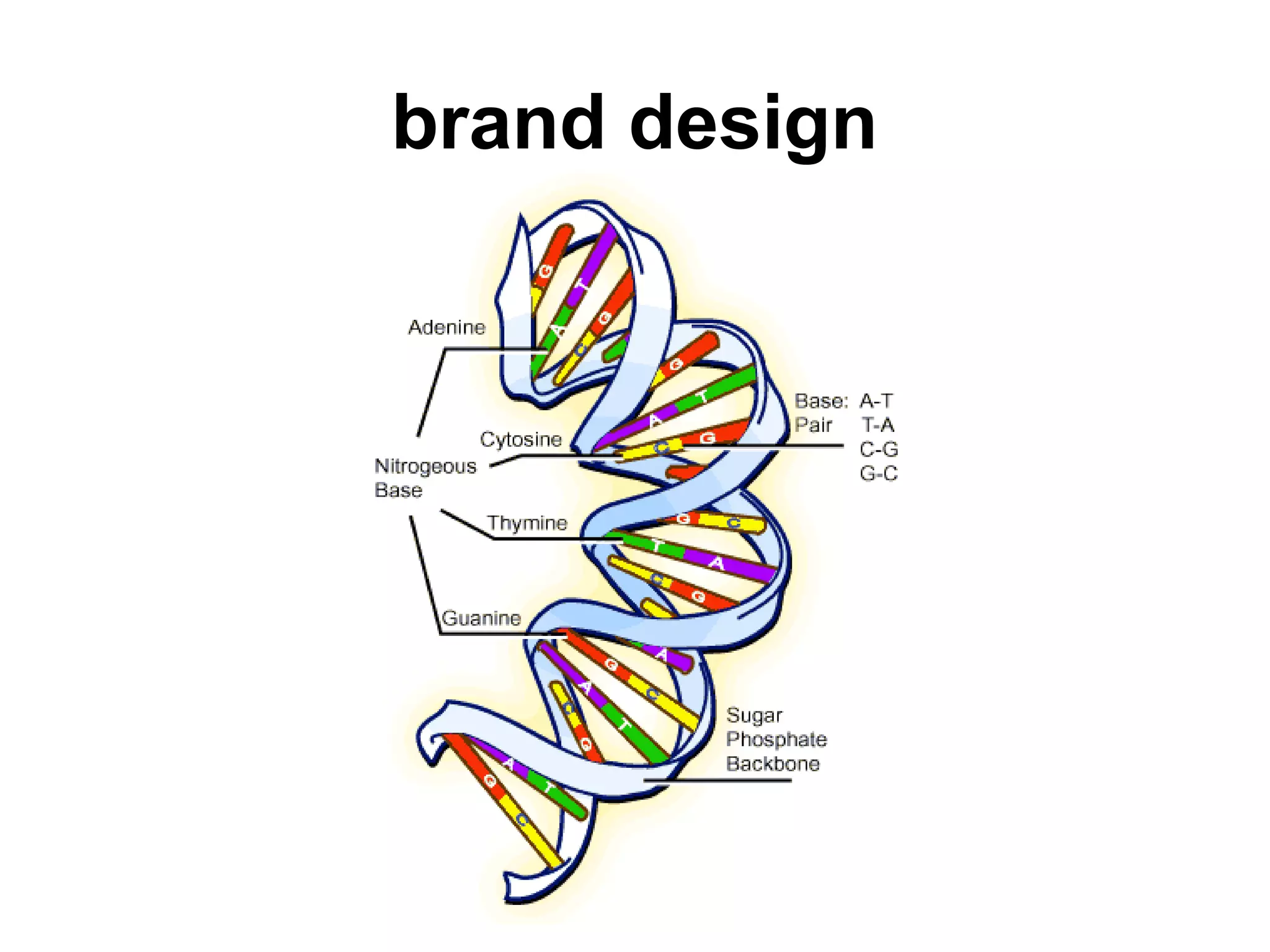
brand design
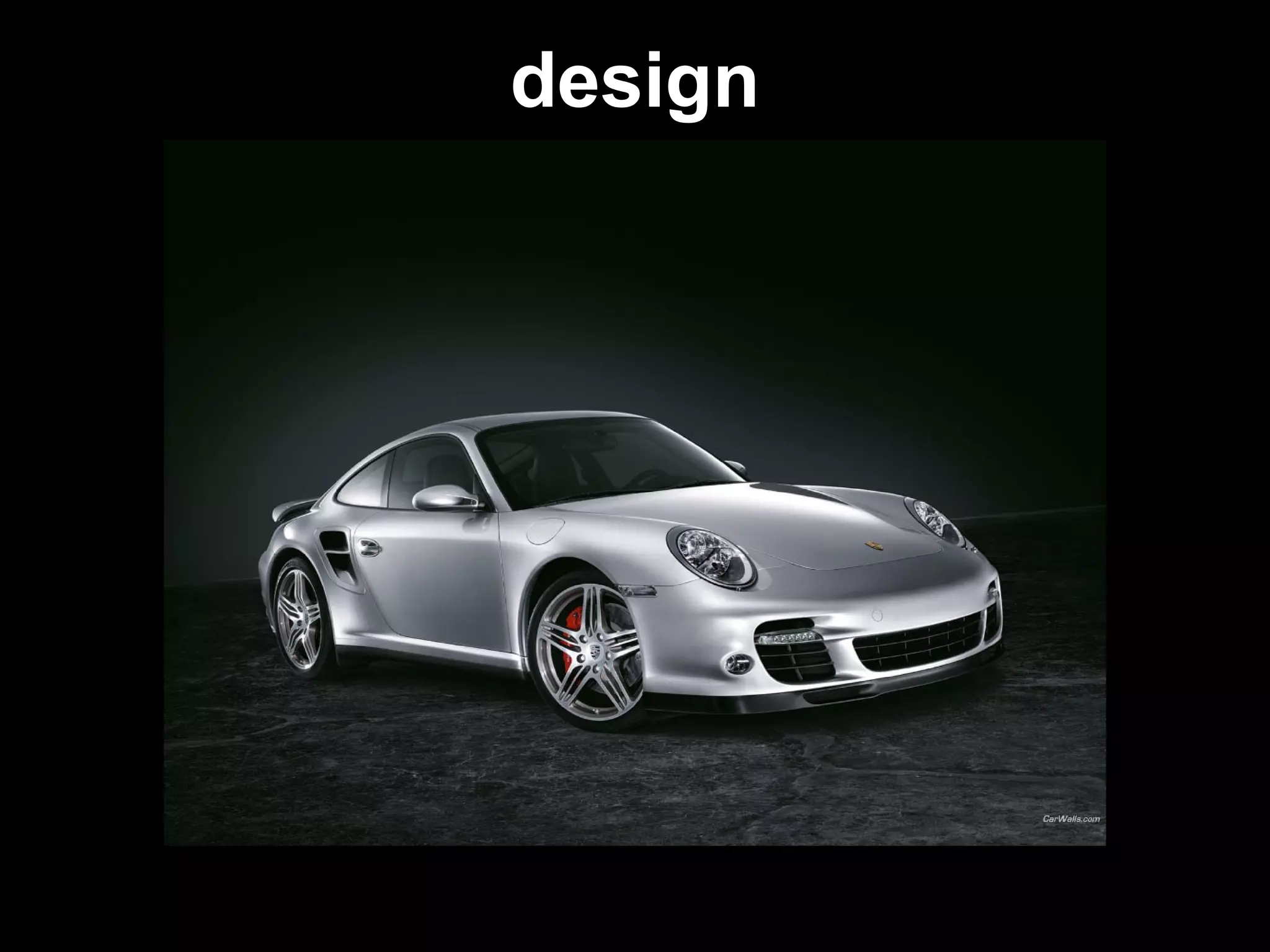
design
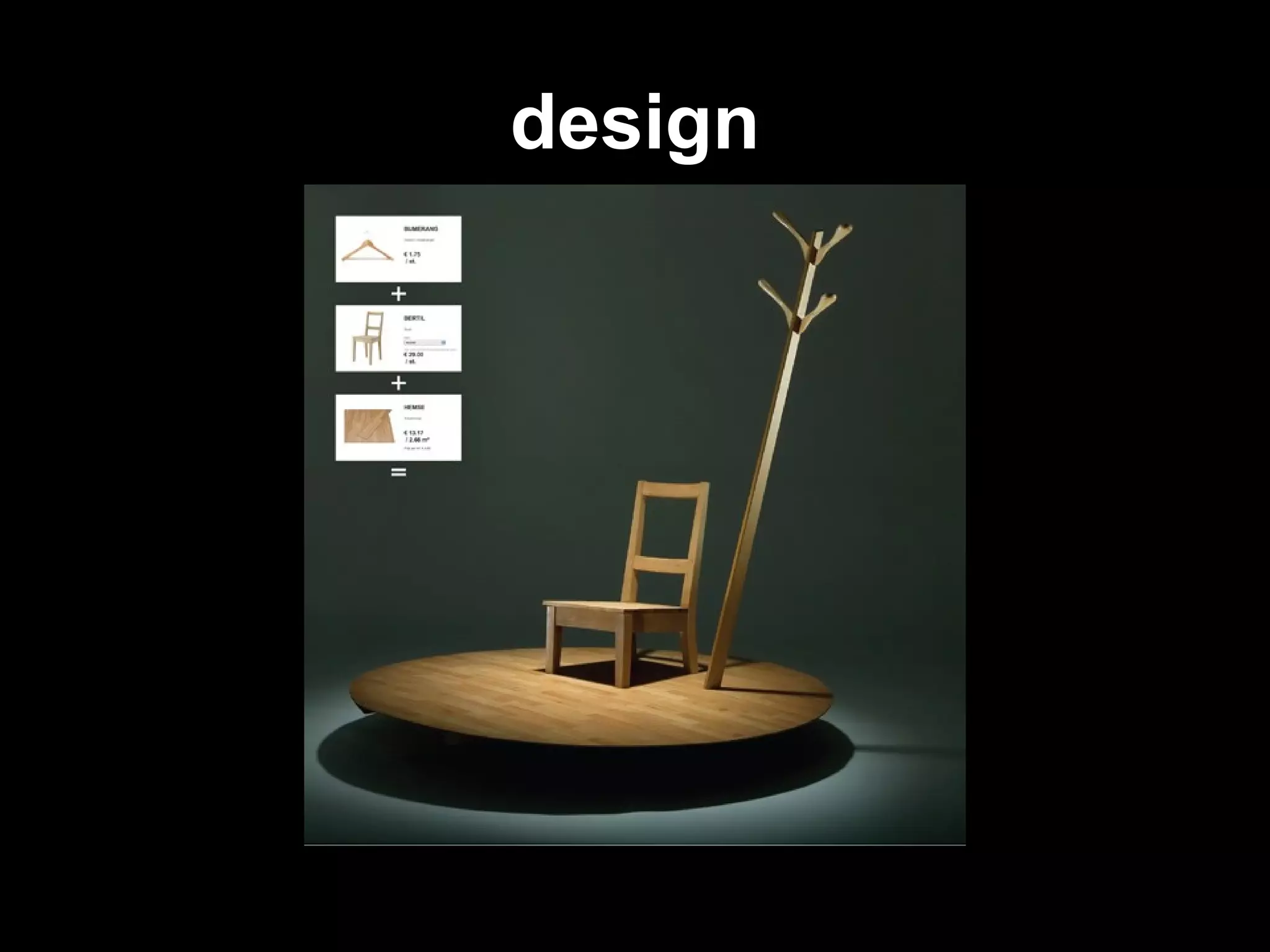
design
what is brand
designing?
“…brand design is the
creation (!) and
the visualization (!)
of brands..”
source: Brand design,
Ruud Boer
choose a name
unique, short,
easy to say, easy to spell
create a logo
design, colour, tagline
always be consistent
persistence does pay off
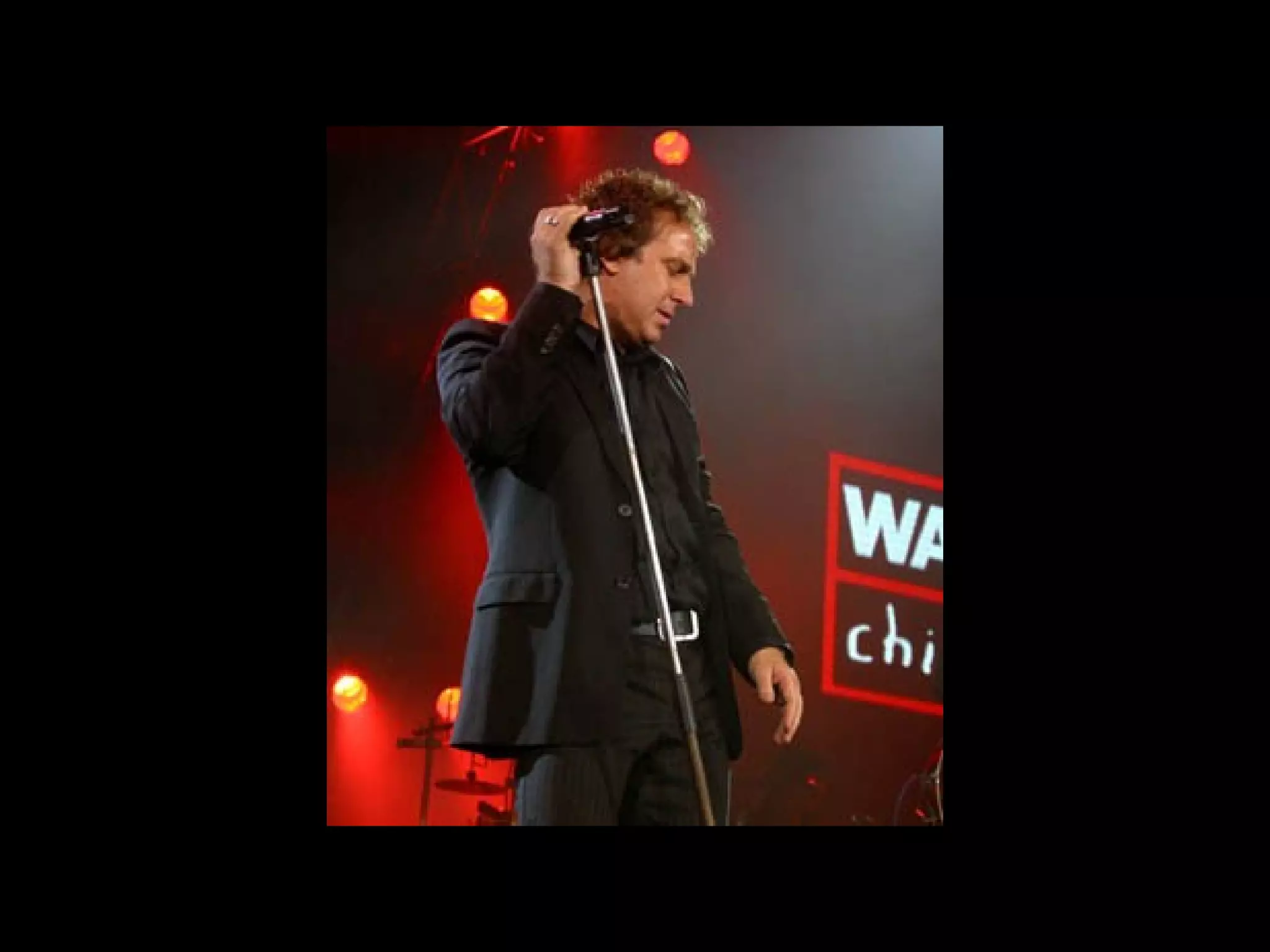
use the right faces
celebrity endorsement
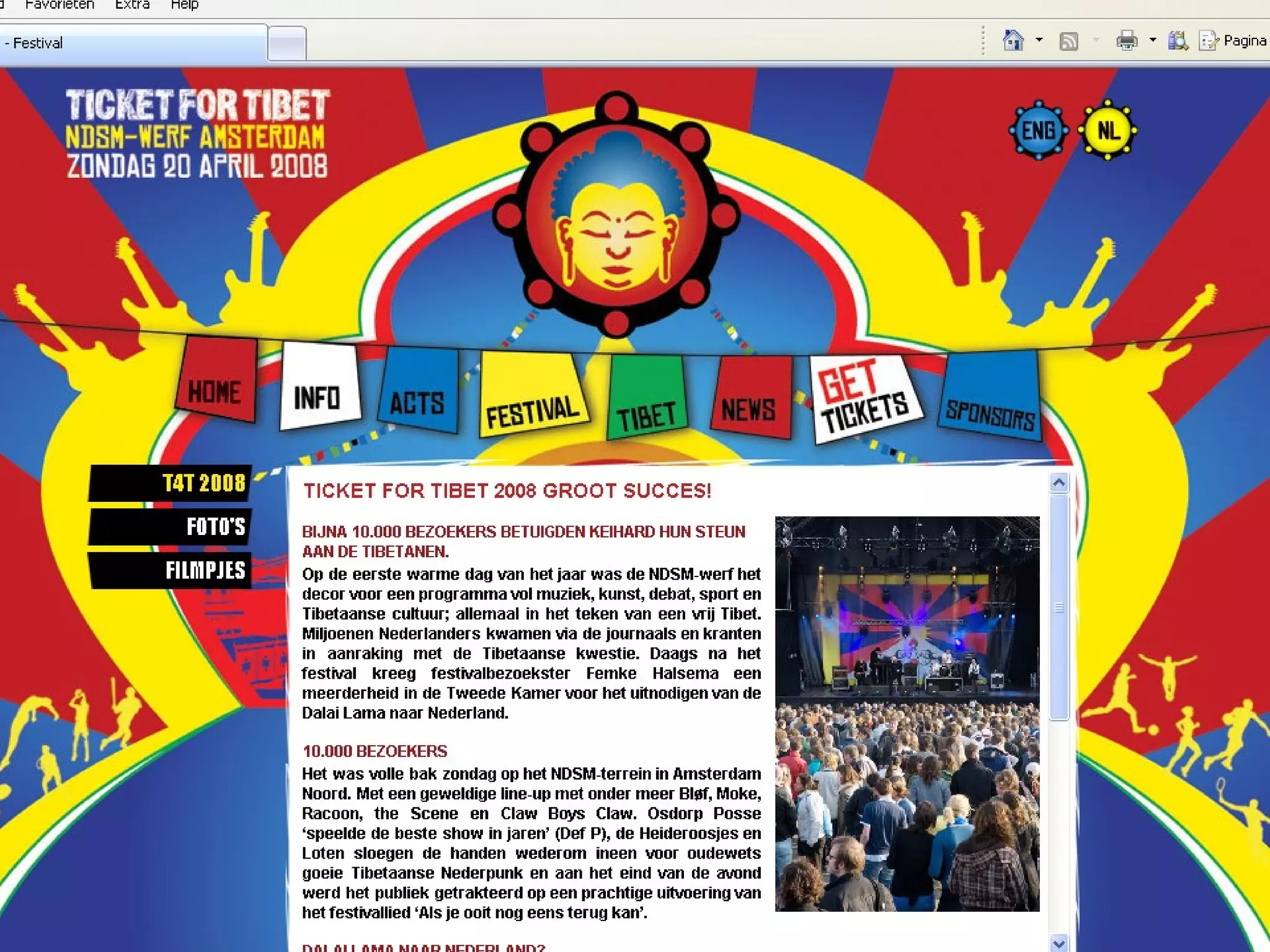
give a brand meaning
we are this, not that
try to work together
give me your brand and you get mine
brand designing
and redesigning
a case: starbucks
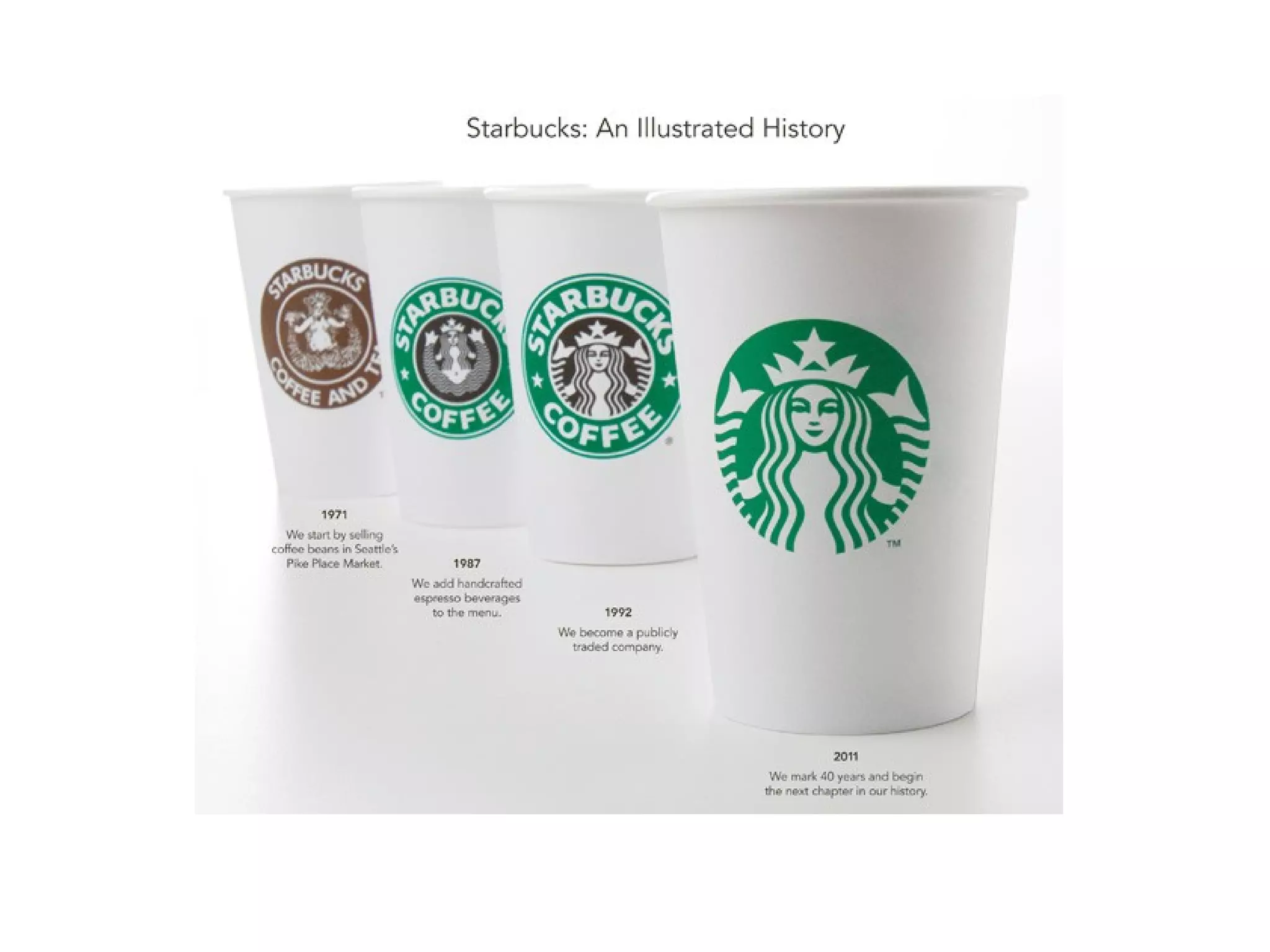
Starbucks questions:
•Look thoroughly at the evolution of the Starbucks
logo.
•Give a short explanation for the change of the
Starbucks logo to as it is today. (you can use the
internet in order to find some reasons or come up with
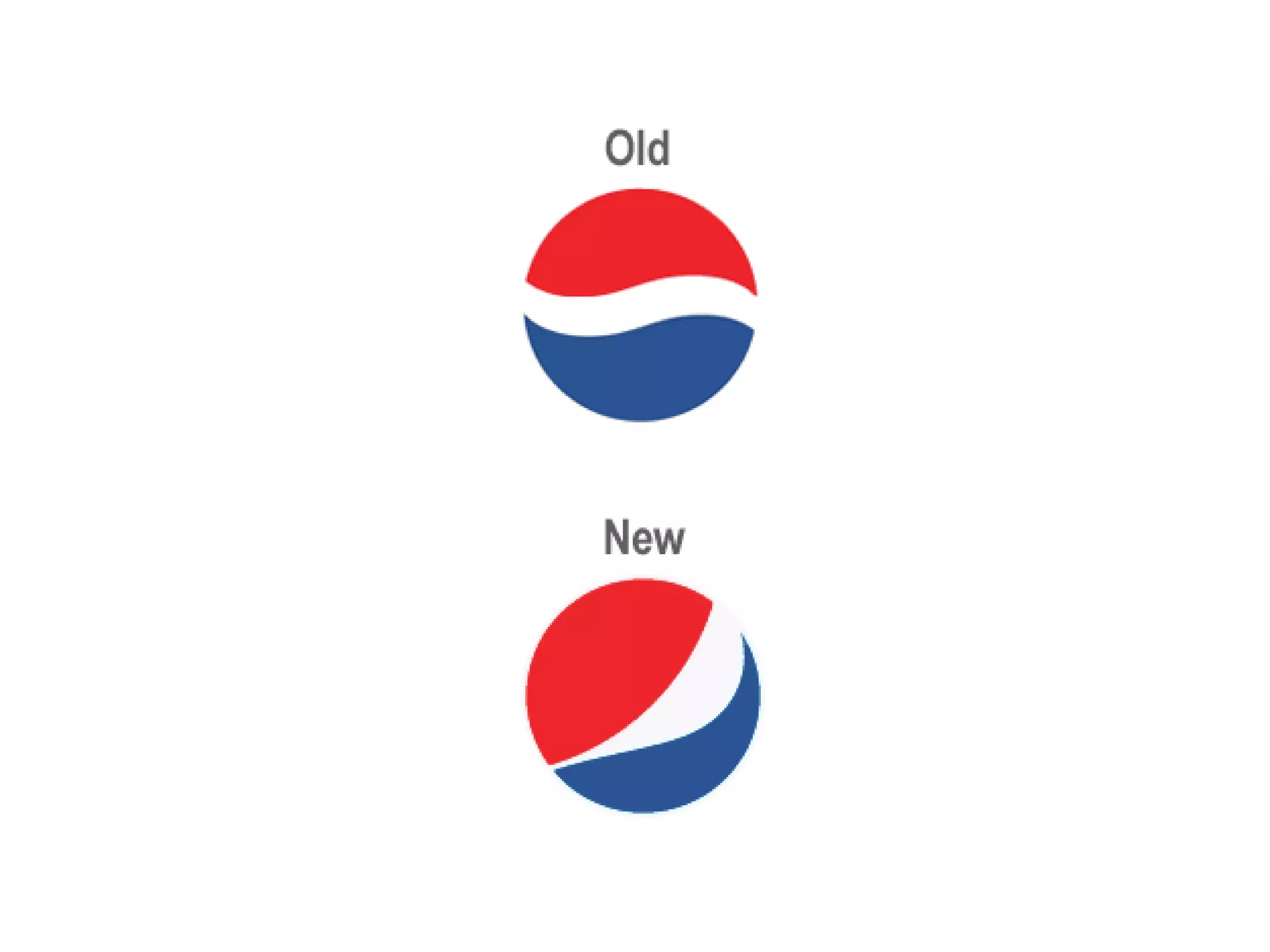
some yourself).
•Go on and search 3 other examples of logos that
recently have been changed. Also give your vision on
why you think the specific brands have done this.
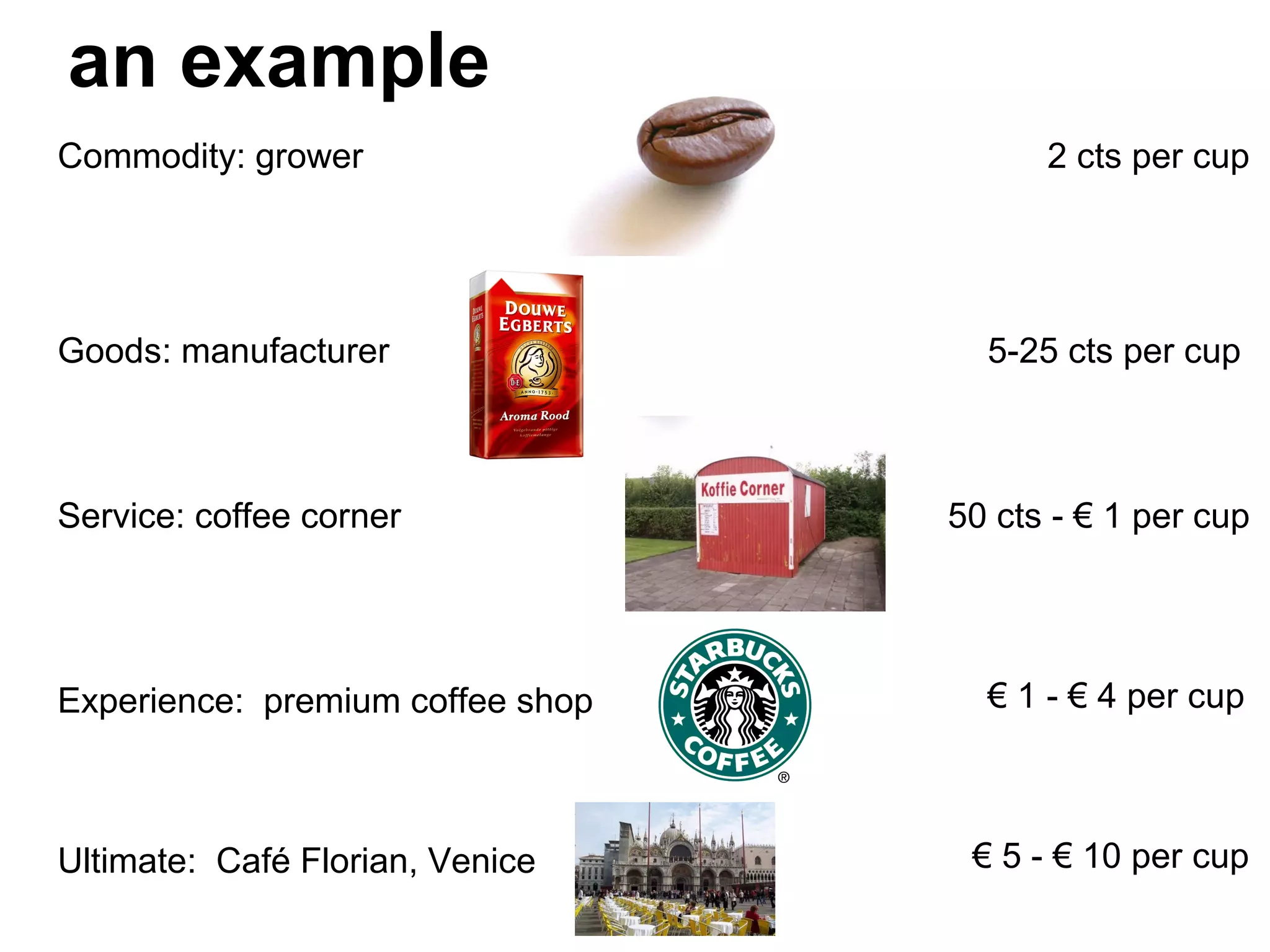
an example
Commodity: grower
Goods: manufacturer
Service: coffee corner
Experience: premium coffee shop
Ultimate: Café Florian, Venice
2 cts per cup
5-25 cts per cup
50 cts - € 1 per cup
€ 1 - € 4 per cup
€ 5 - € 10 per cup
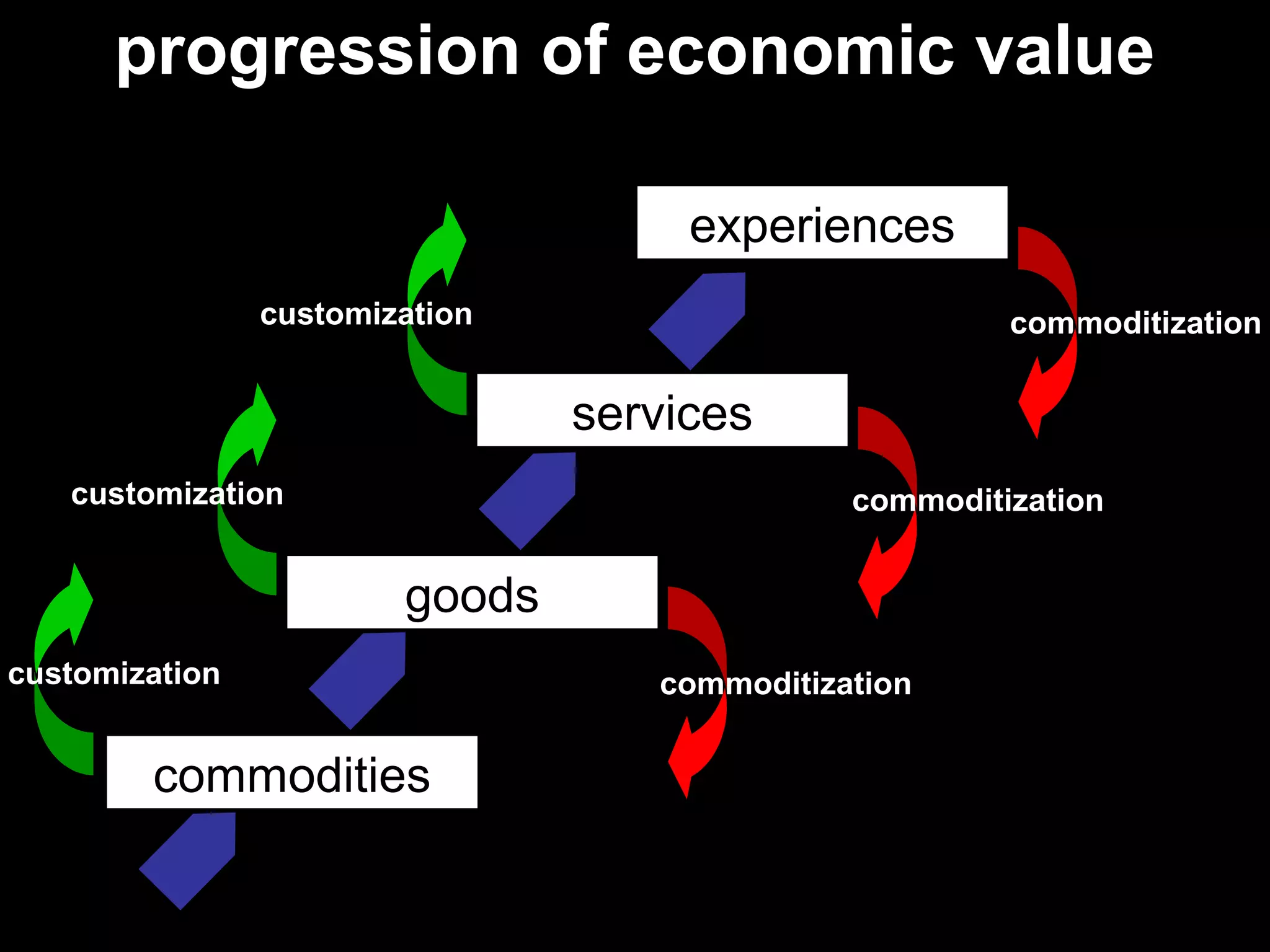
progression of economic value
commoditization
commodities
services
goods
experiences
commoditization
commoditization
customization
customization
customization
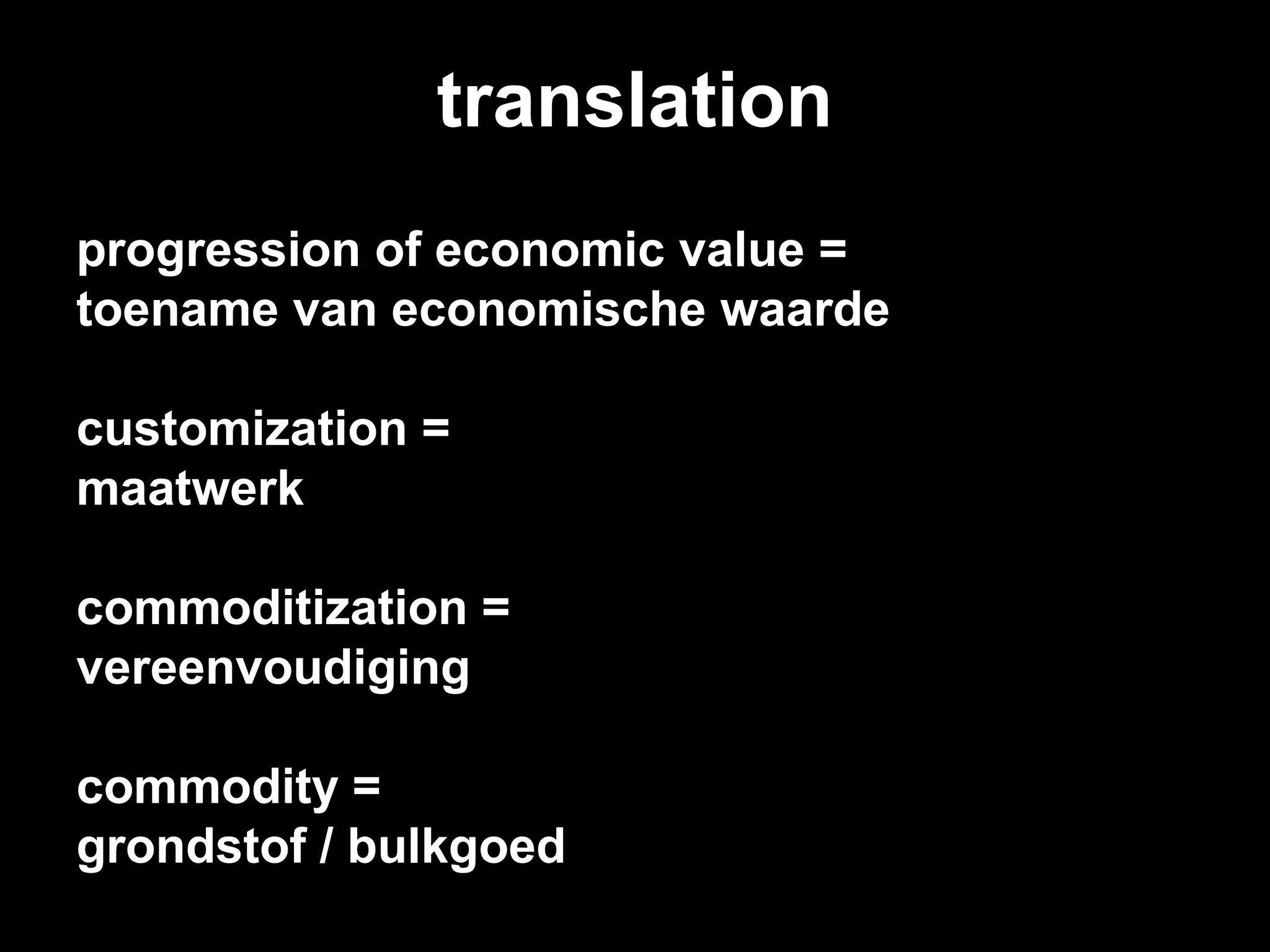
translation
progression of economic value =
toename van economische waarde
customization =
maatwerk
commoditization =
vereenvoudiging
commodity =
grondstof / bulkgoed
coffee
Functions of brand design
1. Creating extra value
2. Creating difference
3. Communicating promises
4. Creating awareness
5. Creating recognition
6. Communicating basic information
7. Fulfilling other functions
• For example ‘Living the brand’
the inner side:
A. creation of brands
(vormen van merken)
the outer side:
B. visualisation of brands
(vormgeven van merken)
Brand desigining:
A. the creation of a brand
(inner side)
• establishing brand DNA (genetisch)
• establishing brand soul (karakter)
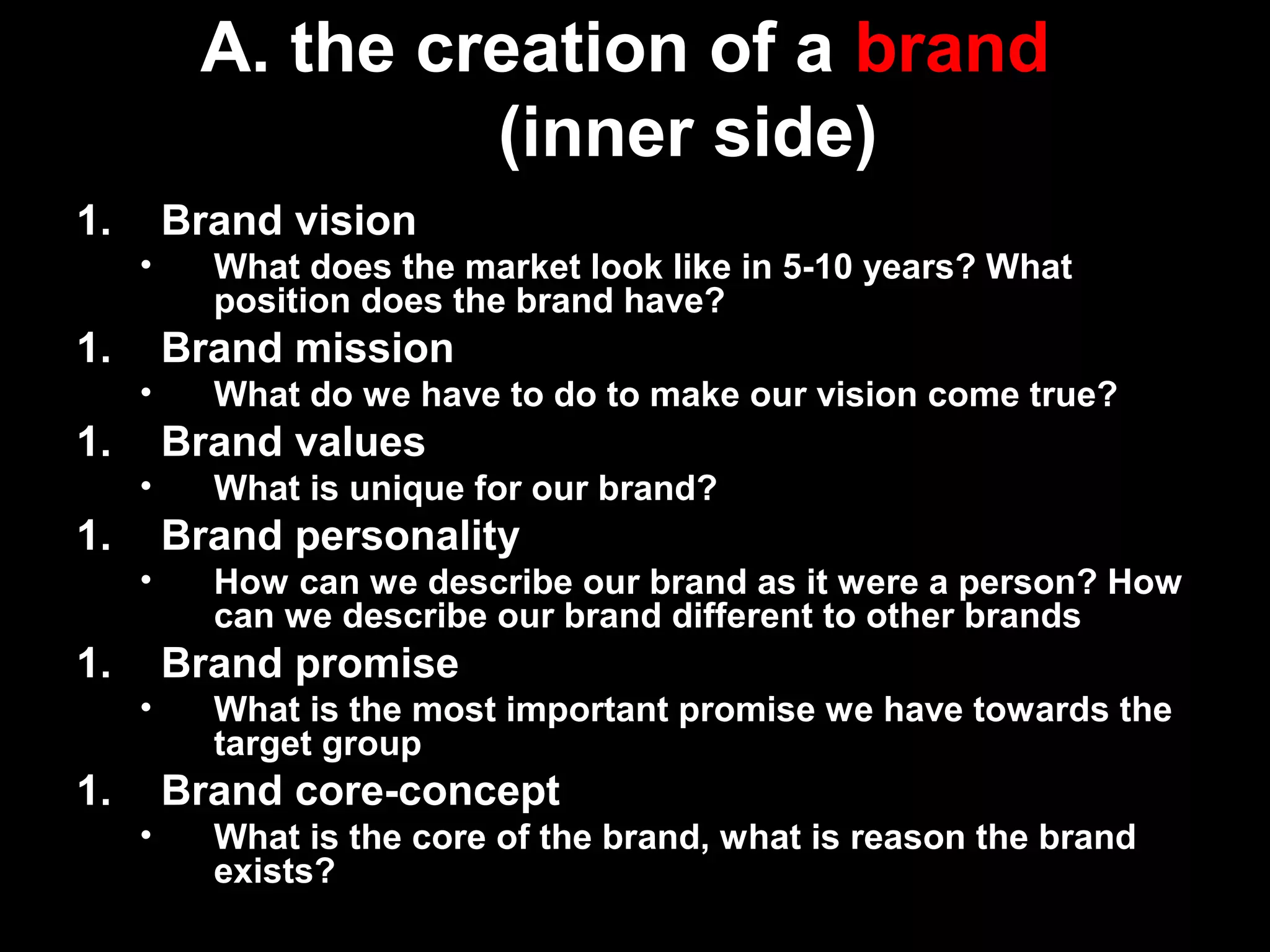
A. the creation of a brand
(inner side)
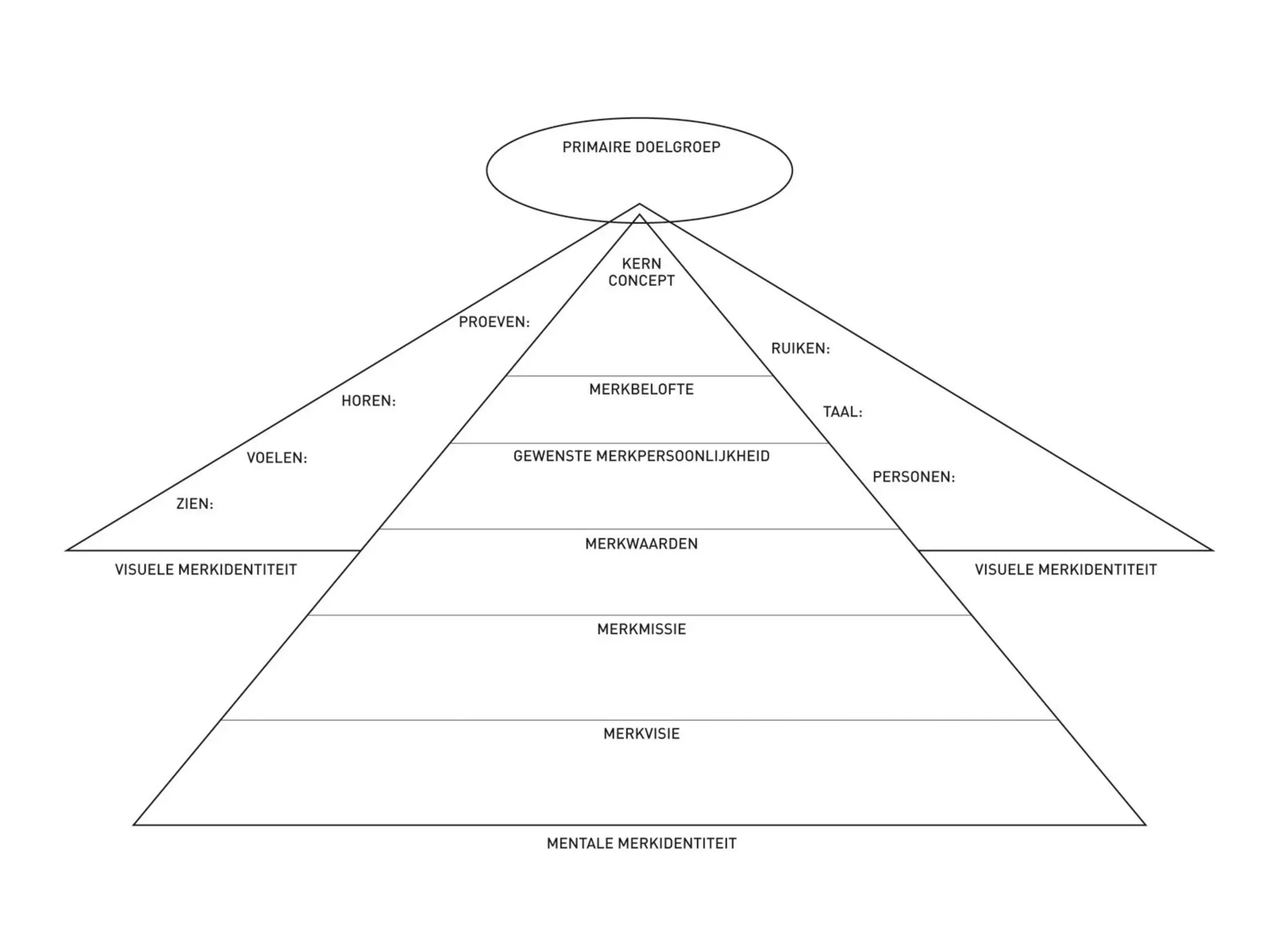
1. Brand vision
• What does the market look like in 5-10 years? What
position does the brand have?
1. Brand mission
• What do we have to do to make our vision come true?
1. Brand values
• What is unique for our brand?
1. Brand personality
• How can we describe our brand as it were a person? How
can we describe our brand different to other brands
1. Brand promise
• What is the most important promise we have towards the
target group
1. Brand core-concept
• What is the core of the brand, what is reason the brand
exists?
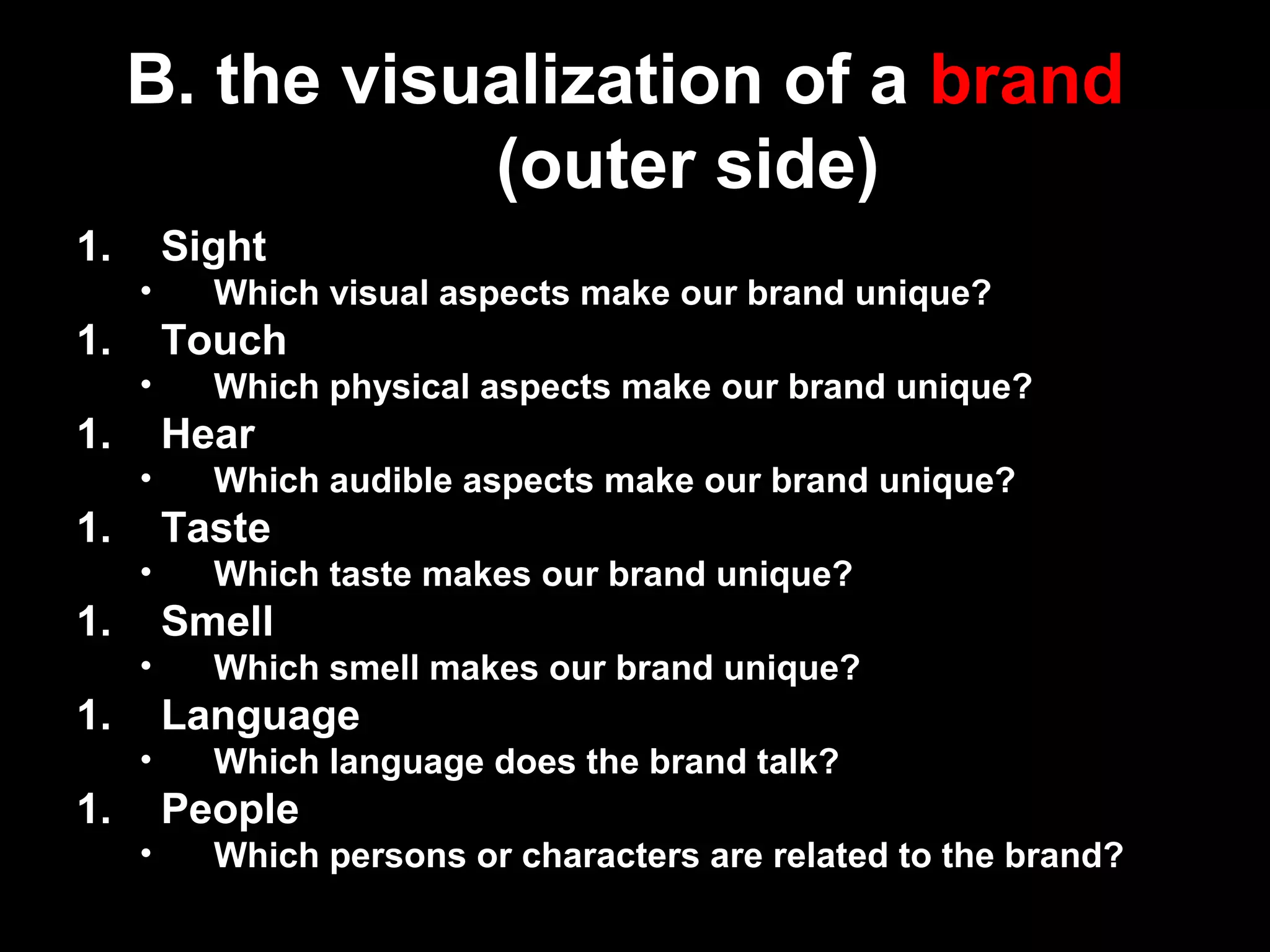
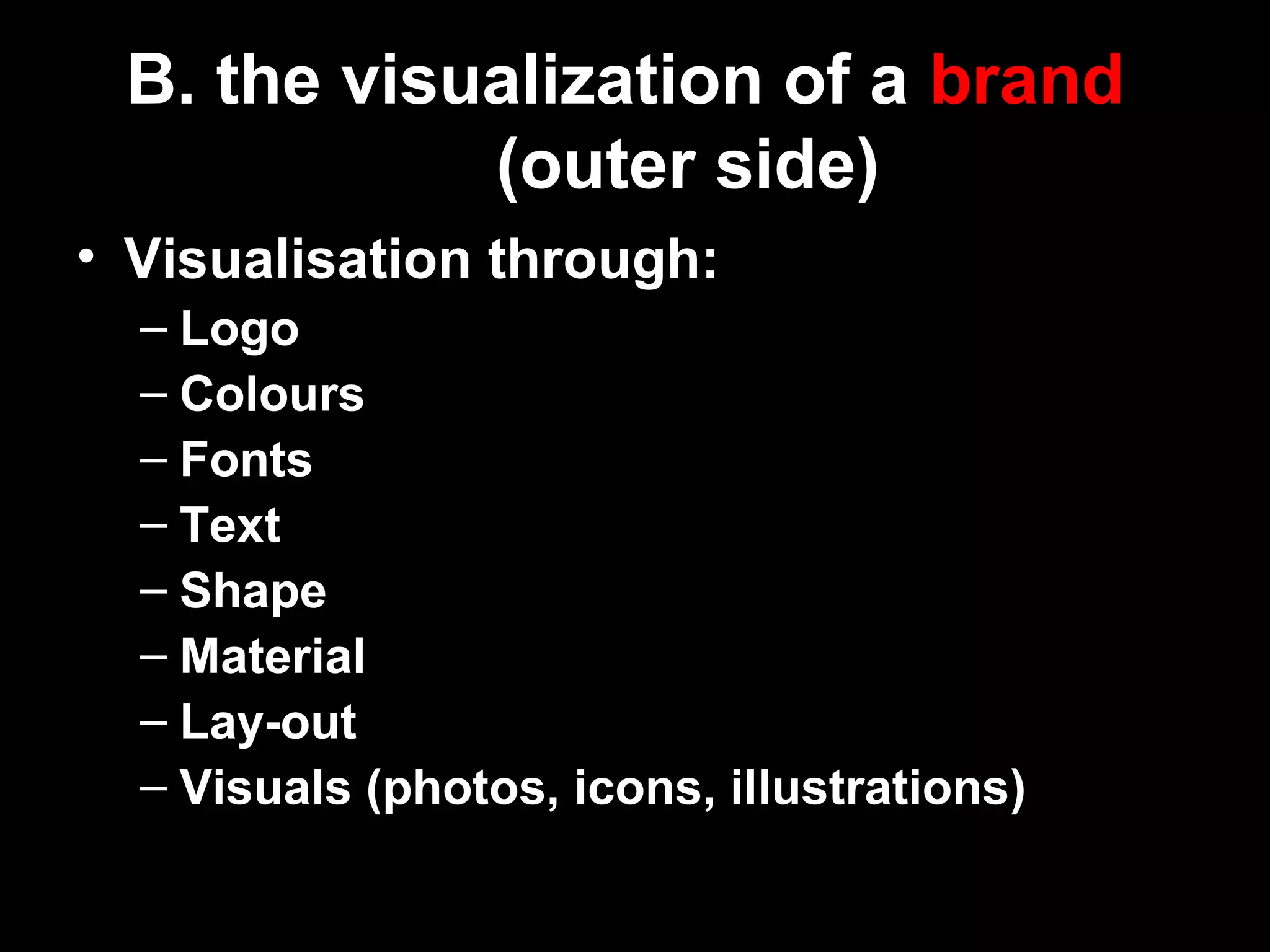
1. Sight
• Which visual aspects make our brand unique?
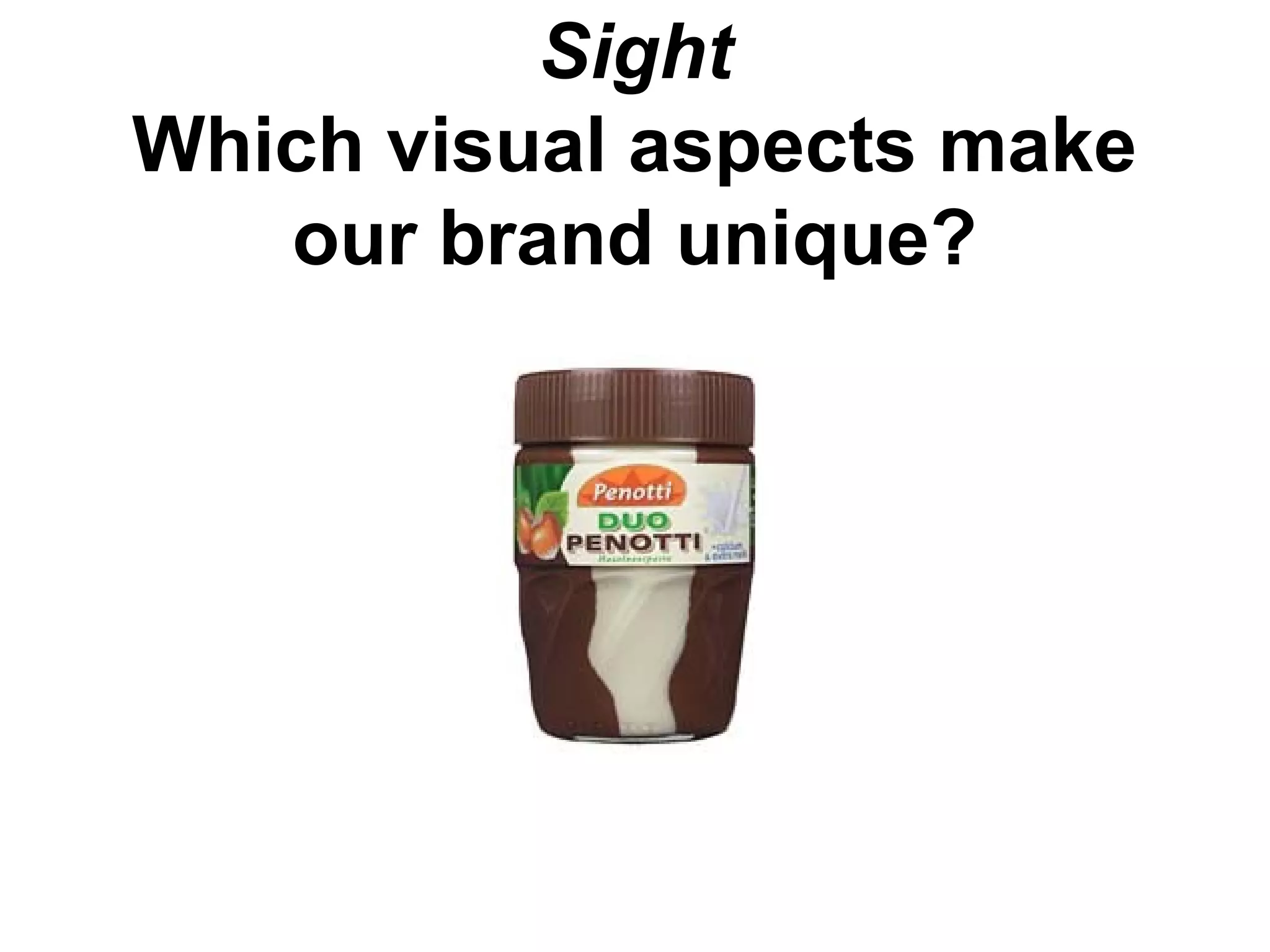
1. Touch
• Which physical aspects make our brand unique?
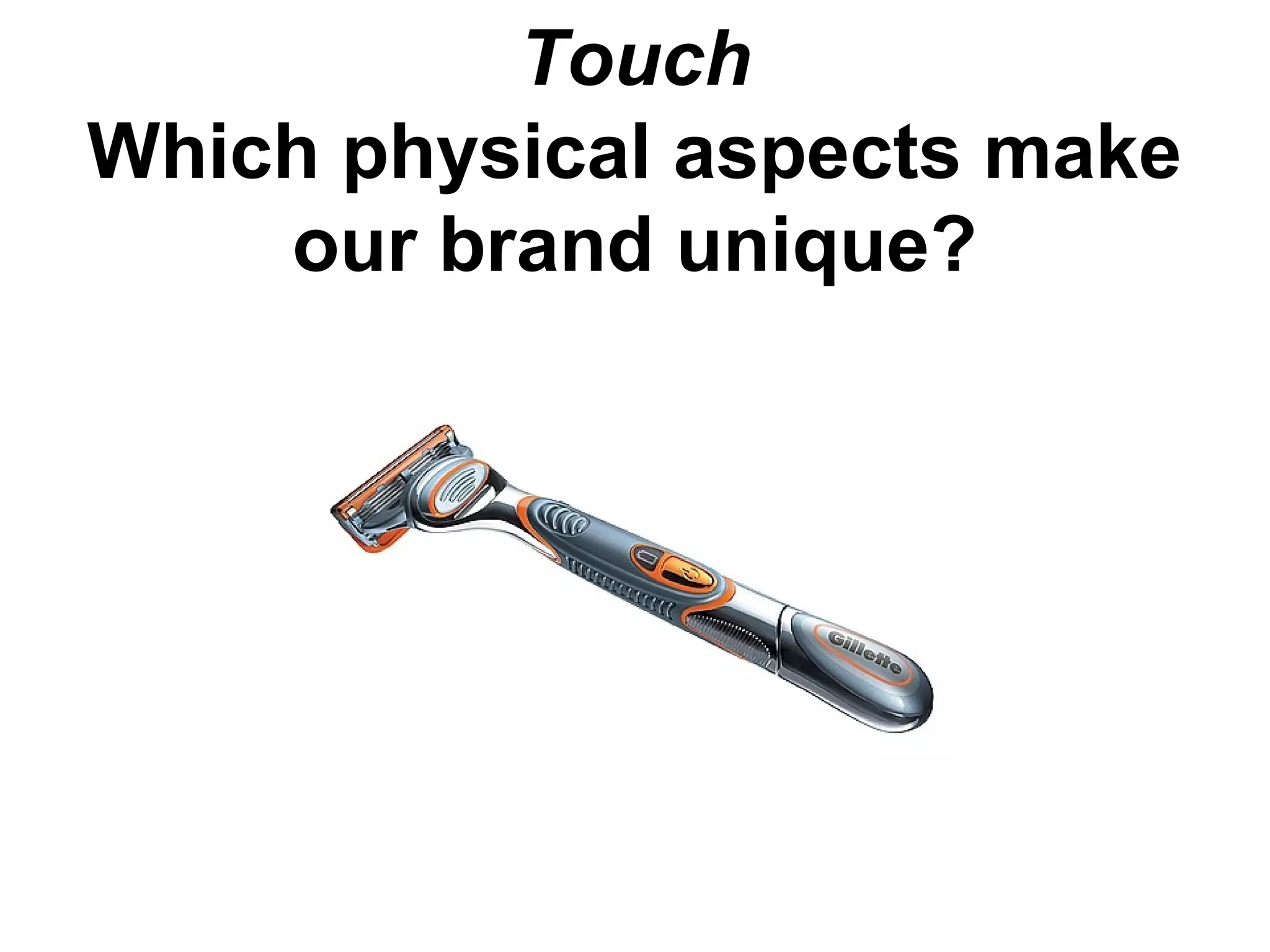
1. Hear
• Which audible aspects make our brand unique?
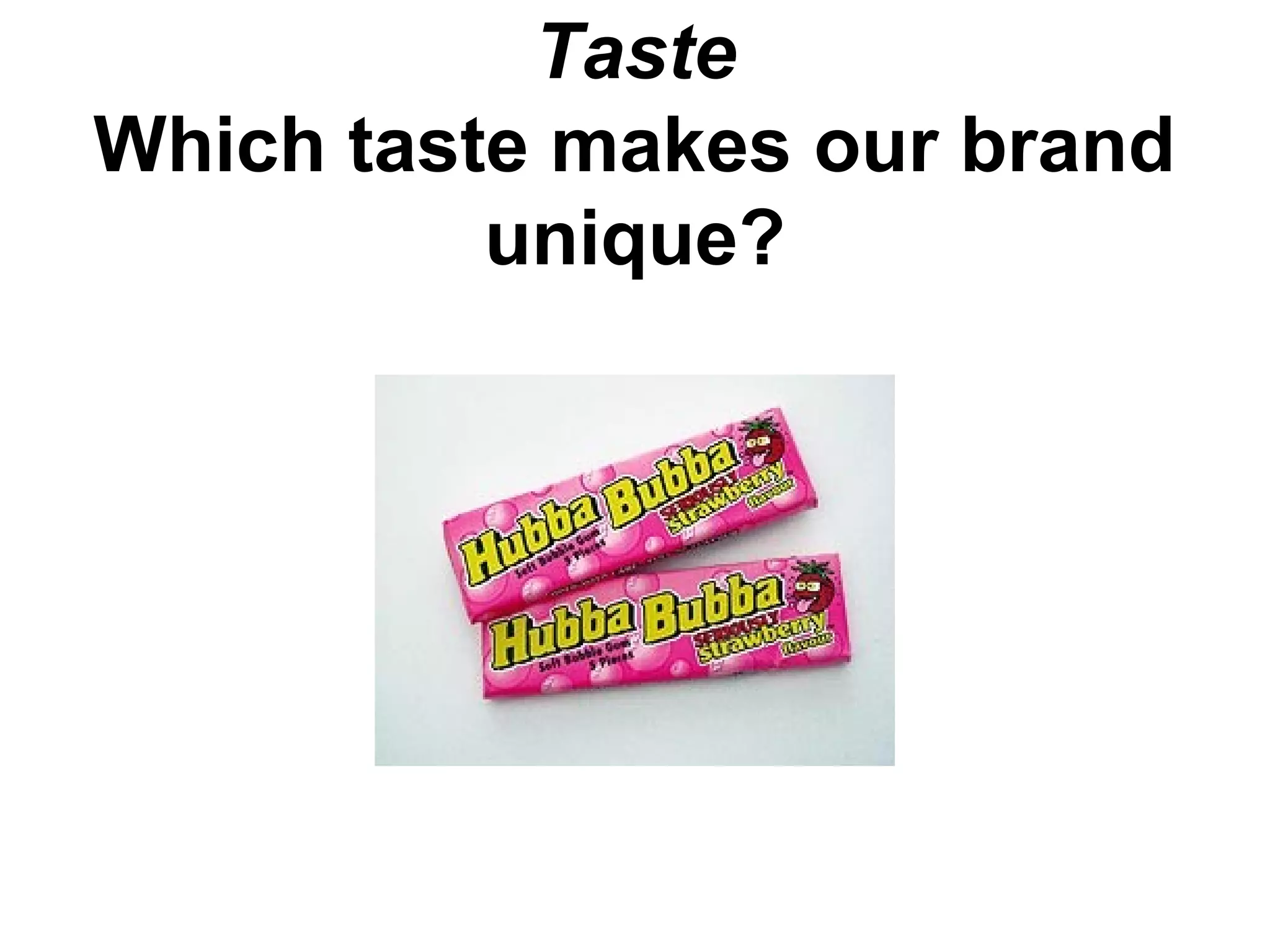
1. Taste
• Which taste makes our brand unique?
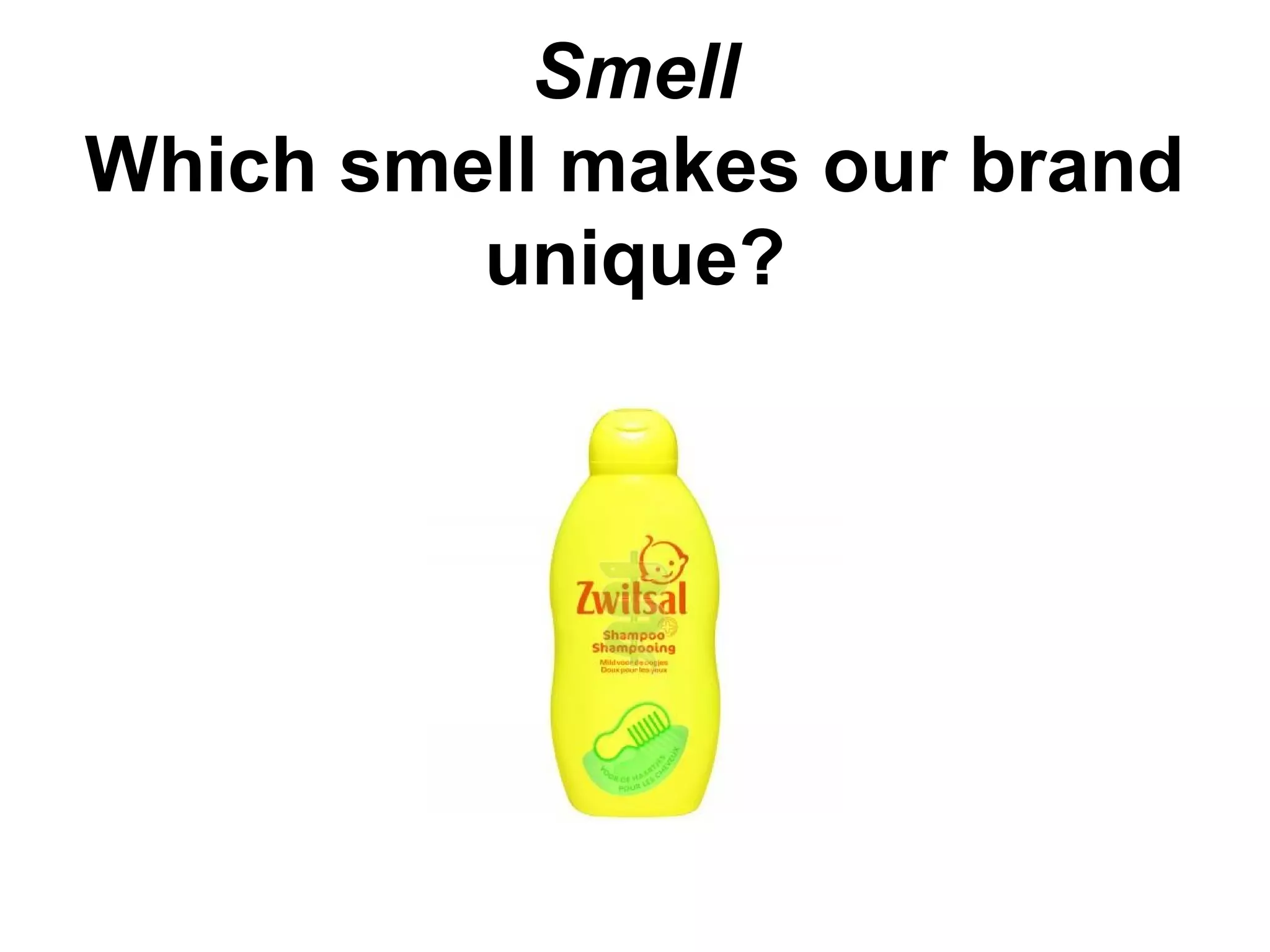
1. Smell
• Which smell makes our brand unique?
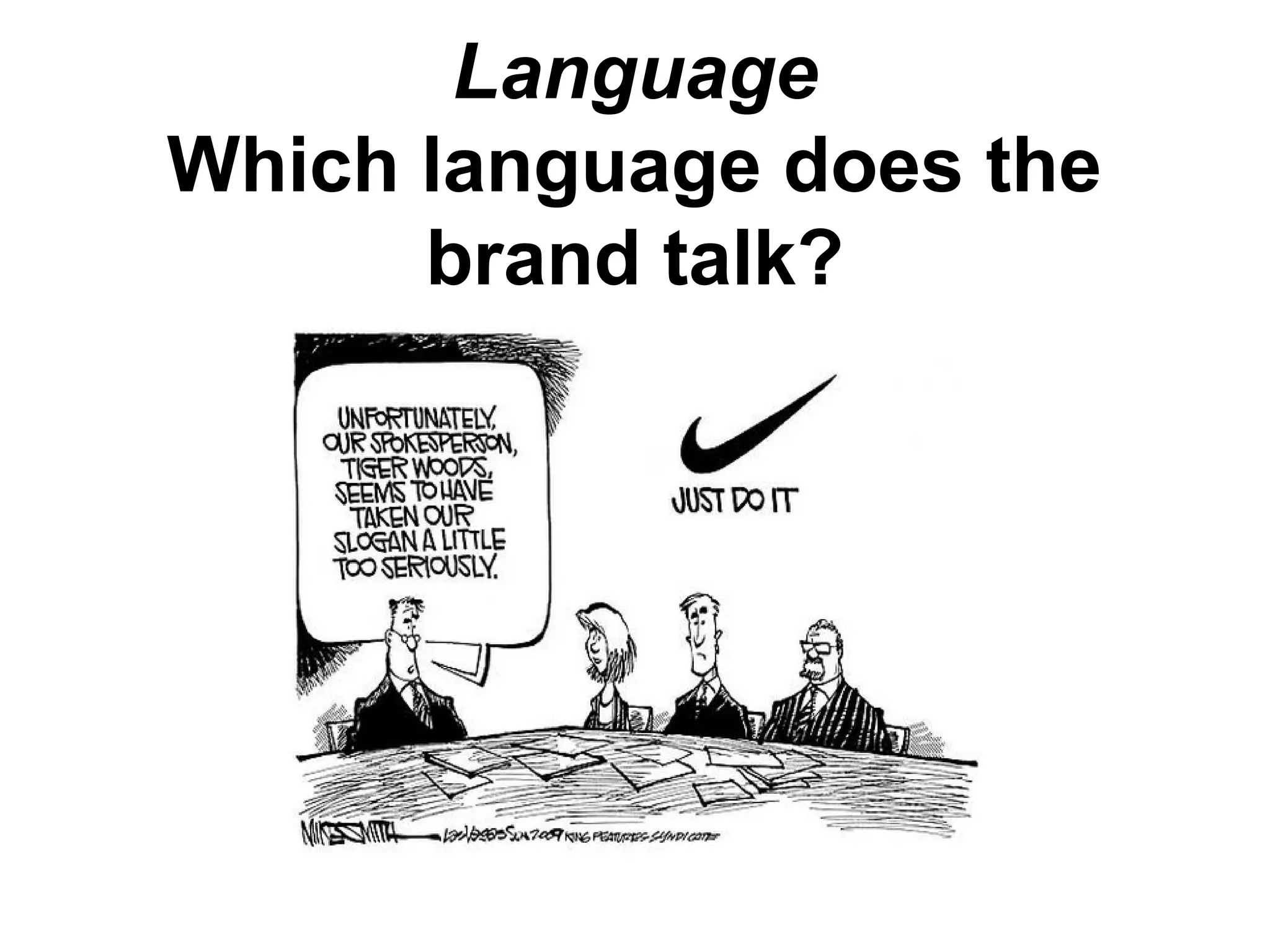
1. Language
• Which language does the brand talk?
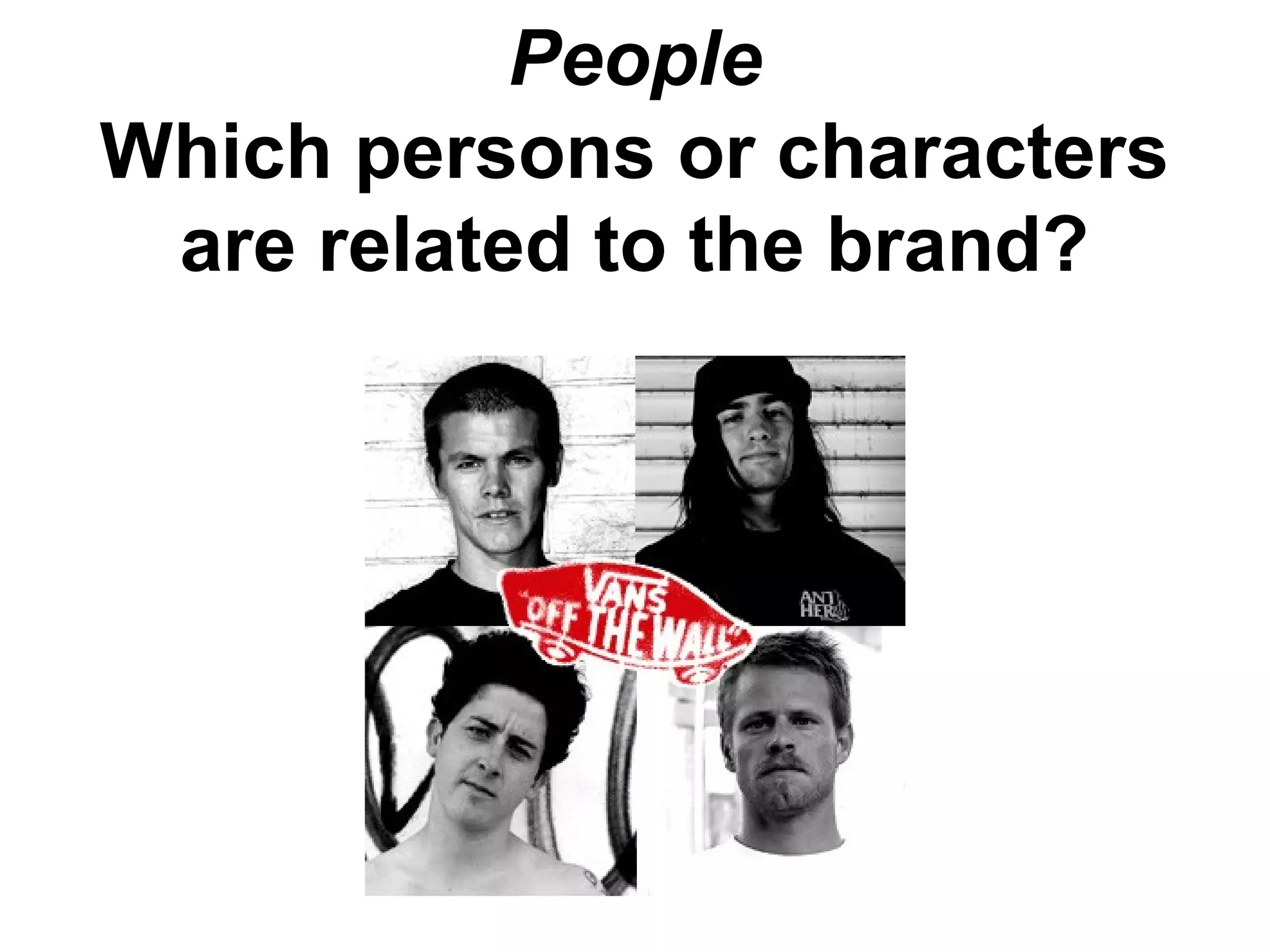
1. People
• Which persons or characters are related to the brand?
B. the visualization of a brand
(outer side)
• Visualisation through:
– Logo
– Colours
– Fonts
– Text
– Shape
– Material
– Lay-out
– Visuals (photos, icons, illustrations)
B. the visualization of a brand
(outer side)
Sight
Which visual aspects make
our brand unique?
Touch
Which physical aspects make
our brand unique?
Hear
Which audible aspects make
our brand unique?
Taste
Which taste makes our brand
unique?
Smell
Which smell makes our brand
unique?
Language
Which language does the
brand talk?
People
Which persons or characters
are related to the brand?
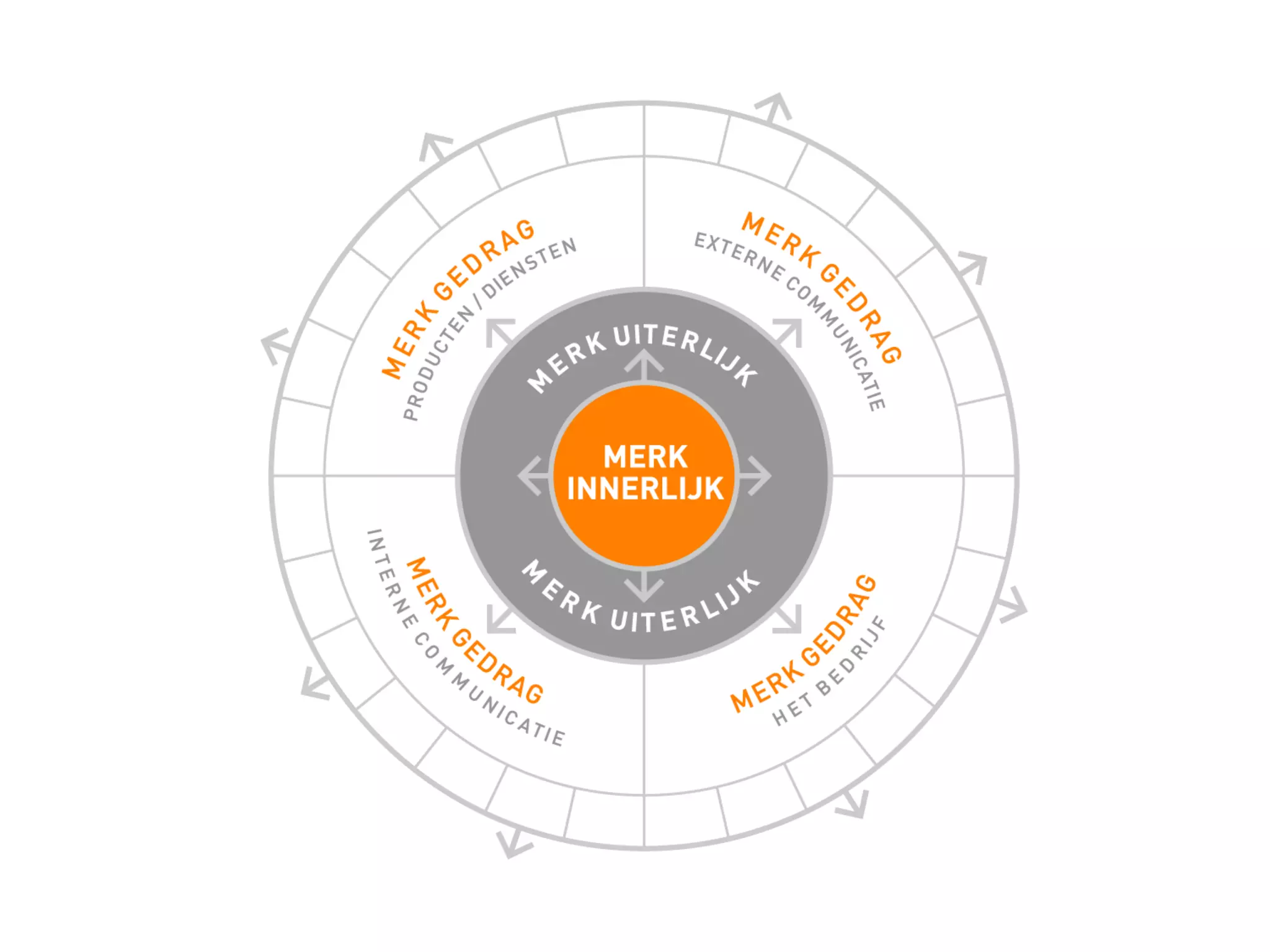
the inner side:
A. creation of brands
mental brand identity
the outer side:
B. visualisation of brands
visual brand identity
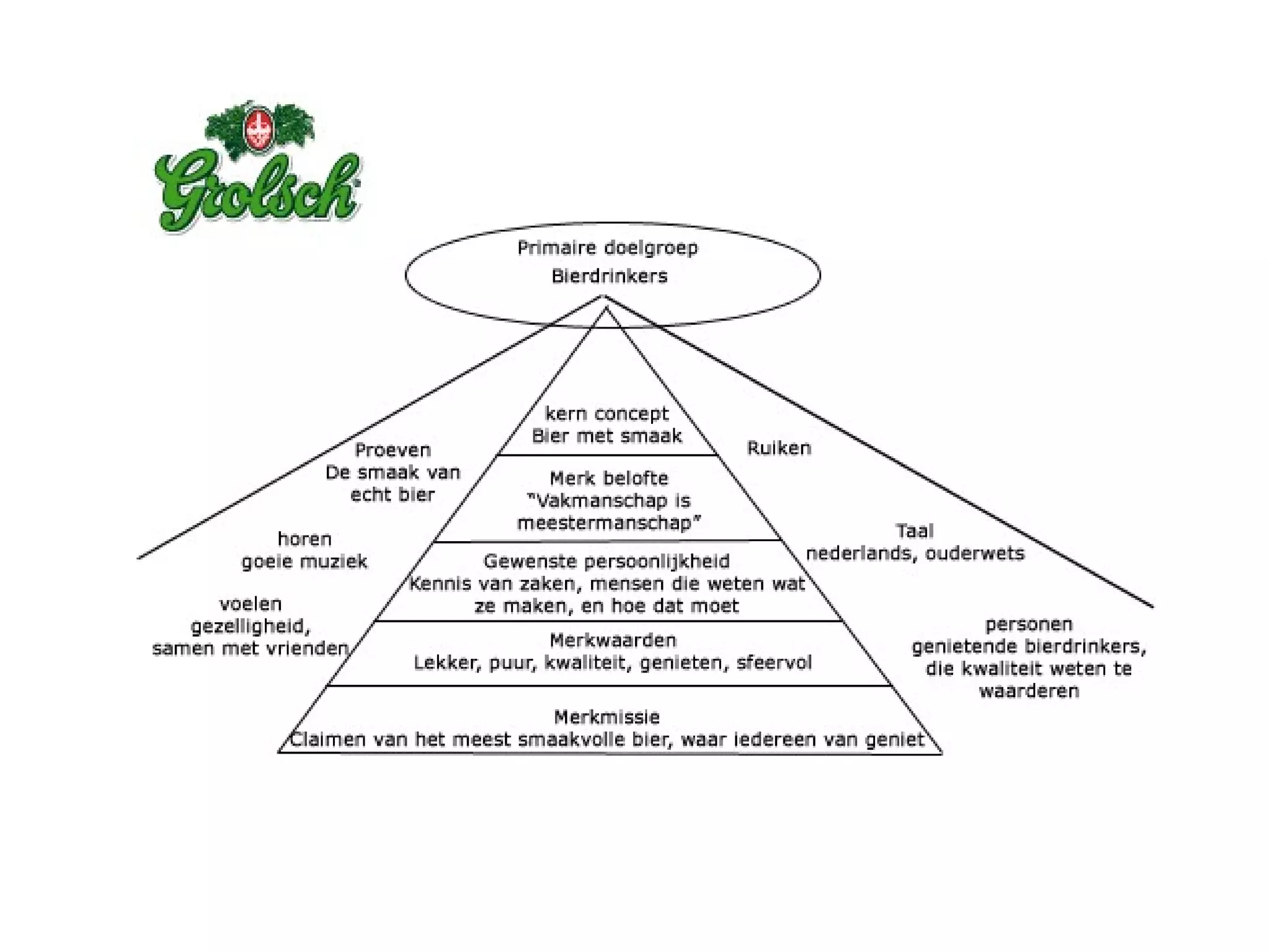
‘Het merk-wijzer model’
Source: Brand design, Ruud Boer
brand positioning &
brand elements
brand building
Building a strong brand:
creating strong, positive and
unique brand associations
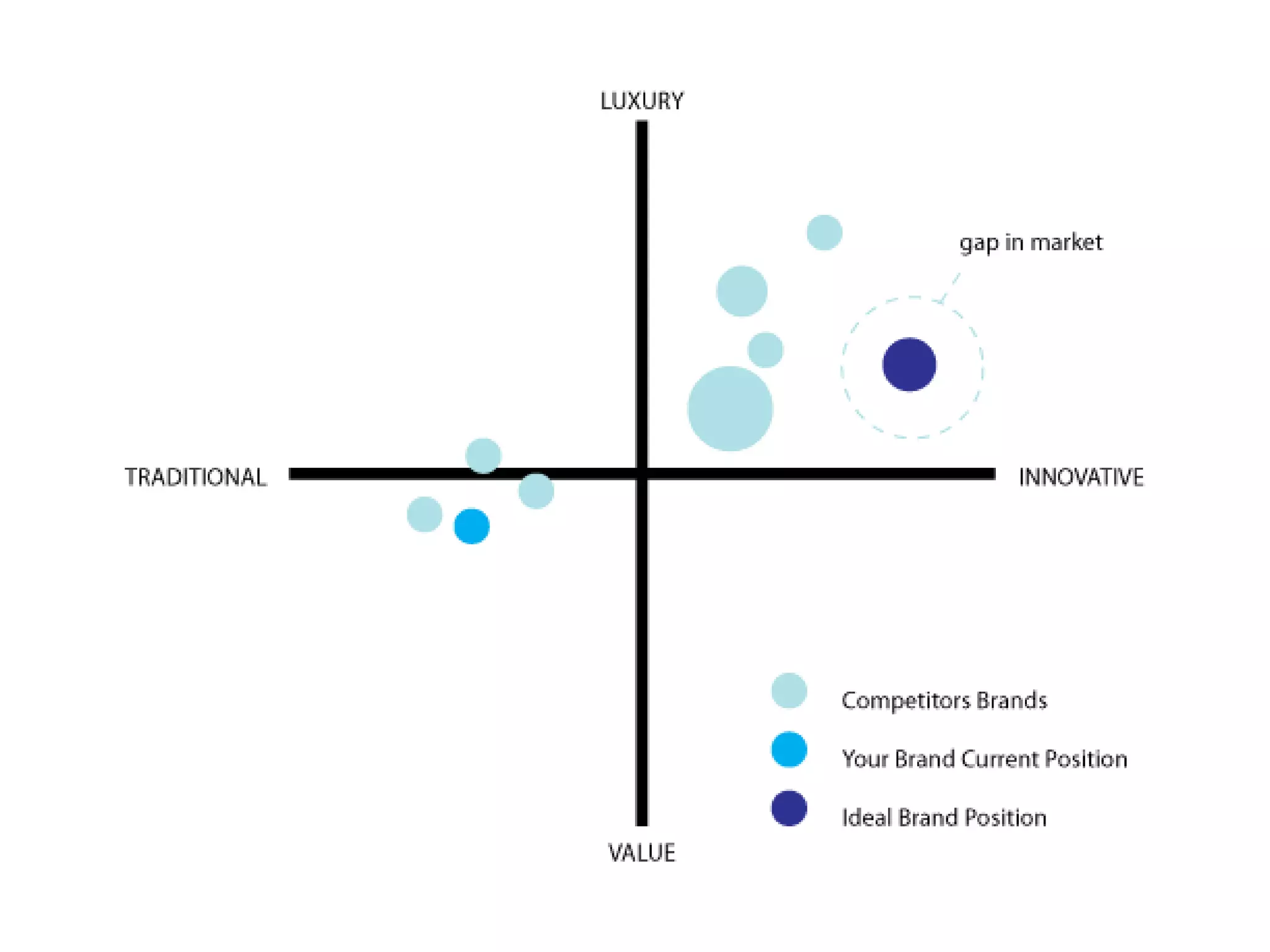
brand positioning
“…finding the right location in
the mind of the consumer..”
brand positioning
and repositioning
brand positioning
What you need for brand positioning:
1. Overview of the target group
2. Overview of the most important
competitors
3. A) Points of parity regarding
competition
B) Points of difference regarding
competition
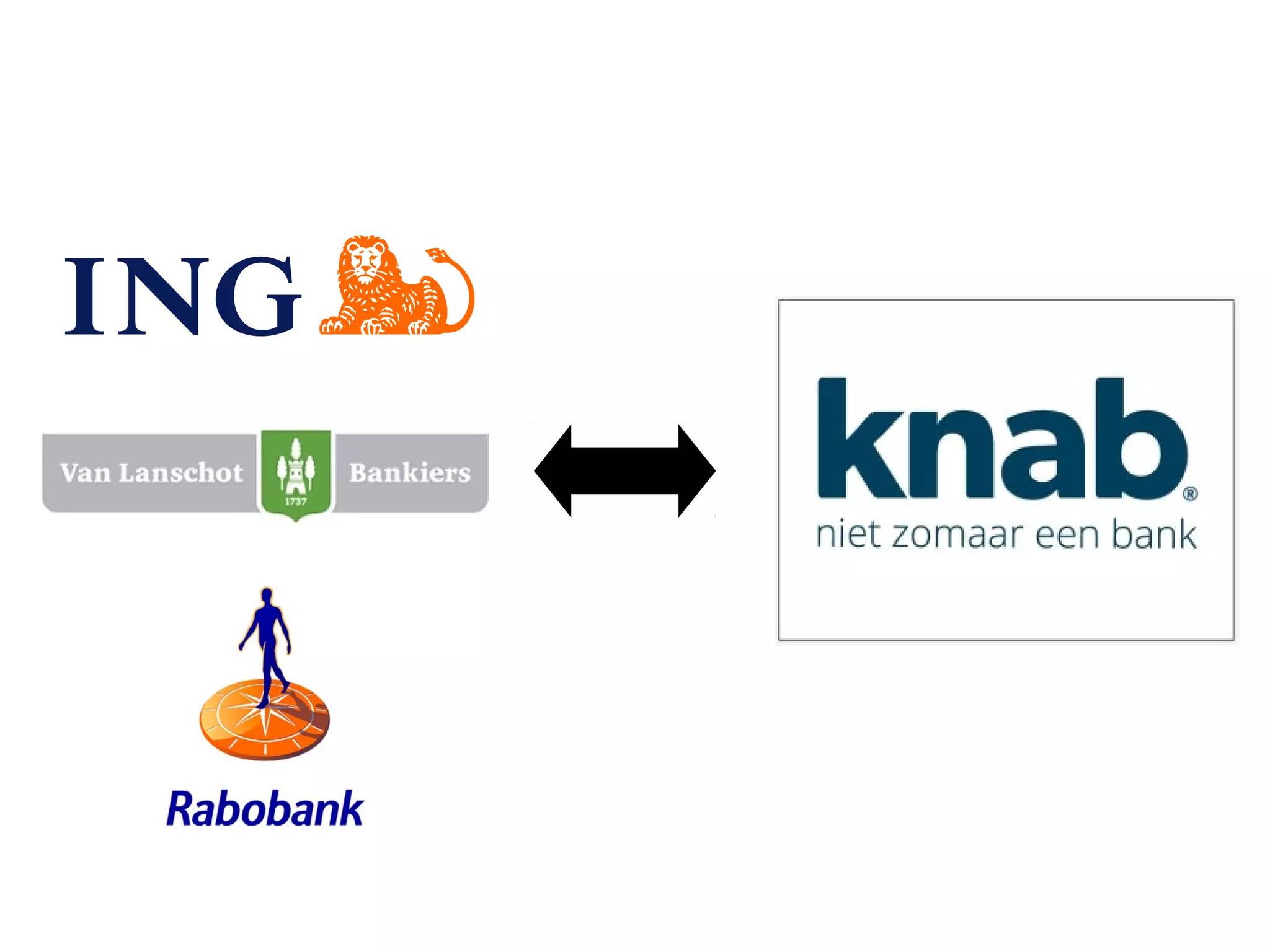
Points of parity (POP):
•Positive associations a brand
shares with its competitors
•POPs ensure that brand is accepted
within a certain product category
Points of difference (POD)
•Positive associations a consumer
only connects to one brand
•Functional and/or emotional
•Similar to a USP
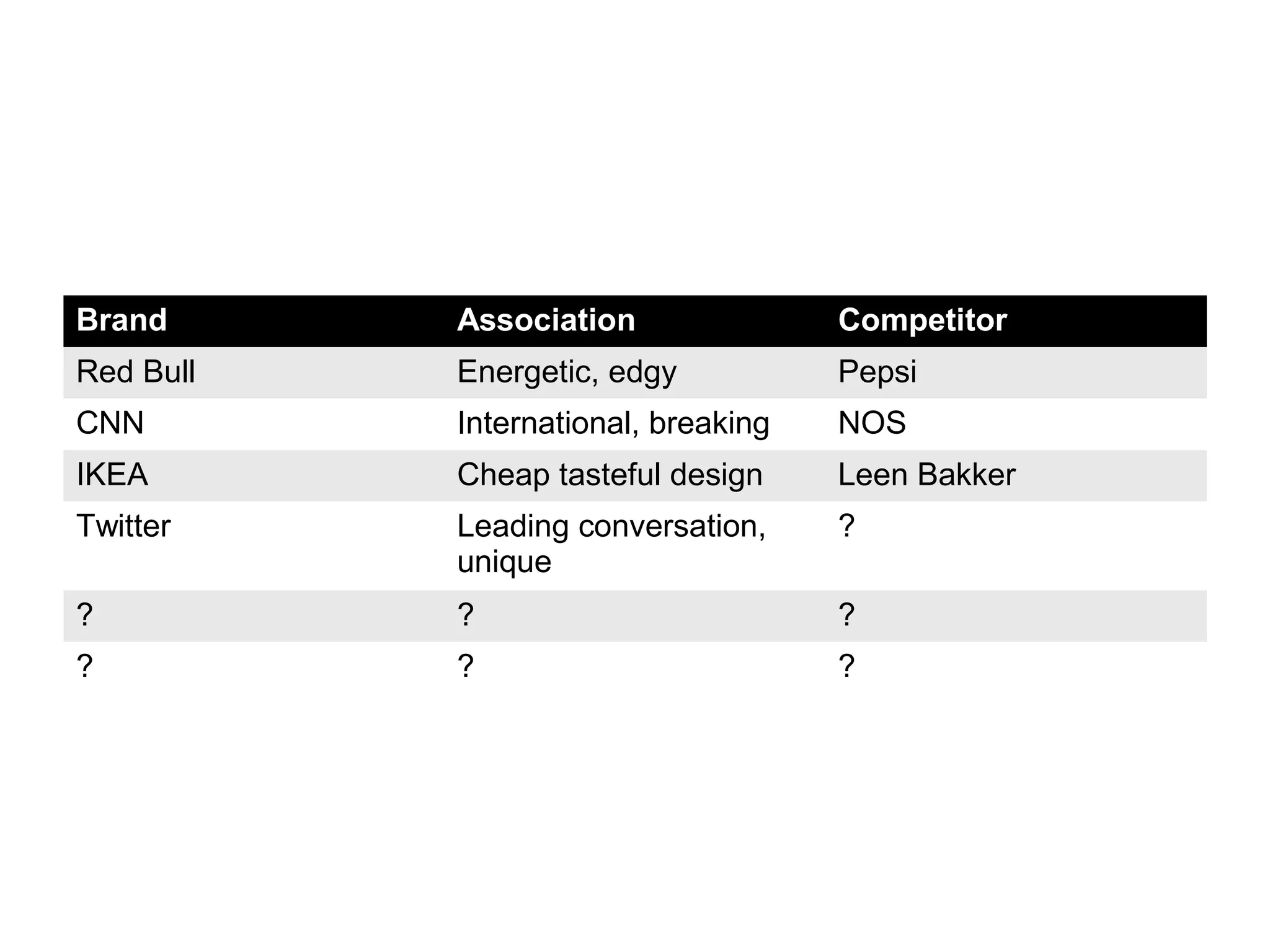
Brand Association Competitor
Red Bull Energetic, edgy Pepsi
CNN International, breaking NOS
IKEA Cheap tasteful design Leen Bakker
Twitter Leading conversation,
unique
?
? ? ?
? ? ?
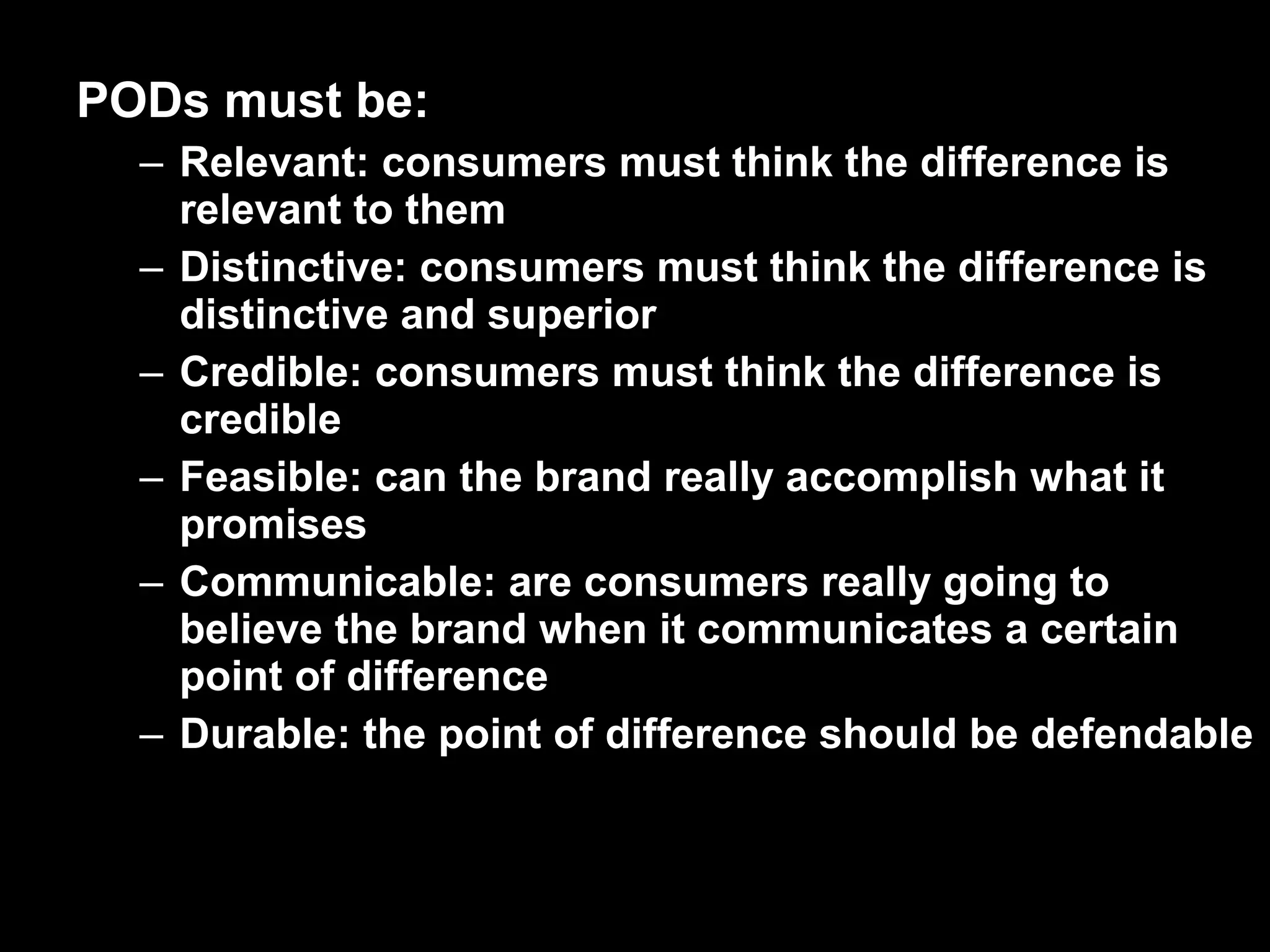
PODs must be:
– Relevant: consumers must think the difference is
relevant to them
– Distinctive: consumers must think the difference is
distinctive and superior
– Credible: consumers must think the difference is
credible
– Feasible: can the brand really accomplish what it
promises
– Communicable: are consumers really going to
believe the brand when it communicates a certain
point of difference
– Durable: the point of difference should be defendable
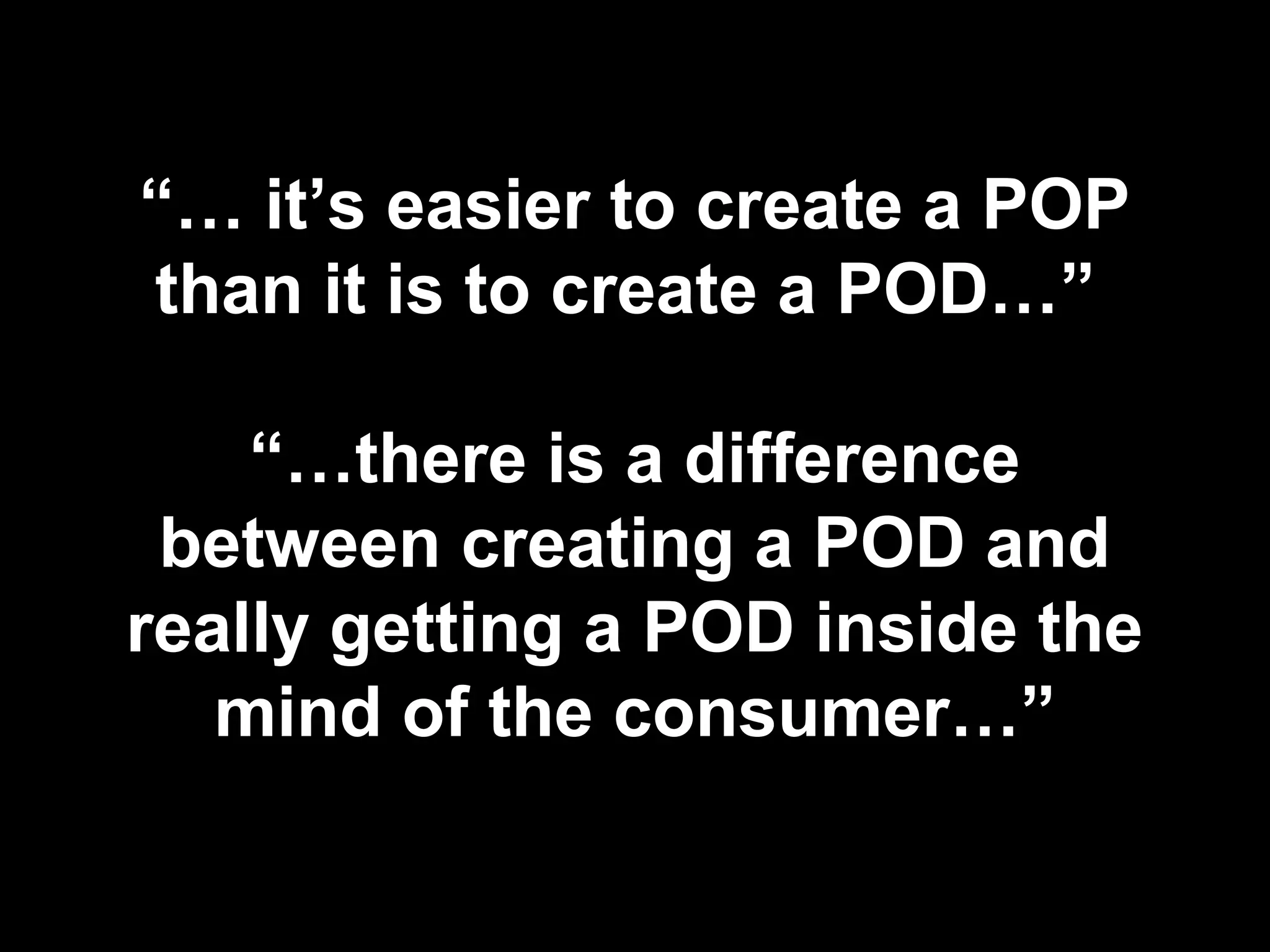
“… it’s easier to create a POP
than it is to create a POD…”
“…there is a difference
between creating a POD and
really getting a POD inside the
mind of the consumer…”
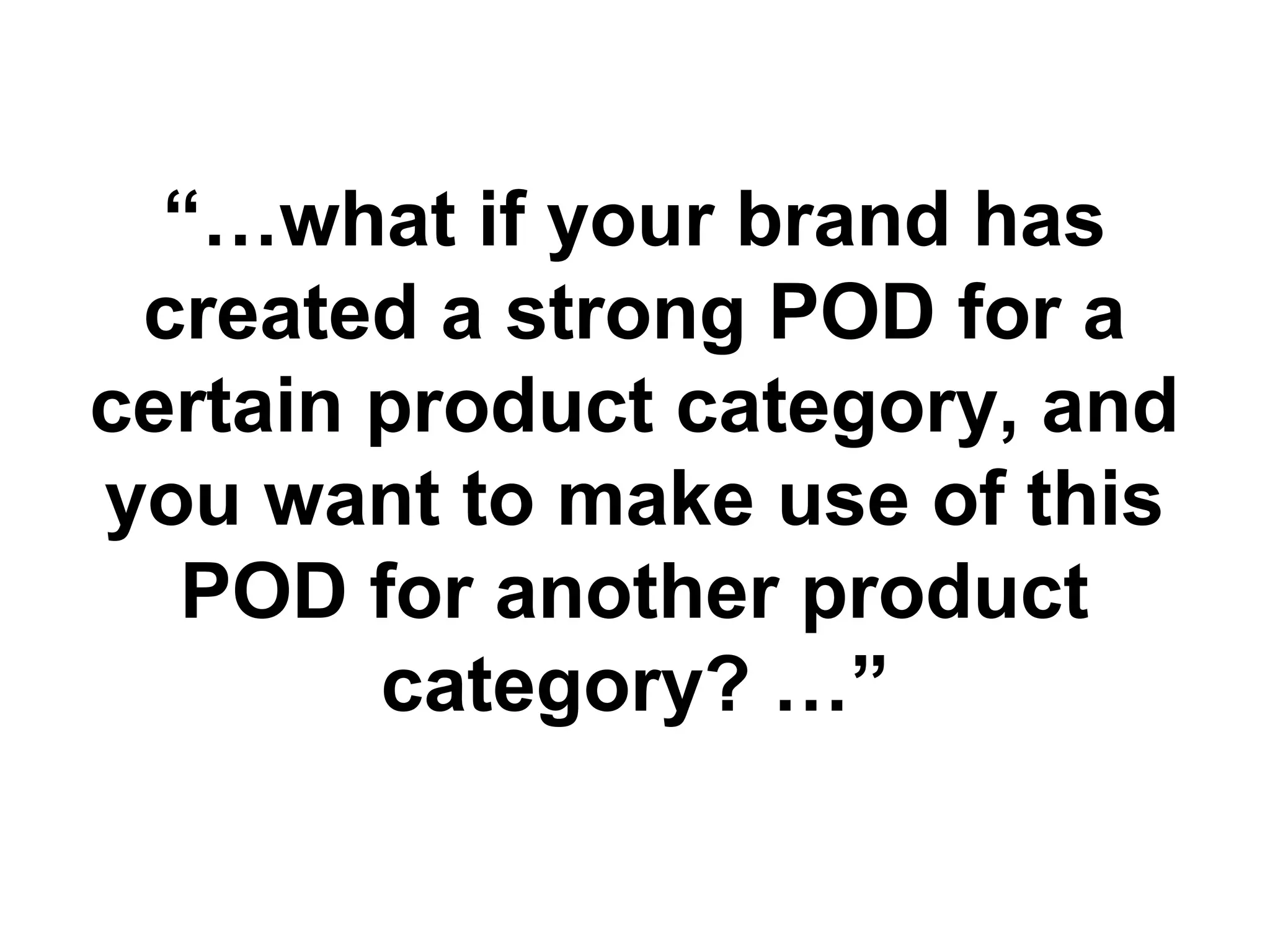
“…what if your brand has
created a strong POD for a
certain product category, and
you want to make use of this
POD for another product
category? …”
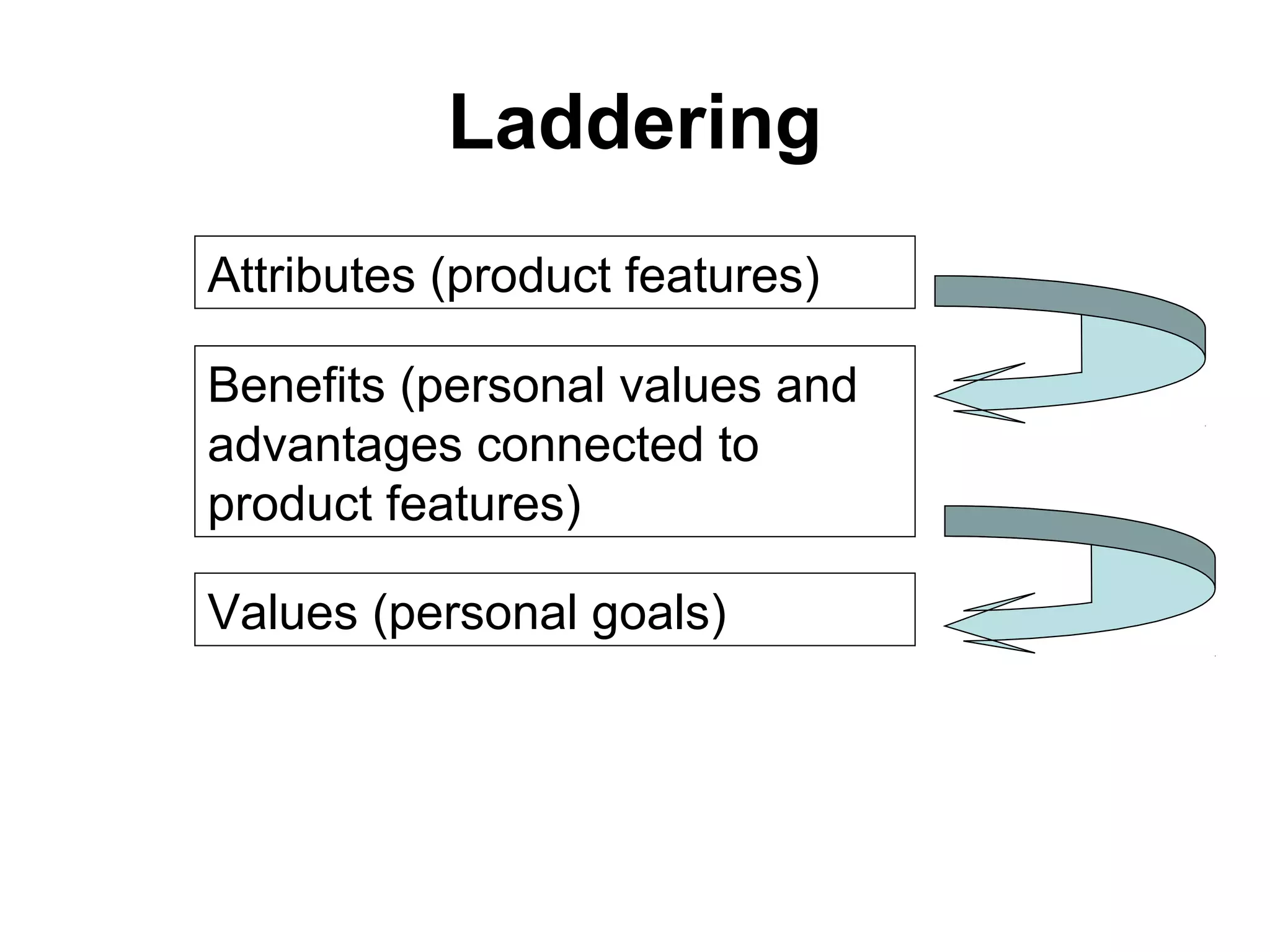
Laddering
Attributes (product features)
Benefits (personal values and
advantages connected to
product features)
Values (personal goals)
“…brand laddering
involves progression from
attributes to benefits to
more abstract values.
Laddering involves
repeatedly asking what the
implication of an attribute
or benefit is for the
customer…"
for instance
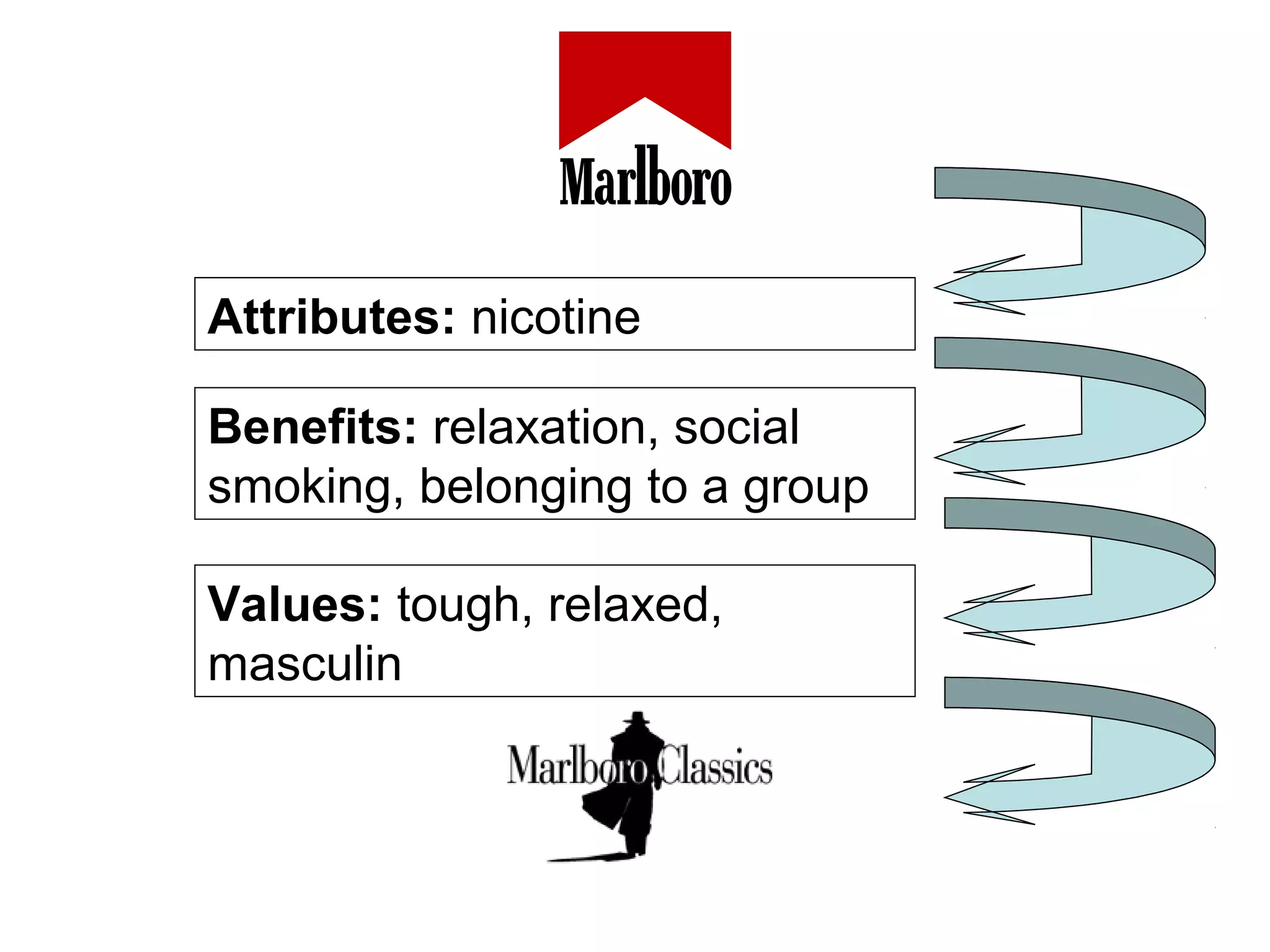
Attributes: nicotine
Benefits: relaxation, social
smoking, belonging to a group
Values: tough, relaxed,
masculin
core brand associations
• Describing the core promise of the
brand
• 5-10 most important aspects of the
brand
• By researching consumers / users
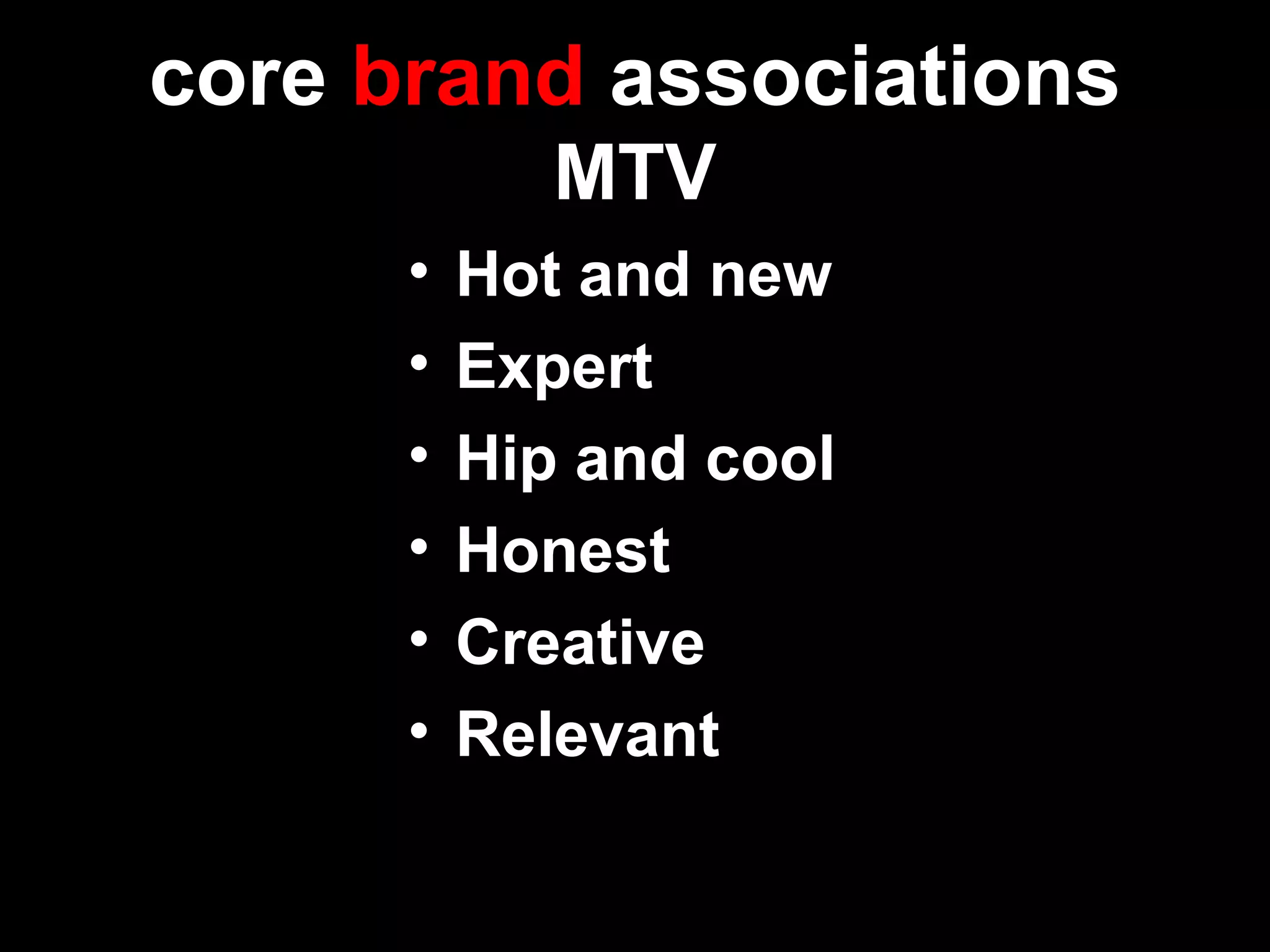
core brand associations
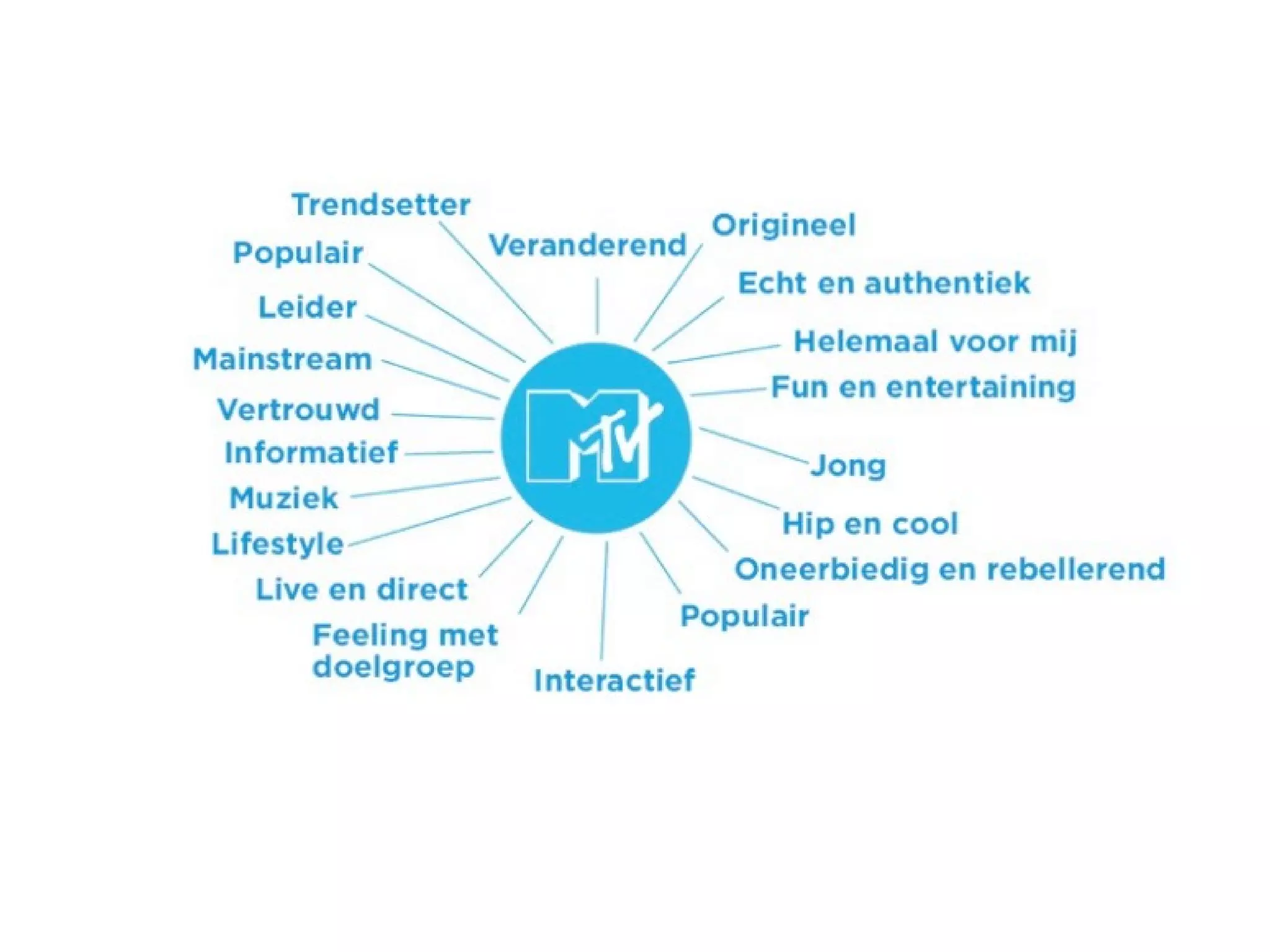
MTV
• Hot and new
• Expert
• Hip and cool
• Honest
• Creative
• Relevant
a case study
(home)work
• prepare chapter 4 and 5
• read the business case
• write a short report (max. 500 words)
about how you thought the
repositioning could have turned out
otherwise
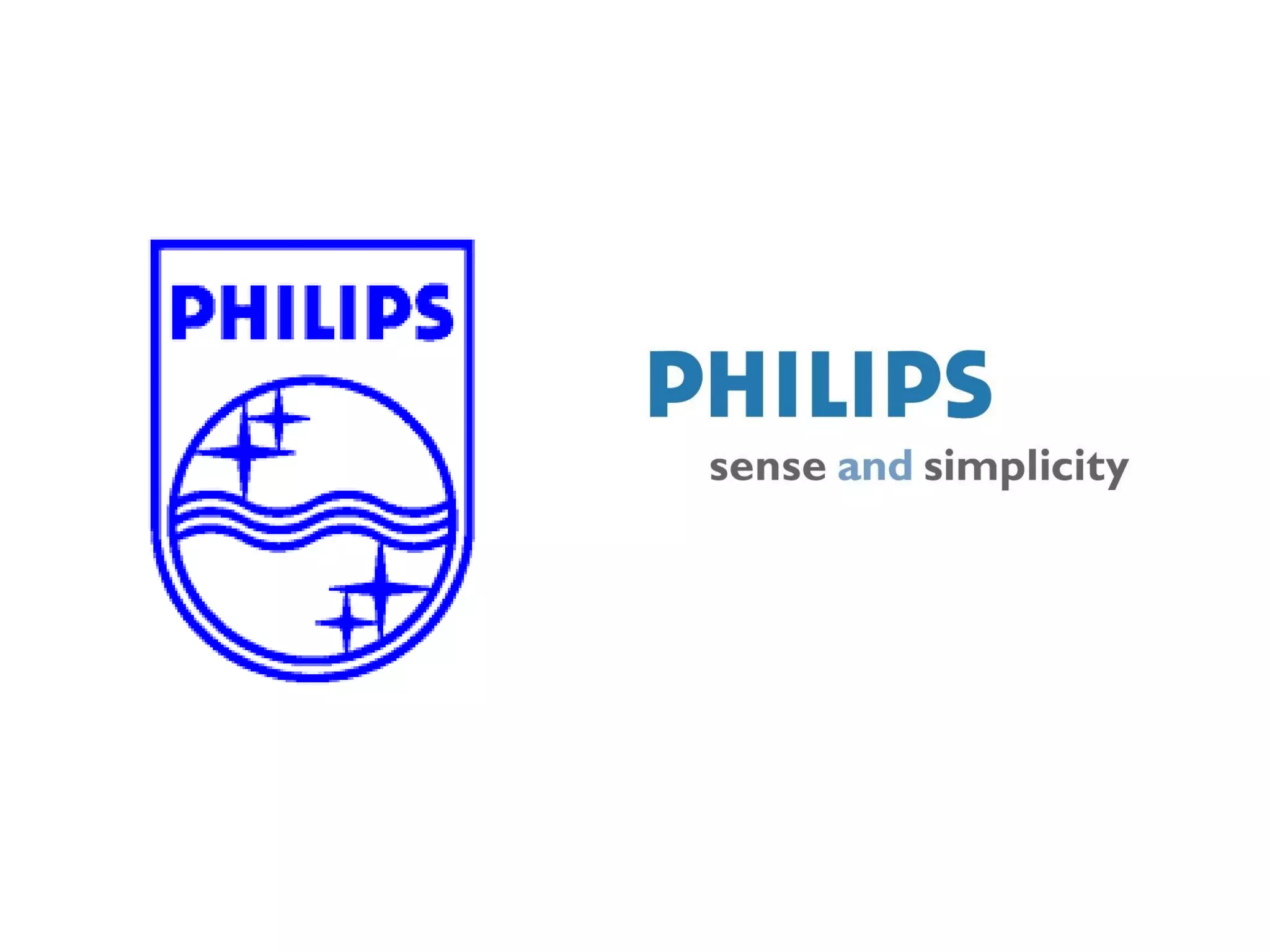
• use the laddering method on Philips in
order to come up with a new product
category (let your imagination flow)
questions? /comments
thank you!

Session 2, creating brand value 2013 2014

  • 1.
  • 2.
    Session 2 creating brandvalue & brand positioning
  • 3.
    1 week ago •introduction to branding • brand awareness, brand knowledge, brand image, brand preference • why brands are important • 6 reasons why we should brand culture & entertainment
  • 4.
    homework • Prepare chapter1 till 3 ‘Strategic brand management’
  • 5.
    course outline Week SubjectChapter Keller 1 Introduction in branding: brand management and global course overview, Branding music, events and entertainment 1 2 Creating brand value, Brand positioning 2 & 3 3 Building brand equity, Brand associations 4 & 5 4 Future branding: brand activation 6 & 7 5 Brand research, Brand psychology, Neuromarketing, Measuring brand value 8, 9 & 10 6 Brand strategy, Brand extensions, International branding, Summary 11, 12, 13 & 14
  • 6.
    “…the goal ofa brand is to establish a monopoly position in the mind of an individual….”
  • 7.
  • 9.
  • 11.
  • 13.
    but how dowe do it?
  • 14.
    today • strategic brandmanagement process • customer based brand equity • brand image • brand designing vs. brand building • coffee-case • brand positioning
  • 15.
  • 16.
    “so what does abrand manager do?”
  • 18.
  • 19.
    “he/she creates brands” “he/shesupports brands” “he/she analyses brands” “he/she repositions brands”
  • 20.
    “but he/she isnot a designer”
  • 21.
    “he/she is someonewho knows a lot about marketing, communication, social media and branding”
  • 23.
    strategic brand management process 1.Identifying and establishing brand positioning 2. Planning and implementing brand marketing campaigns 3. Measuring and interpreting brand performance 4. Growing and sustaining brand equity
  • 25.
  • 26.
  • 27.
  • 29.
    Brand equity No brandvs. Brand X Brand equity ‘…brand equity is built up from positive effects of marketing that can only be directed to the brand…’
  • 30.
    customer-based brand equity (CBBE)Brand equity seen from the consumer perspective The power of a brand is a result of: What has the consumer: learned about the brand felt when using the brand seen in combination with the brand heard about the brand
  • 31.
    brand knowledge • Consistsof: – 1) brand awareness – 2) brand image • Knowledge about a brand: The associative network memory model (the brain is a network of associations, links and nodes, more about this in session 3 and 5)
  • 32.
  • 34.
    1. brand awareness •Consists of: – 1) brand recognition – I’ve seen this before… – 2) brand recollection – I think you are referring to... • Advantages: – Influences the amount, speed and strength of associations to be made – Better chance to be part of the evoked set – Better chance to become the chosen brand
  • 35.
    2. brand image •Building a good brand image: creating strong, positive and unique brand associations • Important: – Personal relevance – Uniqueness – Consistency – Credibility
  • 36.
  • 37.
    brand image • Brandimage is an intangible aspect of the brand • Brand image is about the ways a brand tries to fulfil psychological, social and symbolic needs • It’s the way people think about the brand in a very abstract sense
  • 42.
  • 43.
  • 44.
    building a strongbrand 4. Brand relationships: What about us? 3. Brand responses: What I think of you? 2. Brand meaning: What are you? 1. Brand identity: Who are you?
  • 45.
    building a strongbrand Brand resonance pyramid (Keller)
  • 48.
    “building a strongbrand is an ongoing process”
  • 49.
    Brand designing vs.Brand building Product Brand Identity Brand Designing Brand Building Brand Relations Core Target Creation Building Result
  • 50.
  • 51.
  • 52.
  • 53.
  • 54.
    “…brand design isthe creation (!) and the visualization (!) of brands..” source: Brand design, Ruud Boer
  • 55.
    choose a name unique,short, easy to say, easy to spell
  • 56.
    create a logo design,colour, tagline
  • 57.
  • 60.
    use the rightfaces celebrity endorsement
  • 63.
    give a brandmeaning we are this, not that
  • 66.
    try to worktogether give me your brand and you get mine
  • 68.
  • 69.
  • 71.
    Starbucks questions: •Look thoroughlyat the evolution of the Starbucks logo. •Give a short explanation for the change of the Starbucks logo to as it is today. (you can use the internet in order to find some reasons or come up with some yourself). •Go on and search 3 other examples of logos that recently have been changed. Also give your vision on why you think the specific brands have done this.
  • 72.
    an example Commodity: grower Goods:manufacturer Service: coffee corner Experience: premium coffee shop Ultimate: Café Florian, Venice 2 cts per cup 5-25 cts per cup 50 cts - € 1 per cup € 1 - € 4 per cup € 5 - € 10 per cup
  • 73.
    progression of economicvalue commoditization commodities services goods experiences commoditization commoditization customization customization customization
  • 74.
    translation progression of economicvalue = toename van economische waarde customization = maatwerk commoditization = vereenvoudiging commodity = grondstof / bulkgoed
  • 75.
  • 79.
    Functions of branddesign 1. Creating extra value 2. Creating difference 3. Communicating promises 4. Creating awareness 5. Creating recognition 6. Communicating basic information 7. Fulfilling other functions • For example ‘Living the brand’
  • 80.
    the inner side: A.creation of brands (vormen van merken) the outer side: B. visualisation of brands (vormgeven van merken) Brand desigining:
  • 82.
    A. the creationof a brand (inner side) • establishing brand DNA (genetisch) • establishing brand soul (karakter)
  • 83.
    A. the creationof a brand (inner side) 1. Brand vision • What does the market look like in 5-10 years? What position does the brand have? 1. Brand mission • What do we have to do to make our vision come true? 1. Brand values • What is unique for our brand? 1. Brand personality • How can we describe our brand as it were a person? How can we describe our brand different to other brands 1. Brand promise • What is the most important promise we have towards the target group 1. Brand core-concept • What is the core of the brand, what is reason the brand exists?
  • 84.
    1. Sight • Whichvisual aspects make our brand unique? 1. Touch • Which physical aspects make our brand unique? 1. Hear • Which audible aspects make our brand unique? 1. Taste • Which taste makes our brand unique? 1. Smell • Which smell makes our brand unique? 1. Language • Which language does the brand talk? 1. People • Which persons or characters are related to the brand? B. the visualization of a brand (outer side)
  • 85.
    • Visualisation through: –Logo – Colours – Fonts – Text – Shape – Material – Lay-out – Visuals (photos, icons, illustrations) B. the visualization of a brand (outer side)
  • 86.
    Sight Which visual aspectsmake our brand unique?
  • 87.
    Touch Which physical aspectsmake our brand unique?
  • 88.
    Hear Which audible aspectsmake our brand unique?
  • 89.
    Taste Which taste makesour brand unique?
  • 90.
    Smell Which smell makesour brand unique?
  • 91.
  • 92.
    People Which persons orcharacters are related to the brand?
  • 93.
    the inner side: A.creation of brands mental brand identity the outer side: B. visualisation of brands visual brand identity
  • 94.
    ‘Het merk-wijzer model’ Source:Brand design, Ruud Boer
  • 97.
  • 98.
    brand building Building astrong brand: creating strong, positive and unique brand associations
  • 99.
    brand positioning “…finding theright location in the mind of the consumer..”
  • 101.
  • 104.
    brand positioning What youneed for brand positioning: 1. Overview of the target group 2. Overview of the most important competitors 3. A) Points of parity regarding competition B) Points of difference regarding competition
  • 105.
    Points of parity(POP): •Positive associations a brand shares with its competitors •POPs ensure that brand is accepted within a certain product category
  • 107.
    Points of difference(POD) •Positive associations a consumer only connects to one brand •Functional and/or emotional •Similar to a USP
  • 108.
    Brand Association Competitor RedBull Energetic, edgy Pepsi CNN International, breaking NOS IKEA Cheap tasteful design Leen Bakker Twitter Leading conversation, unique ? ? ? ? ? ? ?
  • 109.
    PODs must be: –Relevant: consumers must think the difference is relevant to them – Distinctive: consumers must think the difference is distinctive and superior – Credible: consumers must think the difference is credible – Feasible: can the brand really accomplish what it promises – Communicable: are consumers really going to believe the brand when it communicates a certain point of difference – Durable: the point of difference should be defendable
  • 111.
    “… it’s easierto create a POP than it is to create a POD…” “…there is a difference between creating a POD and really getting a POD inside the mind of the consumer…”
  • 113.
    “…what if yourbrand has created a strong POD for a certain product category, and you want to make use of this POD for another product category? …”
  • 114.
    Laddering Attributes (product features) Benefits(personal values and advantages connected to product features) Values (personal goals)
  • 115.
    “…brand laddering involves progressionfrom attributes to benefits to more abstract values. Laddering involves repeatedly asking what the implication of an attribute or benefit is for the customer…"
  • 116.
  • 117.
    Attributes: nicotine Benefits: relaxation,social smoking, belonging to a group Values: tough, relaxed, masculin
  • 118.
    core brand associations •Describing the core promise of the brand • 5-10 most important aspects of the brand • By researching consumers / users
  • 120.
    core brand associations MTV •Hot and new • Expert • Hip and cool • Honest • Creative • Relevant
  • 121.
  • 122.
    (home)work • prepare chapter4 and 5 • read the business case • write a short report (max. 500 words) about how you thought the repositioning could have turned out otherwise • use the laddering method on Philips in order to come up with a new product category (let your imagination flow)
  • 123.
  • 124.