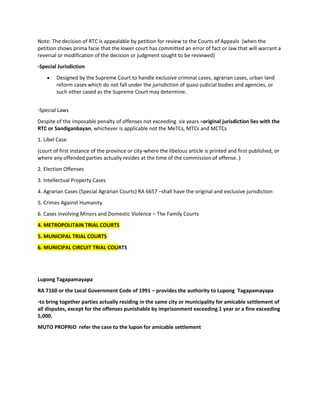
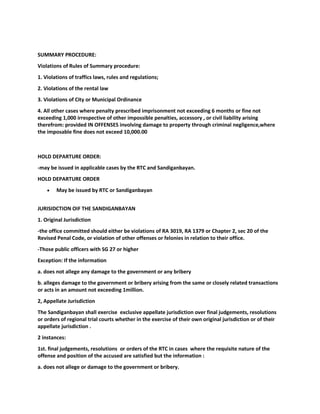
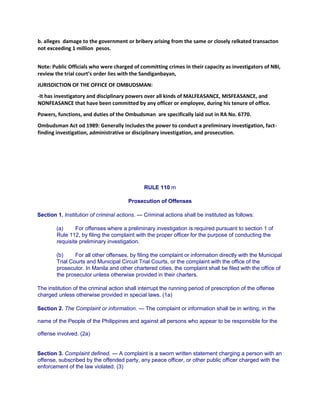
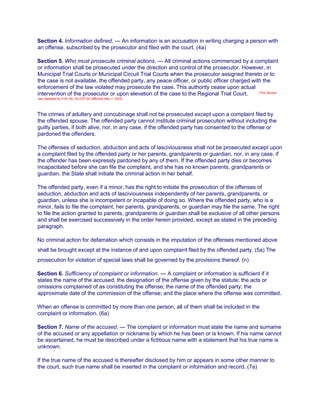
Jurisdiction over a person accused of a crime can be acquired through apprehension or voluntary appearance in court. Venue, or the location where a criminal case is tried, is also jurisdictional. For a court to have jurisdiction over a case, the offense or an essential part of the offense must have occurred within the court's territorial jurisdiction. Jurisdiction and venue are determined at the time criminal proceedings are initiated. Exceptions include offenses with extraterritorial application and the Supreme Court's power to transfer a case to a different regional trial court for fairness.