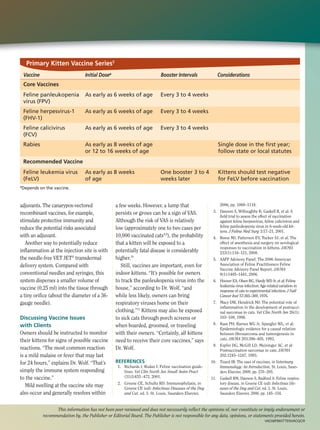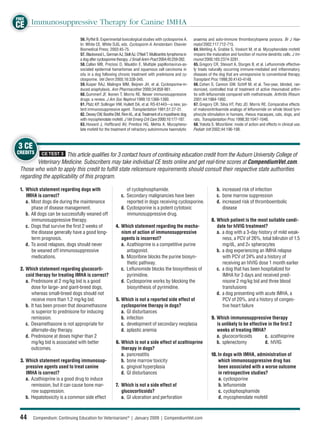

Compendium
                   CompendiumVet.com | Peer Reviewed | Listed in MEDLINE   Vol 31(1) January 2009


                   9 CE Contact Hours      CONTI N U I NG EDUCATION FOR VETERI NARIANS ®


FREE
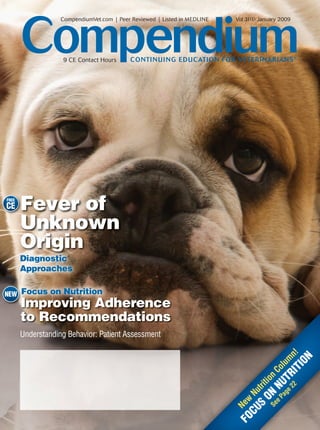
CE     Fever of
       Unknown
       Origin
       Diagnostic
       Approaches


NEW Focus on Nutrition
  W
       I
       Improving Adherence
             i   Ad
       to Recommendations
       Understanding Behavior: Patient Assessment
                                                                                            IT n!
                                                                                                 N
                                                                                                m
                                                                                              IO
                                                                                              lu
                                                                                           Co
                                                                                       22 R
                                                                                  O ion
                                                                                     ge T
                                                                                   Pa NU
                                                                               S trit
                                                                             CU Nu
                                                                               Se N
                                                                           FO New

                                                                                 e
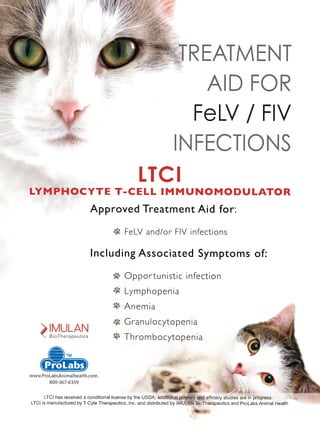
TREATMENT
                                                                   EAT NT
                                                                    ATME
                                                                    AID FOR
                                                                    AID FOR
                                                                  FeLV / FIV
                                                                   eLV FIV
                                                                     L F
                                                                INFECTIONS
                                                                  FECTIONS
                                                                         N
                                                LTCI
LYMPHOCYTE T-CELL IMMUNOMODULATO R
                      NOMODUL ATOR
                          Approved Treatment Aid for::
                                                 f or
                                          FeLV and/or FIV infections
                                                             ections
                                                               ti

                          Including Associated Symptoms of:
                                          Oppor tunistic infection
                                                             ction
                                          Lymphopenia
                                          Anemia
                                          Granulocytopenia
                                          Thrombocytopenia


www.ProLabsAnimalhealth.com.
       800-367-6359

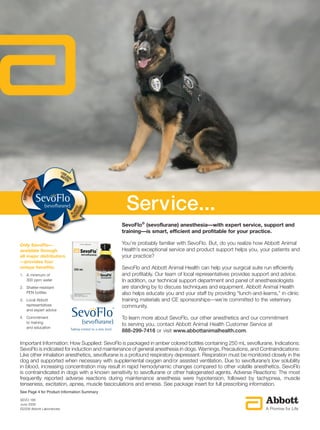
      LTCI has received a conditional license by the USDA; additional potency and efficacy studies are in progress.
LTCI is manufactured by T-Cyte Therapeutics, Inc. and distributed by IMULAN BioTherapeutics and ProLabs Animal Health
January
                                                                                                              2009 Vol 31(1)
                                       CompendiumVet.com | Peer Reviewed | Listed in MEDLINE


                                                       EXECUTIVE EDITOR
                                                      Tracey Giannouris, MA
                                        800-426-9119, ext 52447 | tgiannouris@vetlearn.com

                                                        MANAGING EDITOR
                                                            Kirk McKay
                                          800-426-9119, ext 52434 | kmckay@vetlearn.com
Subscription inquiries:                                                                              PUBLISHED BY
800-426-9119, option 2.
                                                          SENIOR EDITOR
Subscription rate: $79 for 1                              Robin A. Henry
year; $143 for 2 years; $217               800-426-9119, ext 52412 | rhenry@vetlearn.com
for 3 years. Canadian and
Mexican subscriptions (sur-                             ASSOCIATE EDITOR
face mail): $95 for 1 year;                                 Chris Reilly
$169 for 2 years; $270 for 3               800-426-9119, ext 52483 | creilly@vetlearn.com
years. Foreign subscriptions
(surface mail): $175 for 1                            EDITORIAL ASSISTANT                            Published monthly by Veteri-
year; $275 for 2 years; $425                              Benjamin Hollis                            nary Learning Systems, a
for 3 years. Payments by                                                                             division of MediMedia,
                                           800-426-9119, ext 52489 | bhollis@vetlearn.com
check must be in U.S. funds                                                                          780 Township Line Road,
drawn on a U.S. branch of a                                                                          Yardley, PA 19067. Copyright
                                                       VETERINARY ADVISER
U.S. bank only; credit cards                                                                         © 2009 Veterinary Learning
                                             Dorothy Normile, VMD, Chief Medical Officer             Systems. All rights reserved.
are also accepted. Change
                                          800-426-9119, ext 52442 | dnormile@vetlearn.com            Printed in the USA. No part of
of Address: Please notify
the Circulation Department                                                                           this issue may be reproduced
                                                      SENIOR ART DIRECTOR                            in any form by any means
45 days before the change
                                                         Michelle Taylor                             without prior written permis-
is to be effective. Send your
new address and enclose an                     267-685-2474 | mtaylor@vetlearn.com                   sion of the publisher.
address label from a recent
issue. Selected back issues                              ART DIRECTOR                                Printed on acid-free paper,
are available for $15 (United                             David Beagin                               effective with volume 29,
States and Canada) and $17                     267-685-2461 | dbeagin@vetlearn.com                   issue 5, 2007.
(foreign) each (plus postage).
                                                           PRODUCTION                                Periodicals postage paid at
Indexing: Compendium: Con-                  Marissa DiCindio, Senior Production Manager              Morrisville, PA, and at addi-
tinuing Education for Veteri-                267-685-2405 | mdicindio@vetlearn.com                   tional mailing offices.
narians® is included in the
international indexing cover-          Elizabeth Ward, Associate Production Manager–Journals         Postmaster: Send address
age of Current Contents/                                                                             changes to Compendium:
                                                267-685-2458 | eward@vetlearn.com
Agriculture, Biology and                                                                             Continuing Education for
Environmental Sciences (ISI);                         SALES & MARKETING                              Veterinarians®, 780 Township
SciSearch (ISI); Research                                                                            Line Road, Yardley, PA 19067.
                                             Joanne Carson, National Account Manager
Alert (ISI); Focus On: Veteri-                                                                       Canada Post international
                                     267-685-2410 | Cell 609-238-6147 | jcarson@vetlearn.com         publications mail product
nary Science and Medicine
(ISI); Index Veterinarius                                                                            (Canadian distribution) sales
                                                 Boyd Shearon, Account Manager                       agreement no. 40014103.
(CAB International, CAB
                                    913-322-1643 | Cell 215-287-7871 | bshearon@vetlearn.com         Return undeliverable Canadian
Abstracts, CAB Health); and
Agricola (Library of Congress).                                                                      addresses to MediMedia,
                                                     CLASSIFIED ADVERTISING                          PO Box 7224, Windsor, ON
Article retrieval systems
include The Genuine Article
                                             Liese Dixon, Classified Advertising Specialist          N9A 0B1. Printed in USA.
(ISI), The Copyright Clear-       800-920-1695 | classifieds@vetlearn.com | www.vetclassifieds.com
ance Center, Inc., University                                                                        Compendium: Continuing
                                                       EXECUTIVE OFFICER                             Education for Veterinarians®
Microfilms International, and
Source One (Knight-Ridder                            Derrick Kraemer, President                      (ISSN 1940-8307)
Information, Inc.). Yearly
author and subject indexes                                 CIRCULATION
for Compendium are pub-                         Barbara Horan, Circulation Specialist
lished each December.                        Gina Donnelly, Customer Service Supervisor
                                          800-426-9119, option 2 | info.vls@medimedia.com
                                                                                                      CompendiumVet.com        1
January
2009 Vol 31(1)
                                          CompendiumVet.com | Peer Reviewed | Listed in MEDLINE


                                                            EDITORIAL BOARD
                                  Anesthesia                              Internal Medicine
                                  Nora S. Matthews, DVM, DACVA            Dana G. Allen, DVM, MSc, DACVIM
                                                                                                                     AMERICAN
                                  Texas A&M University                    Ontario Veterinary College                 BOARD OF
                                  Cardiology                              Internal Medicine and Emergency/           VETERINARY
                                  Bruce Keene, DVM, MSc, DACVIM           Critical Care                              PRACTITIONERS
                                  North Carolina State University         Alison R. Gaynor, DVM, DACVIM              (ABVP) REVIEW
                                                                          (Internal Medicine), DACVECC
                                  Clinical Chemistry, Hematology,
                                                                          North Grafton, Massachusetts
                                                                                                                     BOARD
                                  and Urinalysis
                                  Betsy Welles, DVM, PhD, DACVP           Nephrology                                 Eric Chafetz, DVM, DABVP
                                  Auburn University                       Catherine E. Langston, DVM, ACVIM          (Canine/Feline)
                                                                          Animal Medical Center
                                  Dentistry                                                                          Vienna Animal Hospital
                                                                          New York, New York
                                  Gary B. Beard, DVM, DAVDC                                                          Vienna, Virginia
                                  Auburn University                       Neurology                                  Canine and Feline Medicine
EDITOR IN CHIEF                   R. Michael Peak, DVM, DAVDC
                                                                          Curtis W. Dewey, DVM, MS, DACVIM
                                                                          (Neurology), DACVS                         Henry E. Childers, DVM,
Douglass K. Macintire,            The Pet Dentist—Tampa Bay Veterinary
                                                                          Cornell University Hospital for Animals
                                    Dentistry                                                                        DABVP (Canine/Feline)
DVM, MS, DACVIM, DACVECC
                                  Largo, Florida                          Oncology                                   Cranston Animal Hospital
Department of Clinical Sciences                                           Ann E. Hohenhaus, DVM, DACVIM              Cranston, Rhode Island
College of Veterinary Medicine    Emergency/Critical Care and
                                                                          (Oncology and Internal Medicine)           Canine and Feline Medicine
Auburn University, AL 36849       Respiratory Medicine
                                                                          Animal Medical Center
                                  Lesley King, MVB, MRCVS, DACVECC,
                                                                          New York, New York
                                  DACVIM                                                                             David E. Harling, DVM,
                                  University of Pennsylvania              Gregory K. Ogilvie, DVM, DACVIM            DABVP (Canine/Feline),
                                                                          (Internal Medicine and Oncology)           DACVO
                                  Endocrinology and Metabolic Disorders
                                                                          CVS Angel Care Cancer Center and Special   Reidsville Veterinary Hospital
                                  Marie E. Kerl, DVM, ACVIM, ACVECC
                                                                            Care Foundation for Companion Animals    Reidsville, North Carolina
                                  University of Missouri-Columbia
                                                                          San Marcos, California                     Canine and Feline Medicine,
EXECUTIVE                         Epidemiology
                                                                          Ophthalmology                               Ophthalmology
ADVISORY                          Philip H. Kass, DVM, MPVM, MS, PhD,
                                                                          David A. Wilkie, DVM, MS, DACVO
BOARD                             DACVPM
                                                                          The Ohio State University                  Jeffrey Katuna, DVM, DABVP
                                  University of California, Davis
MEMBERS                                                                   Parasitology                               Wellesley-Natick Veterinary
                                  Exotics
                                                                          Byron L. Blagburn, MS, PhD                   Hospital
                                  Avian
Behavior                                                                  Auburn University                          Natick, Massachusetts
                                  Thomas N. Tully, Jr, DVM, MS, DABVP
Sharon L. Crowell-Davis,          (Avian), ECAMS                          David S. Lindsay, PhD
                                                                                                                     Canine and Feline Medicine
DVM, PhD, DACVB                   Louisiana State University              Virginia Polytechnic Institute
The University of Georgia                                                   and State University                     Robert J. Neunzig, DVM,
                                  Reptiles
                                                                                                                     DABVP (Canine/Feline)
                                  Douglas R. Mader, MS, DVM, DABVP (DC)   Pharmacology
Dermatology                       Marathon Veterinary Hospital            Katrina L. Mealey, DVM, PhD, DACVIM,
                                                                                                                     The Pet Hospital
Craig E. Griffin, DVM,             Marathon, Florida                       DACVCP                                     Bessemer City, North Carolina
                                                                          Washington State University                Canine and Feline Medicine
DACVD                             Small Mammals
Animal Dermatology Clinic         Karen Rosenthal, DVM, MS, DABVP         Rehabilitation and Physical Therapy
San Diego, California             (Avian)                                 Darryl Millis, MS, DVM, DACVS
                                  University of Pennsylvania              University of Tennessee
Wayne S. Rosenkrantz,             Feline Medicine                         Surgery                                    Compendium is a
DVM, DACVD                        Michael R. Lappin, DVM, PhD,            Philipp Mayhew, BVM&S, MRCVS,              refereed journal. Articles
Animal Dermatology Clinic         DACVIM (Internal Medicine)              DACVS
                                  Colorado State University               Columbia River Veterinary Specialists
                                                                                                                     published herein have
Tustin, California                                                                                                   been reviewed by at least
                                                                          Vancouver, Washington
                                  Margie Scherk, DVM, DAVBP
                                  (Feline Medicine)                       C. Thomas Nelson, DVM
                                                                                                                     two academic experts on
Nutrition                                                                                                            the respective topic and
                                  Cats Only Veterinary Clinic             Animal Medical Center
Kathryn E. Michel, DVM,           Vancouver, British Columbia             Anniston, Alabama                          by an ABVP practitioner.
MS, DACVN
                                  Gastroenterology                        Surgery and Orthopedics
University of Pennsylvania
                                  Debra L. Zoran, DVM, MS, PhD,           Ron Montgomery, DVM, MS, DACVS
                                  DACVIM (Internal Medicine)              Auburn University
Surgery                           Texas A&M University                                                               Any statements, claims, or product
                                                                          Toxicology
Elizabeth M. Hardie,                                                                                                 endorsements made in Compendium
                                  Infectious Disease                      Tina Wismer, DVM, DABVT, DABT
DVM, PhD, DACVS                                                                                                      are solely the opinions of our authors
                                  Derek P. Burney, PhD, DVM               ASPCA National Animal Poison Control       and advertisers and do not necessarily
North Carolina State              Gulf Coast Veterinary Specialists         Center                                   reflect the views of the Publisher or
University                        Houston, Texas                          Urbana, Illinois                           Editorial Board.


    2    CompendiumVet.com
Service...
                                              SevoFlo® (sevoflurane) anesthesia—with expert service, support and
                                              training—is smart, efficient and profitable for your practice.

Only SevoFlo—                                 You’re probably familiar with SevoFlo. But, do you realize how Abbott Animal
available through                             Health’s exceptional service and product support helps you, your patients and
all major distributors                        your practice?
—provides four
unique benefits:                              SevoFlo and Abbott Animal Health can help your surgical suite run efficiently
1. A minimum of                               and profitably. Our team of local representatives provides support and advice.
   300 ppm water                              In addition, our technical support department and panel of anesthesiologists
2. Shatter-resistant                          are standing by to discuss techniques and equipment. Abbott Animal Health
   PEN bottles                                also helps educate you and your staff by providing “lunch-and-learns,” in-clinic
3. Local Abbott                               training materials and CE sponsorships—we’re committed to the veterinary
   representatives                            community.
   and expert advice
4. Commitment                                 To learn more about SevoFlo, our other anesthetics and our commitment
   to training
                                              to serving you, contact Abbott Animal Health Customer Service at
   and education
                                              888-299-7416 or visit www.abbottanimalhealth.com.

Important Information: How Supplied: SevoFlo is packaged in amber colored bottles containing 250 mL sevoflurane. Indications:
SevoFlo is indicated for induction and maintenance of general anesthesia in dogs. Warnings, Precautions, and Contraindications:
Like other inhalation anesthetics, sevoflurane is a profound respiratory depressant. Respiration must be monitored closely in the
dog and supported when necessary with supplemental oxygen and/or assisted ventilation. Due to sevoflurane’s low solubility
in blood, increasing concentration may result in rapid hemodynamic changes compared to other volatile anesthetics. SevoFlo
is contraindicated in dogs with a known sensitivity to sevoflurane or other halogenated agents. Adverse Reactions: The most
frequently reported adverse reactions during maintenance anesthesia were hypotension, followed by tachypnea, muscle
tenseness, excitation, apnea, muscle fasciculations and emesis. See package insert for full prescribing information.
See Page 4 for Product Information Summary

SEVO-186
June 2008
©2008 Abbott Laboratories
PRECAUTIONS: Halogenated volatile anesthetics can react with desiccated               decreased at hourly intervals, from 500 mL/min (36 and 18 ppm Compound A) to 250
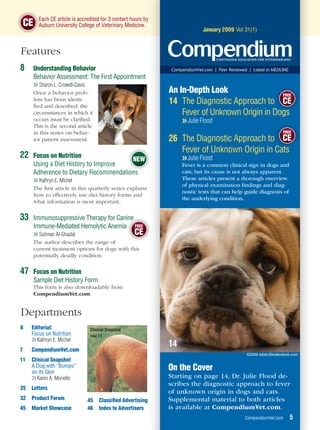
SevoFlo®                                                                   5458       carbon dioxide (CO2) absorbents to produce carbon monoxide (CO) that may              mL/min (43 and 31 ppm) to 50 mL/min (61 and 48 ppm).8
(sevoflurane)                                                                         result in elevated carboxyhemoglobin levels in some patients. To prevent this         Fluoride ion metabolite: Sevoflurane is metabolized to hexafluoroisopropanol (HFIP)
                                                                                      reaction, sevoflurane should not be passed through desiccated soda lime or            with release of inorganic fluoride and CO2. Fluoride ion concentrations are influenced by
Inhalation Anesthetic For Use in Dogs
                                                                                      barium hydroxide lime.                                                                the duration of anesthesia and the concentration of sevoflurane. Once formed, HFIP is
Caution: Federal law restricts this drug to use by or on the order of a
                                                                                      Replacement of Desiccated CO2 Absorbents: When a clinician suspects                   rapidly conjugated with glucuronic acid and eliminated as a urinary metabolite. No other
licensed veterinarian.
                                                                                      that the CO2 absorbent may be desiccated, it should be replaced before                metabolic pathways for sevoflurane have been identified. In humans, the fluoride ion
DESCRIPTION: SevoFlo (sevoflurane), a volatile liquid, is a halogenated
                                                                                      administration of sevoflurane. The exothermic reaction that occurs with               half-life was prolonged in patients with renal impairment, but human clinical trials
general inhalation anesthetic drug. Its chemical name is fluoromethyl 2,2,2-
                                                                                      sevoflurane and CO2 absorbents is increased when the CO2 absorbent                    contained no reports of toxicity associated with elevated fluoride ion levels. In a study in
trifluoro-l- (trifluoromethyl) ethyl ether, and its structural formula is:
                                                                                      becomes desiccated, such as after an extended period of dry gas flow through          which 4 dogs were exposed to 4% sevoflurane for 3 hours, maximum serum fluoride
                                                                                      the CO2 absorbent canisters. Extremely rare cases of spontaneous fire in the          concentrations of 17.0-27.0 mcmole/L were observed after 3 hours of anesthesia.
                                                                                      respiratory circuit of the anesthesia machine have been reported during               Serum fluoride fell quickly after anesthesia ended, and had returned to baseline by 24
                                                                                      sevoflurane use in conjunction with the use of a desiccated CO2 absorbent,            hours post-anesthesia. In a safety study, eight healthy dogs were exposed to
                                                                                      specifically those containing potassium hydroxide (e.g. BARALYME).                    sevoflurane for 3 hours/day, 5 days/week for 2 weeks (total 30 hours exposure) at a
                                                                                      Potassium hydroxide containing CO2 absorbents are not recommended for use             flow rate of 500 mL/min in a semi-closed, rebreathing system with soda lime. Renal
Sevoflurane Physical Constants are:                                                   with sevoflurane. An unusually delayed rise in the inspired gas concentration         toxicity was not observed in the study evaluation of clinical signs, hematology, serum
Molecular weight                        200.05                                        (decreased delivery) of sevoflurane compared with the vaporizer setting may           chemistry, urinalysis, or gross or microscopic pathology.
Boiling point at 760 mm Hg                58.6°C                                      indicate excessive heating of the CO2 absorbent canister and chemical                 DRUG INTERACTIONS: In the clinical trial, sevoflurane was used safely in dogs that
Specific gravity at 20°C                   1.520-1.525 g/mL                           breakdown of sevoflurane. The color indicator of most CO2 absorbent may not           received frequently used veterinary products including steroids and heartworm and flea
Vapor pressure in mm Hg                at 20°C      157                               change upon desiccation. Therefore, the lack of significant color change              preventative products.
                                       at 25°C      197                               should not be taken as an assurance of adequate hydration. CO2 absorbents             Intravenous Anesthetics: Sevoflurane administration is compatible with barbiturates,
                                       at 36°C      317                               should be replaced routinely regardless of the state of the color indicator.          propofol and other commonly used intravenous anesthetics. Benzodiazepines and
Distribution Partition Coefficients at 37°C:                                                                                                                                Opioids: Benzodiazepines and opioids would be expected to decrease the MAC of
                                                                                      The use of some anesthetic regimens that include sevoflurane may result in
Blood/Gas                                  0.63-0.69                                                                                                                        sevoflurane in the same manner as other inhalational anesthetics. Sevoflurane is
                                                                                      bradycardia that is reversible with anticholinergics. Studies using sevoflurane
Water/Gas                                  0.36                                                                                                                             compatible with benzodiazepines and opioids as commonly used in surgical practice.
                                                                                      anesthetic regimens that included atropine or glycopyrrolate as premedicants
Olive Oil/Gas                             47-54                                                                                                                             Phenothiazines and Alpha2-Agonists: Sevoflurane is compatible with phenothiazines
                                                                                      showed these anticholinergics to be compatible with sevoflurane in dogs.
Brain/Gas                                  1.15                                                                                                                             and alpha2- agonists as commonly used in surgical practice.
                                                                                      During the induction and maintenance of anesthesia, increasing the
Mean Component/Gas Partition Coefficients at 25°C for Polymers Used                                                                                                         In a laboratory study, the use of the acepromazine/oxymorphone/ thiopental/sevoflurane
                                                                                      concentration of sevoflurane produces dose dependent decreases in blood
Commonly in Medical Applications:                                                                                                                                           anesthetic regimen resulted in prolonged recoveries in eight (of 8) dogs compared to
                                                                                      pressure and respiratory rate. Due to sevoflurane’s low solubility in blood,
Conductive rubber                         14.0                                                                                                                              recoveries from sevoflurane alone.
                                                                                      these changes may occur more rapidly than with other volatile anesthetics.
Butyl rubber                               7.7                                                                                                                              CLINICAL EFFECTIVENESS:
                                                                                      Excessive decreases in blood pressure or respiratory depression may be
Polyvinyl chloride                        17.4                                                                                                                              The effectiveness of sevoflurane was investigated in a clinical study involving 196 dogs.
                                                                                      related to depth of anesthesia and may be corrected by decreasing the
Polyethylene                               1.3                                                                                                                              Thirty dogs were mask-induced with sevoflurane using anesthetic regimens that
                                                                                      inspired concentration of sevoflurane. RESPIRATION MUST BE MONITORED
                                                                                                                                                                            included various premedicants. During the clinical study, one hundred sixty-six dogs
                                                                                      CLOSELY IN THE DOG AND SUPPORTED WHEN NECESSARY WITH
Sevoflurane is nonflammable and nonexplosive as defined by the requirements of                                                                                              received sevoflurane maintenance anesthesia as part of several anesthetic regimens
                                                                                      SUPPLEMENTAL OXYGEN AND/OR ASSISTED VENTILATION. The low
International Electrotechnical Commission 601-2-13. Sevoflurane is a clear,                                                                                                 that used injectable induction agents and various premedicants. The duration of
                                                                                      solubility of sevoflurane also facilitates rapid elimination by the lungs.
colorless, stable liquid containing no additives or chemical stabilizers.                                                                                                   anesthesia and the choice of anesthetic regimens were dependent upon the procedures
                                                                                      The use of sevoflurane in humans increases both the intensity and duration of
Sevoflurane is nonpungent. It is miscible with ethanol, ether, chloroform and                                                                                               that were performed. Duration of anesthesia ranged from 16 to 424 minutes among the
                                                                                      neuromuscular blockade induced by nondepolarizing muscle relaxants. The
petroleum benzene, and it is slightly soluble in water. Sevoflurane is stable when                                                                                          individual dogs. Sevoflurane vaporizer concentrations during the first 30 minutes of
                                                                                      use of sevoflurane with nondepolarizing muscle relaxants has not been
stored under normal room lighting condition according to instructions.                                                                                                      maintenance anesthesia were similar among the various anesthetic regimens. The
                                                                                      evaluated in dogs.
INDICATIONS: SevoFlo is indicated for induction and maintenance of general                                                                                                  quality of maintenance anesthesia was considered good or excellent in 169 out of 196
                                                                                      Compromised or debilitated dogs: Doses may need adjustment for geriatric or
anesthesia in dogs.                                                                                                                                                         dogs. The table shows the average vaporizer concentrations and oxygen flow rates
                                                                                      debilitated dogs. Because clinical experience in administering sevoflurane to
DOSAGE AND ADMINISTRATION: Inspired Concentration: The delivered                                                                                                            during the first 30 minutes for all sevoflurane maintenance anesthesia regimens:
                                                                                      dogs with renal, hepatic and cardiovascular insufficiency is limited, its safety in
concentration of SevoFlo should be known. Since the depth of anesthesia may           these dogs has not been established.
be altered easily and rapidly, only vaporizers producing predictable percentage                                                                                                                   Average              Average            Average       Average
                                                                                      Breeding dogs: The safety of sevoflurane in dogs used for breeding purposes,                               Vaporizer            Vaporizer           Oxygen        Oxygen
concentrations of sevoflurane should be used. Sevoflurane should be vaporized         during pregnancy, or in lactating bitches, has not been evaluated.                                       Concentrations       Concentrations          Flow          Flow
using a precision vaporizer specifically calibrated for sevoflurane. Sevoflurane      Neonates: The safety of sevoflurane in young dogs (less than 12 weeks of                                    among                 among              Rates         Rates
contains no stabilizer. Nothing in the drug product alters calibration or operation   age) has not been evaluated.                                                                               Anesthetic           Individual           among         among
of these vaporizers. The administration of general anesthesia must be                 HUMAN SAFETY: Not for human use. Keep out of reach of children.
                                                                                                                                                                                                 Regimens                Dogs            Anesthetic    Individual
individualized based on the patient’s response. WHEN USING SEVOFLURANE,                                                                                                                                                                  Regimens         Dogs
                                                                                      Operating rooms and animal recovery areas should be provided with                                         3.31 - 3.63%            1.6 - 5.1%       0.97 - 1.31    0.5 - 3.0
PATIENTS SHOULD BE CONTINUOUSLY MONITORED AND FACILITIES                              adequate ventilation to prevent the accumulation of anesthetic vapors.                                                                              L/minute      L/minute
FOR MAINTENANCE OF PATENT AIRWAY, ARTIFICIAL VENTILATION, AND                         There is no specific work exposure limit established for sevoflurane. However,
OXYGEN SUPPLEMENTATION MUST BE IMMEDIATELY AVAILABLE.                                 the National Institute for Occupational Safety and Health has recommended an          During the clinical trial, when a barbiturate was used for induction, the times to
Replacement of Desiccated CO2 Absorbents: When a clinician suspects that              8 hour time-weighted average limit of 2 ppm for halogenated anesthetic agents         extubation, sternal recumbency and standing recovery were longer for dogs that
the CO2 absorbent may be desiccated, it should be replaced. An exothermic             in general. Direct exposure to eyes may result in mild irritation. If eye exposure    received anesthetic regimens containing two preanesthetics compared to regimens
reaction occurs when sevoflurane is exposed to CO2 absorbents. This reaction is                                                                                             containing one preanesthetic. Recovery times were shorter when anesthetic regimens
                                                                                      occurs, flush with plenty of water for 15 minutes. Seek medical attention if
increased when the CO2 absorbent becomes desiccated (see PRECAUTIONS).                irritation persists. Symptoms of human overexposure (inhalation) to                   used sevoflurane or propofol for induction. The quality of recovery was considered good
Premedication: No specific premedication is either indicated or contraindicated       sevoflurane vapors include respiratory depression, hypotension, bradycardia,          or excellent in 184 out of 196 dogs. Anesthetic regimen drug dosages, physiological
with sevoflurane. The necessity for and choice of premedication is left to the        shivering, nausea and headache. If these symptoms occur, remove the                   responses, and the quality of induction, maintenance and recovery were comparable
discretion of the veterinarian. Preanesthetic doses for premedicants may be                                                                                                 between 10 sighthounds and other breeds evaluated in the study. During the clinical
                                                                                      individual from the source of exposure and seek medical attention. The
lower than the label directions for their use as a single medication.1                material safety data sheet (MSDS) contains more detailed occupational safety          study there was no indication of prolonged recovery times in the sighthounds.
Induction: For mask induction using sevoflurane alone, inspired concentrations        information. For customer service, adverse effects reporting, and/or a                HOW SUPPLIED: SevoFlo (sevoflurane) is packaged in amber colored bottles
up to 7% sevoflurane with oxygen are employed to induce surgical anesthesia in        copy of the MSDS, call (888) 299-7416.                                                containing 250 mL sevoflurane, List 5458.
the healthy dog. These concentrations can be expected to produce surgical                                                                                                   STORAGE CONDITIONS: Store at controlled room temperature 15°-30°C (59°-86°F).
                                                                                      CLINICAL PHARMACOLOGY: Sevoflurane is an inhalational anesthetic
anesthesia in 3 to 14 minutes. Due to the rapid and dose dependent changes            agent for induction and maintenance of general anesthesia. The Minimum                REFERENCES:
in anesthetic depth, care should be taken to prevent overdosing.                      Alveolar Concentration (MAC) of sevoflurane as determined in 18 dogs is               1. Plumb, D.C. ed., Veterinary Drug Handbook, Second Edition, University of Iowa
Respiration must be monitored closely in the dog and supported when                   2.36%.2 MAC is defined as that alveolar concentration at which 50% of healthy         Press, Ames, IA: p. 424 (1995).
necessary with supplemental oxygen and/or assisted ventilation.                       patients fail to respond to noxious stimuli. Multiples of MAC are used as a           2. Kazama, T. and Ikeda, K., Comparison of MAC and the rate of rise of alveolar
Maintenance: SevoFlo may be used for maintenance anesthesia following mask            guide for surgical levels of anesthesia, which are typically 1.3 to 1.5 times the     concentration of sevoflurane with halothane and isoflurane in the dog. Anesthesiology.
induction using sevoflurane or following injectable induction agents. The             MAC value. Because of the low solubility of sevoflurane in blood (blood/gas           68: 435-437 (1988).
concentration of vapor necessary to maintain anesthesia is much less than that        partition coefficient at 37°C = 0.63-0.69), a minimal amount of sevoflurane is        3. Scheller, M.S., Nakakimura, K., Fleischer, J.E. and Zornow, M.H., Cerebral effects of
required to induce it. Surgical levels of anesthesia in the healthy dog may be        required to be dissolved in the blood before the alveolar partial pressure is in      sevoflurane in the dog: Comparison with isoflurane and enflurane. Brit. J. Anesthesia
maintained with inhaled concentrations of 3.7-4.0% sevoflurane in oxygen in the       equilibrium with the arterial partial pressure. During sevoflurane induction,         65: 388-392 (1990).
absence of premedication and 3.3-3.6% in the presence of premedication. The           there is a rapid increase in alveolar concentration toward the inspired               4. Frink, E.J., Morgan, S.E., Coetzee, A., Conzen, P.F. and Brown, B.R., Effects of
use of injectable induction agents without premedication has little effect on the     concentration. Sevoflurane produces only modest increases in cerebral blood           sevoflurane, halothane, enflurane and isoflurane on hepatic blood flow and oxygenation
concentrations of sevoflurane required for maintenance. Anesthetic regimens that      flow and metabolic rate, and has little or no ability to potentiate seizures.3        in chronically instrumented greyhound dogs. Anesthesiology 76: 85-90 (1992).
include opioid, alpha2-agonist, benzodiazepine or phenothiazine premedication         Sevoflurane has a variable effect on heart rate, producing increases or               5. Kazama, T. and Ikeda, K., The comparative cardiovascular effects of sevoflurane
will allow the use of lower sevoflurane maintenance concentrations.                   decreases depending on experimental conditions.4,5 Sevoflurane produces               with halothane and isoflurane. J. Anesthesiology 2: 63-8 (1988).
CONTRAINDICATIONS: SevoFlo is contraindicated in dogs with a known                    dose-dependent decreases in mean arterial pressure, cardiac output and                6. Bernard, J. M., Wouters, P.F., Doursout, M.F., Florence, B., Chelly, J.E. and Merin,
sensitivity to sevoflurane or other halogenated agents.                               myocardial contraction.6 Among inhalation anesthetics, sevoflurane has low            R.G., Effects of sevoflurane on cardiac and coronary dynamics in chronically
WARNINGS: Sevoflurane is a profound respiratory depressant. DUE TO THE                arrhythmogenic potential.7 Sevoflurane is chemically stable. No discernible           instrumented dogs. Anesthesiology 72: 659-662 (1990).
RAPID AND DOSE DEPENDENT CHANGES IN ANESTHETIC DEPTH,                                 degradation occurs in the presence of strong acids or heat. Sevoflurane reacts        7. Hayaski, Y., Sumikawa, K., Tashiro, C., Yamatodani, A. and Yoshiya, I.,
RESPIRATION MUST BE MONITORED CLOSELY IN THE DOG AND                                  through direct contact with CO2 absorbents (soda lime and barium hydroxide            Arrhythmogenic threshold of epinephrine during sevoflurane, enflurane and isoflurane
SUPPORTED WHEN NECESSARY WITH SUPPLEMENTAL OXYGEN                                     lime) producing pentafluoroisopropenyl fluoromethyl ether (PIFE, C4H2F6O),            anesthesia in dogs. Anesthesiology 69: 145-147 (1988).
AND/OR ASSISTED VENTILATION.                                                          also known as Compound A, and trace amounts of pentafluoromethoxy                     8. Muir, W.W. and Gadawski, J., Cardiorespiratory effects of low-flow and closed circuit
In cases of severe cardiopulmonary depression, discontinue drug administration,       isopropyl fluoromethyl ether (PMFE, C5H6F6O), also known as Compound B.               inhalation anesthesia, using sevoflurane delivered with an in-circuit vaporizer and
ensure the existence of a patent airway and initiate assisted or controlled           Compound A: The production of degradants in the anesthesia circuit results            concentrations of compound A. Amer. J. Vet. Res. 59 (5): 603-608 (1998).
ventilation with pure oxygen. Cardiovascular depression should be treated with        from the extraction of the acidic proton in the presence of a strong base
plasma expanders, pressor agents, antiarrhythmic agents or other techniques as        (potassium hydroxide and/or NaOH) forming an alkene (Compound A) from                 NADA 141-103, Approved by FDA
appropriate for the observed abnormality. Due to sevoflurane’s low solubility in                                                                                            SevoFlo® is a registered trademark of Abbott Laboratories.
                                                                                      sevoflurane.
blood, increasing the concentration may result in rapid changes in anesthetic         Compound A is produced when sevoflurane interacts with soda lime or barium            Manufactured by Abbott Laboratories, North Chicago, IL
depth and hemodynamic changes (dose dependent decreases in respiratory rate           hydroxide lime. Reaction with barium hydroxide lime results in a greater              60064, USA
and blood pressure) compared to other volatile anesthetics. Excessive decreases       production of Compound A than does reaction with soda lime. Its concentration         Product of Japan
in blood pressure or respiratory depression may be corrected by decreasing or         in a circle absorber system increases with increasing sevoflurane
discontinuing the inspired concentration of sevoflurane.                                                                                                                    Under license from
                                                                                      concentrations and with decreasing fresh gas flow rates. Sevoflurane                  Maruishi Pharmaceutical Co., LTD
Potassium hydroxide containing CO2 absorbents (e.g. BARALYME®) are not                degradation in soda lime has been shown to increase with temperature. Since           2-3-5, Fushimi-Machi, Chuo-Ku,
recommended for use with sevoflurane.                                                 the reaction of carbon dioxide with absorbents is exothermic, this temperature        Osaka, Japan
ADVERSE REACTIONS: The most frequently reported adverse reactions during              increase will be determined by the quantities of CO2 absorbed, which in turn
maintenance anesthesia were hypotension, followed by tachypnea, muscle                                                                                                      For customer service call (888) 299-7416.
                                                                                      will depend on fresh gas flow in the anesthetic circle system, metabolic status
tenseness, excitation, apnea, muscle fasciculations and emesis.                       of the patient and ventilation. Although Compound A is a dose-dependent
Infrequent adverse reactions include paddling, retching, salivation, cyanosis,                                                                                              ©Abbott 8/2006
                                                                                      nephrotoxin in rats, the mechanism of this renal toxicity is unknown. Two             Taken from Commodity Number 03-5474/R6, SevoFlo, sevoflurane, package insert, January 11, 2007
premature ventricular contractions and excessive cardiopulmonary depression.          spontaneously breathing dogs under sevoflurane anesthesia showed
Transient elevations in liver function tests and white blood cell count may occur
                                                                                      increases in concentrations of Compound A as the oxygen flow rate was
with sevoflurane, as with the use of other halogenated anesthetic agents.


                                                         SEVO-152 January 2007                                   page 1 of 1                      ©2007 Abbott Laboratories
E
           Each CE article is accredited for 3 contact hours by
    CE     A
           Auburn University College of Veterinary Medicine.                                             Section Name
                                                                                 January 2009 Vol 31(1)


Features
8        Understanding Behavior                                    CompendiumVet.com | Peer Reviewed | Listed in MEDLINE
         Behavior Assessment: The First Appointment
         ❯❯ Sharon L. Crowell-Davis
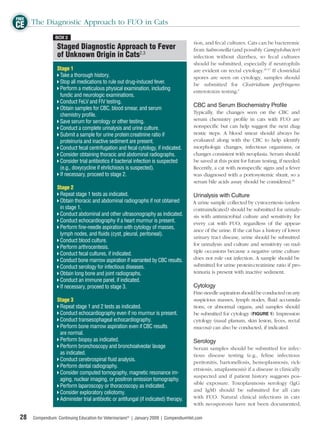
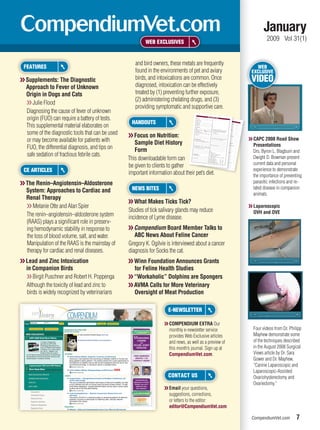
         Once a behavior prob-                                    An In-Depth Look                 FREE
         lem has been identi-
         fied and described, the
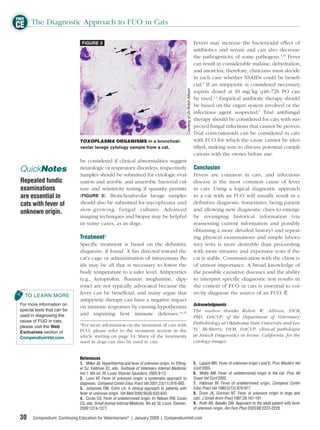
                                                                  14 The Diagnostic Approach to CE
         circumstances in which it                                    Fever of Unknown Origin in D
                                                                                                 Dogs
         occurs must be clarified.                                      ❯❯ Julie Flood
         This is the second article
         in this series on behav-                                                                                        FREE
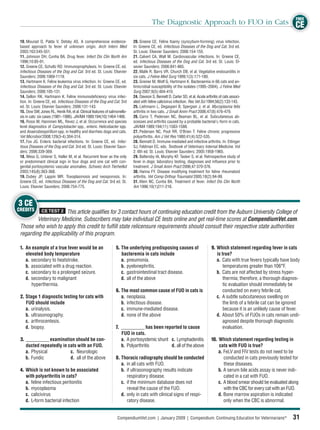
         ior patient assessment.                                  26 The Diagnostic Approach to CE
                                                                     Fever of Unknown Origin in C t
                                                                                                Cats
22       Focus on Nutrition
                                           NEW                         ❯❯ Julie Flood
         Using a Diet History to Improve                               Fever is a common clinical sign in dogs and
         Adherence to Dietary Recommendations
                                         i                             cats, but its cause is not always apparent.
         ❯❯ Kathryn E. Michel                                          These articles present a thorough overview
                                                                       of physical examination findings and diag-
         The first article in this quarterly series explains
                                                                       nostic tests that can help guide diagnosis of
         how to effectively use diet history forms and
                                                                       the underlying condition.
         what information is most important.


33       Immunosuppressive Therapy for Canine
                                          ine
         Immune-Mediated Hemolytic Anemia FREE
         ❯❯ Suliman Al-Ghazlat                     CE
         The author describes the range of
         current treatment options for dogs with this
         potentially deadly condition.


47       Focus on Nutrition
         Sample Diet History Form
         This form is also downloadable from
         CompendiumVet.com.


Departments
6    Editorial:                    Clinical Snapshot
     Focus on Nutrition            PAGE 11
     ❯❯ Kathryn E. Michel
                                                                  14
7    CompendiumVet.com
                                                                                                     ©2009 iofoto/Shutterstock.com
11   Clinical Snapshot
     A Dog with “Bumps”
     on its Skin
                                                                  On the Cover
     ❯❯ Karen A. Moriello                                         Starting on page 14, Dr. Julie Flood de-
                                                                  scribes the diagnostic approach to fever
25   Letters
                                                                  of unknown origin in dogs and cats.
32   Product Forum                45   Classified Advertising      Supplemental material to both articles
45   Market Showcase              46   Index to Advertisers       is available at CompendiumVet.com.
                                                                                                    CompendiumVet.com        5
Editorial
❯❯ Kathryn E. Michel, DVM, MS, DACVN, University of Pennsylvania


                                 Focus on Nutrition
                                The goal of this new quarterly column is to provide veterinary
                                health professionals with state-of-the-art information on best
                                practices for the nutritional management of companion animals.


                      D etermining and implementing the             The articles will be written by members
                        appropriate dietary management of of the ACVN, the recognized specialty board
                        companion animals have long been in this area of expertise. The column will
               recognized by the veterinary profession as also include information about the ACVN, the
               key components of maintaining wellness and services its diplomates can offer to practicing
               treating disease. Now, pet owners are increas- veterinarians, and resources for those who
               ingly aware of the benefits and risks that cer- may be interested in specializing in the field
               tain dietary habits may entail. In the present of nutrition.
              “information age,” it is a growing challenge for      We all know that diet is a subject of great
               veterinary practitioners to stay abreast of this concern to many pet owners and one about
               dynamic field to be able to offer their clients which people often hold strong opinions. It
               accurate information about companion animal can be a sensitive subject to broach, and it is
               nutrition and diet choices and their patients often difficult to get clients to adhere to the
               the latest advances in nutritional management. dietary recommendations we make for their
                                                                 pets. I hope that Focus on Nutrition will help
    We all know that diet is a subject of great                  veterinary health professionals become more
    concern to many pet owners and one about informed on entering into and feel more con-
                                                                 fident when
                                                                                 this subject
                                                                                               a dialogue on diet
    which people often hold strong opinions.                     and dietary management with their clients
                                                                 to ensure the best possible outcome for their
                   In order to help practitioners meet this patients.
               challenge, this issue of Compendium is launch-
               ing the Focus on Nutrition series in collabora-
               tion with the American College of Veterinary           SHARE YOUR COMMENTS
               Nutrition (ACVN). This new column, which will        Have something to say about this
               appear quarterly, is devoted to current topics in    editorial or topic? Let us know:
               small animal nutrition. The goal is to provide
                                                                    E-MAIL editor@CompendiumVet.com
               veterinary health professionals with state-of-
               the-art information on best practices for the        FAX 800-556-3288
               nutritional management of companion animals,
               both to maintain wellness and to treat disease.


6   Compendium: Continuing Education for Veterinarians® | January 2009 | CompendiumVet.com
January
                                                            WEB EXCLUSIVES
                                                                                                                                                                                                                                                                                                                                                                    2009 Vol 31(1)


                                                      and bird owners, these metals are frequently
 FEATURES                                                                                                                                                                                                                                                                                                                                                    WEB
                                                      found in the environments of pet and aviary                                                                                                                                                                                                                                                          EXCLUSIVE
❯❯ Supplements: The Diagnostic                        birds, and intoxications are common. Once                                                                                                                                                                                                                                                            VIDEO
   Approach to Fever of Unknown                       diagnosed, intoxication can be effectively
   Origin in Dogs and Cats                            treated by (1) preventing further exposure,
                                                      (2) administering chelating drugs, and (3)
   ❯❯ Julie Flood
                                                      providing symptomatic and supportive care.
   Diagnosing the cause of fever of unknown
   origin (FUO) can require a battery of tests.                                                           Date: __________
                                                                                                         Case Number:
                                                                                                                                  __________
                                                                                                                             __________
                                                                                                                                                   __________
                                                                                                                                              __________
                                                                                                                                                                          DIET HISTO
                                                                                                                                                                     __________
                                                                                                                                                              __________
                                                                                                                                                                                    RY
                                                                                                                                                                        Behavior _______
                                                                                                                                                                                                                     FORM
                                                                                                                                                                                                                                       DIET HIS
                                                                                                                                                                                                                                                               TORY


                                                     HANDOUTS
                                                                                                        Owner Information                                             What is__________
                                                                                                                                                                                  your pet’s
                                                                                                                                                                                                attitude
                                                                                                                                                                                                                                                                                FORM
                                                                                                        Name: __________                                                     Greed                         toward
                                                                                                                                                                                                                    food?
                                                                                                                                 __________                                                   Indifference                                                          Table foods
                                                                                                       Email address:                             __________ Has your                                                                                                               or scaps;
                                                                                                                           __________                             __________ attitude
                                                                                                                                                                                 pet’s                                Avoidan
                                                                                                                                                                                    _______ toward


   This supplemental material elaborates on
                                                                                                                                            __________            ______                                                        ce                                 ______                        home-p
                                                                                                       Phone (home):                                        ________________                                  food change                                                    ______                         repared
                                                                                                                          __________                                          ________________                                                                                         ______                           foods s
                                                                                                                                           __________            ______                           ______                     d? If so,                            ______                         ______
                                                                                                      Phone (cell):                                        __________        ______                          ______                      describe:                          ______                          ______
                                                                                                                       __________                                             __________
                                                                                                                                                                                       ______                         ______                                                          ______                           ______
                                                                                                                                                                                                                                                                                                                       _____  ______
                                                                                                                                       __________                                                ______                         ______                           ______                         ______                           ______
                                                                                                      Best time to                                              ______
                                                                                                                                                       __________ ______                                    ______                        ______                          ______                           ______                          ______
                                                                                                                      call:________________                               __________                                 ______                         ____                             ______                           ______
                                                                                                                                                                                                                                                                                                                      _____                        ____
                                                                                                                                                                                      ______
                                                                                                                                                                                           __ ______                           ______                                                         ______                         ______
                                                                                                                                                                                                                                                                                                                                ______
                                                                                                                                                     ________________                                                                    ______                 ______                                   ______                           ______
                                                                                                                                                                       __________
                                                                                                                                                                           ______ ___                     ______                                   ____                  ______                                     ______                        ____
                                                                                                     Pet Information                                                                 ______                         ______                                                          ______                                  ______
                                                                                                                                                                                                                                                                                                                               ______
                                                                                                                                                              If you have                      ______                         ______                           ______                        ______                                   _ ______
                                                                                                                                                                                                         ______                         ______                          ______                          ______                                   ____
                                                                                                     Name: __________                                                          other pets,                         ______                         ____                            ______                           ______    ______
                                                                                                                                                                                              is this pet                    ______                           Dietary                       ______                            ______   _______
                                                                                                                              __________                              Domina                                domina                     ______                          supplem                         ______                                   ____
                                                                                                                                              __________                                                                                         ____                                                             ______
                                                                                                    Species: __________                                        ____ Age: nt
                                                                                                                                                            Has your ________Submissive left out or submissive
                                                                                                                                                                                                   Is food
                                                                                                                                                                                                                     nt
                                                                                                                                                                                                                                                             ______
                                                                                                                                                                                                                                                                                   ents; food
                                                                                                                                                                                                                                                                                                 used to
                                                                                                                                                                                                                                                                                                                            ______
                                                                                                                                                                                                                                                                                                                             ______   _______
                                                                                                                               __________                                 pet                                                              to
                                                                                                                                                                                                                       for your pet duringthem?                       ______                                give pills                         ____
                                                                                                    Gender:                                    _ Breed: __________ recently                                                                                                     ______


   some of the diagnostic tools that can be used
                                                                                                                  Male         Female                      ______                         lost Does your
                                                                                                                                                                            _________ or gained                                                 the day? ______                           ______
                                                                                                                                                 Neutered/spayed:     ______                                     pet have
                                                                                                                                                                                                              weight? access to other,                            Yes______   No                     ______
                                                                                                   Current weight:                                                               ______                                 If                                                     ______                           ______    ______
                                                                                                                        __________                                            Yes No____________      (e.g., treats fed so, please describ       unmonitored                             ______                            ______
                                                                                                   Body condition                       ___ Usual ____________                                                  ______ by neighbor, food e:
                                                                                                                                                                                                                                                           ______ sources
                                                                                                                                                                                                                                                                 food
                                                                                                                                                                                                                                                                    ______                          ______
                                                                                                                                                                                                                                                                                                               ______
                                                                                                                                                                                                                                                                                                                                   ___
                                                                                                                                                                                                                                                                                                                                     ______
                                                                                                                                                                                                                                                                                                                                              ____
                                                                                                                                                        weight: __________


                                                   ❯❯ Focus on Nutrition:
                                                                                                                                                                                ______                                   ______                                               ______                                      ______
                                                                                                                                                                                                                                                                                                                          _______
                                                                                                                      score (1–9):
                                                                                                                                       _____             ______
                                                                                                                                                                    ______           _______________     Yes         No            ______ left for outdoor______
                                                                                                                                                                                                                                                          ______ cats)?                 ______
                                                                                                                                                                                                                                                                                                   ______                           ______
                                                                                                                                                                                                                                                                                                                                      _      ____
                                                                                                  Evidence of muscle                                                           ______                          ______                        ____                            ______                           ______
                                                                                                                           wasting                                                       ______ If yes, please ____________                                                            ______                            ______
                                                                                                                                                                                                                                                                                                                         _______
                                                                                                                                             None ____________
                                                                                                                                                          Mild                                     ______
                                                                                                                                                                                                              ______describe:____________   ____
                                                                                                                                                                                                                                                         ______
                                                                                                                                                                                                                                                                  ______                         ______                            ______
                                                                                                                                                                                                                                                                                                                                     __ ____
                                                                                                                                                                             ______                                                                                         ______                           ______
                                                                                                  Reason for Visit                                     Have there Severe                ______  __________             ______
                                                                                                                                                                                                  ______ ____________________ ________________________________
                                                                                                                                                                                                                                                        List anythin                                                   ______
                                                                                                                                                                                                                                                                                                                       _______
                                                                                                                                                                                                                                                                                                                                  ______
                                                                                                                                                                                                                                                                                                                                   __ ____
                                                                                                                                                                       been any                              ______              __________                           g else given                         ______
                                                                                                 _____________                                        ______                        recent change
                                                                                                                                                                                               __________             ______                      __________
                                                                                                                                                                                                                                                       ______ __________ by mouth                                     ______
                                                                                                                                                                                                                                                                                                                      _______
                                                                                                                     __________                                 ______                                           __________
                                                                                                                                                                                                       s in activity            ______                          ______                              (e.g., medica                ______
                                                                                                                                                                                                                                                                                                                                  ___ ____
                                                                                                                                      __________                            ______                                                        ____
                                                                                                                                                                                                                                 __________                               ______  __


                                                                                                                                                                                                                                                                                                                                                          ❯❯ CAPC 2008 Road Show
                                                                                                 __________                                          ______
                                                                                                                                                      __________                      ______   __________             level? ______              __________
                                                                                                                                                                                                                                                      ______ __________ ____________                                 ations):
                                                                                                                                                                                                                                                                                                                       tions):
                                                                                                                                                                                                                                                                                                                       t
                                                                                                                __________                                     ______   _________               ______          __________               ____                  ______             __
                                                                                                                                __________                                ______                          ______                __________                               ______                          ______
                                                                                                __________                                      __________
                                                                                                                                                    ______ __________ ____________            __________ ____________                            __________                                                         ______
                                                                                                                                                                                                                                                                                                                    __


   or may become available for patients with
                                                                                                               __________                                    ______                                             __________                           ______ ____________           ______                                      ______
                                                                                                                                                                                                                                                                                                                               _____
                                                                                                                               __________                                ________                        ______                         ____
                                                                                                                                                                                                                                __________                    ______                         ______                                      ____
                                                                                                                                                                                                                                                __________              ______                          ______
                                                                                                                                                   Have you __________ ______If you have more than ______
                                                                                                                                                __________                                                         ______                                       __________ ____________                            ______
                                                                                                                                                                                                                                                                                                                   ________
                                                                                                                                                                                                                                                                                                                     _
                                                                                                                                                                observe                       ______                       one pet, do they ____________
                                                                                                                                                                                                                                      ____                                      __                                            ______
                                                                                                                                                                                                                                                                                                                                 ________
                                                                                                Household Demograph                                                         d any__              food?
                                                                                                                                                                                    of the followin
                                                                                                                                                                                                        ______
                                                                                                                                                                                                                  ______                         have access           ______                          ______
                                                                                                                                                                                                                                                                                                                 ______
                                                                                                                                                                                                                                                                                                                 ________
                                                                                                                                                                                                                                                                                                                    _
                                                                                                                            ics                        Nausea/salivat                                            Yes       ______                  ______ to each other’s        ______                                      ______
                                                                                               How many adults                                                                                         g:                   No If____                       ______
                                                                                                                                                                                                                                       yes, please describe: ______                        ______                               _____  ____
                                                                                                                                                                           ion                                                                                                                       ______


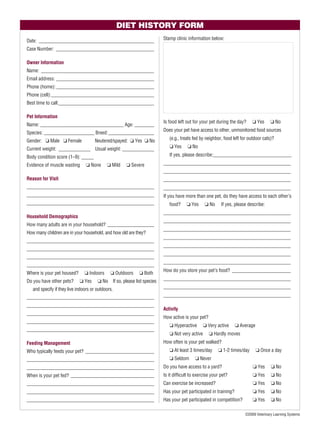
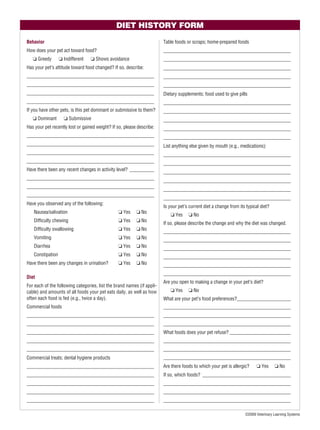
                                                      Sample Diet History
                                                                                                                    are in your household? Difficul                                          __________                                                                          ______                          ______
                                                                                                                                                                                                                                                                                                                ________
                                                                                                                                                                                                                                                                                                                  _
                                                                                                                                                                                                              __________
                                                                                               How many children                                   __________  ty chewin                                                      __________ ____________                                     ______
                                                                                                                                                                                                                                                                                                    ______
                                                                                                                                                                                                                                                                                                                            ______
                                                                                                                                                                                                                                                                                                                               _____  ____
                                                                                                                     are in your household, Dyspha                           g
                                                                                                                                                                     _________             __________                                         __________             ______                                    ______
                                                                                                                                                                                                                                                                                                               ___
                                                                                                                                                                                                                      Yes
                                                                                                                                                                                                             __________                                       __________ ______                                  ______
                                                                                              __________                                         and how old are
                                                                                                                                                              gia                                                            __________ Is your pet’s
                                                                                                                                                                                                                                  No                                           __        ______                            ______
                                                                                                                                                                                                                                                                                                                             ______  ____
                                                                                                                                                                                                                                                                                                                                       _
                                                                                                            __________                                                 they?               __________                                         __________ current                                   ______
                                                                                                                             __________             Vomitin                                                          Yes
                                                                                                                                                                                                             __________                                       __________ a change
                                                                                                                                                                                                                                                                           diet                               ______
                                                                                                                                                                                                                                                                                                              _________
                                                                                                                                                                                                                                                                                                                 _ ______
                                                                                              __________                                     __________g                                                                    __________
                                                                                                                                                                                                                                 No                     Yes                   __             from its                          _____
                                                                                                                                                             __________                                                                                                                                                            ____


                                                                                                                                                                                                                                                                                                                                                             Presentations
                                                                                                            __________                                                          __        __________                                         __________             No                                   typical diet?
                                                                                                                            __________                                                                              Yes
                                                                                                                                                                                                            __________                                       __________                                         al
                                                                                             __________                                            Diarrhea
                                                                                                                                             __________
                                                                                                                                                             __________                                                     __________ If so, please
                                                                                                                                                                                                                                No                                            __
                                                                                                           __________                                                           __        __________                                         __________ describe
                                                                                                                           __________                                                                              Yes
                                                                                                                                                                                                            __________                                      __________ change
                                                                                                                                                                                                                                                                          the
                                                                                                                                                  Constip                                                                  __________ ____________


   FUO, the differential diagnosis, and tips on
                                                                                             __________                                     __________     ation                                                               No                                            __          and why
                                                                                                          __________                                        __________                   How do you                                         __________           ______                               the diet
                                                                                                                           __________ Have                                     __                         store Yes pet’s
                                                                                                                                                                                                                  your                       ______         __________     ______                              t was change
                                                                                            Where is your                                   __________
                                                                                                                                                   there been                                                                  food? __________
                                                                                                                                                                                                                              No                       ______               __ ______
                                                                                                            pet housed?                                     __________
                                                                                                                                                                  any change                                                                                                                   ______                             d.
                                                                                                                                    Indoors                                   __ s ____________________          Yes __________ ______ ______________           ______
                                                                                                                                                                                                                                                                          ______                          ______
                                                                                                                                                                                                                                                                                                          ____ ______
                                                                                            Do you have                                              Outdoors                       in urinatio                             No                        ______                        ______                           ____________
                                                                                                          other pets?                     Diet                            Both          __________n?                                       __________ ______                                  ______                            ____ _
                                                                                                                                Yes                                                                      __________                                        __________                                    ______
                                                                                                                                                                                                                                                                                                         ____


                                                      Form
                                                                                               and specify if                               No If so, please                                                    Yes      __________ ____________                         ______
                                                                                                                                                                                                                                                                           __ ______                          ____________
                                                                                                              they live indoors          For each                  list species __________                                 No             __________ ______                                  ______                       ______
                                                                                                                                                                                                                                                                                                                               ____
                                                                                                                                   or outdoors. of the                                                   __________                                        __________   ______                          ______
                                                                                                                                                                                                                                                                                                        ____                       _
                                                                                           __________
                                                                                                        __________                       cable) and          followin                                                    __________ ____________                          __ ______                          __________________
                                                                                                                                                                          g categor __________                                            __________ ______                                 ______                            _____


                                                                                                                                                                                                                                                                                                                                                             Drs. Byron L. Blagburn and
                                                                                                                         __________
                                                                                          __________
                                                                                                        __________                      often each amounts of all
                                                                                                                                         __________
                                                                                                                                                         __________ foods __________
                                                                                                                                                                                       ies, list        __________
                                                                                                                                                                                                 the brand              ______________________
                                                                                                                                                                                                                                                          __________   ______
                                                                                                                                                                                                                                                                          __ ______                    ______
                                                                                                                                                                                                                                                                                                       ___________
                                                                                                                                                                                                                                                                                                                 ____________
                                                                                                                        __________                    food                  __       your pet                  names (if                 __________ ______                                 ______                            _____
                                                                                          __________                                     __________ is fed (e.g., twice
                                                                                                                                       Comme                                                     eats ____________________Are you
                                                                                                                                                                                                        daily, as          appli-                         __________  ______
                                                                                                                                                                                                                                                                         __ ______                   ______
                                                                                                                                                                                                                                                                                                     _____   ______
                                                                                                                                                                                                                                                                                                                ______
                                                                                                       __________                                        __________
                                                                                                                                                 rcial foods                           a day).                                                     open
                                                                                                                                                                                                                                         __________ to making                             ______                        ______
                                                                                                                                                                                                                                                                                                                            ____
                                                                                                                        __________                                         __                                      well as                               __________ change                          ______
                                                                                                                                                                                                                                                                                                    _____
                                                                                         __________                                     __________
                                                                                                                                      ______                                                                                 how                                       a __                                 ______
                                                                                                                                                                                                                                                                                                               ______
                                                                                                       __________                                       __________                   Activity                                                  Yes


   safe sedation of fractious febrile cats.
                                                                                                                       __________               ______                     __                                                                              No                      in your                             ______
                                                                                                                                                                                                                                                                                                                           ____
                                                                                         __________                                     __________ ____________                                                                                                                              pet’s diet?
                                                                                                                                     ______                                         How active                                        What are                                                            ?
                                                                                                      __________
                                                                                                                      __________               __________________ ____________ is your pet?                                                        your pet’s
                                                                                                                                       __________ ____________
                                                                                                                                    ______                                                          ______                           ______                    food prefere
                                                                                        Feeding Manageme                                      __________________ ____________              Hyperactive __________
                                                                                                                                                                                                                   Very active ______
                                                                                                                                                                                                                                               ______
                                                                                                                                                                                                                                                         ______
                                                                                                                                                                                                                                                                               nces?_______
                                                                                                                                                       ______                                      ______                                                         ______                           ______
                                                                                                                                                                                                                                                                                                   _____
                                                                                                               nt                  ______                         ______                                     ______                     Average                             ______                        ______
                                                                                                                                                                                                                                                                                                              ______
                                                                                        Who typically                                        ______                          ______ Not very active                    ____                   ______
                                                                                                                                                                                                                                                        ______                        ______                         _____
                                                                                                                                                                                                                                                                                                                         ___
                                                                                                                                                      ______                            ______                        Hardly moves


                                                                                                                                                                                                                                                                                                                                                             Dwight D. Bowman present
                                                                                                      feeds your pet?             ______                         ______            How            ______                           ______                        ______                         ______   ______
                                                                                                                                                                                                                                                                           ______                          ______


                                                   This downloadable form can
                                                                                       __________                          ________________
                                                                                                                                            __________                      ______ often is your pet        ______
                                                                                                                                                                                                                     ____                    ______
                                                                                                                                                                                                                                                       ______                        ______                         _____
                                                                                                                                                                                                                                                                                                                      ____
                                                                                                     __________                                      ______ ________                  ______                     walked?                                        ______                         ______
                                                                                                                    __________   Comme                         ______                            ______                           What foods                              ______                        ______
                                                                                                                                                                                                                                                                                                          ______
                                                                                       __________                                    __________
                                                                                                                                           rcial treats;                   ______ At least 3 times/day __________                                 does your                         ______                         _____
                                                                                                                                                                                                                                                                                                                     ____
                                                                                                    __________                                       __________
                                                                                                                                                          dental hygiene             ______                                1-2 times/day                       pet                            ______
                                                                                                                                                                       __                      ______                            ______
                                                                                      When is your
                                                                                                                   __________   ______
                                                                                                                                     __________
                                                                                                                                          ______ __________                    products  Seldom           ______
                                                                                                                                                                                                            Never ____                     ______Once a day refuse? ______                             ______
                                                                                                                                                                                                                                                                                                         ______
                                                                                                                                                                                                                                                                                                         _       _____
                                                                                                                                                                                                                                                                                                                    ____
                                                                                                     pet fed? __________                            ______                                                                                           ______                             ______
                                                                                                                               ______                        ______   __         Do                                             ______                        ______                              ______
                                                                                                                                                                                                                                                                                                  ____  ______
                                                                                      __________                                __________
                                                                                                                                         ______  __________              ______ you have access to a                                      ______
                                                                                                                                                                                                                                                    ______
                                                                                                                                                                                                                                                                        ______
                                                                                                                                                                                                                                                                                  ______                     __________  _
                                                                                                   __________                                      ______ ____                     ______                         yard?        ______                        ______                         ______
                                                                                                                  __________  ______                        ______                           ______
                                                                                                                                                                                Is it difficult                                           ______   Yes                  ______                          ______
                                                                                                                                                                                                                                                                                                       _______
                                                                                     __________                                    __________
                                                                                                                                        ______ __________ ____________ to exercise your                 ______                                     ______ No                     ______                          ____
                                                                                                                                                                                                                                                                                                                   ___
                                                                                                   __________                                     ______                                                          ____ pet? Are                             ______                         ______
                                                                                                                  __________ ______                        ______    __         Can exercise______                                 there foods                        ______                         ______
                                                                                                                                                                                                                                                                                                     _______
                                                                                     __________                                   __________
                                                                                                                                       ______ __________ ____________                                 ______
                                                                                                                                                                                                  be increased?                                  Yes        No                  ______                          ____
                                                                                                                                                                                                                                                                                                                  ___
                                                                                                  __________                                    ______                                                           ____                              to which                               ______
                                                                                                                                                          ________


                                                                                                                                                                                                                                                                                                                                                             current data and personal
                                                                                                                 __________ ______                                             Has your____________                          If so,                           your                                  _______
                                                                                                                                                                                                                                                                                                    ______
                                                                                                                                  __________
                                                                                                                                      ______ __________ ____________ pet participated in training? which foods? ____
                                                                                                                                                                                                                                                Yes         No pet is allergic?                                ____
                                                                                                                                                                                                                                                                                                                 ___
                                                                                                                                               ______                                                                                                  ______
                                                                                                                                                         ________             Has your____________
                                                                                                                                                                                           pet participated                 ______
                                                                                                                                                                                                                                      ______Yes                  ______                         Yes
                                                                                                                                                                    ______                                                                      ______ No                 ______                             No


                                                   be given to clients to gather
                                                                                                                                                                               ______                          ____
                                                                                                                                                                                                                 in competition                                                      ______
                                                                                                                                                                                         ______                            ______  ?                      ______                              ______
                                                                                                                                                                                                                                                                                              ____
                                                                                                                                                                                                   ______                            ______ Yes                    ______                           ______
                                                                                                                                                                                                                                                                                                         ______
                                                                                                                                                                                                              ____                             ______ No                     ______
                                                                                                                                                                                                                                                                                       ______
                                                                                                                                                                                                                                                                                                               ___
                                                                                                                                                                                                                          ______                         ______                                  ______
                                                                                                                                                                                                                                                                                                 ________
                                                                                                                                                                                                                                                                                                   _
                                                                                                                                                                                                                                    ______                        ______                                    ____
                                                                                                                                                                                                                                              ______                        ______                             __
                                                                                                                                                                                                                                                        ______                        ______
                                                                                                                                                                                                                                                                 ______                         ______
                                                                                                                                                                                                                                                                                                _________
                                                                                                                                                                                                                                                                                                  _
                                                                                                                                                                                                                                                                           ______                          ____ _
                                                                                                                                                                                                                                                                                     ______
                                                                                                                                                                                                                                                                                               ______
                                                                                                                                                                                                                                                                                               _________
                                                                                                                                                                                                                                                                                                  _ ____
                                                                                                                                                                                                                                                                                                               _


 CE ARTICLES                                                                                                                                                                                                                                                                                                                                                 experience to demonstrate
                                                   important information about their pet’s diet
                                                                                           diet.
                                                                                 h i t’ di t                                                                                                                                                                                                                                                                 the importance of preventing
❯❯ The Renin–Angiotensin–Aldosterone                                                                                                                                                                                                                                                                                                                         parasitic infections and re-
                                                     NEWS BITES                                                                                                                                                                                                                                                                                              lated disease in companion
   System: Approaches to Cardiac and
                                                                                                                                                                                                                                                                                                                                                             animals.
   Renal Therapy
                                                   ❯❯ What Makes Ticks Tick?
   ❯❯ Melanie Otte and Alan Spier                                                                                                                                                                                                                                                                                                                         ❯❯ Laparoscopic
                                                   Studies of tick salivary glands may reduce                                                                                                                                                                                                                                                                OVH and OVE
   The renin–angiotensin–aldosterone system        incidence of Lyme disease.
   (RAAS) plays a significant role in preserv-
   ing hemodynamic stability in response to        ❯❯ Compendium Board Member Talks to
   the loss of blood volume, salt, and water.         ABC News About Feline Cancer
   Manipulation of the RAAS is the mainstay of     Gregory K. Ogilvie is interviewed about a cancer
   therapy for cardiac and renal diseases.         diagnosis for Socks the cat.
❯❯ Lead and Zinc Intoxication                      ❯❯ Winn Foundation Announces Grants
   in Companion Birds                                 for Feline Health Studies
   ❯❯ Birgit Puschner and Robert H. Poppenga       ❯❯ “Workaholic” Dolphins are Spongers
   Although the toxicity of lead and zinc to       ❯❯ AVMA Calls for More Veterinary
   birds is widely recognized by veterinarians        Oversight of Meat Production

                                                                       E-NEWSLETTER

                                                                     ❯❯ COMPENDIUM EXTRA Our
                                                                        monthly e-newsletter service                                                                                                                                                                                                                                                        Four videos from Dr. Philipp
                                                                        provides Web Exclusive articles                                                                                                                                                                                                                                                     Mayhew demonstrate some
                                                                        and news, as well as a preview of                                                                                                                                                                                                                                                   of the techniques described
                                                                        this month’s journal. Sign up at                                                                                                                                                                                                                                                    in the August 2008 Surgical
                                                                        CompendiumVet.com.                                                                                                                                                                                                                                                                  Views article by Dr. Sara
                                                                                                                                                                                                                                                                                                                                                            Gower and Dr. Mayhew,
                                                                                                                                                                                                                                                                                                                                                            “Canine Laparoscopic and
                                                                                                                                                                                                                                                                                                                                                            Laparoscopic-Assisted
                                                                       CONTACT US                                                                                                                                                                                                                                                                           Ovariohysterectomy and
                                                                                                                                                                                                                                                                                                                                                            Ovariectomy.”
                                                                     ❯❯ Email your questions,
                                                                        suggestions, corrections,
                                                                        or letters to the editor:
                                                                        editor@CompendiumVet.com

                                                                                                                                                                                                                                                                                                                                                            CompendiumVet.com        7
Understanding
Behavior                                 Behavior Assessment:
                                         The First Appointment*
About This Column                         ❯❯ Sharon L. Crowell-Davis, DVM, PhD, DACVB,a The University of Georgia
Behavior problems are a signifi-
                                         *The first article in this series on patient evaluation, “Behavior Assessment: History Forms
cant cause of death (euthanasia)
                                          and Interviews,” was published in the December 2008 issue of Compendium and is avail-
in companion animals. While most
                                          able at CompendiumVet.com.
veterinary practices are necessarily
geared toward the medical aspect
of care, there are many opportuni-
ties to bring behavior awareness
                                          A   s described in the first article in this series, gaining an accurate descrip-
                                              tion of a pet’s undesirable behavior is crucial to correctly diagnosing the
                                          cause of the behavior. However, more information is needed than a good
into the clinic for the benefit of         description. The circumstances in which the behavior occurs must also be
the pet, the owner, and ourselves.        clarified, along with any treatments the owner has already attempted, either
This column acknowledges the              alone or with advice from a veterinarian, animal trainer, or other source. The
importance of behavior as part of         pet’s signalment, environment, and background may all affect its behavior
                                          and should be discussed with the owner. Some of this information can be
veterinary medicine and speaks
                                          gathered in advance through the use of history forms; some may be better
practically about using it effectively
                                          obtained through interviews and conversation with the owner during the first
in daily practice.                        appointment devoted specifically to the behavior problem.

                                          History of the Behavior
                                          One of the most important pieces of information to gather is the current fre-
                                          quency and intensity of the undesirable behavior. Without this information as a
                                          baseline, it will be impossible to determine if a treatment is helping, harming, or
                                          having no effect. The specific circumstances in which the problem behavior is
                                          most likely to occur must also be ascertained. In some cases, it may be possible
                                          to avoid these situations; in others, the treatment protocol may need to include
                                          desensitization and counterconditioning to the specific circumstances.

                                          a
                                              Dr. Crowell-Davis discloses that she has received financial support from CEVA Animal Health.


                                          QuickNotes
                                          All behaviors that
                                          the owner perceives
                                          to be problem
                                          behaviors need to
                                          be identified.


8    CompendiumVet.com | January 2009
The history of the behavior is also important. How        after administering it for just 1 week, the medication
long has the animal been exhibiting this behavior?           did not have time to take effect.
While there are exceptions, it is often the case that
problems of long duration will take longer to resolve        Other Behavior Problems
than problems of short duration. This is especially          The animal may have other behavior problems in
true of behaviors that have developed as a conse-            addition to the chief complaint. Sometimes these
quence of operant conditioning, such as persistently         problems come up in the discussion of the chief
waking the owners during the night, because the              complaint, but not always. Before proceeding to
undesirable behavior has been reinforced hundreds            issues other than the animal’s presenting
or even thousands of times, rather than a few dozen          behavior, ask if the owner has noticed QuickNotes
times. Also, in attempts to treat the problem, the           any other behavior problems that have
owners may have reinforced the undesirable behav-            not been mentioned yet. Occasionally,
                                                                                                         The duration, fre-
ior on a variable-ratio or variable-interval schedule        it turns out that the owner considers a quency, intensity,
by trying to ignore the behavior for a while but even-       problem other than the presenting com- and context of the
tually acknowledging it. If this is the case, the behav-     plaint to be of more concern but had problem behav-
ior will have become very resistant to extinction.           not previously mentioned it because ior need to be
                                                             he or she believes it to be untreatable. identified.
History of Treatment                                         For example, a dog may be aggressive,
Another critical piece of the history is how the own-        but the owner has brought it in for storm phobia
ers have already attempted to correct the behavior.          because of a recent news story about treatments
There is a tremendous amount of information about            for storm phobia.
animal behavior on the Internet. Some is excellent.              If the animal has multiple behavior problems,
Some is mediocre. Some is unclear or confusing, and          it may be necessary to prioritize treatments. It is
some will actually make behavior problems worse.             rare that the treatments for multiple problems are
Clients are likely to have tried various treatment pro-      mutually exclusive. More typically, there are simply
tocols they have found on the Internet or in books.          limitations to how much time and effort a client can
As with terms describing behaviors, this is a poten-         put into treating a pet’s behavior problems. Thus, if
tial area of misunderstanding. Just because a client         a dog has fear aggression toward men, moderate
knows the word desensitization does not mean that            storm phobia, mild separation anxiety, and a nui-
the Web site or book where he or she read about it           sance habit of jumping up on women as a form of
described it accurately or that the client understood        friendly greeting, and the client can spend approxi-
the description correctly. Even if the original resource     mately 20 minutes a day conducting specific behav-
is accurate, the client may have conducted the pro-          ior modification, it will be impossible to address all
tocol improperly and attempted a different treatment,        these problems at once. It therefore makes sense to
such as flooding, instead. Thus, if a client says that        prioritize them in the order presented.
he or she has already tried “treatment X,” ask for an
exact, detailed description of what he or she did.           Owner Commitment
    In some cases, the client has identified the cor-         For some owners, the amount of time and effort
rect behavior modification treatment and conducted            necessary to treat one problem, let alone several,
it appropriately, and it is helping, but not enough. In      is daunting. Therefore, one of the most important
this circumstance, confirm that the treatment should          pieces of information to obtain at the first appoint-
be continued. However, it will be necessary to build         ment, in addition to a complete
on the current protocol, perhaps with a new variation        description of any problem behav-      TO LEARN
of the established behavior modification plan or with         ior, is a full understanding of how    MORE
medication. In other cases, the treatment may be a           motivated the owner is to treat the
reasonable option, and the client may be conducting          problem and keep the pet. At one
it accurately, but it is having no effect. In these cases,   end of the spectrum are owners          For more information about
an entirely different approach is needed.                    who intend to keep the pet, regard-     clarifying the correct terms
    If medications prescribed by other veterinar-            less of the success of treatment. At    in conversations with
                                                                                                     owners, see the December
ians have not been effective, verify the medication,         the other end are those who intend
                                                                                                     2008 article “Behavior
the dose, and how long it was given to determine             to euthanize or give away the pet
                                                                                                     Assessment: History Forms
whether it was genuinely not beneficial or was sim-           if resolution of the behavior prob-     and Interviews” at
ply not given at an adequate dose for an adequate            lem is not quick and easy. If the       CompendiumVet.com.
time. For example, if a client discontinued fluoxetine        owners are considering giving the

                                                CompendiumVet.com | January 2009 | Compendium: Continuing Education for Veterinarians®   9
Understanding
Behavior
               pet away, it is important to                                                    in which the pet lives. The
               apprise them of the difficul-   -    Previously attempted treat-                 same information should
               ties of finding an alternative                                                   be gathered for all the
               home for a pet with a major   r     ments need to be identi-                    other pets in the household.
               behavior problem. This is           fied. It is important to                     Finally, ask for a complete
               especially the case with                                                        description of the pet’s phys-
               aggressive pets. Sometimes          verify that these treatments                ical environment, including
               owners think the police or    r                                                 the house and yard. How
               armed forces will want their  r
                                                   were carried out correctly                  big is the house? Are there
               aggressive dog as a guard           and appropriately. The                      parts of the house in which
               dog. However, for guard and                                                     the pet is not allowed? Is the
               attack work, police and mili-  -    fact that someone knows                     yard fenced in, and does the
               tary organizations want only  y     a word characteristic of                    fencing adequately contain
                                             k
               dogs that are trained to attack                                                 the pet? Is the pet walked on
               in a specific way at a spe-    -    the jargon of learning and                  a leash? If so, how often and
               cific command. They do not                                                       for how long? What is the
               want dogs that have behavior  r
                                                   behavior modification                        neighborhood like? Is there
               problems and are likely to          does not mean that he or                    a problem with encoun-
               infl ict bites because of such                                                   tering other pets while on
               issues as fear.                     she knows how to conduct                    walks? Are pedestrians and
                   Beyond the extremes of    f     the treatment correctly.                    cars rare, common, or con-
               willingness to keep a pet or  r                                                 stant? Does this vary with
               intent to give it up, there is                                                  the time of day?
               the question of how much time and effort an owner         Certain aspects of the environment may be iden-
               can and will put into treating a pet. Major behavior tified as contributing to the existence and exacer-
               problems typically require daily effort by the owner bation of the problem. For example, if the pet is
               during a period of weeks or months. Even if the nervous and timid, living in the midst of boister-
               owner is highly motivated to do whatever it takes, ous young children may make improvement difficult
               it is essential for the owner and the veterinarian to unless a mechanism can be identified to give the pet
               take a realistic look at the owner’s current schedule time away from the children in a quiet, calm atmo-
               and lifestyle. If the owner can realistically identify sphere. Aspects of the environment that can be used
               only three times a week in which he or she can to help the pet, or that need to be changed for the
               do structured behavior modification for 20 minutes, pet, can also be identified. If a healthy young dog
               it is important to set up a treatment program that is getting inadequate exercise because no one has
               assumes only three treatment sessions a week. If the time to take it on long walks or jogs, the addition
               treatment plan assumes that the owner will conduct of fencing in the backyard may be critical. In some
               behavior modification every day and this is simply cases, the owners may have already been consider-
               not possible, then the owner and the pet are on ing a change (e.g., a fence). The news that making
               track for failure from the beginning.                  the change is likely to help their pet may be all that
                                                                      is needed to get them to follow through.
               Environment
               Owner lifestyle is only one aspect of the context in             Signalment
               which the pet’s behavior problem exists. To prop-               Signalment is a basic
               erly identify and treat the problem, it is important to         information set that     TO LEARN
               understand all the aspects of the pet’s environment,            veterinarians are        MORE
               both social and physical. The social environment                already accustomed
               includes the people and animals with which the pet              to collecting. As with
               regularly interacts. All the humans who either live             many medical con-         For more information about
               in the same household as the pet or visit frequently,           ditions, signalment       cognitive dysfunction, see
                                                                                                         the February 2008 article
               either as guests or employees (e.g., gardener, maid),           often gives us infor-
                                                                                                        “Cognitive Dysfunction in
               need to be identified. In addition to their names,               mation about the          Senior Pets” at
               sexes, and ages, their relationship and interactions            relative likelihood       CompendiumVet.com.
               with the pet are critical to understanding the world            of a given behav-

10   Compendium: Continuing Education for Veterinarians® | January 2009 | CompendiumVet.com
ior problem. In cases of older pets presenting with           with treatment. Dogs and cats that were born and
 behavior problems, it is essential to identify whether        raised in puppy or kitten mills where they received
 the current problem is actually of recent onset.              little to no socialization with humans may be exces-
 Sometimes owners have tolerated a given behavior              sively shy around humans and susceptible to devel-
 problem in a pet for years, but changes in the fam-           oping a variety of anxiety disorders as
 ily circumstances, rather than any substantial changes        a consequence of their early experience. QuickNotes
 in the pet, have made the problem less tolerable. If          Extra effort will be required to help them
 the problem is of recent onset, or if there has been          overcome these problems. Likewise, pets
                                                                                                           Signalment will
 a significant change in the intensity or frequency of          that have spent time as strays, fending for assist in prioritiz-
 the problem in an older pet, cognitive dysfunction,           themselves to survive, may have become ing the differential
 analogous to Alzheimer disease, should be consid-             very aggressive around food, especially diagnosis.
 ered. However, cognitive dysfunction should not be            if their ability to obtain food while stray
 considered as a possible diagnosis in a young animal.         was not very successful and they became under-
 If the complaint is aggression in a dog, aggressively         weight. Owners who find problem behaviors very
“herding” people or other animals should be a diag-            frustrating are often more tolerant of them if they
 nostic differential for herding breeds, but it is unlikely    understand why their pet behaves in an undesir-
 in nonherding breeds.                                         able fashion.
     If possible, find out about the early history of
 the pet. Sometimes this is not possible because the           Conclusion
 owners adopted the pet at several months to several           The third article in this series will complete the
 years of age. However, if background information              discussion of the history that needs to be reviewed
 is available, it can be useful in helping the owners          at the first visit and address direct assessment of
 understand the problem, even if it does not help              the patient.


Clinical Snapshot
  Particularly intriguing or difficult cases


Case Presentation #1
❯❯ Karen A. Moriello, DVM, DACVD, University of Wisconsin-Madison


 A 7-month-old dog presented with
“bumps,” a common clinical presenta-
                                                                                                   TO LEARN MORE
 tion of superficial bacterial pyoderma
 in dogs. Note the “goose bumps” or
 hive-like lesions on the skin.                                                                    Clinical Snapshot presents illustrated
 1. What is the name of this condition,                                                            case histories and challenges you to
 and what is seen upon close examina-                                                              answer the questions posed. This case
 tion of the skin?                                                                                 is part of the series of Self-Assessment
                                                                                                   Colour Review books on multiple topics
 2. What are the diagnostic differentials,
                                                                                                   from Manson Publishing Ltd., London,
 and what diagnostic tests should be
                                                                                                   available from Blackwell Publishing
 conducted to confirm the diagnosis?                                                                Professional.
 3. What is the mechanism of action of
 fluoroquinolone antibiotics, and why                                                               For more information or to obtain any of the
 would this drug class not be an appro-                                                            books in the series, call 800-862-6657
 priate antibiotic choice in this dog?                                                             or visit BlackwellProfessional.com

     SEE PAGE 21 FOR ANSWERS AND EXPLANATIONS.


                                                 CompendiumVet.com | January 2009 | Compendium: Continuing Education for Veterinarians®           11
Advertorial


COLOSTRUM IN THE DIET
FOR CANINE INTESTINAL HEALTH AND IMMUNE SYSTEM SUPPORT

Arleigh Reynolds, DVM, PhD, DACVN                                         COLOSTRUM BENEFITS SHOWN
Ebenezer Satyaraj, PhD                                                    Research shows dietary colostrum may benefit growing
While veterinarians have long recognized the connection                   puppies and adult dogs. Weaned puppies fed a bovine
between colostrum and enhanced immunity in newborns,                      colostrum–supplemented diet for 10 days after arrival at
recent research shows dogs of all ages can benefit from                    pet stores had significantly improved fecal quality compared
colostrum’s supportive effects on gastrointestinal (GI) health.           to the control group.4 In a 40-week study, bovine colostrum
                                                                          was fed to adult Alaskan sled dogs under exercise stress.5
The findings demonstrate that, while colostral antibodies                  Compared to controls, colostrum-supplemented dogs had:
are not absorbed by older puppies and adult dogs as in 1- or
2-day-old pups, the immunoglobulin-rich substance contains                • Increased intestinal microflora diversity,5 which reduces
elements that support proper GI tract development, nutrient                 the risk of bacterial pathogens colonizing the GI tract.6
absorption, growth and healthy intestinal microflora.1                     • More stable microbial populations following stress, which
GI TRACT KEY TO IMMUNE FUNCTION                                             helps reduce risk of diarrhea and GI upset.5
The GI tract plays a vital role in protecting the body                    • Increased fecal IgA levels, indicating improved GI mucosal
from pathogens. With gut-associated lymphoid tissue                         immune status.5
(GALT), the intestinal tract is the body’s largest                        • Greater, persistent antibody levels following canine
immune organ.2,3                                                            distemper virus (CDV) vaccination, suggesting enhanced
The intestinal mucosa provides a protective barrier and                     systemic immune status. The immune systems of
secretes immunoglobulin A (IgA), which helps neutralize                     colostrum-supplemented dogs were not hyperactive, based
potential pathogens and stabilize intestinal microflora.                     on normal C-reactive protein levels. 5


                                                                                                Measure of microflora stability
                                                                                        90
                                                                                                                              *
                                                                                        80
                                                                                                                          81.50
                                                                           Percentage


                                                                                        70
                                                                                        60
                                                                                        50
                                                                                        40          46.00
                                                                                        30                                                       Control
                                                                                        20                                                       Colostrum
                                                                                        10
                                                                                         0                                                    * <0.05

                                                                                             During stress, dogs fed a colostrum-supplemented
                                                                                             diet had more stable gut microflora.


                                                                         1. Edwards, Christine. Interactions between nutrition and the intestinal microflora.
   GI TRACT KEY TO IMMUNE FUNCTION                                          Proc Nutr Soc. 1993;52(2):375–82.
                                                                         2. Hall EJ. Mucosal immunity—Why it’s important [Internet]. In: The 32nd Congress of the
    (1) Immunoglobulin (Ig) binds to an immune cell in the GI mucosa.       World Small Animal Veterinary Association Proceedings Online; 2007 Aug 19–23; Sydney,
   (2) Ig binding activates the immune cell.                                Australia. Available at: http://www.vin.com/proceedings/Proceedings.plx?CID=WSAVA
                                                                            2007&PID=18137&Print=2986&O=Generic. Accessed April 25, 2008.
   (3) Cytokines are secreted into the circulatory system, enabling      3. Tizard IR. Immunity at body surfaces. In: Tizard IR, ed. Veterinary Immunology: An
        communication with other immune cells.                              Introduction. 7th ed. Philadelphia, Pa: Saunders; 2004:234–246.
  (4a) Activated systemic immune cells release IgG into the              4. Giffard CJ, Seino MM, Markwell PJ, Bektash RM. Bene ts of bovine colostrum on fecal
                                                                            quality in recently weaned puppies. J Nutr. 2004;134:2126S–2127S.
        circulatory system in response to immune system challenges.      5. Data on le, 2006. Nestlé Purina PetCare Company.
  (4b) Mucosal immune cells release IgA into the GI tract lumen,         6. Kuehl CJ, Wood HD, Marsh TL, et al. Colonization of the cecal mucosa by
                                                                            Helicobacter hepaticus impacts the diversity of the indigenous microbiota. Infect Immun.
        leading to increased levels of fecal IgA.                           2005;73:6952–6961.
WHAT FEEDS YOU?_____________________ .
Only one formula goes beyond high digestibility to incorporate a natural and breakthrough ingredient — colostrum —
to help stabilize intestinal microflora. Experience the difference colostrum can make in the dietary management of
your toughest diarrhea cases. Try newly enhanced Purina Veterinary Diets® EN Gastroenteric® brand Canine
Dry Formula today.


1-800-222-VETS (8387)
www.purinavets.com | user name: purinavets | password: nutrition                                                                 With
                                                                                                                               Colostrum


                                                                   Trademarks owned by Société des Produits Nestlé S.A., Vevey, Switzerland
3 CE
CREDITS    CE Article 1

   The Diagnostic Approach to Fever
   of Unknown Origin in Dogs*
   ❯❯ Julie Flood, DVM, DACVIM              Abstract: Identifying the cause of a fever of unknown origin (FUO) in dogs presents a consider-
     Antech Diagnostics                     able diagnostic challenge. The diagnostic workup can be frustrating for veterinarians and clients,
     Irvine, California
                                            especially when it fails to reach a final diagnosis after extensive testing. Fortunately, most causes
                                            of FUO can be found or treated successfully. This article discusses FUO in dogs and provides
                                            information about common causes, the diagnostic approach, and potential treatments.


                                          T
                                                  rue fever (pyrexia) is defined as an              serum biochemistry profile, and urinaly-
                                                  increase in body temperature due to              sis with antimicrobial culture. The cause
                                                  an elevation of the thermal set point            of fever in most dogs is an infection that
                                           in the anterior hypothalamus secondary to               either is found during the initial workup or
                                           the release of pyrogens.1 With hyperther-               responds to antibiotic treatment; therefore,
                                           mic conditions other than true fever, the               most dogs do not have a true FUO.5
                                           hypothalamic set point is not adjusted.1
   At a Glance                             Nonfebrile hyperthermia occurs when heat                Differential Diagnosis
     Differential Diagnosis                gain exceeds heat loss, such as with inade-             The differential diagnosis for FUO in dogs
     Page 14                               quate heat dissipation, exercise, and patho-            is extensive, and development of an algo-
     Clinical Approach                     logic or pharmacologic causes.1                         rithm covering all causes is not feasible.
     Page 14                                   Dogs with true fever typically have body            Some causes of FUO in dogs are listed
     Potential Causes of Fever             temperatures between 103°F and 106°F                    in BOX 1.2,4,5 Most FUOs are caused by a
     of Unknown Origin in Dogs             (39.5°C to 41.1°C).2 Prolonged body tem-                common disease presenting in an obscure
     Page 15                               peratures above 106°F are dangerous and                 fashion.6
                                           can result in organ failure, disseminated                   Current information in the veterinary
     Staged Diagnostic
     Approach to Fever of                  intravascular coagulation, systemic inflam-              literature regarding FUO in dogs is lim-
     Unknown Origin in Dogs                matory response syndrome, and death.1,3                 ited.1,5 Infectious, immune-mediated, and
     Page 16                               Such temperatures are usually seen with                 neoplastic diseases are all important and
                                           nonfebrile causes of hyperthermia rather                common causes.2,5,7,8 About 10% to 15%
     Treatment
     Page 19
                                           than with true fever.4 Temperatures less                of FUOs in dogs remain undiagnosed
                                           than 106°F are unlikely to be harmful and               despite thorough diagnostic evaluation.5
                                           may be beneficial because they constitute                The prognosis for undiagnosed FUO in
                                           a protective response to inflammation.1,5                dogs is not known. However, a retrospec-
                                               The term fever of unknown origin (FUO)              tive study7 revealed that in 13 of 14 dogs
                                           is used liberally in veterinary medicine.5              with undiagnosed FUO, the fever either
                                           It should be used to identify a fever that              resolved spontaneously or responded to
                                           does not resolve spontaneously, that does               antibiotics, NSAIDs, or corticosteroids.
                                           not respond to antibiotic treatment, and
                                           for which the diagnosis remains uncer-                  Clinical Approach
     WEB                                   tain after an initial diagnostic workup.5               The diagnostic approach must be tailored
     EXCLUSIVE                             Along with a thorough history and physi-                to the patient. It should be guided by his-
                                           cal examination, initial diagnostics should             tory and physical examination findings,
     Supplemental material to this
                                           include a complete blood count (CBC),                   simple laboratory testing, and the poten-
     article is available at                                                                       tial causes common to the geographic
     CompendiumVet.com.                    *A companion article about fever of unknown             location.9,10 A three-stage approach, such as
                                            origin in cats begins on page 26.                      the one presented in BOX 2, is commonly

   14     Compendium: Continuing Education for Veterinarians® | January 2009 | CompendiumVet.com
FREE
                                                                 The Diagnostic Approach to FUO in Dogs CE

used.2,4,5 Communication with the owner is                or subtle clinical signs (historical, intermit-
of utmost importance to ensure understand-                tent, and current) because these may help
ing of the time and financial commitment that              localize the fever source. A history of stiffness
may be required to obtain a definitive diagno-             may suggest joint disease, but fevers can pres-
sis. Fortunately, a diagnosis can be obtained             ent similarly.3 Often, diagnostic clues are not
in most circumstances, and many causes are                readily apparent on physical examination, so
treatable or manageable.8                                 repeated detailed physical examinations are
    All medications should be discontinued to             essential (by multiple clinicians, if possible).10
help rule out a drug-induced fever. If the fever          Careful attention should be paid to the whole
persists beyond 72 hours after medication cessa-          body—pulses, skin, mucous membranes, oral
tion, a drug reaction can be ruled out.11                 cavity, lymph nodes, heart, abdomen, bones
                                                          and joints, and rectum. Repeated fundic and
History and Physical Examination                          neurologic examinations are also important to
Obtaining a thorough history is the first step             identify subtle changes. As the disease pro-
of a successful diagnostic approach. Clients              gresses, new clues may emerge to help guide
should be questioned carefully about specific              the next diagnostic steps.
BOX 1
                                                          Complete Blood Count and Serum
 Potential Causes of Fever                                Biochemistry Profile
 of Unknown Origin in Dogs2,5                             CBC and serum biochemistry profile abnor-
                                                          malities in dogs with FUO are generally non-
   Bacterial infection (focal or systemic): Bacter-       specific, but they may indicate a need for
   emia, infective endocarditis, septic arthritis,        further diagnostic tests. Every CBC should
   osteomyelitis, diskospondylitis, septic meningi-       be accompanied by a blood smear evaluation
   tis, pyothorax, pyelonephritis, prostatitis, stump     to detect morphologic changes and parasites.
   pyometra, peritonitis, deep pyoderma, abscess          Frequently, multiple blood smears and care-
   Bacterial diseases: Brucellosis, bartonello-           ful scanning are necessary to find infectious
   sis, borreliosis, leptospirosis, mycoplasmo-           organisms (FIGURE 1). Sometimes only one
   sis (hemotrophic and nonhemotrophic), tu-              organism will be seen on an entire slide. It
   berculosis and other mycobacterial diseases,           is wise to save serum for serologic testing or                                     QuickNotes
   diseases caused by L-form bacteria (e.g., cel-         other special tests that may be crucial in the
   lulitis, synovitis)                                    future. A serum bile acids assay may be indi-
                                                                                                                                             Urine culture should
   Viral: Canine distemper, parvovirus
                                                          cated because fever may be the only predomi-                                       be conducted for all
   Rickettsial: Ehrlichiosis, anaplasmosis, Rocky                                                                                            dogs with fever of
                                                          nant clinical sign in dogs with portosystemic
   Mountain spotted fever, salmon poisoning
                                                          shunts.12                                                                          unknown origin.
   Fungal: Histoplasmosis, blastomycosis,
   cryptococcosis, coccidioidomycosis
   Protozoal: Toxoplasmosis, neosporosis,                 Urinalysis with Culture
   babesiosis, trypanosomiasis, hepatozoonosis,          A urine sample obtained via cystocentesis
   leishmaniasis                                         (unless contraindicated) should be submitted
   Immune-mediated diseases: Immune-
                                                          FIGURE 1
   mediated hemolytic anemia, polyarthritis,
   systemic lupus erythematosus, rheumatoid
   arthritis, vasculitis, meningitis, steroid-
   responsive neutropenia and fever
   Neoplastic: Lymphoma, leukemia, multiple
                                                                                                                Courtesy of Dr.Ty McSherry


   myeloma, malignant histiocytosis, necrotic
   solid tumors
   Noninfectious inflammatory diseases: Lym-
   phadenitis, panniculitis, pansteatitis, panos-
   teitis, pancreatitis, granulomatosis
   Miscellaneous: Portosystemic shunt, drug
   reaction, toxin, shar-pei fever, metabolic bone
   disorders, idiopathic causes                          HISTOPLASMA ORGANISMS found on a blood
                                                         smear from a dog.

                                                  CompendiumVet.com | January 2009 | Compendium: Continuing Education for Veterinarians®                      15
FREE
CE The Diagnostic Approach to FUO in Dogs
        BOX 2
                                                                                       for a complete urinalysis with bacterial cul-
         Staged Diagnostic Approach to Fever                                           ture even if sediment is inactive. These tests
         of Unknown Origin in Dogs2,4                                                  should be repeated, especially if there is a his-
                                                                                       tory of lower urinary tract disease, as a nega-
         Stage 1                                                                       tive urine culture does not rule out infection.
          Take a thorough history.                                                     Further diagnostic testing could include urine
          Stop all medications to rule out drug-induced fever.                         protein:creatinine ratio if proteinuria is pres-
          Perform a meticulous physical examination, including fundic and
                                                                                       ent with inactive sediment.
          neurologic examinations.
          Obtain samples for CBC, blood smear, and serum chemistry profile.
                                                                                       Radiography
          Save serum for serology or other testing.
                                                                                       Two-view abdominal and three-view thoracic
          Obtain a urine sample for complete urinalysis and urine culture.
                                                                                       radiographs should be obtained if the mini-
          Submit a sample for urine protein:creatinine ratio if proteinuria and
          inactive sediment are present.                                               mum database does not reveal the cause of the
          Conduct fecal centrifugation and fecal cytology, if indicated.               fever. Total body radiographs can help aid in
          Consider obtaining thoracic and abdominal radiographs.                       the diagnosis of masses, pneumonia, pyotho-
          Consider trial antibiotics if bacterial infection is suspected (e.g.,        rax, or other infections. Joint radiographs can
          doxycycline if ehrlichiosis is suspected).                                   aid in the diagnosis of an erosive immune-
          If necessary, proceed to stage 2.                                            mediated polyarthritis.3 Other anatomic areas
                                                                                       to radiograph include long bones (especially in
         Stage 2                                                                       young dogs), the spine, and dental structures
          Repeat stage 1 tests as indicated.                                           (tooth root abscesses, masses). Special contrast
          Obtain thoracic and abdominal radiographs if not obtained in stage 1.        radiographic studies can focus on other body
          Conduct abdominal and other ultrasonography as indicated.                    systems (urogenital, spinal, gastrointestinal).
          Conduct echocardiography if a heart murmur is present.
          Conduct heartworm testing, if indicated.                                     Ultrasonography
          Conduct fine-needle aspiration with cytology of masses, lymph                 Abdominal ultrasonography allows for evalu-
          nodes, and fluids (cyst, pleural, peritoneal, prostatic wash), if             ation of organ parenchyma and can detect
          indicated.                                                                   lesions not apparent on survey radiographs.
          Conduct blood culture.                                                       It can also assist with fine-needle aspiration
          Conduct arthrocentesis.                                                      or biopsy if needed. Thoracic ultrasonogra-
          Conduct fecal cultures, if indicated.                                        phy can be conducted if abnormalities (e.g.,
          Conduct bone marrow aspiration if warranted by CBC results.                  pleural effusion, cysts, masses) are detected
          Conduct serology for infectious diseases.                                    on radiographs. When thoracic disease is
          Obtain long bone and joint radiographs.
                                                                                       not radiographically evident, ultrasonography
          Conduct protein electrophoresis, if indicated.
                                                                                       is not rewarding because the lungs obscure
          Conduct an immune panel, if indicated.
                                                                                       intrathoracic anatomy.13 Ultrasonography can
          If necessary, proceed to stage 3.
                                                                                       also be used to evaluate ocular (including
         Stage 3                                                                       retrobulbar), ventral cervical (thyroid/parathy-
          Repeat stage 1 and 2 tests as indicated.                                     roid, lymph node, salivary gland), and muscu-
          Conduct echocardiography even if no murmur is present.                       loskeletal (skin, subcutaneous, joint, muscle)
          Conduct transesophageal echocardiography.                                    regions if indicated.14–16
          Conduct bone marrow aspiration even if CBC results are normal.
          Perform biopsy as indicated.                                                 Echocardiography
          Conduct bronchoscopy and bronchoalveolar lavage as indicated.                Echocardiography should be conducted in
          Conduct cerebrospinal fluid analysis.                                         dogs with FUO and a heart murmur, especially
          Conduct dental radiography.                                                  a new or diastolic murmur. Vegetative lesions
          Consider computed tomography, magnetic resonance imaging,                    must be differentiated from proliferative myx-
          nuclear imaging, or positron emission tomography.                            omatous valve degeneration. Dogs with infec-
          Conduct laparoscopy or thoracoscopy as indicated.                            tive endocarditis are usually medium to large
          Consider exploratory celiotomy.                                              breeds that do not tend to have myxomatous
          Administer trial antibiotic or antifungal therapy.                           valve degeneration.17 Echocardiography can
         CBC = complete blood count
                                                                                       also be used to evaluate for a heart base mass
                                                                                       if one is clinically suspected.

 16   Compendium: Continuing Education for Veterinarians® | January 2009 | CompendiumVet.com
FREE
                                                             The Diagnostic Approach to FUO in Dogs CE

Blood Culture                                          FIGURE 2
Blood cultures should be conducted (prefera-
bly during a pyrexic episode) for all dogs with
FUO, especially those with a heart murmur,
bounding pulses, lameness (polyarthritis),


                                                                                                                                            Courtesy of Dr.Ty McSherry
back pain (diskospondylitis), or urinary tract
infection, as the latter three conditions can be
sequelae to endocarditis.17 It is common for
dogs with positive blood cultures to have iso-
lation of the same organism from other tissue
or fluid sites (cardiac, urinary, spinal).18 Aseptic
techniques for obtaining samples are described
elsewhere.2,19,20 The volume of the blood sam-        MORULAE in macrophages in a splenic aspirate from a dog infected with
ple is more important than the timing; larger         Ehrlichia canis.
volumes are associated with an increased diag-
nostic yield in human medicine.19,21,22 Patient        FIGURE 3
size determines the amount of blood to be
drawn. As a general guideline, 16 to 20 mL of
blood should be obtained from large dogs,
and 5 mL of blood should be obtained from


                                                                                                                                            Courtesy of Dr.Ty McSherry
cats and small dogs.2 The blood should be
divided evenly and placed aseptically into aer-
obic and anaerobic blood culture vials (~70-mL
vials for large patients, and ~20-mL vials for
small patients).2 If the patient’s size allows, a
second blood sample can be obtained immedi-
ately from a different site and divided as
described above.2 If the dog has recently             FINE-NEEDLE ASPIRATE from a spleen in a dog with malignant histiocytosis.
received antibiotics, blood culture vials with
resins that bind antibiotics should be used.2,19      planum, skin, feces) can also be conducted if
Evidence suggests that recovery is improved in        indicated. Fluid samples should be submitted
samples from blood culture resin vials because        for bacterial culture if the sample quantity is
the resins may absorb inhibitors other than anti-     sufficient.
biotics23; therefore, use of these vials for all
blood samples may be warranted. Bartonella            Bone Marrow Evaluation
spp are emerging as an important cause of             Bone marrow aspiration should be conducted
culture-negative infective endocarditis in dogs;      early in the evaluation of dogs with FUO if CBC
                                                                                                               QuickNotes
therefore, submission of samples for Bartonella       abnormalities consistent with bone marrow                Arthrocentesis can
polymerase chain reaction (PCR) testing as            disease are present. It should be considered in          yield critical diag-
well as serology is recommended in suspected          later diagnostic stages if no definitive diagno-
                                                                                                               nostic information
cases.24 Blood culture PCR techniques are             sis has been made, even if the CBC is normal,
being used in human medicine and may be               because neoplasia and infectious diseases can
                                                                                                               for many dogs with
valuable for use in dogs for detecting other          be common causes of FUO in dogs.2,8                      fever of unknown
infections in the future.25                                                                                    origin.
                                                      Arthrocentesis
Cytologic Examination                                 Immune-mediated polyarthritis is a common
Fine-needle aspiration with cytology should           cause of FUO in dogs even when no signs of
be conducted on any suspicious masses or              arthritis are present (FIGURE 4).7,8 Arthrocentesis
lymph nodes, fluid accumulations, or abnor-            should be conducted on several joints and the
mal organs. Cytology can be rewarding in              samples submitted for cytologic evaluation
the diagnosis of many infections as well              (EDTA microcontainer) and possibly bacterial
as in the identification of abnormal cells             culture (aerobic, anaerobic, and mycoplasma).
(FIGURES 2 AND 3). Impression cytology (nasal         Infectious arthropathy needs to be ruled out

                                              CompendiumVet.com | January 2009 | Compendium: Continuing Education for Veterinarians®   17
FREE
CE The Diagnostic Approach to FUO in Dogs
                                FIGURE 4                                                                          exposure (e.g., fungal disease, most rickettsial
                                                                                                                  diseases) or previous infection (e.g., protozoal
                                                                                                                  disease) and does not necessarily correlate with
                                                                                                                  active disease or current clinical signs.28

                                                                                                                  Immunodiagnostic Screening Panels
                                                                                                                  Immunodiagnostic panels (antinuclear anti-
                                                                                                                  body, rheumatoid factor, Coombs) are typically


                                                                                     Courtesy of Dr.Ty McSherry
                                                                                                                  unrewarding in dogs with FUO for several
                                                                                                                  reasons, including the potential for false-pos-
                                                                                                                  itive results.2,7,8 Antiplatelet antibody tests and
                                                                                                                  serum protein electrophoresis can be con-
                                                                                                                  ducted if thrombocytopenia or hyperglobu-
                                                                                                                  linemia, respectively, is present.
                               JOINT FLUID from the tarsus of a dog with
                               immune-mediated polyarthritis.                                                     Other Diagnostic Tests
                                                                                    Other diagnostic tests, such as prostatic wash,
                               if suppurative inflammation is seen on cytol- cerebrospinal fluid analysis, and bronchos-
                               ogy because samples from septic joints do not copy with bronchoalveolar lavage, should be
                               always contain degenerate neutrophils, and a considered if clinical abnormalities suggest
                               negative joint culture does not rule out infec- prostatic, neurologic, or respiratory disorders,
                               tion.26 If only a small sample can be obtained, respectively. Samples should be submitted for
                               it should be used for direct cytology. Otherwise, cytologic evaluation as well as aerobic and
                               it is recommended to submit synovial fluid sam- anaerobic bacterial culture if quantity permits.
                               ples in blood culture medium to improve the Bronchoalveolar lavage samples should also
                               diagnostic yield.26 Synovial membrane biopsy be submitted for mycoplasma and slow-grow-
                               with culture can also be considered.26 Bacterial ing fungal cultures.
                               endocarditis can cause true infective arthritis
                               or immune-mediated arthritis, and the two Advanced Imaging
                               conditions must be differentiated.27 Immune- Computed tomography (CT) and magnetic res-
                               mediated polyarthritis tends to involve the onance imaging (MRI) should be used to help
                               carpi and tarsi, whereas infective arthritis fre- delineate diagnosed conditions or when the
                               quently involves larger joints (e.g., stifle, elbow, diagnosis remains equivocal.10 Nuclear scintig-
                               shoulder).27 If immune-mediated polyarthritis is raphy is being used more frequently in vet-
                               suspected, serology for rickettsial disease and a erinary medicine to detect infections and may
                               heartworm test may be indicated.27                   be a valuable tool in the investigation of FUO
                                                                                    in dogs.29 Another promising imaging modal-
                               Serology                                             ity being used in human medicine, called
                               Serum samples should be submitted for fungal image fusion, is the combination of positron
                               and rickettsial disease testing if these diseases emission tomography (PET; a type of nuclear
                               are clinically suspected and if patient history imaging) and CT. A few reports of the use
                               indicates possible exposure. These tests should of image fusion in dogs demonstrate that this
                               not be used as screening procedures in the technique could play an important role in
                               hope that something abnormal will be found. investigating canine FUO.30–33
                               Because Toxoplasma and Neospora spp are
                               ubiquitous protozoal parasites, paired serum Biopsy
   TO LEARN MORE
                               antibody titers for IgG and IgM should be sub- If fine-needle aspiration cytology cannot pro-
 For more information on       mitted if a diagnosis continues to be elusive. A vide a definitive diagnosis, a biopsy may be
 special tests that can be
                               single high IgM indicates active or recent infec- helpful. In one study,7 biopsy samples submit-
 used in diagnosing the
 cause of FUO in dogs,         tion, and a fourfold IgG rising titer confirms ted for histopathology enabled a diagnosis in
 please visit the Web          infection.28 It is important to remember that a 15 of 17 dogs with FUO. Tissue samples can
 Exclusives section of         negative antibody titer does not rule out infec- be obtained percutaneously (with or without
 CompendiumVet.com.
                               tion and that a single positive titer implies either imaging assistance); via endoscopy, laparos-

 18    Compendium: Continuing Education for Veterinarians® | January 2009 | CompendiumVet.com
FREE
                                                                               The Diagnostic Approach to FUO in Dogs CE

copy, or thoracoscopy; or surgically during trial antifungal agents may be of use.
laparotomy. Submission of tissue samples for         If the fever does not respond to antibiotics or
histopathology and possibly bacterial or fun- antifungals, options include waiting to see if new
gal cultures is recommended. Exploratory diagnostic clues arise and considering an immu-
celiotomy with biopsy is indicated only by the nosuppressive trial of corticosteroids. A dramatic
results of diagnostic testing.8 The diagnostic improvement should be expected within 24 to
yield of exploratory celiotomy in a dog with 48 hours of corticosteroid therapy in dogs with
no indication for surgery is unknown.             an immune-mediated FUO.2,5 It is important to
                                                  inform owners about the risks of trial corticos-
Treatment                                         teroids, such as allowing a fungal or bacterial
Specific treatment is based on the definitive infection to disseminate or further decreasing the
diagnosis, if found. Administering intravenous chance to diagnose the problem, as with lym-
fluids or placing a fan blowing toward the cage phoma. Ideally, during a corticosteroid trial, the
can be used to reduce the temperature in hos- dog should be hospitalized and monitored closely
pitalized patients. In dogs for which extensive for adverse effects.5 Initial improvement does not
investigation yields no diagnosis, judicious use equal successful treatment. One study7 revealed
of antibiotic therapy may be warranted. The that treatment 24 hours before referral was associ-
choice of antibiotic depends on the suspected ated with a statistically significant increase in the
bacterial agent. If no response is seen after 72 time to diagnosis. Therefore, it is suggested that,
hours with appropriate dosing, another antibi- when possible, therapy be withheld or withdrawn
otic that covers a different spectrum may be in dogs referred for investigation of FUO.
chosen.34 If a bacterial infection is suspected
in a severely ill patient, the four-quadrant Conclusion
approach—choosing an antibiotic or combi- The most common and important causes of
nation of antibiotics that is effective against FUO in dogs are infection, immune-mediated
aerobic, anaerobic, gram-positive, and gram- disease, and cancer. Using a logical diagnostic
negative organisms—is recommended.34 If anti- approach to FUO in dogs usually results in a
biotic therapy is not successful, NSAIDs can be definitive diagnosis. Sometimes, being patient                                                 QuickNotes
administered, keeping in mind the potential and allowing new diagnostic clues to emerge
                                                                                                                                              The most common
side effects.5,7 Fever can result in considerable by revamping historical information (via reas-
malaise, dehydration, and anorexia; therefore, sessing current information and possibly                                                       and important
clinicians must decide in each case whether obtaining a more detailed history) and repeat-                                                    causes of FUO in
NSAIDs could be beneficial.4 Antipyretics (e.g., ing physical examinations and simple labora-                                                  dogs are infection,
ketoprofen, flunixin meglumine, dipyrone) tory tests is more desirable than proceeding                                                         immune-mediated
should be used with caution because fever can with more invasive and expensive tests if the                                                   disease, and cancer.
be beneficial, and many argue that antipyretic dog is stable. Communicating with the client
therapy can have a negative impact on the is of utmost importance. A broad knowledge
body by causing hypothermia and impairing of the possible causative diseases and the abil-
the host’s immune defenses.4,5,35 Fevers may ity to interpret specific diagnostic test results
increase the bactericidal effect of antibiotics in the context of FUO in dogs are essential to
and serum and can also decrease the pathoge- diagnose the source of an FUO.
nicity of some pathogens.4,5,35 If an antipyretic
                                                  Acknowledgments
is considered necessary, aspirin can be admin- The author thanks Leo “Ty” McSherry, DVM, DACVP,
istered at a dosage of 10 mg/kg q12h PO.2 If clinical pathologist at Antech Diagnostics in Irvine,
there is clinical suspicion of a fungal disease, California, for the cytology images.


References
1. Miller JB. Hyperthermia and fever of unknown origin. In: Etting-   4. Johannes DM, Cohn LA. A clinical approach to patients with
er SJ, Feldman EC, eds. Textbook of Veterinary Internal Medicine.     fever of unknown origin. Vet Med 2000;95(8):633-642.
Vol 1. 6th ed. St. Louis: Elsevier Saunders; 2005:9-13.               5. Couto CG. Fever of undetermined origin. In: Nelson RW, Couto
2. Lunn KF. Fever of unknown origin: a systematic approach to         CG, eds. Small Animal Internal Medicine. 4th ed. St. Louis: Elsevier;
diagnosis. Compend Contin Educ Pract Vet 2001;23(11):976-992.         2009:1274-1277.
3. Bennett D. Diagnosis of pyrexia of unknown origin. In Pract        6. Dunn JK, Gorman NT. Fever of unknown origin in dogs and
1995;17:470-481.                                                      cats. J Small Anim Pract 1987;28:167-181.


                                                             CompendiumVet.com | January 2009 | Compendium: Continuing Education for Veterinarians®            19
FREE
CE The Diagnostic Approach to FUO in Dogs
                              7. Battersby IA, Murphy KF, Tasker S, et al. Retrospective study of     Disease. 5th ed. Philadelphia: Saunders; 1997:1077.
                              fever in dogs: laboratory testing, diagnoses and influence prior to      23. Lelièvre H, Gimenez M, Vandenesch F, et al. Multicenter clinical
                              treatment. J Small Anim Pract 2006;47:370-376.                          comparison of resin-containing bottles with standard aerobic and
                              8. Dunn KJ, Dunn JK. Diagnostic investigations in 101 dogs with         anaerobic bottles for culture of microorganisms from blood. Eur J
                              pyrexia of unknown origin. J Small Anim Pract 1998;39:574-580.          Clin Microbiol Infect Dis 1997;16(9):669-674.
                              9. Mourad O, Palda V, Detsky AS. A comprehensive evidence-              24. MacDonald KA, Chomel BB, Kittleson MD, et al. A prospective
                              based approach to fever of unknown origin. Arch Intern Med              study of canine infective endocarditis in Northern California (1999–
                              2003;163:545-551.                                                       2001): emergence of Bartonella as a prevalent etiologic agent. J Vet
                              10. Roth AR, Basello GM. Approach to the adult patient with fever       Intern Med 2004;18:56-64.
                              of unknown origin. Am Fam Phys 2003;68:2223-2228.                       25. Gebert S, Siegel D, Wellinghausen N. Rapid detection of patho-
                              11. Johnson DH, Cunha BA. Drug fever. Infect Dis Clin North Am          gens in blood culture bottles by real-time PCR in conjunction with
                              1996;10:85-91.                                                          the pre-analytic tool MolYsis. J Infect 2008;57:307-316.
                              12. Wess G, Unterer S, Haller M, et al. Recurrent fever as the only     26. Greene CE, Budsberg SC. Musculoskeletal infections. In: Greene
                              or predominant clinical sign in four dogs and one cat with con-         CE, ed. Infectious Diseases of the Dog and Cat. 3rd ed. St. Louis:
                              genital portosystemic vascular anomalies. Schweiz Arch Tierheilkd       Elsevier Saunders; 2006:823-841.
                              2003;145(8):363-368.                                                    27. Goldstein RE. Swollen joints and lameness. In: Ettinger SJ,
                              13. Mattoon JS, Nyland TG. Thorax. In: Nyland TG, Mattoon JS,           Feldman EC, eds. Textbook of Veterinary Internal Medicine. Vol 1.
                              eds. Small Animal Diagnostic Ultrasound. 2nd ed. Philadelphia:          6th ed. St. Louis: Elsevier Saunders; 2005:83-87.
                              Saunders; 2002:325-353.                                                 28. Houser G, Ayoob A, Greene CE. Laboratory testing for infec-
                              14. Samii VF, Long CD. Musculoskeletal system. In: Nyland TG,           tious diseases of dogs and cats. Appendix 5. In: Greene CE, ed.
                              Mattoon JS, eds. Small Animal Diagnostic Ultrasound. 2nd ed.            Infectious Diseases of the Dog and Cat. 3rd ed. St. Louis: Elsevier
                              Philadelphia: Saunders; 2002:267-284.                                   Saunders; 2006:1139-1168.
                              15. Mattoon JS, Nyland TG. Eye. In: Nyland TG, Mattoon JS, eds.         29. Moon ML, Hinkle GN, Krakowka GS. Scintigraphic imaging
                              Small Animal Diagnostic Ultrasound. 2nd ed. Philadelphia: Saun-         of technetium 99m-labeled neutrophils in the dog. Am J Vet Res
                              ders;2002:305-324.                                                      1988;49(6):950-955.
                              16. Wisner ER, Mattoon JS, Nyland TG. Neck. In: Nyland TG, Mat-         30. Peremans K, DeWinter F, Janssens L, et al. An infected hip
                              toon JS, eds. Small Animal Diagnostic Ultrasound. 2nd ed. Philadel-     prosthesis in a dog diagnosed with a 99mTC-ciprofloxacin (infec-
                              phia: Saunders; 2002:285-304.                                           tion) scan. Vet Radiol Ultrasound 2002;43(2):178-182.
                              17. MacDonald KA. Infective endocarditis. In: Bonagura JD, Twedt        31. Berry CR, DeGrado TR, Nutter F, et al. Imaging of pheochromo-
                              DC, eds. Kirk’s Current Veterinary Therapy XIV (Small Animal Prac-      cytoma in 2 dogs using p-[18F]fluorobenzylguanidine. Vet Radiol
                              tice). St. Louis: Elsevier Saunders; 2009:786-791.                      Ultrasound 2002;43(2):183-186.
                              18. Hirsh DC, Jang SS, Biberstein EL. Blood culture of the canine       32. Ballegeer EA, Forrest LJ, Jeraj R, et al. PET/CT following inten-
                              patient. JAVMA 1984;184(2):175-178.                                     sity-modulated radiation therapy for primary lung tumor in a dog.
                              19. Haggstrom J, Kvart C, Pedersen HD. Acquired valvular heart          Vet Radiol Ultrasound 2006;47(2):228-233.
                              disease. In: Ettinger SJ, Feldman EC, eds. Textbook of Veterinary       33. LeBlanc AK, Jakoby B, Townsend DW, et al. Thoracic and ab-
                              Internal Medicine. Vol 2. 6th ed. St. Louis: Elsevier Saunders;         dominal organ uptake of 2-deoxy-2-[18F]fluoro-D-glucose (18FDG)
                              2005:1022-1039.                                                         with positron emission tomography in the normal dog. Vet Radiol
                              20. Calvert CA, Wall M. Cardiovascular infections. In: Greene CE,       Ultrasound 2008;49(2):182-188.
                              ed. Infectious Diseases of the Dog and Cat. 3rd ed. St. Louis: El-      34. Lappin MR. Practical antimicrobial chemotherapy. In: Nelson
                              sevier Saunders; 2006:841-865.                                          RW, Couto CG, eds. Small Animal Internal Medicine. 4th ed. St.
                              21. Li J, Plorde JJ, Carlson LG. Effects of volume and periodicity on   Louis: Elsevier; 2009:1291-1301.
                              blood cultures. J Clin Microbiol 1994;32(11):2829-2831.                 35. Klein NC, Cunha BA. Treatment of fever. Infect Dis Clin North
                              22. Karchmer A. Infective endocarditis. In: Braunwald E, ed. Heart      Am 1996;10(1):211-216.


3 CE
CREDITS    CE TEST 1  This article qualifies for 3 contact hours of continuing education credit from the Auburn University College of
         Veterinary Medicine. Subscribers may take individual CE tests online and get real-time scores at CompendiumVet.com.
 Those who wish to apply this credit to fulfill state relicensure requirements should consult their respective state authorities
 regarding the applicability of this program.

 1. Which statement regarding the investi-           2. What is the correct definition of a true                  3. Which statement regarding fever in dogs
    gation of FUO in dogs is false?                     fever?                                                      is true?
    a. Two-view abdominal and three-view                a. increase in body temperature due to an                   a. The cause of fever in most dogs is
       thoracic radiographs are recommended.               elevation of the thermal set point in the                    neoplasia.
    b. Joint radiographs can aid in the diag-              anterior hypothalamus                                    b. Most FUOs in dogs are caused by a
       nosis of an erosive immune-based                 b. increase in body temperature due to an                       common disease presenting in an
       polyarthritis.                                      elevation of the thermal set point in the                    obscure fashion.
    c. Thoracic ultrasonography should                     anterior pituitary gland                                 c. Dogs with true fevers commonly
       always be conducted, especially if               c. a marked, rapid rise in body tempera-                        have prolonged body temperatures
       abnormalities are not detected on tho-              ture without adjustment of the thermal                       above 106°F.
       racic radiographs.                                  set point in the anterior hypothalamus                   d. Prolonged body temperatures
    d. Dogs with infective endocarditis are             d. a marked, rapid rise in body tempera-                        above 106°F are not dangerous.
       usually medium to large breeds that                 ture without adjustment of the
       do not tend to have myxomatous valve                thermal set point in the anterior
       degeneration.                                       pituitary gland


 20    Compendium: Continuing Education for Veterinarians® | January 2009 | CompendiumVet.com
FREE
                                                                 The Diagnostic Approach to FUO in Dogs CE


4. FUO in dogs is commonly the result           7. Which statement regarding blood cul-           9. Which statement is true with regard to
   of ____________ disease.                        tures for dogs with FUO is false?                 dogs with FUO?
   a. infectious                                   a. Blood cultures can be conducted for a          a. Antibiotics should never be started
   b. neoplastic                                      dog currently on antibiotics.                     unless the definitive cause of FUO is
   c immune-mediated                               b. It is rare for dogs with positive blood           determined.
   d. all of the above                                cultures to have isolation of the same         b. A negative fungal antibody titer rules
                                                      organism from other sites.                        out infection with that organism.
5. Which statement regarding sample                c. Obtaining a larger blood sample                c. Initial improvement after the start
   culture is true?                                   volume is more important than                     of corticosteroids does not equate
   a. A negative urine culture can rule               the timing of the sample.                         to successful treatment because
      out pyelonephritis.                          d. Bartonella spp are emerging as                    many diseases can respond favorably
   b. A negative blood culture can rule               an important cause of culture-negative            initially.
      out bacteremia.                                 infective endocarditis in dogs.                d. Bone marrow aspiration is only indi-
   c. A negative joint culture can rule out                                                             cated if the CBC is abnormal.
      septic arthritis.                         8. Which statement regarding arthrocente-
   d. none of the above                            sis in the evaluation of a dog with FUO is     10. Which statement is false with regard to
                                                   true?                                              dogs with FUO?
6. When evaluating a dog with FUO,                 a. Only one joint should be tapped                 a. Using a logical approach usually results
   a. it is usually not necessary to evaluate         to decrease the chance of septic                   in a definitive diagnosis.
      a blood smear in conjunction with               contamination.                                  b. It is important to run as many diagnos-
      the CBC.                                     b. Immune-mediated polyarthropathies                  tic tests as quickly as possible when
   b. a urine culture is only indicated               tend to involve larger joints such as the          evaluating a stable dog with FUO.
      when there is an active urine                   stifles, elbows, and shoulders.                  c. Conduct fecal centrifugation and fecal
      sediment.                                    c. Degenerate neutrophils are not always              cytology, if indicated.
   c. repeated neurologic and fundic exami-           seen with septic joints.                        d. If fever persists beyond 72 hours
      nations are important.                       d. Immune-mediated polyarthritis is                   after a medication has been discontin-
   d. a joint tap is recommended only for             extremely rare in asymptomatic dogs                ued, a drug-induced fever can be
      dogs presenting with lameness.                  with FUO.                                          ruled out.


                                                                                                                   Clinical Snapshot

Answers and Explanations Case Presentation #1
SEE PAGE 11 FOR CASE PRESENTATION.                 common differentials include pem-                 warm weather, can occur in approx-
1. This is an example                              phigus, sterile eosinophilic pus-                 imately 50% of patients.
   of superficial bacte-                            tulosis, and pustular demodicosis.             3. Fluoroquinolone antibiotics prevent
   rial infection of the                           However, bacterial folliculitis is most           bacterial DNA synthesis by partly
   skin involving the                              commonly confused with dermato-                   inhibiting bacterial DNA gyrase.
   hair follicles, hence                           phytosis or urticaria. Demodicosis,               This class of drugs is primarily
   the name superficial                             concurrent Malassezia infection,                  active against gram-negative aero-
   bacterial folliculitis.                         and other infections should be                    bic and facultative anaerobic bac-
   Close examination                               ruled out by skin scrapings, impres-              teria. Although they are effective
   of the skin reveals small papules at            sion smears, and dermatophyte cul-                against many gram-positive organ-
   the base of the hairs. These papules/           tures, respectively.                              isms (e.g., staphylococci), the mini-
   pustules may rupture, causing the                  The diagnosis of a bacterial pyo-              mum inhibitory concentrations are
   formation of tiny epidermal collar-             derma is often a clinical diagnosis               usually higher than for gram-nega-
   ettes, which may be seen encircling             supported by ruling out demodi-                   tive bacteria. Fluoroquinolone anti-
   the base of the hairs.                          cosis and dermatophytosis, the                    biotics are contraindicated in this
2. The major diagnostic differentials              two most common follicular dis-                   particular patient because they are
   are dermatophytosis, demodico-                  eases. Concurrent bacterial and                   known to cause erosive arthropathy
   sis, and Malassezia dermatitis. Less            Malassezia infections, especially in              in young dogs.


                                                CompendiumVet.com | January 2009 | Compendium: Continuing Education for Veterinarians®       21
Using a Diet History
to Improve Adherence to
Dietary Recommendations
❯❯ Kathryn E. Michel, DVM, MS, DACVN,* University of Pennsylvania

                             Proper dietary management is essential to pet health, yet changing pet owners’ feeding practices is often
                             difficult. Taking a diet history provides an opportunity to open a dialogue about animals’ dietary needs as
                             well as invaluable information that will aid in tailoring specific dietary interventions to the needs and prefer-
                             ences of patients and their caregivers.

                                      ommunicating effectively with people the household? Do any of them spend all day

                              C       about the nutrition and dietary manage- with the pet? Inquire whether there are other
                                      ment of their pets can be difficult, par- pets in the home and whether they are—or
                             ticularly when the goal is to persuade them to can be—fed separately from the patient. Can
                             alter their feeding practices. However, circum- the patient get into the other pets’ food? Ask
                             stances frequently arise in which a change in whether the pet is confined indoors or is
                             feeding management may be in the best inter- allowed outside. If the pet is allowed out, is
                             ests of a pet. Obtaining a complete diet history is it supervised while it is outside? Does it have
                             the essential first step in the process of altering the opportunity to steal food, get into garbage,
                             feeding practices to suit a pet’s needs. The diet scavenge, or hunt?
                             history provides information about what the pet
                             is being fed and whether this food is complete, The Principal Diet, Feeding Routines,
                             balanced, and appropriate to the pet’s life stage and Eating Behaviors
QuickNotes                   and health status. Just as important, the history Obtain the precise names (including flavor, if
                             provides information about how food is used appropriate) and brands of all commercial pet
Information from             in interactions between the pet and the other foods that the patient is receiving and the spe-
the diet history is          members of the household. Understanding this cific amounts fed. Often, caregivers cannot pro-
essential for deter-         relationship is a key element when designing vide this information accurately by recall alone
mining whether a             dietary interventions that meet the health and and need to check labels and measure feeding
patient is receiving         nutritional needs of the patient and are accept- portions. Also, pet owners who use a scoop to
an appropriate and           able to the pet’s caregivers.                        measure dry food often do not realize the true
adequate diet.                                                                    size of their measuring device. If the pet is eat-
                             Elements of the Diet History                         ing a canned diet, ask what size can the owner
                             A complete diet history gives an accurate account buys. Some varieties of pet food are sold in
                             of all foods fed to a pet on a typical day. It is an multiple can sizes (e.g., 5.5 and 12 oz), so the
                             opportunity to evaluate all the ways that food size used by the client is important informa-
                             is involved in interactions between the pet and tion. Make sure to ask whether the food the pet
                             the other members of its household. It should is currently eating is its usual diet and, if not,
                             also be an opportunity for the pet’s caregivers when the diet change was implemented.
                             to offer their viewpoints regarding the propo-          If the pet is eating a commercial pet food,
                             sition of modifying their feeding practices.         ask if the diet is being supplemented with any
*Dr. Michel discloses that                                                        human foods. If this is the case, it is important
she has received financial
support from Nestlé
                             The Household                                        to get accurate details, including measured
Purina PetCare Company       Begin by asking about who lives with the amounts of all foods routinely given to the
and Royal Canin.             pet. How many adults and children are in pet. If the pet is being fed a home-prepared

22    Compendium: Continuing Education for Veterinarians® | January 2009 | CompendiumVet.com
CONTRIBUTED BY
                                                                      THE AMERICAN COLLEGE OF
                                                                          VETERINARY NUTRITION

                                                                                                              About ACVN
diet, ask for the recipe, including measured          consider such items treats, and many of the             Founded in 1988, the primary
amounts of all the ingredients. Some owners           products and foods used for these purposes              objective of the American College
do not use a standard recipe when making a            are high in calories.                                   of Veterinary Nutrition (ACVN) is
home-prepared diet. It is useful to ask these            It is important to remember to inquire               to advance the specialty area of
owners to keep a diary of all food fed to the pet     whether the pet routinely receives any supple-          veterinary nutrition and increase
                                                                                                              the competence of those who
for 5 to 7 days. Be certain to inquire whether        ments or medications that are disguised with
                                                                                                              practice in this field by establish-
the pet is receiving any dietary supplements.         food. Human foods that are typically used to            ing requirements for certification
If possible, have the client bring in the supple-     pill a dog or cat, such as cheese, lunch meats,         in veterinary nutrition, encour-
ments—or at least the label information—so            or peanut butter, are often high in sodium, fat,        aging continuing professional
you can see exactly which nutrients are being         and calories. For example, one study evalu-             education, promoting research,
supplemented and in what quantities.                  ating dogs with cardiac disease showed that             and enhancing the dissemination
    Ask about the daily routine of feeding the        62% of the owners used human or pet food                of new knowledge of veterinary
                                                                                                              nutrition through didactic teaching
pet. Is the pet fed at certain times of the day,      for pill administration and that many of these
                                                                                                              and postgraduate programs.
or is food always available? If the pet is fed        foods were high-sodium table foods such as
with other pets, are the meals supervised?            cheese or lunch meats.1                                 For more information, contact:
Does one person assume responsibility for                One further point to ask about is the pet’s          American College of Veterinary
feeding the pet, or can it vary day-to-day? This      level of activity and opportunity to exercise. Is       Nutrition, c/o Dawn Cauthen,
is important information, especially when you         the pet walked regularly? How often, and how            Administrative Assistant,
are making dietary recommendations, because           far? Find out whether the pet goes outside,             School of Veterinary Medicine:
                                                                                                              Dept. of Molecular Biosciences
the person who brings the pet to the office may        has a fenced-in yard—and if so, how large—
                                                                                                              One Shields Avenue
not be the person who will be implementing            or participates in regular activities that involve
                                                                                                              Davis, California 95616-8741
the new plan. Ask about how and where the             exercise, such as going to a dog park or an
food is stored (e.g., in a sealed container, in       agility class. See if you can gauge whether             Telephone: 530-752-1059
                                                                                                              Fax: 530-752-4698
the refrigerator). If the pet is fed a dry food, is   increasing the opportunity to exercise would
                                                                                                              Email: dawncauthen@yahoo.com
the food bought in large quantities, and how          be feasible in the household. This information
                                                                                                              Web: acvn.org
long does it take to use up a bag of food? Food       is especially valuable when you are designing
can lose its freshness over time, especially if it    a weight reduction program for a patient.
is not stored under optimal conditions.
    Inquire about the pet’s normal feeding            Gathering the Information
behavior. Is the pet an “easy keeper” or a picky      This may seem like a great deal of information
eater? Does the pet eat the food as soon as it        to gather in a routine office visit, but the pro-
is offered, or is it content to graze through-        cess can be expedited by having a diet history
out the day? Does the pet usually eat all the         form available for clients to fill out while they
food that is offered? Does the pet beg for food       are in the waiting room. As previously men-
between meals? If the pet is not eating as it         tioned, the client may not be able to recall all
normally does, find out what has changed and           of the information in the office and may need
for how long the behavior has been altered.           to take the form home. If your practice has a
                                                      Web site, you can have a link to a download-
Treats, Supplements, and Exercise                     able version of the form so that clients can
When inquiring about treats, ask the question         fill it out before the office
several times in different ways. Ask specifically      visit. To help expedite the
about which commercial treats are used—not            process, a veterinary techni-
                                                                                          WEB EXCLUSIVE
just the brand name but also the flavor, variety,      cian familiar with taking diet
and size. Ask about human foods and table             histories can either gather
scraps. Ask about products or foods that are          the pertinent information           Photocopy the diet history form
used to promote chewing and dental hygiene            directly from a client during       on pages 47 and 48 for your clients,
or to alleviate boredom. Also inquire about           the visit or review the diet        or download a customizable PDF
different ways food may be used as a reward,          history form for complete-          of the same form from
such as for performing tricks or for good             ness and accuracy once the          CompendiumVet.com.
behavior during walks. Owners do not always           client has filled it out.

                                             CompendiumVet.com | January 2009 | Compendium: Continuing Education for Veterinarians®        23
Negotiating a Diet Change
                            The information obtained in the diet history                                   HEALTHY BITES
                            will be invaluable for making appropriate and,
                            hopefully, acceptable dietary recommendations               To get an accurate account of
                            for your patients. Knowing a pet’s current diet             the foods fed to a pet on a
                            and any recent changes to it will inform your
                            decision about what kind of dietary modifica-
                                                                                        typical day:
                            tion may be necessary to address the pet’s health             Find out if you are speaking to the person
                            condition and what kind of diet the pet may find               responsible for feeding the pet.
                            most acceptable. Being aware of owner prefer-                 Have a diet history form available that the
                            ences and potential obstacles to change will help             client can take home so he or she can check
                            you tailor your recommendations not only to the               the labels and measure the amounts of food
                            pet but also to the entire household to ensure                that the pet is fed (see pages 47 and 48 or
                            the greatest probability of success and adherence.            CompendiumVet.com for a sample diet
                            Understanding the client’s attitude toward, and               history form).
                            concerns about, the dietary management of pet                 Request that dry pet foods be measured
                            dogs and cats will present you with the oppor-                with an 8-oz kitchen measuring cup.
                            tunity to open a dialogue with the client about               Ask specifically about the different treats
                            pet nutrition and educate him or her about the
                                                                                          and supplemental foods a pet might receive
                                                                                          (e.g., commercial treats, table foods and
QuickNotes                  reasons for your recommendations.
                                                                                          scraps, oral hygiene products, foods used as
                               Investigations in human medicine have
Making an effort            found that when physicians make an effort
                                                                                          rewards, foods used for administering pills,
to talk with pet                                                                          dietary supplements).
                            to talk with patients about their knowledge,
owners about their          beliefs, concerns, and expectations about
beliefs, concerns,          their condition, the result is better adherence           Conclusion
and expectations            to treatment regimens.2 Exploration of all of             The information that can be obtained from a
can result in bet-          these issues from a patient’s perspective on              diet history can greatly facilitate the process
ter adherence to            his or her illness permits the attending health           of implementing dietary therapy for a patient.
                            professional to address deficiencies in knowl-             It can help not only in making an appropri-
recommendations.
                            edge or understanding of the condition and its            ate diet selection and accurate feeding recom-
                            treatment and the patient’s ability and willing-          mendations but also in understanding the pet
                            ness to pursue a particular course of therapy.            owner’s rationale for current feeding practices
                            In veterinary medicine, the owner speaks for              and assessing any concerns that may arise
                            the patient, but the same principle applies.              from a diet change. By anticipating problems,
                               With regard to dietary practices, despite a            you should be able to craft the dietary inter-
                            basic uniformity in nutritional requirements              vention in a way that will be acceptable to the
                            and physiologic needs, there is considerable              pet’s household or, at the very least, to com-
                            variation in what humans eat. In the case of pet          municate more effectively with the pet owner
                            dogs and cats, their owners largely determine             about the rationale for the changes in feeding
                            what they eat on a daily basis. Yet in many,              management. You will be in a better position
                            if not most, cases, client education alone will           to explain why you feel the changes you are
                            not succeed in changing habits and behaviors              proposing are in the pet’s best interest and to
                            relating to how a pet is fed. Just as a person’s          look for compromise when your recommen-
                            social and cultural context will influence his             dations and the pet owner’s preferences are
                            or her own dietary habits, it will also have an           in conflict.
                            impact on how and what that person feeds
                            a pet. Therefore, it is important to consider             References
                            the social and cultural aspects of owners’ food           1. Freeman LM, Rush JE, Markwell PJ. Dietary patterns of dogs
                                                                                      with cardiac disease. J Nutr 2002;132:1632S-1633S.
                            consumption in order to communicate effec-
                                                                                      2. The “why”: a rationale for communication skills teaching and
                            tively with them about their pets’ nutritional            learning. In: Kurtz S, Silverman J, Draper J. Teaching and Learning
                            needs and appropriate dietary management,                 Communication Skills in Medicine. 2nd ed. San Francisco: Radcliffe
                                                                                      Publishing; 2005:13-27.
                            particularly if you are attempting to change              3. Michel KE. Unconventional diets for dogs and cats. Vet Clin
                            current feeding practices.3                               North Am Small Anim Pract 2006;36:1269-1281.


24   Compendium: Continuing Education for Veterinarians® | January 2009 | CompendiumVet.com
Letters
The Curious Case of
the Cat with the Munchies
We found the article “Five Common Toxins
 Ingested by Dogs and Cats” extremely in-
 teresting and practical. We recently treated
 a 5-month-old domestic shorthaired cat for                                                                                                                                                                       CE Article #1


                                                                                                                         Five Common Toxins Ingested
 marijuana toxicity following ingestion of a                                                                             by Dogs and Cats
                                                                                                                         Julie Ann Luiz, DVM


“hash brownie.” The cat presented with per-                                                                              University of Hawaii at Hilo


                                                                                                                         Johanna Heseltine, DVM, MS, DACVIM
                                                                                                                         Oklahoma State University


 plexing sudden-onset neurologic signs and                                                                               ABSTRACT: Substances that are toxic to pets are present in most households. Early identification of
                                                                                                                         intoxication is crucial to preventing or minimizing gastrointestinal absorption of toxins.The history,
                                                                                                                         clinical signs, and laboratory test results can be used to make a presumptive diagnosis and begin therapy.


 hypothermia (temperature 94.5°F [34.7°C]).                                                                              O
                                                                                                                                  nce absorbed from the gastrointestinal
                                                                                                                                  (GI) tract, many toxins lack a specific
                                                                                                                                  antidote and are associated with severe
                                                                                                                         systemic effects that are difficult to treat.
                                                                                                                                                                                  in veterinary medicine are derived from the
                                                                                                                                                                                  human medical literature. Decontamination and
                                                                                                                                                                                  treatment strategies for the toxins discussed in
                                                                                                                                                                                  this article are summarized in Table 1.
                                                                                                                         Therefore, prompt decontamination is the first

With gentle coaxing, the owners admitted                                                                                 step in managing patients that have ingested
                                                                                                                         toxic materials. If the toxin ingested is known,
                                                                                                                         therapy should be initiated before clinical signs
                                                                                                                         develop. This article discusses the general prin-
                                                                                                                                                                                  Emesis Induction
                                                                                                                                                                                  If the owner suspects toxicosis and calls the
                                                                                                                                                                                  clinic before presenting the animal, the veteri-
                                                                                                                                                                                  narian must consider the risks and benefits
                                                                                                                         ciples for minimizing GI absorption of ingested          of instructing the owner to administer an


 the source of the problem. (The brownie had                                                                             toxins and the clinical presentation and man-
                                                                                                                         agement of toxicosis caused by five commonly
                                                                                                                         ingested household substances: anticoagulant
                                                                                                                         rodenticides, ethylene glycol (EG), marijuana,
                                                                                                                                                                                  emetic.1 Productive emesis requires the pres-
                                                                                                                                                                                  ence of food or liquid in the stomach, espe-
                                                                                                                                                                                  cially for retrieval of small volumes of toxin.2
                                                                                                                                                                                  Removal of the poison from the stomach is
                                                                                                                         chocolate, and metaldehyde.                              most effective within 1 hour of ingestion, is


 been carefully wrapped in plastic film and
                                                                                                                                                                                  useful up to 2 hours after ingestion, and is of
                                                                                                                             DECONTAMINATION STRATEGIES                           limited benefit more than 4 hours after inges-
                                                                                                                             FOR ORALLY INGESTED TOXINS                           tion.2,3 Early emesis may remove up to 80% of
                                                                                                                             GI decontamination techniques are used to pre-       the ingested material.3
                                                                                                                             vent or limit the absorption of ingested toxins.        Induction of emesis is contraindicated for
                                                                                                                             Because many toxins lack a specific antidote,        corrosive and caustic materials, as well as for

 hidden but had disappeared while the patient                                                          • Take CE tests
                                                                                                                                               decreasing the amount of
                                                                                                                                               toxin absorbed may be life -
                                                                                                                                               saving, and decontamination
                                                                                                                                               strategies should begin as soon
                                                                                                                                                                                  petroleum distillates and other volatile materials
                                                                                                                                                                                  that may result in aspiration pneumonia. 2,3
                                                                                                                                                                                  Vomiting should not be induced in patients
                                                                                                                                                                                  that are depressed or have decreased conscious-
                                                                                                       • See full-text articles                as possible after ingestion of a   ness or those that have seizures or are likely to


 was alone in the house. Clawed plastic and                                                            CompendiumVet.com
                                                                                                                                               toxic substance. Most decont-
                                                                                                                                               amination methods practiced
                                                                                                                                                                                  seizure.2,3 Emetics should not be administered if
                                                                                                                                                                                  the patient has already vomited.2


                                                                                                       COMPENDIUM                                                     578                                            November 2008


 crumbs were found at the scene.)

    At the time, we found little informa-         Drs. Luiz and Heseltine mentioned          are rare and—when they do occur—
tion in the literature specifically on         drug testing as a means of confirming           carry a good prognosis. Nonetheless, we
cases of feline marijuana ingestion. To       the diagnosis. We did not do this at the       encourage colleagues treating known or
our knowledge (and anecdotally), mari-        outset due to the client’s financial con-       strongly suspected cases of marijuana
juana toxicity in cats is more likely to      straints. When we undertook a detailed         toxicity to submit samples for toxicol-
occur via inhalation when owners blow         literature search and realized so little       ogy screening and to share their data.
smoke in the cat’s face, rather than via      was known about feline toxicity due to                               Drs. Anne Fawcett
dietary indiscretion, as is more com-         Cannabis sativa, we offered to cover                                and Angela Phillips
mon in dogs. In this case, we did not         the cost of toxicology testing. The own-            Sydney Animal Hospitals Inner West
ascertain the ingested dose and did not       ers allowed us to collect a urine sample                                Stanmore, NSW
know how long the patient would take          from the patient via cystocentesis; how-                                       Australia
to recover.                                   ever, the sample, collected 14 days after
    Hypothermia persisted for approxi-        ingestion, returned a negative result.
mately 24 hours. One of the signs not         THC may be detectable in human urine                DO YOU HAVE
mentioned in the article by Drs. Luiz         samples for 4 to 6 weeks, but the time
                                                                                                  SOMETHING TO SAY?
and Heseltine was marked polyphagia.          frame in which it remains detectable
During hospitalization, our patient ate       in samples from companion animal                   Send your letters, suggestions,
ravenously. At one point, the patient         species is not known, according to the             comments, or questions to
defecated, passing a piece of a shoelace.     pathologist at the laboratory to which             E-MAIL editor@
This may have been ingested as a result       we submitted the sample (Dr. Bruce                 CompendiumVet.com
of the cat’s marijuana-enhanced appetite      Duff at Symbion Vetnostics). The recom-            FAX 800-556-3288
before hospitalization, suggesting that       mended time frame for submission of
                                                                                                 WRITE Compendium,
gastrointestinal foreign bodies are a         samples is within 48 hours of exposure
                                                                                                 Veterinary Learning Systems
potential side effect of marijuana toxic-     to the toxin.
                                                                                                 780 Township Line Road,
ity (as is chocolate toxicity, if marijuana       In this case, we are confident the
                                                                                                 Yardley, PA 19067
is ingested in a brownie). The patient        patient was suffering from marijuana
was discharged 3 days later when the          toxicity. The negative urinalysis result           More letters are online at
neurologic signs resolved, although the       may be due to the fact that a young,               CompendiumVet.com
owner reported that the cat had a “lazy       lean cat can metabolize marijuana rela-
eye” for 2 weeks after discharge.             tively rapidly. Fortunately, these cases

                                              CompendiumVet.com | January 2009 | Compendium: Continuing Education for Veterinarians®                                                                                              25
3 CE
CREDITS    CE Article 2

   The Diagnostic Approach to Fever
   of Unknown Origin in Cats*
   ❯❯ Julie Flood, DVM, DACVIM             Abstract: Identifying the cause of fever of unknown origin (FUO) in cats is a diagnostic challenge,
     Antech Diagnostics                    just as it is in dogs. Infection is the most common cause of FUO in cats. As in dogs, the diagnostic
     Irvine, California
                                           workup can be frustrating, but most FUO causes can eventually be determined. This article address-
                                           es the potential diagnostic tests for, and the differential diagnosis and treatment of, FUO in cats.


                                          T
                                                   rue fever (pyrexia) is defined as an during the initial workup or responds to
                                                   increase in body temperature due to antibiotic treatment; therefore, most cats
                                                   an elevation of the thermal set point do not have a true FUO.4
                                            in the anterior hypothalamus secondary to
                                            the release of pyrogens.1 With hyperther- Differential Diagnosis
                                            mic conditions other than true fever, the Information regarding FUO in cats is
                                            hypothalamic set point is not adjusted.1 extremely limited, and there are no retro-
   At a Glance                              Nonfebrile hyperthermia occurs when heat spective studies. Fevers are common in cats,
                                            gain exceeds heat loss, such as with inade- and most diseases associated with FUO
     Differential Diagnosis                 quate heat dissipation, exercise, and patho- in cats are infectious.5 Neoplasia is a less
     Page 26                                logic or pharmacologic causes.1                common cause of FUO in cats, and FUO
     Clinical Approach                         Cats with true fever typically have body due to immune-mediated disease is rare in
     Page 26                                temperatures between 103°F and 106°F cats.6 FUO causes are often separated into
     Potential Causes of Fever              (39.5°C to 41.1°C).2 Cats are less likely than groups based on the underlying disease
     of Unknown Origin in Cats              dogs to succumb to the dangerous effects mechanism.2,3,7 Most FUOs are caused by a
     Page 27                                of body temperatures greater than 106°F, common disease presenting in an obscure
                                            which are usually seen with nonfebrile fashion.8 BOX 1 lists some causes of FUO in
     Staged Diagnostic
     Approach to Fever of                   causes of hyperthermia.3 Temperatures cats. It is thought that about 10% to 15% of
     Unknown Origin in Cats                 less than 106°F are unlikely to be harm- FUOs in cats remain undiagnosed despite
     Page 28                                ful in cats and may be somewhat benefi- thorough diagnostic evaluation.4
                                            cial because they constitute a protective
     Treatment                                                                                                a
     Page 30
                                            response to inflammation.1,4                    Clinical Approach
                                               The term fever of unknown origin (FUO) As in dogs, the diagnostic approach to FUO
                                            is used liberally in veterinary medicine. It in cats must be targeted to each patient. It
                                            should be used to identify a fever that does should be guided by history and physi-
                                            not resolve spontaneously, that does not cal examination findings, laboratory test
                                            respond to treatment with antibiotics, and results, and the potential causes common
                                            for which the diagnosis remains uncertain to the geographic location.9,10 A three-
                                            after an initial diagnostic workup.4 Along stage approach, such as the one presented
                                            with a thorough history and physical in BOX 2, is commonly used.2–4 The goal of
                                            examination, initial diagnostics include investigating an FUO is to promptly estab-
     WEB                                    a complete blood count (CBC), an FeLV lish a definitive diagnosis while minimiz-
     EXCLUSIVE                              antigen test, an FIV antibody test, a serum ing patient discomfort, client expense,
                                            biochemistry profile, and urinalysis with
                                            antimicrobial culture. The cause of fever aFor more information on the clinical ap-
     Supplemental material to this          in most cats is infection that either is found proach to cats with FUO, please refer to the
     article is available at                                                                       clinical approach section in the article starting
     CompendiumVet.com.                    *A companion article about fever of unknown             on page 14. Many of the same tests used in
                                            origin in dogs begins on page 14.                      dogs can also be used in cats.

   26     Compendium: Continuing Education for Veterinarians® | January 2009 | CompendiumVet.com
FREE
                                                                    The Diagnostic Approach to FUO in Cats CE

and invasive diagnostic tests.2 Communication              History and Physical Examination
with the owner is of utmost importance to                 Obtaining a thorough history is the first step
ensure understanding of the time and finan-                to a successful diagnostic approach. The vac-
cial commitment that may be required in order             cination history should be ascertained because
to obtain a definitive diagnosis.                          vaccines can cause immune-mediated fevers
   If possible, all medications should be dis-            in cats during the immediate postvaccination
continued early in the evaluation to help rule            period, and modified live virus vaccines can
out a drug-induced fever. If the fever persists           induce local lymphoid replication of the atten-
beyond 72 hours after cessation of the medi-              uated agent.5,12 Determining indoor/outdoor
cation, a drug reaction can be ruled out.11               status, travel history, flea and tick control and
Drugs that are known to induce fever in cats              potential exposure to diseases transmitted by
include tetracycline, sulfonamides, penicillins,          parasites (e.g., hemotrophic mycoplasmosis,
and levamisole.                                           ehrlichiosis, bartonellosis, cytauxzoonosis),
                                                          and contact with other cats is also impor-
BOX 1                                                     tant as many FUO causes are transmissable.5
                                                          Knowledge of ingestion of prey species may
 Potential Causes of Fever
                                                          be helpful because songbirds can carry sal-
 of Unknown Origin in Cats2,4                             monellosis, rabbits can carry tularemia, and
                                                          rodents can carry plague or toxoplasmosis.5
   Bacterial infection (focal or systemic): Bac-             Cats are frequently affected by stress hyper-
   teremia, infective endocarditis, septic arthritis,
                                                          thermia, which must be ruled out before an
   osteomyelitis, diskospondylitis, septic menin-
                                                          extensive diagnostic evaluation is pursued. As
   gitis, pyothorax, pyelonephritis, prostatitis,
                                                          in dogs, FUO diagnostic clues in cats are gen-
   stump pyometra, peritonitis, abscess
   Bacterial diseases: Bartonellosis, borrelio-           erally not readily apparent on physical exami-
   sis(?), mycoplasmosis (hemotrophic and non-            nation, so repeated detailed examinations are
   hemotrophic), tuberculosis and other myco-             essential.9 The whole body should be carefully
   bacterial diseases, diseases caused by L-form          palpated to detect subtle swelling or discom-
   bacteria (e.g., cellulitis or synovitis secondary      fort, which may help localize the fever source.
   to bite wounds or surgical incisions)                  The thorax should be gently compressed
   Viral: FeLV, FIV, feline infectious peritonitis,       to evaluate for a cranial mediastinal mass.
   feline calicivirusa                                    Repeated fundic examination should be per-
   Rickettsial: Feline ehrlichiosis, anaplasmosis,        formed because numerous infectious diseases               QuickNotes
   Rocky Mountain spotted fever                           (e.g., FIP, FIV, FeLV) cause ocular changes.
   Fungal: Histoplasmosis, blastomycosis, cryp-           Absence of ocular changes does not rule out
                                                                                                                    Infectious diseases
   tococcosis, coccidioidomycosis                         infection with these diseases. Repeated neu-              are the most com-
   Protozoal infections: Toxoplasmosis, cytaux-           rologic and orthopedic examinations should                mon causes of
   zoonosis, neosporosis(?), babesiosis(?), try-          be performed, although they can be difficult               fever and fever of
   panosomiasis(?)                                        to interpret in an uncooperative cat.                     unknown origin in
   Immune-mediated diseases: Polyarthritis,
   systemic lupus erythematosus, rheumatoid
                                                                                                                    cats.
                                                           Feline Leukemia and Feline
   arthritis, vasculitis, meningitis, steroid-re-
                                                           Immunodeficiency Virus
   sponsive neutropenia and fever
                                                           FeLV antigen and FIV antibody blood tests
   Neoplastic: Lymphoma, leukemia, multiple
                                                           should be conducted on every febrile cat.
   myeloma, necrotic solid tumors
   Noninfectious inflammatory diseases:                     These tests are rapid and reliable, but it is
   Lymphadenitis, panniculitis, pansteatitis,              important to understand how to interpret posi-
   pancreatitis, granulomatosis                            tive results.13,14
   Miscellaneous: Portosystemic shunt, drug
   reaction, toxin, hyperthyroidism, idiopathic            Fecal Examinations
   causes                                                  Fecal samples should be obtained from cats
                                                           with FUO. If diarrhea is discovered, rectal
 a
   Hurley KE, Pesavento PA, Pedersen NC, et al. An         cytology should also be conducted. Other
 outbreak of virulent systemic feline calicivirus dis-     diagnostic tests to consider include fecal flota-
 ease. JAVMA 2004;224(2):241-249.
                                                           tion with centrifugation, direct fecal examina-

                                                   CompendiumVet.com | January 2009 | Compendium: Continuing Education for Veterinarians®   27
FREE
CE The Diagnostic Approach to FUO in Cats
                 BOX 2
                                                                                       tion, and fecal cultures. Cats can be bacteremic
                  Staged Diagnostic Approach to Fever                                  from Salmonella (and possibly Campylobacter)
                  of Unknown Origin in Cats2,3                                         infection without diarrhea, so fecal cultures
                                                                                       should be submitted, especially if neutrophils
                  Stage 1                                                              are evident on rectal cytology.15-17 If clostridial
                   Take a thorough history.                                            spores are seen on cytology, samples should
                   Stop all medications to rule out drug-induced fever.                be submitted for Clostridium perfringens
                   Perform a meticulous physical examination, including
                                                                                       enterotoxin testing.5
                   fundic and neurologic examinations.
                   Conduct FeLV and FIV testing.
                                                                                       CBC and Serum Biochemistry Profile
                   Obtain samples for CBC, blood smear, and serum
                                                                                       Typically, the changes seen on the CBC and
                   chemistry profile.
                   Save serum for serology or other testing.                           serum chemistry profile in cats with FUO are
                   Conduct a complete urinalysis and urine culture.                    nonspecific but can help suggest the next diag-
                   Submit a sample for urine protein:creatinine ratio if               nostic steps. A blood smear should always be
                   proteinuria and inactive sediment are present.                      evaluated along with the CBC to help identify
                   Conduct fecal centrifugation and fecal cytology, if indicated.      morphologic changes, infectious organisms, or
                   Consider obtaining thoracic and abdominal radiographs.              changes consistent with neoplasia. Serum should
                   Consider trial antibiotics if bacterial infection is suspected      be saved at this point for future testing, if needed.
                   (e.g., doxycycline if ehrlichiosis is suspected).                   Recently, a cat with nonspecific signs and a fever
                   If necessary, proceed to stage 2.                                   was diagnosed with a portosystemic shunt, so a
                                                                                       serum bile acids assay should be considered.18
                  Stage 2
                   Repeat stage 1 tests as indicated.                                  Urinalysis with Culture
                   Obtain thoracic and abdominal radiographs if not obtained           A urine sample collected by cystocentesis (unless
                   in stage 1.                                                         contraindicated) should be submitted for urinaly-
                   Conduct abdominal and other ultrasonography as indicated.           sis with antimicrobial culture and sensitivity for
                   Conduct echocardiography if a heart murmur is present.              every cat with FUO, regardless of the appear-
                   Perform fine-needle aspiration with cytology of masses,
                                                                                       ance of the urine. If the cat has a history of lower
                   lymph nodes, and fluids (cyst, pleural, peritoneal).
                                                                                       urinary tract disease, urine should be submitted
                   Conduct blood culture.
                                                                                       for urinalysis and culture and sensitivity on mul-
                   Perform arthrocentesis.
                                                                                       tiple occasions because a negative urine culture
                   Conduct fecal cultures, if indicated.
                   Conduct bone marrow aspiration if warranted by CBC results.         does not rule out infection. A sample should be
                   Conduct serology for infectious diseases.                           submitted for urine protein:creatinine ratio if pro-
                   Obtain long bone and joint radiographs.                             teinuria is present with inactive sediment.
                   Conduct an immune panel, if indicated.
                   If necessary, proceed to stage 3.                                   Cytology
                                                                                       Fine-needle aspiration should be conducted on any
                  Stage 3                                                              suspicious masses, lymph nodes, fluid accumula-
                   Repeat stage 1 and 2 tests as indicated.                            tions, or abnormal organs, and samples should
                   Conduct echocardiography even if no murmur is present.              be submitted for cytology (FIGURE 1). Impression
                   Conduct transesophageal echocardiography.                           cytology (nasal planum, skin lesion, feces, rectal
                   Perform bone marrow aspiration even if CBC results                  mucosa) can also be conducted, if indicated.
                   are normal.
                   Perform biopsy as indicated.                                        Serology
                   Perform bronchoscopy and bronchoalveolar lavage                     Serum samples should be submitted for infec-
                   as indicated.                                                       tious disease testing (e.g., feline infectious
                   Conduct cerebrospinal fluid analysis.                                peritonitis, bartonellosis, hemoplasmosis, rick-
                   Perform dental radiography.
                                                                                       ettsiosis, anaplasmosis) if a disease is clinically
                   Consider computed tomography, magnetic resonance im-
                                                                                       suspected and if patient history suggests pos-
                   aging, nuclear imaging, or positron emission tomography.
                                                                                       sible exposure. Toxoplasmosis serology (IgG
                   Perform laparoscopy or thoracoscopy as indicated.
                   Consider exploratory celiotomy.                                     and IgM) should be submitted for all cats
                   Administer trial antibiotic or antifungal (if indicated) therapy.   with FUO. Natural clinical infections in cats
                                                                                       with neosporosis have not been documented,

 28   Compendium: Continuing Education for Veterinarians® | January 2009 | CompendiumVet.com
FREE
                                                              The Diagnostic Approach to FUO in Cats CE

so testing for this disease may not be war-           FIGURE 1
ranted.19 Serology for feline foamy virus (pre-
viously known as feline syncytium-forming
virus) can be conducted for cats with FUO
and suspected joint disease.20


                                                                                                           Courtesy of Dr.Ty McSherry
Blood Cultures
Blood culture should be conducted for cats
with FUO and suspected bacteremia. Typical
signs of bacteremia in cats include anorexia,
pyrex ia, and shi f ti ng leg lameness. 21,22
Vegetative endocarditis is uncommon in cats,         HISTOPLASMA ORGANISMS found in a pulmo-
but these animals typically have heart mur-          nary fine-needle aspirate from a cat. The organisms
murs.21,22 Underlying predisposing causes for        are located predominately in the macrophages.
which patients should be evaluated include
pyothorax, septic peritonitis, gastrointestinal      are all associated with polyarthritis in cats.24–27
tract disease, pneumonia, endocarditis, pyelo-       Other infective arthritides include fungal, rick-
nephritis, osteomyelitis, pyometra, and bite         ettsial, and protozoal diseases.28
wounds.21 In a recent study,23 bacteremia was
diagnosed in 66 cats over a 9-year period.           Immunodiagnostic Screening Panels
                                              Immune panels (antinuclear antibody, rheuma-
Radiography                                   toid factor [RF], Coombs) are thought to be unre-
Two-view abdominal and three-view thoracic warding in cats with FUO, but in a recent study,                                                QuickNotes
radiographs should be obtained if the mini- 10 of 12 cats definitively diagnosed with rheu-
                                                                                                                                           Urine culture should
mum database does not reveal the cause of matoid arthritis were strongly seropositive for
the FUO. Cats with lower respiratory disease RF.2,8,29,30 Therefore, although RF is not specific
                                                                                                                                           be conducted for
are frequently asymptomatic, so care must be for rheumatoid arthritis, it may be an important                                              every cat with fever
taken to rule out primary or secondary respi- diagnostic test in cats. The study also stated that                                          of unknown origin
ratory problems.                              four cats diagnosed with periosteal proliferative                                            regardless of the
                                              polyarthritis were negative for RF.30 Antiplatelet                                           appearance of the
Ultrasonography                               antibody tests and serum protein electrophore-                                               urine sediment.
Abdominal ultrasonography can be valuable sis can be conducted if thrombocytopenia or
in detecting lesions not seen on radiographs. hyperglobulinemia, respectively, is present.
It can also assist with fine-needle aspiration
or biopsy if needed. Thoracic ultrasonogra- Other Diagnostic Testing
phy is not rewarding unless there are radio- Other diagnostic tests, such as cerebrospinal
graphic changes.                              fluid analysis and bronchoscopy with broncho-
                                              alveolar lavage or transtracheal wash, should
Bone Marrow Evaluation
Bone marrow aspiration should be performed            FIGURE 2
early in the evaluation of cats with FUO if
CBC abnormalities consistent with bone mar-
row disease are present (FIGURE 2). It should
be considered later if no definitive diagnosis
                                                                                                           Courtesy of Dr. Robin Allison


has been made, even if the CBC is normal,
because neoplasia and infectious disease can
cause FUO in cats.2

Arthrocentesis
Arthrocentesis should be conducted on cats
even if there is no obvious evidence of joint dis-
ease. Calicivirus, mycoplasmosis, L-form bacte-      HISTOPLASMA ORGANISMS in a bone marrow
rial infection, and FeLV with feline foamy virus     aspirate from a cat.


                                             CompendiumVet.com | January 2009 | Compendium: Continuing Education for Veterinarians®                         29
FREE
CE The Diagnostic Approach to FUO in Cats
                               FIGURE 3                                                                                               Fevers may increase the bactericidal effect of
                                                                                                                                      antibiotics and serum and can also decrease
                                                                                                                                      the pathogenicity of some pathogens.3,31 Fever
                                                                                                                                      can result in considerable malaise, dehydration,
                                                                                                                                      and anorexia; therefore, clinicians must decide
                                                                                                                                      in each case whether NSAIDs could be benefi-
                                                                                                                                      cial.3 If an antipyretic is considered necessary,


                                                                                                      Courtesy of Dr. Robin Allison
                                                                                                                                      aspirin dosed at 10 mg/kg q48–72h PO can
                                                                                                                                      be used.2,4 Empirical antibiotic therapy should
                                                                                                                                      be based on the organ system involved or the
                                                                                                                                      infectious agent suspected.5 Trial antifungal
                                                                                                                                      therapy should be considered for cats with sus-
                                                                                                                                      pected fungal infections that cannot be proven.
                                                                                                                                      Trial corticosteroids can be considered in cats
                              TOXOPLASMA ORGANISMS in a bronchoal-                                                                    with FUO for which the cause cannot be iden-
                              veolar lavage cytology sample from a cat.                                                               tified, making sure to discuss potential compli-
                                                                                                                                      cations with the owner before use.
                              be considered if clinical abnormalities suggest
 QuickNotes                   neurologic or respiratory disorders, respectively.                                                      Conclusion
                              Samples should be submitted for cytologic eval-                                                         Fevers are common in cats, and infectious
 Repeated fundic              uation and aerobic and anaerobic bacterial cul-                                                         disease is the most common cause of fever
 examinations                 ture and sensitivity testing if quantity permits                                                        in cats. Using a logical diagnostic approach
 are essential in             (FIGURE 3). Bronchoalveolar lavage samples                                                              to a cat with an FUO will usually result in a
 cats with fever of           should also be submitted for mycoplasma and                                                             defi nitive diagnosis. Sometimes, being patient
 unknown origin.              slow-growing fungal cultures. Advanced                                                                  and allowing new diagnostic clues to emerge
                              imaging techniques and biopsy may be helpful                                                            by revamping historical information (via
                              in some cases, as in dogs.                                                                              reassessing current information and possibly
                                                                                                                                      obtaining a more detailed history) and repeat-
                              Treatmentb                                                                                              ing physical examinations and simple labora-
                              Specific treatment is based on the definitive                                                             tory tests is more desirable than proceeding
                              diagnosis, if found. A fan directed toward the                                                          with more invasive and expensive tests if the
                              cat’s cage or administration of intravenous flu-                                                         cat is stable. Communication with the client is
                              ids may be all that is necessary to lower the                                                           of utmost importance. A broad knowledge of
                              body temperature to a safer level. Antipyretics                                                         the possible causative diseases and the ability
                              (e.g., ketoprofen, flunixin meglumine, dipy-                                                             to interpret specific diagnostic test results in
                              rone) are not typically advocated because the                                                           the context of FUO in cats is essential to cor-
                              fever can be beneficial, and many argue that                                                             rectly diagnose the source of an FUO.
   TO LEARN MORE
                              antipyretic therapy can have a negative impact
 For more information on                                                                                                              Acknowledgments
                              on immune responses by causing hypothermia
 special tests that can be                                                         The author thanks Robin W. Allison, DVM,
 used in diagnosing the       and impairing host immune defenses.3,4,31
                                                                                   PhD, DACVP, of the Department of Veterinary
 cause of FUO in cats,
 please visit the Web
                              b
                                For more information on the treatment of cats with Pathobiology at Oklahoma State University and Leo
 Exclusives section of        FUO, please refer to the treatment section in the “Ty” McSherry, DVM, DACVP, clinical pathologist
 CompendiumVet.com.           article starting on page 14. Many of the treatments at Antech Diagnostics in Irvine, California, for the
                              used in dogs can also be used in cats.               cytology images.


                              References
                              1. Miller JB. Hyperthermia and fever of unknown origin. In: Etting-                                     5. Lappin MR. Fever of unknown origin I and II. Proc Western Vet
                              er SJ, Feldman EC, eds. Textbook of Veterinary Internal Medicine.                                       Conf 2003.
                              Vol 1. 6th ed. St. Louis: Elsevier Saunders; 2005:9-13.                                                 6. Wolfe AM. Fever of undetermined origin in the cat. Proc Atl
                              2. Lunn KF. Fever of unknown origin: a systematic approach to                                           Coast Vet Conf 2002.
                              diagnosis. Compend Contin Educ Pract Vet 2001;23(11):976-992.                                           7. Feldman BF. Fever of undetermined origin. Compend Contin
                              3. Johannes DM, Cohn LA. A clinical approach to patients with                                           Educ Pract Vet 1980;2(12):970-977.
                              fever of unknown origin. Vet Med 2000;95(8):633-642.                                                    8. Dunn JK, Gorman NT. Fever of unknown origin in dogs and
                              4. Couto CG. Fever of undetermined origin. In: Nelson RW, Couto                                         cats. J Small Anim Pract 1987;28:167-181.
                              CG, eds. Small Animal Internal Medicine. 4th ed. St. Louis: Elsevier;                                   9. Roth AR, Basello GM. Approach to the adult patient with fever
                              2009:1274-1277.                                                                                         of unknown origin. Am Fam Phys 2003;68:2223-2228.

 30    Compendium: Continuing Education for Veterinarians® | January 2009 | CompendiumVet.com
FREE
                                                                                       The Diagnostic Approach to FUO in Cats CE

 10. Mourad O, Palda V, Detsky AS. A comprehensive evidence-               20. Greene CE. Feline foamy (syncytium-forming) virus infection.
 based approach to fever of unknown origin. Arch Intern Med                In: Greene CE, ed. Infectious Diseases of the Dog and Cat. 3rd ed.
 2003;163:545-551.                                                         St. Louis: Elsevier Saunders; 2006:154-155.
 11. Johnson DH, Cunha BA. Drug fever. Infect Dis Clin North Am            21. Calvert CA, Wall M. Cardiovascular infections. In: Greene CE,
 1996;10:85-91.                                                            ed. Infectious Diseases of the Dog and Cat. 3rd ed. St. Louis: El-
 12. Greene CE, Schultz RD. Immunoprophylaxis. In: Greene CE, ed.          sevier Saunders; 2006:841-865.
 Infectious Diseases of the Dog and Cat. 3rd ed. St. Louis: Elsevier       22. Malik R, Barrs VR, Church DB, et al. Vegetative endocarditis in
 Saunders; 2006:1069-1119.                                                 six cats. J Feline Med Surg 1999;1(3):171-180.
 13. Hartmann K. Feline leukemia virus infection. In: Greene CE, ed.       23. Greiner M, Wolf G, Hartmann K. Bacteraemia in 66 cats and an-
 Infectious Diseases of the Dog and Cat. 3rd ed. St. Louis: Elsevier       timicrobial susceptibility of the isolates (1995–2004). J Feline Med
 Saunders; 2006:105-131.                                                   Surg 2007;9(5):404-410.
 14. Sellon RK, Hartmann K. Feline immunodeficiency virus infec-            24. Dawson S, Bennett D, Carter SD, et al. Acute arthritis of cats associ-
 tion. In: Greene CE, ed. Infectious Diseases of the Dog and Cat. 3rd      ated with feline calicivirus infection. Res Vet Sci 1994;56(2):133-143.
 ed. St. Louis: Elsevier Saunders; 2006:131-143.                           25. Liehmann L, Degasperi B, Spergser J, et al. Mycoplasma felis
 15. Dow SW, Jones RL, Henik RA, et al. Clinical features of salmonello-   arthritis in two cats. J Small Anim Pract 2006;47(8):476-479.
 sis in cats: six cases (1981–1986). JAVMA 1989;194(10):1464-1466.         26. Carro T, Pedersen NC, Beaman BL, et al. Subcutaneous ab-
 16. Rossi M, Hanninen ML, Revez J, et al. Occurrence and species          scesses and arthritis caused by a probable bacterial L-form in cats.
 level diagnostics of Campylobacter spp., enteric Helicobacter spp.        JAVMA 1989;194(11):1583-1588.
 and Anaerobiospirillum spp. in healthy and diarrheic dogs and cats.       27. Pedersen NC, Pool RR, O’Brien T. Feline chronic progressive
 Vet Microbiol 2008;129(3-4):304-314.                                      polyarthritis. Am J Vet Res 1980;41(4):522-535.
 17. Fox JG. Enteric bacterial infections. In: Greene CE, ed. Infec-       28. Bennett D. Immune-mediated and infective arthritis. In: Ettinger
 tious Diseases of the Dog and Cat. 3rd ed. St. Louis: Elsevier Saun-      SJ, Feldman EC, eds. Textbook of Veterinary Internal Medicine. Vol
 ders; 2006:339-369.                                                       2. 6th ed. St. Louis: Elsevier Saunders; 2005:1958-1965.
 18. Wess G, Unterer S, Haller M, et al. Recurrent fever as the only       29. Battersby IA, Murphy KF, Tasker S, et al. Retrospective study of
 or predominant clinical sign in four dogs and one cat with con-           fever in dogs: laboratory testing, diagnoses and influence prior to
 genital portosystemic vascular anomalies. Schweiz Arch Tierheilkd         treatment. J Small Anim Pract 2006;47:370-376.
 2003;145(8):363-368.                                                      30. Hanna FY. Disease modifying treatment for feline rheumatoid
 19. Dubey JP, Lappin MR. Toxoplasmosis and neosporosis. In:               arthritis. Vet Comp Orthop Traumatol 2005;18(2):94-99.
 Greene CE, ed. Infectious Diseases of the Dog and Cat. 3rd ed. St.        31. Klein NC, Cunha BA. Treatment of fever. Infect Dis Clin North
 Louis: Elsevier Saunders; 2006:754-775.                                   Am 1996;10(1)211-216.


3 CE
CREDITS        CE TEST 2
                      This article qualifies for 3 contact hours of continuing education credit from the Auburn University College of
         Veterinary Medicine. Subscribers may take individual CE tests online and get real-time scores at CompendiumVet.com.
 Those who wish to apply this credit to fulfill state relicensure requirements should consult their respective state authorities
 regarding the applicability of this program.

 1. An example of a true fever would be an                      5. The underlying predisposing causes of                         9. Which statement regarding fever in cats
    elevated body temperature                                      bacteremia in cats include                                       is true?
    a. secondary to heatstroke.                                    a. pneumonia.                                                    a. Cats with true fevers typically have body
    b. associated with a drug reaction.                            b. pyelonephritis.                                                   temperatures greater than 106°F.
    c. secondary to a prolonged seizure.                           c. gastrointestinal tract disease.                               b. Cats are not affected by stress hyper-
    d. secondary to malignant                                      d. all of the above                                                  thermia; therefore, a thorough diagnos-
       hyperthermia.                                                                                                                    tic evaluation should immediately be
                                                                6. The most common cause of FUO in cats is                              conducted on every febrile cat.
 2. Stage 1 diagnostic testing for cats with                       a. neoplasia.                                                    c. A subtle subcutaneous swelling on
    FUO should include                                             b. infectious disease.                                               the limb of a febrile cat can be ignored
    a. urinalysis.                                                 c. immune-mediated disease.                                          because it is an unlikely cause of fever.
    b. ultrasonography.                                            d. none of the above                                             d. About 50% of FUOs in cats remain undi-
    c. arthrocentesis.                                                                                                                  agnosed despite thorough diagnostic
    d. biopsy.                                                  7. __________ has been reported to cause                                evaluation.
                                                                   FUO in cats.
 3. __________ examination should be con-                          a. A portosystemic shunt c. Lymphadenitis                    10. Which statement regarding testing in
    ducted repeatedly in cats with an FUO.                         b. Polyarthritis         d. all of the above                     cats with FUO is true?
    a. Physical           c. Neurologic                                                                                             a. FeLV and FIV tests do not need to be
    b. Fundic             d. all of the above                   8. Thoracic radiography should be conducted                            conducted in cats previously tested for
                                                                   a. in all cats with FUO.                                            these diseases.
 4. Which is not known to be associated                            b. if ultrasonography results indicate                           b. A serum bile acids assay is never indi-
    with polyarthritis in cats?                                       respiratory disease.                                             cated in a cat with FUO.
    a. feline infectious peritonitis                               c. if the minimum database does not                              c. A blood smear should be evaluated along
    b. mycoplasma                                                     reveal the cause of the FUO.                                     with the CBC for every cat with an FUO.
    c. calicivirus                                                 d. only in cats with clinical signs of respi-                    d. Bone marrow aspiration is indicated
    d. L-form bacterial infection                                     ratory disease.                                                  only when the CBC is abnormal.


                                                                 CompendiumVet.com | January 2009 | Compendium: Continuing Education for Veterinarians®                      31
Product Forum
Ophthalmology Book and DVD                                                Dermatologic Lotion
Essential Facts of Ophthalmology in Dogs                                  ResiKetoChlor Leave-On Lotion contains an exclusive
and Cats, by Jens Linek, Federica Maggio,                                 Virbac antiseptic developed for the management of
and Stefano Pizzirani, offers a systematic                                conditions responsive to ketoconazole or chlorhexi-
clinical approach with numerous full-                                     dine. The lotion can be easily applied and lengthens
color pictures and illustrations. The                                     the contact time of active ingredients. Available in an
256-page paperback includes a detailed                                    8-oz bottle, ResiKetoChlor does not leave an oily or
diagnostic examination method and treatment options for each part of      sticky residue on the haircoat and may be used on
the eye. The 75-minute DVD demonstrates patient examinations using        dogs, cats, and horses.
different instruments, reflexes, and tests.                                Virbac Animal Health | 800-338-3659 | www.virbacvet.com
Lifelearn Inc. | 800-375-7994 | www.lifelearn.com

                                                                          Washable Computer Equipment
Dog Food                                                                  Unotron, Inc., makes wash-
Purina Pro Plan Shredded Blend dog food contains 85% savory hard          able keyboards, mice, and
kibble and 15% tender, shredded pieces. According to recent taste com-    smartcard readers. Pat-
parisons, dogs prefer this combination of texture and taste. This new     ented SpillSeal technology
product line comes in beef and rice, chicken and rice, and natural lamb   allows data equipment to
and rice formulas. Pro Plan Shredded Blend contains 100% complete         be safely cleaned with
and balanced nutrition with real meat as the number-one ingredient.       water or even disinfected
Nestlé Purina PetCare | 800-776-7526 | www.proplan.com                    with hospital-strength cleaning products to prevent the spread of bac-
                                                                          teria and viruses. The products will also reduce the concentration of
                                                                          allergens on a desktop. Corded and wireless keyboards are available.
Reminder Service                                                          Unotron, Inc. | 972-438-8900 | www.unotron.com
IDEXX Computer Systems has
expanded the capabilities of
the IDEXX Reminder Service.                                               Wireless Digital Radiography Panel
Veterinary practices can tar-                                             The Empower 1417 wireless digital radiography
get prospective clients by iden-                                          panel provides flexibility in capturing images safely
tifying new households in local                                           and efficiently. There are no wires to trip over, and
zip codes and have customer                                               images can be taken during surgery or in any
reminder cards mailed within 24                                           location in the practice. Offering a high
hours. The service works with several practice management software        dynamic range, the Empower 1417 wireless
systems, including IDEXX Cornerstone. Wellness kits and refrigerator      panel also uses less radiation than other
magnets are also available through the reminder service.                  digital radiography products.
IDEXX Laboratories, Inc. | 888-224-4408                                   Vetel Diagnostics | 800-458-8890
www.idexxreminderservice.com                                              www.veteldiagnostics.com


Image Management Workstation                                              Educational CD
The FCRView Image Management Workstation features a complete              CareCredit is offering a free educational CD titled “Money & Medi-
set of tools for medical image acquisition, processing, viewing, and      cine: Finding a Balance in the Veterinary Practice,” which features
archiving—all from a single workstation. Designed to accommodate          internationally known speaker and practice management consultant
the needs of low- to mid-volume practices, the unit offers customized     Shawn McVey, MA, MSW. On the CD, McVey discusses the conflict
anatomic menu sets, a rapid image preview display, and the ability to     between “heart” values and “money” values and how to present
flip and rotate from the image preview screen. The FCRView has the         and charge appropriate fees to clients. Many proven communica-
capacity to store between 15,000 and 20,000 images online.                tion techniques are discussed.
FUJIFILM Medical Systems USA | 800-431-1850 | www.fujimed.com             CareCredit | 800-300-3046 | www.carecredit.com


      The product information presented here is provided by the manufacturers and does not reflect endorsement by Compendium.

32    Compendium: Continuing Education for Veterinarians® | January 2009 | CompendiumVet.com
CE Article 3                                  3 CE
                                                                                                                                CREDITS


Immunosuppressive Therapy
for Canine Immune-Mediated
Hemolytic Anemia
❯❯ Suliman Al-Ghazlat, BVSc,   Abstract: The mortality for dogs with severe immune-mediated hemolytic anemia (IMHA) is unaccept-
   DACVIMa                     ably high, and better immunosuppressive regimens are needed to increase survival. Understanding
  NYC Veterinary Specialists   the basic immunology of the disease and the mechanisms of action of the available immunosuppres-
  Forest Hills, New York
                               sive therapies will help clinicians choose an appropriate immunosuppressive protocol. Prospective,
                               randomized clinical studies must be conducted to evaluate the efficacy and safety of different com-
                               bined immunosuppressive modalities to treat canine IMHA and improve patients’ outcomes.


                               T
                                      he pathogenesis of canine immune-           Treatment Options
                                      mediated hemolytic anemia (IMHA)            Current immunosuppressive therapies for
At a Glance                           involves the production of immuno-          IMHA act by a variety of mechanisms,
 Treatment Options             globulin (Ig) that recognizes either a self        but ultimately they all suppress antibody
 Page 33                       (autoimmune) antigen or a foreign (immune-         production by lymphocytes and/or inhibit
                               mediated) antigen associated with red blood        the clearance of opsonized RBCs by mac-
 Suggested
                               cells (RBCs). This results in sensitization or     rophages or lysis by the complement sys-
 Immunosuppressive
                               opsonization of the RBCs and their subse-          tem.5,12–14 Because the half-life of IgG (the
 Protocol
 Page 35                       quent destruction by the complement system,        antibody class involved in most cases of
                               the mononuclear phagocyte system, or both.1–3      canine IMHA) in dogs is approximately 1
 Management of Relapse         The interaction of RBC surface-bound Ig with       week, therapies directed only at suppres-
 Page 40
                               protein crystallizable fragment receptors (FcRs)   sion of antibody production are unlikely
                               on different cells in the immune system leads      to affect the outcome in the acute phase
                               to a wide range of immune responses, includ-       of the disease.13,14
                               ing antibody-dependent cellular cytotoxicity,         Over the past 25 years, great advances
                               phagocytosis, complement activation, mast cell     have been made in the field of immu-
                               degranulation, lymphocyte proliferation, anti-     nology, especially in the development
                               body secretion, and enhancement of antigen         of new immunosuppressive agents (e.g.,
                               presentation. These responses also promote         cyclosporine, leflunomide, mycopheno-
                               phagocytosis and clearance of opsonized            late mofetil) that are more potent, more
                               RBCs by the mononuclear phagocyte system           selective, and less toxic than glucocorti-
                               cells and lead to intravascular hemolysis by       coids.5,14,15 The wide array of new drugs
                               full activation of complement.1,2,4,5 In severe    offers the opportunity to use combinations
                               cases, clinical signs of anemia progress           that block different pathways of immune
                               rapidly, and animals may present in shock.         activation while selecting agents with non-
                               Most dogs that succumb to IMHA do so               overlapping toxicity profiles. Nonetheless,
                               within the first 2 weeks after onset (acute         IMHA mortality remains high, ranging
                               phase).3,6–11 A retrospective study of 60 dogs     from 22% to 80%.2,3,6–11,16–18 Moreover, mul-
                               with IMHA showed a mortality of 52%, with          tiple retrospective studies have shown that
                               a good long-term outcome in dogs that sur-         the addition of cyclosporine, azathioprine,
                               vived the first 2 weeks of the disease.11           or cyclophosphamide to glucocorticoids

                                       CompendiumVet.com | January 2009 | Compendium: Continuing Education for Veterinarians®   33
FREE
CE Immunosuppressive Therapy for Canine IMHA
                             did not improve mortality.8,11                            gastrointestinal (GI) signs at presentation. For
                                IMHA and its therapy can be divided into               induction, the recommended dose is 2 mg/kg
                             three phases: induction of remission, mainte-             bid for dogs weighing less than 6 kg and 1.1
                             nance of remission and prevention of relapse,             mg/kg or 30 mg/m2 bid for those weighing
                             and management of relapse. The causes of                  more than 30 kg.2,17 Remission is signaled by a
                             death in dogs that die during the acute phase             stable or rising packed cell volume (PCV) with
                             of IMHA are not well documented, but in addi-             no clinical signs of decreased oxygen-carrying
                             tion to lack of response to immunosuppressive             capacity over a period of 7 to 14 days. At this
                             agents, they include thromboembolic disease,              time, the dose may be decreased by 25% to
                             sepsis, and other side effects of therapy, as             50% (depending on the severity of side effects)
                             well as reactions to antithrombotic therapy and           and then by 25% every 2 weeks thereafter.2
                             blood transfusions.8,9,18 One way to improve                  Once a dose of 0.5 mg/kg sid is reached,
                             outcomes in the acute phase of IMHA is to                 the patient can be switched to alternate-day
                             focus the induction of immunosuppression                  prednisone therapy. As the side effects of pred-
                             on manipulating FcR/Ig interactions, reducing             nisone at this point are typically mild, decreas-
                             phagocytosis, and inhibiting complement. The              ing the dose by 25% every 4 to 6 weeks rather
                             causes of death during the maintenance phase              than every 2 weeks is generally advisable.
                             of IMHA therapy are also unclear, but they may            Prednisone administration can be completely
                             be related to disease recurrences or side effects         discontinued if there are no signs of relapse
                             of immunosuppression. To improve outcomes                 while the patient is receiving 0.25 mg/kg every
                             and minimize relapses in this phase, mainte-              other day for 4 to 6 weeks (TABLE 1). A com-
                             nance immunosuppressive therapy should be                 plete blood count (CBC) should be obtained
                             potent, specific, and associated with few or no            before any decrease in the dose of immuno-
                             side effects.                                             suppressive agents. A less aggressive tapering
                                                                                       protocol may be advised when glucocorti-
                             Glucocorticoids                                           coids are used as the sole immunosuppressive
                             Glucocorticoids remain the mainstay of immu-              agent. Although most dogs can be completely
                             nosuppressive therapy for canine IMHA. Their              weaned from glucocorticoids, a few patients
                             activity is largely derived from their ability            may require lifelong, low-dose therapy to
 QuickNotes                  to repress the transcription of many genes                maintain remission.2,11 This prednisone proto-
                             responsible for encoding proinflammatory                   col is based solely on my clinical experience,
 The mortality for           cytokines and adhesion molecules that influ-               and there are no published studies establish-
 dogs with severe            ence immune cell trafficking and cellular inter-           ing its superiority.
 IMHA is high, with          actions. The molecular basis of glucocorticoid                Adverse effects of glucocorticoids include
 most deaths occur-          action lies in the capacity to diffuse through            iatrogenic hyperadrenocorticism, GI ulcer-
 ring within the first        the cell membrane and bind to cytosolic ste-              ation and perforation, recurrent infections,
 2 weeks of clinical         roid receptors, which subsequently undergo                sepsis, and thromboembolic disease.21–23
 disease.                    nuclear translocation and modulate tran-                  Glucocorticoids may also predispose patients
                             scriptional activation.5,12,19,20 The main effect         to pancreatitis, although this has not been
                             of glucocorticoids in the treatment of IMHA               proven.24 Based on clinical experience, large-
                             is to suppress complement and phagocytosis                and giant-breed dogs are especially sensitive
                             of opsonized RBCs by interfering with the                 to adverse effects of glucocorticoids. In con-
                             expression and function of macrophage FcRs,               trast, most dogs weighing less than 6 kg gen-
                             which is an immediate effect.5,20                         erally experience only mild adverse effects.
                                 Prednisone (2 mg/kg bid) is commonly                  Dexamethasone is considered by some clini-
                             used to induce remission in IMHA, and a vari-             cians to be superior to prednisone in induc-
                             ety of dosages and protocols have been advo-              ing IMHA remission, but there are no studies
                             cated.1–3,5–11,16–18 There have been no studies to        to support this opinion, and (anecdotally) GI
                             evaluate the effect of different prednisone dos-          ulceration and pancreatitis are more common
                             ages on short- or long-term outcomes. Factors             with dexamethasone than with prednisone.13,14
                             that may influence dosing include patient                  In addition, due to its longer duration of effect
                             size, body condition, breed, disease sever-               in suppressing the hypothalamic–pituitary–
                             ity, concurrent illnesses, and the presence of            adrenal axis, dexamethasone is not appropri-

 34   Compendium: Continuing Education for Veterinarians® | January 2009 | CompendiumVet.com
FREE
                                                                                                                                                         FREE
                                                                Immunosuppressive Therapy for Canine IMHA CE
                                                                                                          CE
 TABLE 1    Suggested Immunosuppressive Protocol
This protocol is for a 25-kg dog with a body condition score of 5/9, using prednisone for induction of remission and azathioprine to help with
maintenance, and is based on clinical experience.
 Day                                                                     Protocol

 Day 1                                                                   Prednisone at 30 mg PO bid or, if the dog cannot tolerate oral medication,
                                                                         dexamethasone at 9 mg IV sid

 Day 5 No GI disturbance for at least 48 hr                              Maintain prednisone at 30 mg bid and add azathioprine at 50 mg PO sid

 Day 7 PCV is stable or rising for the previous 48 hr and there          Discharge the patient from the hospital and continue the same medications
 are no signs of GI disturbance

 Day 14 PCV is rising but subnormal, with no signs of                    Obtain a CBC and chemistry profile
 myelotoxicity/hepatotoxicity or serious glucocorticoid side             Maintain prednisone at 30 mg bid
 effects                                                                 Decrease azathioprine to 50 mg q48h

 Day 21 PCV is normal, with no signs of myelotoxicity or                 Obtain a CBC
 serious glucocorticoid side effects                                     Decrease prednisone to 20 mg bid
                                                                         Maintain azathioprine at 50 mg q48h

 Day 28 (week 4) PCV is normal, with no signs of                         Obtain a CBC
 myelotoxicity or serious glucocorticoid side effects                    Maintain prednisone at 20 mg bid
                                                                         Maintain azathioprine at 50 mg q48h

 Week 5 No signs of relapse, myelotoxicity, or hepatotoxicity            Obtain a CBC and chemistry profile
                                                                         Decrease prednisone to 15 mg bid
                                                                         Maintain azathioprine at 50 mg q48h

 Week 7 No signs of relapse or myelotoxicity                             Obtain a CBC
                                                                         Decrease prednisone to 10 mg bid
                                                                         Maintain azathioprine at 50 mg q48h

 Week 9 No signs of relapse or myelotoxicity                             Obtain a CBC
                                                                         Decrease prednisone to 15 mg sid
                                                                         Maintain azathioprine at 50 mg q48h

 Week 11 No signs of relapse or myelotoxicity/hepatotoxicity             Obtain a CBC and chemistry profile.
                                                                         Decrease prednisone to 10 mg sid
                                                                         Maintain azathioprine at 50 mg q48h

 Week 13 No signs of relapse or myelotoxicity                            Obtain a CBC
                                                                         Decrease prednisone to 5 mg q48h
                                                                         Maintain azathioprine at 50 mg q48h

 Week 17 No signs of relapse or myelotoxicity/hepatotoxicity             Obtain a CBC and chemistry profile
                                                                         Discontinue prednisone
                                                                         Maintain azathioprine at 50 mg q48h

 Week 23 No signs of relapse or myelotoxicity/hepatotoxicity             Obtain a CBC and chemistry profile
                                                                         Decrease azathioprine dose to 50 mg q 3 days

 Week 27 No signs of relapse                                             Obtain a CBC
                                                                         Discontinue azathioprine

 Week 30 No signs of relapse                                             Recommend a CBC q 2 mo for the first year and biannually to triennially thereafter

CBC = complete blood count; PCV = packed cell volume.

                                                        CompendiumVet.com | January 2009 | Compendium: Continuing Education for Veterinarians®          35
FREE
FREE
CE Immunosuppressive Therapy for Canine IMHA
CE
                             ate for alternate-day therapy. Because the main           Danazol
                             effect of glucocorticoids in treating IMHA is             Danazol is an androgen derivative used in the
                             to suppress complement and FcR-mediated                   early 1990s as an adjunctive treatment for canine
                             clearance of opsonized RBCs, glucocorticoids              immune-mediated thrombocytopenia.33,34 Similar
                             are the drugs of choice in the induction phase            to glucocorticoids, danazol (10 to 15 mg/kg sid)
                             of treatment. However, as glucocorticoids can             may inhibit binding of the Fc portion of immu-
                             have severe side effects when used chronically            noglobulin to FcRs and hence prevent phago-
                             at high doses, they are not ideal for maintain-           cytosis of opsonized RBCs.33,35 However, in one
                             ing remission and preventing relapse.                     preliminary report of a small, prospective study
                                                                                       in dogs with IMHA, adding danazol did not
                             Human Intravenous Immunoglobulin                          show any significant beneficial effects compared
                             Human IV immunoglobulin (hIVIG) is a ster-                with prednisone alone.35 Danazol is an anabolic
                             ile, purified IgG preparation manufactured                 steroid and can cause dramatic weight gain in a
                             from pooled human plasma that typically                   short time, especially when used in combination
                             contains more than 95% unmodified IgG,                     with prednisone. Furthermore, danazol is expen-
                             which has intact Fc-dependent effector func-              sive and may be hepatotoxic.36 Due to these side
                             tions, and only trace amounts of IgA and IgM.             effects of chronic use, danazol is not recom-
                             Several mechanisms of action have been pro-               mended to maintain remission.
                             posed, including antiidiotypic activity, inhibi-
                             tion of autoantibody production, acceleration Splenectomy
                             of autoantibody breakdown and removal, and Splenectomy may be considered for patients
                             suppression of complement activation.25–32 Most with IMHA that fail to respond to, or have severe
                             importantly, hIVIG may reduce Fc-mediated adverse effects from, immunosuppressive ther-
                             phagocytosis of IgG-coated RBCs.25,26 One apy or that require long-term, high-dose therapy
                             study showed that hIVIG binds to canine lym- to remain in remission. The spleen is a major
                             phocytes and monocytes and inhibits RBC site of autoantibody production and of seques-
                             phagocytosis.26                                   tration and destruction of IgG-sensitized RBCs.
                                 hIVIG has been used successfully in mul- A thorough search for an underlying infection
                             tiple studies to treat a small number of dogs is mandatory before proceeding with splenec-
 QuickNotes                  with IMHA.31,32 A total infusion of 0.5 to 2 g/ tomy. Preliminary results of a small, prospective,
                             kg administered in a divided dose on 2 con- unpublished study showed that splenectomy
 Glucocorticoids             secutive days over a period of 6 to 12 hours as an adjunctive therapy is superior to medical
 are the mainstay of         has been beneficial in some refractory cases therapy alone in reducing mortality and short-
 immunosuppressive           of canine nonregenerative IMHA.31 No signifi- ening the interval to normal PCVs in dogs with
 therapy for canine          cant side effects were reported in these lim- severe IMHA.37 In fact, splenectomy may be
 IMHA, but they can          ited samples.31,32                                effective for both remission induction and main-
 cause serious side              Due to its rapid onset of action and poten- tenance therapy for severe IMHA. It may also
 effects.                    tial to block the phagocytosis of sensitized be helpful in dogs with multiple acute relapses
                             RBCs, hIVIG may be useful in the induction or in those that only partially respond to medi-
                             of remission in dogs with severe IMHA. In the cal immunosuppression. However, as the site
                             few reported cases, the response was often of clearance of IgM-sensitized RBCs appears
                             rapid but transient, suggesting that hIVIG is to be the hepatic Kupffer cells, splenectomy is
                             not ideal for maintaining remission.31,32 Indeed, unlikely to be beneficial in dogs with positive
                             it is potentially immunogenic in dogs, and Coombs’ test results or IgM autoantibodies.38
                             repeated infusions could induce acute anaphy-        No large-scale studies have evaluated the
                             laxis. There are no studies on the efficacy and short- and long-term safety of splenectomy in
                             the safety of repeated hIVIG infusions in dogs. dogs. Due to the cost of surgery and risk of
                             Although hIVIG is expensive ($600 for a 5-g complications, splenectomy is rarely recom-
                             bottle), it may be practical and economical to mended as a first-line therapy for severe IMHA.
                             use for induction of remission if it significantly On the other hand, given the encouraging pre-
                             decreases hospitalization time and transfusion liminary data, further studies to evaluate the
                             requirements. Repeated maintenance infusions safety and efficacy of splenectomy in the treat-
                             are currently not recommended.                    ment of canine IMHA are warranted.

 36   Compendium: Continuing Education for Veterinarians® | January 2009 | CompendiumVet.com
FREE
                                                                                                                                     FREE
                                                    Immunosuppressive Therapy for Canine IMHA CE
                                                                                              CE
Plasmapheresis                                      on reducing levels of circulating antierythro-
Plasmapheresis is a process whereby the com-        cyte antibodies. As such, it is probably inef-
ponents in plasma believed to cause or exac-        fective for remission induction during the
erbate disease are removed. The remaining           acute phase of IMHA.
blood components are then combined with                 One retrospective study showed no ben-
replacement plasma or an inert substitute and       eficial effect of adding cyclophosphamide
returned to the patient.39,40 The clinical effec-   to prednisone in 60 dogs with IMHA,11 and
tiveness of plasmapheresis in the treatment of      another study showed higher mortality in dogs
autoimmune disease may be due to the partial        so treated compared with dogs that received
removal of autoantibodies, immune complexes,        prednisone alone.8 Interpretation of these
complement components, proinflammatory               studies is complicated by their retrospective
agents, and soluble adhesion molecules.39           nature, and it is likely that cyclophosphamide
Plasmapheresis is most useful for rapidly           was used only in the more severe cases.
reducing plasma concentrations of autoan-           However, a small, randomized, prospective
tibodies or immune complexes while other            trial found no beneficial effects from adding
immunosuppressive measures are applied              cyclophosphamide to prednisone in the man-
to prolong the effect.39 One study reported         agement of acute IMHA and even suggested
encouraging results for plasmapheresis in dogs      that cyclophosphamide may adversely affect
with systemic immune-mediated diseases.40           outcome.10 Indeed, several in vitro and in vivo
The study suggested that any dog with an            experimental studies suggest that cyclophos-
acute immune-mediated disease refractory to         phamide may paradoxically augment immune
conventional immunosuppressive therapy can          responses through a toxic effect on T regula-
be considered for plasmapheresis.40 Although        tory cells.43 Cyclophosphamide also has seri-
there are no reported clinical trials of plas-      ous adverse effects, including gastroenteritis,
mapheresis for IMHA, it may be helpful in           myelosuppression, sterile hemorrhagic cystitis,
acute, refractory cases or cases complicated        and secondary neoplasia.5,44,45 Based on this
by concurrent systemic infection.41 However,        evidence, cyclophosphamide is not recom-
availability of plasmapheresis is limited in vet-   mended for induction of remission in dogs
erinary medicine, and experience with its use       with IMHA, and the risk–benefit profile should
for treating animals with immune-mediated           be considered carefully before it is used for            QuickNotes
diseases is minimal.                                maintenance therapy.
                                                                                                             Due to its rapid
Cyclophosphamide                                    Azathioprine                                             onset of action,
Cyclophosphamide is a cytotoxic, myelosup- Azathioprine is a cy totoxic antimetabo-                          human intravenous
pressive alkylating agent. It cross-links DNA lite that is conver ted to 6 -mercaptopu-                      immunoglobulin
helixes to prevent their separation, thus pre- rine in the liver. It is a purine analogue                    may be a good
venting the formation of a DNA template.5,42 that functions as a competitive purine                          choice in the initial
Cyclophosphamide is toxic to both resting antagonist, thereby inhibiting cellular pro-                       management of
and dividing cells, particularly proliferating liferation.5,12,46 Azathioprine is less toxic to
                                                                                                             severe IMHA.
immune cells (lymphocytes).5 It suppresses resting cells than cyclophos phamide and
both cell-mediated and humoral immunity, therefore has fewer side effects. It primarily
and it may suppress mononuclear phago- suppresses lymphocyte activation and pro-
cytic function.5,12 Historically and anecdot- liferation, reducing antibody production. In
ally, cyclophosphamide has been effective in vivo experimental studies have shown that
inducing and maintaining remission in dogs azathioprine may help to establish antigen-
with fulminant IMHA. Several authors have specific tolerance and decrease the risk of
recommended using cyclophosphamide in relapse.47 Azathioprine also suppresses mac-
cases in which intravascular hemolysis or rophage function, which reduces inflamma-
autoagglutination is present, suggesting that it tory cytokine production and phagocytic
is especially effective in IgM-mediated hemol- efficiency.4,5 The onset of action of azathio-
ysis.5 However, cyclophosphamide principally prine is slow in people but appears to be
targets lymphocyte proliferation and, there- faster in dogs, with immunosuppressive
fore, is unlikely to have an immediate effect effects evident in 2 to 4 weeks.

                                            CompendiumVet.com | January 2009 | Compendium: Continuing Education for Veterinarians®   37
FREE
CE Immunosuppressive Therapy for Canine IMHA
                                Several studies have suggested a benefi-                properties through its blockage of transcrip-
                             cial effect of azathioprine in the treatment of           tion of cytokine genes in activated T cells.
                             canine IMHA.6,11,17 However, as these studies             CsA inhibits the phosphatase activity of cal-
                             are retrospective and lack data on azathio-               cineurin, thereby preventing activation of the
                             prine timing and dosing and because mul-                  nuclear factor of activated T cells (NFAT).5,12,52
                             tiple concurrent immunosuppressive and                    NFAT activation and nuclear translocation are
                             antithrombotic agents were used, it is difficult           required for the transcription of many cytok-
                             to attribute the improved survival directly to            ines, particularly interleukin-2 (IL-2), which
                             use of azathioprine. A large, retrospective               is necessary for the proliferation and matura-
                             study showed that in dogs treated for IMHA                tion of T cells.5,52,53 CsA also enhances expres-
                             with the combination of prednisone, azathio-              sion of transforming growth factor-β (TGF-β),
                             prine, and ultralow-dose aspirin (0.5 mg/kg               which is a potent inhibitor of IL-2–stimulated
                             sid), the survival rates at discharge, 1 month,           T cell proliferation and generation of antigen-
                             and 1 year were 88%, 82%, and 69%, respec-                specific cytotoxic lymphocytes.5,52 Studies indi-
                             tively, which compared favorably with rates in            cate that CsA blocks the activation of C-Jun N
                             previously reported studies (57%, 58%, 34%).17            terminal kinases and p38 signaling pathways
                             Due to azathioprine’s slow onset of action, it            triggered by antigen recognition, making CsA
                             is unlikely to play any role in improving short-          a highly specific inhibitor of T cell activation.12
                             term survival. The recommended canine load-               In addition, by suppressing the production of
                             ing dose is 2 mg/kg sid for 5 to 7 days, followed         interferon γ, CsA may inhibit the phagocytic
                             by 2 mg/kg every other day for maintenance.17             capabilities of macrophages.5,53
                             I generally continue azathioprine maintenance                 The efficacy of CsA has been demonstrated
                             until the patient has been weaned off predni-             in cats and dogs undergoing renal transplan-
                             sone for 4 weeks. There is no well-established            tation and in dogs with immune-mediated
                             dose-tapering protocol for azathioprine, but I            disorders.54 One retrospective study showed
                             taper the dose gradually over 2 to 3 months by            improved outcome in dogs with IMHA that
                             extending the period of time between doses                received CsA and glucocorticoids compared
                             by 1 day every 4 weeks (TABLE 1).                         with glucocorticoids alone, but the difference
                                The most common adverse effects of azathi-             did not reach statistical significance.8 This
 QuickNotes                  oprine therapy are GI disturbances and myelo-             finding suggests that CsA may be superior to
                             suppression, particularly in large dogs.46,48,49          glucocorticoids alone, as CsA was likely added
 Cyclophosphamide            Acute pancreatitis and cholestatic hepatopa-              only in the more severe cases. Preliminary
 is not recom-               thy have been anecdotally reported in dogs                results from a prospective study showed no
 mended for induc-           receiving azathioprine.48,50,51 The prognosis             beneficial effect from combining CsA with
 tion of remission in        for azathioprine-induced bone marrow toxic-               prednisone on the survival of dogs with IMHA
 dogs with IMHA.             ity is good if the drug is discontinued before            in the first 28 days after onset.55 However, four
                             severe myelofibrosis occurs.49 Therefore, a                of the 19 dogs in the prednisone-only group
                             CBC should be obtained every week for the                 experienced relapses compared with none in
                             first month of azathioprine therapy and every              the combination group. This study has not
                             4 weeks for the duration of therapy, and the              yet been published, and the number of sub-
                             drug should be discontinued immediately if                jects was small. In addition, a relatively small
                             the neutrophil count declines significantly.               dose of CsA was used (4 mg/kg sid), and there
                             Due to its slow onset of immunosuppressive                was no mention of monitoring drug levels.
                             action, azathioprine is not a drug of choice for          Generally, a dosing regimen of 5 to 10 mg/kg
                             induction of remission. Conversely, due to its            sid is recommended for dogs, and plasma con-
                             selective immunosuppressive effects, few side             centrations should be periodically monitored
                             effects, availability, and relatively low cost, it is     to achieve an effective but safe trough level
                             a good choice for maintenance therapy.                    (400 to 500 ng/mL); an optimal level has not
                                                                                       been established.5
                             Cyclosporine A                                                The most common side effects of CsA in
                             Cyclosporine A (CsA) is a cyclic polypep-                 dogs include GI irritation, gingival hyper-
                             tide metabolite of the fungus Tolypocladium               plasia, antibiotic-responsive dermatitis, and
                             inflatum. It has potent immunosuppressive                  papillomatosis.5,54,56 Malignancies, including

 38   Compendium: Continuing Education for Veterinarians® | January 2009 | CompendiumVet.com
FREE
                                                   Immunosuppressive Therapy for Canine IMHA CE

lymphoma and squamous cell carcinoma,              dogs are especially sensitive to the adverse GI
have been noted as well.57,58 In addition,         effects (e.g., diarrhea, vomiting) of this drug.61
anaphylaxis has been reported in people            There are no reports on the use of MMF to
and dogs receiving IV CsA.59 CsA-associated        manage canine IMHA, but based on its mech-
nephrotoxicosis is a well known complica-          anism of immunosuppressive action, it should
tion in people but appears to be rare in dogs      be investigated for maintenance of remission.
and cats whose serum CsA levels are main-
tained within the therapeutic range (400 to        Leflunomide
500 ng/mL).54 CsA is expensive and requires        Leflunomide is a synthetic isoxazole derivative
blood level monitoring, which usually makes        that is metabolized in the gut and liver.60 The
it cost-prohibitive for large dogs. However,       active metabolite of leflunomide, A77 1726,
due to its potent and specific suppressive          reversibly inhibits dihydro-orotate dehydro-
effects on lymphocyte proliferation and            genase, the rate-limiting enzyme in the de
autoantibody production and tolerable side         novo synthesis of pyrimidines.12,52,60,65–67 Again,
effects even when used chronically, it may be      lymphocytes need both the salvage and the
a good choice for maintenance. In addition,        de novo pathways of pyrimidine synthesis to
due to its suppression of phagocytosis, it may     meet the high demand for pyrimidines dur-
be beneficial during the induction phase of         ing lymphocyte activation and proliferation.
therapy. 5,53                                      Leflunomide specifically suppresses activated
                                                   T and B cells while other cells maintain their
Mycophenolate Mofetil                              basal cell division. Experimental transplanta-
Mycophenolate mofetil (MMF) is a fermenta-         tion studies showed that A77 1726 prevents
tion product of several Penicillium spp that       antibody production.60 Leflunomide also inhib-
is metabolized completely in the plasma and        its the production of proinflammatory cytok-
liver into its active metabolite, mycophenolic     ines (e.g., IL-1, tumor necrosis factor α) and
acid (MPA).60–62 MPA is an effective, reversible   augments the production of the antiinflamma-
inhibitor of inosine monophosphate dehy-           tory cytokine TGF-β, culminating in significant
drogenase (IMPDH), which is a key enzyme           antiinflammatory effects.43,52,61,65
in de novo purine biosynthesis.12,52,60–62 Most        One study reported promising results of the
other cell lines can maintain their function       use of leflunomide for treatment of immune-               QuickNotes
through the salvage pathway of purine bio-         mediated and inflammatory diseases in dogs
synthesis alone, but proliferating lymphocytes     refractory to conventional therapy.65 In this
                                                                                                            An immunosuppres-
depend on both the salvage pathway and the         study, 26 dogs with different immune-medi-               sive regimen is only
de novo pathway. Due to the high specific-          ated diseases were treated with leflunomide,              one part of a com-
ity of MPA for IMPDH, MPA is a very selec-         including six dogs with IMHA. Five of these six          prehensive thera-
tive lymphocyte inhibitor.60,61,63 Blockade of     dogs responded well to leflunomide therapy,               peutic approach to
IMPDH by MPA was shown to deplete the              and the one dog that died had severe myelofi-             improve the out-
guanosine pool in lymphocytes and to inhibit       brosis that was probably related to the primary          come of dogs with
T- and B-cell proliferation, differentiation of    disease. The initial dose of leflunomide was
                                                                                                            IMHA.
alloreactive cytotoxic T cells, and antibody       4 mg/kg/day, but the dose was adjusted to
responses.60–62 Other mechanisms that may          obtain a target trough A77 1726 plasma level
contribute to the immunosuppressive effects        of 20 μg/mL.67 Most of the dogs had mild to
of MPA include induction of apoptosis of acti-     moderate disease or partial response to con-
vated T cells and impairment of the matura-        ventional therapy, affording sufficient time for
tion of dendritic cells.64                         leflunomide to exert its immunosuppressive
   MMF has been shown to be safe and effec-        effects.
tive in prolonging the survival of canine              Leflunomide is not commonly used in vet-
experimental renal allografts and, anecdotally,    erinary medicine, so adverse effects are not
has been used successfully in several cases of     well documented. Adverse effects reported
canine immune-mediated disease.61,62 The rec-      in a small number of dogs were rare and
ommended starting MMF dose for dogs is 20          mild, including decreased appetite, lethargy,
to 40 mg/kg/day PO divided into two or three       mild anemia, and self-limiting GI signs.65
doses.62 Experimental studies showed that          However, most of the dogs in the study were

                                           CompendiumVet.com | January 2009 | Compendium: Continuing Education for Veterinarians®   39
FREE
CE Immunosuppressive Therapy for Canine IMHA
                             concurrently receiving other immunosup-                   can be managed by increasing the dose to the
                             pressive agents that may have contributed to              previous level. This dog can be managed as
                             these effects. Based on this single study of              an outpatient if it is asymptomatic for anemia,
                             dogs with IMHA, it seems that leflunomide                  but its CBC should be reevaluated in 1 week
                             may be an effective immunosuppressive drug                to assess the efficacy of therapy. Importantly,
                             with minimal side effects and should be inves-            a drop in PCV for a dog with IMHA does not
                             tigated for maintenance of remission of canine            always signal a relapse. Other causes of a
                             IMHA.                                                     decreased PCV in dogs receiving immunosup-
                                                                                       pressive therapy for IMHA include sepsis and
                             Mizoribine                                                GI hemorrhage. Failure to identify patients
                             Mizoribine is an imidazole nucleoside, and its            with these complications can be detrimental
                             active metabolite (mizoribine monophosphate)              and potentially fatal.
                             is a potent inhibitor of IMPDH.52,68 Therefore,
                             like MMF, it blocks purine biosynthesis in B              Conclusion
                             and T cells and inhibits their proliferation.             Canine patients with severe IMHA have a
                             The antiproliferative effect of mizoribine is             guarded prognosis. Despite the introduction of
                             linked to a decrease in guanine ribonucle-                several new immunosuppressive agents, mor-
                             otide pools. Mizoribine has been approved in              tality remains high.2,3,5–7,12–16 Glucocorticoids
                             Japan for renal transplant recipients and is cur-         are the mainstay of IMHA therapy for induc-
                             rently undergoing clinical testing in Europe as           tion of remission, but the addition of more
                             a substitute for azathioprine in human renal              potent immunosuppressive agents to pred-
                             transplant recipients. It appears to be safe and          nisone therapy may be warranted in severe
                             (unlike azathioprine) to have minimal myelo-              cases and in patients with major adverse
                             toxicity or hepatotoxicity. The availability of           glucocorticoid effects. Because azathioprine,
                             this drug is very limited, and little is known            CsA, leflunomide, and MMF are unlikely to
                             about its safety and efficacy in veterinary med-           have immediate beneficial effects in dogs
                             icine, but theoretically, it could be employed            with IMHA but may have immediate adverse
                             for the maintenance of IMHA remission.                    reactions, I generally wait to add one of these
                                                                                       agents to glucocorticoid therapy until the PCV
                              Management of Relapse                                    is stable and the dog exhibits no GI distur-
                             The relapse rate for canine IMHA is not well              bances. At my institution, the most common
                             documented, but retrospective studies suggest             immunosuppressive agents used in combina-
                             that it is relatively high (13% to 20%).8,9,11,16,17      tion with prednisone for severe IMHA are CsA
                             Clinicians must monitor patients for relapse              and azathioprine. CsA is faster acting and has
                             (Table 1), make a prompt diagnosis, assess the            fewer side effects than azathioprine, but it can
                             severity and the acuteness of the relapse, and            be cost prohibitive in large dogs. Preliminary
                             institute an appropriate immunosuppressive                results seem promising for leflunomide and
                             protocol. The choice of regimen depends on                discouraging for cyclophosphamide, but there
                             the severity of the relapse. A patient with an            are few published prospective, randomized
                             acute relapse (e.g., drop in PCV from normal              trials evaluating the use of various immuno-
                             to 25% or lower) should be hospitalized for               suppressive agents used in combination with
                             supportive care and aggressively treated to               prednisone versus prednisone alone.
                             reinduce remission. Immunosuppressive doses                   Immunosuppressive therapy is only one part
                             of glucocorticoids are the mainstay of therapy            of a comprehensive approach to improving the
                             for relapse; adjunctive induction therapies for           outcome of IMHA. Other therapies being stud-
                             severe, refractory cases include hIVIG, sple-             ied include antithrombotic agents; one large,
                             nectomy, and plasmapheresis.                              retrospective study showed improved survival
                                On the other hand, a patient with a mild               in dogs with IMHA that were treated with
                             relapse while being weaned off immunosup-                 ultralow-dose aspirin to prevent thromboem-
                             pressive therapy can be managed less aggres-              bolic complications.17 The timing, volume, and
                             sively. For example, a dog in which the PCV               type of oxygen-carrying support provided by
                             drops from 40% to 35% after the prednisone                blood products or blood substitutes is another
                             dose is decreased from 1.5 to 1 mg/kg/day                 area that requires further investigation.

 40   Compendium: Continuing Education for Veterinarians® | January 2009 | CompendiumVet.com
FREE
                                                                          Immunosuppressive Therapy for Canine IMHA CE
References
1. Baker RN. Anemia associated with immune responses. In: Feld-           29. Byrne KP, Giger U. Use of human immunoglobulin for the treatment
man BF, Zinkl JG, Jain NC, et al, eds. Schalm’s Veterinary Hematol-       of severe erythema multiforme in a cat. JAVMA 2002;220:197-201.
ogy. Baltimore: Lippincott Williams & Wilkins; 2000:169-175.              30. Nuttall TJ, Malham T. Successful intravenous human immuno-
2. McCullough S. Immune-mediated hemolytic anemia: under-                 globulin treatment of drug induced Stevens-Johnson syndrome in
standing the nemesis. Vet Clin Small Anim 2003;33:1295-1315.              a dog. J Small Anim Pract 2004;45:357-361.
3. Klag AR, Giger U, Shofer FS. Idiopathic immune-mediated hemolytic      31. Scott-Moncrieff JCR, Reagan WJ, Glickman LT, et al. Treatment
anemia in dogs: 42 cases (1986–1990). JAVMA 1993;202:783-788.             of nonregenerative anemia with human gamma globulin in dogs.
4. Heyman B. Regulation of antibody responses via antibodies,             JAVMA 1995;206:1895-1900.
complement and Fc receptors. Ann Rev Immunol 2000;18:709-737.             32. Kellerman DL, Bruyette DS. Intravenous human immunoglobu-
5. Gregory CR. Immunosuppressive agents. In: Kirk RW, Bonagu-             lin for the treatment of immune-mediated hemolytic anemia in 13
ra JD, eds. Kirk’s Current Veterinary Therapy XIII. Philadelphia:         dogs. J Vet Intern Med 1997;11:327-332.
Saunders; 2000:509-513.                                                   33. Jans HE, Armstrong PJ, Price GS. Therapy of immune-mediat-
6. Reimer ME, Troy GC, Warnick LD. Immune-mediated hemolytic              ed thrombocytopenia: a retrospective study of 15 dogs. J Vet Intern
anemia: 70 cases (1988–1996). JAAHA 1999;35:384-391.                      Med 1990;4:4-7.
7. Duval D, Giger U. Vaccine-associated immune-mediated hemo-             34. Bloom JC, Meunier LD, Thiem PA, Sellers TS. Use of danazol
lytic anemia in the dog. J Vet Intern Med 1996;10:290-295.                for treatment of corticosteroid-resistant immune-mediated throm-
8. Grundy SA, Barton C. Influence of drug treatment on survival of         bocytopenia in a dog. JAVMA 1989;194(1):76-78.
dogs with immune-mediated hemolytic anemia: 88 cases (1989–               35. Miller E. Danazol therapy for the treatment of immune-mediated
1999). JAVMA 2001;218:543-546.                                            hemolytic anemia in dogs (abstract). J Vet Intern Med 1997;11(2):130.
9. Carr AP, Panciera DL, Kidd L. Prognostic factors for mortal-           36. Welder AA, Robertson JW, Melchert RB. Toxic effects of an-
ity and thromboembolism in canine immune-mediated hemo-                   abolic-androgenic steroids in primary rat hepatic cell cultures. J
lytic anemia: a retrospective study of 72 dogs. J Vet Intern Med          Pharmacol Toxicol Methods 1995;33:187-195.
2002;16:504-506.                                                          37. Toll J, Aronsohn M. Prospective evaluation of medical therapy
10. Mason N, Duval D, Shofer FS, et al. Cyclophosphamide exerts           with or without early splenectomy for treatment of severe immune-
no beneficial effect over prednisone alone in the initial treatment of     mediated hemolytic anemia in the dog (abstract). J Vet Intern Med
acute immune-mediated hemolytic anemia in dogs: a randomized              2003;17(3):383.
controlled clinical trial. J Vet Intern Med 2003;17:206-212.              38. Yan J, Vetvicka V, Xia Y, et al. Critical role of Kupffer cell CR3
11. Burgess K, Moore A, Rand W, Cotter SM. Treatment of immune-           (CD11b/CD18) in the clearance of IgM-opsonized erythrocytes or
mediated hemolytic anemia in dogs with cyclophosphamide. J Vet            soluble beta-glucan. Immunopharmacology 2000;46(1):39-54.
Intern Med 2000;14:456-462.                                               39. Bartges JW. Therapeutic plasmapheresis. Semin Vet Med Surg
12. Allison AC. Immunosuppressive drugs: the first 50 years and a          1997;12(3):170-177.
glance forward. Immunopharmacology 2000;47(2-3):63-83.                    40. Matus RE, Gordon BR, Leifer CE, et al. Plasmapheresis in
13. Couto CG. Use and misuse of immunosuppressants. Proc 20th             five dogs with systemic immune-mediated disease. JAVMA
ACVIM Forum 2002;16:599.                                                  1985;187(6):595-599.
14. Cohn L. Immune mediated blood dyscrasias: therapeutic opin-           41. Creager AJ, Brecher ME, Bandarenko N. Thrombotic throm-
ions. Proc 22nd Annu Forum Am Coll Vet Intern Med 2004:326-327.           bocytopenic purpura that is refractory to therapeutic plasma ex-
15. Braun F, Lorf T, Ringe B. Update of current immunosuppressive drugs   change in two patients with occult infection. Transfusion Pract
used in clinical organ transplantation. Transpl Int 1988;11(2):77-81.     1998;38:419-423.
16. Jackson ML, Kruth SA. Immune-mediated hemolytic anemia                42. Stanton M, Legendre A. Effects of cyclophosphamide in dogs
and thrombocytopenia in the dog: a retrospective study of 55 cas-         and cats. JAVMA 1986;188:1319-1322.
es diagnosed from 1969 through 1983 at the Western College of             43. Su Y, Rolph M, Cooley M, Sewell W. Cyclophosphamide augments
Veterinary Medicine. Can Vet J 1985;26:245-250.                           inflammation by reducing immunosuppression in a mouse model of
17. Weinkle TK, Center SA, Randolph JF, et al. Evaluation of prognos-     allergic airway disease. J Allergy Clin Immunol 2006;117(3):635-641.
tic factors, survival rates, and treatment protocols for immune-me-       44. Marin MP, Samson RJ, Jackson ER. Hemorrhagic cystitis in a
diated hemolytic anemia in dogs: 151 cases (1993–2002). JAVMA             dog. Can Vet J 1996;37(4):240.
2005;226(11):1869-1880.                                                   45. Ruther U, Nunnensiek C, Schmoll HJ. Secondary neoplasias
18. Scott-Moncrieff JC, Treadwell NG, McCullough SM, et al. He-           following chemotherapy, radiotherapy and immunosuppression.
mostatic abnormalities in dogs with primary immune-mediated               Contrib Oncol 2000;55:36-61.
hemolytic anemia. JAVMA 2001;37:220-227.                                  46. Beale KM. Azathioprine for treatment of immune-mediated dis-
19. Rhen T, Cidlowski JA. Anti-inflammatory action of glucocorticoids—     ease of dogs and cats. JAAHA 1988;192:1316-1318.
new mechanisms for old drugs. N Engl J Med 2005;353(16):1711-1723.        47. Tiede I, Fritz G, Strand S, et al. CD28-dependent Rac1 activa-
20. Ruiz P, Gomez F, King M, et al. In vivo glucocorticoid modula-        tion is the molecular target of azathioprine in primary human Cd4+
tion of guinea-pig splenic macrophage Fc-receptors. J Clin Invest         T lymphocytes. J Clin Invest 2003;111(8):1133-1145.
1991;88:149-157.                                                          48. Houston DM, Taylor JA. Acute pancreatitis and bone marrow sup-
21. Cosenza SF. Drug-induced gastroduodenal ulceration in dogs.           pression in a dog given azathioprine. Can Vet J 1991;32(8):496-497.
Mod Vet Pract 1984;12:923-925.                                            49. Rinkardt NE, Kruth SA. Azathioprine-induced bone marrow tox-
22. Toombs JP, Collins LG, Graves GM, et al. Colonic perforation in       icity in four dogs. Can Vet J 1996;37:612-613.
steroid-treated dogs. JAVMA 1986;188:145-150.                             50. Perini GP, Bonadiman C, Fraccaroli GP, Vantini I. Azathioprine-
23. Casonato A, Pontara E, Boscar M, et al. Abnormalities of von          related cholestatic jaundice in heart transplant patients. J Heart
Willebrand factor are also part of the prothrombotic state of Cush-       Transplant 1990;9(5):577-578.
ing’s syndrome. Blood Coagul Fibrinolysis 1999;10:145-151.                51. King PD, Perry MC. Hepatotoxicity of chemotherapy. Oncolo-
24. Moriello KA, Bowen D, Meyer DJ. Acute pancreatitis in two dogs        gist 2001;6:162-176.
given azathioprine and prednisone. JAVMA 1987;191(6):695-696.             52. Halloran PF. Molecular mechanisms of new immunosuppres-
25. Knezevic-Maramica I, Kruskall MS. Intravenous immune globu-           sants. Clin Transplant 1996;10:118-123.
lins: an update for clinicians. Transfusion 2003;43:1460-1480.            53. Salom RN, Maquire JA, Hancock WW. Mechanism of a clinically
26. Reagan WJ, Scott-Moncrieff JC, Christian J, et al. Effects of hu-     relevant protocol to induce tolerance of cardiac allografts. Perioper-
man intravenous immunoglobulin on canine monocytes and lym-               ative donor spleen cells plus cyclosporine suppress IL-2 and inter-
phocytes. Am J Vet Res 1998;213(59):1568-1574.                            feron-gamma production. Transplantation 1993;56(6):1309-1314.
27. Rahilly LJ, Keating JH, O’Toole TE. The use of intravenous hu-        54. Robson D. Review of the pharmacokinetics, interactions and
man immunoglobulin in treatment of severe pemphigus foliaceus             adverse reaction of cyclosporine in people, dogs and cats. Vet Rec
in a dog. J Vet Intern Med 2006;20:1483-1486.                             2003;152:739-748.
28. Trotman TK, Phillips FH, King LG, et al. Treatment of severe          55. Husbands B, Polzin D, Armstrong PJ, et al. Prednisone and cy-
adverse cutaneous drug reactions with human intravenous immu-             closporine vs prednisone alone for treatment of canine immune-mediat-
noglobulin in two dogs. JAAHA 2006;42:312-320.                            ed hemolytic anemia (IMHA) (abstract). J Vet Intern Med 2004;18:389.

                                                                CompendiumVet.com | January 2009 | Compendium: Continuing Education for Veterinarians®   41
Quick Course

                                                     Factors to Consider When
                                                      Choosing Kitten Vaccines
At no time are cats at greater risk for         of age.3 Studies have also shown that         for adult cats, the AAFP strongly
disease than in the first few months of         maternal antibody interference may            recommends vaccinating kittens against
life.1 That’s why it’s important to vaccinate   persist beyond 14 weeks of age.2–4            this disease. In an experimental study,
kittens early to induce immunity before            To compensate for variations in            susceptibility to FeLV decreased with
they are exposed to pathogens.                  maternal immunity, initial kitten             age, but young kittens were most
   “Maternal antibodies can block the           vaccinations should begin at 6 to 8           vulnerable.6 Persistent viremia occurred
kitten’s ability to respond to a vaccine,”2     weeks of age and continue at 3- to 4-         with 100% of cats infected with FeLV as
according to Alice Wolf, DVM, DACVIM,           week intervals until the kitten is at least   newborns, 85% of cats exposed between
DABVP, emeritus/adjunct professor               16 weeks of age.5 Practitioners are           2 weeks and 2 months of age, and 15%
at Texas A&M University College of              encouraged to consult the 2006                of cats infected at 4 months to 1 year of
Veterinary Medicine and chief medical           American Association of Feline                age.6 Even though owners may claim a
consultant for the Veterinary                   Practitioners (AAFP) feline vaccination       kitten is a strictly indoor pet, kittens can
Information Network. “Every kitten has          guidelines for complete vaccine               escape or owners may eventually allow
a different level of maternal antibodies—       recommendations.                              them outdoors.
even kittens from the same litter—and
these antibodies can persist for different      The Case for FeLV Vaccination                 Choosing the Right Vaccines
periods of time.” Some kittens have very        Although vaccination for feline leukemia      Some vaccine components, such as
low or no maternal antibodies at 6 weeks        virus (FeLV) is considered noncore            preservatives, adjuvants, or pH, can
                                                                                              contribute to local inflammation.2
                                                                                              Chronic inflammation has been
 POSTINJECTION LUMPS: THE 3-2-1 RULE                                                          implicated as a potential factor in the
 Most postvaccination lumps                                                                   development of vaccine-associated
 usually resolve within a few weeks.                                                          sarcomas (VAS).7 Although the precise
 However, lumps that persist for more                                                         cause of VAS is not known, the AAFP
 than 3 months after the injection,                                                           Feline Vaccine Advisory Panel suggests
 are larger than 2 cm in diameter,
                                                                                              using less inflammatory products
 or continue to increase in size
 1 month after injection should be
                                                                                              whenever possible.5
 investigated.5 In these cases, a                                                               Most products today are killed,
 biopsy and chest radiographs can                                                             modified-live virus (MLV), or recombinant
 help determine the diagnosis and                                                             canarypox-vectored vaccines. Killed virus
 prognosis. Cats with vaccine-associated                                                      vaccines generally require an adjuvant to
 sarcomas require aggressive treatment,                                                       bolster the immune response. Most MLV
 and, if possible, injectable vaccines                                                        and recombinant feline vaccines, on the
 should be discontinued in the future
                                                                                              other hand, are capable of stimulating
 in these cats.5
                                                                                              an effective immune response without


         Sponsored by an educational grant from Merial                      © 2009 Merial Limited, Duluth, GA. All rights reserved.
                                                                                   ® VET JET is a registered trademark of Merial.
Primary Kitten Vaccine Series5
 Vaccine                          Initial Dosea                            Booster Intervals              Considerations
 Core Vaccines
 Feline panleukopenia             As early as 6 weeks of age               Every 3 to 4 weeks
 virus (FPV)
 Feline herpesvirus-1             As early as 6 weeks of age               Every 3 to 4 weeks
 (FHV-1)
 Feline calicivirus               As early as 6 weeks of age               Every 3 to 4 weeks
 (FCV)
 Rabies                           As early as 8 weeks of age                                               Single dose in the first year;
                                  or 12 to 16 weeks of age                                                 follow state or local statutes
 Recommended Vaccine
 Feline leukemia virus            As early as 8 weeks                      One booster 3 to 4              Kittens should test negative
 (FeLV)                           of age                                   weeks later                     for FeLV before vaccination
aDepends   on the vaccine.


adjuvants. The canarypox-vectored                 a few weeks. However, a lump that                         2006, pp. 1069–1119.

recombinant vaccines, for example,                persists or grows can be a sign of VAS.               3. Dawson S, Willoughby K, Gaskell R, et al: A
                                                                                                           field trial to assess the effect of vaccination
stimulate protective immunity and                 Although the risk of VAS is relatively                   against feline herpesvirus, feline calicivirus and
reduce the potential risks associated             low (approximately one to two cases per                  feline panleukopenia virus in 6-week-old kit-
                                                                                                           tens. J Feline Med Surg 3:17–21, 2001.
with an adjuvant.                                 10,000 vaccinated cats 8,9), the probability          4. Reese MJ, Patterson EV, Tucker SJ, et al: The
   Another way to potentially reduce              that a kitten will be exposed to a                       effect of anesthesia and surgery on serological
                                                                                                           responses to vaccination in kittens. JAVMA
inflammation at the injection site is with        potentially fatal disease is considerably                233(1):116–121, 2008.
the needle-free VET JET® transdermal              higher.10                                             5. AAFP Advisory Panel: The 2006 American
delivery system. Compared with                       Still, vaccines are important, even for               Association of Feline Practitioners Feline
                                                                                                           Vaccine Advisory Panel Report. JAVMA
conventional needles and syringes, this           indoor kittens. “It’s possible for owners                9(1):1405–1441, 2006.
system disperses a smaller volume of              to track the panleukopenia virus into the             6. Hoover EA, Olsen RG, Hardy WD Jr, et al: Feline
                                                                                                           leukemia virus infection: Age-related variation in
vaccine (0.25 ml) into the tissue through         house,” according to Dr. Wolf, “and                      response of cats to experimental infection. J Natl
a tiny orifice (about the diameter of a 36-       while less likely, owners can bring                      Cancer Inst 57:365–369, 1976.
gauge needle).                                    respiratory viruses home on their                     7. Macy DW, Hendrick MJ: The potential role of
                                                                                                           inflammation in the development of postvacci-
                                                  clothing.”11 Kittens may also be exposed                 nal sarcomas in cats. Vet Clin North Am 26(1):
Discussing Vaccine Issues                         to sick cats through porch screens or                    103–108, 1996.

with Clients                                      when boarded, groomed, or traveling                   8. Kass PH, Barnes WG Jr, Spangler WL, et al:
                                                                                                           Epidemiologic evidence for a causal relation
Owners should be instructed to monitor            with their owners. “Certainly, all kittens               between fibrosarcoma and tumorgenesis in
their kittens for signs of possible vaccine       need to receive their core vaccines,” says               cats. JAVMA 203:396–405, 1993.
                                                                                                        9. Esplin DG, McGill LD, Meininger AC, et al:
reactions. “The most common reaction              Dr. Wolf.                                                Postvaccination sarcomas in cats. JAVMA
is a mild malaise or fever that may last                                                                   202:1245–1247, 1993.
for 24 hours,” explains Dr. Wolf. “That’s         REFERENCES                                           10. Tizard IR: The uses of vaccines, in Veterinary
                                                   1. Richards J, Rodan I: Feline vaccination guide-       Immunology: An Introduction, St. Louis, Saun-
simply the immune system responding                   lines. Vet Clin North Am Small Anim Pract            ders Elsevier, 2009, pp. 270−285.
to the vaccine.”                                      (31)3:455−472, 2001.                             11. Gaskell RM, Dawson S, Radford A: Feline respira-
                                                   2. Greene CE, Schultz RD: Immunophylaxis, in            tory disease, in Greene CE (ed): Infectious Dis-
   Mild swelling at the vaccine site may              Greene CE (ed): Infectious Diseases of the Dog       eases of the Dog and Cat, ed. 3. St. Louis,
also occur and generally resolves within              and Cat, ed. 3. St. Louis, Saunders Elsevier,        Saunders Elsevier, 2006, pp. 145−154.


                  This information has not been peer reviewed and does not necessarily reflect the opinions of, nor constitute or imply endorsement or
            recommendation by, the Publisher or Editorial Board. The Publisher is not responsible for any data, opinions, or statements provided herein.
                                                                                                                                        VAC08PBKITTENVACQCR
FREE
CE Immunosuppressive Therapy for Canine IMHA
                               56. Ryffel B. Experimental toxicological studies with cyclosporine A.      anaemia and auto-immune thrombocytopenia purpura. Br J Hae-
                               In: White CE, White DJG, eds. Cyclosporin A. Amsterdam: Elsevier           matol 2002;117:712-715.
                               Biomedical Press; 2003:45-75.                                              64. Mehling A, Grabbe S, Voskort M, et al. Mycophenolate mofetil
                               57. Blackwood L, German AJ, Stell AJ, O’Neil T. Multicentric lymphoma in   impairs the maturation and function of murine dendritic cells. J Im-
                               a dog after cyclosporine therapy. J Small Anim Pract 2004;45:259-262.      munol 2000;165:2374-3281.
                               58. Callan MB, Preziosi D, Mauldin E. Multiple papillomavirus-as-          65. Gregory CR, Stewart A, Sturges B, et al. Leflunomide effective-
                               sociated epidermal hamartomas and squamous cell carcinoma in               ly treats naturally occurring immune-mediated and inflammatory
                               situ in a dog following chronic treatment with prednisone and cy-          diseases of the dog that are unresponsive to conventional therapy.
                               closporine. Vet Derm 2005;16:338-345.                                      Transplant Proc 1998;30:4143-4148.
                               59. Kuiper RAJ, Malingre MM, Beijnen JH, et al. Cyclosporine-in-           66. Cohen S, Cannon GW, Schiff M, et al. Two-year, blinded, ran-
                               duced anaphylaxis. Ann Pharmacother 2000;34:858-861.                       domized, controlled trial of treatment of active rheumatoid arthri-
                               60. Gummert JF, Ikonen T, Morris RE. Newer immunosuppressive               tis with leflunomide compared with methotrexate. Arthritis Rheum
                               drugs: a review. J Am Soc Nephrol 1999;10:1366-1380.                       2001;44:1984-1992.
                               61. Platz KP, Sollinger HW, Hullett DA, et al. RS-61443—a new, po-         67. Gregory CR, Silva HT, Patz JD, Morris RE. Comparative effects
                               tent immunosuppressive agent. Transplantation 1991;51:27-31.               of malononitriloamide analogs of leflunomide on whole blood lym-
                               62. Dewey CW, Boothe DM, Rinn KL, et al. Treatment of a myasthenic dog     phocyte stimulation in humans, rhesus macaques, cats, dogs, and
                               with mycophenolate mofetil. J Vet Emerg Crit Care 2000;10:177-187.         rats. Transplantation Proc 1998;30:1047-1048.
                               63. Howard J, Hoffbrand AV, Prentice HG, Mehta A. Mycopheno-               68. Yokota S. Mizoribine: mode of action and effects in clinical use.
                               late mofetil for the treatment of refractory autoimmune haemolytic         Pediatr Intl 2002;44:196-198.


3 CE
CREDITS     CE TEST 3 This article qualifies for 3 contact hours of continuing education credit from the Auburn University College of
         Veterinary Medicine. Subscribers may take individual CE tests online and get real-time scores at CompendiumVet.com.
 Those who wish to apply this credit to fulfill state relicensure requirements should consult their respective state authorities
 regarding the applicability of this program.

 1. Which statement regarding dogs with                      of cyclophosphamide.                                        b. increased risk of infection
    IMHA is correct?                                      c. Secondary malignancies have been                            c. bone marrow suppression
    a. Most dogs die during the maintenance                  reported in dogs receiving cyclosporine.                    d. increased risk of thromboembolic
       phase of disease management.                       d. Cyclosporine is a potent cytotoxic                             disease
    b. All dogs can be successfully weaned off               immunosuppressive drug.
       immunosuppressive therapy.                                                                                    8. Which patient is the most suitable candi-
    c. Dogs that survive the first 2 weeks of          4. Which statement regarding the mecha-                           date for hIVIG treatment?
       the disease generally have a good long-           nism of action of immunosuppressive                            a. a dog with a 3-day history of mild weak-
       term prognosis.                                   agents is incorrect?                                              ness, a PCV of 26%, total bilirubin of 1.5
    d. To avoid relapses, dogs should never              a. Azathioprine is a competitive purine                           mg/dL, and 2+ spherocytes
       be weaned off immunosuppressive                      antagonist.                                                 b. a dog experiencing an IMHA relapse
       medications.                                      b. Mizoribine blocks the purine biosyn-                           with PCV of 24% and a history of
                                                            thetic pathway.                                                receiving an hIVIG dose 1 month earlier
 2. Which statement regarding glucocorti-                c. Leflunomide blocks the biosynthesis of                       c. a dog that has been hospitalized for
    coid therapy for treating IMHA is correct?              pyrimidine.                                                    IMHA for 3 days and received pred-
    a. Prednisone at 2 mg/kg bid is a good               d. Cyclosporine works by blocking the                             nisone 2 mg/kg bid and three blood
       dose for large- and giant-breed dogs,                biosynthesis of pyrimidine.                                    transfusions
       whereas small-breed dogs should not                                                                              d. a dog presenting with acute IMHA, a
       receive more than 1.2 mg/kg bid.                5. Which is not a reported side effect of                           PCV of 20%, and a history of conges-
    b. It has been proven that dexamethasone              cyclosporine therapy in dogs?                                    tive heart failure
       is superior to prednisone for inducing             a. GI disturbances
       remission.                                         b. infection                                               9. Which immunosuppressive therapy
    c. Dexamethasone is not appropriate for               c. development of secondary neoplasia                         is unlikely to be effective in the first 2
       alternate-day therapy.                             d. aplastic anemia                                            weeks of treating IMHA?
    d. Prednisone at doses higher than 2                                                                                a. glucocorticoids        c. azathioprine
       mg/kg bid is associated with better             6. Which is not a side effect of azathioprine                    b. splenectomy            d. hIVIG
       outcomes.                                          therapy in dogs?
                                                          a. pancreatitis                                            10. In dogs with IMHA, administration of
 3. Which statement regarding immunosup-                  b. bone marrow toxicity                                        which immunosuppressive drug has
    pressive agents used to treat canine                  c. gingival hyperplasia                                        been associated with a worse outcome
    IMHA is correct?                                      d. GI disturbances                                             in retrospective studies?
    a. Azathioprine is a good drug to induce                                                                             a. cyclosporine
       remission, but it can cause bone mar-          7. Which is not a side effect of                                   b. leflunomide
       row suppression.                                  glucocorticoids?                                                c. cyclophosphamide
    b. Hepatotoxicity is a common side effect            a. GI ulceration and perforation                                d. mycophenolate mofetil


 44    Compendium: Continuing Education for Veterinarians® | January 2009 | CompendiumVet.com
MARKET SHOWCASE
                     Northgate
  GLASS DOORS
                                                                                                                                                                        Exceptional
            Veterinary Supply,
                the makers of
               Ultra Cage and
                                                                   Let Your Ad Dollars Make                                                                           DISCOUNTS
                                                                   Sense in Market Showcase e
                   Econocage,
            now offers choice
                 of glass door
                                                                                                                                                                       now available!
                  or rod gates.
                   Available in
                 standard and
                custom sizes.
                                  4140 Redwood Highway
                                    San Rafael, CA 94903
                                        1-888-DOGCAGE
                                      FAX (415) 499-5738           83% of readers take some purchasing action
                                                                       after reading Compendium                               1

                www.northgatevetsupply.com

                                                                        every Market Showcase ad is
     The next available issue is                                   PLUS posted online at VetClassifieds.com                                                              Call today to lock in
                                                                        for FREE!
                MARCH                                              Discover the benefits of Market Showcase! Contact Surera Ward to
                                                                                                                                                                     savings for the entire year.


  For classified advertising information,                          place your ad today. Call 267-685-2411 or email sward@vetlearn.com
   call Liese Dixon at 800-920-1695.                              1. Source: Baxter Research adView 4, May 2008 Compendium


                                                                                                      CLASSIFIED ADVERTISING
         VETERINARIANS WANTED                                        VETERINARIANS WANTED                                               VETERINARIANS WANTED
CALIFORNIA – Incredible opportunity, great lifestyle.          PENNSYLVANIA – Want to earn $100,000+/year work-
Make over $125K/year—work a flexible schedule. No after-        ing 3 days/week in a mentoring environment? Then we                                   TEXAS
hours, no emergencies, no night calls, no on-call respon-      need to talk! Valley Central Emergency Veterinary
sibility. Work in close proximity to LA, Palm Springs, Big     Hospital is seeking full- and part-time associates for our                     Associate Veterinarian
Bear, and coastal living in a fully equipped, progressive,     state-of-the-art facility in Whitehall. Just 1 hour south            Full-time position for enthusiastic individual with
multi-doctor small animal practice that cares about you.       of New York and 1 hour north of Philadelphia, the central              excellent work ethic. Busy small animal clinic
We offer compensation packages with perks. APPLY NOW           Lehigh Valley area offers everything you would expect                located in thriving West Texas has full diagnostic
— there’s no limit to your earning potential! Contact Steven   from a leading metropolitan location. Our very well-                   and surgical capabilities, including ultrasound,
Butchko, DVM: 5488 Mission Blvd., Riverside, CA 92509;         equipped, ultra-modern, five-year-old facility utilizes                         endoscopy, and neurosurgery.
phone 951-686-2242; fax 951-686-7681.                          leading-edge technology, including a direct digital                          All interested applicants welcome.
                                                               radiography system, complete in-house lab, and fully
                                                                                                                                                    Call 432-332-5782.
NORTH CAROLINA – Well-established, 24-hour, AAHA-              equipped ambulance for patient transport. We have an
accredited small animal hospital in central North Carolina     ample support staff of well-trained technicians to help
needs an emergency/critical care veterinarian and an as-       your rotations run smoothly and our association with a             VIRGINIA – Small animal practice in Shenandoah Valley
                                                               daytime referral center provides access to specialists in          seeks full-time associate. Spacious, newly remodeled small
sociate veterinarian. Located only hours from the moun-
                                                               many fields. Candidates must be team players able to                animal hospital with in-house laboratory with IDEXX Vet Test
tains and coastlines, our busy, progressive, and expand-
                                                               practice quality medicine and deliver top-shelf client             and QVC machine. Emergency clinic 20 minutes away. Great
ing five-doctor practice is fully equipped and staffed by
                                                               service in a fast-paced environment. ER experience is a            location to live, beautiful country, fishing, camping, great
25 highly motivated veterinarians, technicians, and lay
                                                               plus but not required. Must be willing to work overnight,          outdoors. Seventy-five minutes from District of Columbia.
staff. Established more than 27 years, our hospital has an
                                                               weekend, and holiday rotations. Current full-time rota-            Excellent compensation and benefits. Must be client-orient-
excellent client base and strong emphasis on quality care.
                                                               tion schedule includes 1 week off each month. Top sal-             ed; equine experience a plus. Contact Shenandoah Animal
Work in a great practice environment with an excellent                                                                            Hospital, PO Box 503, Woodstock, VA 22664; fax 540-
opportunity for career development. Competitive salary         ary with excellent benefits package that may include
                                                               relocation assistance for the right candidate. Please              459-4998; phone 540-459-2930, ask for Paula Cooper.
and benefits include 401(k), profit sharing, CE, and insur-
ance. Experience preferred. Send resume to Dr. Karl B.         email curriculum vitae and letter of introduction to Steve
Milliren, 303 National Highway, Thomasville, NC 27360;         Marks, DVM at smarks@valleycentraler.com, or call                           EQUIPMENT FOR SALE
email tvh303@cs.com; fax 336-475-0140.                         610-737-0738.

                                                               TEXAS – The Animal Emergency Center of West                                           NATIONAL
                                                               Houston, the fastest growing AAHA-accredited emer-                      Complete start-up package! Virtually every
                         LOOK NO FURTHER.                      gency center in the country, is currently looking to hire               piece of equipment needed to establish your
                                                               a fourth associate for our state-of-the-art facility.                 new practice is available for sale. All items are
                                                               Candidates should be willing to work nights, weekends,
                           We’ve got                           and holidays. We offer very competitive wages (to be
                                                               determined with experience) and benefits (health insur-
                                                                                                                                     in perfect working order and most are in nearly
                                                                                                                                        new condition. Save thousands on high-
                                                                                                                                       quality name-brand equipment, including
                         your ideal job!                       ance, vacation, sick time, CE, license fees, uniform al-
                                                               lowance, etc.). Interested candidates can email their
                                                                                                                                         Shor-Line, Abaxis, InnoVet, and more.
                                                                                                                                             Please call 305-205-6959 for
                                                               resumes to aecwh.aecwh@hotoffice.net or fax to                              details and full equipment list.
                                                               832-593-8388.

                                                                CompendiumVet.com | January 2009 | Compendium: Continuing Education for Veterinarians®                                   45
CLASSIFIED ADVERTISING

       Do you want to place an ad?

                         VetClassifieds.com
                  Download our complete classified
                 advertising rate card and order form
                  at www.VetClassifieds.com/pdf

                                                                                                       No Internet Access?
                                                                                                   Call 800-920-1695, or fax
                                                                                                 your request to 201-231-6373.


  Index to Advertisers

Abbott Animal Health
   SevoFlo . . . . . . . . . . . . . . . . . . . . . . . . . . . . . . . . . . . . . . . . . . . . . . . . . . . . . . . . . . . . . . . . . . . . . . . . . . . . . . . . . . . . . . . . . . . . . . . . . . . . . . . . . . . . . . . . . . . . . .3, 4
Eli Lilly and Company
    Comfortis. . . . . . . . . . . . . . . . . . . . . . . . . . . . . . . . . . . . . . . . . . . . . . . . . . . . . . . . . . . . . . . . . . . . . . . . . . . . . . . . . . . . . . . . . . . . . . . . . . . . . . 46, Back cover
Hill’s Pet Nutrition
    Prescription Diet t/d Canine. . . . . . . . . . . . . . . . . . . . . . . . . . . . . . . . . . . . . . . . . . . . . . . . . . . . . . . . . . . . .Inside front cover (Canada only)
Merial
   Quick Course: Kitten Vaccinations . . . . . . . . . . . . . . . . . . . . . . . . . . . . . . . . . . . . . . . . . . . . . . . . . . . . . . . . . . . . . . . . . . . . . . . . . . . . . . . . . . .42–43
Nestlé Purina PetCare
   EN Gastroenteric Canine Dry Formula . . . . . . . . . . . . . . . . . . . . . . . . . . . . . . . . . . . . . . . . . . . . . . . . . . . . . . . . . . . . . . . . . . . . . . . . . . . . . .12–13
Northgate Veterinary Supply
   Glass cage doors and rod gates. . . . . . . . . . . . . . . . . . . . . . . . . . . . . . . . . . . . . . . . . . . . . . . . . . . . . . . . . . . . . . . . . . . . . . . . . . . . . . . . . . . . . . . . . . 45
ProLabs
   LTCI: Lymphocyte T-Cell Immunomodulator . . . . . . . . . . . . . . . . . . . . . . . . . . . . . . . . . . . . . . . . . . . . .Inside front cover (US only)
Vetstreet
   Pet Portal Service. . . . . . . . . . . . . . . . . . . . . . . . . . . . . . . . . . . . . . . . . . . . . . . . . . . . . . . . . . . . . . . . . . . . . . . . . . . . . . . . . . . . . . . . .Inside back cover


46               CompendiumVet.com
DIET HISTORY FORM
Date: _______________________________________________                    Stamp clinic information below:

Case Number: ________________________________________

Owner Information
Name: _______________________________________________
Email address: ________________________________________
Phone (home): ________________________________________
Phone (cell):__________________________________________
Best time to call:_______________________________________

Pet Information
                                                                         Is food left out for your pet during the day?    ❏ Yes      ❏ No
Name: __________________________________ Age: ________
                                                                         Does your pet have access to other, unmonitored food sources
Species: _____________________ Breed: ___________________
Gender: ❏ Male ❏ Female              Neutered/spayed: ❏ Yes ❏ No            (e.g., treats fed by neighbor, food left for outdoor cats)?

Current weight: _____________ Usual weight: _____________                   ❏ Yes     ❏ No

Body condition score (1–9): _____                                           If yes, please describe:________________________________

Evidence of muscle wasting      ❏ None      ❏ Mild    ❏ Severe           ____________________________________________________
                                                                         ____________________________________________________
Reason for Visit                                                         ____________________________________________________
____________________________________________________                     ____________________________________________________
____________________________________________________                     If you have more than one pet, do they have access to each other’s
____________________________________________________                        food?     ❏ Yes     ❏ No     If yes, please describe:
                                                                         ____________________________________________________
Household Demographics
                                                                         ____________________________________________________
How many adults are in your household? ___________________
                                                                         ____________________________________________________
How many children are in your household, and how old are they?
                                                                         ____________________________________________________
____________________________________________________
                                                                         ____________________________________________________
____________________________________________________
                                                                         ____________________________________________________
____________________________________________________
                                                                         ____________________________________________________
____________________________________________________
                                                                         How do you store your pet’s food? ________________________
Where is your pet housed?       ❏ Indoors     ❏ Outdoors    ❏ Both
Do you have other pets?      ❏ Yes     ❏ No If so, please list species   ____________________________________________________

   and specify if they live indoors or outdoors.                         ____________________________________________________

____________________________________________________                     ____________________________________________________

____________________________________________________
                                                                         Activity
____________________________________________________
                                                                         How active is your pet?
____________________________________________________
                                                                            ❏ Hyperactive       ❏ Very active     ❏ Average
____________________________________________________
                                                                            ❏ Not very active      ❏ Hardly moves
Feeding Management                                                       How often is your pet walked?
Who typically feeds your pet? ____________________________                  ❏ At least 3 times/day     ❏ 1-2 times/day        ❏ Once a day
____________________________________________________                        ❏ Seldom      ❏ Never
____________________________________________________                     Do you have access to a yard?                     ❏ Yes     ❏ No
When is your pet fed? __________________________________                 Is it difficult to exercise your pet?              ❏ Yes     ❏ No
____________________________________________________                     Can exercise be increased?                        ❏ Yes     ❏ No
____________________________________________________                     Has your pet participated in training?            ❏ Yes     ❏ No
____________________________________________________                     Has your pet participated in competition?         ❏ Yes     ❏ No

                                                                                                                      ©2009 Veterinary Learning Systems
DIET HISTORY FORM

Behavior                                                                Table foods or scraps; home-prepared foods
How does your pet act toward food?                                      ____________________________________________________
   ❏ Greedy       ❏ Indifferent   ❏ Shows avoidance                     ____________________________________________________
Has your pet’s attitude toward food changed? If so, describe:           ____________________________________________________
____________________________________________________                    ____________________________________________________
____________________________________________________                    ____________________________________________________
____________________________________________________                    Dietary supplements; food used to give pills
____________________________________________________                    ____________________________________________________
If you have other pets, is this pet dominant or submissive to them?     ____________________________________________________
   ❏ Dominant       ❏ Submissive                                        ____________________________________________________
Has your pet recently lost or gained weight? If so, please describe:    ____________________________________________________
____________________________________________________                    ____________________________________________________
____________________________________________________                    List anything else given by mouth (e.g., medications):
____________________________________________________                    ____________________________________________________
____________________________________________________                    ____________________________________________________
Have there been any recent changes in activity level? __________        ____________________________________________________
____________________________________________________
                                                                        ____________________________________________________
____________________________________________________
                                                                        ____________________________________________________
____________________________________________________
                                                                        ____________________________________________________
Have you observed any of the following:
                                                                        Is your pet’s current diet a change from its typical diet?
   Nausea/salivation                            ❏ Yes     ❏ No
                                                                           ❏ Yes     ❏ No
   Difficulty chewing                            ❏ Yes     ❏ No
                                                                        If so, please describe the change and why the diet was changed.
   Difficulty swallowing                         ❏ Yes     ❏ No
                                                                        ____________________________________________________
   Vomiting                                     ❏ Yes     ❏ No          ____________________________________________________
   Diarrhea                                     ❏ Yes     ❏ No          ____________________________________________________
   Constipation                                 ❏ Yes     ❏ No          ____________________________________________________
Have there been any changes in urination?       ❏ Yes     ❏ No          ____________________________________________________
                                                                        ____________________________________________________
Diet
                                                                        Are you open to making a change in your pet’s diet?
For each of the following categories, list the brand names (if appli-
cable) and amounts of all foods your pet eats daily, as well as how        ❏ Yes     ❏ No
often each food is fed (e.g., twice a day).                             What are your pet’s food preferences?______________________
Commercial foods                                                        ____________________________________________________
____________________________________________________                    ____________________________________________________
____________________________________________________                    ____________________________________________________
____________________________________________________                    What foods does your pet refuse? _________________________
____________________________________________________                    ____________________________________________________
____________________________________________________                    ____________________________________________________
Commercial treats; dental hygiene products                              ____________________________________________________
____________________________________________________                    Are there foods to which your pet is allergic?    ❏ Yes      ❏ No
____________________________________________________                    If so, which foods? ____________________________________
____________________________________________________                    ____________________________________________________
____________________________________________________                    ____________________________________________________
____________________________________________________                    ____________________________________________________

                                                                                                                    ©2009 Veterinary Learning Systems
Raising the
                                              level of care
                                                              “AAHA is continually looking for ways to help
                                                              member practices run better. AAHA endorses
                                                             Vetstreet because it offers clinics an important
                                                     client outreach tool. The Vetstreet Pet Portal® service
                                                              allows us to better connect with and educate
                                                                       our clients, increase compliance and,
                                                                         most importantly, raise the level of
                                                                                health care for our patients.                                                                       ”


                                                                                                   Anna Worth, DVM
                                                                                                   2008-2009 AAHA President
                                                                                                   West Mountain Veterinary Hospital
                                                                                                   Shaftsbury, VT


Recommended by
                     Easy to set up and easy to use, Vetstreet™ is a powerful practice communication and
                 management tool that keeps you in touch with your clients via Pet Portals. To discover how
                   Vetstreet can help you increase client satisfaction, build compliance, and enhance your
                  bottom line, visit Vetstreet.com, call toll-free 888-799-8387 or email info@vetstreet.com.
                                                                               ,

                 Visit us at NAVC/Booth #927and WVC/Booth #1951
                                                                                  Vetstreet is a trademark of VetInsite.com, Inc. Pet Portal is a registered trademark of VetInsite.com, Inc.
Month-long flea protection
                             in a chewable tablet


        Fast-acting                              Convenient                               Family-friendly                       Doesn’t wash off


                                                                                • Starts killing fleas in 30 minutes
                                                                                • 100% effective within 4 hours
                                                                                  in a controlled laboratory study
                                                                                • Approved by the FDA and
                                                                                  available by prescription only

                                  To learn more about Comfortis®, see your Lilly representative or
                          distributor representative, call 1 (888) LillyPet or visit www.comfortis4dogs.com

The most common adverse reaction recorded during clinical trials was vomiting. Other adverse reactions were decreased
appetite, lethargy or decreased activity, diarrhea, cough, increased thirst, vocalization, increased appetite, redness of the
skin, hyperactivity and excessive salivation. For product label, including important safety information, see page 46.
©2009 Eli Lilly and Company CF00305 010109

Pv0109

  • 1.
    Compendium CompendiumVet.com | Peer Reviewed | Listed in MEDLINE Vol 31(1) January 2009 9 CE Contact Hours CONTI N U I NG EDUCATION FOR VETERI NARIANS ® FREE CE Fever of Unknown Origin Diagnostic Approaches NEW Focus on Nutrition W I Improving Adherence i Ad to Recommendations Understanding Behavior: Patient Assessment IT n! N m IO lu Co 22 R O ion ge T Pa NU S trit CU Nu Se N FO New e
  • 2.
    TREATMENT EAT NT ATME AID FOR AID FOR FeLV / FIV eLV FIV L F INFECTIONS FECTIONS N LTCI LYMPHOCYTE T-CELL IMMUNOMODULATO R NOMODUL ATOR Approved Treatment Aid for:: f or FeLV and/or FIV infections ections ti Including Associated Symptoms of: Oppor tunistic infection ction Lymphopenia Anemia Granulocytopenia Thrombocytopenia www.ProLabsAnimalhealth.com. 800-367-6359 LTCI has received a conditional license by the USDA; additional potency and efficacy studies are in progress. LTCI is manufactured by T-Cyte Therapeutics, Inc. and distributed by IMULAN BioTherapeutics and ProLabs Animal Health
  • 3.
    January 2009 Vol 31(1) CompendiumVet.com | Peer Reviewed | Listed in MEDLINE EXECUTIVE EDITOR Tracey Giannouris, MA 800-426-9119, ext 52447 | tgiannouris@vetlearn.com MANAGING EDITOR Kirk McKay 800-426-9119, ext 52434 | kmckay@vetlearn.com Subscription inquiries: PUBLISHED BY 800-426-9119, option 2. SENIOR EDITOR Subscription rate: $79 for 1 Robin A. Henry year; $143 for 2 years; $217 800-426-9119, ext 52412 | rhenry@vetlearn.com for 3 years. Canadian and Mexican subscriptions (sur- ASSOCIATE EDITOR face mail): $95 for 1 year; Chris Reilly $169 for 2 years; $270 for 3 800-426-9119, ext 52483 | creilly@vetlearn.com years. Foreign subscriptions (surface mail): $175 for 1 EDITORIAL ASSISTANT Published monthly by Veteri- year; $275 for 2 years; $425 Benjamin Hollis nary Learning Systems, a for 3 years. Payments by division of MediMedia, 800-426-9119, ext 52489 | bhollis@vetlearn.com check must be in U.S. funds 780 Township Line Road, drawn on a U.S. branch of a Yardley, PA 19067. Copyright VETERINARY ADVISER U.S. bank only; credit cards © 2009 Veterinary Learning Dorothy Normile, VMD, Chief Medical Officer Systems. All rights reserved. are also accepted. Change 800-426-9119, ext 52442 | dnormile@vetlearn.com Printed in the USA. No part of of Address: Please notify the Circulation Department this issue may be reproduced SENIOR ART DIRECTOR in any form by any means 45 days before the change Michelle Taylor without prior written permis- is to be effective. Send your new address and enclose an 267-685-2474 | mtaylor@vetlearn.com sion of the publisher. address label from a recent issue. Selected back issues ART DIRECTOR Printed on acid-free paper, are available for $15 (United David Beagin effective with volume 29, States and Canada) and $17 267-685-2461 | dbeagin@vetlearn.com issue 5, 2007. (foreign) each (plus postage). PRODUCTION Periodicals postage paid at Indexing: Compendium: Con- Marissa DiCindio, Senior Production Manager Morrisville, PA, and at addi- tinuing Education for Veteri- 267-685-2405 | mdicindio@vetlearn.com tional mailing offices. narians® is included in the international indexing cover- Elizabeth Ward, Associate Production Manager–Journals Postmaster: Send address age of Current Contents/ changes to Compendium: 267-685-2458 | eward@vetlearn.com Agriculture, Biology and Continuing Education for Environmental Sciences (ISI); SALES & MARKETING Veterinarians®, 780 Township SciSearch (ISI); Research Line Road, Yardley, PA 19067. Joanne Carson, National Account Manager Alert (ISI); Focus On: Veteri- Canada Post international 267-685-2410 | Cell 609-238-6147 | jcarson@vetlearn.com publications mail product nary Science and Medicine (ISI); Index Veterinarius (Canadian distribution) sales Boyd Shearon, Account Manager agreement no. 40014103. (CAB International, CAB 913-322-1643 | Cell 215-287-7871 | bshearon@vetlearn.com Return undeliverable Canadian Abstracts, CAB Health); and Agricola (Library of Congress). addresses to MediMedia, CLASSIFIED ADVERTISING PO Box 7224, Windsor, ON Article retrieval systems include The Genuine Article Liese Dixon, Classified Advertising Specialist N9A 0B1. Printed in USA. (ISI), The Copyright Clear- 800-920-1695 | classifieds@vetlearn.com | www.vetclassifieds.com ance Center, Inc., University Compendium: Continuing EXECUTIVE OFFICER Education for Veterinarians® Microfilms International, and Source One (Knight-Ridder Derrick Kraemer, President (ISSN 1940-8307) Information, Inc.). Yearly author and subject indexes CIRCULATION for Compendium are pub- Barbara Horan, Circulation Specialist lished each December. Gina Donnelly, Customer Service Supervisor 800-426-9119, option 2 | info.vls@medimedia.com CompendiumVet.com 1
  • 4.
    January 2009 Vol 31(1) CompendiumVet.com | Peer Reviewed | Listed in MEDLINE EDITORIAL BOARD Anesthesia Internal Medicine Nora S. Matthews, DVM, DACVA Dana G. Allen, DVM, MSc, DACVIM AMERICAN Texas A&M University Ontario Veterinary College BOARD OF Cardiology Internal Medicine and Emergency/ VETERINARY Bruce Keene, DVM, MSc, DACVIM Critical Care PRACTITIONERS North Carolina State University Alison R. Gaynor, DVM, DACVIM (ABVP) REVIEW (Internal Medicine), DACVECC Clinical Chemistry, Hematology, North Grafton, Massachusetts BOARD and Urinalysis Betsy Welles, DVM, PhD, DACVP Nephrology Eric Chafetz, DVM, DABVP Auburn University Catherine E. Langston, DVM, ACVIM (Canine/Feline) Animal Medical Center Dentistry Vienna Animal Hospital New York, New York Gary B. Beard, DVM, DAVDC Vienna, Virginia Auburn University Neurology Canine and Feline Medicine EDITOR IN CHIEF R. Michael Peak, DVM, DAVDC Curtis W. Dewey, DVM, MS, DACVIM (Neurology), DACVS Henry E. Childers, DVM, Douglass K. Macintire, The Pet Dentist—Tampa Bay Veterinary Cornell University Hospital for Animals Dentistry DABVP (Canine/Feline) DVM, MS, DACVIM, DACVECC Largo, Florida Oncology Cranston Animal Hospital Department of Clinical Sciences Ann E. Hohenhaus, DVM, DACVIM Cranston, Rhode Island College of Veterinary Medicine Emergency/Critical Care and (Oncology and Internal Medicine) Canine and Feline Medicine Auburn University, AL 36849 Respiratory Medicine Animal Medical Center Lesley King, MVB, MRCVS, DACVECC, New York, New York DACVIM David E. Harling, DVM, University of Pennsylvania Gregory K. Ogilvie, DVM, DACVIM DABVP (Canine/Feline), (Internal Medicine and Oncology) DACVO Endocrinology and Metabolic Disorders CVS Angel Care Cancer Center and Special Reidsville Veterinary Hospital Marie E. Kerl, DVM, ACVIM, ACVECC Care Foundation for Companion Animals Reidsville, North Carolina University of Missouri-Columbia San Marcos, California Canine and Feline Medicine, EXECUTIVE Epidemiology Ophthalmology Ophthalmology ADVISORY Philip H. Kass, DVM, MPVM, MS, PhD, David A. Wilkie, DVM, MS, DACVO BOARD DACVPM The Ohio State University Jeffrey Katuna, DVM, DABVP University of California, Davis MEMBERS Parasitology Wellesley-Natick Veterinary Exotics Byron L. Blagburn, MS, PhD Hospital Avian Behavior Auburn University Natick, Massachusetts Thomas N. Tully, Jr, DVM, MS, DABVP Sharon L. Crowell-Davis, (Avian), ECAMS David S. Lindsay, PhD Canine and Feline Medicine DVM, PhD, DACVB Louisiana State University Virginia Polytechnic Institute The University of Georgia and State University Robert J. Neunzig, DVM, Reptiles DABVP (Canine/Feline) Douglas R. Mader, MS, DVM, DABVP (DC) Pharmacology Dermatology Marathon Veterinary Hospital Katrina L. Mealey, DVM, PhD, DACVIM, The Pet Hospital Craig E. Griffin, DVM, Marathon, Florida DACVCP Bessemer City, North Carolina Washington State University Canine and Feline Medicine DACVD Small Mammals Animal Dermatology Clinic Karen Rosenthal, DVM, MS, DABVP Rehabilitation and Physical Therapy San Diego, California (Avian) Darryl Millis, MS, DVM, DACVS University of Pennsylvania University of Tennessee Wayne S. Rosenkrantz, Feline Medicine Surgery Compendium is a DVM, DACVD Michael R. Lappin, DVM, PhD, Philipp Mayhew, BVM&S, MRCVS, refereed journal. Articles Animal Dermatology Clinic DACVIM (Internal Medicine) DACVS Colorado State University Columbia River Veterinary Specialists published herein have Tustin, California been reviewed by at least Vancouver, Washington Margie Scherk, DVM, DAVBP (Feline Medicine) C. Thomas Nelson, DVM two academic experts on Nutrition the respective topic and Cats Only Veterinary Clinic Animal Medical Center Kathryn E. Michel, DVM, Vancouver, British Columbia Anniston, Alabama by an ABVP practitioner. MS, DACVN Gastroenterology Surgery and Orthopedics University of Pennsylvania Debra L. Zoran, DVM, MS, PhD, Ron Montgomery, DVM, MS, DACVS DACVIM (Internal Medicine) Auburn University Surgery Texas A&M University Any statements, claims, or product Toxicology Elizabeth M. Hardie, endorsements made in Compendium Infectious Disease Tina Wismer, DVM, DABVT, DABT DVM, PhD, DACVS are solely the opinions of our authors Derek P. Burney, PhD, DVM ASPCA National Animal Poison Control and advertisers and do not necessarily North Carolina State Gulf Coast Veterinary Specialists Center reflect the views of the Publisher or University Houston, Texas Urbana, Illinois Editorial Board. 2 CompendiumVet.com
  • 5.
    Service... SevoFlo® (sevoflurane) anesthesia—with expert service, support and training—is smart, efficient and profitable for your practice. Only SevoFlo— You’re probably familiar with SevoFlo. But, do you realize how Abbott Animal available through Health’s exceptional service and product support helps you, your patients and all major distributors your practice? —provides four unique benefits: SevoFlo and Abbott Animal Health can help your surgical suite run efficiently 1. A minimum of and profitably. Our team of local representatives provides support and advice. 300 ppm water In addition, our technical support department and panel of anesthesiologists 2. Shatter-resistant are standing by to discuss techniques and equipment. Abbott Animal Health PEN bottles also helps educate you and your staff by providing “lunch-and-learns,” in-clinic 3. Local Abbott training materials and CE sponsorships—we’re committed to the veterinary representatives community. and expert advice 4. Commitment To learn more about SevoFlo, our other anesthetics and our commitment to training to serving you, contact Abbott Animal Health Customer Service at and education 888-299-7416 or visit www.abbottanimalhealth.com. Important Information: How Supplied: SevoFlo is packaged in amber colored bottles containing 250 mL sevoflurane. Indications: SevoFlo is indicated for induction and maintenance of general anesthesia in dogs. Warnings, Precautions, and Contraindications: Like other inhalation anesthetics, sevoflurane is a profound respiratory depressant. Respiration must be monitored closely in the dog and supported when necessary with supplemental oxygen and/or assisted ventilation. Due to sevoflurane’s low solubility in blood, increasing concentration may result in rapid hemodynamic changes compared to other volatile anesthetics. SevoFlo is contraindicated in dogs with a known sensitivity to sevoflurane or other halogenated agents. Adverse Reactions: The most frequently reported adverse reactions during maintenance anesthesia were hypotension, followed by tachypnea, muscle tenseness, excitation, apnea, muscle fasciculations and emesis. See package insert for full prescribing information. See Page 4 for Product Information Summary SEVO-186 June 2008 ©2008 Abbott Laboratories
  • 6.
    PRECAUTIONS: Halogenated volatileanesthetics can react with desiccated decreased at hourly intervals, from 500 mL/min (36 and 18 ppm Compound A) to 250 SevoFlo® 5458 carbon dioxide (CO2) absorbents to produce carbon monoxide (CO) that may mL/min (43 and 31 ppm) to 50 mL/min (61 and 48 ppm).8 (sevoflurane) result in elevated carboxyhemoglobin levels in some patients. To prevent this Fluoride ion metabolite: Sevoflurane is metabolized to hexafluoroisopropanol (HFIP) reaction, sevoflurane should not be passed through desiccated soda lime or with release of inorganic fluoride and CO2. Fluoride ion concentrations are influenced by Inhalation Anesthetic For Use in Dogs barium hydroxide lime. the duration of anesthesia and the concentration of sevoflurane. Once formed, HFIP is Caution: Federal law restricts this drug to use by or on the order of a Replacement of Desiccated CO2 Absorbents: When a clinician suspects rapidly conjugated with glucuronic acid and eliminated as a urinary metabolite. No other licensed veterinarian. that the CO2 absorbent may be desiccated, it should be replaced before metabolic pathways for sevoflurane have been identified. In humans, the fluoride ion DESCRIPTION: SevoFlo (sevoflurane), a volatile liquid, is a halogenated administration of sevoflurane. The exothermic reaction that occurs with half-life was prolonged in patients with renal impairment, but human clinical trials general inhalation anesthetic drug. Its chemical name is fluoromethyl 2,2,2- sevoflurane and CO2 absorbents is increased when the CO2 absorbent contained no reports of toxicity associated with elevated fluoride ion levels. In a study in trifluoro-l- (trifluoromethyl) ethyl ether, and its structural formula is: becomes desiccated, such as after an extended period of dry gas flow through which 4 dogs were exposed to 4% sevoflurane for 3 hours, maximum serum fluoride the CO2 absorbent canisters. Extremely rare cases of spontaneous fire in the concentrations of 17.0-27.0 mcmole/L were observed after 3 hours of anesthesia. respiratory circuit of the anesthesia machine have been reported during Serum fluoride fell quickly after anesthesia ended, and had returned to baseline by 24 sevoflurane use in conjunction with the use of a desiccated CO2 absorbent, hours post-anesthesia. In a safety study, eight healthy dogs were exposed to specifically those containing potassium hydroxide (e.g. BARALYME). sevoflurane for 3 hours/day, 5 days/week for 2 weeks (total 30 hours exposure) at a Potassium hydroxide containing CO2 absorbents are not recommended for use flow rate of 500 mL/min in a semi-closed, rebreathing system with soda lime. Renal Sevoflurane Physical Constants are: with sevoflurane. An unusually delayed rise in the inspired gas concentration toxicity was not observed in the study evaluation of clinical signs, hematology, serum Molecular weight 200.05 (decreased delivery) of sevoflurane compared with the vaporizer setting may chemistry, urinalysis, or gross or microscopic pathology. Boiling point at 760 mm Hg 58.6°C indicate excessive heating of the CO2 absorbent canister and chemical DRUG INTERACTIONS: In the clinical trial, sevoflurane was used safely in dogs that Specific gravity at 20°C 1.520-1.525 g/mL breakdown of sevoflurane. The color indicator of most CO2 absorbent may not received frequently used veterinary products including steroids and heartworm and flea Vapor pressure in mm Hg at 20°C 157 change upon desiccation. Therefore, the lack of significant color change preventative products. at 25°C 197 should not be taken as an assurance of adequate hydration. CO2 absorbents Intravenous Anesthetics: Sevoflurane administration is compatible with barbiturates, at 36°C 317 should be replaced routinely regardless of the state of the color indicator. propofol and other commonly used intravenous anesthetics. Benzodiazepines and Distribution Partition Coefficients at 37°C: Opioids: Benzodiazepines and opioids would be expected to decrease the MAC of The use of some anesthetic regimens that include sevoflurane may result in Blood/Gas 0.63-0.69 sevoflurane in the same manner as other inhalational anesthetics. Sevoflurane is bradycardia that is reversible with anticholinergics. Studies using sevoflurane Water/Gas 0.36 compatible with benzodiazepines and opioids as commonly used in surgical practice. anesthetic regimens that included atropine or glycopyrrolate as premedicants Olive Oil/Gas 47-54 Phenothiazines and Alpha2-Agonists: Sevoflurane is compatible with phenothiazines showed these anticholinergics to be compatible with sevoflurane in dogs. Brain/Gas 1.15 and alpha2- agonists as commonly used in surgical practice. During the induction and maintenance of anesthesia, increasing the Mean Component/Gas Partition Coefficients at 25°C for Polymers Used In a laboratory study, the use of the acepromazine/oxymorphone/ thiopental/sevoflurane concentration of sevoflurane produces dose dependent decreases in blood Commonly in Medical Applications: anesthetic regimen resulted in prolonged recoveries in eight (of 8) dogs compared to pressure and respiratory rate. Due to sevoflurane’s low solubility in blood, Conductive rubber 14.0 recoveries from sevoflurane alone. these changes may occur more rapidly than with other volatile anesthetics. Butyl rubber 7.7 CLINICAL EFFECTIVENESS: Excessive decreases in blood pressure or respiratory depression may be Polyvinyl chloride 17.4 The effectiveness of sevoflurane was investigated in a clinical study involving 196 dogs. related to depth of anesthesia and may be corrected by decreasing the Polyethylene 1.3 Thirty dogs were mask-induced with sevoflurane using anesthetic regimens that inspired concentration of sevoflurane. RESPIRATION MUST BE MONITORED included various premedicants. During the clinical study, one hundred sixty-six dogs CLOSELY IN THE DOG AND SUPPORTED WHEN NECESSARY WITH Sevoflurane is nonflammable and nonexplosive as defined by the requirements of received sevoflurane maintenance anesthesia as part of several anesthetic regimens SUPPLEMENTAL OXYGEN AND/OR ASSISTED VENTILATION. The low International Electrotechnical Commission 601-2-13. Sevoflurane is a clear, that used injectable induction agents and various premedicants. The duration of solubility of sevoflurane also facilitates rapid elimination by the lungs. colorless, stable liquid containing no additives or chemical stabilizers. anesthesia and the choice of anesthetic regimens were dependent upon the procedures The use of sevoflurane in humans increases both the intensity and duration of Sevoflurane is nonpungent. It is miscible with ethanol, ether, chloroform and that were performed. Duration of anesthesia ranged from 16 to 424 minutes among the neuromuscular blockade induced by nondepolarizing muscle relaxants. The petroleum benzene, and it is slightly soluble in water. Sevoflurane is stable when individual dogs. Sevoflurane vaporizer concentrations during the first 30 minutes of use of sevoflurane with nondepolarizing muscle relaxants has not been stored under normal room lighting condition according to instructions. maintenance anesthesia were similar among the various anesthetic regimens. The evaluated in dogs. INDICATIONS: SevoFlo is indicated for induction and maintenance of general quality of maintenance anesthesia was considered good or excellent in 169 out of 196 Compromised or debilitated dogs: Doses may need adjustment for geriatric or anesthesia in dogs. dogs. The table shows the average vaporizer concentrations and oxygen flow rates debilitated dogs. Because clinical experience in administering sevoflurane to DOSAGE AND ADMINISTRATION: Inspired Concentration: The delivered during the first 30 minutes for all sevoflurane maintenance anesthesia regimens: dogs with renal, hepatic and cardiovascular insufficiency is limited, its safety in concentration of SevoFlo should be known. Since the depth of anesthesia may these dogs has not been established. be altered easily and rapidly, only vaporizers producing predictable percentage Average Average Average Average Breeding dogs: The safety of sevoflurane in dogs used for breeding purposes, Vaporizer Vaporizer Oxygen Oxygen concentrations of sevoflurane should be used. Sevoflurane should be vaporized during pregnancy, or in lactating bitches, has not been evaluated. Concentrations Concentrations Flow Flow using a precision vaporizer specifically calibrated for sevoflurane. Sevoflurane Neonates: The safety of sevoflurane in young dogs (less than 12 weeks of among among Rates Rates contains no stabilizer. Nothing in the drug product alters calibration or operation age) has not been evaluated. Anesthetic Individual among among of these vaporizers. The administration of general anesthesia must be HUMAN SAFETY: Not for human use. Keep out of reach of children. Regimens Dogs Anesthetic Individual individualized based on the patient’s response. WHEN USING SEVOFLURANE, Regimens Dogs Operating rooms and animal recovery areas should be provided with 3.31 - 3.63% 1.6 - 5.1% 0.97 - 1.31 0.5 - 3.0 PATIENTS SHOULD BE CONTINUOUSLY MONITORED AND FACILITIES adequate ventilation to prevent the accumulation of anesthetic vapors. L/minute L/minute FOR MAINTENANCE OF PATENT AIRWAY, ARTIFICIAL VENTILATION, AND There is no specific work exposure limit established for sevoflurane. However, OXYGEN SUPPLEMENTATION MUST BE IMMEDIATELY AVAILABLE. the National Institute for Occupational Safety and Health has recommended an During the clinical trial, when a barbiturate was used for induction, the times to Replacement of Desiccated CO2 Absorbents: When a clinician suspects that 8 hour time-weighted average limit of 2 ppm for halogenated anesthetic agents extubation, sternal recumbency and standing recovery were longer for dogs that the CO2 absorbent may be desiccated, it should be replaced. An exothermic in general. Direct exposure to eyes may result in mild irritation. If eye exposure received anesthetic regimens containing two preanesthetics compared to regimens reaction occurs when sevoflurane is exposed to CO2 absorbents. This reaction is containing one preanesthetic. Recovery times were shorter when anesthetic regimens occurs, flush with plenty of water for 15 minutes. Seek medical attention if increased when the CO2 absorbent becomes desiccated (see PRECAUTIONS). irritation persists. Symptoms of human overexposure (inhalation) to used sevoflurane or propofol for induction. The quality of recovery was considered good Premedication: No specific premedication is either indicated or contraindicated sevoflurane vapors include respiratory depression, hypotension, bradycardia, or excellent in 184 out of 196 dogs. Anesthetic regimen drug dosages, physiological with sevoflurane. The necessity for and choice of premedication is left to the shivering, nausea and headache. If these symptoms occur, remove the responses, and the quality of induction, maintenance and recovery were comparable discretion of the veterinarian. Preanesthetic doses for premedicants may be between 10 sighthounds and other breeds evaluated in the study. During the clinical individual from the source of exposure and seek medical attention. The lower than the label directions for their use as a single medication.1 material safety data sheet (MSDS) contains more detailed occupational safety study there was no indication of prolonged recovery times in the sighthounds. Induction: For mask induction using sevoflurane alone, inspired concentrations information. For customer service, adverse effects reporting, and/or a HOW SUPPLIED: SevoFlo (sevoflurane) is packaged in amber colored bottles up to 7% sevoflurane with oxygen are employed to induce surgical anesthesia in copy of the MSDS, call (888) 299-7416. containing 250 mL sevoflurane, List 5458. the healthy dog. These concentrations can be expected to produce surgical STORAGE CONDITIONS: Store at controlled room temperature 15°-30°C (59°-86°F). CLINICAL PHARMACOLOGY: Sevoflurane is an inhalational anesthetic anesthesia in 3 to 14 minutes. Due to the rapid and dose dependent changes agent for induction and maintenance of general anesthesia. The Minimum REFERENCES: in anesthetic depth, care should be taken to prevent overdosing. Alveolar Concentration (MAC) of sevoflurane as determined in 18 dogs is 1. Plumb, D.C. ed., Veterinary Drug Handbook, Second Edition, University of Iowa Respiration must be monitored closely in the dog and supported when 2.36%.2 MAC is defined as that alveolar concentration at which 50% of healthy Press, Ames, IA: p. 424 (1995). necessary with supplemental oxygen and/or assisted ventilation. patients fail to respond to noxious stimuli. Multiples of MAC are used as a 2. Kazama, T. and Ikeda, K., Comparison of MAC and the rate of rise of alveolar Maintenance: SevoFlo may be used for maintenance anesthesia following mask guide for surgical levels of anesthesia, which are typically 1.3 to 1.5 times the concentration of sevoflurane with halothane and isoflurane in the dog. Anesthesiology. induction using sevoflurane or following injectable induction agents. The MAC value. Because of the low solubility of sevoflurane in blood (blood/gas 68: 435-437 (1988). concentration of vapor necessary to maintain anesthesia is much less than that partition coefficient at 37°C = 0.63-0.69), a minimal amount of sevoflurane is 3. Scheller, M.S., Nakakimura, K., Fleischer, J.E. and Zornow, M.H., Cerebral effects of required to induce it. Surgical levels of anesthesia in the healthy dog may be required to be dissolved in the blood before the alveolar partial pressure is in sevoflurane in the dog: Comparison with isoflurane and enflurane. Brit. J. Anesthesia maintained with inhaled concentrations of 3.7-4.0% sevoflurane in oxygen in the equilibrium with the arterial partial pressure. During sevoflurane induction, 65: 388-392 (1990). absence of premedication and 3.3-3.6% in the presence of premedication. The there is a rapid increase in alveolar concentration toward the inspired 4. Frink, E.J., Morgan, S.E., Coetzee, A., Conzen, P.F. and Brown, B.R., Effects of use of injectable induction agents without premedication has little effect on the concentration. Sevoflurane produces only modest increases in cerebral blood sevoflurane, halothane, enflurane and isoflurane on hepatic blood flow and oxygenation concentrations of sevoflurane required for maintenance. Anesthetic regimens that flow and metabolic rate, and has little or no ability to potentiate seizures.3 in chronically instrumented greyhound dogs. Anesthesiology 76: 85-90 (1992). include opioid, alpha2-agonist, benzodiazepine or phenothiazine premedication Sevoflurane has a variable effect on heart rate, producing increases or 5. Kazama, T. and Ikeda, K., The comparative cardiovascular effects of sevoflurane will allow the use of lower sevoflurane maintenance concentrations. decreases depending on experimental conditions.4,5 Sevoflurane produces with halothane and isoflurane. J. Anesthesiology 2: 63-8 (1988). CONTRAINDICATIONS: SevoFlo is contraindicated in dogs with a known dose-dependent decreases in mean arterial pressure, cardiac output and 6. Bernard, J. M., Wouters, P.F., Doursout, M.F., Florence, B., Chelly, J.E. and Merin, sensitivity to sevoflurane or other halogenated agents. myocardial contraction.6 Among inhalation anesthetics, sevoflurane has low R.G., Effects of sevoflurane on cardiac and coronary dynamics in chronically WARNINGS: Sevoflurane is a profound respiratory depressant. DUE TO THE arrhythmogenic potential.7 Sevoflurane is chemically stable. No discernible instrumented dogs. Anesthesiology 72: 659-662 (1990). RAPID AND DOSE DEPENDENT CHANGES IN ANESTHETIC DEPTH, degradation occurs in the presence of strong acids or heat. Sevoflurane reacts 7. Hayaski, Y., Sumikawa, K., Tashiro, C., Yamatodani, A. and Yoshiya, I., RESPIRATION MUST BE MONITORED CLOSELY IN THE DOG AND through direct contact with CO2 absorbents (soda lime and barium hydroxide Arrhythmogenic threshold of epinephrine during sevoflurane, enflurane and isoflurane SUPPORTED WHEN NECESSARY WITH SUPPLEMENTAL OXYGEN lime) producing pentafluoroisopropenyl fluoromethyl ether (PIFE, C4H2F6O), anesthesia in dogs. Anesthesiology 69: 145-147 (1988). AND/OR ASSISTED VENTILATION. also known as Compound A, and trace amounts of pentafluoromethoxy 8. Muir, W.W. and Gadawski, J., Cardiorespiratory effects of low-flow and closed circuit In cases of severe cardiopulmonary depression, discontinue drug administration, isopropyl fluoromethyl ether (PMFE, C5H6F6O), also known as Compound B. inhalation anesthesia, using sevoflurane delivered with an in-circuit vaporizer and ensure the existence of a patent airway and initiate assisted or controlled Compound A: The production of degradants in the anesthesia circuit results concentrations of compound A. Amer. J. Vet. Res. 59 (5): 603-608 (1998). ventilation with pure oxygen. Cardiovascular depression should be treated with from the extraction of the acidic proton in the presence of a strong base plasma expanders, pressor agents, antiarrhythmic agents or other techniques as (potassium hydroxide and/or NaOH) forming an alkene (Compound A) from NADA 141-103, Approved by FDA appropriate for the observed abnormality. Due to sevoflurane’s low solubility in SevoFlo® is a registered trademark of Abbott Laboratories. sevoflurane. blood, increasing the concentration may result in rapid changes in anesthetic Compound A is produced when sevoflurane interacts with soda lime or barium Manufactured by Abbott Laboratories, North Chicago, IL depth and hemodynamic changes (dose dependent decreases in respiratory rate hydroxide lime. Reaction with barium hydroxide lime results in a greater 60064, USA and blood pressure) compared to other volatile anesthetics. Excessive decreases production of Compound A than does reaction with soda lime. Its concentration Product of Japan in blood pressure or respiratory depression may be corrected by decreasing or in a circle absorber system increases with increasing sevoflurane discontinuing the inspired concentration of sevoflurane. Under license from concentrations and with decreasing fresh gas flow rates. Sevoflurane Maruishi Pharmaceutical Co., LTD Potassium hydroxide containing CO2 absorbents (e.g. BARALYME®) are not degradation in soda lime has been shown to increase with temperature. Since 2-3-5, Fushimi-Machi, Chuo-Ku, recommended for use with sevoflurane. the reaction of carbon dioxide with absorbents is exothermic, this temperature Osaka, Japan ADVERSE REACTIONS: The most frequently reported adverse reactions during increase will be determined by the quantities of CO2 absorbed, which in turn maintenance anesthesia were hypotension, followed by tachypnea, muscle For customer service call (888) 299-7416. will depend on fresh gas flow in the anesthetic circle system, metabolic status tenseness, excitation, apnea, muscle fasciculations and emesis. of the patient and ventilation. Although Compound A is a dose-dependent Infrequent adverse reactions include paddling, retching, salivation, cyanosis, ©Abbott 8/2006 nephrotoxin in rats, the mechanism of this renal toxicity is unknown. Two Taken from Commodity Number 03-5474/R6, SevoFlo, sevoflurane, package insert, January 11, 2007 premature ventricular contractions and excessive cardiopulmonary depression. spontaneously breathing dogs under sevoflurane anesthesia showed Transient elevations in liver function tests and white blood cell count may occur increases in concentrations of Compound A as the oxygen flow rate was with sevoflurane, as with the use of other halogenated anesthetic agents. SEVO-152 January 2007 page 1 of 1 ©2007 Abbott Laboratories
  • 7.
    E Each CE article is accredited for 3 contact hours by CE A Auburn University College of Veterinary Medicine. Section Name January 2009 Vol 31(1) Features 8 Understanding Behavior CompendiumVet.com | Peer Reviewed | Listed in MEDLINE Behavior Assessment: The First Appointment ❯❯ Sharon L. Crowell-Davis Once a behavior prob- An In-Depth Look FREE lem has been identi- fied and described, the 14 The Diagnostic Approach to CE circumstances in which it Fever of Unknown Origin in D Dogs occurs must be clarified. ❯❯ Julie Flood This is the second article in this series on behav- FREE ior patient assessment. 26 The Diagnostic Approach to CE Fever of Unknown Origin in C t Cats 22 Focus on Nutrition NEW ❯❯ Julie Flood Using a Diet History to Improve Fever is a common clinical sign in dogs and Adherence to Dietary Recommendations i cats, but its cause is not always apparent. ❯❯ Kathryn E. Michel These articles present a thorough overview of physical examination findings and diag- The first article in this quarterly series explains nostic tests that can help guide diagnosis of how to effectively use diet history forms and the underlying condition. what information is most important. 33 Immunosuppressive Therapy for Canine ine Immune-Mediated Hemolytic Anemia FREE ❯❯ Suliman Al-Ghazlat CE The author describes the range of current treatment options for dogs with this potentially deadly condition. 47 Focus on Nutrition Sample Diet History Form This form is also downloadable from CompendiumVet.com. Departments 6 Editorial: Clinical Snapshot Focus on Nutrition PAGE 11 ❯❯ Kathryn E. Michel 14 7 CompendiumVet.com ©2009 iofoto/Shutterstock.com 11 Clinical Snapshot A Dog with “Bumps” on its Skin On the Cover ❯❯ Karen A. Moriello Starting on page 14, Dr. Julie Flood de- scribes the diagnostic approach to fever 25 Letters of unknown origin in dogs and cats. 32 Product Forum 45 Classified Advertising Supplemental material to both articles 45 Market Showcase 46 Index to Advertisers is available at CompendiumVet.com. CompendiumVet.com 5
  • 8.
    Editorial ❯❯ Kathryn E.Michel, DVM, MS, DACVN, University of Pennsylvania Focus on Nutrition The goal of this new quarterly column is to provide veterinary health professionals with state-of-the-art information on best practices for the nutritional management of companion animals. D etermining and implementing the The articles will be written by members appropriate dietary management of of the ACVN, the recognized specialty board companion animals have long been in this area of expertise. The column will recognized by the veterinary profession as also include information about the ACVN, the key components of maintaining wellness and services its diplomates can offer to practicing treating disease. Now, pet owners are increas- veterinarians, and resources for those who ingly aware of the benefits and risks that cer- may be interested in specializing in the field tain dietary habits may entail. In the present of nutrition. “information age,” it is a growing challenge for We all know that diet is a subject of great veterinary practitioners to stay abreast of this concern to many pet owners and one about dynamic field to be able to offer their clients which people often hold strong opinions. It accurate information about companion animal can be a sensitive subject to broach, and it is nutrition and diet choices and their patients often difficult to get clients to adhere to the the latest advances in nutritional management. dietary recommendations we make for their pets. I hope that Focus on Nutrition will help We all know that diet is a subject of great veterinary health professionals become more concern to many pet owners and one about informed on entering into and feel more con- fident when this subject a dialogue on diet which people often hold strong opinions. and dietary management with their clients to ensure the best possible outcome for their In order to help practitioners meet this patients. challenge, this issue of Compendium is launch- ing the Focus on Nutrition series in collabora- tion with the American College of Veterinary SHARE YOUR COMMENTS Nutrition (ACVN). This new column, which will Have something to say about this appear quarterly, is devoted to current topics in editorial or topic? Let us know: small animal nutrition. The goal is to provide E-MAIL editor@CompendiumVet.com veterinary health professionals with state-of- the-art information on best practices for the FAX 800-556-3288 nutritional management of companion animals, both to maintain wellness and to treat disease. 6 Compendium: Continuing Education for Veterinarians® | January 2009 | CompendiumVet.com
  • 9.
    January WEB EXCLUSIVES 2009 Vol 31(1) and bird owners, these metals are frequently FEATURES WEB found in the environments of pet and aviary EXCLUSIVE ❯❯ Supplements: The Diagnostic birds, and intoxications are common. Once VIDEO Approach to Fever of Unknown diagnosed, intoxication can be effectively Origin in Dogs and Cats treated by (1) preventing further exposure, (2) administering chelating drugs, and (3) ❯❯ Julie Flood providing symptomatic and supportive care. Diagnosing the cause of fever of unknown origin (FUO) can require a battery of tests. Date: __________ Case Number: __________ __________ __________ __________ DIET HISTO __________ __________ RY Behavior _______ FORM DIET HIS TORY HANDOUTS Owner Information What is__________ your pet’s attitude FORM Name: __________ Greed toward food? __________ Indifference Table foods Email address: __________ Has your or scaps; __________ __________ attitude pet’s Avoidan _______ toward This supplemental material elaborates on __________ ______ ce ______ home-p Phone (home): ________________ food change ______ repared __________ ________________ ______ foods s __________ ______ ______ d? If so, ______ ______ Phone (cell): __________ ______ ______ describe: ______ ______ __________ __________ ______ ______ ______ ______ _____ ______ __________ ______ ______ ______ ______ ______ Best time to ______ __________ ______ ______ ______ ______ ______ ______ call:________________ __________ ______ ____ ______ ______ _____ ____ ______ __ ______ ______ ______ ______ ______ ________________ ______ ______ ______ ______ __________ ______ ___ ______ ____ ______ ______ ____ Pet Information ______ ______ ______ ______ ______ If you have ______ ______ ______ ______ _ ______ ______ ______ ______ ______ ____ Name: __________ other pets, ______ ____ ______ ______ ______ is this pet ______ Dietary ______ ______ _______ __________ Domina domina ______ supplem ______ ____ __________ ____ ______ Species: __________ ____ Age: nt Has your ________Submissive left out or submissive Is food nt ______ ents; food used to ______ ______ _______ __________ pet to for your pet duringthem? ______ give pills ____ Gender: _ Breed: __________ recently ______ some of the diagnostic tools that can be used Male Female ______ lost Does your _________ or gained the day? ______ ______ Neutered/spayed: ______ pet have weight? access to other, Yes______ No ______ Current weight: ______ If ______ ______ ______ __________ Yes No____________ (e.g., treats fed so, please describ unmonitored ______ ______ Body condition ___ Usual ____________ ______ by neighbor, food e: ______ sources food ______ ______ ______ ___ ______ ____ weight: __________ ❯❯ Focus on Nutrition: ______ ______ ______ ______ _______ score (1–9): _____ ______ ______ _______________ Yes No ______ left for outdoor______ ______ cats)? ______ ______ ______ _ ____ Evidence of muscle ______ ______ ____ ______ ______ wasting ______ If yes, please ____________ ______ ______ _______ None ____________ Mild ______ ______describe:____________ ____ ______ ______ ______ ______ __ ____ ______ ______ ______ Reason for Visit Have there Severe ______ __________ ______ ______ ____________________ ________________________________ List anythin ______ _______ ______ __ ____ been any ______ __________ g else given ______ _____________ ______ recent change __________ ______ __________ ______ __________ by mouth ______ _______ __________ ______ __________ s in activity ______ ______ (e.g., medica ______ ___ ____ __________ ______ ____ __________ ______ __ ❯❯ CAPC 2008 Road Show __________ ______ __________ ______ __________ level? ______ __________ ______ __________ ____________ ations): tions): t __________ ______ _________ ______ __________ ____ ______ __ __________ ______ ______ __________ ______ ______ __________ __________ ______ __________ ____________ __________ ____________ __________ ______ __ or may become available for patients with __________ ______ __________ ______ ____________ ______ ______ _____ __________ ________ ______ ____ __________ ______ ______ ____ __________ ______ ______ Have you __________ ______If you have more than ______ __________ ______ __________ ____________ ______ ________ _ observe ______ one pet, do they ____________ ____ __ ______ ________ Household Demograph d any__ food? of the followin ______ ______ have access ______ ______ ______ ________ _ ics Nausea/salivat Yes ______ ______ to each other’s ______ ______ How many adults g: No If____ ______ yes, please describe: ______ ______ _____ ____ ion ______ Sample Diet History are in your household? Difficul __________ ______ ______ ________ _ __________ How many children __________ ty chewin __________ ____________ ______ ______ ______ _____ ____ are in your household, Dyspha g _________ __________ __________ ______ ______ ___ Yes __________ __________ ______ ______ __________ and how old are gia __________ Is your pet’s No __ ______ ______ ______ ____ _ __________ they? __________ __________ current ______ __________ Vomitin Yes __________ __________ a change diet ______ _________ _ ______ __________ __________g __________ No Yes __ from its _____ __________ ____ Presentations __________ __ __________ __________ No typical diet? __________ Yes __________ __________ al __________ Diarrhea __________ __________ __________ If so, please No __ __________ __ __________ __________ describe __________ Yes __________ __________ change the Constip __________ ____________ FUO, the differential diagnosis, and tips on __________ __________ ation No __ and why __________ __________ How do you __________ ______ the diet __________ Have __ store Yes pet’s your ______ __________ ______ t was change Where is your __________ there been food? __________ No ______ __ ______ pet housed? __________ any change ______ d. Indoors __ s ____________________ Yes __________ ______ ______________ ______ ______ ______ ____ ______ Do you have Outdoors in urinatio No ______ ______ ____________ other pets? Diet Both __________n? __________ ______ ______ ____ _ Yes __________ __________ ______ ____ Form and specify if No If so, please Yes __________ ____________ ______ __ ______ ____________ they live indoors For each list species __________ No __________ ______ ______ ______ ____ or outdoors. of the __________ __________ ______ ______ ____ _ __________ __________ cable) and followin __________ ____________ __ ______ __________________ g categor __________ __________ ______ ______ _____ Drs. Byron L. Blagburn and __________ __________ __________ often each amounts of all __________ __________ foods __________ ies, list __________ the brand ______________________ __________ ______ __ ______ ______ ___________ ____________ __________ food __ your pet names (if __________ ______ ______ _____ __________ __________ is fed (e.g., twice Comme eats ____________________Are you daily, as appli- __________ ______ __ ______ ______ _____ ______ ______ __________ __________ rcial foods a day). open __________ to making ______ ______ ____ __________ __ well as __________ change ______ _____ __________ __________ ______ how a __ ______ ______ __________ __________ Activity Yes safe sedation of fractious febrile cats. __________ ______ __ No in your ______ ____ __________ __________ ____________ pet’s diet? ______ How active What are ? __________ __________ __________________ ____________ is your pet? your pet’s __________ ____________ ______ ______ ______ food prefere Feeding Manageme __________________ ____________ Hyperactive __________ Very active ______ ______ ______ nces?_______ ______ ______ ______ ______ _____ nt ______ ______ ______ Average ______ ______ ______ Who typically ______ ______ Not very active ____ ______ ______ ______ _____ ___ ______ ______ Hardly moves Dwight D. Bowman present feeds your pet? ______ ______ How ______ ______ ______ ______ ______ ______ ______ This downloadable form can __________ ________________ __________ ______ often is your pet ______ ____ ______ ______ ______ _____ ____ __________ ______ ________ ______ walked? ______ ______ __________ Comme ______ ______ What foods ______ ______ ______ __________ __________ rcial treats; ______ At least 3 times/day __________ does your ______ _____ ____ __________ __________ dental hygiene ______ 1-2 times/day pet ______ __ ______ ______ When is your __________ ______ __________ ______ __________ products Seldom ______ Never ____ ______Once a day refuse? ______ ______ ______ _ _____ ____ pet fed? __________ ______ ______ ______ ______ ______ __ Do ______ ______ ______ ____ ______ __________ __________ ______ __________ ______ you have access to a ______ ______ ______ ______ __________ _ __________ ______ ____ ______ yard? ______ ______ ______ __________ ______ ______ ______ Is it difficult ______ Yes ______ ______ _______ __________ __________ ______ __________ ____________ to exercise your ______ ______ No ______ ____ ___ __________ ______ ____ pet? Are ______ ______ __________ ______ ______ __ Can exercise______ there foods ______ ______ _______ __________ __________ ______ __________ ____________ ______ be increased? Yes No ______ ____ ___ __________ ______ ____ to which ______ ________ current data and personal __________ ______ Has your____________ If so, your _______ ______ __________ ______ __________ ____________ pet participated in training? which foods? ____ Yes No pet is allergic? ____ ___ ______ ______ ________ Has your____________ pet participated ______ ______Yes ______ Yes ______ ______ No ______ No be given to clients to gather ______ ____ in competition ______ ______ ______ ? ______ ______ ____ ______ ______ Yes ______ ______ ______ ____ ______ No ______ ______ ___ ______ ______ ______ ________ _ ______ ______ ____ ______ ______ __ ______ ______ ______ ______ _________ _ ______ ____ _ ______ ______ _________ _ ____ _ CE ARTICLES experience to demonstrate important information about their pet’s diet diet. h i t’ di t the importance of preventing ❯❯ The Renin–Angiotensin–Aldosterone parasitic infections and re- NEWS BITES lated disease in companion System: Approaches to Cardiac and animals. Renal Therapy ❯❯ What Makes Ticks Tick? ❯❯ Melanie Otte and Alan Spier ❯❯ Laparoscopic Studies of tick salivary glands may reduce OVH and OVE The renin–angiotensin–aldosterone system incidence of Lyme disease. (RAAS) plays a significant role in preserv- ing hemodynamic stability in response to ❯❯ Compendium Board Member Talks to the loss of blood volume, salt, and water. ABC News About Feline Cancer Manipulation of the RAAS is the mainstay of Gregory K. Ogilvie is interviewed about a cancer therapy for cardiac and renal diseases. diagnosis for Socks the cat. ❯❯ Lead and Zinc Intoxication ❯❯ Winn Foundation Announces Grants in Companion Birds for Feline Health Studies ❯❯ Birgit Puschner and Robert H. Poppenga ❯❯ “Workaholic” Dolphins are Spongers Although the toxicity of lead and zinc to ❯❯ AVMA Calls for More Veterinary birds is widely recognized by veterinarians Oversight of Meat Production E-NEWSLETTER ❯❯ COMPENDIUM EXTRA Our monthly e-newsletter service Four videos from Dr. Philipp provides Web Exclusive articles Mayhew demonstrate some and news, as well as a preview of of the techniques described this month’s journal. Sign up at in the August 2008 Surgical CompendiumVet.com. Views article by Dr. Sara Gower and Dr. Mayhew, “Canine Laparoscopic and Laparoscopic-Assisted CONTACT US Ovariohysterectomy and Ovariectomy.” ❯❯ Email your questions, suggestions, corrections, or letters to the editor: editor@CompendiumVet.com CompendiumVet.com 7
  • 10.
    Understanding Behavior Behavior Assessment: The First Appointment* About This Column ❯❯ Sharon L. Crowell-Davis, DVM, PhD, DACVB,a The University of Georgia Behavior problems are a signifi- *The first article in this series on patient evaluation, “Behavior Assessment: History Forms cant cause of death (euthanasia) and Interviews,” was published in the December 2008 issue of Compendium and is avail- in companion animals. While most able at CompendiumVet.com. veterinary practices are necessarily geared toward the medical aspect of care, there are many opportuni- ties to bring behavior awareness A s described in the first article in this series, gaining an accurate descrip- tion of a pet’s undesirable behavior is crucial to correctly diagnosing the cause of the behavior. However, more information is needed than a good into the clinic for the benefit of description. The circumstances in which the behavior occurs must also be the pet, the owner, and ourselves. clarified, along with any treatments the owner has already attempted, either This column acknowledges the alone or with advice from a veterinarian, animal trainer, or other source. The importance of behavior as part of pet’s signalment, environment, and background may all affect its behavior and should be discussed with the owner. Some of this information can be veterinary medicine and speaks gathered in advance through the use of history forms; some may be better practically about using it effectively obtained through interviews and conversation with the owner during the first in daily practice. appointment devoted specifically to the behavior problem. History of the Behavior One of the most important pieces of information to gather is the current fre- quency and intensity of the undesirable behavior. Without this information as a baseline, it will be impossible to determine if a treatment is helping, harming, or having no effect. The specific circumstances in which the problem behavior is most likely to occur must also be ascertained. In some cases, it may be possible to avoid these situations; in others, the treatment protocol may need to include desensitization and counterconditioning to the specific circumstances. a Dr. Crowell-Davis discloses that she has received financial support from CEVA Animal Health. QuickNotes All behaviors that the owner perceives to be problem behaviors need to be identified. 8 CompendiumVet.com | January 2009
  • 11.
    The history ofthe behavior is also important. How after administering it for just 1 week, the medication long has the animal been exhibiting this behavior? did not have time to take effect. While there are exceptions, it is often the case that problems of long duration will take longer to resolve Other Behavior Problems than problems of short duration. This is especially The animal may have other behavior problems in true of behaviors that have developed as a conse- addition to the chief complaint. Sometimes these quence of operant conditioning, such as persistently problems come up in the discussion of the chief waking the owners during the night, because the complaint, but not always. Before proceeding to undesirable behavior has been reinforced hundreds issues other than the animal’s presenting or even thousands of times, rather than a few dozen behavior, ask if the owner has noticed QuickNotes times. Also, in attempts to treat the problem, the any other behavior problems that have owners may have reinforced the undesirable behav- not been mentioned yet. Occasionally, The duration, fre- ior on a variable-ratio or variable-interval schedule it turns out that the owner considers a quency, intensity, by trying to ignore the behavior for a while but even- problem other than the presenting com- and context of the tually acknowledging it. If this is the case, the behav- plaint to be of more concern but had problem behav- ior will have become very resistant to extinction. not previously mentioned it because ior need to be he or she believes it to be untreatable. identified. History of Treatment For example, a dog may be aggressive, Another critical piece of the history is how the own- but the owner has brought it in for storm phobia ers have already attempted to correct the behavior. because of a recent news story about treatments There is a tremendous amount of information about for storm phobia. animal behavior on the Internet. Some is excellent. If the animal has multiple behavior problems, Some is mediocre. Some is unclear or confusing, and it may be necessary to prioritize treatments. It is some will actually make behavior problems worse. rare that the treatments for multiple problems are Clients are likely to have tried various treatment pro- mutually exclusive. More typically, there are simply tocols they have found on the Internet or in books. limitations to how much time and effort a client can As with terms describing behaviors, this is a poten- put into treating a pet’s behavior problems. Thus, if tial area of misunderstanding. Just because a client a dog has fear aggression toward men, moderate knows the word desensitization does not mean that storm phobia, mild separation anxiety, and a nui- the Web site or book where he or she read about it sance habit of jumping up on women as a form of described it accurately or that the client understood friendly greeting, and the client can spend approxi- the description correctly. Even if the original resource mately 20 minutes a day conducting specific behav- is accurate, the client may have conducted the pro- ior modification, it will be impossible to address all tocol improperly and attempted a different treatment, these problems at once. It therefore makes sense to such as flooding, instead. Thus, if a client says that prioritize them in the order presented. he or she has already tried “treatment X,” ask for an exact, detailed description of what he or she did. Owner Commitment In some cases, the client has identified the cor- For some owners, the amount of time and effort rect behavior modification treatment and conducted necessary to treat one problem, let alone several, it appropriately, and it is helping, but not enough. In is daunting. Therefore, one of the most important this circumstance, confirm that the treatment should pieces of information to obtain at the first appoint- be continued. However, it will be necessary to build ment, in addition to a complete on the current protocol, perhaps with a new variation description of any problem behav- TO LEARN of the established behavior modification plan or with ior, is a full understanding of how MORE medication. In other cases, the treatment may be a motivated the owner is to treat the reasonable option, and the client may be conducting problem and keep the pet. At one it accurately, but it is having no effect. In these cases, end of the spectrum are owners For more information about an entirely different approach is needed. who intend to keep the pet, regard- clarifying the correct terms If medications prescribed by other veterinar- less of the success of treatment. At in conversations with owners, see the December ians have not been effective, verify the medication, the other end are those who intend 2008 article “Behavior the dose, and how long it was given to determine to euthanize or give away the pet Assessment: History Forms whether it was genuinely not beneficial or was sim- if resolution of the behavior prob- and Interviews” at ply not given at an adequate dose for an adequate lem is not quick and easy. If the CompendiumVet.com. time. For example, if a client discontinued fluoxetine owners are considering giving the CompendiumVet.com | January 2009 | Compendium: Continuing Education for Veterinarians® 9
  • 12.
    Understanding Behavior pet away, it is important to in which the pet lives. The apprise them of the difficul- - Previously attempted treat- same information should ties of finding an alternative be gathered for all the home for a pet with a major r ments need to be identi- other pets in the household. behavior problem. This is fied. It is important to Finally, ask for a complete especially the case with description of the pet’s phys- aggressive pets. Sometimes verify that these treatments ical environment, including owners think the police or r the house and yard. How armed forces will want their r were carried out correctly big is the house? Are there aggressive dog as a guard and appropriately. The parts of the house in which dog. However, for guard and the pet is not allowed? Is the attack work, police and mili- - fact that someone knows yard fenced in, and does the tary organizations want only y a word characteristic of fencing adequately contain k dogs that are trained to attack the pet? Is the pet walked on in a specific way at a spe- - the jargon of learning and a leash? If so, how often and cific command. They do not for how long? What is the want dogs that have behavior r behavior modification neighborhood like? Is there problems and are likely to does not mean that he or a problem with encoun- infl ict bites because of such tering other pets while on issues as fear. she knows how to conduct walks? Are pedestrians and Beyond the extremes of f the treatment correctly. cars rare, common, or con- willingness to keep a pet or r stant? Does this vary with intent to give it up, there is the time of day? the question of how much time and effort an owner Certain aspects of the environment may be iden- can and will put into treating a pet. Major behavior tified as contributing to the existence and exacer- problems typically require daily effort by the owner bation of the problem. For example, if the pet is during a period of weeks or months. Even if the nervous and timid, living in the midst of boister- owner is highly motivated to do whatever it takes, ous young children may make improvement difficult it is essential for the owner and the veterinarian to unless a mechanism can be identified to give the pet take a realistic look at the owner’s current schedule time away from the children in a quiet, calm atmo- and lifestyle. If the owner can realistically identify sphere. Aspects of the environment that can be used only three times a week in which he or she can to help the pet, or that need to be changed for the do structured behavior modification for 20 minutes, pet, can also be identified. If a healthy young dog it is important to set up a treatment program that is getting inadequate exercise because no one has assumes only three treatment sessions a week. If the time to take it on long walks or jogs, the addition treatment plan assumes that the owner will conduct of fencing in the backyard may be critical. In some behavior modification every day and this is simply cases, the owners may have already been consider- not possible, then the owner and the pet are on ing a change (e.g., a fence). The news that making track for failure from the beginning. the change is likely to help their pet may be all that is needed to get them to follow through. Environment Owner lifestyle is only one aspect of the context in Signalment which the pet’s behavior problem exists. To prop- Signalment is a basic erly identify and treat the problem, it is important to information set that TO LEARN understand all the aspects of the pet’s environment, veterinarians are MORE both social and physical. The social environment already accustomed includes the people and animals with which the pet to collecting. As with regularly interacts. All the humans who either live many medical con- For more information about in the same household as the pet or visit frequently, ditions, signalment cognitive dysfunction, see the February 2008 article either as guests or employees (e.g., gardener, maid), often gives us infor- “Cognitive Dysfunction in need to be identified. In addition to their names, mation about the Senior Pets” at sexes, and ages, their relationship and interactions relative likelihood CompendiumVet.com. with the pet are critical to understanding the world of a given behav- 10 Compendium: Continuing Education for Veterinarians® | January 2009 | CompendiumVet.com
  • 13.
    ior problem. Incases of older pets presenting with with treatment. Dogs and cats that were born and behavior problems, it is essential to identify whether raised in puppy or kitten mills where they received the current problem is actually of recent onset. little to no socialization with humans may be exces- Sometimes owners have tolerated a given behavior sively shy around humans and susceptible to devel- problem in a pet for years, but changes in the fam- oping a variety of anxiety disorders as ily circumstances, rather than any substantial changes a consequence of their early experience. QuickNotes in the pet, have made the problem less tolerable. If Extra effort will be required to help them the problem is of recent onset, or if there has been overcome these problems. Likewise, pets Signalment will a significant change in the intensity or frequency of that have spent time as strays, fending for assist in prioritiz- the problem in an older pet, cognitive dysfunction, themselves to survive, may have become ing the differential analogous to Alzheimer disease, should be consid- very aggressive around food, especially diagnosis. ered. However, cognitive dysfunction should not be if their ability to obtain food while stray considered as a possible diagnosis in a young animal. was not very successful and they became under- If the complaint is aggression in a dog, aggressively weight. Owners who find problem behaviors very “herding” people or other animals should be a diag- frustrating are often more tolerant of them if they nostic differential for herding breeds, but it is unlikely understand why their pet behaves in an undesir- in nonherding breeds. able fashion. If possible, find out about the early history of the pet. Sometimes this is not possible because the Conclusion owners adopted the pet at several months to several The third article in this series will complete the years of age. However, if background information discussion of the history that needs to be reviewed is available, it can be useful in helping the owners at the first visit and address direct assessment of understand the problem, even if it does not help the patient. Clinical Snapshot Particularly intriguing or difficult cases Case Presentation #1 ❯❯ Karen A. Moriello, DVM, DACVD, University of Wisconsin-Madison A 7-month-old dog presented with “bumps,” a common clinical presenta- TO LEARN MORE tion of superficial bacterial pyoderma in dogs. Note the “goose bumps” or hive-like lesions on the skin. Clinical Snapshot presents illustrated 1. What is the name of this condition, case histories and challenges you to and what is seen upon close examina- answer the questions posed. This case tion of the skin? is part of the series of Self-Assessment Colour Review books on multiple topics 2. What are the diagnostic differentials, from Manson Publishing Ltd., London, and what diagnostic tests should be available from Blackwell Publishing conducted to confirm the diagnosis? Professional. 3. What is the mechanism of action of fluoroquinolone antibiotics, and why For more information or to obtain any of the would this drug class not be an appro- books in the series, call 800-862-6657 priate antibiotic choice in this dog? or visit BlackwellProfessional.com SEE PAGE 21 FOR ANSWERS AND EXPLANATIONS. CompendiumVet.com | January 2009 | Compendium: Continuing Education for Veterinarians® 11
  • 14.
    Advertorial COLOSTRUM IN THEDIET FOR CANINE INTESTINAL HEALTH AND IMMUNE SYSTEM SUPPORT Arleigh Reynolds, DVM, PhD, DACVN COLOSTRUM BENEFITS SHOWN Ebenezer Satyaraj, PhD Research shows dietary colostrum may benefit growing While veterinarians have long recognized the connection puppies and adult dogs. Weaned puppies fed a bovine between colostrum and enhanced immunity in newborns, colostrum–supplemented diet for 10 days after arrival at recent research shows dogs of all ages can benefit from pet stores had significantly improved fecal quality compared colostrum’s supportive effects on gastrointestinal (GI) health. to the control group.4 In a 40-week study, bovine colostrum was fed to adult Alaskan sled dogs under exercise stress.5 The findings demonstrate that, while colostral antibodies Compared to controls, colostrum-supplemented dogs had: are not absorbed by older puppies and adult dogs as in 1- or 2-day-old pups, the immunoglobulin-rich substance contains • Increased intestinal microflora diversity,5 which reduces elements that support proper GI tract development, nutrient the risk of bacterial pathogens colonizing the GI tract.6 absorption, growth and healthy intestinal microflora.1 • More stable microbial populations following stress, which GI TRACT KEY TO IMMUNE FUNCTION helps reduce risk of diarrhea and GI upset.5 The GI tract plays a vital role in protecting the body • Increased fecal IgA levels, indicating improved GI mucosal from pathogens. With gut-associated lymphoid tissue immune status.5 (GALT), the intestinal tract is the body’s largest • Greater, persistent antibody levels following canine immune organ.2,3 distemper virus (CDV) vaccination, suggesting enhanced The intestinal mucosa provides a protective barrier and systemic immune status. The immune systems of secretes immunoglobulin A (IgA), which helps neutralize colostrum-supplemented dogs were not hyperactive, based potential pathogens and stabilize intestinal microflora. on normal C-reactive protein levels. 5 Measure of microflora stability 90 * 80 81.50 Percentage 70 60 50 40 46.00 30 Control 20 Colostrum 10 0 * <0.05 During stress, dogs fed a colostrum-supplemented diet had more stable gut microflora. 1. Edwards, Christine. Interactions between nutrition and the intestinal microflora. GI TRACT KEY TO IMMUNE FUNCTION Proc Nutr Soc. 1993;52(2):375–82. 2. Hall EJ. Mucosal immunity—Why it’s important [Internet]. In: The 32nd Congress of the (1) Immunoglobulin (Ig) binds to an immune cell in the GI mucosa. World Small Animal Veterinary Association Proceedings Online; 2007 Aug 19–23; Sydney, (2) Ig binding activates the immune cell. Australia. Available at: http://www.vin.com/proceedings/Proceedings.plx?CID=WSAVA 2007&PID=18137&Print=2986&O=Generic. Accessed April 25, 2008. (3) Cytokines are secreted into the circulatory system, enabling 3. Tizard IR. Immunity at body surfaces. In: Tizard IR, ed. Veterinary Immunology: An communication with other immune cells. Introduction. 7th ed. Philadelphia, Pa: Saunders; 2004:234–246. (4a) Activated systemic immune cells release IgG into the 4. Giffard CJ, Seino MM, Markwell PJ, Bektash RM. Bene ts of bovine colostrum on fecal quality in recently weaned puppies. J Nutr. 2004;134:2126S–2127S. circulatory system in response to immune system challenges. 5. Data on le, 2006. Nestlé Purina PetCare Company. (4b) Mucosal immune cells release IgA into the GI tract lumen, 6. Kuehl CJ, Wood HD, Marsh TL, et al. Colonization of the cecal mucosa by Helicobacter hepaticus impacts the diversity of the indigenous microbiota. Infect Immun. leading to increased levels of fecal IgA. 2005;73:6952–6961.
  • 15.
    WHAT FEEDS YOU?_____________________. Only one formula goes beyond high digestibility to incorporate a natural and breakthrough ingredient — colostrum — to help stabilize intestinal microflora. Experience the difference colostrum can make in the dietary management of your toughest diarrhea cases. Try newly enhanced Purina Veterinary Diets® EN Gastroenteric® brand Canine Dry Formula today. 1-800-222-VETS (8387) www.purinavets.com | user name: purinavets | password: nutrition With Colostrum Trademarks owned by Société des Produits Nestlé S.A., Vevey, Switzerland
  • 16.
    3 CE CREDITS CE Article 1 The Diagnostic Approach to Fever of Unknown Origin in Dogs* ❯❯ Julie Flood, DVM, DACVIM Abstract: Identifying the cause of a fever of unknown origin (FUO) in dogs presents a consider- Antech Diagnostics able diagnostic challenge. The diagnostic workup can be frustrating for veterinarians and clients, Irvine, California especially when it fails to reach a final diagnosis after extensive testing. Fortunately, most causes of FUO can be found or treated successfully. This article discusses FUO in dogs and provides information about common causes, the diagnostic approach, and potential treatments. T rue fever (pyrexia) is defined as an serum biochemistry profile, and urinaly- increase in body temperature due to sis with antimicrobial culture. The cause an elevation of the thermal set point of fever in most dogs is an infection that in the anterior hypothalamus secondary to either is found during the initial workup or the release of pyrogens.1 With hyperther- responds to antibiotic treatment; therefore, mic conditions other than true fever, the most dogs do not have a true FUO.5 hypothalamic set point is not adjusted.1 At a Glance Nonfebrile hyperthermia occurs when heat Differential Diagnosis Differential Diagnosis gain exceeds heat loss, such as with inade- The differential diagnosis for FUO in dogs Page 14 quate heat dissipation, exercise, and patho- is extensive, and development of an algo- Clinical Approach logic or pharmacologic causes.1 rithm covering all causes is not feasible. Page 14 Dogs with true fever typically have body Some causes of FUO in dogs are listed Potential Causes of Fever temperatures between 103°F and 106°F in BOX 1.2,4,5 Most FUOs are caused by a of Unknown Origin in Dogs (39.5°C to 41.1°C).2 Prolonged body tem- common disease presenting in an obscure Page 15 peratures above 106°F are dangerous and fashion.6 can result in organ failure, disseminated Current information in the veterinary Staged Diagnostic Approach to Fever of intravascular coagulation, systemic inflam- literature regarding FUO in dogs is lim- Unknown Origin in Dogs matory response syndrome, and death.1,3 ited.1,5 Infectious, immune-mediated, and Page 16 Such temperatures are usually seen with neoplastic diseases are all important and nonfebrile causes of hyperthermia rather common causes.2,5,7,8 About 10% to 15% Treatment Page 19 than with true fever.4 Temperatures less of FUOs in dogs remain undiagnosed than 106°F are unlikely to be harmful and despite thorough diagnostic evaluation.5 may be beneficial because they constitute The prognosis for undiagnosed FUO in a protective response to inflammation.1,5 dogs is not known. However, a retrospec- The term fever of unknown origin (FUO) tive study7 revealed that in 13 of 14 dogs is used liberally in veterinary medicine.5 with undiagnosed FUO, the fever either It should be used to identify a fever that resolved spontaneously or responded to does not resolve spontaneously, that does antibiotics, NSAIDs, or corticosteroids. not respond to antibiotic treatment, and for which the diagnosis remains uncer- Clinical Approach WEB tain after an initial diagnostic workup.5 The diagnostic approach must be tailored EXCLUSIVE Along with a thorough history and physi- to the patient. It should be guided by his- cal examination, initial diagnostics should tory and physical examination findings, Supplemental material to this include a complete blood count (CBC), simple laboratory testing, and the poten- article is available at tial causes common to the geographic CompendiumVet.com. *A companion article about fever of unknown location.9,10 A three-stage approach, such as origin in cats begins on page 26. the one presented in BOX 2, is commonly 14 Compendium: Continuing Education for Veterinarians® | January 2009 | CompendiumVet.com
  • 17.
    FREE The Diagnostic Approach to FUO in Dogs CE used.2,4,5 Communication with the owner is or subtle clinical signs (historical, intermit- of utmost importance to ensure understand- tent, and current) because these may help ing of the time and financial commitment that localize the fever source. A history of stiffness may be required to obtain a definitive diagno- may suggest joint disease, but fevers can pres- sis. Fortunately, a diagnosis can be obtained ent similarly.3 Often, diagnostic clues are not in most circumstances, and many causes are readily apparent on physical examination, so treatable or manageable.8 repeated detailed physical examinations are All medications should be discontinued to essential (by multiple clinicians, if possible).10 help rule out a drug-induced fever. If the fever Careful attention should be paid to the whole persists beyond 72 hours after medication cessa- body—pulses, skin, mucous membranes, oral tion, a drug reaction can be ruled out.11 cavity, lymph nodes, heart, abdomen, bones and joints, and rectum. Repeated fundic and History and Physical Examination neurologic examinations are also important to Obtaining a thorough history is the first step identify subtle changes. As the disease pro- of a successful diagnostic approach. Clients gresses, new clues may emerge to help guide should be questioned carefully about specific the next diagnostic steps. BOX 1 Complete Blood Count and Serum Potential Causes of Fever Biochemistry Profile of Unknown Origin in Dogs2,5 CBC and serum biochemistry profile abnor- malities in dogs with FUO are generally non- Bacterial infection (focal or systemic): Bacter- specific, but they may indicate a need for emia, infective endocarditis, septic arthritis, further diagnostic tests. Every CBC should osteomyelitis, diskospondylitis, septic meningi- be accompanied by a blood smear evaluation tis, pyothorax, pyelonephritis, prostatitis, stump to detect morphologic changes and parasites. pyometra, peritonitis, deep pyoderma, abscess Frequently, multiple blood smears and care- Bacterial diseases: Brucellosis, bartonello- ful scanning are necessary to find infectious sis, borreliosis, leptospirosis, mycoplasmo- organisms (FIGURE 1). Sometimes only one sis (hemotrophic and nonhemotrophic), tu- organism will be seen on an entire slide. It berculosis and other mycobacterial diseases, is wise to save serum for serologic testing or QuickNotes diseases caused by L-form bacteria (e.g., cel- other special tests that may be crucial in the lulitis, synovitis) future. A serum bile acids assay may be indi- Urine culture should Viral: Canine distemper, parvovirus cated because fever may be the only predomi- be conducted for all Rickettsial: Ehrlichiosis, anaplasmosis, Rocky dogs with fever of nant clinical sign in dogs with portosystemic Mountain spotted fever, salmon poisoning shunts.12 unknown origin. Fungal: Histoplasmosis, blastomycosis, cryptococcosis, coccidioidomycosis Protozoal: Toxoplasmosis, neosporosis, Urinalysis with Culture babesiosis, trypanosomiasis, hepatozoonosis, A urine sample obtained via cystocentesis leishmaniasis (unless contraindicated) should be submitted Immune-mediated diseases: Immune- FIGURE 1 mediated hemolytic anemia, polyarthritis, systemic lupus erythematosus, rheumatoid arthritis, vasculitis, meningitis, steroid- responsive neutropenia and fever Neoplastic: Lymphoma, leukemia, multiple Courtesy of Dr.Ty McSherry myeloma, malignant histiocytosis, necrotic solid tumors Noninfectious inflammatory diseases: Lym- phadenitis, panniculitis, pansteatitis, panos- teitis, pancreatitis, granulomatosis Miscellaneous: Portosystemic shunt, drug reaction, toxin, shar-pei fever, metabolic bone disorders, idiopathic causes HISTOPLASMA ORGANISMS found on a blood smear from a dog. CompendiumVet.com | January 2009 | Compendium: Continuing Education for Veterinarians® 15
  • 18.
    FREE CE The DiagnosticApproach to FUO in Dogs BOX 2 for a complete urinalysis with bacterial cul- Staged Diagnostic Approach to Fever ture even if sediment is inactive. These tests of Unknown Origin in Dogs2,4 should be repeated, especially if there is a his- tory of lower urinary tract disease, as a nega- Stage 1 tive urine culture does not rule out infection. Take a thorough history. Further diagnostic testing could include urine Stop all medications to rule out drug-induced fever. protein:creatinine ratio if proteinuria is pres- Perform a meticulous physical examination, including fundic and ent with inactive sediment. neurologic examinations. Obtain samples for CBC, blood smear, and serum chemistry profile. Radiography Save serum for serology or other testing. Two-view abdominal and three-view thoracic Obtain a urine sample for complete urinalysis and urine culture. radiographs should be obtained if the mini- Submit a sample for urine protein:creatinine ratio if proteinuria and inactive sediment are present. mum database does not reveal the cause of the Conduct fecal centrifugation and fecal cytology, if indicated. fever. Total body radiographs can help aid in Consider obtaining thoracic and abdominal radiographs. the diagnosis of masses, pneumonia, pyotho- Consider trial antibiotics if bacterial infection is suspected (e.g., rax, or other infections. Joint radiographs can doxycycline if ehrlichiosis is suspected). aid in the diagnosis of an erosive immune- If necessary, proceed to stage 2. mediated polyarthritis.3 Other anatomic areas to radiograph include long bones (especially in Stage 2 young dogs), the spine, and dental structures Repeat stage 1 tests as indicated. (tooth root abscesses, masses). Special contrast Obtain thoracic and abdominal radiographs if not obtained in stage 1. radiographic studies can focus on other body Conduct abdominal and other ultrasonography as indicated. systems (urogenital, spinal, gastrointestinal). Conduct echocardiography if a heart murmur is present. Conduct heartworm testing, if indicated. Ultrasonography Conduct fine-needle aspiration with cytology of masses, lymph Abdominal ultrasonography allows for evalu- nodes, and fluids (cyst, pleural, peritoneal, prostatic wash), if ation of organ parenchyma and can detect indicated. lesions not apparent on survey radiographs. Conduct blood culture. It can also assist with fine-needle aspiration Conduct arthrocentesis. or biopsy if needed. Thoracic ultrasonogra- Conduct fecal cultures, if indicated. phy can be conducted if abnormalities (e.g., Conduct bone marrow aspiration if warranted by CBC results. pleural effusion, cysts, masses) are detected Conduct serology for infectious diseases. on radiographs. When thoracic disease is Obtain long bone and joint radiographs. not radiographically evident, ultrasonography Conduct protein electrophoresis, if indicated. is not rewarding because the lungs obscure Conduct an immune panel, if indicated. intrathoracic anatomy.13 Ultrasonography can If necessary, proceed to stage 3. also be used to evaluate ocular (including Stage 3 retrobulbar), ventral cervical (thyroid/parathy- Repeat stage 1 and 2 tests as indicated. roid, lymph node, salivary gland), and muscu- Conduct echocardiography even if no murmur is present. loskeletal (skin, subcutaneous, joint, muscle) Conduct transesophageal echocardiography. regions if indicated.14–16 Conduct bone marrow aspiration even if CBC results are normal. Perform biopsy as indicated. Echocardiography Conduct bronchoscopy and bronchoalveolar lavage as indicated. Echocardiography should be conducted in Conduct cerebrospinal fluid analysis. dogs with FUO and a heart murmur, especially Conduct dental radiography. a new or diastolic murmur. Vegetative lesions Consider computed tomography, magnetic resonance imaging, must be differentiated from proliferative myx- nuclear imaging, or positron emission tomography. omatous valve degeneration. Dogs with infec- Conduct laparoscopy or thoracoscopy as indicated. tive endocarditis are usually medium to large Consider exploratory celiotomy. breeds that do not tend to have myxomatous Administer trial antibiotic or antifungal therapy. valve degeneration.17 Echocardiography can CBC = complete blood count also be used to evaluate for a heart base mass if one is clinically suspected. 16 Compendium: Continuing Education for Veterinarians® | January 2009 | CompendiumVet.com
  • 19.
    FREE The Diagnostic Approach to FUO in Dogs CE Blood Culture FIGURE 2 Blood cultures should be conducted (prefera- bly during a pyrexic episode) for all dogs with FUO, especially those with a heart murmur, bounding pulses, lameness (polyarthritis), Courtesy of Dr.Ty McSherry back pain (diskospondylitis), or urinary tract infection, as the latter three conditions can be sequelae to endocarditis.17 It is common for dogs with positive blood cultures to have iso- lation of the same organism from other tissue or fluid sites (cardiac, urinary, spinal).18 Aseptic techniques for obtaining samples are described elsewhere.2,19,20 The volume of the blood sam- MORULAE in macrophages in a splenic aspirate from a dog infected with ple is more important than the timing; larger Ehrlichia canis. volumes are associated with an increased diag- nostic yield in human medicine.19,21,22 Patient FIGURE 3 size determines the amount of blood to be drawn. As a general guideline, 16 to 20 mL of blood should be obtained from large dogs, and 5 mL of blood should be obtained from Courtesy of Dr.Ty McSherry cats and small dogs.2 The blood should be divided evenly and placed aseptically into aer- obic and anaerobic blood culture vials (~70-mL vials for large patients, and ~20-mL vials for small patients).2 If the patient’s size allows, a second blood sample can be obtained immedi- ately from a different site and divided as described above.2 If the dog has recently FINE-NEEDLE ASPIRATE from a spleen in a dog with malignant histiocytosis. received antibiotics, blood culture vials with resins that bind antibiotics should be used.2,19 planum, skin, feces) can also be conducted if Evidence suggests that recovery is improved in indicated. Fluid samples should be submitted samples from blood culture resin vials because for bacterial culture if the sample quantity is the resins may absorb inhibitors other than anti- sufficient. biotics23; therefore, use of these vials for all blood samples may be warranted. Bartonella Bone Marrow Evaluation spp are emerging as an important cause of Bone marrow aspiration should be conducted culture-negative infective endocarditis in dogs; early in the evaluation of dogs with FUO if CBC QuickNotes therefore, submission of samples for Bartonella abnormalities consistent with bone marrow Arthrocentesis can polymerase chain reaction (PCR) testing as disease are present. It should be considered in yield critical diag- well as serology is recommended in suspected later diagnostic stages if no definitive diagno- nostic information cases.24 Blood culture PCR techniques are sis has been made, even if the CBC is normal, being used in human medicine and may be because neoplasia and infectious diseases can for many dogs with valuable for use in dogs for detecting other be common causes of FUO in dogs.2,8 fever of unknown infections in the future.25 origin. Arthrocentesis Cytologic Examination Immune-mediated polyarthritis is a common Fine-needle aspiration with cytology should cause of FUO in dogs even when no signs of be conducted on any suspicious masses or arthritis are present (FIGURE 4).7,8 Arthrocentesis lymph nodes, fluid accumulations, or abnor- should be conducted on several joints and the mal organs. Cytology can be rewarding in samples submitted for cytologic evaluation the diagnosis of many infections as well (EDTA microcontainer) and possibly bacterial as in the identification of abnormal cells culture (aerobic, anaerobic, and mycoplasma). (FIGURES 2 AND 3). Impression cytology (nasal Infectious arthropathy needs to be ruled out CompendiumVet.com | January 2009 | Compendium: Continuing Education for Veterinarians® 17
  • 20.
    FREE CE The DiagnosticApproach to FUO in Dogs FIGURE 4 exposure (e.g., fungal disease, most rickettsial diseases) or previous infection (e.g., protozoal disease) and does not necessarily correlate with active disease or current clinical signs.28 Immunodiagnostic Screening Panels Immunodiagnostic panels (antinuclear anti- body, rheumatoid factor, Coombs) are typically Courtesy of Dr.Ty McSherry unrewarding in dogs with FUO for several reasons, including the potential for false-pos- itive results.2,7,8 Antiplatelet antibody tests and serum protein electrophoresis can be con- ducted if thrombocytopenia or hyperglobu- linemia, respectively, is present. JOINT FLUID from the tarsus of a dog with immune-mediated polyarthritis. Other Diagnostic Tests Other diagnostic tests, such as prostatic wash, if suppurative inflammation is seen on cytol- cerebrospinal fluid analysis, and bronchos- ogy because samples from septic joints do not copy with bronchoalveolar lavage, should be always contain degenerate neutrophils, and a considered if clinical abnormalities suggest negative joint culture does not rule out infec- prostatic, neurologic, or respiratory disorders, tion.26 If only a small sample can be obtained, respectively. Samples should be submitted for it should be used for direct cytology. Otherwise, cytologic evaluation as well as aerobic and it is recommended to submit synovial fluid sam- anaerobic bacterial culture if quantity permits. ples in blood culture medium to improve the Bronchoalveolar lavage samples should also diagnostic yield.26 Synovial membrane biopsy be submitted for mycoplasma and slow-grow- with culture can also be considered.26 Bacterial ing fungal cultures. endocarditis can cause true infective arthritis or immune-mediated arthritis, and the two Advanced Imaging conditions must be differentiated.27 Immune- Computed tomography (CT) and magnetic res- mediated polyarthritis tends to involve the onance imaging (MRI) should be used to help carpi and tarsi, whereas infective arthritis fre- delineate diagnosed conditions or when the quently involves larger joints (e.g., stifle, elbow, diagnosis remains equivocal.10 Nuclear scintig- shoulder).27 If immune-mediated polyarthritis is raphy is being used more frequently in vet- suspected, serology for rickettsial disease and a erinary medicine to detect infections and may heartworm test may be indicated.27 be a valuable tool in the investigation of FUO in dogs.29 Another promising imaging modal- Serology ity being used in human medicine, called Serum samples should be submitted for fungal image fusion, is the combination of positron and rickettsial disease testing if these diseases emission tomography (PET; a type of nuclear are clinically suspected and if patient history imaging) and CT. A few reports of the use indicates possible exposure. These tests should of image fusion in dogs demonstrate that this not be used as screening procedures in the technique could play an important role in hope that something abnormal will be found. investigating canine FUO.30–33 Because Toxoplasma and Neospora spp are ubiquitous protozoal parasites, paired serum Biopsy TO LEARN MORE antibody titers for IgG and IgM should be sub- If fine-needle aspiration cytology cannot pro- For more information on mitted if a diagnosis continues to be elusive. A vide a definitive diagnosis, a biopsy may be special tests that can be single high IgM indicates active or recent infec- helpful. In one study,7 biopsy samples submit- used in diagnosing the cause of FUO in dogs, tion, and a fourfold IgG rising titer confirms ted for histopathology enabled a diagnosis in please visit the Web infection.28 It is important to remember that a 15 of 17 dogs with FUO. Tissue samples can Exclusives section of negative antibody titer does not rule out infec- be obtained percutaneously (with or without CompendiumVet.com. tion and that a single positive titer implies either imaging assistance); via endoscopy, laparos- 18 Compendium: Continuing Education for Veterinarians® | January 2009 | CompendiumVet.com
  • 21.
    FREE The Diagnostic Approach to FUO in Dogs CE copy, or thoracoscopy; or surgically during trial antifungal agents may be of use. laparotomy. Submission of tissue samples for If the fever does not respond to antibiotics or histopathology and possibly bacterial or fun- antifungals, options include waiting to see if new gal cultures is recommended. Exploratory diagnostic clues arise and considering an immu- celiotomy with biopsy is indicated only by the nosuppressive trial of corticosteroids. A dramatic results of diagnostic testing.8 The diagnostic improvement should be expected within 24 to yield of exploratory celiotomy in a dog with 48 hours of corticosteroid therapy in dogs with no indication for surgery is unknown. an immune-mediated FUO.2,5 It is important to inform owners about the risks of trial corticos- Treatment teroids, such as allowing a fungal or bacterial Specific treatment is based on the definitive infection to disseminate or further decreasing the diagnosis, if found. Administering intravenous chance to diagnose the problem, as with lym- fluids or placing a fan blowing toward the cage phoma. Ideally, during a corticosteroid trial, the can be used to reduce the temperature in hos- dog should be hospitalized and monitored closely pitalized patients. In dogs for which extensive for adverse effects.5 Initial improvement does not investigation yields no diagnosis, judicious use equal successful treatment. One study7 revealed of antibiotic therapy may be warranted. The that treatment 24 hours before referral was associ- choice of antibiotic depends on the suspected ated with a statistically significant increase in the bacterial agent. If no response is seen after 72 time to diagnosis. Therefore, it is suggested that, hours with appropriate dosing, another antibi- when possible, therapy be withheld or withdrawn otic that covers a different spectrum may be in dogs referred for investigation of FUO. chosen.34 If a bacterial infection is suspected in a severely ill patient, the four-quadrant Conclusion approach—choosing an antibiotic or combi- The most common and important causes of nation of antibiotics that is effective against FUO in dogs are infection, immune-mediated aerobic, anaerobic, gram-positive, and gram- disease, and cancer. Using a logical diagnostic negative organisms—is recommended.34 If anti- approach to FUO in dogs usually results in a biotic therapy is not successful, NSAIDs can be definitive diagnosis. Sometimes, being patient QuickNotes administered, keeping in mind the potential and allowing new diagnostic clues to emerge The most common side effects.5,7 Fever can result in considerable by revamping historical information (via reas- malaise, dehydration, and anorexia; therefore, sessing current information and possibly and important clinicians must decide in each case whether obtaining a more detailed history) and repeat- causes of FUO in NSAIDs could be beneficial.4 Antipyretics (e.g., ing physical examinations and simple labora- dogs are infection, ketoprofen, flunixin meglumine, dipyrone) tory tests is more desirable than proceeding immune-mediated should be used with caution because fever can with more invasive and expensive tests if the disease, and cancer. be beneficial, and many argue that antipyretic dog is stable. Communicating with the client therapy can have a negative impact on the is of utmost importance. A broad knowledge body by causing hypothermia and impairing of the possible causative diseases and the abil- the host’s immune defenses.4,5,35 Fevers may ity to interpret specific diagnostic test results increase the bactericidal effect of antibiotics in the context of FUO in dogs are essential to and serum and can also decrease the pathoge- diagnose the source of an FUO. nicity of some pathogens.4,5,35 If an antipyretic Acknowledgments is considered necessary, aspirin can be admin- The author thanks Leo “Ty” McSherry, DVM, DACVP, istered at a dosage of 10 mg/kg q12h PO.2 If clinical pathologist at Antech Diagnostics in Irvine, there is clinical suspicion of a fungal disease, California, for the cytology images. References 1. Miller JB. Hyperthermia and fever of unknown origin. In: Etting- 4. Johannes DM, Cohn LA. A clinical approach to patients with er SJ, Feldman EC, eds. Textbook of Veterinary Internal Medicine. fever of unknown origin. Vet Med 2000;95(8):633-642. Vol 1. 6th ed. St. Louis: Elsevier Saunders; 2005:9-13. 5. Couto CG. Fever of undetermined origin. In: Nelson RW, Couto 2. Lunn KF. Fever of unknown origin: a systematic approach to CG, eds. Small Animal Internal Medicine. 4th ed. St. Louis: Elsevier; diagnosis. Compend Contin Educ Pract Vet 2001;23(11):976-992. 2009:1274-1277. 3. Bennett D. Diagnosis of pyrexia of unknown origin. In Pract 6. Dunn JK, Gorman NT. Fever of unknown origin in dogs and 1995;17:470-481. cats. J Small Anim Pract 1987;28:167-181. CompendiumVet.com | January 2009 | Compendium: Continuing Education for Veterinarians® 19
  • 22.
    FREE CE The DiagnosticApproach to FUO in Dogs 7. Battersby IA, Murphy KF, Tasker S, et al. Retrospective study of Disease. 5th ed. Philadelphia: Saunders; 1997:1077. fever in dogs: laboratory testing, diagnoses and influence prior to 23. Lelièvre H, Gimenez M, Vandenesch F, et al. Multicenter clinical treatment. J Small Anim Pract 2006;47:370-376. comparison of resin-containing bottles with standard aerobic and 8. Dunn KJ, Dunn JK. Diagnostic investigations in 101 dogs with anaerobic bottles for culture of microorganisms from blood. Eur J pyrexia of unknown origin. J Small Anim Pract 1998;39:574-580. Clin Microbiol Infect Dis 1997;16(9):669-674. 9. Mourad O, Palda V, Detsky AS. A comprehensive evidence- 24. MacDonald KA, Chomel BB, Kittleson MD, et al. A prospective based approach to fever of unknown origin. Arch Intern Med study of canine infective endocarditis in Northern California (1999– 2003;163:545-551. 2001): emergence of Bartonella as a prevalent etiologic agent. J Vet 10. Roth AR, Basello GM. Approach to the adult patient with fever Intern Med 2004;18:56-64. of unknown origin. Am Fam Phys 2003;68:2223-2228. 25. Gebert S, Siegel D, Wellinghausen N. Rapid detection of patho- 11. Johnson DH, Cunha BA. Drug fever. Infect Dis Clin North Am gens in blood culture bottles by real-time PCR in conjunction with 1996;10:85-91. the pre-analytic tool MolYsis. J Infect 2008;57:307-316. 12. Wess G, Unterer S, Haller M, et al. Recurrent fever as the only 26. Greene CE, Budsberg SC. Musculoskeletal infections. In: Greene or predominant clinical sign in four dogs and one cat with con- CE, ed. Infectious Diseases of the Dog and Cat. 3rd ed. St. Louis: genital portosystemic vascular anomalies. Schweiz Arch Tierheilkd Elsevier Saunders; 2006:823-841. 2003;145(8):363-368. 27. Goldstein RE. Swollen joints and lameness. In: Ettinger SJ, 13. Mattoon JS, Nyland TG. Thorax. In: Nyland TG, Mattoon JS, Feldman EC, eds. Textbook of Veterinary Internal Medicine. Vol 1. eds. Small Animal Diagnostic Ultrasound. 2nd ed. Philadelphia: 6th ed. St. Louis: Elsevier Saunders; 2005:83-87. Saunders; 2002:325-353. 28. Houser G, Ayoob A, Greene CE. Laboratory testing for infec- 14. Samii VF, Long CD. Musculoskeletal system. In: Nyland TG, tious diseases of dogs and cats. Appendix 5. In: Greene CE, ed. Mattoon JS, eds. Small Animal Diagnostic Ultrasound. 2nd ed. Infectious Diseases of the Dog and Cat. 3rd ed. St. Louis: Elsevier Philadelphia: Saunders; 2002:267-284. Saunders; 2006:1139-1168. 15. Mattoon JS, Nyland TG. Eye. In: Nyland TG, Mattoon JS, eds. 29. Moon ML, Hinkle GN, Krakowka GS. Scintigraphic imaging Small Animal Diagnostic Ultrasound. 2nd ed. Philadelphia: Saun- of technetium 99m-labeled neutrophils in the dog. Am J Vet Res ders;2002:305-324. 1988;49(6):950-955. 16. Wisner ER, Mattoon JS, Nyland TG. Neck. In: Nyland TG, Mat- 30. Peremans K, DeWinter F, Janssens L, et al. An infected hip toon JS, eds. Small Animal Diagnostic Ultrasound. 2nd ed. Philadel- prosthesis in a dog diagnosed with a 99mTC-ciprofloxacin (infec- phia: Saunders; 2002:285-304. tion) scan. Vet Radiol Ultrasound 2002;43(2):178-182. 17. MacDonald KA. Infective endocarditis. In: Bonagura JD, Twedt 31. Berry CR, DeGrado TR, Nutter F, et al. Imaging of pheochromo- DC, eds. Kirk’s Current Veterinary Therapy XIV (Small Animal Prac- cytoma in 2 dogs using p-[18F]fluorobenzylguanidine. Vet Radiol tice). St. Louis: Elsevier Saunders; 2009:786-791. Ultrasound 2002;43(2):183-186. 18. Hirsh DC, Jang SS, Biberstein EL. Blood culture of the canine 32. Ballegeer EA, Forrest LJ, Jeraj R, et al. PET/CT following inten- patient. JAVMA 1984;184(2):175-178. sity-modulated radiation therapy for primary lung tumor in a dog. 19. Haggstrom J, Kvart C, Pedersen HD. Acquired valvular heart Vet Radiol Ultrasound 2006;47(2):228-233. disease. In: Ettinger SJ, Feldman EC, eds. Textbook of Veterinary 33. LeBlanc AK, Jakoby B, Townsend DW, et al. Thoracic and ab- Internal Medicine. Vol 2. 6th ed. St. Louis: Elsevier Saunders; dominal organ uptake of 2-deoxy-2-[18F]fluoro-D-glucose (18FDG) 2005:1022-1039. with positron emission tomography in the normal dog. Vet Radiol 20. Calvert CA, Wall M. Cardiovascular infections. In: Greene CE, Ultrasound 2008;49(2):182-188. ed. Infectious Diseases of the Dog and Cat. 3rd ed. St. Louis: El- 34. Lappin MR. Practical antimicrobial chemotherapy. In: Nelson sevier Saunders; 2006:841-865. RW, Couto CG, eds. Small Animal Internal Medicine. 4th ed. St. 21. Li J, Plorde JJ, Carlson LG. Effects of volume and periodicity on Louis: Elsevier; 2009:1291-1301. blood cultures. J Clin Microbiol 1994;32(11):2829-2831. 35. Klein NC, Cunha BA. Treatment of fever. Infect Dis Clin North 22. Karchmer A. Infective endocarditis. In: Braunwald E, ed. Heart Am 1996;10(1):211-216. 3 CE CREDITS CE TEST 1 This article qualifies for 3 contact hours of continuing education credit from the Auburn University College of Veterinary Medicine. Subscribers may take individual CE tests online and get real-time scores at CompendiumVet.com. Those who wish to apply this credit to fulfill state relicensure requirements should consult their respective state authorities regarding the applicability of this program. 1. Which statement regarding the investi- 2. What is the correct definition of a true 3. Which statement regarding fever in dogs gation of FUO in dogs is false? fever? is true? a. Two-view abdominal and three-view a. increase in body temperature due to an a. The cause of fever in most dogs is thoracic radiographs are recommended. elevation of the thermal set point in the neoplasia. b. Joint radiographs can aid in the diag- anterior hypothalamus b. Most FUOs in dogs are caused by a nosis of an erosive immune-based b. increase in body temperature due to an common disease presenting in an polyarthritis. elevation of the thermal set point in the obscure fashion. c. Thoracic ultrasonography should anterior pituitary gland c. Dogs with true fevers commonly always be conducted, especially if c. a marked, rapid rise in body tempera- have prolonged body temperatures abnormalities are not detected on tho- ture without adjustment of the thermal above 106°F. racic radiographs. set point in the anterior hypothalamus d. Prolonged body temperatures d. Dogs with infective endocarditis are d. a marked, rapid rise in body tempera- above 106°F are not dangerous. usually medium to large breeds that ture without adjustment of the do not tend to have myxomatous valve thermal set point in the anterior degeneration. pituitary gland 20 Compendium: Continuing Education for Veterinarians® | January 2009 | CompendiumVet.com
  • 23.
    FREE The Diagnostic Approach to FUO in Dogs CE 4. FUO in dogs is commonly the result 7. Which statement regarding blood cul- 9. Which statement is true with regard to of ____________ disease. tures for dogs with FUO is false? dogs with FUO? a. infectious a. Blood cultures can be conducted for a a. Antibiotics should never be started b. neoplastic dog currently on antibiotics. unless the definitive cause of FUO is c immune-mediated b. It is rare for dogs with positive blood determined. d. all of the above cultures to have isolation of the same b. A negative fungal antibody titer rules organism from other sites. out infection with that organism. 5. Which statement regarding sample c. Obtaining a larger blood sample c. Initial improvement after the start culture is true? volume is more important than of corticosteroids does not equate a. A negative urine culture can rule the timing of the sample. to successful treatment because out pyelonephritis. d. Bartonella spp are emerging as many diseases can respond favorably b. A negative blood culture can rule an important cause of culture-negative initially. out bacteremia. infective endocarditis in dogs. d. Bone marrow aspiration is only indi- c. A negative joint culture can rule out cated if the CBC is abnormal. septic arthritis. 8. Which statement regarding arthrocente- d. none of the above sis in the evaluation of a dog with FUO is 10. Which statement is false with regard to true? dogs with FUO? 6. When evaluating a dog with FUO, a. Only one joint should be tapped a. Using a logical approach usually results a. it is usually not necessary to evaluate to decrease the chance of septic in a definitive diagnosis. a blood smear in conjunction with contamination. b. It is important to run as many diagnos- the CBC. b. Immune-mediated polyarthropathies tic tests as quickly as possible when b. a urine culture is only indicated tend to involve larger joints such as the evaluating a stable dog with FUO. when there is an active urine stifles, elbows, and shoulders. c. Conduct fecal centrifugation and fecal sediment. c. Degenerate neutrophils are not always cytology, if indicated. c. repeated neurologic and fundic exami- seen with septic joints. d. If fever persists beyond 72 hours nations are important. d. Immune-mediated polyarthritis is after a medication has been discontin- d. a joint tap is recommended only for extremely rare in asymptomatic dogs ued, a drug-induced fever can be dogs presenting with lameness. with FUO. ruled out. Clinical Snapshot Answers and Explanations Case Presentation #1 SEE PAGE 11 FOR CASE PRESENTATION. common differentials include pem- warm weather, can occur in approx- 1. This is an example phigus, sterile eosinophilic pus- imately 50% of patients. of superficial bacte- tulosis, and pustular demodicosis. 3. Fluoroquinolone antibiotics prevent rial infection of the However, bacterial folliculitis is most bacterial DNA synthesis by partly skin involving the commonly confused with dermato- inhibiting bacterial DNA gyrase. hair follicles, hence phytosis or urticaria. Demodicosis, This class of drugs is primarily the name superficial concurrent Malassezia infection, active against gram-negative aero- bacterial folliculitis. and other infections should be bic and facultative anaerobic bac- Close examination ruled out by skin scrapings, impres- teria. Although they are effective of the skin reveals small papules at sion smears, and dermatophyte cul- against many gram-positive organ- the base of the hairs. These papules/ tures, respectively. isms (e.g., staphylococci), the mini- pustules may rupture, causing the The diagnosis of a bacterial pyo- mum inhibitory concentrations are formation of tiny epidermal collar- derma is often a clinical diagnosis usually higher than for gram-nega- ettes, which may be seen encircling supported by ruling out demodi- tive bacteria. Fluoroquinolone anti- the base of the hairs. cosis and dermatophytosis, the biotics are contraindicated in this 2. The major diagnostic differentials two most common follicular dis- particular patient because they are are dermatophytosis, demodico- eases. Concurrent bacterial and known to cause erosive arthropathy sis, and Malassezia dermatitis. Less Malassezia infections, especially in in young dogs. CompendiumVet.com | January 2009 | Compendium: Continuing Education for Veterinarians® 21
  • 24.
    Using a DietHistory to Improve Adherence to Dietary Recommendations ❯❯ Kathryn E. Michel, DVM, MS, DACVN,* University of Pennsylvania Proper dietary management is essential to pet health, yet changing pet owners’ feeding practices is often difficult. Taking a diet history provides an opportunity to open a dialogue about animals’ dietary needs as well as invaluable information that will aid in tailoring specific dietary interventions to the needs and prefer- ences of patients and their caregivers. ommunicating effectively with people the household? Do any of them spend all day C about the nutrition and dietary manage- with the pet? Inquire whether there are other ment of their pets can be difficult, par- pets in the home and whether they are—or ticularly when the goal is to persuade them to can be—fed separately from the patient. Can alter their feeding practices. However, circum- the patient get into the other pets’ food? Ask stances frequently arise in which a change in whether the pet is confined indoors or is feeding management may be in the best inter- allowed outside. If the pet is allowed out, is ests of a pet. Obtaining a complete diet history is it supervised while it is outside? Does it have the essential first step in the process of altering the opportunity to steal food, get into garbage, feeding practices to suit a pet’s needs. The diet scavenge, or hunt? history provides information about what the pet is being fed and whether this food is complete, The Principal Diet, Feeding Routines, balanced, and appropriate to the pet’s life stage and Eating Behaviors QuickNotes and health status. Just as important, the history Obtain the precise names (including flavor, if provides information about how food is used appropriate) and brands of all commercial pet Information from in interactions between the pet and the other foods that the patient is receiving and the spe- the diet history is members of the household. Understanding this cific amounts fed. Often, caregivers cannot pro- essential for deter- relationship is a key element when designing vide this information accurately by recall alone mining whether a dietary interventions that meet the health and and need to check labels and measure feeding patient is receiving nutritional needs of the patient and are accept- portions. Also, pet owners who use a scoop to an appropriate and able to the pet’s caregivers. measure dry food often do not realize the true adequate diet. size of their measuring device. If the pet is eat- Elements of the Diet History ing a canned diet, ask what size can the owner A complete diet history gives an accurate account buys. Some varieties of pet food are sold in of all foods fed to a pet on a typical day. It is an multiple can sizes (e.g., 5.5 and 12 oz), so the opportunity to evaluate all the ways that food size used by the client is important informa- is involved in interactions between the pet and tion. Make sure to ask whether the food the pet the other members of its household. It should is currently eating is its usual diet and, if not, also be an opportunity for the pet’s caregivers when the diet change was implemented. to offer their viewpoints regarding the propo- If the pet is eating a commercial pet food, sition of modifying their feeding practices. ask if the diet is being supplemented with any *Dr. Michel discloses that human foods. If this is the case, it is important she has received financial support from Nestlé The Household to get accurate details, including measured Purina PetCare Company Begin by asking about who lives with the amounts of all foods routinely given to the and Royal Canin. pet. How many adults and children are in pet. If the pet is being fed a home-prepared 22 Compendium: Continuing Education for Veterinarians® | January 2009 | CompendiumVet.com
  • 25.
    CONTRIBUTED BY THE AMERICAN COLLEGE OF VETERINARY NUTRITION About ACVN diet, ask for the recipe, including measured consider such items treats, and many of the Founded in 1988, the primary amounts of all the ingredients. Some owners products and foods used for these purposes objective of the American College do not use a standard recipe when making a are high in calories. of Veterinary Nutrition (ACVN) is home-prepared diet. It is useful to ask these It is important to remember to inquire to advance the specialty area of owners to keep a diary of all food fed to the pet whether the pet routinely receives any supple- veterinary nutrition and increase the competence of those who for 5 to 7 days. Be certain to inquire whether ments or medications that are disguised with practice in this field by establish- the pet is receiving any dietary supplements. food. Human foods that are typically used to ing requirements for certification If possible, have the client bring in the supple- pill a dog or cat, such as cheese, lunch meats, in veterinary nutrition, encour- ments—or at least the label information—so or peanut butter, are often high in sodium, fat, aging continuing professional you can see exactly which nutrients are being and calories. For example, one study evalu- education, promoting research, supplemented and in what quantities. ating dogs with cardiac disease showed that and enhancing the dissemination Ask about the daily routine of feeding the 62% of the owners used human or pet food of new knowledge of veterinary nutrition through didactic teaching pet. Is the pet fed at certain times of the day, for pill administration and that many of these and postgraduate programs. or is food always available? If the pet is fed foods were high-sodium table foods such as with other pets, are the meals supervised? cheese or lunch meats.1 For more information, contact: Does one person assume responsibility for One further point to ask about is the pet’s American College of Veterinary feeding the pet, or can it vary day-to-day? This level of activity and opportunity to exercise. Is Nutrition, c/o Dawn Cauthen, is important information, especially when you the pet walked regularly? How often, and how Administrative Assistant, are making dietary recommendations, because far? Find out whether the pet goes outside, School of Veterinary Medicine: Dept. of Molecular Biosciences the person who brings the pet to the office may has a fenced-in yard—and if so, how large— One Shields Avenue not be the person who will be implementing or participates in regular activities that involve Davis, California 95616-8741 the new plan. Ask about how and where the exercise, such as going to a dog park or an food is stored (e.g., in a sealed container, in agility class. See if you can gauge whether Telephone: 530-752-1059 Fax: 530-752-4698 the refrigerator). If the pet is fed a dry food, is increasing the opportunity to exercise would Email: dawncauthen@yahoo.com the food bought in large quantities, and how be feasible in the household. This information Web: acvn.org long does it take to use up a bag of food? Food is especially valuable when you are designing can lose its freshness over time, especially if it a weight reduction program for a patient. is not stored under optimal conditions. Inquire about the pet’s normal feeding Gathering the Information behavior. Is the pet an “easy keeper” or a picky This may seem like a great deal of information eater? Does the pet eat the food as soon as it to gather in a routine office visit, but the pro- is offered, or is it content to graze through- cess can be expedited by having a diet history out the day? Does the pet usually eat all the form available for clients to fill out while they food that is offered? Does the pet beg for food are in the waiting room. As previously men- between meals? If the pet is not eating as it tioned, the client may not be able to recall all normally does, find out what has changed and of the information in the office and may need for how long the behavior has been altered. to take the form home. If your practice has a Web site, you can have a link to a download- Treats, Supplements, and Exercise able version of the form so that clients can When inquiring about treats, ask the question fill it out before the office several times in different ways. Ask specifically visit. To help expedite the about which commercial treats are used—not process, a veterinary techni- WEB EXCLUSIVE just the brand name but also the flavor, variety, cian familiar with taking diet and size. Ask about human foods and table histories can either gather scraps. Ask about products or foods that are the pertinent information Photocopy the diet history form used to promote chewing and dental hygiene directly from a client during on pages 47 and 48 for your clients, or to alleviate boredom. Also inquire about the visit or review the diet or download a customizable PDF different ways food may be used as a reward, history form for complete- of the same form from such as for performing tricks or for good ness and accuracy once the CompendiumVet.com. behavior during walks. Owners do not always client has filled it out. CompendiumVet.com | January 2009 | Compendium: Continuing Education for Veterinarians® 23
  • 26.
    Negotiating a DietChange The information obtained in the diet history HEALTHY BITES will be invaluable for making appropriate and, hopefully, acceptable dietary recommendations To get an accurate account of for your patients. Knowing a pet’s current diet the foods fed to a pet on a and any recent changes to it will inform your decision about what kind of dietary modifica- typical day: tion may be necessary to address the pet’s health Find out if you are speaking to the person condition and what kind of diet the pet may find responsible for feeding the pet. most acceptable. Being aware of owner prefer- Have a diet history form available that the ences and potential obstacles to change will help client can take home so he or she can check you tailor your recommendations not only to the the labels and measure the amounts of food pet but also to the entire household to ensure that the pet is fed (see pages 47 and 48 or the greatest probability of success and adherence. CompendiumVet.com for a sample diet Understanding the client’s attitude toward, and history form). concerns about, the dietary management of pet Request that dry pet foods be measured dogs and cats will present you with the oppor- with an 8-oz kitchen measuring cup. tunity to open a dialogue with the client about Ask specifically about the different treats pet nutrition and educate him or her about the and supplemental foods a pet might receive (e.g., commercial treats, table foods and QuickNotes reasons for your recommendations. scraps, oral hygiene products, foods used as Investigations in human medicine have Making an effort found that when physicians make an effort rewards, foods used for administering pills, to talk with pet dietary supplements). to talk with patients about their knowledge, owners about their beliefs, concerns, and expectations about beliefs, concerns, their condition, the result is better adherence Conclusion and expectations to treatment regimens.2 Exploration of all of The information that can be obtained from a can result in bet- these issues from a patient’s perspective on diet history can greatly facilitate the process ter adherence to his or her illness permits the attending health of implementing dietary therapy for a patient. professional to address deficiencies in knowl- It can help not only in making an appropri- recommendations. edge or understanding of the condition and its ate diet selection and accurate feeding recom- treatment and the patient’s ability and willing- mendations but also in understanding the pet ness to pursue a particular course of therapy. owner’s rationale for current feeding practices In veterinary medicine, the owner speaks for and assessing any concerns that may arise the patient, but the same principle applies. from a diet change. By anticipating problems, With regard to dietary practices, despite a you should be able to craft the dietary inter- basic uniformity in nutritional requirements vention in a way that will be acceptable to the and physiologic needs, there is considerable pet’s household or, at the very least, to com- variation in what humans eat. In the case of pet municate more effectively with the pet owner dogs and cats, their owners largely determine about the rationale for the changes in feeding what they eat on a daily basis. Yet in many, management. You will be in a better position if not most, cases, client education alone will to explain why you feel the changes you are not succeed in changing habits and behaviors proposing are in the pet’s best interest and to relating to how a pet is fed. Just as a person’s look for compromise when your recommen- social and cultural context will influence his dations and the pet owner’s preferences are or her own dietary habits, it will also have an in conflict. impact on how and what that person feeds a pet. Therefore, it is important to consider References the social and cultural aspects of owners’ food 1. Freeman LM, Rush JE, Markwell PJ. Dietary patterns of dogs with cardiac disease. J Nutr 2002;132:1632S-1633S. consumption in order to communicate effec- 2. The “why”: a rationale for communication skills teaching and tively with them about their pets’ nutritional learning. In: Kurtz S, Silverman J, Draper J. Teaching and Learning needs and appropriate dietary management, Communication Skills in Medicine. 2nd ed. San Francisco: Radcliffe Publishing; 2005:13-27. particularly if you are attempting to change 3. Michel KE. Unconventional diets for dogs and cats. Vet Clin current feeding practices.3 North Am Small Anim Pract 2006;36:1269-1281. 24 Compendium: Continuing Education for Veterinarians® | January 2009 | CompendiumVet.com
  • 27.
    Letters The Curious Caseof the Cat with the Munchies We found the article “Five Common Toxins Ingested by Dogs and Cats” extremely in- teresting and practical. We recently treated a 5-month-old domestic shorthaired cat for CE Article #1 Five Common Toxins Ingested marijuana toxicity following ingestion of a by Dogs and Cats Julie Ann Luiz, DVM “hash brownie.” The cat presented with per- University of Hawaii at Hilo Johanna Heseltine, DVM, MS, DACVIM Oklahoma State University plexing sudden-onset neurologic signs and ABSTRACT: Substances that are toxic to pets are present in most households. Early identification of intoxication is crucial to preventing or minimizing gastrointestinal absorption of toxins.The history, clinical signs, and laboratory test results can be used to make a presumptive diagnosis and begin therapy. hypothermia (temperature 94.5°F [34.7°C]). O nce absorbed from the gastrointestinal (GI) tract, many toxins lack a specific antidote and are associated with severe systemic effects that are difficult to treat. in veterinary medicine are derived from the human medical literature. Decontamination and treatment strategies for the toxins discussed in this article are summarized in Table 1. Therefore, prompt decontamination is the first With gentle coaxing, the owners admitted step in managing patients that have ingested toxic materials. If the toxin ingested is known, therapy should be initiated before clinical signs develop. This article discusses the general prin- Emesis Induction If the owner suspects toxicosis and calls the clinic before presenting the animal, the veteri- narian must consider the risks and benefits ciples for minimizing GI absorption of ingested of instructing the owner to administer an the source of the problem. (The brownie had toxins and the clinical presentation and man- agement of toxicosis caused by five commonly ingested household substances: anticoagulant rodenticides, ethylene glycol (EG), marijuana, emetic.1 Productive emesis requires the pres- ence of food or liquid in the stomach, espe- cially for retrieval of small volumes of toxin.2 Removal of the poison from the stomach is chocolate, and metaldehyde. most effective within 1 hour of ingestion, is been carefully wrapped in plastic film and useful up to 2 hours after ingestion, and is of DECONTAMINATION STRATEGIES limited benefit more than 4 hours after inges- FOR ORALLY INGESTED TOXINS tion.2,3 Early emesis may remove up to 80% of GI decontamination techniques are used to pre- the ingested material.3 vent or limit the absorption of ingested toxins. Induction of emesis is contraindicated for Because many toxins lack a specific antidote, corrosive and caustic materials, as well as for hidden but had disappeared while the patient • Take CE tests decreasing the amount of toxin absorbed may be life - saving, and decontamination strategies should begin as soon petroleum distillates and other volatile materials that may result in aspiration pneumonia. 2,3 Vomiting should not be induced in patients that are depressed or have decreased conscious- • See full-text articles as possible after ingestion of a ness or those that have seizures or are likely to was alone in the house. Clawed plastic and CompendiumVet.com toxic substance. Most decont- amination methods practiced seizure.2,3 Emetics should not be administered if the patient has already vomited.2 COMPENDIUM 578 November 2008 crumbs were found at the scene.) At the time, we found little informa- Drs. Luiz and Heseltine mentioned are rare and—when they do occur— tion in the literature specifically on drug testing as a means of confirming carry a good prognosis. Nonetheless, we cases of feline marijuana ingestion. To the diagnosis. We did not do this at the encourage colleagues treating known or our knowledge (and anecdotally), mari- outset due to the client’s financial con- strongly suspected cases of marijuana juana toxicity in cats is more likely to straints. When we undertook a detailed toxicity to submit samples for toxicol- occur via inhalation when owners blow literature search and realized so little ogy screening and to share their data. smoke in the cat’s face, rather than via was known about feline toxicity due to Drs. Anne Fawcett dietary indiscretion, as is more com- Cannabis sativa, we offered to cover and Angela Phillips mon in dogs. In this case, we did not the cost of toxicology testing. The own- Sydney Animal Hospitals Inner West ascertain the ingested dose and did not ers allowed us to collect a urine sample Stanmore, NSW know how long the patient would take from the patient via cystocentesis; how- Australia to recover. ever, the sample, collected 14 days after Hypothermia persisted for approxi- ingestion, returned a negative result. mately 24 hours. One of the signs not THC may be detectable in human urine DO YOU HAVE mentioned in the article by Drs. Luiz samples for 4 to 6 weeks, but the time SOMETHING TO SAY? and Heseltine was marked polyphagia. frame in which it remains detectable During hospitalization, our patient ate in samples from companion animal Send your letters, suggestions, ravenously. At one point, the patient species is not known, according to the comments, or questions to defecated, passing a piece of a shoelace. pathologist at the laboratory to which E-MAIL editor@ This may have been ingested as a result we submitted the sample (Dr. Bruce CompendiumVet.com of the cat’s marijuana-enhanced appetite Duff at Symbion Vetnostics). The recom- FAX 800-556-3288 before hospitalization, suggesting that mended time frame for submission of WRITE Compendium, gastrointestinal foreign bodies are a samples is within 48 hours of exposure Veterinary Learning Systems potential side effect of marijuana toxic- to the toxin. 780 Township Line Road, ity (as is chocolate toxicity, if marijuana In this case, we are confident the Yardley, PA 19067 is ingested in a brownie). The patient patient was suffering from marijuana was discharged 3 days later when the toxicity. The negative urinalysis result More letters are online at neurologic signs resolved, although the may be due to the fact that a young, CompendiumVet.com owner reported that the cat had a “lazy lean cat can metabolize marijuana rela- eye” for 2 weeks after discharge. tively rapidly. Fortunately, these cases CompendiumVet.com | January 2009 | Compendium: Continuing Education for Veterinarians® 25
  • 28.
    3 CE CREDITS CE Article 2 The Diagnostic Approach to Fever of Unknown Origin in Cats* ❯❯ Julie Flood, DVM, DACVIM Abstract: Identifying the cause of fever of unknown origin (FUO) in cats is a diagnostic challenge, Antech Diagnostics just as it is in dogs. Infection is the most common cause of FUO in cats. As in dogs, the diagnostic Irvine, California workup can be frustrating, but most FUO causes can eventually be determined. This article address- es the potential diagnostic tests for, and the differential diagnosis and treatment of, FUO in cats. T rue fever (pyrexia) is defined as an during the initial workup or responds to increase in body temperature due to antibiotic treatment; therefore, most cats an elevation of the thermal set point do not have a true FUO.4 in the anterior hypothalamus secondary to the release of pyrogens.1 With hyperther- Differential Diagnosis mic conditions other than true fever, the Information regarding FUO in cats is hypothalamic set point is not adjusted.1 extremely limited, and there are no retro- At a Glance Nonfebrile hyperthermia occurs when heat spective studies. Fevers are common in cats, gain exceeds heat loss, such as with inade- and most diseases associated with FUO Differential Diagnosis quate heat dissipation, exercise, and patho- in cats are infectious.5 Neoplasia is a less Page 26 logic or pharmacologic causes.1 common cause of FUO in cats, and FUO Clinical Approach Cats with true fever typically have body due to immune-mediated disease is rare in Page 26 temperatures between 103°F and 106°F cats.6 FUO causes are often separated into Potential Causes of Fever (39.5°C to 41.1°C).2 Cats are less likely than groups based on the underlying disease of Unknown Origin in Cats dogs to succumb to the dangerous effects mechanism.2,3,7 Most FUOs are caused by a Page 27 of body temperatures greater than 106°F, common disease presenting in an obscure which are usually seen with nonfebrile fashion.8 BOX 1 lists some causes of FUO in Staged Diagnostic Approach to Fever of causes of hyperthermia.3 Temperatures cats. It is thought that about 10% to 15% of Unknown Origin in Cats less than 106°F are unlikely to be harm- FUOs in cats remain undiagnosed despite Page 28 ful in cats and may be somewhat benefi- thorough diagnostic evaluation.4 cial because they constitute a protective Treatment a Page 30 response to inflammation.1,4 Clinical Approach The term fever of unknown origin (FUO) As in dogs, the diagnostic approach to FUO is used liberally in veterinary medicine. It in cats must be targeted to each patient. It should be used to identify a fever that does should be guided by history and physi- not resolve spontaneously, that does not cal examination findings, laboratory test respond to treatment with antibiotics, and results, and the potential causes common for which the diagnosis remains uncertain to the geographic location.9,10 A three- after an initial diagnostic workup.4 Along stage approach, such as the one presented with a thorough history and physical in BOX 2, is commonly used.2–4 The goal of examination, initial diagnostics include investigating an FUO is to promptly estab- WEB a complete blood count (CBC), an FeLV lish a definitive diagnosis while minimiz- EXCLUSIVE antigen test, an FIV antibody test, a serum ing patient discomfort, client expense, biochemistry profile, and urinalysis with antimicrobial culture. The cause of fever aFor more information on the clinical ap- Supplemental material to this in most cats is infection that either is found proach to cats with FUO, please refer to the article is available at clinical approach section in the article starting CompendiumVet.com. *A companion article about fever of unknown on page 14. Many of the same tests used in origin in dogs begins on page 14. dogs can also be used in cats. 26 Compendium: Continuing Education for Veterinarians® | January 2009 | CompendiumVet.com
  • 29.
    FREE The Diagnostic Approach to FUO in Cats CE and invasive diagnostic tests.2 Communication History and Physical Examination with the owner is of utmost importance to Obtaining a thorough history is the first step ensure understanding of the time and finan- to a successful diagnostic approach. The vac- cial commitment that may be required in order cination history should be ascertained because to obtain a definitive diagnosis. vaccines can cause immune-mediated fevers If possible, all medications should be dis- in cats during the immediate postvaccination continued early in the evaluation to help rule period, and modified live virus vaccines can out a drug-induced fever. If the fever persists induce local lymphoid replication of the atten- beyond 72 hours after cessation of the medi- uated agent.5,12 Determining indoor/outdoor cation, a drug reaction can be ruled out.11 status, travel history, flea and tick control and Drugs that are known to induce fever in cats potential exposure to diseases transmitted by include tetracycline, sulfonamides, penicillins, parasites (e.g., hemotrophic mycoplasmosis, and levamisole. ehrlichiosis, bartonellosis, cytauxzoonosis), and contact with other cats is also impor- BOX 1 tant as many FUO causes are transmissable.5 Knowledge of ingestion of prey species may Potential Causes of Fever be helpful because songbirds can carry sal- of Unknown Origin in Cats2,4 monellosis, rabbits can carry tularemia, and rodents can carry plague or toxoplasmosis.5 Bacterial infection (focal or systemic): Bac- Cats are frequently affected by stress hyper- teremia, infective endocarditis, septic arthritis, thermia, which must be ruled out before an osteomyelitis, diskospondylitis, septic menin- extensive diagnostic evaluation is pursued. As gitis, pyothorax, pyelonephritis, prostatitis, in dogs, FUO diagnostic clues in cats are gen- stump pyometra, peritonitis, abscess Bacterial diseases: Bartonellosis, borrelio- erally not readily apparent on physical exami- sis(?), mycoplasmosis (hemotrophic and non- nation, so repeated detailed examinations are hemotrophic), tuberculosis and other myco- essential.9 The whole body should be carefully bacterial diseases, diseases caused by L-form palpated to detect subtle swelling or discom- bacteria (e.g., cellulitis or synovitis secondary fort, which may help localize the fever source. to bite wounds or surgical incisions) The thorax should be gently compressed Viral: FeLV, FIV, feline infectious peritonitis, to evaluate for a cranial mediastinal mass. feline calicivirusa Repeated fundic examination should be per- Rickettsial: Feline ehrlichiosis, anaplasmosis, formed because numerous infectious diseases QuickNotes Rocky Mountain spotted fever (e.g., FIP, FIV, FeLV) cause ocular changes. Fungal: Histoplasmosis, blastomycosis, cryp- Absence of ocular changes does not rule out Infectious diseases tococcosis, coccidioidomycosis infection with these diseases. Repeated neu- are the most com- Protozoal infections: Toxoplasmosis, cytaux- rologic and orthopedic examinations should mon causes of zoonosis, neosporosis(?), babesiosis(?), try- be performed, although they can be difficult fever and fever of panosomiasis(?) to interpret in an uncooperative cat. unknown origin in Immune-mediated diseases: Polyarthritis, systemic lupus erythematosus, rheumatoid cats. Feline Leukemia and Feline arthritis, vasculitis, meningitis, steroid-re- Immunodeficiency Virus sponsive neutropenia and fever FeLV antigen and FIV antibody blood tests Neoplastic: Lymphoma, leukemia, multiple should be conducted on every febrile cat. myeloma, necrotic solid tumors Noninfectious inflammatory diseases: These tests are rapid and reliable, but it is Lymphadenitis, panniculitis, pansteatitis, important to understand how to interpret posi- pancreatitis, granulomatosis tive results.13,14 Miscellaneous: Portosystemic shunt, drug reaction, toxin, hyperthyroidism, idiopathic Fecal Examinations causes Fecal samples should be obtained from cats with FUO. If diarrhea is discovered, rectal a Hurley KE, Pesavento PA, Pedersen NC, et al. An cytology should also be conducted. Other outbreak of virulent systemic feline calicivirus dis- diagnostic tests to consider include fecal flota- ease. JAVMA 2004;224(2):241-249. tion with centrifugation, direct fecal examina- CompendiumVet.com | January 2009 | Compendium: Continuing Education for Veterinarians® 27
  • 30.
    FREE CE The DiagnosticApproach to FUO in Cats BOX 2 tion, and fecal cultures. Cats can be bacteremic Staged Diagnostic Approach to Fever from Salmonella (and possibly Campylobacter) of Unknown Origin in Cats2,3 infection without diarrhea, so fecal cultures should be submitted, especially if neutrophils Stage 1 are evident on rectal cytology.15-17 If clostridial Take a thorough history. spores are seen on cytology, samples should Stop all medications to rule out drug-induced fever. be submitted for Clostridium perfringens Perform a meticulous physical examination, including enterotoxin testing.5 fundic and neurologic examinations. Conduct FeLV and FIV testing. CBC and Serum Biochemistry Profile Obtain samples for CBC, blood smear, and serum Typically, the changes seen on the CBC and chemistry profile. Save serum for serology or other testing. serum chemistry profile in cats with FUO are Conduct a complete urinalysis and urine culture. nonspecific but can help suggest the next diag- Submit a sample for urine protein:creatinine ratio if nostic steps. A blood smear should always be proteinuria and inactive sediment are present. evaluated along with the CBC to help identify Conduct fecal centrifugation and fecal cytology, if indicated. morphologic changes, infectious organisms, or Consider obtaining thoracic and abdominal radiographs. changes consistent with neoplasia. Serum should Consider trial antibiotics if bacterial infection is suspected be saved at this point for future testing, if needed. (e.g., doxycycline if ehrlichiosis is suspected). Recently, a cat with nonspecific signs and a fever If necessary, proceed to stage 2. was diagnosed with a portosystemic shunt, so a serum bile acids assay should be considered.18 Stage 2 Repeat stage 1 tests as indicated. Urinalysis with Culture Obtain thoracic and abdominal radiographs if not obtained A urine sample collected by cystocentesis (unless in stage 1. contraindicated) should be submitted for urinaly- Conduct abdominal and other ultrasonography as indicated. sis with antimicrobial culture and sensitivity for Conduct echocardiography if a heart murmur is present. every cat with FUO, regardless of the appear- Perform fine-needle aspiration with cytology of masses, ance of the urine. If the cat has a history of lower lymph nodes, and fluids (cyst, pleural, peritoneal). urinary tract disease, urine should be submitted Conduct blood culture. for urinalysis and culture and sensitivity on mul- Perform arthrocentesis. tiple occasions because a negative urine culture Conduct fecal cultures, if indicated. Conduct bone marrow aspiration if warranted by CBC results. does not rule out infection. A sample should be Conduct serology for infectious diseases. submitted for urine protein:creatinine ratio if pro- Obtain long bone and joint radiographs. teinuria is present with inactive sediment. Conduct an immune panel, if indicated. If necessary, proceed to stage 3. Cytology Fine-needle aspiration should be conducted on any Stage 3 suspicious masses, lymph nodes, fluid accumula- Repeat stage 1 and 2 tests as indicated. tions, or abnormal organs, and samples should Conduct echocardiography even if no murmur is present. be submitted for cytology (FIGURE 1). Impression Conduct transesophageal echocardiography. cytology (nasal planum, skin lesion, feces, rectal Perform bone marrow aspiration even if CBC results mucosa) can also be conducted, if indicated. are normal. Perform biopsy as indicated. Serology Perform bronchoscopy and bronchoalveolar lavage Serum samples should be submitted for infec- as indicated. tious disease testing (e.g., feline infectious Conduct cerebrospinal fluid analysis. peritonitis, bartonellosis, hemoplasmosis, rick- Perform dental radiography. ettsiosis, anaplasmosis) if a disease is clinically Consider computed tomography, magnetic resonance im- suspected and if patient history suggests pos- aging, nuclear imaging, or positron emission tomography. sible exposure. Toxoplasmosis serology (IgG Perform laparoscopy or thoracoscopy as indicated. Consider exploratory celiotomy. and IgM) should be submitted for all cats Administer trial antibiotic or antifungal (if indicated) therapy. with FUO. Natural clinical infections in cats with neosporosis have not been documented, 28 Compendium: Continuing Education for Veterinarians® | January 2009 | CompendiumVet.com
  • 31.
    FREE The Diagnostic Approach to FUO in Cats CE so testing for this disease may not be war- FIGURE 1 ranted.19 Serology for feline foamy virus (pre- viously known as feline syncytium-forming virus) can be conducted for cats with FUO and suspected joint disease.20 Courtesy of Dr.Ty McSherry Blood Cultures Blood culture should be conducted for cats with FUO and suspected bacteremia. Typical signs of bacteremia in cats include anorexia, pyrex ia, and shi f ti ng leg lameness. 21,22 Vegetative endocarditis is uncommon in cats, HISTOPLASMA ORGANISMS found in a pulmo- but these animals typically have heart mur- nary fine-needle aspirate from a cat. The organisms murs.21,22 Underlying predisposing causes for are located predominately in the macrophages. which patients should be evaluated include pyothorax, septic peritonitis, gastrointestinal are all associated with polyarthritis in cats.24–27 tract disease, pneumonia, endocarditis, pyelo- Other infective arthritides include fungal, rick- nephritis, osteomyelitis, pyometra, and bite ettsial, and protozoal diseases.28 wounds.21 In a recent study,23 bacteremia was diagnosed in 66 cats over a 9-year period. Immunodiagnostic Screening Panels Immune panels (antinuclear antibody, rheuma- Radiography toid factor [RF], Coombs) are thought to be unre- Two-view abdominal and three-view thoracic warding in cats with FUO, but in a recent study, QuickNotes radiographs should be obtained if the mini- 10 of 12 cats definitively diagnosed with rheu- Urine culture should mum database does not reveal the cause of matoid arthritis were strongly seropositive for the FUO. Cats with lower respiratory disease RF.2,8,29,30 Therefore, although RF is not specific be conducted for are frequently asymptomatic, so care must be for rheumatoid arthritis, it may be an important every cat with fever taken to rule out primary or secondary respi- diagnostic test in cats. The study also stated that of unknown origin ratory problems. four cats diagnosed with periosteal proliferative regardless of the polyarthritis were negative for RF.30 Antiplatelet appearance of the Ultrasonography antibody tests and serum protein electrophore- urine sediment. Abdominal ultrasonography can be valuable sis can be conducted if thrombocytopenia or in detecting lesions not seen on radiographs. hyperglobulinemia, respectively, is present. It can also assist with fine-needle aspiration or biopsy if needed. Thoracic ultrasonogra- Other Diagnostic Testing phy is not rewarding unless there are radio- Other diagnostic tests, such as cerebrospinal graphic changes. fluid analysis and bronchoscopy with broncho- alveolar lavage or transtracheal wash, should Bone Marrow Evaluation Bone marrow aspiration should be performed FIGURE 2 early in the evaluation of cats with FUO if CBC abnormalities consistent with bone mar- row disease are present (FIGURE 2). It should be considered later if no definitive diagnosis Courtesy of Dr. Robin Allison has been made, even if the CBC is normal, because neoplasia and infectious disease can cause FUO in cats.2 Arthrocentesis Arthrocentesis should be conducted on cats even if there is no obvious evidence of joint dis- ease. Calicivirus, mycoplasmosis, L-form bacte- HISTOPLASMA ORGANISMS in a bone marrow rial infection, and FeLV with feline foamy virus aspirate from a cat. CompendiumVet.com | January 2009 | Compendium: Continuing Education for Veterinarians® 29
  • 32.
    FREE CE The DiagnosticApproach to FUO in Cats FIGURE 3 Fevers may increase the bactericidal effect of antibiotics and serum and can also decrease the pathogenicity of some pathogens.3,31 Fever can result in considerable malaise, dehydration, and anorexia; therefore, clinicians must decide in each case whether NSAIDs could be benefi- cial.3 If an antipyretic is considered necessary, Courtesy of Dr. Robin Allison aspirin dosed at 10 mg/kg q48–72h PO can be used.2,4 Empirical antibiotic therapy should be based on the organ system involved or the infectious agent suspected.5 Trial antifungal therapy should be considered for cats with sus- pected fungal infections that cannot be proven. Trial corticosteroids can be considered in cats TOXOPLASMA ORGANISMS in a bronchoal- with FUO for which the cause cannot be iden- veolar lavage cytology sample from a cat. tified, making sure to discuss potential compli- cations with the owner before use. be considered if clinical abnormalities suggest QuickNotes neurologic or respiratory disorders, respectively. Conclusion Samples should be submitted for cytologic eval- Fevers are common in cats, and infectious Repeated fundic uation and aerobic and anaerobic bacterial cul- disease is the most common cause of fever examinations ture and sensitivity testing if quantity permits in cats. Using a logical diagnostic approach are essential in (FIGURE 3). Bronchoalveolar lavage samples to a cat with an FUO will usually result in a cats with fever of should also be submitted for mycoplasma and defi nitive diagnosis. Sometimes, being patient unknown origin. slow-growing fungal cultures. Advanced and allowing new diagnostic clues to emerge imaging techniques and biopsy may be helpful by revamping historical information (via in some cases, as in dogs. reassessing current information and possibly obtaining a more detailed history) and repeat- Treatmentb ing physical examinations and simple labora- Specific treatment is based on the definitive tory tests is more desirable than proceeding diagnosis, if found. A fan directed toward the with more invasive and expensive tests if the cat’s cage or administration of intravenous flu- cat is stable. Communication with the client is ids may be all that is necessary to lower the of utmost importance. A broad knowledge of body temperature to a safer level. Antipyretics the possible causative diseases and the ability (e.g., ketoprofen, flunixin meglumine, dipy- to interpret specific diagnostic test results in rone) are not typically advocated because the the context of FUO in cats is essential to cor- fever can be beneficial, and many argue that rectly diagnose the source of an FUO. TO LEARN MORE antipyretic therapy can have a negative impact For more information on Acknowledgments on immune responses by causing hypothermia special tests that can be The author thanks Robin W. Allison, DVM, used in diagnosing the and impairing host immune defenses.3,4,31 PhD, DACVP, of the Department of Veterinary cause of FUO in cats, please visit the Web b For more information on the treatment of cats with Pathobiology at Oklahoma State University and Leo Exclusives section of FUO, please refer to the treatment section in the “Ty” McSherry, DVM, DACVP, clinical pathologist CompendiumVet.com. article starting on page 14. Many of the treatments at Antech Diagnostics in Irvine, California, for the used in dogs can also be used in cats. cytology images. References 1. Miller JB. Hyperthermia and fever of unknown origin. In: Etting- 5. Lappin MR. Fever of unknown origin I and II. Proc Western Vet er SJ, Feldman EC, eds. Textbook of Veterinary Internal Medicine. Conf 2003. Vol 1. 6th ed. St. Louis: Elsevier Saunders; 2005:9-13. 6. Wolfe AM. Fever of undetermined origin in the cat. Proc Atl 2. Lunn KF. Fever of unknown origin: a systematic approach to Coast Vet Conf 2002. diagnosis. Compend Contin Educ Pract Vet 2001;23(11):976-992. 7. Feldman BF. Fever of undetermined origin. Compend Contin 3. Johannes DM, Cohn LA. A clinical approach to patients with Educ Pract Vet 1980;2(12):970-977. fever of unknown origin. Vet Med 2000;95(8):633-642. 8. Dunn JK, Gorman NT. Fever of unknown origin in dogs and 4. Couto CG. Fever of undetermined origin. In: Nelson RW, Couto cats. J Small Anim Pract 1987;28:167-181. CG, eds. Small Animal Internal Medicine. 4th ed. St. Louis: Elsevier; 9. Roth AR, Basello GM. Approach to the adult patient with fever 2009:1274-1277. of unknown origin. Am Fam Phys 2003;68:2223-2228. 30 Compendium: Continuing Education for Veterinarians® | January 2009 | CompendiumVet.com
  • 33.
    FREE The Diagnostic Approach to FUO in Cats CE 10. Mourad O, Palda V, Detsky AS. A comprehensive evidence- 20. Greene CE. Feline foamy (syncytium-forming) virus infection. based approach to fever of unknown origin. Arch Intern Med In: Greene CE, ed. Infectious Diseases of the Dog and Cat. 3rd ed. 2003;163:545-551. St. Louis: Elsevier Saunders; 2006:154-155. 11. Johnson DH, Cunha BA. Drug fever. Infect Dis Clin North Am 21. Calvert CA, Wall M. Cardiovascular infections. In: Greene CE, 1996;10:85-91. ed. Infectious Diseases of the Dog and Cat. 3rd ed. St. Louis: El- 12. Greene CE, Schultz RD. Immunoprophylaxis. In: Greene CE, ed. sevier Saunders; 2006:841-865. Infectious Diseases of the Dog and Cat. 3rd ed. St. Louis: Elsevier 22. Malik R, Barrs VR, Church DB, et al. Vegetative endocarditis in Saunders; 2006:1069-1119. six cats. J Feline Med Surg 1999;1(3):171-180. 13. Hartmann K. Feline leukemia virus infection. In: Greene CE, ed. 23. Greiner M, Wolf G, Hartmann K. Bacteraemia in 66 cats and an- Infectious Diseases of the Dog and Cat. 3rd ed. St. Louis: Elsevier timicrobial susceptibility of the isolates (1995–2004). J Feline Med Saunders; 2006:105-131. Surg 2007;9(5):404-410. 14. Sellon RK, Hartmann K. Feline immunodeficiency virus infec- 24. Dawson S, Bennett D, Carter SD, et al. Acute arthritis of cats associ- tion. In: Greene CE, ed. Infectious Diseases of the Dog and Cat. 3rd ated with feline calicivirus infection. Res Vet Sci 1994;56(2):133-143. ed. St. Louis: Elsevier Saunders; 2006:131-143. 25. Liehmann L, Degasperi B, Spergser J, et al. Mycoplasma felis 15. Dow SW, Jones RL, Henik RA, et al. Clinical features of salmonello- arthritis in two cats. J Small Anim Pract 2006;47(8):476-479. sis in cats: six cases (1981–1986). JAVMA 1989;194(10):1464-1466. 26. Carro T, Pedersen NC, Beaman BL, et al. Subcutaneous ab- 16. Rossi M, Hanninen ML, Revez J, et al. Occurrence and species scesses and arthritis caused by a probable bacterial L-form in cats. level diagnostics of Campylobacter spp., enteric Helicobacter spp. JAVMA 1989;194(11):1583-1588. and Anaerobiospirillum spp. in healthy and diarrheic dogs and cats. 27. Pedersen NC, Pool RR, O’Brien T. Feline chronic progressive Vet Microbiol 2008;129(3-4):304-314. polyarthritis. Am J Vet Res 1980;41(4):522-535. 17. Fox JG. Enteric bacterial infections. In: Greene CE, ed. Infec- 28. Bennett D. Immune-mediated and infective arthritis. In: Ettinger tious Diseases of the Dog and Cat. 3rd ed. St. Louis: Elsevier Saun- SJ, Feldman EC, eds. Textbook of Veterinary Internal Medicine. Vol ders; 2006:339-369. 2. 6th ed. St. Louis: Elsevier Saunders; 2005:1958-1965. 18. Wess G, Unterer S, Haller M, et al. Recurrent fever as the only 29. Battersby IA, Murphy KF, Tasker S, et al. Retrospective study of or predominant clinical sign in four dogs and one cat with con- fever in dogs: laboratory testing, diagnoses and influence prior to genital portosystemic vascular anomalies. Schweiz Arch Tierheilkd treatment. J Small Anim Pract 2006;47:370-376. 2003;145(8):363-368. 30. Hanna FY. Disease modifying treatment for feline rheumatoid 19. Dubey JP, Lappin MR. Toxoplasmosis and neosporosis. In: arthritis. Vet Comp Orthop Traumatol 2005;18(2):94-99. Greene CE, ed. Infectious Diseases of the Dog and Cat. 3rd ed. St. 31. Klein NC, Cunha BA. Treatment of fever. Infect Dis Clin North Louis: Elsevier Saunders; 2006:754-775. Am 1996;10(1)211-216. 3 CE CREDITS CE TEST 2 This article qualifies for 3 contact hours of continuing education credit from the Auburn University College of Veterinary Medicine. Subscribers may take individual CE tests online and get real-time scores at CompendiumVet.com. Those who wish to apply this credit to fulfill state relicensure requirements should consult their respective state authorities regarding the applicability of this program. 1. An example of a true fever would be an 5. The underlying predisposing causes of 9. Which statement regarding fever in cats elevated body temperature bacteremia in cats include is true? a. secondary to heatstroke. a. pneumonia. a. Cats with true fevers typically have body b. associated with a drug reaction. b. pyelonephritis. temperatures greater than 106°F. c. secondary to a prolonged seizure. c. gastrointestinal tract disease. b. Cats are not affected by stress hyper- d. secondary to malignant d. all of the above thermia; therefore, a thorough diagnos- hyperthermia. tic evaluation should immediately be 6. The most common cause of FUO in cats is conducted on every febrile cat. 2. Stage 1 diagnostic testing for cats with a. neoplasia. c. A subtle subcutaneous swelling on FUO should include b. infectious disease. the limb of a febrile cat can be ignored a. urinalysis. c. immune-mediated disease. because it is an unlikely cause of fever. b. ultrasonography. d. none of the above d. About 50% of FUOs in cats remain undi- c. arthrocentesis. agnosed despite thorough diagnostic d. biopsy. 7. __________ has been reported to cause evaluation. FUO in cats. 3. __________ examination should be con- a. A portosystemic shunt c. Lymphadenitis 10. Which statement regarding testing in ducted repeatedly in cats with an FUO. b. Polyarthritis d. all of the above cats with FUO is true? a. Physical c. Neurologic a. FeLV and FIV tests do not need to be b. Fundic d. all of the above 8. Thoracic radiography should be conducted conducted in cats previously tested for a. in all cats with FUO. these diseases. 4. Which is not known to be associated b. if ultrasonography results indicate b. A serum bile acids assay is never indi- with polyarthritis in cats? respiratory disease. cated in a cat with FUO. a. feline infectious peritonitis c. if the minimum database does not c. A blood smear should be evaluated along b. mycoplasma reveal the cause of the FUO. with the CBC for every cat with an FUO. c. calicivirus d. only in cats with clinical signs of respi- d. Bone marrow aspiration is indicated d. L-form bacterial infection ratory disease. only when the CBC is abnormal. CompendiumVet.com | January 2009 | Compendium: Continuing Education for Veterinarians® 31
  • 34.
    Product Forum Ophthalmology Bookand DVD Dermatologic Lotion Essential Facts of Ophthalmology in Dogs ResiKetoChlor Leave-On Lotion contains an exclusive and Cats, by Jens Linek, Federica Maggio, Virbac antiseptic developed for the management of and Stefano Pizzirani, offers a systematic conditions responsive to ketoconazole or chlorhexi- clinical approach with numerous full- dine. The lotion can be easily applied and lengthens color pictures and illustrations. The the contact time of active ingredients. Available in an 256-page paperback includes a detailed 8-oz bottle, ResiKetoChlor does not leave an oily or diagnostic examination method and treatment options for each part of sticky residue on the haircoat and may be used on the eye. The 75-minute DVD demonstrates patient examinations using dogs, cats, and horses. different instruments, reflexes, and tests. Virbac Animal Health | 800-338-3659 | www.virbacvet.com Lifelearn Inc. | 800-375-7994 | www.lifelearn.com Washable Computer Equipment Dog Food Unotron, Inc., makes wash- Purina Pro Plan Shredded Blend dog food contains 85% savory hard able keyboards, mice, and kibble and 15% tender, shredded pieces. According to recent taste com- smartcard readers. Pat- parisons, dogs prefer this combination of texture and taste. This new ented SpillSeal technology product line comes in beef and rice, chicken and rice, and natural lamb allows data equipment to and rice formulas. Pro Plan Shredded Blend contains 100% complete be safely cleaned with and balanced nutrition with real meat as the number-one ingredient. water or even disinfected Nestlé Purina PetCare | 800-776-7526 | www.proplan.com with hospital-strength cleaning products to prevent the spread of bac- teria and viruses. The products will also reduce the concentration of allergens on a desktop. Corded and wireless keyboards are available. Reminder Service Unotron, Inc. | 972-438-8900 | www.unotron.com IDEXX Computer Systems has expanded the capabilities of the IDEXX Reminder Service. Wireless Digital Radiography Panel Veterinary practices can tar- The Empower 1417 wireless digital radiography get prospective clients by iden- panel provides flexibility in capturing images safely tifying new households in local and efficiently. There are no wires to trip over, and zip codes and have customer images can be taken during surgery or in any reminder cards mailed within 24 location in the practice. Offering a high hours. The service works with several practice management software dynamic range, the Empower 1417 wireless systems, including IDEXX Cornerstone. Wellness kits and refrigerator panel also uses less radiation than other magnets are also available through the reminder service. digital radiography products. IDEXX Laboratories, Inc. | 888-224-4408 Vetel Diagnostics | 800-458-8890 www.idexxreminderservice.com www.veteldiagnostics.com Image Management Workstation Educational CD The FCRView Image Management Workstation features a complete CareCredit is offering a free educational CD titled “Money & Medi- set of tools for medical image acquisition, processing, viewing, and cine: Finding a Balance in the Veterinary Practice,” which features archiving—all from a single workstation. Designed to accommodate internationally known speaker and practice management consultant the needs of low- to mid-volume practices, the unit offers customized Shawn McVey, MA, MSW. On the CD, McVey discusses the conflict anatomic menu sets, a rapid image preview display, and the ability to between “heart” values and “money” values and how to present flip and rotate from the image preview screen. The FCRView has the and charge appropriate fees to clients. Many proven communica- capacity to store between 15,000 and 20,000 images online. tion techniques are discussed. FUJIFILM Medical Systems USA | 800-431-1850 | www.fujimed.com CareCredit | 800-300-3046 | www.carecredit.com The product information presented here is provided by the manufacturers and does not reflect endorsement by Compendium. 32 Compendium: Continuing Education for Veterinarians® | January 2009 | CompendiumVet.com
  • 35.
    CE Article 3 3 CE CREDITS Immunosuppressive Therapy for Canine Immune-Mediated Hemolytic Anemia ❯❯ Suliman Al-Ghazlat, BVSc, Abstract: The mortality for dogs with severe immune-mediated hemolytic anemia (IMHA) is unaccept- DACVIMa ably high, and better immunosuppressive regimens are needed to increase survival. Understanding NYC Veterinary Specialists the basic immunology of the disease and the mechanisms of action of the available immunosuppres- Forest Hills, New York sive therapies will help clinicians choose an appropriate immunosuppressive protocol. Prospective, randomized clinical studies must be conducted to evaluate the efficacy and safety of different com- bined immunosuppressive modalities to treat canine IMHA and improve patients’ outcomes. T he pathogenesis of canine immune- Treatment Options mediated hemolytic anemia (IMHA) Current immunosuppressive therapies for At a Glance involves the production of immuno- IMHA act by a variety of mechanisms, Treatment Options globulin (Ig) that recognizes either a self but ultimately they all suppress antibody Page 33 (autoimmune) antigen or a foreign (immune- production by lymphocytes and/or inhibit mediated) antigen associated with red blood the clearance of opsonized RBCs by mac- Suggested cells (RBCs). This results in sensitization or rophages or lysis by the complement sys- Immunosuppressive opsonization of the RBCs and their subse- tem.5,12–14 Because the half-life of IgG (the Protocol Page 35 quent destruction by the complement system, antibody class involved in most cases of the mononuclear phagocyte system, or both.1–3 canine IMHA) in dogs is approximately 1 Management of Relapse The interaction of RBC surface-bound Ig with week, therapies directed only at suppres- Page 40 protein crystallizable fragment receptors (FcRs) sion of antibody production are unlikely on different cells in the immune system leads to affect the outcome in the acute phase to a wide range of immune responses, includ- of the disease.13,14 ing antibody-dependent cellular cytotoxicity, Over the past 25 years, great advances phagocytosis, complement activation, mast cell have been made in the field of immu- degranulation, lymphocyte proliferation, anti- nology, especially in the development body secretion, and enhancement of antigen of new immunosuppressive agents (e.g., presentation. These responses also promote cyclosporine, leflunomide, mycopheno- phagocytosis and clearance of opsonized late mofetil) that are more potent, more RBCs by the mononuclear phagocyte system selective, and less toxic than glucocorti- cells and lead to intravascular hemolysis by coids.5,14,15 The wide array of new drugs full activation of complement.1,2,4,5 In severe offers the opportunity to use combinations cases, clinical signs of anemia progress that block different pathways of immune rapidly, and animals may present in shock. activation while selecting agents with non- Most dogs that succumb to IMHA do so overlapping toxicity profiles. Nonetheless, within the first 2 weeks after onset (acute IMHA mortality remains high, ranging phase).3,6–11 A retrospective study of 60 dogs from 22% to 80%.2,3,6–11,16–18 Moreover, mul- with IMHA showed a mortality of 52%, with tiple retrospective studies have shown that a good long-term outcome in dogs that sur- the addition of cyclosporine, azathioprine, vived the first 2 weeks of the disease.11 or cyclophosphamide to glucocorticoids CompendiumVet.com | January 2009 | Compendium: Continuing Education for Veterinarians® 33
  • 36.
    FREE CE Immunosuppressive Therapyfor Canine IMHA did not improve mortality.8,11 gastrointestinal (GI) signs at presentation. For IMHA and its therapy can be divided into induction, the recommended dose is 2 mg/kg three phases: induction of remission, mainte- bid for dogs weighing less than 6 kg and 1.1 nance of remission and prevention of relapse, mg/kg or 30 mg/m2 bid for those weighing and management of relapse. The causes of more than 30 kg.2,17 Remission is signaled by a death in dogs that die during the acute phase stable or rising packed cell volume (PCV) with of IMHA are not well documented, but in addi- no clinical signs of decreased oxygen-carrying tion to lack of response to immunosuppressive capacity over a period of 7 to 14 days. At this agents, they include thromboembolic disease, time, the dose may be decreased by 25% to sepsis, and other side effects of therapy, as 50% (depending on the severity of side effects) well as reactions to antithrombotic therapy and and then by 25% every 2 weeks thereafter.2 blood transfusions.8,9,18 One way to improve Once a dose of 0.5 mg/kg sid is reached, outcomes in the acute phase of IMHA is to the patient can be switched to alternate-day focus the induction of immunosuppression prednisone therapy. As the side effects of pred- on manipulating FcR/Ig interactions, reducing nisone at this point are typically mild, decreas- phagocytosis, and inhibiting complement. The ing the dose by 25% every 4 to 6 weeks rather causes of death during the maintenance phase than every 2 weeks is generally advisable. of IMHA therapy are also unclear, but they may Prednisone administration can be completely be related to disease recurrences or side effects discontinued if there are no signs of relapse of immunosuppression. To improve outcomes while the patient is receiving 0.25 mg/kg every and minimize relapses in this phase, mainte- other day for 4 to 6 weeks (TABLE 1). A com- nance immunosuppressive therapy should be plete blood count (CBC) should be obtained potent, specific, and associated with few or no before any decrease in the dose of immuno- side effects. suppressive agents. A less aggressive tapering protocol may be advised when glucocorti- Glucocorticoids coids are used as the sole immunosuppressive Glucocorticoids remain the mainstay of immu- agent. Although most dogs can be completely nosuppressive therapy for canine IMHA. Their weaned from glucocorticoids, a few patients activity is largely derived from their ability may require lifelong, low-dose therapy to QuickNotes to repress the transcription of many genes maintain remission.2,11 This prednisone proto- responsible for encoding proinflammatory col is based solely on my clinical experience, The mortality for cytokines and adhesion molecules that influ- and there are no published studies establish- dogs with severe ence immune cell trafficking and cellular inter- ing its superiority. IMHA is high, with actions. The molecular basis of glucocorticoid Adverse effects of glucocorticoids include most deaths occur- action lies in the capacity to diffuse through iatrogenic hyperadrenocorticism, GI ulcer- ring within the first the cell membrane and bind to cytosolic ste- ation and perforation, recurrent infections, 2 weeks of clinical roid receptors, which subsequently undergo sepsis, and thromboembolic disease.21–23 disease. nuclear translocation and modulate tran- Glucocorticoids may also predispose patients scriptional activation.5,12,19,20 The main effect to pancreatitis, although this has not been of glucocorticoids in the treatment of IMHA proven.24 Based on clinical experience, large- is to suppress complement and phagocytosis and giant-breed dogs are especially sensitive of opsonized RBCs by interfering with the to adverse effects of glucocorticoids. In con- expression and function of macrophage FcRs, trast, most dogs weighing less than 6 kg gen- which is an immediate effect.5,20 erally experience only mild adverse effects. Prednisone (2 mg/kg bid) is commonly Dexamethasone is considered by some clini- used to induce remission in IMHA, and a vari- cians to be superior to prednisone in induc- ety of dosages and protocols have been advo- ing IMHA remission, but there are no studies cated.1–3,5–11,16–18 There have been no studies to to support this opinion, and (anecdotally) GI evaluate the effect of different prednisone dos- ulceration and pancreatitis are more common ages on short- or long-term outcomes. Factors with dexamethasone than with prednisone.13,14 that may influence dosing include patient In addition, due to its longer duration of effect size, body condition, breed, disease sever- in suppressing the hypothalamic–pituitary– ity, concurrent illnesses, and the presence of adrenal axis, dexamethasone is not appropri- 34 Compendium: Continuing Education for Veterinarians® | January 2009 | CompendiumVet.com
  • 37.
    FREE FREE Immunosuppressive Therapy for Canine IMHA CE CE TABLE 1 Suggested Immunosuppressive Protocol This protocol is for a 25-kg dog with a body condition score of 5/9, using prednisone for induction of remission and azathioprine to help with maintenance, and is based on clinical experience. Day Protocol Day 1 Prednisone at 30 mg PO bid or, if the dog cannot tolerate oral medication, dexamethasone at 9 mg IV sid Day 5 No GI disturbance for at least 48 hr Maintain prednisone at 30 mg bid and add azathioprine at 50 mg PO sid Day 7 PCV is stable or rising for the previous 48 hr and there Discharge the patient from the hospital and continue the same medications are no signs of GI disturbance Day 14 PCV is rising but subnormal, with no signs of Obtain a CBC and chemistry profile myelotoxicity/hepatotoxicity or serious glucocorticoid side Maintain prednisone at 30 mg bid effects Decrease azathioprine to 50 mg q48h Day 21 PCV is normal, with no signs of myelotoxicity or Obtain a CBC serious glucocorticoid side effects Decrease prednisone to 20 mg bid Maintain azathioprine at 50 mg q48h Day 28 (week 4) PCV is normal, with no signs of Obtain a CBC myelotoxicity or serious glucocorticoid side effects Maintain prednisone at 20 mg bid Maintain azathioprine at 50 mg q48h Week 5 No signs of relapse, myelotoxicity, or hepatotoxicity Obtain a CBC and chemistry profile Decrease prednisone to 15 mg bid Maintain azathioprine at 50 mg q48h Week 7 No signs of relapse or myelotoxicity Obtain a CBC Decrease prednisone to 10 mg bid Maintain azathioprine at 50 mg q48h Week 9 No signs of relapse or myelotoxicity Obtain a CBC Decrease prednisone to 15 mg sid Maintain azathioprine at 50 mg q48h Week 11 No signs of relapse or myelotoxicity/hepatotoxicity Obtain a CBC and chemistry profile. Decrease prednisone to 10 mg sid Maintain azathioprine at 50 mg q48h Week 13 No signs of relapse or myelotoxicity Obtain a CBC Decrease prednisone to 5 mg q48h Maintain azathioprine at 50 mg q48h Week 17 No signs of relapse or myelotoxicity/hepatotoxicity Obtain a CBC and chemistry profile Discontinue prednisone Maintain azathioprine at 50 mg q48h Week 23 No signs of relapse or myelotoxicity/hepatotoxicity Obtain a CBC and chemistry profile Decrease azathioprine dose to 50 mg q 3 days Week 27 No signs of relapse Obtain a CBC Discontinue azathioprine Week 30 No signs of relapse Recommend a CBC q 2 mo for the first year and biannually to triennially thereafter CBC = complete blood count; PCV = packed cell volume. CompendiumVet.com | January 2009 | Compendium: Continuing Education for Veterinarians® 35
  • 38.
    FREE FREE CE Immunosuppressive Therapyfor Canine IMHA CE ate for alternate-day therapy. Because the main Danazol effect of glucocorticoids in treating IMHA is Danazol is an androgen derivative used in the to suppress complement and FcR-mediated early 1990s as an adjunctive treatment for canine clearance of opsonized RBCs, glucocorticoids immune-mediated thrombocytopenia.33,34 Similar are the drugs of choice in the induction phase to glucocorticoids, danazol (10 to 15 mg/kg sid) of treatment. However, as glucocorticoids can may inhibit binding of the Fc portion of immu- have severe side effects when used chronically noglobulin to FcRs and hence prevent phago- at high doses, they are not ideal for maintain- cytosis of opsonized RBCs.33,35 However, in one ing remission and preventing relapse. preliminary report of a small, prospective study in dogs with IMHA, adding danazol did not Human Intravenous Immunoglobulin show any significant beneficial effects compared Human IV immunoglobulin (hIVIG) is a ster- with prednisone alone.35 Danazol is an anabolic ile, purified IgG preparation manufactured steroid and can cause dramatic weight gain in a from pooled human plasma that typically short time, especially when used in combination contains more than 95% unmodified IgG, with prednisone. Furthermore, danazol is expen- which has intact Fc-dependent effector func- sive and may be hepatotoxic.36 Due to these side tions, and only trace amounts of IgA and IgM. effects of chronic use, danazol is not recom- Several mechanisms of action have been pro- mended to maintain remission. posed, including antiidiotypic activity, inhibi- tion of autoantibody production, acceleration Splenectomy of autoantibody breakdown and removal, and Splenectomy may be considered for patients suppression of complement activation.25–32 Most with IMHA that fail to respond to, or have severe importantly, hIVIG may reduce Fc-mediated adverse effects from, immunosuppressive ther- phagocytosis of IgG-coated RBCs.25,26 One apy or that require long-term, high-dose therapy study showed that hIVIG binds to canine lym- to remain in remission. The spleen is a major phocytes and monocytes and inhibits RBC site of autoantibody production and of seques- phagocytosis.26 tration and destruction of IgG-sensitized RBCs. hIVIG has been used successfully in mul- A thorough search for an underlying infection tiple studies to treat a small number of dogs is mandatory before proceeding with splenec- QuickNotes with IMHA.31,32 A total infusion of 0.5 to 2 g/ tomy. Preliminary results of a small, prospective, kg administered in a divided dose on 2 con- unpublished study showed that splenectomy Glucocorticoids secutive days over a period of 6 to 12 hours as an adjunctive therapy is superior to medical are the mainstay of has been beneficial in some refractory cases therapy alone in reducing mortality and short- immunosuppressive of canine nonregenerative IMHA.31 No signifi- ening the interval to normal PCVs in dogs with therapy for canine cant side effects were reported in these lim- severe IMHA.37 In fact, splenectomy may be IMHA, but they can ited samples.31,32 effective for both remission induction and main- cause serious side Due to its rapid onset of action and poten- tenance therapy for severe IMHA. It may also effects. tial to block the phagocytosis of sensitized be helpful in dogs with multiple acute relapses RBCs, hIVIG may be useful in the induction or in those that only partially respond to medi- of remission in dogs with severe IMHA. In the cal immunosuppression. However, as the site few reported cases, the response was often of clearance of IgM-sensitized RBCs appears rapid but transient, suggesting that hIVIG is to be the hepatic Kupffer cells, splenectomy is not ideal for maintaining remission.31,32 Indeed, unlikely to be beneficial in dogs with positive it is potentially immunogenic in dogs, and Coombs’ test results or IgM autoantibodies.38 repeated infusions could induce acute anaphy- No large-scale studies have evaluated the laxis. There are no studies on the efficacy and short- and long-term safety of splenectomy in the safety of repeated hIVIG infusions in dogs. dogs. Due to the cost of surgery and risk of Although hIVIG is expensive ($600 for a 5-g complications, splenectomy is rarely recom- bottle), it may be practical and economical to mended as a first-line therapy for severe IMHA. use for induction of remission if it significantly On the other hand, given the encouraging pre- decreases hospitalization time and transfusion liminary data, further studies to evaluate the requirements. Repeated maintenance infusions safety and efficacy of splenectomy in the treat- are currently not recommended. ment of canine IMHA are warranted. 36 Compendium: Continuing Education for Veterinarians® | January 2009 | CompendiumVet.com
  • 39.
    FREE FREE Immunosuppressive Therapy for Canine IMHA CE CE Plasmapheresis on reducing levels of circulating antierythro- Plasmapheresis is a process whereby the com- cyte antibodies. As such, it is probably inef- ponents in plasma believed to cause or exac- fective for remission induction during the erbate disease are removed. The remaining acute phase of IMHA. blood components are then combined with One retrospective study showed no ben- replacement plasma or an inert substitute and eficial effect of adding cyclophosphamide returned to the patient.39,40 The clinical effec- to prednisone in 60 dogs with IMHA,11 and tiveness of plasmapheresis in the treatment of another study showed higher mortality in dogs autoimmune disease may be due to the partial so treated compared with dogs that received removal of autoantibodies, immune complexes, prednisone alone.8 Interpretation of these complement components, proinflammatory studies is complicated by their retrospective agents, and soluble adhesion molecules.39 nature, and it is likely that cyclophosphamide Plasmapheresis is most useful for rapidly was used only in the more severe cases. reducing plasma concentrations of autoan- However, a small, randomized, prospective tibodies or immune complexes while other trial found no beneficial effects from adding immunosuppressive measures are applied cyclophosphamide to prednisone in the man- to prolong the effect.39 One study reported agement of acute IMHA and even suggested encouraging results for plasmapheresis in dogs that cyclophosphamide may adversely affect with systemic immune-mediated diseases.40 outcome.10 Indeed, several in vitro and in vivo The study suggested that any dog with an experimental studies suggest that cyclophos- acute immune-mediated disease refractory to phamide may paradoxically augment immune conventional immunosuppressive therapy can responses through a toxic effect on T regula- be considered for plasmapheresis.40 Although tory cells.43 Cyclophosphamide also has seri- there are no reported clinical trials of plas- ous adverse effects, including gastroenteritis, mapheresis for IMHA, it may be helpful in myelosuppression, sterile hemorrhagic cystitis, acute, refractory cases or cases complicated and secondary neoplasia.5,44,45 Based on this by concurrent systemic infection.41 However, evidence, cyclophosphamide is not recom- availability of plasmapheresis is limited in vet- mended for induction of remission in dogs erinary medicine, and experience with its use with IMHA, and the risk–benefit profile should for treating animals with immune-mediated be considered carefully before it is used for QuickNotes diseases is minimal. maintenance therapy. Due to its rapid Cyclophosphamide Azathioprine onset of action, Cyclophosphamide is a cytotoxic, myelosup- Azathioprine is a cy totoxic antimetabo- human intravenous pressive alkylating agent. It cross-links DNA lite that is conver ted to 6 -mercaptopu- immunoglobulin helixes to prevent their separation, thus pre- rine in the liver. It is a purine analogue may be a good venting the formation of a DNA template.5,42 that functions as a competitive purine choice in the initial Cyclophosphamide is toxic to both resting antagonist, thereby inhibiting cellular pro- management of and dividing cells, particularly proliferating liferation.5,12,46 Azathioprine is less toxic to severe IMHA. immune cells (lymphocytes).5 It suppresses resting cells than cyclophos phamide and both cell-mediated and humoral immunity, therefore has fewer side effects. It primarily and it may suppress mononuclear phago- suppresses lymphocyte activation and pro- cytic function.5,12 Historically and anecdot- liferation, reducing antibody production. In ally, cyclophosphamide has been effective in vivo experimental studies have shown that inducing and maintaining remission in dogs azathioprine may help to establish antigen- with fulminant IMHA. Several authors have specific tolerance and decrease the risk of recommended using cyclophosphamide in relapse.47 Azathioprine also suppresses mac- cases in which intravascular hemolysis or rophage function, which reduces inflamma- autoagglutination is present, suggesting that it tory cytokine production and phagocytic is especially effective in IgM-mediated hemol- efficiency.4,5 The onset of action of azathio- ysis.5 However, cyclophosphamide principally prine is slow in people but appears to be targets lymphocyte proliferation and, there- faster in dogs, with immunosuppressive fore, is unlikely to have an immediate effect effects evident in 2 to 4 weeks. CompendiumVet.com | January 2009 | Compendium: Continuing Education for Veterinarians® 37
  • 40.
    FREE CE Immunosuppressive Therapyfor Canine IMHA Several studies have suggested a benefi- properties through its blockage of transcrip- cial effect of azathioprine in the treatment of tion of cytokine genes in activated T cells. canine IMHA.6,11,17 However, as these studies CsA inhibits the phosphatase activity of cal- are retrospective and lack data on azathio- cineurin, thereby preventing activation of the prine timing and dosing and because mul- nuclear factor of activated T cells (NFAT).5,12,52 tiple concurrent immunosuppressive and NFAT activation and nuclear translocation are antithrombotic agents were used, it is difficult required for the transcription of many cytok- to attribute the improved survival directly to ines, particularly interleukin-2 (IL-2), which use of azathioprine. A large, retrospective is necessary for the proliferation and matura- study showed that in dogs treated for IMHA tion of T cells.5,52,53 CsA also enhances expres- with the combination of prednisone, azathio- sion of transforming growth factor-β (TGF-β), prine, and ultralow-dose aspirin (0.5 mg/kg which is a potent inhibitor of IL-2–stimulated sid), the survival rates at discharge, 1 month, T cell proliferation and generation of antigen- and 1 year were 88%, 82%, and 69%, respec- specific cytotoxic lymphocytes.5,52 Studies indi- tively, which compared favorably with rates in cate that CsA blocks the activation of C-Jun N previously reported studies (57%, 58%, 34%).17 terminal kinases and p38 signaling pathways Due to azathioprine’s slow onset of action, it triggered by antigen recognition, making CsA is unlikely to play any role in improving short- a highly specific inhibitor of T cell activation.12 term survival. The recommended canine load- In addition, by suppressing the production of ing dose is 2 mg/kg sid for 5 to 7 days, followed interferon γ, CsA may inhibit the phagocytic by 2 mg/kg every other day for maintenance.17 capabilities of macrophages.5,53 I generally continue azathioprine maintenance The efficacy of CsA has been demonstrated until the patient has been weaned off predni- in cats and dogs undergoing renal transplan- sone for 4 weeks. There is no well-established tation and in dogs with immune-mediated dose-tapering protocol for azathioprine, but I disorders.54 One retrospective study showed taper the dose gradually over 2 to 3 months by improved outcome in dogs with IMHA that extending the period of time between doses received CsA and glucocorticoids compared by 1 day every 4 weeks (TABLE 1). with glucocorticoids alone, but the difference The most common adverse effects of azathi- did not reach statistical significance.8 This QuickNotes oprine therapy are GI disturbances and myelo- finding suggests that CsA may be superior to suppression, particularly in large dogs.46,48,49 glucocorticoids alone, as CsA was likely added Cyclophosphamide Acute pancreatitis and cholestatic hepatopa- only in the more severe cases. Preliminary is not recom- thy have been anecdotally reported in dogs results from a prospective study showed no mended for induc- receiving azathioprine.48,50,51 The prognosis beneficial effect from combining CsA with tion of remission in for azathioprine-induced bone marrow toxic- prednisone on the survival of dogs with IMHA dogs with IMHA. ity is good if the drug is discontinued before in the first 28 days after onset.55 However, four severe myelofibrosis occurs.49 Therefore, a of the 19 dogs in the prednisone-only group CBC should be obtained every week for the experienced relapses compared with none in first month of azathioprine therapy and every the combination group. This study has not 4 weeks for the duration of therapy, and the yet been published, and the number of sub- drug should be discontinued immediately if jects was small. In addition, a relatively small the neutrophil count declines significantly. dose of CsA was used (4 mg/kg sid), and there Due to its slow onset of immunosuppressive was no mention of monitoring drug levels. action, azathioprine is not a drug of choice for Generally, a dosing regimen of 5 to 10 mg/kg induction of remission. Conversely, due to its sid is recommended for dogs, and plasma con- selective immunosuppressive effects, few side centrations should be periodically monitored effects, availability, and relatively low cost, it is to achieve an effective but safe trough level a good choice for maintenance therapy. (400 to 500 ng/mL); an optimal level has not been established.5 Cyclosporine A The most common side effects of CsA in Cyclosporine A (CsA) is a cyclic polypep- dogs include GI irritation, gingival hyper- tide metabolite of the fungus Tolypocladium plasia, antibiotic-responsive dermatitis, and inflatum. It has potent immunosuppressive papillomatosis.5,54,56 Malignancies, including 38 Compendium: Continuing Education for Veterinarians® | January 2009 | CompendiumVet.com
  • 41.
    FREE Immunosuppressive Therapy for Canine IMHA CE lymphoma and squamous cell carcinoma, dogs are especially sensitive to the adverse GI have been noted as well.57,58 In addition, effects (e.g., diarrhea, vomiting) of this drug.61 anaphylaxis has been reported in people There are no reports on the use of MMF to and dogs receiving IV CsA.59 CsA-associated manage canine IMHA, but based on its mech- nephrotoxicosis is a well known complica- anism of immunosuppressive action, it should tion in people but appears to be rare in dogs be investigated for maintenance of remission. and cats whose serum CsA levels are main- tained within the therapeutic range (400 to Leflunomide 500 ng/mL).54 CsA is expensive and requires Leflunomide is a synthetic isoxazole derivative blood level monitoring, which usually makes that is metabolized in the gut and liver.60 The it cost-prohibitive for large dogs. However, active metabolite of leflunomide, A77 1726, due to its potent and specific suppressive reversibly inhibits dihydro-orotate dehydro- effects on lymphocyte proliferation and genase, the rate-limiting enzyme in the de autoantibody production and tolerable side novo synthesis of pyrimidines.12,52,60,65–67 Again, effects even when used chronically, it may be lymphocytes need both the salvage and the a good choice for maintenance. In addition, de novo pathways of pyrimidine synthesis to due to its suppression of phagocytosis, it may meet the high demand for pyrimidines dur- be beneficial during the induction phase of ing lymphocyte activation and proliferation. therapy. 5,53 Leflunomide specifically suppresses activated T and B cells while other cells maintain their Mycophenolate Mofetil basal cell division. Experimental transplanta- Mycophenolate mofetil (MMF) is a fermenta- tion studies showed that A77 1726 prevents tion product of several Penicillium spp that antibody production.60 Leflunomide also inhib- is metabolized completely in the plasma and its the production of proinflammatory cytok- liver into its active metabolite, mycophenolic ines (e.g., IL-1, tumor necrosis factor α) and acid (MPA).60–62 MPA is an effective, reversible augments the production of the antiinflamma- inhibitor of inosine monophosphate dehy- tory cytokine TGF-β, culminating in significant drogenase (IMPDH), which is a key enzyme antiinflammatory effects.43,52,61,65 in de novo purine biosynthesis.12,52,60–62 Most One study reported promising results of the other cell lines can maintain their function use of leflunomide for treatment of immune- QuickNotes through the salvage pathway of purine bio- mediated and inflammatory diseases in dogs synthesis alone, but proliferating lymphocytes refractory to conventional therapy.65 In this An immunosuppres- depend on both the salvage pathway and the study, 26 dogs with different immune-medi- sive regimen is only de novo pathway. Due to the high specific- ated diseases were treated with leflunomide, one part of a com- ity of MPA for IMPDH, MPA is a very selec- including six dogs with IMHA. Five of these six prehensive thera- tive lymphocyte inhibitor.60,61,63 Blockade of dogs responded well to leflunomide therapy, peutic approach to IMPDH by MPA was shown to deplete the and the one dog that died had severe myelofi- improve the out- guanosine pool in lymphocytes and to inhibit brosis that was probably related to the primary come of dogs with T- and B-cell proliferation, differentiation of disease. The initial dose of leflunomide was IMHA. alloreactive cytotoxic T cells, and antibody 4 mg/kg/day, but the dose was adjusted to responses.60–62 Other mechanisms that may obtain a target trough A77 1726 plasma level contribute to the immunosuppressive effects of 20 μg/mL.67 Most of the dogs had mild to of MPA include induction of apoptosis of acti- moderate disease or partial response to con- vated T cells and impairment of the matura- ventional therapy, affording sufficient time for tion of dendritic cells.64 leflunomide to exert its immunosuppressive MMF has been shown to be safe and effec- effects. tive in prolonging the survival of canine Leflunomide is not commonly used in vet- experimental renal allografts and, anecdotally, erinary medicine, so adverse effects are not has been used successfully in several cases of well documented. Adverse effects reported canine immune-mediated disease.61,62 The rec- in a small number of dogs were rare and ommended starting MMF dose for dogs is 20 mild, including decreased appetite, lethargy, to 40 mg/kg/day PO divided into two or three mild anemia, and self-limiting GI signs.65 doses.62 Experimental studies showed that However, most of the dogs in the study were CompendiumVet.com | January 2009 | Compendium: Continuing Education for Veterinarians® 39
  • 42.
    FREE CE Immunosuppressive Therapyfor Canine IMHA concurrently receiving other immunosup- can be managed by increasing the dose to the pressive agents that may have contributed to previous level. This dog can be managed as these effects. Based on this single study of an outpatient if it is asymptomatic for anemia, dogs with IMHA, it seems that leflunomide but its CBC should be reevaluated in 1 week may be an effective immunosuppressive drug to assess the efficacy of therapy. Importantly, with minimal side effects and should be inves- a drop in PCV for a dog with IMHA does not tigated for maintenance of remission of canine always signal a relapse. Other causes of a IMHA. decreased PCV in dogs receiving immunosup- pressive therapy for IMHA include sepsis and Mizoribine GI hemorrhage. Failure to identify patients Mizoribine is an imidazole nucleoside, and its with these complications can be detrimental active metabolite (mizoribine monophosphate) and potentially fatal. is a potent inhibitor of IMPDH.52,68 Therefore, like MMF, it blocks purine biosynthesis in B Conclusion and T cells and inhibits their proliferation. Canine patients with severe IMHA have a The antiproliferative effect of mizoribine is guarded prognosis. Despite the introduction of linked to a decrease in guanine ribonucle- several new immunosuppressive agents, mor- otide pools. Mizoribine has been approved in tality remains high.2,3,5–7,12–16 Glucocorticoids Japan for renal transplant recipients and is cur- are the mainstay of IMHA therapy for induc- rently undergoing clinical testing in Europe as tion of remission, but the addition of more a substitute for azathioprine in human renal potent immunosuppressive agents to pred- transplant recipients. It appears to be safe and nisone therapy may be warranted in severe (unlike azathioprine) to have minimal myelo- cases and in patients with major adverse toxicity or hepatotoxicity. The availability of glucocorticoid effects. Because azathioprine, this drug is very limited, and little is known CsA, leflunomide, and MMF are unlikely to about its safety and efficacy in veterinary med- have immediate beneficial effects in dogs icine, but theoretically, it could be employed with IMHA but may have immediate adverse for the maintenance of IMHA remission. reactions, I generally wait to add one of these agents to glucocorticoid therapy until the PCV Management of Relapse is stable and the dog exhibits no GI distur- The relapse rate for canine IMHA is not well bances. At my institution, the most common documented, but retrospective studies suggest immunosuppressive agents used in combina- that it is relatively high (13% to 20%).8,9,11,16,17 tion with prednisone for severe IMHA are CsA Clinicians must monitor patients for relapse and azathioprine. CsA is faster acting and has (Table 1), make a prompt diagnosis, assess the fewer side effects than azathioprine, but it can severity and the acuteness of the relapse, and be cost prohibitive in large dogs. Preliminary institute an appropriate immunosuppressive results seem promising for leflunomide and protocol. The choice of regimen depends on discouraging for cyclophosphamide, but there the severity of the relapse. A patient with an are few published prospective, randomized acute relapse (e.g., drop in PCV from normal trials evaluating the use of various immuno- to 25% or lower) should be hospitalized for suppressive agents used in combination with supportive care and aggressively treated to prednisone versus prednisone alone. reinduce remission. Immunosuppressive doses Immunosuppressive therapy is only one part of glucocorticoids are the mainstay of therapy of a comprehensive approach to improving the for relapse; adjunctive induction therapies for outcome of IMHA. Other therapies being stud- severe, refractory cases include hIVIG, sple- ied include antithrombotic agents; one large, nectomy, and plasmapheresis. retrospective study showed improved survival On the other hand, a patient with a mild in dogs with IMHA that were treated with relapse while being weaned off immunosup- ultralow-dose aspirin to prevent thromboem- pressive therapy can be managed less aggres- bolic complications.17 The timing, volume, and sively. For example, a dog in which the PCV type of oxygen-carrying support provided by drops from 40% to 35% after the prednisone blood products or blood substitutes is another dose is decreased from 1.5 to 1 mg/kg/day area that requires further investigation. 40 Compendium: Continuing Education for Veterinarians® | January 2009 | CompendiumVet.com
  • 43.
    FREE Immunosuppressive Therapy for Canine IMHA CE References 1. Baker RN. Anemia associated with immune responses. In: Feld- 29. Byrne KP, Giger U. Use of human immunoglobulin for the treatment man BF, Zinkl JG, Jain NC, et al, eds. Schalm’s Veterinary Hematol- of severe erythema multiforme in a cat. JAVMA 2002;220:197-201. ogy. Baltimore: Lippincott Williams & Wilkins; 2000:169-175. 30. Nuttall TJ, Malham T. Successful intravenous human immuno- 2. McCullough S. Immune-mediated hemolytic anemia: under- globulin treatment of drug induced Stevens-Johnson syndrome in standing the nemesis. Vet Clin Small Anim 2003;33:1295-1315. a dog. J Small Anim Pract 2004;45:357-361. 3. Klag AR, Giger U, Shofer FS. Idiopathic immune-mediated hemolytic 31. Scott-Moncrieff JCR, Reagan WJ, Glickman LT, et al. Treatment anemia in dogs: 42 cases (1986–1990). JAVMA 1993;202:783-788. of nonregenerative anemia with human gamma globulin in dogs. 4. Heyman B. Regulation of antibody responses via antibodies, JAVMA 1995;206:1895-1900. complement and Fc receptors. Ann Rev Immunol 2000;18:709-737. 32. Kellerman DL, Bruyette DS. Intravenous human immunoglobu- 5. Gregory CR. Immunosuppressive agents. In: Kirk RW, Bonagu- lin for the treatment of immune-mediated hemolytic anemia in 13 ra JD, eds. Kirk’s Current Veterinary Therapy XIII. Philadelphia: dogs. J Vet Intern Med 1997;11:327-332. Saunders; 2000:509-513. 33. Jans HE, Armstrong PJ, Price GS. Therapy of immune-mediat- 6. Reimer ME, Troy GC, Warnick LD. Immune-mediated hemolytic ed thrombocytopenia: a retrospective study of 15 dogs. J Vet Intern anemia: 70 cases (1988–1996). JAAHA 1999;35:384-391. Med 1990;4:4-7. 7. Duval D, Giger U. Vaccine-associated immune-mediated hemo- 34. Bloom JC, Meunier LD, Thiem PA, Sellers TS. Use of danazol lytic anemia in the dog. J Vet Intern Med 1996;10:290-295. for treatment of corticosteroid-resistant immune-mediated throm- 8. Grundy SA, Barton C. Influence of drug treatment on survival of bocytopenia in a dog. JAVMA 1989;194(1):76-78. dogs with immune-mediated hemolytic anemia: 88 cases (1989– 35. Miller E. Danazol therapy for the treatment of immune-mediated 1999). JAVMA 2001;218:543-546. hemolytic anemia in dogs (abstract). J Vet Intern Med 1997;11(2):130. 9. Carr AP, Panciera DL, Kidd L. Prognostic factors for mortal- 36. Welder AA, Robertson JW, Melchert RB. Toxic effects of an- ity and thromboembolism in canine immune-mediated hemo- abolic-androgenic steroids in primary rat hepatic cell cultures. J lytic anemia: a retrospective study of 72 dogs. J Vet Intern Med Pharmacol Toxicol Methods 1995;33:187-195. 2002;16:504-506. 37. Toll J, Aronsohn M. Prospective evaluation of medical therapy 10. Mason N, Duval D, Shofer FS, et al. Cyclophosphamide exerts with or without early splenectomy for treatment of severe immune- no beneficial effect over prednisone alone in the initial treatment of mediated hemolytic anemia in the dog (abstract). J Vet Intern Med acute immune-mediated hemolytic anemia in dogs: a randomized 2003;17(3):383. controlled clinical trial. J Vet Intern Med 2003;17:206-212. 38. Yan J, Vetvicka V, Xia Y, et al. Critical role of Kupffer cell CR3 11. Burgess K, Moore A, Rand W, Cotter SM. Treatment of immune- (CD11b/CD18) in the clearance of IgM-opsonized erythrocytes or mediated hemolytic anemia in dogs with cyclophosphamide. J Vet soluble beta-glucan. Immunopharmacology 2000;46(1):39-54. Intern Med 2000;14:456-462. 39. Bartges JW. Therapeutic plasmapheresis. Semin Vet Med Surg 12. Allison AC. Immunosuppressive drugs: the first 50 years and a 1997;12(3):170-177. glance forward. Immunopharmacology 2000;47(2-3):63-83. 40. Matus RE, Gordon BR, Leifer CE, et al. Plasmapheresis in 13. Couto CG. Use and misuse of immunosuppressants. Proc 20th five dogs with systemic immune-mediated disease. JAVMA ACVIM Forum 2002;16:599. 1985;187(6):595-599. 14. Cohn L. Immune mediated blood dyscrasias: therapeutic opin- 41. Creager AJ, Brecher ME, Bandarenko N. Thrombotic throm- ions. Proc 22nd Annu Forum Am Coll Vet Intern Med 2004:326-327. bocytopenic purpura that is refractory to therapeutic plasma ex- 15. Braun F, Lorf T, Ringe B. Update of current immunosuppressive drugs change in two patients with occult infection. Transfusion Pract used in clinical organ transplantation. Transpl Int 1988;11(2):77-81. 1998;38:419-423. 16. Jackson ML, Kruth SA. Immune-mediated hemolytic anemia 42. Stanton M, Legendre A. Effects of cyclophosphamide in dogs and thrombocytopenia in the dog: a retrospective study of 55 cas- and cats. JAVMA 1986;188:1319-1322. es diagnosed from 1969 through 1983 at the Western College of 43. Su Y, Rolph M, Cooley M, Sewell W. Cyclophosphamide augments Veterinary Medicine. Can Vet J 1985;26:245-250. inflammation by reducing immunosuppression in a mouse model of 17. Weinkle TK, Center SA, Randolph JF, et al. Evaluation of prognos- allergic airway disease. J Allergy Clin Immunol 2006;117(3):635-641. tic factors, survival rates, and treatment protocols for immune-me- 44. Marin MP, Samson RJ, Jackson ER. Hemorrhagic cystitis in a diated hemolytic anemia in dogs: 151 cases (1993–2002). JAVMA dog. Can Vet J 1996;37(4):240. 2005;226(11):1869-1880. 45. Ruther U, Nunnensiek C, Schmoll HJ. Secondary neoplasias 18. Scott-Moncrieff JC, Treadwell NG, McCullough SM, et al. He- following chemotherapy, radiotherapy and immunosuppression. mostatic abnormalities in dogs with primary immune-mediated Contrib Oncol 2000;55:36-61. hemolytic anemia. JAVMA 2001;37:220-227. 46. Beale KM. Azathioprine for treatment of immune-mediated dis- 19. Rhen T, Cidlowski JA. Anti-inflammatory action of glucocorticoids— ease of dogs and cats. JAAHA 1988;192:1316-1318. new mechanisms for old drugs. N Engl J Med 2005;353(16):1711-1723. 47. Tiede I, Fritz G, Strand S, et al. CD28-dependent Rac1 activa- 20. Ruiz P, Gomez F, King M, et al. In vivo glucocorticoid modula- tion is the molecular target of azathioprine in primary human Cd4+ tion of guinea-pig splenic macrophage Fc-receptors. J Clin Invest T lymphocytes. J Clin Invest 2003;111(8):1133-1145. 1991;88:149-157. 48. Houston DM, Taylor JA. Acute pancreatitis and bone marrow sup- 21. Cosenza SF. Drug-induced gastroduodenal ulceration in dogs. pression in a dog given azathioprine. Can Vet J 1991;32(8):496-497. Mod Vet Pract 1984;12:923-925. 49. Rinkardt NE, Kruth SA. Azathioprine-induced bone marrow tox- 22. Toombs JP, Collins LG, Graves GM, et al. Colonic perforation in icity in four dogs. Can Vet J 1996;37:612-613. steroid-treated dogs. JAVMA 1986;188:145-150. 50. Perini GP, Bonadiman C, Fraccaroli GP, Vantini I. Azathioprine- 23. Casonato A, Pontara E, Boscar M, et al. Abnormalities of von related cholestatic jaundice in heart transplant patients. J Heart Willebrand factor are also part of the prothrombotic state of Cush- Transplant 1990;9(5):577-578. ing’s syndrome. Blood Coagul Fibrinolysis 1999;10:145-151. 51. King PD, Perry MC. Hepatotoxicity of chemotherapy. Oncolo- 24. Moriello KA, Bowen D, Meyer DJ. Acute pancreatitis in two dogs gist 2001;6:162-176. given azathioprine and prednisone. JAVMA 1987;191(6):695-696. 52. Halloran PF. Molecular mechanisms of new immunosuppres- 25. Knezevic-Maramica I, Kruskall MS. Intravenous immune globu- sants. Clin Transplant 1996;10:118-123. lins: an update for clinicians. Transfusion 2003;43:1460-1480. 53. Salom RN, Maquire JA, Hancock WW. Mechanism of a clinically 26. Reagan WJ, Scott-Moncrieff JC, Christian J, et al. Effects of hu- relevant protocol to induce tolerance of cardiac allografts. Perioper- man intravenous immunoglobulin on canine monocytes and lym- ative donor spleen cells plus cyclosporine suppress IL-2 and inter- phocytes. Am J Vet Res 1998;213(59):1568-1574. feron-gamma production. Transplantation 1993;56(6):1309-1314. 27. Rahilly LJ, Keating JH, O’Toole TE. The use of intravenous hu- 54. Robson D. Review of the pharmacokinetics, interactions and man immunoglobulin in treatment of severe pemphigus foliaceus adverse reaction of cyclosporine in people, dogs and cats. Vet Rec in a dog. J Vet Intern Med 2006;20:1483-1486. 2003;152:739-748. 28. Trotman TK, Phillips FH, King LG, et al. Treatment of severe 55. Husbands B, Polzin D, Armstrong PJ, et al. Prednisone and cy- adverse cutaneous drug reactions with human intravenous immu- closporine vs prednisone alone for treatment of canine immune-mediat- noglobulin in two dogs. JAAHA 2006;42:312-320. ed hemolytic anemia (IMHA) (abstract). J Vet Intern Med 2004;18:389. CompendiumVet.com | January 2009 | Compendium: Continuing Education for Veterinarians® 41
  • 44.
    Quick Course Factors to Consider When Choosing Kitten Vaccines At no time are cats at greater risk for of age.3 Studies have also shown that for adult cats, the AAFP strongly disease than in the first few months of maternal antibody interference may recommends vaccinating kittens against life.1 That’s why it’s important to vaccinate persist beyond 14 weeks of age.2–4 this disease. In an experimental study, kittens early to induce immunity before To compensate for variations in susceptibility to FeLV decreased with they are exposed to pathogens. maternal immunity, initial kitten age, but young kittens were most “Maternal antibodies can block the vaccinations should begin at 6 to 8 vulnerable.6 Persistent viremia occurred kitten’s ability to respond to a vaccine,”2 weeks of age and continue at 3- to 4- with 100% of cats infected with FeLV as according to Alice Wolf, DVM, DACVIM, week intervals until the kitten is at least newborns, 85% of cats exposed between DABVP, emeritus/adjunct professor 16 weeks of age.5 Practitioners are 2 weeks and 2 months of age, and 15% at Texas A&M University College of encouraged to consult the 2006 of cats infected at 4 months to 1 year of Veterinary Medicine and chief medical American Association of Feline age.6 Even though owners may claim a consultant for the Veterinary Practitioners (AAFP) feline vaccination kitten is a strictly indoor pet, kittens can Information Network. “Every kitten has guidelines for complete vaccine escape or owners may eventually allow a different level of maternal antibodies— recommendations. them outdoors. even kittens from the same litter—and these antibodies can persist for different The Case for FeLV Vaccination Choosing the Right Vaccines periods of time.” Some kittens have very Although vaccination for feline leukemia Some vaccine components, such as low or no maternal antibodies at 6 weeks virus (FeLV) is considered noncore preservatives, adjuvants, or pH, can contribute to local inflammation.2 Chronic inflammation has been POSTINJECTION LUMPS: THE 3-2-1 RULE implicated as a potential factor in the Most postvaccination lumps development of vaccine-associated usually resolve within a few weeks. sarcomas (VAS).7 Although the precise However, lumps that persist for more cause of VAS is not known, the AAFP than 3 months after the injection, Feline Vaccine Advisory Panel suggests are larger than 2 cm in diameter, using less inflammatory products or continue to increase in size 1 month after injection should be whenever possible.5 investigated.5 In these cases, a Most products today are killed, biopsy and chest radiographs can modified-live virus (MLV), or recombinant help determine the diagnosis and canarypox-vectored vaccines. Killed virus prognosis. Cats with vaccine-associated vaccines generally require an adjuvant to sarcomas require aggressive treatment, bolster the immune response. Most MLV and, if possible, injectable vaccines and recombinant feline vaccines, on the should be discontinued in the future other hand, are capable of stimulating in these cats.5 an effective immune response without Sponsored by an educational grant from Merial © 2009 Merial Limited, Duluth, GA. All rights reserved. ® VET JET is a registered trademark of Merial.
  • 45.
    Primary Kitten VaccineSeries5 Vaccine Initial Dosea Booster Intervals Considerations Core Vaccines Feline panleukopenia As early as 6 weeks of age Every 3 to 4 weeks virus (FPV) Feline herpesvirus-1 As early as 6 weeks of age Every 3 to 4 weeks (FHV-1) Feline calicivirus As early as 6 weeks of age Every 3 to 4 weeks (FCV) Rabies As early as 8 weeks of age Single dose in the first year; or 12 to 16 weeks of age follow state or local statutes Recommended Vaccine Feline leukemia virus As early as 8 weeks One booster 3 to 4 Kittens should test negative (FeLV) of age weeks later for FeLV before vaccination aDepends on the vaccine. adjuvants. The canarypox-vectored a few weeks. However, a lump that 2006, pp. 1069–1119. recombinant vaccines, for example, persists or grows can be a sign of VAS. 3. Dawson S, Willoughby K, Gaskell R, et al: A field trial to assess the effect of vaccination stimulate protective immunity and Although the risk of VAS is relatively against feline herpesvirus, feline calicivirus and reduce the potential risks associated low (approximately one to two cases per feline panleukopenia virus in 6-week-old kit- tens. J Feline Med Surg 3:17–21, 2001. with an adjuvant. 10,000 vaccinated cats 8,9), the probability 4. Reese MJ, Patterson EV, Tucker SJ, et al: The Another way to potentially reduce that a kitten will be exposed to a effect of anesthesia and surgery on serological responses to vaccination in kittens. JAVMA inflammation at the injection site is with potentially fatal disease is considerably 233(1):116–121, 2008. the needle-free VET JET® transdermal higher.10 5. AAFP Advisory Panel: The 2006 American delivery system. Compared with Still, vaccines are important, even for Association of Feline Practitioners Feline Vaccine Advisory Panel Report. JAVMA conventional needles and syringes, this indoor kittens. “It’s possible for owners 9(1):1405–1441, 2006. system disperses a smaller volume of to track the panleukopenia virus into the 6. Hoover EA, Olsen RG, Hardy WD Jr, et al: Feline leukemia virus infection: Age-related variation in vaccine (0.25 ml) into the tissue through house,” according to Dr. Wolf, “and response of cats to experimental infection. J Natl a tiny orifice (about the diameter of a 36- while less likely, owners can bring Cancer Inst 57:365–369, 1976. gauge needle). respiratory viruses home on their 7. Macy DW, Hendrick MJ: The potential role of inflammation in the development of postvacci- clothing.”11 Kittens may also be exposed nal sarcomas in cats. Vet Clin North Am 26(1): Discussing Vaccine Issues to sick cats through porch screens or 103–108, 1996. with Clients when boarded, groomed, or traveling 8. Kass PH, Barnes WG Jr, Spangler WL, et al: Epidemiologic evidence for a causal relation Owners should be instructed to monitor with their owners. “Certainly, all kittens between fibrosarcoma and tumorgenesis in their kittens for signs of possible vaccine need to receive their core vaccines,” says cats. JAVMA 203:396–405, 1993. 9. Esplin DG, McGill LD, Meininger AC, et al: reactions. “The most common reaction Dr. Wolf. Postvaccination sarcomas in cats. JAVMA is a mild malaise or fever that may last 202:1245–1247, 1993. for 24 hours,” explains Dr. Wolf. “That’s REFERENCES 10. Tizard IR: The uses of vaccines, in Veterinary 1. Richards J, Rodan I: Feline vaccination guide- Immunology: An Introduction, St. Louis, Saun- simply the immune system responding lines. Vet Clin North Am Small Anim Pract ders Elsevier, 2009, pp. 270−285. to the vaccine.” (31)3:455−472, 2001. 11. Gaskell RM, Dawson S, Radford A: Feline respira- 2. Greene CE, Schultz RD: Immunophylaxis, in tory disease, in Greene CE (ed): Infectious Dis- Mild swelling at the vaccine site may Greene CE (ed): Infectious Diseases of the Dog eases of the Dog and Cat, ed. 3. St. Louis, also occur and generally resolves within and Cat, ed. 3. St. Louis, Saunders Elsevier, Saunders Elsevier, 2006, pp. 145−154. This information has not been peer reviewed and does not necessarily reflect the opinions of, nor constitute or imply endorsement or recommendation by, the Publisher or Editorial Board. The Publisher is not responsible for any data, opinions, or statements provided herein. VAC08PBKITTENVACQCR
  • 46.
    FREE CE Immunosuppressive Therapyfor Canine IMHA 56. Ryffel B. Experimental toxicological studies with cyclosporine A. anaemia and auto-immune thrombocytopenia purpura. Br J Hae- In: White CE, White DJG, eds. Cyclosporin A. Amsterdam: Elsevier matol 2002;117:712-715. Biomedical Press; 2003:45-75. 64. Mehling A, Grabbe S, Voskort M, et al. Mycophenolate mofetil 57. Blackwood L, German AJ, Stell AJ, O’Neil T. Multicentric lymphoma in impairs the maturation and function of murine dendritic cells. J Im- a dog after cyclosporine therapy. J Small Anim Pract 2004;45:259-262. munol 2000;165:2374-3281. 58. Callan MB, Preziosi D, Mauldin E. Multiple papillomavirus-as- 65. Gregory CR, Stewart A, Sturges B, et al. Leflunomide effective- sociated epidermal hamartomas and squamous cell carcinoma in ly treats naturally occurring immune-mediated and inflammatory situ in a dog following chronic treatment with prednisone and cy- diseases of the dog that are unresponsive to conventional therapy. closporine. Vet Derm 2005;16:338-345. Transplant Proc 1998;30:4143-4148. 59. Kuiper RAJ, Malingre MM, Beijnen JH, et al. Cyclosporine-in- 66. Cohen S, Cannon GW, Schiff M, et al. Two-year, blinded, ran- duced anaphylaxis. Ann Pharmacother 2000;34:858-861. domized, controlled trial of treatment of active rheumatoid arthri- 60. Gummert JF, Ikonen T, Morris RE. Newer immunosuppressive tis with leflunomide compared with methotrexate. Arthritis Rheum drugs: a review. J Am Soc Nephrol 1999;10:1366-1380. 2001;44:1984-1992. 61. Platz KP, Sollinger HW, Hullett DA, et al. RS-61443—a new, po- 67. Gregory CR, Silva HT, Patz JD, Morris RE. Comparative effects tent immunosuppressive agent. Transplantation 1991;51:27-31. of malononitriloamide analogs of leflunomide on whole blood lym- 62. Dewey CW, Boothe DM, Rinn KL, et al. Treatment of a myasthenic dog phocyte stimulation in humans, rhesus macaques, cats, dogs, and with mycophenolate mofetil. J Vet Emerg Crit Care 2000;10:177-187. rats. Transplantation Proc 1998;30:1047-1048. 63. Howard J, Hoffbrand AV, Prentice HG, Mehta A. Mycopheno- 68. Yokota S. Mizoribine: mode of action and effects in clinical use. late mofetil for the treatment of refractory autoimmune haemolytic Pediatr Intl 2002;44:196-198. 3 CE CREDITS CE TEST 3 This article qualifies for 3 contact hours of continuing education credit from the Auburn University College of Veterinary Medicine. Subscribers may take individual CE tests online and get real-time scores at CompendiumVet.com. Those who wish to apply this credit to fulfill state relicensure requirements should consult their respective state authorities regarding the applicability of this program. 1. Which statement regarding dogs with of cyclophosphamide. b. increased risk of infection IMHA is correct? c. Secondary malignancies have been c. bone marrow suppression a. Most dogs die during the maintenance reported in dogs receiving cyclosporine. d. increased risk of thromboembolic phase of disease management. d. Cyclosporine is a potent cytotoxic disease b. All dogs can be successfully weaned off immunosuppressive drug. immunosuppressive therapy. 8. Which patient is the most suitable candi- c. Dogs that survive the first 2 weeks of 4. Which statement regarding the mecha- date for hIVIG treatment? the disease generally have a good long- nism of action of immunosuppressive a. a dog with a 3-day history of mild weak- term prognosis. agents is incorrect? ness, a PCV of 26%, total bilirubin of 1.5 d. To avoid relapses, dogs should never a. Azathioprine is a competitive purine mg/dL, and 2+ spherocytes be weaned off immunosuppressive antagonist. b. a dog experiencing an IMHA relapse medications. b. Mizoribine blocks the purine biosyn- with PCV of 24% and a history of thetic pathway. receiving an hIVIG dose 1 month earlier 2. Which statement regarding glucocorti- c. Leflunomide blocks the biosynthesis of c. a dog that has been hospitalized for coid therapy for treating IMHA is correct? pyrimidine. IMHA for 3 days and received pred- a. Prednisone at 2 mg/kg bid is a good d. Cyclosporine works by blocking the nisone 2 mg/kg bid and three blood dose for large- and giant-breed dogs, biosynthesis of pyrimidine. transfusions whereas small-breed dogs should not d. a dog presenting with acute IMHA, a receive more than 1.2 mg/kg bid. 5. Which is not a reported side effect of PCV of 20%, and a history of conges- b. It has been proven that dexamethasone cyclosporine therapy in dogs? tive heart failure is superior to prednisone for inducing a. GI disturbances remission. b. infection 9. Which immunosuppressive therapy c. Dexamethasone is not appropriate for c. development of secondary neoplasia is unlikely to be effective in the first 2 alternate-day therapy. d. aplastic anemia weeks of treating IMHA? d. Prednisone at doses higher than 2 a. glucocorticoids c. azathioprine mg/kg bid is associated with better 6. Which is not a side effect of azathioprine b. splenectomy d. hIVIG outcomes. therapy in dogs? a. pancreatitis 10. In dogs with IMHA, administration of 3. Which statement regarding immunosup- b. bone marrow toxicity which immunosuppressive drug has pressive agents used to treat canine c. gingival hyperplasia been associated with a worse outcome IMHA is correct? d. GI disturbances in retrospective studies? a. Azathioprine is a good drug to induce a. cyclosporine remission, but it can cause bone mar- 7. Which is not a side effect of b. leflunomide row suppression. glucocorticoids? c. cyclophosphamide b. Hepatotoxicity is a common side effect a. GI ulceration and perforation d. mycophenolate mofetil 44 Compendium: Continuing Education for Veterinarians® | January 2009 | CompendiumVet.com
  • 47.
    MARKET SHOWCASE Northgate GLASS DOORS Exceptional Veterinary Supply, the makers of Ultra Cage and Let Your Ad Dollars Make DISCOUNTS Sense in Market Showcase e Econocage, now offers choice of glass door now available! or rod gates. Available in standard and custom sizes. 4140 Redwood Highway San Rafael, CA 94903 1-888-DOGCAGE FAX (415) 499-5738 83% of readers take some purchasing action after reading Compendium 1 www.northgatevetsupply.com every Market Showcase ad is The next available issue is PLUS posted online at VetClassifieds.com Call today to lock in for FREE! MARCH Discover the benefits of Market Showcase! Contact Surera Ward to savings for the entire year. For classified advertising information, place your ad today. Call 267-685-2411 or email sward@vetlearn.com call Liese Dixon at 800-920-1695. 1. Source: Baxter Research adView 4, May 2008 Compendium CLASSIFIED ADVERTISING VETERINARIANS WANTED VETERINARIANS WANTED VETERINARIANS WANTED CALIFORNIA – Incredible opportunity, great lifestyle. PENNSYLVANIA – Want to earn $100,000+/year work- Make over $125K/year—work a flexible schedule. No after- ing 3 days/week in a mentoring environment? Then we TEXAS hours, no emergencies, no night calls, no on-call respon- need to talk! Valley Central Emergency Veterinary sibility. Work in close proximity to LA, Palm Springs, Big Hospital is seeking full- and part-time associates for our Associate Veterinarian Bear, and coastal living in a fully equipped, progressive, state-of-the-art facility in Whitehall. Just 1 hour south Full-time position for enthusiastic individual with multi-doctor small animal practice that cares about you. of New York and 1 hour north of Philadelphia, the central excellent work ethic. Busy small animal clinic We offer compensation packages with perks. APPLY NOW Lehigh Valley area offers everything you would expect located in thriving West Texas has full diagnostic — there’s no limit to your earning potential! Contact Steven from a leading metropolitan location. Our very well- and surgical capabilities, including ultrasound, Butchko, DVM: 5488 Mission Blvd., Riverside, CA 92509; equipped, ultra-modern, five-year-old facility utilizes endoscopy, and neurosurgery. phone 951-686-2242; fax 951-686-7681. leading-edge technology, including a direct digital All interested applicants welcome. radiography system, complete in-house lab, and fully Call 432-332-5782. NORTH CAROLINA – Well-established, 24-hour, AAHA- equipped ambulance for patient transport. We have an accredited small animal hospital in central North Carolina ample support staff of well-trained technicians to help needs an emergency/critical care veterinarian and an as- your rotations run smoothly and our association with a VIRGINIA – Small animal practice in Shenandoah Valley daytime referral center provides access to specialists in seeks full-time associate. Spacious, newly remodeled small sociate veterinarian. Located only hours from the moun- many fields. Candidates must be team players able to animal hospital with in-house laboratory with IDEXX Vet Test tains and coastlines, our busy, progressive, and expand- practice quality medicine and deliver top-shelf client and QVC machine. Emergency clinic 20 minutes away. Great ing five-doctor practice is fully equipped and staffed by service in a fast-paced environment. ER experience is a location to live, beautiful country, fishing, camping, great 25 highly motivated veterinarians, technicians, and lay plus but not required. Must be willing to work overnight, outdoors. Seventy-five minutes from District of Columbia. staff. Established more than 27 years, our hospital has an weekend, and holiday rotations. Current full-time rota- Excellent compensation and benefits. Must be client-orient- excellent client base and strong emphasis on quality care. tion schedule includes 1 week off each month. Top sal- ed; equine experience a plus. Contact Shenandoah Animal Work in a great practice environment with an excellent Hospital, PO Box 503, Woodstock, VA 22664; fax 540- opportunity for career development. Competitive salary ary with excellent benefits package that may include relocation assistance for the right candidate. Please 459-4998; phone 540-459-2930, ask for Paula Cooper. and benefits include 401(k), profit sharing, CE, and insur- ance. Experience preferred. Send resume to Dr. Karl B. email curriculum vitae and letter of introduction to Steve Milliren, 303 National Highway, Thomasville, NC 27360; Marks, DVM at smarks@valleycentraler.com, or call EQUIPMENT FOR SALE email tvh303@cs.com; fax 336-475-0140. 610-737-0738. TEXAS – The Animal Emergency Center of West NATIONAL Houston, the fastest growing AAHA-accredited emer- Complete start-up package! Virtually every LOOK NO FURTHER. gency center in the country, is currently looking to hire piece of equipment needed to establish your a fourth associate for our state-of-the-art facility. new practice is available for sale. All items are Candidates should be willing to work nights, weekends, We’ve got and holidays. We offer very competitive wages (to be determined with experience) and benefits (health insur- in perfect working order and most are in nearly new condition. Save thousands on high- quality name-brand equipment, including your ideal job! ance, vacation, sick time, CE, license fees, uniform al- lowance, etc.). Interested candidates can email their Shor-Line, Abaxis, InnoVet, and more. Please call 305-205-6959 for resumes to aecwh.aecwh@hotoffice.net or fax to details and full equipment list. 832-593-8388. CompendiumVet.com | January 2009 | Compendium: Continuing Education for Veterinarians® 45
  • 48.
    CLASSIFIED ADVERTISING Do you want to place an ad? VetClassifieds.com Download our complete classified advertising rate card and order form at www.VetClassifieds.com/pdf No Internet Access? Call 800-920-1695, or fax your request to 201-231-6373. Index to Advertisers Abbott Animal Health SevoFlo . . . . . . . . . . . . . . . . . . . . . . . . . . . . . . . . . . . . . . . . . . . . . . . . . . . . . . . . . . . . . . . . . . . . . . . . . . . . . . . . . . . . . . . . . . . . . . . . . . . . . . . . . . . . . . . . . . . . . .3, 4 Eli Lilly and Company Comfortis. . . . . . . . . . . . . . . . . . . . . . . . . . . . . . . . . . . . . . . . . . . . . . . . . . . . . . . . . . . . . . . . . . . . . . . . . . . . . . . . . . . . . . . . . . . . . . . . . . . . . . 46, Back cover Hill’s Pet Nutrition Prescription Diet t/d Canine. . . . . . . . . . . . . . . . . . . . . . . . . . . . . . . . . . . . . . . . . . . . . . . . . . . . . . . . . . . . .Inside front cover (Canada only) Merial Quick Course: Kitten Vaccinations . . . . . . . . . . . . . . . . . . . . . . . . . . . . . . . . . . . . . . . . . . . . . . . . . . . . . . . . . . . . . . . . . . . . . . . . . . . . . . . . . . .42–43 Nestlé Purina PetCare EN Gastroenteric Canine Dry Formula . . . . . . . . . . . . . . . . . . . . . . . . . . . . . . . . . . . . . . . . . . . . . . . . . . . . . . . . . . . . . . . . . . . . . . . . . . . . . .12–13 Northgate Veterinary Supply Glass cage doors and rod gates. . . . . . . . . . . . . . . . . . . . . . . . . . . . . . . . . . . . . . . . . . . . . . . . . . . . . . . . . . . . . . . . . . . . . . . . . . . . . . . . . . . . . . . . . . 45 ProLabs LTCI: Lymphocyte T-Cell Immunomodulator . . . . . . . . . . . . . . . . . . . . . . . . . . . . . . . . . . . . . . . . . . . . .Inside front cover (US only) Vetstreet Pet Portal Service. . . . . . . . . . . . . . . . . . . . . . . . . . . . . . . . . . . . . . . . . . . . . . . . . . . . . . . . . . . . . . . . . . . . . . . . . . . . . . . . . . . . . . . . .Inside back cover 46 CompendiumVet.com
  • 49.
    DIET HISTORY FORM Date:_______________________________________________ Stamp clinic information below: Case Number: ________________________________________ Owner Information Name: _______________________________________________ Email address: ________________________________________ Phone (home): ________________________________________ Phone (cell):__________________________________________ Best time to call:_______________________________________ Pet Information Is food left out for your pet during the day? ❏ Yes ❏ No Name: __________________________________ Age: ________ Does your pet have access to other, unmonitored food sources Species: _____________________ Breed: ___________________ Gender: ❏ Male ❏ Female Neutered/spayed: ❏ Yes ❏ No (e.g., treats fed by neighbor, food left for outdoor cats)? Current weight: _____________ Usual weight: _____________ ❏ Yes ❏ No Body condition score (1–9): _____ If yes, please describe:________________________________ Evidence of muscle wasting ❏ None ❏ Mild ❏ Severe ____________________________________________________ ____________________________________________________ Reason for Visit ____________________________________________________ ____________________________________________________ ____________________________________________________ ____________________________________________________ If you have more than one pet, do they have access to each other’s ____________________________________________________ food? ❏ Yes ❏ No If yes, please describe: ____________________________________________________ Household Demographics ____________________________________________________ How many adults are in your household? ___________________ ____________________________________________________ How many children are in your household, and how old are they? ____________________________________________________ ____________________________________________________ ____________________________________________________ ____________________________________________________ ____________________________________________________ ____________________________________________________ ____________________________________________________ ____________________________________________________ How do you store your pet’s food? ________________________ Where is your pet housed? ❏ Indoors ❏ Outdoors ❏ Both Do you have other pets? ❏ Yes ❏ No If so, please list species ____________________________________________________ and specify if they live indoors or outdoors. ____________________________________________________ ____________________________________________________ ____________________________________________________ ____________________________________________________ Activity ____________________________________________________ How active is your pet? ____________________________________________________ ❏ Hyperactive ❏ Very active ❏ Average ____________________________________________________ ❏ Not very active ❏ Hardly moves Feeding Management How often is your pet walked? Who typically feeds your pet? ____________________________ ❏ At least 3 times/day ❏ 1-2 times/day ❏ Once a day ____________________________________________________ ❏ Seldom ❏ Never ____________________________________________________ Do you have access to a yard? ❏ Yes ❏ No When is your pet fed? __________________________________ Is it difficult to exercise your pet? ❏ Yes ❏ No ____________________________________________________ Can exercise be increased? ❏ Yes ❏ No ____________________________________________________ Has your pet participated in training? ❏ Yes ❏ No ____________________________________________________ Has your pet participated in competition? ❏ Yes ❏ No ©2009 Veterinary Learning Systems
  • 50.
    DIET HISTORY FORM Behavior Table foods or scraps; home-prepared foods How does your pet act toward food? ____________________________________________________ ❏ Greedy ❏ Indifferent ❏ Shows avoidance ____________________________________________________ Has your pet’s attitude toward food changed? If so, describe: ____________________________________________________ ____________________________________________________ ____________________________________________________ ____________________________________________________ ____________________________________________________ ____________________________________________________ Dietary supplements; food used to give pills ____________________________________________________ ____________________________________________________ If you have other pets, is this pet dominant or submissive to them? ____________________________________________________ ❏ Dominant ❏ Submissive ____________________________________________________ Has your pet recently lost or gained weight? If so, please describe: ____________________________________________________ ____________________________________________________ ____________________________________________________ ____________________________________________________ List anything else given by mouth (e.g., medications): ____________________________________________________ ____________________________________________________ ____________________________________________________ ____________________________________________________ Have there been any recent changes in activity level? __________ ____________________________________________________ ____________________________________________________ ____________________________________________________ ____________________________________________________ ____________________________________________________ ____________________________________________________ ____________________________________________________ Have you observed any of the following: Is your pet’s current diet a change from its typical diet? Nausea/salivation ❏ Yes ❏ No ❏ Yes ❏ No Difficulty chewing ❏ Yes ❏ No If so, please describe the change and why the diet was changed. Difficulty swallowing ❏ Yes ❏ No ____________________________________________________ Vomiting ❏ Yes ❏ No ____________________________________________________ Diarrhea ❏ Yes ❏ No ____________________________________________________ Constipation ❏ Yes ❏ No ____________________________________________________ Have there been any changes in urination? ❏ Yes ❏ No ____________________________________________________ ____________________________________________________ Diet Are you open to making a change in your pet’s diet? For each of the following categories, list the brand names (if appli- cable) and amounts of all foods your pet eats daily, as well as how ❏ Yes ❏ No often each food is fed (e.g., twice a day). What are your pet’s food preferences?______________________ Commercial foods ____________________________________________________ ____________________________________________________ ____________________________________________________ ____________________________________________________ ____________________________________________________ ____________________________________________________ What foods does your pet refuse? _________________________ ____________________________________________________ ____________________________________________________ ____________________________________________________ ____________________________________________________ Commercial treats; dental hygiene products ____________________________________________________ ____________________________________________________ Are there foods to which your pet is allergic? ❏ Yes ❏ No ____________________________________________________ If so, which foods? ____________________________________ ____________________________________________________ ____________________________________________________ ____________________________________________________ ____________________________________________________ ____________________________________________________ ____________________________________________________ ©2009 Veterinary Learning Systems
  • 51.
    Raising the level of care “AAHA is continually looking for ways to help member practices run better. AAHA endorses Vetstreet because it offers clinics an important client outreach tool. The Vetstreet Pet Portal® service allows us to better connect with and educate our clients, increase compliance and, most importantly, raise the level of health care for our patients. ” Anna Worth, DVM 2008-2009 AAHA President West Mountain Veterinary Hospital Shaftsbury, VT Recommended by Easy to set up and easy to use, Vetstreet™ is a powerful practice communication and management tool that keeps you in touch with your clients via Pet Portals. To discover how Vetstreet can help you increase client satisfaction, build compliance, and enhance your bottom line, visit Vetstreet.com, call toll-free 888-799-8387 or email info@vetstreet.com. , Visit us at NAVC/Booth #927and WVC/Booth #1951 Vetstreet is a trademark of VetInsite.com, Inc. Pet Portal is a registered trademark of VetInsite.com, Inc.
  • 52.
    Month-long flea protection in a chewable tablet Fast-acting Convenient Family-friendly Doesn’t wash off • Starts killing fleas in 30 minutes • 100% effective within 4 hours in a controlled laboratory study • Approved by the FDA and available by prescription only To learn more about Comfortis®, see your Lilly representative or distributor representative, call 1 (888) LillyPet or visit www.comfortis4dogs.com The most common adverse reaction recorded during clinical trials was vomiting. Other adverse reactions were decreased appetite, lethargy or decreased activity, diarrhea, cough, increased thirst, vocalization, increased appetite, redness of the skin, hyperactivity and excessive salivation. For product label, including important safety information, see page 46. ©2009 Eli Lilly and Company CF00305 010109