



Collaborate. Create. Learn.


               A Vision of Innovative
               Teaching and Learning
Introduction
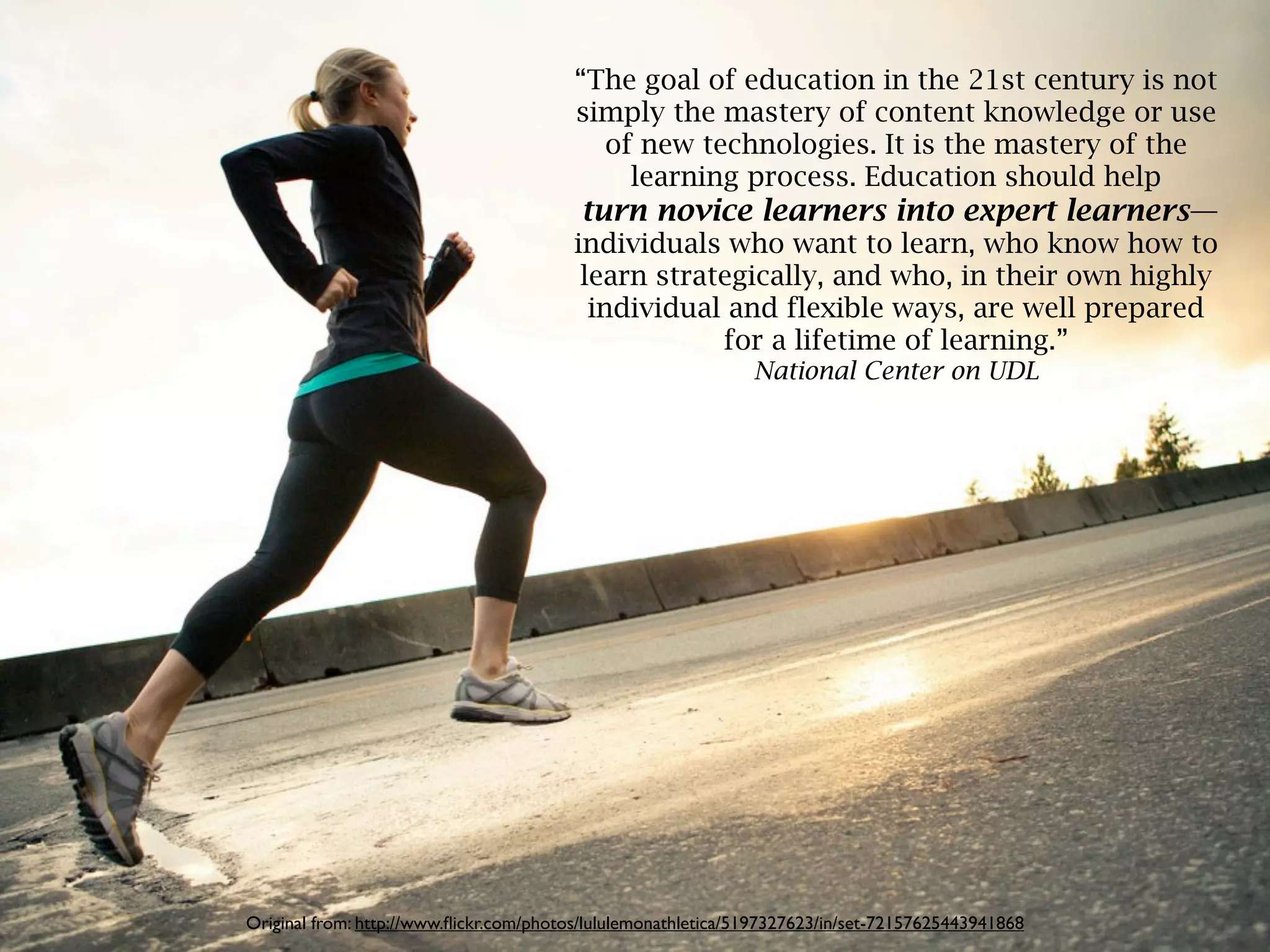
“The goal of education in the 21st century is not
                                        simply the mastery of content knowledge or use
                                          of new technologies. It is the mastery of the
                                            learning process. Education should help
                                         turn novice learners into expert learners—
                                        individuals who want to learn, who know how to
                                         learn strategically, and who, in their own highly
                                          individual and flexible ways, are well prepared
                                                    for a lifetime of learning.”
                                                               National Center on UDL


Original from: http://www.flickr.com/photos/lululemonathletica/5197327623/in/set-72157625443941868
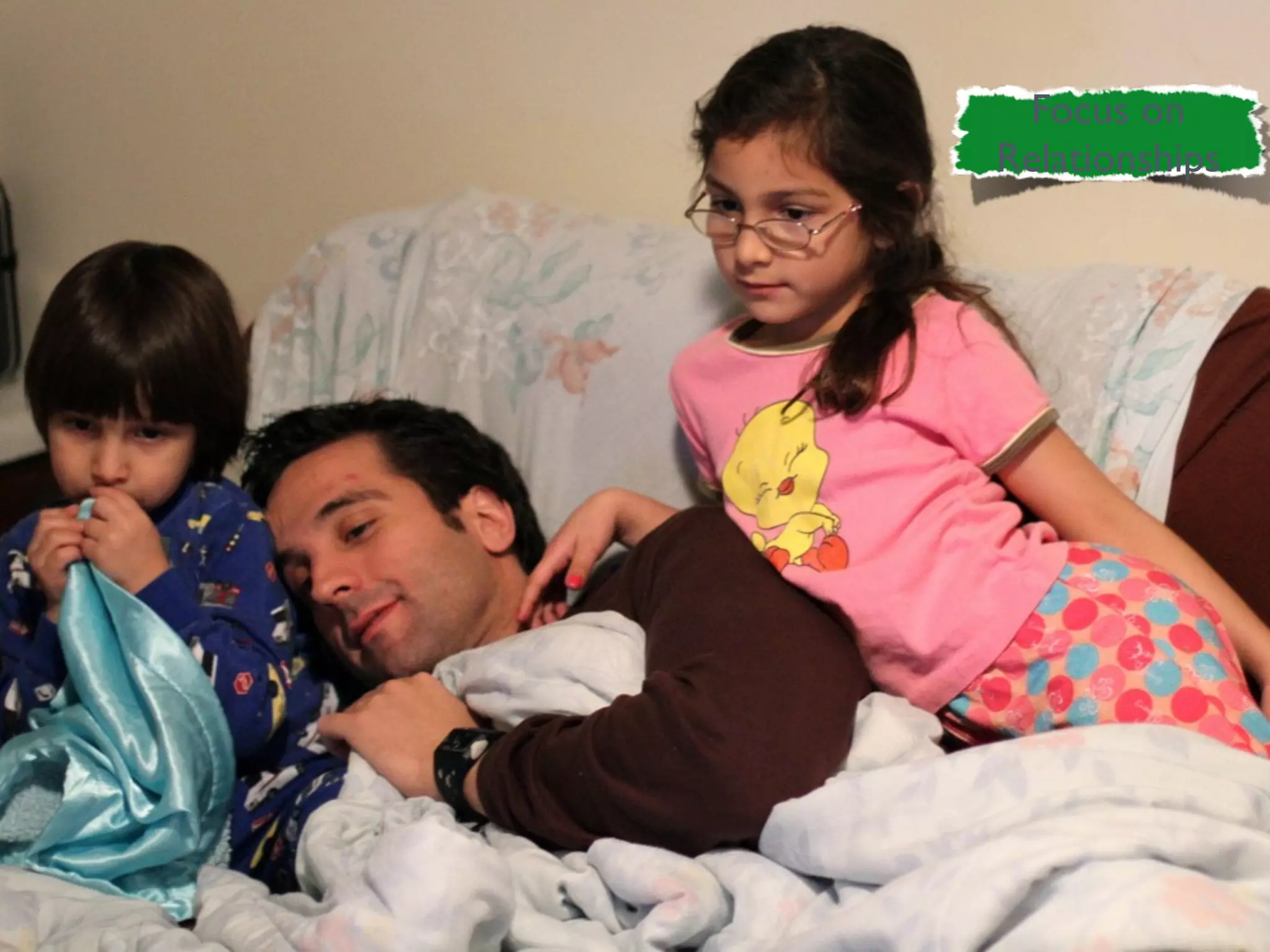
Focus on
Relationships
Values
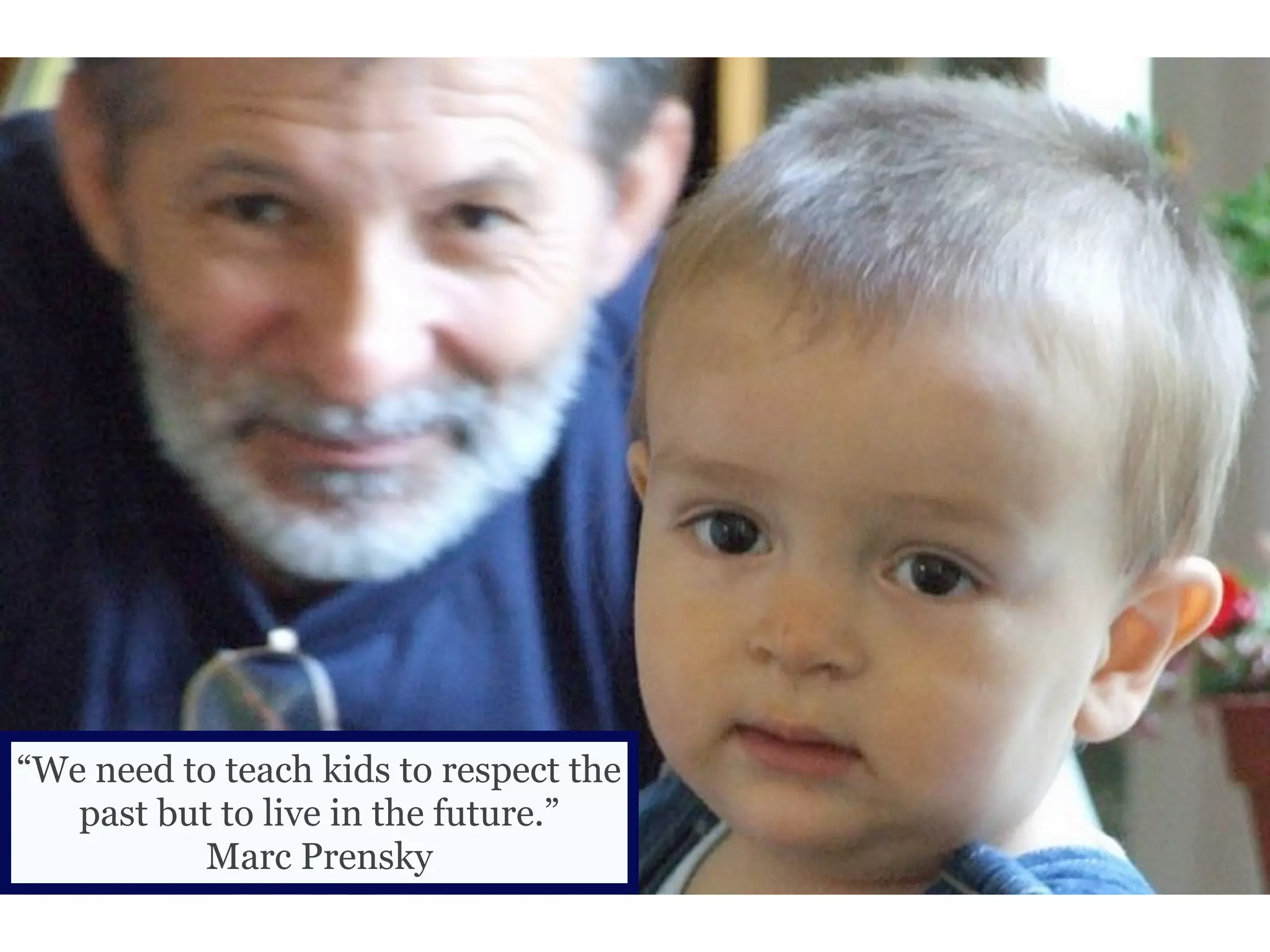
“We need to teach kids to respect the
   past but to live in the future.”
           Marc Prensky
These thoughts drive me...
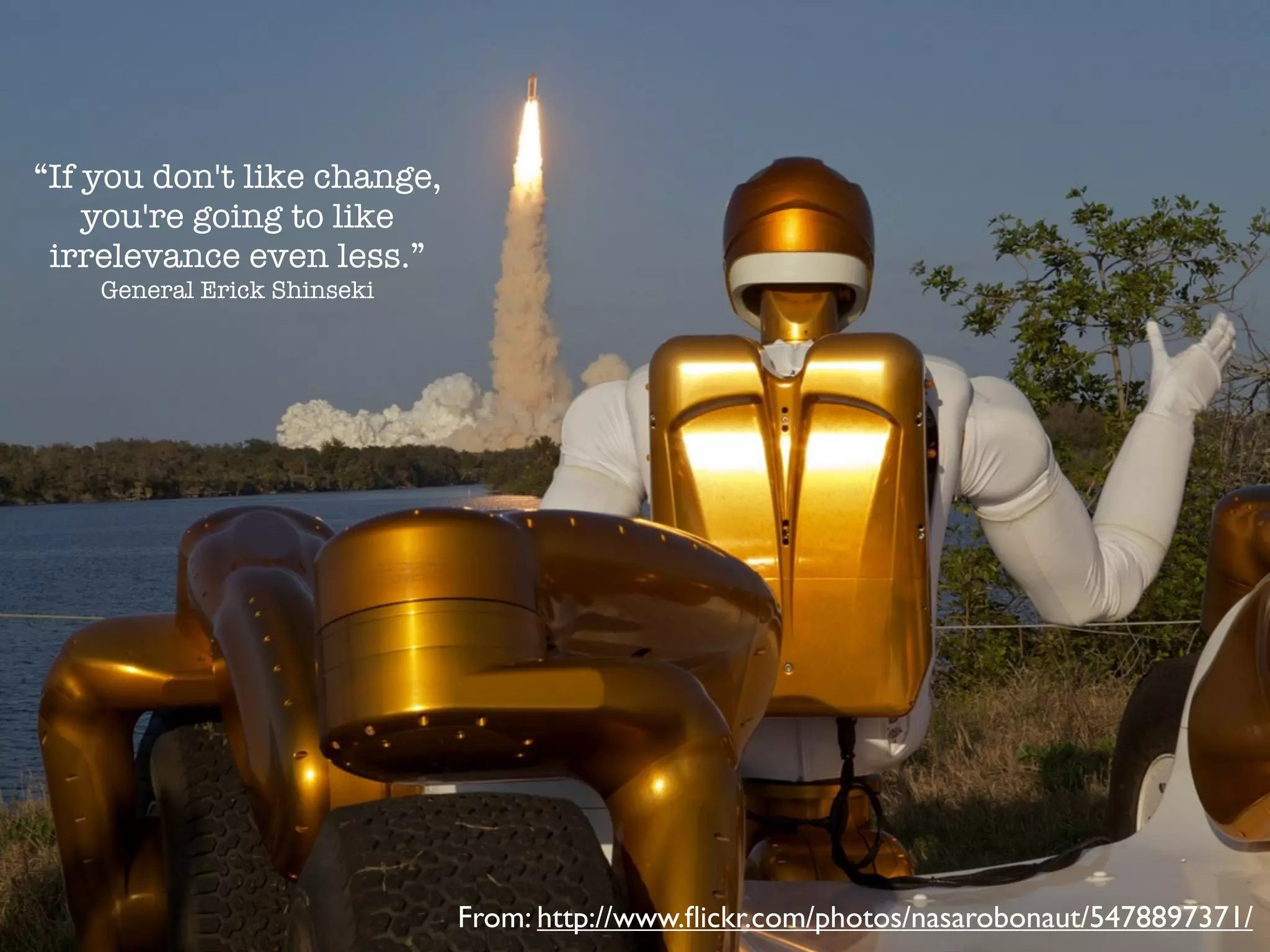
“If you don't like change,
    you're going to like
 irrelevance even less.”
    General Erick Shinseki


                             From: http://www.flickr.com/photos/nasarobonaut/5478897371/
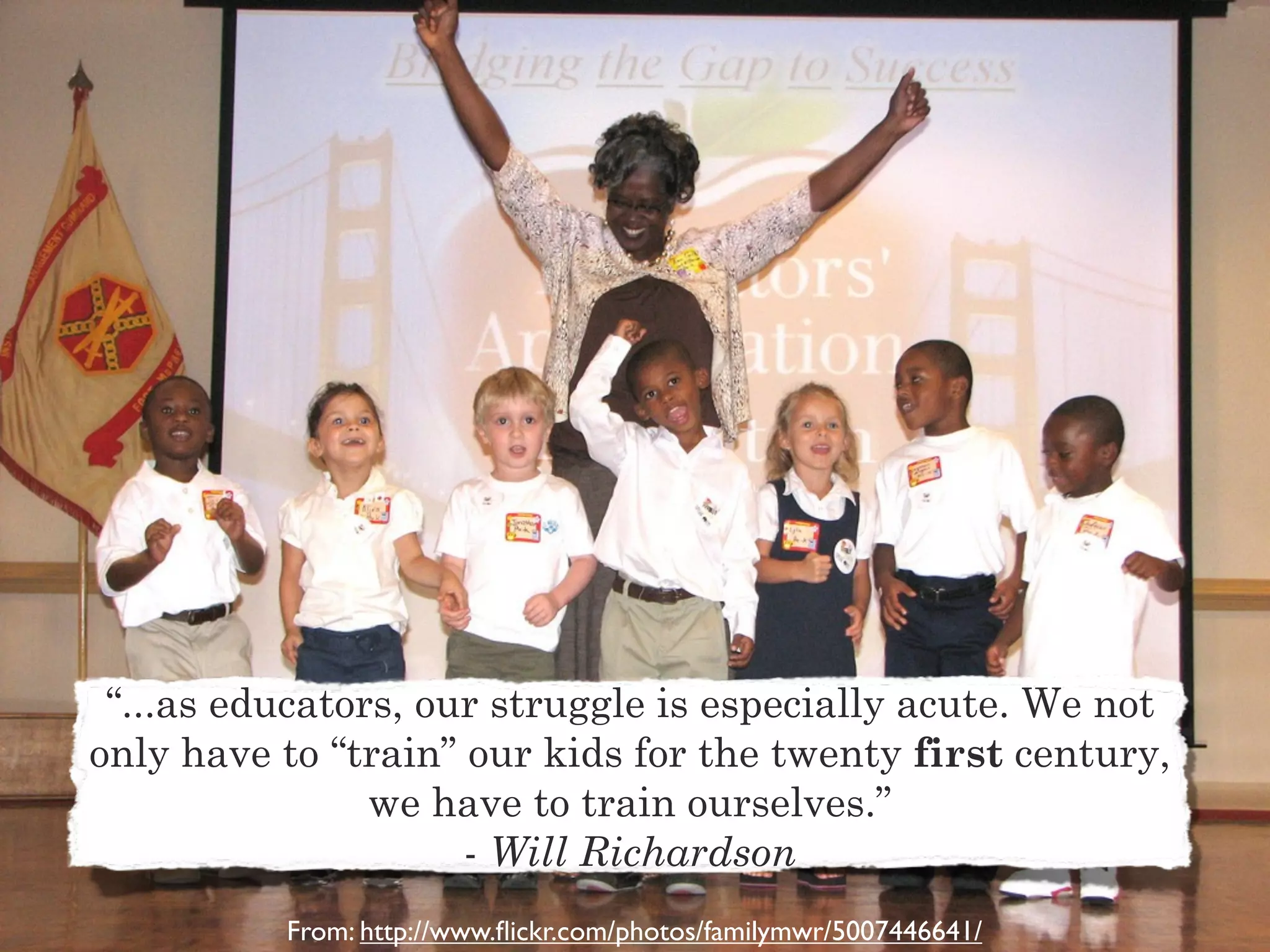
“...as educators, our struggle is especially acute. We not
only have to “train” our kids for the twenty first century,
                we have to train ourselves.”
                     - Will Richardson
          From: http://www.flickr.com/photos/familymwr/5007446641/
As we go through this,
there are two things that I
want you to think about...
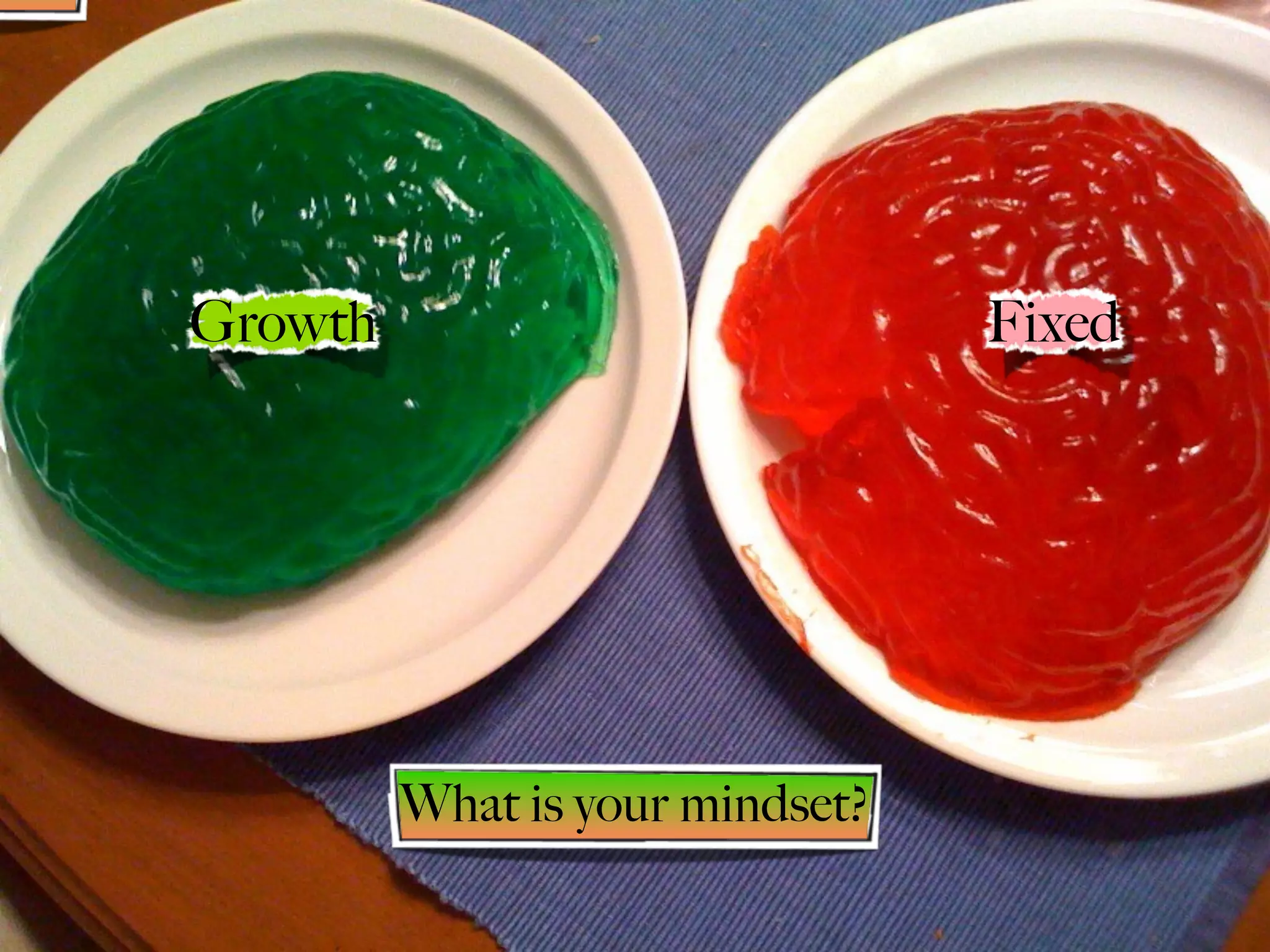
Growth                           Fixed


         What is your mindset?
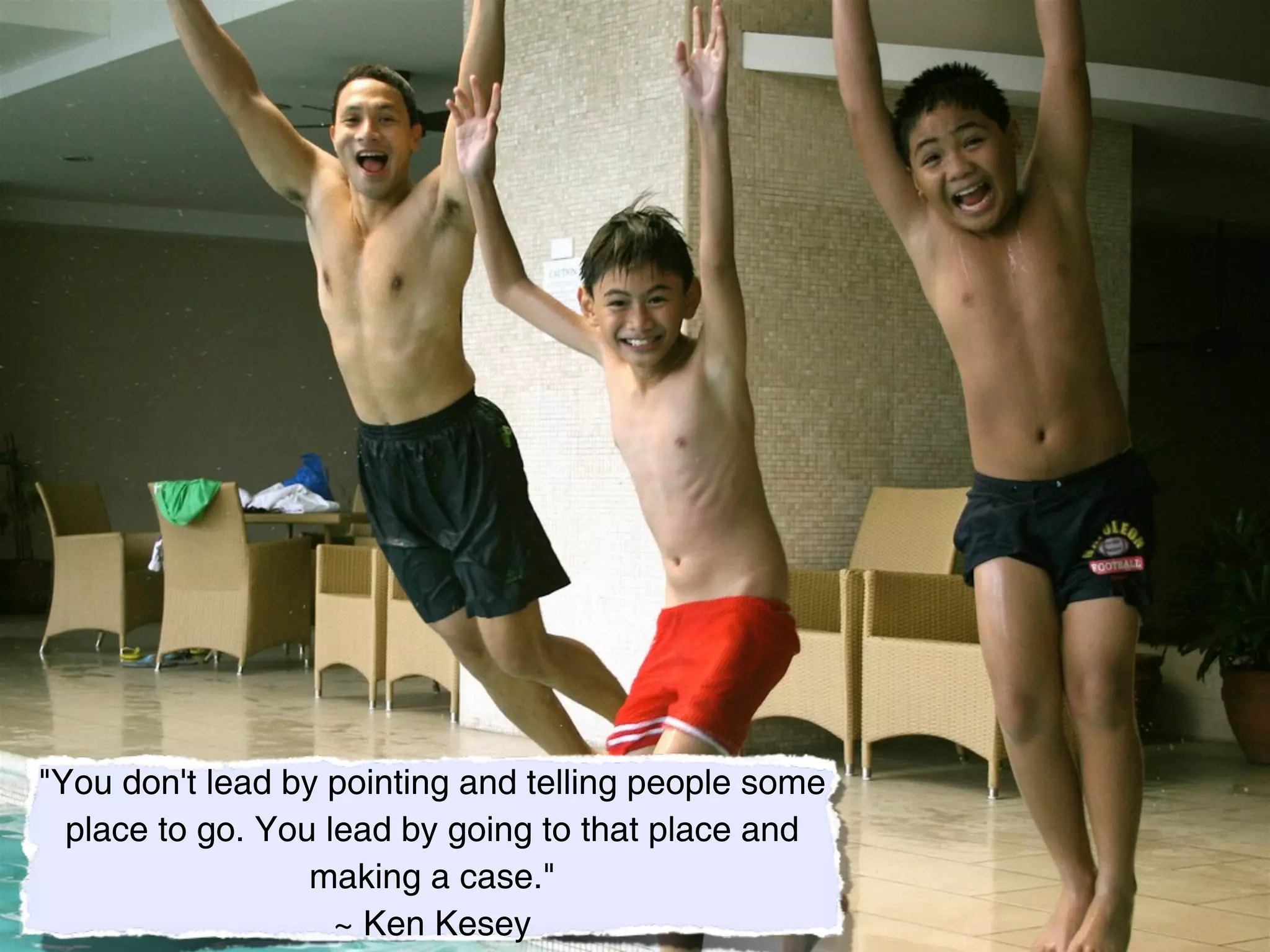
"You don't lead by pointing and telling people some
  place to go. You lead by going to that place and
                  making a case."
                    ~ Ken Kesey
Context
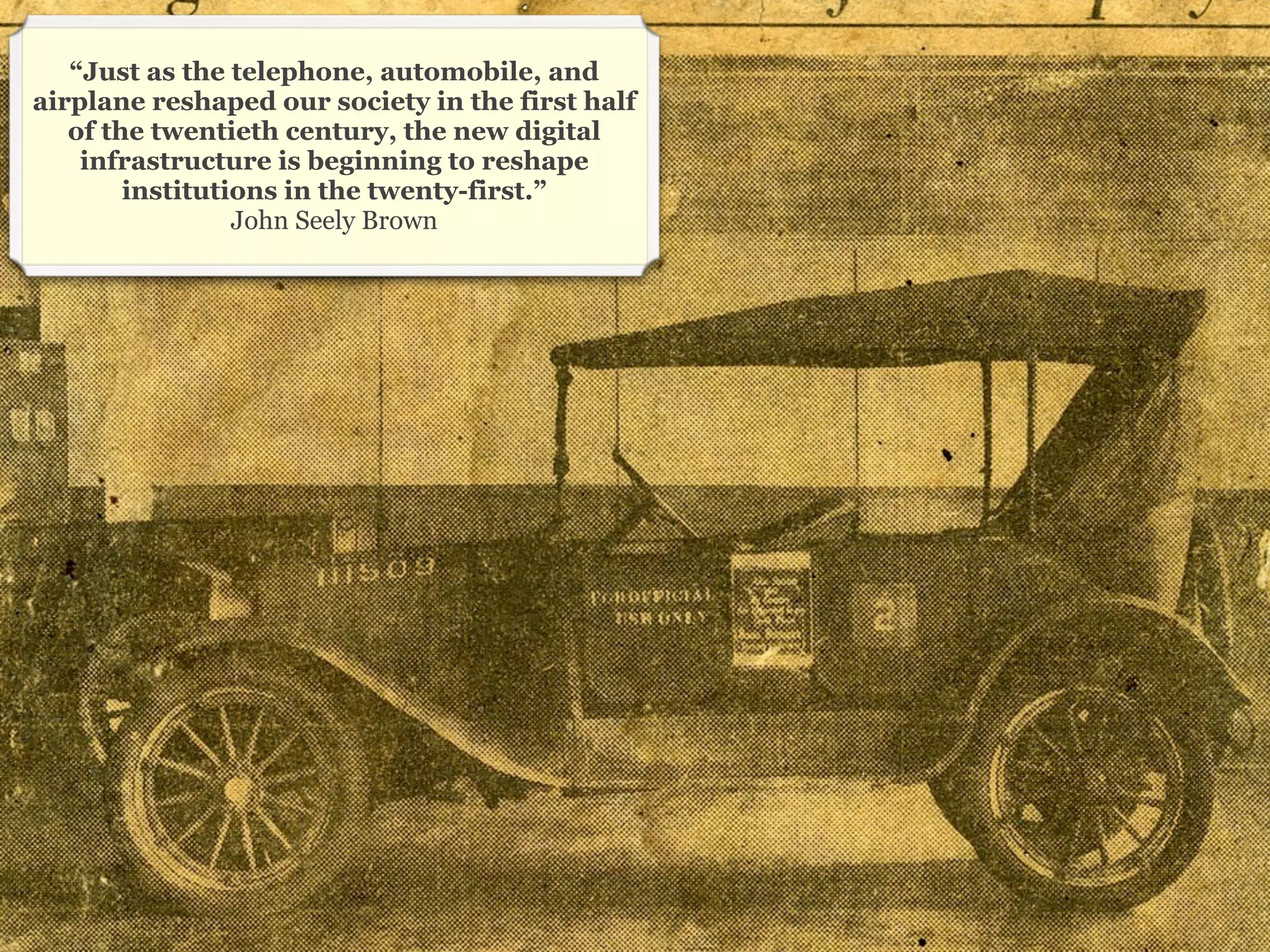
“Just as the telephone, automobile, and
airplane reshaped our society in the first half
   of the twentieth century, the new digital
    infrastructure is beginning to reshape
        institutions in the twenty-first.”
                 John Seely Brown


                                                  15
Consider these stats:

•60 percent of Fortune 500 businesses are using social
media spaces to reach out to customers.

•95 percent of colleges and universities are using social
media spaces to reach out to customers.
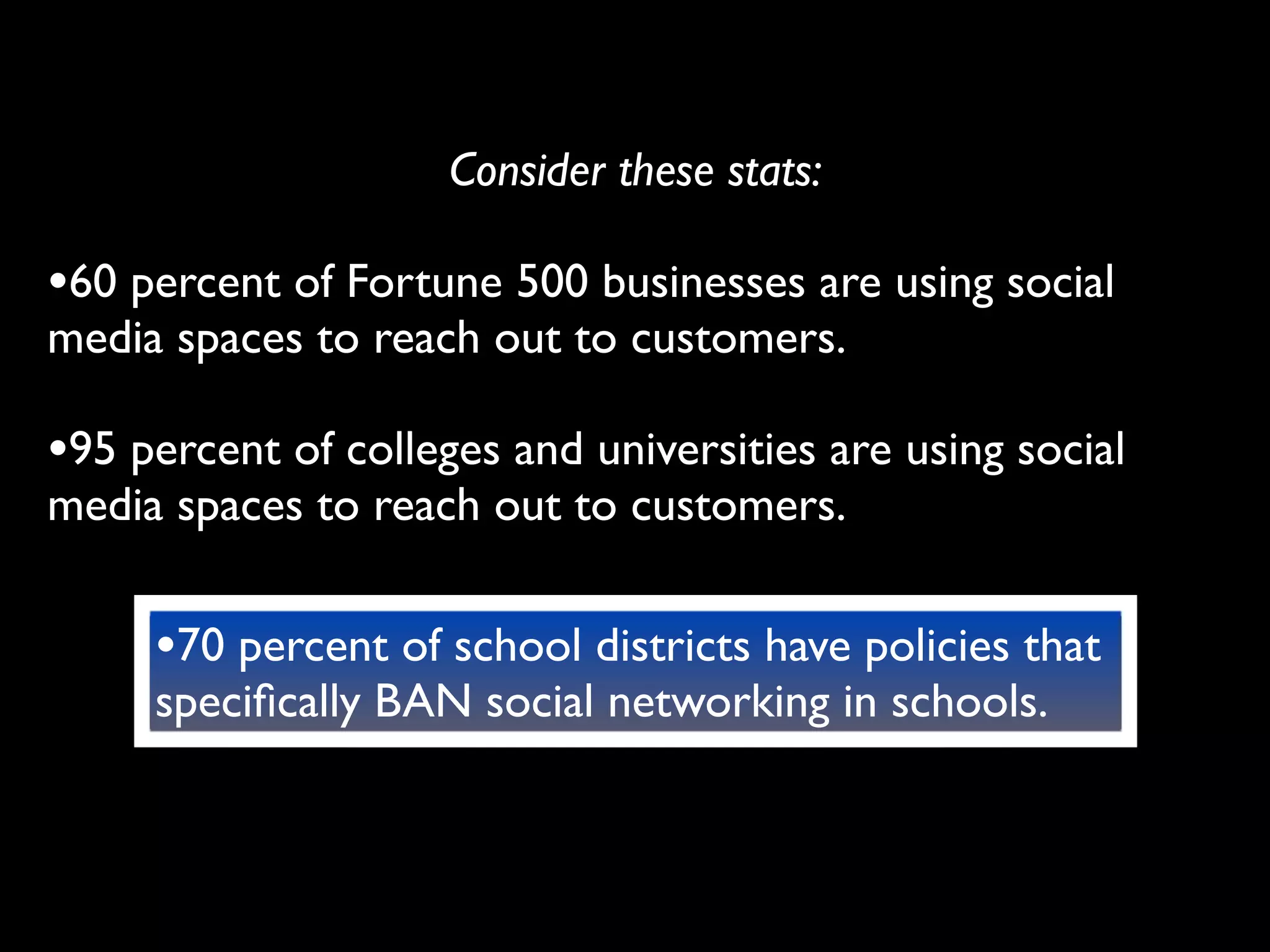
Consider these stats:

•60 percent of Fortune 500 businesses are using social
media spaces to reach out to customers.

•95 percent of colleges and universities are using social
media spaces to reach out to customers.

     •70 percent of school districts have policies that
     specifically BAN social networking in schools.
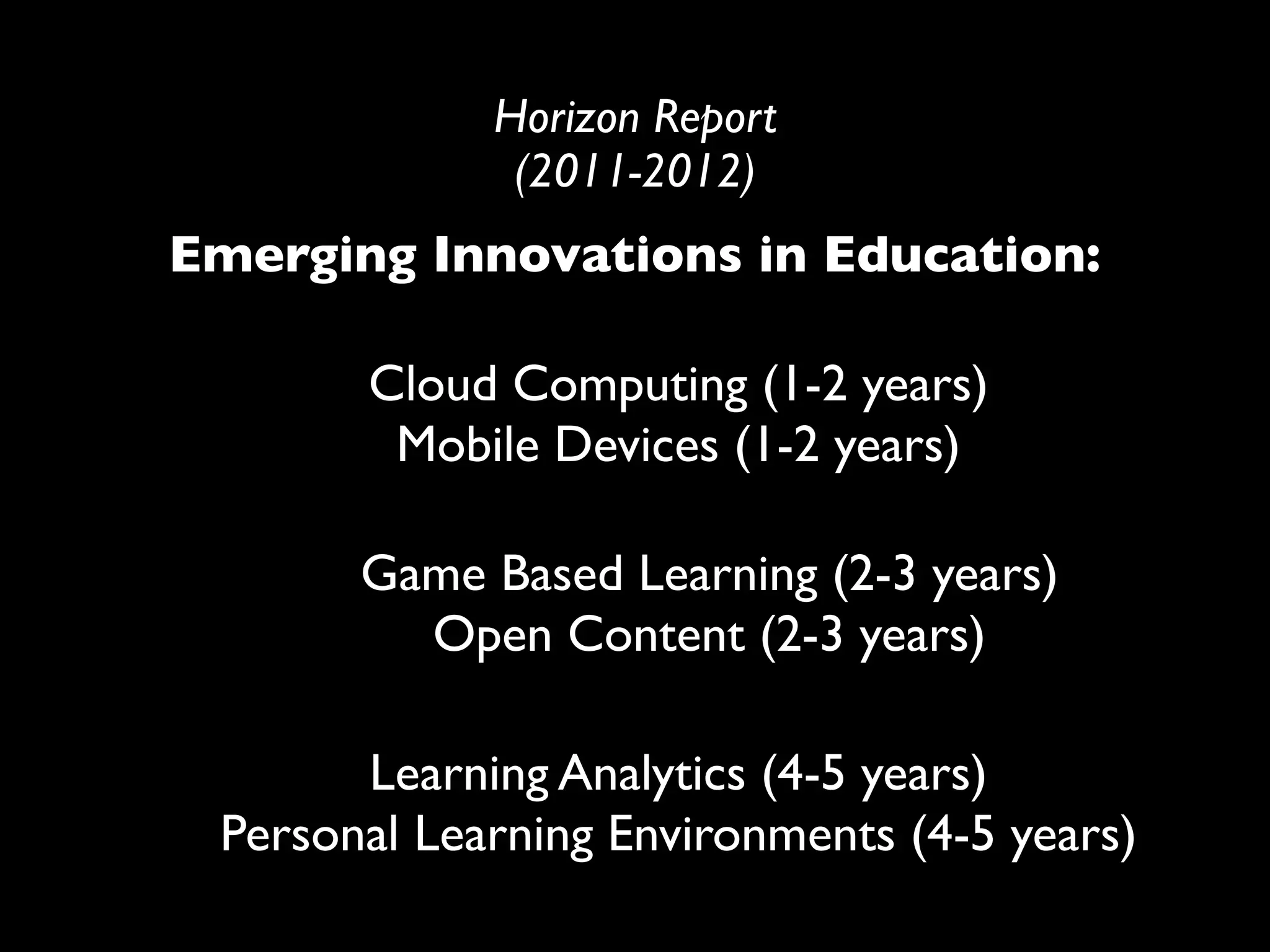
Horizon Report
              (2011-2012)
Emerging Innovations in Education:

       Cloud Computing (1-2 years)
        Mobile Devices (1-2 years)

       Game Based Learning (2-3 years)
         Open Content (2-3 years)

       Learning Analytics (4-5 years)
 Personal Learning Environments (4-5 years)
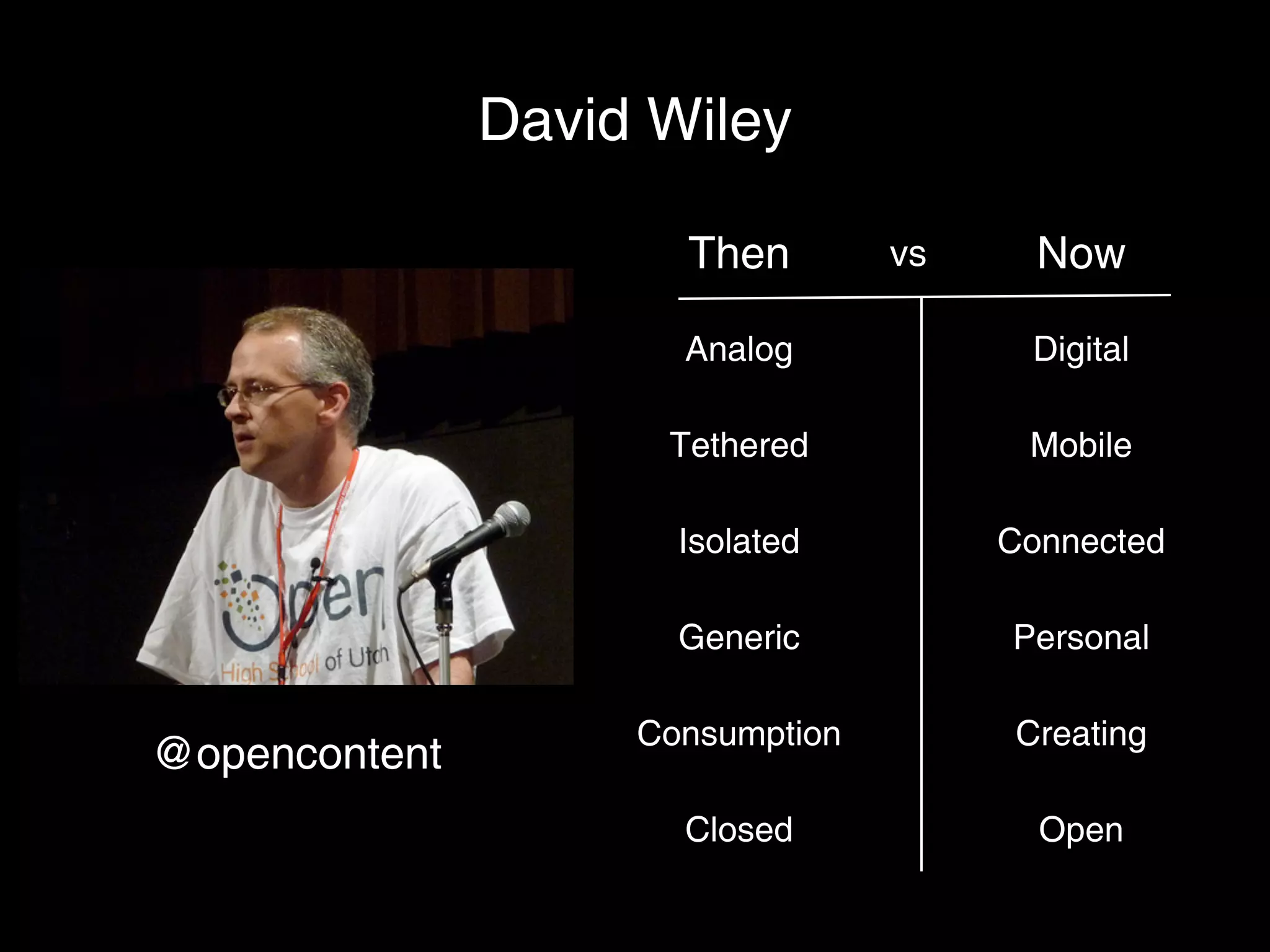
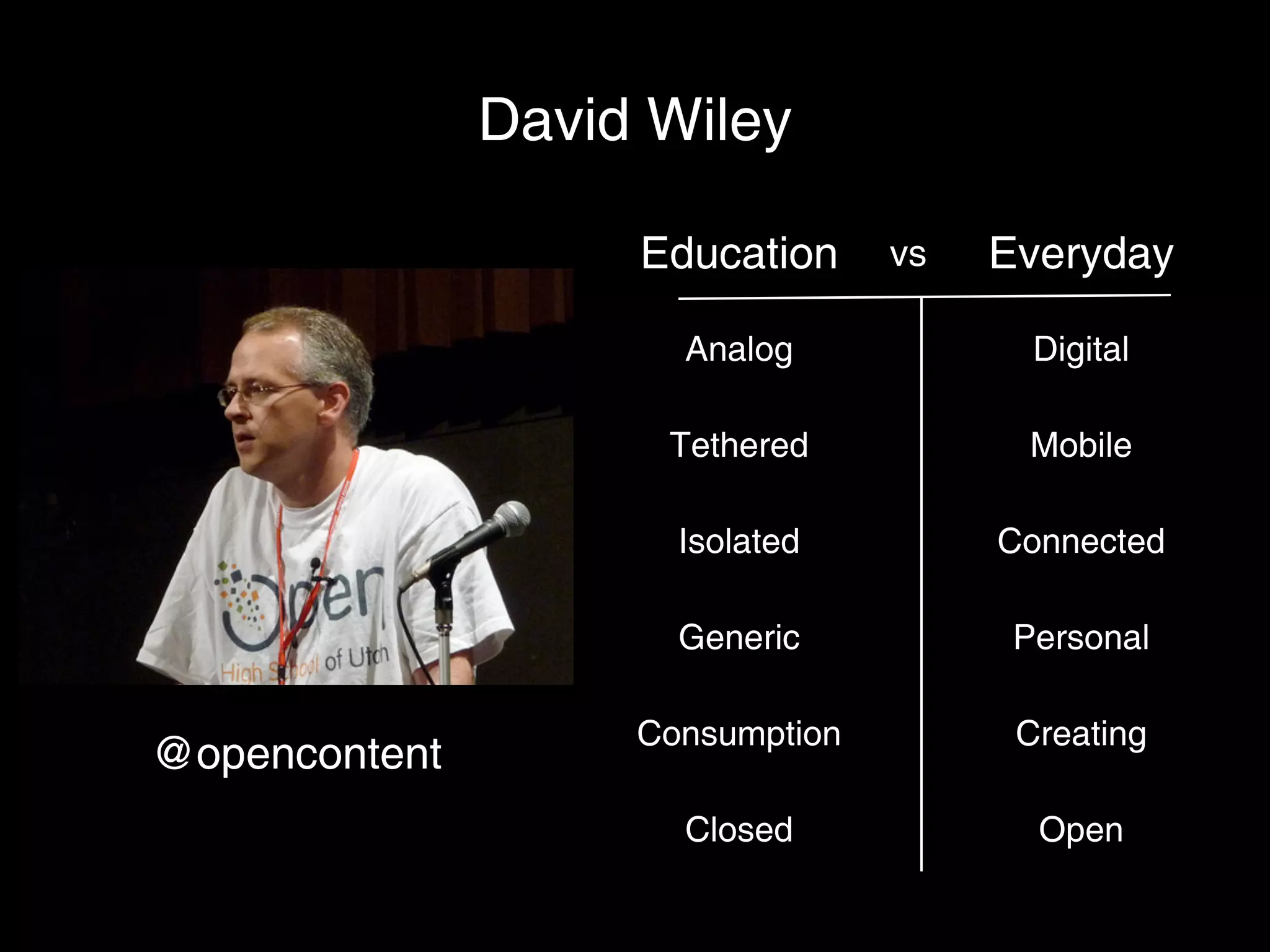
David Wiley

                      Then        vs     Now

                      Analog            Digital

                     Tethered           Mobile

                      Isolated         Connected

                      Generic          Personal

                    Consumption        Creating
@opencontent
                      Closed             Open
David Wiley

                    Education     vs   Everyday

                      Analog             Digital

                     Tethered            Mobile

                      Isolated         Connected

                      Generic           Personal

                    Consumption         Creating
@opencontent
                      Closed             Open
(DIGITAL) LITERACY
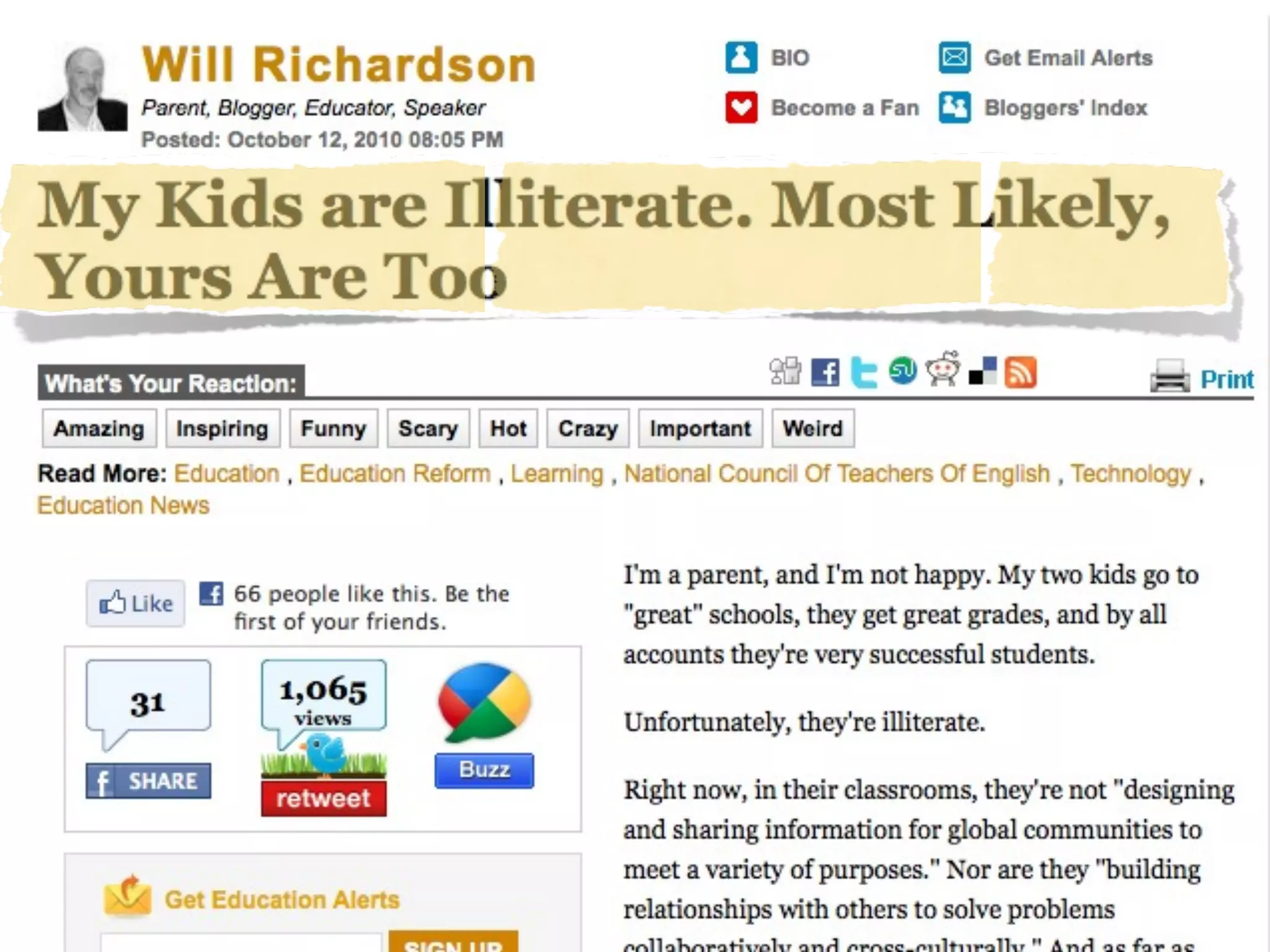
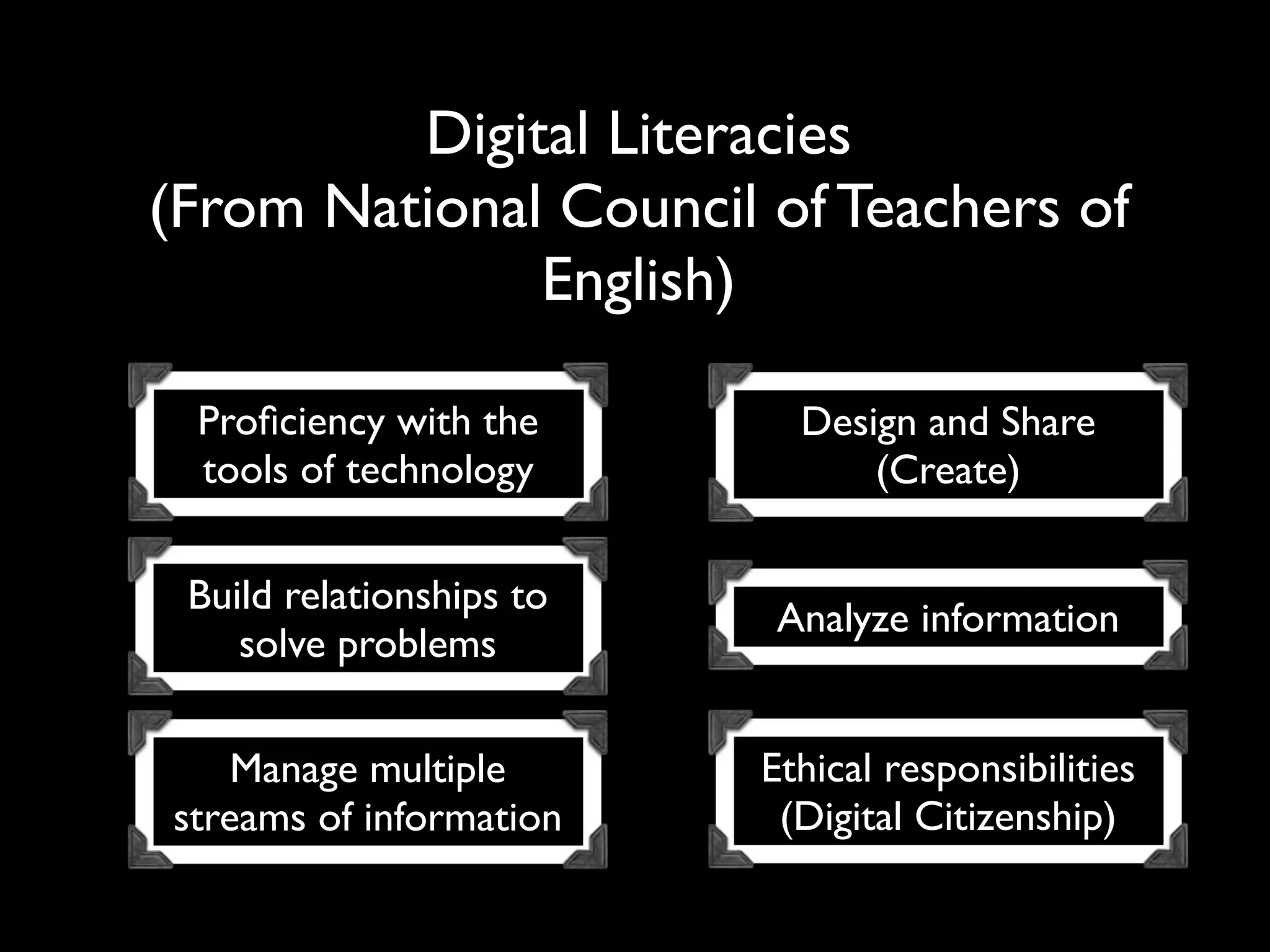
Digital Literacies
(From National Council of Teachers of
              English)

 Proficiency with the        Design and Share
 tools of technology            (Create)

 Build relationships to
                           Analyze information
    solve problems

    Manage multiple       Ethical responsibilities
streams of information     (Digital Citizenship)
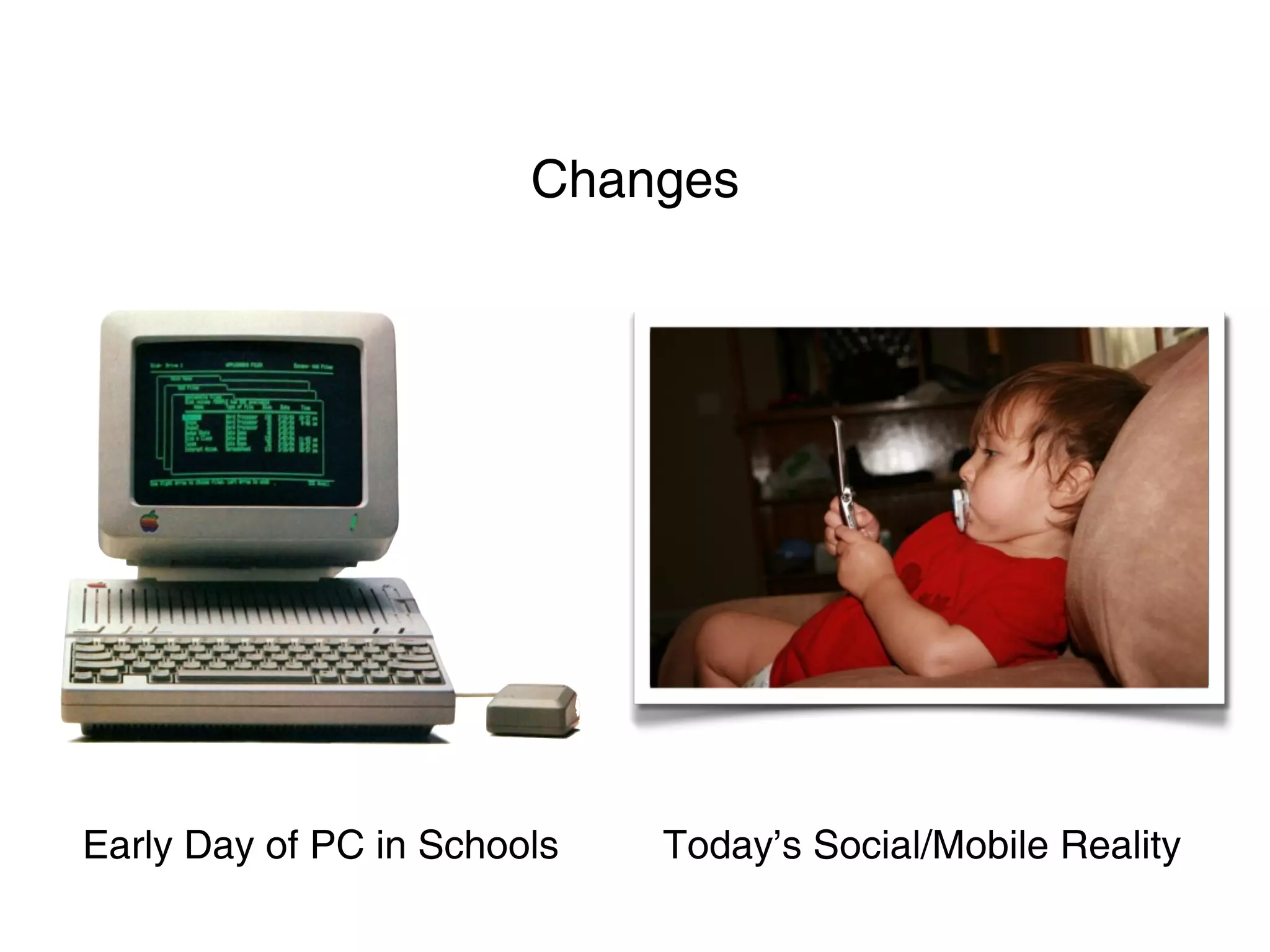
Changes


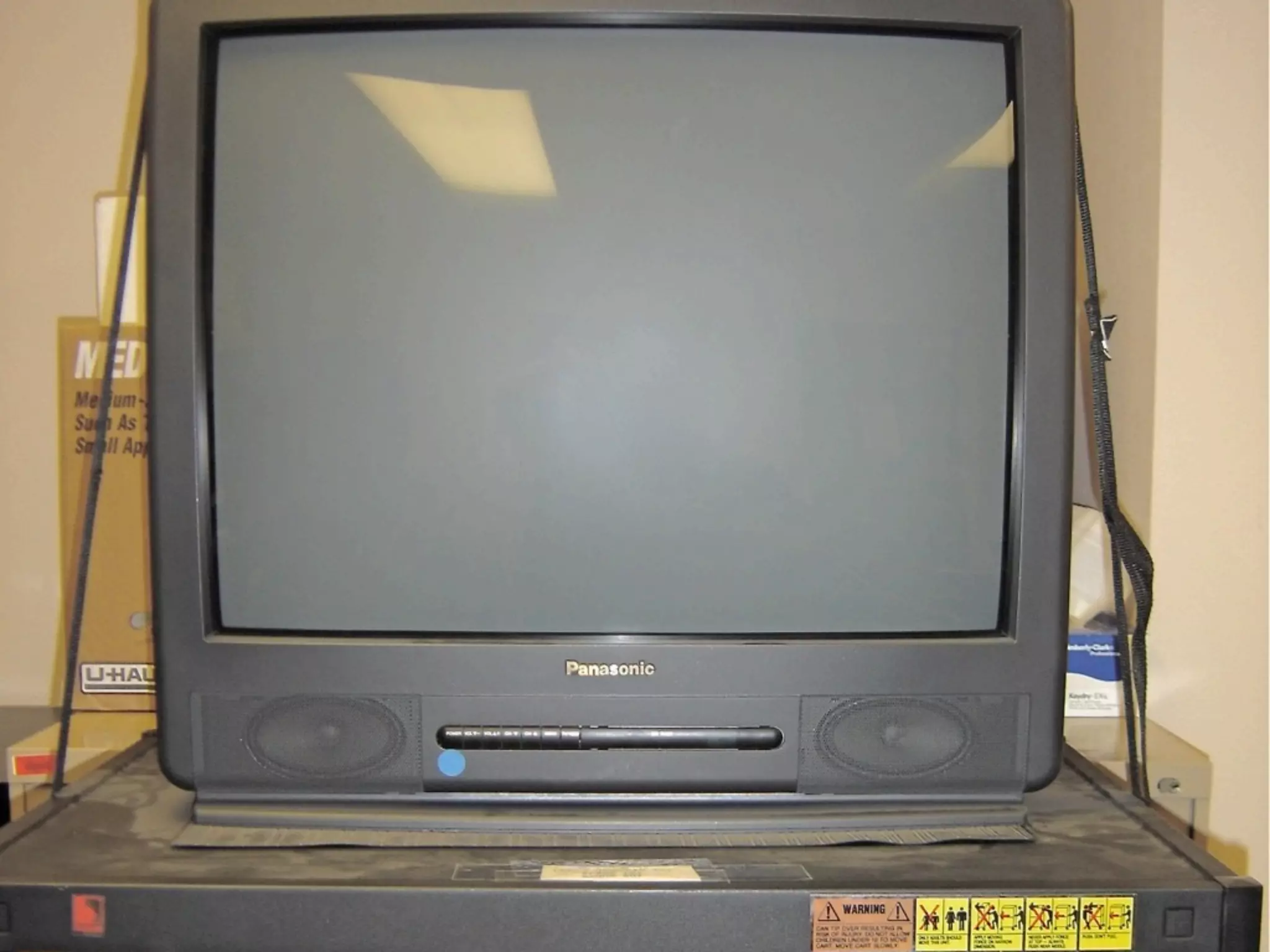
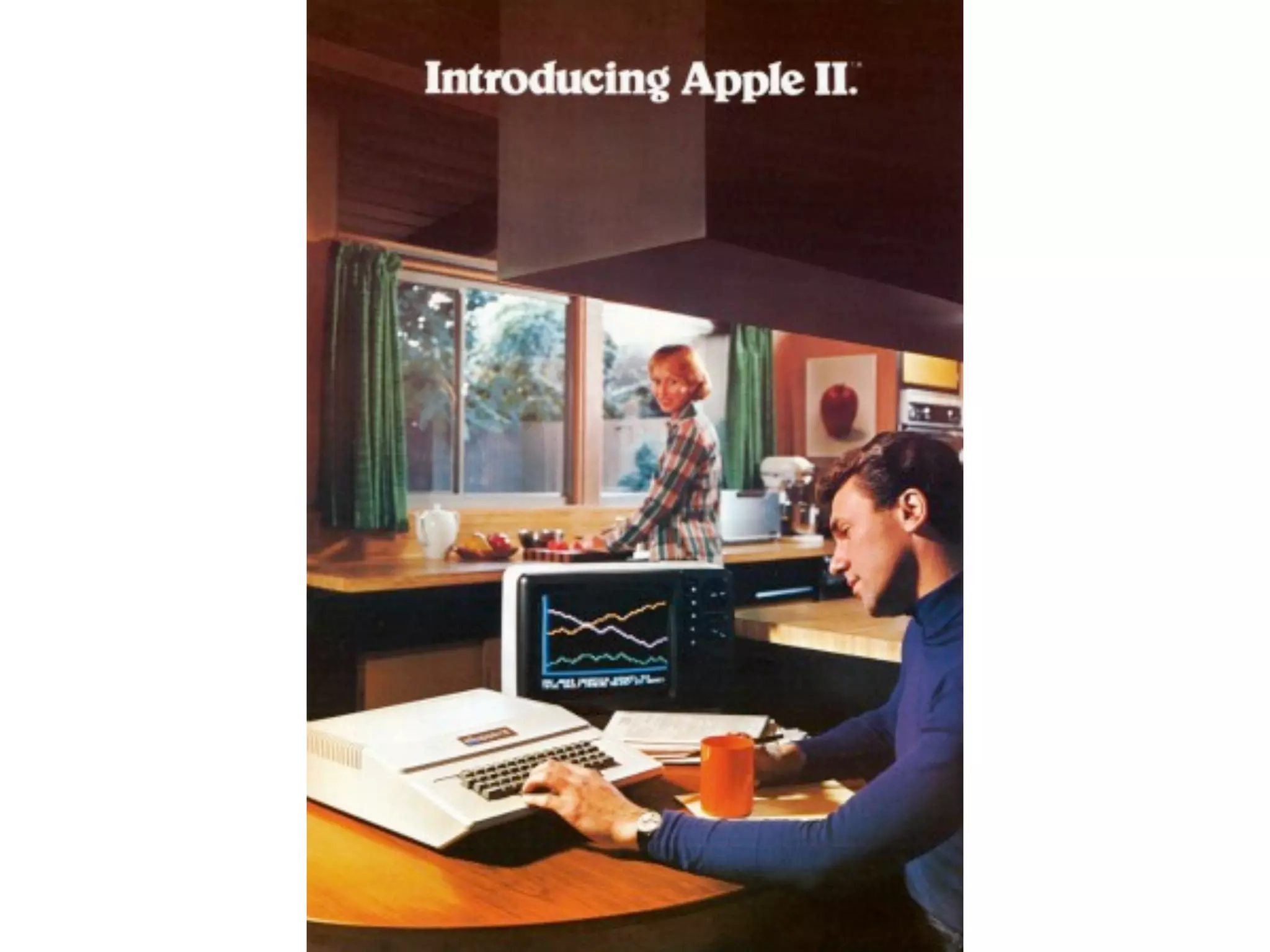
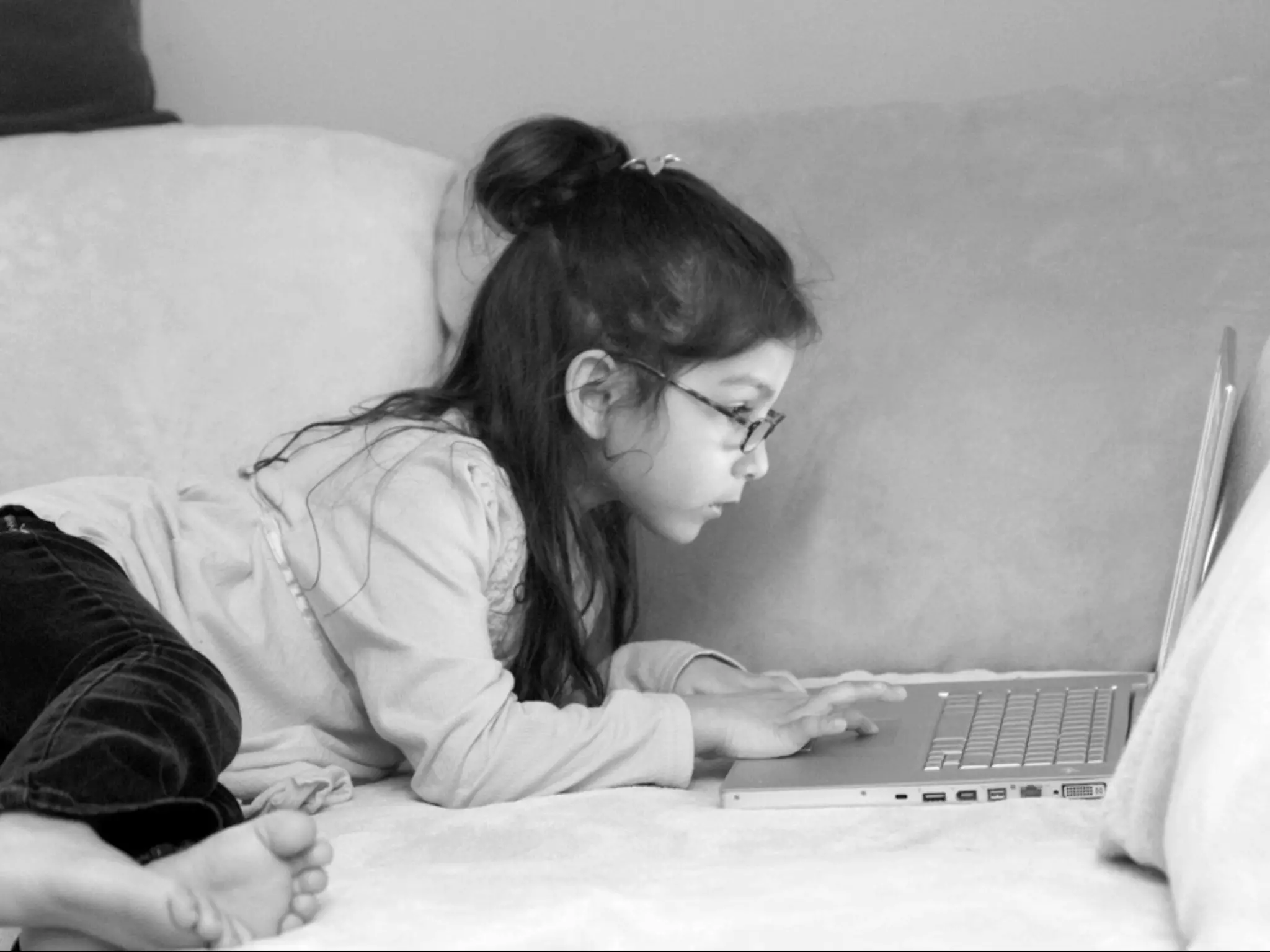
Early Day of PC in Schools   Today’s Social/Mobile Reality
This also goes for our traditional notion of literacy
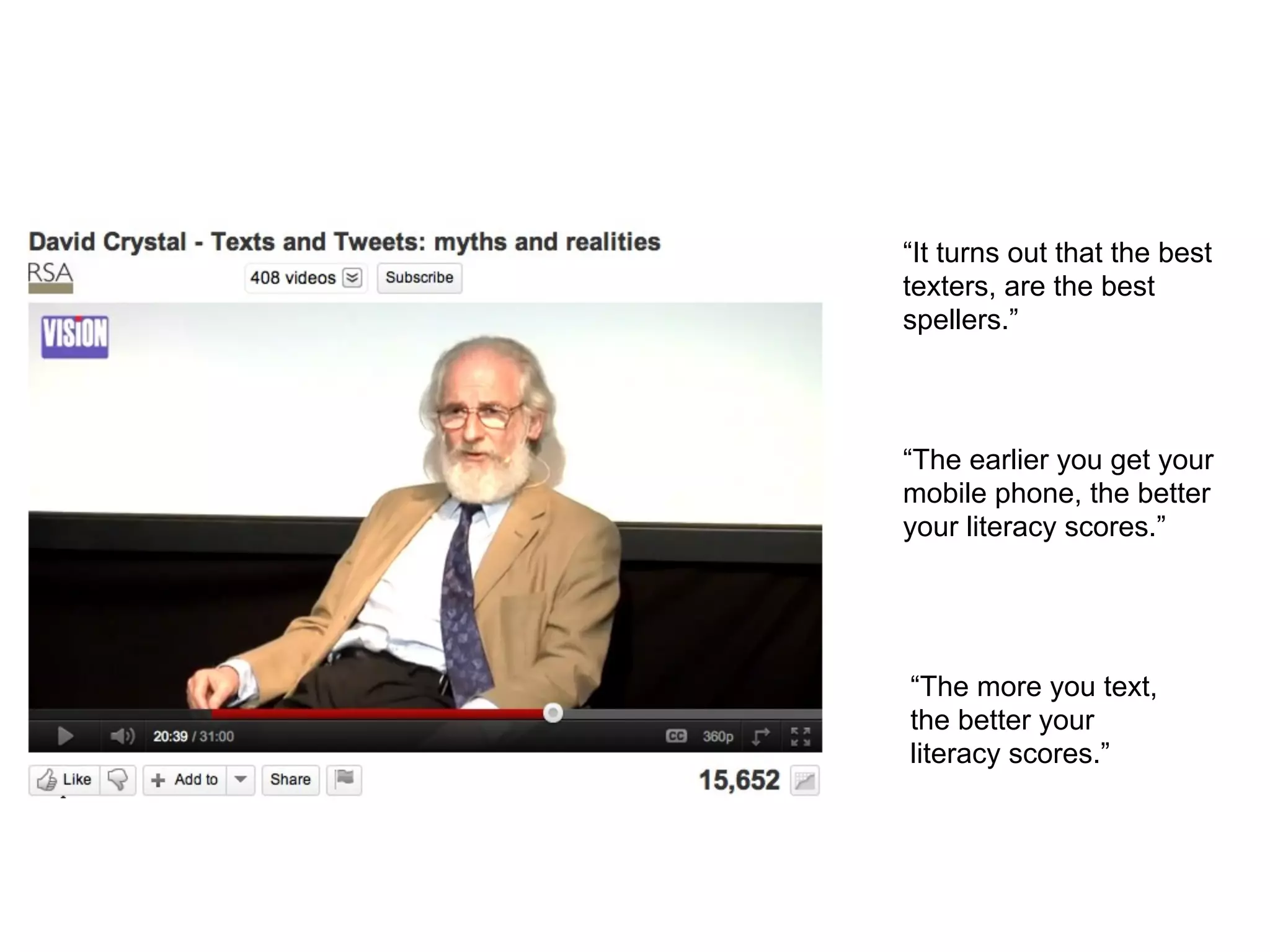
“It turns out that the best
texters, are the best
spellers.”


“The earlier you get your
mobile phone, the better
your literacy scores.”


“The more you text,
the better your
literacy scores.”
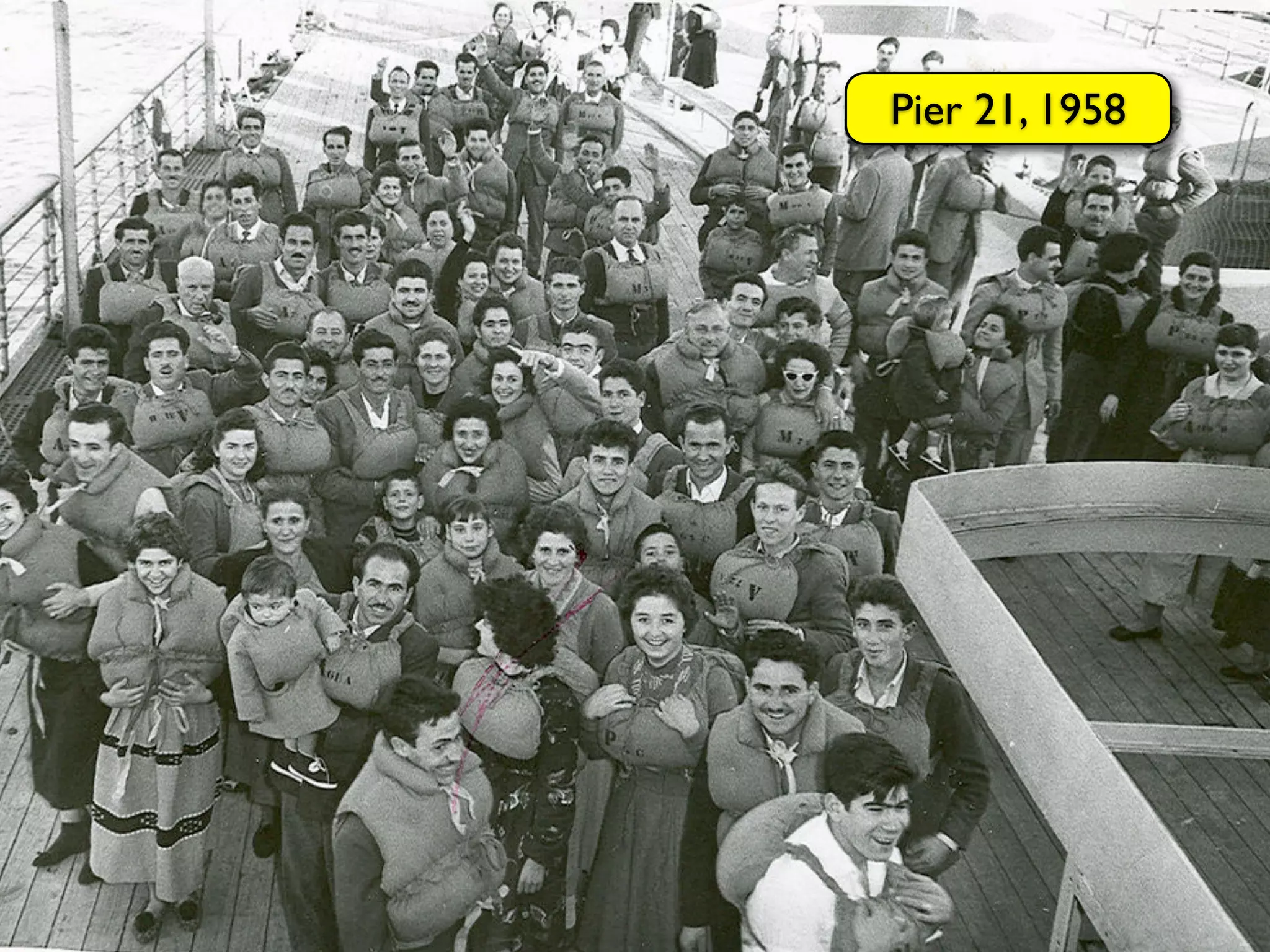
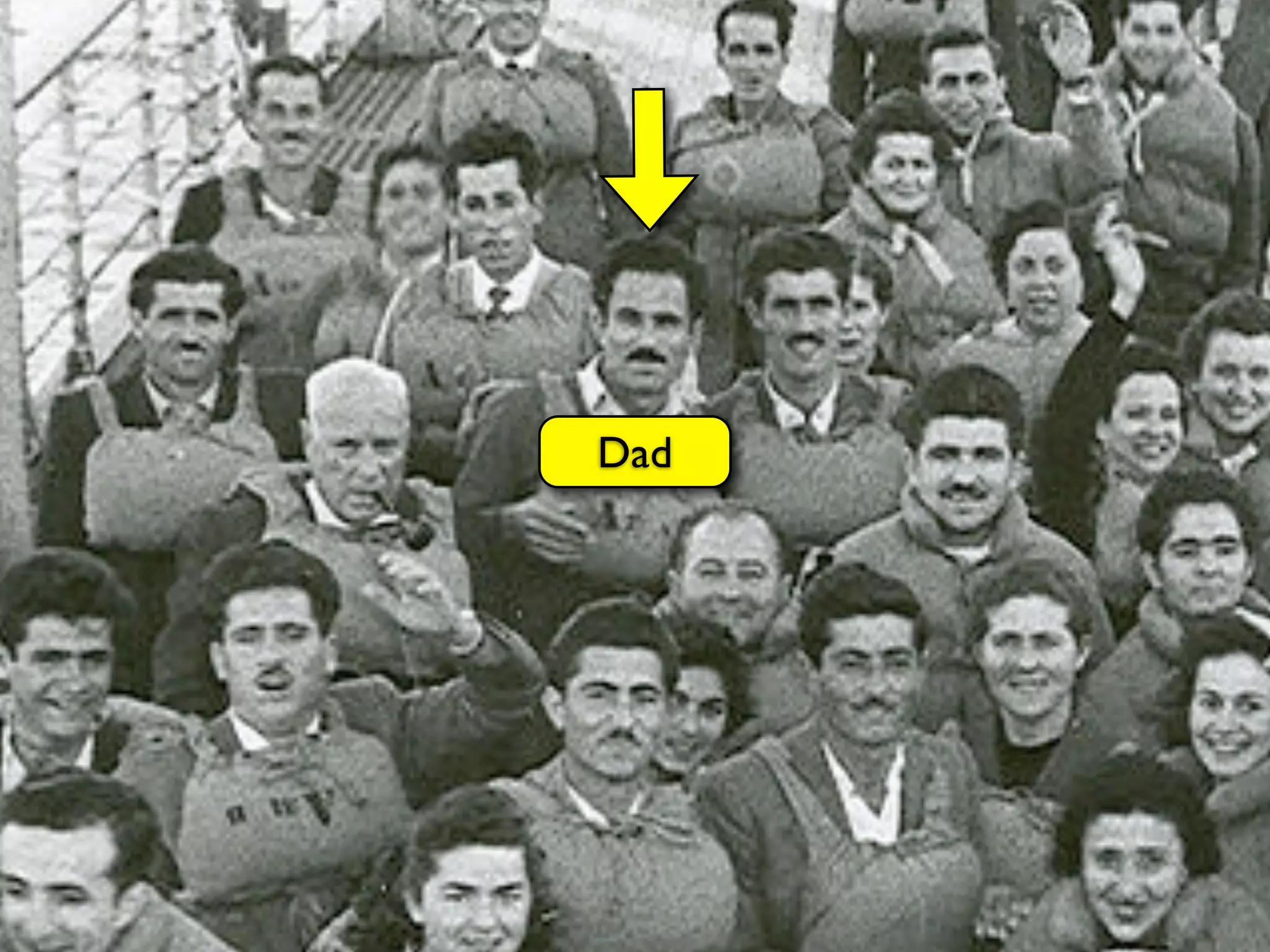
Pier 21, 1958
Dad
DIGITAL FOOTPRINT
What about our
  footprint?
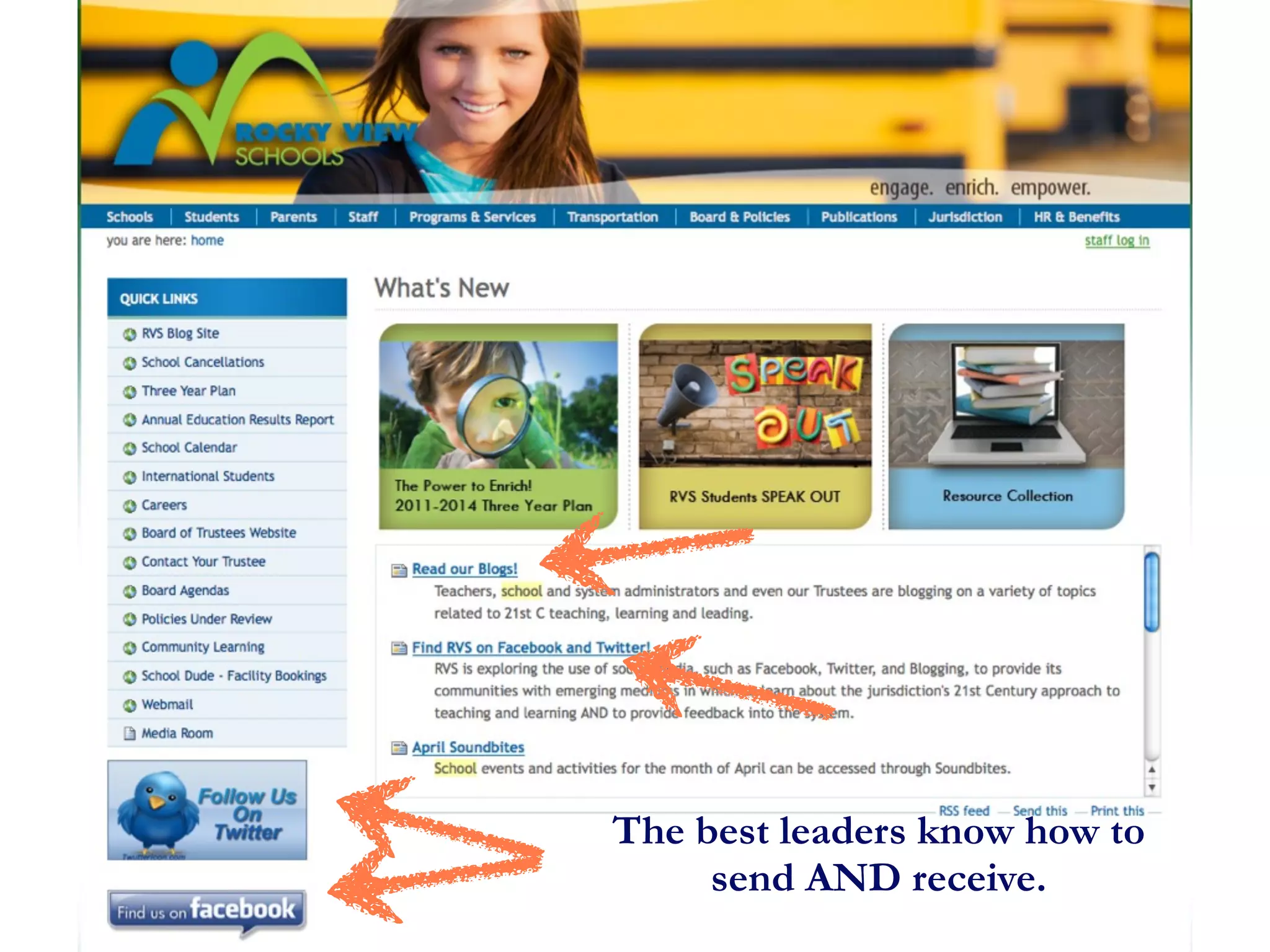
The best leaders know how to
     send AND receive.
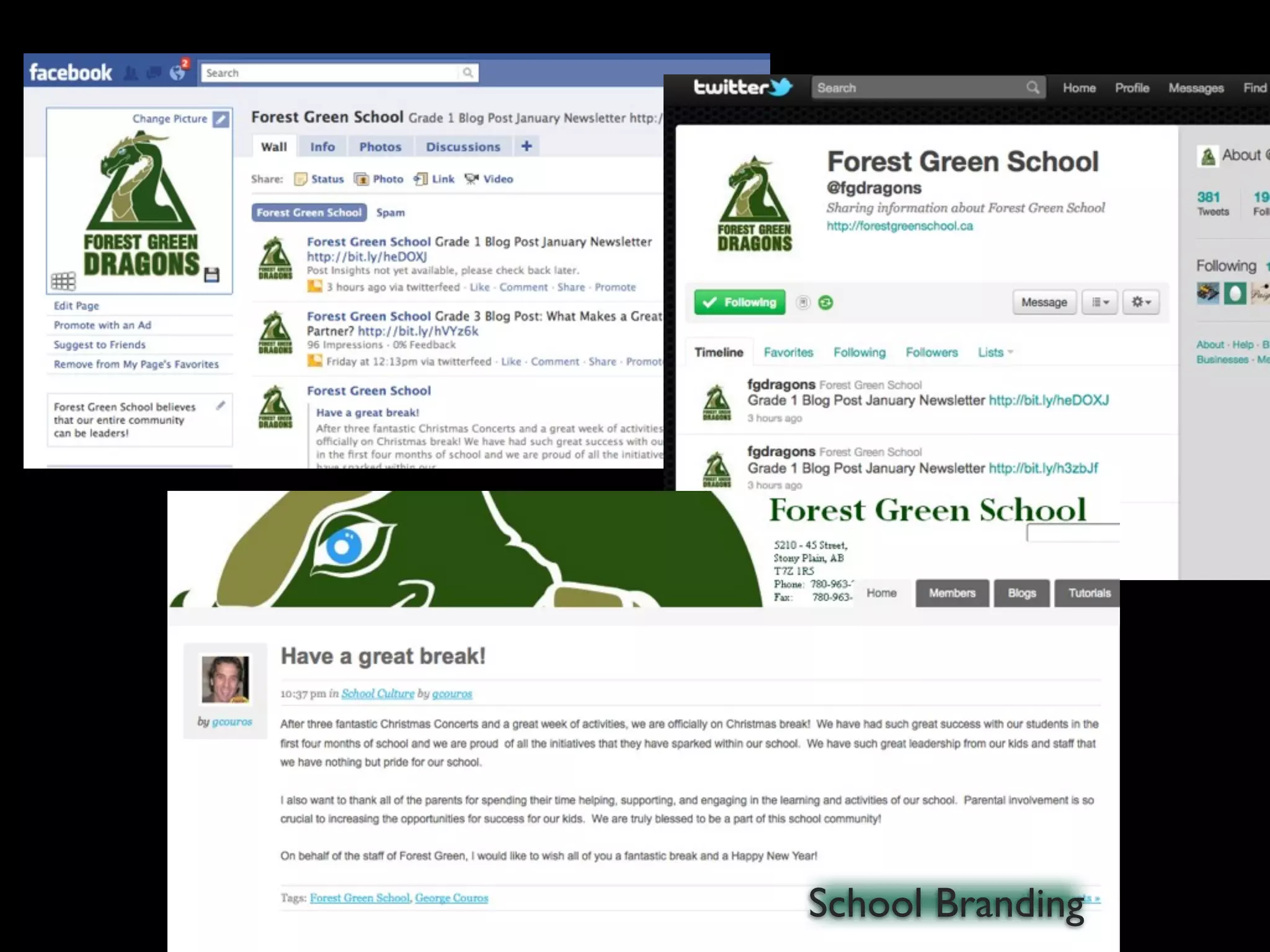
School Branding
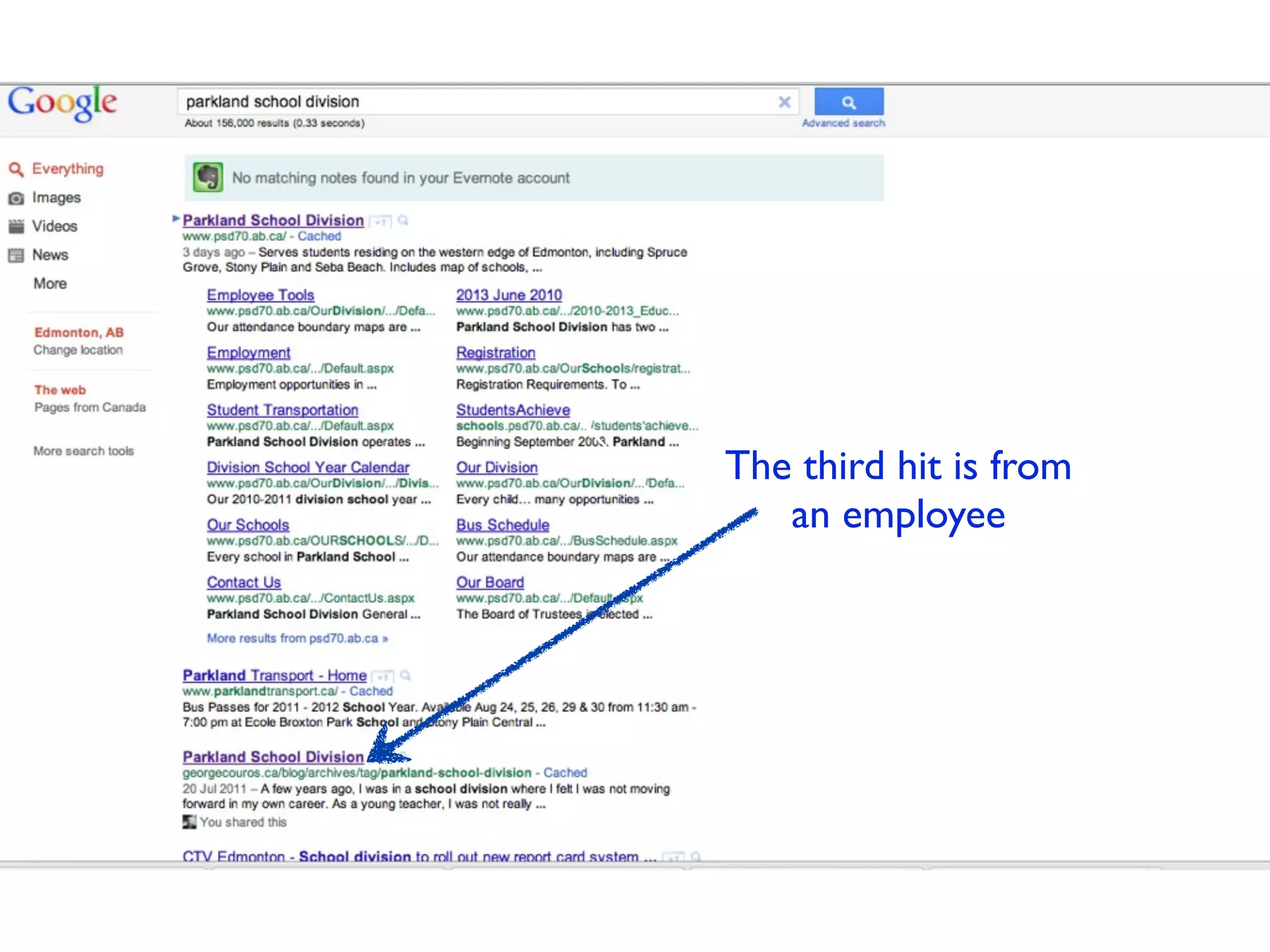
The third hit is from
   an employee
ANYWHERE, ANYPLACE,
 ANYTIME LEARNING
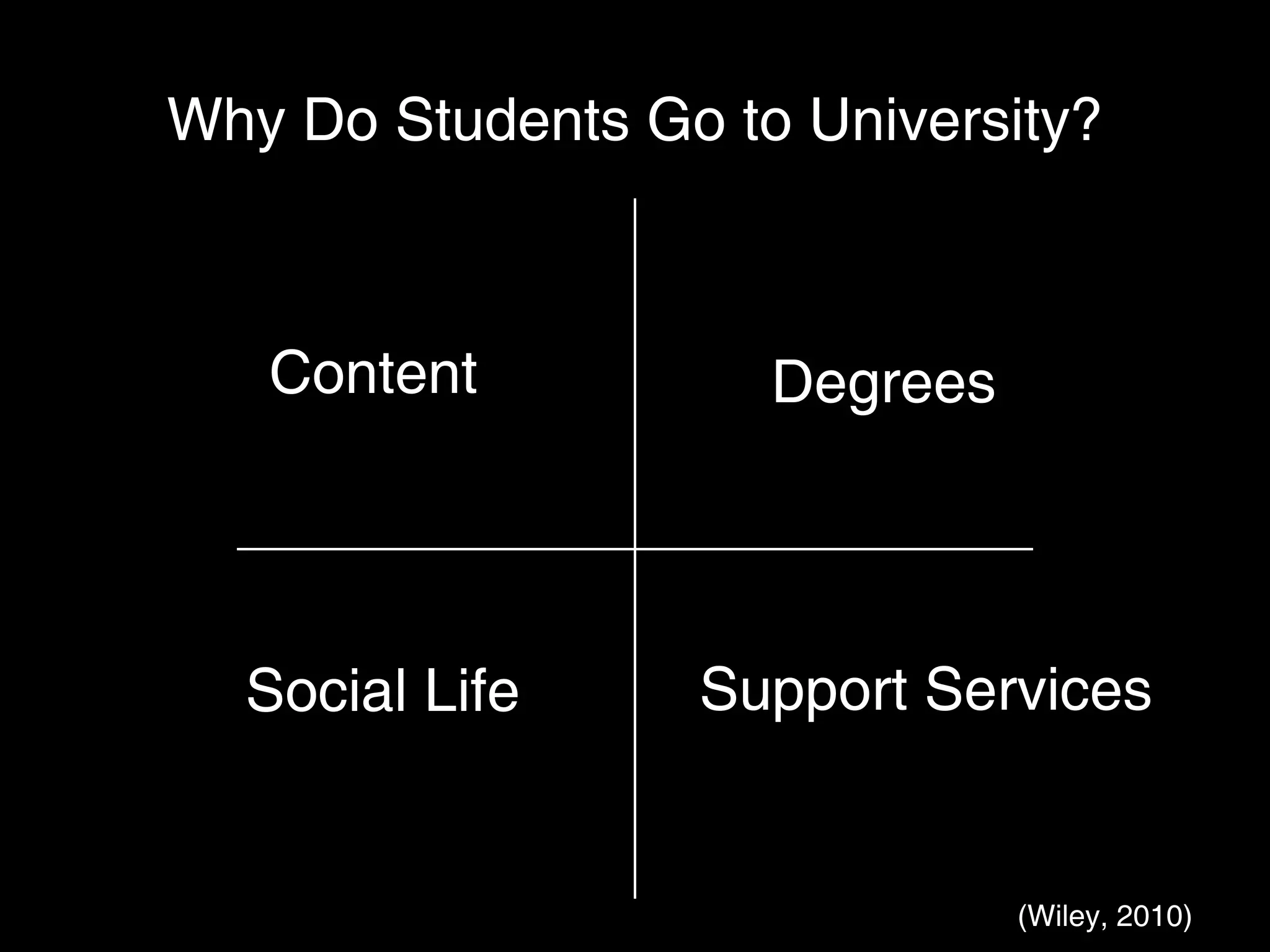
Why Do Students Go to University?


   Content           Degrees


  Social Life     Support Services


                               (Wiley, 2010)
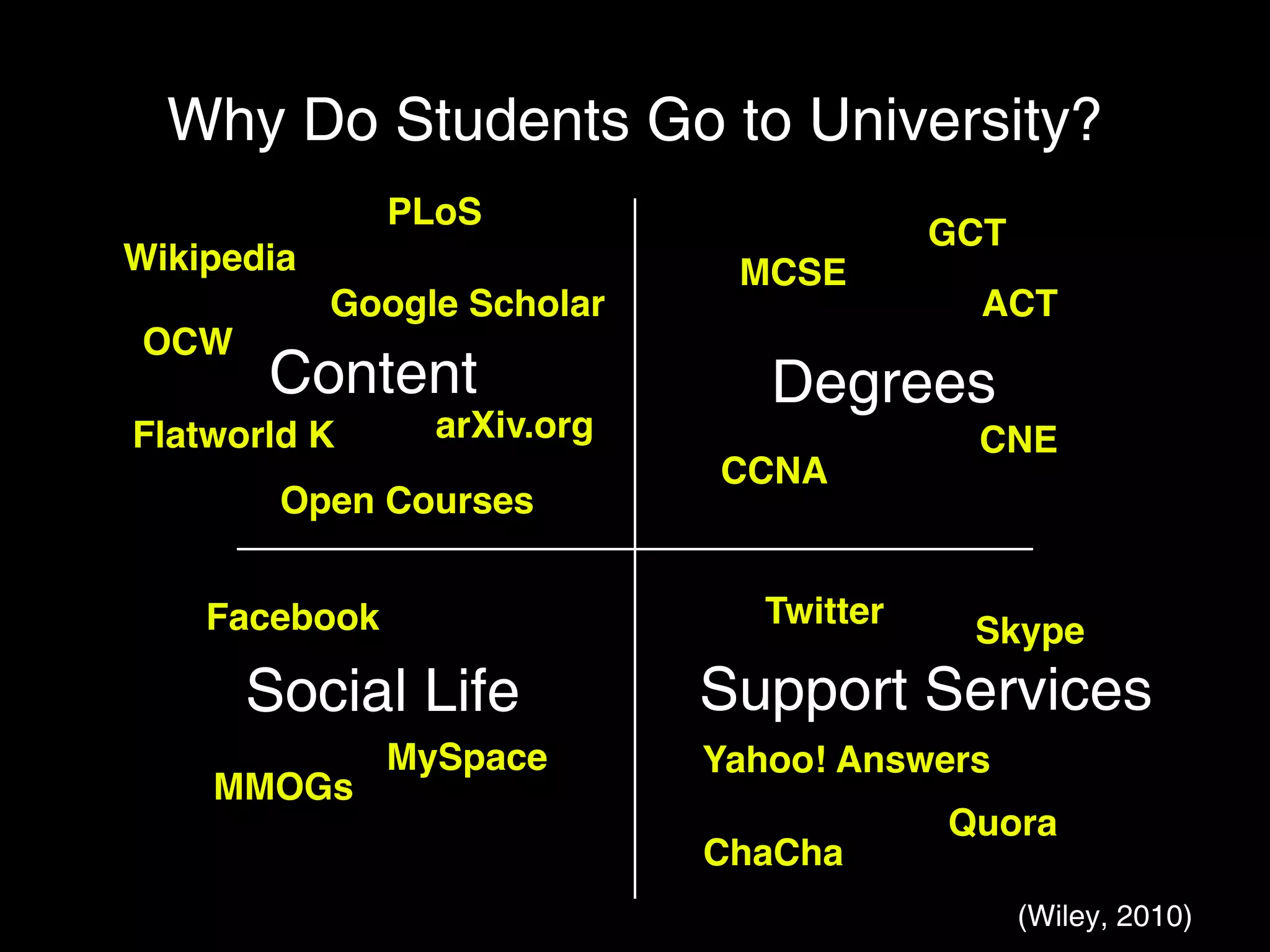
Why Do Students Go to University?
               PLoS
                                          GCT
Wikipedia                     MCSE
            Google Scholar                  ACT
 OCW
       Content                  Degrees
Flatworld K      arXiv.org                 CNE
                             CCNA
        Open Courses


    Facebook                    Twitter
                                           Skype
       Social Life           Support Services
               MySpace       Yahoo! Answers
    MMOGs
                                          Quora
                             ChaCha
                                                (Wiley, 2010)
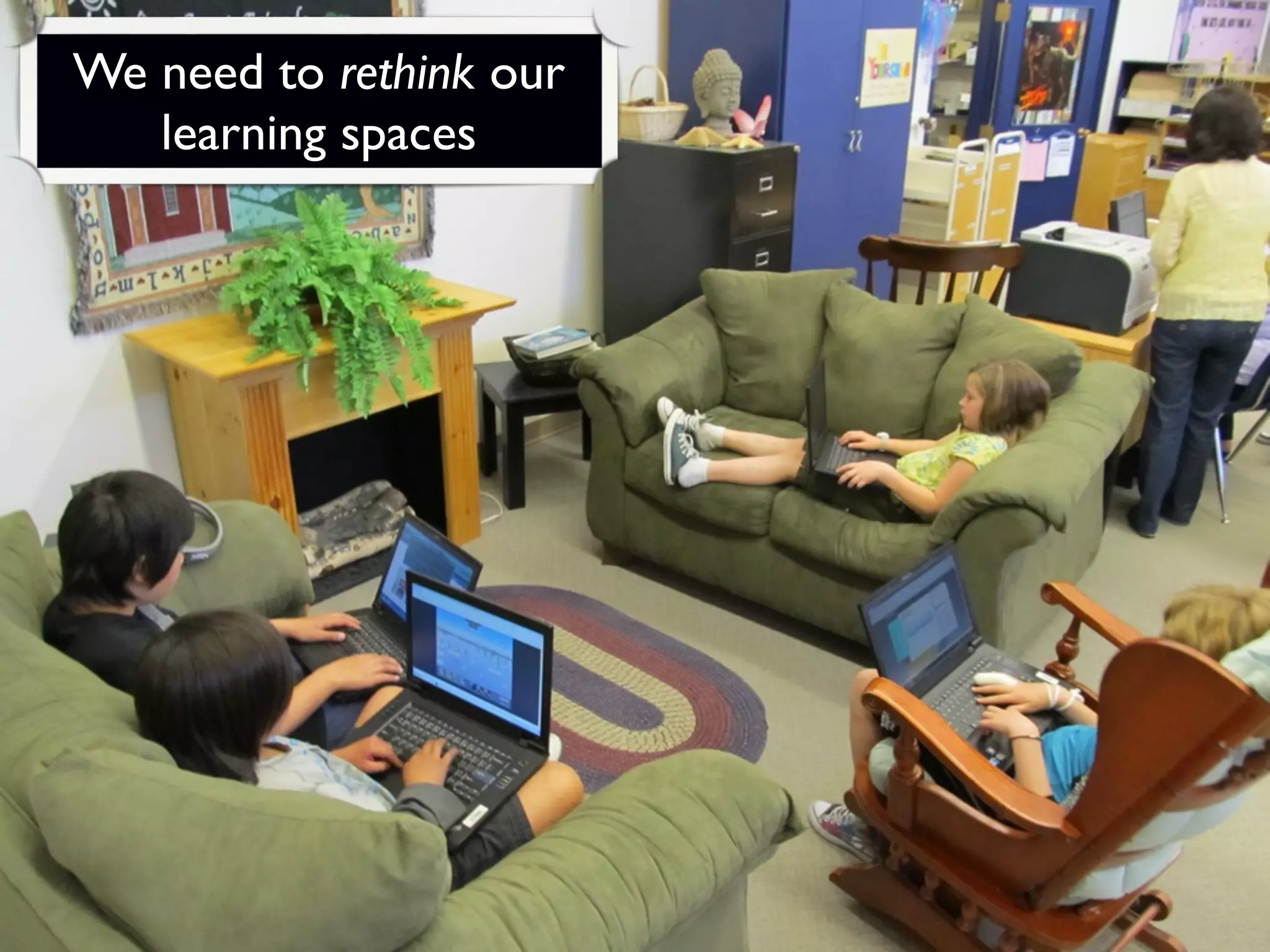
We need to rethink our
   learning spaces
INNOVATIVE (CONNECTED)
      LEARNING
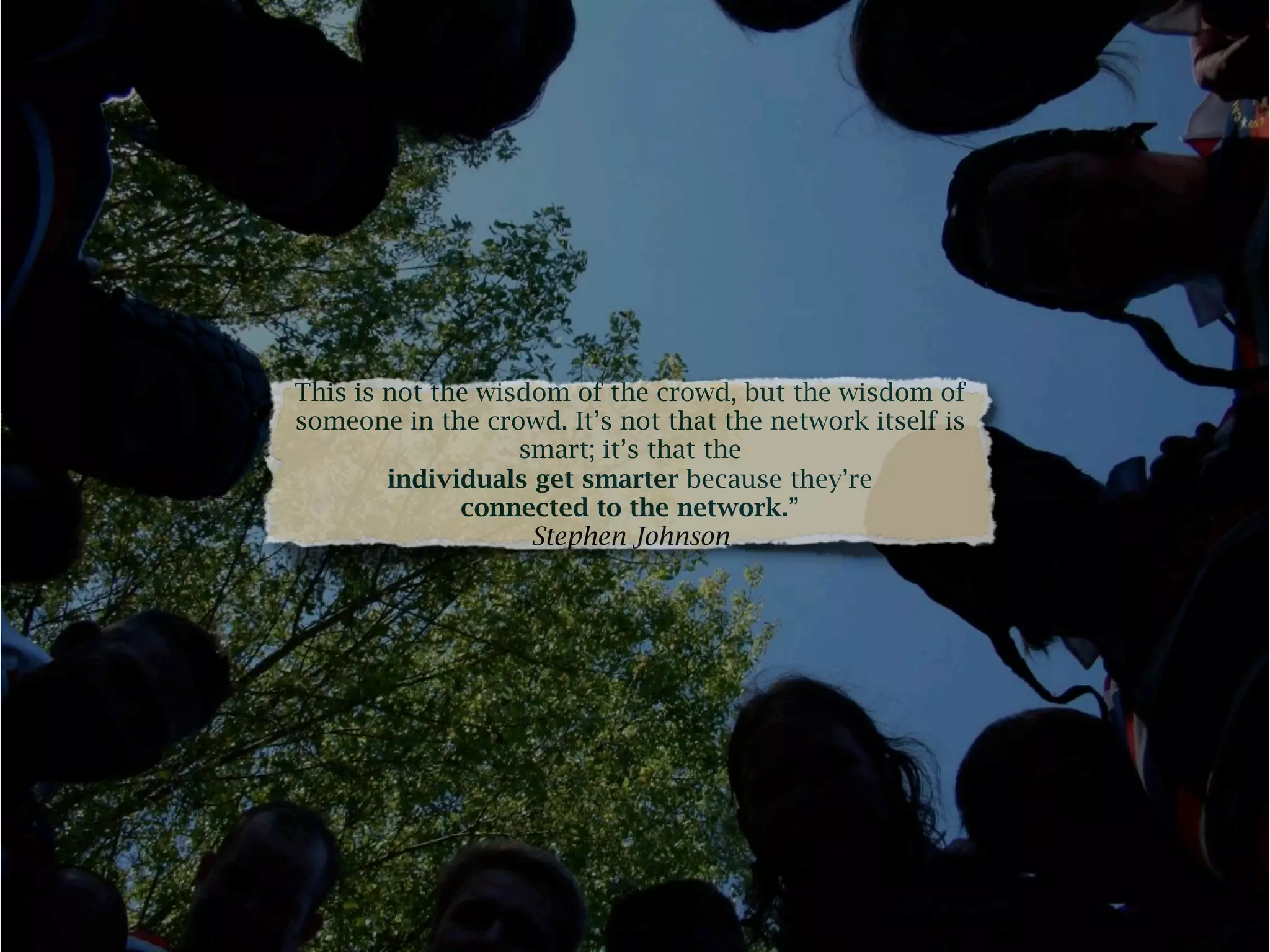
This is not the wisdom of the crowd, but the wisdom of
someone in the crowd. It’s not that the network itself is
                   smart; it’s that the
        individuals get smarter because they’re
              connected to the network.”
                    Stephen Johnson
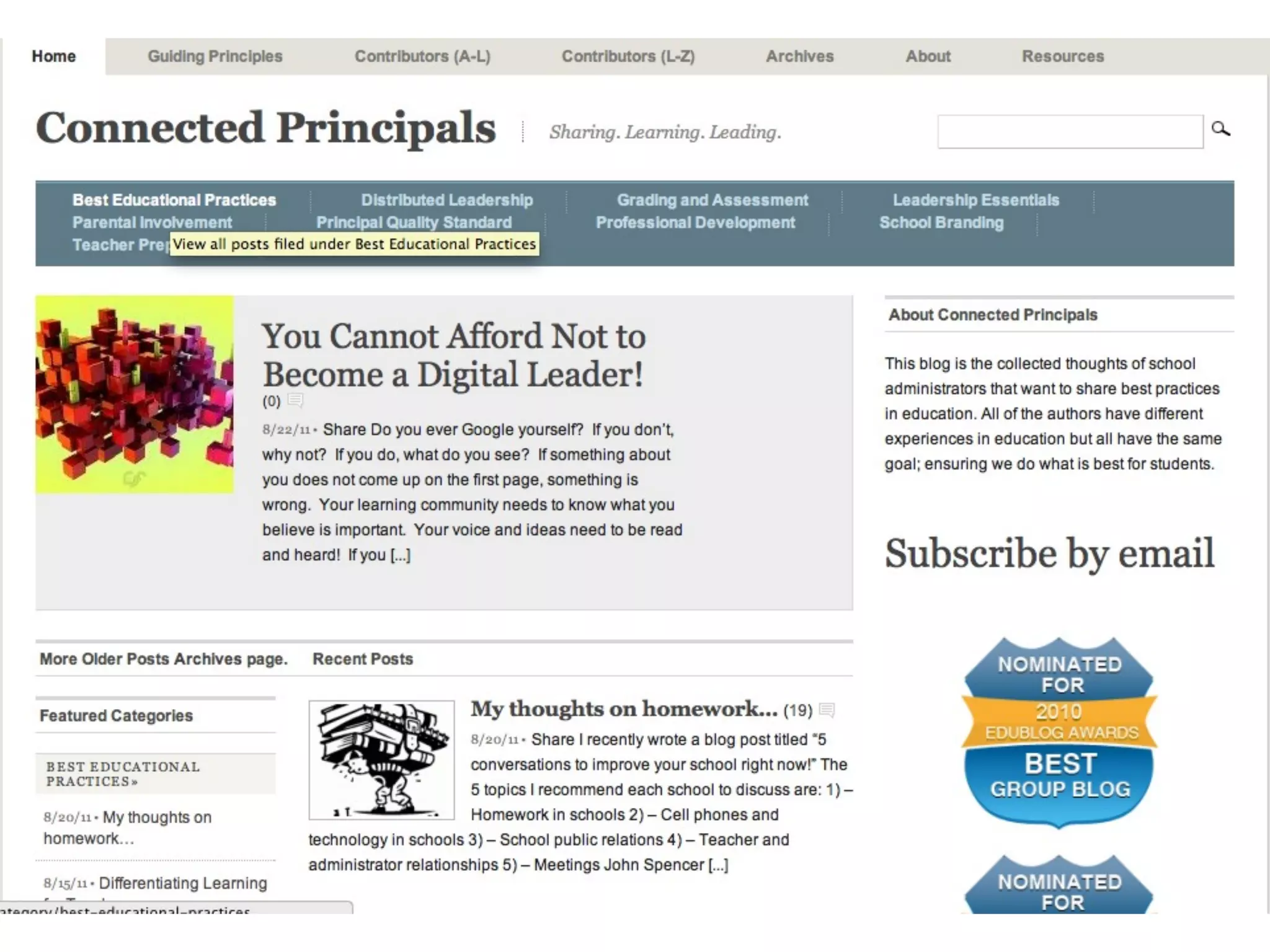
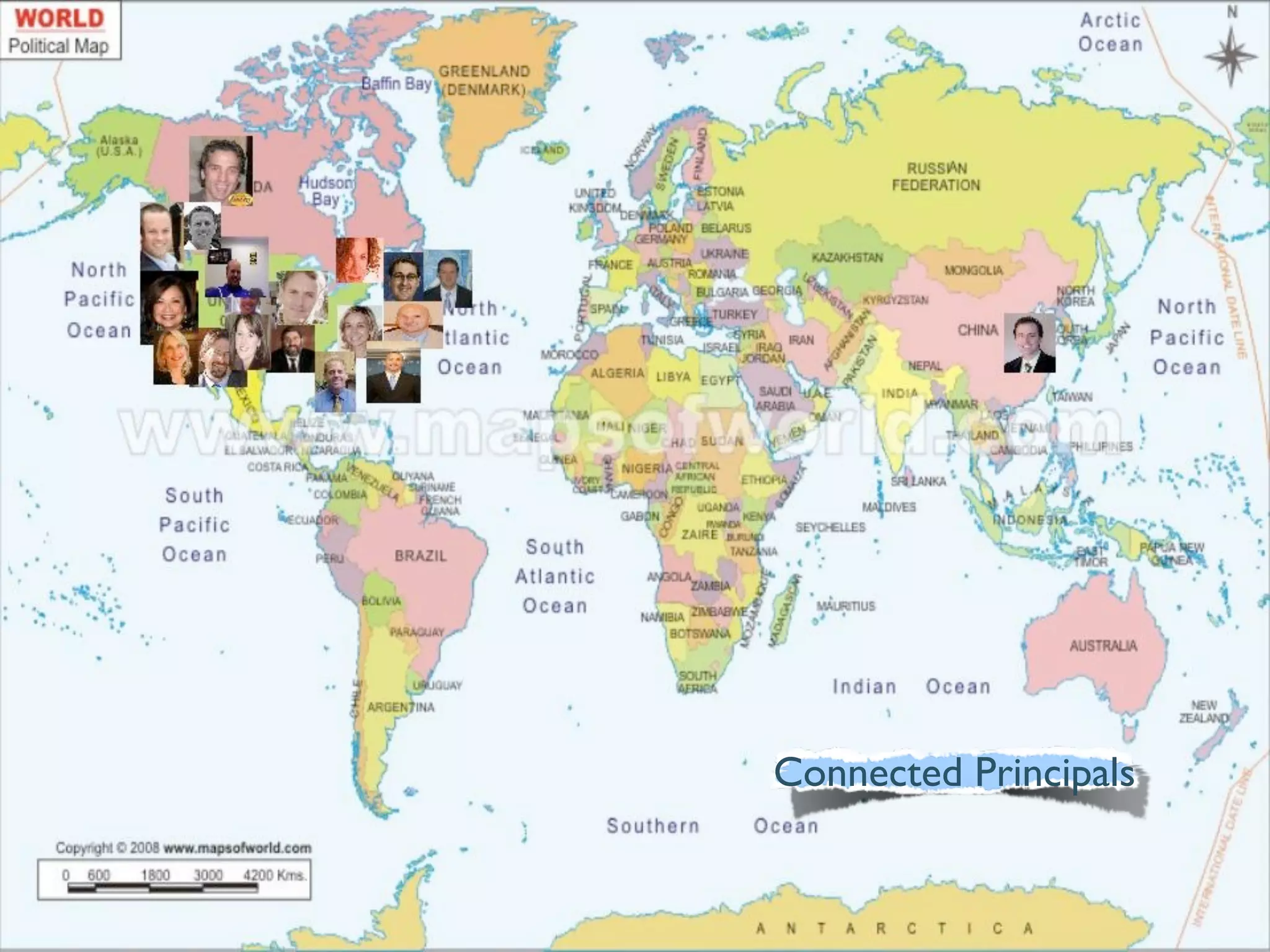
Connected Principals
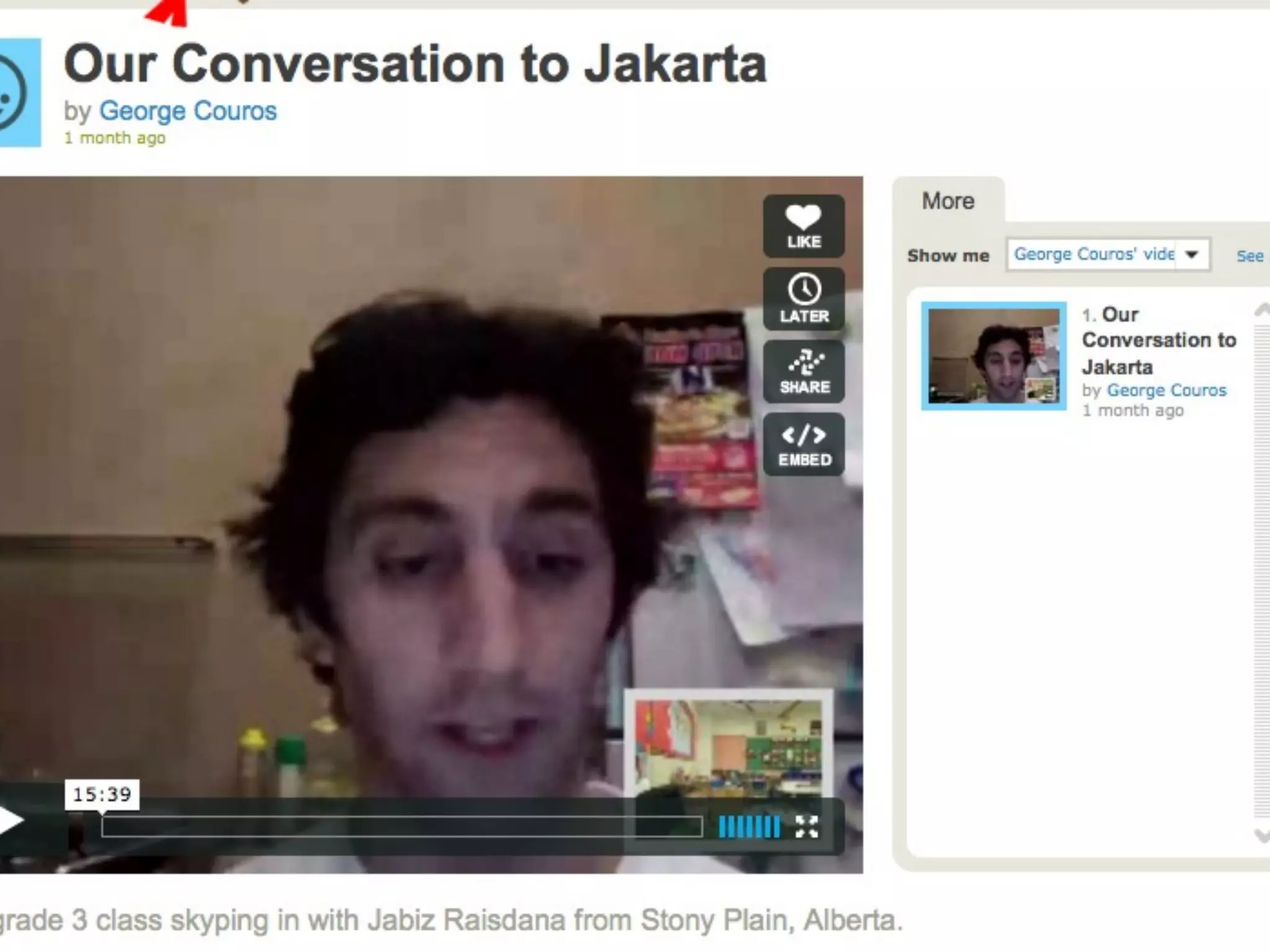
Students Leading the Way
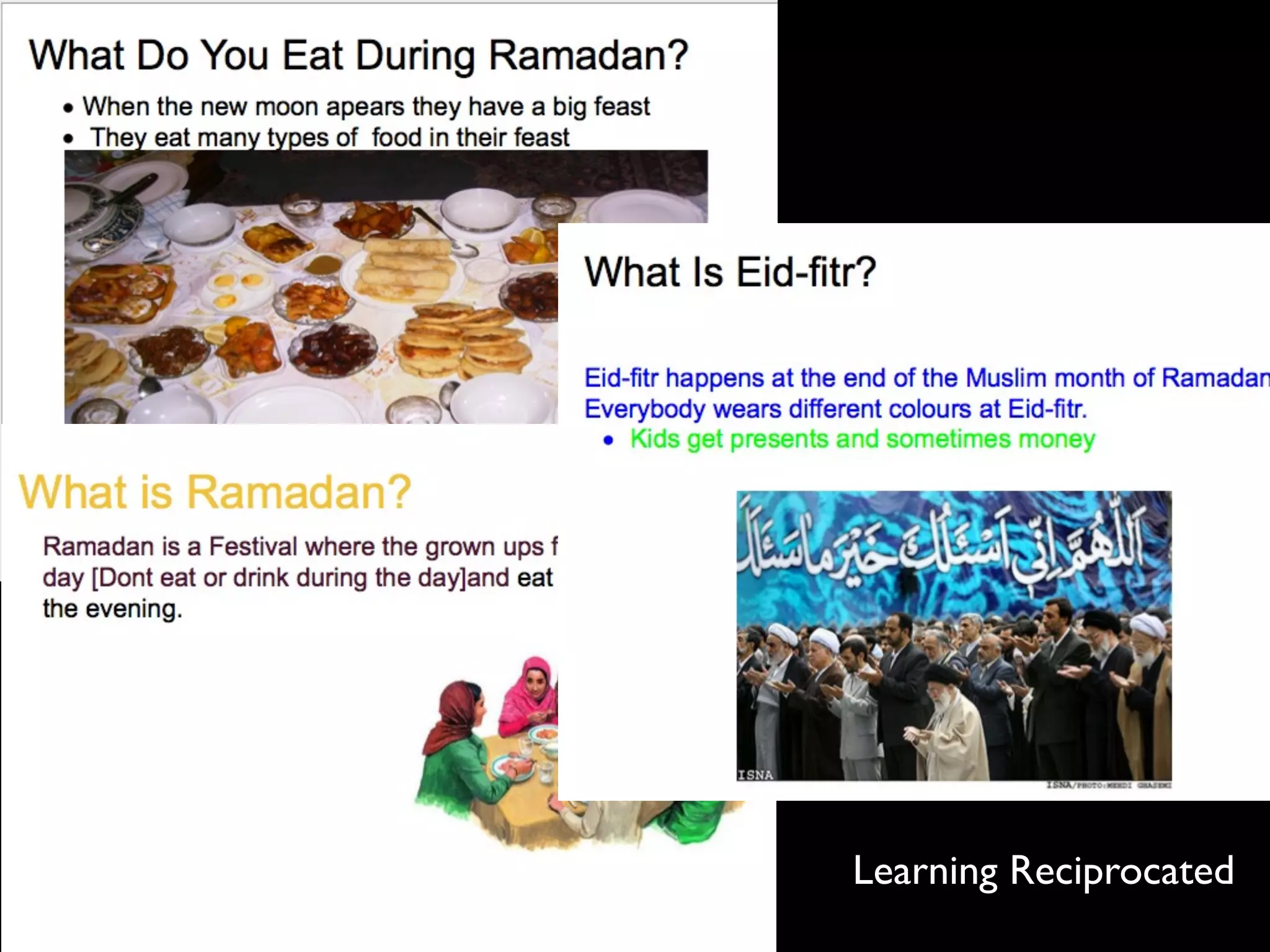
Learning Reciprocated
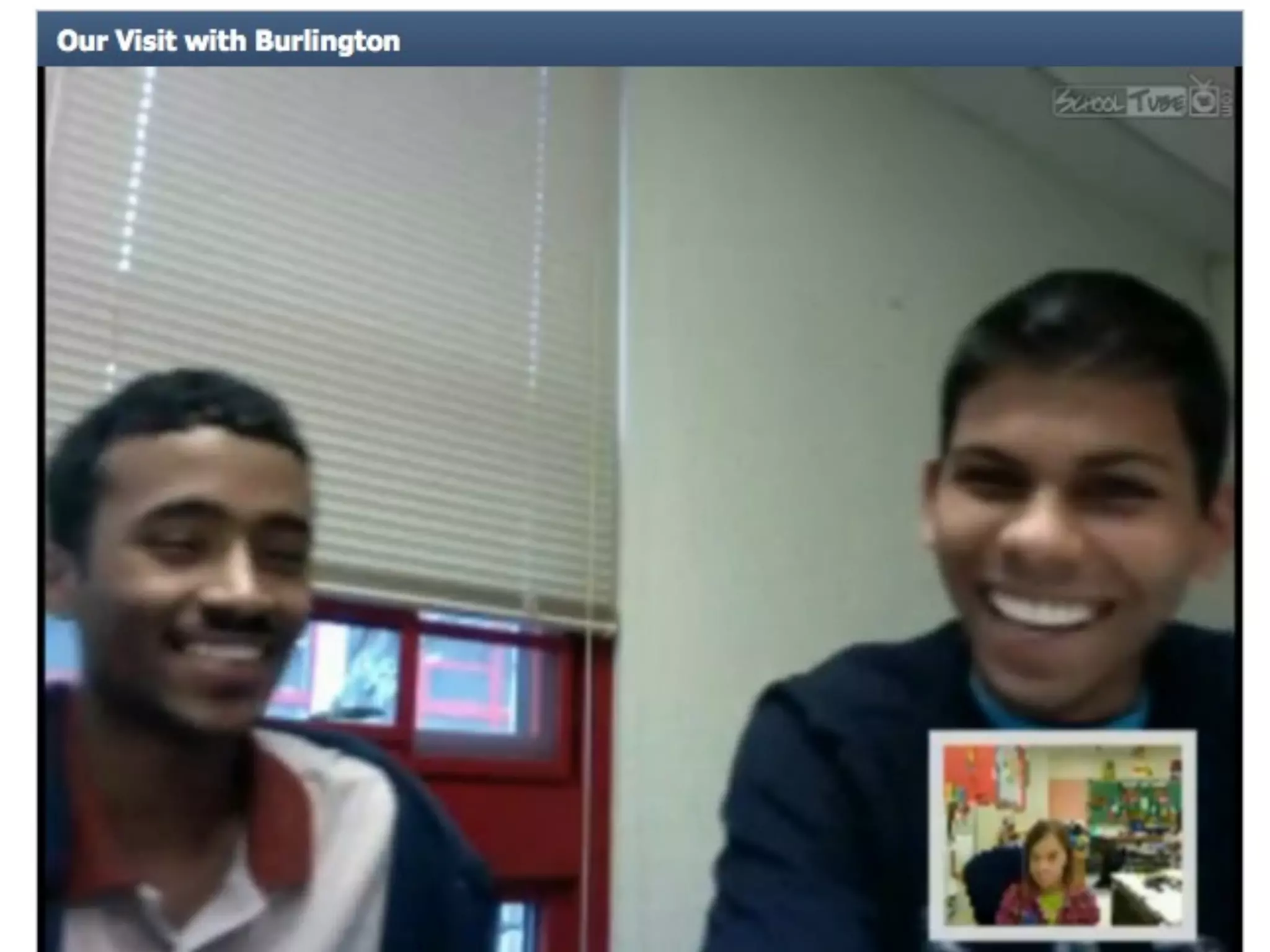
Learning from each other
creates more opportunities
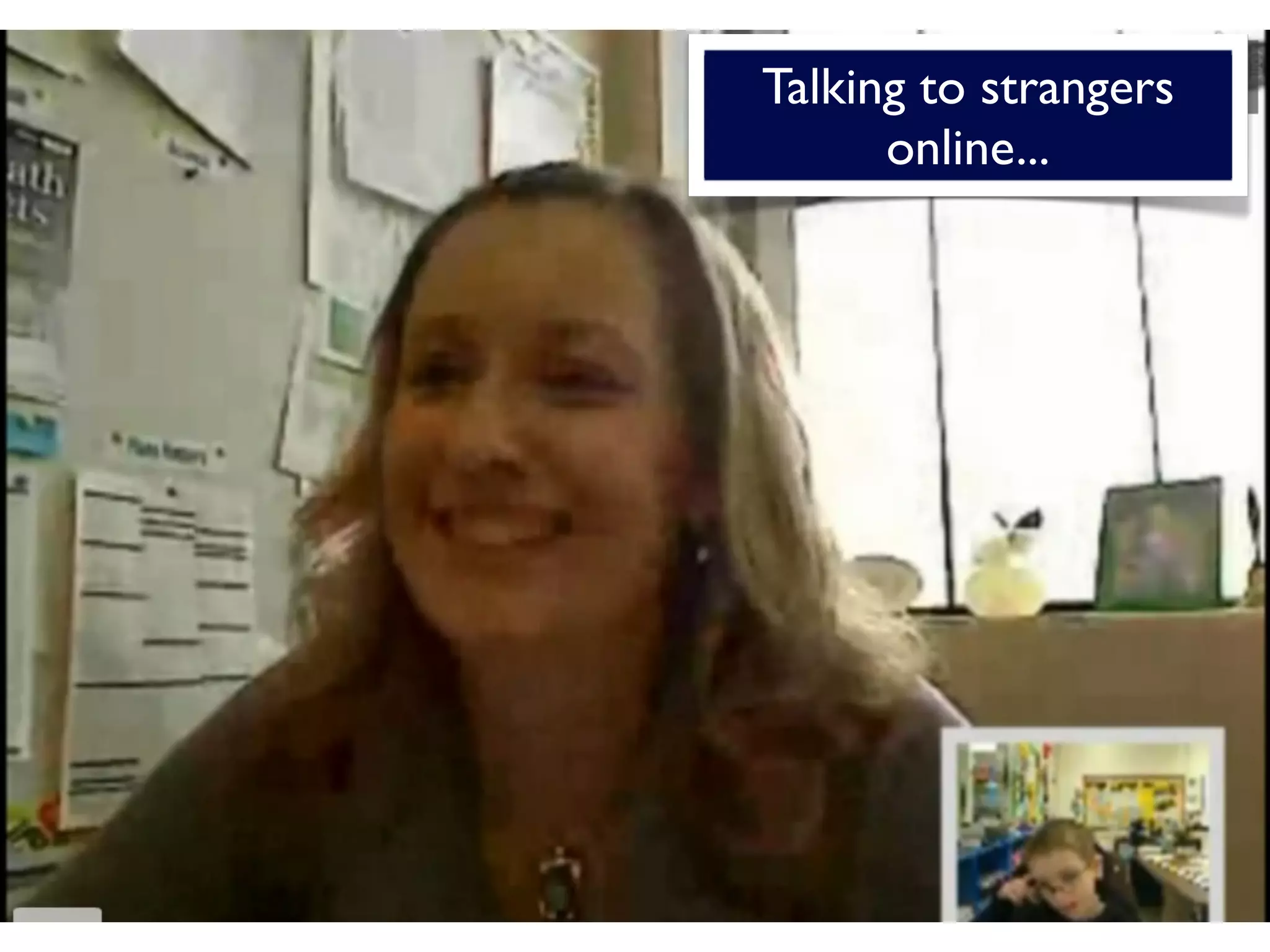
Talking to strangers
      online...
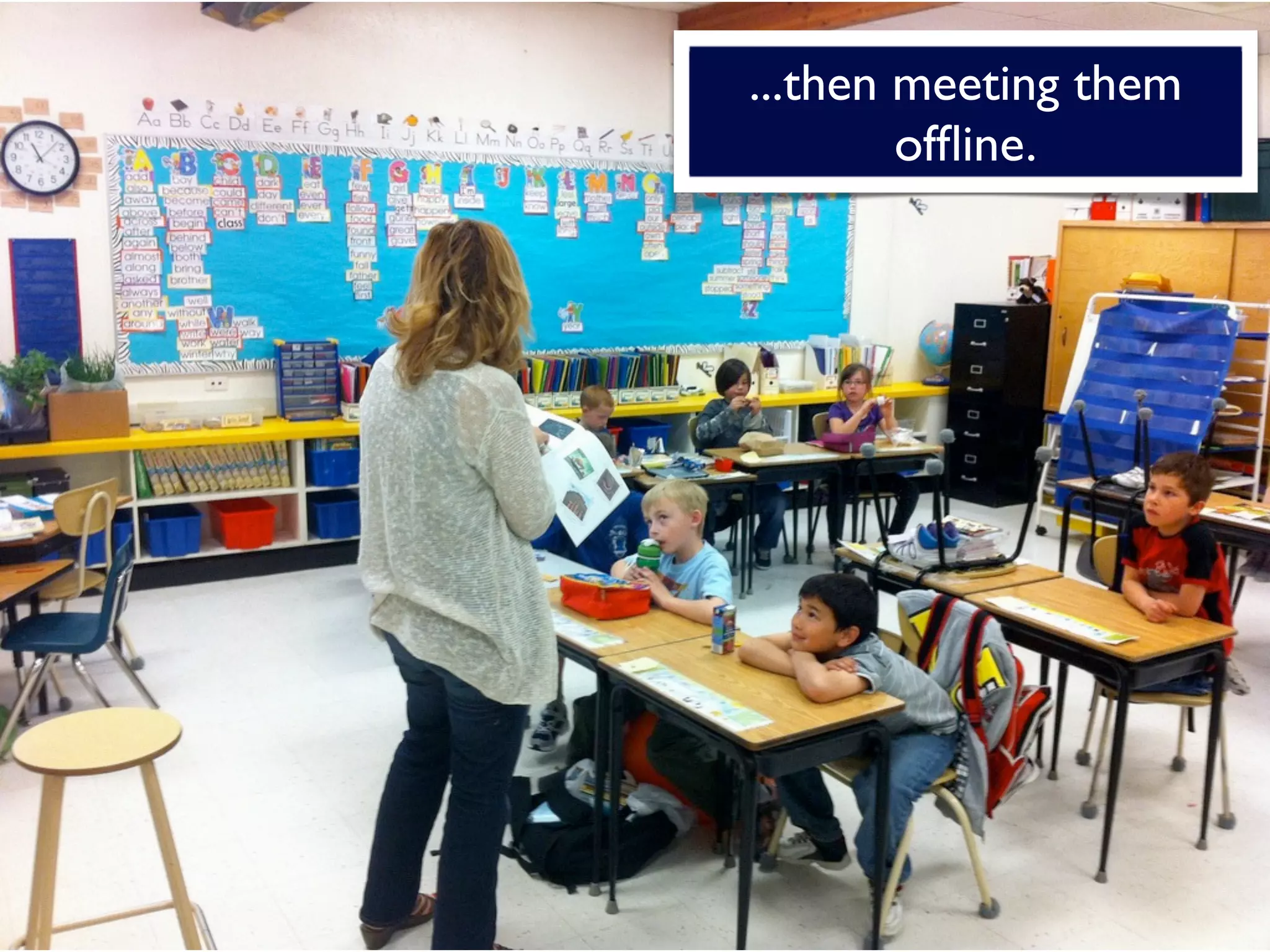
...then meeting them
        offline.
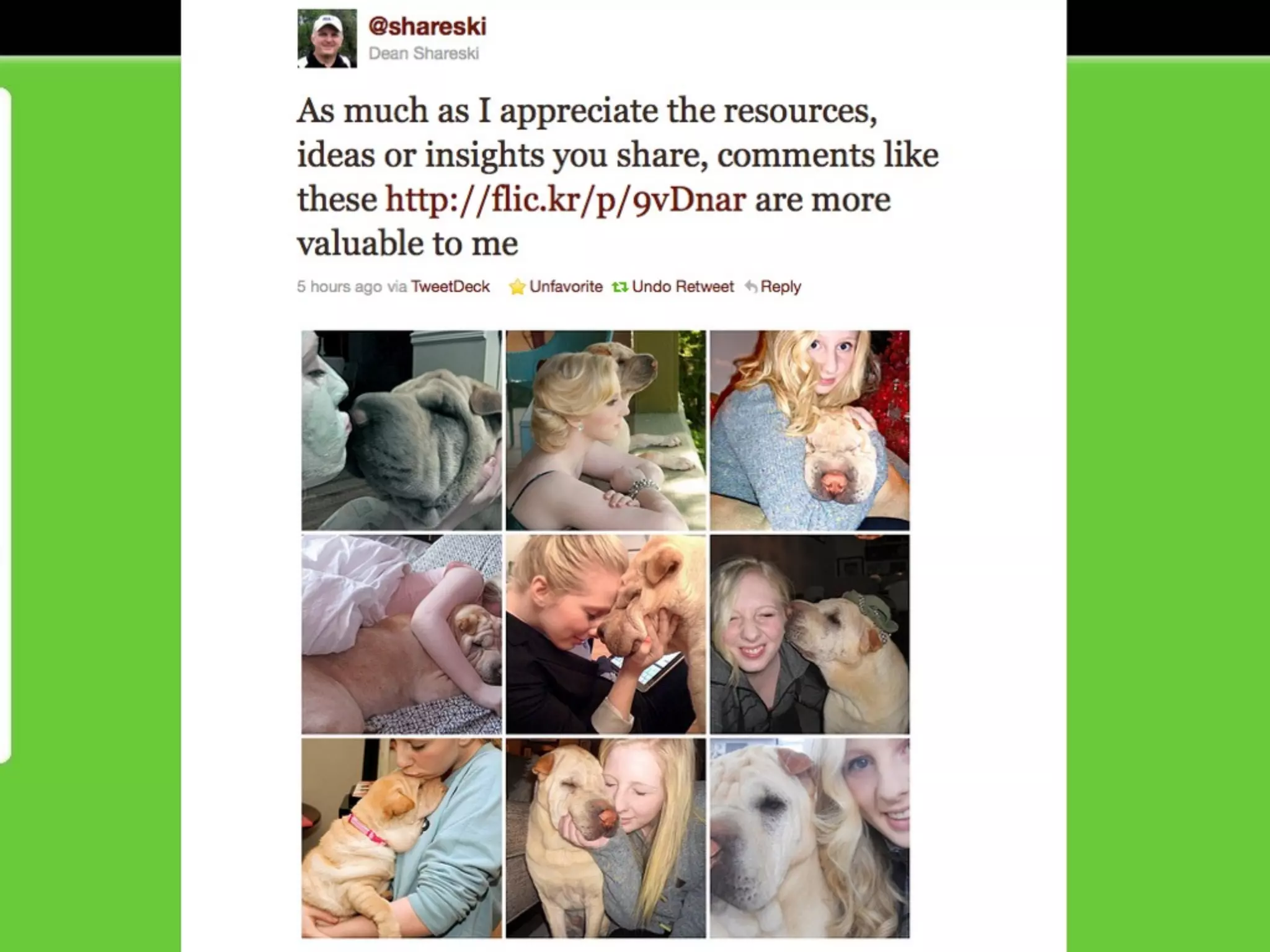
THE POWER OF
RELATIONSHIPS
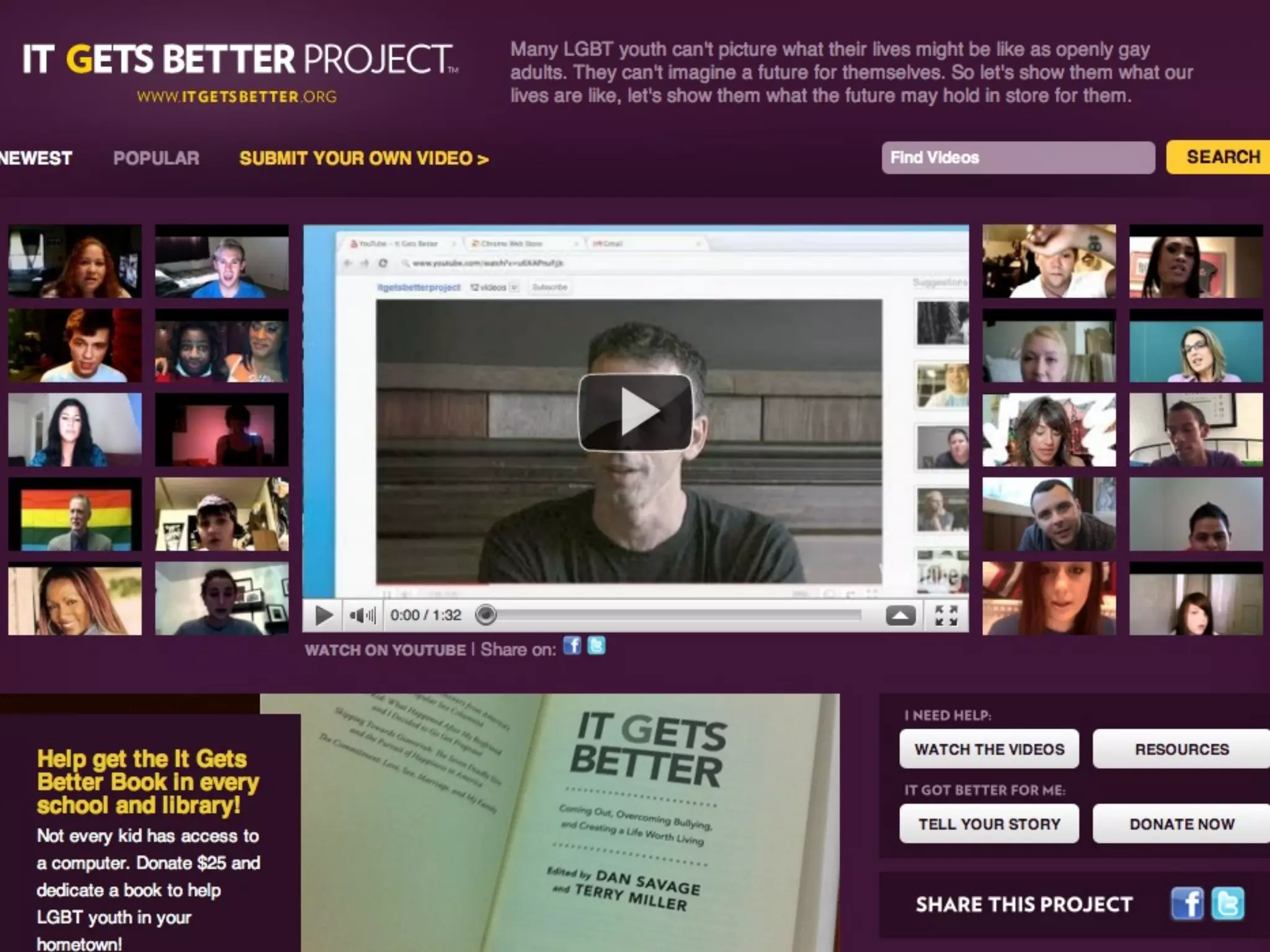
Do you think our kids
can use this sometimes?
Moving Forward
Professional
Development Plan
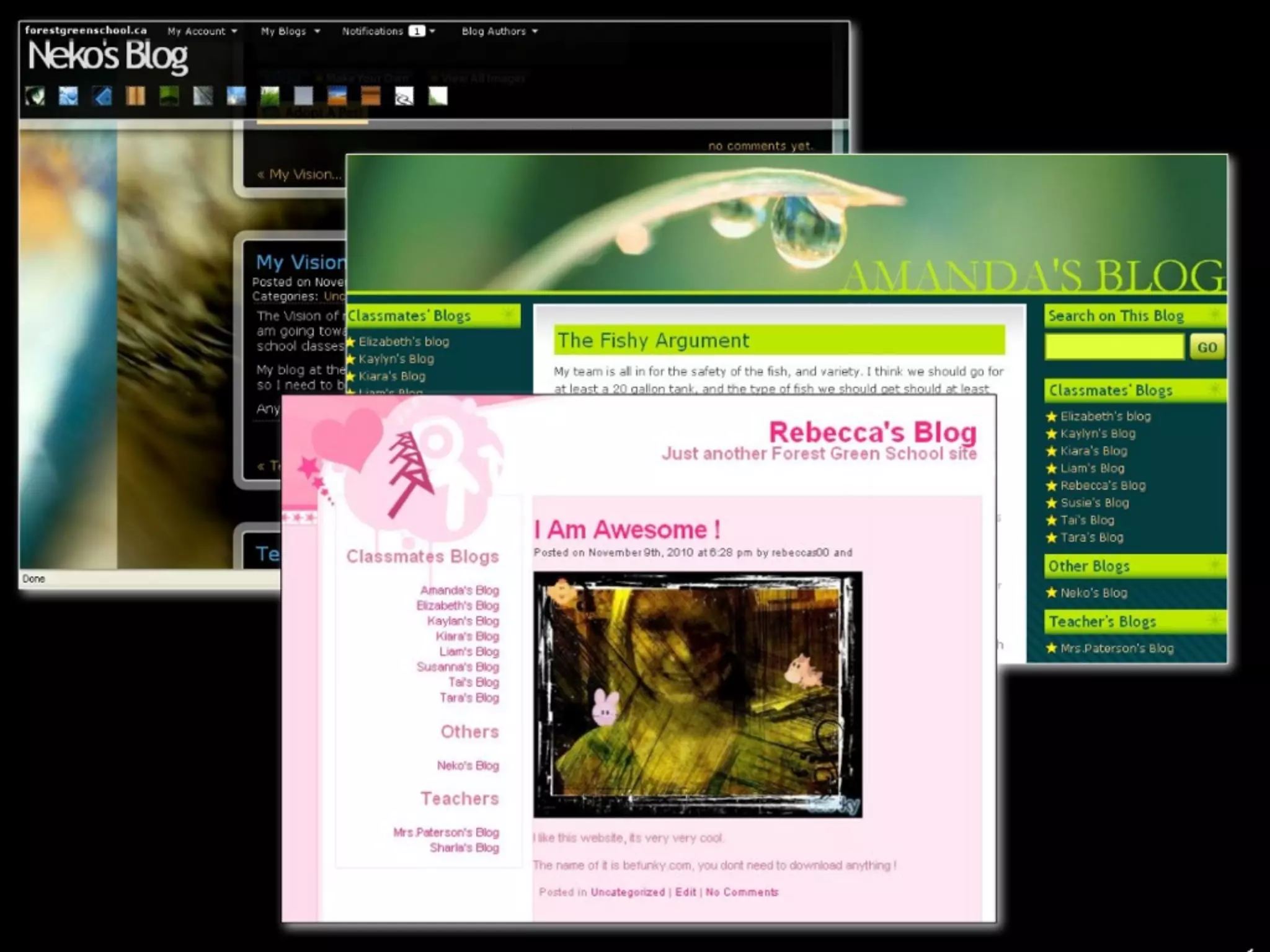
Digital Portfolio
    Initiative
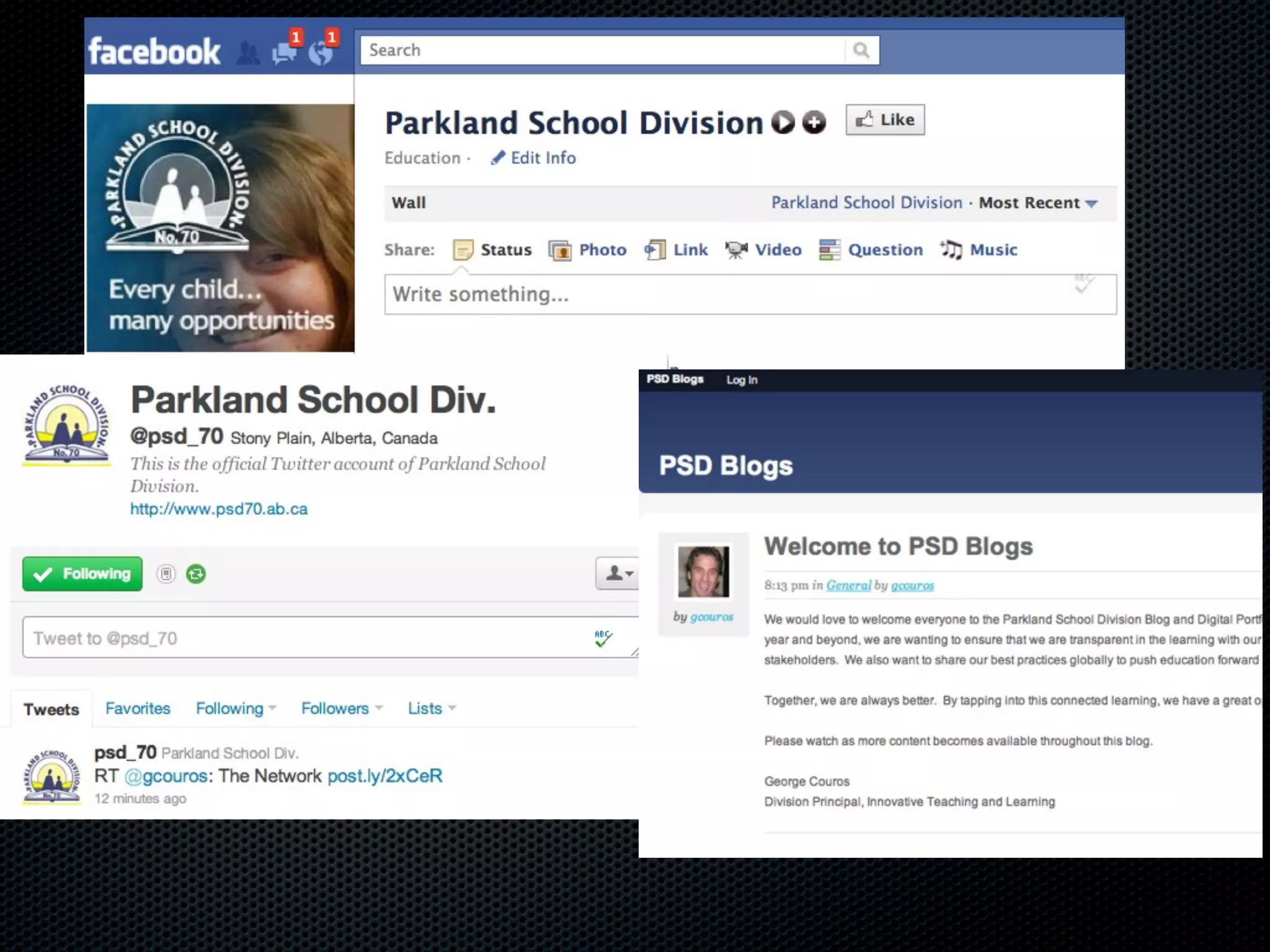
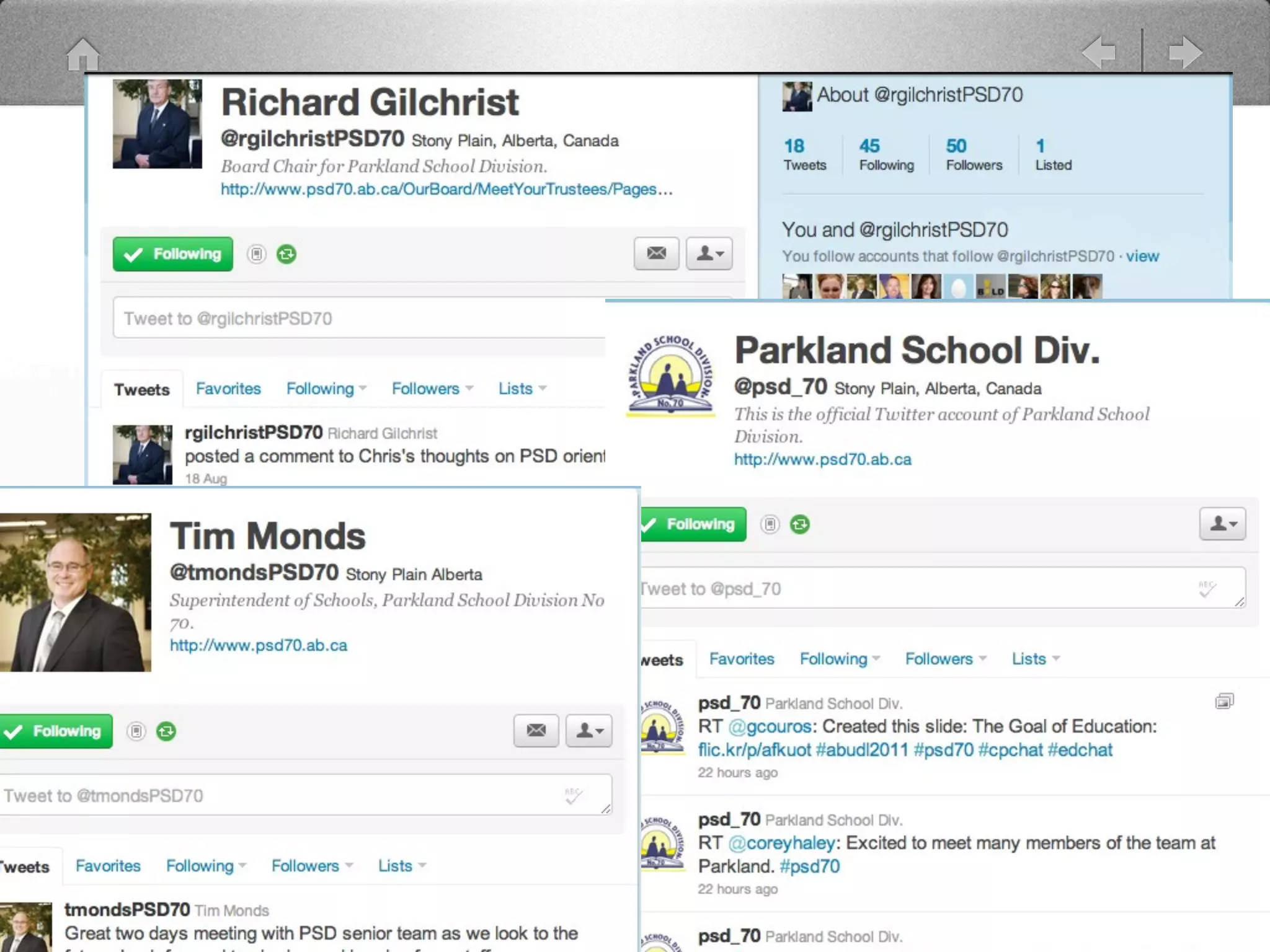
Social Media Presence
Open (Transparent)
    Learning
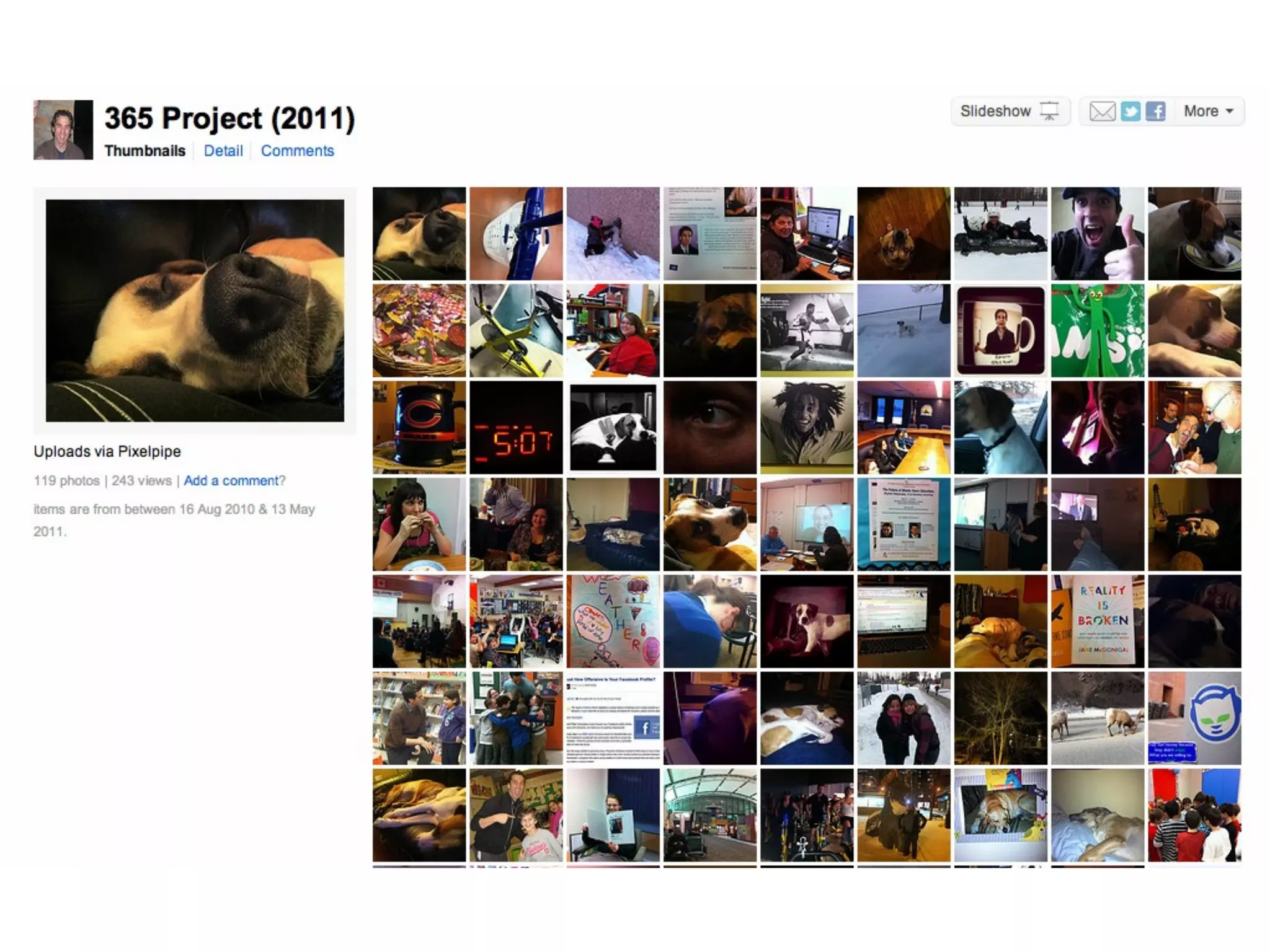
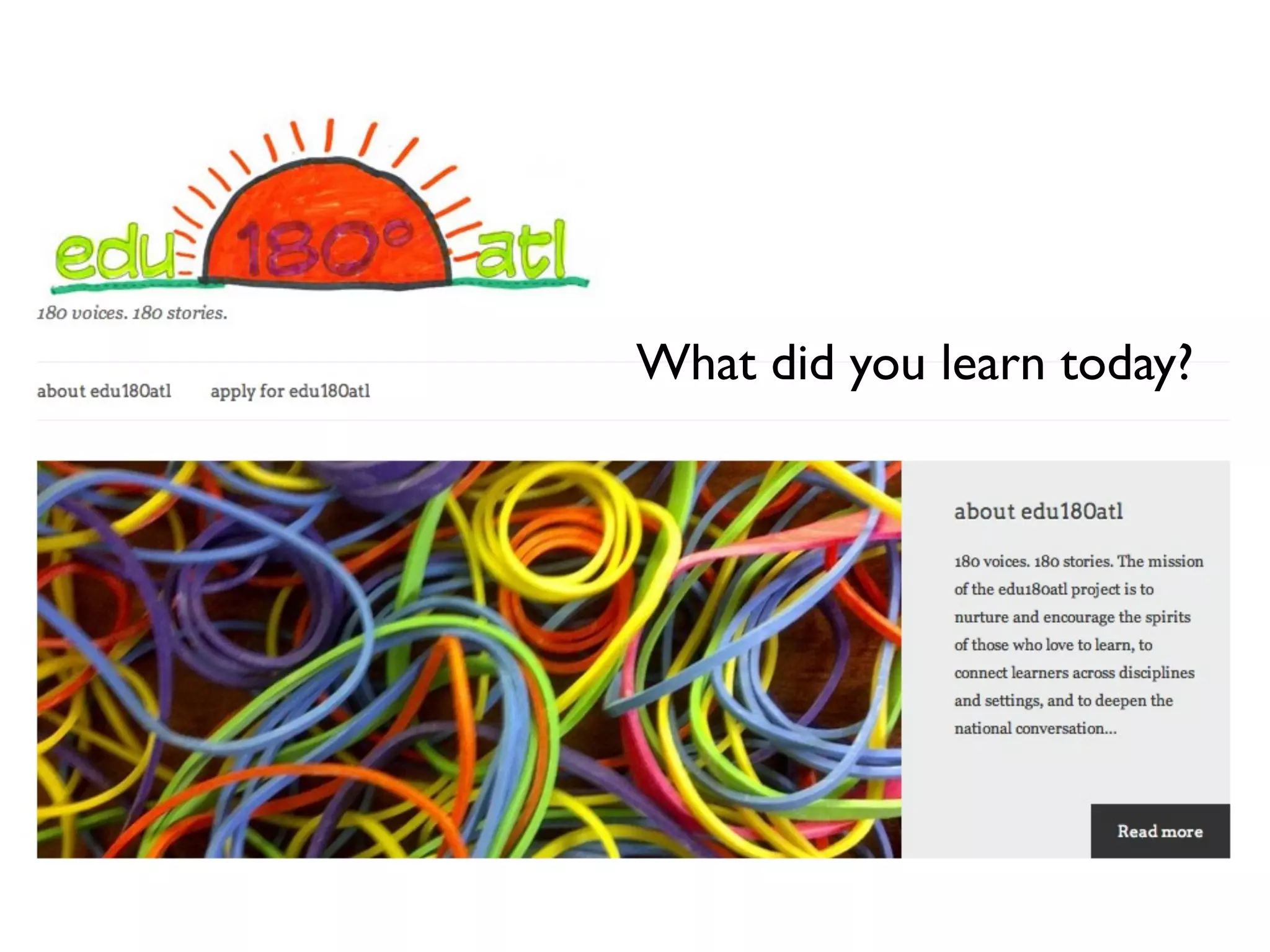
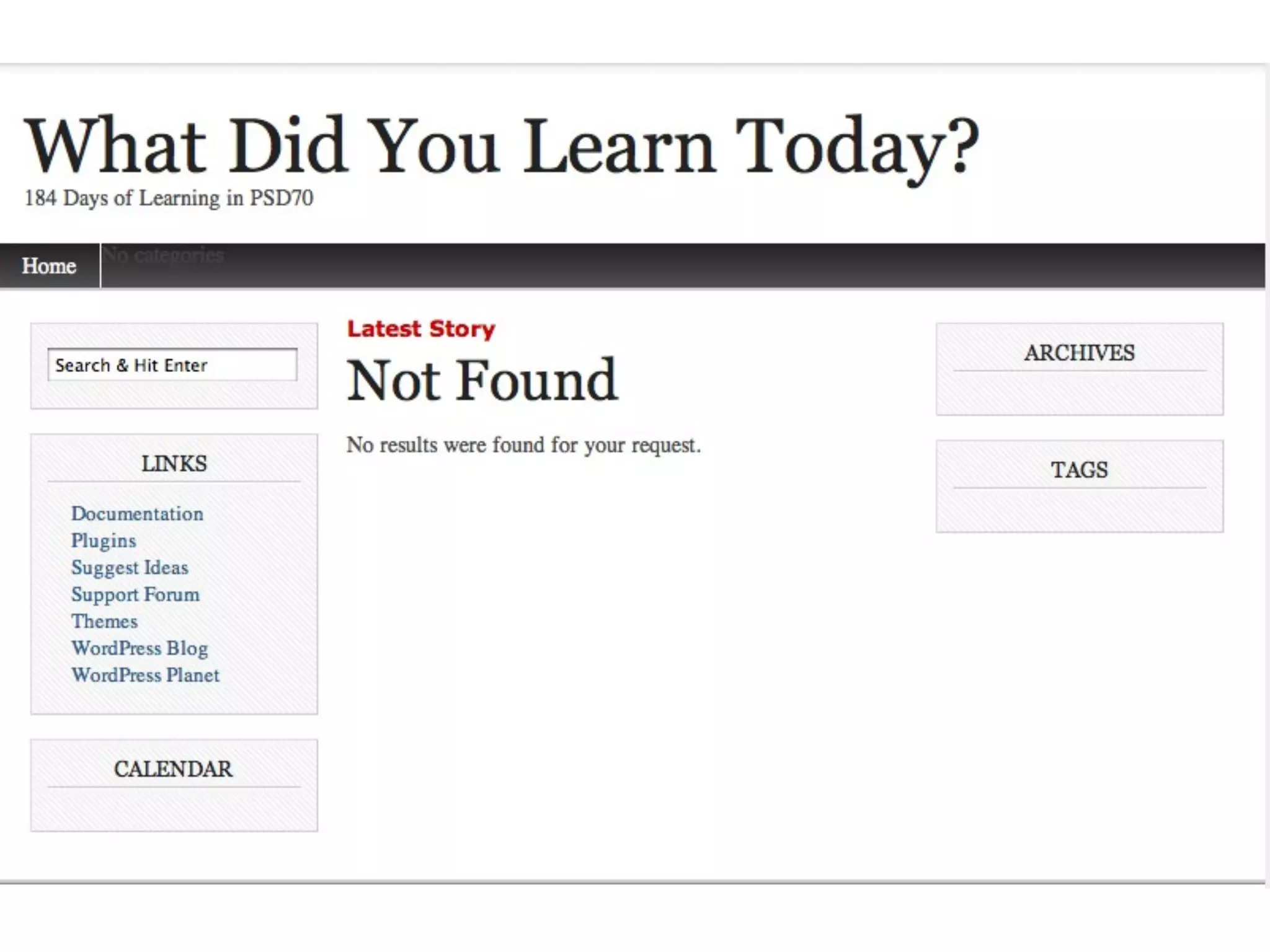
What did you learn today?
Final Thoughts
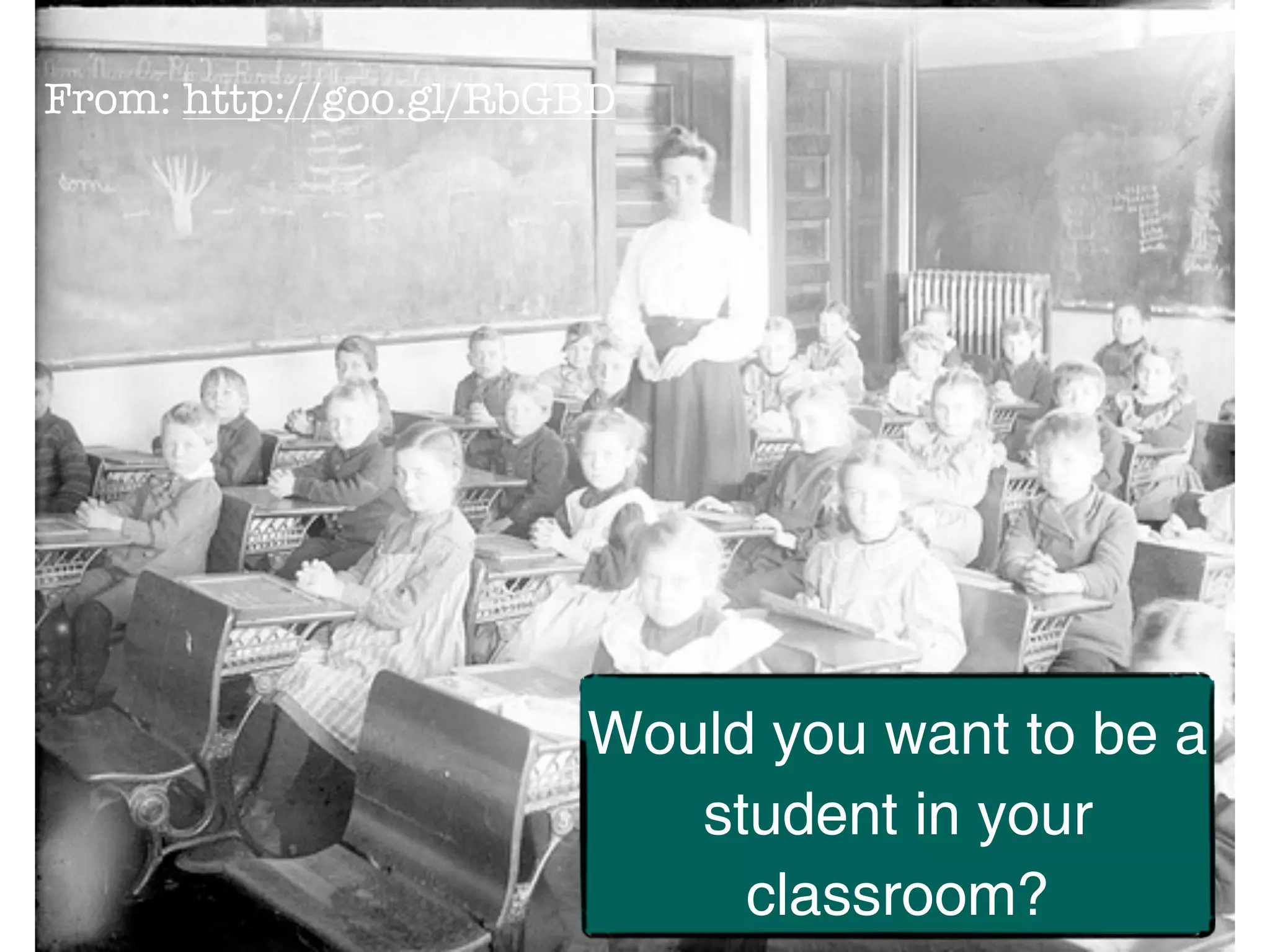
From: http://goo.gl/RbGBD


                       Would you want to be a
                          student in your
                            classroom?
Kids need to be able to
        create
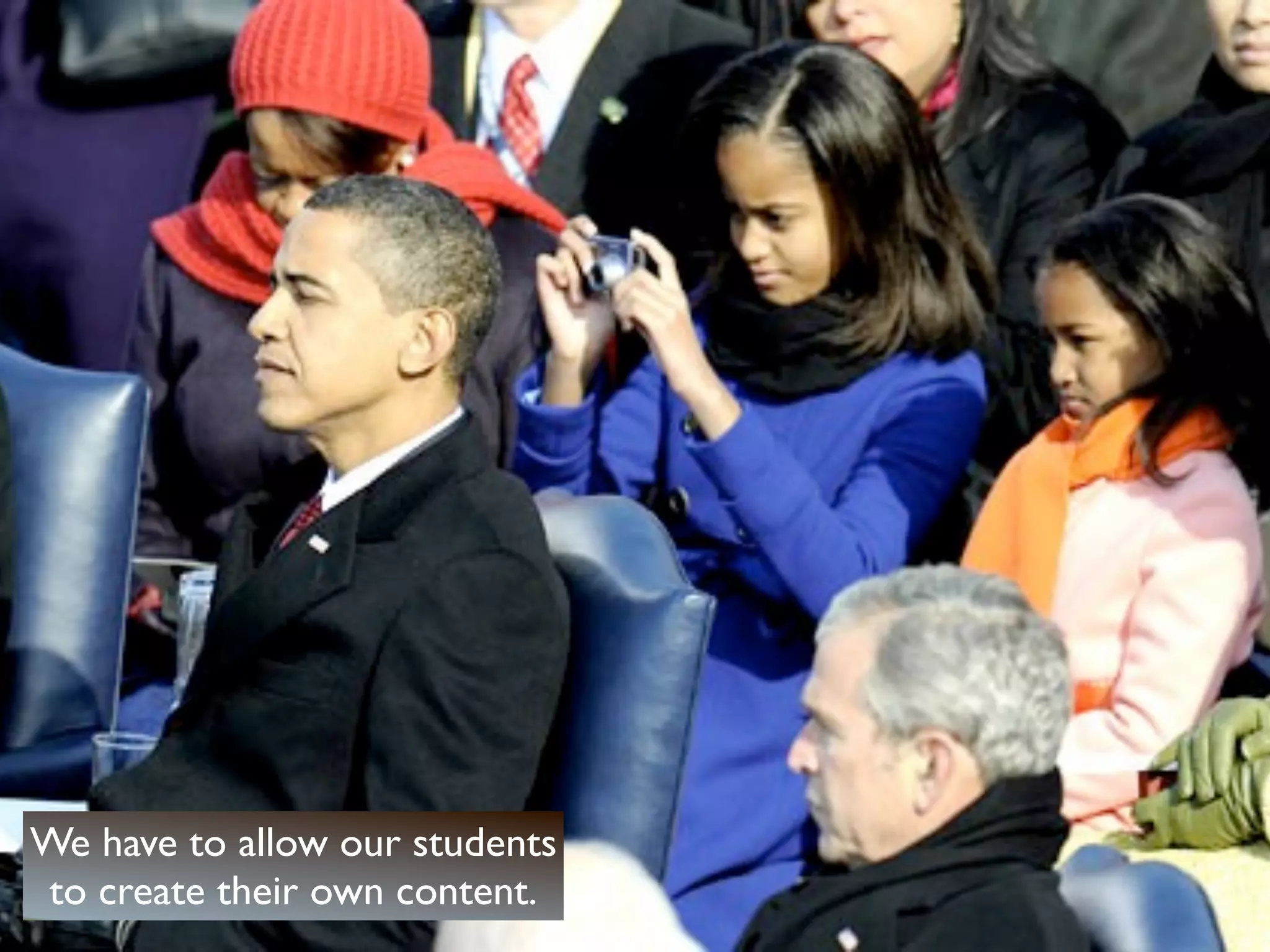
We have to allow our students
to create their own content.
We need to learn
alongside our students
“... teachers who make their own
thinking public, and therefore subject to
   discussion – are more likely to have
classes that are challenging, interesting,
      and stimulating for students.”
           ~Stephen Brookfield
Trust our kids will
      inspire
Helpful Resources

• The Horizon Report - http://www.nmc.org/
  pdf/2011-Horizon-Report-K12.pdf
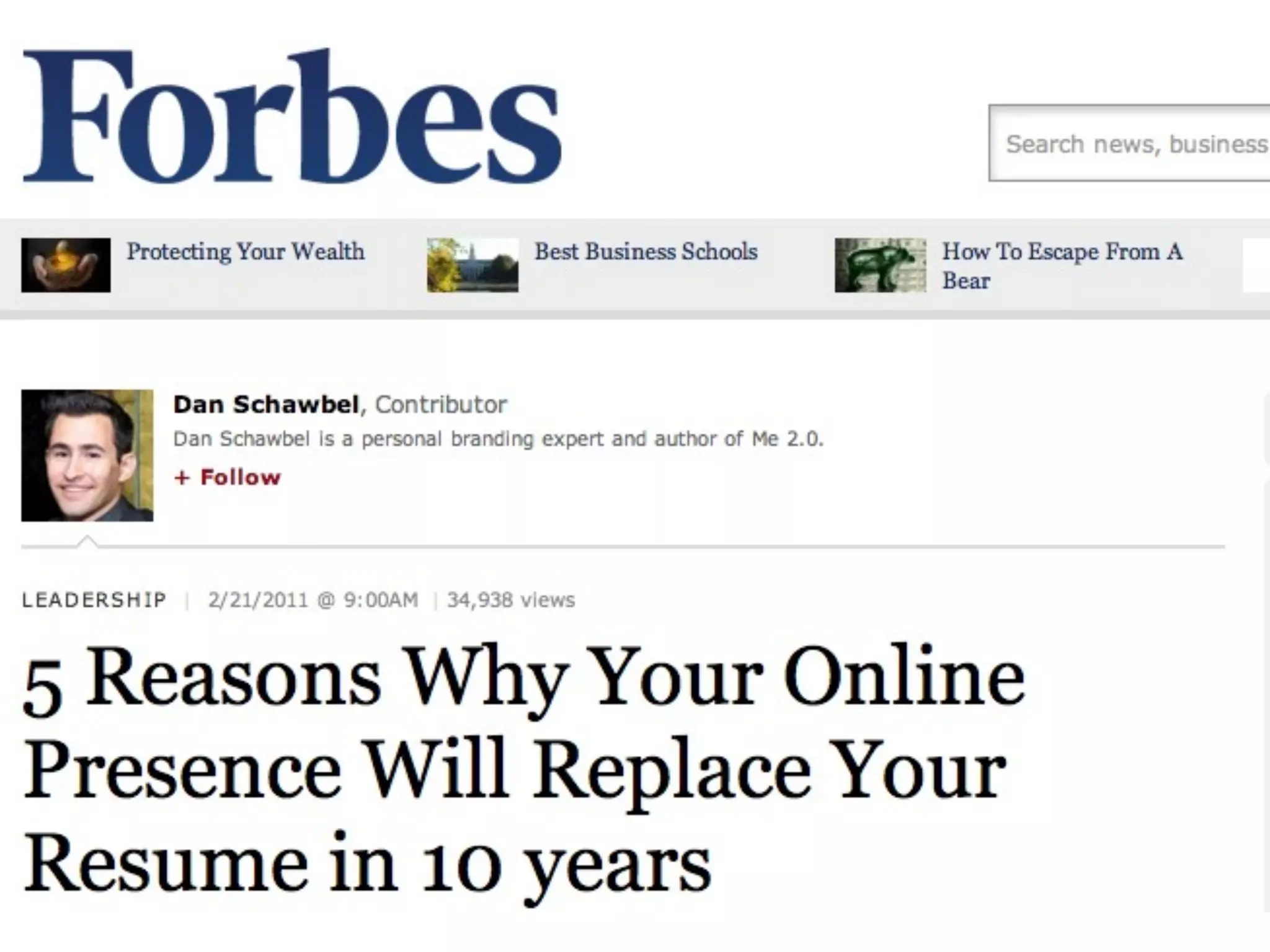
• 5 Reasons Why Your Online Presence Will
  Replace Your Resume in 10 years - Forbes
  http://onforb.es/oXAHD3

PSD70 Innovative Teaching and Learning

  • 1.
    Collaborate. Create. Learn. A Vision of Innovative Teaching and Learning
  • 2.
  • 3.
    “The goal ofeducation in the 21st century is not simply the mastery of content knowledge or use of new technologies. It is the mastery of the learning process. Education should help turn novice learners into expert learners— individuals who want to learn, who know how to learn strategically, and who, in their own highly individual and flexible ways, are well prepared for a lifetime of learning.” National Center on UDL Original from: http://www.flickr.com/photos/lululemonathletica/5197327623/in/set-72157625443941868
  • 4.
  • 5.
  • 6.
    “We need toteach kids to respect the past but to live in the future.” Marc Prensky
  • 8.
  • 9.
    “If you don'tlike change, you're going to like irrelevance even less.” General Erick Shinseki From: http://www.flickr.com/photos/nasarobonaut/5478897371/
  • 10.
    “...as educators, ourstruggle is especially acute. We not only have to “train” our kids for the twenty first century, we have to train ourselves.” - Will Richardson From: http://www.flickr.com/photos/familymwr/5007446641/
  • 12.
    As we gothrough this, there are two things that I want you to think about...
  • 13.
    Growth Fixed What is your mindset?
  • 14.
    "You don't leadby pointing and telling people some place to go. You lead by going to that place and making a case." ~ Ken Kesey
  • 15.
  • 16.
    “Just as thetelephone, automobile, and airplane reshaped our society in the first half of the twentieth century, the new digital infrastructure is beginning to reshape institutions in the twenty-first.” John Seely Brown 15
  • 18.
    Consider these stats: •60percent of Fortune 500 businesses are using social media spaces to reach out to customers. •95 percent of colleges and universities are using social media spaces to reach out to customers.
  • 19.
    Consider these stats: •60percent of Fortune 500 businesses are using social media spaces to reach out to customers. •95 percent of colleges and universities are using social media spaces to reach out to customers. •70 percent of school districts have policies that specifically BAN social networking in schools.
  • 20.
    Horizon Report (2011-2012) Emerging Innovations in Education: Cloud Computing (1-2 years) Mobile Devices (1-2 years) Game Based Learning (2-3 years) Open Content (2-3 years) Learning Analytics (4-5 years) Personal Learning Environments (4-5 years)
  • 21.
    David Wiley Then vs Now Analog Digital Tethered Mobile Isolated Connected Generic Personal Consumption Creating @opencontent Closed Open
  • 22.
    David Wiley Education vs Everyday Analog Digital Tethered Mobile Isolated Connected Generic Personal Consumption Creating @opencontent Closed Open
  • 27.
  • 30.
    Digital Literacies (From NationalCouncil of Teachers of English) Proficiency with the Design and Share tools of technology (Create) Build relationships to Analyze information solve problems Manage multiple Ethical responsibilities streams of information (Digital Citizenship)
  • 34.
    Changes Early Day ofPC in Schools Today’s Social/Mobile Reality
  • 36.
    This also goesfor our traditional notion of literacy
  • 37.
    “It turns outthat the best texters, are the best spellers.” “The earlier you get your mobile phone, the better your literacy scores.” “The more you text, the better your literacy scores.”
  • 38.
  • 39.
  • 41.
  • 45.
    What about our footprint?
  • 46.
    The best leadersknow how to send AND receive.
  • 47.
  • 48.
    The third hitis from an employee
  • 50.
  • 51.
    Why Do StudentsGo to University? Content Degrees Social Life Support Services (Wiley, 2010)
  • 52.
    Why Do StudentsGo to University? PLoS GCT Wikipedia MCSE Google Scholar ACT OCW Content Degrees Flatworld K arXiv.org CNE CCNA Open Courses Facebook Twitter Skype Social Life Support Services MySpace Yahoo! Answers MMOGs Quora ChaCha (Wiley, 2010)
  • 60.
    We need torethink our learning spaces
  • 61.
  • 64.
    This is notthe wisdom of the crowd, but the wisdom of someone in the crowd. It’s not that the network itself is smart; it’s that the individuals get smarter because they’re connected to the network.” Stephen Johnson
  • 66.
  • 67.
  • 69.
  • 70.
    Learning from eachother creates more opportunities
  • 72.
  • 73.
  • 74.
  • 76.
    Do you thinkour kids can use this sometimes?
  • 78.
  • 79.
  • 83.
  • 85.
  • 87.
  • 89.
    What did youlearn today?
  • 91.
  • 92.
    From: http://goo.gl/RbGBD Would you want to be a student in your classroom?
  • 93.
    Kids need tobe able to create
  • 94.
    We have toallow our students to create their own content.
  • 95.
    We need tolearn alongside our students
  • 97.
    “... teachers whomake their own thinking public, and therefore subject to discussion – are more likely to have classes that are challenging, interesting, and stimulating for students.” ~Stephen Brookfield
  • 98.
    Trust our kidswill inspire
  • 100.
    Helpful Resources • TheHorizon Report - http://www.nmc.org/ pdf/2011-Horizon-Report-K12.pdf • 5 Reasons Why Your Online Presence Will Replace Your Resume in 10 years - Forbes http://onforb.es/oXAHD3

Editor's Notes

  • #2 \n
  • #3 \n
  • #4 The intersection of the effective use of technology and the deep understanding of learning. When we can start to combine these two areas is where true transformation will occur.\n
  • #5 \n
  • #6 Really have to talk about the importance of mom and dad placed on school; why it is essential that we make it an important place within our world. Talk about the idea of mom and dad taking stuff out to hit us with.\n
  • #7 \n
  • #8 Even though I am a Gen X person, I pretend I am a millennial.\n
  • #9 Share my belief as well...What is our purpose? Relationships and learning. She and I have a different viewpoint but when I explained how I used technology, she agreed with everything I said.\n
  • #10 Share my belief as well...What is our purpose? Relationships and learning. She and I have a different viewpoint but when I explained how I used technology, she agreed with everything I said.\n
  • #11 \n
  • #12 \n
  • #13 When we are looking at all of this, we need to have an open mind. Dweck’s idea talks about the idea of an open mindset...\n
  • #14 This is not just about our students as learners, but is us as educators and leaders as well.\n
  • #15 This is not just about our students as learners, but is us as educators and leaders as well.\n
  • #16 Many would say that the first technology was fire...it was more than just a tool. It changed everything.\n
  • #17 \n
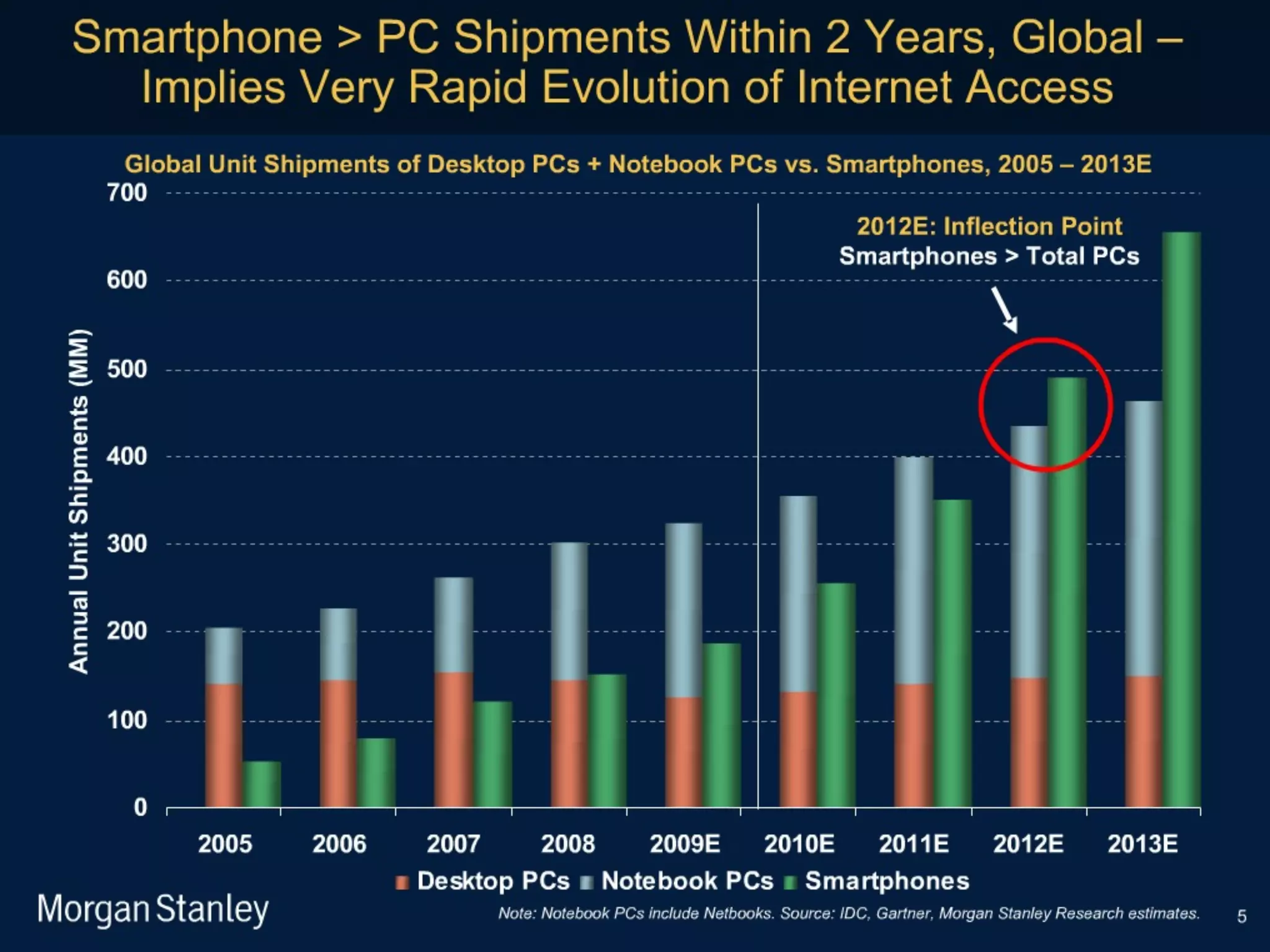
  • #18 The first point I want to make is how we’re leaving the era of the personal computer (what was represented by the Apple ][c) and moving into the era of mobile computing.\n\nMorgan Stanley’s recent analysis predicts that we will have more mobile access points to the Internet than desktop access points by about 2012 or 2013.\n
  • #19 The first point I want to make is how we’re leaving the era of the personal computer (what was represented by the Apple ][c) and moving into the era of mobile computing.\n\nMorgan Stanley’s recent analysis predicts that we will have more mobile access points to the Internet than desktop access points by about 2012 or 2013.\n
  • #20 \n
  • #21 \n
  • #22 \n
  • #23 \n
  • #24 This is a photograph of my 5 year old. Here she is learning on her own how to edit and upload video. She does this through immersion, and through mimicking what I do.\n\nAnd I can’t help to wonder, as she grows up, what role will technology have on her education?\n\n\n
  • #25 \n
  • #26 \n
  • #27 \n
  • #28 \n
  • #29 \n
  • #30 \n
  • #31 \n
  • #32 \n
  • #33 \n
  • #34 The first point I want to make is how we’re leaving the era of the personal computer (what was represented by the Apple ][c) and moving into the era of mobile computing.\n\nMorgan Stanley’s recent analysis predicts that we will have more mobile access points to the Internet than desktop access points by about 2012 or 2013.\n
  • #35 \n
  • #36 \n
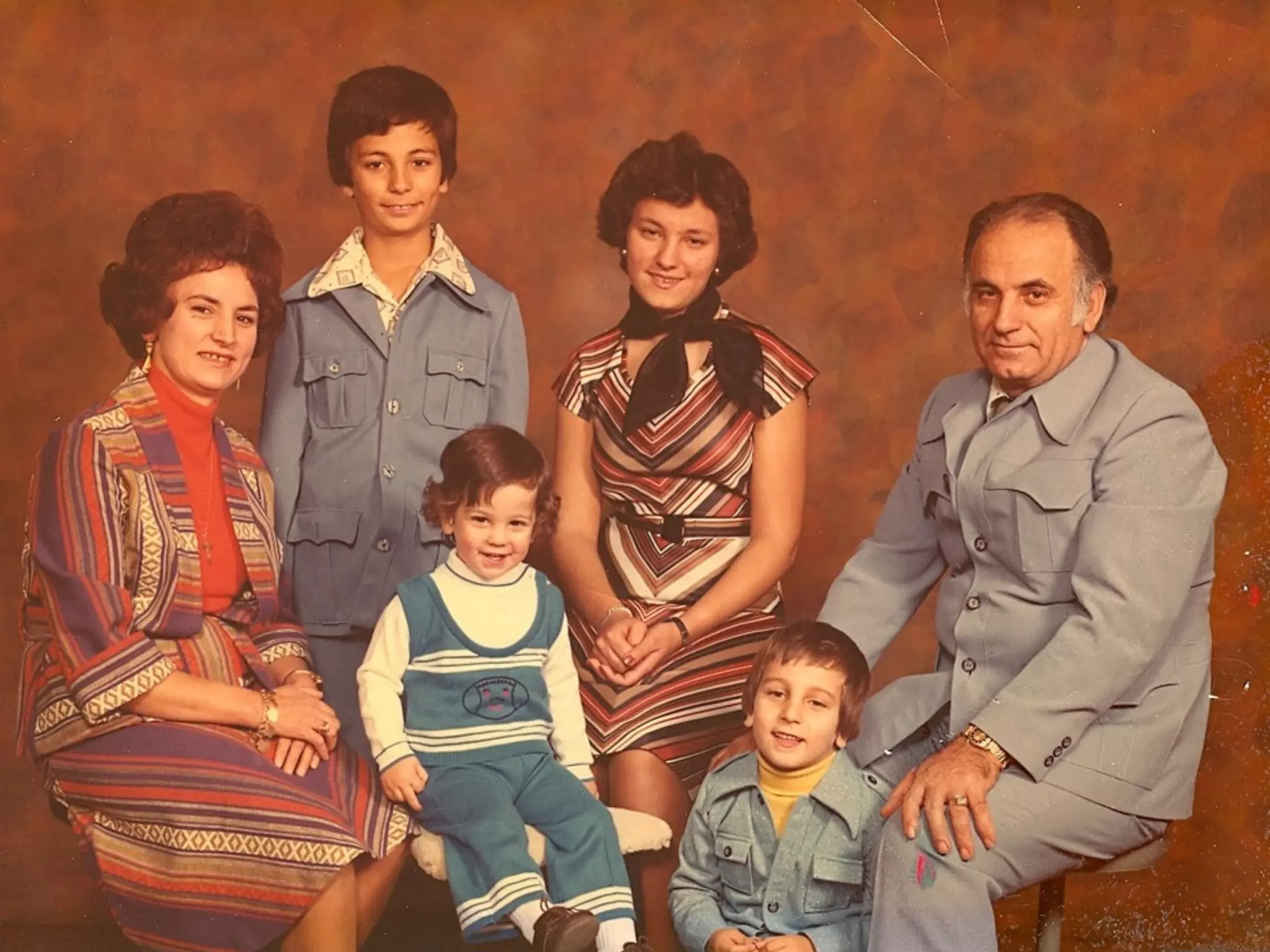
  • #37 This is what my a crowd looked like in 1957.\n
  • #38 This is my dad coming into Canada at Halifax at Pier 21 on the Nassau (nas saw)\n
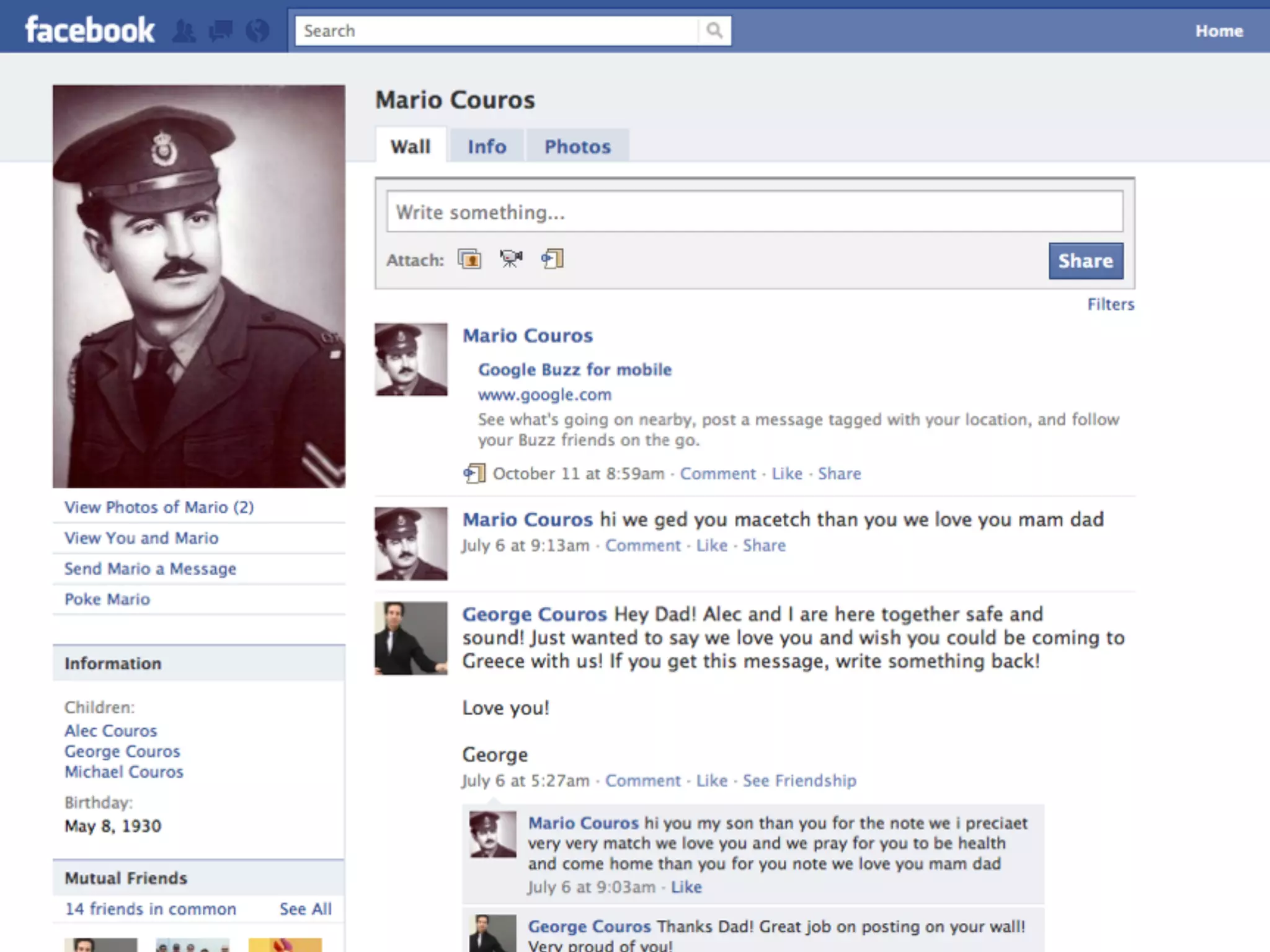
  • #39 When I see my 80 year old father on Facebook, I know that a certain technology has gone mainstream.\n
  • #40 \n
  • #41 \n
  • #42 \n
  • #43 \n
  • #44 \n
  • #45 \n
  • #46 \n
  • #47 \n
  • #48 \n
  • #49 \n
  • #50 By simply changing the columns, he posits that while these changes are happening throughout society, some of these distinct changes have not yet received formal education, especially higher education.\n
  • #51 By simply changing the columns, he posits that while these changes are happening throughout society, some of these distinct changes have not yet received formal education, especially higher education.\n
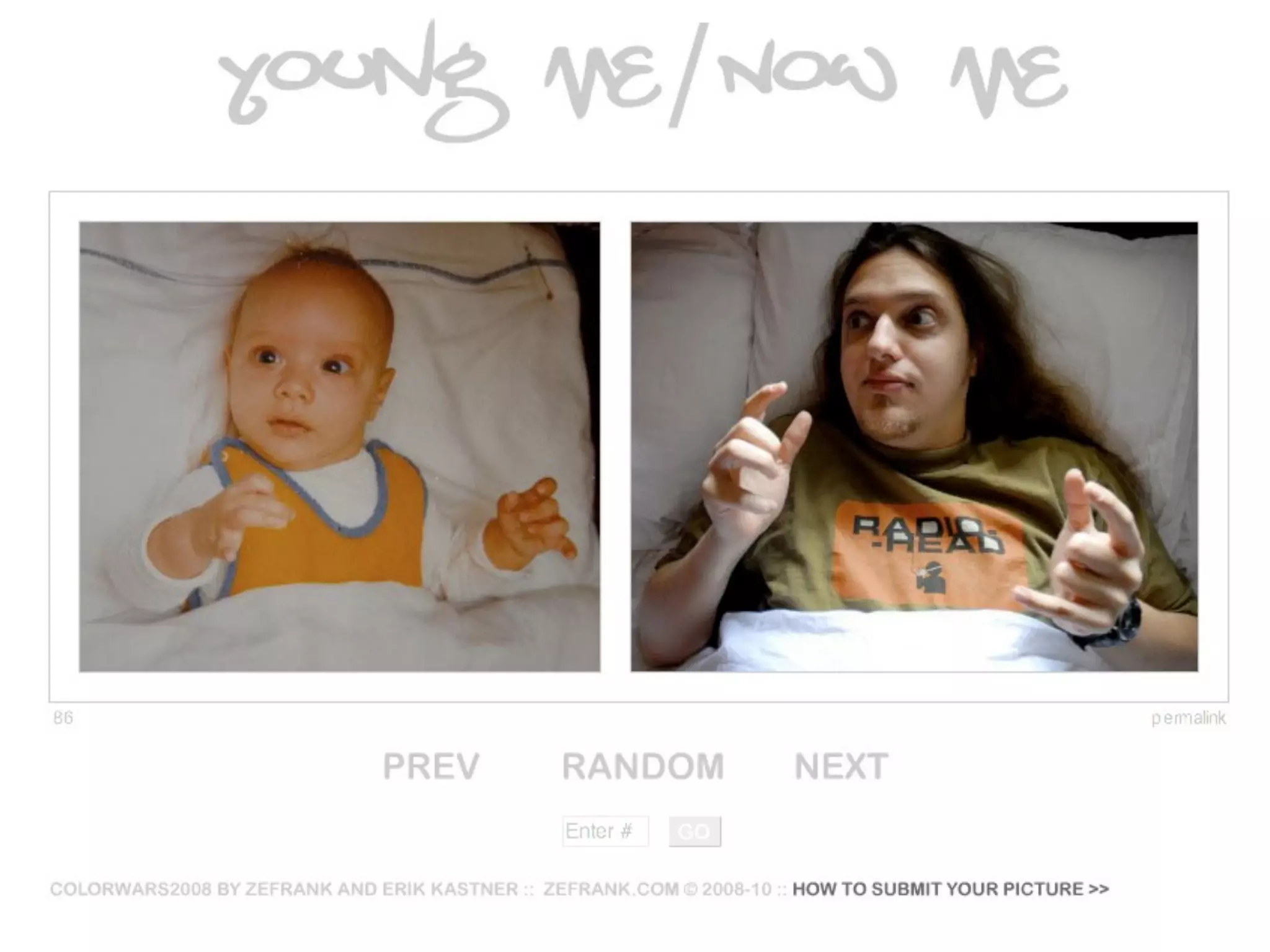
  • #52 Ze has done other great projects as well. I love this one where he’s asked people to upload photos of themselves years later, trying to recreate a particular pose.\n
  • #53 \n
  • #54 \n
  • #55 \n
  • #56 \n
  • #57 \n
  • #58 \n
  • #59 \n
  • #60 \n
  • #61 \n
  • #62 \n
  • #63 \n
  • #64 \n
  • #65 \n
  • #66 \n
  • #67 \n
  • #68 \n
  • #69 \n
  • #70 \n
  • #71 \n
  • #72 \n
  • #73 \n
  • #74 \n
  • #75 \n
  • #76 \n
  • #77 \n
  • #78 \n
  • #79 \n
  • #80 \n
  • #81 \n
  • #82 \n
  • #83 \n
  • #84 \n
  • #85 \n
  • #86 \n
  • #87 \n
  • #88 \n
  • #89 \n
  • #90 \n
  • #91 We should always be asking these questions in what we are doing?\n
  • #92 \n
  • #93 \n
  • #94 \n
  • #95 \n
  • #96 \n
  • #97 \n
  • #98 And to close, I was recently inspired by a quote by Stephen Downes in the Huffington Post.\n\n“We need to move beyond the idea that education is something that is provided for us, and toward the idea that an education is something that we create for ourselves.”\n\nThis to me is a fundamental shift for all of us, educators and learners. \n\nEducation should be something that is done TO us, but it is something that we need to fully participate in - and in very different ways than we’ve ever done so previously.\n
  • #99 \n