Diverse Groups: Successful
Strategies in Multicultural PR
PR в условиях культурной
специфичности
Richard Linning
Дни PR и маркетинга на Юге 2013
5 июня 2013
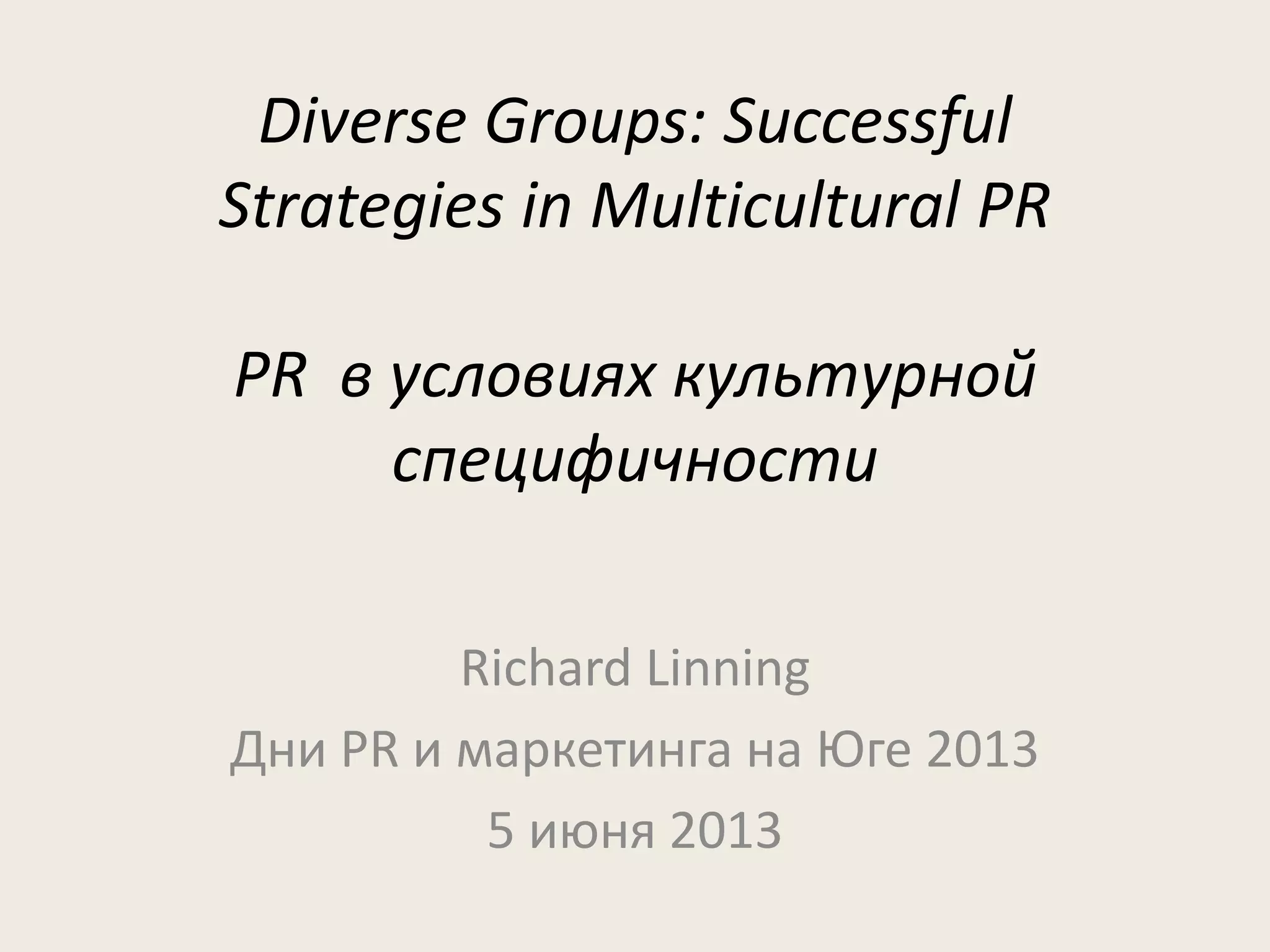
Monument to Multiculturalism
Toronto, Canada
Buffalo City, South Africa – Changchun, China
Sarajevo, Bosnia – Sydney, Australia
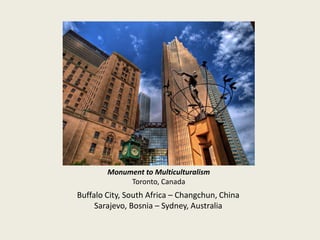
Multiculturalism
• descriptive
– cultural diversity
• normative
– ideologies or policies that promote this diversity
• multiculturalism is a society “at ease with the
rich tapestry of human life and the desire
amongst people to express their own identity
in the manner they see fit”
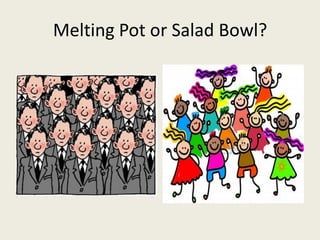
Melting Pot or Salad Bowl?
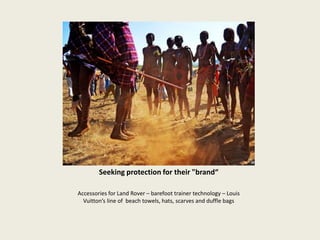
Seeking protection for their "brand“
Accessories for Land Rover – barefoot trainer technology – Louis
Vuitton’s line of beach towels, hats, scarves and duffle bags
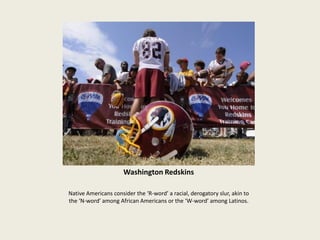
Washington Redskins
Native Americans consider the ‘R-word’ a racial, derogatory slur, akin to
the ‘N-word’ among African Americans or the ‘W-word’ among Latinos.
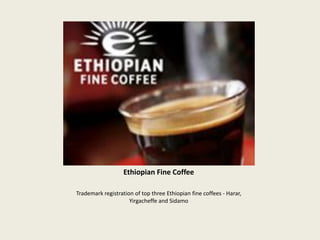
Ethiopian Fine Coffee
Trademark registration of top three Ethiopian fine coffees - Harar,
Yirgacheffe and Sidamo
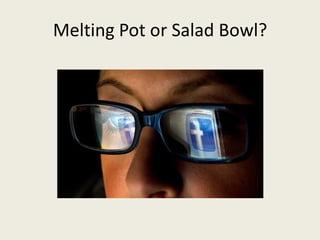
Melting Pot or Salad Bowl?
Pew Internet & American Life Project 2013
• Teens dislike Facebook
– constraints through an increasing adult presence,
– high-pressure or otherwise negative social interactions (“drama”)
– feeling overwhelmed by others who share too much.
• Female (age 19)
– “Yeah, we go on Twitter and Instagram cos my mom doesn't have that.”
Female (age 15)
– “If you are on Facebook, you see a lot of drama.”
Female (age 14)
"Facebook can be fun, but also it's drama central”.
Male (age 18)
“It’s where people post unnecessary pictures and they say unnecessary things”
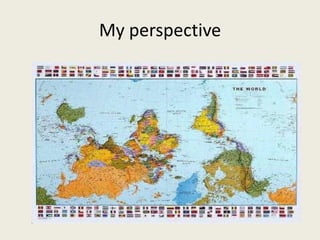
My perspective
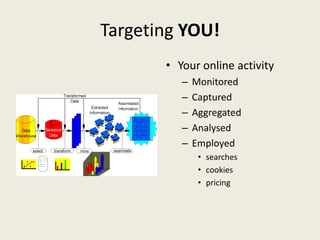
Targeting YOU!
• Your online activity
– Monitored
– Captured
– Aggregated
– Analysed
– Employed
• searches
• cookies
• pricing
Intercultural communication
• We communicate as we do because we are raised in a particular
culture and learn its language, rules, and norms. Different cultures
(and subcultures) may have different rules and norms.
• cultural level
– the other's culture, its dominant values and norms
• sociocultural
– the other's group membership, or the groups to which they seek to
belong
• psychocultural
– data. the individual's characteristics, most relevant to communication
with friends.
• Gudykunst &Kim, "Communicating With Strangers: An Approach to
Intercultural Communication," in Bridges Not Walls New York: McGraw-Hill,
1995
Six to avoid
• Ethnocentricity
– because English is widely spoken, do not expect everyone to understand
spoken or written English.
• Jargon and Slang
– even regional cultures within a larger culture, develop unique sets of jargon
and slang.
• Personal Space
– different cultures can take significantly different approaches to personal space
• Stereotypes
– put stereotypes and assumptions aside.
• Eye Contact
– direct eye contact may symbolise respect in Western cultures, other cultures
view it differently
• Time
– different cultures have markedly different approaches to time keeping
Would you ... ?
• Use the same approach world-wide
• Consider traditional knowledge and practices as
‘backward’
• Let cultural differences become a source of
conflict
• Ignore culturally-dependent enabling and
counteracting forces
• Fail to take language barriers into account.
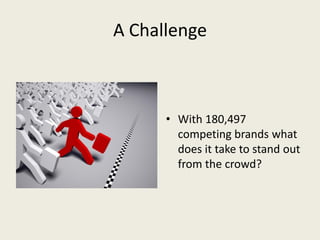
A Challenge
• With 180,497
competing brands what
does it take to stand out
from the crowd?
 PR в условиях культурной специфичности
 PR в условиях культурной специфичности
 PR в условиях культурной специфичности
 PR в условиях культурной специфичности

PR в условиях культурной специфичности

  • 1.
    Diverse Groups: Successful Strategiesin Multicultural PR PR в условиях культурной специфичности Richard Linning Дни PR и маркетинга на Юге 2013 5 июня 2013
  • 2.
    Monument to Multiculturalism Toronto,Canada Buffalo City, South Africa – Changchun, China Sarajevo, Bosnia – Sydney, Australia
  • 4.
    Multiculturalism • descriptive – culturaldiversity • normative – ideologies or policies that promote this diversity • multiculturalism is a society “at ease with the rich tapestry of human life and the desire amongst people to express their own identity in the manner they see fit”
  • 6.
    Melting Pot orSalad Bowl?
  • 7.
    Seeking protection fortheir "brand“ Accessories for Land Rover – barefoot trainer technology – Louis Vuitton’s line of beach towels, hats, scarves and duffle bags
  • 8.
    Washington Redskins Native Americansconsider the ‘R-word’ a racial, derogatory slur, akin to the ‘N-word’ among African Americans or the ‘W-word’ among Latinos.
  • 9.
    Ethiopian Fine Coffee Trademarkregistration of top three Ethiopian fine coffees - Harar, Yirgacheffe and Sidamo
  • 10.
    Melting Pot orSalad Bowl?
  • 11.
    Pew Internet &American Life Project 2013 • Teens dislike Facebook – constraints through an increasing adult presence, – high-pressure or otherwise negative social interactions (“drama”) – feeling overwhelmed by others who share too much. • Female (age 19) – “Yeah, we go on Twitter and Instagram cos my mom doesn't have that.” Female (age 15) – “If you are on Facebook, you see a lot of drama.” Female (age 14) "Facebook can be fun, but also it's drama central”. Male (age 18) “It’s where people post unnecessary pictures and they say unnecessary things”
  • 12.
  • 15.
    Targeting YOU! • Youronline activity – Monitored – Captured – Aggregated – Analysed – Employed • searches • cookies • pricing
  • 18.
    Intercultural communication • Wecommunicate as we do because we are raised in a particular culture and learn its language, rules, and norms. Different cultures (and subcultures) may have different rules and norms. • cultural level – the other's culture, its dominant values and norms • sociocultural – the other's group membership, or the groups to which they seek to belong • psychocultural – data. the individual's characteristics, most relevant to communication with friends. • Gudykunst &Kim, "Communicating With Strangers: An Approach to Intercultural Communication," in Bridges Not Walls New York: McGraw-Hill, 1995
  • 20.
    Six to avoid •Ethnocentricity – because English is widely spoken, do not expect everyone to understand spoken or written English. • Jargon and Slang – even regional cultures within a larger culture, develop unique sets of jargon and slang. • Personal Space – different cultures can take significantly different approaches to personal space • Stereotypes – put stereotypes and assumptions aside. • Eye Contact – direct eye contact may symbolise respect in Western cultures, other cultures view it differently • Time – different cultures have markedly different approaches to time keeping
  • 21.
    Would you ...? • Use the same approach world-wide • Consider traditional knowledge and practices as ‘backward’ • Let cultural differences become a source of conflict • Ignore culturally-dependent enabling and counteracting forces • Fail to take language barriers into account.
  • 22.
    A Challenge • With180,497 competing brands what does it take to stand out from the crowd?