PHYSICALITY 
is a language 
The most powerful communications 
tool is what you don’t think about!
Intro 
Perhaps it’s not surprising that an unintended 
consequence of the digital revolution is to make people 
more receptive to intuitive, unconscious signals — more 
information makes us think less.! 
Yet, an increasing exposure to technology is forcing a 
new value on an old language — the innate human ability 
to read meaning from the tactile qualities of 
everything around us. As attention becomes increasingly 
precious, here is a powerful way to talk to people who 
don’t have time to think.!
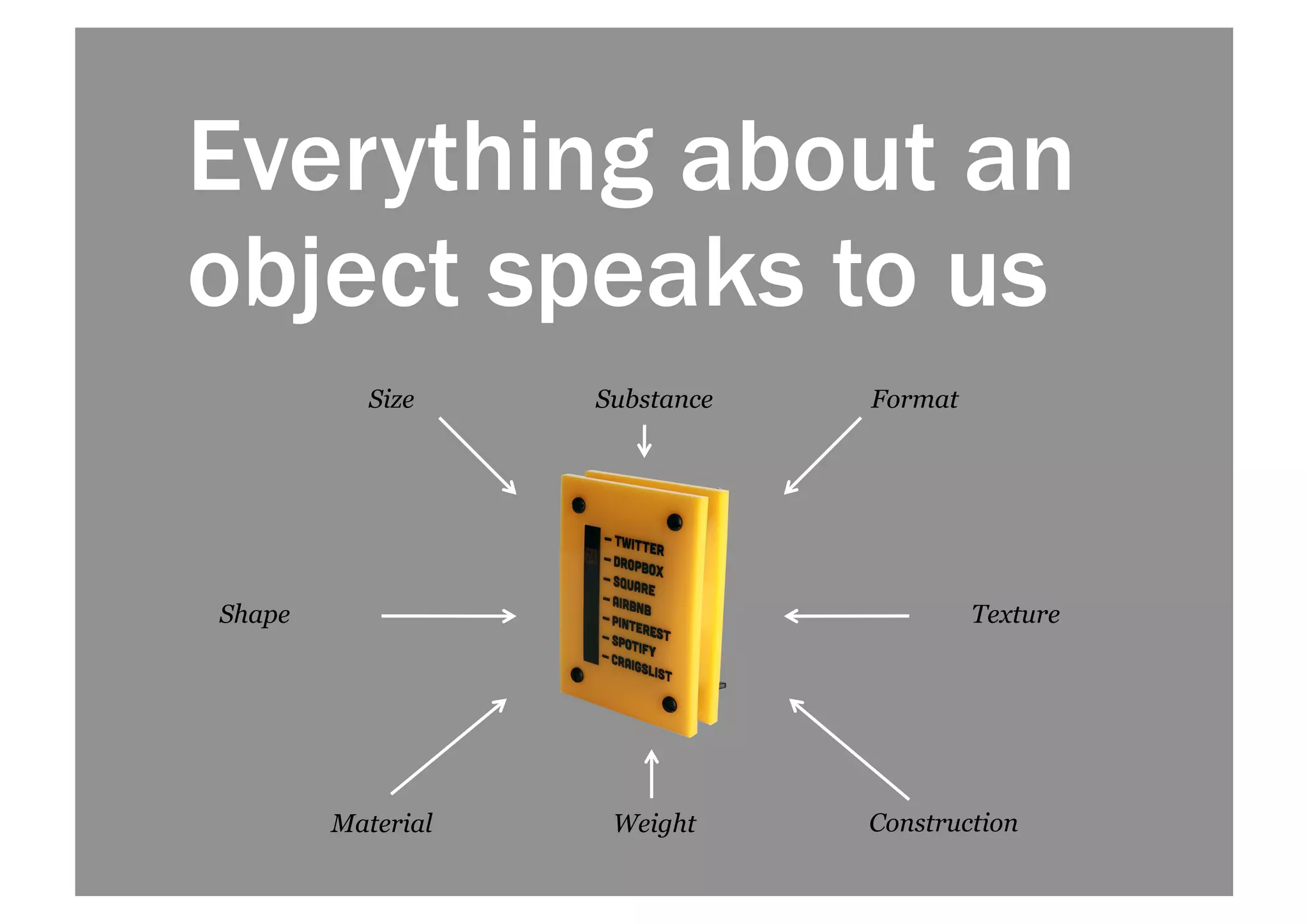
Everything about an 
object speaks to us 
Size 
Shape 
Material 
Format 
Texture 
Substance 
Weight Construction
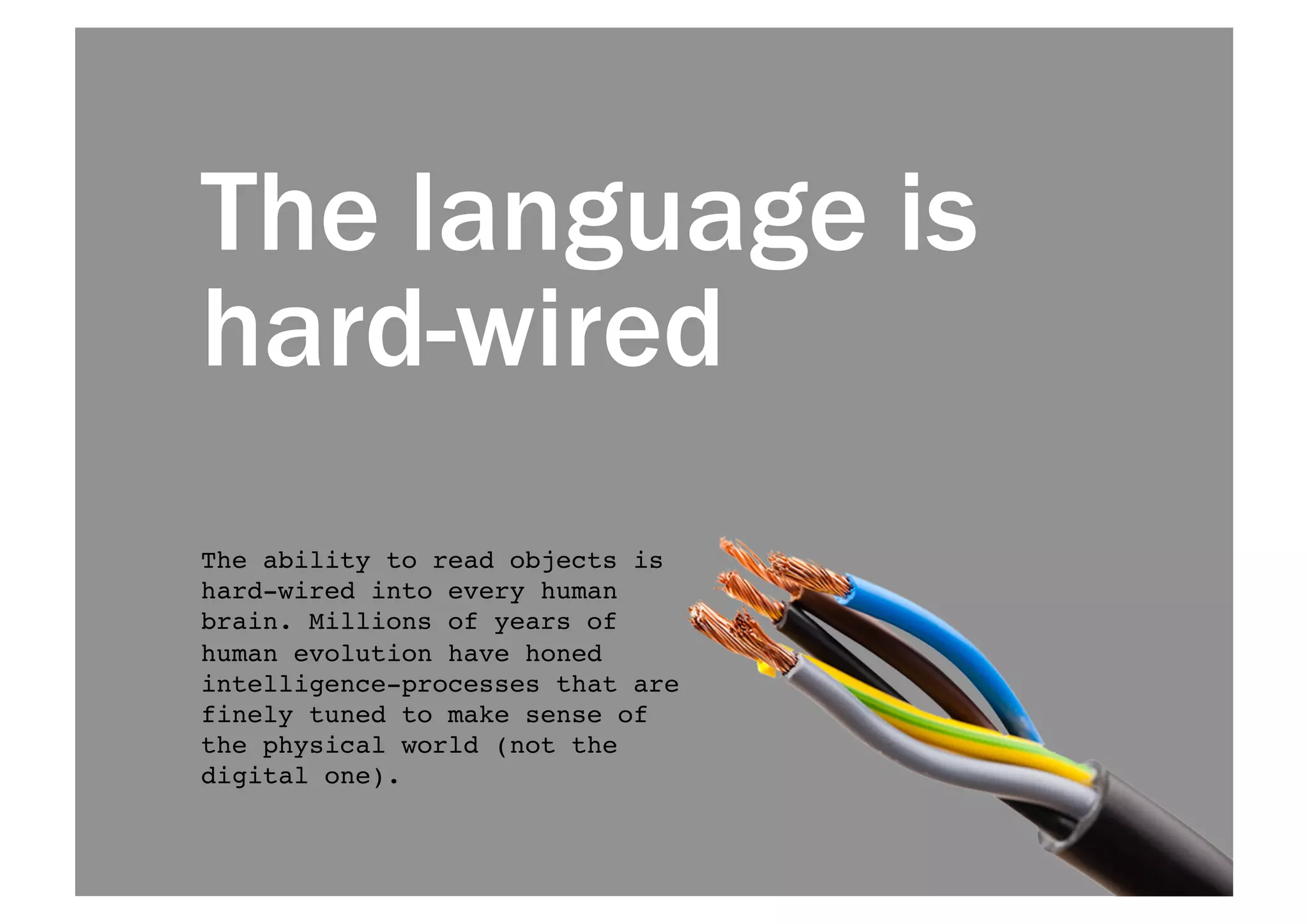
The language is 
hard-wired 
The ability to read objects is 
hard-wired into every human 
brain. Millions of years of 
human evolution have honed 
intelligence-processes that are 
finely tuned to make sense of 
the physical world (not the 
digital one).!
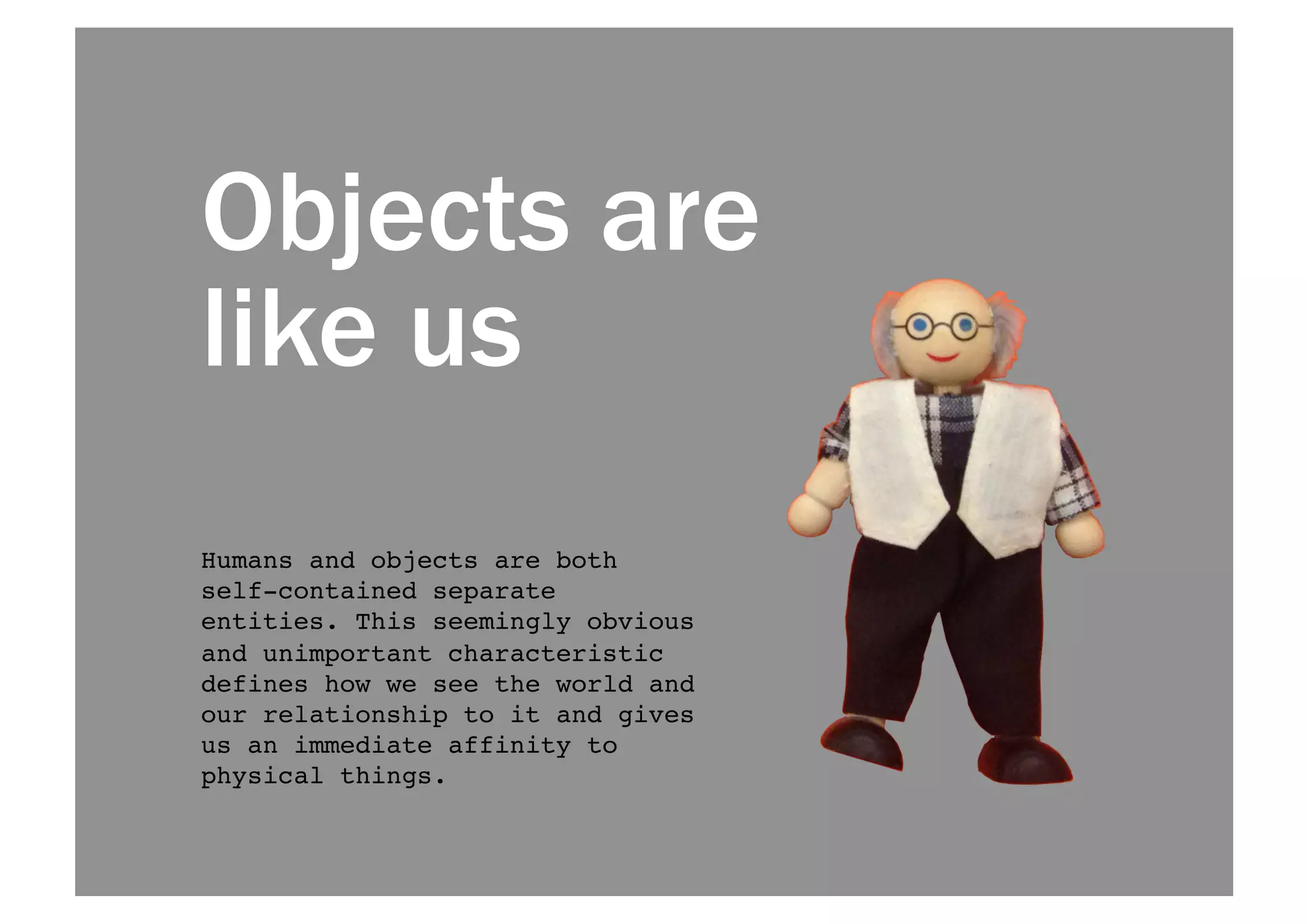
Objects are 
like us 
Humans and objects are both 
self-contained separate 
entities. This seemingly obvious 
and unimportant characteristic 
defines how we see the world and 
our relationship to it and gives 
us an immediate affinity to 
physical things.!
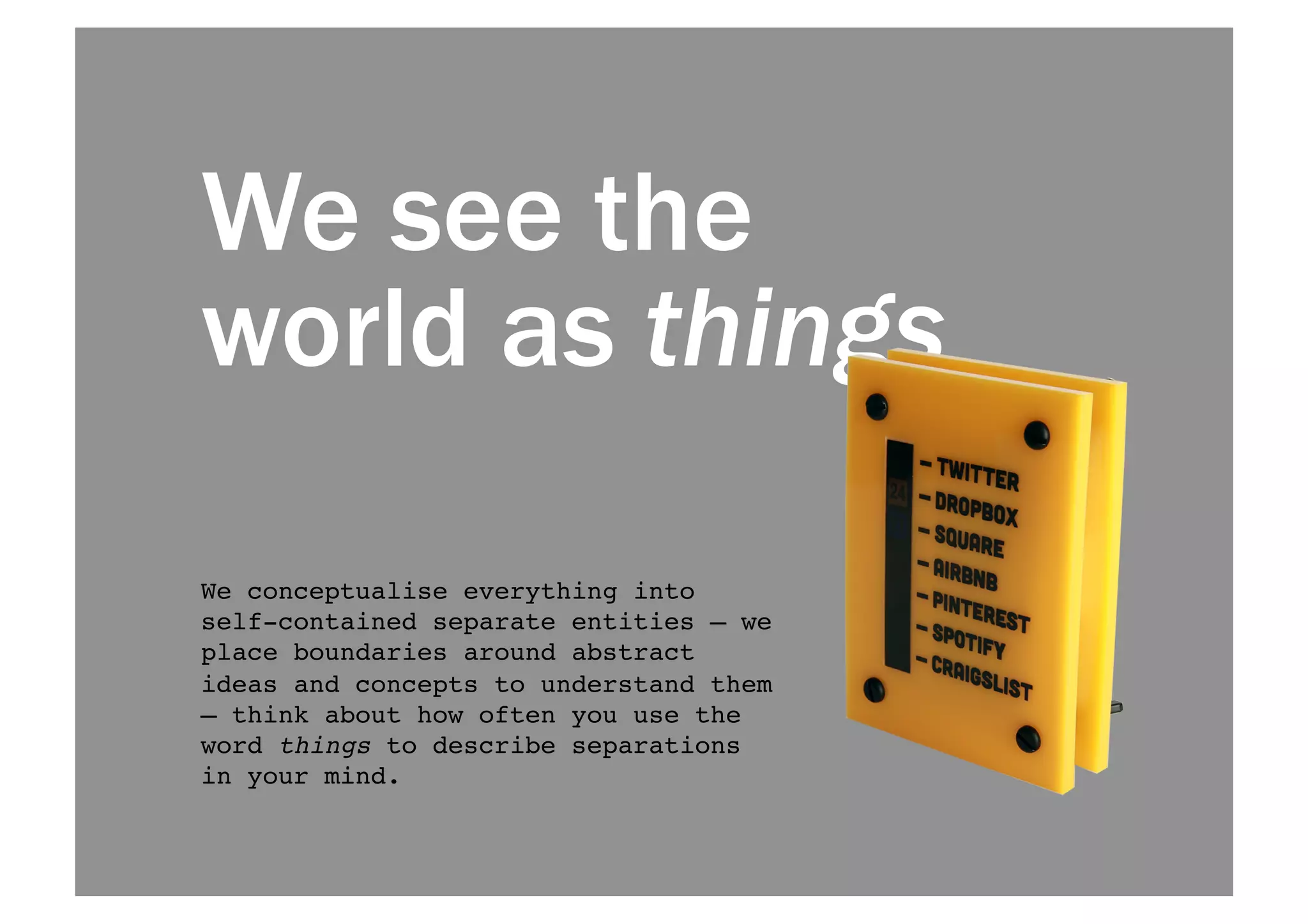
We see the 
world as things 
We conceptualise everything into 
self-contained separate entities — we 
place boundaries around abstract 
ideas and concepts to understand them 
— think about how often you use the 
word things to describe separations 
in your mind.!
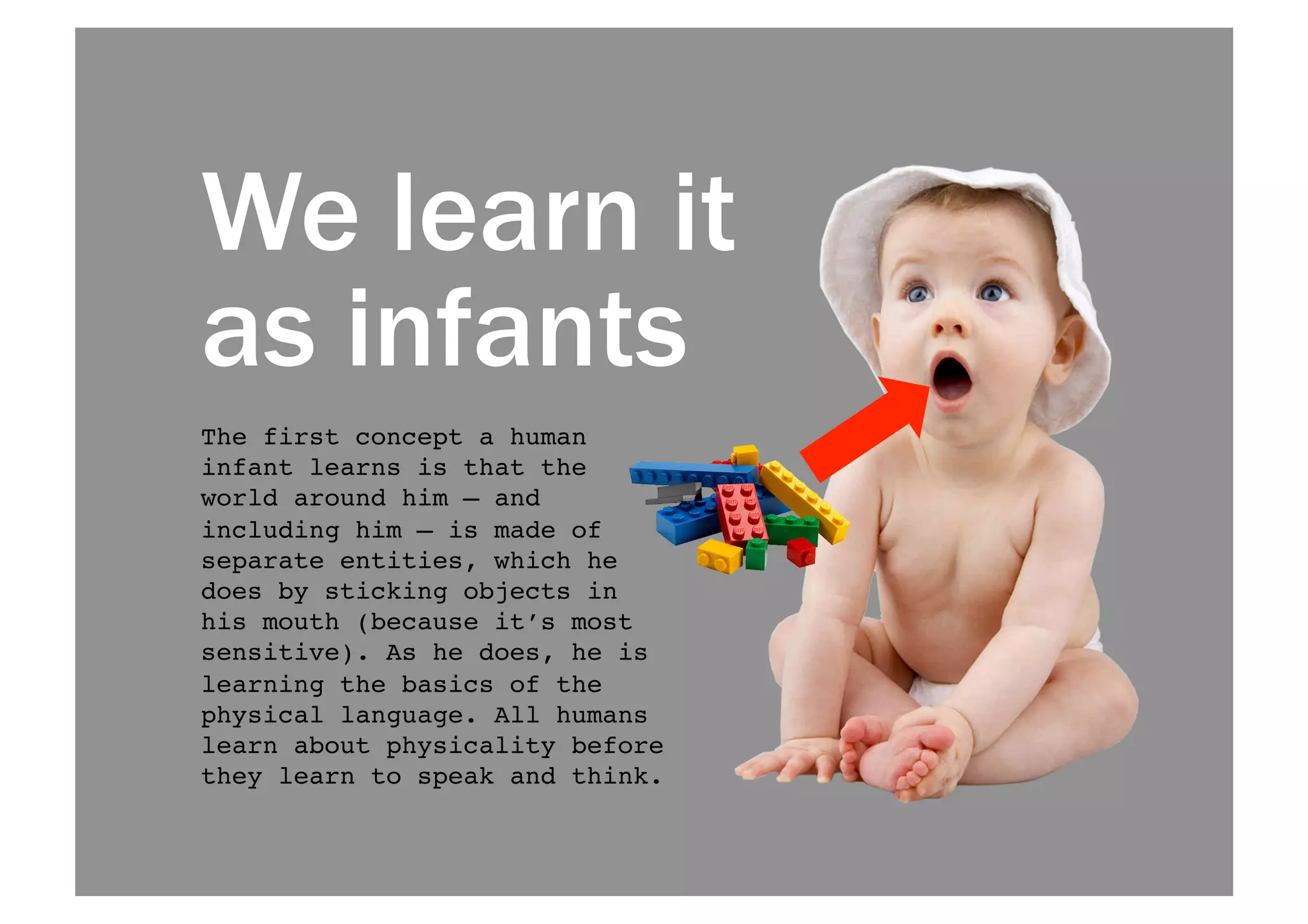
We learn it 
as infants 
The first concept a human 
infant learns is that the 
world around him — and 
including him — is made of 
separate entities, which he 
does by sticking objects in 
his mouth (because it’s most 
sensitive). As he does, he is 
learning the basics of the 
physical language. All humans 
learn about physicality before 
they learn to speak and think. !
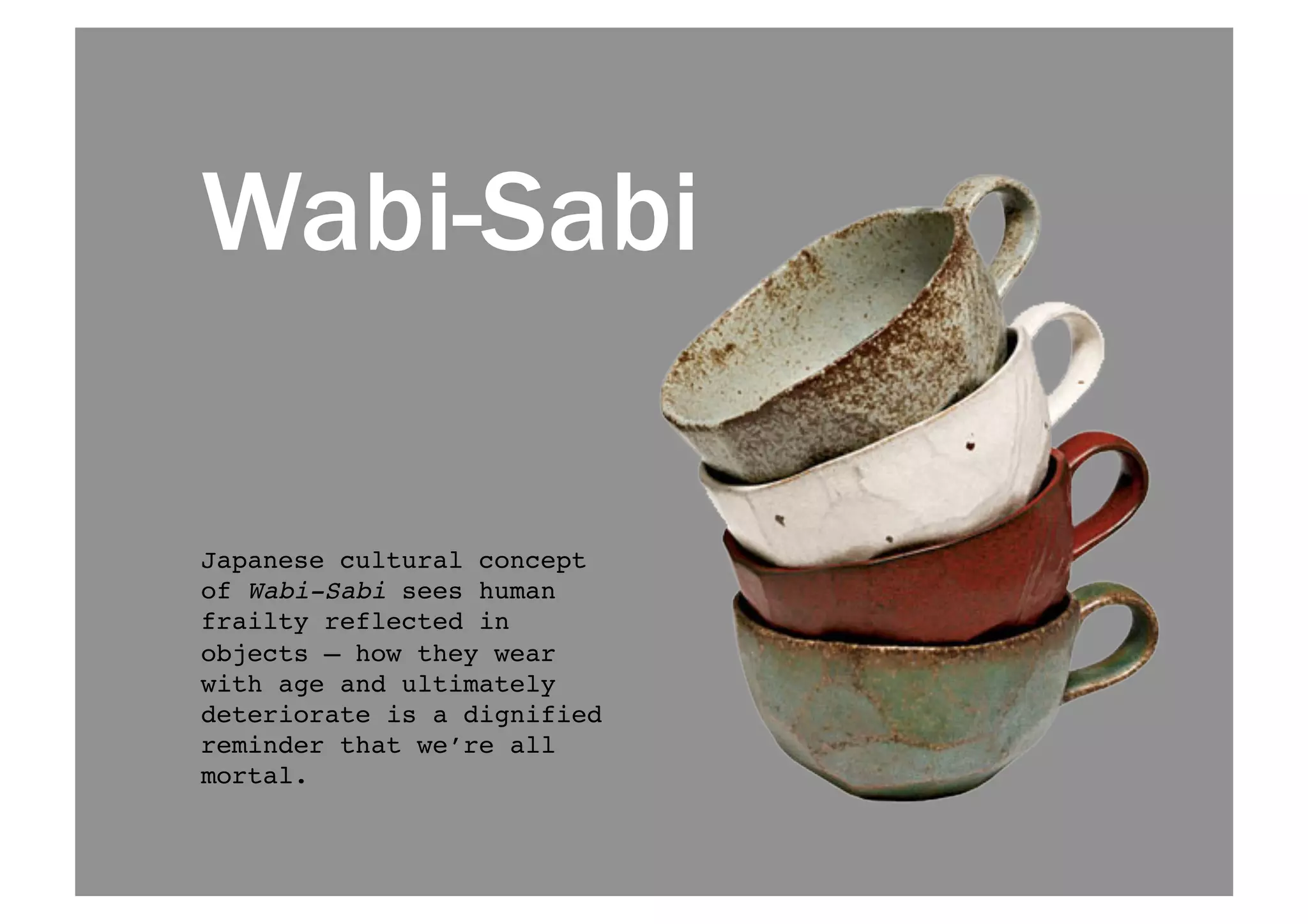
Wabi-Sabi 
Japanese cultural concept 
of Wabi-Sabi sees human 
frailty reflected in 
objects — how they wear 
with age and ultimately 
deteriorate is a dignified 
reminder that we’re all 
mortal.!
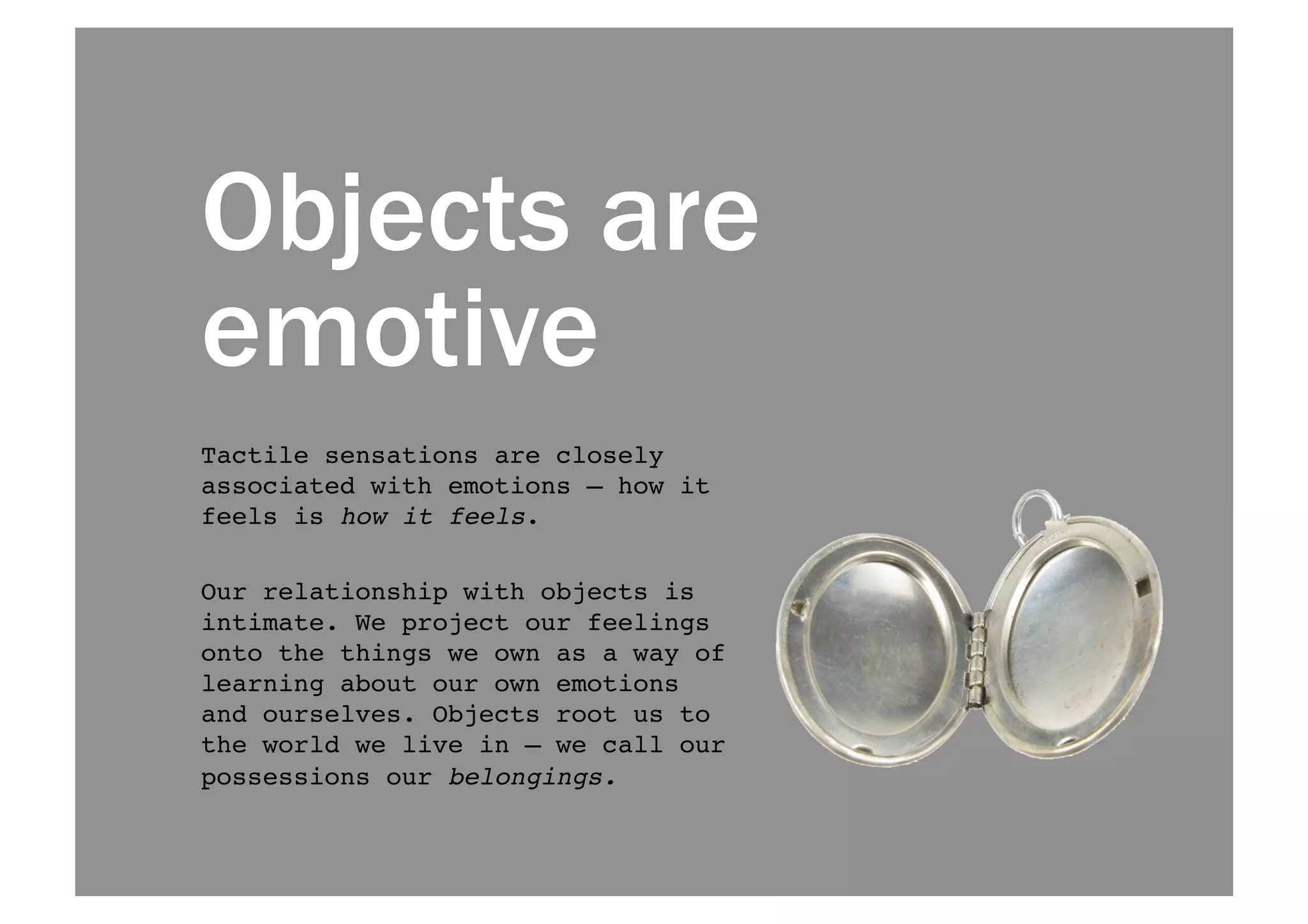
Objects are 
emotive 
Tactile sensations are closely 
associated with emotions — how it 
feels is how it feels. ! 
Our relationship with objects is 
intimate. We project our feelings 
onto the things we own as a way of 
learning about our own emotions 
and ourselves. Objects root us to 
the world we live in — we call our 
possessions our belongings.!
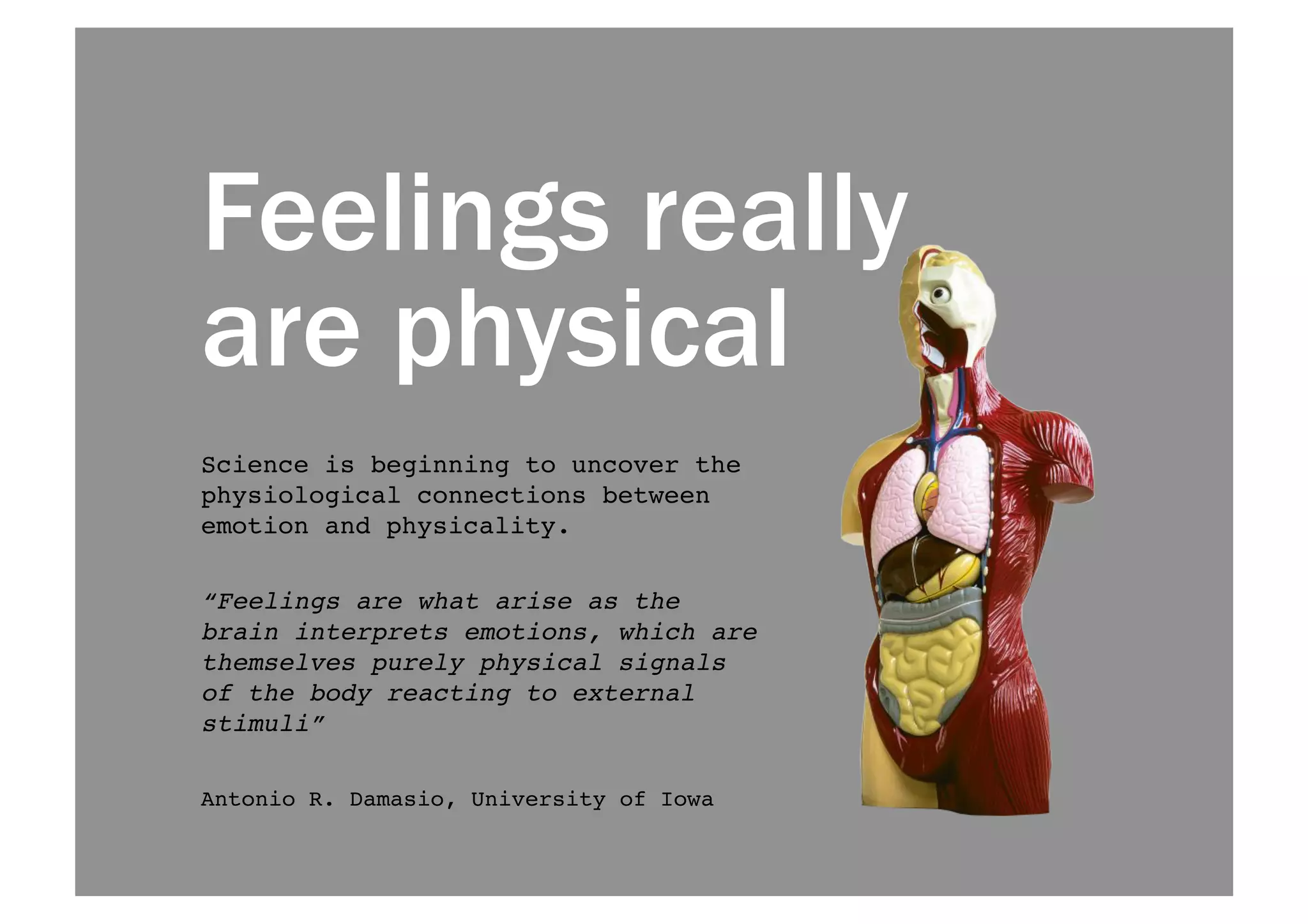
Feelings really 
are physical 
Science is beginning to uncover the 
physiological connections between 
emotion and physicality. ! 
“Feelings are what arise as the 
brain interprets emotions, which are 
themselves purely physical signals 
of the body reacting to external 
stimuli”! 
Antonio R. Damasio, University of Iowa!
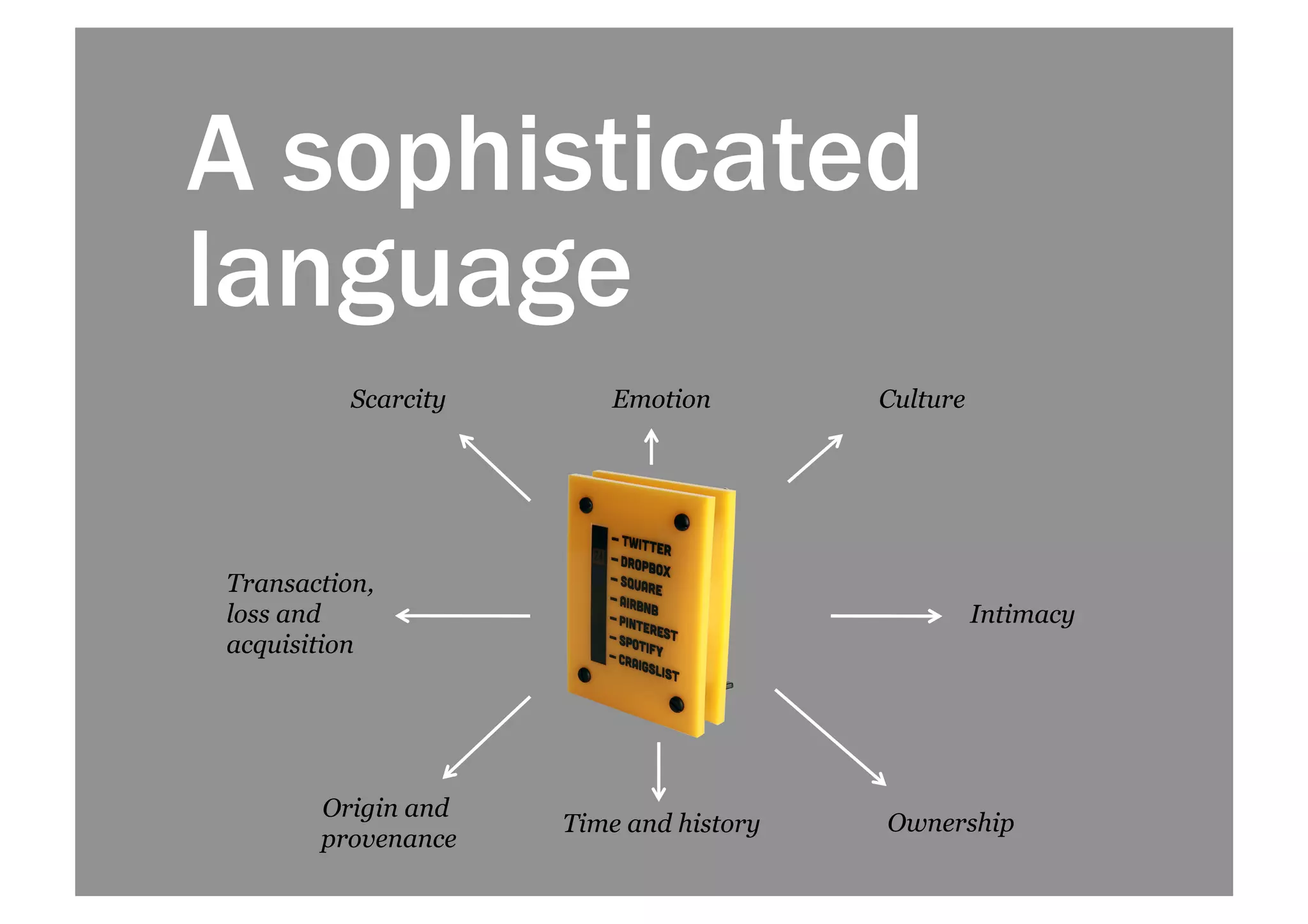
A sophisticated 
language 
Scarcity 
Transaction, 
loss and 
acquisition 
Origin and 
provenance 
Culture 
Intimacy 
Emotion 
Time and history Ownership
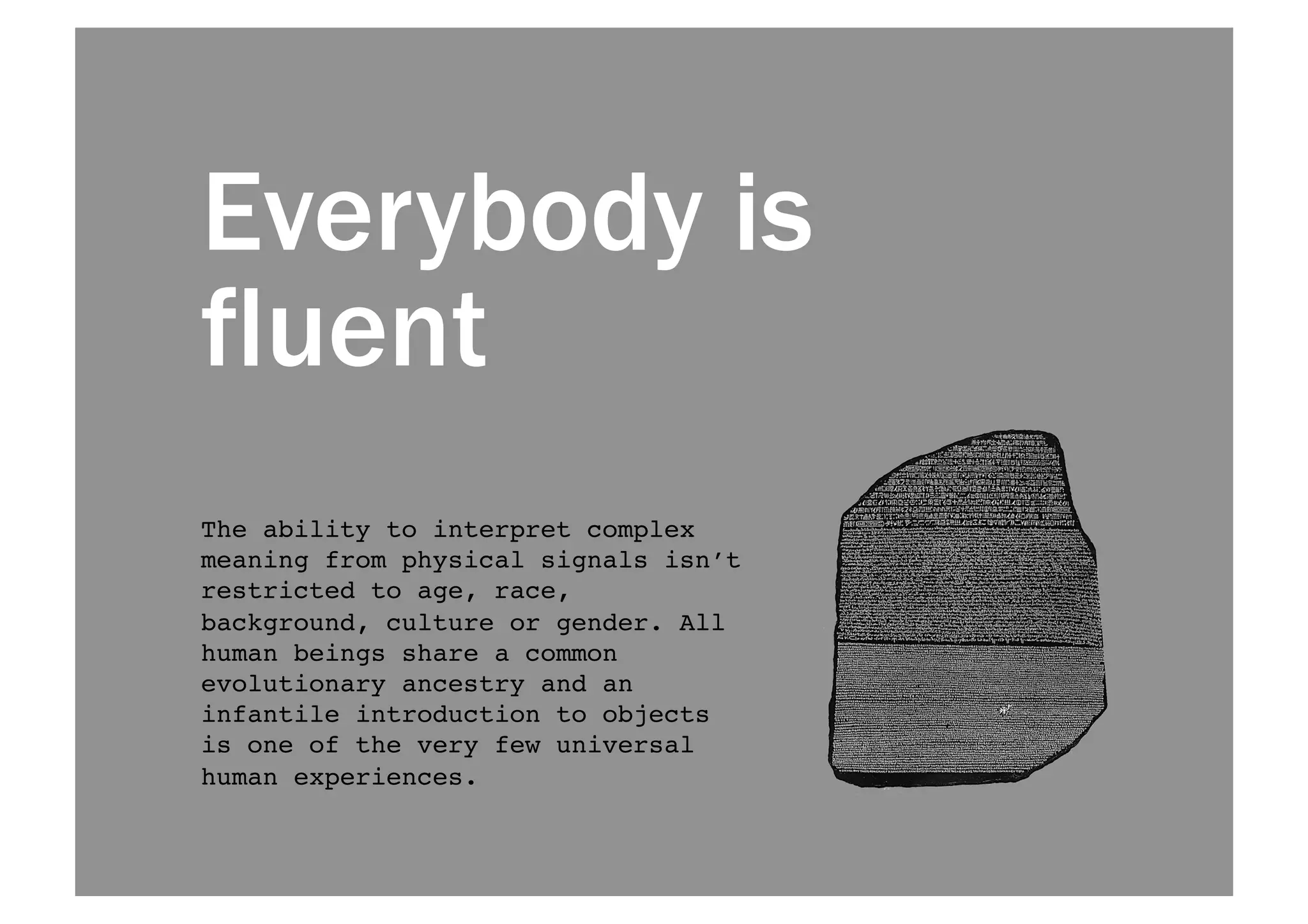
Everybody is 
fluent 
The ability to interpret complex 
meaning from physical signals isn’t 
restricted to age, race, 
background, culture or gender. All 
human beings share a common 
evolutionary ancestry and an 
infantile introduction to objects 
is one of the very few universal 
human experiences.!
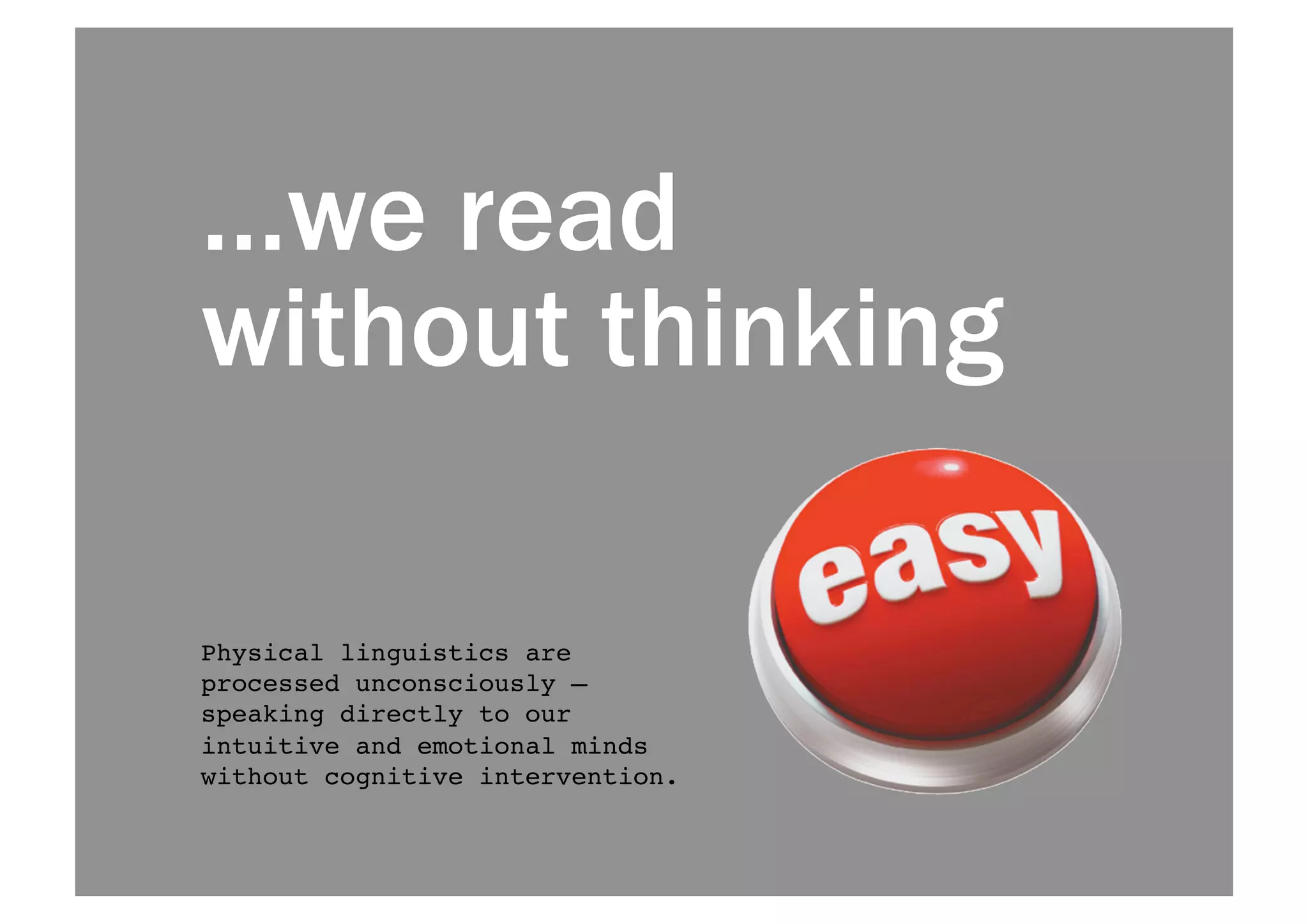
We read without 
thinking 
Physical linguistics are 
processed unconsciously — 
speaking directly to our 
intuitive and emotional minds 
without cognitive intervention. !
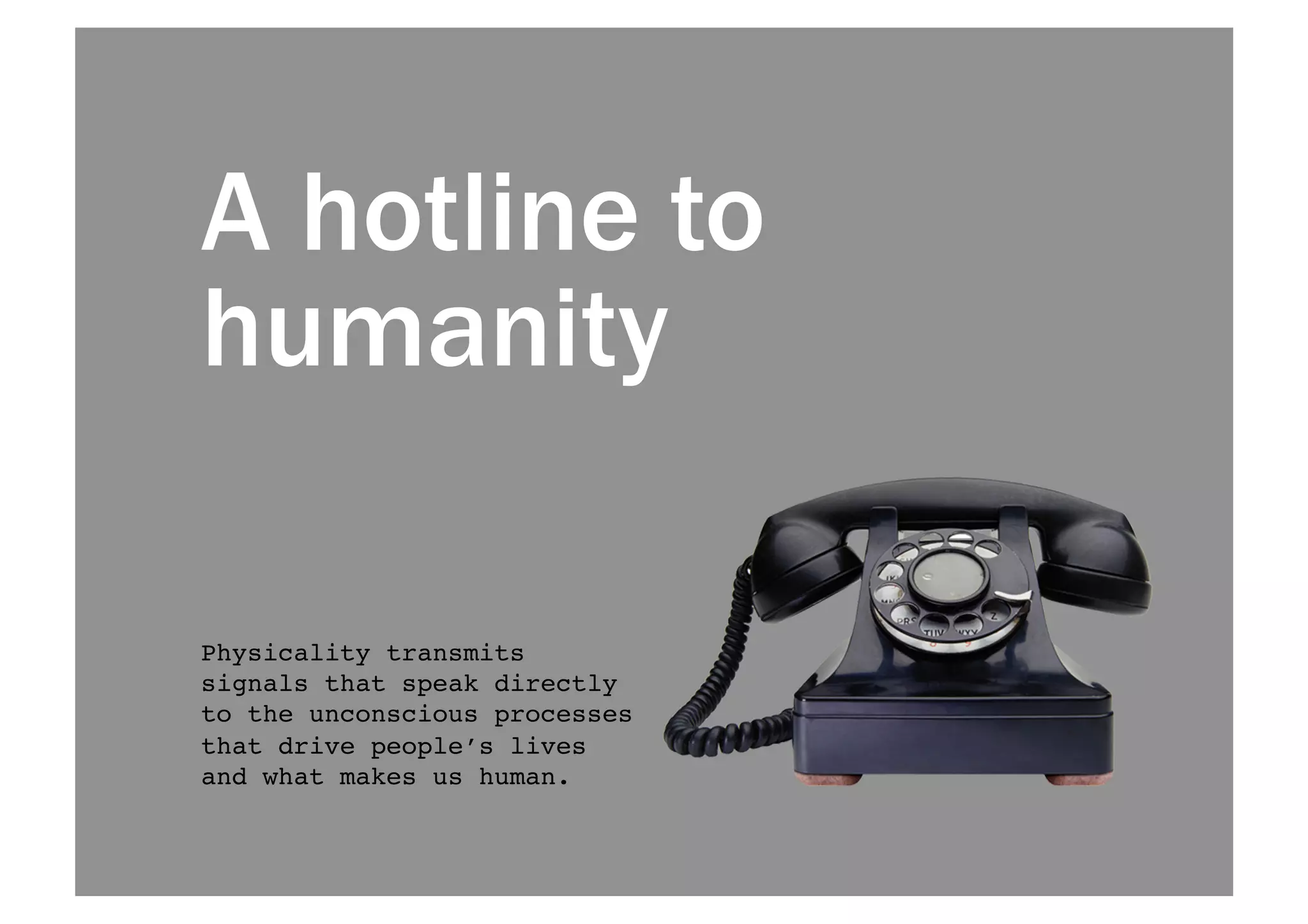
A hotline to 
humanity 
Physicality transmits 
signals that speak directly 
to the unconscious processes 
that drive people’s lives 
and what makes us human.!
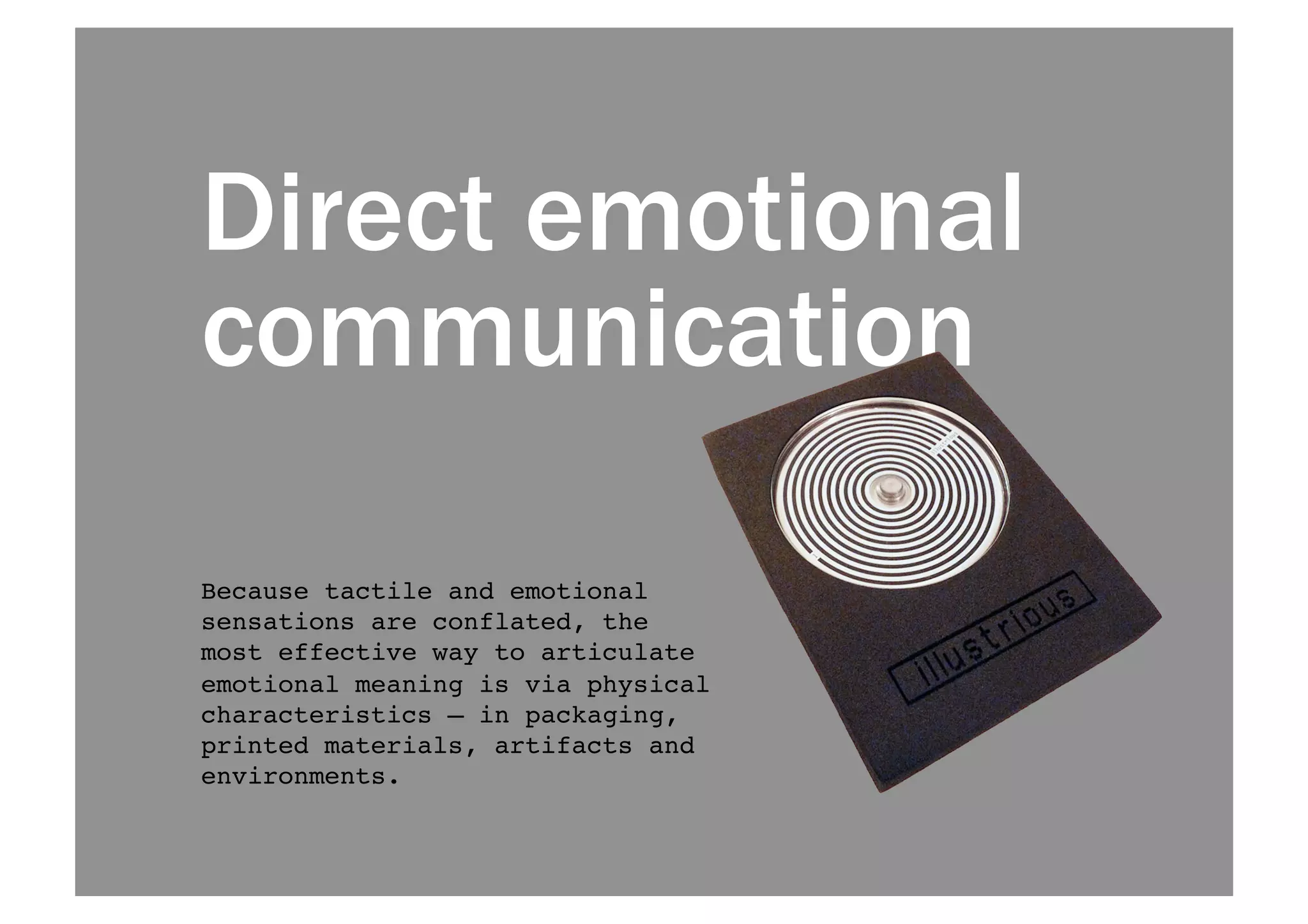
Direct emotional 
communication 
Because tactile and emotional 
sensations are conflated, the 
most effective way to articulate 
emotional meaning is via physical 
characteristics — in packaging, 
printed materials, artifacts and 
environments.!
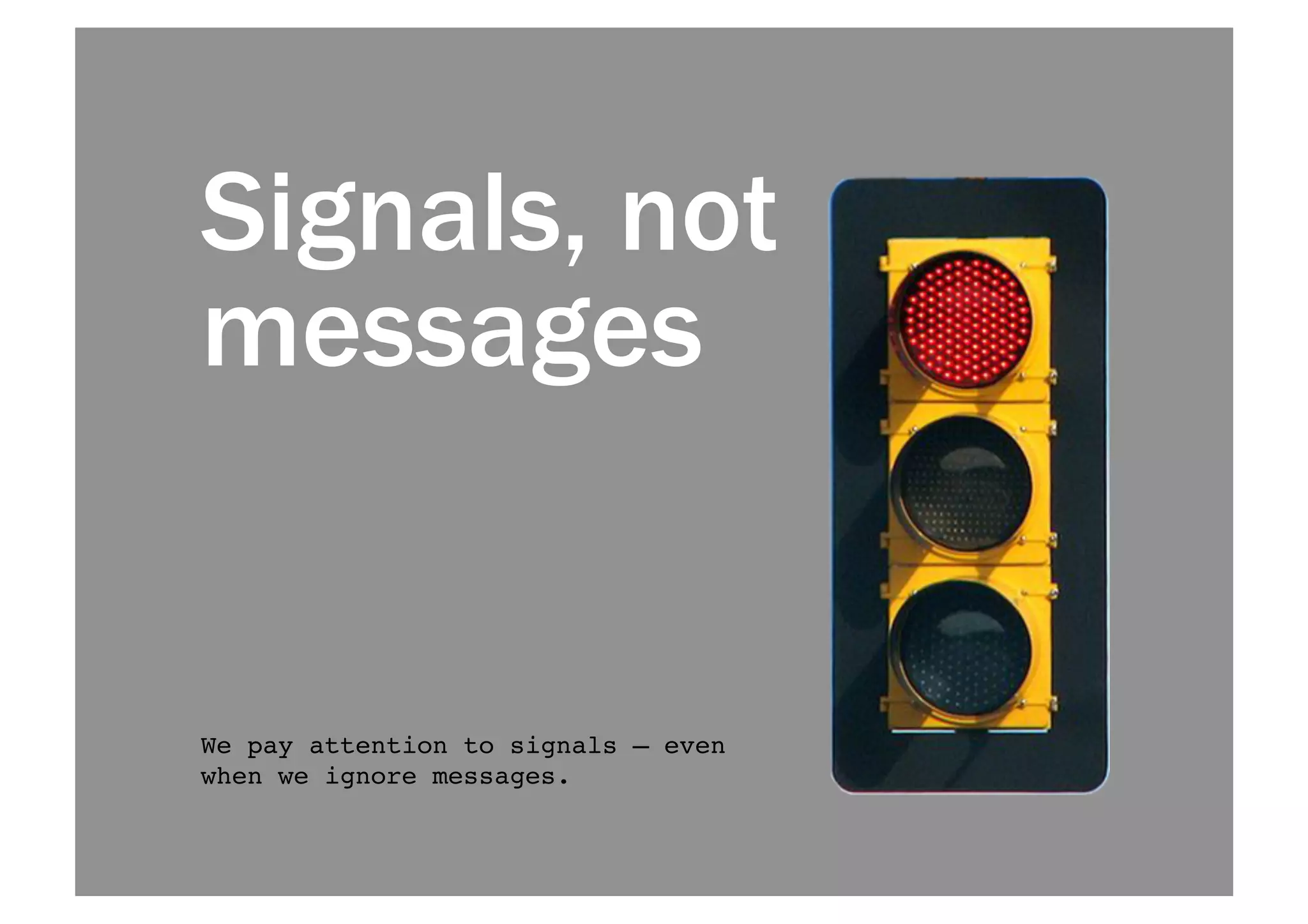
Signals, not 
messages 
We pay attention to signals — even 
when we ignore messages.!
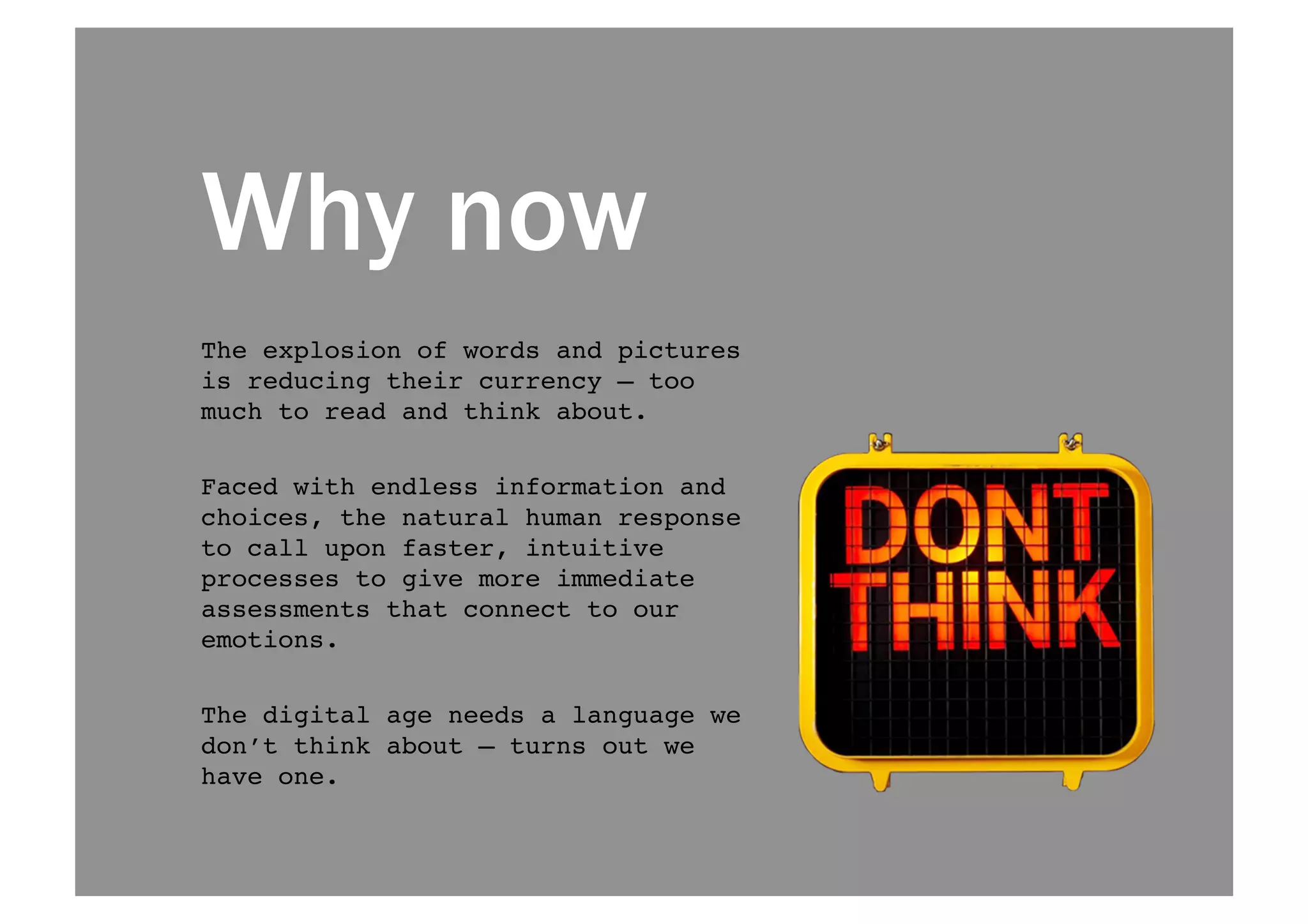
Why now 
The explosion of words and pictures 
is reducing their currency — too 
much to read and think about. ! 
Faced with endless information and 
choices, the natural human response 
to call upon faster, intuitive 
processes to give more immediate 
assessments that connect to our 
emotions.! 
The digital age needs a language we 
don’t think about — turns out we 
have one.!
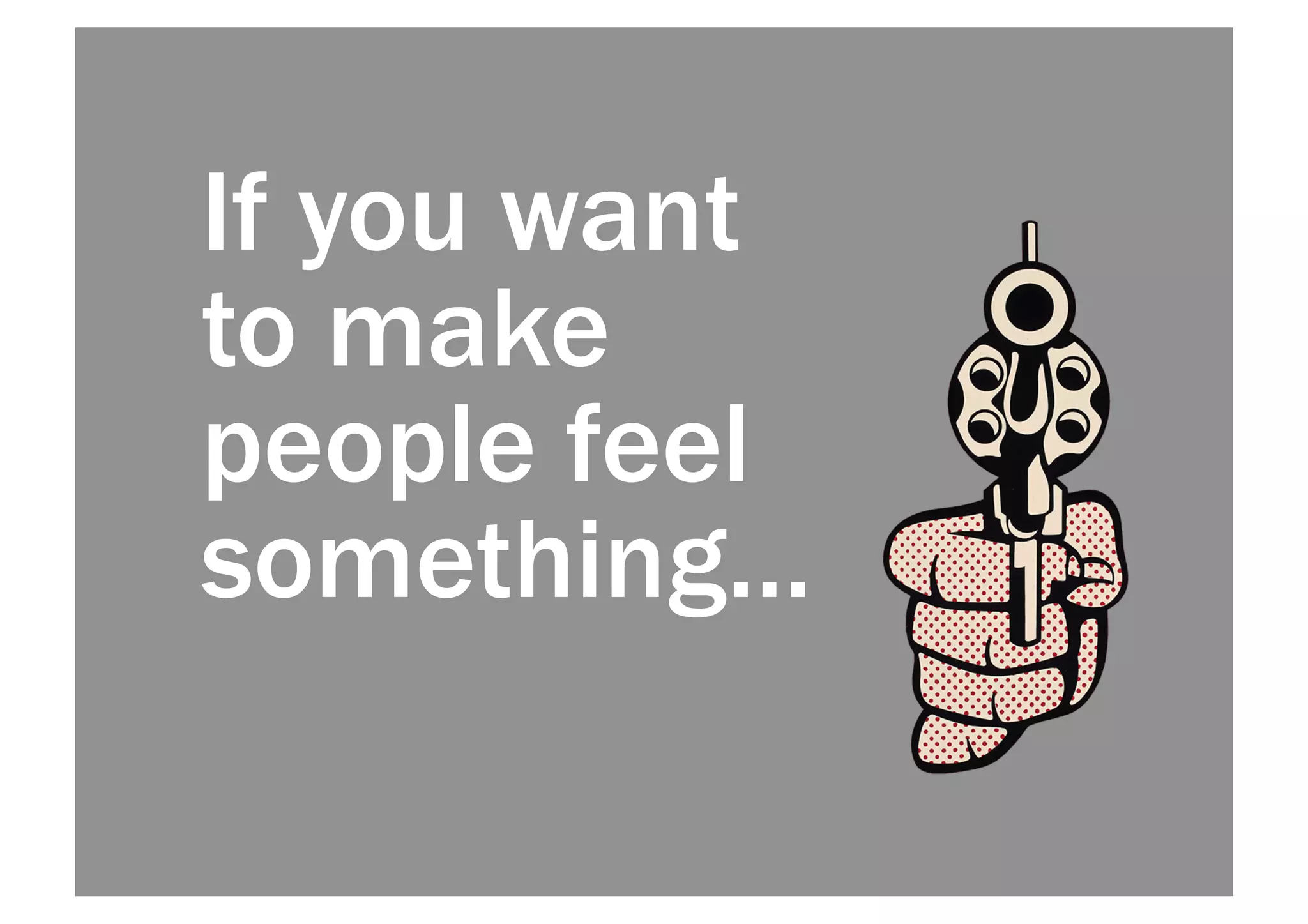
If you want 
to make 
people feel 
something…
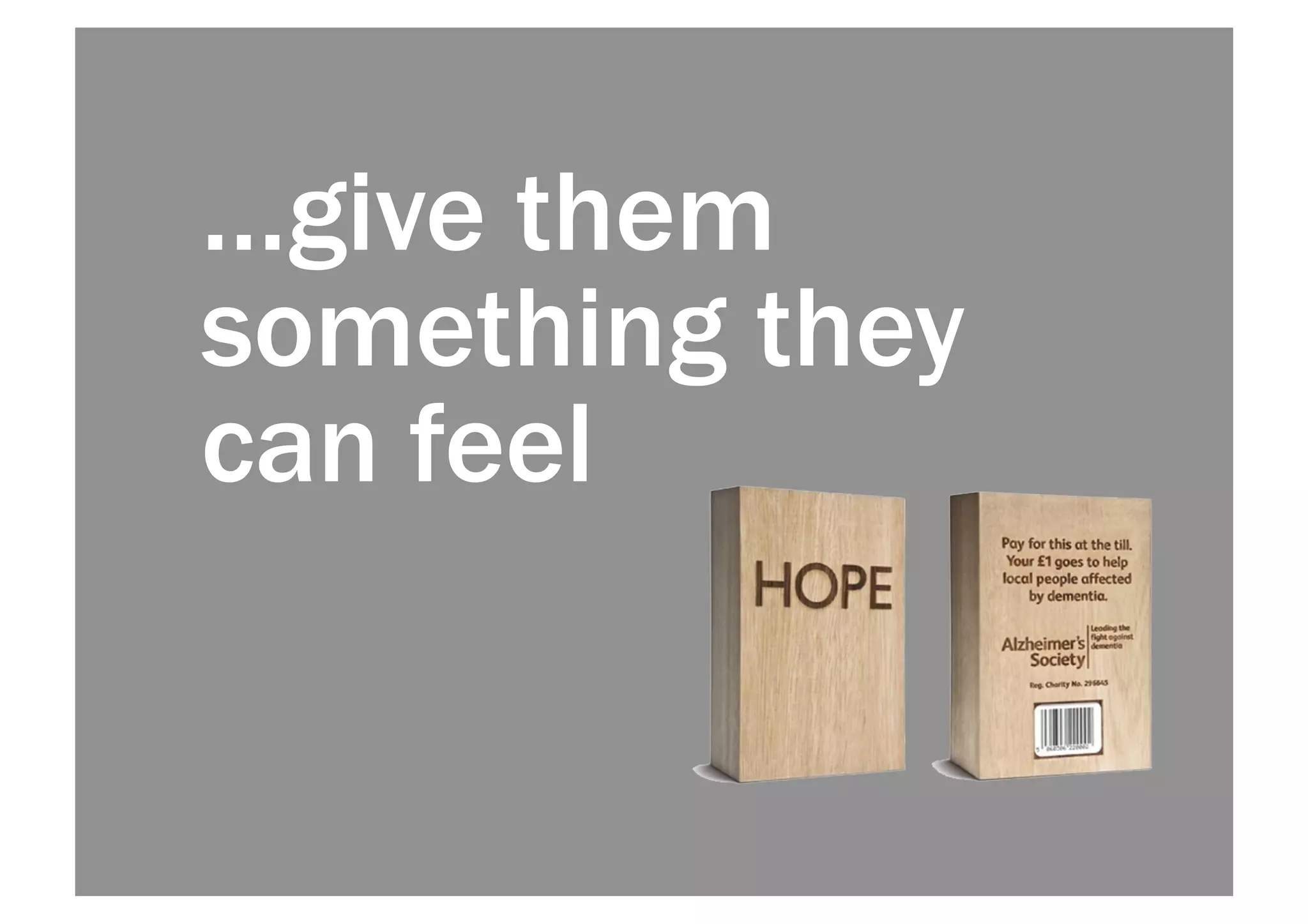
…give them 
something they 
can feel
ARTOMATIC helps companies talk to people through 
the human language of objects and physicality.! 
We create, develop and manufacture physical 
communications (books, packaging and artifacts) 
that make deep, emotional and lasting connections 
with their audiences and customers.! 
We make objects tell stories.!
Communications 
made for humans 
32-38 Saffron Hill 
Ground floor 
London 
EC1N 8FH 
Tim Milne 
020 7421 9369 / 07831 219335 
tim@artomatic.co.uk 
@timARTOMATIC 
www.artomatic.co.uk

Physicality is a language — a brief introduction

  • 1.
    PHYSICALITY is alanguage The most powerful communications tool is what you don’t think about!
  • 2.
    Intro Perhaps it’snot surprising that an unintended consequence of the digital revolution is to make people more receptive to intuitive, unconscious signals — more information makes us think less.! Yet, an increasing exposure to technology is forcing a new value on an old language — the innate human ability to read meaning from the tactile qualities of everything around us. As attention becomes increasingly precious, here is a powerful way to talk to people who don’t have time to think.!
  • 3.
    Everything about an object speaks to us Size Shape Material Format Texture Substance Weight Construction
  • 4.
    The language is hard-wired The ability to read objects is hard-wired into every human brain. Millions of years of human evolution have honed intelligence-processes that are finely tuned to make sense of the physical world (not the digital one).!
  • 5.
    Objects are likeus Humans and objects are both self-contained separate entities. This seemingly obvious and unimportant characteristic defines how we see the world and our relationship to it and gives us an immediate affinity to physical things.!
  • 6.
    We see the world as things We conceptualise everything into self-contained separate entities — we place boundaries around abstract ideas and concepts to understand them — think about how often you use the word things to describe separations in your mind.!
  • 7.
    We learn it as infants The first concept a human infant learns is that the world around him — and including him — is made of separate entities, which he does by sticking objects in his mouth (because it’s most sensitive). As he does, he is learning the basics of the physical language. All humans learn about physicality before they learn to speak and think. !
  • 8.
    Wabi-Sabi Japanese culturalconcept of Wabi-Sabi sees human frailty reflected in objects — how they wear with age and ultimately deteriorate is a dignified reminder that we’re all mortal.!
  • 9.
    Objects are emotive Tactile sensations are closely associated with emotions — how it feels is how it feels. ! Our relationship with objects is intimate. We project our feelings onto the things we own as a way of learning about our own emotions and ourselves. Objects root us to the world we live in — we call our possessions our belongings.!
  • 10.
    Feelings really arephysical Science is beginning to uncover the physiological connections between emotion and physicality. ! “Feelings are what arise as the brain interprets emotions, which are themselves purely physical signals of the body reacting to external stimuli”! Antonio R. Damasio, University of Iowa!
  • 11.
    A sophisticated language Scarcity Transaction, loss and acquisition Origin and provenance Culture Intimacy Emotion Time and history Ownership
  • 12.
    Everybody is fluent The ability to interpret complex meaning from physical signals isn’t restricted to age, race, background, culture or gender. All human beings share a common evolutionary ancestry and an infantile introduction to objects is one of the very few universal human experiences.!
  • 13.
    We read without thinking Physical linguistics are processed unconsciously — speaking directly to our intuitive and emotional minds without cognitive intervention. !
  • 14.
    A hotline to humanity Physicality transmits signals that speak directly to the unconscious processes that drive people’s lives and what makes us human.!
  • 15.
    Direct emotional communication Because tactile and emotional sensations are conflated, the most effective way to articulate emotional meaning is via physical characteristics — in packaging, printed materials, artifacts and environments.!
  • 16.
    Signals, not messages We pay attention to signals — even when we ignore messages.!
  • 17.
    Why now Theexplosion of words and pictures is reducing their currency — too much to read and think about. ! Faced with endless information and choices, the natural human response to call upon faster, intuitive processes to give more immediate assessments that connect to our emotions.! The digital age needs a language we don’t think about — turns out we have one.!
  • 18.
    If you want to make people feel something…
  • 19.
  • 20.
    ARTOMATIC helps companiestalk to people through the human language of objects and physicality.! We create, develop and manufacture physical communications (books, packaging and artifacts) that make deep, emotional and lasting connections with their audiences and customers.! We make objects tell stories.!
  • 21.
    Communications made forhumans 32-38 Saffron Hill Ground floor London EC1N 8FH Tim Milne 020 7421 9369 / 07831 219335 tim@artomatic.co.uk @timARTOMATIC www.artomatic.co.uk