
Device-to-Device Communications
for National Security and Public
Safety
Presented by: Guided by:
SHYAM A NAIR Mrs. D VIJAYALAKSHMI
1BI11EC102 ASSISTANT PROFESSOR
Dept. of ECE, BIT
Contents
 INTRODUCTION
 NATIONAL SECURITY AND PUBLIC SAFETY SCENARIOS AND REQUIREMENTS
 SOLUTION APPROACH BASED ON CLUSTERING AND D2D COMMUNICATIONS
 ALGORITHM DESCRIPTION
 BENEFITS OF D2D COMMUNICATIONS
 CONCLUSION
INTRODUCTION
 D2D comm is a peer to peer link which does not use the cellular network
infrastructure, but enables LTE based devices to communicate directly with
one another when they are in close proximity.
 D2D comm has been proposed as an underlay to LTE networks
 Key Requirement for NSPS to provide access to cellular services when
infrastructure is available and to support local services even if a subset or
all of the network nodes become dysfunctional due to public disaster or
emergency situations.
 Advantages of D2D comm include the proximity, reuse, and hop gains that
ultimately improve the spectral and energy efficiency of the system
 A common aspect of cellular-assisted and -controlled short-range
communications technologies, is that they rely on the availability and
involvement of the cellular infrastructure.
 Recognizing the importance of the public safety community and the need for
NSPS type of broadband services, the 3GPP has started to study the
scenarios, requirements, and technology enablers related to NSPS.
NATIONAL SECURITY AND PUBLIC SAFETY
SCENARIOS AND REQUIREMENTS
Requirements for NSPS communication are:
 Robustness- Ability to communicate irrespective of the presence or absence
of a fixed infrastructure
 Group Communication- Push-to-talk type of communication, typically not
supported in traditional cellular systems but highly desirable
 Data Rates- On par with mobile broadband
 Energy efficiency and Extended battery lifetime
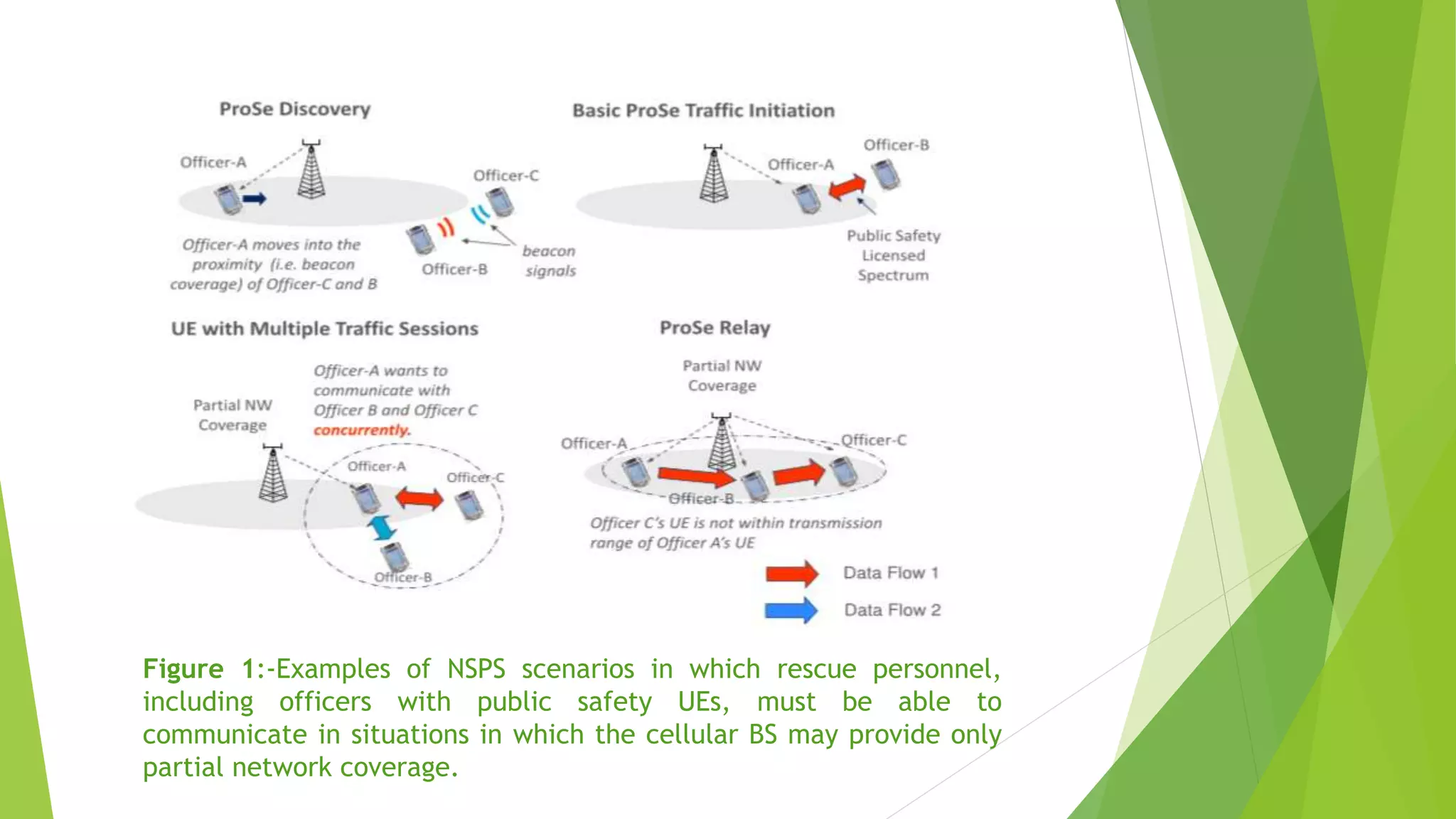
Figure 1:-Examples of NSPS scenarios in which rescue personnel,
including officers with public safety UEs, must be able to
communicate in situations in which the cellular BS may provide only
partial network coverage.
Stand alone operation:
 Stand-alone D2D communication refers to the case when network coverage
is not available or the BS cannot establish a connection under its coverage
area
 The 3GPP is currently considering the requirements and roles of public safety
user equipments (PS UEs) in various NSPS scenarios
 Stand-alone operation is clearly required for situations without network
coverage, but in situations in which there is (partial) network coverage, the
network can provide assistance in order to increase the overall performance
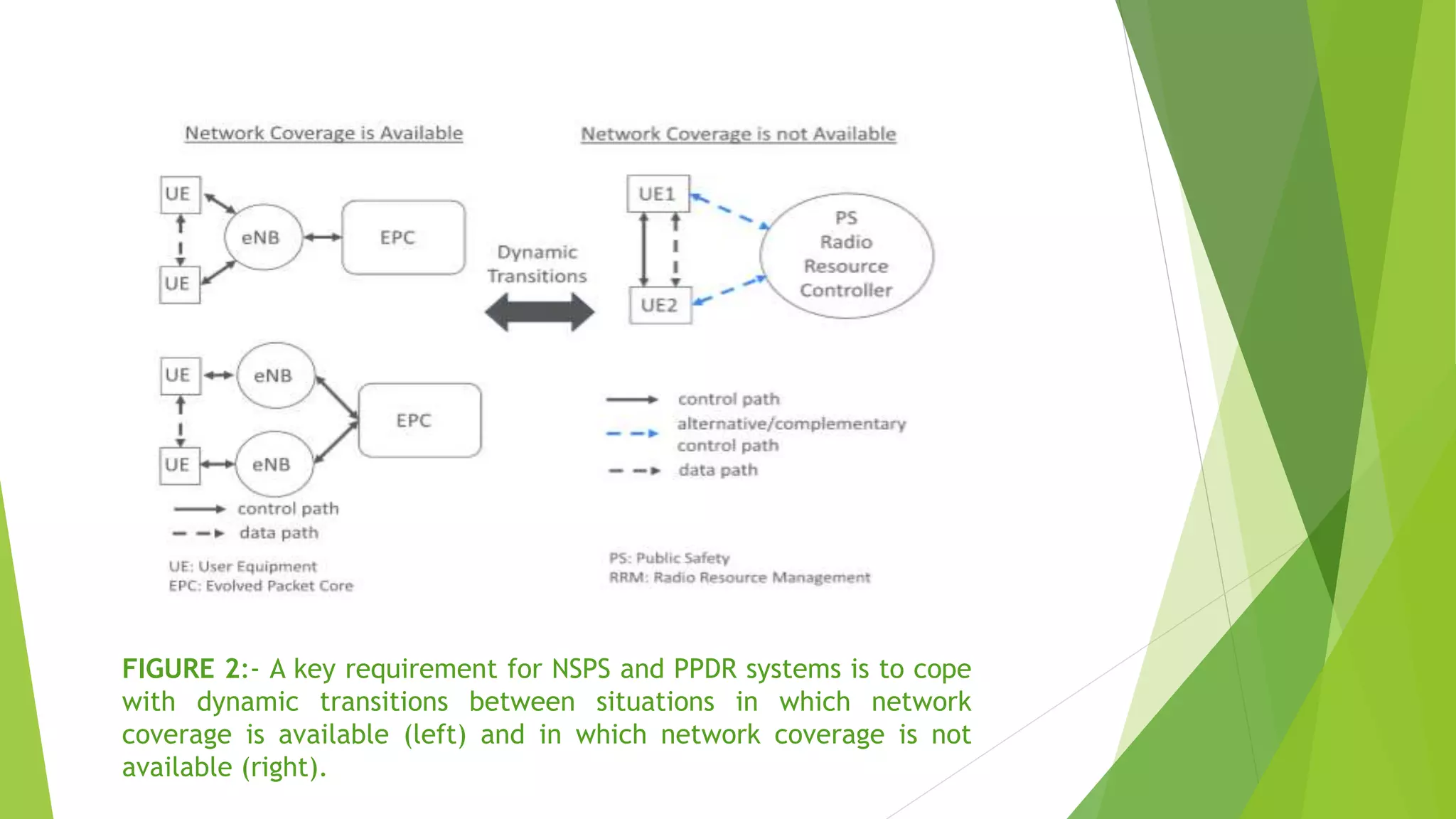
FIGURE 2:- A key requirement for NSPS and PPDR systems is to cope
with dynamic transitions between situations in which network
coverage is available (left) and in which network coverage is not
available (right).
SOLUTION APPROACH BASED ON
CLUSTERING AND D2D COMMUNICATIONS
THE CONCEPT OF CLUSTERING
NSPS solution be based on network-assisted underlay D2D communication
solutions in such a way that, in the absence of network coverage, PS UEs take
over some of the functionality of the network.
The following UE roles are introduced:
 Cluster Head(CH)
 Synchronization Source(SS)
 Radio Resource Management (RRM) Information Source (IS)
 Slave
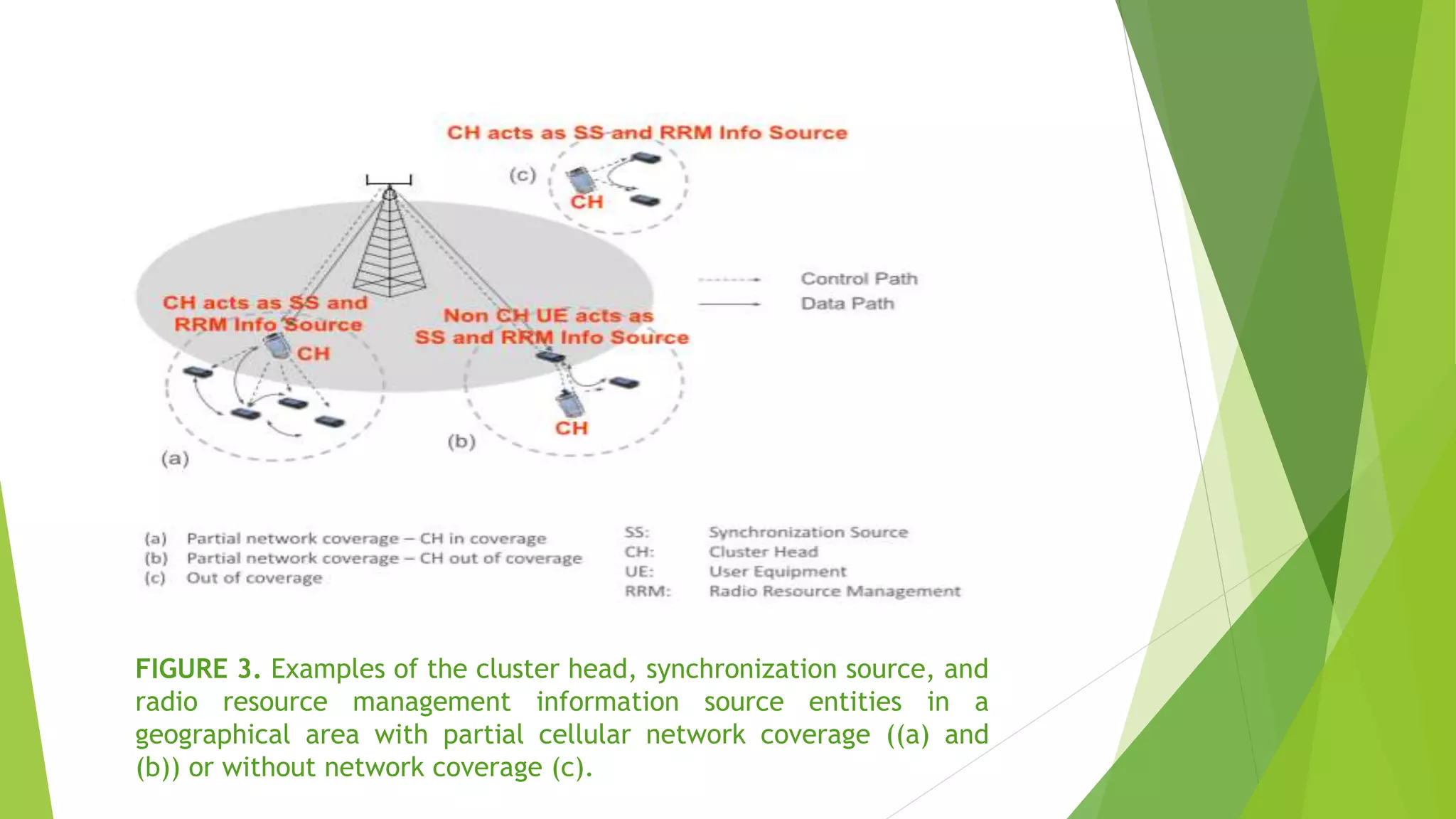
FIGURE 3. Examples of the cluster head, synchronization source, and
radio resource management information source entities in a
geographical area with partial cellular network coverage ((a) and
(b)) or without network coverage (c).
SYNCHRONIZATION AND RADIO RESOURCE
MANAGEMENT
 All UEs within the same cell have the same time reference, although this may
not hold for UEs in different cells.
 With clear similarity to cellular LTE, NSPS-enabled UEs must be able to search
for clusters in their proximity and eventually synchronize to the most suitable
one.
 CHs broadcast synchronization signals similarly to how LTE BSs transmit
signals.
 Naturally, whenever a cellular network is detected, the UE associates with it
with higher priority than with clusters.
 When both the transmitter and receiver are associated with the same cell or
cluster, they are immediately able to communicate synchronously.
 A less trivial scenario occurs when the receivers are not in coverage of the
same cell or cluster of the transmitter.
 In such cases, the transmitter may temporarily take the CH role, limited to
the duration of the data transmission and to the interested receivers, and
provide local synchronization to its receivers.
CLUSTER HEAD ELECTION
Some examples of when CH-capable UEs may start acting as CHs include:
 A PS UE that is out of BS and CH coverage
 A PS UE that senses that another UE is out of coverage and needs a CH to
which it can connect
 A PSUE that moves out of the coverage of a BS and CHs and elects itself as CH
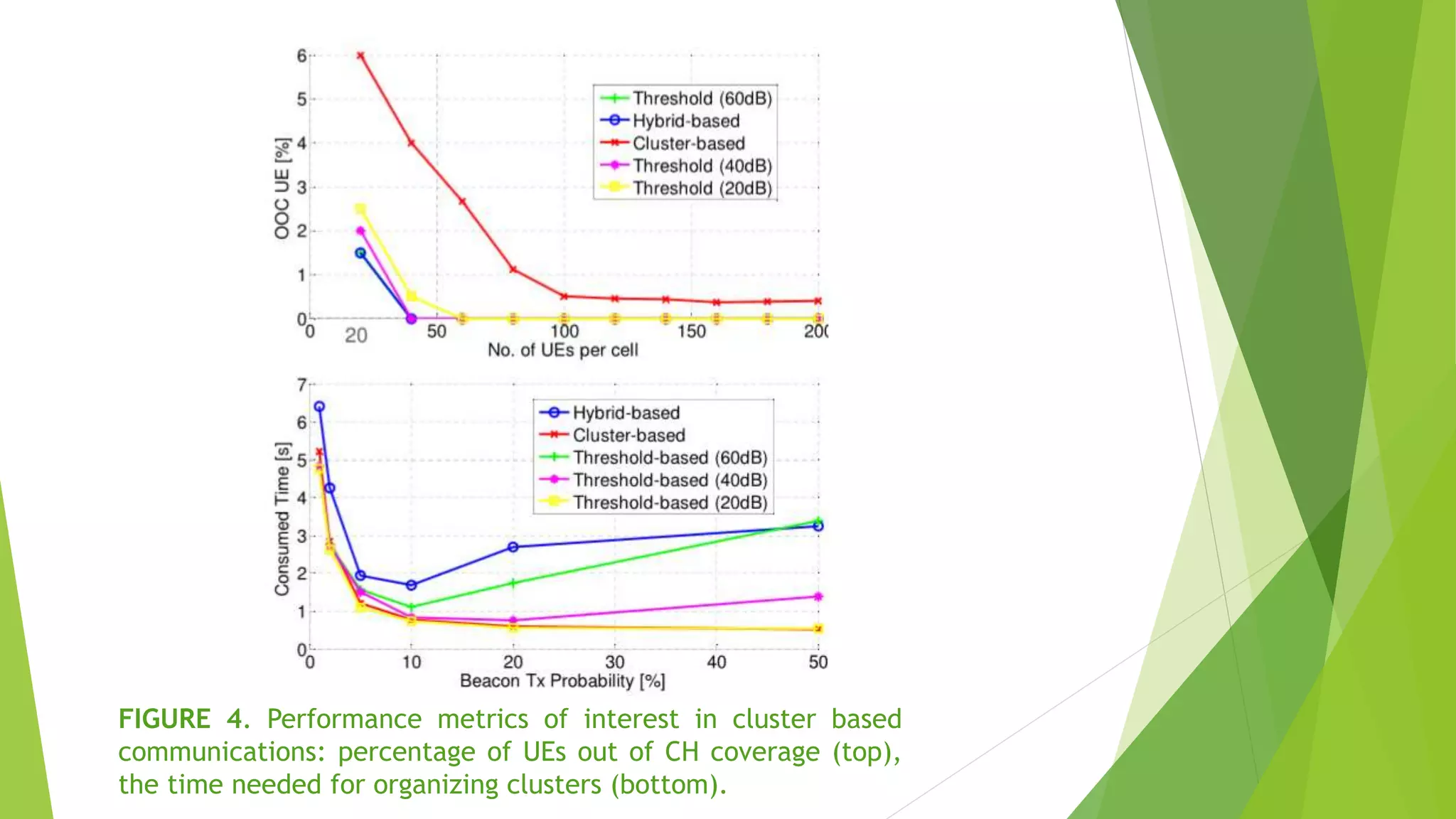
FIGURE 4. Performance metrics of interest in cluster based
communications: percentage of UEs out of CH coverage (top),
the time needed for organizing clusters (bottom).
ALGORITHM DESCRIPTION
Clustering procedure consists of two phases: CH selection and cluster formation
(grouping).
 PHASE 1-CH SELECTION
 During this phase, each PSUE continuously broadcasts beacons containing its
identifier and its predefined capability metric using a single PDR.
 The capability metric is precomputed using a weighting function that combines
the device capabilities such as maximum transmit power, battery level, and
availability of network coverage.
 Every device, when receiving and successfully decoding a beacon, stores the
identifier of the sender and the corresponding metric.
 The devices having the highest metrics identify themselves as CHs, while the
remaining PSUEs with lower metrics identify themselves as slaves.
 PHASE 2-CLUSTER FORMATION (GROUPING)- Each non-CH device selects the
appropriate CH and associates with it
 CH-Driven: Only CHs continue broadcasting beacons. Has the advantage of
reducing the number of active devices reducing the collision probability.
 Hybrid: Every PSUE broadcasts beacons. UEs that receive these beacons select the
strongest PSUE and sends a notification. Upon receiving such a notification signal, a
PS UE that is not selected as CH in Phase1 becomes a CH. Supports cluster
reconfigurations by reselecting CHs, which increases the probability of a device
being covered by a cluster.
BENEFITS OF D2D COMMUNICATIONS
 Data rates: Devices may be remote from cellular infrastructure and may
therefore not be able to support high data rate transmission that may be
required.
 Reliable communications: LTE Device to Device can be sued to Devices
communicate locally with each other to provide high reliable
communications.
 Instant communications: As the D2D communications does not rely on the
network infrastructure the devices could be used for instant communications.
 Use of licensed spectrum: Unlike other device to device systems, LTE uses
licensed spectrum and this enables the frequencies used to be less subject to
interference.
 Interference reduction: By not having to communicate directly with a base
station, fewer links are required reducing the overall level of interference.
 Power saving : If two devices in close proximity communicate then lower
transmission power levels are required.
CONCLUSION
 There is a growing interest in providing broadband telecommunication
services in national security and public safety situations.
 A key aspect for LTE-based NSPS is to take advantage of the fixed
infrastructure when available in order to further enhance the performance.
 The proposed concept extends situations in which the cellular coverage is
partially or completely missing.
 The interplay between the cellular elements, radio resource management, as
well as quality of service, mobility, and security aspects in evolving require
further research.
MY PPt

MY PPt

  • 1.
    Device-to-Device Communications for NationalSecurity and Public Safety Presented by: Guided by: SHYAM A NAIR Mrs. D VIJAYALAKSHMI 1BI11EC102 ASSISTANT PROFESSOR Dept. of ECE, BIT
  • 2.
    Contents  INTRODUCTION  NATIONALSECURITY AND PUBLIC SAFETY SCENARIOS AND REQUIREMENTS  SOLUTION APPROACH BASED ON CLUSTERING AND D2D COMMUNICATIONS  ALGORITHM DESCRIPTION  BENEFITS OF D2D COMMUNICATIONS  CONCLUSION
  • 3.
    INTRODUCTION  D2D commis a peer to peer link which does not use the cellular network infrastructure, but enables LTE based devices to communicate directly with one another when they are in close proximity.  D2D comm has been proposed as an underlay to LTE networks  Key Requirement for NSPS to provide access to cellular services when infrastructure is available and to support local services even if a subset or all of the network nodes become dysfunctional due to public disaster or emergency situations.
  • 4.
     Advantages ofD2D comm include the proximity, reuse, and hop gains that ultimately improve the spectral and energy efficiency of the system  A common aspect of cellular-assisted and -controlled short-range communications technologies, is that they rely on the availability and involvement of the cellular infrastructure.  Recognizing the importance of the public safety community and the need for NSPS type of broadband services, the 3GPP has started to study the scenarios, requirements, and technology enablers related to NSPS.
  • 5.
    NATIONAL SECURITY ANDPUBLIC SAFETY SCENARIOS AND REQUIREMENTS Requirements for NSPS communication are:  Robustness- Ability to communicate irrespective of the presence or absence of a fixed infrastructure  Group Communication- Push-to-talk type of communication, typically not supported in traditional cellular systems but highly desirable  Data Rates- On par with mobile broadband  Energy efficiency and Extended battery lifetime
  • 6.
    Figure 1:-Examples ofNSPS scenarios in which rescue personnel, including officers with public safety UEs, must be able to communicate in situations in which the cellular BS may provide only partial network coverage.
  • 7.
    Stand alone operation: Stand-alone D2D communication refers to the case when network coverage is not available or the BS cannot establish a connection under its coverage area  The 3GPP is currently considering the requirements and roles of public safety user equipments (PS UEs) in various NSPS scenarios  Stand-alone operation is clearly required for situations without network coverage, but in situations in which there is (partial) network coverage, the network can provide assistance in order to increase the overall performance
  • 8.
    FIGURE 2:- Akey requirement for NSPS and PPDR systems is to cope with dynamic transitions between situations in which network coverage is available (left) and in which network coverage is not available (right).
  • 9.
    SOLUTION APPROACH BASEDON CLUSTERING AND D2D COMMUNICATIONS
  • 10.
    THE CONCEPT OFCLUSTERING NSPS solution be based on network-assisted underlay D2D communication solutions in such a way that, in the absence of network coverage, PS UEs take over some of the functionality of the network. The following UE roles are introduced:  Cluster Head(CH)  Synchronization Source(SS)  Radio Resource Management (RRM) Information Source (IS)  Slave
  • 11.
    FIGURE 3. Examplesof the cluster head, synchronization source, and radio resource management information source entities in a geographical area with partial cellular network coverage ((a) and (b)) or without network coverage (c).
  • 12.
    SYNCHRONIZATION AND RADIORESOURCE MANAGEMENT  All UEs within the same cell have the same time reference, although this may not hold for UEs in different cells.  With clear similarity to cellular LTE, NSPS-enabled UEs must be able to search for clusters in their proximity and eventually synchronize to the most suitable one.  CHs broadcast synchronization signals similarly to how LTE BSs transmit signals.  Naturally, whenever a cellular network is detected, the UE associates with it with higher priority than with clusters.
  • 13.
     When boththe transmitter and receiver are associated with the same cell or cluster, they are immediately able to communicate synchronously.  A less trivial scenario occurs when the receivers are not in coverage of the same cell or cluster of the transmitter.  In such cases, the transmitter may temporarily take the CH role, limited to the duration of the data transmission and to the interested receivers, and provide local synchronization to its receivers.
  • 14.
    CLUSTER HEAD ELECTION Someexamples of when CH-capable UEs may start acting as CHs include:  A PS UE that is out of BS and CH coverage  A PS UE that senses that another UE is out of coverage and needs a CH to which it can connect  A PSUE that moves out of the coverage of a BS and CHs and elects itself as CH
  • 15.
    FIGURE 4. Performancemetrics of interest in cluster based communications: percentage of UEs out of CH coverage (top), the time needed for organizing clusters (bottom).
  • 16.
    ALGORITHM DESCRIPTION Clustering procedureconsists of two phases: CH selection and cluster formation (grouping).  PHASE 1-CH SELECTION  During this phase, each PSUE continuously broadcasts beacons containing its identifier and its predefined capability metric using a single PDR.  The capability metric is precomputed using a weighting function that combines the device capabilities such as maximum transmit power, battery level, and availability of network coverage.  Every device, when receiving and successfully decoding a beacon, stores the identifier of the sender and the corresponding metric.  The devices having the highest metrics identify themselves as CHs, while the remaining PSUEs with lower metrics identify themselves as slaves.
  • 17.
     PHASE 2-CLUSTERFORMATION (GROUPING)- Each non-CH device selects the appropriate CH and associates with it  CH-Driven: Only CHs continue broadcasting beacons. Has the advantage of reducing the number of active devices reducing the collision probability.  Hybrid: Every PSUE broadcasts beacons. UEs that receive these beacons select the strongest PSUE and sends a notification. Upon receiving such a notification signal, a PS UE that is not selected as CH in Phase1 becomes a CH. Supports cluster reconfigurations by reselecting CHs, which increases the probability of a device being covered by a cluster.
  • 18.
    BENEFITS OF D2DCOMMUNICATIONS  Data rates: Devices may be remote from cellular infrastructure and may therefore not be able to support high data rate transmission that may be required.  Reliable communications: LTE Device to Device can be sued to Devices communicate locally with each other to provide high reliable communications.  Instant communications: As the D2D communications does not rely on the network infrastructure the devices could be used for instant communications.  Use of licensed spectrum: Unlike other device to device systems, LTE uses licensed spectrum and this enables the frequencies used to be less subject to interference.  Interference reduction: By not having to communicate directly with a base station, fewer links are required reducing the overall level of interference.  Power saving : If two devices in close proximity communicate then lower transmission power levels are required.
  • 19.
    CONCLUSION  There isa growing interest in providing broadband telecommunication services in national security and public safety situations.  A key aspect for LTE-based NSPS is to take advantage of the fixed infrastructure when available in order to further enhance the performance.  The proposed concept extends situations in which the cellular coverage is partially or completely missing.  The interplay between the cellular elements, radio resource management, as well as quality of service, mobility, and security aspects in evolving require further research.