






#SMX2019
Philipp Klöckner
@pip_net
Mobile First to AI-First – The Future of SEO
Philipp Klöckner
Angel Investor & Advisor
@pip_net
2005 2010 2015 2018
Search Engine Optimization
Artificial Intelligence
#SEO
#AI
1. Status | 2. Functionality | 3. Implications | 4. How to get started
Slide Deck: http://twitter.com/pip_net
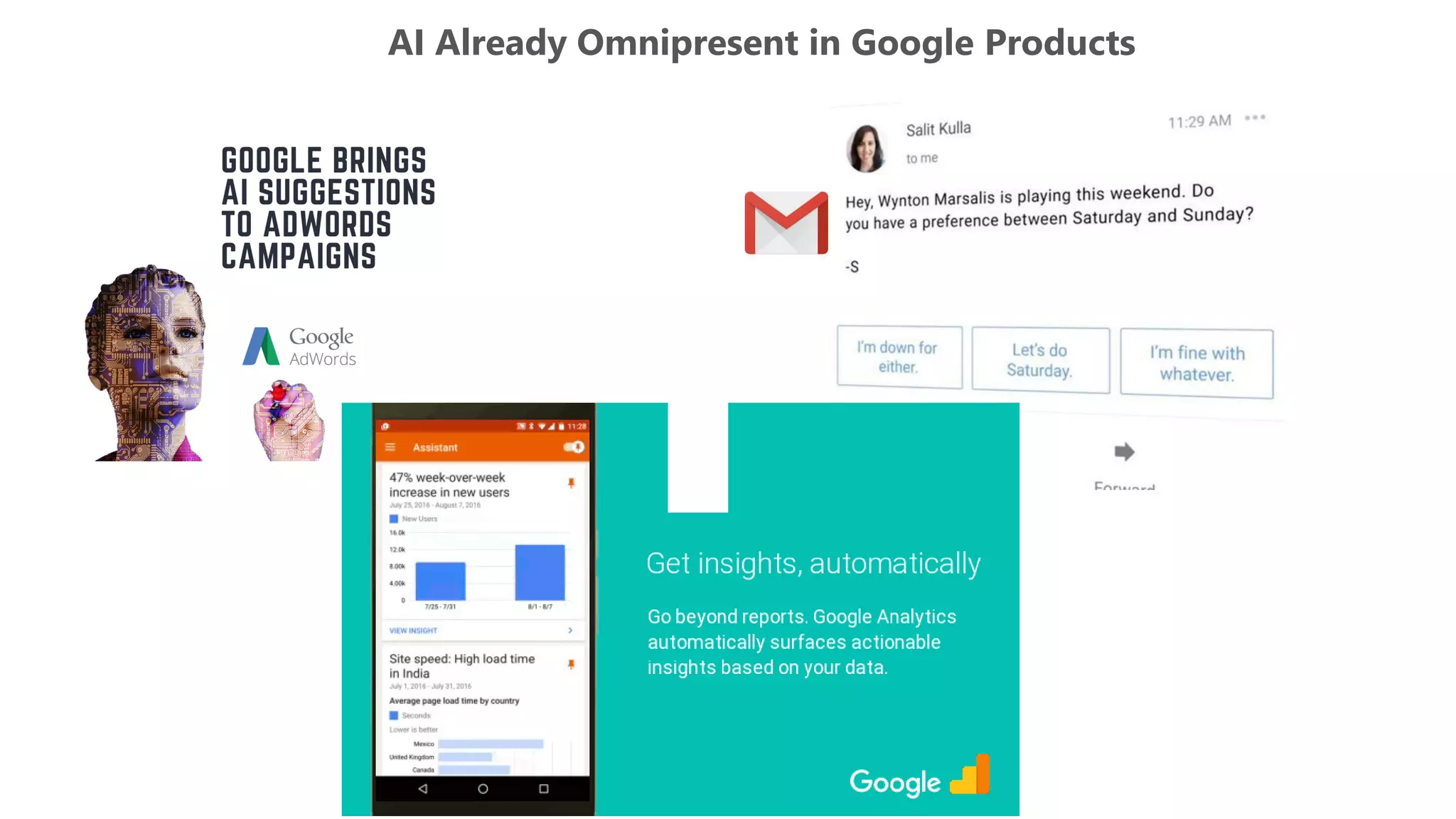
AI Already Omnipresent in Google Products
Search Engine Optimization
Artificial Intelligence
#SEO
#AI
1. Status | 2. Functionality | 3. Implications | 4. How to get started
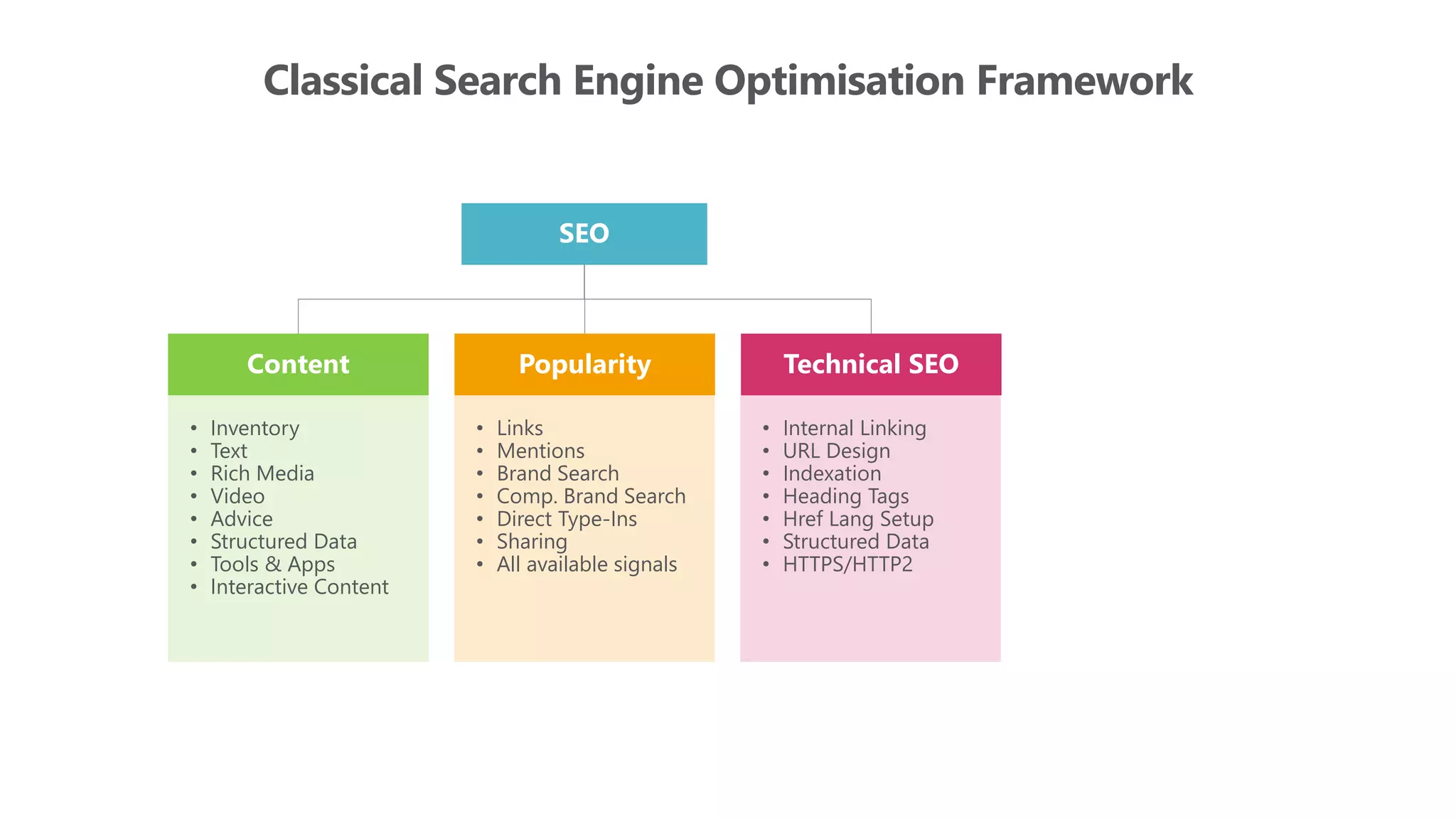
Classical Search Engine Optimisation Framework
SEO
Content Popularity Technical SEO
• Inventory
• Text
• Rich Media
• Video
• Advice
• Structured Data
• Tools & Apps
• Interactive Content
• Links
• Mentions
• Brand Search
• Comp. Brand Search
• Direct Type-Ins
• Sharing
• All available signals
• Internal Linking
• URL Design
• Indexation
• Heading Tags
• Href Lang Setup
• Structured Data
• HTTPS/HTTP2
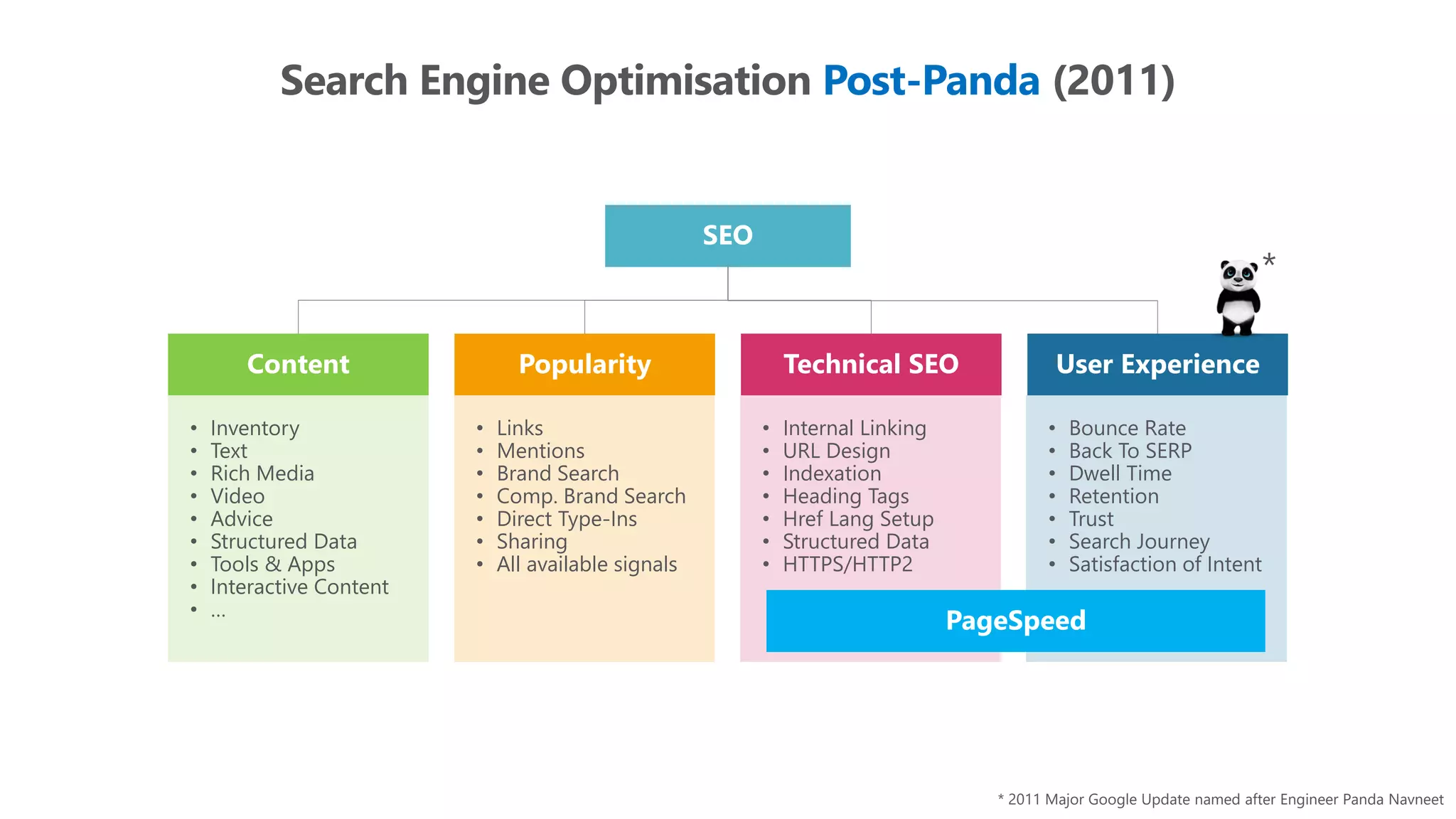
Search Engine Optimisation Post-Panda (2011)
SEO
Content Popularity Technical SEO
• Inventory
• Text
• Rich Media
• Video
• Advice
• Structured Data
• Tools & Apps
• Interactive Content
• …
• Links
• Mentions
• Brand Search
• Comp. Brand Search
• Direct Type-Ins
• Sharing
• All available signals
• Internal Linking
• URL Design
• Indexation
• Heading Tags
• Href Lang Setup
• Structured Data
• HTTPS/HTTP2
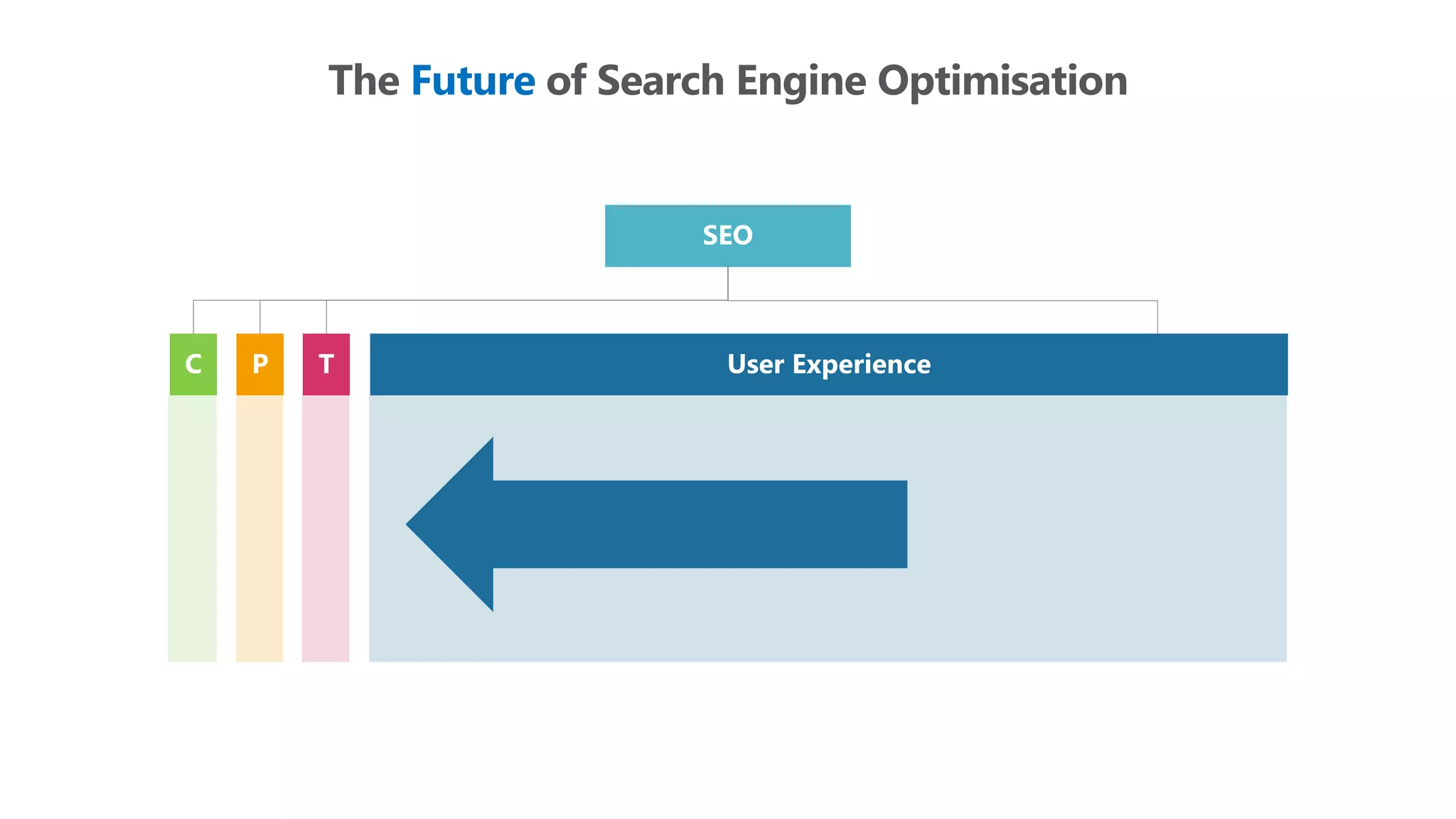
User Experience
• Bounce Rate
• Back To SERP
• Dwell Time
• Retention
• Trust
• Search Journey
• Satisfaction of Intent
PageSpeed
*
* 2011 Major Google Update named after Engineer Panda Navneet
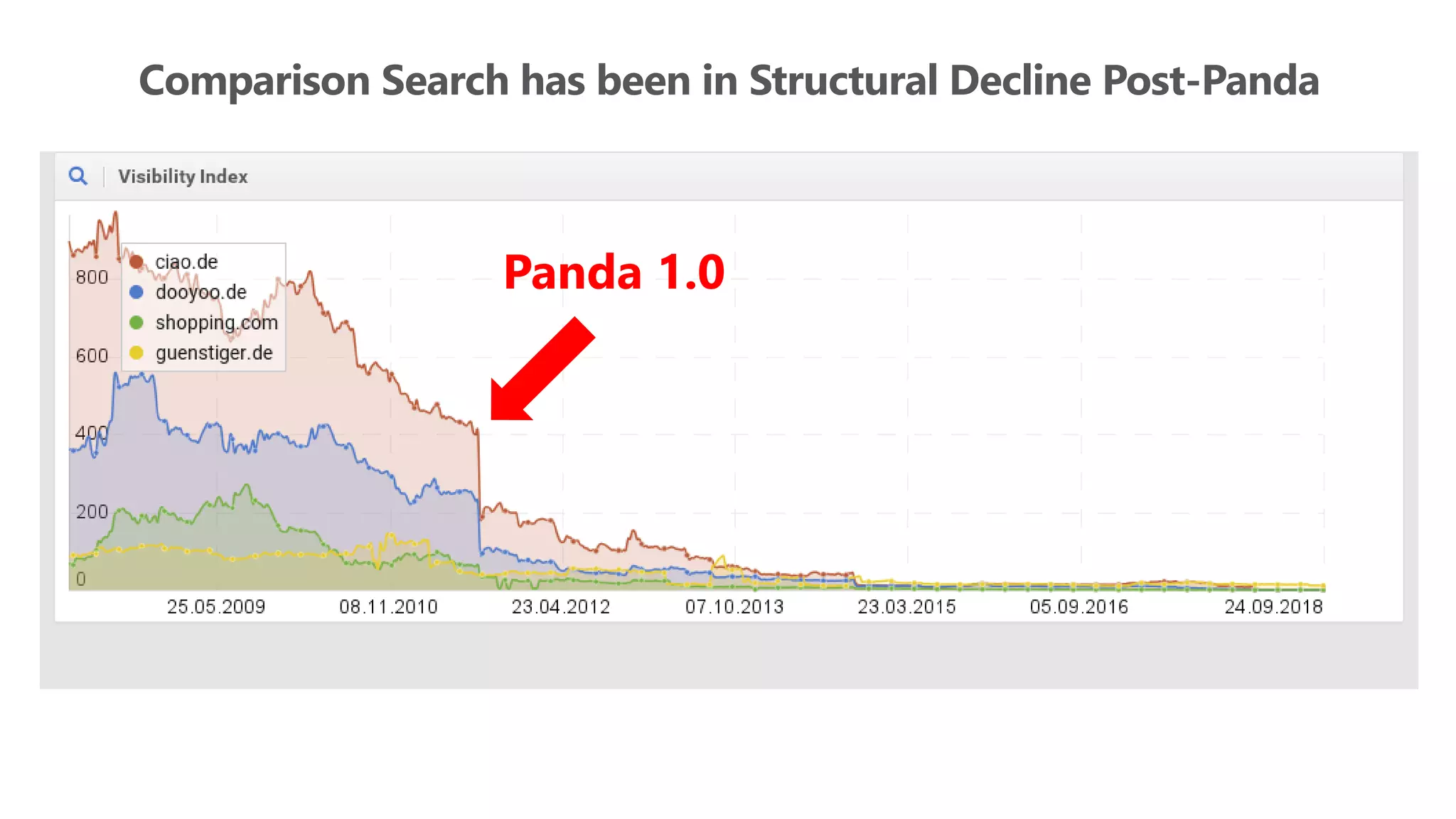
Comparison Search has been in Structural Decline Post-Panda
Panda 1.0
Search Engine Optimisation Post-Panda (2011)
SEO
Content Popularity Technical SEO
• Inventory
• Text
• Rich Media
• Video
• Advice
• Structured Data
• Tools & Apps
• Interactive Content
• …
• Links
• Mentions
• Brand Search
• Comp. Brand Search
• Direct Type-Ins
• Sharing
• All available signals
• Internal Linking
• URL Design
• Indexation
• Heading Tags
• Href Lang Setup
• Structured Data
• HTTPS/HTTP2
User Experience
• Bounce Rate
• Back To SERP
• Dwell Time
• Retention
• Trust
• Search Journey
• Satisfaction of Intent
PageSpeed
*
* 2011 Major Google Update named after Engineer Panda Navneet
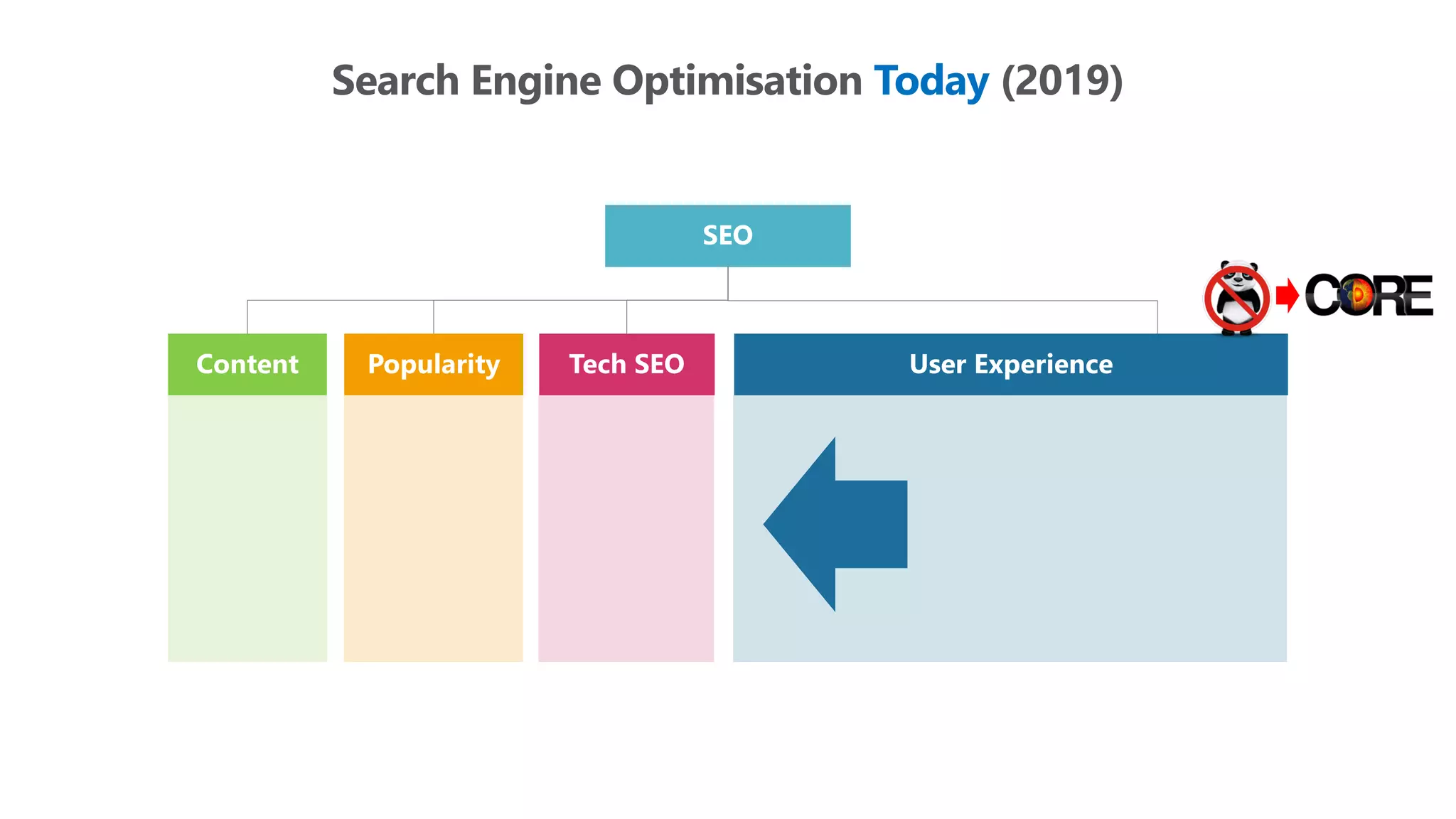
Search Engine Optimisation Today (2019)
SEO
Content Popularity Tech SEO User Experience
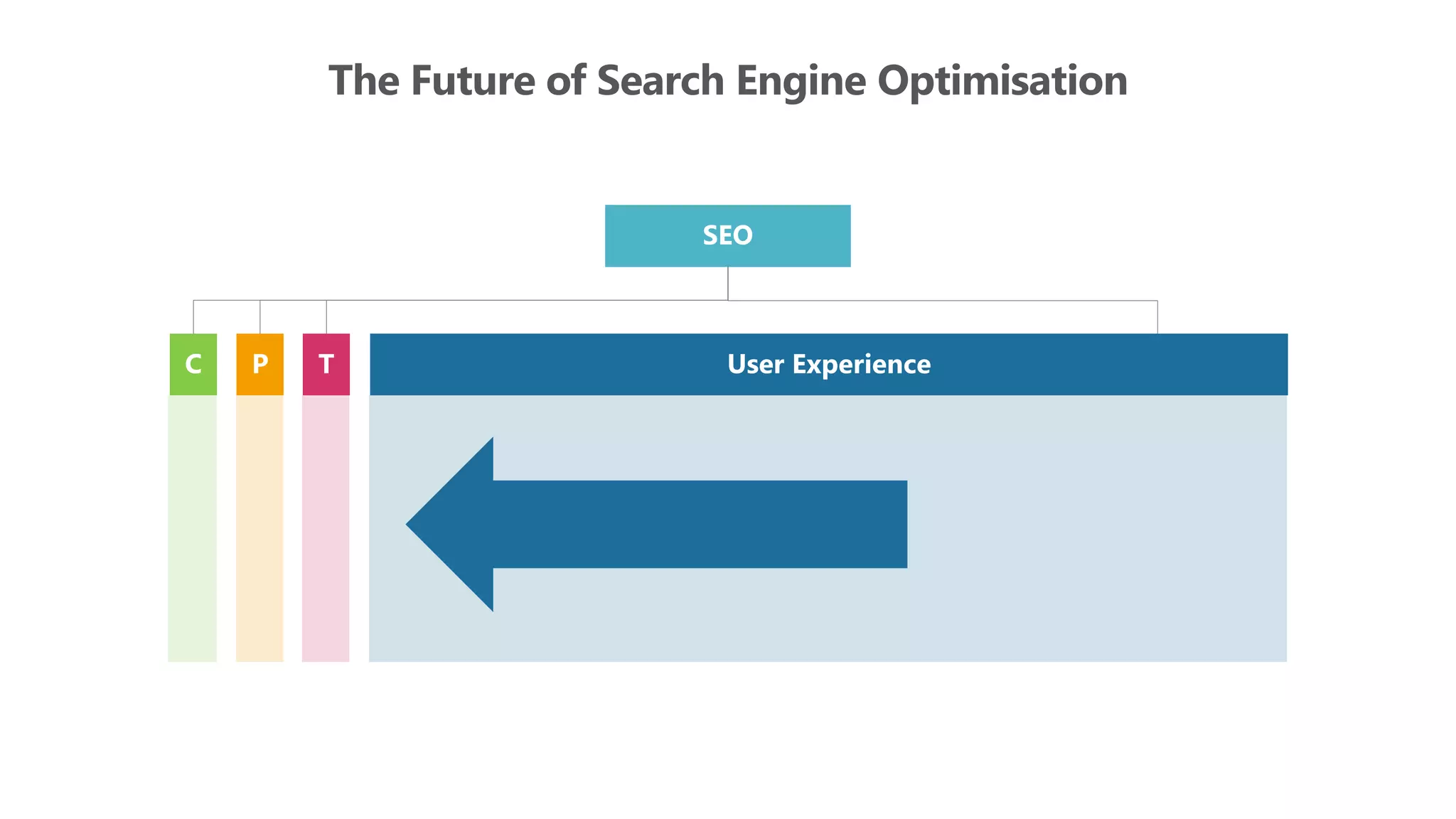
The Future of Search Engine Optimisation
SEO
C P T User Experience
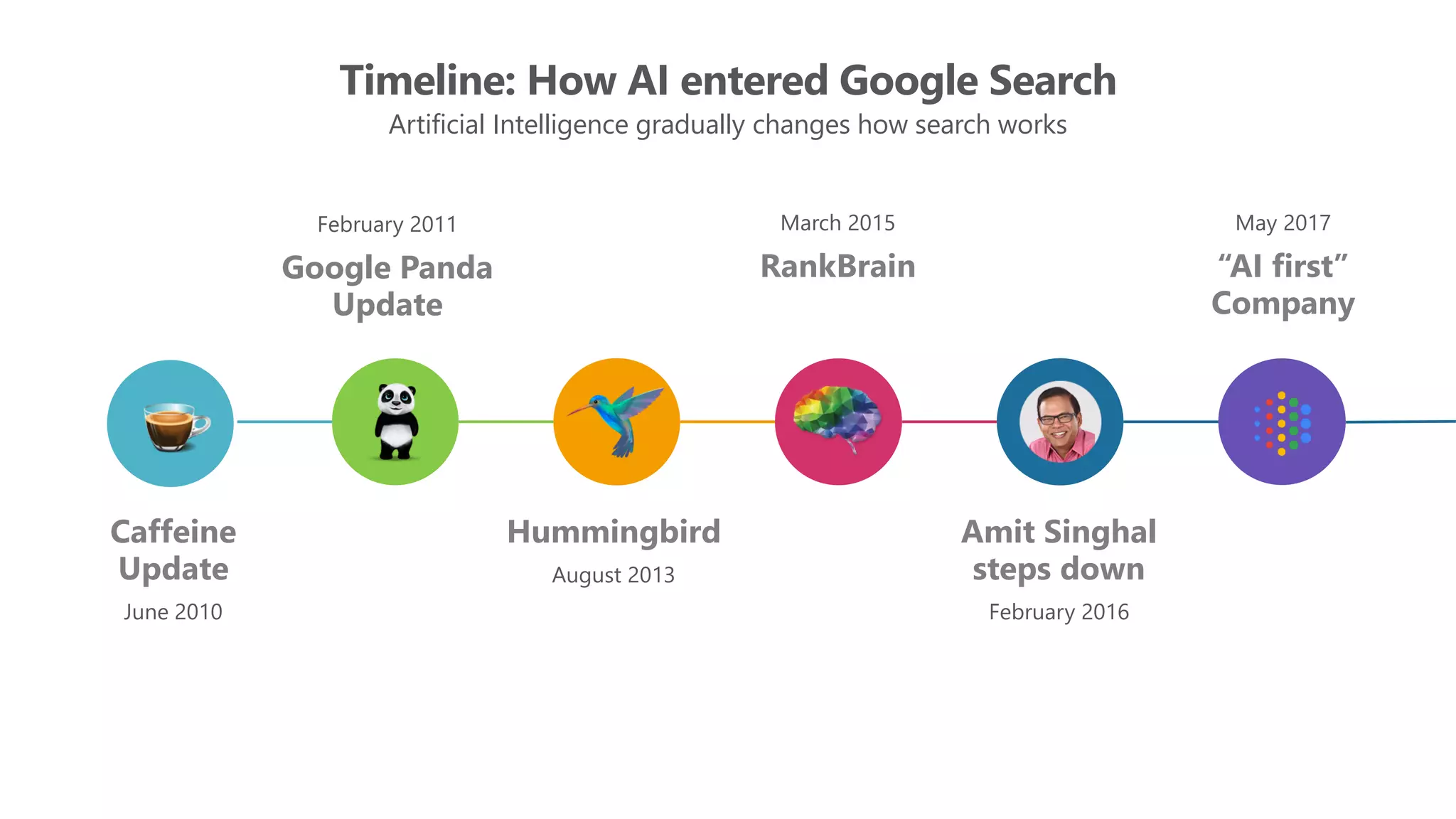
Caffeine
Update
June 2010
February 2011
Google Panda
Update
Hummingbird
August 2013
March 2015
RankBrain
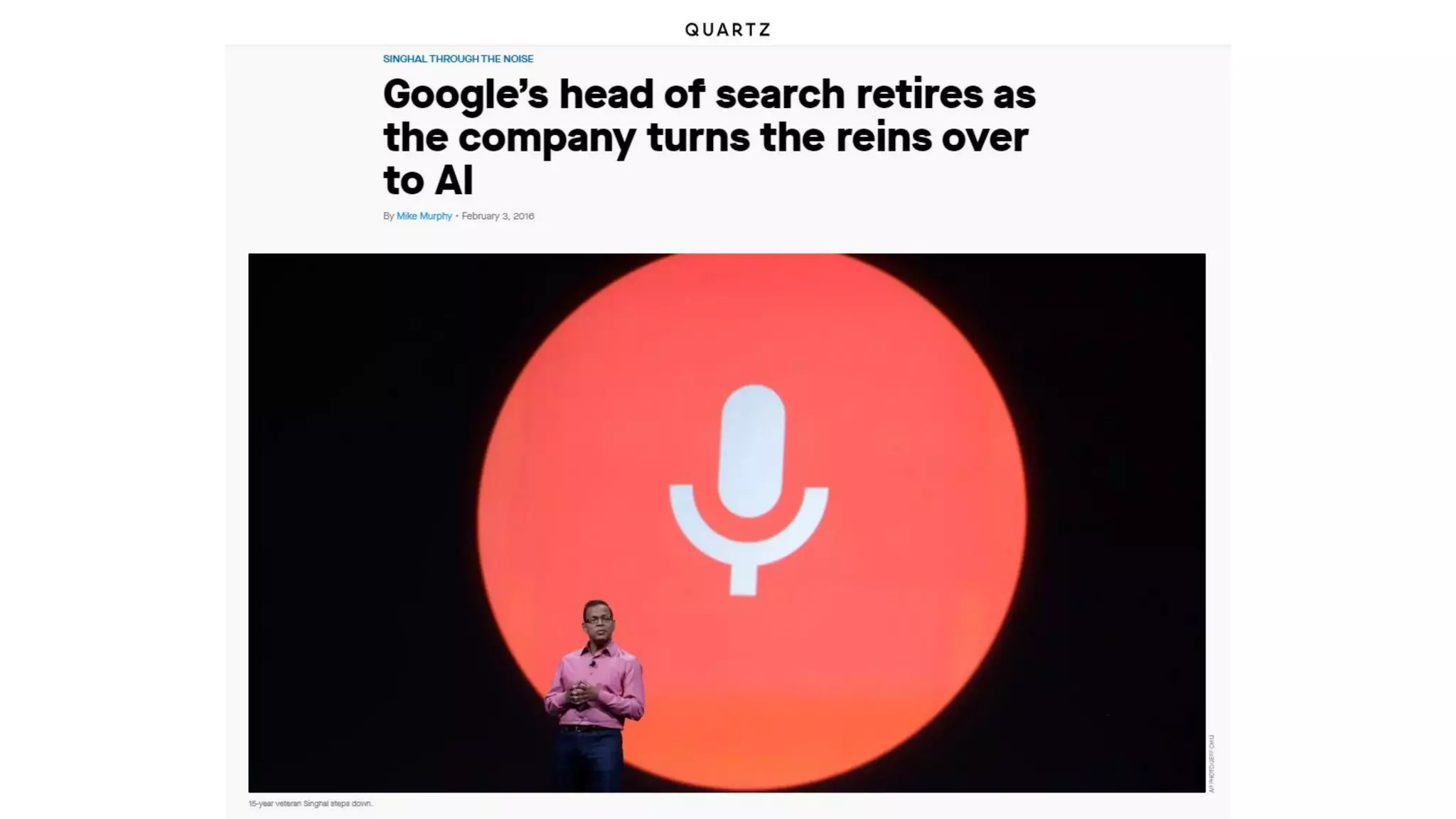
Amit Singhal
steps down
February 2016
May 2017
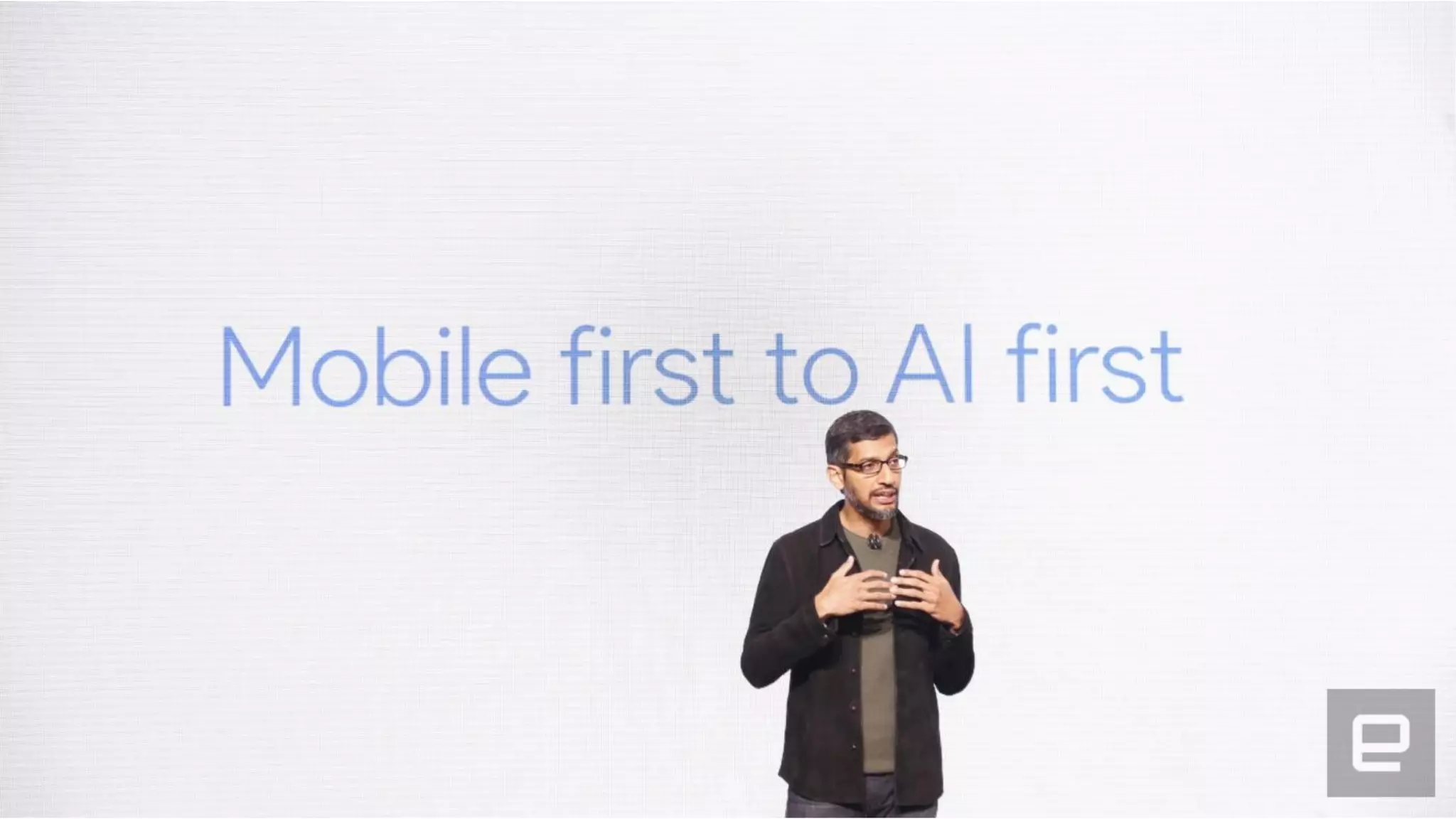
“AI first”
Company
Timeline: How AI entered Google Search
Artificial Intelligence gradually changes how search works
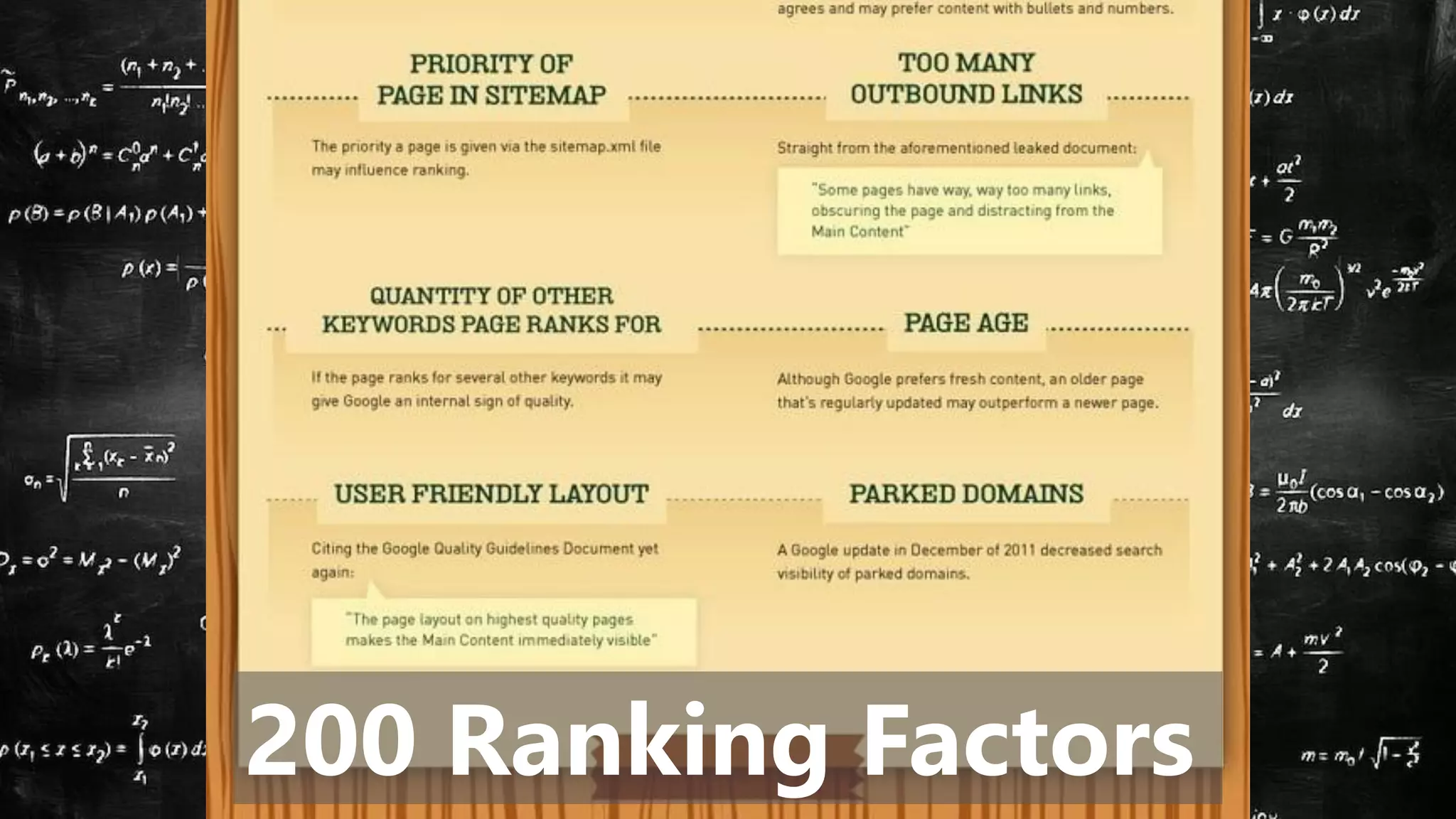
200 Ranking Factors
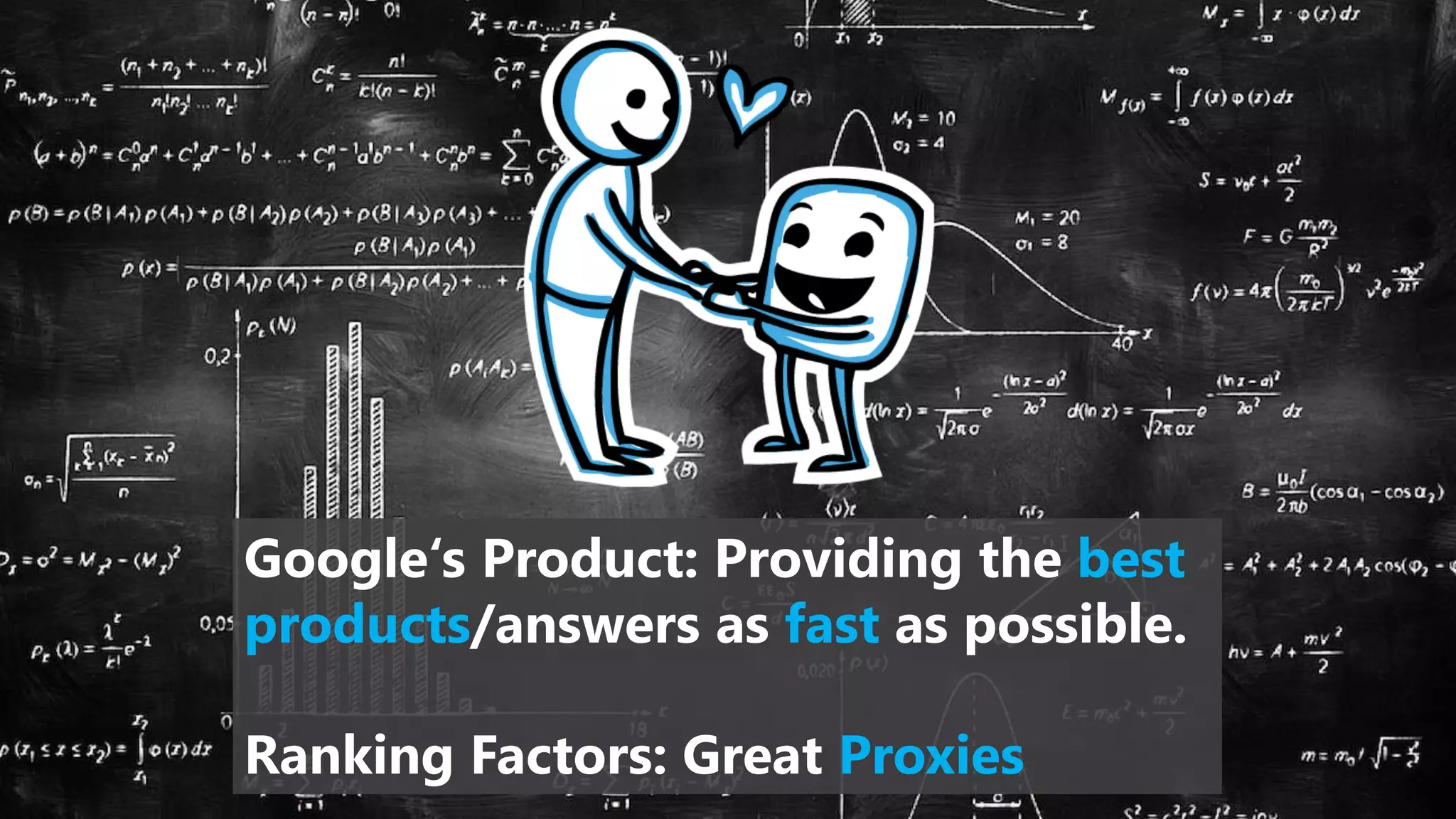
Google‘s Product: Providing the best
products/answers as fast as possible.
Ranking Factors: Great Proxies
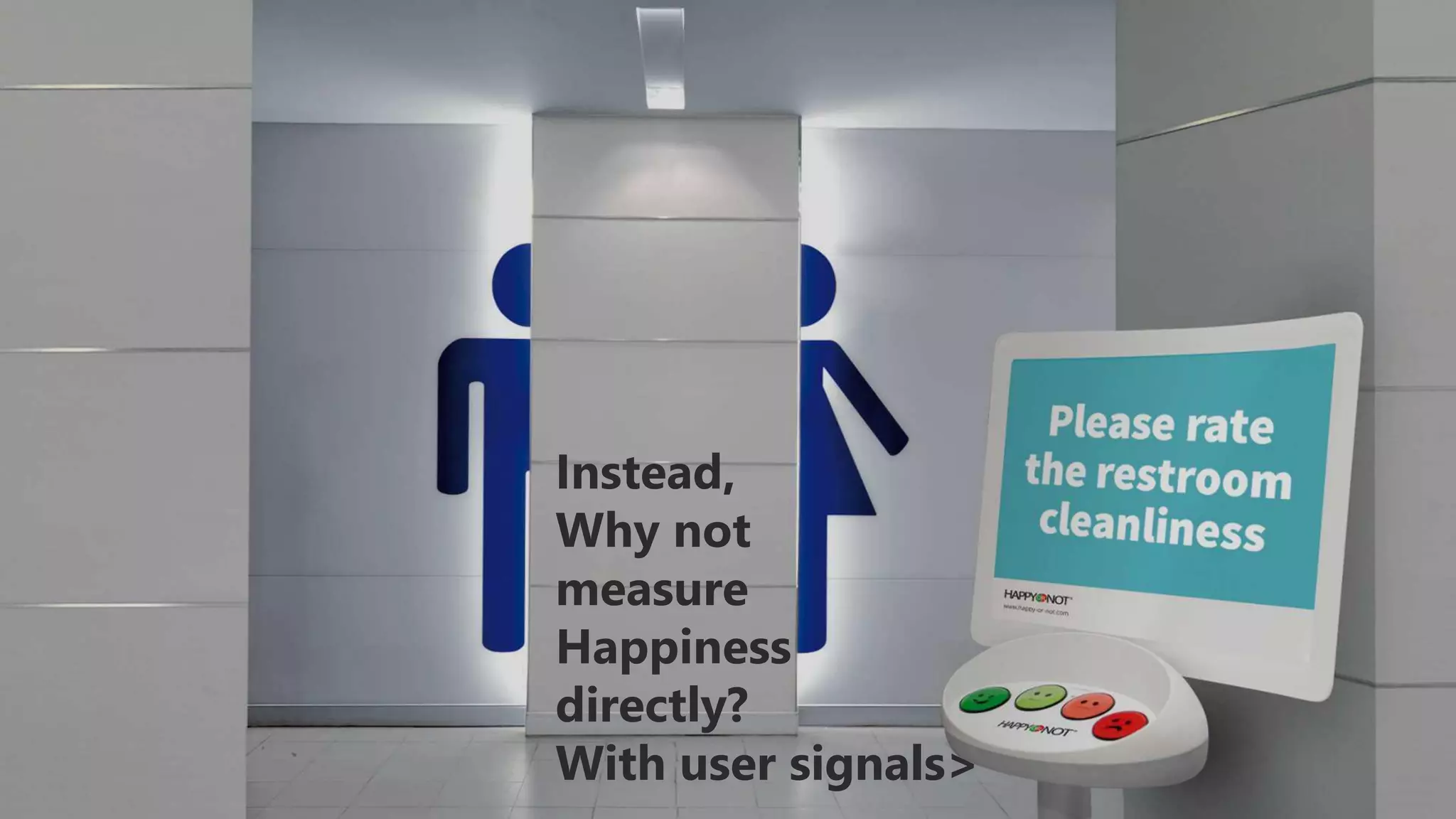
Instead,
Why not
measure
Happiness
directly?
With user signals>
Ranking
Factors
USER
SIGNALS
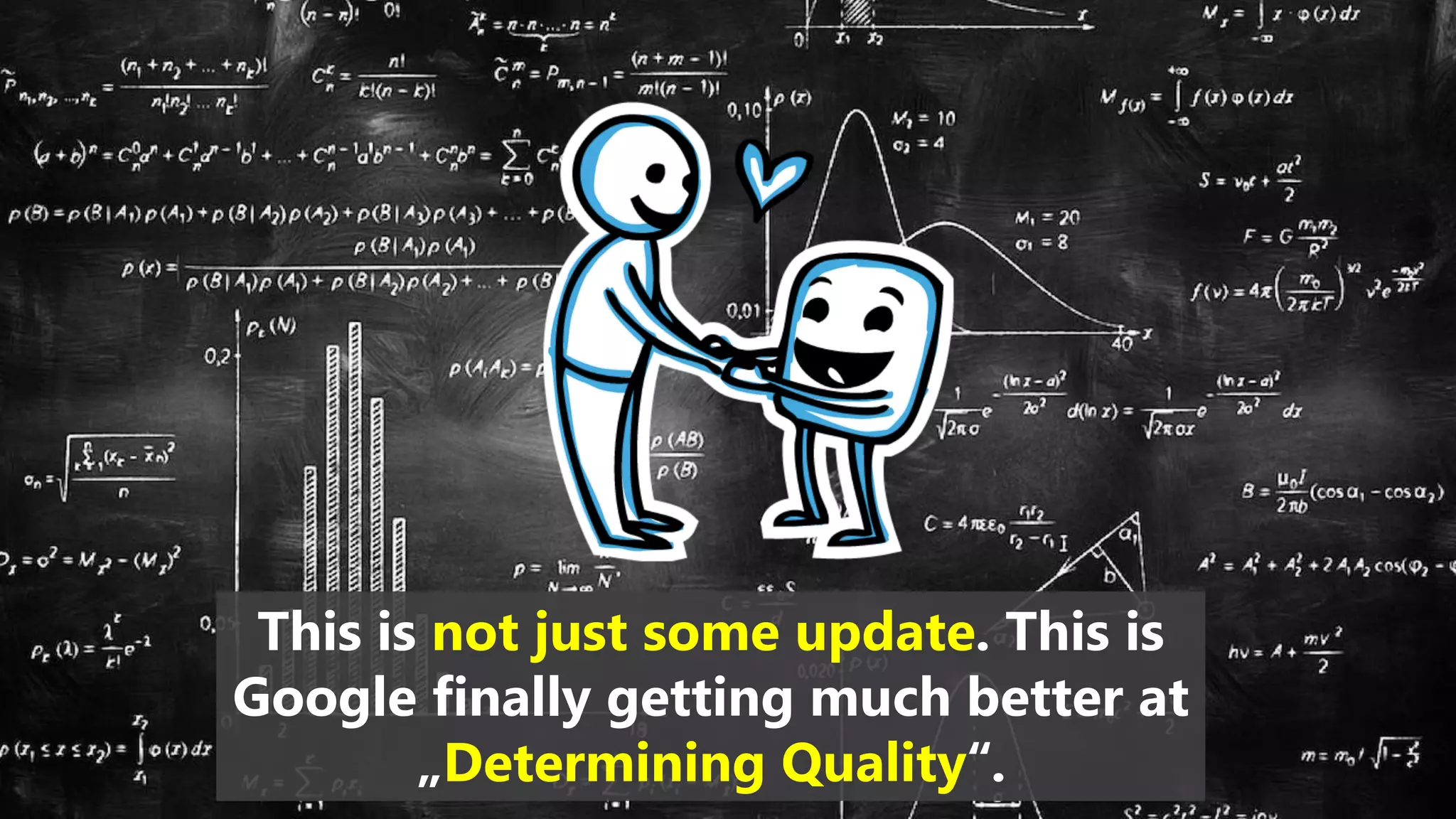
This is not just some update. This is
Google finally getting much better at
„Determining Quality“.
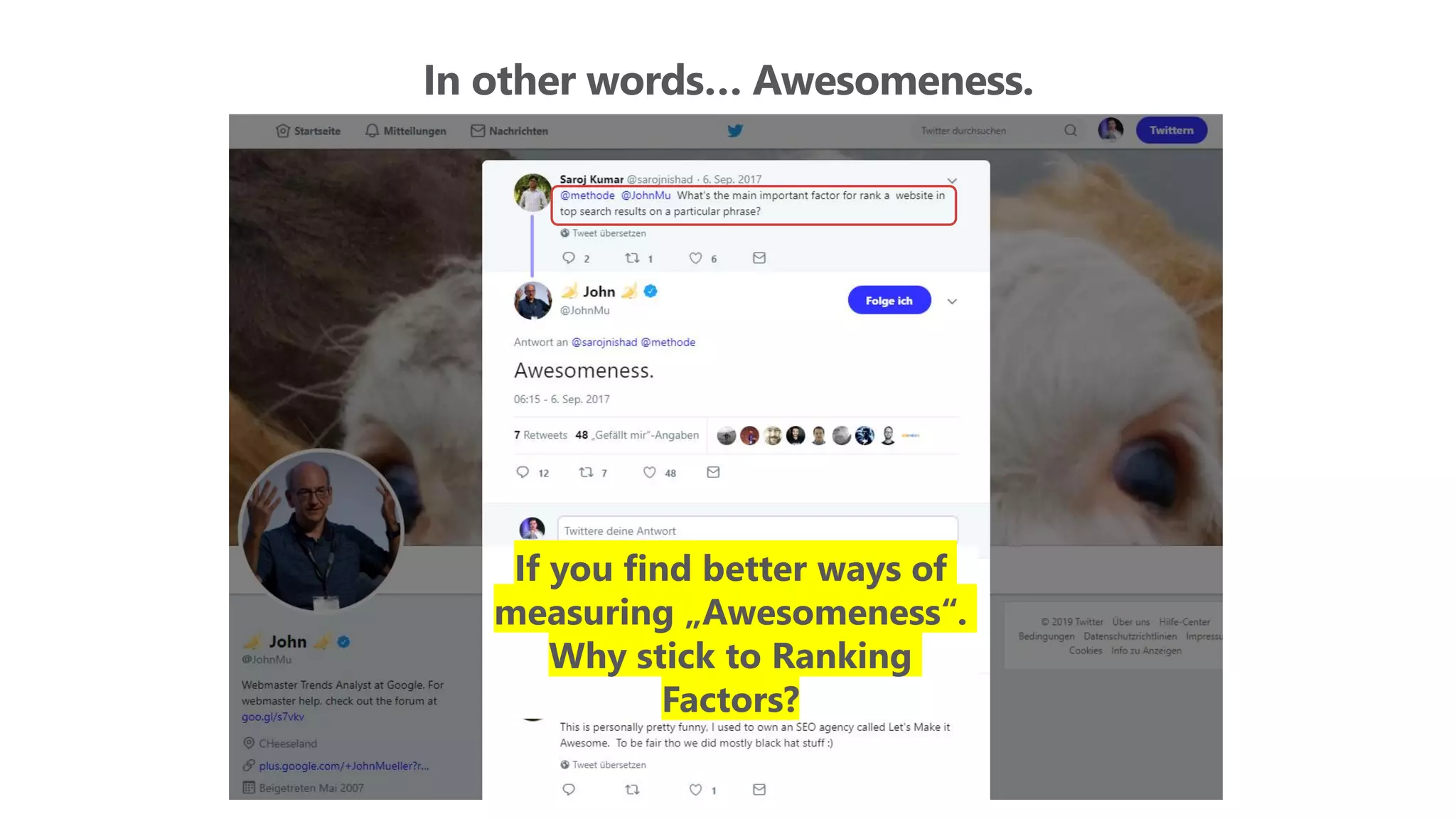
In other words… Awesomeness.
If you find better ways of
measuring „Awesomeness“.
Why stick to Ranking
Factors?
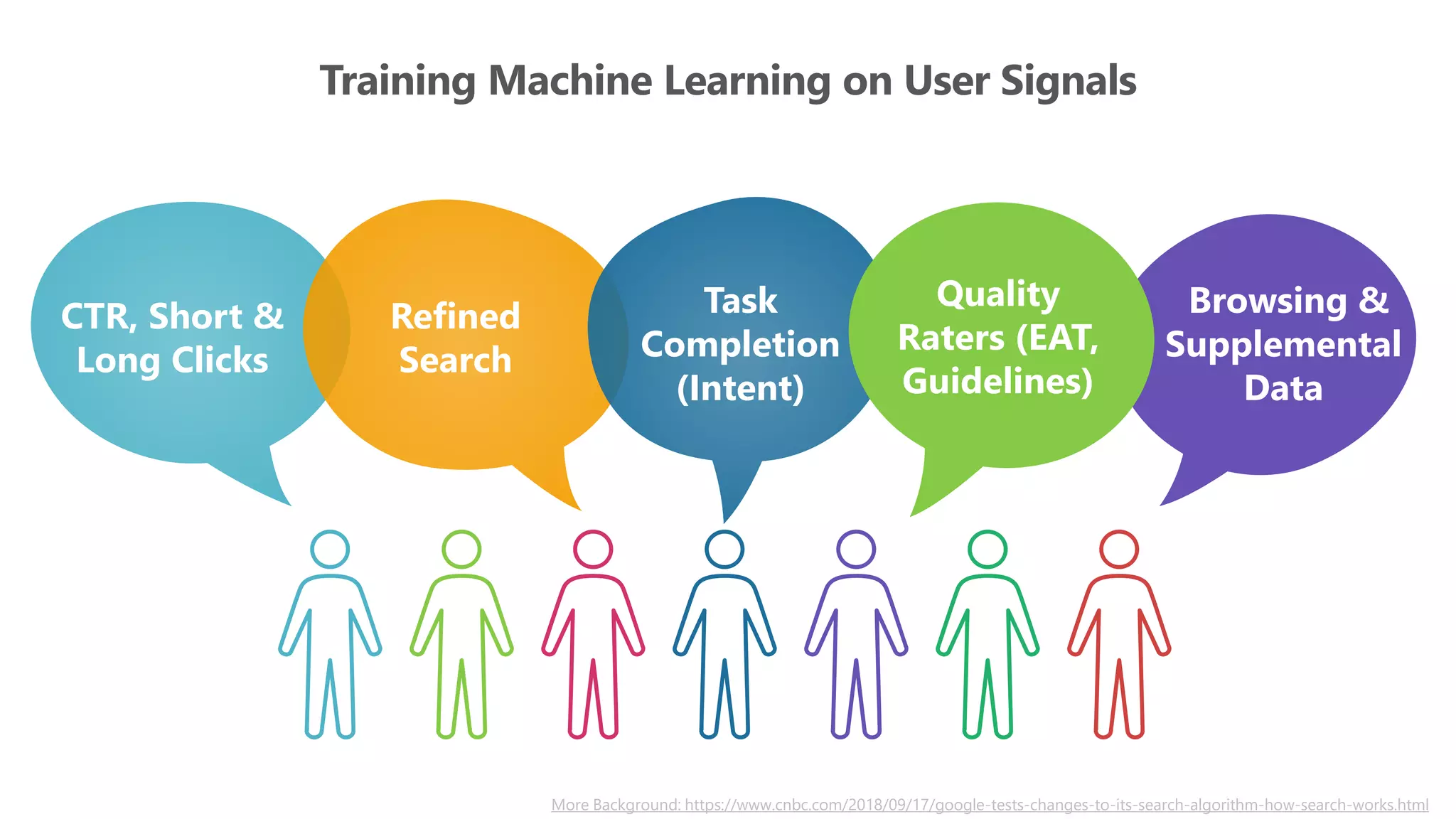
Training Machine Learning on User Signals
Refined
Search
CTR, Short &
Long Clicks
Task
Completion
(Intent)
Quality
Raters (EAT,
Guidelines)
Browsing &
Supplemental
Data
More Background: https://www.cnbc.com/2018/09/17/google-tests-changes-to-its-search-algorithm-how-search-works.html
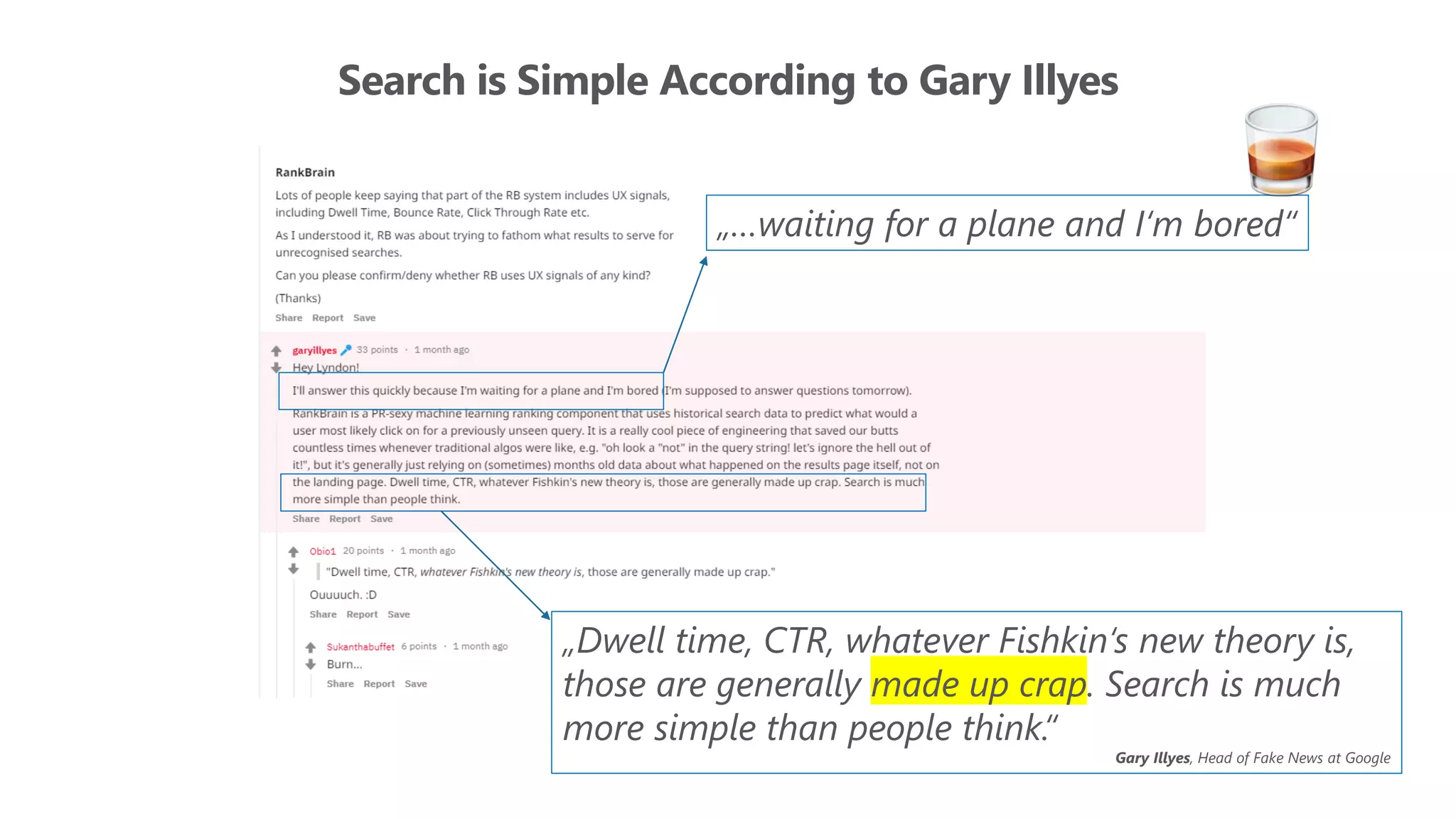
Search is Simple According to Gary Illyes
„Dwell time, CTR, whatever Fishkin‘s new theory is,
those are generally made up crap. Search is much
more simple than people think.“
Gary Illyes, Head of Fake News at Google
„…waiting for a plane and I‘m bored“
Training Machine Learning on User Signals
More Background: https://www.cnbc.com/2018/09/17/google-tests-changes-to-its-search-algorithm-how-search-works.html
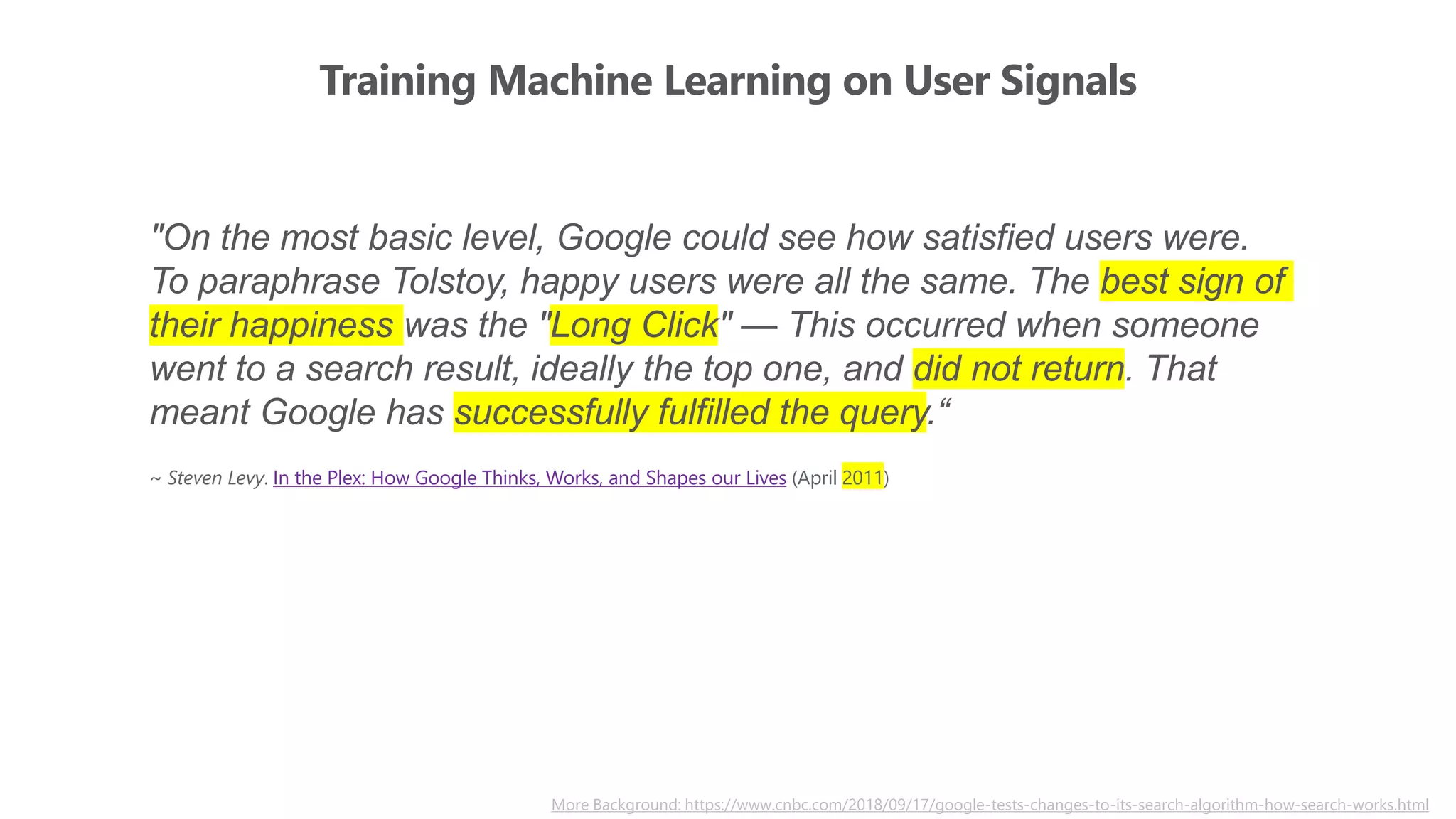
"On the most basic level, Google could see how satisfied users were.
To paraphrase Tolstoy, happy users were all the same. The best sign of
their happiness was the "Long Click" — This occurred when someone
went to a search result, ideally the top one, and did not return. That
meant Google has successfully fulfilled the query.“
~ Steven Levy. In the Plex: How Google Thinks, Works, and Shapes our Lives (April 2011)
Google Patent: Quality Scores for Queries
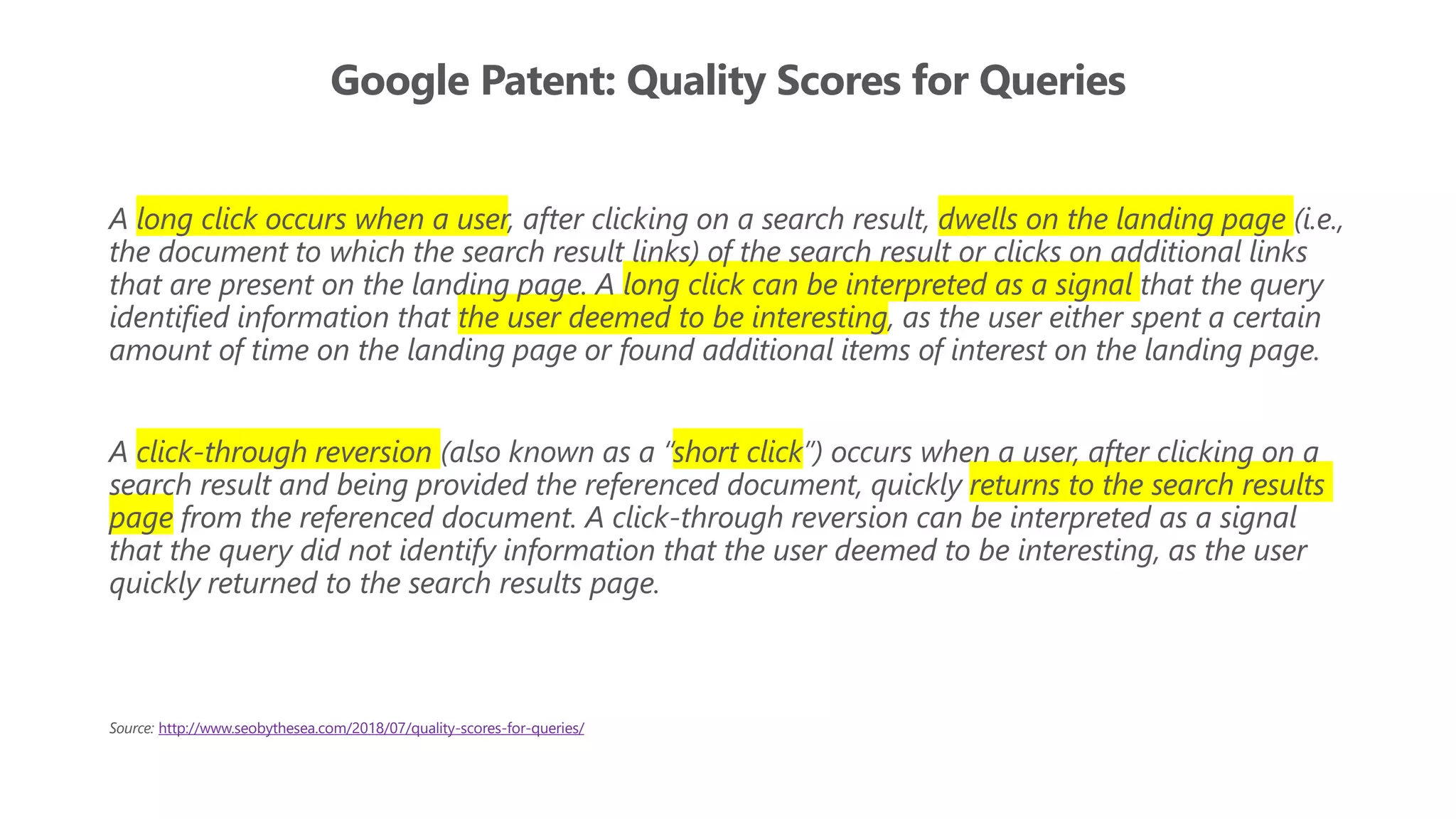
A long click occurs when a user, after clicking on a search result, dwells on the landing page (i.e.,
the document to which the search result links) of the search result or clicks on additional links
that are present on the landing page. A long click can be interpreted as a signal that the query
identified information that the user deemed to be interesting, as the user either spent a certain
amount of time on the landing page or found additional items of interest on the landing page.
A click-through reversion (also known as a “short click”) occurs when a user, after clicking on a
search result and being provided the referenced document, quickly returns to the search results
page from the referenced document. A click-through reversion can be interpreted as a signal
that the query did not identify information that the user deemed to be interesting, as the user
quickly returned to the search results page.
Source: http://www.seobythesea.com/2018/07/quality-scores-for-queries/
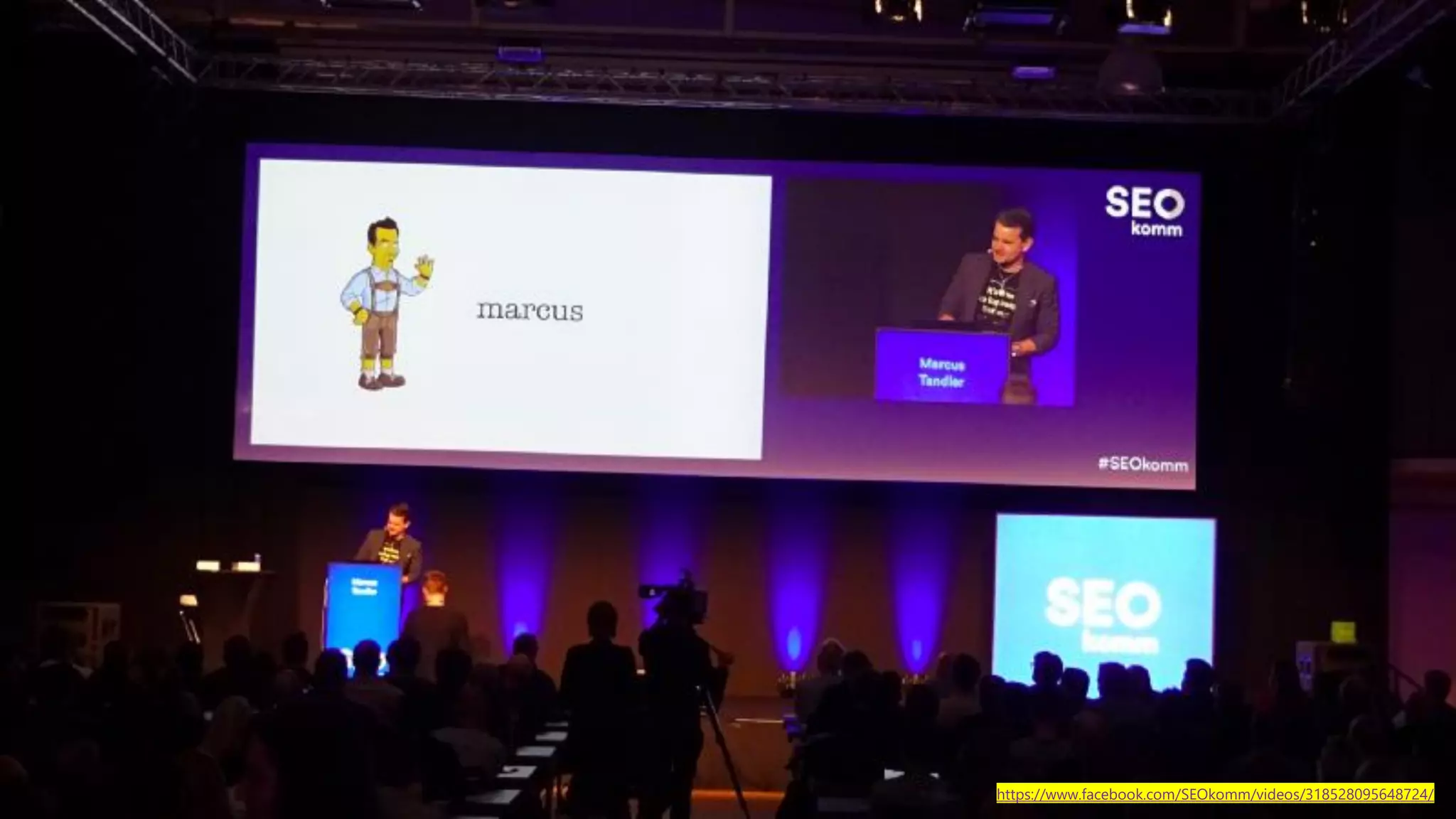
https://www.facebook.com/SEOkomm/videos/318528095648724/
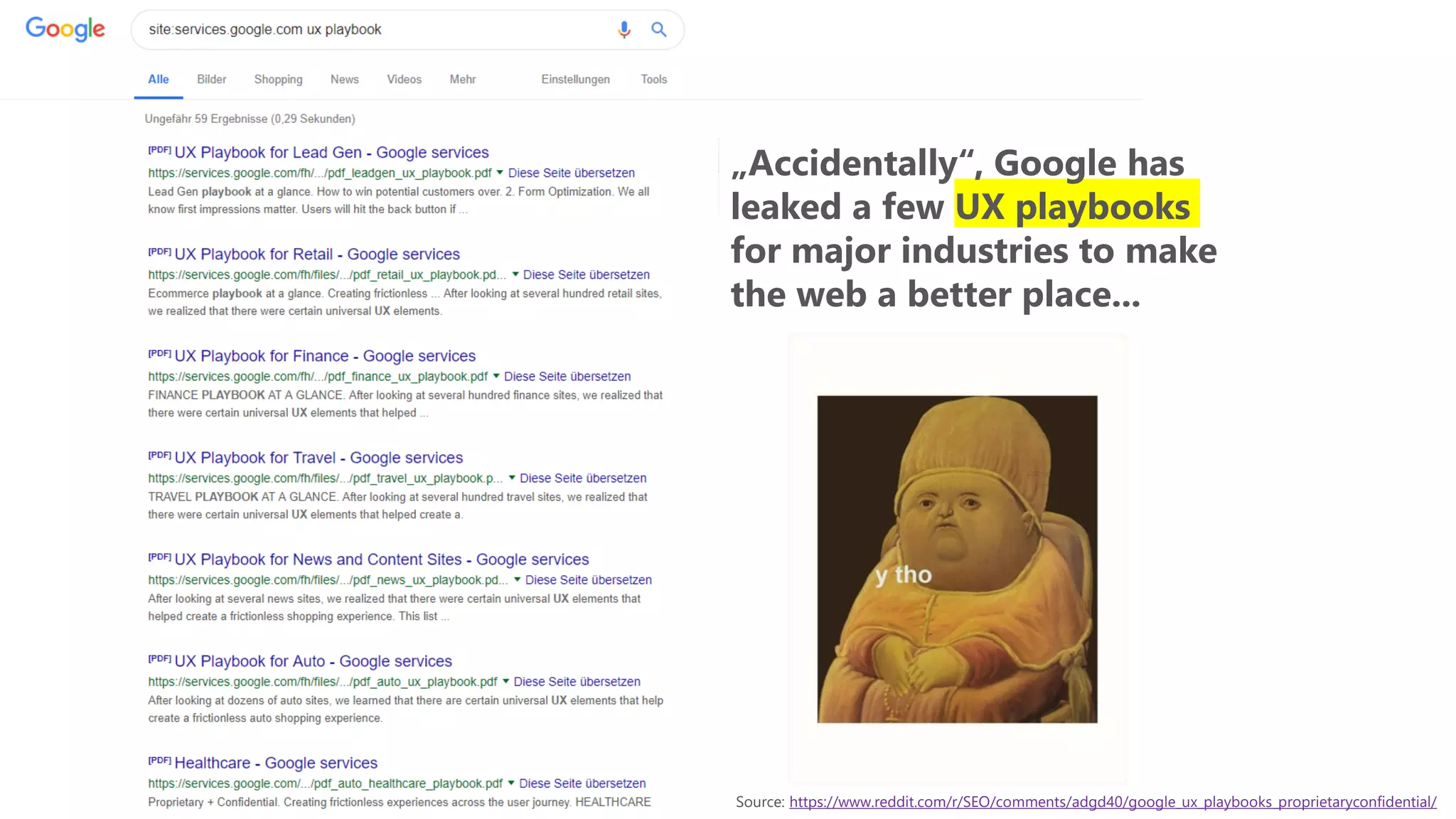
Source: https://www.reddit.com/r/SEO/comments/adgd40/google_ux_playbooks_proprietaryconfidential/
„Accidentally“, Google has
leaked a few UX playbooks
for major industries to make
the web a better place...
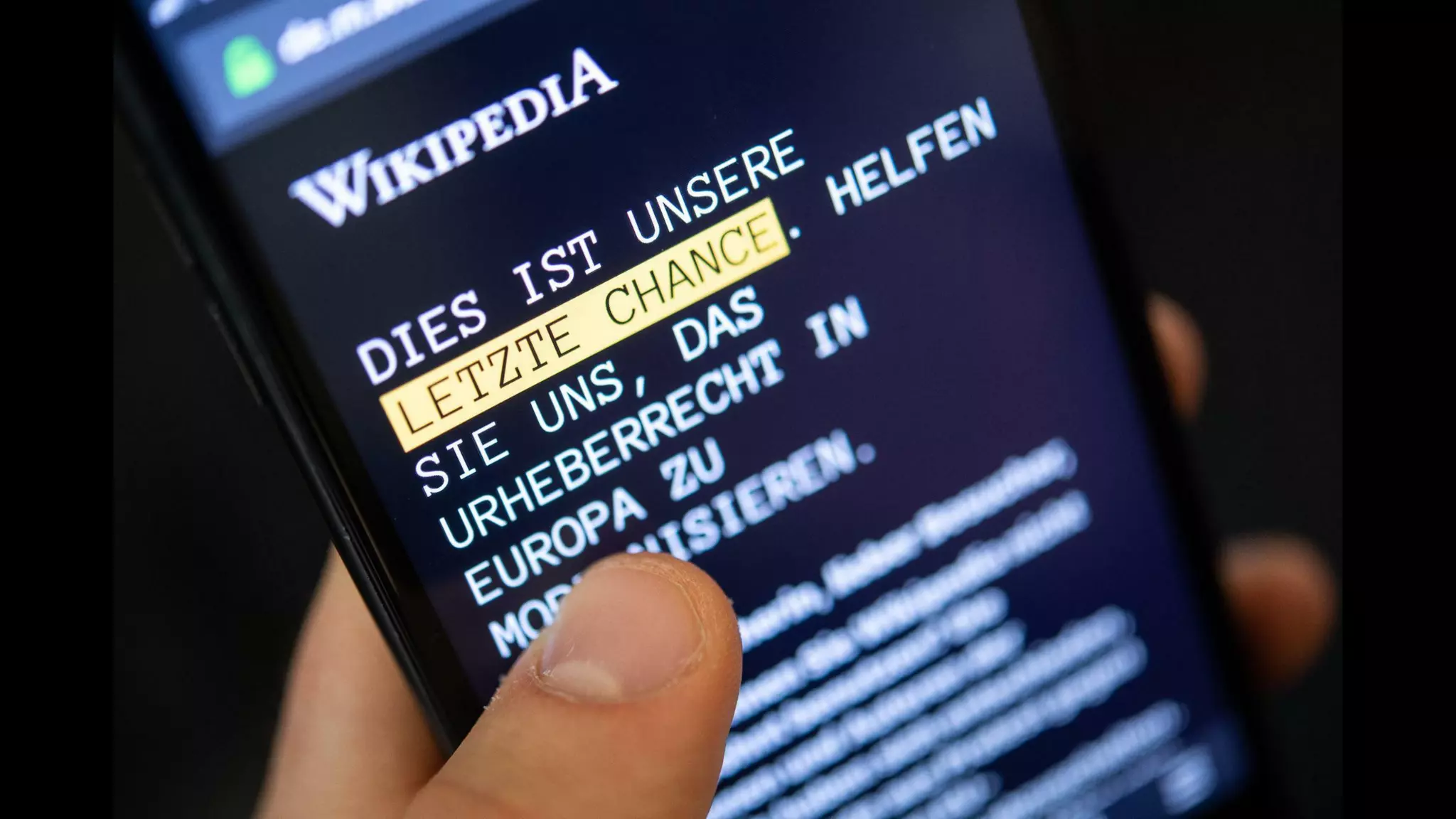
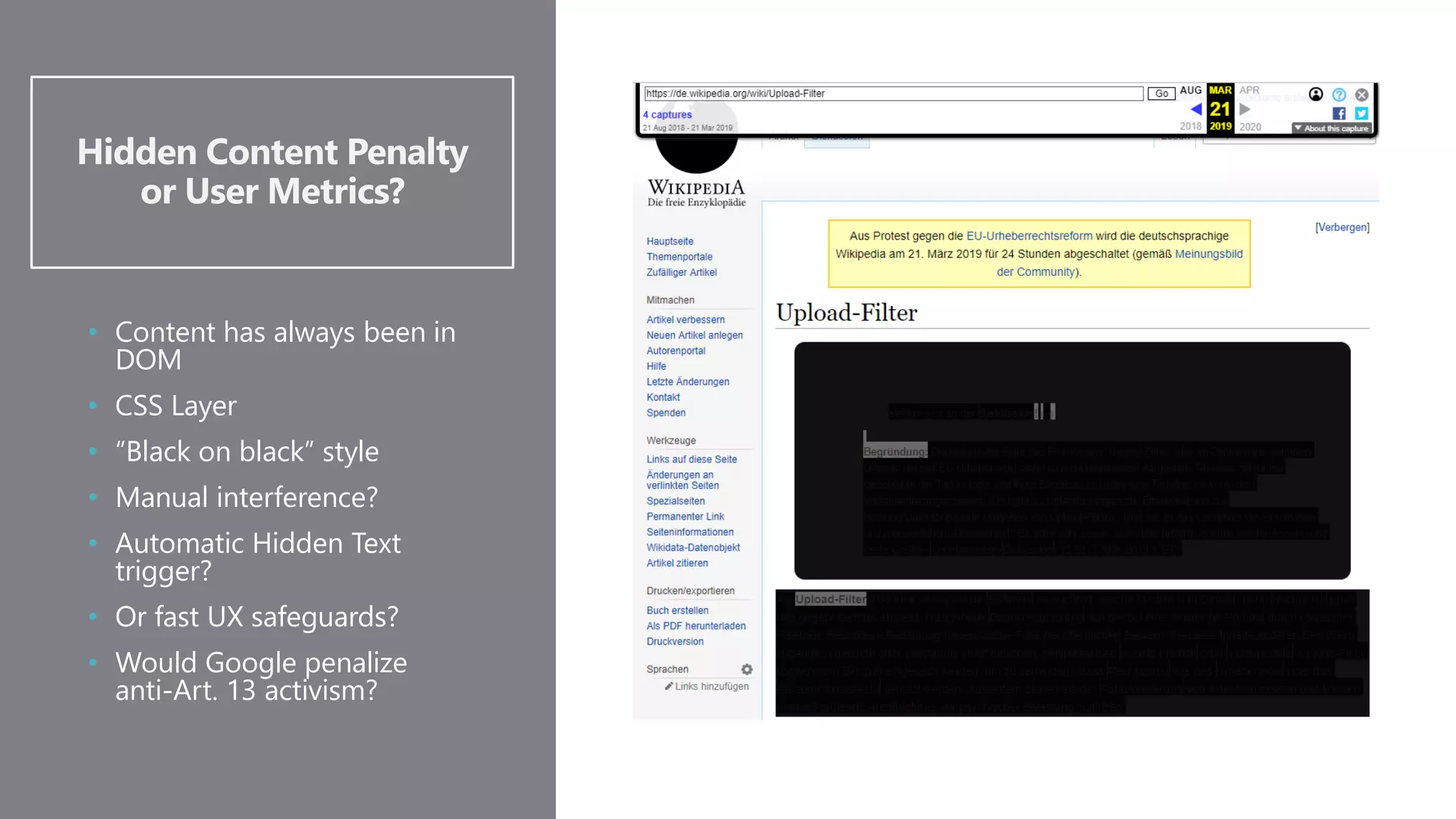
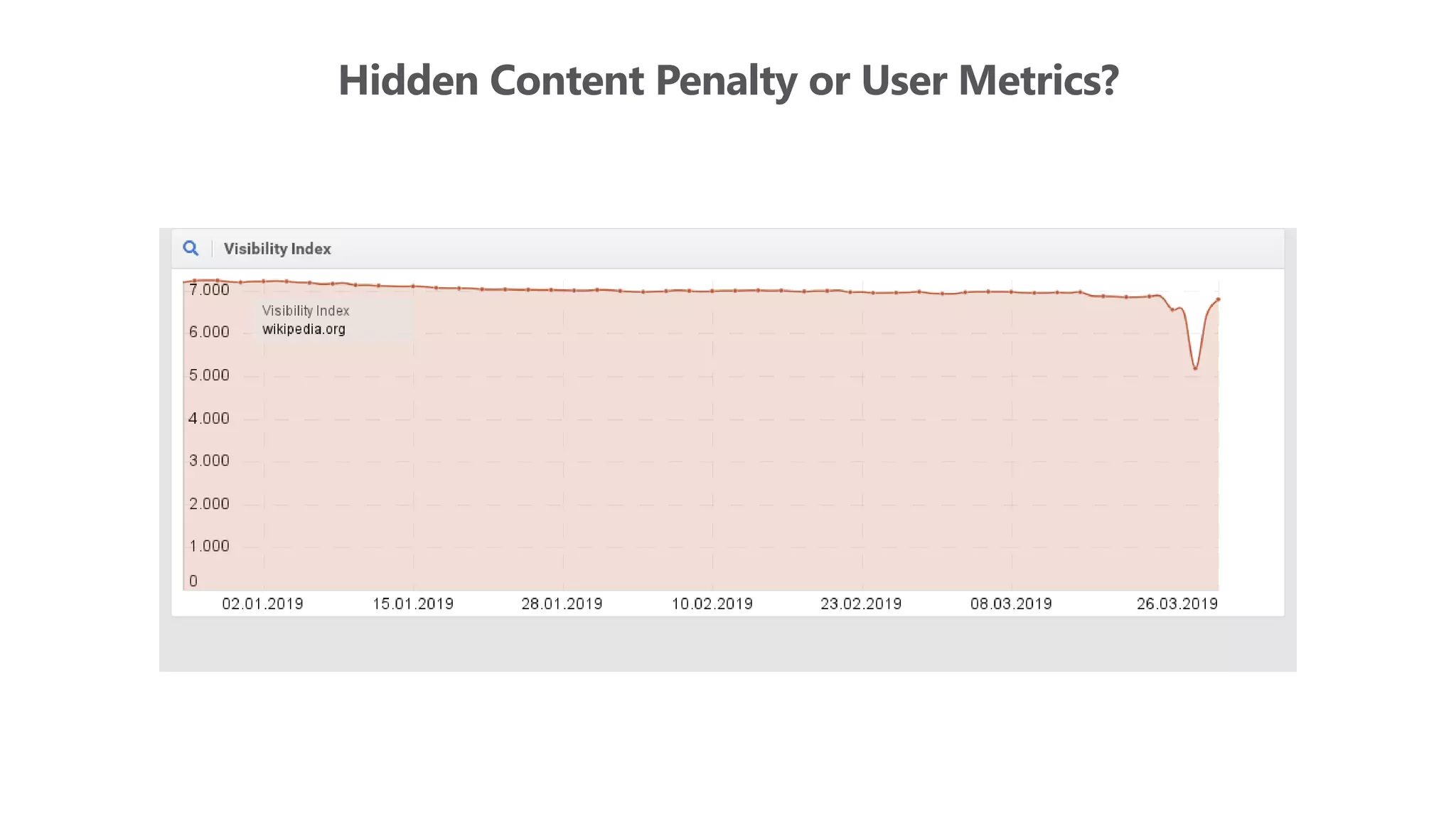
Hidden Content Penalty
or User Metrics?
• Content has always been in
DOM
• CSS Layer
• “Black on black” style
• Manual interference?
• Automatic Hidden Text
trigger?
• Or fast UX safeguards?
• Would Google penalize
anti-Art. 13 activism?
Hidden Content Penalty or User Metrics?
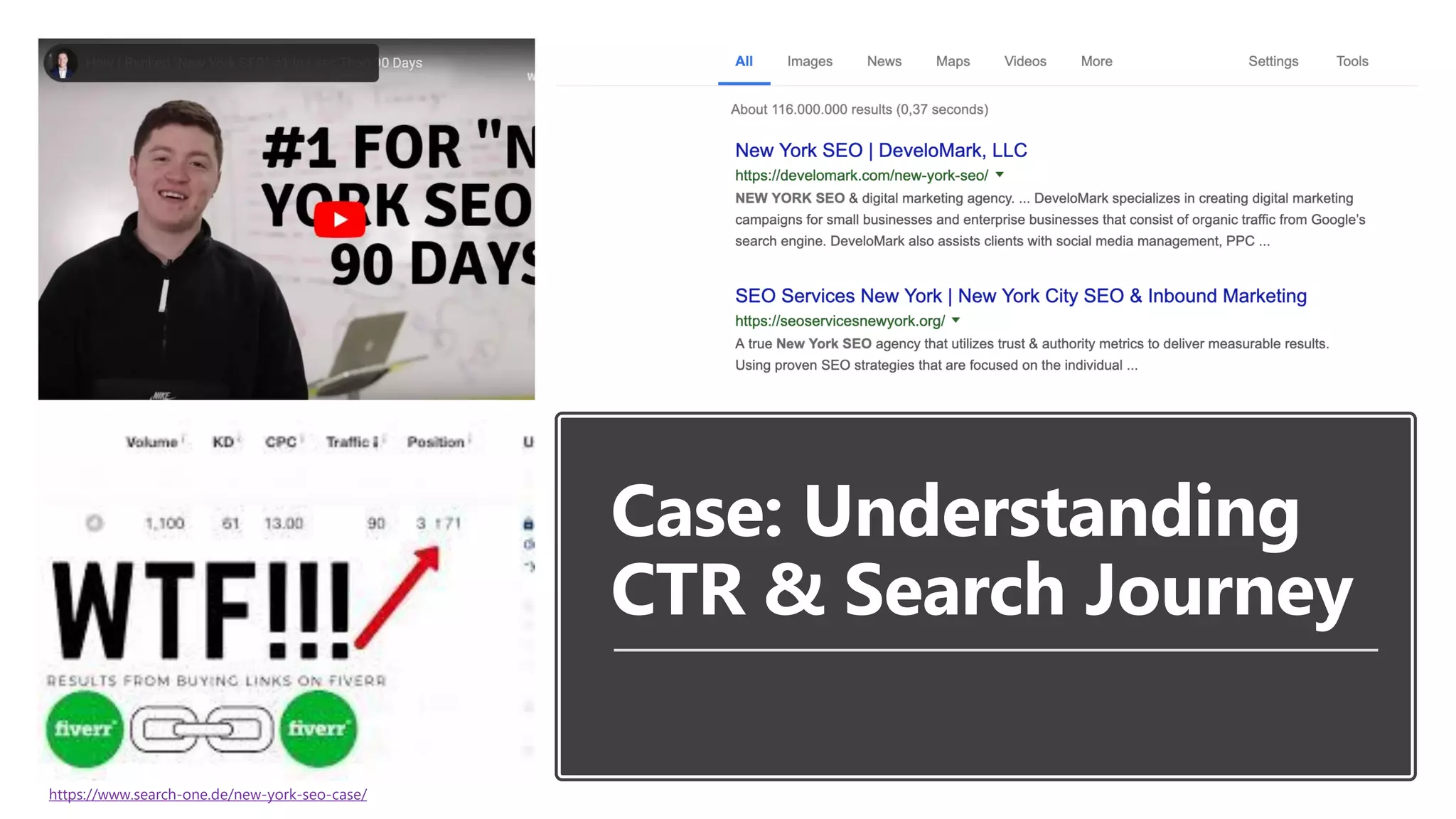
Case: Understanding
CTR & Search Journey
https://www.search-one.de/new-york-seo-case/
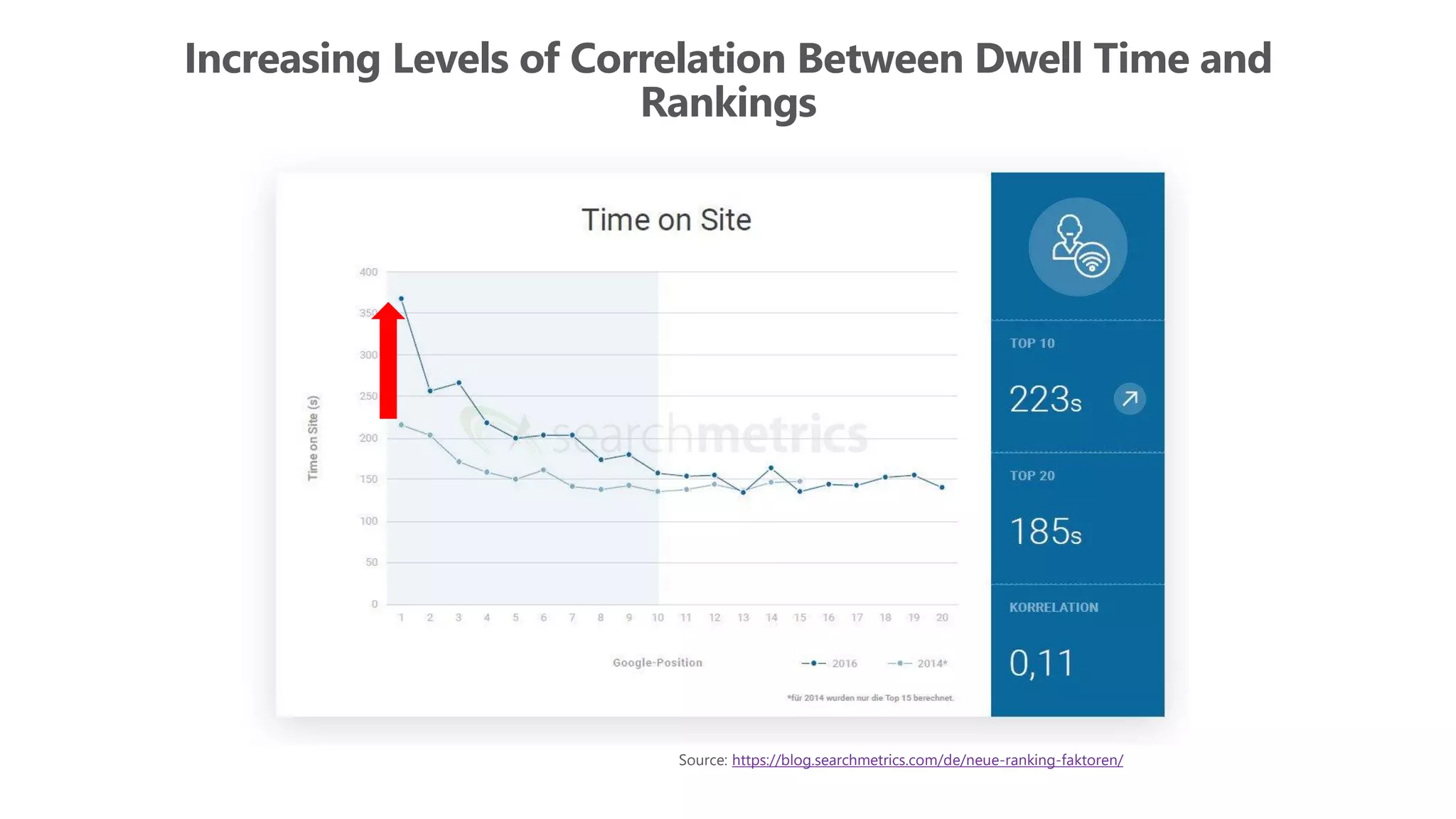
Increasing Levels of Correlation Between Dwell Time and
Rankings
Source: https://blog.searchmetrics.com/de/neue-ranking-faktoren/
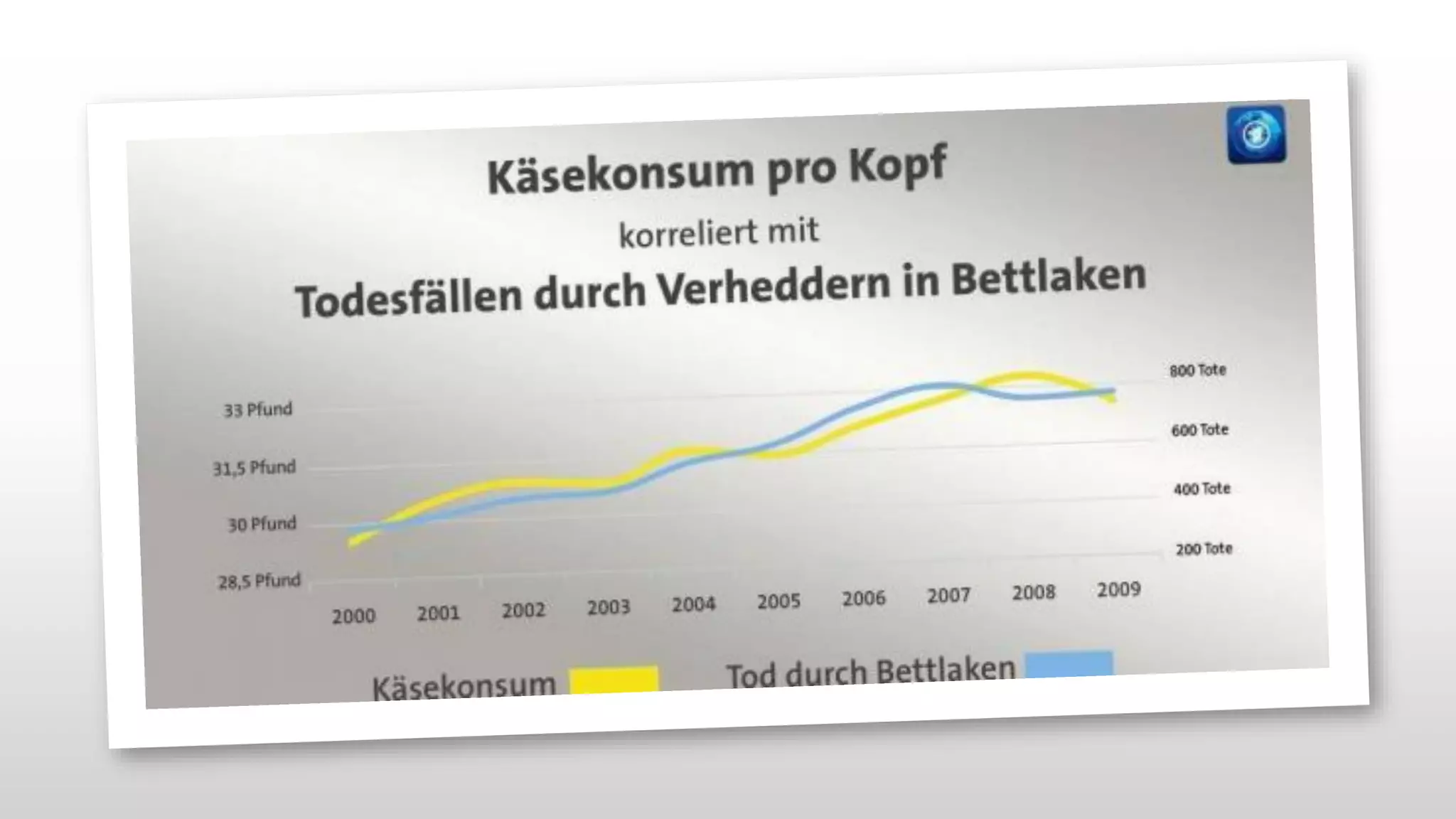
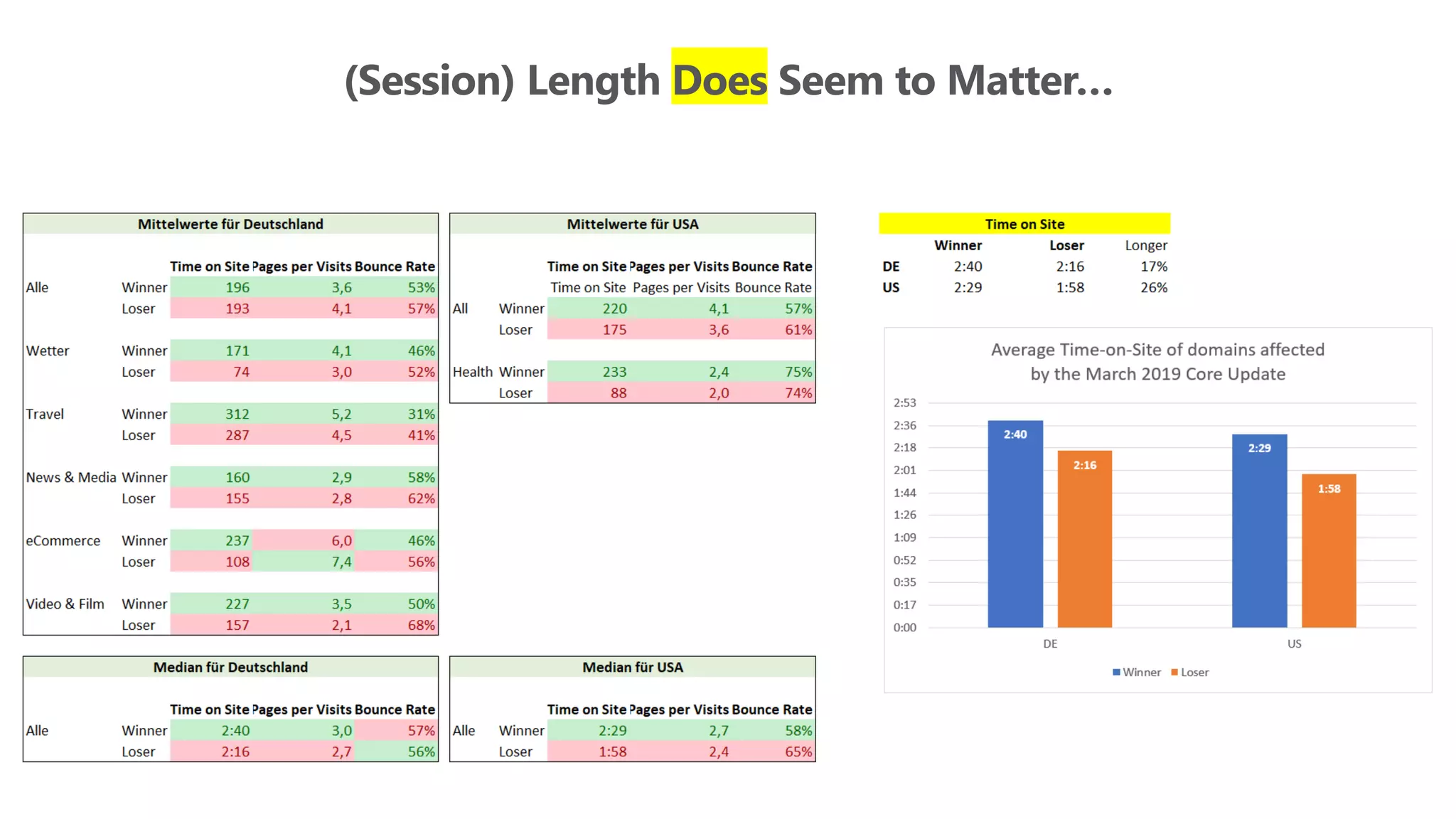
(Session) Length Does Seem to Matter…
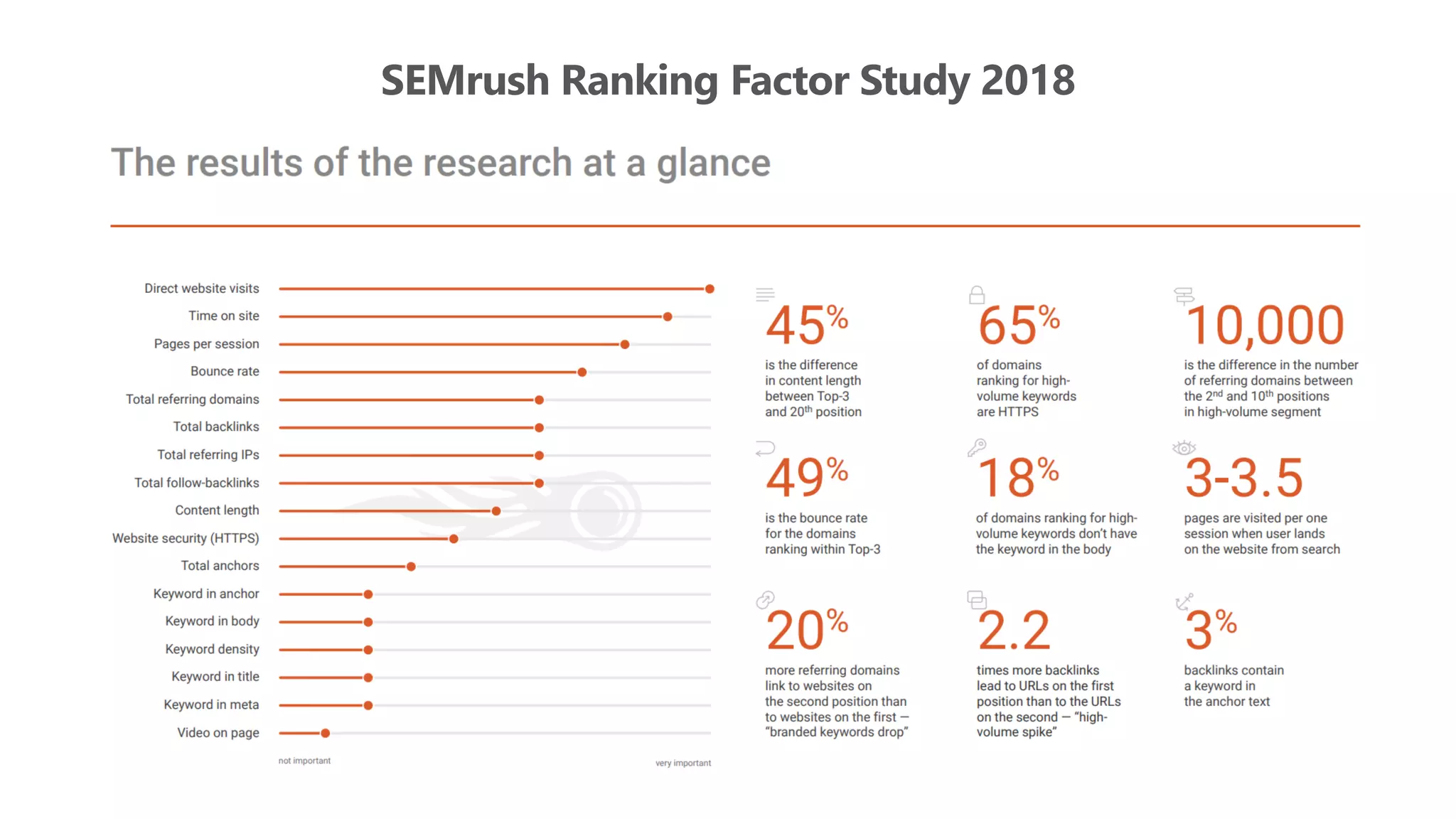
SEMrush Ranking Factor Study 2018
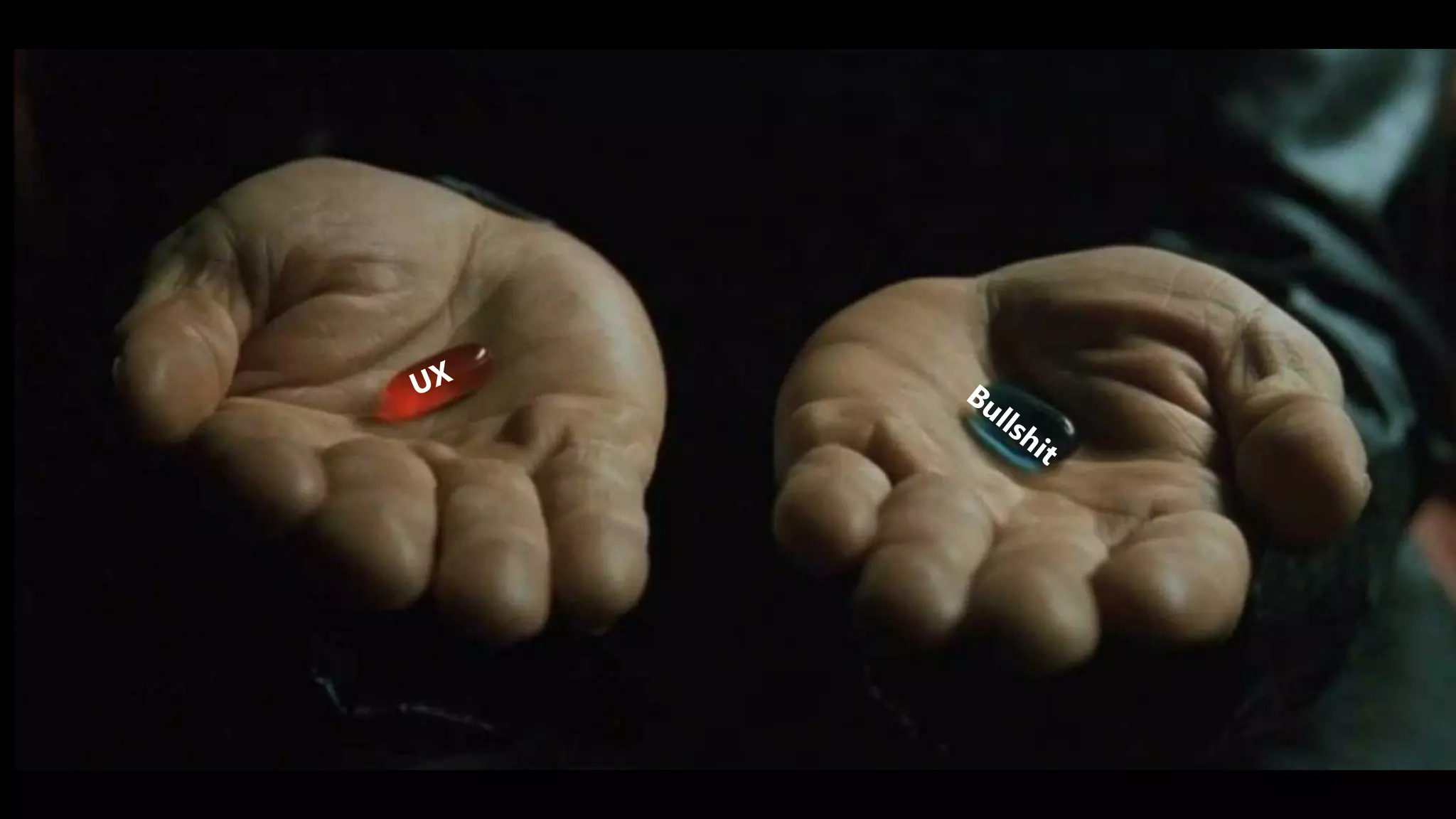
Since 2011,
I‘m having red
pills for breakfast,
lunch and dinner!
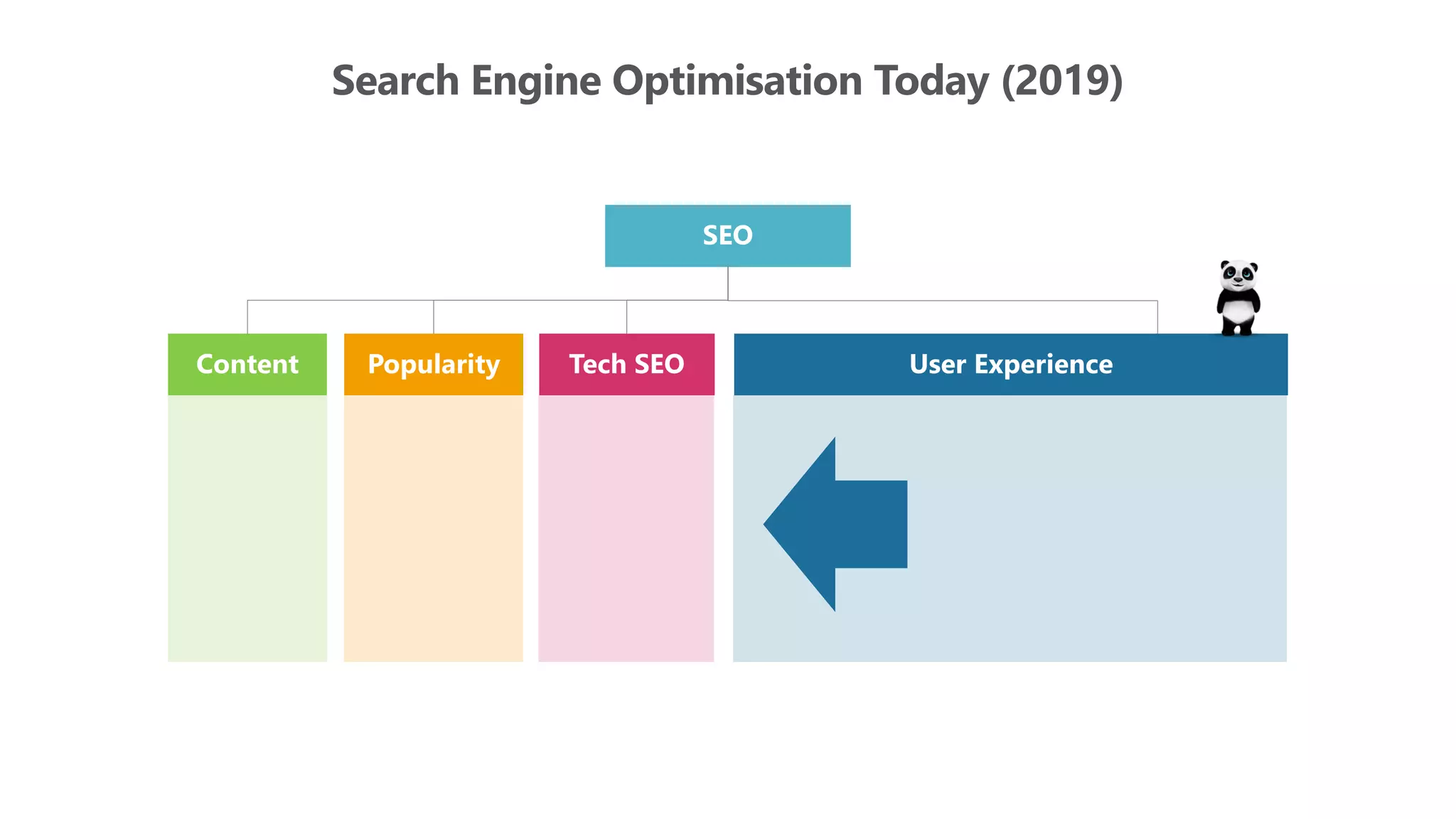
Search Engine Optimisation Today (2019)
SEO
Content Popularity Tech SEO User Experience
The Future of Search Engine Optimisation
SEO
C P T User Experience
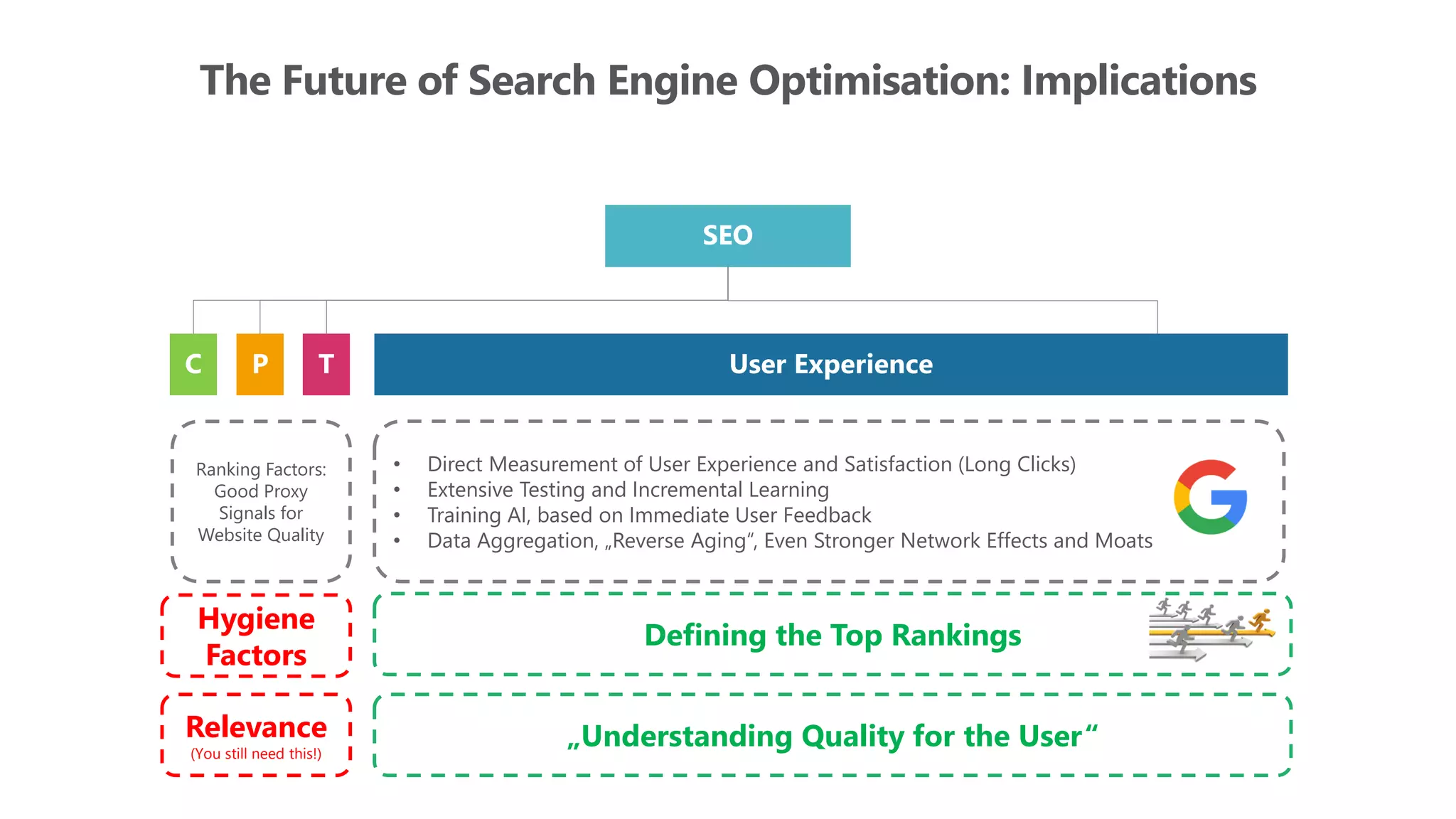
The Future of Search Engine Optimisation: Implications
SEO
C P T User Experience
Hygiene
Factors
Defining the Top Rankings
Ranking Factors:
Good Proxy
Signals for
Website Quality
• Direct Measurement of User Experience and Satisfaction (Long Clicks)
• Extensive Testing and Incremental Learning
• Training AI, based on Immediate User Feedback
• Data Aggregation, „Reverse Aging“, Even Stronger Network Effects and Moats
Relevance
(You still need this!)
„Understanding Quality for the User“
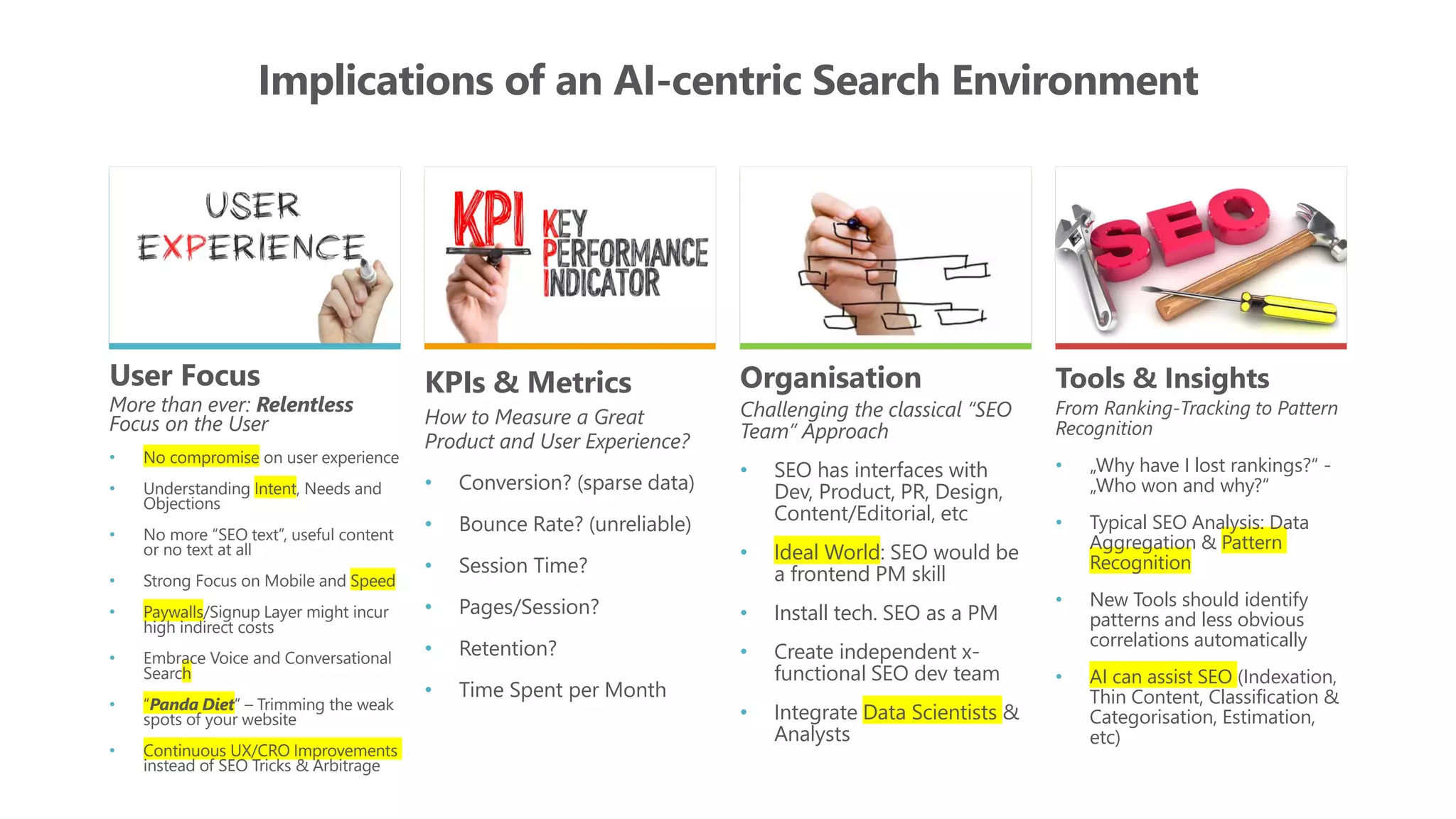
Implications of an AI-centric Search Environment
User Focus
More than ever: Relentless
Focus on the User
• No compromise on user experience
• Understanding Intent, Needs and
Objections
• No more “SEO text”, useful content
or no text at all
• Strong Focus on Mobile and Speed
• Paywalls/Signup Layer might incur
high indirect costs
• Embrace Voice and Conversational
Search
• “Panda Diet” – Trimming the weak
spots of your website
• Continuous UX/CRO Improvements
instead of SEO Tricks & Arbitrage
KPIs & Metrics
How to Measure a Great
Product and User Experience?
• Conversion? (sparse data)
• Bounce Rate? (unreliable)
• Session Time?
• Pages/Session?
• Retention?
• Time Spent per Month
Organisation
Challenging the classical “SEO
Team” Approach
• SEO has interfaces with
Dev, Product, PR, Design,
Content/Editorial, etc
• Ideal World: SEO would be
a frontend PM skill
• Install tech. SEO as a PM
• Create independent x-
functional SEO dev team
• Integrate Data Scientists &
Analysts
Tools & Insights
From Ranking-Tracking to Pattern
Recognition
• „Why have I lost rankings?“ -
„Who won and why?“
• Typical SEO Analysis: Data
Aggregation & Pattern
Recognition
• New Tools should identify
patterns and less obvious
correlations automatically
• AI can assist SEO (Indexation,
Thin Content, Classification &
Categorisation, Estimation,
etc)
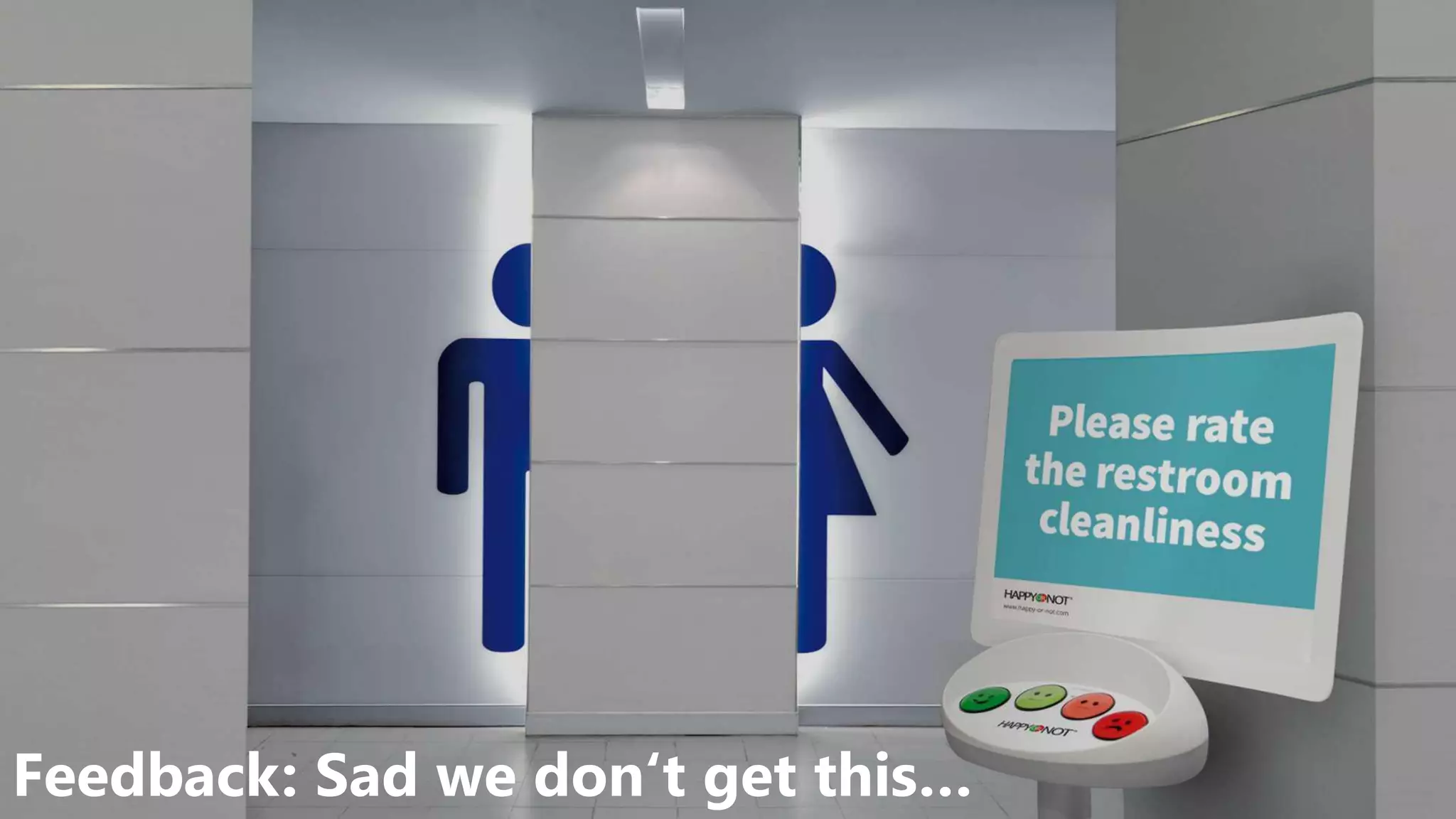
Feedback: Sad we don‘t get this…
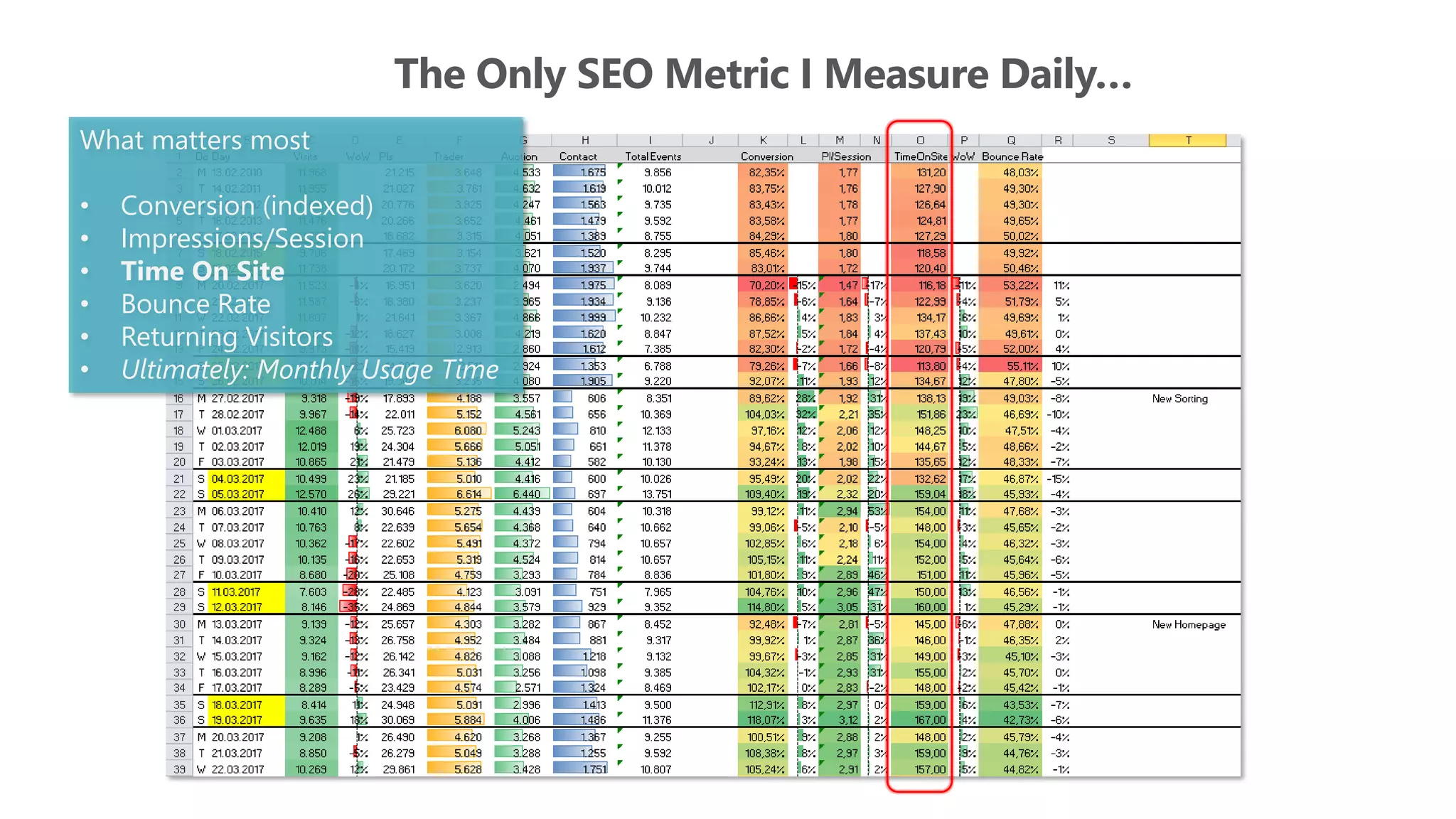
The Only SEO Metric I Measure Daily…
What matters most
• Conversion (indexed)
• Impressions/Session
• Time On Site
• Bounce Rate
• Returning Visitors
• Ultimately: Monthly Usage Time
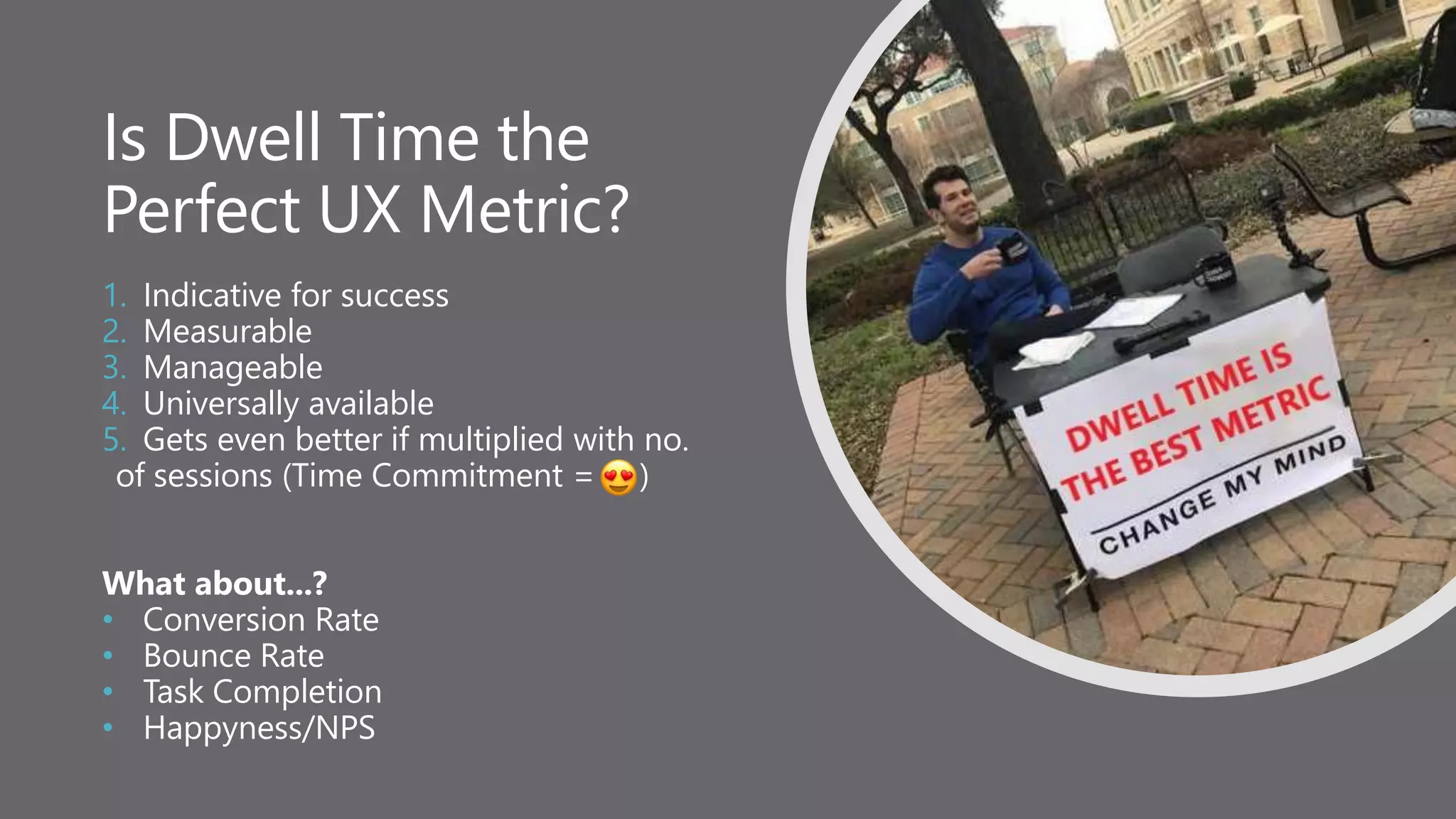
Is Dwell Time the
Perfect UX Metric?
1. Indicative for success
2. Measurable
3. Manageable
4. Universally available
5. Gets even better if multiplied with no.
of sessions (Time Commitment = )
What about...?
• Conversion Rate
• Bounce Rate
• Task Completion
• Happyness/NPS
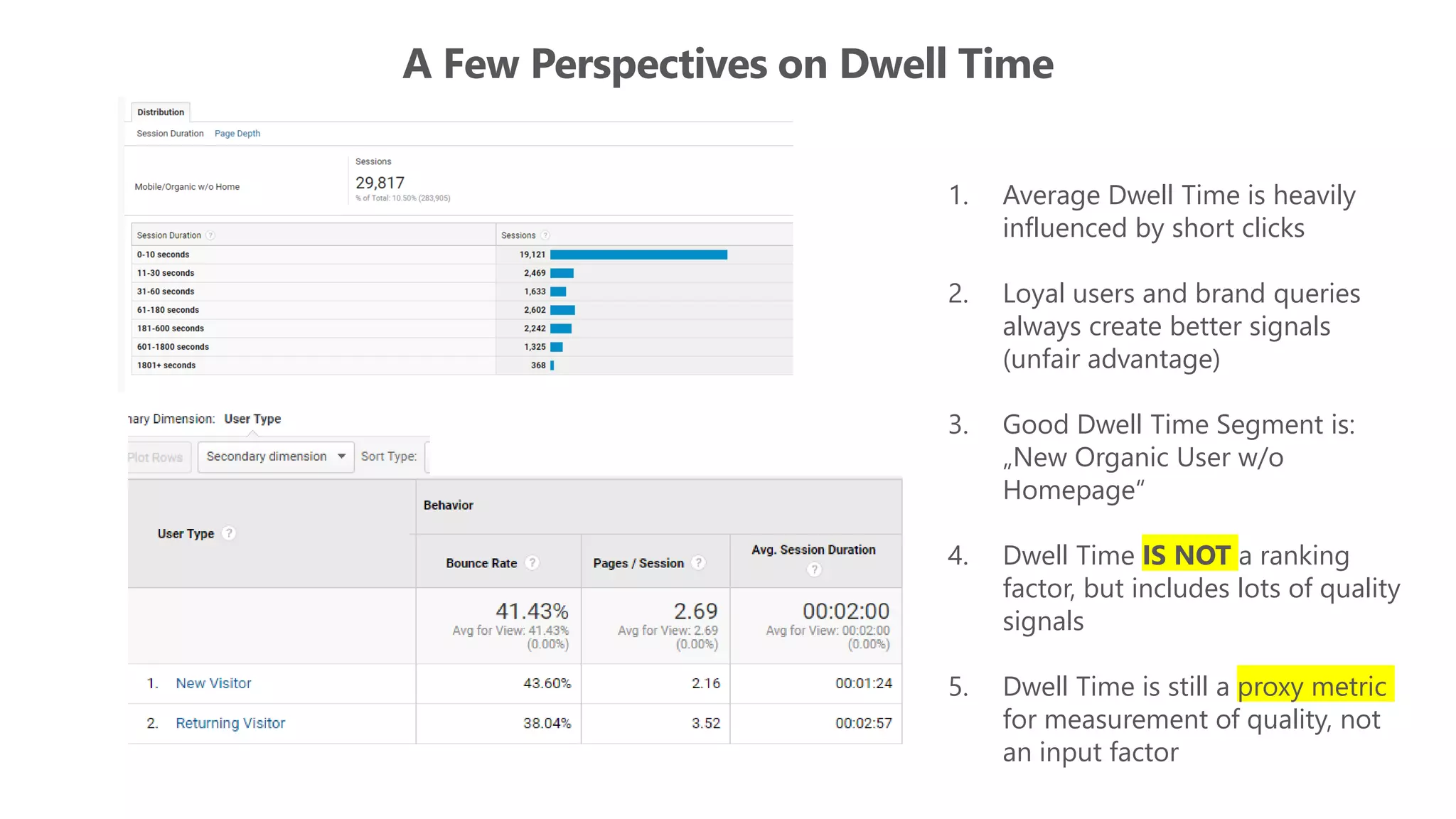
A Few Perspectives on Dwell Time
1. Average Dwell Time is heavily
influenced by short clicks
2. Loyal users and brand queries
always create better signals
(unfair advantage)
3. Good Dwell Time Segment is:
„New Organic User w/o
Homepage“
4. Dwell Time IS NOT a ranking
factor, but includes lots of quality
signals
5. Dwell Time is still a proxy metric
for measurement of quality, not
an input factor
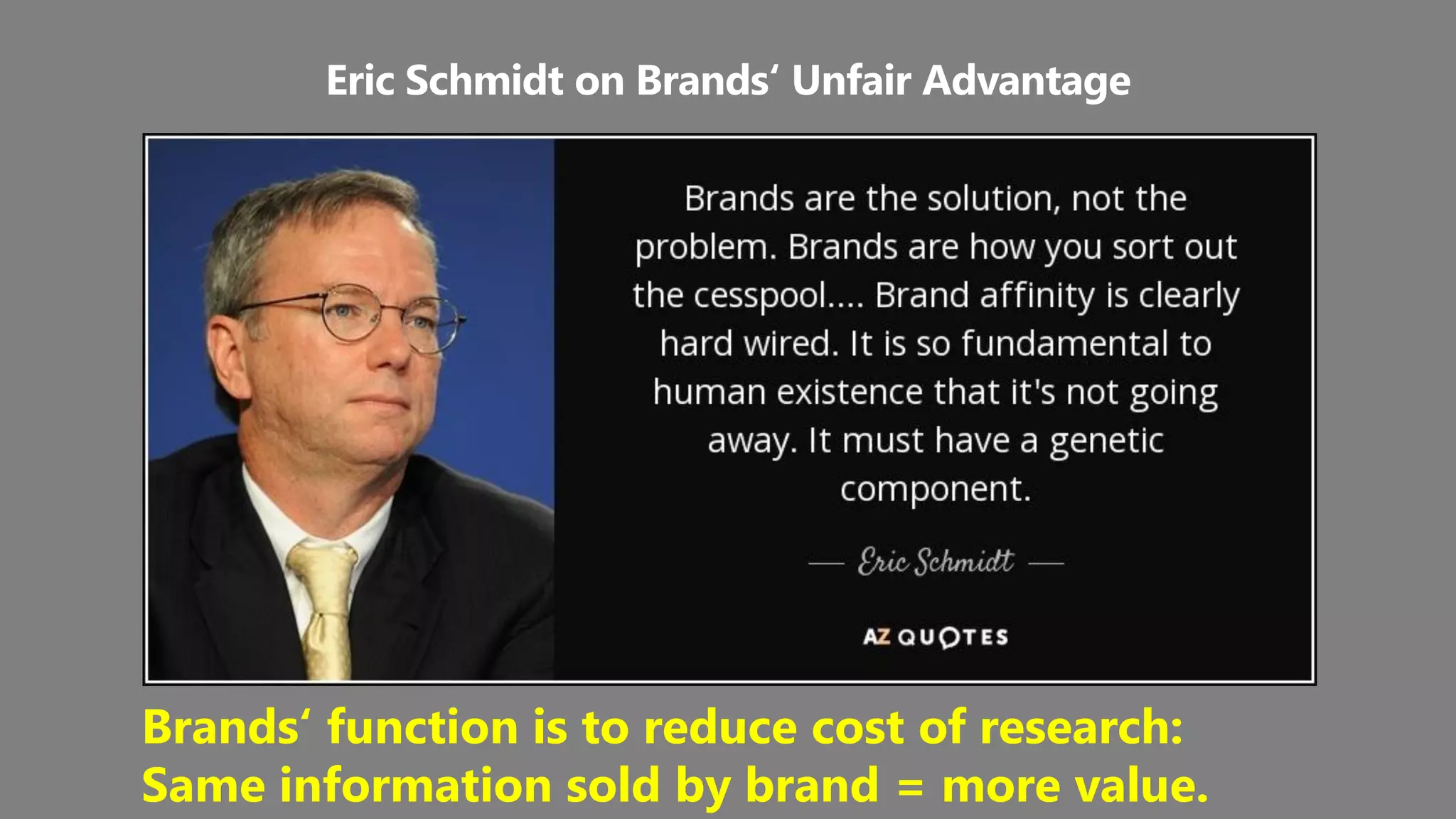
Eric Schmidt on Brands‘ Unfair Advantage
Brands‘ function is to reduce cost of research:
Same information sold by brand = more value.
Is Dwell Time a Great Second Best Metric?
"A simple statement is bound to be untrue.
One that is not simple cannot be utilized."
~ Paul Valery (1937)
(later “Bonini’s Paradox”)
"All models are wrong,
but some are useful."
~ George Box
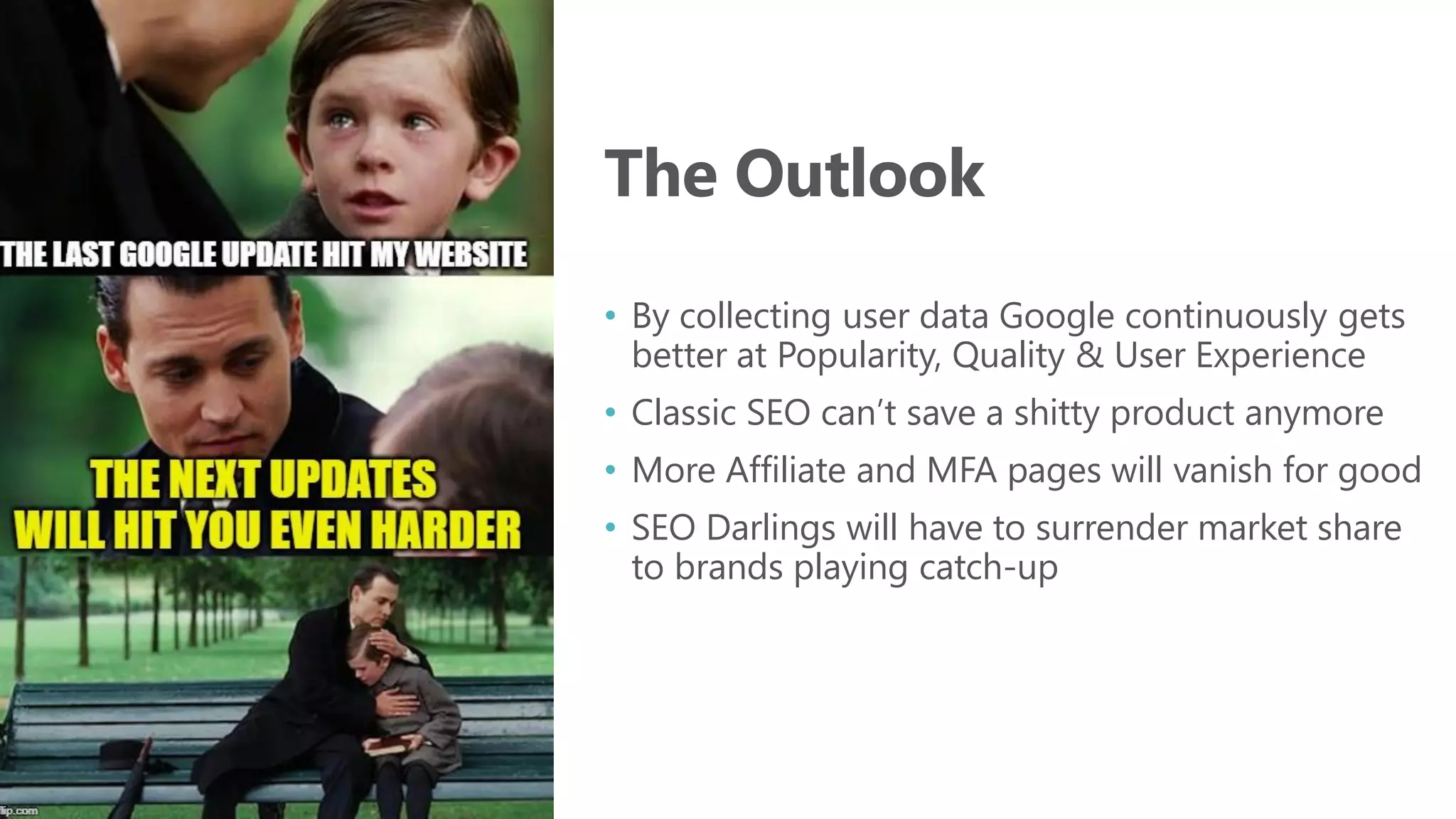
The Outlook
• By collecting user data Google continuously gets
better at Popularity, Quality & User Experience
• Classic SEO can’t save a shitty product anymore
• More Affiliate and MFA pages will vanish for good
• SEO Darlings will have to surrender market share
to brands playing catch-up
Extremely
Smart
UX Tactics
• Retailmenot.com
• 2015 (Archive.org)
• Sending Users to
Competitors with External
Links
Do
ANYTHING
But Sending
Users Back To
Google
Four Infamous User Experience Sins
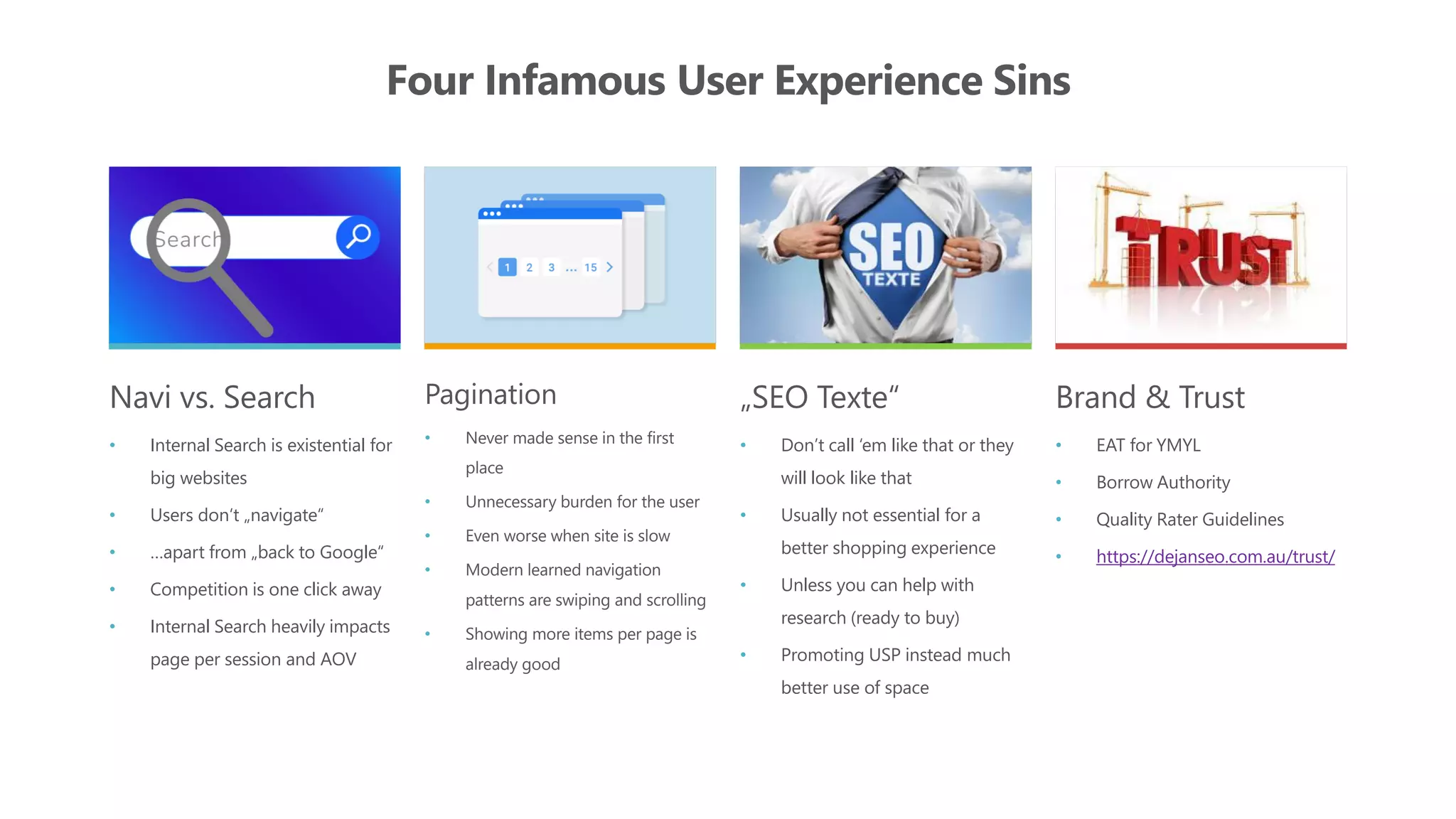
Navi vs. Search
• Internal Search is existential for
big websites
• Users don‘t „navigate“
• …apart from „back to Google“
• Competition is one click away
• Internal Search heavily impacts
page per session and AOV
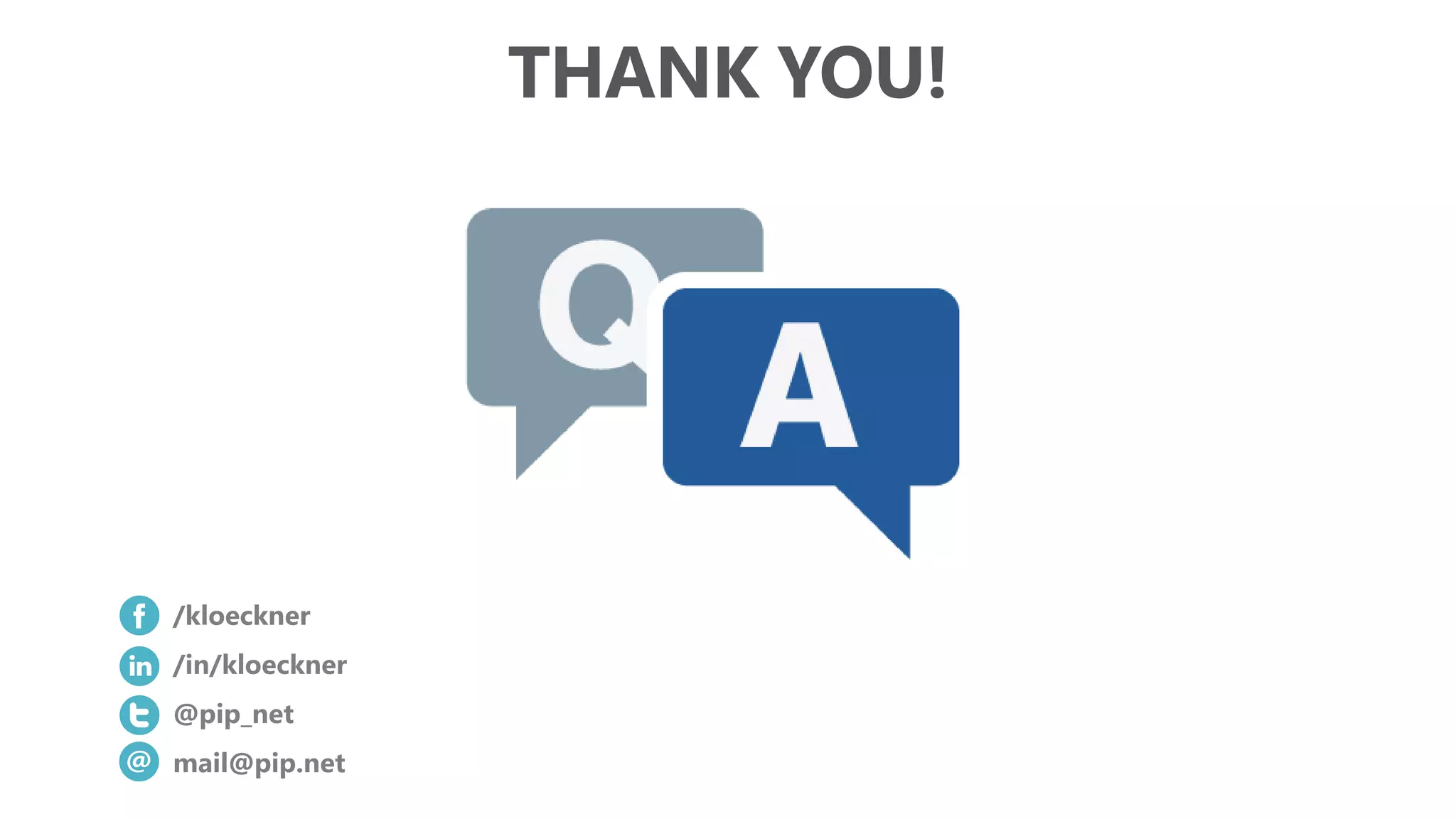
Pagination
• Never made sense in the first
place
• Unnecessary burden for the user
• Even worse when site is slow
• Modern learned navigation
patterns are swiping and scrolling
• Showing more items per page is
already good
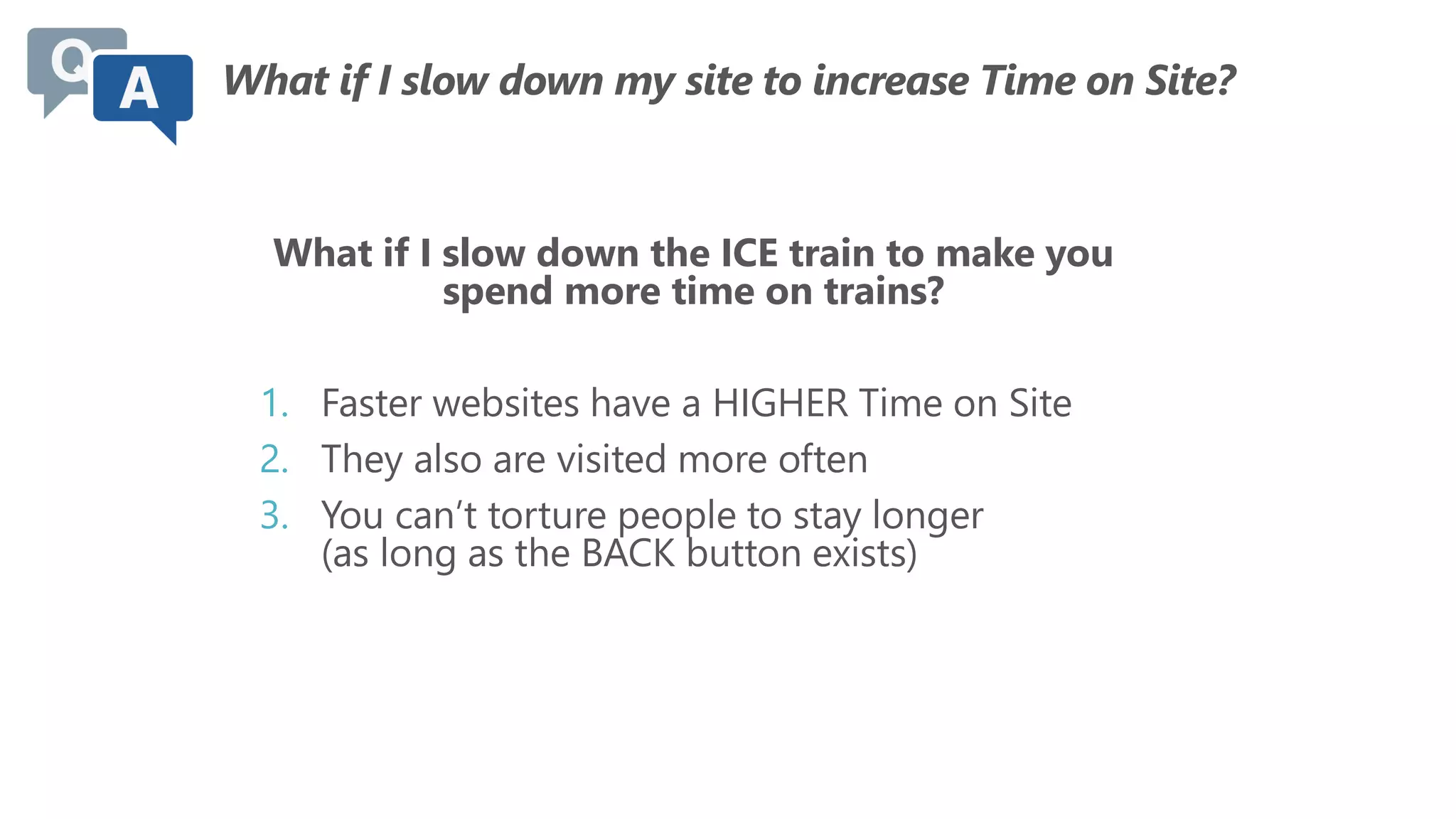
„SEO Texte“
• Don’t call ‘em like that or they
will look like that
• Usually not essential for a
better shopping experience
• Unless you can help with
research (ready to buy)
• Promoting USP instead much
better use of space
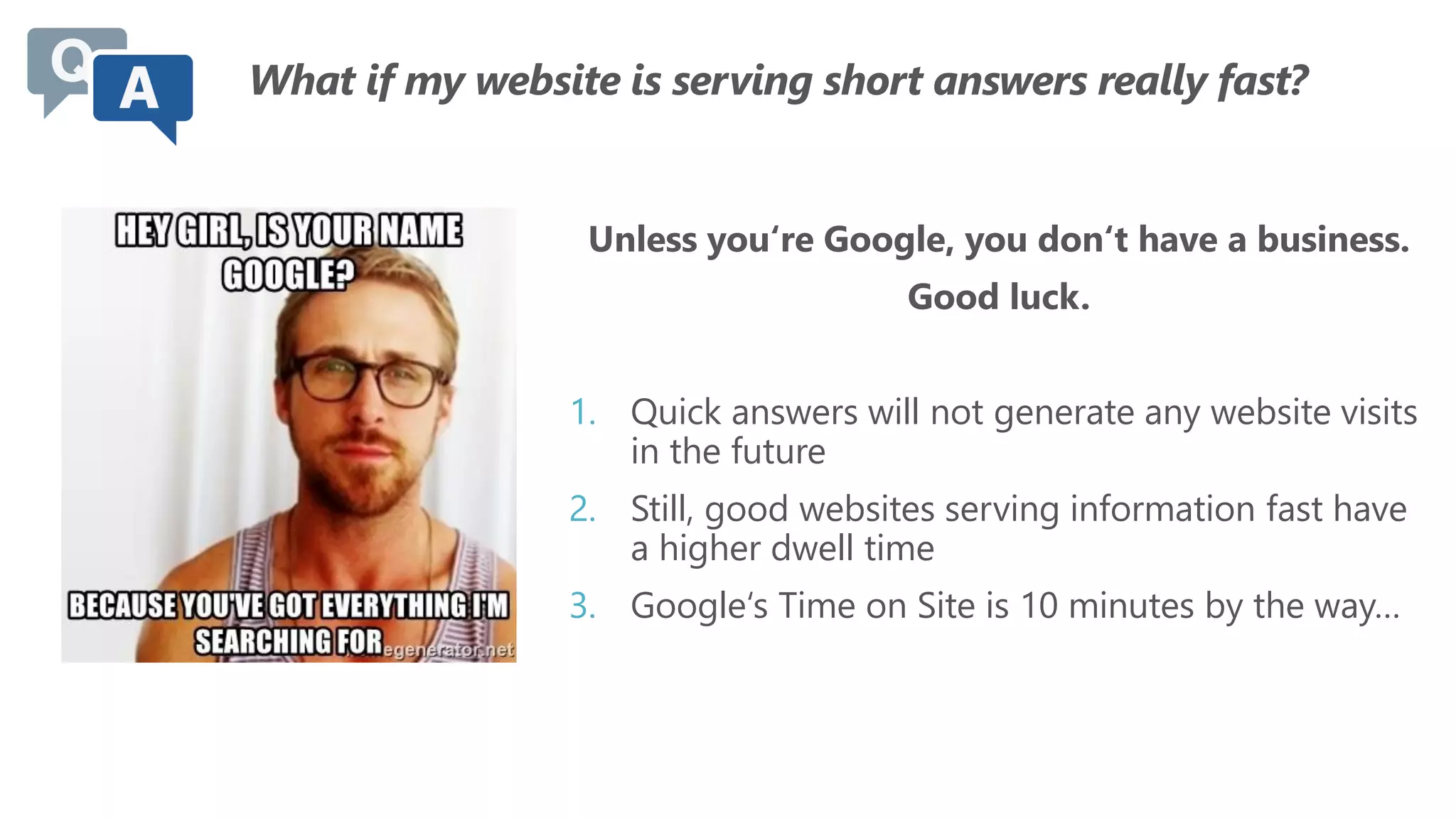
Brand & Trust
• EAT for YMYL
• Borrow Authority
• Quality Rater Guidelines
• https://dejanseo.com.au/trust/
THANK YOU!
/kloeckner
/in/kloeckner
@pip_net
mail@pip.net
What if I slow down my site to increase Time on Site?
What if I slow down the ICE train to make you
spend more time on trains?
1. Faster websites have a HIGHER Time on Site
2. They also are visited more often
3. You can’t torture people to stay longer
(as long as the BACK button exists)
What if my website is serving short answers really fast?
Unless you‘re Google, you don‘t have a business.
Good luck.
1. Quick answers will not generate any website visits
in the future
2. Still, good websites serving information fast have
a higher dwell time
3. Google‘s Time on Site is 10 minutes by the way…
The Panda Diet
Addendum
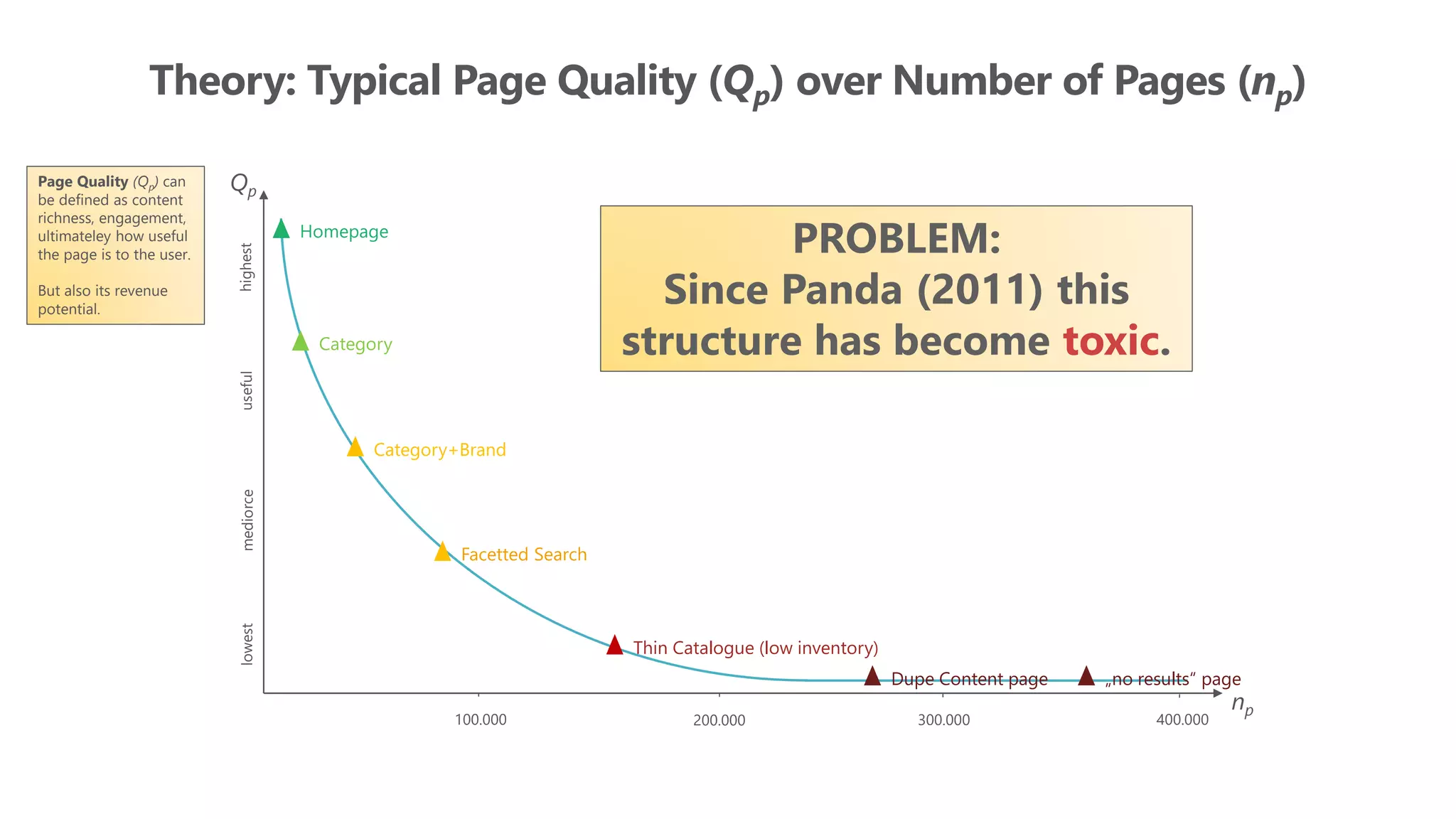
Theory: Typical Page Quality (Qp) over Number of Pages (np)
np
Qp
Homepage
Category
Category+Brand
Facetted Search
Thin Catalogue (low inventory)
Dupe Content page „no results“ page
highestlowestmediorceuseful
400.000200.000 300.000100.000
Page Quality (Qp) can
be defined as content
richness, engagement,
ultimateley how useful
the page is to the user.
But also its revenue
potential.
PROBLEM:
Since Panda (2011) this
structure has become toxic.
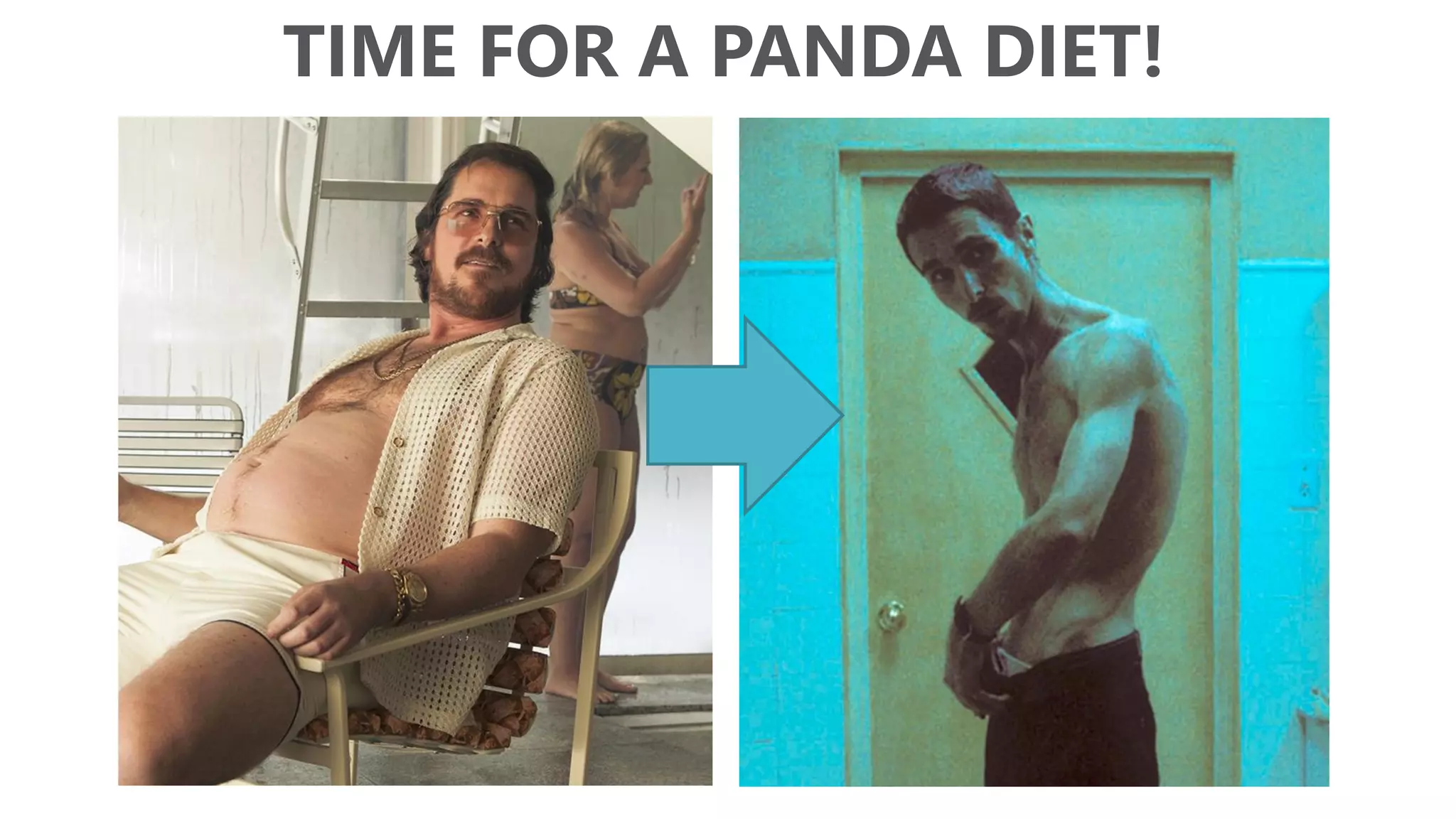
TIME FOR A PANDA DIET!
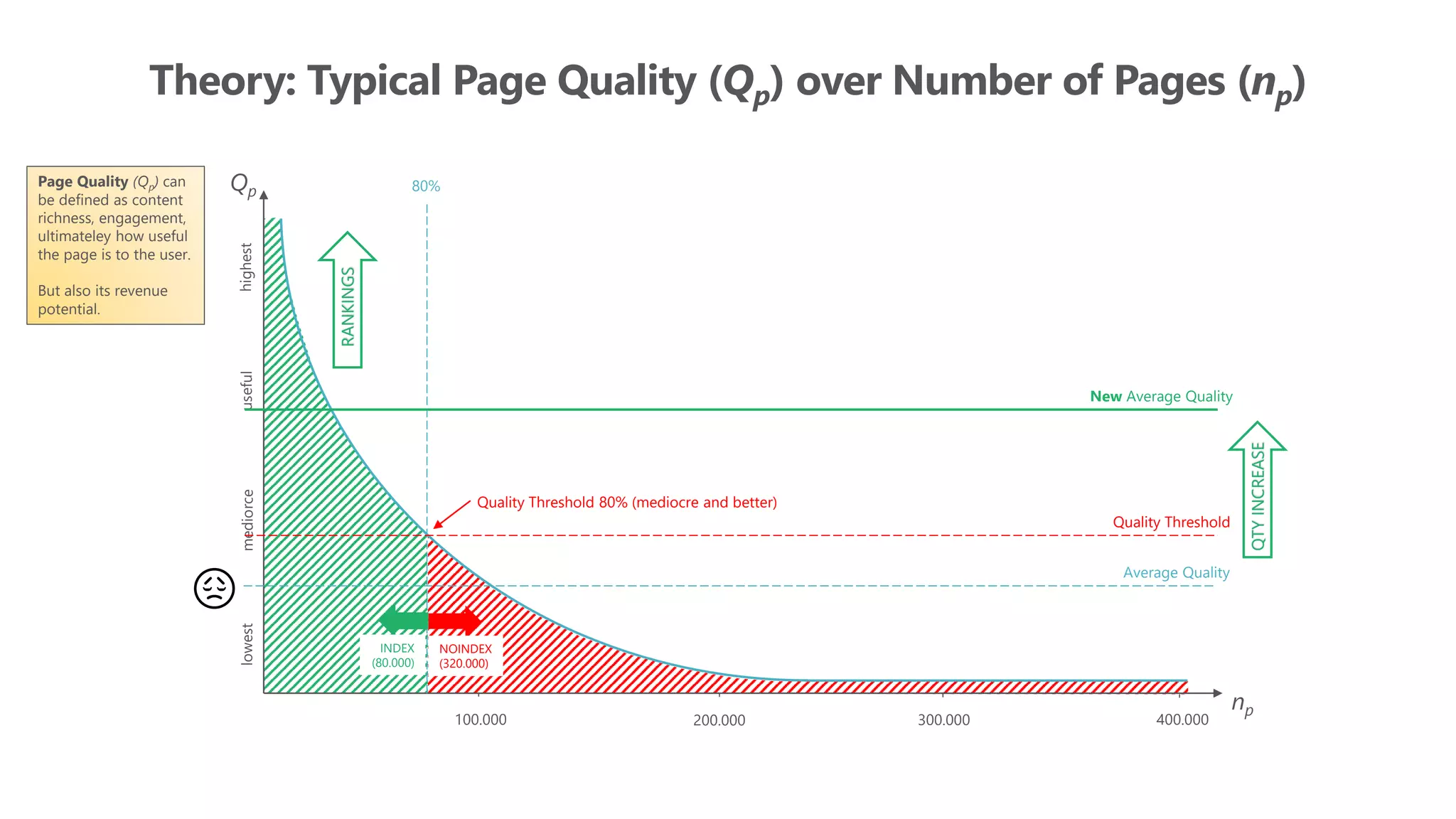
Theory: Typical Page Quality (Qp) over Number of Pages (np)
np
Qp
highestlowestmediorceuseful
400.000200.000 300.000100.000
Average Quality
😞
Quality Threshold 80% (mediocre and better)
NOINDEX
(320.000)
INDEX
(80.000)
New Average Quality
QTYINCREASE
80%
Quality Threshold
RANKINGS
Page Quality (Qp) can
be defined as content
richness, engagement,
ultimateley how useful
the page is to the user.
But also its revenue
potential.
THANK YOU!
/kloeckner
/in/kloeckner
@pip_net
mail@pip.net Slide Deck: http://twitter.com/pip_net

Mobile First to AI First: How User Signals Change SEO | SMX19

  • 1.
    #SMX2019 Philipp Klöckner @pip_net Mobile Firstto AI-First – The Future of SEO
  • 2.
    Philipp Klöckner Angel Investor& Advisor @pip_net 2005 2010 2015 2018
  • 4.
    Search Engine Optimization ArtificialIntelligence #SEO #AI 1. Status | 2. Functionality | 3. Implications | 4. How to get started Slide Deck: http://twitter.com/pip_net
  • 9.
    AI Already Omnipresentin Google Products
  • 10.
    Search Engine Optimization ArtificialIntelligence #SEO #AI 1. Status | 2. Functionality | 3. Implications | 4. How to get started
  • 11.
    Classical Search EngineOptimisation Framework SEO Content Popularity Technical SEO • Inventory • Text • Rich Media • Video • Advice • Structured Data • Tools & Apps • Interactive Content • Links • Mentions • Brand Search • Comp. Brand Search • Direct Type-Ins • Sharing • All available signals • Internal Linking • URL Design • Indexation • Heading Tags • Href Lang Setup • Structured Data • HTTPS/HTTP2
  • 12.
    Search Engine OptimisationPost-Panda (2011) SEO Content Popularity Technical SEO • Inventory • Text • Rich Media • Video • Advice • Structured Data • Tools & Apps • Interactive Content • … • Links • Mentions • Brand Search • Comp. Brand Search • Direct Type-Ins • Sharing • All available signals • Internal Linking • URL Design • Indexation • Heading Tags • Href Lang Setup • Structured Data • HTTPS/HTTP2 User Experience • Bounce Rate • Back To SERP • Dwell Time • Retention • Trust • Search Journey • Satisfaction of Intent PageSpeed * * 2011 Major Google Update named after Engineer Panda Navneet
  • 13.
    Comparison Search hasbeen in Structural Decline Post-Panda Panda 1.0
  • 14.
    Search Engine OptimisationPost-Panda (2011) SEO Content Popularity Technical SEO • Inventory • Text • Rich Media • Video • Advice • Structured Data • Tools & Apps • Interactive Content • … • Links • Mentions • Brand Search • Comp. Brand Search • Direct Type-Ins • Sharing • All available signals • Internal Linking • URL Design • Indexation • Heading Tags • Href Lang Setup • Structured Data • HTTPS/HTTP2 User Experience • Bounce Rate • Back To SERP • Dwell Time • Retention • Trust • Search Journey • Satisfaction of Intent PageSpeed * * 2011 Major Google Update named after Engineer Panda Navneet
  • 15.
    Search Engine OptimisationToday (2019) SEO Content Popularity Tech SEO User Experience
  • 16.
    The Future ofSearch Engine Optimisation SEO C P T User Experience
  • 17.
    Caffeine Update June 2010 February 2011 GooglePanda Update Hummingbird August 2013 March 2015 RankBrain Amit Singhal steps down February 2016 May 2017 “AI first” Company Timeline: How AI entered Google Search Artificial Intelligence gradually changes how search works
  • 19.
  • 20.
    Google‘s Product: Providingthe best products/answers as fast as possible. Ranking Factors: Great Proxies
  • 21.
  • 22.
  • 23.
    This is notjust some update. This is Google finally getting much better at „Determining Quality“.
  • 24.
    In other words…Awesomeness. If you find better ways of measuring „Awesomeness“. Why stick to Ranking Factors?
  • 25.
    Training Machine Learningon User Signals Refined Search CTR, Short & Long Clicks Task Completion (Intent) Quality Raters (EAT, Guidelines) Browsing & Supplemental Data More Background: https://www.cnbc.com/2018/09/17/google-tests-changes-to-its-search-algorithm-how-search-works.html
  • 26.
    Search is SimpleAccording to Gary Illyes „Dwell time, CTR, whatever Fishkin‘s new theory is, those are generally made up crap. Search is much more simple than people think.“ Gary Illyes, Head of Fake News at Google „…waiting for a plane and I‘m bored“
  • 27.
    Training Machine Learningon User Signals More Background: https://www.cnbc.com/2018/09/17/google-tests-changes-to-its-search-algorithm-how-search-works.html "On the most basic level, Google could see how satisfied users were. To paraphrase Tolstoy, happy users were all the same. The best sign of their happiness was the "Long Click" — This occurred when someone went to a search result, ideally the top one, and did not return. That meant Google has successfully fulfilled the query.“ ~ Steven Levy. In the Plex: How Google Thinks, Works, and Shapes our Lives (April 2011)
  • 28.
    Google Patent: QualityScores for Queries A long click occurs when a user, after clicking on a search result, dwells on the landing page (i.e., the document to which the search result links) of the search result or clicks on additional links that are present on the landing page. A long click can be interpreted as a signal that the query identified information that the user deemed to be interesting, as the user either spent a certain amount of time on the landing page or found additional items of interest on the landing page. A click-through reversion (also known as a “short click”) occurs when a user, after clicking on a search result and being provided the referenced document, quickly returns to the search results page from the referenced document. A click-through reversion can be interpreted as a signal that the query did not identify information that the user deemed to be interesting, as the user quickly returned to the search results page. Source: http://www.seobythesea.com/2018/07/quality-scores-for-queries/
  • 29.
  • 30.
    Source: https://www.reddit.com/r/SEO/comments/adgd40/google_ux_playbooks_proprietaryconfidential/ „Accidentally“, Googlehas leaked a few UX playbooks for major industries to make the web a better place...
  • 32.
    Hidden Content Penalty orUser Metrics? • Content has always been in DOM • CSS Layer • “Black on black” style • Manual interference? • Automatic Hidden Text trigger? • Or fast UX safeguards? • Would Google penalize anti-Art. 13 activism?
  • 33.
    Hidden Content Penaltyor User Metrics?
  • 34.
    Case: Understanding CTR &Search Journey https://www.search-one.de/new-york-seo-case/
  • 35.
    Increasing Levels ofCorrelation Between Dwell Time and Rankings Source: https://blog.searchmetrics.com/de/neue-ranking-faktoren/
  • 37.
    (Session) Length DoesSeem to Matter…
  • 38.
  • 40.
    Since 2011, I‘m havingred pills for breakfast, lunch and dinner!
  • 41.
    Search Engine OptimisationToday (2019) SEO Content Popularity Tech SEO User Experience
  • 42.
    The Future ofSearch Engine Optimisation SEO C P T User Experience
  • 43.
    The Future ofSearch Engine Optimisation: Implications SEO C P T User Experience Hygiene Factors Defining the Top Rankings Ranking Factors: Good Proxy Signals for Website Quality • Direct Measurement of User Experience and Satisfaction (Long Clicks) • Extensive Testing and Incremental Learning • Training AI, based on Immediate User Feedback • Data Aggregation, „Reverse Aging“, Even Stronger Network Effects and Moats Relevance (You still need this!) „Understanding Quality for the User“
  • 44.
    Implications of anAI-centric Search Environment User Focus More than ever: Relentless Focus on the User • No compromise on user experience • Understanding Intent, Needs and Objections • No more “SEO text”, useful content or no text at all • Strong Focus on Mobile and Speed • Paywalls/Signup Layer might incur high indirect costs • Embrace Voice and Conversational Search • “Panda Diet” – Trimming the weak spots of your website • Continuous UX/CRO Improvements instead of SEO Tricks & Arbitrage KPIs & Metrics How to Measure a Great Product and User Experience? • Conversion? (sparse data) • Bounce Rate? (unreliable) • Session Time? • Pages/Session? • Retention? • Time Spent per Month Organisation Challenging the classical “SEO Team” Approach • SEO has interfaces with Dev, Product, PR, Design, Content/Editorial, etc • Ideal World: SEO would be a frontend PM skill • Install tech. SEO as a PM • Create independent x- functional SEO dev team • Integrate Data Scientists & Analysts Tools & Insights From Ranking-Tracking to Pattern Recognition • „Why have I lost rankings?“ - „Who won and why?“ • Typical SEO Analysis: Data Aggregation & Pattern Recognition • New Tools should identify patterns and less obvious correlations automatically • AI can assist SEO (Indexation, Thin Content, Classification & Categorisation, Estimation, etc)
  • 45.
    Feedback: Sad wedon‘t get this…
  • 46.
    The Only SEOMetric I Measure Daily… What matters most • Conversion (indexed) • Impressions/Session • Time On Site • Bounce Rate • Returning Visitors • Ultimately: Monthly Usage Time
  • 47.
    Is Dwell Timethe Perfect UX Metric? 1. Indicative for success 2. Measurable 3. Manageable 4. Universally available 5. Gets even better if multiplied with no. of sessions (Time Commitment = ) What about...? • Conversion Rate • Bounce Rate • Task Completion • Happyness/NPS
  • 48.
    A Few Perspectiveson Dwell Time 1. Average Dwell Time is heavily influenced by short clicks 2. Loyal users and brand queries always create better signals (unfair advantage) 3. Good Dwell Time Segment is: „New Organic User w/o Homepage“ 4. Dwell Time IS NOT a ranking factor, but includes lots of quality signals 5. Dwell Time is still a proxy metric for measurement of quality, not an input factor
  • 49.
    Eric Schmidt onBrands‘ Unfair Advantage Brands‘ function is to reduce cost of research: Same information sold by brand = more value.
  • 50.
    Is Dwell Timea Great Second Best Metric? "A simple statement is bound to be untrue. One that is not simple cannot be utilized." ~ Paul Valery (1937) (later “Bonini’s Paradox”) "All models are wrong, but some are useful." ~ George Box
  • 51.
    The Outlook • Bycollecting user data Google continuously gets better at Popularity, Quality & User Experience • Classic SEO can’t save a shitty product anymore • More Affiliate and MFA pages will vanish for good • SEO Darlings will have to surrender market share to brands playing catch-up
  • 52.
    Extremely Smart UX Tactics • Retailmenot.com •2015 (Archive.org) • Sending Users to Competitors with External Links
  • 53.
  • 56.
    Four Infamous UserExperience Sins Navi vs. Search • Internal Search is existential for big websites • Users don‘t „navigate“ • …apart from „back to Google“ • Competition is one click away • Internal Search heavily impacts page per session and AOV Pagination • Never made sense in the first place • Unnecessary burden for the user • Even worse when site is slow • Modern learned navigation patterns are swiping and scrolling • Showing more items per page is already good „SEO Texte“ • Don’t call ‘em like that or they will look like that • Usually not essential for a better shopping experience • Unless you can help with research (ready to buy) • Promoting USP instead much better use of space Brand & Trust • EAT for YMYL • Borrow Authority • Quality Rater Guidelines • https://dejanseo.com.au/trust/
  • 57.
  • 58.
    What if Islow down my site to increase Time on Site? What if I slow down the ICE train to make you spend more time on trains? 1. Faster websites have a HIGHER Time on Site 2. They also are visited more often 3. You can’t torture people to stay longer (as long as the BACK button exists)
  • 59.
    What if mywebsite is serving short answers really fast? Unless you‘re Google, you don‘t have a business. Good luck. 1. Quick answers will not generate any website visits in the future 2. Still, good websites serving information fast have a higher dwell time 3. Google‘s Time on Site is 10 minutes by the way…
  • 60.
  • 61.
    Theory: Typical PageQuality (Qp) over Number of Pages (np) np Qp Homepage Category Category+Brand Facetted Search Thin Catalogue (low inventory) Dupe Content page „no results“ page highestlowestmediorceuseful 400.000200.000 300.000100.000 Page Quality (Qp) can be defined as content richness, engagement, ultimateley how useful the page is to the user. But also its revenue potential. PROBLEM: Since Panda (2011) this structure has become toxic.
  • 62.
    TIME FOR APANDA DIET!
  • 63.
    Theory: Typical PageQuality (Qp) over Number of Pages (np) np Qp highestlowestmediorceuseful 400.000200.000 300.000100.000 Average Quality 😞 Quality Threshold 80% (mediocre and better) NOINDEX (320.000) INDEX (80.000) New Average Quality QTYINCREASE 80% Quality Threshold RANKINGS Page Quality (Qp) can be defined as content richness, engagement, ultimateley how useful the page is to the user. But also its revenue potential.
  • 64.