Downloaded 368 times
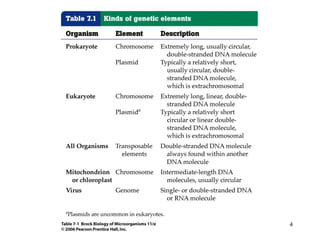
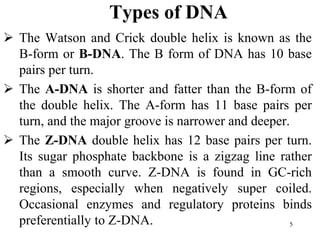
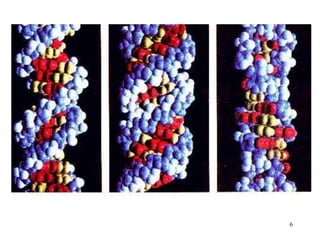
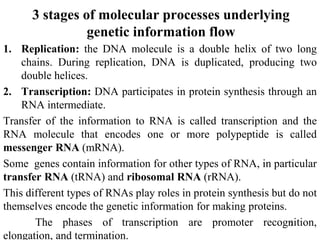
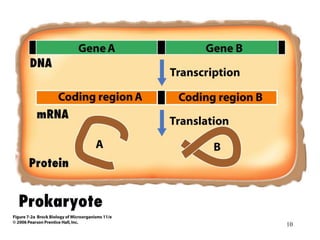
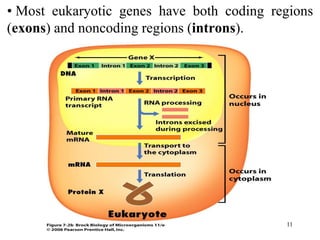
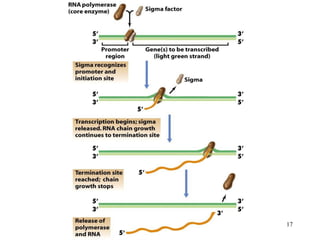
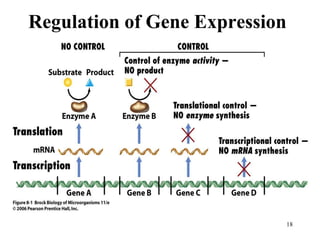
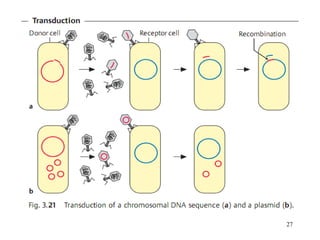
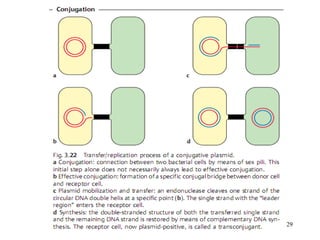
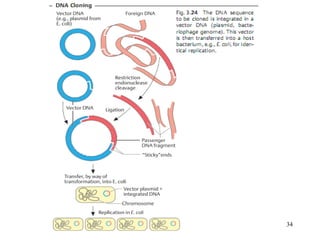
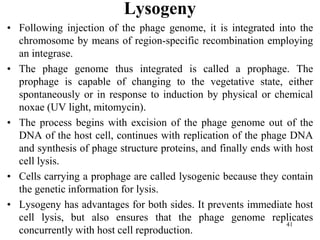
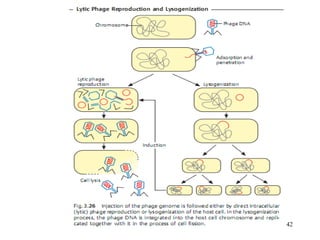
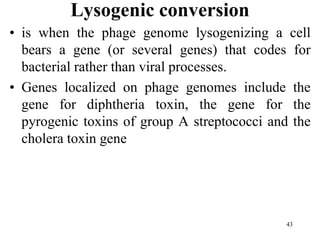

Bacteria possess two genetic structures - the chromosome and plasmids. Plasmids are circular DNA molecules that are not essential for survival but can carry genes for virulence or antibiotic resistance. Bacteria exchange genetic information through transformation, transduction, and conjugation. Transformation involves uptake of naked DNA, transduction uses bacteriophages to transfer DNA, and conjugation requires cell-to-cell contact. Recombination and mutation contribute to genetic variability within bacterial populations. Restriction enzymes help prevent uptake of foreign DNA that is not properly modified.


