Bioprocess Technology(Operation Modes and Scales)13th. July 2010CEPP, UTM Skudai, JohorProf. Dr. Hesham A. El EnshasyFaculty of Chemical EngineeringCEPP, UTM, Skudai, Malaysia
Cultivation systems in Bioprocess Industries1- Two-Phases vs. Three-Phases system 2- Free vs. Immobilized cell system 3- Living cell and enzyme system
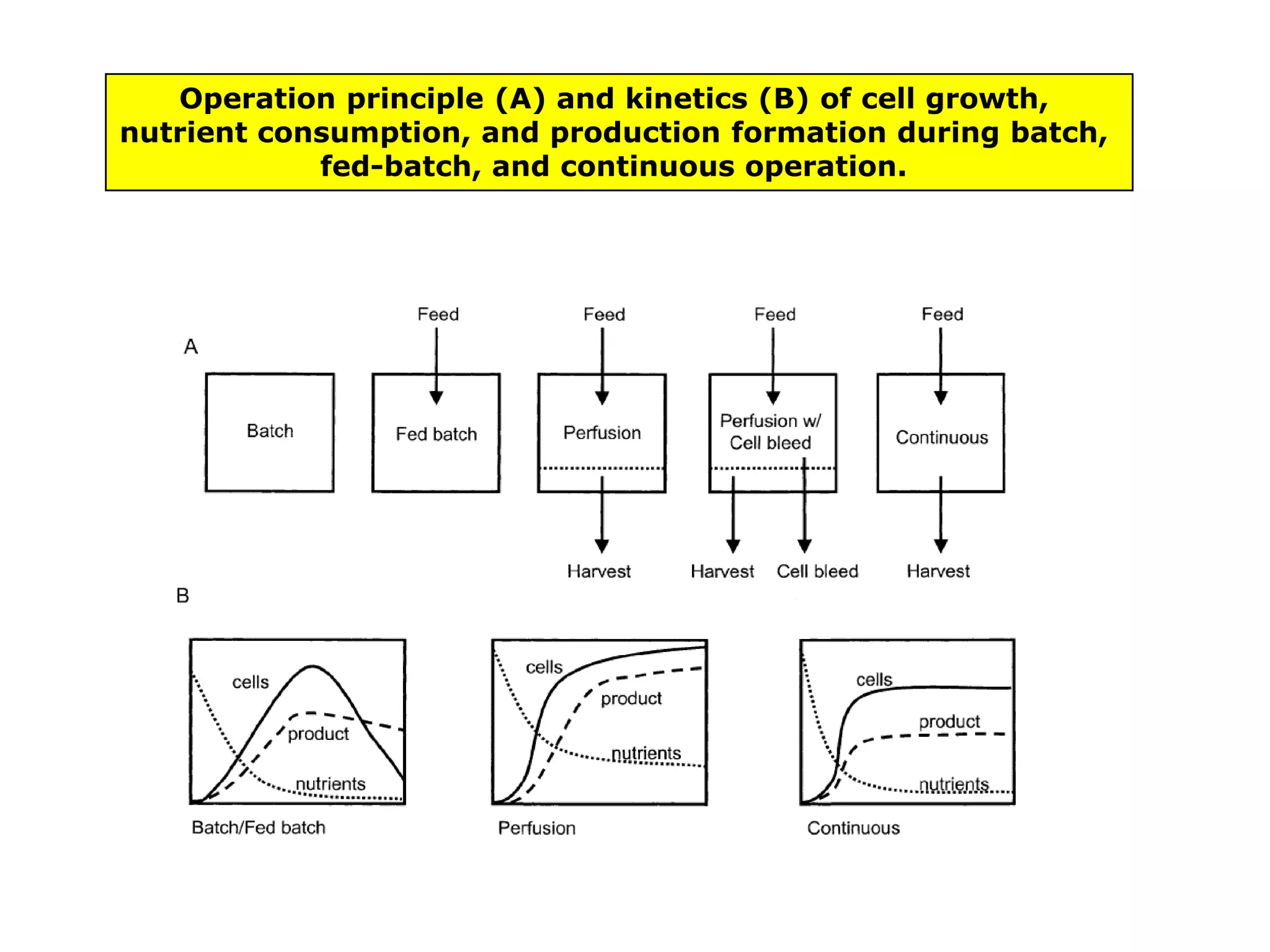
Cultivation modes of submerged culture1- Closed system (Batch culture)2- Semi-closed system (Fed-batch culture)3- Opened system (Continuous culture). Other modes: Immobilized cells 				A- Repeated batch culture				B- Continuous culture  Perfusion culture Operation principle (A) and kinetics (B) of cell growth, nutrient consumption, and production formation during batch, fed-batch, and continuous operation.
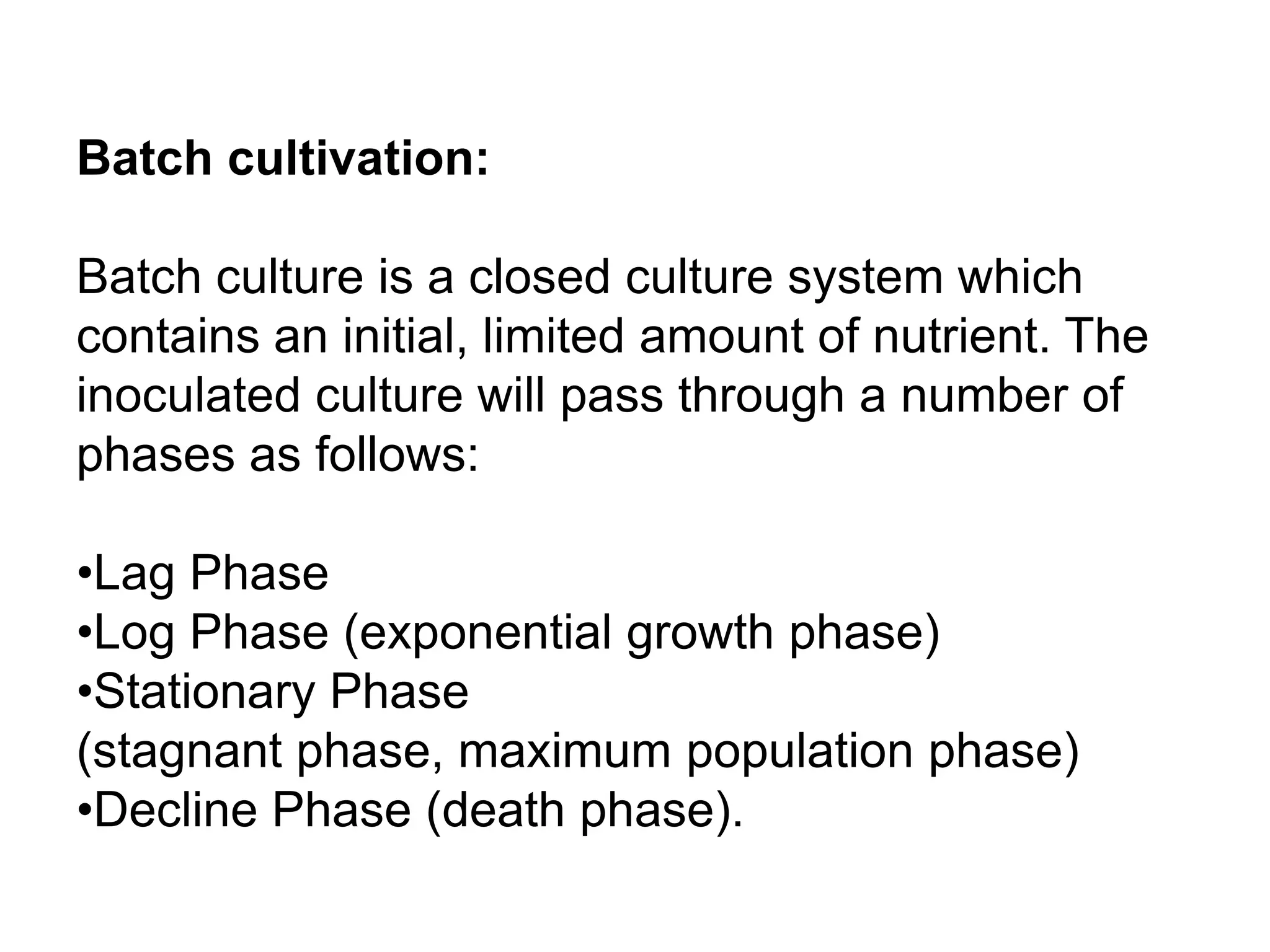
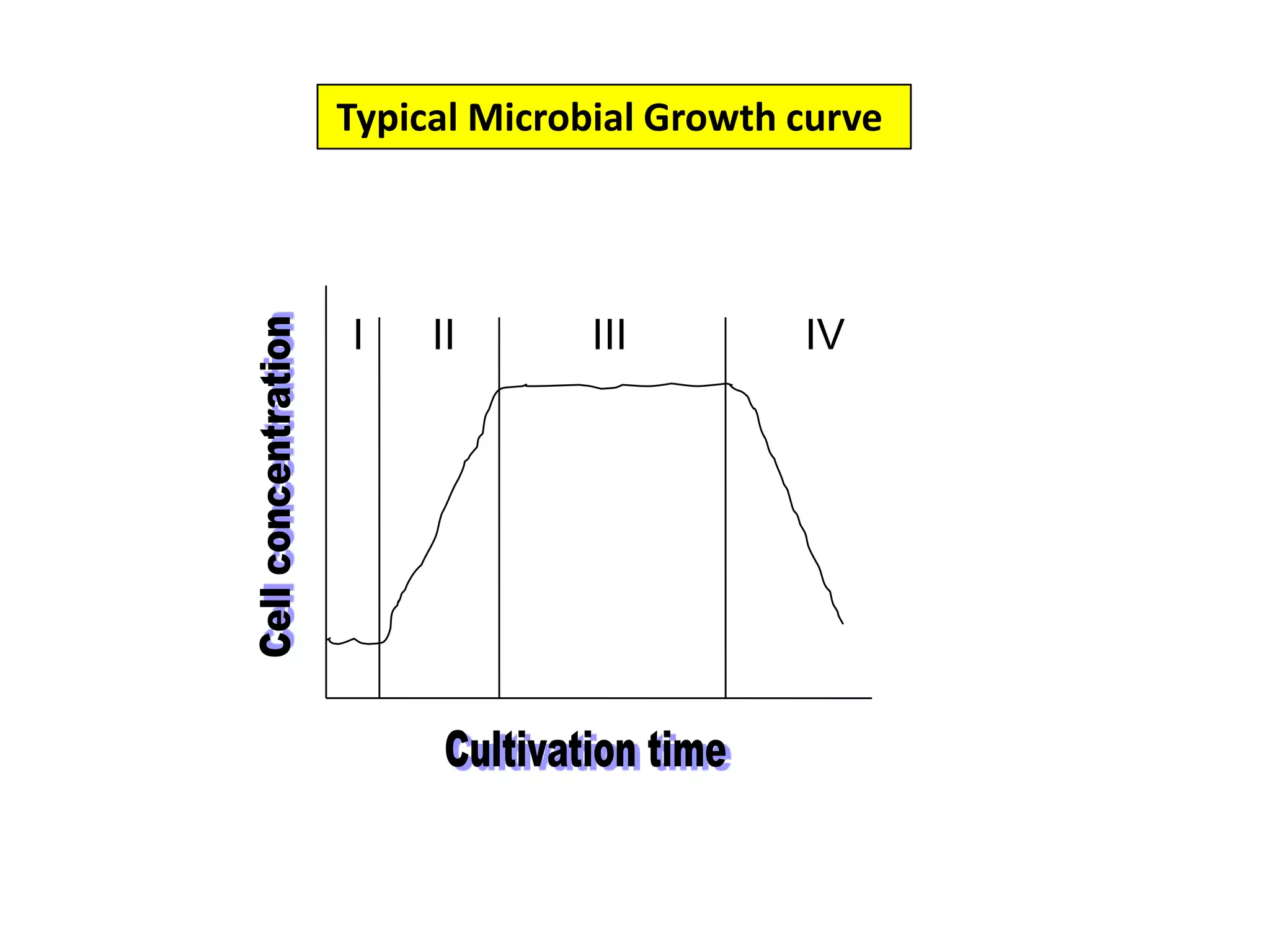
Batch cultivation:Batch culture is a closed culture system which contains an initial, limited amount of nutrient. The inoculated culture will pass through a number of phases as follows:Lag Phase
Log Phase (exponential growth phase)
Stationary Phase (stagnant phase, maximum population phase)Decline Phase (death phase).IIIIIIIVCell concentrationCultivation timeTypical Microbial Growth curve
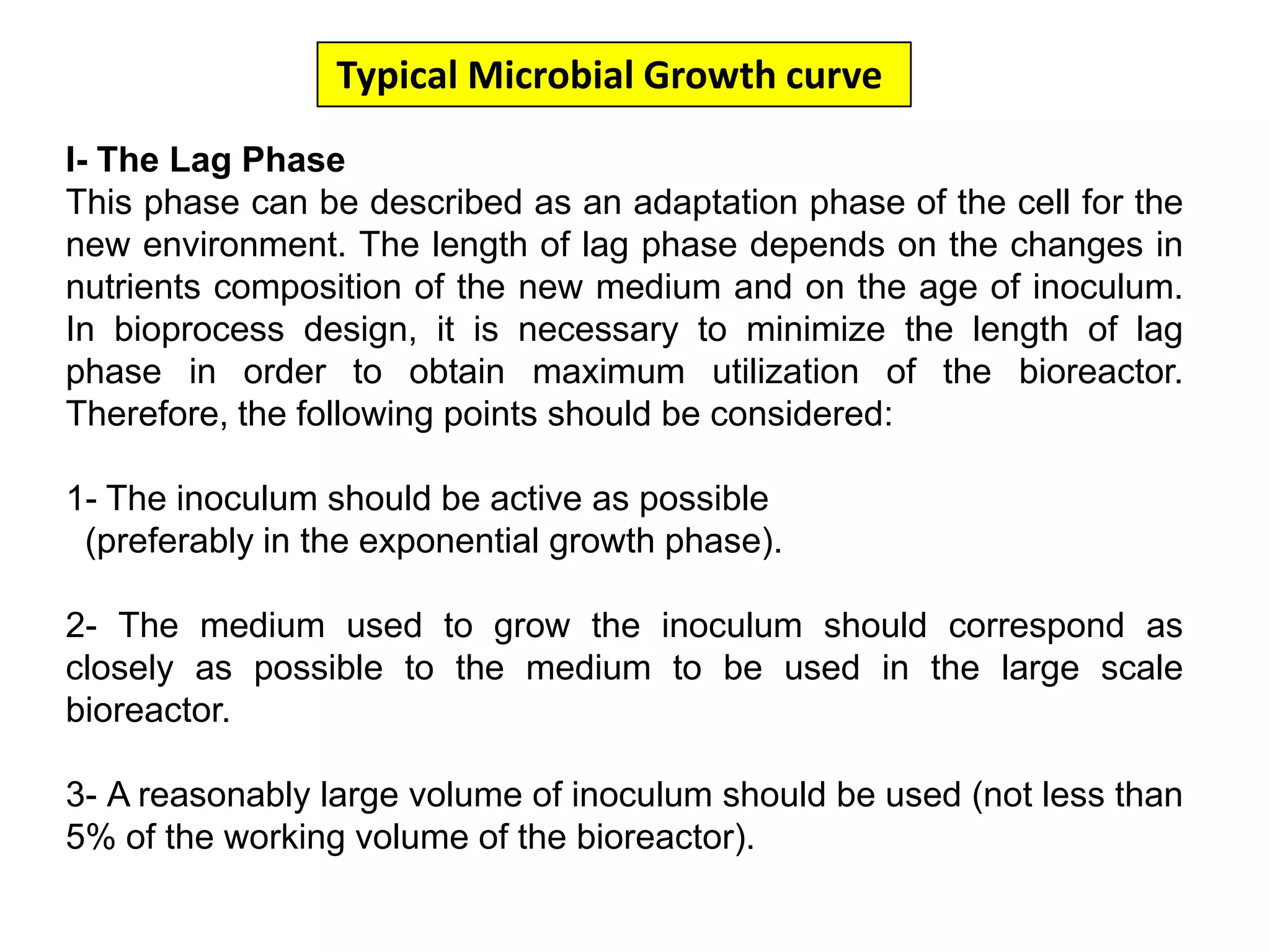
Typical Microbial Growth curve I- The Lag PhaseThis phase can be described as an adaptation phase of the cell for the new environment. The length of lag phase depends on the changes in nutrients composition of the new medium and on the age of inoculum. In bioprocess design, it is necessary to minimize the length of lag phase in order to obtain maximum utilization of the bioreactor. Therefore, the following points should be considered:1- The inoculum should be active as possible (preferably in the exponential growth phase).2- The medium used to grow the inoculum should correspond as closely as possible to the medium to be used in the large scale bioreactor. 3- A reasonably large volume of inoculum should be used (not less than 5% of the working volume of the bioreactor).
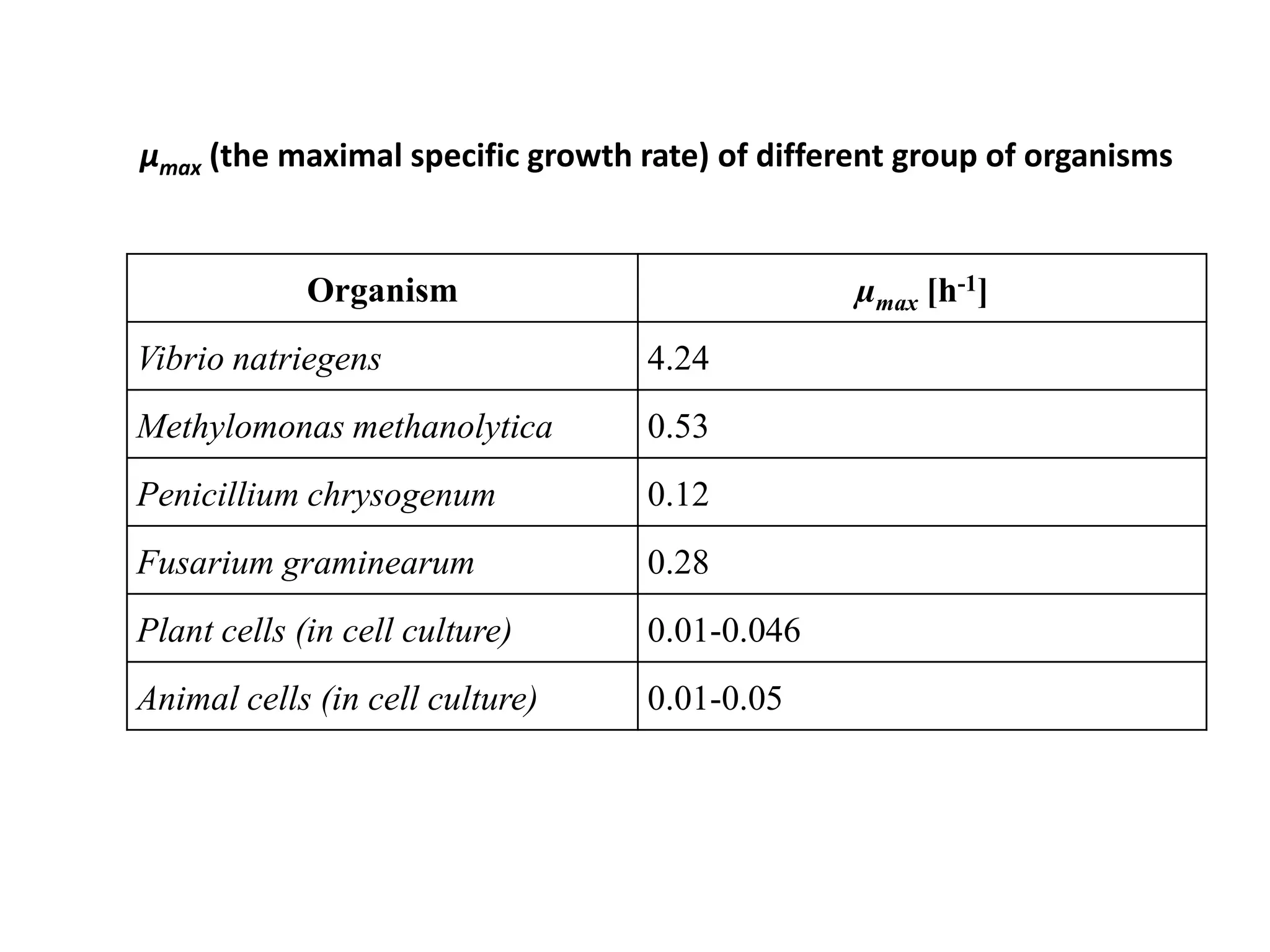
Typical Microbial Growth curve II- The Log Phase:During this phase, cells grow exponentially with time. The relation between time and cell growth during this phase can be described simply as follows:Where, X, is the concentration of microbial biomass, t, is time in hours and µ, is the specific growth rate in [h-1].In general, it is easy to visualize the exponential growth of unicellular organisms which replicate by binary fission. Also, animal and plant cells in suspension culture behave very similar to unicellular microorganisms.
µmax (the maximal specific growth rate) of different group of organisms
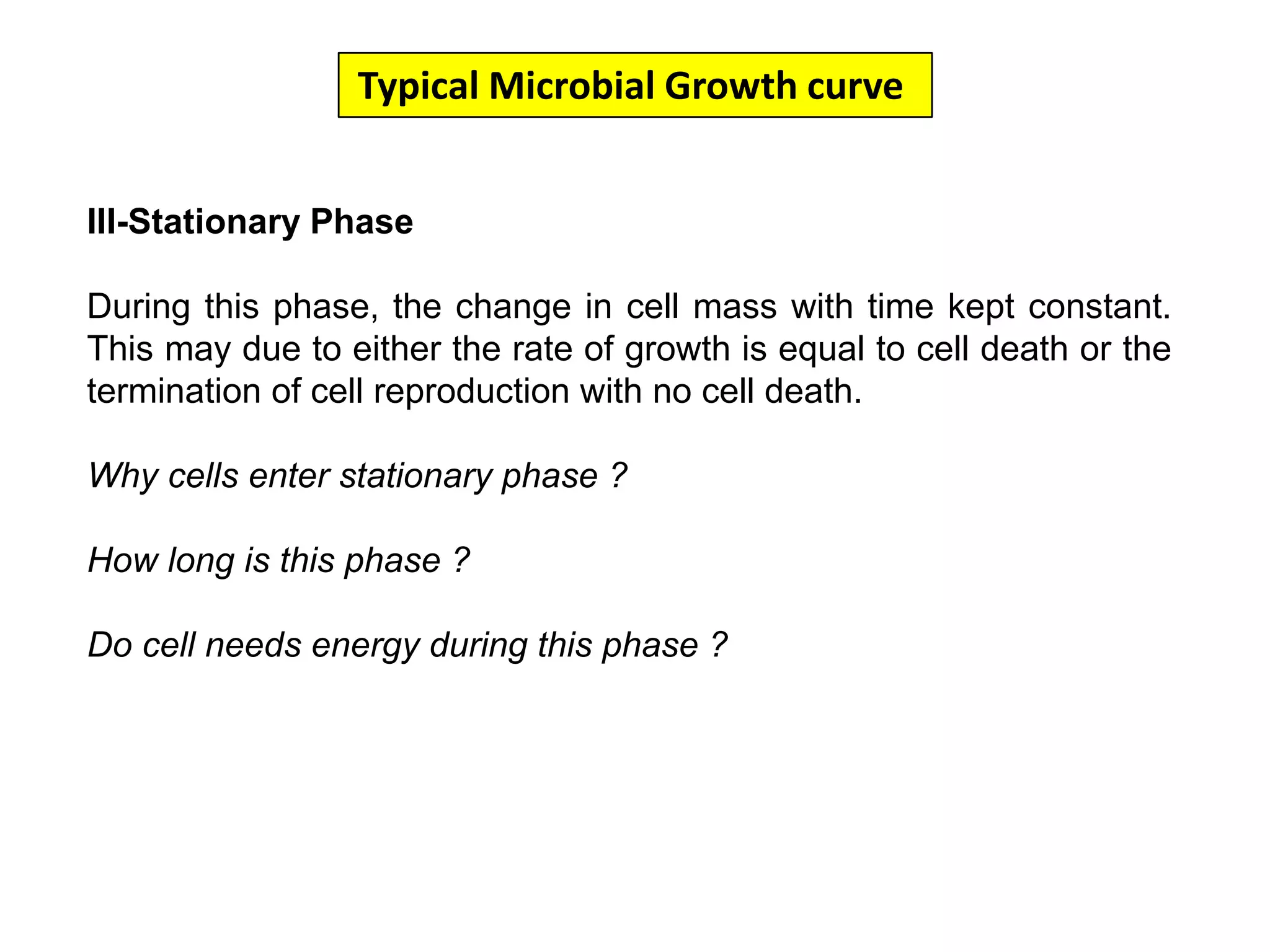
Typical Microbial Growth curve III-Stationary PhaseDuring this phase, the change in cell mass with time kept constant. This may due to either the rate of growth is equal to cell death or the termination of cell reproduction with no cell death. Why cells enter stationary phase ?How long is this phase ?Do cell needs energy during this phase ?
Typical Microbial Growth curve IV- Decline Phase (death phase)This phase is characterized by significant decrease in cell mass (cell number) due to cell lysis.
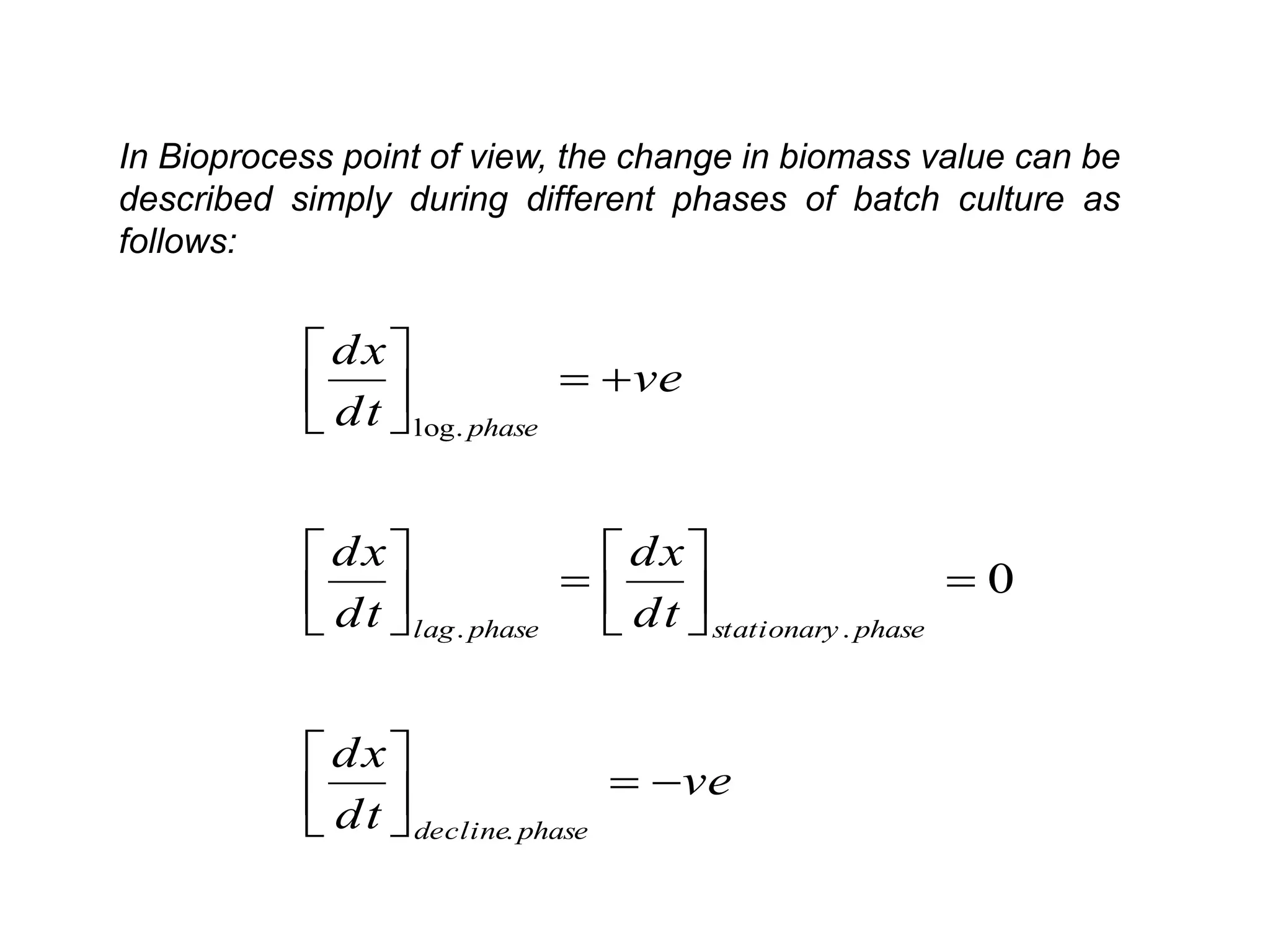
In Bioprocess point of view, the change in biomass value can be described simply during different phases of batch culture as follows:
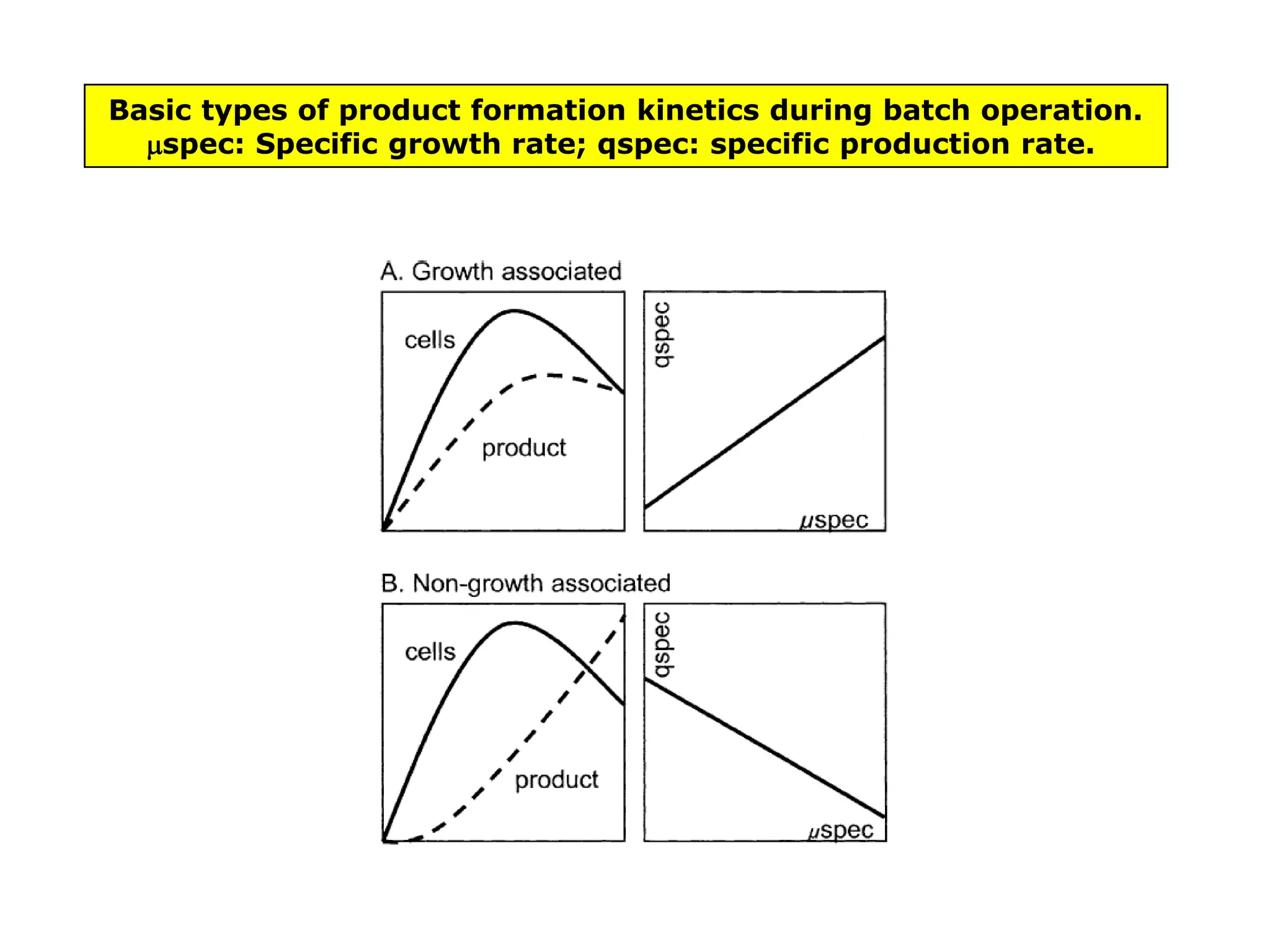
Basic types of product formation kinetics during batch operation. spec: Specific growth rate; qspec: specific production rate.
Growth of filamentous microorganismsIn submerged cultivation involving filamentous organisms, the morphology can vary from discrete compact pellets of hyphae to homogeneous suspension of dispersed mycelia. These morphological differences are associated with significant differences in growth kinetics and physiology. Growth of dispersed mycelia is effectively equivalent to that of unicellular, with homogenous distribution of biomass, substrates and products and exponential growth (Monod type) at a constant specific growth rate in batch culture where substrate(s) are in excess.
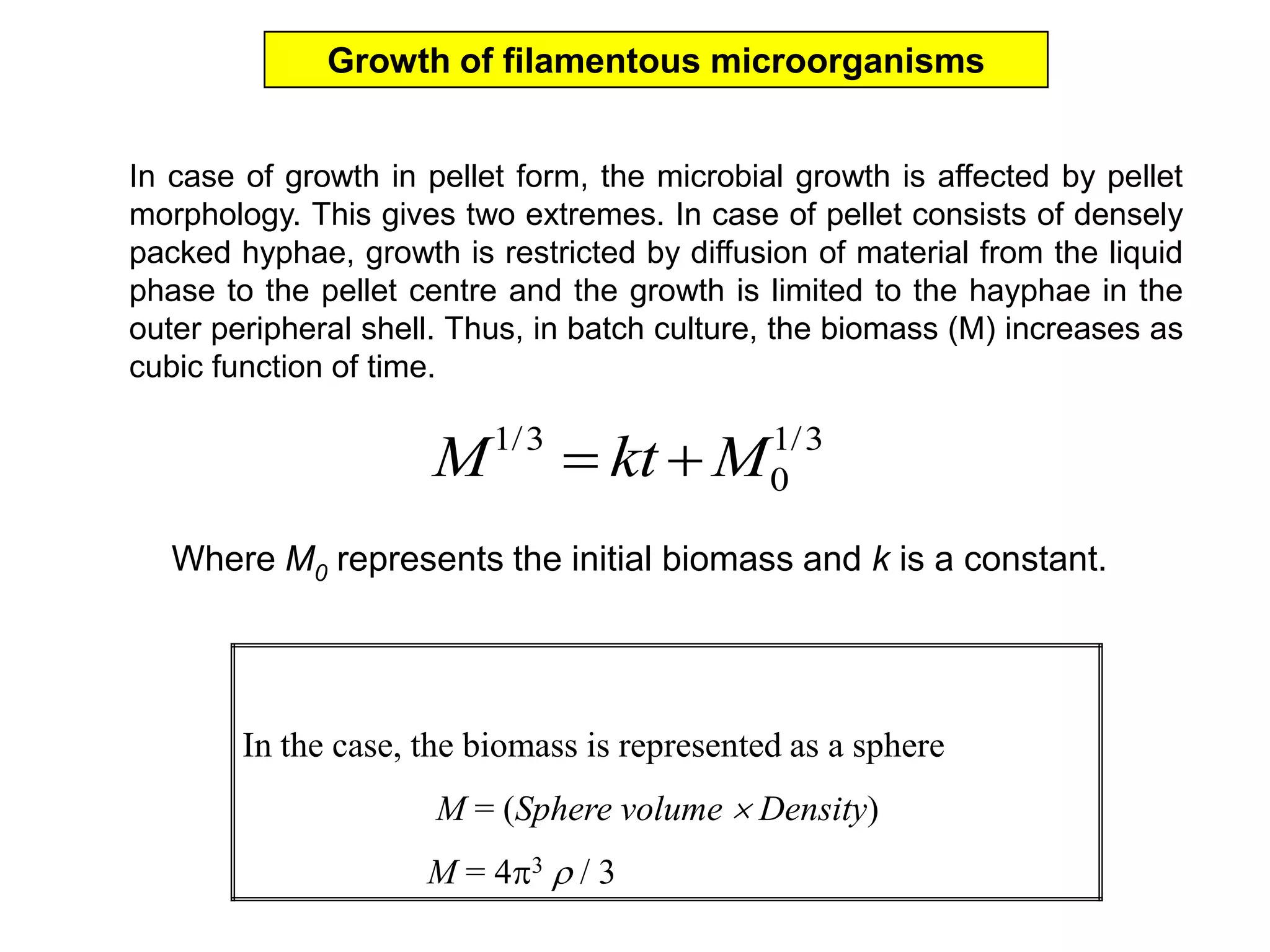
Growth of filamentous microorganismsIn case of growth in pellet form, the microbial growth is affected by pellet morphology. This gives two extremes. In case of pellet consists of densely packed hyphae, growth is restricted by diffusion of material from the liquid phase to the pellet centre and the growth is limited to the hayphae in the outer peripheral shell. Thus, in batch culture, the biomass (M) increases as cubic function of time. Where M0 represents the initial biomass and k is a constant.
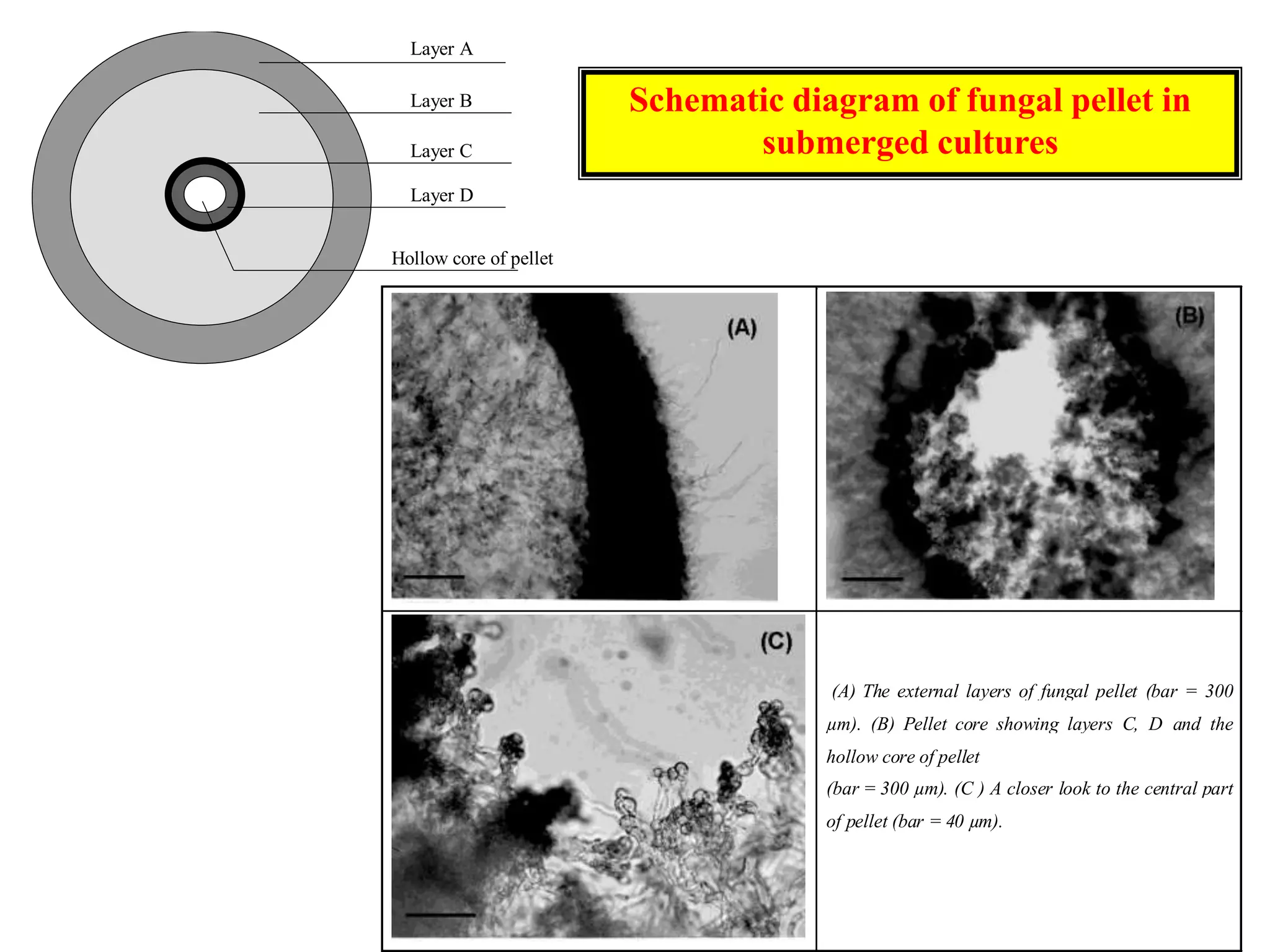
Schematic diagram of fungal pellet insubmerged cultures
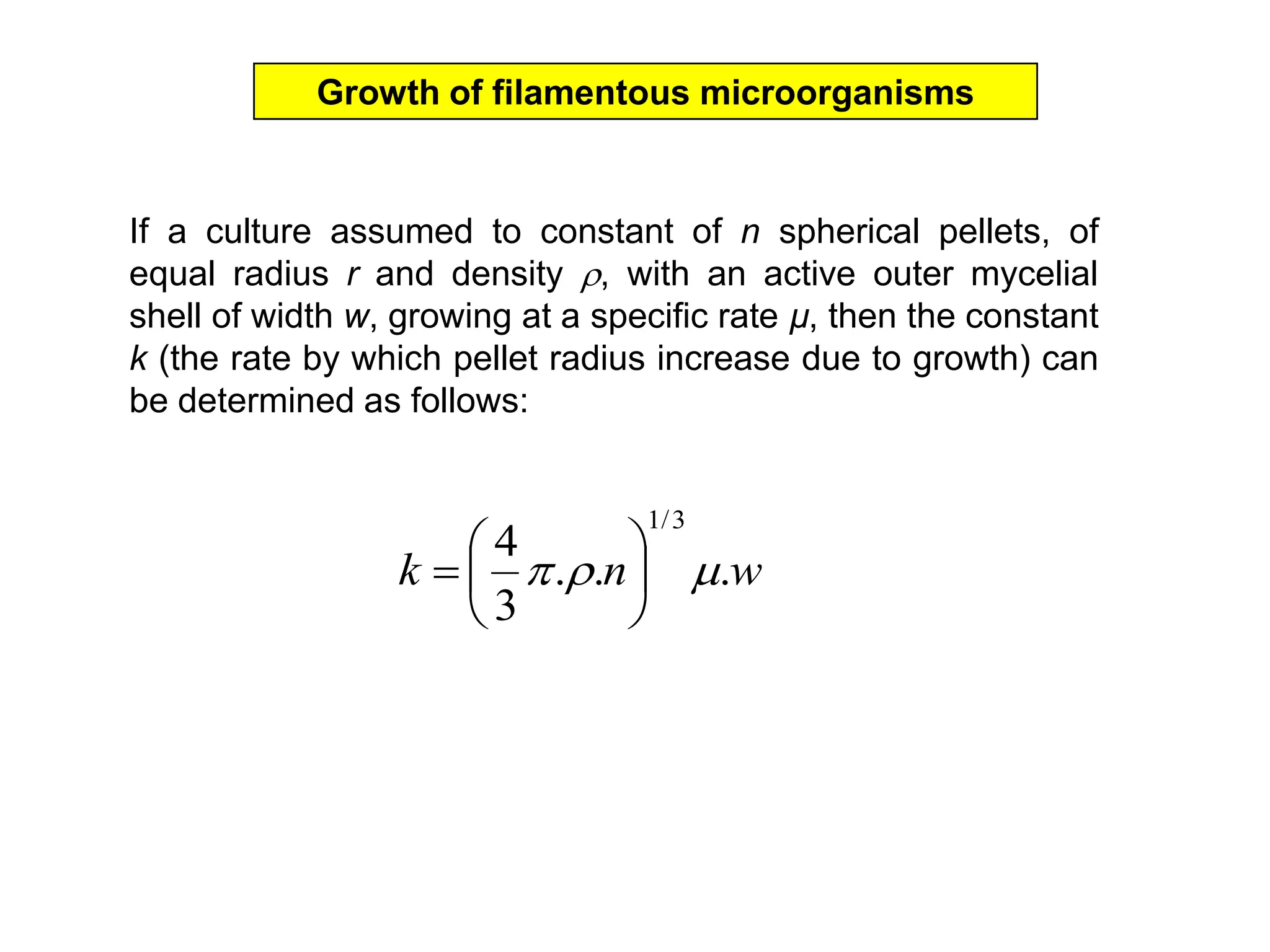
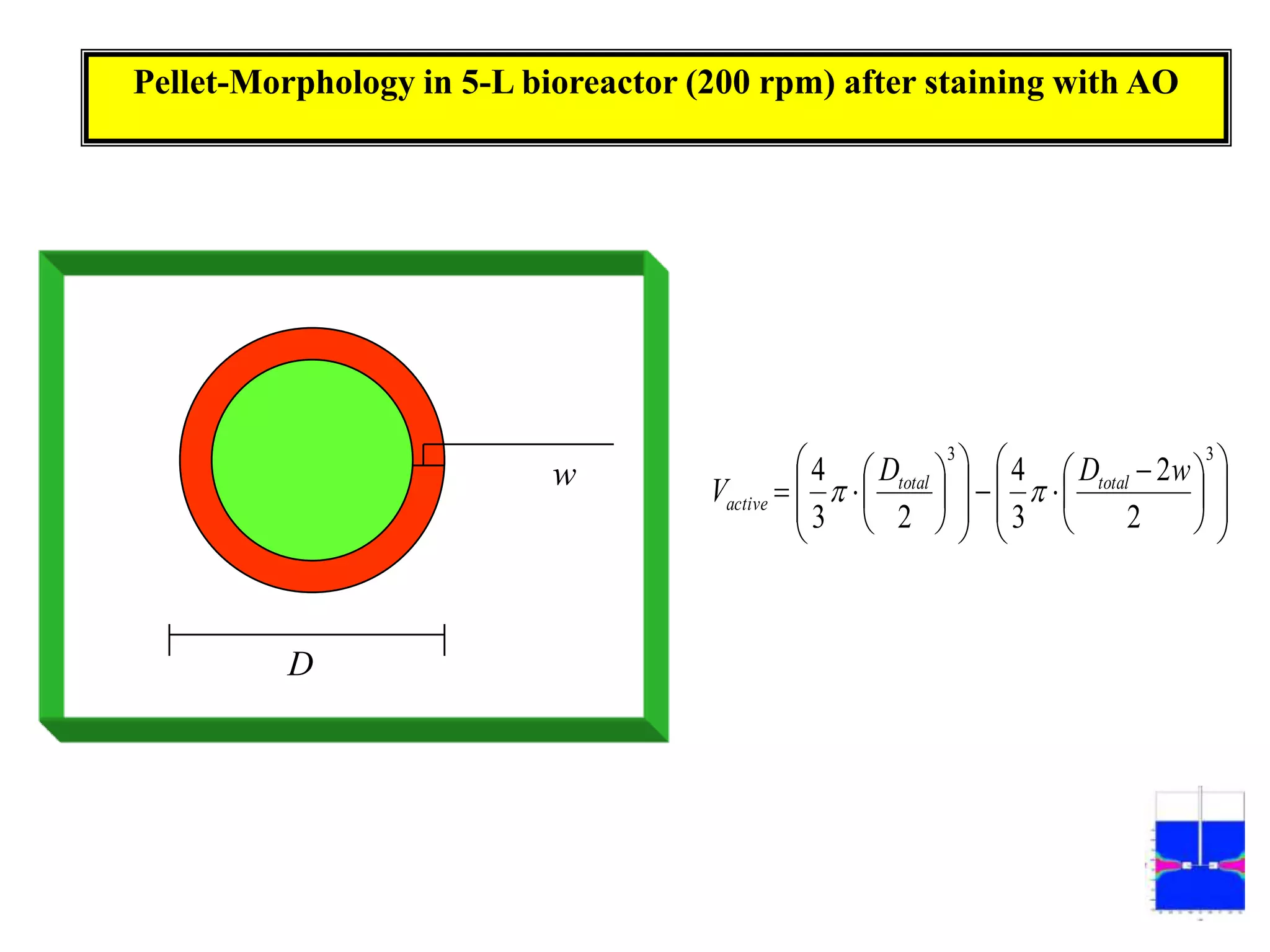
Growth of filamentous microorganismsIf a culture assumed to constant of n spherical pellets, of equal radius r and density , with an active outer mycelial shell of width w, growing at a specific rate µ, then the constant k (the rate by which pellet radius increase due to growth) can be determined as follows:
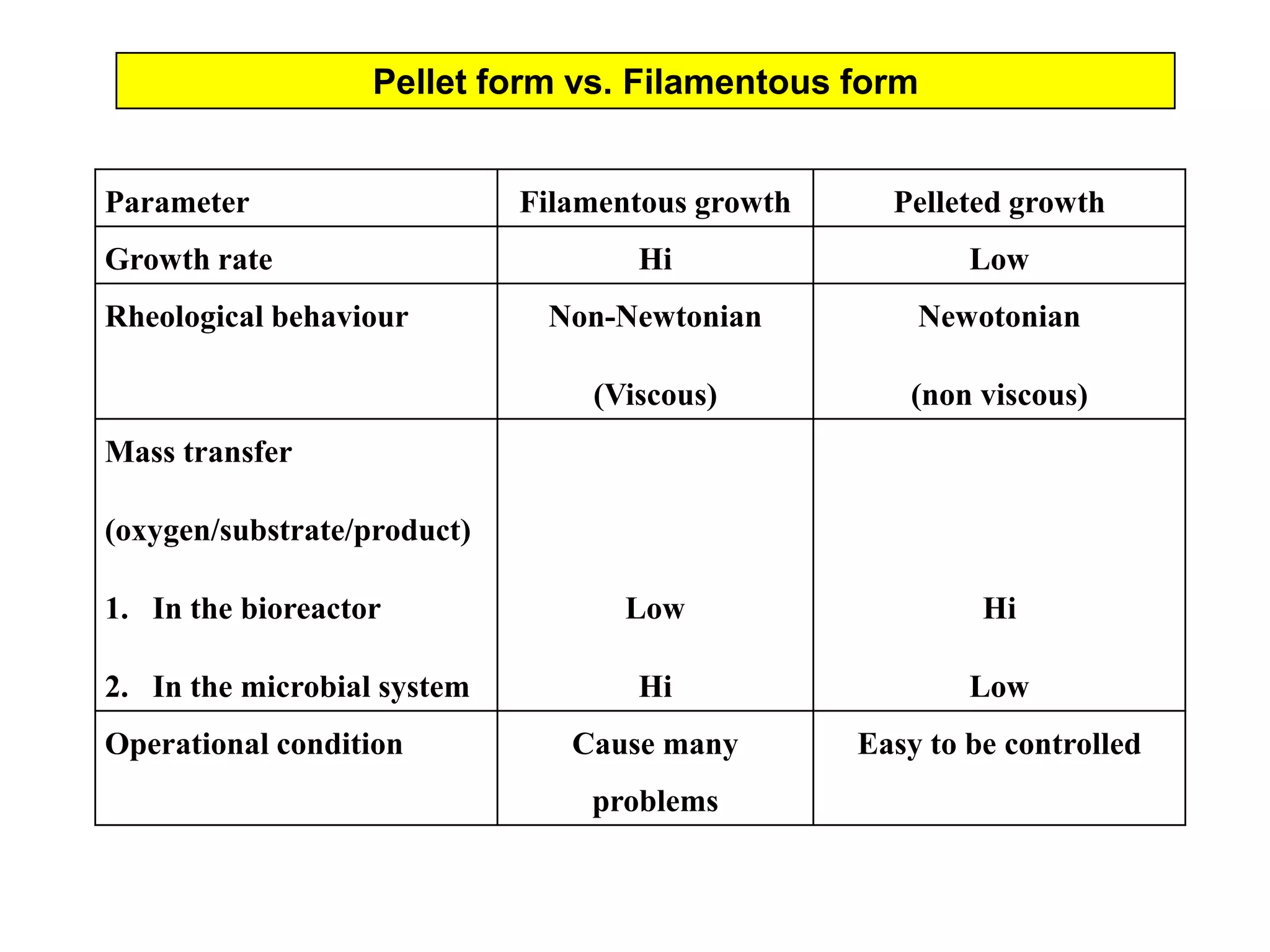
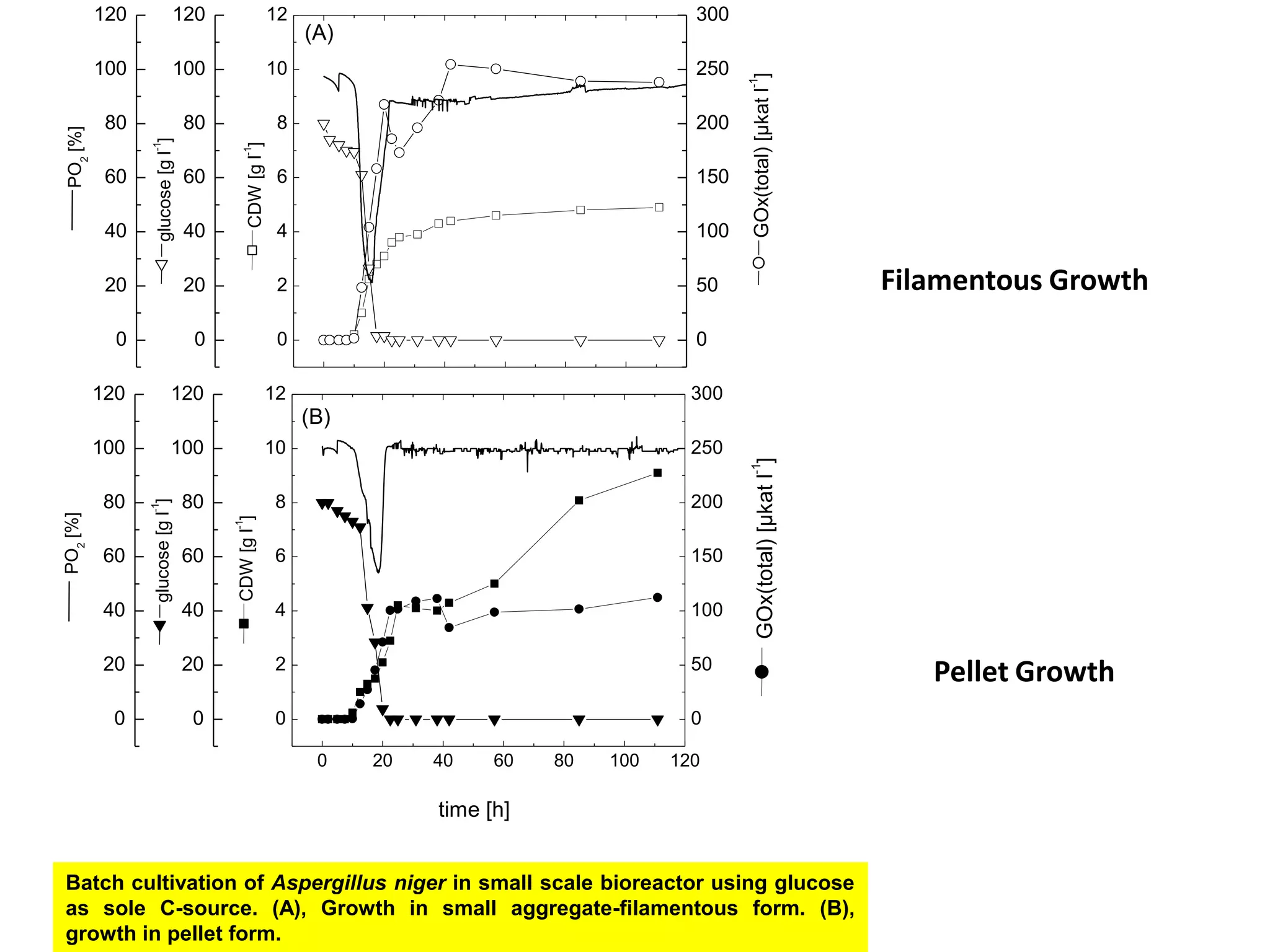
Pellet form vs. Filamentous form
Filamentous GrowthPellet GrowthBatch cultivation of Aspergillusniger in small scale bioreactor using glucose as sole C-source. (A), Growth in small aggregate-filamentous form. (B), growth in pellet form.
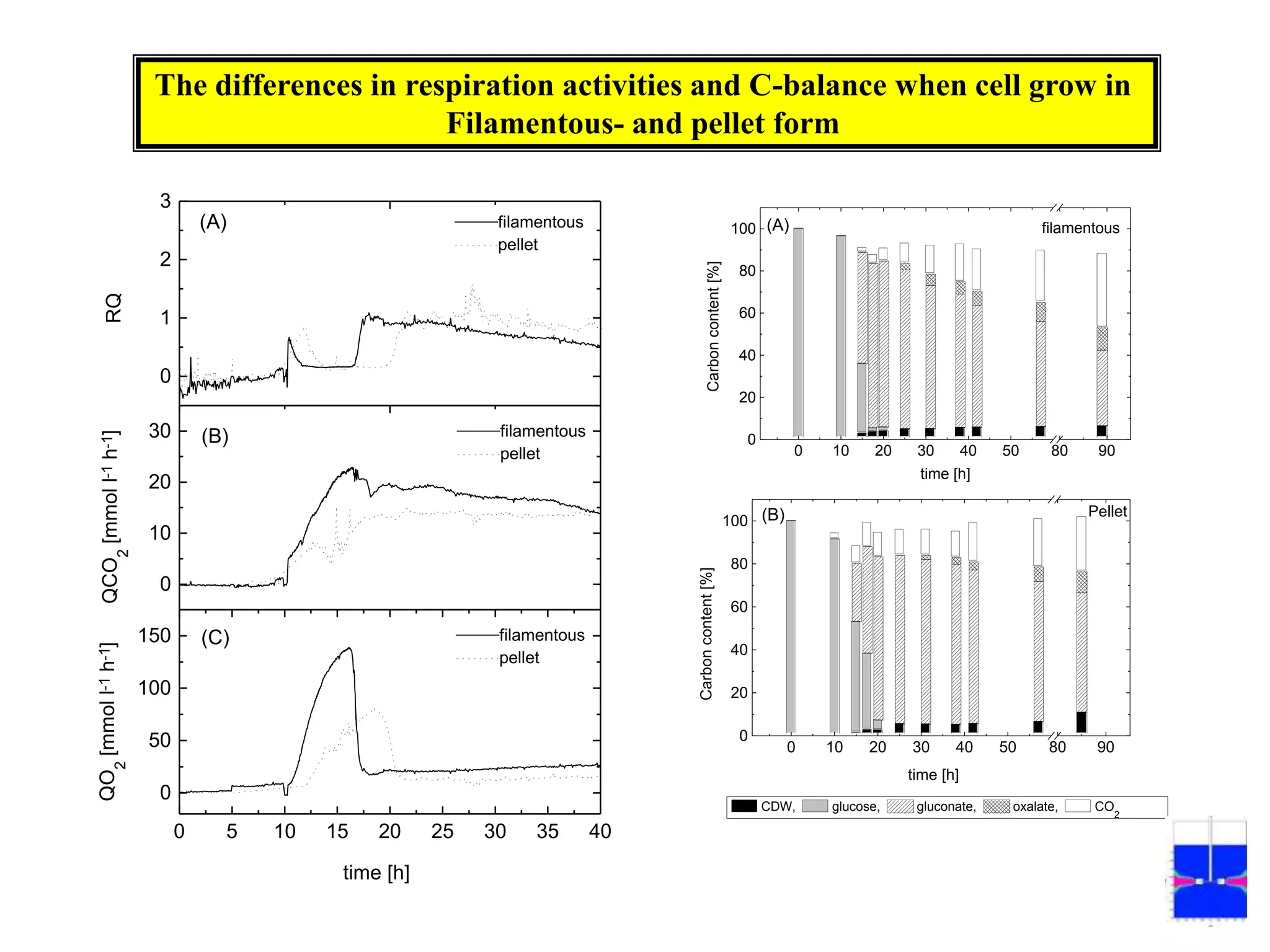
The differences in respiration activities and C-balance when cell grow in Filamentous- and pellet form
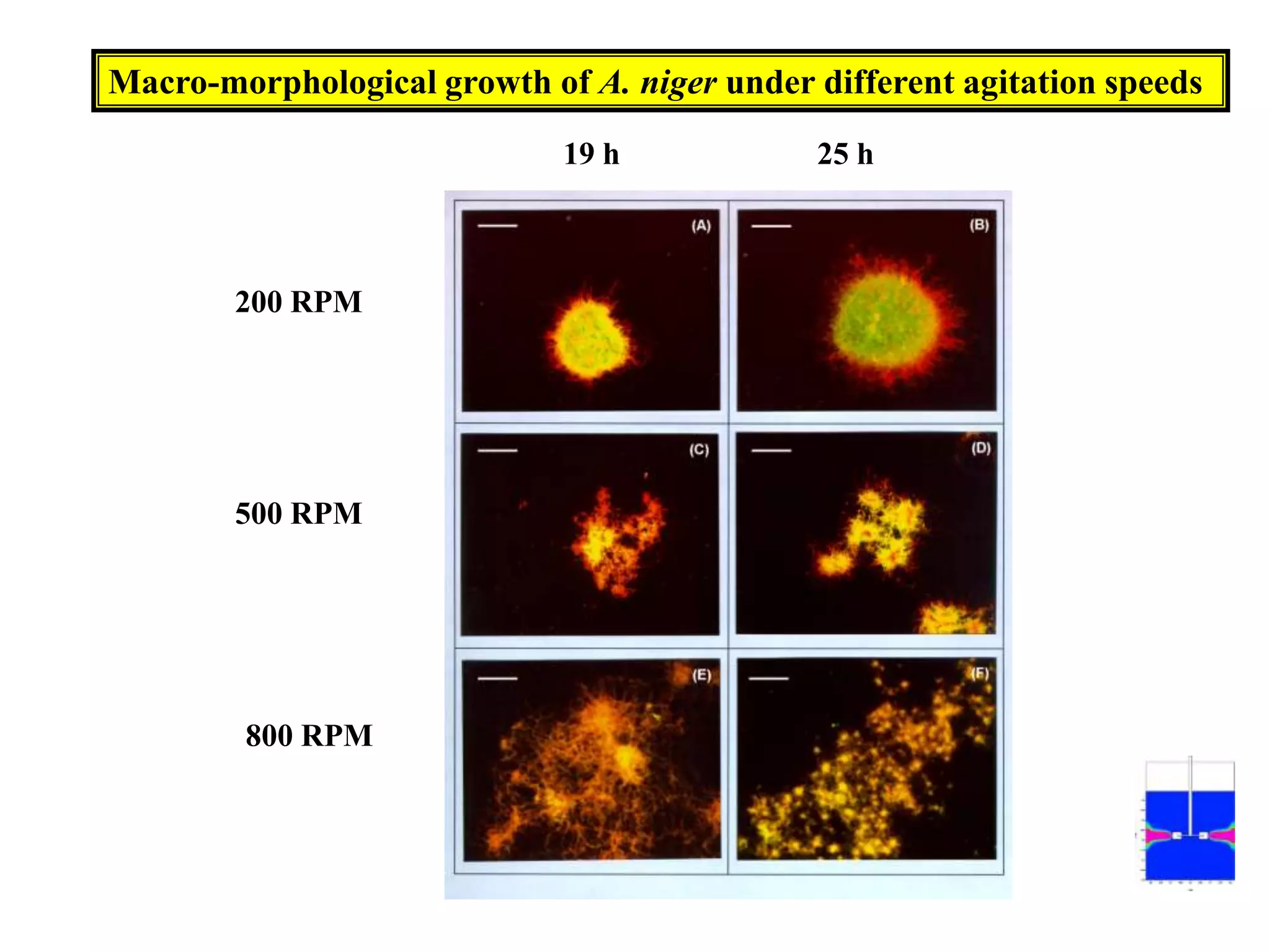
Macro-morphological growth of A. niger under different agitation speeds19 h25 h200 RPM500 RPM800 RPM
Pellet-Morphology in 5-L bioreactor (200 rpm) after staining with AOwD
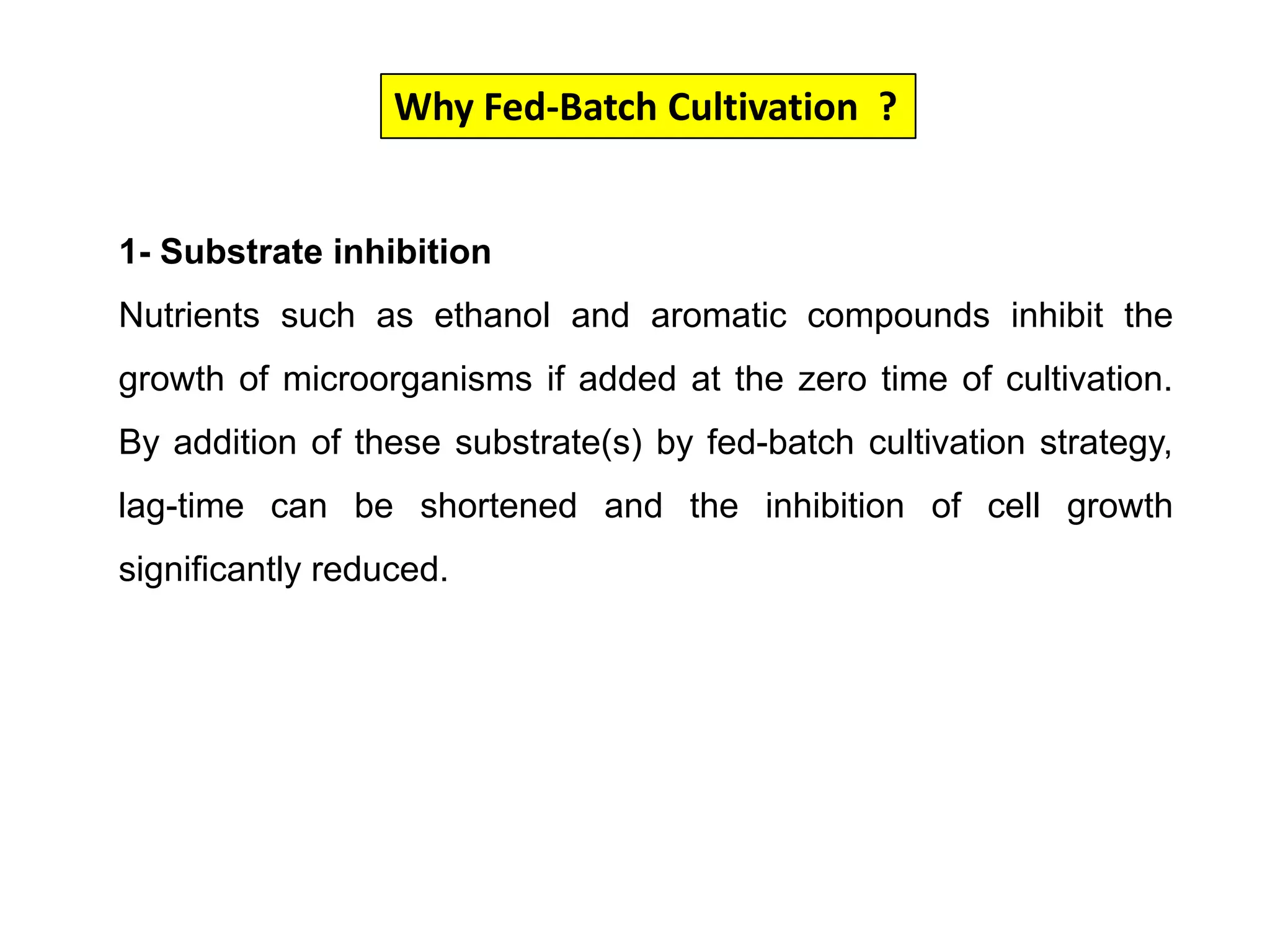
Fed-Batch Cultivation Fed-batch cultivation is superior to conventional batch especially when changing concentrations of nutrient(s) affect the yield or productivity of the desired metabolite(s). There are also other minor advantages of medium feeding. However, these advantages can be summarized as follows:1- Substrate inhibition2- Catabolite repression3- Extension of operation time4- Replacement of water lost by evaporation 5- Decreasing viscosity of broth6- High cell density cultivation
Why Fed-Batch Cultivation  ?1- Substrate inhibitionNutrients such as ethanol and aromatic compounds inhibit the growth of microorganisms if added at the zero time of cultivation. By addition of these substrate(s) by fed-batch cultivation strategy, lag-time can be shortened and the inhibition of cell growth significantly reduced.
Why Fed-Batch Cultivation  ?2- Catabolite repressionWhen a microorganism is provided with a rapidly metabolized carbon-energy source such as glucose, the resulting increase of the intracellular concentration of ATP leads to the repression of enzyme synthesis, thus causing a slower metabolization of the energy source. This phenomena is known as catabolite repression. A powerful method to overcoming catabolite repression in enzyme biosynthesis is a fed-batch culture in which the glucose concentration in the culture liquid is kept low, where growth is restricted, and enzyme synthesis is depressed.
Why Fed-Batch Cultivation  ?3- Extension of operation timeIn a non-growth-associated microbial process, such as antibiotic production, microorganisms initially rapidly utilize the carbon-energy source for growth and then synthesize the desired secondary metabolite in the subsequent declining phase and early stationary phase. In the conventional batch process, this production phase is short, due to the depletion of the carbon-energy source; the subsequent cell autolysis is rapid and severe. Thus, after transition from growth to production phase, it is important to maintain a concentration of the carbon-energy source where the microorganisms are semi-starved but where enzyme activity for synthesis is highest.
Why Fed-Batch Cultivation  ?4- Replacement of water lost by evaporation In aerobic microbial processes during extended reaction period, such as in antibiotic production (1-2 weeks), considerable amounts of water are lost as the vapour from through exhaust gas. For example for a cultivation process operation at 30°C with 1.0 vvm aeration (60% relative humidity), about 25% of water will be lost after 2 weeks. This leads to a considerable concentration of the mycelial broth and an accompanying changed in its rheological behaviour.
Why Fed-Batch Cultivation  ?5- Decreasing viscosity of brothIn microbial biopolymer production such as dextran, pullulan and xanthan, broth viscosity can be kept low by continuous feeding of nutrients. Otherwise, the significant increase in broth viscosity will raise the agitation power consumption and low oxygen transfer efficiency.
Why Fed-Batch Cultivation  ?6- High cell density cultivationTo achieve high cell density concentration (some times up to 100 g CDW per liter) in batch culture, a high concentration of nutrients is required. As such high concentrations nutrients become inhibitory. Thus, fed-batch cultivation is necessary to achieve a high cell density culture.
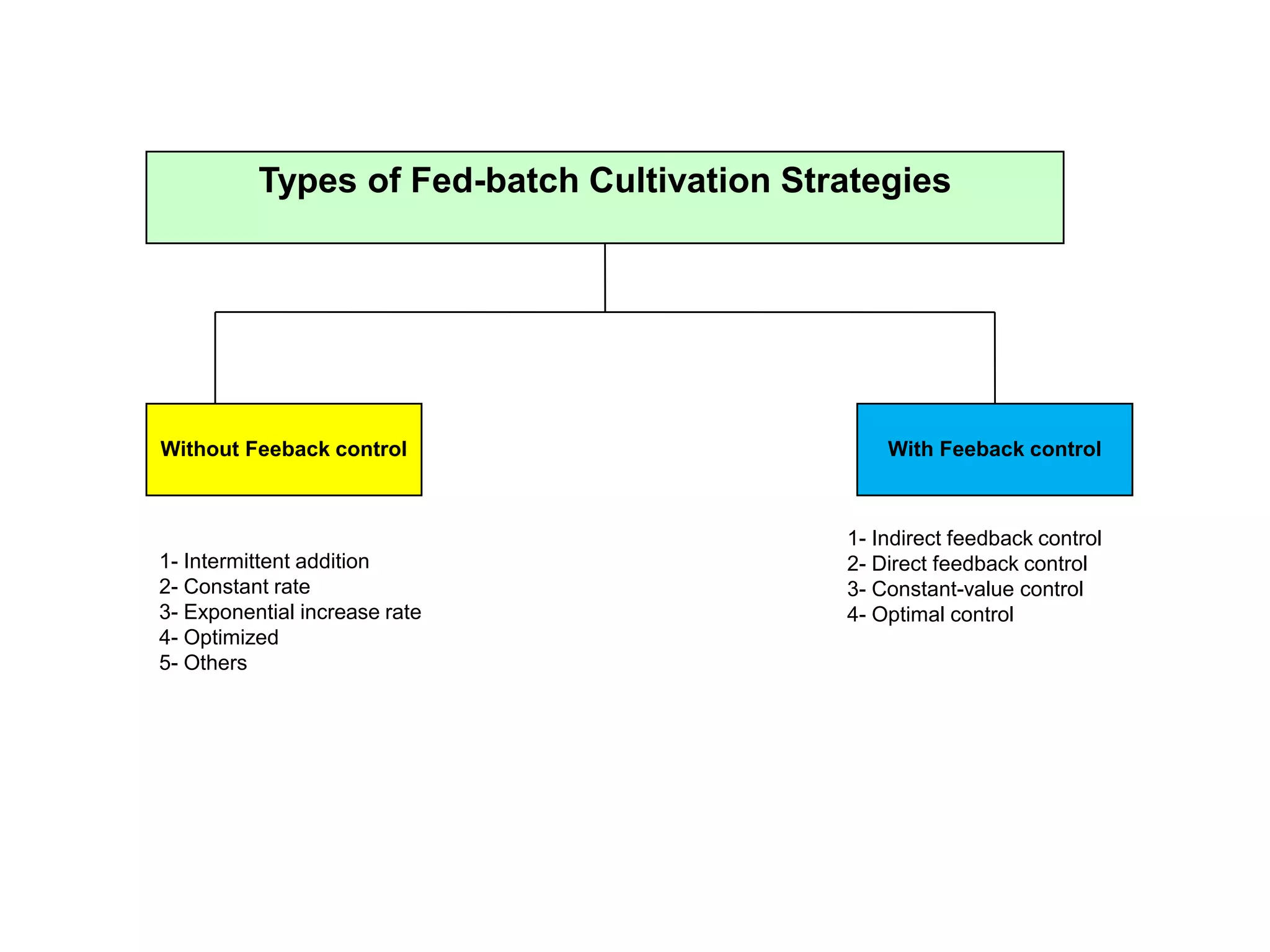
Types of Fed-batch Cultivation StrategiesWithout Feeback controlWith Feeback control1- Indirect feedback control2- Direct feedback control3- Constant-value control4- Optimal control 1- Intermittent addition2- Constant rate3- Exponential increase rate4- Optimized5- Others
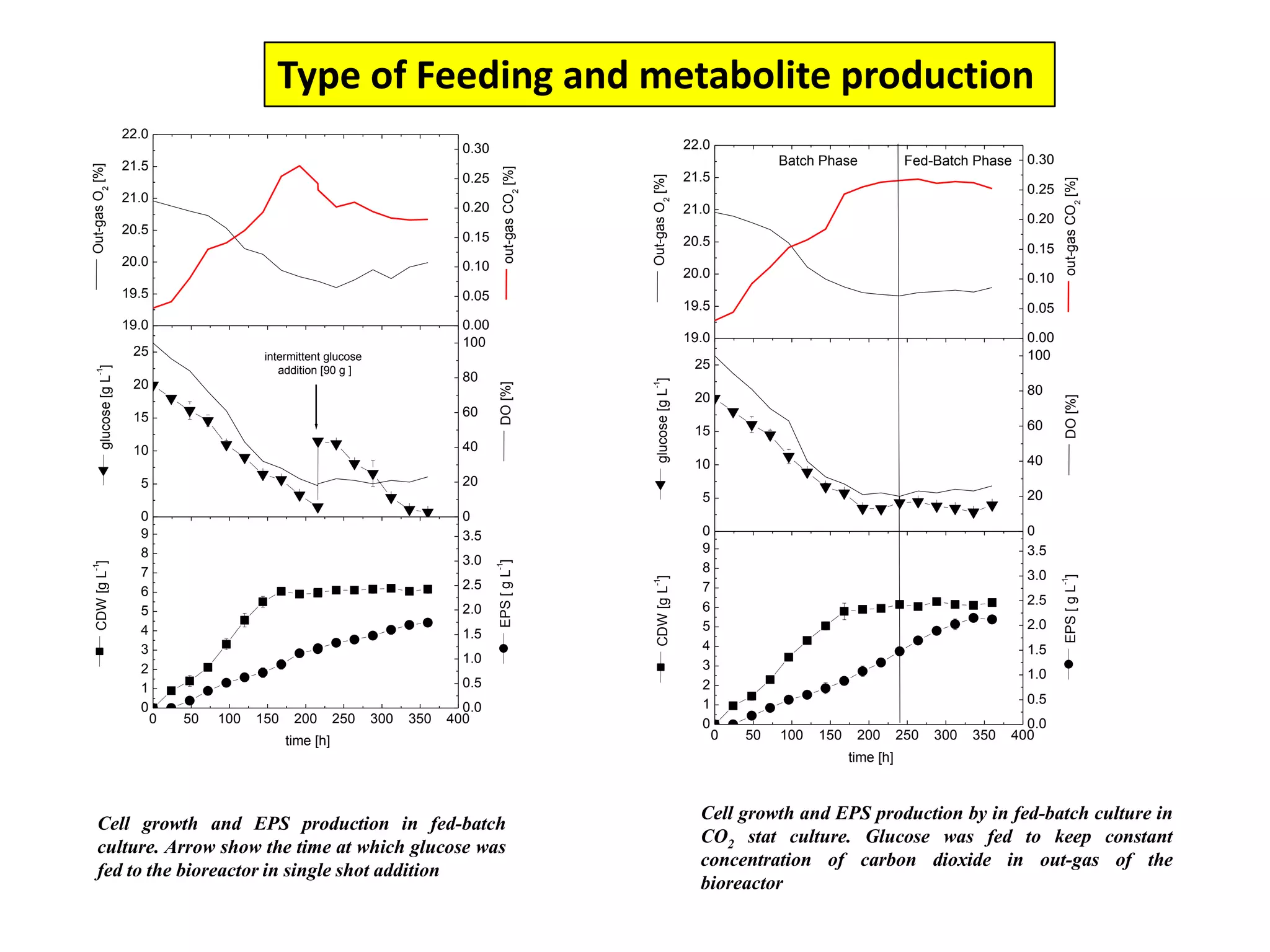
Type of Feeding and metabolite productionCell growth and EPS production by in fed-batch culture in CO2 stat culture. Glucose was fed to keep constant concentration of carbon dioxide in out-gas of the bioreactor Cell growth and EPS production in fed-batch culture. Arrow show the time at which glucose was fed to the bioreactor in single shot addition
Exponential feeding of substrate(s)Example:Fed-batch cultivation strategy (exponential feeding) for a recombinant strain of Asperigllusniger for glucose oxidase production. WhereMs 	Mass flow of substrate [g h-1]t	Cultivation time [h]tF	Start time of feeding phase [h]µset	Adjusted specific growth rate [h-1]E	Maintenance coefficient [g g-1 h-1]YX/S	The biomass/substrate yield coefficient [g g-1]XF	The biomass concentration at the start time of feeding phase [g]VL	The culture volume [L]
3- Open system (Continuous Culture)In continuous cultivation strategy, the substrate is added to the bioreactor continously at a fixed rate. This maintains the organisms in the logarithmic growth phase. The fermentation products are taken out continuously. The design and arrangements for continuous fermentation, are some what complex.
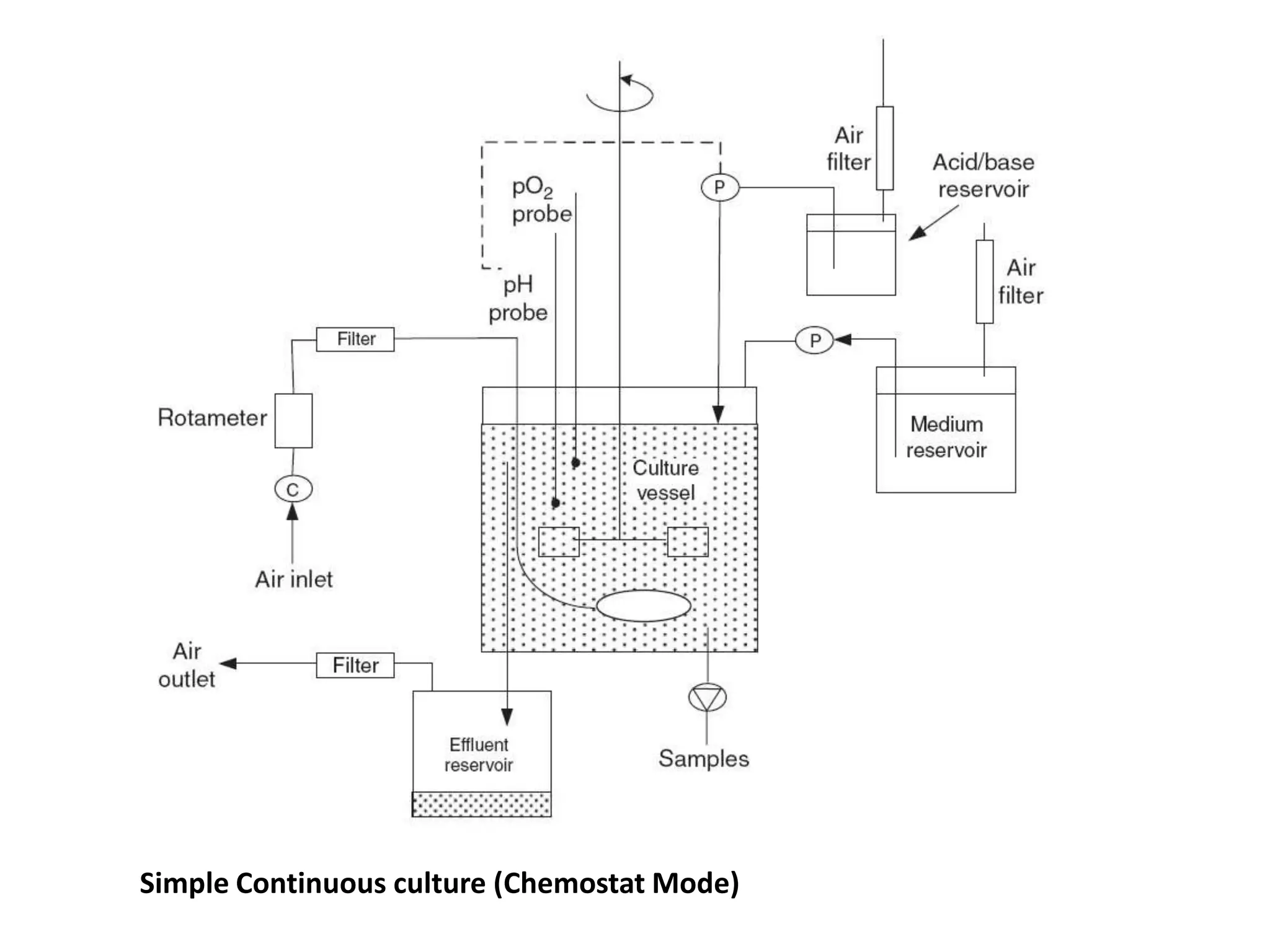
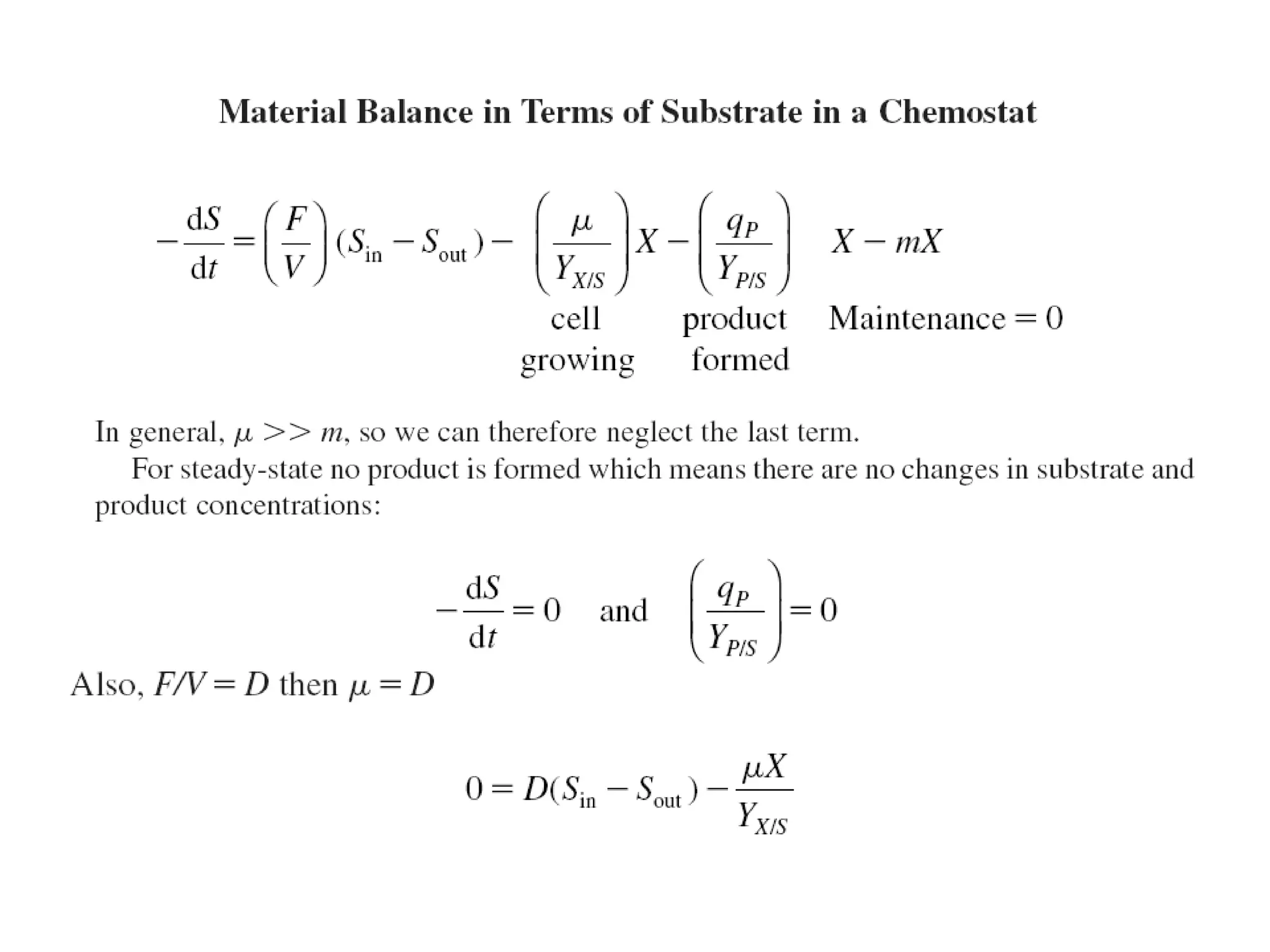
Common strategies for continuous cultureA- Chemostat Culture : Key nutrient concentration kept constant during the process (growth rate is controlled by dilution rate (D)B- Turbidostate:  (Optical density of culture kept constant during the process) In chemostat culture, nutrients are supplied at a constant flow rate and the cell density is adjusted with the supplied essential nutrients for growth. Thus, growth rate is determined by the utilization of substrates such as: Carbon, nitrogen and phosphate.
Simple Continuous culture (Chemostat Mode)
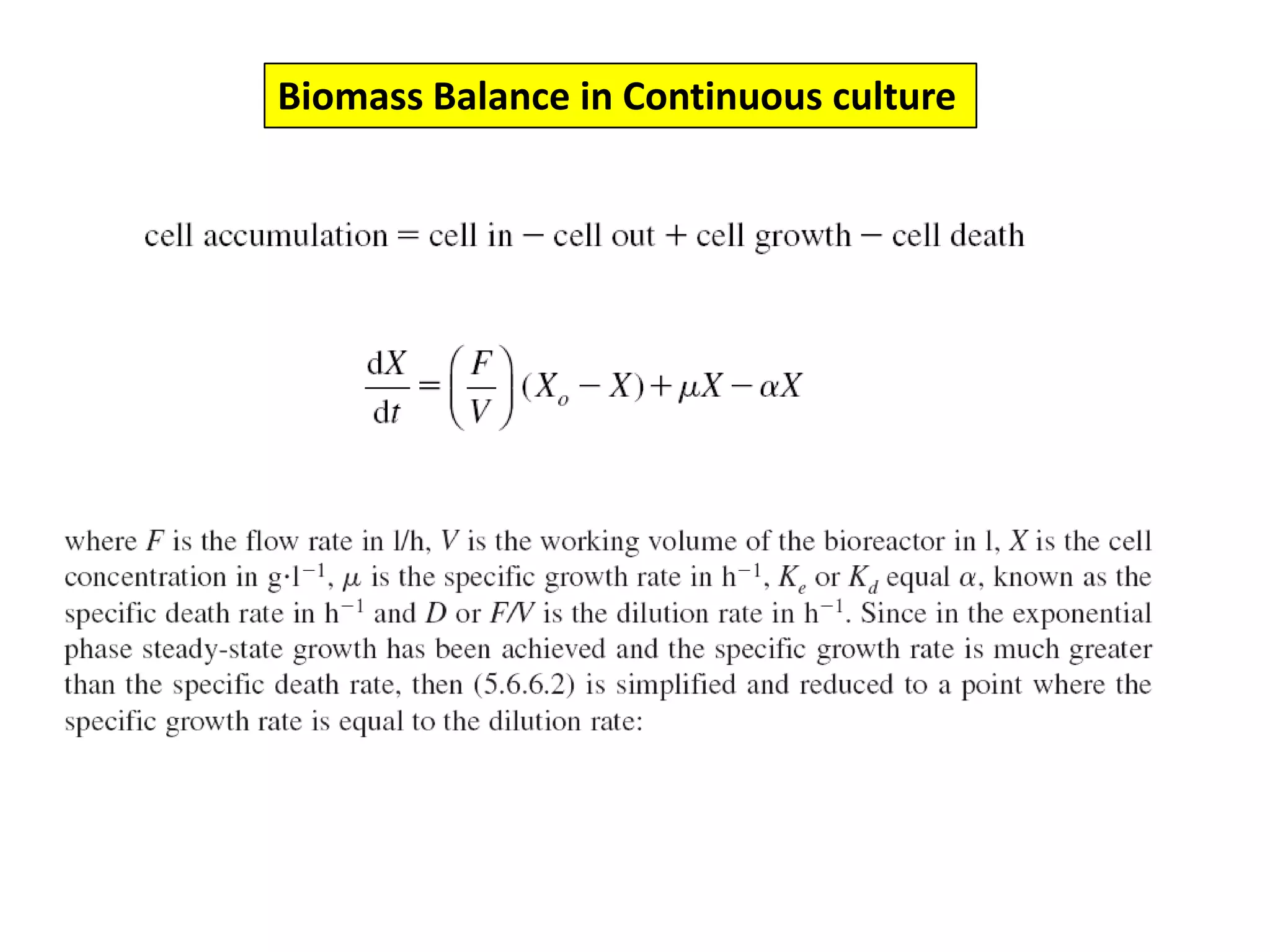
Biomass Balance in Continuous culture
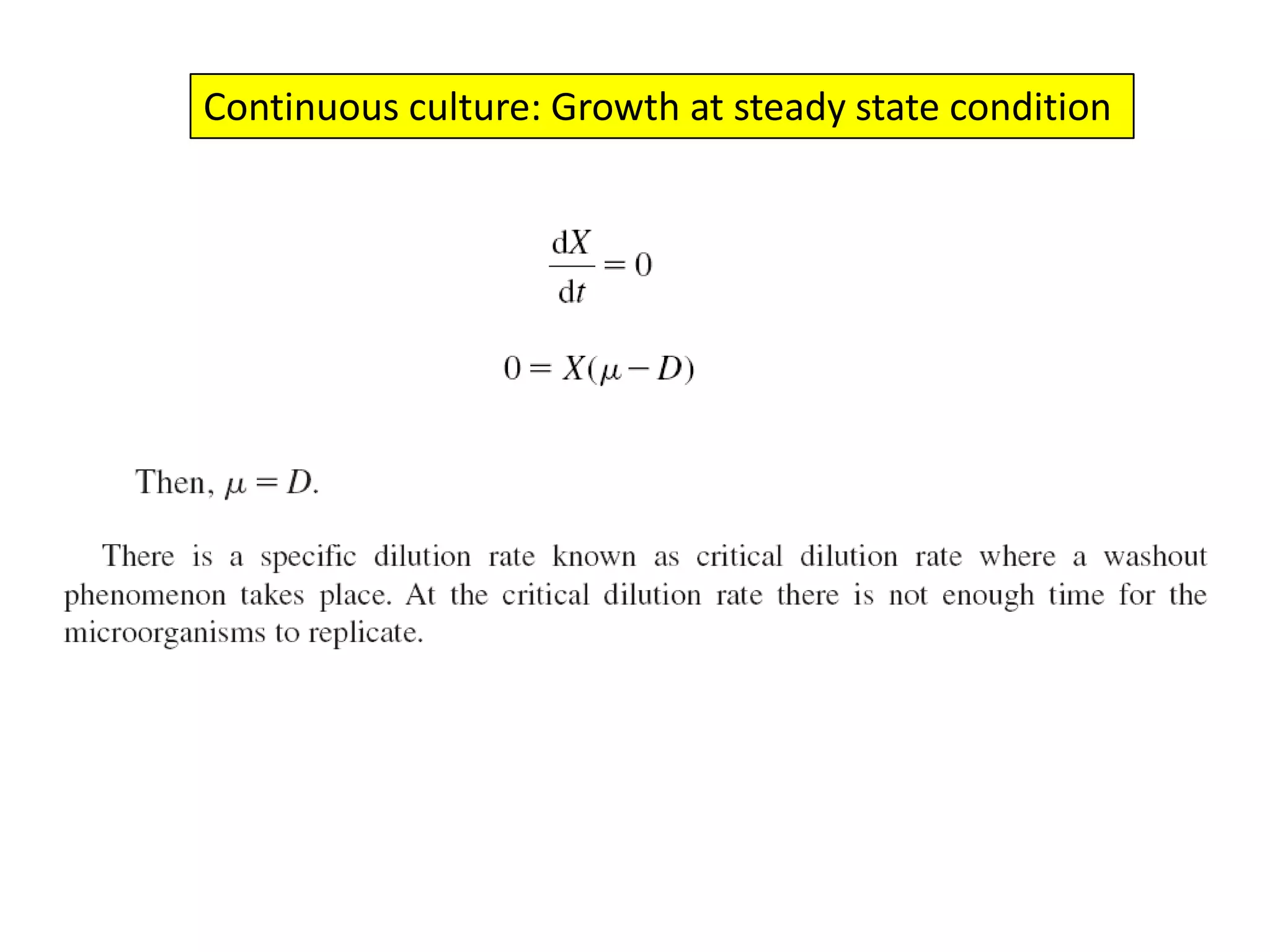
Continuous culture: Growth at steady state condition
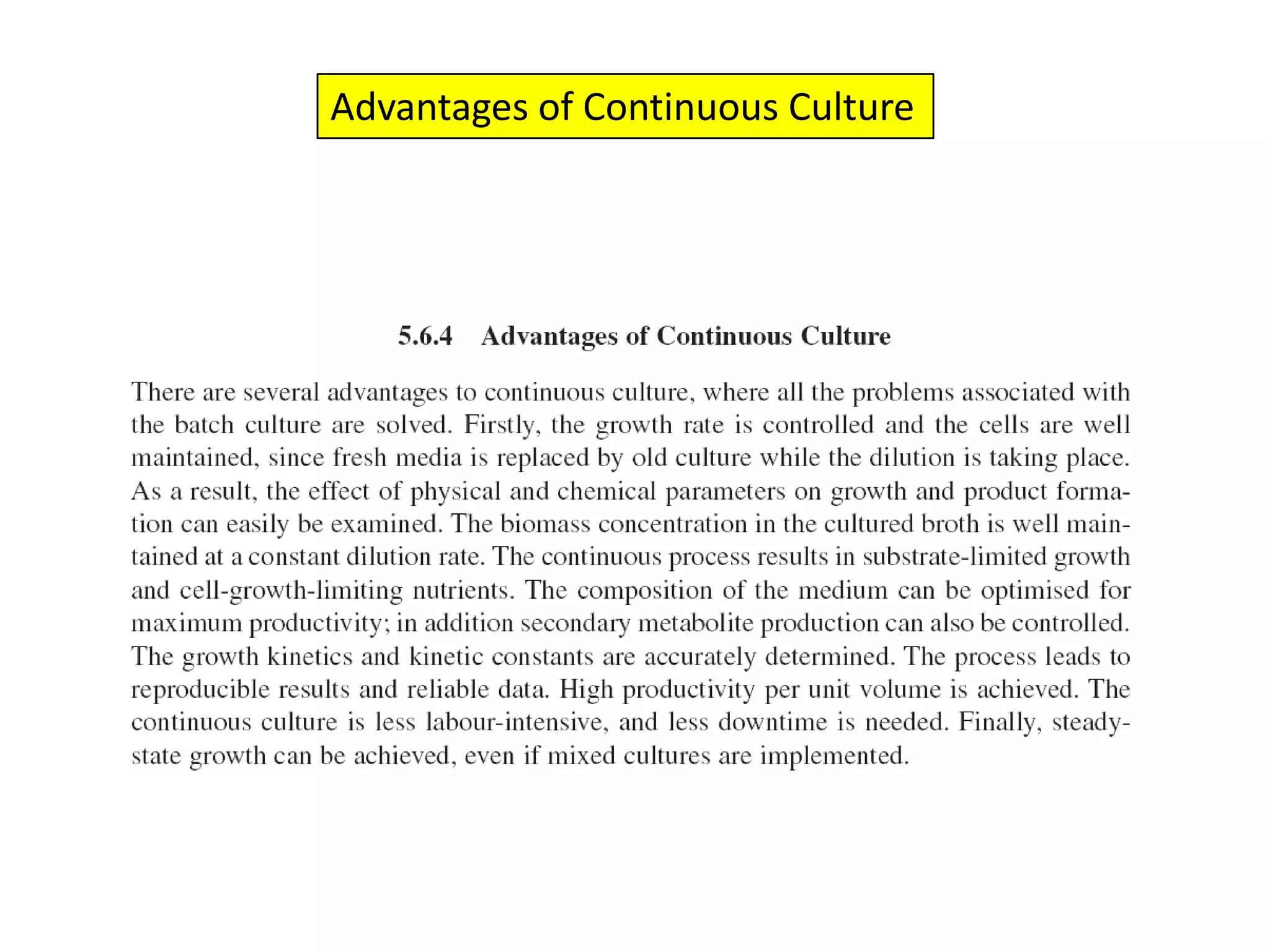
Advantages of Continuous Culture
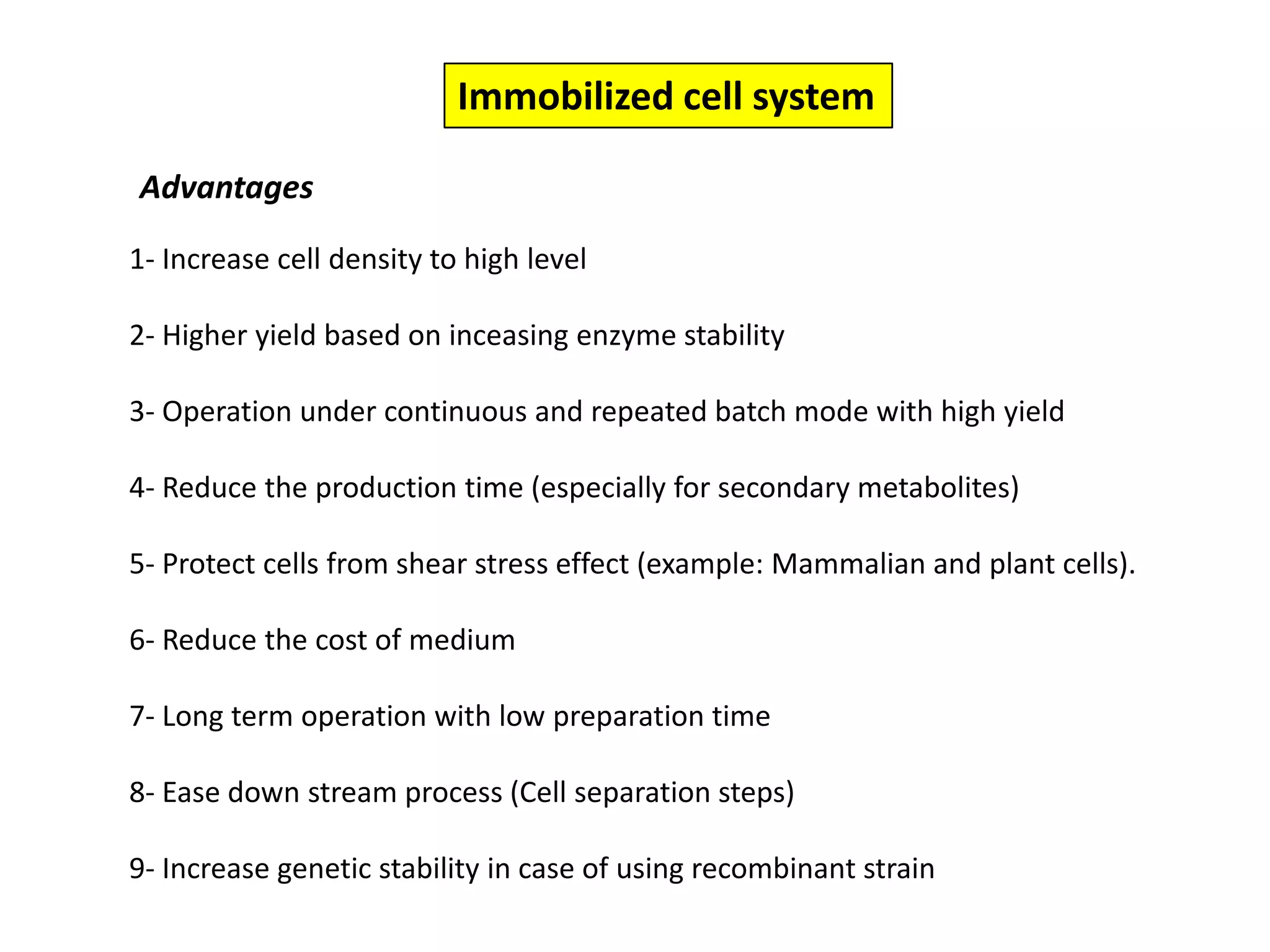
Immobilized cell systemAdvantages1- Increase cell density to high level 2- Higher yield based on inceasing enzyme stability 3- Operation under continuous and repeated batch mode with high yield4- Reduce the production time (especially for secondary metabolites)5- Protect cells from shear stress effect (example: Mammalian and plant cells). 6- Reduce the cost of medium 7- Long term operation with low preparation time 8- Ease down stream process (Cell separation steps)9- Increase genetic stability in case of using recombinant strain
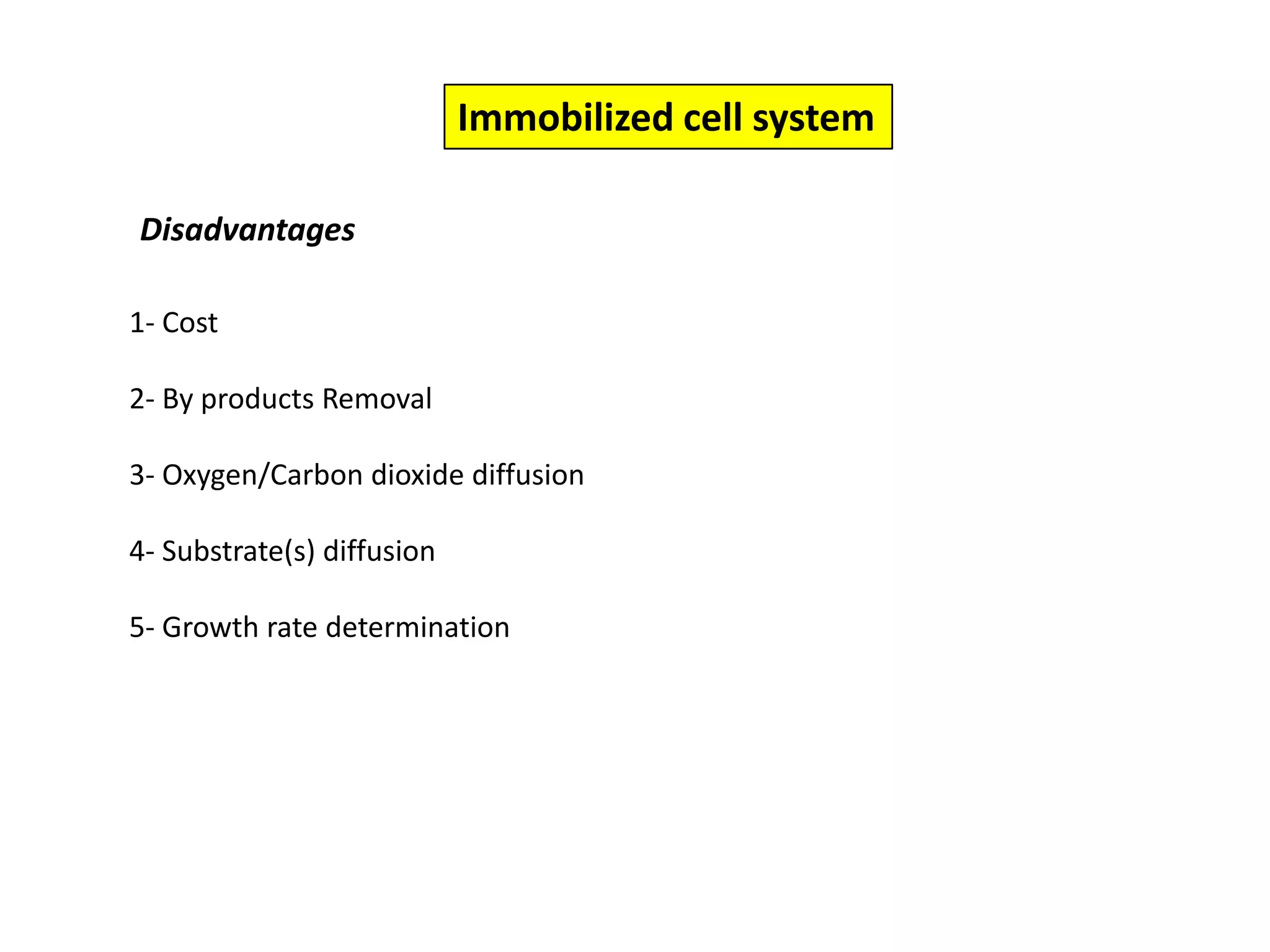
Immobilized cell systemDisadvantages1- Cost2- By products Removal 3- Oxygen/Carbon dioxide diffusion 4- Substrate(s) diffusion 5- Growth rate determination
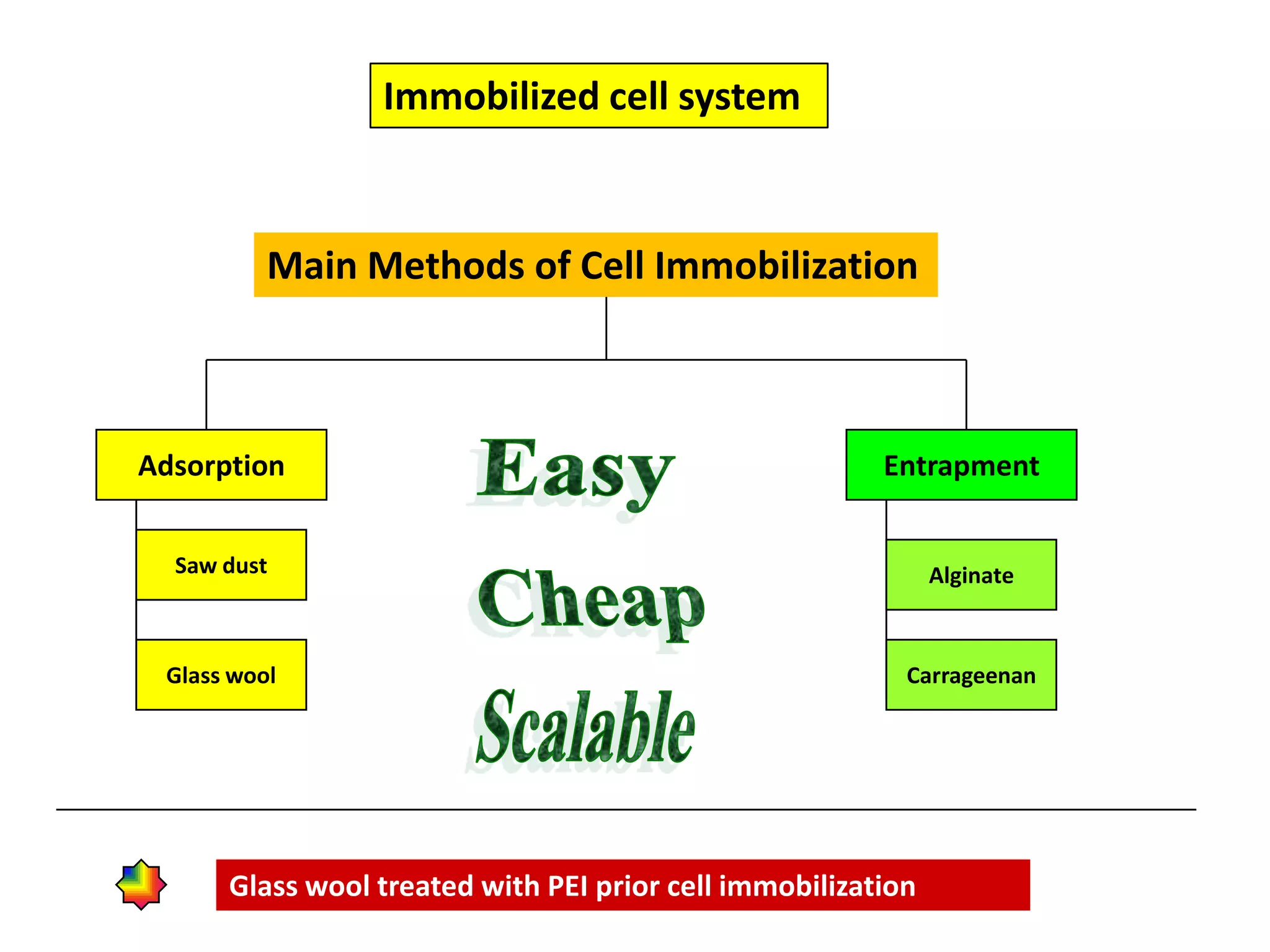
Immobilized cell system Main Methods of Cell ImmobilizationAdsorptionEntrapmentEasySaw dustAlginateCheapGlass woolCarrageenanScalableGlass wool treated with PEI prior cell immobilization
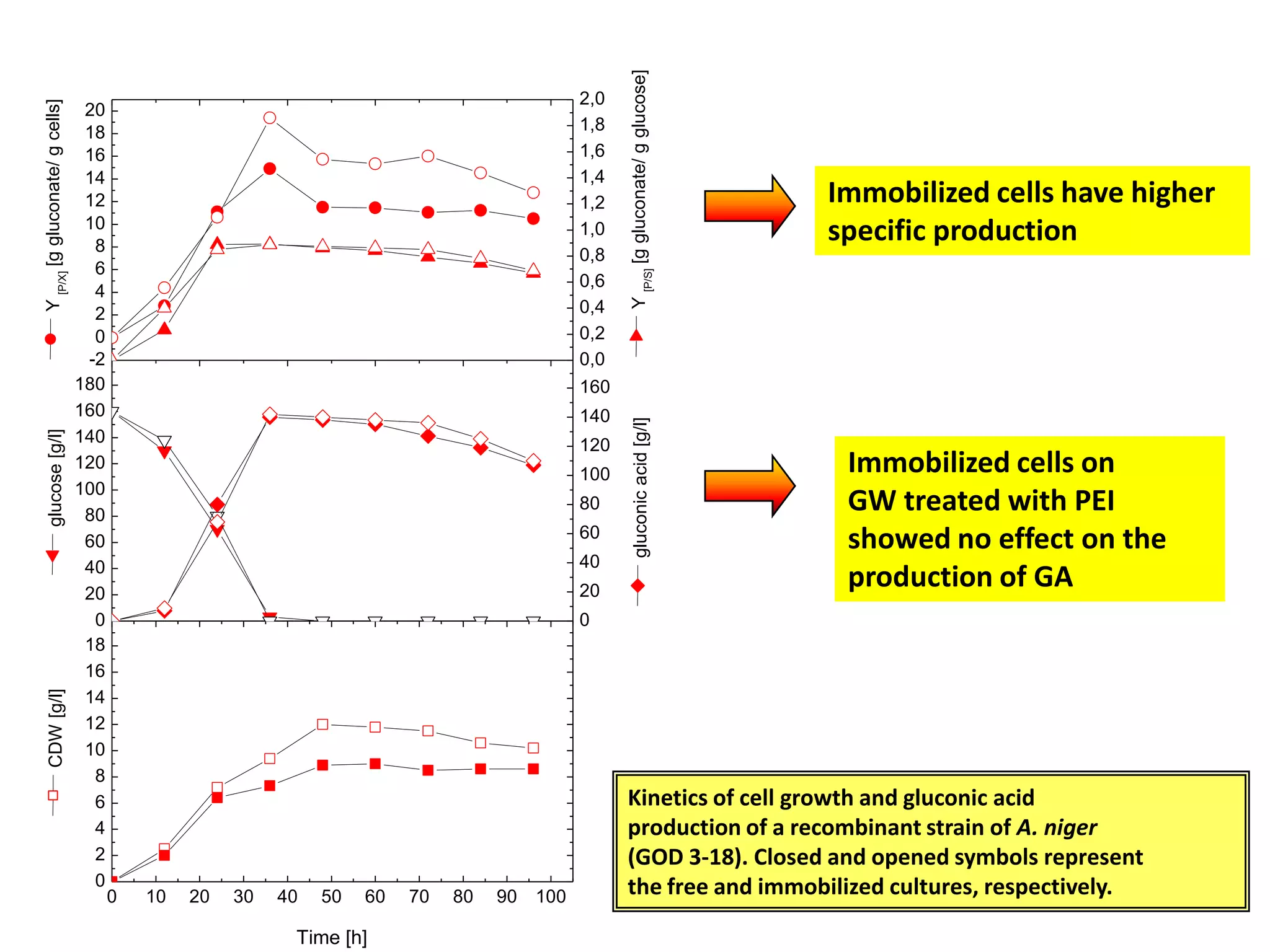
Immobilized cells have higher specific productionImmobilized cells on GW treated with PEI showed no effect on the production of GAKinetics of cell growth and gluconic acid production of a recombinant strain of A. niger(GOD 3-18). Closed and opened symbols represent the free and immobilized cultures, respectively.
Production medium for Immobilized cellsThe fermentation medium used for gluconic acid production By immobilized cells was of the following composition [g/l]: 		   Complete medium		Minimal mediumglucose, 		160.0			          160.0NaNO3, 			    3.0			              1.0K2HPO4, 		    1.0 			                -MgSO4.7H2O, 		    0.5 			              0.2KCl, 			    0.5 			                -FeSO4.7H2O, 		    0.01 			                -Yeast extract, 		    2.0 			                -The pH of medium was adjusted to 5.5
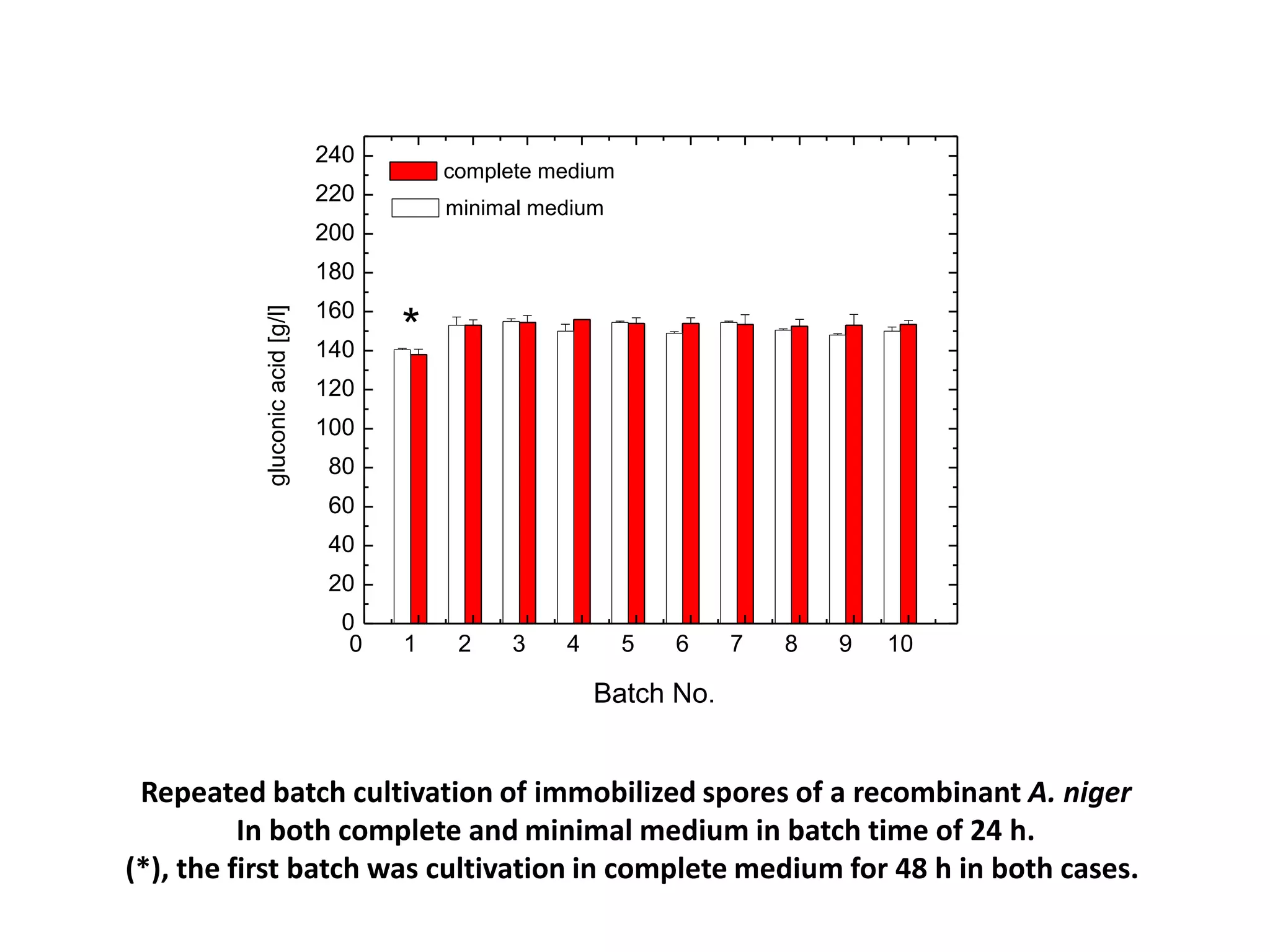
 Repeated batch cultivation of immobilized spores of a recombinant A. niger  In both complete and minimal medium in batch time of 24 h. (*), the first batch was cultivation in complete medium for 48 h in both cases.
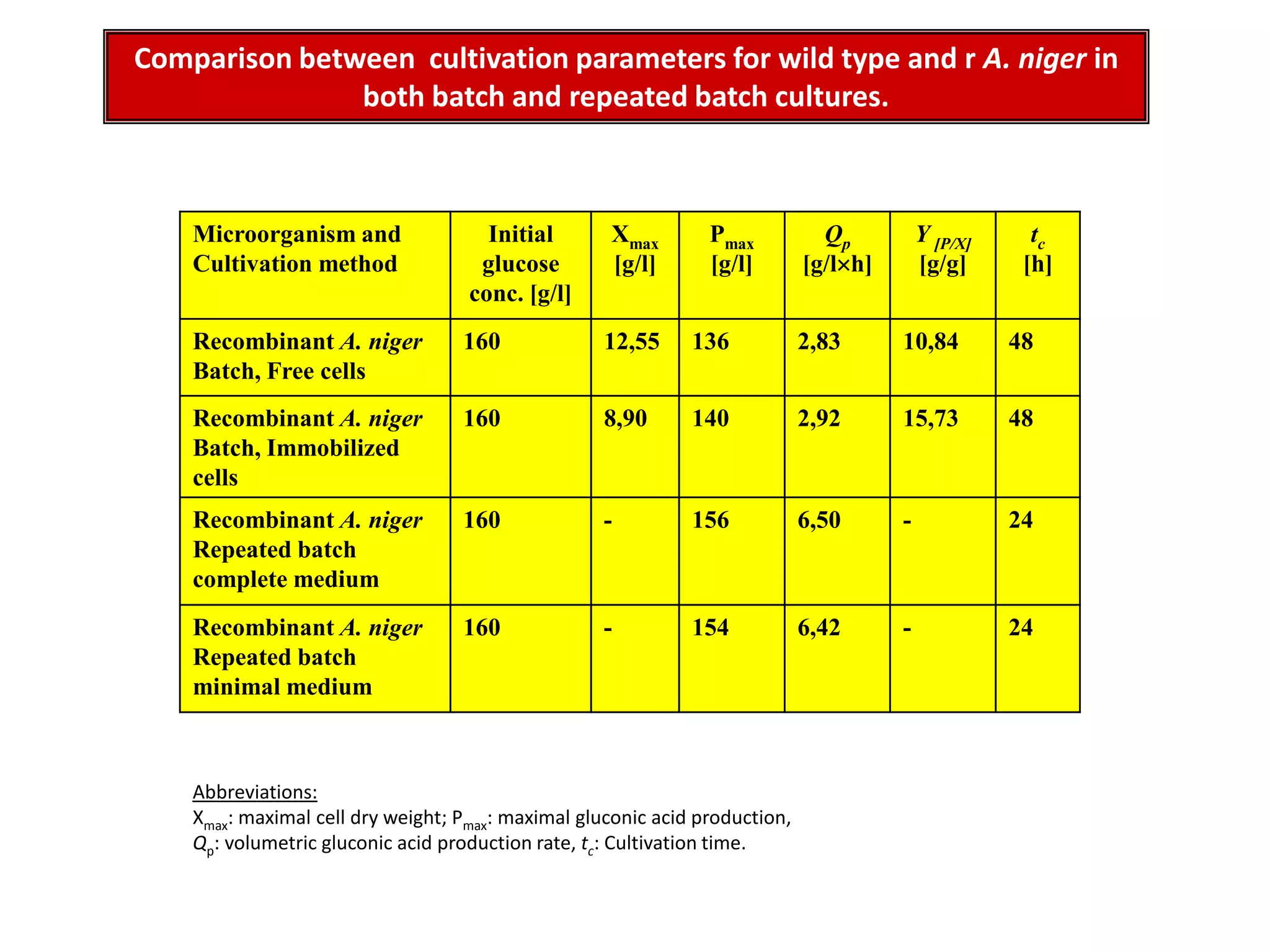
Comparison between  cultivation parameters for wild type and r A. niger in both batch and repeated batch cultures.Abbreviations:Xmax: maximal cell dry weight; Pmax: maximal gluconic acid production, Qp: volumetric gluconic acid production rate, tc: Cultivation time.
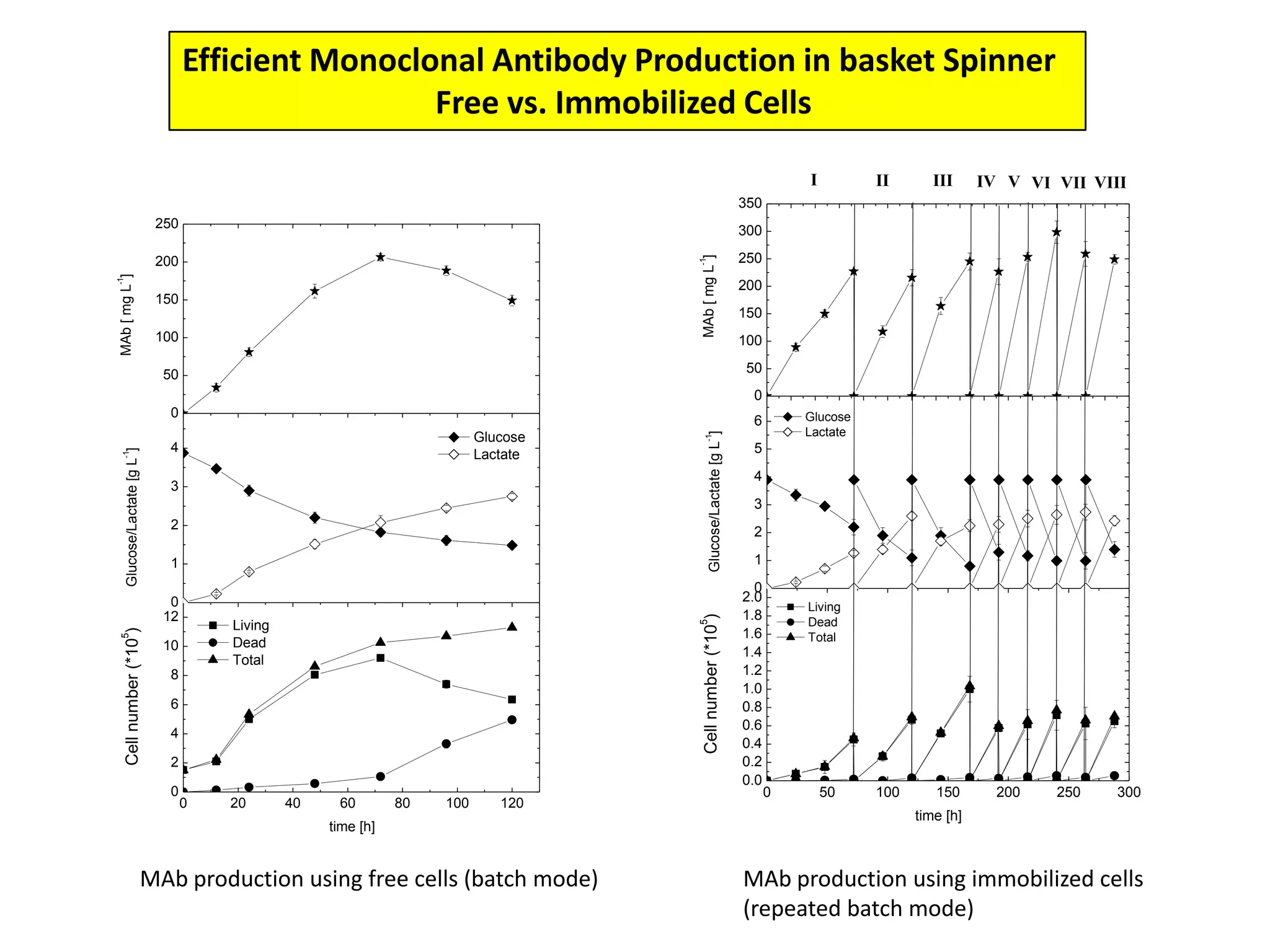
Efficient Monoclonal Antibody Production in basket Spinner Free vs. Immobilized Cells MAb production using free cells (batch mode)MAb production using immobilized cells (repeated batch mode)
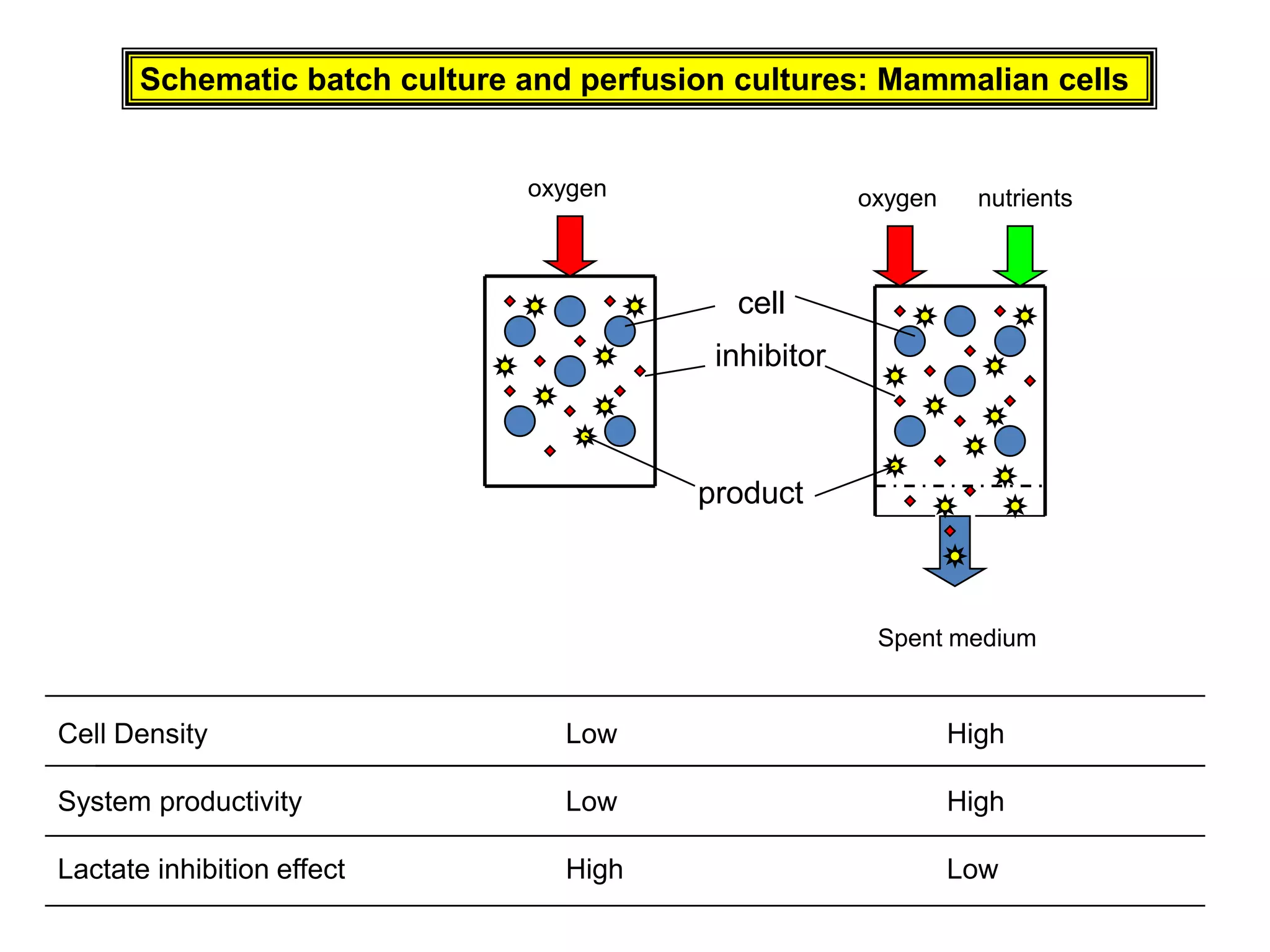
Schematic batch culture and perfusion cultures: Mammalian cellsoxygenoxygennutrientscellinhibitorproductSpent mediumCell Density			Low			High    		System productivity			Low			HighLactate inhibition effect		High			Low
Thank You

Lecture 5 bioprocess technology, operation mode and scale

  • 1.
    Bioprocess Technology(Operation Modesand Scales)13th. July 2010CEPP, UTM Skudai, JohorProf. Dr. Hesham A. El EnshasyFaculty of Chemical EngineeringCEPP, UTM, Skudai, Malaysia
  • 2.
    Cultivation systems inBioprocess Industries1- Two-Phases vs. Three-Phases system 2- Free vs. Immobilized cell system 3- Living cell and enzyme system
  • 3.
    Cultivation modes ofsubmerged culture1- Closed system (Batch culture)2- Semi-closed system (Fed-batch culture)3- Opened system (Continuous culture). Other modes: Immobilized cells A- Repeated batch culture B- Continuous culture Perfusion culture Operation principle (A) and kinetics (B) of cell growth, nutrient consumption, and production formation during batch, fed-batch, and continuous operation.
  • 4.
    Batch cultivation:Batch cultureis a closed culture system which contains an initial, limited amount of nutrient. The inoculated culture will pass through a number of phases as follows:Lag Phase
  • 5.
  • 6.
    Stationary Phase (stagnantphase, maximum population phase)Decline Phase (death phase).IIIIIIIVCell concentrationCultivation timeTypical Microbial Growth curve
  • 7.
    Typical Microbial Growthcurve I- The Lag PhaseThis phase can be described as an adaptation phase of the cell for the new environment. The length of lag phase depends on the changes in nutrients composition of the new medium and on the age of inoculum. In bioprocess design, it is necessary to minimize the length of lag phase in order to obtain maximum utilization of the bioreactor. Therefore, the following points should be considered:1- The inoculum should be active as possible (preferably in the exponential growth phase).2- The medium used to grow the inoculum should correspond as closely as possible to the medium to be used in the large scale bioreactor. 3- A reasonably large volume of inoculum should be used (not less than 5% of the working volume of the bioreactor).
  • 8.
    Typical Microbial Growthcurve II- The Log Phase:During this phase, cells grow exponentially with time. The relation between time and cell growth during this phase can be described simply as follows:Where, X, is the concentration of microbial biomass, t, is time in hours and µ, is the specific growth rate in [h-1].In general, it is easy to visualize the exponential growth of unicellular organisms which replicate by binary fission. Also, animal and plant cells in suspension culture behave very similar to unicellular microorganisms.
  • 9.
    µmax (the maximalspecific growth rate) of different group of organisms
  • 10.
    Typical Microbial Growthcurve III-Stationary PhaseDuring this phase, the change in cell mass with time kept constant. This may due to either the rate of growth is equal to cell death or the termination of cell reproduction with no cell death. Why cells enter stationary phase ?How long is this phase ?Do cell needs energy during this phase ?
  • 11.
    Typical Microbial Growthcurve IV- Decline Phase (death phase)This phase is characterized by significant decrease in cell mass (cell number) due to cell lysis.
  • 12.
    In Bioprocess pointof view, the change in biomass value can be described simply during different phases of batch culture as follows:
  • 13.
    Basic types ofproduct formation kinetics during batch operation. spec: Specific growth rate; qspec: specific production rate.
  • 14.
    Growth of filamentousmicroorganismsIn submerged cultivation involving filamentous organisms, the morphology can vary from discrete compact pellets of hyphae to homogeneous suspension of dispersed mycelia. These morphological differences are associated with significant differences in growth kinetics and physiology. Growth of dispersed mycelia is effectively equivalent to that of unicellular, with homogenous distribution of biomass, substrates and products and exponential growth (Monod type) at a constant specific growth rate in batch culture where substrate(s) are in excess.
  • 15.
    Growth of filamentousmicroorganismsIn case of growth in pellet form, the microbial growth is affected by pellet morphology. This gives two extremes. In case of pellet consists of densely packed hyphae, growth is restricted by diffusion of material from the liquid phase to the pellet centre and the growth is limited to the hayphae in the outer peripheral shell. Thus, in batch culture, the biomass (M) increases as cubic function of time. Where M0 represents the initial biomass and k is a constant.
  • 16.
    Schematic diagram offungal pellet insubmerged cultures
  • 17.
    Growth of filamentousmicroorganismsIf a culture assumed to constant of n spherical pellets, of equal radius r and density , with an active outer mycelial shell of width w, growing at a specific rate µ, then the constant k (the rate by which pellet radius increase due to growth) can be determined as follows:
  • 18.
    Pellet form vs.Filamentous form
  • 19.
    Filamentous GrowthPellet GrowthBatchcultivation of Aspergillusniger in small scale bioreactor using glucose as sole C-source. (A), Growth in small aggregate-filamentous form. (B), growth in pellet form.
  • 20.
    The differences inrespiration activities and C-balance when cell grow in Filamentous- and pellet form
  • 21.
    Macro-morphological growth ofA. niger under different agitation speeds19 h25 h200 RPM500 RPM800 RPM
  • 22.
    Pellet-Morphology in 5-Lbioreactor (200 rpm) after staining with AOwD
  • 23.
    Fed-Batch Cultivation Fed-batchcultivation is superior to conventional batch especially when changing concentrations of nutrient(s) affect the yield or productivity of the desired metabolite(s). There are also other minor advantages of medium feeding. However, these advantages can be summarized as follows:1- Substrate inhibition2- Catabolite repression3- Extension of operation time4- Replacement of water lost by evaporation 5- Decreasing viscosity of broth6- High cell density cultivation
  • 24.
    Why Fed-Batch Cultivation ?1- Substrate inhibitionNutrients such as ethanol and aromatic compounds inhibit the growth of microorganisms if added at the zero time of cultivation. By addition of these substrate(s) by fed-batch cultivation strategy, lag-time can be shortened and the inhibition of cell growth significantly reduced.
  • 25.
    Why Fed-Batch Cultivation ?2- Catabolite repressionWhen a microorganism is provided with a rapidly metabolized carbon-energy source such as glucose, the resulting increase of the intracellular concentration of ATP leads to the repression of enzyme synthesis, thus causing a slower metabolization of the energy source. This phenomena is known as catabolite repression. A powerful method to overcoming catabolite repression in enzyme biosynthesis is a fed-batch culture in which the glucose concentration in the culture liquid is kept low, where growth is restricted, and enzyme synthesis is depressed.
  • 26.
    Why Fed-Batch Cultivation ?3- Extension of operation timeIn a non-growth-associated microbial process, such as antibiotic production, microorganisms initially rapidly utilize the carbon-energy source for growth and then synthesize the desired secondary metabolite in the subsequent declining phase and early stationary phase. In the conventional batch process, this production phase is short, due to the depletion of the carbon-energy source; the subsequent cell autolysis is rapid and severe. Thus, after transition from growth to production phase, it is important to maintain a concentration of the carbon-energy source where the microorganisms are semi-starved but where enzyme activity for synthesis is highest.
  • 27.
    Why Fed-Batch Cultivation ?4- Replacement of water lost by evaporation In aerobic microbial processes during extended reaction period, such as in antibiotic production (1-2 weeks), considerable amounts of water are lost as the vapour from through exhaust gas. For example for a cultivation process operation at 30°C with 1.0 vvm aeration (60% relative humidity), about 25% of water will be lost after 2 weeks. This leads to a considerable concentration of the mycelial broth and an accompanying changed in its rheological behaviour.
  • 28.
    Why Fed-Batch Cultivation ?5- Decreasing viscosity of brothIn microbial biopolymer production such as dextran, pullulan and xanthan, broth viscosity can be kept low by continuous feeding of nutrients. Otherwise, the significant increase in broth viscosity will raise the agitation power consumption and low oxygen transfer efficiency.
  • 29.
    Why Fed-Batch Cultivation ?6- High cell density cultivationTo achieve high cell density concentration (some times up to 100 g CDW per liter) in batch culture, a high concentration of nutrients is required. As such high concentrations nutrients become inhibitory. Thus, fed-batch cultivation is necessary to achieve a high cell density culture.
  • 30.
    Types of Fed-batchCultivation StrategiesWithout Feeback controlWith Feeback control1- Indirect feedback control2- Direct feedback control3- Constant-value control4- Optimal control 1- Intermittent addition2- Constant rate3- Exponential increase rate4- Optimized5- Others
  • 31.
    Type of Feedingand metabolite productionCell growth and EPS production by in fed-batch culture in CO2 stat culture. Glucose was fed to keep constant concentration of carbon dioxide in out-gas of the bioreactor Cell growth and EPS production in fed-batch culture. Arrow show the time at which glucose was fed to the bioreactor in single shot addition
  • 32.
    Exponential feeding ofsubstrate(s)Example:Fed-batch cultivation strategy (exponential feeding) for a recombinant strain of Asperigllusniger for glucose oxidase production. WhereMs Mass flow of substrate [g h-1]t Cultivation time [h]tF Start time of feeding phase [h]µset Adjusted specific growth rate [h-1]E Maintenance coefficient [g g-1 h-1]YX/S The biomass/substrate yield coefficient [g g-1]XF The biomass concentration at the start time of feeding phase [g]VL The culture volume [L]
  • 33.
    3- Open system(Continuous Culture)In continuous cultivation strategy, the substrate is added to the bioreactor continously at a fixed rate. This maintains the organisms in the logarithmic growth phase. The fermentation products are taken out continuously. The design and arrangements for continuous fermentation, are some what complex.
  • 34.
    Common strategies forcontinuous cultureA- Chemostat Culture : Key nutrient concentration kept constant during the process (growth rate is controlled by dilution rate (D)B- Turbidostate: (Optical density of culture kept constant during the process) In chemostat culture, nutrients are supplied at a constant flow rate and the cell density is adjusted with the supplied essential nutrients for growth. Thus, growth rate is determined by the utilization of substrates such as: Carbon, nitrogen and phosphate.
  • 35.
  • 36.
    Biomass Balance inContinuous culture
  • 37.
    Continuous culture: Growthat steady state condition
  • 38.
  • 40.
    Immobilized cell systemAdvantages1-Increase cell density to high level 2- Higher yield based on inceasing enzyme stability 3- Operation under continuous and repeated batch mode with high yield4- Reduce the production time (especially for secondary metabolites)5- Protect cells from shear stress effect (example: Mammalian and plant cells). 6- Reduce the cost of medium 7- Long term operation with low preparation time 8- Ease down stream process (Cell separation steps)9- Increase genetic stability in case of using recombinant strain
  • 41.
    Immobilized cell systemDisadvantages1-Cost2- By products Removal 3- Oxygen/Carbon dioxide diffusion 4- Substrate(s) diffusion 5- Growth rate determination
  • 42.
    Immobilized cell systemMain Methods of Cell ImmobilizationAdsorptionEntrapmentEasySaw dustAlginateCheapGlass woolCarrageenanScalableGlass wool treated with PEI prior cell immobilization
  • 43.
    Immobilized cells havehigher specific productionImmobilized cells on GW treated with PEI showed no effect on the production of GAKinetics of cell growth and gluconic acid production of a recombinant strain of A. niger(GOD 3-18). Closed and opened symbols represent the free and immobilized cultures, respectively.
  • 44.
    Production medium forImmobilized cellsThe fermentation medium used for gluconic acid production By immobilized cells was of the following composition [g/l]: Complete medium Minimal mediumglucose, 160.0 160.0NaNO3, 3.0 1.0K2HPO4, 1.0 -MgSO4.7H2O, 0.5 0.2KCl, 0.5 -FeSO4.7H2O, 0.01 -Yeast extract, 2.0 -The pH of medium was adjusted to 5.5
  • 45.
    Repeated batchcultivation of immobilized spores of a recombinant A. niger In both complete and minimal medium in batch time of 24 h. (*), the first batch was cultivation in complete medium for 48 h in both cases.
  • 46.
    Comparison between cultivation parameters for wild type and r A. niger in both batch and repeated batch cultures.Abbreviations:Xmax: maximal cell dry weight; Pmax: maximal gluconic acid production, Qp: volumetric gluconic acid production rate, tc: Cultivation time.
  • 47.
    Efficient Monoclonal AntibodyProduction in basket Spinner Free vs. Immobilized Cells MAb production using free cells (batch mode)MAb production using immobilized cells (repeated batch mode)
  • 48.
    Schematic batch cultureand perfusion cultures: Mammalian cellsoxygenoxygennutrientscellinhibitorproductSpent mediumCell Density Low High System productivity Low HighLactate inhibition effect High Low
  • 49.