Reading and Writing with Skill
and Passion – grades 2-5
SD	
  20	
  
October	
  22,	
  2013	
  (1st	
  of	
  3)	
  
Faye	
  Brownlie	
  
www.slideshare.net	
  
Learning Intentions
•  I	
  can	
  find	
  evidence	
  of	
  current	
  reading	
  research	
  
in	
  my	
  pracFce	
  
•  I	
  have	
  a	
  plan	
  to	
  incorporate	
  a	
  pracFce	
  that	
  is	
  
different	
  to	
  me	
  
•  I	
  am	
  leaving	
  with	
  a	
  quesFon	
  
•  What would happen if…

•  Belief
•  Practice
We CAN teach all our kids to read.
•  Struggling	
  readers	
  need	
  to	
  read	
  MORE	
  than	
  
non-­‐struggling	
  readers	
  to	
  close	
  the	
  gap.	
  
•  Struggling	
  readers	
  need	
  to	
  form	
  a	
  mental	
  
model	
  of	
  what	
  readers	
  do	
  when	
  reading.	
  
•  Struggling	
  readers	
  need	
  to	
  read	
  for	
  meaning	
  
and	
  joy	
  	
  
•  Struggling	
  readers	
  do	
  NOT	
  need	
  worksheets,	
  
scripted	
  programs,	
  or	
  more	
  skills	
  pracFce.	
  
We	
  now	
  have	
  good	
  evidence	
  that	
  virtually	
  every	
  
child	
  who	
  enters	
  an	
  American	
  kindergarten	
  
can	
  be	
  reading	
  on	
  level	
  by	
  the	
  end	
  of	
  first	
  
grade	
  (Mathes,	
  et	
  al,	
  2004;	
  Phillips	
  &	
  Smith,	
  
2010;	
  VelluFno,	
  et	
  al,	
  1996).	
  	
  
-­‐Richard	
  Allington,	
  keynote	
  address,	
  IRA,	
  2011	
  
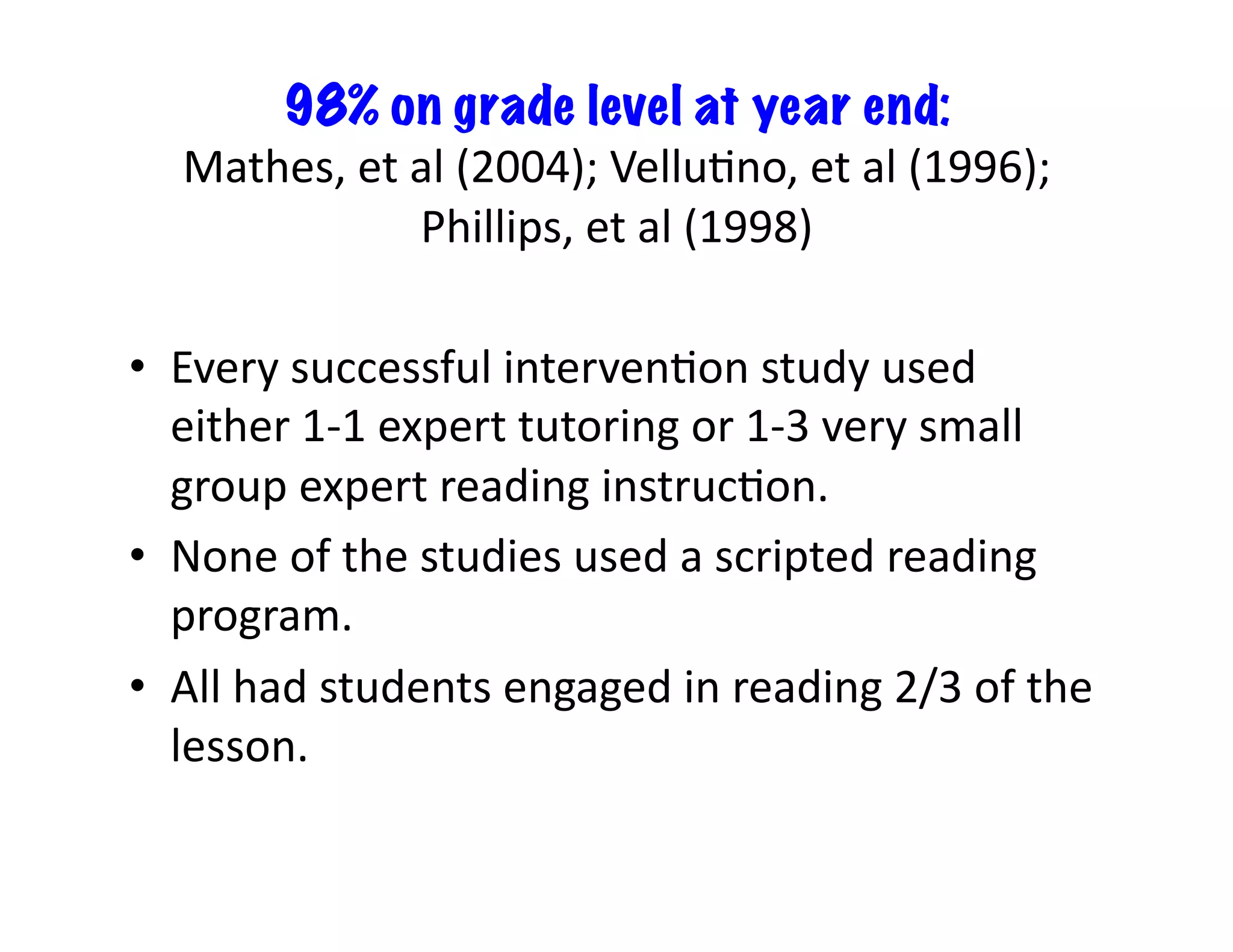
98% on grade level at year end:	
  
Mathes,	
  et	
  al	
  (2004);	
  VelluFno,	
  et	
  al	
  (1996);	
  
Phillips,	
  et	
  al	
  (1998)	
  
•  Every	
  successful	
  intervenFon	
  study	
  used	
  
either	
  1-­‐1	
  expert	
  tutoring	
  or	
  1-­‐3	
  very	
  small	
  
group	
  expert	
  reading	
  instrucFon.	
  	
  
•  None	
  of	
  the	
  studies	
  used	
  a	
  scripted	
  reading	
  
program.	
  	
  
•  All	
  had	
  students	
  engaged	
  in	
  reading	
  2/3	
  of	
  the	
  
lesson.	
  	
  
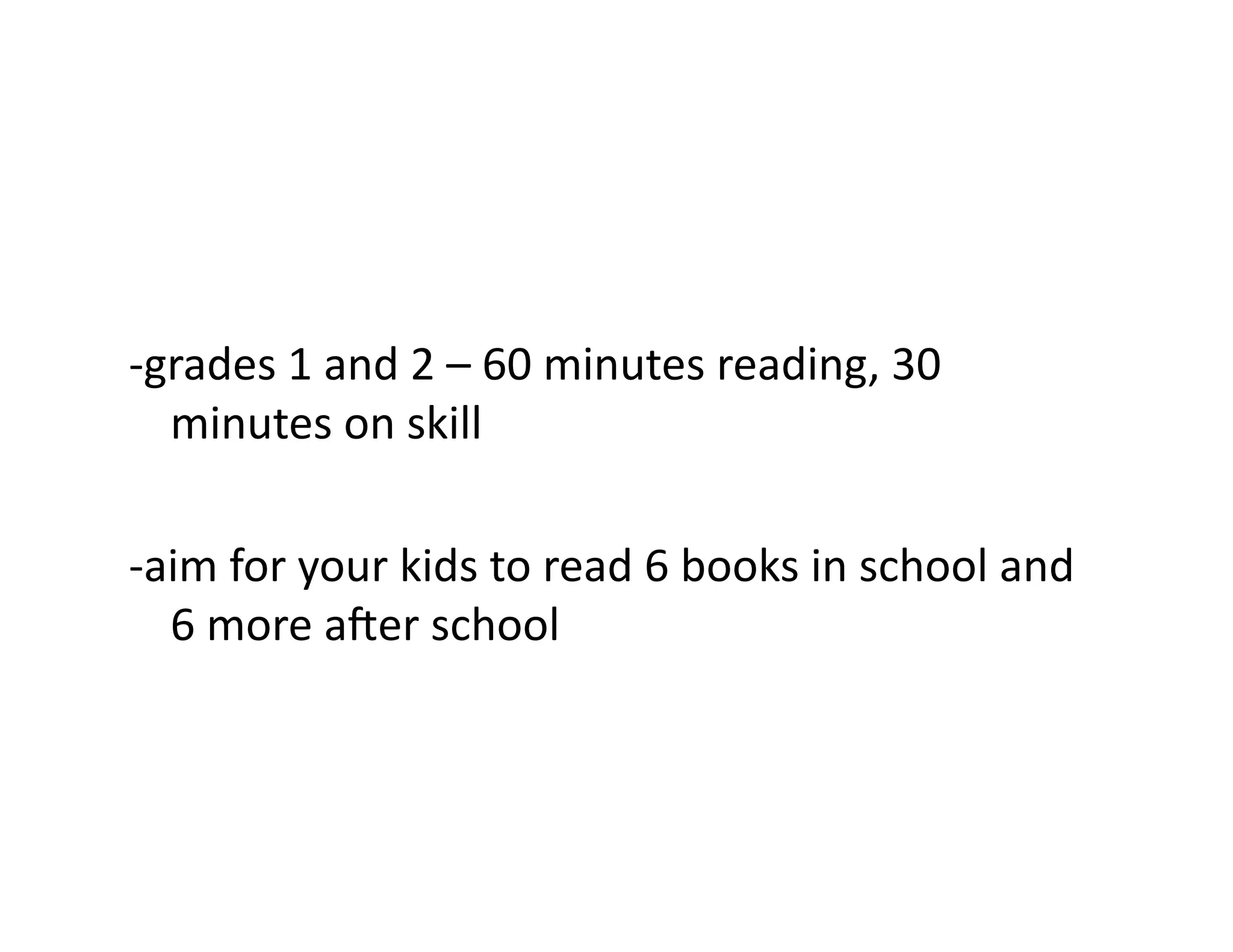
-­‐grades	
  1	
  and	
  2	
  –	
  60	
  minutes	
  reading,	
  30	
  
minutes	
  on	
  skill	
  
-­‐aim	
  for	
  your	
  kids	
  to	
  read	
  6	
  books	
  in	
  school	
  and	
  
6	
  more	
  a^er	
  school	
  
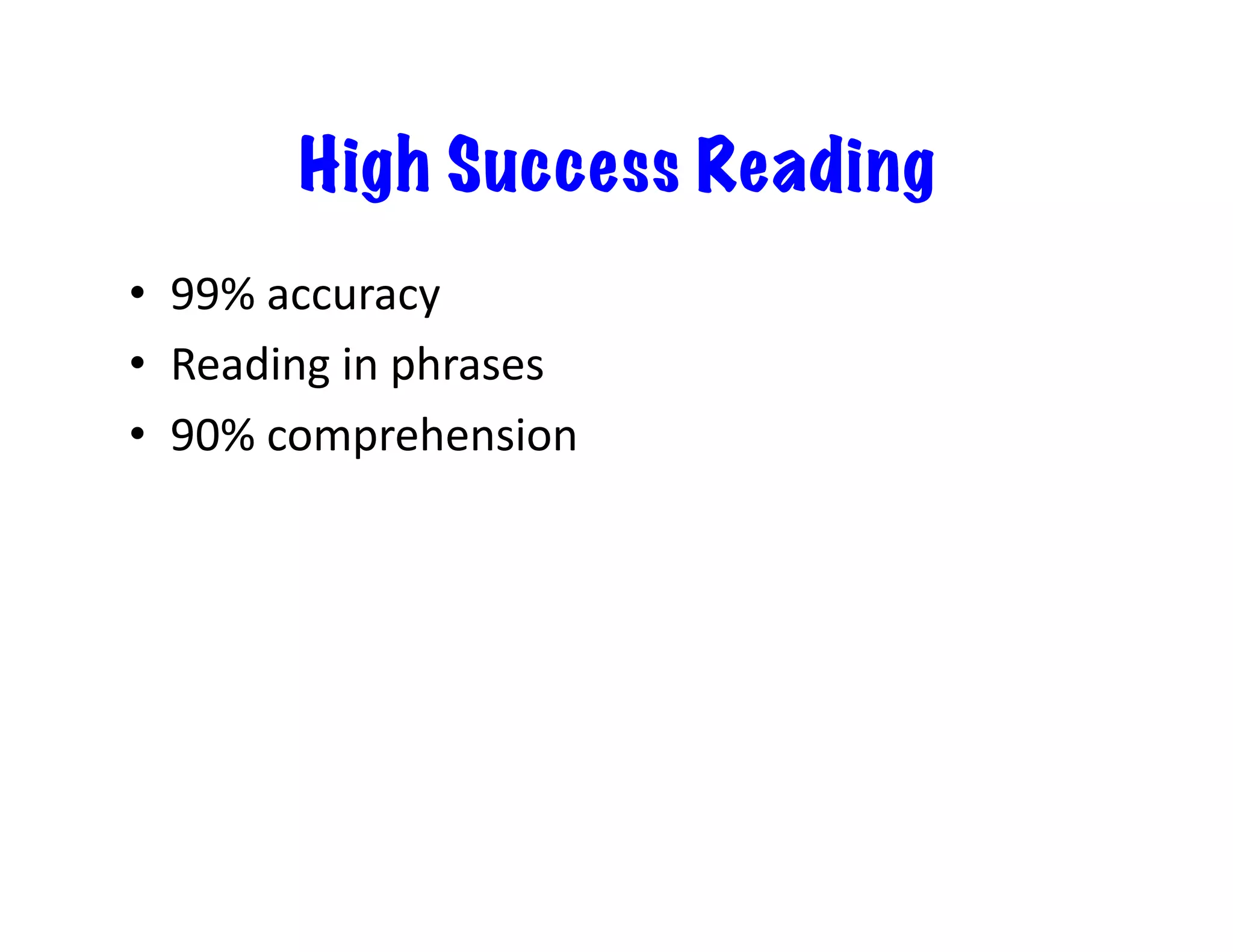
High Success Reading
•  99%	
  accuracy	
  
•  Reading	
  in	
  phrases	
  
•  90%	
  comprehension	
  
The	
  struggling	
  reader,	
  no	
  ma`er	
  what	
  grade	
  the	
  
child	
  is	
  in,	
  has	
  not	
  built	
  an	
  efficient	
  reading	
  
process	
  system	
  to	
  make	
  meaning	
  from	
  texts	
  or	
  
help	
  him	
  or	
  her	
  solve	
  problems	
  when	
  stuck…	
  
For	
  teachers,	
  that	
  means	
  learning	
  how	
  to	
  teach	
  
in	
  support	
  of	
  the	
  child	
  as	
  he	
  or	
  she	
  gains	
  more	
  
control	
  of	
  strategic	
  acFons.	


  -­‐Johnson	
  &	
  Keier	
  
Our key questions:

Did	
  that	
  make	
  sense?	
  
Our key questions:	
  

How	
  did	
  you	
  figure	
  that	
  out?	
  
M	
  –	
  meaning	
  
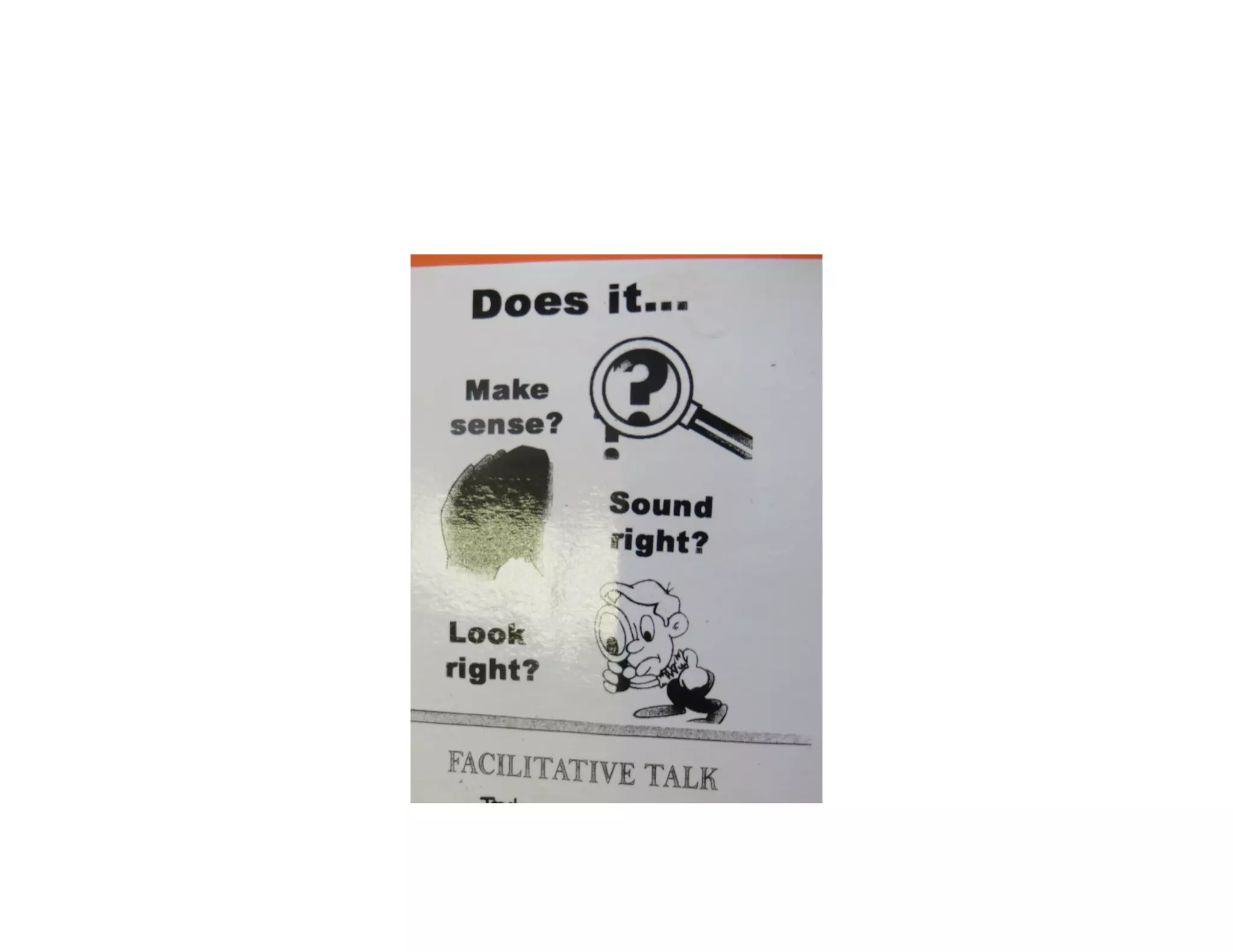
Does	
  this	
  make	
  sense?	
  
S	
  –	
  language	
  structure	
  
Does	
  this	
  sound	
  right?	
  
V	
  –	
  visual	
  informaFon	
  
Does	
  this	
  look	
  right?	
  
The	
  best	
  way	
  to	
  develop	
  phonemic	
  
segmentaFon	
  is	
  through	
  invented	
  spelling;	
  
children	
  with	
  pens	
  and	
  pencils,	
  drawing	
  and	
  
wriFng.	
  
	
  -­‐Marilyn	
  Adams,	
  1990	
  
-­‐about	
  20%	
  of	
  children	
  do	
  not	
  develop	
  
phonemic	
  segmentaFon	
  readily	
  
•  K/1	
  –	
  	
  spend	
  a	
  maximum	
  of	
  10	
  minutes/day	
  on	
  
phonics	
  –	
  small	
  impact	
  on	
  phonic	
  knowledge;	
  
no	
  difference	
  on	
  comprehension	
  
•  Beyond	
  grade	
  1	
  –	
  no	
  staFsFcal	
  difference	
  for	
  
any	
  phonics	
  	
  
•  NaFonal	
  Reading	
  Panel	
  
“Every	
  Child,	
  Every	
  Day”	
  –	
  Richard	
  Allington	
  and	
  
Rachael	
  Gabriel	
  
In	
  EducaFonal	
  Leadership,	
  March	
  2012	
  
6	
  elements	
  of	
  instrucFon	
  for	
  ALL	
  students!	
  
1.	
  	
  Every	
  child	
  reads	
  something	
  he	
  or	
  she	
  
chooses.	
  
CR4YR Results 201213
•  The	
  struggling	
  readers	
  who	
  were	
  given	
  MORE	
  
choice	
  tended	
  to	
  close	
  the	
  gap	
  more.	
  
•  The	
  more	
  readers	
  struggled,	
  the	
  less	
  choice	
  
they	
  received.	
  	
  Those	
  who	
  made	
  the	
  least	
  
progress	
  had	
  the	
  LEAST	
  choice.	
  
•  Readers	
  who	
  are	
  NOT	
  struggling	
  tend	
  to	
  have	
  
choice.	
  
2.  Every	
  child	
  reads	
  accurately.	
  
-­‐intensity	
  and	
  volume	
  count!	
  
-­‐98%	
  accuracy	
  
-­‐less	
  than	
  90%	
  accuracy,	
  doesn’t	
  improve	
  
reading	
  at	
  all	
  
Building Independence
•  Build	
  criteria	
  with	
  your	
  students	
  
–  What	
  do	
  good	
  readers	
  do?	


•  NoFce	
  when	
  the	
  students	
  are	
  using	
  the	
  co-­‐
created	
  criteria	
  
•  Ask	
  the	
  students	
  “What	
  should	
  I	
  noFce	
  about	
  
what	
  you	
  are	
  doing	
  when	
  you	
  are	
  reading?”	
  
•  Read	
  something	
  he	
  chooses	
  
•  Talks	
  to	
  a	
  peer	
  about	
  his	
  reading	
  
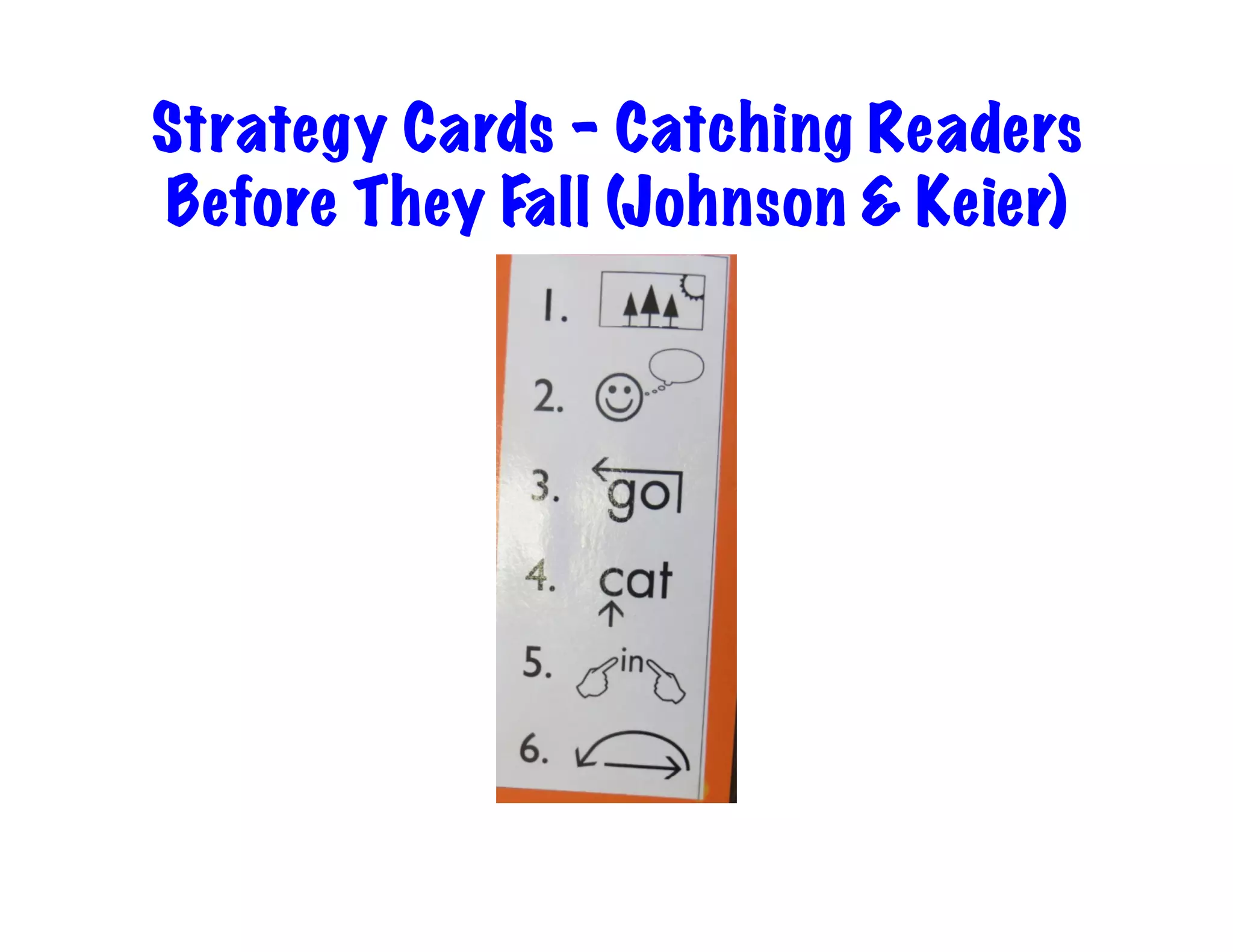
Strategy Cards – Catching Readers
Before They Fall (Johnson & Keier)
3.  Every	
  child	
  reads	
  something	
  he	
  or	
  she	
  
understands.	


  -­‐at	
  least	
  2/3	
  of	
  Fme	
  spent	
  reading	
  and	
  
rereading	
  NOT	
  doing	
  isolated	
  skill	
  pracFce	
  or	
  
worksheets	


  -­‐build	
  background	
  knowledge	
  before	
  
entering	
  the	
  text	


  -­‐read	
  with	
  quesFons	
  in	
  mind	


Shared Reading Lesson
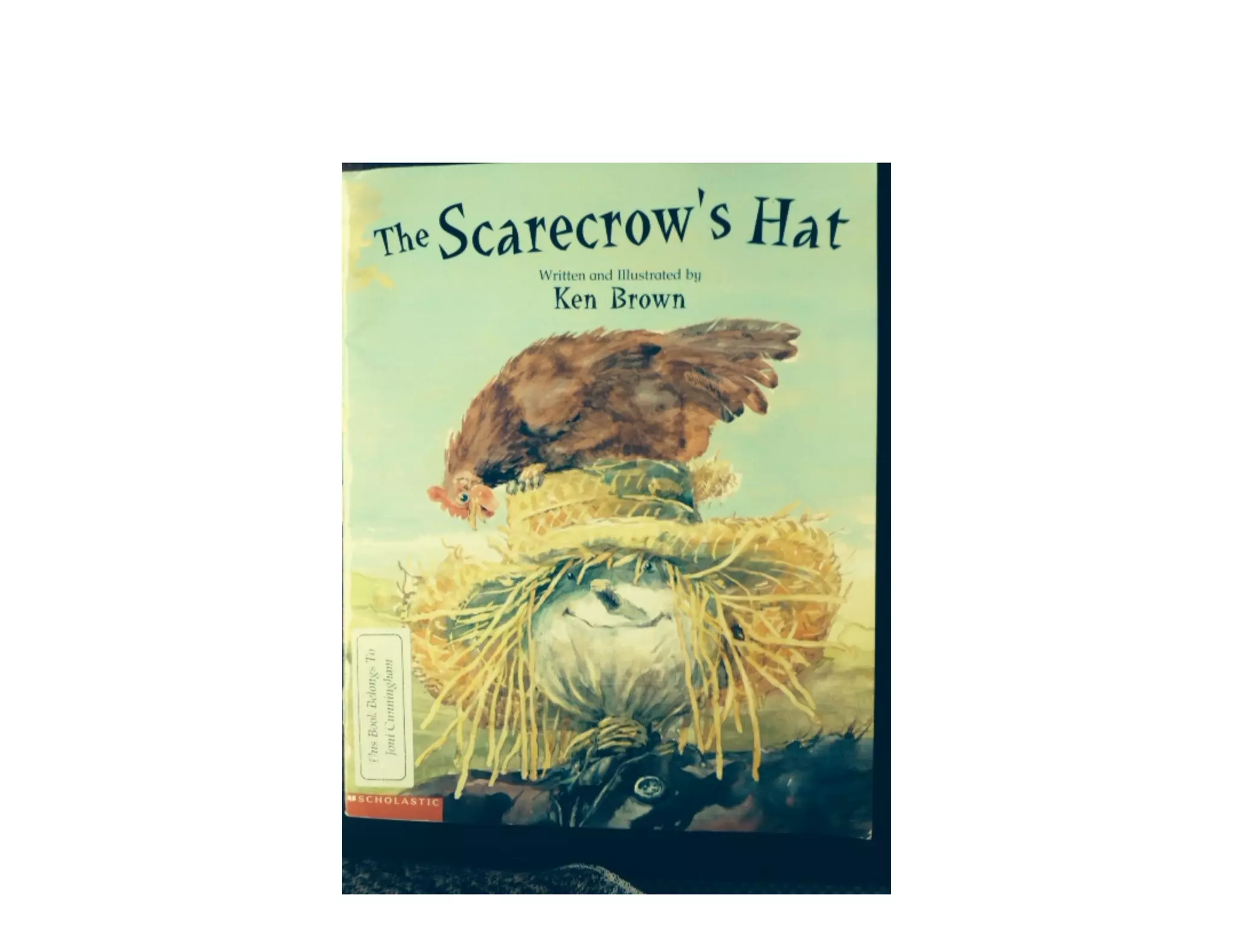
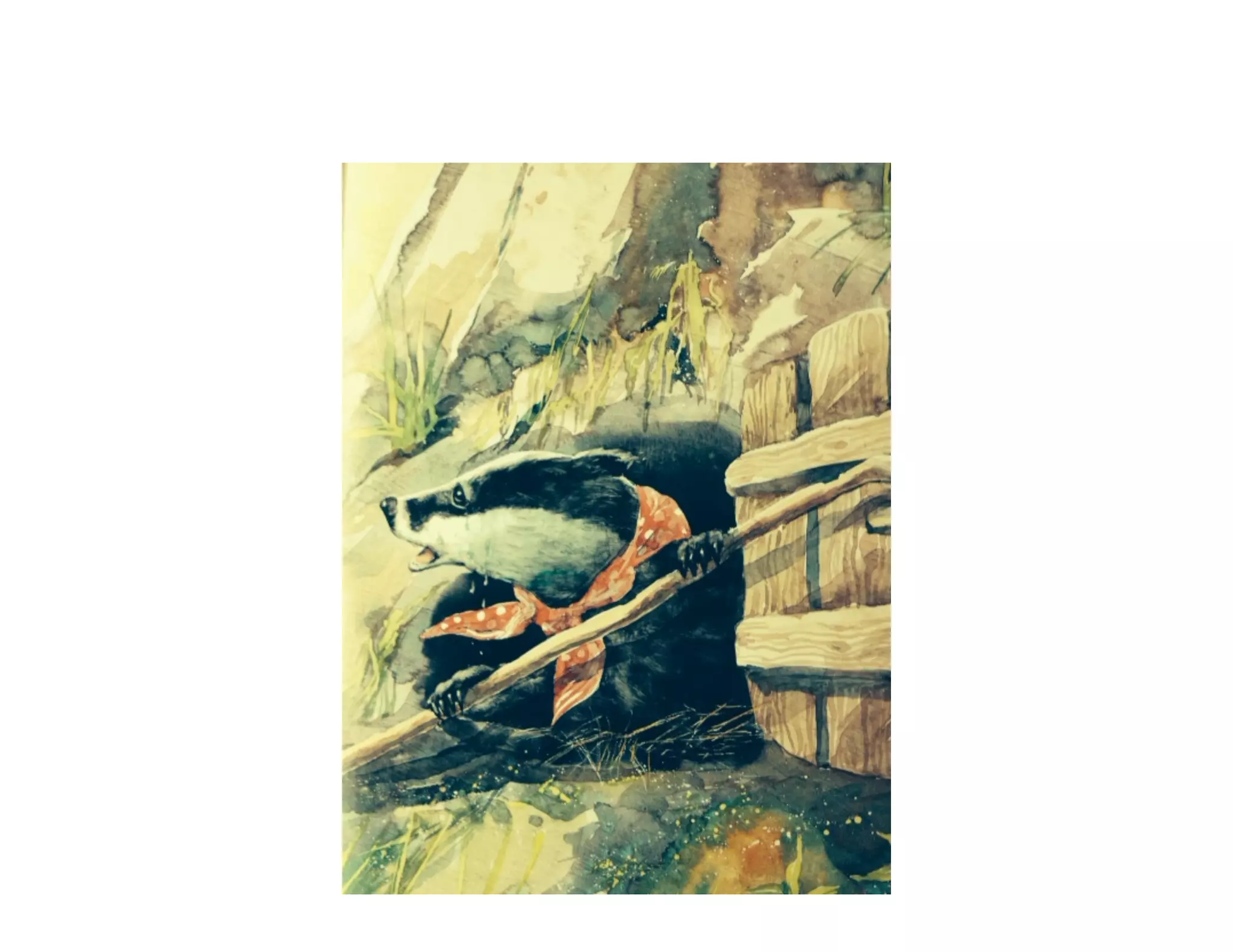
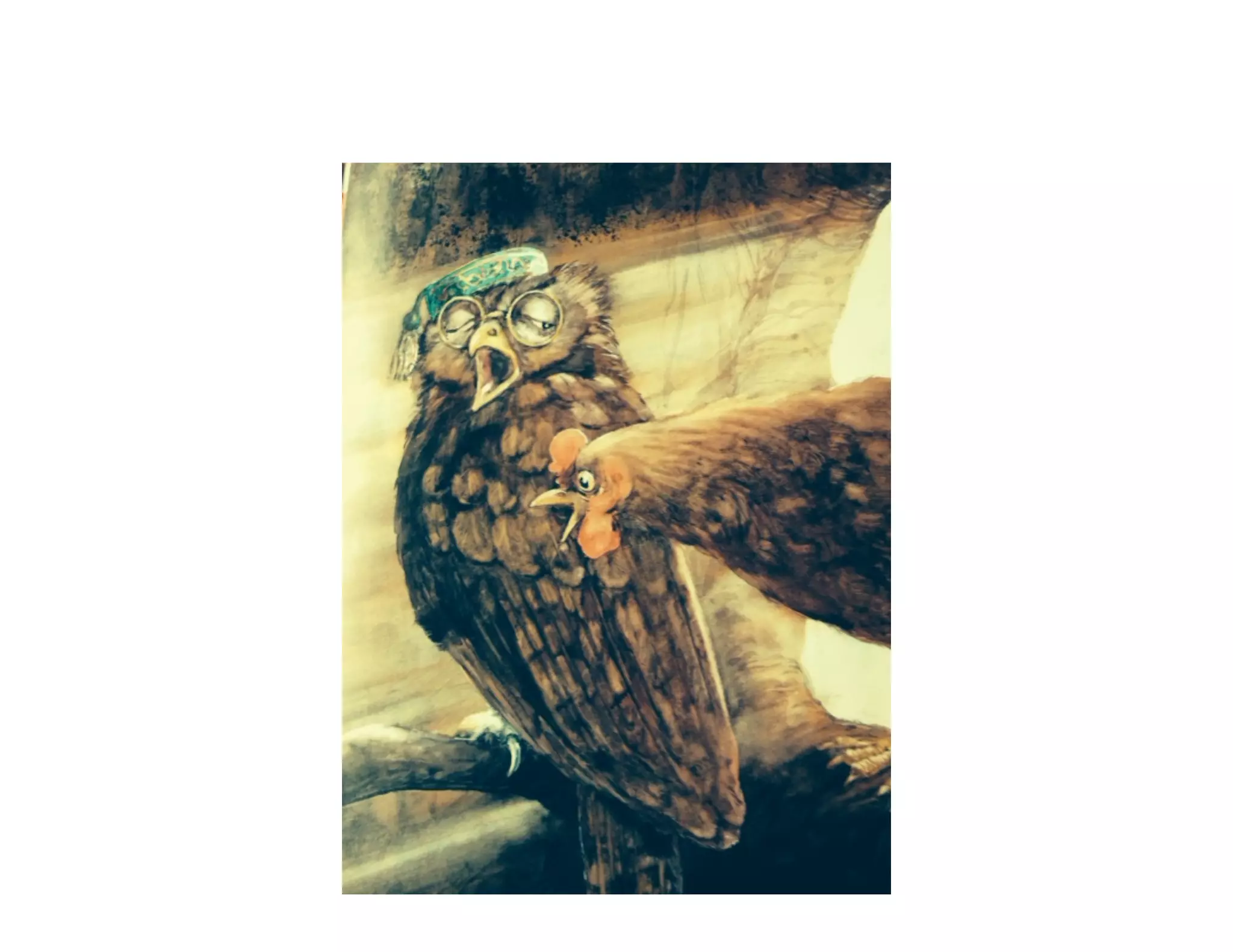
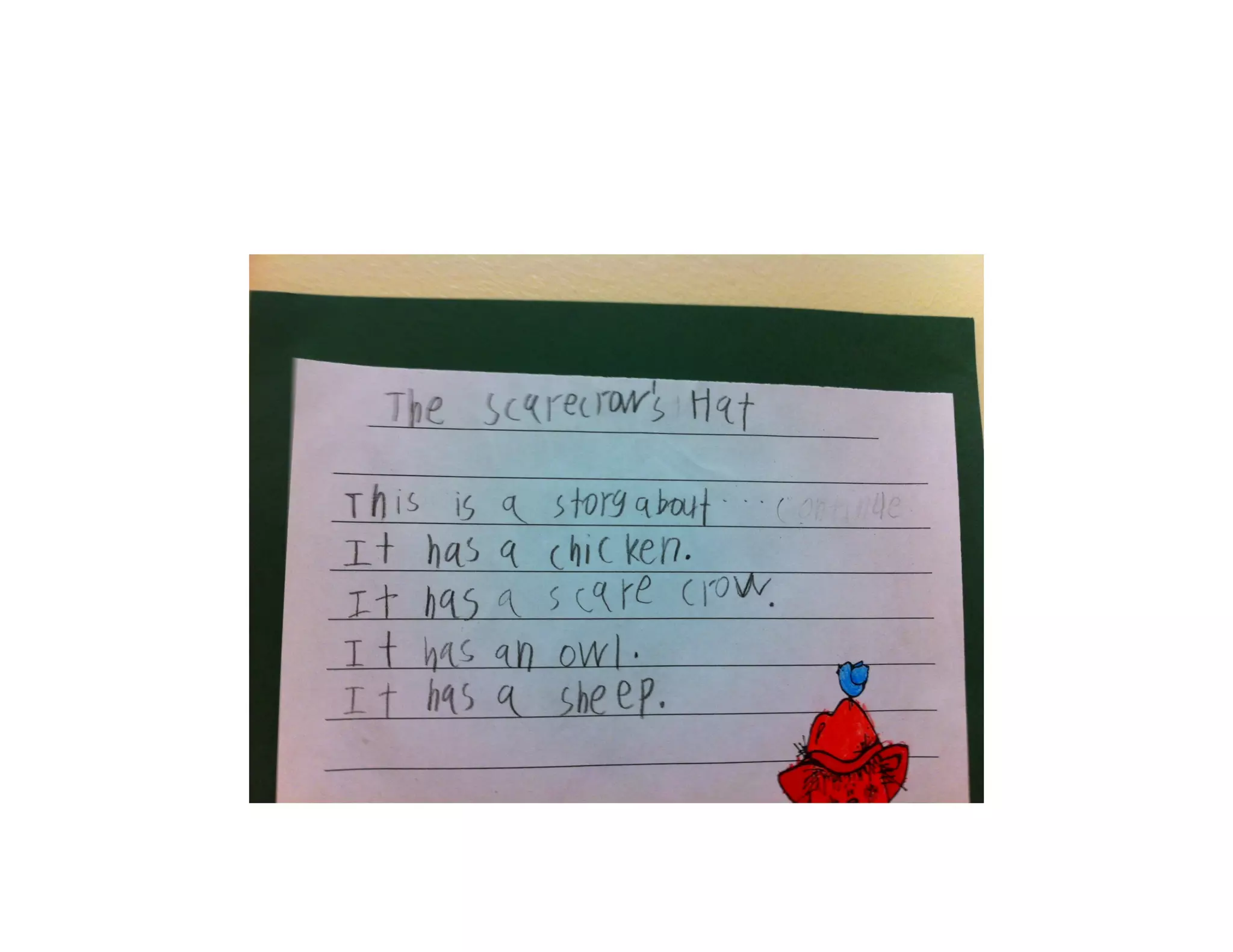
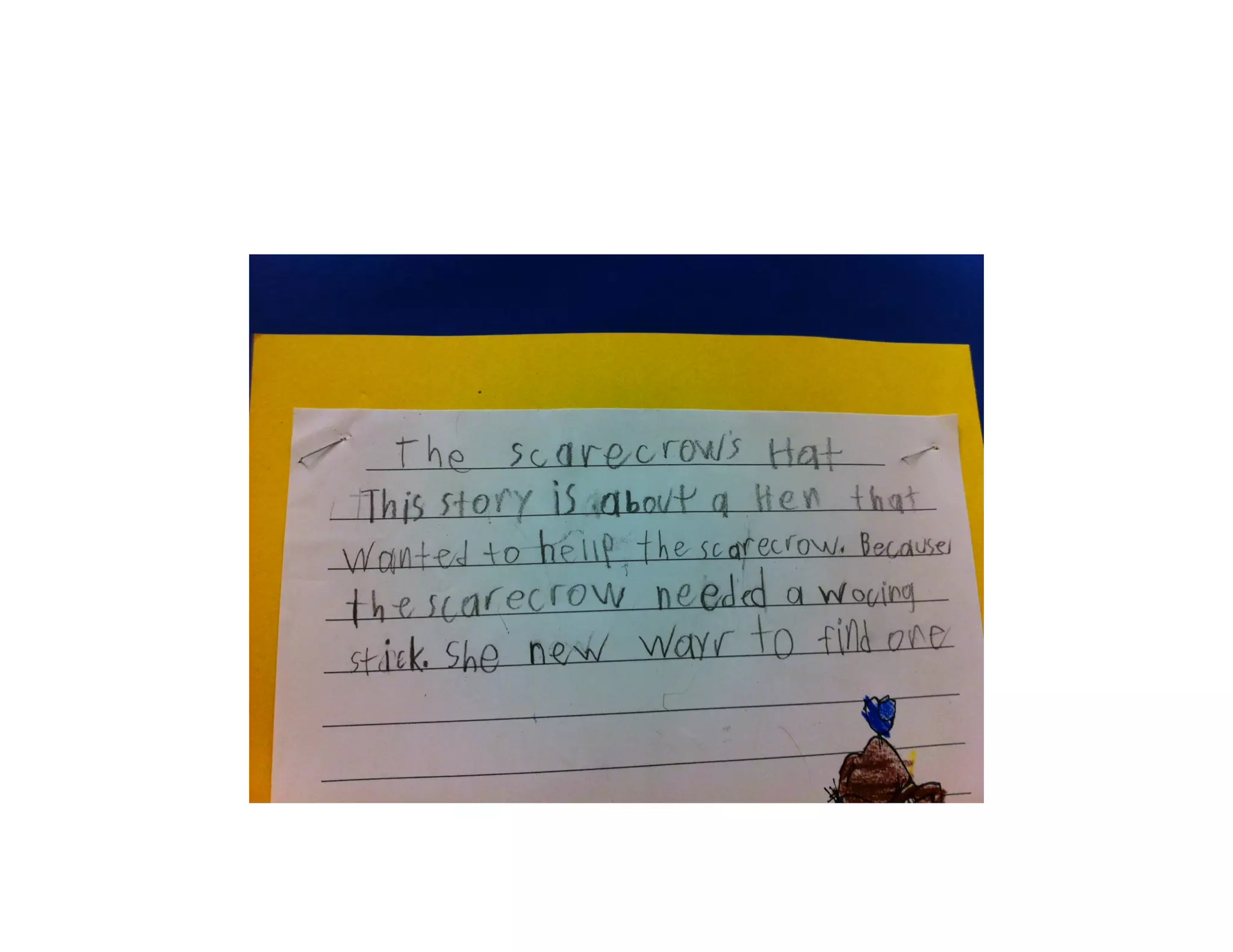
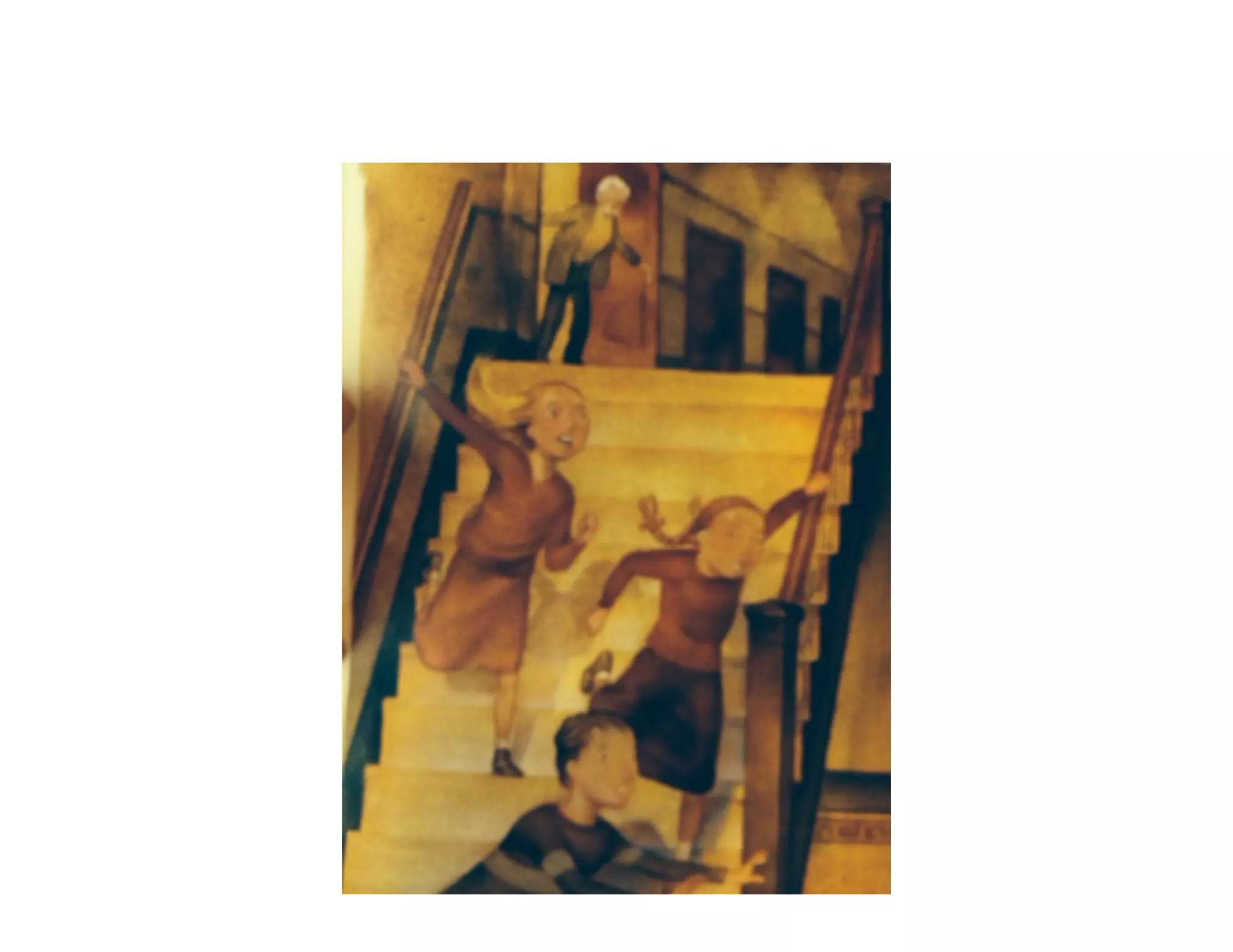
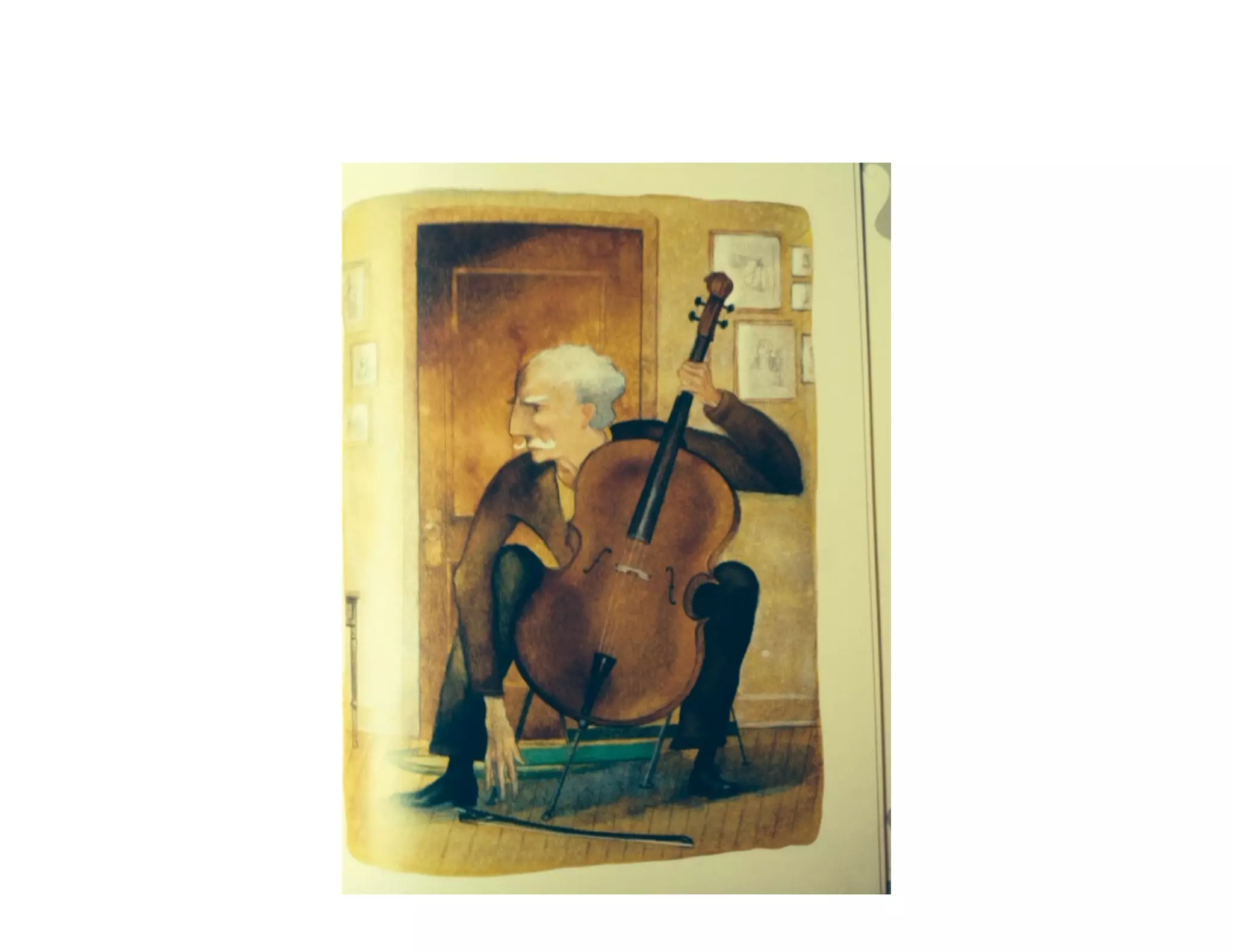
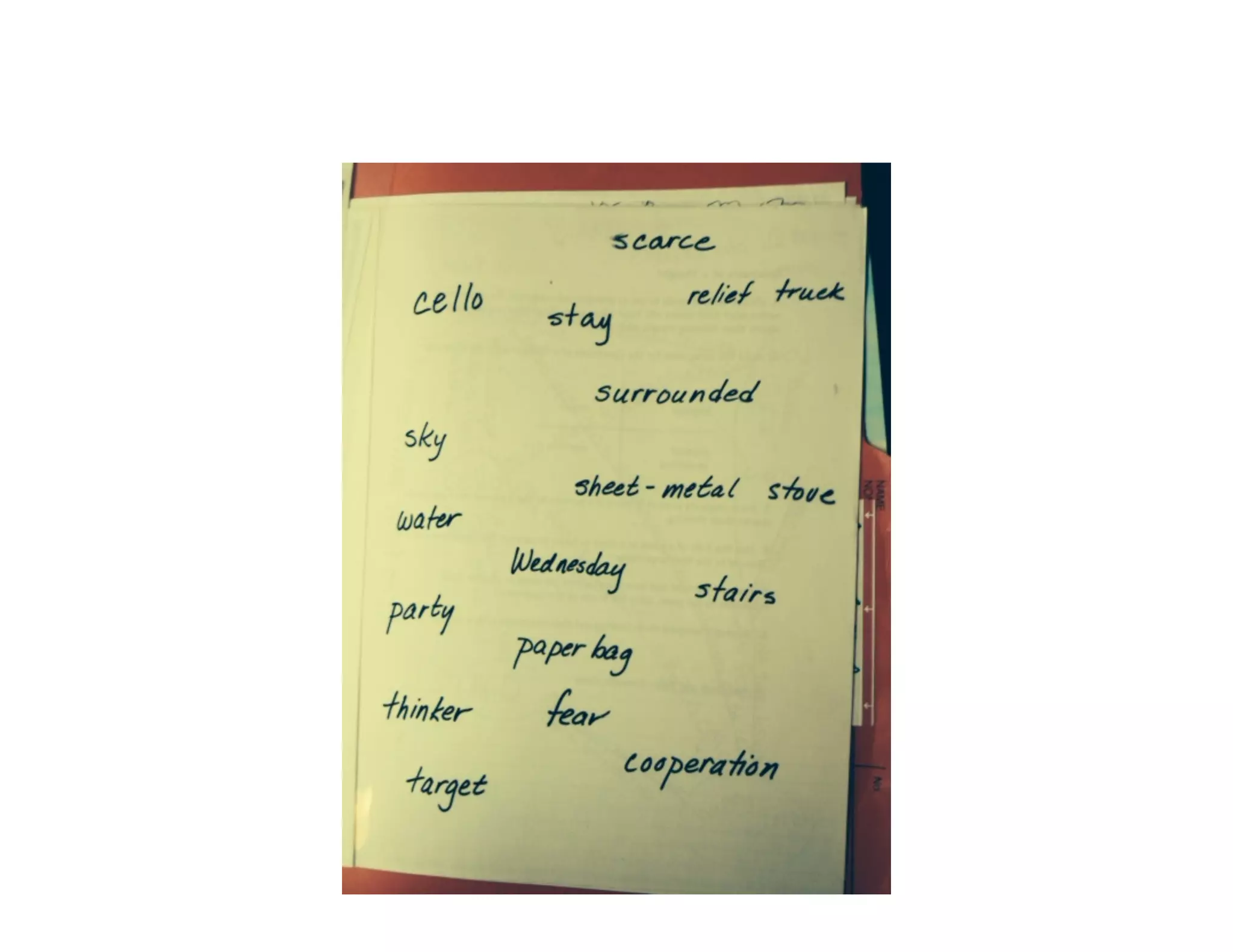
Picture Book Strategy Lesson
Gr 3
Joni Cunningham, Richmond
• 
• 
• 
• 
• 

Building	
  vocabulary	
  from	
  pictures	
  
Establishing	
  ficFon/non-­‐ficFon	
  
PredicFng	
  	
  
Directed	
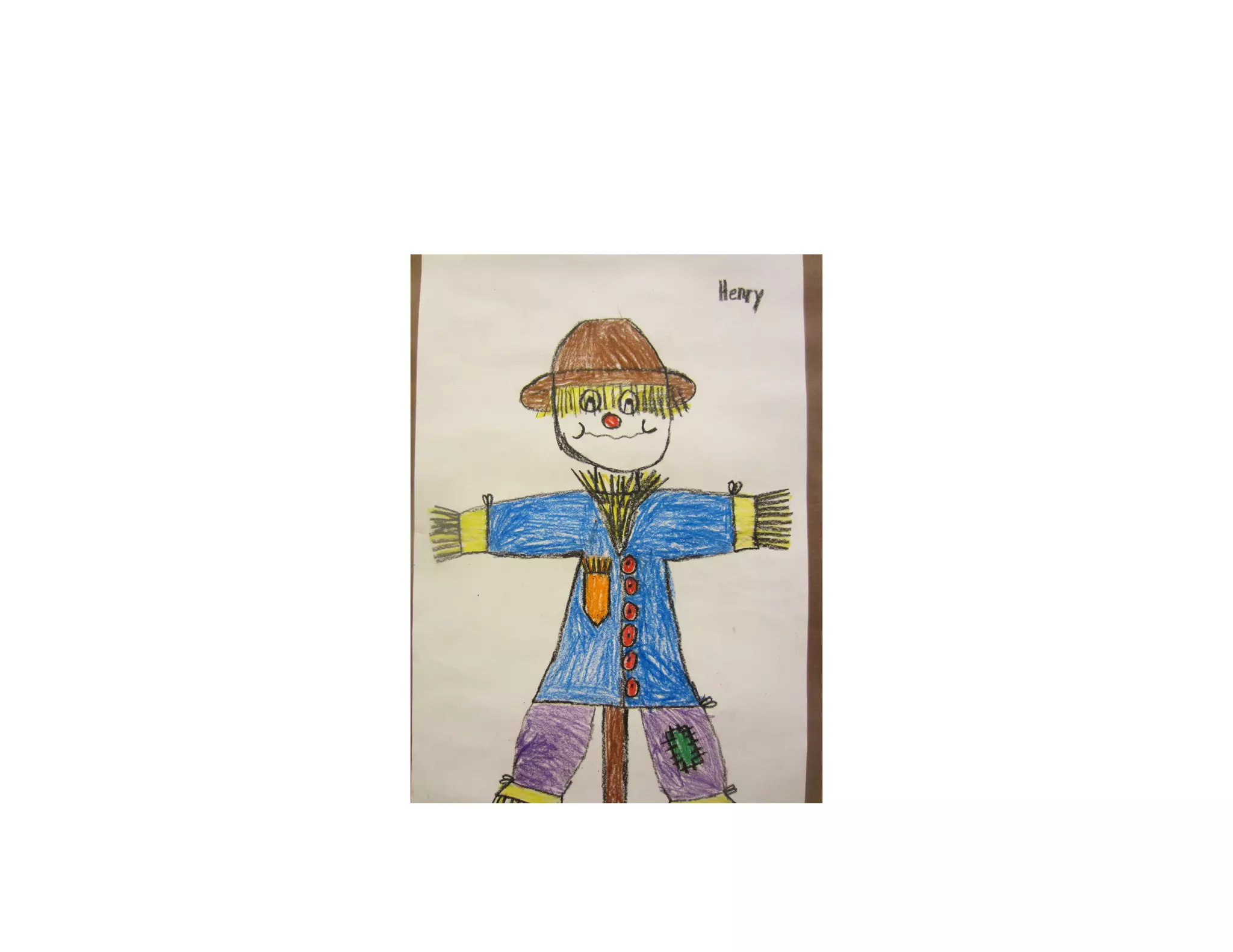
  drawing	
  
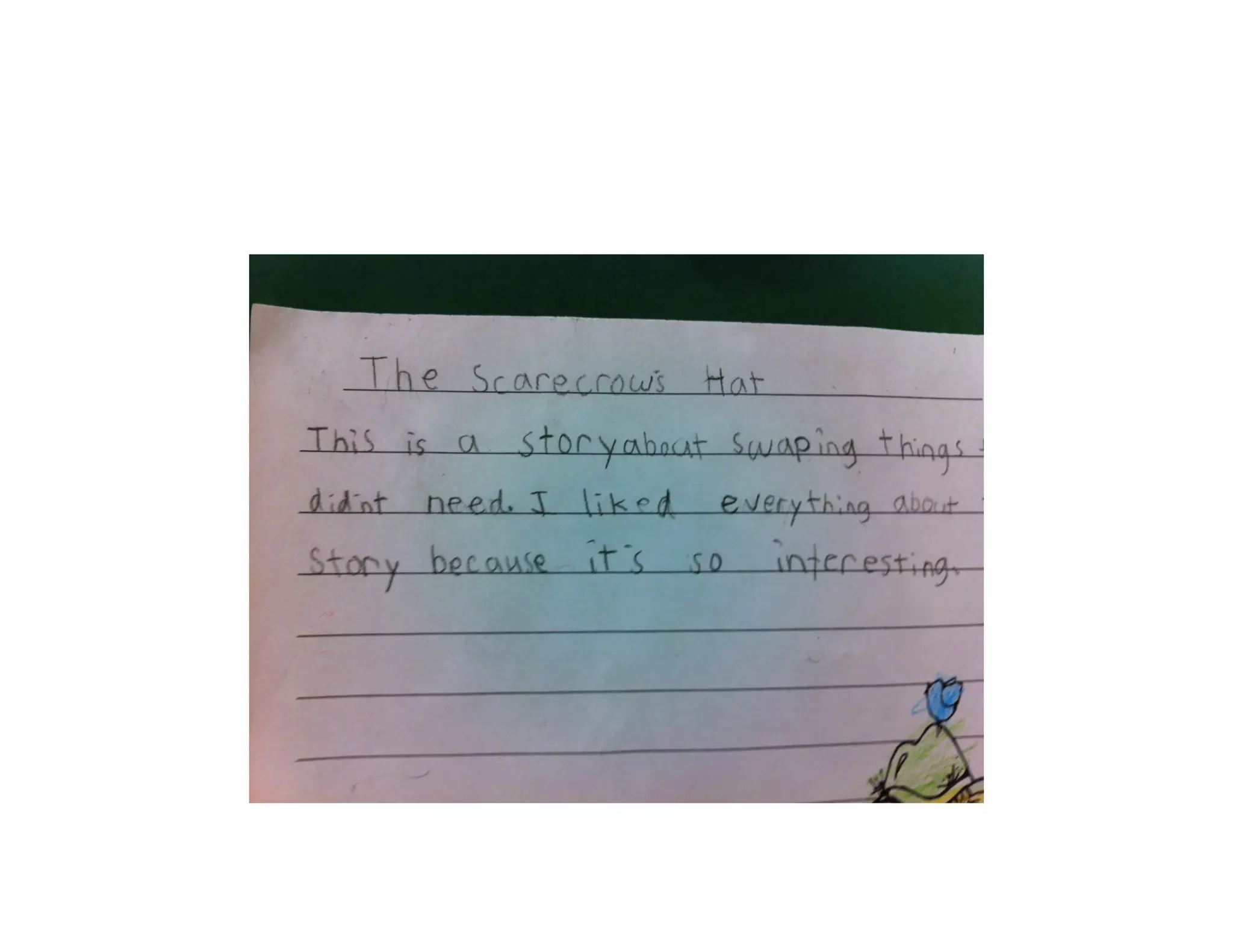
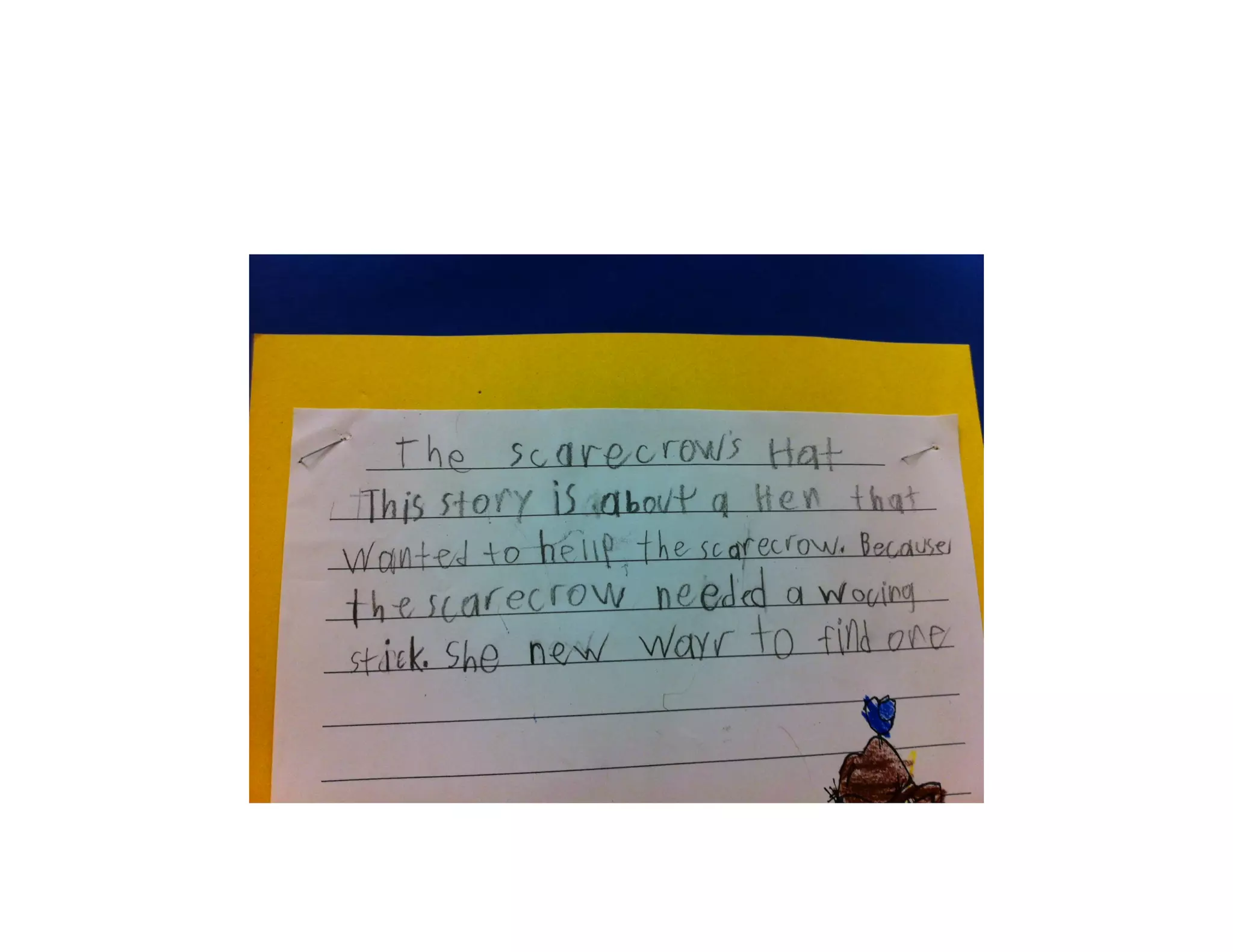
WriFng	
  to	
  retell	
  and	
  connect	
  
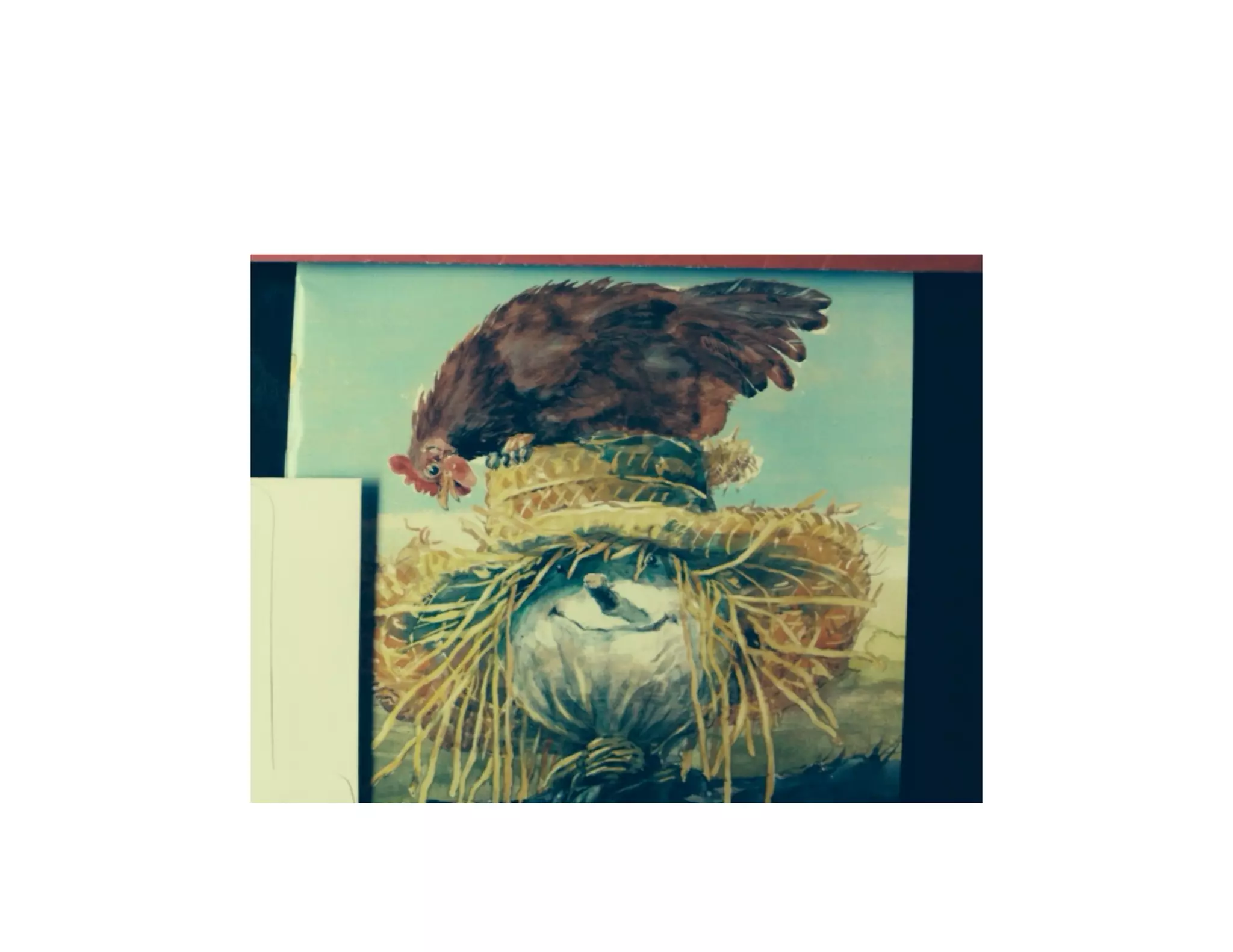
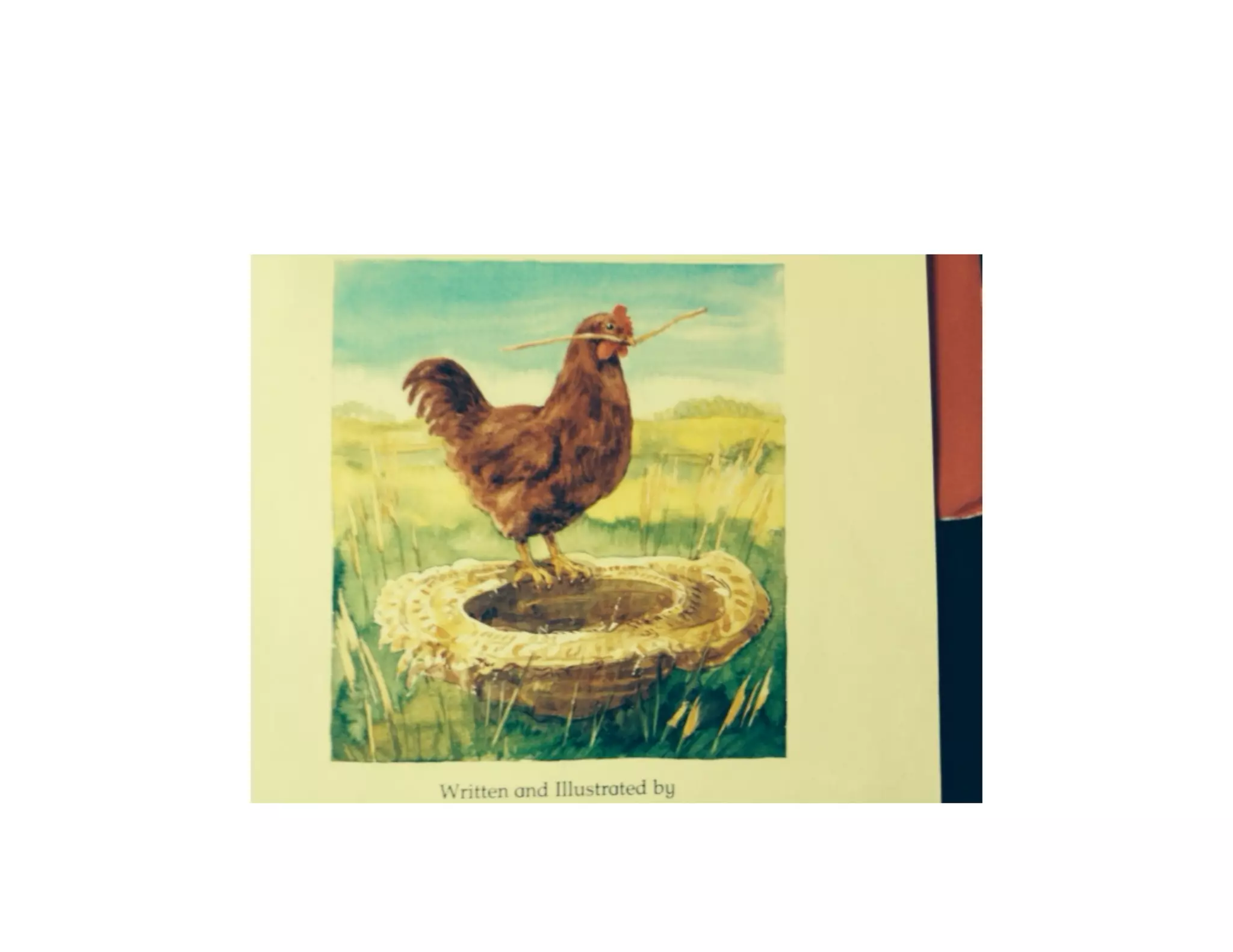
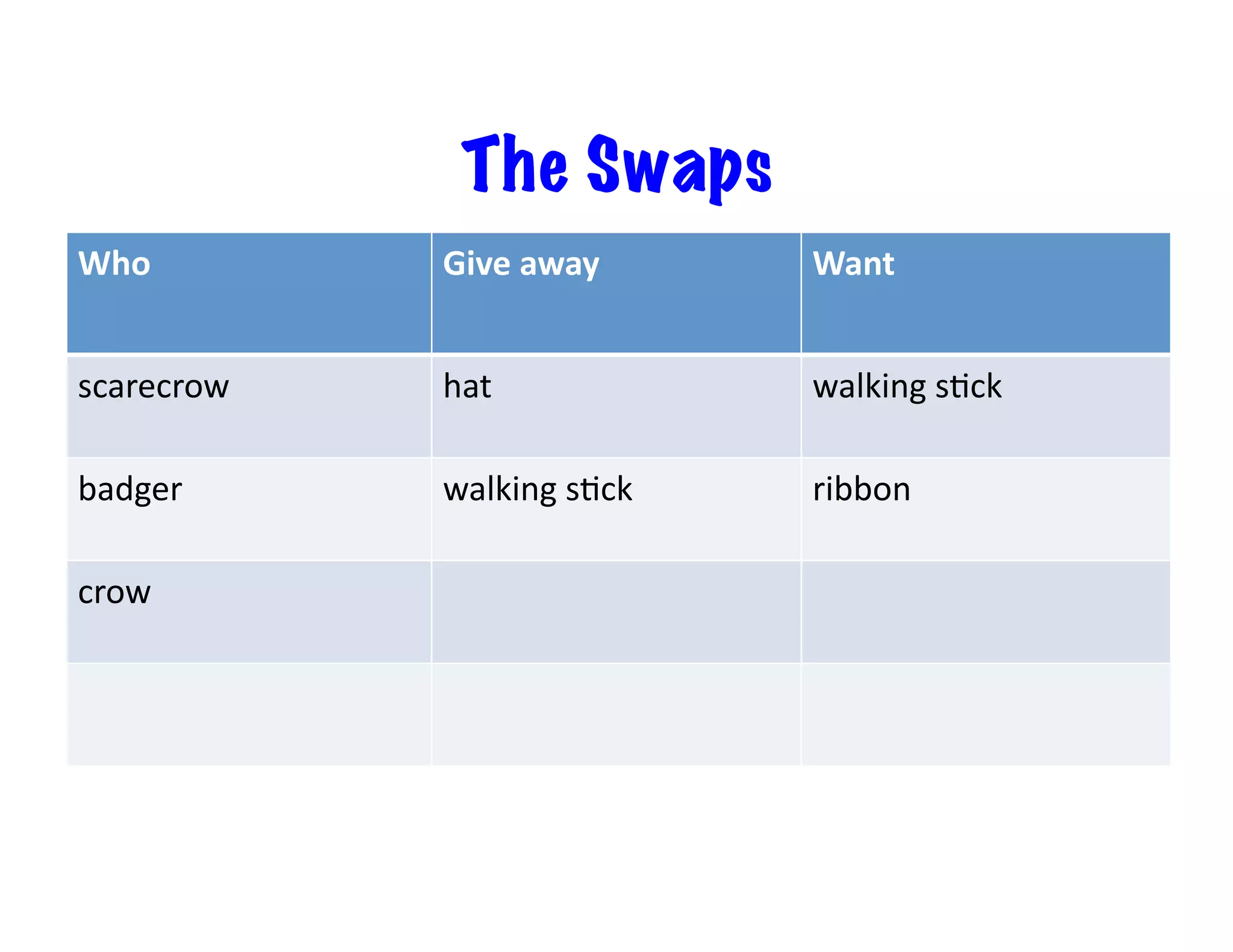
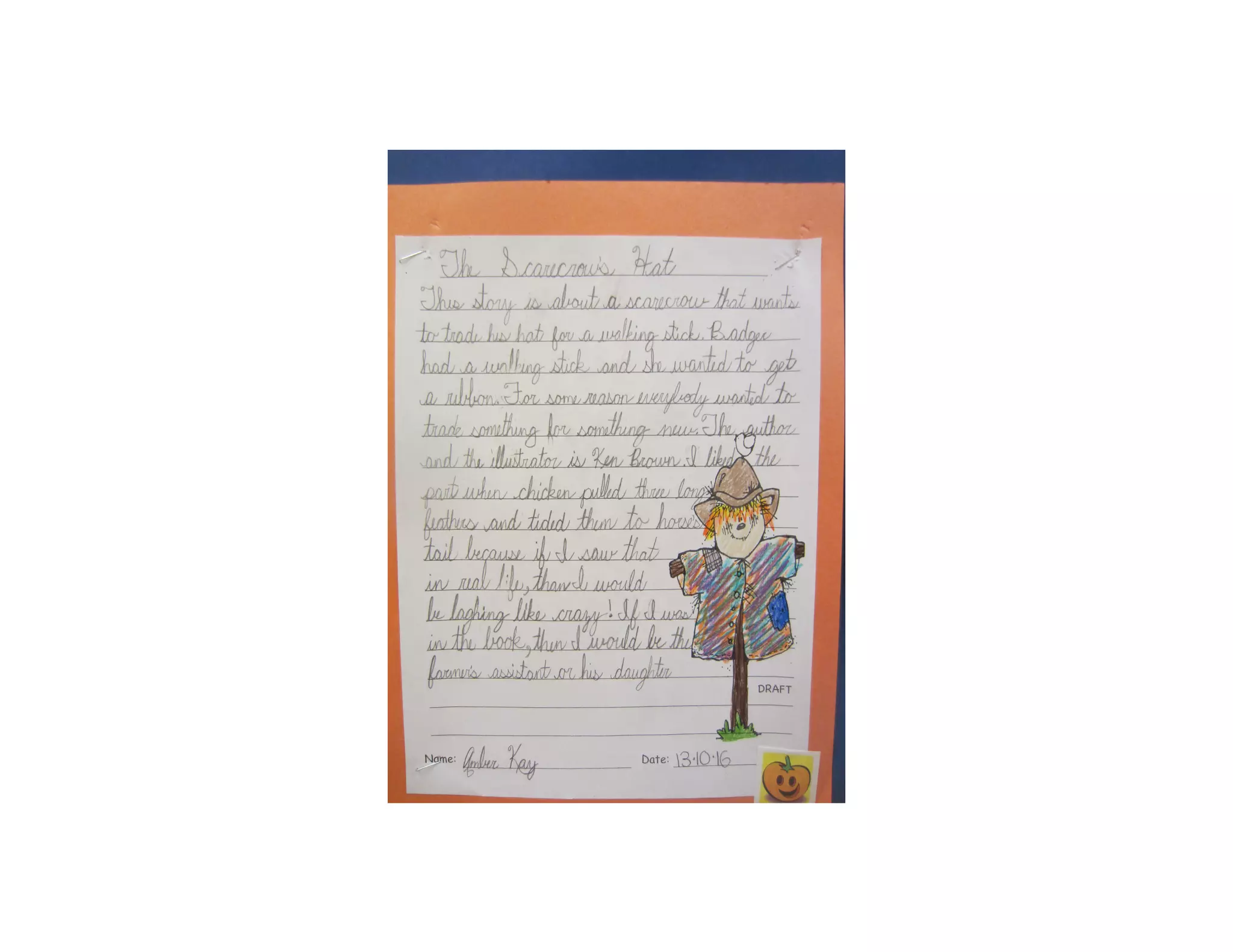
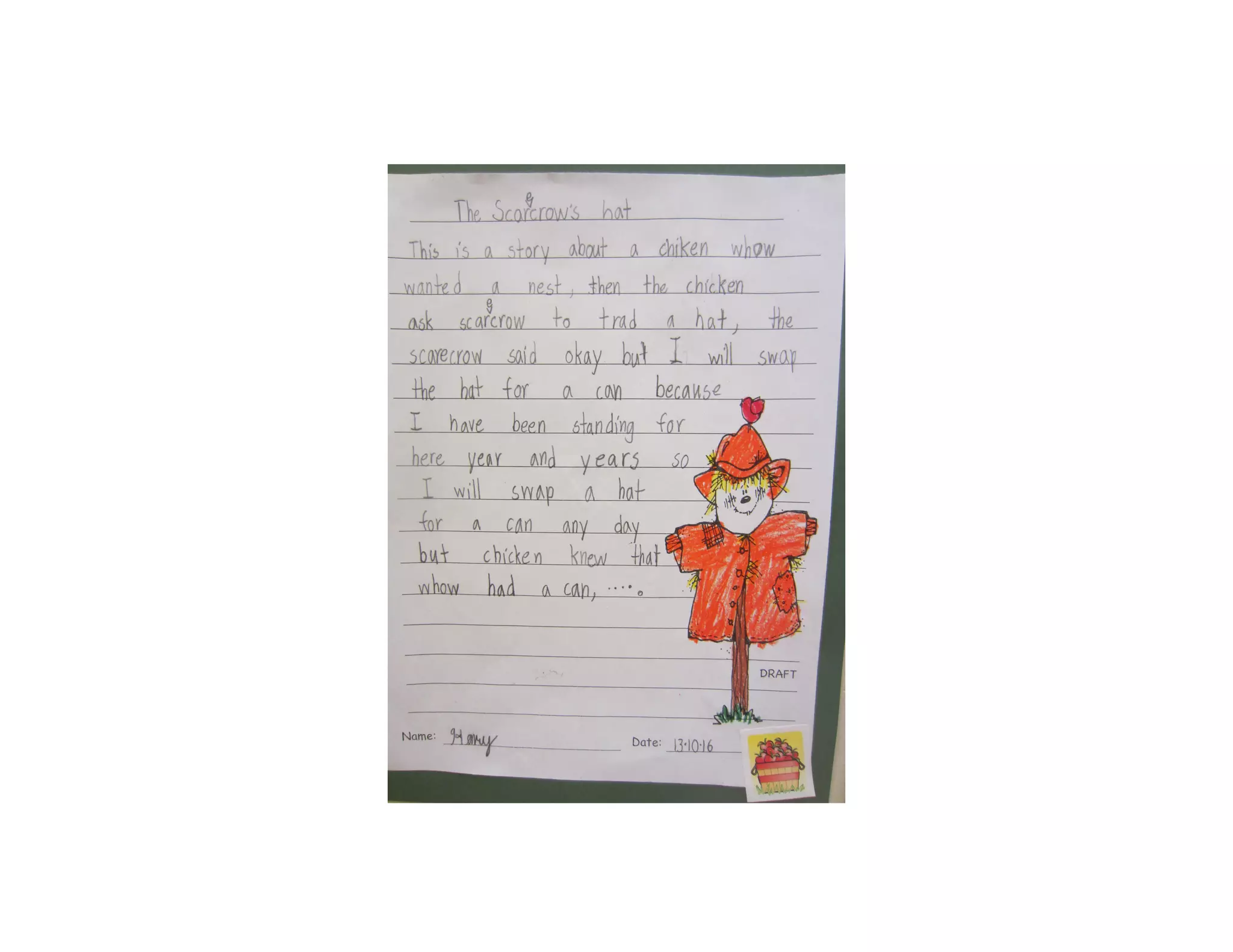
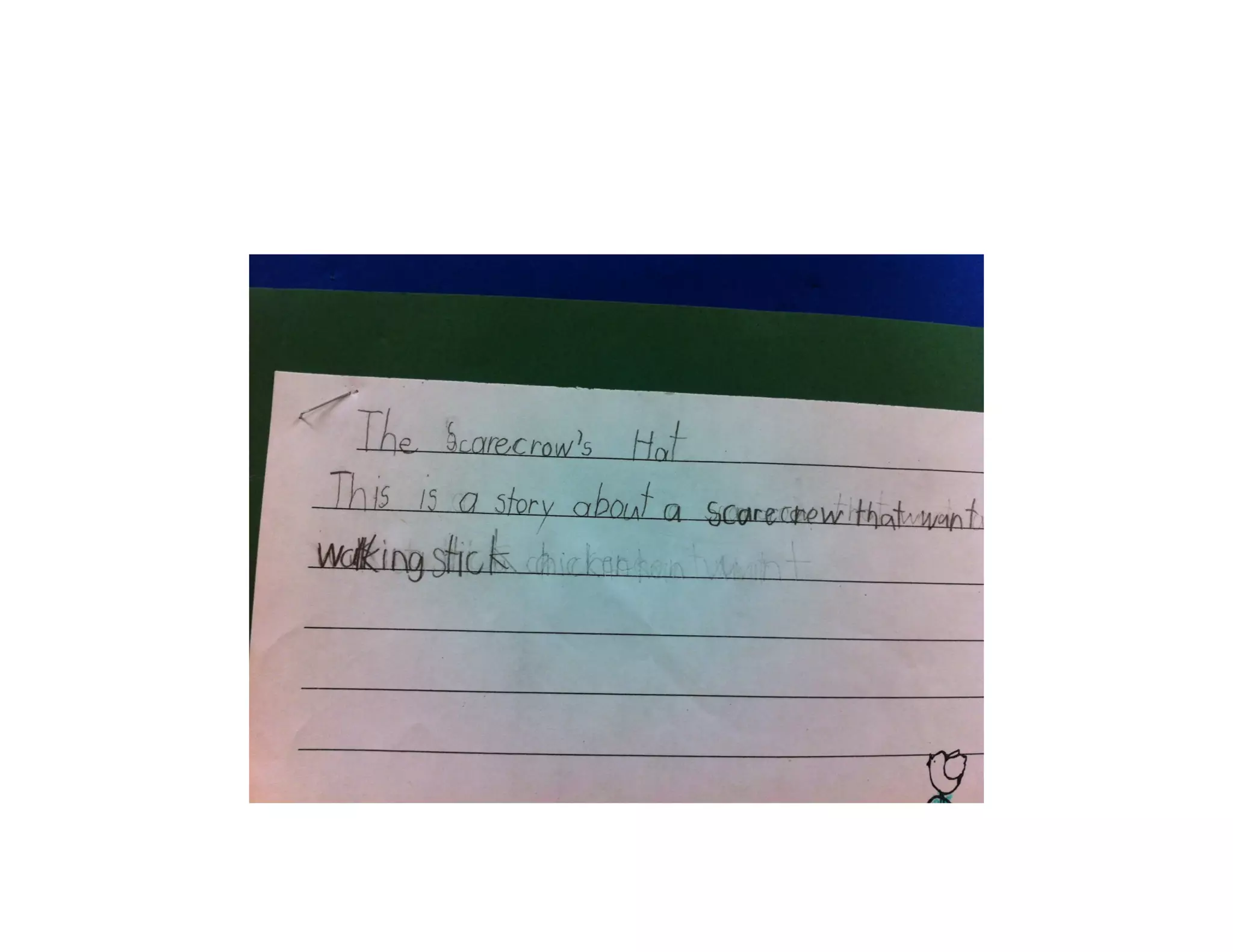
The Swaps
Who	
  

Give	
  away	
  

Want	
  

scarecrow	
  

hat	
  

walking	
  sFck	
  

badger	
  

walking	
  sFck	
  

ribbon	
  

crow	
  
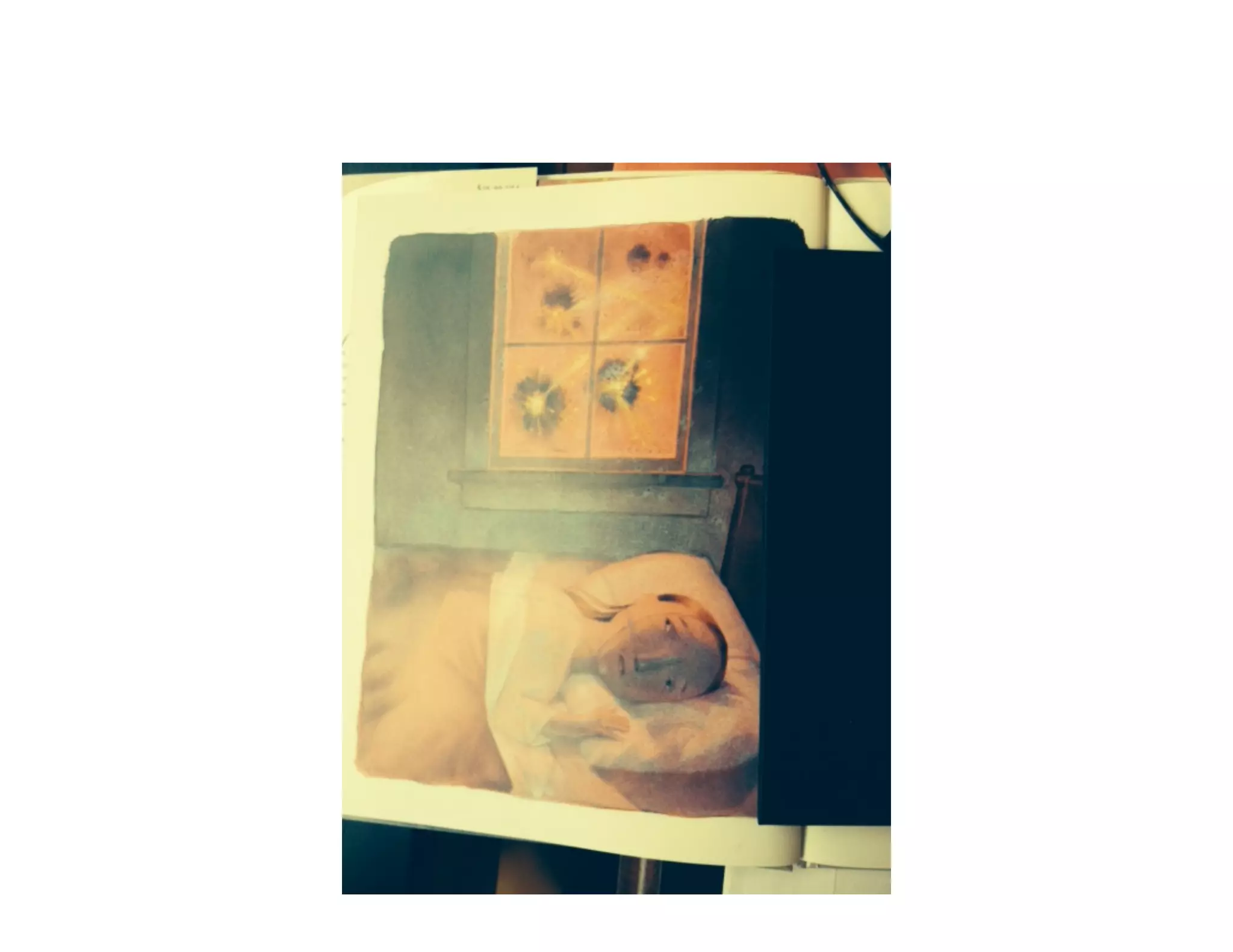
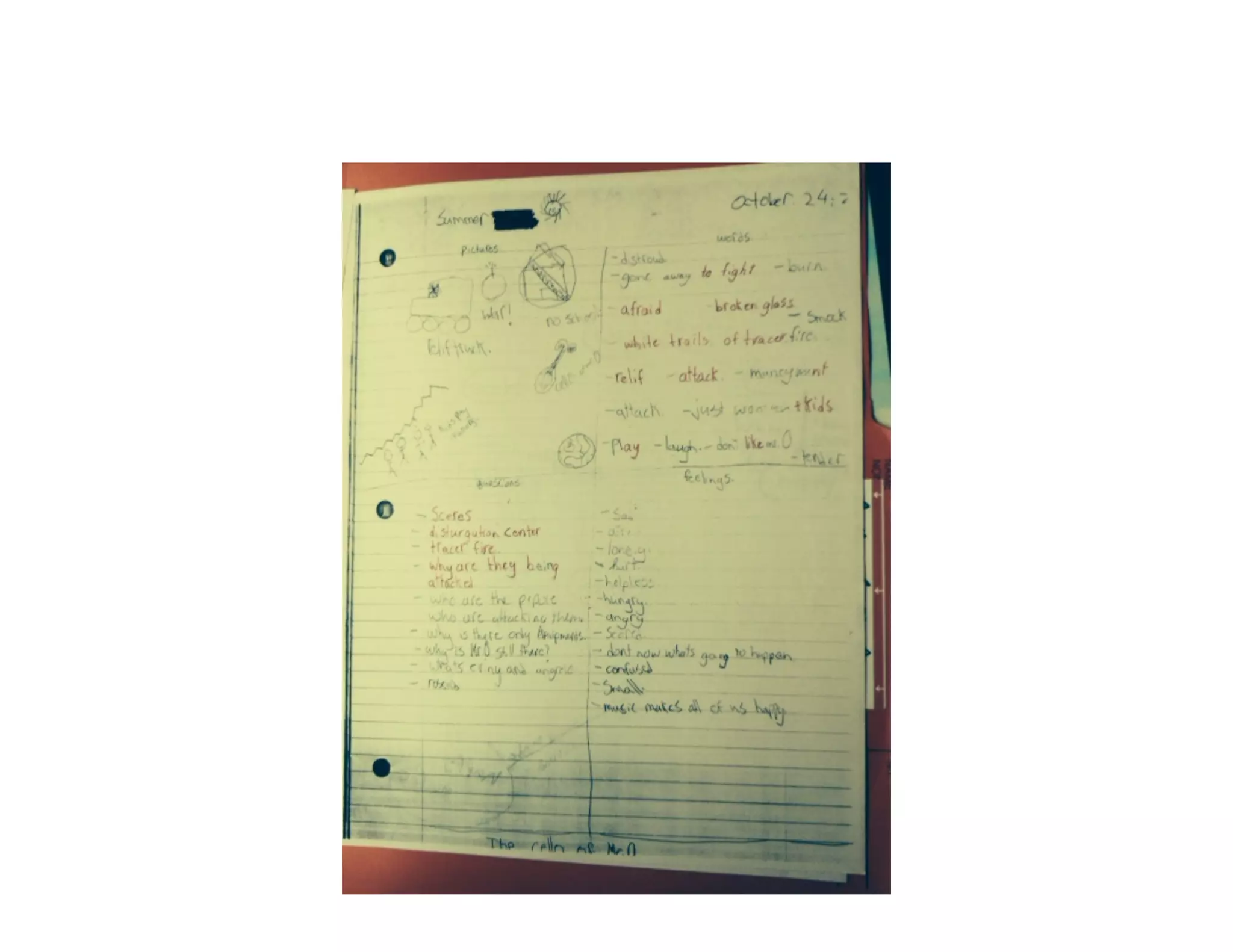
Gr 4/5
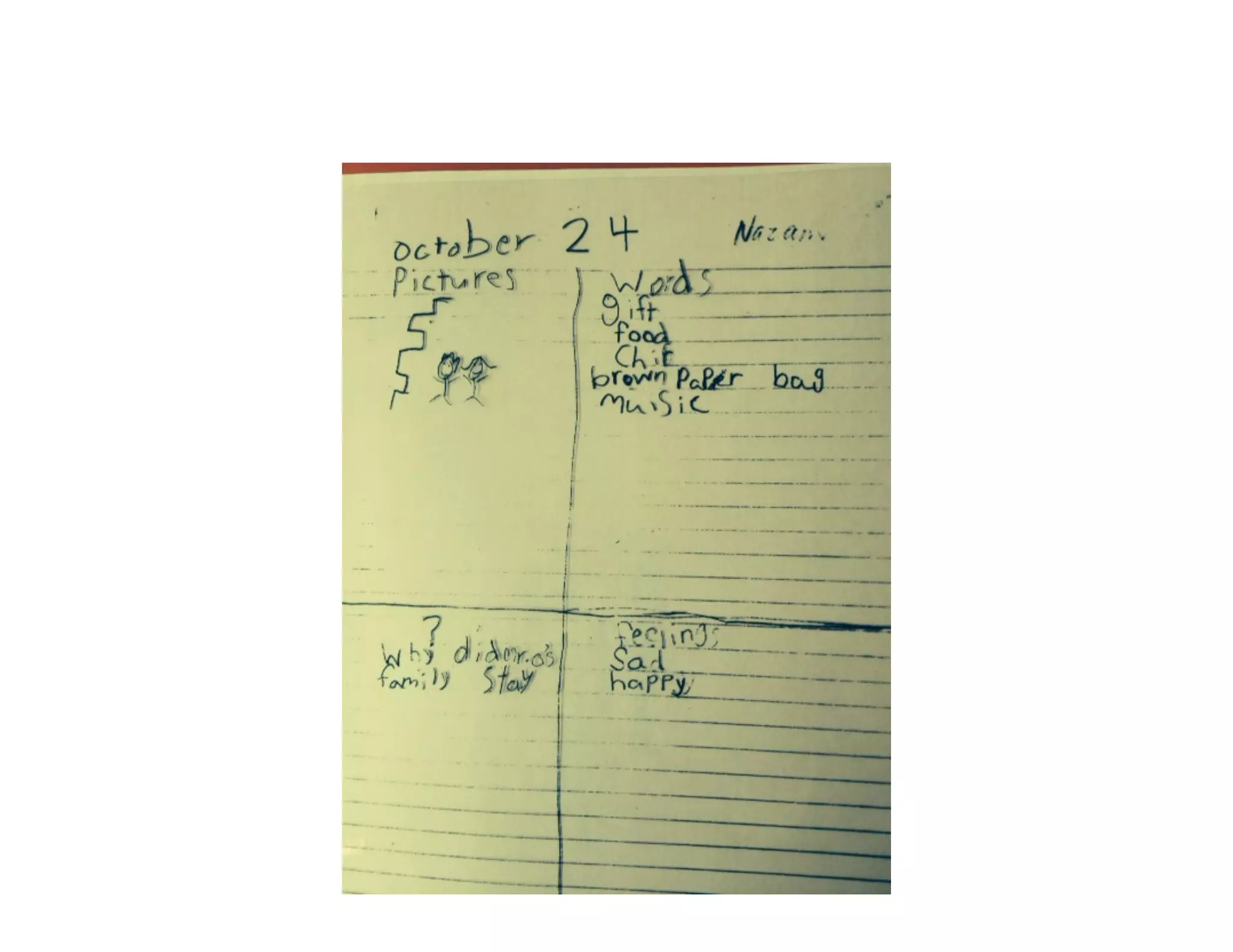
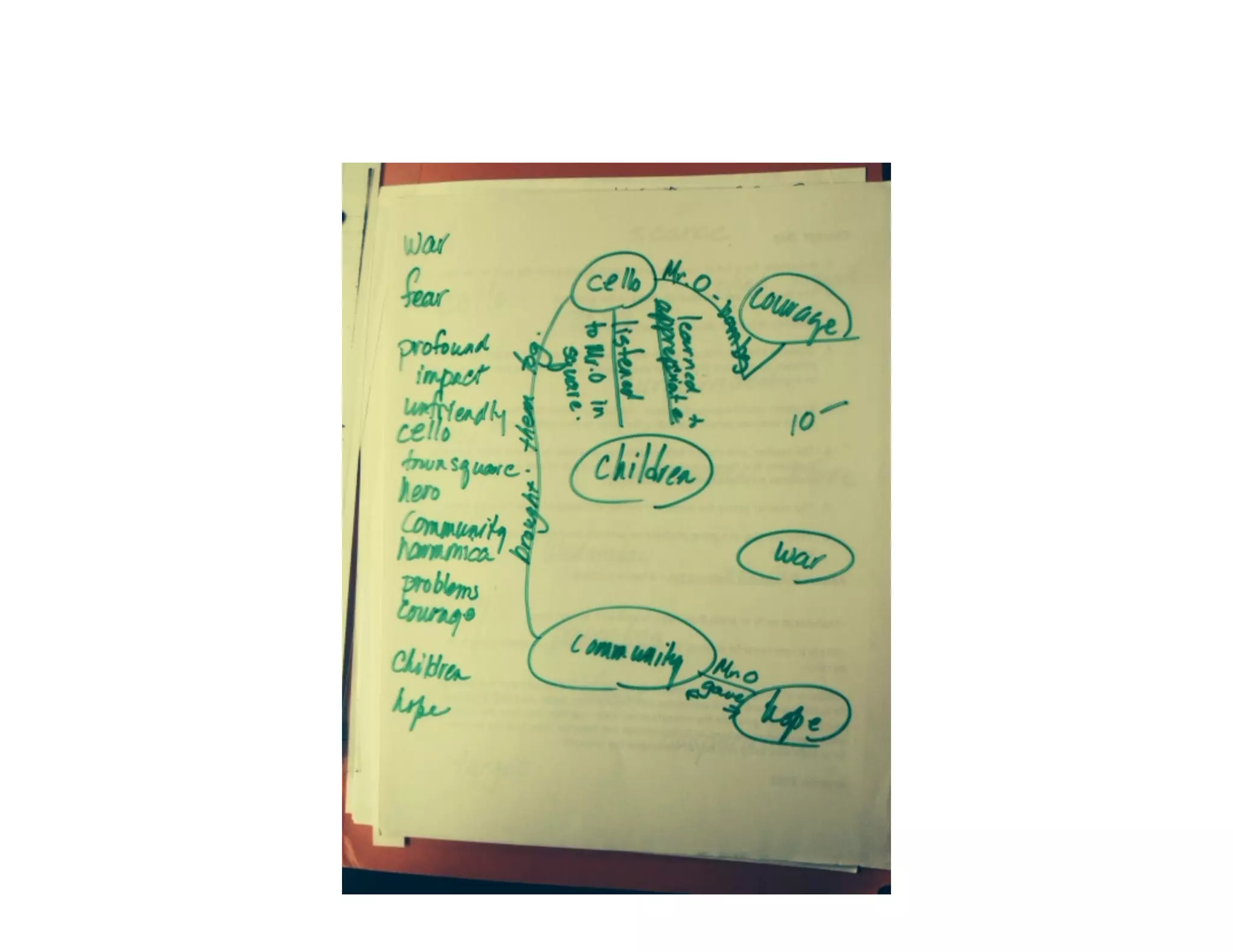
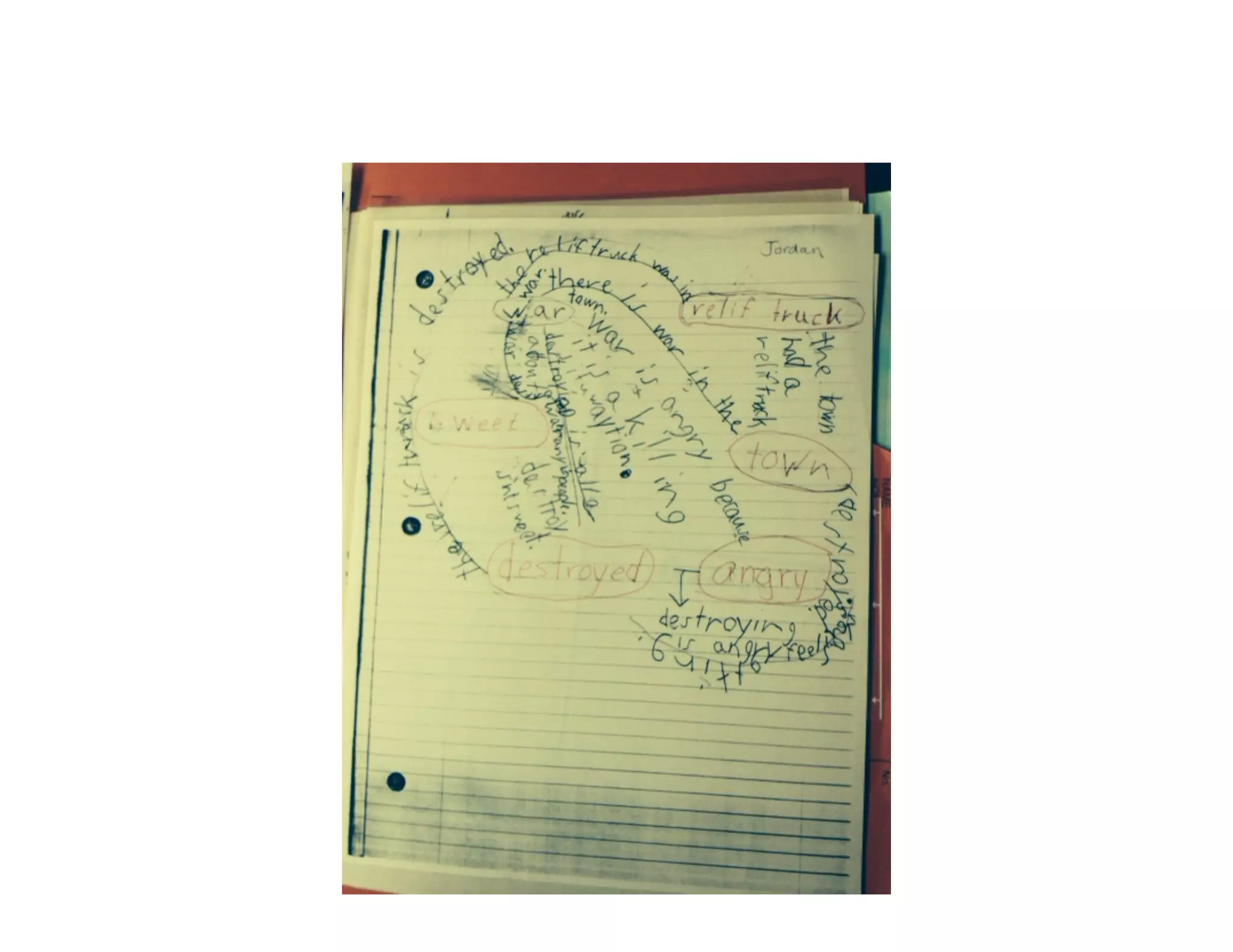
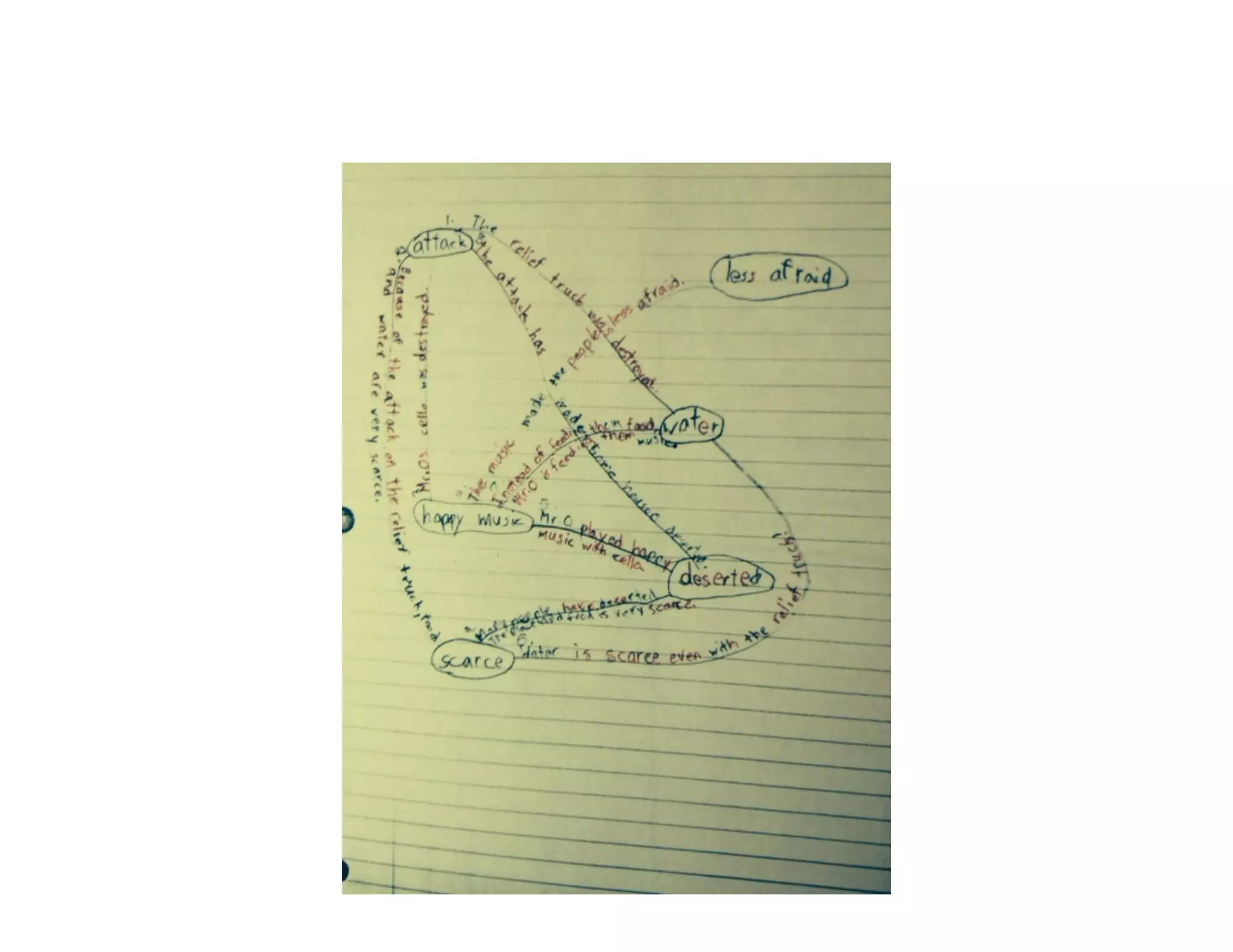
•  QuesFoning	
  from	
  pictures	
  
•  Sort	
  and	
  predict	
  
•  Quadrants	
  of	
  a	
  thought	
  
•  Concept	
  map	
  
4.  Every	
  child	
  writes	
  about	
  something	
  
personally	
  meaningful.	
  
	
  -­‐connected	
  to	
  text	
  
	
  -­‐connected	
  to	
  themselves	
  
	
  -­‐real	
  purpose,	
  real	
  audience	
  
5.	
  	
  Every	
  child	
  talks	
  with	
  peers	
  about	
  reading	
  
and	
  wriFng.	
  
•  2	
  post-­‐it	
  notes	
  each	
  
•  Read	
  to	
  find	
  something	
  	
  
–  New	
  to	
  you	
  
–  InteresFng	
  
–  That	
  you	
  liked	
  
–  That	
  you	
  wonder	
  about	
  

•  Place	
  your	
  post-­‐it	
  notes	
  on	
  your	
  ‘talking	
  
points’	
  and	
  find	
  a	
  partner	
  
6.  Every	
  child	
  listens	
  to	
  a	
  fluent	
  adult	
  read	
  
aloud.	


  -­‐different	
  kinds	
  of	
  text	


  -­‐with	
  some	
  commentary	
  
To do…
•  Try	
  something	
  from	
  today	
  
•  Scan	
  Catching	
  Readers	
  before	
  They	
  Fall	
  and	
  
Comprehension	
  ConnecFons	
  
•  Try	
  something	
  from	
  ONE	
  of	
  these	
  books	
  
before	
  January	
  
•  Come	
  prepared	
  to	
  share	
  what	
  you	
  did	
  
differently	
  and	
  how	
  it	
  worked	
  

Kootenay Columbia - reading & writing with skill & passion

  • 1.
    Reading and Writingwith Skill and Passion – grades 2-5 SD  20   October  22,  2013  (1st  of  3)   Faye  Brownlie   www.slideshare.net  
  • 2.
    Learning Intentions •  I  can  find  evidence  of  current  reading  research   in  my  pracFce   •  I  have  a  plan  to  incorporate  a  pracFce  that  is   different  to  me   •  I  am  leaving  with  a  quesFon  
  • 3.
    •  What wouldhappen if… •  Belief •  Practice
  • 4.
    We CAN teachall our kids to read. •  Struggling  readers  need  to  read  MORE  than   non-­‐struggling  readers  to  close  the  gap.   •  Struggling  readers  need  to  form  a  mental   model  of  what  readers  do  when  reading.   •  Struggling  readers  need  to  read  for  meaning   and  joy     •  Struggling  readers  do  NOT  need  worksheets,   scripted  programs,  or  more  skills  pracFce.  
  • 6.
    We  now  have  good  evidence  that  virtually  every   child  who  enters  an  American  kindergarten   can  be  reading  on  level  by  the  end  of  first   grade  (Mathes,  et  al,  2004;  Phillips  &  Smith,   2010;  VelluFno,  et  al,  1996).     -­‐Richard  Allington,  keynote  address,  IRA,  2011  
  • 7.
    98% on gradelevel at year end:   Mathes,  et  al  (2004);  VelluFno,  et  al  (1996);   Phillips,  et  al  (1998)   •  Every  successful  intervenFon  study  used   either  1-­‐1  expert  tutoring  or  1-­‐3  very  small   group  expert  reading  instrucFon.     •  None  of  the  studies  used  a  scripted  reading   program.     •  All  had  students  engaged  in  reading  2/3  of  the   lesson.    
  • 8.
    -­‐grades  1  and  2  –  60  minutes  reading,  30   minutes  on  skill   -­‐aim  for  your  kids  to  read  6  books  in  school  and   6  more  a^er  school  
  • 9.
    High Success Reading • 99%  accuracy   •  Reading  in  phrases   •  90%  comprehension  
  • 10.
    The  struggling  reader,  no  ma`er  what  grade  the   child  is  in,  has  not  built  an  efficient  reading   process  system  to  make  meaning  from  texts  or   help  him  or  her  solve  problems  when  stuck…   For  teachers,  that  means  learning  how  to  teach   in  support  of  the  child  as  he  or  she  gains  more   control  of  strategic  acFons.            -­‐Johnson  &  Keier  
  • 11.
    Our key questions: Did  that  make  sense?  
  • 12.
    Our key questions:   How  did  you  figure  that  out?  
  • 13.
    M  –  meaning   Does  this  make  sense?   S  –  language  structure   Does  this  sound  right?   V  –  visual  informaFon   Does  this  look  right?  
  • 14.
    The  best  way  to  develop  phonemic   segmentaFon  is  through  invented  spelling;   children  with  pens  and  pencils,  drawing  and   wriFng.    -­‐Marilyn  Adams,  1990   -­‐about  20%  of  children  do  not  develop   phonemic  segmentaFon  readily  
  • 15.
    •  K/1  –    spend  a  maximum  of  10  minutes/day  on   phonics  –  small  impact  on  phonic  knowledge;   no  difference  on  comprehension   •  Beyond  grade  1  –  no  staFsFcal  difference  for   any  phonics     •  NaFonal  Reading  Panel  
  • 16.
    “Every  Child,  Every  Day”  –  Richard  Allington  and   Rachael  Gabriel   In  EducaFonal  Leadership,  March  2012   6  elements  of  instrucFon  for  ALL  students!  
  • 17.
    1.    Every  child  reads  something  he  or  she   chooses.  
  • 18.
    CR4YR Results 201213 • The  struggling  readers  who  were  given  MORE   choice  tended  to  close  the  gap  more.   •  The  more  readers  struggled,  the  less  choice   they  received.    Those  who  made  the  least   progress  had  the  LEAST  choice.   •  Readers  who  are  NOT  struggling  tend  to  have   choice.  
  • 19.
    2.  Every  child  reads  accurately.   -­‐intensity  and  volume  count!   -­‐98%  accuracy   -­‐less  than  90%  accuracy,  doesn’t  improve   reading  at  all  
  • 20.
    Building Independence •  Build  criteria  with  your  students   –  What  do  good  readers  do?     •  NoFce  when  the  students  are  using  the  co-­‐ created  criteria   •  Ask  the  students  “What  should  I  noFce  about   what  you  are  doing  when  you  are  reading?”  
  • 21.
    •  Read  something  he  chooses   •  Talks  to  a  peer  about  his  reading  
  • 22.
    Strategy Cards –Catching Readers Before They Fall (Johnson & Keier)
  • 25.
    3.  Every  child  reads  something  he  or  she   understands.      -­‐at  least  2/3  of  Fme  spent  reading  and   rereading  NOT  doing  isolated  skill  pracFce  or   worksheets      -­‐build  background  knowledge  before   entering  the  text      -­‐read  with  quesFons  in  mind        
  • 26.
    Shared Reading Lesson PictureBook Strategy Lesson
  • 27.
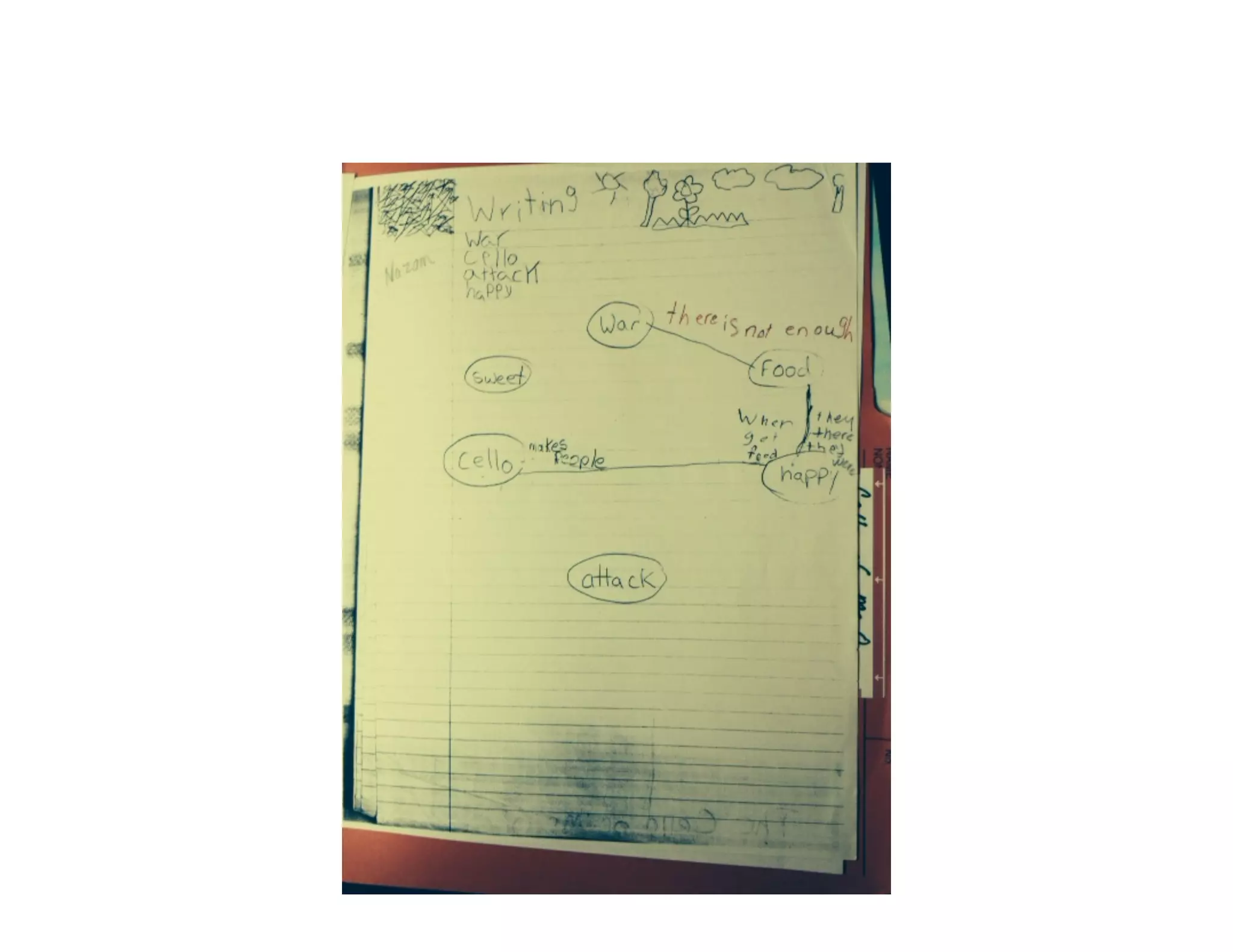
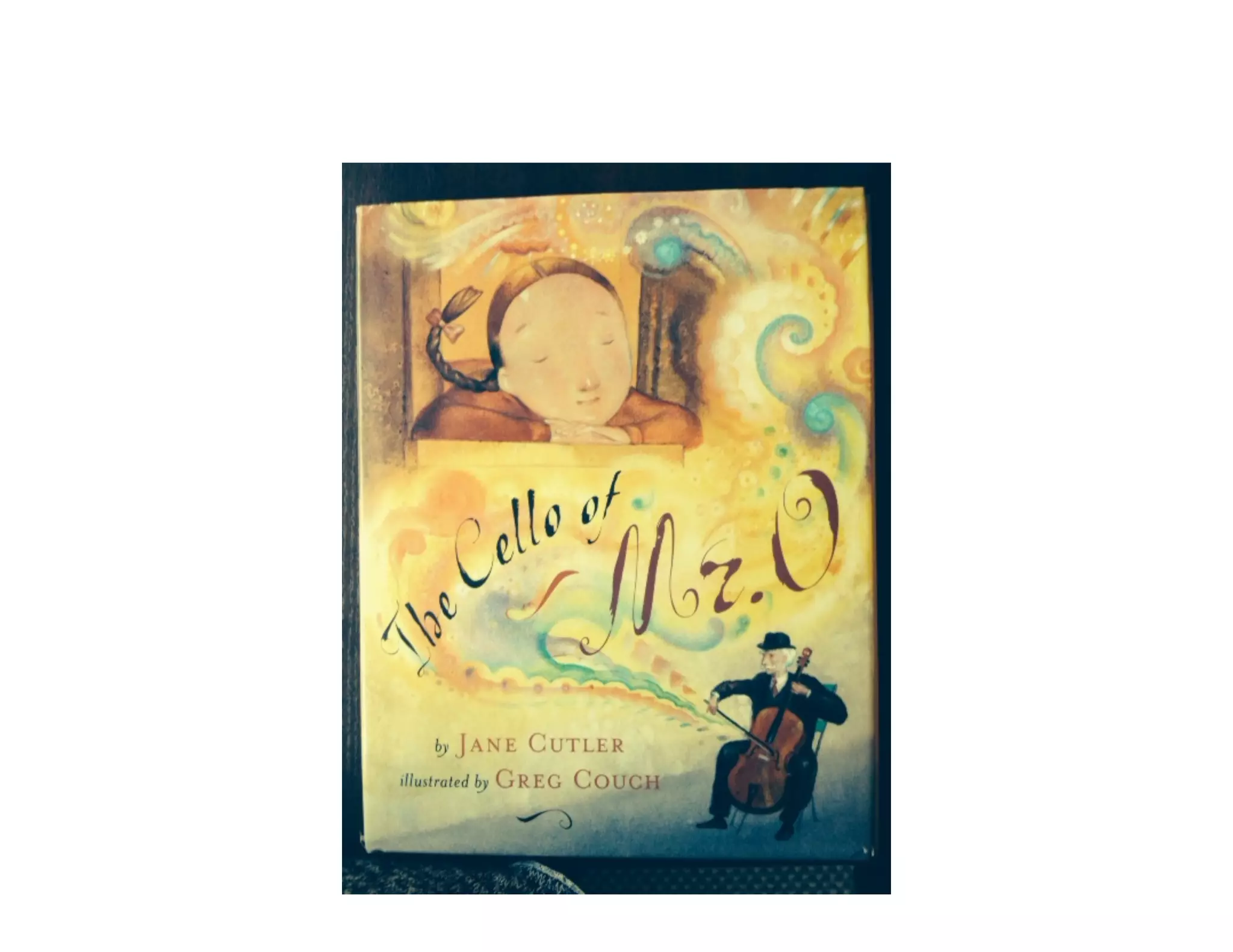
    Gr 3 Joni Cunningham,Richmond •  •  •  •  •  Building  vocabulary  from  pictures   Establishing  ficFon/non-­‐ficFon   PredicFng     Directed  drawing   WriFng  to  retell  and  connect  
  • 34.
    The Swaps Who   Give  away   Want   scarecrow   hat   walking  sFck   badger   walking  sFck   ribbon   crow  
  • 44.
    Gr 4/5 •  QuesFoning  from  pictures   •  Sort  and  predict   •  Quadrants  of  a  thought   •  Concept  map  
  • 56.
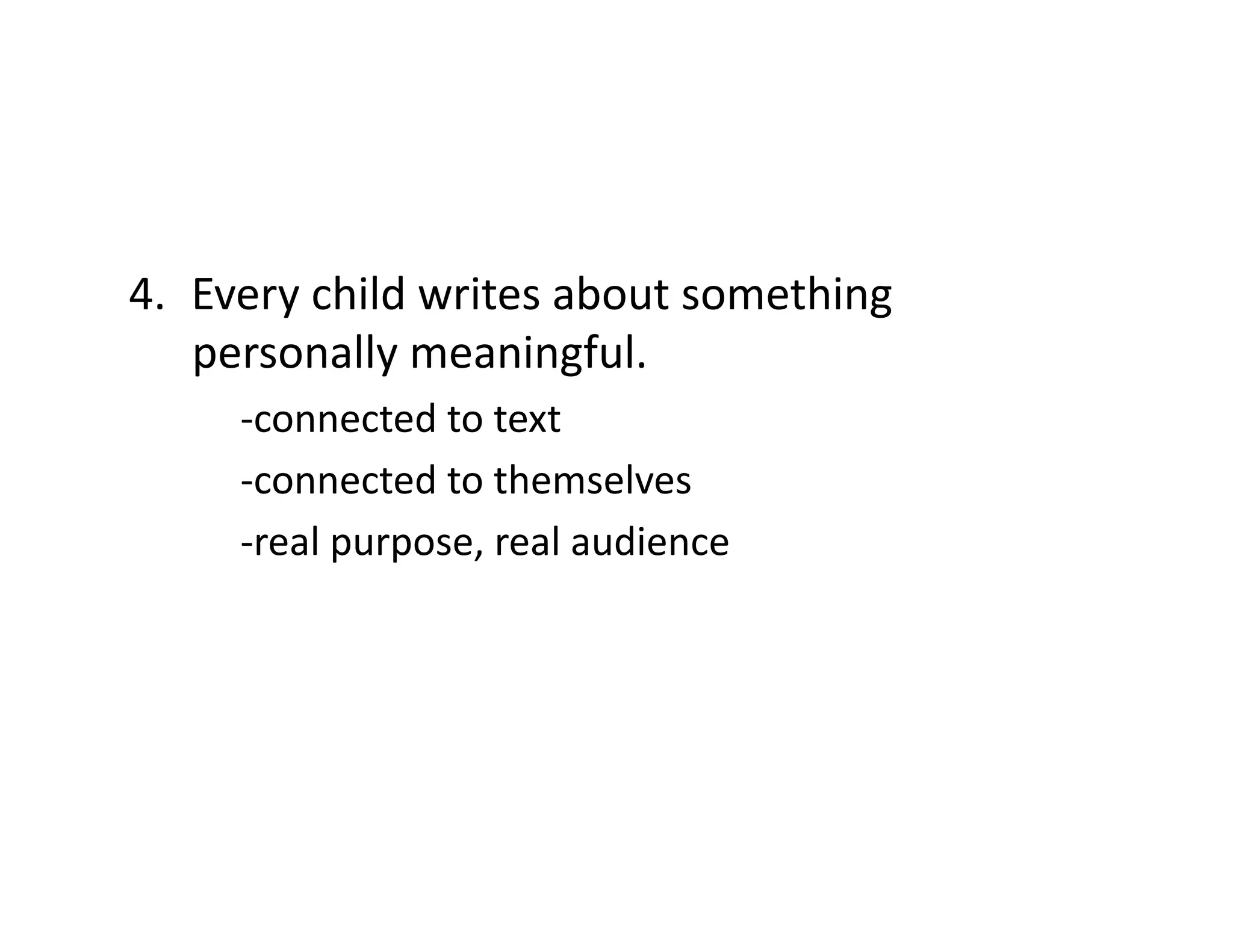
    4.  Every  child  writes  about  something   personally  meaningful.    -­‐connected  to  text    -­‐connected  to  themselves    -­‐real  purpose,  real  audience  
  • 57.
    5.    Every  child  talks  with  peers  about  reading   and  wriFng.  
  • 58.
    •  2  post-­‐it  notes  each   •  Read  to  find  something     –  New  to  you   –  InteresFng   –  That  you  liked   –  That  you  wonder  about   •  Place  your  post-­‐it  notes  on  your  ‘talking   points’  and  find  a  partner  
  • 59.
    6.  Every  child  listens  to  a  fluent  adult  read   aloud.      -­‐different  kinds  of  text      -­‐with  some  commentary  
  • 60.
    To do… •  Try  something  from  today   •  Scan  Catching  Readers  before  They  Fall  and   Comprehension  ConnecFons   •  Try  something  from  ONE  of  these  books   before  January   •  Come  prepared  to  share  what  you  did   differently  and  how  it  worked