Key Applications of Plant
Metabolic Engineering
Mirza Faisal Qaseem
08-arid-876
PhD scholar (Bot)
PMAS- Arid Agriculture
University
Rawalpindi, Pakistan
Contents
• Challenges in plant metabolic engineering
• Plants That Can Fix Their Own Nitrogen
• Crop Plants with Altered Nutrient Content
• Enhancing Photosynthetic Efficiency
• TALENs
• CRISPRs
Plants
• Derive energy entirely from the sun
• Carbon from CO2
• Defend themselves from pests and predators
• Complex symbioses
• Can survive extremes of
– temperature
– nutrient
– water availability
Challenges in plant
metabolic engineering
• Four long-standing grand challenges in plant
metabolic engineering
• Two deal with important applications in food
and energy
• Two are of general utility in improving plant
fitness
• Solution
– Subjecting plant genome to deletion editing and
insertions
Plants That Can Fix Their Own
Nitrogen
• 180 million tons of nitrogen fertilizer is used
every year in industrial farming
• Disadvantages
– Substantial cost
– Deleterious effects
• Soil
• Surrounding environment
• Water
• Plants able to make their own nitrogen
Transform agriculture by reducing or eliminating
this enormous dependence on fertilizer
Plant engineering using Bacteria
• First method takes advantage of the fact that
some bacteria carry out their own version of
the Haber-Bosch process—reducing
atmospheric N2 into a more bio available form,
NH3—using the enzyme nitrogenase
Nitrogenase
• Complex enzyme
– multiple metalloclusters
• Require
– large quantity of biochemical energy
• Transfer the electrons needed to activate the
exceptionally stable N2 triple bond.
• By expressing nitrogenase, plants would be
able to fix their own nitrogen.
• Nitrogen fixed by a plant could be used
immediately to generate amino acid and
nucleic acid monomers
• Transport them to neighboring cells
• Disadvantage
– Process induce a metabolic cost
• Can be regulated by the endogenous level of
nitrogen to maximize its efficiency
Challenges
• Eighteen gene products (in Klebsiella oxytoca)
are necessary and sufficient for the
production of nitrogenase and its complex
iron-molybdenum cofactor.
• Biosynthetic gene cluster for nitrogenase has
been refactored—taken apart, recoded, and
put back together using known components—
and shown to be active in its new host
The successful transfer of other large gene
clusters from one microbe to another suggests
that the process of functionalizing microbes is
undergoing a dramatic improvement
Challenges
• 18 components of the nitrogenase
biosynthetic apparatus would need to be
expressed simultaneously in plants and
function in concert
• Since plants are eukaryotic and multicellular,
where in the plant cell should the genes be
expressed and in which cell types of the plant
• Nitrogenase which is poisoned by oxygen and
must therefore be expressed under anaerobic
conditions.
• Tools that enable organelle and cell-type
specific expression will be of great utility here
and in other plant engineering efforts.
Second method of increasing N uptake
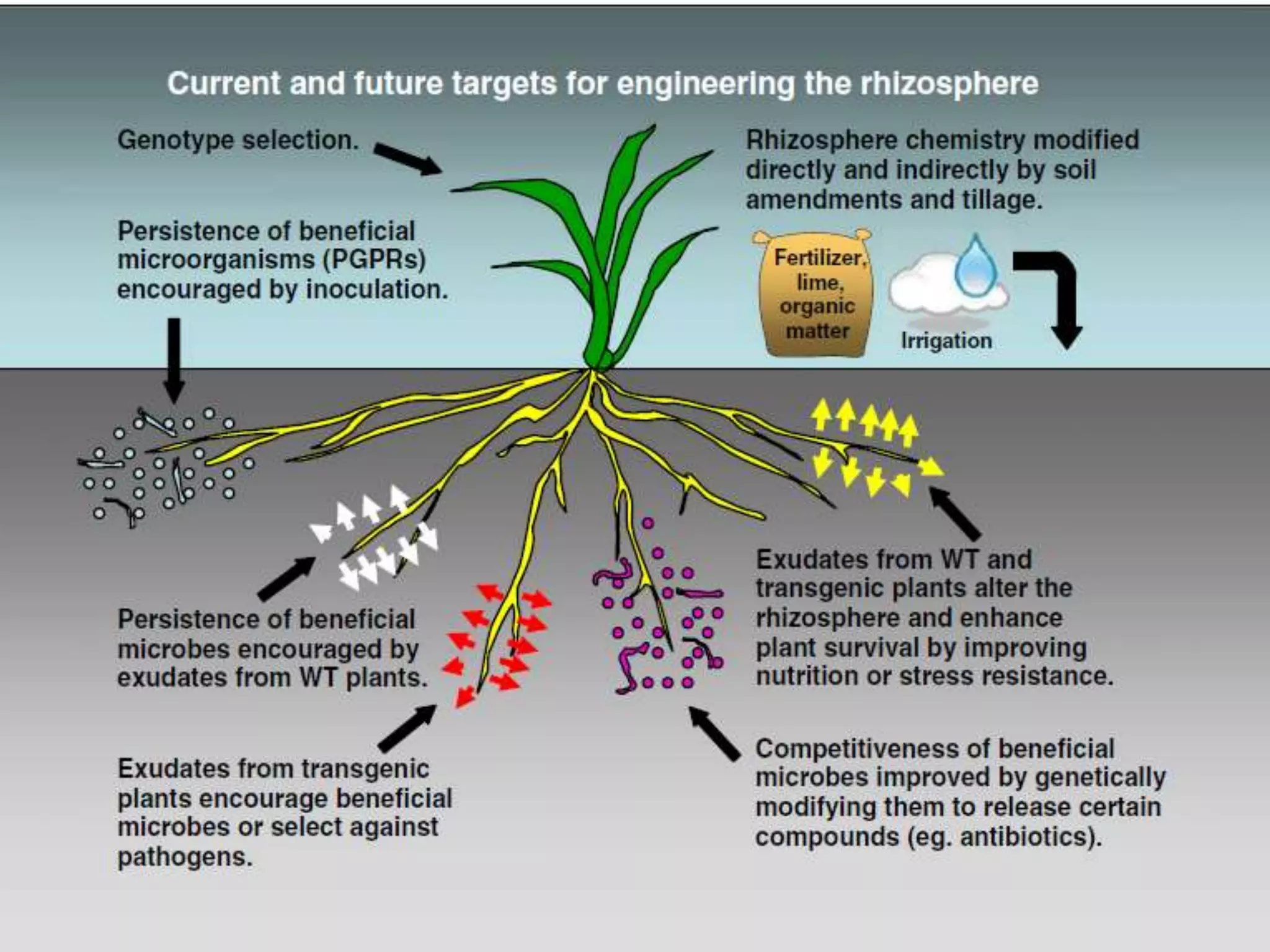
• Engineer a rhizosphere symbiosis between a
nitrogen-fixing microorganism and a plant
host
• Primary advantages
i. It uncouples the difficulties of utilizing
nitrogenase from the biology of the plant host
ii. Outsources the demanding chemistry involved
to a bacterial strain better suited to the task.
ii. The well-studied symbioses between legumes
and their nitrogen-fixing, rootnodulating
bacterial symbionts prove that a bacterial
mutualist can satisfy the nitrogen needs of a
plant host
• Nitrogen-fixing bacteria in the rhizosphere opens
the possibility that symbioses of this sort are a
much more widely distributed phenomenon
Challenges
• Enabling efficient nutrient exchange
• Maintaining specificity of the host-microbe
pair
– Both could take years to develop and are likely to
require not just plant but also microbial metabolic
engineering.
– Advanced molecular breeding tools that enable
access to natural variation in a plant’s wild
ancestors are a promising alternative approach to
increasing crop plant yields
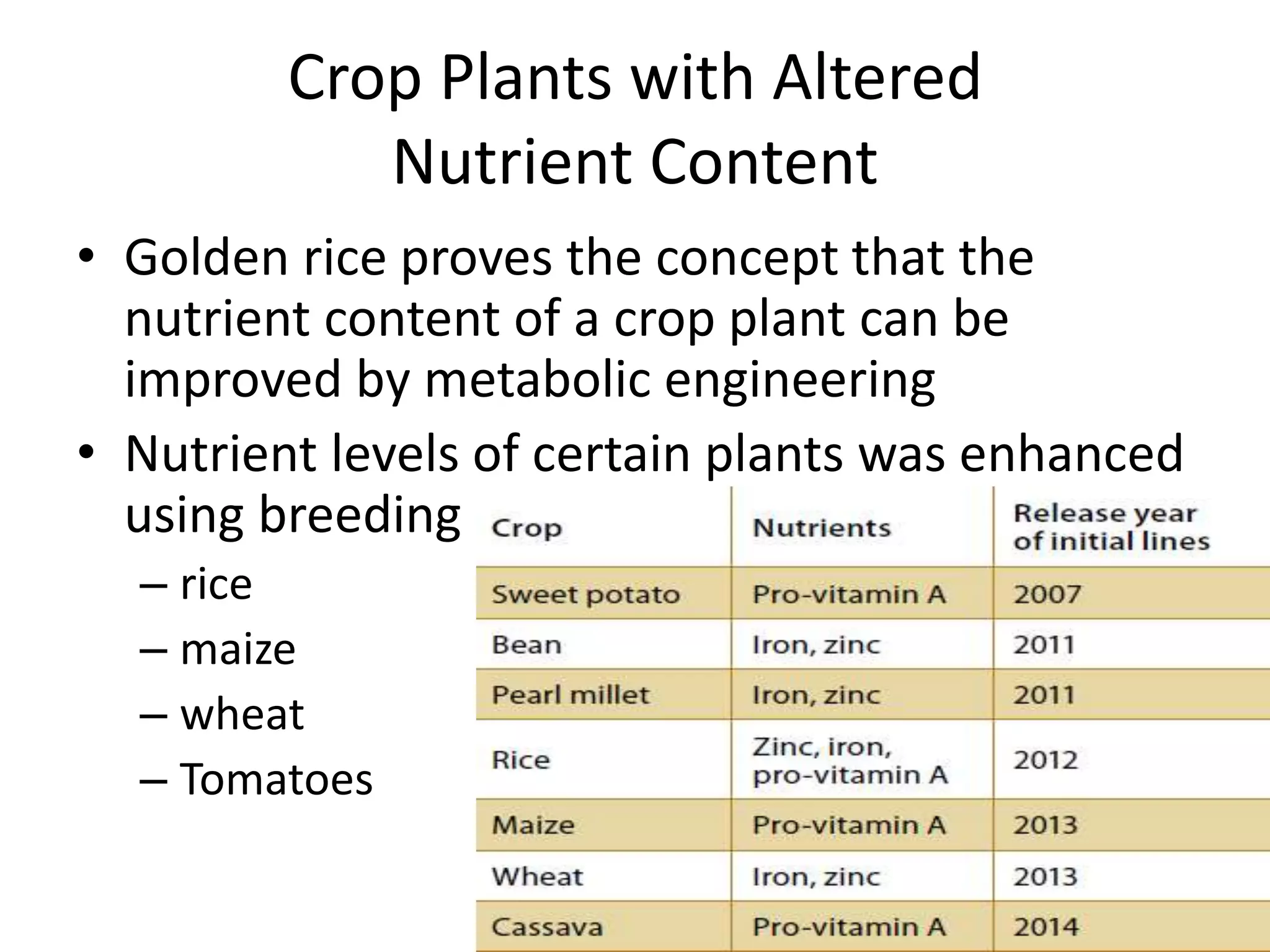
Crop Plants with Altered
Nutrient Content
• Golden rice proves the concept that the
nutrient content of a crop plant can be
improved by metabolic engineering
• Nutrient levels of certain plants was enhanced
using breeding
– rice
– maize
– wheat
– Tomatoes
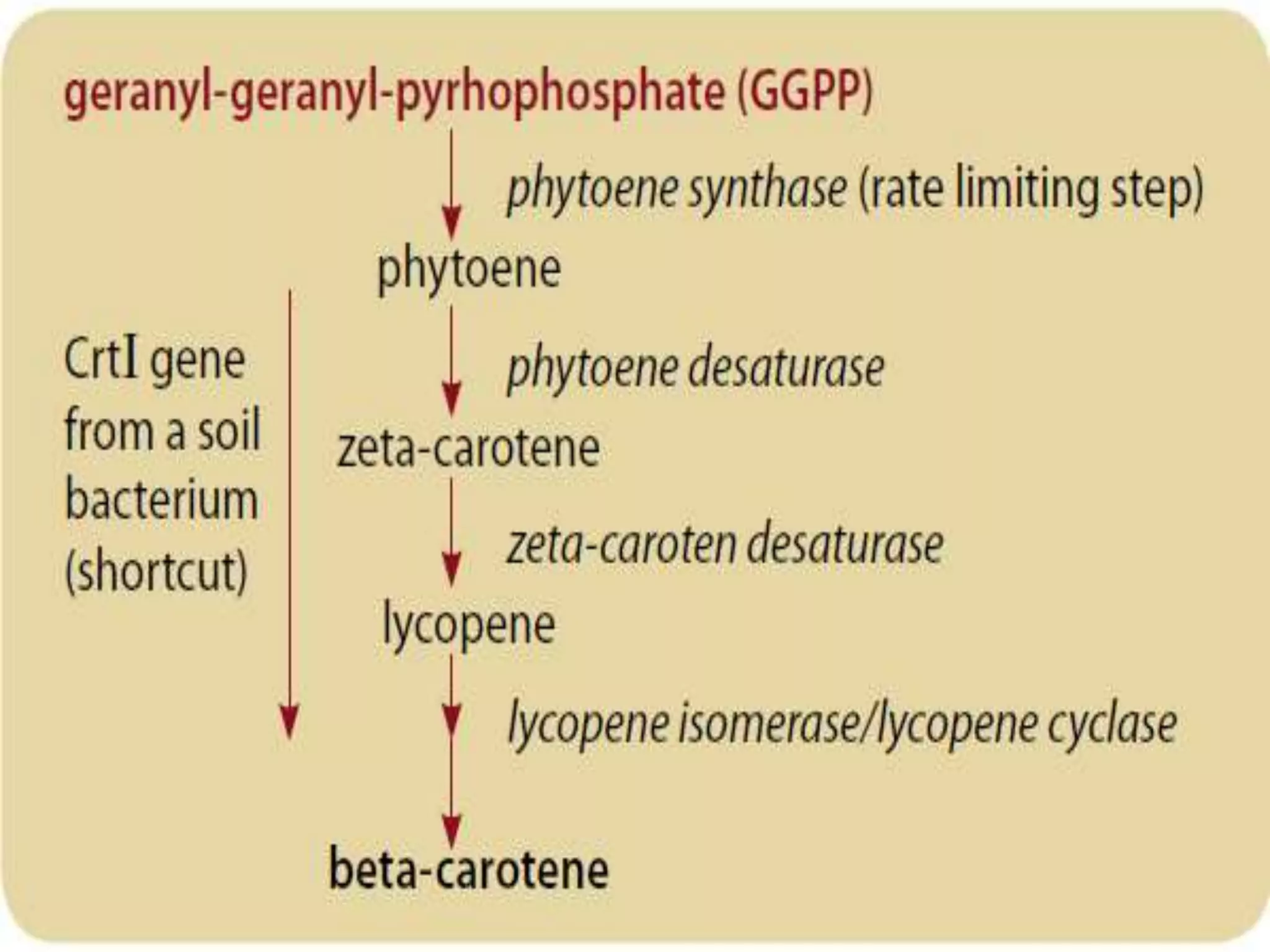
• Golden rice
– adding the beta-carotene pathway to rice, to
produce rice with higher levels of vitamin A
• Targets for nutrient engineering
– Metabolic pathways
– alter the level of a nutrient in its native host
Engineering of Metabolic pathways
• Those pathways that produce
– Phytoalexins
– Flavonoids and other molecules
• Play a role in the chemopreventive properties
of vegetables and fruits.
Alteration of a nutrient level
• Not require knowing the genes in its
biosynthetic pathway
• Example
• Expressing two transcription factors
from snapdragon in tomato
• Levels of the flavonoid anthocyanin have been
increased 3-fold
• Flavonoid confer improved chemopreventive
properties in cancer susceptible mice
Expression of Health promoting
molecule in a new host.
• Golden rice is example of this strategy
• Only two genes were required for the production
of beta-carotene
• A more ambitious prospect would be to transfer
the 13-gene glucoraphanin pathway to a widely
consumed crop such as rice, wheat, or maize
• Require
– New approaches for discovering the genes
– new tools for site-selective genome editing
• Introducing or increasing the level of a
nutrient compound could also alter the taste
of a plant, potentially impacting its
palatability.
– since small molecule metabolites make an
important contribution to flavor.
• Notable targets in this area include the steviol
glycosides and the mixed esters that give
strawberry plants their distinctive flavor
Engineering Crops for Biofuel
Production
• Plants are ideal invention
• Combat the dual challenges
– Rising greenhouse gases
– Used for green energy
• They capture CO2 from the air and turn it into
sugar, the ideal substrate for biofuel production.
• Plants protect this energy rich polymer
• Most of the carbon is stored as dehydrated
crystalline cellulose, wrapped in a meshwork of
crosslinked phenylpropanoids, lignin
• Cellulose presents a challenge in itself.
• The beta-1,4-linked chains of cellulose can pack
tightly together, excluding water in a way that
prevents glycosidic enzymes from releasing its
constituent sugar monomers
• Cellulose co purifies with lignin which inhabit the
action of cellulases
• So there is need for costly and energy intensive
pretreatment to separate the cellulose from
lignin
• Lignin could be degraded into valuable
aromatic monomers either
• Chemically
• Enzymes found in
– White rot fungi
– Microorganisms
• Neither has been shown to work in a real-
world setting
• Lignin biosynthesis can be genetically
modified to change its chemical composition
or to reduce its content in plant tissues to
improve the processing of polysaccharides.
• Arabidopsis thaliana knockout mutant of
caffeoyl shikimate esterase
– Gave a 4-fold increase in the efficiency of
saccharification
• In Lignin modified plants Discernible effects
on plant growth and development
– Transgenics contained 25% less cellulose content
– 40% lighter and smaller than wild-type
• Protein engineering and expression of a 4-O-
methyltransferase in A. thaliana substantially
reduced lignin content
• Interestingly, no significant changes in growth
phenotype were observed and
saccharification yields improved by 25%.
• Ideal scenario would be for plants to degrade
their own lignin, releasing pure cellulose that
could be more easily degraded into glucose
• For that matter, the plant could be engineered
to break down its own cellulose on demand,
releasing fermentation- ready sugars for
biofuel production.
Challenges
• Feasibility of enzymatically degrading lignin to
liberate cellulose
• Although this would undoubtedly be a difficult
task, the ability of white rot fungi to degrade
lignin proves the concept that there exist
enzymes (e.g., lignin peroxidases) that can
cleave the lignin meshwork into monomers
and smaller polymers
• Heavily crosslink (and consolidate) the lignin
– causing it to precipitate and making it easier to
separate from cellulose.
• Process likely to be carried out by suites of
degrading enzymes in rot fungi, a critical step
would be to first identify sets of enzymes that
could be coexpressed to make the necessary
modifications to lignin.
Enhancing Photosynthetic
Efficiency
• Rubisco is the enzyme that catalyzes the first
key step in CO2 fixation as part of the Calvin
Cycle
• Its low turnover rate and ability to also use
oxygen as a substrate in photorespiration
make it notoriously inefficient.
• Plants make more Rubisco than any other
protein
Alternative carbon fixation systems
• Improve the efficiency of photosynthesis by
actively concentrating CO2 and reducing the
oxygenase activity of Rubisco
• Plants have evolved two systems to improve
photosynthesis efficiency
• C4
• Crassulacean acid metabolism (CAM)
C3, C4 and CAM plants
• C3
• the process of fixing carbon into C3 acids
occurs in the same cell type
• C4
• Evolved to separate the Calvin cycle and
carbon capture into different cell types.
– CO2 is first captured within mesophyll cells to
produce C4 acids
– Which diffuse to bundle sheath cells where they
are decarboxylated and concentrated to maximize
Rubisco’s carboxylating efficiency.
• CAM plants
• Photosynthesis and carbon capture are
separated temporally
– capture CO2 at night
– Close their stomata during the day
– C4 acids generated by CAM photosynthesis are
decarboxylated and concentrated to enhance
Rubisco’s efficiency
• All the enzymes of the C4 cycle are known and
already exist in C3 plants.
• However, expressing the enzymes of the C4 cycle
alone will not be enough, as the plant’s anatomy
is crucial for the success of the pathway
• Genes that are responsible for controlling C4 leaf
anatomy remain largely unknown and are being
identified by mutant populations of model C4
plants like Sorghum
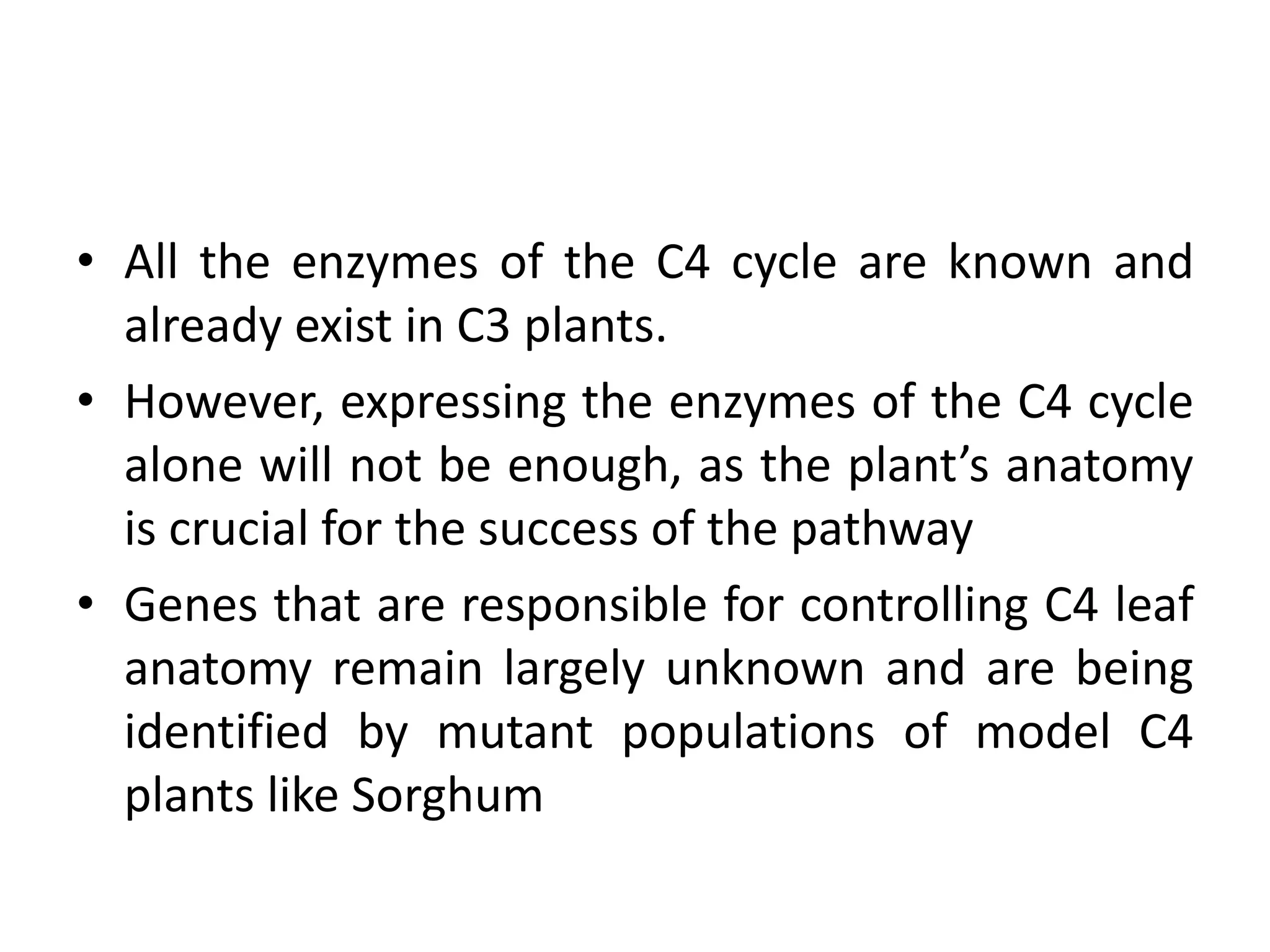
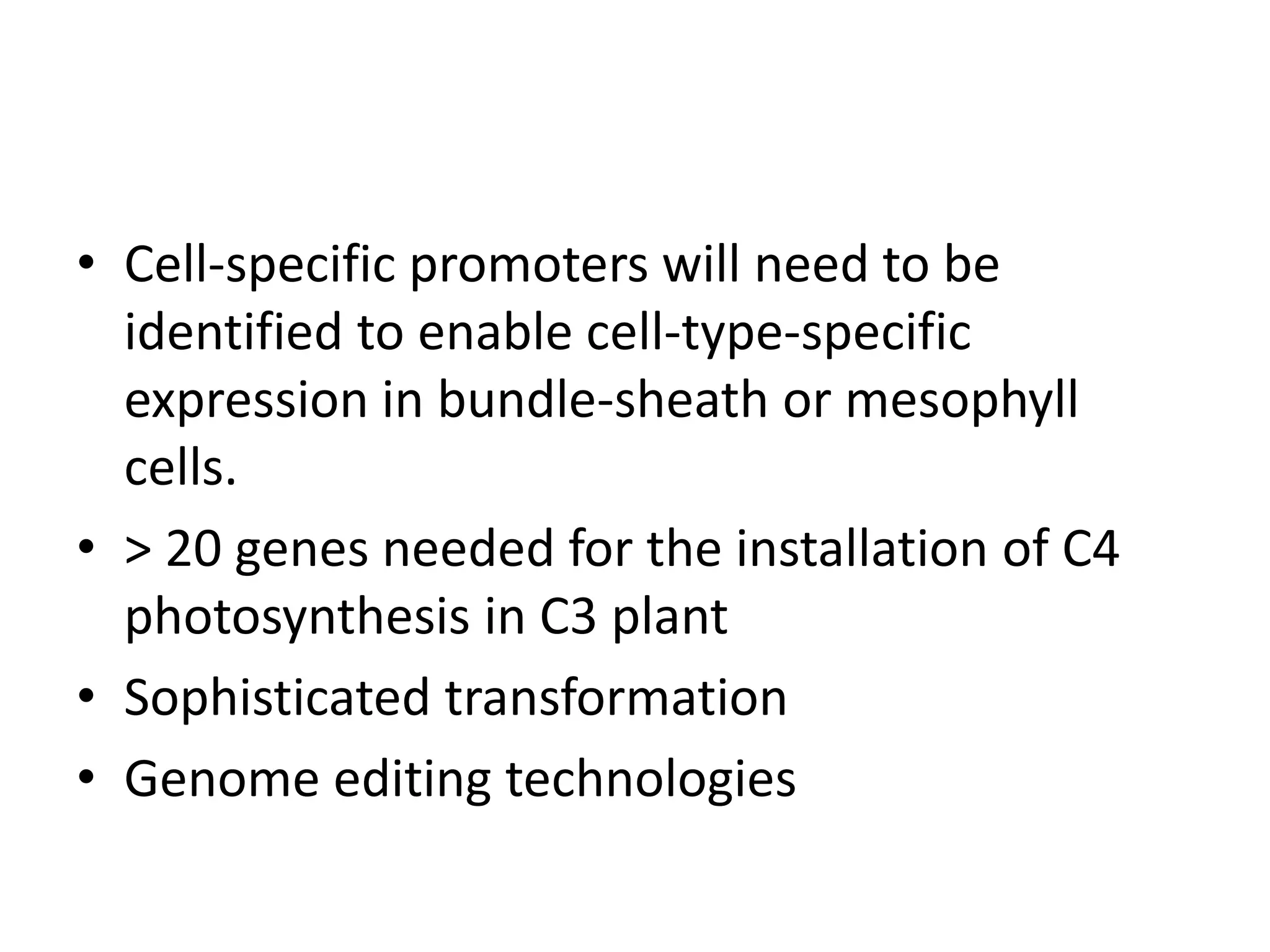
• Cell-specific promoters will need to be
identified to enable cell-type-specific
expression in bundle-sheath or mesophyll
cells.
• > 20 genes needed for the installation of C4
photosynthesis in C3 plant
• Sophisticated transformation
• Genome editing technologies
Technologies
• Transcriptomic and metabolomic analyses
• Genome editing tools
– TALENs
– CRISPR/Cas9
• Synthetic biology parts list specific to plants
– tissue-specific promoters,
– Transporters
– multi-gene expression constructs
– biosynthetic enzymes
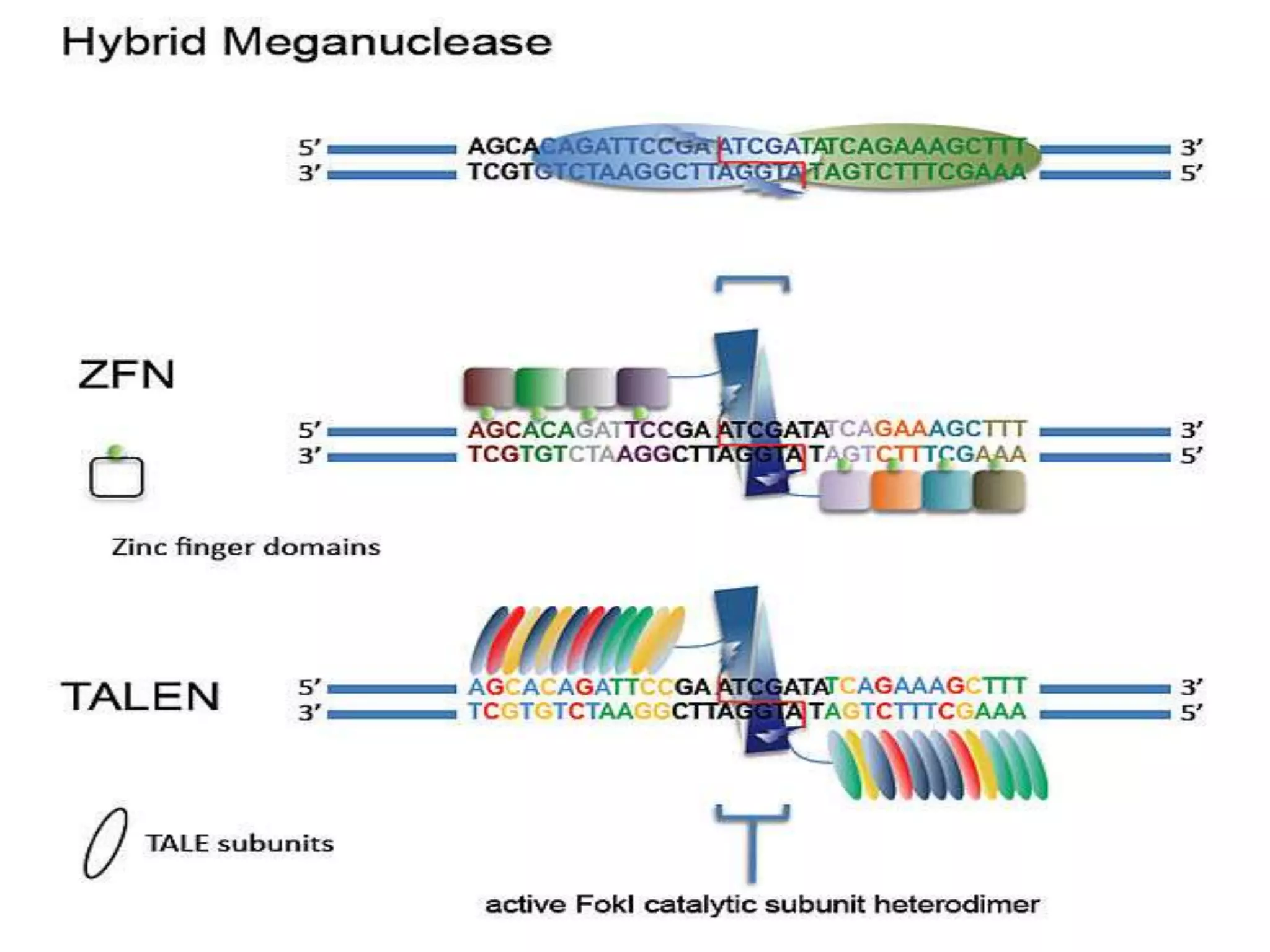
Transcription activator-like effector
nucleases TALENs
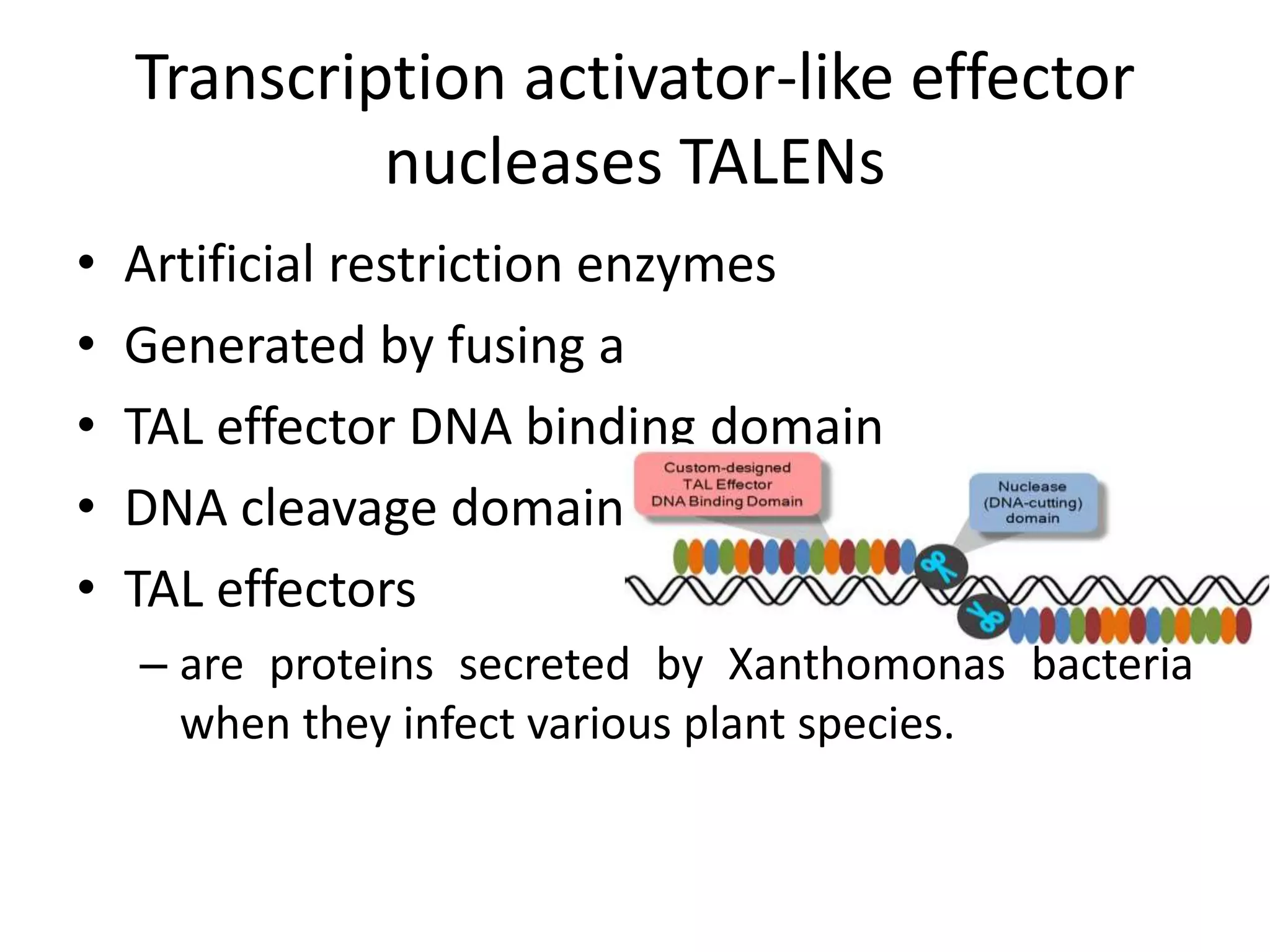
• Artificial restriction enzymes
• Generated by fusing a
• TAL effector DNA binding domain
• DNA cleavage domain.
• TAL effectors
– are proteins secreted by Xanthomonas bacteria
when they infect various plant species.
• TALEs can be quickly engineered to bind
practically any desired DNA sequence
• Combining such an engineered TALE with a DNA
cleavage domain (which cuts DNA strands), one
can engineer restriction enzymes that are specific
for any desired DNA sequence.
• When these restriction enzymes are introduced
into cells, they can be used for genome editing in
situ
Applications
– Elucidating basic function and regulating a gene
– Study of metabolic pathways
– Embryonic stem cell research
– Research on disease model
– Provide therapeutic avenues for genetic disorders
including monogenic diseases
– Method of the Year” for 2011 by Nature Methods
Problems
• Non specific
• off-target cleavage may result
• lead to the production of enough double-
strand breaks to overwhelm the repair
machinery.
• consequently yield chromosomal
rearrangements and/or cell death.
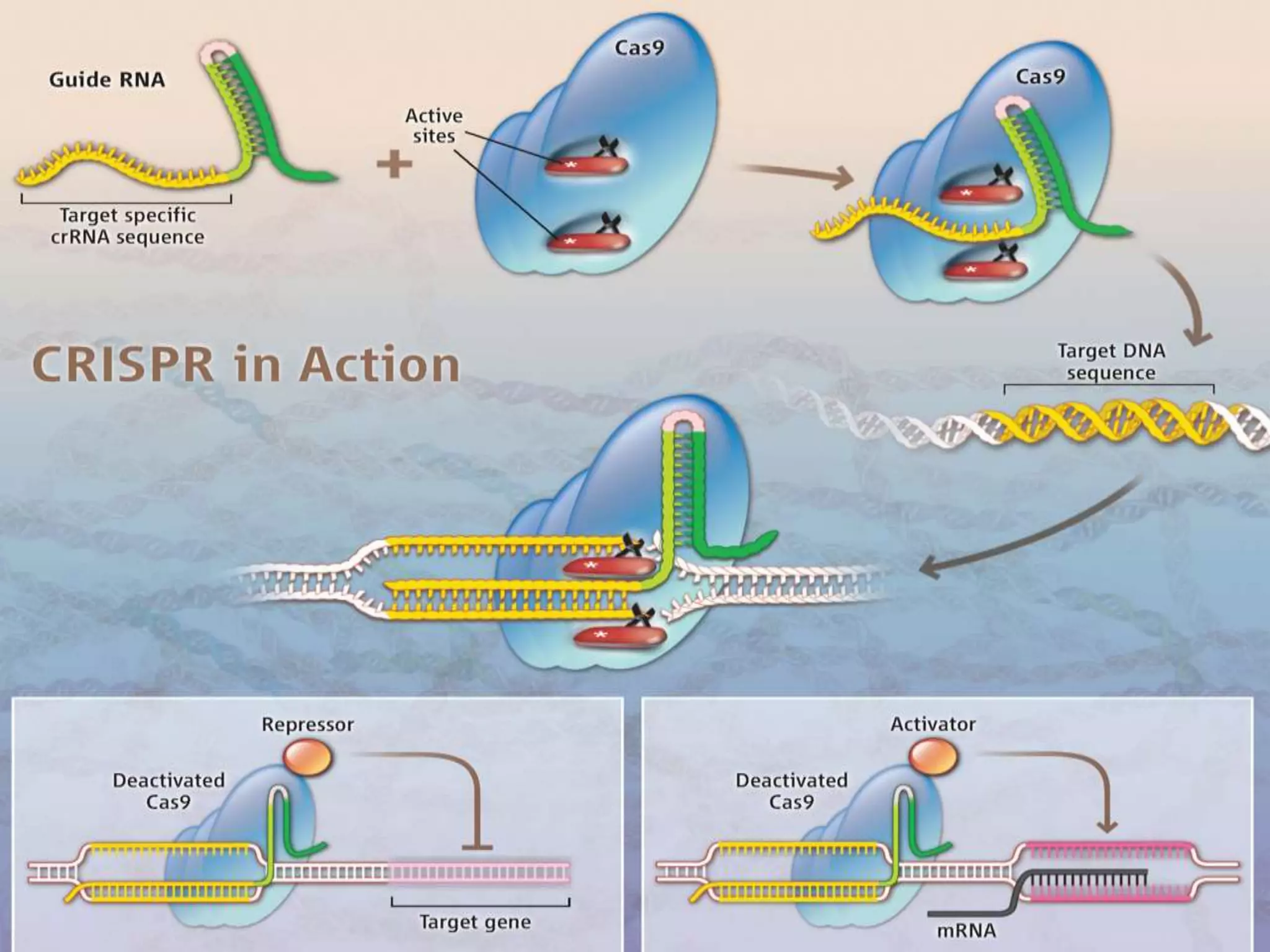
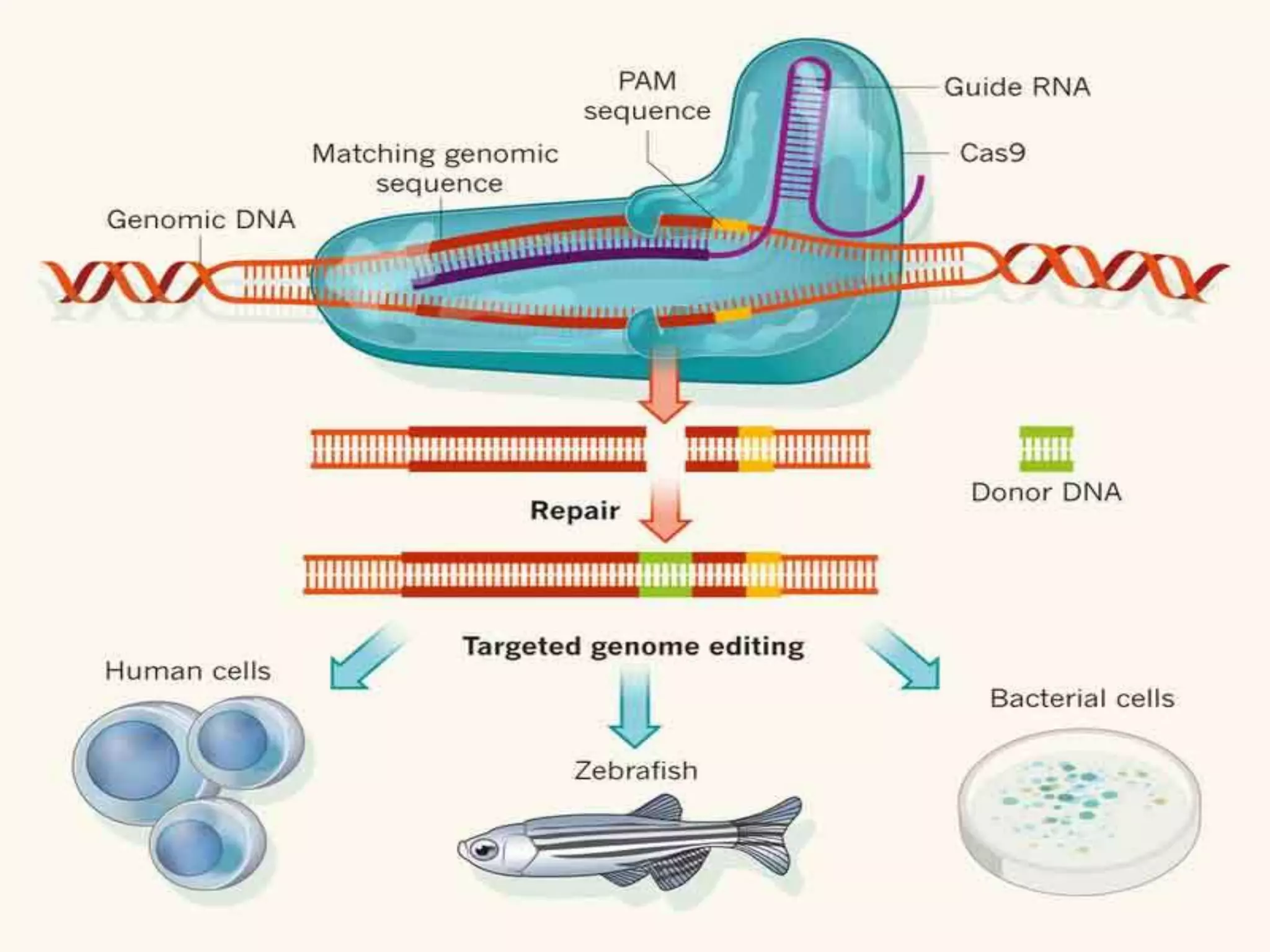
CRISPRs (clustered regularly interspaced
short palindromic repeats)
• DNA loci containing short repetitions of base
sequences
• Repetition is followed by short segments of
"spacer DNA“
• CRISPR loci range in size from 24 to 48 base pairs
• Spacer DNA are regions of non-coding
DNA between tandemly repeated genes.
• CRISPRs are found in approximately 40% of
sequenced bacteria genomes and 90% of
sequenced archaea
• CRISPR/Cas system is a prokaryotic immune
system
• Confers resistance to foreign genetic elements
such as plasmid and phages and provides a
form of acquired immunity.
• CRISPR spacers recognize and cut these
exogenous genetic elements
• Since 2013, the CRISPR/Cas system has been
used for gene editing and gene regulation
Applications
• Artificial immunization against phage by introduction
of engineered CRISPR loci in industrially important
bacteria, including those used in food production and
large-scale fermentation
• Genome engineering at cellular or organismic level by
reprogramming a CRISPR/Cas system to achieve RNA-
guided genome engineering.
• Discrimination of bacterial strains by comparison of
spacer sequences
Reference
• Lau W, Fischbach MA, Osbourn A, Sattely ES
(2014) Key Applications of Plant Metabolic
Engineering. PLoS Biol 12(6): e1001879.
doi:10.1371/journal.pbio.1001879

key application of plant metabolic engineering

  • 1.
    Key Applications ofPlant Metabolic Engineering Mirza Faisal Qaseem 08-arid-876 PhD scholar (Bot) PMAS- Arid Agriculture University Rawalpindi, Pakistan
  • 2.
    Contents • Challenges inplant metabolic engineering • Plants That Can Fix Their Own Nitrogen • Crop Plants with Altered Nutrient Content • Enhancing Photosynthetic Efficiency • TALENs • CRISPRs
  • 3.
    Plants • Derive energyentirely from the sun • Carbon from CO2 • Defend themselves from pests and predators • Complex symbioses • Can survive extremes of – temperature – nutrient – water availability
  • 5.
    Challenges in plant metabolicengineering • Four long-standing grand challenges in plant metabolic engineering • Two deal with important applications in food and energy • Two are of general utility in improving plant fitness • Solution – Subjecting plant genome to deletion editing and insertions
  • 6.
    Plants That CanFix Their Own Nitrogen • 180 million tons of nitrogen fertilizer is used every year in industrial farming • Disadvantages – Substantial cost – Deleterious effects • Soil • Surrounding environment • Water • Plants able to make their own nitrogen Transform agriculture by reducing or eliminating this enormous dependence on fertilizer
  • 7.
    Plant engineering usingBacteria • First method takes advantage of the fact that some bacteria carry out their own version of the Haber-Bosch process—reducing atmospheric N2 into a more bio available form, NH3—using the enzyme nitrogenase
  • 8.
    Nitrogenase • Complex enzyme –multiple metalloclusters • Require – large quantity of biochemical energy • Transfer the electrons needed to activate the exceptionally stable N2 triple bond. • By expressing nitrogenase, plants would be able to fix their own nitrogen.
  • 9.
    • Nitrogen fixedby a plant could be used immediately to generate amino acid and nucleic acid monomers • Transport them to neighboring cells • Disadvantage – Process induce a metabolic cost • Can be regulated by the endogenous level of nitrogen to maximize its efficiency
  • 10.
    Challenges • Eighteen geneproducts (in Klebsiella oxytoca) are necessary and sufficient for the production of nitrogenase and its complex iron-molybdenum cofactor. • Biosynthetic gene cluster for nitrogenase has been refactored—taken apart, recoded, and put back together using known components— and shown to be active in its new host
  • 11.
    The successful transferof other large gene clusters from one microbe to another suggests that the process of functionalizing microbes is undergoing a dramatic improvement
  • 12.
    Challenges • 18 componentsof the nitrogenase biosynthetic apparatus would need to be expressed simultaneously in plants and function in concert • Since plants are eukaryotic and multicellular, where in the plant cell should the genes be expressed and in which cell types of the plant
  • 13.
    • Nitrogenase whichis poisoned by oxygen and must therefore be expressed under anaerobic conditions. • Tools that enable organelle and cell-type specific expression will be of great utility here and in other plant engineering efforts.
  • 14.
    Second method ofincreasing N uptake • Engineer a rhizosphere symbiosis between a nitrogen-fixing microorganism and a plant host • Primary advantages i. It uncouples the difficulties of utilizing nitrogenase from the biology of the plant host ii. Outsources the demanding chemistry involved to a bacterial strain better suited to the task.
  • 15.
    ii. The well-studiedsymbioses between legumes and their nitrogen-fixing, rootnodulating bacterial symbionts prove that a bacterial mutualist can satisfy the nitrogen needs of a plant host • Nitrogen-fixing bacteria in the rhizosphere opens the possibility that symbioses of this sort are a much more widely distributed phenomenon
  • 17.
    Challenges • Enabling efficientnutrient exchange • Maintaining specificity of the host-microbe pair – Both could take years to develop and are likely to require not just plant but also microbial metabolic engineering. – Advanced molecular breeding tools that enable access to natural variation in a plant’s wild ancestors are a promising alternative approach to increasing crop plant yields
  • 18.
    Crop Plants withAltered Nutrient Content • Golden rice proves the concept that the nutrient content of a crop plant can be improved by metabolic engineering • Nutrient levels of certain plants was enhanced using breeding – rice – maize – wheat – Tomatoes
  • 19.
    • Golden rice –adding the beta-carotene pathway to rice, to produce rice with higher levels of vitamin A • Targets for nutrient engineering – Metabolic pathways – alter the level of a nutrient in its native host
  • 20.
    Engineering of Metabolicpathways • Those pathways that produce – Phytoalexins – Flavonoids and other molecules • Play a role in the chemopreventive properties of vegetables and fruits.
  • 21.
    Alteration of anutrient level • Not require knowing the genes in its biosynthetic pathway • Example • Expressing two transcription factors from snapdragon in tomato • Levels of the flavonoid anthocyanin have been increased 3-fold • Flavonoid confer improved chemopreventive properties in cancer susceptible mice
  • 22.
    Expression of Healthpromoting molecule in a new host. • Golden rice is example of this strategy • Only two genes were required for the production of beta-carotene • A more ambitious prospect would be to transfer the 13-gene glucoraphanin pathway to a widely consumed crop such as rice, wheat, or maize • Require – New approaches for discovering the genes – new tools for site-selective genome editing
  • 24.
    • Introducing orincreasing the level of a nutrient compound could also alter the taste of a plant, potentially impacting its palatability. – since small molecule metabolites make an important contribution to flavor. • Notable targets in this area include the steviol glycosides and the mixed esters that give strawberry plants their distinctive flavor
  • 25.
    Engineering Crops forBiofuel Production • Plants are ideal invention • Combat the dual challenges – Rising greenhouse gases – Used for green energy • They capture CO2 from the air and turn it into sugar, the ideal substrate for biofuel production. • Plants protect this energy rich polymer • Most of the carbon is stored as dehydrated crystalline cellulose, wrapped in a meshwork of crosslinked phenylpropanoids, lignin
  • 26.
    • Cellulose presentsa challenge in itself. • The beta-1,4-linked chains of cellulose can pack tightly together, excluding water in a way that prevents glycosidic enzymes from releasing its constituent sugar monomers • Cellulose co purifies with lignin which inhabit the action of cellulases • So there is need for costly and energy intensive pretreatment to separate the cellulose from lignin
  • 27.
    • Lignin couldbe degraded into valuable aromatic monomers either • Chemically • Enzymes found in – White rot fungi – Microorganisms • Neither has been shown to work in a real- world setting
  • 28.
    • Lignin biosynthesiscan be genetically modified to change its chemical composition or to reduce its content in plant tissues to improve the processing of polysaccharides. • Arabidopsis thaliana knockout mutant of caffeoyl shikimate esterase – Gave a 4-fold increase in the efficiency of saccharification
  • 29.
    • In Ligninmodified plants Discernible effects on plant growth and development – Transgenics contained 25% less cellulose content – 40% lighter and smaller than wild-type • Protein engineering and expression of a 4-O- methyltransferase in A. thaliana substantially reduced lignin content • Interestingly, no significant changes in growth phenotype were observed and saccharification yields improved by 25%.
  • 30.
    • Ideal scenariowould be for plants to degrade their own lignin, releasing pure cellulose that could be more easily degraded into glucose • For that matter, the plant could be engineered to break down its own cellulose on demand, releasing fermentation- ready sugars for biofuel production.
  • 31.
    Challenges • Feasibility ofenzymatically degrading lignin to liberate cellulose • Although this would undoubtedly be a difficult task, the ability of white rot fungi to degrade lignin proves the concept that there exist enzymes (e.g., lignin peroxidases) that can cleave the lignin meshwork into monomers and smaller polymers
  • 32.
    • Heavily crosslink(and consolidate) the lignin – causing it to precipitate and making it easier to separate from cellulose. • Process likely to be carried out by suites of degrading enzymes in rot fungi, a critical step would be to first identify sets of enzymes that could be coexpressed to make the necessary modifications to lignin.
  • 33.
    Enhancing Photosynthetic Efficiency • Rubiscois the enzyme that catalyzes the first key step in CO2 fixation as part of the Calvin Cycle • Its low turnover rate and ability to also use oxygen as a substrate in photorespiration make it notoriously inefficient. • Plants make more Rubisco than any other protein
  • 34.
    Alternative carbon fixationsystems • Improve the efficiency of photosynthesis by actively concentrating CO2 and reducing the oxygenase activity of Rubisco • Plants have evolved two systems to improve photosynthesis efficiency • C4 • Crassulacean acid metabolism (CAM)
  • 35.
    C3, C4 andCAM plants • C3 • the process of fixing carbon into C3 acids occurs in the same cell type • C4 • Evolved to separate the Calvin cycle and carbon capture into different cell types. – CO2 is first captured within mesophyll cells to produce C4 acids
  • 36.
    – Which diffuseto bundle sheath cells where they are decarboxylated and concentrated to maximize Rubisco’s carboxylating efficiency. • CAM plants • Photosynthesis and carbon capture are separated temporally – capture CO2 at night – Close their stomata during the day – C4 acids generated by CAM photosynthesis are decarboxylated and concentrated to enhance Rubisco’s efficiency
  • 37.
    • All theenzymes of the C4 cycle are known and already exist in C3 plants. • However, expressing the enzymes of the C4 cycle alone will not be enough, as the plant’s anatomy is crucial for the success of the pathway • Genes that are responsible for controlling C4 leaf anatomy remain largely unknown and are being identified by mutant populations of model C4 plants like Sorghum
  • 38.
    • Cell-specific promoterswill need to be identified to enable cell-type-specific expression in bundle-sheath or mesophyll cells. • > 20 genes needed for the installation of C4 photosynthesis in C3 plant • Sophisticated transformation • Genome editing technologies
  • 39.
    Technologies • Transcriptomic andmetabolomic analyses • Genome editing tools – TALENs – CRISPR/Cas9 • Synthetic biology parts list specific to plants – tissue-specific promoters, – Transporters – multi-gene expression constructs – biosynthetic enzymes
  • 40.
    Transcription activator-like effector nucleasesTALENs • Artificial restriction enzymes • Generated by fusing a • TAL effector DNA binding domain • DNA cleavage domain. • TAL effectors – are proteins secreted by Xanthomonas bacteria when they infect various plant species.
  • 41.
    • TALEs canbe quickly engineered to bind practically any desired DNA sequence • Combining such an engineered TALE with a DNA cleavage domain (which cuts DNA strands), one can engineer restriction enzymes that are specific for any desired DNA sequence. • When these restriction enzymes are introduced into cells, they can be used for genome editing in situ
  • 42.
    Applications – Elucidating basicfunction and regulating a gene – Study of metabolic pathways – Embryonic stem cell research – Research on disease model – Provide therapeutic avenues for genetic disorders including monogenic diseases – Method of the Year” for 2011 by Nature Methods
  • 43.
    Problems • Non specific •off-target cleavage may result • lead to the production of enough double- strand breaks to overwhelm the repair machinery. • consequently yield chromosomal rearrangements and/or cell death.
  • 45.
    CRISPRs (clustered regularlyinterspaced short palindromic repeats) • DNA loci containing short repetitions of base sequences • Repetition is followed by short segments of "spacer DNA“ • CRISPR loci range in size from 24 to 48 base pairs • Spacer DNA are regions of non-coding DNA between tandemly repeated genes. • CRISPRs are found in approximately 40% of sequenced bacteria genomes and 90% of sequenced archaea
  • 46.
    • CRISPR/Cas systemis a prokaryotic immune system • Confers resistance to foreign genetic elements such as plasmid and phages and provides a form of acquired immunity. • CRISPR spacers recognize and cut these exogenous genetic elements • Since 2013, the CRISPR/Cas system has been used for gene editing and gene regulation
  • 47.
    Applications • Artificial immunizationagainst phage by introduction of engineered CRISPR loci in industrially important bacteria, including those used in food production and large-scale fermentation • Genome engineering at cellular or organismic level by reprogramming a CRISPR/Cas system to achieve RNA- guided genome engineering. • Discrimination of bacterial strains by comparison of spacer sequences
  • 50.
    Reference • Lau W,Fischbach MA, Osbourn A, Sattely ES (2014) Key Applications of Plant Metabolic Engineering. PLoS Biol 12(6): e1001879. doi:10.1371/journal.pbio.1001879