









 Bioprocessing
 Microbes in bioprocessing
 Issues of microorganism in bioprocessing
Issues in isolation
Issues in strain improvement
Issues of production strain
 Conclusion
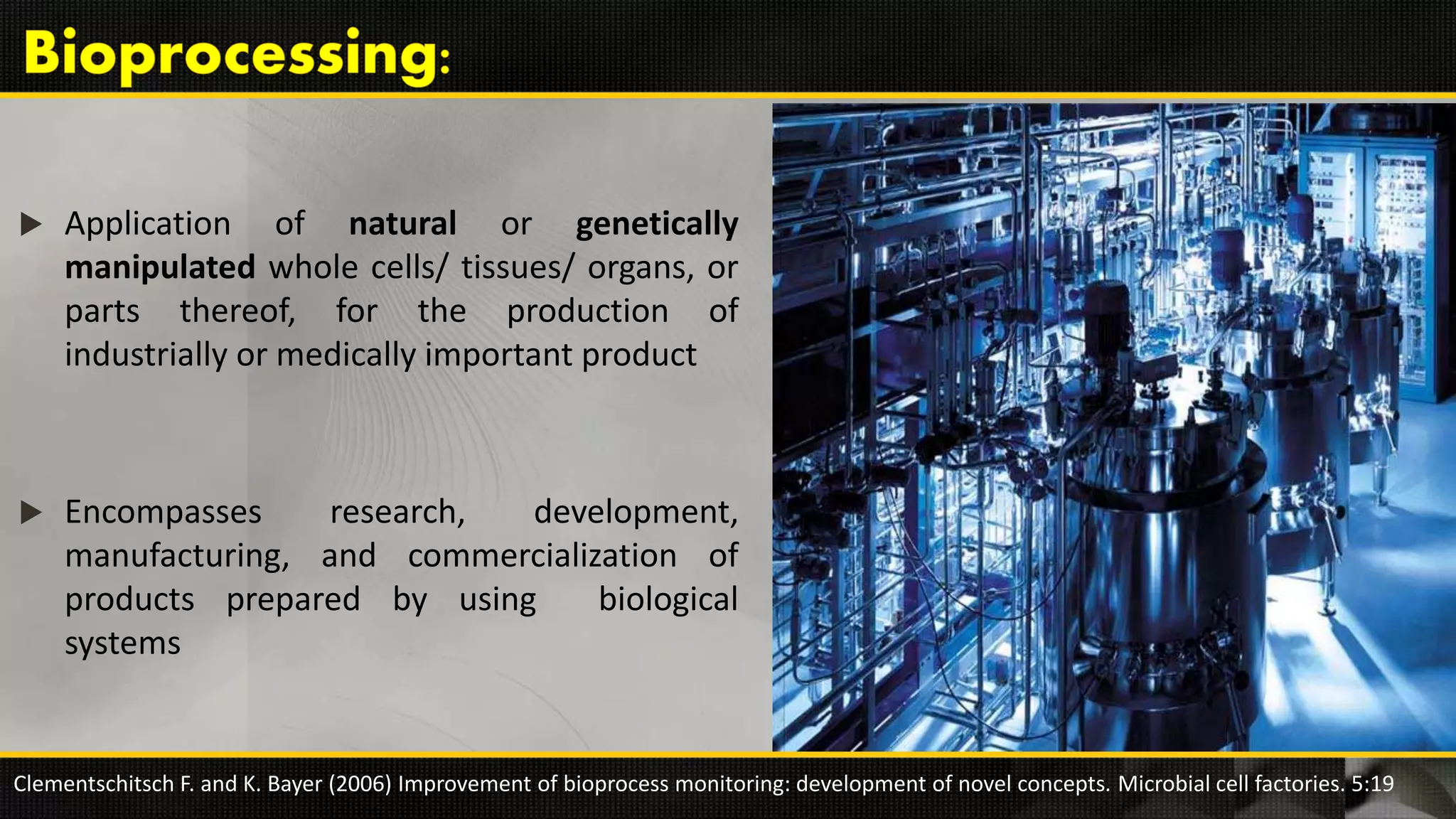
 Application of natural or genetically
manipulated whole cells/ tissues/ organs, or
parts thereof, for the production of
industrially or medically important product
 Encompasses research, development,
manufacturing, and commercialization of
products prepared by using biological
systems
Clementschitsch F. and K. Bayer (2006) Improvement of bioprocess monitoring: development of novel concepts. Microbial cell factories. 5:19
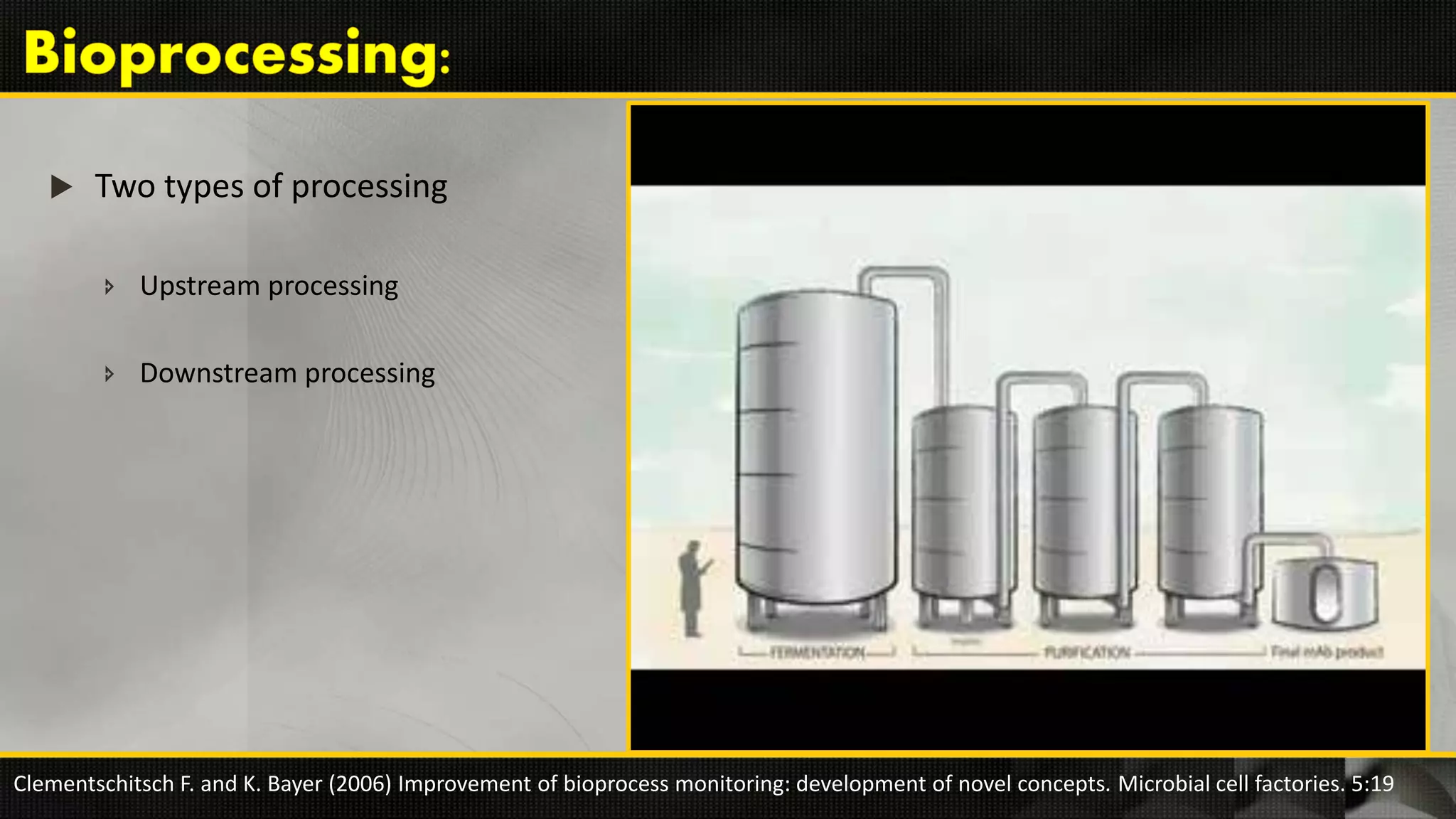
 Two types of processing
 Upstream processing
 Downstream processing
Clementschitsch F. and K. Bayer (2006) Improvement of bioprocess monitoring: development of novel concepts. Microbial cell factories. 5:19
 1st Step: Isolation of Pure or
Mixed Cultures from nature
 2nd Step:Assesment to
determine the capacity for
the production
Krishnan S., S. Prapulla, D. Rajalakshmi, M. Misra and N. Karanth (1998) Screening and selection of media components for lactic acid production using Plackett–Burman
design. Bioprocess engineering. 19:61-65
Undesirable
Characteristics
Expensive
Procedure
Chances of
contamination
Low
Productivity
Time taking
Genetic
Change
Loss of
viability
Issues:
 Selection of natural variants
 Selection of induced mutants
 Use of recombinant technology
Lee S.Y., D.-Y. Lee and T.Y. Kim (2005) Systems biotechnology for strain improvement. Trends Biotechnol. 23:349-358
May require greater aeration
Products may pose new
extraction challenges
May even require an entirely
new fermentation medium
Expensive & Laborious
Need more intensive foam
control
Issues:
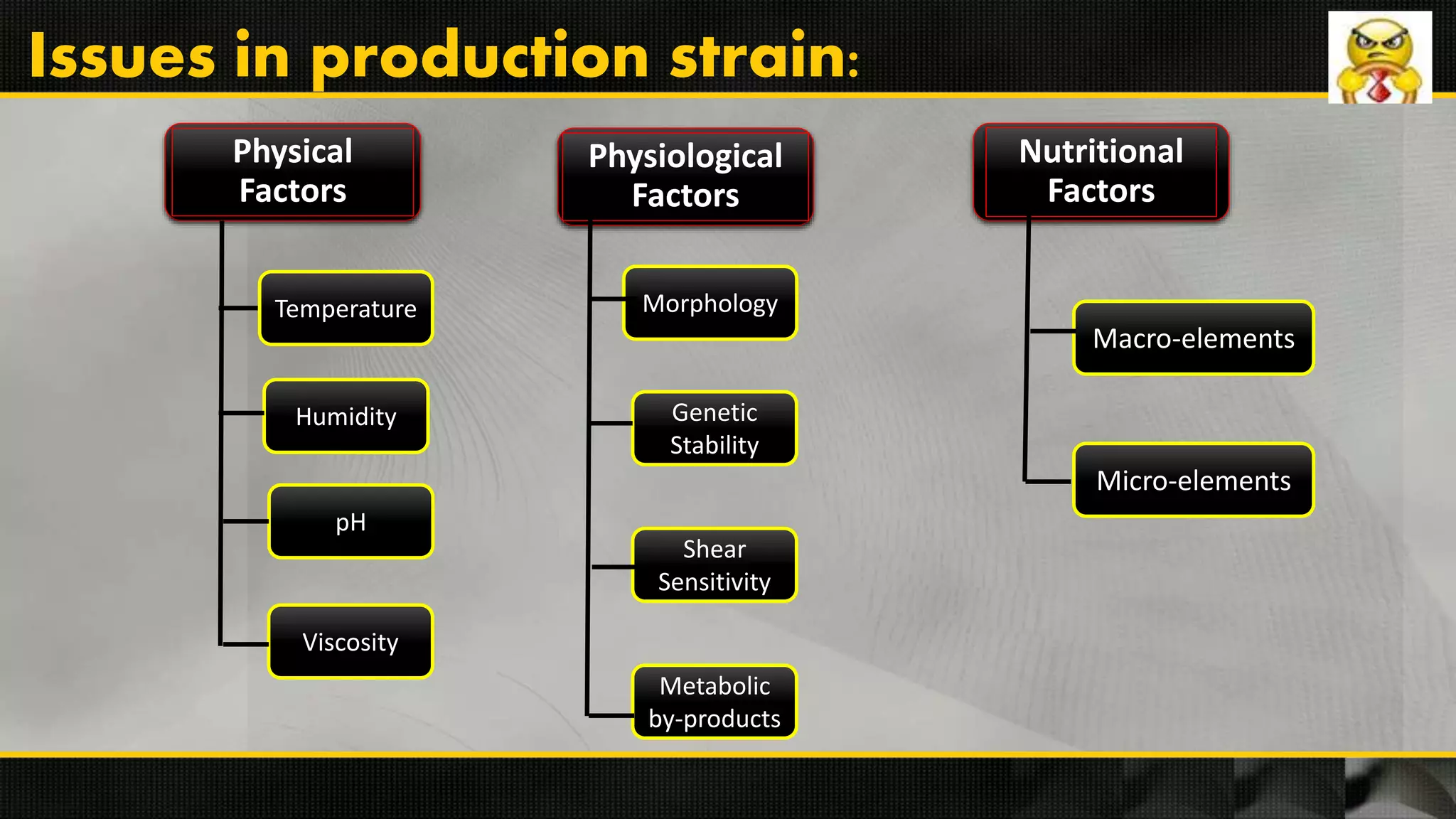
Physiological
Factors
Physical
Factors
Nutritional
Factors
Micro-elements
Macro-elements
Morphology
Metabolic
by-products
Shear
Sensitivity
Genetic
Stability
pH
Viscosity
Humidity
Temperature
Issues in production strain:
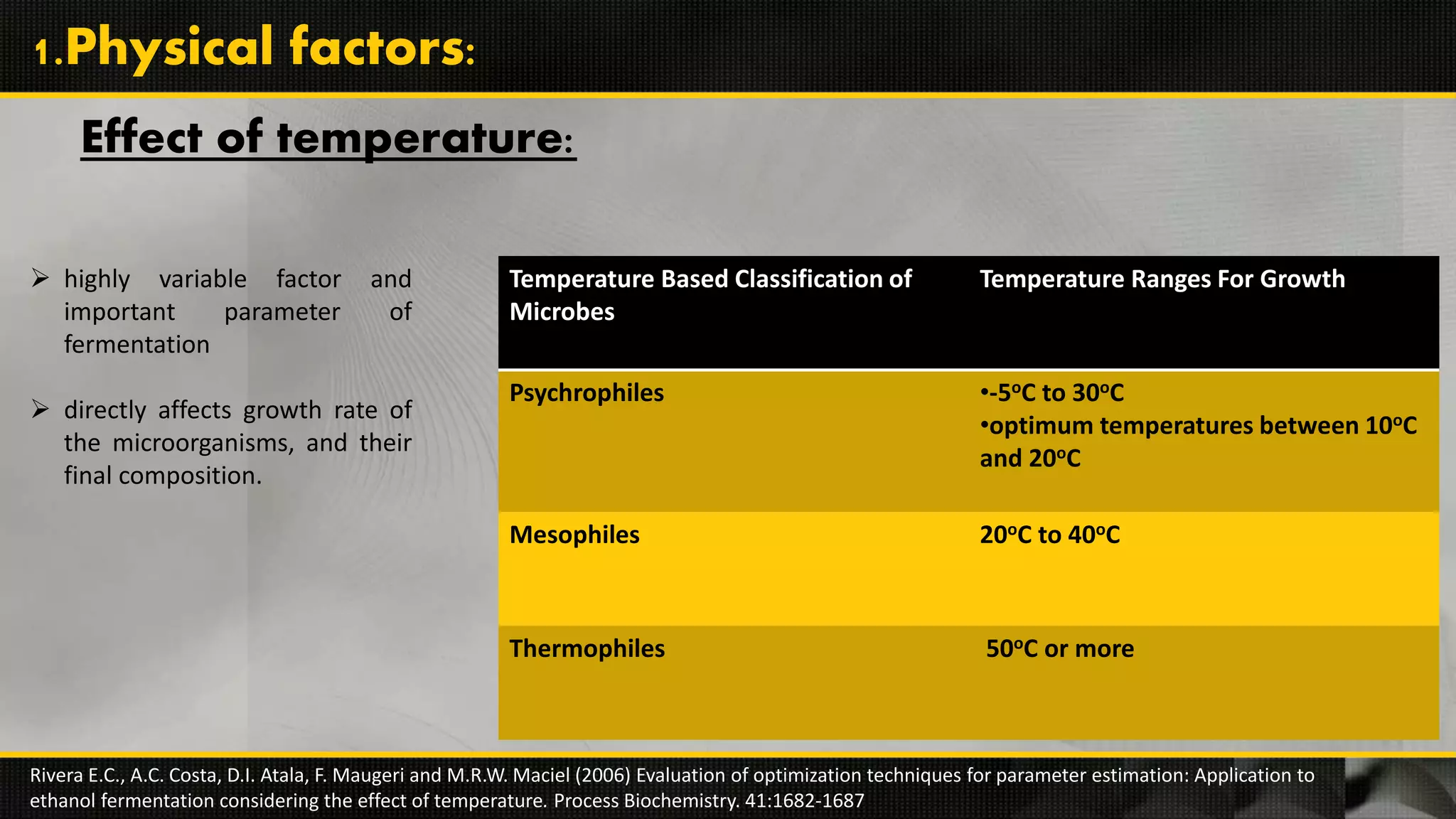
1.Physical factors:
 highly variable factor and
important parameter of
fermentation
 directly affects growth rate of
the microorganisms, and their
final composition.
Temperature Based Classification of
Microbes
Temperature Ranges For Growth
Psychrophiles •-5oC to 30oC
•optimum temperatures between 10oC
and 20oC
Mesophiles 20oC to 40oC
Thermophiles 50oC or more
Rivera E.C., A.C. Costa, D.I. Atala, F. Maugeri and M.R.W. Maciel (2006) Evaluation of optimization techniques for parameter estimation: Application to
ethanol fermentation considering the effect of temperature. Process Biochemistry. 41:1682-1687
Effect of temperature:
 Humidity is the amount of moisture content in the media.
 Any change in optimal humidity will change the growth of microorganisms
 Many enzymes work in aqueous environment due to change in water activity
enzymes will not work effectively.
 It will also cause problem of dryness.
Humidity:
Menges R.W., M.L. Furcolow, H.W. Larsh and A. Hinton (1952) Laboratory Studies on Histoplasmosis I. The Effect of Humidity and Temperature on
the Growth of Histoplasma Capsulatum. J Infect Dis. 90:67-70
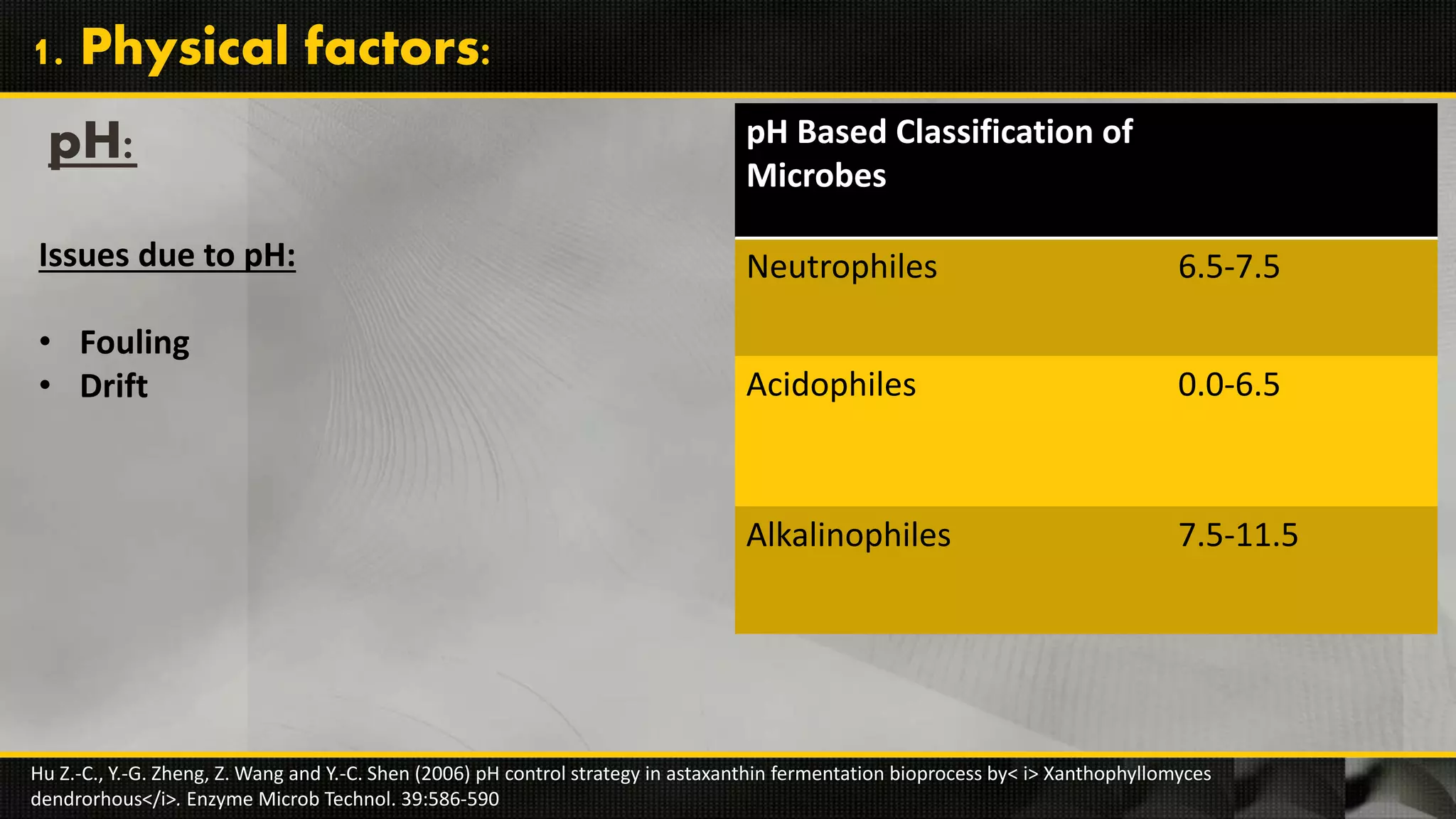
1. Physical factors:
pH: pH Based Classification of
Microbes
Neutrophiles 6.5-7.5
Acidophiles 0.0-6.5
Alkalinophiles 7.5-11.5
Issues due to pH:
• Fouling
• Drift
Hu Z.-C., Y.-G. Zheng, Z. Wang and Y.-C. Shen (2006) pH control strategy in astaxanthin fermentation bioprocess by< i> Xanthophyllomyces
dendrorhous</i>. Enzyme Microb Technol. 39:586-590
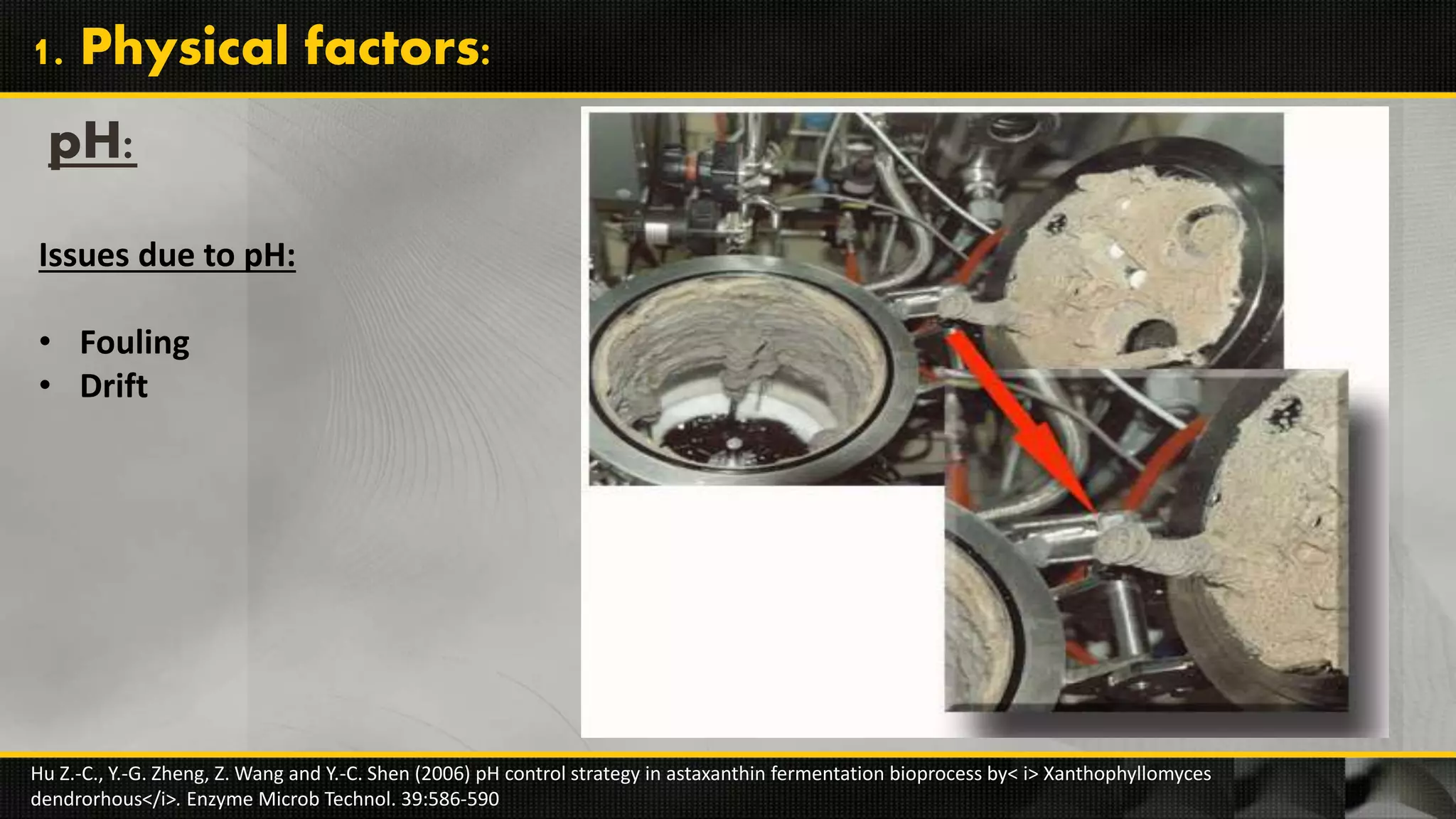
1. Physical factors:
pH:
Issues due to pH:
• Fouling
• Drift
Hu Z.-C., Y.-G. Zheng, Z. Wang and Y.-C. Shen (2006) pH control strategy in astaxanthin fermentation bioprocess by< i> Xanthophyllomyces
dendrorhous</i>. Enzyme Microb Technol. 39:586-590
1. Physical factors:
Viscosity:
most important property of medium---rheological or viscosity characteristics
Viscosity is due to friction between neighboring particles in a fluid that are moving at
different velocities
Converti A., M. Zilli, S. Arni, R. Di Felice and M. Del Borghi (1999) Estimation of viscosity of highly viscous fermentation media containing one or
more solutes. Biochemical engineering journal. 4:81-85
1. Physical factors:
IMPACT:
• makes difficult to achieve proper and complete mixings.
• Ultimately affect various mass transfer processes occurring in fermenter.
• has a marked effect on many parameters and process conditions within the bioreactor,
often resulting in changes in microbial behavior and product formation
Physiological
Factors
Morphology
Metabolic
by-products
Shear
Sensitivity
Genetic
Stability
Issues in production strain:
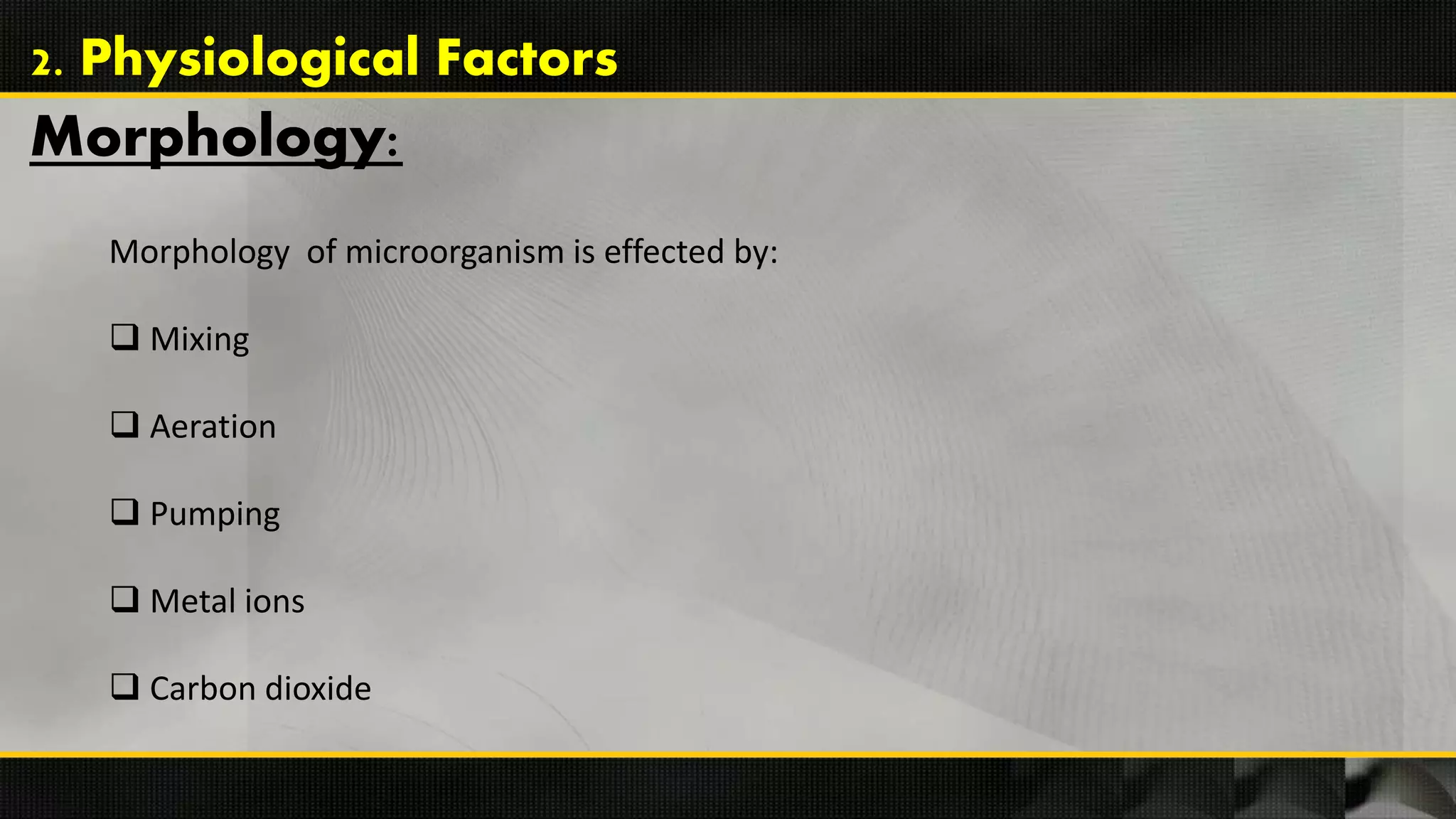
Morphology:
Morphology of microorganism is effected by:
 Mixing
 Aeration
 Pumping
 Metal ions
 Carbon dioxide
2. Physiological Factors
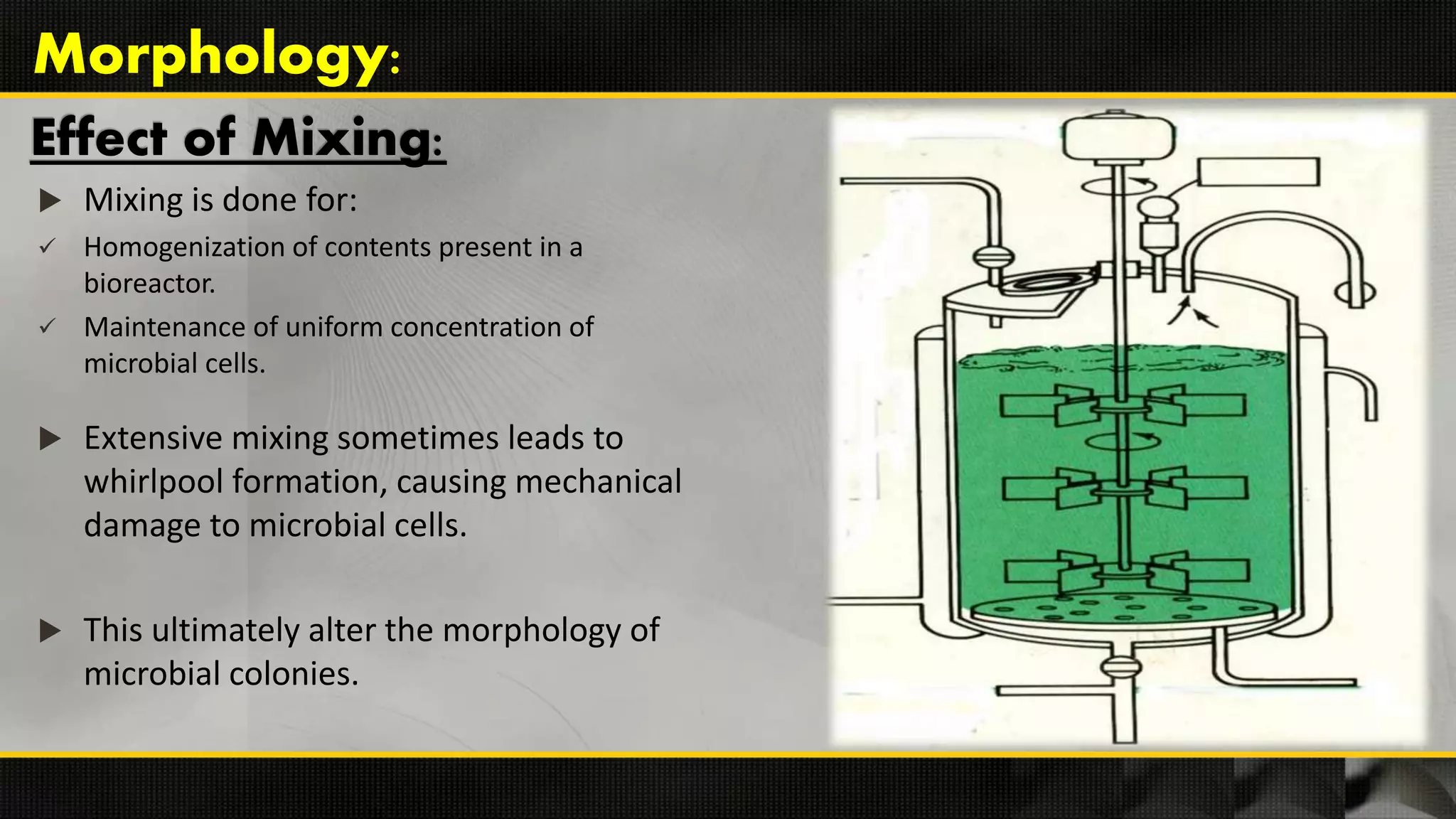
Effect of Mixing:
 Mixing is done for:
 Homogenization of contents present in a
bioreactor.
 Maintenance of uniform concentration of
microbial cells.
 Extensive mixing sometimes leads to
whirlpool formation, causing mechanical
damage to microbial cells.
 This ultimately alter the morphology of
microbial colonies.
Morphology:
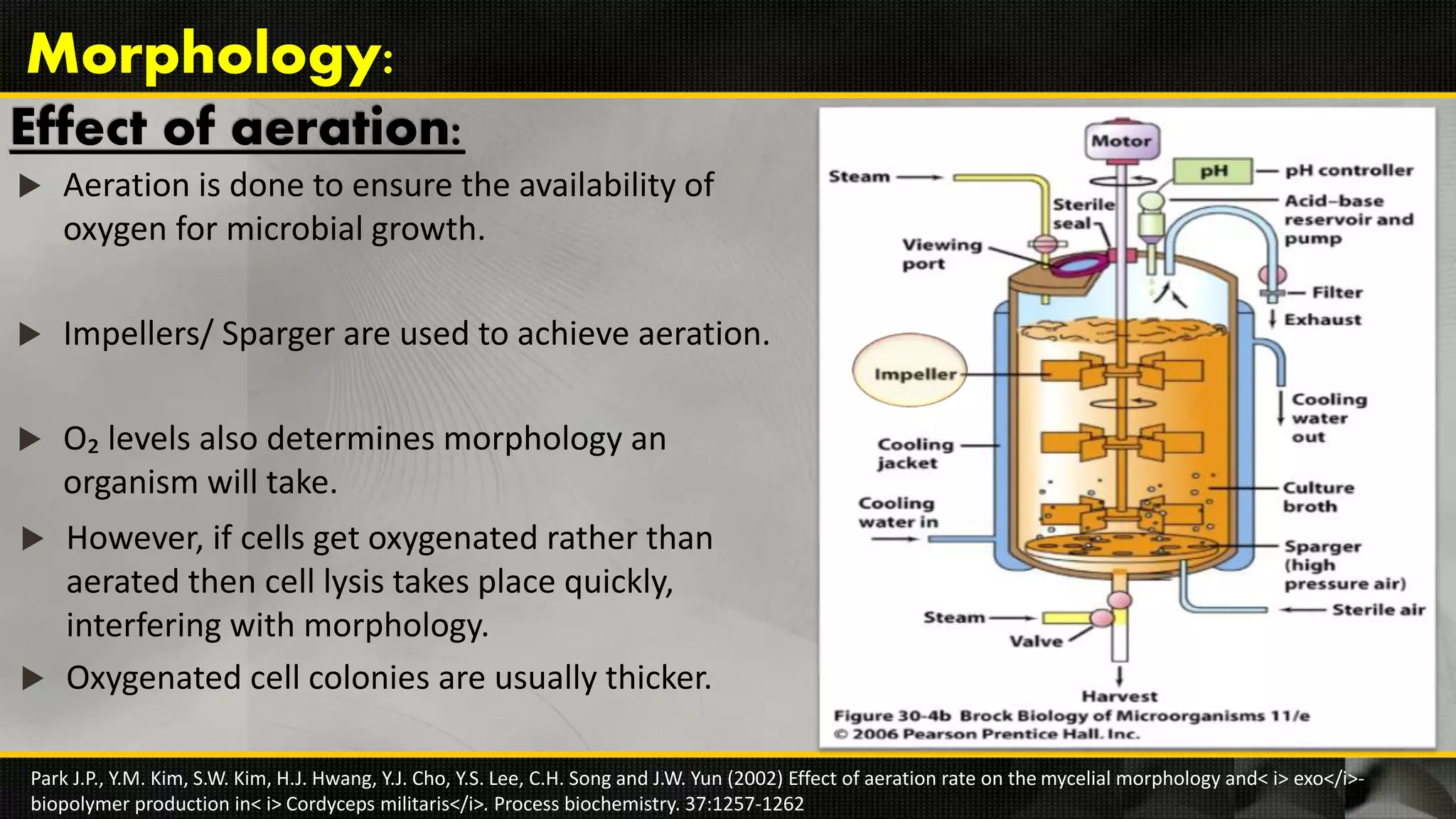
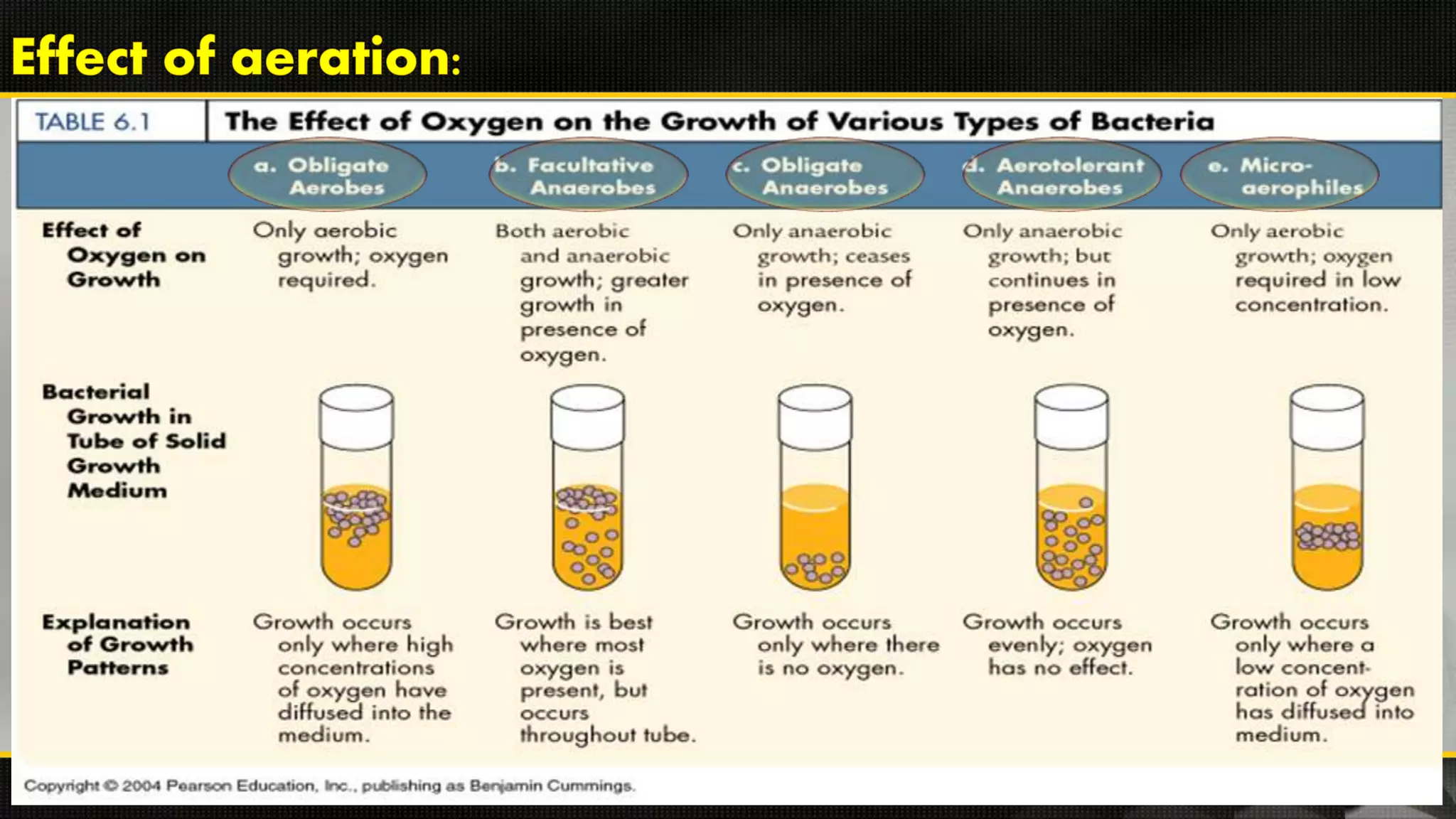
Effect of aeration:
 Aeration is done to ensure the availability of
oxygen for microbial growth.
 Impellers/ Sparger are used to achieve aeration.
 O₂ levels also determines morphology an
organism will take.
Park J.P., Y.M. Kim, S.W. Kim, H.J. Hwang, Y.J. Cho, Y.S. Lee, C.H. Song and J.W. Yun (2002) Effect of aeration rate on the mycelial morphology and< i> exo</i>-
biopolymer production in< i> Cordyceps militaris</i>. Process biochemistry. 37:1257-1262
Morphology:
 However, if cells get oxygenated rather than
aerated then cell lysis takes place quickly,
interfering with morphology.
 Oxygenated cell colonies are usually thicker.
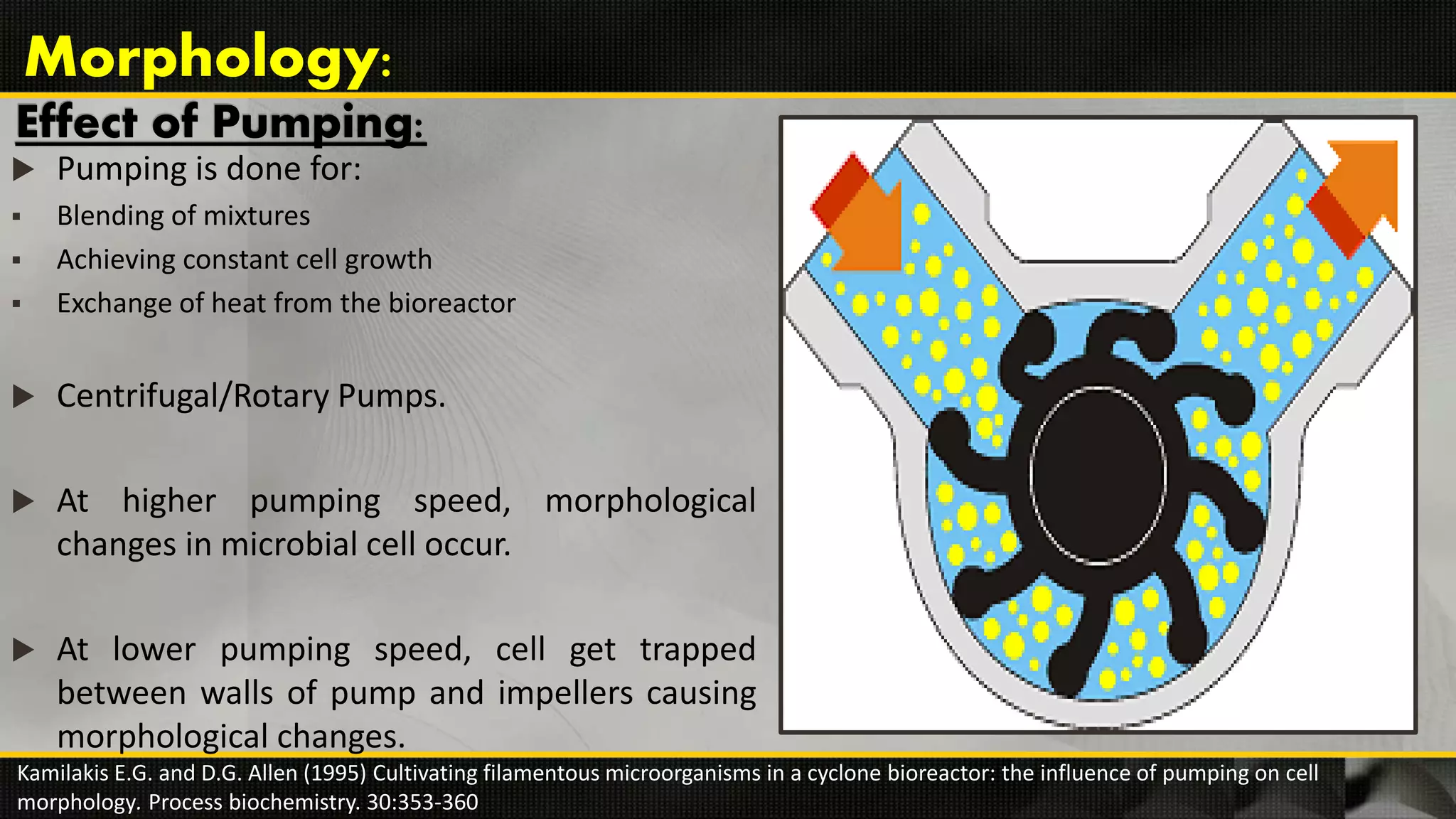
Effect of Pumping:
 Pumping is done for:
 Blending of mixtures
 Achieving constant cell growth
 Exchange of heat from the bioreactor
 Centrifugal/Rotary Pumps.
 At higher pumping speed, morphological
changes in microbial cell occur.
 At lower pumping speed, cell get trapped
between walls of pump and impellers causing
morphological changes.
Kamilakis E.G. and D.G. Allen (1995) Cultivating filamentous microorganisms in a cyclone bioreactor: the influence of pumping on cell
morphology. Process biochemistry. 30:353-360
Morphology:
Effect of Metal Ions:
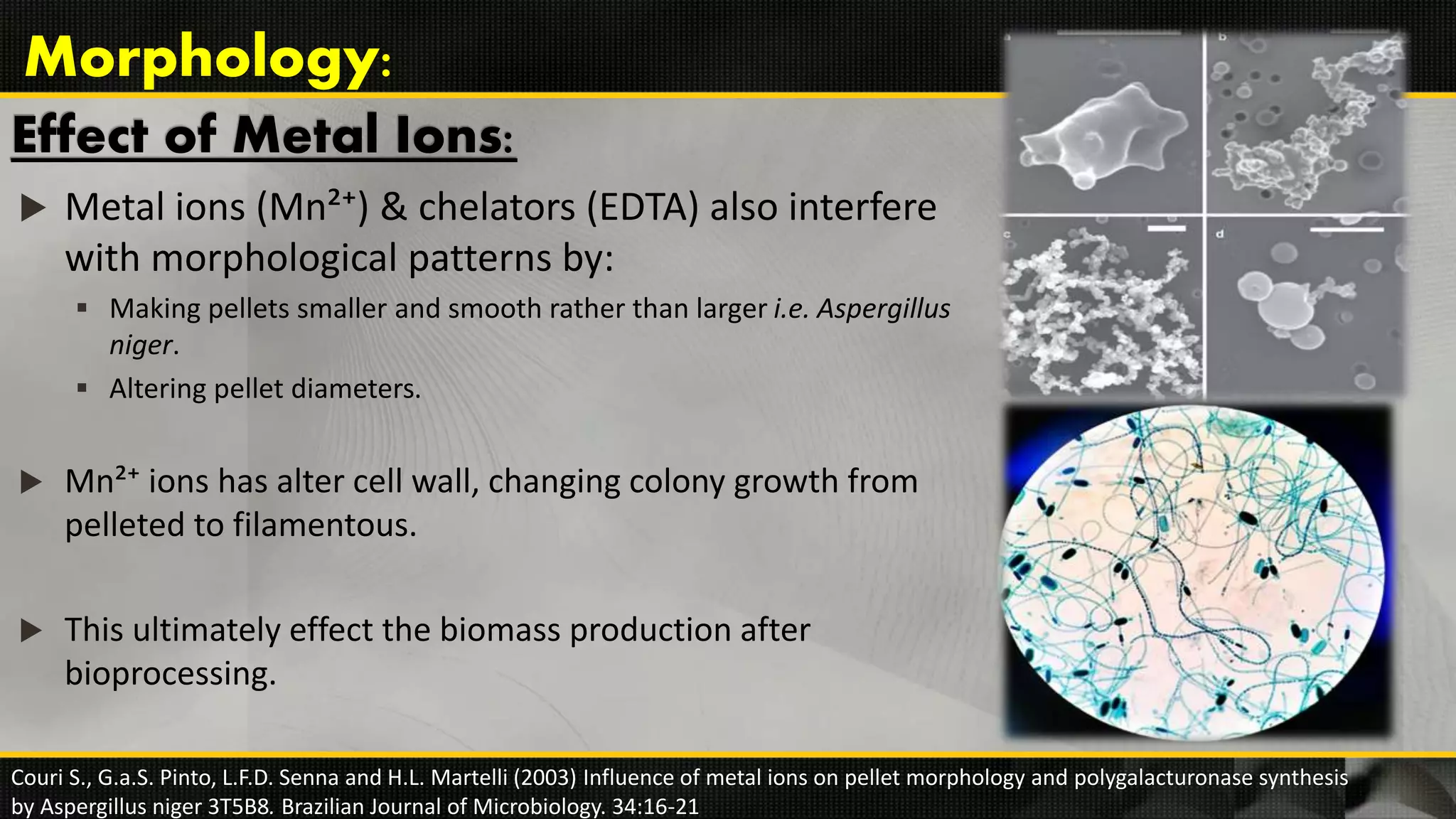
 Metal ions (Mn²⁺) & chelators (EDTA) also interfere
with morphological patterns by:
 Making pellets smaller and smooth rather than larger i.e. Aspergillus
niger.
 Altering pellet diameters.
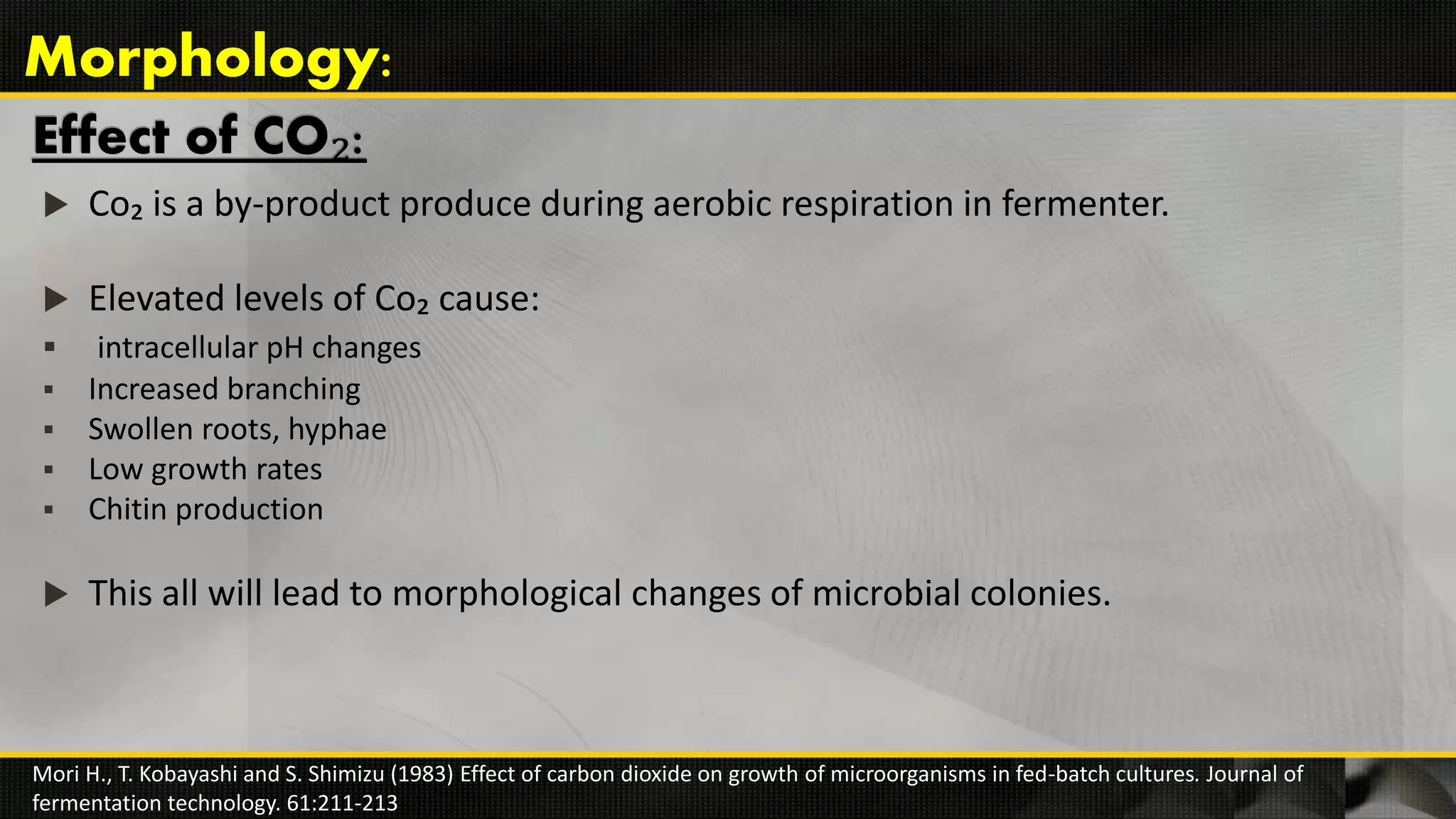
 Mn²⁺ ions has alter cell wall, changing colony growth from
pelleted to filamentous.
 This ultimately effect the biomass production after
bioprocessing.
Morphology:
Couri S., G.a.S. Pinto, L.F.D. Senna and H.L. Martelli (2003) Influence of metal ions on pellet morphology and polygalacturonase synthesis
by Aspergillus niger 3T5B8. Brazilian Journal of Microbiology. 34:16-21
Effect of CO₂:
 Co₂ is a by-product produce during aerobic respiration in fermenter.
 Elevated levels of Co₂ cause:
 intracellular pH changes
 Increased branching
 Swollen roots, hyphae
 Low growth rates
 Chitin production
 This all will lead to morphological changes of microbial colonies.
Mori H., T. Kobayashi and S. Shimizu (1983) Effect of carbon dioxide on growth of microorganisms in fed-batch cultures. Journal of
fermentation technology. 61:211-213
Morphology:
 A measure of the resistance to change, with time, of sequence of genes within a
DNA molecule or of the nucleotide sequence within a gene.
 Issues:
 Can lose genomic DNA over the time.
 Biochemical changes to final products
 Abnormal glycosylation
 Abnormal post-translation modifications
Lenski R. (1990) Quantifying fitness and gene stability in microorganisms. Biotechnology (Reading, Mass.). 15:173-192
2. Physiological Factors
Shear stress:
deformation of a material substance in which parallel internal
surfaces slide past one another.
arises from the force vector component parallel to the cross section
takes place by two ways
 by stirring devices
 by fluid-mechanical stress from bursting gas bubbles
Silva-Santisteban B.O.Y. (2005) Agitation, aeration and shear stress as key factors in inulinase production by< i> Kluyveromyces
marxianus</i>. Enzyme Microb Technol. 36:717-724
2. Physiological Factors
 impact on the
 Disruption of cell membranes.
 the release of intracellular compounds.
 alternation of aggregate size.
 Morphological variations
 Lysis
Midler M. and R. Finn (1966) A model system for evaluating shear in the design of stirred fermentors. Biotechnol Bioeng. 8:71-84
Shear stress:
2. Physiological Factors
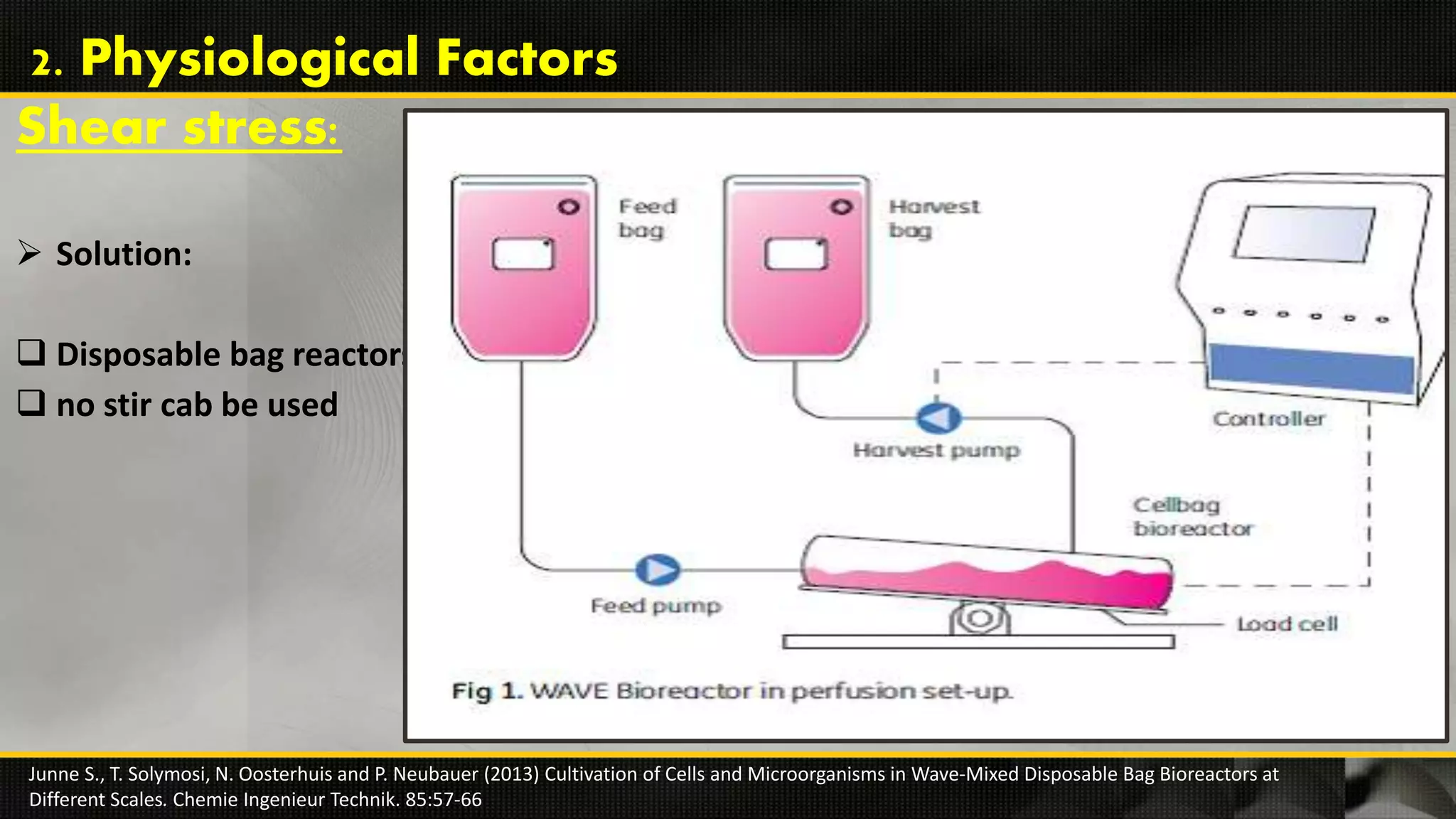
 Solution:
 Disposable bag reactors
 no stir cab be used
Junne S., T. Solymosi, N. Oosterhuis and P. Neubauer (2013) Cultivation of Cells and Microorganisms in Wave‐Mixed Disposable Bag Bioreactors at
Different Scales. Chemie Ingenieur Technik. 85:57-66
Shear stress:
2. Physiological Factors
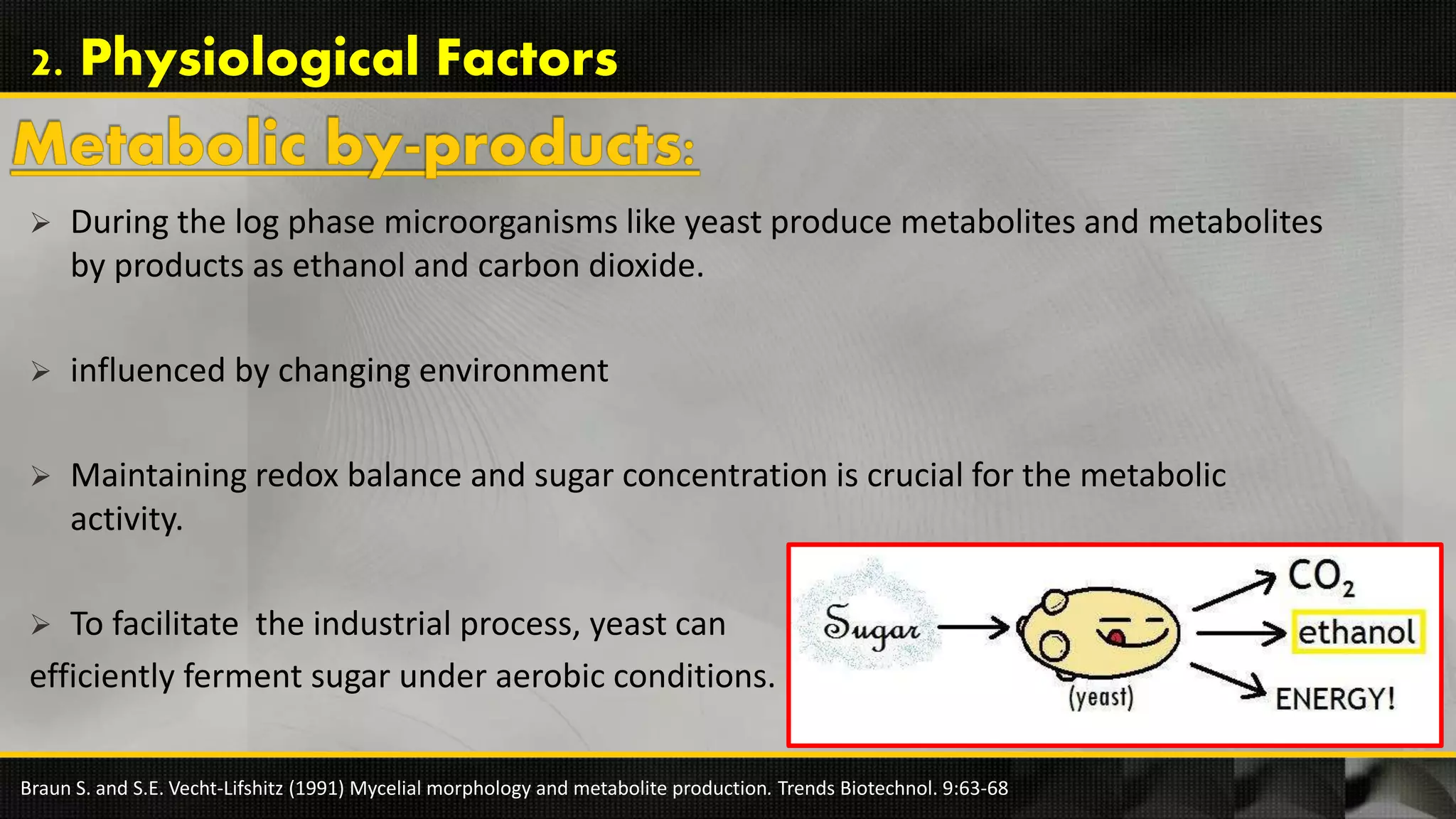
 During the log phase microorganisms like yeast produce metabolites and metabolites
by products as ethanol and carbon dioxide.
 influenced by changing environment
 Maintaining redox balance and sugar concentration is crucial for the metabolic
activity.
 To facilitate the industrial process, yeast can
efficiently ferment sugar under aerobic conditions.
Braun S. and S.E. Vecht-Lifshitz (1991) Mycelial morphology and metabolite production. Trends Biotechnol. 9:63-68
2. Physiological Factors
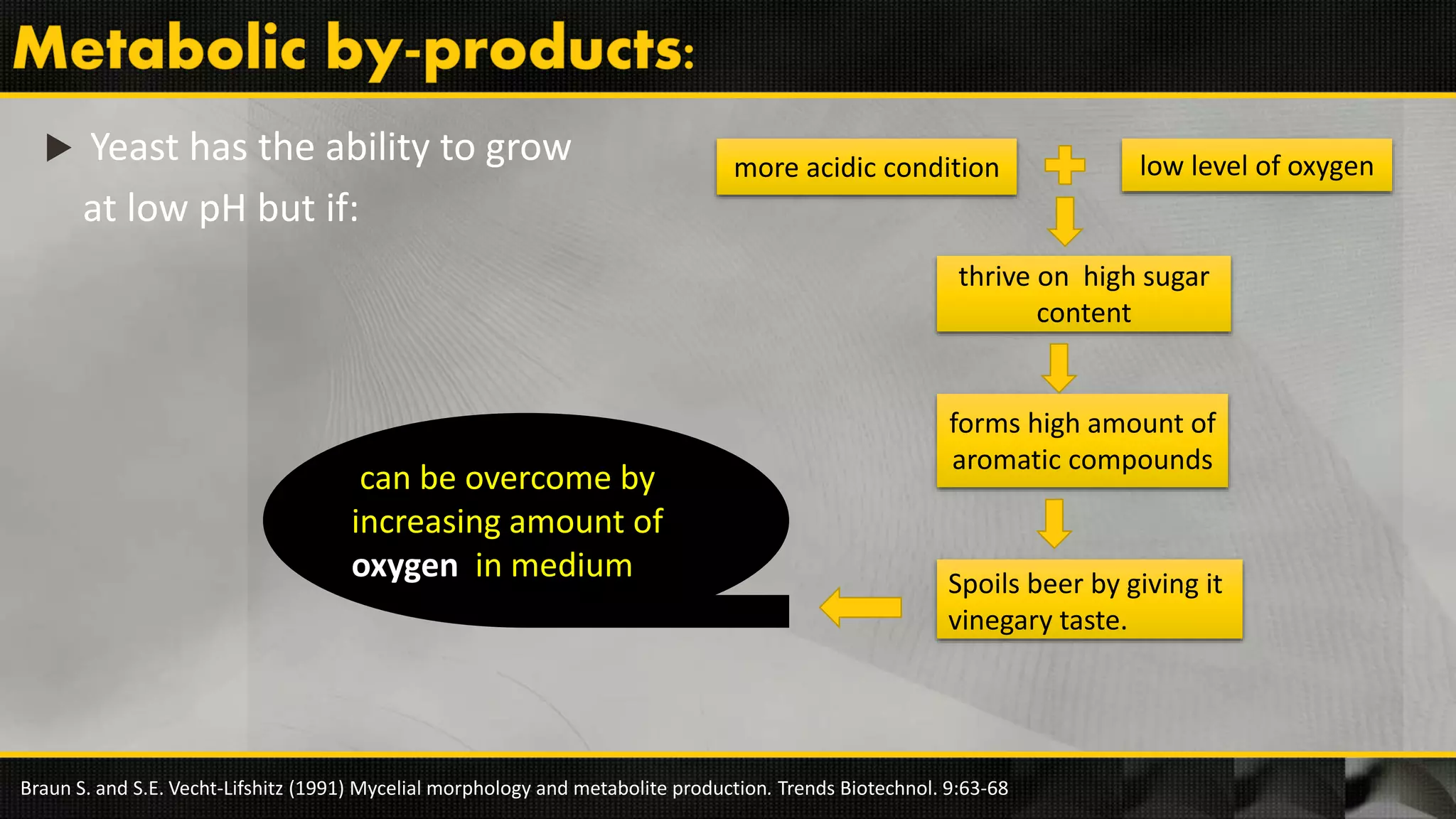
 Yeast has the ability to grow
at low pH but if:
thrive on high sugar
content
forms high amount of
aromatic compounds
Spoils beer by giving it
vinegary taste.
more acidic condition low level of oxygen
can be overcome by
increasing amount of
oxygen in medium
Braun S. and S.E. Vecht-Lifshitz (1991) Mycelial morphology and metabolite production. Trends Biotechnol. 9:63-68
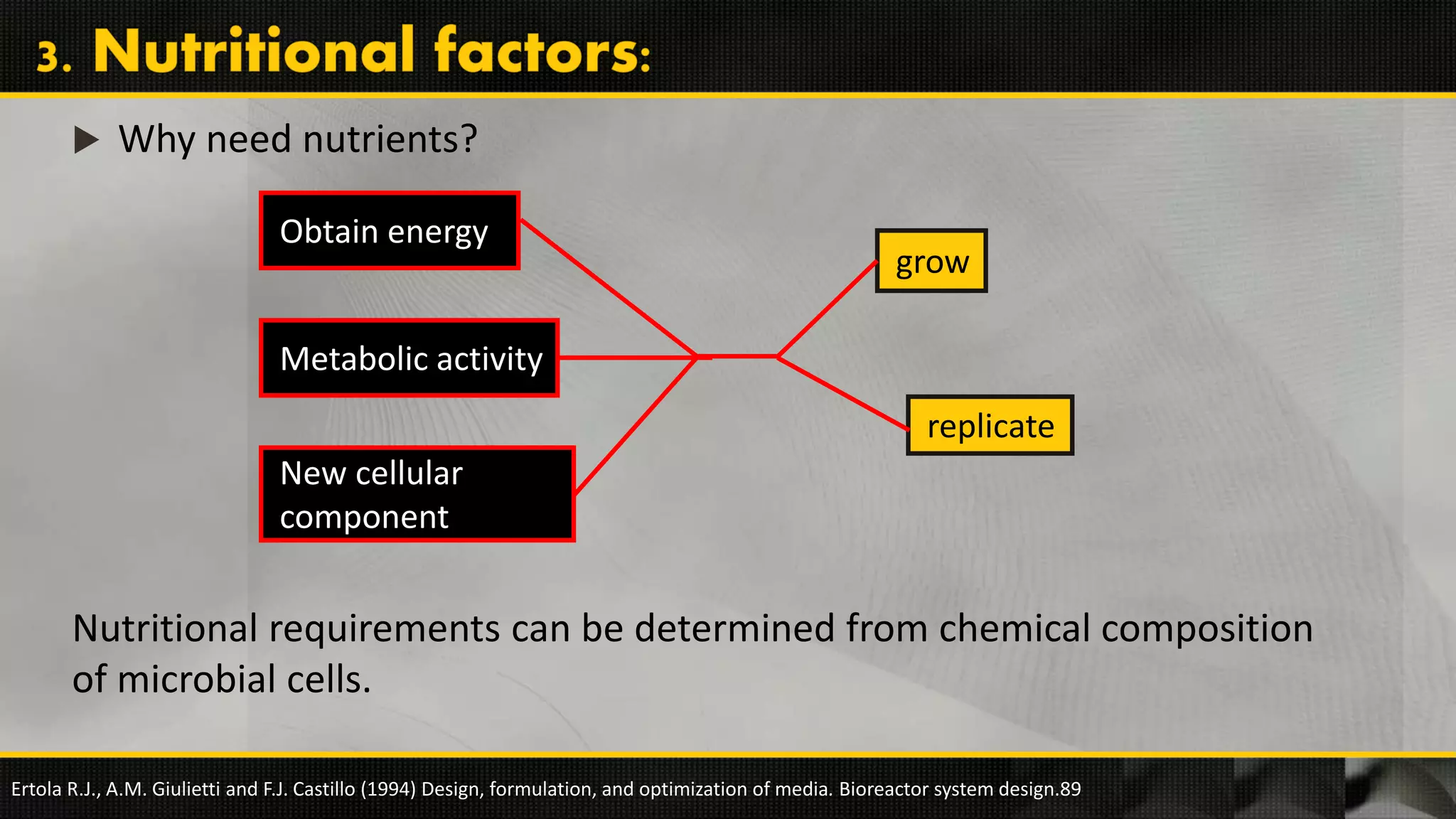
 Why need nutrients?
Nutritional requirements can be determined from chemical composition
of microbial cells.
Obtain energy
Metabolic activity
New cellular
component
replicate
grow
Ertola R.J., A.M. Giulietti and F.J. Castillo (1994) Design, formulation, and optimization of media. Bioreactor system design.89
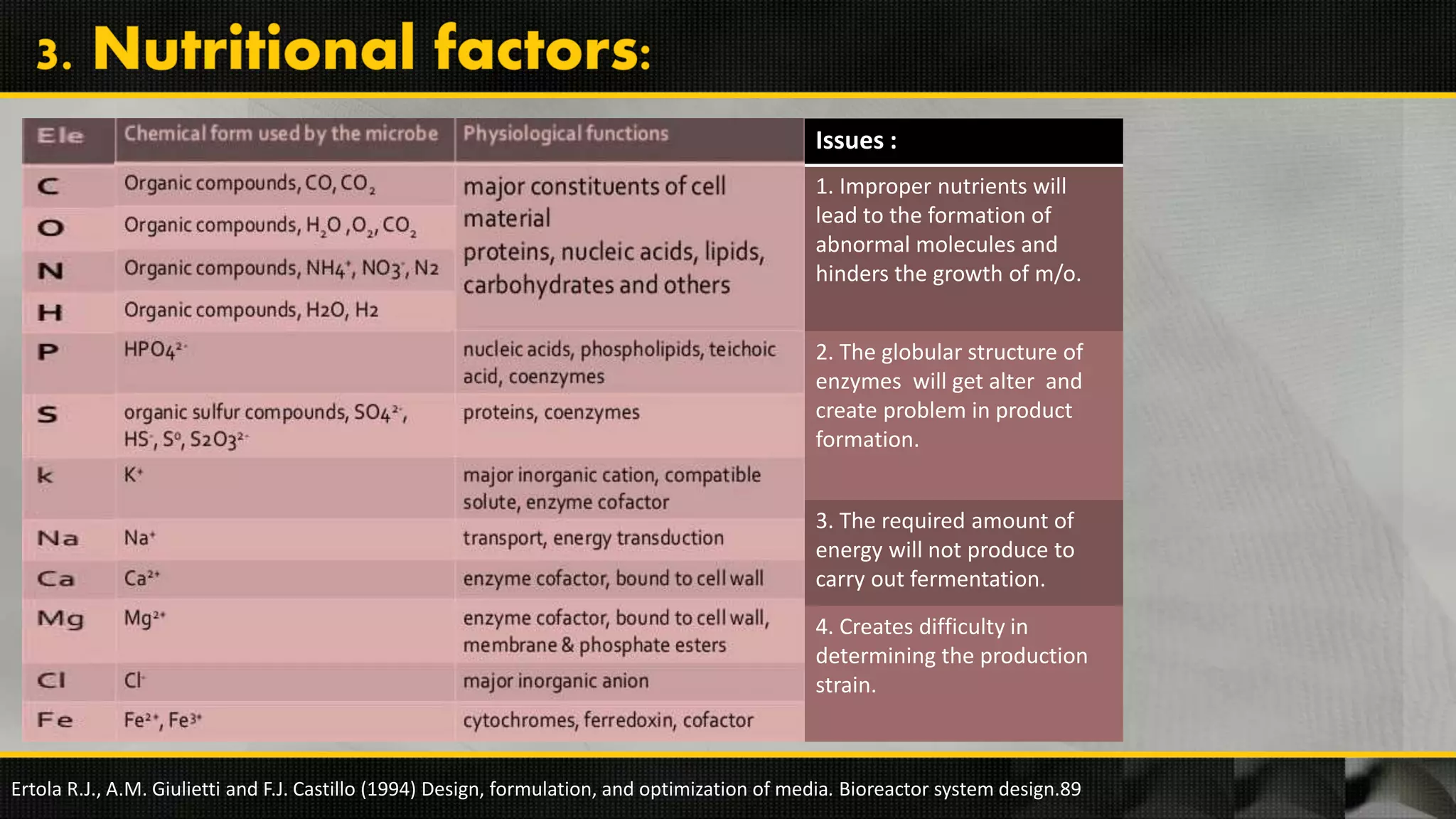
Issues :
1. Improper nutrients will
lead to the formation of
abnormal molecules and
hinders the growth of m/o.
2. The globular structure of
enzymes will get alter and
create problem in product
formation.
3. The required amount of
energy will not produce to
carry out fermentation.
4. Creates difficulty in
determining the production
strain.
Ertola R.J., A.M. Giulietti and F.J. Castillo (1994) Design, formulation, and optimization of media. Bioreactor system design.89
 Thus, the optimization of conditions for isolation and for the biomass
production of microorganisms is necessary.
 Any change regarding to their physiology or morphology can inhibit
microorganism to produce the required product causing a lot of loss
regarding time, cost and labor.

Issues related to microorganisms in bioprocessing.

  • 2.
     Bioprocessing  Microbesin bioprocessing  Issues of microorganism in bioprocessing Issues in isolation Issues in strain improvement Issues of production strain  Conclusion
  • 3.
     Application ofnatural or genetically manipulated whole cells/ tissues/ organs, or parts thereof, for the production of industrially or medically important product  Encompasses research, development, manufacturing, and commercialization of products prepared by using biological systems Clementschitsch F. and K. Bayer (2006) Improvement of bioprocess monitoring: development of novel concepts. Microbial cell factories. 5:19
  • 4.
     Two typesof processing  Upstream processing  Downstream processing Clementschitsch F. and K. Bayer (2006) Improvement of bioprocess monitoring: development of novel concepts. Microbial cell factories. 5:19
  • 6.
     1st Step:Isolation of Pure or Mixed Cultures from nature  2nd Step:Assesment to determine the capacity for the production Krishnan S., S. Prapulla, D. Rajalakshmi, M. Misra and N. Karanth (1998) Screening and selection of media components for lactic acid production using Plackett–Burman design. Bioprocess engineering. 19:61-65 Undesirable Characteristics Expensive Procedure Chances of contamination Low Productivity Time taking Genetic Change Loss of viability Issues:
  • 7.
     Selection ofnatural variants  Selection of induced mutants  Use of recombinant technology Lee S.Y., D.-Y. Lee and T.Y. Kim (2005) Systems biotechnology for strain improvement. Trends Biotechnol. 23:349-358 May require greater aeration Products may pose new extraction challenges May even require an entirely new fermentation medium Expensive & Laborious Need more intensive foam control Issues:
  • 9.
  • 10.
    1.Physical factors:  highlyvariable factor and important parameter of fermentation  directly affects growth rate of the microorganisms, and their final composition. Temperature Based Classification of Microbes Temperature Ranges For Growth Psychrophiles •-5oC to 30oC •optimum temperatures between 10oC and 20oC Mesophiles 20oC to 40oC Thermophiles 50oC or more Rivera E.C., A.C. Costa, D.I. Atala, F. Maugeri and M.R.W. Maciel (2006) Evaluation of optimization techniques for parameter estimation: Application to ethanol fermentation considering the effect of temperature. Process Biochemistry. 41:1682-1687 Effect of temperature:
  • 11.
     Humidity isthe amount of moisture content in the media.  Any change in optimal humidity will change the growth of microorganisms  Many enzymes work in aqueous environment due to change in water activity enzymes will not work effectively.  It will also cause problem of dryness. Humidity: Menges R.W., M.L. Furcolow, H.W. Larsh and A. Hinton (1952) Laboratory Studies on Histoplasmosis I. The Effect of Humidity and Temperature on the Growth of Histoplasma Capsulatum. J Infect Dis. 90:67-70 1. Physical factors:
  • 12.
    pH: pH BasedClassification of Microbes Neutrophiles 6.5-7.5 Acidophiles 0.0-6.5 Alkalinophiles 7.5-11.5 Issues due to pH: • Fouling • Drift Hu Z.-C., Y.-G. Zheng, Z. Wang and Y.-C. Shen (2006) pH control strategy in astaxanthin fermentation bioprocess by< i> Xanthophyllomyces dendrorhous</i>. Enzyme Microb Technol. 39:586-590 1. Physical factors:
  • 13.
    pH: Issues due topH: • Fouling • Drift Hu Z.-C., Y.-G. Zheng, Z. Wang and Y.-C. Shen (2006) pH control strategy in astaxanthin fermentation bioprocess by< i> Xanthophyllomyces dendrorhous</i>. Enzyme Microb Technol. 39:586-590 1. Physical factors:
  • 14.
    Viscosity: most important propertyof medium---rheological or viscosity characteristics Viscosity is due to friction between neighboring particles in a fluid that are moving at different velocities Converti A., M. Zilli, S. Arni, R. Di Felice and M. Del Borghi (1999) Estimation of viscosity of highly viscous fermentation media containing one or more solutes. Biochemical engineering journal. 4:81-85 1. Physical factors: IMPACT: • makes difficult to achieve proper and complete mixings. • Ultimately affect various mass transfer processes occurring in fermenter. • has a marked effect on many parameters and process conditions within the bioreactor, often resulting in changes in microbial behavior and product formation
  • 15.
  • 16.
    Morphology: Morphology of microorganismis effected by:  Mixing  Aeration  Pumping  Metal ions  Carbon dioxide 2. Physiological Factors
  • 17.
    Effect of Mixing: Mixing is done for:  Homogenization of contents present in a bioreactor.  Maintenance of uniform concentration of microbial cells.  Extensive mixing sometimes leads to whirlpool formation, causing mechanical damage to microbial cells.  This ultimately alter the morphology of microbial colonies. Morphology:
  • 18.
    Effect of aeration: Aeration is done to ensure the availability of oxygen for microbial growth.  Impellers/ Sparger are used to achieve aeration.  O₂ levels also determines morphology an organism will take. Park J.P., Y.M. Kim, S.W. Kim, H.J. Hwang, Y.J. Cho, Y.S. Lee, C.H. Song and J.W. Yun (2002) Effect of aeration rate on the mycelial morphology and< i> exo</i>- biopolymer production in< i> Cordyceps militaris</i>. Process biochemistry. 37:1257-1262 Morphology:  However, if cells get oxygenated rather than aerated then cell lysis takes place quickly, interfering with morphology.  Oxygenated cell colonies are usually thicker.
  • 20.
    Effect of Pumping: Pumping is done for:  Blending of mixtures  Achieving constant cell growth  Exchange of heat from the bioreactor  Centrifugal/Rotary Pumps.  At higher pumping speed, morphological changes in microbial cell occur.  At lower pumping speed, cell get trapped between walls of pump and impellers causing morphological changes. Kamilakis E.G. and D.G. Allen (1995) Cultivating filamentous microorganisms in a cyclone bioreactor: the influence of pumping on cell morphology. Process biochemistry. 30:353-360 Morphology:
  • 21.
    Effect of MetalIons:  Metal ions (Mn²⁺) & chelators (EDTA) also interfere with morphological patterns by:  Making pellets smaller and smooth rather than larger i.e. Aspergillus niger.  Altering pellet diameters.  Mn²⁺ ions has alter cell wall, changing colony growth from pelleted to filamentous.  This ultimately effect the biomass production after bioprocessing. Morphology: Couri S., G.a.S. Pinto, L.F.D. Senna and H.L. Martelli (2003) Influence of metal ions on pellet morphology and polygalacturonase synthesis by Aspergillus niger 3T5B8. Brazilian Journal of Microbiology. 34:16-21
  • 22.
    Effect of CO₂: Co₂ is a by-product produce during aerobic respiration in fermenter.  Elevated levels of Co₂ cause:  intracellular pH changes  Increased branching  Swollen roots, hyphae  Low growth rates  Chitin production  This all will lead to morphological changes of microbial colonies. Mori H., T. Kobayashi and S. Shimizu (1983) Effect of carbon dioxide on growth of microorganisms in fed-batch cultures. Journal of fermentation technology. 61:211-213 Morphology:
  • 23.
     A measureof the resistance to change, with time, of sequence of genes within a DNA molecule or of the nucleotide sequence within a gene.  Issues:  Can lose genomic DNA over the time.  Biochemical changes to final products  Abnormal glycosylation  Abnormal post-translation modifications Lenski R. (1990) Quantifying fitness and gene stability in microorganisms. Biotechnology (Reading, Mass.). 15:173-192 2. Physiological Factors
  • 24.
    Shear stress: deformation ofa material substance in which parallel internal surfaces slide past one another. arises from the force vector component parallel to the cross section takes place by two ways  by stirring devices  by fluid-mechanical stress from bursting gas bubbles Silva-Santisteban B.O.Y. (2005) Agitation, aeration and shear stress as key factors in inulinase production by< i> Kluyveromyces marxianus</i>. Enzyme Microb Technol. 36:717-724 2. Physiological Factors
  • 25.
     impact onthe  Disruption of cell membranes.  the release of intracellular compounds.  alternation of aggregate size.  Morphological variations  Lysis Midler M. and R. Finn (1966) A model system for evaluating shear in the design of stirred fermentors. Biotechnol Bioeng. 8:71-84 Shear stress: 2. Physiological Factors
  • 26.
     Solution:  Disposablebag reactors  no stir cab be used Junne S., T. Solymosi, N. Oosterhuis and P. Neubauer (2013) Cultivation of Cells and Microorganisms in Wave‐Mixed Disposable Bag Bioreactors at Different Scales. Chemie Ingenieur Technik. 85:57-66 Shear stress: 2. Physiological Factors
  • 27.
     During thelog phase microorganisms like yeast produce metabolites and metabolites by products as ethanol and carbon dioxide.  influenced by changing environment  Maintaining redox balance and sugar concentration is crucial for the metabolic activity.  To facilitate the industrial process, yeast can efficiently ferment sugar under aerobic conditions. Braun S. and S.E. Vecht-Lifshitz (1991) Mycelial morphology and metabolite production. Trends Biotechnol. 9:63-68 2. Physiological Factors
  • 28.
     Yeast hasthe ability to grow at low pH but if: thrive on high sugar content forms high amount of aromatic compounds Spoils beer by giving it vinegary taste. more acidic condition low level of oxygen can be overcome by increasing amount of oxygen in medium Braun S. and S.E. Vecht-Lifshitz (1991) Mycelial morphology and metabolite production. Trends Biotechnol. 9:63-68
  • 29.
     Why neednutrients? Nutritional requirements can be determined from chemical composition of microbial cells. Obtain energy Metabolic activity New cellular component replicate grow Ertola R.J., A.M. Giulietti and F.J. Castillo (1994) Design, formulation, and optimization of media. Bioreactor system design.89
  • 30.
    Issues : 1. Impropernutrients will lead to the formation of abnormal molecules and hinders the growth of m/o. 2. The globular structure of enzymes will get alter and create problem in product formation. 3. The required amount of energy will not produce to carry out fermentation. 4. Creates difficulty in determining the production strain. Ertola R.J., A.M. Giulietti and F.J. Castillo (1994) Design, formulation, and optimization of media. Bioreactor system design.89
  • 31.
     Thus, theoptimization of conditions for isolation and for the biomass production of microorganisms is necessary.  Any change regarding to their physiology or morphology can inhibit microorganism to produce the required product causing a lot of loss regarding time, cost and labor.